
Parisian interior design embodies an effortless elegance that feels both timeless and personal. It masterfully blends historic architectural details with contemporary furnishings, creating a space that is sophisticated yet comfortable and lived-in. The core of this style lies in respecting the original character of the space—think high ceilings, intricate moldings, and large windows—while layering in a curated mix of old and new. It’s not about perfection, but about creating a chic, artful home that reflects a life well-lived. This approach results in an aesthetic that is admired and emulated worldwide for its understated luxury and artistic flair.
1. Herringbone Parquet Flooring
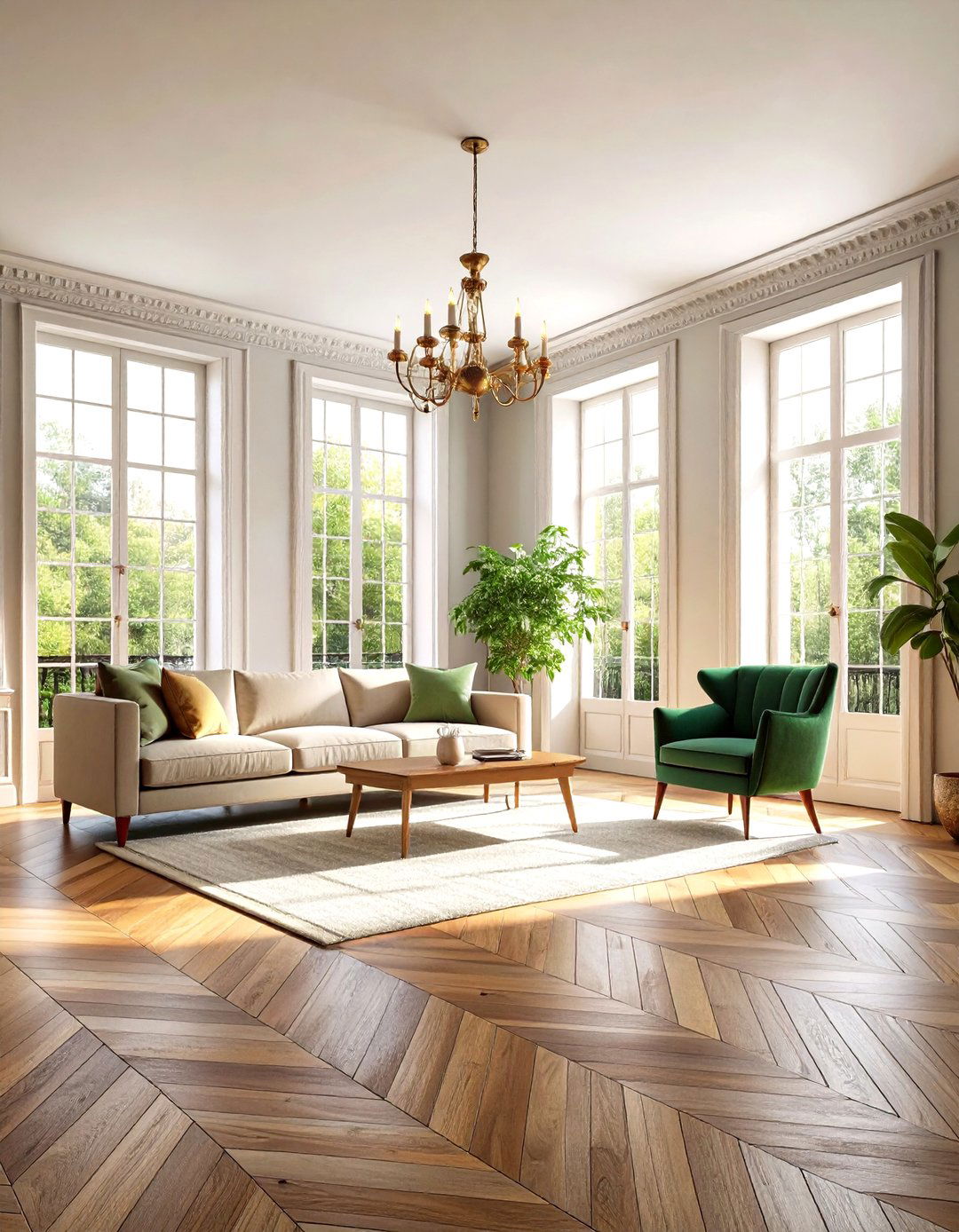
A defining feature of Parisian apartments, herringbone parquet flooring provides a classic, elegant foundation. This intricate pattern of wooden blocks adds texture, warmth, and a sense of history to any room. Typically crafted from oak, the floors are often left in their natural state or given a light finish to enhance the grain. The zigzag design draws the eye across the space, making rooms feel more expansive and dynamic. To maintain authenticity, avoid high-gloss finishes; a matte or satin sealant preserves the wood's natural beauty and contributes to the signature "effortlessly chic" aesthetic of a true Parisian home.
2. Ornate Crown Molding
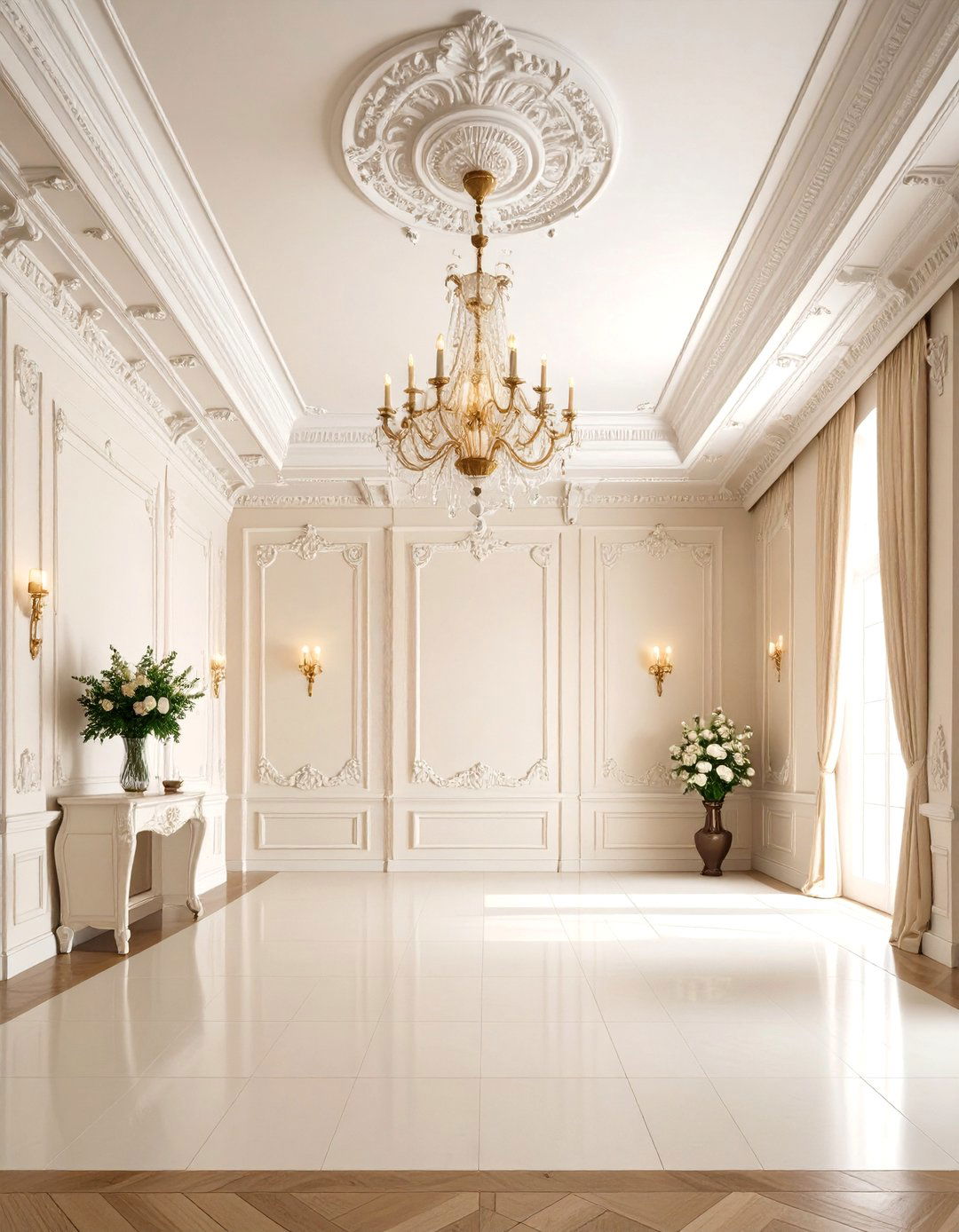
Intricate crown molding is a non-negotiable element of classic Haussmann-style Parisian interiors. These decorative plasterwork details, found where the walls meet the ceiling, add a layer of architectural grandeur and historical charm. Rather than painting them in a contrasting color, Parisians typically paint the moldings, walls, and ceiling in the same shade of white or a soft neutral. This technique creates a seamless look that enhances the room's height and allows the elaborate details of the molding—such as rosettes, swags, and dentils—to stand out subtly, contributing to the room’s sophisticated and airy atmosphere.
3. Marble Fireplace Mantel
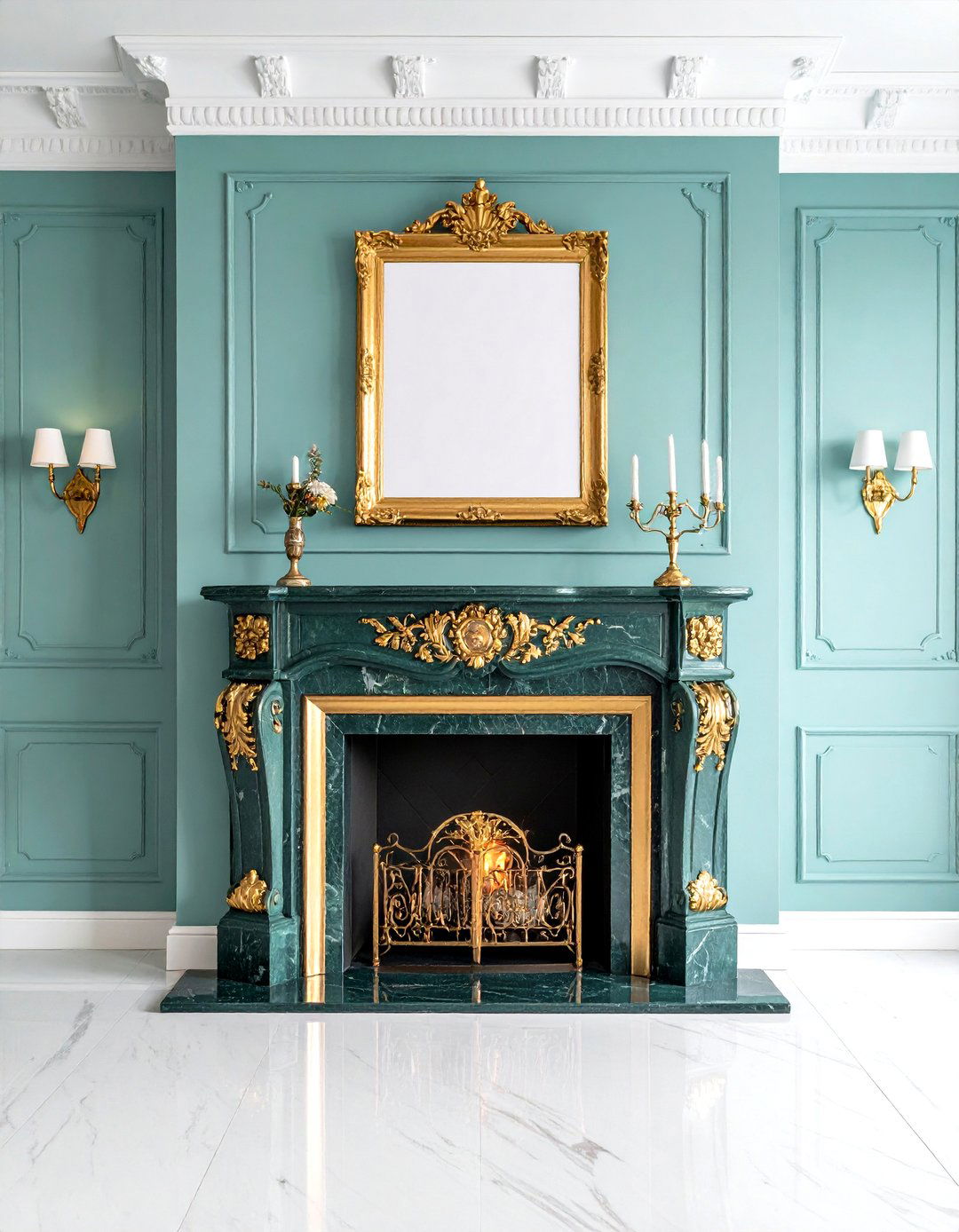
The marble fireplace serves as the heart of a Parisian living room, acting as a stunning focal point even when not in use. Often carved from classic white or black marble, these mantels feature elegant, clean lines and subtle detailing. They provide a perfect surface for displaying a curated collection of art, books, and decorative objects. A large, ornate mirror is frequently placed above the mantel, a pairing that enhances the room's light and sense of scale. This feature grounds the space with a sense of history and provides a sophisticated anchor for the room's entire design scheme.
4. Wrought Iron Balconies
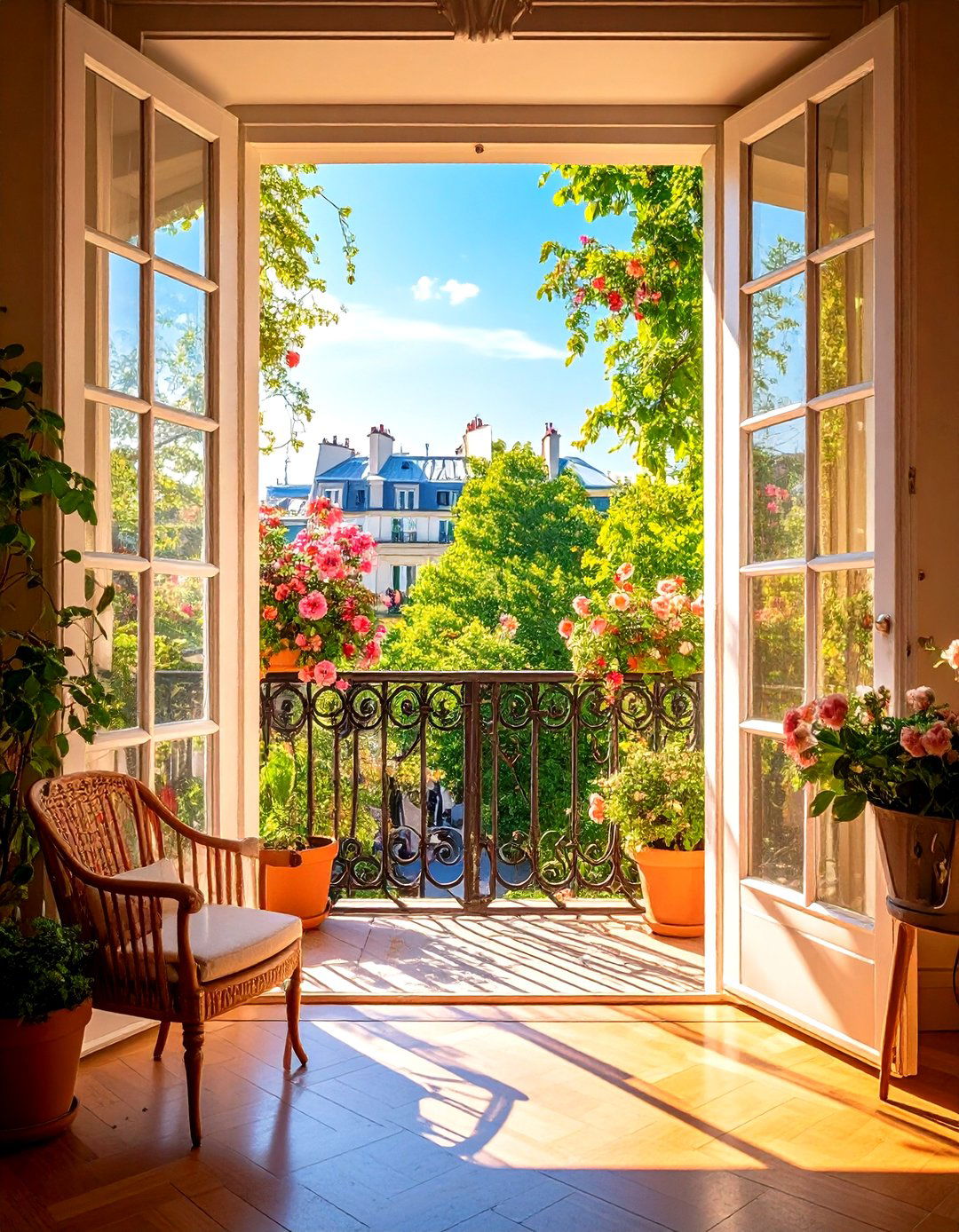
Wrought iron balconies, often accessed through tall French doors, are an iconic feature of Parisian architecture that directly influences the interior. These Juliet balconies extend the living space outwards, inviting natural light and air into the home. Inside, they create a beautiful architectural frame when viewed through the windows. The intricate, dark metalwork provides a graphic contrast against the typical light-colored walls of the interior. Decorating with simple potted plants on the balcony connects the indoor space with a touch of nature, enhancing the charming and romantic city view.
5. Floor-to-Ceiling Windows
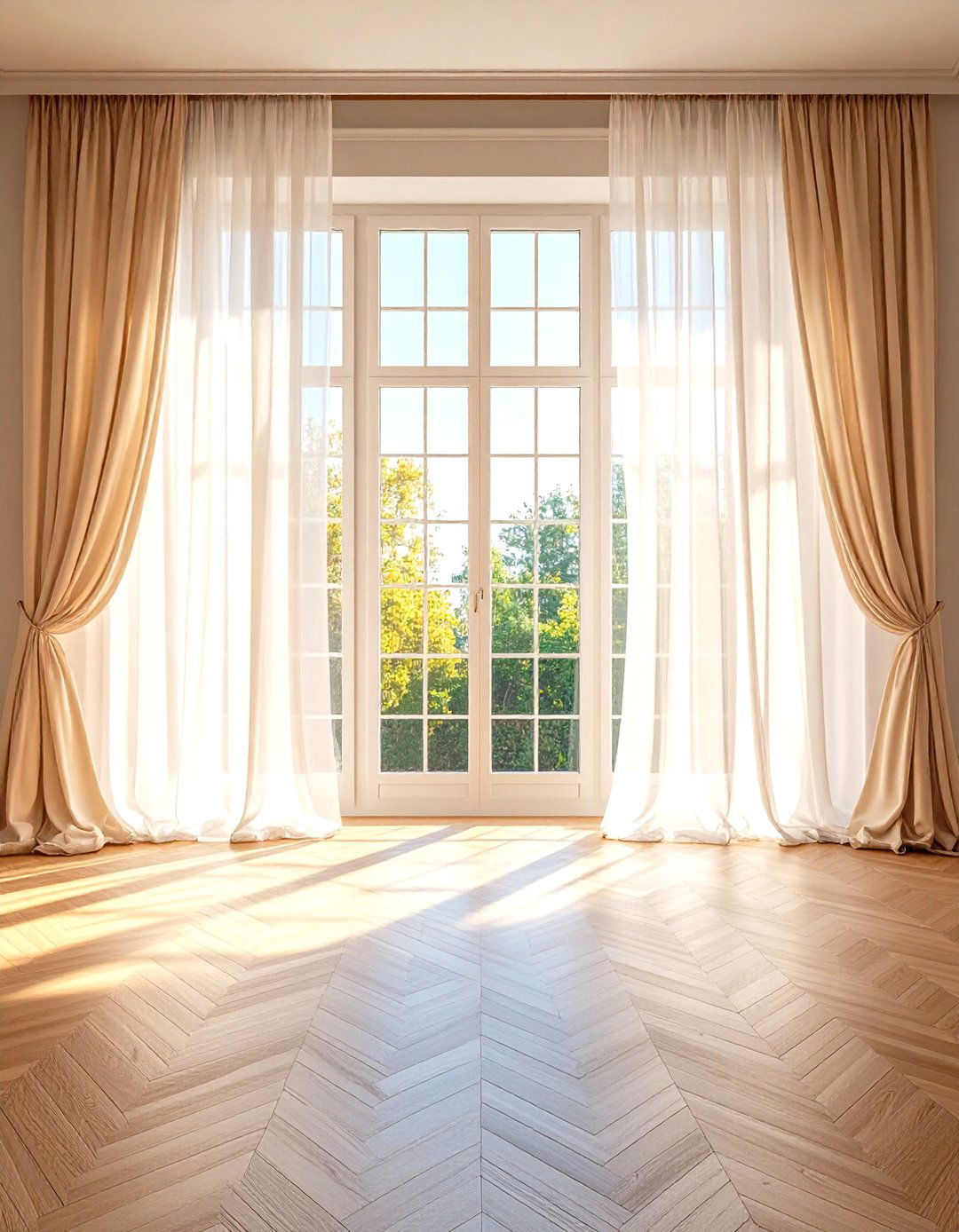
Floor-to-ceiling windows, also known as French windows, are essential for creating the bright, airy feel characteristic of Parisian homes. These large panes of glass flood the interior with natural light, making even smaller spaces feel grand and open. They beautifully frame city views and often open onto a small balcony. To maximize the light, window treatments are kept minimal. Sheer, gauzy white curtains are a popular choice, as they provide privacy while still allowing sunlight to filter through, draping elegantly to the floor and adding a soft, romantic touch to the room's overall design.
6. Gilded Ornate Mirrors
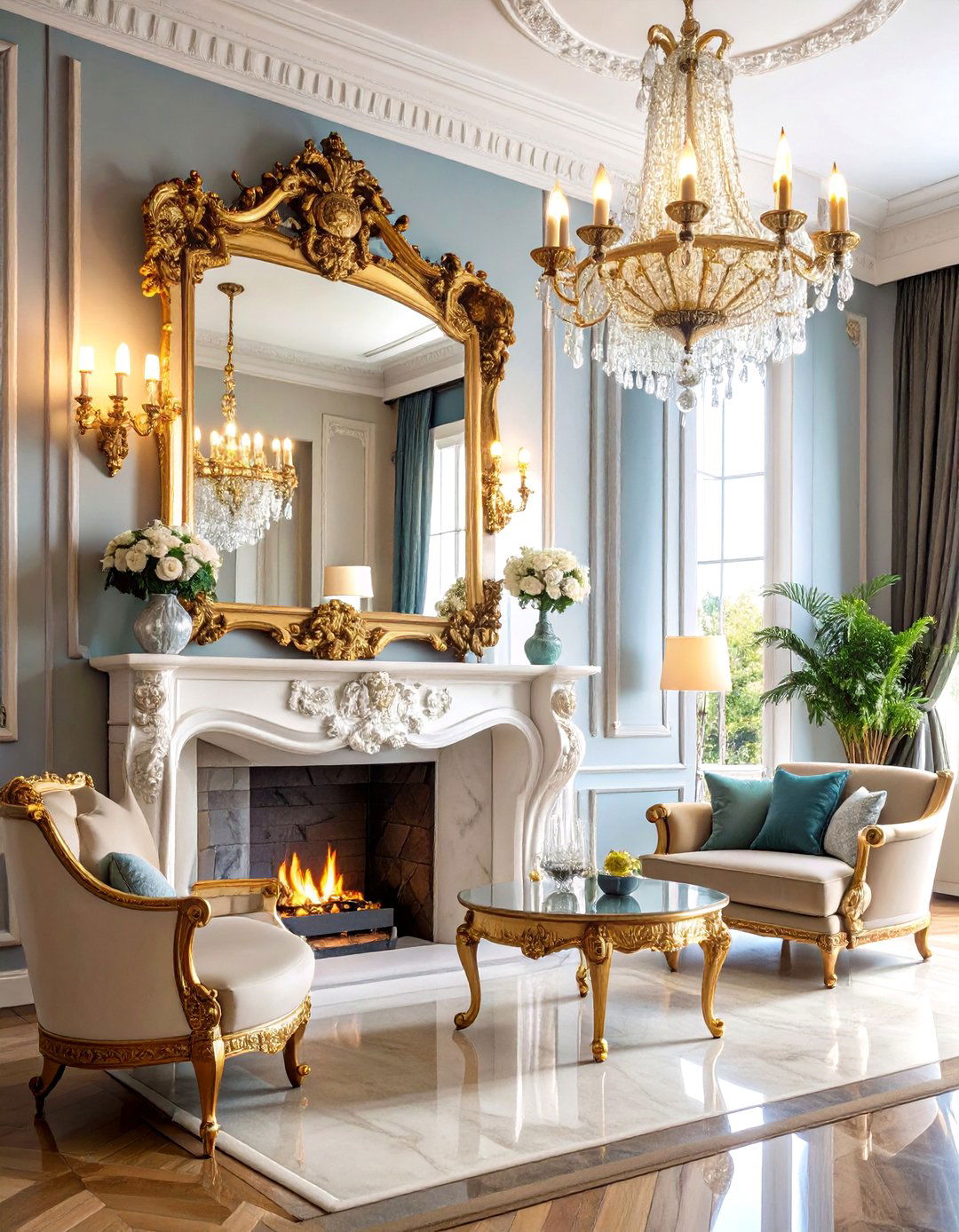
A large, ornate gilded mirror is a quintessential Parisian decor piece, often placed prominently above a fireplace mantel or leaned against a wall. The gold leaf frame, typically featuring elaborate carvings and a gracefully aged patina, adds a touch of opulence and glamour. This single statement piece contrasts beautifully with more modern or minimalist furniture. Beyond its decorative function, the mirror works to amplify natural light, making the room feel brighter and more spacious. It reflects the beauty of the interior, creating an elegant focal point that epitomizes the Parisian love for mixing grandeur with simplicity.
7. Crystal Chandeliers
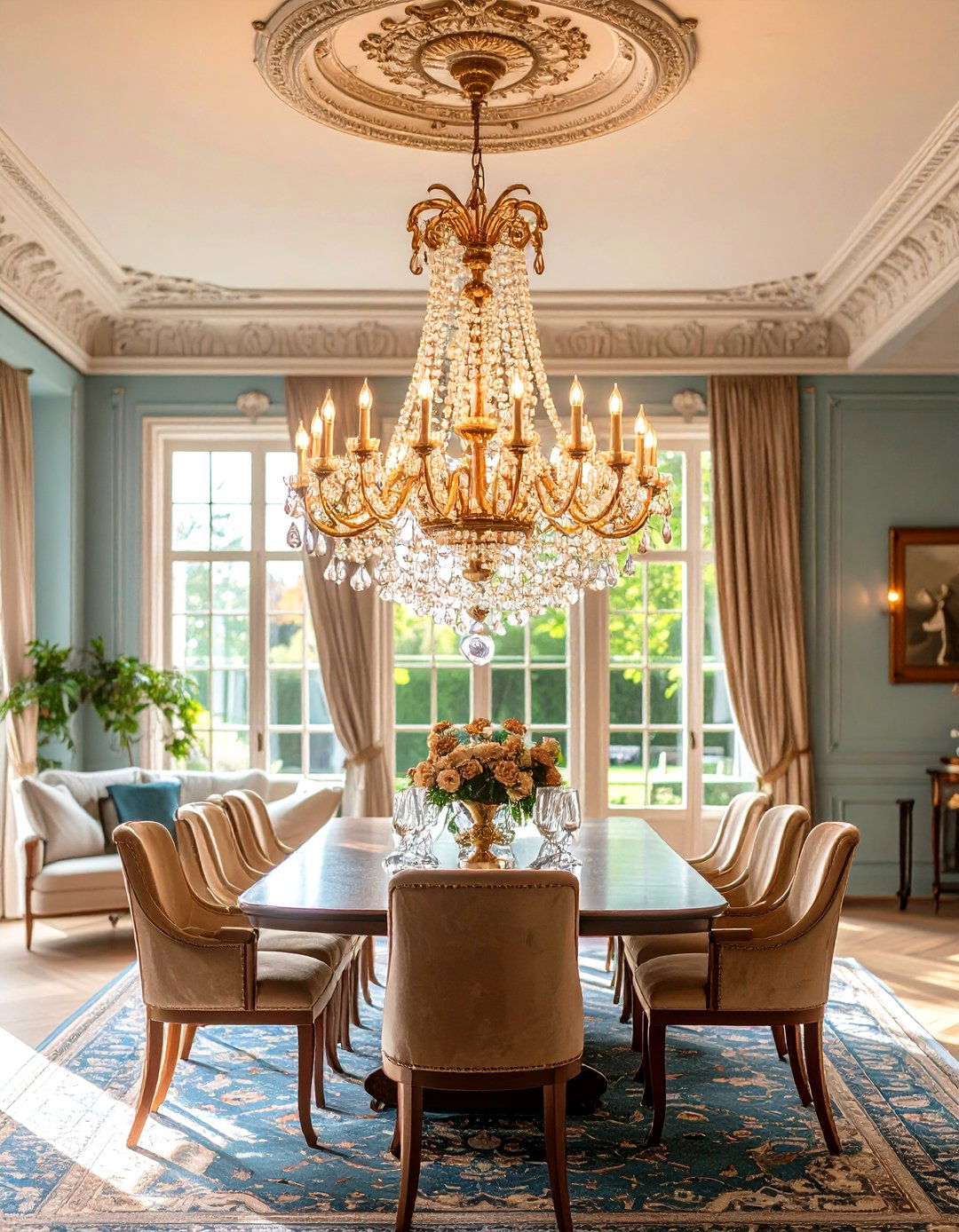
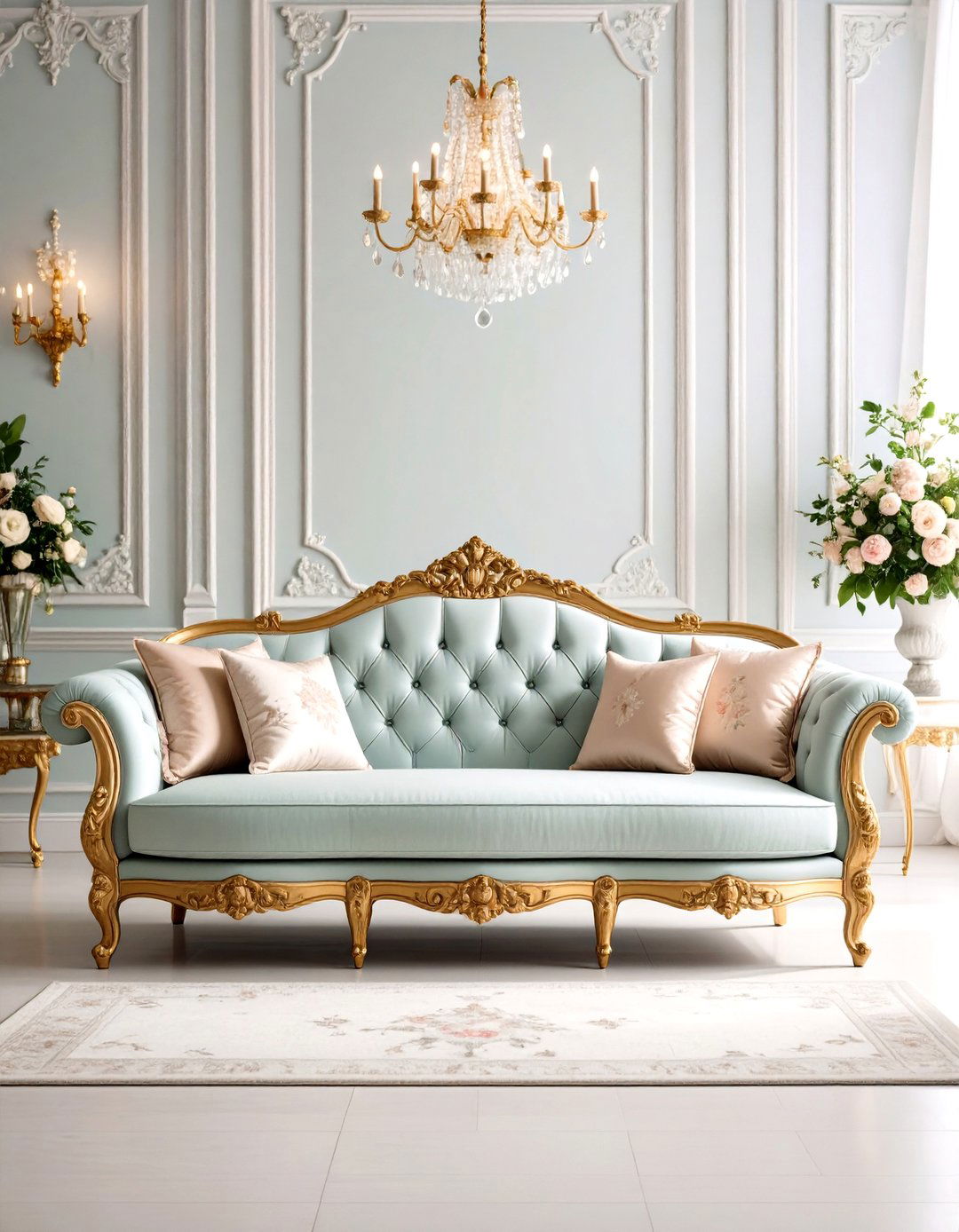
A sparkling crystal chandelier introduces a sense of drama and luxury, serving as a striking centerpiece in living rooms, dining areas, or even bedrooms. In true Parisian fashion, this opulent lighting fixture is often juxtaposed with more contemporary or understated furniture, creating a captivating high-low dynamic. The chandelier doesn't need to be overly grand; even a smaller, more delicate design can elevate the space. The cascading crystals catch and refract light, casting a warm, inviting glow that enhances the room's ambiance and highlights the architectural details of the high ceilings and ornate moldings.
8. Contemporary Abstract Art
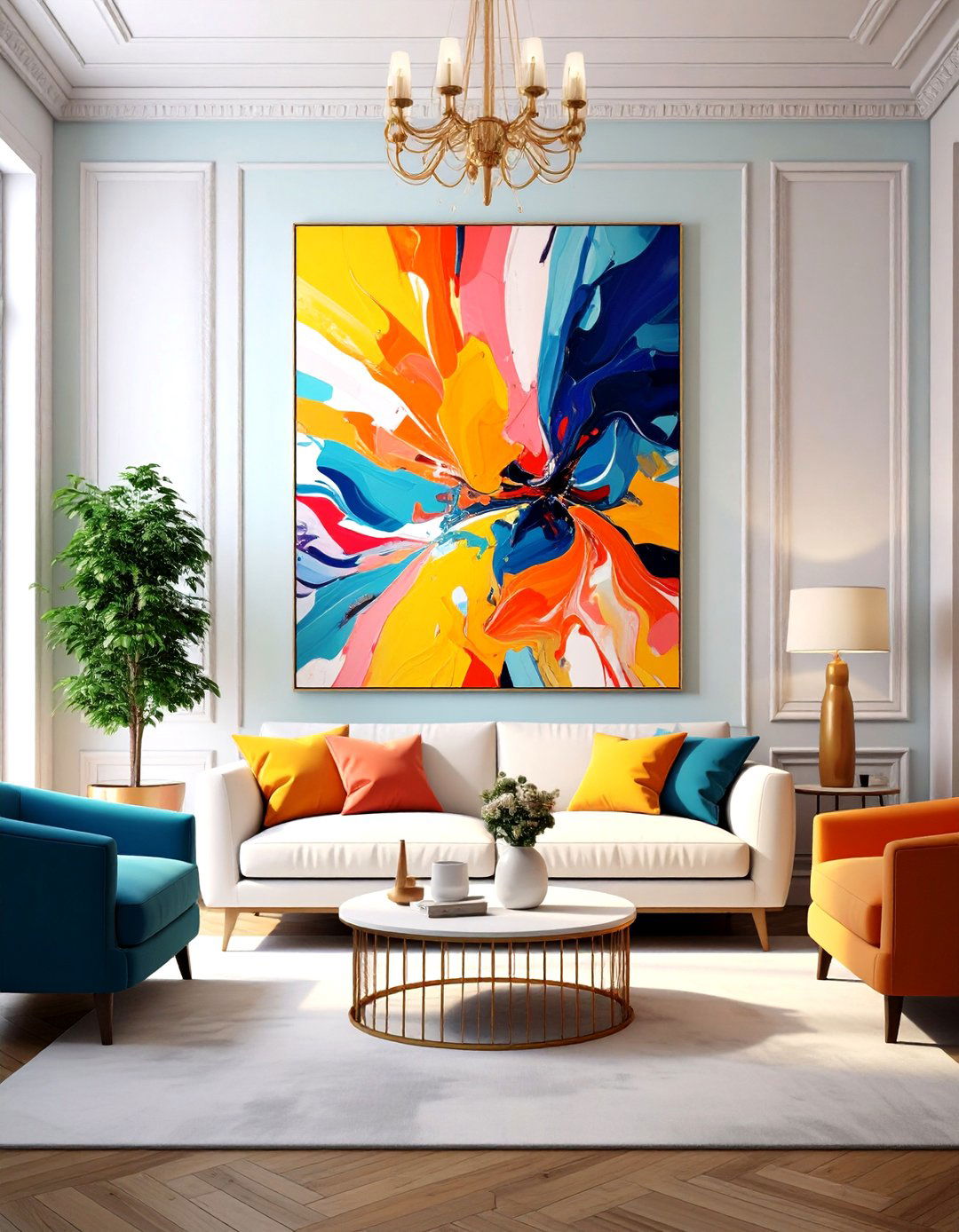
Parisian interiors masterfully balance the old with the new, and contemporary abstract art is a key element in achieving this look. A large, bold piece of modern art creates a powerful statement when hung on a wall with classic moldings. The vibrant colors and dynamic forms of the artwork provide a fresh, energetic contrast to the historic architectural shell. This juxtaposition shows a confident, curated approach to design, preventing the space from feeling like a museum. It injects personality and a modern sensibility, proving that the Parisian home is one that evolves with time.
9. Velvet Upholstered Seating
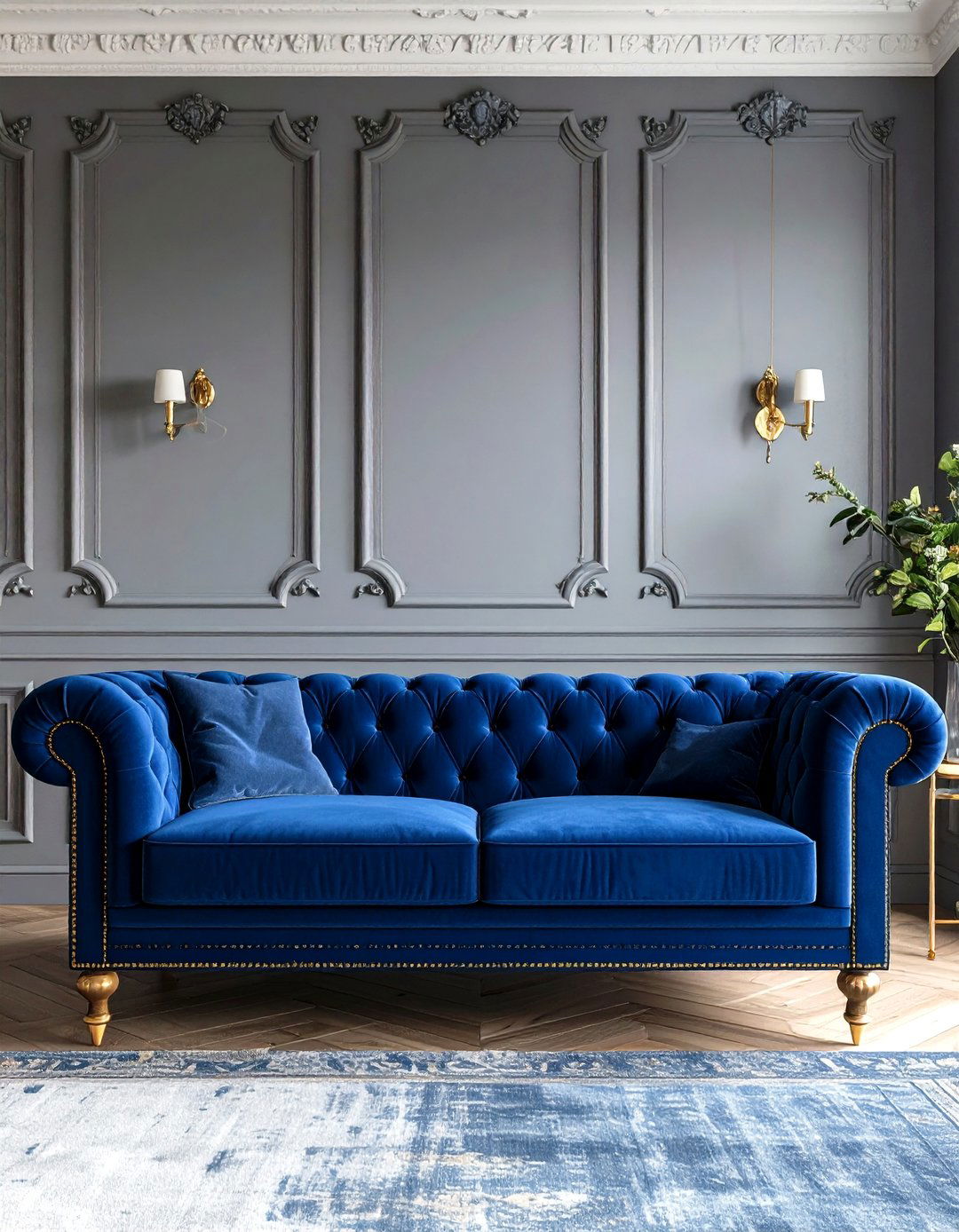
Velvet seating, whether it's a plush sofa, a chic armchair, or elegant dining chairs, brings a sense of warmth and sophisticated comfort to a Parisian interior. This rich, tactile fabric adds a touch of luxury and depth. Jewel tones like emerald green, sapphire blue, or deep burgundy are popular choices, providing a bold pop of color against a neutral backdrop of white or gray walls. The soft texture of velvet invites relaxation and creates a cozy, inviting atmosphere. This choice in upholstery perfectly balances the formal architectural elements with a comfortable, lived-in feel, making the space both elegant and welcoming.
10. A Mix of Furniture Eras
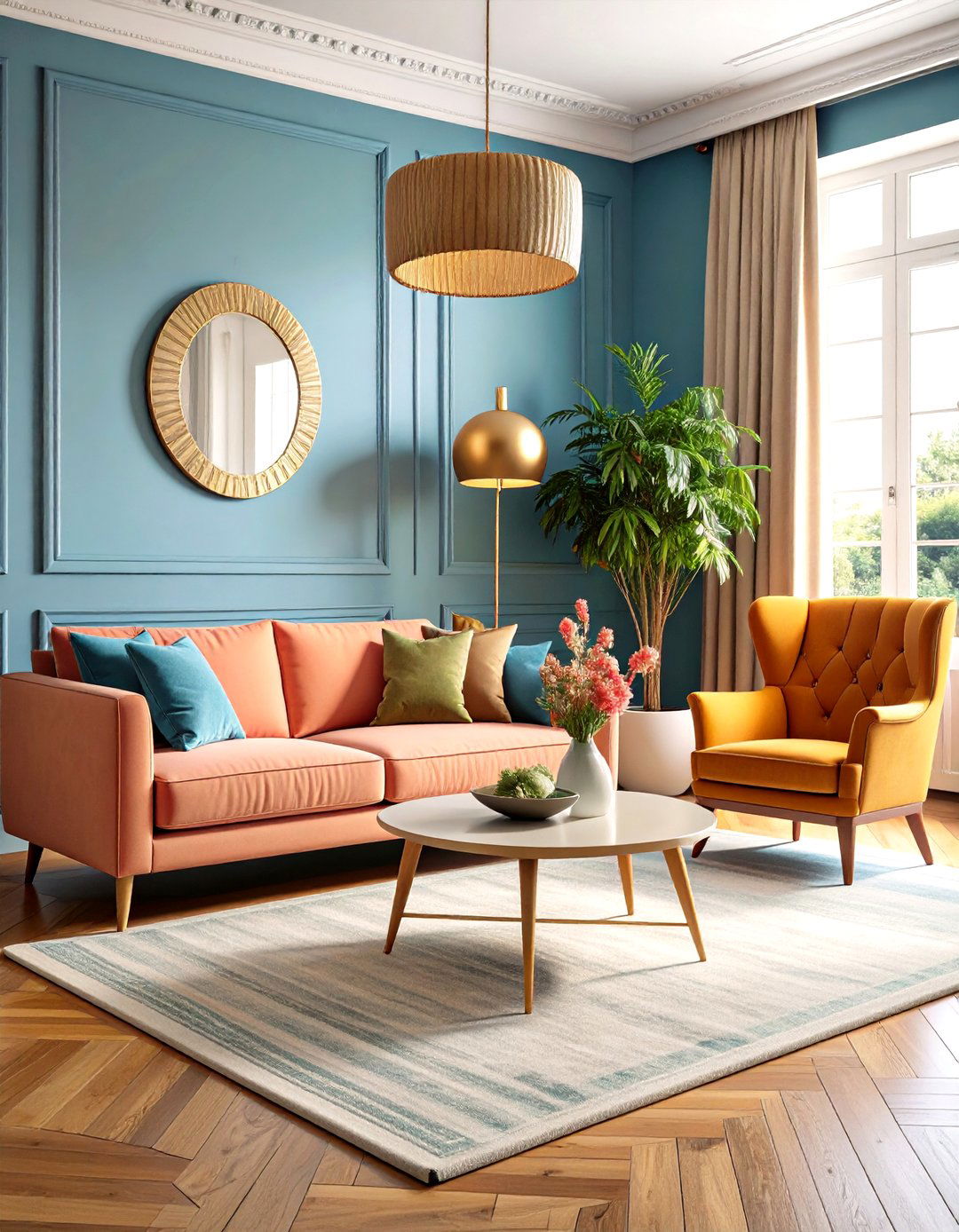
The Parisian aesthetic is defined by its eclectic and personal mix of furniture from different time periods. A sleek, modern sofa might sit opposite a pair of antique Louis XVI armchairs, while a mid-century modern coffee table rests on a traditional rug. This curated blend of styles creates a layered, dynamic look that feels collected over time rather than designed all at once. The key is to choose pieces that share a common thread, such as a similar color palette or level of formality, ensuring the space feels cohesive rather than chaotic. This approach results in a truly unique and characterful home.
11. Neutral Wall Colors
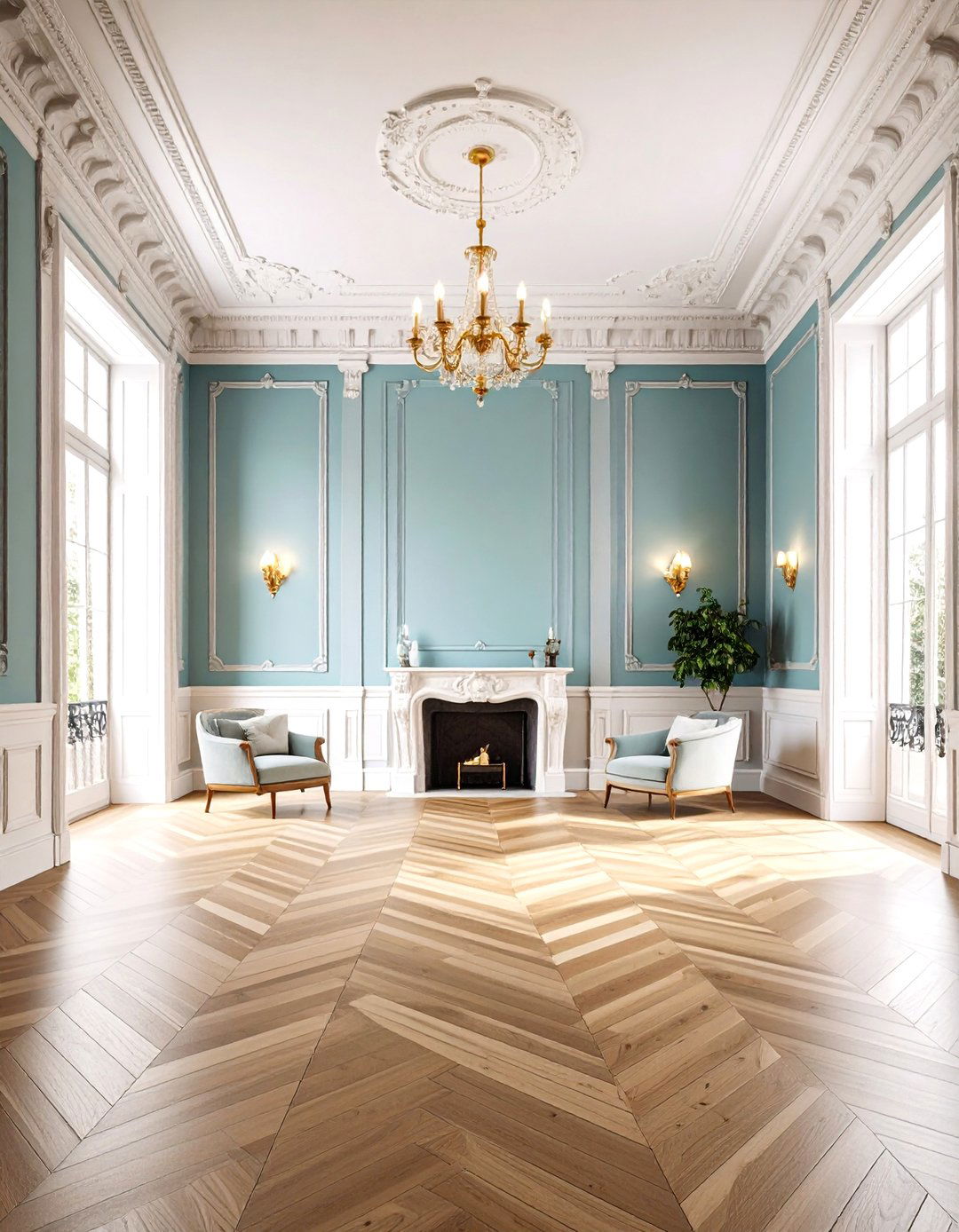
The foundation of most Parisian interiors is a palette of neutral wall colors. Shades of white, cream, soft gray, and greige are favored because they create a bright, airy canvas that enhances natural light. This serene backdrop allows the apartment's inherent architectural beauty—such as the moldings, parquet floors, and marble fireplaces—to take center stage. A neutral wall also provides the perfect setting for showcasing art, antique furniture, and gilded mirrors, allowing these statement pieces to stand out without competing with their surroundings. This sophisticated and understated approach to color is key to achieving timeless Parisian elegance.
12. Unfussy Window Treatments
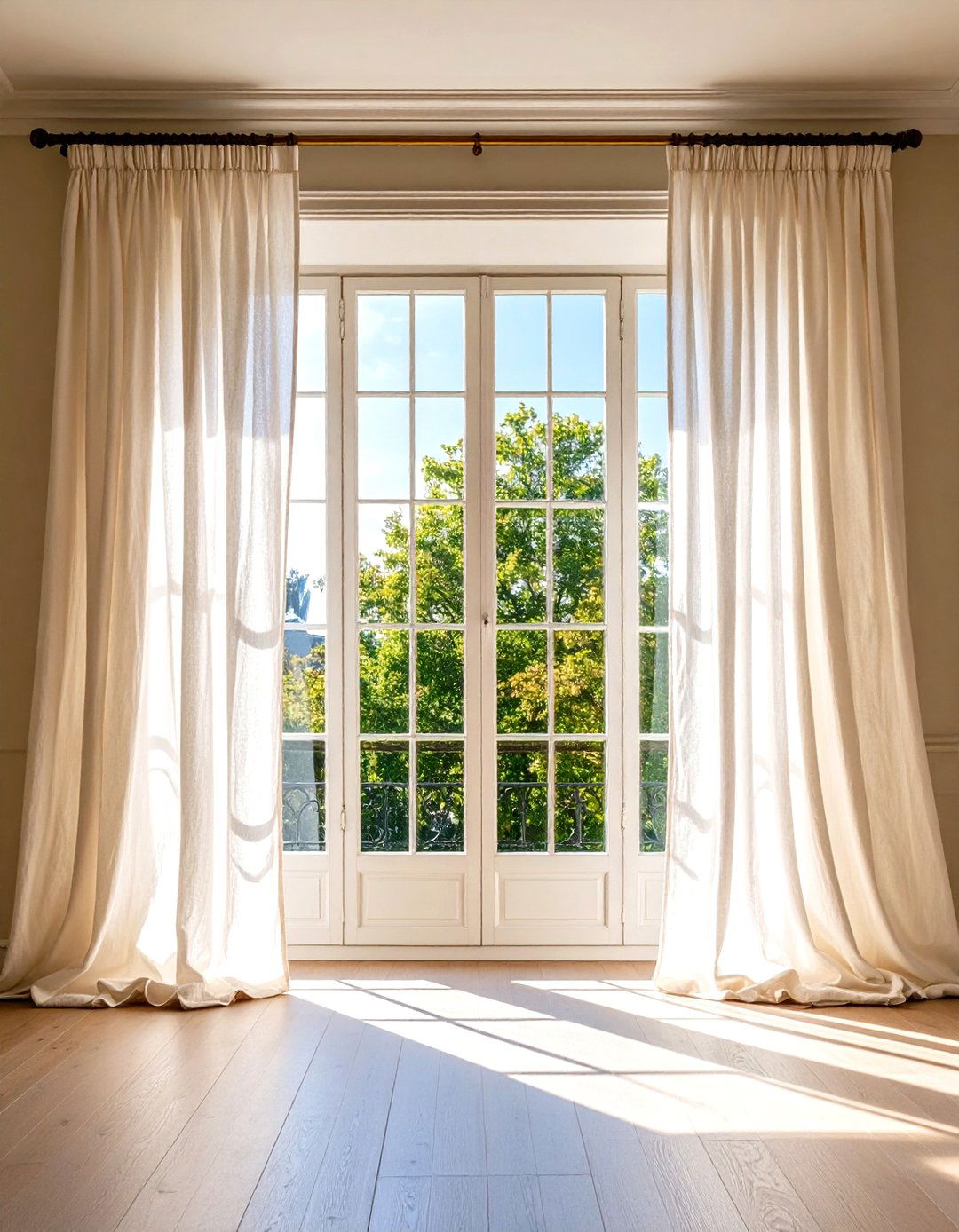
In Parisian design, window treatments are intentionally simple to maximize the flow of natural light. The goal is to enhance, not obscure, the beautiful, often floor-to-ceiling windows. Lightweight, sheer linen or cotton curtains in white or off-white are the most common choice. They are typically hung from a simple rod and allowed to drape gracefully, often puddling slightly on the floor for a touch of relaxed elegance. Heavy drapes or complex valances are avoided, as they would detract from the airy, open feel that is so central to the Parisian aesthetic. This minimalist approach keeps the focus on the architecture and the view beyond.
13. Curated Bookshelves and Book Stacks
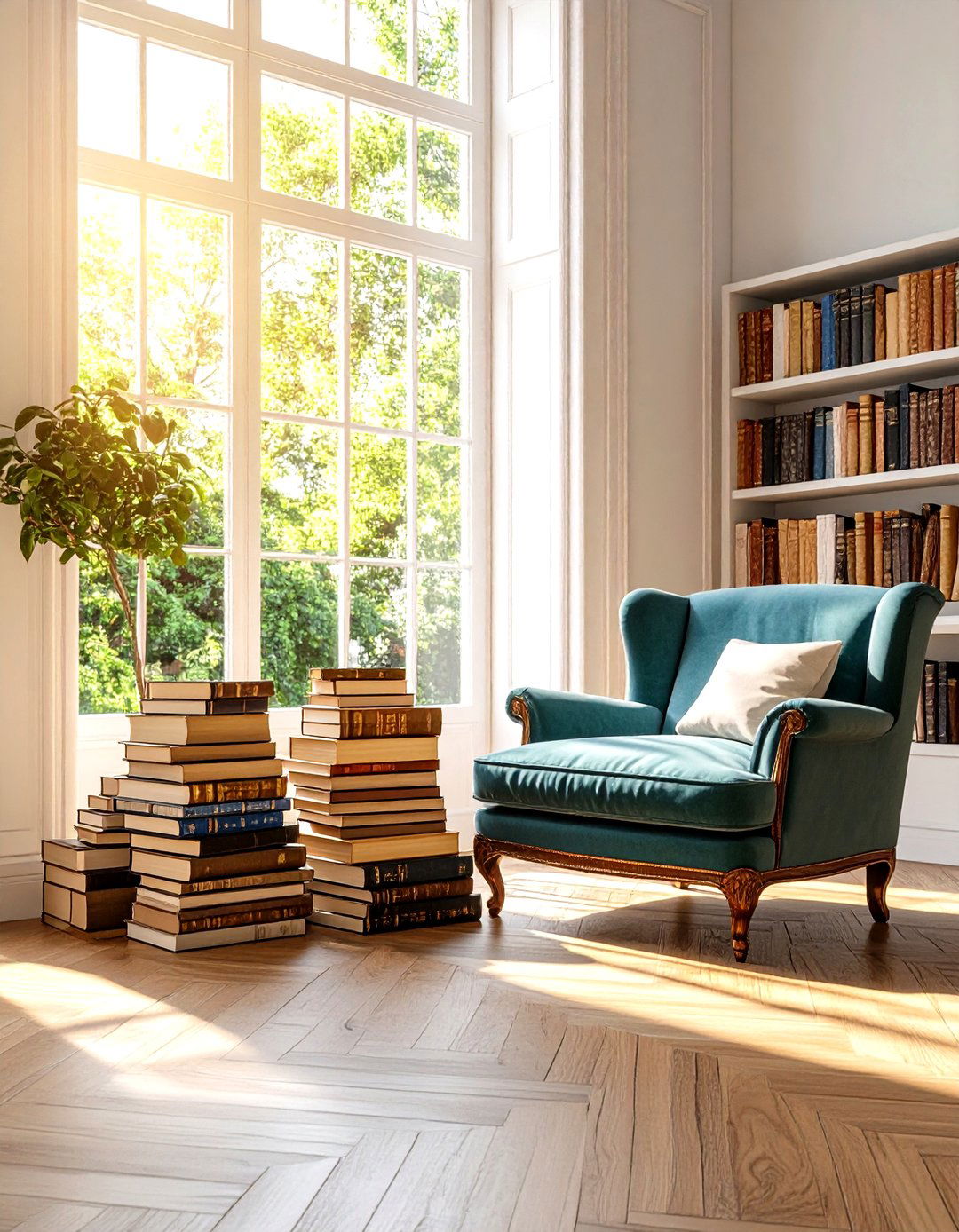
Books are not just for reading in a Parisian home; they are an integral part of the decor. Bookshelves are often thoughtfully arranged, mixing books with art and small objects to create a visually interesting display. Stacks of art books or classic novels are also commonly found piled on the floor, on a side table, or even on a stool. This "artful clutter" adds personality and a sense of intellectual curiosity to the space. It suggests a life filled with culture and passion, contributing to the lived-in, unpretentious charm that defines the Parisian interior style.
14. Fresh Flowers and Greenery
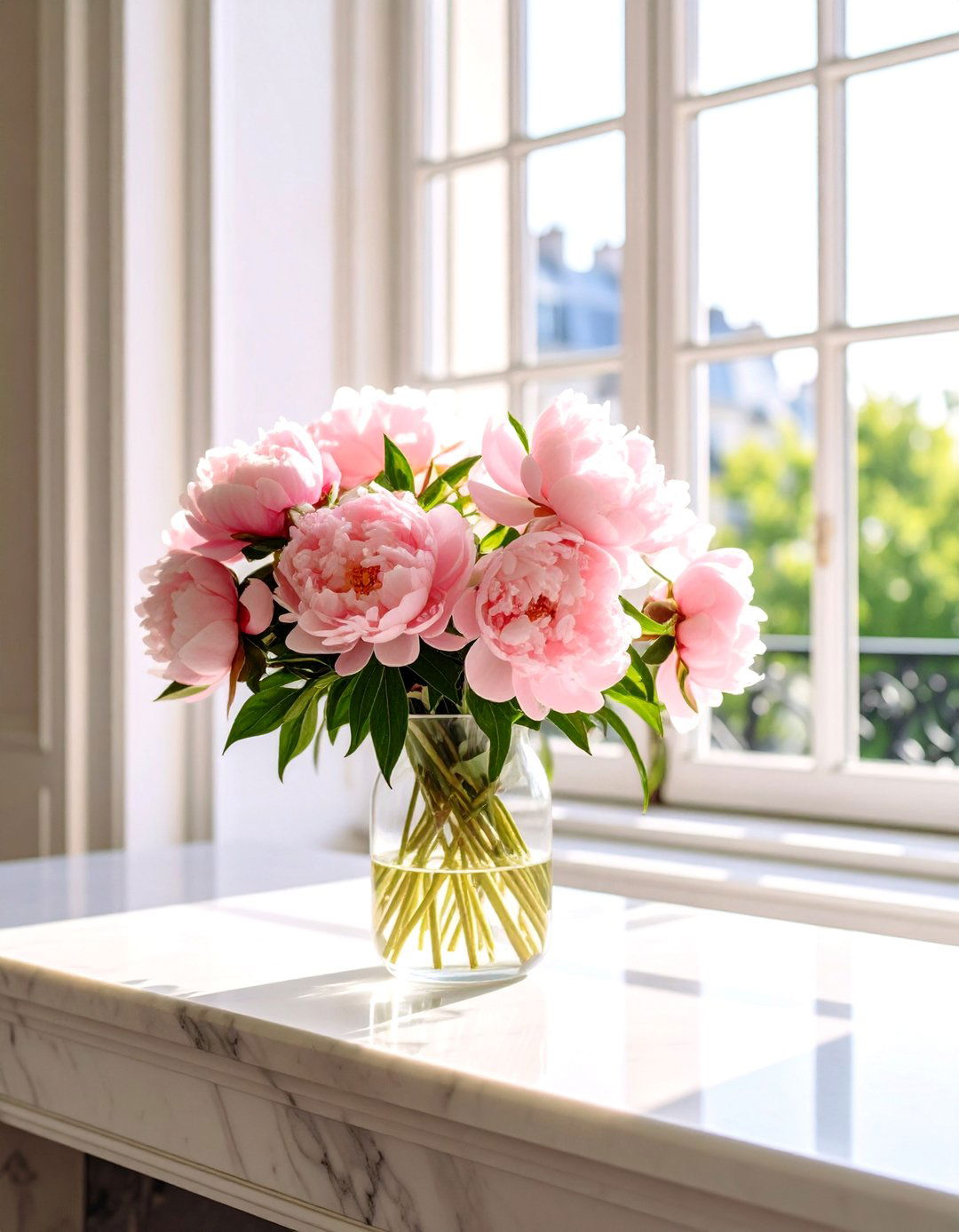
Bringing the outdoors in with fresh flowers and plants is essential for adding life and a touch of natural beauty to a Parisian apartment. You won’t find overly structured, formal arrangements. Instead, the preference is for loose, romantic bouquets of seasonal blooms like peonies, roses, or tulips, casually placed in a simple glass vase. A single potted plant, such as a fiddle leaf fig or a monstera, can also add a sculptural element and a splash of vibrant green. This effortless touch of nature softens the formal architecture and adds a fresh, organic feel to the room.
15. The Perfectly Undone Bed
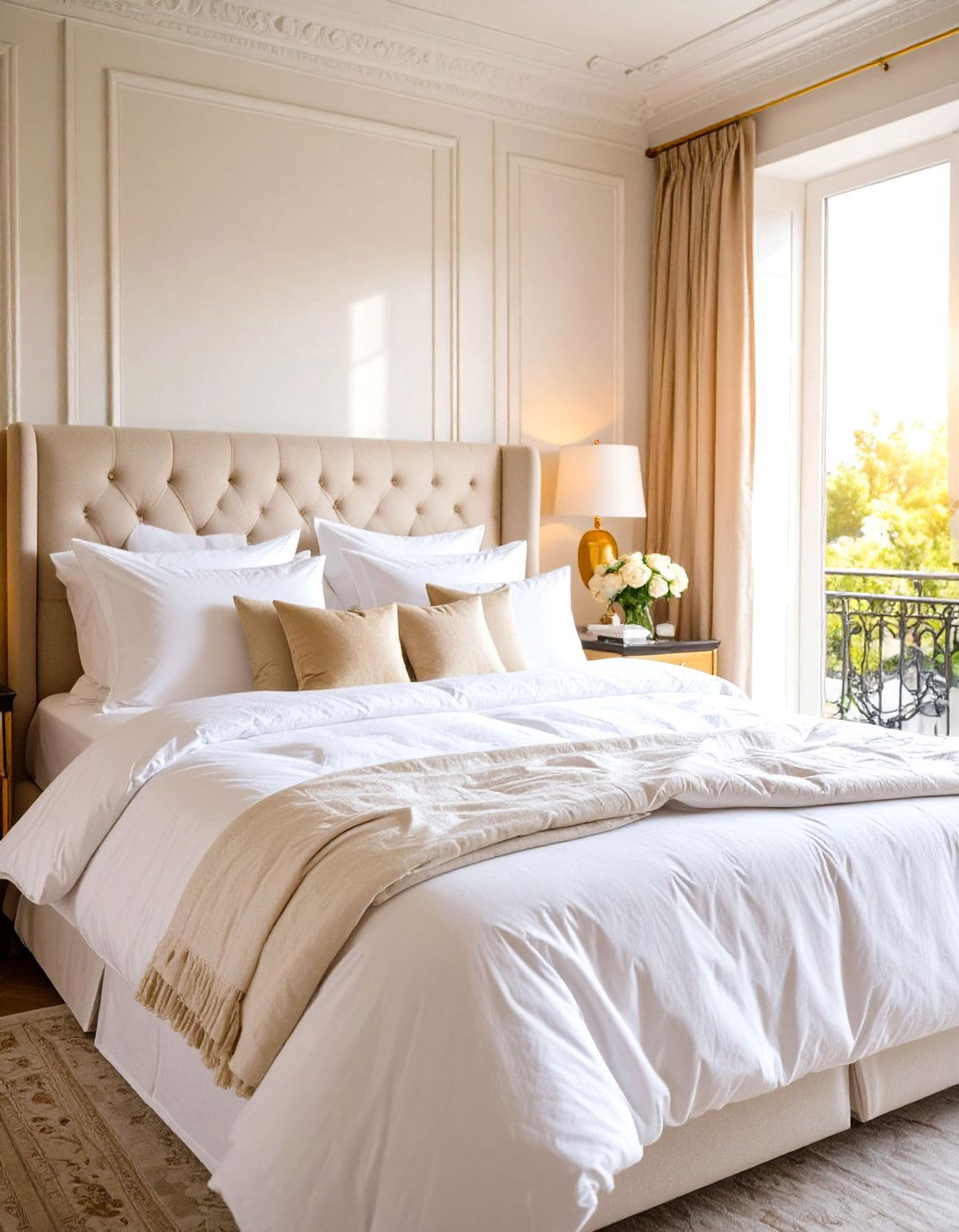
The Parisian bedroom embodies a relaxed and inviting aesthetic, and the "perfectly undone" bed is central to this look. Instead of a perfectly made bed with crisp corners, the style favors a more casual approach. High-quality linens, often in soft shades of white, gray, or muted pastels, are layered loosely. A rumpled duvet, a casually tossed throw blanket, and a mix of plush pillows create an effortlessly chic and comfortable sanctuary. This look suggests a space that is genuinely lived in and enjoyed, prioritizing comfort and ease over rigid formality, which is the essence of Parisian charm.
16. A Designated Reading Nook
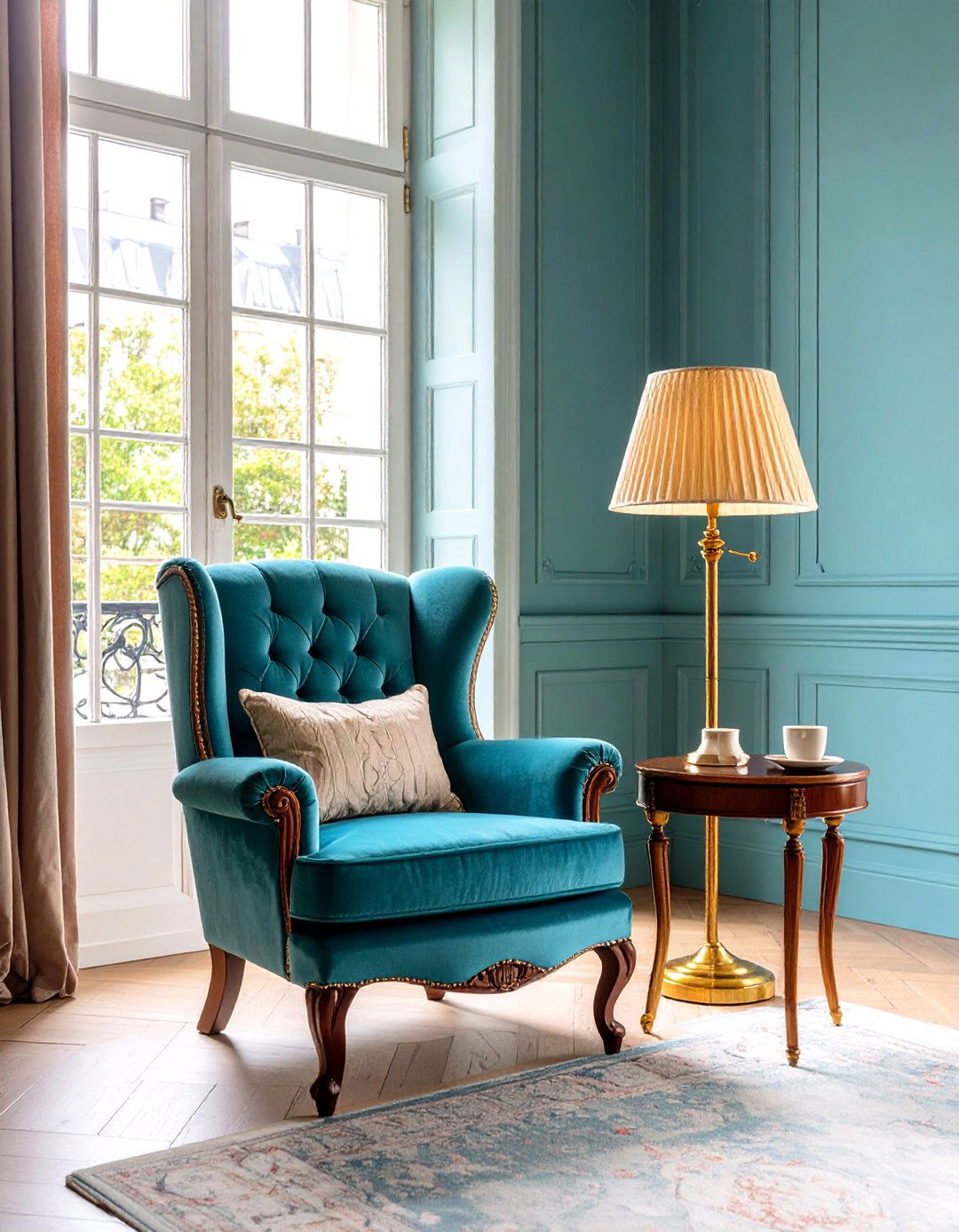
Carving out a small, dedicated space for reading is a cherished practice in Parisian homes. This cozy corner is all about comfort and quiet contemplation. It typically consists of a comfortable armchair, perhaps an antique bergère or a modern classic, paired with a small side table for a cup of tea or a stack of books. A good reading lamp, such as an elegant floor lamp with an adjustable arm, is essential for providing focused light. This nook doesn't require a lot of space; it can be tucked beside a window or near a bookshelf, creating an intimate retreat within the larger room.
17. Use of Antique Rugs
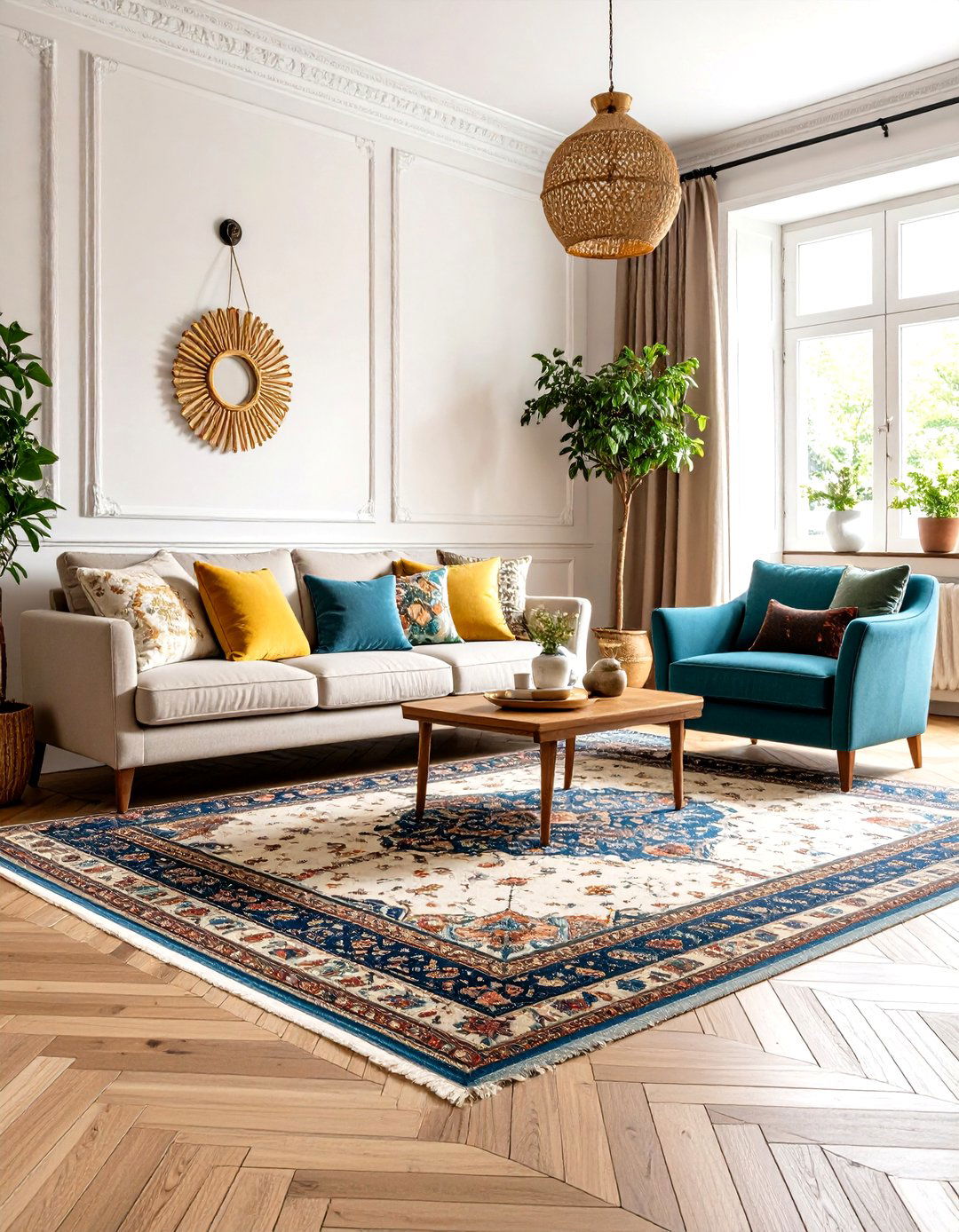
An antique rug, often of Persian or Turkish origin, is a common feature used to anchor a Parisian room. These rugs introduce color, pattern, and a sense of history to the space, their faded hues and intricate designs telling a story. Placed over classic herringbone floors, they add a layer of warmth and texture, defining a seating area or adding softness to a bedroom. The slightly worn, imperfect nature of an antique rug complements the Parisian ethos of embracing age and character. It’s a key piece for achieving a layered, collected look that feels both sophisticated and welcoming.
18. Modern Kitchen with Classic Bones
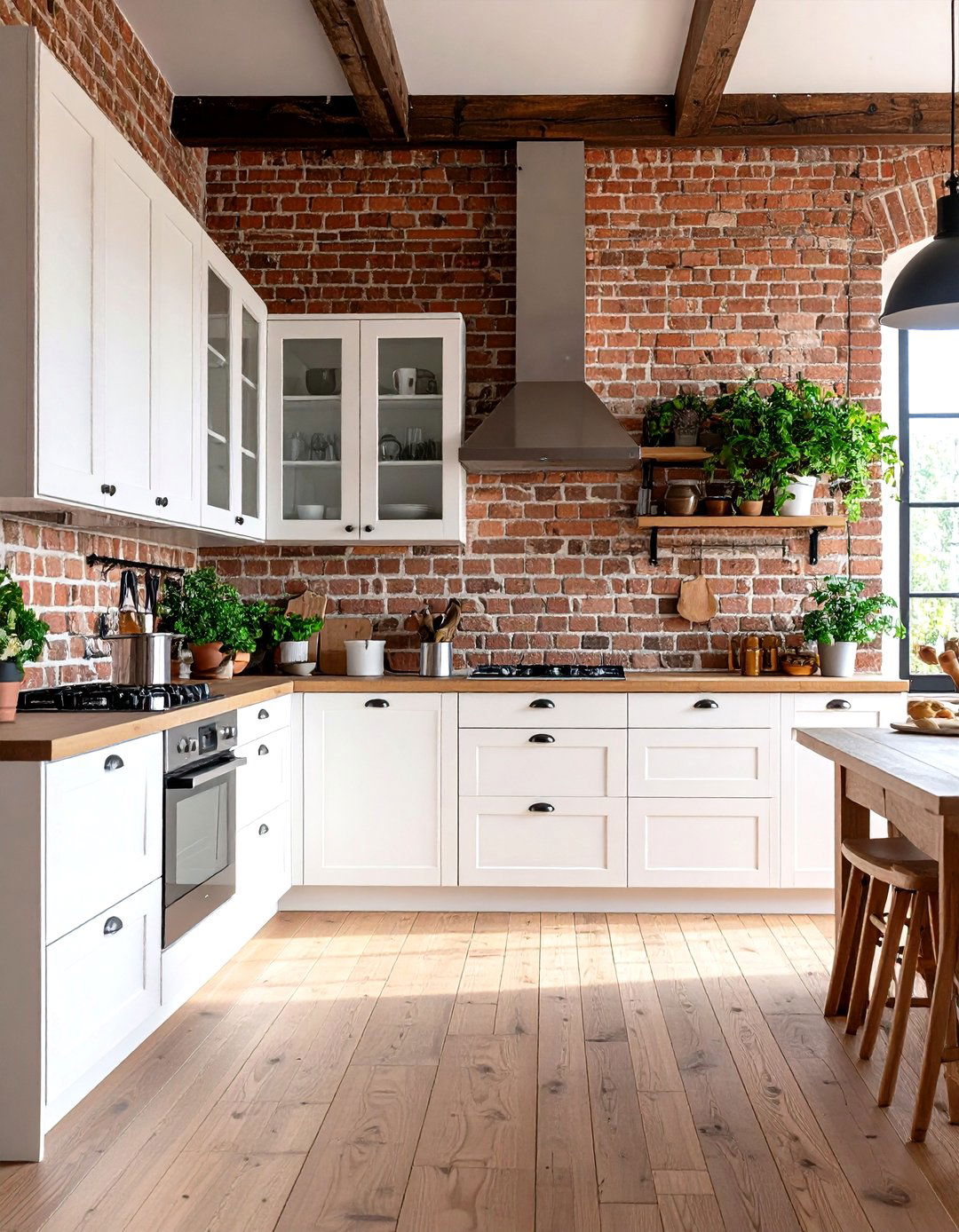
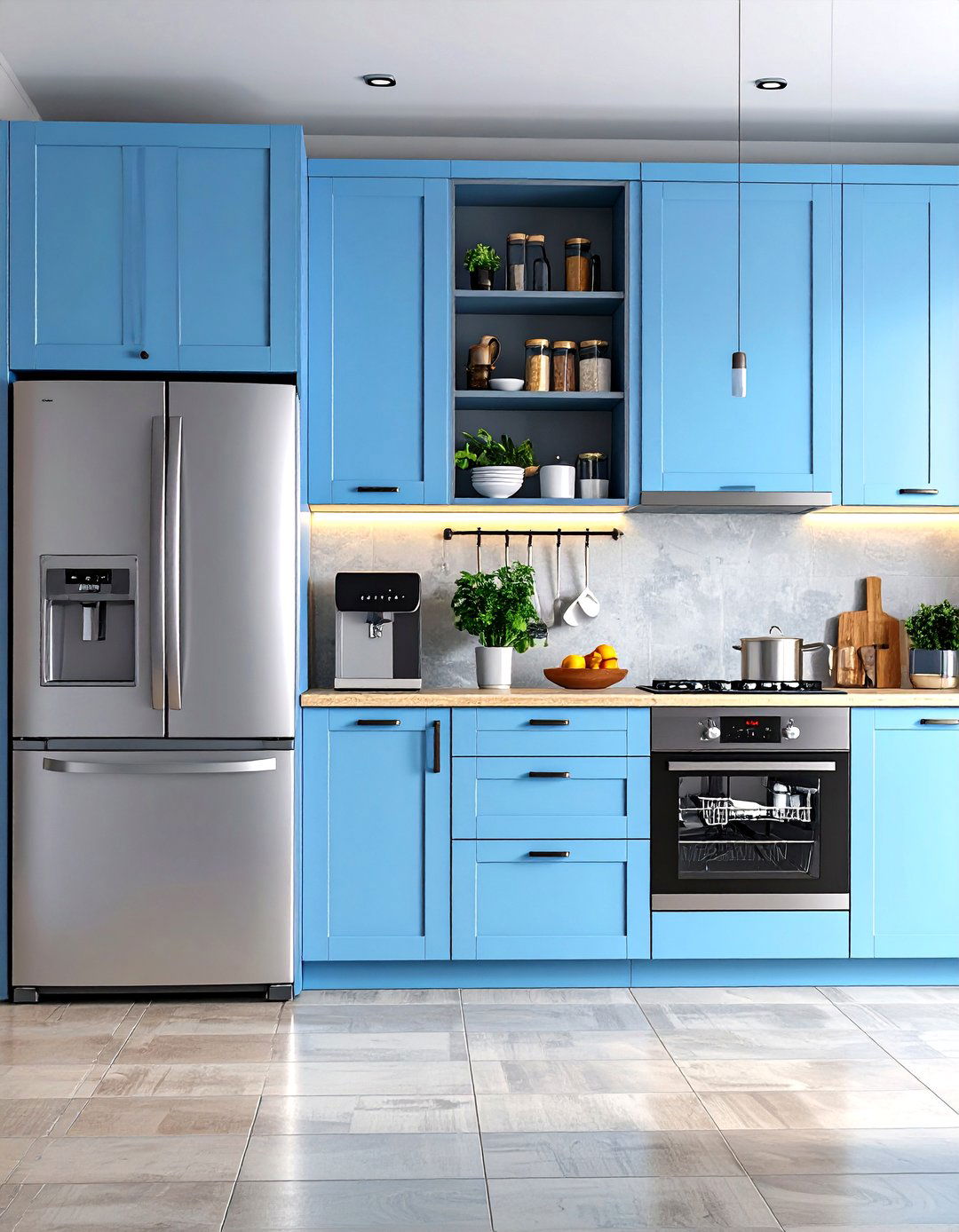
Parisian kitchens often feature a compelling mix of modern functionality within a classic architectural frame. You might find sleek, handleless cabinetry and stainless steel appliances set against a backdrop of original exposed ceiling beams or a traditional tiled floor. The focus is on high-quality materials and an uncluttered layout. Open shelving is sometimes used to display beautiful ceramics or copper pots, adding a touch of rustic charm. This blend of old and new ensures the kitchen is a practical, efficient workspace while still retaining the soul and character of the historic apartment.
19. Small, Functional Bathroom Spaces
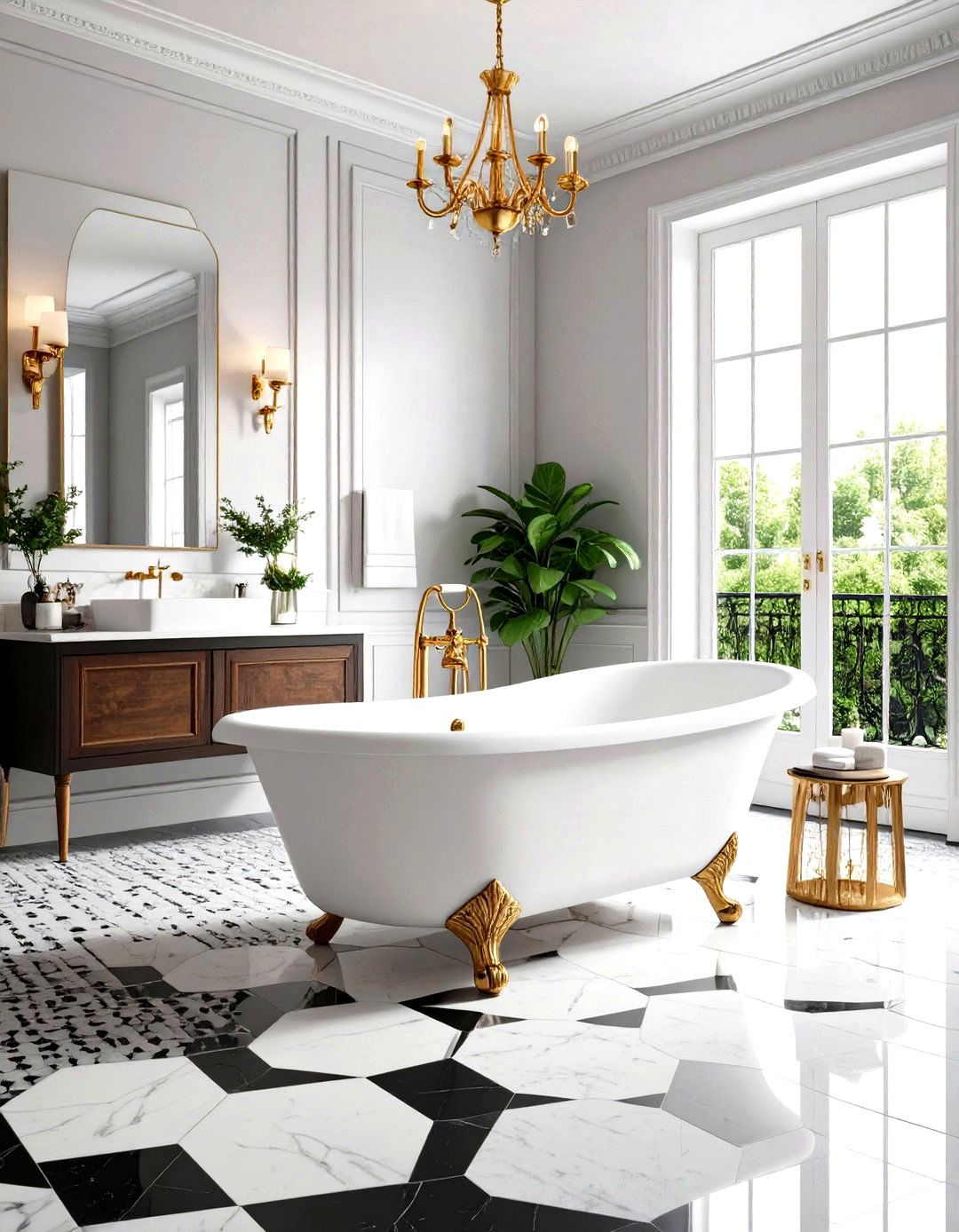
Bathrooms in classic Parisian apartments are often compact, but they are designed with elegance and efficiency. A freestanding clawfoot bathtub is a coveted feature, adding a touch of vintage luxury. To save space, a simple pedestal sink is often preferred over a bulky vanity. Wall-mounted fixtures and classic subway tiles or small mosaic patterns on the floor are common choices. Good lighting and a well-placed mirror are used to make the small space feel brighter and larger. The focus is on timeless materials and fixtures that honor the classic style of the home.


20. An Eclectic Art Collection
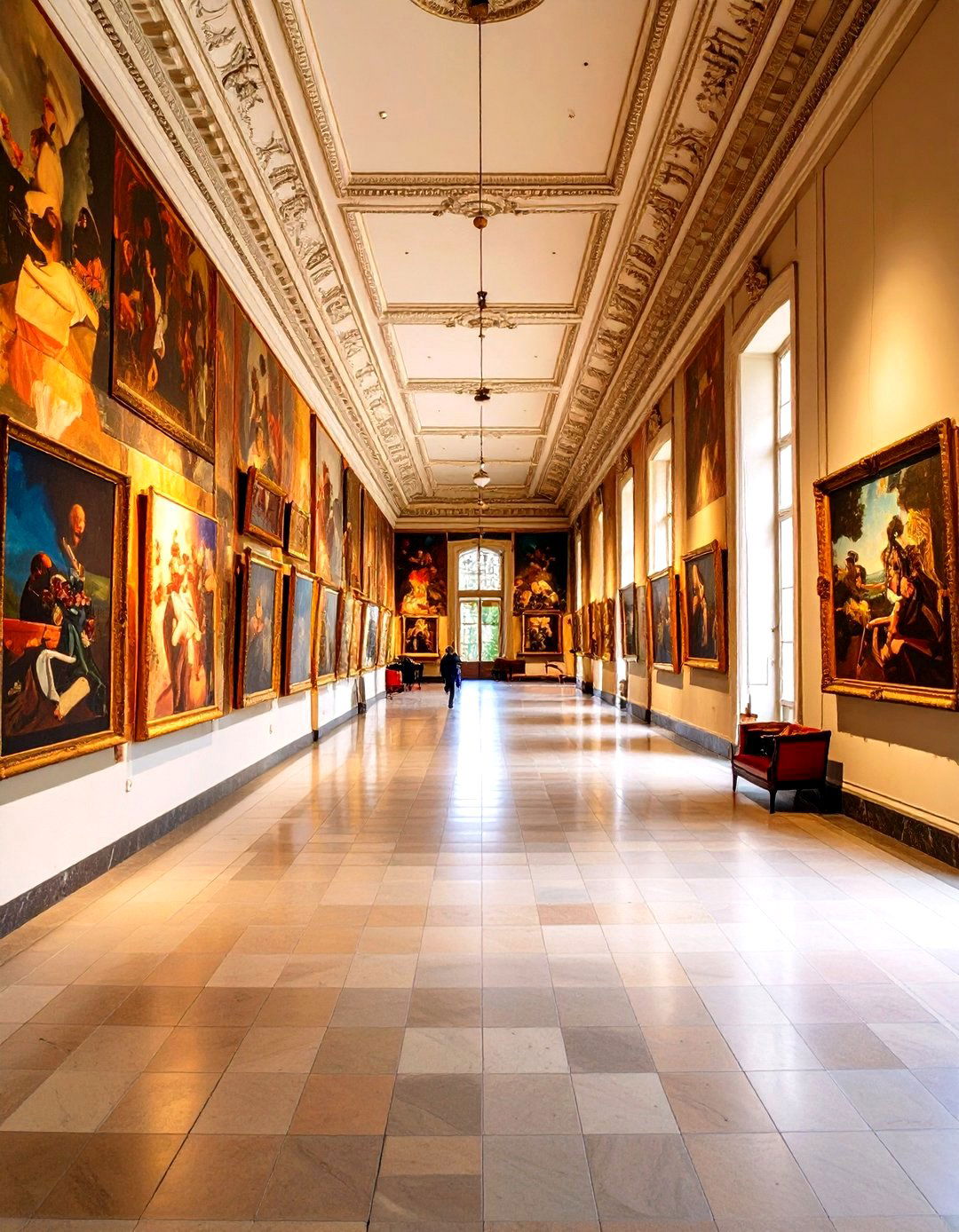
Art is central to the Parisian interior, which often serves as a personal gallery for its owner. The collection is typically eclectic, mixing different styles, periods, and mediums. An oil portrait might hang near a contemporary photograph, while a small sculpture sits on a mantelpiece. Art isn't just confined to the living room; it can be found in hallways, kitchens, and even bathrooms. The placement often feels intuitive rather than rigidly planned, with pieces leaning against walls or hung in salon-style clusters. This personal and diverse art display infuses the home with character and intellectual depth.
21. Freestanding Bathtubs
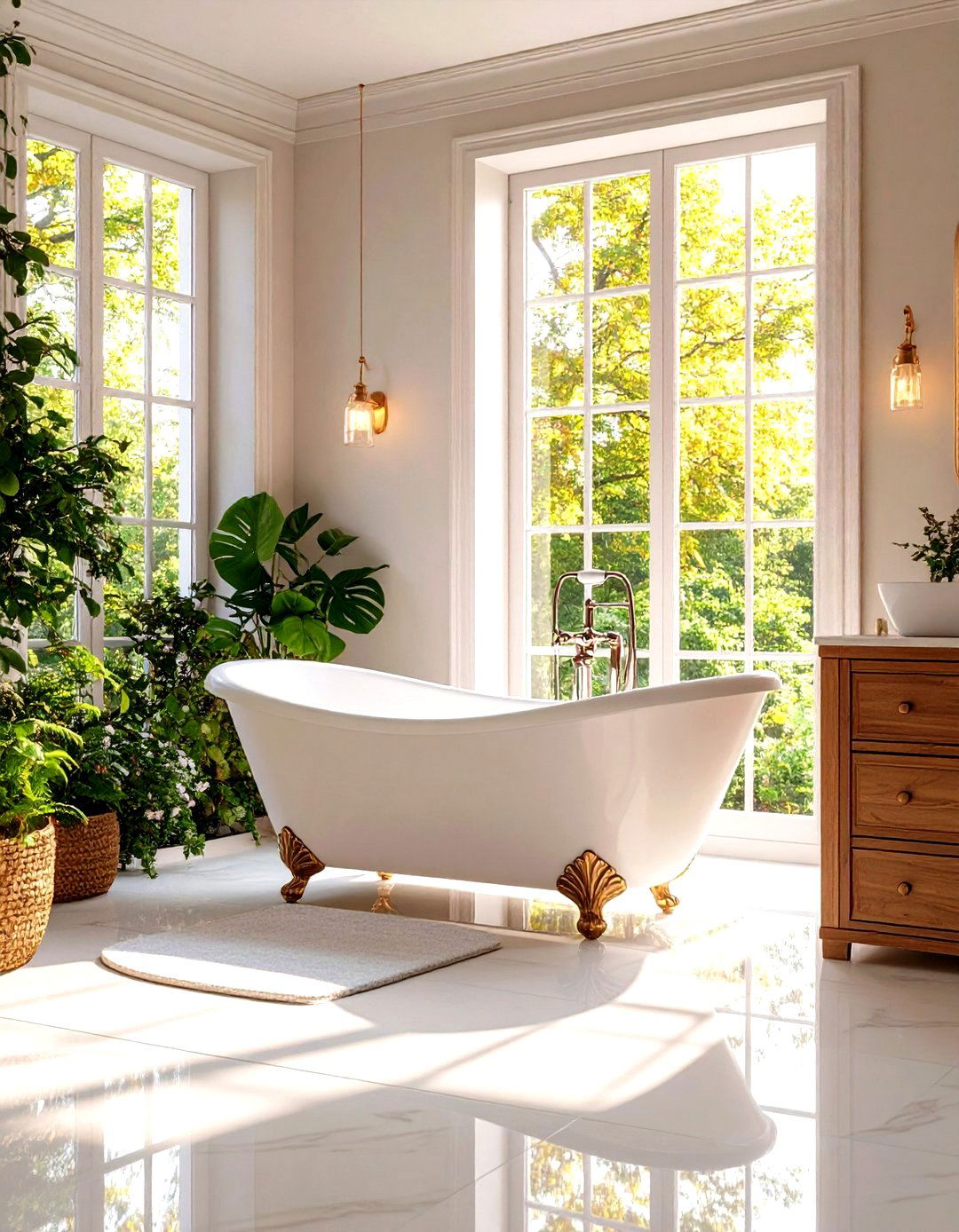
A freestanding bathtub, especially a classic clawfoot or pedestal style, is the epitome of Parisian bathroom luxury. It serves as a beautiful sculptural element, transforming a purely functional room into a serene and elegant retreat. Positioned near a window if possible, it invites long, relaxing soaks. The tub's vintage silhouette provides a stunning contrast to more modern fixtures or clean-lined tiles. Even in a small space, a freestanding tub makes a powerful design statement, embodying a sense of indulgence and timeless charm that is a hallmark of sophisticated Parisian living.
22. Minimalist Bedroom Decor
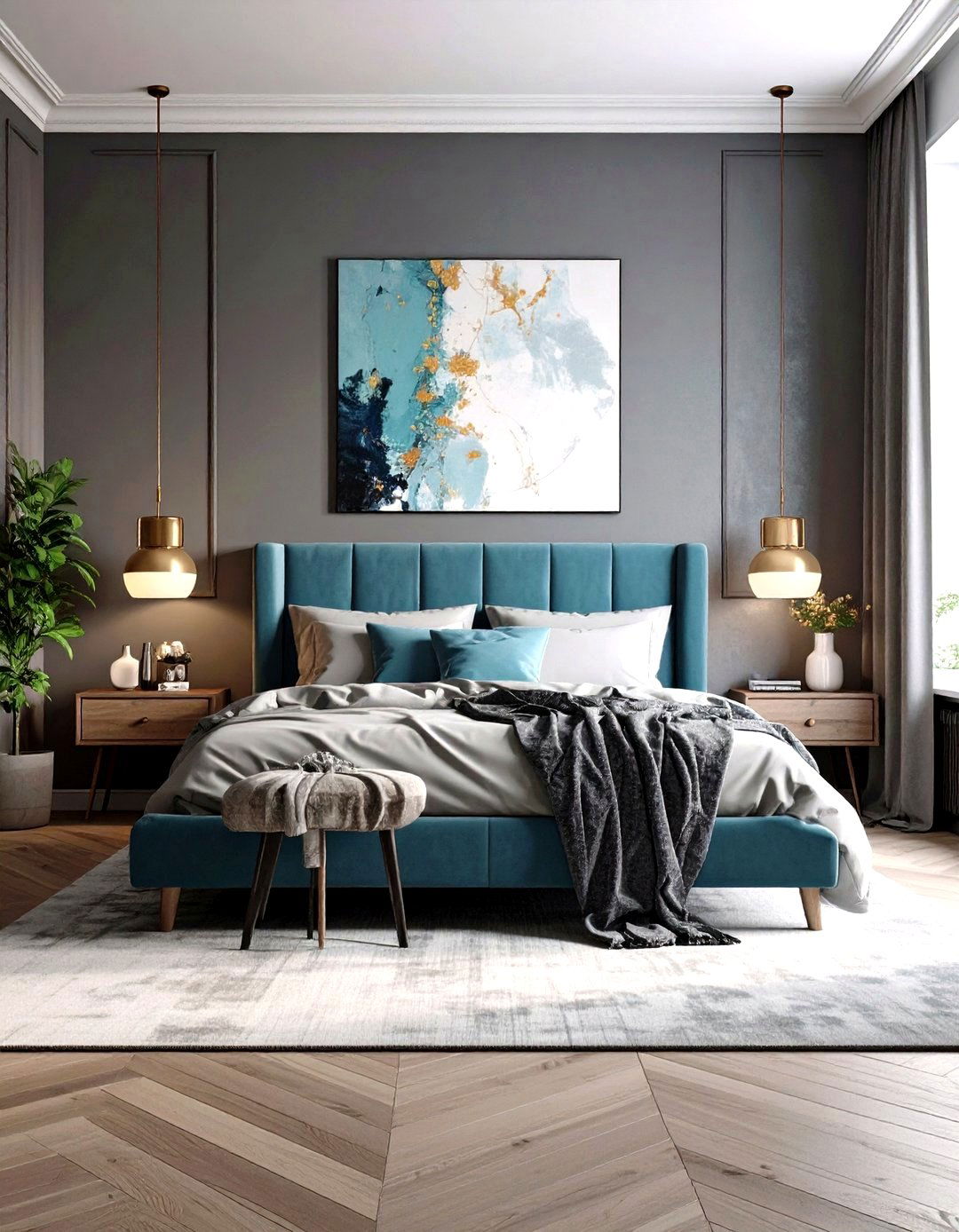
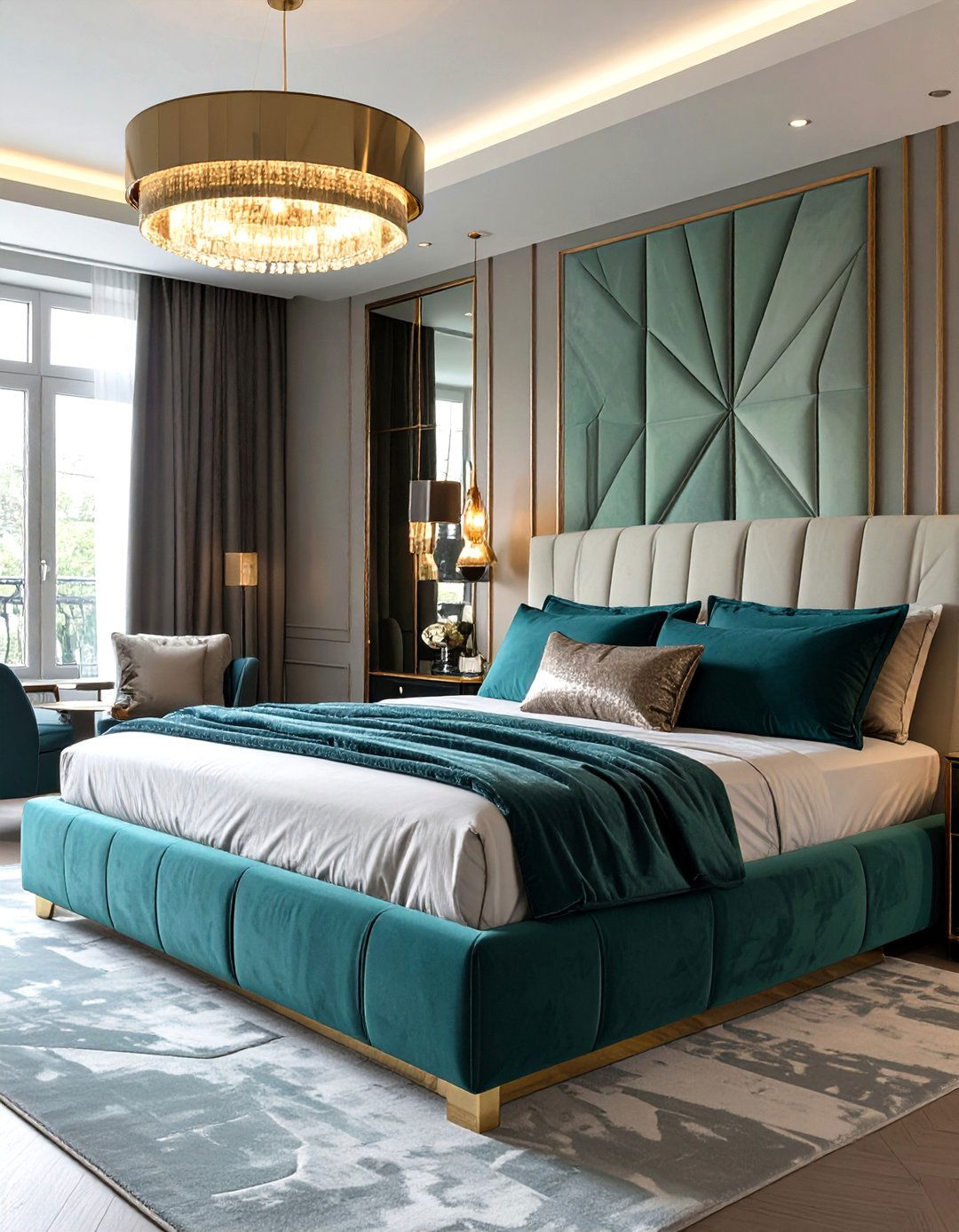
The Parisian bedroom is a serene sanctuary, characterized by a minimalist approach to decor. The focus is on creating a restful and uncluttered environment. Aside from the essential furniture—a bed, perhaps a small nightstand, and an armchair—the room is kept sparse. The color palette is typically soft and muted, dominated by whites, creams, and gentle grays. Art is often limited to a single, meaningful piece above the bed. This "less is more" philosophy ensures the space feels calm and tranquil, allowing the beauty of the room's architecture and the quality of the linens to shine through.
23. Wall Panel Moulding (Boiserie)
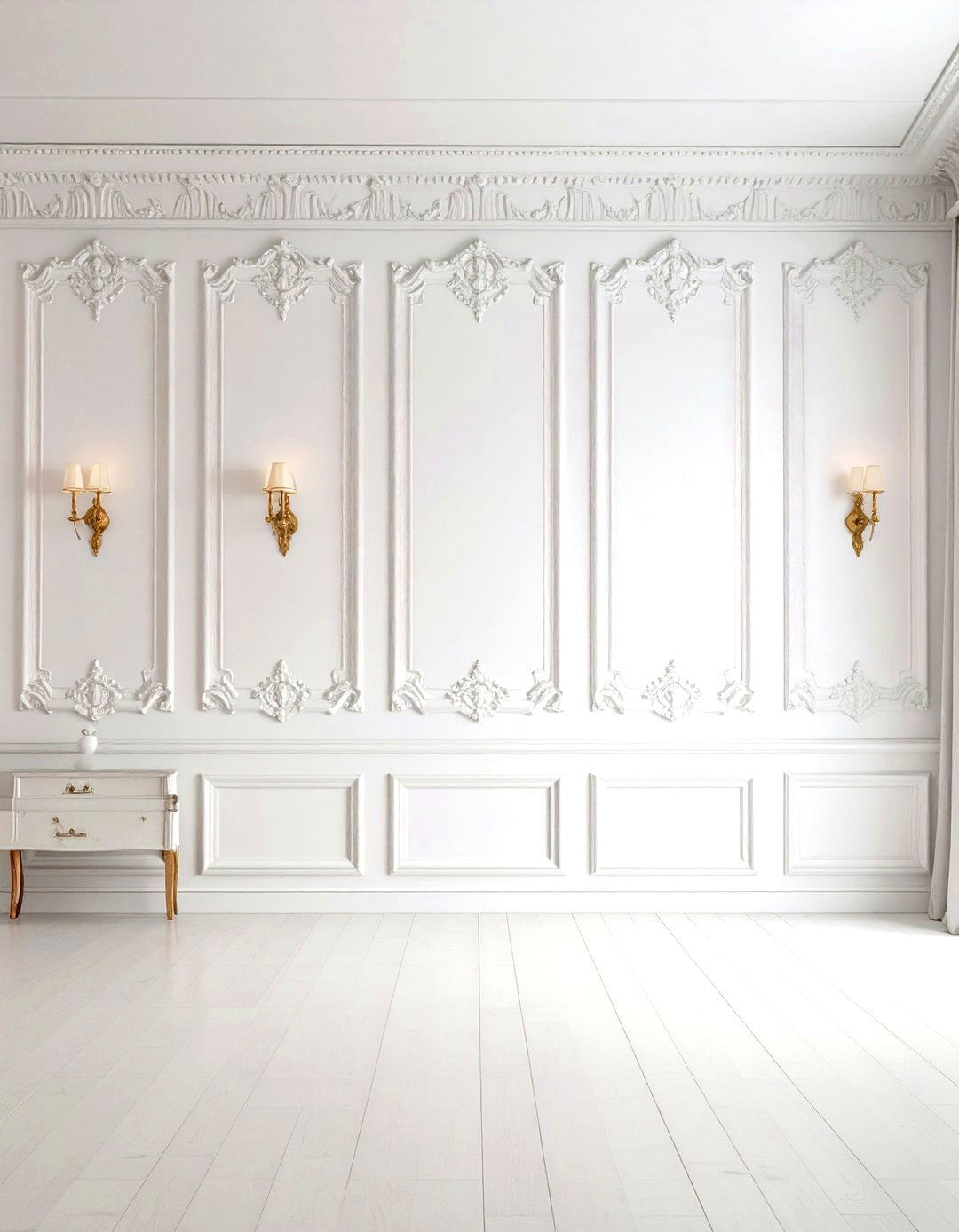
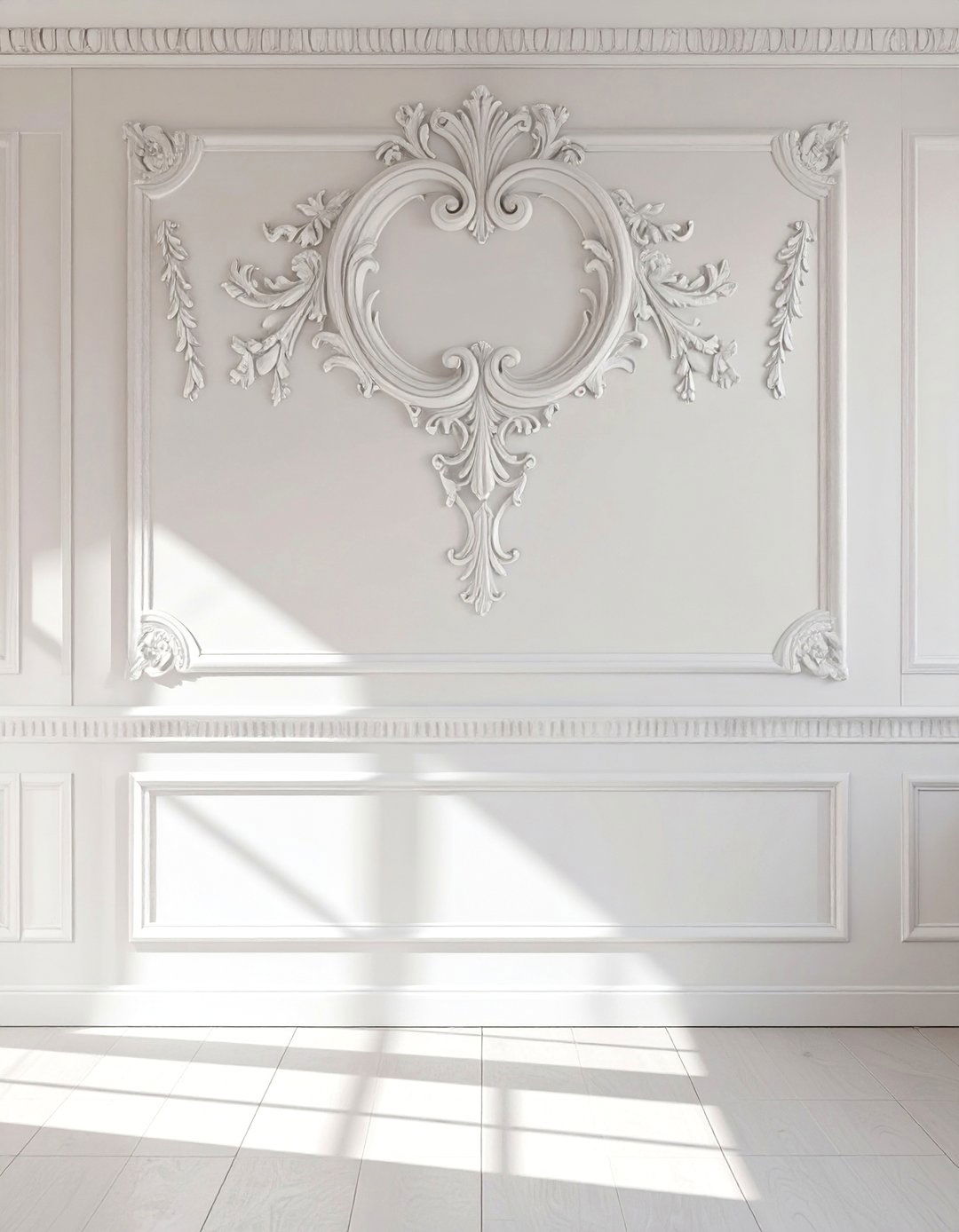
Wall panel moulding, known as boiserie, is a sophisticated architectural detail found in grander Parisian apartments. These carved wooden panels add texture, depth, and a formal rhythm to the walls. Traditionally, they were a sign of wealth and craftsmanship. In modern Parisian interiors, these panels are almost always painted in the same neutral shade as the rest of the wall. This creates a subtle, textural effect that enhances the room's elegance without overwhelming it. The clean, geometric lines of the boiserie provide a beautiful, classic backdrop for both antique and contemporary furnishings.
24. Statement Lighting Fixtures
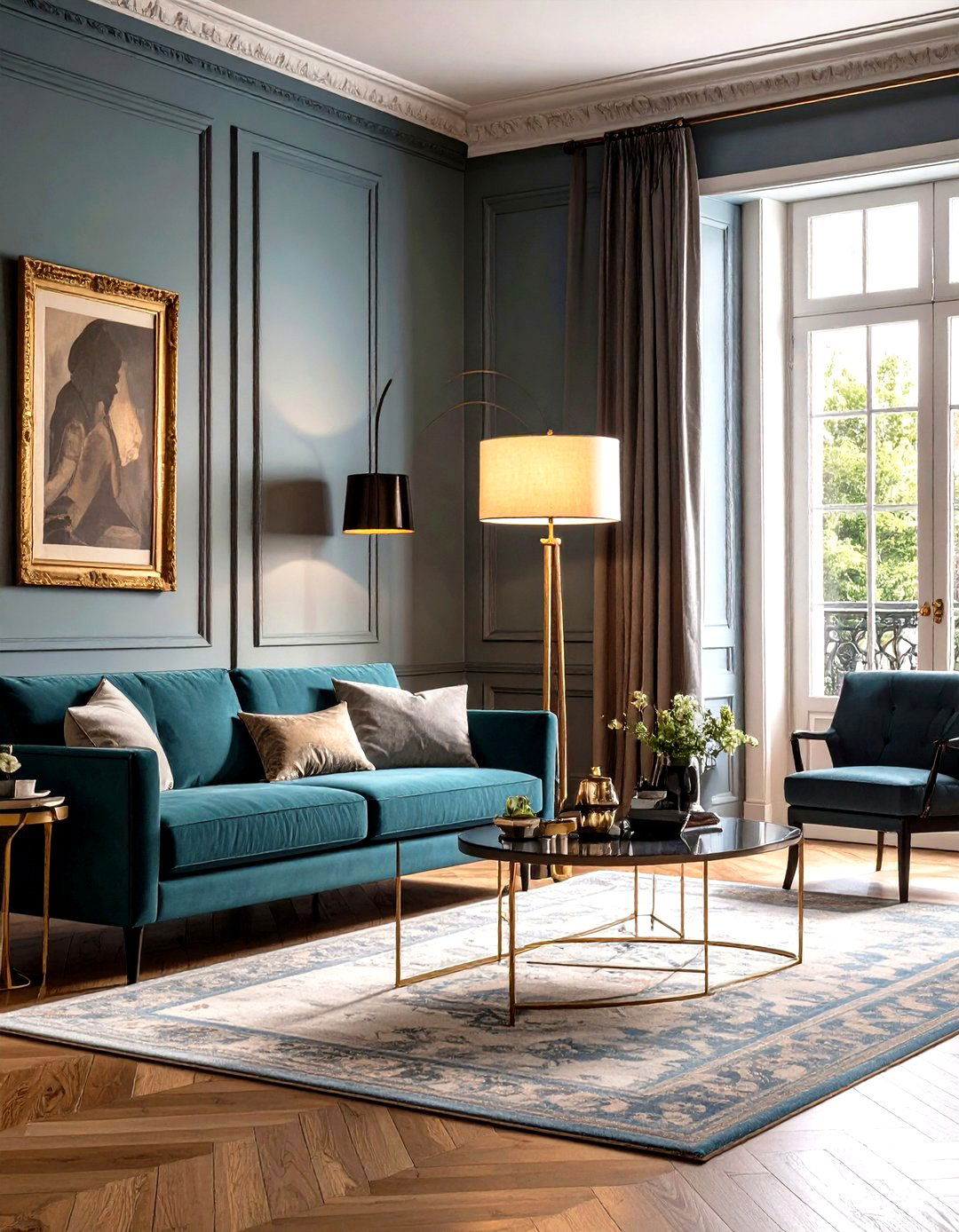
Beyond the classic chandelier, Parisian interiors often feature other types of statement lighting. A sculptural, mid-century modern floor lamp next to a sofa or an industrial-style pendant light hanging over a dining table can add a contemporary edge. The key is to choose lighting that functions as a piece of art in its own right. These fixtures create focal points and contribute to the layered, eclectic feel of the space. By mixing lighting styles—for example, a historic chandelier with a modern task lamp—the design avoids feeling one-dimensional and achieves a more dynamic, personalized look.
25. A Touch of Black
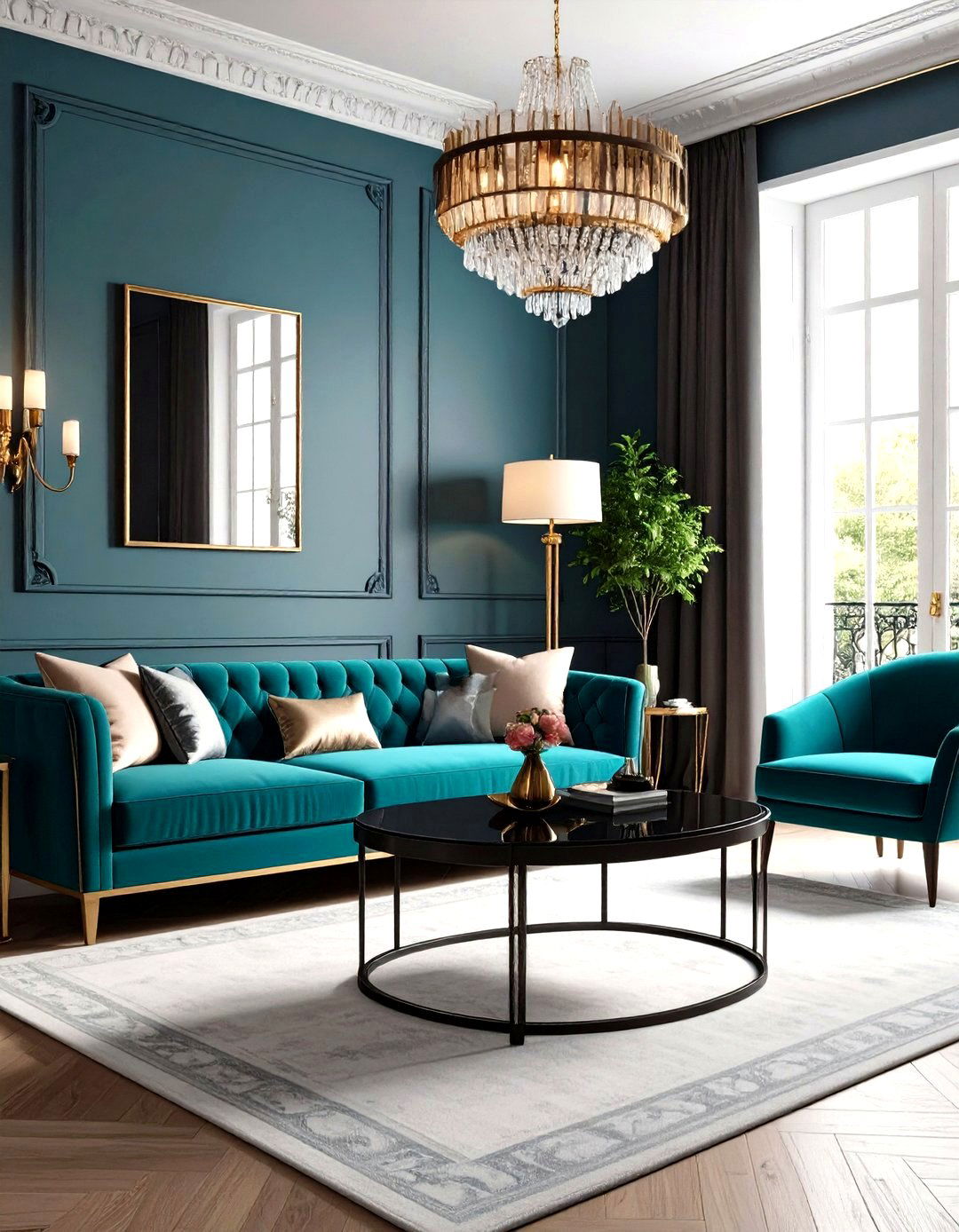
While Parisian interiors are known for their light and airy feel, a deliberate touch of black is often used to ground the space and add a sophisticated edge. This can be introduced through a black marble fireplace, the frame of a modern art piece, a sleek metal coffee table, or wrought iron details. A small amount of black provides a graphic contrast that makes the surrounding neutral colors appear crisper and more defined. This strategic use of a dark accent adds depth and a chic, contemporary sharpness to the otherwise soft and classic aesthetic.
26. Leaning Artwork Casually
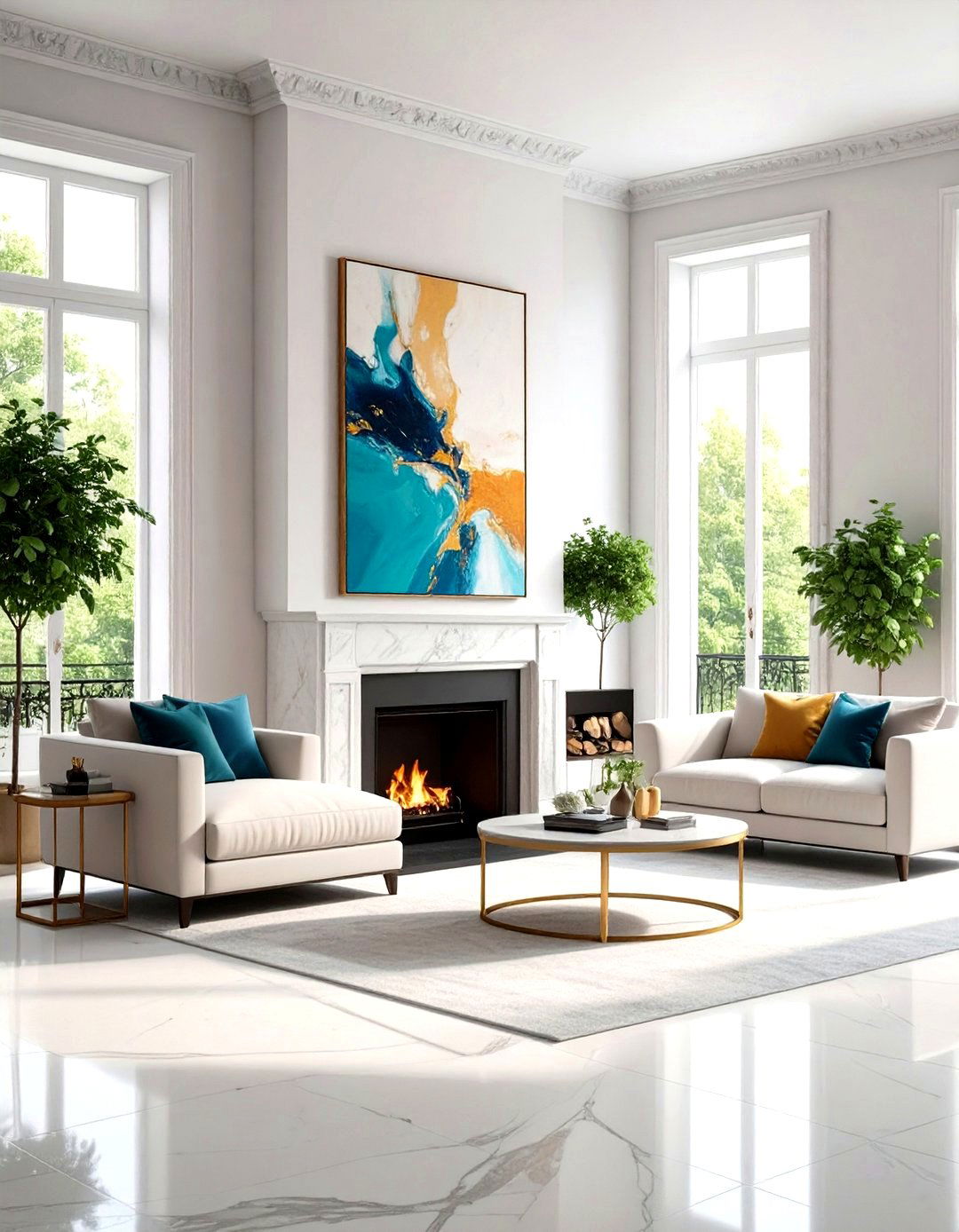
Instead of meticulously hanging every piece of art, the Parisian approach often involves casually leaning larger works against a wall. This can be done on the floor, on top of a console table, or on a fireplace mantel. This effortless placement gives the space a relaxed, studio-like vibe, suggesting that the collection is fluid and ever-changing. It’s an unpretentious way to display art that feels personal and approachable. This simple technique breaks the formality of the traditional architecture and contributes to the overall "artfully undone" charm that is so characteristic of Parisian style.
27. High-Quality, Natural Linens
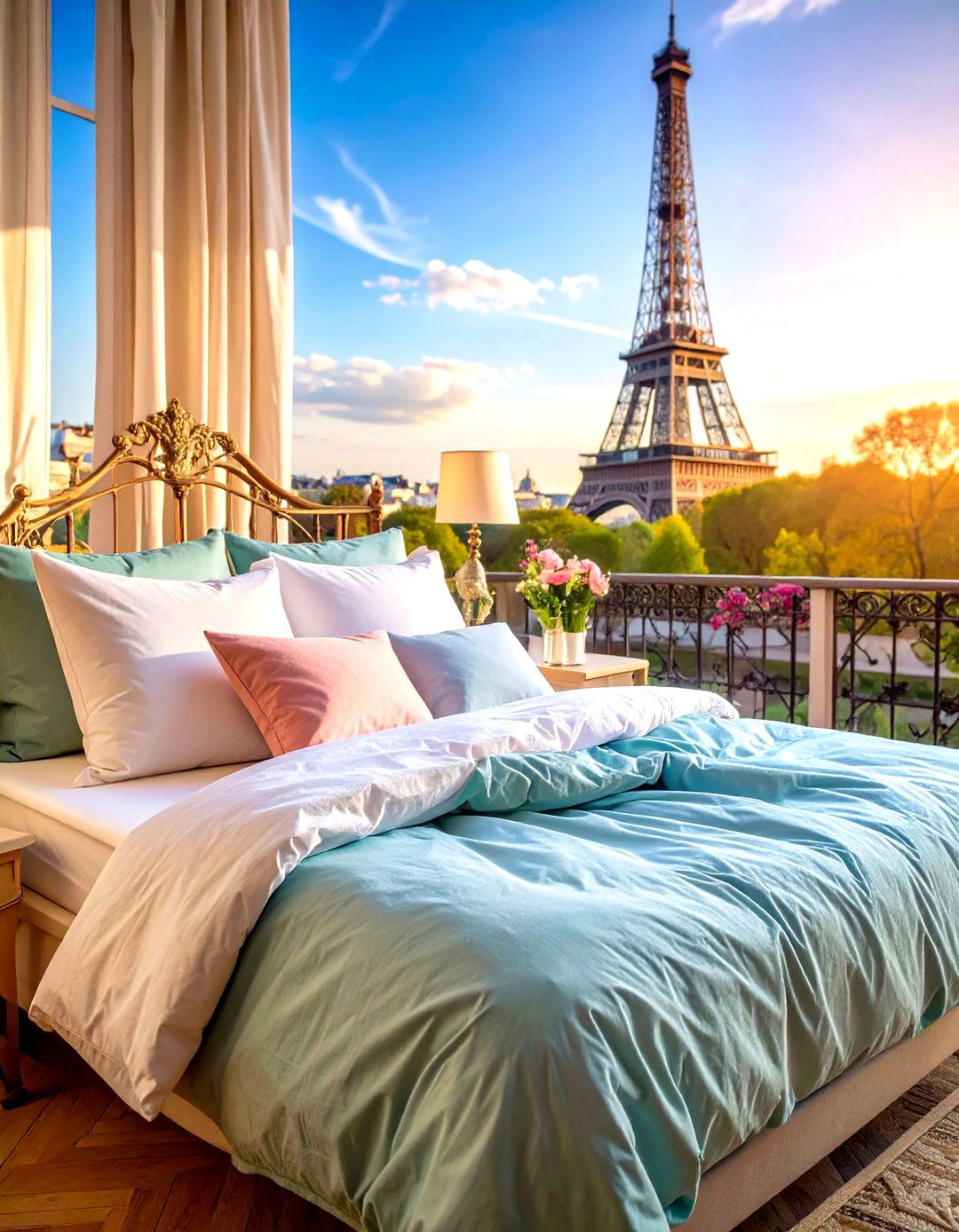
In both the bedroom and dining room, Parisians favor high-quality textiles made from natural fibers, with linen being a top choice. Linen bedding, with its characteristic soft, rumpled texture, epitomizes relaxed luxury. On the dining table, a simple linen tablecloth or runner adds a touch of rustic elegance. The beauty of linen is in its imperfection; it doesn't require precise ironing and looks best when it’s slightly creased. This appreciation for natural, comfortable materials is central to creating an interior that feels authentic, inviting, and effortlessly chic rather than stiff and formal.
28. A Well-Stocked Bar Cart
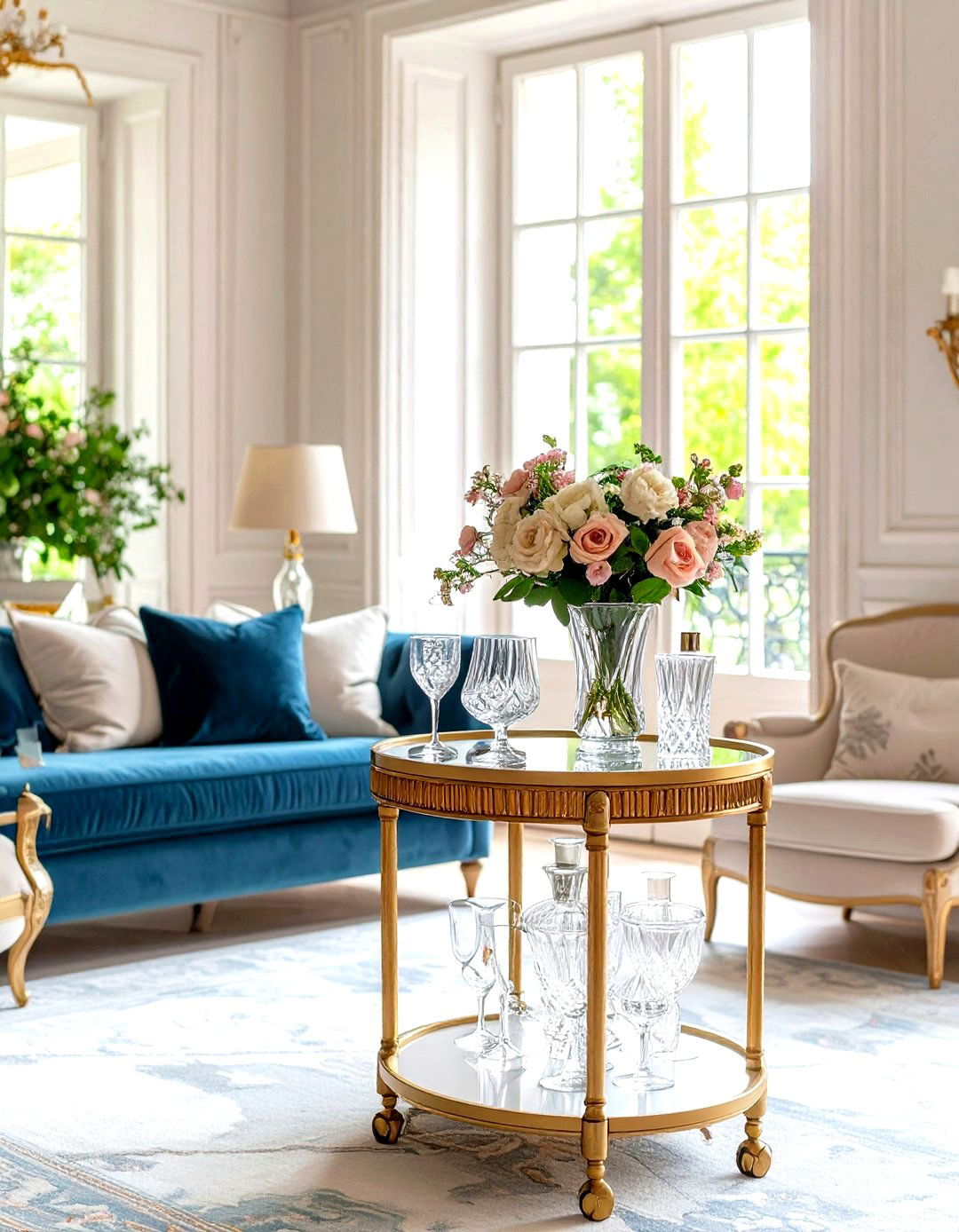
A stylish bar cart is a chic and functional addition to a Parisian living room. Often styled in brass or chrome, it adds a touch of glamour and social grace to the space. Stocked with beautiful glassware, a few select spirits, and a silver cocktail shaker, it signals a readiness to entertain guests at a moment's notice. The bar cart is not just for storage; it's a decorative vignette. A small vase of fresh flowers, a bowl of citrus, or a couple of art books can be added to style it. It embodies the Parisian appreciation for hospitality and the art of living well.
29. A Single Statement Antique Piece
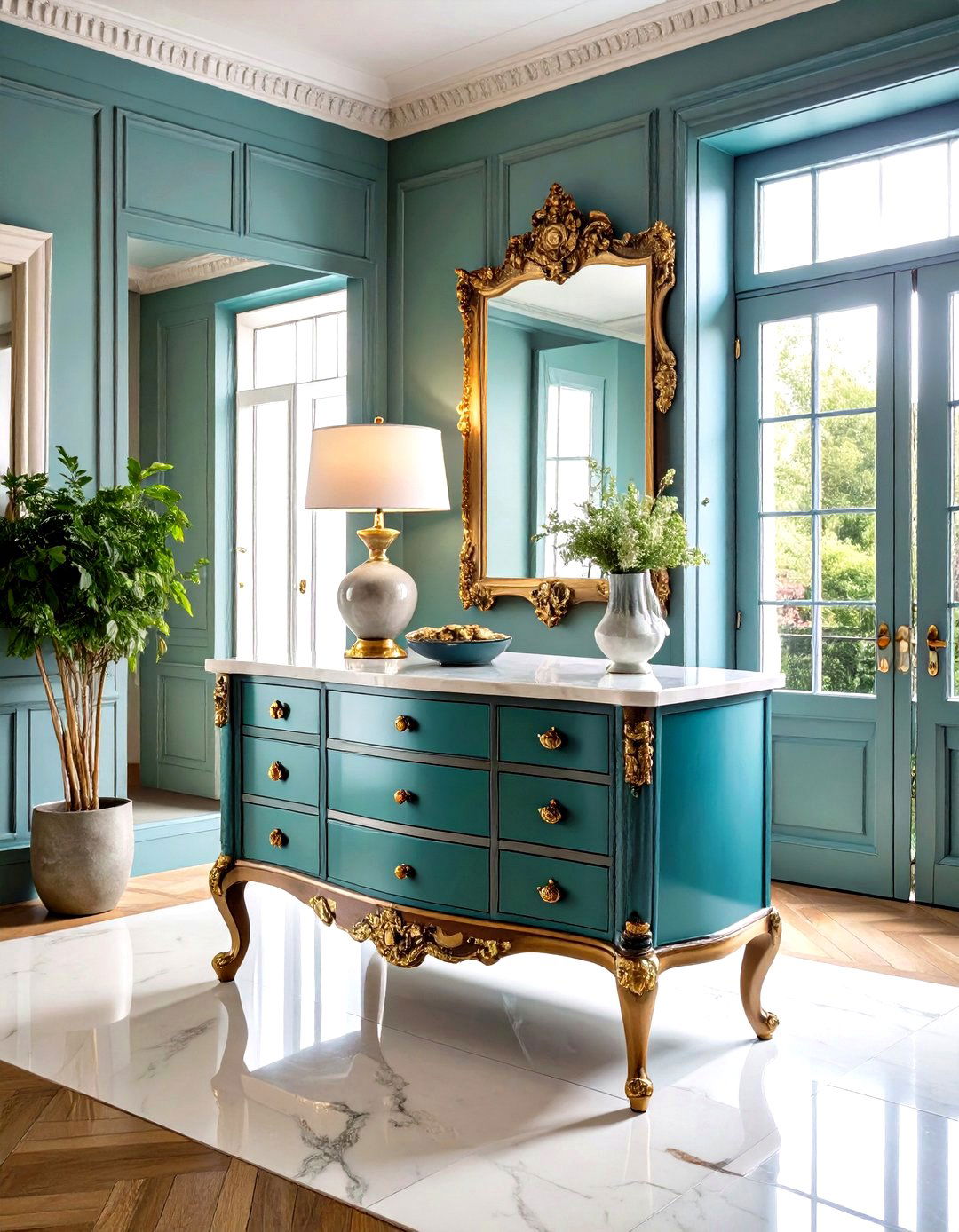
Incorporating at least one significant antique piece is crucial for lending soul and a sense of history to a Parisian interior. This could be an ornate Louis XV commode, a rustic farmhouse dining table, or a beautifully carved armoire. This single item acts as an anchor, providing a rich contrast to more modern elements in the room. The patina of age, the craftsmanship of a bygone era, and the story the piece carries add a layer of depth and character that cannot be replicated with new furniture. It’s a testament to the Parisian philosophy of curating a home over time.
30. Purposeful Imperfection
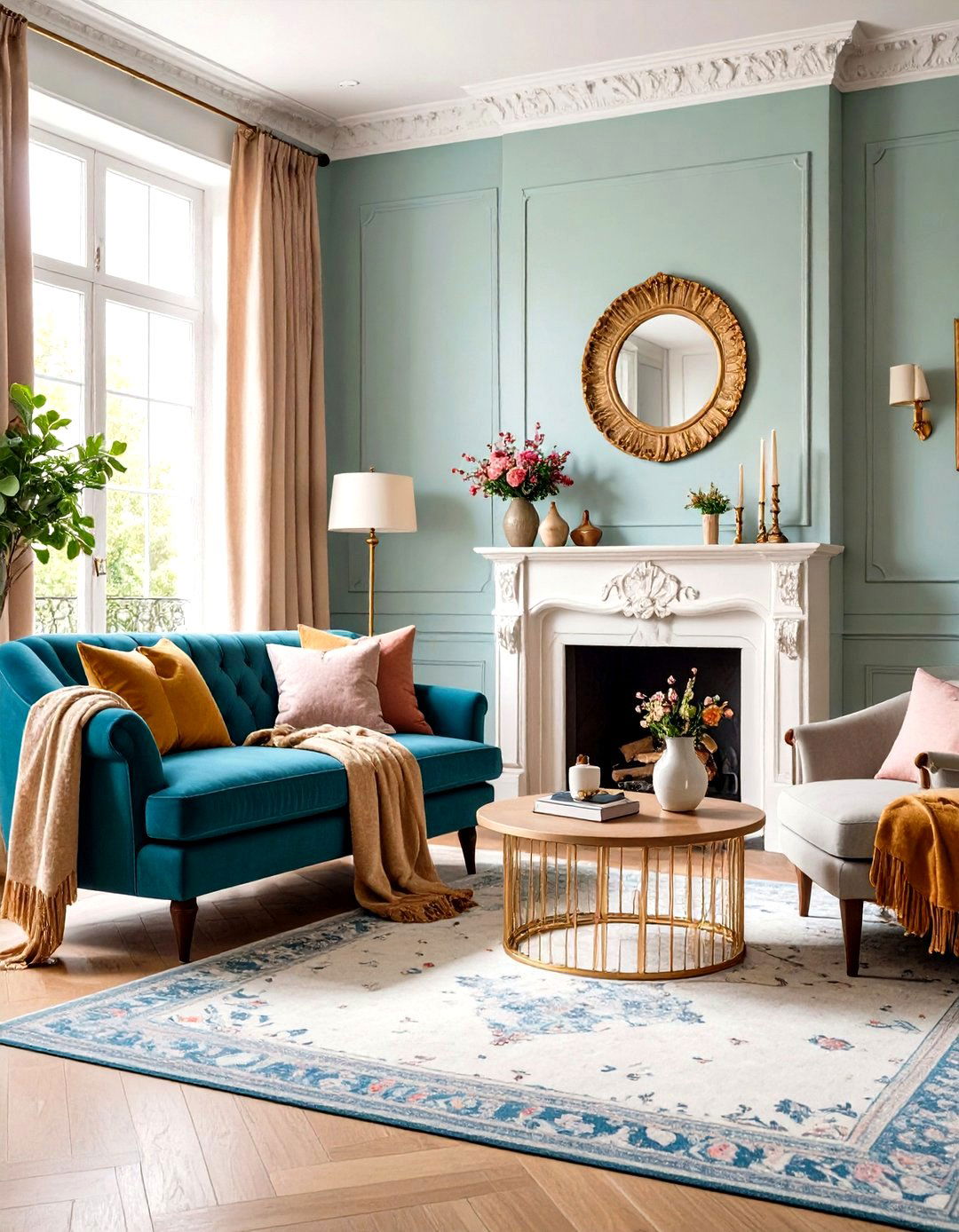
Perhaps the most important principle of Parisian interior design is the embrace of purposeful imperfection. The goal is not to create a flawless, showroom-like space, but one that feels authentic, personal, and lived-in. A slightly chipped gilt mirror, a stack of books on the floor, or a casually draped throw are all part of the charm. This aesthetic rejects rigid rules and over-styling in favor of a relaxed confidence. It is this "je ne sais quoi" attitude—the beauty in the slightly undone—that gives Parisian interiors their enduring appeal and makes them feel so effortlessly chic.
Conclusion:
Parisian interior design is an artful blend of history, modernity, and personality. It hinges on celebrating architectural bones like moldings and parquet floors while layering in a curated mix of antique and contemporary pieces. Key elements such as gilded mirrors, crystal chandeliers, and a neutral color palette create a sophisticated yet unstuffy atmosphere. The style champions imperfection and a "lived-in" quality, where fresh flowers, stacked books, and casual art placement add character. Ultimately, it’s about creating a timeless, elegant, and deeply personal home that feels both inspiring and comfortable.

Related posts:





Leave a Reply