
Creating a zen bedroom is about designing a personal sanctuary that promotes peace, tranquility, and mindfulness. It goes beyond mere aesthetics, focusing on creating a serene atmosphere that helps you unwind and recharge. This style emphasizes simplicity, natural elements, and a clutter-free environment to foster a sense of calm and balance. By carefully selecting colors, materials, and furniture, you can transform your bedroom into a restful retreat that soothes the mind and body. The core principle is to eliminate distractions and surround yourself with things that bring a sense of harmony, allowing for a truly restorative sleep experience.

1. A Neutral Color Palette Zen Bedroom

A foundational step in creating a zen bedroom is adopting a neutral color palette. Think of soft whites, gentle grays, warm beiges, and muted earthy tones that evoke a sense of calm. These colors serve as a quiet backdrop, reducing visual noise and promoting a peaceful state of mind. Unlike vibrant hues that can be stimulating, a neutral scheme allows your mind to rest. By painting your walls in shades like off-white or light taupe, you create a serene canvas. This approach helps to unify the space, making it feel more cohesive and spacious, which is essential for a tranquil atmosphere.
2. Low-Profile Platform Bed

The centerpiece of any bedroom, the bed, should align with zen principles of simplicity and being grounded. A low-profile platform bed is an ideal choice, as its minimal design and proximity to the floor create a feeling of stability and connection to the earth. This style eliminates the need for a bulky box spring and ornate headboard, contributing to the room's uncluttered aesthetic. Often crafted from natural wood, these beds bring an organic warmth to the space. Opting for a simple, sturdy platform frame enhances the room’s open feel and reinforces a minimalist ethos, making your sleeping area a true haven for rest.
3. Minimalist Zen Bedroom Furniture

To cultivate a zen atmosphere, it is crucial to select furniture with intention and restraint. Choose only essential pieces, such as a bed, a pair of simple nightstands, and a minimal storage unit. Look for furniture with clean lines, simple forms, and a lack of ornamentation. This minimalist approach prevents the room from feeling crowded or chaotic, allowing energy to flow freely. Each piece should have a clear purpose and contribute to the overall sense of order and tranquility. Avoiding unnecessary items is key to maintaining a space that feels open, airy, and conducive to relaxation and mental clarity.
4. Natural Wood Elements in a Zen Bedroom

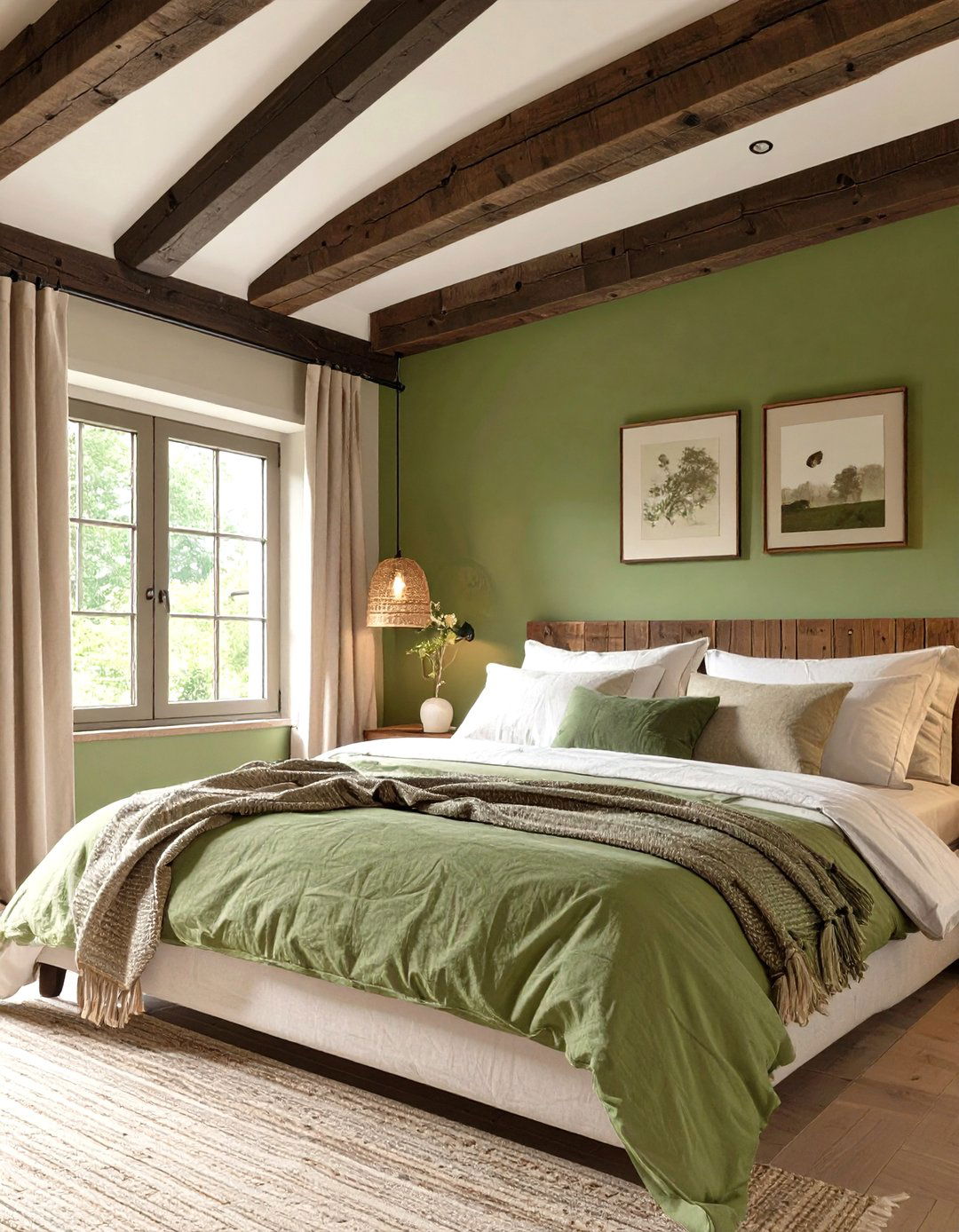
Incorporating natural wood elements is fundamental to achieving a zen aesthetic. Wood brings warmth, texture, and a direct connection to the natural world, which instantly fosters a calming environment. Consider a wooden platform bed, simple nightstands, or even a feature wall with reclaimed wood planks. The grain and tone of the wood add subtle visual interest without overwhelming the space. Light-colored woods like maple, birch, or bamboo can enhance the room's airy feel, while darker woods like walnut can add a sense of grounding and depth. These organic touches help create a space that feels both sophisticated and deeply restful.
5. Bamboo Flooring for a Zen Bedroom

For flooring that embodies the spirit of zen, bamboo is an excellent and sustainable choice. Its natural origin and clean appearance align perfectly with a minimalist and eco-conscious design. Bamboo flooring offers a smooth, uniform look that contributes to a sense of calm and order. It is also durable and easy to maintain, which helps in keeping the space uncluttered and serene. The light, natural tones of bamboo can make the room feel brighter and more open. This connection to nature underfoot helps to ground the space, creating a foundation of tranquility that resonates throughout the entire bedroom.
6. Zen Bedroom with Paper Lanterns

Lighting plays a pivotal role in setting a zen mood, and paper lanterns offer a beautiful solution for soft, diffused light. Inspired by traditional Asian design, these lanterns cast a gentle, warm glow that eliminates harsh shadows and promotes relaxation. Suspending a single large lantern over the bed or grouping smaller ones in a corner can create a serene focal point. Their lightweight appearance and simple construction contribute to the room's minimalist aesthetic. The soft illumination is ideal for winding down in the evening, helping to signal to your body and mind that it is time for rest and peaceful reflection.
7. Clutter-Free Zen Bedroom Storage

A cornerstone of zen design is a clutter-free environment, which makes thoughtful storage solutions essential. Opt for closed storage, such as a simple wardrobe with clean lines or minimalist drawers, to keep belongings out of sight. This helps to maintain a visually calm and orderly space, free from the distractions of everyday clutter. Built-in closets with seamless doors are an excellent option for concealing items without disrupting the room's flow. The goal is to create a system where everything has its place, making it easy to keep the room tidy and reinforcing a sense of peace and control over your environment.
8. Zen Bedroom with Indoor Plants

Bringing nature indoors with carefully selected plants is a powerful way to enhance a zen bedroom. Plants purify the air, add a touch of organic beauty, and promote a sense of vitality and calm. Choose species with simple, elegant forms, such as a snake plant, a bonsai tree, or a peaceful orchid. Place them in minimalist ceramic or stone pots to complement the room's decor. The presence of greenery connects the space to the natural world, fostering a restorative atmosphere. A single, well-placed plant can serve as a living sculpture, adding a subtle touch of color and life without creating visual clutter.
9. Sheer Curtains for Natural Light

Maximizing natural light is key to a zen bedroom, and sheer curtains are the perfect way to achieve this. They allow daylight to filter softly into the room, creating a bright and airy ambiance while still providing a degree of privacy. Unlike heavy drapes that can block light and make a room feel closed in, sheer fabrics in neutral colors like white or ivory enhance the sense of openness. This gentle, diffused light helps to connect the indoor space with the outdoors, promoting a positive and uplifting mood. The delicate movement of the curtains in a breeze can also add a subtle, calming dynamic to the room.

10. Zen Bedroom with Stone Accents

Introducing stone accents into your zen bedroom can add a grounding, earthy element that promotes stability and peace. This can be as simple as a few smooth river stones placed on a nightstand, a slate tray for holding candles, or a small stone sculpture. For a more significant impact, consider a feature wall with textured stone tiles or a stone-topped dresser. The cool, solid nature of stone provides a beautiful contrast to softer elements like wood and fabric. These natural touches connect the room to the enduring, tranquil qualities of the earth, reinforcing the space as a stable sanctuary for rest.
11. Symmetrical Layout in a Zen Bedroom

A symmetrical layout can bring a powerful sense of balance and order to a zen bedroom. By arranging furniture and decor in a mirrored fashion, you create a visually harmonious space that is inherently calming to the mind. Start by centering the bed on the main wall and placing identical nightstands and lamps on either side. This balanced approach eliminates visual tension and promotes a feeling of stability and predictability. Symmetry is a simple yet effective tool for crafting a room that feels intentional, organized, and peaceful, making it an ideal foundation for a restful and centered environment.
12. Zen Bedroom with a Water Feature

The gentle sound of flowing water is incredibly soothing and can transform a bedroom into a true zen retreat. A small, tabletop water feature can introduce this calming auditory element without taking up much space. The continuous, soft trickling sound helps to mask other distracting noises and promotes a meditative state, making it easier to relax and fall asleep. Choose a feature with a simple design made from natural materials like stone or bamboo to align with the room's aesthetic. This subtle addition engages the senses in a gentle way, significantly enhancing the room's tranquil and restorative atmosphere.
13. Aromatherapy Diffuser in a Zen Bedroom

Engaging the sense of smell through aromatherapy is a wonderful way to deepen the zen experience in your bedroom. An essential oil diffuser can fill the space with calming scents like lavender, chamomile, or sandalwood, which are known to promote relaxation and improve sleep quality. Choose a diffuser with a minimalist design, perhaps made of wood or ceramic, so it blends seamlessly with your decor. The gentle mist and subtle fragrance create a spa-like atmosphere, helping you to de-stress and prepare for a night of deep, restorative rest. It's a simple addition that makes a significant impact on the room's overall tranquility.
14. Soft, Layered Bedding

Creating an inviting and comfortable bed is paramount in a zen bedroom, and this is achieved through soft, layered bedding. Opt for natural, breathable fabrics like linen, cotton, or bamboo in neutral, solid colors. Avoid busy patterns and focus on texture to add depth and interest. Layer a soft duvet, a lightweight quilt, and a few simple pillows to create a bed that looks and feels like a cozy cocoon. The emphasis should be on comfort and simplicity. This approach turns your bed into a welcoming sanctuary, encouraging you to unwind and sink into a peaceful night's sleep.


15. Zen Bedroom with Tatami Mats

For an authentic touch of Japanese-inspired zen, consider incorporating tatami mats. Traditionally made from rice straw, these mats provide a firm yet comfortable surface and emit a faint, pleasant grassy scent. You can use them as a base for a low-profile bed or create a dedicated seating or meditation area with them. Their natural texture and simple, grid-like pattern add a sense of order and organic beauty to the room. Tatami mats are deeply rooted in zen principles of simplicity and connection to nature, making them a meaningful addition to a space designed for peace and mindfulness.
16. Shoji Screen Room Dividers

Shoji screens are a classic element of Japanese design that can be beautifully integrated into a zen bedroom. These traditional screens, made of a wooden lattice and translucent paper, can be used as a room divider, a closet door, or even a decorative wall panel. They diffuse light beautifully, casting a soft, even glow that enhances the room's serene ambiance. The geometric pattern of the lattice adds a subtle decorative touch without creating clutter. Using a shoji screen allows you to partition the space for privacy or to conceal a work area, maintaining the bedroom's primary function as a peaceful retreat.
17. Wall Art with Nature Motifs

In a zen bedroom, wall art should be chosen with care to enhance, not disrupt, the peaceful atmosphere. Opt for simple pieces that feature nature motifs, such as a minimalist painting of a mountain range, a photograph of a bamboo forest, or a simple botanical print. The key is to select art that evokes a sense of calm and wonder. A single, large piece can serve as a focal point without overwhelming the space. The artwork should connect you to the tranquility of the natural world, reinforcing the bedroom as a place for quiet reflection and rest away from the chaos of daily life.
18. Integrated Dimmable Lighting

Thoughtful lighting is crucial for creating a adaptable and serene zen bedroom. Integrated dimmable lighting allows you to control the intensity of the light to suit your mood and the time of day. Bright light can be used in the morning to energize you, while soft, warm light in the evening helps you to wind down. Consider installing recessed ceiling lights or LED strips along a headboard or under the bed for a subtle, ambient glow. This seamless approach to lighting keeps the focus on the room's clean lines and uncluttered aesthetic while providing the flexibility needed to maintain a peaceful environment.
19. Zen Bedroom Meditation Corner

Dedicating a small corner of your bedroom for meditation can greatly enhance its function as a zen sanctuary. This space doesn't need to be large; a quiet corner with a comfortable cushion or a low stool is all that's required. You might add a small plant, a few candles, or a singing bowl to aid your practice. The key is to keep the area simple and free from distractions. Having a designated spot for mindfulness encourages a daily ritual of calm and self-reflection, reinforcing the bedroom's role as a space dedicated to mental and spiritual well-being, not just physical rest.


20. A Bedroom without Technology

One of the most impactful zen bedroom ideas is to create a technology-free zone. Remove televisions, computers, and other electronic devices that can emit stimulating blue light and serve as a source of distraction. The bedroom should be a sanctuary for sleep and relaxation, not work or entertainment. By keeping electronics out, you create a clear boundary between your daily stressors and your place of rest. This simple change can significantly improve your sleep quality and reduce mental clutter, allowing you to fully disconnect and recharge in a truly peaceful environment, fostering deeper tranquility.
21. Wabi-Sabi Inspired Zen Bedroom

Embrace the Japanese philosophy of wabi-sabi by finding beauty in imperfection. A wabi-sabi inspired zen bedroom celebrates natural materials, asymmetry, and the signs of age and use. Instead of striving for a flawless look, incorporate handcrafted items, slightly worn wooden furniture, or handmade pottery. This aesthetic values authenticity and simplicity, creating a space that feels lived-in, humble, and deeply calming. Think of a linen blanket with natural creases or a ceramic vase with a unique, imperfect glaze. This approach fosters a relaxed atmosphere where you can appreciate the simple, unrefined beauty of your surroundings.
22. Textured Walls in a Zen Bedroom

Adding texture to the walls can bring depth and warmth to a zen bedroom without relying on color or pattern. Consider materials like limewash paint, clay plaster, or grasscloth wallpaper. These natural finishes create a soft, tactile surface that catches the light in subtle ways, adding a layer of visual interest while maintaining a minimalist feel. A textured accent wall behind the bed can create a gentle focal point that enhances the room's serene and earthy ambiance. This technique provides a sophisticated and organic backdrop that complements the simplicity of zen design and contributes to a cozy, inviting atmosphere.
23. Organic Fiber Rugs

To complete the grounded feeling of a zen bedroom, add a rug made from organic fibers. Materials like jute, sisal, or wool bring natural texture and warmth to the space. A neutral-colored rug can define the sleeping area and provide a soft, comfortable surface underfoot. The inherent imperfections and earthy tones of these natural fibers align perfectly with zen and wabi-sabi principles. Choosing an organic fiber rug not only adds a tactile element but also reinforces the connection to nature. This simple addition helps to absorb sound, making the room quieter and more conducive to peaceful rest.
24. Zen Bedroom with a View

If you are fortunate enough to have a window with a view of nature, make it the focal point of your zen bedroom. Arrange your furniture to maximize this connection to the outdoors. A simple, unobstructed window can act as living art, changing with the seasons and time of day. Keep window treatments minimal, perhaps with sheer curtains or a simple roller blind that can be fully retracted. Waking up to a view of trees, a garden, or the sky can instantly instill a sense of calm and perspective. This direct link to the natural world is a powerful and effortless way to cultivate a zen atmosphere.
25. Hanging Plants for a Zen Bedroom

For a touch of greenery that doesn't take up floor or surface space, consider hanging plants. Suspending a plant like a string of pearls or a pothos from the ceiling or a wall-mounted hook adds a dynamic, vertical element to the room. The cascading foliage brings life and softness to the space, enhancing the connection to nature. Choose simple, minimalist hangers made from natural materials like macrame cotton or leather. Hanging plants are an excellent solution for smaller bedrooms, allowing you to enjoy the calming benefits of nature without contributing to clutter, keeping the space open and airy.
26. Mirrors to Enhance Space and Light

A strategically placed mirror can be a valuable tool in a zen bedroom. It can make a small room feel larger and more open by creating an illusion of depth. Position a mirror to reflect natural light from a window, which will brighten the space and enhance its airy, serene quality. Choose a mirror with a simple, minimal frame made of wood or metal to complement the room's aesthetic. Avoid placing it directly opposite the bed, as some design philosophies suggest this can disrupt sleep. A large, floor-length mirror leaning against a wall can add a casual yet elegant touch.
27. Canopy Bed with Light Fabrics

A canopy bed can create a cozy, sanctuary-like feel within your zen bedroom, but it's important to keep the design light and airy. Opt for a frame with a simple, clean-lined structure, perhaps in a natural wood or black metal. Instead of heavy, opulent drapes, adorn it with sheer, lightweight fabrics like linen or cotton gauze in a soft, neutral color. The fabric can be draped loosely to create a soft, ethereal enclosure that promotes a sense of security and intimacy without feeling constricting. This modern take on a classic bed style adds a touch of romance and serenity.
28. Floating Nightstands

To enhance the open and uncluttered feel of a zen bedroom, consider installing floating nightstands. These wall-mounted shelves or small drawers create a sense of spaciousness by freeing up floor space. Their minimalist design and clean lines contribute to the room's overall serene aesthetic. Floating nightstands provide just enough surface area for essentials like a small lamp, a book, or a glass of water, encouraging you to keep the space tidy. This simple design choice removes visual weight from the room, making it feel lighter and more organized, which is perfect for a peaceful and restful environment.
29. Zen Bedroom with Earthy Tones

While neutral palettes are common, a zen bedroom can also be created using deeper earthy tones. Think of colors inspired by nature, such as terracotta, moss green, or a deep slate blue. These colors can create a cozy, enveloping atmosphere that feels grounding and secure. Use them as an accent wall color behind the bed or incorporate them through bedding, a rug, or a piece of art. When paired with natural wood and plenty of soft, warm light, these earthy hues can foster a profound sense of connection to the natural world, making your bedroom a deeply restorative and tranquil haven.
30. A Minimalist Wardrobe System

A minimalist wardrobe system is key to maintaining the uncluttered principle of a zen bedroom. Instead of a bulky, freestanding armoire, consider a sleek, built-in closet with flat-panel doors that blend seamlessly with the wall. Alternatively, an open wardrobe system with a simple wooden or metal frame can work if you are committed to keeping your clothing collection minimal and neatly organized. The goal is to have a storage solution that is functional yet visually unobtrusive. This keeps the focus on the calm, open space of the room itself, rather than on the storage of your belongings.
Conclusion:
Ultimately, designing a zen bedroom is a journey toward creating a personal haven that supports rest and mindfulness. By focusing on simplicity, natural elements, and a clutter-free environment, you can craft a space that feels balanced and serene. Key elements like a neutral palette, minimalist furniture, and soft lighting work together to reduce sensory overload. Incorporating nature through plants and materials further enhances the tranquil atmosphere. The goal is to create a room that is not just for sleeping, but a true retreat from the stresses of the outside world, promoting peace and rejuvenation.

Related posts:








Leave a Reply