
Interior design is far more than just making a space look attractive; it's a thoughtful process that fundamentally enhances our quality of life. This discipline artfully combines aesthetics with practicality to create environments that are not only beautiful but also functional and safe. A well-designed space can influence our mood, improve our productivity, and support our daily routines. It's about creating a cohesive and personalized setting that reflects who we are and how we want to live. By carefully considering layout, color, lighting, and materials, interior design transforms a house into a home and a workplace into a hub of efficiency.
1. Improving Functional Space Utilization
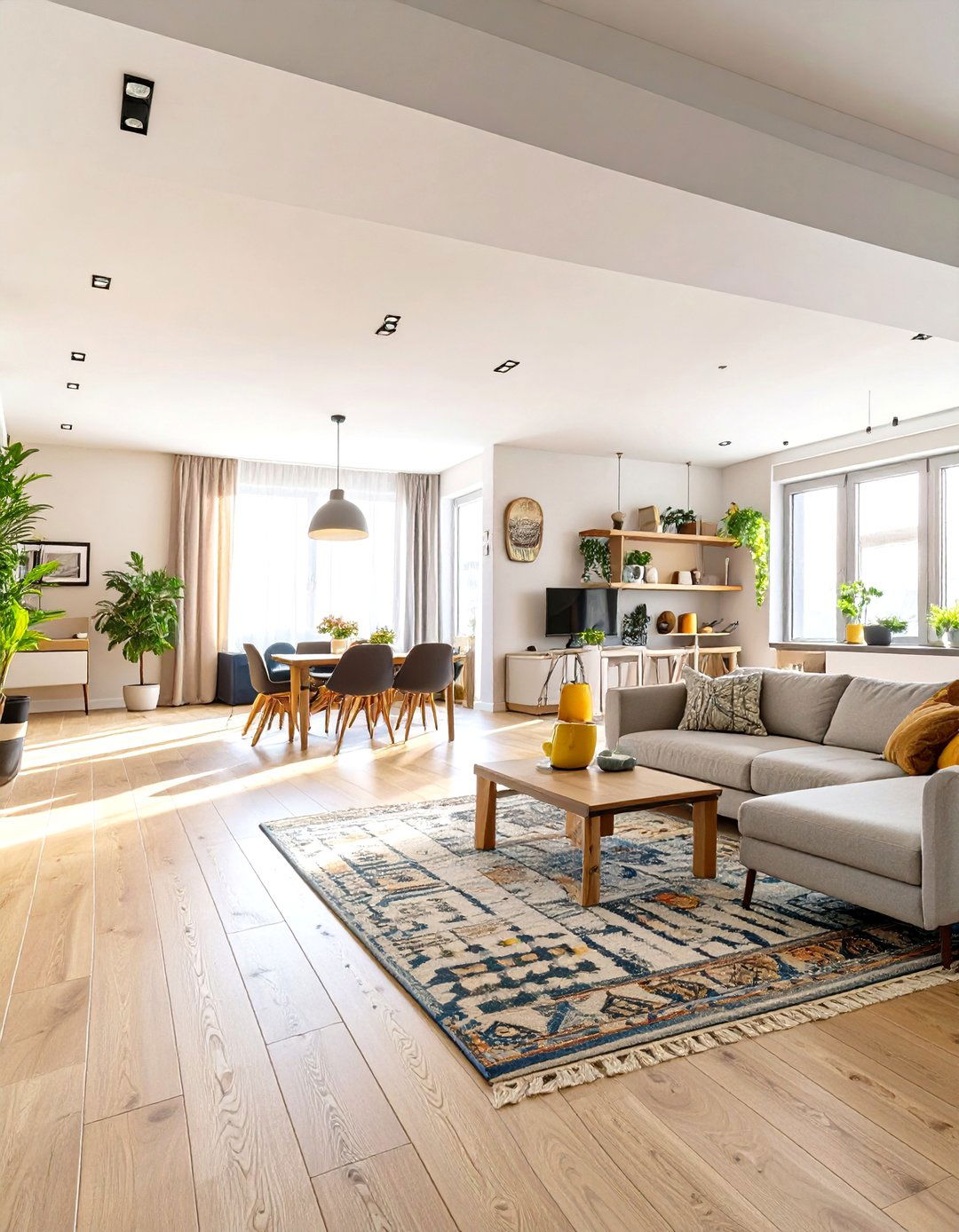
A primary role of interior design is to make the most of the available space. This involves strategic planning of the layout to ensure every square foot serves a purpose, eliminating wasted areas and improving the natural flow of movement. For example, in a small apartment, a designer might use multi-functional furniture or create distinct zones for living, dining, and working without physical walls. This thoughtful arrangement makes daily activities easier and more intuitive, preventing clutter and creating a sense of order. By optimizing the layout, interior design ensures that a home is not just lived in, but is actively working for its inhabitants.
2. Boosting Mood and Emotional Well-being
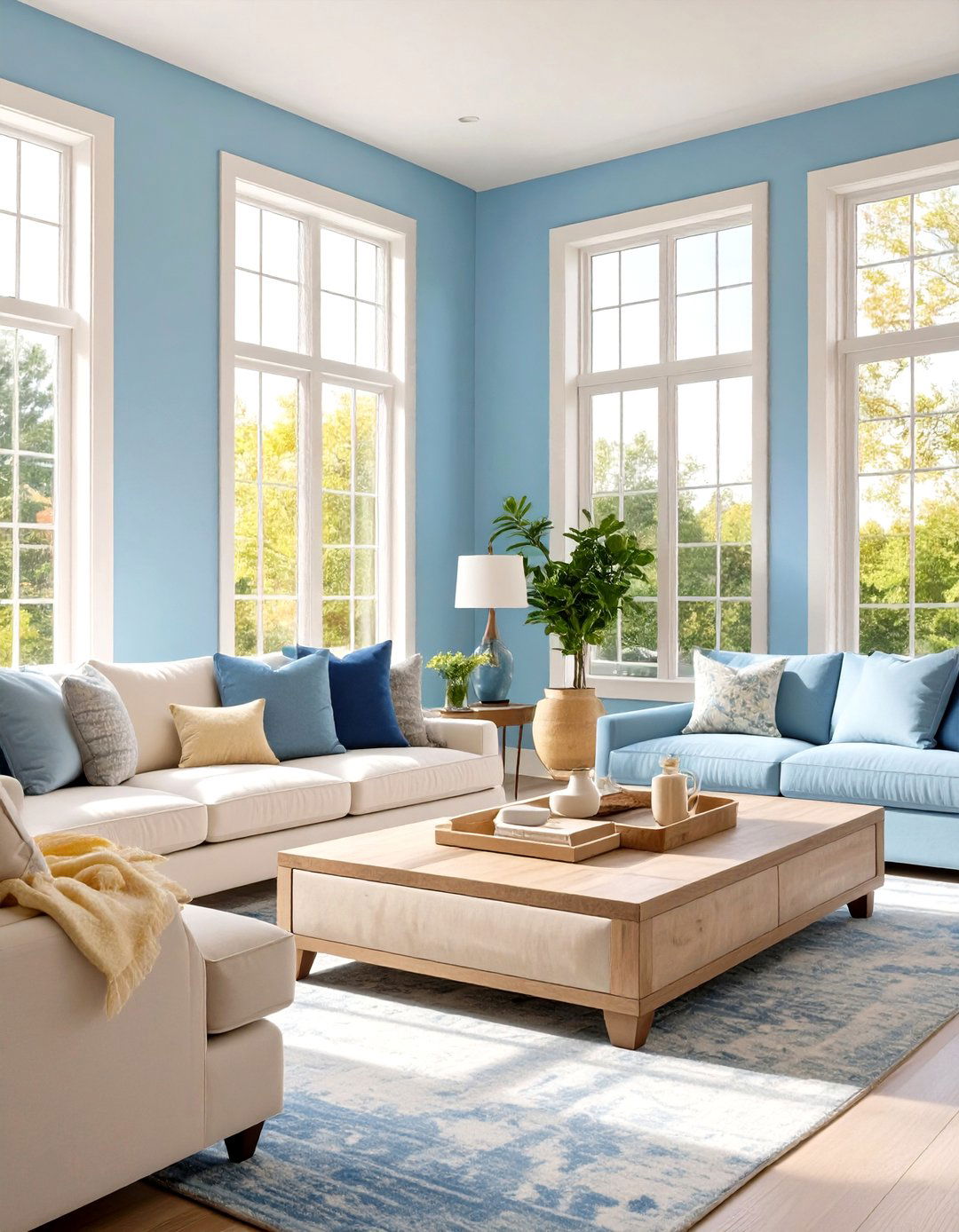
The environment we inhabit has a profound impact on our psychological state. Interior design utilizes color psychology, lighting, and spatial arrangement to create atmospheres that can uplift spirits, soothe anxiety, or energize us. A room with ample natural light, soft, calming colors like blues and greens, and comfortable furnishings can become a sanctuary for relaxation and stress reduction. Conversely, a workspace designed with vibrant colors and dynamic lighting can stimulate creativity and focus. This intentional crafting of our surroundings helps support our mental health, making our homes and offices places that genuinely contribute to our happiness and emotional balance.
3. Reflecting Personal Identity and Values
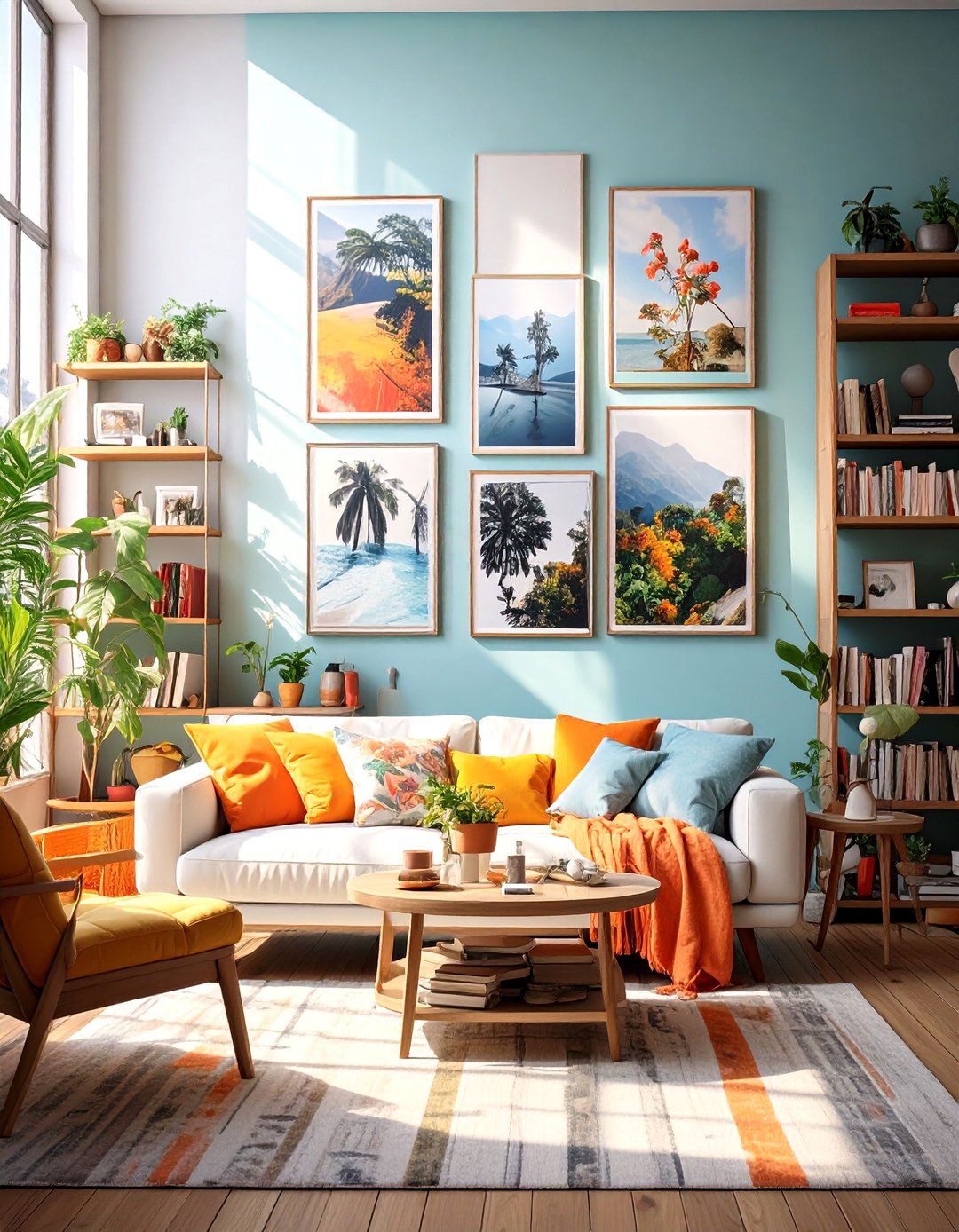
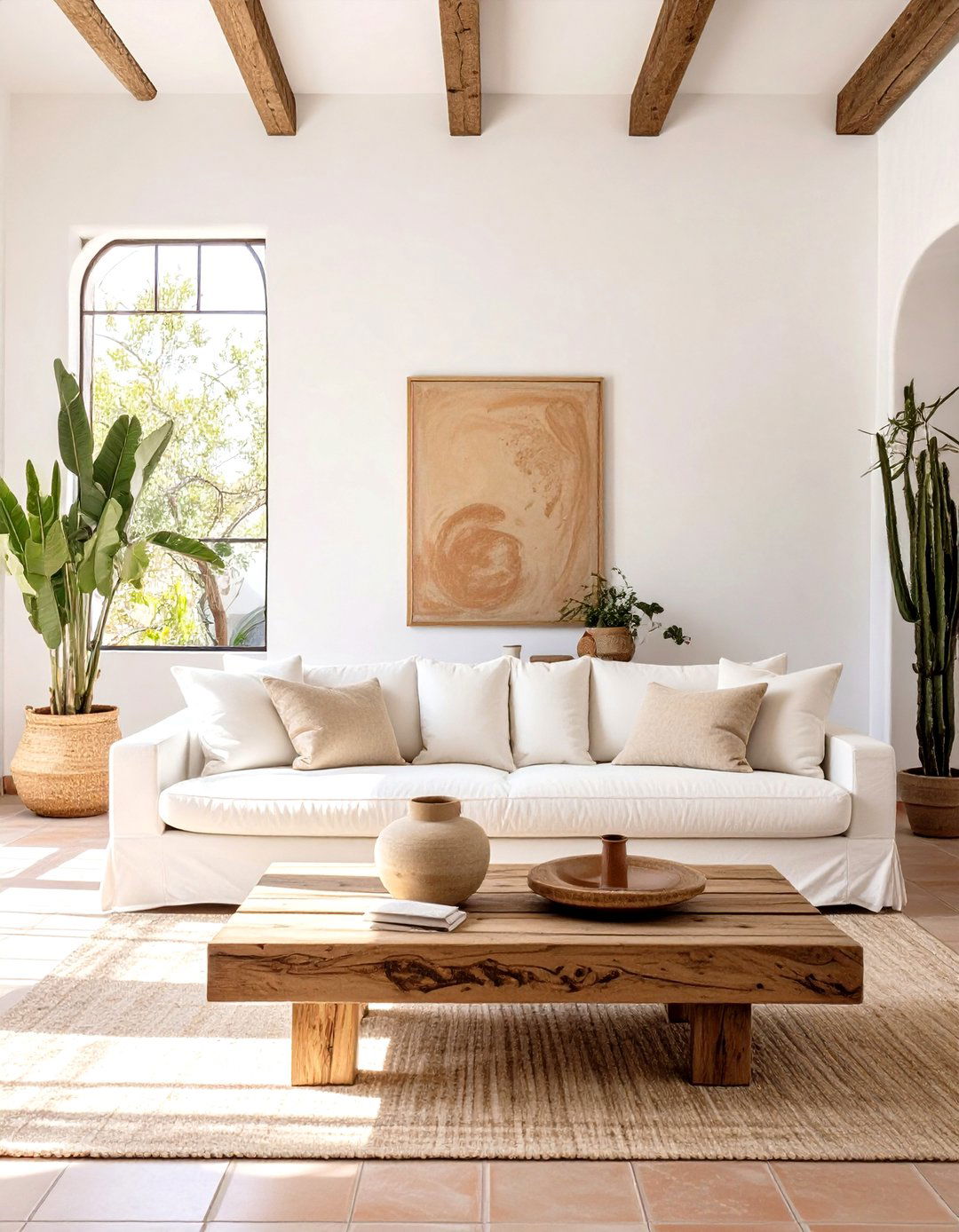
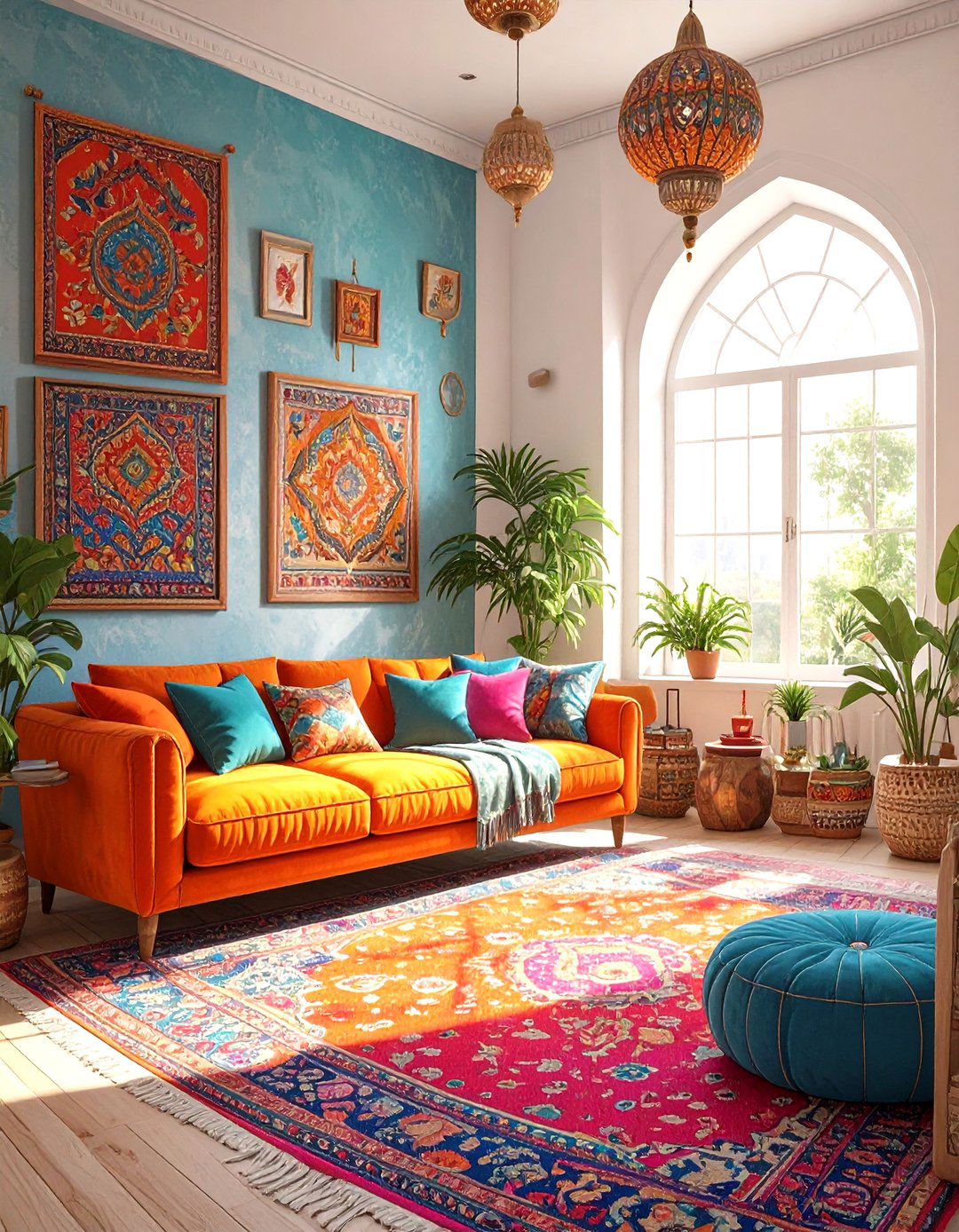
Your home is a canvas for self-expression, and interior design is the tool that brings your personal story to life. It allows you to curate a space that reflects your personality, experiences, hobbies, and values. Whether your style is minimalist, bohemian, or classic, the choices in furniture, art, color, and decor create a narrative about who you are. This process of personalizing a space fosters a deeper connection to your home, transforming it from a mere structure into a place of true belonging. It’s about creating an authentic environment where you feel completely comfortable and understood, surrounded by things that hold meaning for you.
4. Increasing Real Estate Property Value
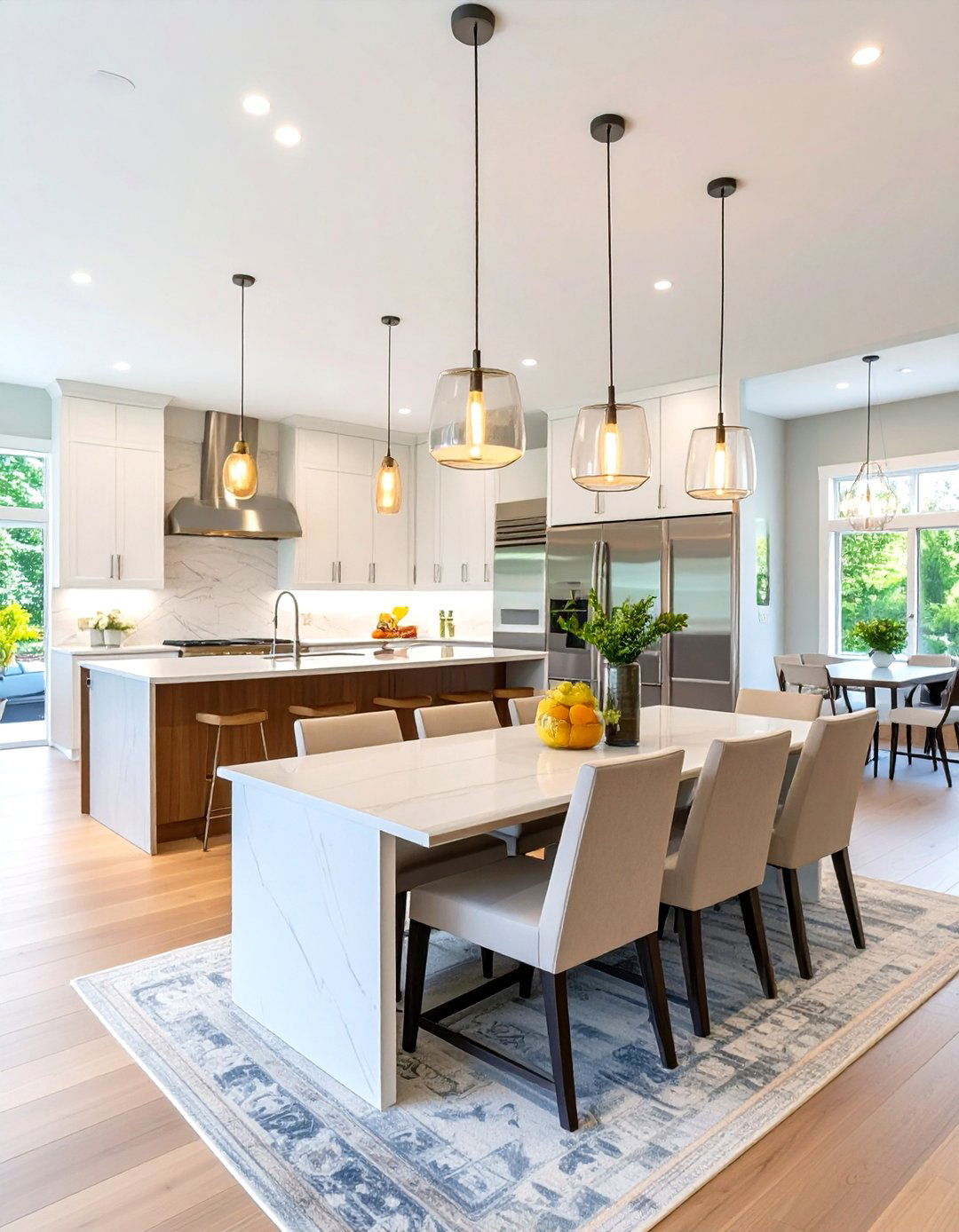
Investing in professional interior design can yield significant financial returns when it comes time to sell a property. A well-designed home is more appealing to potential buyers, as it presents a polished, move-in-ready appearance that helps them envision their own life there. Strategic updates to kitchens and bathrooms, improved lighting, and a cohesive color scheme can dramatically increase a home's market value. Good design highlights a property's best features while minimizing its flaws, making it stand out in a competitive market. This often leads to a faster sale at a higher price, making interior design a wise financial investment.
5. Enhancing Safety and Accessibility in the Home
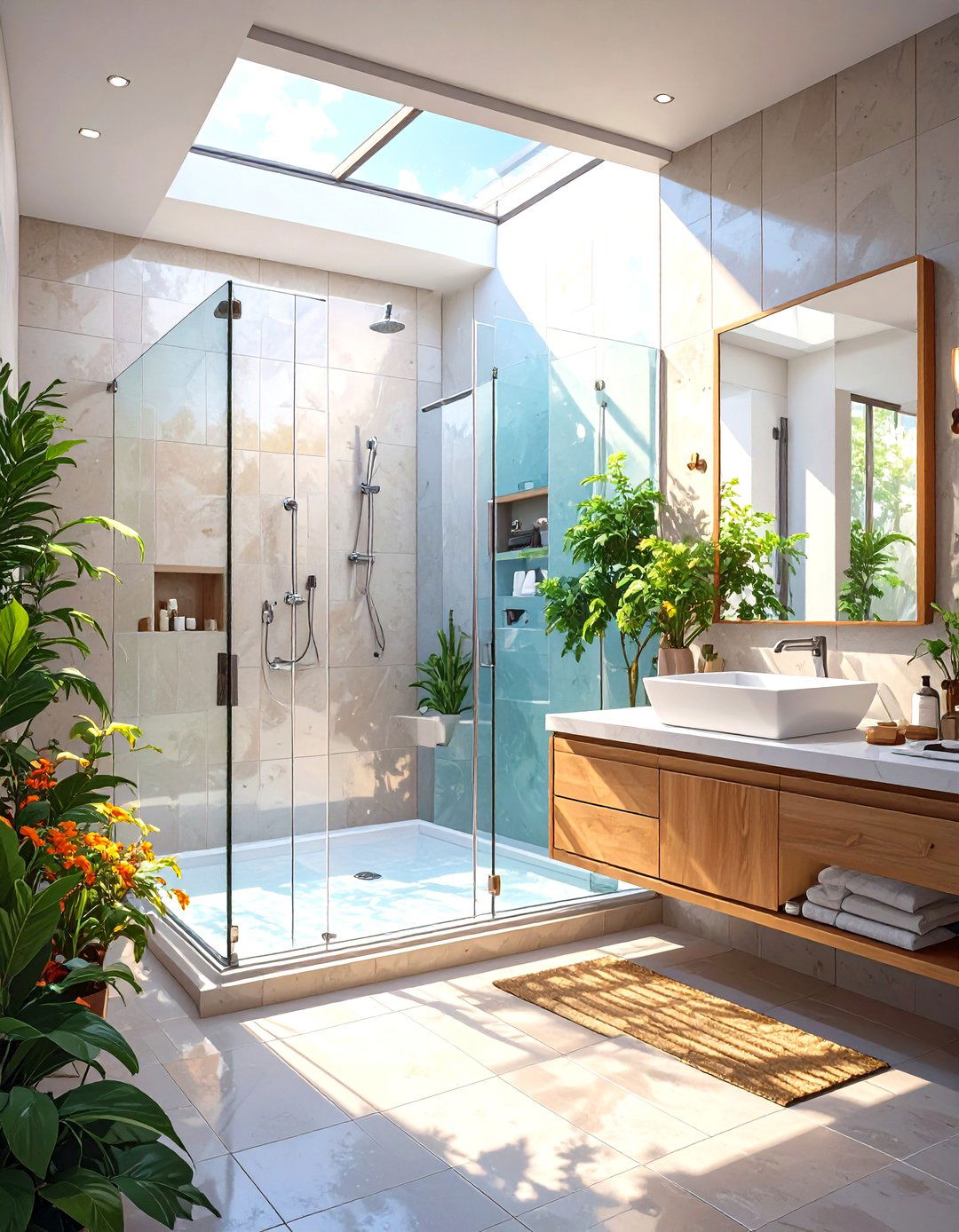
An often-overlooked importance of interior design is its role in creating safer living environments. This goes beyond aesthetics to address practical concerns like building codes, fire safety, and accessibility. Designers ensure that spaces are free of hazards, with clear pathways, non-slip flooring in wet areas, and appropriate lighting to prevent accidents. For households with children, the elderly, or individuals with mobility challenges, design elements like grab bars, ramp access, and furniture placement become crucial. By adhering to universal design principles, interior designers create spaces that are safe, comfortable, and usable for everyone, regardless of age or physical ability.
6. Improving Productivity and Concentration
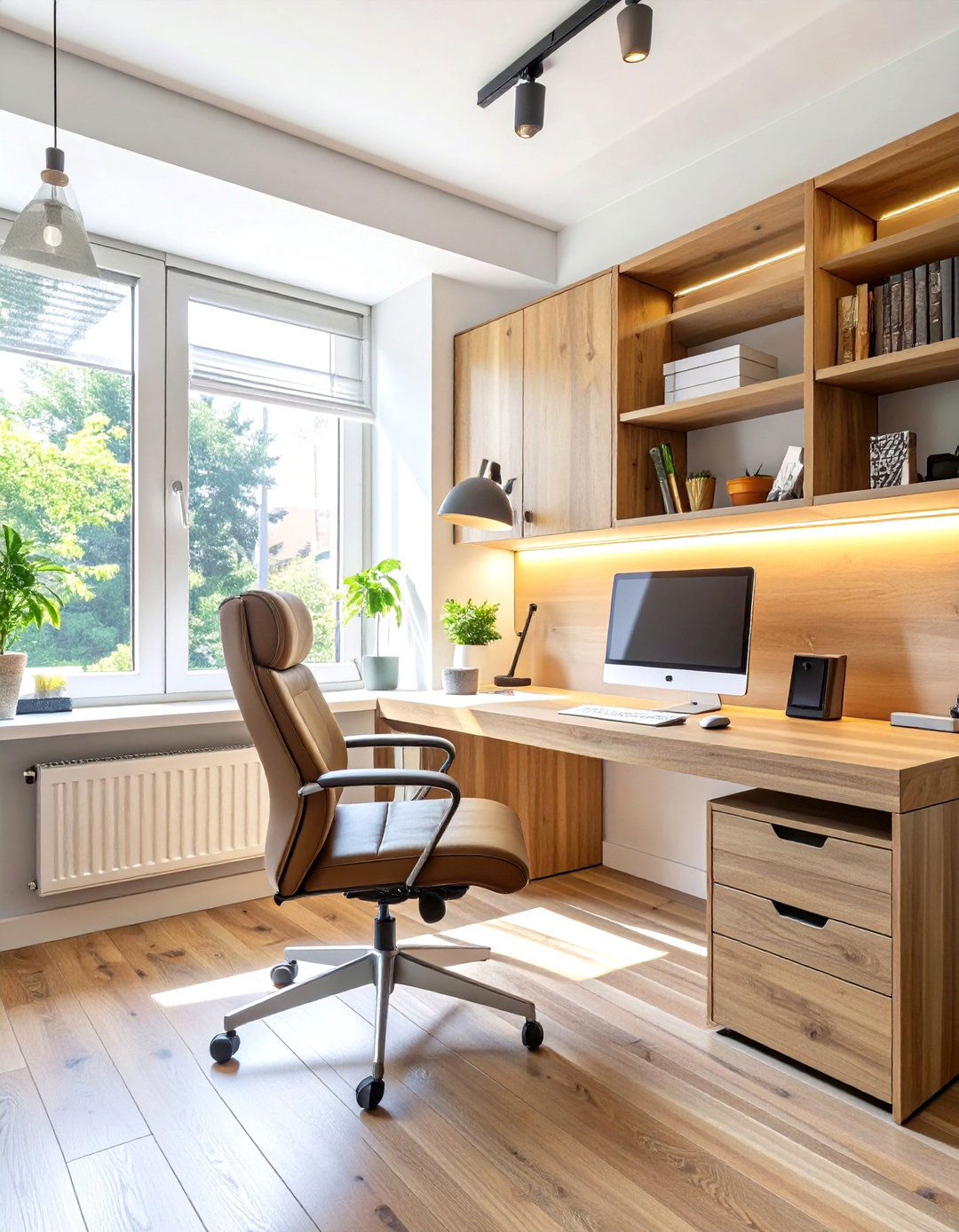
In both home offices and corporate settings, interior design is a key driver of productivity. A well-designed workspace minimizes distractions and supports focus through ergonomic furniture, adequate lighting, and an organized layout. For instance, positioning a desk to face a window can boost mood, while a comfortable chair prevents physical discomfort that leads to distraction. Thoughtful storage solutions keep clutter at bay, allowing for a clear mind and a clear workspace. The right combination of color, texture, and layout can create an environment where concentration comes naturally, leading to more efficient and effective work.
7. Creating an Inviting Atmosphere for Guests
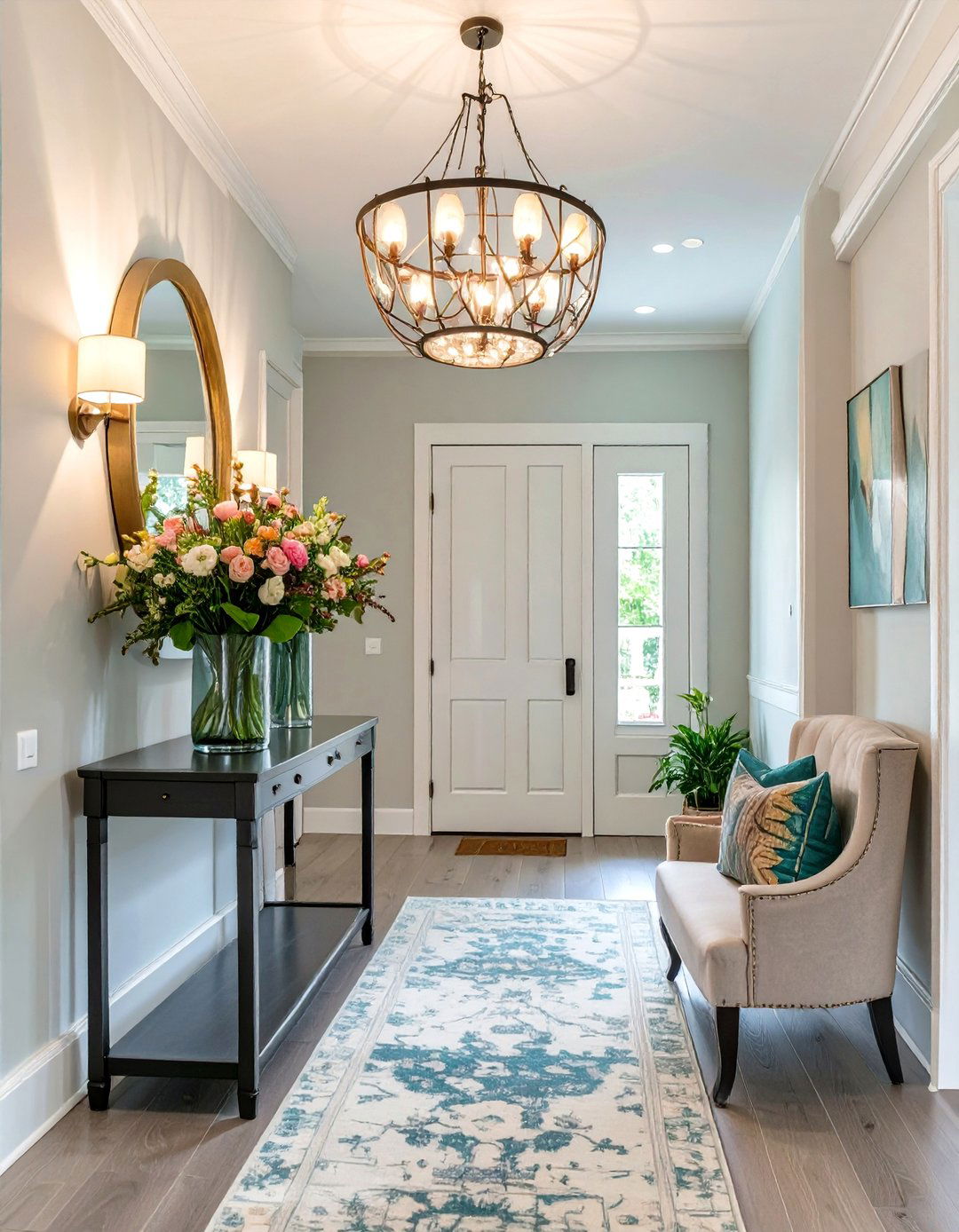
Interior design plays a crucial role in hospitality, making guests feel welcome and comfortable the moment they step inside your home. A thoughtfully designed entryway, a cozy guest room, or a comfortable living area can leave a lasting positive impression. This involves more than just tidiness; it’s about creating an ambiance through warm lighting, accessible seating arrangements, and personal touches that signal care and consideration. A well-appointed space encourages social interaction and relaxation, ensuring that your visitors feel at ease. This ability to craft a welcoming environment is a testament to the power of design to foster connections.
8. Promoting Sustainability and Eco-Friendly Living
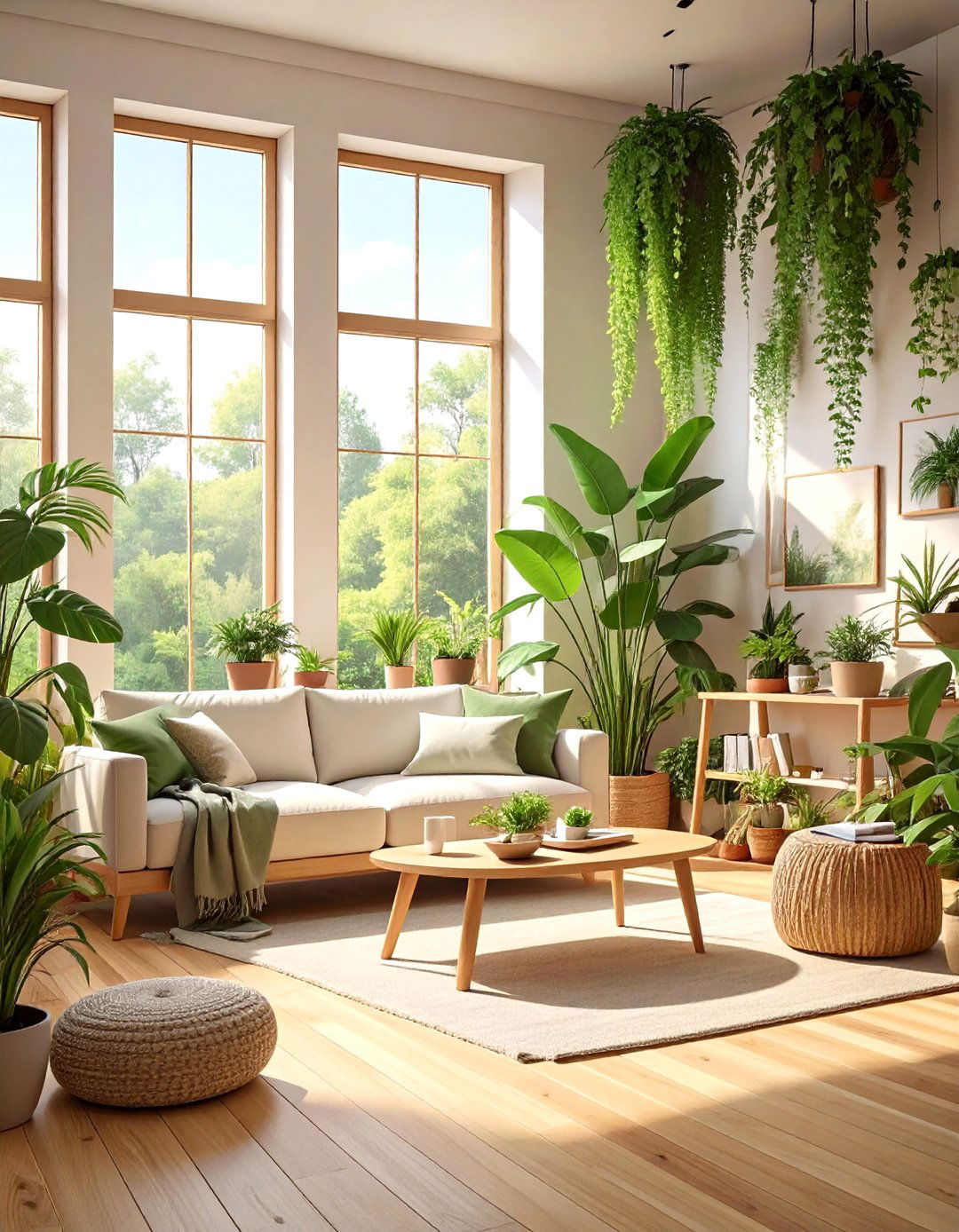
Modern interior design increasingly emphasizes sustainability, offering a way to create beautiful homes while minimizing environmental impact. This involves choosing materials that are renewable, recycled, or sourced locally, such as bamboo flooring, reclaimed wood, or recycled glass countertops. Designers also focus on energy efficiency by maximizing natural light, specifying energy-saving appliances, and using LED lighting. By incorporating non-toxic paints and finishes, they also improve indoor air quality. This eco-conscious approach not only helps protect the planet but also creates healthier living spaces for occupants, proving that good design can be both stylish and responsible.
9. Supporting Health and Physical Well-being
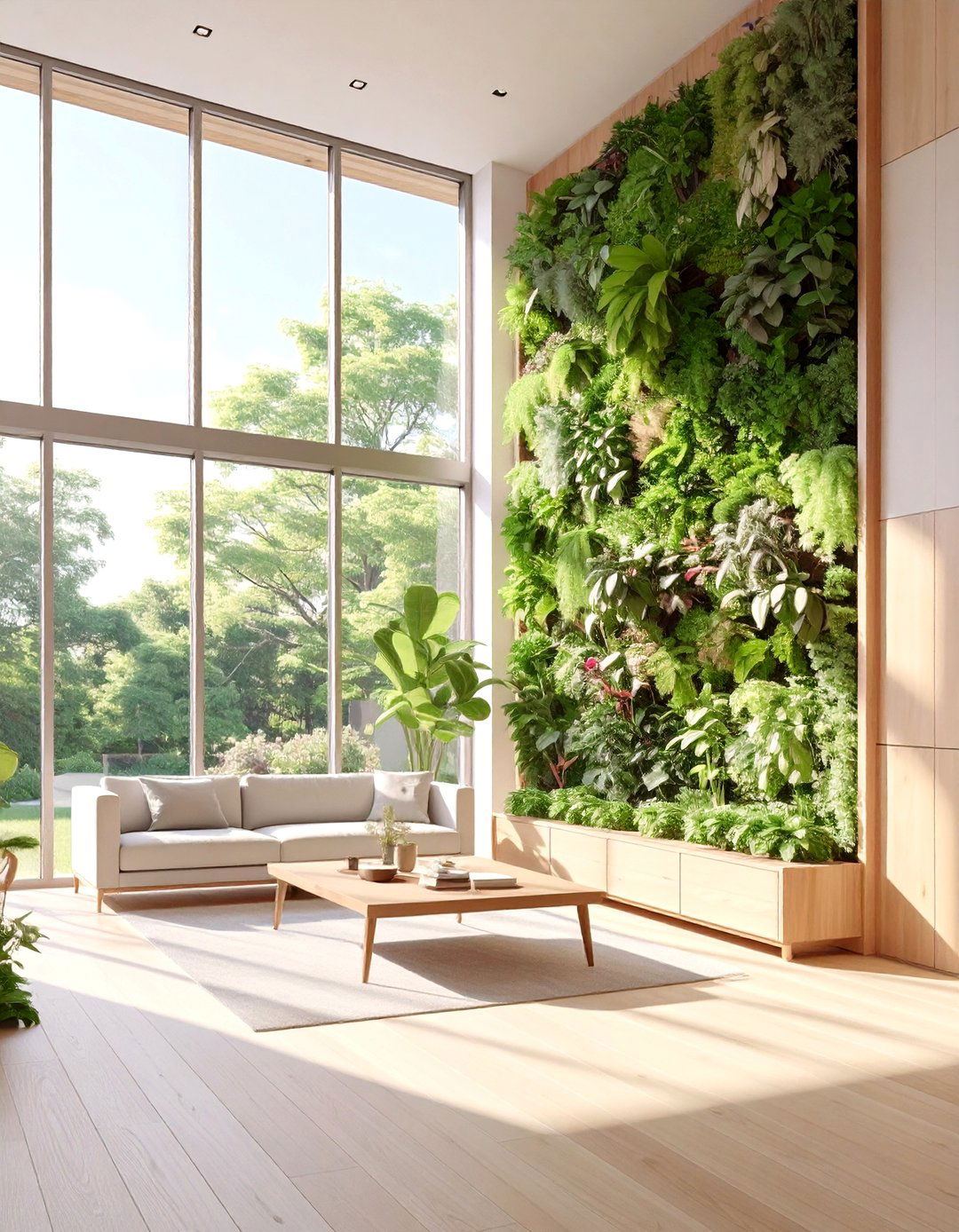
Interior design directly contributes to our physical health through the principles of ergonomics and biophilia. Ergonomic design ensures that furniture and layouts support the human body correctly, reducing strain and preventing musculoskeletal issues. This is especially vital in home offices and kitchens where we spend significant time. Furthermore, biophilic design, which incorporates natural elements like plants, natural light, and nature-inspired materials, has been shown to lower blood pressure and heart rate. By creating spaces that are physically comfortable and connected to nature, interior design actively promotes a healthier lifestyle and enhances our overall physical wellness.
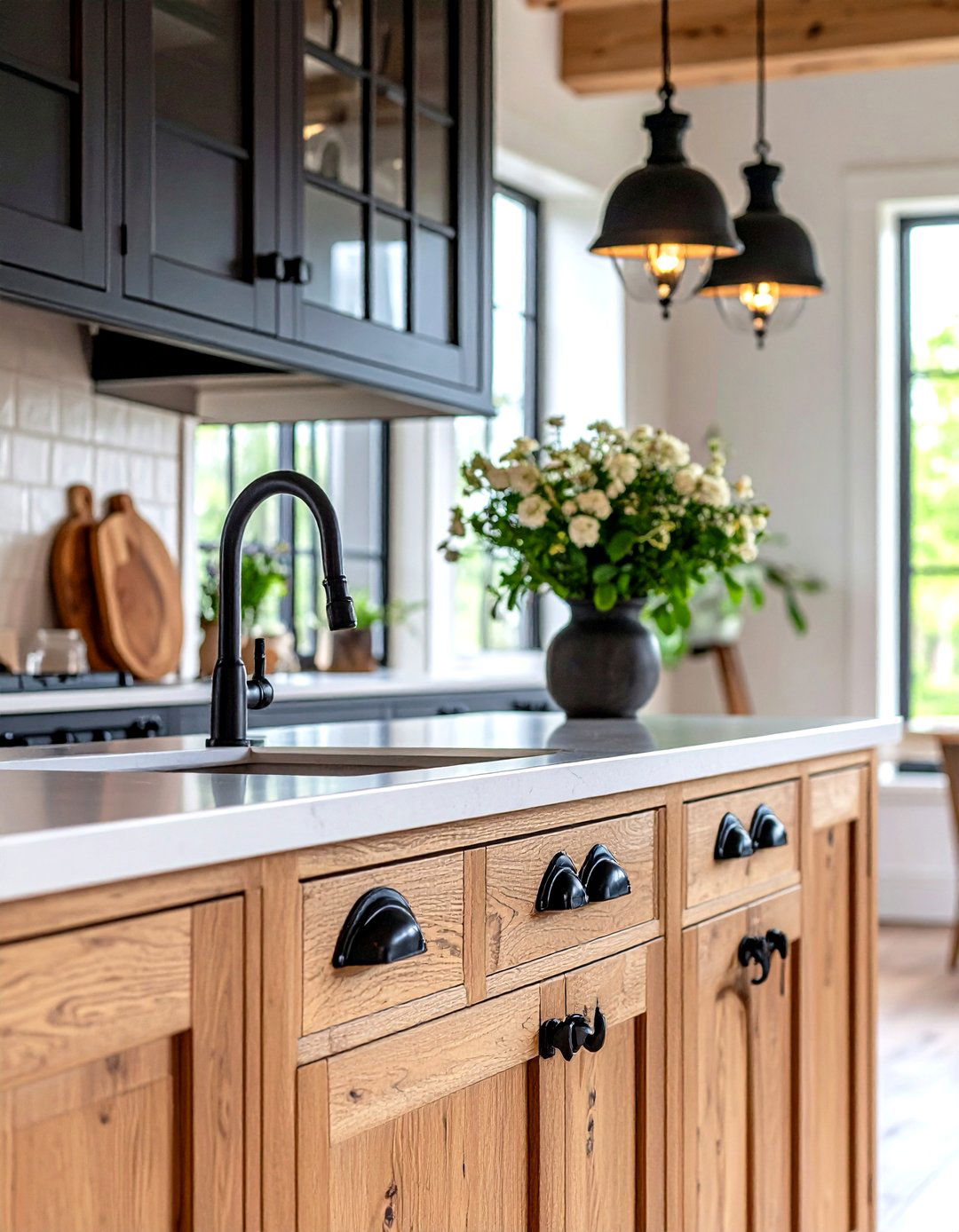
10. Facilitating Better Social Interaction
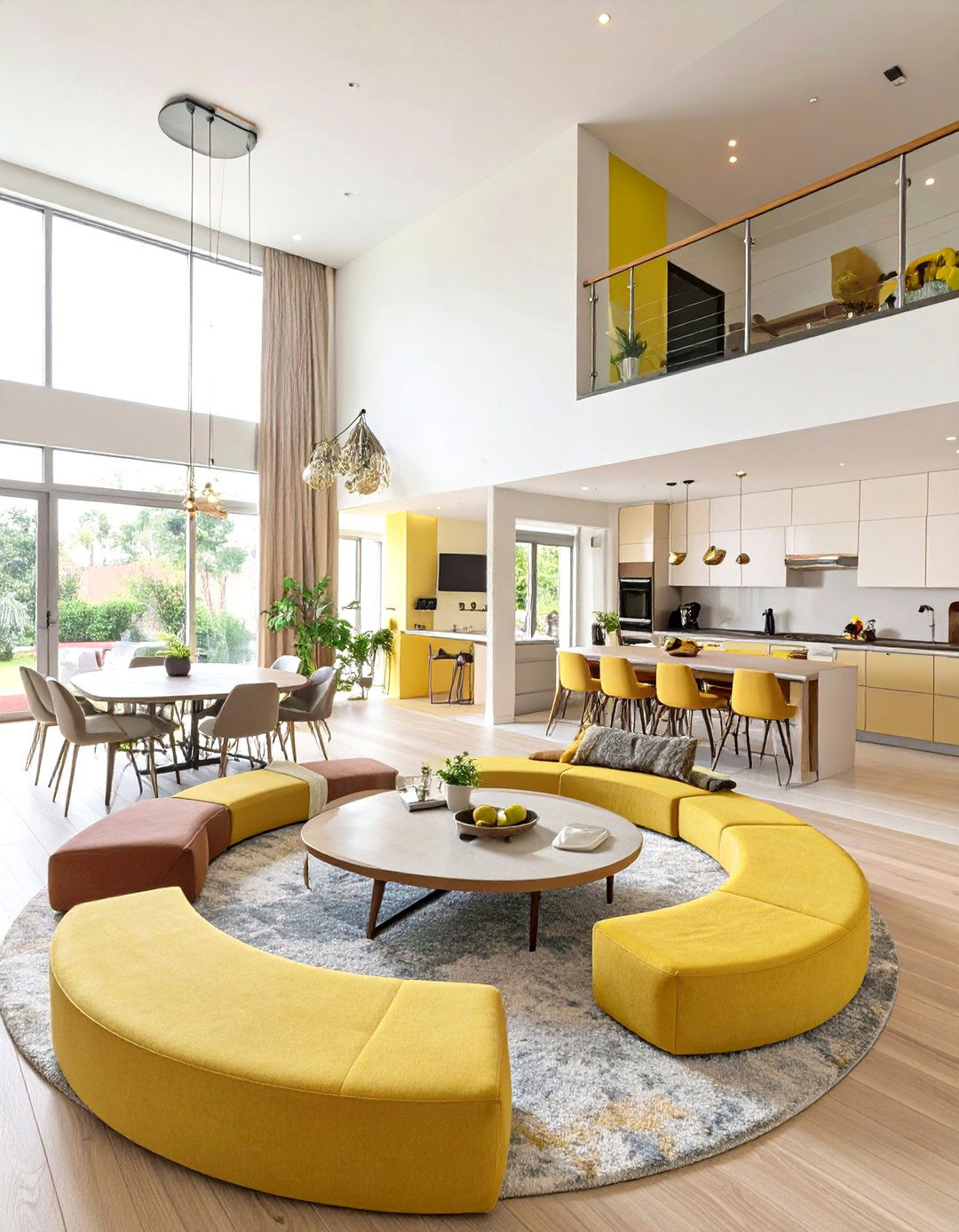
The layout and design of a space can either encourage or hinder social interaction. Interior designers are skilled at creating arrangements that facilitate conversation and connection. For example, arranging seating in a living room to face each other rather than just the television promotes dialogue. An open-concept kitchen and living area allow hosts to interact with guests while preparing food. In commercial spaces like restaurants or offices, thoughtful design creates communal areas that foster collaboration and community. By strategically planning the flow and arrangement of furniture, interior design helps build stronger relationships by making it easier for people to connect.
11. Optimizing Natural and Artificial Lighting
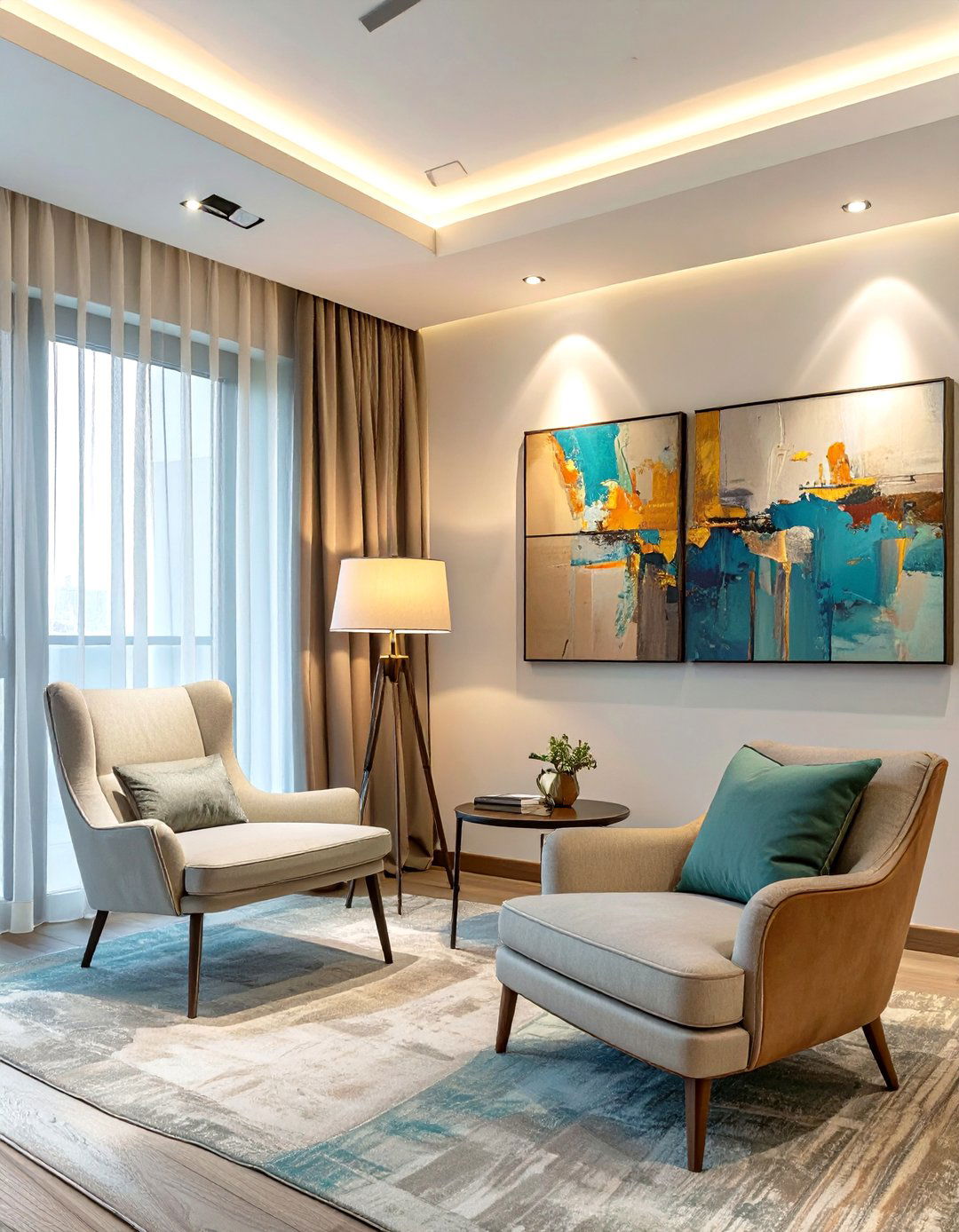
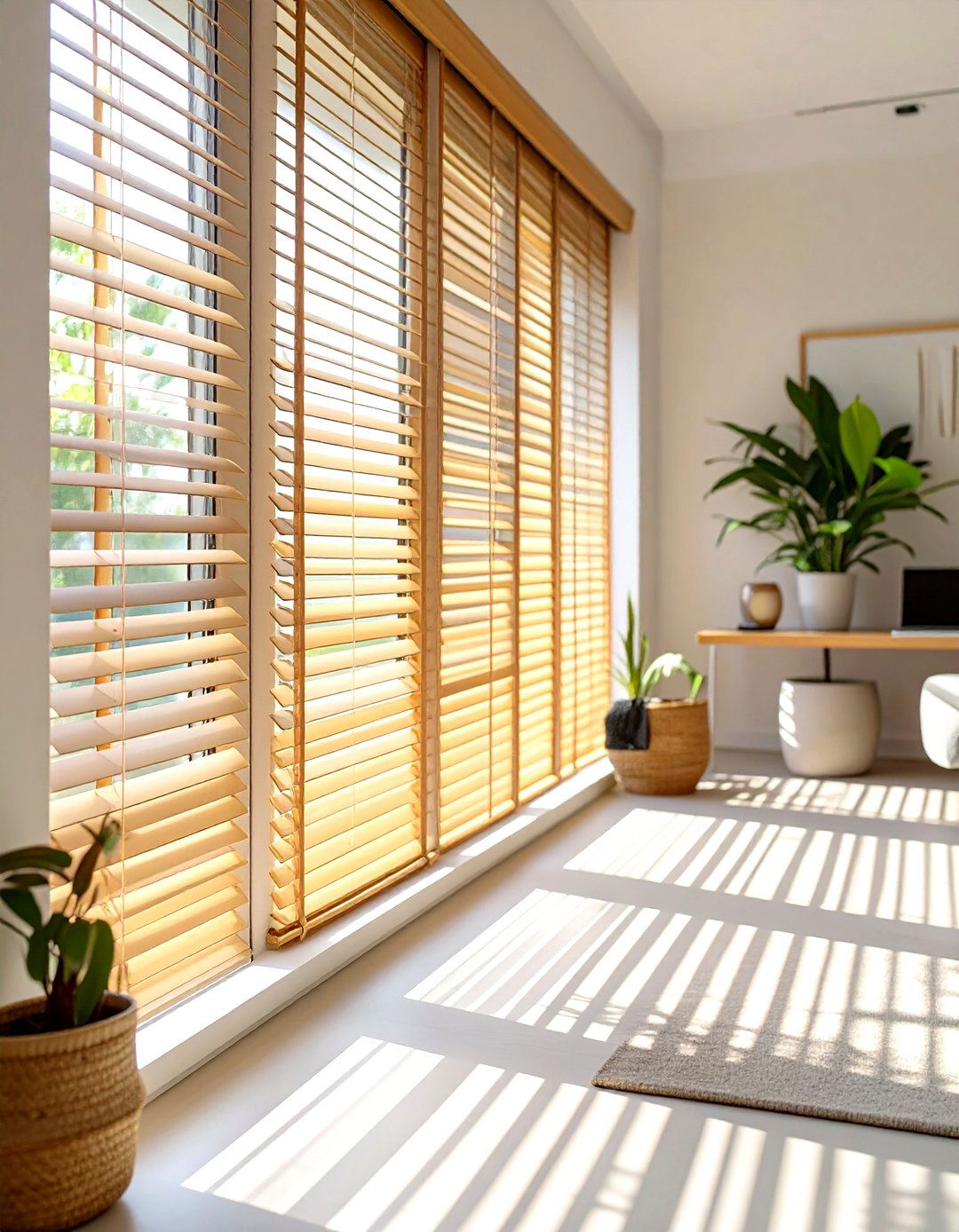
Lighting is one of the most powerful tools in interior design, capable of completely transforming the mood and functionality of a room. Good design maximizes the use of natural light by keeping window areas unobstructed and using reflective surfaces to brighten the space. This not only saves energy but also improves mood and productivity. For artificial lighting, designers implement a layered approach, combining ambient (overall), task (focused), and accent (decorative) lighting. This ensures a space is well-lit for any activity, from reading to relaxing, while also highlighting architectural features and creating a warm, inviting atmosphere after dark.
12. Ensuring Cohesion and Visual Harmony
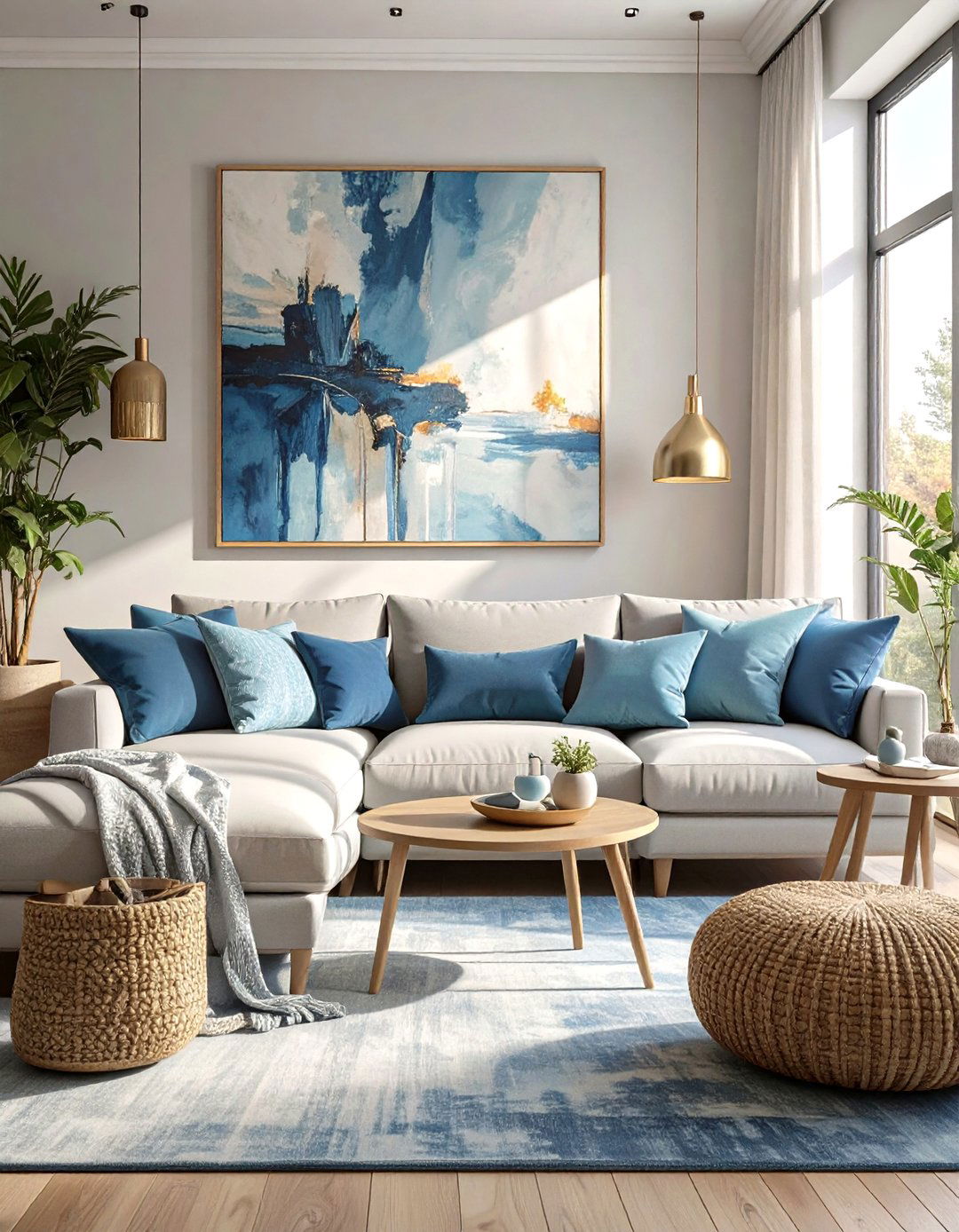
A key goal of interior design is to create a sense of cohesion, where all the elements in a space work together in harmony. This involves developing a unified theme or style and applying it consistently through color palettes, materials, textures, and furniture choices. Without a cohesive plan, a room can feel chaotic and disjointed. A designer ensures that there is a visual flow from one room to another, creating a unified experience throughout the home. This sense of harmony is calming and aesthetically pleasing, making the environment feel complete and intentionally crafted rather than randomly assembled over time.
13. Incorporating Technology Seamlessly
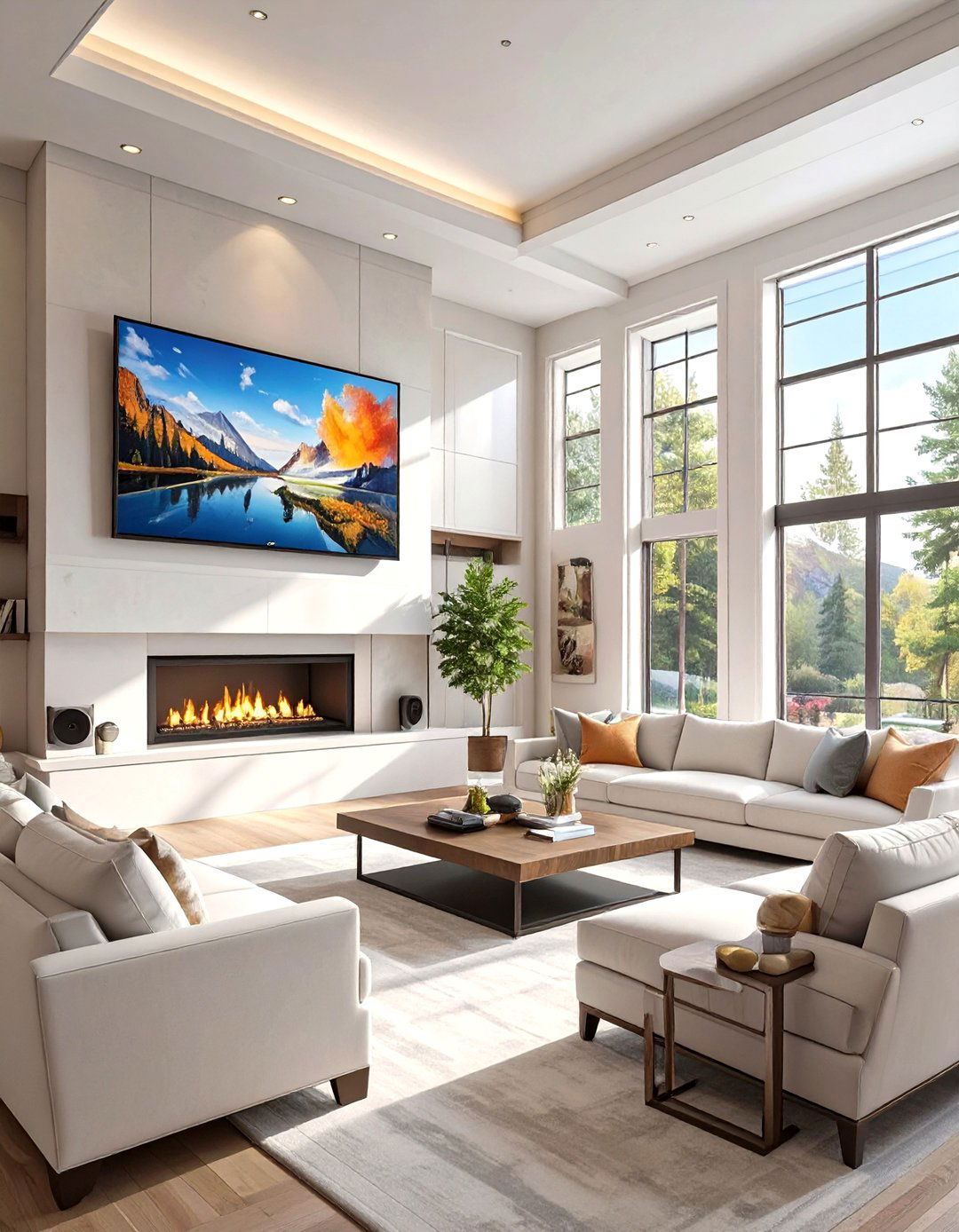
In today's world, integrating technology is a vital aspect of interior design. A well-designed space seamlessly incorporates smart home features, entertainment systems, and charging stations without creating visual clutter. Designers plan for hidden wiring, integrated speakers, and smart lighting systems that can be controlled with ease. This thoughtful integration enhances convenience and functionality, allowing technology to support our lifestyles without dominating the aesthetic of the room. By planning for technology from the outset, interior design ensures that our homes are not only beautiful and comfortable but also fully equipped for modern living.
14. Managing Budgets and Saving Money
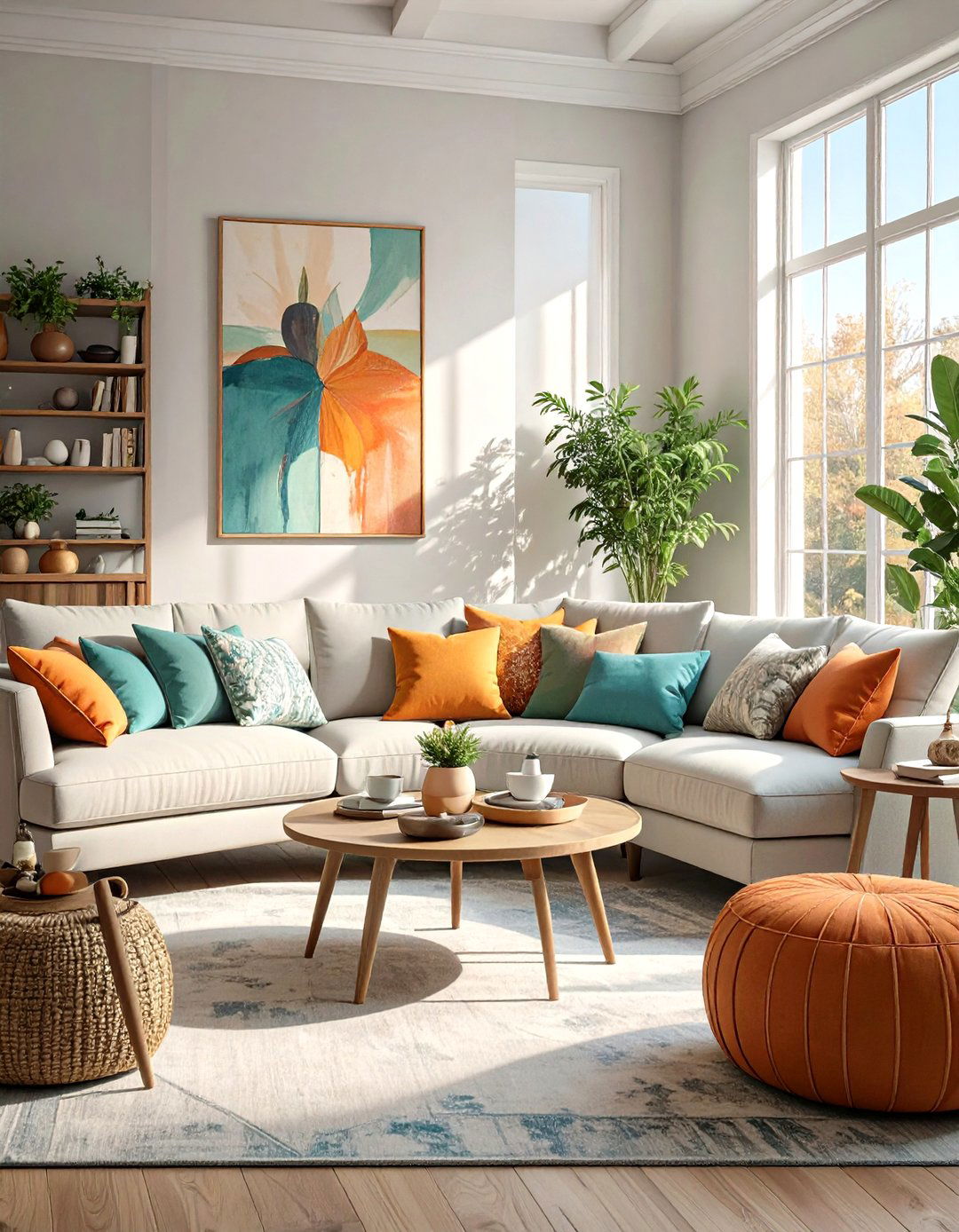
While hiring an interior designer is an investment, it can ultimately save you money and prevent costly mistakes. A designer helps you create a realistic budget and sticks to it, leveraging their industry connections to source materials and furniture at better prices. They have the expertise to know what is worth splurging on and where you can save without compromising quality. Most importantly, their professional planning prevents poor decisions—like buying furniture that doesn't fit or choosing the wrong paint color—that would require time and money to fix later. This strategic guidance ensures your resources are used effectively.
15. Improving Acoustic Quality
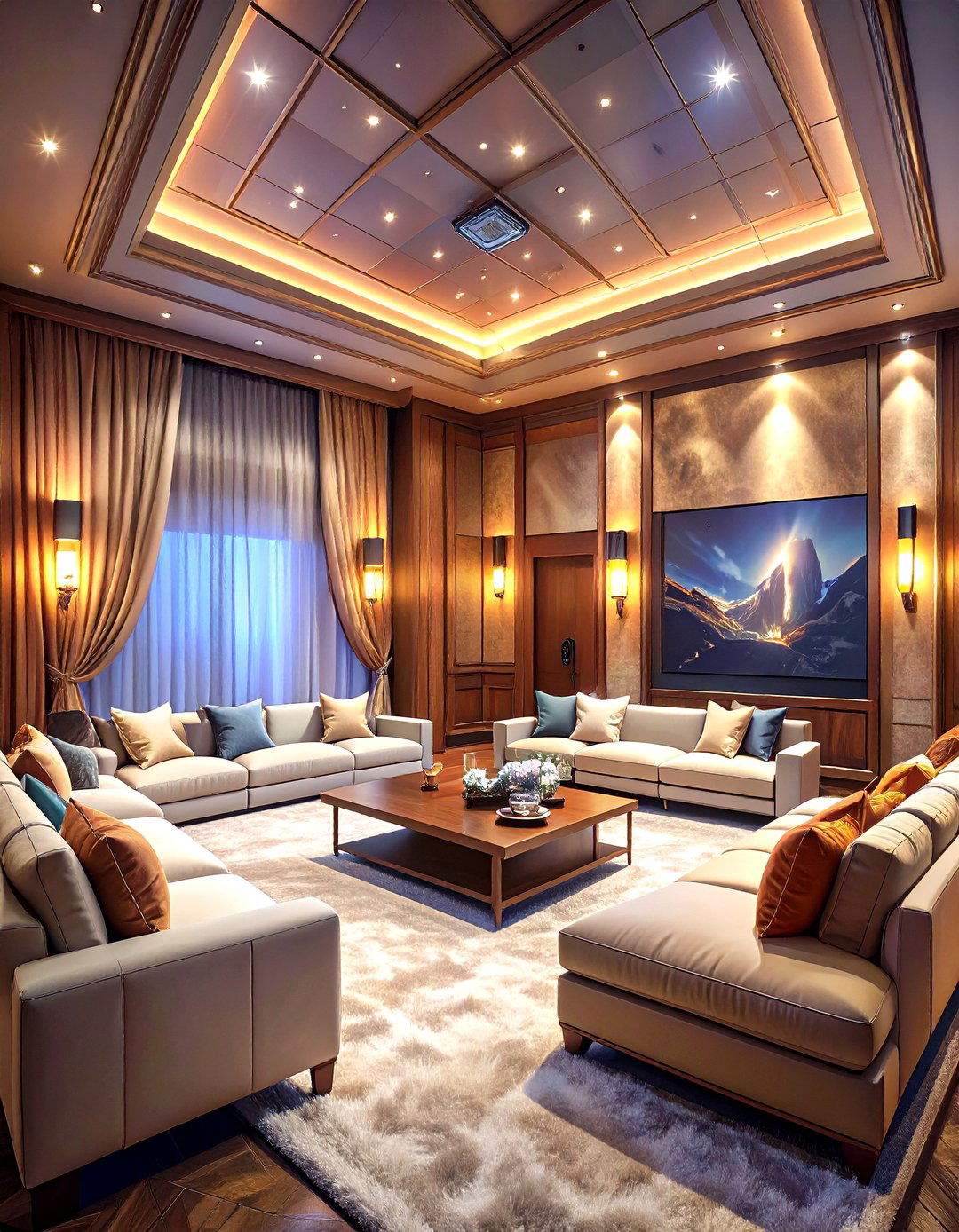
The sound within a space significantly affects its comfort and usability. Interior design plays a critical role in managing acoustics, especially in open-plan homes or media rooms. Designers use various materials and strategies to absorb or diffuse sound, reducing echo and unwanted noise. This can include incorporating soft furnishings like rugs, curtains, and upholstered furniture, as well as using acoustic panels or textured wall coverings. In a home office, good acoustics are essential for concentration during video calls. In a living area, they create a more intimate and pleasant environment, proving that design impacts what we hear just as much as what we see.
16. Creating Multipurpose and Flexible Spaces
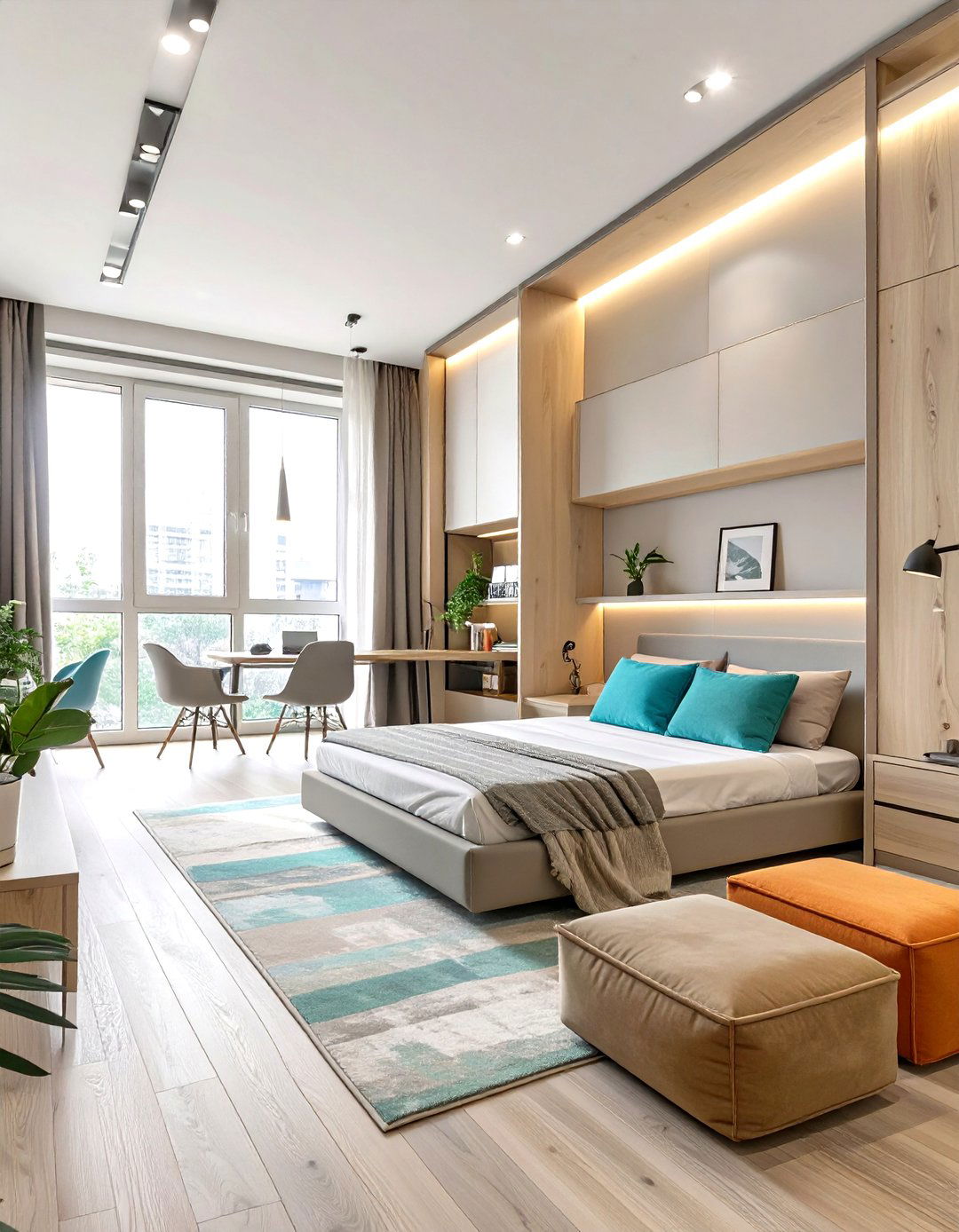
Modern lifestyles demand flexibility, and interior design is essential for creating spaces that can adapt to various needs. A designer can transform a single room into a multi-functional area that serves as a home office by day, a guest room by night, and a workout space in the morning. This is achieved through clever furniture choices like Murphy beds, modular sofas, and extendable dining tables, as well as strategic zoning with rugs or screens. This adaptability is particularly crucial in smaller homes where every inch of space counts, allowing residents to maximize the utility of their environment without feeling cramped or disorganized.
17. Enhancing Brand Identity in Commercial Spaces
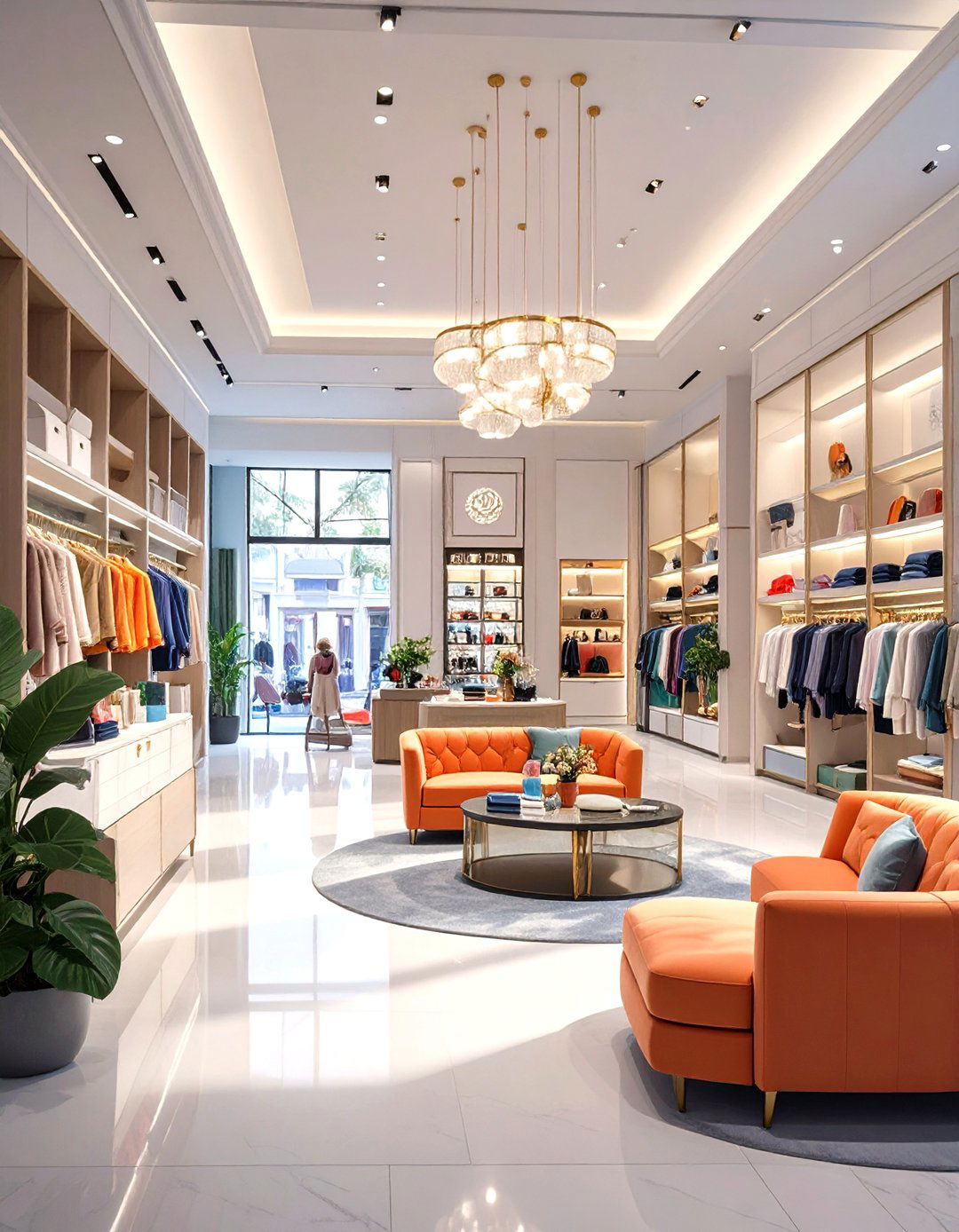
For businesses, interior design is a powerful tool for expressing brand identity and values. The design of an office, retail store, or restaurant communicates a message to clients and employees alike. A tech startup might opt for a modern, open-plan design with collaborative zones to reflect innovation and teamwork, while a law firm might choose a classic, sophisticated style to convey authority and trustworthiness. Colors, materials, and logos are strategically used to reinforce the brand's image. This creates a memorable customer experience and a motivating work environment, making interior design a crucial component of corporate strategy.
18. Improving Air Quality and a Healthier Indoor Environment
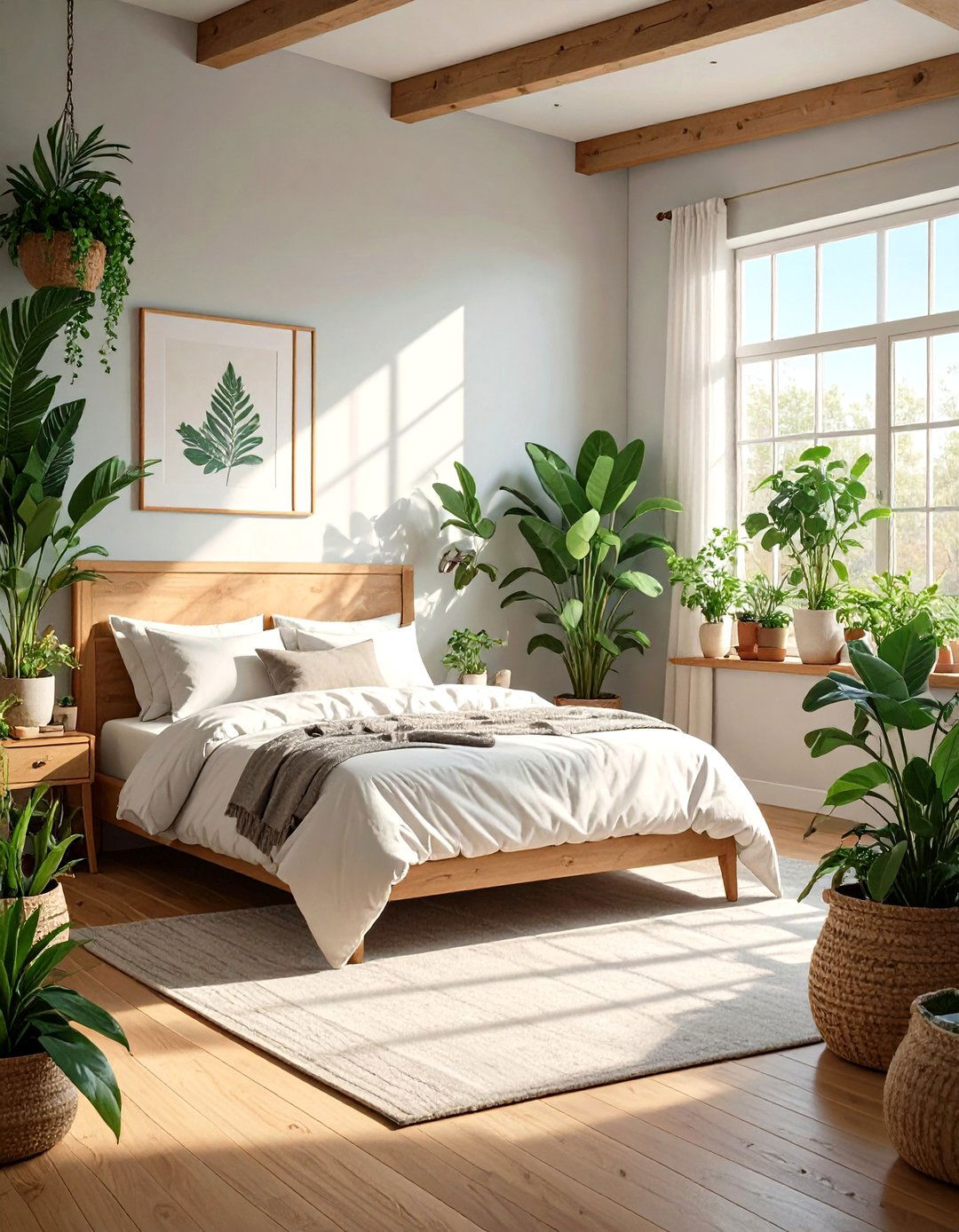
Interior design choices have a direct impact on the air we breathe inside our homes. Designers can significantly improve indoor air quality by selecting non-toxic materials, such as low-VOC (volatile organic compound) paints, natural fiber carpets, and formaldehyde-free furniture. They also promote better ventilation and incorporate air-purifying plants into the decor. This focus on creating a healthy indoor environment is a critical aspect of holistic design, reducing the risk of allergies, respiratory issues, and other health problems associated with indoor pollutants. A well-designed space is not just visually clean but is also healthier to live in.
19. Solving Specific Architectural Challenges
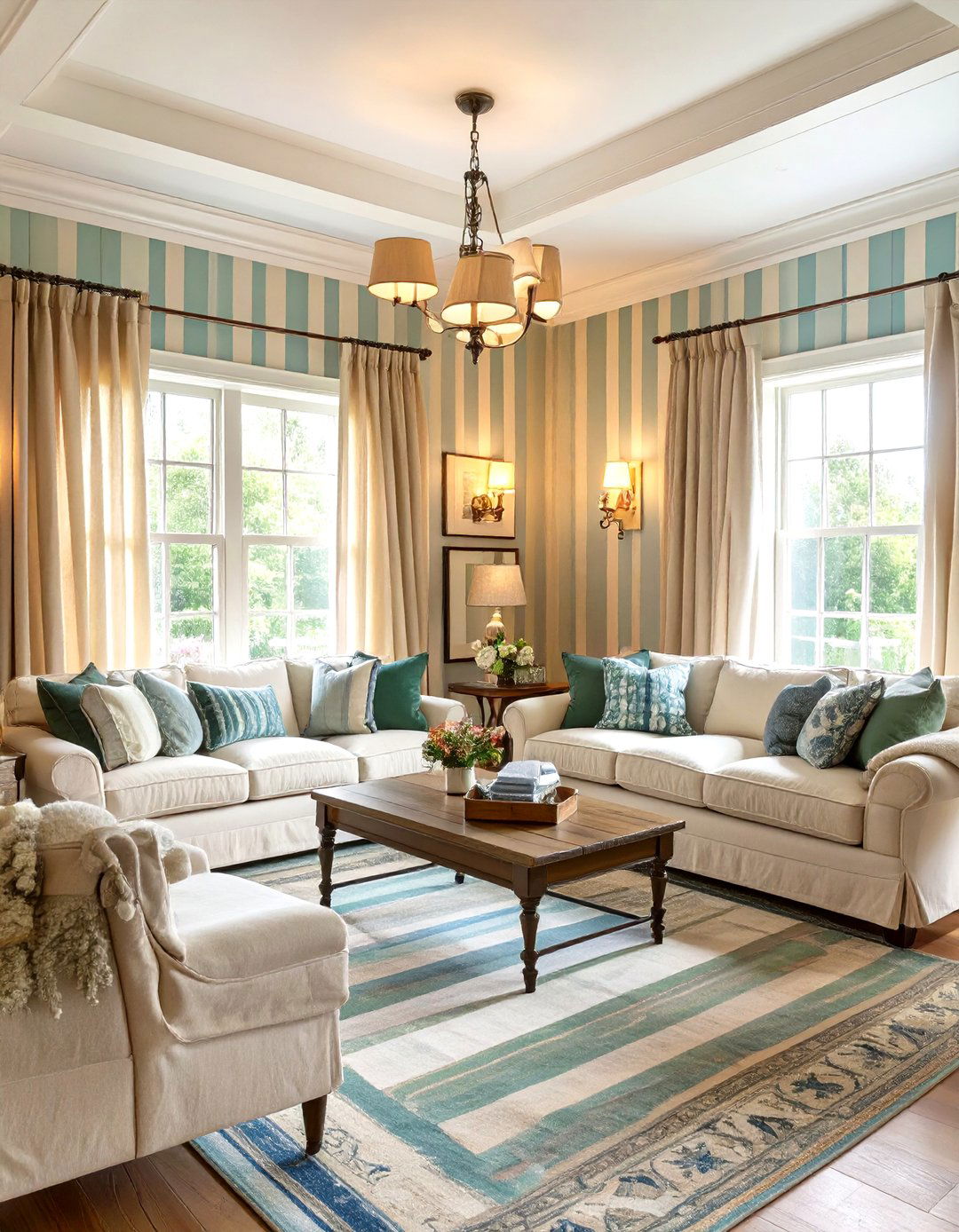
Every space comes with its own unique set of challenges, such as awkward layouts, low ceilings, or a lack of natural light. Interior design provides creative solutions to these architectural problems. A designer can use visual tricks to make a small room feel larger, like using light colors, large mirrors, and appropriately scaled furniture. They can address low ceilings with vertical stripes or specific lighting fixtures that draw the eye upward. For oddly shaped rooms, custom-built furniture or a clever layout can transform a difficult space into a functional and beautiful one, demonstrating design’s problem-solving power.

20. Facilitating Organization and Reducing Clutter
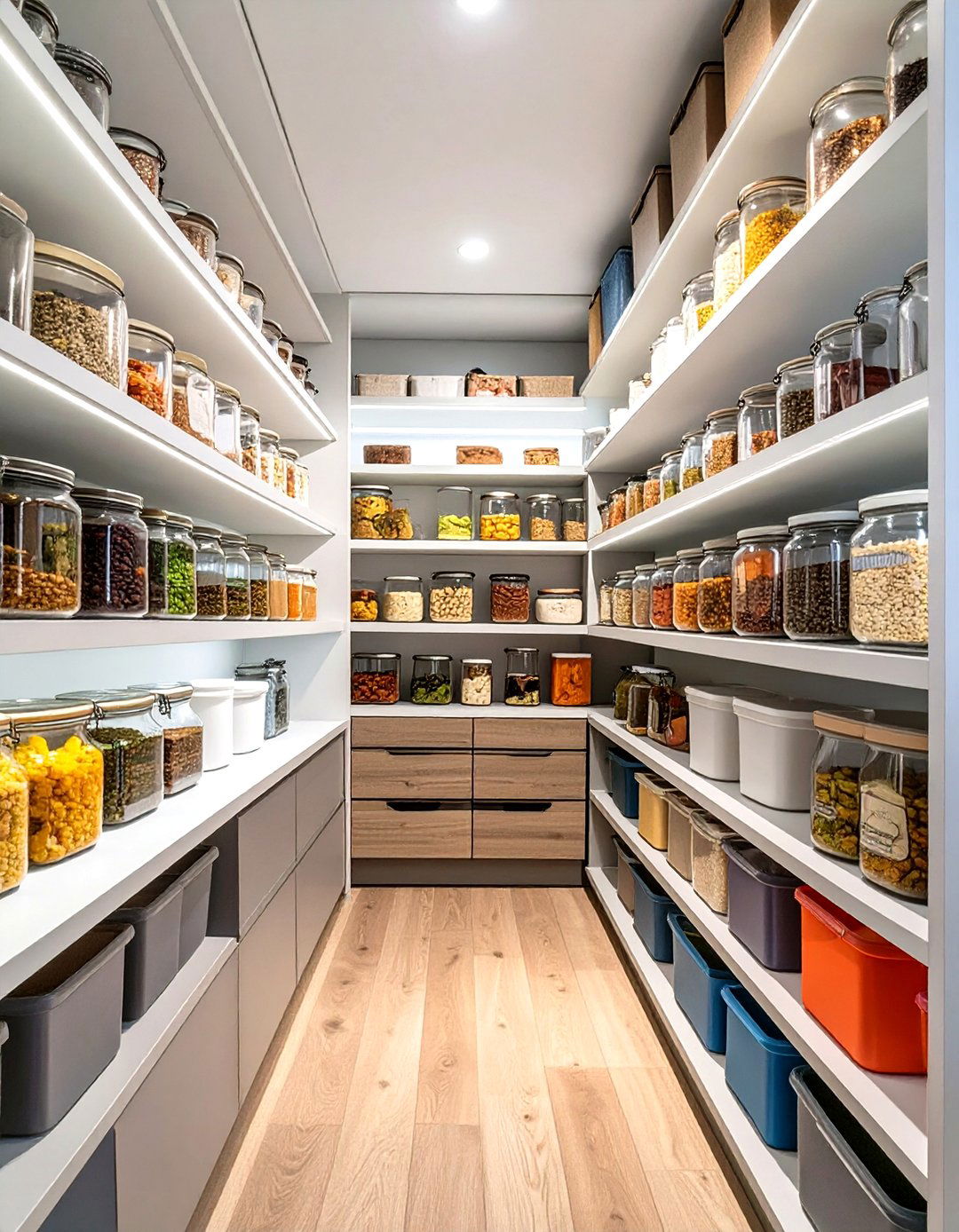
A cluttered space often leads to a cluttered mind. Interior design is fundamental to creating an organized and stress-free home by incorporating smart storage solutions. This goes beyond simply adding shelves; it involves designing integrated storage that fits seamlessly into the space, such as built-in wardrobes, under-stair cabinets, or kitchen pantries tailored to specific needs. By providing a designated place for everything, good design makes it easier to maintain a tidy environment. This not only improves the aesthetics of a room but also enhances its functionality and contributes to a more peaceful and orderly daily life.
21. Creating Child-Friendly and Safe Environments
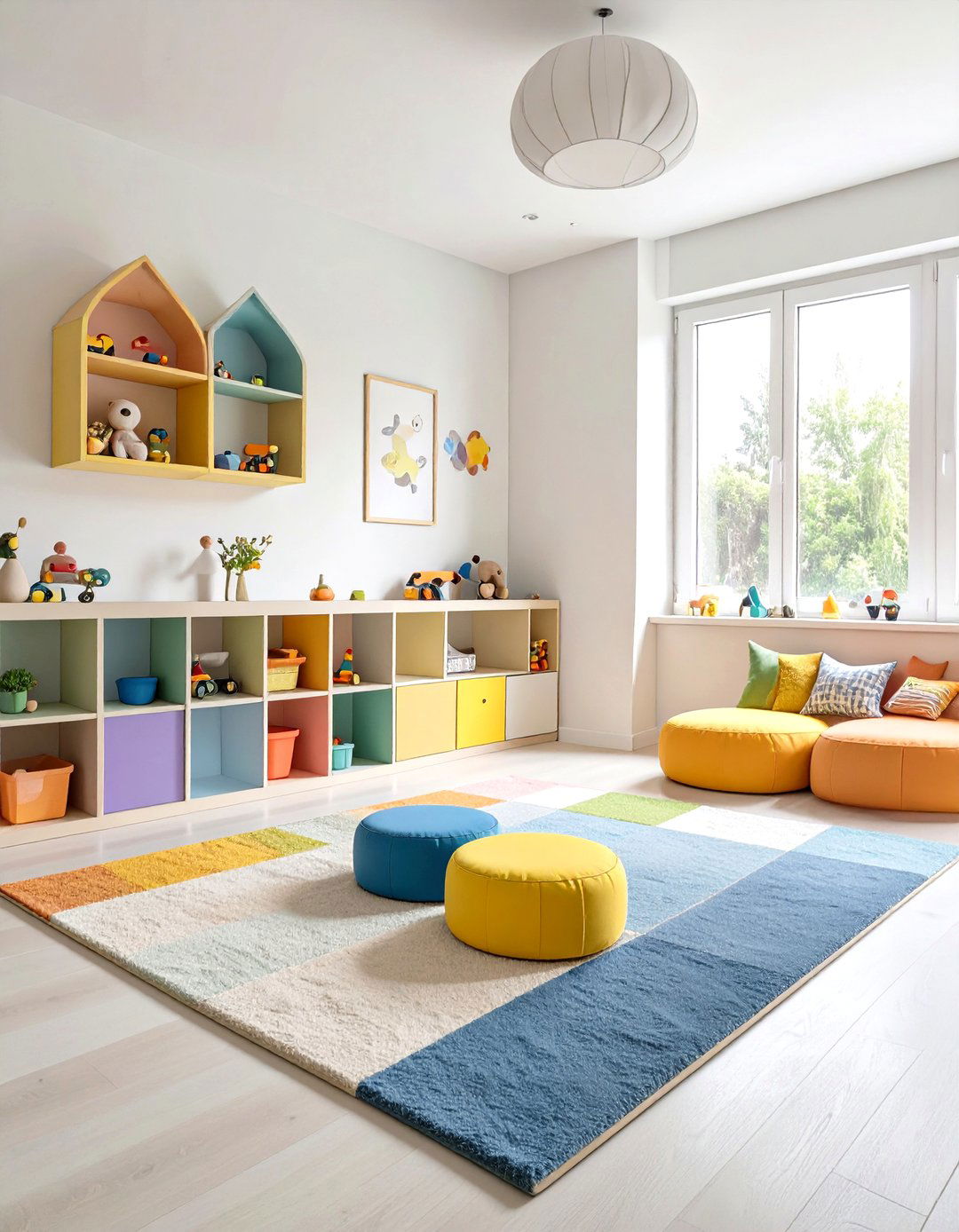
For families with children, interior design is essential for creating spaces that are both stimulating and safe. This involves selecting durable, easy-to-clean materials and furniture with rounded corners to prevent injuries. Designers can create designated play areas with smart storage for toys, encouraging both fun and tidiness. The design can also grow with the child, using adaptable furniture and decor that can be easily updated as their needs and tastes change. By balancing safety, functionality, and playful aesthetics, interior design helps craft a nurturing environment where children can thrive, explore, and grow securely.
22. Supporting Aging in Place Gracefully
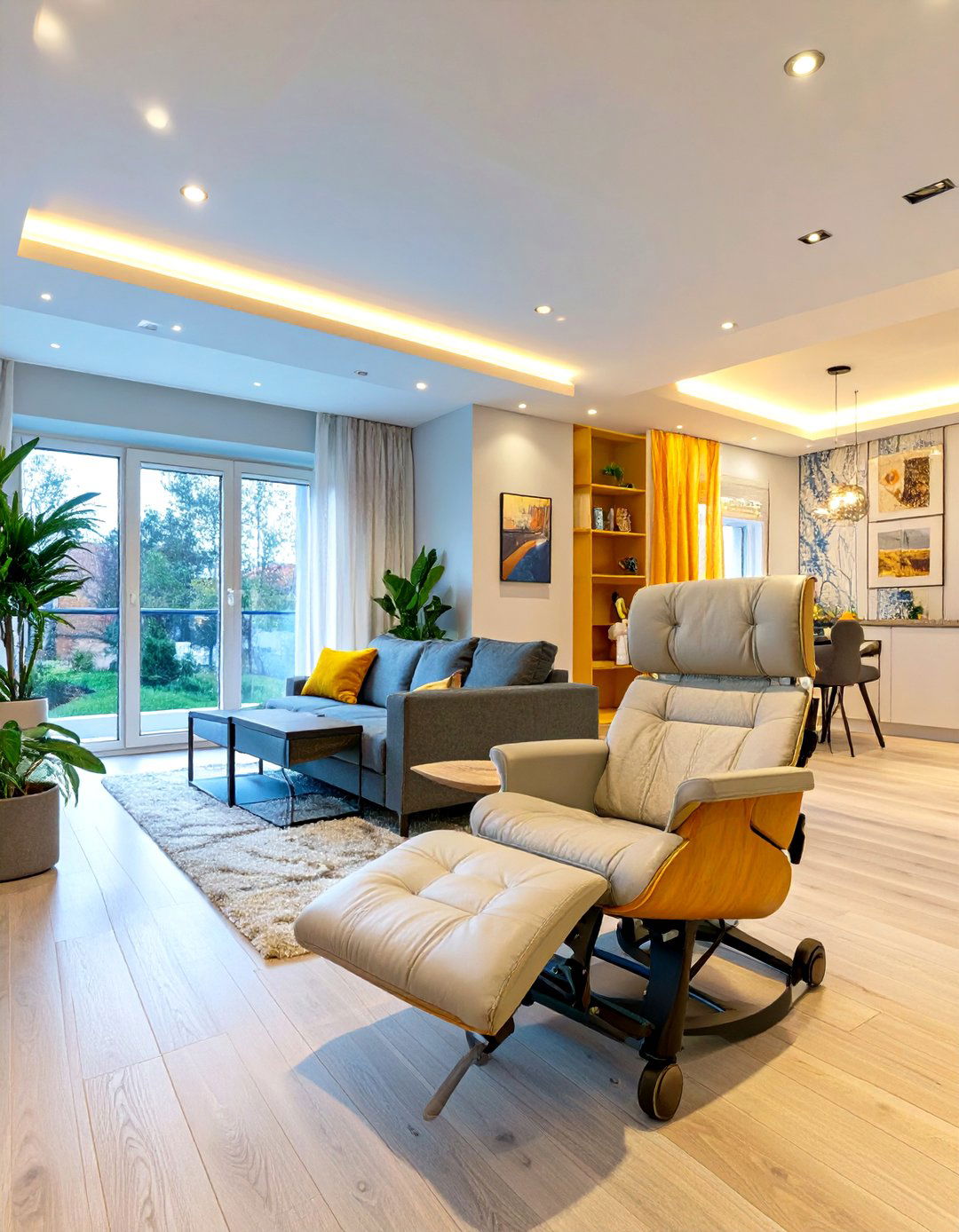
Interior design is instrumental in helping older adults live safely and independently in their own homes for as long as possible. This approach, known as "aging in place," incorporates principles of universal design to enhance accessibility and prevent accidents. Key features may include walk-in showers with grab bars, lever-style door handles, wider doorways for walker or wheelchair access, and improved lighting to aid vision. By making these thoughtful modifications, designers create environments that are not only safer but also more comfortable and empowering for seniors, allowing them to maintain their dignity and quality of life.
23. Showcasing Art and Collections
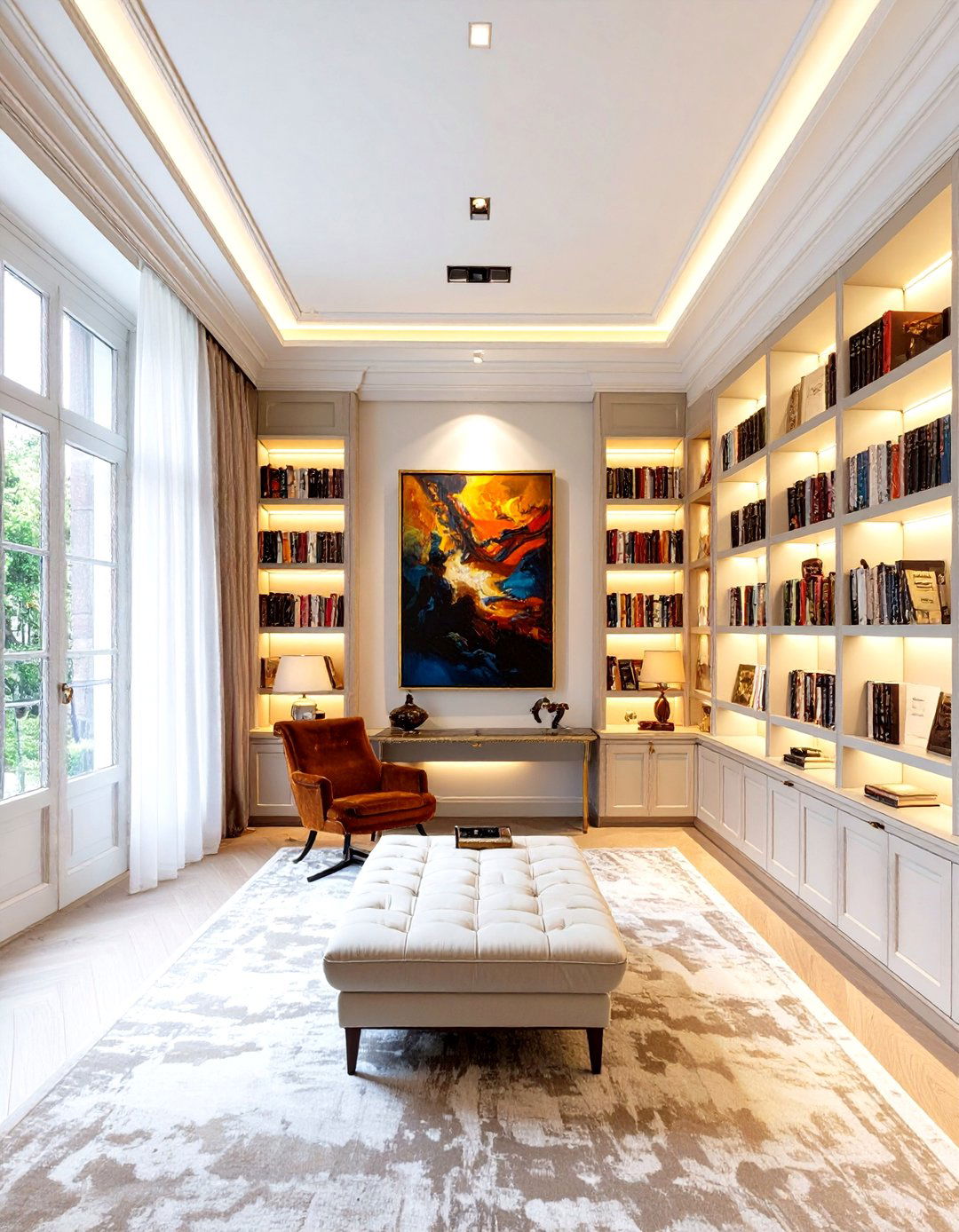
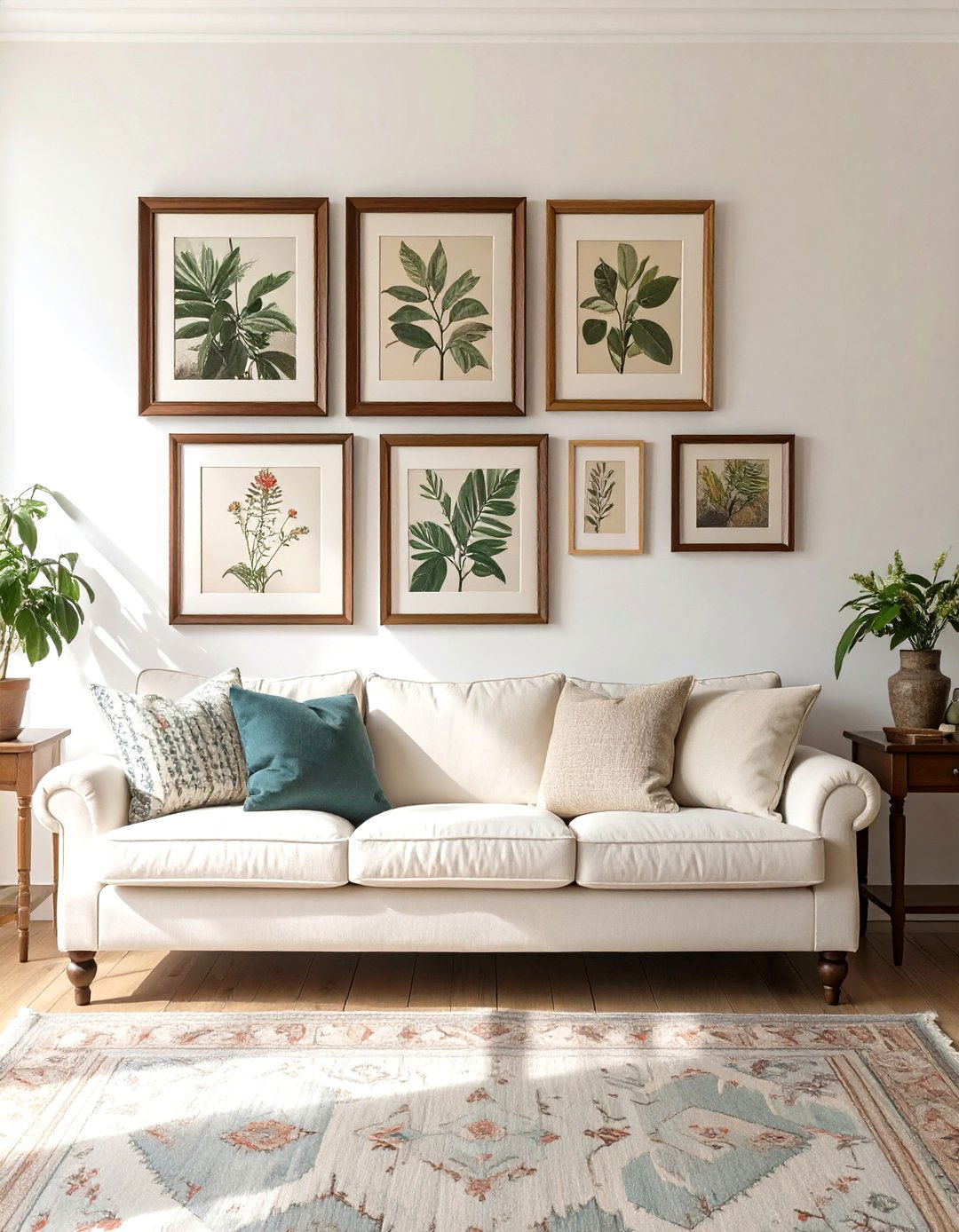
For those who love art, books, or unique collectibles, interior design provides the perfect framework to showcase these treasures. A designer knows how to use lighting, placement, and scale to make your favorite pieces the focal point of a room. They can design custom shelving for a book collection, create a gallery wall for photographs, or use accent lighting to highlight a sculpture. This transforms personal collections from simple possessions into integral parts of the home's decor, adding character and a deep sense of personality. It ensures your cherished items are not just stored but are celebrated and enjoyed every day.
24. Managing the Overwhelming Process of a Renovation

Embarking on a renovation or building project can be an incredibly stressful and complex process. An interior designer acts as a project manager and a creative guide, simplifying the entire experience. They develop the initial concept, create detailed plans, coordinate with architects and contractors, and oversee the execution to ensure the vision is realized correctly. This professional oversight helps avoid communication breakdowns and ensures that timelines and budgets are respected. By handling the logistical and technical details, a designer allows you to enjoy the creative process without being bogged down by the overwhelming operational challenges.
25. Enhancing the Dining Experience at Home
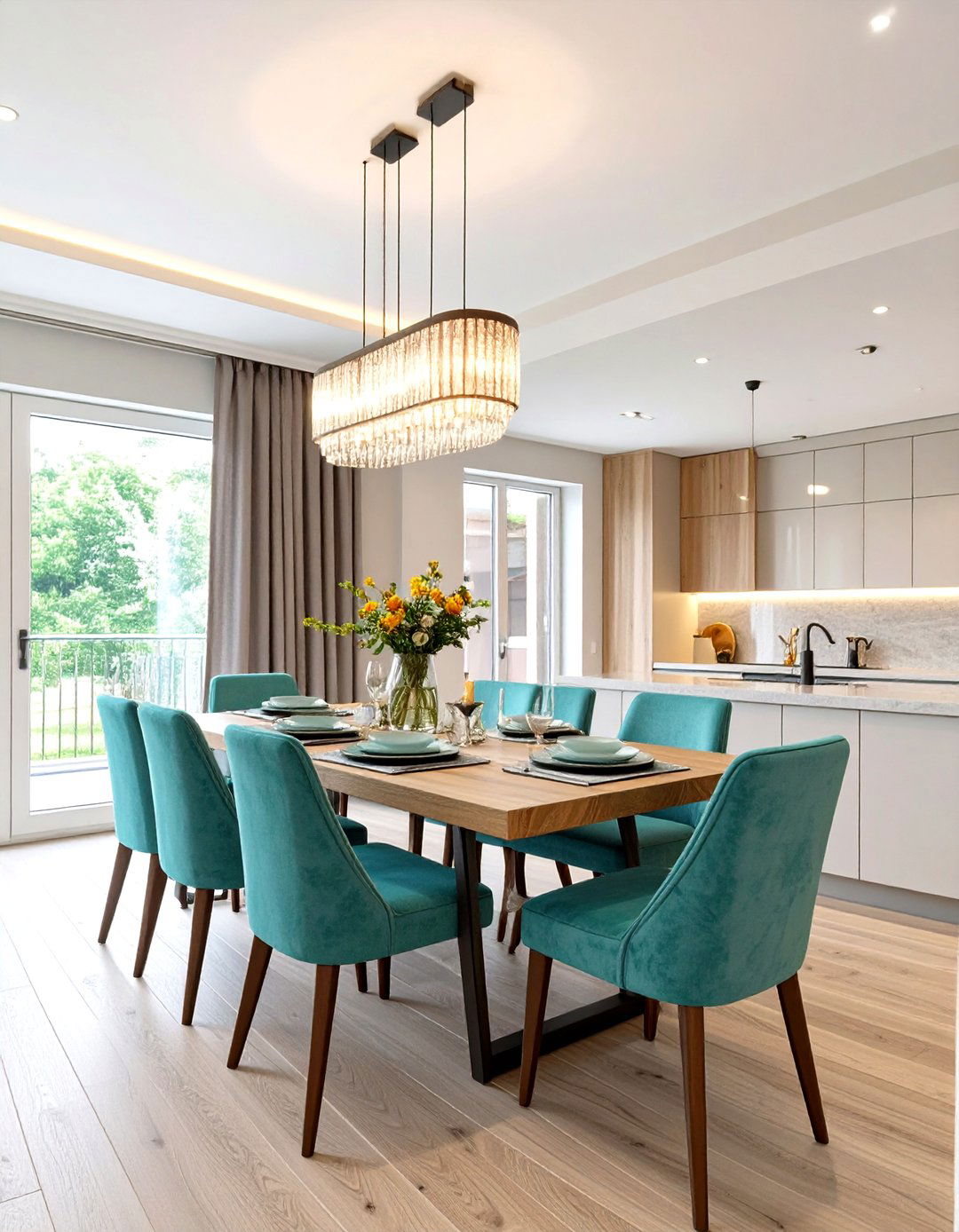
The design of a dining area can significantly influence the experience of sharing a meal. Interior design creates a comfortable and inviting atmosphere that encourages lingering and conversation. This is achieved through appropriate lighting—often a dimmable fixture over the table—comfortable seating, and a table size that fits the space and the family's needs. The color scheme and decor can set a mood, whether it's a formal and elegant space for entertaining or a cozy, casual nook for family dinners. By crafting a dedicated and pleasant dining environment, design elevates everyday meals into more meaningful and enjoyable moments.
26. Creating a Restful and Rejuvenating Bedroom
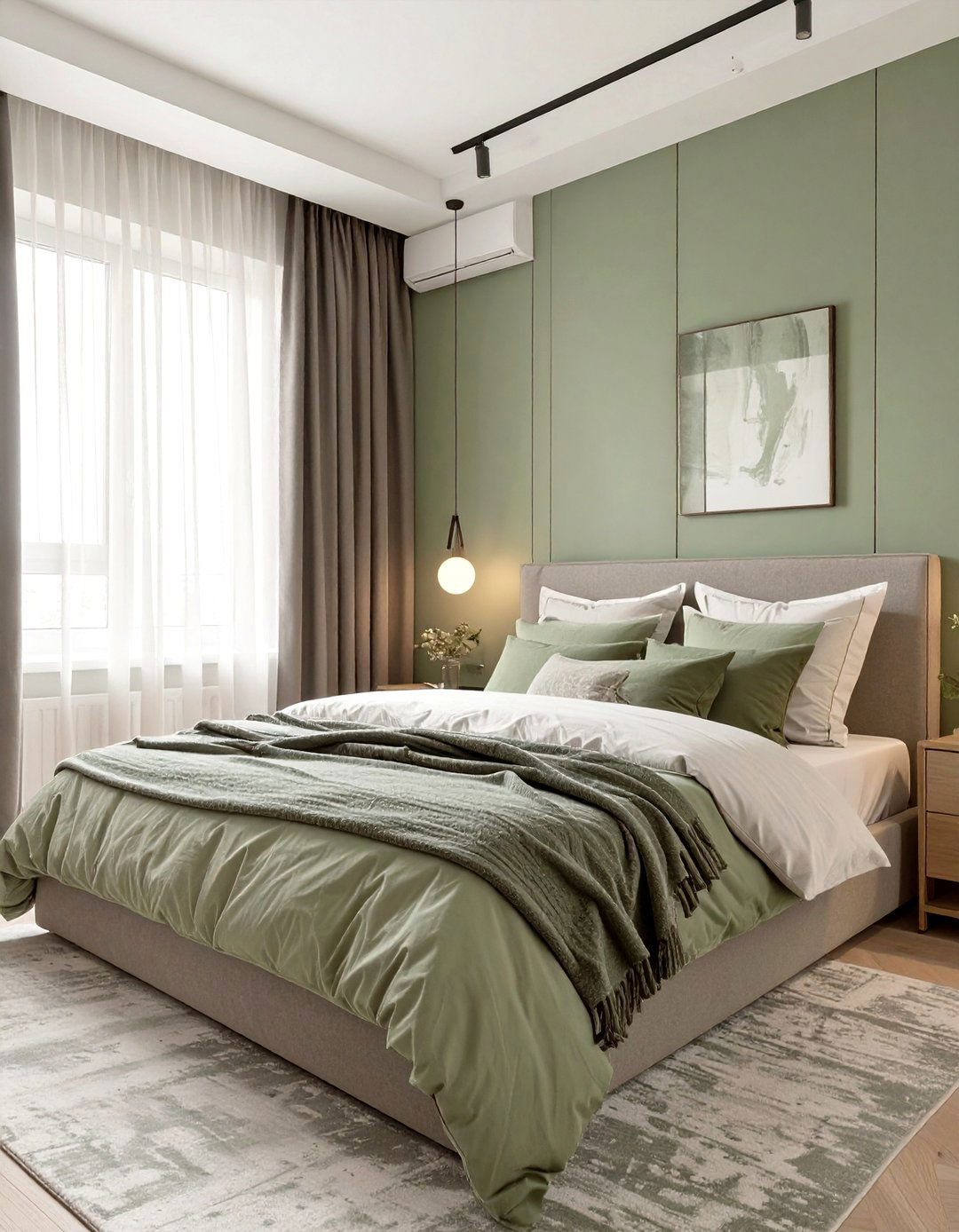
The bedroom is arguably the most important room for our well-being, and its design is crucial for promoting restful sleep. Interior designers focus on creating a serene and clutter-free sanctuary. This involves selecting a calming color palette, using blackout curtains to control light, and choosing a comfortable mattress and high-quality bedding. They also ensure the layout minimizes distractions and that storage solutions keep the space tidy. By carefully curating every element to foster relaxation, from soft lighting to sound-dampening materials, interior design transforms the bedroom into a true retreat where you can recharge and rejuvenate each night.
27. Improving Bathroom Functionality and Experience
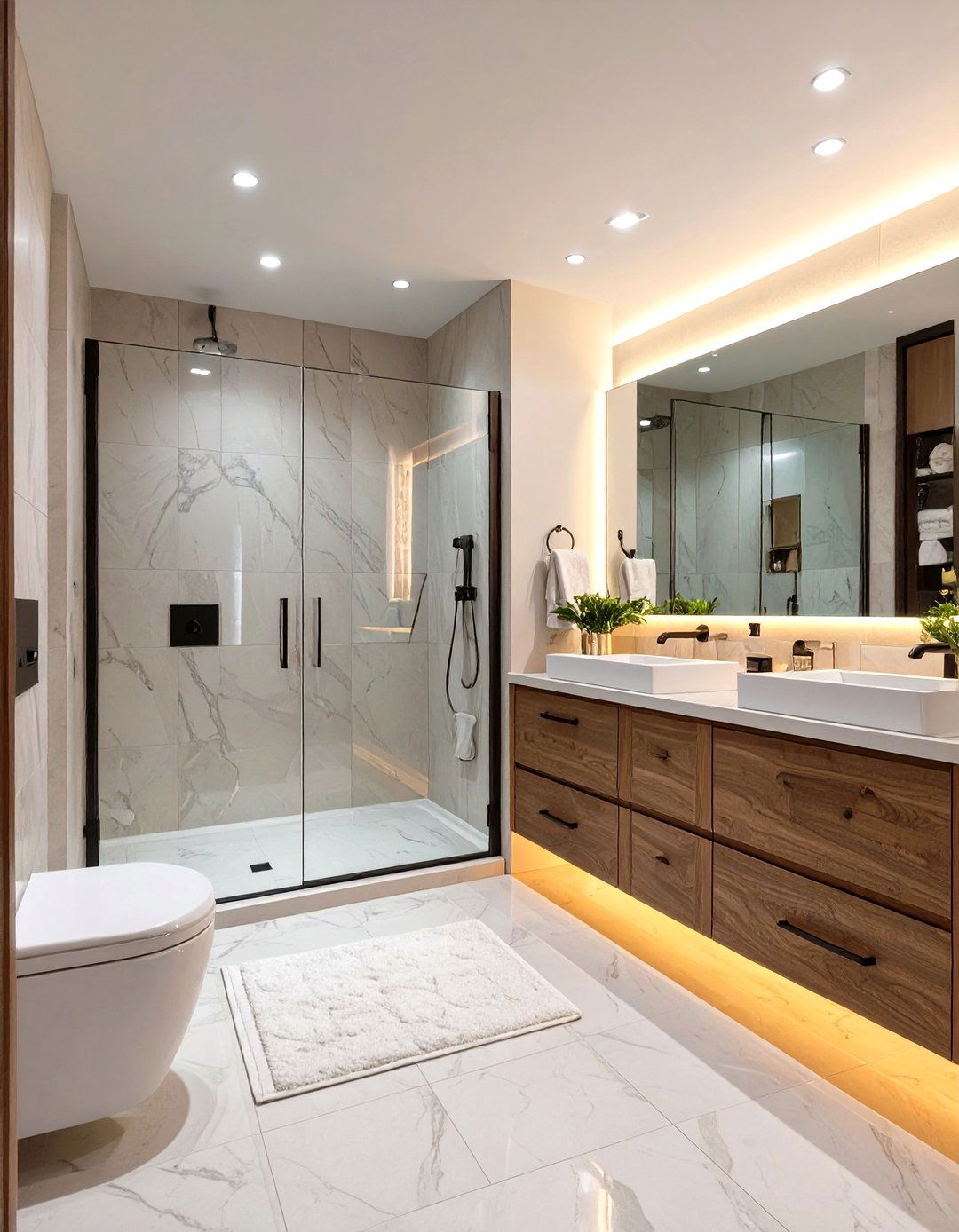
Modern interior design has transformed the bathroom from a purely utilitarian room into a personal spa-like retreat. Designers are key to optimizing the layout of even small bathrooms to improve functionality and create a sense of spaciousness. They select durable, water-resistant materials, plan for ample storage to keep surfaces clear, and implement effective lighting for grooming. Features like walk-in showers with rainfall heads, heated floors, and elegant vanities can turn a daily routine into a luxurious experience. This focus on both practicality and ambiance makes the bathroom a more pleasant and efficient part of the home.
28. Designing Effective and Inspiring Kitchens
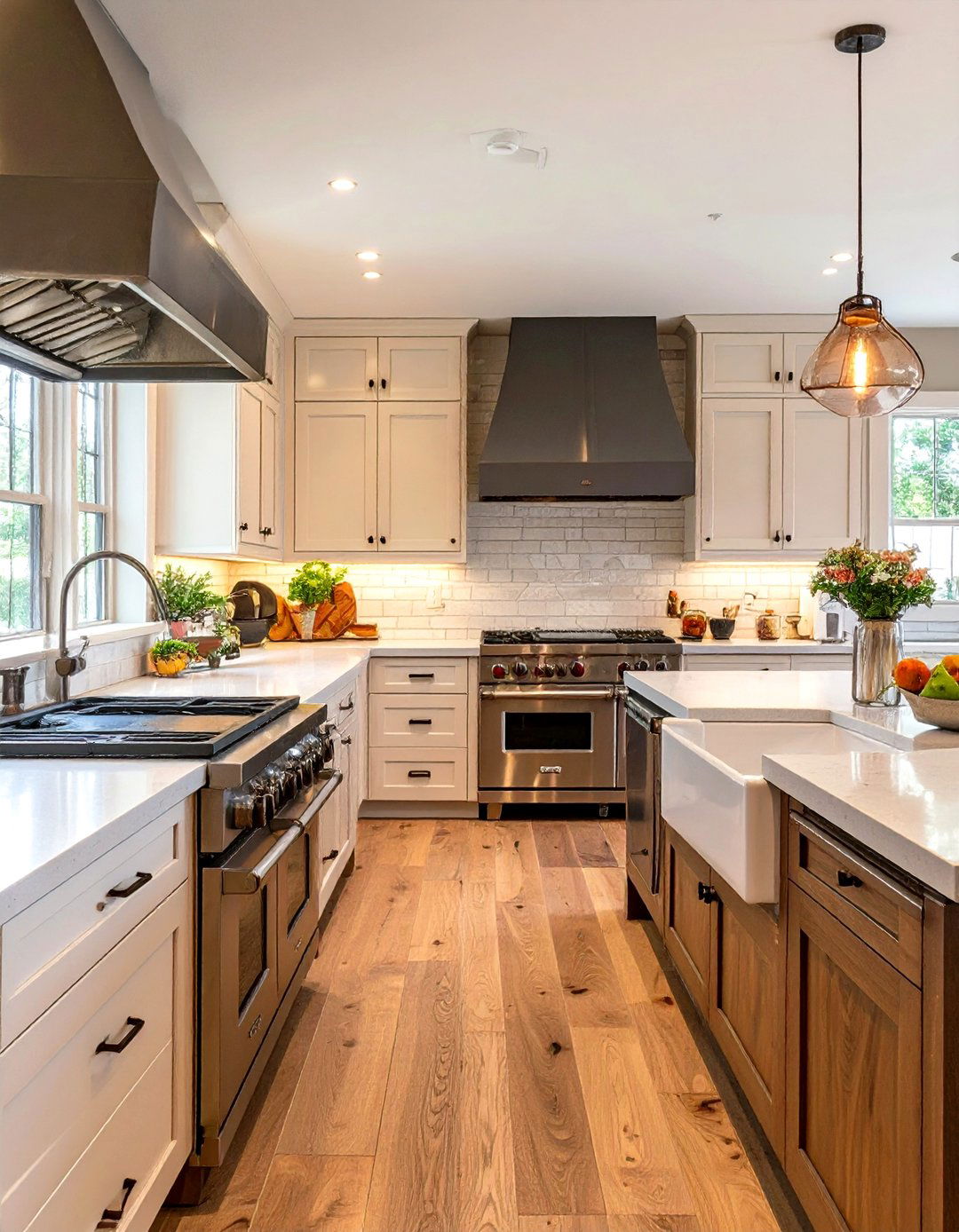
The kitchen is the heart of the home, and its design is critical to its functionality. Interior designers apply principles like the "work triangle" to ensure an efficient layout between the sink, refrigerator, and stove, which simplifies cooking and food preparation. They plan for intelligent storage, durable countertops, and task lighting to make the space practical and easy to use. Beyond functionality, designers also create a kitchen that is inviting and reflective of the homeowner's style, making it a pleasant place for family to gather. A well-designed kitchen improves workflow and makes daily chores a more enjoyable experience.
29. Making First Impressions with Entryways
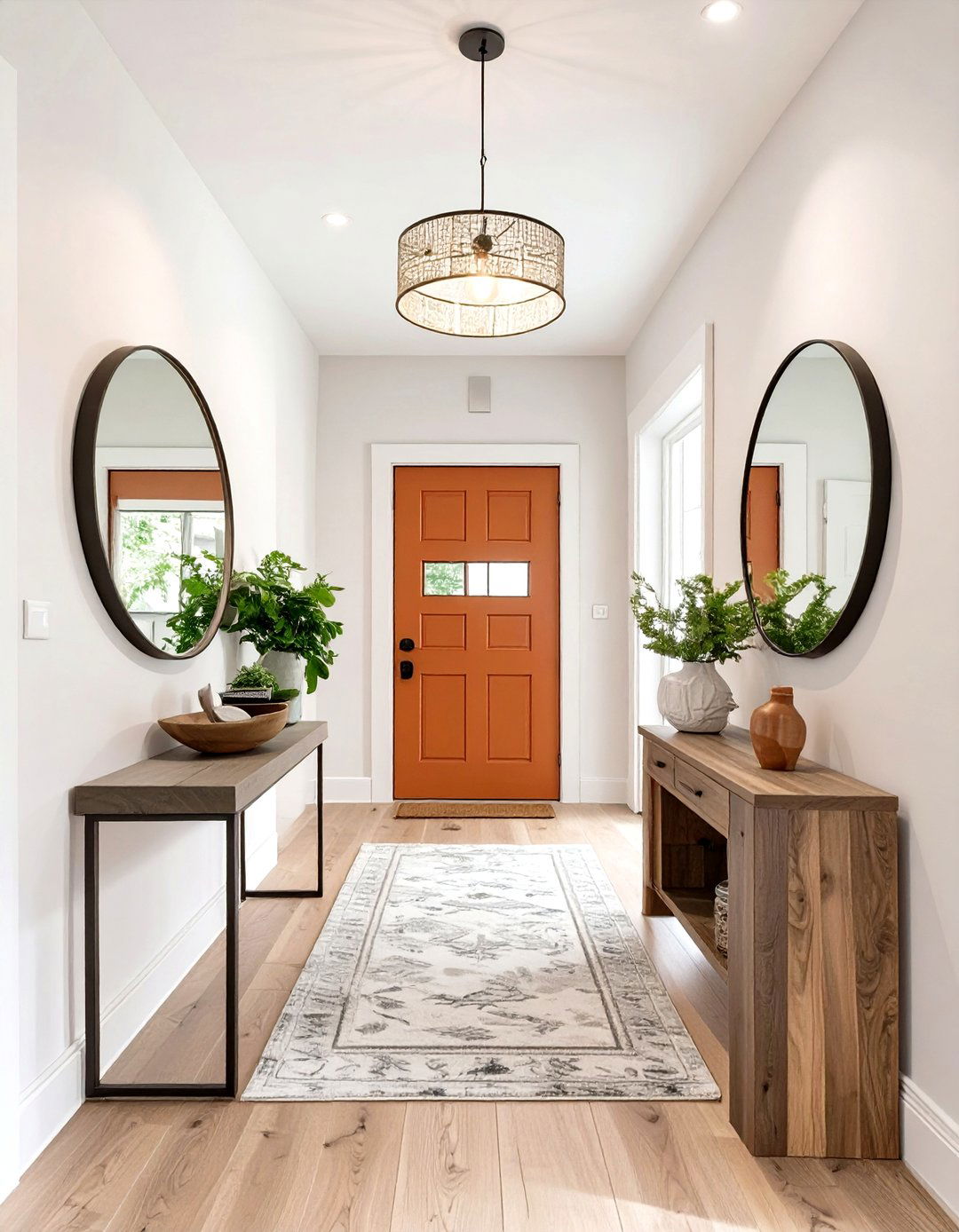
The entryway or foyer is the first part of your home that guests see, and its design sets the tone for the entire house. Interior design is crucial for making this first impression a positive and welcoming one. Even in a small space, a designer can create a functional and stylish entrance with a console table for keys, a mirror to create a sense of space, and appropriate lighting. It’s an opportunity to introduce your home’s personality through a piece of art, a unique light fixture, or a bold color choice. A well-designed entryway provides a graceful transition from the outside world into your personal sanctuary.
30. Achieving a Timeless Aesthetic Over Trends
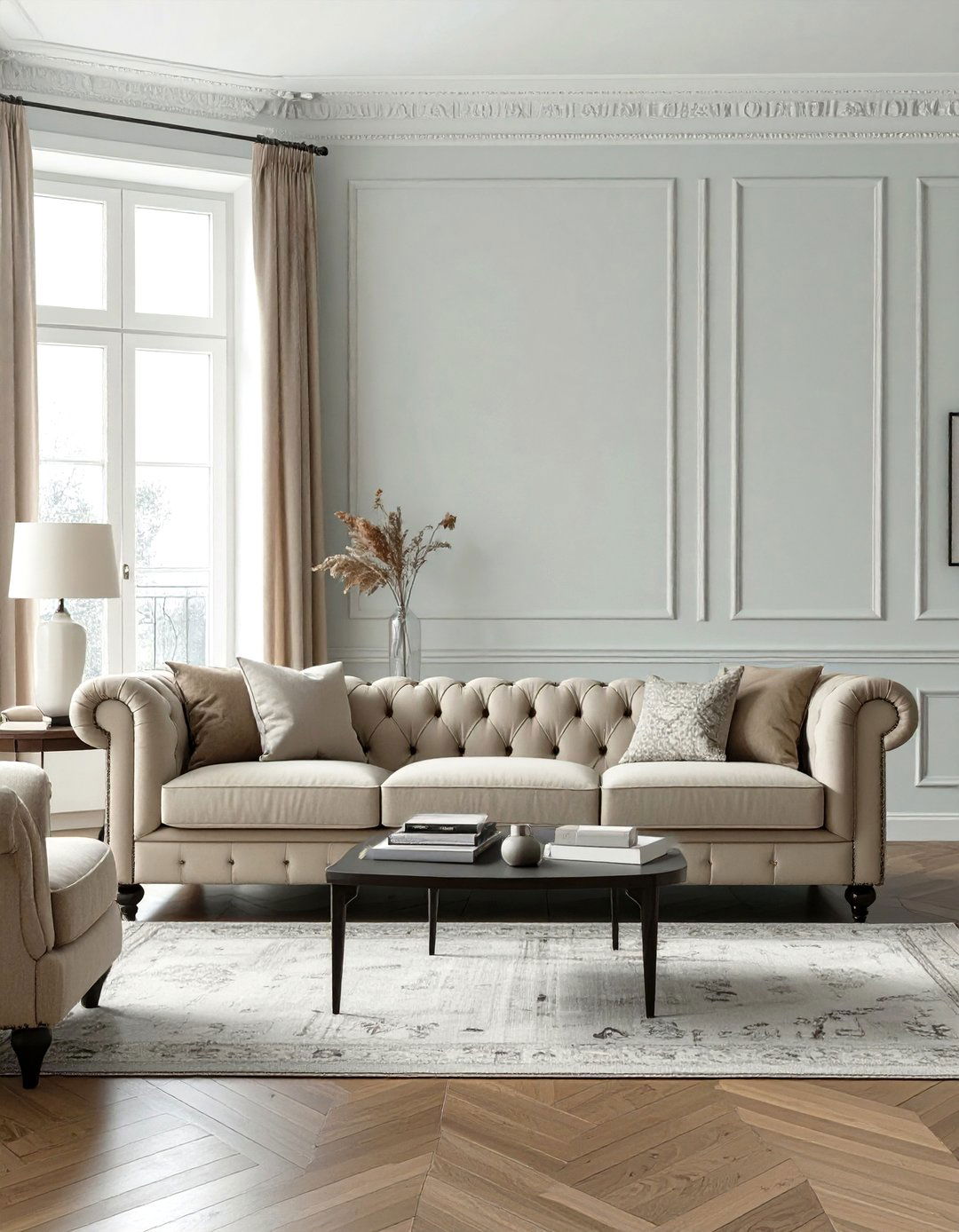
While trends come and go, good interior design can create a timeless aesthetic that remains stylish and relevant for years. A designer has the expertise to balance classic design principles with contemporary touches, creating a look that won't feel dated in a few years. They focus on quality pieces, a well-thought-out color palette, and a functional layout that will stand the test of time. This approach saves you the cost and hassle of frequent redecorating to keep up with fleeting fads. Investing in a timeless design ensures your home remains a source of comfort and pride for the long term.
Conclusion:
Ultimately, the importance of interior design extends far beyond surface-level decoration. It is a vital discipline that shapes our daily experiences by creating spaces that are functional, safe, and emotionally resonant. From enhancing productivity and well-being to increasing property value and reflecting our personal identities, good design thoughtfully addresses our needs. It solves practical problems, fosters connection, and transforms a physical structure into a supportive and inspiring environment. By harmonizing beauty with purpose, interior design fundamentally improves our overall quality of life, making our surroundings work for us in every possible way.

Related posts:


Leave a Reply