
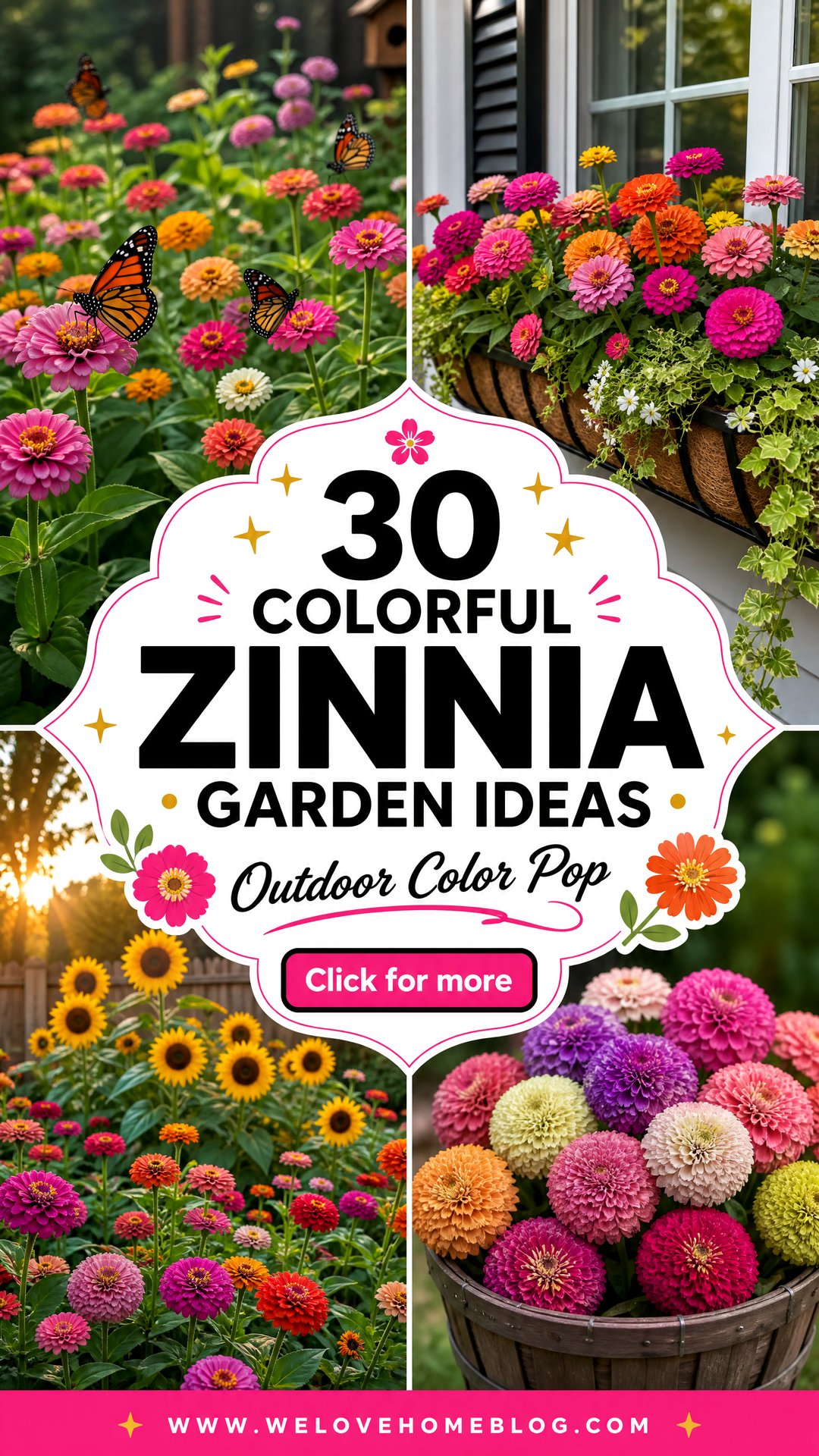
Zinnias are a gardener's delight, offering a brilliant explosion of color with minimal effort. These cheerful, sun-loving annuals bloom profusely from summer until the first frost, making them a reliable choice for vibrant garden designs. Available in nearly every hue imaginable, from fiery reds and oranges to soft pastels and even greens, their versatility is unmatched. Whether you have a sprawling backyard, a cozy balcony, or a simple vegetable patch, there is a zinnia garden idea to suit your space. They attract essential pollinators like butterflies and bees, adding life and movement to any landscape.
1. A Rainbow Zinnia Border
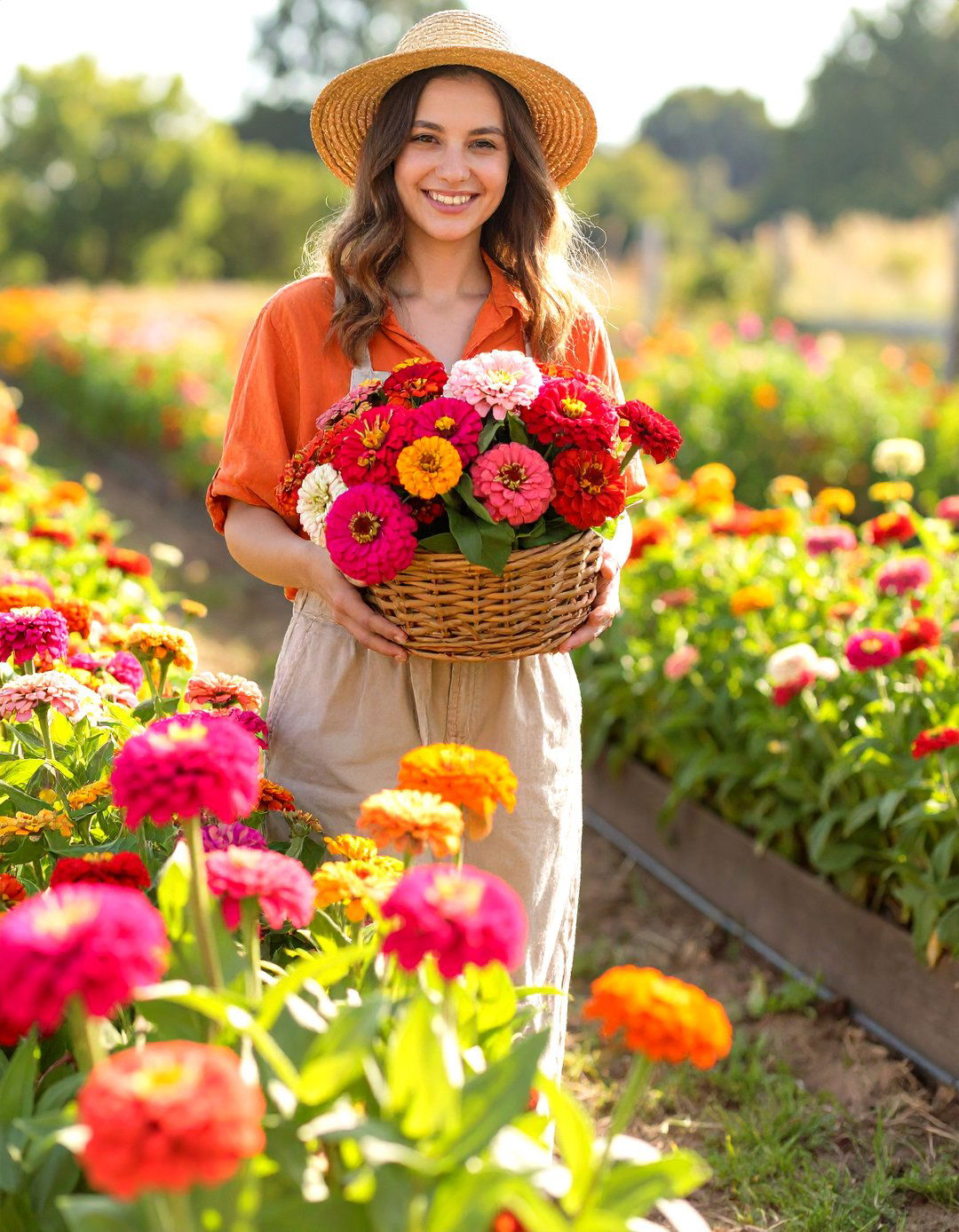
A rainbow zinnia border creates a stunning visual impact along a walkway or fence line. To achieve this look, plant different colored zinnia varieties in distinct blocks or a gradual gradient. Start with shorter, mounding types like the 'Thumbelina' series at the front and transition to taller varieties such as 'Benary's Giant' or 'California Giant' at the back. This layered approach ensures every color is visible, creating a dense, living ribbon of blooms. This design is not only beautiful but also serves as a long-lasting source of cut flowers throughout the summer, keeping your home as colorful as your garden.
2. A Dedicated Zinnia Cutting Garden
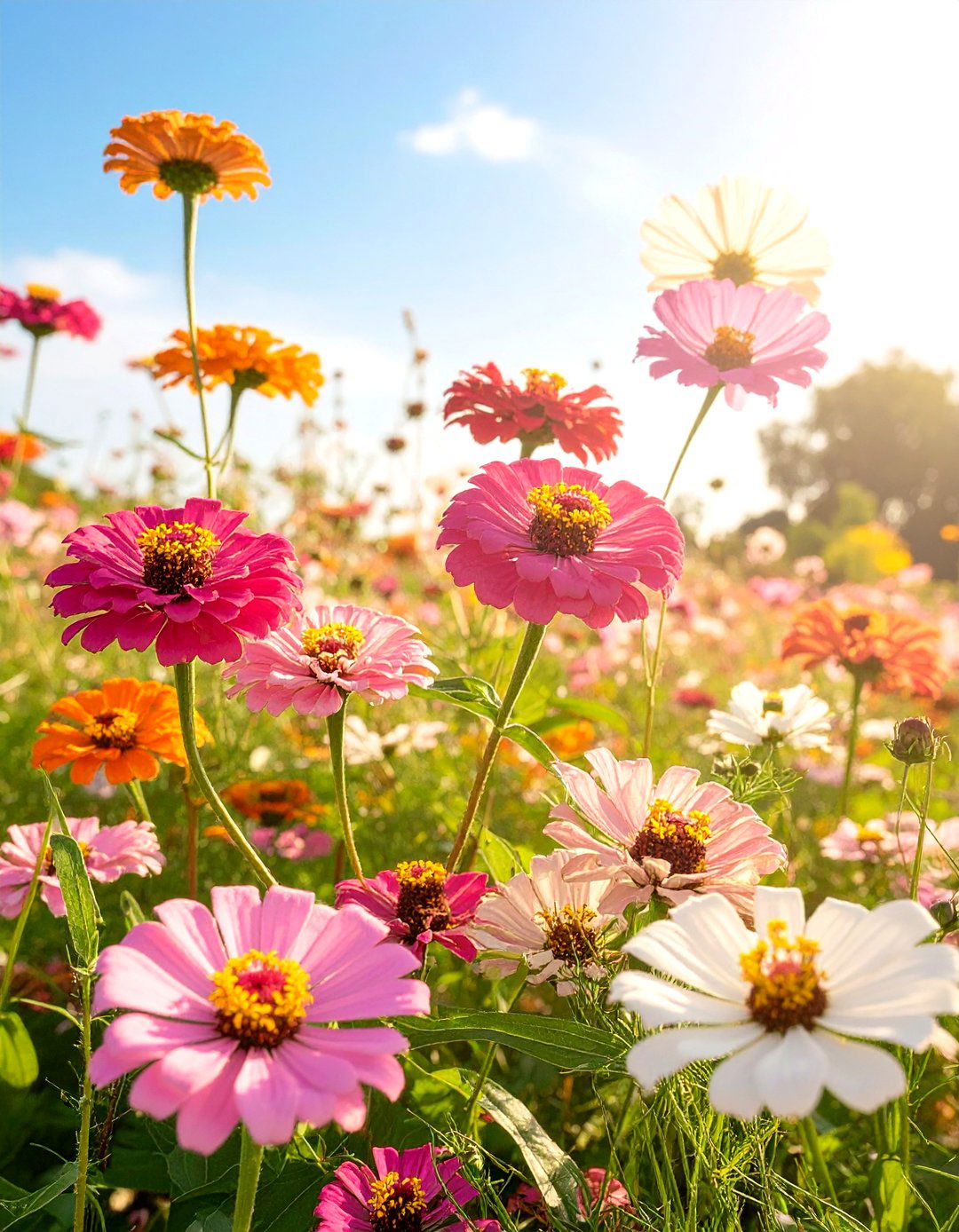
For those who love fresh bouquets, a dedicated zinnia cutting garden is a must. Plant zinnias in neat rows to make harvesting simple and efficient. Choose varieties known for their long, sturdy stems and impressive blooms, such as the 'State Fair' or 'Benary's Giant' series. By planting in succession every few weeks, you can ensure a continuous supply of flowers from early summer until the first frost. This practical layout maximizes your harvest, providing an endless stream of vibrant blossoms for indoor arrangements, gifts, or even a small flower stand. The more you cut, the more they bloom.
3. A Zinnia and Cosmos Wildflower Meadow
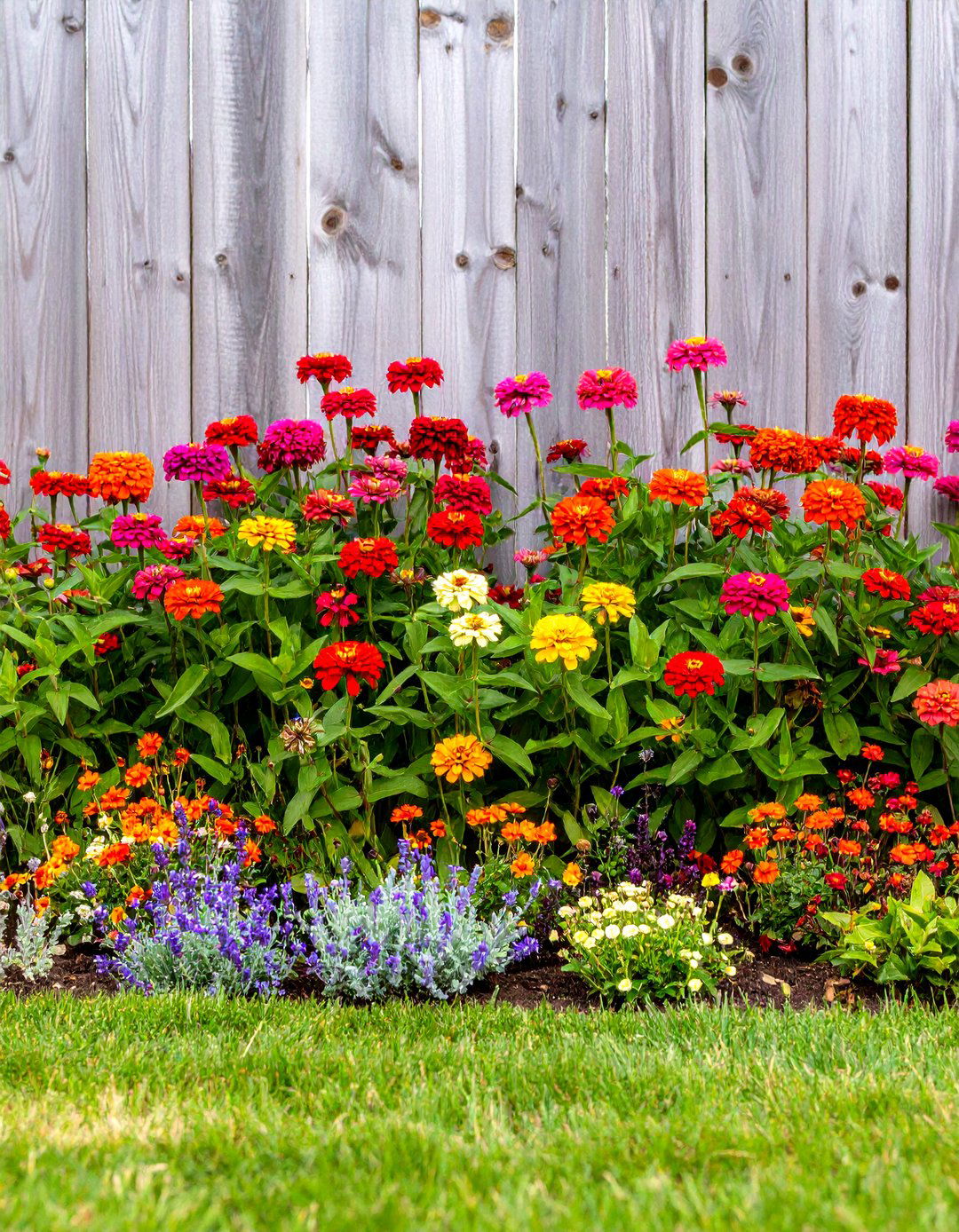
Combine the bold, sturdy forms of zinnias with the delicate, airy nature of cosmos to create a dreamy wildflower meadow effect. This pairing works exceptionally well because both flowers thrive in full sun and well-drained soil. Plant a mix of zinnia colors and heights alongside feathery cosmos varieties like 'Sensation' or 'Sea Shells'. The result is a dynamic, multi-layered garden that dances in the breeze. This low-maintenance combination attracts a host of pollinators, including bees and butterflies, turning a section of your yard into a bustling, naturalistic haven full of color and life.
4. A Tall Zinnia Garden Backdrop
Use tall zinnia varieties to create a living wall of color that serves as a stunning backdrop for shorter plants. Varieties like 'Benary's Giant' or the 'State Fair' series can reach heights of three to four feet, forming a dense screen of vibrant blooms. Plant them along a fence, wall, or at the back of a perennial border. This technique adds vertical interest and depth to your garden design. The towering wall of flowers not only hides unsightly views but also provides a dramatic setting that makes the smaller plants in front of it pop with contrast.
5. Zinnia Container Garden for Patios
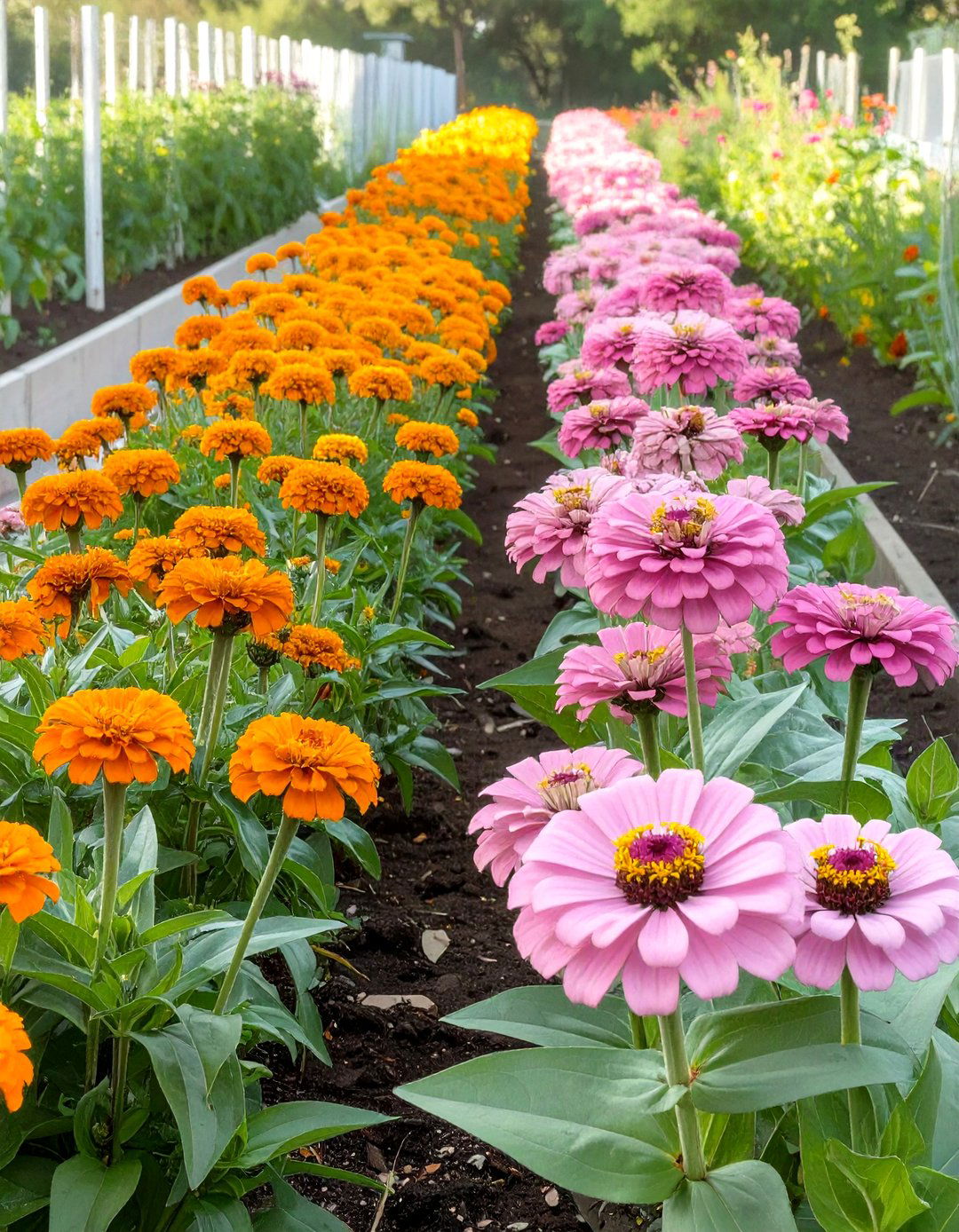
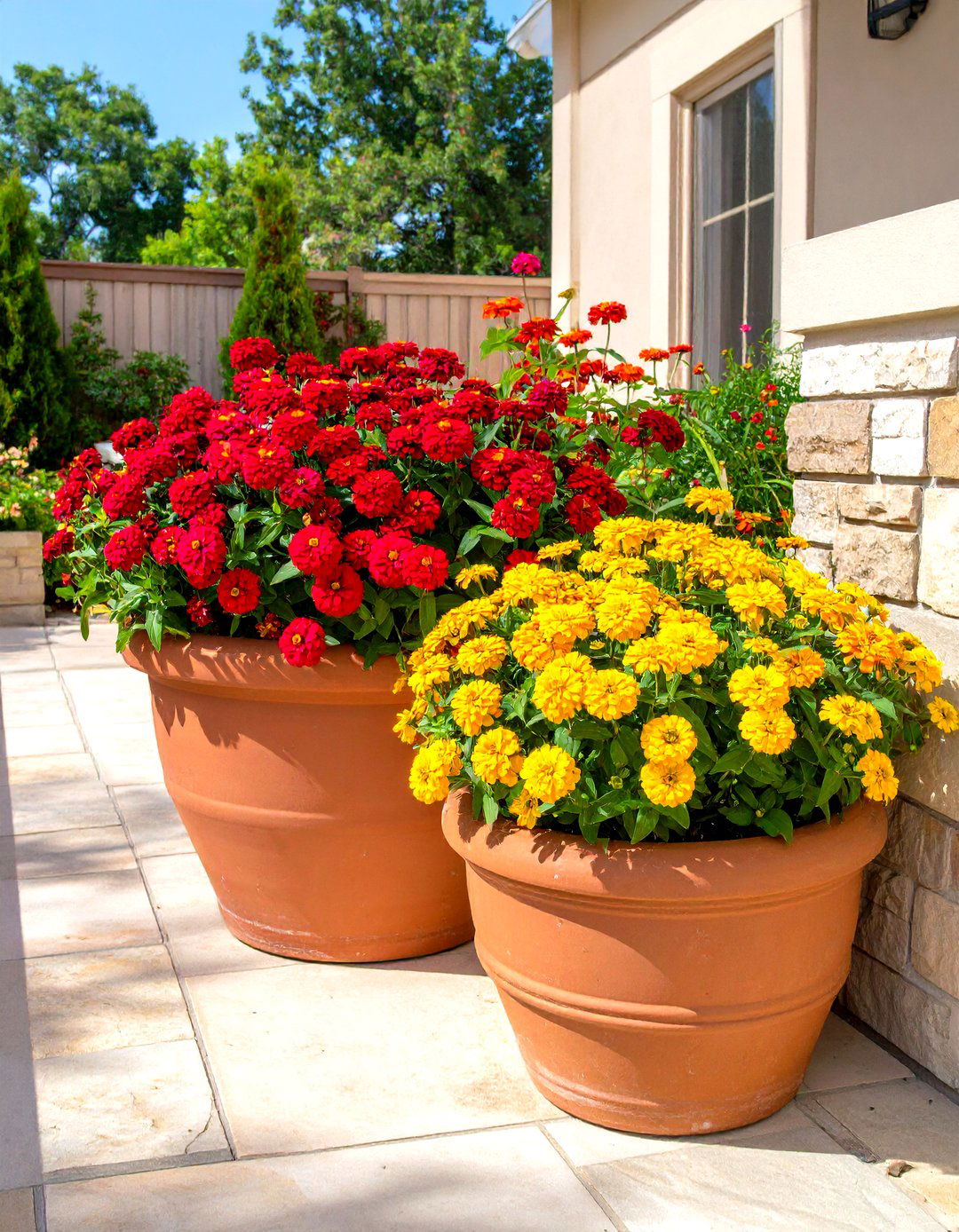
Zinnias are perfectly suited for container gardening, bringing vibrant color to patios, balconies, and porches. Select compact, dwarf varieties like the 'Profusion' or 'Zahara' series, which are bred for a tidy, mounding habit and excellent disease resistance. A large pot filled with a single bold color, such as 'Profusion Red' or 'Zahara Yellow', can make a powerful statement. Alternatively, mix several complementary colors in one container for a cheerful, multi-hued display. Ensure the pots have good drainage and receive at least six hours of direct sunlight daily for the best blooming performance.
6. A Zinnia and Marigold Companion Planting Bed
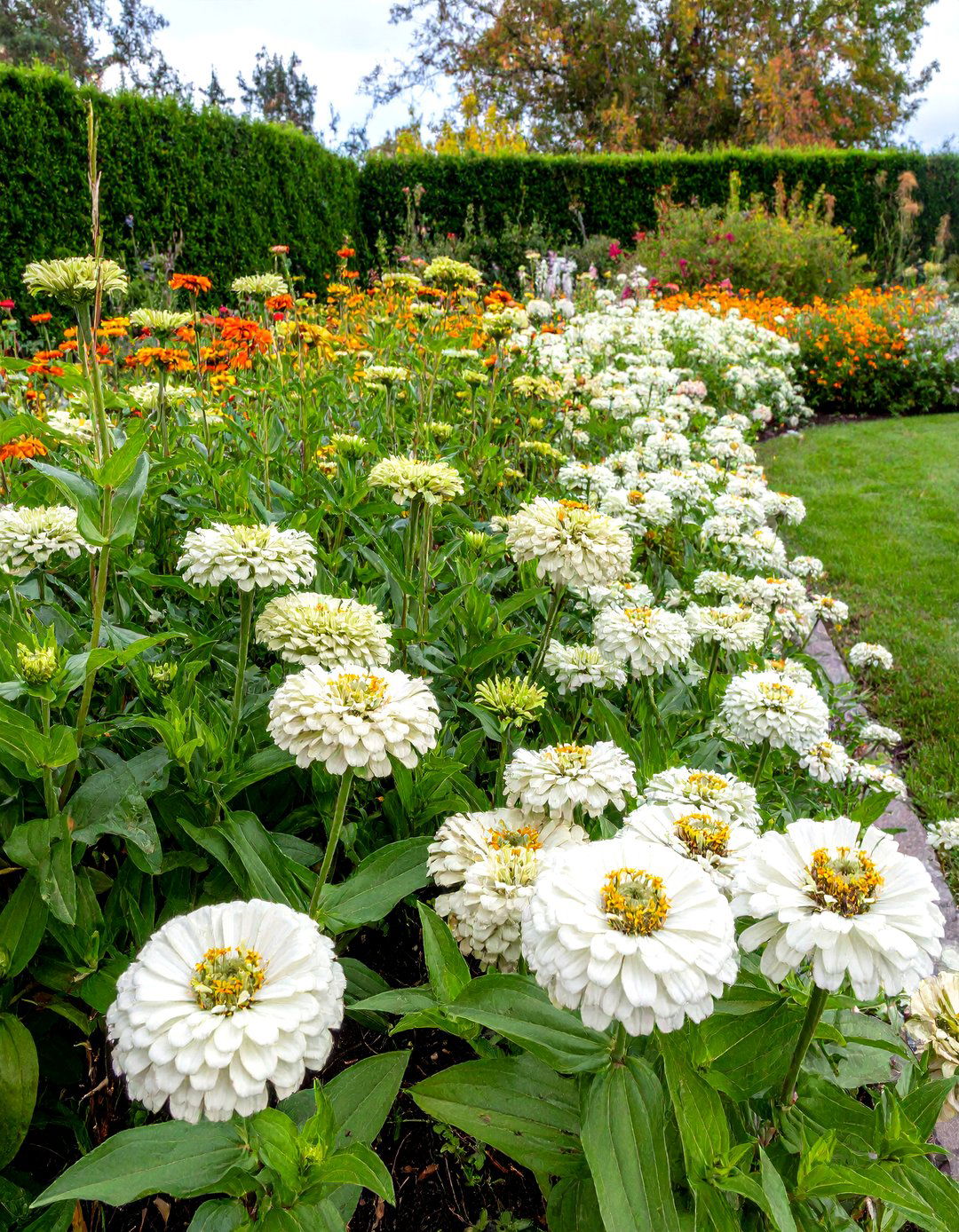
Create a beneficial and beautiful garden bed by pairing zinnias with marigolds. This classic combination is not only aesthetically pleasing but also functional. Marigolds are known to deter nematodes and other soil pests, offering natural protection to the zinnia roots. The bright oranges and yellows of the marigolds contrast wonderfully with the wide color spectrum of zinnias, from pinks and purples to reds and whites. This pairing is perfect for a vegetable garden border or a standalone flower bed, providing continuous color while helping to keep your plants healthy without chemical interventions.
7. A Monochromatic Zinnia Garden Bed
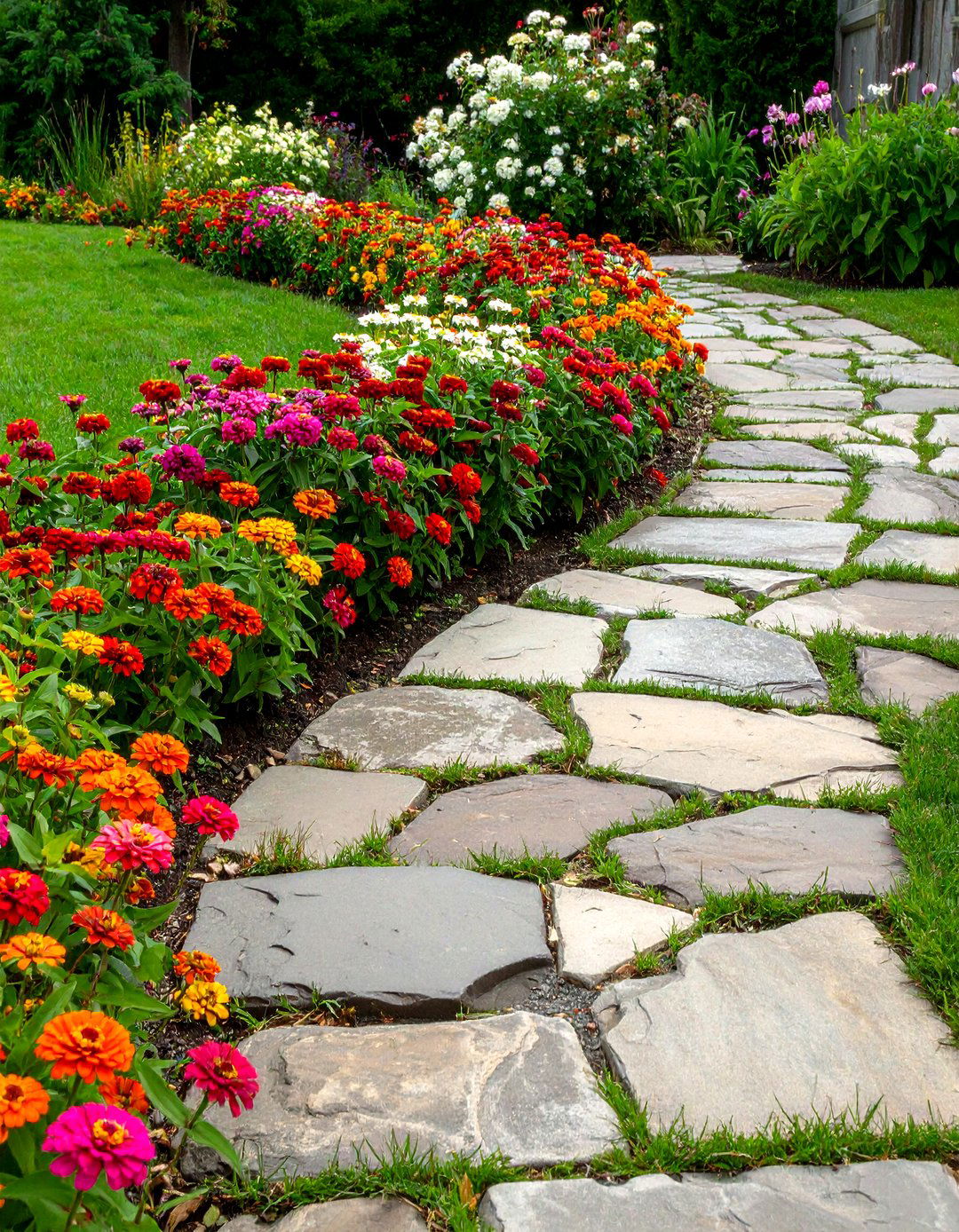
Designing a garden bed using only one zinnia color can create a sophisticated and powerful visual statement. Choose a single hue that resonates with you, such as a pure white, a vibrant scarlet, or a deep magenta. By planting different varieties of the same color, you can play with texture and height. For example, combine the large, dahlia-flowered 'Benary's Giant Lime' with the smaller, pom-pom-like 'Lilliput' zinnias in a similar green-white shade. This focused approach creates a serene yet dramatic effect, proving that a single color can have just as much impact as a full rainbow.
8. Zinnia Pathway Lining
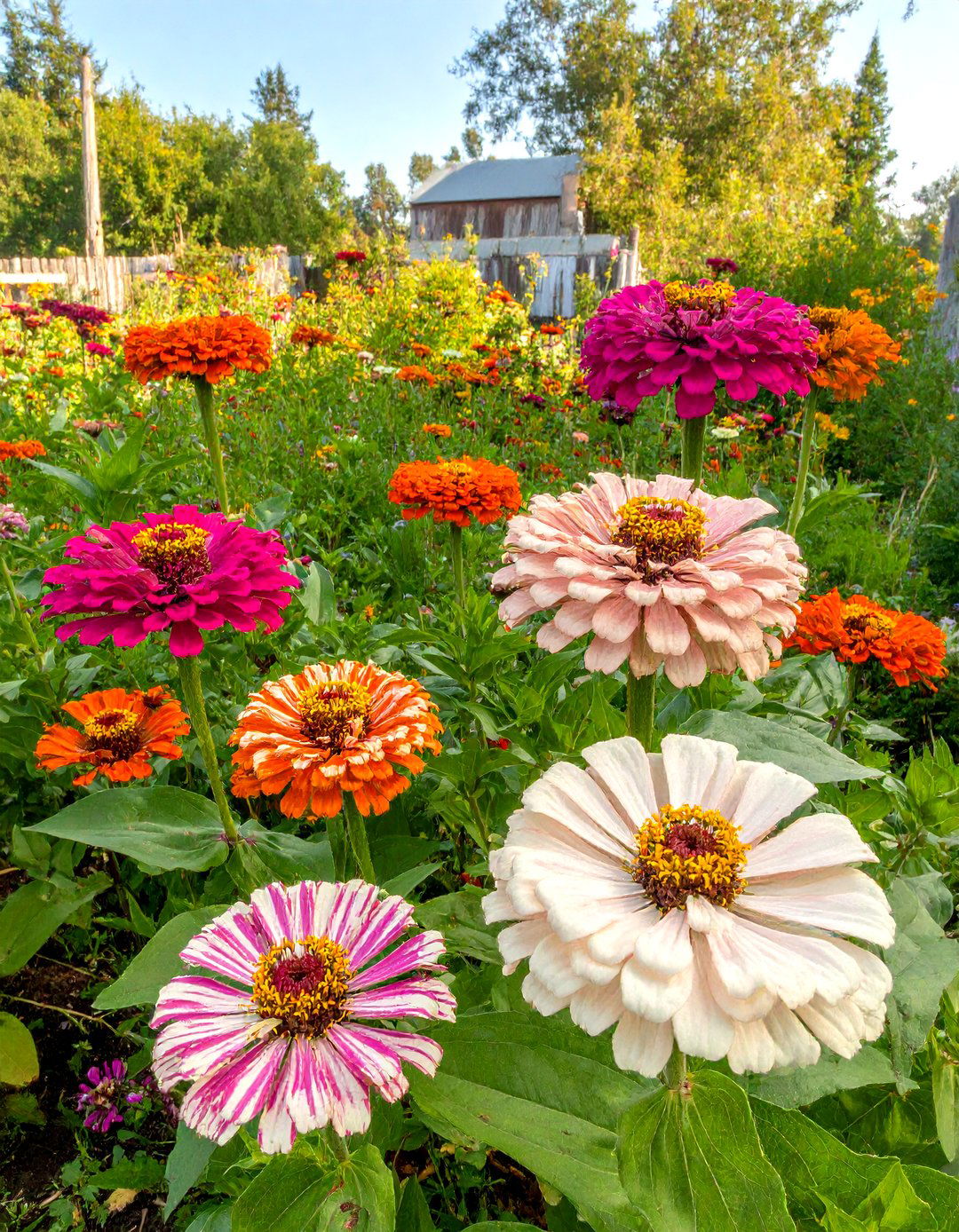
Lining a garden path or walkway with zinnias creates a welcoming and enchanting journey through your landscape. Use low-growing, mounding varieties like the 'Thumbelina' or 'Short Stuff' series to create a neat, colorful edge that won't flop over into the walkway. Planting a consistent color on both sides of the path can create a sense of formal elegance, while a mix of bright colors offers a more cottage-garden feel. As they bloom all summer long, these zinnia borders provide a continuous ribbon of color that guides visitors through your garden with cheer and charm.
9. An Heirloom Zinnia Patch
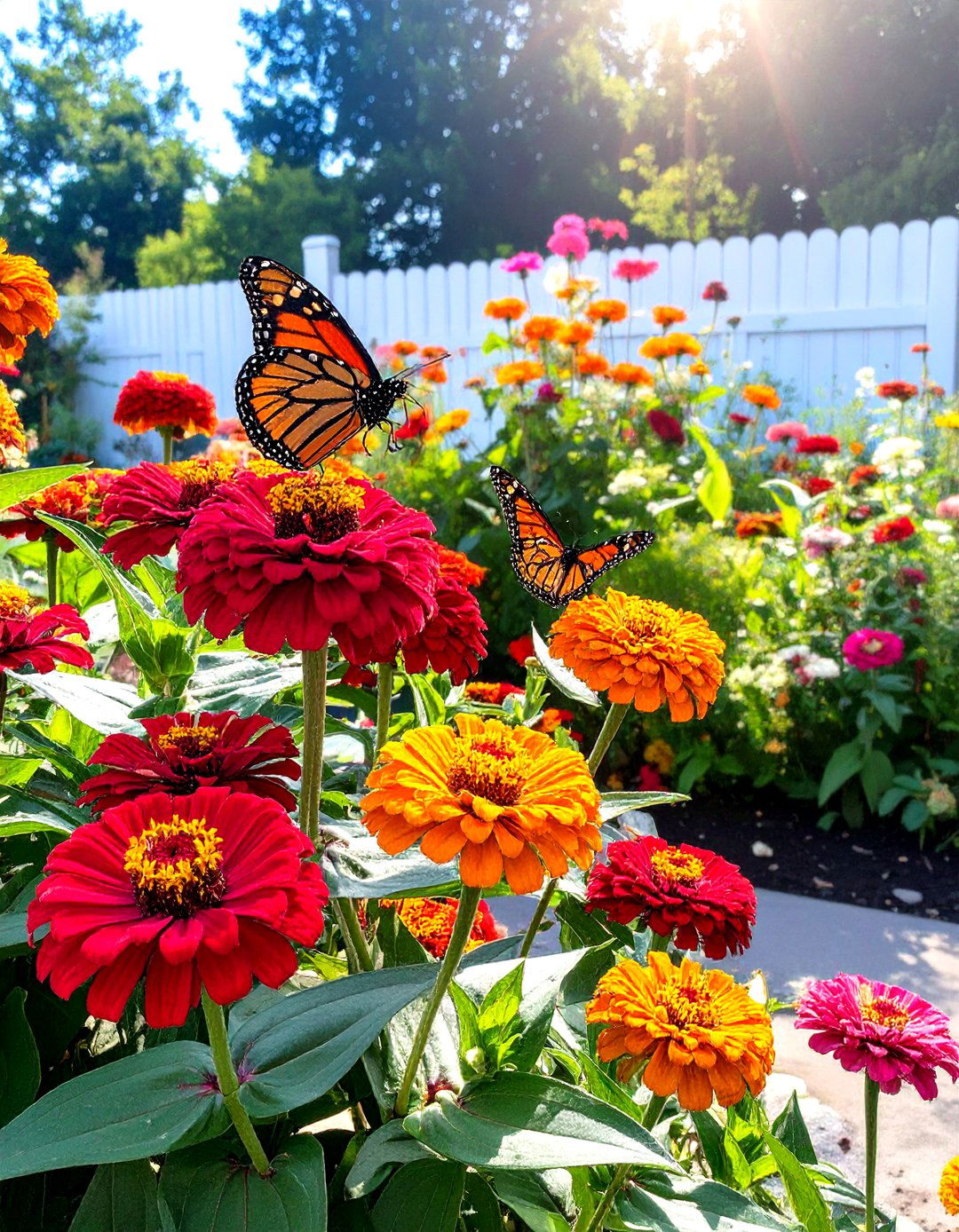
Cultivate a piece of history by dedicating a patch to heirloom zinnia varieties. Unlike modern hybrids, heirlooms like 'Candy Cane', with its striped and speckled petals, or the giant 'California Giant', offer unique forms and a touch of nostalgia. These open-pollinated varieties allow you to save seeds from year to year, preserving these timeless classics. An heirloom patch connects you to gardening traditions of the past and often provides surprising variations in color and form. It becomes a living museum of floral history, showcasing the unique beauty that gardeners have cherished for generations.
10. A Zinnia Butterfly Sanctuary
Transform a sunny spot in your garden into a bustling butterfly sanctuary using zinnias as the main attraction. Butterflies are particularly drawn to the brightly colored, single-petaled zinnia varieties because their nectar is easily accessible. Choose a mix of reds, pinks, purples, and yellows to attract a wide range of butterfly species, including Monarchs, Swallowtails, and Painted Ladies. Plant them in large drifts or clusters to create a significant target for passing butterflies. This garden not only provides a spectacular floral display but also supports vital pollinator populations, adding graceful movement and life.
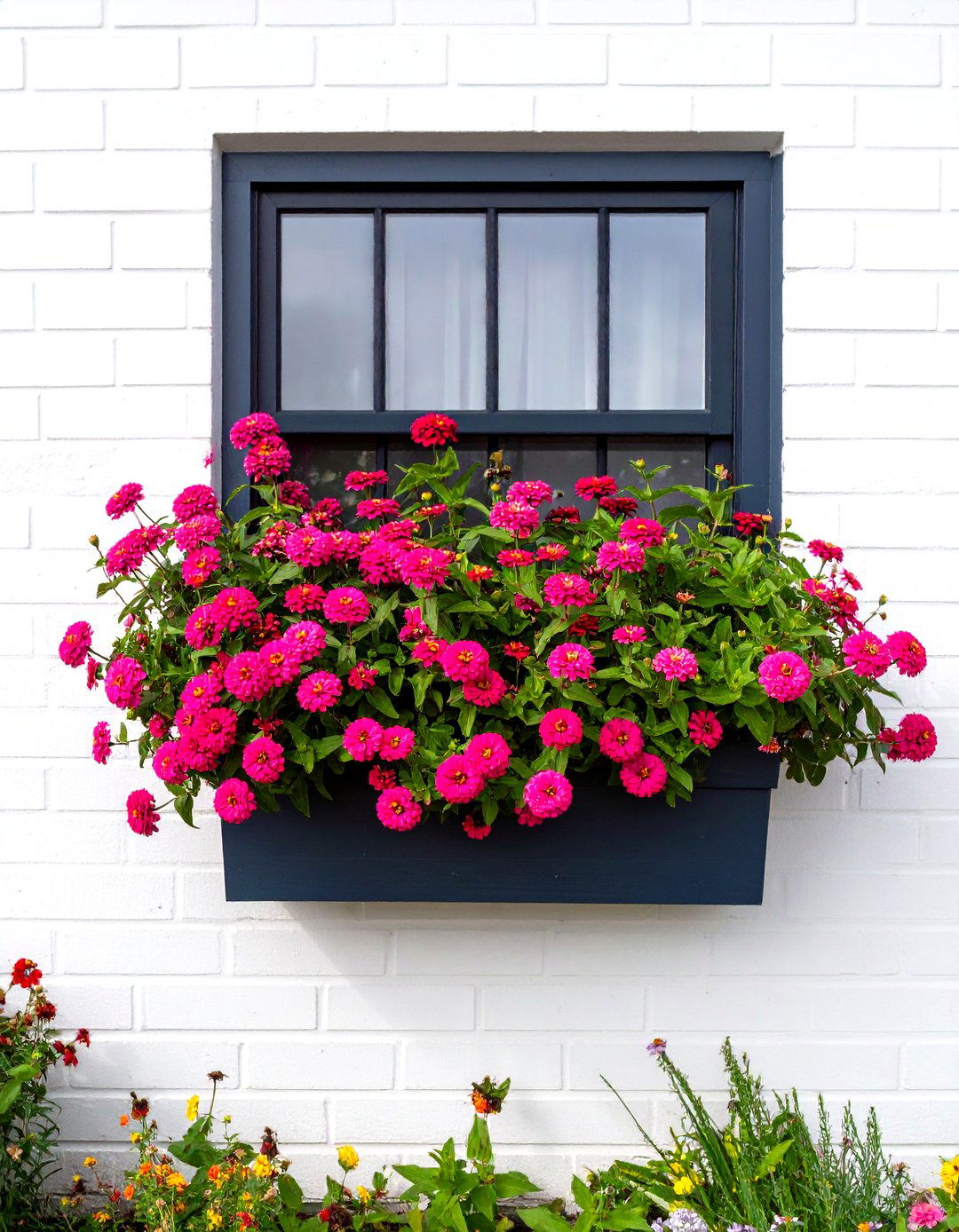
11. Zinnia Window Box Display
Brighten your home’s exterior with a cheerful zinnia window box display. Compact zinnia varieties are ideal for this purpose, as they remain tidy and bloom profusely in a constrained space. The 'Profusion' series is an excellent choice due to its disease resistance and continuous blooming habit. Fill the window box with a single, vibrant color for a bold statement, or mix two or three complementary shades for a playful look. A well-placed zinnia window box provides a splash of color that can be enjoyed from both inside and outside your home, adding instant curb appeal.
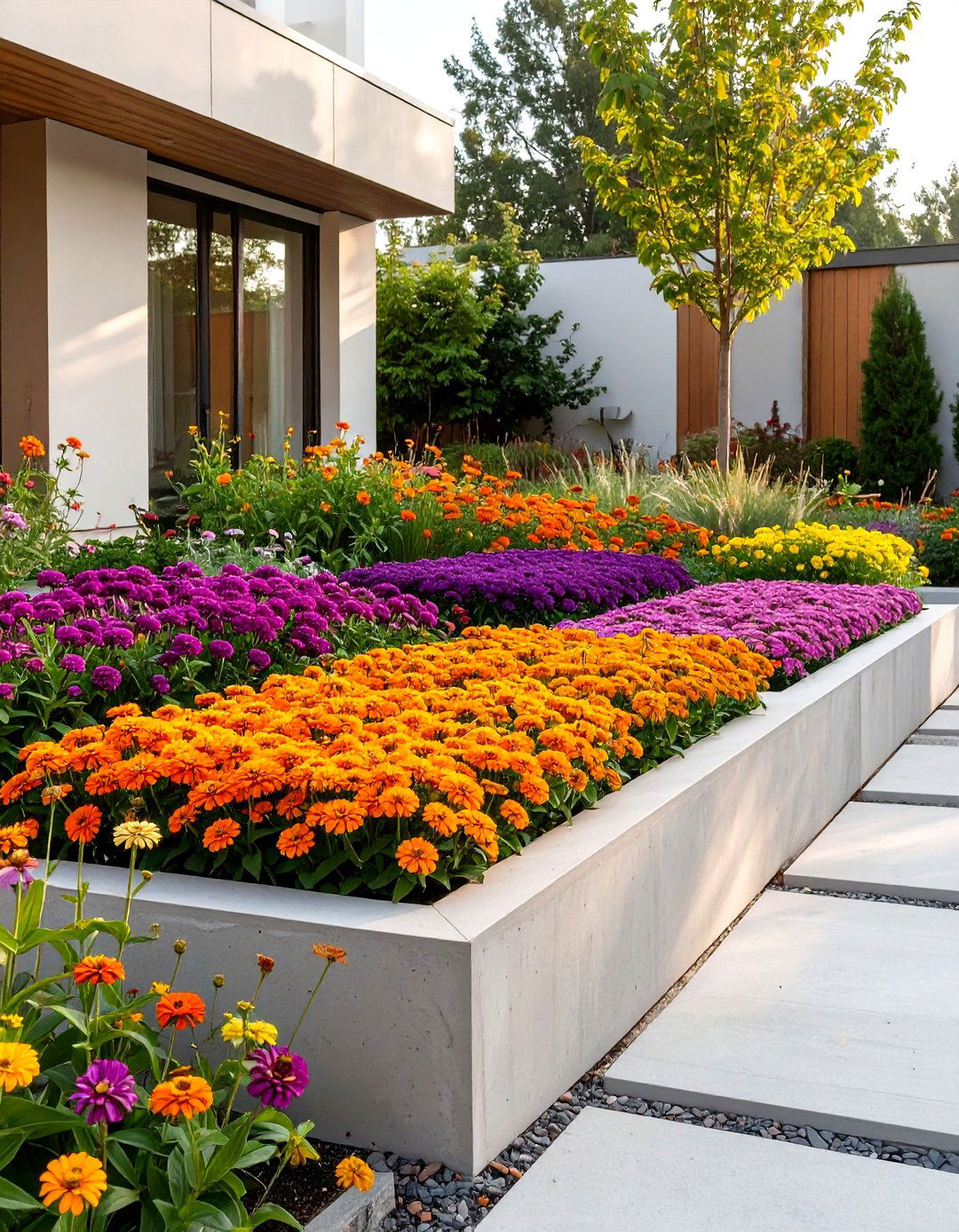
12. Zinnia Color Block Garden Design
For a modern and artistic approach, design your garden using zinnia color blocking. This technique involves planting large, distinct sections of a single zinnia color next to each other, creating a living mosaic of bold geometric shapes. Imagine a square of vibrant orange zinnias adjacent to a rectangle of deep purple, followed by a swath of brilliant yellow. This method works best in a formal bed with clean, defined edges. The result is a high-impact, graphic display that transforms your garden into a piece of contemporary art, showcasing the pure, saturated color of the flowers.
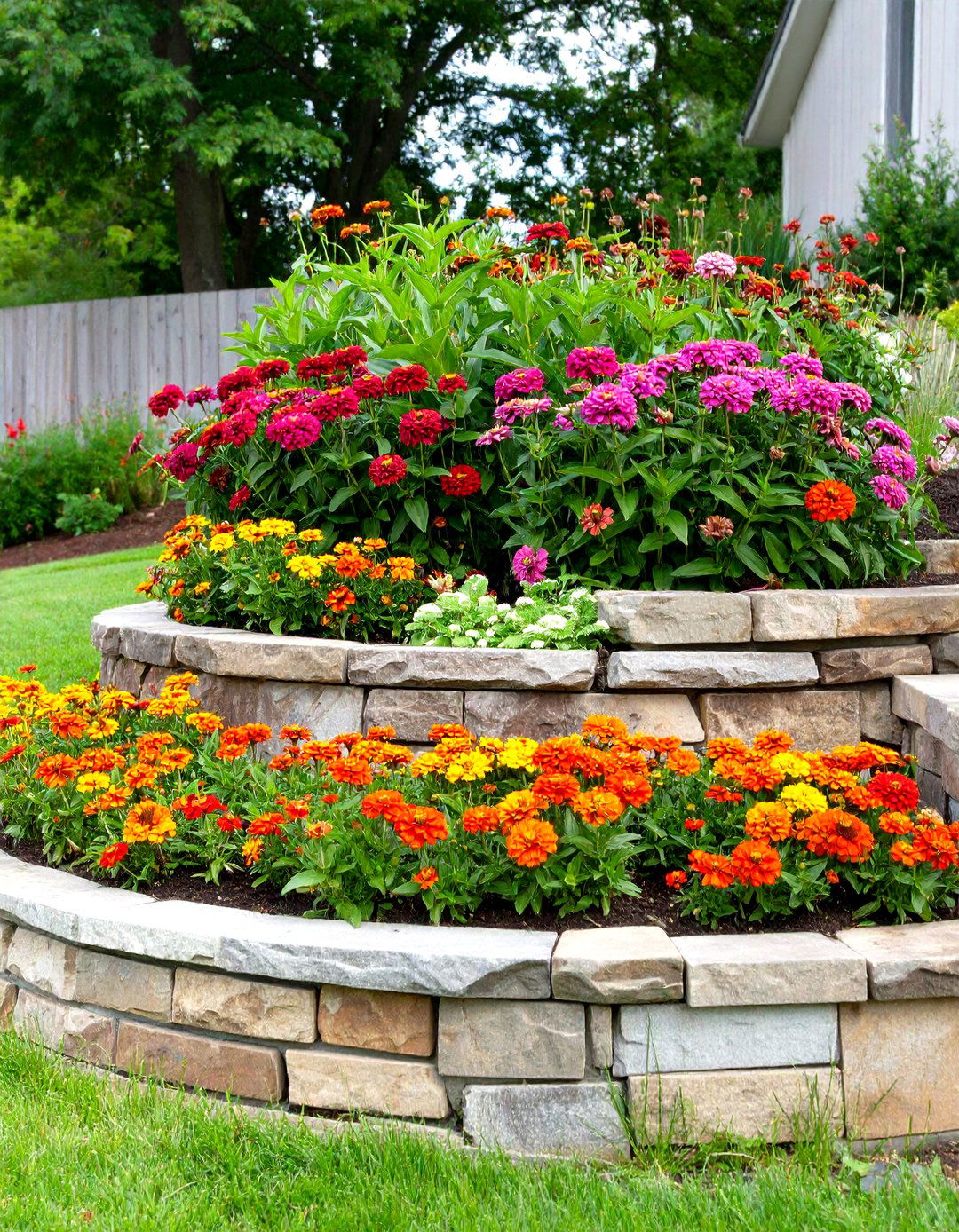
13. A Tiered Zinnia Garden Bed
A tiered or terraced garden bed offers an excellent opportunity to showcase the full range of zinnia heights and forms. Plant the tallest varieties, such as 'Benary's Giant' or 'State Fair', on the highest tier to create a dramatic backdrop. Use medium-height varieties like the 'Cut and Come Again' series for the middle level, and fill the lowest, front-most tier with compact, mounding types like 'Thumbelina' or the 'Profusion' series. This layered arrangement ensures that every plant is visible, creating a grand, stadium-like display of color that cascades down the tiers.
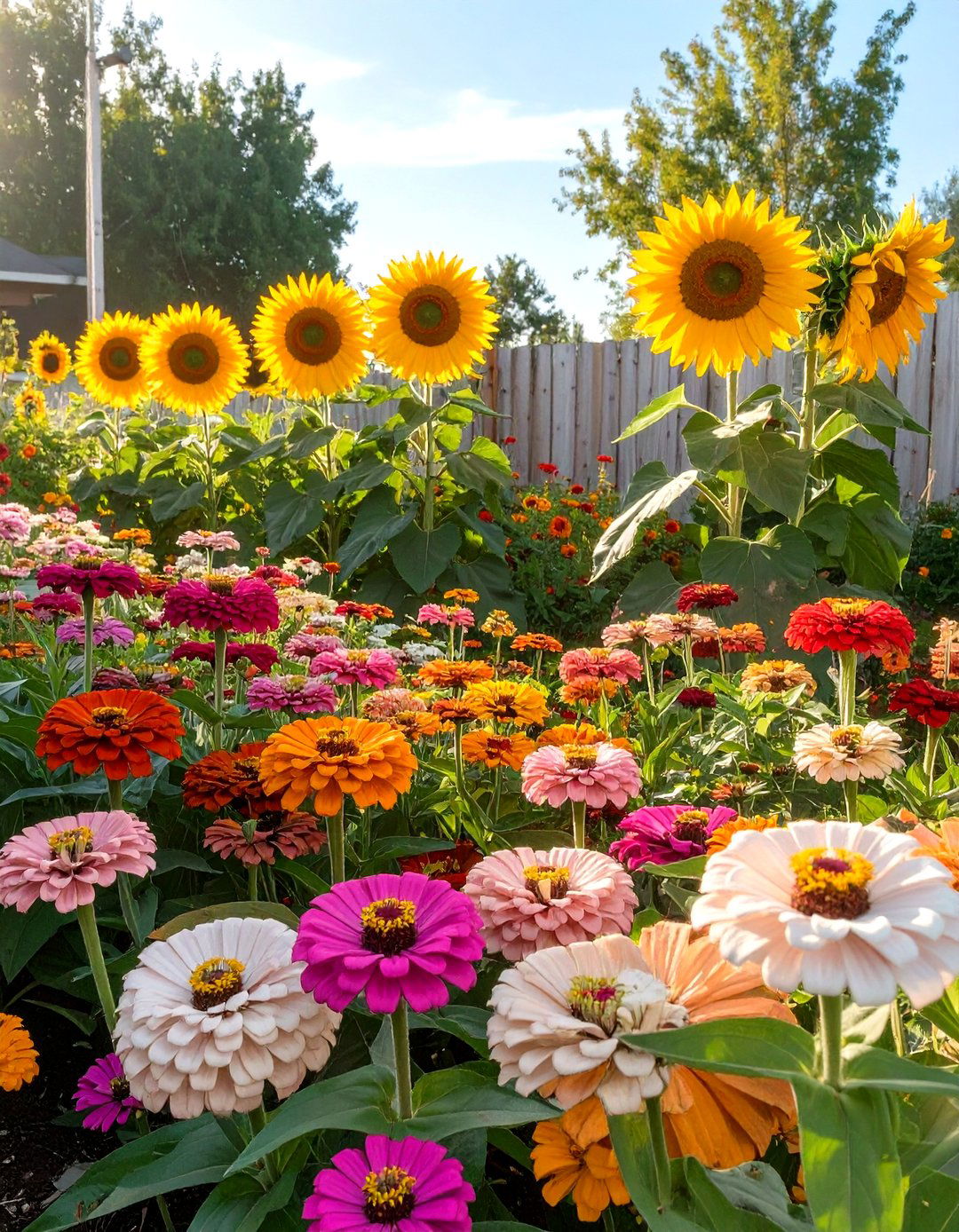
14. A Zinnia and Sunflower Garden
Combine two quintessential summer flowers, zinnias and sunflowers, for a garden that radiates pure sunshine and happiness. The towering height of sunflowers provides a dramatic vertical element, while the bushy, multi-colored zinnias fill in the space below with vibrant blooms. This combination is perfect for a back border or a dedicated sun-loving bed. The cheerful yellows of the sunflowers are beautifully complemented by the diverse color palette of the zinnias. This garden is not only visually stunning but also a favorite for pollinators and birds, who will feast on the sunflower seeds in late summer.
15. Zinnia Garden with Ornamental Grasses
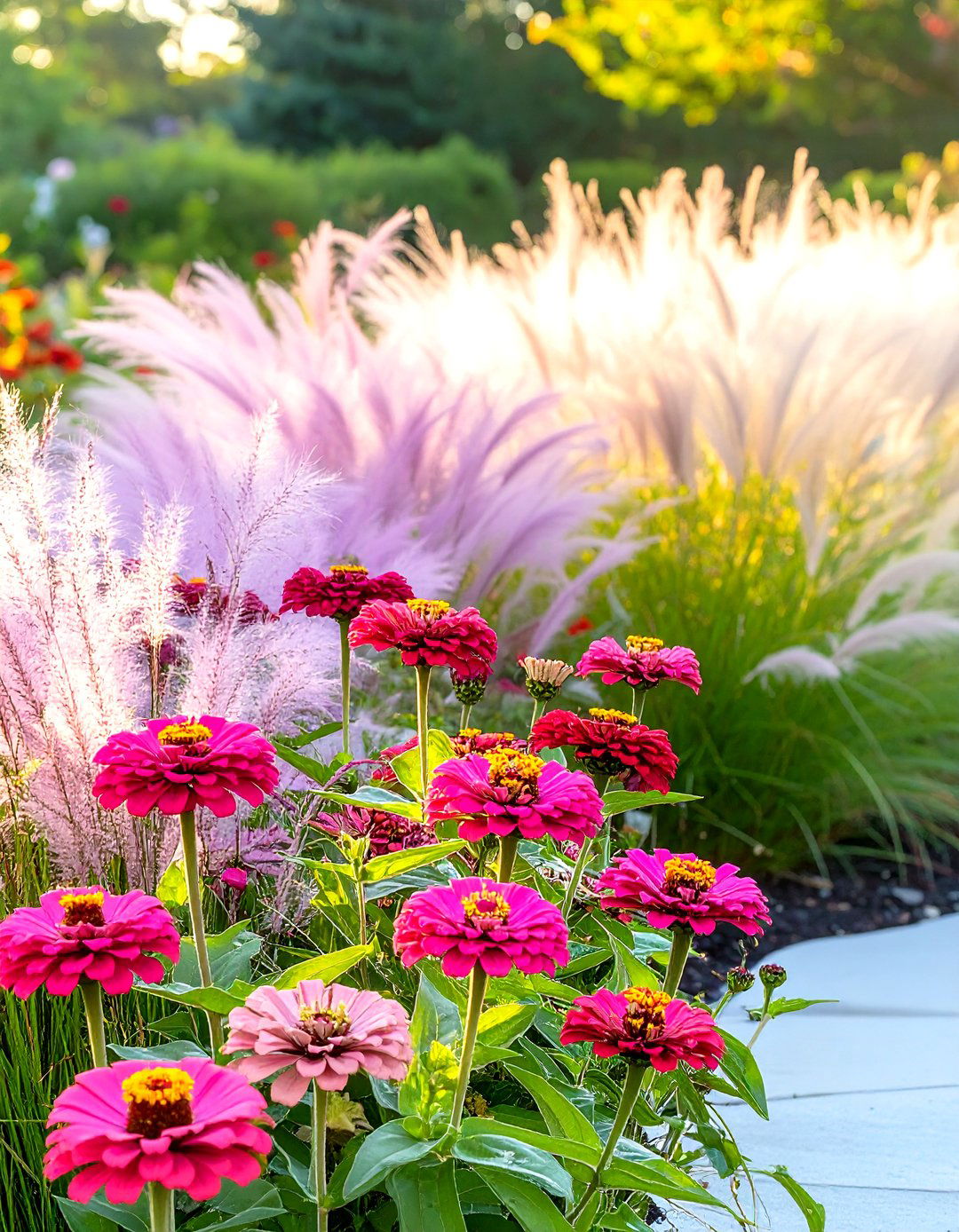
Introduce texture and movement to your zinnia garden by interplanting them with ornamental grasses. The soft, feathery plumes and fine-textured blades of grasses like fountain grass (Pennisetum) or purple muhly grass (Muhlenbergia capillaris) create a beautiful contrast with the bold, daisy-like flowers of the zinnias. This combination adds a layer of sophistication and a natural, meadow-like feel to the garden. The grasses provide a soft backdrop that makes the zinnia colors appear even more vibrant, while their gentle swaying in the wind adds a dynamic quality to the planting.
16. A Dahlia-Flowered Zinnia Showcase
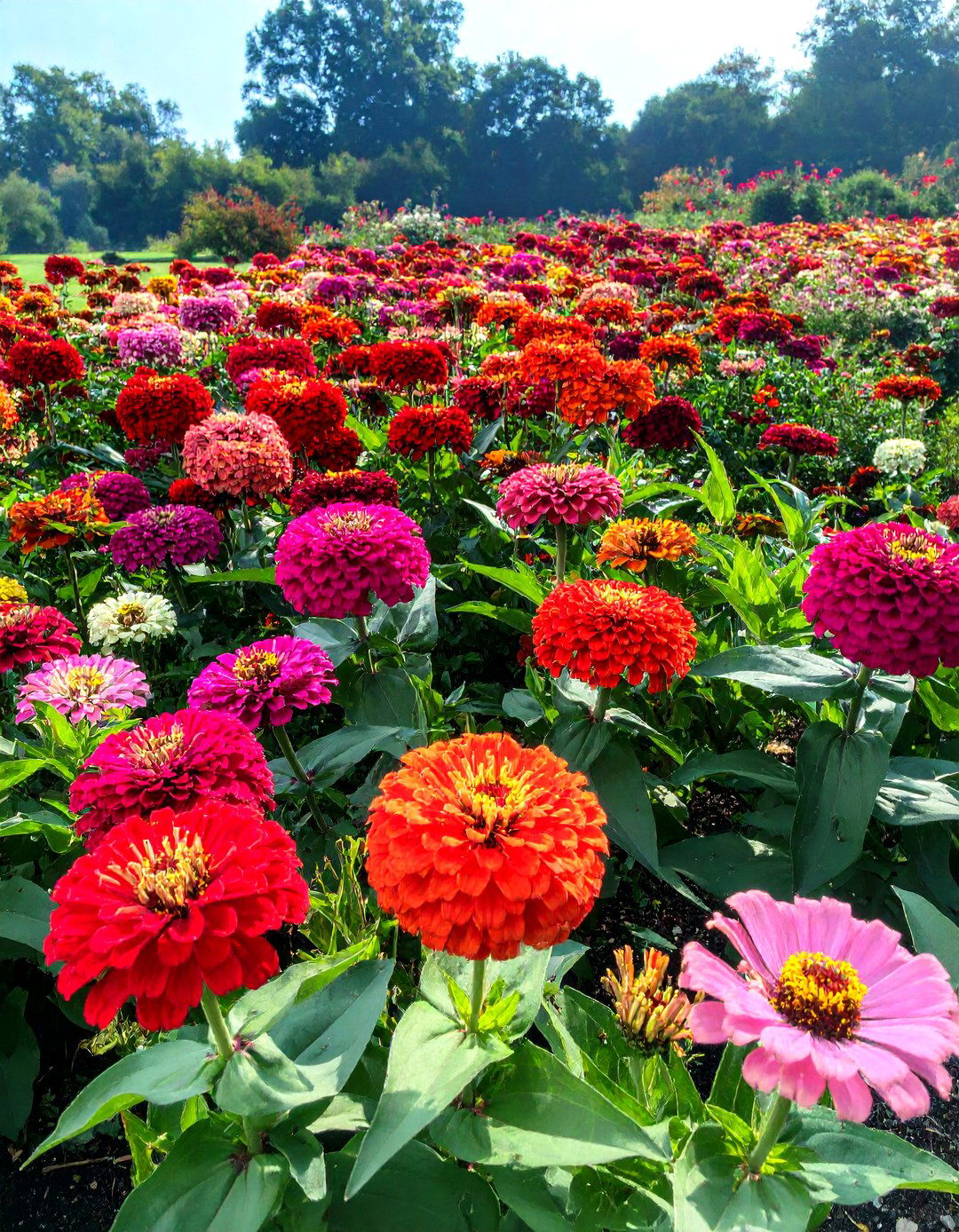
Dedicate a garden bed to showcasing the impressive dahlia-flowered zinnia varieties. These types, such as the 'Benary's Giant' or 'Uproar Rose' zinnias, feature large, double blooms with tightly packed petals that resemble dahlia flowers. Planting them en masse creates a luxurious and high-impact display. Their strong, sturdy stems also make them a premier choice for cutting gardens. By focusing solely on these spectacular blooms, you create a garden that exudes elegance and abundance. The massive, colorful flower heads provide a non-stop show from mid-summer until the first frost, making this a truly rewarding design.
17. A Zinnia Garden in Raised Beds
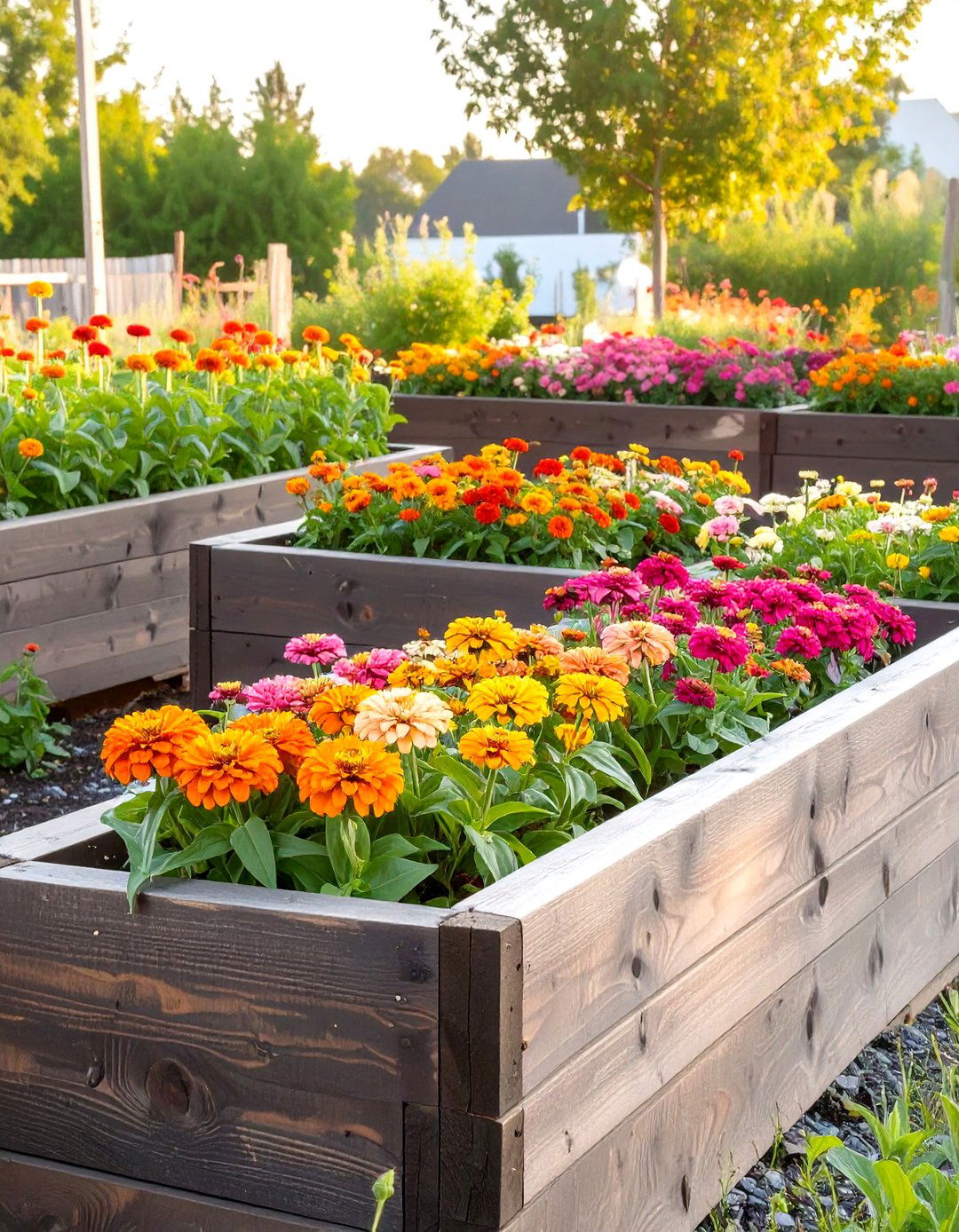
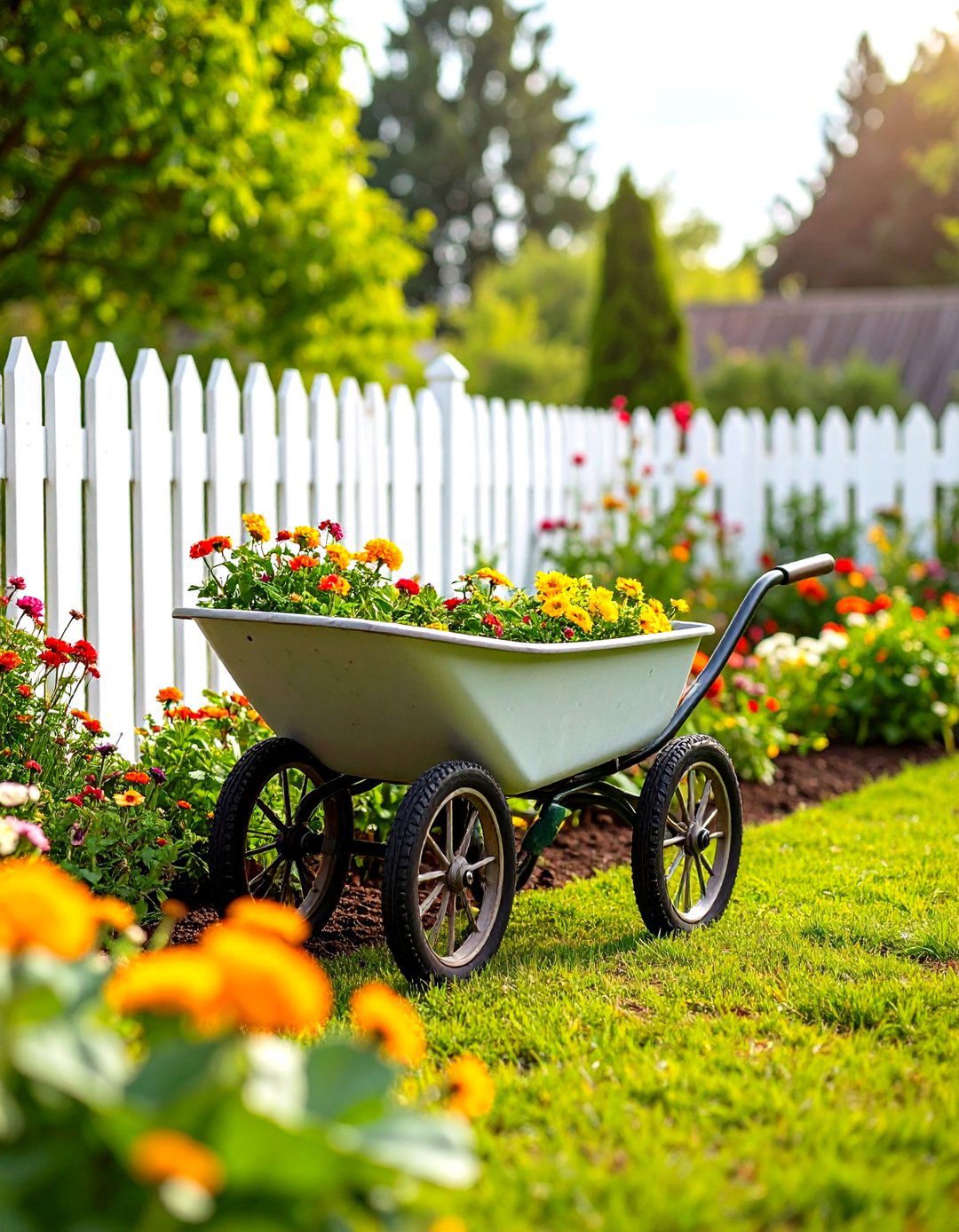
Raised beds provide the perfect controlled environment for growing spectacular zinnias. They offer excellent drainage, which zinnias love, and allow you to fill them with high-quality soil, promoting vigorous growth and prolific blooming. Arrange your zinnias in rows for a cutting garden or in mixed drifts for a more cottage-style look. The contained nature of raised beds makes weeding and maintenance easier, while also lifting the flowers to a more accessible height. This is an ideal solution for gardeners with poor native soil or those who prefer a more organized, tidy garden layout.
18. Zinnia and Salvia Companion Planting
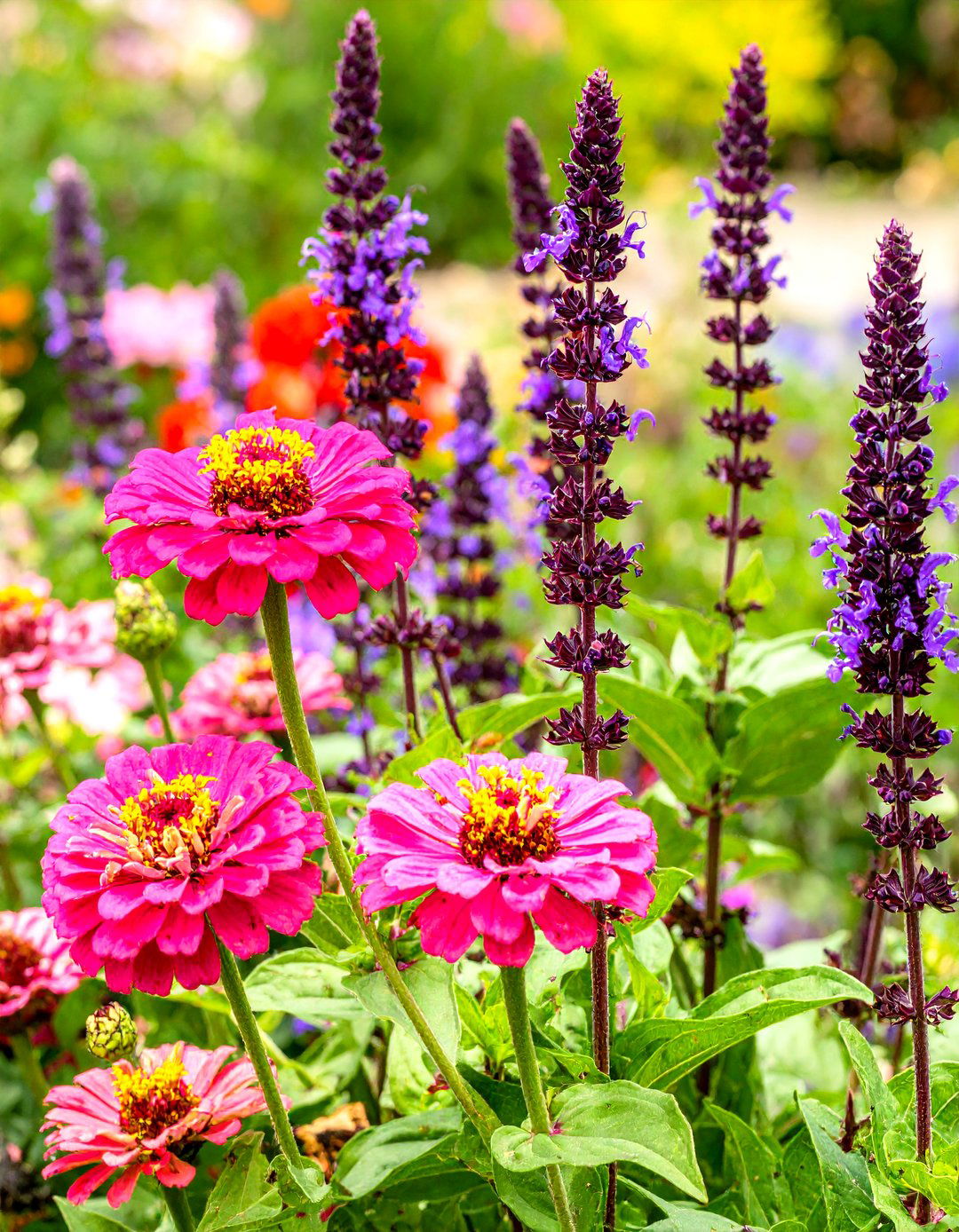
Pairing zinnias with salvias creates a stunning, long-blooming garden combination that is irresistible to pollinators. The spiky, vertical flower stalks of salvia, particularly blue or purple varieties like 'May Night' or 'Caradonna', provide a wonderful textural contrast to the rounded, daisy-like zinnia blooms. This duo offers a continuous display of color, as both plants are known for their extended flowering season. The combination of different flower shapes and colors creates a visually dynamic and vibrant bed that attracts hummingbirds, bees, and butterflies, making your garden a lively and beautiful ecosystem.
19. A 'Queen Lime' Zinnia Series Bed
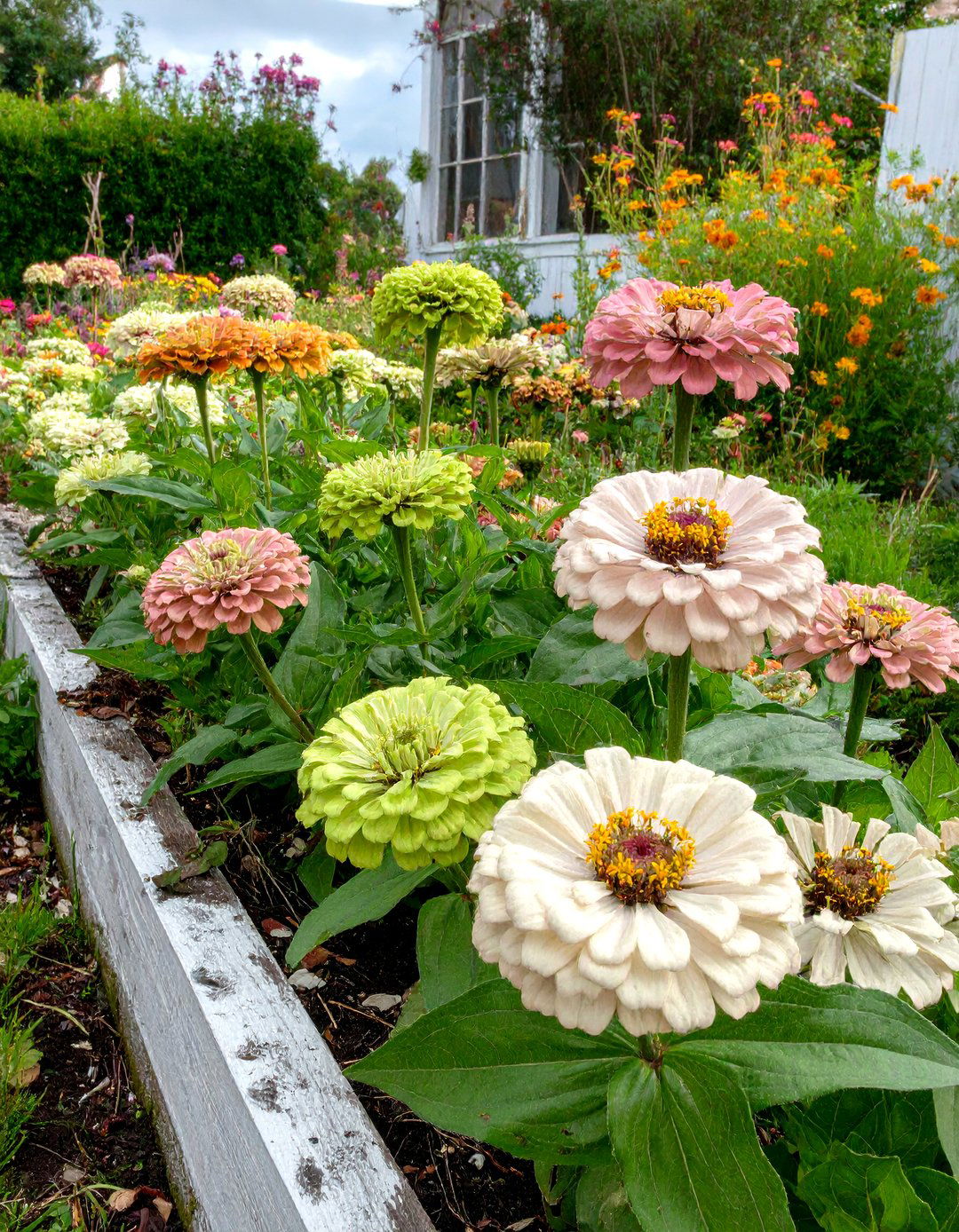
Create a uniquely sophisticated and trendy garden bed by focusing on the 'Queen Lime' zinnia series. This collection features unusual and captivating shades of antique chartreuse, blush, and lime green, often with a contrasting rosy center. Varieties like 'Queen Lime with Blush' and 'Queen Red Lime' offer a muted, vintage color palette that stands out from typical bright zinnias. Planting these together creates a subtle yet stunning display that is perfect for modern or cottage-style gardens. Their unique coloration also makes them a coveted choice for floral designers, providing elegant and unconventional blooms for arrangements.
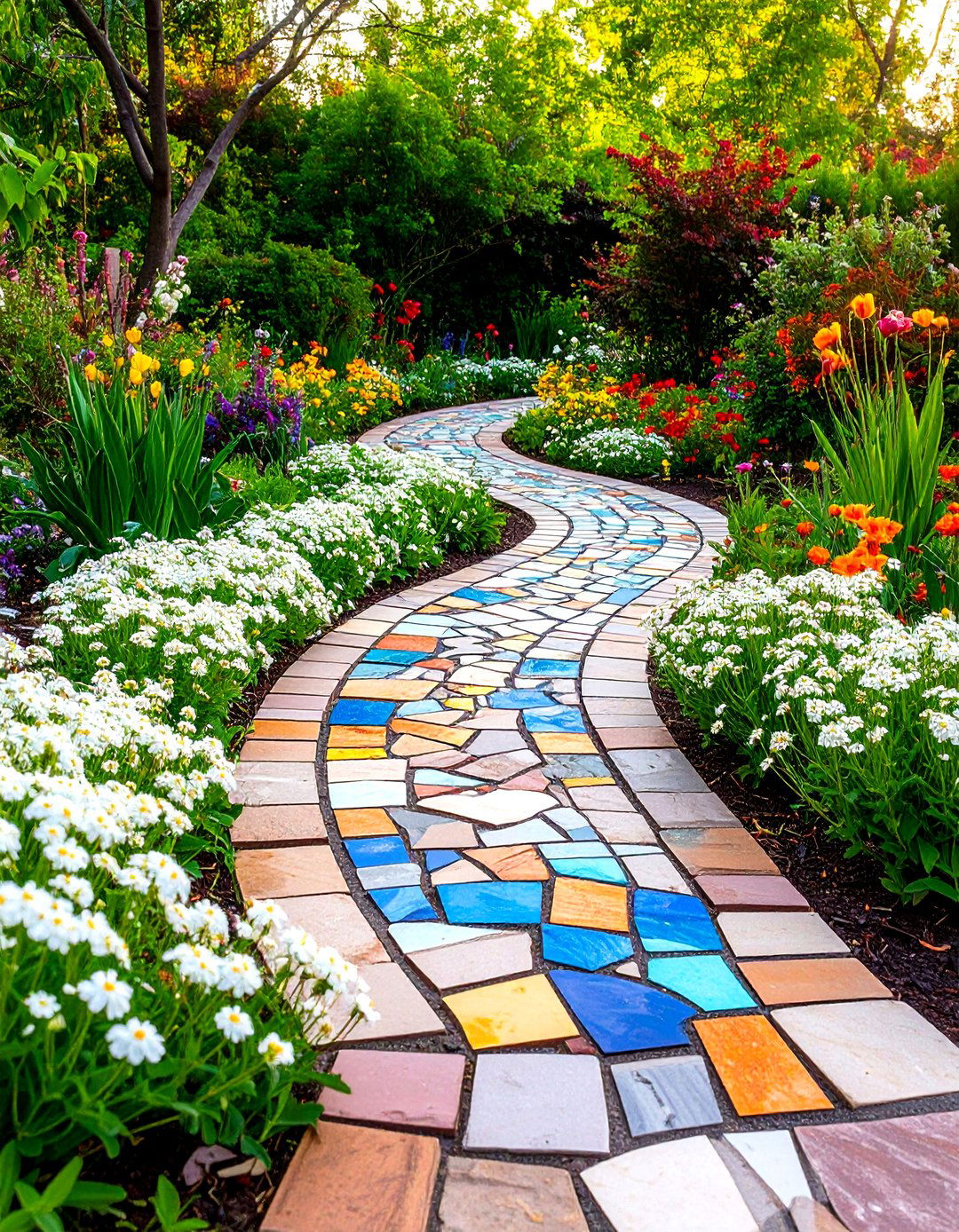
20. A Cactus-Flowered Zinnia Display
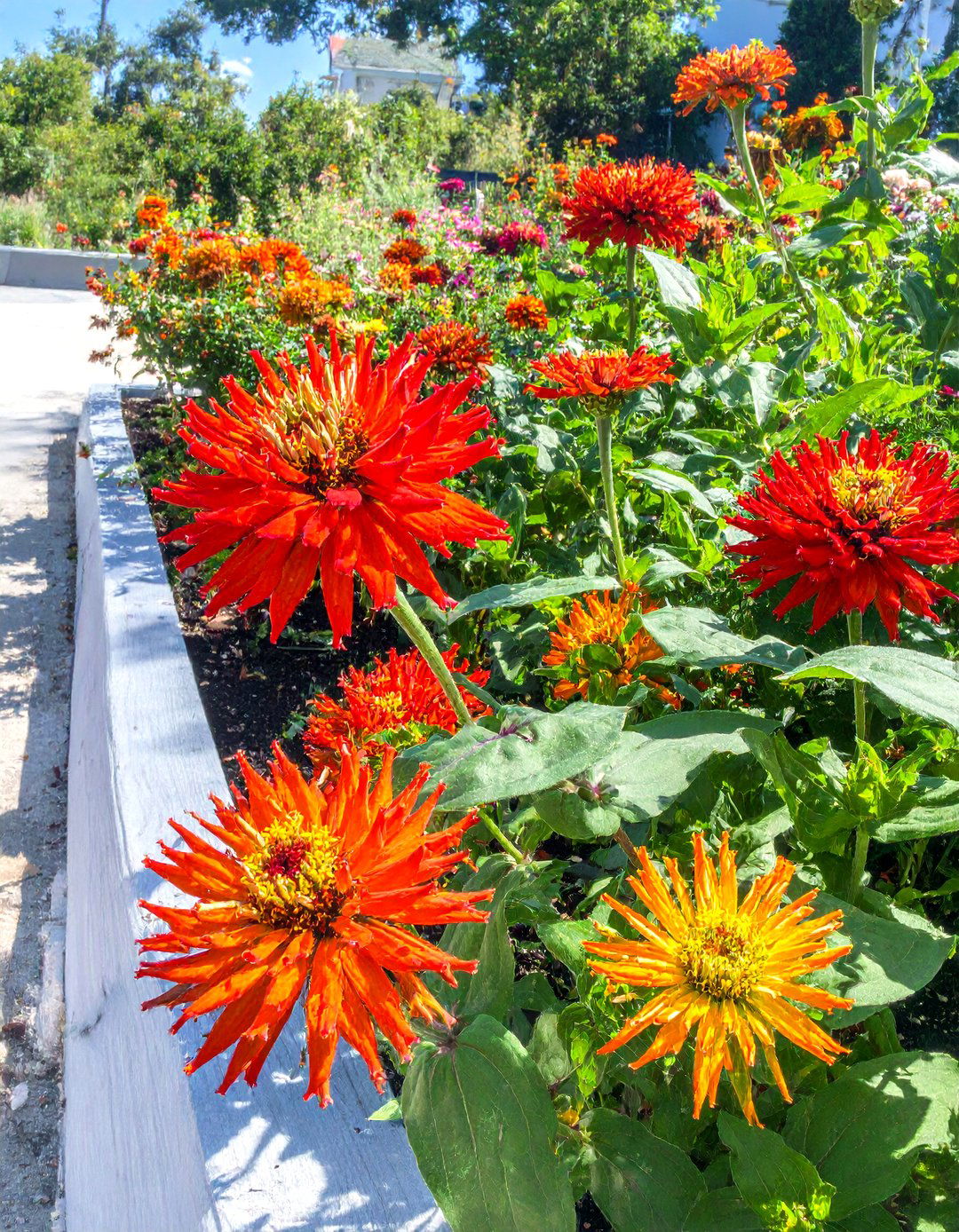
For a garden with unique texture and form, create a display featuring cactus-flowered zinnias. These distinctive varieties have petals that are rolled or quilled, giving the flower heads a spiky, starburst appearance. Varieties like the 'Burpeeana Giants' offer large, shaggy blooms in a wide range of vibrant colors. Their unusual form adds a touch of the exotic to the garden, creating visual interest and a conversation piece. When planted in a group, their fascinating texture becomes the main attraction, offering a different take on the classic zinnia and proving how diverse this flower family truly is.
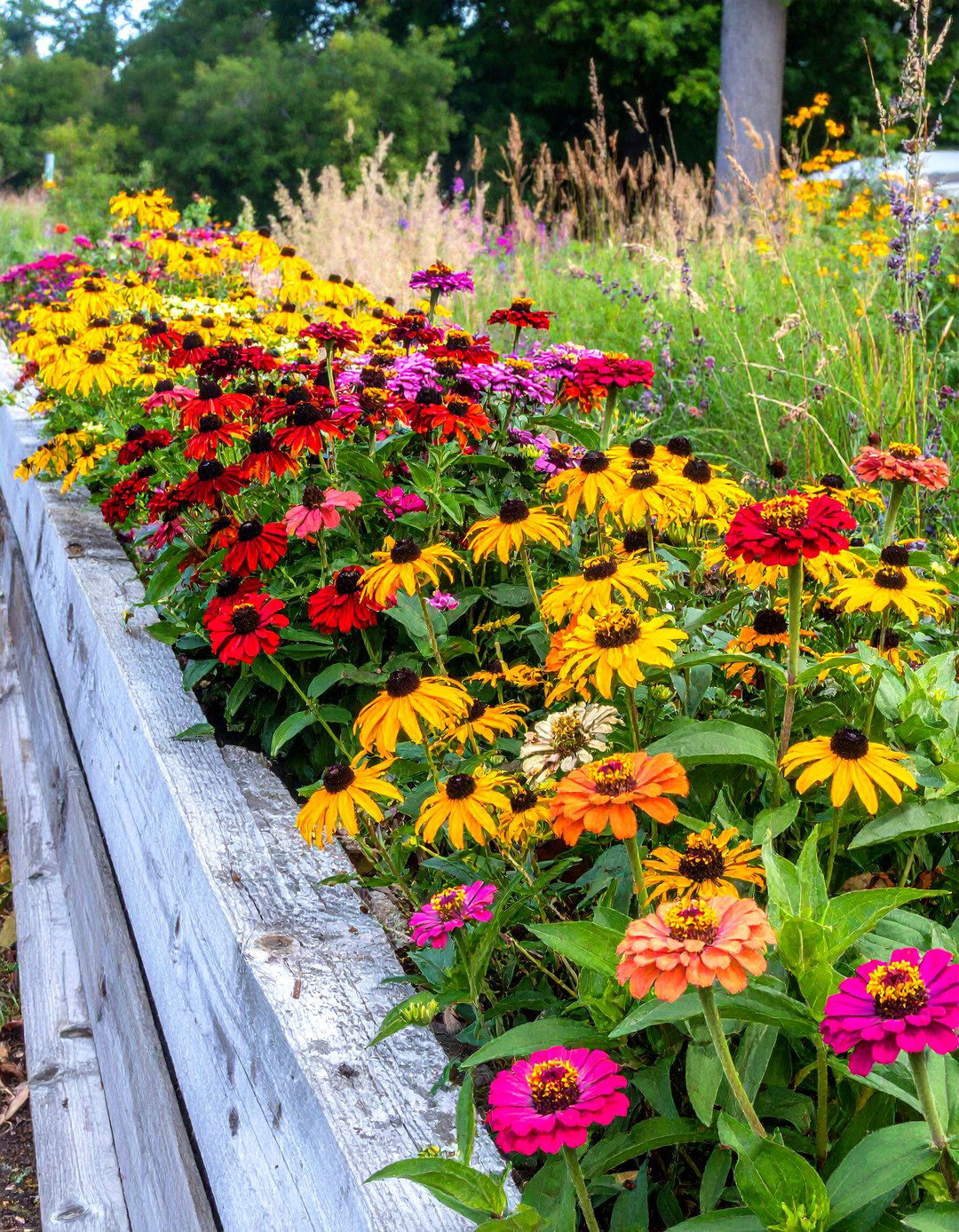
21. A Zinnia and Black-Eyed Susan Garden
Combine the cheerful colors of zinnias with the classic, golden-yellow charm of Black-Eyed Susans (Rudbeckia) for a quintessential late-summer garden. Both of these sun-loving, drought-tolerant plants bloom profusely from mid-summer until fall, ensuring your garden remains vibrant when many other flowers start to fade. The dark, prominent cones of the Black-Eyed Susans provide a striking contrast to the multi-hued zinnia blooms. This hardy, low-maintenance pairing creates a beautiful, rustic display that evokes the feeling of a country meadow and provides a reliable source of color and beauty.
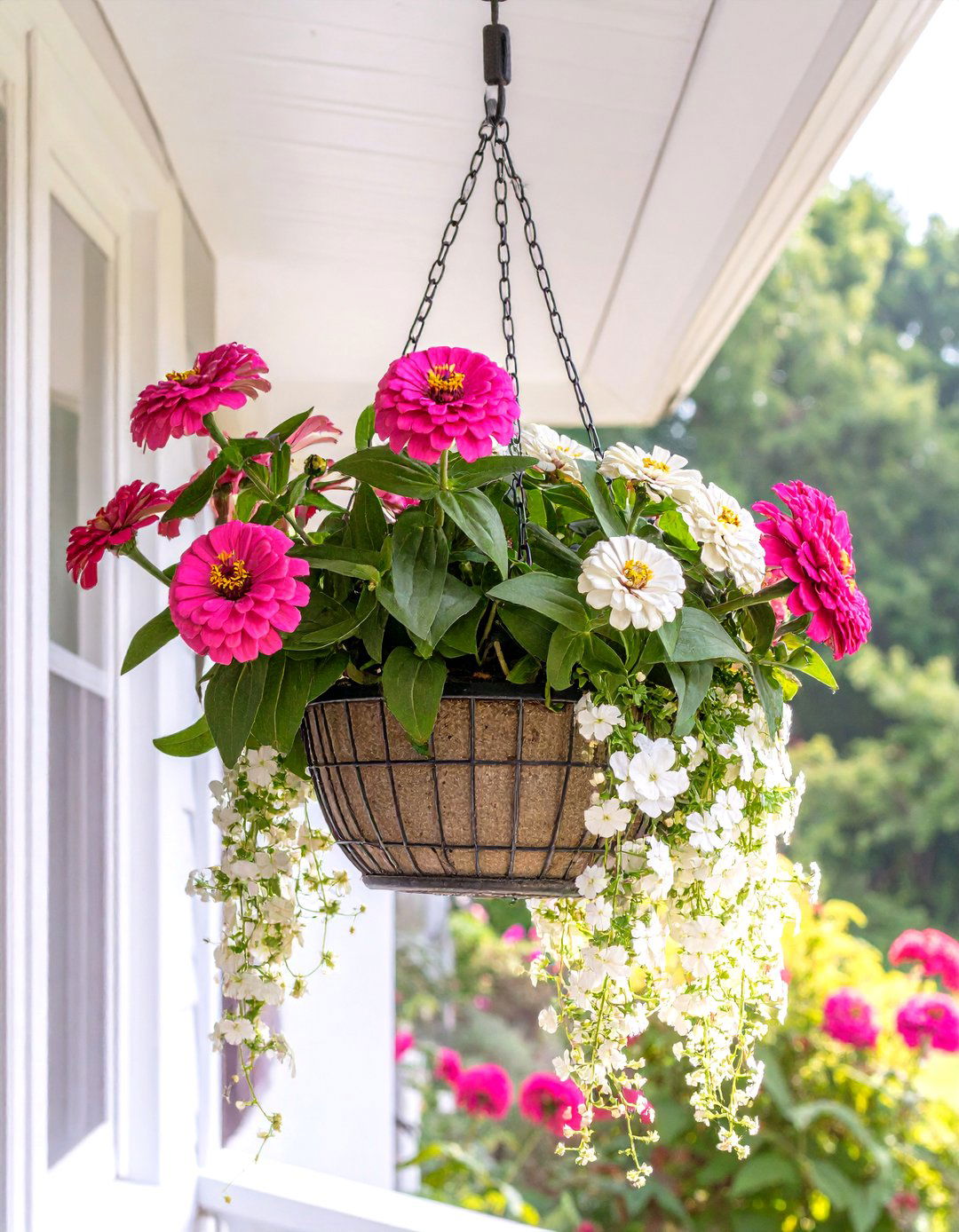
22. A Hanging Basket Zinnia Arrangement
Trailing or cascading zinnia varieties are perfect for creating stunning hanging basket arrangements. Varieties like 'Crystal White' or the trailing 'Profusion' zinnias will spill beautifully over the edges of a basket, creating a ball of color. For a fuller look, plant a taller, more upright dwarf zinnia in the center and surround it with trailing types. Hanging baskets filled with zinnias can brighten up a porch, pergola, or any area needing a splash of aerial color. Just be sure to water them frequently, as containers dry out quickly, especially when exposed to sun and wind.
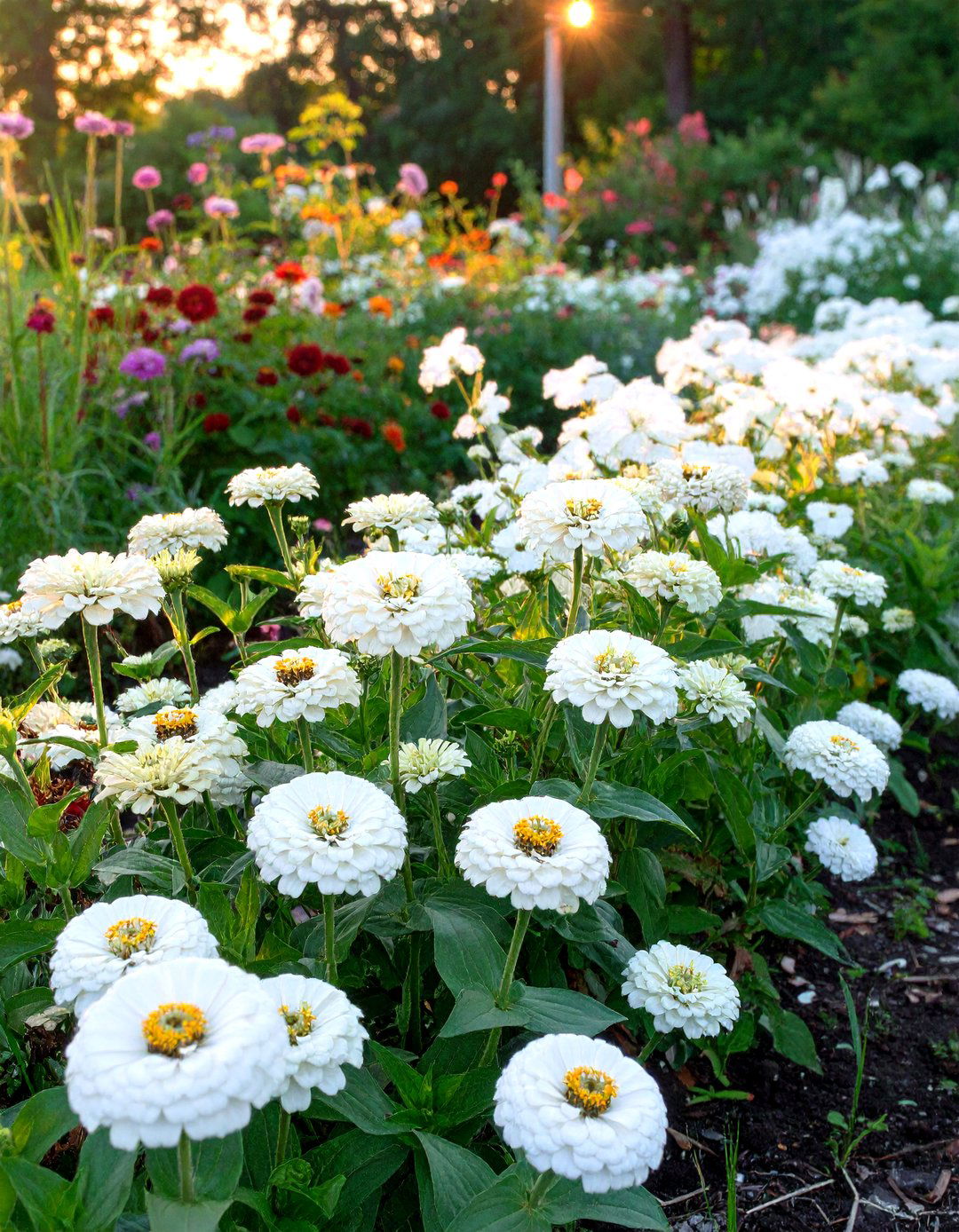
23. A Zinnia Garden for Evening Ambiance
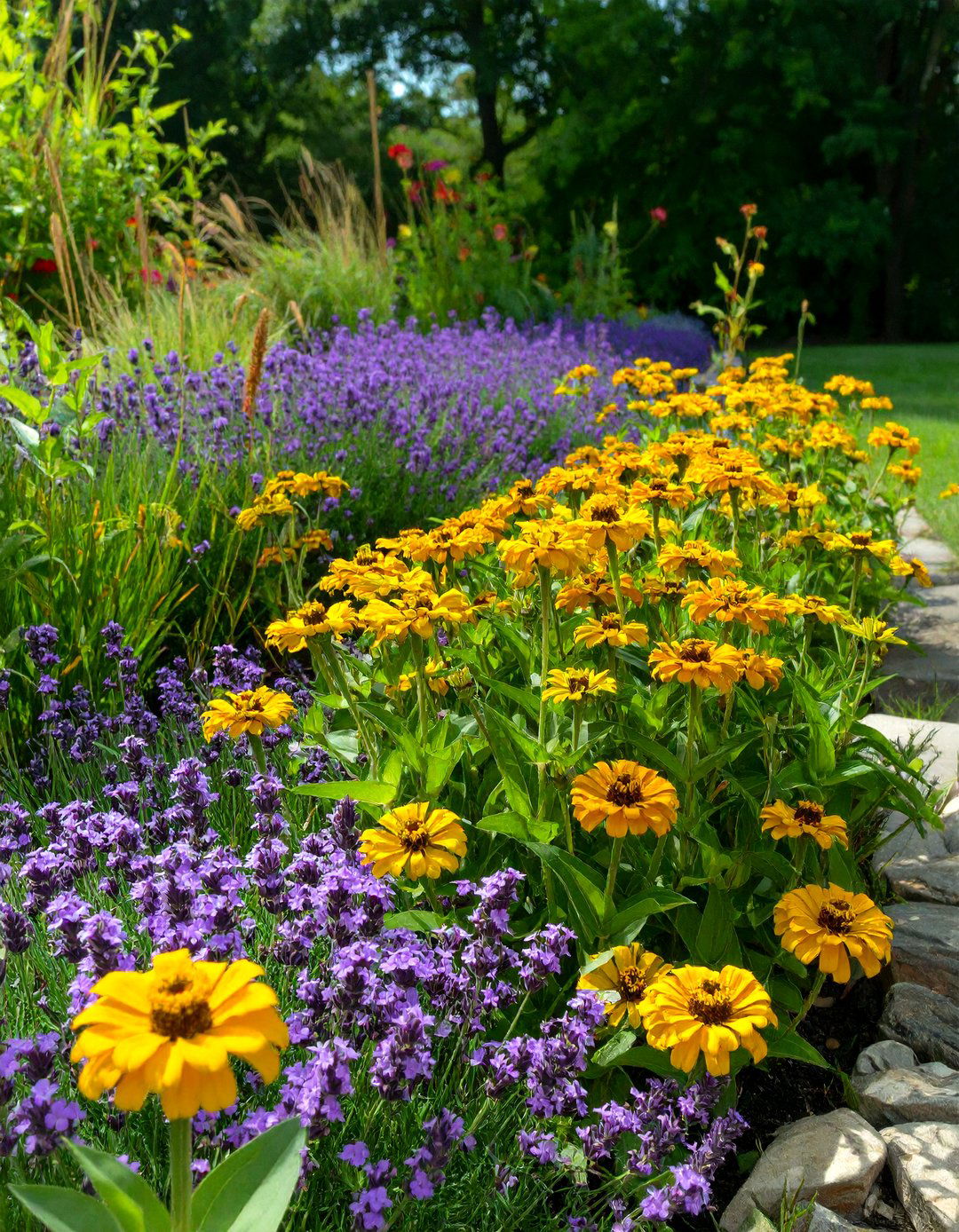
Design a zinnia garden that comes alive in the evening by focusing on white and pale-colored varieties. White flowers, like those of the 'Polar Bear' or 'Crystal White' zinnias, seem to glow in the twilight, creating a magical and serene atmosphere. Interplant them with fragrant, night-blooming plants like nicotiana or moonflower to engage more senses. This "moon garden" concept provides a beautiful space for relaxation after a long day. The light-colored zinnia blooms will catch the last rays of sun and the soft light of the moon, offering a peaceful and luminous garden view.
24. A Zinnia and Verbena Groundcover
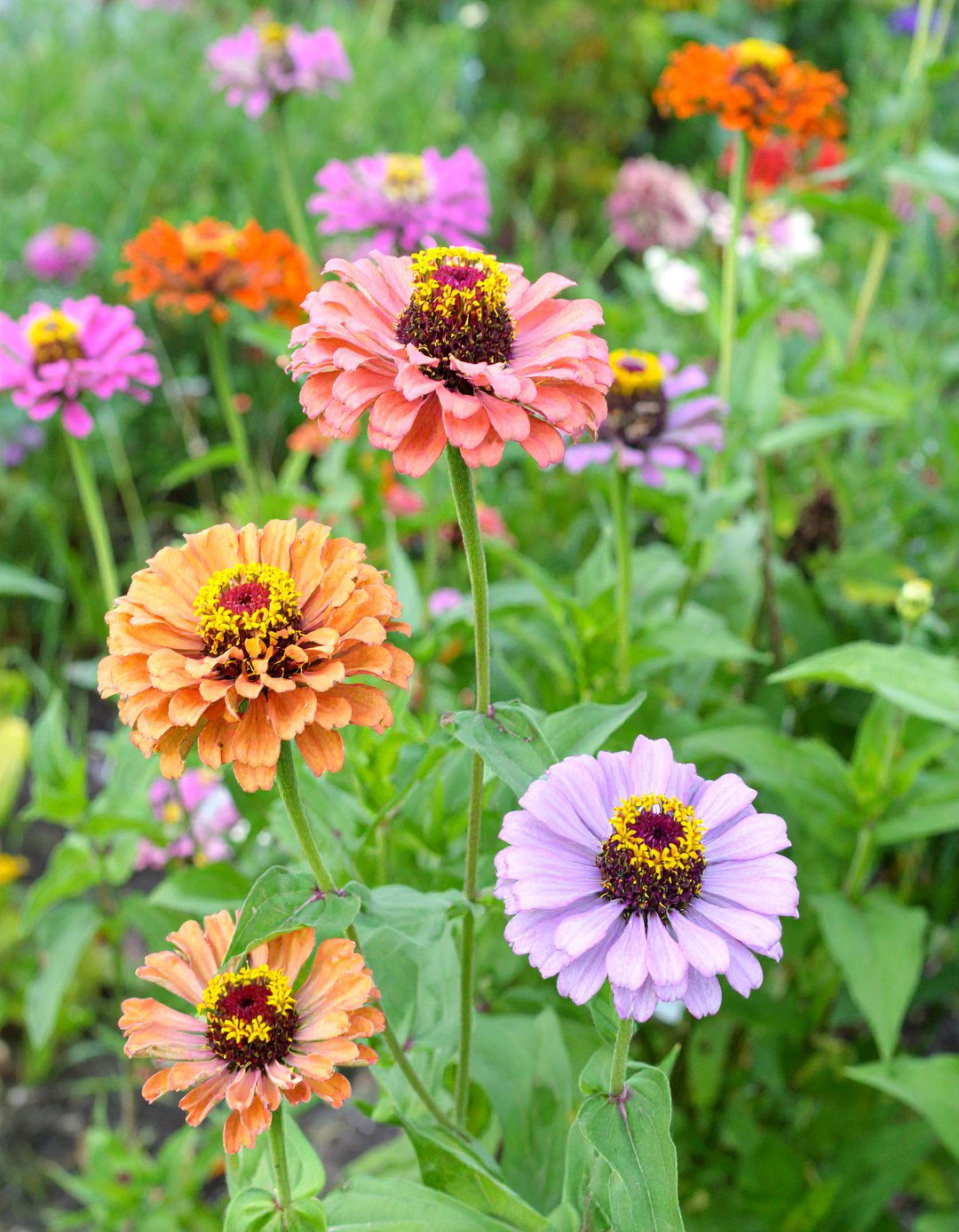
Create a living carpet of color by pairing low-growing zinnias with spreading verbena. Creeping zinnia (Zinnia angustifolia) or the 'Profusion' series work well as they maintain a low, mounding habit. Combine them with a groundcover verbena like 'Homestead Purple' for a stunning contrast in color and texture. This combination will quickly fill in an area, suppressing weeds and providing a continuous blanket of blooms throughout the hot summer months. It's a perfect solution for covering a sunny slope or filling in the front of a border with a durable, low-maintenance, and beautiful planting.
25. A Scabiosa-Flowered Zinnia Collection
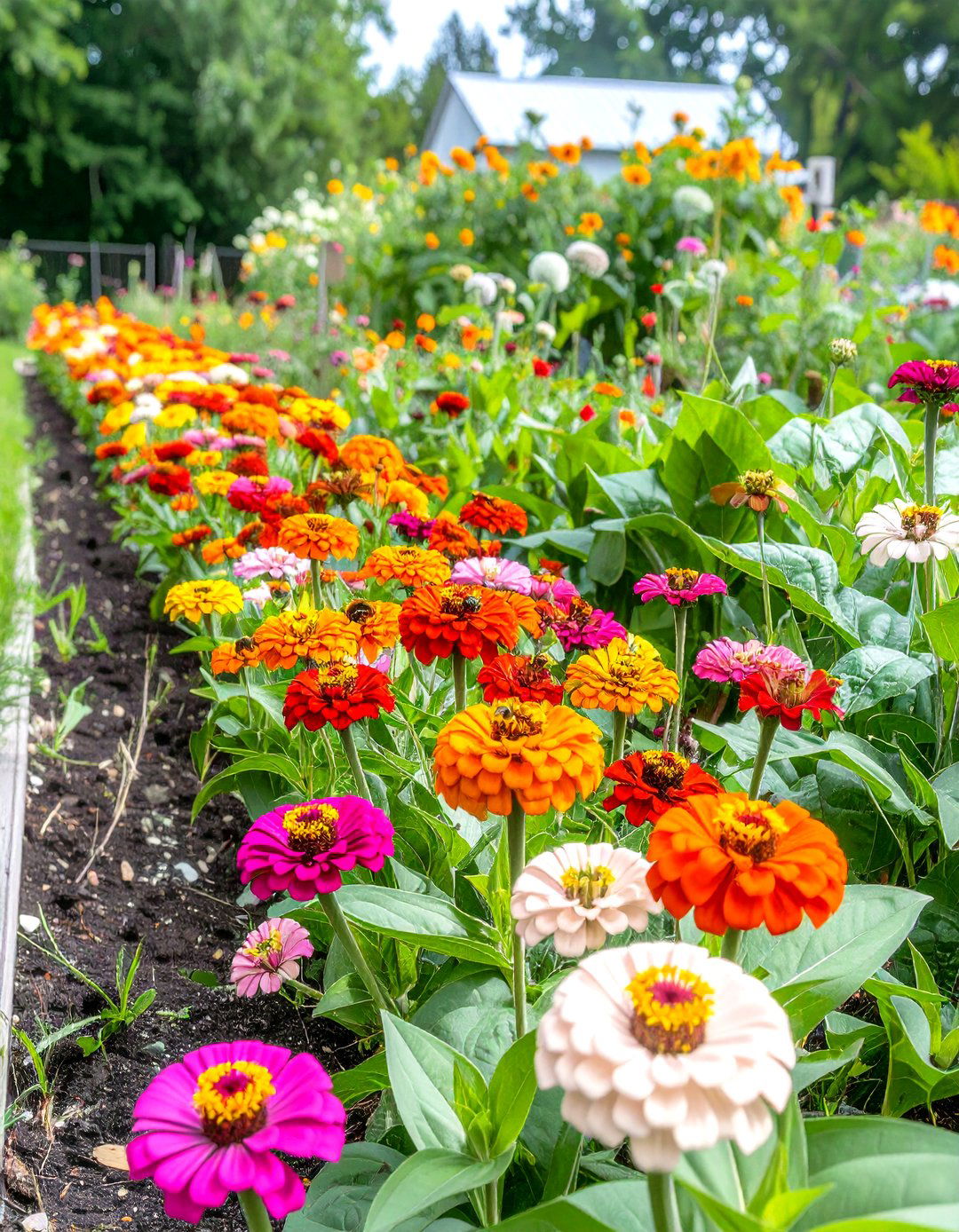
Showcase the unique form of scabiosa-flowered zinnias by planting a dedicated collection. Also known as "pincushion flowers," these zinnias feature a central, tufted cushion surrounded by a ring of larger, flat petals, resembling the Scabiosa flower. Varieties in the 'Zinderella' series, such as 'Zinderella Peach' or 'Zinderella Lilac', offer lovely pastel shades and a charming, romantic appearance. These whimsical blooms add a touch of novelty and elegance to garden beds and are highly sought after for floral arrangements. Grouping them together highlights their distinctive shape and creates a delightful, textured display.
26. A Zinnia Border for Vegetable Gardens
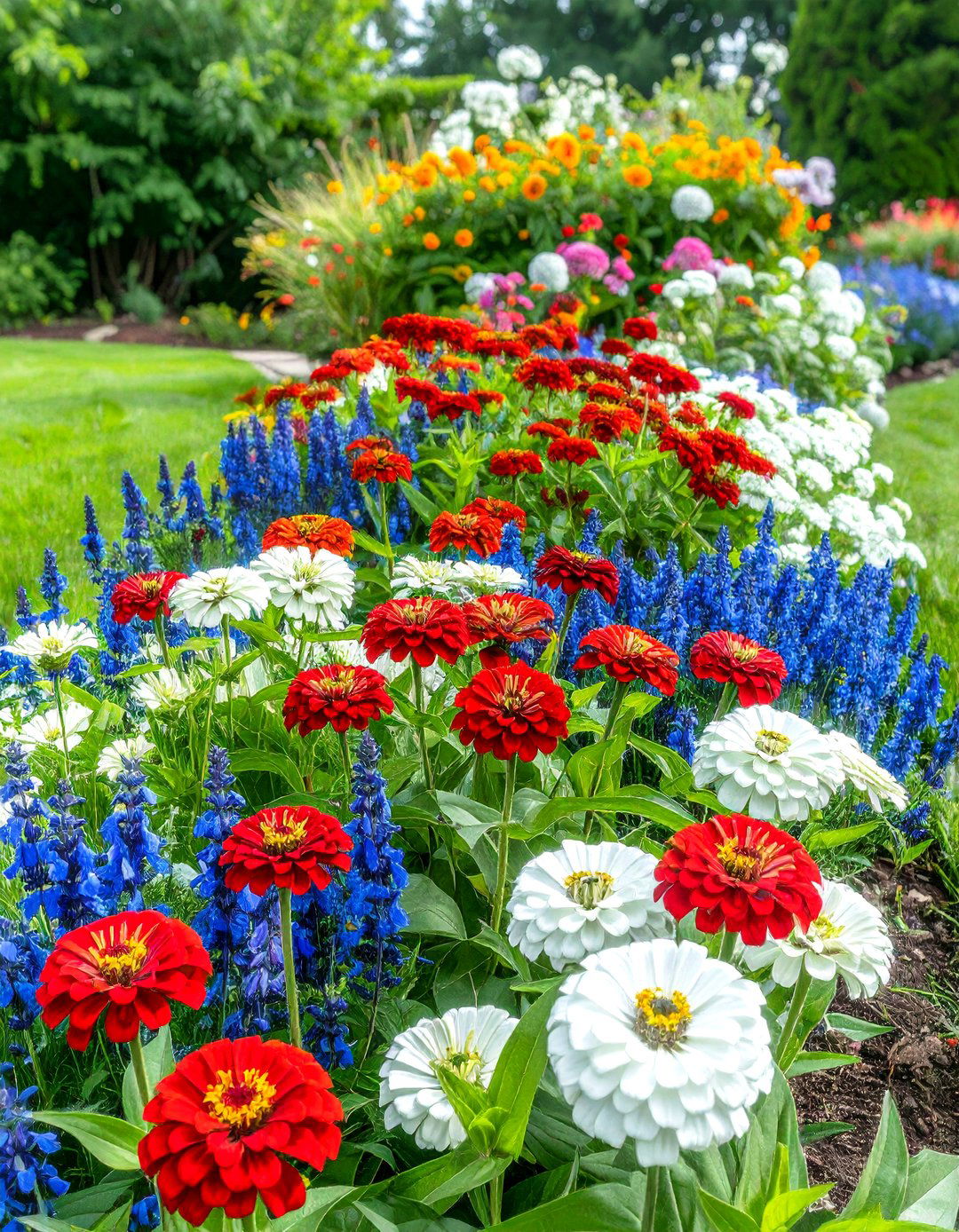
Incorporate a border of zinnias around your vegetable garden to add beauty and attract beneficial insects. Zinnias are excellent at drawing in pollinators like bees, which are essential for fruiting vegetables such as squash, cucumbers, and tomatoes. They also attract predatory insects like hoverflies and ladybugs that help control pests like aphids. Planting a vibrant row of zinnias not only makes your vegetable patch more aesthetically pleasing but also boosts its productivity and health naturally. This is a classic example of companion planting where beauty and function go hand in hand for a thriving garden.
27. A Red, White, and Blue Zinnia Bed
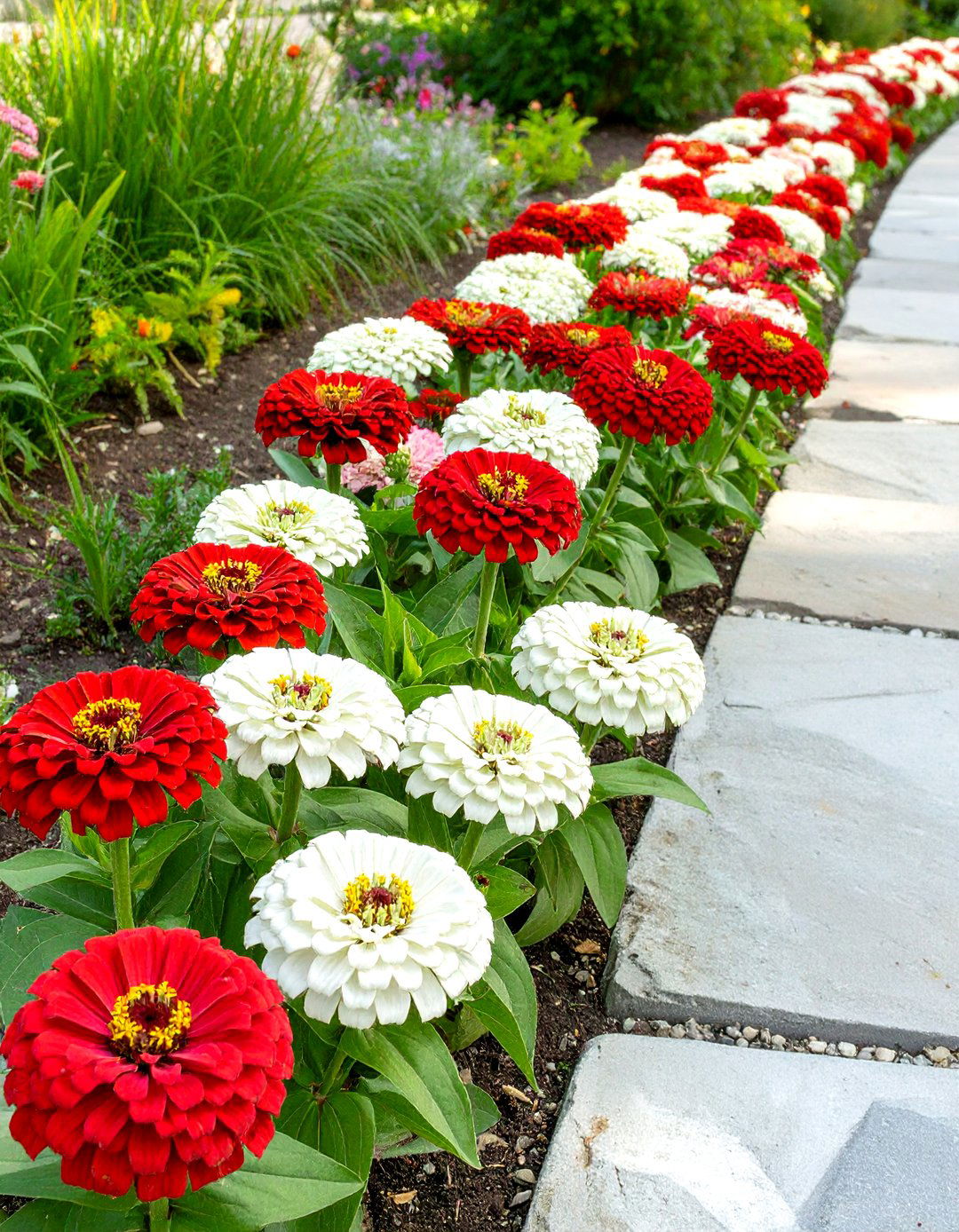
Create a patriotic and festive garden bed with a red, white, and blue theme using zinnias and a companion plant. Select a vibrant red zinnia variety, such as 'Benary's Giant Scarlet', and a crisp white one, like 'Polar Bear'. Since there are no true-blue zinnias, complete the trio by interplanting them with a blue-flowering plant like blue salvia, ageratum, or lobelia. Arrange them in stripes, blocks, or a mixed pattern for a cheerful display that is perfect for summer holidays. This combination provides continuous blooms throughout the season, keeping the celebratory spirit alive.
28. A Zig-Zag Zinnia Planting Pattern
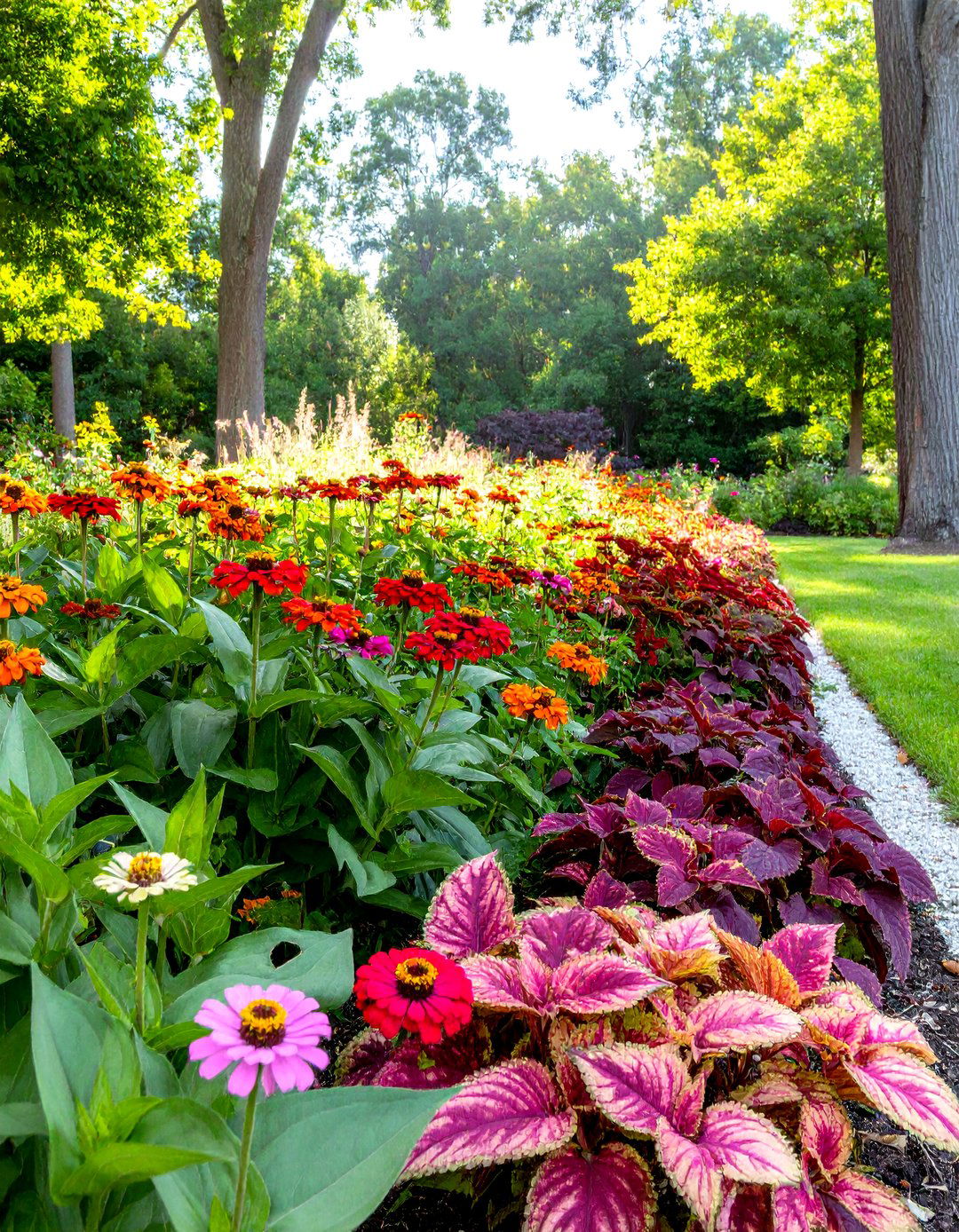
Move beyond straight rows and create a dynamic, energetic garden bed with a zig-zag zinnia planting pattern. This design works wonderfully along a long border or path. Alternate between two or three different colors or varieties of zinnias, planting them in a repeating V-shape down the length of the bed. For example, plant two red zinnias followed by one white zinnia in a continuous zig-zag. This simple but effective pattern adds rhythm and movement to the planting, creating a more visually interesting and playful design than a simple straight line or random mix.
29. A Zinnia and Coleus Shade-to-Sun Transition
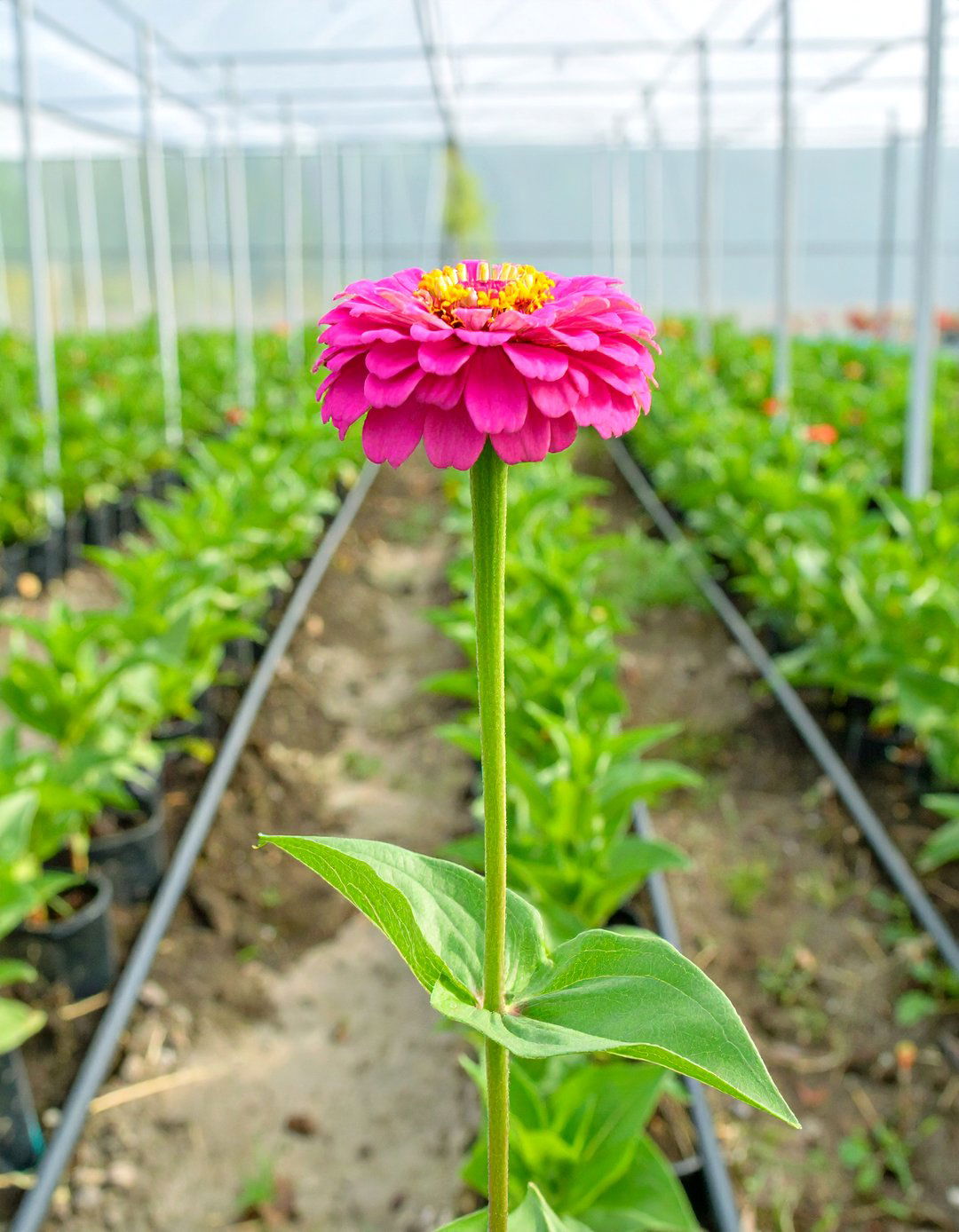
Use zinnias and coleus to create a beautiful transition from a sunny area to a shadier part of your garden. Plant sun-loving zinnias in the brightest part of the bed, choosing colors that complement your coleus varieties. As the light begins to filter, start interplanting with sun-tolerant coleus, which can handle a few hours of direct sun. Deeper in the shade, let the coleus take over completely. This creates a seamless flow of color and texture from sun to shade. The bold leaves of the coleus provide a perfect foil for the bright zinnia flowers.
30. A Single-Stem Zinnia Planting
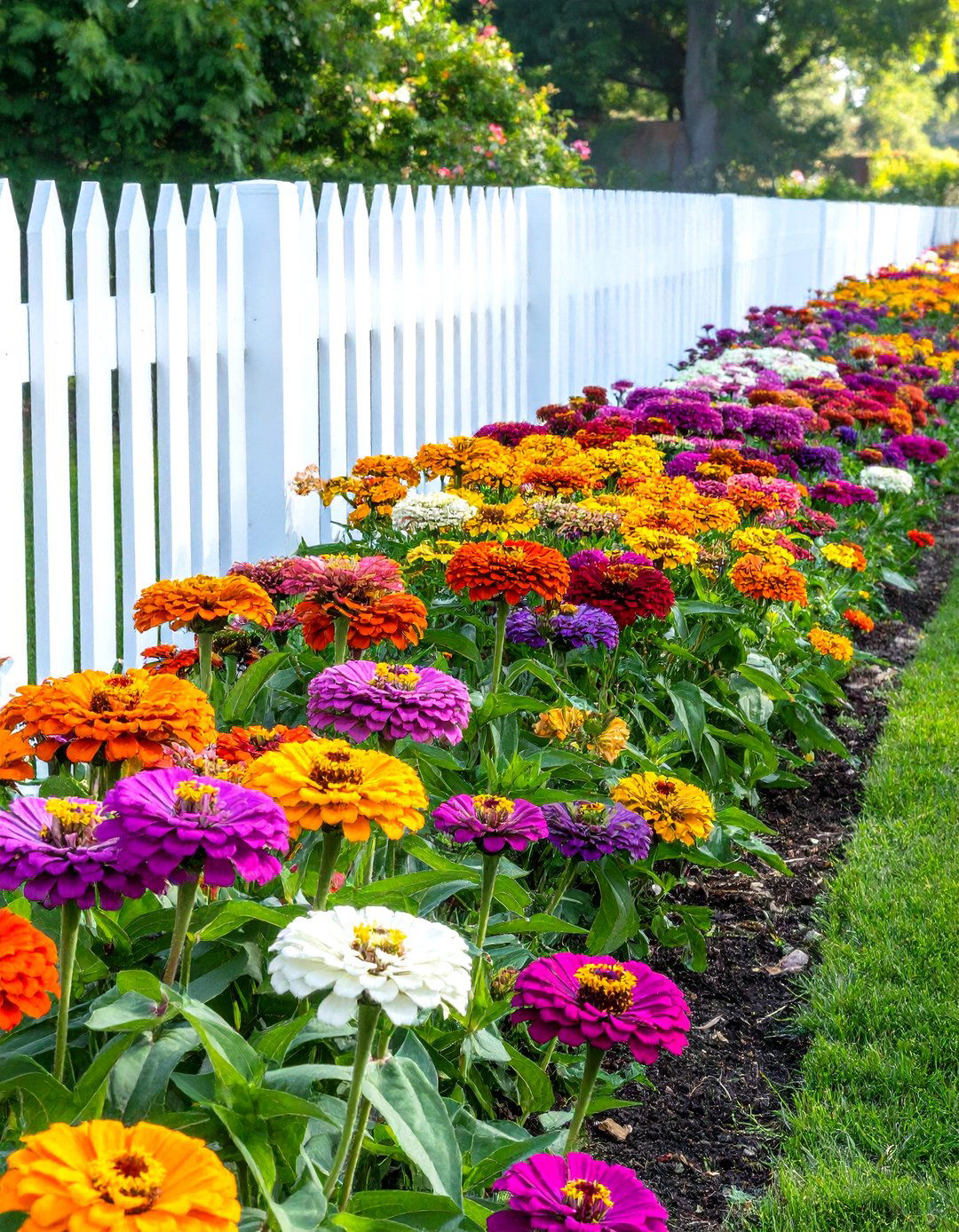
For gardeners who prioritize perfect, large blooms for competition or floral design, growing zinnias as single-stem plants is an excellent technique. This method involves pinching off all side shoots as the plant grows, directing all of its energy into producing one massive, terminal flower on a long, strong stem. Tall, large-flowering varieties like 'Benary's Giant' are ideal for this purpose. Plant them in a grid pattern with adequate spacing to allow for good air circulation. While this reduces the total number of flowers per plant, it results in spectacular, show-stopping individual blooms of superior size and quality.
Conclusion:
Zinnias offer a vast canvas for garden creativity, proving their value beyond their simple, cheerful appearance. From structured, monochromatic designs and practical cutting gardens to whimsical wildflower meadows and pollinator sanctuaries, their versatility is remarkable. The 30 ideas explored demonstrate that whether you are working with a large plot, a raised bed, or a simple container, there is a zinnia design to fit your vision. By embracing their diverse colors, forms, and sizes, any gardener can easily cultivate a space that is not only visually stunning but also full of life and color all season long.

Related posts:



Leave a Reply