
A perennial garden offers a lasting source of beauty, returning year after year with renewed vigor and color. Unlike annuals, these plants establish deep root systems, making them resilient and often lower-maintenance choices for gardeners. Designing with perennials allows you to create a dynamic landscape that evolves through the seasons, offering a continuous display of flowers, foliage, and textures. From sun-drenched borders to shady woodland nooks, there is a perennial combination for every type of garden, promising a rewarding and sustainable horticultural experience that grows more impressive with each passing year.
1. A Perennial Garden for Attracting Pollinators
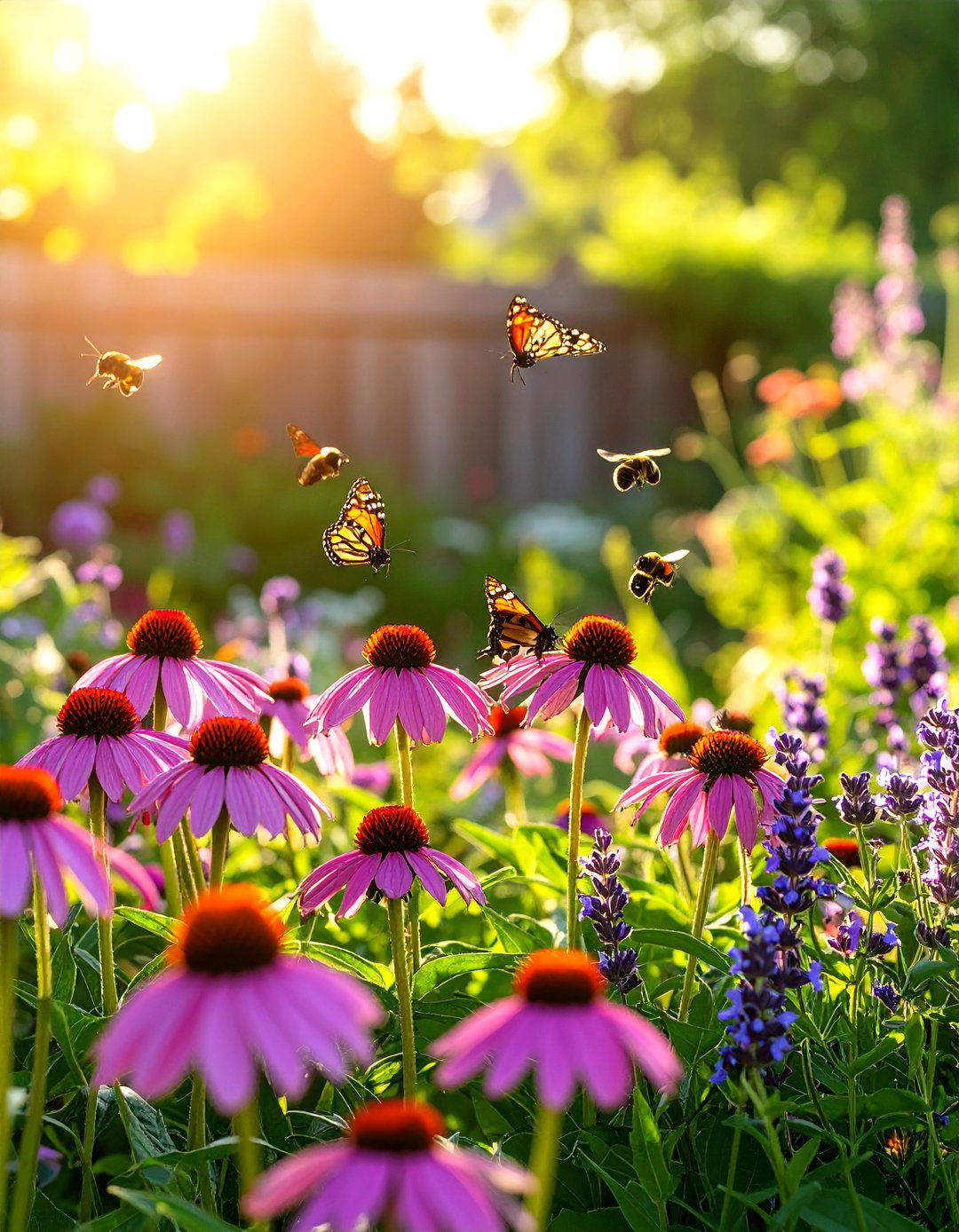
To create a haven for bees, butterflies, and hummingbirds, focus on a perennial garden filled with nectar-rich blooms. Coneflowers (Echinacea), bee balm (Monarda), and salvia are excellent choices, offering staggered bloom times to provide a continuous food source from spring through fall. Planting in large clusters rather than single specimens makes it easier for pollinators to spot them. Consider adding host plants like milkweed (Asclepias) for monarch butterfly caterpillars. This type of garden not only supports local ecosystems but also brings lively activity and vibrant color to your outdoor space, creating a dynamic and beautiful display.
2. A Shade-Loving Perennial Garden
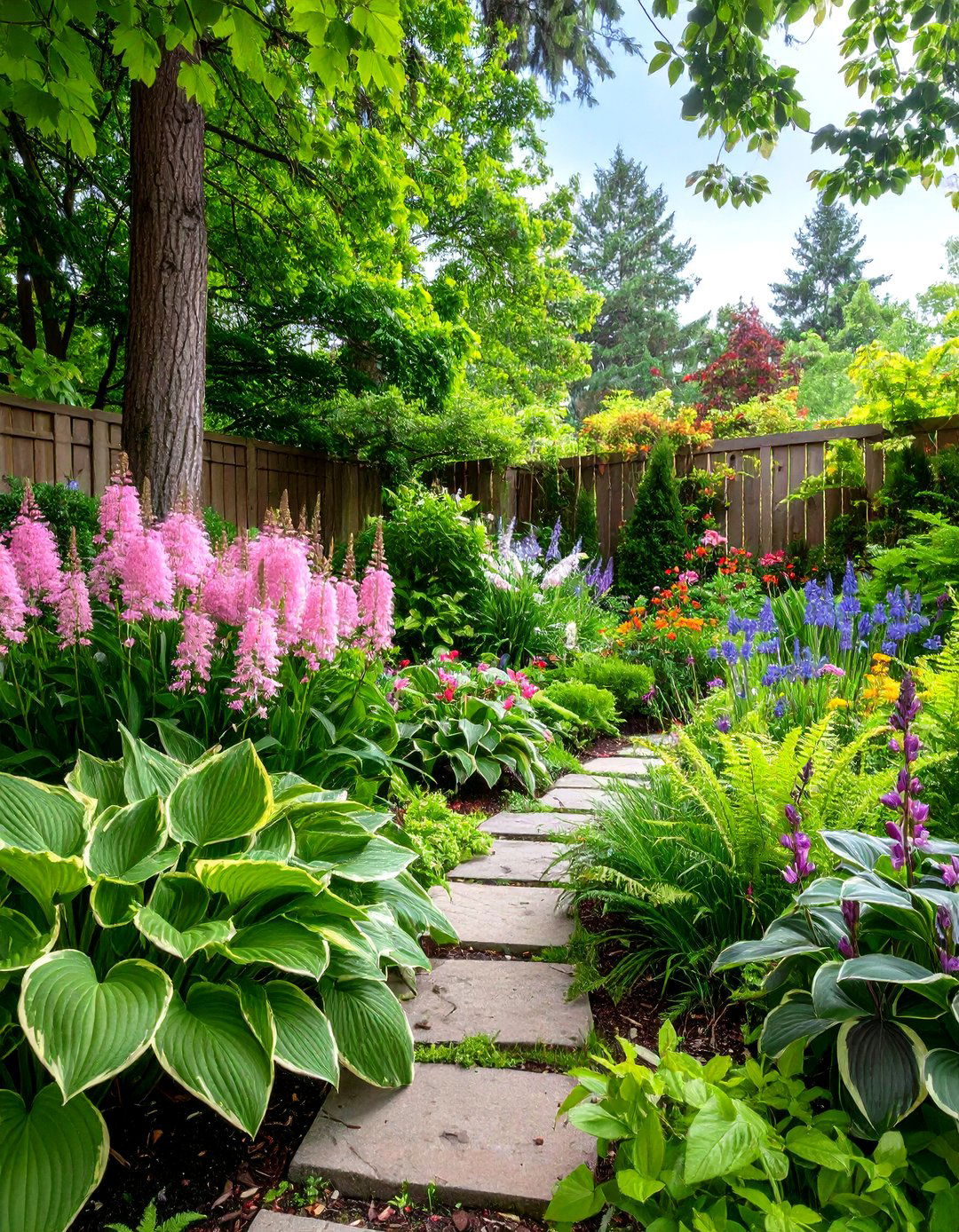
For those shadier corners of your yard, a garden filled with shade-tolerant perennials can create a lush, tranquil retreat. Hostas are a cornerstone, offering a wide array of leaf sizes, colors, and textures. Combine them with the delicate flowers of astilbe, which add feathery plumes of pink, white, or red. Ferns, such as the Japanese painted fern, contribute fine-textured foliage and silvery tones. Bleeding hearts (Dicentra spectabilis) provide charming, heart-shaped blossoms in the spring. This combination ensures your garden’s darkest spots are filled with interesting forms and subtle colors throughout the growing season.
3. A Drought-Tolerant Perennial Garden
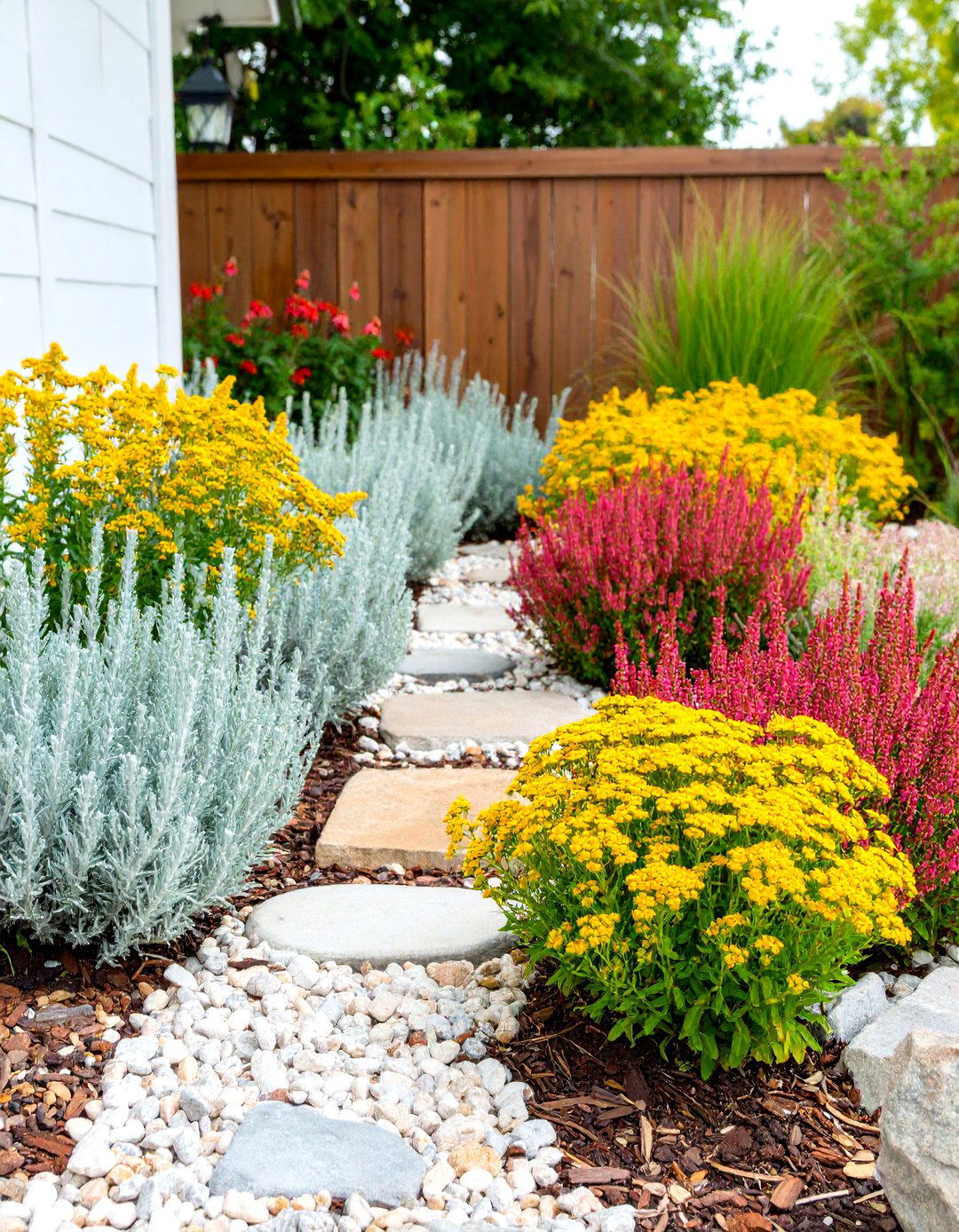
Creating a beautiful garden in a dry climate is achievable with drought-tolerant perennials. These water-wise plants thrive with minimal irrigation once established. Consider Russian sage (Perovskia atriplicifolia) for its silvery foliage and airy lavender-blue flowers. Yarrow (Achillea) offers flat-topped blooms in various colors and attracts beneficial insects. Sedums, especially tall varieties like 'Autumn Joy', provide late-season interest with their succulent leaves and changing flower heads. Lavender adds both fragrance and color. This approach not only conserves water but also results in a resilient, low-maintenance garden that can withstand hot, dry summers with grace.
4. A Perennial Cutting Garden
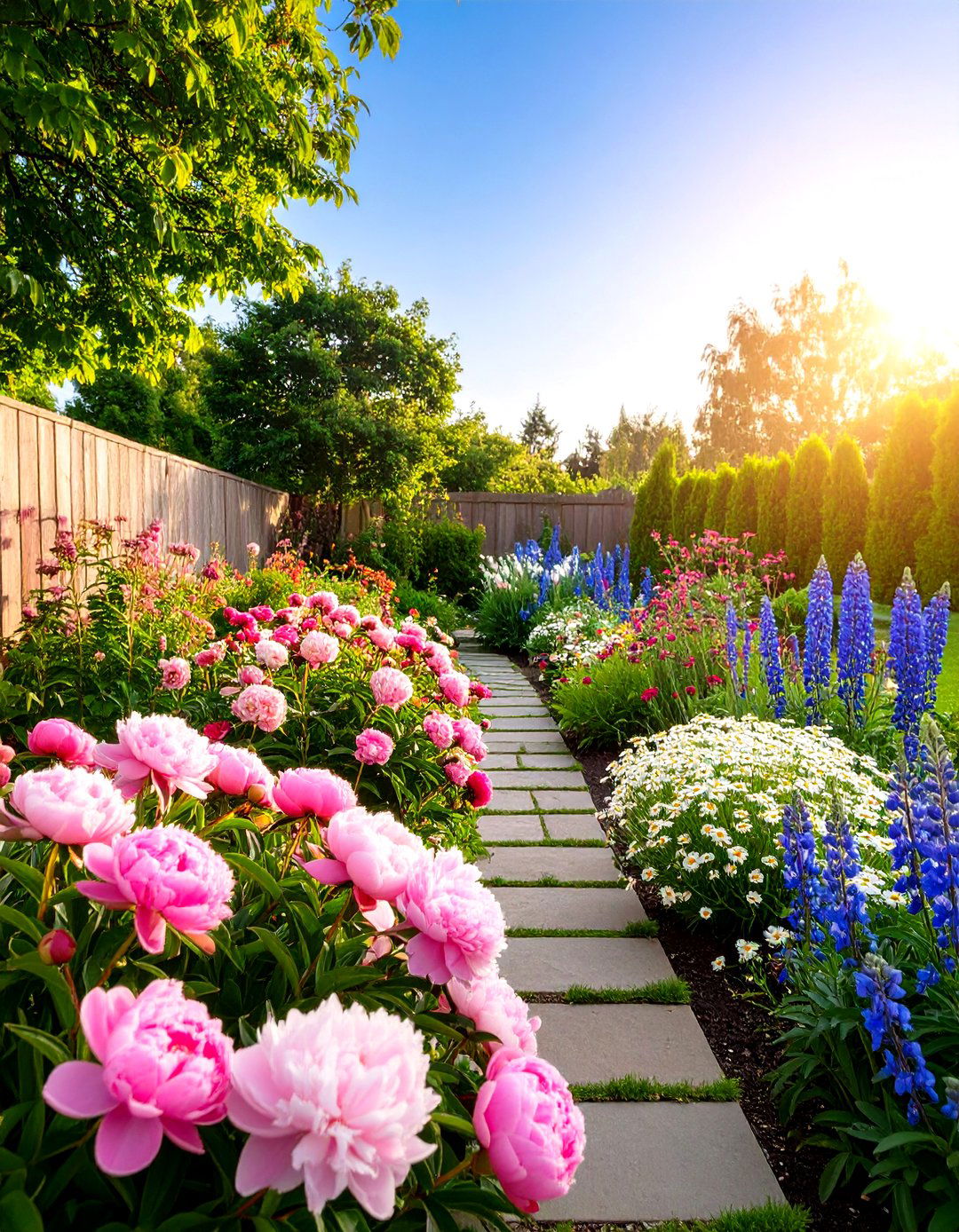
A perennial cutting garden ensures a steady supply of fresh flowers for indoor arrangements all season long. Select perennials with long, sturdy stems and a long vase life. Peonies are a classic choice for their large, fragrant blooms in late spring. Shasta daisies (Leucanthemum x superbum) offer cheerful white flowers throughout the summer. Black-eyed Susans (Rudbeckia) provide bold, golden-yellow color from mid-summer to fall. Also, include phlox for its fragrant clusters and delphiniums for their tall, elegant spires. Planting these in dedicated rows makes harvesting easy and keeps your main garden beds looking pristine.
5. A Perennial Cottage Garden
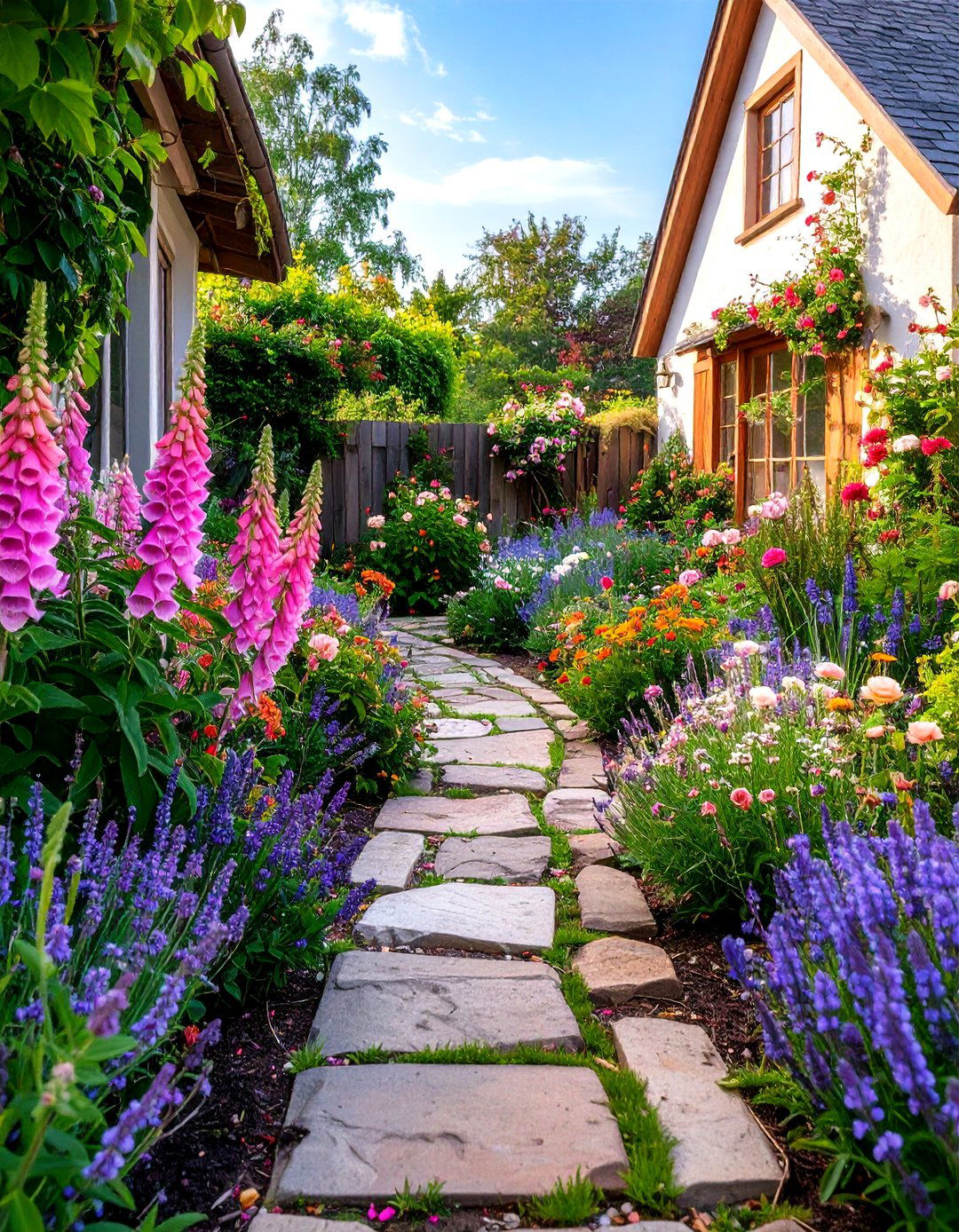
The charm of a cottage garden lies in its informal, dense planting of diverse perennials. This style embraces a romantic, slightly untamed look. Start with classic choices like roses, foxgloves (Digitalis), and hollyhocks (Alcea) for vertical interest. Weave in sprawling plants like catmint (Nepeta) and hardy geraniums to soften edges and fill gaps. Bellflowers (Campanula) and daisies add to the classic, bountiful feel. The key is to mix colors, heights, and textures to create a rich tapestry of blooms that feels both nostalgic and full of life, inviting you to wander and discover new blossoms.
6. A Perennial Rock Garden
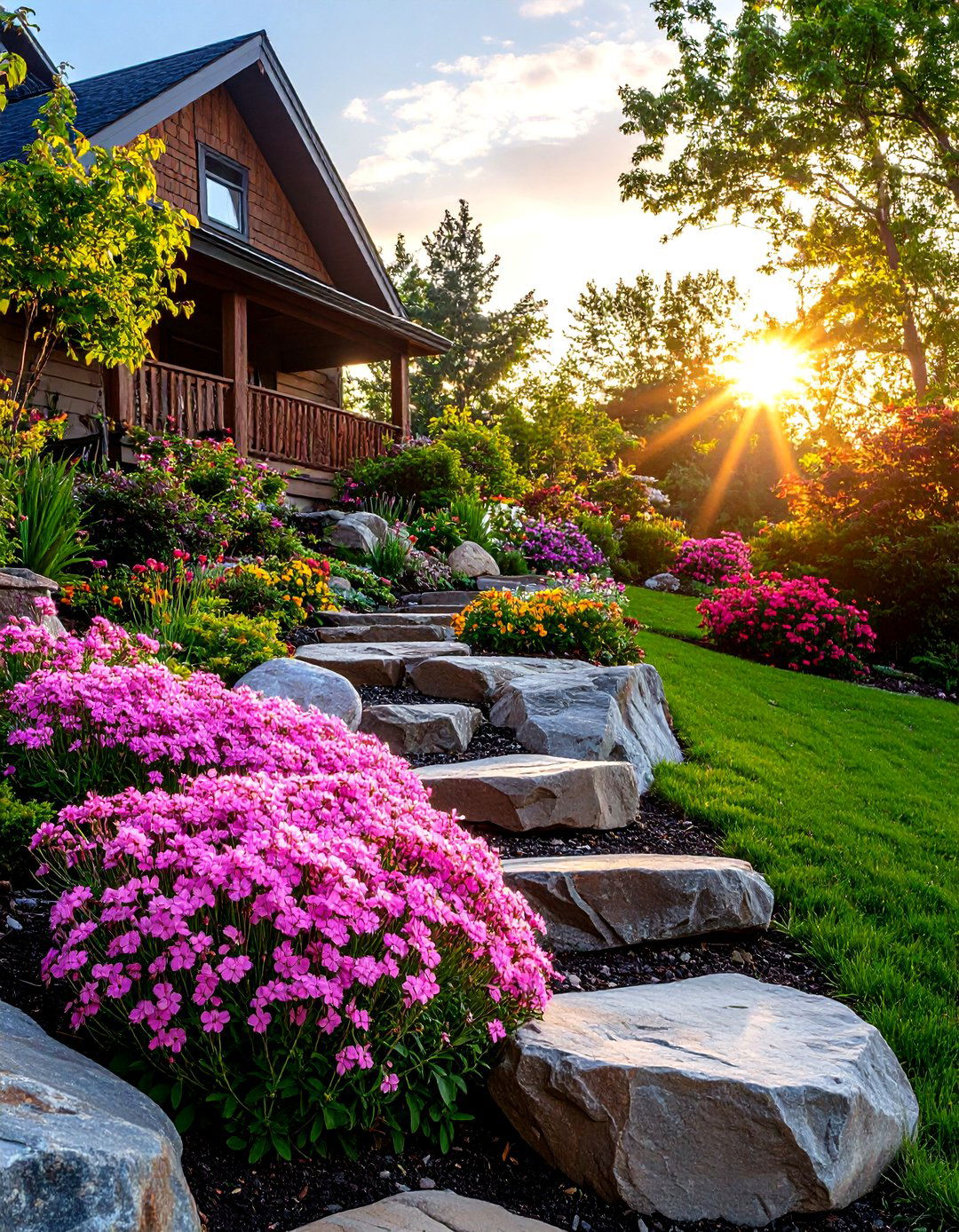
For sunny slopes or well-drained areas, a perennial rock garden showcases small, hardy plants that thrive in gritty soil. Creeping phlox (Phlox subulata) is perfect for creating a carpet of color in the spring, cascading over stones. Hens and chicks (Sempervivum) offer fascinating rosettes in various colors and textures that multiply easily. Dianthus, or pinks, add a touch of fragrance and fringed flowers. Thyme and other low-growing herbs can also be incorporated to add scent and culinary value. This type of garden is incredibly low-maintenance and highlights the beauty of both the plants and the stones they grow amongst.
7. A Perennial Groundcover Garden
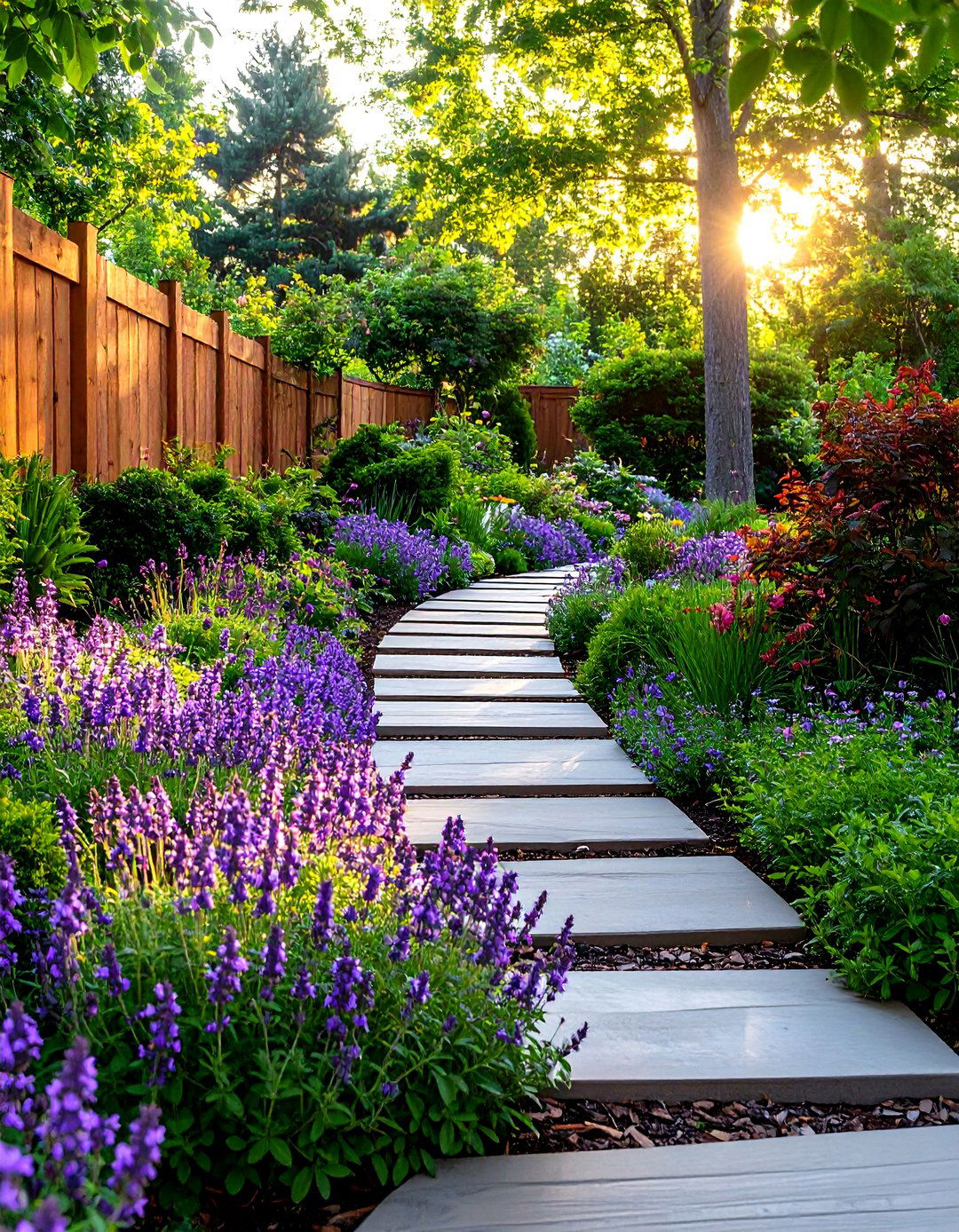
To suppress weeds and create a living carpet of green, a perennial groundcover garden is an excellent solution. For sunny areas, creeping thyme is a wonderful choice, as it is walkable and releases a lovely fragrance when crushed. In shadier spots, consider bugleweed (Ajuga reptans) with its glossy leaves and spikes of blue flowers. Sweet woodruff (Galium odoratum) offers delicate white flowers and fragrant foliage that thrives in moist shade. Pachysandra is another classic choice for deep shade, forming a dense, evergreen mat. These plants effectively cover the ground, reducing maintenance while adding texture and color.
8. A Late-Season Perennial Garden
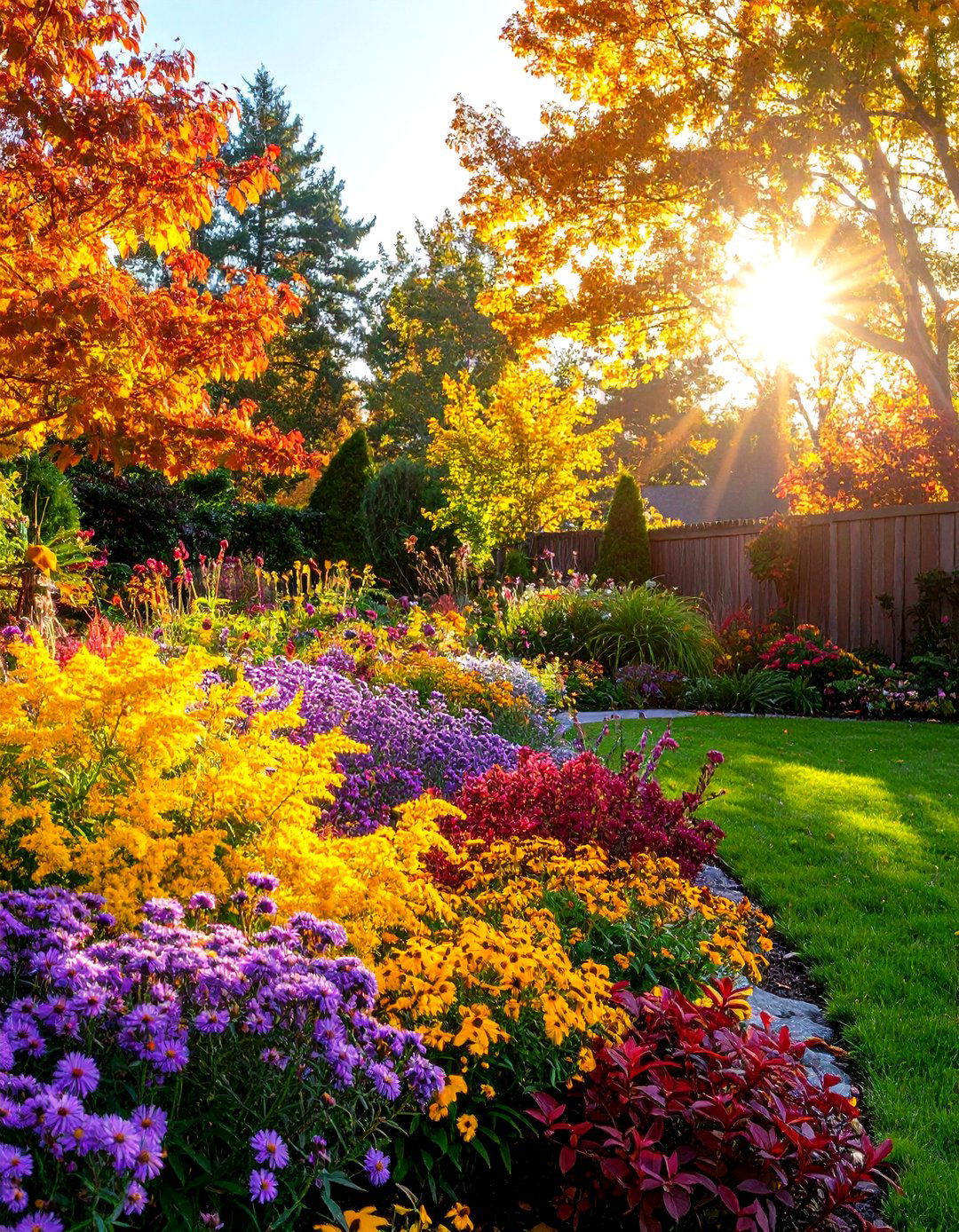
Extend your garden's beauty into autumn with a selection of late-blooming perennials. Asters are stars of the fall garden, bursting with purple, pink, or white daisy-like flowers. Pair them with the tall, dramatic plumes of ornamental grasses like Miscanthus. Sedum 'Autumn Joy' is another essential, with flower heads that transition from pink to a deep, coppery red. Goldenrod (Solidago) adds brilliant splashes of yellow and is a favorite of late-season pollinators. This focus on fall bloomers ensures your garden has a spectacular finale before winter arrives, providing color long after many other plants have faded.
9. A Fragrant Perennial Garden
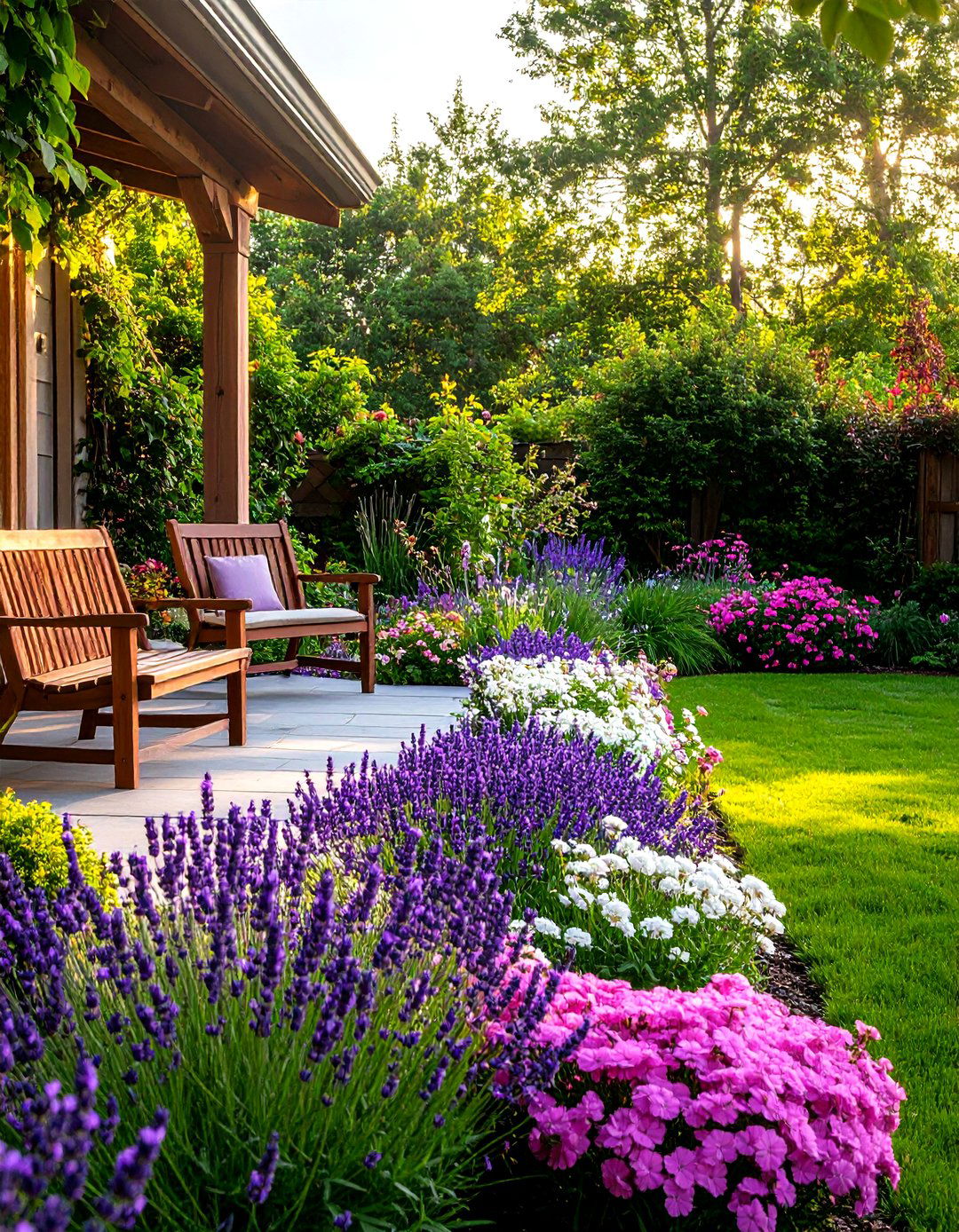
Engage all the senses by designing a garden filled with fragrant perennials. Position these plants near patios, windows, or walkways to fully enjoy their scents. Lavender is a must-have for its calming aroma and lovely purple spikes. Phlox paniculata, or garden phlox, offers a sweet, nostalgic fragrance in mid-summer. Dianthus, also known as pinks, have a spicy, clove-like scent. For evening fragrance, consider planting evening primrose (Oenothera). Combining these aromatic plants creates a multi-layered sensory experience, making your time in the garden even more immersive and enjoyable from spring through fall.

10. A Perennial Border with Ornamental Grasses
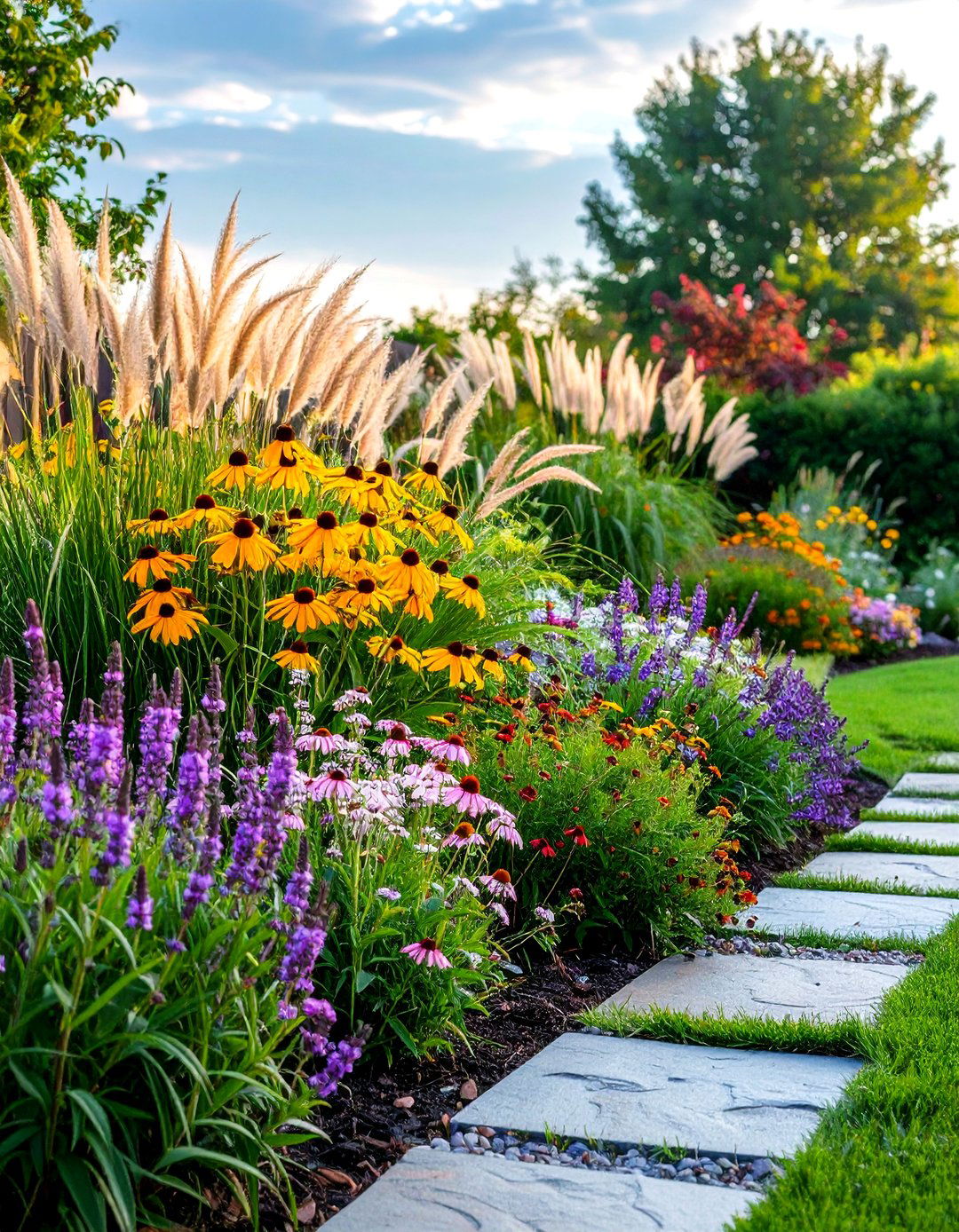
Integrating ornamental grasses into a perennial border adds texture, movement, and year-round interest. The feathery plumes of fountain grass (Pennisetum) or the upright structure of switchgrass (Panicum virgatum) create a soft backdrop for colorful blooms like coneflowers and black-eyed Susans. The fine texture of grasses contrasts beautifully with the bold leaves of hostas or the delicate flowers of coreopsis. In fall and winter, many grasses provide structure and visual appeal, catching frost and snow. This combination creates a dynamic, four-season border that is both visually stunning and relatively low-maintenance.
11. A Perennial Garden with Bold Foliage
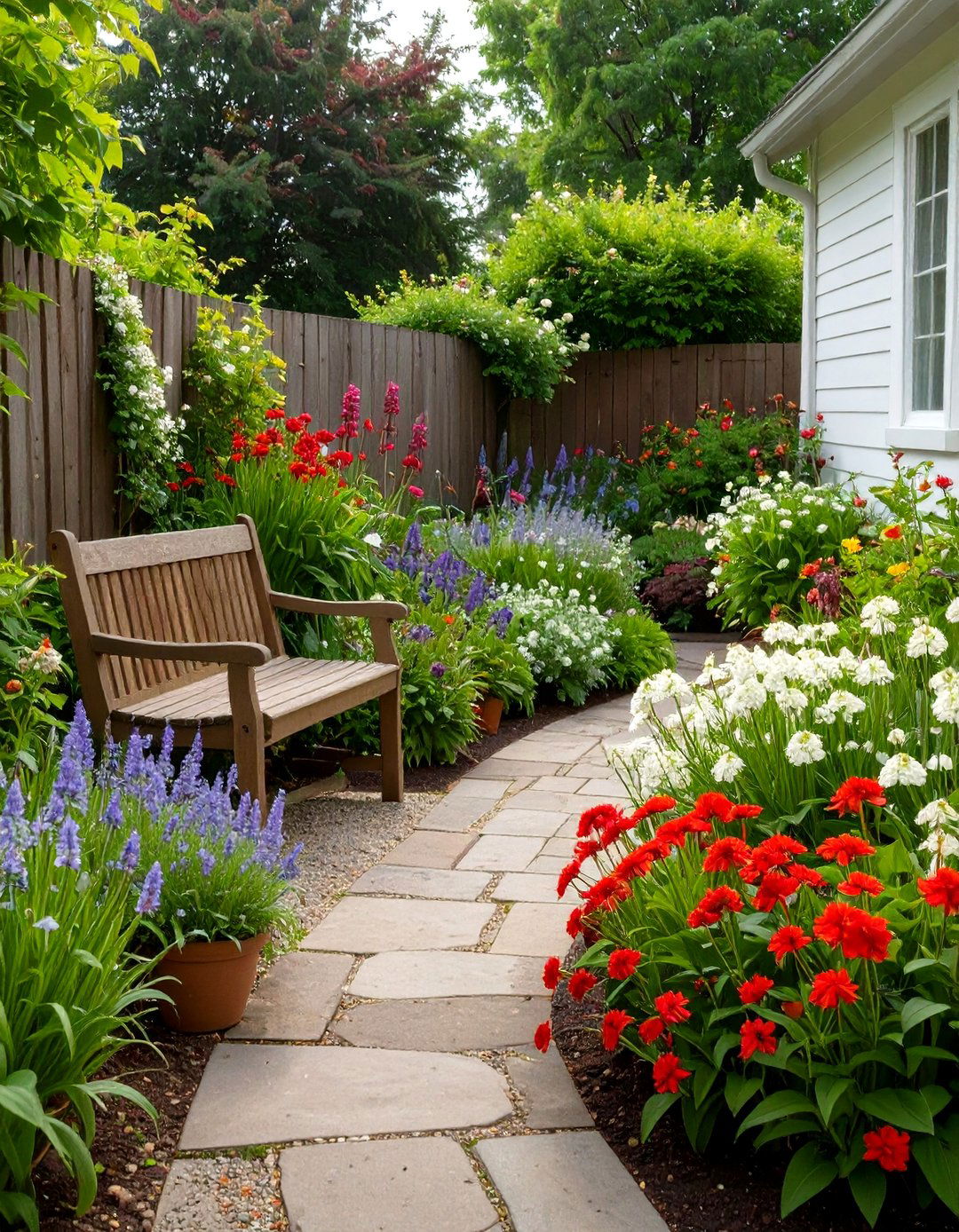
Create a garden with lasting impact by focusing on perennials with striking foliage. Hostas are the undisputed kings here, with varieties offering leaves in shades of blue, gold, green, and variegated patterns. For a touch of drama, consider the deep purple, almost black leaves of 'Chocoholic' bugbane (Actaea simplex). The silvery, fern-like foliage of Russian sage adds a soft, ethereal quality. Heuchera, or coral bells, come in an astonishing range of colors, from lime green to deep burgundy. A foliage-focused garden provides consistent color and texture, ensuring visual interest even when flowers are not in bloom.
12. A White Perennial Garden
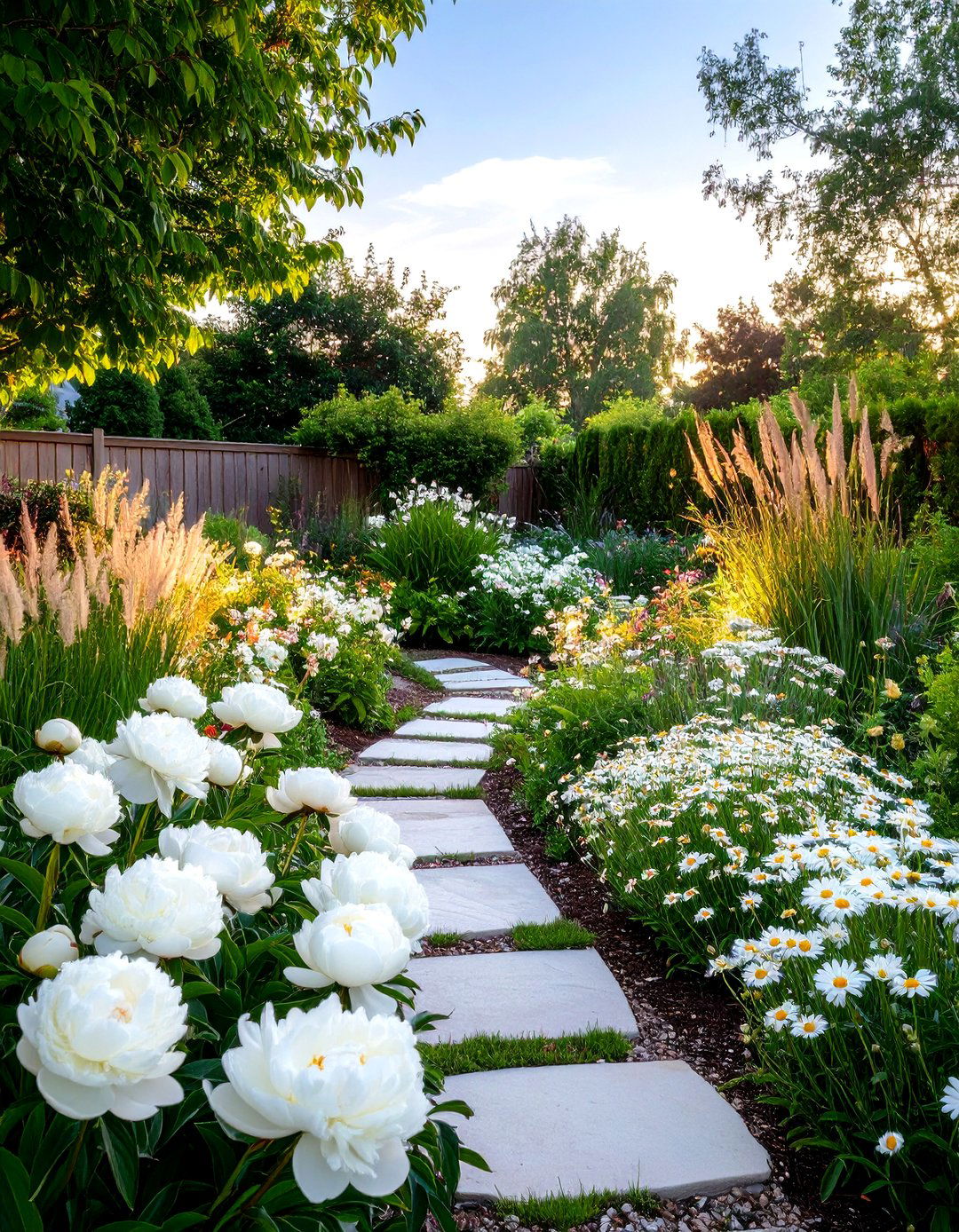
A white perennial garden, often called a moon garden, offers a serene and elegant aesthetic that glows at twilight. Use a variety of textures and forms to keep it interesting. Shasta daisies and white coneflowers provide classic floral shapes. For height, include the tall spires of white delphiniums or the delicate blooms of Culver's root (Veronicastrum virginicum). The large, cloud-like flowers of peonies like 'Festiva Maxima' are stunning in late spring. To complete the look, incorporate plants with silvery foliage, such as lamb's ear (Stachys byzantina), which enhances the luminous quality of the white blossoms.
13. A Perennial Herb Garden
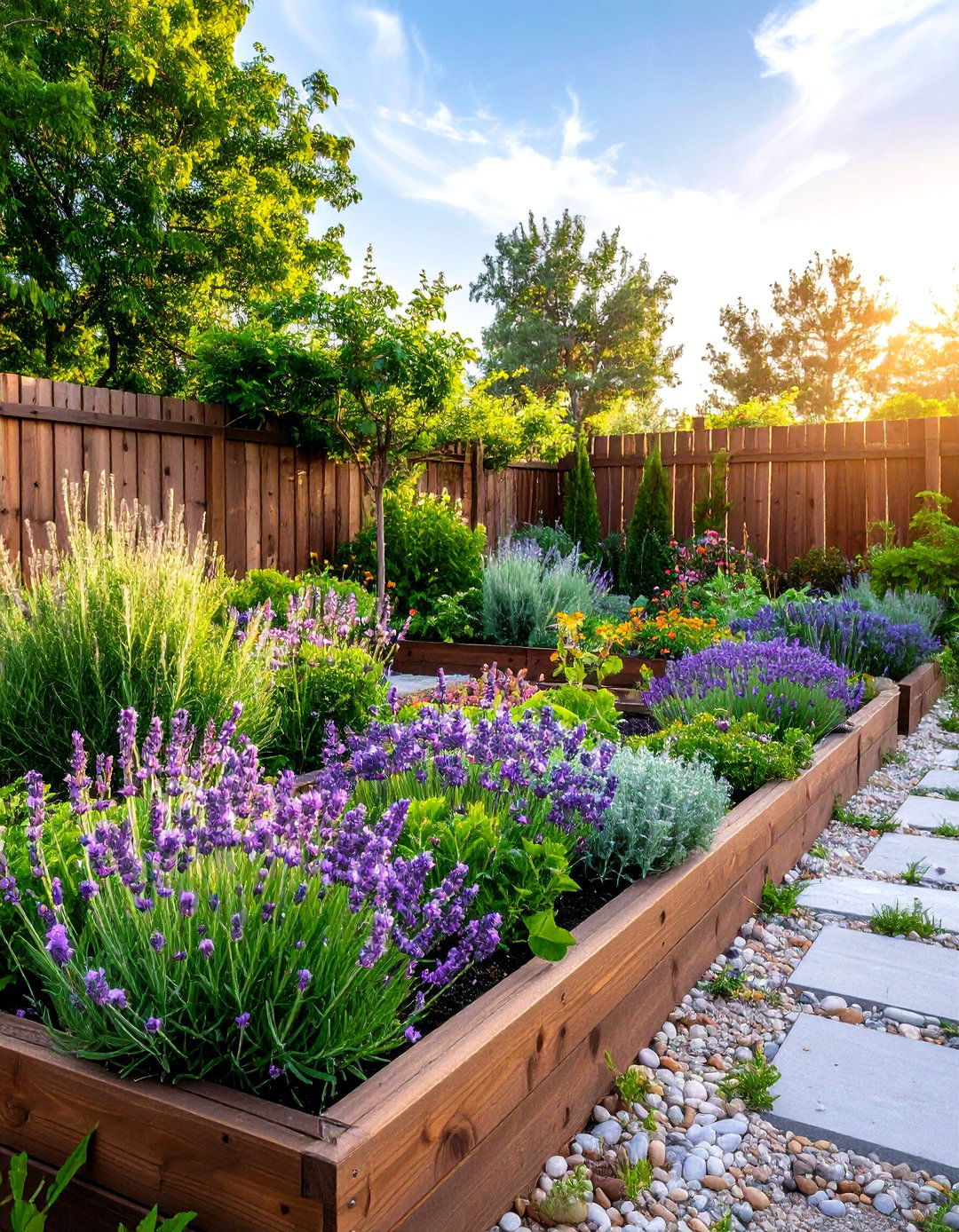
Combine beauty and utility by creating a perennial herb garden. Many herbs are hardy perennials that return year after year, providing fresh flavors for your kitchen. Thyme makes an excellent, fragrant groundcover, while rosemary offers an upright, shrubby form and aromatic needles. Chives are easy to grow and produce lovely purple pom-pom flowers in spring. Sage, with its soft, grey-green leaves, adds a wonderful texture. French tarragon and oregano are other culinary staples that thrive in a perennial setting. This garden is both productive and attractive, offering sensory delights of scent and taste.
14. A Low-Maintenance Perennial Garden
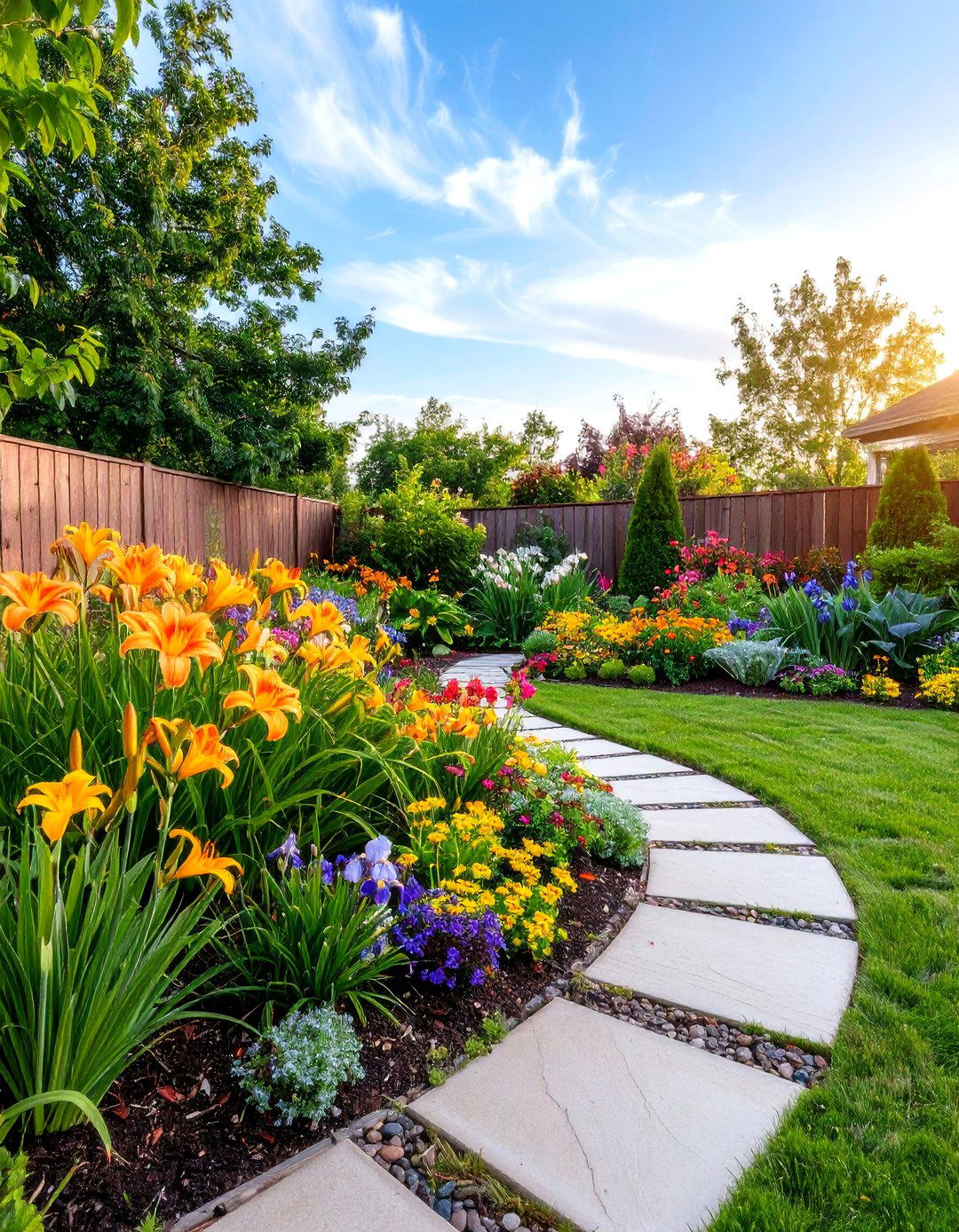
For gardeners with limited time, a low-maintenance perennial garden is the perfect solution. Choose tough, adaptable plants that don't require frequent division, staking, or deadheading. Daylilies (Hemerocallis) are a top choice, offering a succession of blooms with minimal care. Peonies, once established, will flower for decades with little intervention. Siberian iris is another carefree option, resistant to pests and diseases. Hostas are ideal for shady spots and require little more than occasional watering. By selecting these self-sufficient plants, you can enjoy a beautiful garden without the constant workload.

15. A Perennial Bog Garden
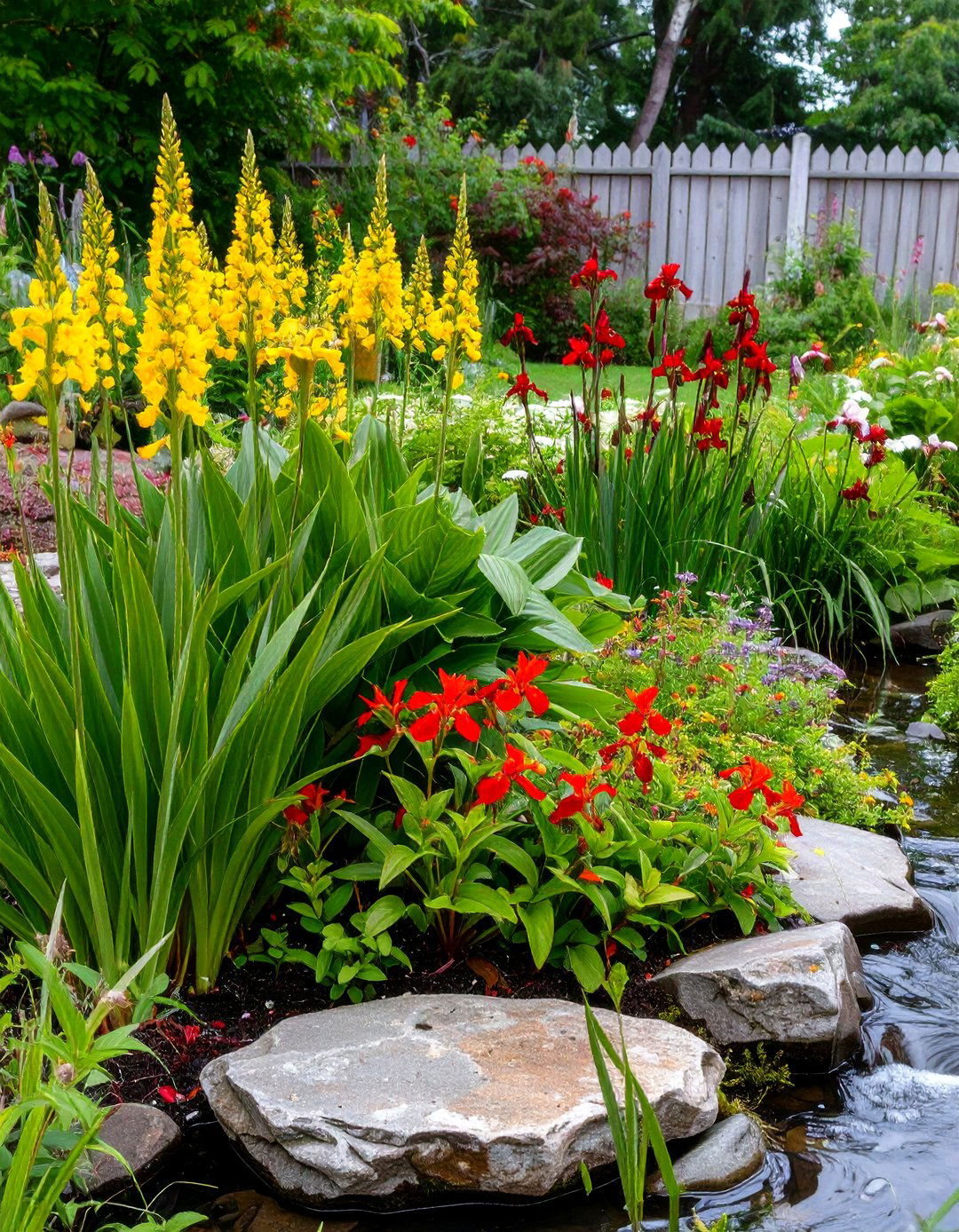
For consistently wet or poorly drained areas of your yard, a perennial bog garden turns a problem spot into a unique feature. These gardens thrive in moist soil and can host a variety of fascinating plants. Japanese iris (Iris ensata) and Siberian iris love wet feet and produce stunning flowers. Ligularia, with its large leaves and tall spikes of yellow flowers, adds a dramatic touch. Cardinal flower (Lobelia cardinalis) offers brilliant red blooms that attract hummingbirds. Marsh marigold (Caltha palustris) provides cheerful yellow flowers in early spring. This approach embraces your site's natural conditions to create a lush, thriving ecosystem.
16. A Blue and Yellow Perennial Garden
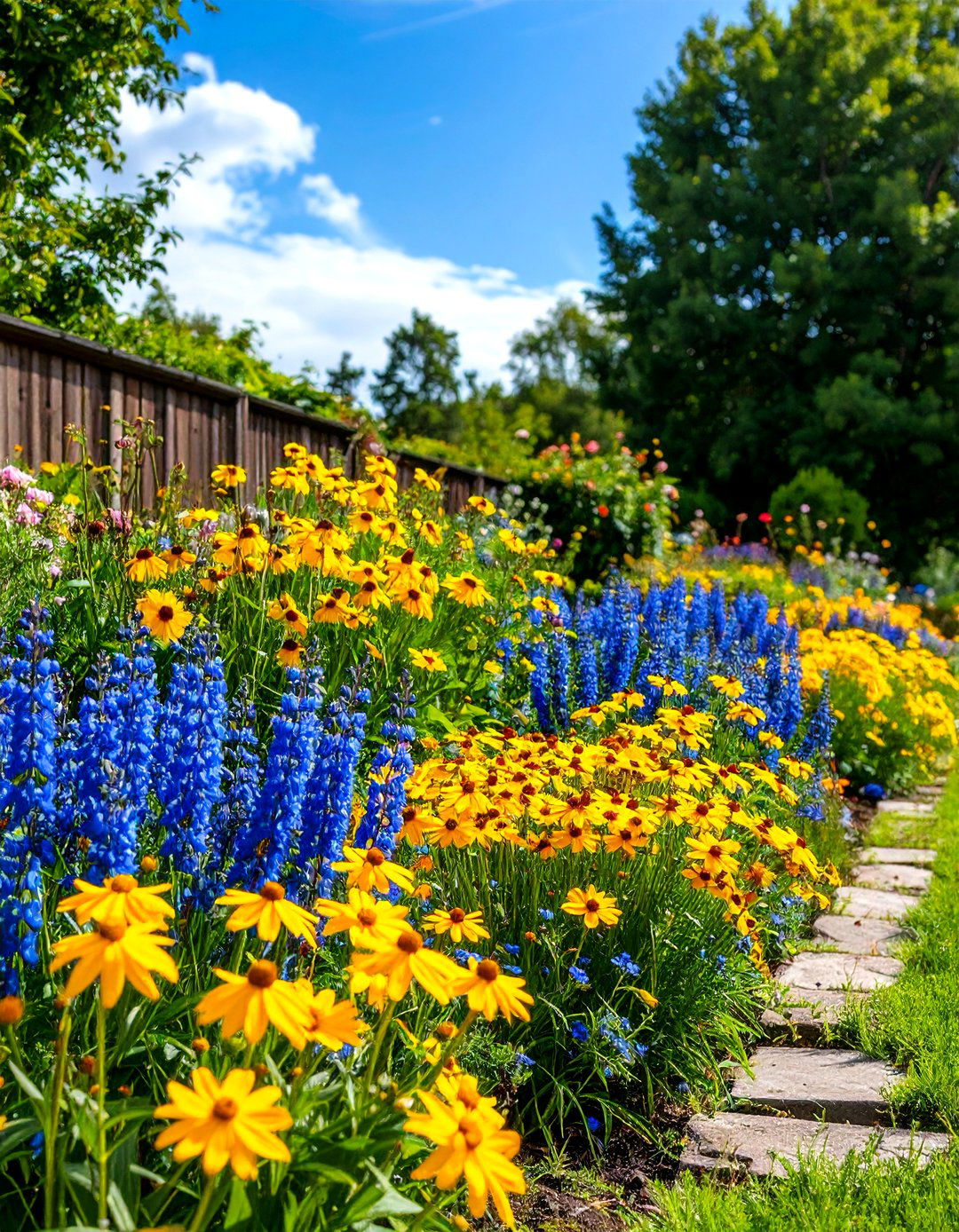
The classic color combination of blue and yellow creates a cheerful and harmonious perennial garden. The contrast is both striking and pleasing to the eye. For yellow, use coreopsis, black-eyed Susans, and yarrow. For blue, incorporate delphiniums for height, salvia for long-lasting spikes, and catmint for a soft, mounding form. Planting in drifts of color, where a large group of one color flows into the next, enhances the visual impact. This timeless pairing works well in sunny locations and provides a vibrant display from early summer through fall, ensuring your garden is always bright and welcoming.
17. A Perennial Garden for Clay Soil
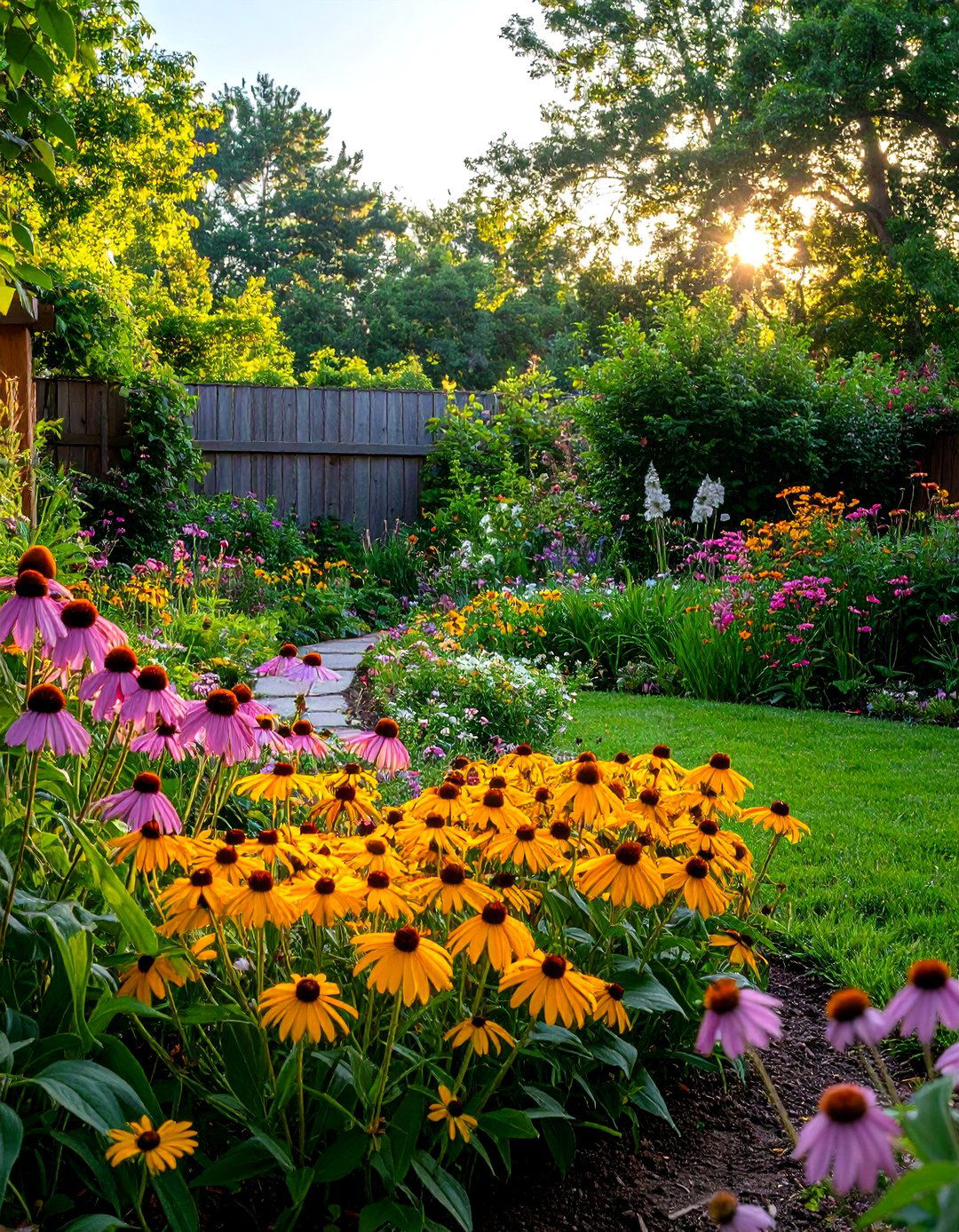
Gardening in heavy clay soil can be challenging, but many perennials are tough enough to thrive in these conditions. Daylilies are incredibly adaptable and will perform well in clay. Black-eyed Susans and coneflowers also have robust root systems that can handle dense soil. Asters and ornamental grasses like switchgrass are other excellent choices. Before planting, it's beneficial to amend the soil with compost to improve its structure and drainage. By selecting plants that are naturally suited to heavy soil, you can create a beautiful and resilient garden that overcomes this common landscape challenge.
18. A Perennial Garden for Continuous Bloom
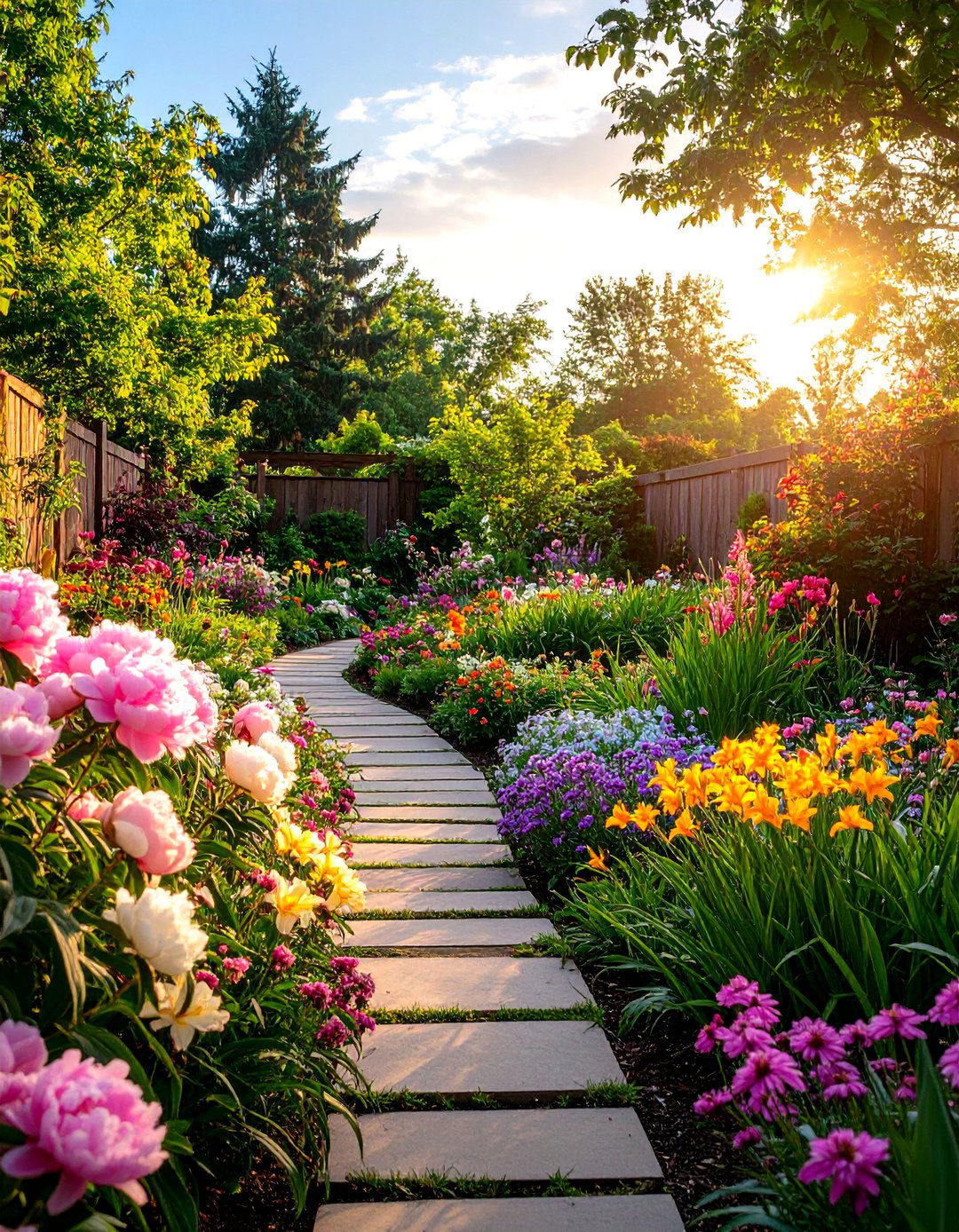
To achieve a garden that is always in flower, careful planning and selection of perennials with staggered bloom times are key. Start the season with spring-blooming peonies, irises, and creeping phlox. For summer, rely on a backbone of daylilies, coneflowers, phlox, and bee balm. As summer wanes, transition to late-season stars like asters, sedums, and goldenrod to carry the color into fall. This thoughtful sequencing ensures there is always something new to see, creating a dynamic and ever-changing display of color and life from the first thaw to the first frost.
19. A Native Perennial Garden
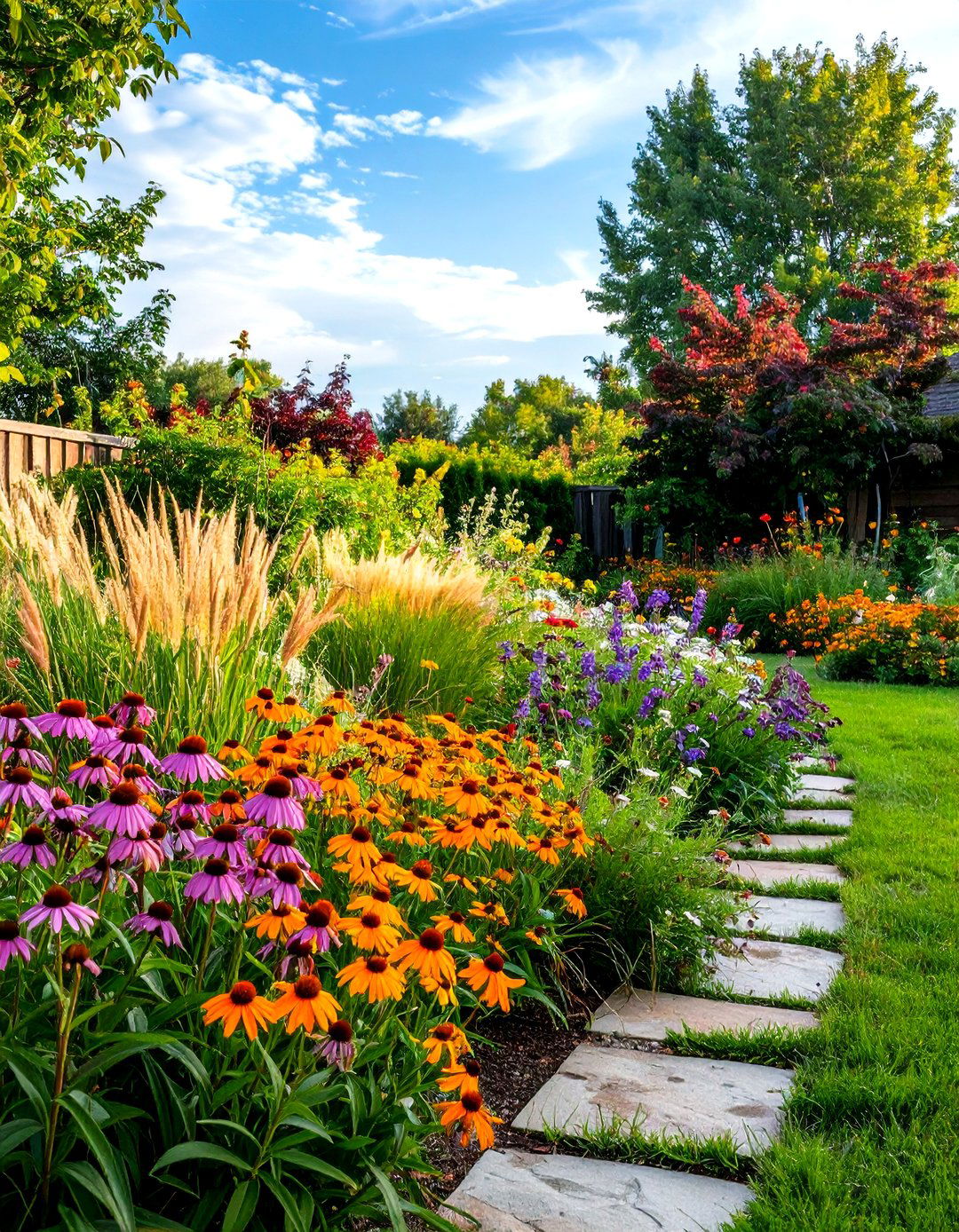
Creating a garden with plants native to your region is a wonderful way to support local wildlife and create a sustainable landscape. Native perennials are adapted to the local climate, soil, and rainfall, making them exceptionally low-maintenance. They also provide essential food and habitat for native insects, birds, and other animals. Research local native plants like purple coneflower (Echinacea purpurea), butterfly weed (Asclepias tuberosa), or wild geranium. A native perennial garden not only connects your landscape to the surrounding environment but also celebrates the unique natural beauty of your area.


20. A Perennial Garden with Edible Flowers
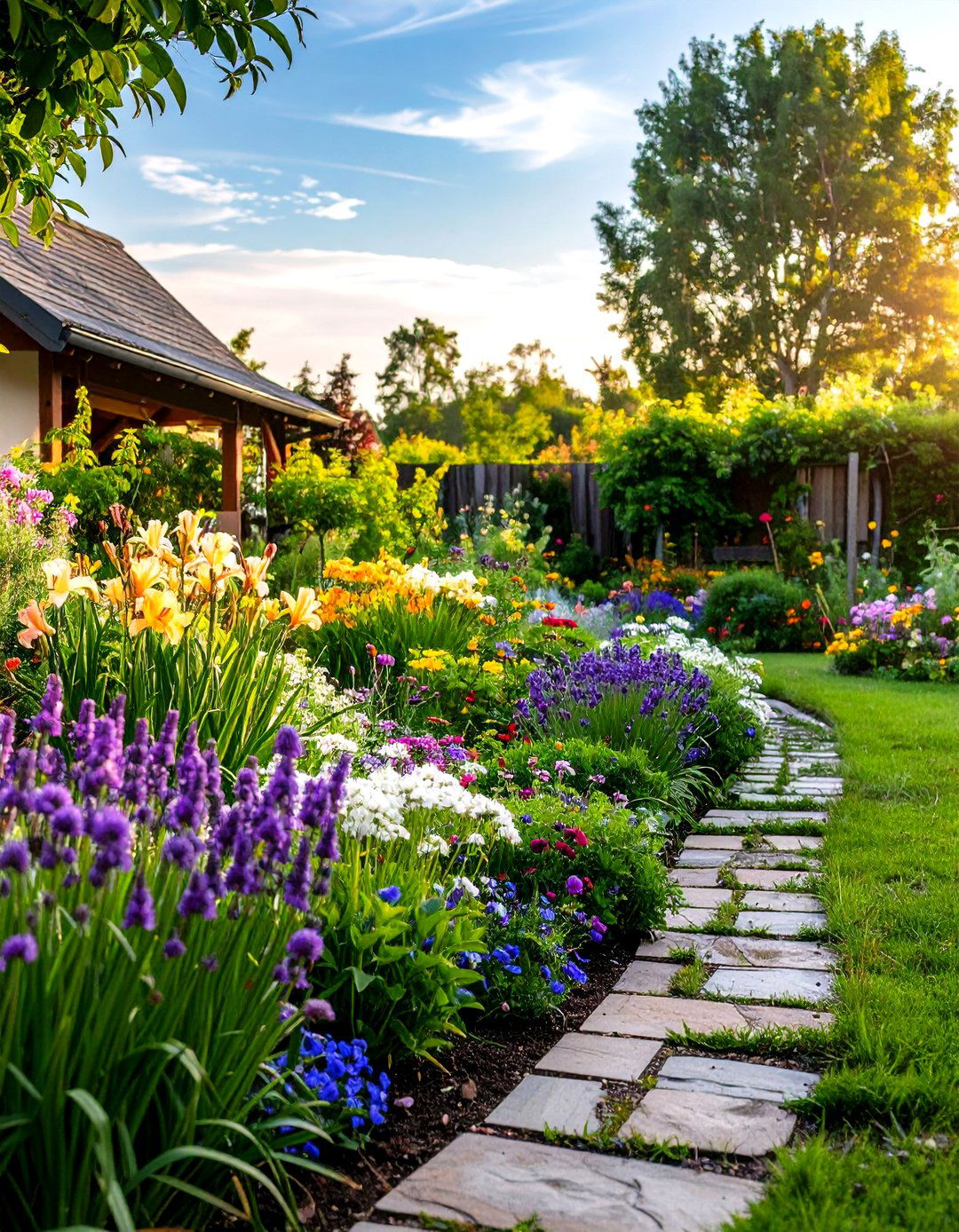
Add a touch of whimsy and flavor to your culinary creations with a garden of edible perennial flowers. Daylily buds can be stir-fried, and their petals add color to salads. The flowers of chives and garlic chives have a mild onion or garlic flavor. Bee balm (Monarda) has a minty, oregano-like taste, perfect for teas. Violets and pansies have a subtle, sweet flavor and look beautiful crystallized on desserts. Ensure you are correctly identifying any flower before consumption and only eating those grown without pesticides. This garden offers a feast for both the eyes and the palate.
21. A Perennial Garden with Vertical Interest
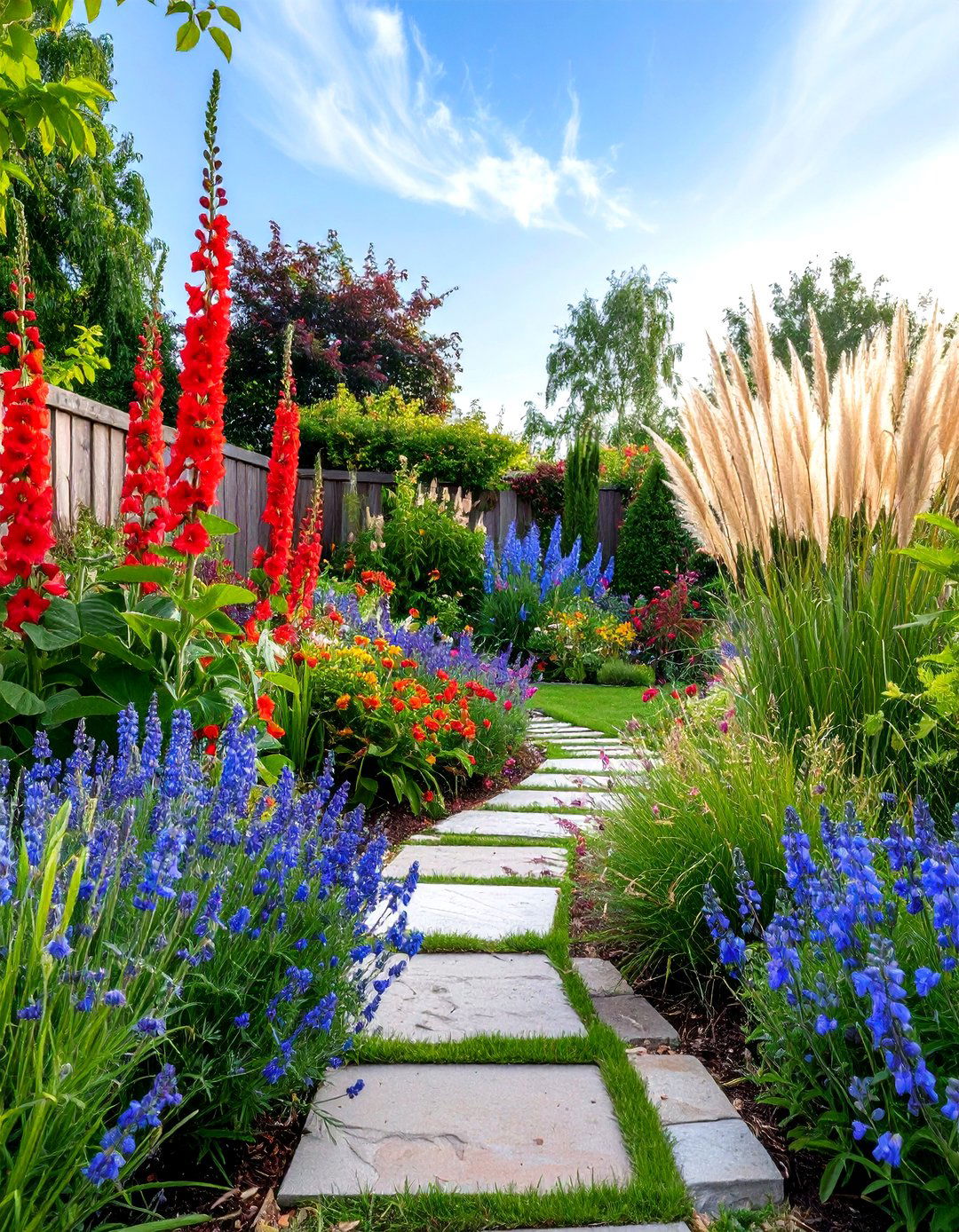
Adding vertical elements to a perennial garden creates depth, dimension, and drama. Tall, spire-like plants draw the eye upward and break up the horizontal plane. Delphiniums and foxgloves are classic choices for adding height with their stunning flower spikes. Hollyhocks provide a charming, cottage-garden feel with their tall stalks of blooms. For a more architectural look, consider using ornamental grasses like Karl Foerster feather reed grass. You can also incorporate structures like trellises or obelisks planted with climbing perennials like clematis. This strategy makes a garden feel larger and more immersive.
22. A Perennial Garden for Coastal Conditions
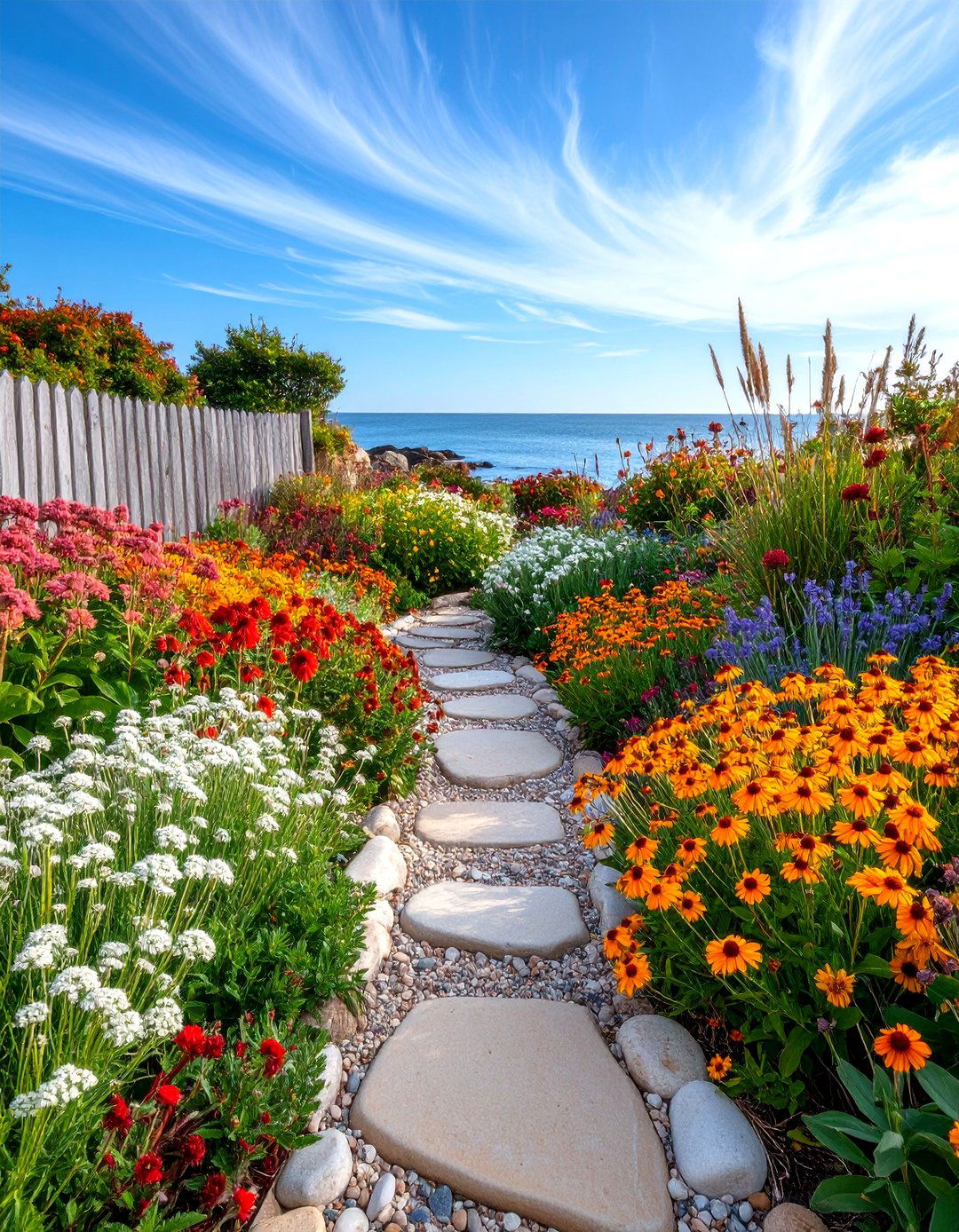
Gardening near the coast requires perennials that can tolerate salt spray, sandy soil, and strong winds. Sea thrift (Armeria maritima) is a perfect choice, forming neat tufts with pink or white flowers. Blanket flower (Gaillardia) is another tough plant that thrives in sandy, well-drained soil and provides long-lasting, daisy-like blooms. Yarrow (Achillea) and ornamental grasses like blue fescue are also well-suited to coastal environments. These resilient plants allow you to create a vibrant and thriving garden that can withstand the unique challenges posed by a seaside location, adding beauty to the rugged landscape.
23. A Perennial Garden with Deer-Resistant Plants
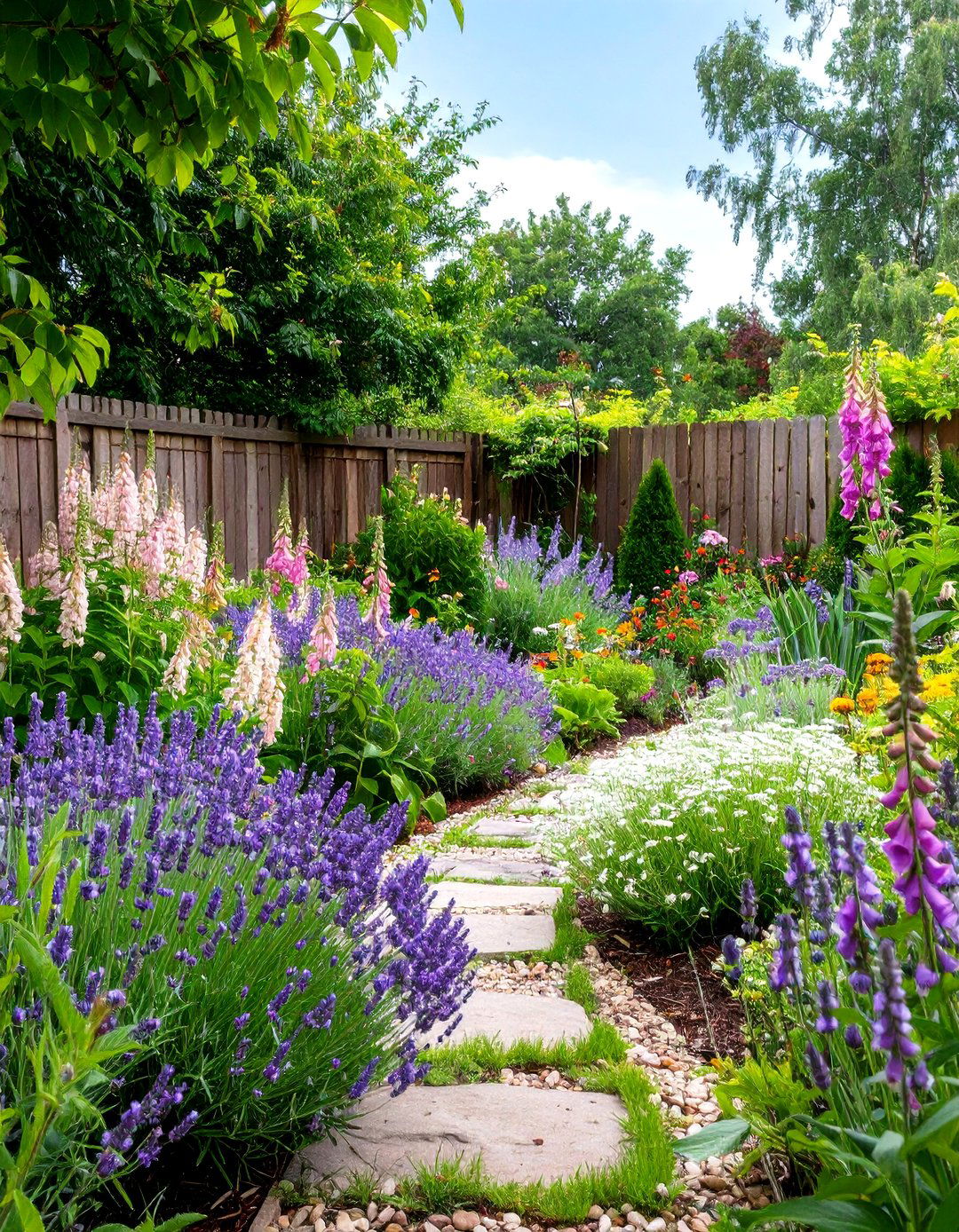
For gardeners plagued by deer, selecting deer-resistant perennials is essential for success. Deer tend to avoid plants with strong scents, fuzzy leaves, or toxic properties. Lavender, Russian sage, and rosemary are excellent aromatic choices they typically ignore. The fuzzy leaves of lamb's ear make it unpalatable. Bleeding hearts and foxgloves are poisonous and therefore left alone. While no plant is completely deer-proof, focusing your garden on these less-appetizing options significantly increases your chances of enjoying your blooms without them becoming a midnight snack for local wildlife.
24. A Japanese-Inspired Perennial Garden
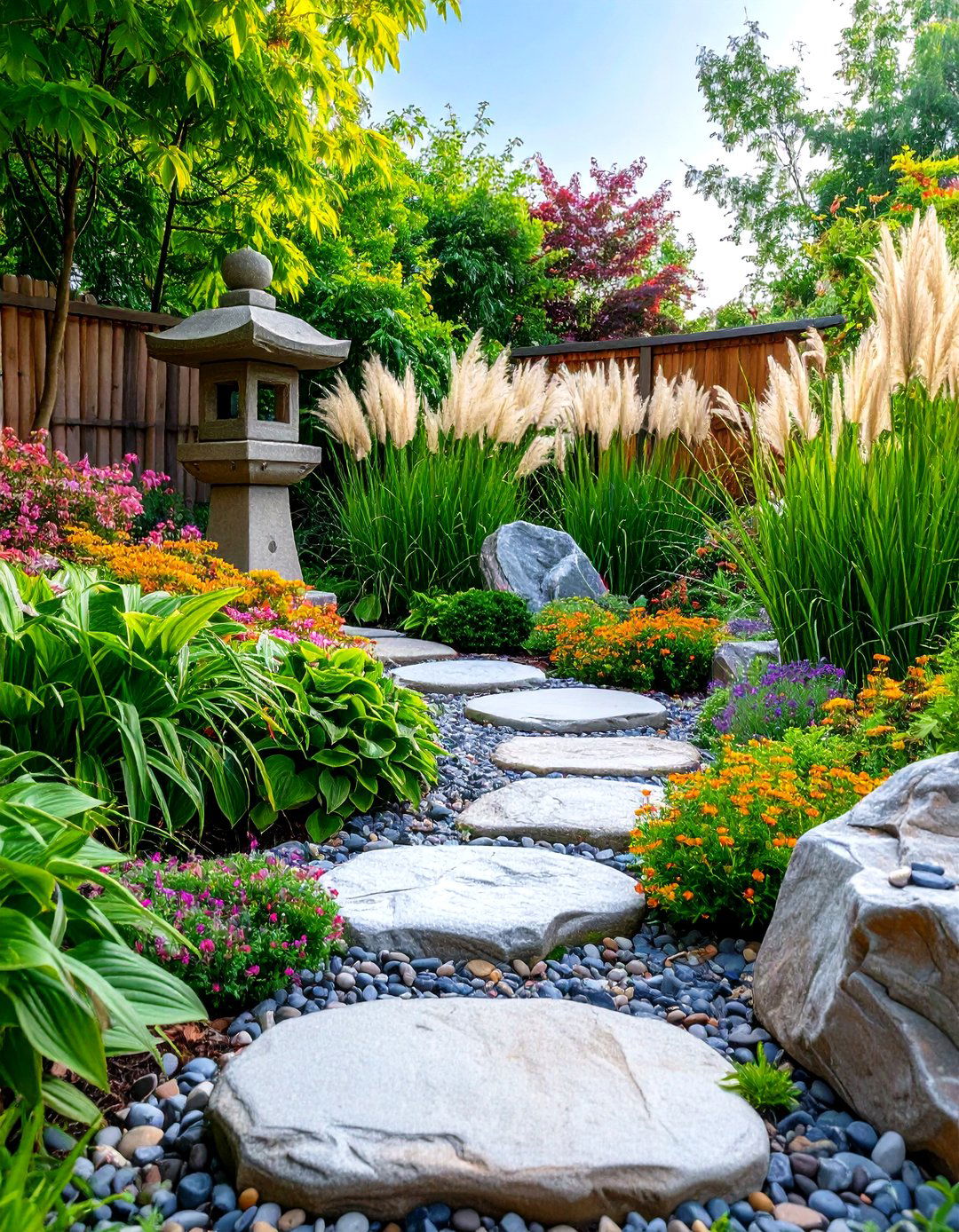
Create a sense of tranquility and balance with a Japanese-inspired perennial garden. This style emphasizes simplicity, natural forms, and a restrained color palette. Focus on foliage textures and shades of green. Japanese forest grass (Hakonechloa macra) adds a graceful, cascading element. Hostas and ferns are essential for creating layers of lush foliage in shady areas. Japanese iris provides elegant, refined blooms. Incorporate elements like stone, water, and moss to enhance the serene atmosphere. The goal is not a riot of color, but a peaceful, contemplative space that celebrates the beauty of nature.
25. A Formal Perennial Garden Design
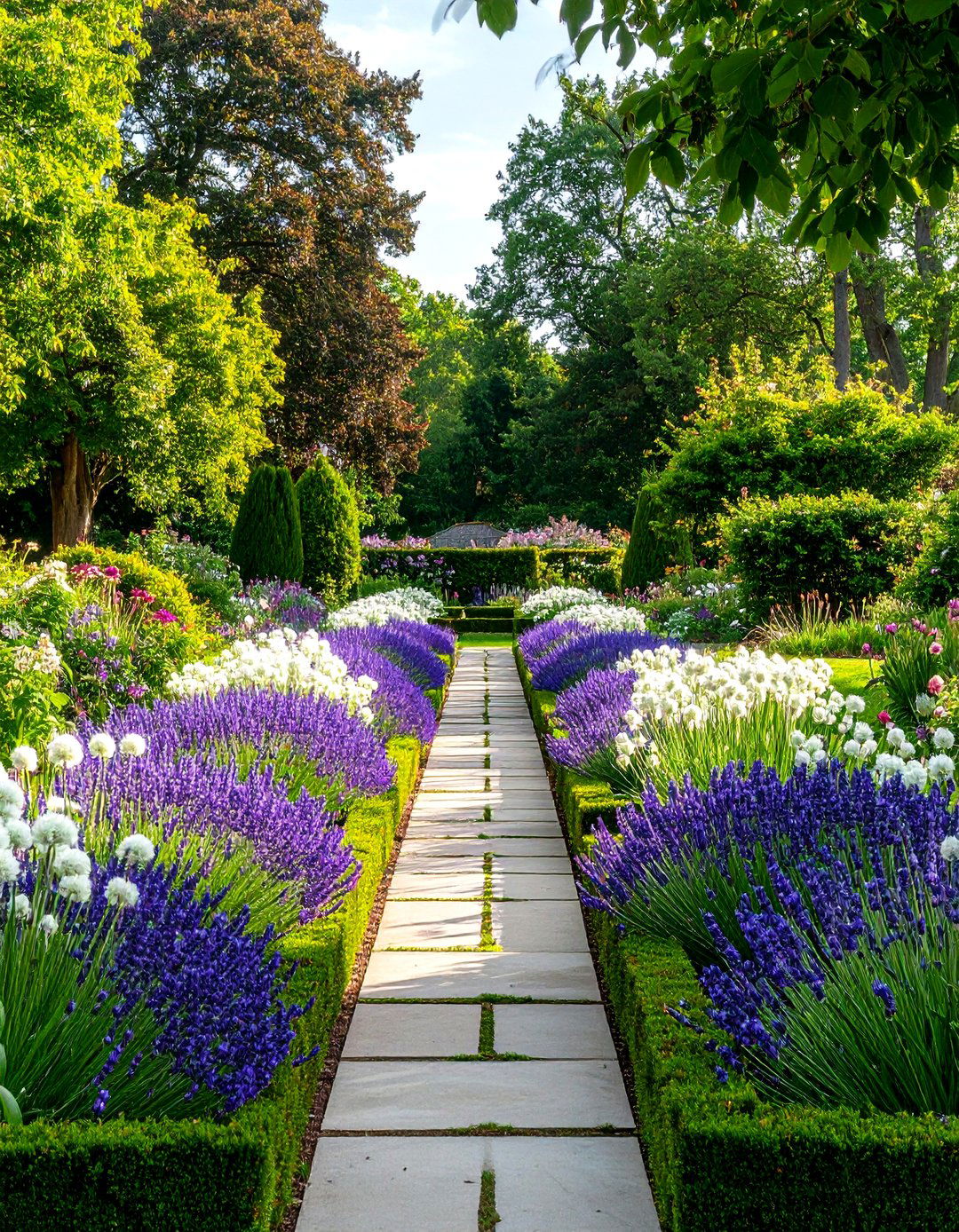
For a look of elegance and order, a formal perennial garden design relies on symmetry, clean lines, and geometric shapes. Create garden beds with straight edges or perfect curves, often outlined with low boxwood hedges. Plant perennials in repeating patterns and blocks of color to create a sense of rhythm and structure. Use plants with a neat, tidy growth habit, such as salvia, lavender, or alliums with their globe-like flowers. This highly structured approach creates a sophisticated and timeless garden that feels both grand and intentionally designed, showcasing precision and control over the landscape.
26. A Hummingbird-Focused Perennial Garden
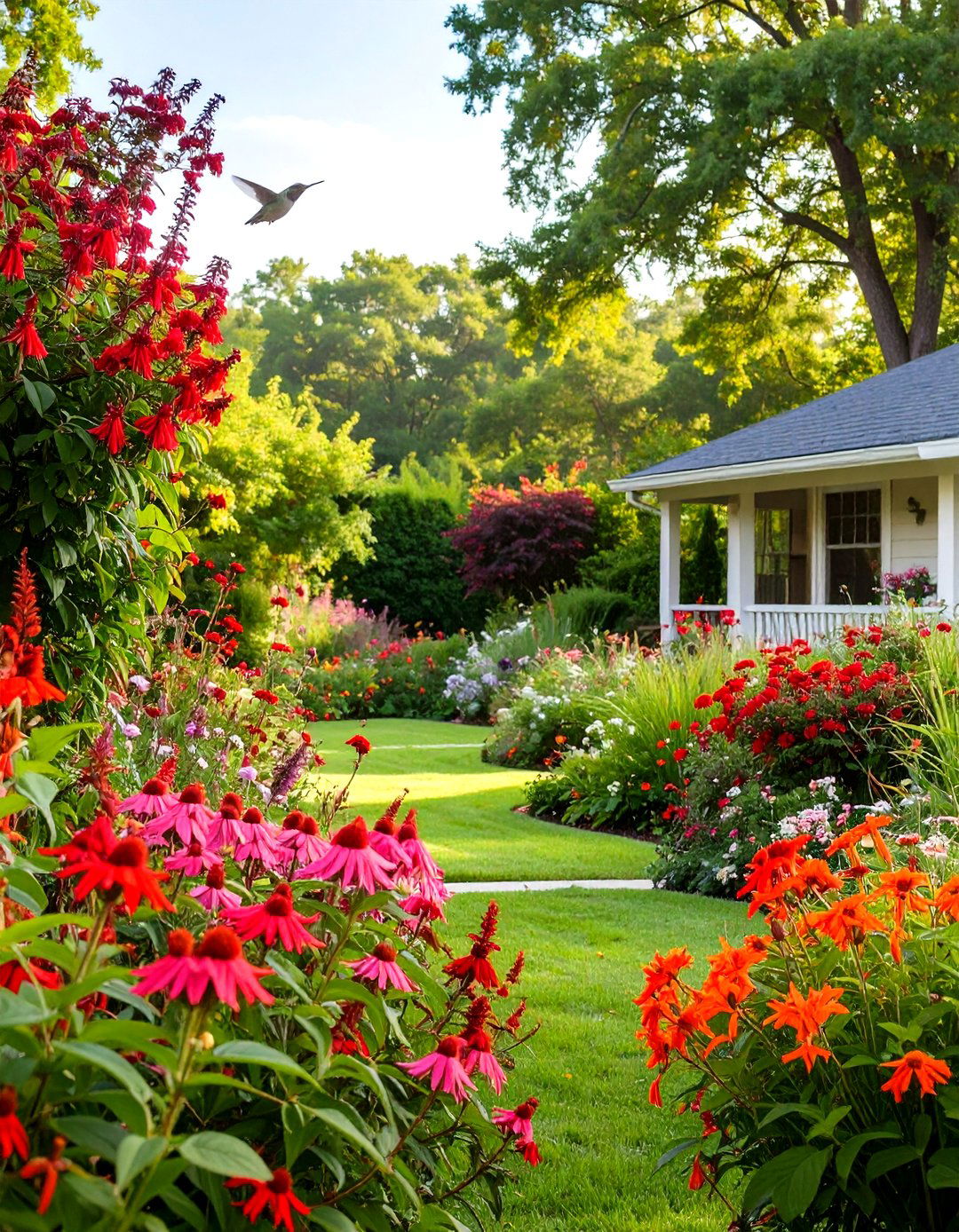
To attract hummingbirds, plant a perennial garden filled with tubular, brightly colored flowers, especially red ones. Cardinal flower (Lobelia cardinalis) is a top choice with its brilliant red spikes. Bee balm (Monarda) in shades of red and pink is another favorite. Penstemon, also known as beardtongue, offers tube-shaped flowers that are perfectly suited for hummingbird beaks. For a climbing element, add a trumpet vine (Campsis radicans). Providing a water source, like a shallow birdbath with a mister, will also make your garden more inviting for these energetic and fascinating little birds.
27. A Hot-Colored Perennial Garden
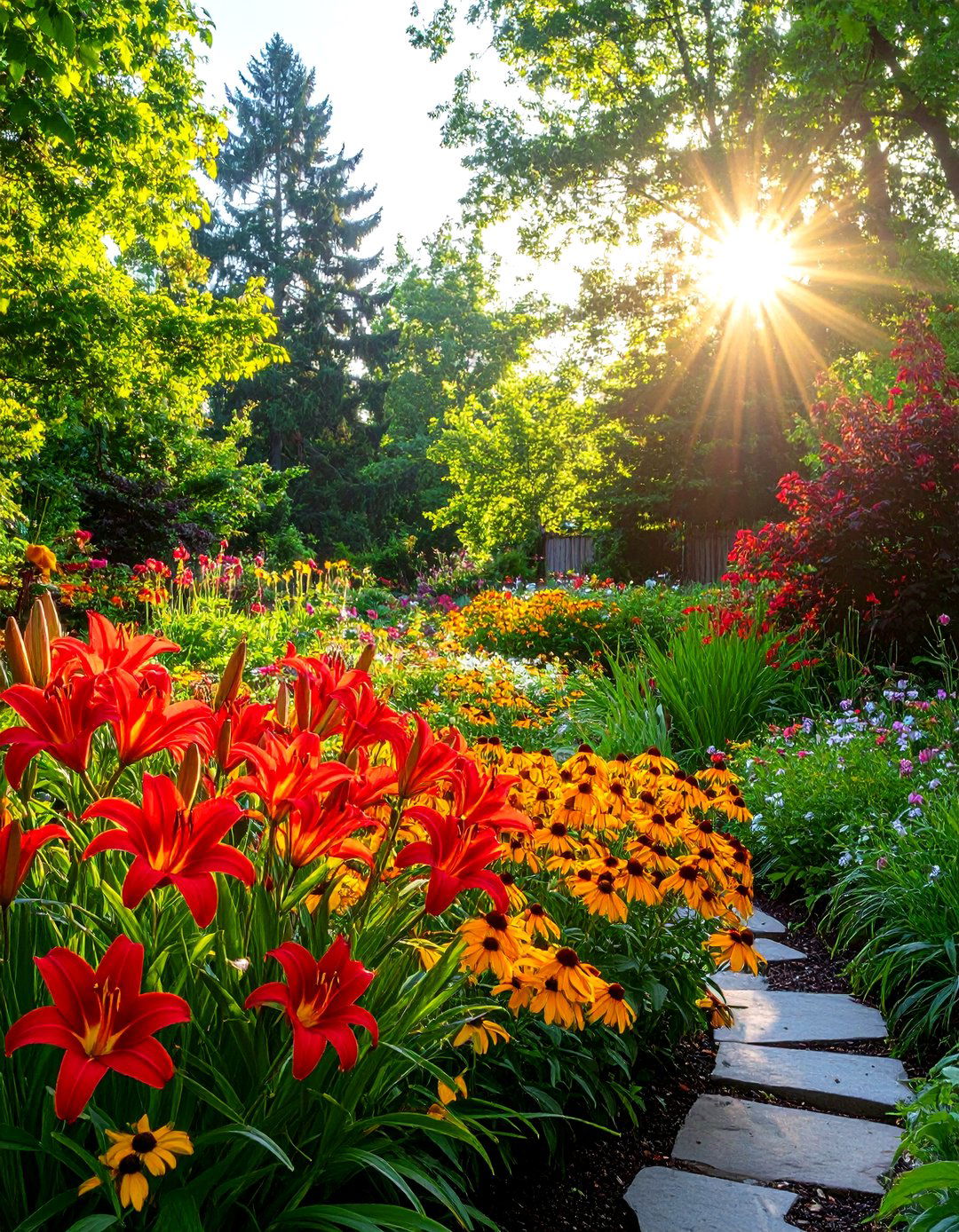
Ignite your garden with a fiery palette of reds, oranges, and yellows. A hot-colored perennial garden creates a bold and energetic statement. Use red bee balm, orange coneflowers (Echinacea 'Tangerine Dream'), and golden-yellow black-eyed Susans. The tall spikes of red hot poker (Kniphofia) add a dramatic, tropical flair. Daylilies come in a vast range of hot colors and are easy to grow. This vibrant color scheme is perfect for sunny spots and creates a visually exciting display that draws attention and radiates warmth throughout the summer months, making the garden feel alive and dynamic.
28. A Cool-Colored Perennial Garden
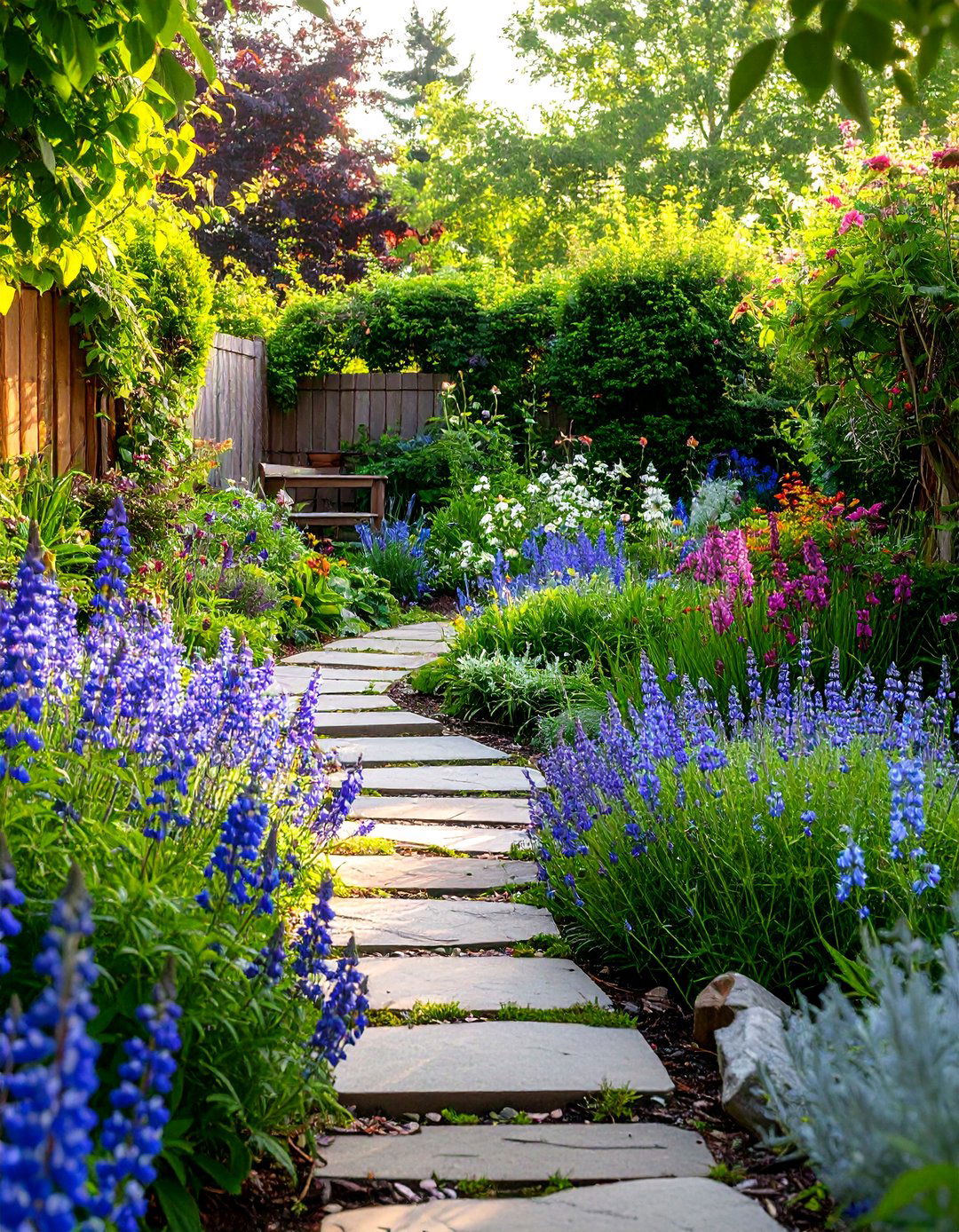
Create a calming and serene atmosphere with a perennial garden designed in a cool color palette of blues, purples, and silvery-whites. This color scheme can make a space feel larger and more tranquil, offering a refreshing escape on a hot day. Use the true blue flowers of delphiniums and Siberian iris. For purple, choose salvias, catmint, and alliums. Weave in plants with silver foliage like lamb's ear or Artemisia 'Silver Mound' to tie the cool tones together and add brightness. This sophisticated combination results in a peaceful and elegant garden retreat.
29. A Perennial Garden for Butterflies
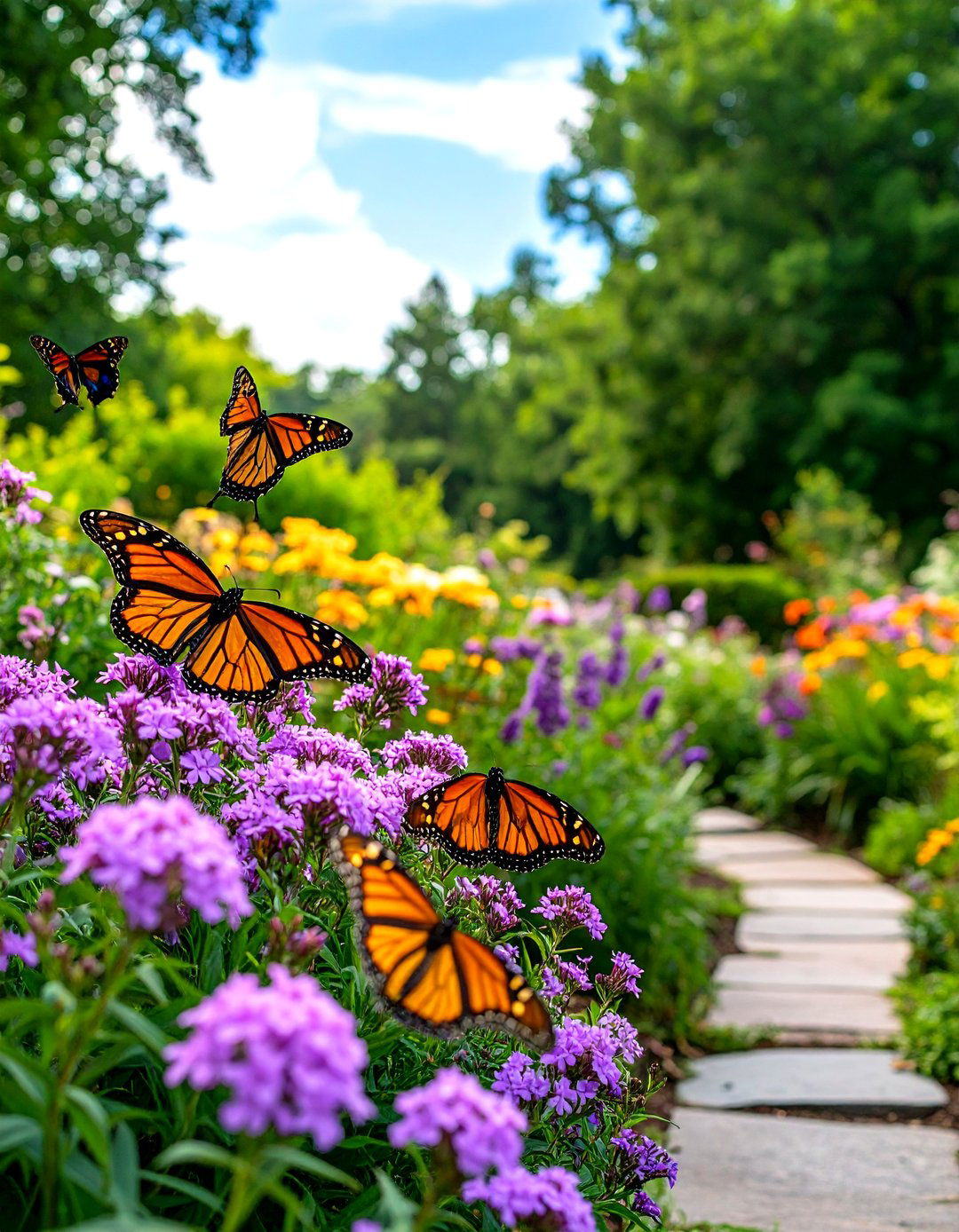
To specifically attract butterflies, a perennial garden should offer a mix of nectar plants for adults and host plants for their caterpillars. For nectar, butterfly bush (Buddleia) is a must-have, along with phlox, bee balm, and Joe Pye weed (Eutrochium). To support the entire life cycle, include host plants like milkweed for monarchs, fennel for swallowtails, and violets for fritillaries. Providing a shallow dish of water with stones for butterflies to land on, known as a puddling station, will also make your garden a true butterfly sanctuary from spring until fall.
30. A Prairie-Style Perennial Garden
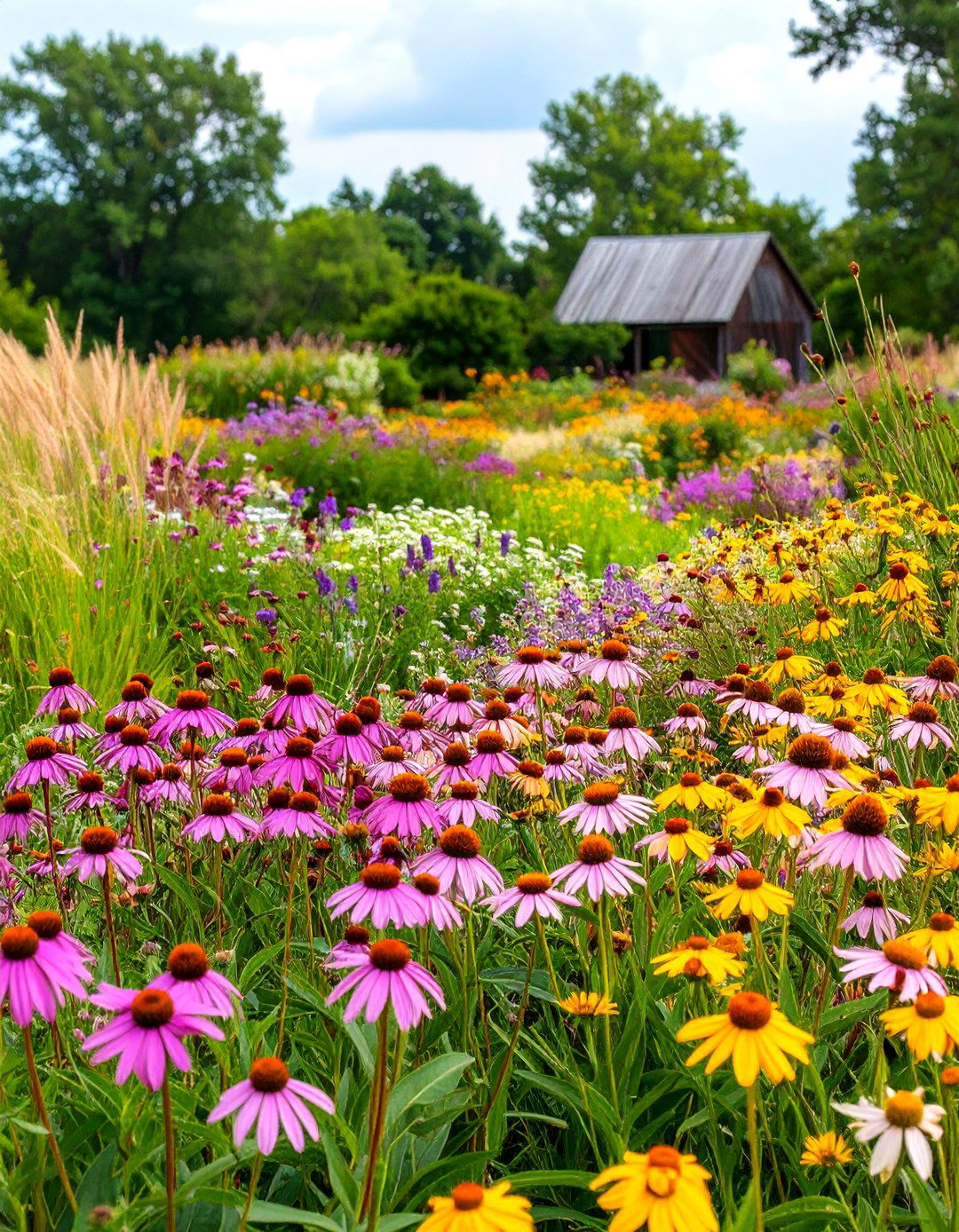
Inspired by the natural beauty of North American prairies, this garden style features a mix of ornamental grasses and tough, flowering perennials. It emphasizes a naturalistic, flowing aesthetic that is both beautiful and ecologically sound. Key plants include prairie dropseed grass (Sporobolus heterolepis) for its fine texture and fragrant seed heads, purple coneflower, and blazing star (Liatris) for its vertical purple spikes. Rattlesnake master (Eryngium yuccifolium) adds unique architectural interest. This design is drought-tolerant, low-maintenance, and provides year-round interest while supporting local pollinators and wildlife.
Conclusion:
Creating a perennial garden is a rewarding investment in long-term beauty. By choosing plants suited to your specific conditions—whether sun or shade, wet or dry—you can design a sustainable and low-maintenance landscape. From vibrant pollinator havens and serene white gardens to practical cutting beds and deer-resistant layouts, the possibilities are endless. A well-planned perennial garden evolves with the seasons and matures over time, offering an ever-changing display of color, texture, and life that will bring joy for many years to come, connecting you more deeply with the natural world right outside your door.

Related posts:




Leave a Reply