
Embracing the stark beauty of an arid environment, desert landscaping transforms challenging conditions into a stunning display of resilience and approach to garden design is about more than just surviving the heat; it's about creating a harmonious extension of your home that thrives in a dry carefully selecting drought-tolerant plants, utilizing natural materials like stone and decomposed granite, and implementing water-wise strategies, you can craft an outdoor space that is both breathtakingly beautiful and environmentally responsible. A successful desert landscape is a testament to thoughtful planning, celebrating textures, colors, and forms that echo the surrounding natural scenery while providing a functional and inviting oasis for relaxation and entertainment.

1. The Modern Minimalist Desert Garden

A modern minimalist desert garden focuses on clean lines, geometric shapes, and a restrained color design uses large concrete pavers or smooth gravel as a base, creating a neat and uncluttered ground plane. A few strategically placed sculptural plants, like a tall saguaro cactus or a cluster of golden barrel cacti, serve as living layout is open and spacious, emphasizing negative space to evoke a sense of calm and is sleek and low-profile, often made of metal or concrete, complementing the architectural feel of the space without adding unnecessary visual noise.
2. A Lush Sonoran Desert Oasis

This design recreates the surprising biodiversity of the Sonoran features a dense planting of native trees like palo verde and desert willow, which provide a light, filtered canopy. Underneath, a rich tapestry of succulents, wildflowers, and ornamental grasses creates layers of texture and color. A winding flagstone path meanders through the plantings, leading to a secluded seating goal is to create a cool, shaded retreat that feels like a natural discovery, offering a vibrant contrast to the typically sparse desert view, attracting local wildlife and pollinators.
3. The Rustic Ranch-Style Desert Landscape

Capturing the spirit of the Old West, a rustic ranch-style landscape uses weathered materials and hardy plants. A split-rail fence made of reclaimed wood might enclose the space, while pathways are covered in rustic decomposed granite. Large, rugged boulders are used as natural accents, and plantings include tough species like agave, prickly pear, and yucca. A central feature could be a rustic fire pit surrounded by simple wooden benches or Adirondack chairs, perfect for gathering on cool desert style feels grounded, durable, and deeply connected to a history of desert living.
4. Mediterranean Desert Fusion Garden

What if you could blend the charm of the Mediterranean with the resilience of the desert? This style merges the two by pairing classic Mediterranean elements like terracotta pots, gravel courtyards, and olive trees with drought-tolerant desert plants. A stucco wall, perhaps in a warm ochre or crisp white, provides a backdrop for bougainvillea and agave. A small water feature, like a tiered fountain, adds the soothing sound of water while being mindful of design creates a romantic, sun-drenched escape that feels both timeless and perfectly suited to a dry climate.
5. The Contemporary Courtyard Desert Design

A contemporary courtyard design turns an enclosed space into a private desert landscape is built around a central patio, often using large-format porcelain tiles for a seamless, modern elements are key, with smooth stucco walls providing a canvas for dramatic shadow play from architectural plants like totem pole cactus. Built-in concrete seating and a sleek, gas-powered fire table create a sophisticated outdoor living planting beds with black mondo grass or blue fescue add subtle texture without overwhelming the clean, structured design of the space.
6. A Japanese Zen Desert Garden
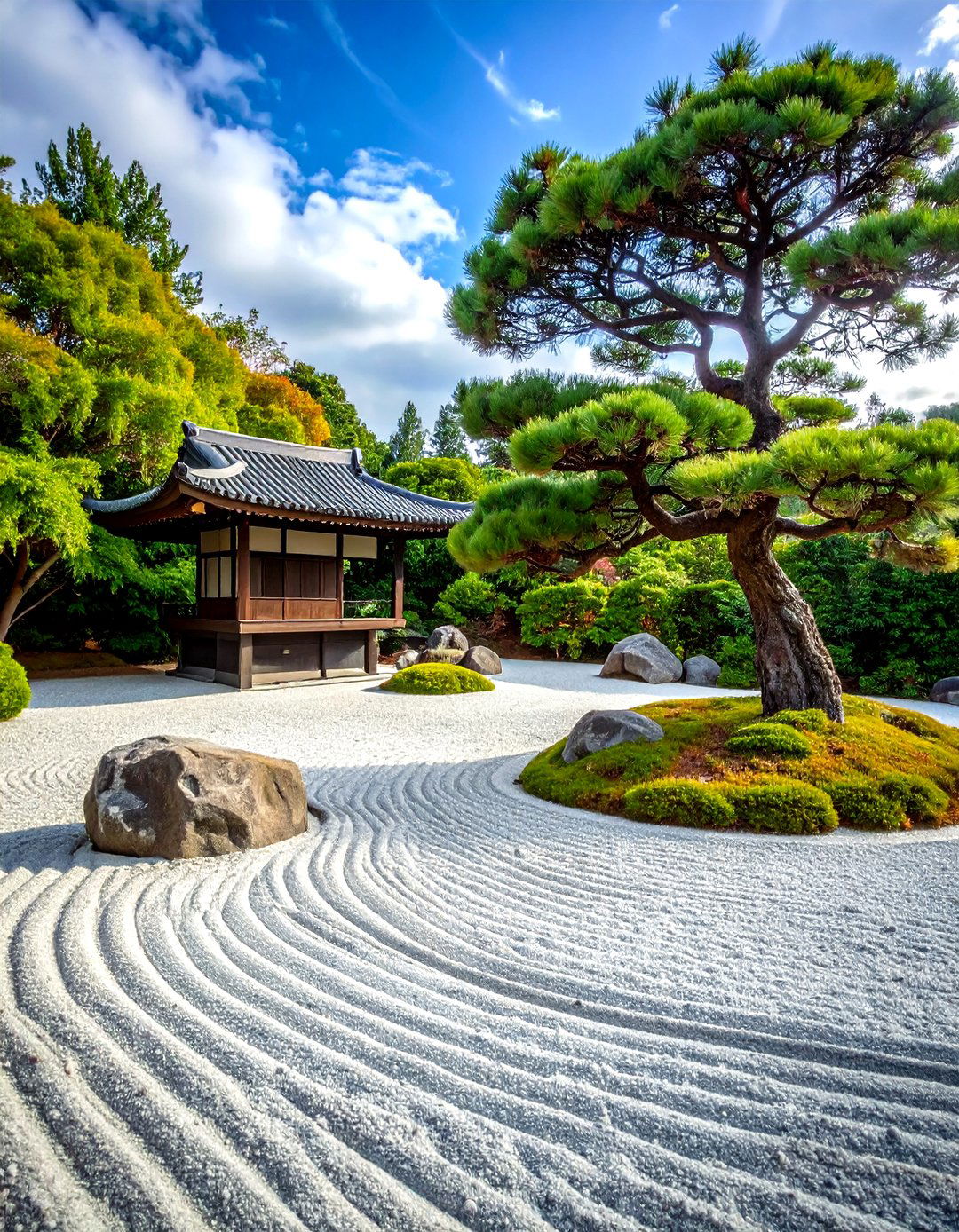
This concept adapts the principles of a traditional Japanese Zen garden to a desert of water, seas of carefully raked gravel or sand represent oceans, with large, thoughtfully placed boulders acting as are minimal and highly sculptural, featuring species like horsetail reed or black pine that can tolerate arid conditions. A simple bamboo screen can provide privacy, and a stone lantern adds a classic entire design is about tranquility, meditation, and finding beauty in simplicity, creating a serene space for quiet contemplation and reflection.
7. The Colorful Wildflower Meadow

Imagine a desert landscape bursting with seasonal design focuses on creating a meadow-like effect using a mix of native and adapted of California poppies, desert marigolds, and penstemons are sown over a prepared area of decomposed granite or native result is a breathtaking, low-maintenance display that changes with the seasons, attracting bees, butterflies, and hummingbirds. A simple, narrow path can wind through the flowers, allowing for immersive approach celebrates the ephemeral beauty of the desert bloom on a grand scale.
8. The Southwestern Adobe-Style Garden

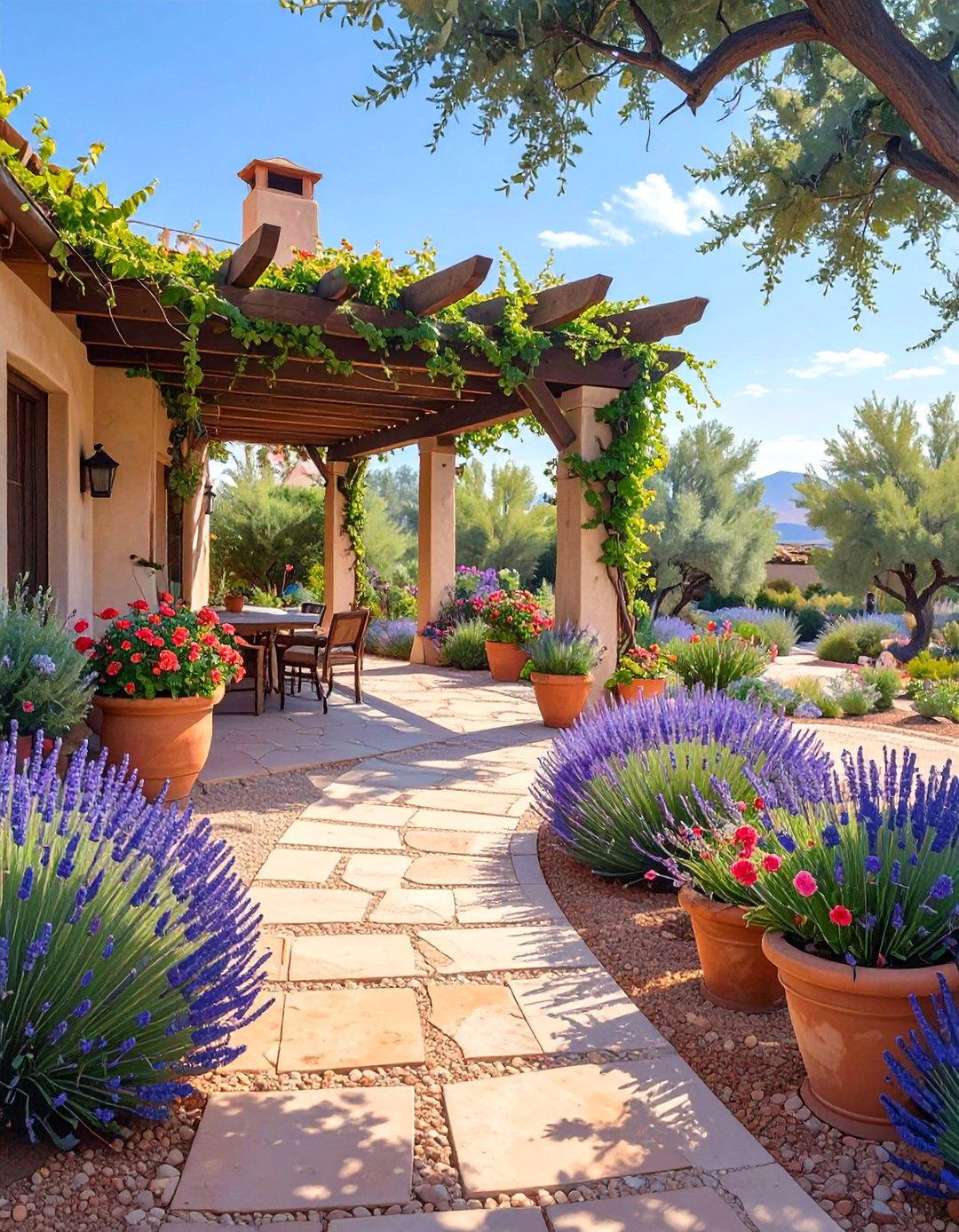
Reflecting traditional Southwestern architecture, this garden style is characterized by adobe or stucco walls that create intimate courtyards and tiles are a common choice for flooring, providing a warm, earthy are clustered in raised beds or colorful ceramic pots and include desert classics like agave, yucca, and vibrant bougainvillea. A shaded ramada or pergola made of natural wood provides relief from the sun, while a kiva-style fireplace serves as a cozy focal point for evening gatherings, embodying a timeless and authentic regional aesthetic.
9. The Ultimate Outdoor Entertainment Zone

This landscape is designed for hosting, with a focus on functionality and comfort. A fully equipped outdoor kitchen, complete with a built-in grill and concrete countertops, forms the heart of the space. A large dining area sits under a modern pergola with retractable shades for sun entertainment, a bocce ball court or a putting green made of artificial turf provides a fun activity. Low-voltage lighting highlights pathways and key plants, ensuring the party can continue long after the sun sets, creating the perfect desert venue.
10. The Rock Garden Topography

This design elevates the humble rock into an art uses boulders, river rocks, and gravel of various sizes and colors to create a visually interesting topography that mimics a natural canyon or layout features dry creek beds that channel rainwater during storms, adding a functional like creeping thyme, sedums, and small agaves are tucked into crevices between the rocks, softening the approach is extremely low-maintenance and water-wise, offering year-round texture and structure with minimal care required from the homeowner.
11. The Poolside Desert Retreat
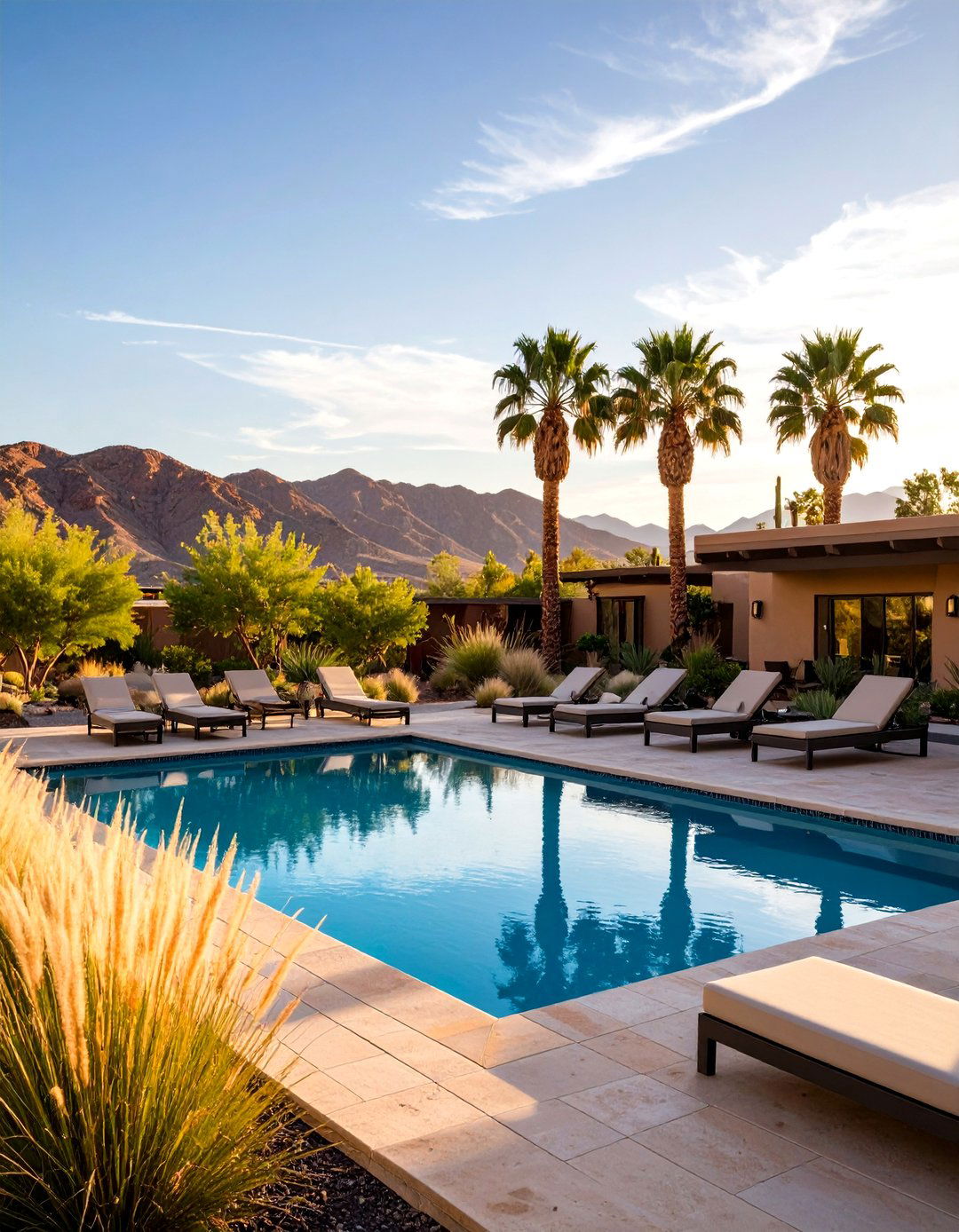
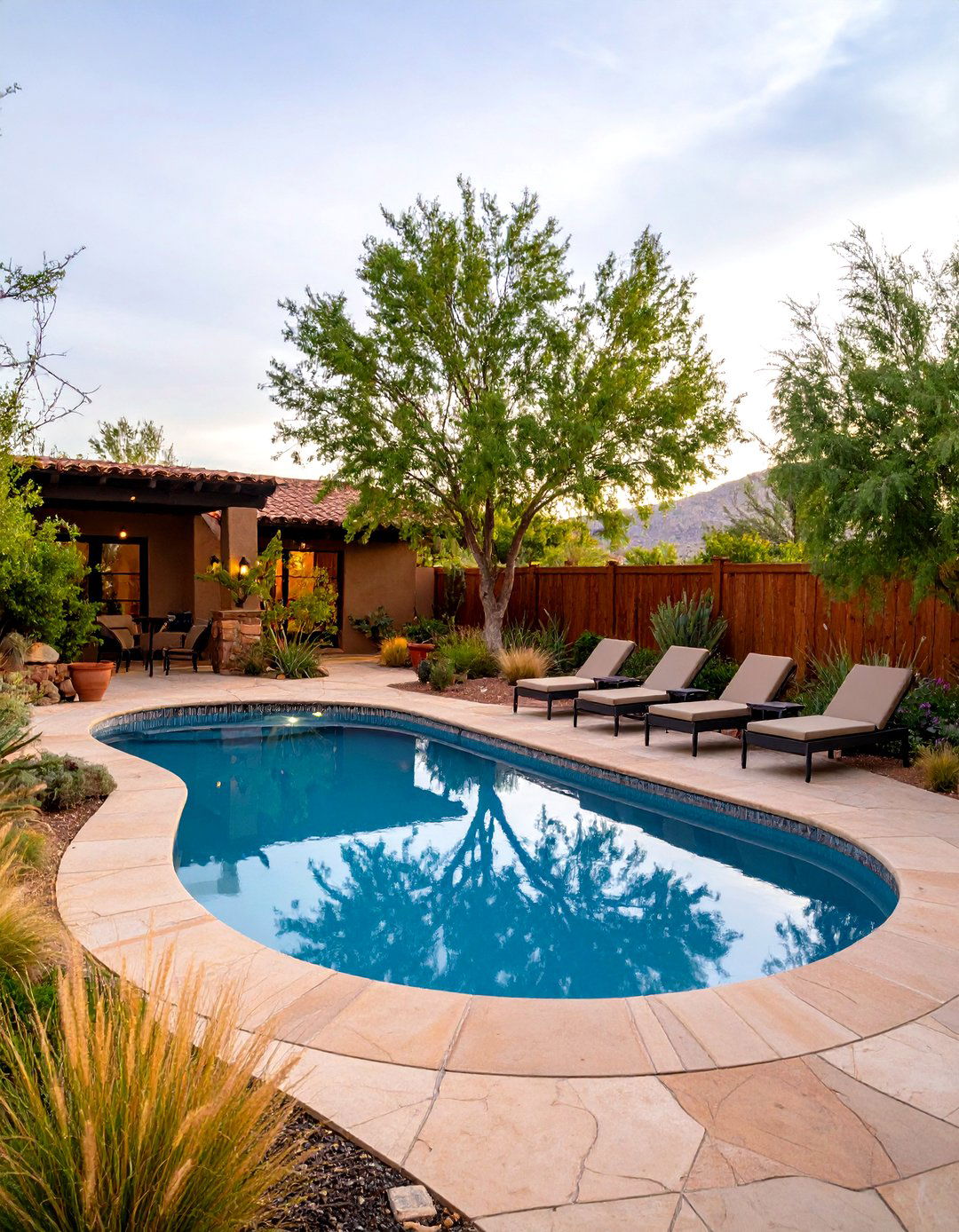
How do you create a poolside oasis that feels cohesive with a desert setting? This design surrounds the pool with a cool-to-the-touch travertine or concrete of a traditional lawn, the perimeter is landscaped with clumps of ornamental grasses that sway in the breeze and heat-loving succulents like echeveria and senecio. A few strategically placed palm trees can offer shade without dropping messy leaves into the chaise lounges and a shaded cabana complete the resort-like feel, making the pool area a chic and refreshing escape from the desert heat.
12. The Eco-Friendly Rainwater Harvesting Garden

This forward-thinking design prioritizes water conservation by actively harvesting landscape is subtly graded to direct runoff into swales and retention basins, where it can slowly soak into the ground and water the plants. A dry creek bed made of river rock can serve as a beautiful and functional channel for the chosen for this garden are extremely drought-tolerant natives that thrive on infrequent, deep sustainable approach not only saves water but also reduces erosion and creates a resilient, self-sufficient landscape.
13. A Desert Botanical Garden Theme

For the true plant enthusiast, this design creates a collector’s paradise showcasing a wide variety of desert garden is organized into distinct zones, perhaps with one area for cacti, another for agaves, and a section for desert plant is given ample space to be appreciated, with clear pathways of decomposed granite allowing for easy viewing. Small, discreet labels can identify each species, turning the garden into an educational style celebrates the incredible diversity and adaptability of plants that have evolved to thrive in arid climates.
14. The Star-Gazer's Open Sky Sanctuary
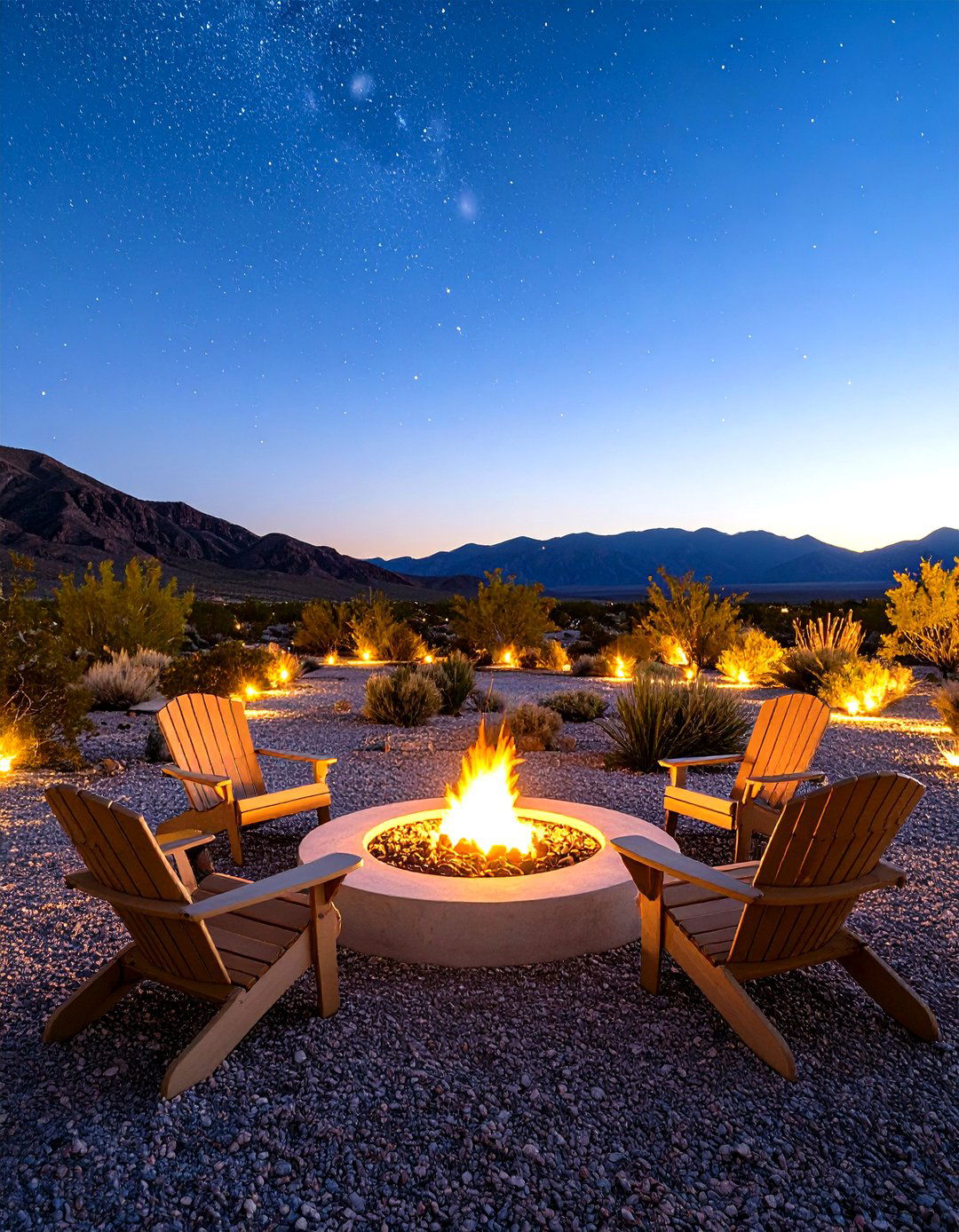
In the desert, the night sky is often as spectacular as the daytime design is created to maximize the stargazing features a large, open central area with minimal tall plantings to avoid obstructing the view. Comfortable, reclining seating, like adirondack chairs or outdoor bean bags, is arranged around a low, wood-burning fire is kept to a minimum, using low-voltage, downward-facing fixtures along pathways to preserve night vision. It’s a simple, uncluttered space designed for looking up and getting lost in the cosmos.

15. The Modernist Sculpture Park Garden

This landscape blurs the line between garden and design is intentionally sparse, using fine gravel or sand as a neutral throughout the space are large-scale, abstract metal or stone sculptures that complement the angular forms of desert plants like yucca and plants themselves are chosen for their strong architectural shapes and treated as living overall effect is dramatic and thought-provoking, creating a sophisticated outdoor environment that invites contemplation and appreciation for form, texture, and the interplay between art and nature.
16. The Family-Friendly Desert Backyard

Can a desert landscape be fun for kids? design incorporates play areas seamlessly into the arid artificial turf lawn provides a soft, green space for play without the high water needs of real grass. A built-in sandbox can be framed with smooth, rounded adventure, a winding path of pavers can lead to a play structure made of natural wood that complements the rustic surroundings. Hardy, non-spiky plants are chosen for areas where children will be playing, ensuring a safe and engaging environment for the whole family.
17. The Secluded Spa-Inspired Courtyard

This design transforms a private courtyard into a tranquil, spa-like retreat. A central feature is a hot tub or a small plunge pool, surrounded by a deck of warm ipe is created with tall, slender cactus varieties or a slatted wood screen. A simple water wall provides the soothing sound of trickling water, enhancing the serene lounge chairs and plush outdoor towels complete the are minimal and calming, like clumps of Mexican feather grass, creating a space dedicated entirely to relaxation and rejuvenation.
18. The Edible Desert Garden

An edible garden in the desert is entirely possible with the right design uses raised garden beds made of galvanized steel or wood to better control soil and irrigation provides water directly to the roots, minimizing are chosen for their heat tolerance, such as artichokes, pomegranates, and certain varieties of peppers and herbs like rosemary and thyme. A few citrus trees in large pots can add fresh fruit to the creates a productive landscape that is both beautiful and bountiful.
19. The Monochromatic Desert Landscape
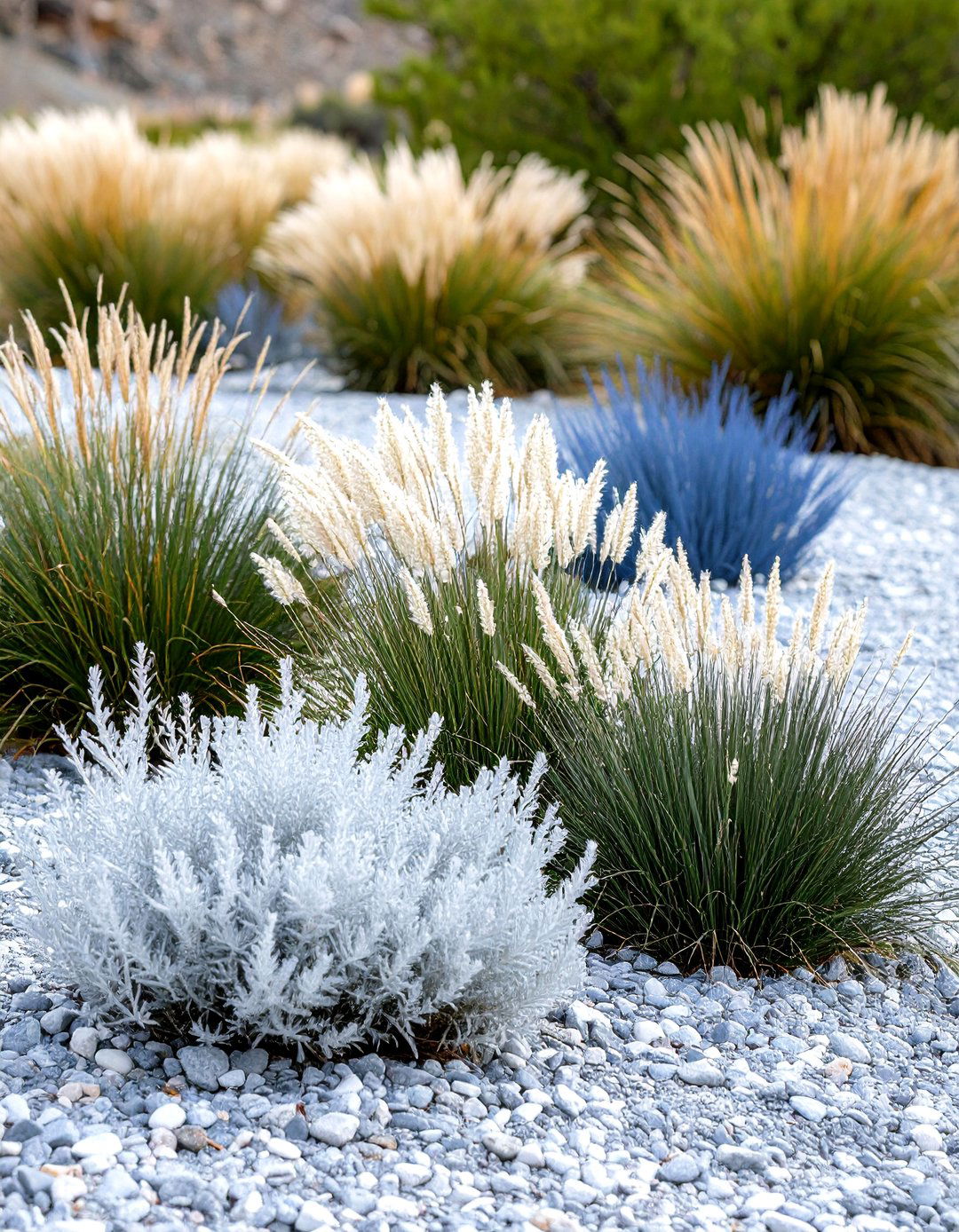
This sophisticated design concept relies on a limited color palette to create a powerful visual might focus entirely on shades of silver and gray, using plants like silver-leafed artemisia, ghost plants, and blue hardscape would consist of gray gravel and dark slate pavers. Alternatively, a design could use only green hues, from the deep green of a totem pole cactus to the light green of a palo disciplined approach emphasizes texture and form, resulting in a serene, elegant, and highly unified landscape that is visually calming.

20. The Bohemian Desert Patio

A bohemian-style desert patio is all about creating a relaxed, eclectic, and personal design layers textures and patterns, with a colorful outdoor rug defining the seating is a mix of styles and materials, like a wicker hanging chair, a low wooden table, and floor abundance of potted plants — cacti, succulents, and trailing plants — are grouped together in various terracotta and ceramic lights are draped overhead to create a warm, inviting glow in the evenings, making it the perfect casual spot for socializing.
21. The Dry Creek Bed Feature

A dry creek bed is a classic and practical element in desert design makes it the central feature of the yard. A winding, naturalistic channel is excavated and lined with a variety of river rocks, pebbles, and a few larger boulders to mimic a natural banks of the creek bed are planted with native grasses and succulents that can handle both dry periods and occasional feature is not only beautiful, adding movement and interest to the landscape, but it also provides a functional drainage solution for rainwater.
22. The Fire Pit Gathering Circle

This design creates a dedicated and inviting space for gathering around a focal point is a circular fire pit, which can be a simple metal ring, a built-in gas feature, or a rustic stone the fire pit is built-in, curved seating made of smooth concrete or stucco, softened with comfortable outdoor flooring within the circle is typically decomposed granite or flagstone. Low-voltage lighting subtly illuminates the space without competing with the warm glow of the fire, crafting the ultimate destination for cozy desert nights.
23. The Raised Planter Garden Design

Using raised planters is a great way to add dimension and control to a desert design features a series of geometric raised beds, often constructed from corten steel for a rustic, weathered look, or smooth-finished concrete for a modern planters can be arranged to define different "rooms" within the landscape, such as a dining area or a quiet seating allow for customized soil mixes, improving drainage and making it easier to grow a wider variety of succulents and cacti that require specific conditions to thrive.
24. The Illuminated Nightscape Garden

Why should your garden only be enjoyed during the day? This design focuses on creating a magical landscape after dark through the strategic use of outdoor is used to highlight the dramatic shapes of sculptural plants like agaves and Joshua lights ensure safe navigation while adding a soft lights or moonlighting from a tree can create ambiance over a goal is to paint a picture with light, revealing textures and forms that are not visible during the day, extending the enjoyment of the garden.
25. The Desert Container Garden

For small spaces like balconies or patios, a container garden is the perfect design uses a curated collection of pots in various sizes, materials, and colors to create a lush, layered look. A few large statement pots can anchor the design, filled with architectural plants like a snake plant or a small pots can be grouped together with a mix of colorful succulents and trailing approach allows for flexibility, as pots can be moved to follow the sun or rearranged for a fresh look.
26. The Wildlife Habitat Garden

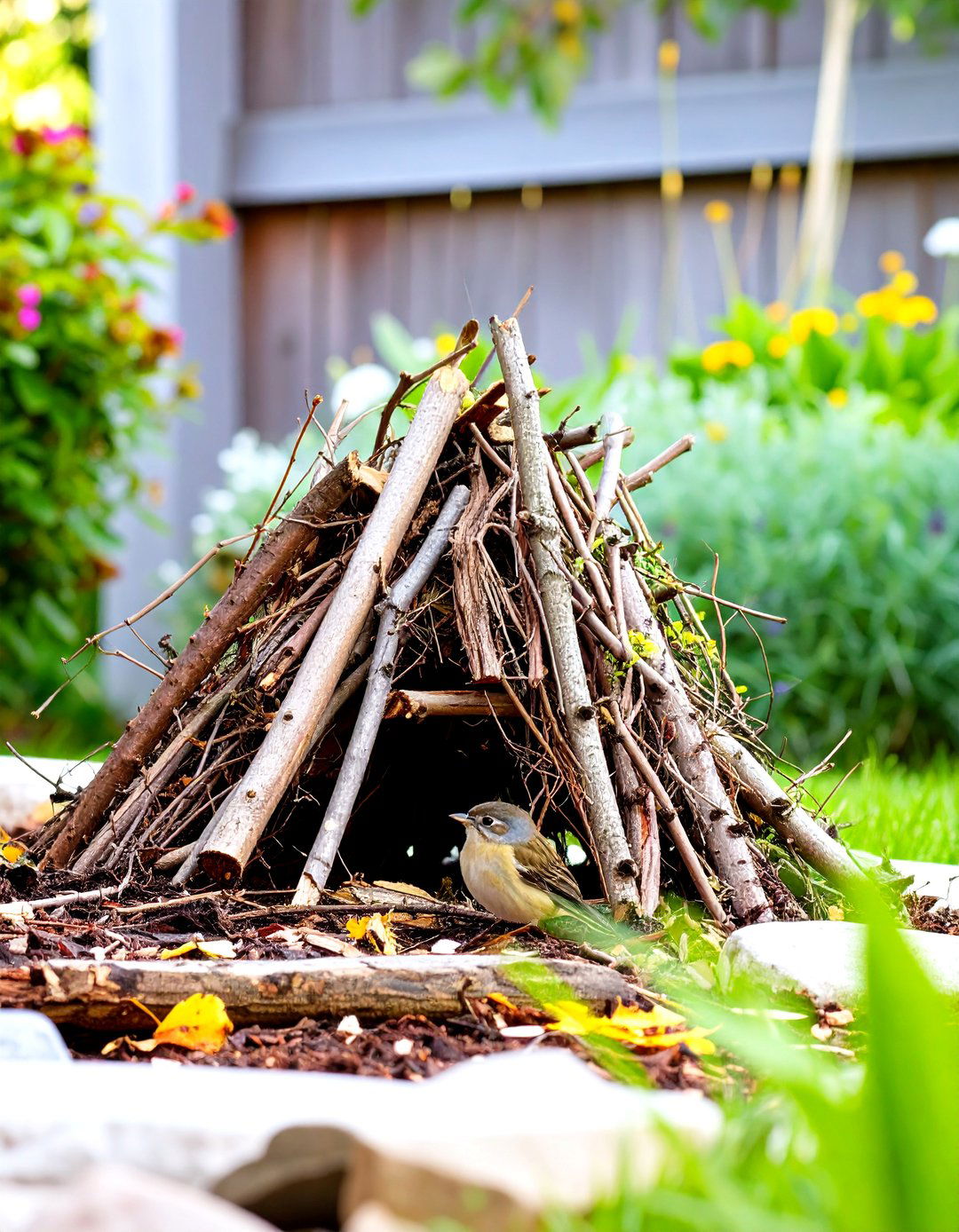
This landscape is designed with local fauna in goal is to create a welcoming habitat for birds, bees, butterflies, and other desert selection is key, focusing on native species that provide food and shelter, such as desert milkweed for monarch butterflies, and various salvias and penstemons for hummingbirds. A shallow basin of water provides a crucial drinking trees or snags can be left in place to provide nesting sites for creates a vibrant, living landscape that supports the local ecosystem.
27. The Corten Steel Accented Landscape
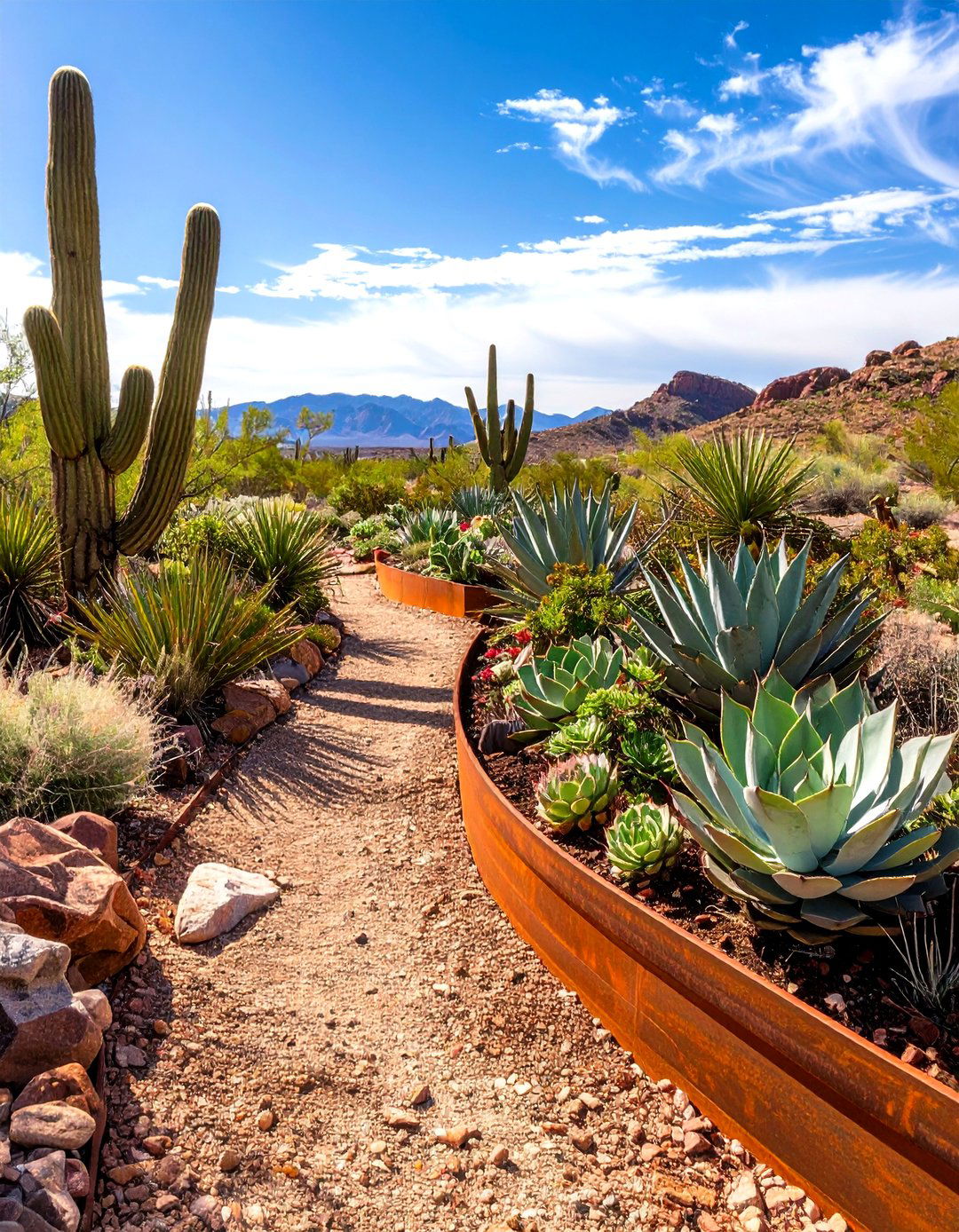
Corten steel, with its stable, rust-like appearance, is a perfect material for desert design uses it as a unifying element throughout the can be used to create crisp, modern edging for planting beds and also serves as a beautiful material for raised planters, retaining walls, or even a dramatic water feature warm, earthy tones of the weathered steel contrast beautifully with the greens and silvers of desert plants, adding a touch of industrial chic that feels both modern and perfectly at home in the arid environment.
28. The Decomposed Granite Patio Space

Decomposed granite, or DG, offers a soft, natural alternative to hard design uses DG to create a relaxed and permeable patio area is framed with steel or stone edging for a clean look. A large outdoor rug can define a seating area on top of the DG, furnished with comfortable deep-seating sofas and pots filled with succulents can be placed around the perimeter to add greenery and creates a casual, comfortable outdoor room that blends seamlessly with the surrounding desert landscape.
29. The Gabion Wall Design

Gabion walls, which are wire cages filled with rocks, offer a modern and textural element for desert design incorporates them as retaining walls, freestanding privacy screens, or even as bases for choice of rock fill can dramatically change the look, from uniform gray basalt to a mix of colorful river permeable nature of gabion walls allows for good drainage, and they can be planted with trailing succulents that will spill over the sides, softening their industrial look and integrating them into the garden.
30. The Artificial Turf Lawn

For those who desire the look of a green lawn without the immense water usage, artificial turf is a practical desert design integrates a patch of high-quality artificial grass as a central provides a lush, evergreen space for recreation or simply as a visual resting turf is framed by planting beds filled with drought-tolerant succulents and ornamental grasses, creating a stark and beautiful contrast between the perfect green and the varied textures of the desert plants. It's a low-maintenance, water-wise way to achieve a traditional look.
Conclusion:
Creating a beautiful desert landscape is a journey in embracing simplicity, resilience, and the unique character of arid ideas explored showcase a wide spectrum of styles, from modern minimalism and rustic ranch aesthetics to eco-conscious rainwater harvesting and vibrant wildflower concept emphasizes working with the climate, not against it, by utilizing drought-tolerant plants, natural materials, and thoughtful focusing on cohesive themes that integrate layout, materials, and plantings, you can craft an outdoor space that is not only visually stunning and sustainable but also a true extension of your home — a personal oasis designed for relaxation, entertainment, and connection with nature.

Related posts:


Leave a Reply