
Sustainable landscape design offers a powerful way to create beautiful, functional outdoor spaces that work in harmony with the environment. By embracing eco-friendly principles, you can reduce water consumption, support local wildlife, and minimize your carbon footprint. This approach moves beyond traditional aesthetics, focusing on creating resilient, self-sufficient gardens that conserve resources and enhance biodiversity. From intelligent water management to thoughtful plant selection, a sustainable landscape contributes positively to the planet's health while providing a serene and beautiful extension of your home. It’s about making conscious choices that benefit both your garden and the broader ecosystem.
1. Implement Rainwater Harvesting Systems
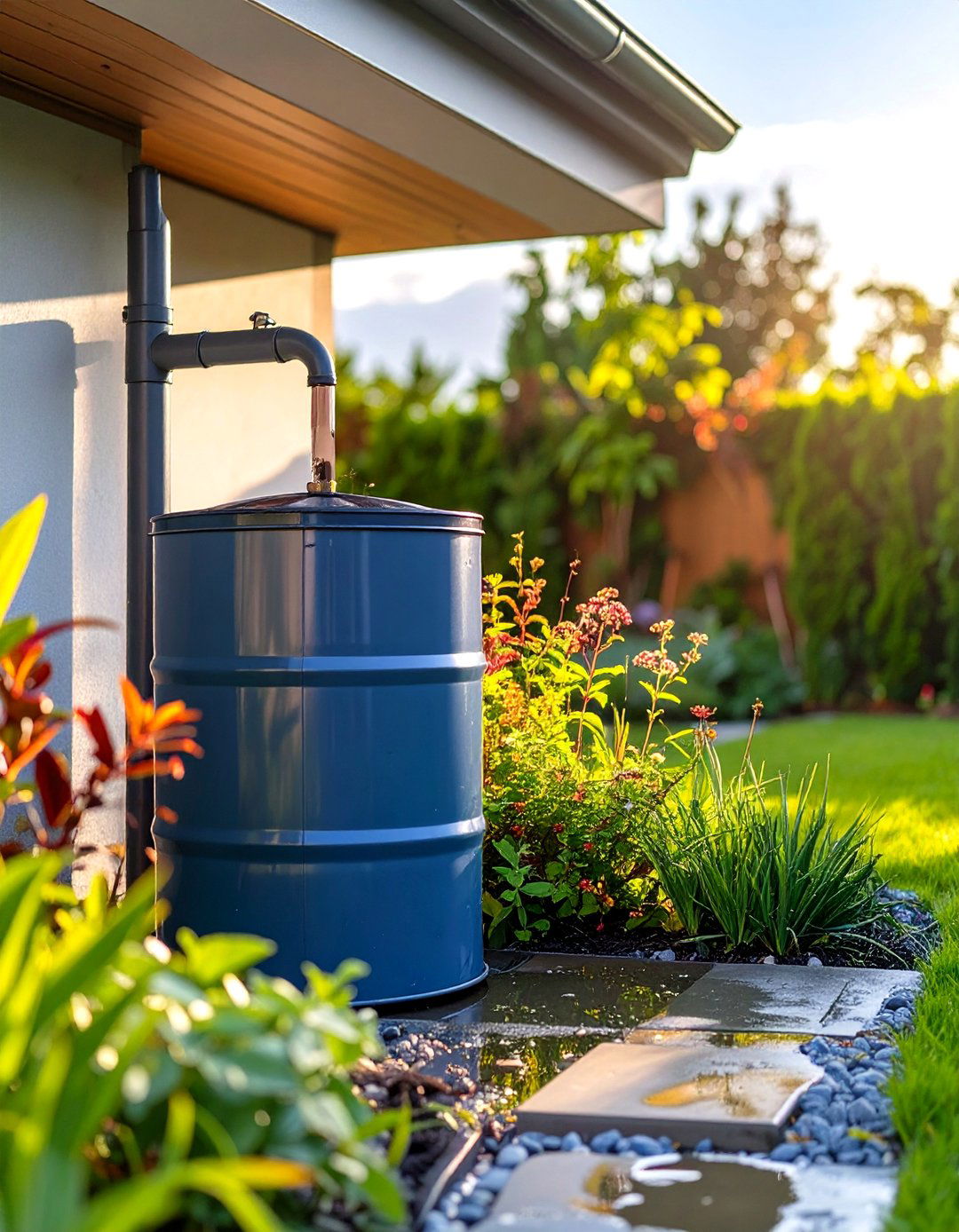
A cornerstone of sustainable design is capturing and utilizing rainwater. Installing a rainwater harvesting system, such as a simple rain barrel connected to your downspouts or a more complex underground cistern, allows you to collect precious water for irrigation. This reduces your reliance on municipal water supplies, saving money and conserving a vital resource. The collected water is naturally soft, free of chlorine, and at an ambient temperature, making it ideal for plants. By redirecting runoff that would otherwise strain storm drains, you also help prevent soil erosion and water pollution, creating a more resilient and self-sufficient garden ecosystem.
2. Design with Xeriscaping Principles
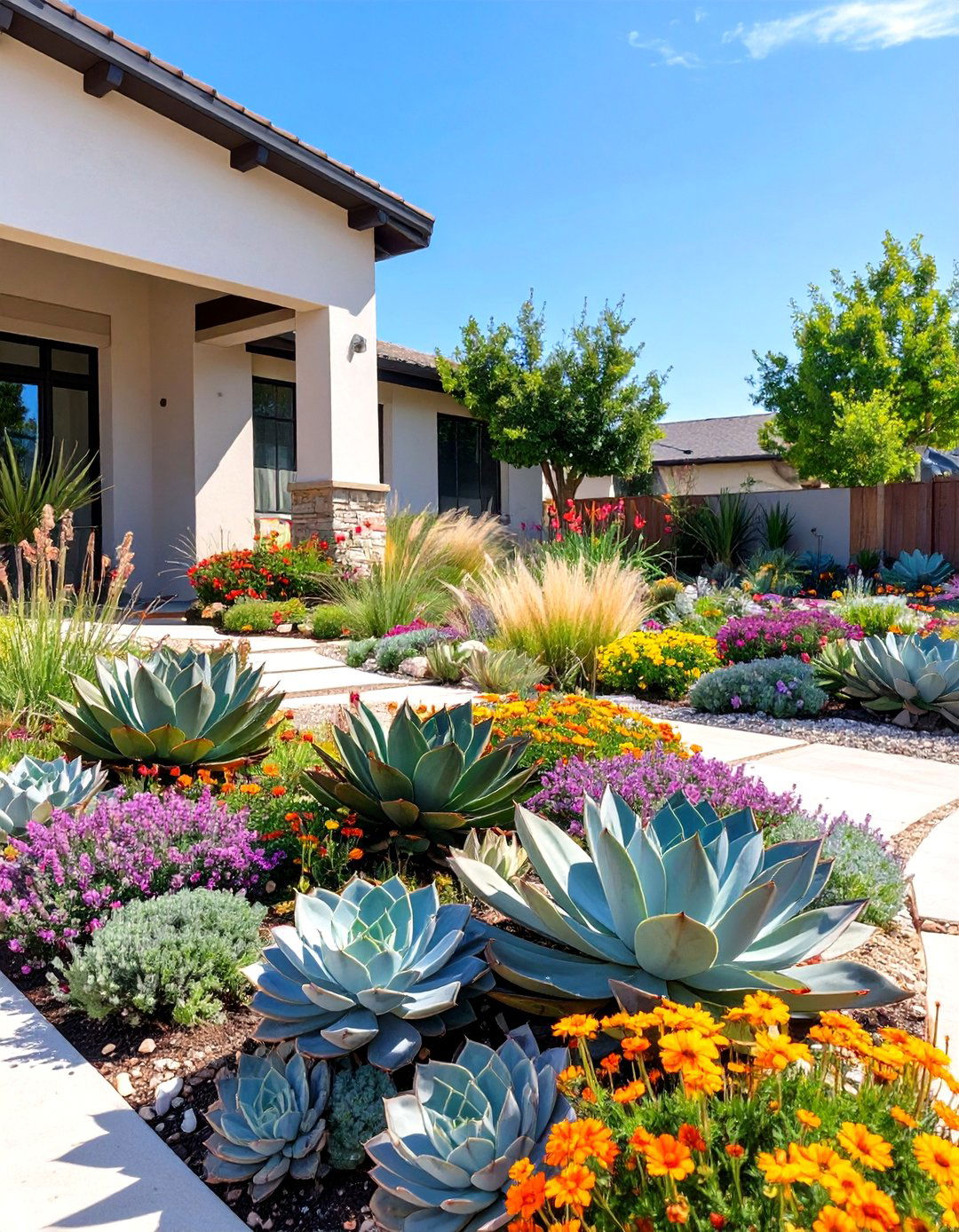
Xeriscaping is a landscaping philosophy centered on water conservation. This approach involves designing your garden with drought-tolerant plants that thrive in your local climate with minimal supplemental watering. Grouping plants with similar water needs, a technique known as hydrozoning, further enhances efficiency. A successful xeriscape isn't barren or limited to cacti and rocks; it can be a lush, vibrant, and diverse garden. By carefully selecting beautiful, low-water native and adapted species, you create a stunning landscape that conserves thousands of gallons of water annually while significantly reducing maintenance time and effort.
3. Plant with Native and Endemic Species
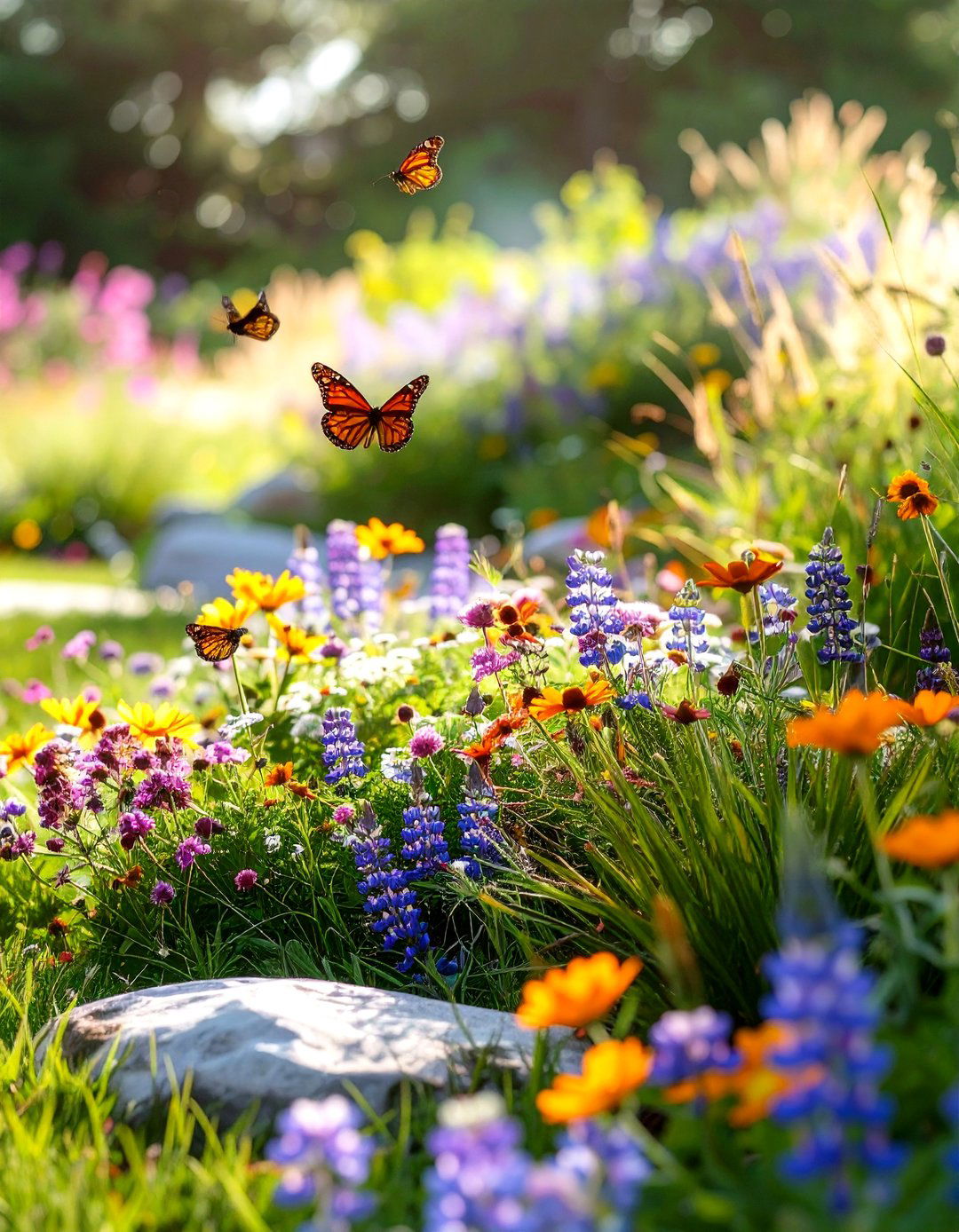
Incorporating native plants is fundamental to creating a truly sustainable landscape. These species have evolved over thousands of years to thrive in your specific region's climate, soil, and environmental conditions. As a result, they require less water, fertilizer, and pest control than non-native ornamentals. They also play a crucial role in the local ecosystem, providing essential food and shelter for native birds, bees, butterflies, and other wildlife. By choosing plants endemic to your area, you support biodiversity, restore natural habitats, and create a garden that is both beautiful and deeply connected to its surroundings.
4. Create a Dedicated Pollinator Garden
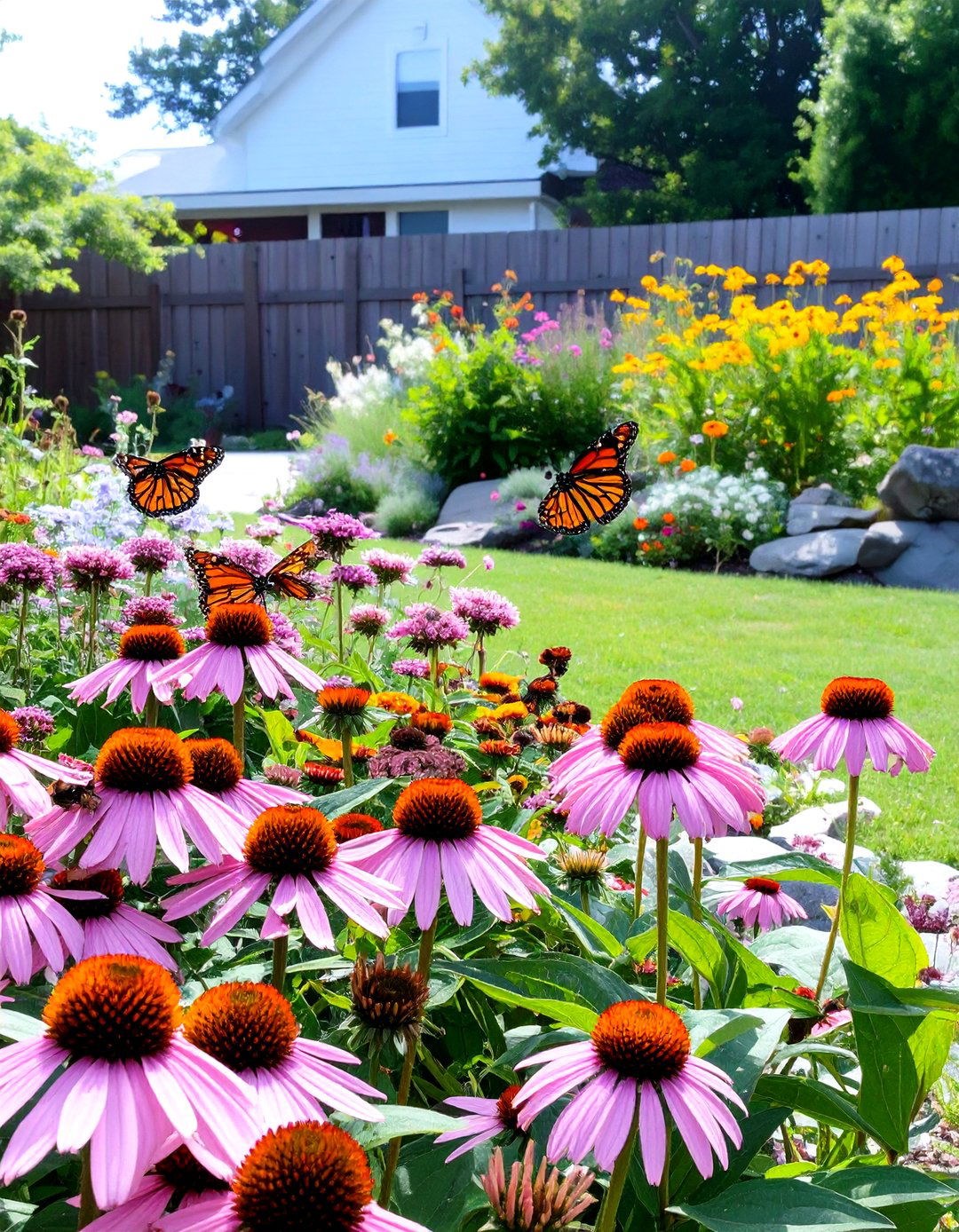
A pollinator garden is specifically designed to attract and support bees, butterflies, hummingbirds, and other vital pollinators. To create one, plant a variety of nectar-rich flowers that bloom across different seasons, ensuring a continuous food source. Incorporate native plants, as local pollinators are best adapted to them. Good choices include coneflowers, bee balm, and milkweed. Providing a shallow water source with landing spots, like a birdbath with pebbles, and leaving some bare ground for nesting bees will make your garden an even more attractive haven for these essential creatures, boosting local biodiversity.

5. Utilize Drip Irrigation for Water Efficiency
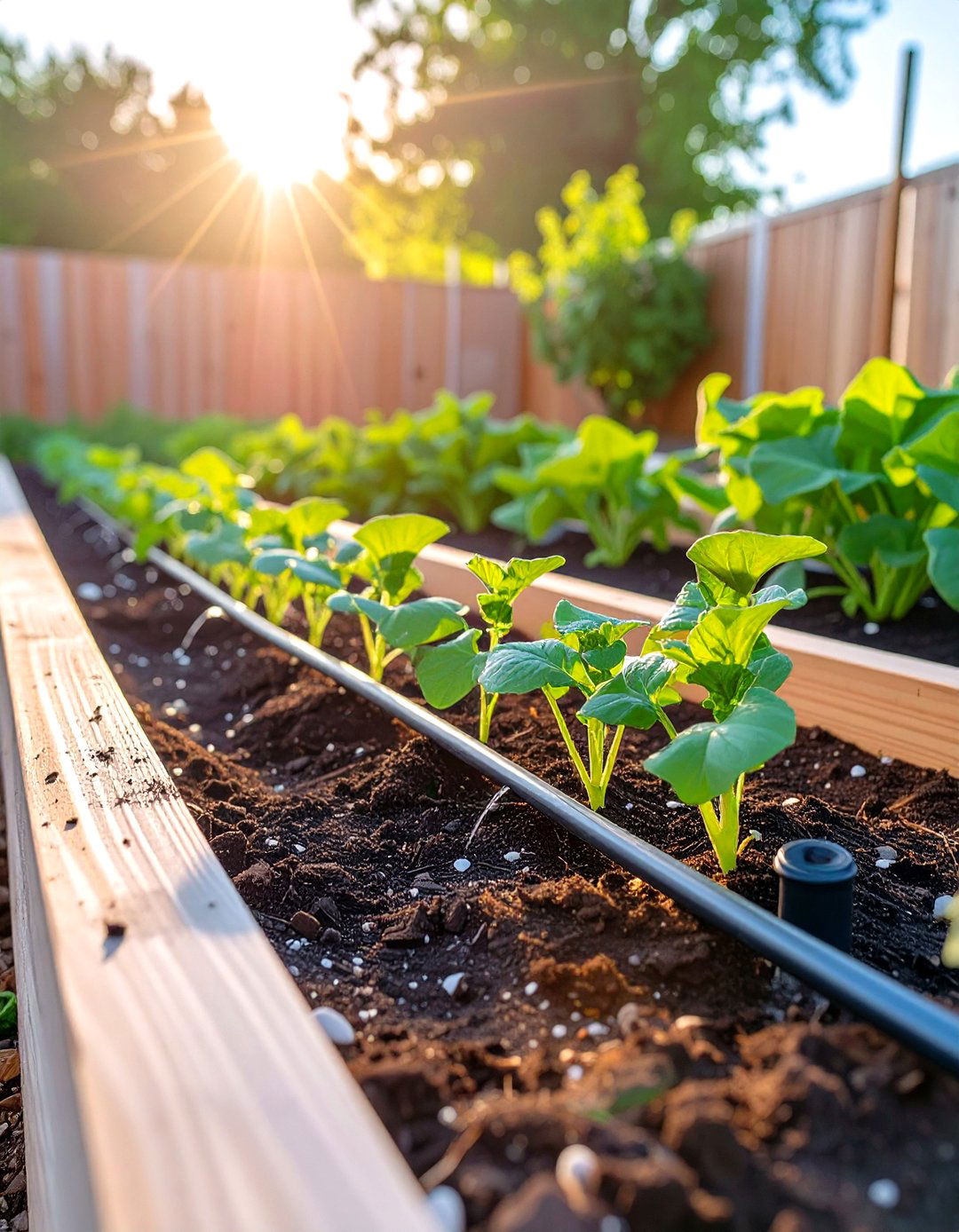
Drip irrigation is one of the most efficient ways to water your landscape. This method delivers water slowly and directly to the base of each plant, right where it's needed most. Unlike traditional sprinklers that lose a significant amount of water to evaporation and wind, drip systems can be up to 90% efficient. This targeted approach prevents water waste, reduces weed growth by keeping the surrounding soil dry, and promotes deeper root growth for healthier, more resilient plants. Installing a drip irrigation system is a smart investment that conserves water, saves money on utility bills, and simplifies your garden maintenance routine.
6. Install Permeable Paving Surfaces
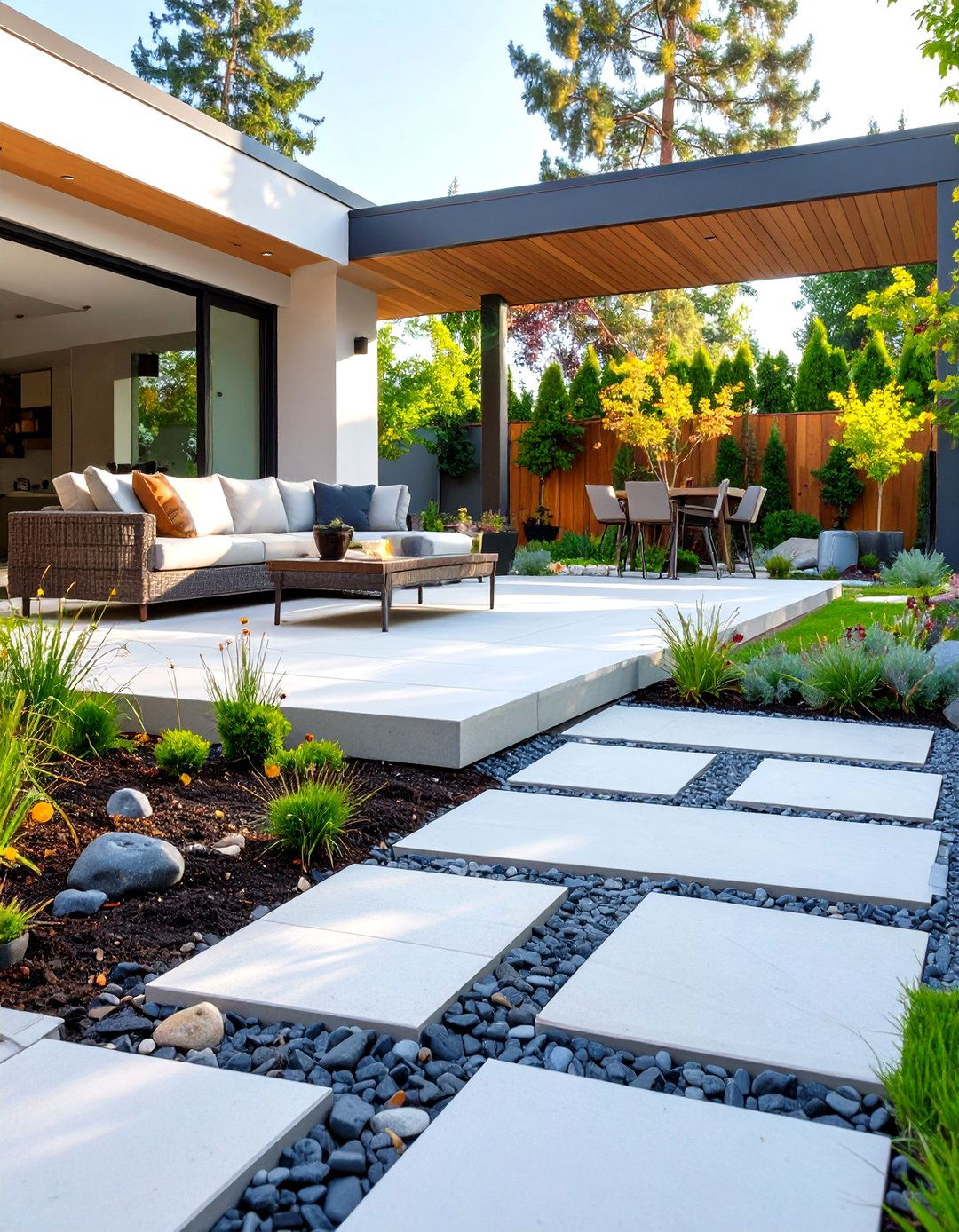
Traditional hardscapes like concrete and asphalt prevent rainwater from soaking into the ground, leading to increased runoff and potential flooding. Permeable paving offers a sustainable alternative. Materials like permeable pavers, gravel, or recycled-content paving grids allow rainwater to percolate through the surface and seep naturally into the soil below. This process recharges groundwater, filters pollutants, and reduces the burden on storm sewer systems. By replacing impervious surfaces with permeable options for patios, walkways, and driveways, you can manage stormwater effectively while creating attractive and functional outdoor living areas.
7. Build a Living Green Wall
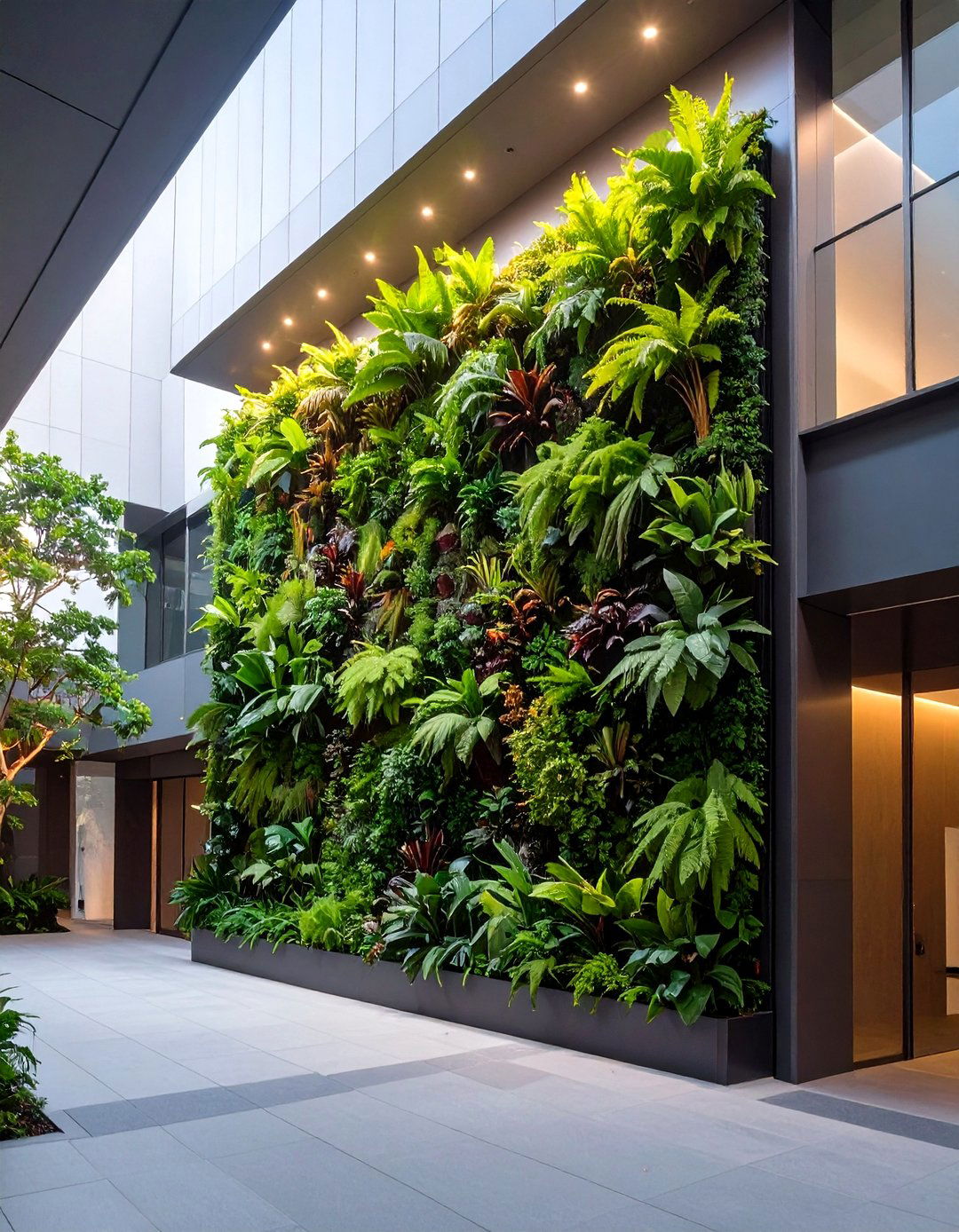
A living wall, or vertical garden, is a striking way to introduce lush greenery into small spaces. These structures consist of plants grown on a vertically suspended panel, which can be attached to an interior or exterior wall. They are incredibly sustainable, improving air quality by filtering pollutants and producing oxygen. On building exteriors, they provide natural insulation, reducing energy costs for heating and cooling. Living walls also help mitigate the urban heat island effect and can support biodiversity. They are a perfect solution for adding vibrant plant life to balconies, patios, or any area where ground space is limited.
8. Create Compost Bins for Soil Enrichment
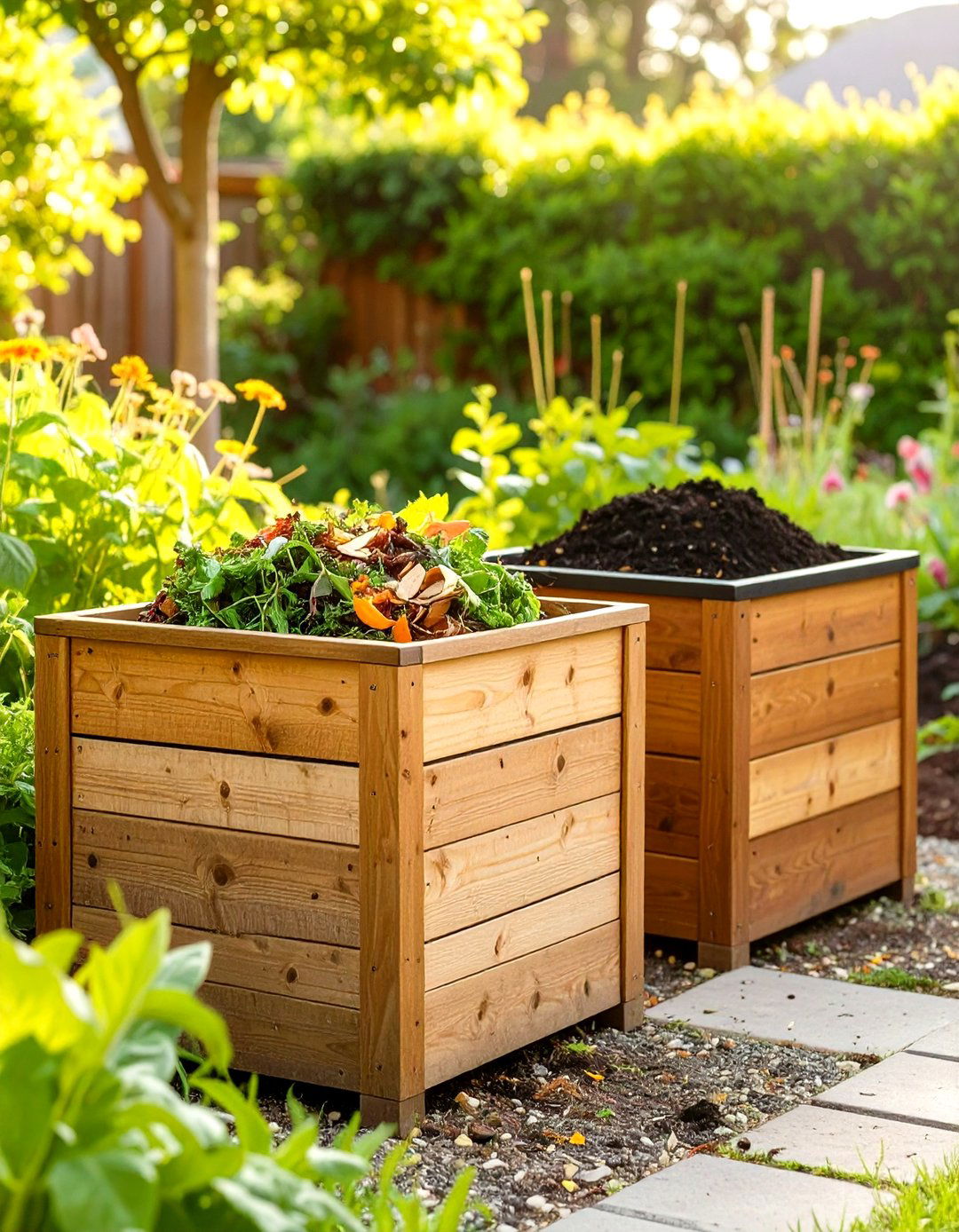
Composting is a simple yet powerful act of sustainability. By setting up a dedicated compost bin, you can divert kitchen scraps and yard waste from landfills, where they would otherwise produce harmful methane gas. The resulting compost is a nutrient-rich soil amendment, often called "black gold" by gardeners. Adding compost to your garden beds improves soil structure, enhances moisture retention, and provides essential nutrients, eliminating the need for synthetic chemical fertilizers. This closed-loop system turns waste into a valuable resource, creating healthier soil and more robust plants while reducing your environmental footprint.
9. Use Mulch for Moisture Retention and Weed Control
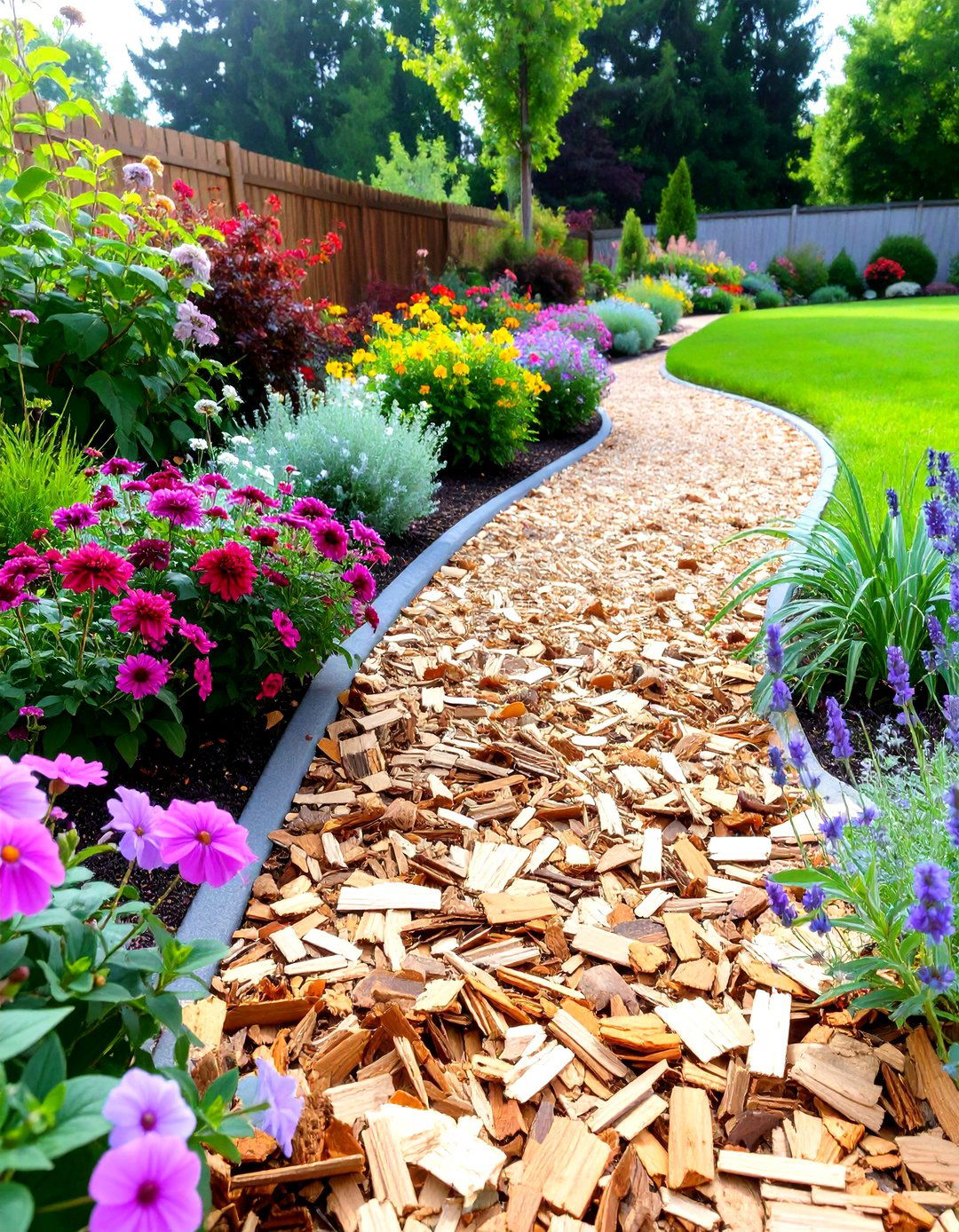
Applying a layer of organic mulch is one of the best things you can do for your garden's health. Mulch, made from materials like wood chips, shredded leaves, or straw, covers the soil surface and acts as a protective blanket. It significantly reduces water evaporation, conserving moisture and lowering your irrigation needs. It also suppresses weed growth, which means less time spent weeding and no need for chemical herbicides. As organic mulch decomposes, it gradually adds nutrients to the soil, improving its fertility and structure over time. This simple step is key to a low-maintenance, water-wise, and healthy landscape.
10. Incorporate Edible Landscaping
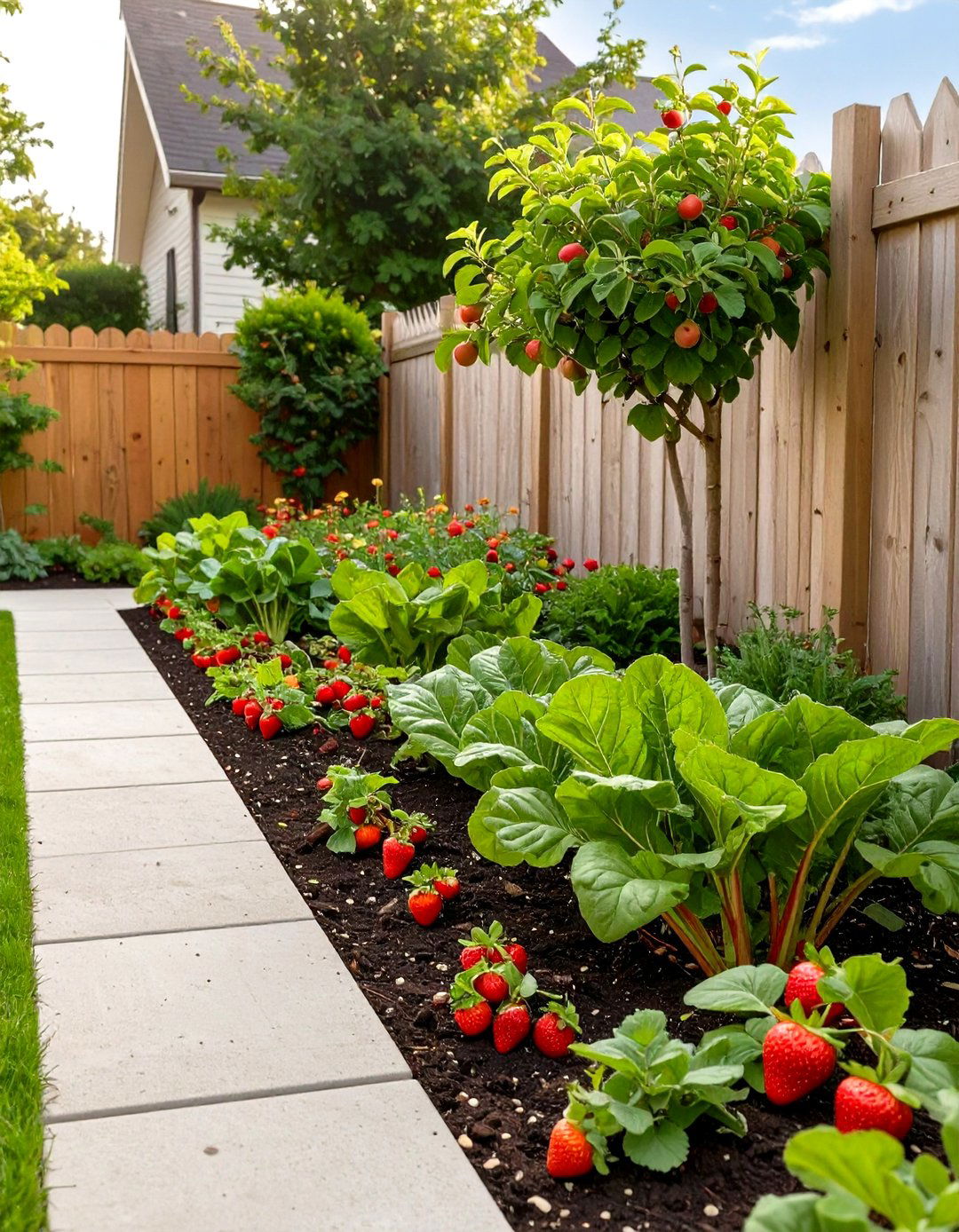
Why not make your landscape beautiful and productive? Edible landscaping, or "foodscaping," seamlessly integrates fruit trees, berry bushes, herbs, and vegetables into your ornamental garden design. Instead of planting a purely decorative hedge, consider a row of blueberry bushes. Use fragrant herbs like rosemary and lavender as borders, or train climbing beans up a trellis for vertical interest. This approach provides you with fresh, organic produce right outside your door, reducing food miles and packaging waste. It fosters a deeper connection to your food source and adds a functional, delicious dimension to your outdoor space.
11. Design a Rain Garden for Stormwater Management
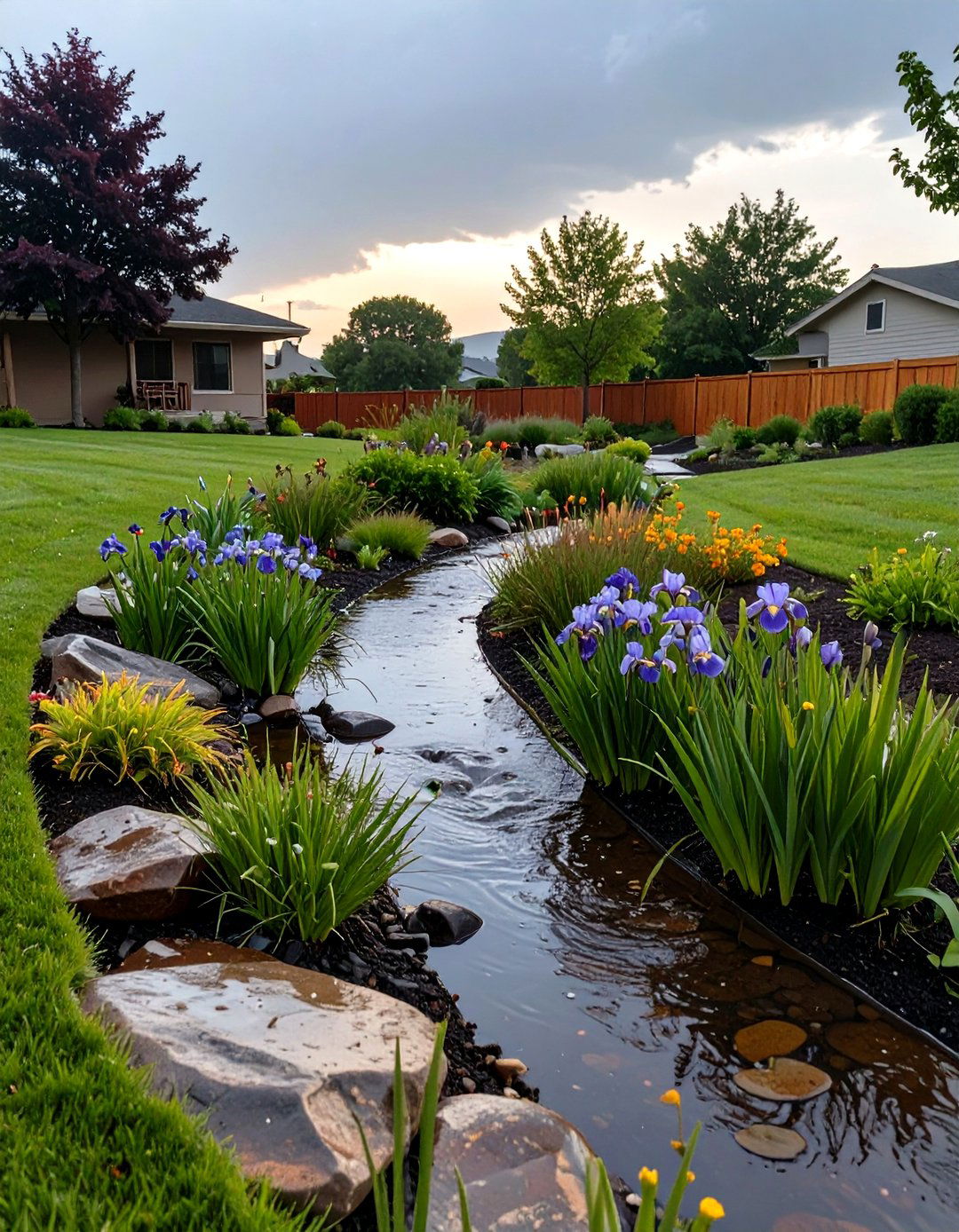
A rain garden is a shallow, landscaped depression designed to capture and absorb rainwater runoff from roofs, driveways, and other impervious surfaces. These gardens are planted with deep-rooted, water-loving native plants that help filter pollutants like fertilizers and oils from the water as it slowly soaks into the ground. By managing stormwater on-site, rain gardens reduce flooding, ease the load on municipal storm drains, and help recharge local groundwater aquifers. They are a beautiful and highly effective feature that transforms a drainage problem into a functional, habitat-friendly garden asset, supporting a healthier local watershed.
12. Choose Sustainable and Recycled Materials
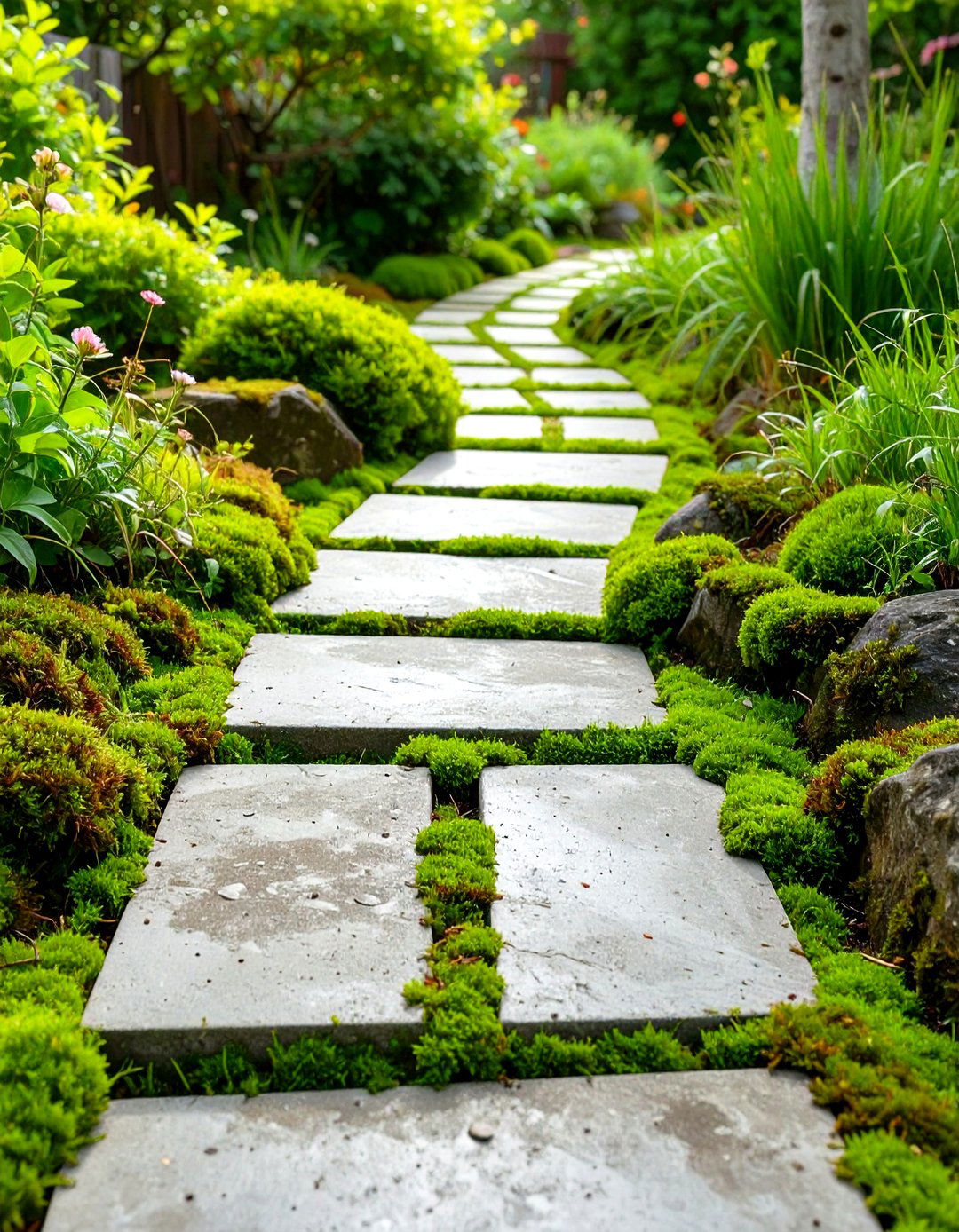
When building hardscape elements like patios, decks, or retaining walls, make sustainable material choices. Opt for materials with a low environmental impact, such as reclaimed wood, recycled plastic composite decking, or locally sourced stone to reduce transportation emissions. Using recycled concrete, known as urbanite, to create a unique mosaic-style patio is another creative way to divert waste from landfills. Bamboo is a rapidly renewable resource ideal for fencing and other structures. By thoughtfully selecting eco-friendly and salvaged materials, you minimize your landscape's carbon footprint and contribute to a circular economy.
13. Group Plants by Water Needs (Hydrozoning)
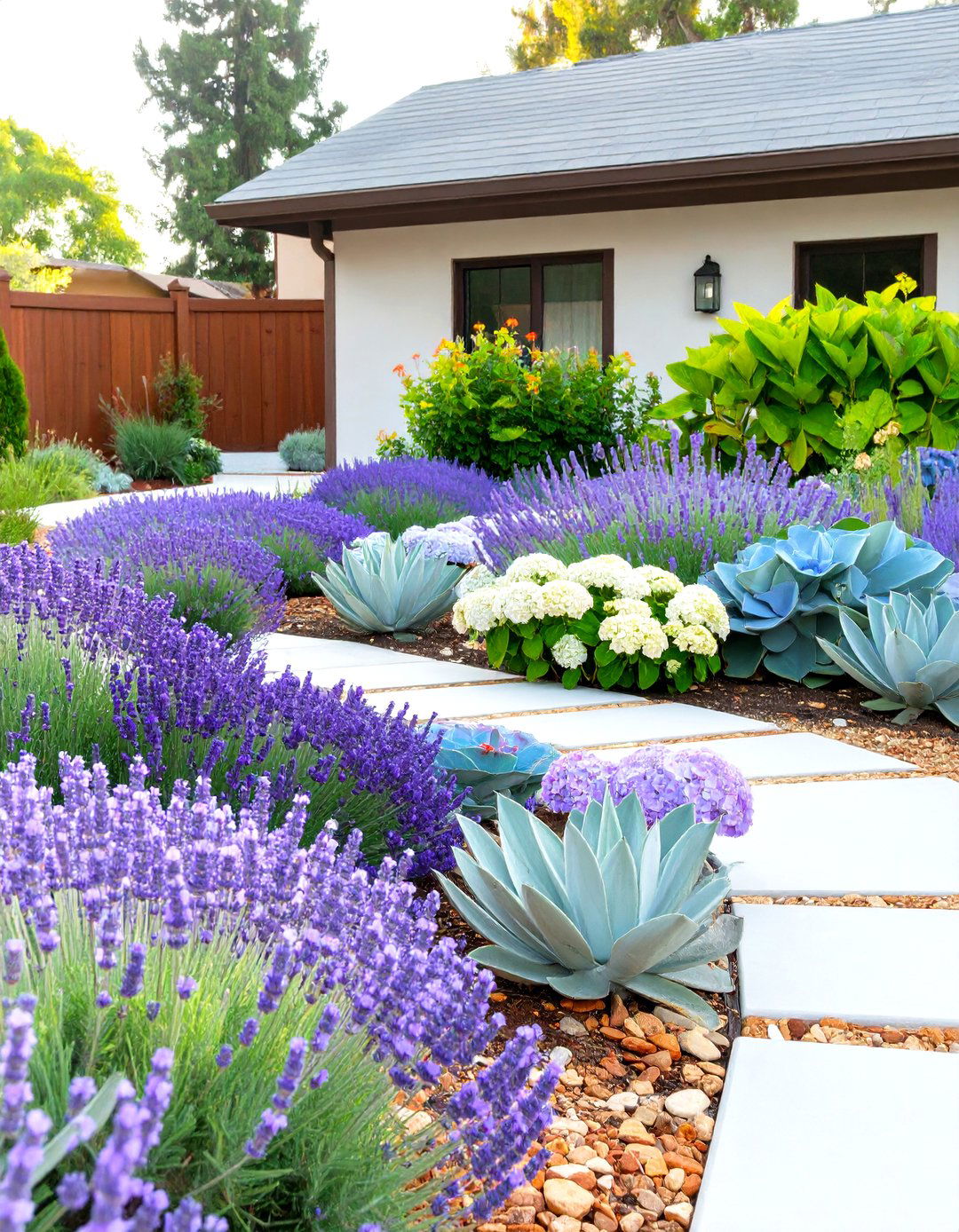
Hydrozoning is the practice of grouping plants together based on their similar water requirements. This strategic design approach is a core principle of water-wise landscaping. By creating distinct zones for low-water, moderate-water, and high-water plants, you can irrigate each area more efficiently, ensuring no plant is over- or under-watered. This eliminates the waste that occurs when drought-tolerant plants are on the same watering schedule as thirsty ones. Hydrozoning simplifies irrigation system design, conserves significant amounts of water, and leads to healthier, more resilient plants throughout your entire landscape.
14. Create Wildlife Habitats and Shelters
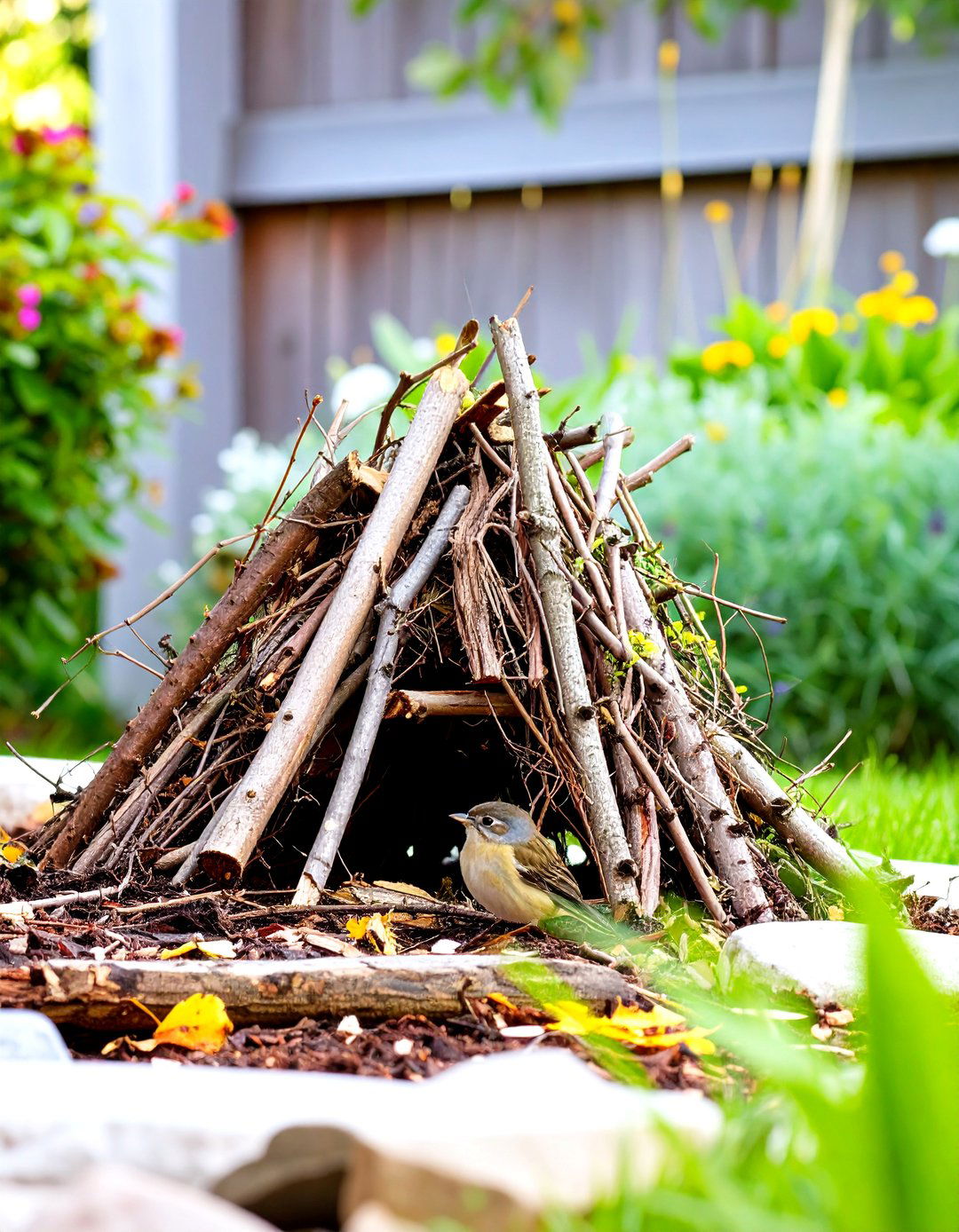
A sustainable landscape actively supports local wildlife. Beyond planting native species, you can create specific habitats to provide food, water, and shelter. Consider installing a small pond or a simple birdbath as a reliable water source. Let a corner of your yard grow a bit wild with a brush pile, which offers cover for small mammals and birds. Install birdhouses, bat boxes, or insect hotels to provide safe nesting and hibernation spots. These small additions make a huge difference, transforming your garden into a thriving ecosystem that supports a diverse range of beneficial creatures and contributes to local biodiversity.

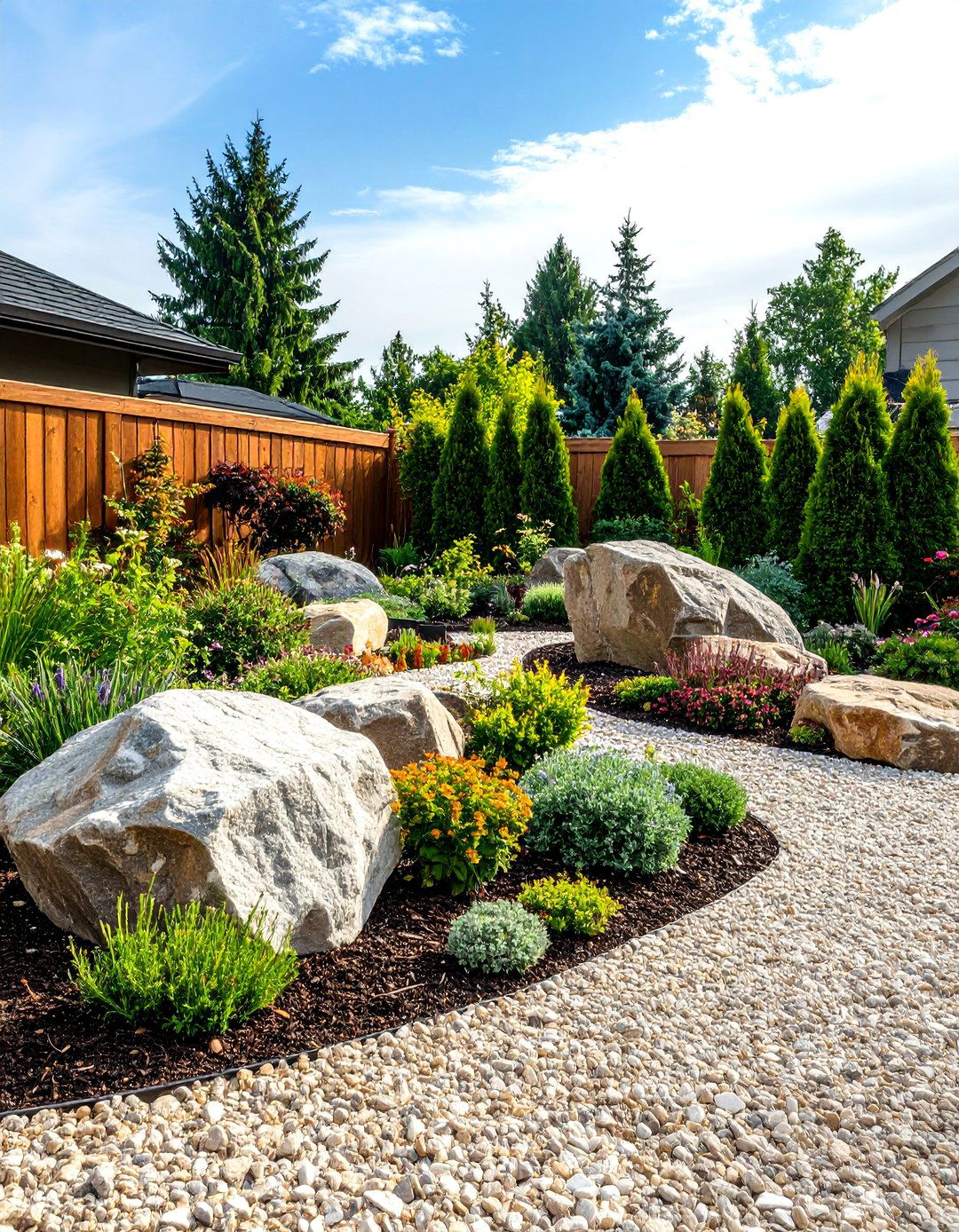


15. Reduce or Eliminate Lawn Areas
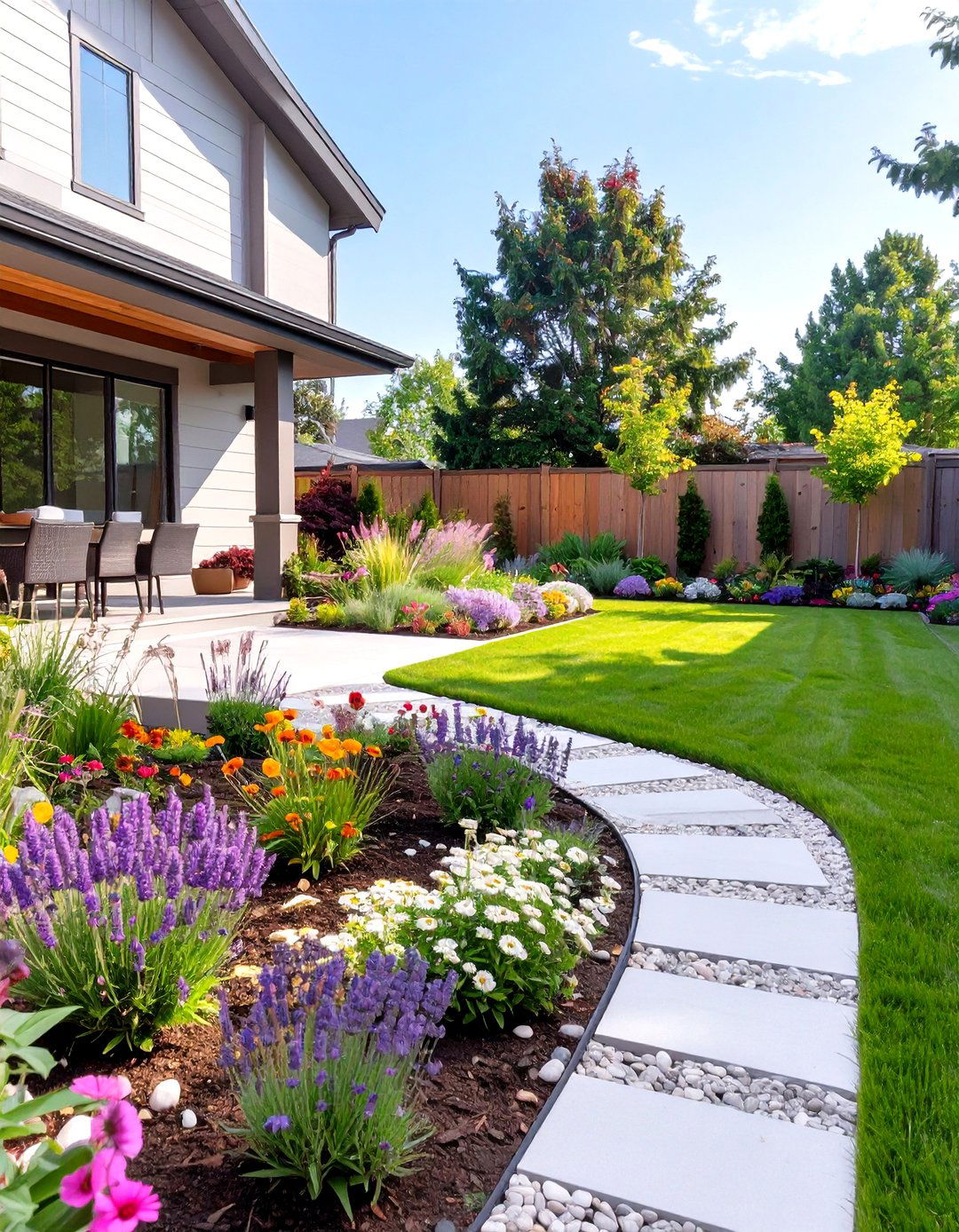
Traditional turf lawns are one of the most resource-intensive elements in a landscape, demanding significant amounts of water, fertilizer, and maintenance. A key sustainable strategy is to reduce the size of your lawn or eliminate it altogether. Replace unused grass with low-water native groundcovers, expand your garden beds with perennial flowers and shrubs, or create functional outdoor living spaces like a patio or a deck. For areas where you still want a lawn-like feel, consider planting drought-tolerant turf alternatives like clover or native grasses that require far less water and upkeep, creating a more eco-friendly landscape.
16. Install Solar-Powered Landscape Lighting
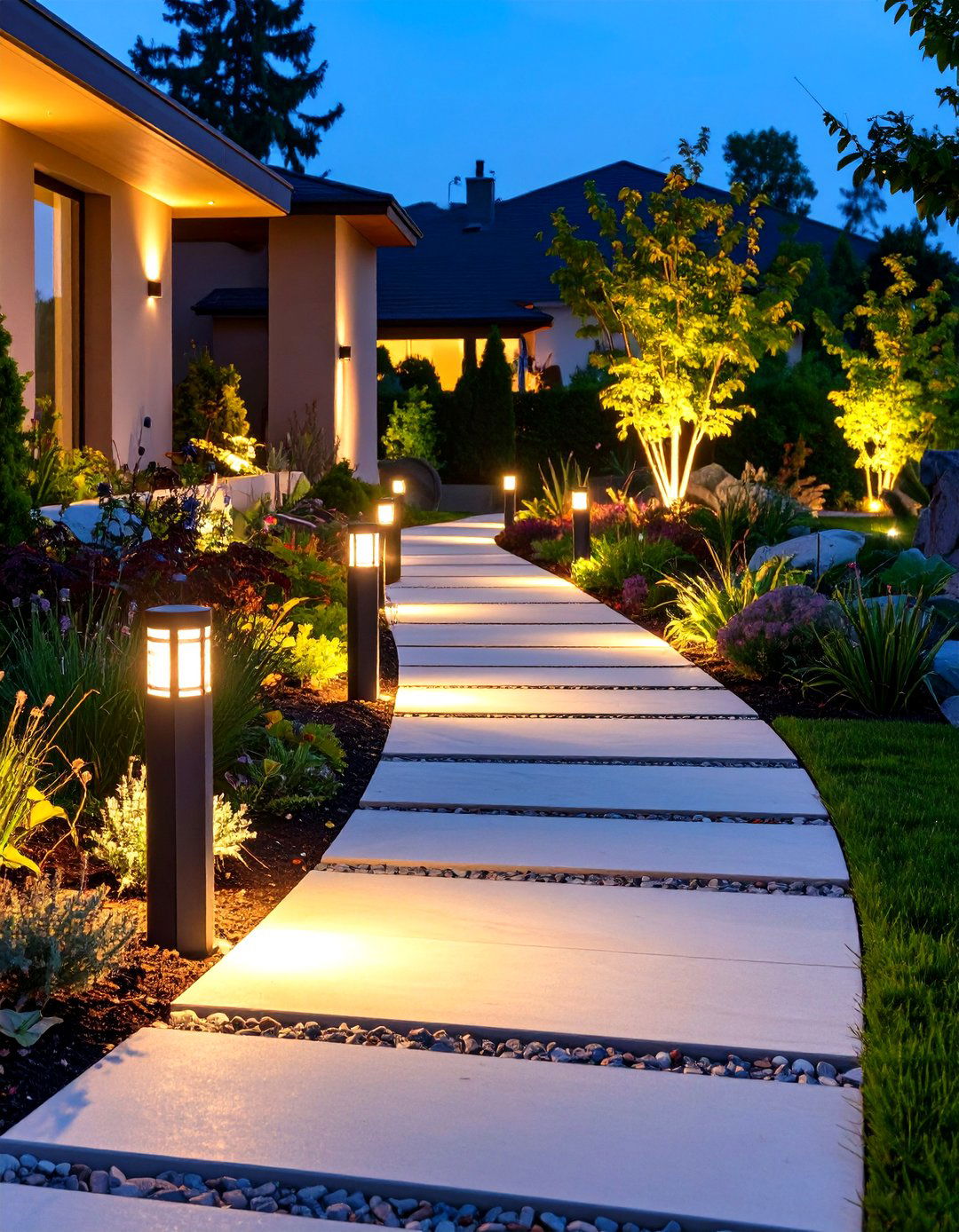
Illuminate your landscape sustainably with solar-powered lighting. These lights use small photovoltaic panels to charge built-in batteries during the day and automatically turn on at dusk. They require no wiring, trenching, or electricity from the grid, making them easy to install and completely energy-efficient. Modern solar lights are available in a wide range of styles, from path lights and spotlights to decorative string lights, and offer improved brightness and reliability. By choosing solar lighting, you reduce your home's energy consumption, lower your carbon footprint, and add beautiful, cost-effective ambiance to your garden at night.
17. Use Natural Pest Control Methods

A healthy, balanced ecosystem is the best defense against pests. Sustainable landscapes avoid synthetic chemical pesticides, which can harm beneficial insects, soil life, and local waterways. Instead, embrace integrated pest management (IPM). This involves encouraging natural predators like ladybugs and lacewings by planting attractive flowers. Use physical barriers like row covers or hand-pick pests when you see them. If you need to intervene, opt for organic solutions like neem oil or insecticidal soap. A diverse garden with healthy soil will naturally be more resilient to pest problems, creating a safer environment for people, pets, and wildlife.
18. Practice No-Dig Gardening Techniques
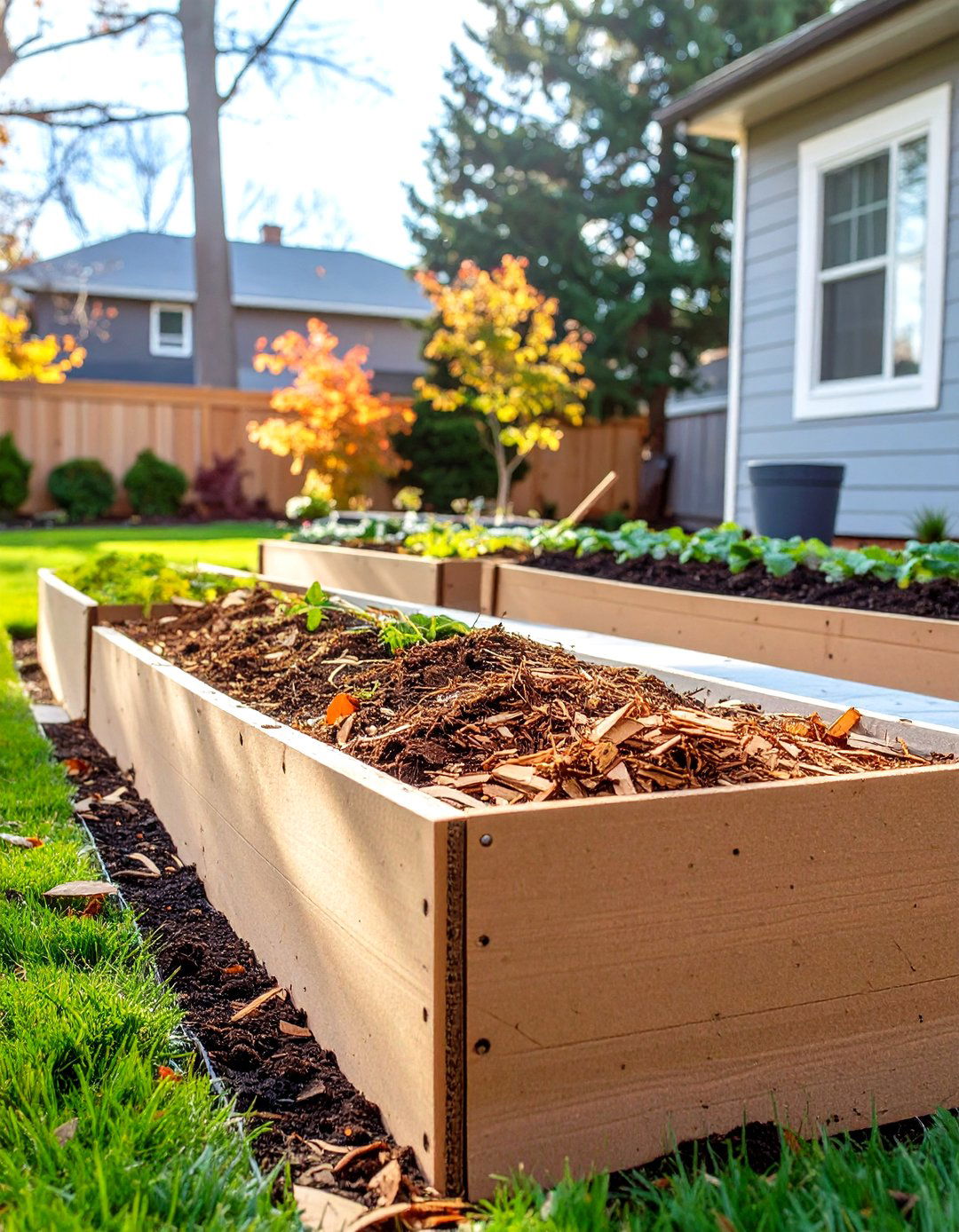
No-dig gardening is a method that promotes healthy soil biology by avoiding tilling or digging. Instead of turning over the soil, you build it up from the top by layering organic materials like cardboard, compost, and mulch directly onto the ground. This process, often called sheet mulching, suppresses weeds, conserves moisture, and feeds the soil organisms that are essential for plant health. By leaving the soil structure intact, you protect the intricate network of fungi and microbes, improve aeration and drainage, and sequester more carbon in the ground. It’s a low-effort, high-reward technique for creating fertile, resilient garden beds.
19. Build a Bioswale for Water Conveyance
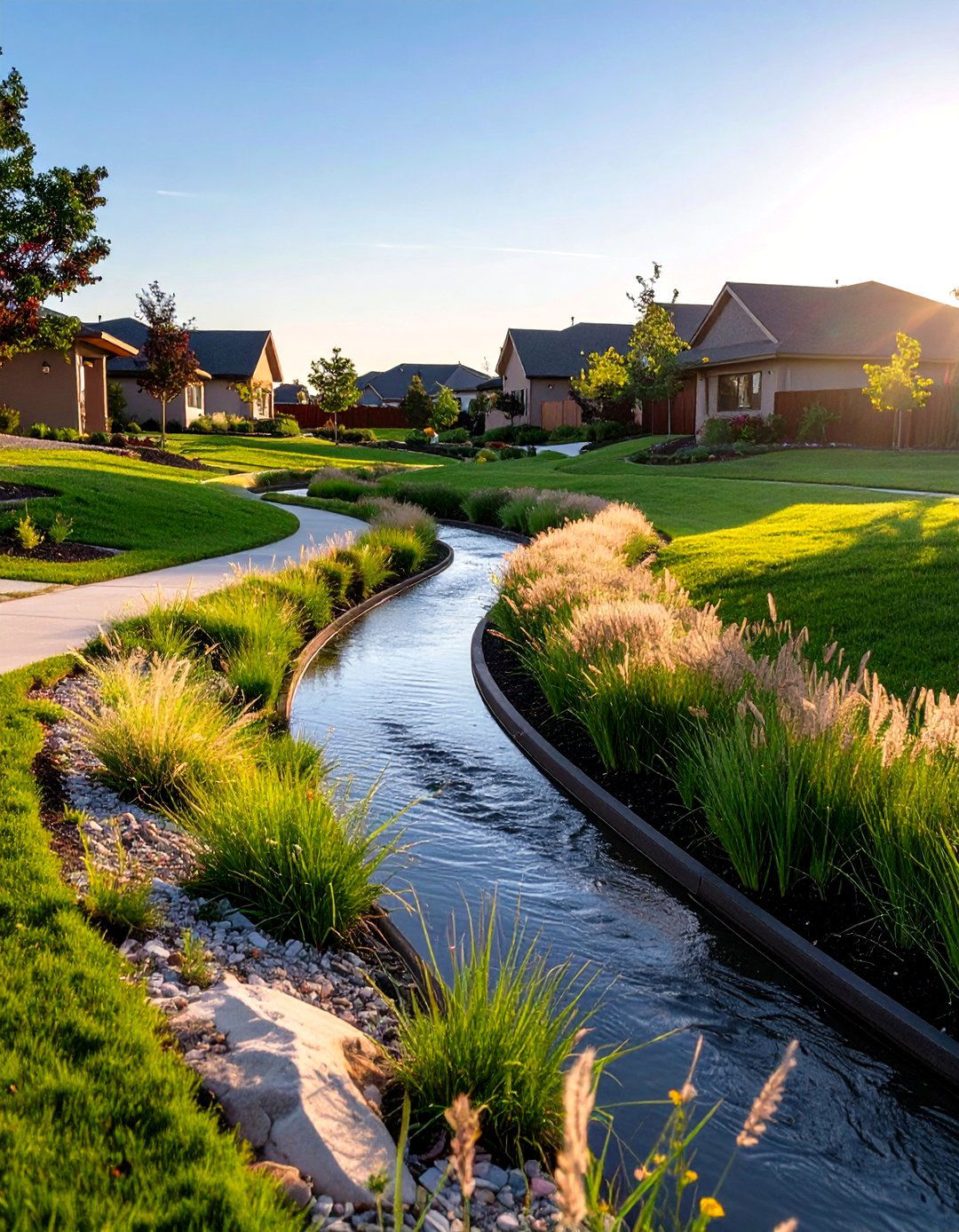
A bioswale is a vegetated channel designed to slow down, filter, and convey stormwater runoff. Similar to a rain garden but linear in shape, a bioswale is often used along a driveway or slope to manage water flow. It's typically filled with compost, sand, and gravel and planted with hardy, moisture-tolerant native grasses and perennials. As water moves through the bioswale, its velocity is reduced, preventing erosion. The plants and soil media work together to filter out pollutants before the water soaks into the ground or is safely directed to a storm drain. This is an effective and aesthetic bio-engineering solution.



20. Select Plants for All Seasons
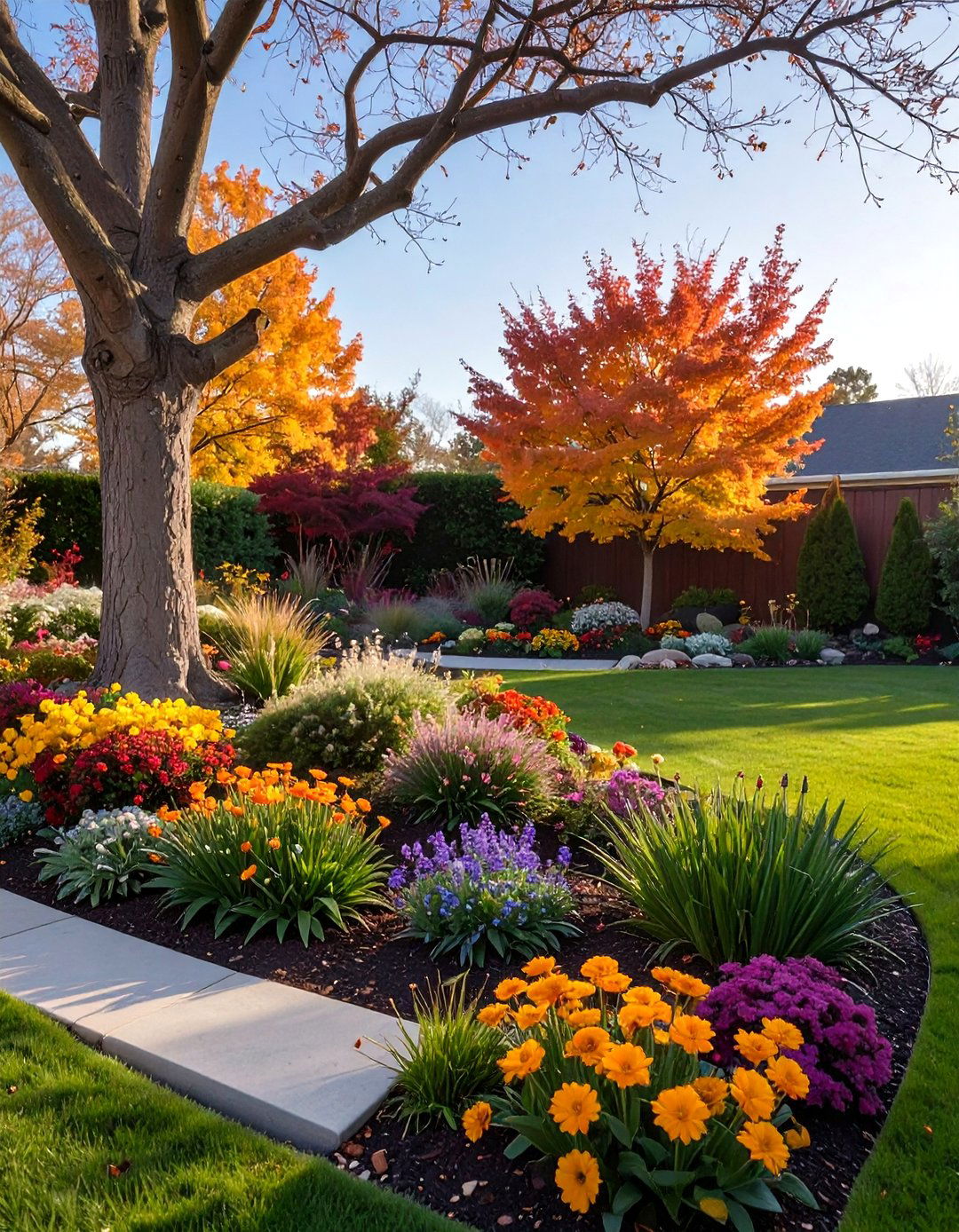
A truly sustainable landscape provides beauty and ecological value throughout the year. When selecting plants, think beyond summer blooms. Choose a mix of species that offer interest in every season. This could include early spring bulbs, summer-flowering perennials, shrubs with vibrant autumn foliage, and trees with interesting bark or structure for winter appeal. This year-round diversity not only creates a constantly evolving, beautiful garden but also provides a continuous source of food and habitat for wildlife. A four-season garden is a dynamic and resilient space that celebrates the natural cycles of your local environment.
21. Use Local and Sourced Stone for Hardscaping
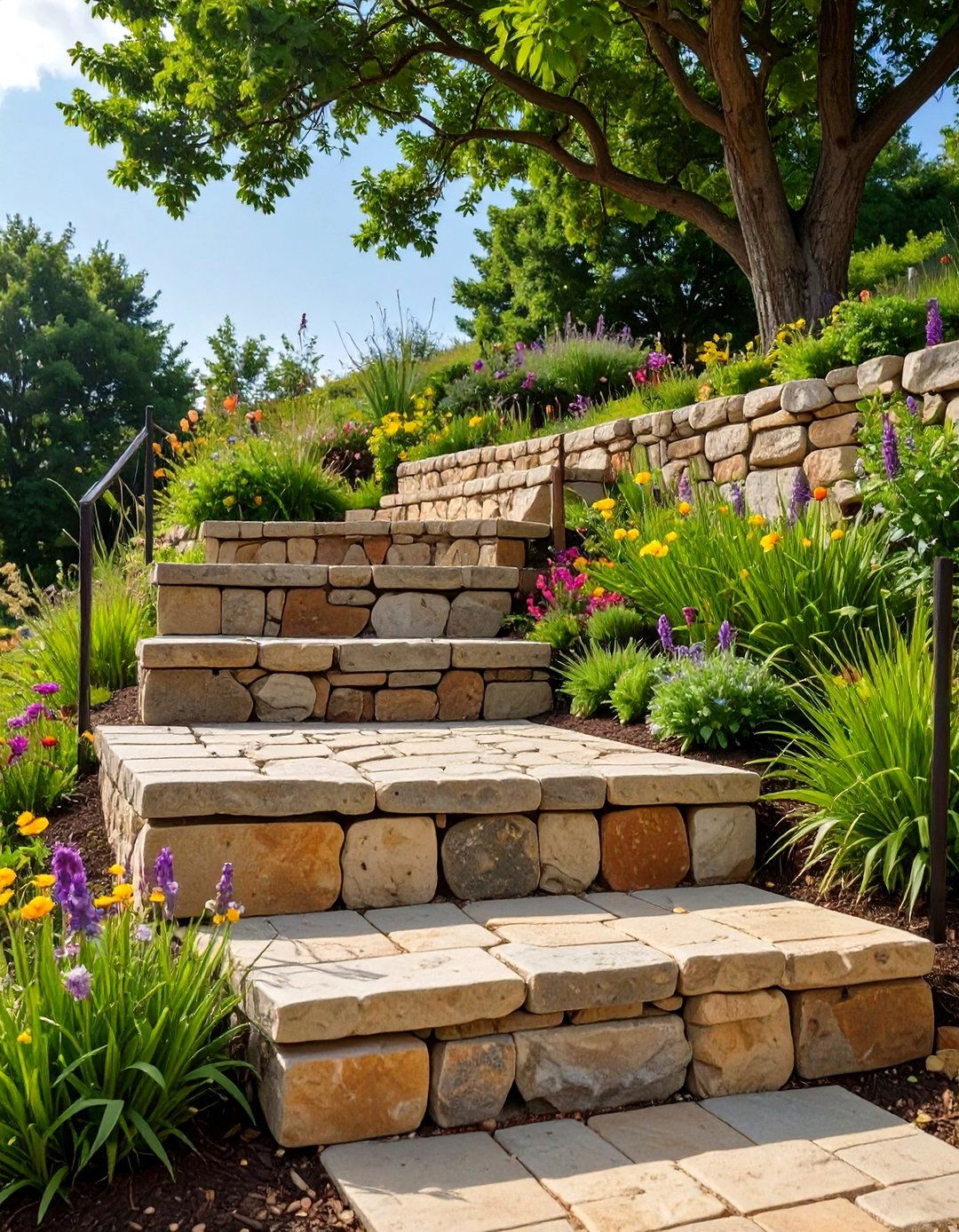
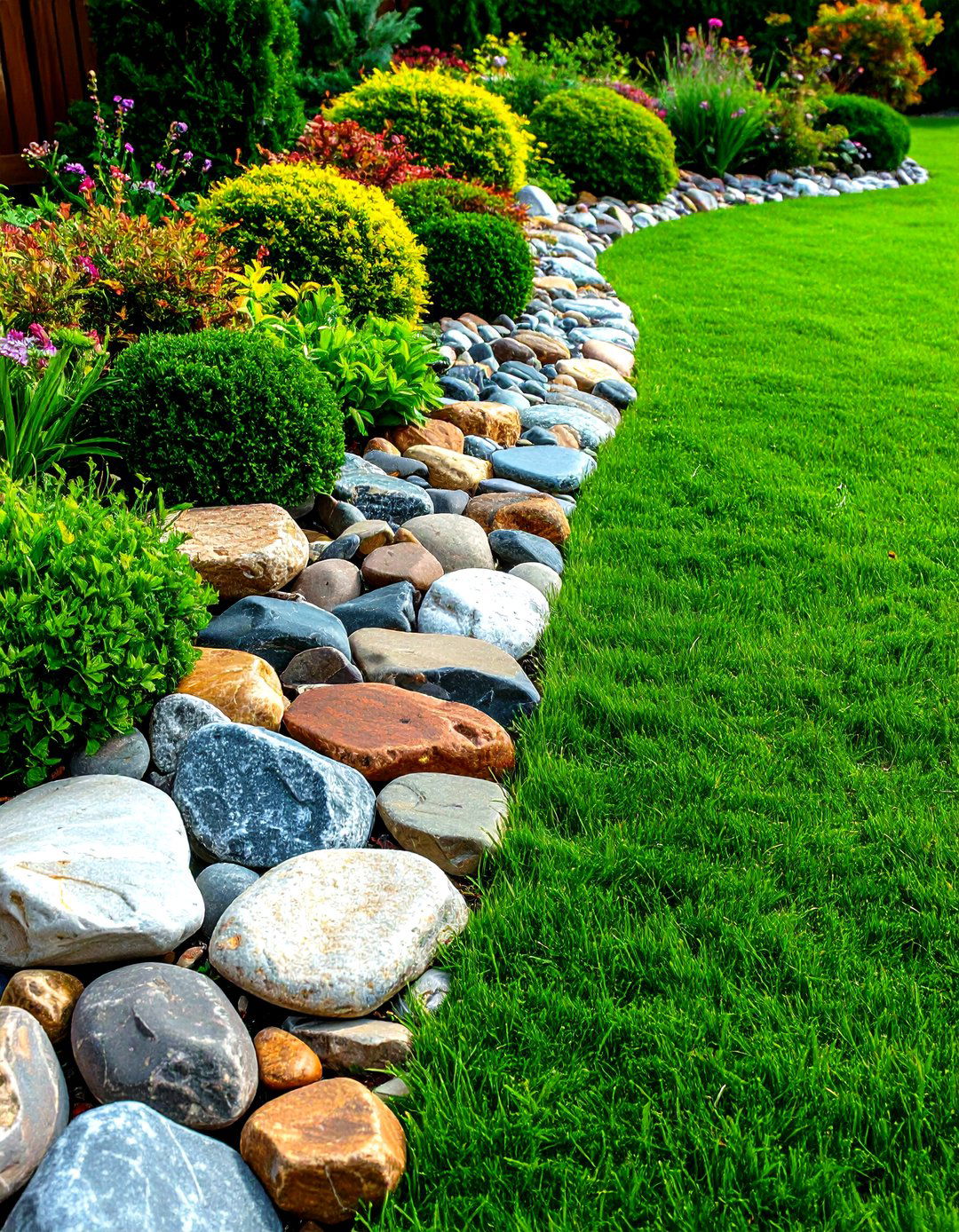
When planning walkways, patios, or retaining walls, choosing locally sourced stone is a highly sustainable option. Using materials quarried from your region significantly reduces the carbon footprint associated with transportation. Local stone, such as granite, slate, or limestone, also inherently complements the natural character and color palette of your landscape, creating a cohesive and timeless look. It is durable, long-lasting, and requires minimal processing compared to manufactured products like concrete pavers. By opting for local stone, you support regional economies and create hardscape features that are both environmentally responsible and beautifully integrated.
22. Incorporate a Dry Creek Bed
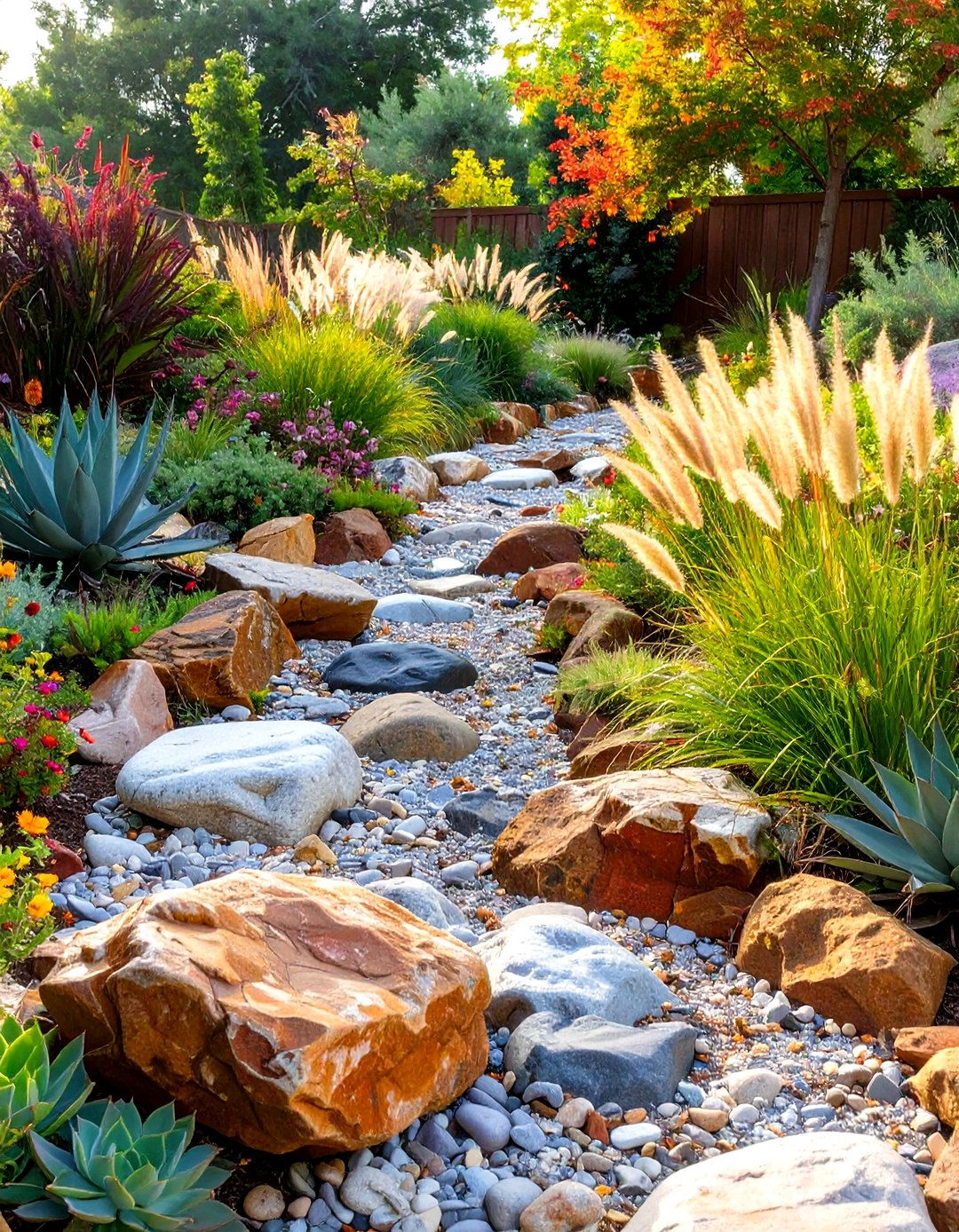
A dry creek bed is a landscape feature that mimics a natural stream, typically constructed with a variety of river rocks and boulders. It serves both an aesthetic and a functional purpose. Visually, it adds texture, movement, and interest to the garden. Functionally, it's an excellent solution for managing drainage issues, channeling excess rainwater away from your home's foundation or through a low-lying area. When it rains, the creek bed comes to life, guiding water in a controlled manner. Planted with drought-tolerant grasses and perennials along its banks, it becomes a beautiful, low-maintenance feature that solves drainage problems naturally.
23. Leave the Leaves in Your Garden Beds
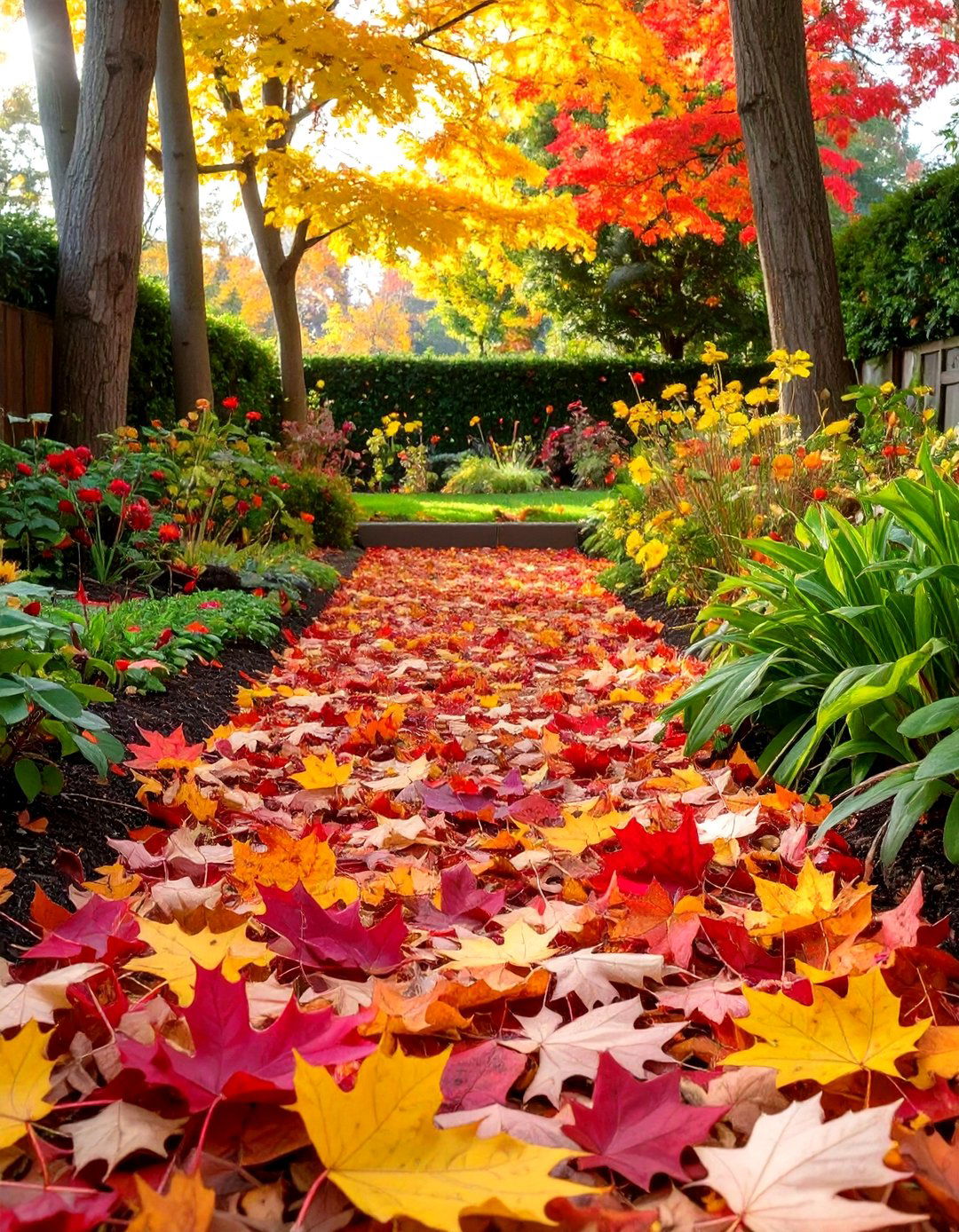
Instead of raking, bagging, and disposing of fallen leaves each autumn, consider leaving them in your garden beds. This practice, often called "leaf littering," is a simple way to mimic a natural forest floor. The leaves act as a free, natural mulch, suppressing weeds, retaining soil moisture, and insulating plant roots from winter cold. As they decompose, they release valuable nutrients back into the soil, improving its fertility and structure. Furthermore, the leaf layer provides a crucial overwintering habitat for many beneficial insects, including pollinators like native bees and butterflies, contributing to a healthier ecosystem.
24. Design for Energy Conservation
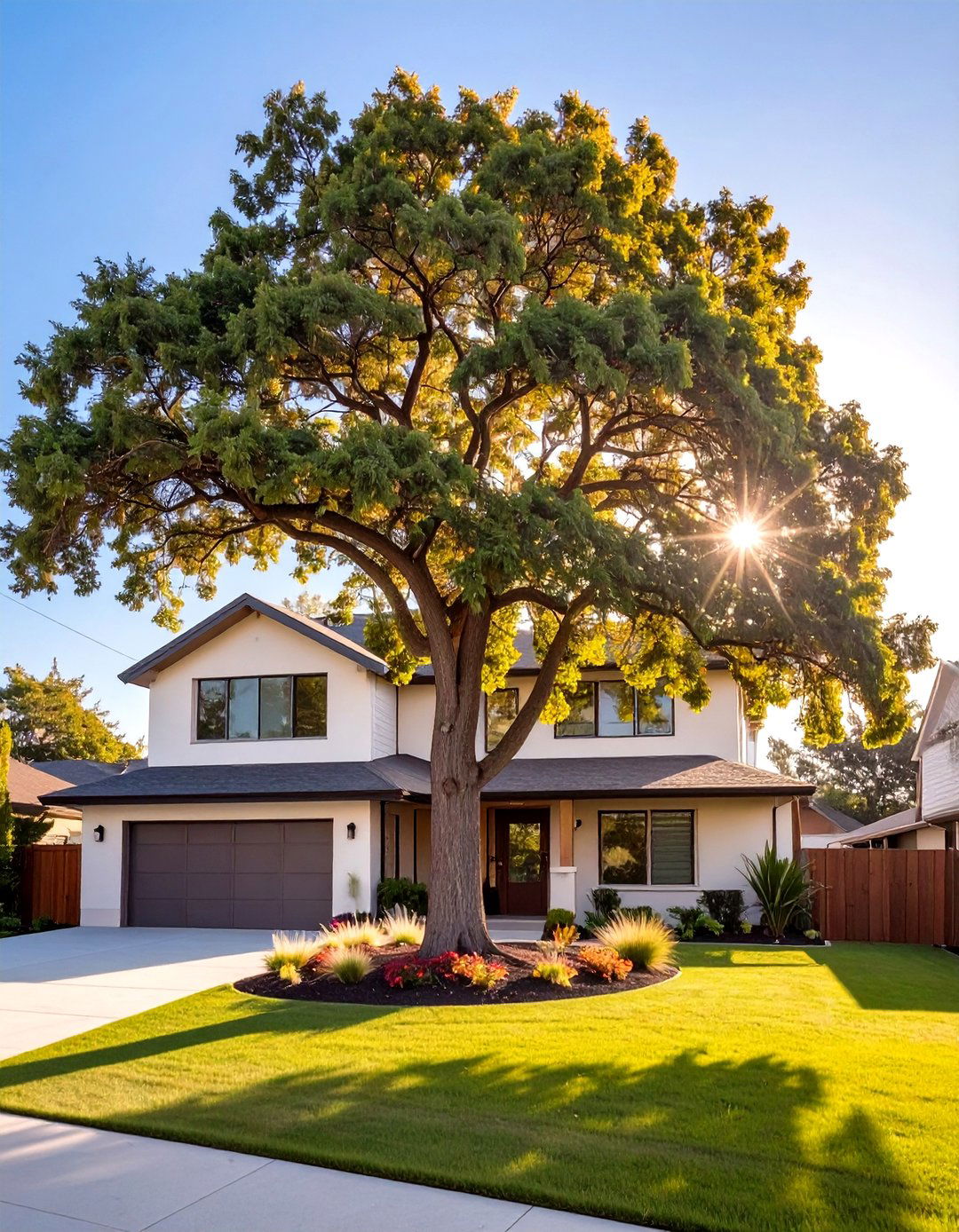
Strategic landscape design can significantly reduce your home's energy consumption. Plant deciduous trees on the south and west sides of your house; their leaves will provide cooling shade in the summer, but their bare branches will allow warming sunlight to reach your home in the winter. Planting evergreen trees and shrubs as a windbreak on the north side can shield your home from cold winter winds, reducing heating costs. This thoughtful placement of vegetation works with nature to create a more comfortable indoor environment and lower your utility bills, making your property more efficient and sustainable.
25. Create Habitat Piles for Wildlife
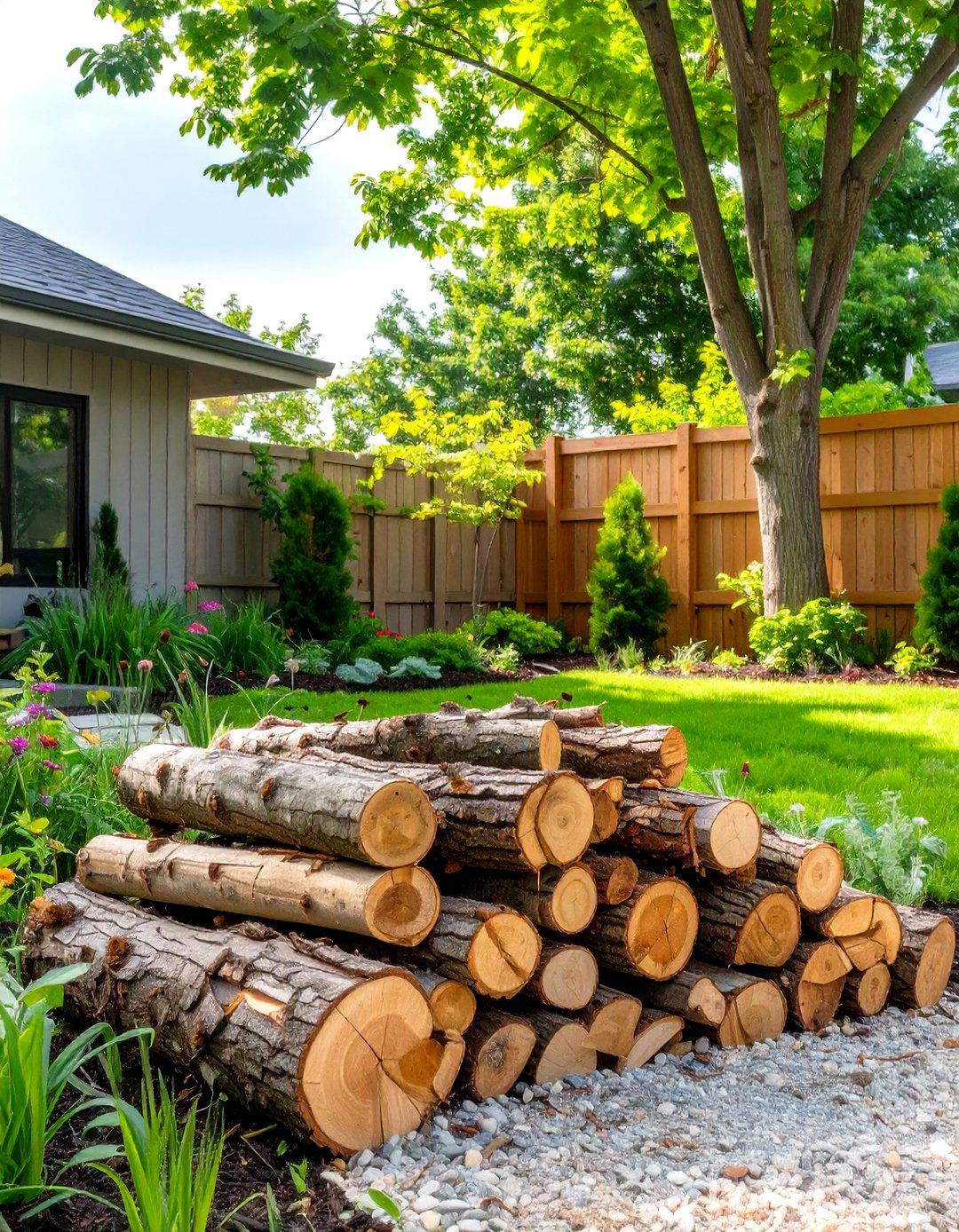
A simple brush or log pile can be one of the most valuable wildlife features in your garden. By stacking fallen branches, logs, and other woody debris in an unused corner of your yard, you create a vital shelter. This habitat pile offers protection from predators and harsh weather for a wide range of creatures, including small mammals like rabbits and chipmunks, amphibians, reptiles, and countless beneficial insects. It also serves as a foraging site for birds searching for insects. A habitat pile is a no-cost, low-effort way to support local biodiversity and add a layer of ecological function to your landscape.
26. Install a Graywater Recycling System
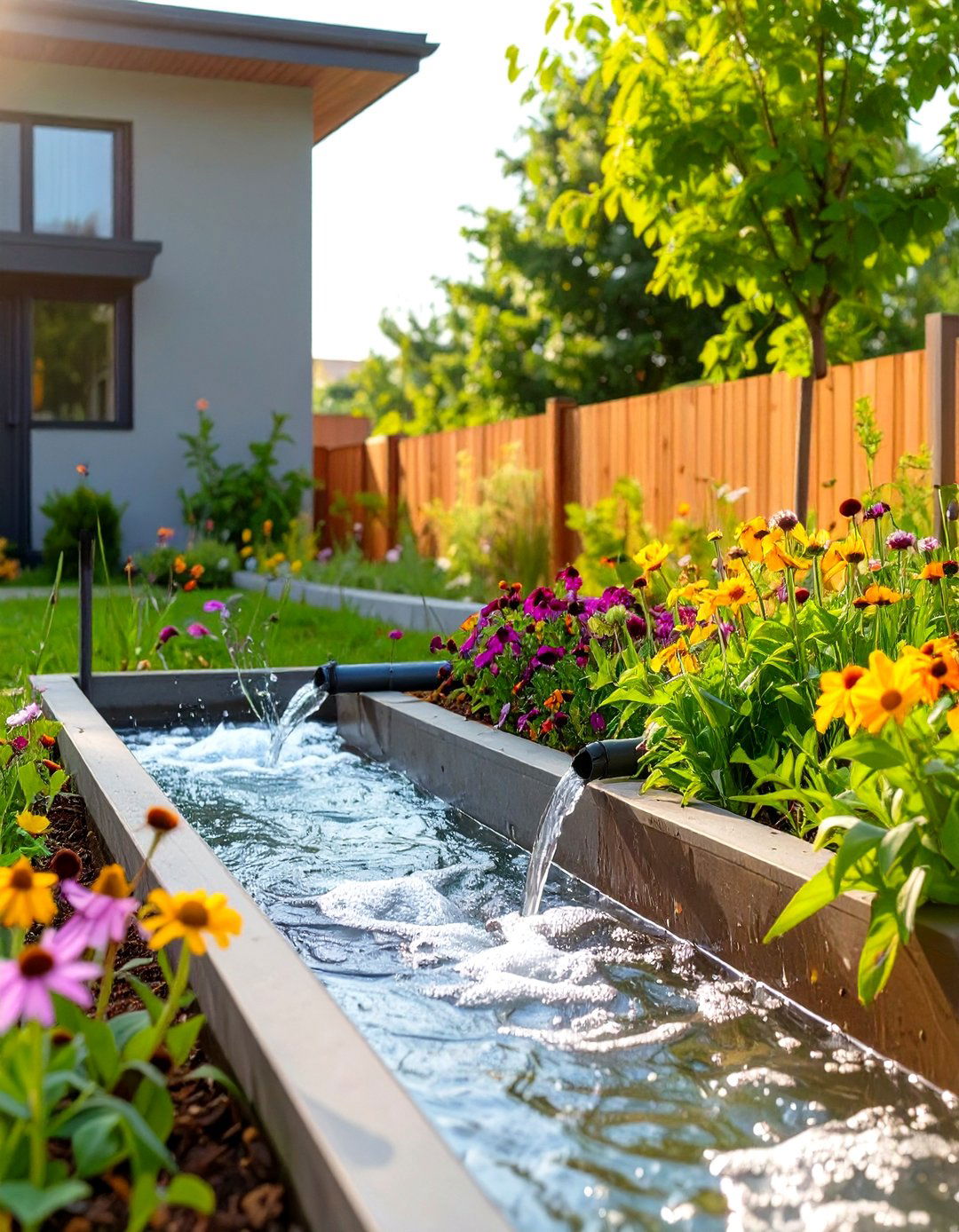
A graywater system captures gently used water from your showers, bathroom sinks, and washing machines and diverts it for landscape irrigation. This water is perfectly suitable for watering ornamental plants, shrubs, and trees, though it's typically not recommended for edible root vegetables. By reusing this water, you can significantly reduce your household's fresh water consumption, sometimes by as much as 40%. This conserves a precious resource, lowers your water bills, and reduces the strain on septic systems or municipal wastewater treatment facilities. It is a highly effective strategy for creating a water-resilient and sustainable home.
27. Utilize Hügelkultur Beds for Gardening
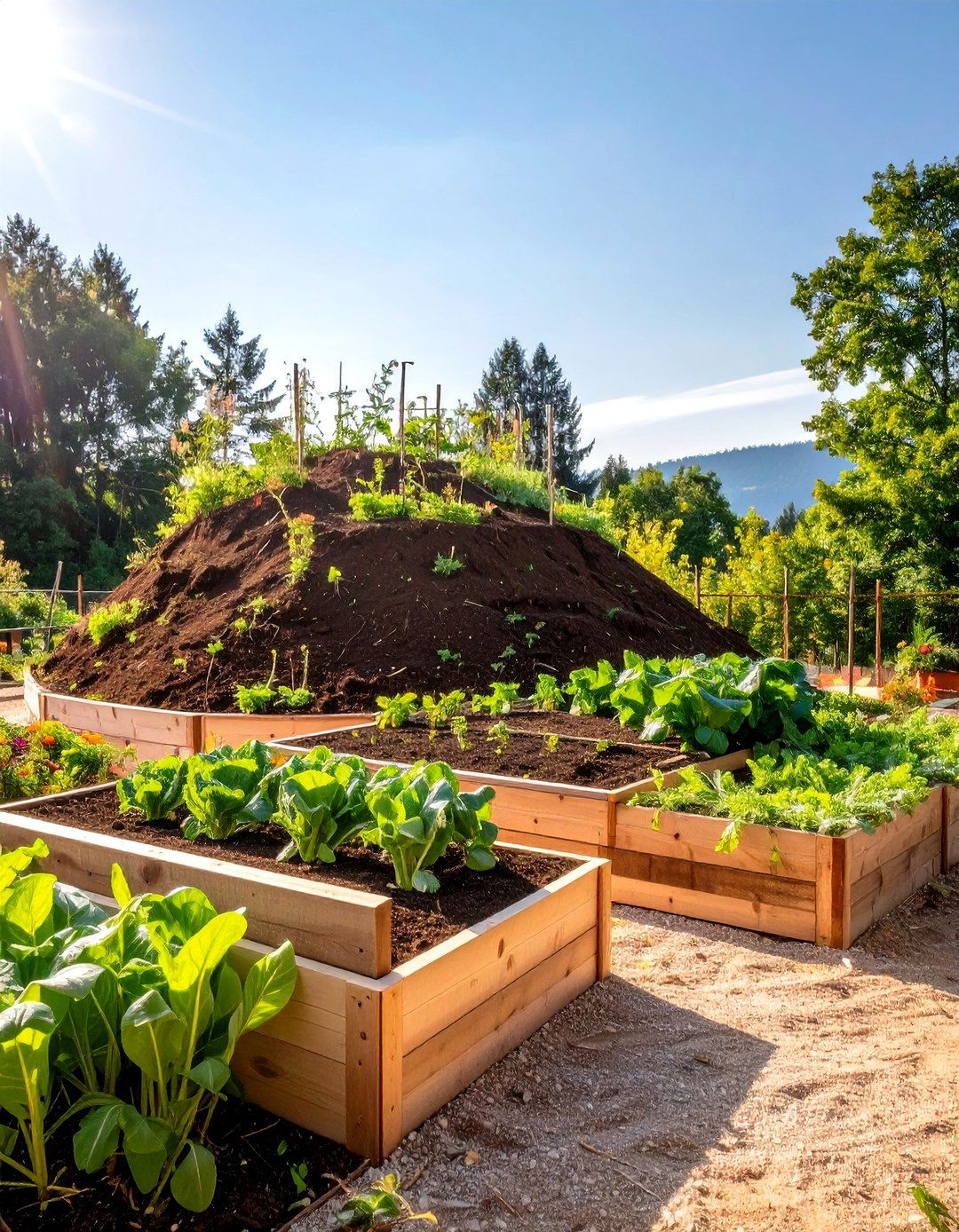
Hügelkultur, a German term meaning "hill culture," is a gardening technique that involves building raised beds from rotting wood and other compostable plant materials. A mound is created by layering logs, branches, leaves, and grass clippings, then topped with compost and soil. As the wood core decomposes over time, it becomes sponge-like, retaining a tremendous amount of moisture and slowly releasing nutrients. This creates an incredibly fertile, self-watering, and no-dig garden bed. Hügelkultur beds are an excellent way to use up woody yard debris and create highly productive growing areas with minimal irrigation needs.
28. Avoid Synthetic Fertilizers and Herbicides
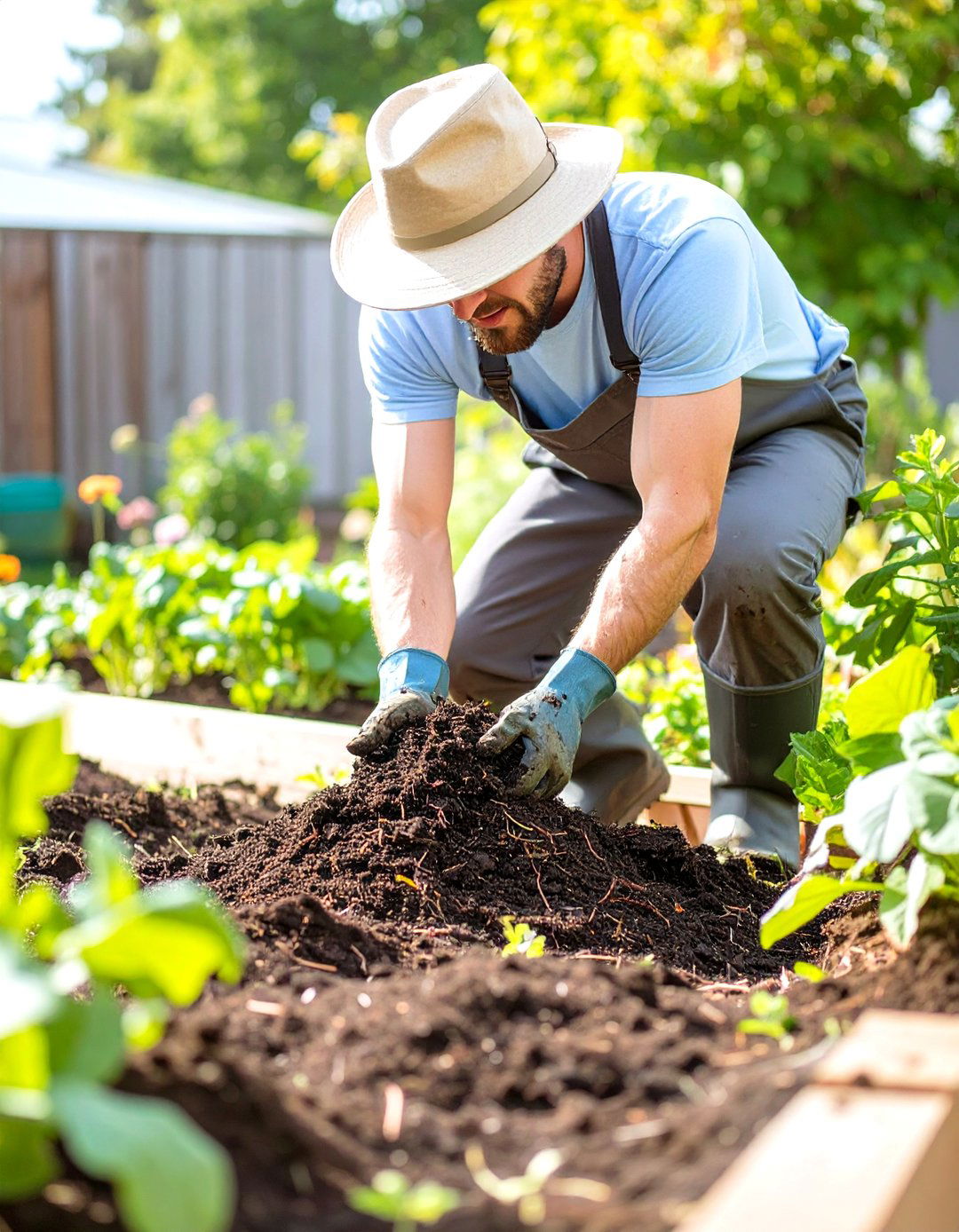
Sustainable landscaping relies on natural processes, not synthetic chemicals. Chemical fertilizers can run off into waterways, causing pollution and harmful algal blooms. They also degrade soil health over time by harming beneficial microbes. Herbicides can indiscriminately kill plants and harm pollinators and other wildlife. Instead, build healthy soil with compost and organic mulch, which provides a slow release of nutrients. Control weeds by hand-pulling, using dense groundcovers, or applying mulch. By fostering a healthy, balanced soil ecosystem, you create a garden that is naturally fertile and resilient, eliminating the need for harmful synthetic inputs.
29. Reduce Light Pollution with Smart Lighting
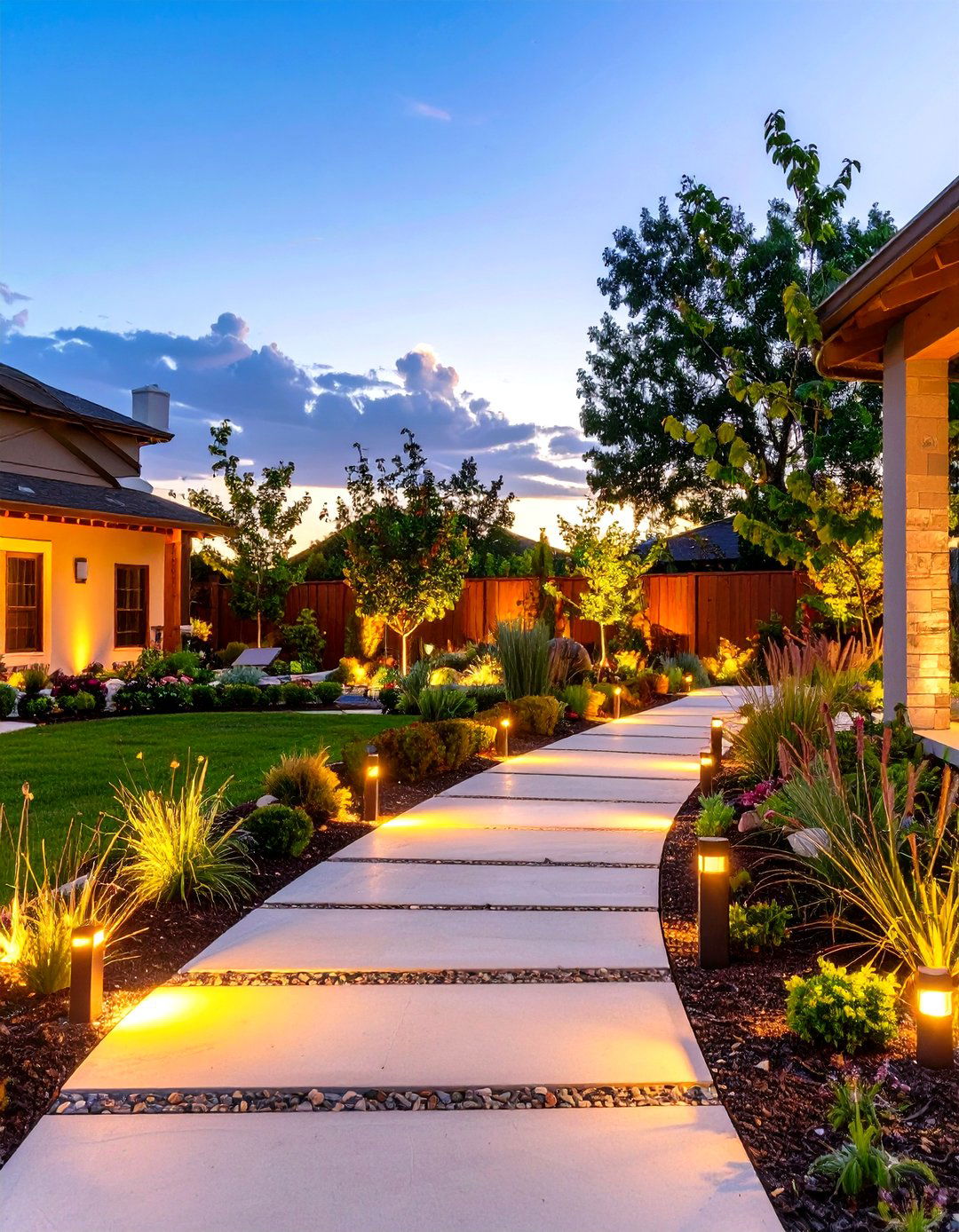
While landscape lighting enhances safety and aesthetics, it can also contribute to light pollution, which disrupts nocturnal wildlife and human sleep patterns. For a sustainable approach, use lighting only where and when it's needed. Choose fixtures that are shielded and directed downward to prevent light from spilling upwards into the sky. Install motion sensors or timers so lights are not on all night. Opt for warm-colored bulbs with lower intensity, as bright white or blue light is more disruptive to ecosystems. Smart, minimal lighting design protects the nighttime environment while still providing necessary illumination.
30. Embrace the Beauty of Imperfection
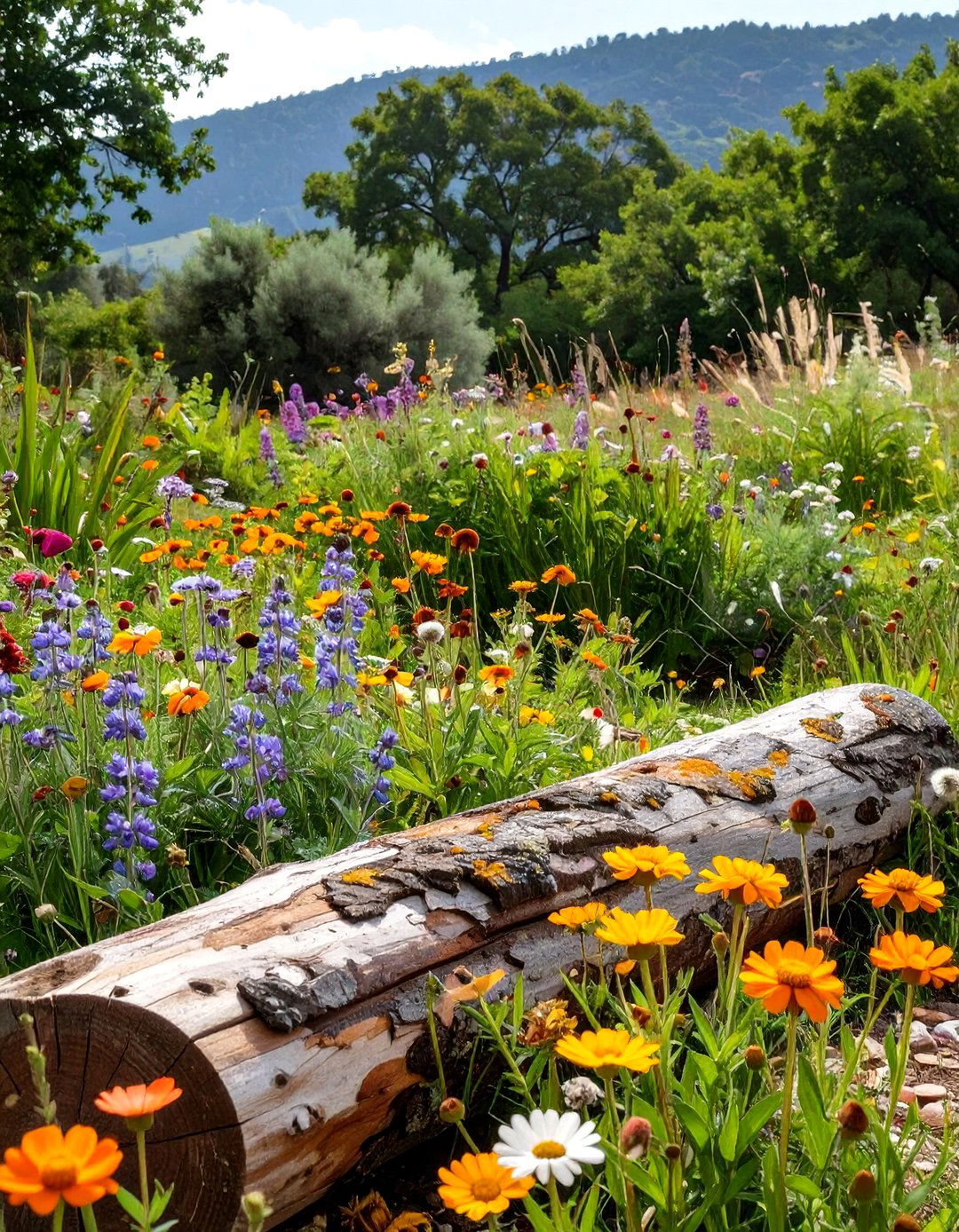
A key mindset shift in sustainable landscaping is embracing a more natural, less manicured aesthetic. A perfectly uniform, weed-free lawn is not the goal. Allow some clover in the grass, as it fixes nitrogen and feeds bees. Let a fallen log decompose where it lies, providing a habitat for fungi and insects. Understand that a few chewed leaves on a plant mean it's successfully feeding the local wildlife. A sustainable garden is a living, dynamic ecosystem, not a static picture. By appreciating the beauty in natural processes and a little bit of wildness, you create a landscape that is more resilient, biodiverse, and truly alive.
Conclusion:
Embracing sustainable landscape design is a rewarding journey toward creating an outdoor space that is both beautiful and ecologically responsible. By implementing strategies like rainwater harvesting, planting native species, and building healthy soil with compost, you can significantly reduce resource consumption. These practices not only conserve water and support local wildlife but also create resilient, low-maintenance gardens. Ultimately, sustainable landscaping fosters a deeper connection with nature, transforming your yard into a thriving ecosystem that contributes positively to the health of our planet for years to come.

Related posts:

Leave a Reply