
Sustainable home design focuses on creating living spaces that are environmentally friendly, energy-efficient, and built with non-toxic materials. This approach not only minimizes the ecological footprint of a house but also promotes a healthier lifestyle for its inhabitants. By integrating renewable energy sources, conserving water, and using recycled or locally sourced materials, sustainable homes offer a forward-thinking solution to modern living challenges. These designs prove that style and comfort do not have to be sacrificed for environmental responsibility. Embracing sustainability means building homes that are kinder to the planet and beneficial for future generations, creating a legacy of conscious living.
1. Passive Solar Design Principles
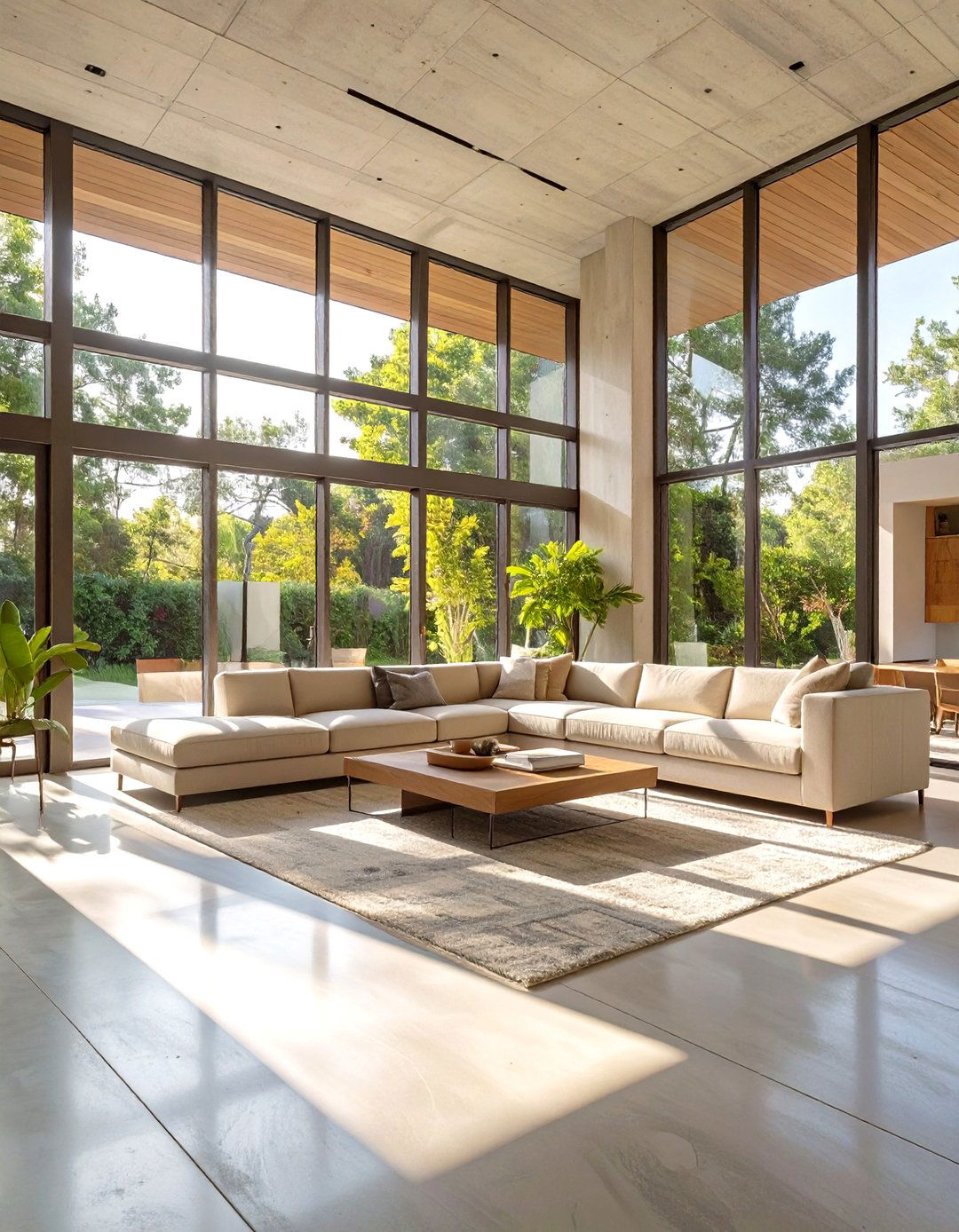
A home incorporating passive solar design strategically uses its windows, walls, and floors to collect, store, and distribute solar energy as heat in the winter and reject solar heat in the summer. By orienting the building to face the sun and using materials with high thermal mass like concrete or brick, you can naturally regulate indoor temperatures without relying heavily on mechanical heating and cooling systems. Large, south-facing windows are essential for maximizing winter sun exposure, while overhangs or awnings provide shade during the hot summer months. This intelligent design approach significantly reduces energy consumption and utility bills while creating a consistently comfortable living environment year-round.
2. Green Roof Installation

A green roof, or living roof, involves growing vegetation on a waterproof membrane installed over a conventional roof. This sustainable feature provides excellent insulation, reducing the need for artificial heating and cooling and lowering energy costs. Green roofs also help manage stormwater runoff by absorbing rainwater, which alleviates pressure on local drainage systems. They improve air quality by filtering pollutants and converting carbon dioxide into oxygen. Additionally, a living roof creates a habitat for wildlife, such as birds and insects, promoting biodiversity in urban areas. It's a beautiful and functional addition that enhances a home’s connection to nature while delivering significant environmental benefits.
3. Rainwater Harvesting Systems
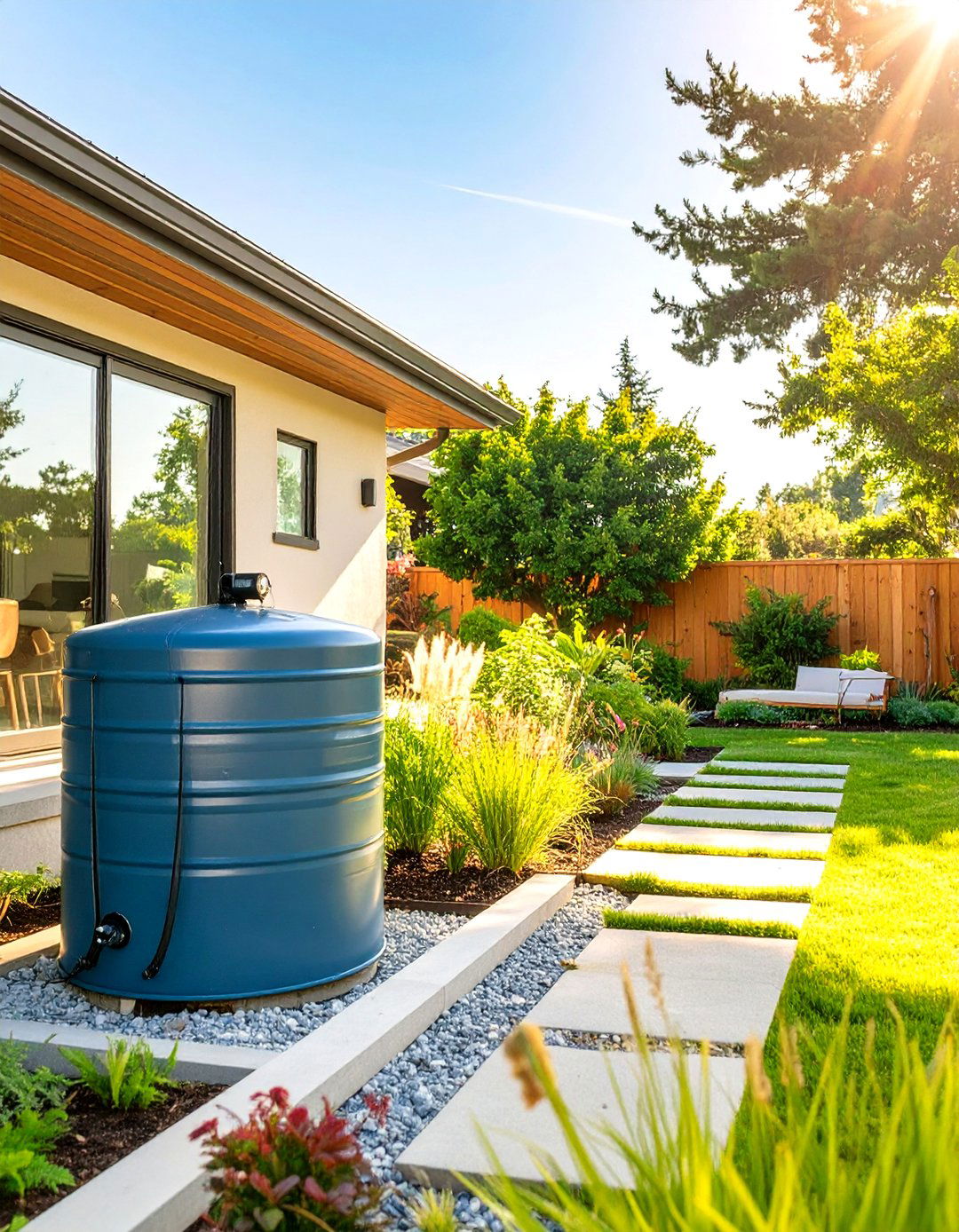
Installing a rainwater harvesting system allows you to collect and store rainwater from your roof for various uses. This collected water can be used for non-potable purposes like watering the garden, flushing toilets, and doing laundry, significantly reducing your reliance on municipal water supplies. Simple systems use barrels connected to downspouts, while more complex setups involve underground cisterns and filtration systems for broader household use. By capturing this free, natural resource, you conserve precious freshwater, lower your water bills, and help reduce stormwater runoff, which can otherwise cause erosion and pollute local waterways. It is a practical step towards water self-sufficiency.
4. Geothermal Heating and Cooling
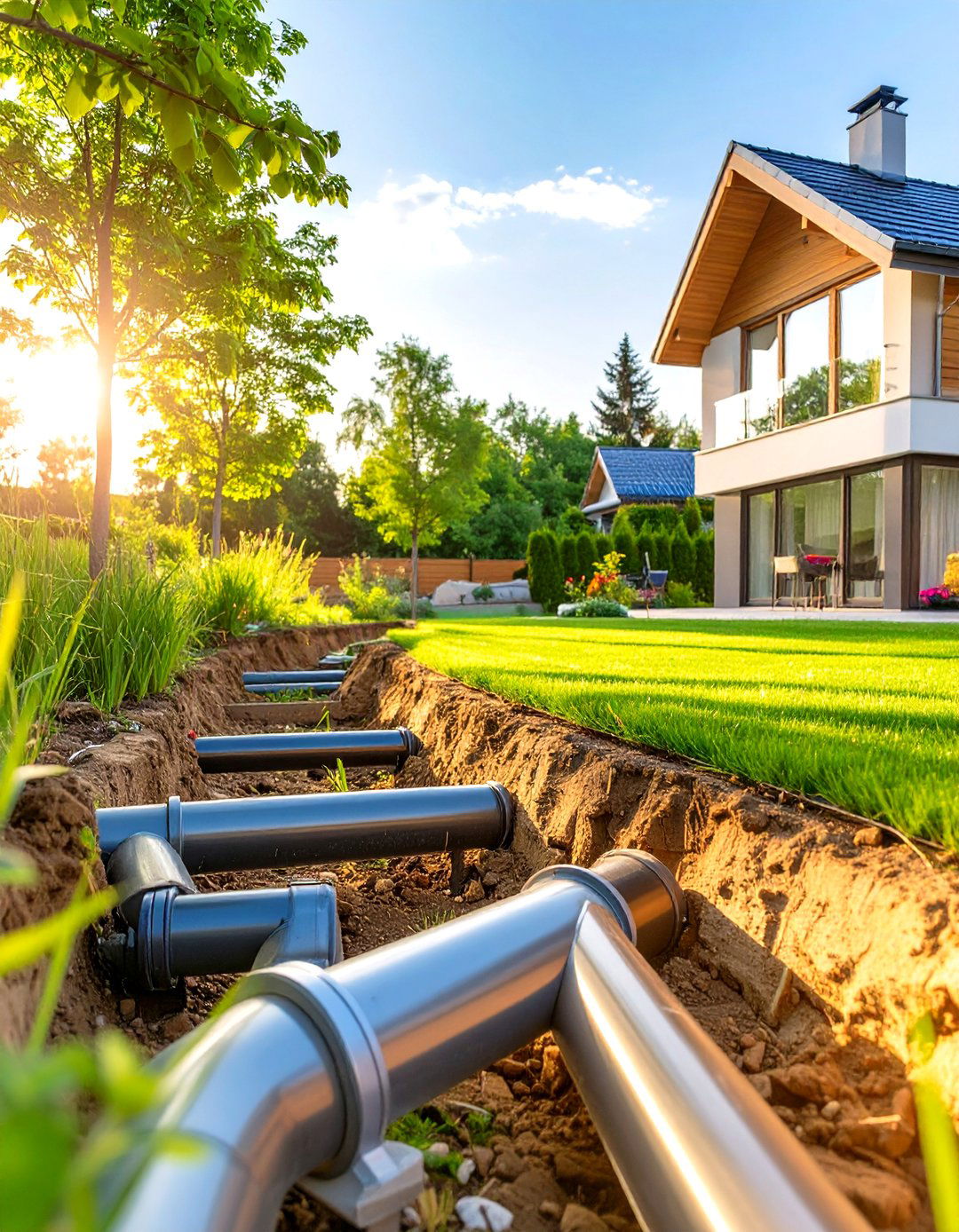
Geothermal systems harness the stable temperature of the earth to heat and cool your home with remarkable efficiency. A network of underground pipes circulates water, which absorbs the earth's natural heat in winter and transfers it into your house. In summer, the process reverses, pulling heat from your home and dissipating it back into the ground. Although the initial installation cost is higher than traditional HVAC systems, the long-term energy savings are substantial. Geothermal technology is incredibly reliable, quiet, and environmentally friendly, drastically reducing your home's carbon footprint by using a constant, renewable source of energy found right in your backyard.
5. Reclaimed Wood Flooring and Beams
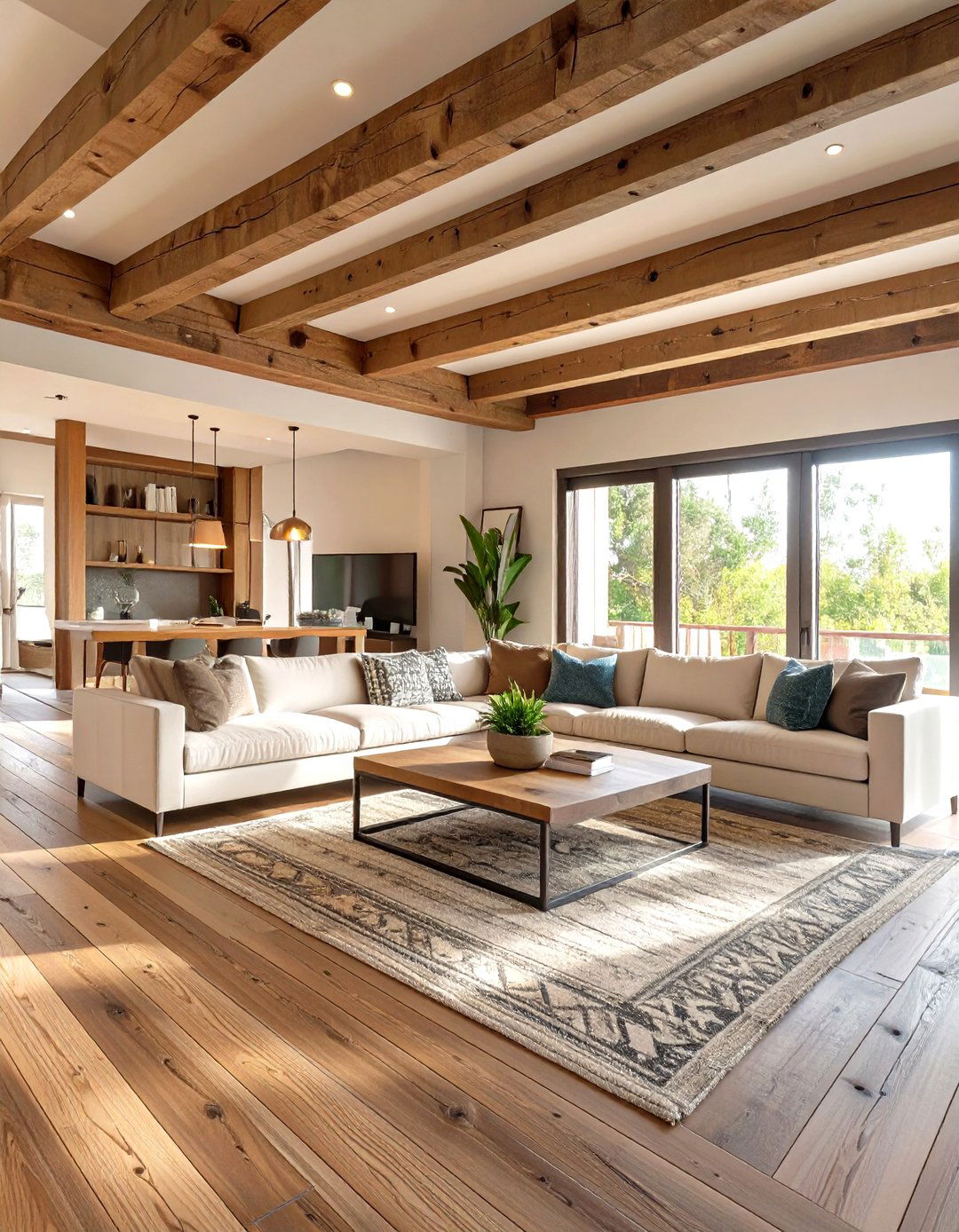
Using reclaimed wood for flooring, beams, and structural elements adds unique character and history to a home while being an excellent sustainable choice. This wood is salvaged from old buildings, barns, warehouses, and factories, diverting it from landfills. Every piece tells a story, with its aged patina, nail holes, and saw marks creating a look that new materials cannot replicate. By choosing reclaimed wood, you reduce the demand for newly harvested timber, which helps preserve forests and wildlife habitats. It is a durable and beautiful material that brings warmth, texture, and a sense of timelessness to any interior design scheme.
6. High-Performance Insulated Windows
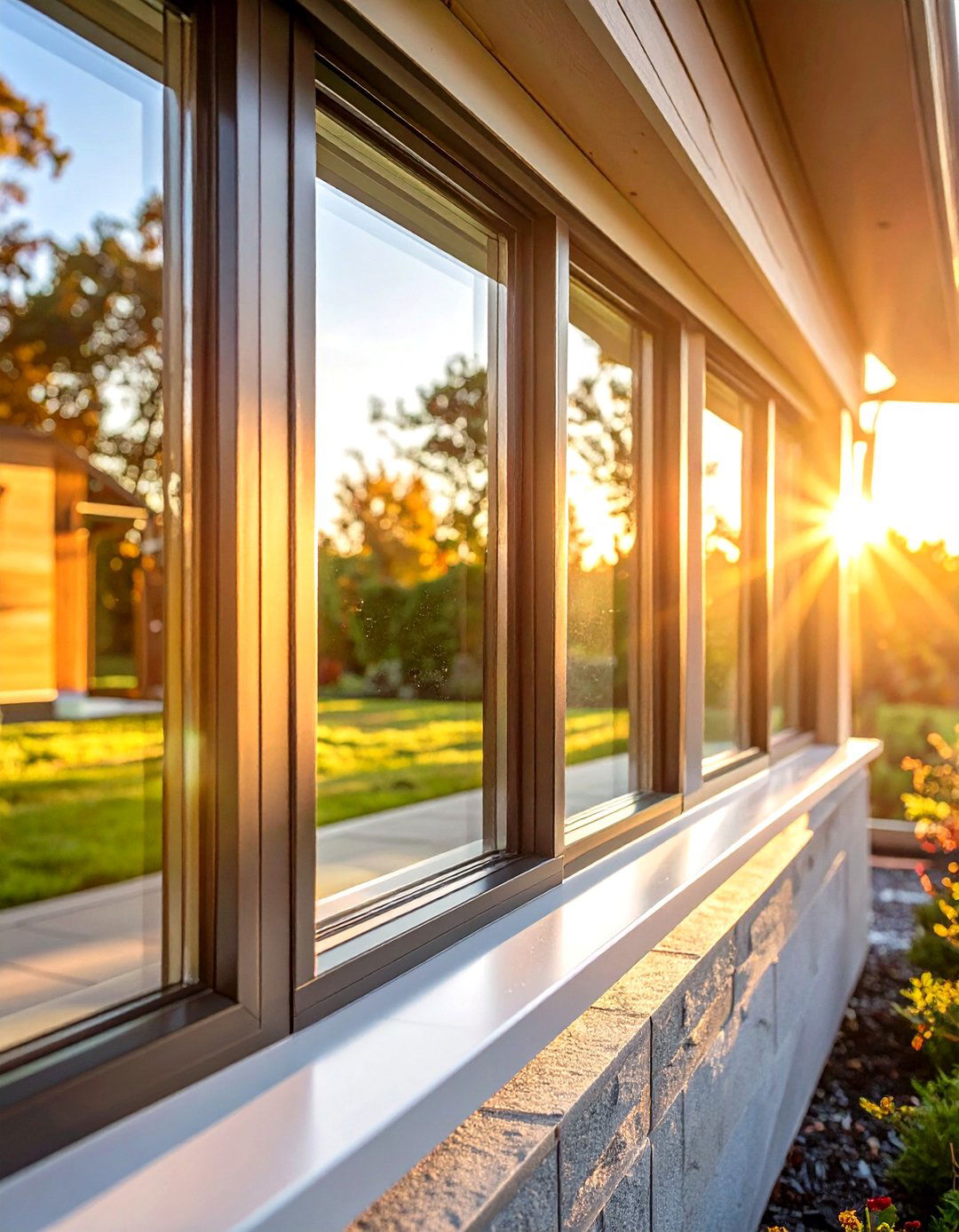
Upgrading to high-performance, double or triple-pane windows is a critical investment for a sustainable home. These windows have an insulating gas, such as argon or krypton, sealed between the panes and are often treated with low-emissivity (Low-E) coatings. This combination significantly reduces heat transfer, keeping your home warmer in the winter and cooler in the summer. As a result, your heating and cooling systems work less, leading to lower energy consumption and reduced utility bills. They also block harmful UV rays, protecting your furniture and flooring from fading, and can reduce outside noise, creating a quieter, more comfortable indoor environment.
7. Bamboo Cabinetry and Countertops
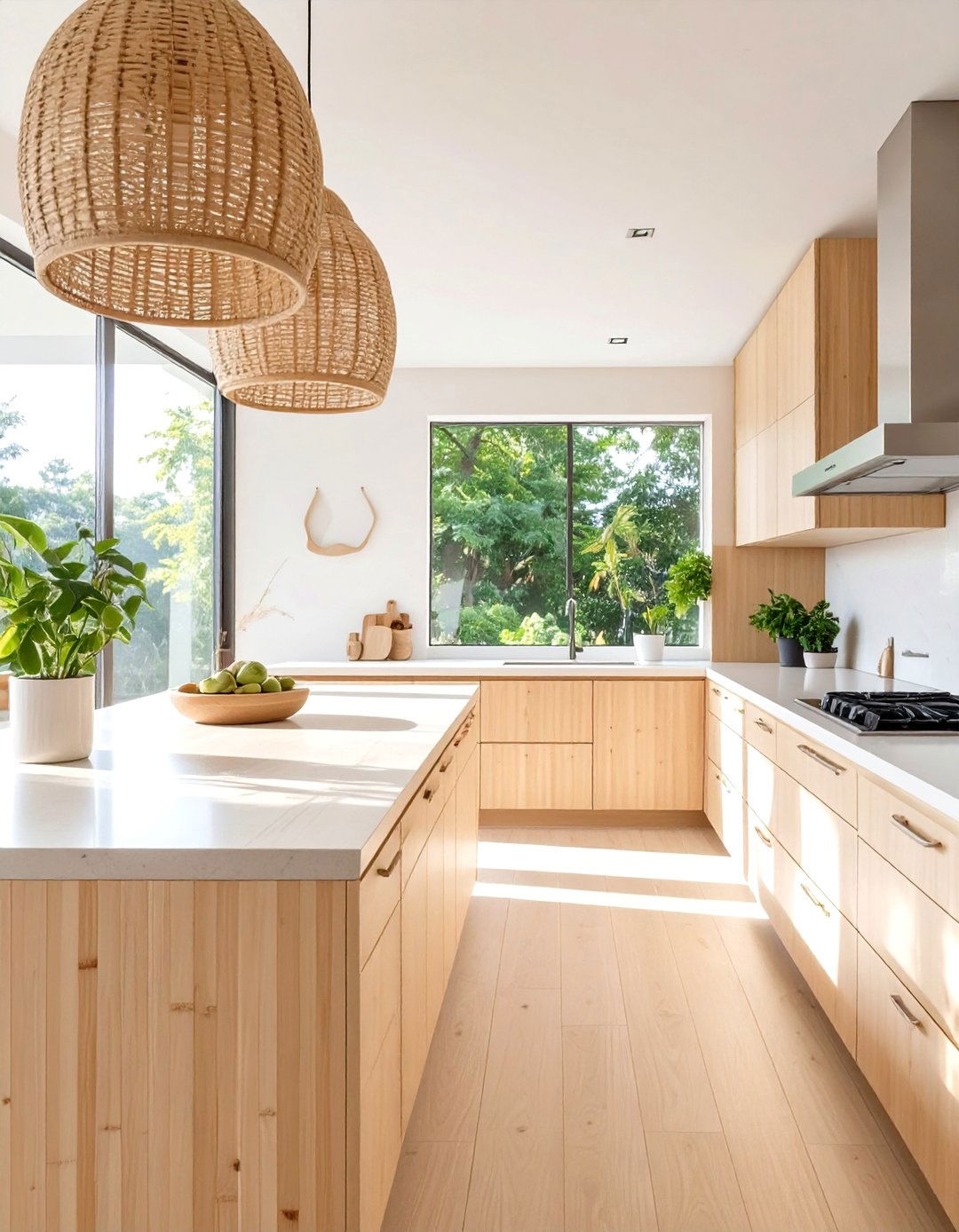
Bamboo is an outstanding sustainable material for cabinetry and countertops due to its rapid growth and regeneration. Technically a grass, bamboo can be harvested in as little as three to five years, compared to the decades it takes for traditional hardwoods to mature. It has a beautiful, modern aesthetic and is surprisingly strong and durable, rivaling the hardness of oak. Using bamboo products helps reduce deforestation and pressure on old-growth forests. It is also a lightweight material, which can lower transportation costs and associated carbon emissions. Choosing bamboo is a stylish and eco-conscious decision for a contemporary kitchen or bathroom design.
8. Cork Flooring Solutions
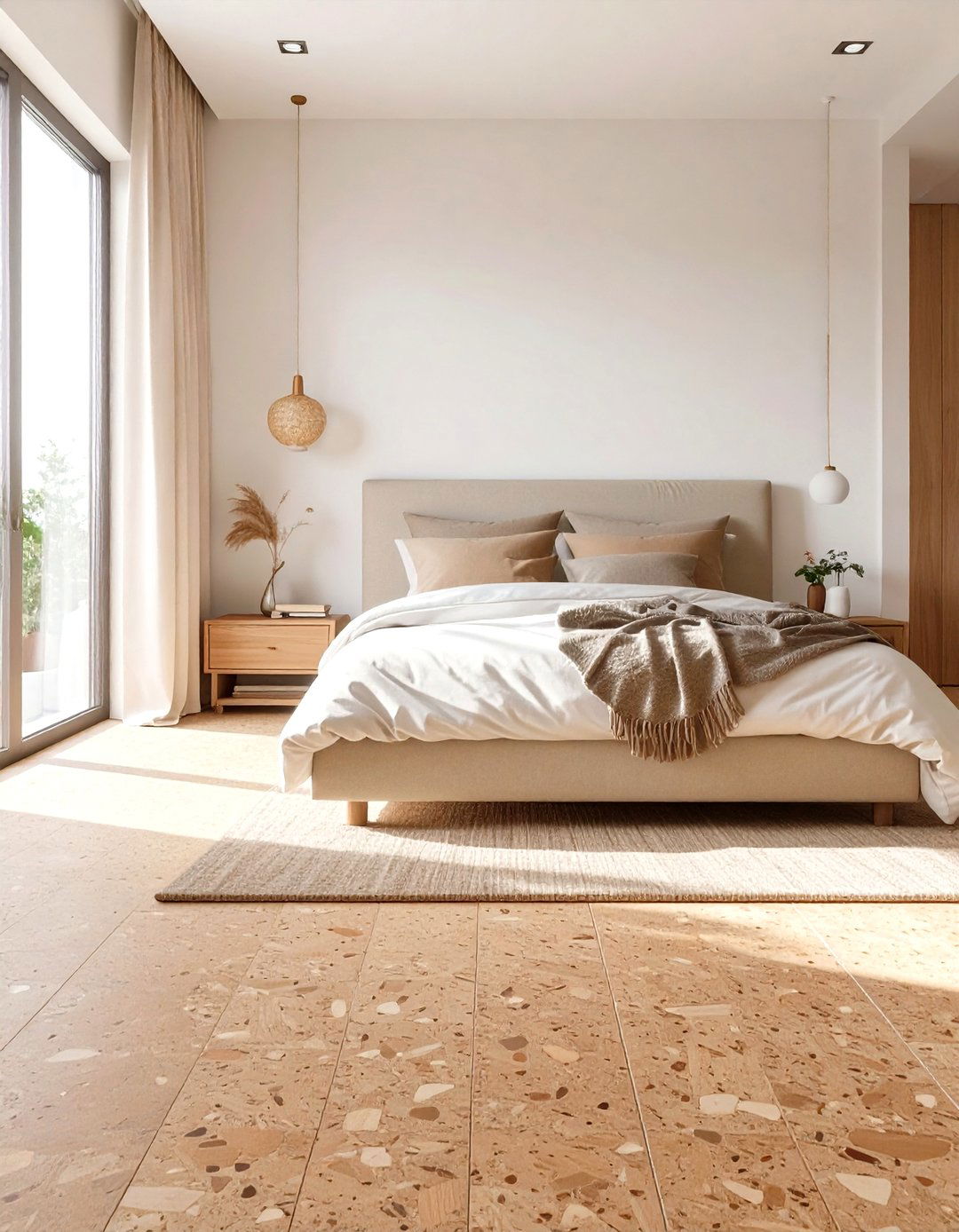
Cork flooring is a highly sustainable and comfortable choice for any home. It is harvested from the bark of the cork oak tree without harming the tree itself, as the bark regenerates every nine years. This makes it a truly renewable resource. Cork is naturally insulating, providing excellent thermal and acoustic properties that keep rooms warm and quiet. It's also soft underfoot, making it comfortable to stand on for long periods. Additionally, cork is naturally resistant to mold, mildew, and pests, and it's hypoallergenic, contributing to better indoor air quality. Its unique texture adds warmth and visual interest to a space.
9. Low-VOC and Zero-VOC Paints
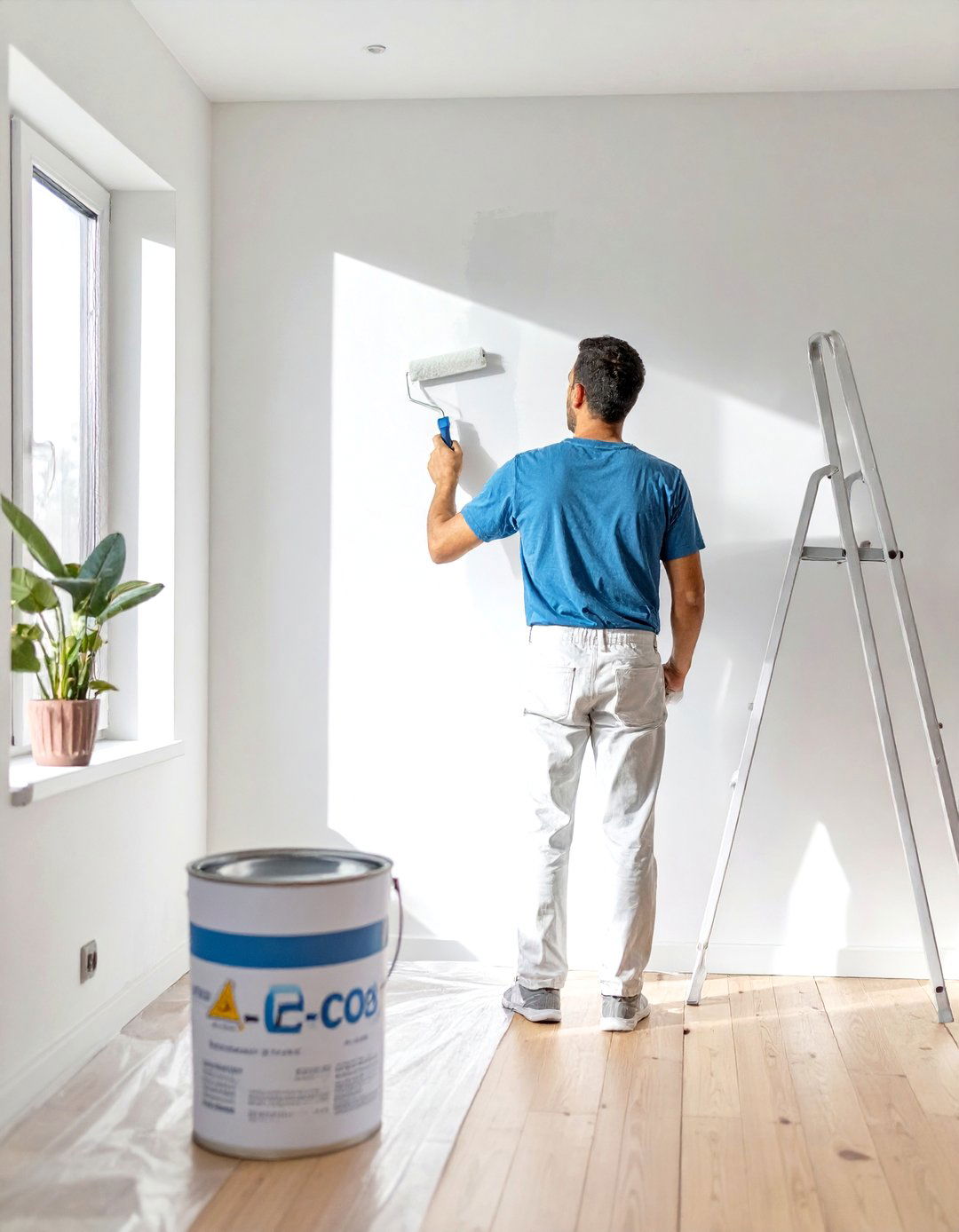
Choosing low-VOC (volatile organic compound) or zero-VOC paints is essential for maintaining healthy indoor air quality. Traditional paints release VOCs, which are harmful chemicals that can cause respiratory issues, headaches, and other health problems as they off-gas, sometimes for years after application. Low-VOC and zero-VOC paints are formulated to minimize these emissions, making them a much safer option for you and your family. Available in a wide range of colors and finishes, these eco-friendly paints perform just as well as their conventional counterparts without compromising on durability or appearance, ensuring a beautiful and non-toxic home environment.
10. Recycled Glass Countertops
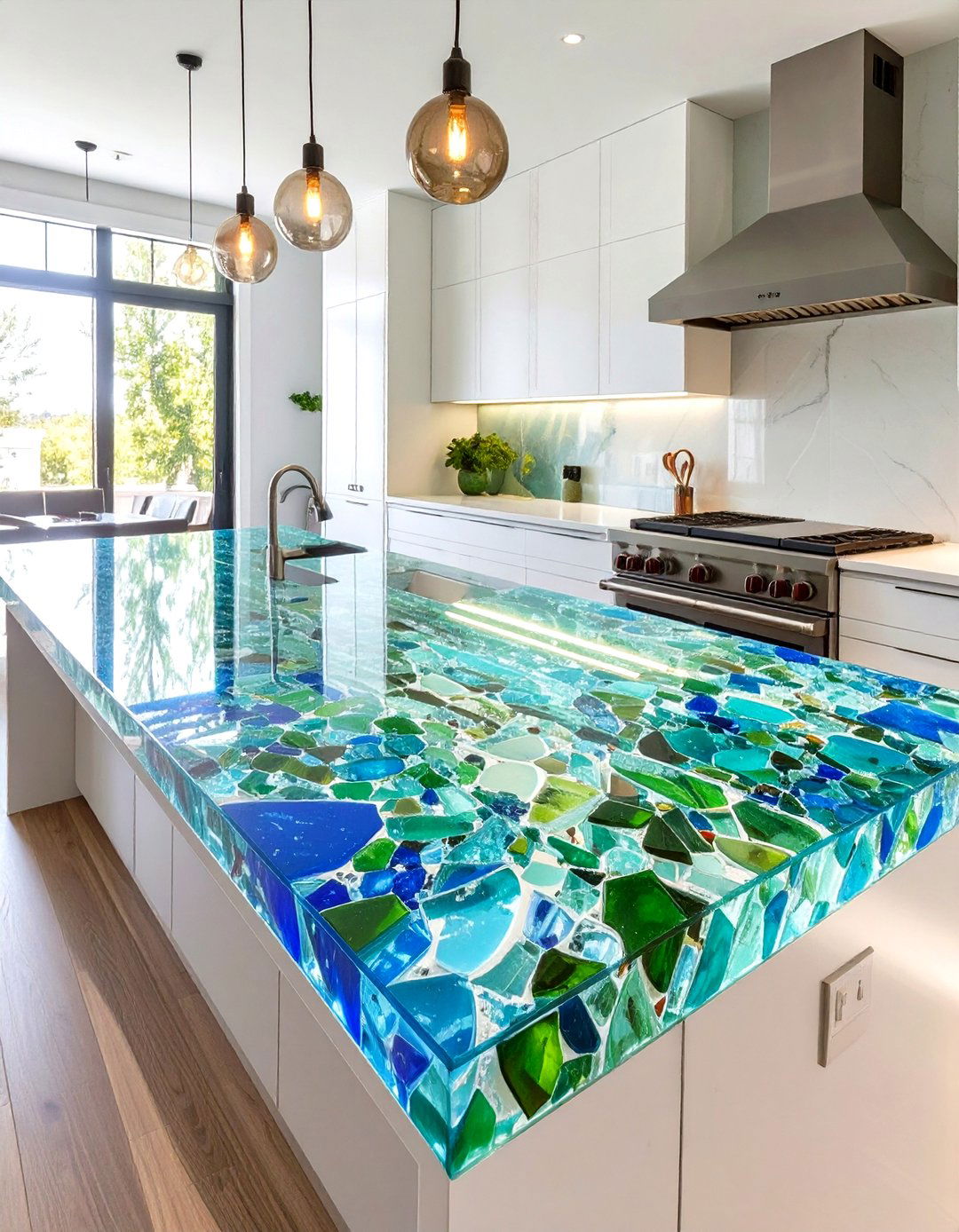
Recycled glass countertops offer a stunning and environmentally friendly alternative to traditional materials like granite or quartz. These surfaces are made from post-consumer and pre-consumer glass, such as bottles and windows, which is crushed and mixed with a cement or resin binder. The result is a durable, heat-resistant, and non-porous countertop that is easy to clean and maintain. Each slab is unique, with colorful glass fragments suspended within the binder creating a vibrant, jewel-like appearance. By choosing recycled glass, you divert waste from landfills and reduce the need for virgin materials, making a bold design statement that is also sustainable.
11. Solar Panel Integration
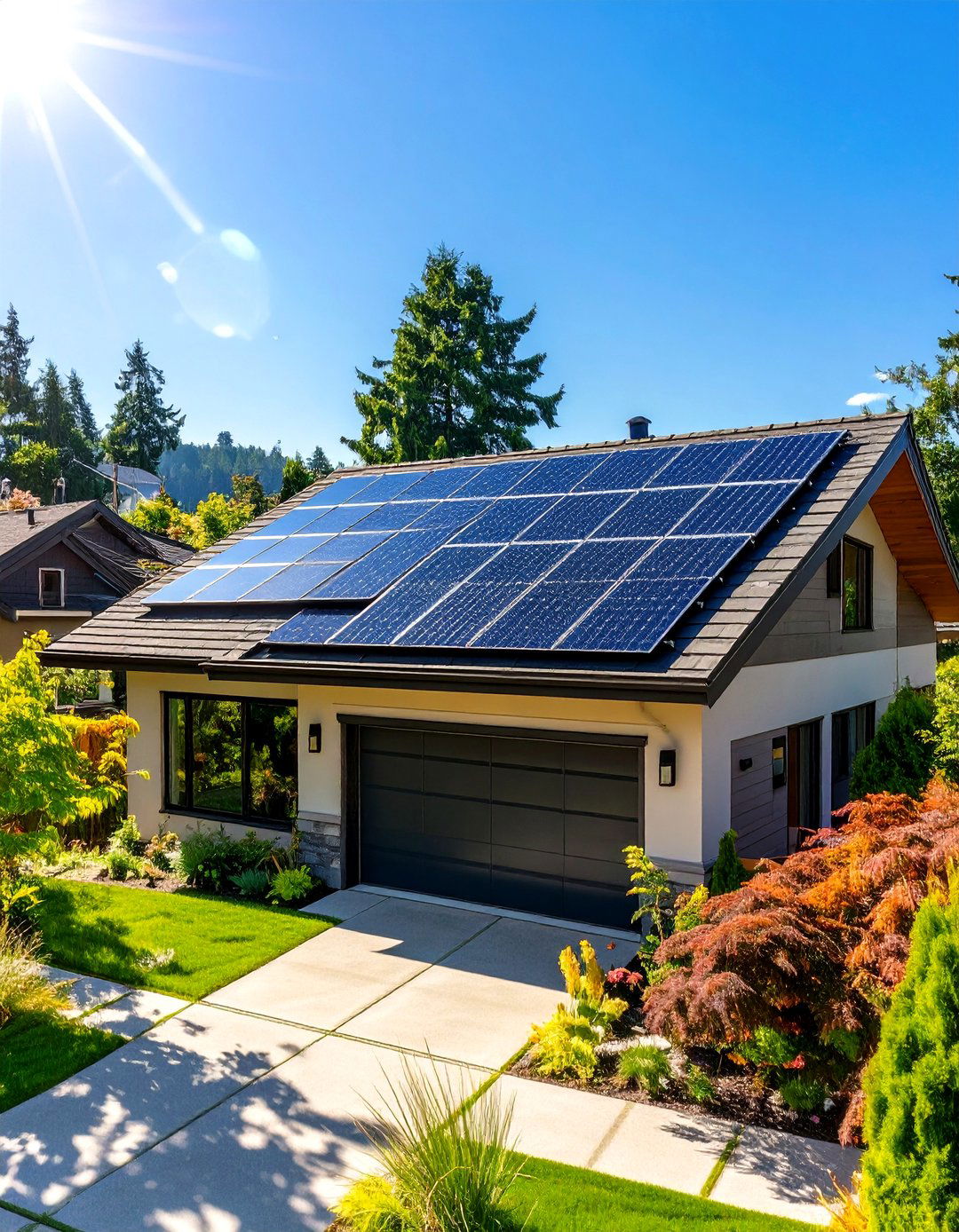
Integrating solar panels onto your roof is one of the most effective ways to create a sustainable home. These photovoltaic (PV) systems convert sunlight directly into electricity, drastically reducing or even eliminating your reliance on the grid and fossil fuels. The energy produced can power your entire home, and any excess can often be sold back to the utility company for credit. While the initial investment can be significant, government incentives and long-term savings on electricity bills make it a financially sound decision. Modern solar panels are increasingly sleek and efficient, blending seamlessly into various architectural styles while providing clean, renewable power for decades.
12. Greywater Recycling Systems
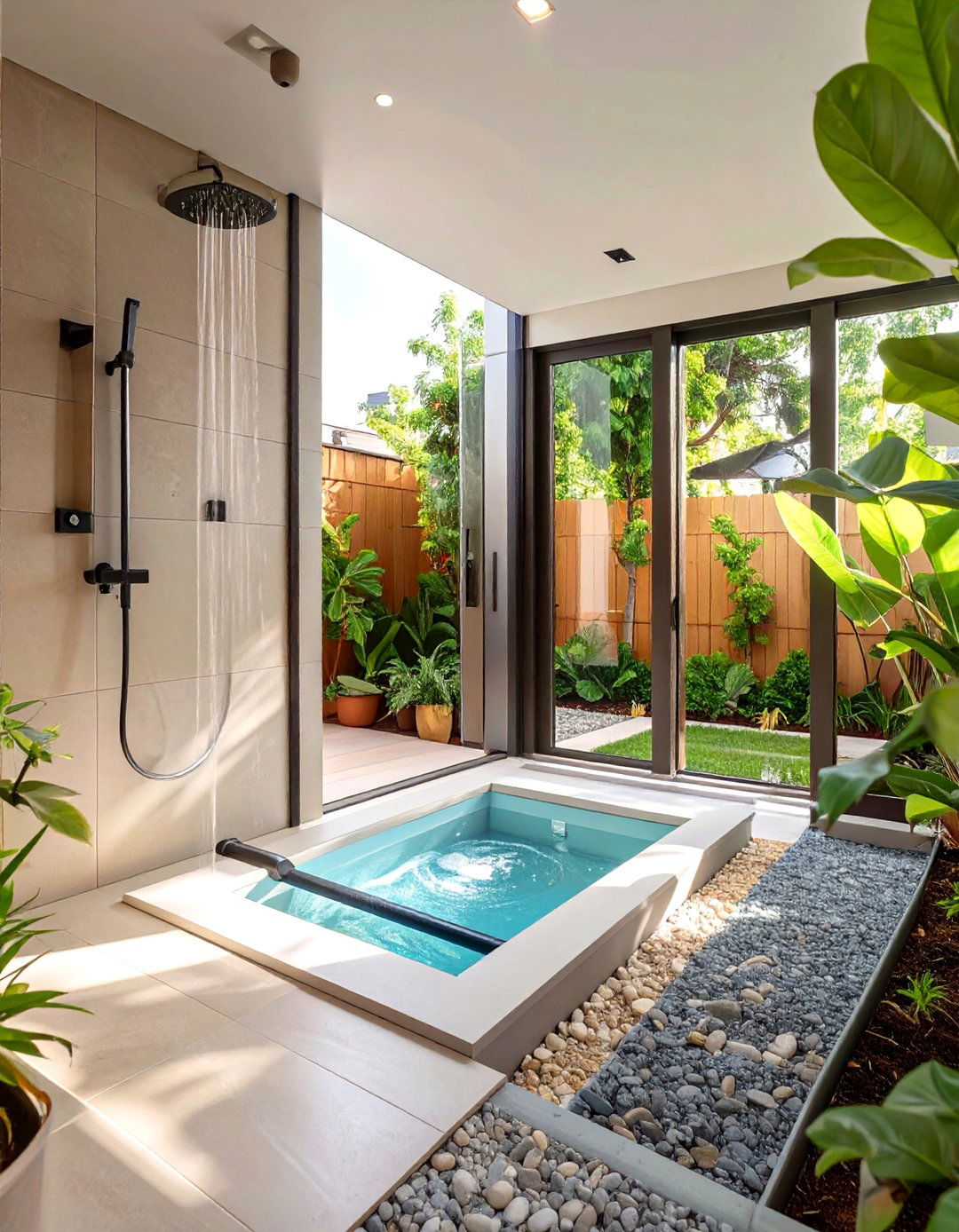
A greywater recycling system captures gently used water from your showers, bathtubs, and washing machines and repurposes it for other uses. After basic filtering to remove hair and lint, this greywater is perfectly suitable for irrigating your garden, lawn, and non-edible plants. By reusing this water, you can significantly cut down on your fresh water consumption, which is especially beneficial in drought-prone areas. This practice conserves a vital natural resource, lowers your water bills, and reduces the strain on municipal water treatment facilities. It is a smart and efficient way to make your home’s water usage more sustainable.
13. Straw Bale Construction
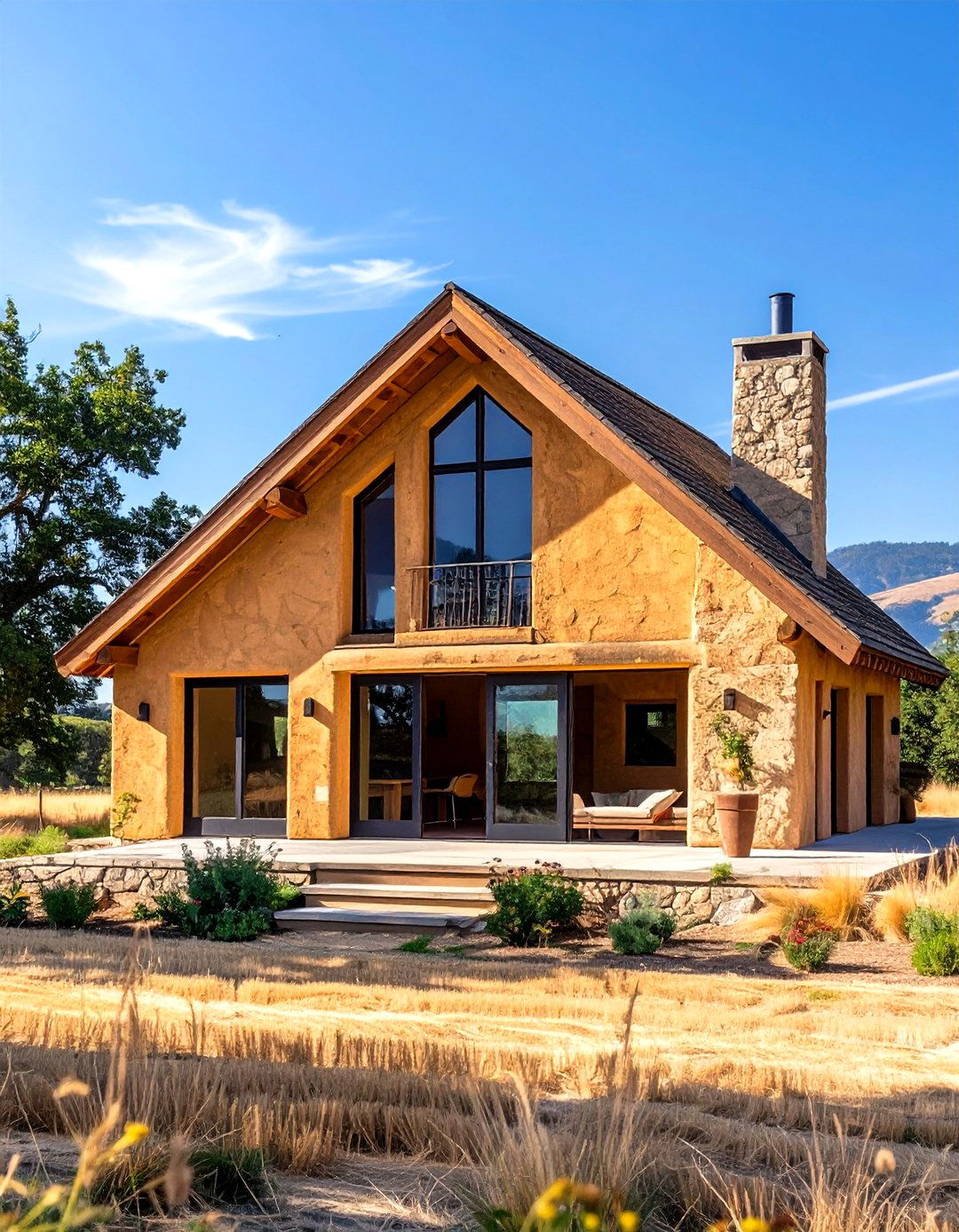
Straw bale construction is an innovative building method that uses bales of straw—an agricultural byproduct—as structural elements and insulation. The bales are stacked and then plastered with a natural material like earth or lime, creating thick, highly insulated walls. These walls provide exceptional thermal performance, keeping the home cool in summer and warm in winter with minimal energy use. Straw is a rapidly renewable resource, and using it for construction sequesters carbon. Homes built with straw bales are durable, fire-resistant, and have a unique, organic aesthetic with deep-set windows and soft, curved walls, offering a truly eco-friendly housing solution.
14. Living Walls and Vertical Gardens
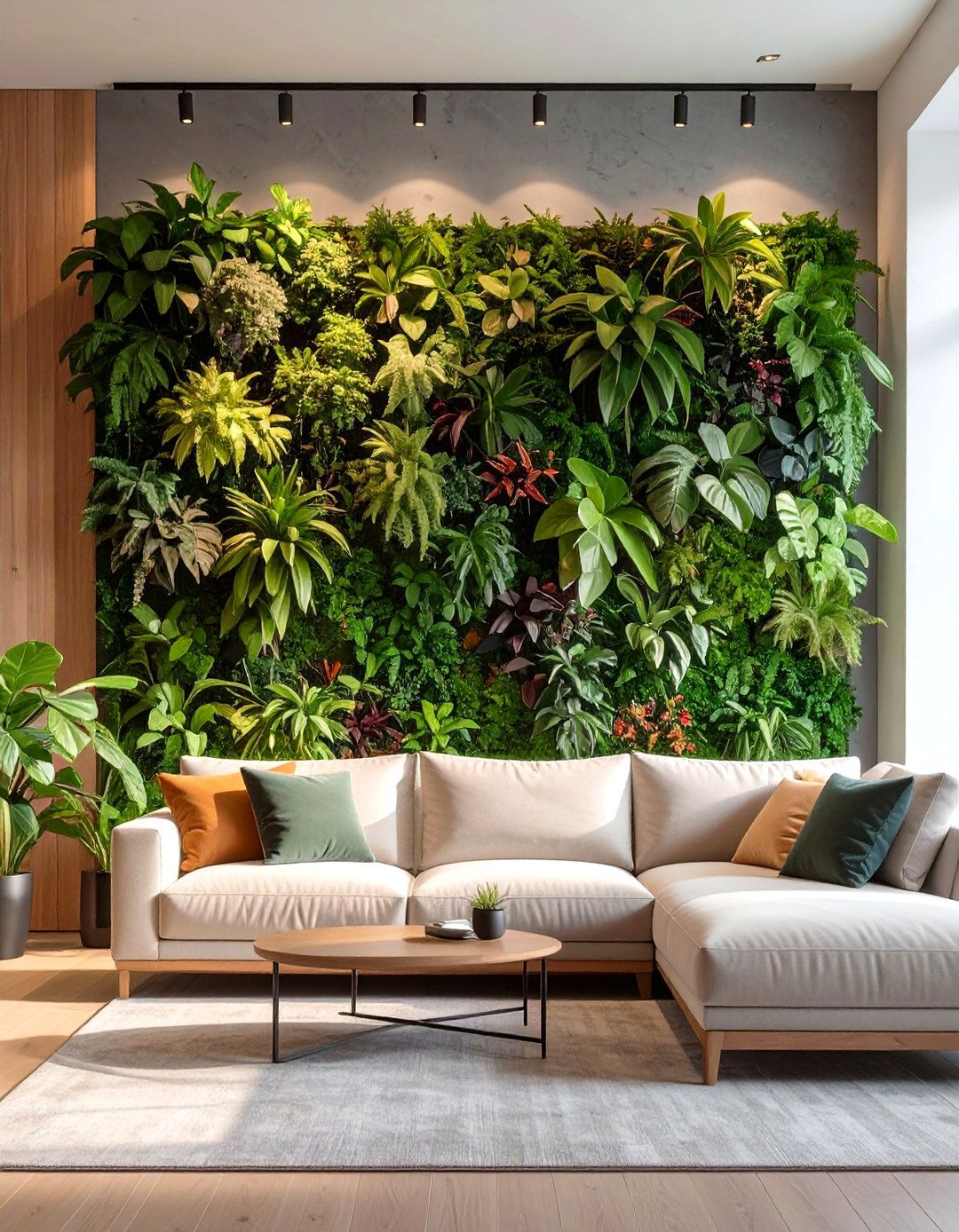
Living walls, also known as vertical gardens, are panels of plants grown vertically on the interior or exterior walls of a home. These green installations are not only beautiful but also provide numerous sustainable benefits. They improve air quality by filtering pollutants and producing oxygen, and they can help insulate a building, reducing heating and cooling costs. Exterior living walls can also protect the building's structure from temperature fluctuations and UV radiation. Inside, they increase humidity and can have a calming psychological effect. A living wall is a striking design feature that brings nature indoors and enhances the environmental performance of your home.
15. Permeable Paving for Driveways
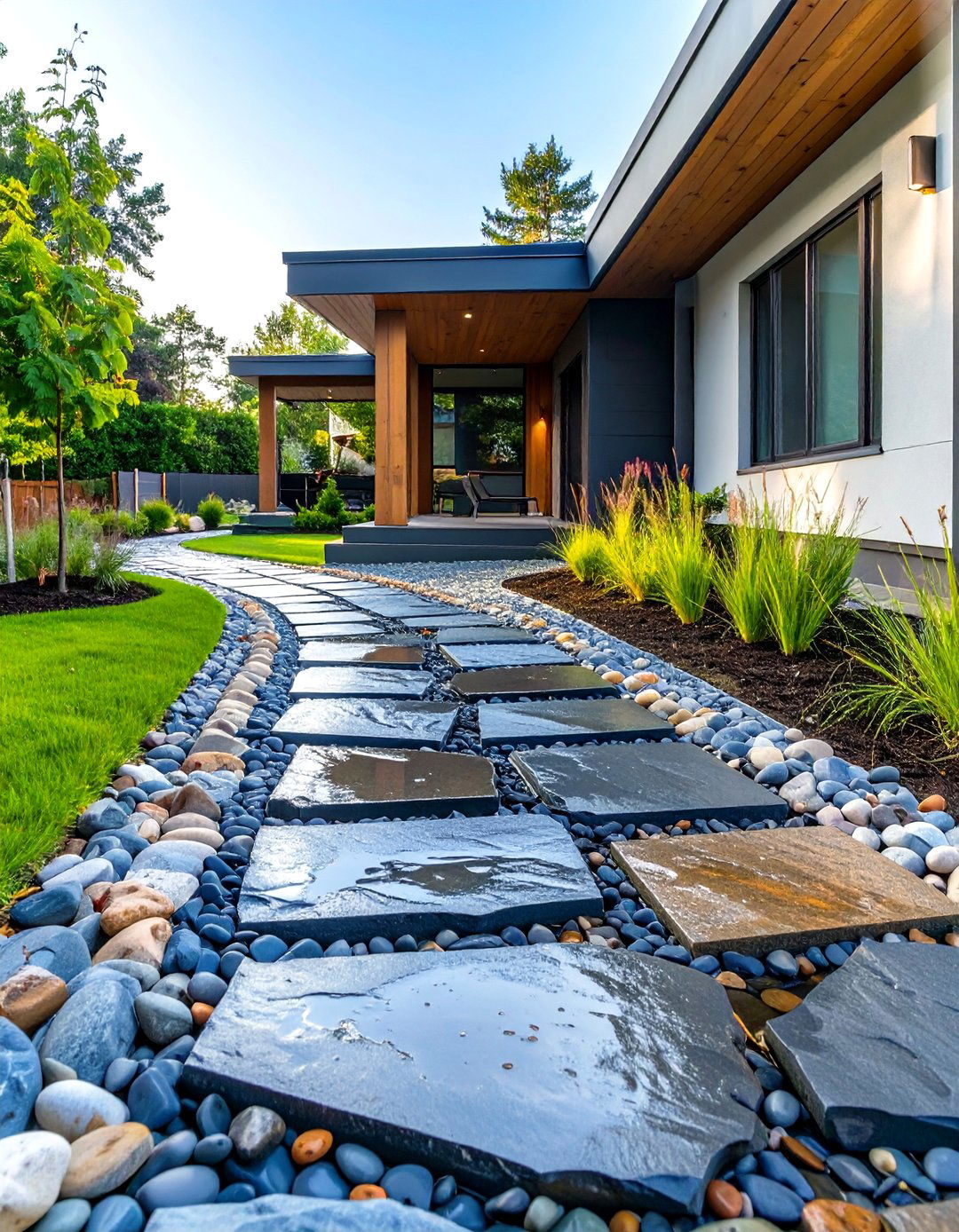
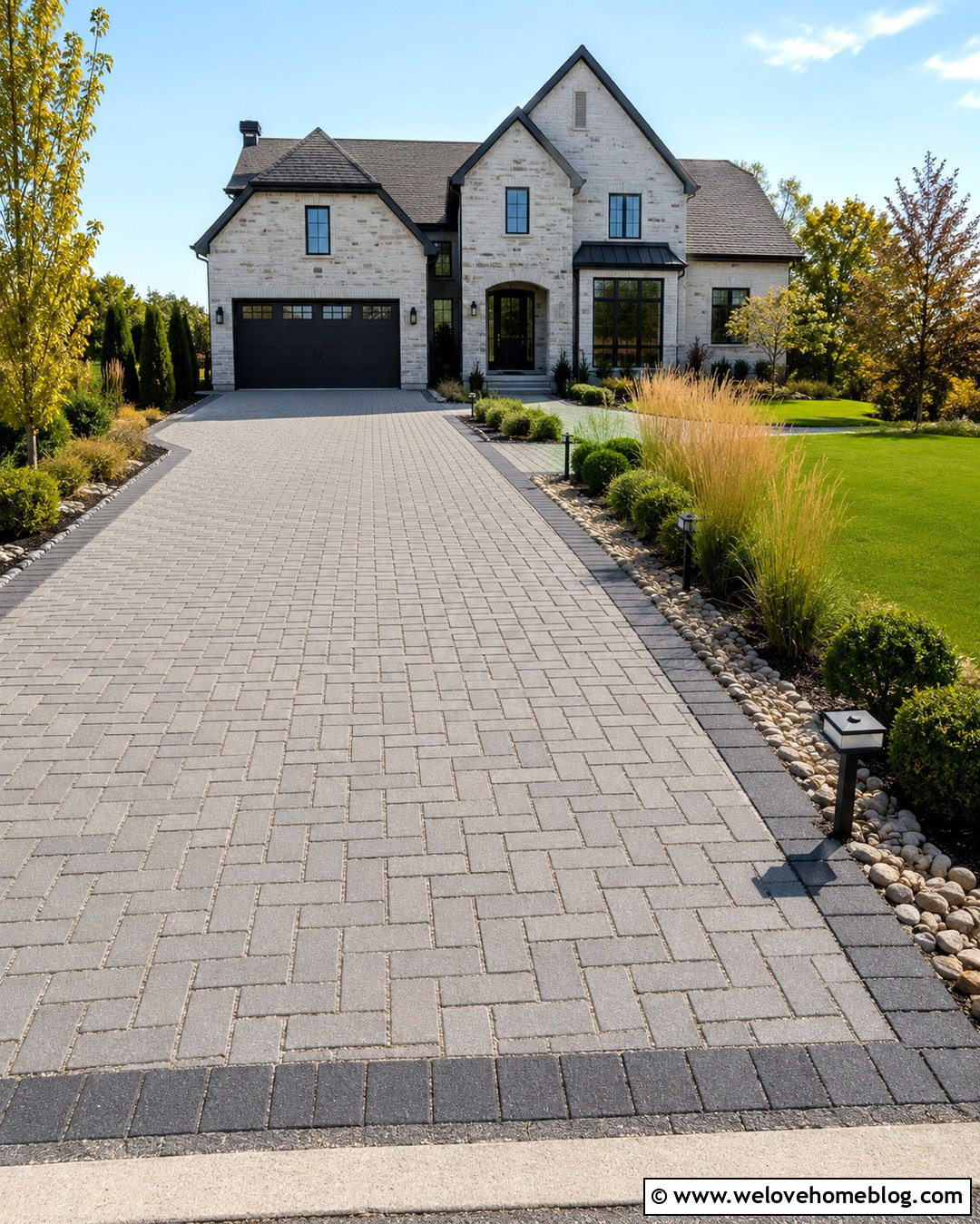
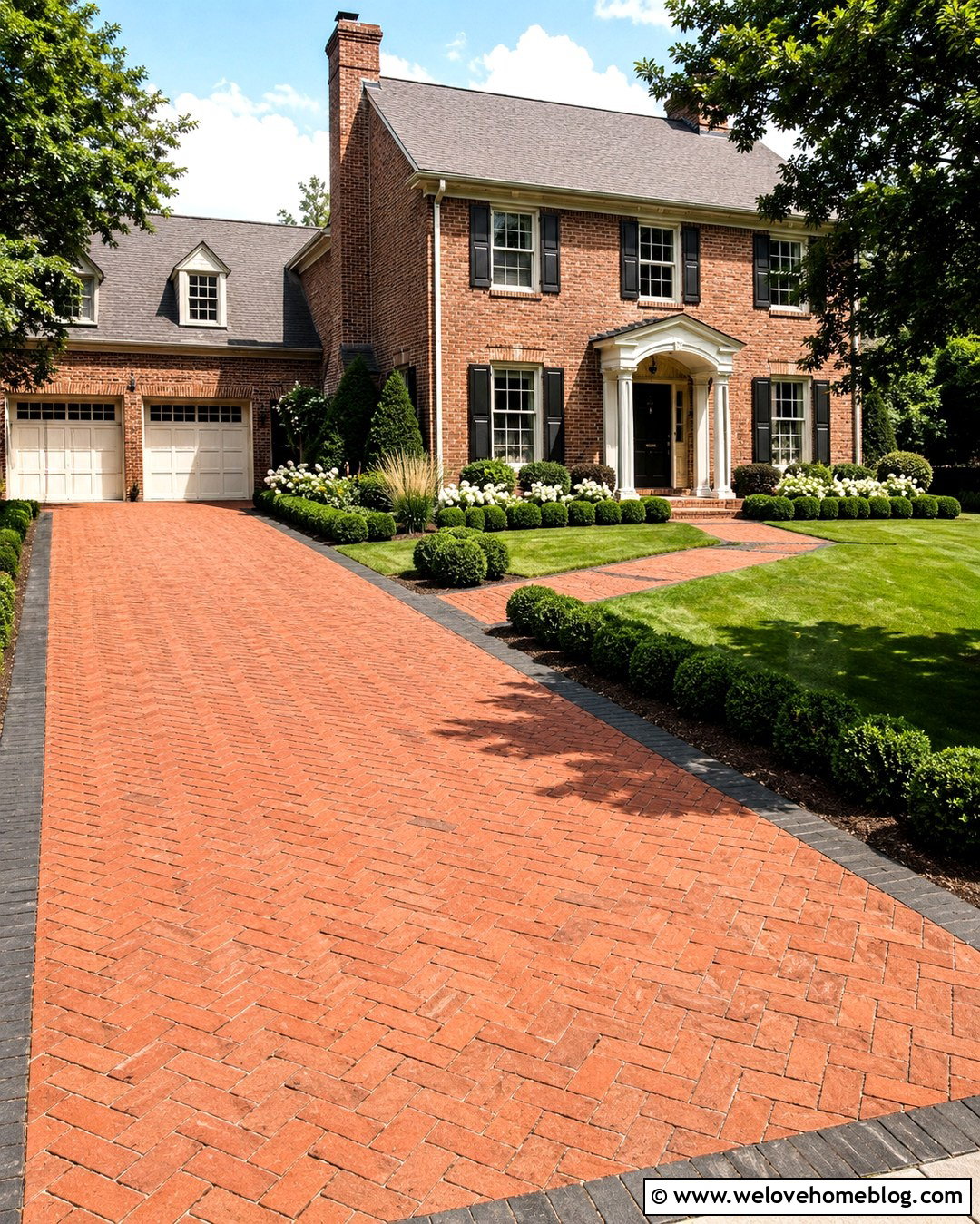
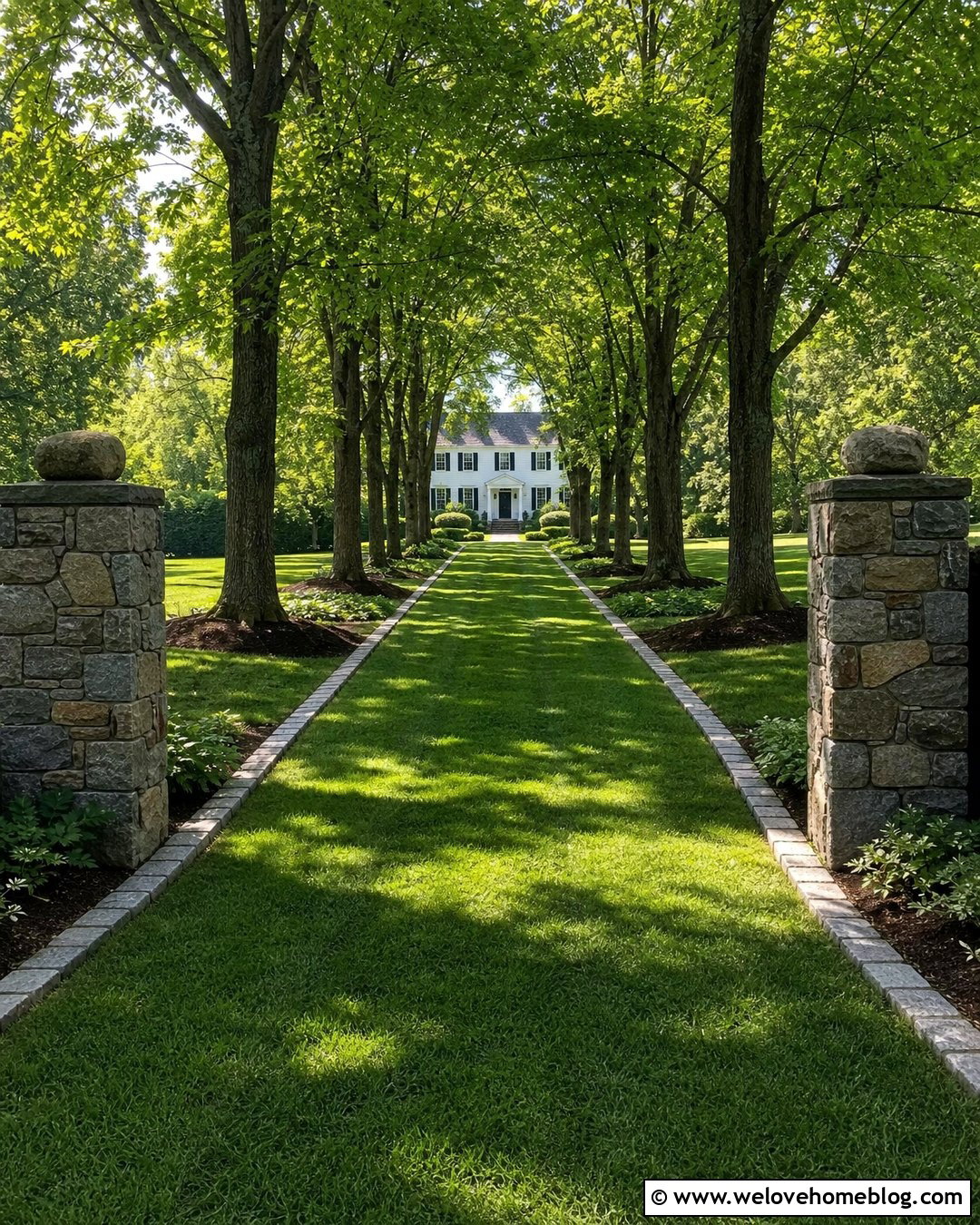
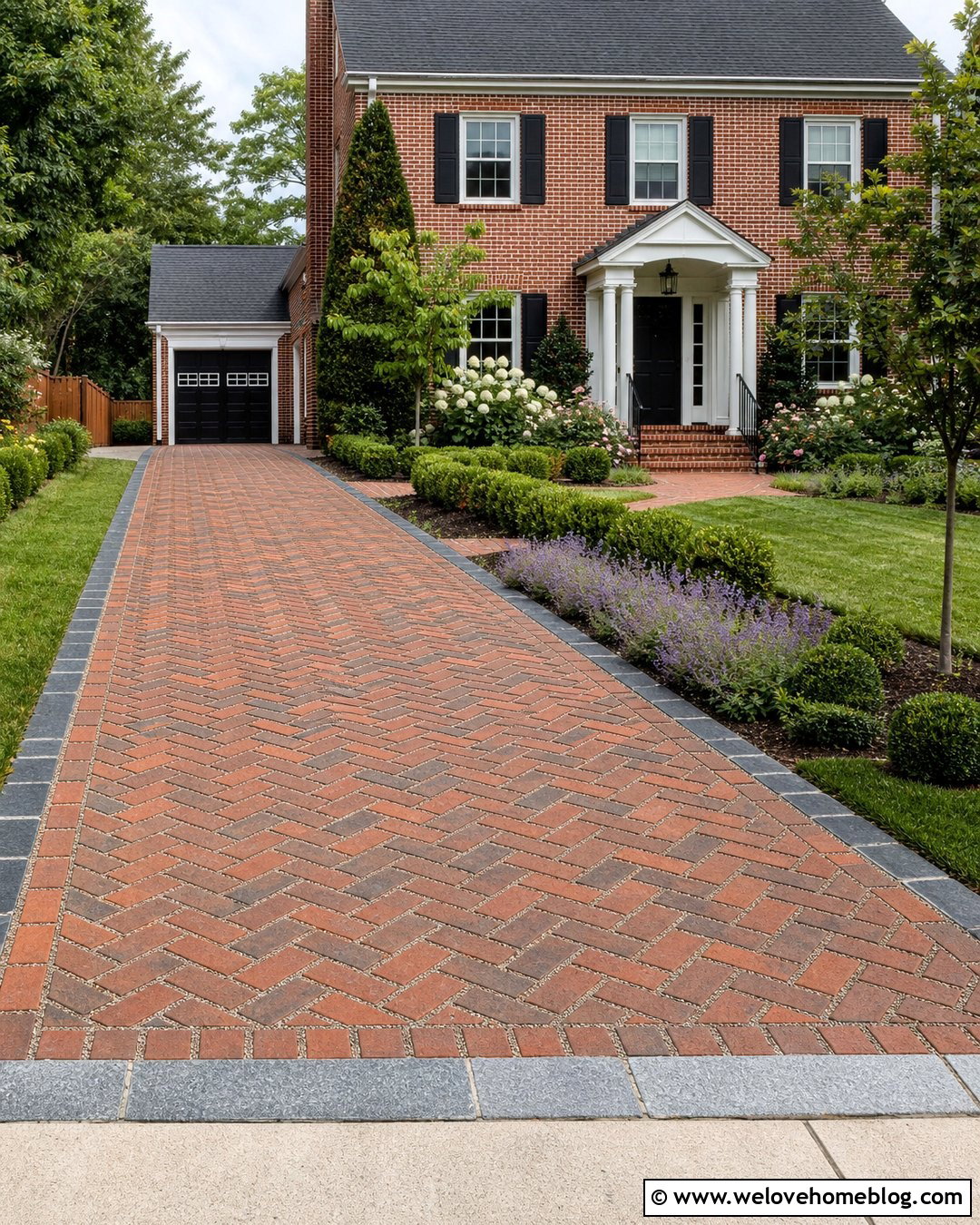
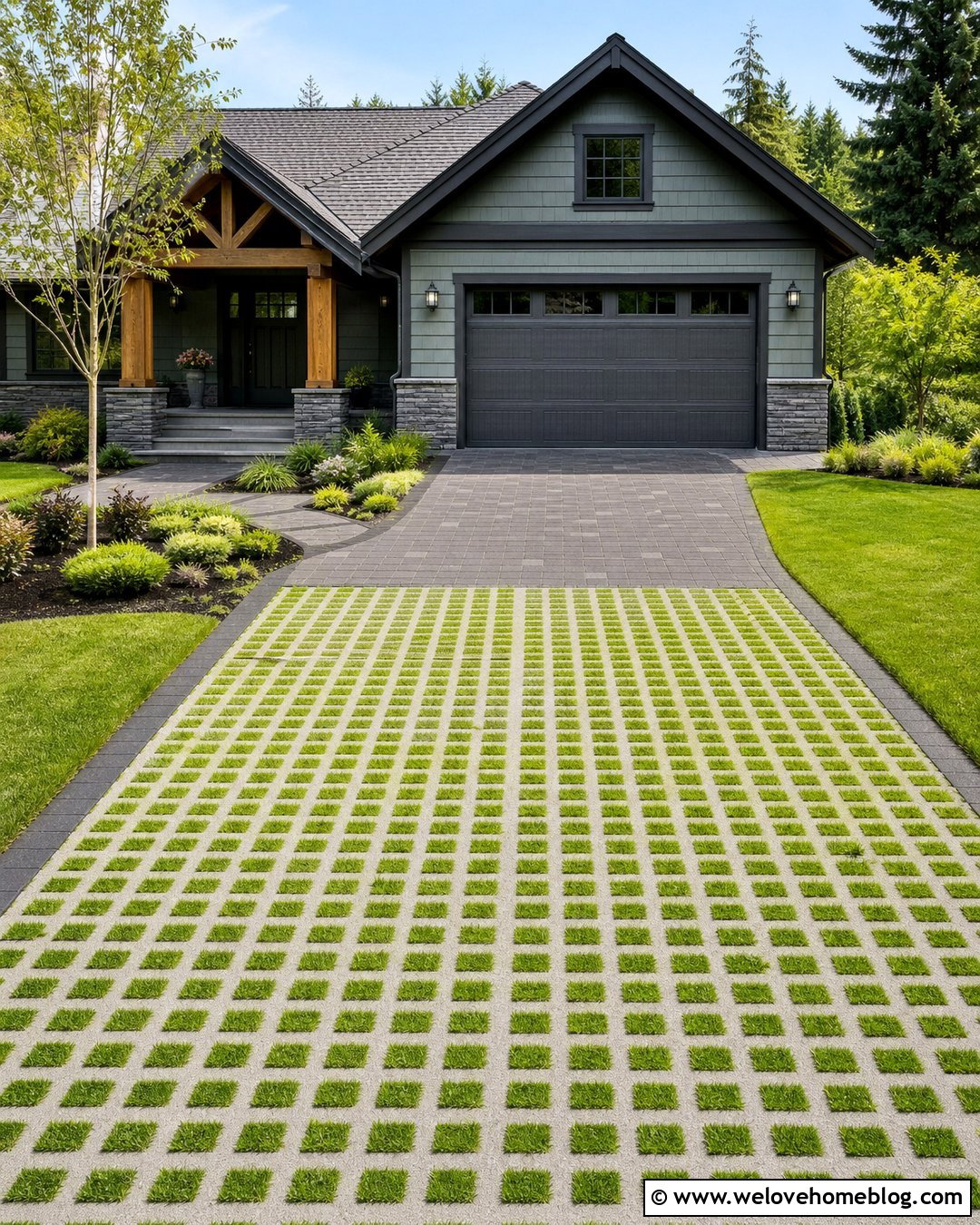
Using permeable pavers for your driveway and walkways is a sustainable approach to managing stormwater runoff. Unlike traditional asphalt or concrete, which create impervious surfaces, permeable paving allows rainwater to seep through the gaps between the pavers and into the ground below. This recharges local groundwater supplies, filters pollutants from the water, and reduces the volume of runoff flowing into storm drains and local waterways. This helps prevent flooding and erosion. Permeable pavers are available in various styles and materials, offering a durable and aesthetically pleasing solution that works in harmony with the natural water cycle.
16. Natural Ventilation Design
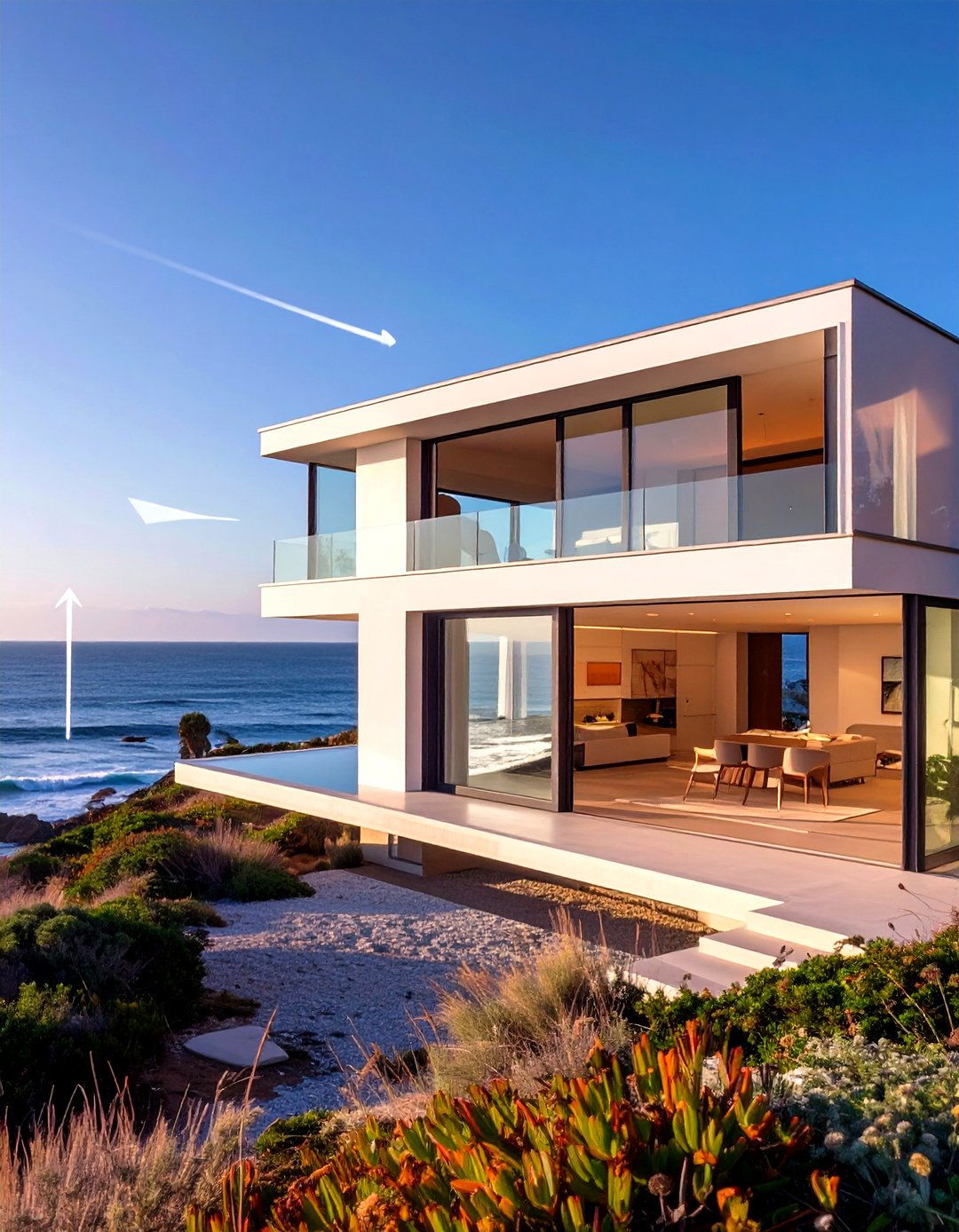
A home designed for natural ventilation uses strategic placement of windows, vents, and other openings to encourage air circulation without mechanical systems. By leveraging principles like the stack effect, where warm air rises and exits through high windows or vents, and cross-ventilation, where breezes are channeled through the house, you can maintain a comfortable indoor temperature. This design approach significantly reduces the need for air conditioning, saving energy and lowering electricity bills. Careful consideration of prevailing wind directions and building orientation is key. This passive cooling strategy creates a healthier, more pleasant living environment connected to the outdoor climate.
17. Rammed Earth Walls
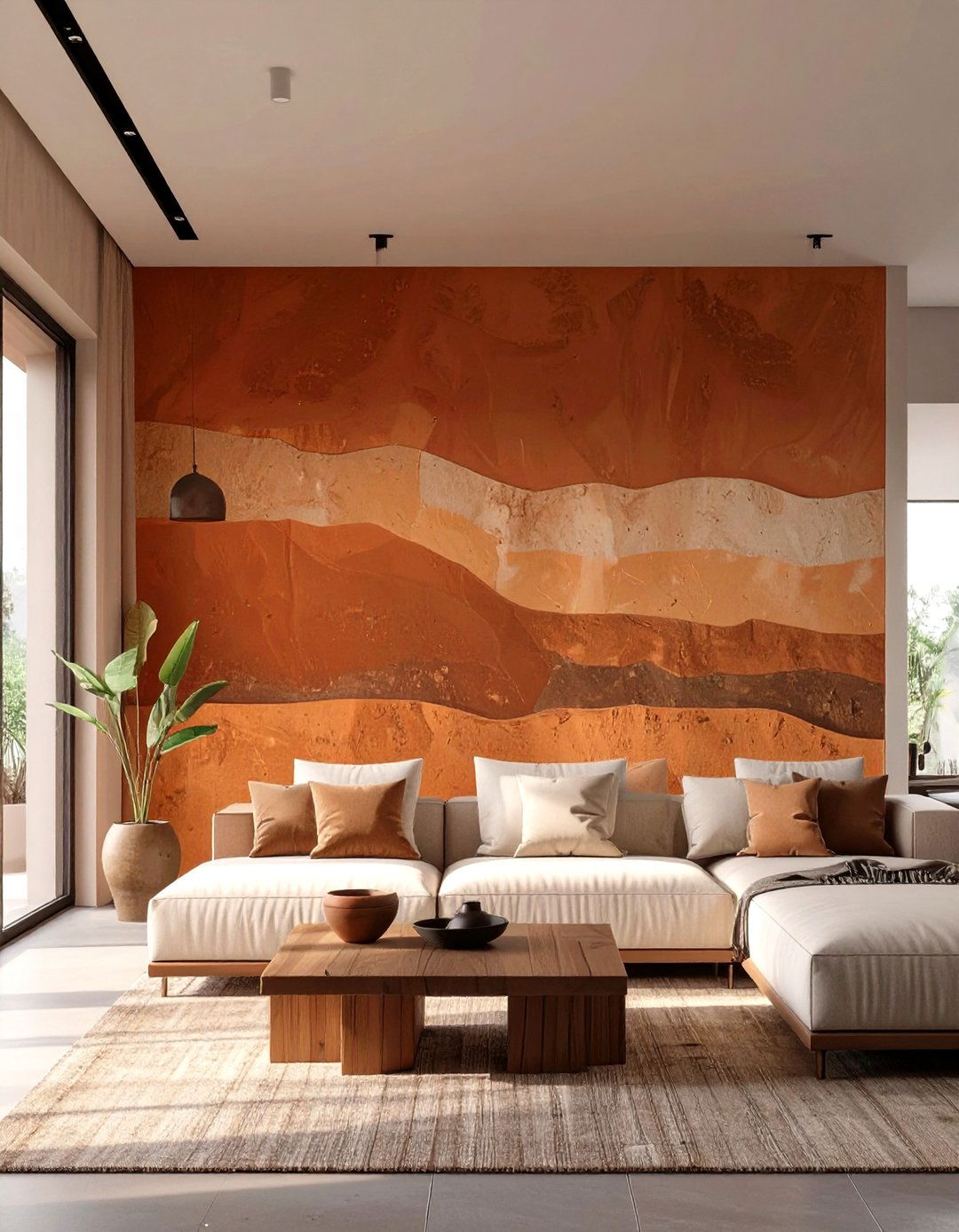
Rammed earth construction is an ancient building technique that involves compacting a mixture of soil, clay, sand, and a small amount of cement into formwork to create strong, durable walls. These walls have excellent thermal mass, meaning they absorb heat during the day and slowly release it at night, naturally regulating indoor temperatures. The materials are locally sourced and non-toxic, resulting in a low carbon footprint and superior indoor air quality. The layered appearance of rammed earth is visually stunning, with subtle variations in color and texture that create a unique, organic aesthetic, connecting the home directly to its surrounding landscape.
18. Energy-Efficient Appliances
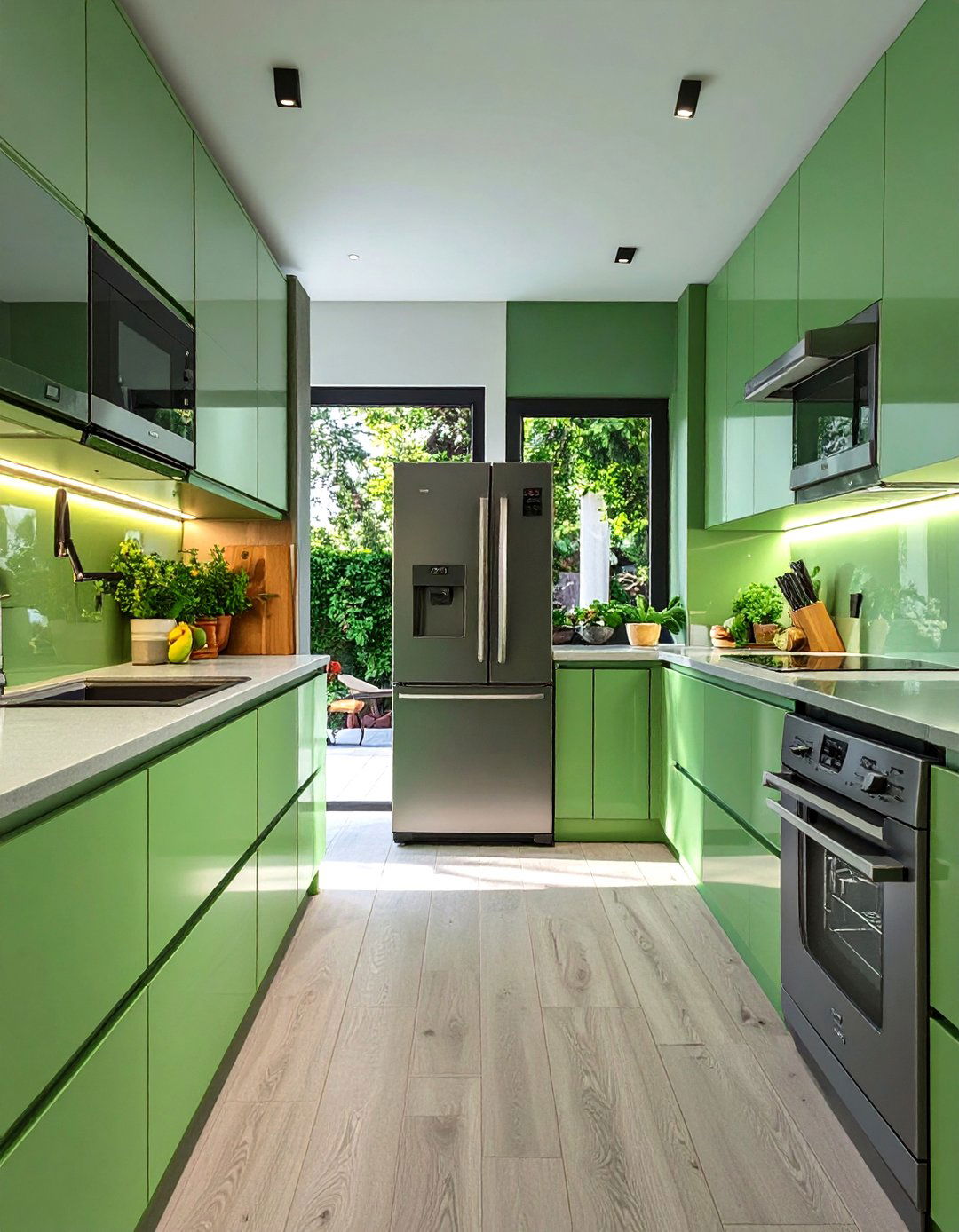
Choosing appliances with a high energy-efficiency rating is a simple yet impactful way to make your home more sustainable. Look for products with the ENERGY STAR label, which are certified to use significantly less energy and water than standard models. This applies to everything from refrigerators and dishwashers to washing machines and clothes dryers. While energy-efficient appliances may sometimes have a higher upfront cost, they lead to substantial savings on your utility bills over their lifespan. By reducing energy consumption, you also lessen the demand on power plants, contributing to a lower overall carbon footprint and a healthier environment.
19. Composting Toilets
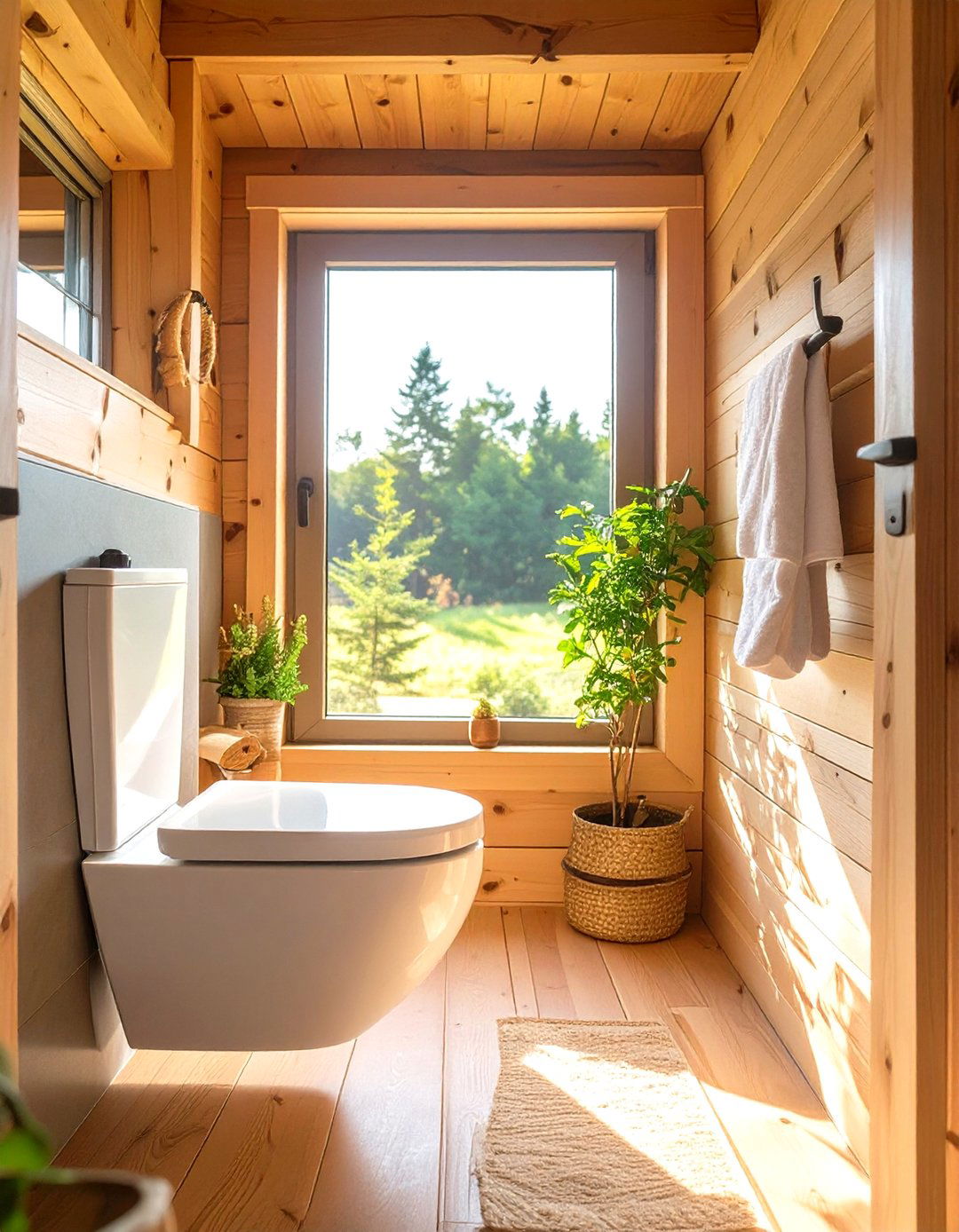
Composting toilets are a sustainable alternative to traditional flush toilets, as they require no water and do not need to be connected to a septic system or municipal sewer. These units break down human waste through natural decomposition and evaporation, transforming it into a nutrient-rich, soil-like compost material. This process eliminates wastewater and recycles human nutrients back into the ecosystem in a safe, hygienic manner. Modern composting toilets are odorless, easy to maintain, and an excellent solution for off-grid homes or areas with water scarcity. They represent a significant step towards closing the loop on waste and conserving water.

20. Smart Home Automation for Energy Management

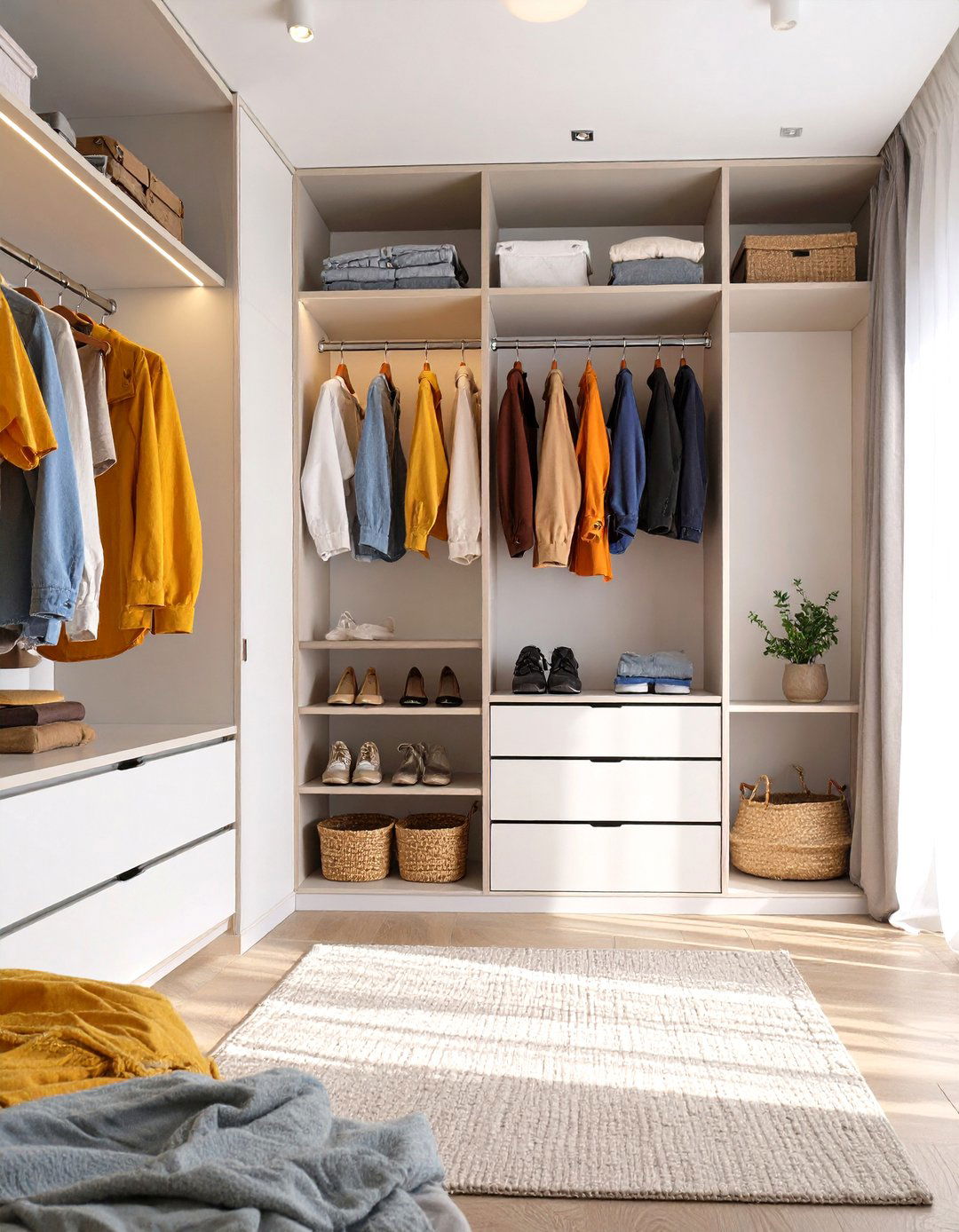
Smart home automation systems provide powerful tools for managing and reducing energy consumption. With a centralized hub, you can control your lighting, thermostat, and appliances remotely via a smartphone app. This allows you to schedule your heating and cooling to operate only when needed, automatically turn off lights in unoccupied rooms, and monitor your overall energy usage in real-time. By optimizing your home’s performance, you can eliminate energy waste, lower your utility bills, and reduce your carbon footprint. Smart technology makes sustainable living more convenient and accessible, empowering you to make informed decisions about your energy use.
21. Natural Fiber Insulation
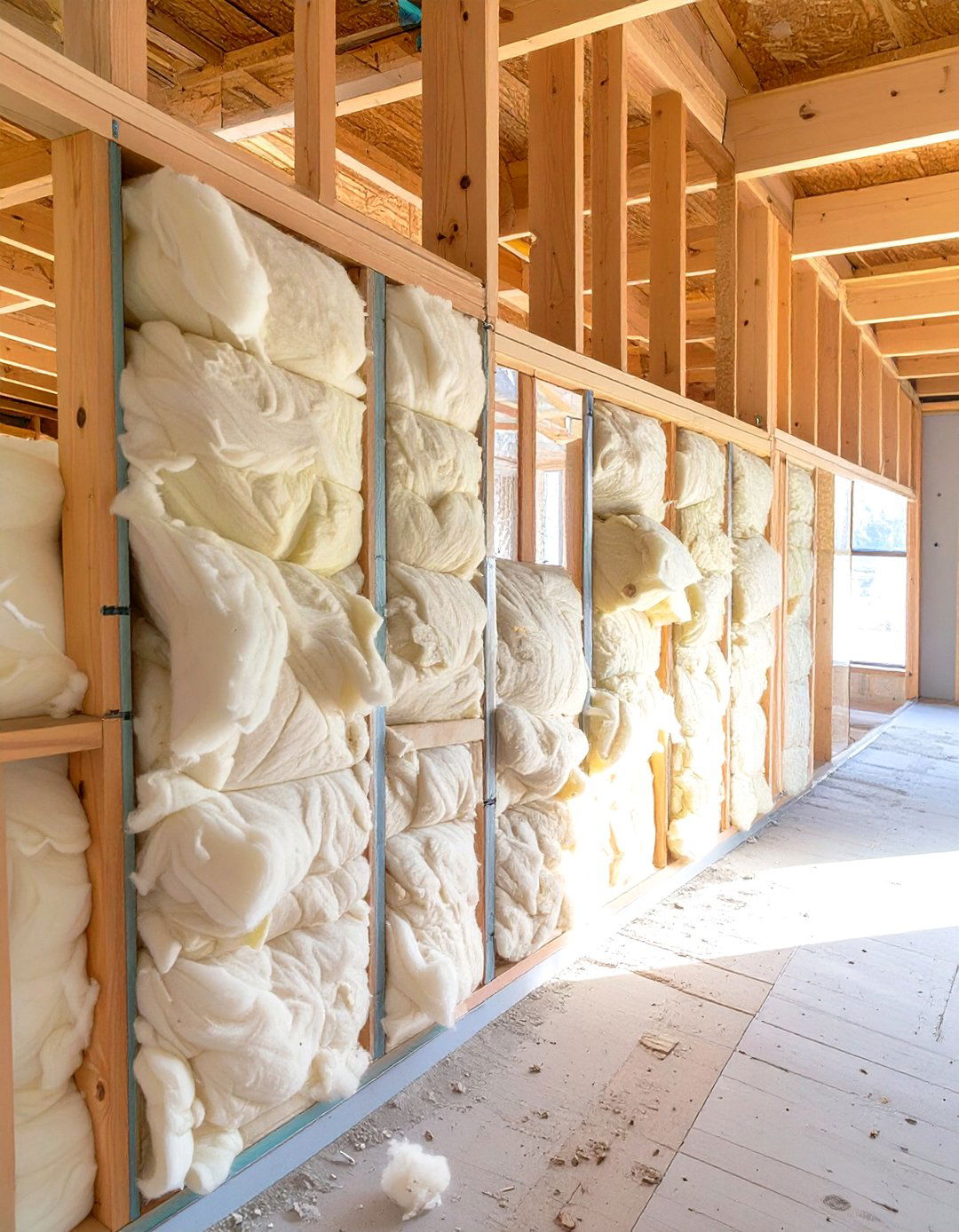
Using natural fiber insulation is a healthy and sustainable alternative to conventional fiberglass or foam insulation. Materials like sheep's wool, cotton (often from recycled denim), and cellulose (made from recycled paper) are excellent insulators that are non-toxic and biodegradable. These materials require less energy to produce than their synthetic counterparts and are safe to handle without protective gear. They are also effective at regulating humidity, as they can absorb and release moisture, which helps prevent mold growth. Choosing natural fiber insulation improves your home's energy efficiency while ensuring better indoor air quality and a smaller environmental impact.
22. Recycled Steel Framing
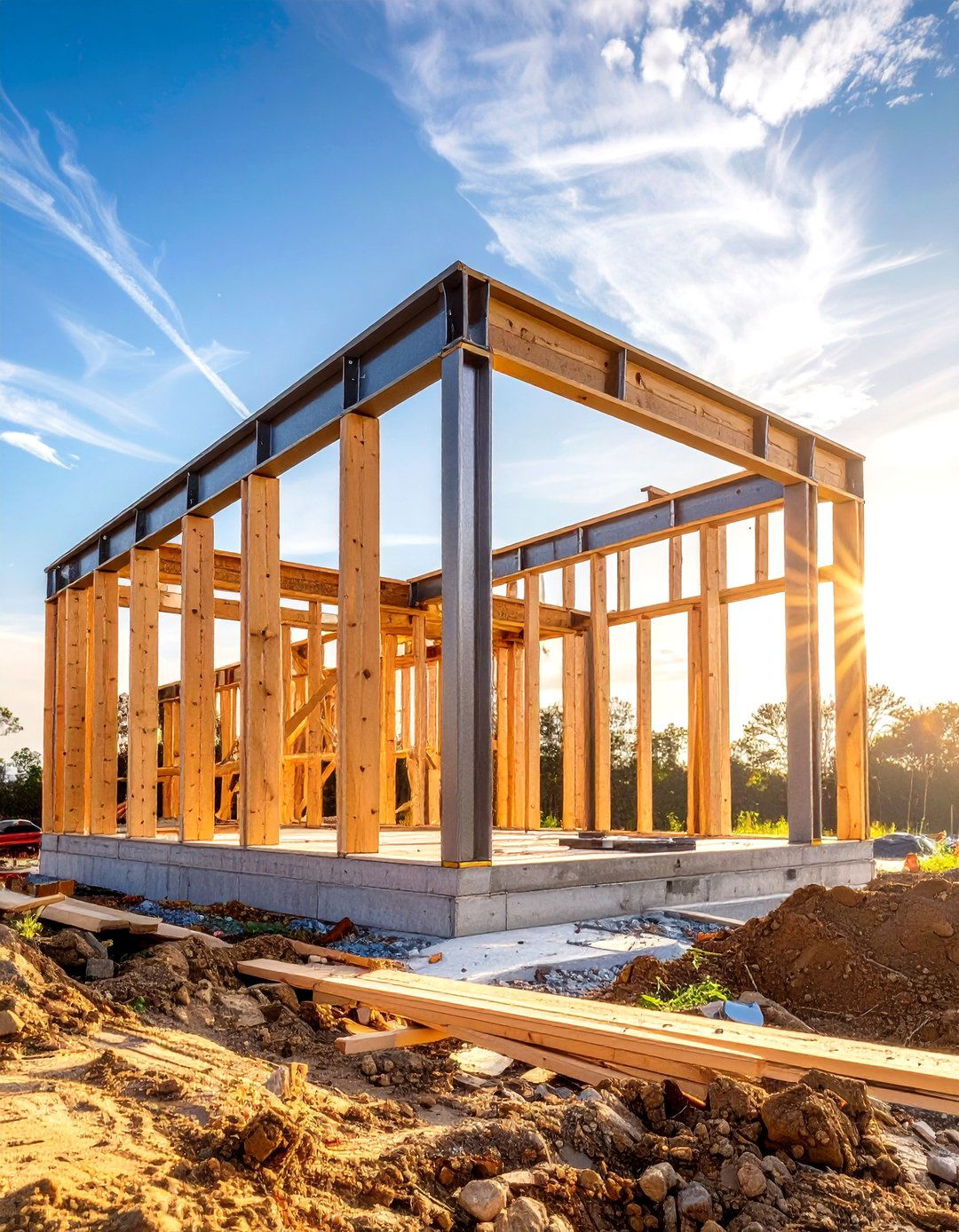
Choosing recycled steel for your home's framing is a durable and highly sustainable construction choice. Steel is one of the most recycled materials on the planet, and using it reduces the need for virgin resources and the energy-intensive processes required to produce new steel. Unlike wood, steel framing is resistant to pests, fire, and rot, ensuring a long-lasting and low-maintenance structure. It is also lightweight yet strong, allowing for versatile design possibilities. Steel frames can be precision-engineered off-site, which minimizes on-site waste and speeds up construction time, making it an efficient and eco-friendly building solution.
23. Locally Sourced Building Materials
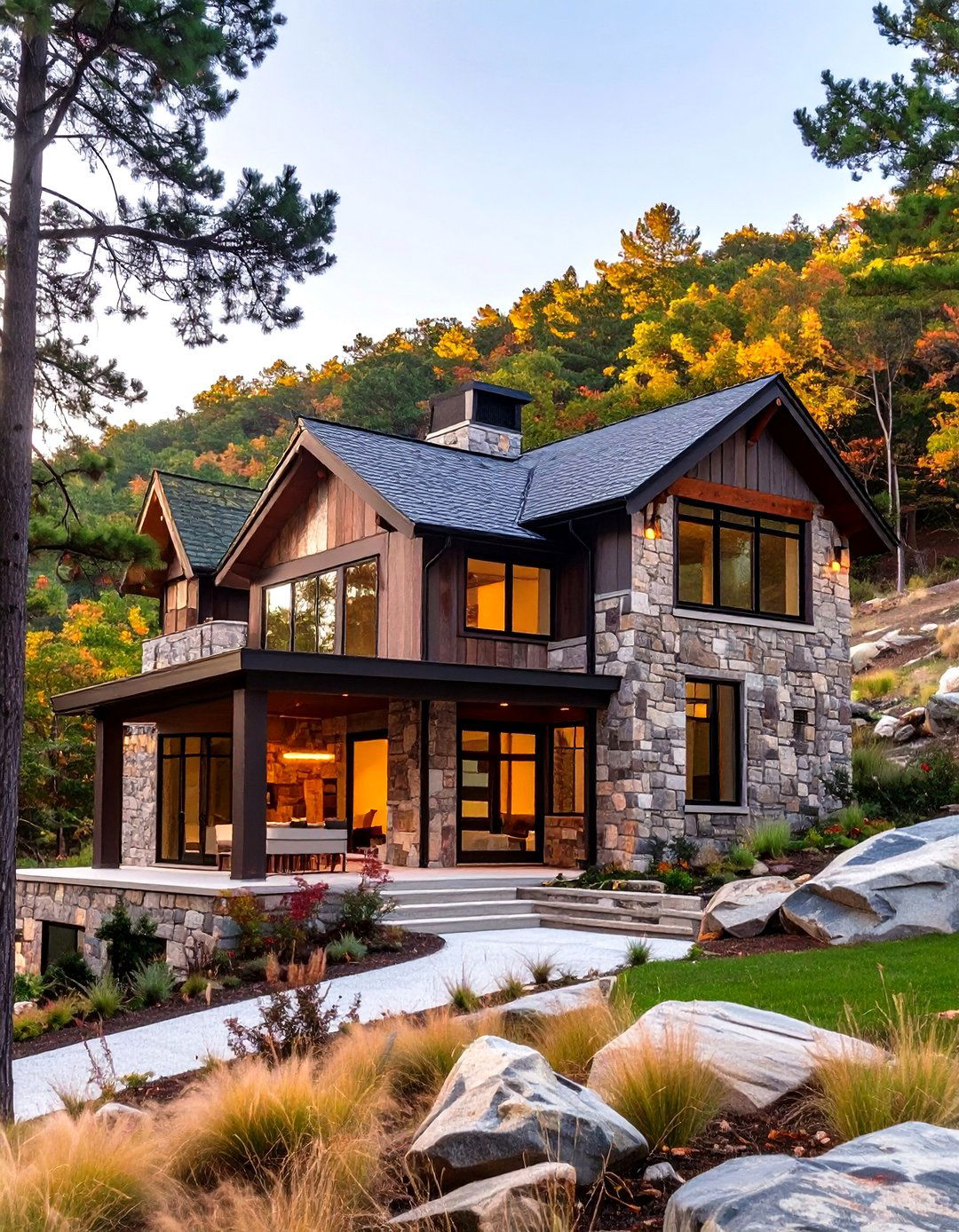
Sourcing building materials locally is a core principle of sustainable design. By choosing materials that are extracted and manufactured close to your construction site, you significantly reduce the transportation costs and carbon emissions associated with long-haul shipping. This practice also supports local economies, small businesses, and craftspeople in your community. Whether it's stone from a nearby quarry, timber from a local forest, or bricks from a regional manufacturer, using local resources helps create a home that is intrinsically connected to its environment. It fosters a sense of place and ensures a lower overall environmental footprint for your project.
24. Maximizing Natural Daylight
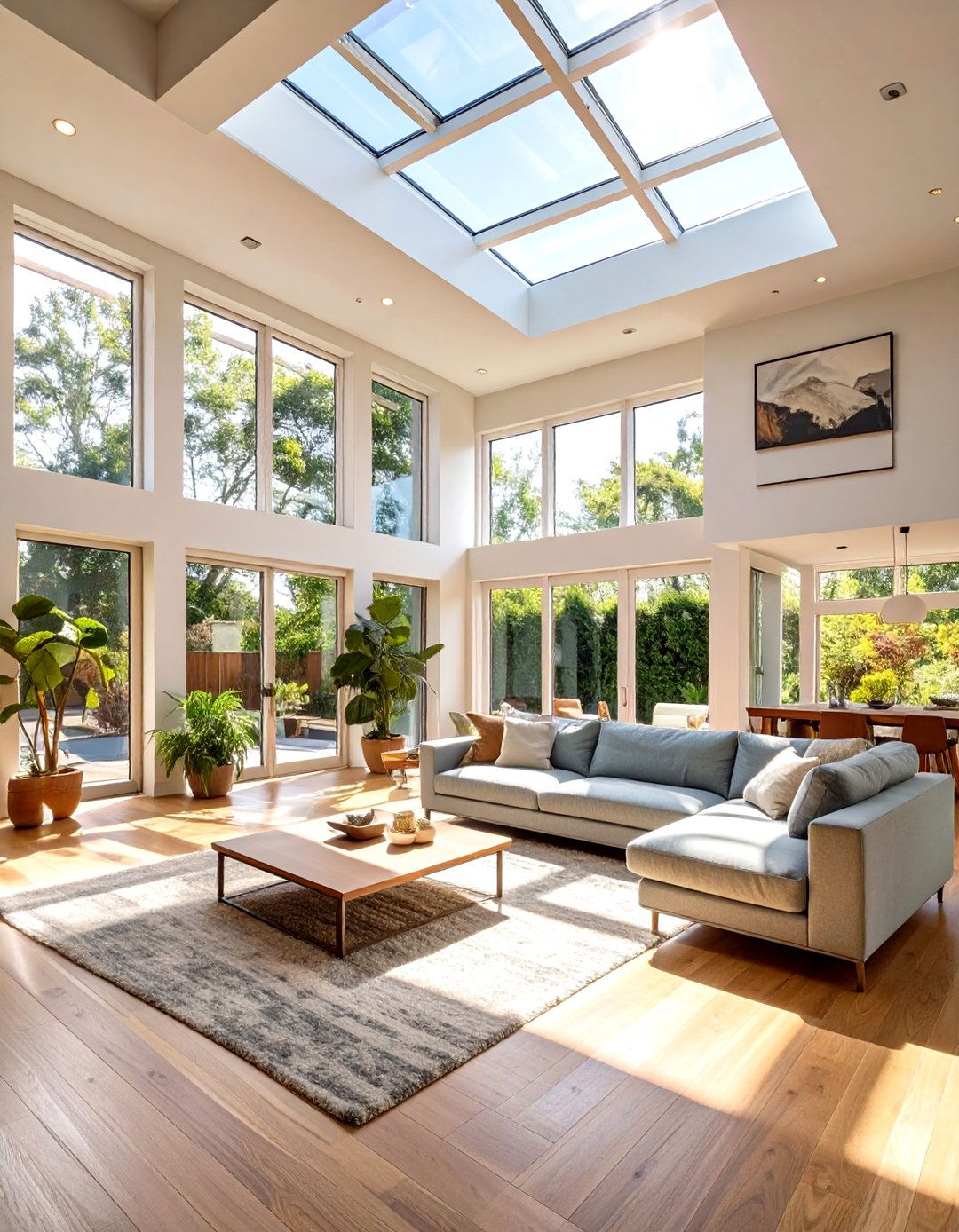
Designing a home to maximize natural daylight is a key strategy for sustainability and well-being. By incorporating large windows, skylights, light tubes, and an open floor plan, you can reduce the need for artificial lighting during the day, which saves energy and lowers electricity costs. Ample natural light creates a brighter, more inviting atmosphere and has been shown to improve mood, productivity, and overall health. Careful placement of windows can also provide passive solar heating in the winter. Thoughtful design that prioritizes daylighting connects the indoor space with the outdoors, making the home feel more spacious and vibrant.
25. Durable and Low-Maintenance Exterior Siding
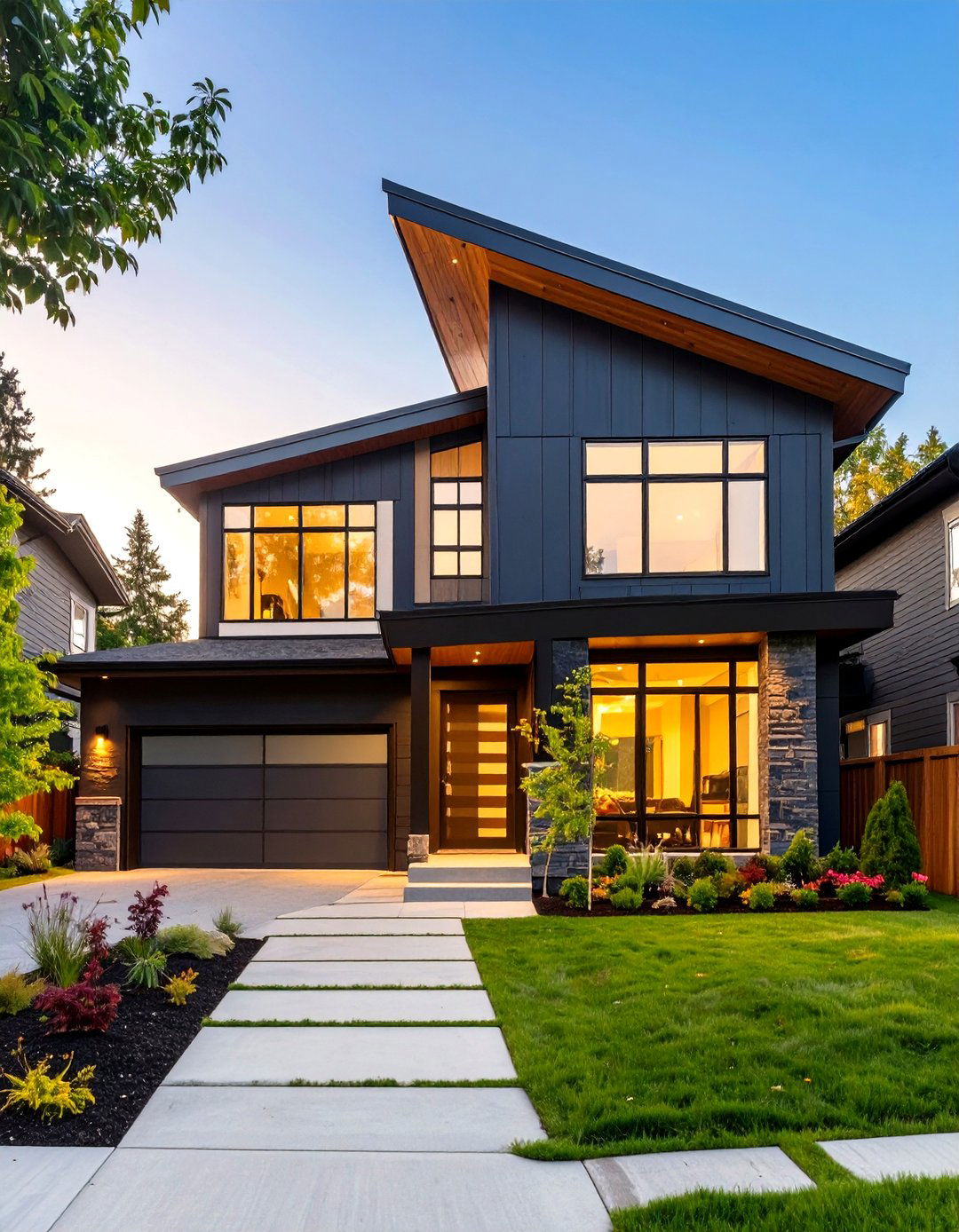
Selecting durable and low-maintenance exterior siding contributes to a home's long-term sustainability. Materials like fiber cement, recycled metal, or thermally modified wood are designed to withstand the elements for decades with minimal upkeep. This reduces the need for frequent repairs, repainting, or replacement, which saves resources, money, and labor over the life of the home. Less maintenance also means fewer chemicals from paints, stains, and sealants are released into the environment. Choosing a long-lasting, resilient siding material ensures your home’s exterior remains beautiful and protective while minimizing its environmental impact over time.
26. Water-Efficient Fixtures
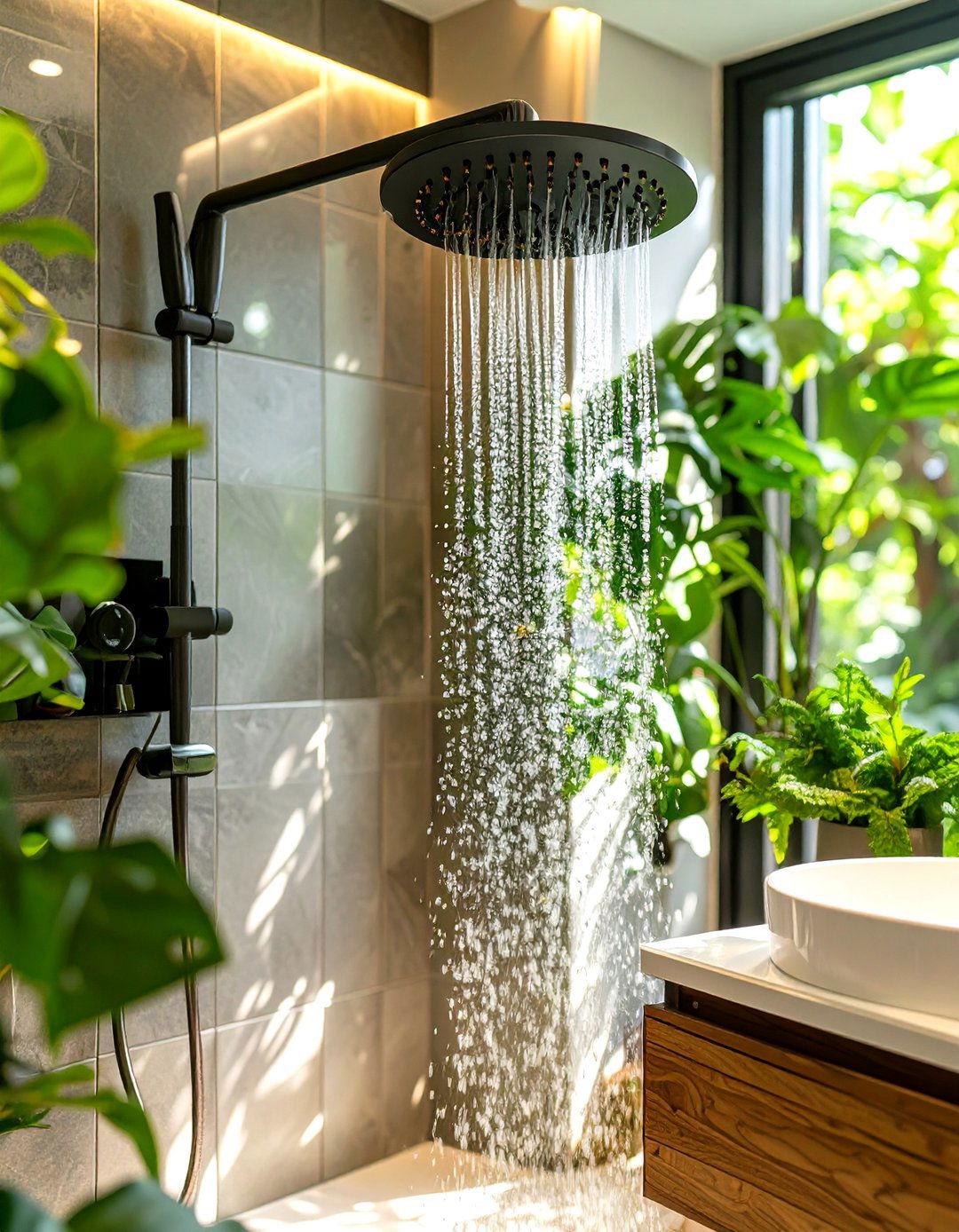
Installing water-efficient fixtures is a simple and effective way to conserve water within your home. Low-flow showerheads, faucets, and toilets are designed to use significantly less water than standard models without sacrificing performance. Look for products with the WaterSense label, which are certified by the EPA to be at least 20 percent more water-efficient. By reducing your household's water consumption, you not only lower your water and energy bills (since less water needs to be heated) but also help preserve this vital natural resource for your community. It is a small change that collectively makes a large positive impact.
27. Mindful Deconstruction and Material Reuse
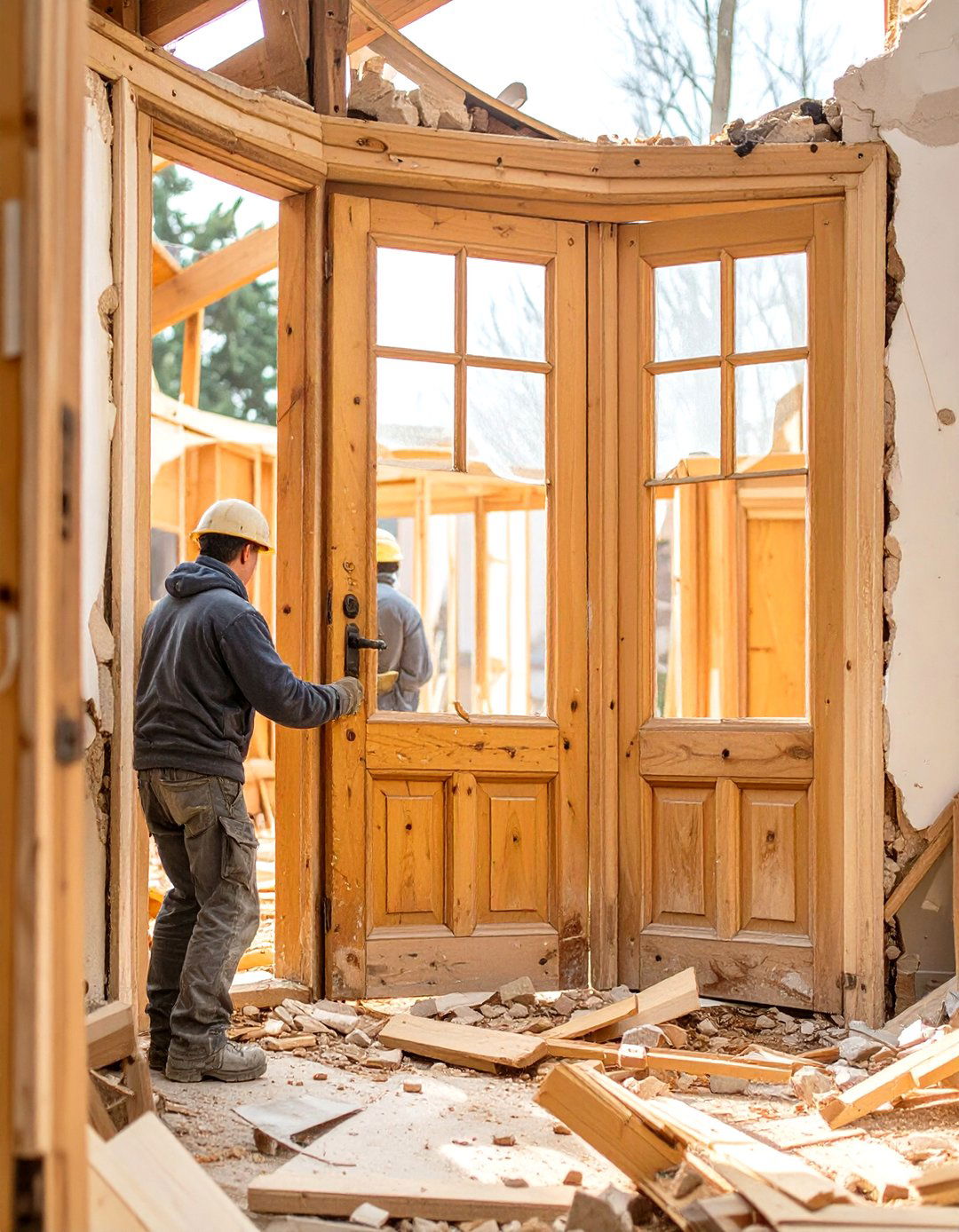
When renovating or replacing an old structure, practicing mindful deconstruction instead of demolition is a key sustainable strategy. Deconstruction involves carefully dismantling a building to salvage materials for reuse and recycling. Items like old-growth timber, doors, windows, flooring, and architectural details can be recovered and incorporated into the new design or sold for use in other projects. This diverts tons of waste from landfills and reduces the demand for new materials. It is a labor-intensive process that honors the history of the old building while contributing to a circular economy and a more resource-efficient construction industry.
28. Planting Drought-Tolerant Landscaping
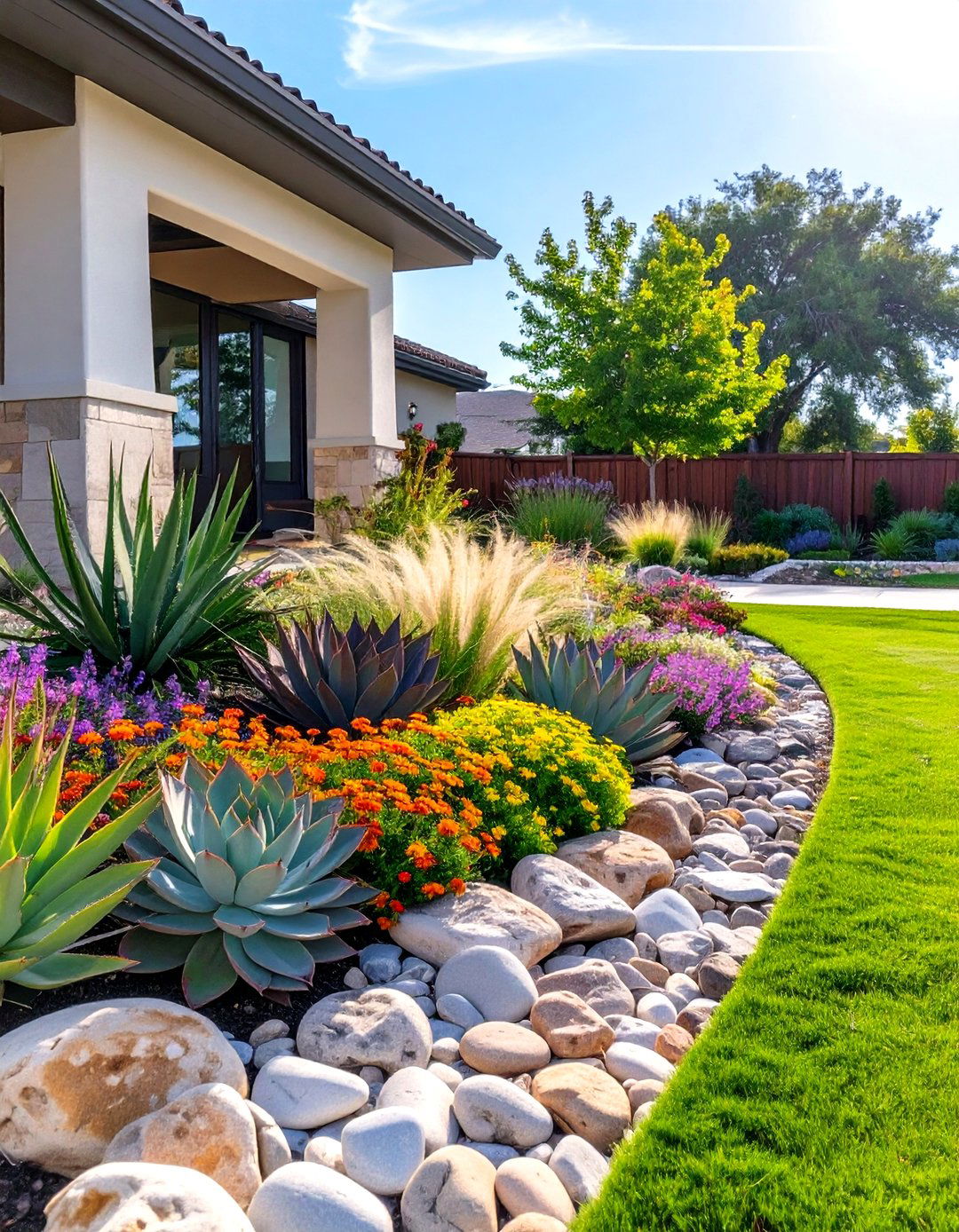
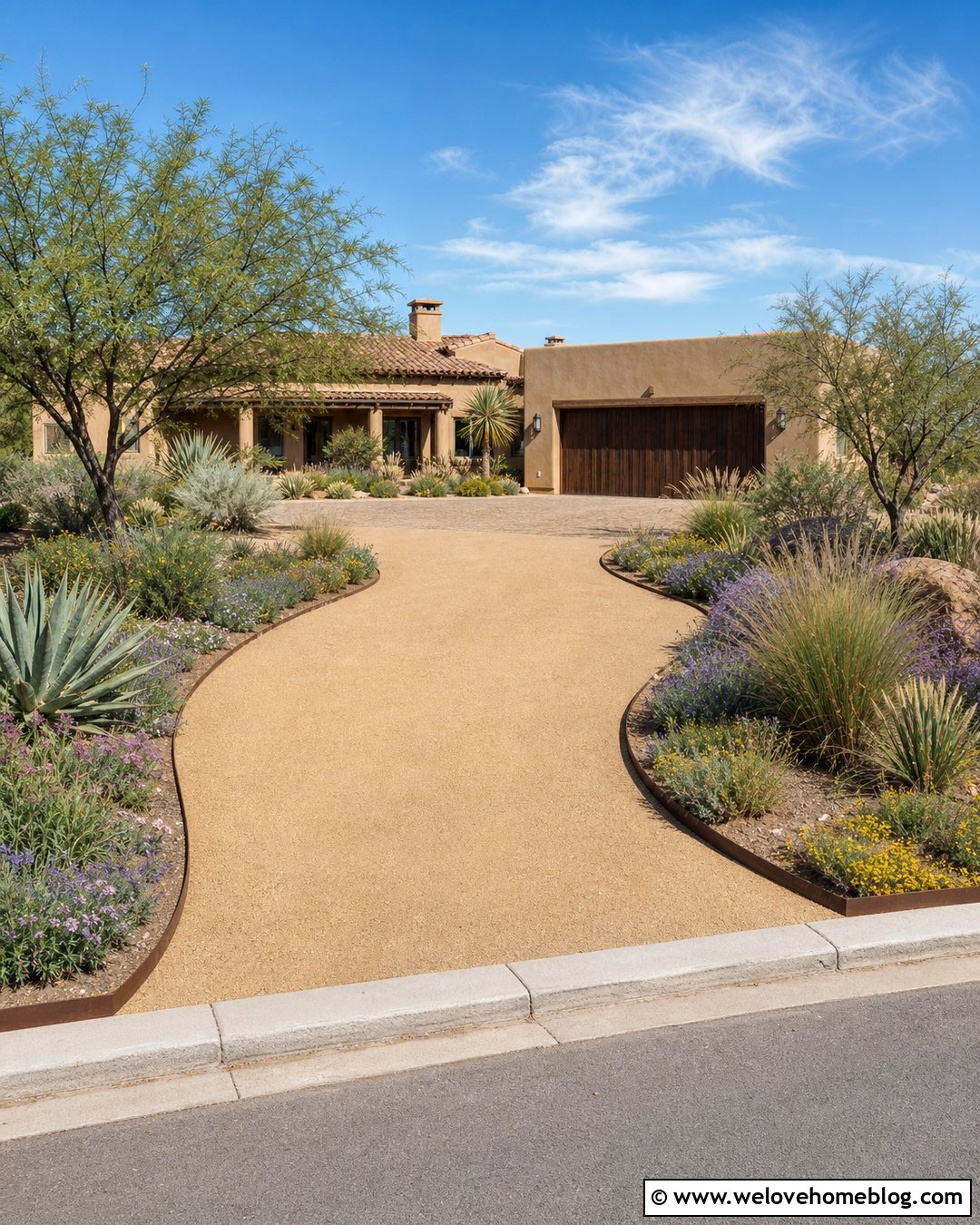
Creating a landscape with drought-tolerant and native plants, often called xeriscaping, is a fundamental aspect of sustainable home design. These plants are adapted to the local climate and require little to no supplemental irrigation once established, drastically reducing outdoor water use. Native plants also provide essential habitat and food for local wildlife, such as birds, bees, and butterflies, supporting regional biodiversity. A drought-tolerant garden is low-maintenance and resilient, thriving without the need for chemical fertilizers or pesticides. It creates a beautiful, naturalistic setting that conserves water and is in harmony with its surrounding ecosystem.
29. Use of Non-Toxic Adhesives and Sealants
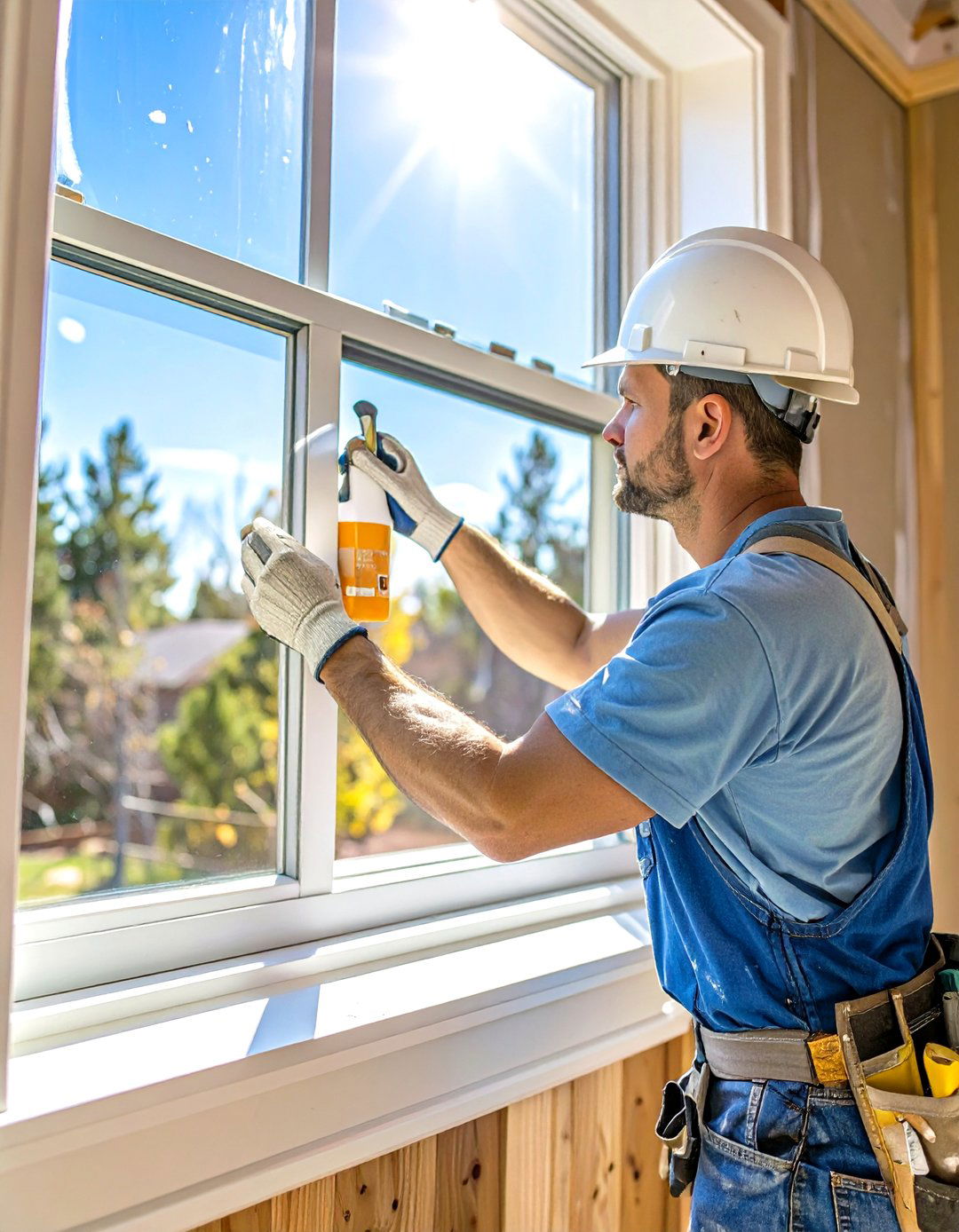
During construction and finishing, it is crucial to use non-toxic, low-VOC adhesives, caulks, and sealants. Conventional products can release harmful chemicals into the air for months or even years, compromising indoor air quality and potentially causing health issues. Eco-friendly alternatives are made from natural, plant-based ingredients or have been formulated to have zero or very low VOC content. Making this switch ensures that your home is not only structurally sound but also a healthy environment for its occupants. It is a small detail that makes a significant difference in creating a truly non-toxic and sustainable living space.
30. Passive House (Passivhaus) Certification
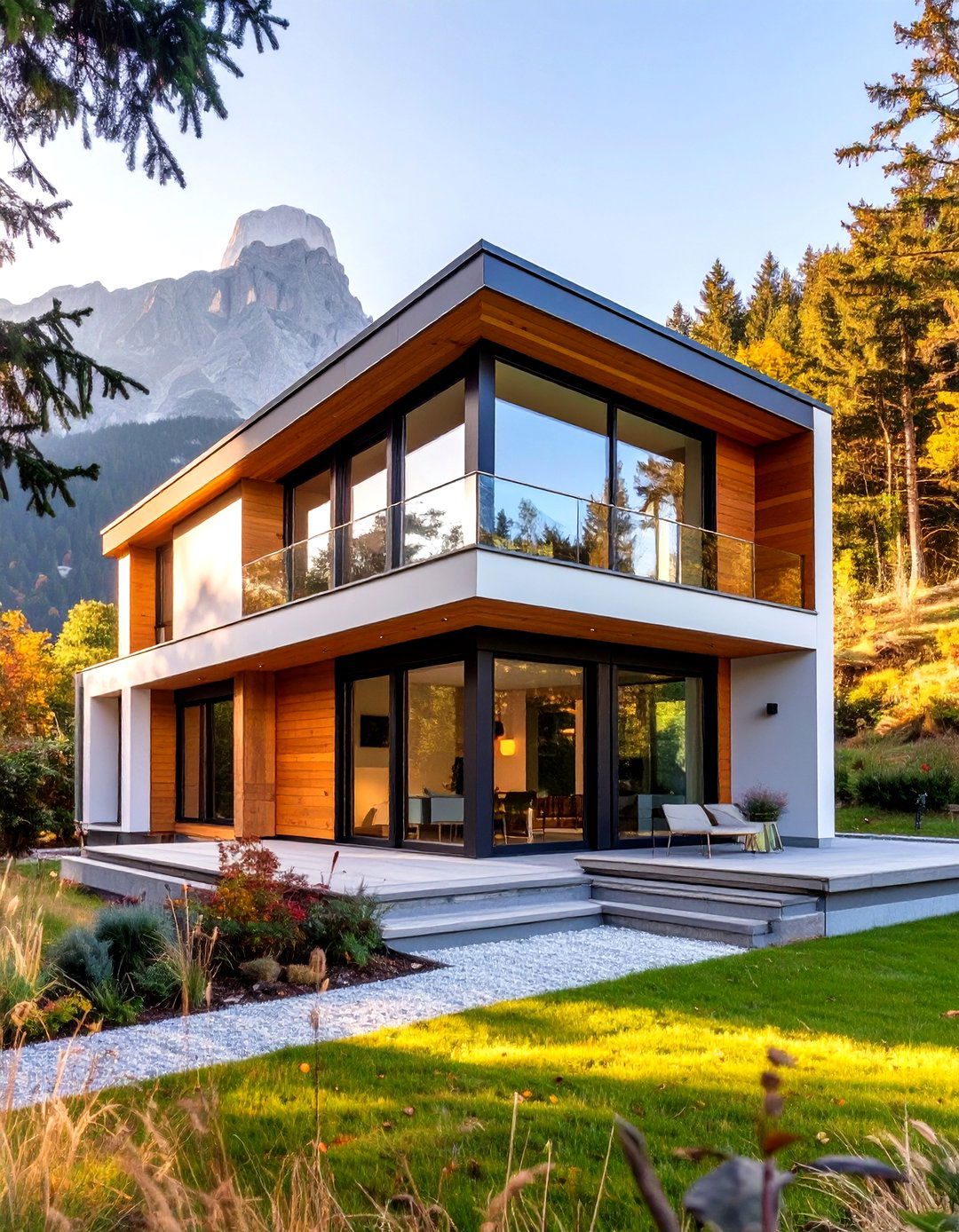
For the ultimate in sustainable design, consider building to the Passive House (Passivhaus) standard. This rigorous, performance-based certification focuses on creating a home that is exceptionally energy-efficient, comfortable, and affordable. Key principles include super-insulation, an airtight building envelope, high-performance windows, and a heat recovery ventilation system. A certified Passive House uses up to 90% less energy for heating and cooling than a conventional home. While it requires meticulous design and construction, the result is a home with superior comfort, excellent indoor air quality, and incredibly low energy bills, representing the pinnacle of sustainable building.
Conclusion:
Ultimately, sustainable home design is about making conscious choices that benefit both the planet and the homeowner. From harnessing solar power and conserving water to using reclaimed materials and ensuring healthy indoor air, these 30 ideas offer a comprehensive roadmap. By integrating these principles, we can create homes that are not only beautiful and comfortable but also resilient, energy-efficient, and environmentally responsible. This forward-thinking approach to building ensures a lighter footprint on the earth and a healthier, more affordable lifestyle for generations to come, proving that sustainability and modern living can go hand in hand.

Related posts:


Leave a Reply