
Porous driveways combine practical drainage with attractive curb appeal, making them a smart alternative to solid, impermeable paving. Unlike conventional surfaces that shed rain toward streets and storm drains, porous materials allow water to pass through the surface into an open-graded stone base below. Common options include permeable pavers, pervious concrete, porous asphalt, gravel, and reinforced grass grids. These systems can reduce runoff while keeping a driveway functional and visually connected to the home and landscape. () The best design still depends on soil conditions, vehicle loads, slope, maintenance needs, and professional base preparation. From polished contemporary layouts to relaxed cottage entrances, the following complete looks offer practical inspiration for **20 porous driveway ideas**.

1. Permeable Paver Driveway With Stone Borders
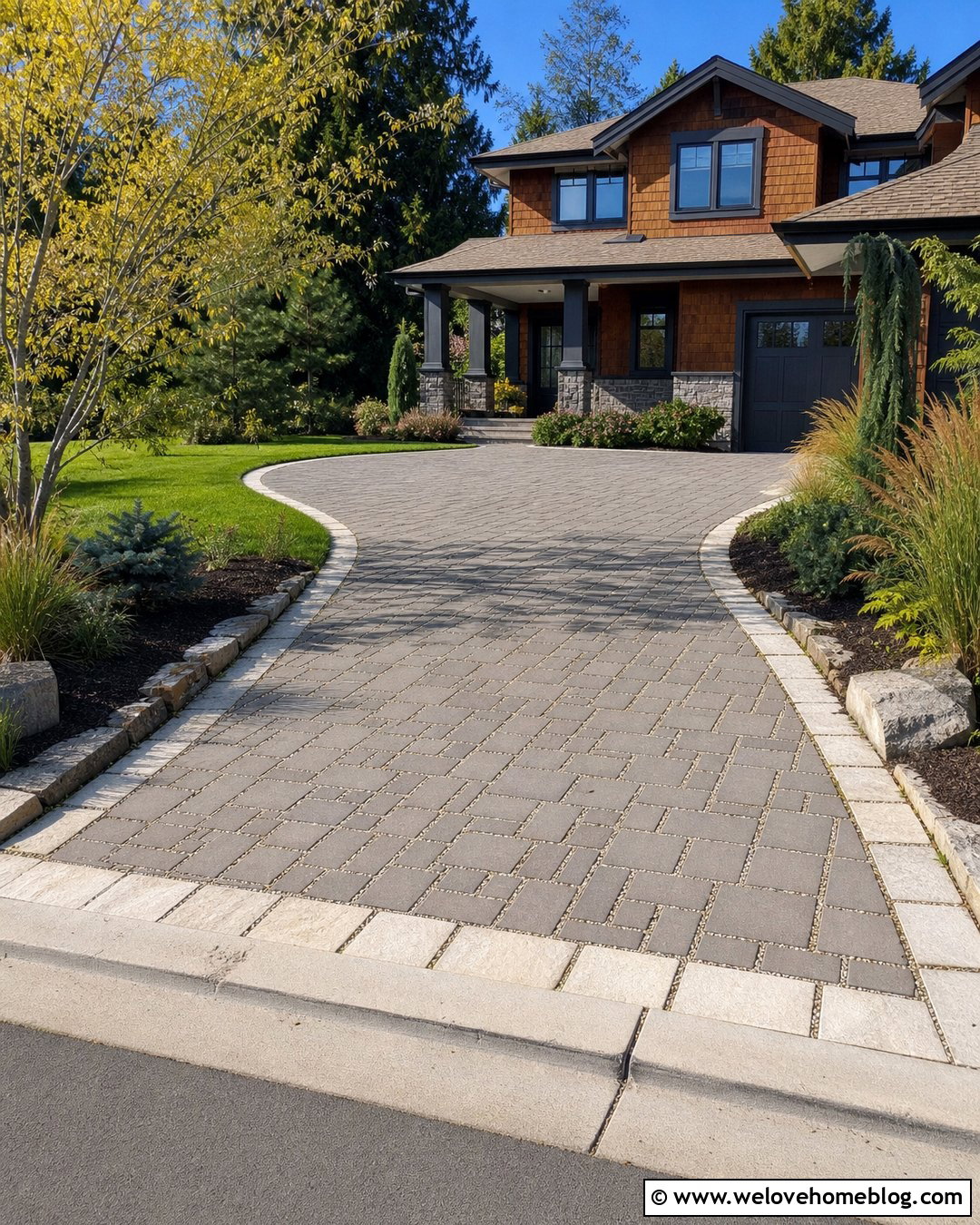
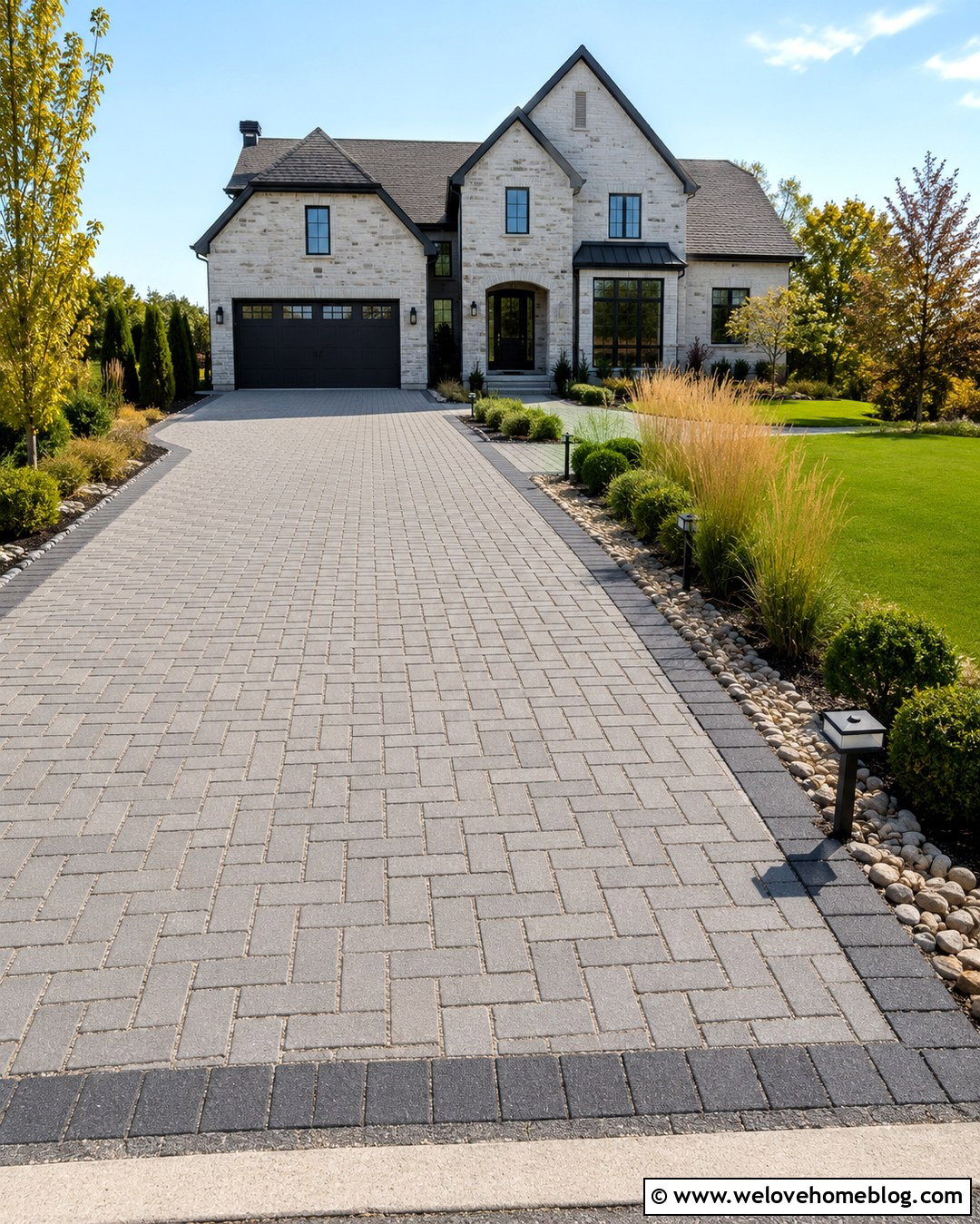
Permeable concrete pavers create a polished driveway without making the front yard feel heavily paved. Choose rectangular charcoal or warm gray pavers with widened joints filled with clean, crushed aggregate. These open joints let rain enter the stone reservoir underneath. Frame the driveway with larger limestone or granite blocks to prevent shifting and create a crisp transition into the lawn. A gently curved layout can soften a boxy garage facade, while layered ornamental grasses and compact evergreen shrubs keep the borders neat. Match the walkway to the driveway pavers for visual continuity. This complete design works especially well with Craftsman, transitional, and contemporary homes. Periodic vacuum sweeping and fresh joint aggregate help preserve drainage and keep the surface looking orderly.
2. Pea Gravel Driveway With Cobblestone Edging
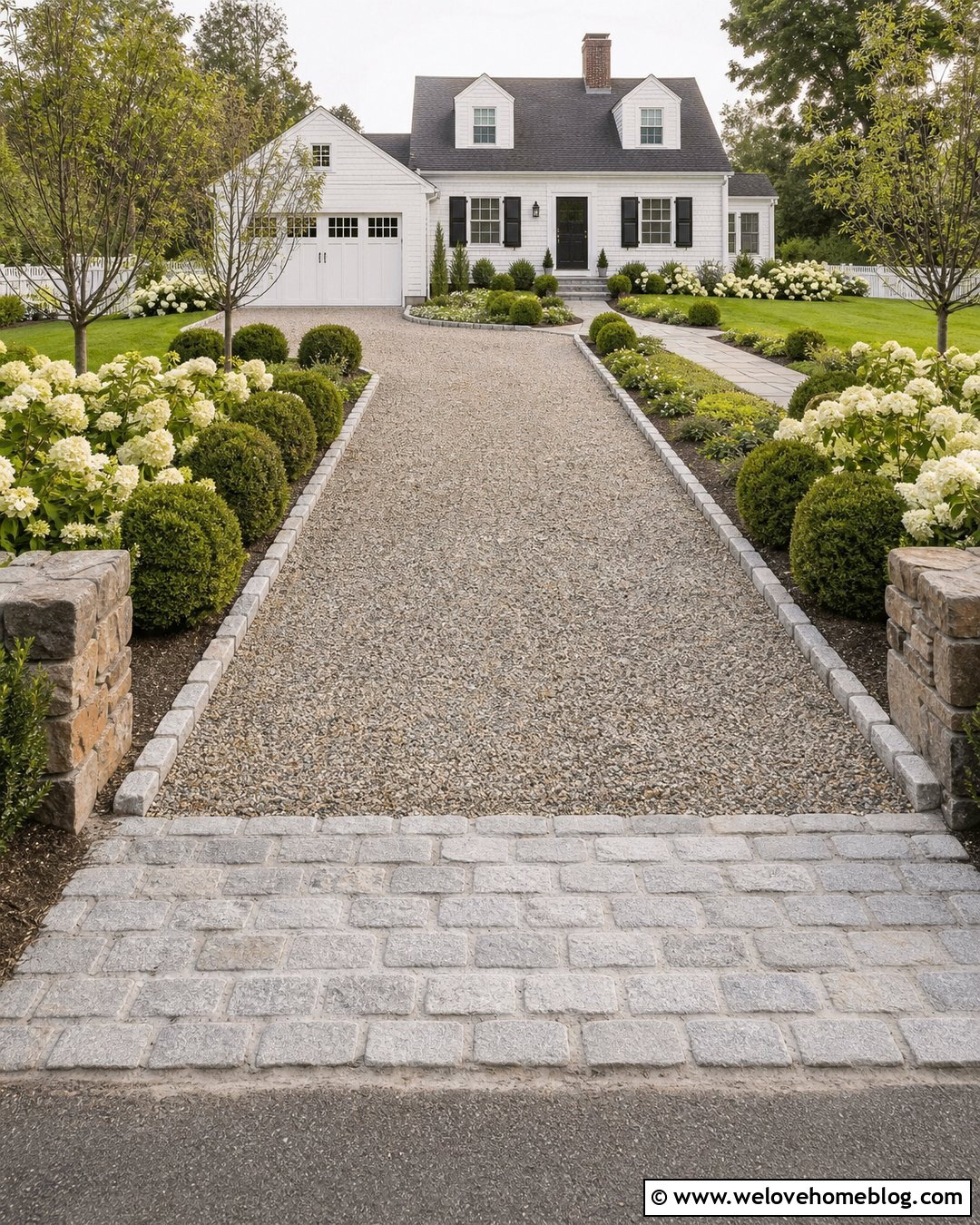
The soft color and rounded texture of pea gravel give a porous driveway an inviting, established appearance. Install the gravel over a properly designed open-graded aggregate base, then contain it with substantial cobblestone edging. The border should sit high enough to reduce stone migration without creating an awkward curb beside vehicle tires. A straight driveway can lead toward a Cape Cod house, with hydrangeas, boxwoods, and flowering ground covers lining both sides. Near the street, a short cobblestone apron creates a stronger transition and helps keep loose gravel away from the roadway. Choose a mixed tan, cream, and gray gravel blend that complements the home’s siding. Stabilization grids beneath the surface can reduce rutting and make this comfortable-looking design easier to maintain.
3. Porous Asphalt Driveway With Native Planting
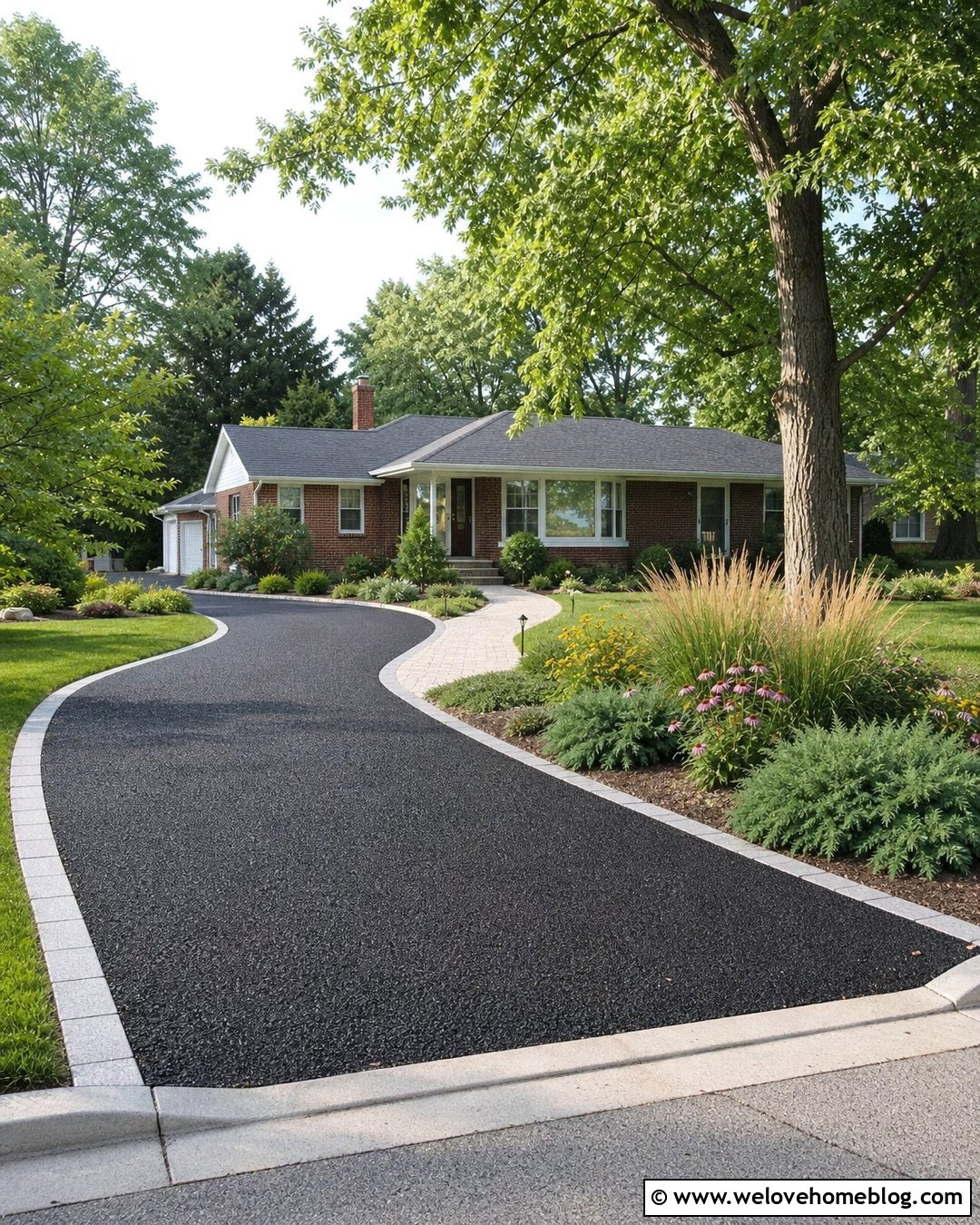
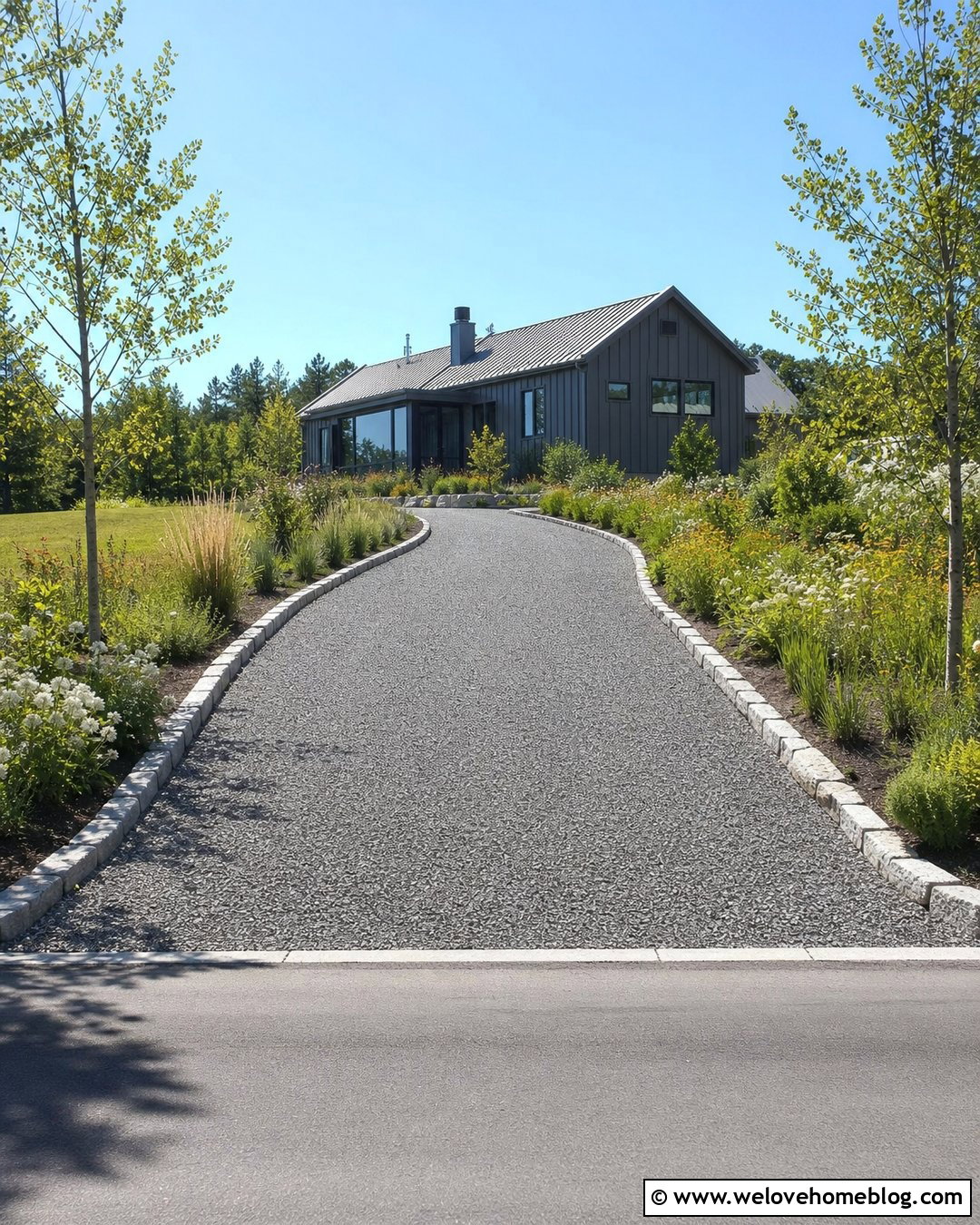
Need a familiar driveway surface with better stormwater performance? Porous asphalt resembles traditional black asphalt but uses an open structure that allows water to move through it. Pair a gently curved porous asphalt driveway with flush granite curbing and broad native planting beds. Switchgrass, coneflowers, creeping juniper, and regionally appropriate shrubs can soften the dark surface while handling local conditions. A light concrete or permeable paver walkway adds contrast near the front door. This layout suits ranch homes and wooded suburban properties where an understated driveway is preferred. The stone reservoir and drainage beneath the asphalt must be carefully engineered, so professional installation is important. Keep nearby soil, mulch, and landscape debris from washing onto the surface, since sediment can gradually obstruct its open spaces.
4. Pervious Concrete Driveway With Grass Strips
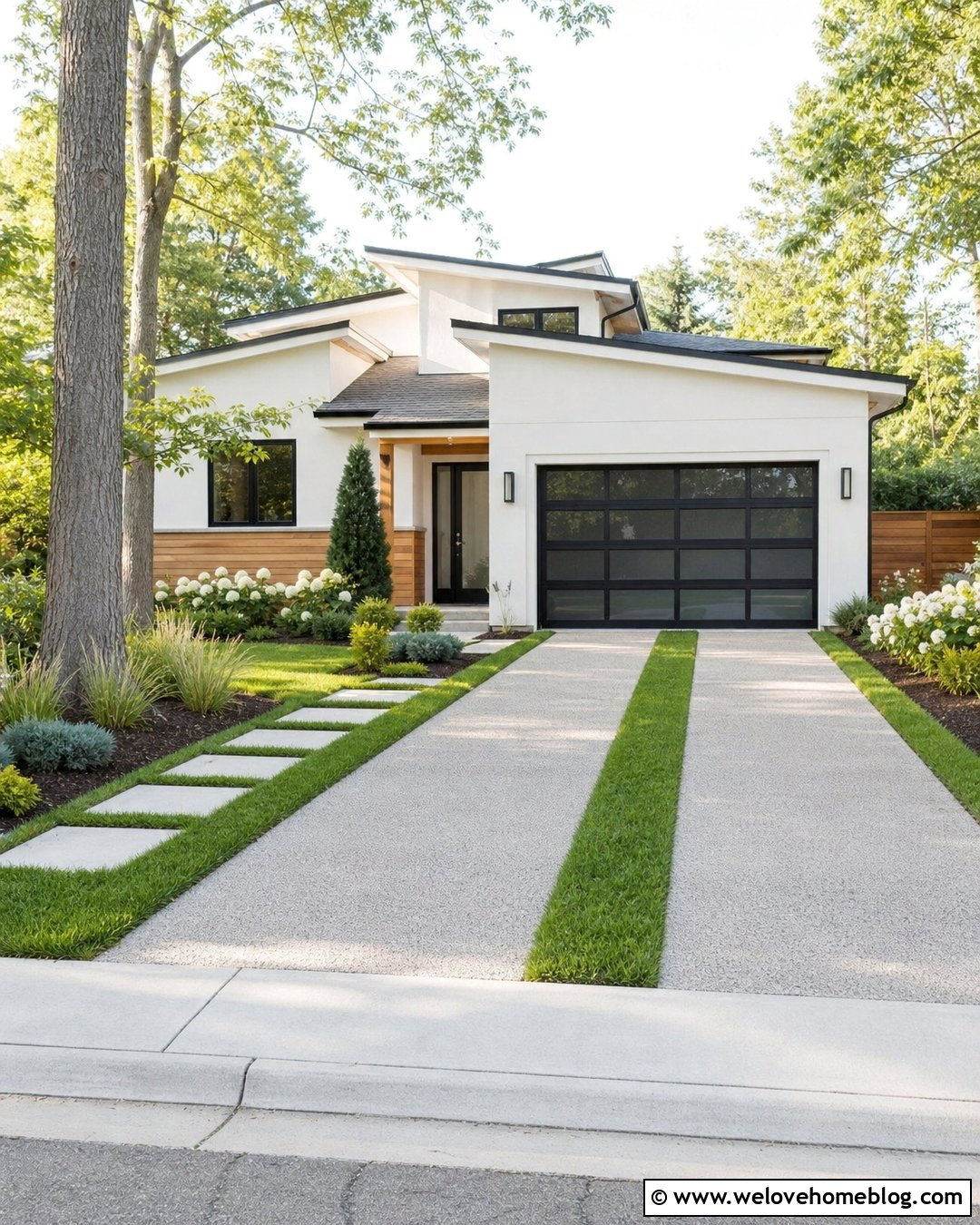
Pervious concrete offers the clean appearance of concrete while containing connected voids that allow water to drain through the slab. For a lighter modern look, use pale gray pervious concrete in two broad wheel lanes separated by a reinforced grass strip. Continue narrow lawn bands along the outer edges to reduce the visual width of the driveway. Square planting beds filled with ornamental grasses, dwarf evergreens, and white flowering perennials can echo the home’s simple geometry. The surface pairs particularly well with a modern house featuring white stucco, wood siding, or dark metal details. Because pervious concrete requires a specialized mixture, placement method, and curing process, it is not treated like standard poured concrete. Keep soil and mulch away from its edges to help protect surface permeability.
5. Grass Grid Driveway With Brick Ribbons
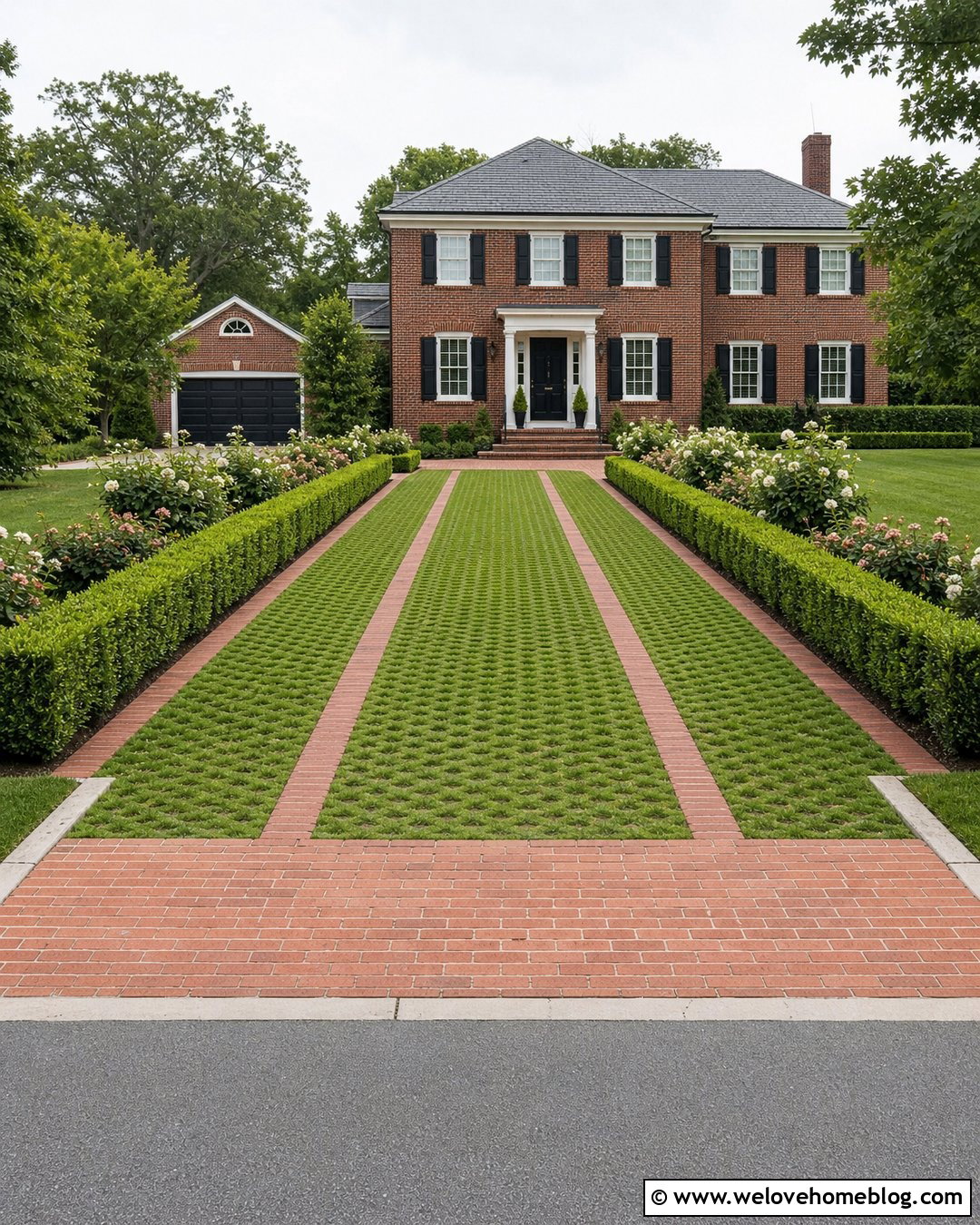
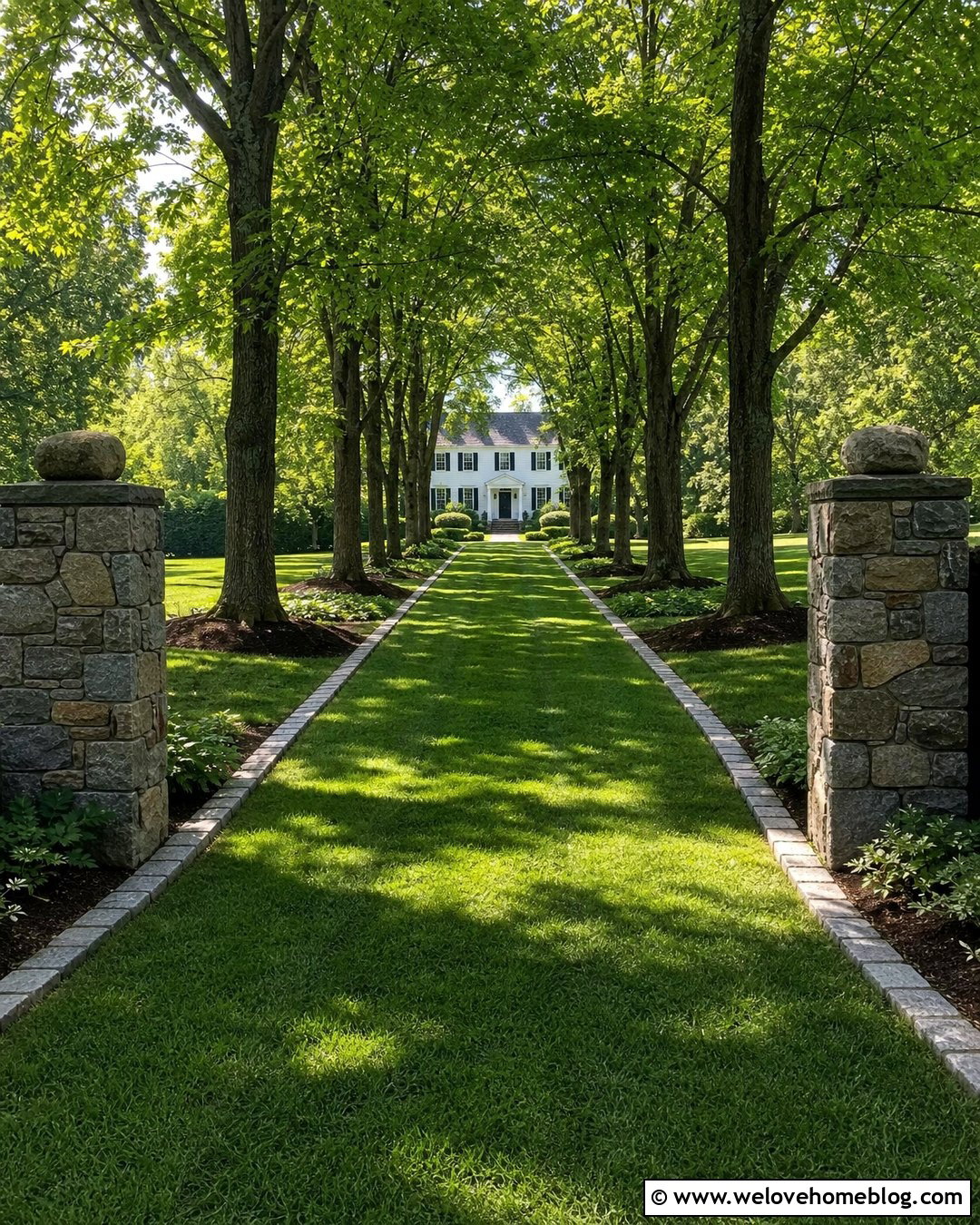
A reinforced grass grid driveway can make a parking area feel like part of the lawn rather than a large paved zone. Use load-rated concrete or plastic cellular grids filled with suitable soil and durable turf. Add clay brick ribbons beneath the main tire paths to strengthen the visual layout and guide vehicles toward the garage. Brick edging around the perimeter provides another practical boundary and connects the driveway to a traditional walkway. This design complements Colonial and Georgian-inspired houses, especially when paired with clipped hedges and symmetrical planting beds. Select grass suited to the region’s light, moisture, and traffic conditions. An irrigation plan may be necessary in dry climates. Avoid repeatedly turning tires in one spot, since concentrated movement can damage turf and disturb the grid infill.
6. Gravel Grid Driveway With Modern Landscaping
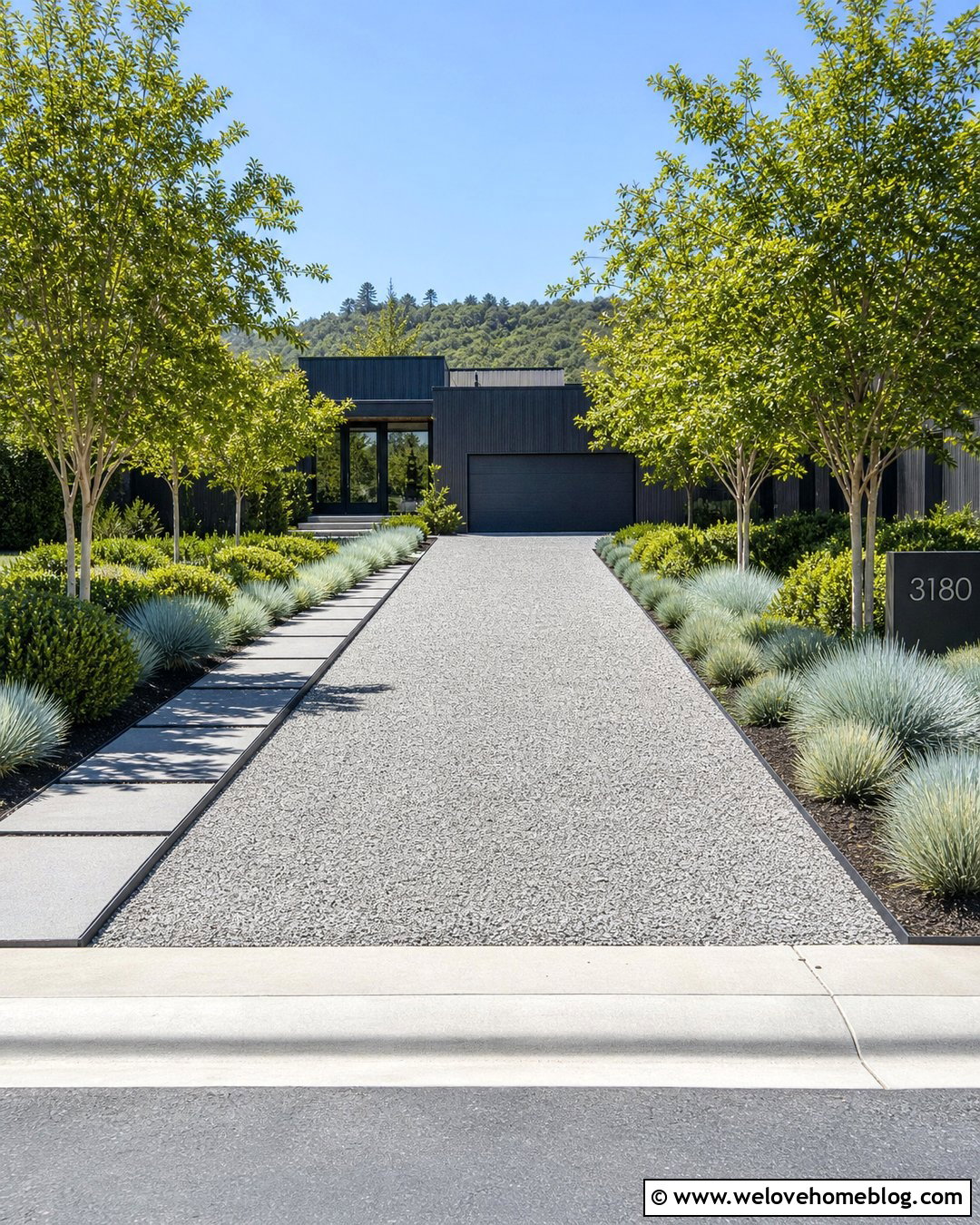
For the relaxed appearance of gravel with greater surface stability, install angular gray gravel inside a load-bearing cellular grid. The hidden structure helps hold aggregate in place and limits the deep ruts that often form in loose driveways. Keep the layout straight and rectangular for a contemporary home, using slim black metal edging to create sharp boundaries. On one side, add a matching permeable walkway divided from the driveway by a narrow bed of blue fescue, sedges, and low evergreen shrubs. A row of small multi-stem trees can screen neighboring properties without overwhelming the entrance. Choose angular stone rather than smooth river rock because the pieces lock together more effectively. A light-colored gravel blend also brightens the approach and provides attractive contrast against dark siding or black garage doors.
7. Permeable Brick Driveway With Herringbone Pattern
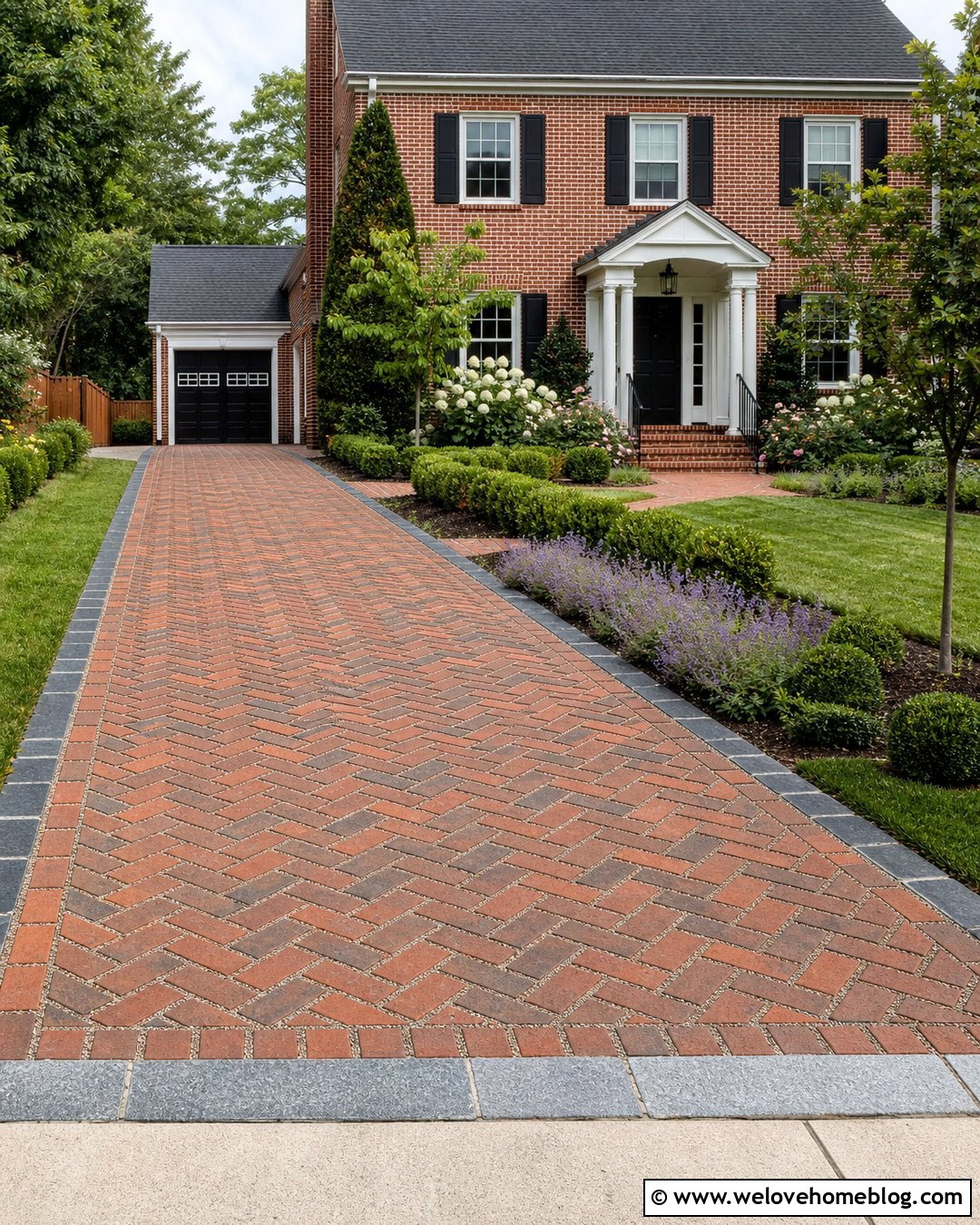
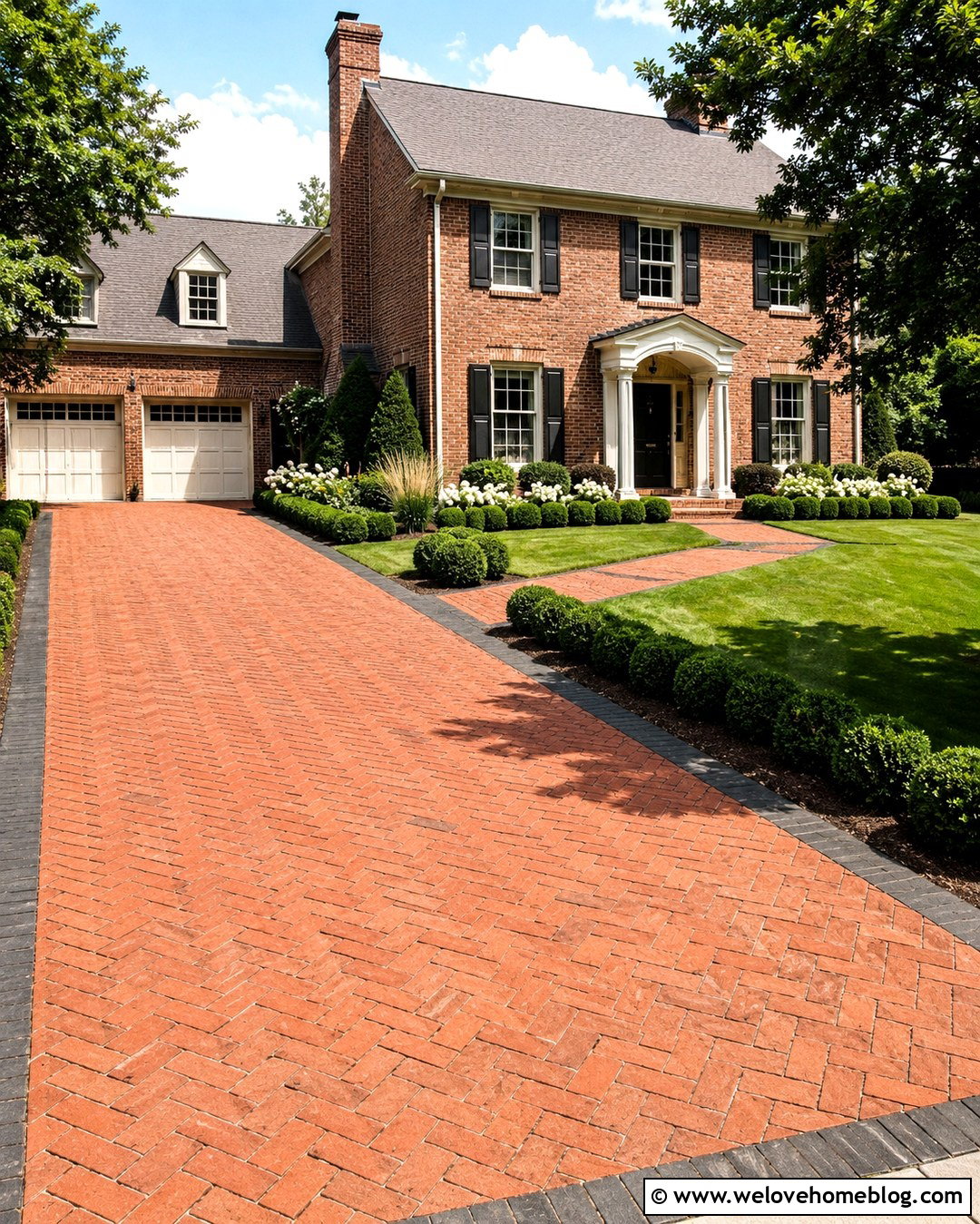
Clay brick can produce a warm, traditional porous driveway when permeable paving units and open aggregate-filled joints are used as a complete system. Lay rich red and brown bricks in a herringbone pattern to create strong visual movement and dependable interlock. A straight driveway bordered by dark granite setts feels appropriate beside a classic brick Colonial or Tudor-style home. Repeat the brick in the front walkway and entrance steps so the entire approach looks intentional. Plant boxwood, roses, catmint, and small deciduous trees in generous side beds to soften the masonry. Avoid filling permeable joints with ordinary mortar or dense sand. Instead, use the specified clean joint aggregate. Occasional joint cleaning helps prevent sediment, leaves, and organic material from reducing infiltration between the bricks.
8. Resin-Bound Gravel Driveway With Curved Edges
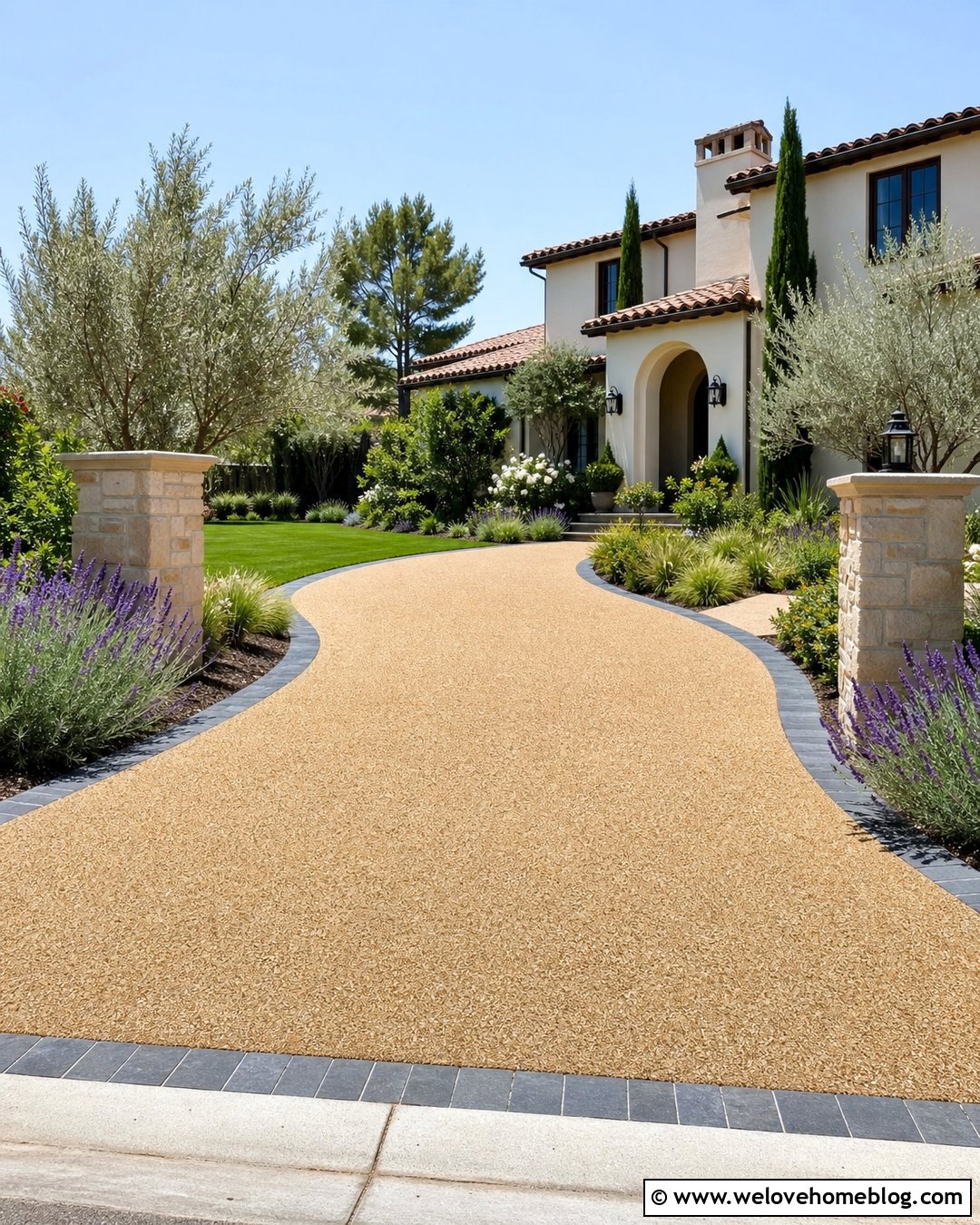
Resin-bound gravel creates a smooth, decorative surface by coating clean aggregate with resin while preserving small connected spaces for drainage. A warm honey-colored finish looks especially welcoming on a curved driveway leading to a cream stucco or Mediterranean-inspired house. Define the sweeping edges with dark granite blocks, then repeat that color in the entrance pillars and front steps. Lavender, rosemary, ornamental grasses, and compact olive-like trees can reinforce the dry, refined landscape without hiding the driveway shape. Specify a genuinely permeable resin-bound installation rather than a resin-bonded surface applied over an impermeable base. The driveway should use compatible open-graded foundation layers where infiltration is intended. Its smooth finish creates a tidy appearance, although professional mixing and installation are essential for even color, strength, and drainage.
9. Crushed Stone Driveway With Planted Center Strip
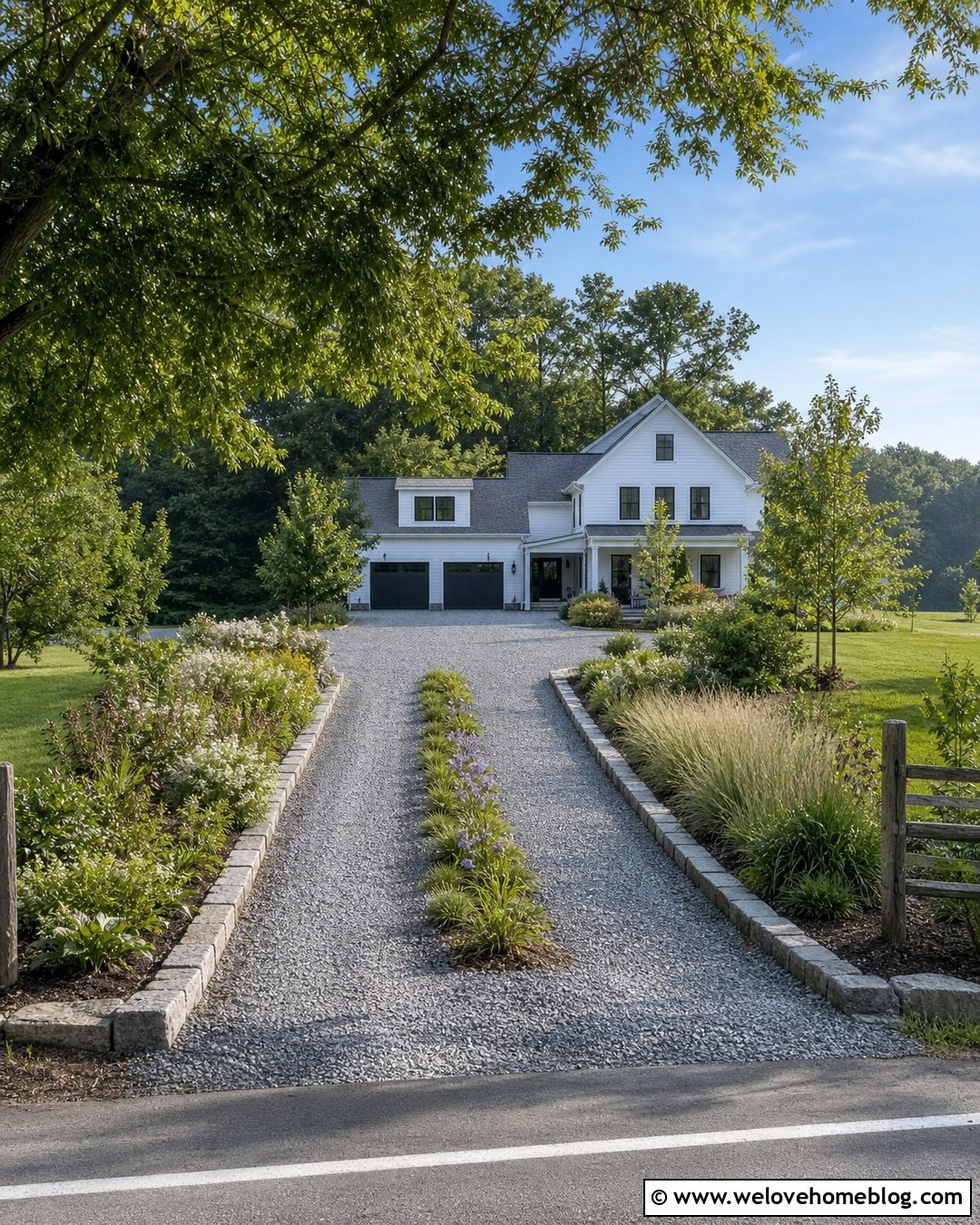
A crushed stone driveway becomes more distinctive when its vehicle tracks are separated by a planted center strip. Use compactable angular stone in muted gray or buff tones, but preserve the drainage design with appropriately graded base materials. Low-growing, traffic-tolerant ground cover in the center reduces the amount of visible hardscape and suits a cottage, farmhouse, or rural property. Edge both sides with reclaimed granite blocks or thick timber beams to contain the stone. Add informal planting beds filled with native grasses, flowering perennials, and small shrubs. Keep the center strip low enough that it does not scrape vehicles or block sightlines. This layout is most practical where drivers can follow a predictable path. At the garage entrance, widen the crushed stone surface to provide comfortable turning and parking space.
10. Permeable Paver Driveway With Rain Garden
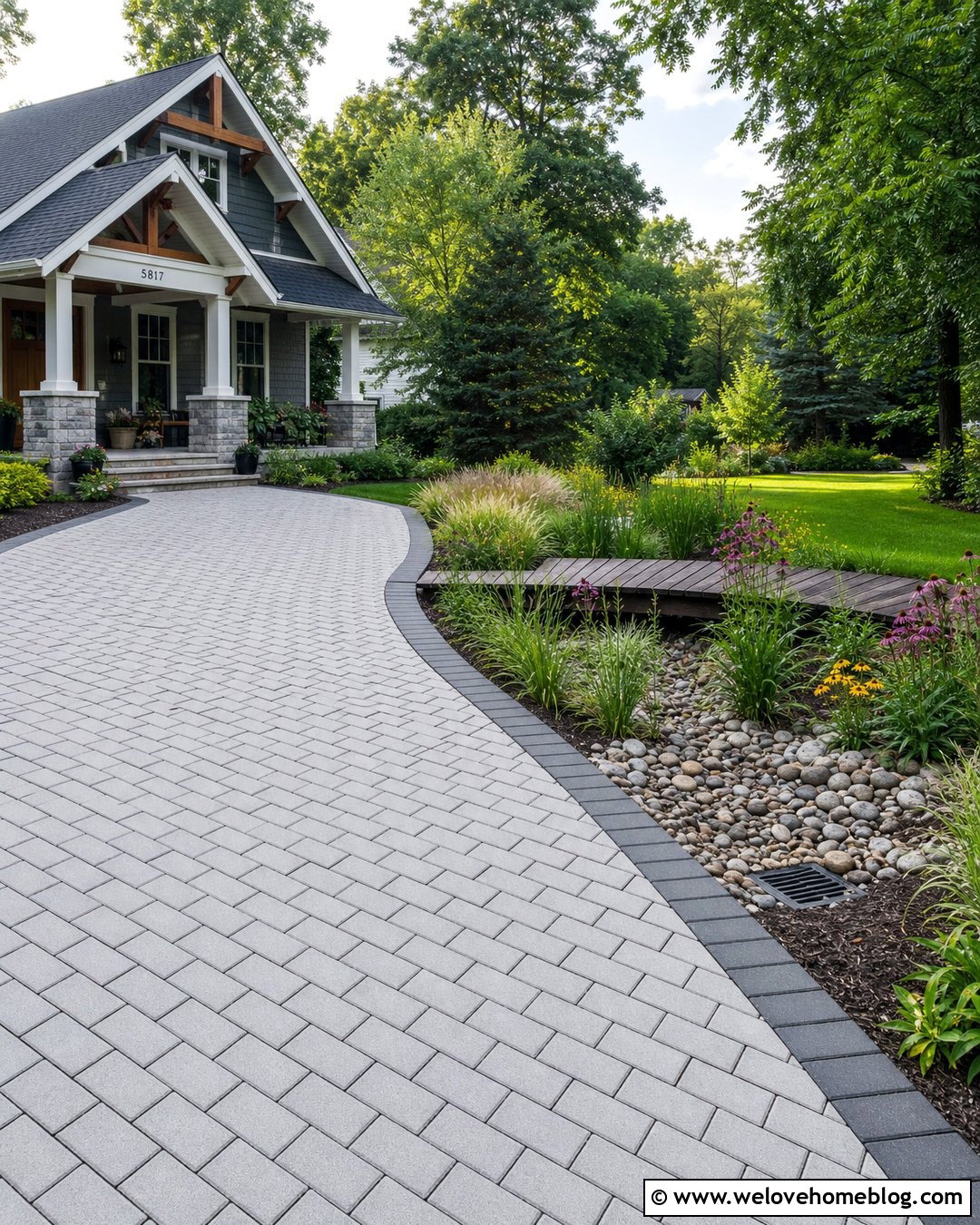
A driveway and rain garden can work together as one coordinated front-yard drainage design. Install light gray permeable interlocking concrete pavers in a running-bond pattern, shaping the driveway with a subtle slope toward a planted depression along one side. The permeable surface handles rainfall where it lands, while the rain garden can receive planned overflow during heavier storms. Frame the garden with river stone and moisture-tolerant plants selected for the local climate. A small bridge-style walkway can cross the planting zone and connect the driveway to the front door. This complete look fits Craftsman and contemporary suburban homes. Keep loose mulch away from the paver joints because it can wash onto the driveway. A defined stone forebay at the garden inlet can also make sediment and debris easier to remove.
11. Open-Cell Concrete Driveway With Ground Cover
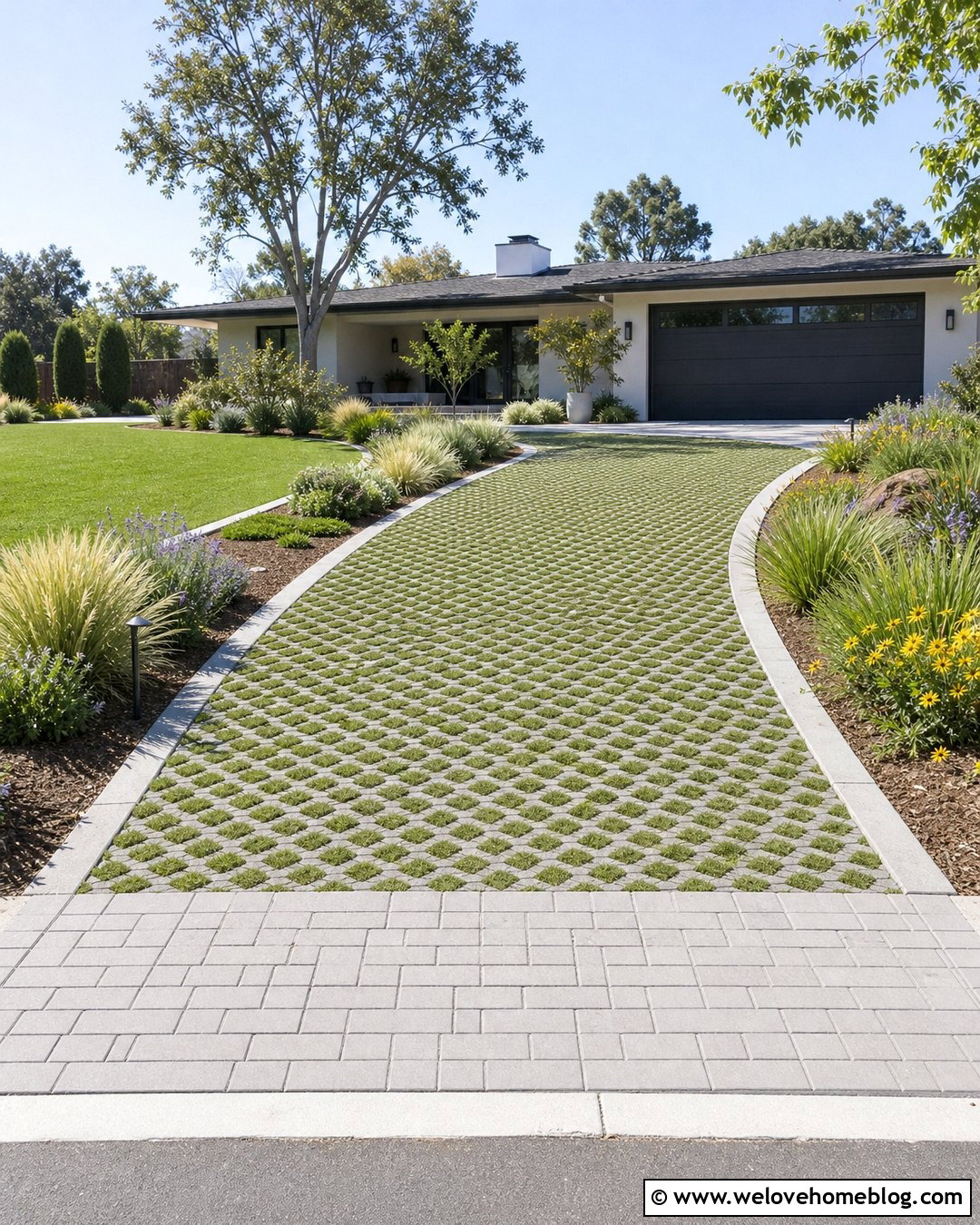
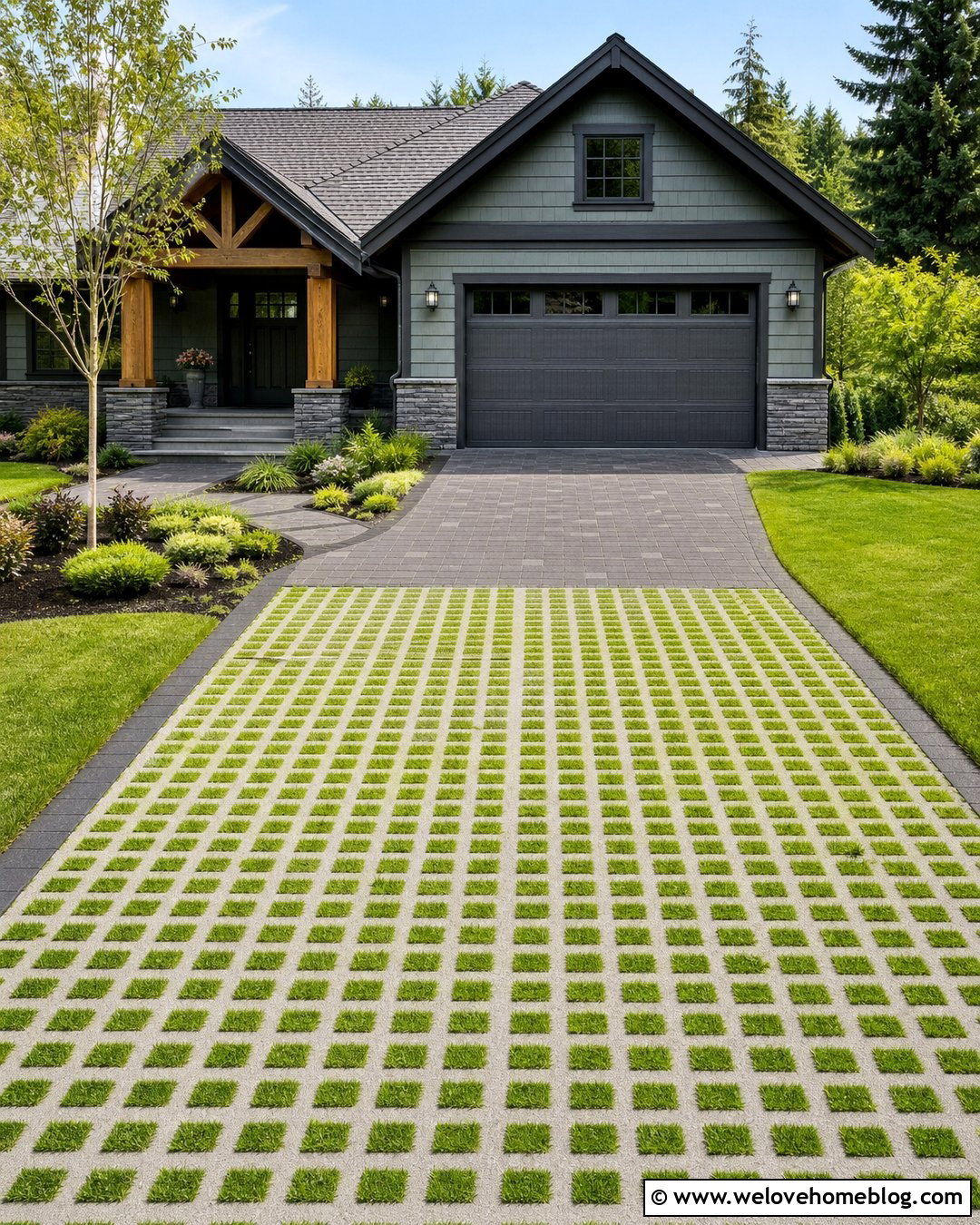
Open-cell concrete pavers offer a structured surface with generous planting or aggregate-filled spaces. For a green residential design, fill the cells with tough, low-growing ground cover suited to occasional vehicle traffic. Use solid permeable paver bands at the garage threshold and street apron, where turning and braking create greater wear. A gently curved layout leading toward a midcentury ranch house allows the planted surface to blend naturally into the lawn. Broad beds of ornamental grasses, drought-tolerant perennials, and sculptural evergreen shrubs can continue the low-profile theme. The grid pattern should remain visible enough to communicate an intentional design rather than neglected turf. Choose plants based on sun exposure and regional climate, and include accessible irrigation if needed. Proper structural support underneath remains essential even when the finished driveway appears soft and garden-like.
12. Permeable Paver Driveway With Geometric Grass Bands
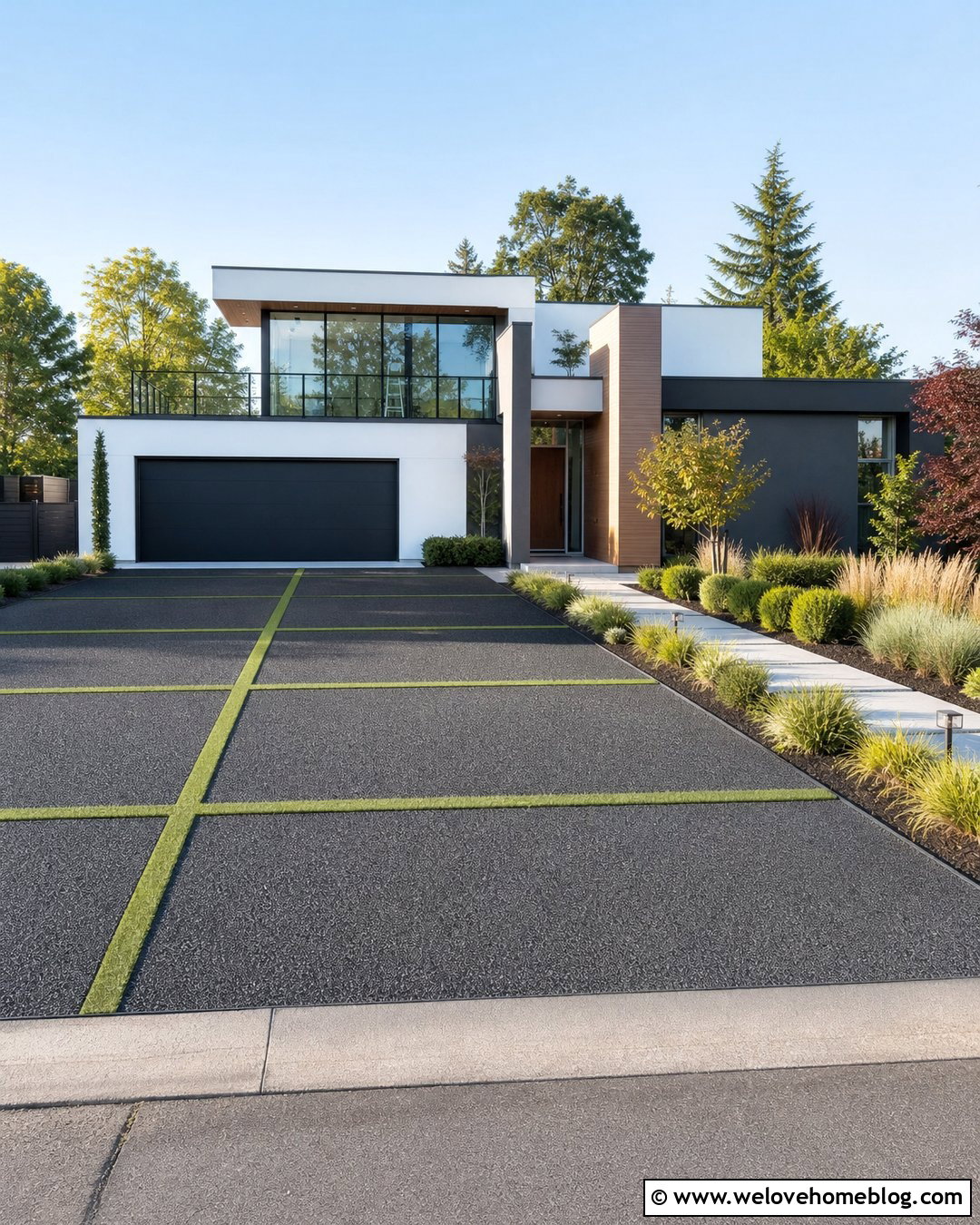
Bold grass bands can transform a standard parking area into a modern porous driveway composition. Use large-format charcoal permeable concrete pavers arranged in rectangular parking panels, then separate the panels with reinforced strips of turf. Continue the grass joints across the driveway to create a grid that relates to the windows, siding, and garage doors of a contemporary house. Flush steel edging keeps each material in place without interrupting the clean lines. Limit surrounding planting to architectural grasses, clipped shrubs, and two or three carefully positioned trees. The grass sections should include reinforcement wherever tires regularly cross them. If maintaining turf would be difficult, substitute low ground cover or clean decorative stone. This design is most convincing when dimensions, joint spacing, and the home’s facade align in a balanced, deliberate layout.
13. Shell Driveway With Coastal Landscaping
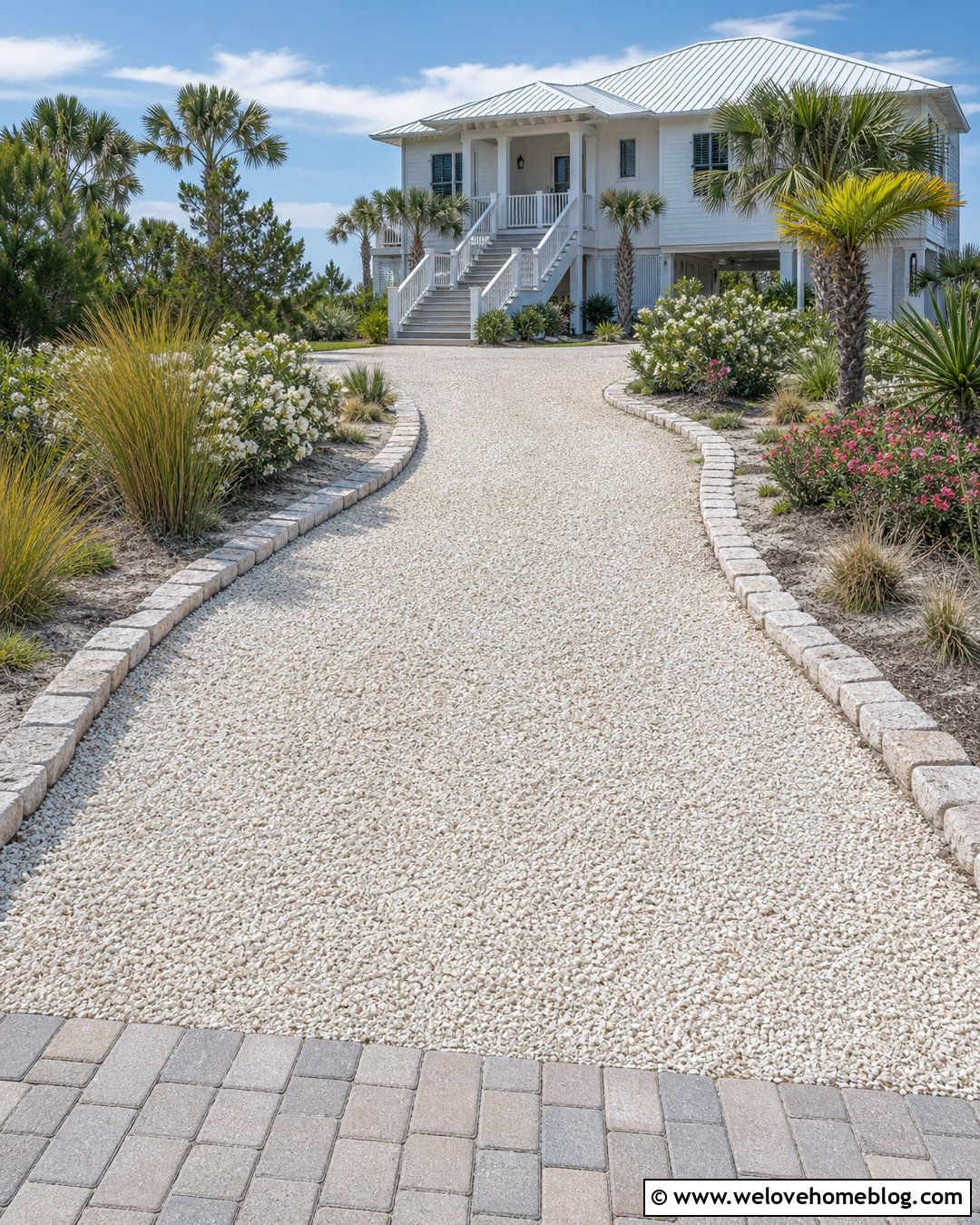
Crushed shell creates a bright, regionally appropriate porous driveway for coastal and warm-climate homes. Use washed oyster or clam shell material over a stable, free-draining aggregate base, with pale concrete or limestone edging to keep the surface contained. A softly curved approach works well with a coastal cottage, raised beach house, or relaxed bungalow. Frame the driveway with salt-tolerant grasses, dwarf palms where suitable, flowering shrubs, and sandy planting beds. A wider shell parking court near the house can provide turning space while retaining an informal appearance. Shell fragments may compact and break down over time, so occasional replenishment and grading should be expected. Near the public road, include a firm permeable paver apron to reduce tracking. The result feels airy and natural while remaining clearly organized.
14. Decomposed Granite Driveway With Timber Edging
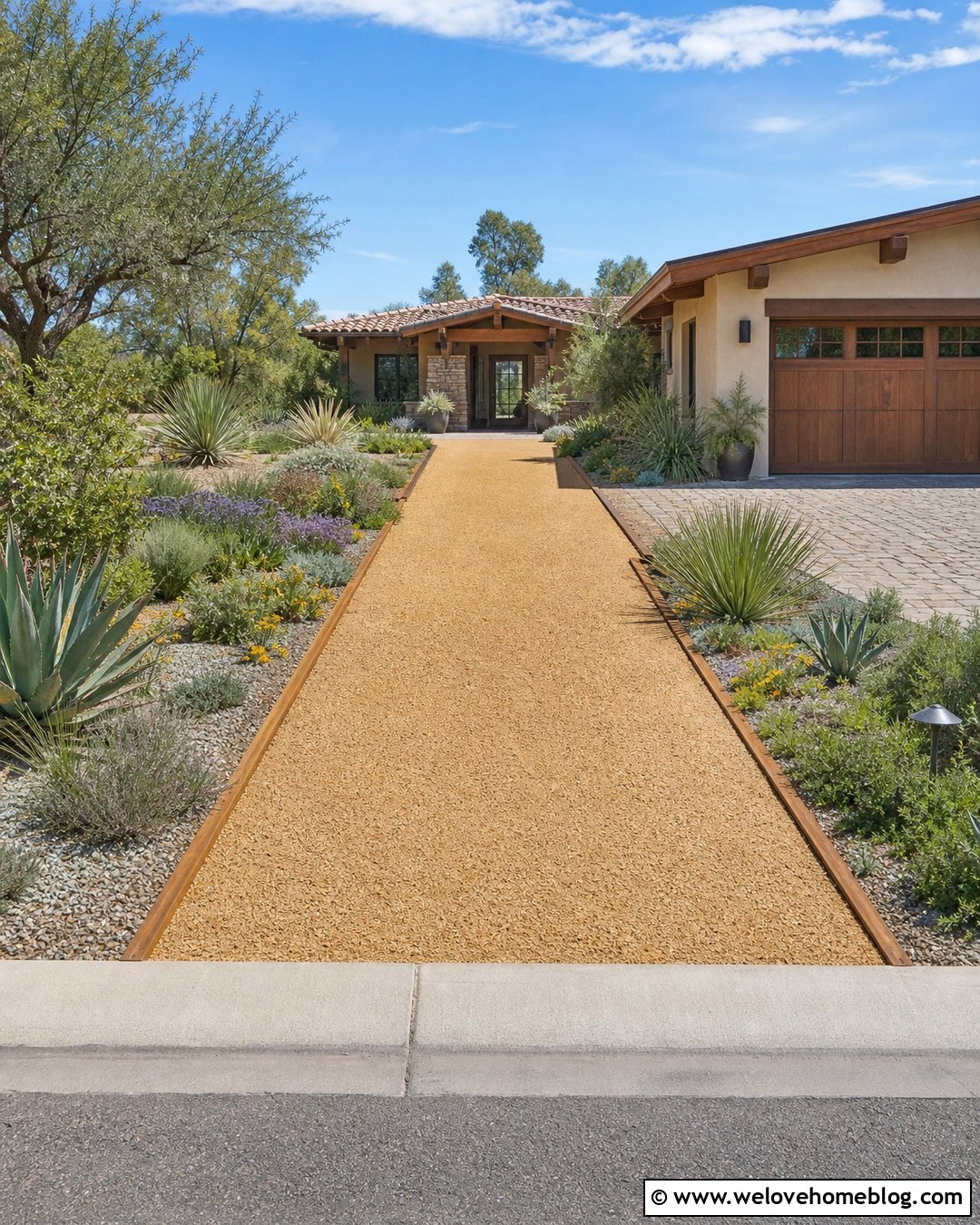
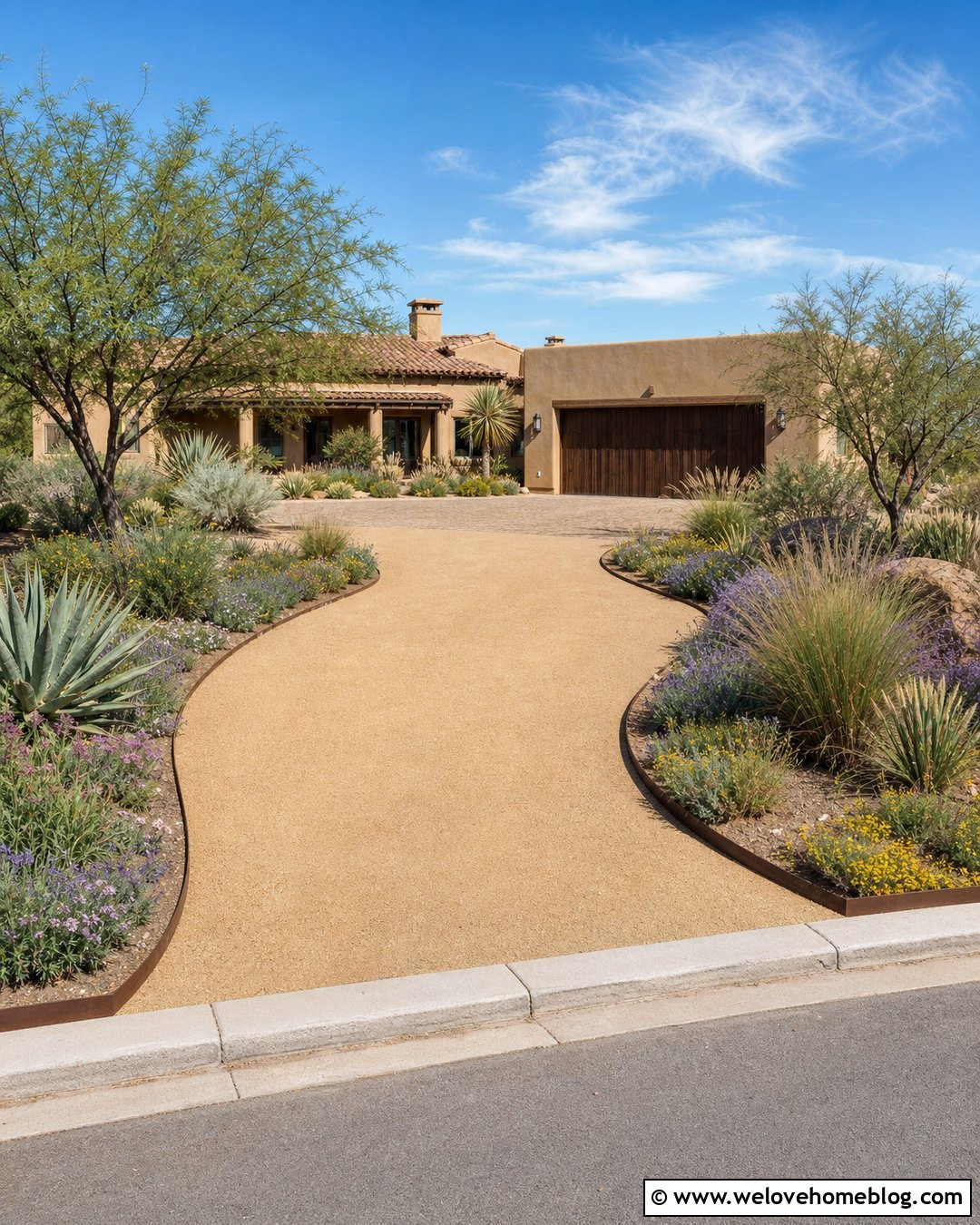
Warm-toned decomposed granite can give a porous driveway a quiet Southwestern or rustic character. Select a permeable installation method and avoid binders that would seal the surface. A straight driveway edged with heavy redwood, cedar, or recycled composite boards creates a simple boundary beside informal planting. Use stabilized gravel grids beneath high-traffic zones if extra resistance to rutting is needed. Drought-tolerant grasses, agaves, yuccas, sage, and flowering native perennials can frame the approach to an adobe-inspired, ranch, or desert-modern house. Include a contrasting cobblestone band near the garage to catch loose particles and mark the parking area. Decomposed granite performs best when the base, drainage, and grading match site conditions. Expect periodic raking and topdressing to maintain a smooth, evenly colored surface.

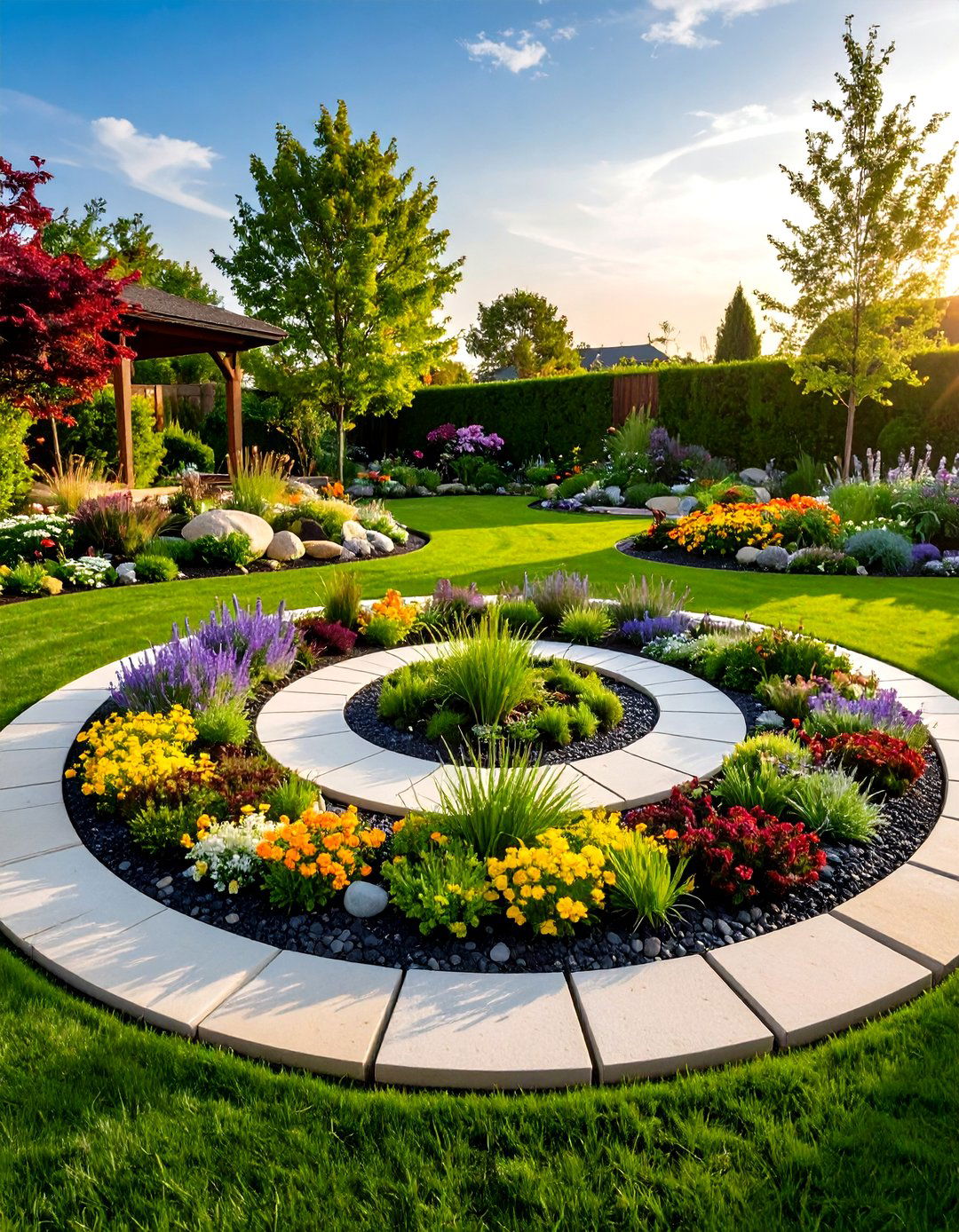


15. Permeable Cobblestone Driveway With Courtyard Layout
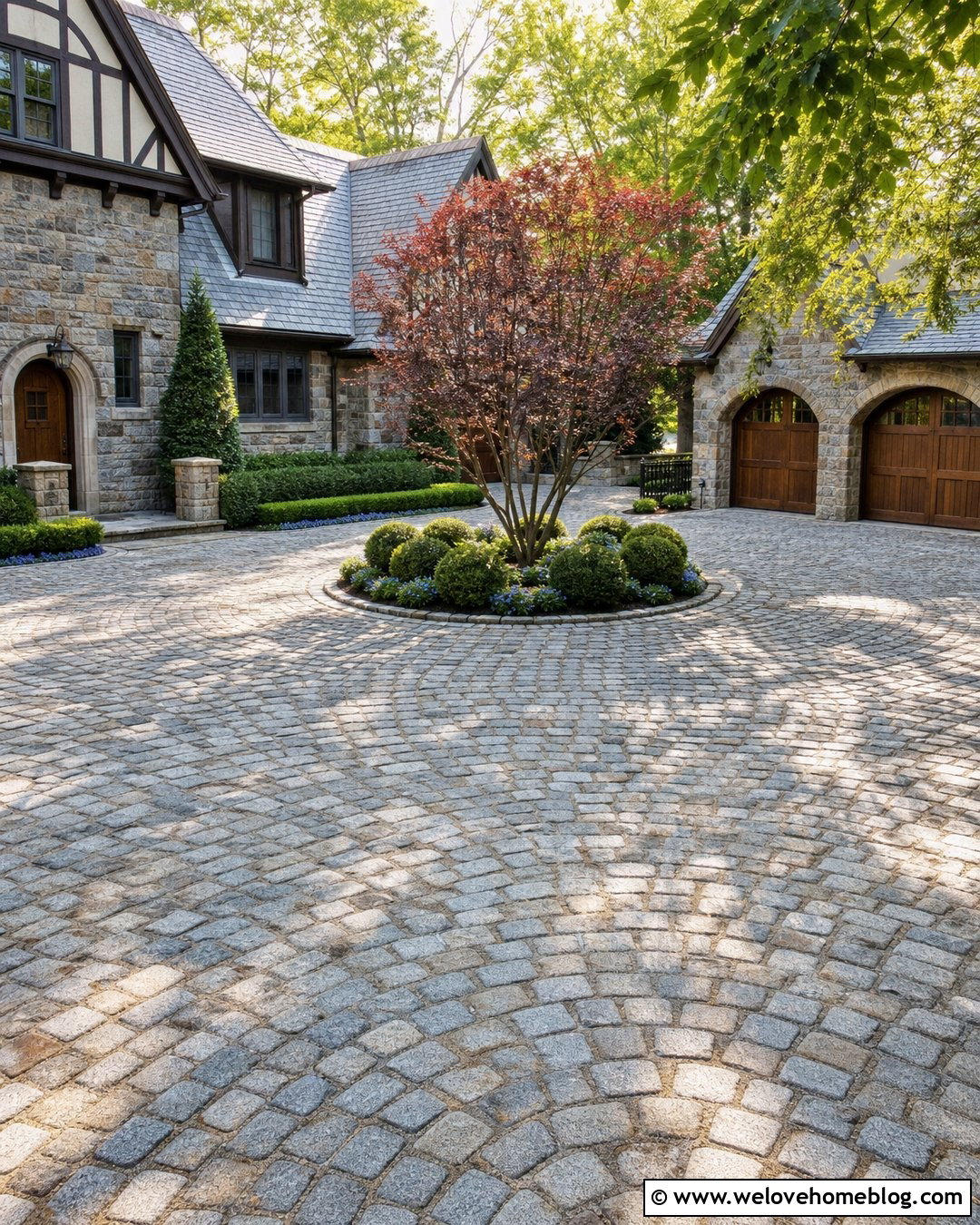
A cobblestone driveway can remain porous when the stones are laid over an open-graded base with drainage-friendly aggregate joints. Use weathered gray and brown granite cobbles in a fan or curved pattern to form a generous entrance courtyard. A circular turning space around a small planted island adds function while emphasizing the old-world material. Low stone walls, clipped evergreens, and multi-stem ornamental trees can frame the approach to a Tudor, French country, or traditional stone house. Keep the center island simple so vehicles have adequate visibility and turning clearance. The irregular color and texture naturally disguise leaves and minor staining, but the joints still require attention. Replace displaced aggregate and remove sediment before it becomes embedded. A skilled installer can create a smoother wheel path without losing the cobblestone’s handcrafted appearance.
16. Porous Asphalt Driveway With Paver Apron
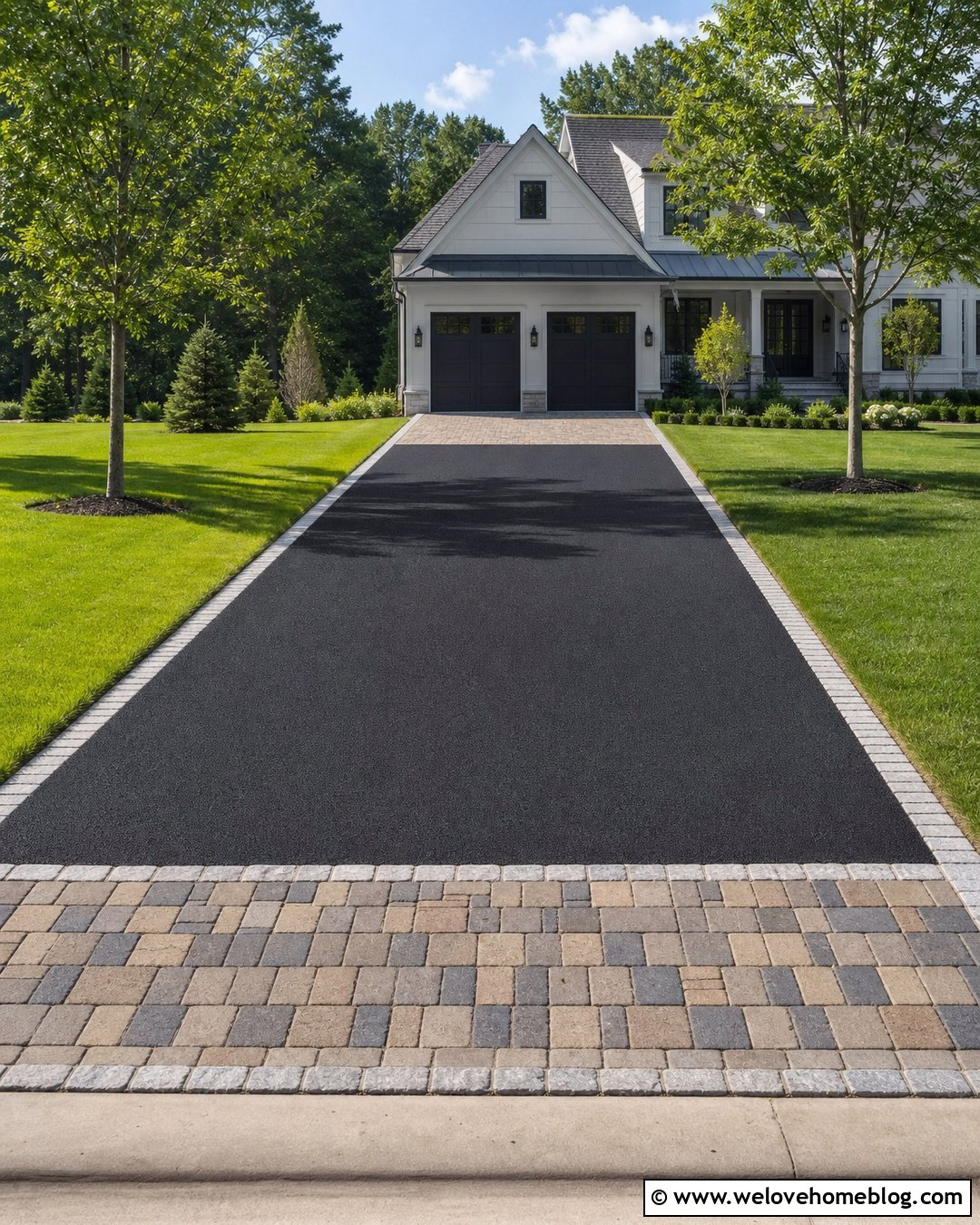
Combining porous asphalt with a permeable paver apron creates a practical driveway that does not look purely utilitarian. Use smooth black porous asphalt along the main straight run, then install charcoal and tan permeable pavers across the entrance and in front of the garage. These decorative bands visually shorten a long driveway and connect it to the home’s masonry. Flush granite edging provides a durable boundary, while broad lawns and evenly spaced shade trees keep the overall look calm. This combination suits large ranch, farmhouse, and transitional properties. Ensure all sections are designed with compatible open-graded base layers rather than treating the pavers as a surface-only decoration. Leaves, soil, and grass clippings should be removed routinely. The contrasting apron also creates a clear stopping point before the sidewalk or street.
17. Permeable Paver Circular Driveway With Center Garden
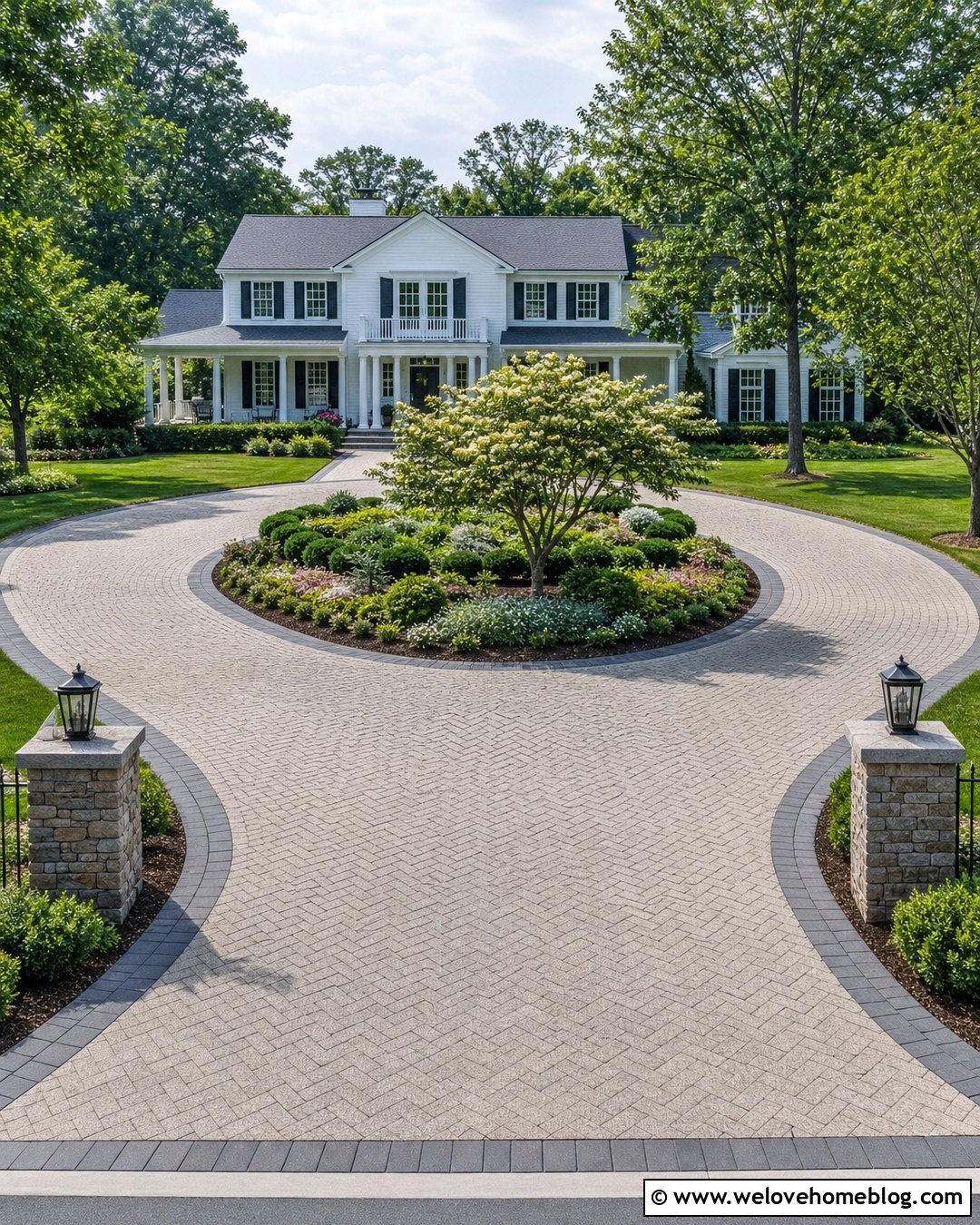
A circular porous driveway creates an elegant arrival while making it easier to enter and leave without reversing. Use warm gray permeable concrete pavers in a curved running-bond pattern around a large central garden. Edge the paving with darker paver soldiers to reinforce the circle and protect the planting beds. In the island, combine one sculptural tree with low shrubs, flowering perennials, and ground cover that will not block views across the driveway. Matching entrance pillars can frame the two access points without making the property feel closed off. This layout complements Colonial, Southern, and upscale transitional homes. Allow enough turning width for household vehicles, service access, and emergency needs. Keep irrigation water, mulch, and garden soil from spilling into the aggregate-filled joints around the island.
18. Grass Paver Driveway With Farmhouse Entrance
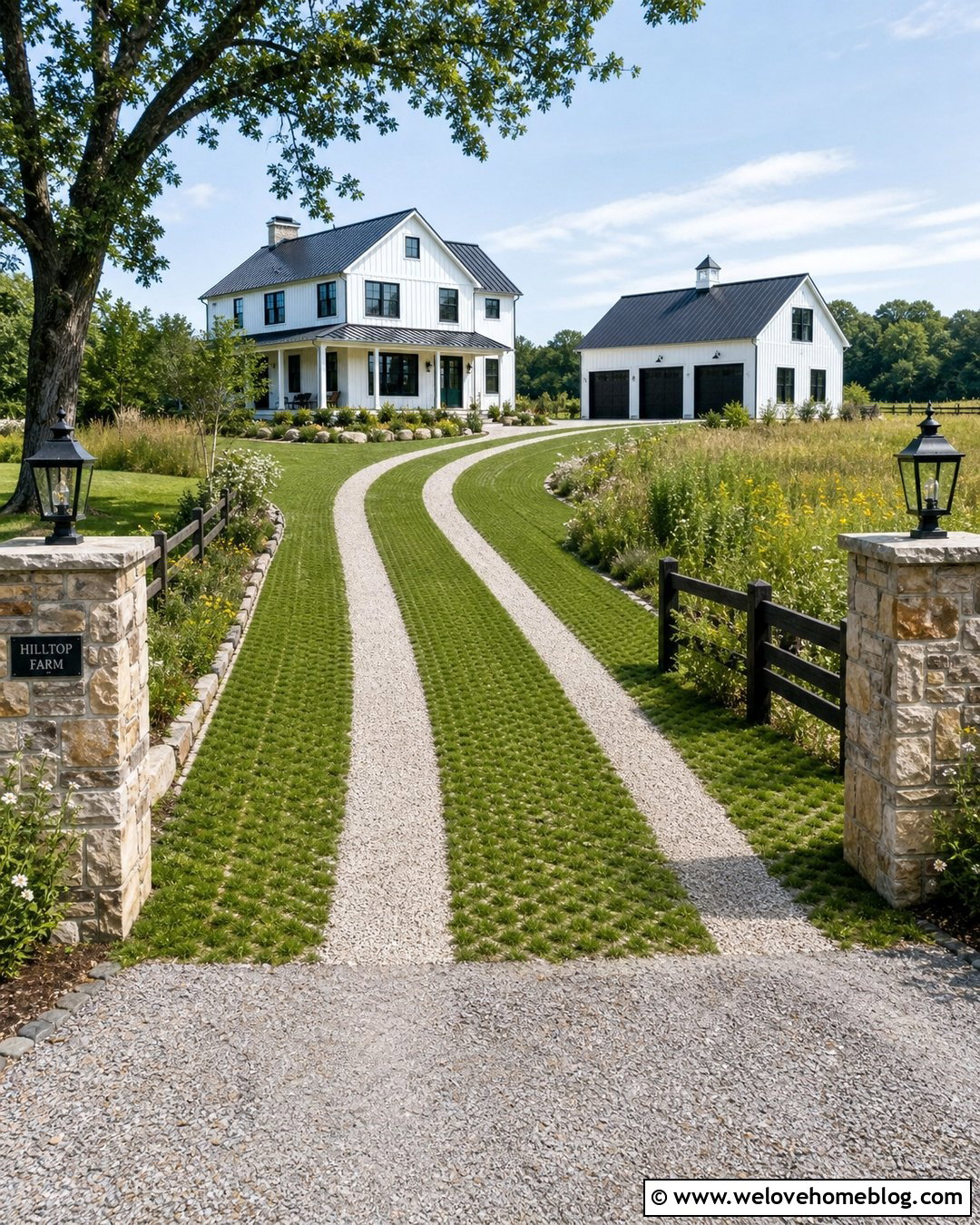
Grass pavers and a simple farmhouse entrance create a driveway that feels integrated with the surrounding land. Install reinforced turf grids in a broad, gently curving layout, with pale gravel-filled wheel tracks for added durability during wet weather. Use natural stone edging near the house and a compacted gravel apron at the road. Timber fence sections, understated stone pillars, and native hedges can define the entrance without closing the view. Continue meadow grasses and flowering plants along the outer curve, then transition into a more closely maintained lawn near the home. This look pairs naturally with white modern farmhouses, barns, and country cottages. Select turf that can tolerate the expected traffic and climate. Plan a secondary stable parking pad if vehicles will remain in one position for long periods.
19. Permeable Driveway With Stepping Stone Walkway
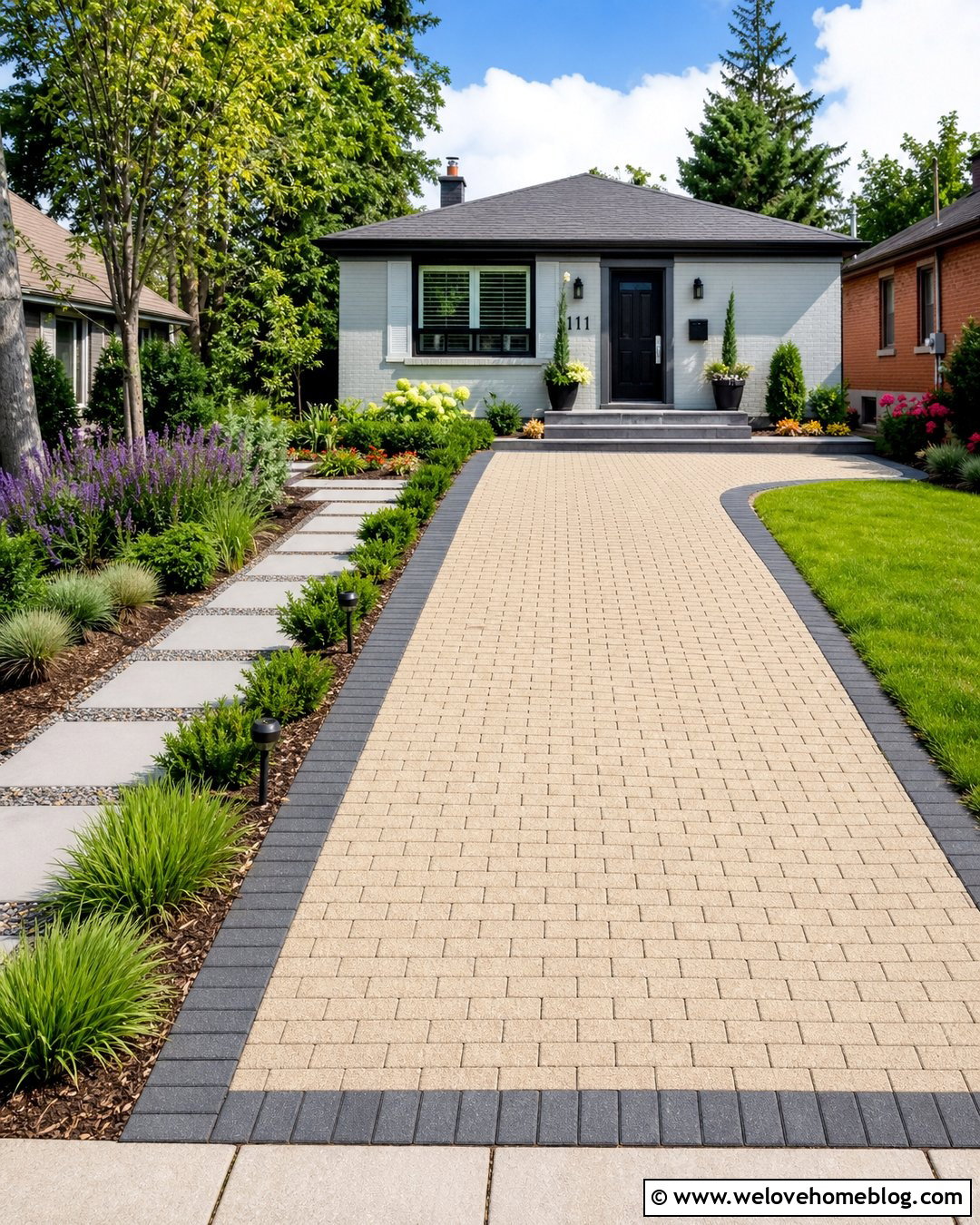
When the front yard is compact, integrating the walkway into the porous driveway can save space and improve visual order. Use small-format beige permeable pavers for a straight driveway, then place oversized rectangular stepping stones along one edge to mark the pedestrian route. Fill narrow gaps around the stones with clean decorative gravel rather than dense mortar. A contrasting charcoal paver border separates the driveway from planting beds filled with compact shrubs, sedges, and seasonal perennials. This streamlined arrangement works well beside a bungalow, townhouse, or small modern home. Keep the walking route wide and level enough for comfortable daily use. Near the entrance, expand it into a small landing. Coordinating the driveway, walkway, porch steps, and foundation colors makes the limited frontage feel larger and less visually fragmented.


20. Mixed Porous Driveway With Permeable Parking Pads
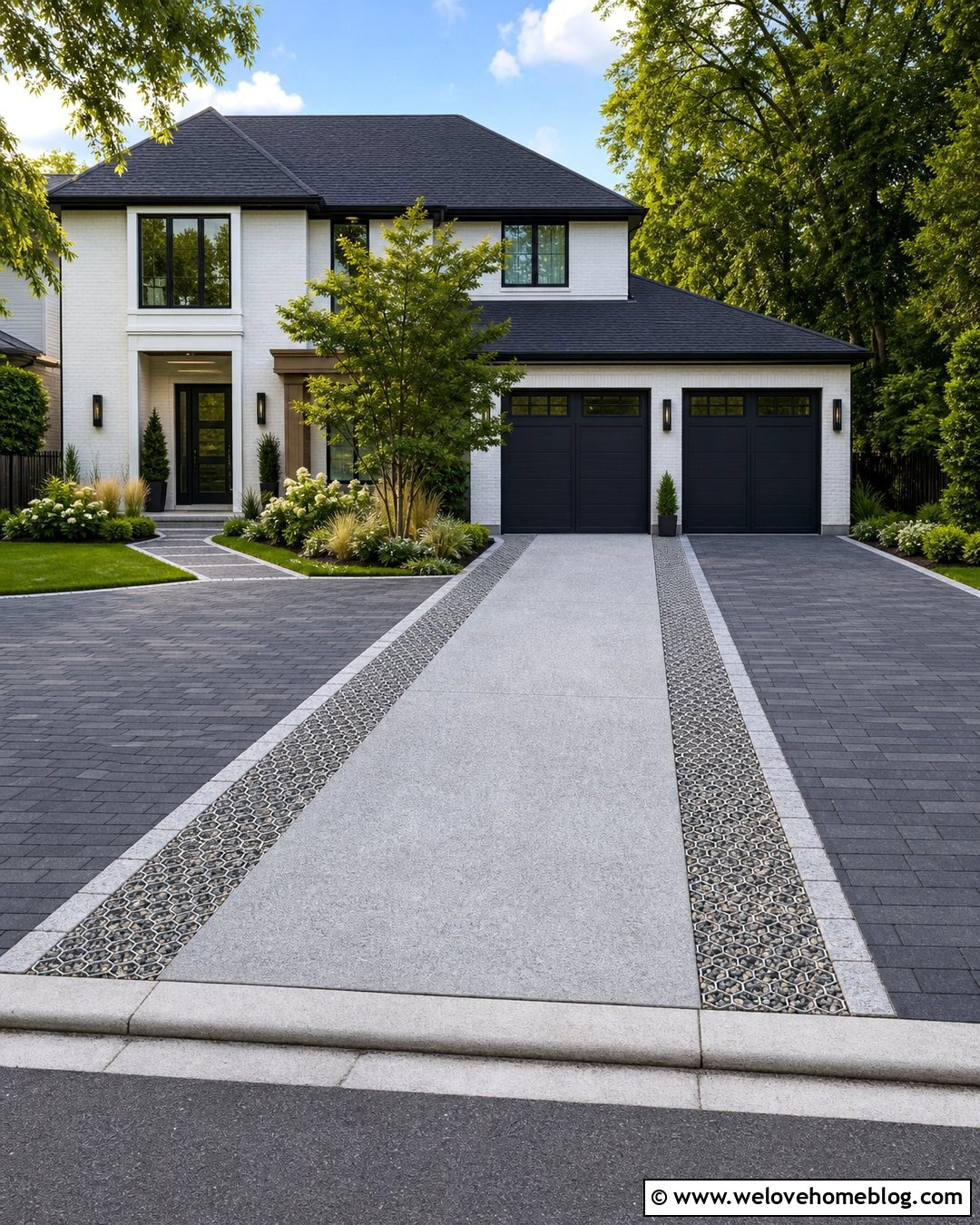
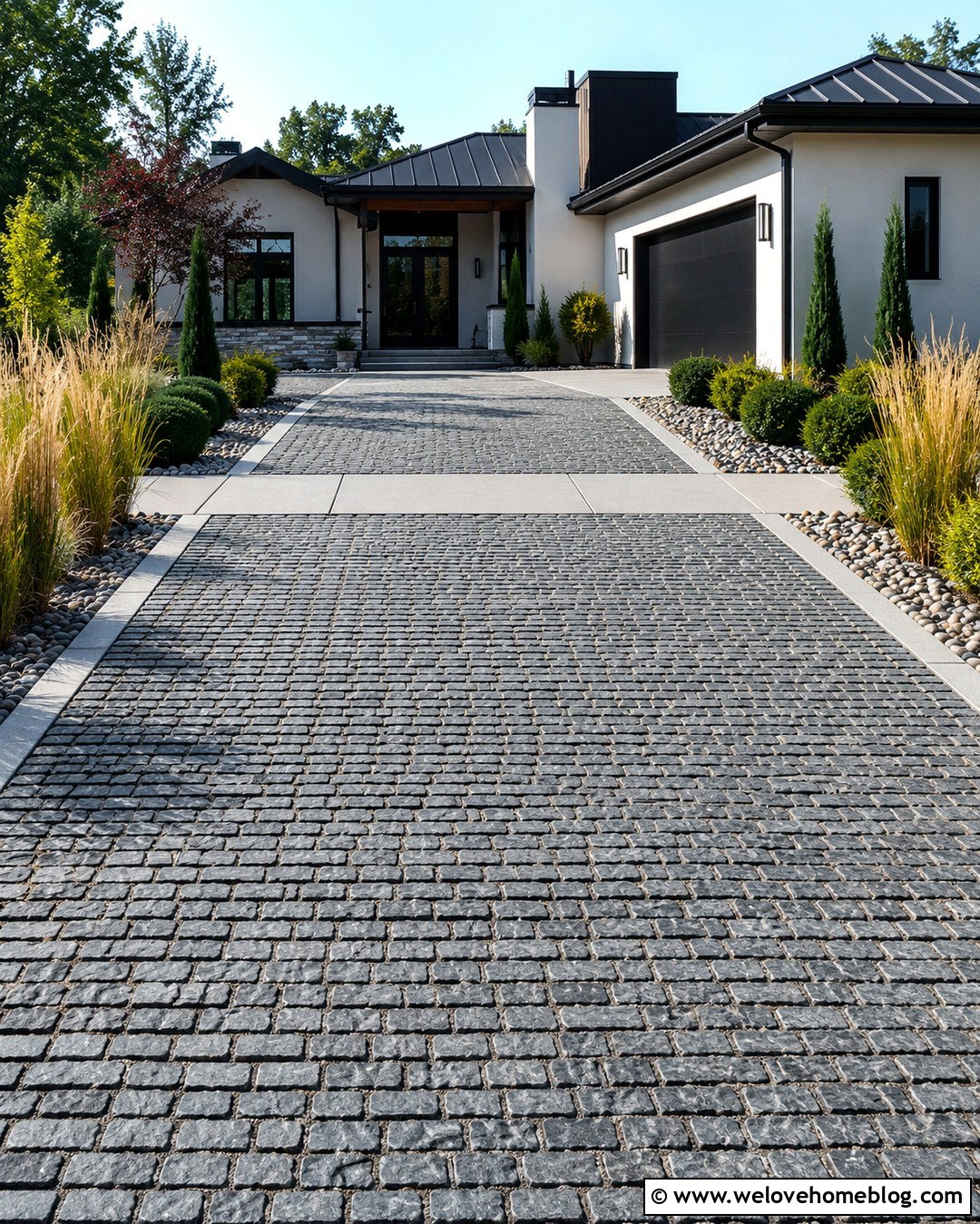
A mixed-material layout can reduce paving while clearly organizing driving, parking, and walking zones. Use light gray pervious concrete for the central approach, permeable charcoal pavers for two parking pads, and gravel-filled grid strips along the outer edges. Connect the front door with a matching paver walkway, then place low planting beds between parking spaces and the lawn. A split layout works especially well for a two-car garage because it breaks up the width of the hardscape. Choose one repeated border material, such as granite setts, to unify every surface. Before installation, have the soil, drainage path, base depth, and anticipated vehicle loads evaluated. Confirm local requirements as well. A carefully planned system looks cohesive while allowing each porous material to serve the area where it performs best.
Conclusion:
The most successful porous driveway balances drainage, durability, maintenance, and curb appeal instead of relying on the surface material alone. Its base, joints, edging, slope, landscaping, and overflow route must function as one coordinated system. Permeable pavement can store or infiltrate rainfall through underlying gravel and soil layers, although an underdrain may be appropriate where full infiltration is unsuitable. () Start by evaluating site conditions and how vehicles will move, turn, and park. Then choose colors and borders that complement the house. Professional design is especially valuable for weak soils, slopes, heavy vehicles, or challenging drainage. These **20 porous driveway ideas** provide flexible starting points for creating a practical, attractive, and water-conscious entrance.

Related posts:
Leave a Reply