
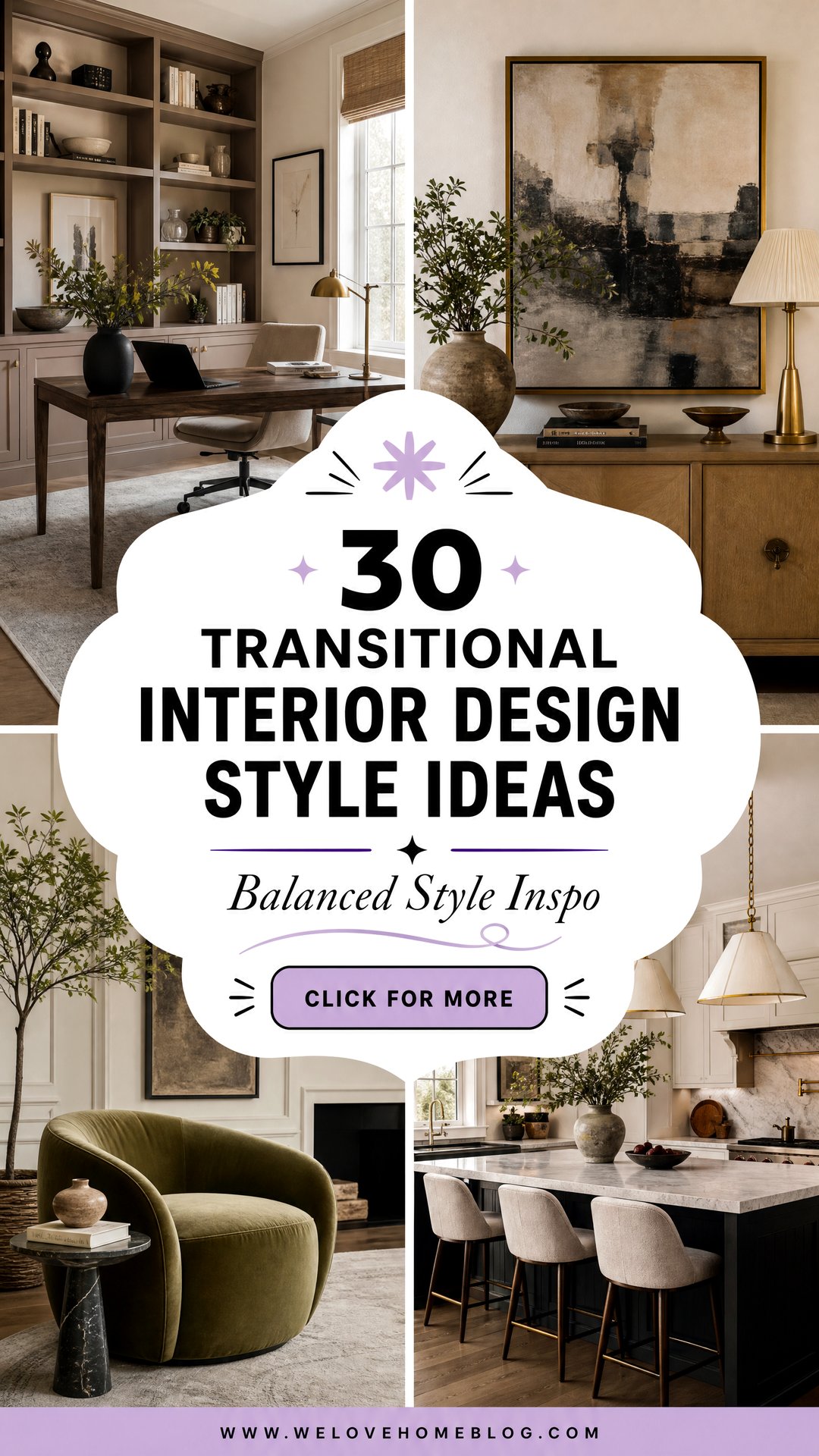
Transitional interior design offers a harmonious blend of traditional elegance and modern simplicity, creating spaces that feel both timeless and fresh. This popular style bridges the gap between two distinct aesthetics, resulting in interiors that are comfortable, sophisticated, and uncluttered. By carefully selecting furniture with classic lines, embracing a neutral color palette, and layering textures, you can achieve a look that is polished yet inviting. The key is balance—fusing ornate details with clean profiles and soft curves with straight lines to craft a cohesive and serene environment that feels effortlessly put together and enduringly stylish.
1. Incorporating Curved Sofas with Linear Tables
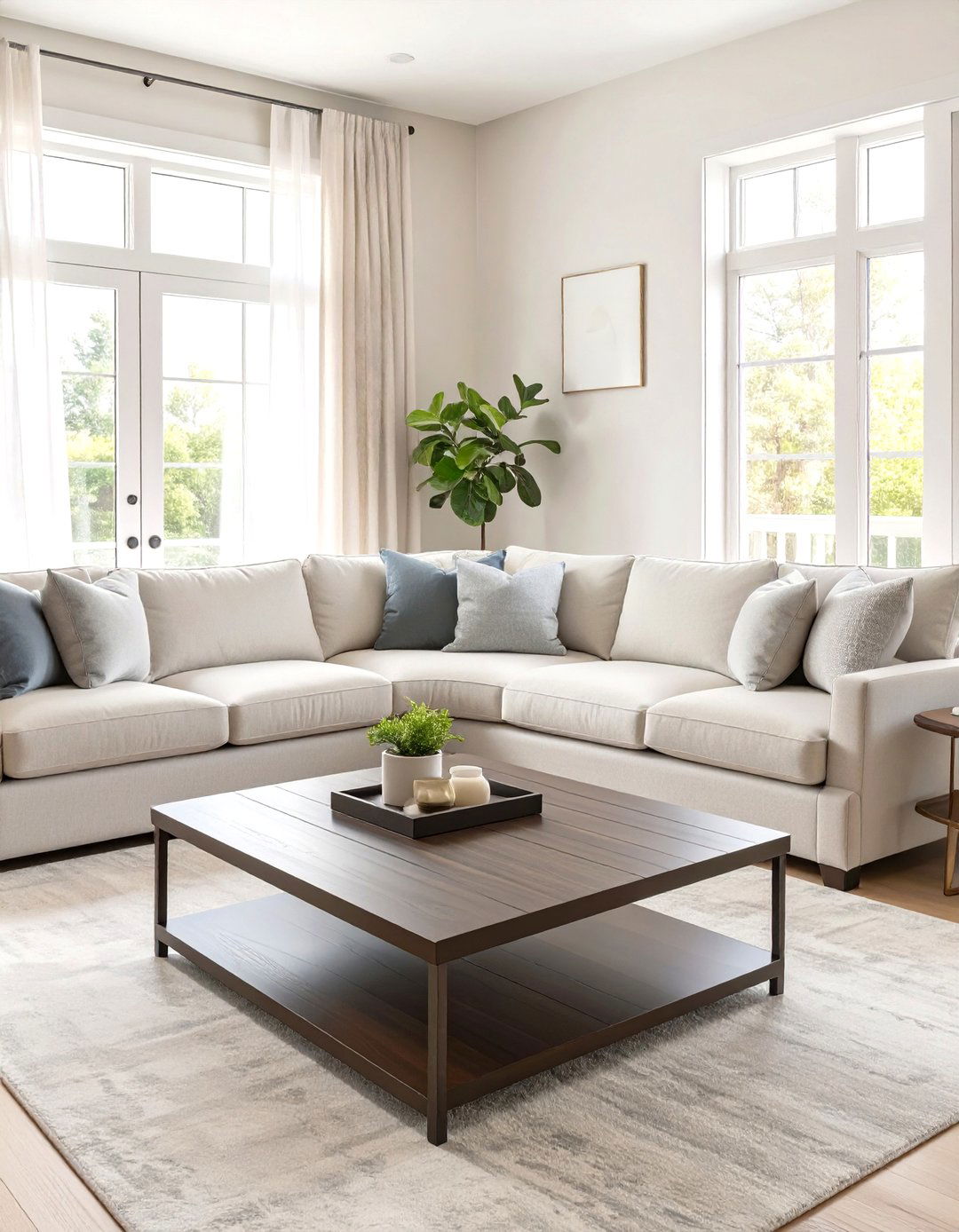
A foundational concept in transitional design is the marriage of contrasting forms. To achieve this, consider pairing a sofa with soft, curving lines with a coffee table or side tables that feature sharp, linear geometry. For instance, a gently rounded tuxedo sofa in a neutral fabric like beige or gray creates a sense of traditional comfort and welcome. Juxtapose this with a minimalist rectangular coffee table made of dark wood, metal, or even glass. This intentional contrast between the soft silhouette of the seating and the crisp structure of the tables establishes the perfect equilibrium between classic and contemporary elements, defining the room's balanced character.
2. Pairing Classic Cabinetry with Modern Hardware
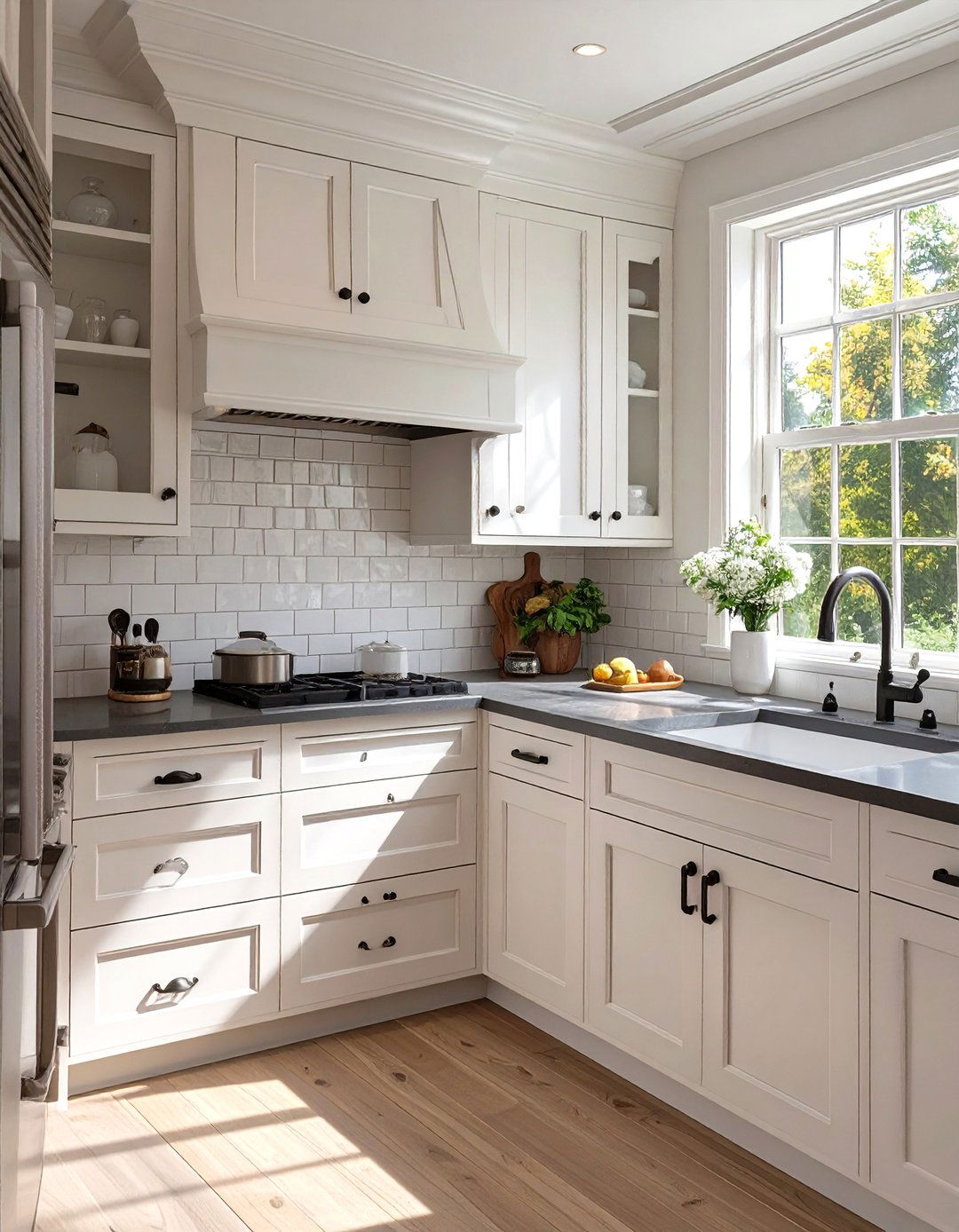
In the kitchen or bathroom, the transitional style shines through the details. One effective technique is to install classic cabinetry, such as Shaker-style or raised-panel doors, which evoke a sense of timeless craftsmanship. To introduce a modern edge, update these traditional cabinets with sleek, contemporary hardware. Think minimalist bar pulls in a matte black or brushed nickel finish, or simple, geometric knobs. This simple swap instantly updates the space, preventing it from feeling dated while retaining a warm, classic foundation. The result is a clean, sophisticated look that perfectly balances old and new, creating a truly transitional and enduring appeal.
3. Utilizing a Serene, Neutral Color Foundation
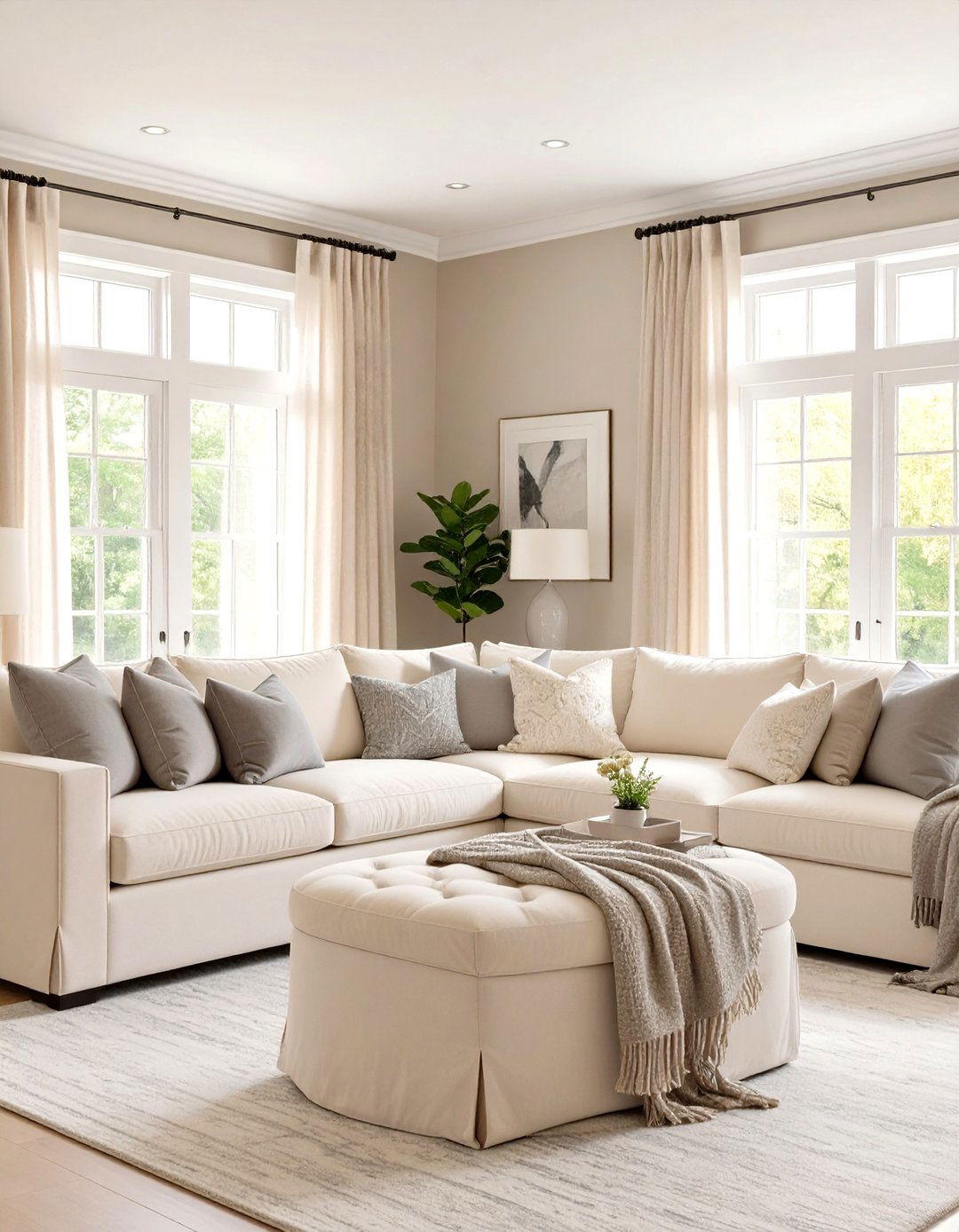
The color palette is crucial in establishing a transitional feel. Begin with a foundation of serene neutrals to create a calm and cohesive backdrop. Shades like taupe, tan, cream, and soft gray work beautifully on walls, large furniture pieces, and flooring. These colors provide a sophisticated canvas that allows both traditional and modern elements to coexist peacefully without competing for attention. This muted scheme also enhances the sense of light and space, making rooms feel larger and more open. From this neutral base, you can introduce subtle pops of color through accessories, but the overall impression should remain tranquil and harmonious.
4. Layering Diverse Textures for Depth and Warmth
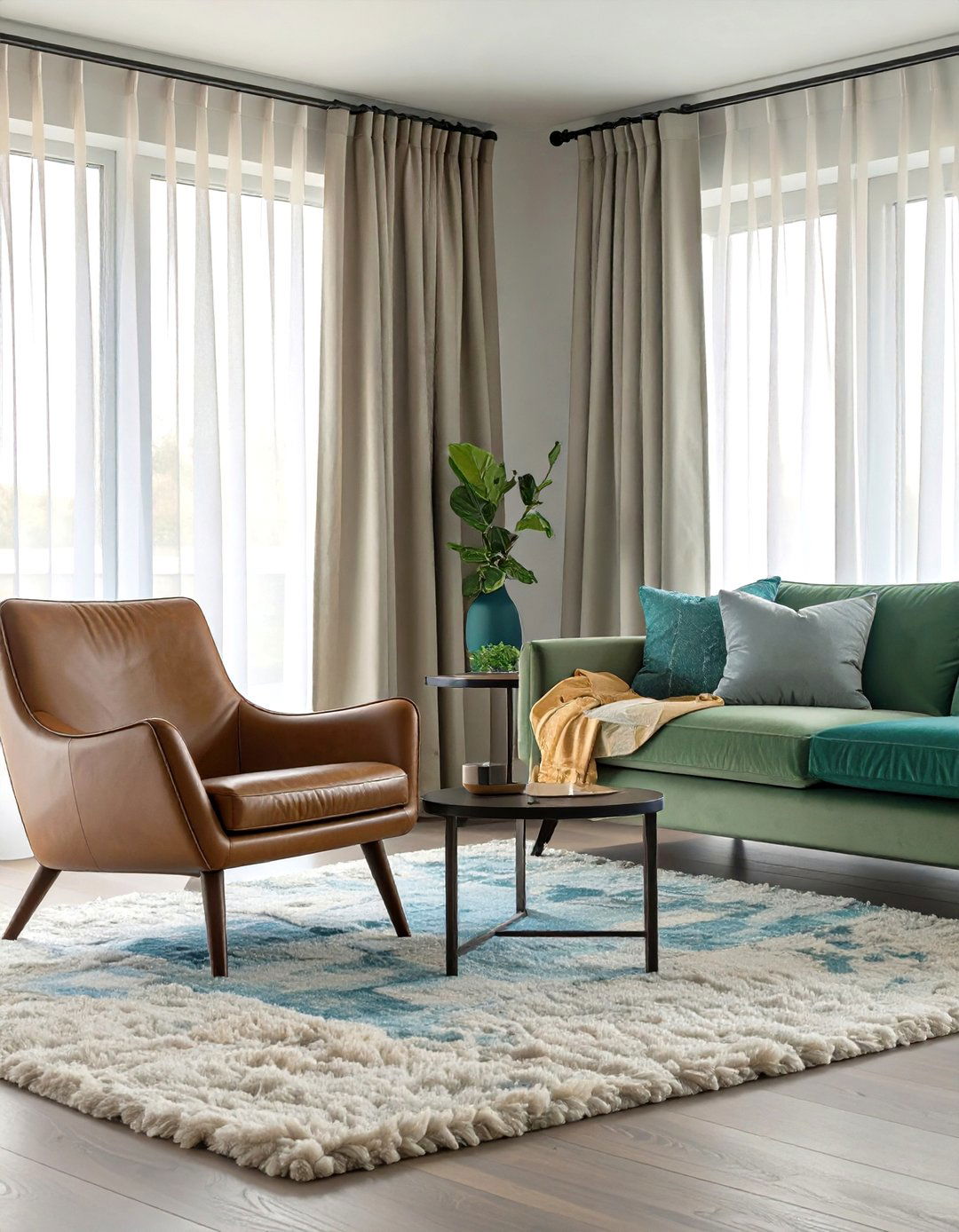
To prevent a neutral-heavy space from feeling flat or sterile, layering a variety of textures is essential in transitional design. This technique adds visual interest, depth, and a tangible sense of comfort. Combine different materials throughout the room, such as a plush wool area rug over dark hardwood floors, linen or cotton drapery, and velvet or chenille throw pillows on a leather or fabric sofa. Consider adding elements like a woven rattan basket, a smooth marble tabletop, or a polished metal lamp. This mix of soft, rough, and sleek surfaces engages the senses and creates a rich, inviting atmosphere that feels thoughtfully curated.
5. Integrating Large-Scale, Comfortable Furniture
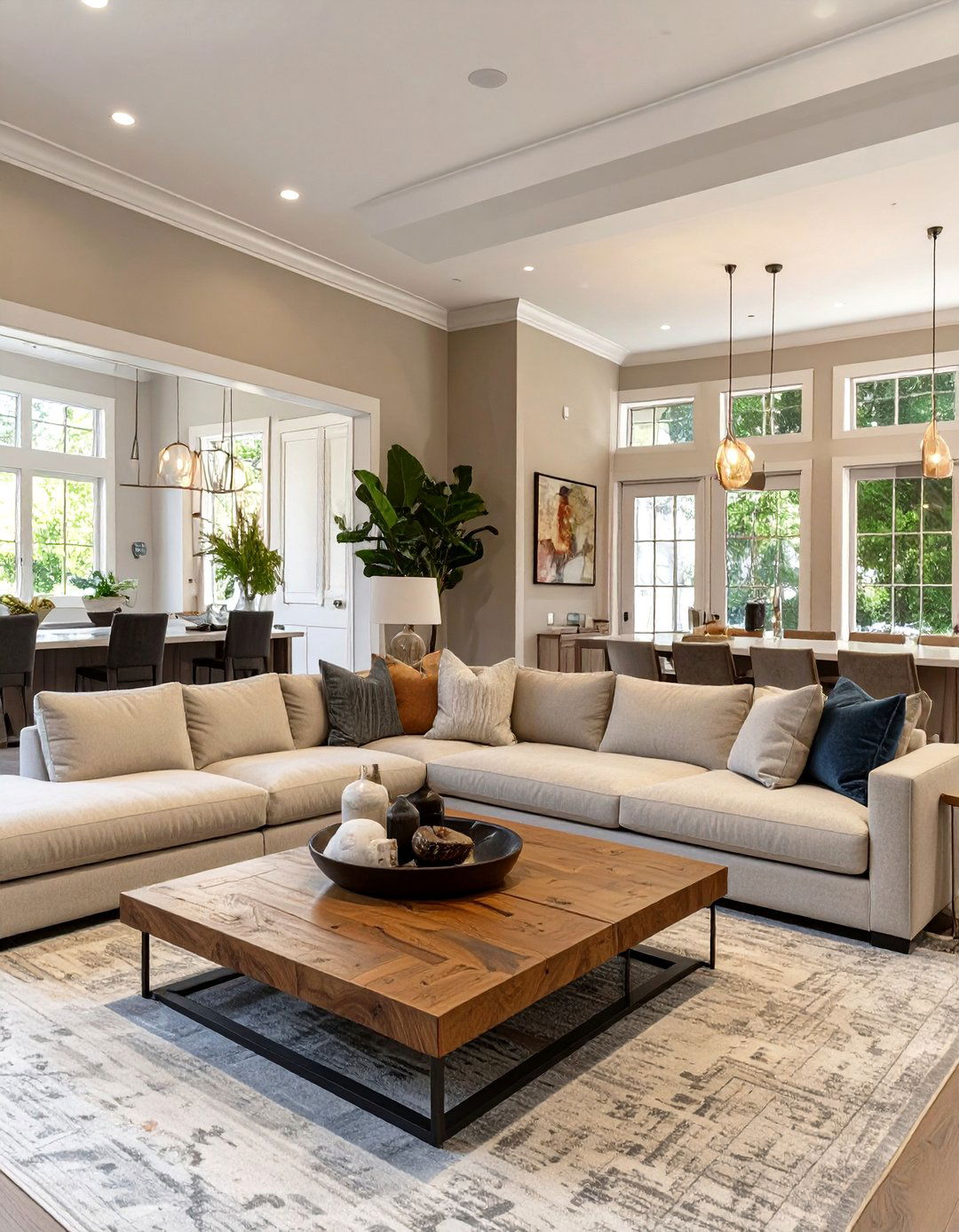
Transitional design prioritizes comfort and functionality without sacrificing style, often achieved through the use of large-scale furniture. Instead of filling a room with many small pieces, opt for fewer, more substantial items that make a statement. A large, comfortable sectional sofa, a sturdy wooden coffee table, and a commanding media console can anchor a living room, providing both purpose and presence. These pieces should feature clean lines but avoid being overly stark or severe. Their generous proportions create a welcoming, lived-in feel that is central to the transitional aesthetic, ensuring the space is as practical as it is beautiful.
6. Adopting a Minimalist Approach to Accessorizing
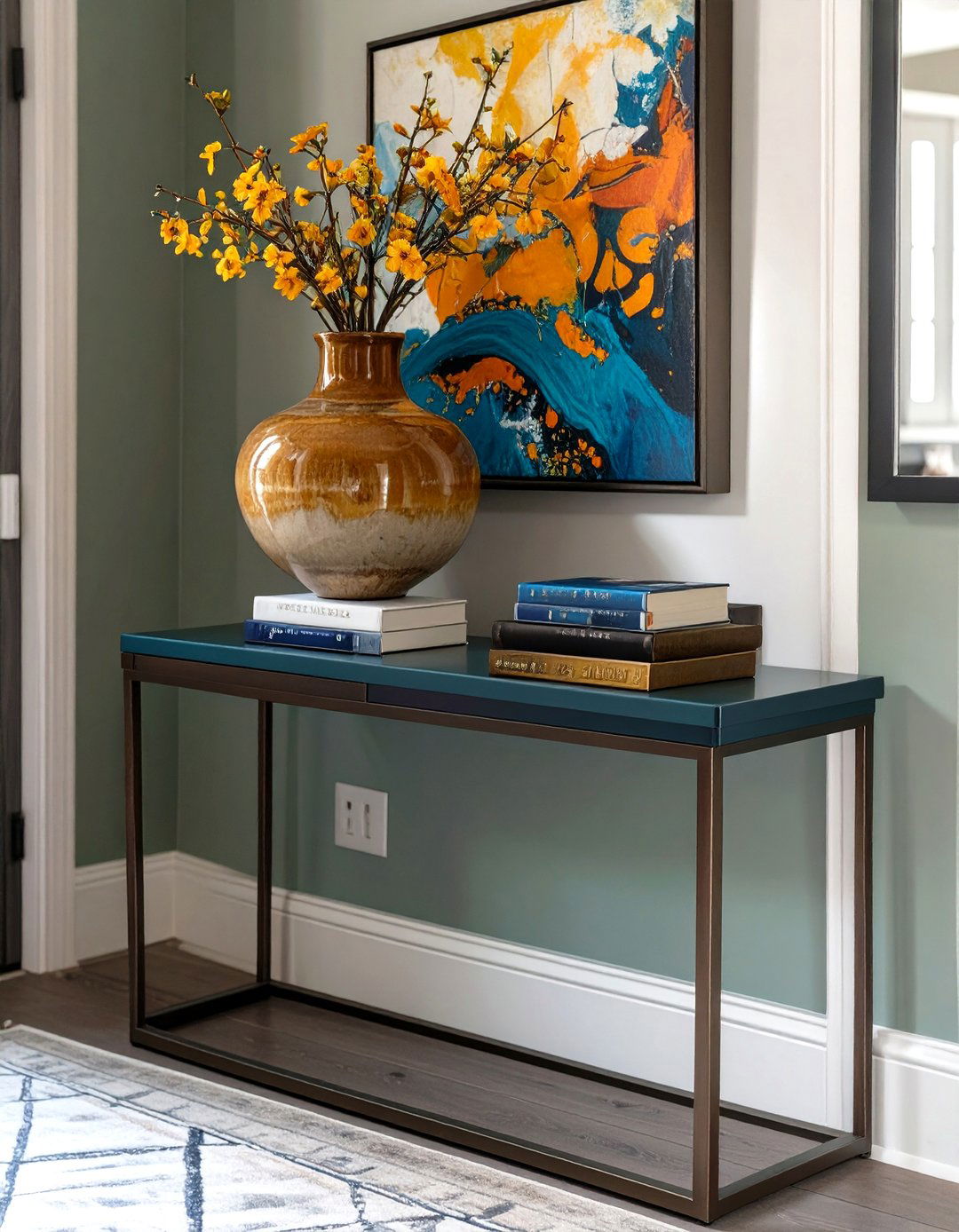
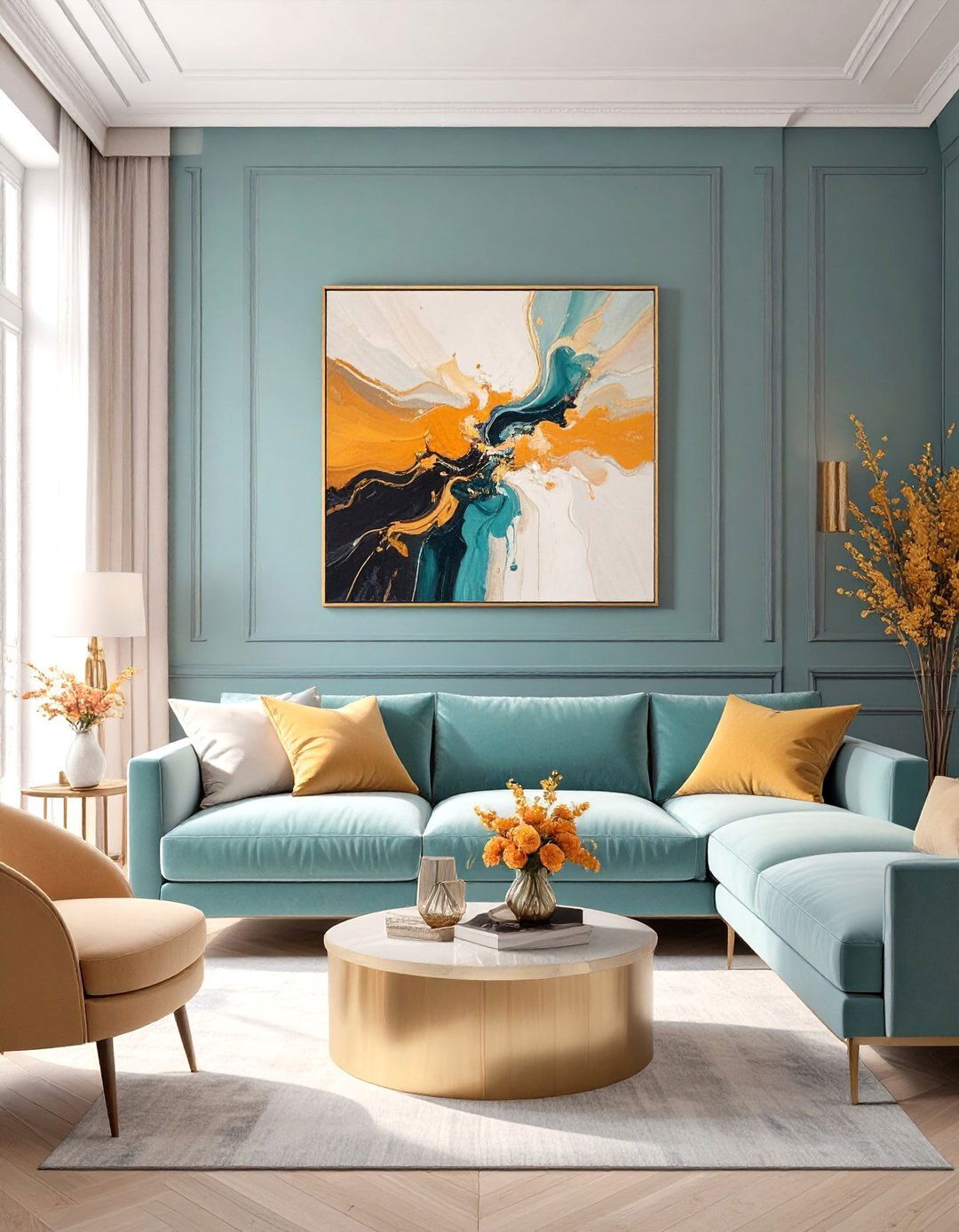
While transitional design is not strictly minimalist, it does embrace a "less is more" philosophy when it comes to accessories. The goal is to avoid clutter and allow the carefully chosen furniture and architectural details to stand out. Select a few high-impact decorative items rather than an abundance of small trinkets. A single large piece of abstract art, a pair of elegant table lamps, or a curated collection of pottery on a shelf can provide the perfect finishing touch. By keeping accessories intentional and restrained, you maintain a sense of calm and order, reinforcing the clean, sophisticated, and uncluttered nature of the style.
7. Mixing Metal Finishes for a Curated Look
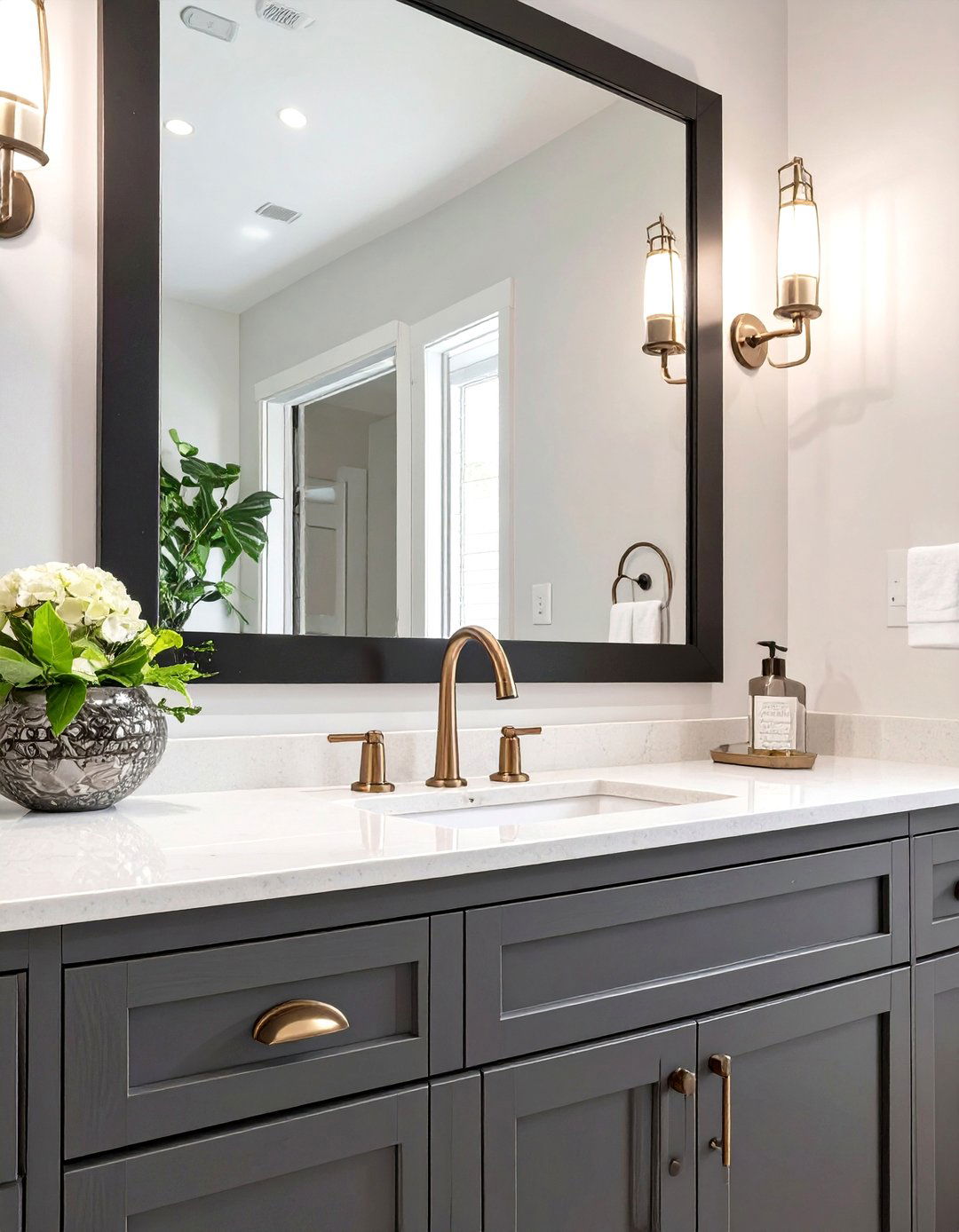
A hallmark of a well-executed transitional space is the artful mixing of metal finishes. Combining different metals adds a layer of complexity and a curated, collected-over-time feel. For example, you can pair polished nickel faucets in a kitchen with bronze cabinet hardware and a matte black pendant light. The key is to choose one dominant metal and use one or two others as accents to maintain a sense of cohesion. This approach prevents the room from looking too uniform or "matchy-matchy," adding visual interest and a touch of modern sophistication to a classic framework, perfectly embodying the transitional spirit.
8. Featuring Statement Lighting Fixtures
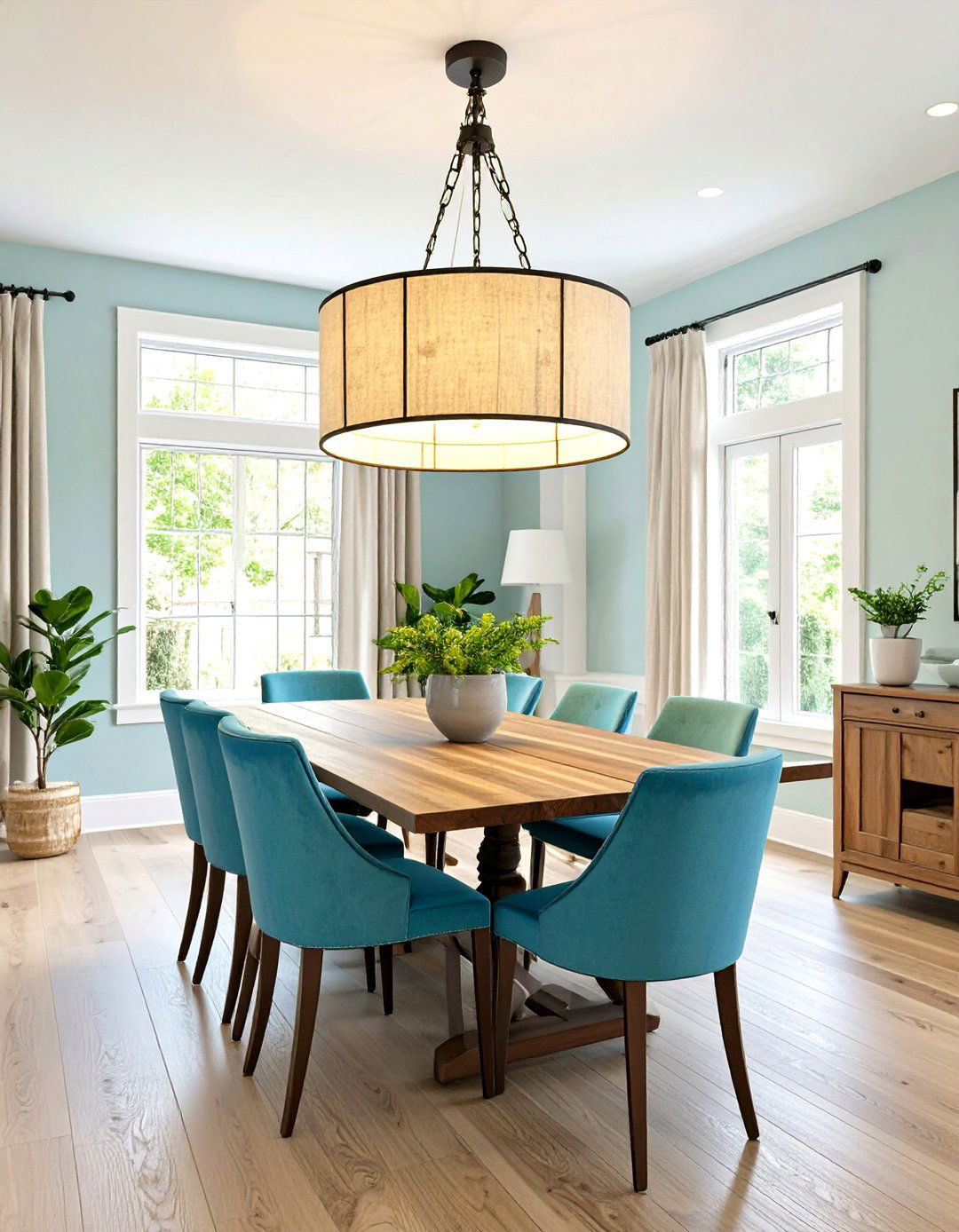
Lighting in a transitional interior serves as both a functional necessity and a key design element. A statement lighting fixture can act as the focal point of a room, bridging the gap between traditional and modern styles. Consider a large, sculptural chandelier over a dining table or an oversized drum pendant in a living room. These pieces should have a clean, updated design but may incorporate classic materials like crystal, brass, or iron. The scale is important—a generously sized fixture adds drama and sophistication, drawing the eye upward and reinforcing the balanced, elegant aesthetic that defines transitional spaces.
9. Grounding Spaces with Large Area Rugs
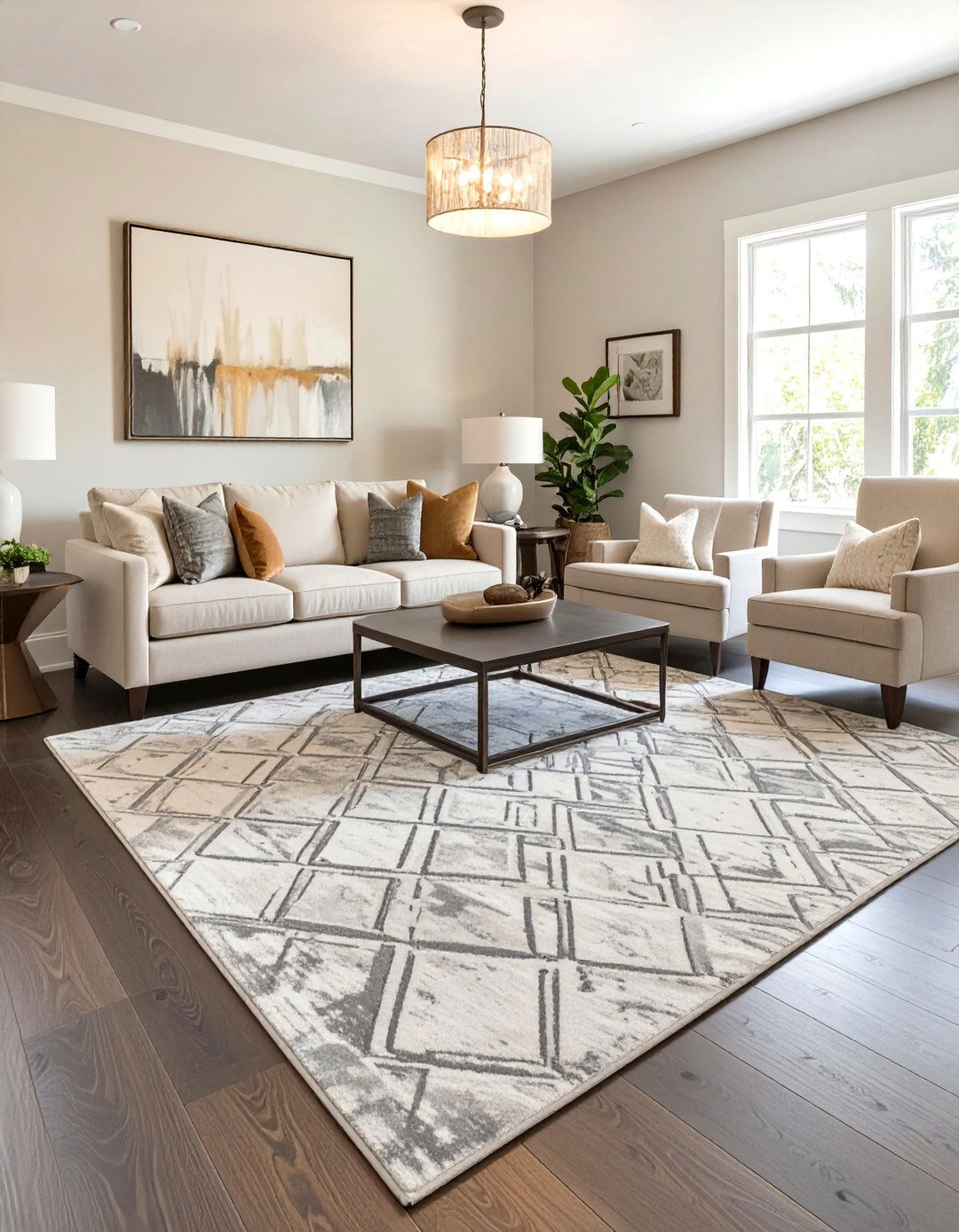
An area rug is essential for defining a space and adding warmth in transitional design, especially over hardwood or tile floors. Opt for a large rug that allows the main furniture pieces to sit comfortably on it, which helps to unify the room. Patterns should be subtle and understated; think soft geometrics, tone-on-tone textures, or muted traditional motifs like a faded Oriental or Persian design. The colors should align with the room's neutral palette. A well-chosen area rug not only provides comfort underfoot but also acts as a quiet anchor, grounding the furniture and tying the entire design scheme together.

10. Focusing on Symmetrical Furniture Arrangements
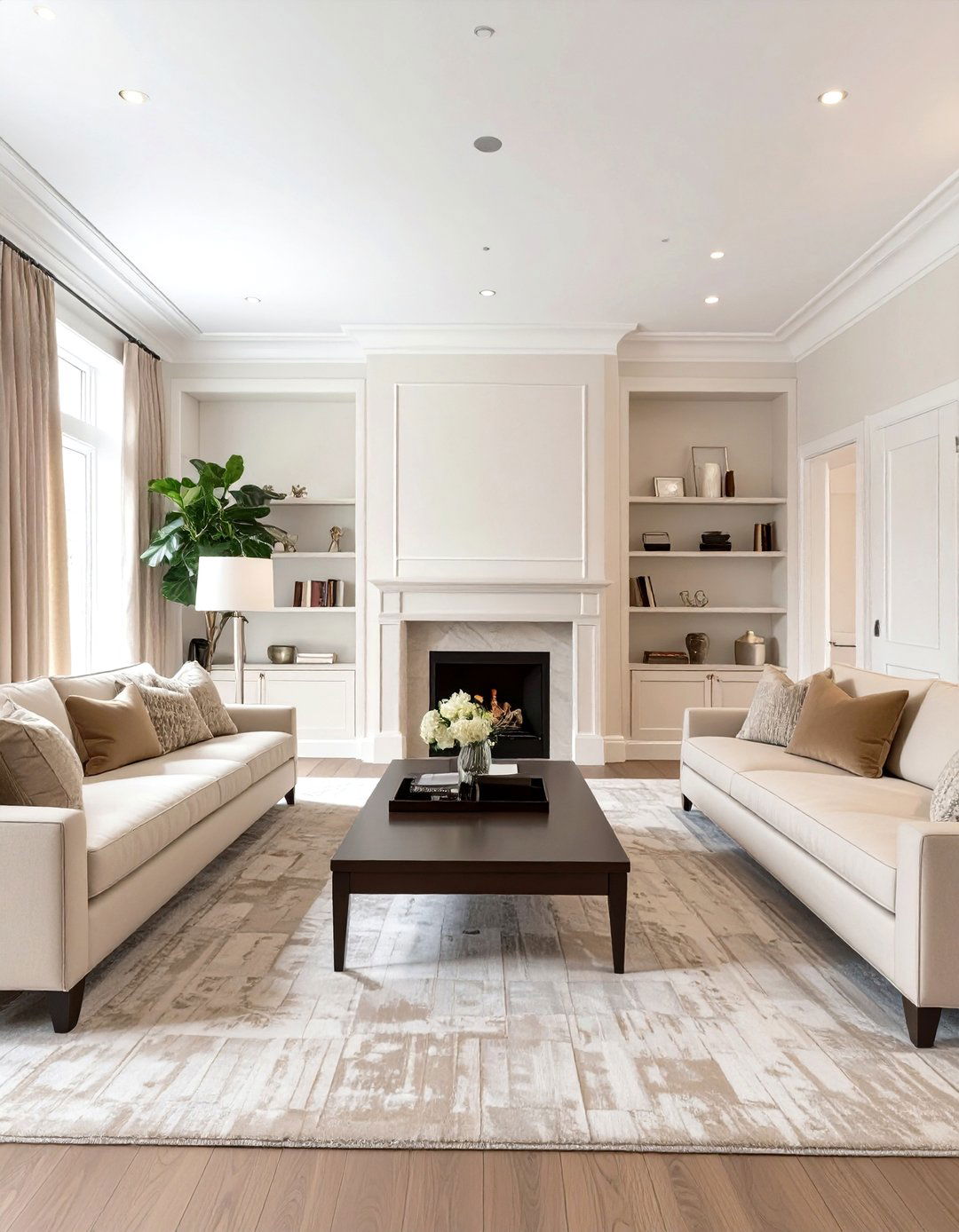
Symmetry brings a sense of order, calm, and formality that is very much at home in transitional interiors. Arranging furniture symmetrically creates a balanced and visually pleasing layout. In a living room, this could mean placing two identical sofas opposite each other with a coffee table in the center, or flanking a fireplace with matching armchairs and end tables. This classical approach to furniture placement provides a structured foundation that contrasts beautifully with the more relaxed, modern elements in the room. The result is a space that feels intentional, organized, and elegantly composed, reinforcing the traditional side of the design style.
11. Employing Subtle and Sophisticated Patterns
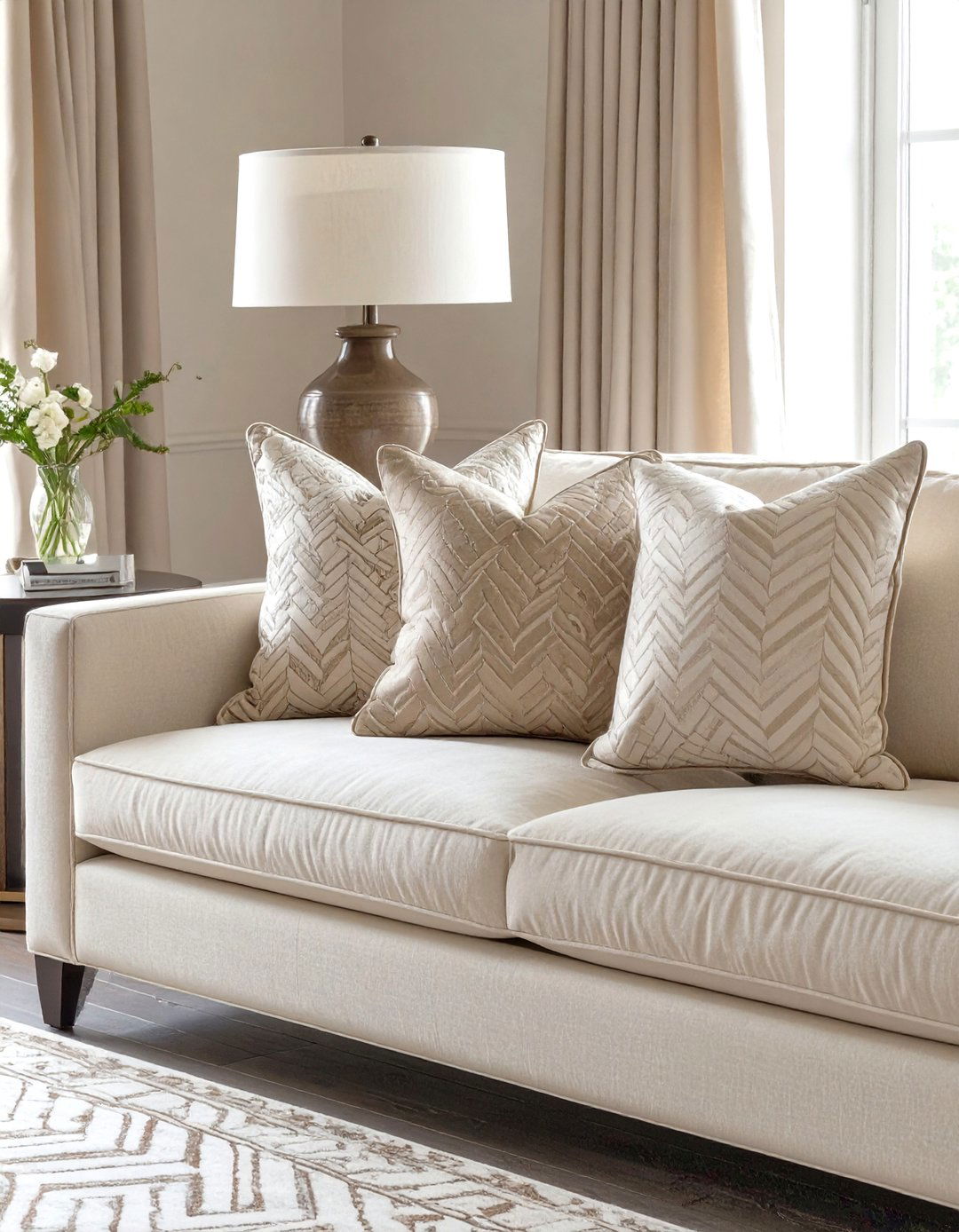
Patterns in transitional design are used with a light hand to add visual interest without overwhelming the space. Instead of bold, loud prints, choose subtle and sophisticated patterns that complement the serene atmosphere. Tone-on-tone damask, small-scale geometrics, quiet stripes, or delicate herringbone are excellent choices for textiles like pillows, drapery, and upholstery. The goal is to introduce texture and a hint of detail rather than a riot of color. These understated patterns contribute to the layered, curated feel of the room, adding a touch of classic elegance that harmonizes with the modern, uncluttered aesthetic of the overall design.
12. Using Substantial and Simple Window Treatments
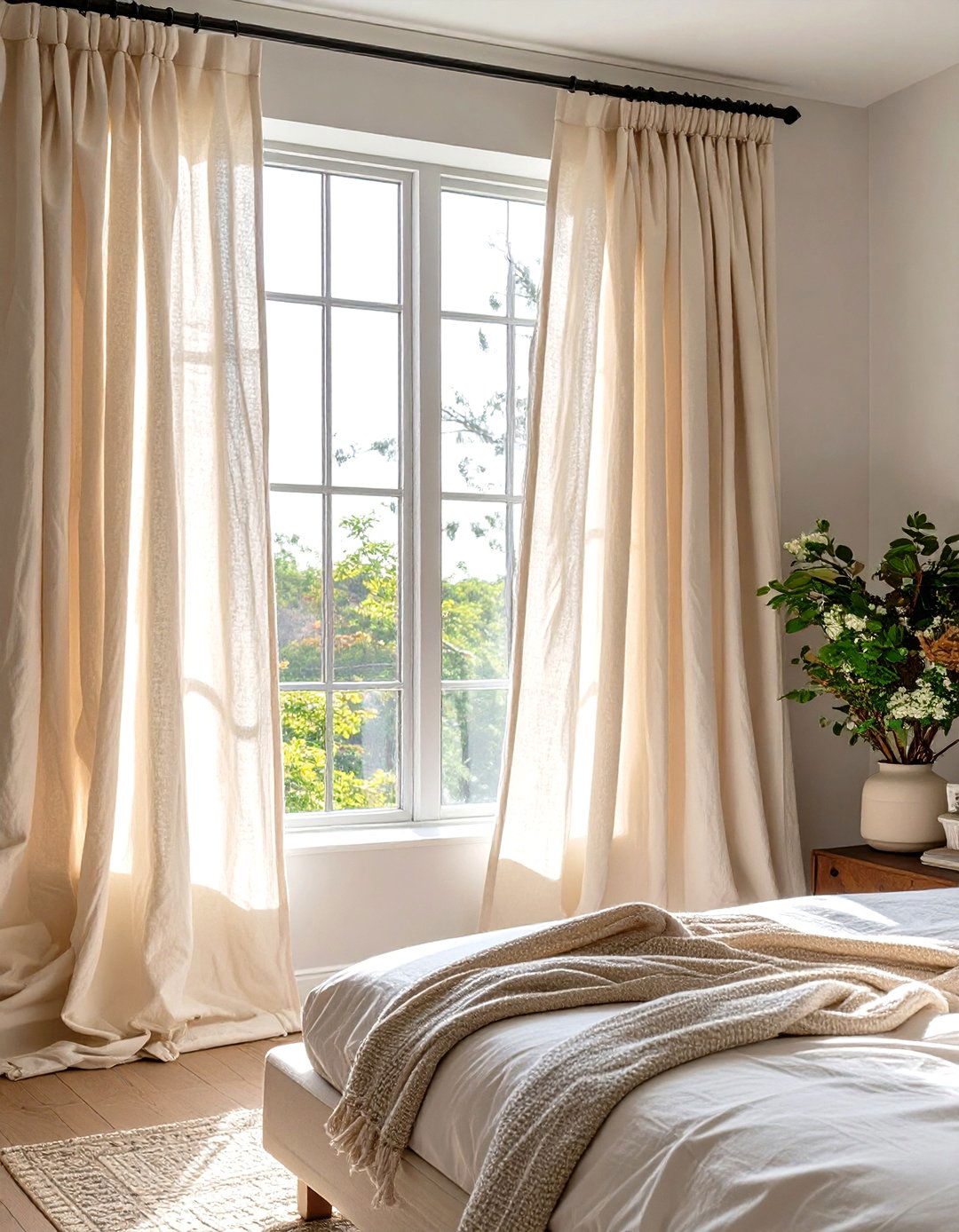
Window treatments in transitional interiors should be both functional and elegant, framing the view without being overly fussy. Floor-to-ceiling curtains made from high-quality fabrics like linen, cotton, or silk are a popular choice. They add a sense of height and drama to the room. Stick to solid neutral colors or very subtle patterns that align with the overall color scheme. Simple hardware, such as a clean metal rod with unadorned rings, completes the look. This approach to window dressing provides privacy and light control while maintaining the clean, sophisticated lines that are characteristic of the transitional style.
13. Balancing Wood Tones for Warmth
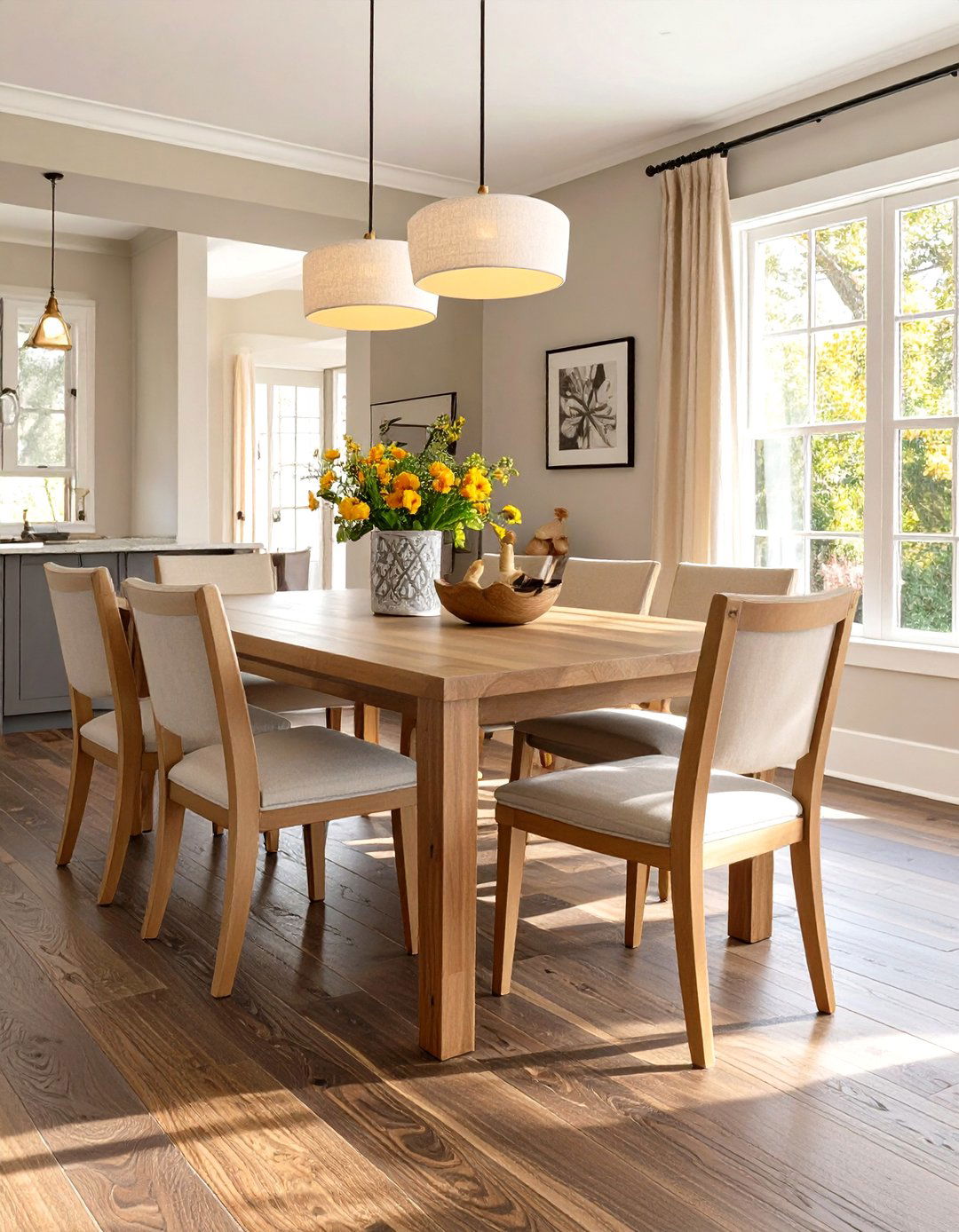
Wood is a key material for adding warmth and natural texture to transitional spaces. The style embraces a mix of wood tones, but the key is to strike a balance. You can pair dark hardwood floors with lighter wood furniture, like a white oak coffee table or ash dining chairs. To ensure a cohesive look, try to keep the undertones of the different woods consistent (e.g., all warm undertones or all cool undertones). This mixing of light and dark woods adds depth and character, preventing the room from feeling one-dimensional while reinforcing a connection to natural, timeless materials that bridge traditional and modern sensibilities.
14. Highlighting Architectural Details
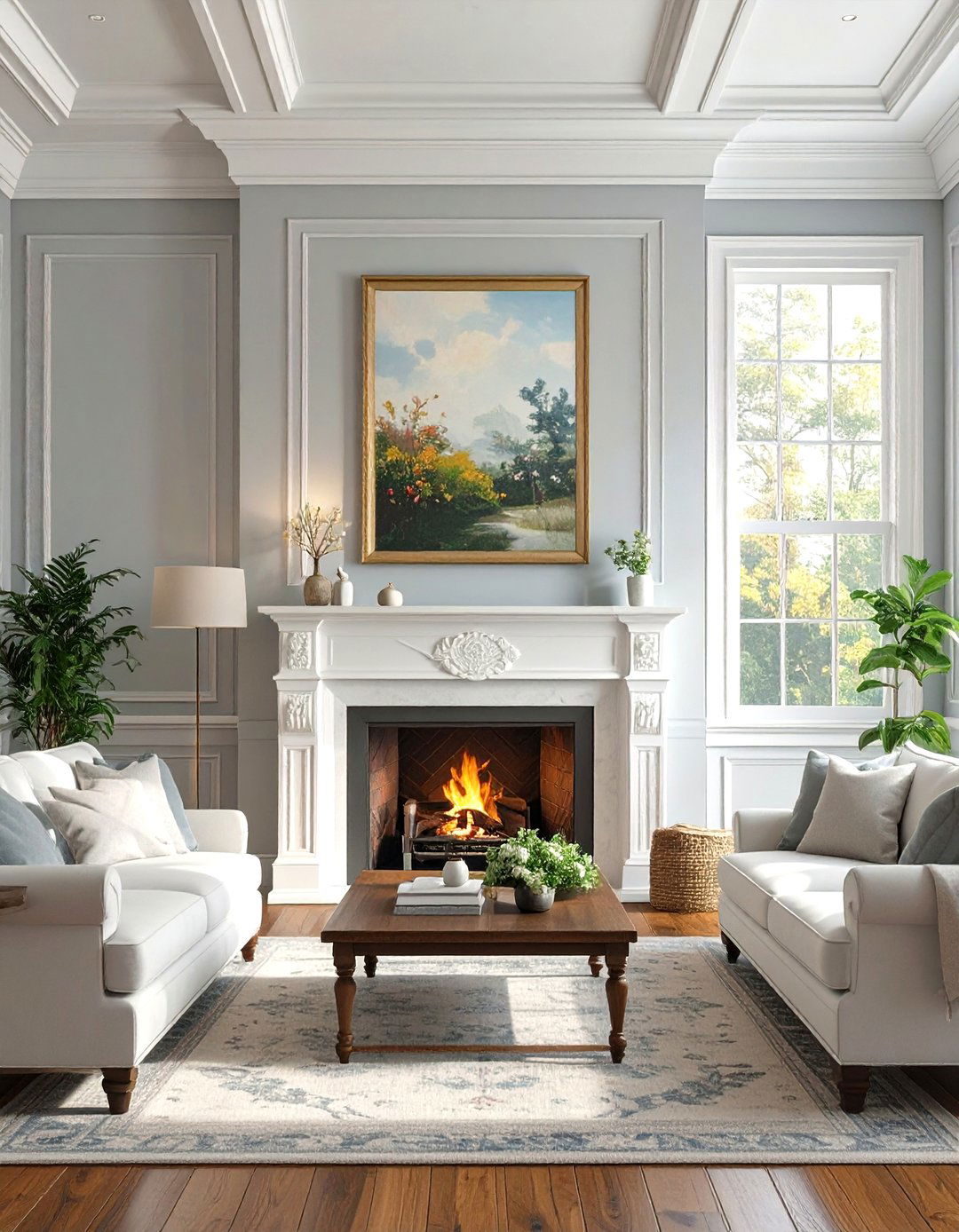
Transitional design often takes place in homes with strong architectural features, and it's important to let these shine. Details like crown molding, ceiling medallions, wainscoting, or a beautifully crafted fireplace mantel add a layer of traditional elegance. Keep these elements in focus by painting them in a crisp white or a color that contrasts slightly with the walls. Avoid cluttering the areas around them with excessive furniture or decor. By making these architectural features a focal point, you honor the classic character of the space, which provides a perfect historic backdrop for more contemporary furniture and accessories.

15. Integrating Reflective Surfaces Like Mirrors and Glass
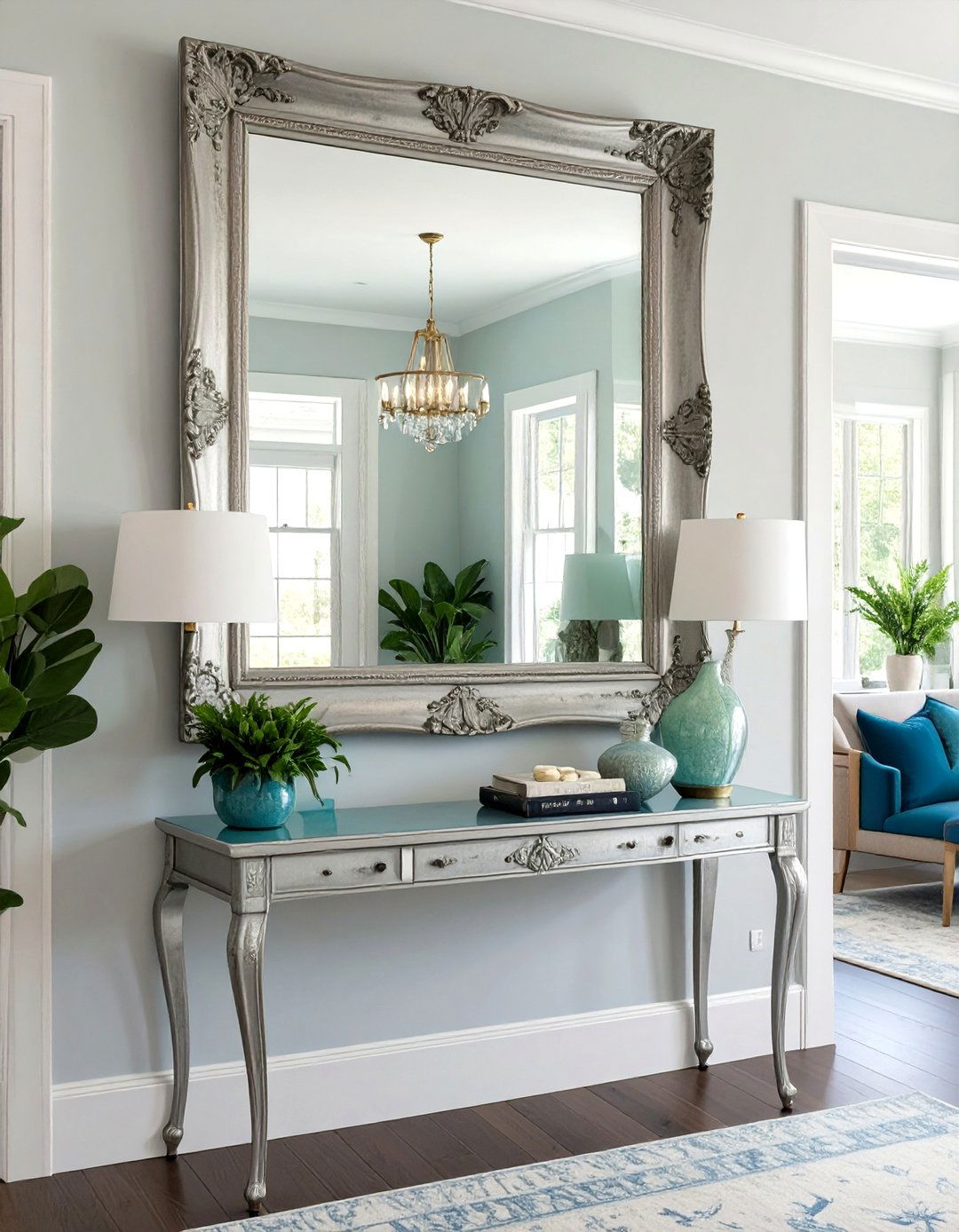
To enhance the sense of light and space in a transitional room, strategically incorporate reflective surfaces. A large, beautifully framed mirror can act as a piece of art while also making the room feel larger and brighter. The frame itself can be a point of interest, blending styles—perhaps a classic shape with a modern, simple finish. Glass tabletops on coffee tables or end tables also contribute to an open, airy feel by reducing visual weight. These reflective elements add a touch of glamour and sophistication, complementing the neutral color palette and clean lines of the transitional aesthetic.
16. Creating a Functional Transitional Home Office
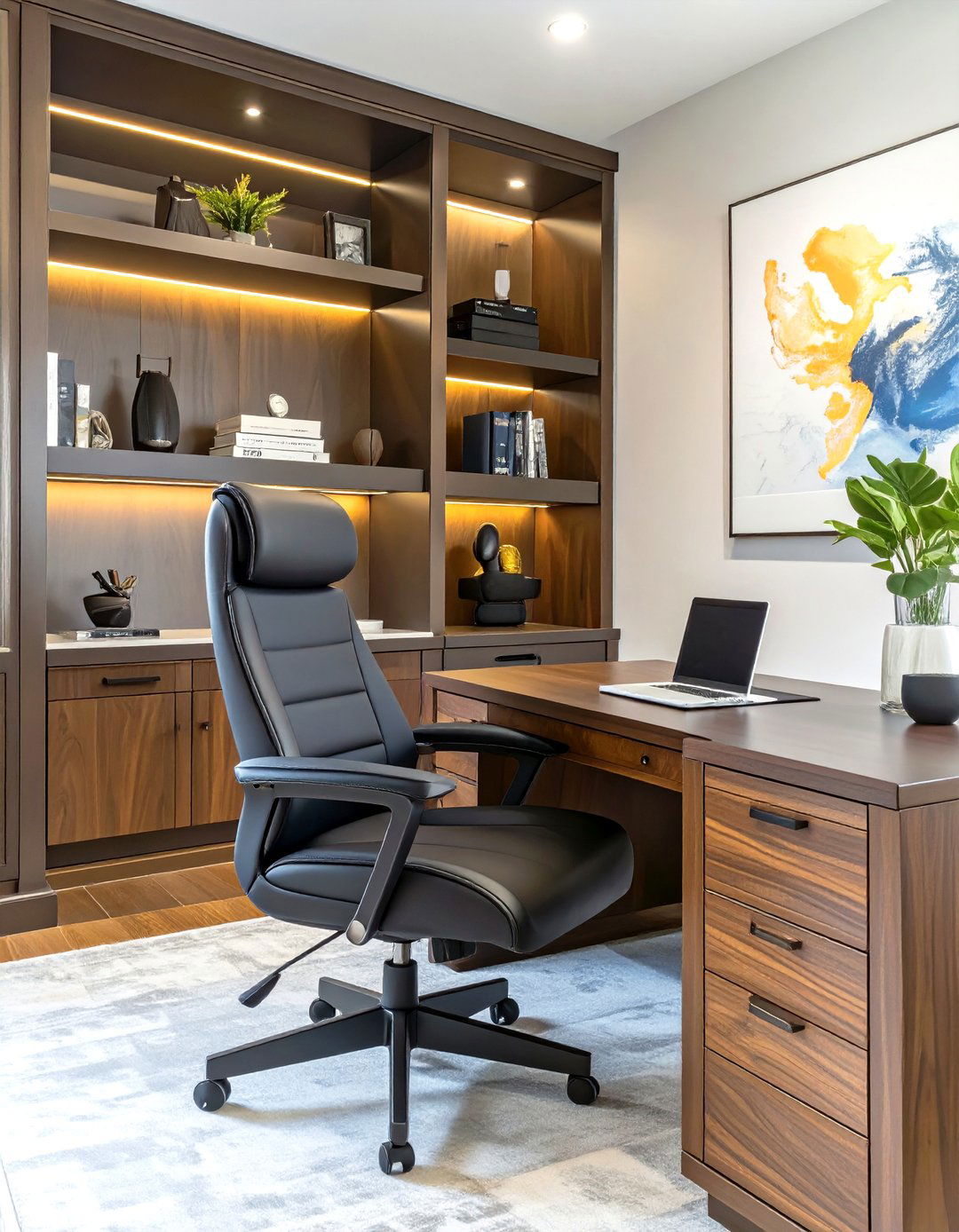
A home office designed in the transitional style is both productive and beautiful. Start with a substantial desk that features clean lines but is crafted from a classic material like rich walnut or oak. Pair it with an ergonomic chair that prioritizes comfort but has an updated, sleek silhouette. For storage, consider built-in cabinetry painted in a soft neutral, combining traditional form with modern utility. Keep accessories minimal—a stylish desk lamp, a simple tray for papers, and one or two personal items. This approach creates a calm, organized, and sophisticated workspace that is free from distraction.
17. Designing a Tranquil Transitional Bedroom
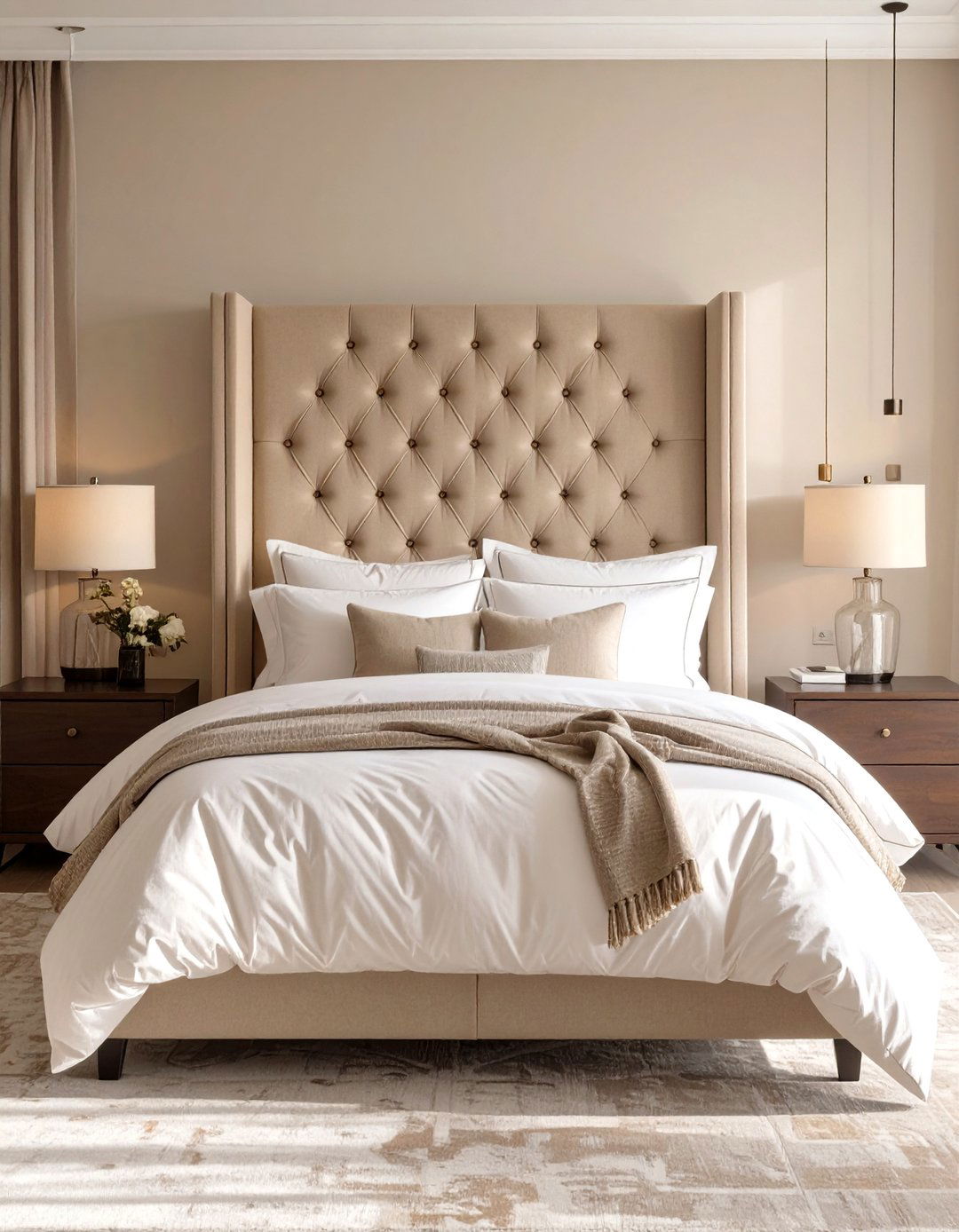
The bedroom is a perfect canvas for the calming nature of transitional design. Center the room with an upholstered headboard that has a classic shape, like a gentle curve or simple tufting, but is covered in a modern neutral fabric like linen or boucle. Flank the bed with matching nightstands that have clean lines and simple hardware. Dress the bed in high-quality, solid-colored linens and add texture with a chunky knit throw or a few subtly patterned pillows. The goal is to create a serene retreat that feels comfortable, luxurious, and uncluttered—a perfect blend of hotel-chic and cozy-at-home.
18. Crafting an Elegant Transitional Dining Room
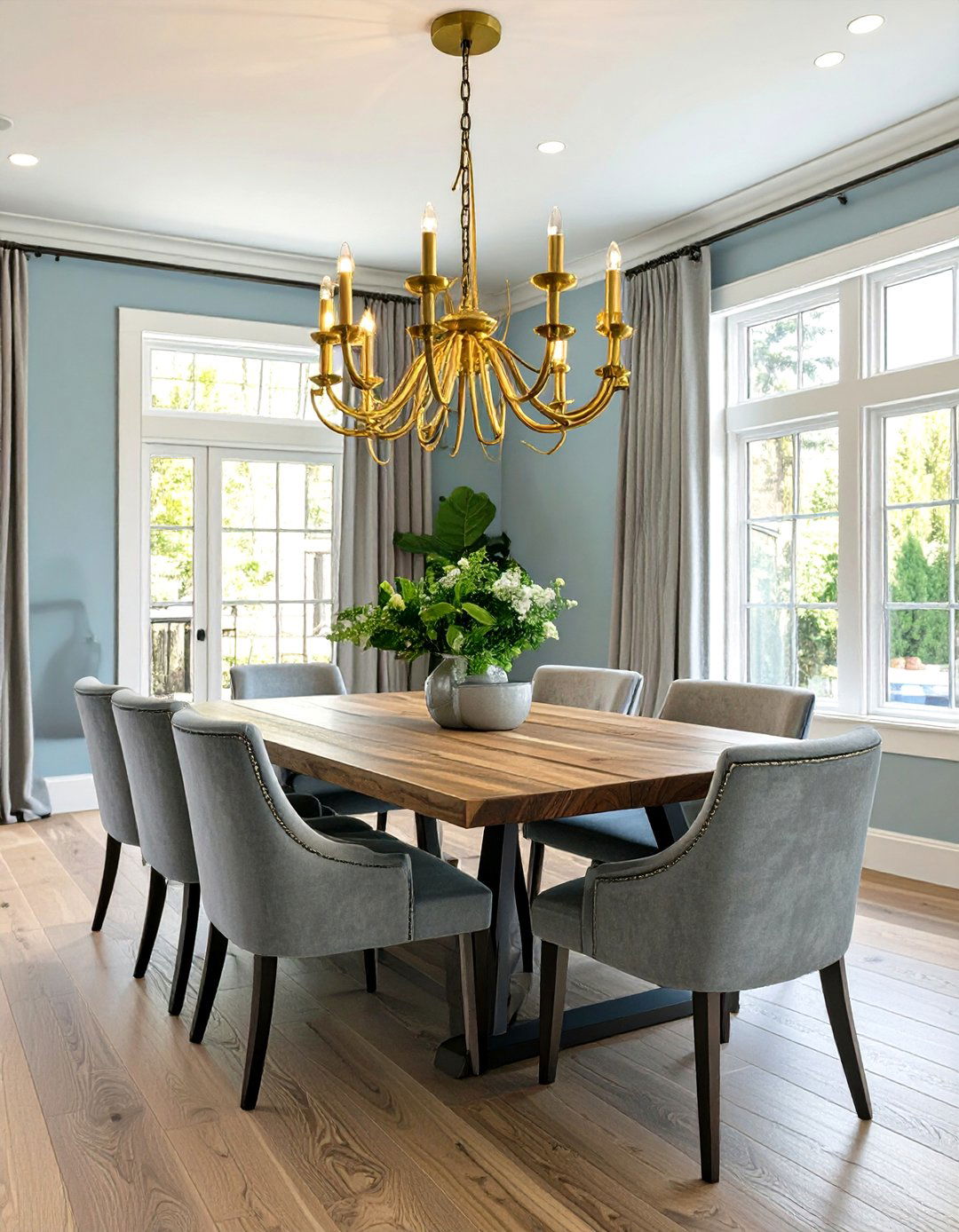
An elegant transitional dining room is ideal for both formal dinners and casual family meals. Anchor the space with a large, solid wood dining table with simple, sturdy legs. Surround it with chairs that offer a stylistic contrast, such as fully upholstered chairs with a classic silhouette or modern chairs with soft curves. Above the table, hang a statement chandelier that bridges traditional and contemporary design. A large, neutral-toned area rug under the table will ground the setting, while a simple buffet or sideboard with minimal hardware provides storage without adding clutter, creating a sophisticated and welcoming atmosphere.
19. Building a Cohesive Open-Concept Living Space
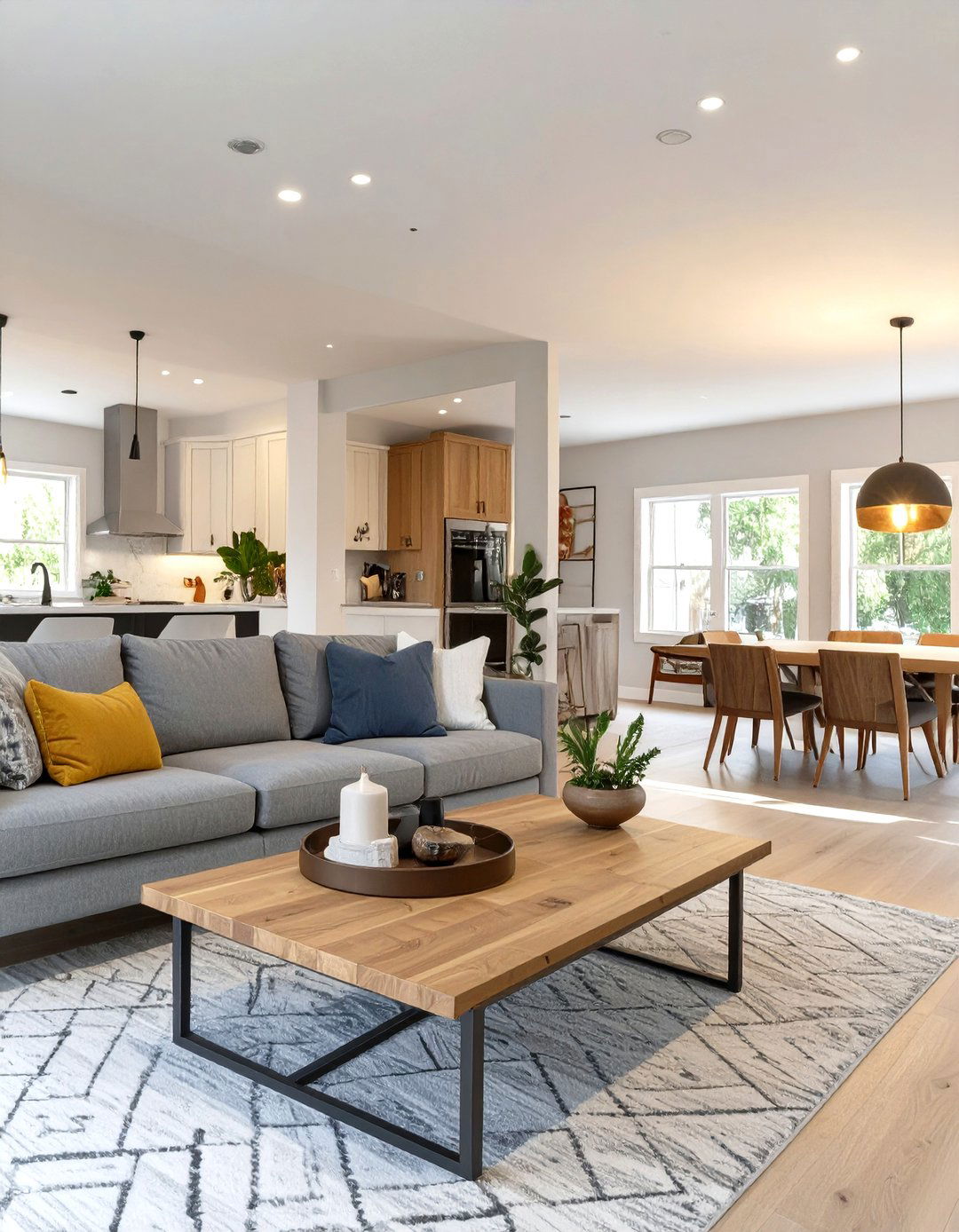
In an open-concept layout, transitional design is key to creating a cohesive flow between different functional zones. Use a consistent neutral color palette throughout the entire space to unify the living, dining, and kitchen areas. Define each zone with large area rugs. Ensure that major furniture pieces, while distinct, share common design elements, such as similar wood tones or fabric textures. For example, the dining chairs could be upholstered in a fabric that coordinates with the living room sofa. This thoughtful coordination creates a harmonious environment where each area feels connected yet serves its own distinct purpose.
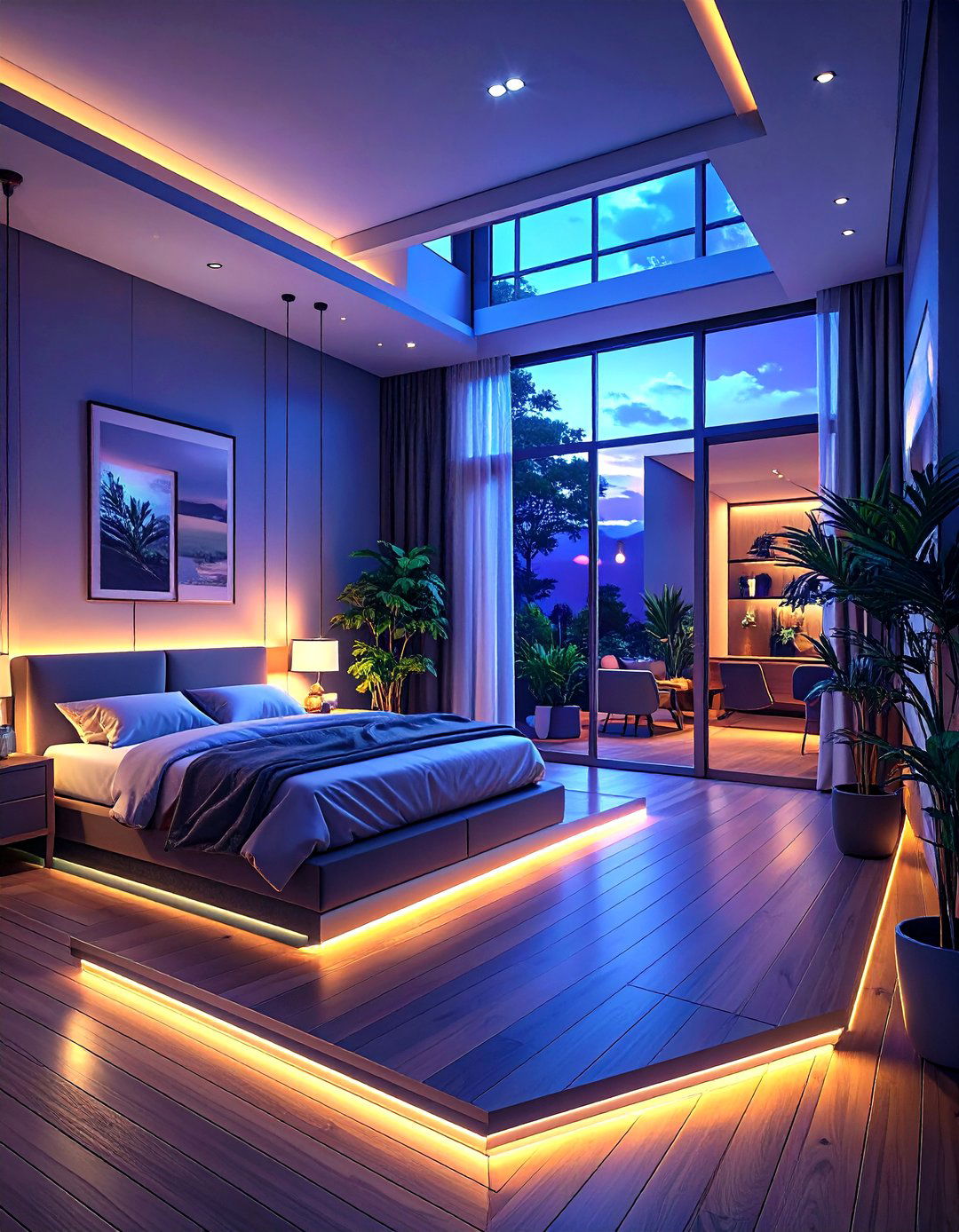
20. Selecting Art That Bridges Styles
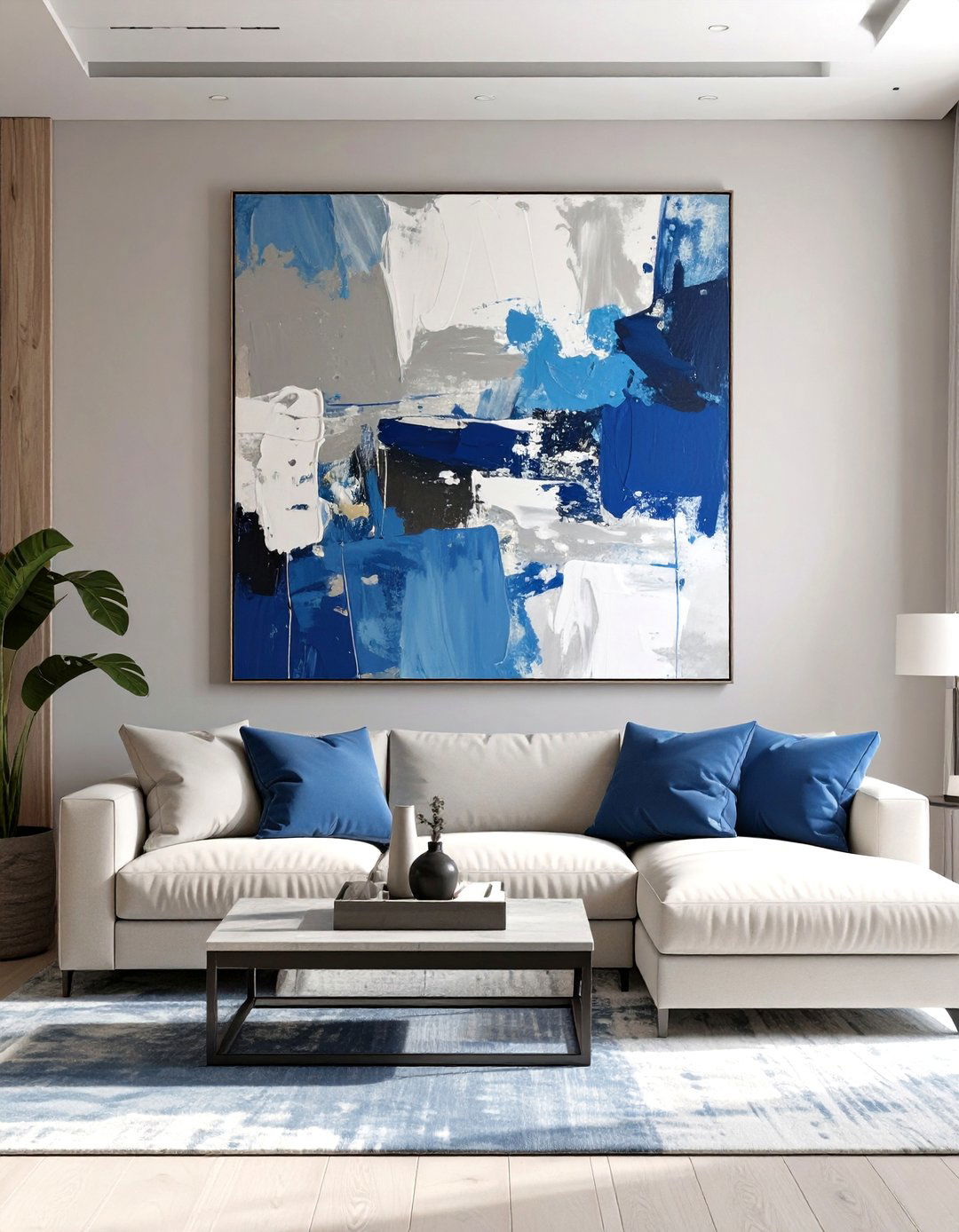
Art plays a crucial role in finalizing a transitional space. The key is to select pieces that bridge the gap between classic and contemporary aesthetics. Large-scale abstract paintings with a limited color palette are an excellent choice, as they provide a modern focal point without clashing with more traditional furniture. Alternatively, a gallery wall of black-and-white photography in simple, matching frames can add a personal and sophisticated touch. The art should complement the room's serene atmosphere rather than dominate it, serving as a final layer that ties the entire design scheme together with intention and style.
21. Utilizing Built-In Shelving and Cabinetry
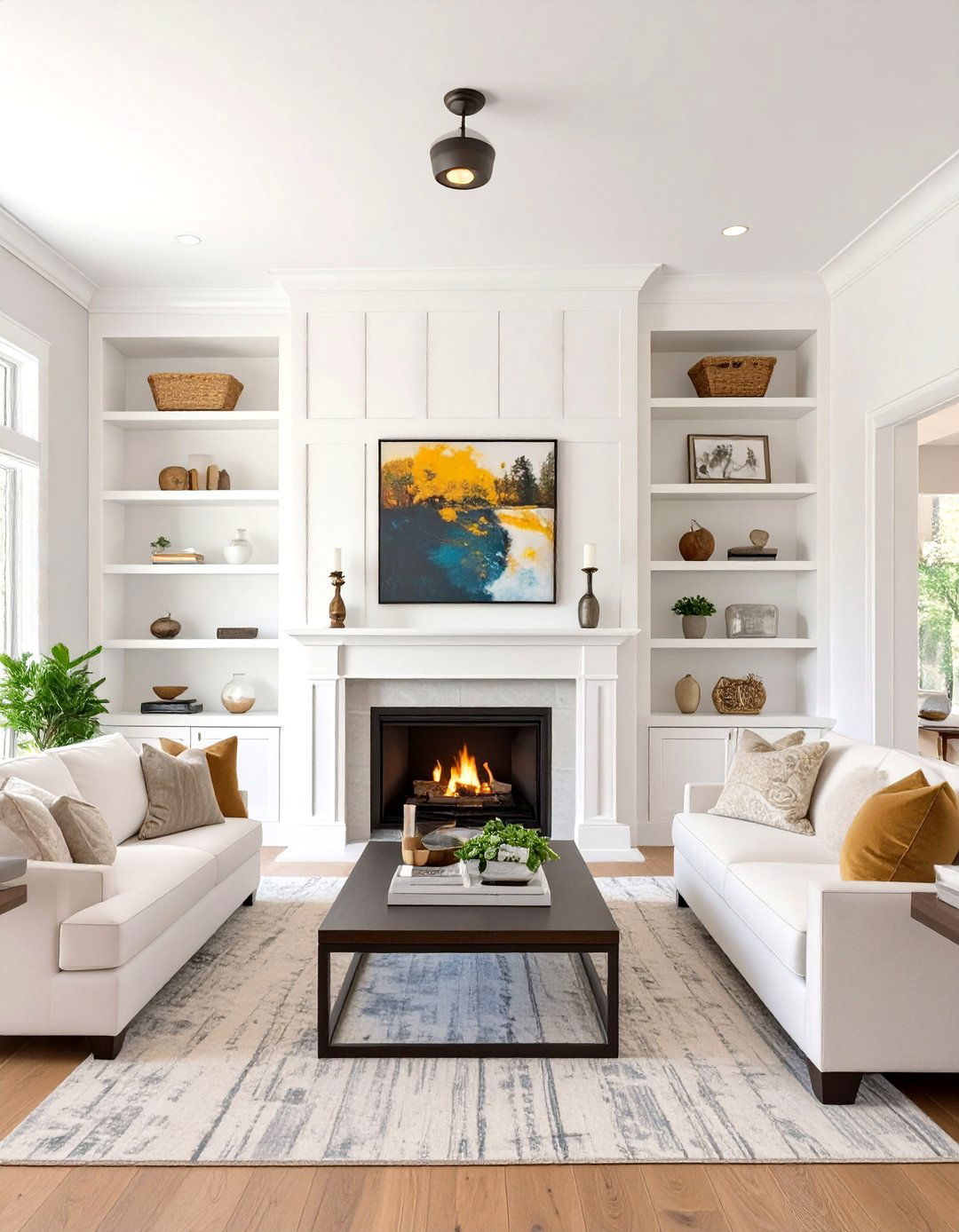
Built-in shelving and cabinetry are a perfect fit for transitional design, offering a seamless blend of traditional craftsmanship and modern functionality. Custom built-ins flanking a fireplace or along a dining room wall provide ample storage and display space without the visual weight of freestanding furniture. Paint them the same color as the walls to create a subtle, integrated look, or use a soft contrasting neutral to make them a gentle feature. This approach enhances the room's architectural character while contributing to the clean, uncluttered, and organized feel that is central to the transitional aesthetic.
22. Designing a Spa-Like Transitional Bathroom
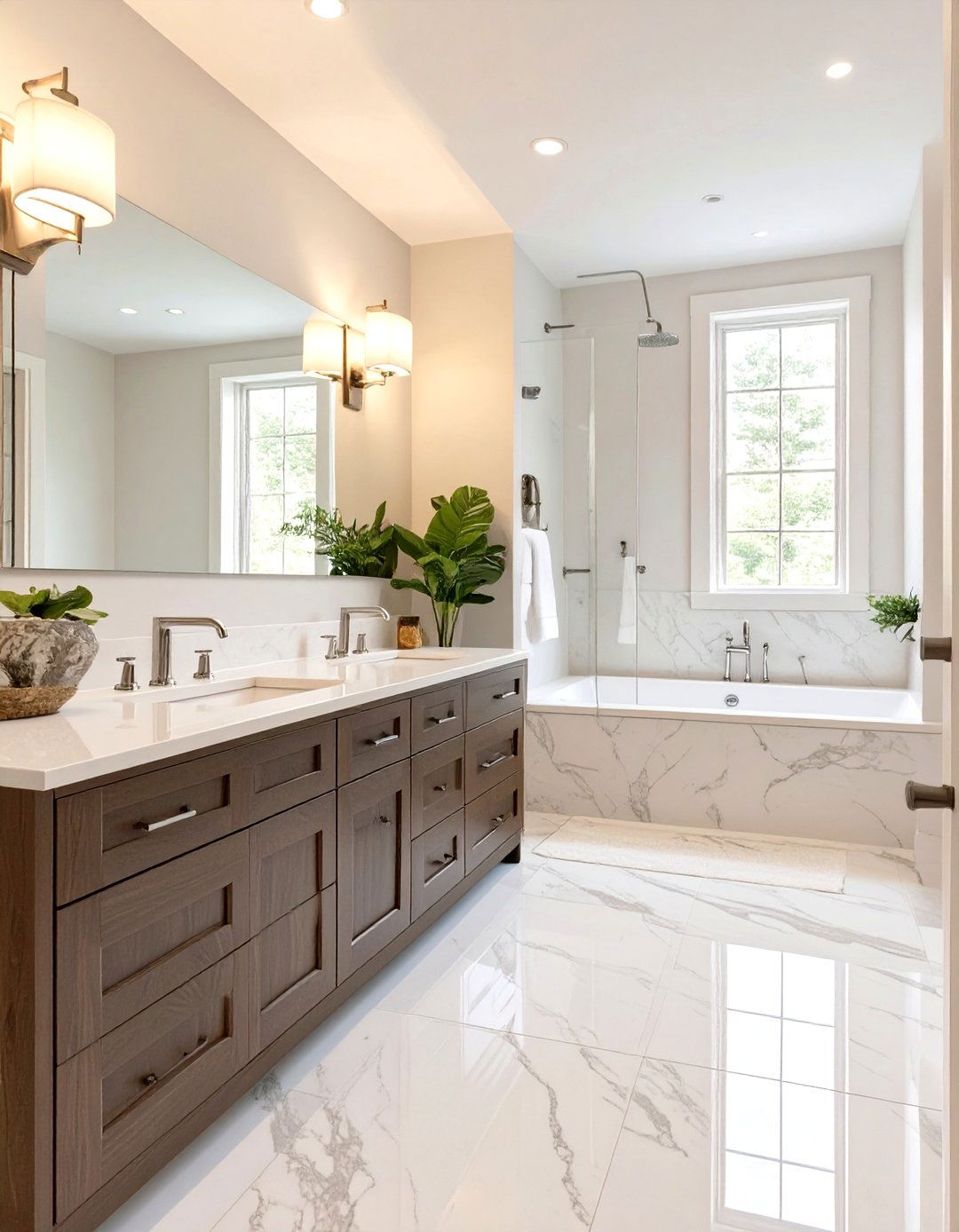
Transform your bathroom into a spa-like retreat with a transitional approach. Use large-format tiles in a natural stone look, like marble or travertine, on the floors and in the shower for a clean, modern foundation. Pair this with a classic wooden vanity that has raised panel doors but is topped with a sleek quartz countertop. Polished chrome or nickel fixtures with simple, elegant lines will add a timeless shine. Keep accessories to a minimum: plush white towels, a simple glass vase with a single stem, and elegant soap dispensers to maintain a serene and uncluttered atmosphere.
23. Incorporating Natural Stone Elements
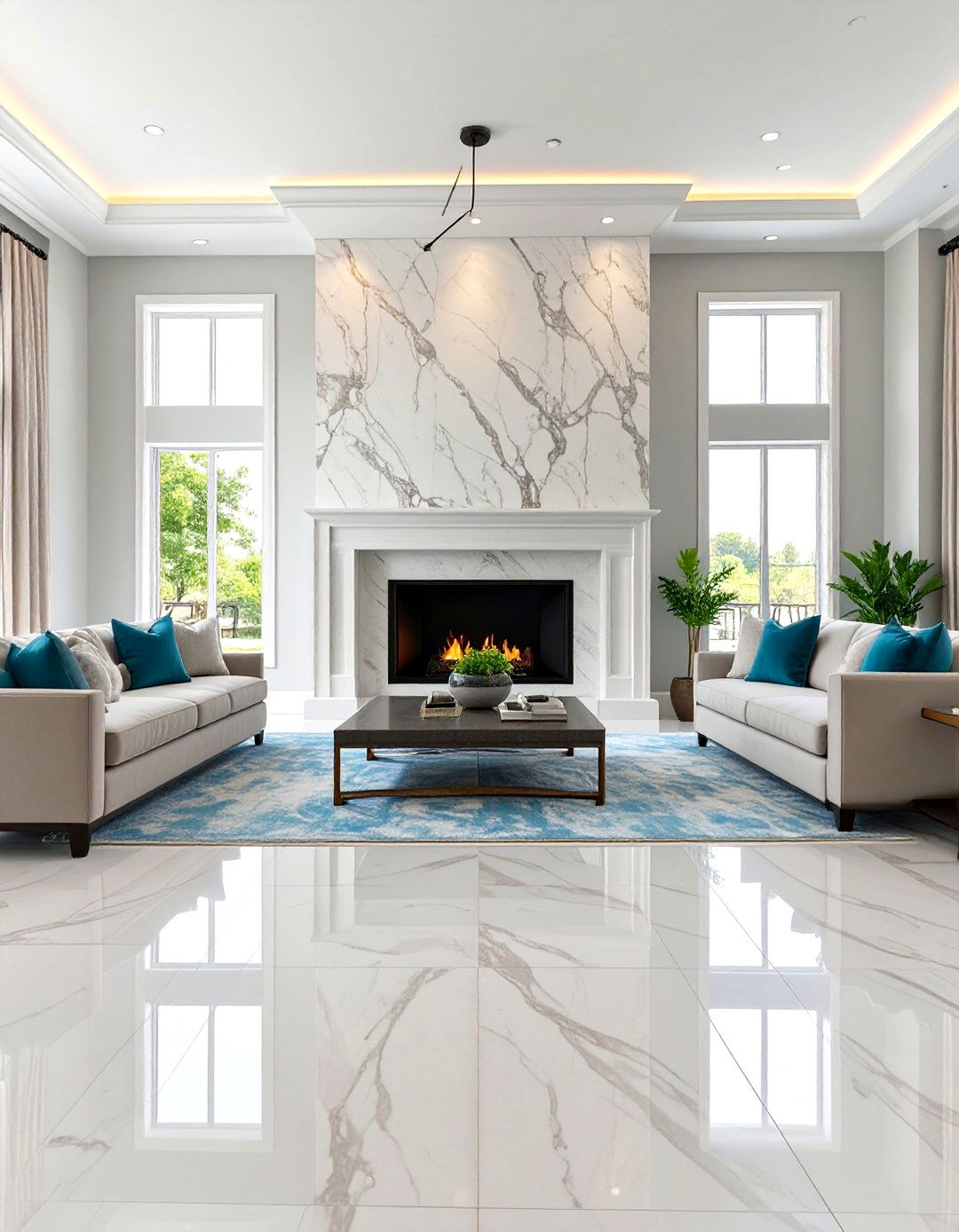
Natural stone is a timeless material that adds an element of organic luxury to transitional interiors. Incorporate materials like marble, travertine, or soapstone to create sophisticated focal points. This could be a marble fireplace surround, a granite kitchen island countertop, or a travertine tile floor in an entryway. The natural veining and subtle color variations in the stone add texture and visual interest that manufactured materials cannot replicate. By grounding the space with these earthy, high-end elements, you enhance the room's classic appeal while maintaining a connection to a clean, natural aesthetic.
24. Creating a Welcoming Transitional Entryway
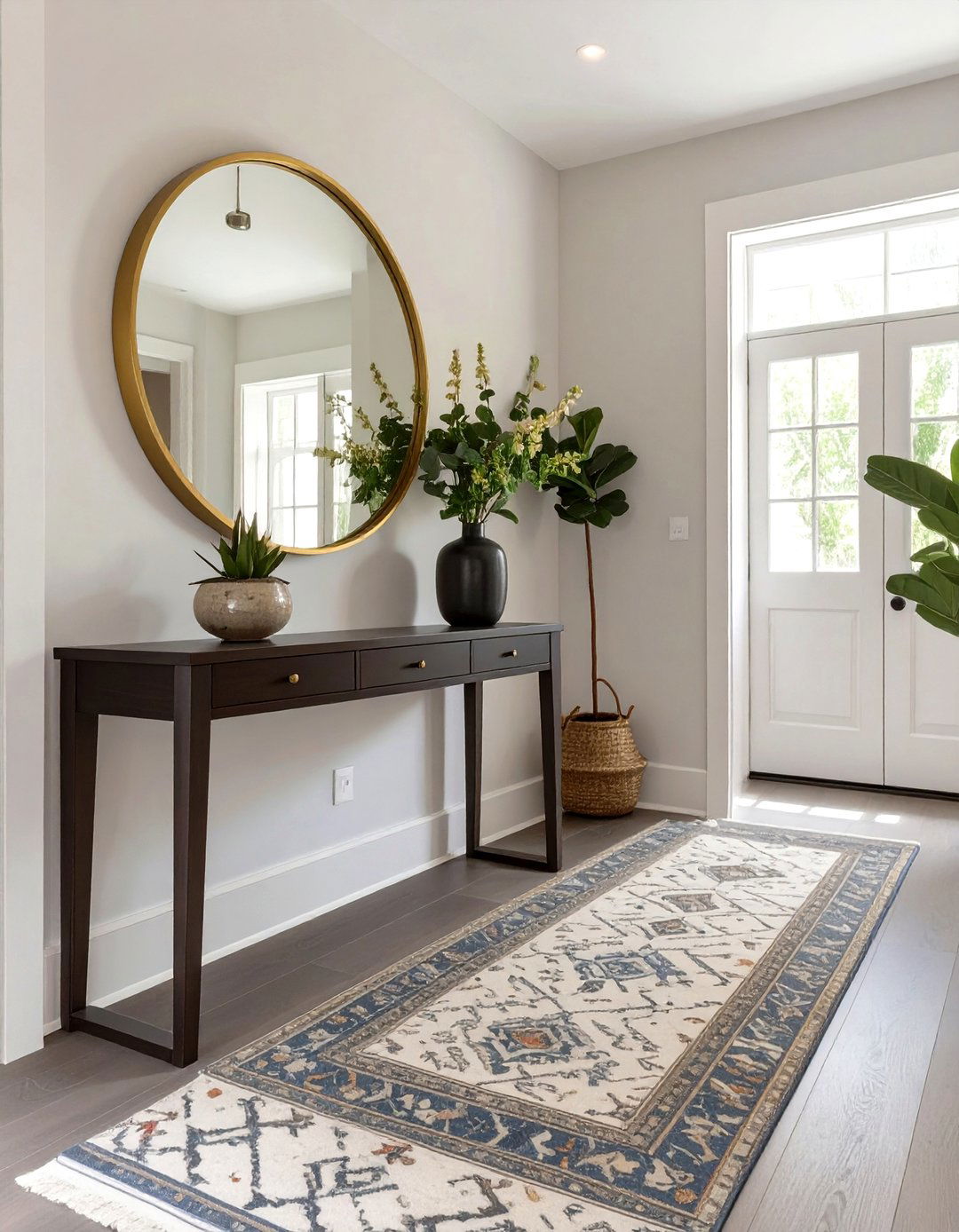
The entryway sets the tone for the entire home, and a transitional design ensures a welcoming first impression. Start with durable yet elegant flooring, such as dark hardwood or large-format tile. Place a simple, clean-lined console table in a classic wood finish against one wall. Above it, hang a large mirror with a frame that mixes traditional and modern elements—perhaps an ornate shape with a simple metallic finish. A stylish flush-mount light fixture or a small pendant provides ample light, while a simple area rug with a subtle pattern adds warmth and texture.
25. Choosing Fabrics with a Luxurious Feel
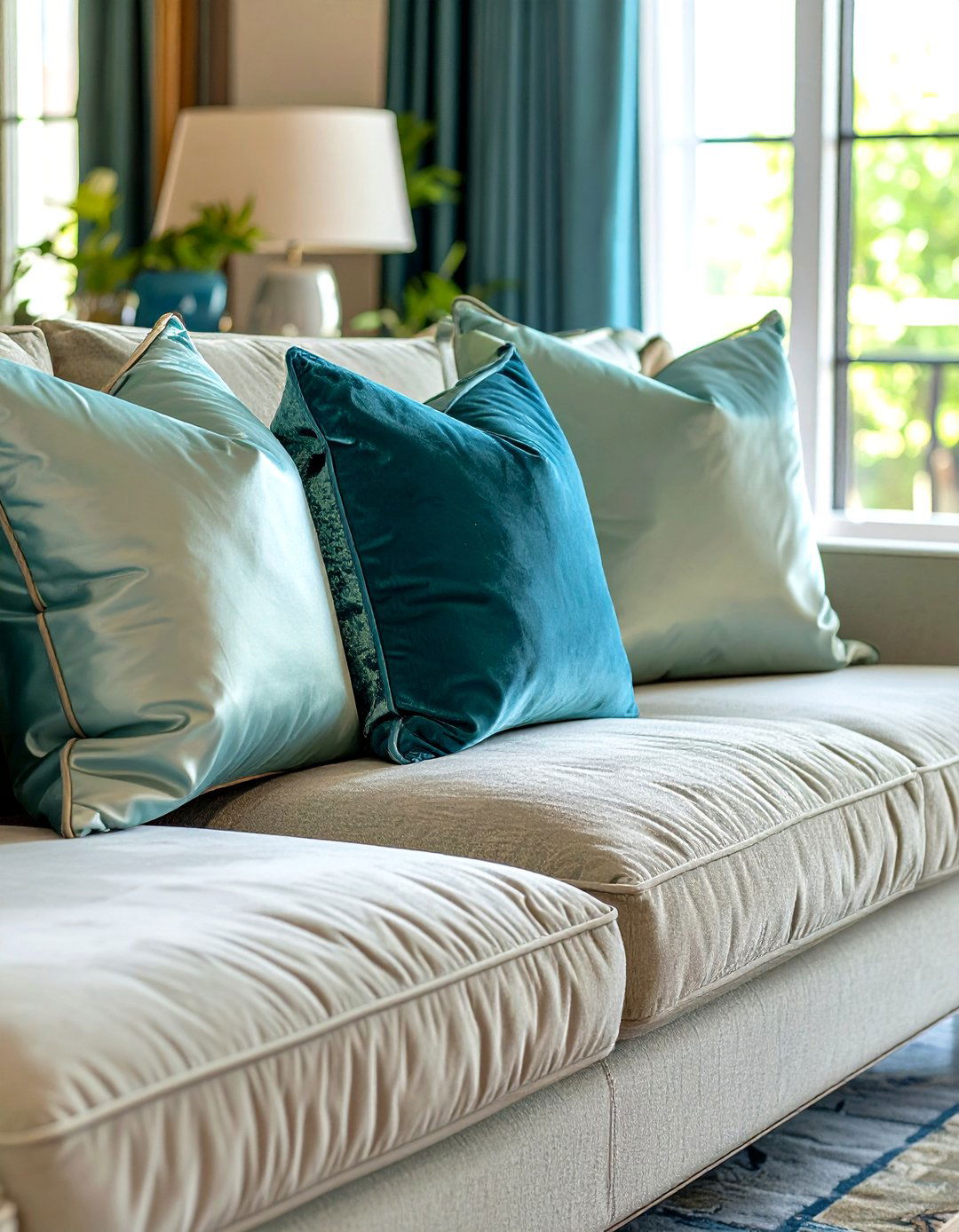
While the color palette in transitional design is often understated, the fabrics should feel luxurious to the touch. This focus on tactile quality adds to the overall sense of comfort and sophistication. Opt for materials like silk, chenille, velvet, and high-quality linen blends for drapery, upholstery, and accent pillows. These fabrics have a rich texture and a subtle sheen that can elevate the space without the need for bold colors or patterns. The combination of these sumptuous textiles with the clean lines of the furniture creates a perfect balance between opulence and restraint.
26. Using Accent Chairs as Sculptural Elements
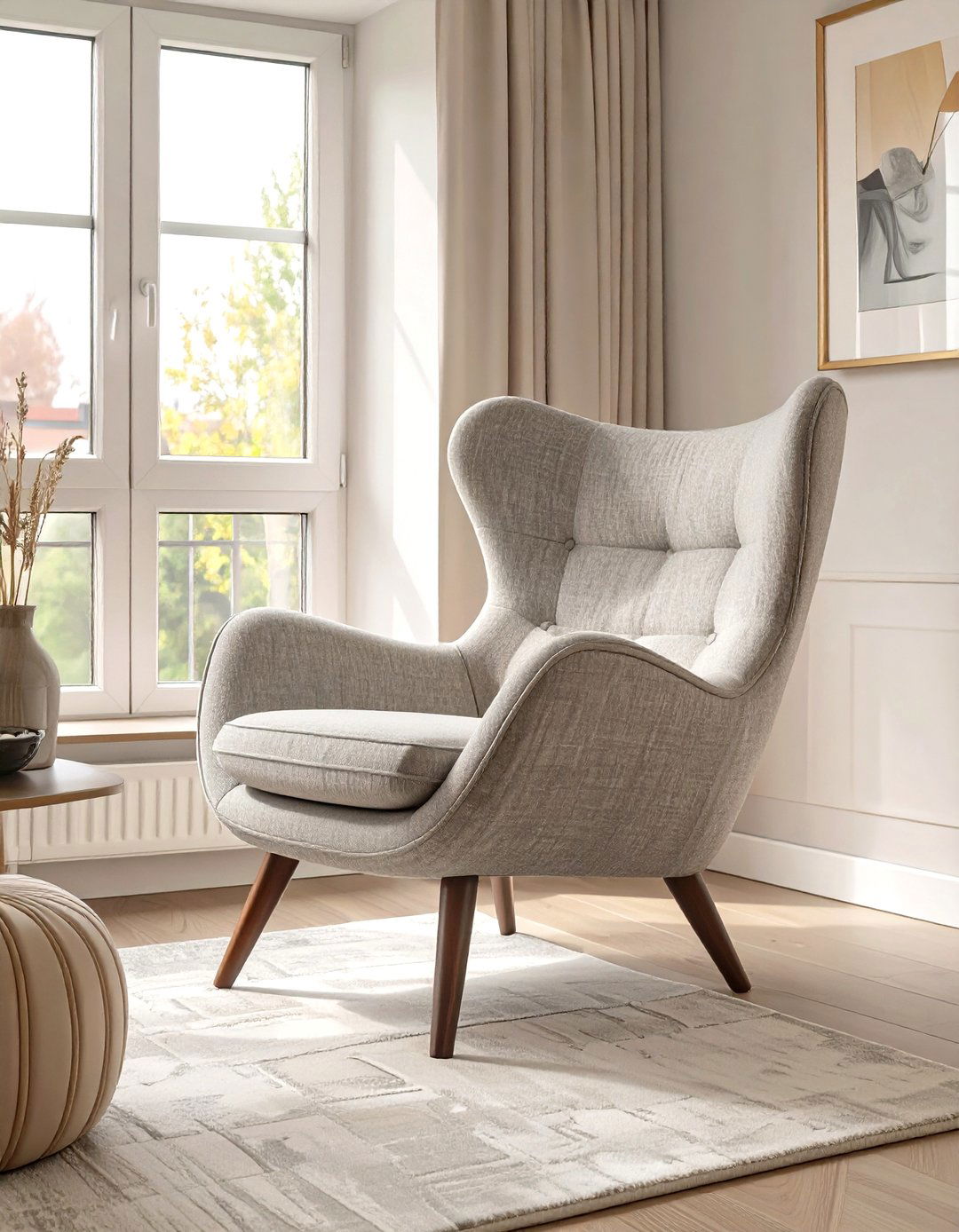
In a transitional living room, accent chairs can serve as more than just extra seating—they can be sculptural elements. Choose a chair that makes a statement with its silhouette. This might be a modern wingback chair with sleeker lines than its traditional counterpart, or an armchair with classic turned legs but upholstered in a contemporary, textured solid fabric. Placing one or two of these thoughtfully chosen chairs in a room adds a point of interest and sophistication, breaking up the larger forms of sofas and tables while reinforcing the blend of old and new design principles.
27. Layering Lighting for Ambiance and Function
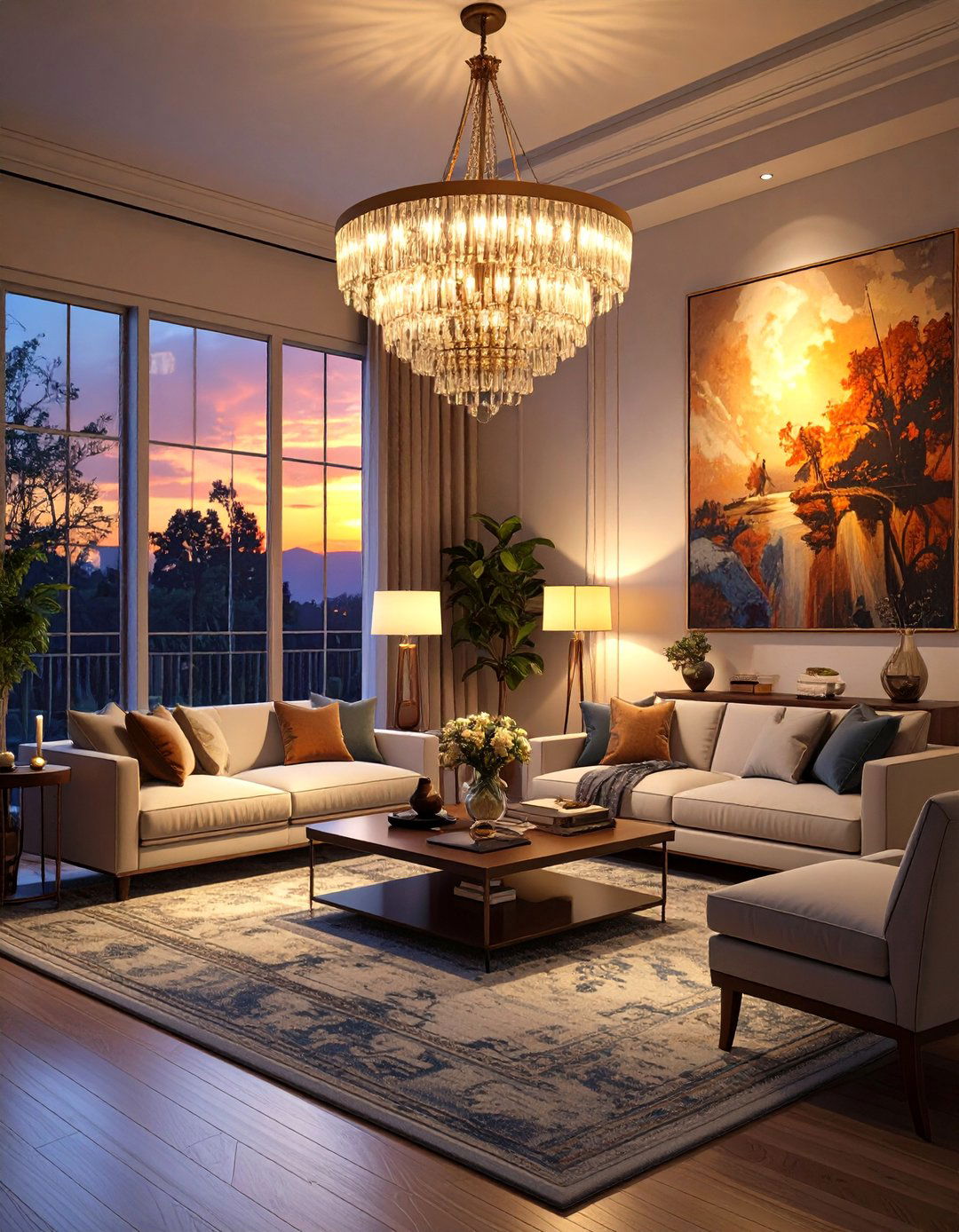
A well-lit transitional room relies on a layered lighting plan that includes ambient, task, and accent lighting. Ambient light comes from a central fixture like a chandelier or recessed lights. Task lighting provides focused light for activities, such as table lamps for reading or under-cabinet lighting in the kitchen. Finally, accent lighting, like a picture light over artwork or an uplight on a plant, highlights specific features. By combining these three types of lighting and using dimmers, you can create a functional space with a warm, inviting ambiance that can be adjusted for any occasion.
28. Keeping Flooring Consistent and Simple
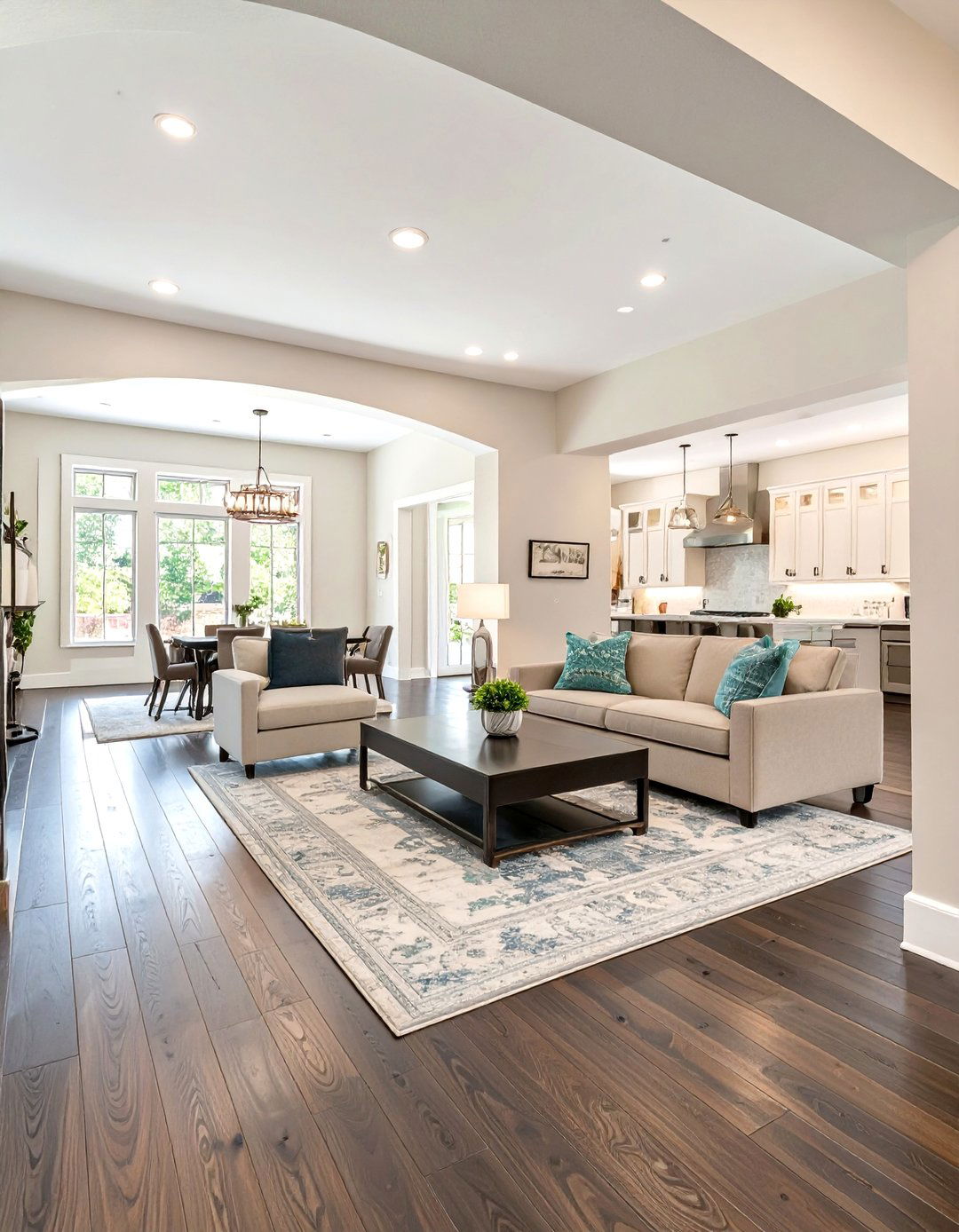
To create a seamless and cohesive flow, especially in an open-plan home, keep the flooring consistent and simple. Hardwood flooring in a medium to dark stain is a classic choice that serves as a beautiful, warm foundation for any transitional space. Large-format tiles in a neutral color are another excellent option, particularly for kitchens, bathrooms, and entryways. Avoid jarring transitions between different flooring materials in the main living areas. This consistency creates an uncluttered visual base, allowing the furniture, textiles, and architectural details to take center stage, enhancing the overall sense of calm and harmony.
29. Incorporating a Single Antique or Vintage Piece

To add character and a sense of history to a transitional space, consider incorporating a single, well-chosen antique or vintage piece. This could be a distressed wood chest used as a side table, an ornate vintage mirror hanging in the entryway, or a classic armchair inherited from a grandparent. This one-of-a-kind item acts as a conversation starter and prevents the room from feeling like it was decorated all at once from a single showroom. It provides a touch of authenticity and soul, beautifully contrasting with the more modern elements and enriching the overall design narrative.
30. Designing a Kitchen Island as a Social Hub
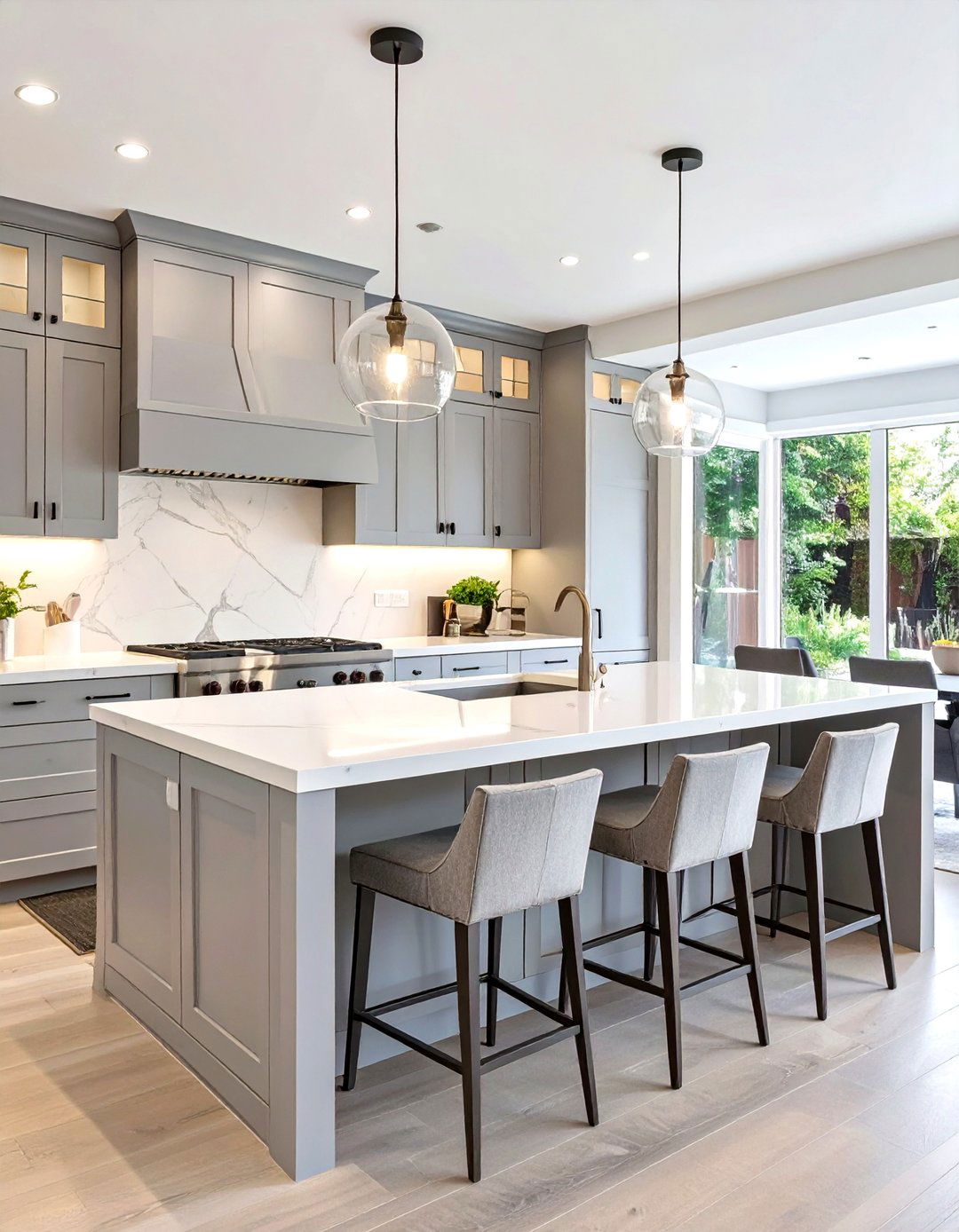
In a transitional kitchen, the island is often the centerpiece, designed to be both a workspace and a social hub. Create a large island with classic cabinetry details, such as inset panels or decorative legs, but top it with a durable, modern countertop like quartz or soapstone. Pair it with counter stools that blend styles—for example, stools with a traditional wood base and a simple, modern upholstered seat. This multi-functional island becomes the heart of the home, perfectly embodying the transitional principle of combining timeless form with contemporary living, making it as beautiful as it is practical.
Conclusion:
Ultimately, transitional interior design is about creating a masterful balance between the past and the present. It celebrates the comfort of traditional aesthetics while embracing the clean, uncluttered calm of modern design. By focusing on a neutral color palette, layering textures, mixing curved and straight lines, and choosing furniture and accessories with intention, you can craft a space that is both sophisticated and welcoming. This enduring style provides a timeless backdrop for living, proving that true elegance never goes out of fashion and comfort is always in style.

Related posts:



Leave a Reply