
Traditional interior design offers a timeless elegance rooted in 18th and 19th-century European decor. This style emphasizes order, symmetry, and classic sophistication, creating spaces that feel both comfortable and refined. It relies on a rich palette of materials, including dark woods, luxurious fabrics, and ornate details to build a sense of history and permanence. The furnishings are often inspired by historical periods, featuring curved lines and intricate carvings. By balancing these elements, traditional design achieves a look that is stately yet inviting, providing a warm and predictable sanctuary from the outside world, full of character and grace.

1. Symmetrical Furniture Arrangement

A hallmark of traditional design is the deliberate use of symmetry in arranging furniture. Consider placing identical sofas or armchairs facing each other, centered on a focal point like a fireplace or a large window. This creates a sense of balance and order, which is calming and visually pleasing. Coffee tables, end tables, and lamps are often placed in pairs to reinforce this structured look. The goal is to create a mirrored effect on either side of a central axis, lending the room a formal, harmonious feel that is both intentional and gracefully composed.
2. Ornate Crown Molding

Adding ornate crown molding is a defining feature that brings architectural interest to a traditional room. This decorative trim, installed where the walls meet the ceiling, adds a layer of sophistication and grandeur. Look for designs with intricate details like egg-and-dart, dentil, or scrolling patterns. When painted in a crisp white or a complementary color, crown molding draws the eye upward, making the ceiling feel higher and the space more expansive. It frames the room beautifully, enhancing its classic character and providing a polished, finished look that simple, unadorned walls cannot achieve.
3. Rich Wood Paneling
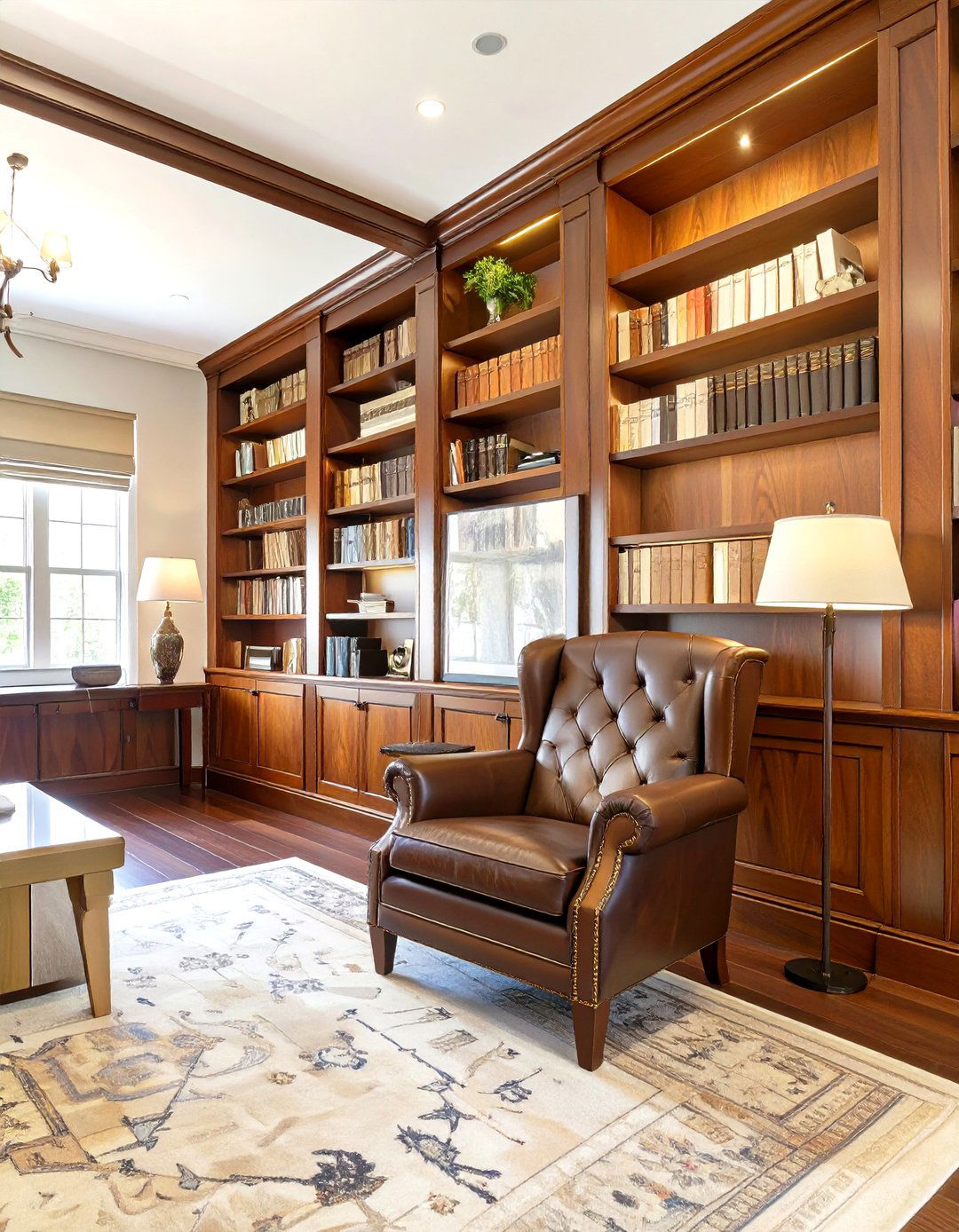
Incorporating rich wood paneling, such as mahogany, cherry, or oak, instantly imparts a sense of warmth and history. This classic element can be applied as full-wall wainscoting or as decorative panels to create a focal point. The deep, warm tones and natural grain of the wood add texture and depth to the space, creating a cozy and distinguished atmosphere reminiscent of historic manors and libraries. Stained to a deep, lustrous finish, wood paneling serves as a stately backdrop for traditional furnishings, artwork, and textiles, grounding the room in timeless elegance and substance.
4. Clawfoot Bathtubs in Bathrooms

For a quintessential traditional bathroom, a freestanding clawfoot bathtub is an essential centerpiece. Its elegant, curved shape and distinctive feet evoke a sense of vintage luxury and charm. Placed prominently in the room, it becomes a stunning focal point that defines the style. These tubs are often made from cast iron with a porcelain finish, offering both durability and classic appeal. Paired with vintage-style fixtures, such as a floor-mounted faucet with cross-handles, the clawfoot tub completes a sophisticated and relaxing sanctuary that feels both nostalgic and beautifully refined.
5. Crystal Chandeliers as Focal Points

A crystal chandelier serves as a magnificent focal point in any traditional interior, instantly adding glamour and opulence. Suspended from the center of a dining room, living room, or grand entryway, its cascading crystals capture and refract light, creating a dazzling display. The intricate metalwork, often in bronze, brass, or antique silver finishes, complements the sparkling elements. This classic lighting fixture not only illuminates the space but also elevates the overall design, lending it a sense of formality and timeless grandeur that speaks to a rich, historical aesthetic.
6. Toile Fabric Patterns

Toile de Jouy, often shortened to toile, is a classic fabric pattern that is central to traditional design. Characterized by its repeating pastoral or historical scenes printed on a light background, usually in a single color like blue, red, or black, it brings a narrative quality to the decor. This iconic pattern is frequently used for drapery, upholstery, wallpaper, and even bedding. Its detailed, pictorial style adds a touch of French country charm and refined elegance, creating a look that is both sophisticated and story-filled, connecting the space to a rich design heritage.
7. Persian or Oriental Rugs

Laying down a Persian or Oriental rug is a foundational step in creating a traditional interior. These hand-knotted rugs are celebrated for their intricate patterns, rich color palettes, and exceptional craftsmanship. Placed in a living room, dining area, or hallway, they anchor the furniture arrangement and add a layer of warmth, texture, and history to the floor. The complex designs and deep hues in reds, blues, and golds provide a sense of luxury and worldliness. A quality Oriental rug acts as a piece of art for the floor, tying the entire room together with its timeless beauty.
8. Tufted Upholstery on Furniture

Tufted upholstery is a signature element of traditional furniture, adding texture, depth, and a sense of luxury. This technique, where fabric is pulled and secured with buttons to create a geometric pattern of indentations, is commonly seen on sofas, headboards, and armchairs. The tufting not only enhances the visual appeal but also provides a comfortable, cushioned feel. Whether it's a classic Chesterfield sofa with deep button tufting or a delicately tufted accent chair, this detail elevates the piece, giving it a sophisticated and stately presence that is characteristic of traditional style.
9. Heavy, Layered Drapery
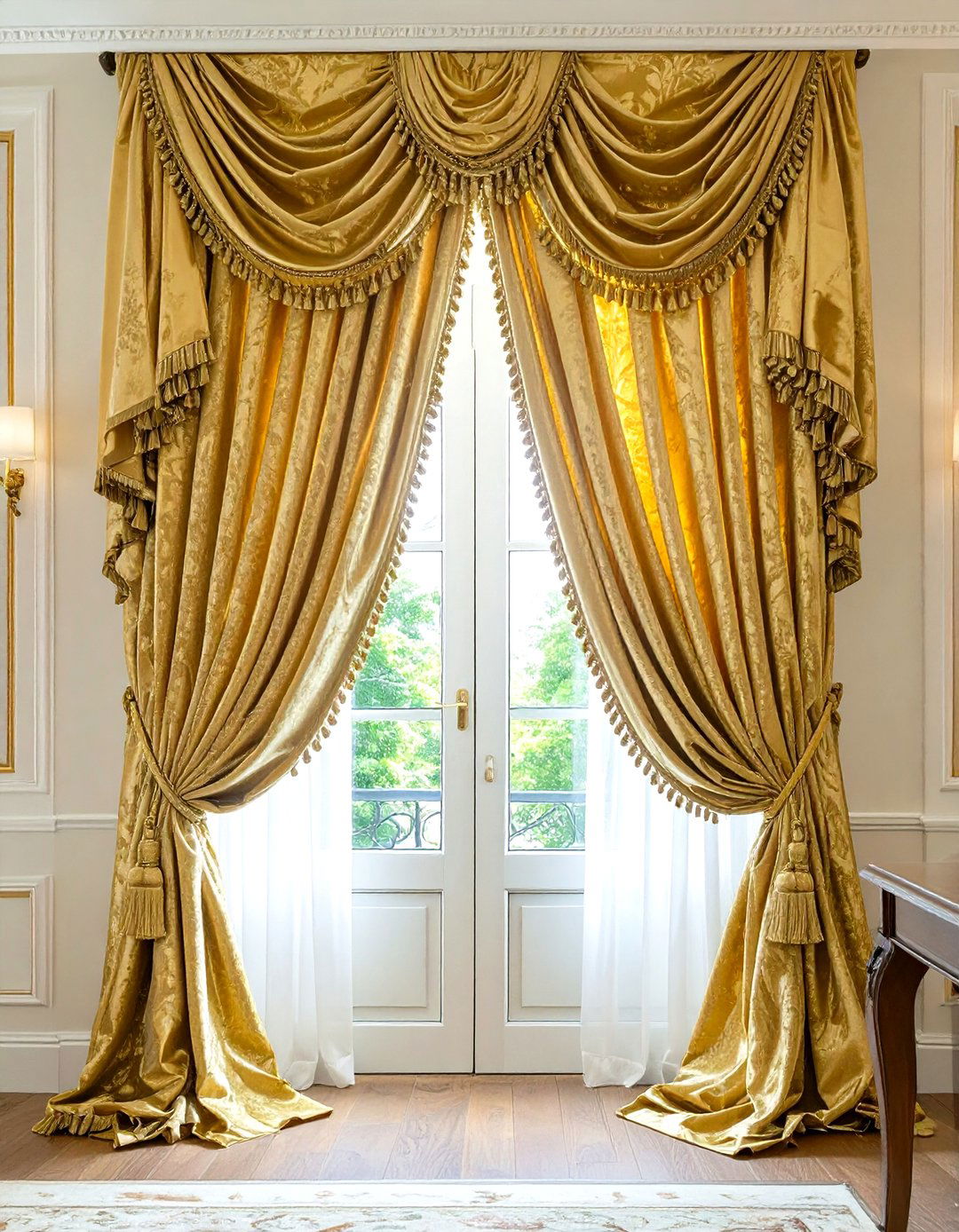
Dressing windows with heavy, layered drapery is essential for achieving an authentic traditional look. This treatment typically involves multiple layers, such as sheer inner curtains for privacy, flanked by opulent outer panels made from fabrics like silk, velvet, or brocade. The drapes are often hung from decorative rods and held back with ornate tie-backs. Topping the arrangement with a valance or cornice adds a final touch of formality and structure. This elaborate window dressing not only controls light but also adds softness, color, and a sense of grandeur to the room.
10. Built-In Bookcases and Shelving

Built-in bookcases are a classic and functional element of traditional interior design, often flanking a fireplace or lining an entire wall. Typically crafted from dark, rich wood and featuring details like crown molding and decorative trim, these shelves provide a sense of architectural substance. They offer an elegant way to display collections of books, family photos, and cherished objects, adding a personal and intellectual touch to the space. Built-ins create a custom, integrated look that feels both grand and cozy, turning a simple wall into a sophisticated focal point of the room.
11. Four-Poster Beds in Bedrooms
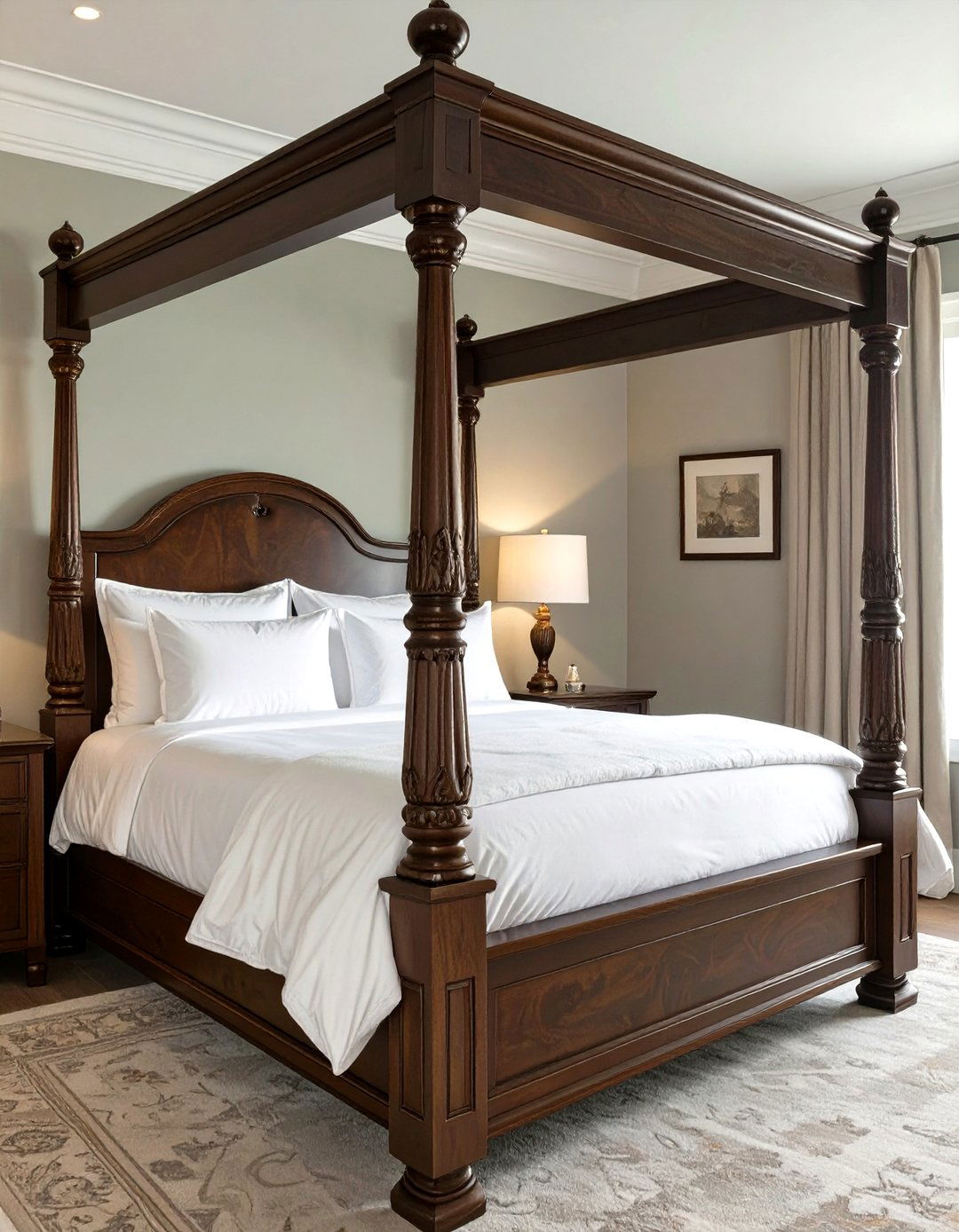
A four-poster bed is a statement piece that brings drama and romance to a traditional bedroom. With its tall posts, often intricately carved or turned, this bed frame creates a commanding presence and a sense of enclosure. The posts can be left bare for a stately look or draped with fabric canopies for a softer, more romantic feel. Crafted from rich woods like mahogany or cherry, a four-poster bed serves as the undeniable centerpiece of the room, evoking the grandeur of historic estates and offering a cozy, protected sleeping space that is both elegant and timeless.
12. Damask Wallpaper Patterns

Damask wallpaper brings a sense of formal elegance and historic charm to traditional interiors. This classic pattern features a woven, reversible design of stylized floral or geometric motifs, creating a subtle texture and shimmer on the walls. Typically monochromatic, the pattern is visible due to the contrast between the matte and satin finishes in the weave. Used on a feature wall or throughout a room, damask wallpaper adds a layer of opulence and sophistication. It serves as a beautiful backdrop for dark wood furniture and ornate accessories, enhancing the room's luxurious and timeless appeal.
13. Antique Gold or Brass Accents

Incorporating antique gold or brass accents is key to achieving the warm, lustrous finish characteristic of traditional design. These metallic touches appear on picture frames, mirror frames, cabinet hardware, light fixtures, and decorative objects. The warm, aged patina of antique brass or the soft gleam of old gold adds a layer of richness and history to the space. Unlike modern polished chrome or nickel, these warmer metals complement the deep wood tones and rich fabrics of traditional decor, providing a cohesive look that feels both opulent and gracefully aged.
14. Chesterfield Sofas
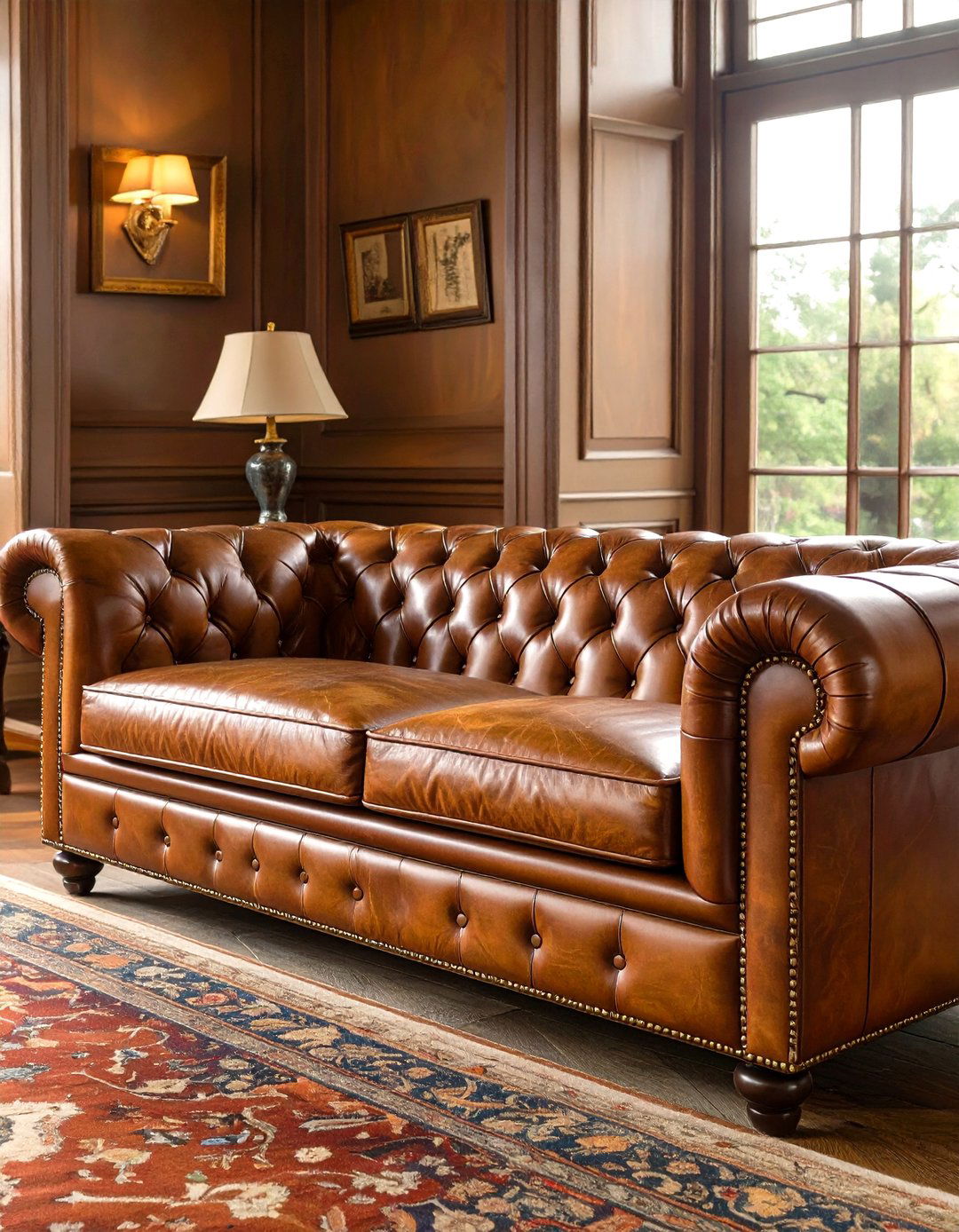
The Chesterfield sofa is an icon of traditional British design, instantly recognizable by its deep button tufting, rolled arms, and nailhead trim. Typically upholstered in rich leather, its low back and substantial form create a powerful statement of classic comfort and sophistication. Placed in a library, study, or living room, a Chesterfield sofa serves as a durable and stylish anchor for the space. Its timeless silhouette has remained popular for centuries, embodying a sense of heritage and refined taste that perfectly suits a formal yet inviting traditional interior.

15. Wainscoting on Lower Walls

Wainscoting, a type of decorative wood paneling applied to the lower portion of a wall, is a classic architectural detail in traditional homes. It typically consists of panels and molding and can range from simple beadboard to more formal raised or flat panel designs. Painted a crisp white or a contrasting color to the upper wall, wainscoting adds texture, dimension, and a sense of formal structure to a room. It not only protects walls from scuffs but also enhances the room's character, providing a polished and timeless foundation for spaces like dining rooms, hallways, and foyers.
16. Decorative Fireplace Mantels
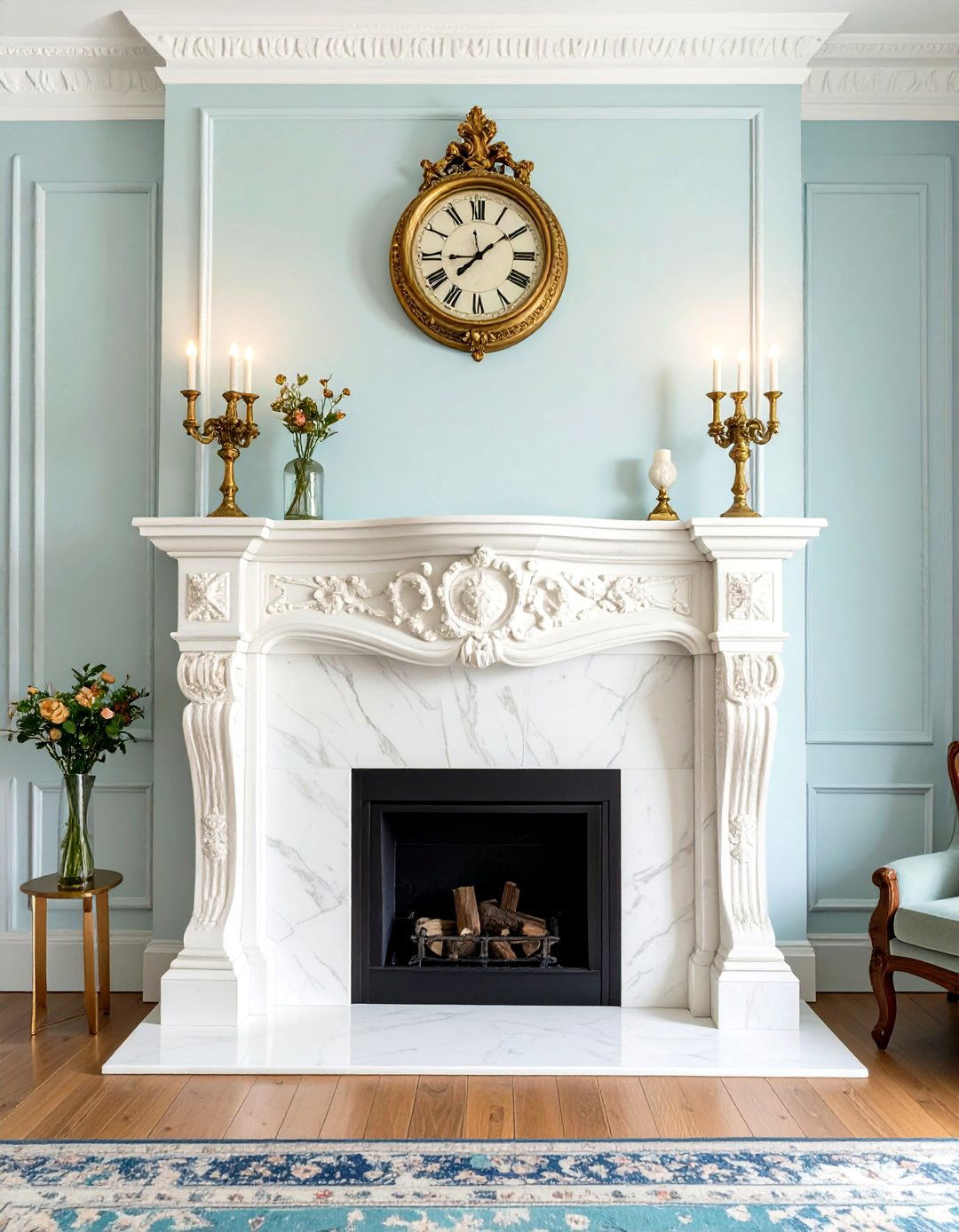
A decorative fireplace mantel is often the primary focal point in a traditional living room or study. These mantels are typically ornate and substantial, crafted from carved wood, marble, or stone. Intricate details such as fluted columns, dentil molding, and elaborate carvings add to their grandeur. The mantelpiece serves as a display shelf for clocks, vases, and framed artwork, drawing the eye and anchoring the room's symmetrical layout. A beautifully crafted fireplace surround provides a sense of history and permanence, creating a warm and inviting gathering spot that is central to the traditional aesthetic.
17. Curved and Cabriole Legs on Furniture

Furniture in traditional design often features elegant curved lines, most notably the cabriole leg. This distinctive leg shape, which curves outward at the knee and inward at the ankle, is a hallmark of Queen Anne and Chippendale styles. Found on chairs, tables, and case goods, cabriole legs impart a sense of grace and movement to a piece, softening its silhouette. This departure from straight, severe lines adds a sculptural and organic quality to the furniture, contributing to the overall refined and sophisticated yet comfortable atmosphere of a traditional space.
18. Bust Sculptures and Classical Art

Integrating bust sculptures and classical art connects a traditional interior to its historical roots in Greek and Roman antiquity. A marble or plaster bust placed on a pedestal, mantel, or bookshelf adds a touch of intellectualism and timeless elegance. Similarly, oil paintings featuring portraits, landscapes, or historical scenes, framed in ornate gilt frames, reinforce the classic aesthetic. These artistic elements serve as sophisticated focal points, infusing the space with culture and a sense of curated history, elevating the decor beyond mere furnishing to a thoughtful collection of meaningful objects.
19. Dark, Polished Wood Flooring

Dark, polished wood flooring provides a rich and elegant foundation for a traditional interior. Species like oak, walnut, or mahogany, stained to a deep, warm hue and finished with a high-gloss or satin sheen, create a sense of enduring quality. This type of flooring beautifully complements the heavy, ornate furniture and rich color palettes typical of the style. The dark wood serves as a dramatic backdrop for lighter-colored or patterned area rugs, such as Persian or Oriental designs, allowing their colors and details to stand out while adding to the room's overall warmth and sophistication.
20. Wingback Chairs

The wingback chair is a staple of traditional seating, known for its high back and characteristic winged sides. Originally designed to protect the sitter from drafts in old, cavernous homes, its form has become synonymous with comfort and classic style. Upholstered in rich fabrics like leather, velvet, or patterned textiles, a wingback chair adds a stately presence to a living room, library, or bedroom. Often placed near a fireplace or in a reading nook, it provides a cozy and commanding spot for relaxation, perfectly embodying the traditional blend of formal elegance and practical comfort.
21. Pedestal Sinks in Powder Rooms

In a traditional powder room or bathroom, a pedestal sink offers a classic and space-saving alternative to a bulky vanity. Consisting of a basin supported by a slender column, this fixture has a graceful and elegant silhouette that evokes a sense of vintage charm. Often crafted from white porcelain, its simple yet sophisticated design complements other traditional elements like hexagonal floor tiles and vintage-style faucets. The pedestal sink helps create an open and airy feel, even in a small space, while maintaining a look of timeless, understated luxury that is central to the style.
22. Gilded Mirrors

An ornate, gilded mirror is a powerful accessory in traditional interior design, serving both functional and decorative purposes. Hung above a mantel, console table, or sideboard, its large scale and elaborate frame make it a stunning focal point. The frame, often featuring intricate carvings of scrolls, leaves, or shells and finished in gold leaf, adds a touch of opulence and glamour. The mirror's reflective surface brightens the room and creates an illusion of greater space, while its magnificent frame reinforces the classic, luxurious aesthetic of the traditional home.
23. Pleated Lampshades

Attention to detail extends to lighting, and pleated lampshades are a classic choice for traditional interiors. These shades, typically made from silk, linen, or paper, feature soft, tailored pleats that diffuse light gently, creating a warm and inviting ambiance. Their structured yet soft appearance complements the classic silhouettes of table lamps and floor lamps with bases made of ceramic, brass, or dark wood. Whether it's a simple empire shade or a more detailed bell-shaped one, the pleated texture adds a subtle layer of refinement and timeless elegance to the room's lighting scheme.
24. Console Tables in Entryways

A console table in an entryway or hallway is a key element for setting a traditional tone right from the entrance. These narrow tables, often with decorative carved legs and details, provide a functional surface without taking up too much space. Typically made of dark wood or featuring a marble top, a console table serves as an elegant platform for a decorative lamp, a vase of fresh flowers, and a bowl for keys. Placed against a wall, often beneath a gilded mirror or a piece of art, it creates a welcoming and sophisticated vignette that introduces the home's classic style.
25. Nailhead Trim on Furniture

Nailhead trim is a classic decorative detail that adds a tailored, handcrafted finish to traditional upholstered furniture. Consisting of a line of small, metallic tacks, this trim is often used to outline the silhouette of a sofa, armchair, or headboard, emphasizing its curves and lines. Available in finishes like brass, bronze, or pewter, the nailheads provide a subtle touch of texture and visual interest. This technique, rooted in historical upholstery methods, imparts a sense of quality craftsmanship and refined detail, enhancing the piece's stately character and timeless appeal.
26. Botanical and Floral Prints

Botanical and floral prints are a perennial favorite in traditional design, bringing a touch of nature's beauty indoors. These patterns can range from delicate, small-scale florals to large, vibrant botanical illustrations. They are widely used on fabrics for curtains, upholstery, and throw pillows, as well as on wallpaper and in framed art. Floral motifs soften the formality of traditional spaces, adding color, life, and a sense of gentle romance. They connect the interior to the classic English country house aesthetic, creating a look that is both pretty and timelessly sophisticated.
27. Silver Tea Sets and Serving Trays

Displaying a silver tea set or ornate serving trays adds a touch of refined elegance and a sense of hospitality to a traditional room. Placed on a sideboard, coffee table, or console, these polished silver pieces act as beautiful decorative objects. Their lustrous shine and intricate craftsmanship, often featuring detailed engraving or embossed patterns, catch the light and draw the eye. Beyond their decorative value, they evoke a sense of ceremony and gracious living, harkening back to a time of formal entertaining and reinforcing the classic, cultured atmosphere of the home.
28. Turned Wood Details
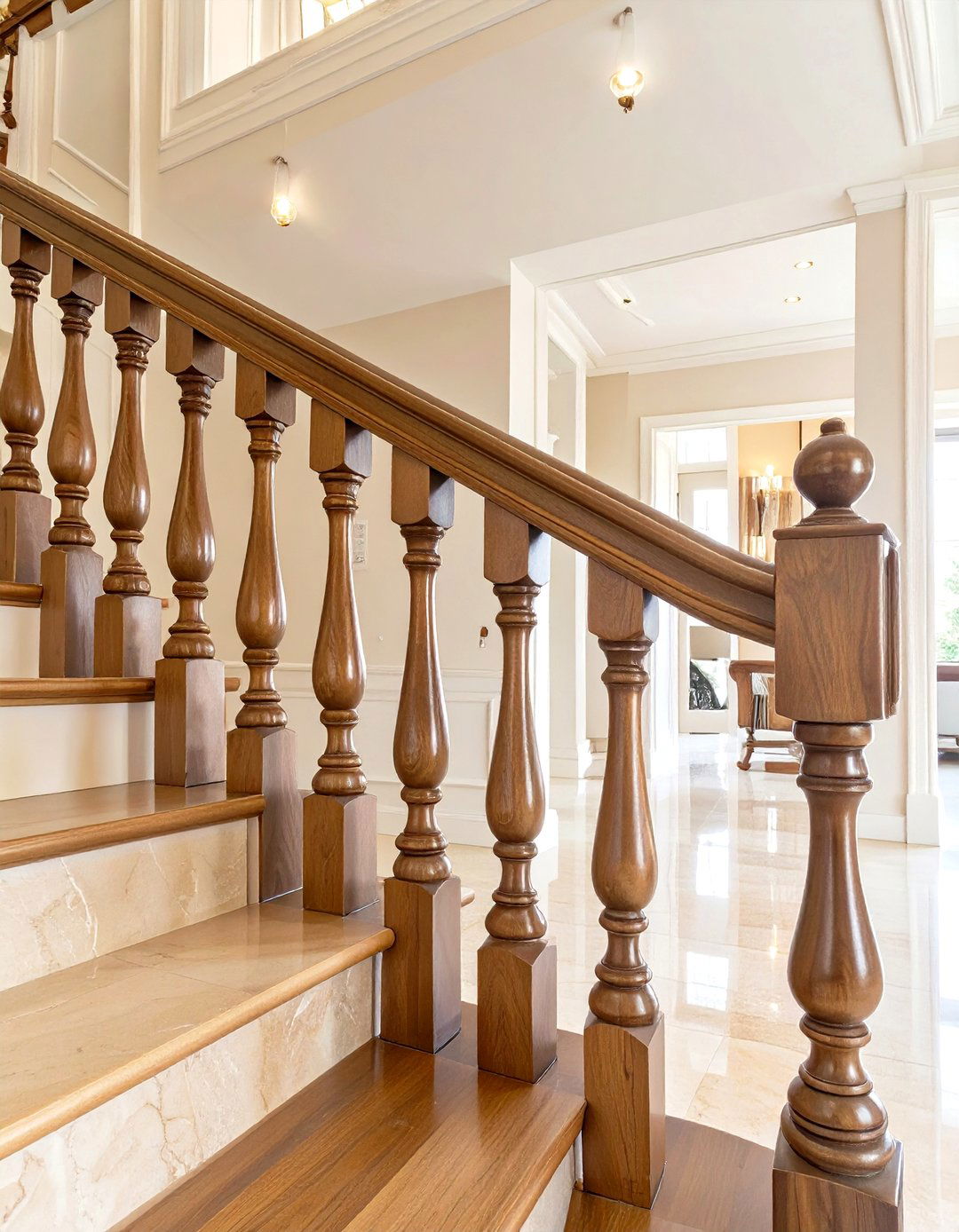
Turned wood is a decorative technique where a piece of wood is shaped on a lathe, resulting in rounded, spindle-like forms. This detail is commonly found on the legs of chairs and tables, bedposts, and stair balusters in traditional interiors. The intricate profiles, with their series of curves, beads, and coves, add a layer of craftsmanship and visual interest to furniture and architectural elements. This classic woodworking method imparts a sense of rhythm and artistry, highlighting the beauty of the wood and contributing to the overall handcrafted, timeless quality of traditional design.
29. China Cabinets for Display

A china cabinet, or vitrine, is a classic furniture piece in a traditional dining room, designed to both store and display fine china, glassware, and collectibles. Typically made of rich wood like cherry or mahogany, it often features glass doors, mirrored backs, and interior lighting to showcase the items within. The cabinet itself is often an ornate piece, with carved details, decorative molding, and elegant hardware. It adds a sense of formality and heritage to the dining space, celebrating treasured possessions and turning them into an integral part of the room's decor.
30. Rich Color Palettes

Traditional interior design relies on rich, deep color palettes to create a warm, inviting, and sophisticated atmosphere. Colors are often drawn from a historical context, including deep reds, forest greens, navy blues, and warm golds. These saturated hues are used on walls, in upholstery, and on drapery, creating a cozy and enveloping feel. They are balanced with neutral tones like cream, beige, and taupe to prevent the space from feeling overwhelming. This purposeful use of color adds depth and character to the room, enhancing its classic elegance and timeless appeal.
Conclusion:
Ultimately, traditional interior design is about creating a harmonious, orderly, and elegant space that stands the test of time. By focusing on classic elements like symmetry, rich materials, and ornate details, this style achieves a look of permanence and comfort. From the grandeur of a crystal chandelier to the refined detail of a cabriole leg, each component works together to build a cohesive and inviting atmosphere. The result is a home that feels both stately and deeply personal, rooted in a rich history of design while providing a timeless sanctuary for modern living.

Related posts:




Leave a Reply