
Two-tone kitchen cabinets offer a fantastic way to add personality, depth, and custom style to the heart of your home. By pairing different colors, finishes, or materials, you can create a dynamic look that moves beyond a single, uniform color scheme. This approach allows you to highlight architectural features, create a focal point, or simply make your kitchen feel more spacious and visually interesting. Whether you prefer a subtle contrast or a bold statement, combining two distinct cabinet finishes provides endless possibilities for a truly personalized and modern kitchen design that reflects your unique taste and style.
1. Classic White Upper Cabinets with Navy Blue Lowers
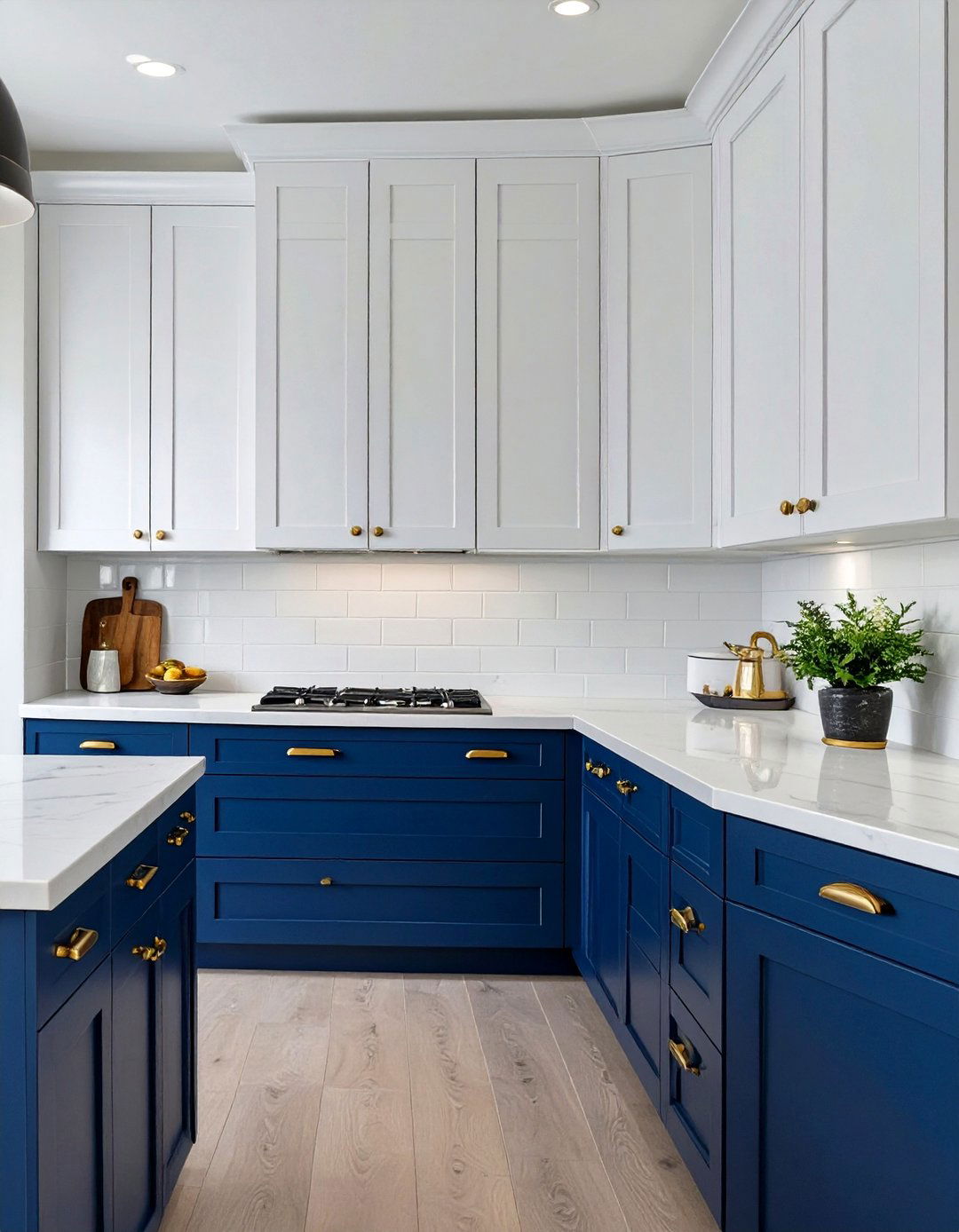
Pairing crisp white upper cabinets with deep navy blue lower cabinets creates a timeless and sophisticated look. This combination feels both classic and contemporary, offering a nautical yet grounded aesthetic. The white uppers help the kitchen feel bright, open, and airy, reflecting light around the room. Meanwhile, the rich navy base cabinets anchor the space, adding a touch of drama and elegance while being incredibly practical for hiding scuffs and spills in a high-traffic area. This popular pairing works well in various kitchen styles, from modern farmhouse to transitional, providing a balanced and visually appealing contrast.
2. Warm Wood Lower Cabinets with Cream Uppers
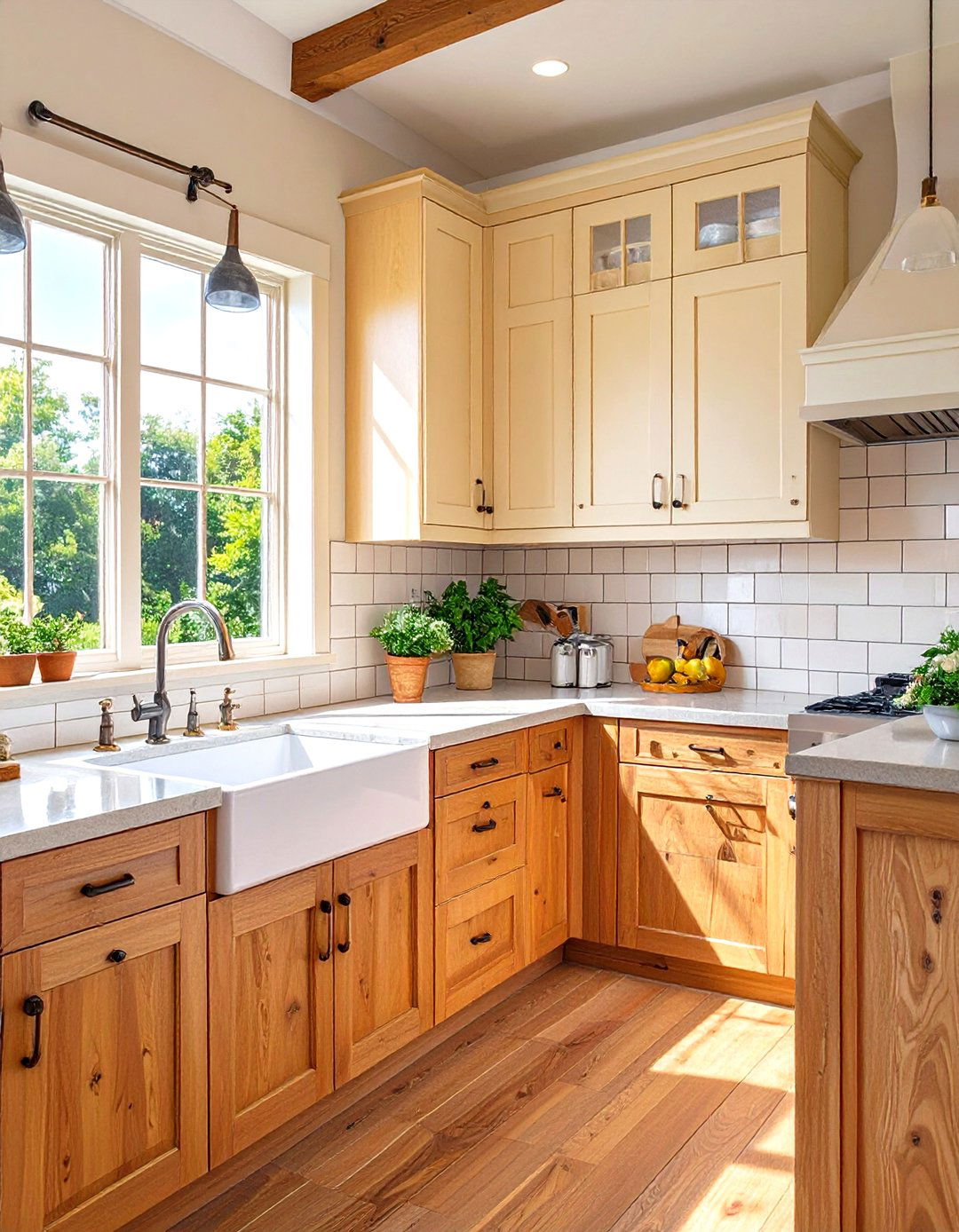
For a kitchen that feels cozy and inviting, consider combining warm wood lower cabinets with soft cream uppers. This pairing blends natural texture with gentle color, creating a space that is both rustic and refined. The wood grain on the lower cabinets introduces organic character and warmth, grounding the design with an earthy element. The cream uppers provide a lighter touch than stark white, enhancing the welcoming atmosphere without overwhelming the space. This combination is perfect for achieving a comfortable, modern farmhouse or traditional kitchen style that feels both timeless and connected to nature.
3. A Contrasting Black Island with White Perimeter Cabinets
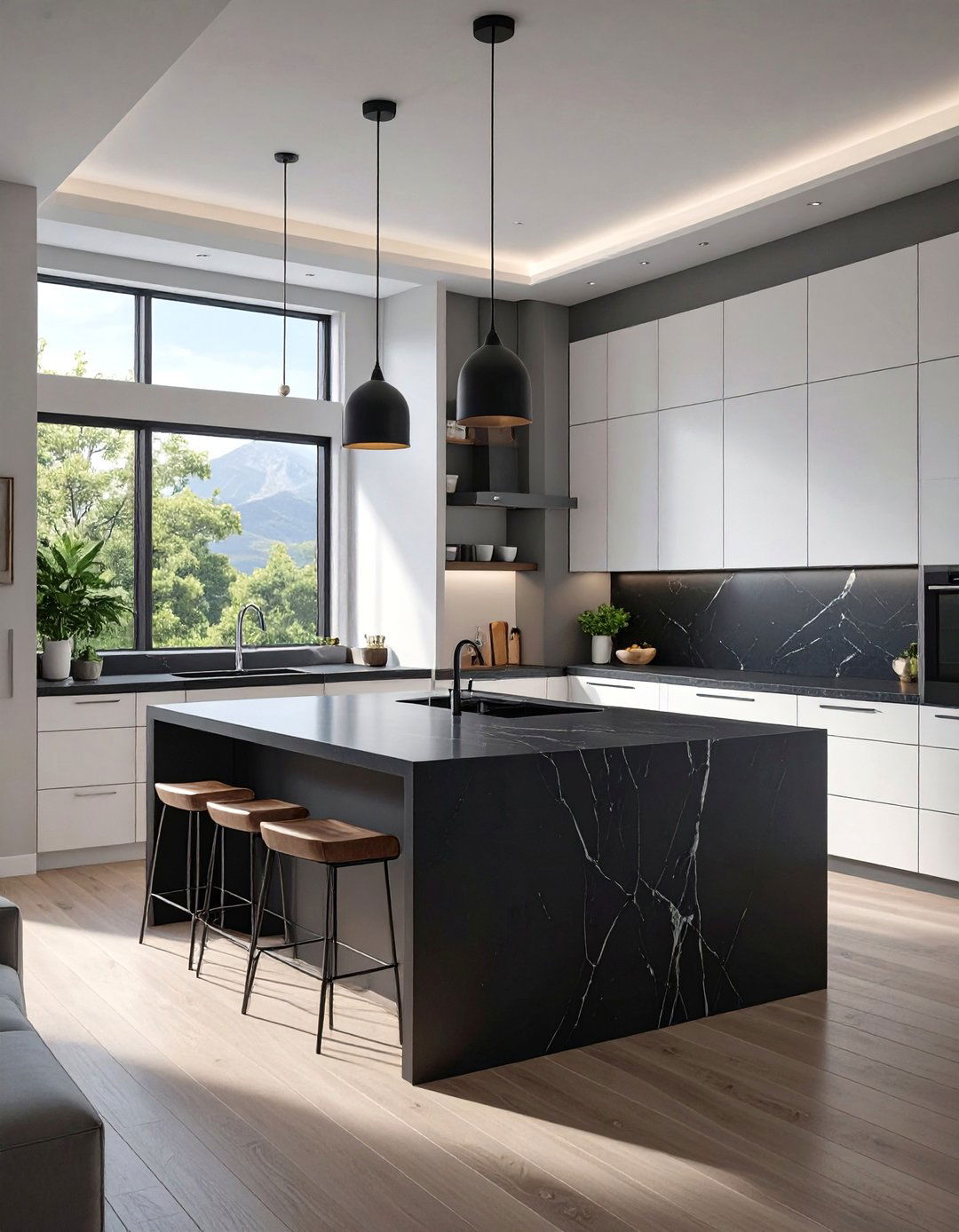
Creating a bold focal point is simple with an all-white perimeter and a striking black kitchen island. This high-contrast design is dramatic, chic, and decidedly modern. The surrounding white cabinets keep the room feeling spacious and bright, providing a clean canvas for the rest of your design elements. The black island commands attention, serving as a stunning centerpiece that anchors the room and adds a powerful dose of sophistication. This approach not only enhances visual interest but also clearly defines the island as a central hub for cooking, dining, or socializing, making a powerful design statement.
4. Subtle Gray Uppers with Dark Charcoal Lowers
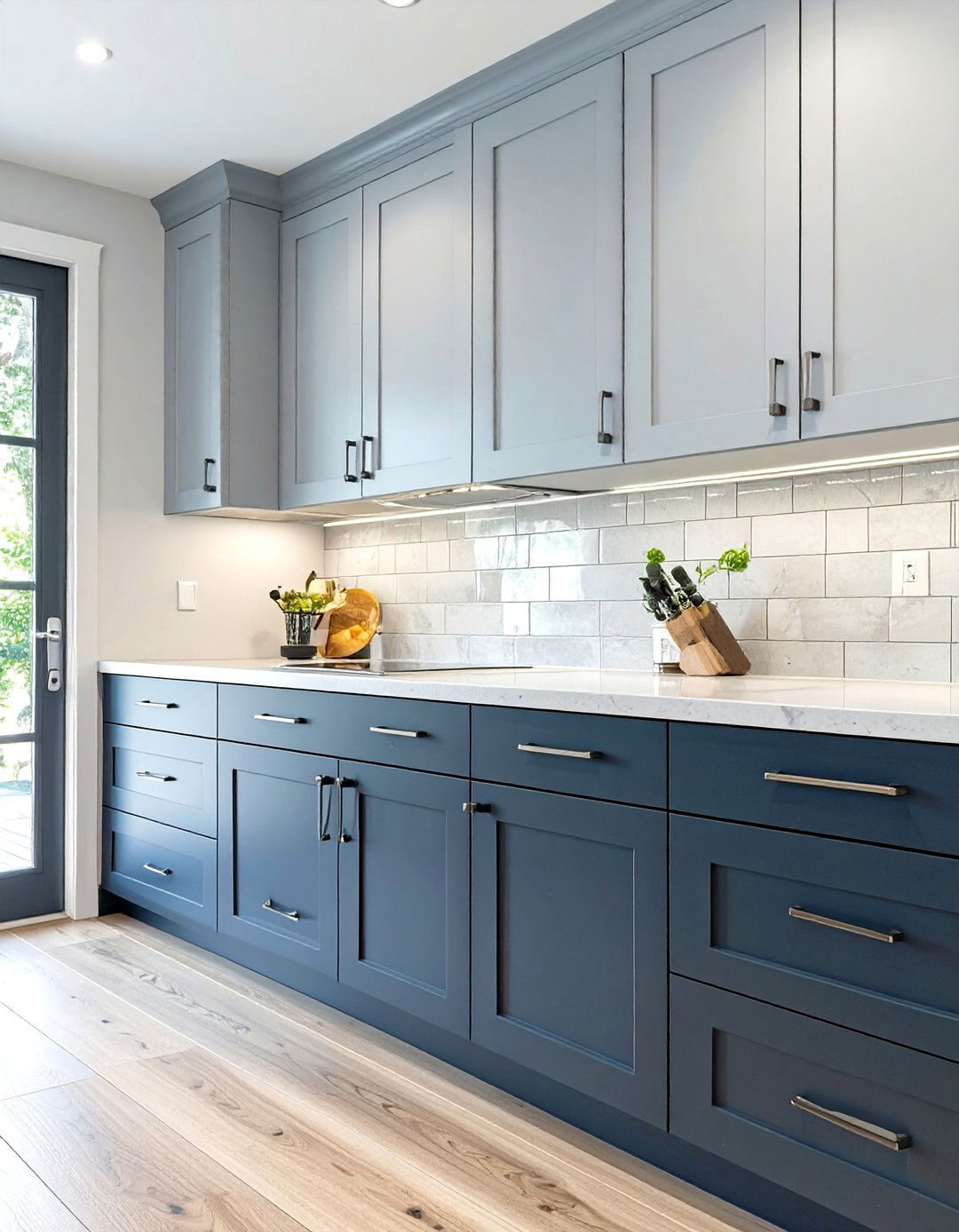
A monochromatic scheme using different shades of gray offers a sleek and modern look. Pairing light gray upper cabinets with dark charcoal lowers creates a subtle yet impactful contrast. This sophisticated combination provides depth without introducing a jarring color change, resulting in a cohesive and elegant design. The lighter gray on top helps maintain an open and airy feeling, while the deep charcoal base grounds the space with a sense of stability and refinement. This tonal approach is perfect for contemporary or minimalist kitchens, offering a polished aesthetic that is both understated and visually interesting.
5. Natural Wood Uppers with Sleek Black Lowers
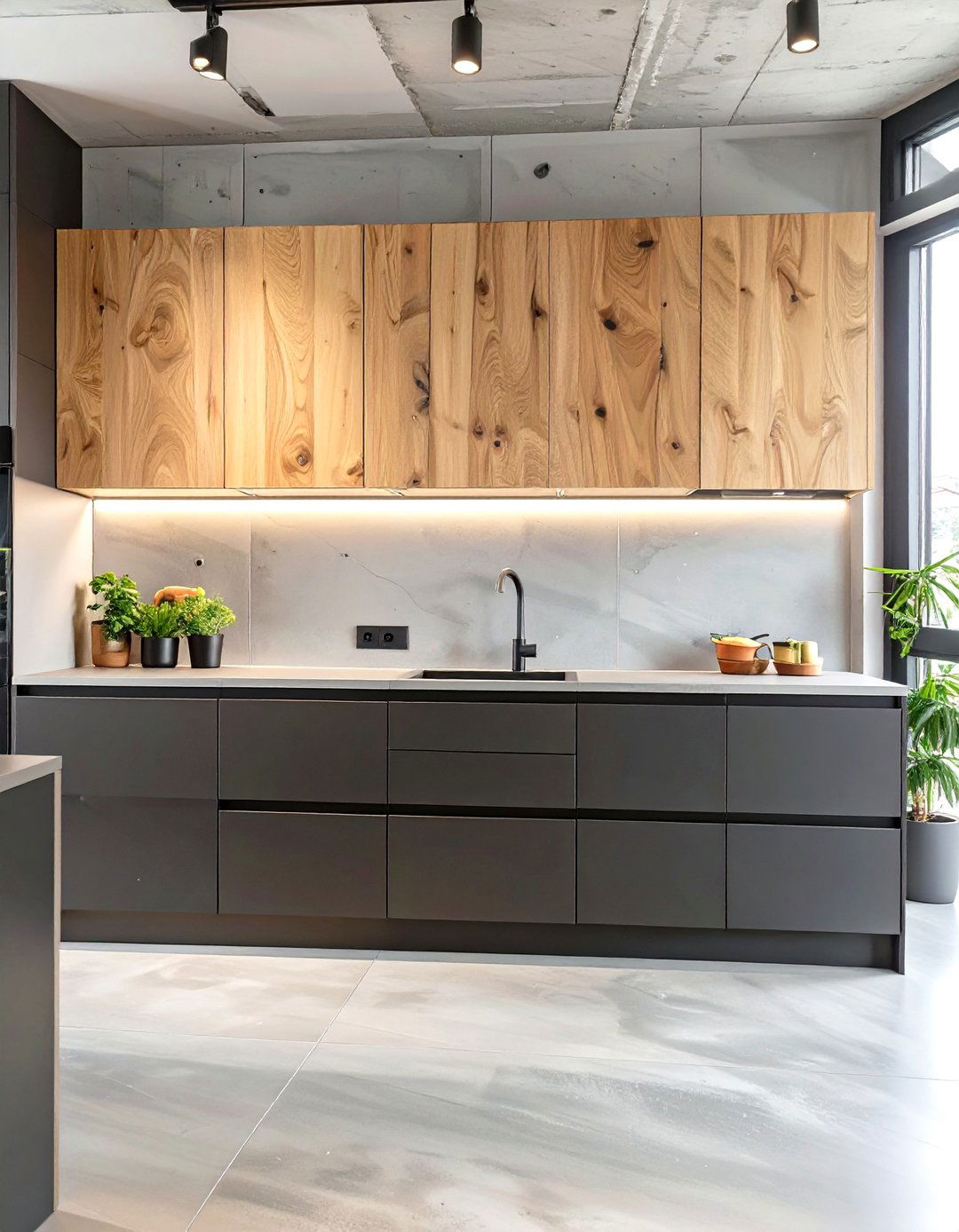
Combining the raw beauty of natural wood uppers with the modern edge of sleek black lowers results in a sophisticated and organic kitchen. This design balances warmth and coolness, texture and smoothness. The wood grain of the upper cabinets introduces a natural, earthy element, preventing the space from feeling too stark. In contrast, the solid black lower cabinets provide a strong, contemporary anchor that feels clean and polished. This pairing is ideal for industrial, modern, or rustic-luxe styles, creating a unique look that feels both grounded in nature and unapologetically chic. The contrast celebrates different materials beautifully.
6. Earthy Green Lower Cabinets with White Uppers
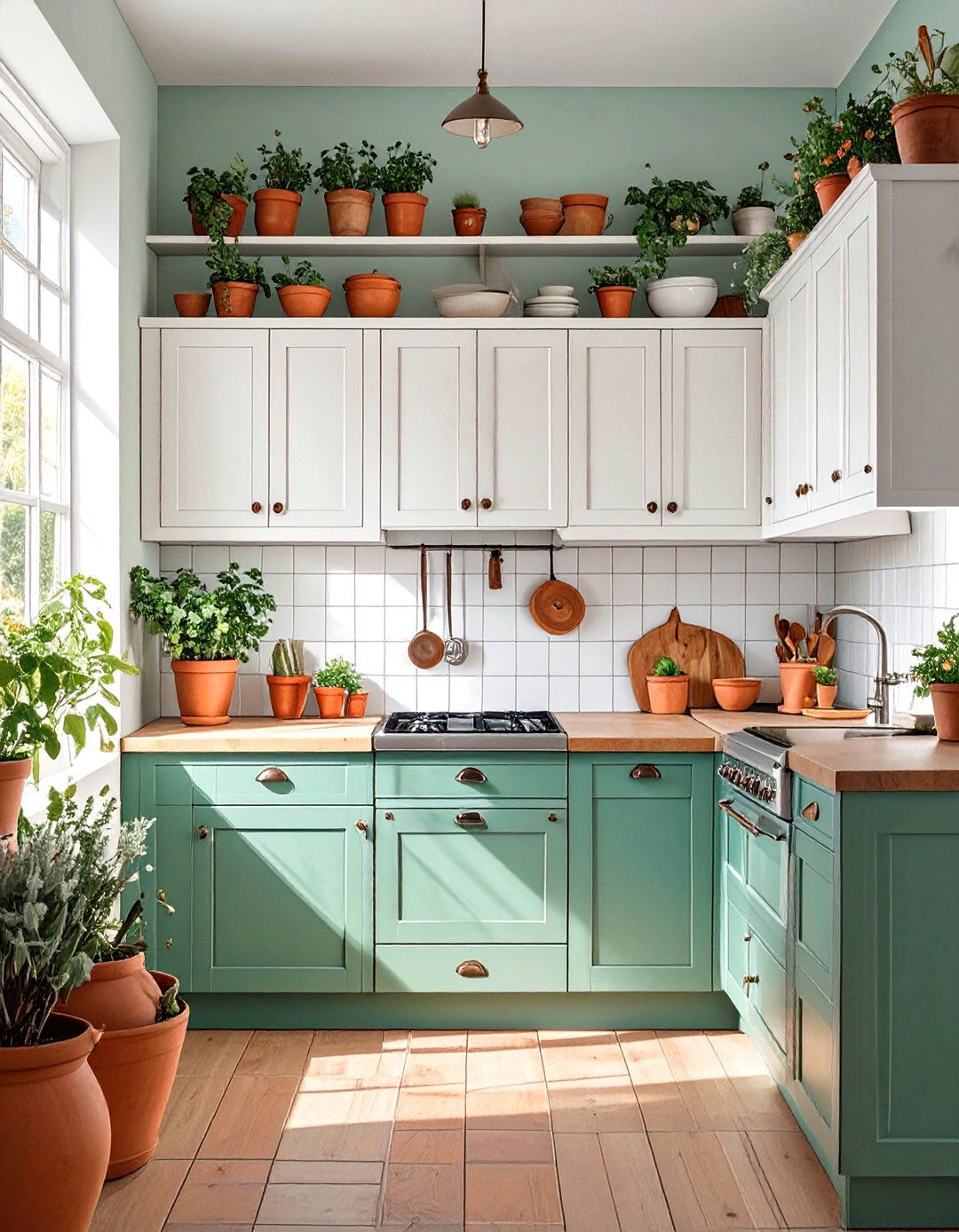
Bring the tranquility of nature indoors by pairing earthy green lower cabinets with clean white uppers. This refreshing combination creates a calm and inviting atmosphere. The green base cabinets, whether a deep forest or a soft sage, ground the kitchen with a soothing, organic color that connects the space to the outdoors. The white upper cabinets ensure the room remains bright and spacious, preventing the green from becoming overwhelming. This look is perfect for farmhouse, bohemian, or transitional kitchens, adding a pop of color that is both stylish and serene, creating a harmonious and balanced environment.
7. High-Gloss White Uppers with Matte Gray Lowers
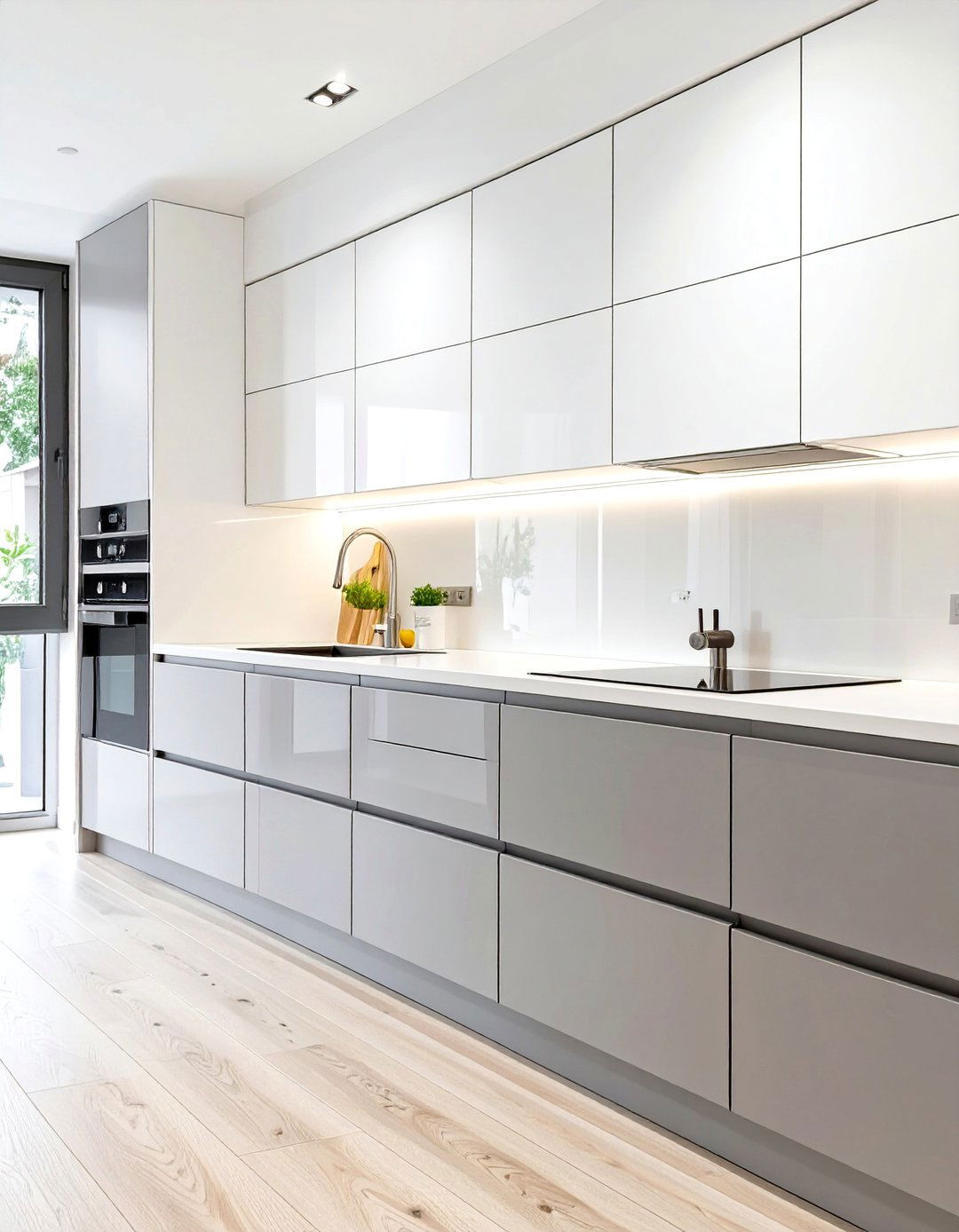
Playing with finishes is a subtle yet effective way to create a two-tone effect. Combine high-gloss white upper cabinets with matte gray lowers for a contemporary and texturally rich kitchen. The reflective, glossy finish on the uppers bounces light around the room, making the space feel larger and brighter. Below, the velvety matte gray cabinets absorb light, providing a soft, sophisticated contrast that adds visual depth and a modern touch. This combination of sheens offers a unique tactile and visual experience, perfect for a minimalist or ultra-modern kitchen design that values sleek lines and subtle details.
8. Blue Uppers and Lowers with a Natural Wood Island
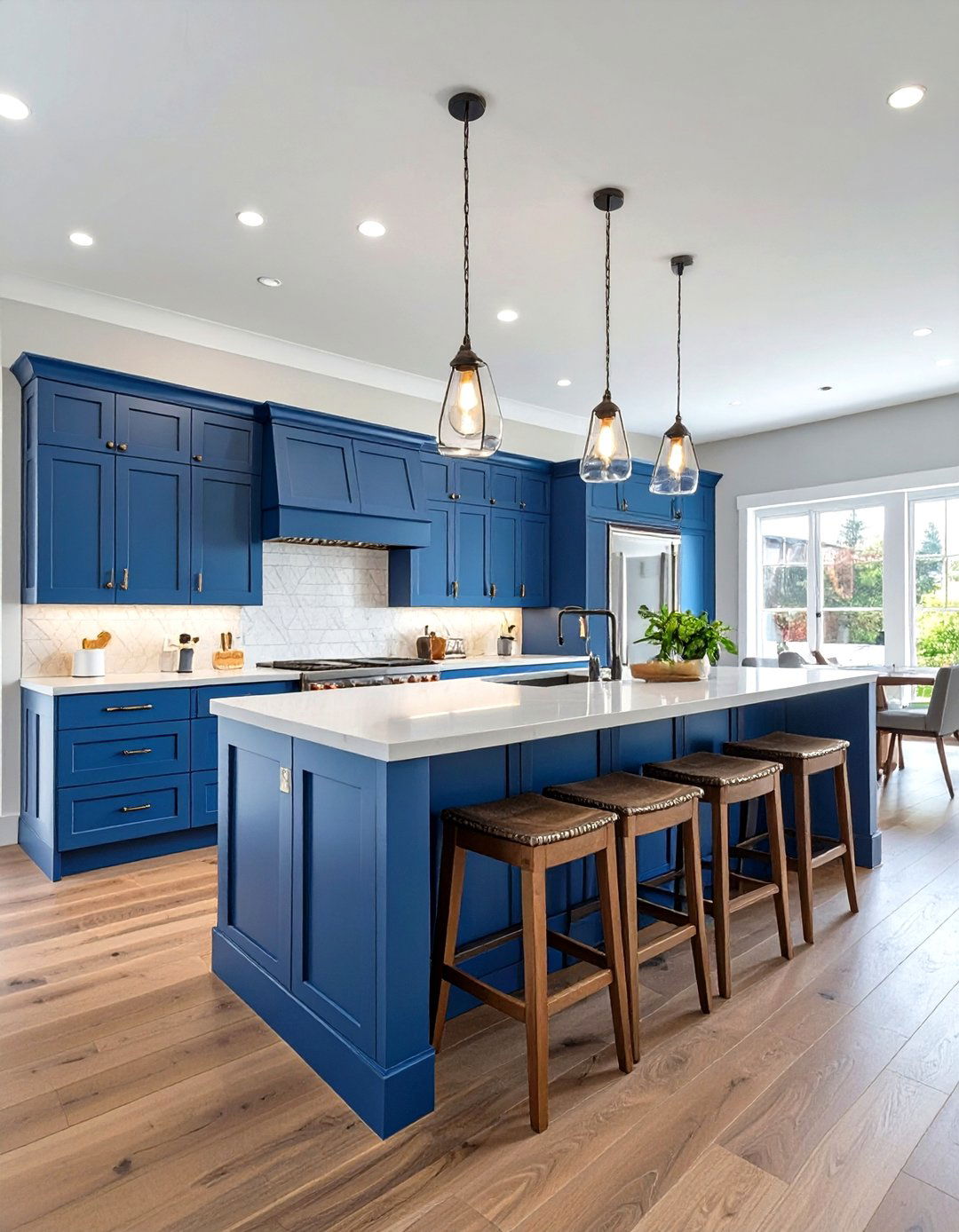
For a cohesive yet dynamic look, use the same bold color for your perimeter cabinets and introduce a different material for the island. Painting both upper and lower cabinets a rich blue, such as cobalt or slate, creates a unified and dramatic backdrop. To break up the color and add warmth, a natural wood island serves as a beautiful, organic centerpiece. This approach allows you to embrace a strong color without it overpowering the room. The wood provides a natural, textural contrast that balances the cool blue tones, resulting in a kitchen that feels both sophisticated and inviting.
9. A Single Accent Cabinet in a Bright Color
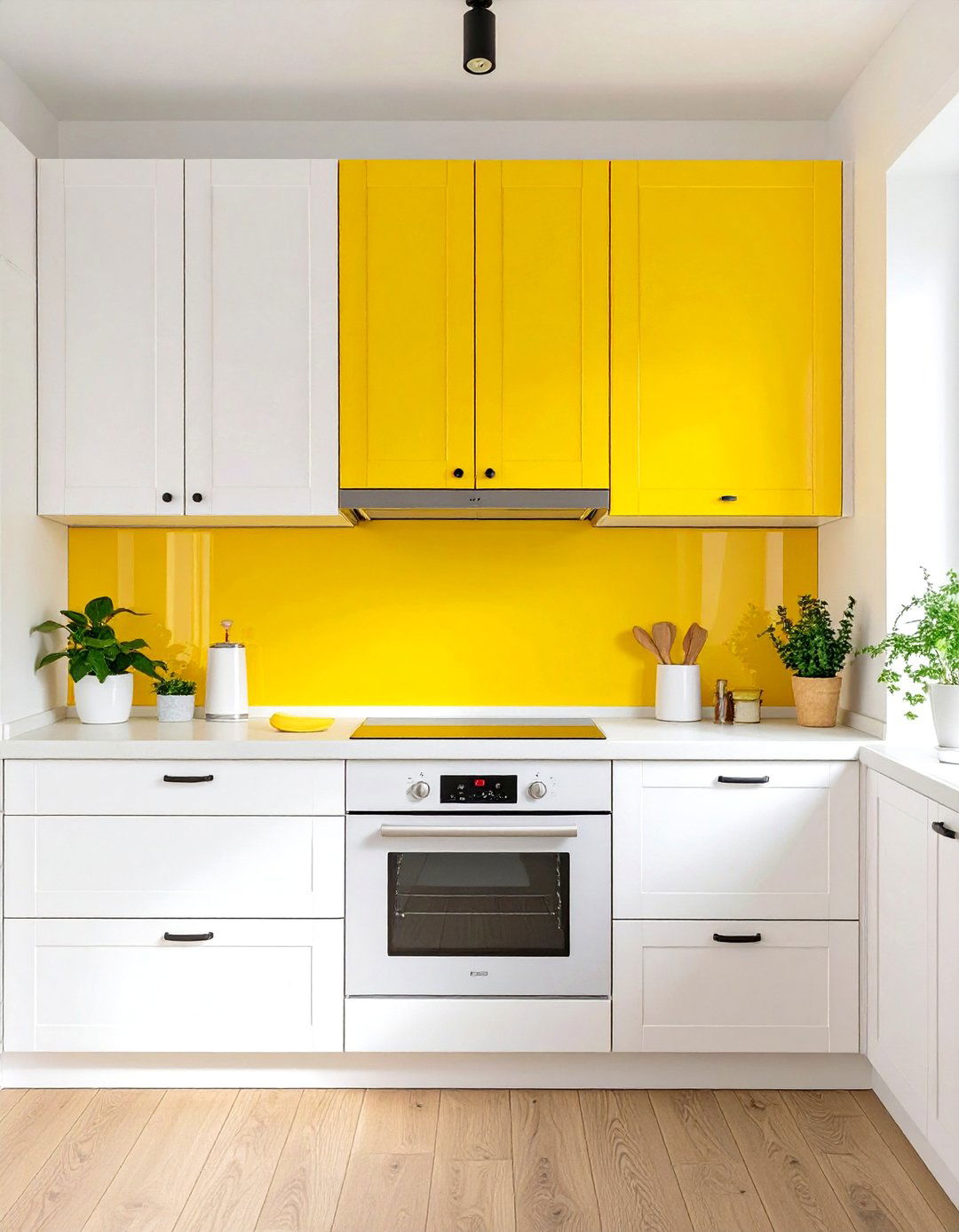
If a full two-tone scheme feels too bold, consider introducing a single accent cabinet in a vibrant color. Keep the majority of your cabinetry in a neutral shade like white, gray, or wood, and then paint one specific cabinet—perhaps a small upper unit, a pantry door, or the cabinet housing the microwave—in a lively hue like yellow, teal, or red. This technique creates an unexpected and playful focal point without committing to a large-scale color change. It’s an excellent way to inject personality and a dash of fun into your kitchen design, drawing the eye and adding a custom touch.
10. Light Wood Lowers with Dark Wood Uppers
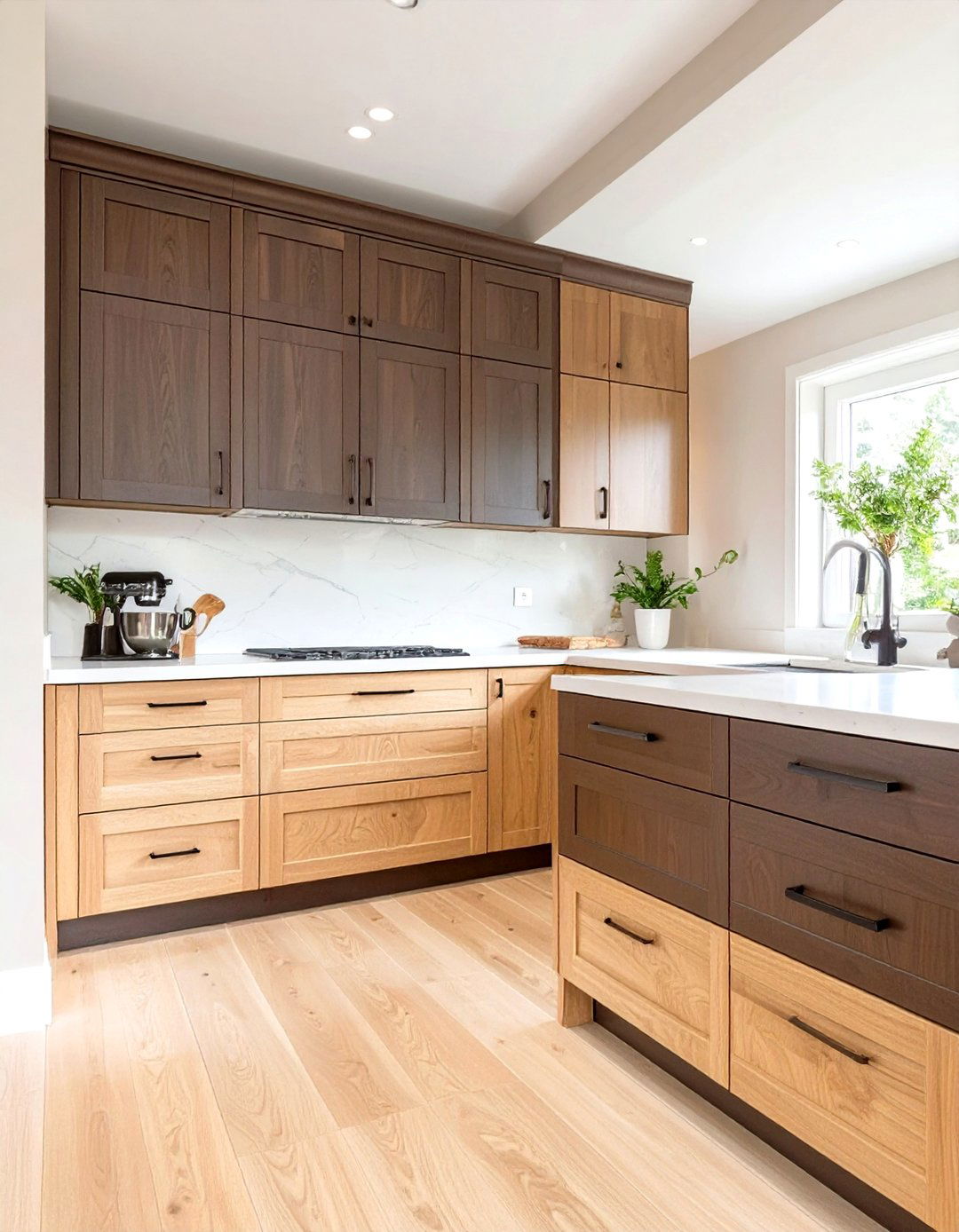
Create a sophisticated, nature-inspired kitchen by layering different wood tones. Pair light-washed oak or maple lower cabinets with rich, dark walnut or espresso-stained uppers. This combination adds incredible depth and character, celebrating the natural beauty of wood grain in two distinct ways. The lighter base cabinets keep the kitchen from feeling too heavy, while the darker uppers draw the eye upward and add a sense of luxury and drama. This wood-on-wood approach is perfect for creating a warm, organic, and modern space that feels both grounded and elegant, showcasing a masterful blend of natural materials.
11. Glass-Front Upper Cabinets with Solid Color Lowers
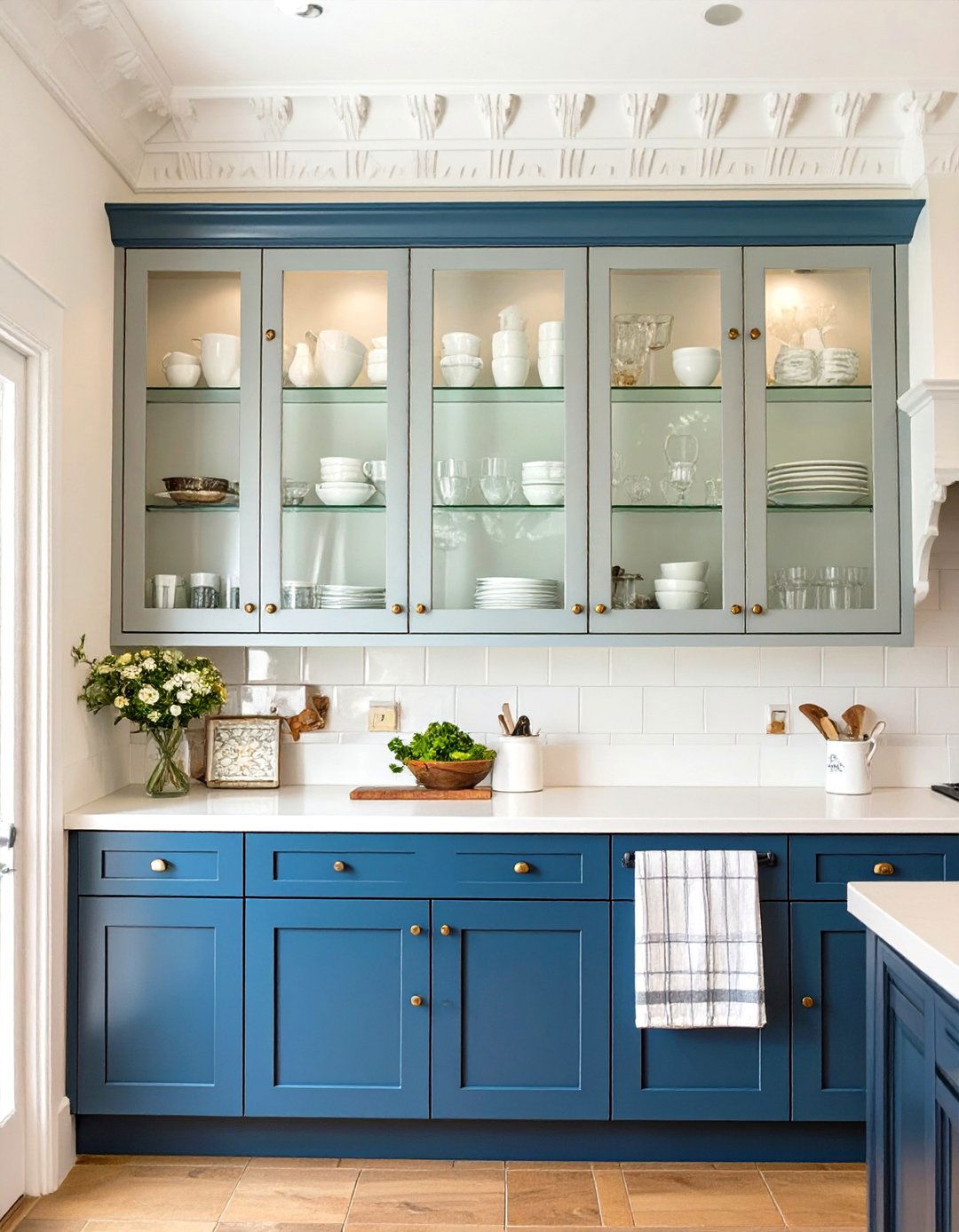
Combine transparency and solid color for a look that is both open and grounded. Use glass-front upper cabinets to display your favorite dishware, which adds a decorative touch and makes the kitchen feel more open. The glass visually lightens the top portion of the room. Below, paint the lower cabinets in a solid color like deep green, gray, or blue to anchor the space and provide concealed, practical storage. This approach offers the best of both worlds: decorative, airy uppers and functional, stylish lowers. It’s a classic choice that works well in traditional and transitional kitchens.
12. Pale Pink Lowers with Bright White Uppers
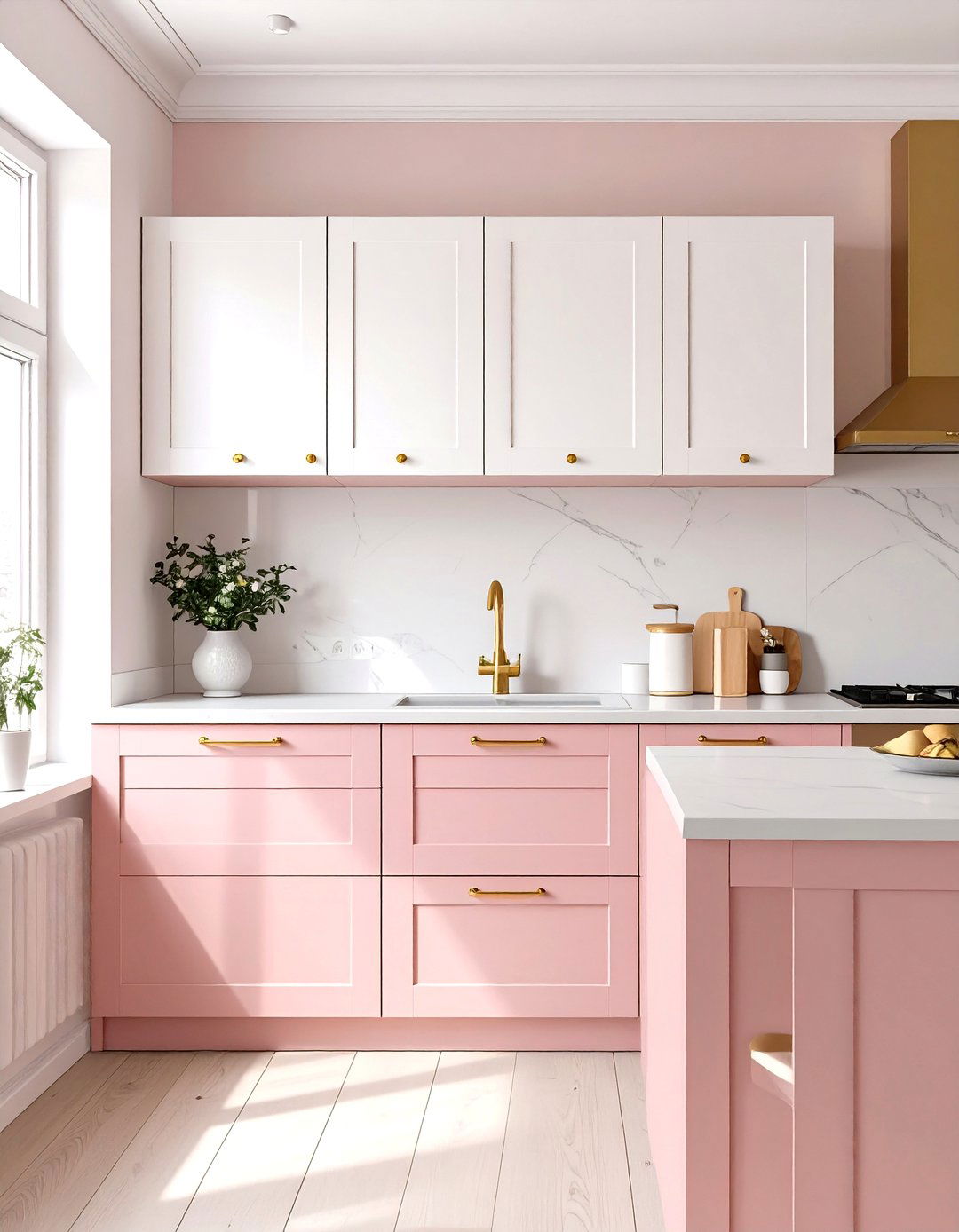
For a kitchen that is soft, modern, and subtly playful, consider pairing pale, dusty pink lower cabinets with crisp white uppers. This charming combination introduces a gentle hint of color without being overwhelming. The soft pink base adds warmth and a touch of unexpected personality, creating a welcoming and chic atmosphere. The white upper cabinets keep the overall look light, bright, and clean, ensuring the space feels open and airy. This color scheme is perfect for contemporary or Scandinavian-inspired kitchens, offering a unique and stylish alternative to more traditional neutral palettes, especially when paired with brass or gold hardware.
13. Two Shades of Green for a Tonal Look
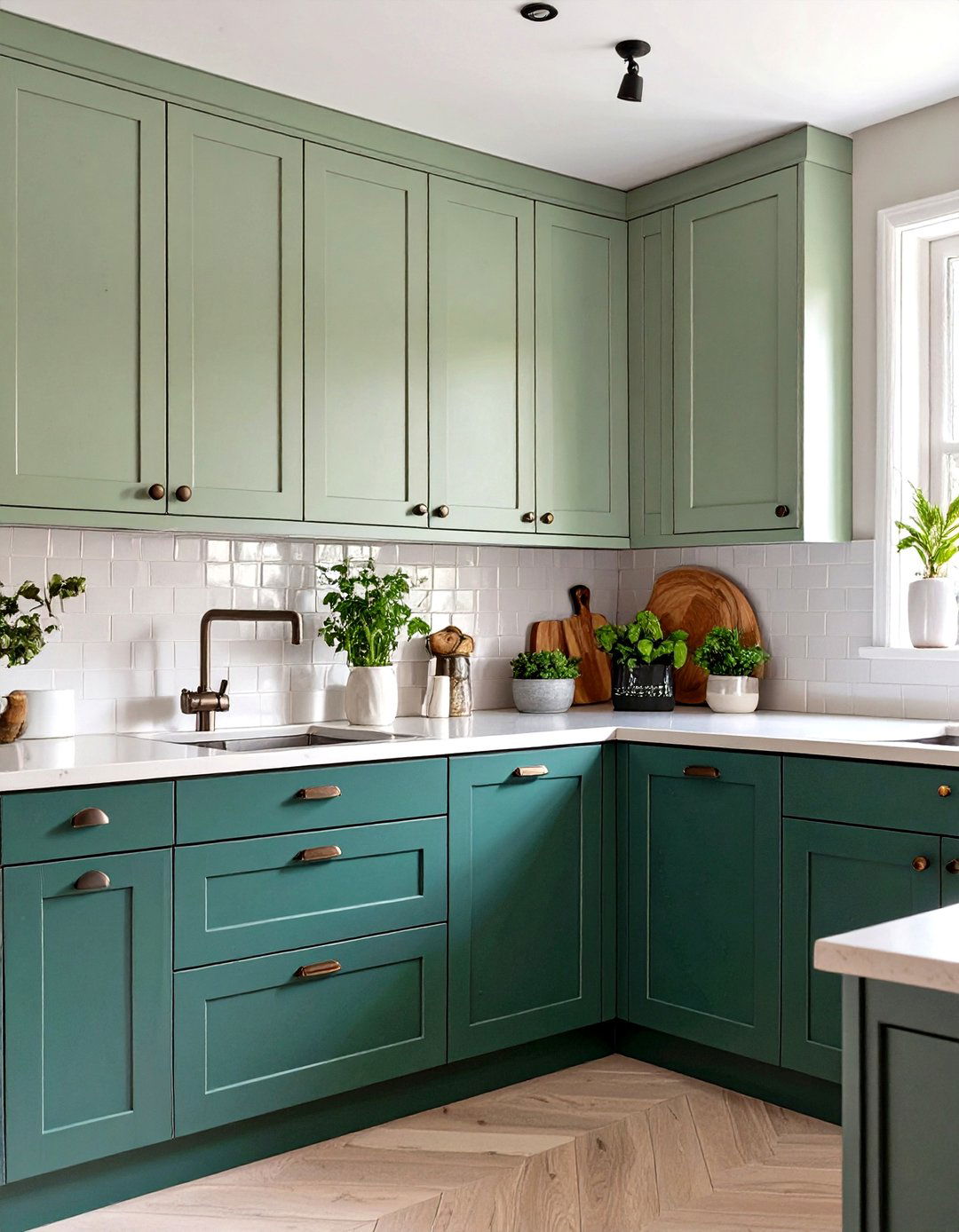
Embrace a sophisticated, nature-inspired palette by using two different shades of the same color. For a beautiful tonal effect, pair sage green upper cabinets with deep forest green lower cabinets. This approach creates a layered, cohesive look that is rich in depth and visual interest without being jarring. The lighter green on top maintains a sense of airiness, while the darker shade on the bottom grounds the space with elegance. This monochromatic strategy works exceptionally well for creating a serene and organic atmosphere, perfect for a kitchen that aims to be a calming and stylish retreat from the everyday hustle.
14. Dark Brown Lowers with Light Beige Uppers
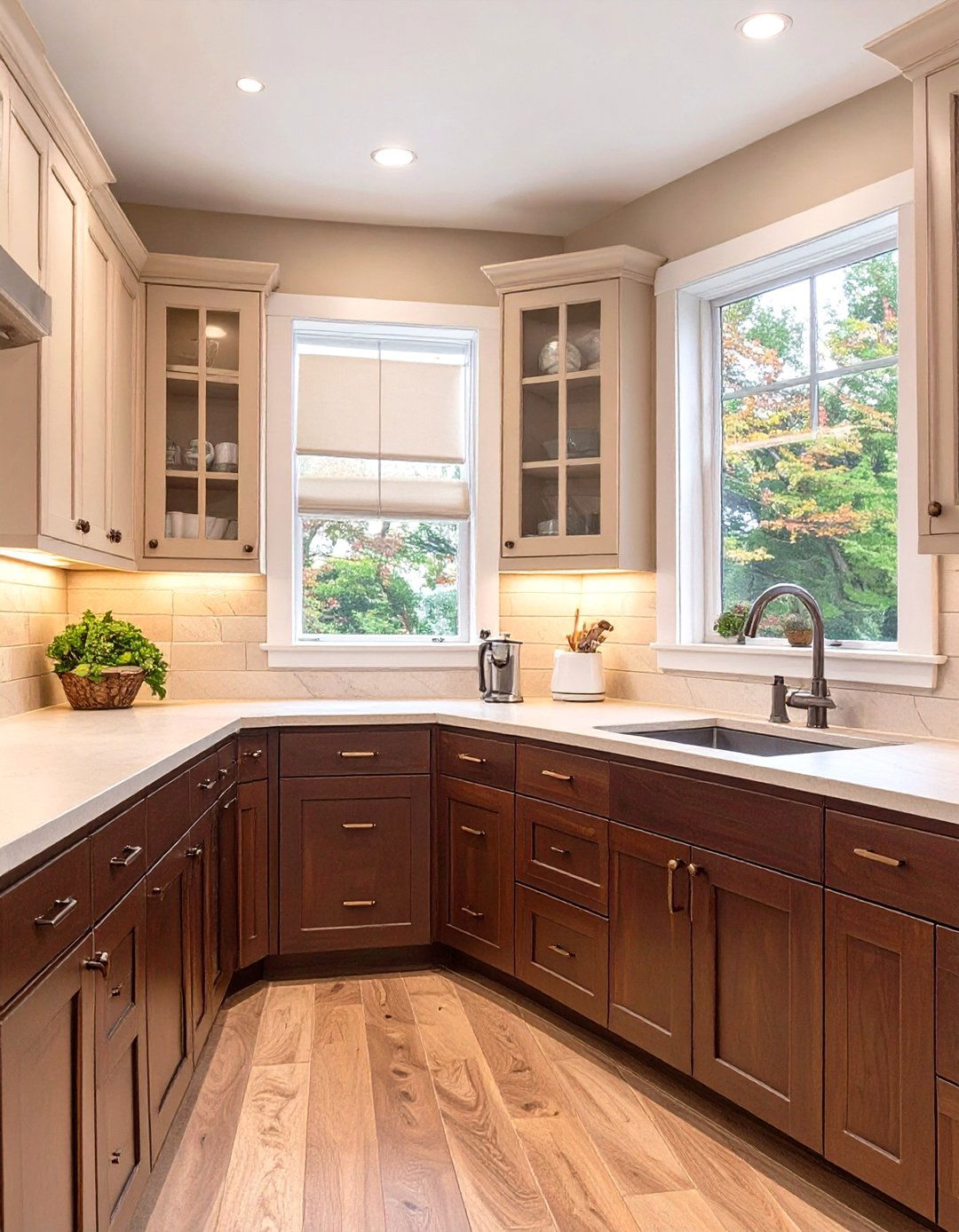
For a warm, neutral kitchen that feels both elegant and inviting, combine rich, dark brown lower cabinets with light beige uppers. This sophisticated pairing offers a gentle, earthy contrast that is timeless and comforting. The deep brown base cabinets provide a strong, grounding element, evoking the richness of espresso or dark chocolate. Above, the light beige uppers create a soft, airy feel that complements the lower cabinets without the starkness of pure white. This combination is perfect for a traditional or transitional kitchen, creating a harmonious and welcoming space with an understated yet luxurious aesthetic.
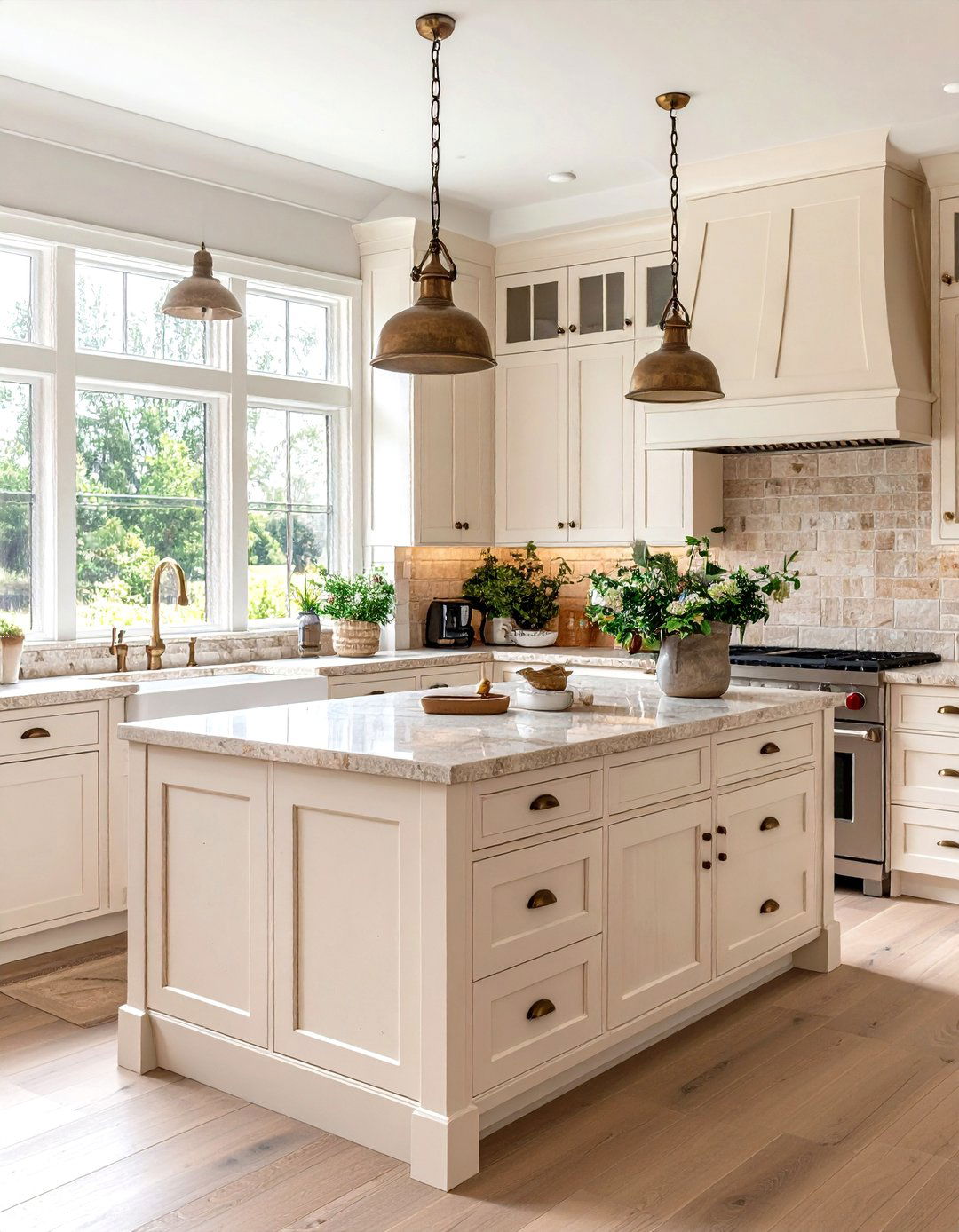
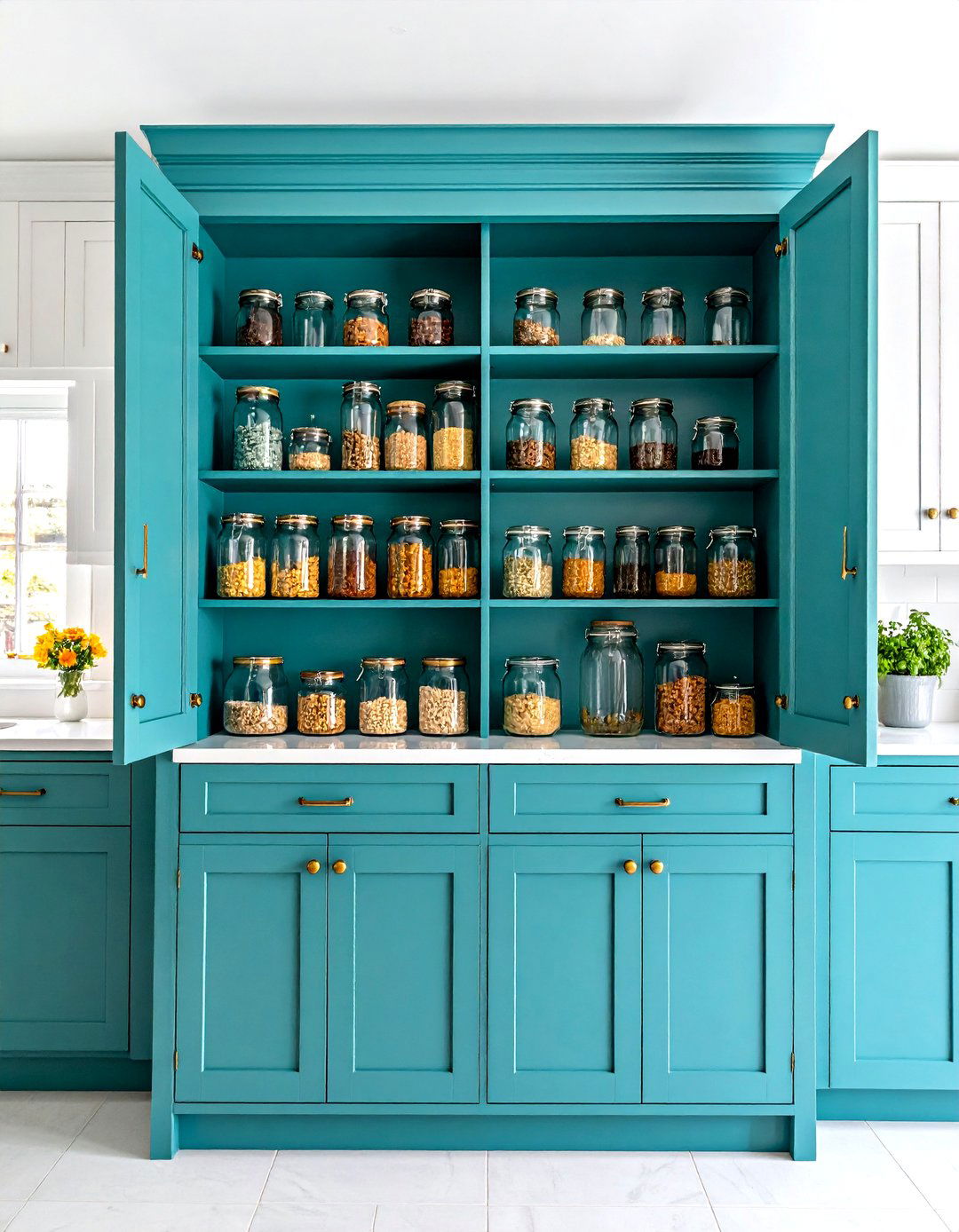

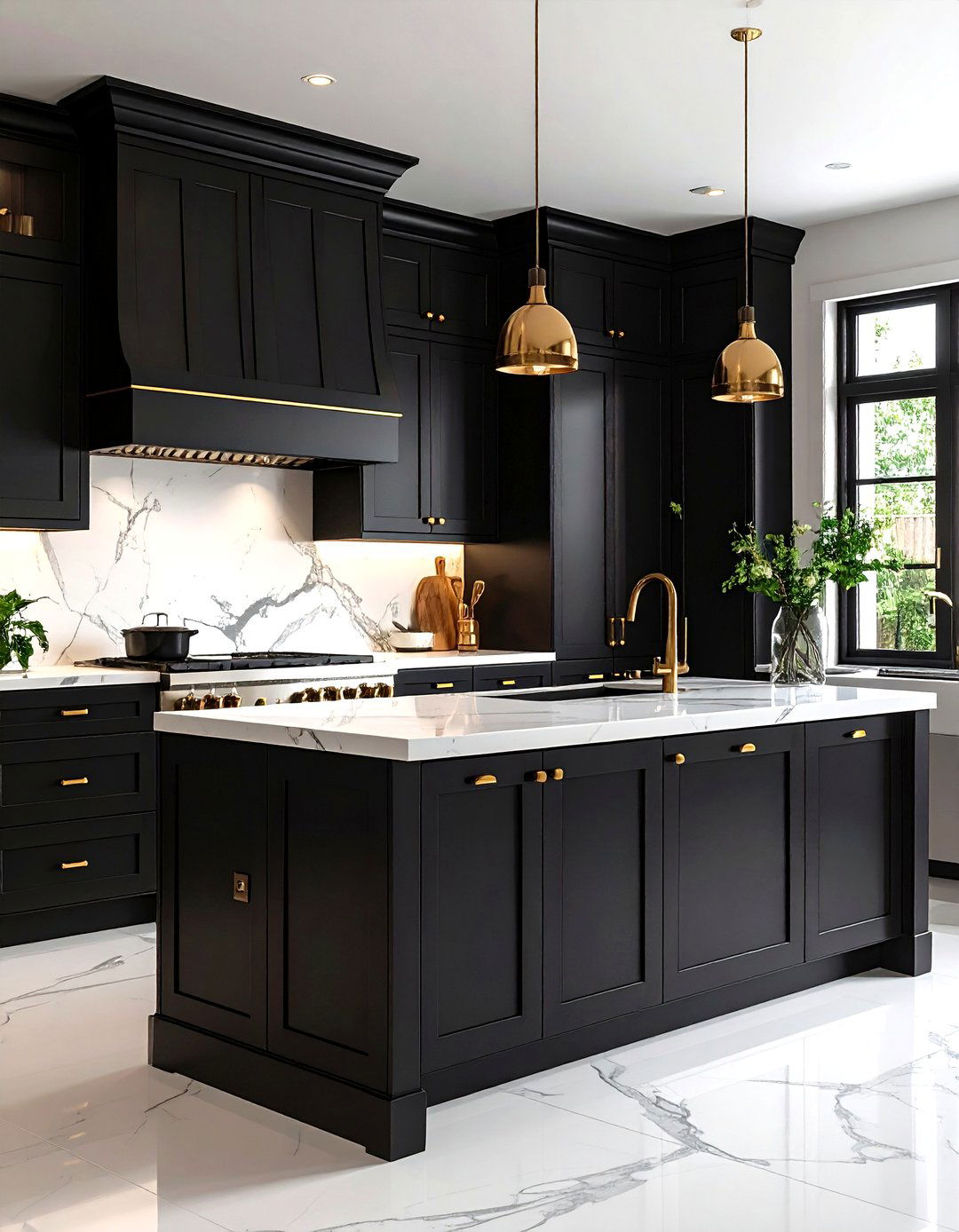
15. White Cabinets with a Contrasting Wood Range Hood Cover
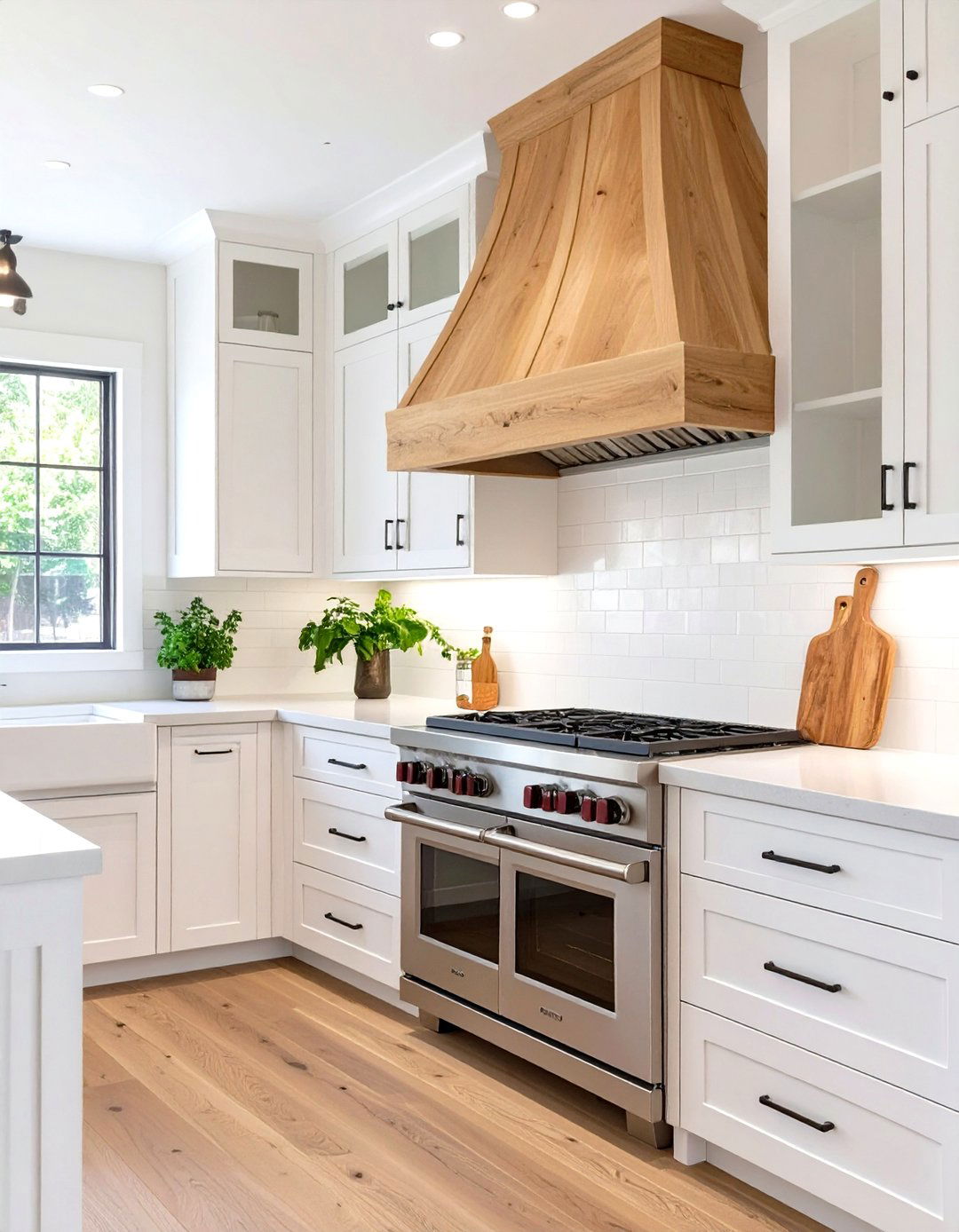
Create a stunning focal point by keeping your cabinetry uniform and introducing a contrasting material on a key feature. With all-white upper and lower cabinets providing a clean and bright backdrop, a custom wood range hood cover becomes the star of the show. The natural wood grain introduces warmth, texture, and a rustic or modern-organic element, depending on the wood type and design. This strategy draws the eye upward and breaks the monotony of a single color, adding architectural interest and a high-end, custom feel to the kitchen without the complexity of two different cabinet colors.
16. Sage Green Uppers with Dark Walnut Lowers
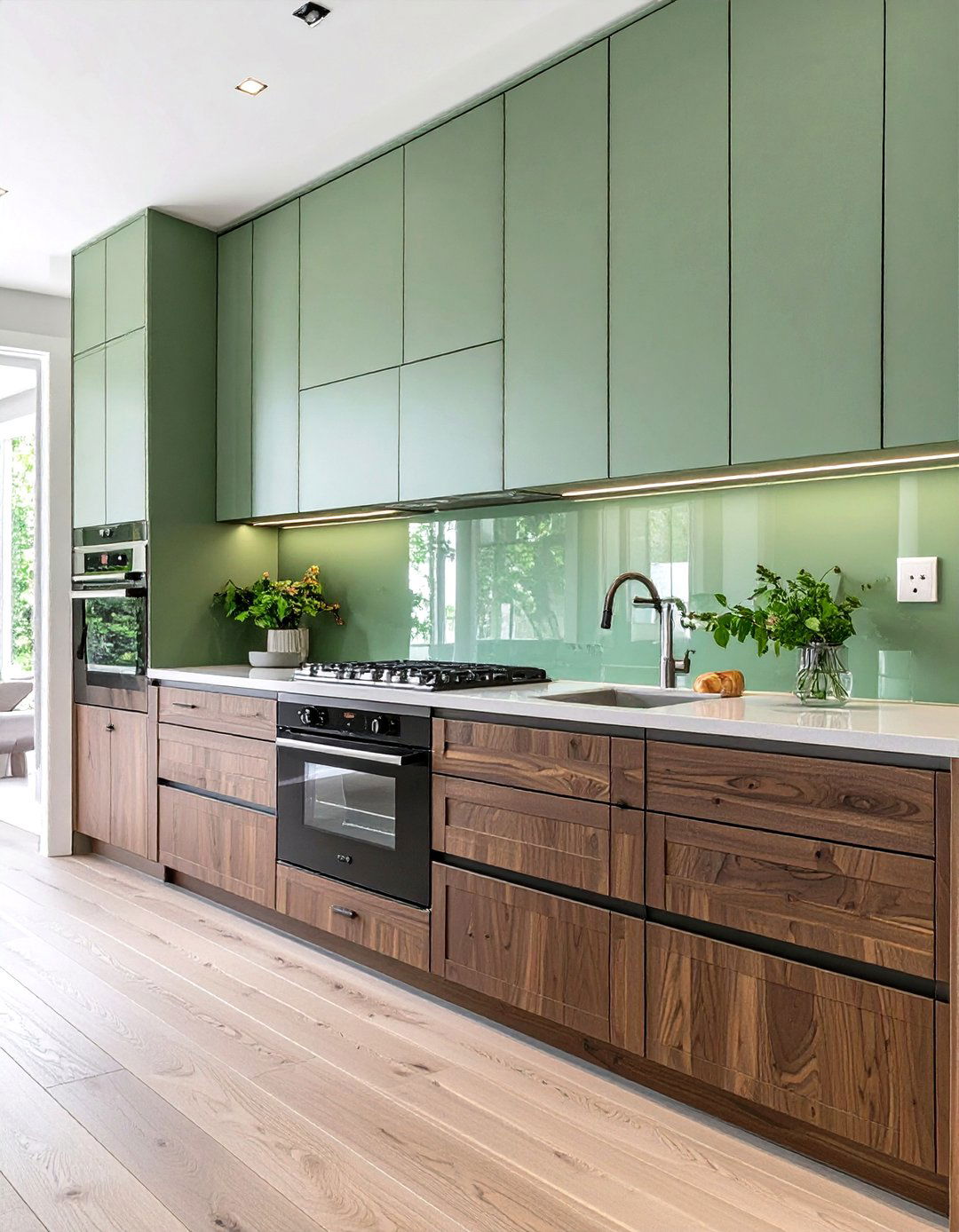
Combine the soothing quality of sage green with the richness of dark walnut for a sophisticated, nature-inspired kitchen. This unique pairing places the lighter color on top, with sage green upper cabinets creating an airy, calming feel. Below, the dark walnut lower cabinets provide a strong, luxurious anchor with their deep tones and beautiful wood grain. This combination feels both organic and elegant, blending earthy color with classic material. It’s an ideal choice for a kitchen that aims for a refined yet comfortable atmosphere, balancing modern color trends with the timeless appeal of dark wood.
17. Stainless Steel Uppers with Wooden Lowers
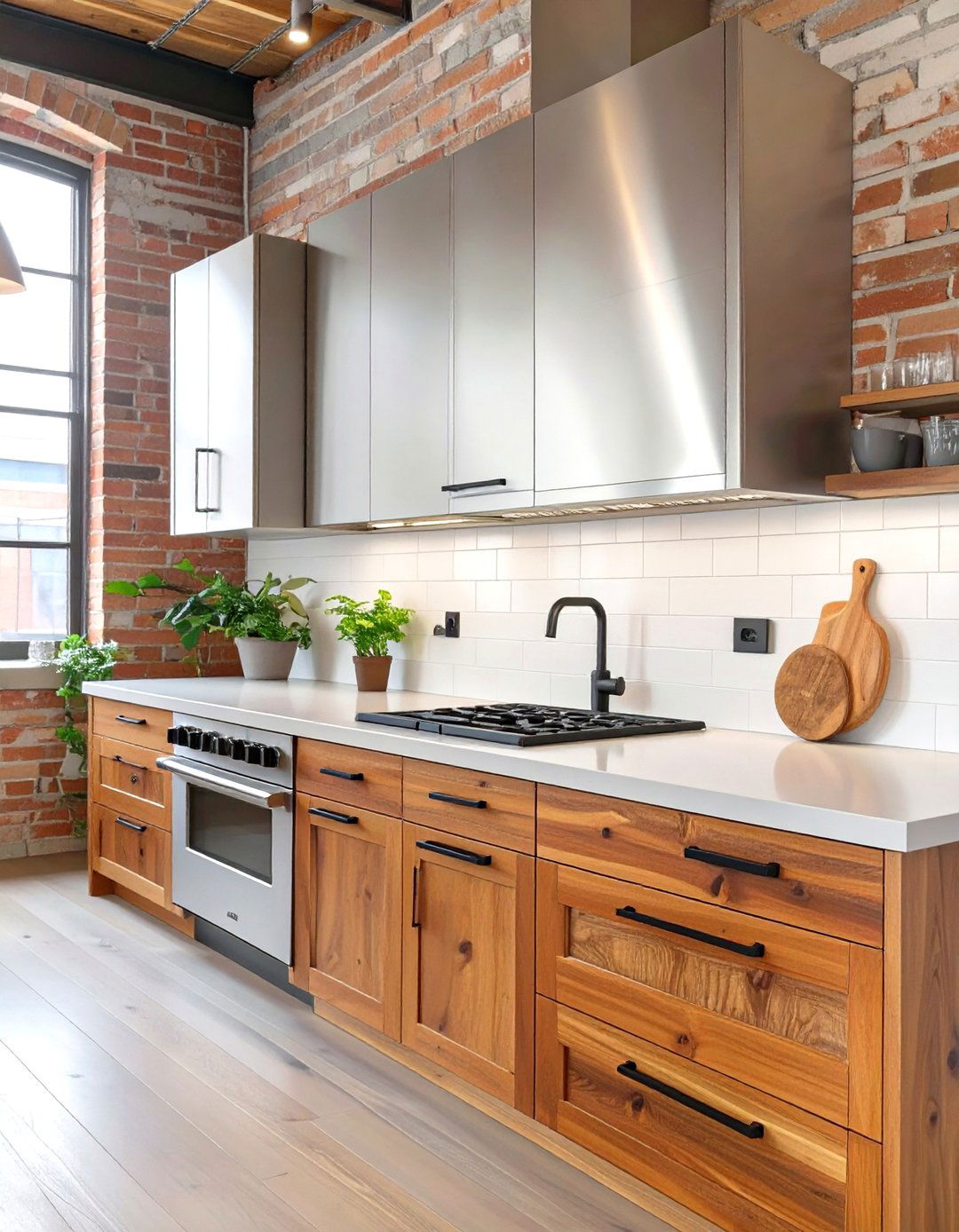
For a professional or industrial-inspired kitchen, mix the sleek, modern look of stainless steel with the natural warmth of wood. Using stainless steel for the upper cabinets creates a bright, reflective surface that is durable and has a distinctly professional-chef vibe. Pairing them with wooden lower cabinets, such as oak or cherry, prevents the space from feeling cold or clinical. The wood adds texture, warmth, and an organic element that beautifully balances the cool, metallic finish of the steel. This combination is perfect for achieving a high-end, contemporary look that is both functional and stylish.
18. Yellow Lower Cabinets with White Upper Shelving
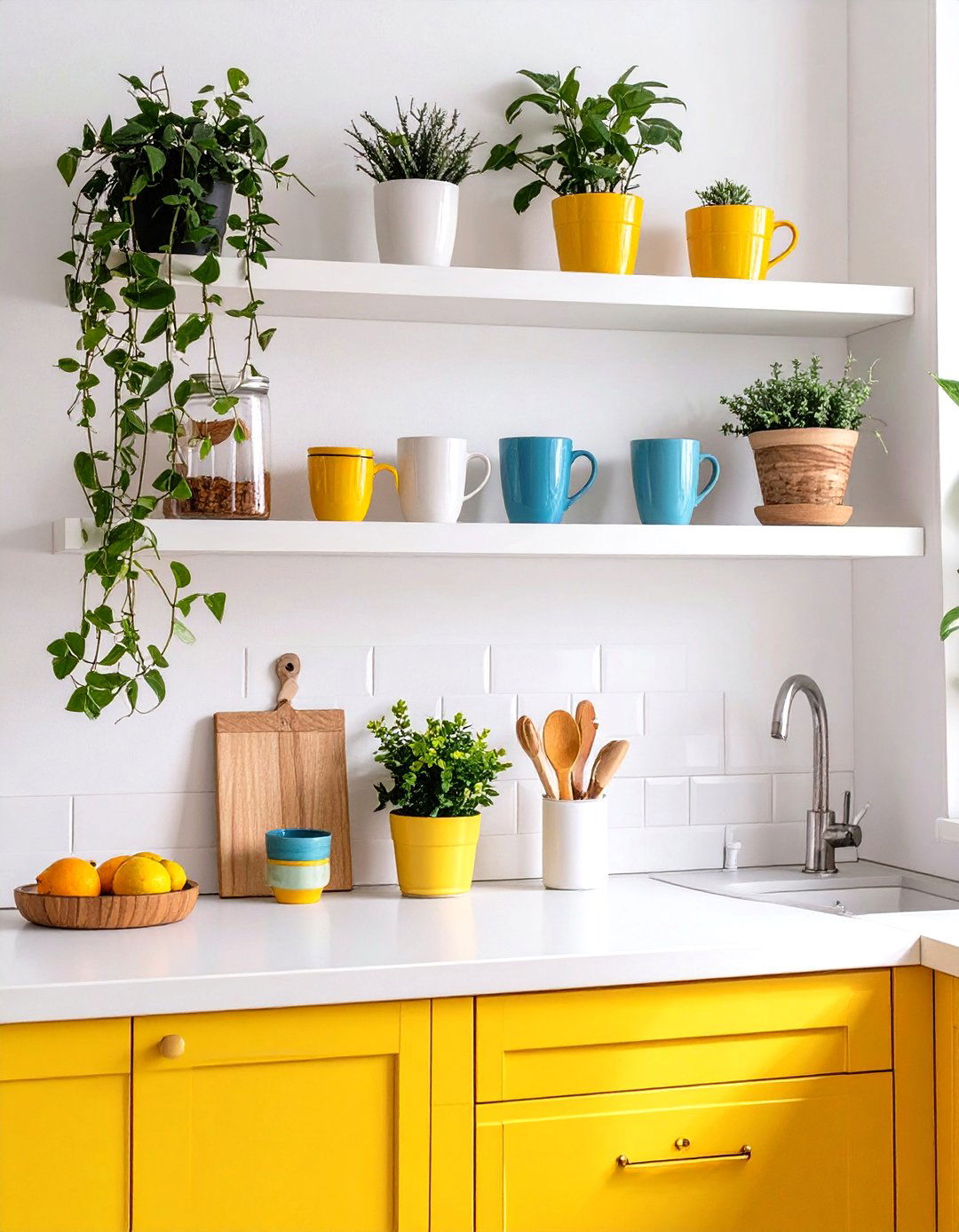
Inject a dose of cheerful energy into your kitchen with vibrant yellow lower cabinets. This sunny, optimistic color makes a bold statement and instantly brightens the room. To balance the intensity of the yellow and maintain an open feel, opt for simple white open shelving instead of traditional upper cabinets. This approach keeps the upper portion of the kitchen light and airy, providing a casual space for displaying everyday dishes or decor. The combination of bold color on the bottom and minimalist open storage on top creates a fun, modern, and personality-filled kitchen.
19. All-White Cabinets with a Boldly Painted Pantry Door
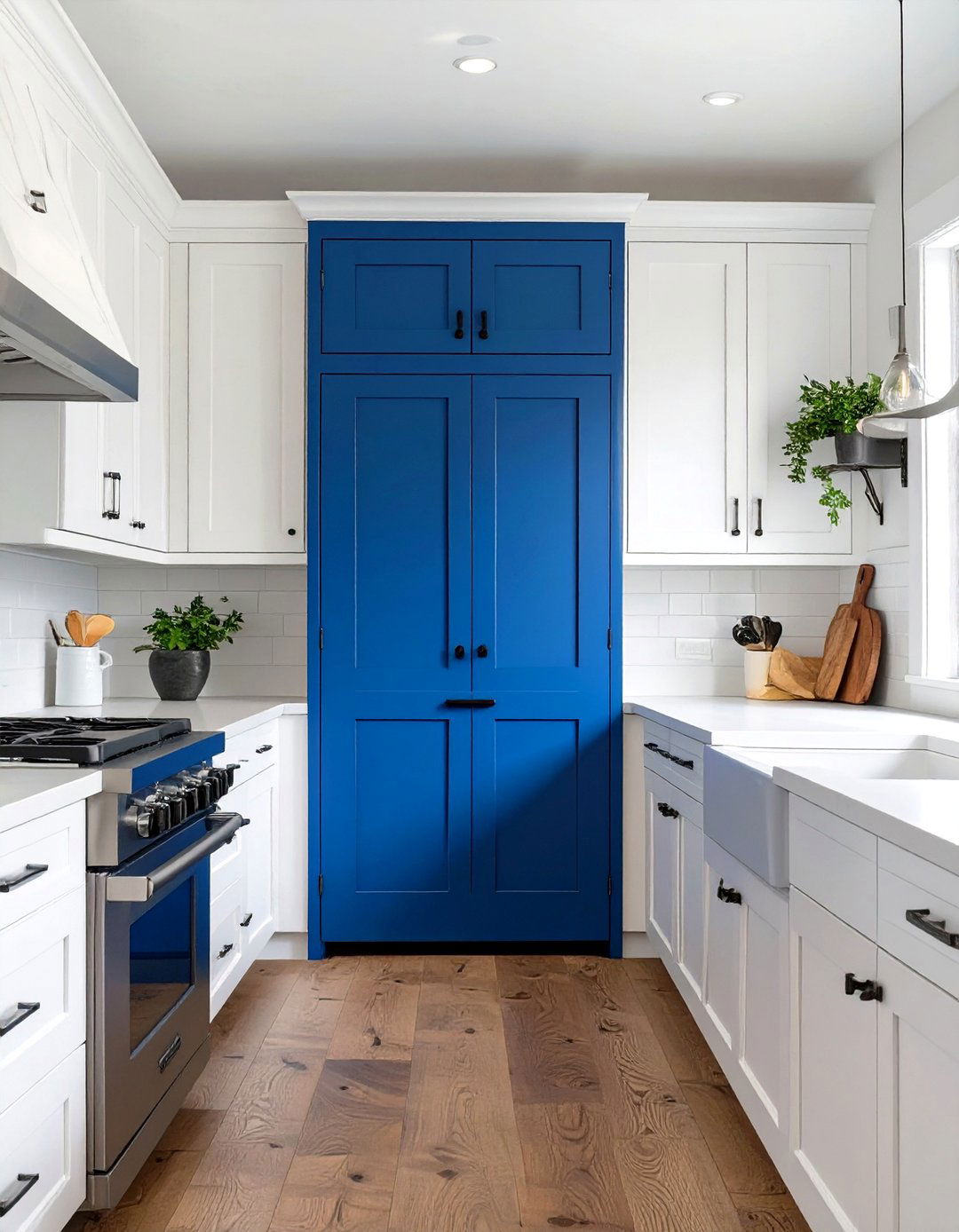
Maintain a clean, classic, all-white kitchen while still incorporating a pop of color by painting a single architectural feature. With white upper and lower cabinets creating a bright and timeless canvas, a boldly painted pantry door becomes an exciting focal point. Choose a high-impact color like deep teal, sunny orange, or even black to create a striking contrast. This technique adds a dose of personality and custom flair without the commitment of colored cabinetry. It's a simple yet highly effective way to introduce a two-tone element that is both surprising and sophisticated.

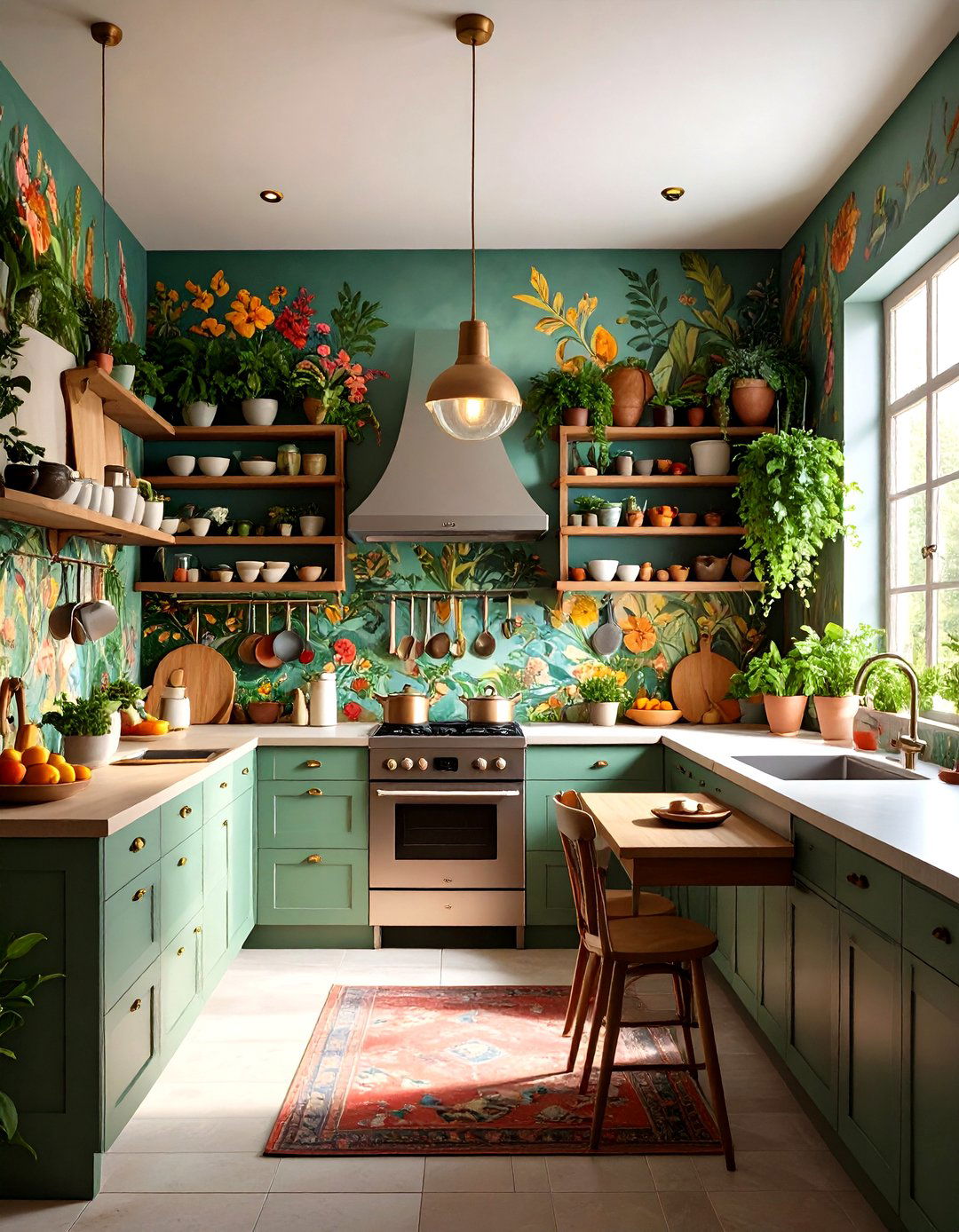
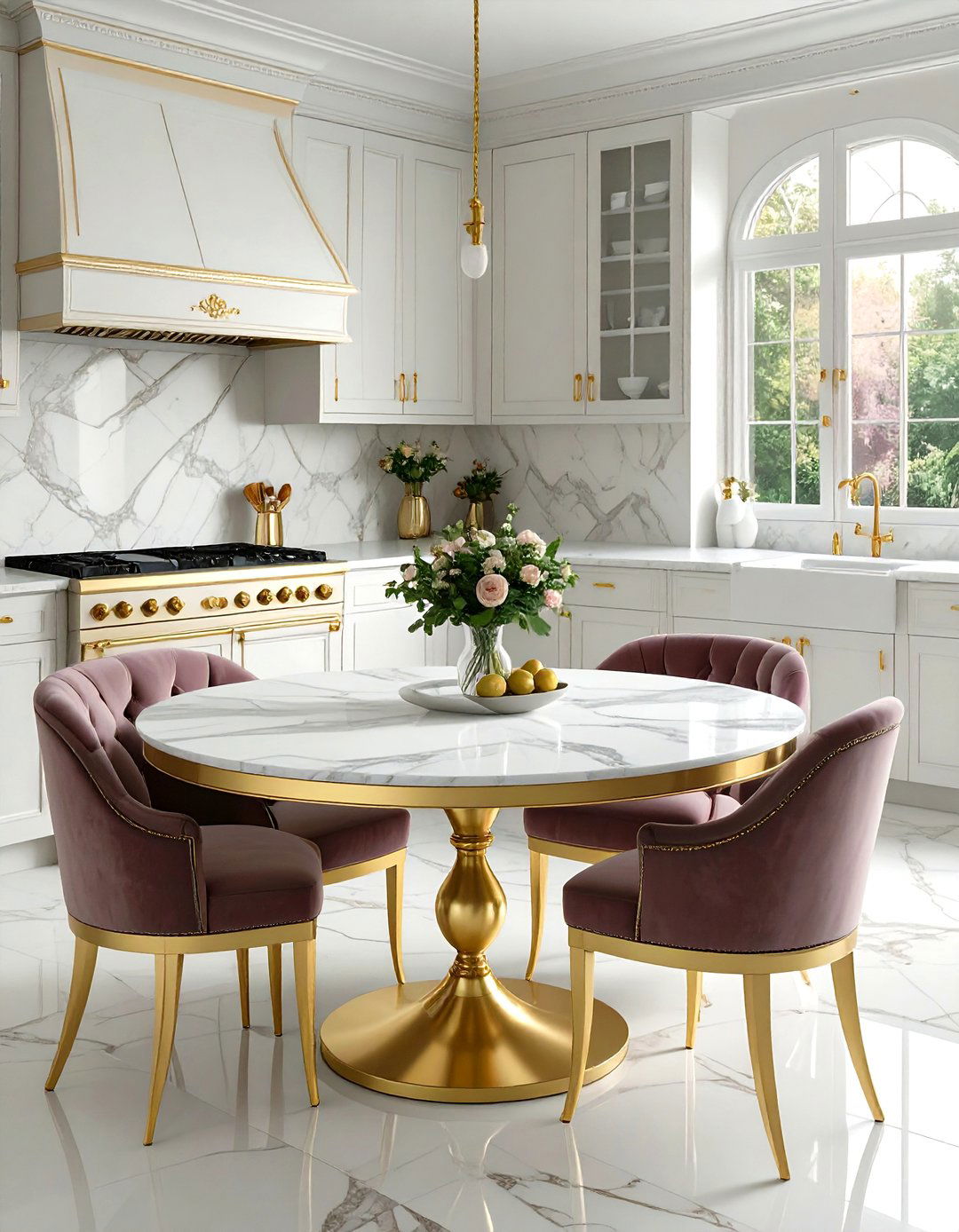
20. Black Lower Cabinets with Reclaimed Wood Uppers
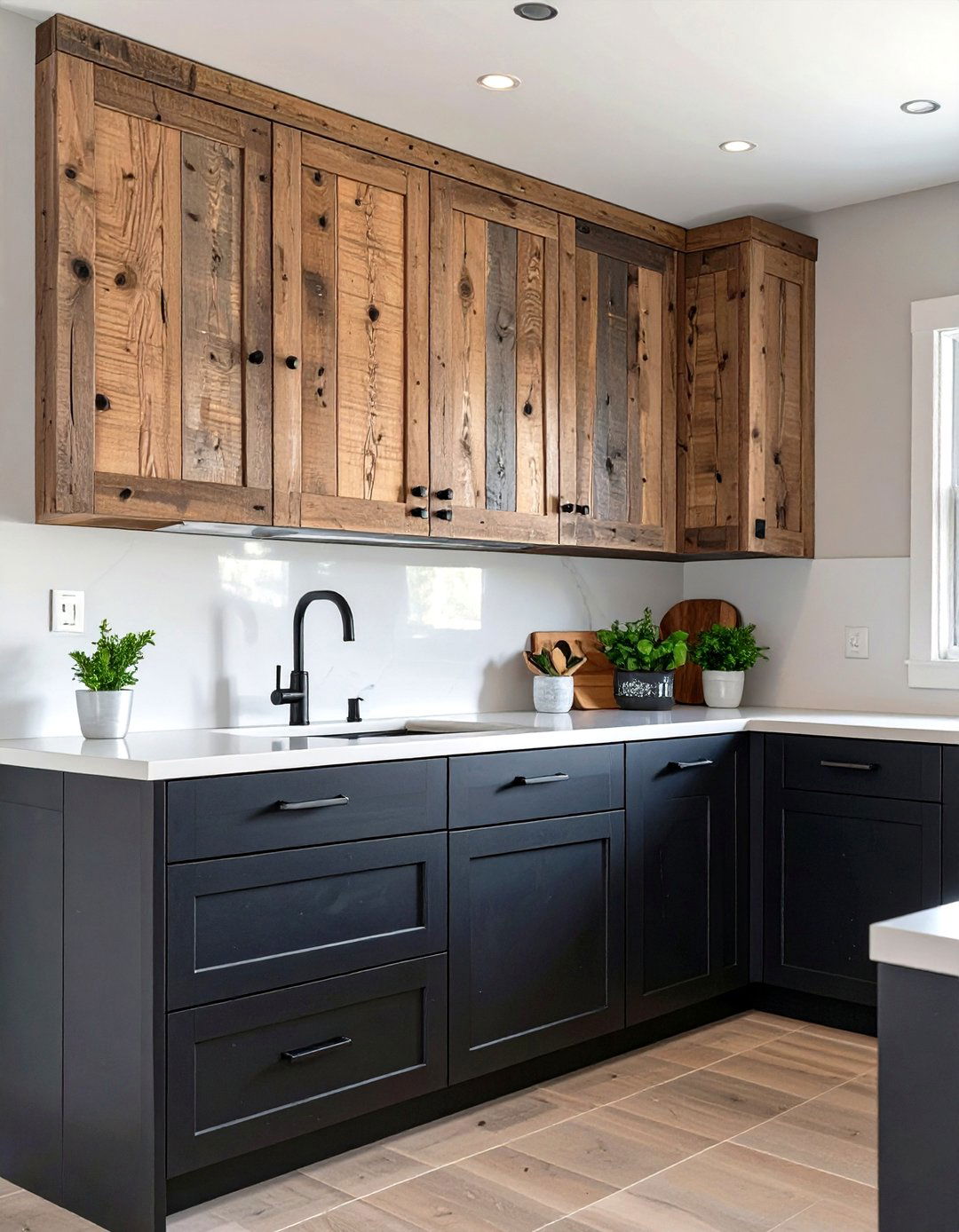
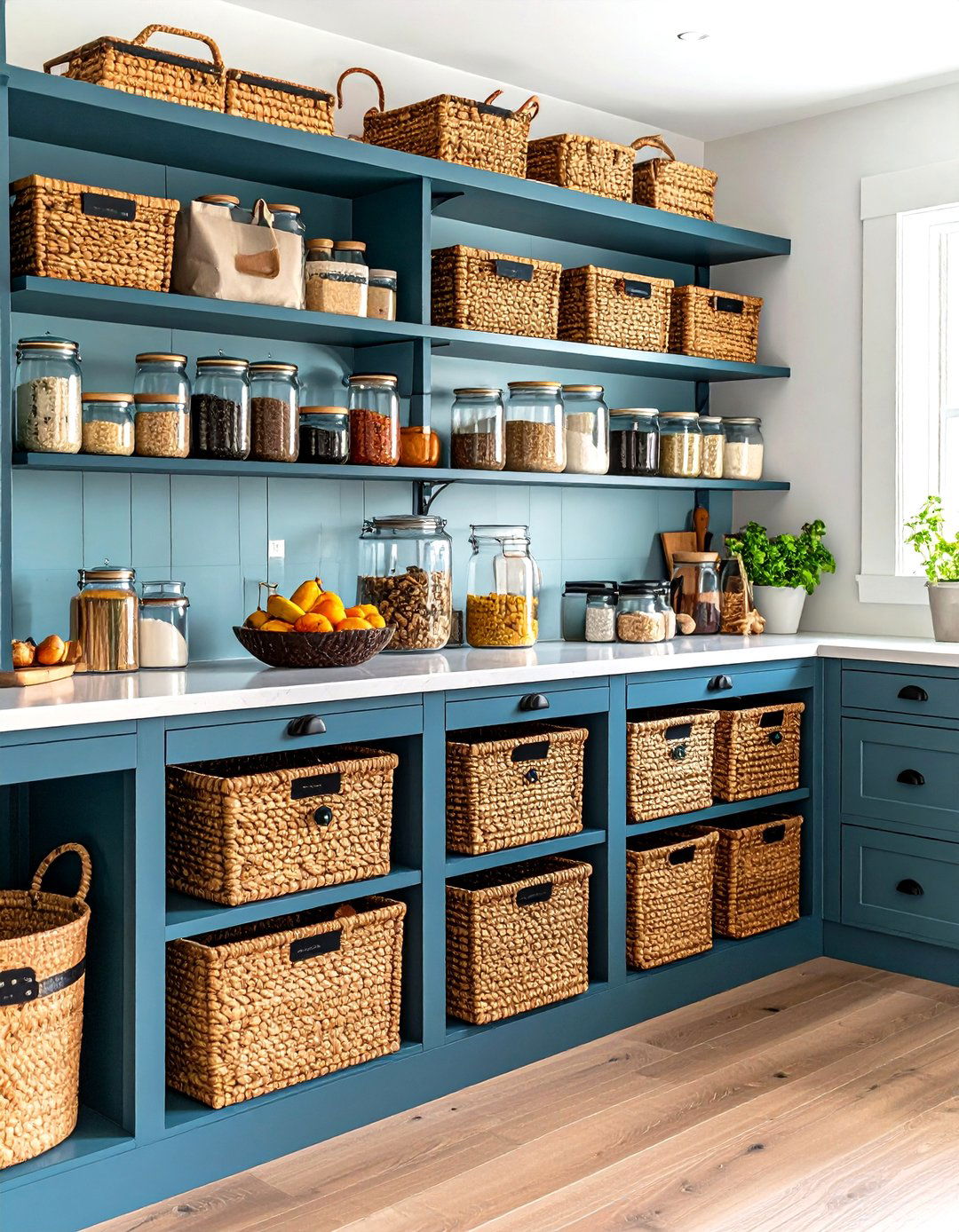
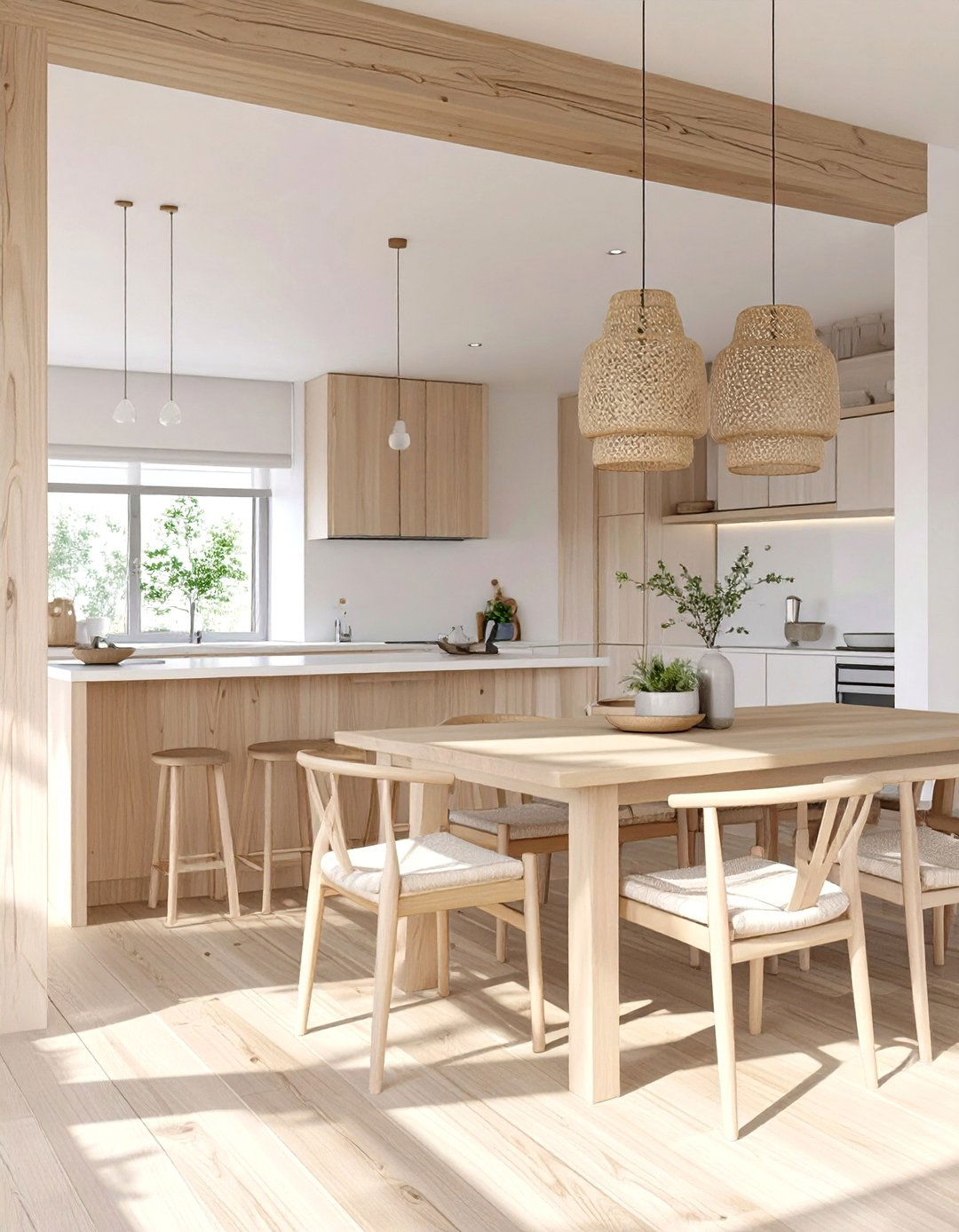
Create a kitchen with rustic character and modern edge by pairing black lower cabinets with reclaimed wood uppers. The solid black base cabinets provide a sleek, contemporary foundation that is both dramatic and practical. Above, upper cabinets crafted from reclaimed wood introduce history, texture, and unparalleled warmth. Each knot and grain pattern in the wood tells a story, offering a beautiful contrast to the smooth, uniform black below. This combination is ideal for industrial loft, modern farmhouse, or eclectic designs, resulting in a space that feels both curated and authentically worn.
21. Light Gray Uppers and Lowers with a Darker Gray Island
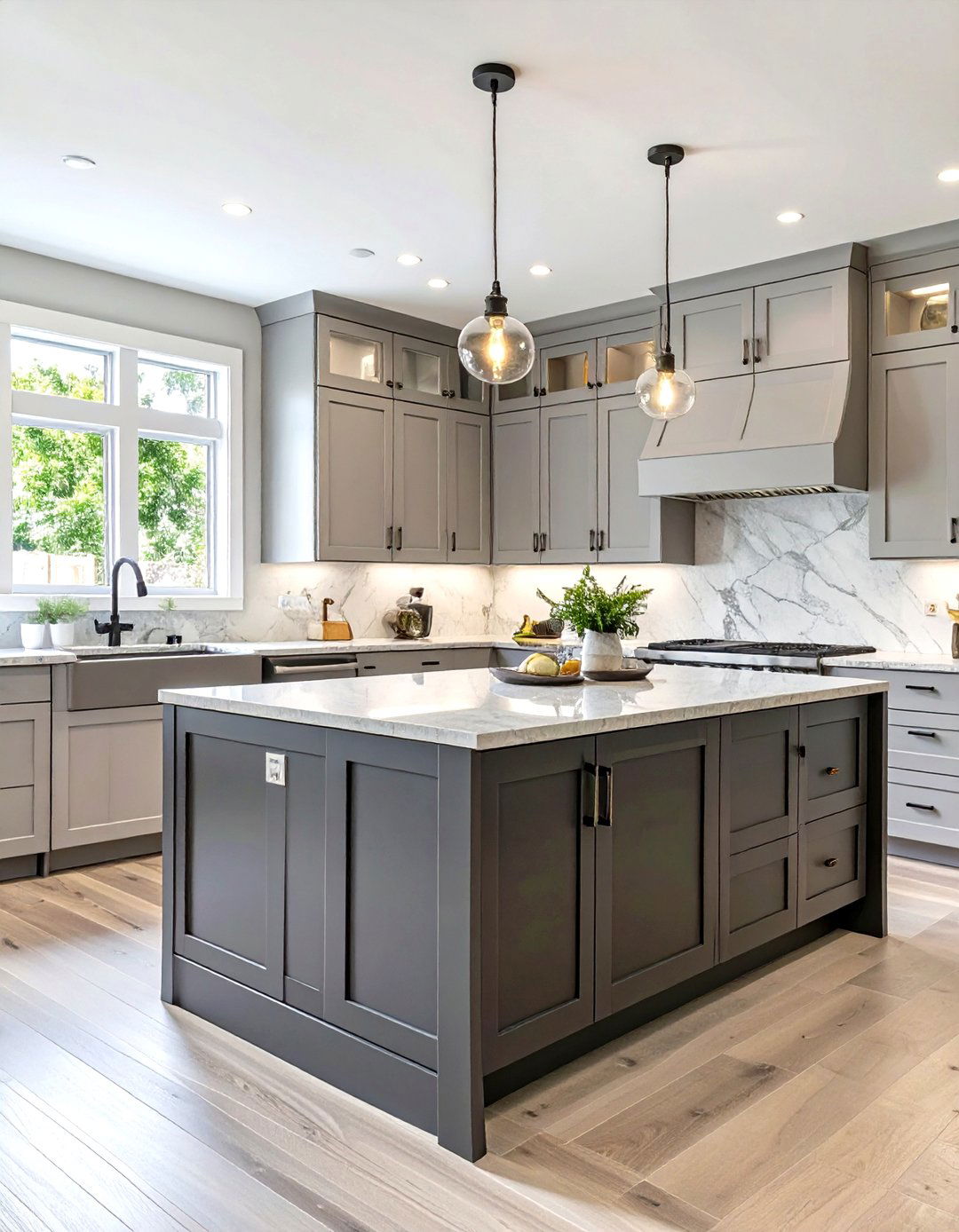
Achieve a sophisticated, layered look by using a single color family in varying tones. Outfit the perimeter of your kitchen with light gray upper and lower cabinets for a soft, cohesive, and modern backdrop. Then, make the kitchen island the centerpiece by painting it in a darker, more dramatic shade of gray, such as charcoal or slate. This creates a subtle yet powerful contrast that adds depth and focuses attention on the island as the functional heart of the room. This tonal strategy results in an elegant, contemporary kitchen that feels harmonious and intentionally designed.
22. Deep Burgundy Lowers with Off-White Uppers
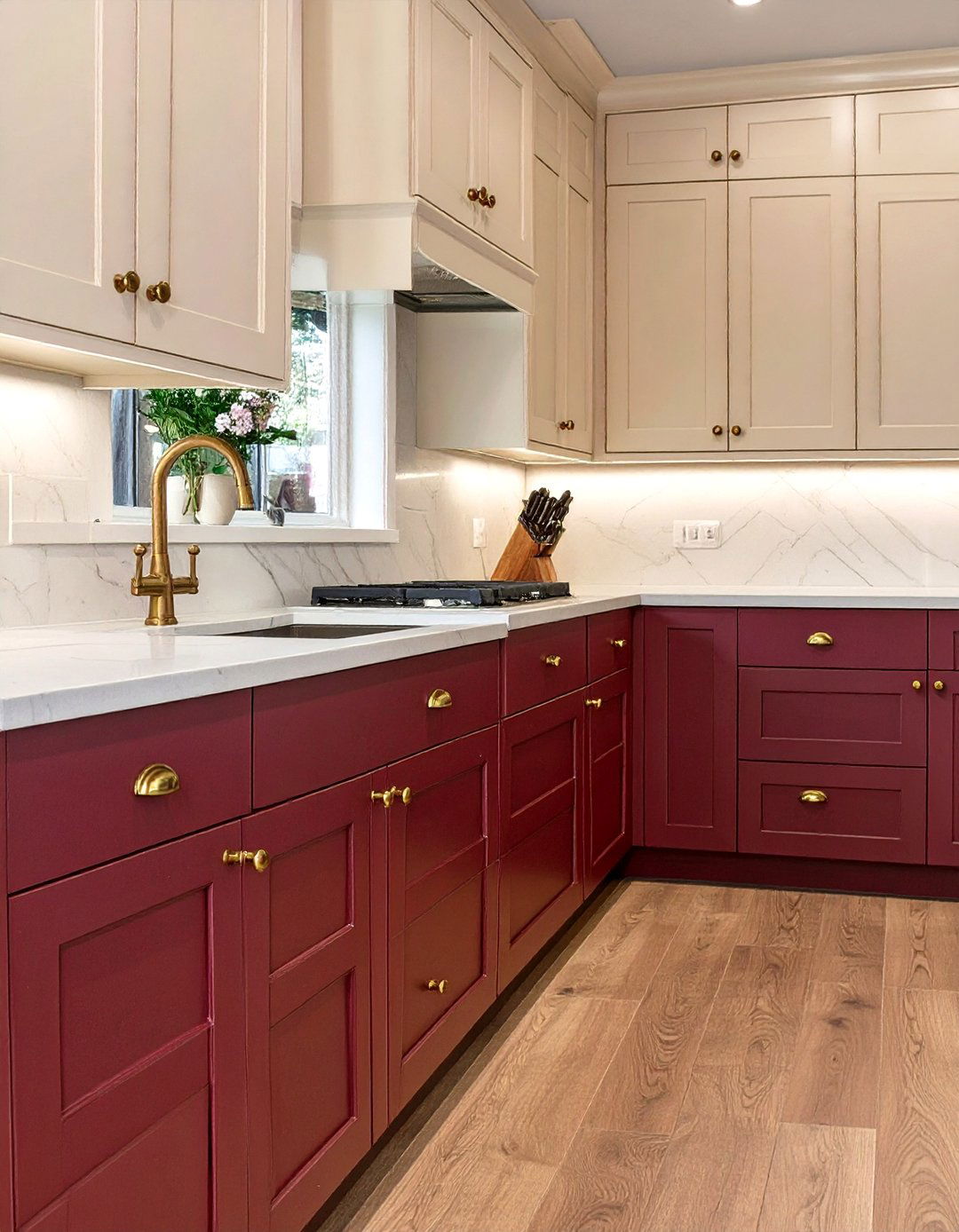
For a kitchen that feels rich, warm, and luxurious, pair deep burgundy or wine-colored lower cabinets with soft off-white uppers. The burgundy base provides a sense of drama and opulence, grounding the space with its deep, jewel-toned hue. The off-white or cream-colored upper cabinets offer a gentle contrast that is warmer and less stark than pure white, enhancing the cozy and inviting atmosphere. This elegant color combination is perfect for traditional or transitional kitchens, creating a sophisticated and welcoming space that feels both timeless and bold, especially when accented with brass hardware.
23. Upper Cabinets Matching the Backsplash Tile
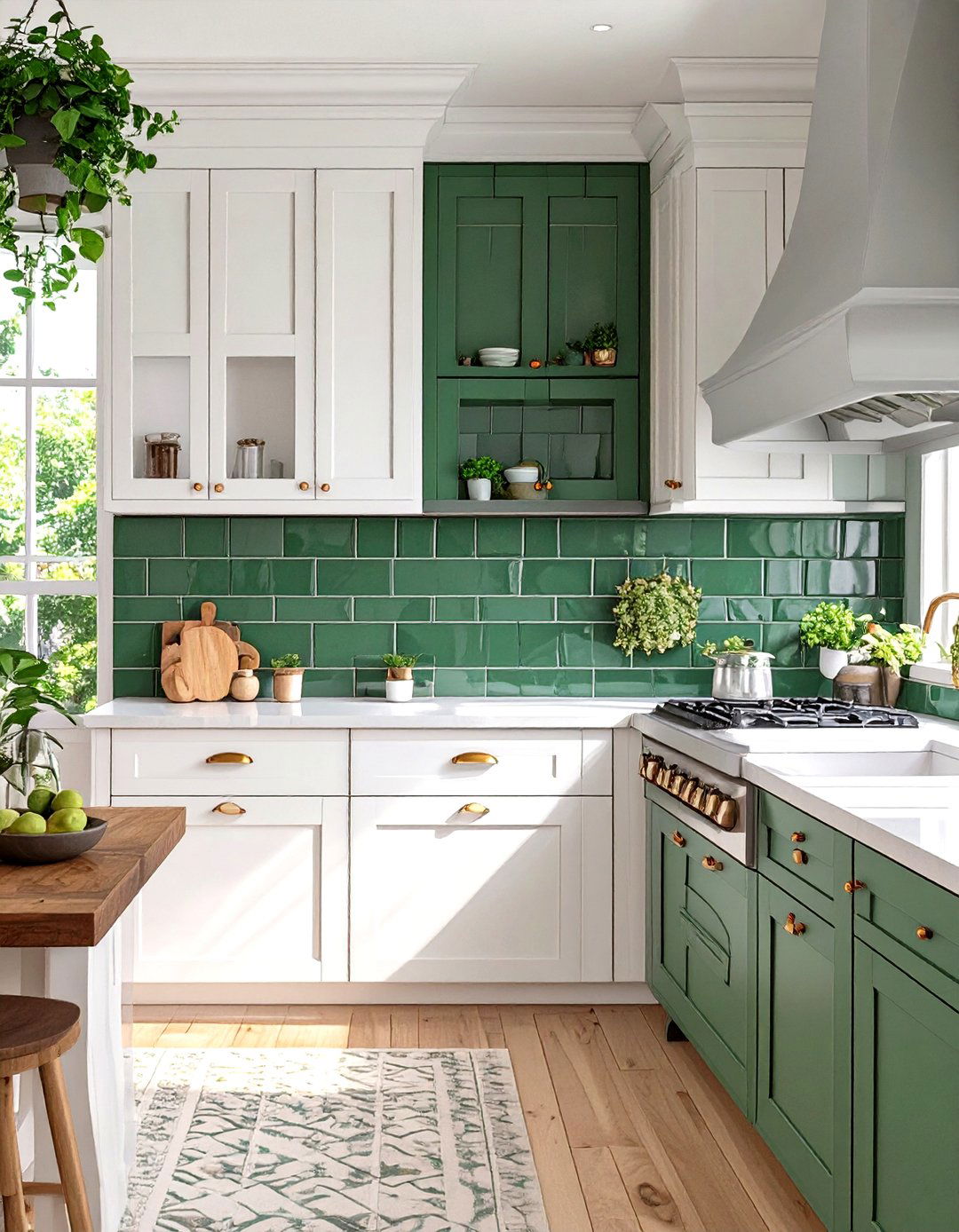
Create a seamless and integrated look by matching your upper cabinets to the color of your backsplash tile. For instance, if you have a beautiful blue or green tiled backsplash, painting the upper cabinets in the same shade will make the entire wall feel like a single, cohesive feature. Pair this with a neutral lower cabinet color, such as white, gray, or a light wood, to keep the space balanced. This design trick draws the eye upward and creates a custom, high-end feel, turning your storage into an extension of your decorative wall treatment.
24. Sky Blue Lowers with Crisp White Uppers
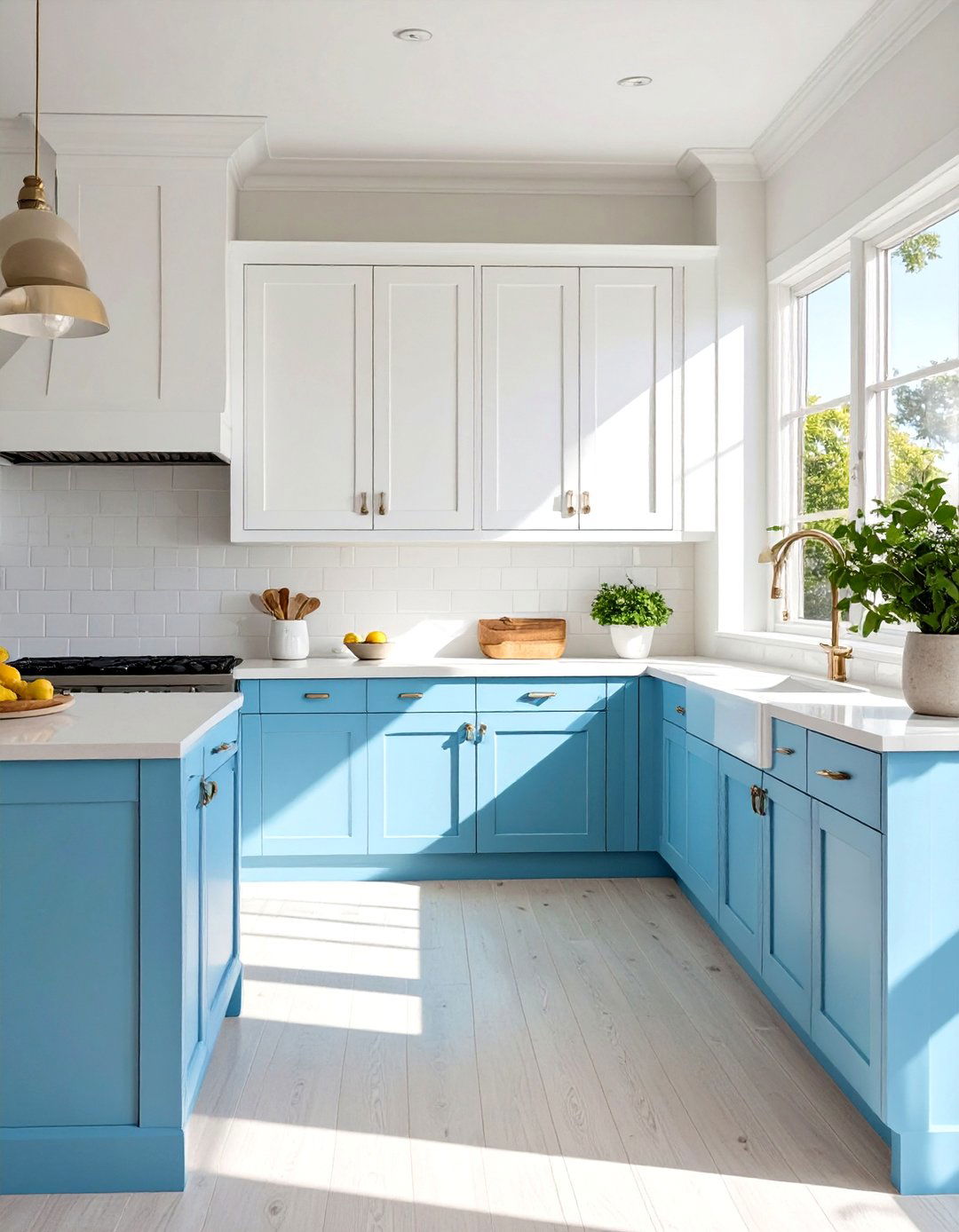
Capture a light, airy, and cheerful feeling in your kitchen by pairing sky blue lower cabinets with crisp white uppers. This refreshing combination evokes a sense of clear skies and coastal breezes, making the space feel open and inviting. The soft blue base adds a gentle pop of color that is calming and pleasant, while the white uppers enhance the brightness and create a clean, classic look. This palette is perfect for farmhouse, coastal, or cottage-style kitchens, creating a serene and happy atmosphere that is both timeless and uplifting, making your kitchen a delightful place to be.
25. Horizontal Grain Wood Lowers with White Flat-Panel Uppers
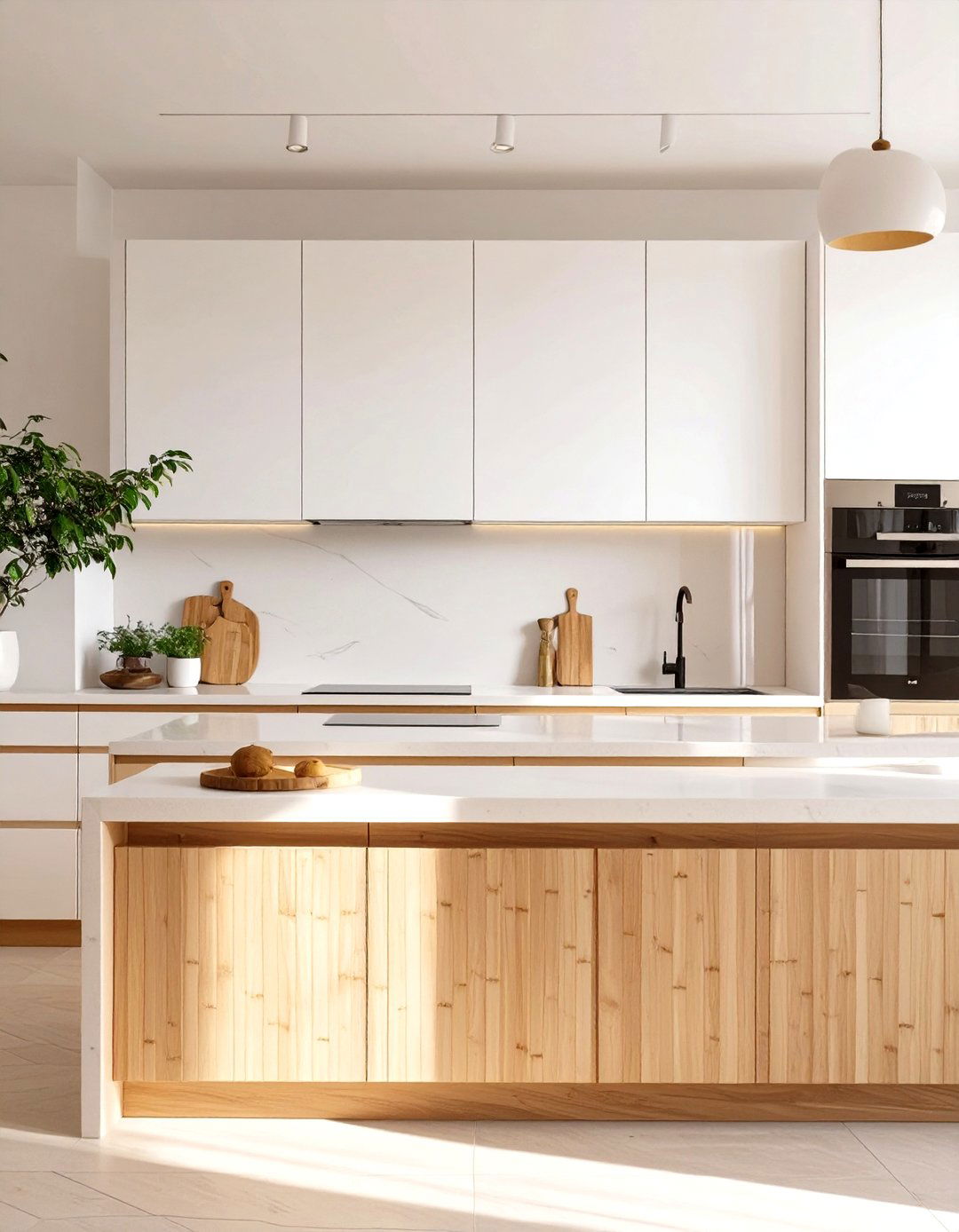
For a distinctly modern and linear aesthetic, combine lower cabinets featuring a horizontal wood grain with sleek, white flat-panel uppers. The horizontal grain of the wood, such as bamboo or rift-cut oak, emphasizes the width of the kitchen and adds organic texture with a contemporary twist. Above, the simple, unadorned white flat-panel cabinets provide a minimalist contrast, keeping the look clean and uncluttered. This pairing is ideal for modern or minimalist designs, creating a sophisticated space that masterfully balances natural texture with sleek, clean lines for a polished and cutting-edge feel.
26. Mint Green Lowers with Light Wood Uppers
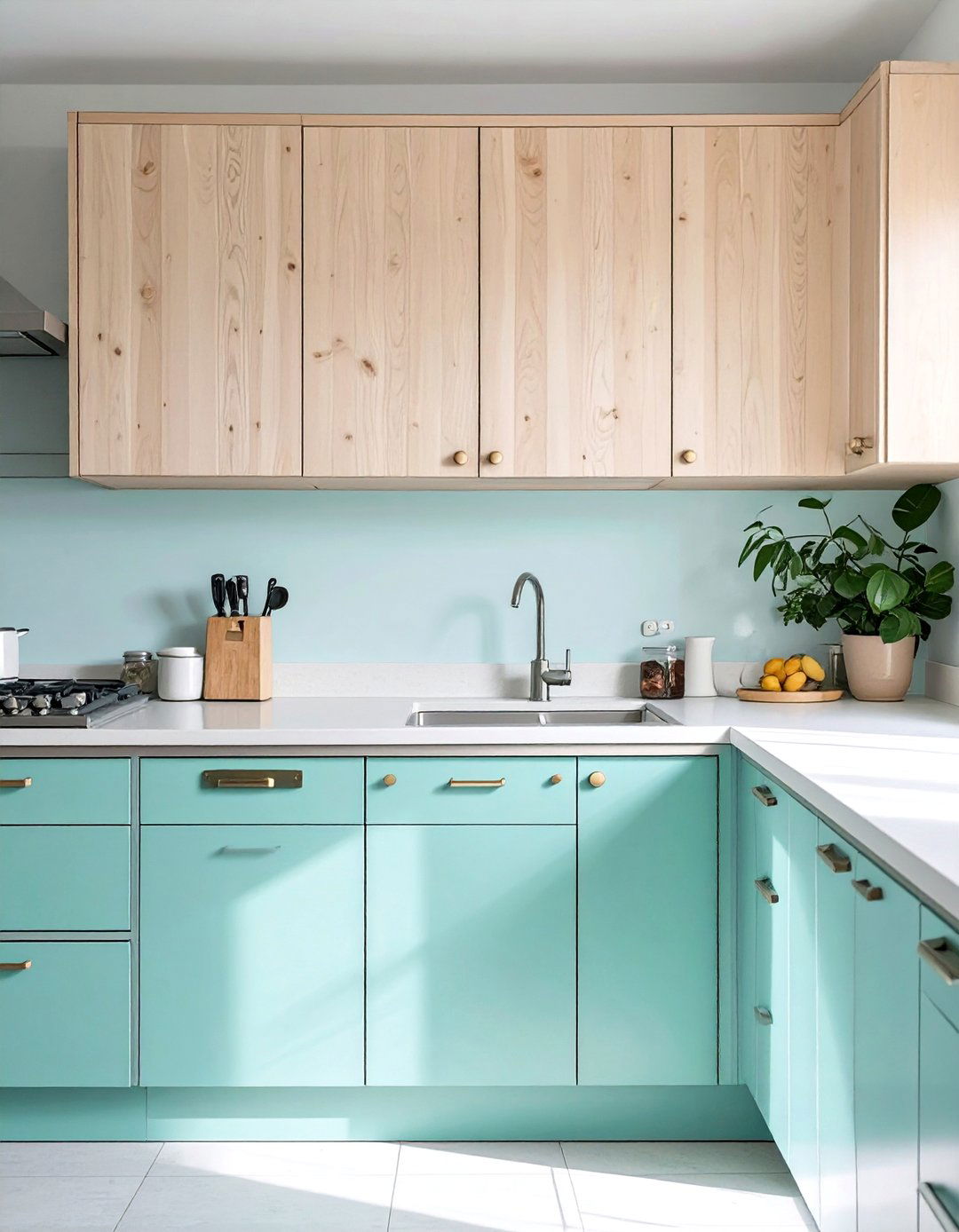
Create a fresh, retro-modern kitchen by pairing cheerful mint green lower cabinets with light wood uppers. The mint green base provides a soft, playful pop of pastel color that feels both vintage and contemporary. It adds a unique personality without being overwhelming. To complement this, upper cabinets in a light wood tone like birch or maple introduce natural warmth and texture, balancing the cool mint green. This charming and airy combination is perfect for a Scandinavian or mid-century modern-inspired kitchen, resulting in a space that feels bright, welcoming, and full of character.
27. A Block of Dark Cabinets Amidst Lighter Ones
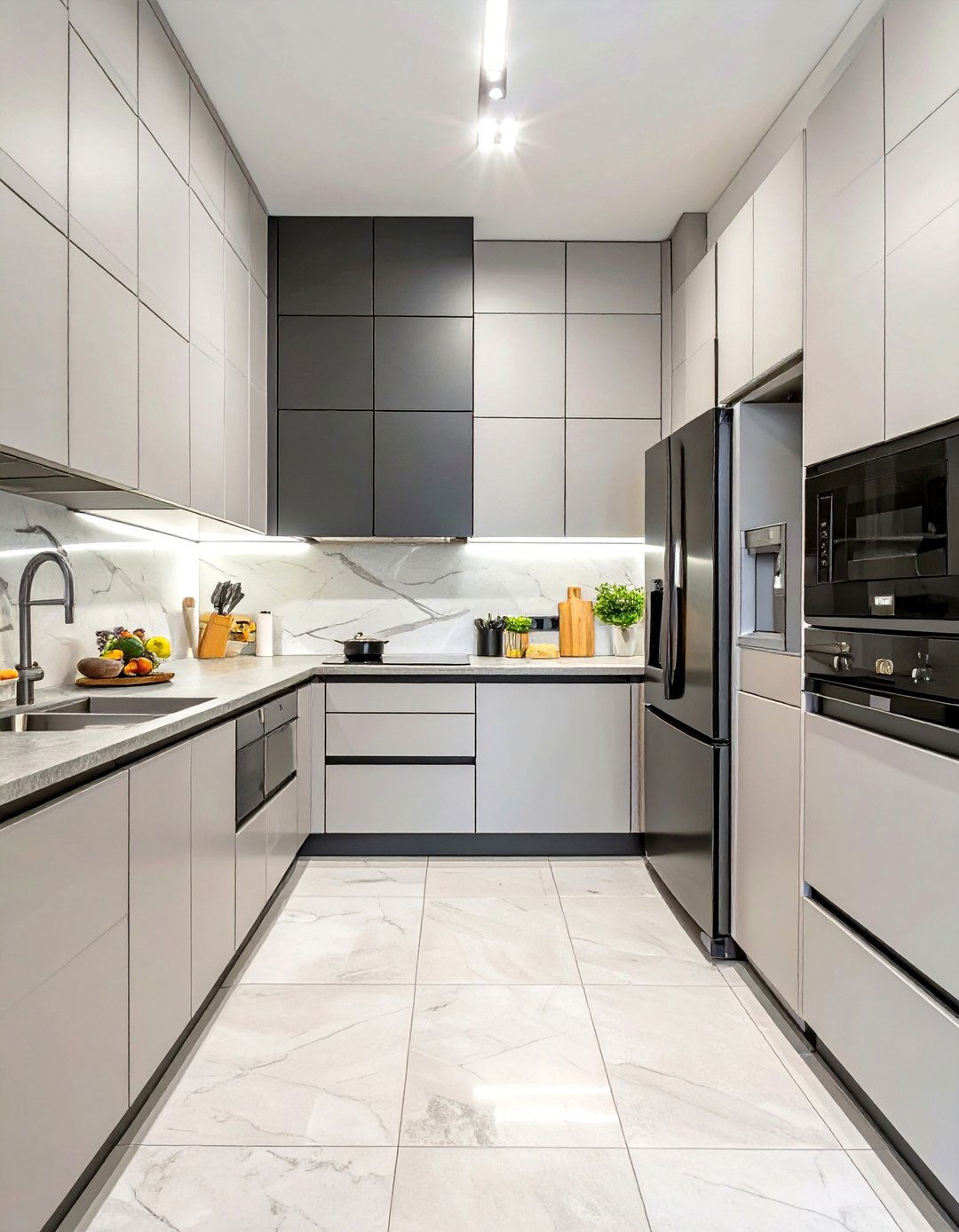
For a unique, asymmetrical take on the two-tone trend, create a "color block" effect. Design the majority of your kitchen with light-colored cabinets, like white or light gray, and then install a distinct section of dark cabinets. For example, the tall cabinets surrounding the refrigerator or a bank of pantry cupboards could be finished in a deep espresso or black. This architectural approach creates a bold, modern focal point and breaks up the visual plane in an interesting way, defining different functional zones within the kitchen while adding dramatic contrast and a custom-designed feel.
28. Teal Lower Cabinets with White Uppers and Gold Hardware
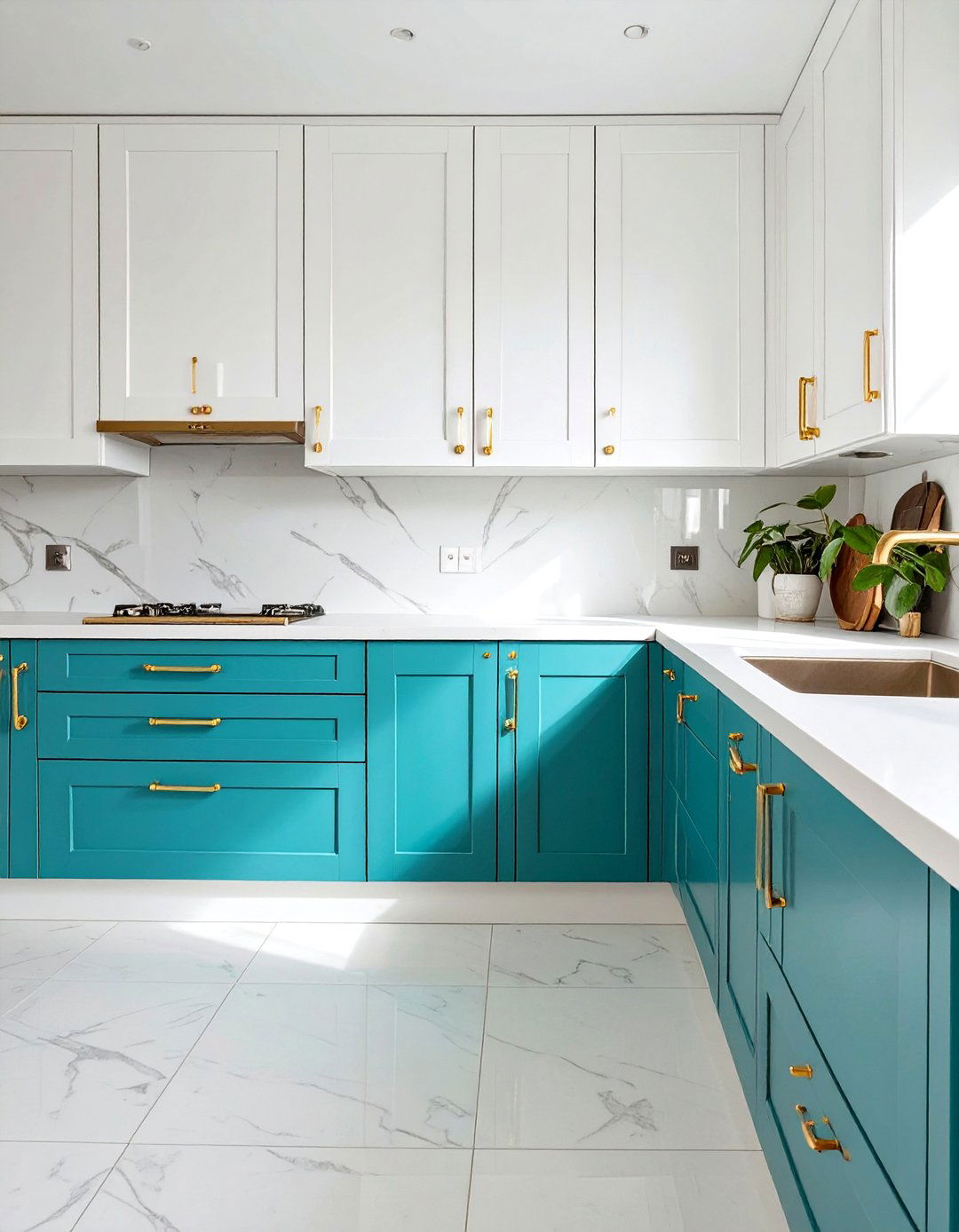
For a glamorous and on-trend look, combine bold teal lower cabinets with classic white uppers, and finish the design with gold or brass hardware. The deep, vibrant teal base cabinets make a confident style statement, adding a rich jewel tone to the space. The white uppers keep the kitchen feeling bright and balanced, allowing the teal to truly shine. The addition of warm metallic hardware elevates the entire look, providing a touch of luxury and sophistication that beautifully complements both the white and the teal. This combination creates a chic and memorable kitchen.
29. Textured Lowers with Smooth, Painted Uppers
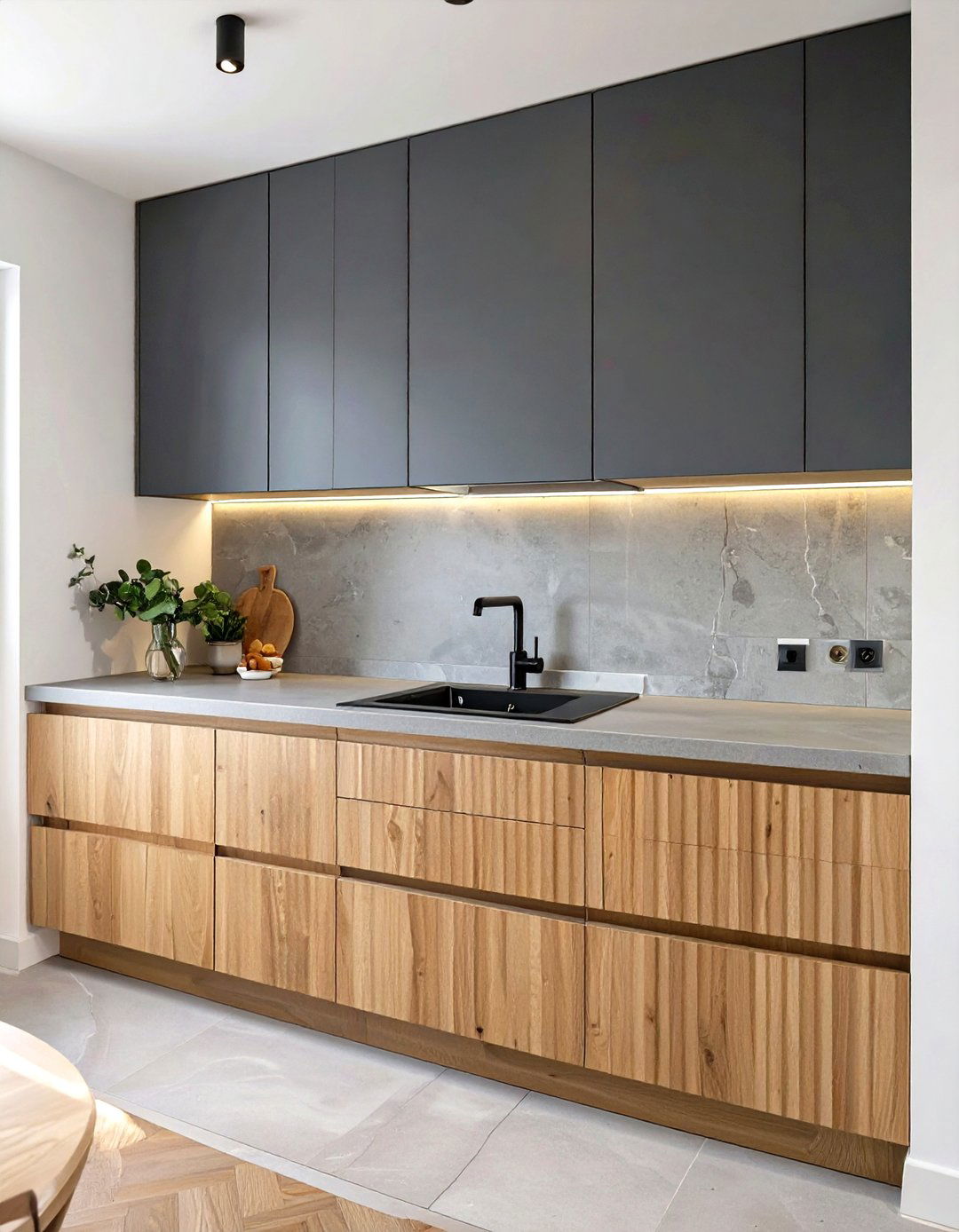
Engage the senses by creating contrast through texture. Pair lower cabinets with a distinct tactile surface, such as reeded or fluted wood, with smooth, simply painted upper cabinets. The textured lowers add depth, shadow, and a unique architectural detail that catches the eye and invites touch. Above, the simplicity of the smooth uppers provides a visual rest, ensuring the design doesn't become too busy. This sophisticated approach works well in modern and transitional kitchens, offering a subtle yet impactful way to create a two-tone effect that is all about refined detail and material play.
30. White Cabinets Framing a Central Section of Wood Cabinets
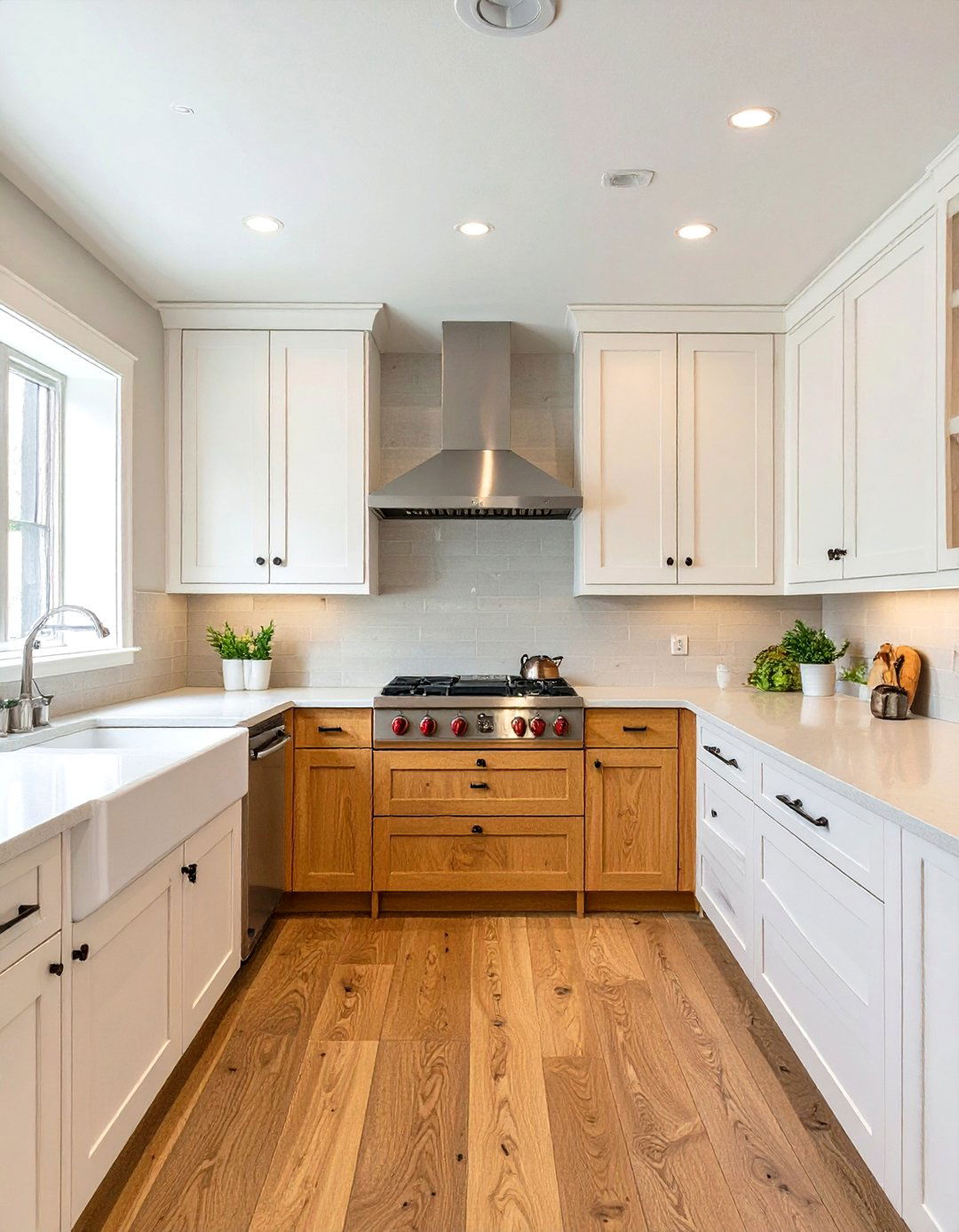
Create a beautiful and balanced focal point by using white cabinets to frame a central bank of wood cabinets. This design works wonderfully on a wall with a range or cooktop. White cabinets on either side keep the kitchen feeling bright and open, while the central section of wood cabinets—both upper and lower—draws the eye and adds warmth and texture. This symmetrical arrangement feels intentional and high-end, highlighting the cooking zone as the heart of the kitchen. It’s an elegant way to incorporate the beauty of natural wood without committing it to the entire space.
Conclusion:
Ultimately, two-tone kitchen cabinets provide a versatile and stylish way to customize your kitchen. From subtle tonal shifts to bold, high-contrast pairings, the possibilities are endless. By mixing colors, materials, or finishes, you can create a focal point, enhance the sense of space, and infuse your kitchen with a unique personality. Whether you opt for a classic combination like white and navy or a more modern pairing like wood and black, this design strategy allows you to craft a visually dynamic and personalized space that is both beautiful and functional.

Related posts:



Leave a Reply