
A traditional bathroom offers a timeless elegance that blends comfort with classic design elements. This style creates a sanctuary that feels both luxurious and inviting, drawing inspiration from historical periods like the Victorian and Edwardian eras. Key features often include freestanding tubs, pedestal sinks, and intricate details in fixtures and woodwork. By carefully selecting materials, colors, and accessories, you can craft a space that remains stylish for years to come. This approach focuses on creating a harmonious and sophisticated atmosphere, making the bathroom more than just a functional room—it becomes a peaceful retreat within your home, reflecting a sense of enduring grace and character.

1. Freestanding Clawfoot Bathtub

A freestanding clawfoot bathtub serves as a stunning centerpiece in any traditional bathroom. This iconic fixture, with its distinctive feet, evokes a sense of vintage luxury and relaxation. Unlike built-in tubs, its standalone nature allows for flexible placement, often positioned under a window or in the center of the room to command attention. Available in various styles, from classic rolled-rim to slipper designs, it offers both aesthetic appeal and a deep, comfortable soaking experience. Paired with vintage-style floor-mounted taps, a clawfoot tub instantly establishes a sophisticated and timeless atmosphere, anchoring the entire design of the space with its undeniable charm.
2. Pedestal Sink for Timeless Appeal

The pedestal sink is a hallmark of traditional bathroom design, prized for its elegant simplicity and space-saving qualities. Its slender base and graceful basin create an open and airy feel, making it an excellent choice for both small and large bathrooms. By exposing more floor area, it enhances the sense of space and showcases decorative flooring. These sinks are typically crafted from classic materials like porcelain or vitreous china, perfectly complementing other period-inspired fixtures. A pedestal sink, often paired with a vintage-style faucet set, contributes to a clean, uncluttered look while adding a touch of authentic historical character to the room.
3. Beadboard Wainscoting for Texture
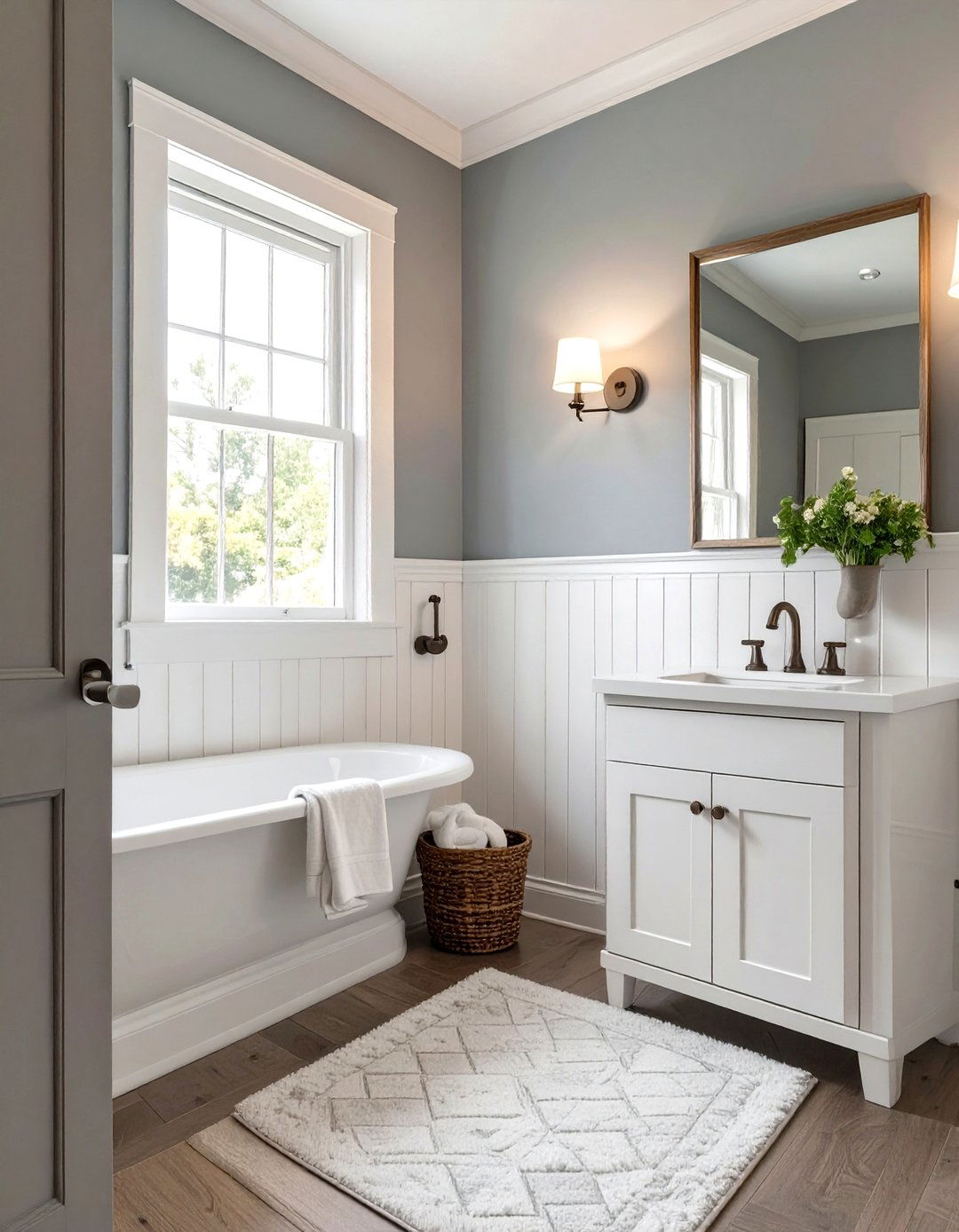
Adding beadboard wainscoting is a fantastic way to introduce texture and architectural interest to a traditional bathroom. This classic wall paneling typically covers the lower portion of the walls, creating a charming, cottage-like or historical feel. Painted in a crisp white or a soft, muted color, it provides a beautiful contrast to wallpapered or painted upper walls. Beadboard is not only decorative but also durable, offering protection against moisture and scuffs. This simple addition can dramatically transform the room's character, lending it a sense of warmth, craftsmanship, and enduring style that is central to traditional aesthetics.
4. Hexagonal or Octagonal Floor Tiles

For an authentic traditional bathroom floor, hexagonal or octagonal tiles are a classic choice. These geometric patterns hark back to the early 20th century, providing a vintage foundation for the entire room. Often, these tiles are small in scale and made of porcelain or ceramic, creating a detailed, mosaic-like effect. A popular variation is the octagon-and-dot pattern, which adds another layer of visual interest. Using these tiles in a simple black-and-white color scheme enhances the timeless appeal, but they are also available in various colors to complement your design. This flooring choice is both durable and stylistically perfect.
5. Ornate, Gilded Mirror Frame

An ornate mirror with a gilded or intricately carved wood frame can act as a beautiful focal point above the sink. In a traditional bathroom, the mirror is more than just a functional object; it is a key decorative element. A frame with detailed scrollwork, floral motifs, or a rich gold or silver finish adds a touch of opulence and glamour reminiscent of Victorian or Rococo design. This single accessory can elevate the entire space, reflecting light and adding a sense of grandeur. Pairing an elaborate mirror with a simple pedestal sink or a classic vanity creates a balanced yet sophisticated look.
6. Polished Brass or Bronze Fixtures

Choosing the right fixtures is crucial for a traditional bathroom, and polished brass or bronze finishes are ideal. These warm-toned metals add a sense of history and luxury that chrome or stainless steel often lack. From the sink and bathtub faucets to the showerhead, towel bars, and cabinet handles, using a consistent warm metallic finish creates a cohesive and elegant look. Over time, unlacquered brass will develop a beautiful natural patina, enhancing the vintage character of the space. These materials beautifully complement classic materials like marble, porcelain, and dark wood, tying the entire design together with a warm, inviting glow.
7. Toile de Jouy Wallpaper

Toile de Jouy wallpaper, often referred to simply as toile, is a perfect choice for adding narrative and pattern to a traditional bathroom. This classic French design features repeating pastoral or historical scenes, typically printed in a single color like blue, red, or black on a cream or white background. Using toile on the walls creates an elegant and romantic atmosphere, instantly transporting you to a bygone era. It pairs beautifully with classic elements like beadboard wainscoting, pedestal sinks, and clawfoot tubs. Whether used on all four walls or as a feature wall, toile wallpaper makes a sophisticated and timeless statement.
8. Marble Countertops on a Vanity

For a touch of timeless luxury, marble countertops are an unparalleled choice for a traditional bathroom vanity. The natural veining and cool surface of materials like Carrara or Calacatta marble bring a sense of elegance and sophistication that is hard to replicate. A marble top provides a durable and beautiful surface for daily use while elevating the overall aesthetic. It pairs exceptionally well with classic wooden vanities, whether painted or stained, and complements fixtures in brass, bronze, or polished nickel. This natural stone introduces a high-end, classic feel that anchors the room in enduring style and refinement.
9. Furniture-Style Vanity Cabinet

A furniture-style vanity is a cornerstone of traditional bathroom design, lending the space the feel of a well-appointed room rather than a purely utilitarian one. These vanities often resemble antique dressers or chests, featuring details like turned legs, decorative moldings, and rich wood finishes. They provide ample storage while concealing plumbing, offering a much more elegant solution than a standard cabinet. Often topped with marble or stone, a furniture-style vanity adds warmth, character, and a sense of substance. This piece helps bridge the gap between a functional bathroom and a comfortable, decorated living space, enhancing its classic appeal.
10. Classic Subway Tile with Dark Grout

Subway tile is a versatile and timeless choice for traditional bathroom walls, especially in the shower or as a backsplash. Using classic 3x6 inch white ceramic tiles creates a clean and bright backdrop. To add a distinct vintage touch, pair the white tiles with dark gray or black grout. This contrast highlights the running bond pattern of the tiles, giving the wall a graphic, historical look reminiscent of early 20th-century design. This combination is not only stylish but also practical, as darker grout is less prone to showing stains. It’s a simple yet highly effective way to achieve a classic aesthetic.
11. Wall-Mounted Gooseneck Faucets

For an authentic period look, consider wall-mounted gooseneck faucets. These fixtures extend directly from the wall above the sink basin, freeing up counter space and creating a clean, uncluttered appearance. The elegant, curved "gooseneck" spout has a vintage charm that is perfect for traditional designs. This style is often paired with separate hot and cold cross-handle or lever controls, further enhancing the historical aesthetic. Wall-mounted faucets work beautifully with vessel sinks or classic undermount basins, adding a unique architectural element that feels both custom and timeless. They are a sophisticated choice for any traditional bathroom.
12. Elegant Crystal or Glass Sconces

Lighting is key in setting the mood, and elegant crystal or glass sconces are a perfect fit for a traditional bathroom. Placed on either side of a mirror, these fixtures provide flattering, balanced light for grooming tasks while adding a touch of glamour. Look for designs featuring polished metal bases in brass or bronze, paired with cut-crystal shades or simple frosted glass globes that evoke vintage style. The intricate details of the crystal can refract light beautifully, creating a sparkling effect that enhances the room's luxurious feel. Sconces contribute significantly to the layered, decorative look of a classic space.
13. A Small Chandelier for Ambiance

Hanging a small chandelier in a traditional bathroom is a statement of pure elegance. This single fixture can transform the room from functional to fabulous, serving as a stunning focal point. A crystal or wrought-iron chandelier adds a touch of drama and sophistication that overhead recessed lighting simply cannot match. It provides soft, ambient light that creates a relaxing and spa-like atmosphere, perfect for unwinding in a clawfoot tub. Ensure the chandelier is properly rated for damp locations and installed at a safe height. This luxurious addition solidifies the bathroom's status as a beautifully designed and inviting retreat.
14. Rich, Dark Wood Cabinetry
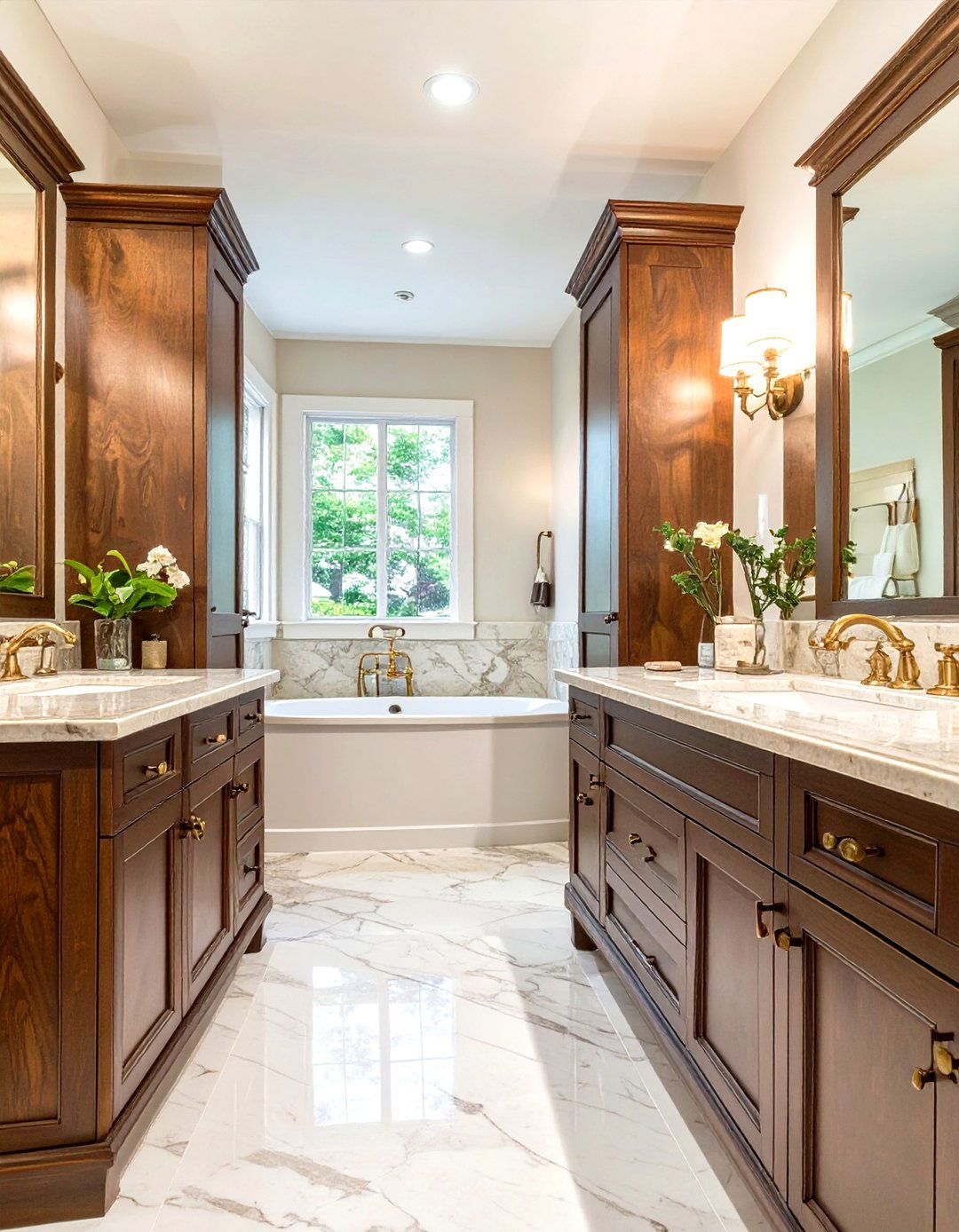
Incorporating rich, dark wood cabinetry brings warmth, depth, and a sense of history to a traditional bathroom. Finishes like cherry, mahogany, or dark-stained oak provide a stately and grounded feel, contrasting beautifully with lighter elements like white porcelain fixtures and marble countertops. A dark wood vanity, storage cabinet, or even wood paneling can make the space feel more substantial and luxurious. This choice harks back to eras when fine woodworking was a sign of quality and craftsmanship. The deep tones of the wood create a cozy and inviting atmosphere, adding a layer of timeless sophistication to the overall design.
15. Fabric Roman Shades for Windows

Fabric Roman shades are an excellent window treatment for a traditional bathroom, offering both style and functionality. They provide a softer, more tailored look than blinds or shutters. When raised, the fabric neatly stacks in horizontal folds, and when lowered, it lies flat, showcasing the chosen pattern or texture. Opt for classic materials like linen, cotton, or a silk blend in a solid color, a subtle stripe, or a traditional pattern like toile or damask. Roman shades offer privacy and light control while adding a layer of texture and warmth, contributing to the room's comfortable, well-dressed appearance.
16. Built-In Recessed Shelving

Built-in recessed shelving, often in the form of a niche in the shower or an alcove near the vanity, offers a seamless and stylish storage solution. This architectural feature keeps toiletries organized and easily accessible without cluttering surfaces. By building the shelves into the wall, you maintain a clean, uncluttered look that enhances the feeling of space. Tiling the back of the niche with a contrasting or mosaic tile can turn it into a decorative focal point. This practical yet elegant detail adds a custom-built feel to the bathroom, reflecting the thoughtful craftsmanship inherent in traditional design.
17. Cross-Handle Faucet Controls

Cross-handle faucet controls are a definitive element of traditional bathroom design. Their simple, symmetrical shape, often marked with "Hot" and "Cold" porcelain inlays, provides an authentic vintage touch. These handles are easy to grip and operate, offering a satisfying tactile experience that modern levers often lack. Available in finishes like polished nickel, chrome, brass, and bronze, they can be matched with other fixtures for a cohesive look. Paired with a classic spout on a pedestal sink or a widespread vanity faucet, cross-handles are a small but significant detail that powerfully communicates a timeless, period-inspired aesthetic.
18. Decorative Toilet Lever Handle

Even the smallest details matter in a traditional bathroom, and upgrading the standard toilet lever is an easy way to enhance the design. Replace a plain plastic or chrome handle with a decorative one made from porcelain, brass, or bronze with an elegant shape. Look for levers with a classic curved handle or one that matches the style of your faucet controls, such as a cross-handle or a shapely lever design. This simple swap adds a touch of custom-made charm and ensures every element in the room contributes to the cohesive, traditional aesthetic, demonstrating a commitment to detailed craftsmanship.
19. Framed Botanical or Art Prints

To bring personality and color into a traditional bathroom, hang a collection of framed art prints on the walls. Botanical illustrations, architectural sketches, or pastoral landscape paintings are particularly well-suited to this style. Grouping several smaller prints together in a gallery wall arrangement creates a sophisticated and curated look. Choose elegant frames in gold, silver, or dark wood to complement the other finishes in the room. This decorative touch adds a layer of visual interest and makes the bathroom feel more like a lived-in, thoughtfully decorated space rather than a purely functional one.
20. A Soft, Plush Area Rug

Placing a soft, plush area rug in a traditional bathroom adds warmth, comfort, and a touch of luxury underfoot. Unlike a standard bath mat, a small Oriental or Persian-style rug introduces color, pattern, and texture, making the space feel more like a well-appointed room. The intricate designs and rich colors of these rugs complement traditional elements like dark wood, marble, and warm metal fixtures. A rug can anchor the space, define the area in front of the vanity or tub, and provide a cozy landing spot. It’s a simple addition that enhances the room’s comfortable and inviting atmosphere.
21. Glass-Fronted Storage Cabinets

Glass-fronted storage cabinets offer a perfect blend of display and storage for a traditional bathroom. Whether part of a vanity, a freestanding linen tower, or a wall-mounted unit, glass doors allow you to showcase beautiful items like folded towels, decorative bottles, and antique jars. Mullioned or leaded glass panes can further enhance the vintage appeal. This type of storage encourages organization and tidiness while adding visual interest and preventing the room from feeling too heavy or closed-in. It reflects the traditional concept of the bathroom as a beautifully curated space, not just a practical one.
22. Crown Molding for Architectural Finish

Installing crown molding at the intersection of the walls and ceiling is a finishing touch that adds significant architectural character to a traditional bathroom. This decorative trim creates a sense of height and grandeur, giving the room a more polished and complete look. The style of the molding can range from simple and elegant to highly ornate, depending on the desired level of formality. Painted to match the ceiling or trim, it seamlessly blends in while elevating the overall design. Crown molding is a detail that speaks to classic construction and craftsmanship, reinforcing the timeless appeal of the space.
23. A Comfortable Upholstered Chair or Bench

If space allows, adding a small upholstered chair or bench can completely transform the feel of a traditional bathroom. This piece of furniture introduces a level of comfort and luxury typically reserved for living rooms or bedrooms. It provides a convenient place to sit while dressing or a spot to place a towel and robe. Choose a piece with classic lines, such as a small armchair with turned legs or a tufted stool. Upholstering it in a moisture-resistant fabric in a color or pattern that complements the room’s decor adds another layer of texture and sophistication.
24. Vintage-Style Towel Warmer

A vintage-style towel warmer combines modern comfort with classic design, making it a perfect addition to a traditional bathroom. These wall-mounted or freestanding radiators, often in polished chrome, nickel, or brass, not only warm your towels for a spa-like experience but also serve as an elegant fixture. The traditional designs often feature exposed pipes and ball joints, echoing the plumbing styles of a bygone era. A towel warmer adds a touch of practical luxury, ensuring a cozy, warm towel is always ready after a bath or shower while contributing to the room's authentic, period-inspired ambiance.
25. An Antique Dresser Repurposed as a Vanity

For a truly unique and personal touch, repurpose an antique dresser as a bathroom vanity. This sustainable approach adds instant character and history to the space. Find a vintage piece with beautiful details, like dovetail joints, original hardware, or a carved facade, and have it professionally sealed and fitted with a sink and faucet. The drawers can be modified to accommodate plumbing while still providing useful storage. This one-of-a-kind vanity becomes the undeniable star of the room, infusing it with a sense of curated style and craftsmanship that cannot be bought off the shelf.
26. Damask Patterned Wallpaper or Tiles

The damask pattern, with its intricate and symmetrical floral or foliate motifs, is a quintessential choice for adding elegance to a traditional bathroom. This timeless design can be incorporated through wallpaper for a bold statement or through subtly etched tiles for a more understated look. A feature wall of damask wallpaper behind a vanity or clawfoot tub creates a luxurious and dramatic focal point. Alternatively, using damask-patterned accent tiles in a shower niche or as a border adds a touch of sophisticated detail. This classic pattern brings a sense of formal opulence and historical richness to the space.
27. Wainscoting with Raised Panels
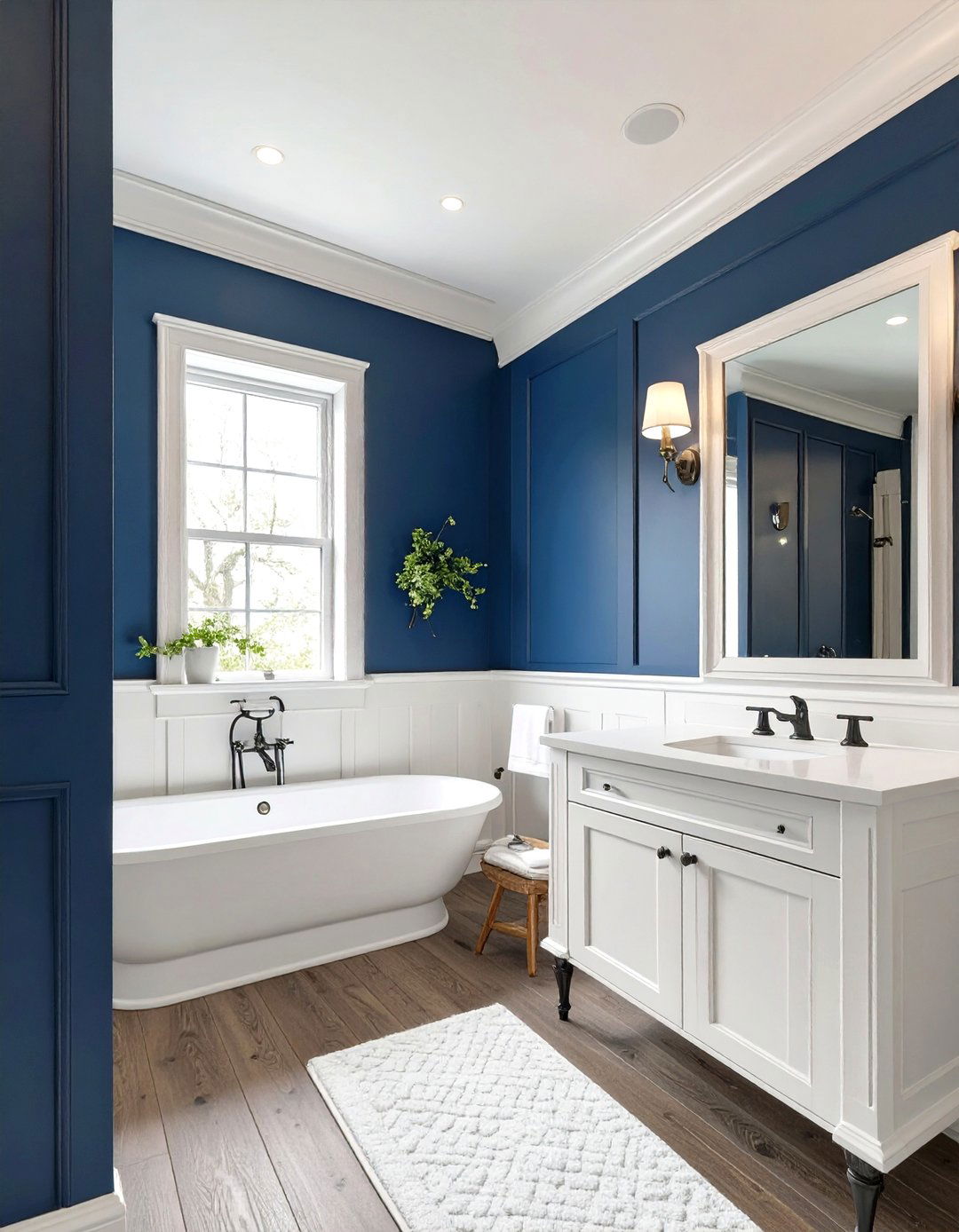
For a more formal and substantial look than beadboard, consider wainscoting with raised panels. This type of wall treatment adds significant architectural depth and a sense of gravitas to a traditional bathroom. The sculpted edges and recessed centers of the panels create beautiful shadow lines, lending the walls a custom-built, high-end appearance. Typically made of wood and painted in a crisp white or a muted tone, raised panel wainscoting evokes the formal libraries and drawing rooms of historic homes. It provides a stately backdrop for classic fixtures and furnishings, reinforcing the room’s timeless and sophisticated character.
28. A Classic White Color Palette

A predominantly white color palette is a timeless foundation for a traditional bathroom. This classic choice creates a bright, clean, and airy atmosphere that feels both serene and spacious. Using various shades and textures of white—from glossy subway tiles and matte porcelain fixtures to eggshell-painted wainscoting and creamy white linens—prevents the space from feeling sterile. A white backdrop also allows key features, like a dark wood vanity, polished brass fixtures, or a patterned rug, to stand out. This versatile and elegant color scheme never goes out of style and perfectly embodies traditional grace.
29. Freestanding Linen or Apothecary Cabinet

A freestanding cabinet, reminiscent of a vintage linen press or an old-world apothecary cabinet, provides both charming storage and a strong decorative statement. Unlike built-in options, a standalone piece feels like carefully chosen furniture, adding character and warmth. Look for a cabinet with glass-fronted upper doors to display folded towels and decorative items, and solid lower doors or drawers to hide away less sightly necessities. A piece made of dark wood or painted in a soft, antique finish can beautifully complement other traditional elements and enhance the room's curated, historical feel.
30. Ceramic or Porcelain Lever Handles

For fixtures, ceramic or porcelain lever handles offer a distinctively traditional and elegant touch. These handles provide a smooth, comfortable grip and a clean, classic look that pairs beautifully with polished metal bases in chrome, nickel, or brass. The white ceramic or porcelain often features subtle detailing or lettering, adding to its vintage charm. Using these levers on sinks, tubs, and showers creates a cohesive and authentic period feel throughout the bathroom. This small but important detail contributes to the overall aesthetic of craftsmanship and timeless style, perfecting the traditional design scheme.
Conclusion:
Ultimately, creating a traditional bathroom is about blending timeless design elements to craft a space that is both elegant and comfortable. By focusing on key features like freestanding tubs, pedestal sinks, classic materials, and thoughtful details, you can achieve a look of enduring sophistication. The ideas presented here showcase the importance of combining form and function, from furniture-style vanities to ornate lighting and rich textures. A successful traditional bathroom is a sanctuary that feels personal, luxurious, and gracefully rooted in classic style, providing a peaceful retreat for years to come.

Related posts:




Leave a Reply