
A traditional kitchen offers a timeless appeal, blending classic design elements with enduring comfort and functionality. This style emphasizes detailed craftsmanship, natural materials, and a warm, inviting atmosphere that makes it the heart of the home. From ornate cabinetry and elegant fixtures to rich color palettes and decorative moldings, traditional kitchens are all about creating a space that feels both luxurious and lived-in. They balance formal design with a welcoming feel, making them a consistently popular choice for homeowners. This design philosophy celebrates history and quality, creating a kitchen that will never go out of style and serves as a perfect backdrop for family life.

1. Traditional Kitchen with Cream-Colored Cabinetry

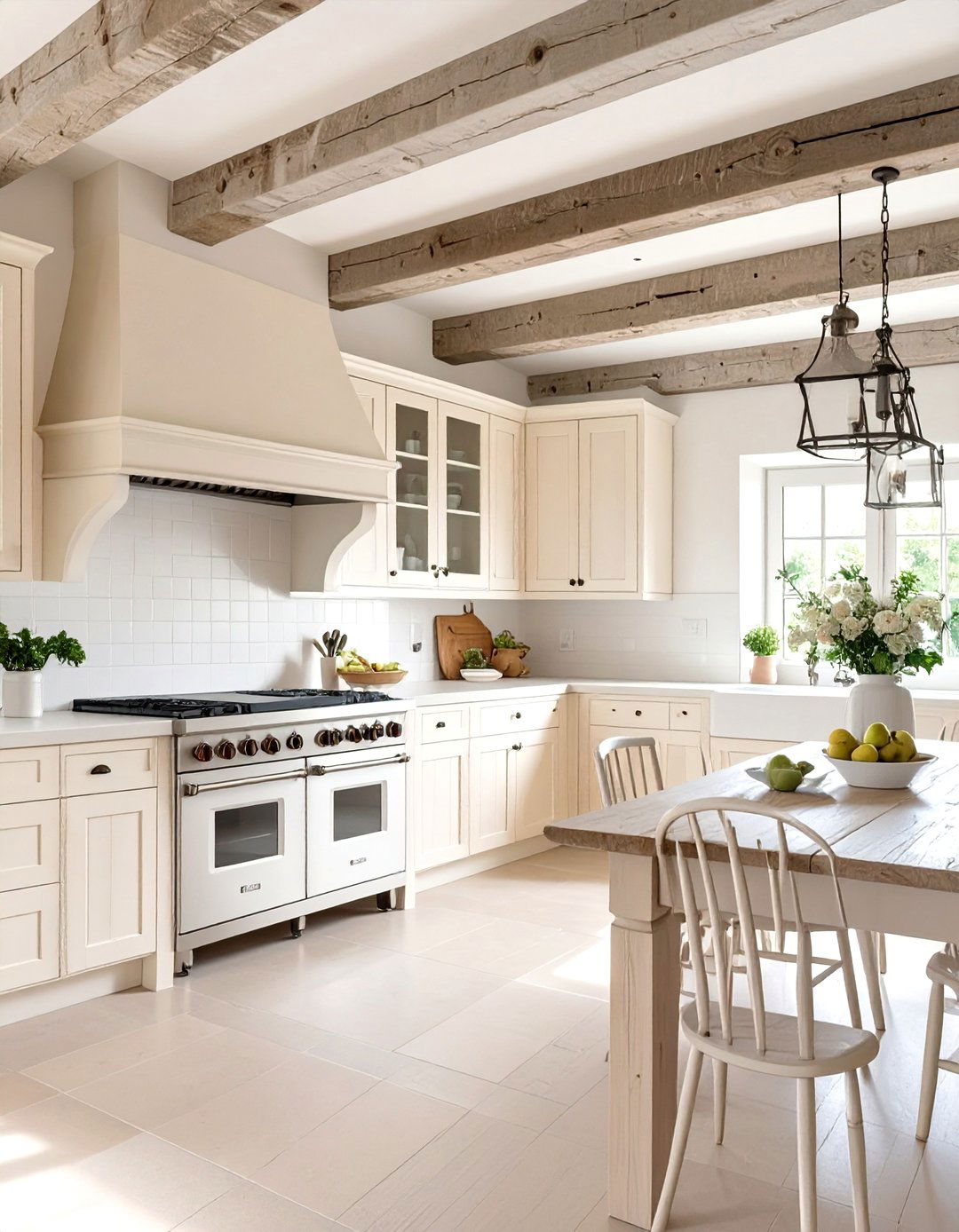
For a soft and inviting atmosphere, cream-colored cabinetry is a hallmark of traditional kitchen design. This gentle hue provides warmth without the starkness of pure white, creating a welcoming space that feels both bright and cozy. Paired with detailed crown molding and raised-panel doors, cream cabinets offer a look of understated elegance. They serve as a versatile backdrop for various countertop materials, from dark granite to warm butcher block. This choice allows for a classic, light-filled kitchen that feels spacious and serene, embodying a timeless aesthetic that is both comfortable and sophisticated, making it a perfect family gathering spot.
2. Ornate Kitchen Island with Carved Details
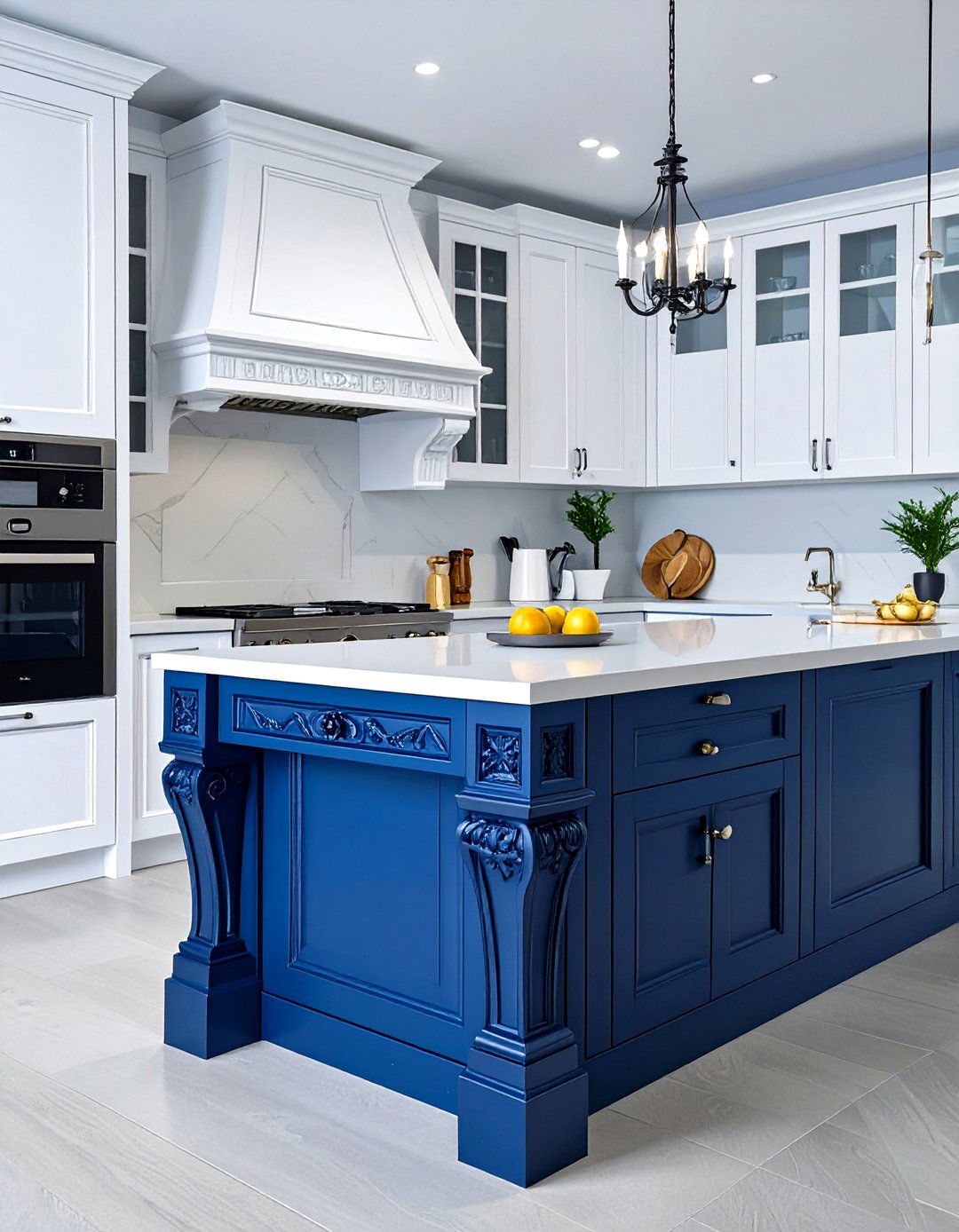
A central feature in many traditional kitchens is an ornate island with intricate, carved details. This piece acts as more than just a functional workspace; it's a statement of craftsmanship and artistry. Look for islands with detailed corbels, turned legs, and decorative paneling that showcase expert woodworking. Often finished in a contrasting color to the main cabinetry, such as a deep wood stain or a bold paint color, the island becomes the undeniable focal point of the room. This element adds a layer of depth and historical richness, elevating the kitchen's design from simple to truly spectacular and grand.
3. Traditional Kitchen with a Farmhouse Sink

The farmhouse sink, also known as an apron-front sink, is a quintessential element of traditional kitchen design. Its deep, wide basin is not only highly practical for washing large pots and pans but also adds a touch of rustic, historical charm. Typically crafted from fireclay or cast iron, these sinks are durable and make a strong visual statement. Set into the countertop with its front exposed, the farmhouse sink breaks up the line of cabinetry, creating an interesting focal point. It perfectly blends functionality with a classic, country-inspired aesthetic that enhances the kitchen's warm and welcoming feel.
4. Glass-Front Cabinet Doors for Display

To add visual interest and a sense of openness, consider incorporating glass-front cabinet doors into your traditional kitchen. These cabinets are perfect for showcasing your favorite dishware, glassware, or decorative items, turning storage into an elegant display. Mullioned doors, featuring wooden grilles in patterns like diamonds or simple squares, further enhance the classic look. Placing them strategically, perhaps flanking a range hood or sink, can break up the monotony of solid wood cabinetry. This design choice not only lightens the overall appearance of the kitchen but also adds a personal, curated touch to the space.
5. Rich Cherry Wood Traditional Kitchen Cabinetry
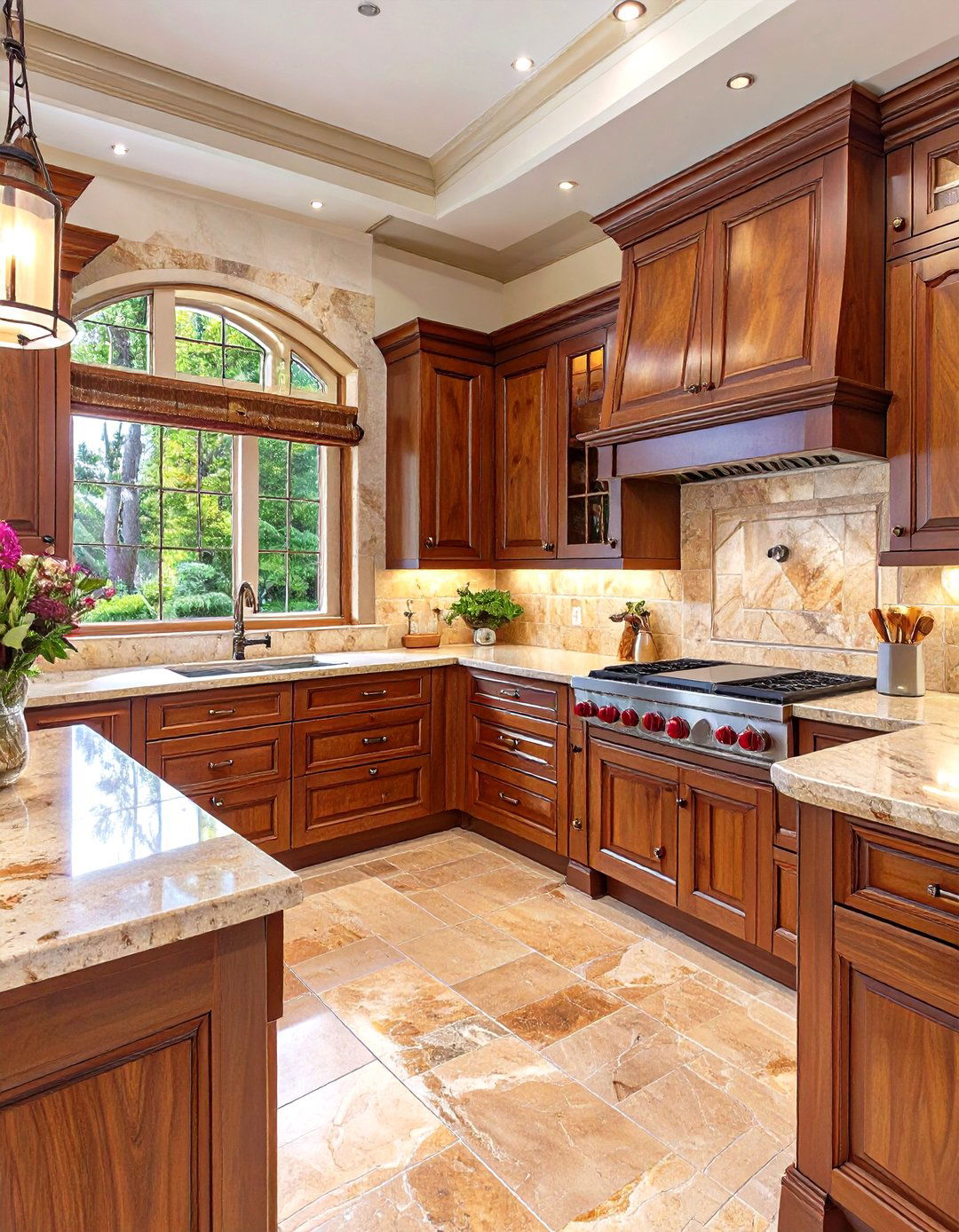
Cherry wood cabinetry brings a deep, luxurious warmth to a traditional kitchen. Known for its rich reddish-brown hue and fine, straight grain, cherry wood naturally darkens with age, adding character and depth over time. This material exudes a sense of quality and permanence, making it a classic choice for traditional designs. Cabinets made from cherry wood often feature raised panels and detailed molding, highlighting the wood's natural beauty. Paired with stone countertops and warm-toned backsplashes, cherry wood creates an inviting and sophisticated atmosphere that feels both grand and welcoming, a true hallmark of timeless kitchen style.
6. Traditional Kitchen with a Custom Range Hood

A custom-designed range hood serves as a stunning focal point in a traditional kitchen, blending function with architectural beauty. Instead of a standard stainless steel unit, consider a hood crafted from wood, plaster, or copper to match the room's aesthetic. These can be designed with elaborate details like mantels, corbels, and intricate moldings, transforming a utilitarian appliance into a piece of art. The range hood often sits above the cooktop, drawing the eye and anchoring the entire design. This feature adds a sense of grandeur and bespoke elegance, solidifying the kitchen's classic and thoughtfully curated appearance.
7. Subway Tile Backsplash with Dark Grout

A subway tile backsplash is a versatile and timeless choice that fits perfectly within a traditional kitchen. Using classic white ceramic tiles creates a clean and bright look, but pairing them with dark grout adds a touch of vintage-inspired contrast and definition. This combination makes the tile pattern pop, highlighting the clean lines and orderly arrangement. It's a subtle yet effective way to add visual interest without overwhelming the space. The look is reminiscent of early 20th-century design, offering a nod to history while remaining fresh and relevant in modern traditional kitchens, blending durability with classic style.
8. Traditional Kitchen with a Pot Rack
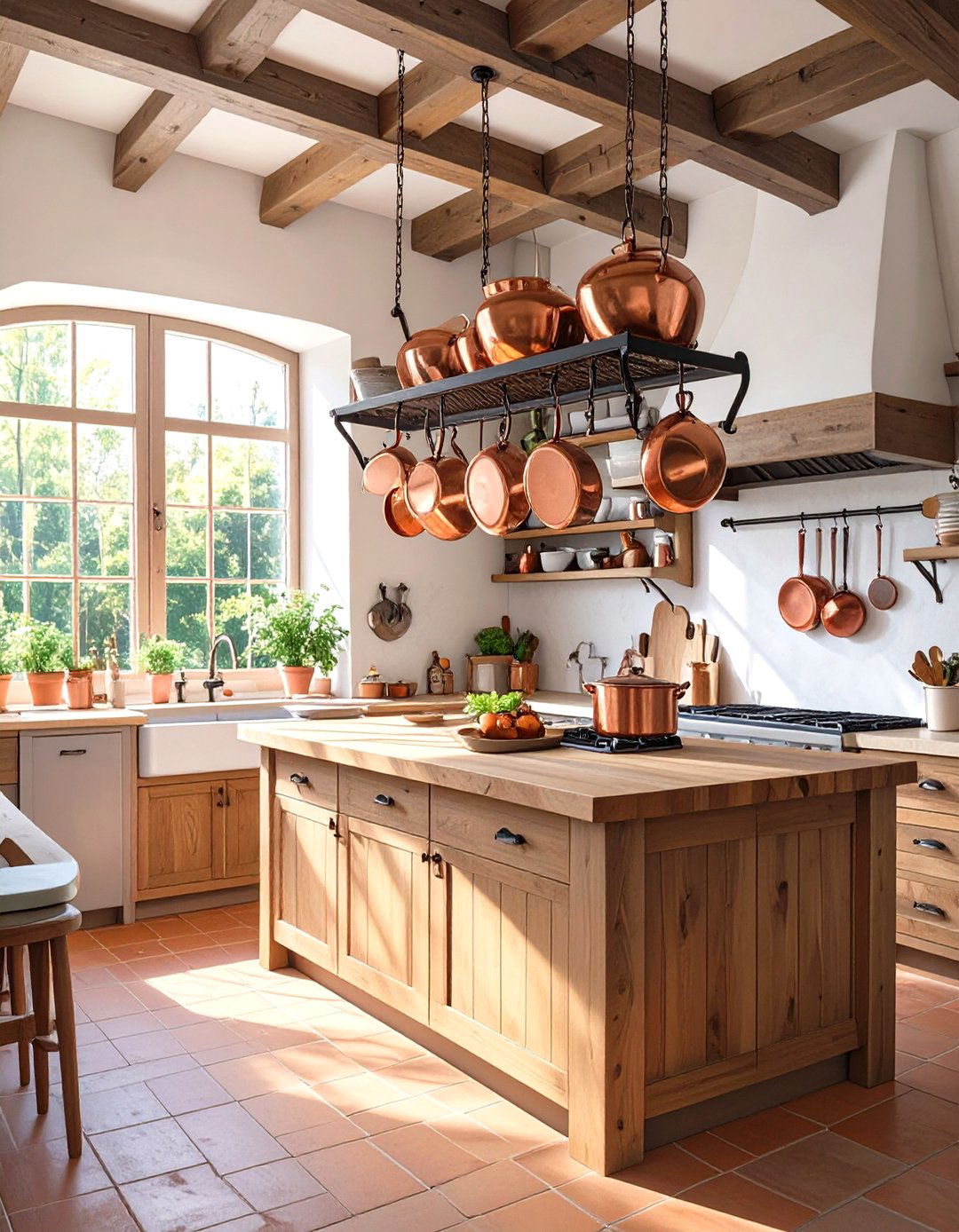
A hanging pot rack is a classic and practical element for a traditional kitchen. Typically made from wrought iron, brass, or copper, these racks are suspended from the ceiling, often over a kitchen island or stove. They provide convenient, open storage for frequently used pots and pans, freeing up valuable cabinet space. Beyond their functionality, pot racks add a layer of rustic, old-world charm, evoking the feel of a bustling, well-loved kitchen. Displaying a collection of beautiful cookware also contributes to the room's decor, adding texture and a sense of culinary purpose to the overall design.
9. Butler's Pantry for Additional Storage
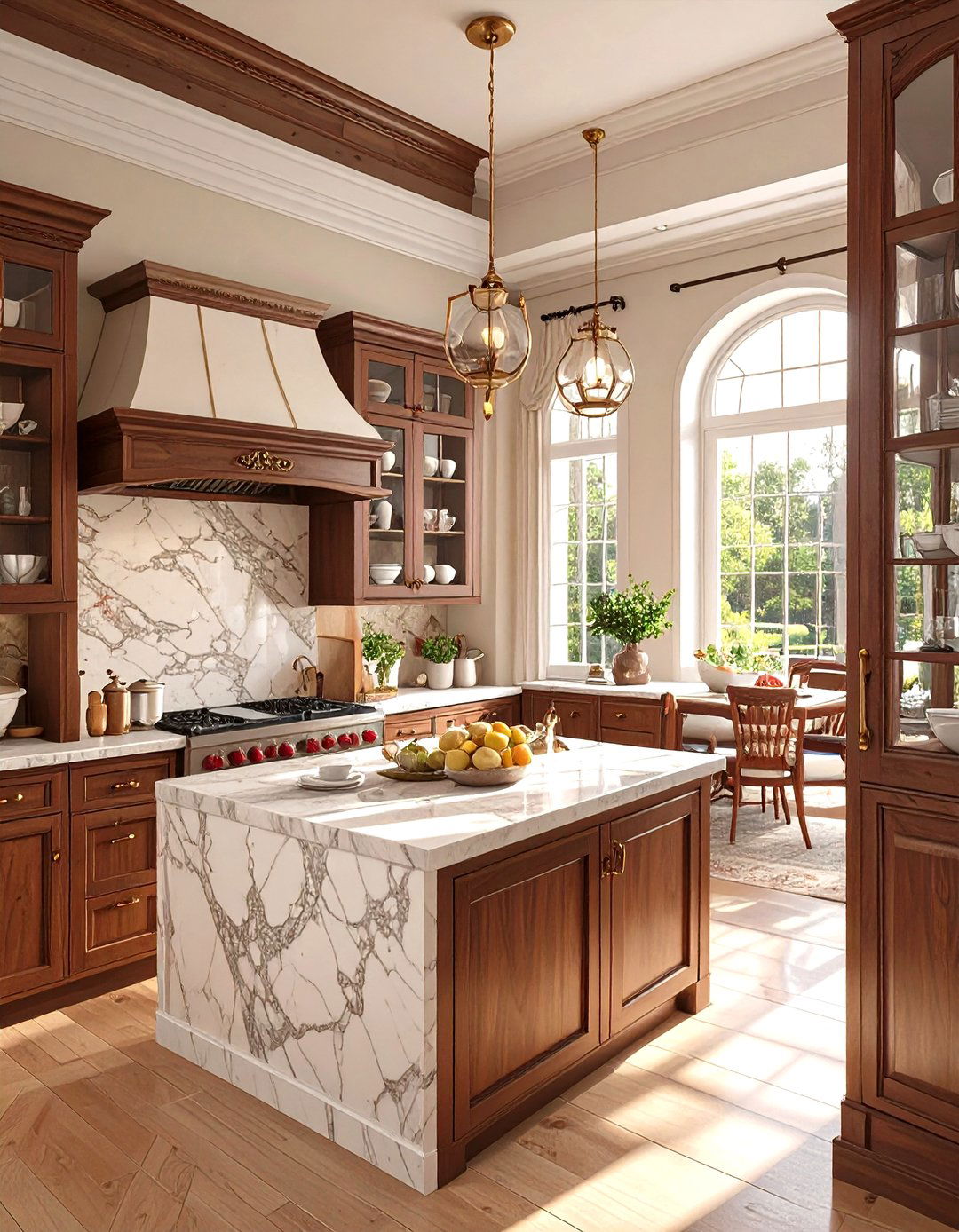
A butler's pantry is a highly coveted feature in a traditional kitchen design, acting as a transitional space between the kitchen and dining room. This small, dedicated area is perfect for storing fine china, serving pieces, and table linens. It typically features countertops for staging meals and cabinetry, often with glass fronts, for display and storage. A butler's pantry helps keep the main kitchen uncluttered while providing essential organization for entertaining. It adds a touch of formal elegance and historical authenticity, recalling the grand homes of the past where such spaces were a standard of thoughtful, functional design.
10. Traditional Kitchen with Stone Countertops
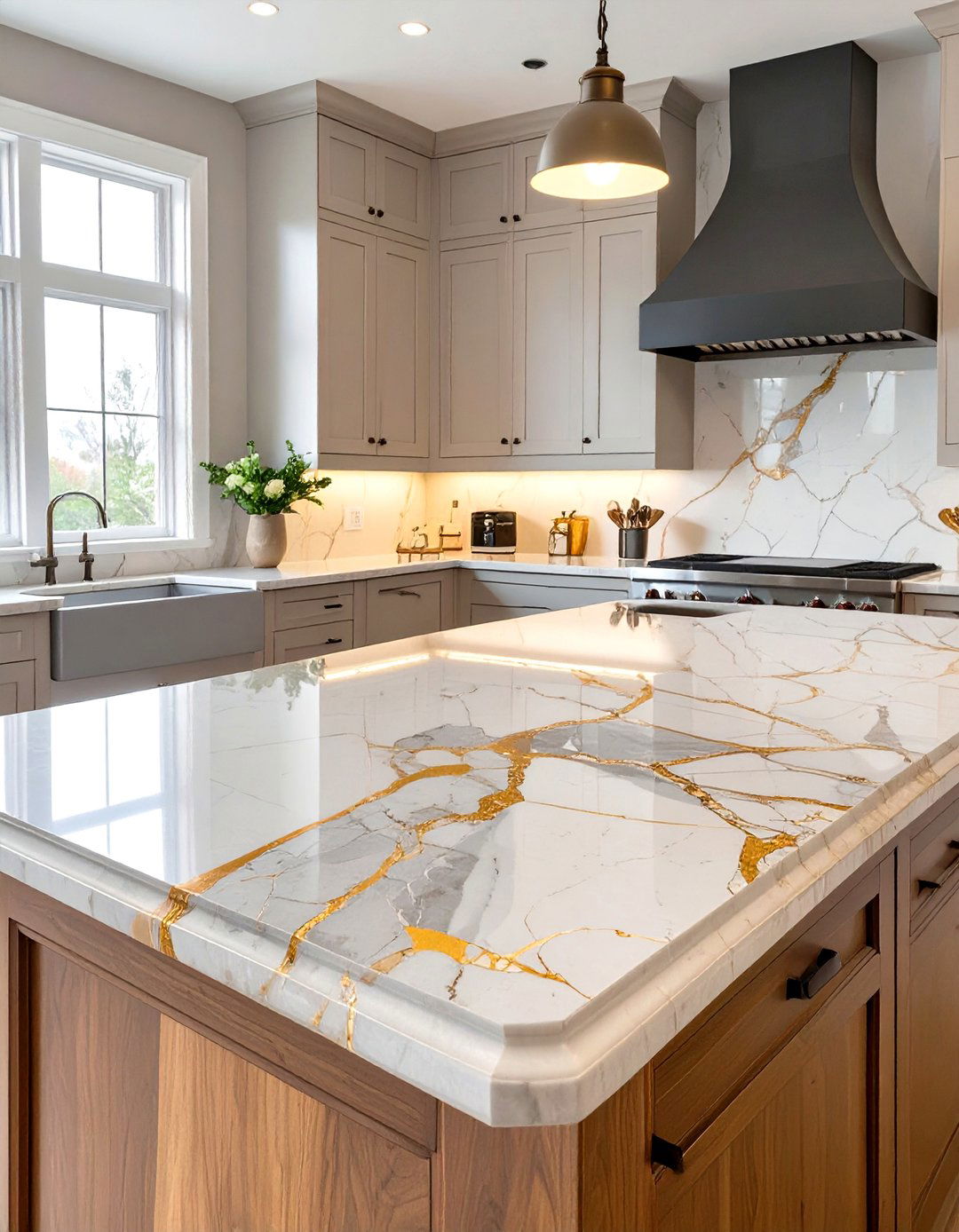
Natural stone countertops are a cornerstone of traditional kitchen design, offering durability and timeless beauty. Materials like granite, marble, and quartzite bring an element of organic elegance to the space. Granite is prized for its hardness and wide range of colors and patterns, while marble offers classic luxury with its soft veining. An ogee or bullnose edge profile on the countertop enhances the traditional feel. These materials not only provide a resilient work surface but also add significant visual weight and texture, grounding the design and complementing the warmth of wood cabinetry for a truly classic and enduring look.
11. Wainscoting and Wall Paneling Details
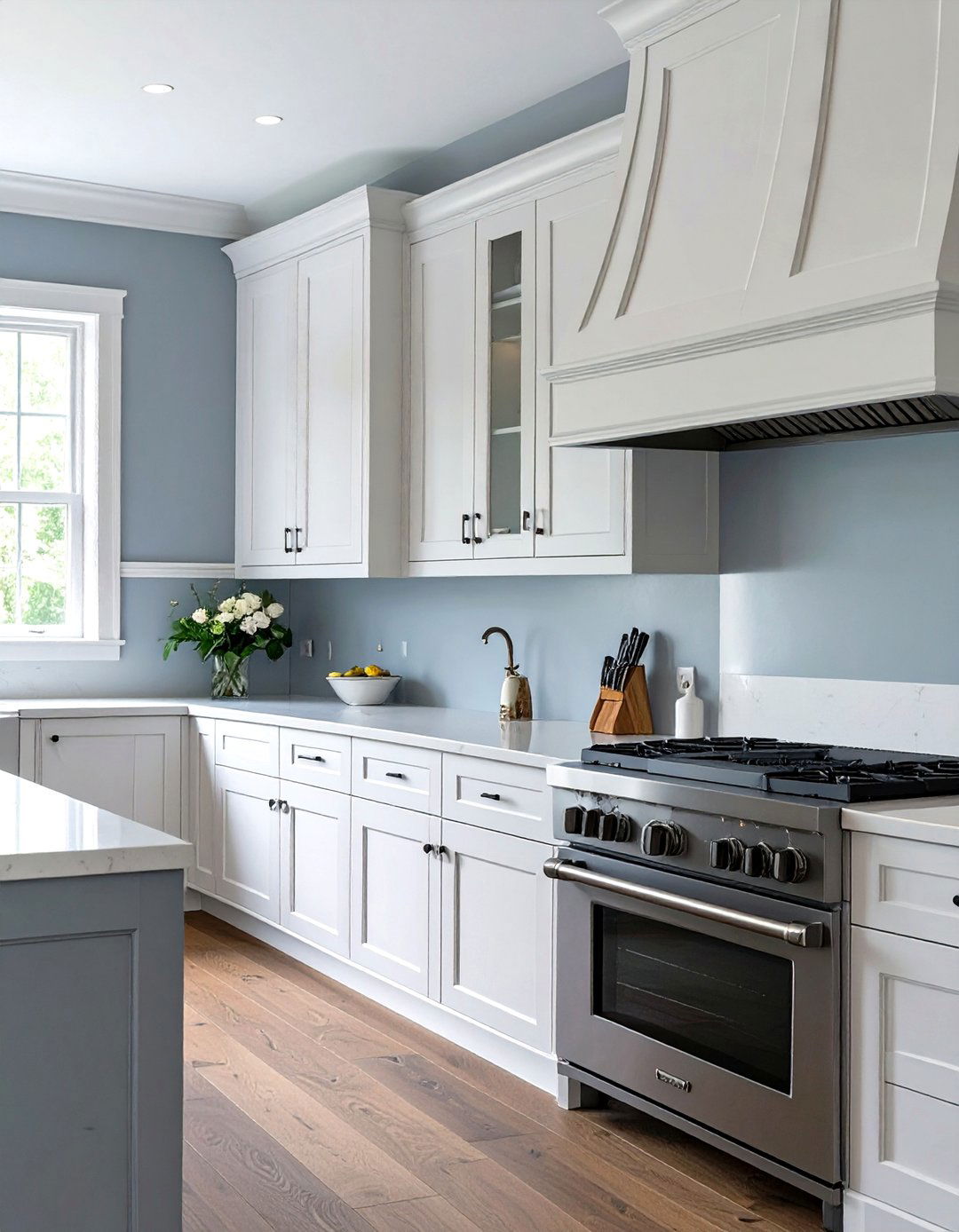
Incorporating wainscoting or wall paneling is a superb way to add architectural interest and a traditional feel to your kitchen. Wainscoting, which typically covers the lower portion of the walls, often features beadboard or raised panels that match the cabinetry style. This detail adds a layer of texture and craftsmanship, making the room feel more finished and historically grounded. It can be painted to match the trim or in a contrasting color to create a more dynamic look. This classic wall treatment enhances the room's formal elegance and contributes to the cozy, enclosed feeling that is characteristic of traditional design.
12. Traditional Kitchen with a Walk-In Pantry

A spacious walk-in pantry is a practical and highly desirable feature in a traditional kitchen. This dedicated storage room keeps non-perishable food items, small appliances, and bulk supplies organized and out of sight, helping to maintain a tidy and uncluttered main kitchen area. Often outfitted with floor-to-ceiling shelving, drawers, and countertops, a well-designed walk-in pantry makes meal preparation more efficient. The door can be a simple paneled wood design or feature a frosted glass panel with "Pantry" etched on it for a charming, vintage touch, reinforcing the kitchen's classic and functional appeal.
13. Hardwood Flooring for Warmth and Durability

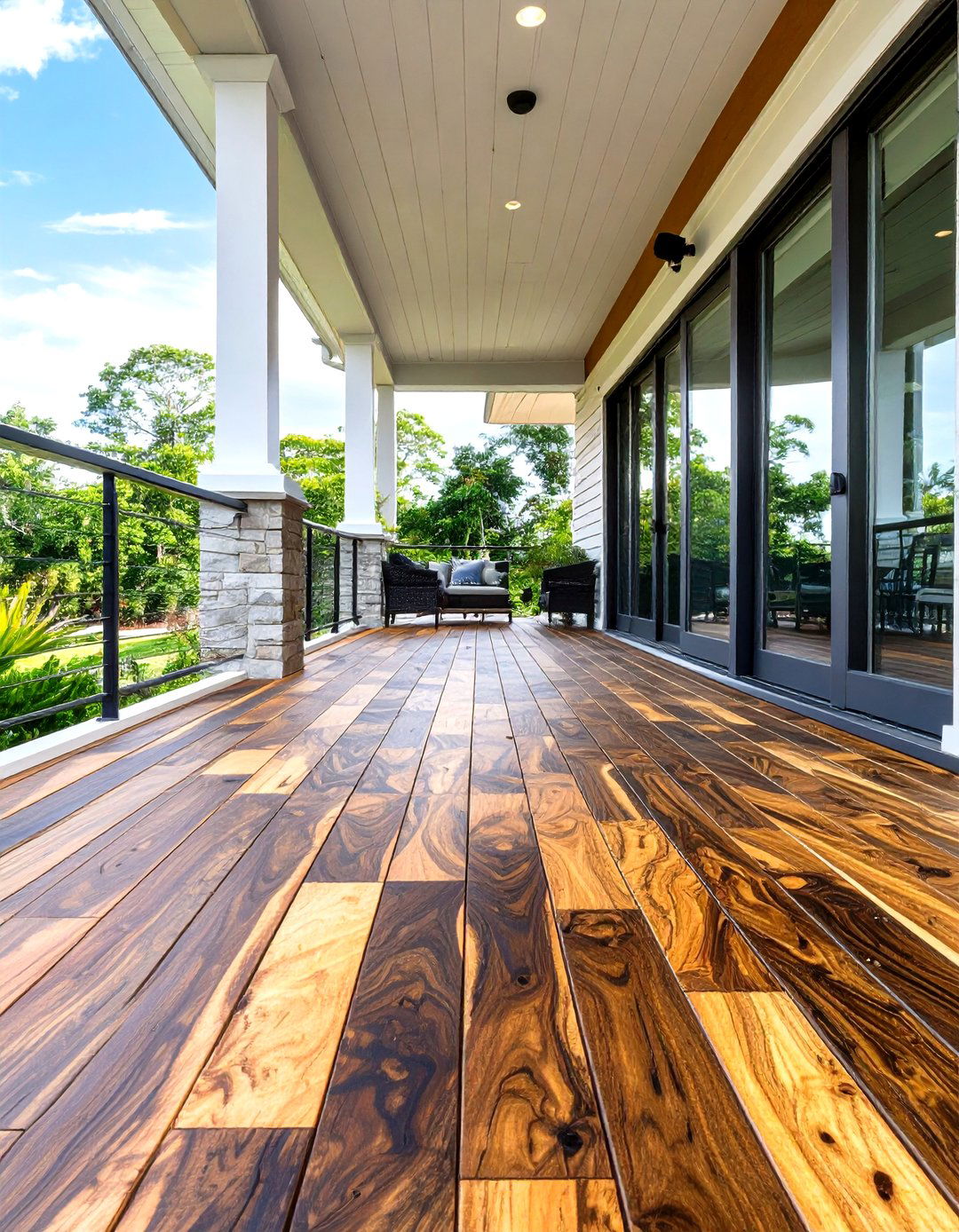
Hardwood flooring is the quintessential choice for a traditional kitchen, providing a warm and inviting foundation for the entire space. The natural beauty of wood, with its rich tones and unique grain patterns, complements classic cabinetry and adds a sense of permanence. Oak, maple, and cherry are popular options, known for their durability and timeless appeal. A medium to dark stain often works best to create a cozy, grounded feel. Hardwood floors are comfortable underfoot and can last for generations with proper care, making them a practical and aesthetically pleasing choice that enhances the kitchen's classic character.
14. Decorative Corbels and Brackets

Decorative corbels and brackets are small but impactful details that reinforce a traditional kitchen's style. These carved wooden supports are often used beneath countertops, open shelves, or range hoods to add architectural interest and a sense of structural artistry. Available in a wide range of designs, from simple scrolls to elaborate acanthus leaves, corbels introduce an element of classical architecture into the space. They can be stained to match the cabinetry or painted in a contrasting color to make them stand out. These details showcase a commitment to craftsmanship and add a layer of custom, high-end elegance.

15. Traditional Kitchen with an Antique-Style Faucet

The right faucet can act as a finishing touch in a traditional kitchen, and an antique-style design is a perfect choice. Look for faucets with graceful, high-arched spouts, elegant cross or lever handles, and finishes like polished nickel, oil-rubbed bronze, or unlacquered brass. These designs often feature details reminiscent of vintage plumbing fixtures, adding a touch of historical charm to the sink area. A bridge faucet, where the hot and cold water lines are exposed, is another excellent option for achieving a classic look. This small detail significantly contributes to the overall authentic and timeless feel.
16. Patterned or Toile Wallpaper Accents

Using wallpaper is an effective way to introduce pattern and personality into a traditional kitchen. A classic choice is a toile pattern, which features pastoral scenes in a single color on a light background, adding a touch of French country elegance. Alternatively, a damask or floral print can create a sophisticated and inviting atmosphere. Instead of covering all the walls, consider using wallpaper as an accent—behind open shelving, on a single feature wall, or within a breakfast nook. This allows you to add decorative flair and a layer of texture without overwhelming the space, enhancing its traditional charm.
17. Traditional Kitchen with a Breakfast Nook

A cozy breakfast nook is a beloved feature in many traditional kitchens, providing a comfortable spot for casual meals and morning coffee. Typically tucked into a corner or a bay window, this space often consists of a built-in bench or banquette seating, a small table, and a couple of chairs. The seating can be upholstered in a classic fabric like ticking stripes or a floral print to add softness and style. A breakfast nook creates an intimate, inviting atmosphere that encourages family to gather, making the kitchen feel even more like the true heart of the home.
18. Built-In Plate Racks for Vertical Storage
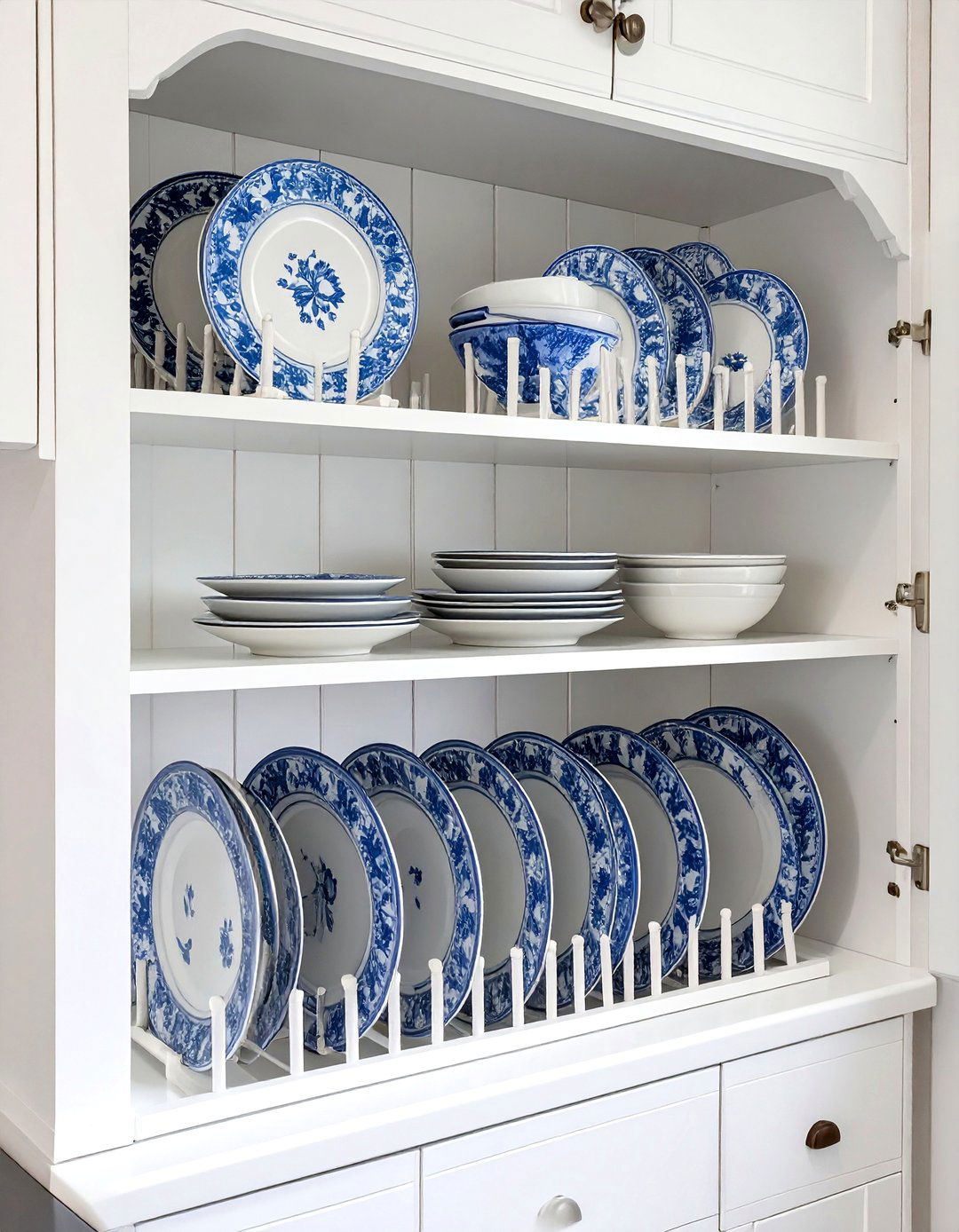
A built-in plate rack is a charming and practical storage solution for a traditional kitchen. Integrated directly into a section of upper cabinetry, these racks feature vertical slots that allow you to store and display dinner plates attractively. This not only keeps everyday dishes within easy reach but also adds a decorative, cottage-inspired element to the design. The open style breaks up the visual weight of solid cabinet doors and showcases your beautiful dinnerware. Often positioned near the sink or dishwasher for convenience, a plate rack is a small detail that infuses the kitchen with character and old-world charm.
19. Open Shelving with Decorative Brackets

While traditional kitchens often feature extensive cabinetry, incorporating a section of open shelving can add a sense of lightness and a personal touch. Supported by decorative wooden or metal brackets, these shelves provide a perfect spot for displaying everyday items like mugs and bowls, or decorative pieces such as cookbooks and plants. This creates a curated, lived-in feel, breaking up the uniformity of closed cabinets. Using shelves made from the same wood as the cabinetry ensures a cohesive look, while the brackets themselves can add another layer of classic detail, enhancing the kitchen's custom, crafted appearance.
20. Traditional Kitchen with a Large Central Island
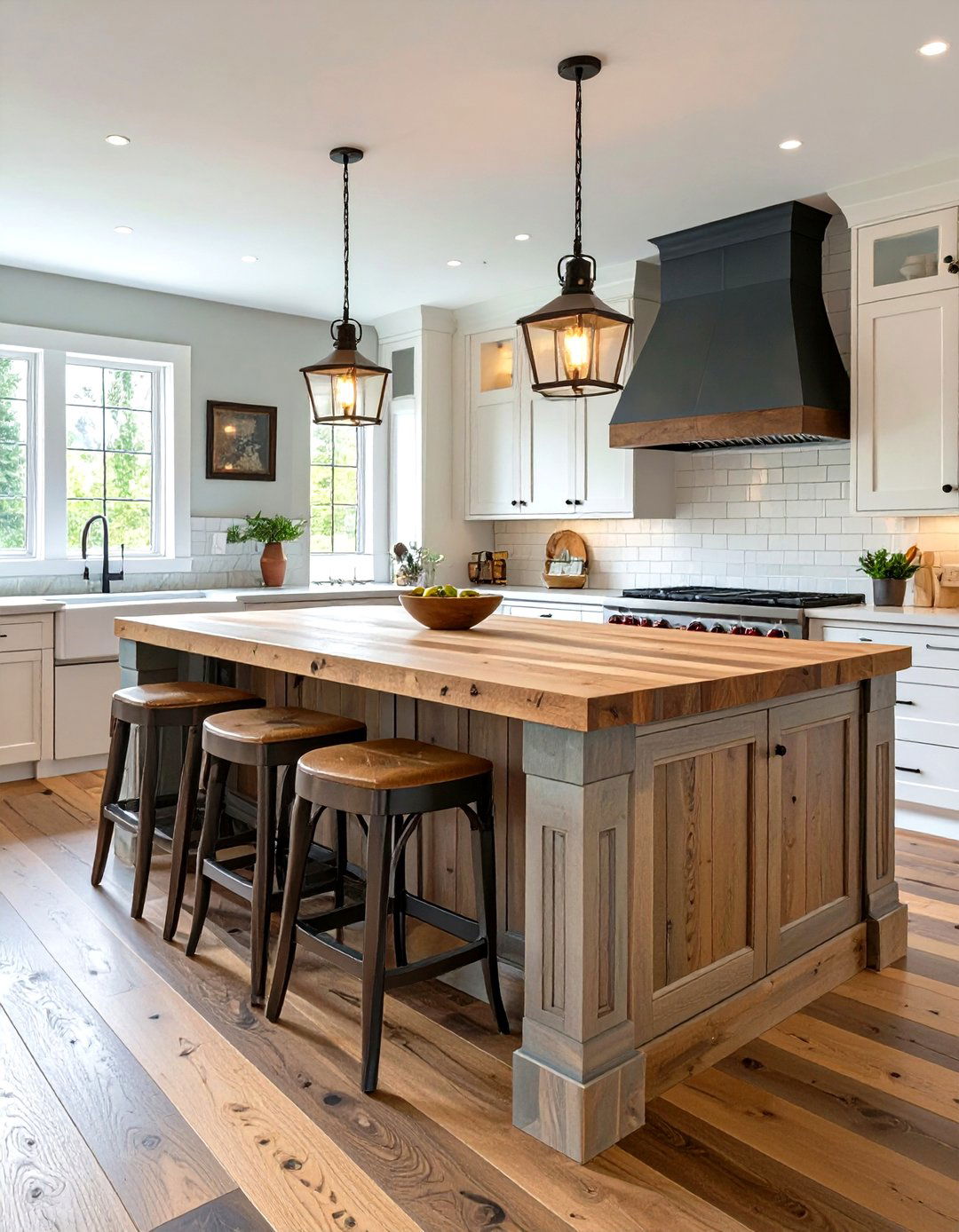
A large, central island is a hardworking centerpiece in many traditional kitchens, offering ample space for meal prep, casual dining, and storage. Unlike a purely decorative island, this functional hub often includes features like a prep sink, extra outlets, and integrated storage solutions such as deep drawers for pots and pull-out bins for waste and recycling. Topped with a durable surface like granite or butcher block, it can withstand the rigors of daily use. The island anchors the room, providing a natural gathering spot and improving the kitchen's workflow, making it as practical as it is beautiful.
21. Freestanding Hutch or Armoire

Incorporating a freestanding hutch or armoire is a wonderful way to add the character of antique furniture to a traditional kitchen. These pieces provide valuable extra storage for dishes, linens, or pantry items while contributing a sense of history and permanence. A vintage or antique-style armoire can be painted or stained to complement the kitchen's color scheme, serving as a beautiful standalone feature. It breaks up the uniformity of built-in cabinetry and introduces a different texture and form into the space, enhancing the collected, layered look that is characteristic of timeless traditional design.
22. Traditional Kitchen with Pendant Lighting

Pendant lighting is essential for both task and ambient illumination in a traditional kitchen, especially over an island or sink. For a classic look, choose pendants made from materials like wrought iron, antique brass, or polished nickel. Designs featuring glass shades, such as bell jars, lanterns, or schoolhouse-style globes, are particularly well-suited to this aesthetic. Hanging two or three matching pendants in a row creates a sense of symmetry and balance, drawing the eye and adding a touch of elegance. This style of lighting enhances the kitchen's warm, inviting atmosphere while providing focused light for everyday tasks.
23. Dark Wood Flooring for Contrast

While medium-toned hardwood is common, opting for dark wood flooring in a traditional kitchen can create a stunning and dramatic effect. Deep espresso, walnut, or ebony stains provide a rich, sophisticated foundation that beautifully contrasts with lighter elements, such as cream or white cabinetry. This strong contrast makes the cabinetry pop and adds a sense of depth and luxury to the room. Dark floors are excellent at hiding minor scuffs and spills, making them a practical choice for a high-traffic area. The result is a bold, grounded look that feels both elegant and timelessly classic.
24. Beadboard Paneling on Walls or Ceilings

Beadboard paneling is a simple yet highly effective way to add texture and cottage-style charm to a traditional kitchen. This type of paneling, characterized by its narrow vertical planks with a small ridge or "bead" between them, can be used as a backsplash, on an island base, or even on the ceiling. When painted a crisp white or a soft, muted color, it creates a clean, classic look that enhances the room's cozy and informal feel. Beadboard is a versatile detail that evokes a sense of history and craftsmanship, contributing to the kitchen's warm and welcoming atmosphere.
25. Traditional Kitchen with a Double Wall Oven
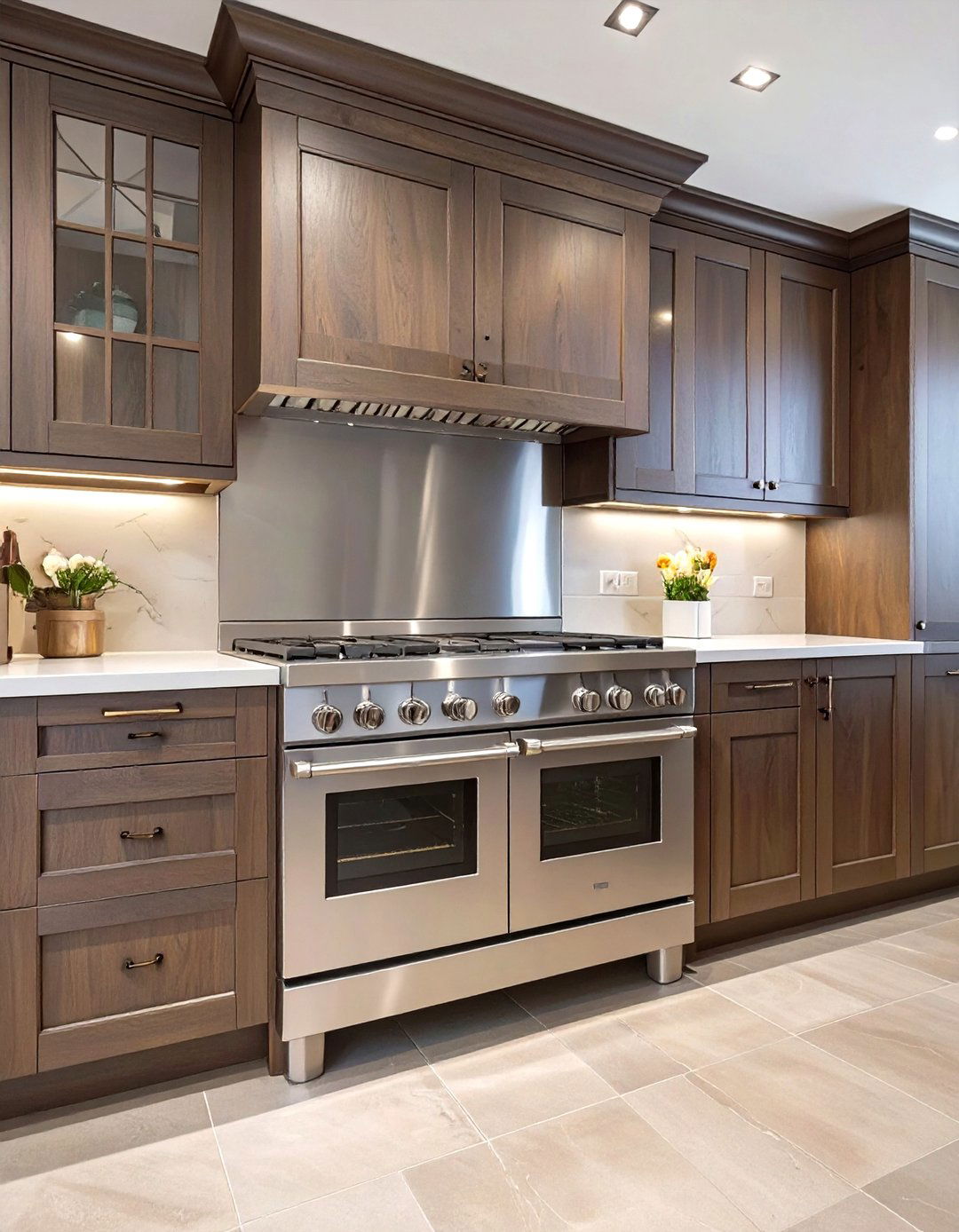
For homeowners who love to cook and entertain, a double wall oven is a practical and stylish addition to a traditional kitchen. Stacking two ovens vertically saves space and creates a streamlined, built-in look that integrates seamlessly with cabinetry. This setup allows for cooking multiple dishes at different temperatures simultaneously, which is a significant advantage for large family meals or hosting guests. Surrounded by custom paneling that matches the rest of the kitchen, the double oven becomes a sleek and functional feature, reinforcing the idea of a well-appointed, hardworking kitchen designed for serious culinary pursuits.
26. Coffered Ceiling for Architectural Detail

A coffered ceiling is a luxurious architectural feature that adds immense character and a sense of grandeur to a traditional kitchen. This design consists of a series of sunken panels in a grid pattern, creating a three-dimensional effect that draws the eye upward. The beams and recessed sections add depth and sophistication, making the room feel taller and more expansive. Often enhanced with crown molding within each coffer, this ceiling treatment is a hallmark of high-end, classic design. It transforms the ceiling from a forgotten surface into a major decorative element, elevating the entire kitchen's aesthetic appeal.
27. Appliance Panels for a Seamless Look

To achieve a truly cohesive and high-end traditional kitchen design, consider using custom appliance panels. These are custom-made cabinet fronts that are fitted to your refrigerator, dishwasher, and other appliances, allowing them to blend seamlessly with the surrounding cabinetry. This technique conceals the modern look of stainless steel, creating an uninterrupted flow of wood or painted surfaces. The result is a clean, uncluttered, and elegant aesthetic that keeps the focus on the beautiful craftsmanship of the cabinetry and other traditional details, enhancing the room's timeless and sophisticated appearance.
28. Traditional Kitchen with an Oriental Rug
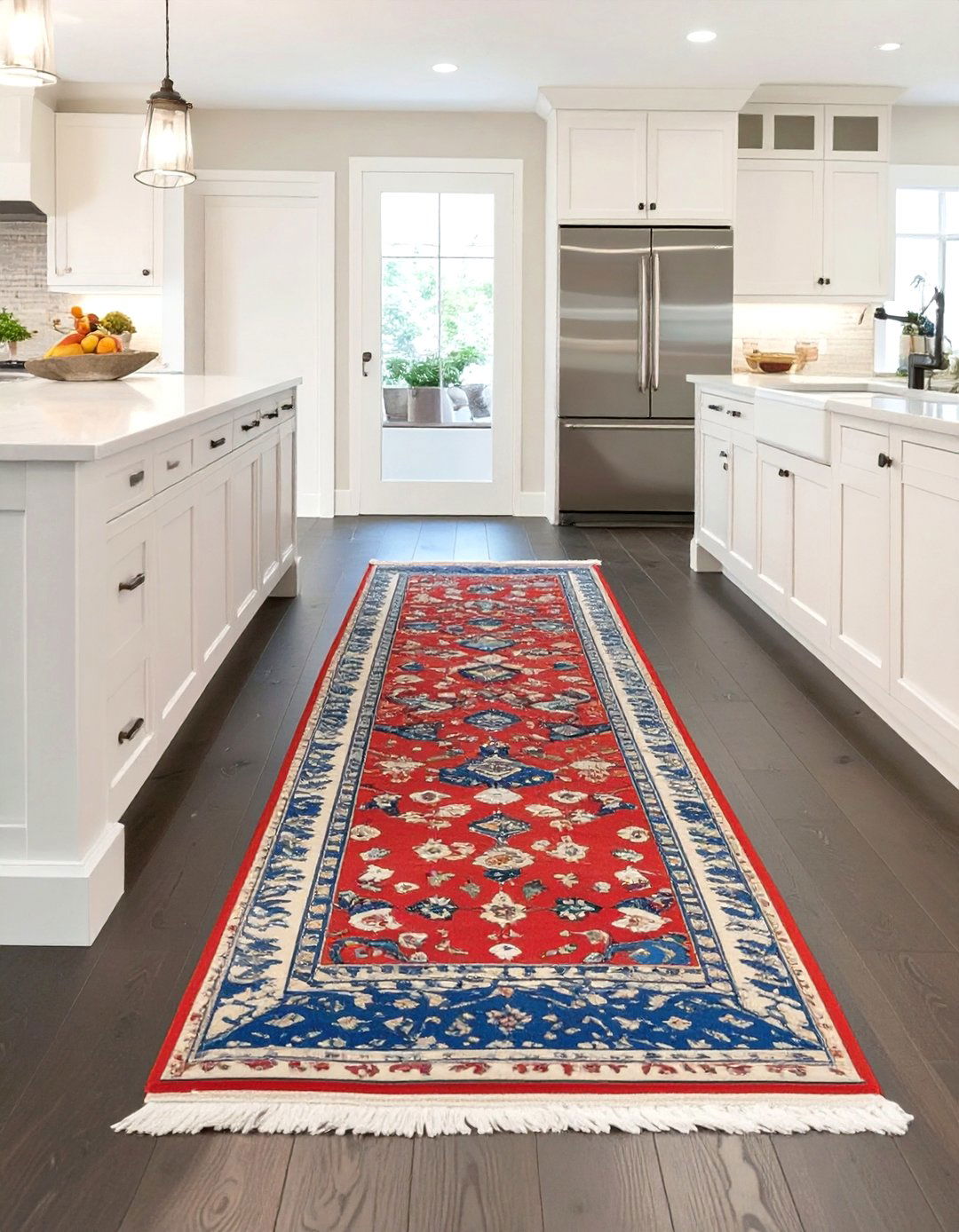
An Oriental or Persian rug can add a surprising layer of warmth, color, and sophistication to a traditional kitchen. Placed in front of the sink or along a central walkway, a vintage-style runner introduces intricate patterns and rich hues that contrast beautifully with wood or tile flooring. These rugs not only provide comfort underfoot but also help to define different zones within the kitchen. The timeless designs of Oriental rugs complement the classic elements of a traditional kitchen perfectly, adding a sense of history and a well-traveled, collected feel that makes the space feel unique and personal.
29. Turned Legs on Furniture and Islands

Incorporating furniture-style details like turned legs on a kitchen island, table, or even the end of a cabinet run is a hallmark of traditional design. These rounded, spindle-like supports are crafted on a lathe and mimic the legs of antique tables and chairs, lending a sense of bespoke craftsmanship to the cabinetry. This detail helps to break up the blocky, monolithic appearance of standard cabinets, making them feel more like elegant, standalone pieces of furniture. Turned legs add a touch of classic charm and sophistication, reinforcing the kitchen's timeless, custom-built character and attention to detail.
30. Traditional Kitchen with a Library Ladder
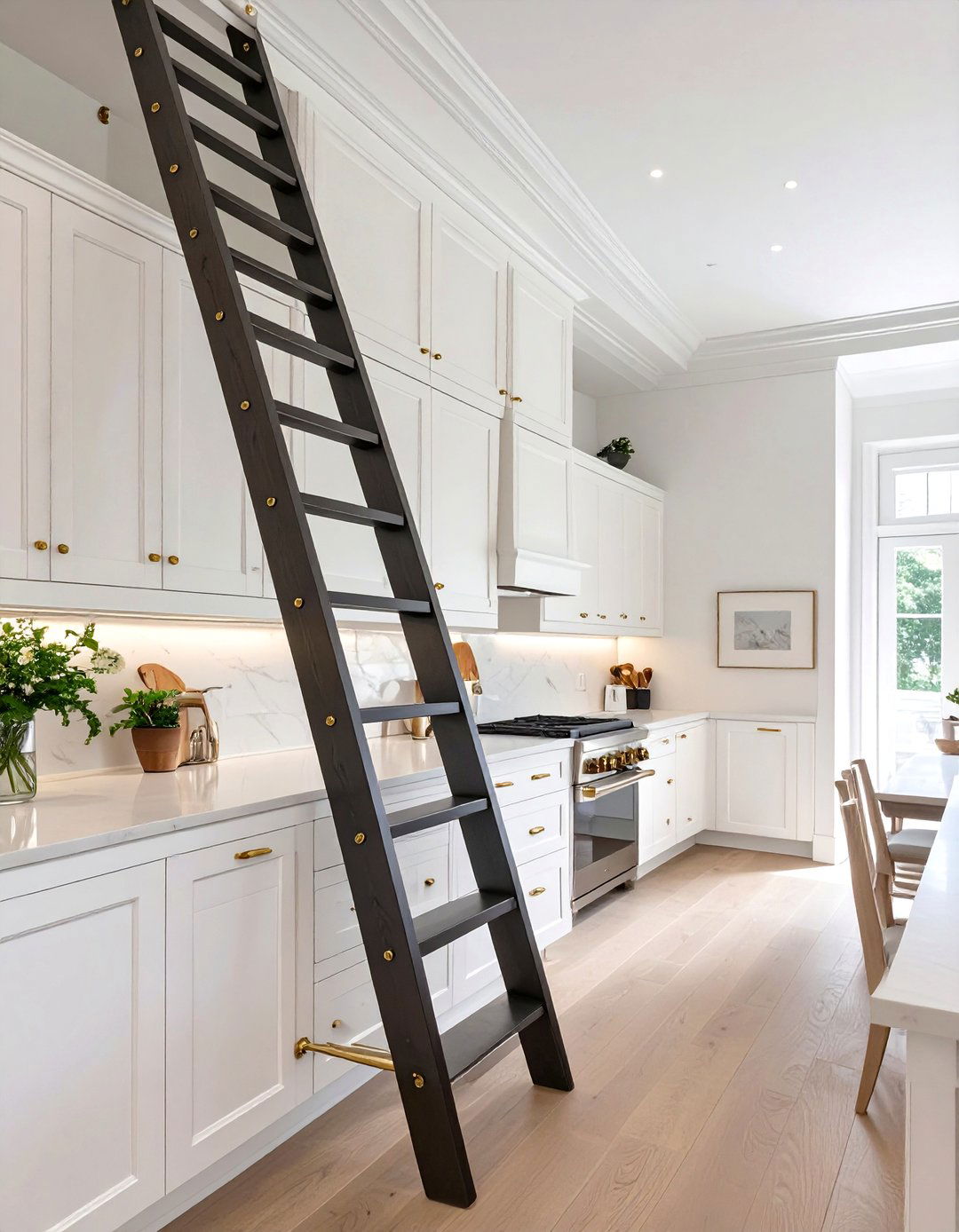
For kitchens with high ceilings and upper cabinets that reach the top, a library ladder is a functional and whimsical addition. Typically made of wood and running on a metal rail installed along the cabinetry, this feature provides easy access to hard-to-reach storage. Beyond its practical use, the ladder adds a strong vertical element and a touch of old-world, library-inspired charm. It’s a unique and stylish feature that suggests a space that is both well-stocked and well-loved. This element enhances the custom, built-in feel of the kitchen, making it a memorable and distinctive design choice.
Conclusion:
Ultimately, traditional kitchen design is defined by its commitment to timeless elegance, detailed craftsmanship, and a warm, welcoming atmosphere. From the rich tones of wood cabinetry and the architectural grace of moldings and corbels to the practical charm of a farmhouse sink, each element works together. The style prioritizes both beauty and function, creating a space that is not only perfect for cooking and entertaining but also serves as the comfortable heart of the home. By focusing on quality materials and classic details, a traditional kitchen remains a beloved choice that gracefully endures changing trends.

Related posts:

Leave a Reply