
Form in interior design is the very essence of a space 's structure and feel, shaping how we experience our refers to the three-dimensional shapes of objects within a room — from the grand architecture of a curved staircase to the simple sphere of a pendant forms can be geometric, with sharp lines and defined angles, or organic, with soft, flowing curves inspired by interplay between these shapes defines the room' s character, creating rhythm, balance, and how to use form allows for the creation of environments that are not just visually appealing but also functionally and emotionally resonant, guiding movement and influencing mood in subtle yet powerful ways.

1. The Rectilinear Minimalist Living Room
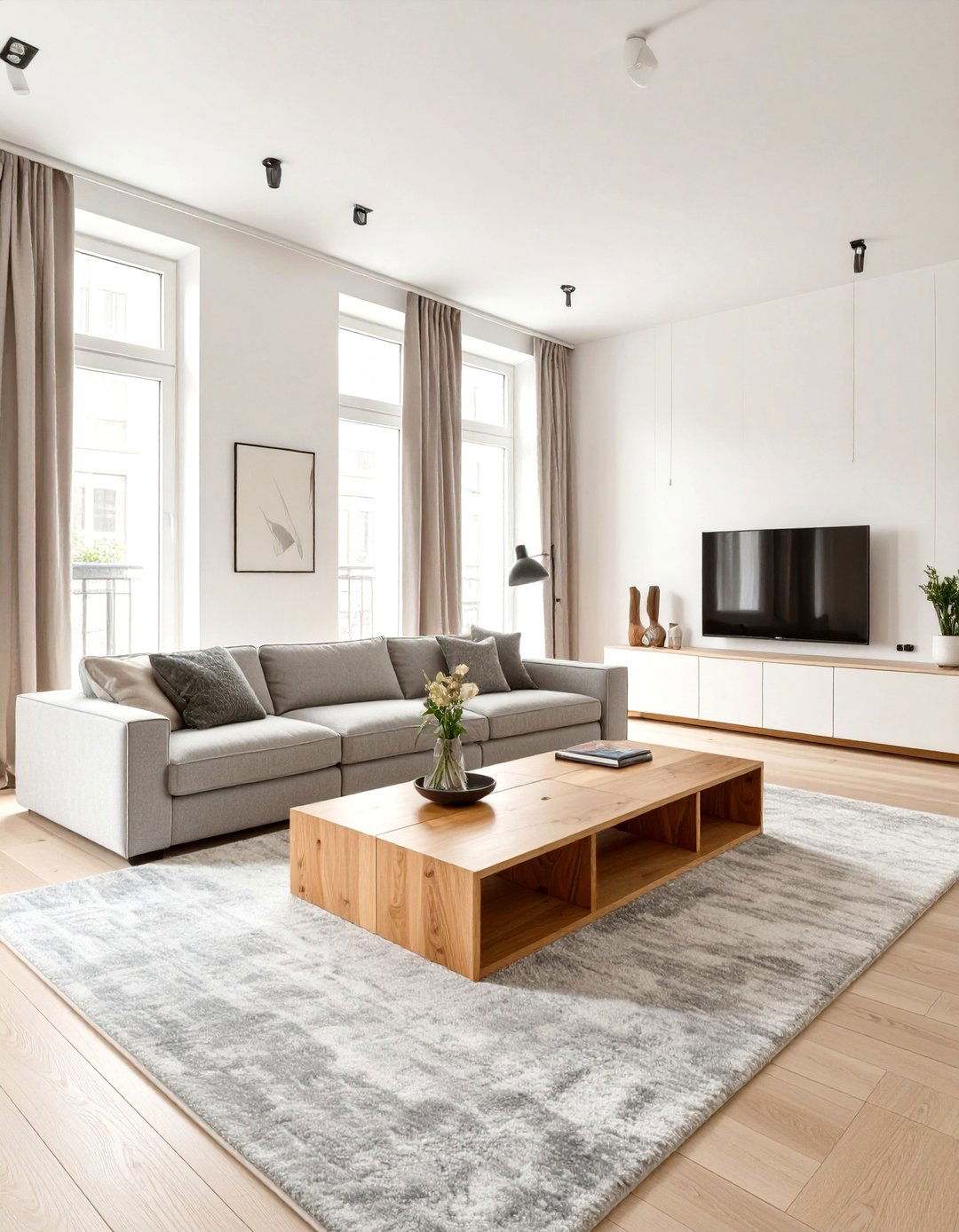
A minimalist living room defined by rectilinear forms achieves a serene and orderly design relies on strong horizontal and vertical lines found in a low-profile sectional sofa, a blocky wooden coffee table, and sleek, handle-free media layout is grid-like and uncluttered, emphasizing negative space as much as the objects like concrete, straight-grained wood, and large-format tiles reinforce the linear often comes from recessed ceiling strips or minimalist floor lamps with straight-line stands, casting clean shadows and highlighting the purity of the geometric shapes throughout the space.
2. A Curvilinear Dining Room Experience

Imagine a dining experience enveloped in soft, curving forms that encourage conversation and centerpiece is a large, round or oval dining table, paired with chairs that feature curved backrests and rounded seats. Above, a cascading chandelier with spherical or teardrop-shaped pendants creates a gentle focal arched doorway or a curved feature wall can further enhance the theme, breaking the monotony of a standard box-shaped approach softens the environment, making it feel more welcoming and intimate, a perfect setting for shared meals and lingering could flowing shapes change your dining atmosphere?
3. The Geometric Kitchen with Hexagonal Forms
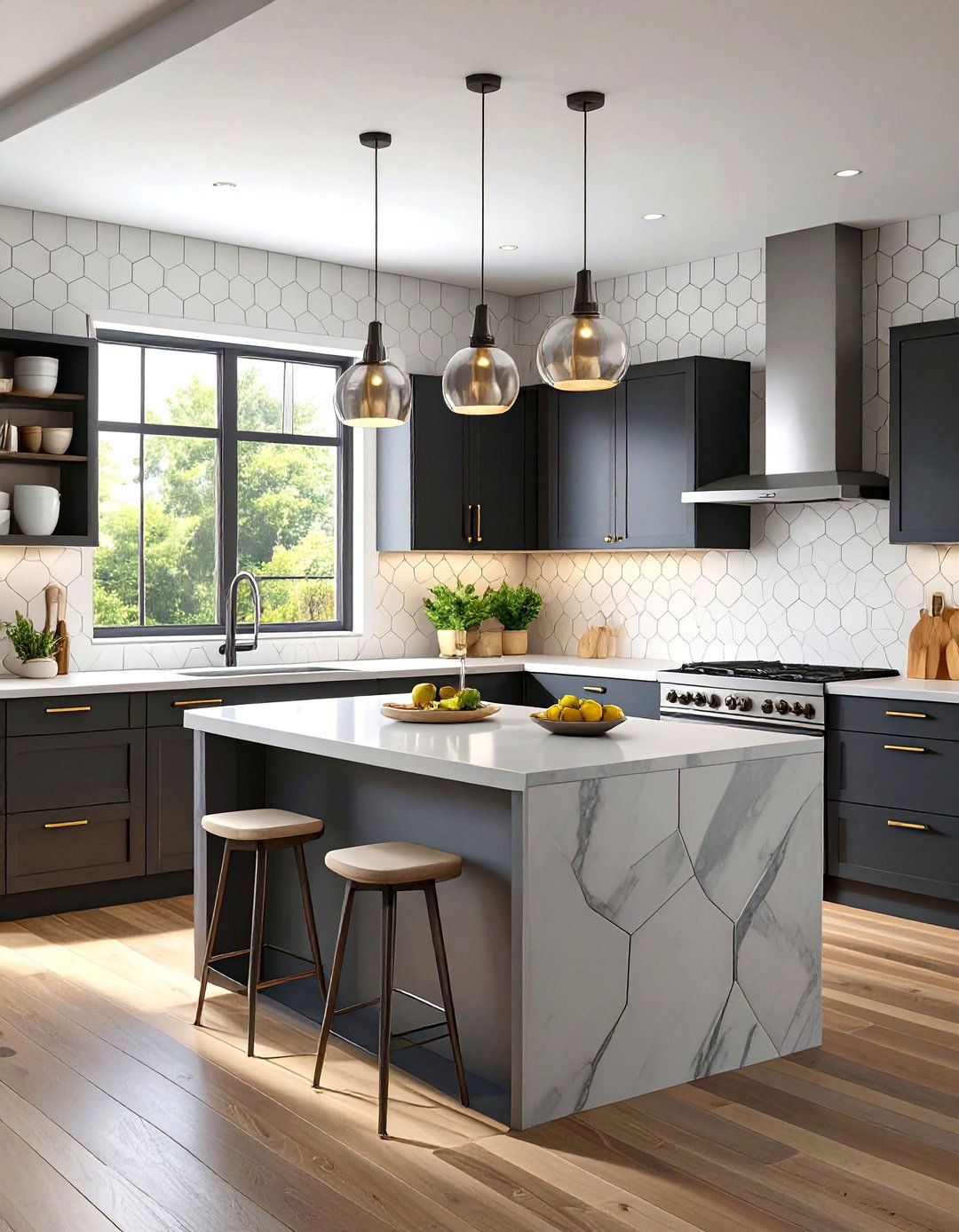
This kitchen design moves beyond simple squares, embracing the dynamic energy of hexagonal forms. A backsplash of hexagonal tiles creates a captivating honeycomb pattern, serving as the room's artistic geometric motif can be echoed in the shape of a custom kitchen island or in the hardware on flat-panel lights with hexagonal metal frames hang above the island, reinforcing the result is a space that feels modern, structured, and visually complex without being cluttered, offering a fresh take on kitchen geometry that is both functional and highly stylish.
4. An Organic Bedroom Retreat with Flowing Shapes

For a bedroom that feels like a natural sanctuary, organic forms are design features a bed with a softly curved or asymmetrical headboard, perhaps crafted from live-edge pieces like dressers and nightstands have rounded corners and fluid lines, avoiding any harsh angles. A free-form area rug, resembling a puddle or a stone, anchors the is soft and diffused, perhaps from gourd-shaped table lamps or a sculptural floor lamp that mimics a branching focus on natural, irregular shapes creates a calming, restful environment that promotes relaxation and sleep.

5. The Spherical Form in a Reading Nook

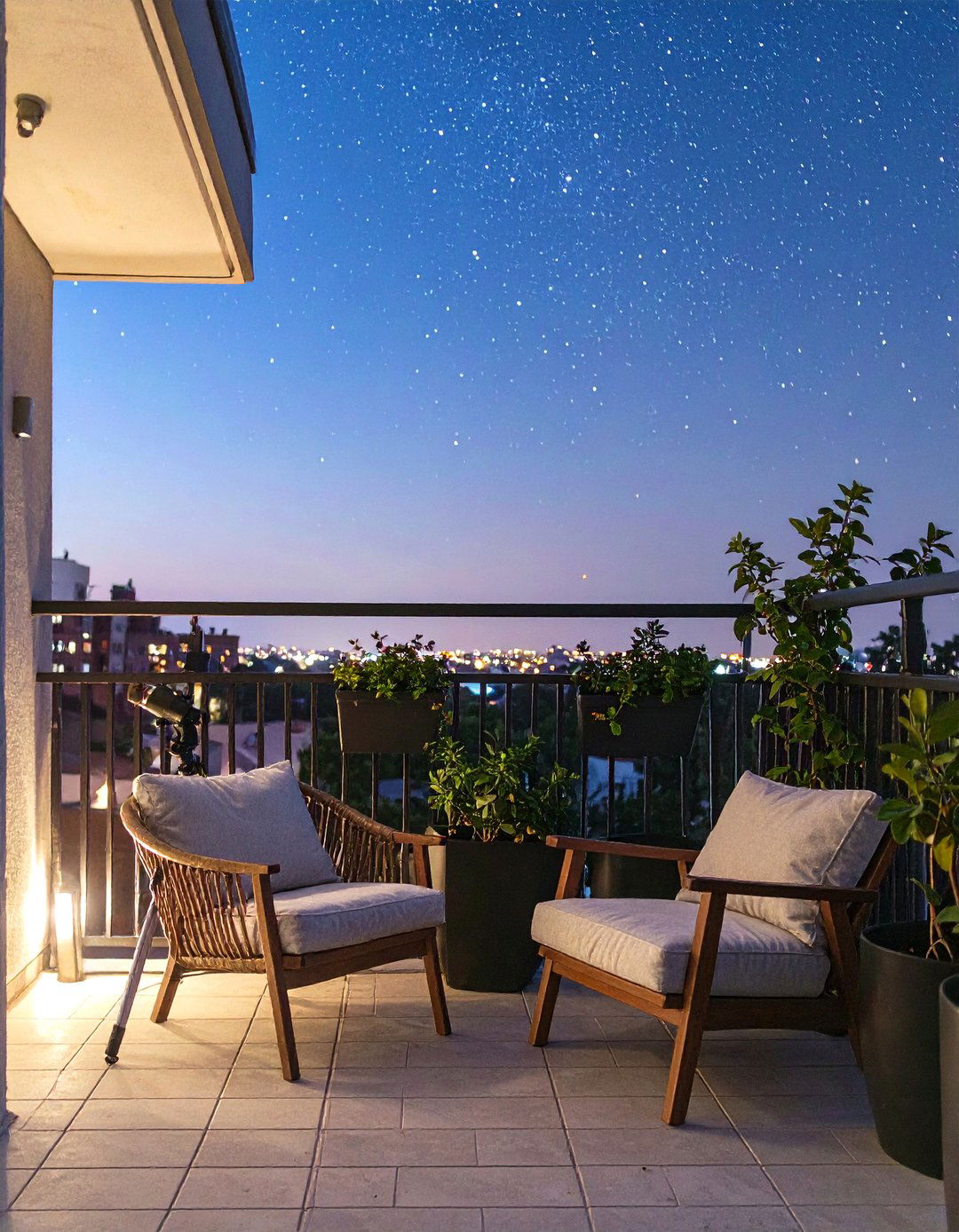
A cozy reading nook can be transformed into a contained world through the deliberate use of spherical core of this space is a large, comfortable ball or papasan chair that envelops the reader. A spherical ottoman provides a place to prop up your feet, while a round side table holds a book and a mug. Overhead, a single globe pendant light casts a warm, focused glow, defining the nook's intimate repetition of the sphere creates a sense of wholeness and enclosure, making it the perfect spot to escape and immerse yourself in another world.
6. A Brutalist Home Office with Blocky Forms
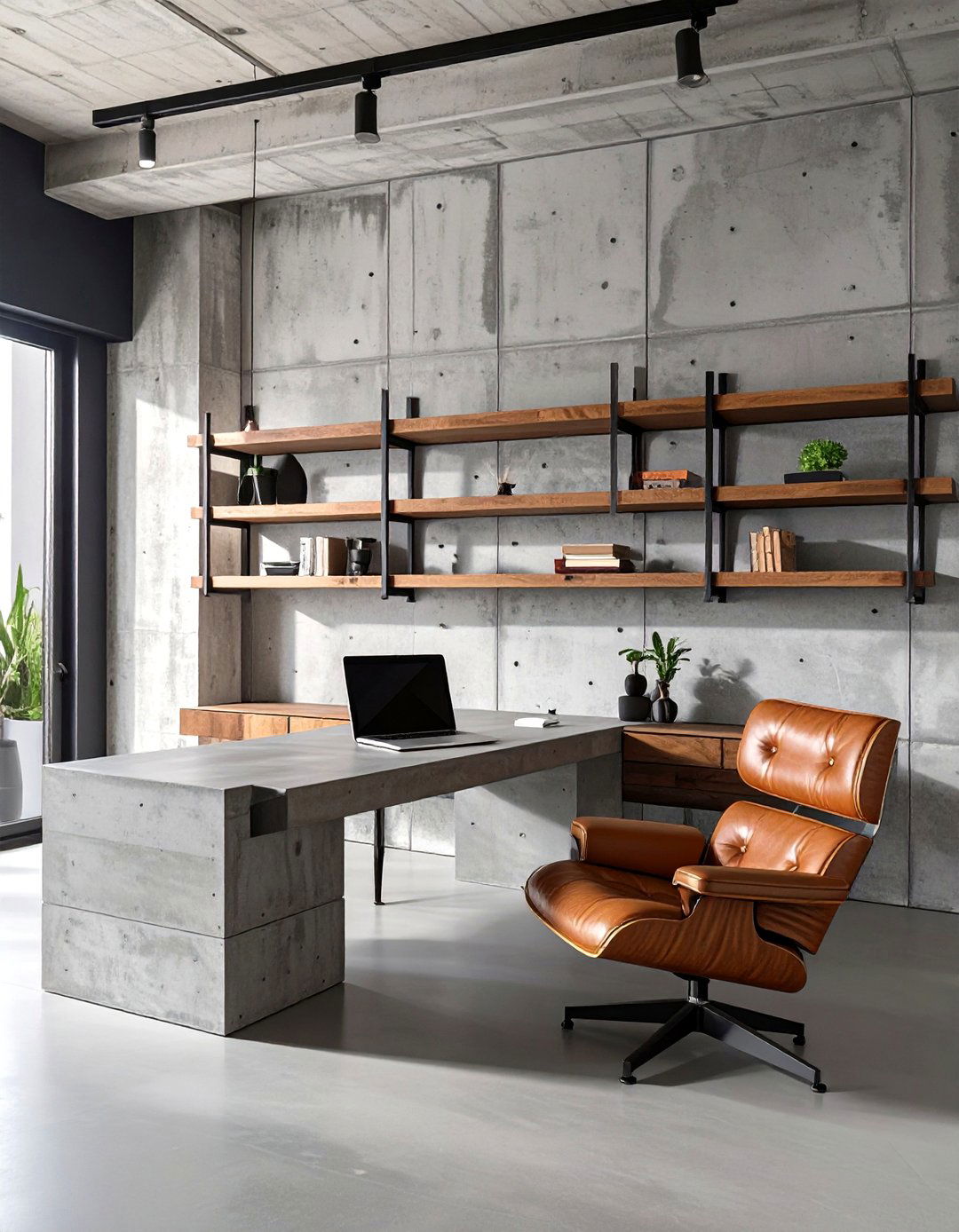
This home office design embraces the raw, monolithic nature of brutalism through the use of massive, blocky desk is a substantial piece, perhaps a single slab of concrete or a thick, dark wood is composed of simple, stacked rectangular units, emphasizing weight and space is stripped of unnecessary ornamentation, allowing the powerful forms of the furniture to dominate. A cubic armchair and a minimalist task lamp with a solid base complete the aesthetic is commanding and focused, creating a serious environment conducive to deep work and concentration.
7. Art Deco Inspired Lounge with Symmetrical Forms

Symmetry and bold geometric forms are the hallmarks of an Art Deco-inspired layout is often mirrored, with identical curved armchairs flanking a stepped, rectangular fireplace mantel. A sunburst mirror, a classic Art Deco motif, radiates above tables feature ziggurat shapes or stacked geometric forms, often with metallic and lacquered patterns on rugs and upholstery incorporate repeating chevrons, fans, and style celebrates opulence and order, using form to create a space that feels glamorous, sophisticated, and perfectly balanced, inviting elegant social gatherings.
8. A Biophilic Bathroom with Natural Forms

Bringing the organic forms of nature into the bathroom creates a spa-like design might feature a freestanding bathtub shaped like a smooth river stone or a vessel sink carved from a natural vanity could be made from a slab of live-edge wood, preserving its natural, irregular of standard tile, a wall of preserved moss introduces a soft, living with arching fronds and rounded leaves are placed use of nature-inspired shapes helps dissolve the barrier between indoors and outdoors, fostering a sense of peace and rejuvenation.
9. The Polygonal Accent in a Modern Playroom

Why stick to squares when you can inspire creativity with polygons? A modern playroom comes to life with a climbing wall composed of colorful, multi-sided geometric play furniture is made of large triangular and pentagonal foam blocks that can be reconfigured into forts and units feature asymmetrical, non-rectangular compartments for storing toys and books. A rug with an abstract polygonal pattern adds another layer of dynamic design uses irregular geometric forms to create an environment that is visually stimulating, encourages problem-solving, and breaks from predictable, boxy designs.
10. A Kitchen Dominated by Cylindrical Forms

This kitchen design creates a sleek, contemporary feel by emphasizing cylindrical most prominent feature is a large, cylindrical range hood in stainless steel, acting as a sculptural element above the shape is echoed in a set of round bar stools at the kitchen island and in canister-style pendant the hardware, like tubular cabinet pulls, follows the faucet has a high, arching, cylindrical consistent repetition of the cylinder creates a cohesive and modern look that is both clean and visually interesting, celebrating the simple elegance of the curved line.
11. The Free-Form Conversation Pit
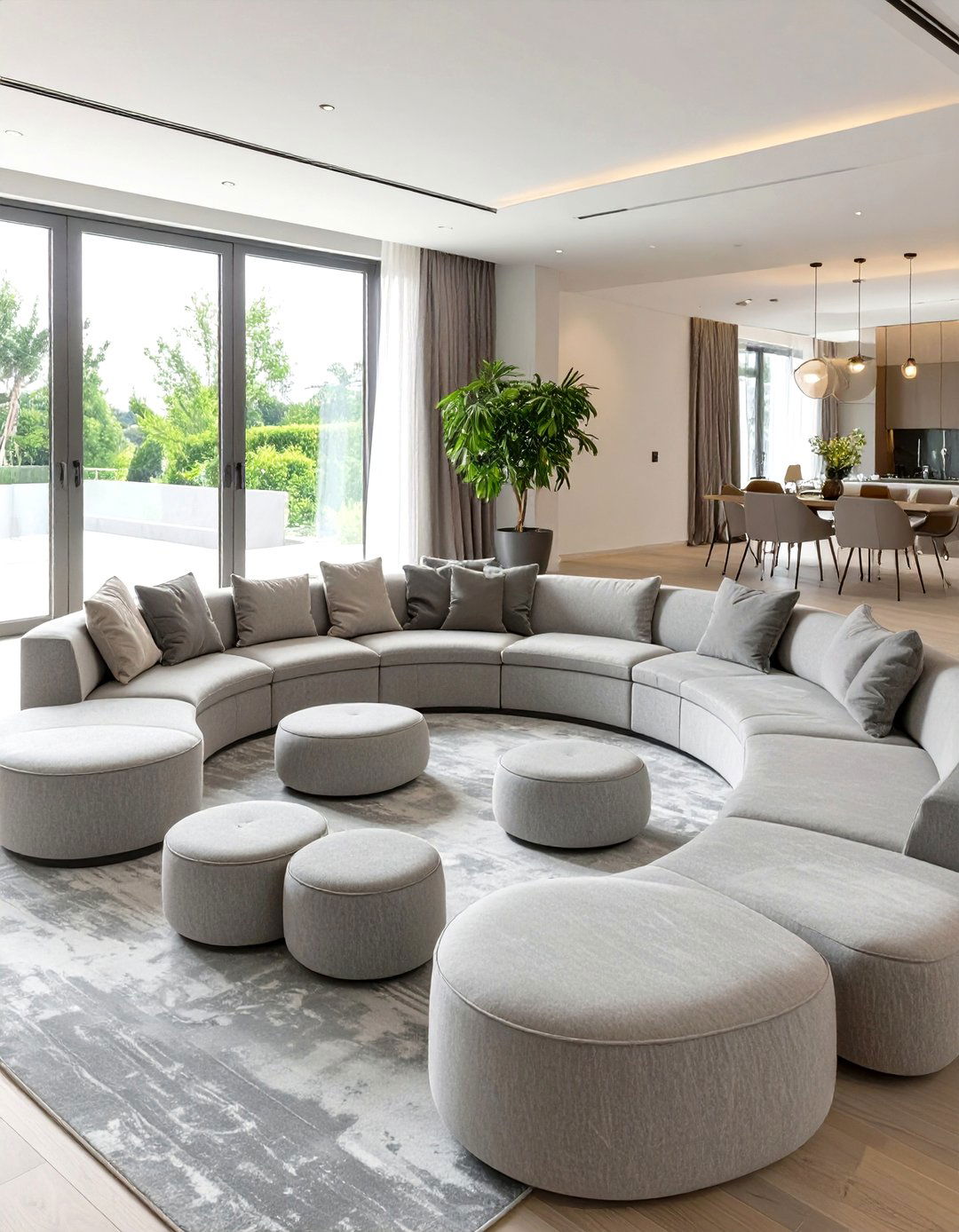
Reviving a classic design concept, the free-form conversation pit uses organic, sunken shapes to create an ultra-sociable living a traditional square pit, this one has flowing, amoeba-like curves, with built-in seating that follows its irregular central space might hold a cluster of round ottomans or a uniquely shaped coffee table that fits within the pit's design physically brings people closer, fostering intimacy and relaxed organic form breaks up the linear nature of a large room, creating a cozy, self-contained zone dedicated entirely to connection and dialogue.
12. A Hallway with Rhythmic Arched Forms

Transform a simple hallway from a transitional space into a destination with the rhythmic repetition of arched forms. A series of arches creates a beautiful sense of progression and depth, guiding the eye and movement can be achieved through actual arched doorways or created visually with recessed niches or painted arch motifs on the walls. A barrel-vaulted ceiling would be the ultimate expression of this repeating curves soften the long, narrow space, adding architectural elegance and a touch of classical grandeur to an often-overlooked area of the home.
13. A Dining Space Featuring Conical Forms
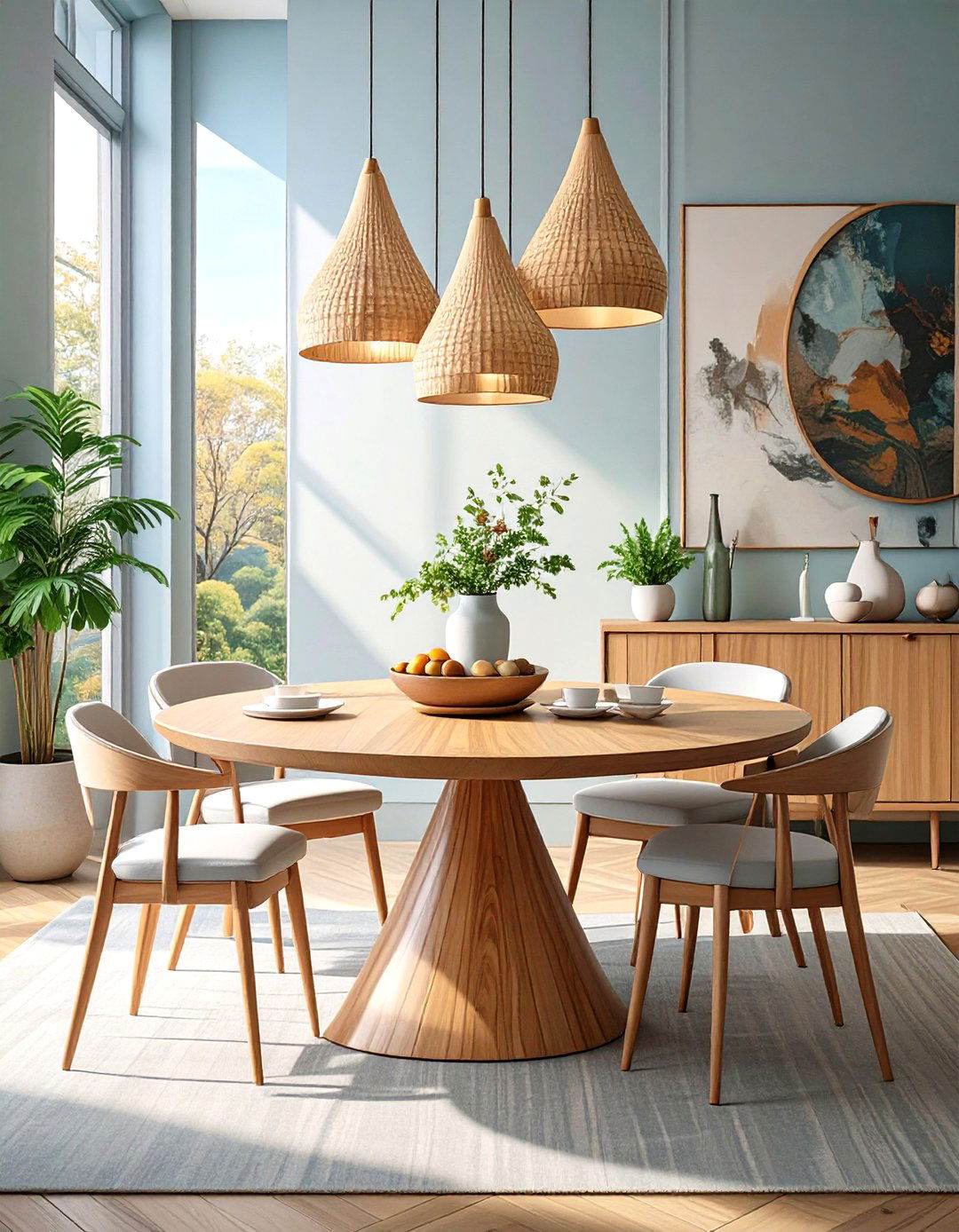
Introducing conical forms into a dining space adds a touch of sculptural design can be centered around a dining table with a conical base, flaring from a narrow point on the floor to support a wide circular top. Above, a cluster of pendant lights with cone-shaped shades directs light downwards, creating an intimate ambiance over the the glassware or a central vase can feature a conical less-common geometric form provides a unique visual interest, balancing the stability of a wide base with the elegance of a tapering line.
14. An Attic Bedroom with Triangular Forms
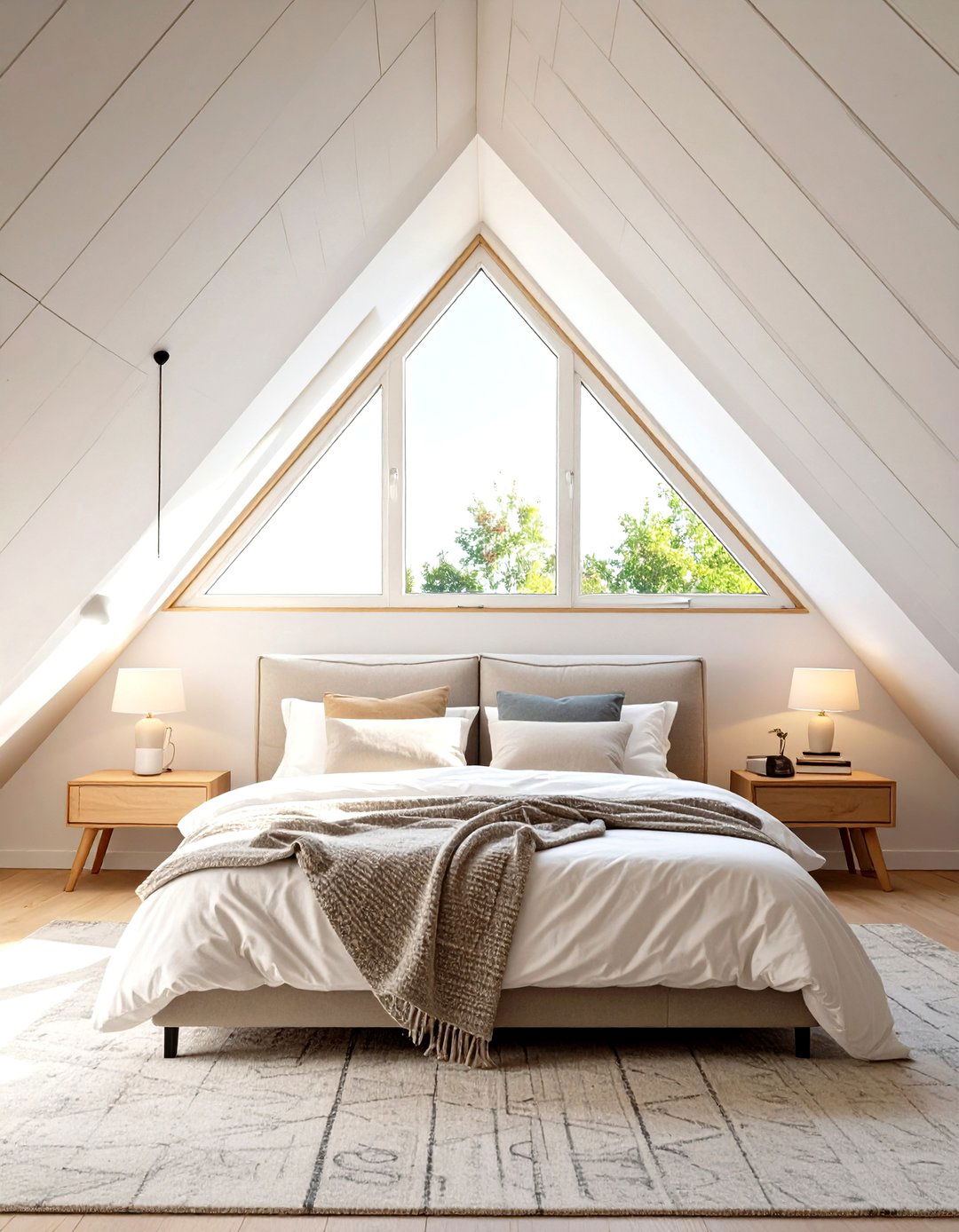
An attic bedroom naturally lends itself to a design that celebrates triangular sloped ceilings create prominent triangles that become the room's defining architectural of fighting them, this design leans in, perhaps by adding a triangular window at the apex of the like low-profile, triangular side tables can fit neatly into the eaves. A custom headboard could be shaped to mirror the angle of the embracing the inherent geometry of the space, the attic is transformed from an awkward room into a cozy, tent-like retreat.

15. The Abstract Form in a Maximalist Gallery Wall

In a maximalist interior, the gallery wall becomes a canvas for exploring abstract isn 't about neat grids; it' s a dynamic, salon-style arrangement where frames of all shapes — round, oval, rectangular, and even custom-made irregular shapes — art itself features abstract compositions, focusing on clashes of color, line, and non-representational entire wall acts as a single, complex art piece, where the negative space between the frames is just as important as the art approach uses form to create a rich, layered, and deeply personal visual story.
16. A Serene Office with Wave-Like Forms

Create a workspace that calms the mind by incorporating gentle, wave-like centerpiece could be a desk with a subtly undulating front edge or a long, horizontal acoustic panel on the wall made of curved felt slats that mimic sound waves. A bookshelf with wavy, organic dividers breaks the monotony of straight pattern on an area rug might feature soft, flowing you find that straight lines in an office feel too rigid? This design uses the soothing, rhythmic quality of waves to foster a sense of calm and fluid thought.
17. The Cubic Form in a Modular Shelving System

This design idea focuses on the purity of the cubic form through a large-scale modular shelving of identical square or cubic units, the system can be arranged to fill an entire wall, creating a grid-like structure that is both storage and architectural strict repetition of the cube provides a sense of order and cubes can be left open for display, while others might have doors or drawers, creating a pleasing pattern of open and closed forms. It's a highly rational and versatile approach to storage that celebrates geometric simplicity.
18. A Spiral Form Staircase as a Sculptural Centerpiece
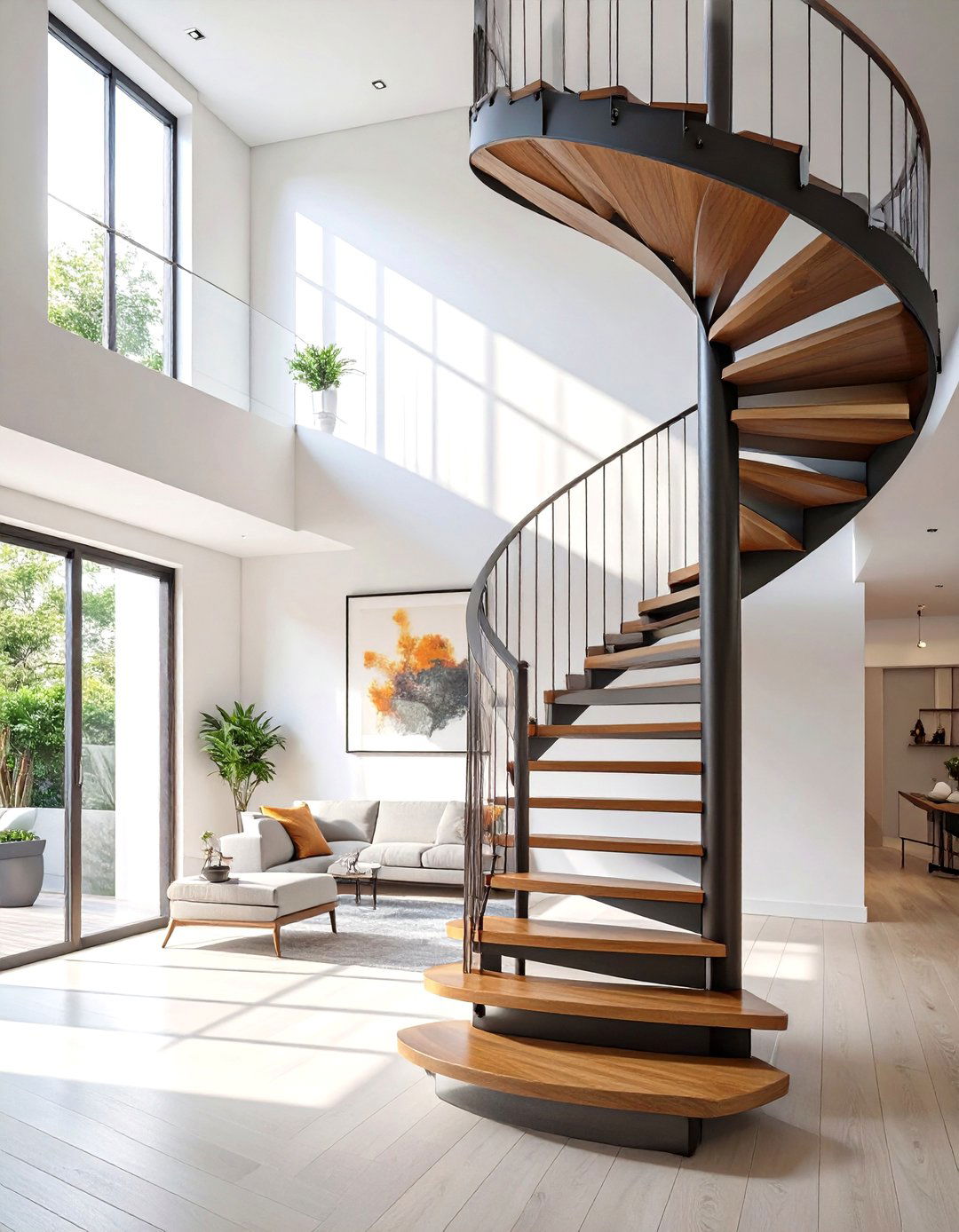
A spiral staircase is more than just a way to move between floors; it's a powerful sculptural form that can define an entire helical shape introduces a dynamic, swirling energy that contrasts beautifully with the rectilinear forms of a crafted from industrial steel, warm wood, or sleek glass, the staircase becomes the undeniable focal continuous, curving line draws the eye upward, creating a sense of movement and single element can transform a simple room into a dramatic, architecturally significant interior.
19. The Asymmetrical Form in a Wabi-Sabi Bathroom

Embracing the wabi-sabi philosophy, this bathroom finds beauty in imperfection and forms are organic and unbalanced. A vanity might be a rough-hewn wooden bench of an irregular length, topped with a slightly off-center, handmade ceramic mirror could be an antique piece with an imperfect frame, hung asymmetrically above the sink. A single, gnarled branch in a simple vase serves as design rejects perfect symmetry in favor of forms that feel more authentic, humble, and calming, creating a space that celebrates the beauty of the incomplete.
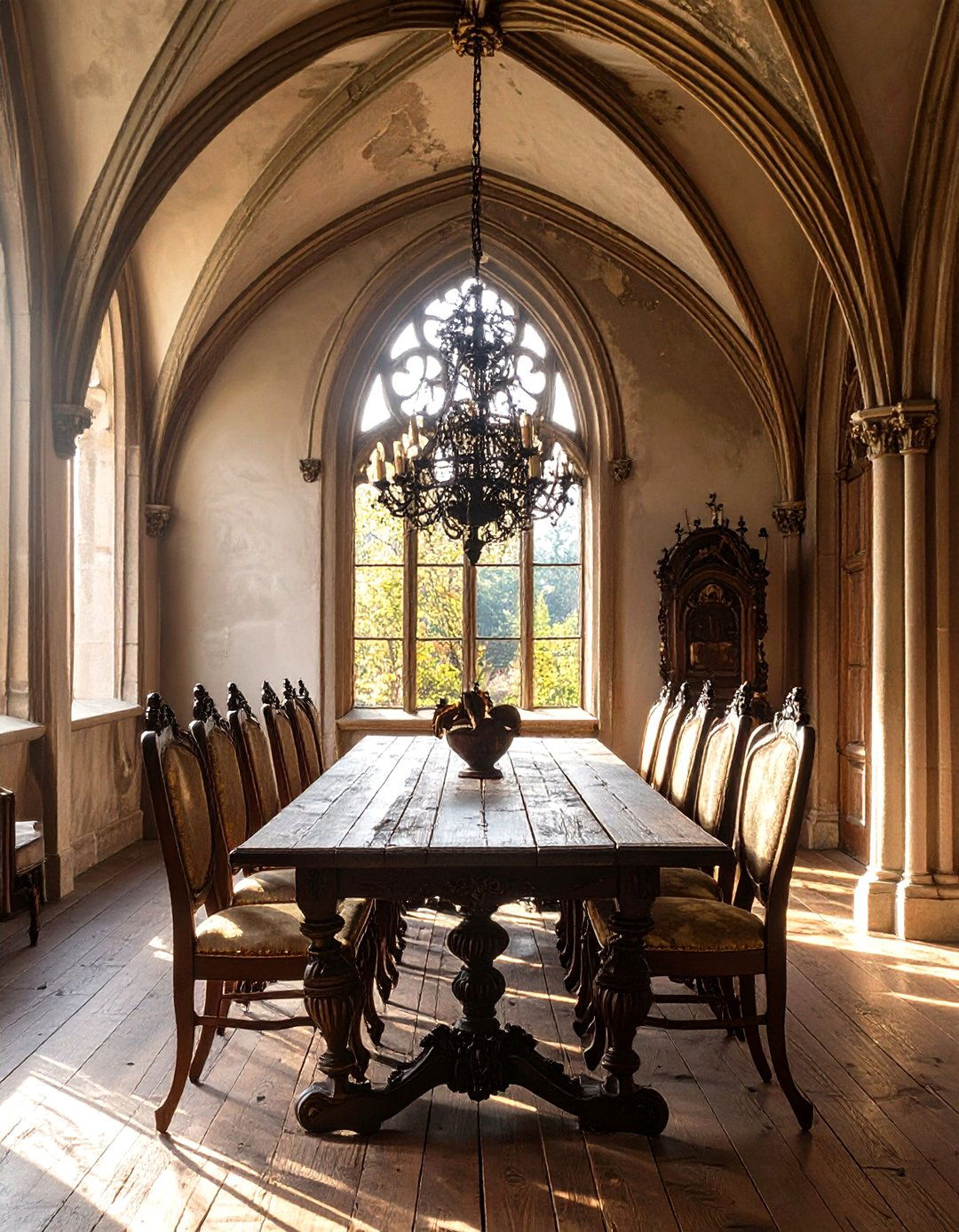

20. A Child's Room with Cloud-Like Forms

Spark imagination in a child's room with the soft, amorphous shapes of theme can be realized with cloud-shaped pendant lights hanging from the ceiling, casting a dreamy, diffused glow. A wall mural can depict a sky with puffy, gentle clouds, or custom-cut shelves can take on a cloud silhouette. A soft, free-form rug in white or light gray can mimic a cloud on the rounded, undefined forms create a whimsical and comforting atmosphere, perfect for a space dedicated to rest, play, and better way to encourage sweet dreams?
21. The Columnar Form in an Open-Concept Space
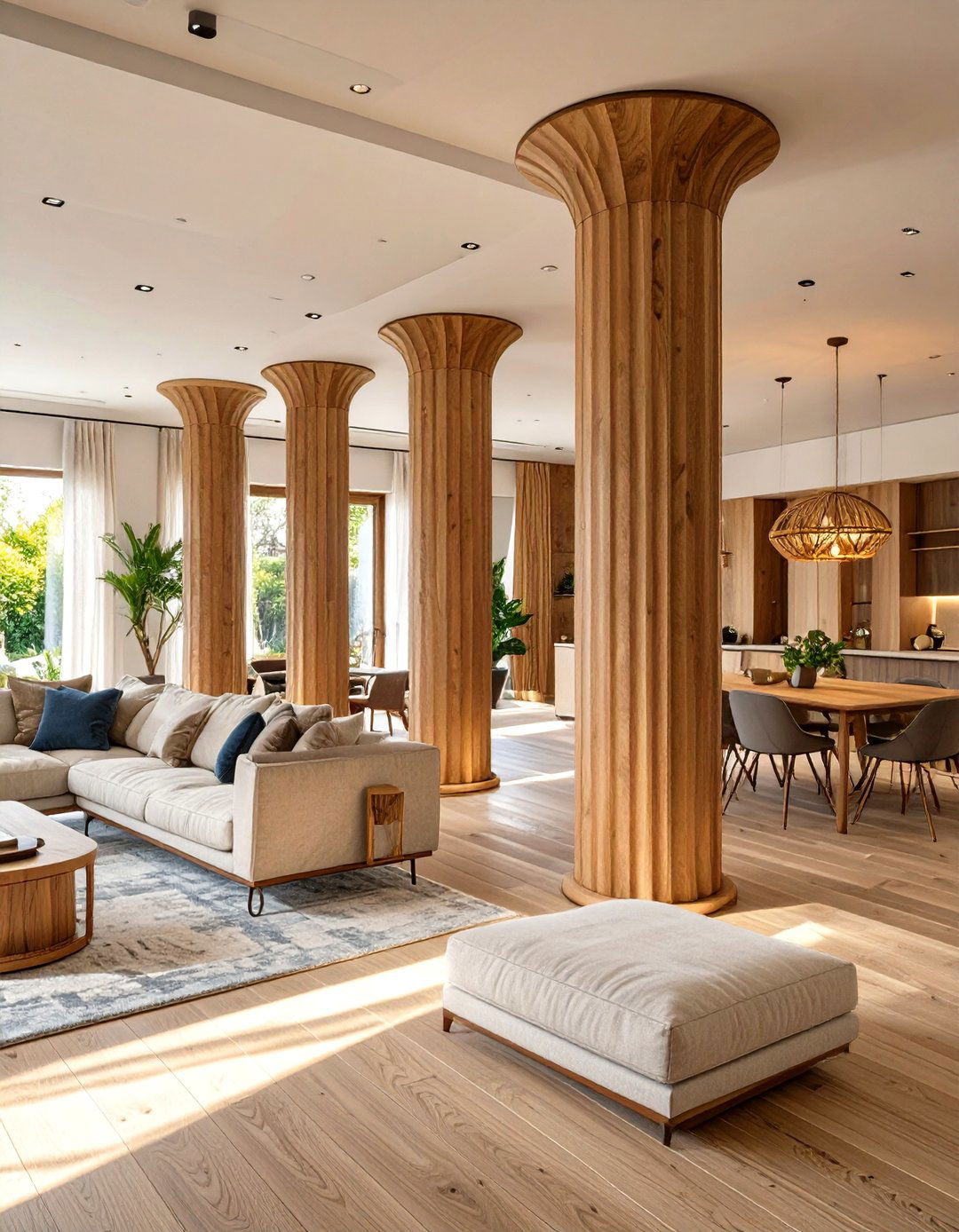
In a large, open-concept living area, columnar forms can be used to define zones without building walls. A series of round or square columns creates a permeable screen, separating the living area from the dining space while maintaining an open aren't just structural supports; they are deliberate design can be clad in fluted wood, polished plaster, or textured concrete to add visual use of vertical forms adds a sense of rhythm and grandeur, guiding movement and structuring the vastness of an open floor plan with classical elegance.
22. A Bar Area with Parabolic Curve Forms
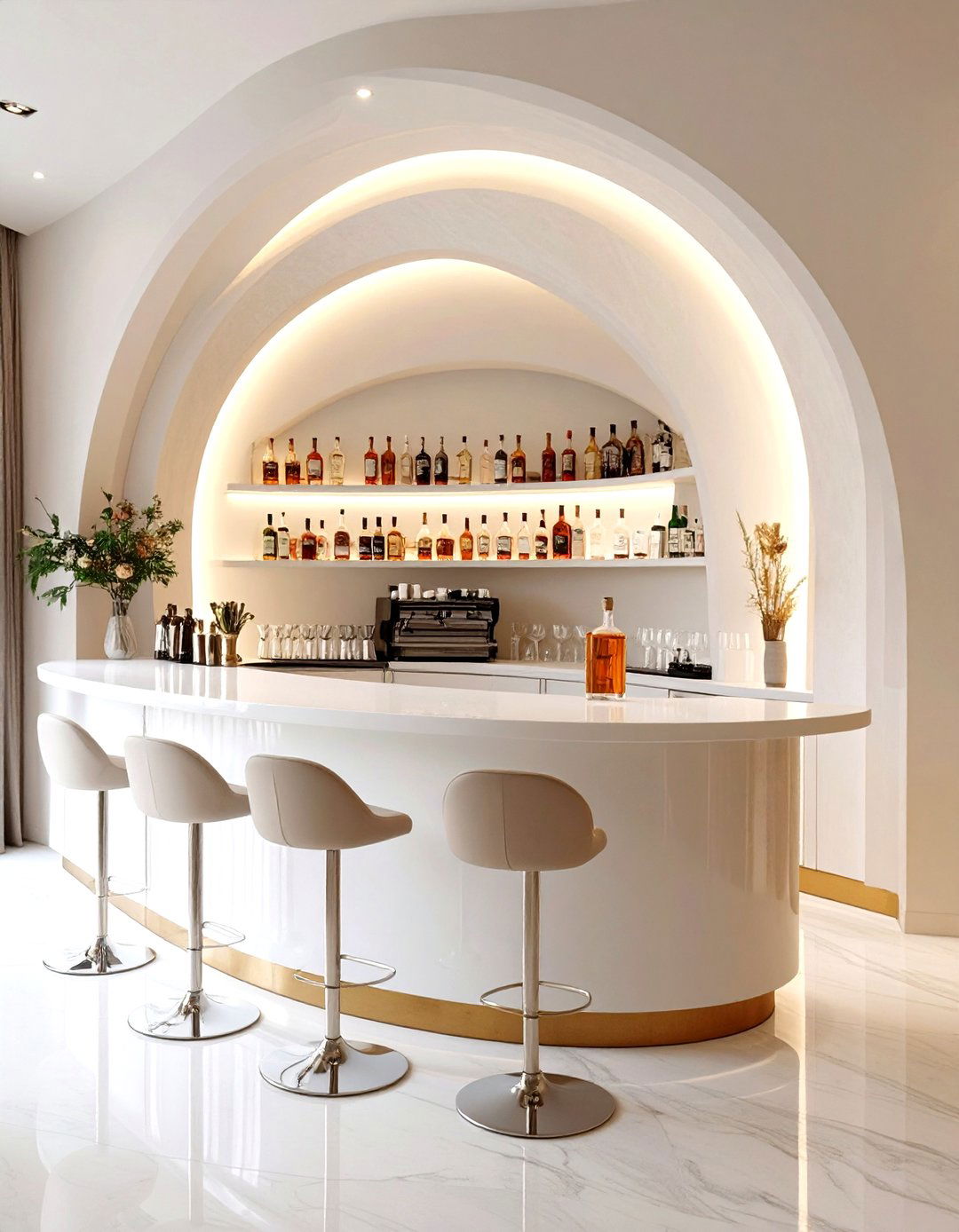
For a home bar with a futuristic or retro-chic vibe, parabolic curves offer a unique and dynamic bar itself can feature a sweeping parabolic counter, with bar stools that have curved backs echoing the shape. A custom-built archway behind the bar, shaped as a parabola, can frame the shelving for bottles and form, often seen in mid-century modern design, creates a sense of fluid motion and visual drama. It’s a sophisticated and unexpected shape that instantly elevates the bar from a simple counter to a statement design feature.
23. A Minimalist Bedroom Using Negative Space as Form

In this minimalist bedroom, the focus is not on the objects themselves but on the empty space around them, treating negative space as a tangible layout is sparse, featuring only a low platform bed and one or two other essential piece is placed deliberately to carve out and define the voids. A single piece of art is hung on a vast, empty wall, making the wall itself part of the approach uses the absence of objects to create a powerful sense of calm, openness, and tranquility.
24. A Sunken Living Room with Rectangular Forms

The classic sunken living room, or conversation pit, gets a modern update by strictly adhering to rectangular pit itself is a perfect rectangle, with built-in sectional seating lining its coffee table at its center is a large, low rectangle, mirroring the shape of the sunken the steps leading down are clean, straight geometric precision creates a space that feels both cozy and architecturally change in floor level provides intimacy, while the rectilinear forms maintain a crisp, contemporary aesthetic that feels both orderly and inviting.
25. The Elliptical Form in a Master Bathroom
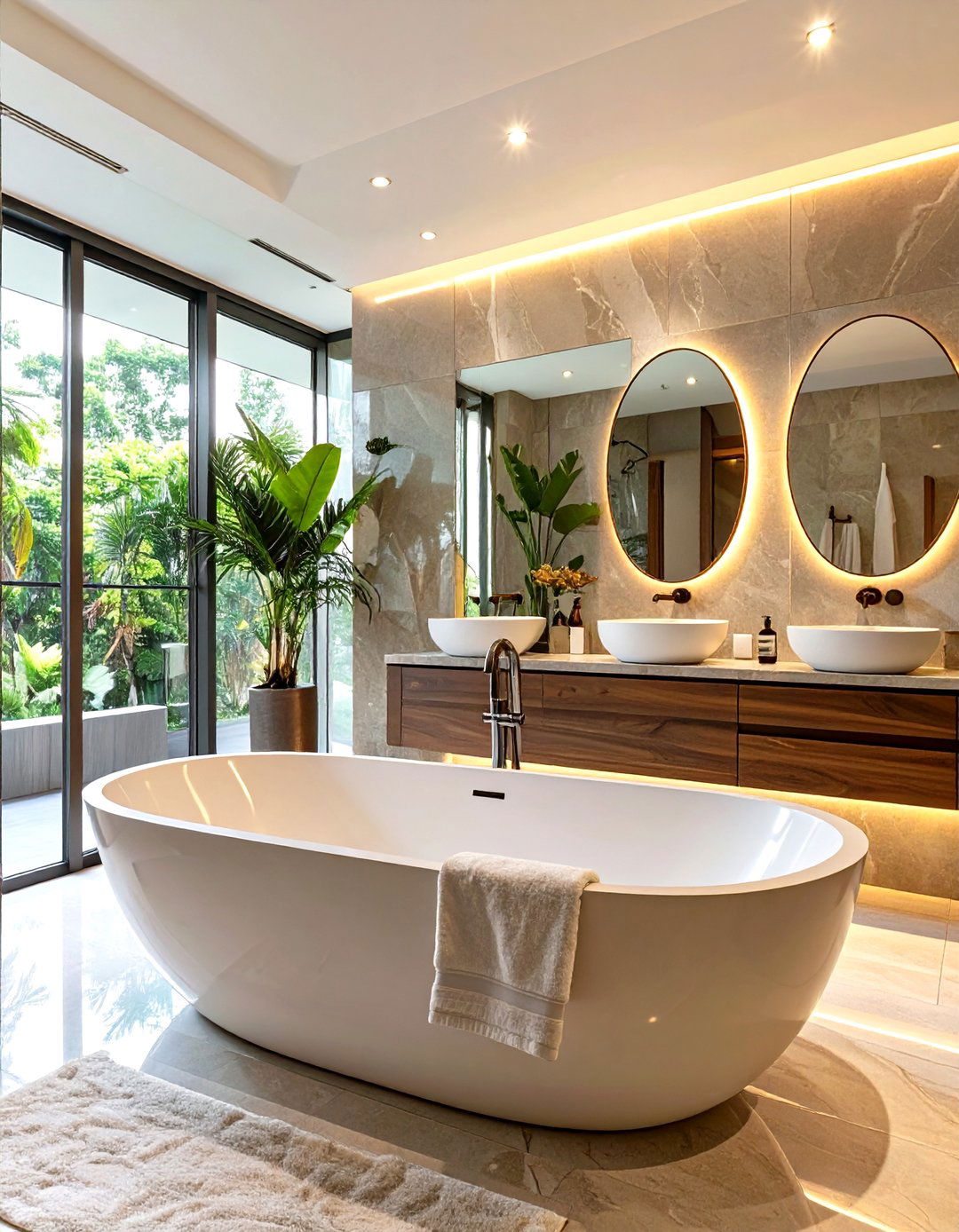
Move beyond simple circles and introduce the elongated elegance of elliptical forms into a master bathroom. A freestanding bathtub with a graceful elliptical shape serves as a stunning centerpiece. Above, the vanity can feature twin elliptical vessel sinks. A large, frameless mirror cut in a matching elliptical shape ties the theme form is softer than a rectangle but more dynamic than a perfect circle, lending a sense of sophisticated fluidity to the creates a tranquil, spa-like environment that feels both modern and timelessly an elliptical tub redefine your relaxation?
26. A Faceted Wall as a Geometric Form Feature
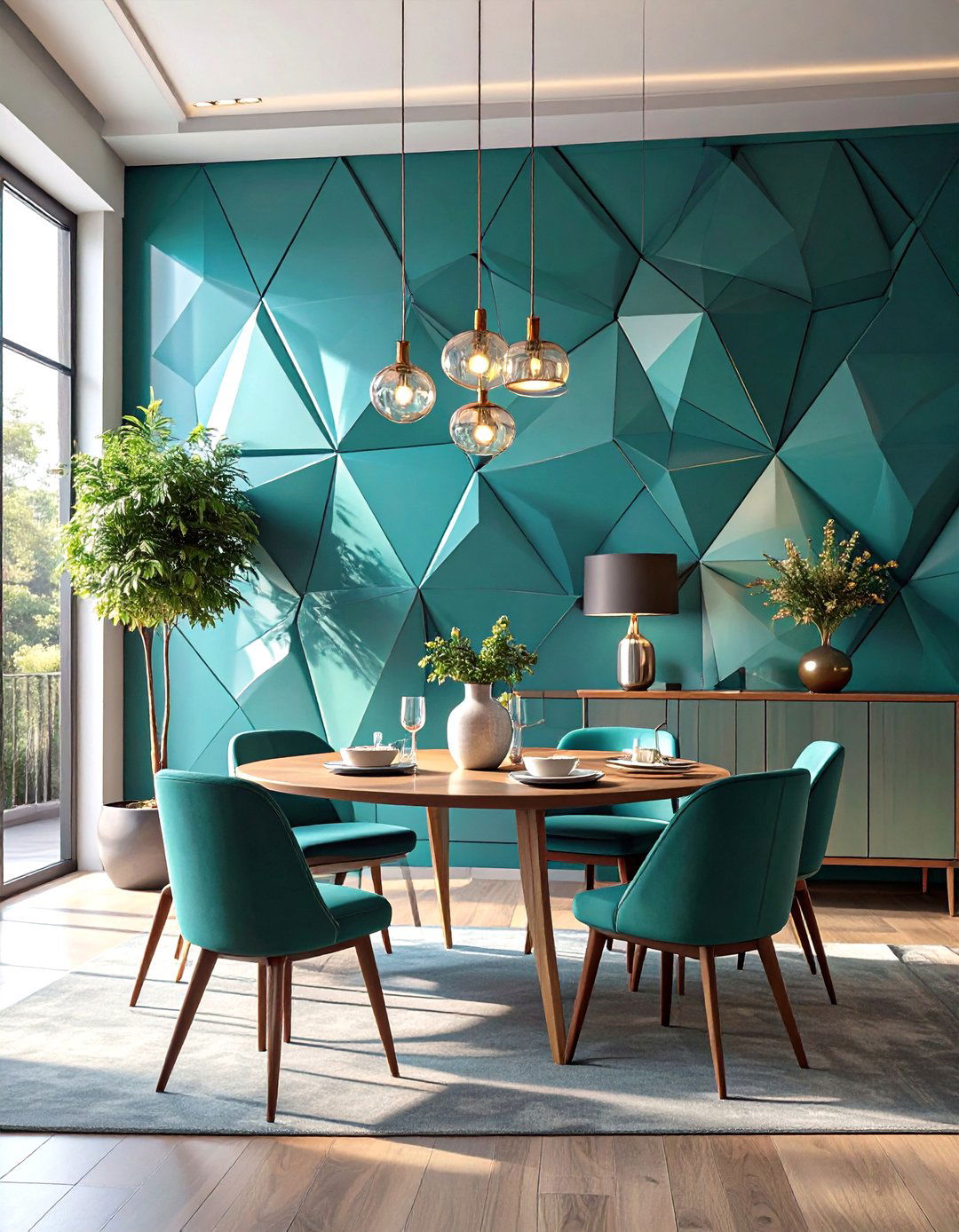
Create a stunning visual impact in any room with a faceted feature three-dimensional surface is composed of multiple adjoining flat planes, like the facets of a interplay of light and shadow across the different angles creates a dynamic and constantly changing form can be constructed from wood, plaster, or pre-made serves as a powerful piece of built-in art, adding depth, texture, and a highly modern, sculptural quality to the space. It’s a bold choice that transforms a flat wall into a captivating geometric landscape.
27. A Home Library with Repeating Archway Forms
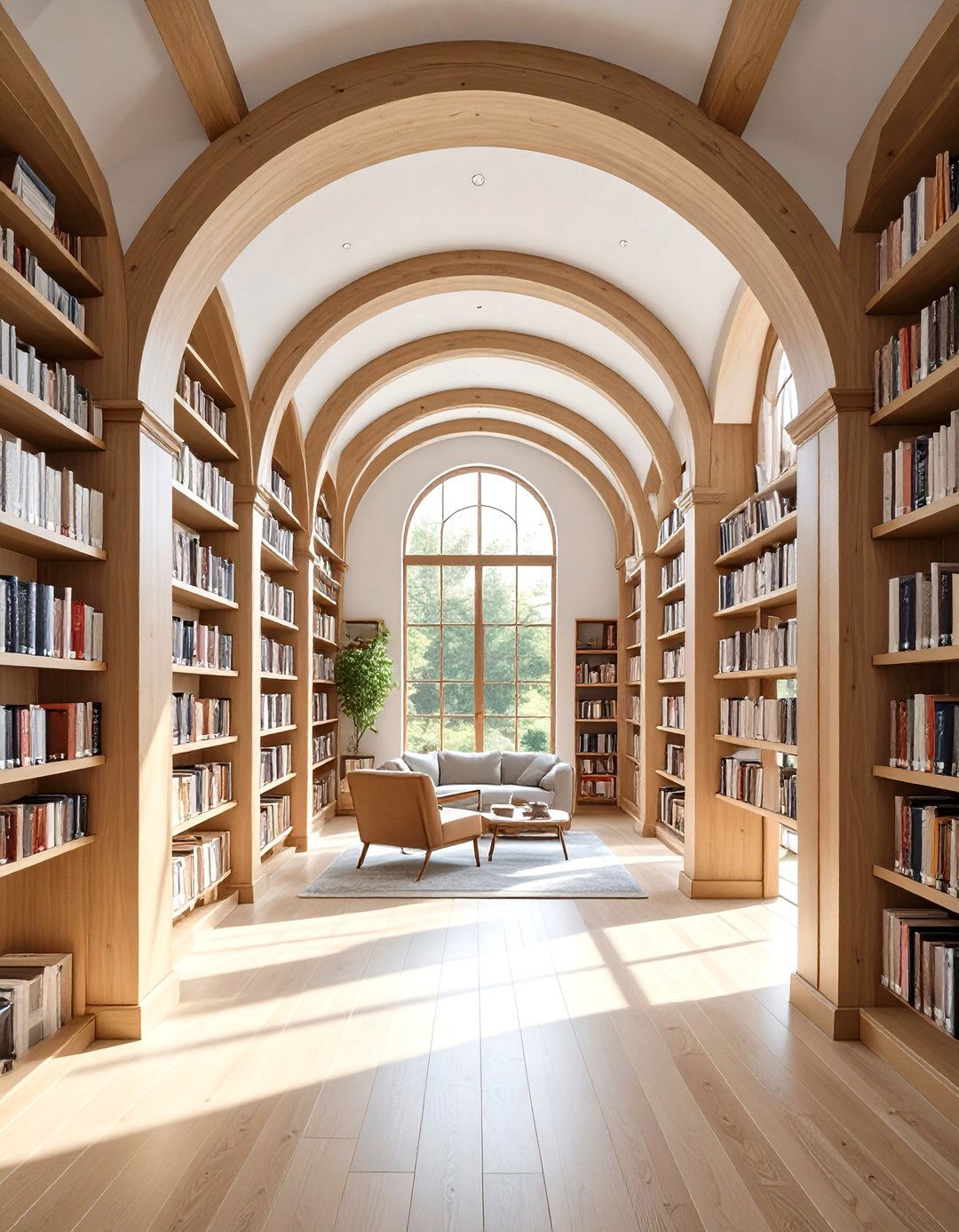
A home library can be given a sense of classical grandeur and rhythm by incorporating repeating archway forms. Built-in bookshelves are framed by a series of arches, turning simple storage into a beautiful architectural motif can be repeated in an arched window or a doorway leading into the curved tops of the arches soften the strong vertical lines of the books and shelves, creating a space that feels both scholarly and repetition establishes a calming rhythm, making it the perfect environment for quiet contemplation and study.
28. A Playful Space with Amorphous Blob Forms
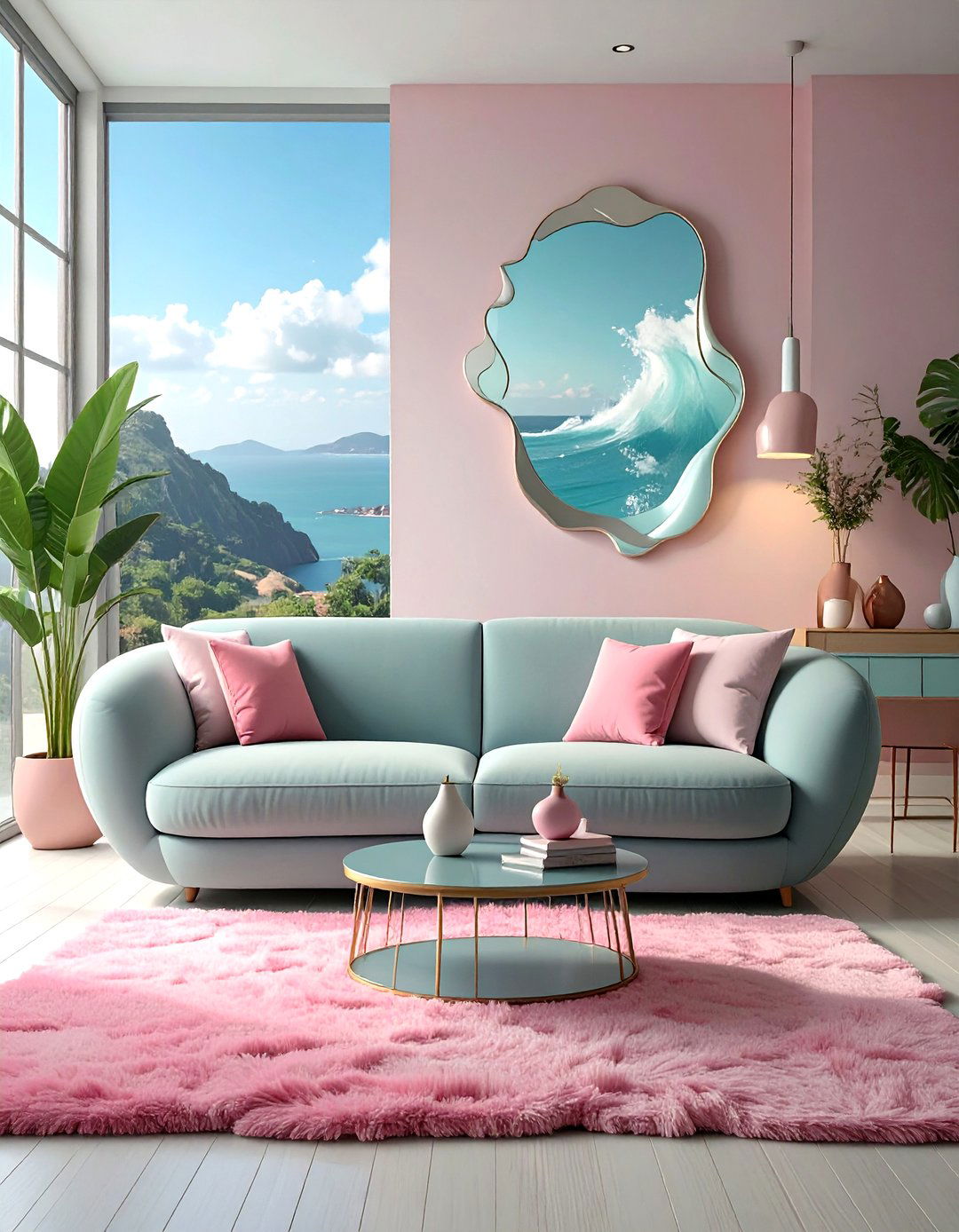
For a truly unique and playful interior, embrace the amorphous, blob-like design, often seen in postmodern or avant-garde styles, uses furniture and decor that defy easy geometric of a sofa that looks like a giant, soft pebble, a mirror shaped like a splash of liquid, or a rug with an irregular, amoeba-like key is a lack of hard edges and a sense of fluid, organic you dare to design with undefined shapes? This approach creates a fun, unconventional, and highly creative environment that breaks all the rules.
29. A Zen Garden Inspired Room with Pebble Forms

Capture the tranquility of a Zen garden by incorporating the simple, organic form of can be achieved with a collection of smooth, rounded floor cushions or ottomans scattered across the floor. A low table could have a top that resembles a large, flat river texture can be introduced through a rug with a raised pebble pattern or an accent wall covered in actual smooth repetition of these simple, rounded, natural forms creates a profound sense of calm and a connection to the earth, fostering a meditative atmosphere.
30. A Futuristic Interior with Aerodynamic Forms
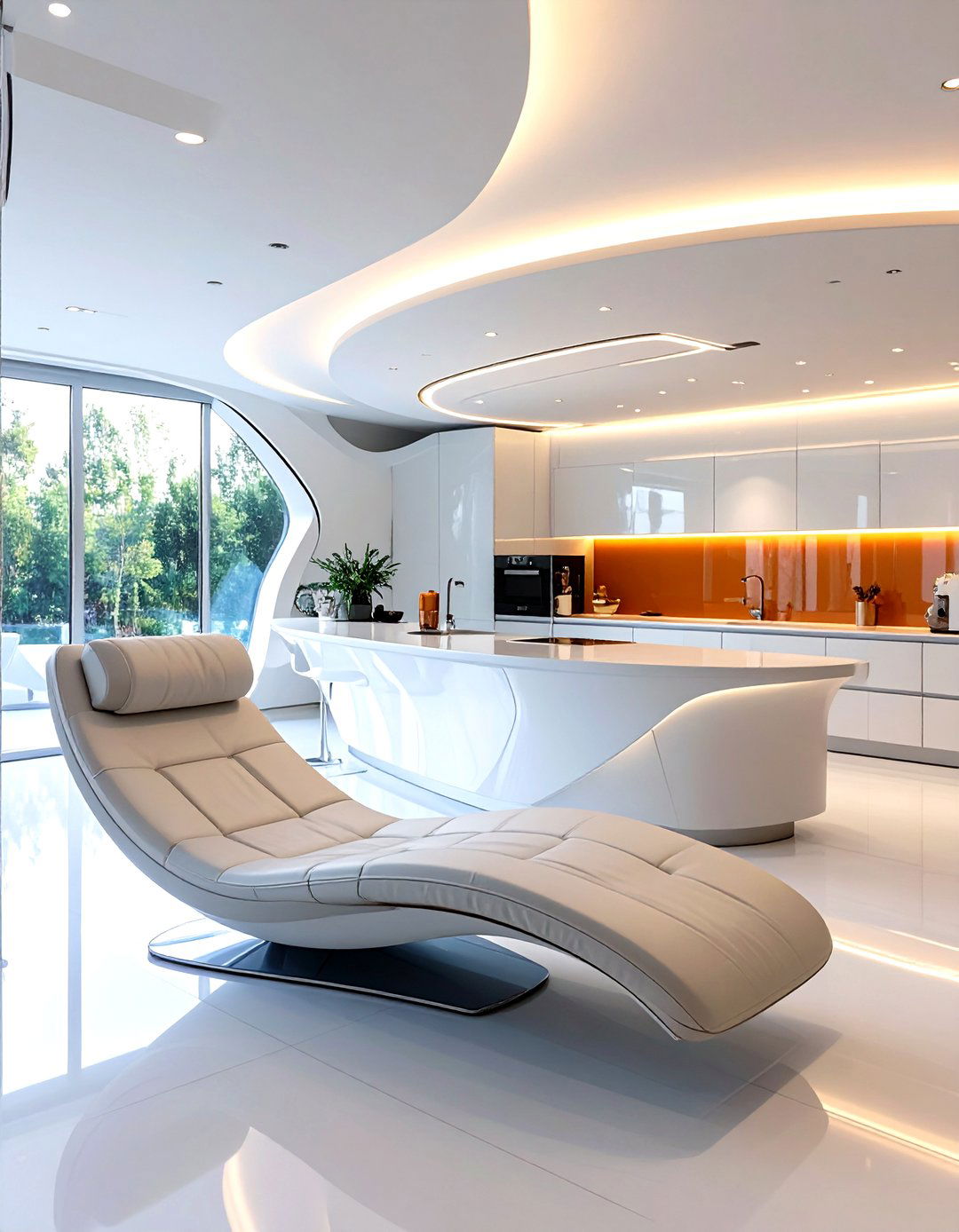
Design a space that looks like it’s moving, even when standing still, by using sleek, aerodynamic futuristic style is characterized by furniture with smooth, flowing lines and curved surfaces that seem shaped by of a chaise lounge that sweeps up from the floor in a single, unbroken curve, or a kitchen island that looks like an airplane are often glossy and seamless, like molded fiberglass, polished chrome, and design philosophy uses form to convey speed, efficiency, and advanced technology, creating a bold, forward-looking interior.
Conclusion:
Ultimately, form is a fundamental pillar of interior design that shapes our perception and interaction with a the rigid order of rectilinear shapes to the gentle flow of organic curves, each form carries its own distinct energy and thoughtfully selecting and combining geometric, organic, and abstract forms, it is possible to create environments that are not only aesthetically pleasing but also deeply functional and emotionally 30 ideas explored demonstrate that whether aiming for minimalism, opulence, or natural serenity, the deliberate use of form is the key to crafting a cohesive and impactful interior that truly comes to life.

Related posts:


Leave a Reply