
Designing a small office requires a blend of creativity and strategy to transform a limited area into a productive and inspiring workspace. The key is to focus on solutions that maximize every square inch without causing clutter. From smart furniture choices to clever lighting and storage, even the tiniest corner can become a functional and stylish office. A well-designed small office not only enhances focus but also proves that you don’t need a large room to create a powerful and efficient environment. These ideas will help you craft a space that feels open, organized, and perfectly suited to your professional needs.
1. Wall-Mounted Floating Desk
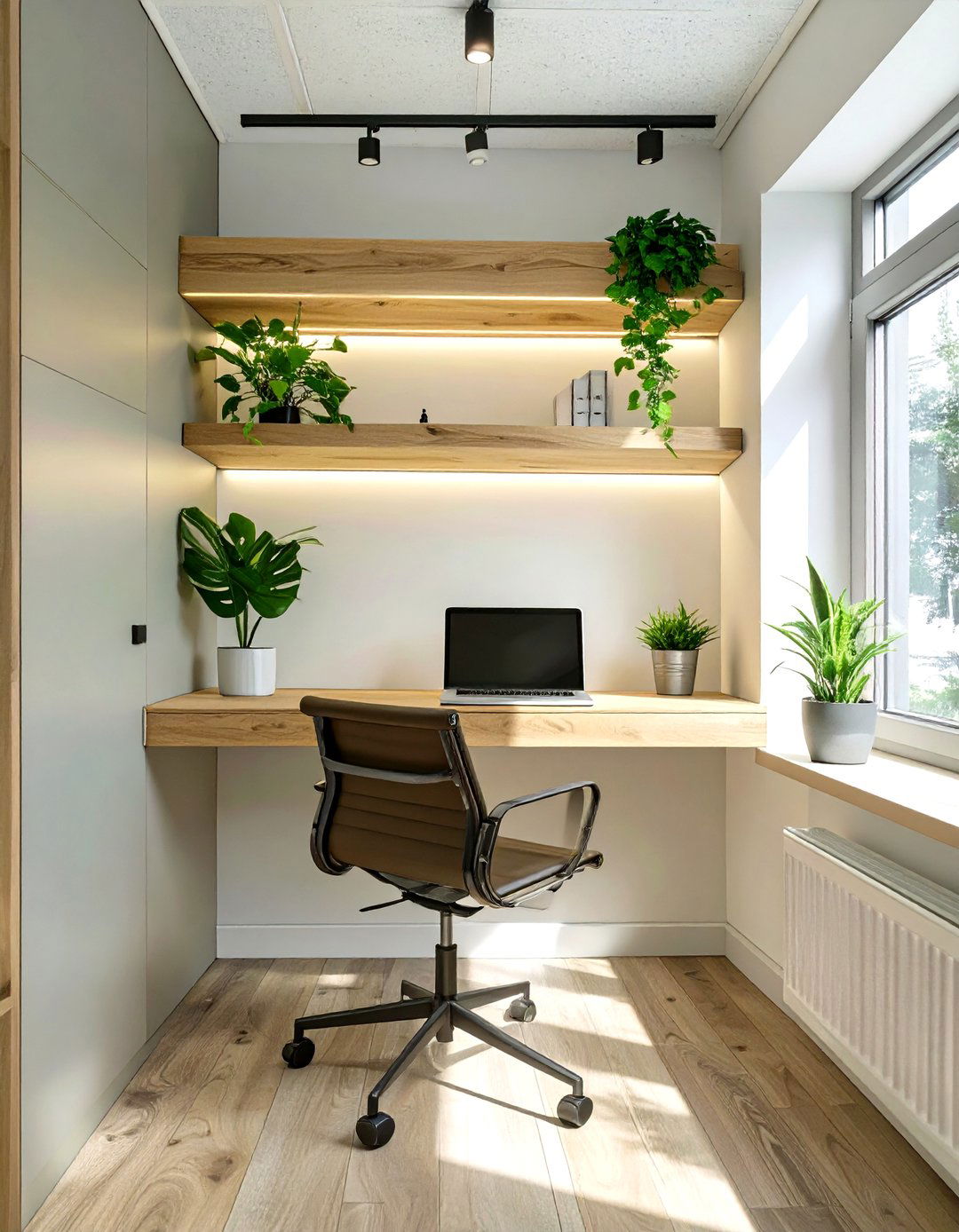
A wall-mounted floating desk is a game-changer for compact rooms, creating an illusion of spaciousness by freeing up floor area. This minimalist approach eliminates bulky legs, providing more room for your feet and additional storage like a filing cabinet underneath. The design offers a clean, uncluttered look that helps maintain a sense of openness. For an even more integrated feel, you can install shelving above the desk, using the vertical space for books and supplies. This setup is perfect for narrow spaces or corners, turning an unused wall into a fully functional and stylish workstation that feels both modern and efficient.
2. Vertical Shelving Systems
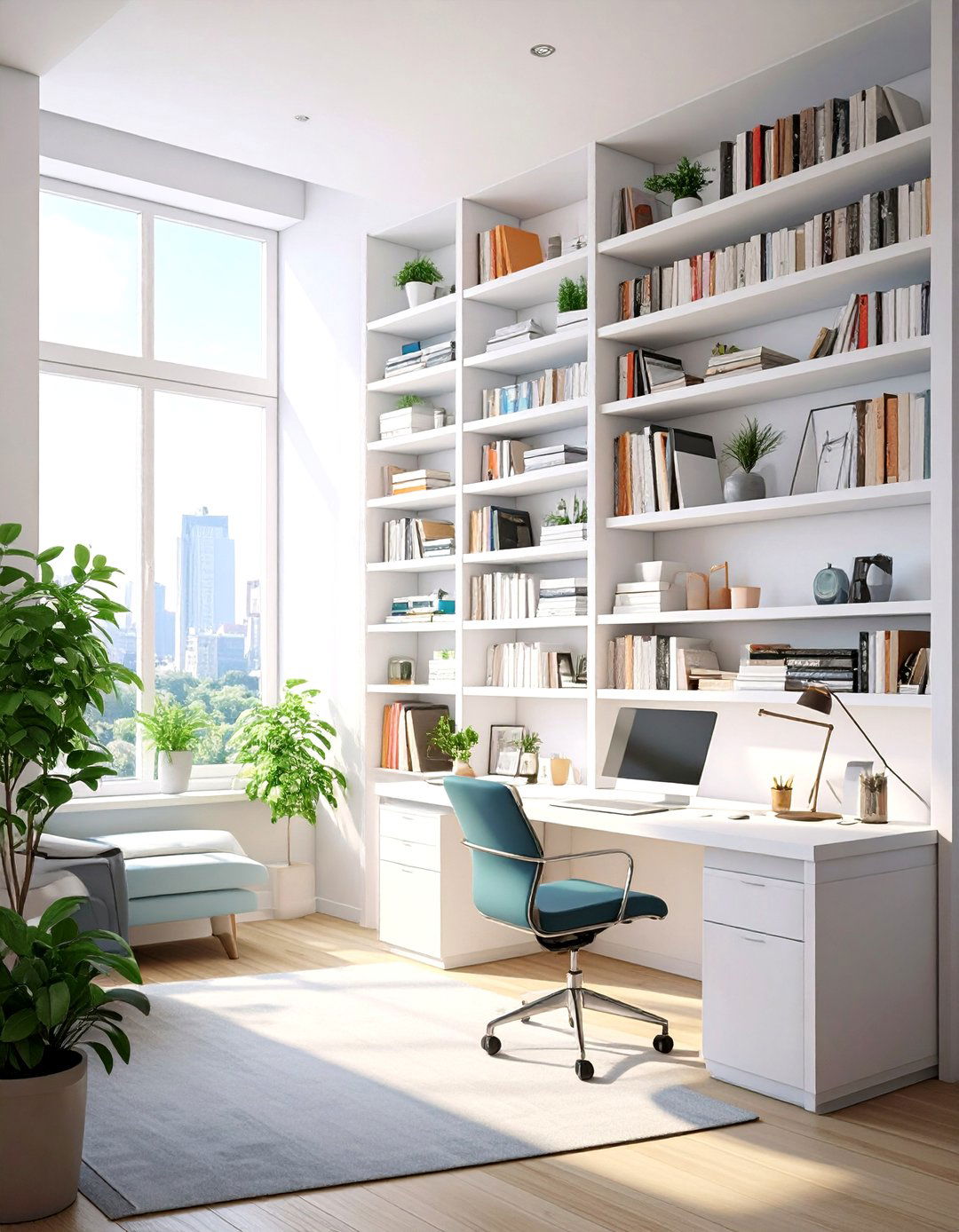
When floor space is at a premium, looking up is the best solution. Vertical shelving systems draw the eye upward, making the ceiling feel higher and the room larger. Consider installing floor-to-ceiling bookshelves or a series of high-mounted floating shelves to store documents, books, and decorative items. This strategy keeps your desk surface clear of clutter, which is essential for maintaining focus in a small area. By utilizing the full height of your walls, you create an organized, accessible storage hub that adds architectural interest while maximizing every available inch of your compact office environment.
3. Integrated Under-Stair Office
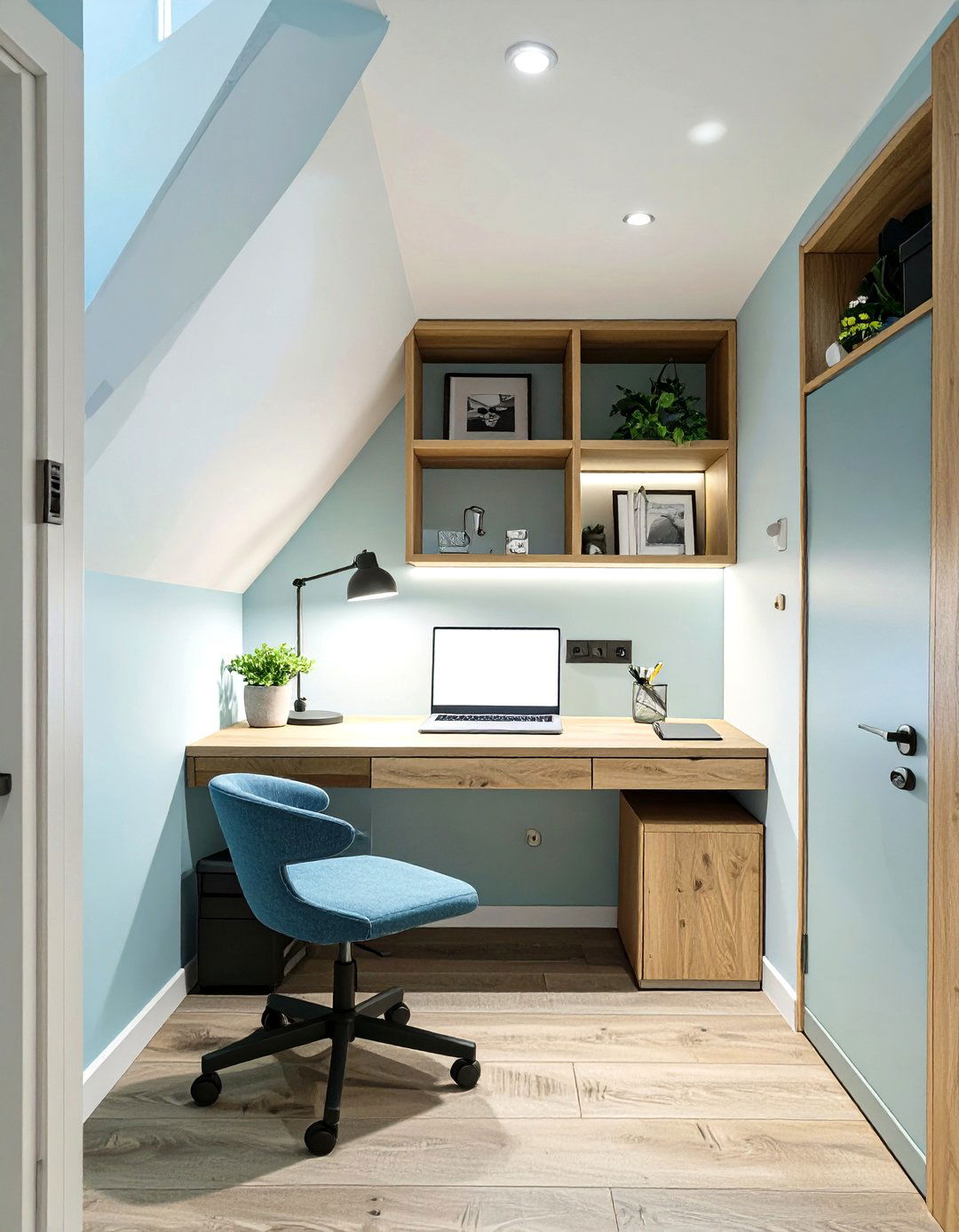
The awkward, often-wasted space beneath a staircase is prime real estate for a small office. An integrated under-stair office, or "cloffice," transforms this nook into a surprisingly productive workstation. A custom-built desk that fits the angle of the stairs, combined with built-in shelving and cabinets, creates a seamless and highly efficient setup. This design cleverly conceals the office when not in use, helping you maintain a clear boundary between work and home life. With proper lighting and a comfortable chair, this previously ignored area becomes a cozy, dedicated workspace that feels both intentional and incredibly smart.
4. Compact Corner Workstation
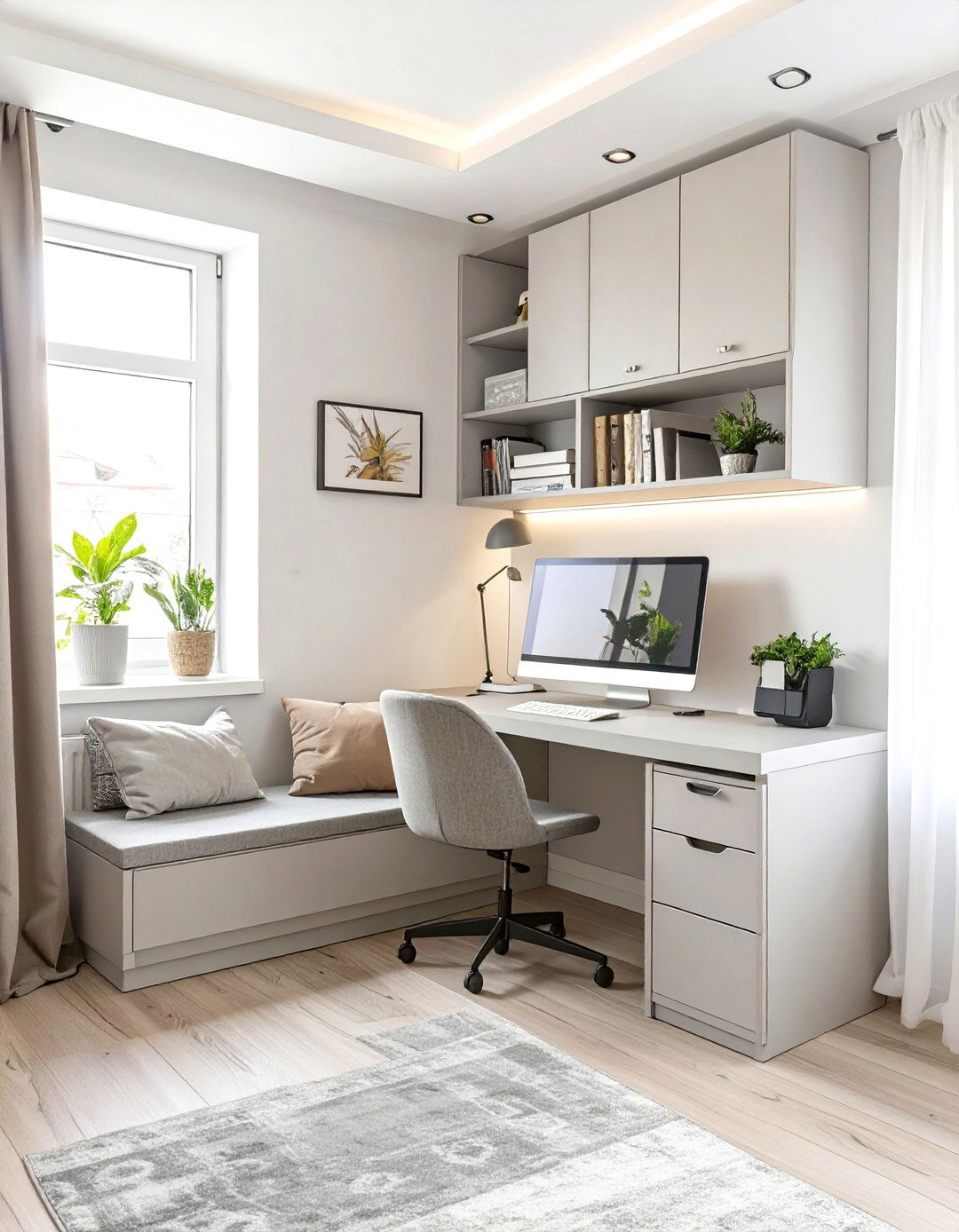
For those rooms that serve multiple purposes, a compact corner workstation can be the perfect solution. Utilizing a corner desk maximizes an often-underused part of the room, fitting snugly without disrupting the main flow of the space. Look for L-shaped desks designed specifically for corners to get the most surface area. To enhance this setup, add corner shelving above the desk for storage that doesn’t protrude into the room. This approach consolidates all your work essentials into one organized zone, leaving the rest of the room open for its primary function, whether it's a living room or a bedroom.
5. Minimalist Murphy Desk Setup
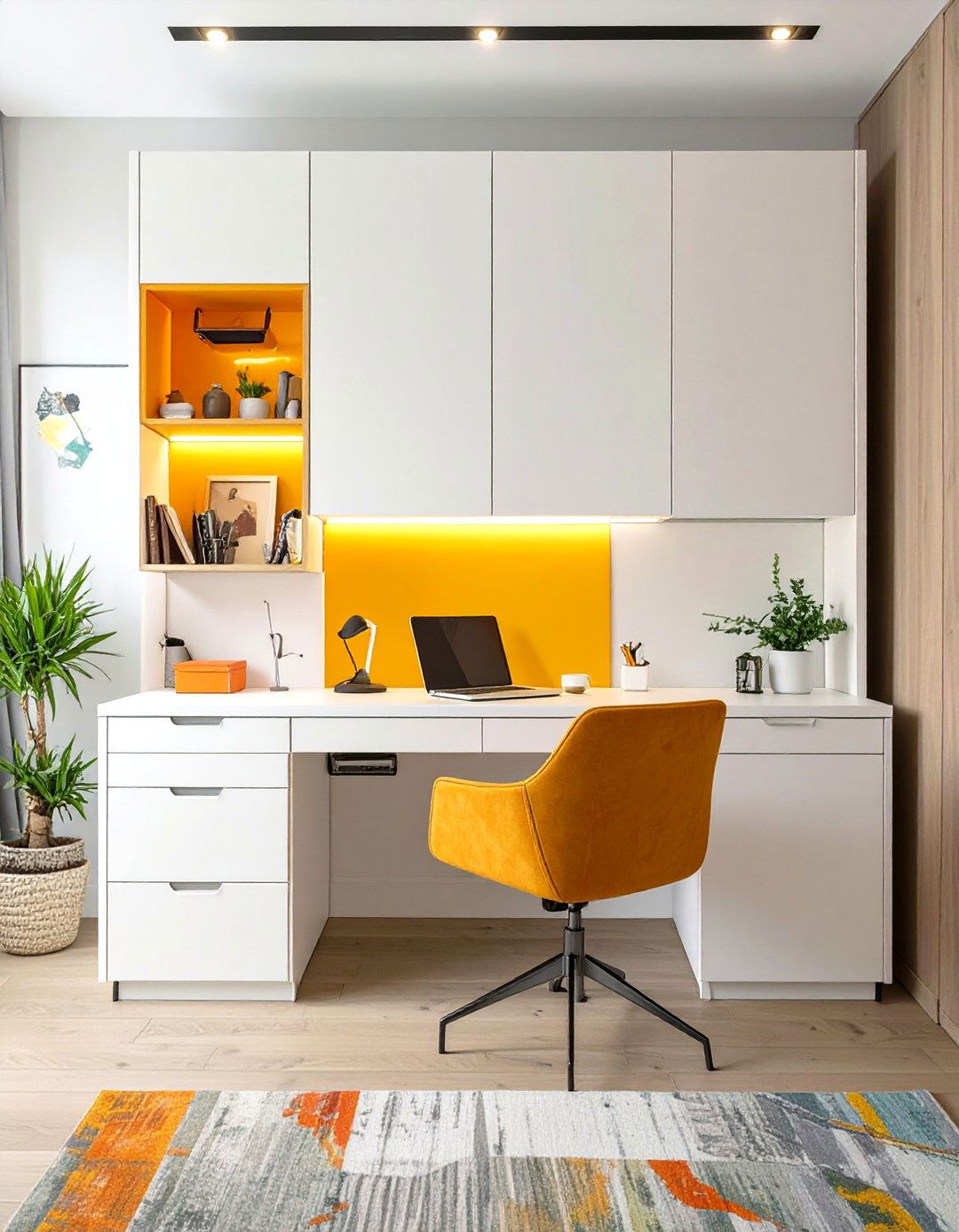
A minimalist Murphy desk is the ultimate space-saving solution for a small office that needs to disappear. This clever piece of furniture functions as a fold-down desk that can be tucked away into a sleek cabinet when your workday is over. It provides a generous work surface when needed and completely frees up the floor space when closed. Many Murphy desks also come with integrated storage shelves or cubbies inside, keeping your supplies organized and out of sight. This design is ideal for studio apartments or multi-purpose rooms where you need your office to vanish after hours, maintaining a clean and uncluttered living area.
6. Biophilic Wall Garden Office
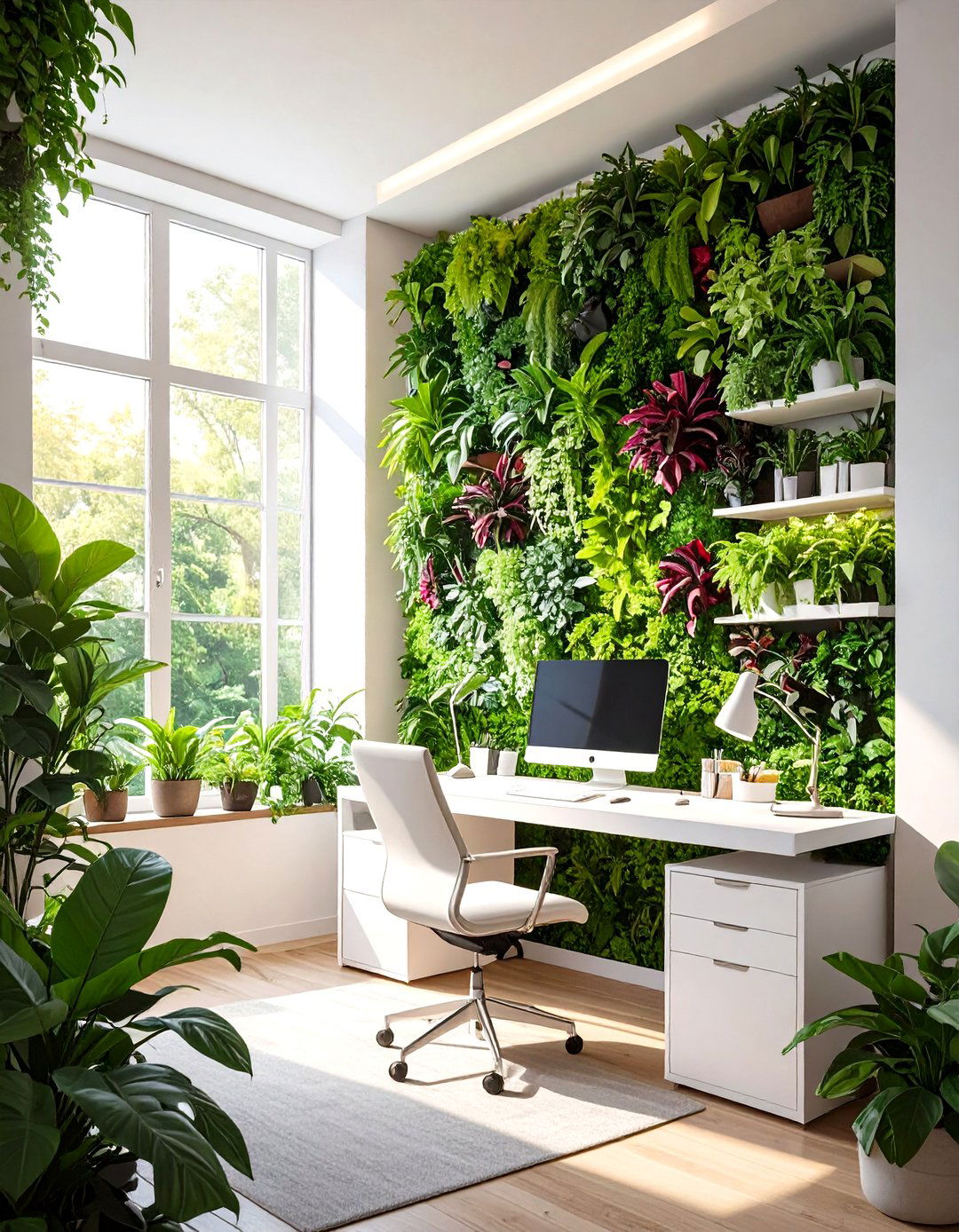
Bringing nature indoors can dramatically improve your mood and productivity, and a biophilic design is perfect for a small office. A vertical wall garden or a series of wall-mounted planters introduces greenery without taking up valuable desk or floor space. These living walls serve as a beautiful, dynamic backdrop that purifies the air and reduces stress. Position your desk facing this green feature to enjoy its calming benefits throughout the day. This approach not only enhances the aesthetic of your workspace but also promotes a healthier and more serene environment, making your small office feel like a refreshing retreat.
7. Smart Glass Partitioned Office
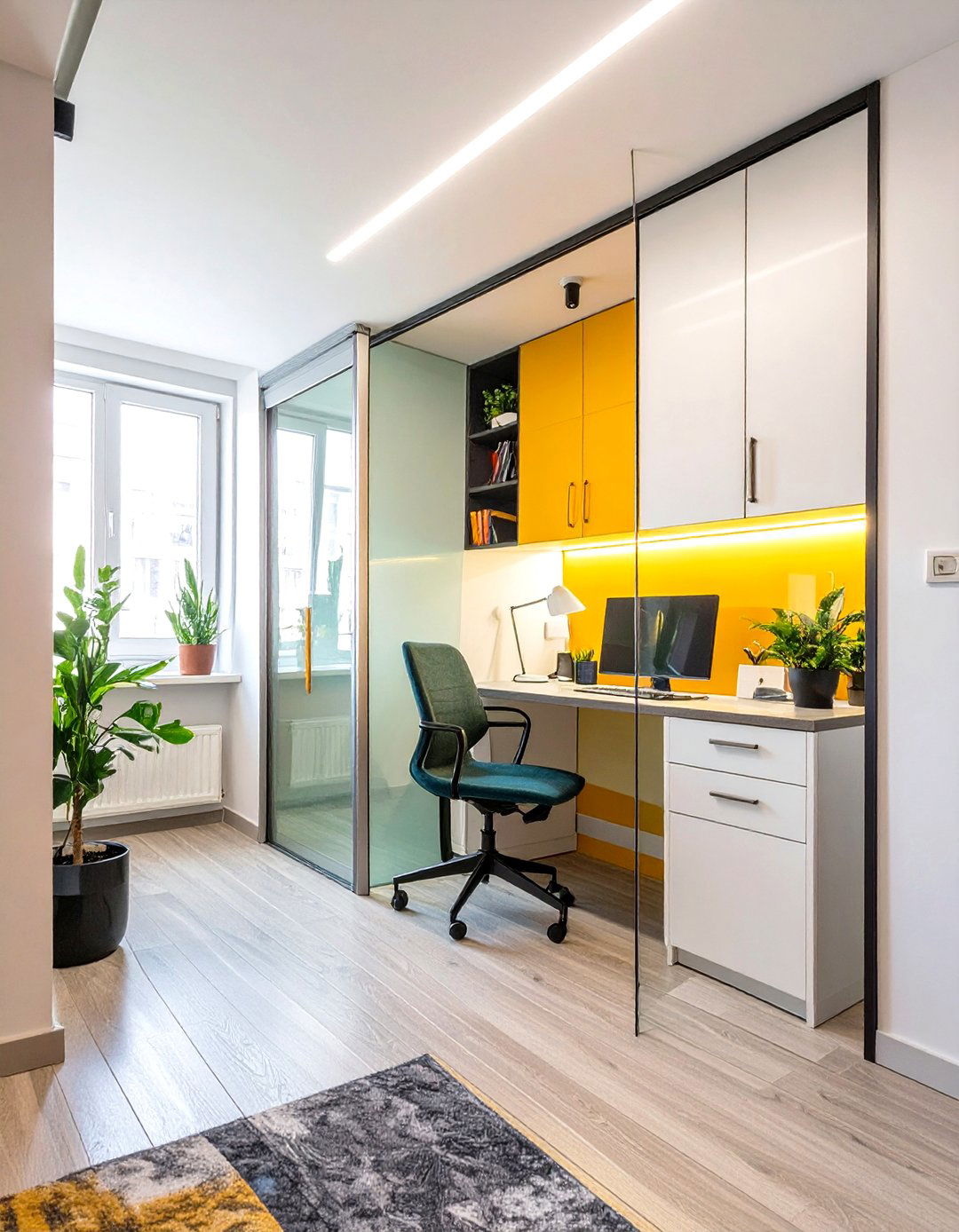
If your small office is part of a larger room, a smart glass partition can create a sense of separation without sacrificing an open feel. These transparent walls define the workspace while allowing natural light to flow through, preventing the area from feeling cramped or closed off. For added privacy, you can opt for frosted or switchable smart glass that can turn opaque at the flick of a button. This modern solution offers the best of both worlds: a dedicated, quiet office zone that still feels connected to the rest of the living space, making it a sophisticated choice for contemporary homes.
8. Monochromatic Color Scheme
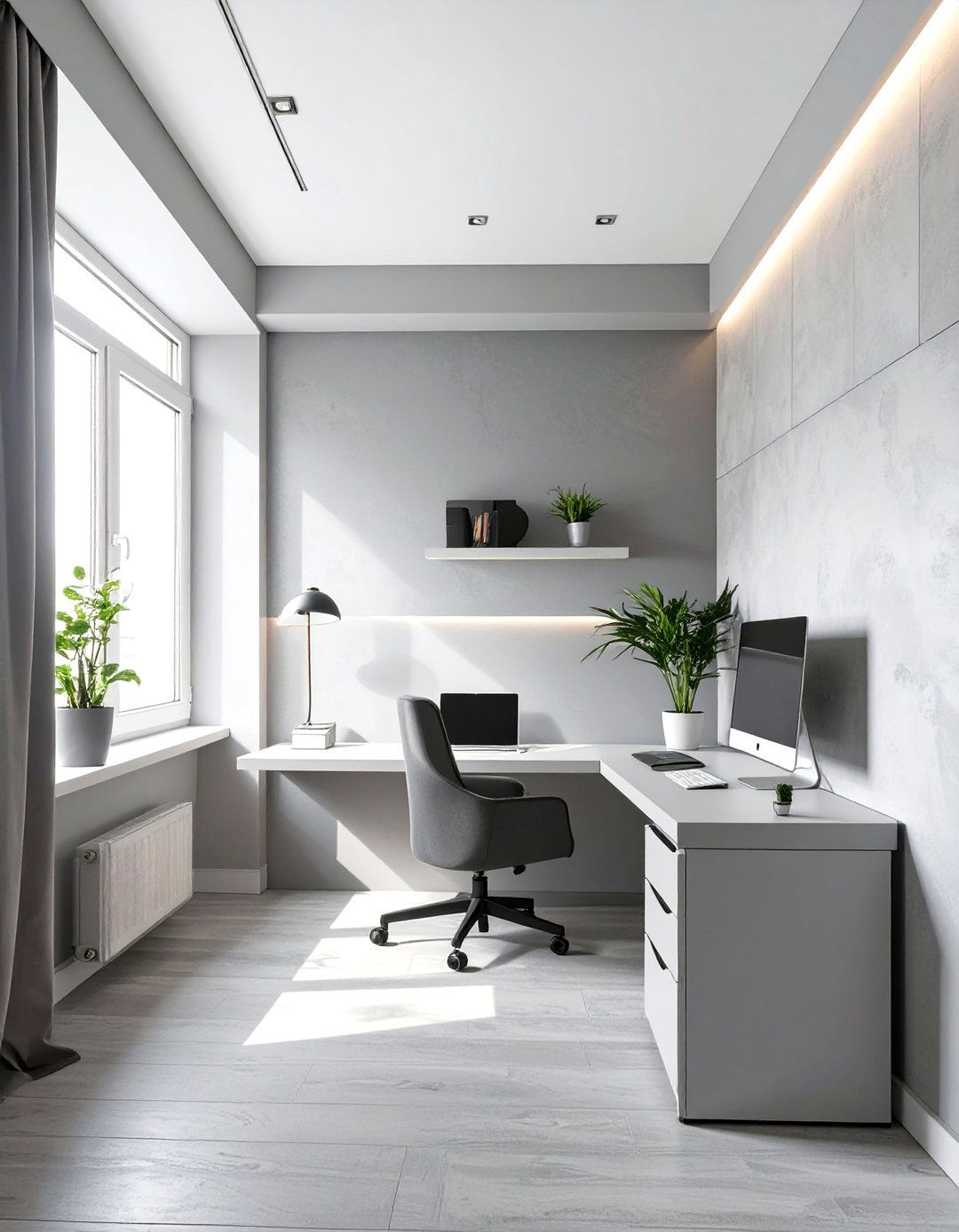
Using a monochromatic color scheme is a powerful design trick to make a small office feel larger and more cohesive. Sticking to a single color family, like shades of white, gray, or beige, creates a serene and uncluttered visual effect. This continuity helps to blur the boundaries of the space, making it appear more expansive. To prevent it from feeling flat, introduce different textures within the same color palette—a plush rug, a linen curtain, or a smooth lacquer desk. This subtle variation adds depth and interest while maintaining the clean, sophisticated look that is essential for a productive small workspace.
9. Strategic Use of Mirrors
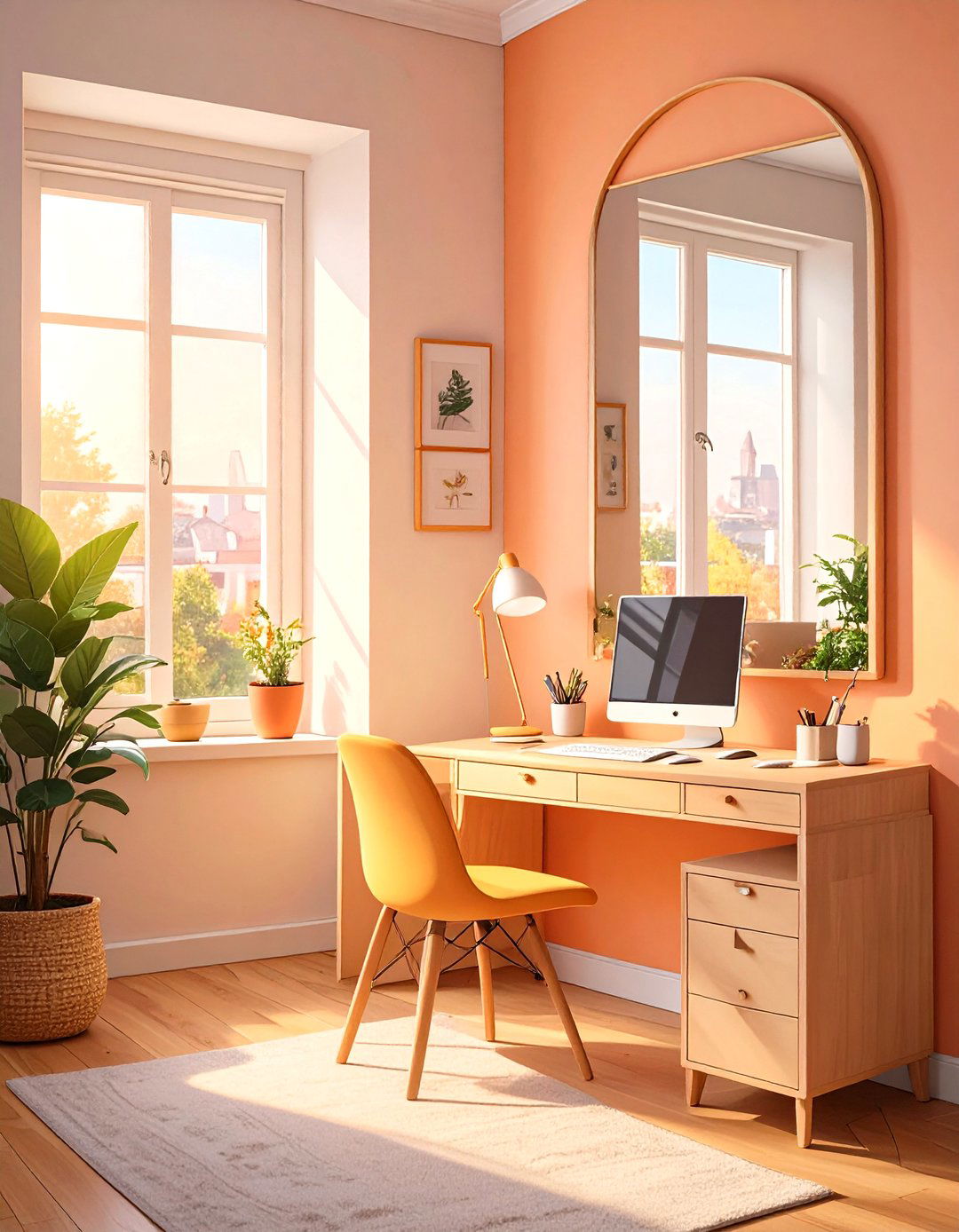
Mirrors are a classic tool for creating the illusion of depth and space in any small room, and an office is no exception. Placing a large mirror on the wall opposite a window will reflect natural light, instantly brightening the room and making it feel more airy. You could also consider mirrored furniture, such as a desk with mirrored drawers or a cabinet with a reflective finish. This not only adds a touch of glamour but also helps to bounce light around the space. The strategic placement of mirrors can visually double your office's size, transforming a cramped nook into an open, inviting workstation.

10. Multi-Functional Furniture
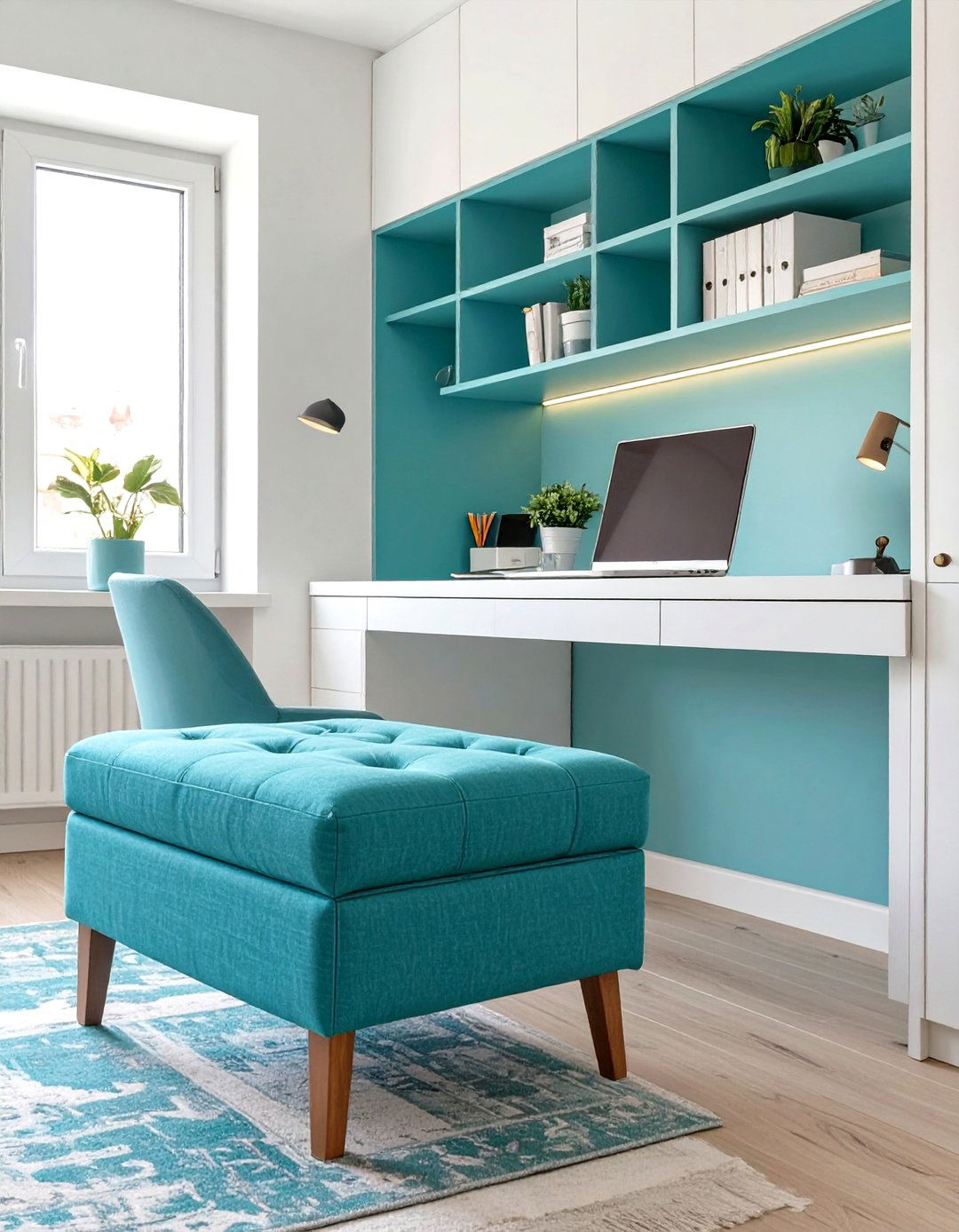
In a small office, every piece of furniture should work hard. Opting for multi-functional items is key to maximizing utility without adding clutter. Consider a storage ottoman that can serve as extra seating for a guest, a footrest, and a place to hide away files or supplies. A desk with built-in shelving or integrated file drawers eliminates the need for separate storage units. Some modern desks even come with adjustable heights, allowing you to switch between sitting and standing. Choosing smart, versatile furniture ensures your workspace remains organized, efficient, and adaptable to your changing needs throughout the workday.
11. Window-Facing Desk Layout
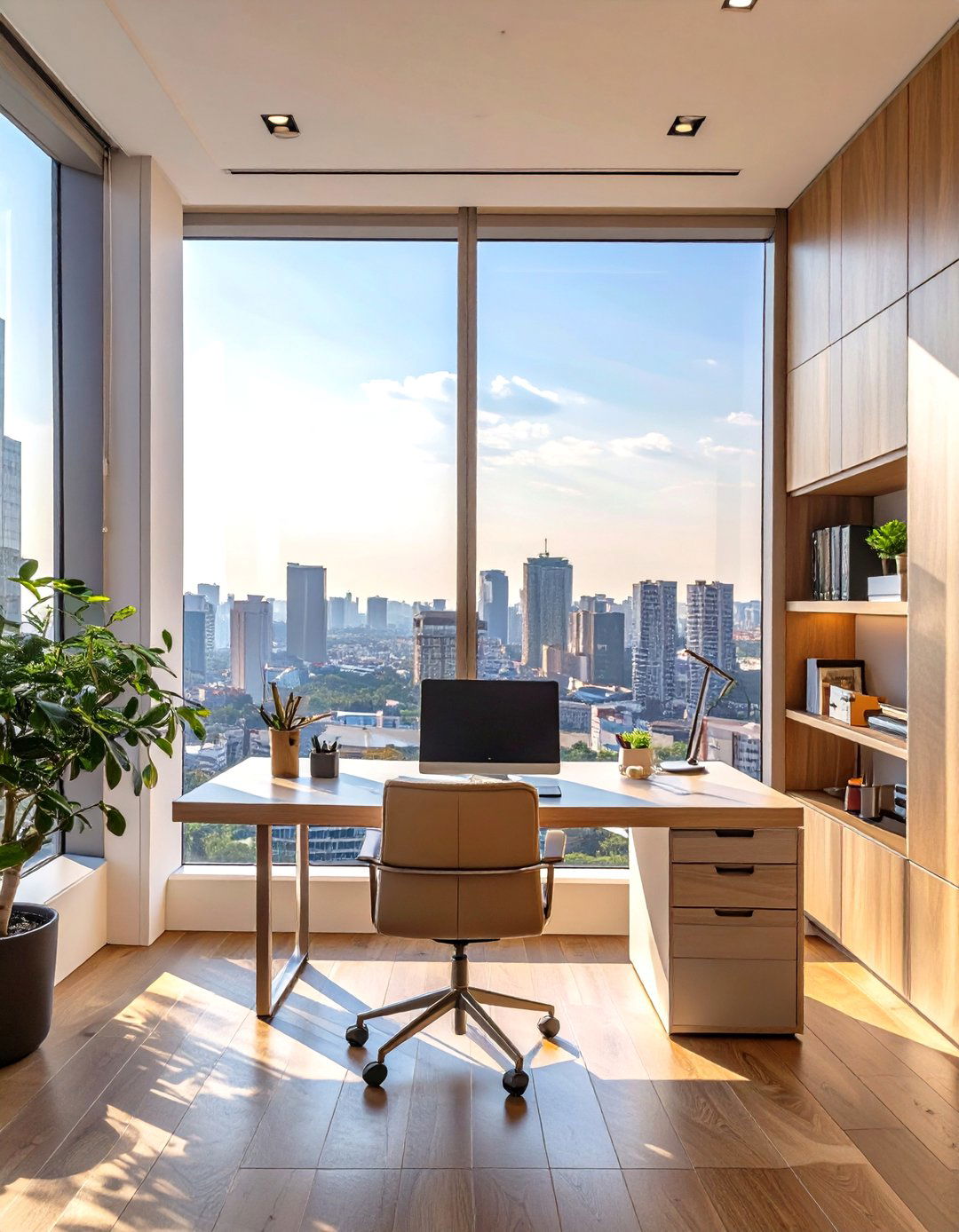
Positioning your desk to face a window offers numerous benefits for a small office. This layout maximizes your exposure to natural light, which is known to boost mood, energy, and focus while reducing eye strain. The view outside can also provide a much-needed mental break, helping to prevent feelings of being cooped up in a confined space. By placing the desk directly against the window wall, you free up the central part of the room, making it feel more open and easier to navigate. This simple yet effective arrangement creates a brighter, more pleasant, and seemingly larger workspace.
12. Built-In Alcove Office Nook
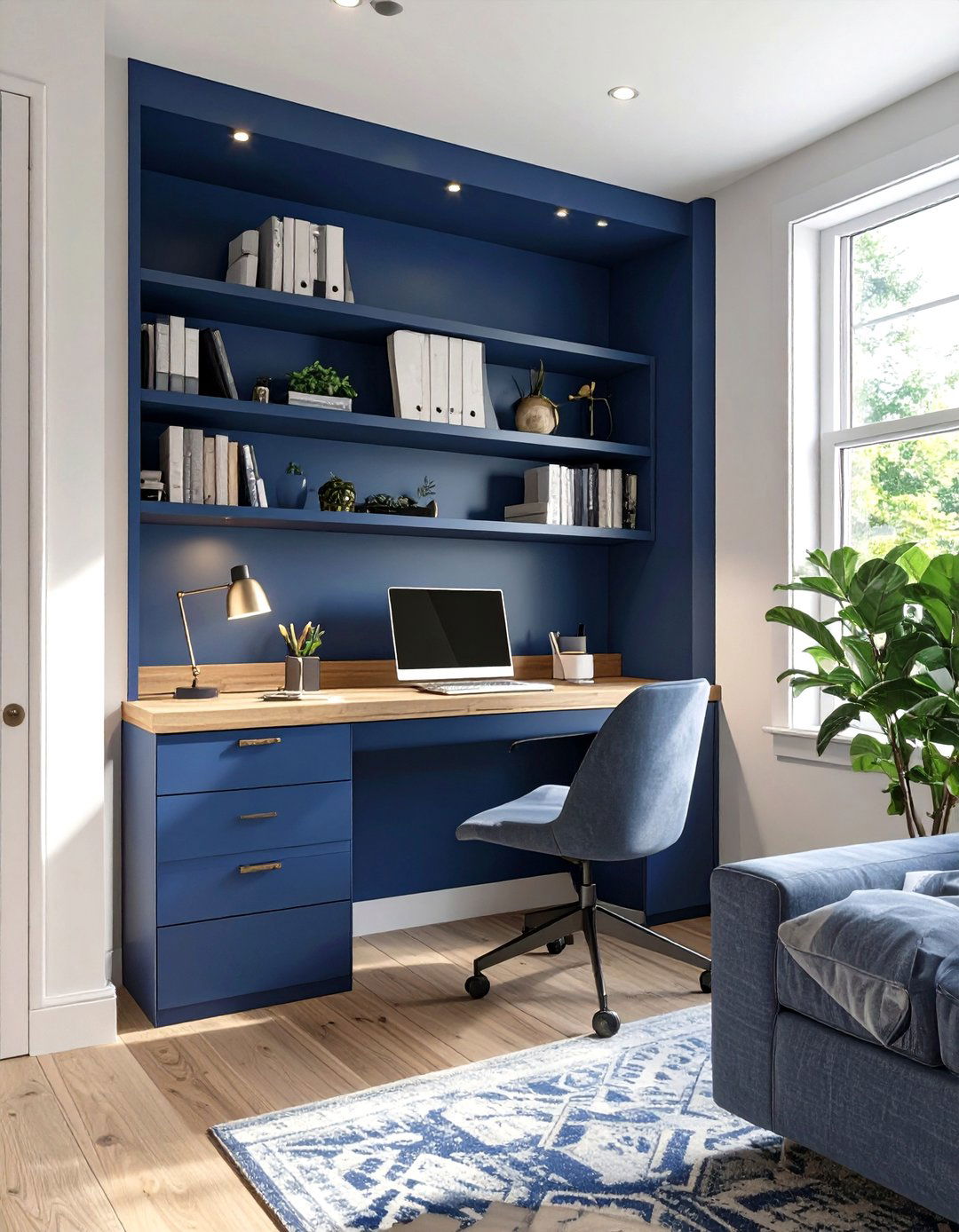
An unused alcove or recessed wall space is a golden opportunity for creating a tidy, built-in office nook. By fitting a custom desk and shelving directly into the alcove, you create a dedicated workspace that feels intentional and seamlessly integrated with the room's architecture. This design keeps the office contained within a specific zone, preventing it from spilling into your living area. Painting the inside of the alcove a different color can further define the space and add a pop of personality. This clever use of architectural quirks transforms a dead spot into a highly functional and organized office.
13. Fold-Down Wall Cabinet Desk
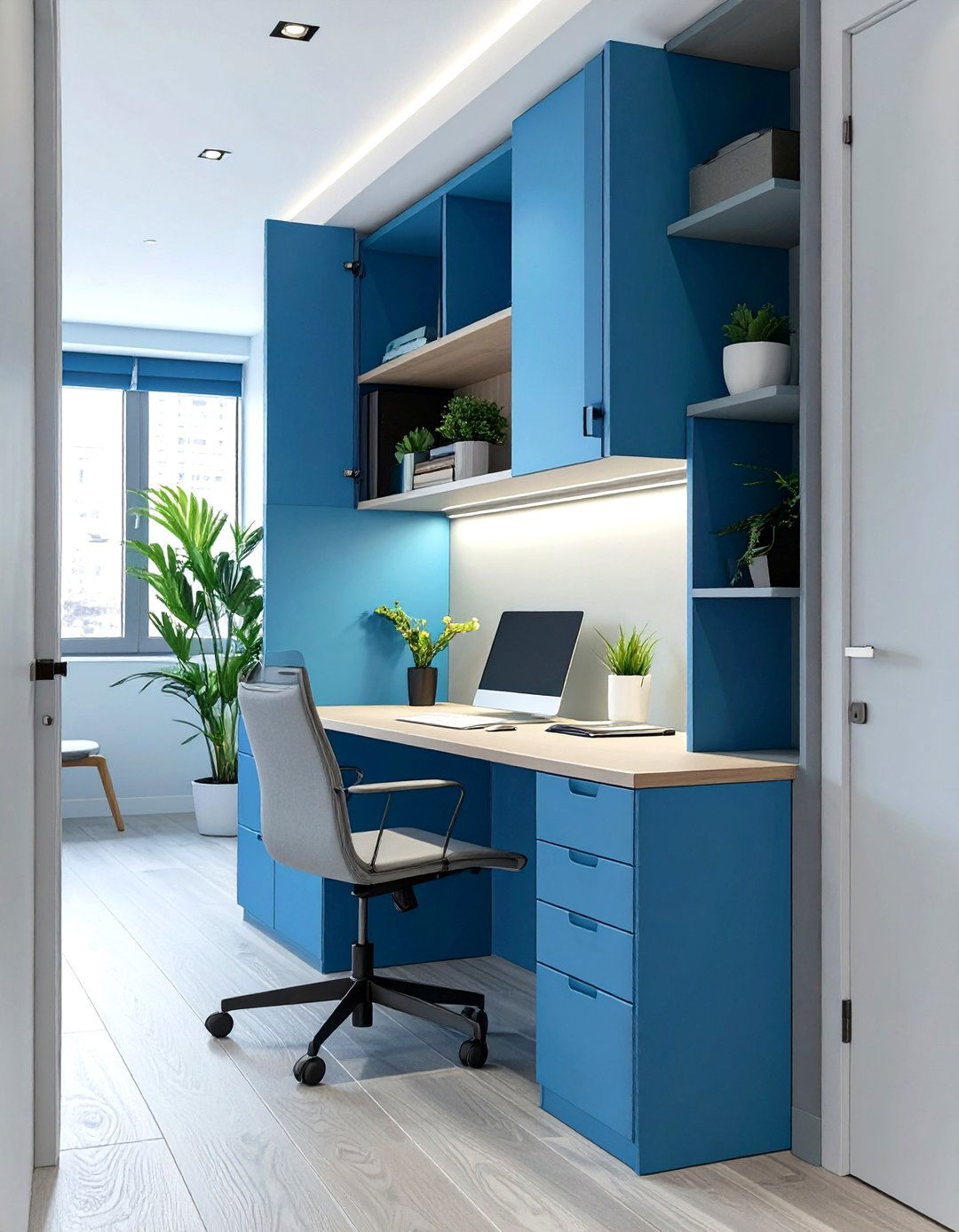
For the ultimate in space efficiency, a fold-down wall cabinet desk provides a practical workstation that completely disappears. When closed, it looks like a simple, shallow wall cabinet, but it opens to reveal a sturdy desk surface and often includes small compartments for storing essentials like pens and notebooks. This design is perfect for hallways, guest rooms, or living areas where a permanent desk would be impractical. It allows you to have a dedicated workspace without permanently sacrificing floor space, making it an ideal choice for those who need an office only occasionally or work in a very limited area.
14. Layered Lighting Design
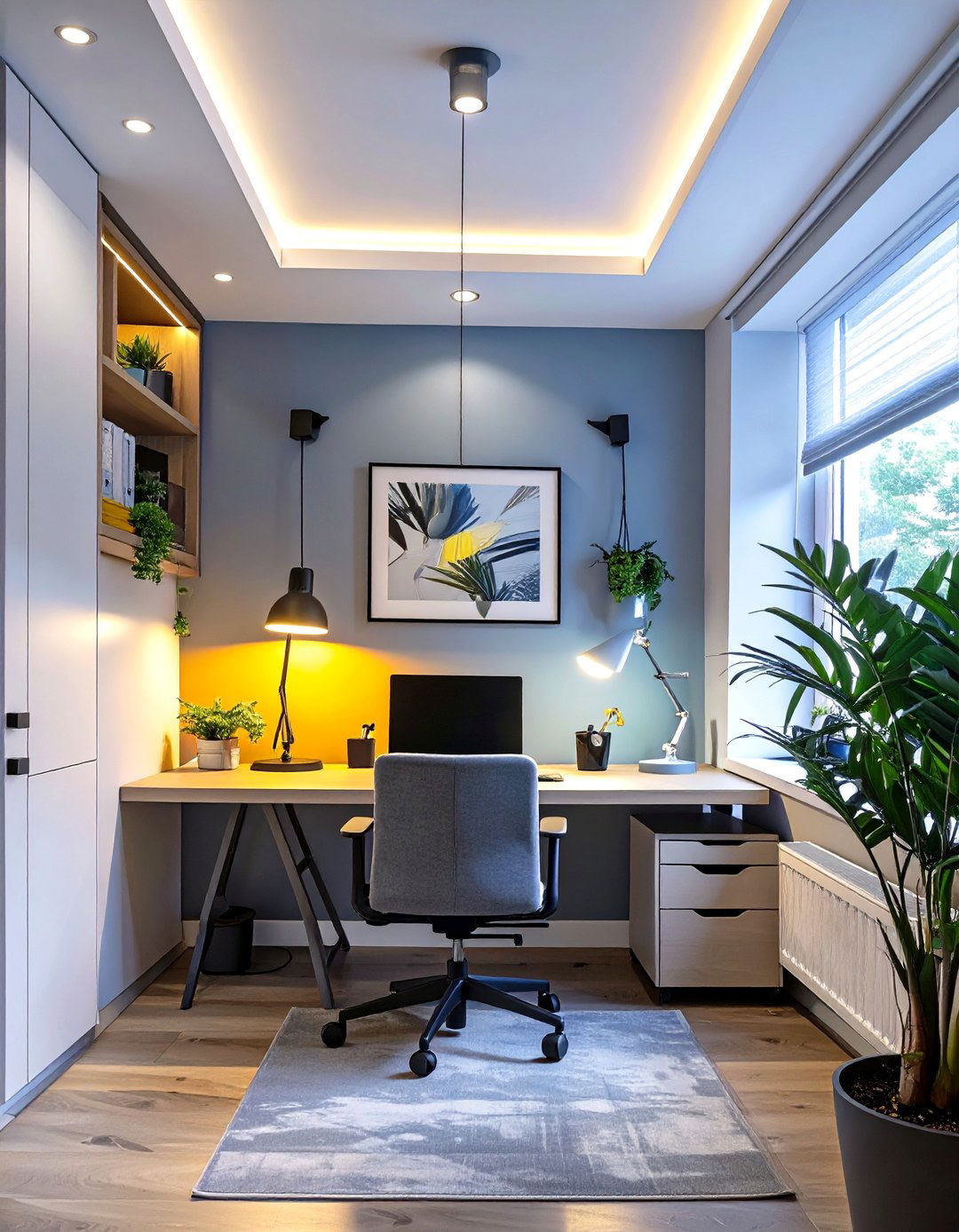
Proper lighting is crucial in a small office to make it feel bright, open, and functional. A layered lighting design combines different types of light to achieve this. Start with ambient light from a central ceiling fixture to illuminate the entire room. Next, add task lighting, such as an adjustable desk lamp or an under-cabinet light, to provide focused brightness for your work surface. Finally, incorporate accent lighting, like a small floor lamp or wall sconce, to add warmth and highlight specific features. This multi-layered approach eliminates shadows and creates a well-lit, inviting atmosphere that enhances productivity.


15. Pegboard Wall Organizer System
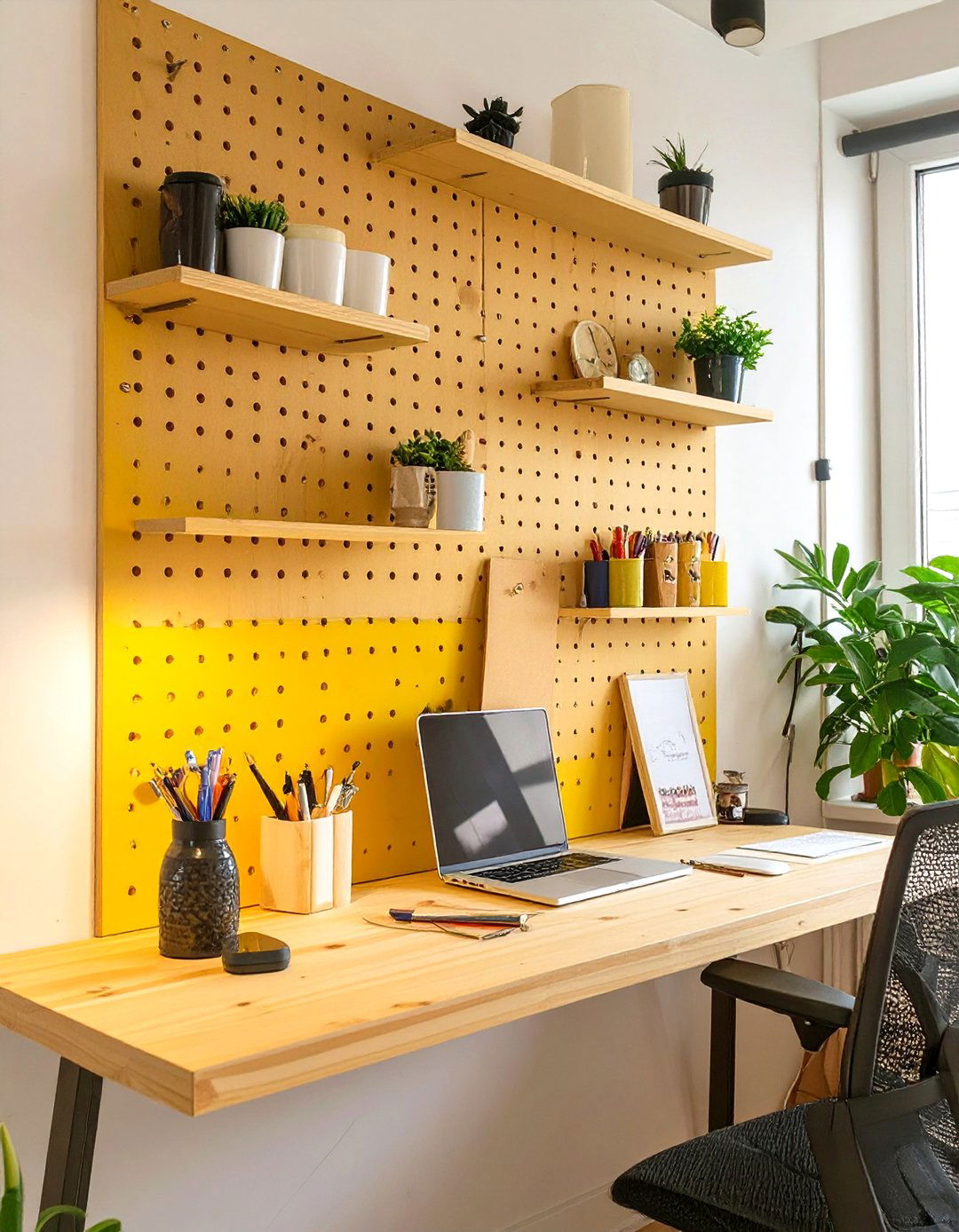
A pegboard wall organizer system is a versatile and visually interesting way to keep a small office tidy. These boards offer customizable storage that can be adapted to your specific needs. You can hang shelves, baskets, cups, and hooks to hold everything from pens and scissors to files and headphones, keeping them off your desk but within easy reach. The modular nature of a pegboard means you can rearrange it as your needs change. It serves as both a practical storage solution and a dynamic decorative element, adding a touch of industrial-chic style to your compact workspace.
16. Color-Blocked Accent Wall
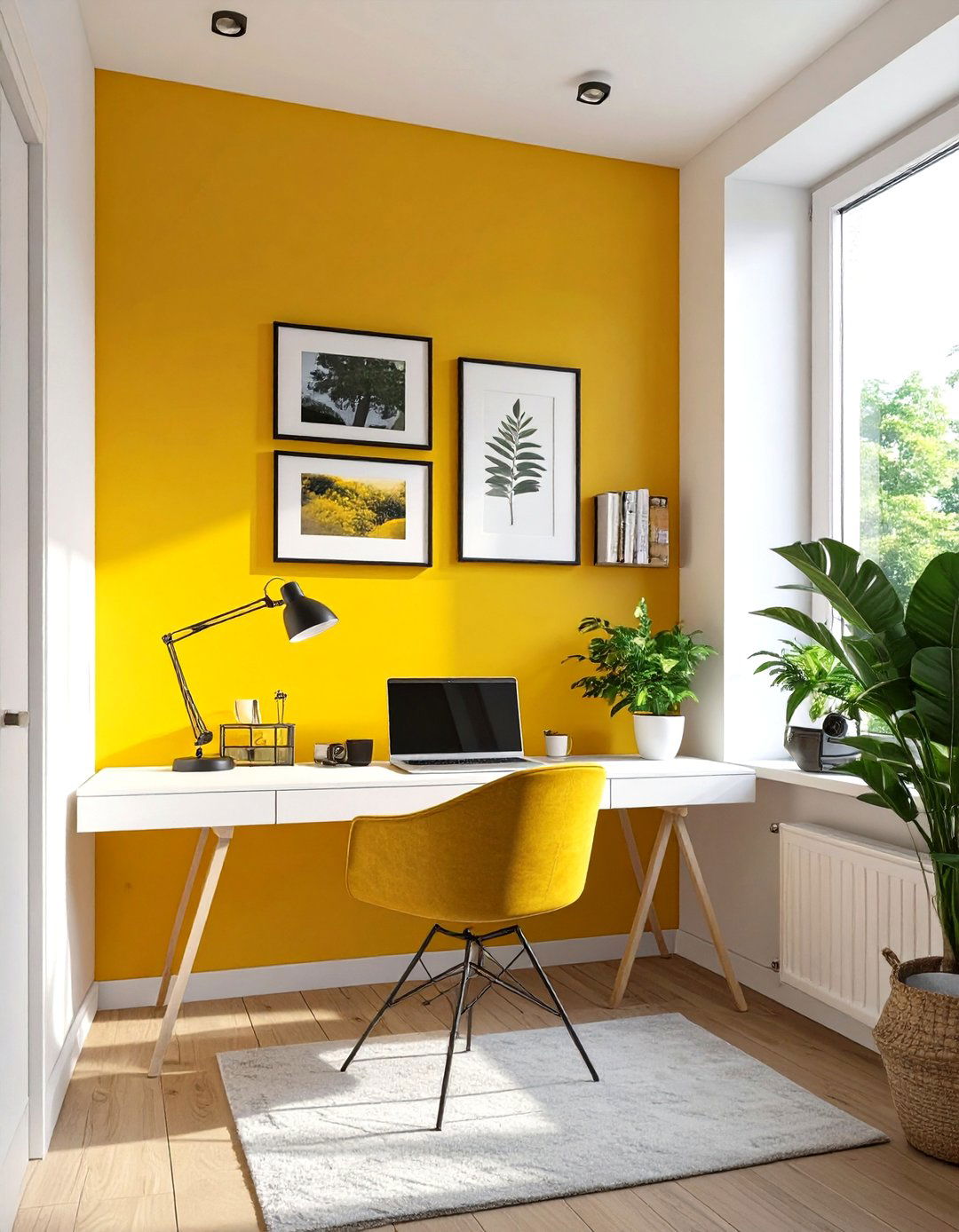
Creating a color-blocked accent wall is a bold and stylish way to define your office area within a larger room. Use painter's tape to create a geometric shape or a simple block of color on the wall where your desk is situated. This visual cue clearly demarcates the workspace without the need for physical dividers. Choose a color that energizes you, like a vibrant blue or a calming green, to set the tone for productivity. This technique adds a significant design impact with minimal effort and cost, making your small office nook feel purposeful and creatively inspiring.
17. Loft Bed with Desk Underneath
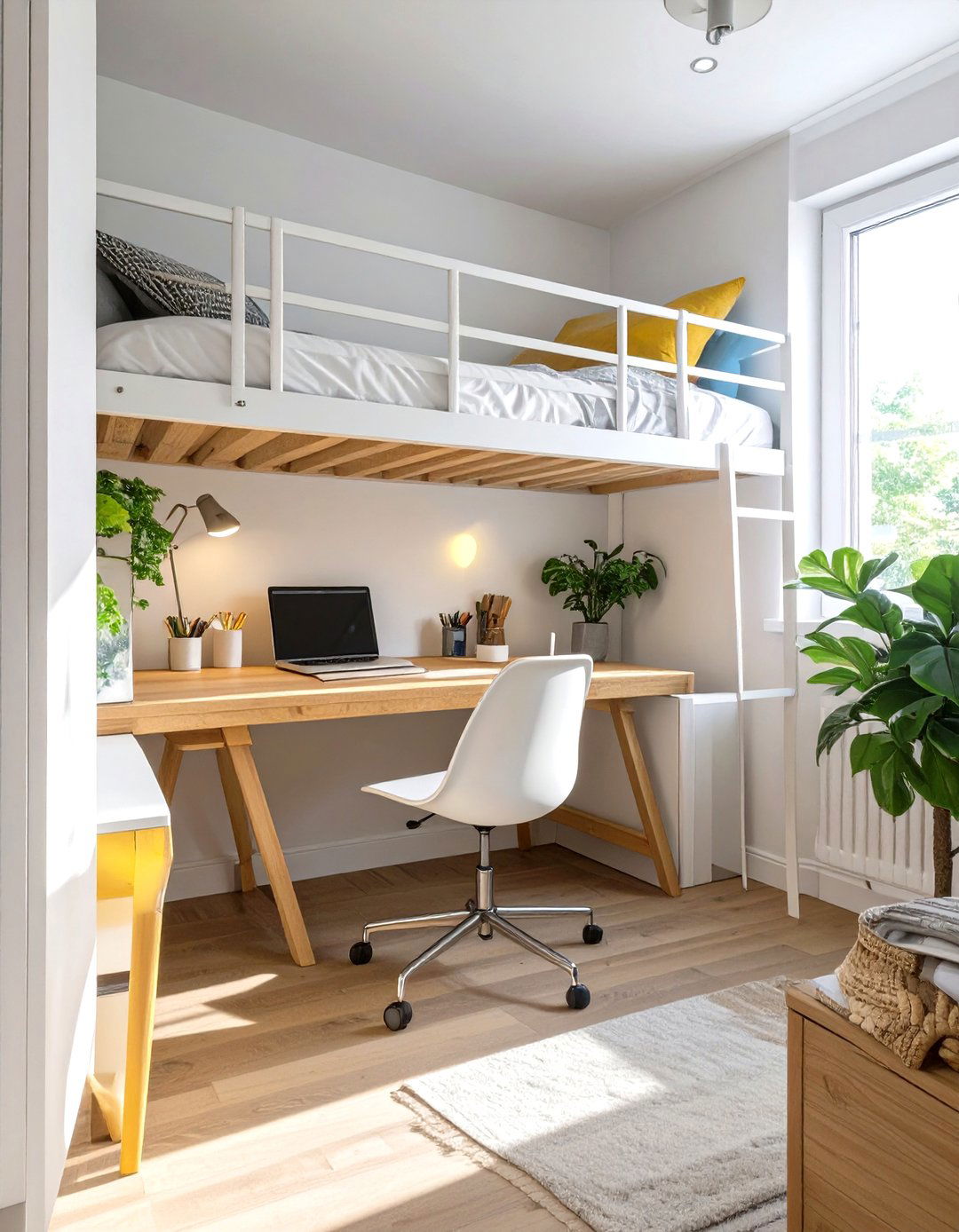
In a small bedroom or studio apartment, a loft bed with a desk underneath is a brilliant two-in-one solution. This design elevates the sleeping area, freeing up the entire footprint below for a spacious and functional workstation. You can fit a full-sized desk, a comfortable chair, and even some shelving or storage units in the space created. It's an all-in-one approach that consolidates your rest and work zones into a single, compact vertical unit. This setup is particularly effective for students or young professionals looking to maximize every square foot of their living space efficiently.
18. Transparent Acrylic Furniture
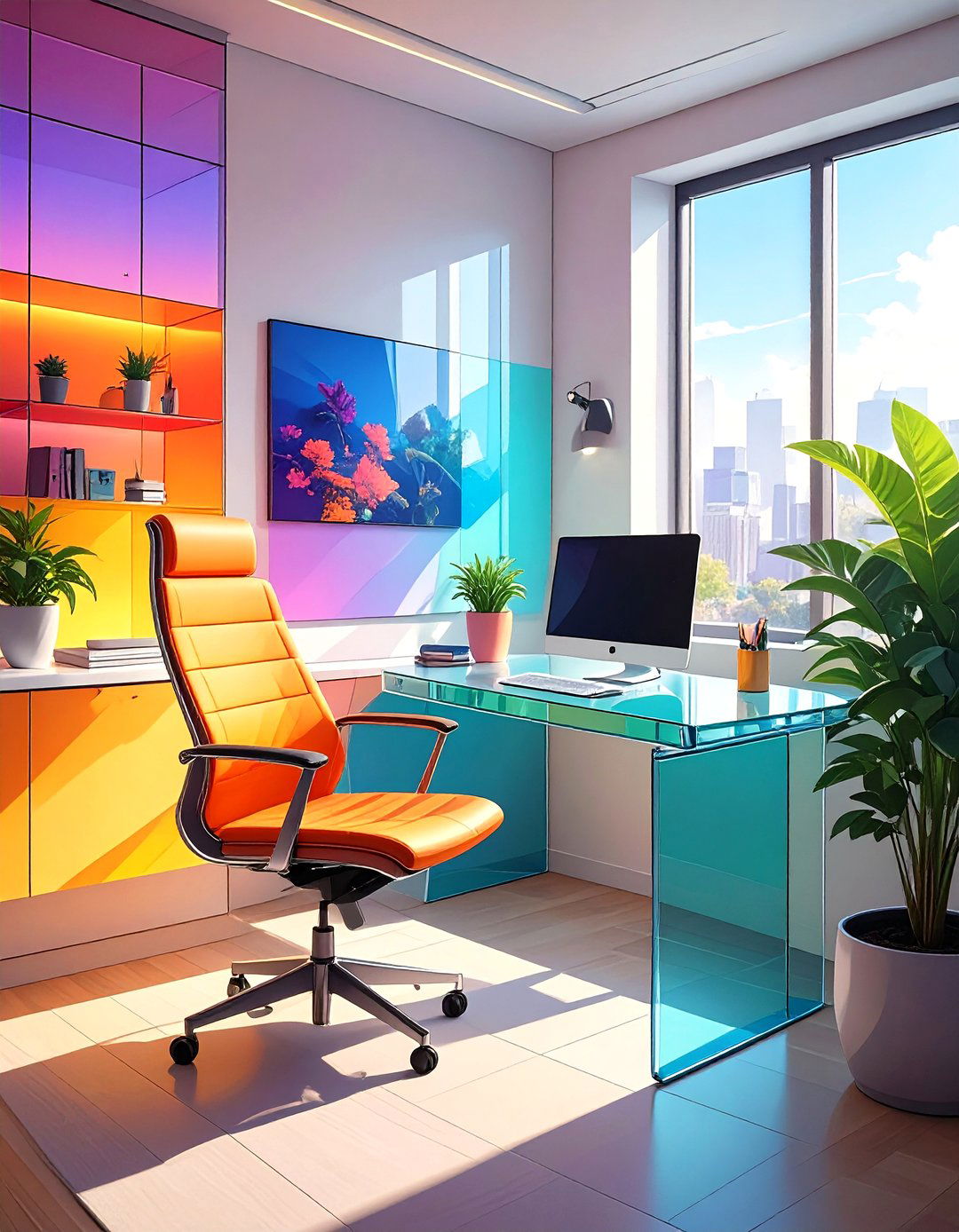
To create a feeling of weightlessness in a small office, consider using transparent acrylic furniture. A clear acrylic desk, chair, or set of shelves can make a space feel significantly larger because they take up very little visual space. These "ghost" pieces blend seamlessly into the background, allowing light to pass through them and preventing the room from feeling crowded with bulky items. Despite their delicate appearance, acrylic furnishings are surprisingly durable and sturdy. This modern, minimalist choice adds a touch of sophistication while helping you maintain an open and airy atmosphere in your compact office.
19. Slim Profile Bookshelf Dividers
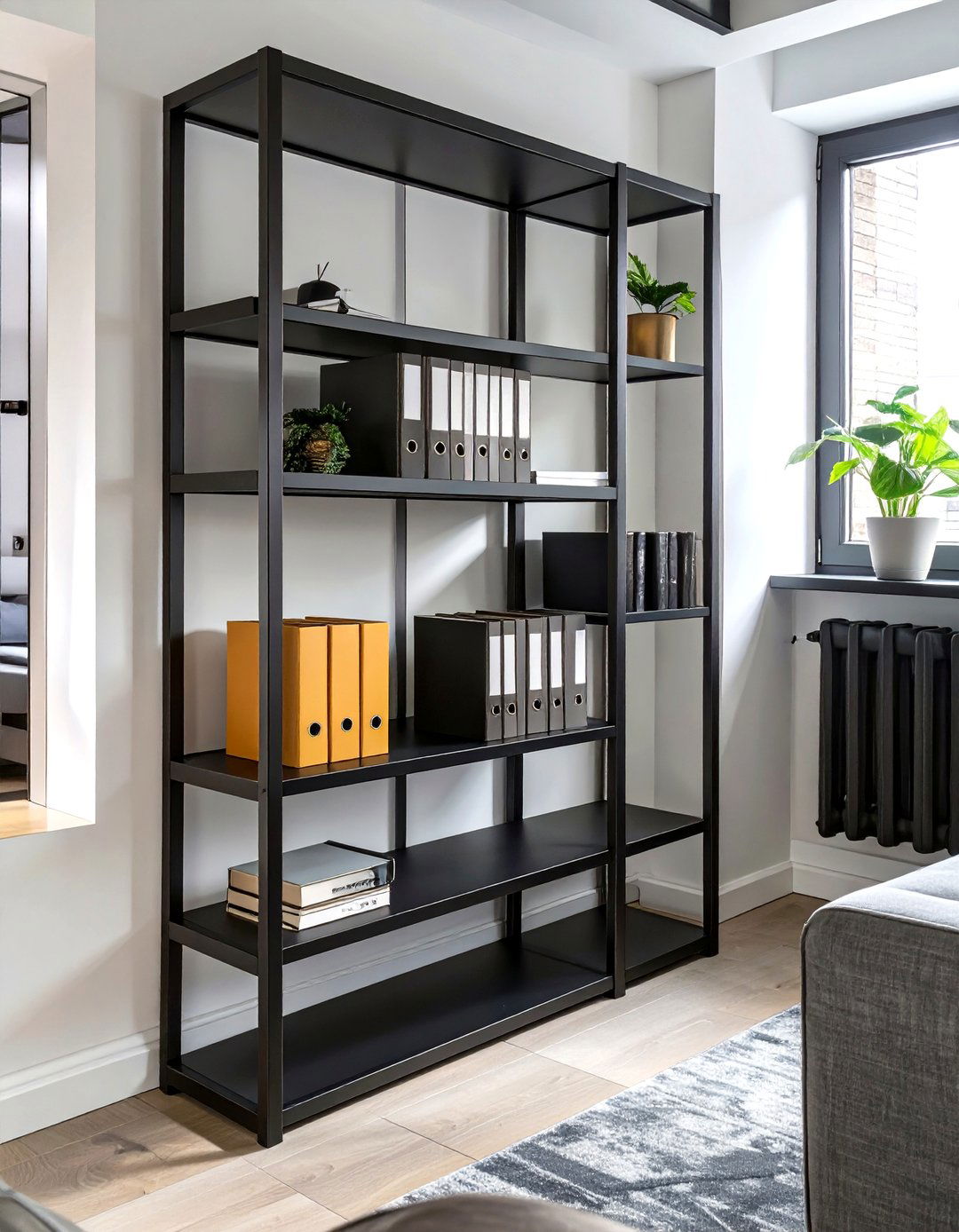
When you need to carve out an office space in an open-plan living area, slim profile bookshelves can act as effective dividers. Choose a tall, narrow, and open-backed bookshelf to create a sense of separation without completely blocking light or sightlines. This allows the space to feel defined yet connected. The shelves serve a dual purpose, providing essential storage for books and office supplies while creating a functional partition. This strategy is an excellent way to establish a dedicated work zone that feels distinct from your living area, promoting better focus and work-life balance.

20. Rug-Defined Work Zone
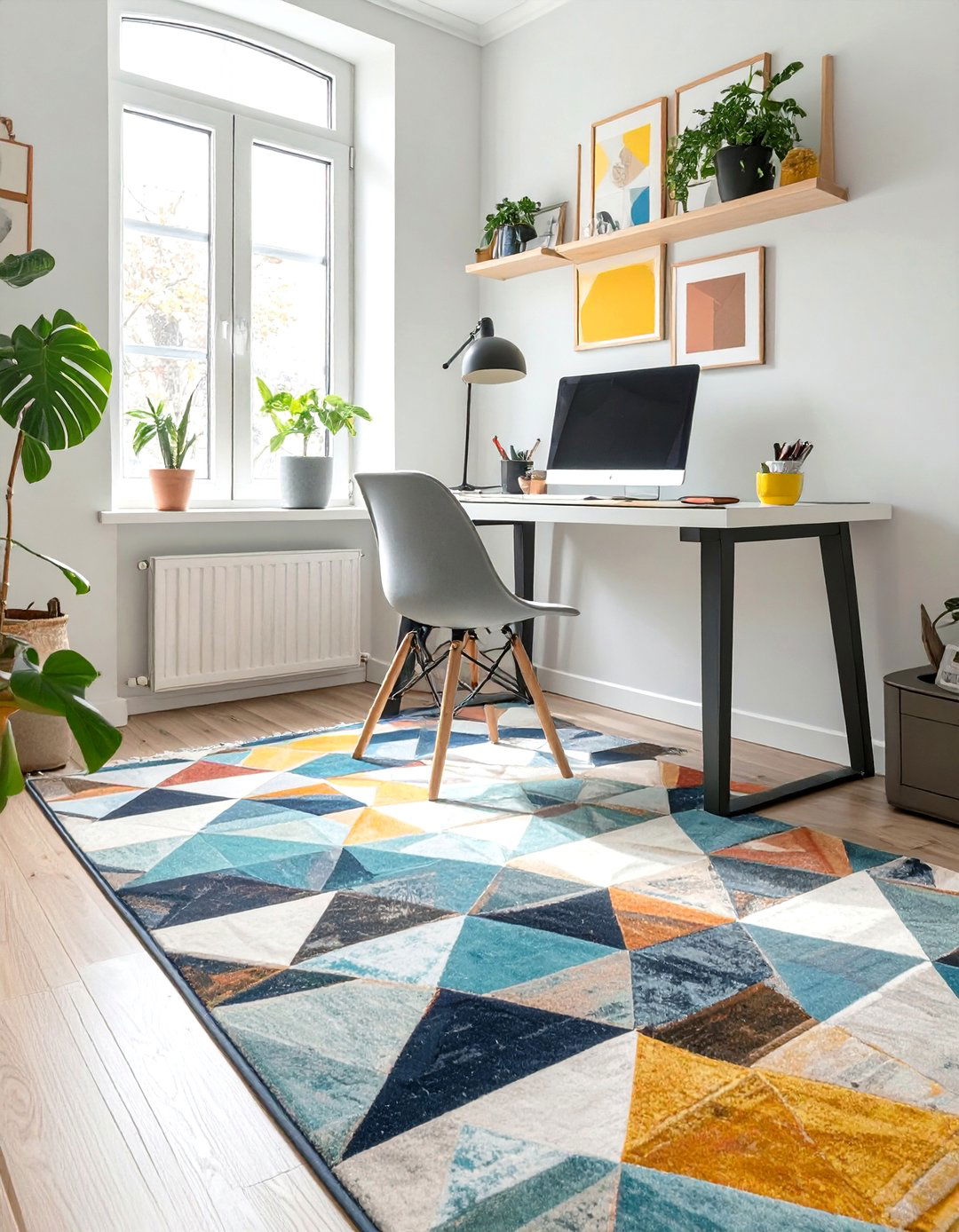
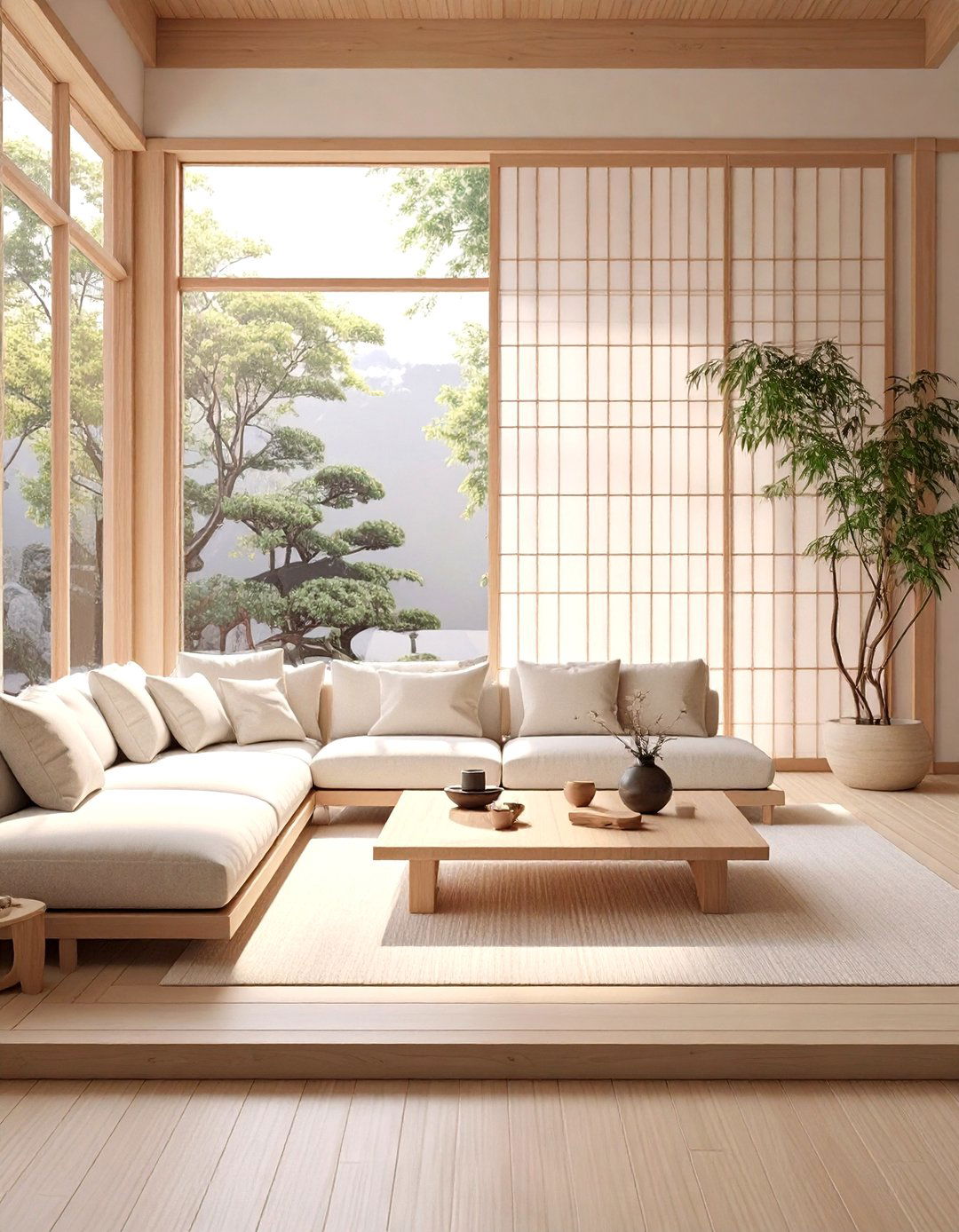
A simple yet highly effective way to delineate your office area in a multi-purpose room is by using a rug. Placing a stylish rug under your desk and chair instantly creates a visual boundary, defining the workspace as a separate zone. This technique helps to ground the furniture and adds a layer of texture and color, making the nook feel more intentional and cohesive. Choose a rug that complements the room's overall decor but is distinct enough to mark the office area. This easy and affordable trick adds comfort underfoot while clearly separating your professional and personal spaces.
21. High-Gloss Cabinetry Surfaces
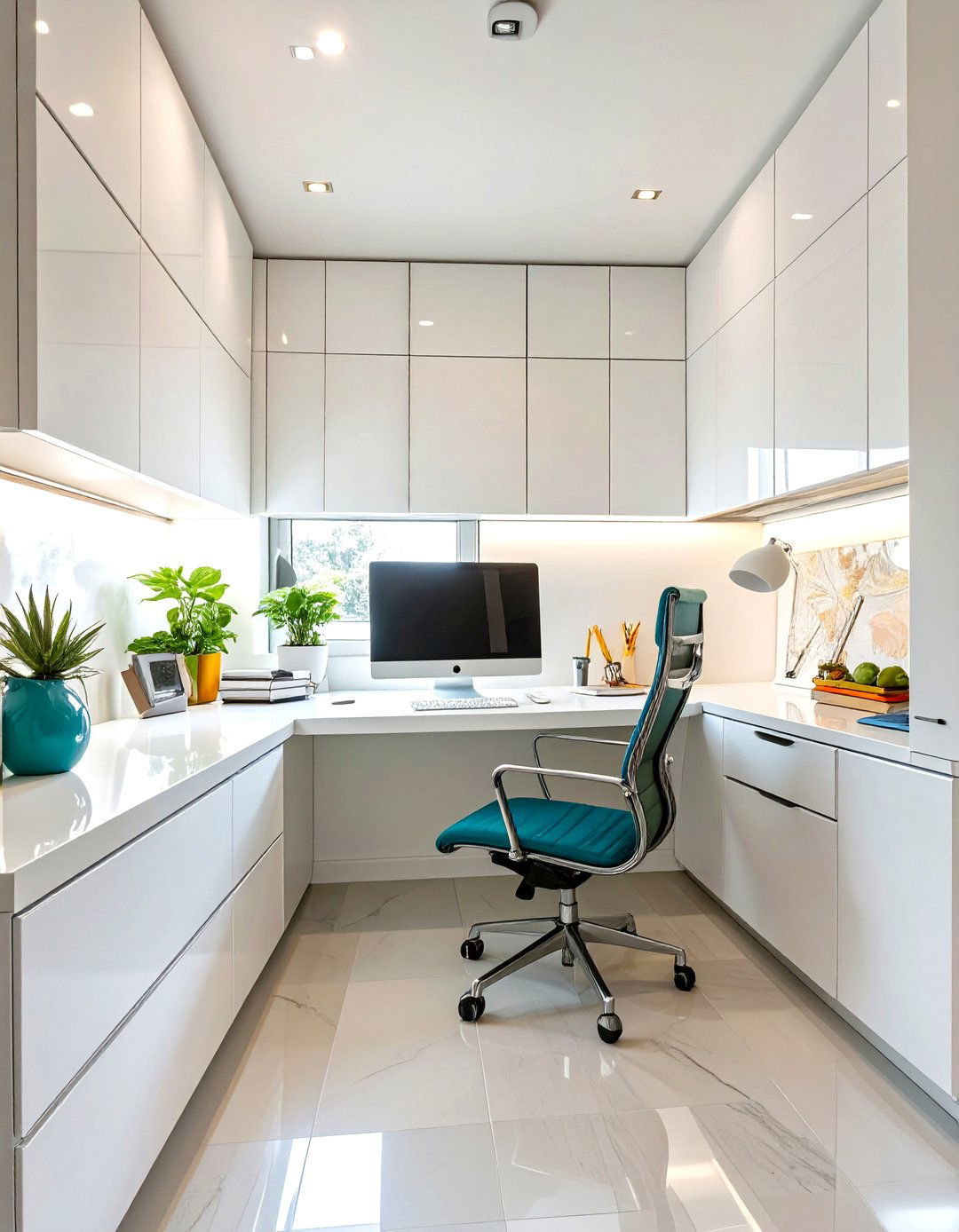
Incorporating high-gloss cabinetry and surfaces is a sleek, modern strategy for making a small office feel brighter and more spacious. The reflective quality of a high-gloss finish bounces light around the room, much like a mirror, which helps to create an open and airy ambiance. White or light-colored glossy cabinets are particularly effective at amplifying this effect. These surfaces are also easy to wipe clean, helping you maintain a tidy and polished look. By choosing furniture with a high-gloss finish, you can add a touch of contemporary glamour while enhancing the sense of space in your compact work area.
22. Art-Focused Gallery Wall
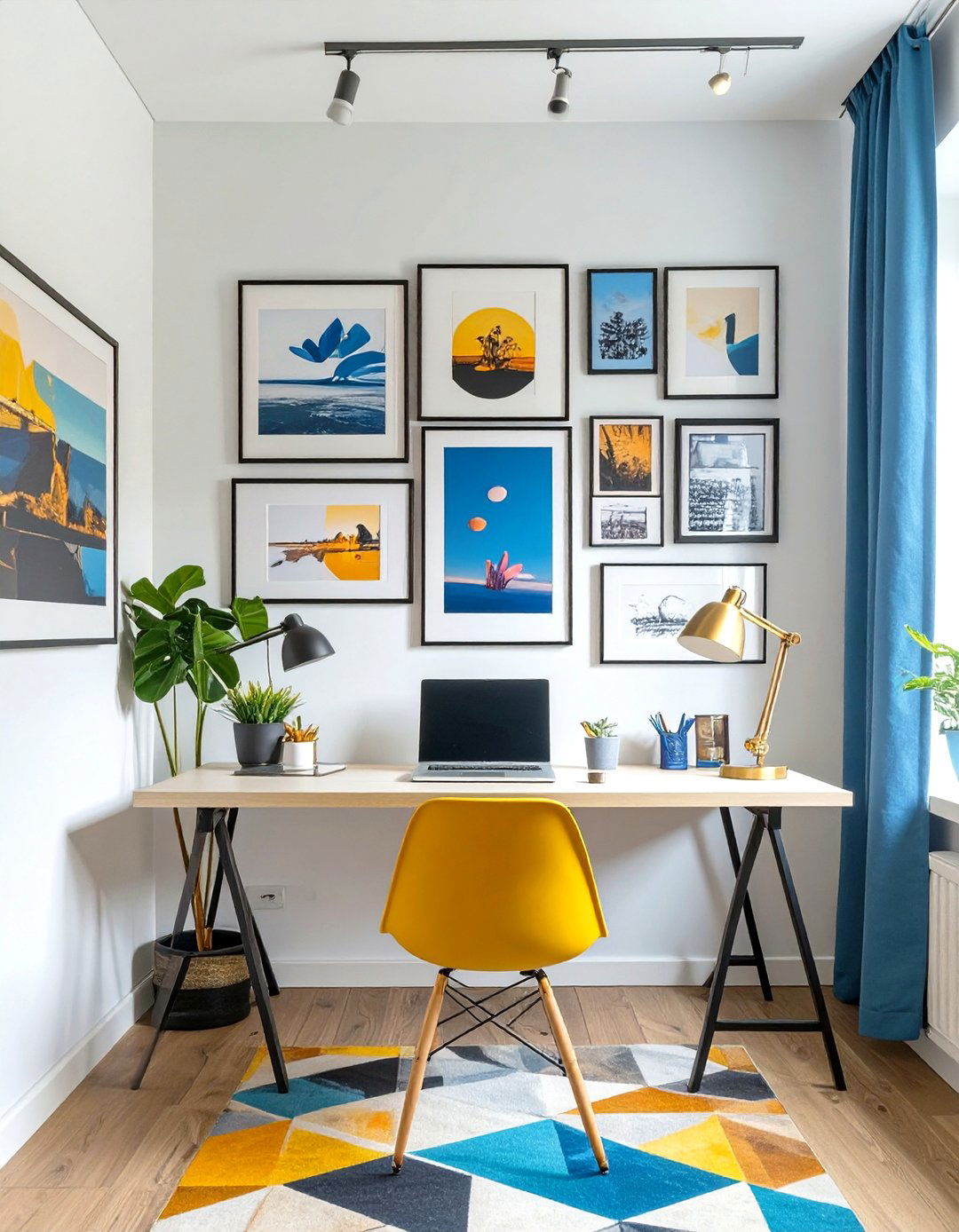
An art-focused gallery wall can transform a small office from a purely functional space into an inspiring and personal one. Instead of cluttering your desk with personal items, display them on the wall. Arrange a collection of your favorite prints, photos, and motivational quotes in a cohesive grid or a more eclectic layout. This not only adds personality and color but also draws the eye upward, making the space feel more dynamic. A gallery wall serves as a creative backdrop that can spark inspiration during the workday, making your small office a place you truly enjoy being in.
23. Under-Desk Mobile Pedestals
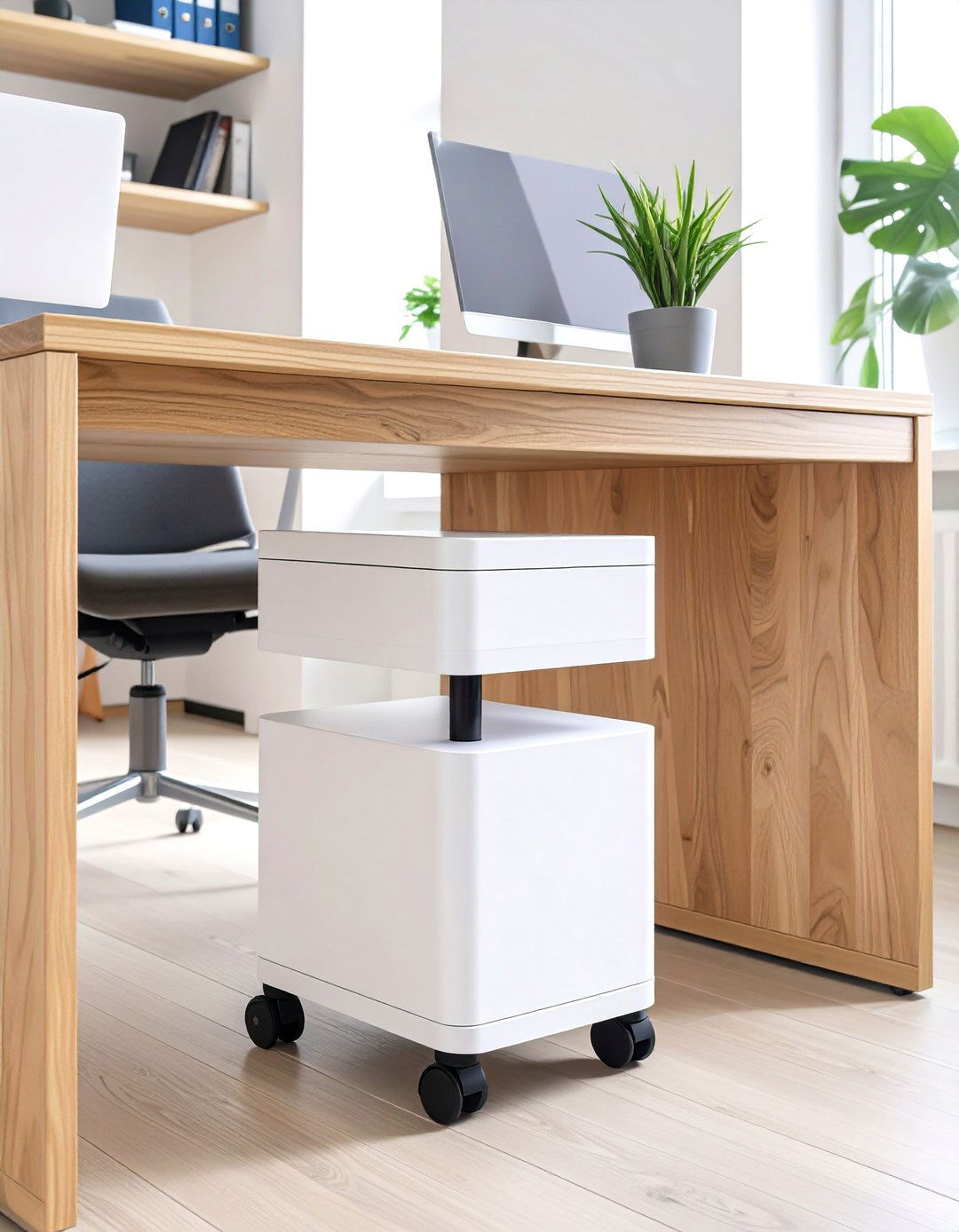
For flexible and hidden storage, an under-desk mobile pedestal is an excellent choice in a small office. These compact, wheeled filing cabinets can be easily rolled under your desk to keep them out of the way, or moved to another location if you need more legroom. They provide convenient storage for documents, stationery, and other supplies, keeping your desktop clean and organized. Because they are not fixed in place, they offer great versatility. You can tuck one away neatly when not in use, helping to maintain the minimalist aesthetic that is often desired in a smaller workspace.
24. Acoustic Panel Feature Wall
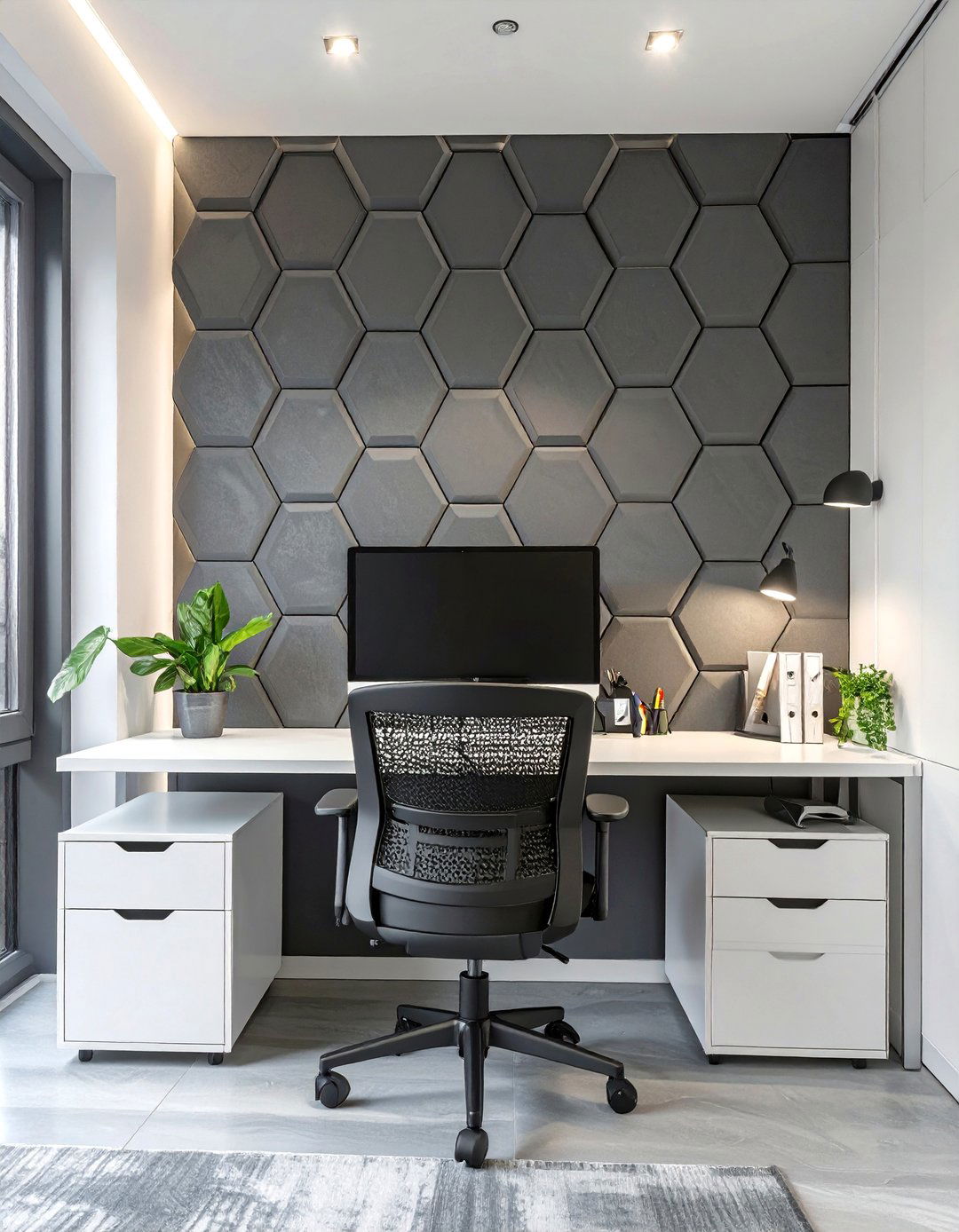
In a small office, sound can bounce off hard surfaces, creating echoes and distractions. Installing an acoustic panel feature wall is a stylish way to combat this issue. These panels are designed to absorb sound, reducing noise levels and improving focus. Available in a wide variety of colors, shapes, and textures, they can be arranged to create a striking decorative feature on the wall behind your desk. This functional design element not only enhances the room's acoustics but also adds a modern, sophisticated touch, turning a practical necessity into a beautiful focal point of your office.
25. Scandinavian-Inspired Simplicity
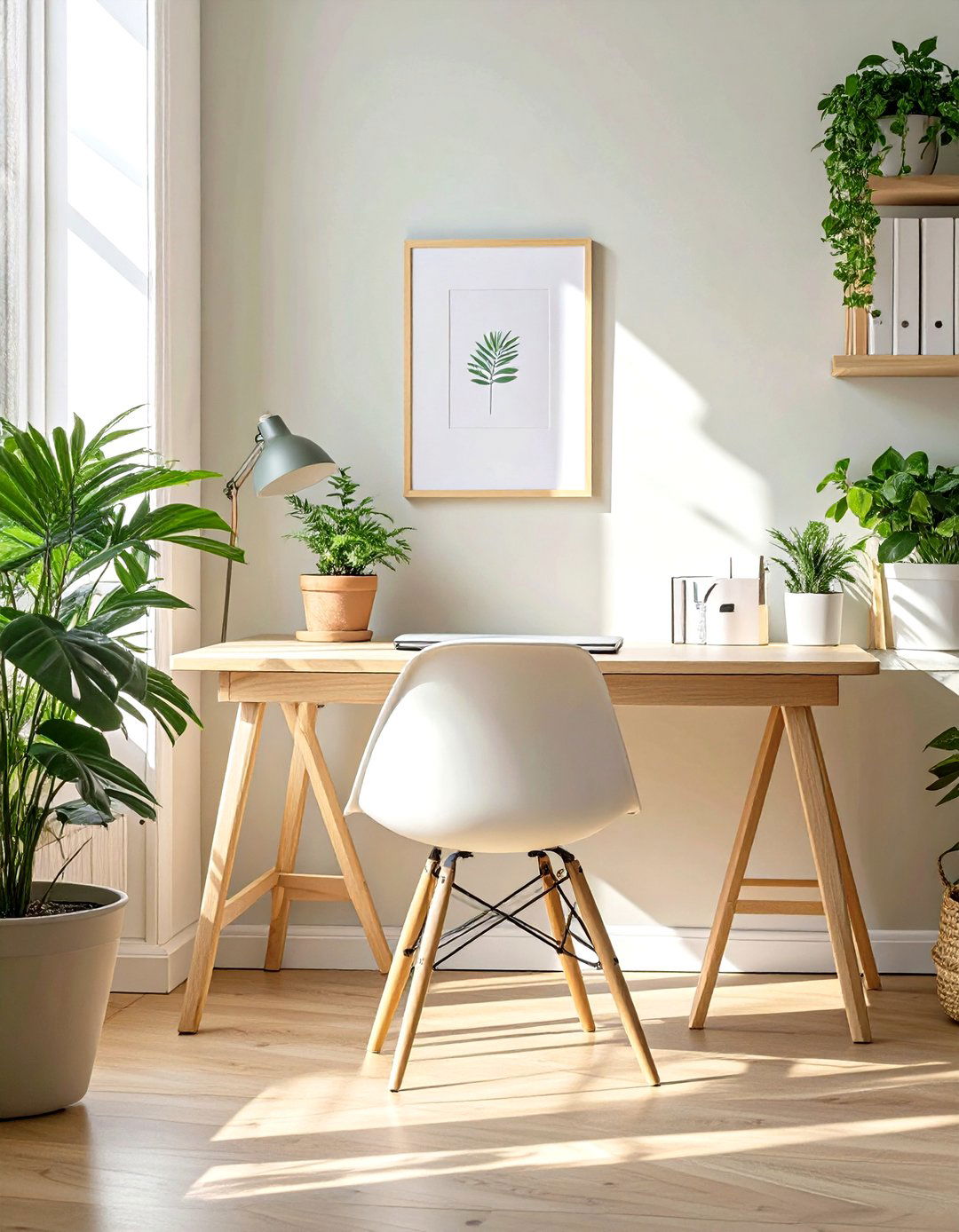
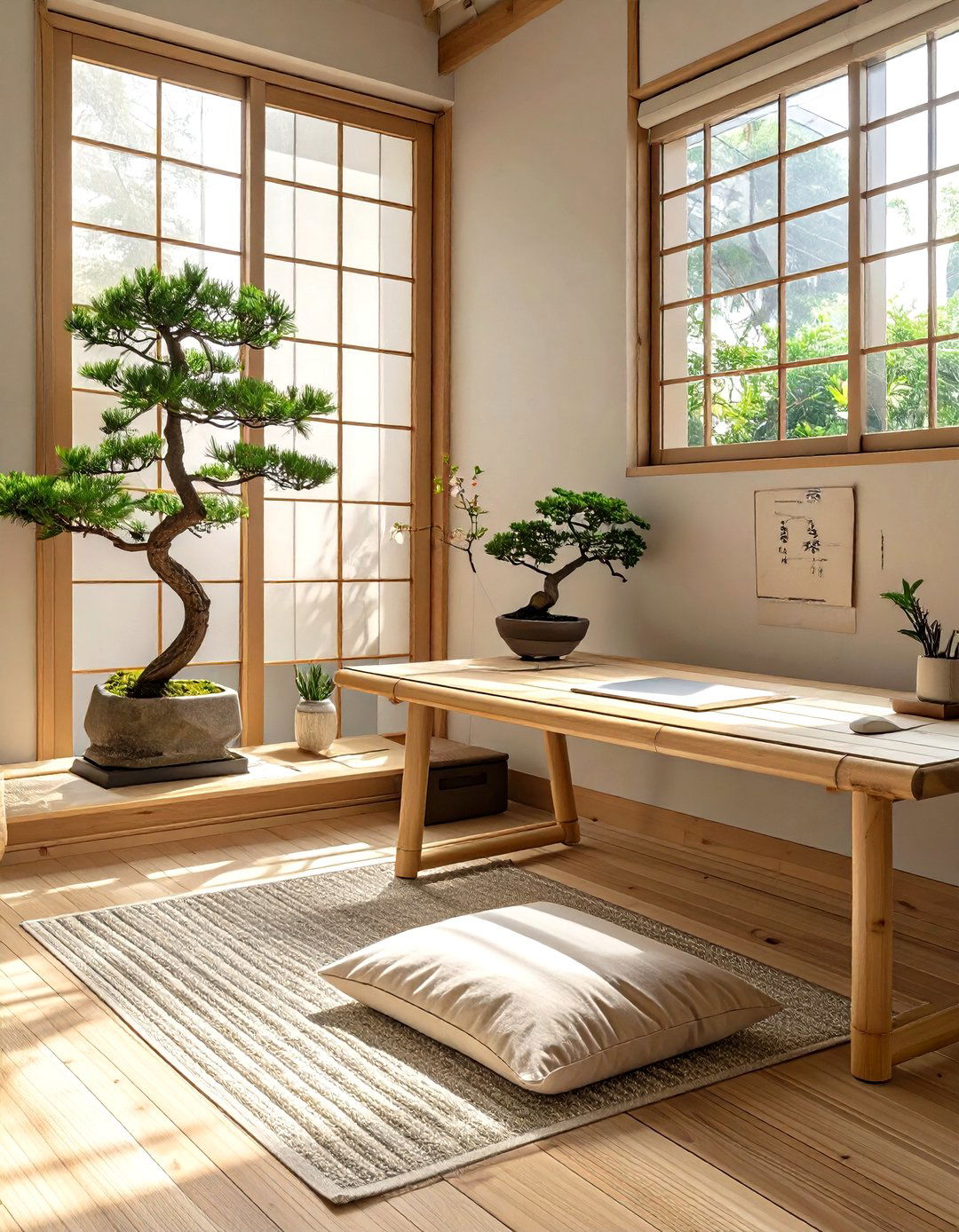
Embracing Scandinavian-inspired simplicity is a perfect approach for designing a small office. This style is defined by its focus on minimalism, functionality, and clean lines. Use a light and neutral color palette, primarily whites and grays, with natural wood accents to add warmth. Furniture should be simple, uncluttered, and highly functional. Keep decor to a minimum, focusing on a few well-chosen pieces like a single plant or a simple piece of art. This "hygge" approach creates a calm, organized, and inviting workspace that feels both serene and highly conducive to focused work, proving that less is truly more.
26. Industrial Pipe Shelving
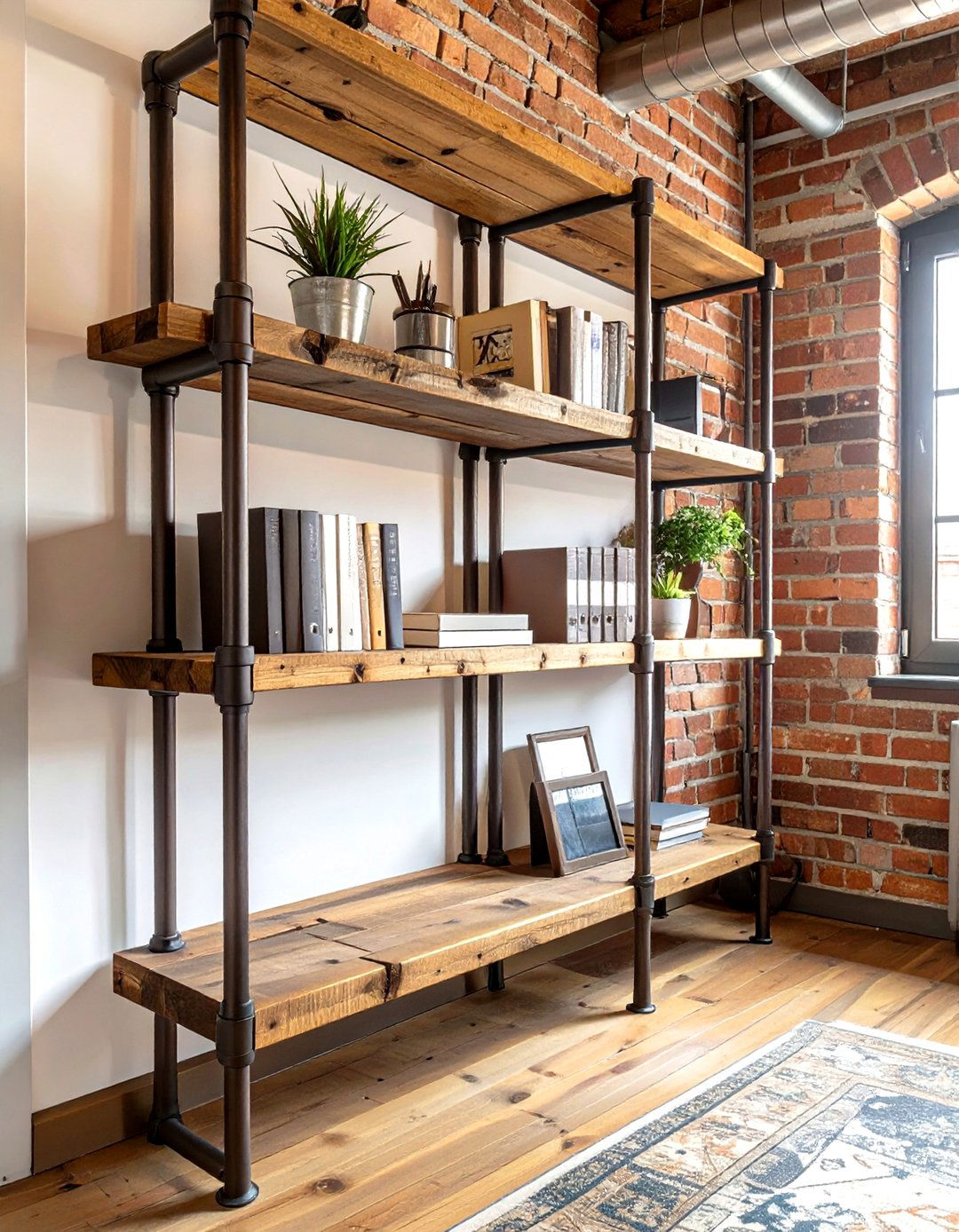
For a raw, urban aesthetic that is also highly practical, consider industrial pipe shelving. This DIY-friendly storage solution uses metal pipes and wooden planks to create a sturdy and open shelving system. The industrial look adds character and an edgy vibe to a small office. Because the shelves are open, they help maintain a sense of space and prevent the room from feeling boxed in. You can customize the height and length of the shelves to perfectly fit your wall space, providing ample storage for books, files, and decorative objects while making a strong design statement.
27. Upholstered Storage Ottomans
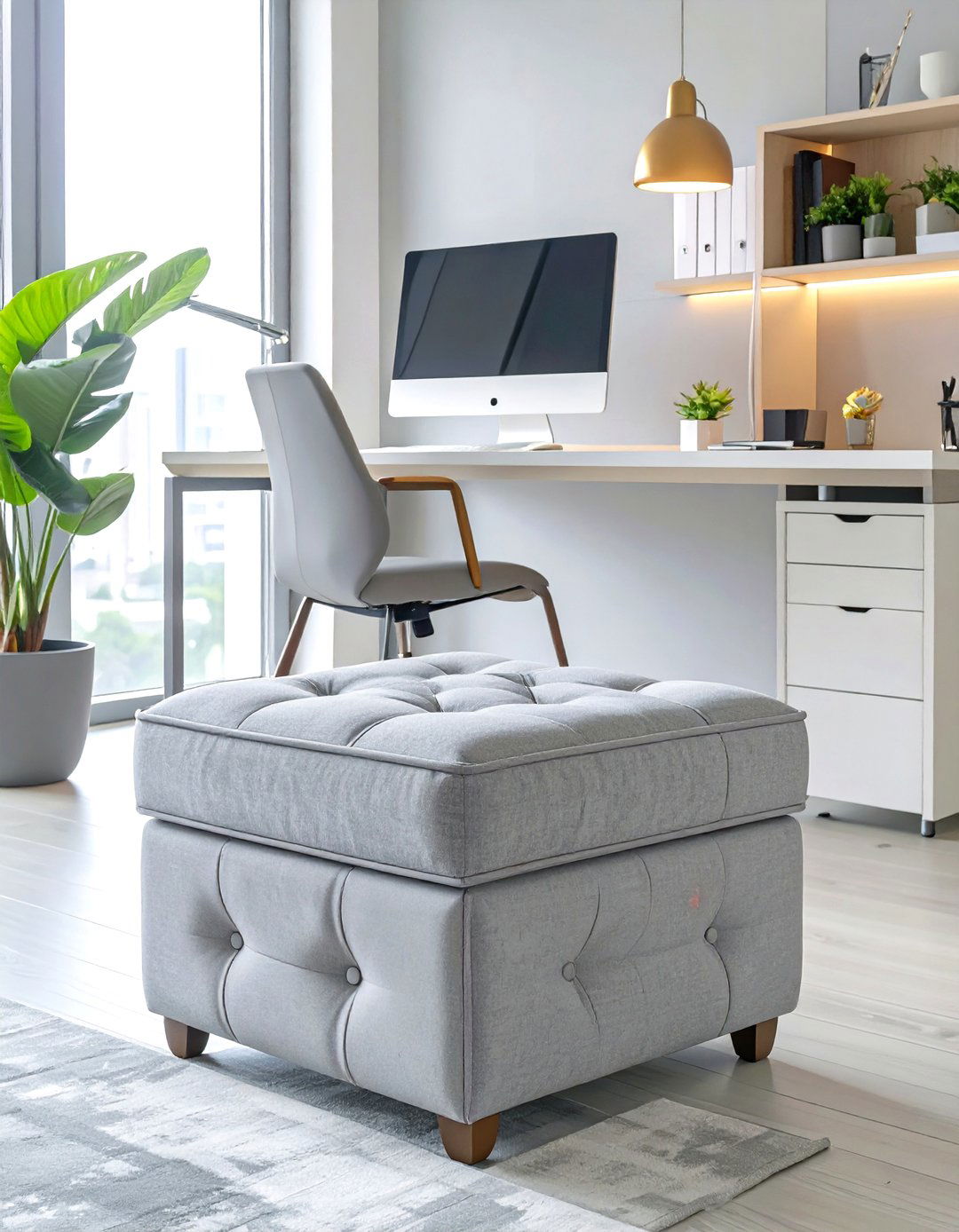
An upholstered storage ottoman is a true multi-tasking hero for any small office. It provides a comfortable place for a guest to sit, a footrest for you to use during long work sessions, and a hidden compartment for stowing away items you don't need every day, like extra paper or old files. Available in a wide range of fabrics and colors, it can also add a soft texture and a pop of color to your workspace. This versatile piece of furniture helps to reduce clutter and save space by combining seating and storage into one stylish package.
28. Hanging Pendant Task Lighting
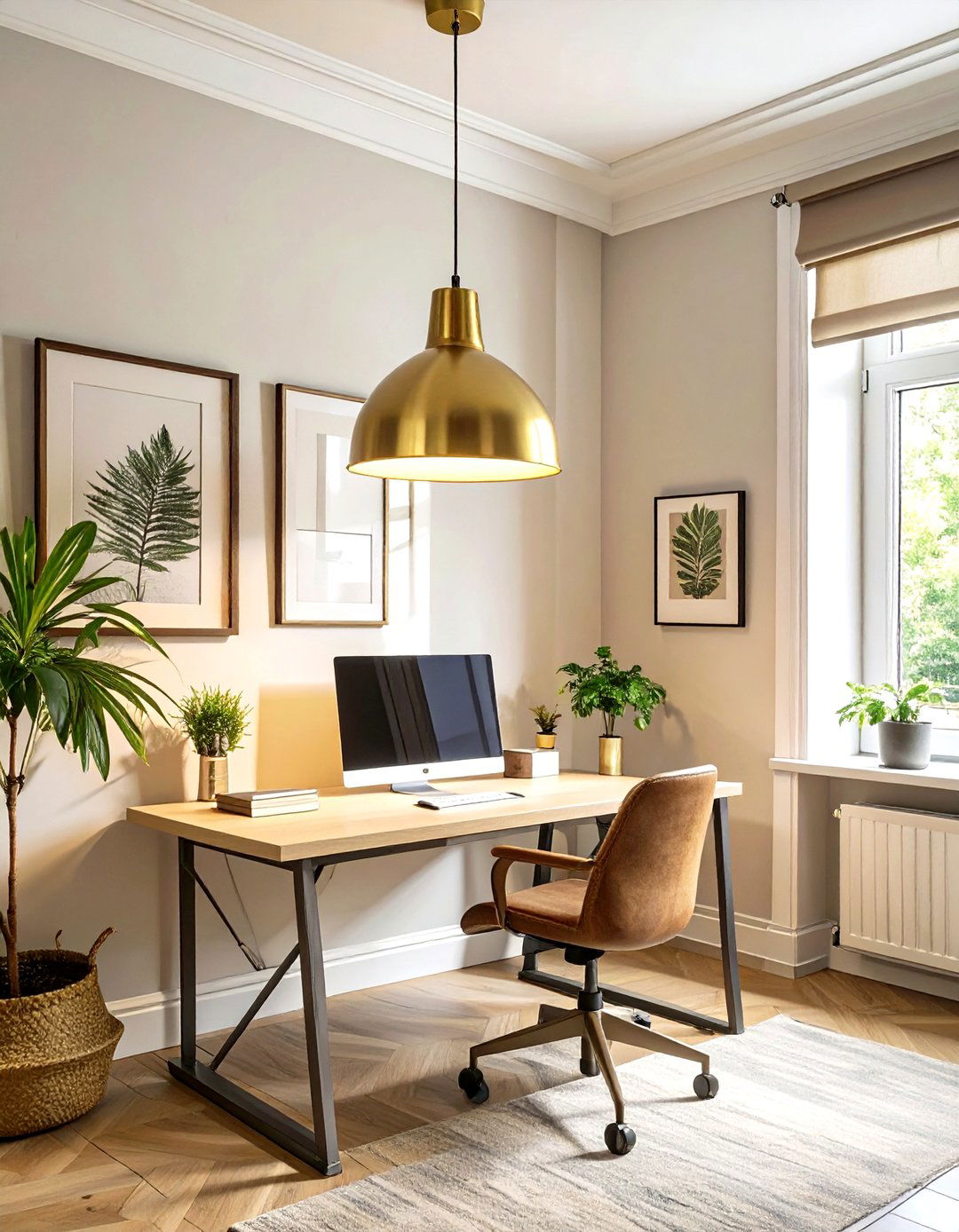
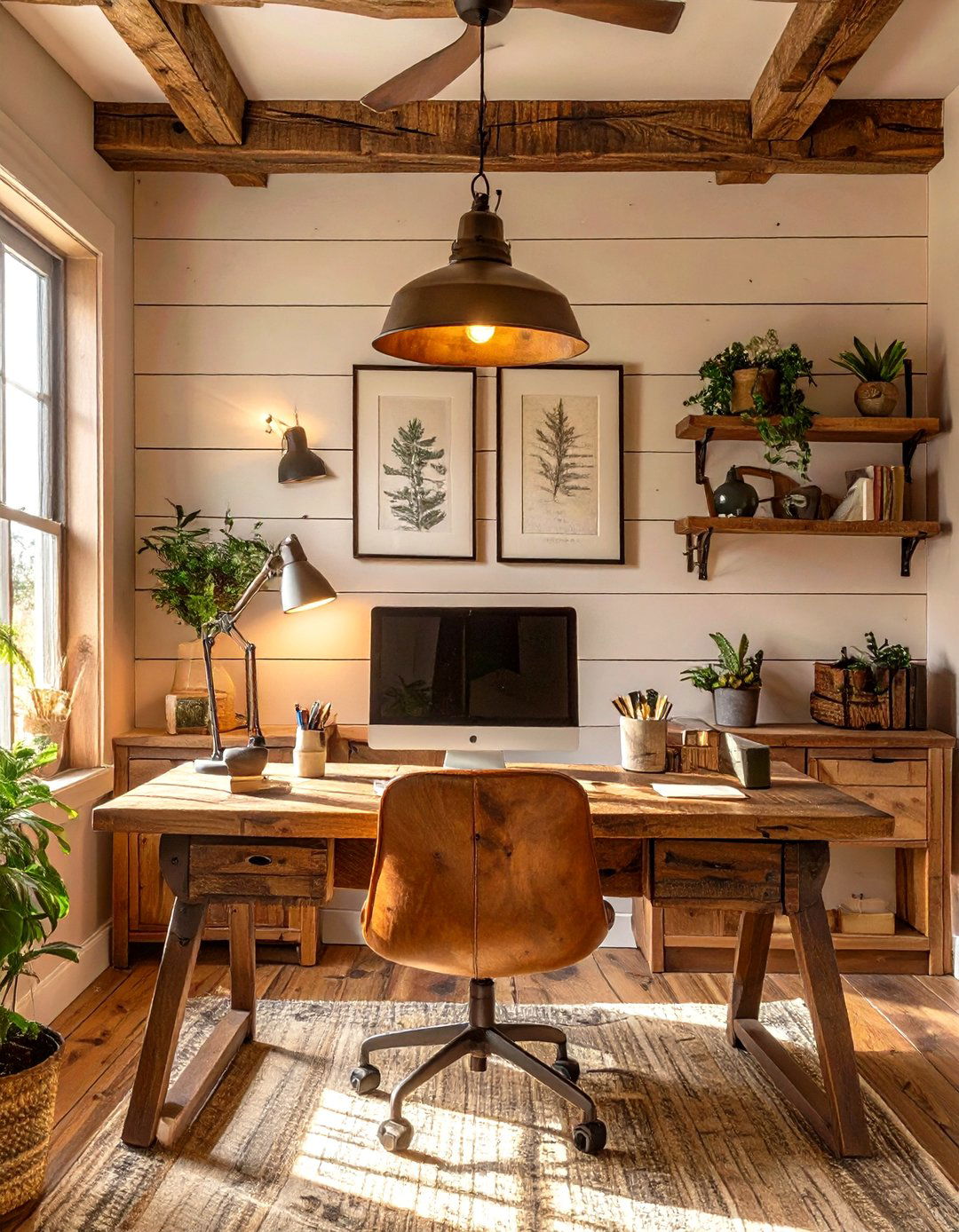
Instead of taking up valuable desk space with a traditional lamp, install a hanging pendant light directly over your workstation. This approach to task lighting provides excellent, focused illumination right where you need it, without cluttering your surface. A stylish pendant light can also serve as a striking design feature, adding a touch of elegance or modern flair to your office. Choose a design that complements your overall decor, whether it’s a sleek metallic dome or a simple glass orb. This frees up desk space and draws the eye upward, contributing to a more open feel.
29. Closet Conversion Office (Cloffice)
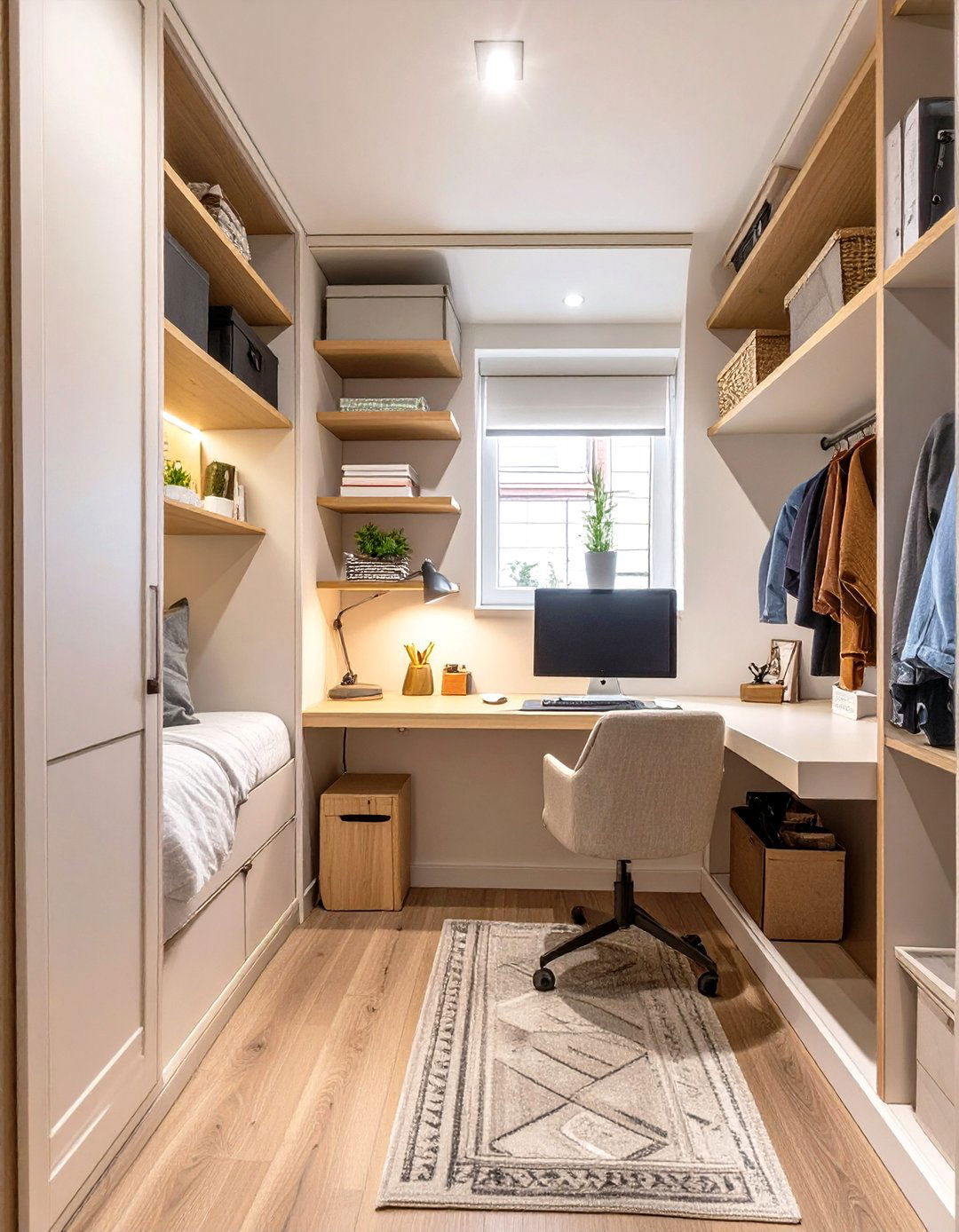
One of the most innovative small office ideas is the closet conversion, or "cloffice." By removing the doors and rod from a spare closet, you can create a fully functional, self-contained workspace. Install a desktop at a comfortable height and add shelves above for storage. The beauty of the cloffice is that it’s completely hidden from view when not in use—you can even keep the doors to close it off at the end of the day. This is an ideal solution for maintaining a tidy home and a clear separation between your work and personal life.
30. Ergonomic Compact Chair
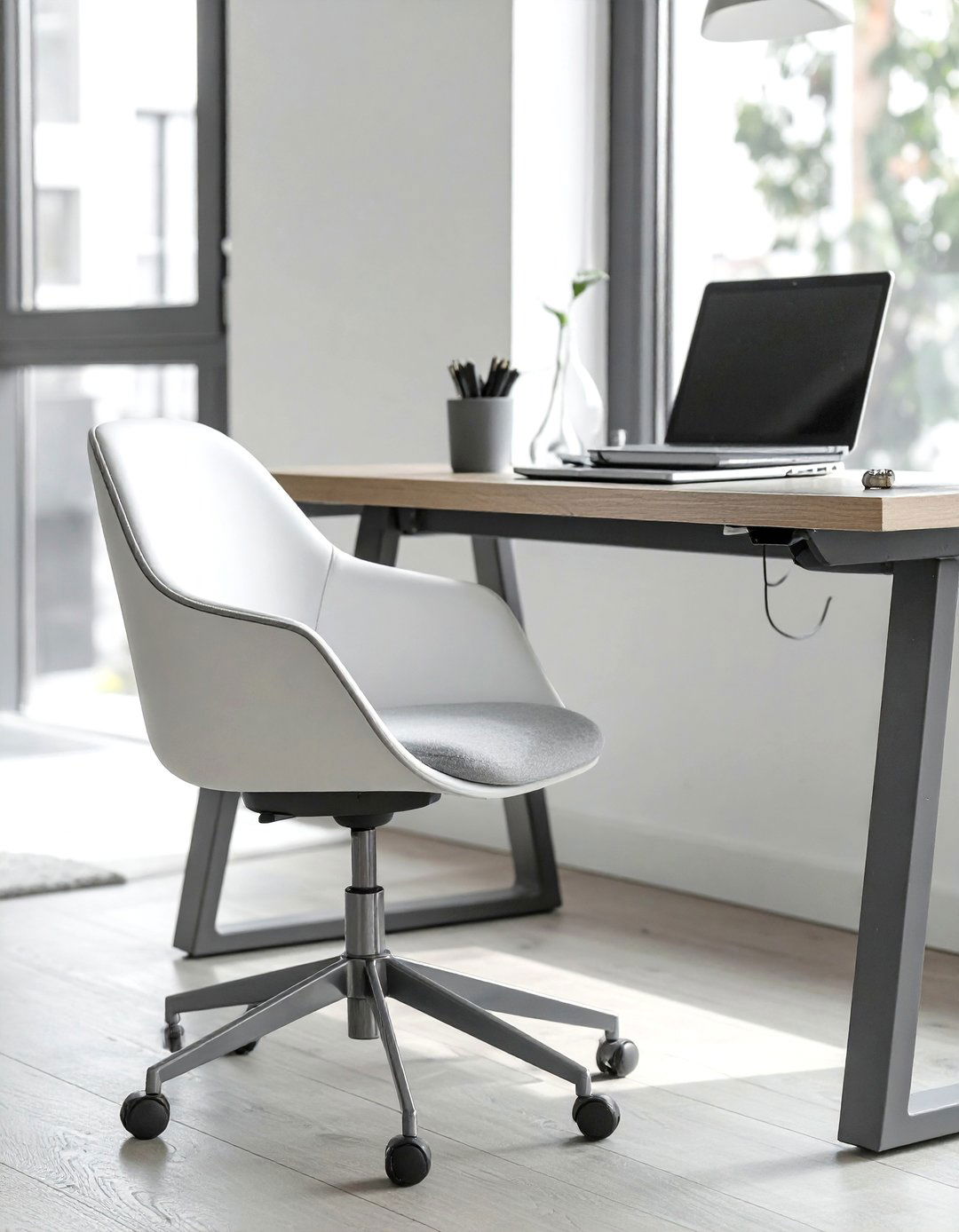
In a small office, your chair needs to be both comfortable and compact. An ergonomic compact chair is designed to provide proper support for your back and posture without the bulky size of a traditional executive chair. Look for models with a smaller footprint, adjustable height and armrests, and a sleek, armless design if space is particularly tight. Choosing a chair that can slide completely under the desk when not in use helps to save space and keep the area looking tidy. Prioritizing ergonomics ensures you can work comfortably for hours, even in a confined setting.
Conclusion:
Ultimately, creating a successful small office is about making smart, intentional choices. By focusing on vertical space, multi-functional furniture, and clever lighting, you can design a workspace that is both highly productive and visually appealing. The key is to select ideas that not only save space but also reflect your personal style, turning a limited area into a customized hub of efficiency. A well-designed compact office proves that with the right strategies, you don't need a large footprint to achieve great things. It’s about working smarter, not bigger.

Related posts:





Leave a Reply