
Harnessing the power of artificial intelligence, garden design is undergoing a remarkable transformation, offering homeowners and landscape enthusiasts innovative ways to envision and create their ideal outdoor spaces. AI-powered tools can analyze your specific site conditions, such as sunlight patterns, soil type, and climate, to generate optimized garden bed layouts that are not only beautiful but also highly functional and intricate geometric patterns to lush, naturalistic designs, these technologies can help you visualize a complete theme, considering everything from plant placement and material choices to pathways and seating approach moves beyond simple suggestions, providing holistic concepts that blend aesthetics with ecological principles, ensuring your garden thrives.

1. The Symmetrical Formal Garden Bed Layout

A timeless approach to garden design, the symmetrical formal layout relies on balance and clean a central axis, perhaps a stone pathway or a narrow water feature, with identical garden beds mirrored on either beds are often rectangular or square, framed with low boxwood hedges or crisp metal are typically organized in neat rows or geometric patterns, featuring classic choices like roses, lavender, and manicured design exudes a sense of order and elegance, perfect for creating a sophisticated entrance or a tranquil courtyard retreat, complemented by classical urns and a formal bench.
2. The Spiral Herb Garden Bed Design

What if your herb garden could be both a culinary resource and a stunning focal point? The spiral herb garden bed, often built with stones or bricks, winds upwards to create multiple microclimates. Sun-loving herbs like rosemary and thyme thrive at the sunny, well-drained top, while moisture-loving mint and parsley can be planted near the clever, space-saving design is not only practical for easy harvesting but also adds a dynamic, sculptural element to your landscape. It's a perfect project for a sunny corner near the kitchen, making fresh herbs readily accessible for your culinary creations.
3. The Keyhole Garden Bed for Accessibility
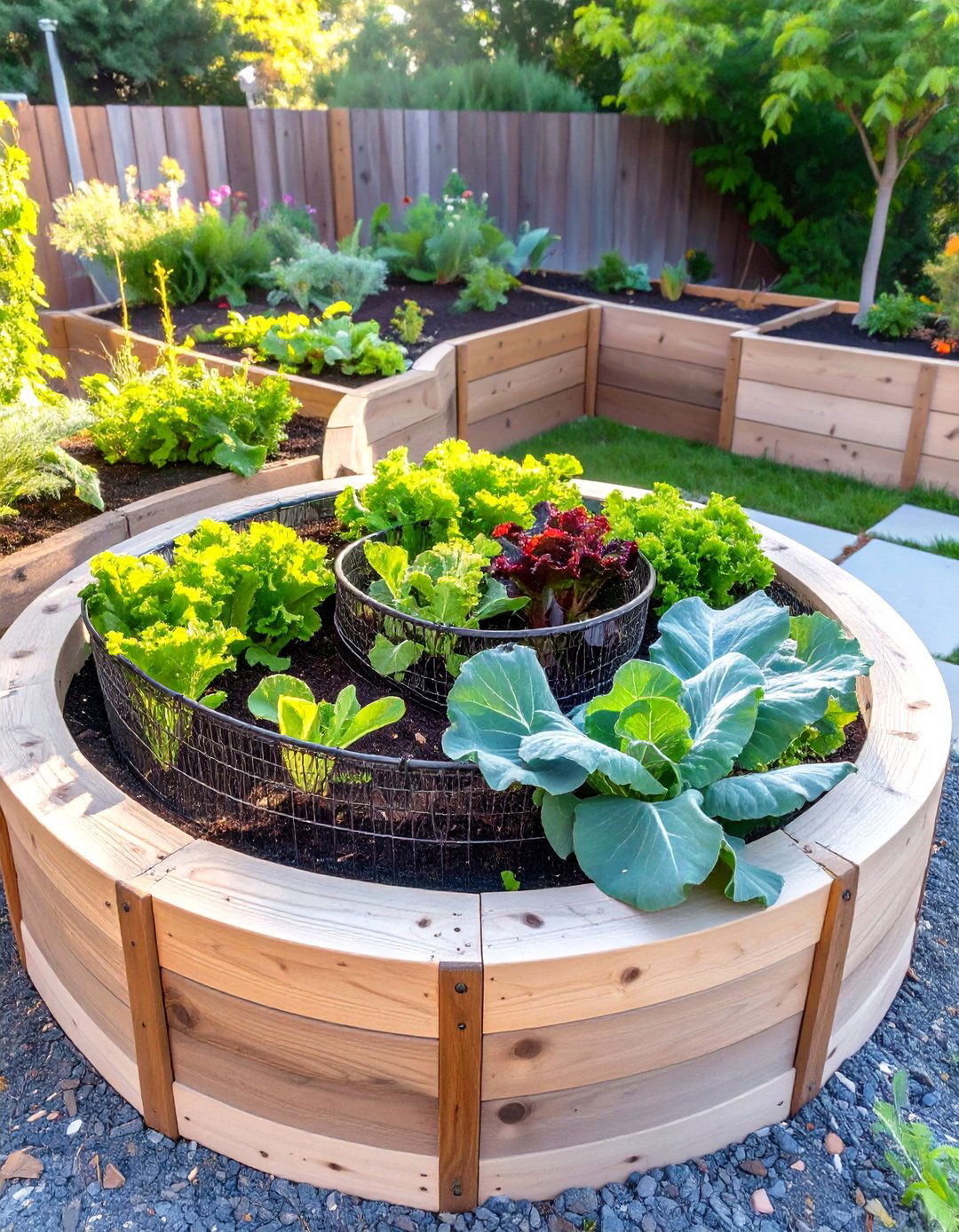
For a design that brilliantly combines accessibility with sustainability, the keyhole garden bed is an exceptional circular raised bed features a pie-slice-shaped cutout, allowing you to easily reach the center of the bed without stepping on the the heart of the garden is a central composting basket where you can add kitchen scraps and yard waste, which continuously enriches the soil with layout is ideal for gardeners with limited mobility and is highly efficient in terms of water and resource use, creating a self-fertilizing, productive, and easy-to-manage gardening space.
4. The Modern Minimalist Garden Bed Arrangement

Embracing a "less is more" philosophy, the modern minimalist garden bed arrangement focuses on strong geometric shapes, a limited color palette, and the beauty of clean-edged raised beds made from corten steel or smooth concrete, arranged in an asymmetric yet balanced are deliberate and often feature architectural grasses, sculptural succulents, or a monochromatic scheme of green foliage spaces with gravel or stone mulch are just as important as the planted areas, creating a serene, uncluttered environment that feels both contemporary and style prioritizes simplicity and structural form over dense planting.
5. The English Cottage Garden Bed Style

To cultivate a sense of romantic charm and abundance, the English cottage garden style is layout features densely packed beds overflowing with a mix of flowers, herbs, and even vegetables, creating a beautiful and productive are often informal, made of meandering flagstone or brick, winding between the billowing beds themselves have soft, curving edges and are filled with classic choices like delphiniums, foxgloves, roses, and overall effect is one of informal, picturesque beauty, where the garden feels like a natural extension of the home, inviting and full of life.
6. The Tiered Retaining Wall Garden Bed

Maximizing space on a sloped yard is effortlessly achieved with a tiered retaining wall garden bed design transforms a challenging incline into a series of stunning horizontal planting tier can be dedicated to a different type of plant — perhaps one for vegetables, another for cascading flowers, and a third for perennial retaining walls themselves, built from stone, timber, or concrete blocks, become a significant design approach not only prevents soil erosion but also creates dramatic visual interest and makes gardening on a hill far more accessible and organized.
7. The Geometric Honeycomb Garden Bed Pattern

For a contemporary and visually striking layout, consider the geometric honeycomb garden bed hexagonal raised beds, you can create an interlocking design that is both modular and beds can be arranged in a tight cluster or spread out with pathways in honeycomb shape is incredibly efficient, allowing for dense planting and easy access to all parts of the pattern works wonderfully for a community garden, a modern kitchen garden, or any space where you want to make a bold design statement with a functional, tessellating pattern.
8. The Circular Mandala Garden Bed Layout
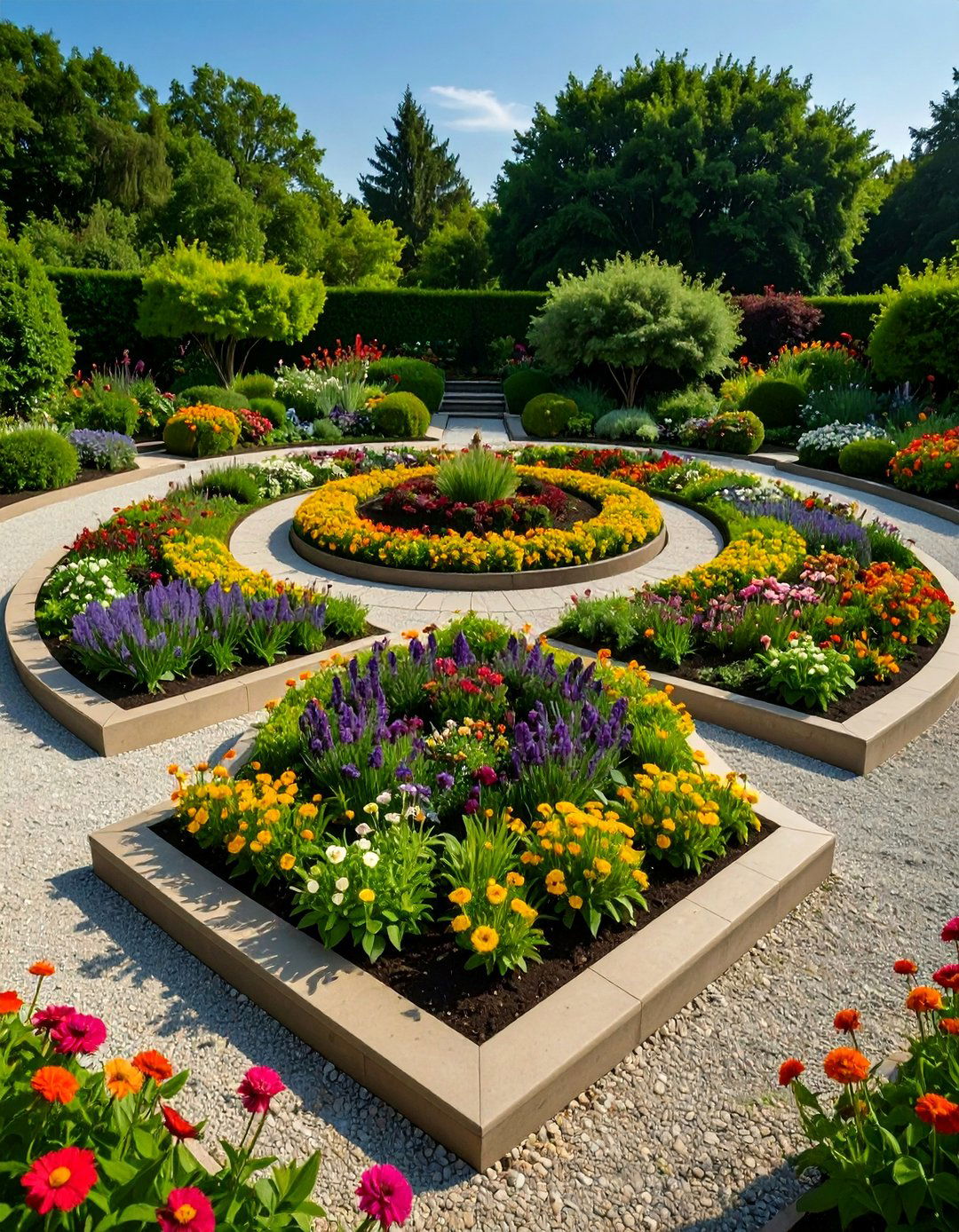
Drawing inspiration from ancient spiritual symbols, the circular mandala garden bed layout creates a powerful sense of harmony and design consists of a central circular bed surrounded by concentric rings or radiating pathways and wedge-shaped intricate pattern invites meditative walking and mindful section can be planted with different colors or types of plants to emphasize the geometric layout is not just a place to grow food or flowers; it's a tranquil sanctuary that brings a sense of peace and intentionality to the landscape.
9. The Naturalistic Woodland Garden Bed Theme
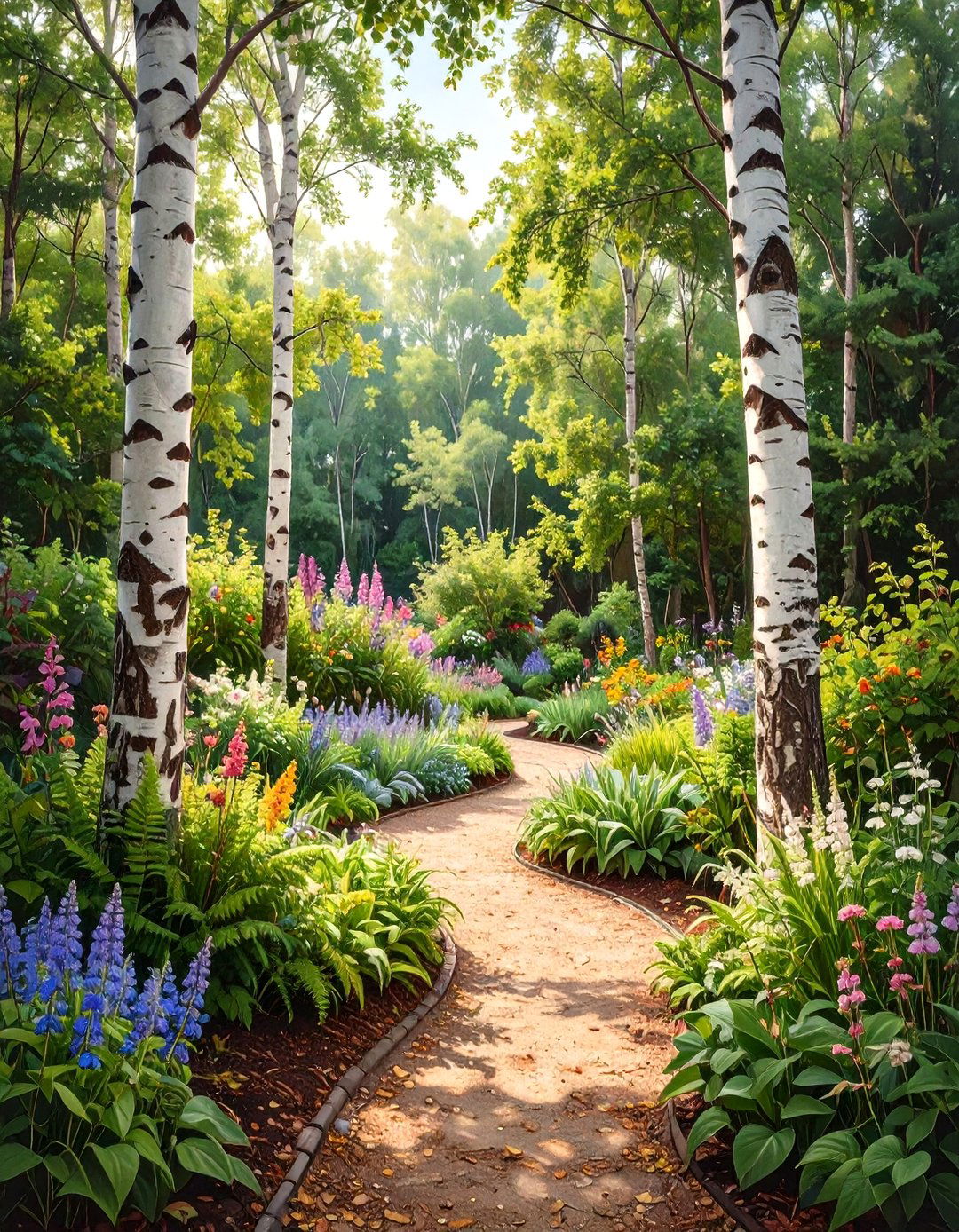
A naturalistic woodland garden bed theme aims to mimic the gentle, layered beauty of a forest layout features gracefully curving beds that flow around existing trees and shrubs, creating a seamless transition between cultivated and wild beds are filled with shade-loving plants like ferns, hostas, astilbes, and native pathways meander through the space, inviting quiet goal is to create a low-maintenance, serene retreat that feels as though it has always been there, celebrating the subtle textures and colors of a woodland environment.
10. The Checkerboard Garden Bed Design

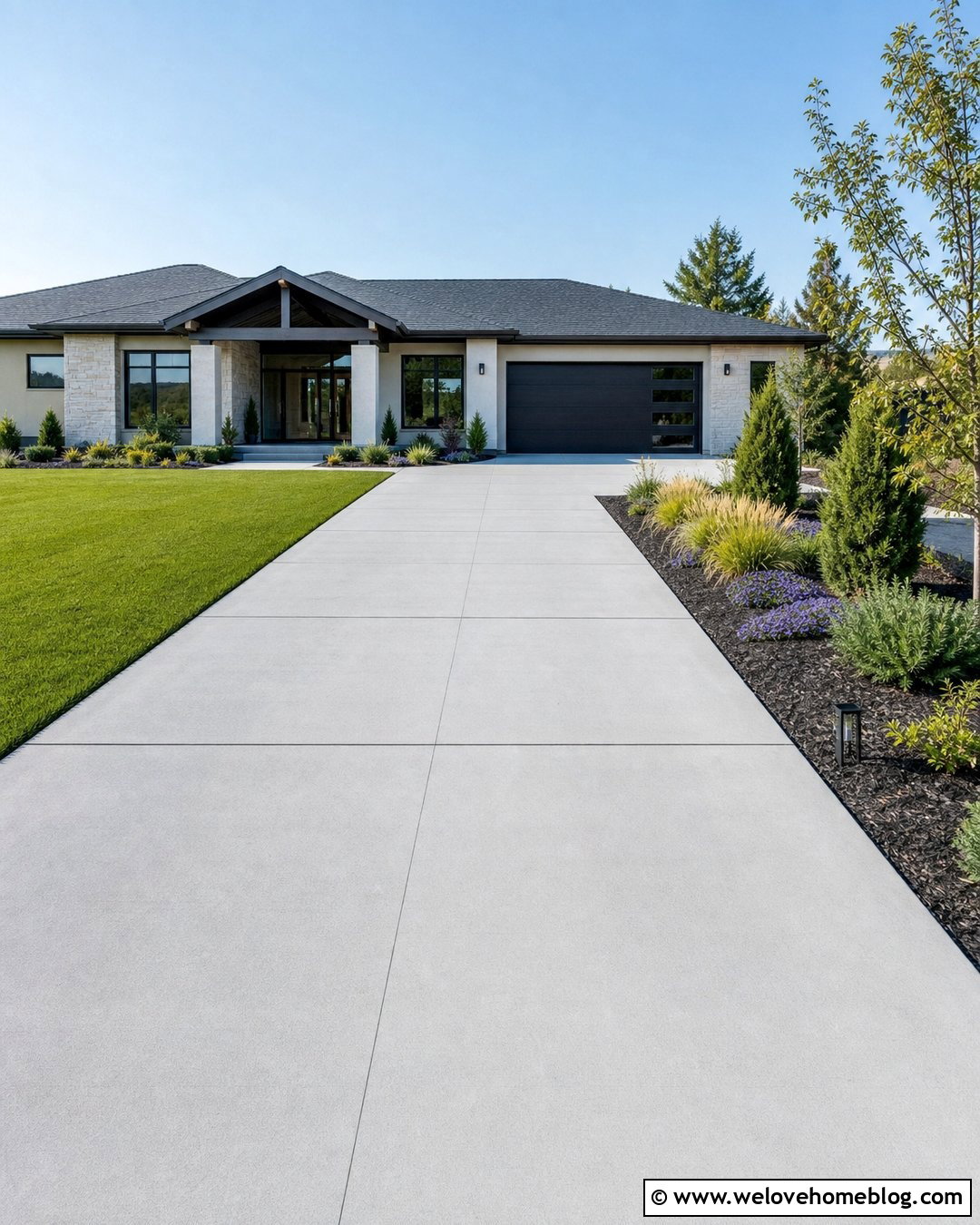
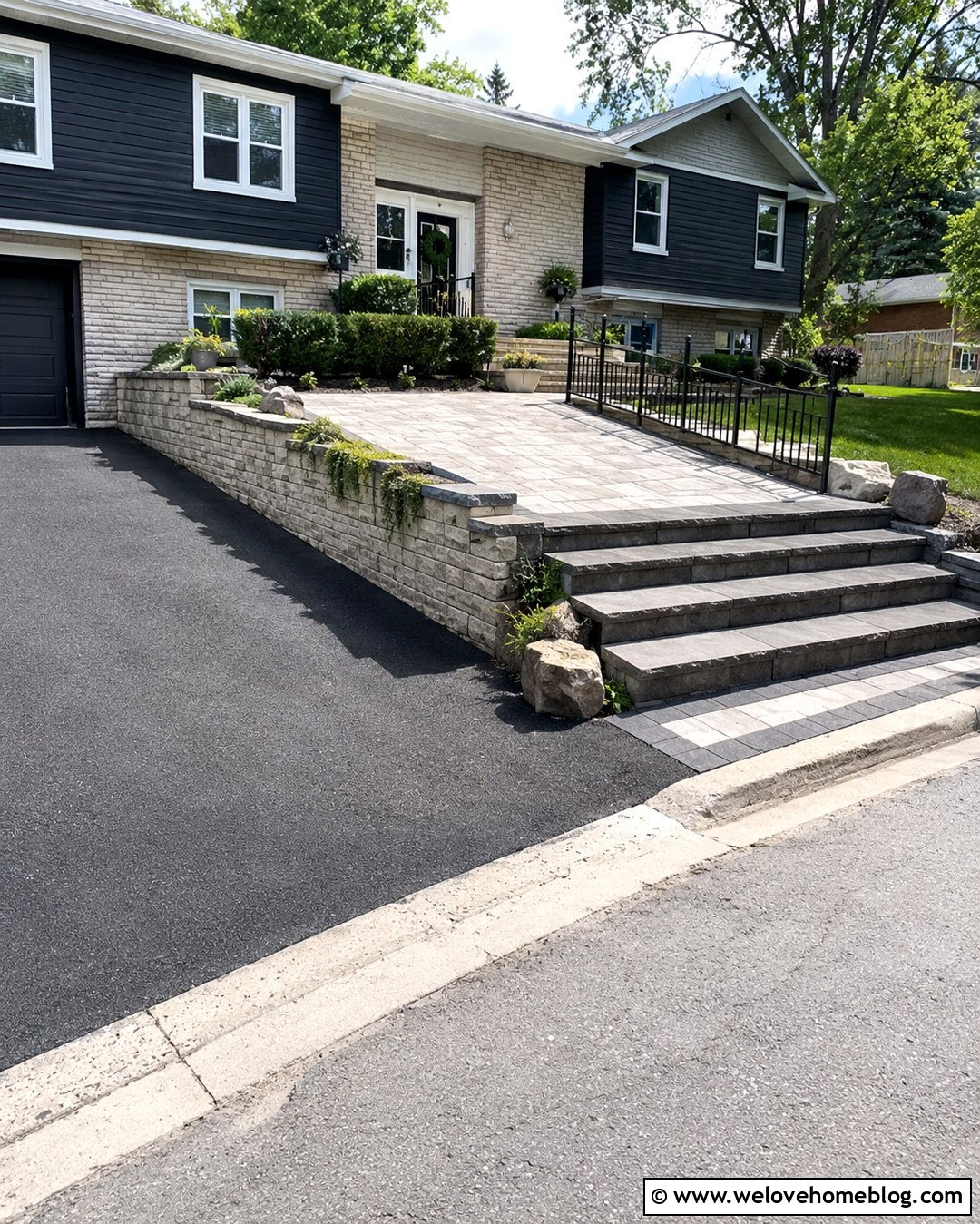
Could your garden be as strategic as a game of chess? The checkerboard garden bed design uses alternating squares of planted beds and pavers or ground cover to create a playful, graphic layout is perfect for a formal potager or a contemporary patio clear definition between squares makes it easy to manage different crops or plant can play with color and texture by alternating squares of dark-leaved lettuce with bright green herbs or by using contrasting materials like dark slate pavers next to light gravel squares for a striking visual effect.
11. The Vertical Garden Bed Wall
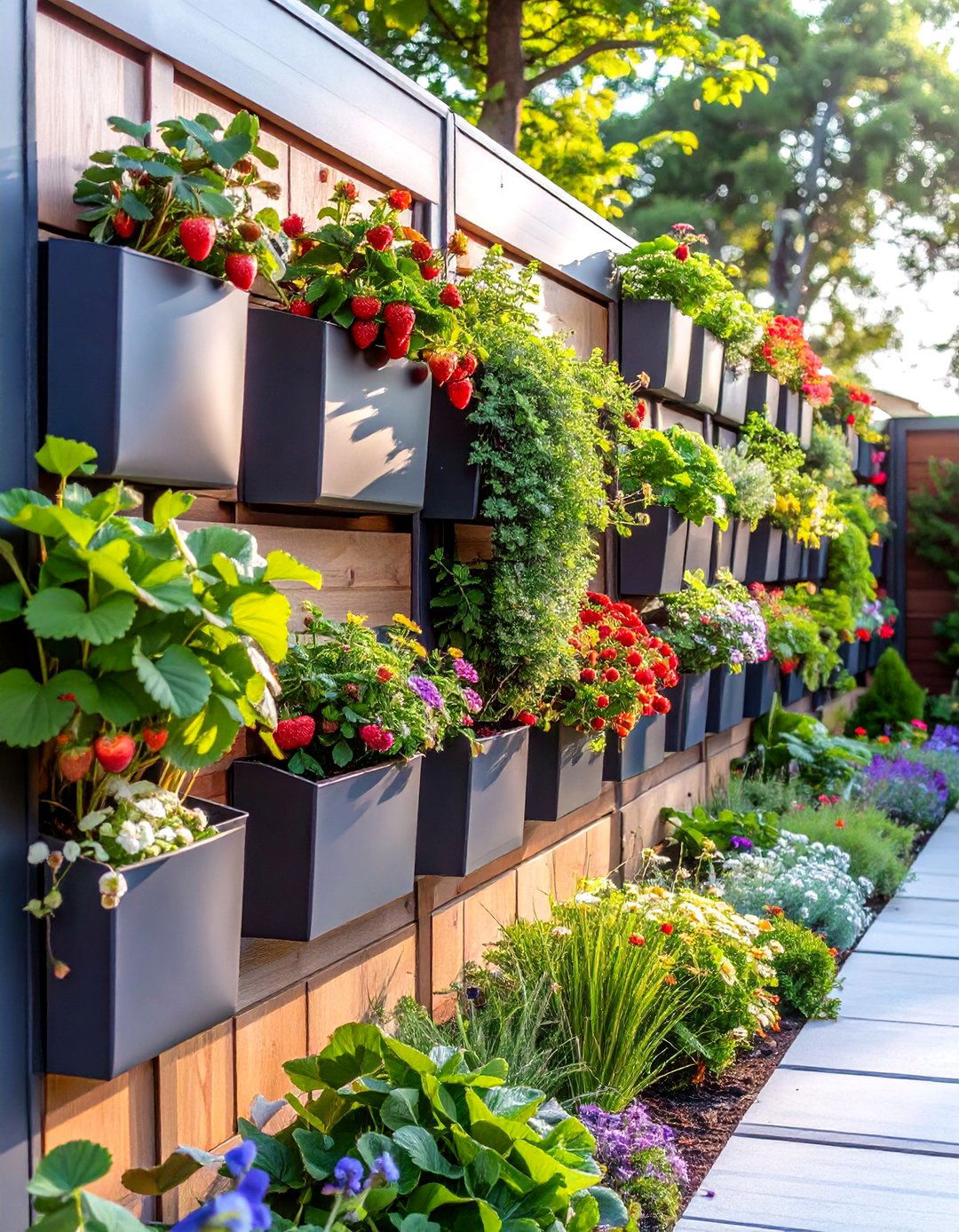
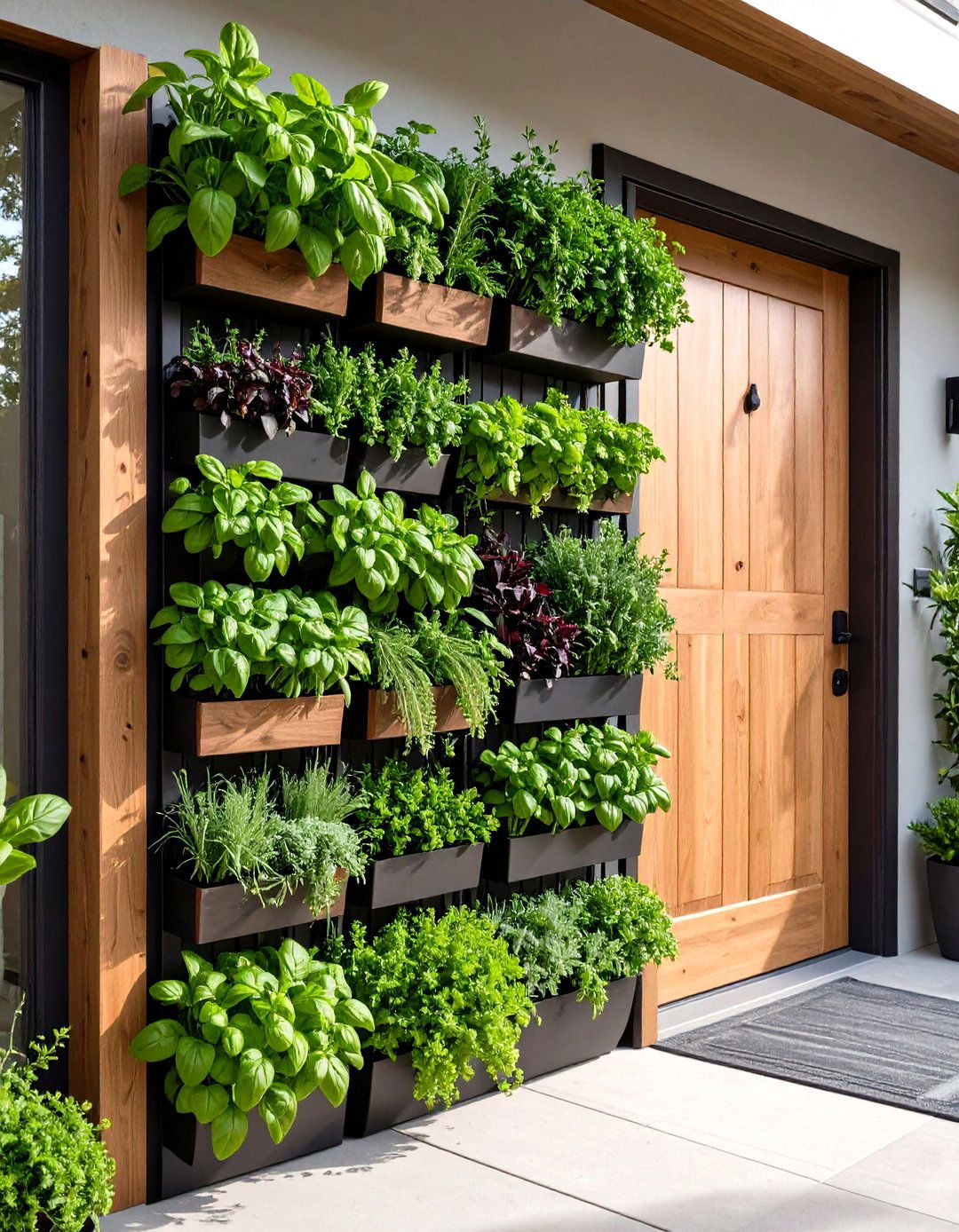
When ground space is at a premium, the vertical garden bed wall allows you to grow innovative layout transforms a blank wall or fence into a lush, living tapestry of a system of stacked planters, wall-mounted pockets, or a trellis with climbing vines, you can cultivate a surprising variety of herbs, lettuces, strawberries, and flowers. A vertical garden not only maximizes your growing area but also adds a stunning design element, softens hardscapes, and can even help cool your home. It’s a perfect solution for urban balconies, small patios, and courtyards.
12. The French Potager Garden Bed Layout

The French potager garden bed layout is the epitome of functional elegance, blending vegetables, herbs, and flowers in an ornamental arranged in a symmetrical, geometric pattern, these gardens often feature raised beds with gravel or brick design might be centered around a focal point like a small fountain, a sundial, or an obelisk draped in climbing interplanting edibles with flowers, the potager attracts beneficial insects and creates a space that is as beautiful to look at as it is productive, proving that a vegetable garden can be a stunning landscape feature.
13. The Permaculture Guild Garden Bed
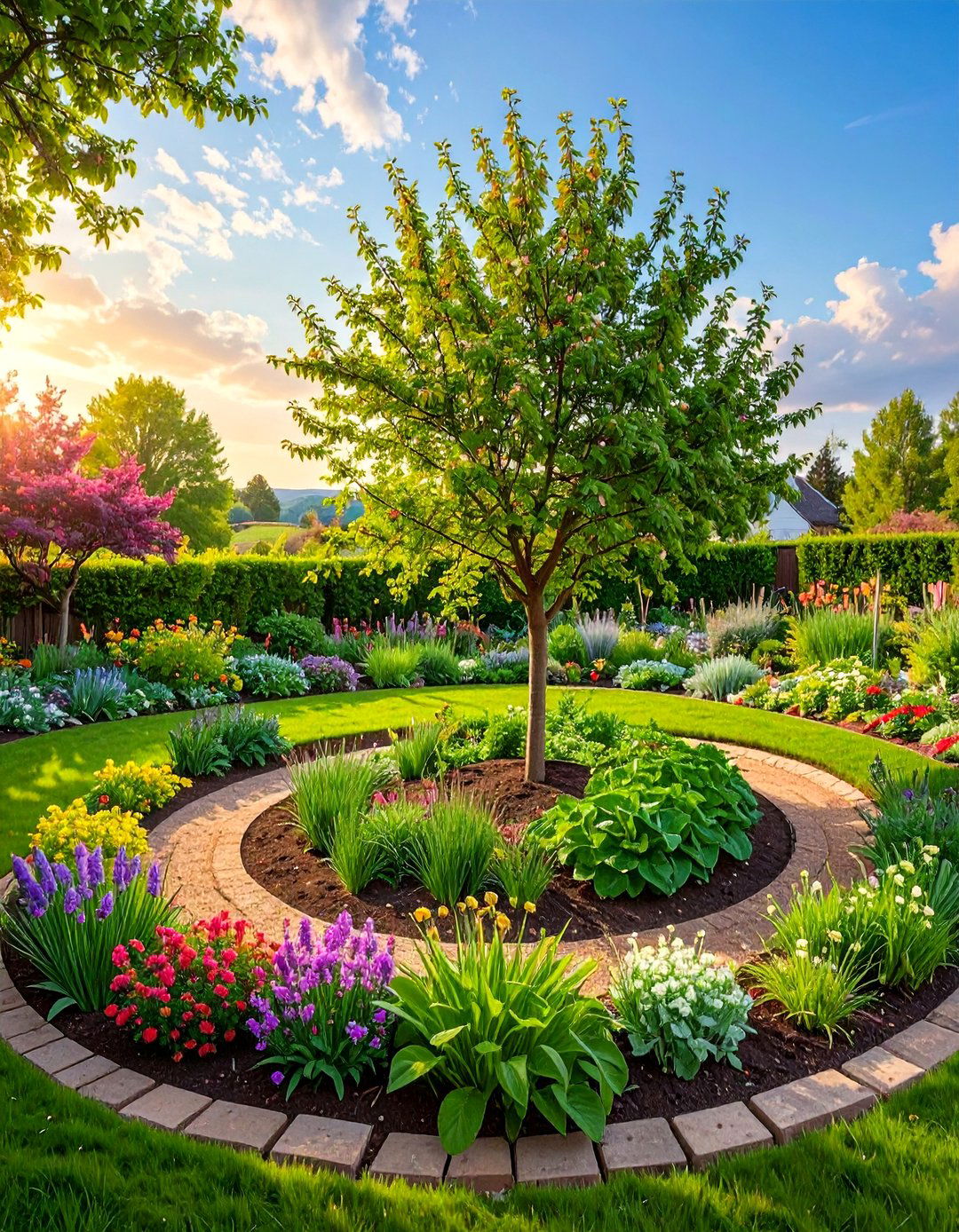
Embracing ecological principles, a permaculture guild garden bed is designed as a self-sufficient layout involves strategically planting a group of mutually beneficial plants around a central element, typically a fruit or nut plants are chosen to perform various functions: some fix nitrogen in the soil, others attract pollinators, some repel pests, and others act as a living creates a resilient, low-maintenance garden that works in harmony with nature, reducing the need for fertilizers, pesticides, and excessive watering. It's a thoughtful approach for a sustainable and productive garden.
14. The Mediterranean Gravel Garden Bed

How can you create a beautiful garden that thrives in hot, dry conditions? The Mediterranean gravel garden bed is the water-wise layout uses gravel as a mulch, which helps retain soil moisture, suppress weeds, and reflect garden beds are informal and planted with drought-tolerant species like lavender, rosemary, santolina, and ornamental design often incorporates terracotta pots, rustic stones, and perhaps a small seating area to enjoy the fragrant, sun-drenched style is low-maintenance and perfectly suited for creating a relaxed, coastal feel in a sunny, well-drained location.

15. The Rain Garden Bed for Stormwater Management

A rain garden bed is a beautiful and eco-friendly solution for managing stormwater runoff from your roof or layout involves creating a shallow depression filled with a special soil mix that is planted with water-loving native garden is strategically placed to capture rainwater, allowing it to slowly soak into the ground rather than overwhelming storm like irises, sedges, and dogwoods thrive in these conditions. A rain garden not only helps prevent erosion and filter pollutants but also creates a lush, attractive habitat for birds and pollinators.
16. The Wagon Wheel Garden Bed

For a touch of rustic, country charm, the wagon wheel garden bed is a classic an old wagon wheel or creating a similar shape with stones or wood, the layout is divided into several wedge-shaped section can be planted with a different herb, flower, or vegetable, making it easy to keep things design works wonderfully as a central feature in a cottage-style or kitchen spokes of the wheel create clear divisions, perfect for crop rotation or for showcasing a variety of different plants in a compact, visually appealing way.
17. The Raised U-Shaped Garden Bed
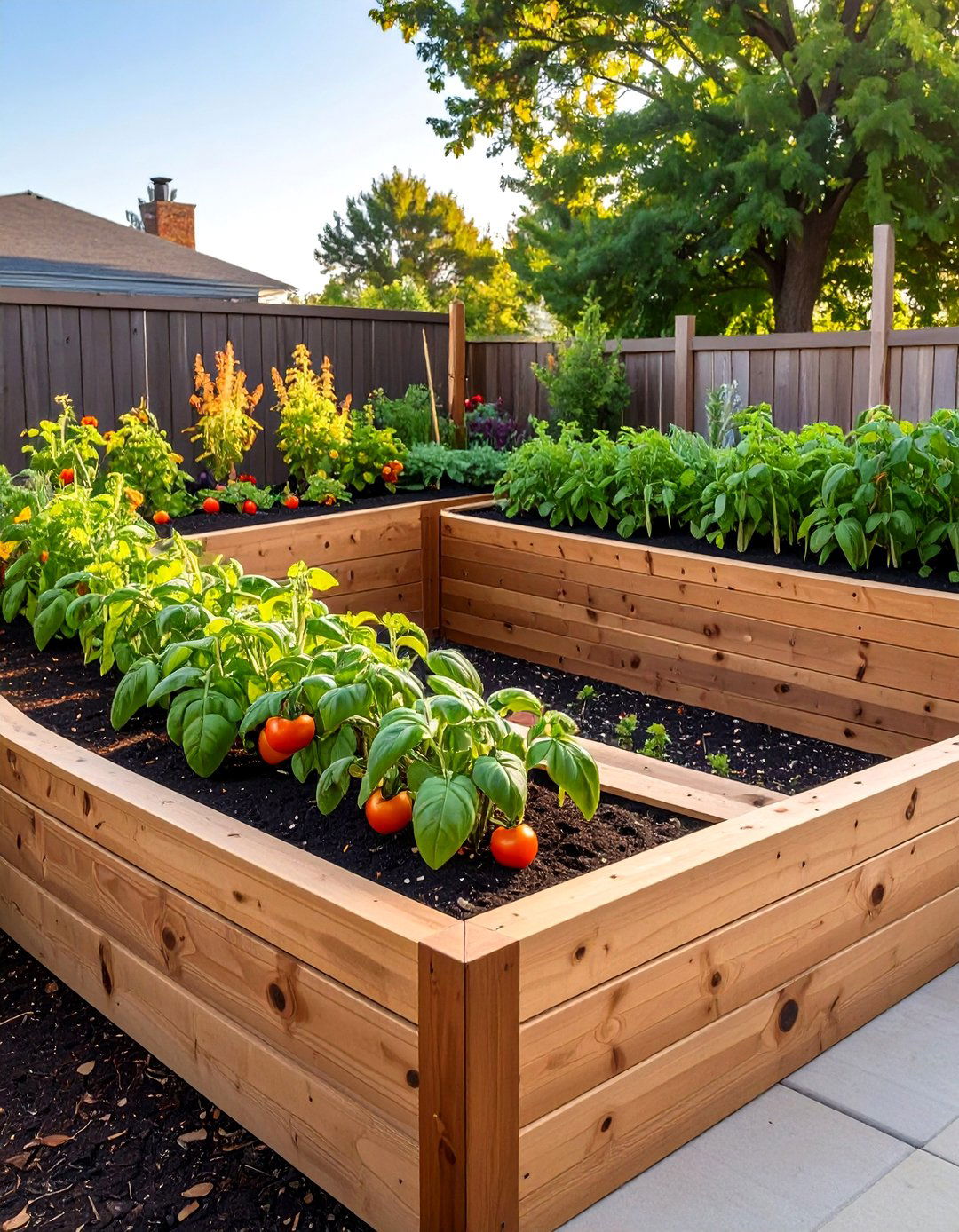
Maximizing planting area while ensuring easy access is the genius of the raised U-shaped garden design allows you to reach every part of the garden from the central standing area without ever needing to step on the soil, which prevents three-sided layout provides a generous amount of growing space in a relatively small footprint. It's an ideal configuration for intensive vegetable gardening, allowing you to plant densely and manage your crops inside of the "U" is the perfect spot for a stool or a compost bin.
18. The Interlocking Puzzle Garden Bed

Why not have a garden that is as fun to design as it is to use? The interlocking puzzle garden bed layout uses beds of various L-shapes, T-shapes, and squares that fit together like a jigsaw modular approach allows for endless creativity and can be adapted to fit unusual or irregular can create interesting pathways and nooks within the layout is perfect for a playful family garden or a community space where different shapes can be assigned to different gardeners, creating a cohesive yet personalized landscape.
19. The Sunken Garden Bed Layout

Creating a sense of enclosure and intimacy, the sunken garden bed layout is a dramatic design excavating an area and building retaining walls, the garden is set lower than the surrounding not only offers protection from wind but also creates a unique lead down into the space, enhancing the feeling of entering a special, secluded beds are typically arranged around a central patio or lawn, making it an ideal spot for private relaxation or elevated perspective from outside the garden provides a stunning overview of the entire design.


20. The Lasagna Garden Bed Method

Also known as sheet mulching, the lasagna garden bed method is a no-dig, no-till way to build incredibly fertile layout is created by layering organic materials directly on top of existing lawn or compacted start with a layer of cardboard to smother weeds, followed by alternating "green" layers (like grass clippings and kitchen scraps) and "brown" layers (like dry leaves and shredded paper). Over time, these layers decompose into rich, dark soil, ready for planting. It's a fantastic, low-effort way to start a new garden bed anywhere in your yard.
21. The Asian-Inspired Zen Garden Bed

For a garden that promotes tranquility and contemplation, the Asian-inspired Zen garden bed is a perfect minimalist layout uses carefully placed rocks to represent mountains and raked sand or fine gravel to symbolize are sparse and highly intentional, often featuring moss, bamboo, and carefully pruned pine trees or Japanese garden beds are subtle, often just slightly raised mounds of earth or areas defined by the placement of focus is on creating a serene, abstract landscape that encourages meditation and a connection with nature's quiet beauty.
22. The Wildflower Meadow Garden Bed

Do you dream of a garden buzzing with life and color? A wildflower meadow garden bed transforms a section of your yard into a vibrant, low-maintenance habitat for layout involves preparing a large, open area and sowing it with a mix of native wildflowers and "bed" is the meadow itself, with informal paths mown through it to allow for wandering and approach celebrates the untamed beauty of nature, requires minimal watering once established, and provides a crucial food source for bees, butterflies, and other beneficial insects.
23. The Multi-Level Corner Garden Bed

Transforming an awkward corner of your yard into a stunning feature is simple with a multi-level corner garden design uses a series of stepped or terraced raised beds that fit snugly into a 90-degree varying heights add vertical interest and create different planting could plant tall, sun-loving flowers in the back, cascading plants in the middle tier, and low-growing herbs or ground cover in the is an incredibly space-efficient layout that turns a neglected space into a productive and visually dynamic focal point.
24. The Edible Flower Garden Bed

Imagine a garden that is as delicious as it is edible flower garden bed layout is designed specifically for growing flowers you can beds can be arranged in any style, from formal geometric patterns to informal cottage-style drifts, but the plant selection is the space with colorful and tasty blooms like nasturtiums, calendula, pansies, and with herbs like chives and basil adds another layer of flavor and garden provides a continuous supply of gorgeous garnishes for salads, drinks, and desserts, delighting both the eye and the palate.
25. The Sensory Garden Bed Layout

A sensory garden bed layout is designed to engage all five thoughtful approach creates a rich and immersive experience for everyone, especially children and individuals with sensory processing layout includes distinct areas: one for fragrant plants like jasmine and lavender (smell) , another for soft, fuzzy lamb's ear and spiky sea holly (touch) , and a section for rustling grasses and buzzing bees (sound). Edible herbs and berries (taste) and vibrant, colorful flowers (sight) complete the pathways should be accessible, and features like wind chimes or a small water feature can enhance the sensory journey.
26. The Pallet Garden Bed for Small Spaces

For an incredibly simple, inexpensive, and space-saving option, the pallet garden bed is a brilliant standing a wooden pallet upright and stapling landscape fabric to the back, bottom, and inside of the front slats, you create a series of horizontal planting is perfect for growing shallow-rooted plants like lettuces, herbs, and can lean it against a wall on a patio or balcony, making it ideal for urban gardening. It's a fantastic recycling project that turns a common shipping item into a compact and productive vertical garden.
27. The Rock Garden Bed on a Slope

A rock garden bed, or alpine garden, is perfectly suited for a sunny, sloped area with excellent layout mimics a mountainous landscape, using a variety of rocks and boulders to create pockets and crevices for stones are a key feature, providing structure and retaining plants chosen are typically small, drought-tolerant alpine species like sedums, sempervivums, and creeping phlox that thrive in gritty, lean creates a rugged, naturalistic, and extremely low-maintenance garden that offers year-round interest with its diverse textures and forms.
28. The Long, Narrow Border Garden Bed

What is the best way to handle that long, narrow strip of land along a driveway or fence? A long, narrow border garden bed is the ideal key to success is repetition and in drifts or repeating groups of three or five to create a cohesive, flowing design rather than a jumble of single a mix of heights, with taller plants at the back and shorter ones at the front, to create depth. A defined edge of brick, stone, or metal will keep the look clean and prevent lawn grass from invading.
29. The Four-Square Rotational Garden Bed

A classic design for vegetable gardening, the four-square rotational garden bed layout divides the growing area into four equal system simplifies crop rotation, a crucial practice for maintaining soil health and preventing pests and year, you move the plant families to a different example, legumes (beans, peas) that fix nitrogen are followed by heavy-feeding brassicas (broccoli, cabbage). This organized, scientific approach to gardening is highly efficient and helps ensure a healthy, productive harvest year after year, all within a neat and tidy framework.
30. The Floating Island Garden Bed

For a truly unique and contemporary statement, the floating island garden bed creates the illusion that your planting areas are hovering above the effect is achieved by building a raised bed with a recessed base or by cantilevering it over a shallow pool of water or a bed of dark river clean lines and dramatic visual trick make it a stunning focal point in a modern it with architectural grasses or simple, sculptural plants enhances the minimalist layout is all about creating a sense of lightness and intrigue.
Conclusion:
Ultimately, designing your garden bed layout is a deeply personal journey that blends artistic vision with practical diverse ideas explored, from the structured elegance of formal symmetrical designs to the ecological harmony of permaculture guilds, demonstrate the vast potential for creating a space that reflects your style and meets your leveraging AI-driven insights or classic design principles, you can transform any outdoor area into a thriving, beautiful, and functional extension of your key is to choose a cohesive theme that resonates with you and to plan thoughtfully, ensuring your garden will be a source of joy and inspiration for years to come.

Related posts:






Leave a Reply