
A raised garden bed offers a fantastic solution for gardeners looking to overcome poor soil quality, improve drainage, and reduce back strain. These elevated plots provide better control over your growing environment, warming up faster in the spring for an earlier start to the planting season. Whether you have a sprawling backyard or a compact urban patio, a raised garden can be customized to fit your space and aesthetic preferences perfectly. From simple wooden frames to intricate, multi-level designs, the possibilities are endless for creating a productive and beautiful garden that is both easy to manage and highly rewarding.
1. Cedar Wood Raised Garden Bed
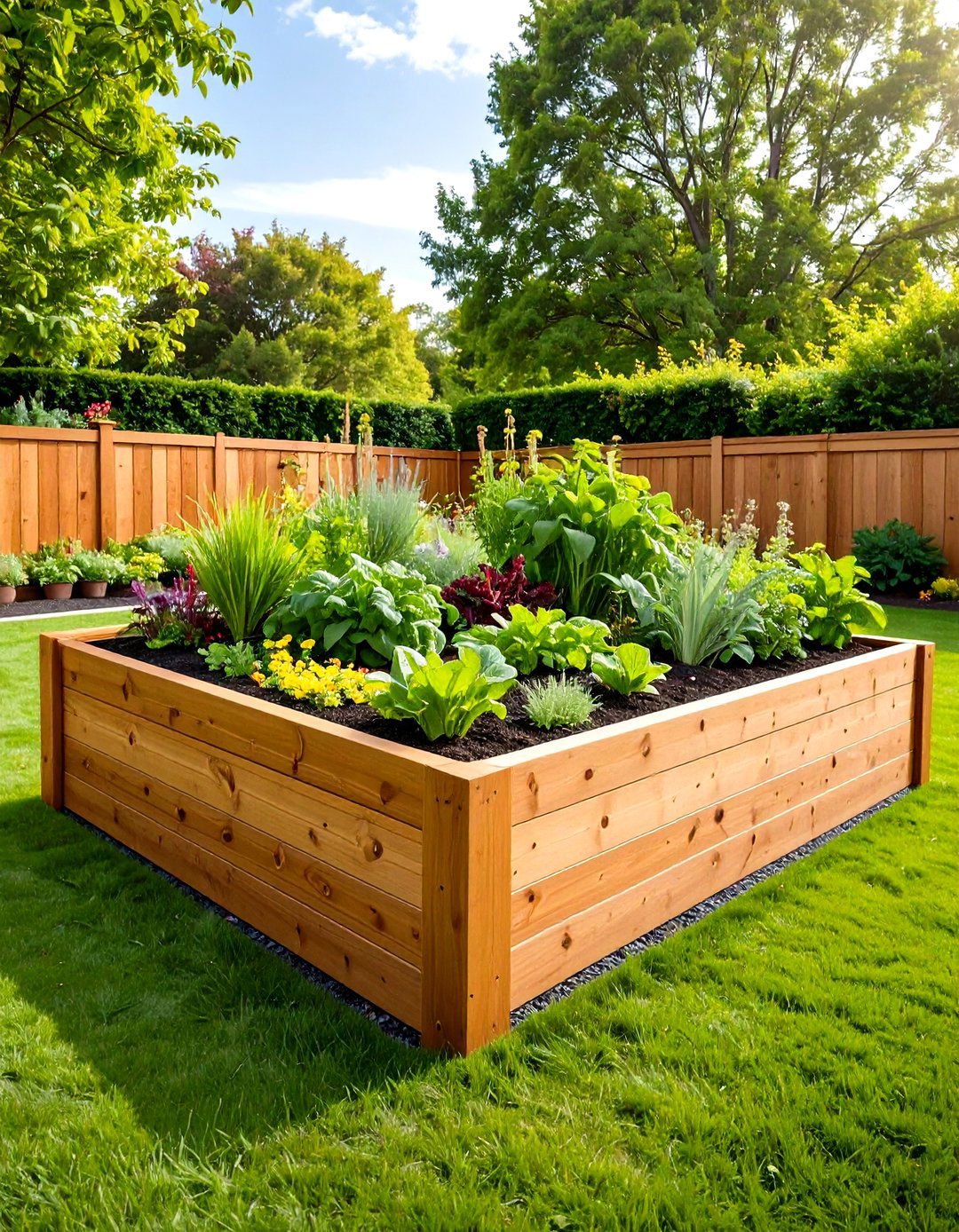
For a classic and naturally rot-resistant option, a cedar wood raised garden bed is an excellent choice. The natural oils in cedar help protect the wood from decay and insect damage, ensuring your garden structure lasts for many seasons without the need for chemical treatments. This makes it an ideal material for growing organic vegetables and herbs. The warm, reddish-brown tones of cedar also add a timeless beauty to any backyard or patio space. Assembling a cedar bed is often a straightforward DIY project, allowing you to create a durable and attractive growing area tailored to your specific size requirements.
2. Corrugated Metal Raised Garden
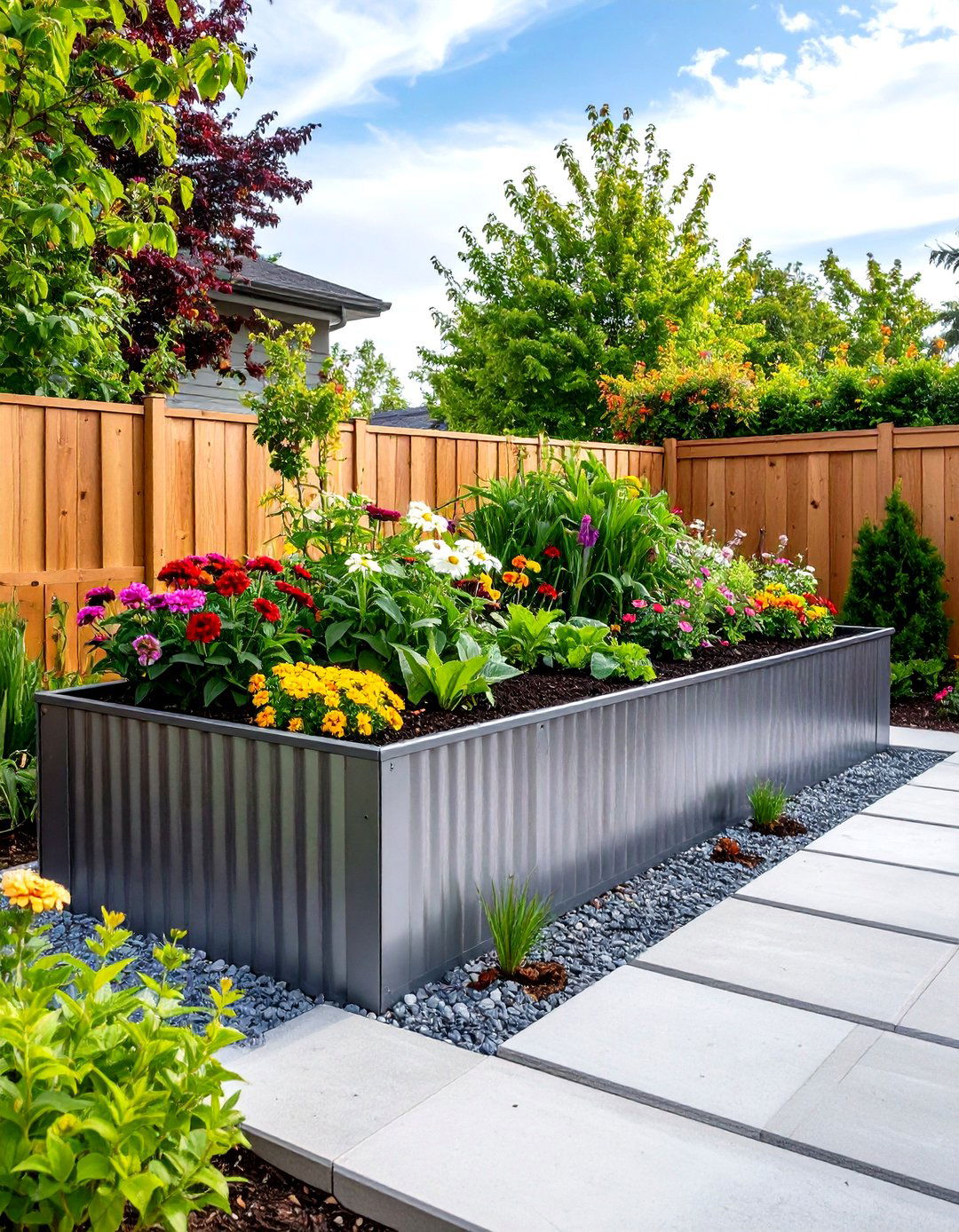
Bringing an industrial-chic aesthetic to your outdoor space, a corrugated metal raised garden is both stylish and incredibly durable. Typically made from galvanized steel, these beds are resistant to rust, rot, and pests, offering a long-lasting solution for your gardening needs. The wavy texture of the corrugated panels adds visual interest and modern flair. These beds are lightweight compared to wood or stone, making them easier to set up. They also heat up quickly in the spring, which can give your plants a head start on the growing season, proving perfect for sun-loving vegetables like tomatoes and peppers.
3. Tiered Raised Garden for Cascading Plants
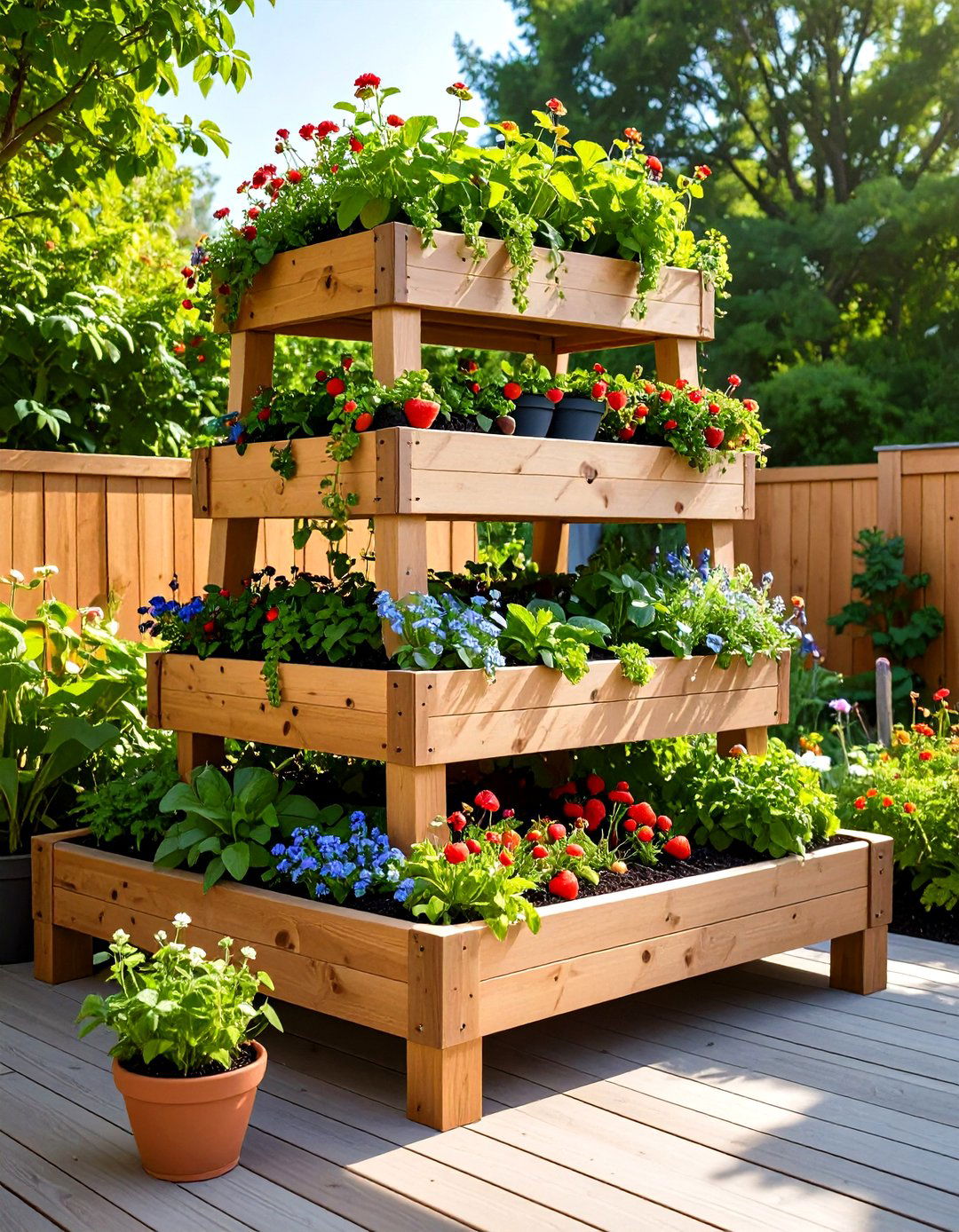
A tiered raised garden is a brilliant way to maximize growing space, especially in smaller yards or on patios. This multi-level design allows you to plant a variety of herbs, flowers, or vegetables at different heights, creating a stunning visual display. It’s particularly effective for cascading plants like trailing lobelia, strawberries, or certain types of herbs that can spill gracefully over the edges of each tier. The vertical arrangement ensures that all plants receive adequate sunlight and air circulation, promoting healthy growth. This design not only adds dimension and beauty to your garden but also makes harvesting more accessible.
4. L-Shaped Raised Garden for Corners
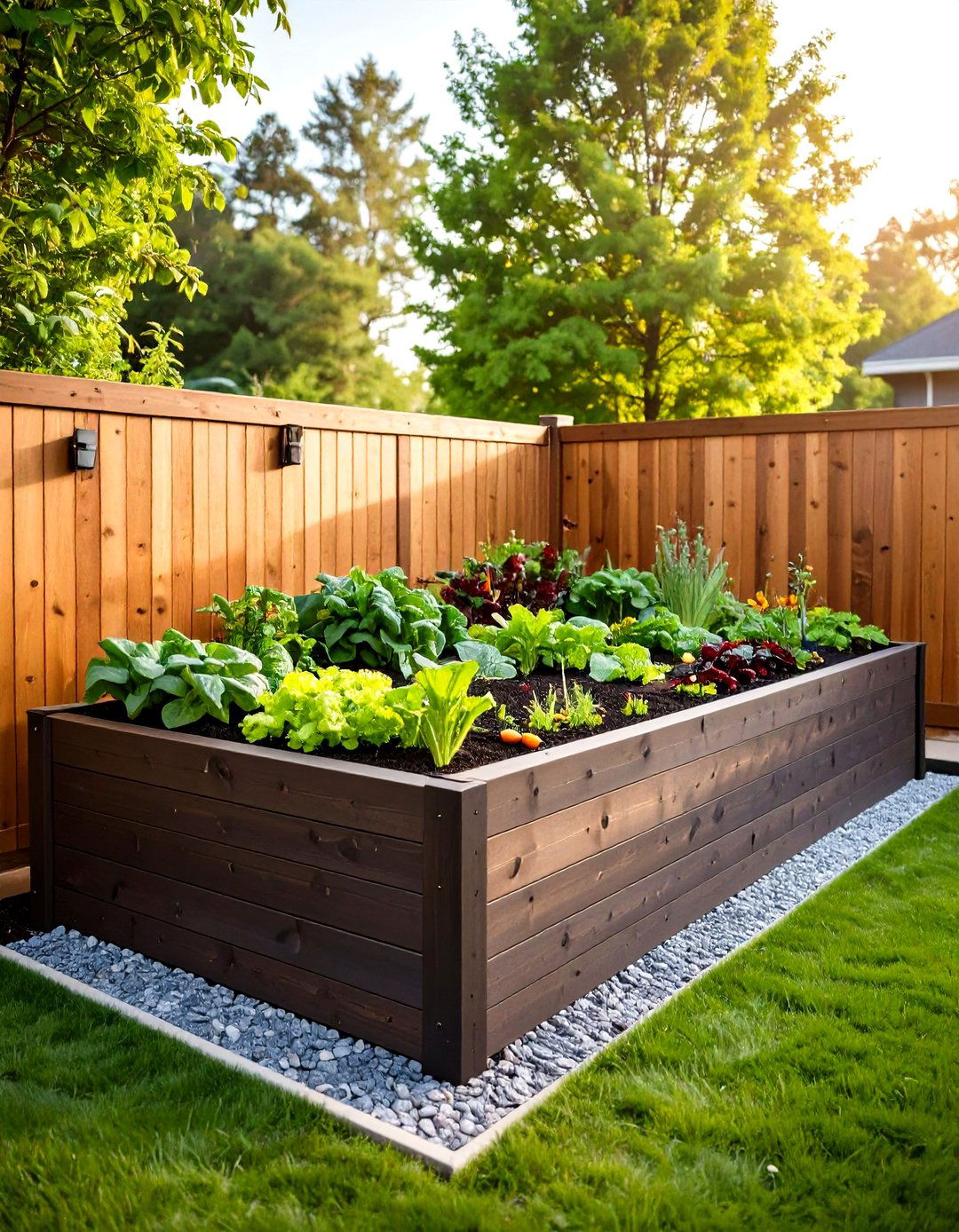
To make the most of an unused corner in your yard, an L-shaped raised garden is a perfect fit. This design efficiently utilizes space that might otherwise be overlooked, transforming it into a productive and attractive gardening hub. The L-shape creates a natural walkway, providing easy access to all parts of the bed for planting, weeding, and harvesting without compacting the soil. This layout is ideal for growing a diverse range of plants, allowing you to separate vegetables, herbs, and flowers while maintaining a cohesive look. It’s a smart, space-saving solution that adds structure and functionality to your garden layout.
5. U-Shaped Raised Garden Layout
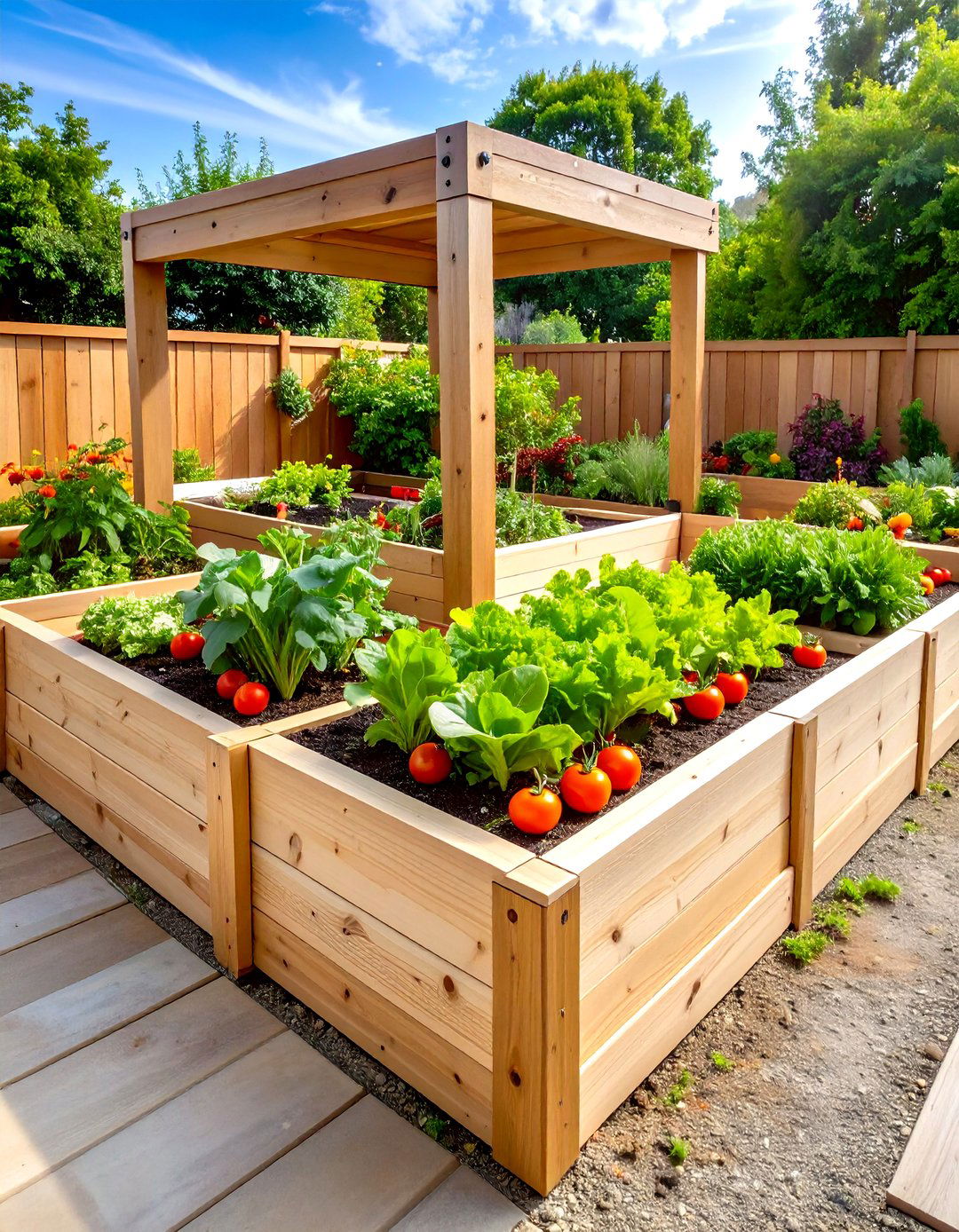
What if you could create a fully immersive gardening experience? A U-shaped raised garden layout allows you to do just that by creating a central nook where you can stand and tend to your plants from three sides. This design maximizes planting area while minimizing the need to reach, reducing strain on your back and knees. The enclosed shape is perfect for creating a dedicated kitchen garden for vegetables and herbs, keeping everything within arm's length. A U-shaped bed provides a sense of enclosure and focus, making it a highly efficient and comfortable workspace for any dedicated gardener to manage a large plot.
6. Raised Garden with an Integrated Bench
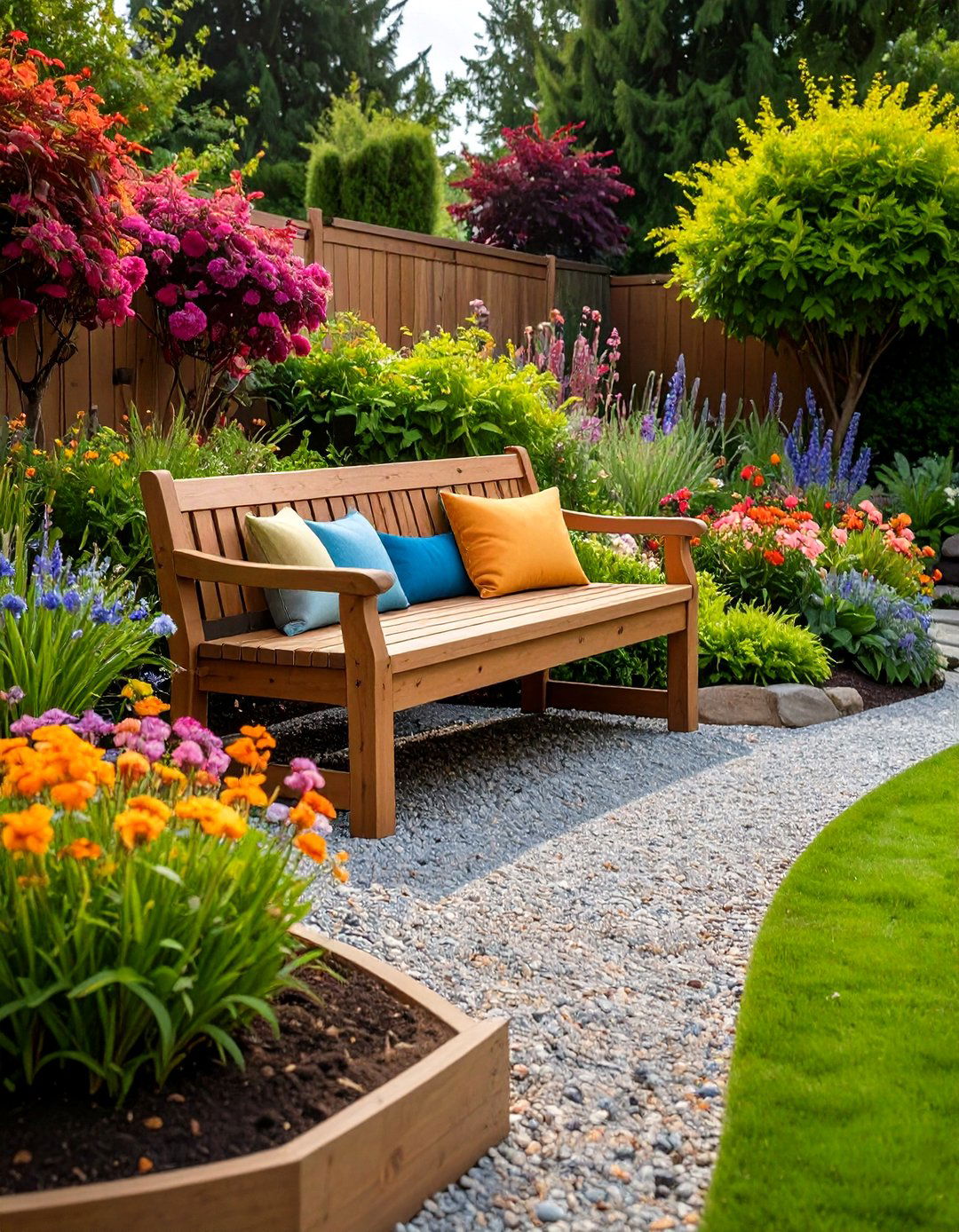
Consider combining functionality and relaxation with a raised garden that features an integrated bench. This clever design incorporates seating directly into the structure of the garden bed, offering a convenient spot to rest, admire your plants, or simply enjoy the outdoors. The bench can be built along one side or wrap around a corner, providing a sturdy and permanent seating solution. It’s a perfect way to make your garden a more social and comfortable space. This idea is especially useful for those who want a practical place to sit while tending to their plants without bringing out separate chairs.
7. Raised Garden on Wheels for Patios
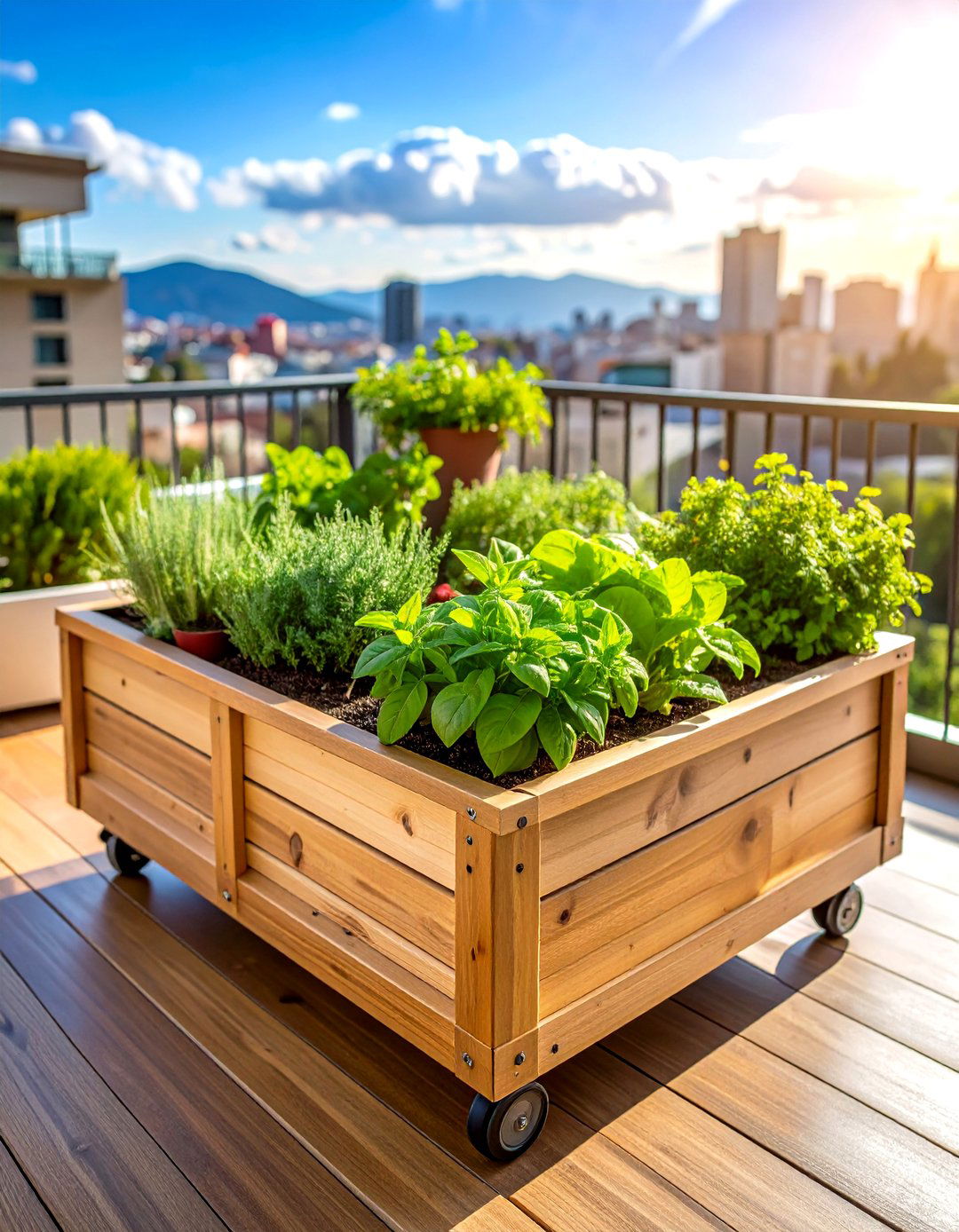
For gardeners with limited space or those who need flexibility, a raised garden on wheels is a game-changer. This mobile planter allows you to easily move your garden to follow the sun, protect plants from harsh weather, or rearrange your patio or balcony layout on a whim. These are often smaller, making them perfect for growing a curated selection of herbs, salad greens, or compact floral arrangements. Having a portable garden means you can bring your plants indoors during winter or position them perfectly for maximum sunlight exposure, ensuring they thrive no matter the season or setting.
8. Cinder Block Raised Garden Bed
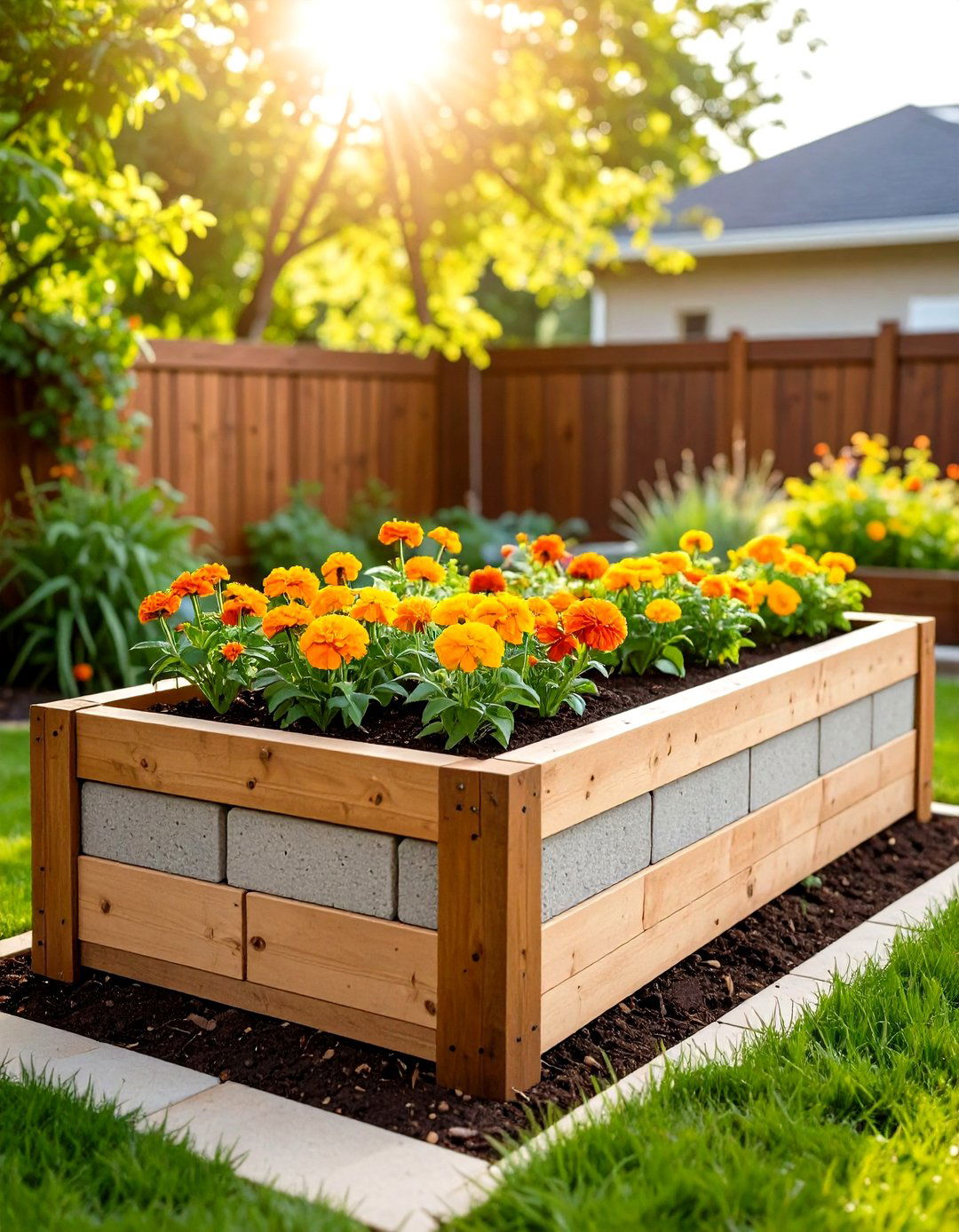
A cinder block raised garden bed offers a durable, affordable, and highly customizable solution for any gardener. The blocks are easy to stack and arrange into any shape or size, requiring no complex carpentry skills. One of the unique advantages of using cinder blocks is that the holes can be filled with soil and used as mini-planters for individual herbs, marigolds, or succulents, maximizing your growing space. This modular approach is perfect for creating a sturdy, long-lasting garden with a modern, utilitarian aesthetic. You can also paint the blocks to match your outdoor decor for a more personalized touch.
9. Natural Stone Raised Garden
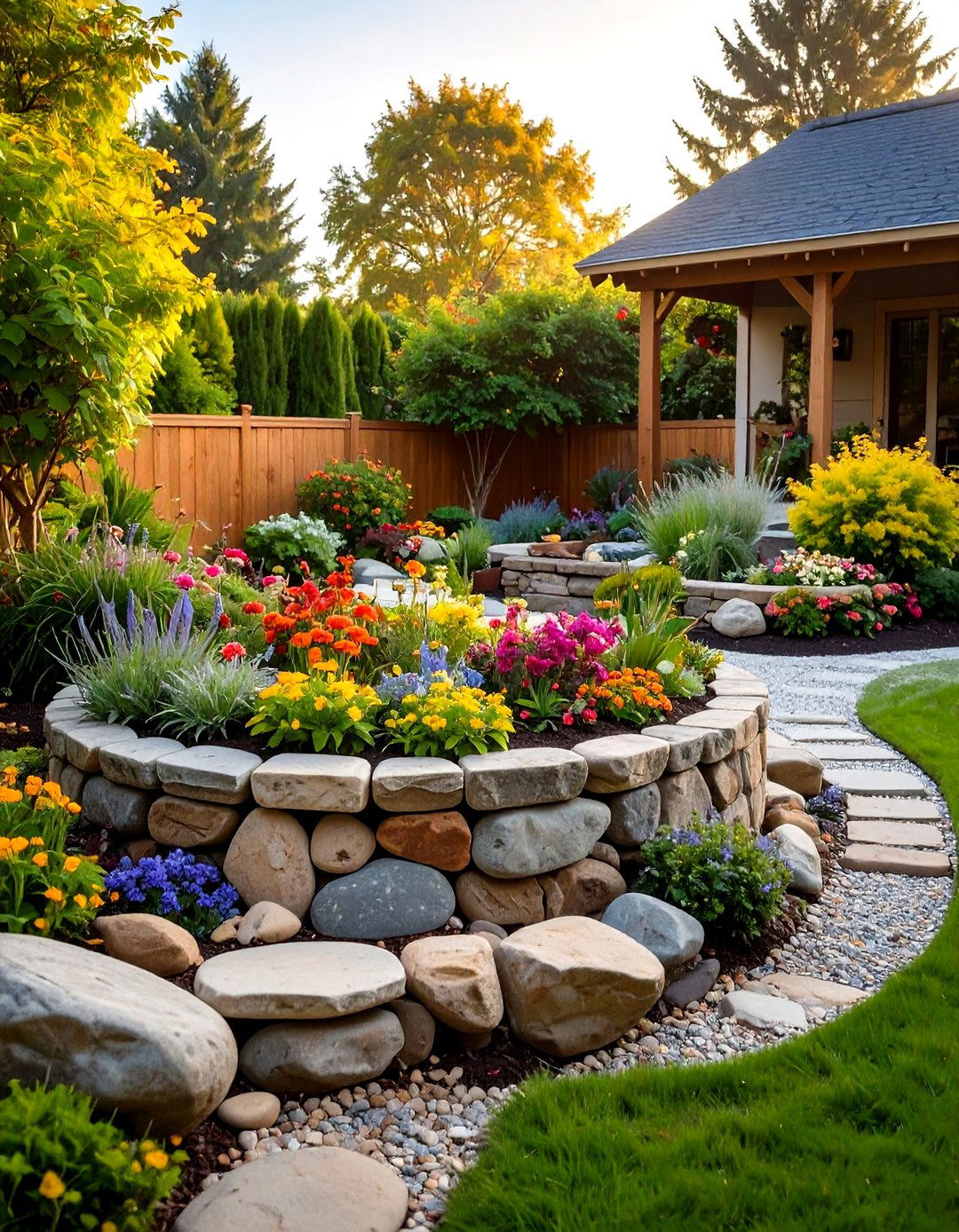
To create a garden with timeless, rustic charm, a natural stone raised garden is an unparalleled choice. Built using fieldstone, flagstone, or river rock, these beds blend seamlessly into the landscape, looking as if they have been there for years. The thick stone walls provide excellent insulation, protecting plant roots from extreme temperature fluctuations. While building a stone bed requires more labor, the result is a permanent and incredibly durable structure that adds significant character and value to your property. This option is perfect for creating an elegant and enduring feature that complements a traditional or cottage-style garden design.

10. Gabion Wall Raised Garden
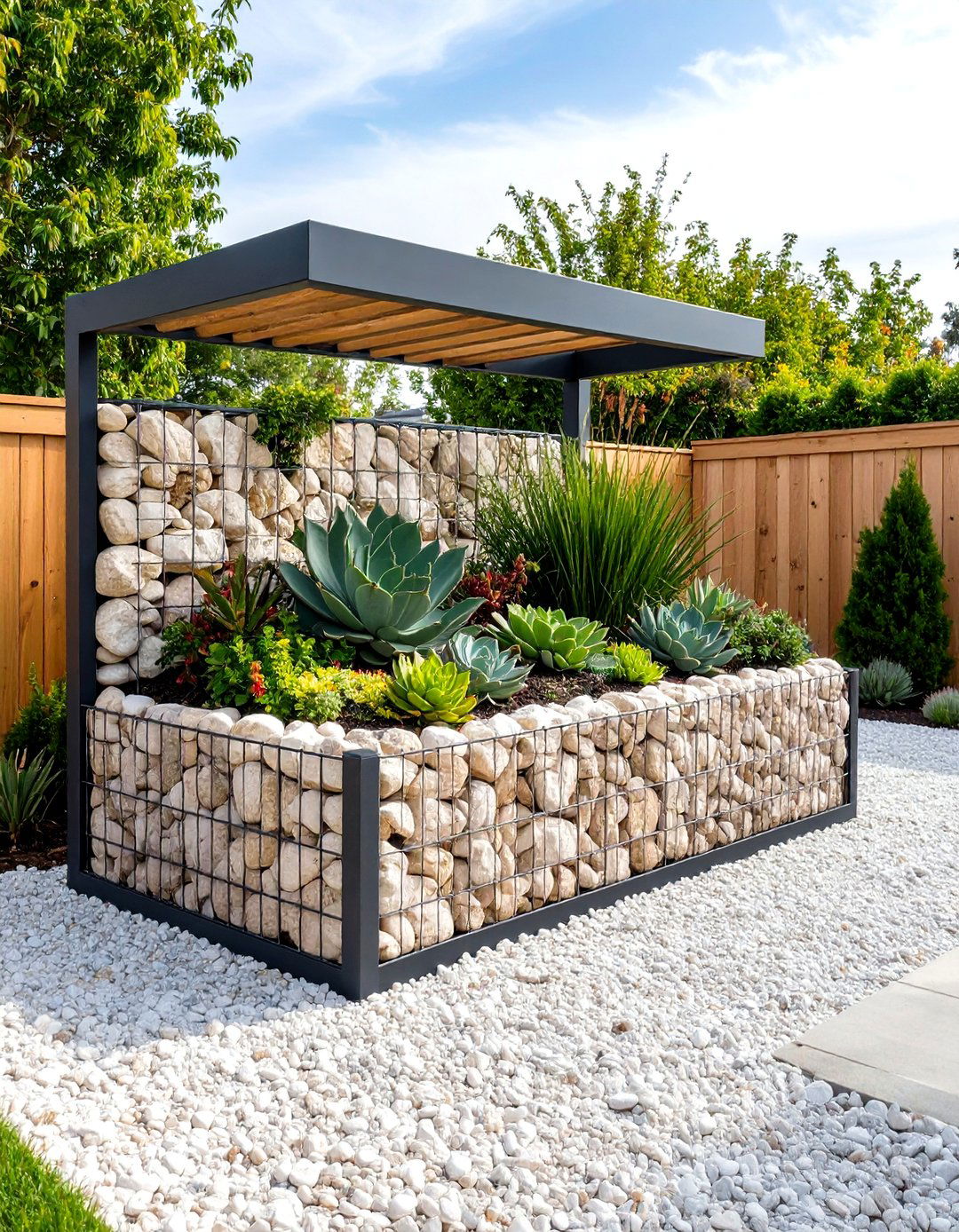
For a truly unique and modern look, a gabion wall raised garden combines industrial strength with natural elements. These beds are constructed from wire mesh cages (gabions) filled with rocks, stones, or even recycled materials like broken concrete or glass. The result is a highly durable, permeable structure that provides excellent drainage and aeration for the soil. Gabion walls offer a striking visual contrast between the rigid wireframe and the organic texture of the fill material. This contemporary design choice is not only long-lasting and low-maintenance but also serves as a bold statement piece in any modern landscape.
11. Raised Garden with a Built-in Trellis
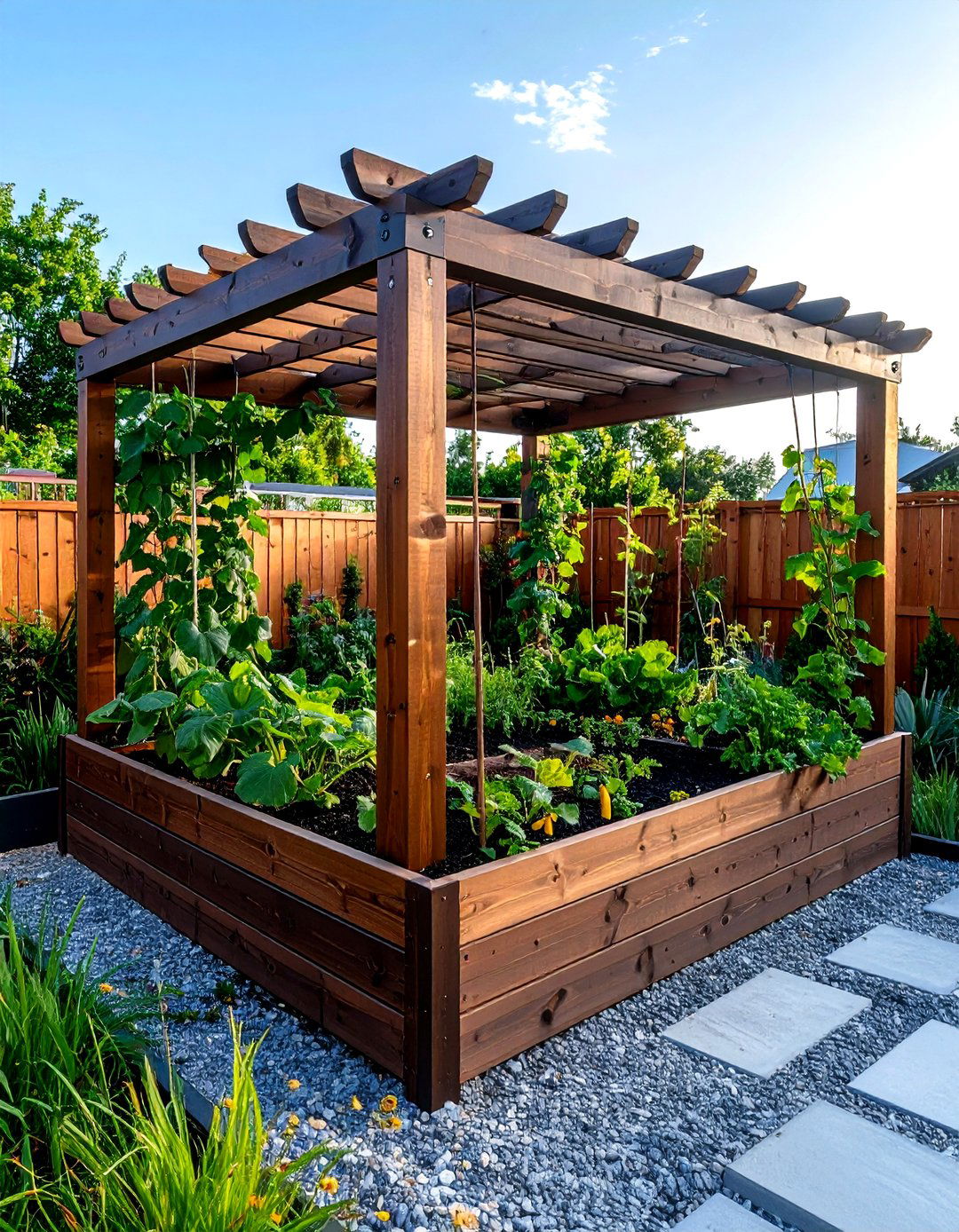
Take your vertical gardening to the next level by incorporating a built-in trellis into your raised garden bed. This feature provides essential support for climbing plants like tomatoes, cucumbers, peas, and pole beans, allowing them to grow upward instead of sprawling across the ground. A trellis helps save space, improves air circulation around the plants to reduce disease, and makes harvesting easier. It also adds a beautiful vertical element to your garden, creating a living wall of foliage and produce. This integrated design is a practical and efficient way to maximize your yield in a compact footprint while keeping your garden tidy.
12. Keyhole Raised Garden Bed
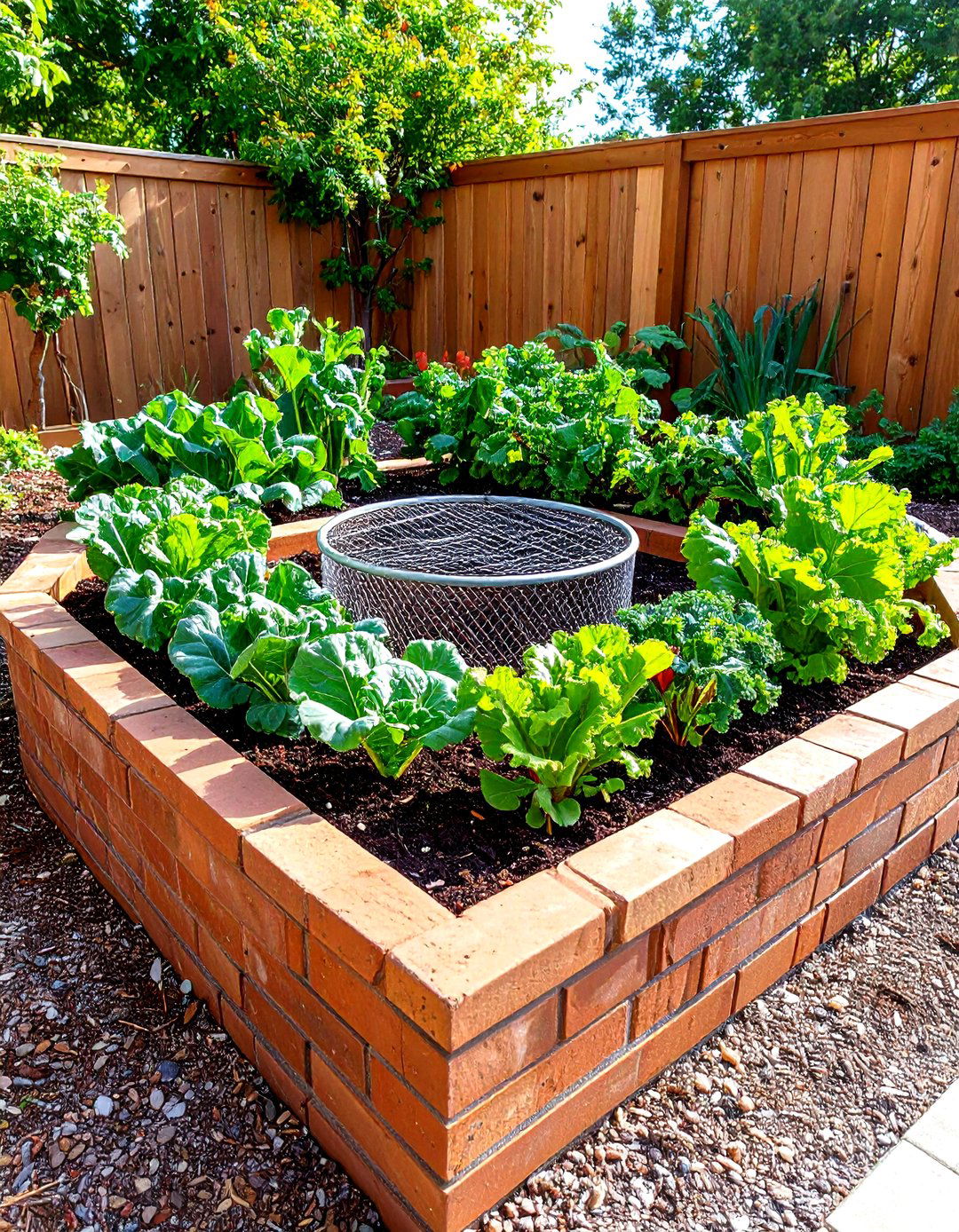
A keyhole raised garden bed is an innovative design that combines a planting area with a central compost basket. Shaped like a keyhole, the layout allows you to easily access the entire garden from one spot while continuously enriching the soil. You can add kitchen scraps, yard waste, and other organic matter to the compost basket, which slowly breaks down and leaches nutrients into the surrounding soil. This self-fertilizing system is highly efficient, conserving water and reducing the need for additional fertilizers. It’s a sustainable and productive solution, particularly well-suited for growing nutrient-hungry vegetables in arid climates.
13. Hugelkultur Raised Garden Bed
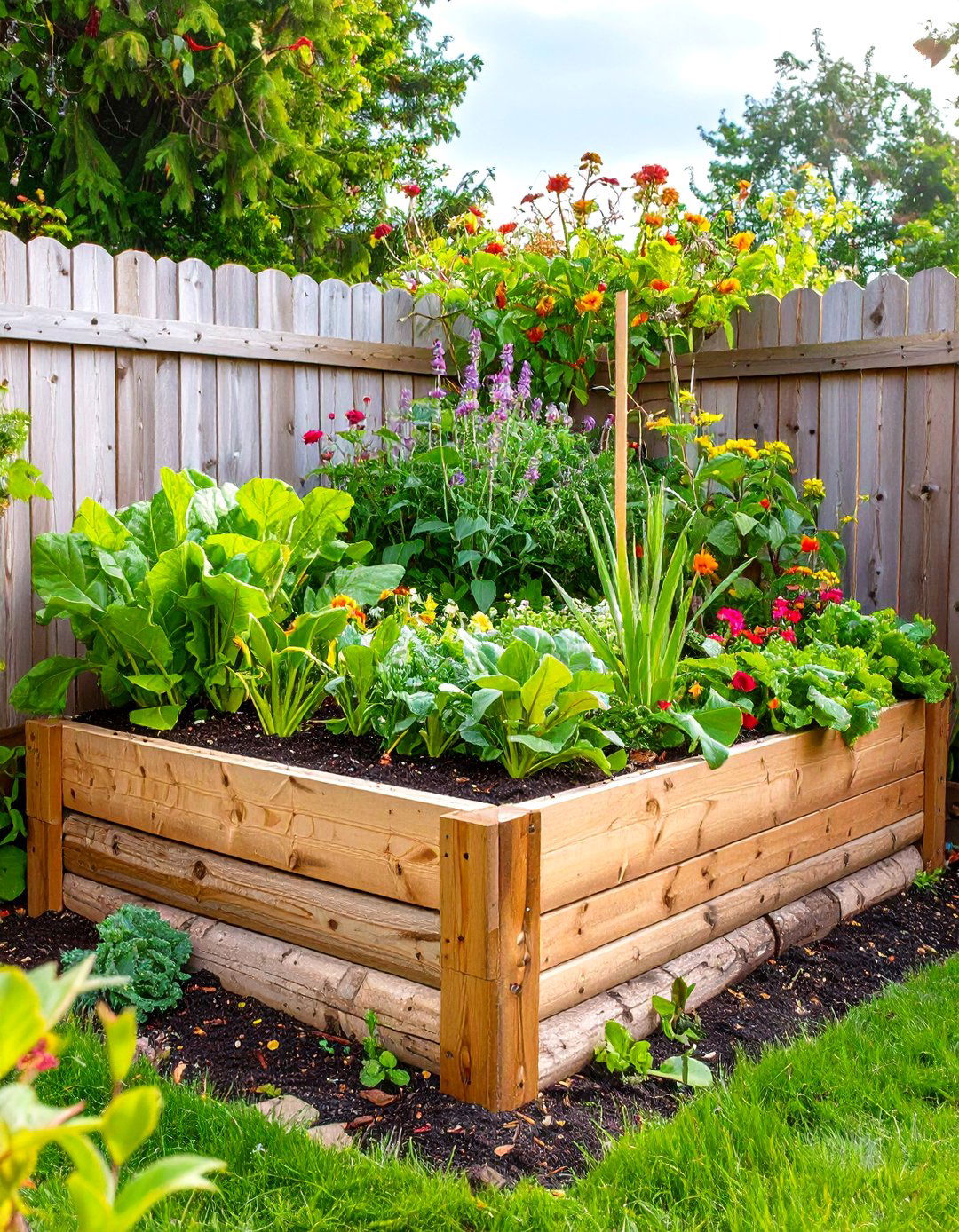
Based on a traditional European gardening method, a hugelkultur raised garden bed is built on a foundation of decaying wood logs, branches, and other organic matter. This woody base is then covered with compost and topsoil. As the wood slowly decomposes, it becomes a sponge-like reservoir, retaining moisture and releasing a steady stream of nutrients to the plants above. This process reduces the need for watering and fertilizing over time. Hugelkultur beds create a rich, fertile, and well-aerated growing environment that improves with each passing year, making them a fantastic long-term, sustainable gardening solution.
14. Composite Wood Raised Garden
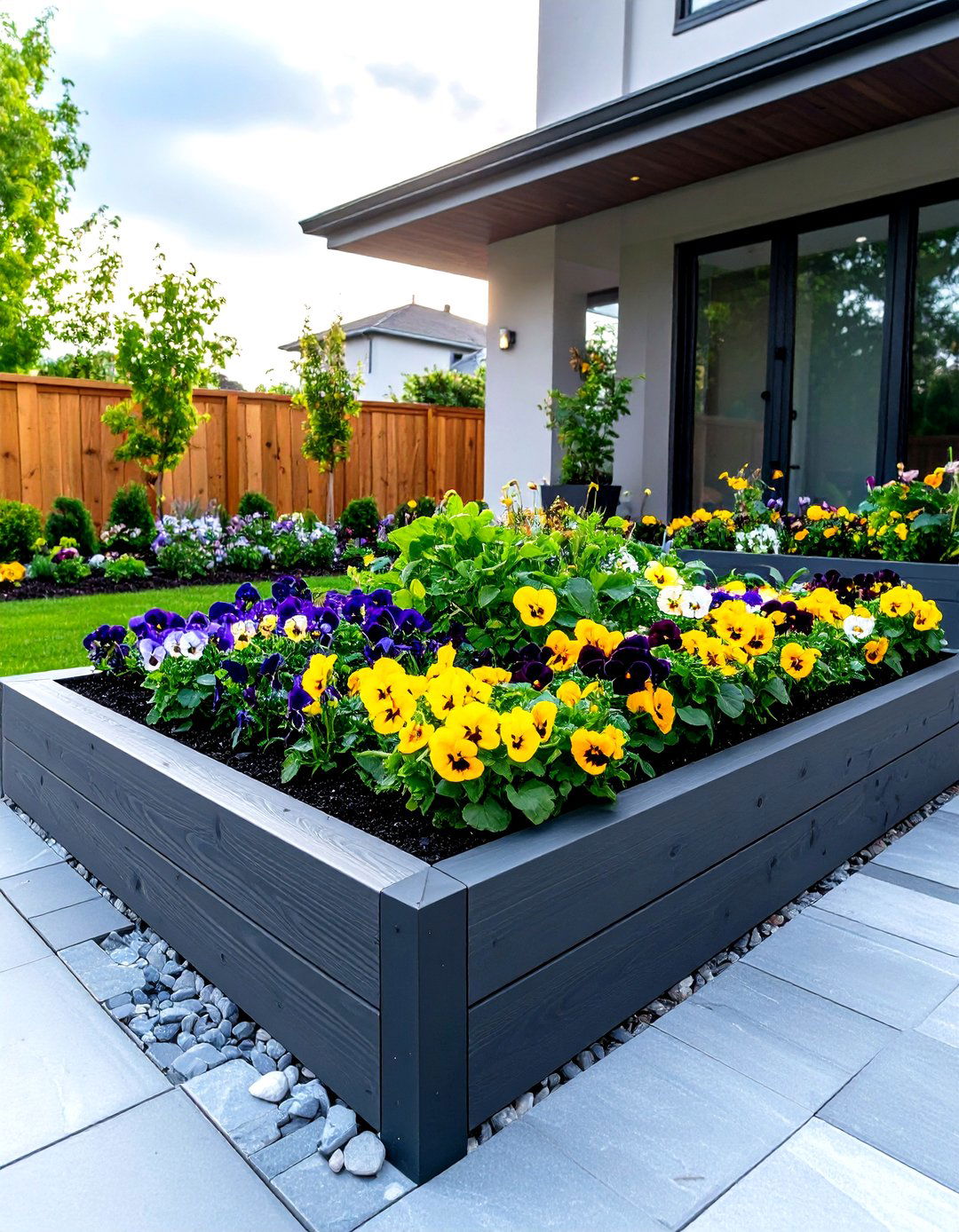
For those seeking the look of wood without the maintenance, a composite wood raised garden is an excellent alternative. Made from a blend of recycled plastic and wood fibers, composite materials are resistant to rot, splitting, and insect damage, ensuring a much longer lifespan than traditional wood. These kits are easy to assemble and come in various colors and finishes, allowing you to achieve a clean, modern aesthetic. Composite beds won't splinter or require staining, making them a safe and low-maintenance choice for a family-friendly garden that will look great for years with minimal upkeep.

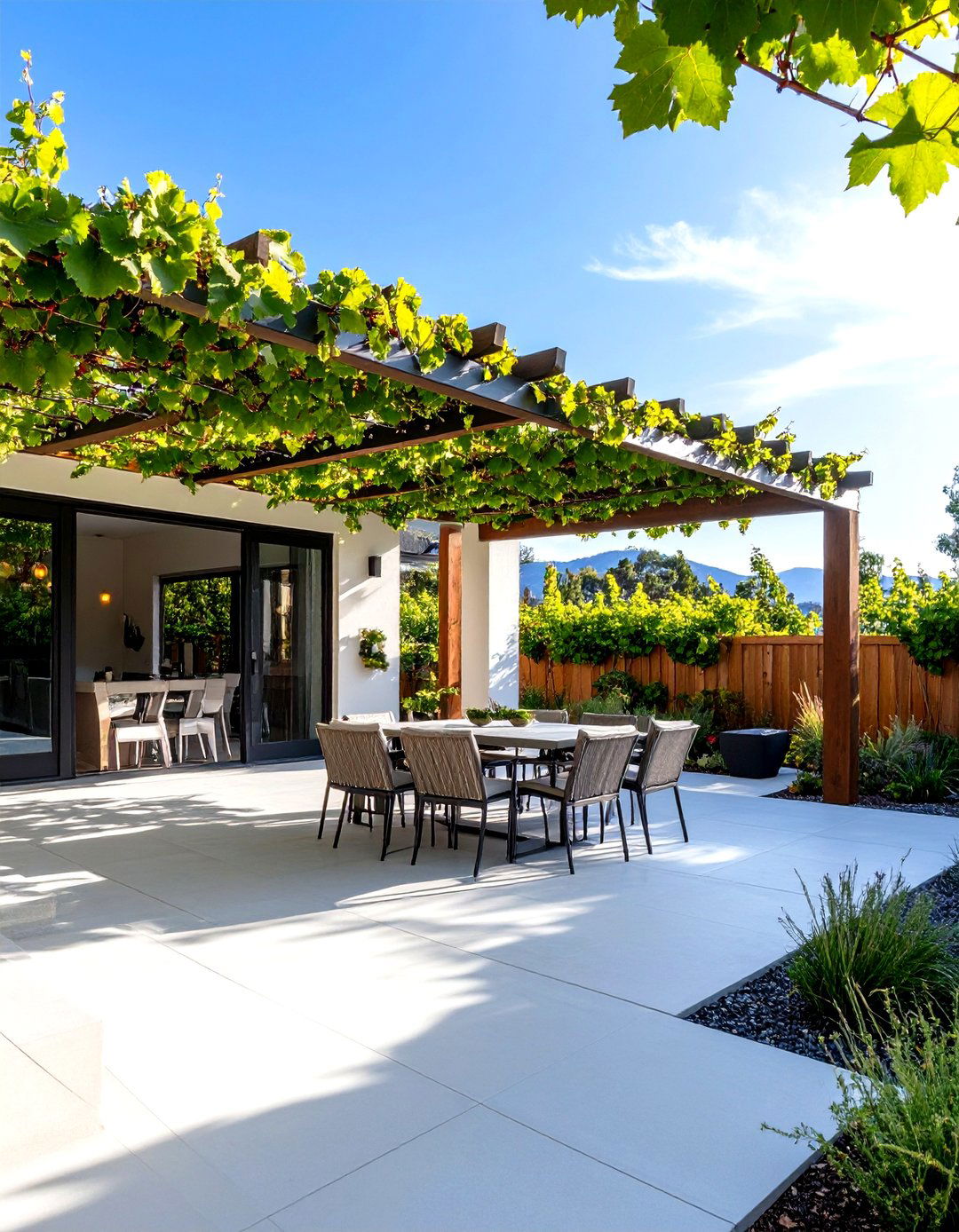

15. Galvanized Steel Trough Raised Garden
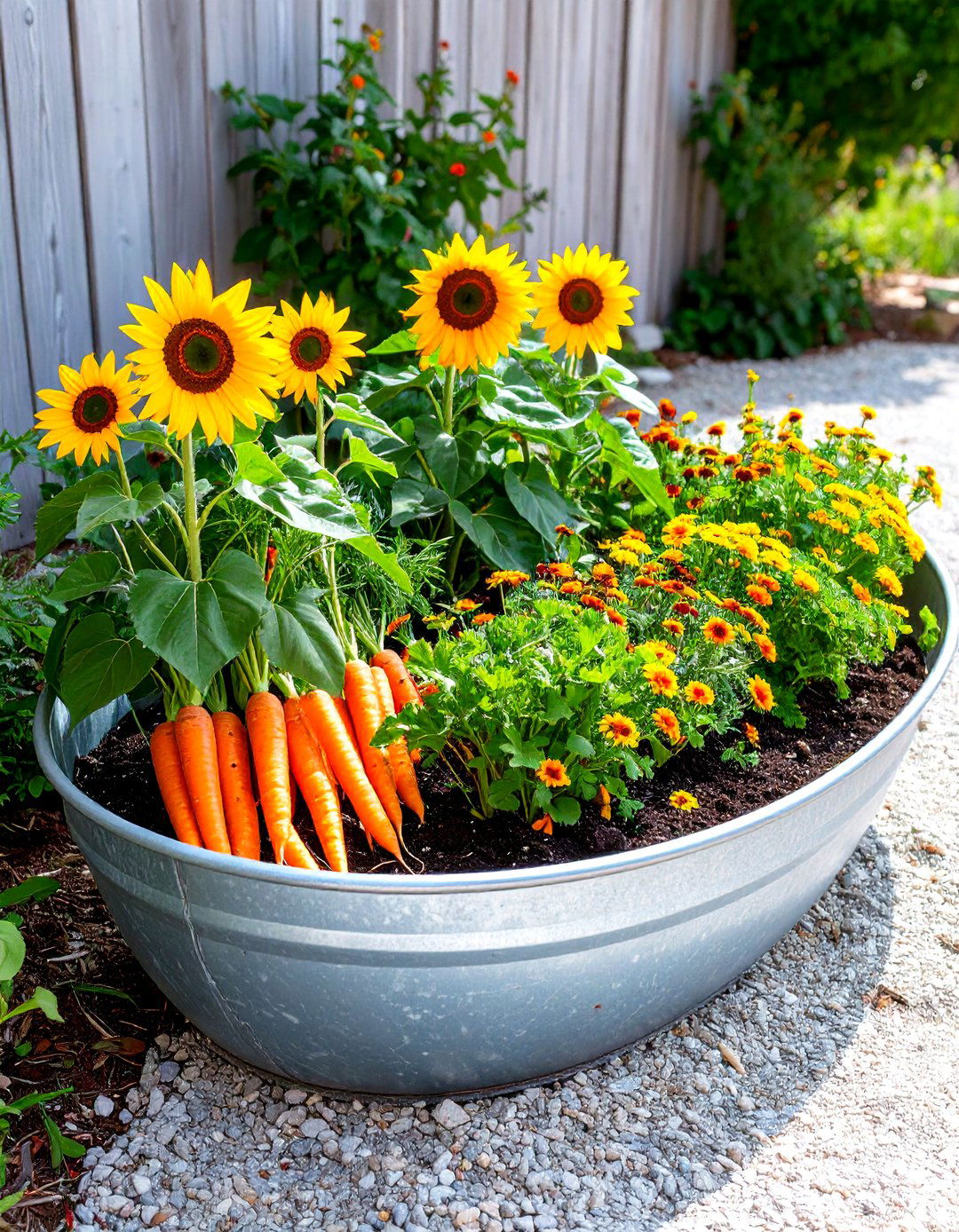
Repurposing a galvanized steel trough is a quick and stylish way to create an instant raised garden. These durable containers, often used as livestock feeders, offer an industrial or modern farmhouse vibe that is currently very popular. Their depth is perfect for growing plants with deep root systems, such as carrots, potatoes, or tomatoes. Since they are self-contained, they are ideal for patios, decks, or any area where you don't want to dig into the ground. Just be sure to drill drainage holes in the bottom to prevent waterlogging and ensure healthy root growth for your plants.
16. Raised Spiral Herb Garden
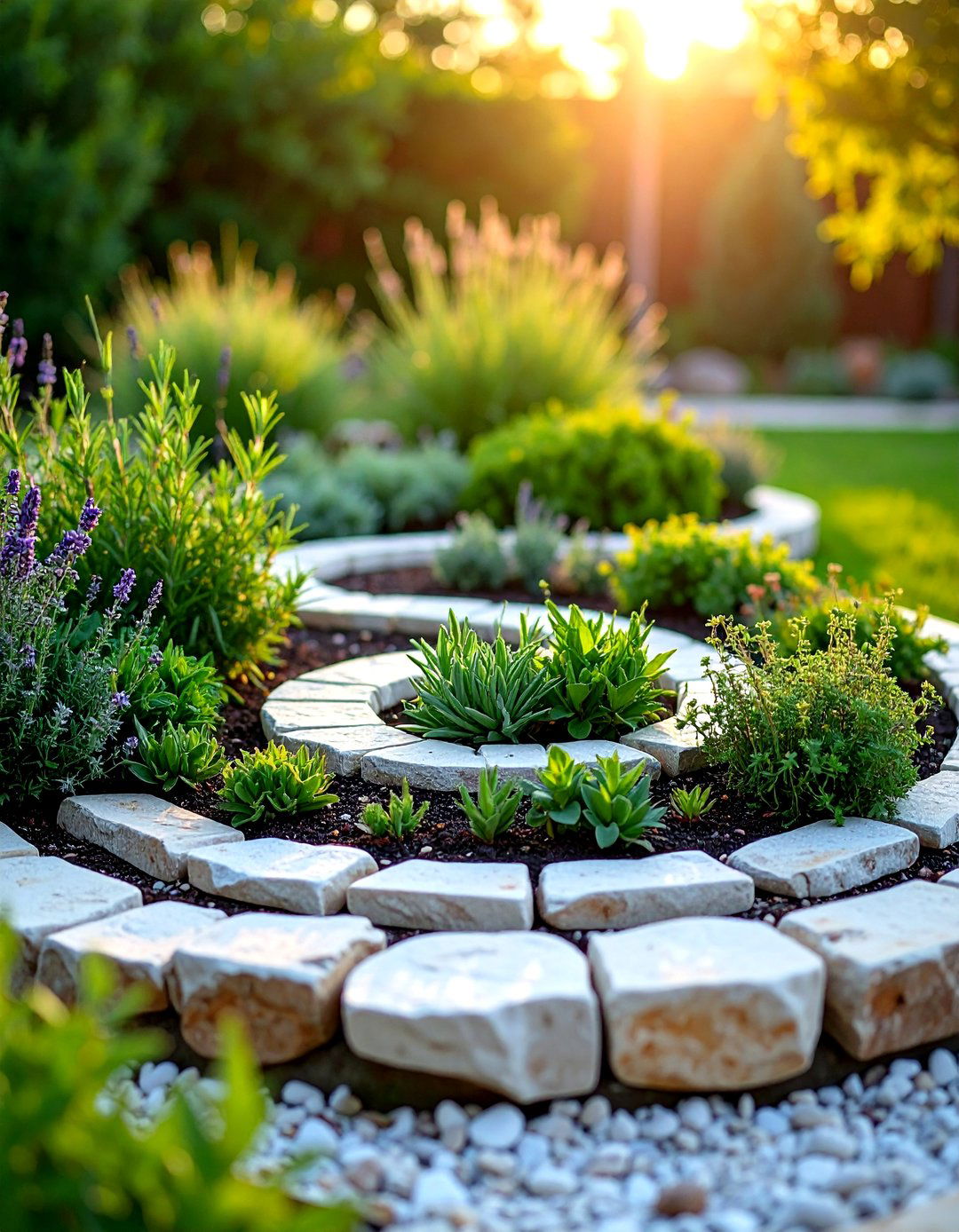
A raised spiral herb garden is a beautiful and functional design that maximizes planting space while creating a stunning focal point. The spiral shape, often built with stones or bricks, creates different microclimates along its path. The top of the spiral is sunnier and drier, perfect for herbs like rosemary and thyme that prefer arid conditions. The lower levels remain shadier and more moist, ideal for plants like mint and parsley. This compact, vertical design allows you to grow a wide variety of herbs in a small footprint, with the spiraling path providing easy access to every plant.
17. Raised Garden with a Cold Frame Top
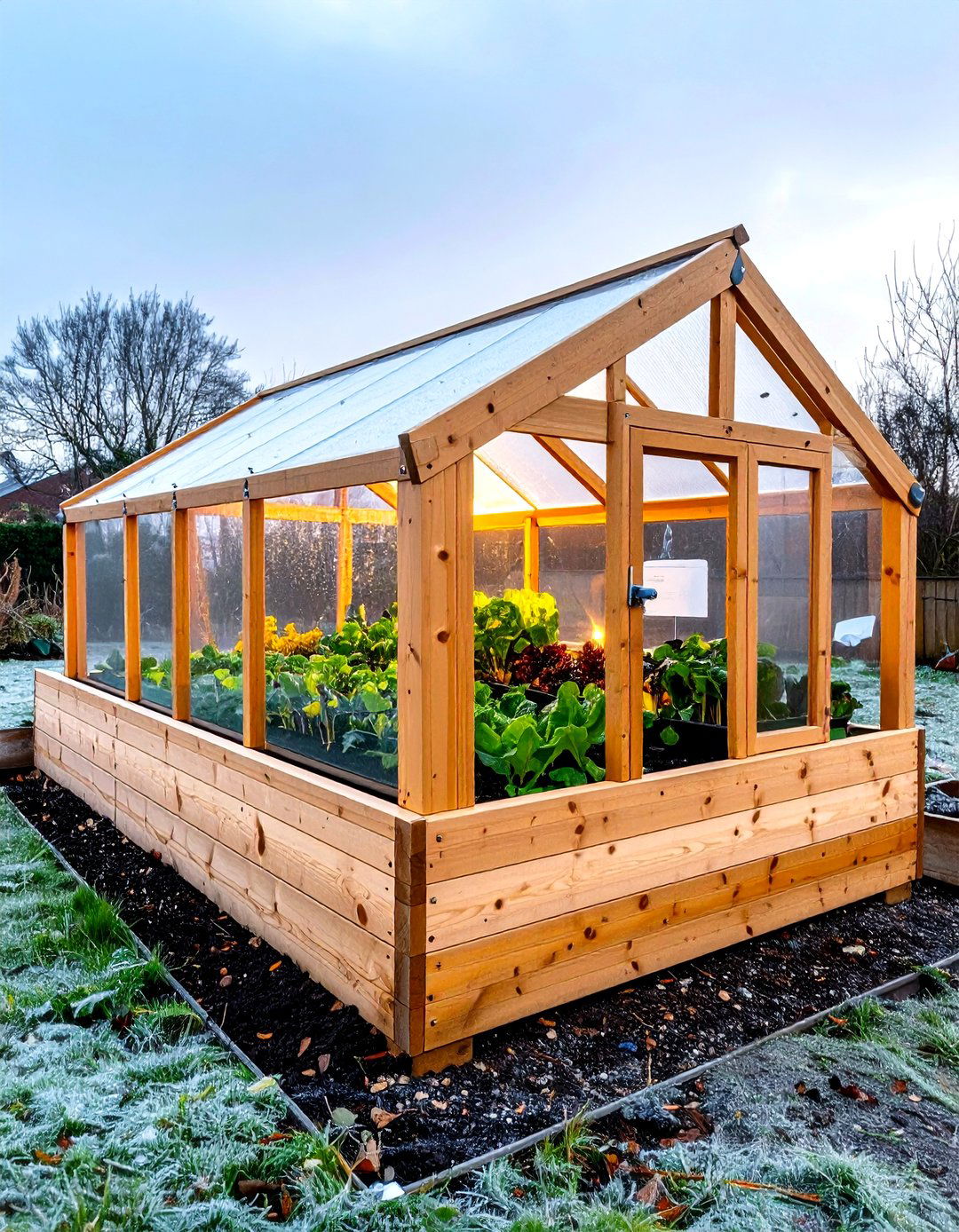
To extend your growing season into the colder months, consider a raised garden with a cold frame top. This addition acts as a mini-greenhouse, protecting your plants from frost, wind, and snow. A cold frame is typically a transparent lid, made of glass or plastic, that fits over the top of your raised bed. It traps solar heat during the day, keeping the soil and plants warm overnight. This allows you to start seeds earlier in the spring and continue harvesting hardy greens like kale and spinach well into the fall and winter, making your garden productive nearly year-round.
18. Stair-Step Raised Garden Planter
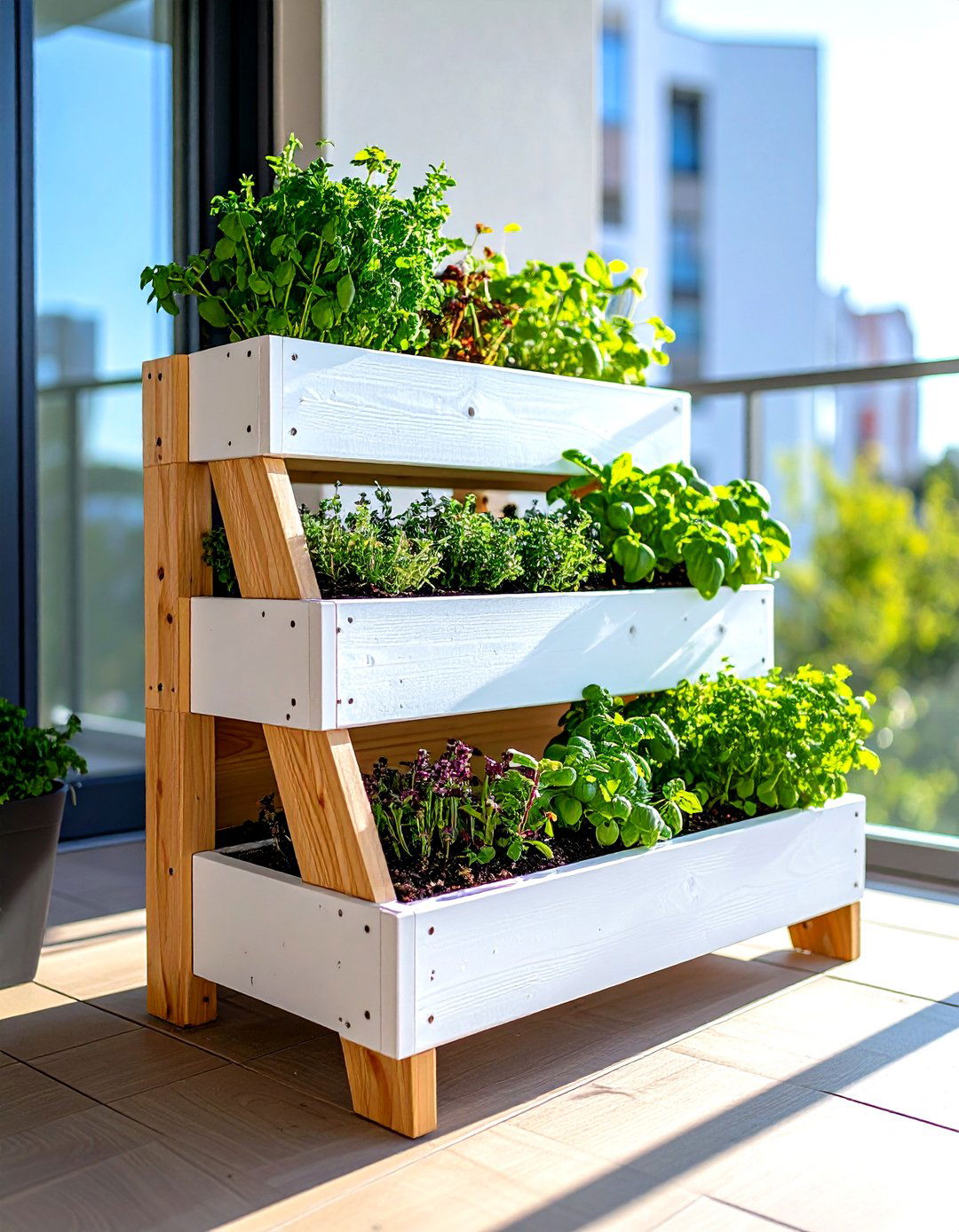
A stair-step raised garden planter offers a visually appealing, multi-level structure perfect for small spaces like balconies or patios. This design features a series of cascading tiers, resembling a set of stairs, allowing you to plant at different heights. It’s an excellent way to organize plants by size or type, with sun-loving varieties at the top and shade-tolerant ones below. The cascading effect is especially beautiful when planted with a mix of colorful flowers, trailing vines, and aromatic herbs. This vertical arrangement is not only space-efficient but also creates a dynamic and attractive garden display.
19. Circular Raised Garden Bed
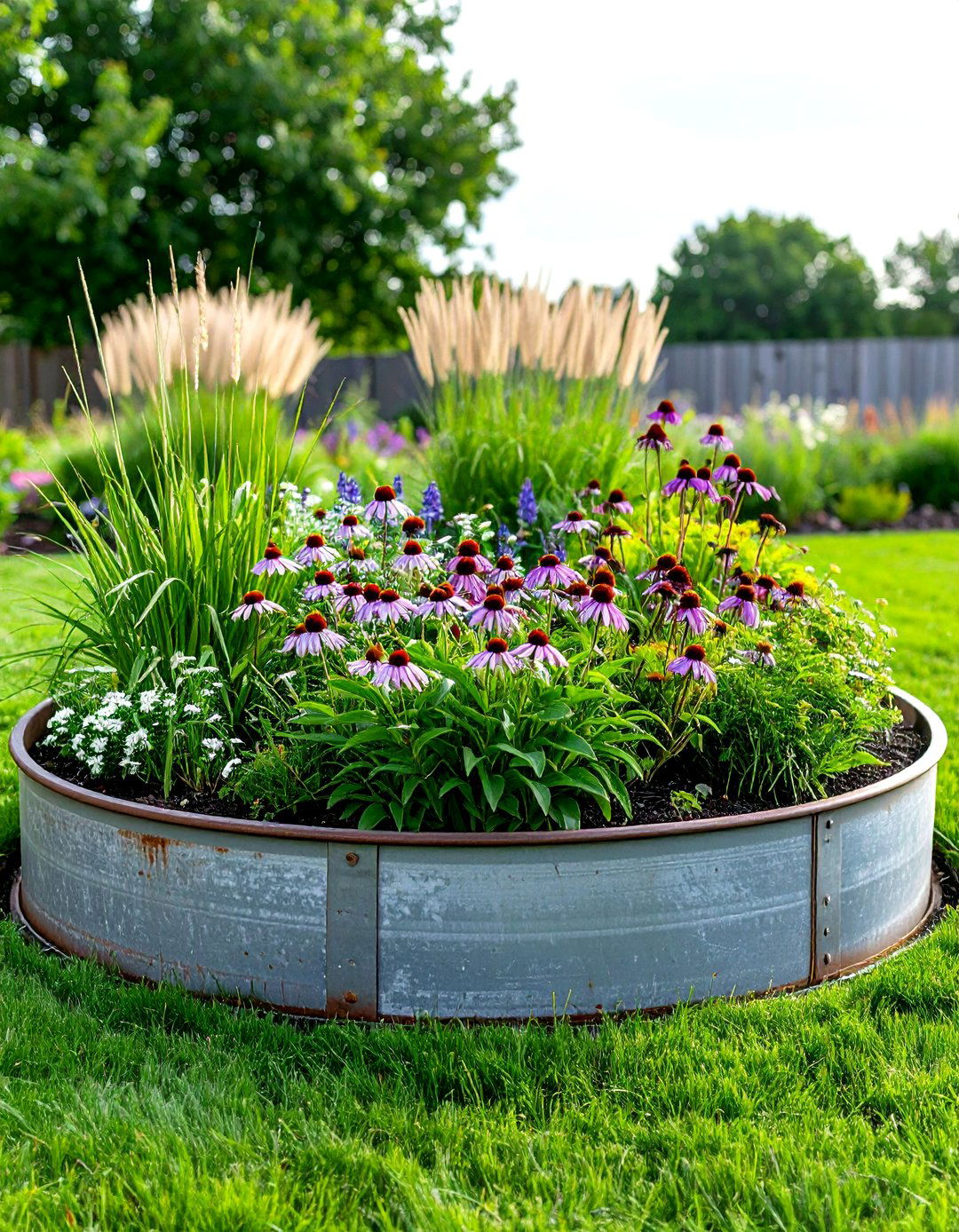
Breaking away from traditional rectangular shapes, a circular raised garden bed can serve as a striking centerpiece in your yard. Often constructed from curved metal panels, bricks, or stones, a round design creates a natural gathering point and focal area. The circular shape provides easy access to plants from all sides and can soften the hard lines of a patio or fence. It is particularly well-suited for creating a dedicated flower bed or a mixed planting of vegetables and ornamentals. This elegant and unconventional shape adds a touch of sophistication and flow to any garden landscape.


20. Accessible Waist-High Raised Garden

For gardeners with mobility challenges or those who simply want to avoid bending and kneeling, an accessible waist-high raised garden is the ultimate solution. Elevated to a comfortable height of around 30-36 inches, these beds allow you to garden while standing or sitting in a chair or wheelchair. This design significantly reduces physical strain, making gardening an enjoyable and therapeutic activity for everyone. These beds can be built from wood, metal, or composite materials and are perfect for patios, decks, or community gardens, ensuring that the joy of gardening is accessible to people of all ages and abilities.
21. Reclaimed Wood Raised Garden
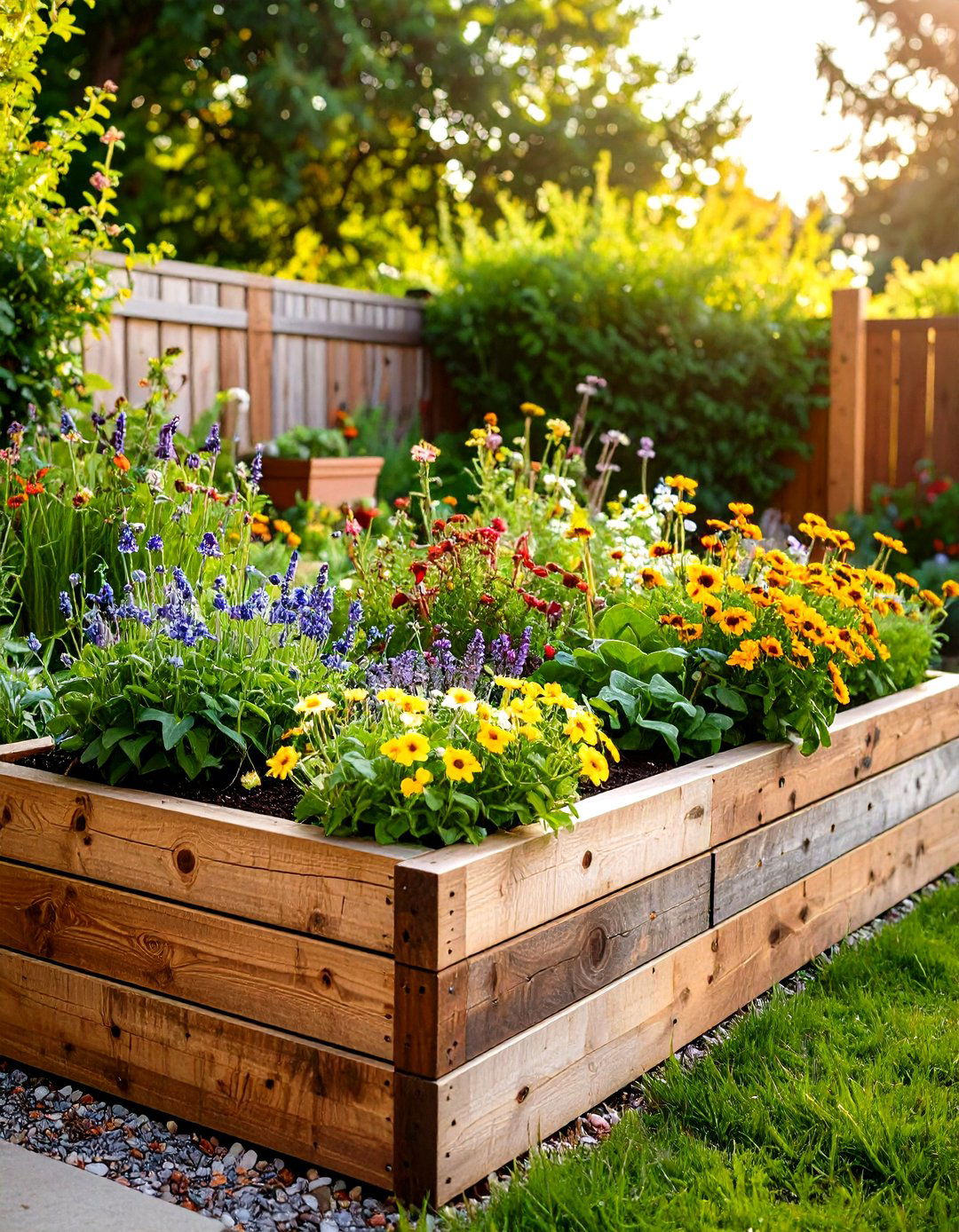
Creating a raised garden from reclaimed wood is a sustainable and budget-friendly option that adds rustic character to your space. Using salvaged materials like old pallets (ensure they are heat-treated, not chemically treated), fence boards, or discarded lumber gives a second life to materials that would otherwise end up in a landfill. The weathered patina of reclaimed wood provides a charming, lived-in look that is hard to replicate with new materials. This eco-conscious approach not only saves money but also results in a unique garden bed with a story, adding a personal and resourceful touch to your outdoor area.
22. Modern Concrete Raised Garden
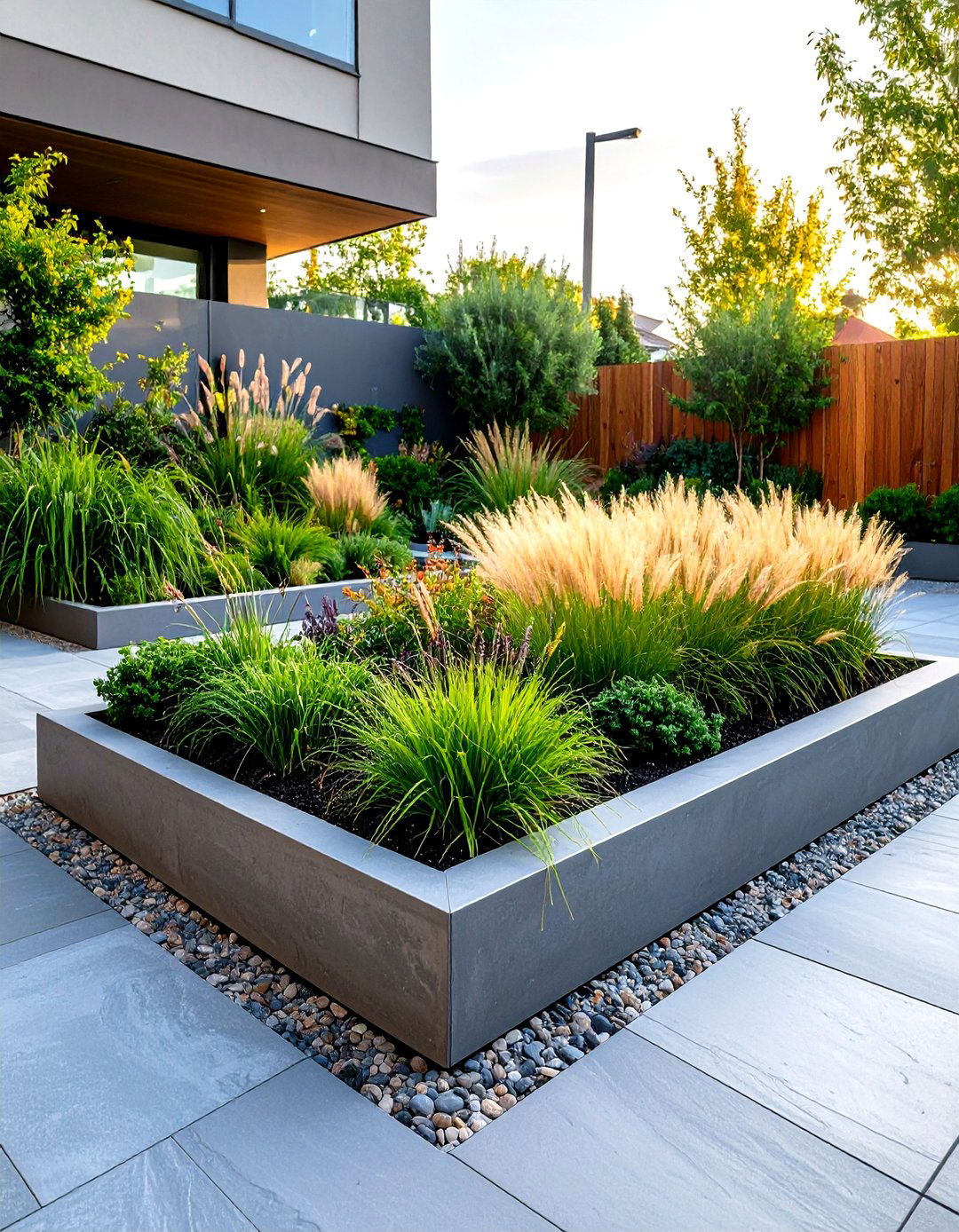
For a sleek, minimalist aesthetic, a modern concrete raised garden offers clean lines and exceptional durability. Poured concrete or pre-cast concrete panels can be used to construct beds with a smooth, industrial finish that complements contemporary architecture. Concrete is incredibly long-lasting and provides excellent insulation for plant roots against temperature swings. While it can be a more labor-intensive and permanent installation, the result is a sophisticated and low-maintenance structure. You can even add pigments to the concrete mix to achieve different colors, allowing for a fully customized and high-end look in your garden design.
23. Wattle Raised Garden Bed
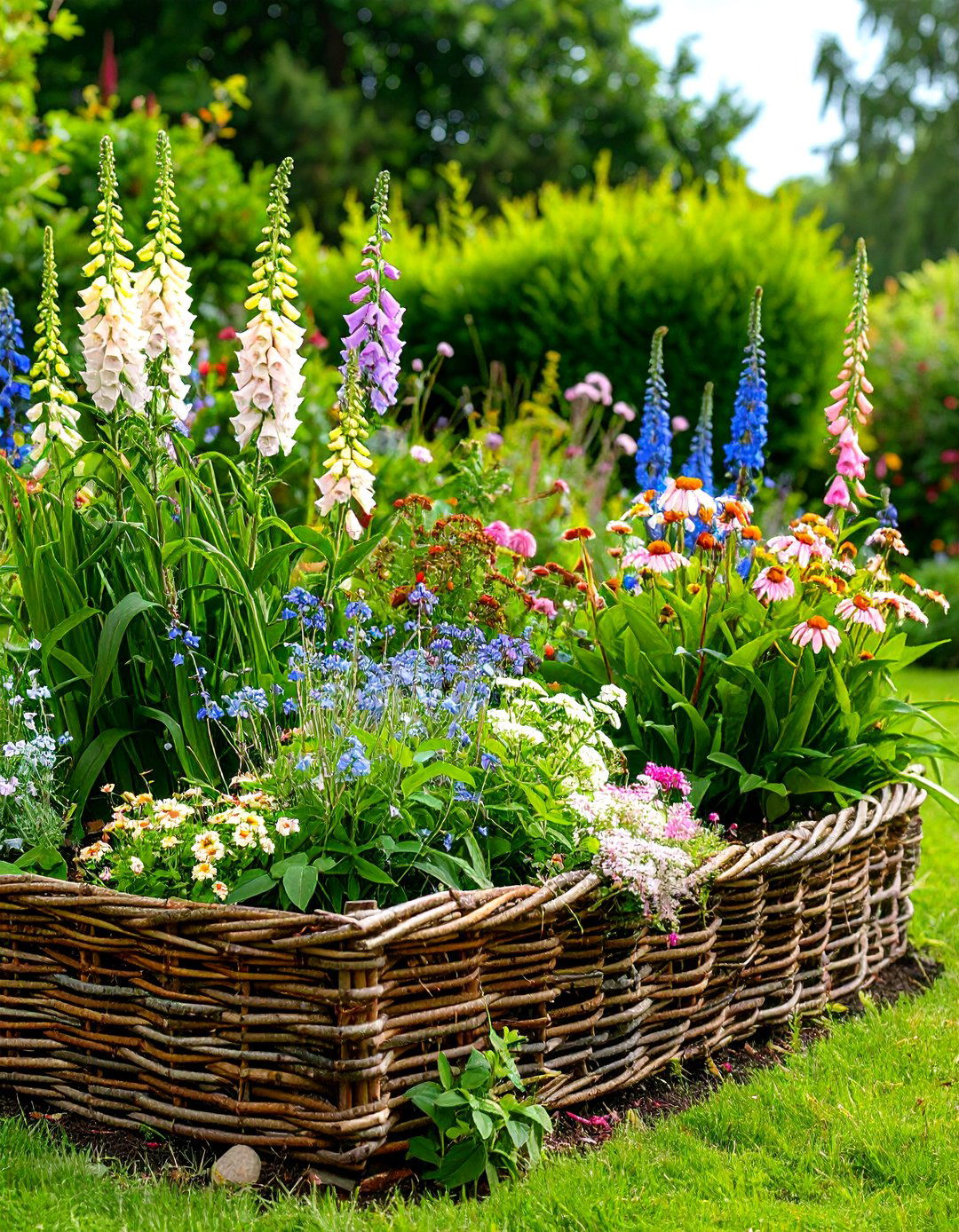
Embrace a traditional and naturalistic look with a wattle raised garden bed. This ancient technique involves weaving flexible, freshly cut branches (like willow or hazel) between sturdy upright stakes to form a beautiful, textured wall. The result is a rustic, basket-like structure that is both charming and eco-friendly. Wattle fencing is permeable, allowing for good air circulation and drainage. It’s a wonderful DIY project that uses renewable resources, connecting your garden to age-old crafting traditions. This style is perfect for a cottage garden or a natural landscape, adding a touch of handmade, organic beauty to your planting area.
24. Raised Garden with Integrated Storage
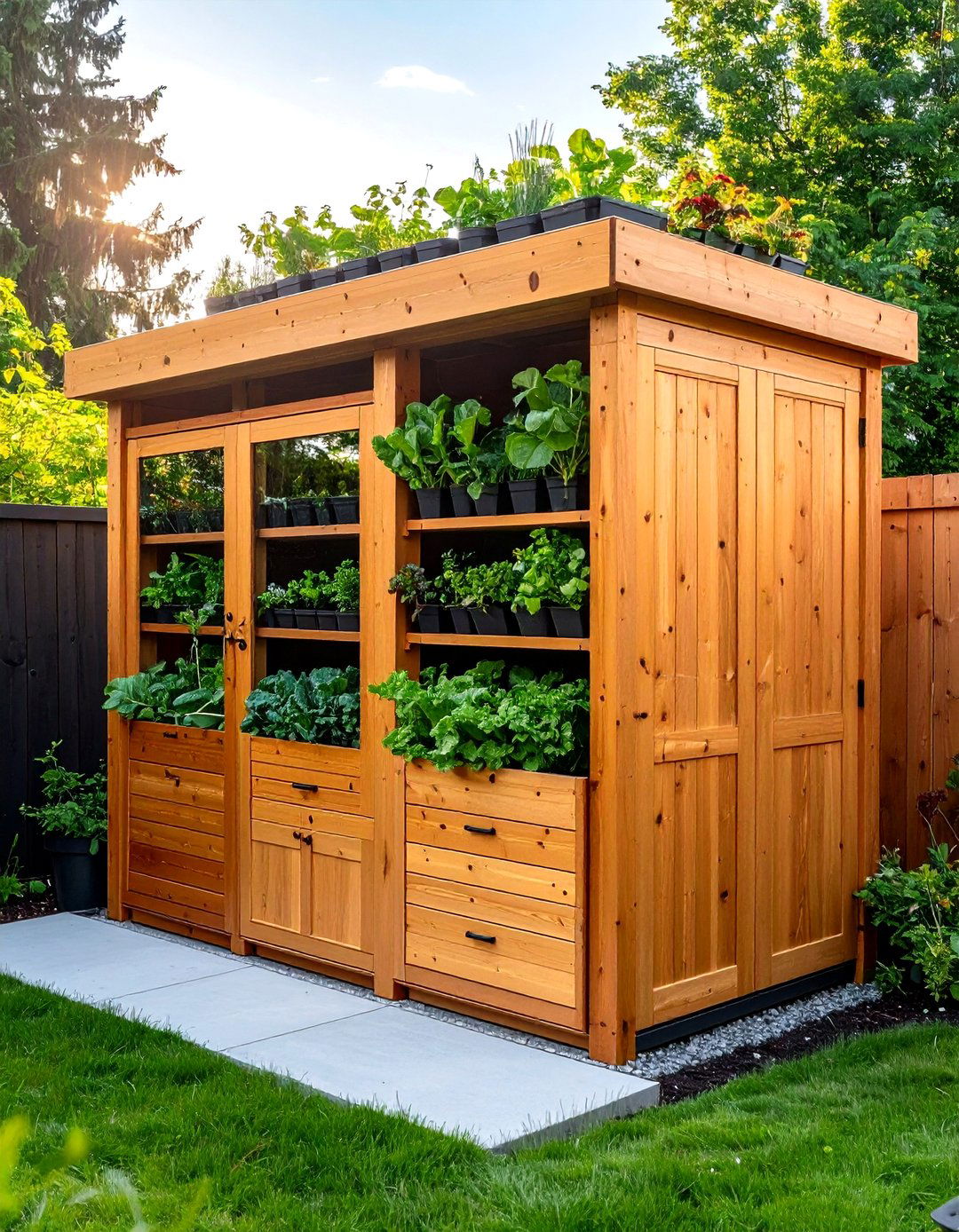
Maximize the utility of your gardening space by building a raised garden with integrated storage. This clever design incorporates a cabinet, shelf, or enclosed compartment beneath the planting area. It’s the perfect place to store gardening tools, pots, soil bags, and other supplies, keeping them organized, out of sight, and protected from the elements. This all-in-one solution is especially beneficial for those with limited storage space in a garage or shed. By combining planting and storage, you create a highly efficient and tidy gardening workstation, ensuring everything you need is conveniently within reach right where you need it.
25. Terracotta Pot Raised Garden Display
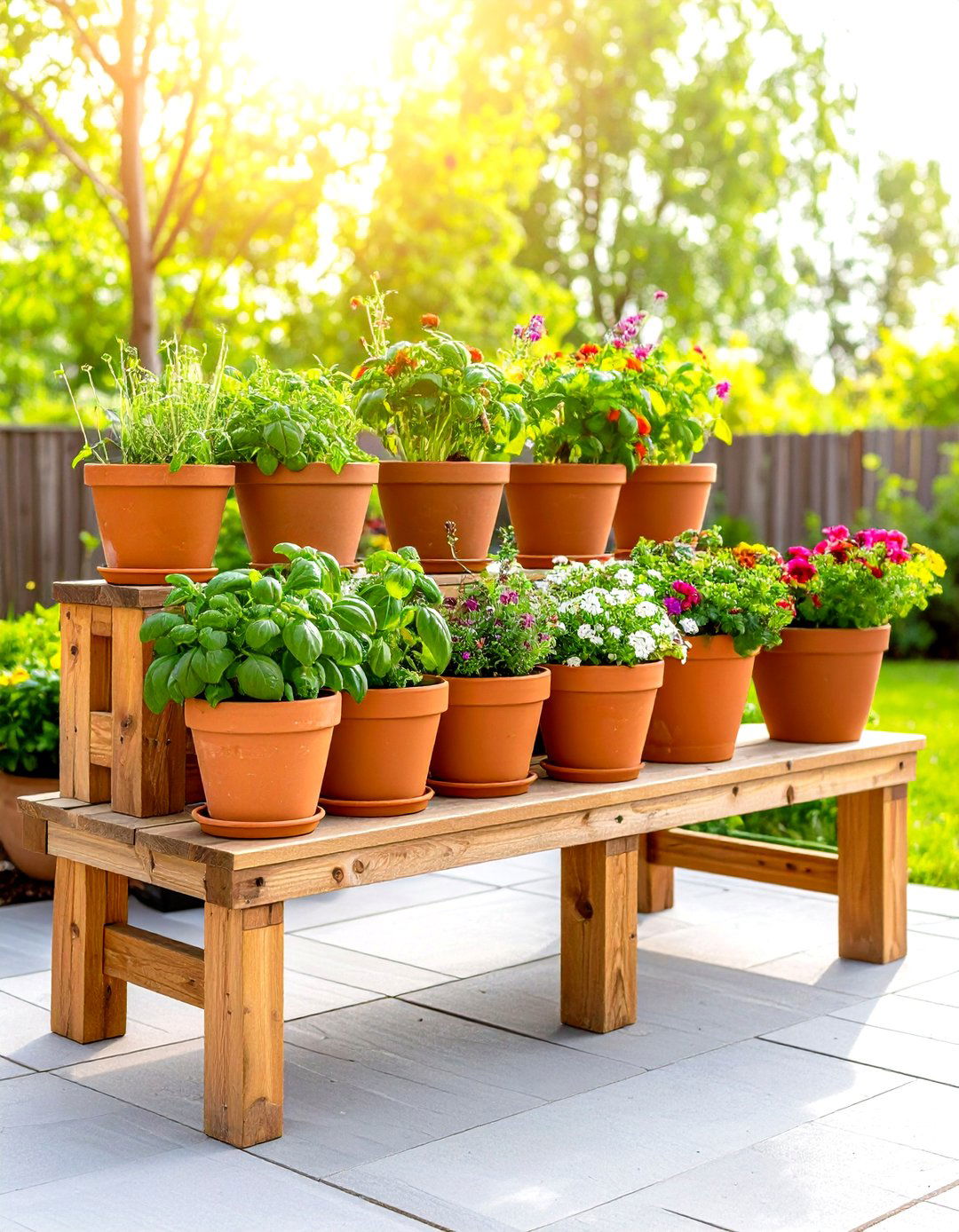
Instead of a single large bed, create a dynamic raised garden display using a collection of large terracotta pots arranged on a tiered stand or platform. This modular approach allows for incredible flexibility, as you can easily move or rearrange the pots to change the look or accommodate different plant needs. Terracotta’s porous nature helps prevent overwatering by allowing soil to breathe. The warm, earthy tones of the pots create a cohesive and classic Mediterranean feel. This idea is perfect for patios or balconies, enabling you to grow a variety of plants in separate containers while presenting them as a unified, elevated garden feature.
26. Log Cabin Style Raised Garden
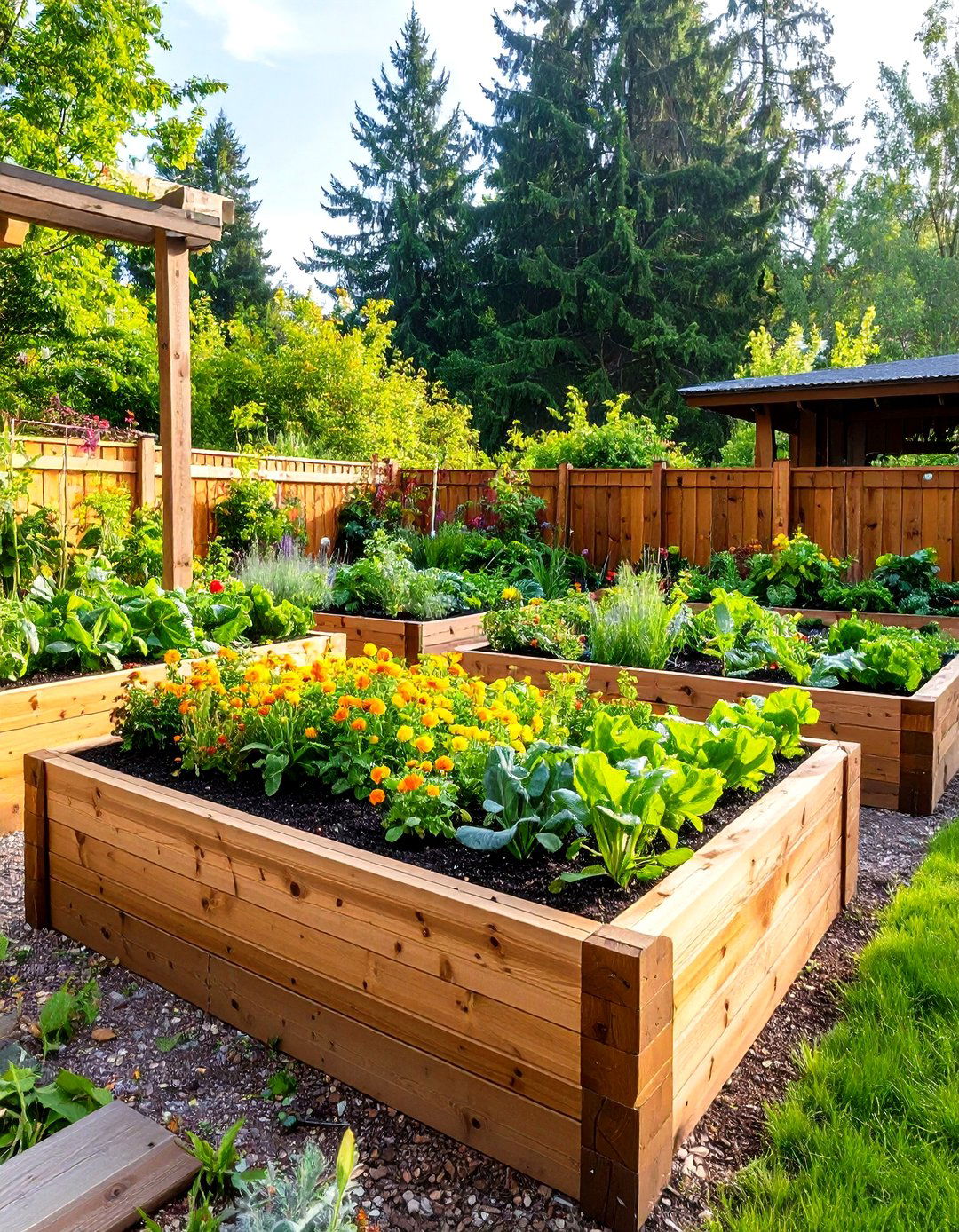
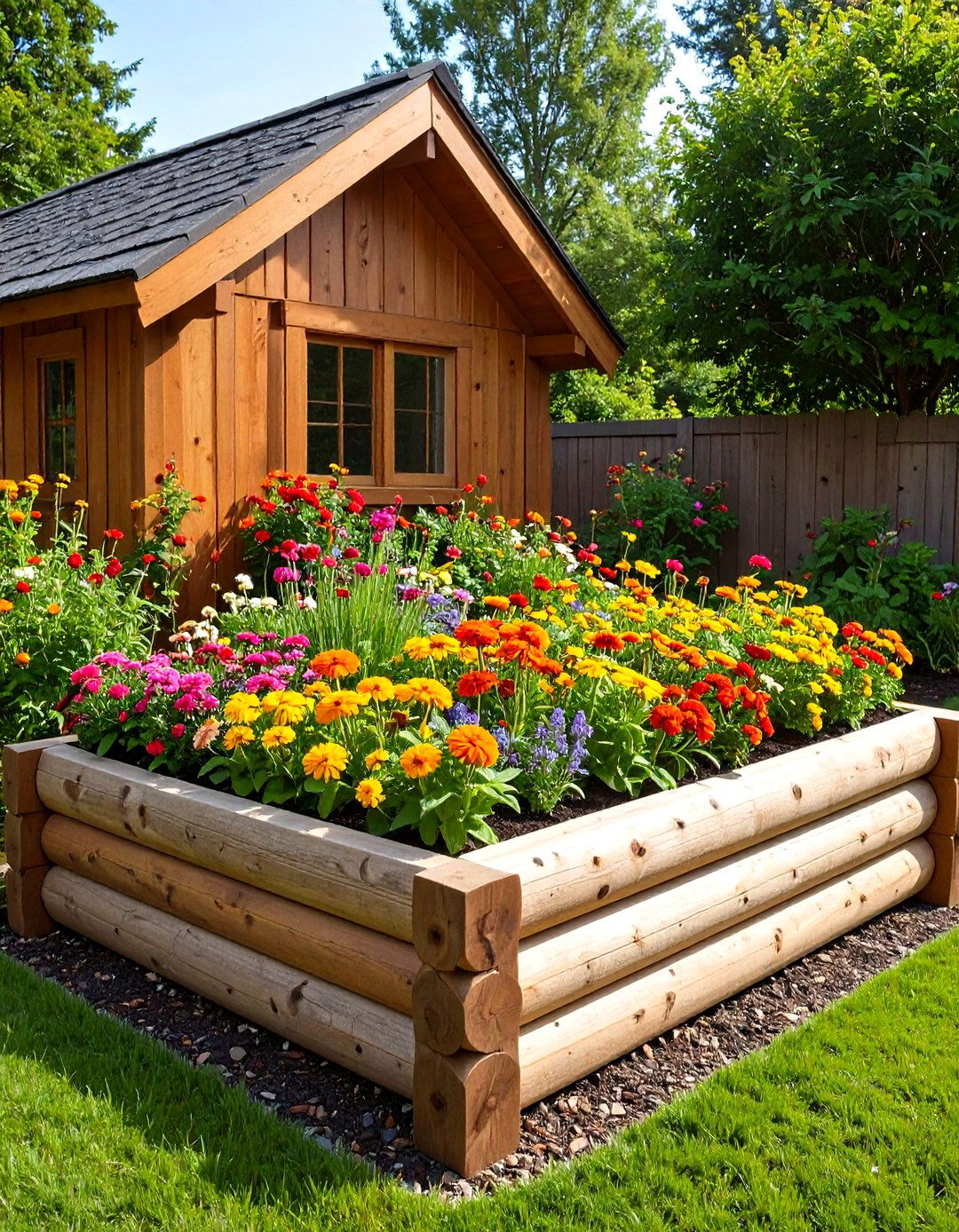
Construct a rustic and charming raised garden using a log cabin style building technique. This method involves stacking interlocking logs or landscape timbers at the corners to create a sturdy, visually interesting structure. The interlocking design is strong and stable, and the thick wood provides good insulation for the soil. This style evokes a sense of woodland coziness and is a great DIY project for those comfortable with basic cutting and notching. The log cabin look is particularly well-suited for a more naturalistic or country-style garden, adding a touch of handcrafted, rustic appeal that is both functional and decorative.
27. Black Metal Raised Garden Frame
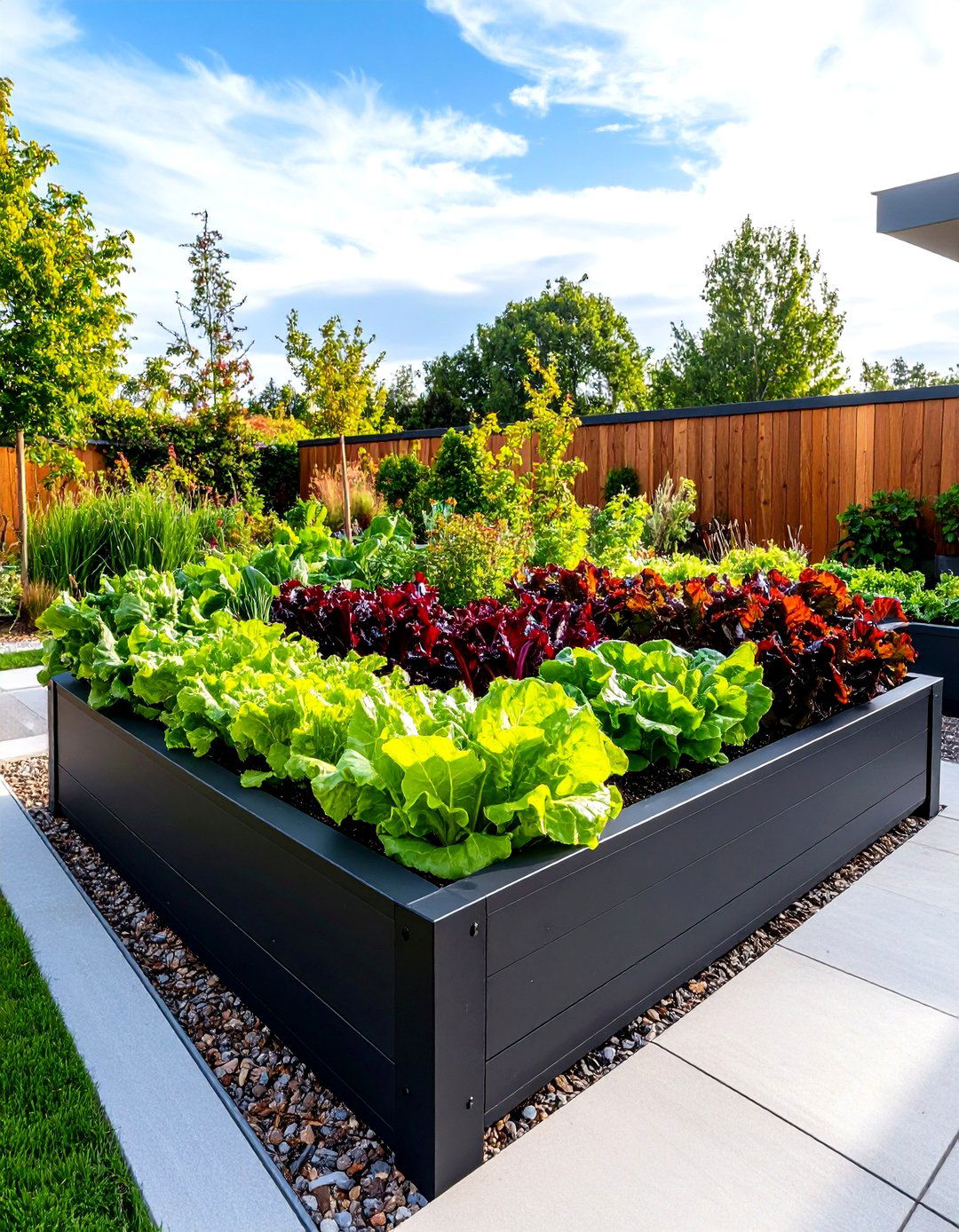
For a bold, contemporary statement, a black metal raised garden frame offers a striking contrast to the vibrant green of your plants. Powder-coated steel or aluminum frames in a matte black finish create a sleek, minimalist outline that defines the planting area with modern sophistication. This design is highly durable, resisting rust and weathering while maintaining its sharp look for years. The dark color absorbs heat, helping to warm the soil earlier in the season. A black frame works beautifully in urban settings or minimalist landscapes, providing a clean, graphic element that makes the colors of your flowers and foliage pop.
28. Raised Garden with a Pond Surround
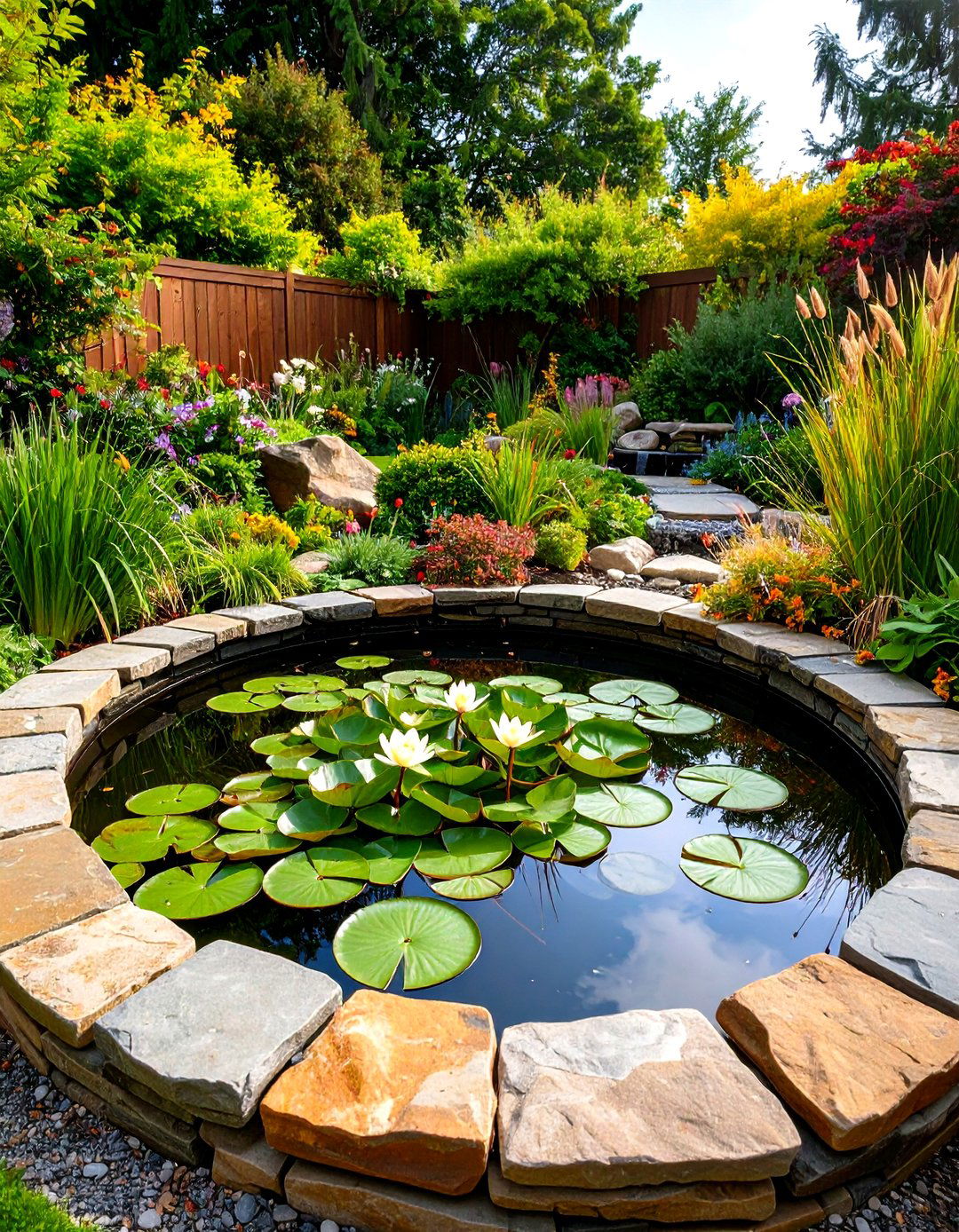
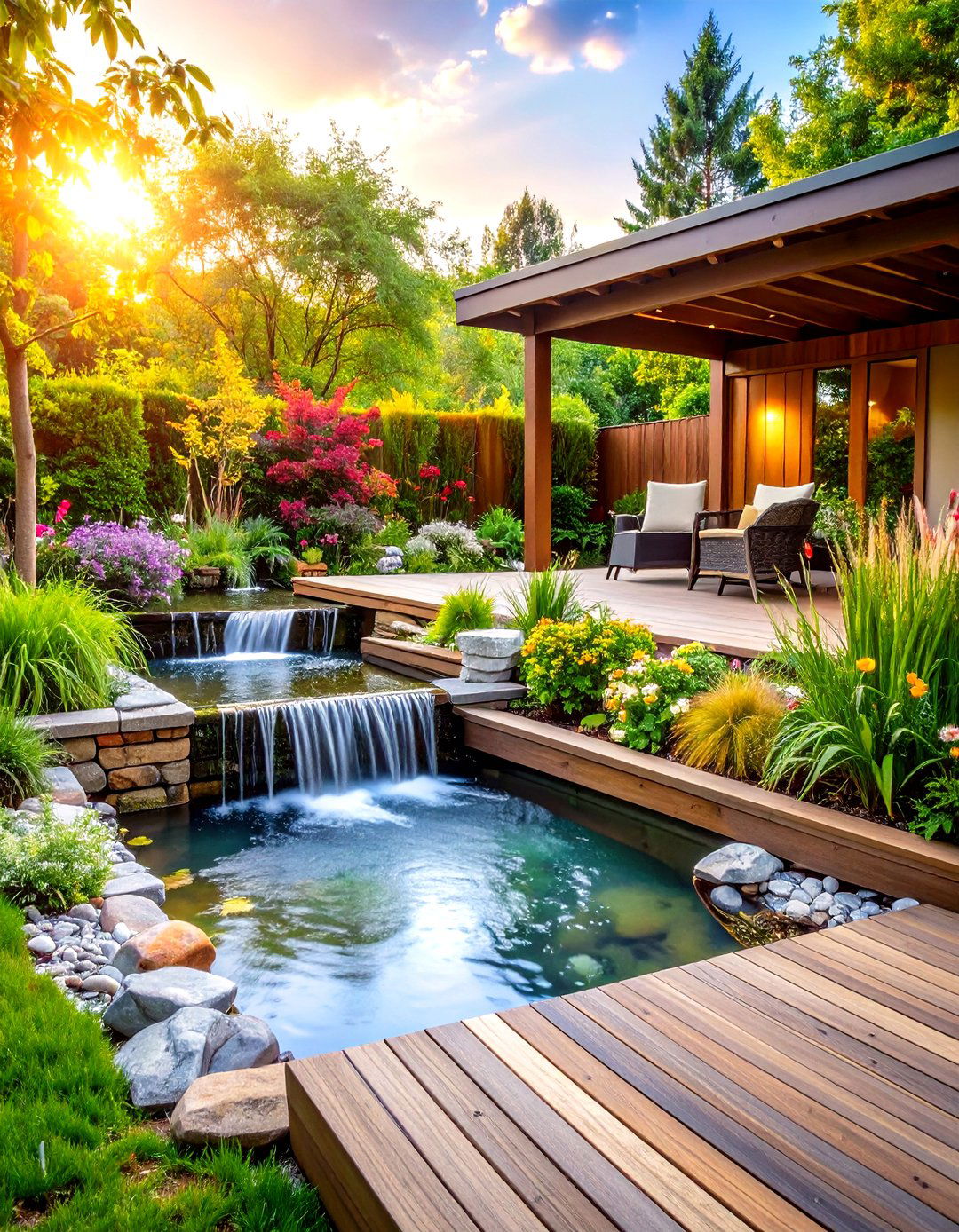
Create a stunning and tranquil landscape feature by designing a raised garden that surrounds a small pond or water feature. The elevated beds can be built with stone, wood, or brick to frame the water, providing a perfect planting area for moisture-loving plants like ferns, irises, and hostas. The combination of lush greenery, colorful flowers, and the reflective surface of the water creates a serene and balanced ecosystem. This design integrates your garden and water feature into a single, cohesive focal point, offering a peaceful oasis in your backyard where you can enjoy the sights and sounds of nature.
29. Paver Block Raised Garden Wall
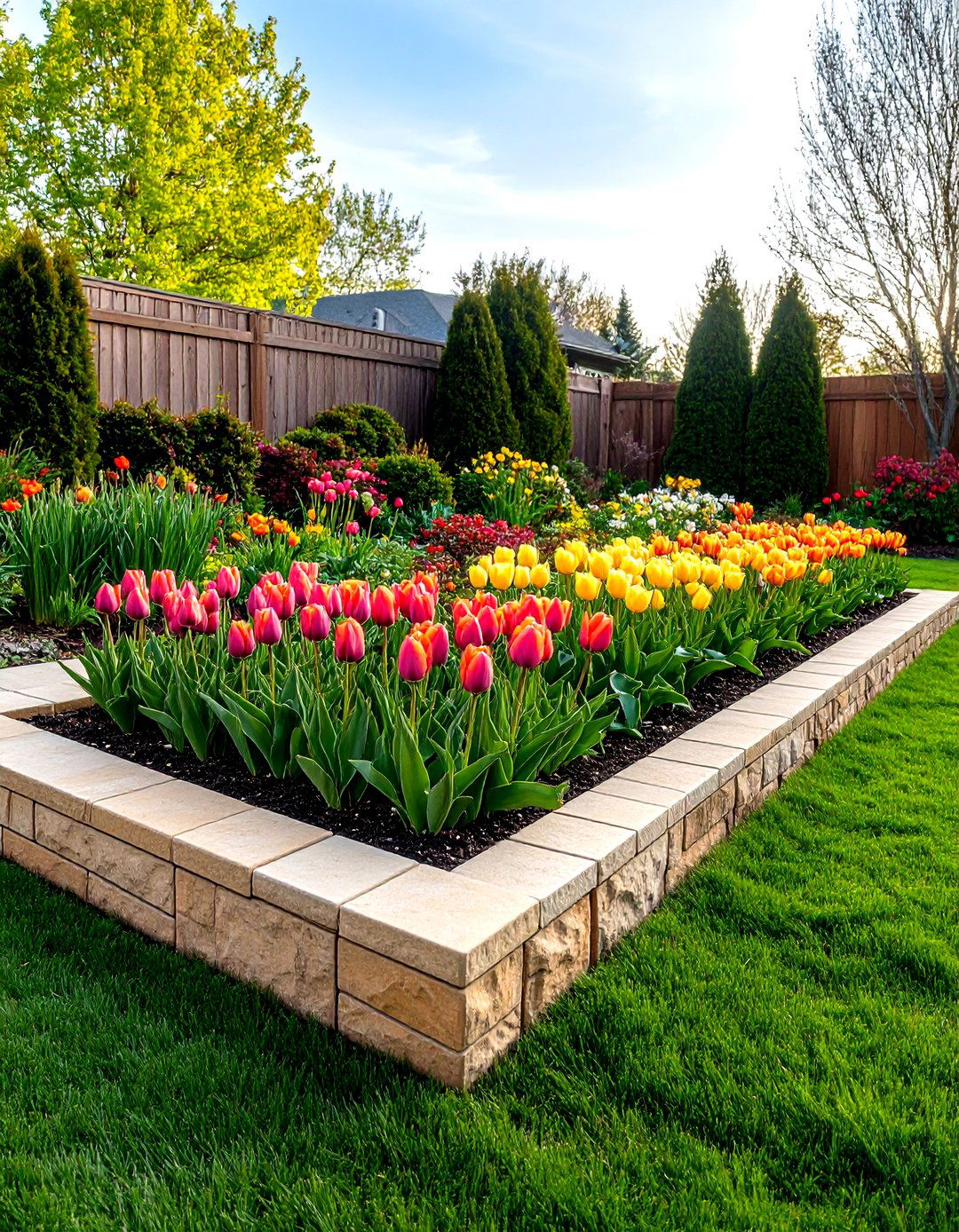
Using concrete paver blocks is a straightforward and versatile way to construct a durable raised garden wall. These interlocking blocks, commonly used for patios and retaining walls, are easy to stack and arrange, requiring no mortar for low-height beds. They come in a variety of colors, textures, and shapes, allowing for a customized look that can match your existing hardscaping. Paver blocks create a neat, tidy edge and are incredibly long-lasting and maintenance-free. This method is perfect for creating straight or gently curved garden beds with a clean, professional finish, providing a sturdy and attractive border for your plants.
30. Tiered Corner Raised Garden Planter
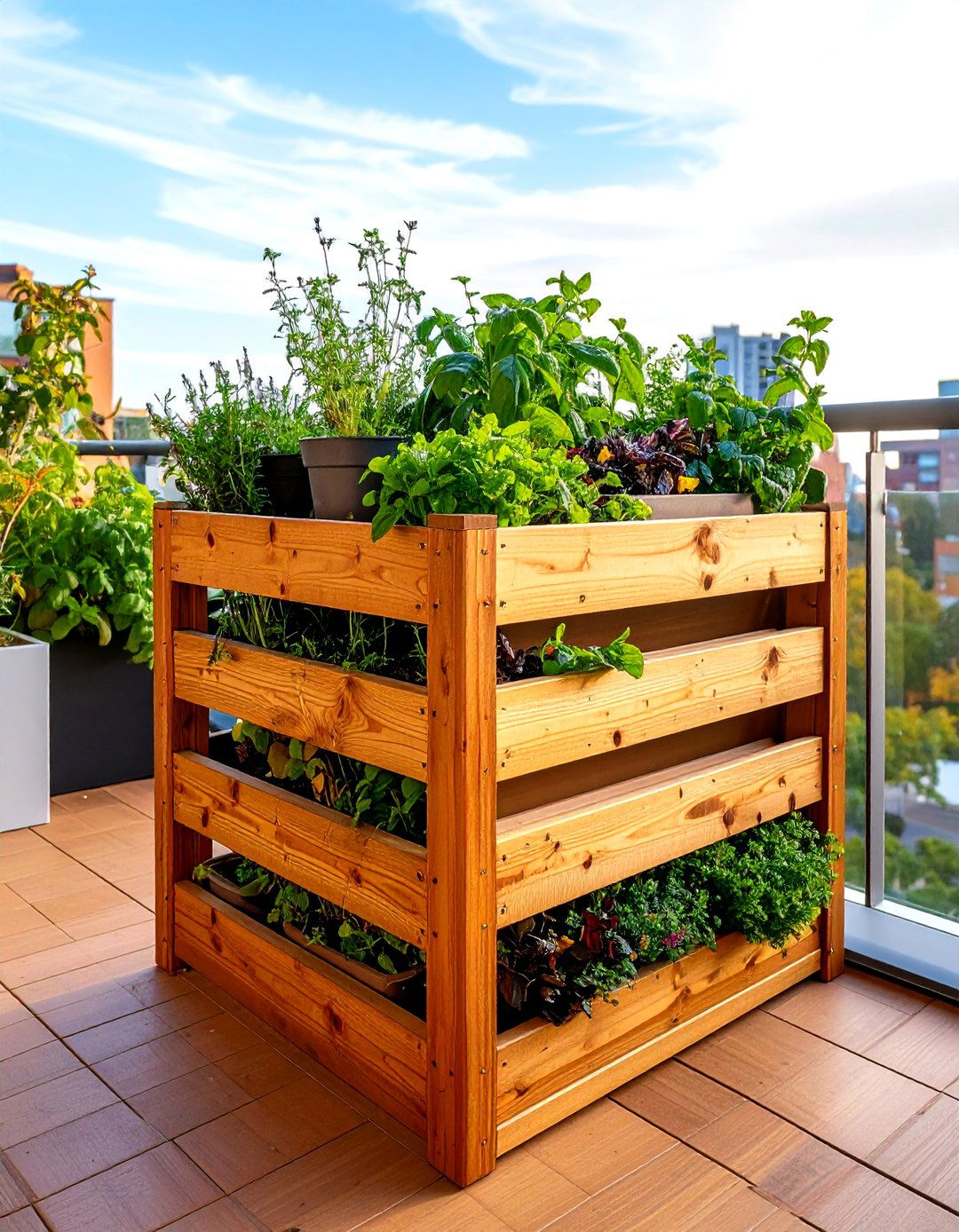
Maximize the planting potential of any 90-degree corner with a tiered corner raised garden planter. This space-saving design fits snugly into a corner, using vertical space to provide multiple levels for planting. It’s an ideal solution for balconies, decks, or small patios where floor space is at a premium. Each tier can host different types of plants, from herbs and lettuces on the lower levels to cascading flowers on the top. The stepped design ensures all plants get access to sunlight and makes watering and harvesting simple. It's a smart, efficient way to turn an empty corner into a lush, productive garden.
Conclusion:
Raised garden beds offer an incredibly versatile and practical approach to gardening. From sleek, modern metal designs to rustic stone and wood creations, there is a style to fit every aesthetic and space. These ideas demonstrate that you can overcome challenges like poor soil, limited space, and physical strain by elevating your garden. By choosing the right design, such as a tiered planter, a U-shaped layout, or a waist-high bed, you can create a productive, beautiful, and accessible garden that brings joy and fresh produce for years to come.

Related posts:




Leave a Reply