
Raised garden beds offer an excellent solution for gardeners looking to overcome poor soil quality, improve drainage, and reduce back strain. These elevated plots provide better control over the growing environment, allowing for customized soil mixes and easier pest management. From simple wooden frames to intricate, multi-level designs, there is a raised bed idea to suit any space, budget, and aesthetic preference. Exploring different materials and configurations can transform a basic gardening practice into a stunning landscape feature, making your edible or ornamental garden both productive and beautiful. Let's explore thirty distinct ideas to inspire your next gardening project.
1. Classic Cedar Wood Raised Garden Bed
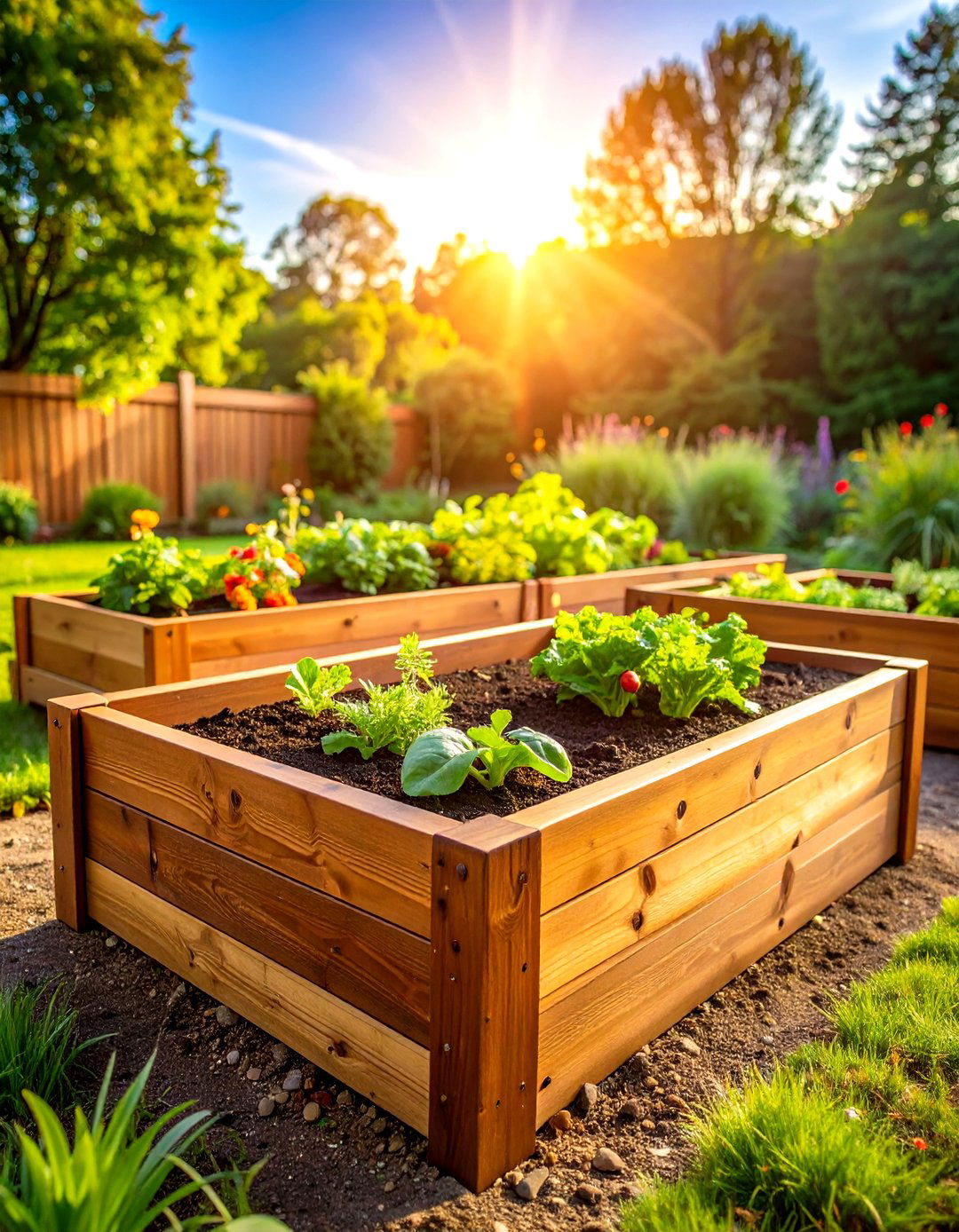
A classic cedar wood raised garden bed is a timeless choice for any garden. Cedar is naturally resistant to rot and insects, ensuring your garden structure lasts for many seasons without chemical treatments. The warm, reddish-brown tones of the wood blend beautifully with the natural colors of plants and soil, creating an aesthetically pleasing look. Building one is a straightforward DIY project requiring basic carpentry skills. These beds can be customized to any size or height, making them perfect for growing everything from deep-rooted vegetables like carrots to sprawling squash plants, all while providing excellent drainage and soil control.
2. Corrugated Metal Raised Garden Bed
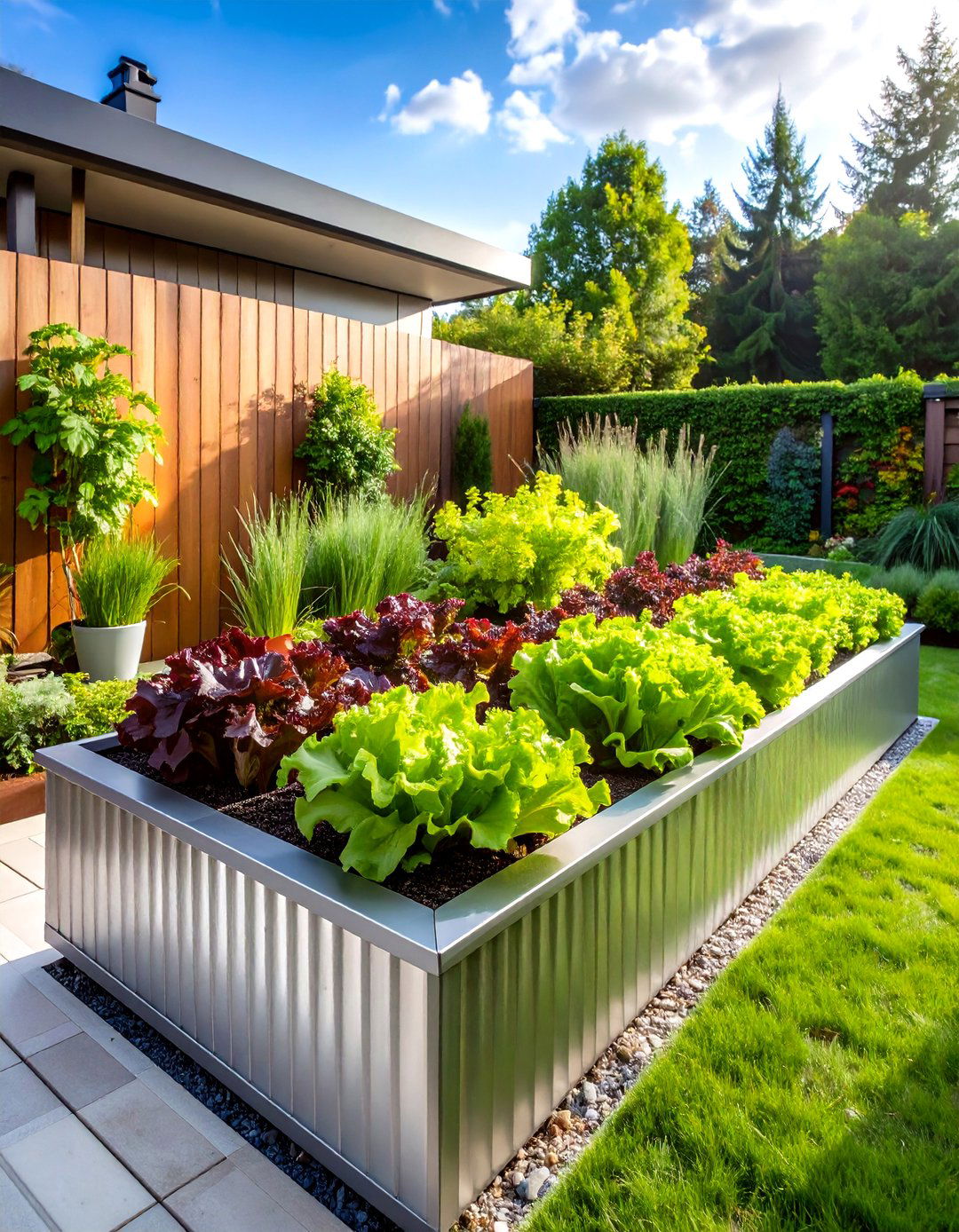
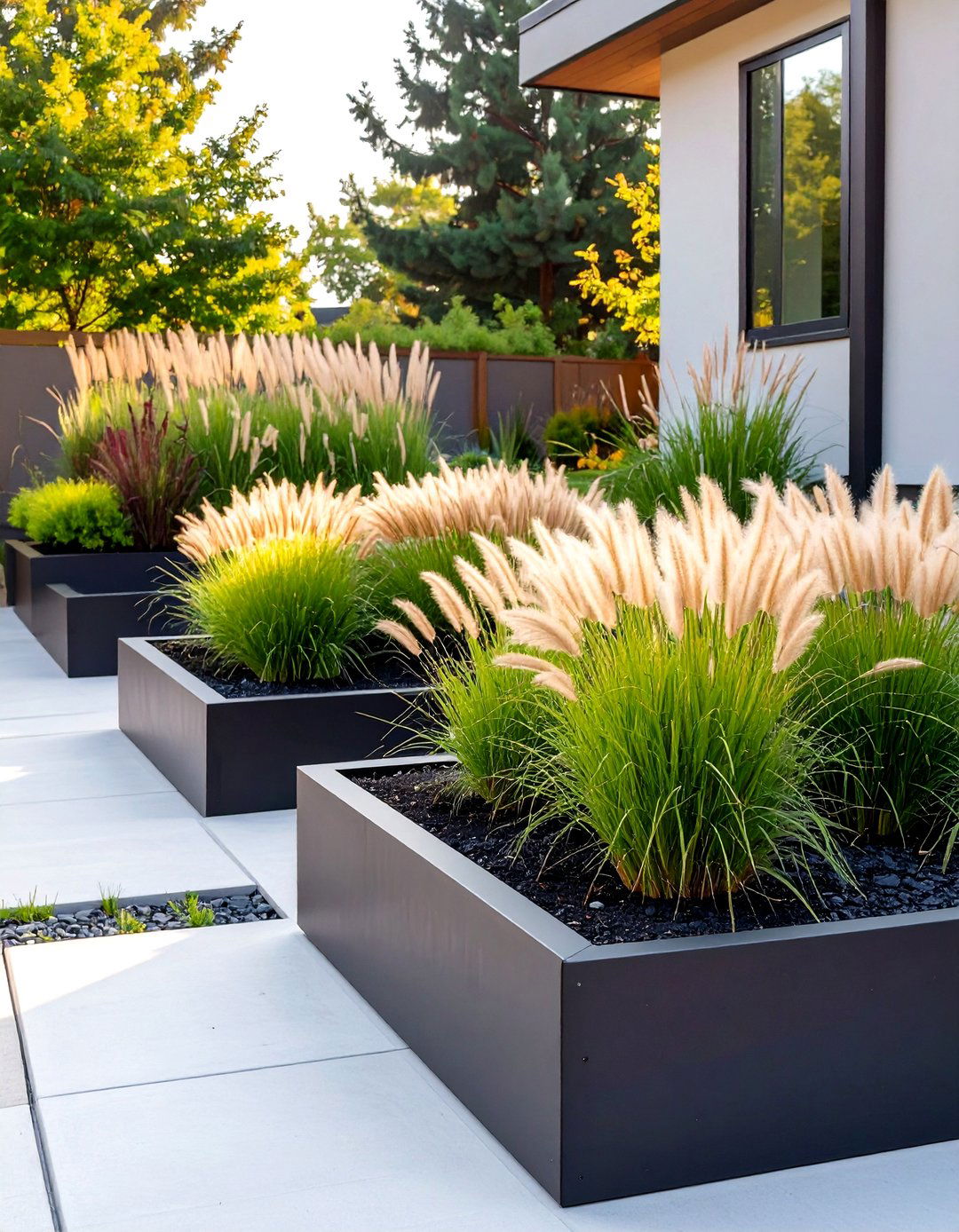
For a modern, industrial-chic aesthetic, a corrugated metal raised garden bed is an outstanding option. Galvanized steel is durable, long-lasting, and reflects sunlight, which can help warm the soil earlier in the spring for a longer growing season. The wavy texture of the metal adds visual interest to the landscape. These beds are often sold as kits that are simple to assemble, requiring just bolts to connect the panels. They are resistant to rot and pests, offering a low-maintenance alternative to traditional wood. Their sturdy construction makes them ideal for containing large volumes of soil for ambitious planting projects.
3. Tiered Raised Garden Bed
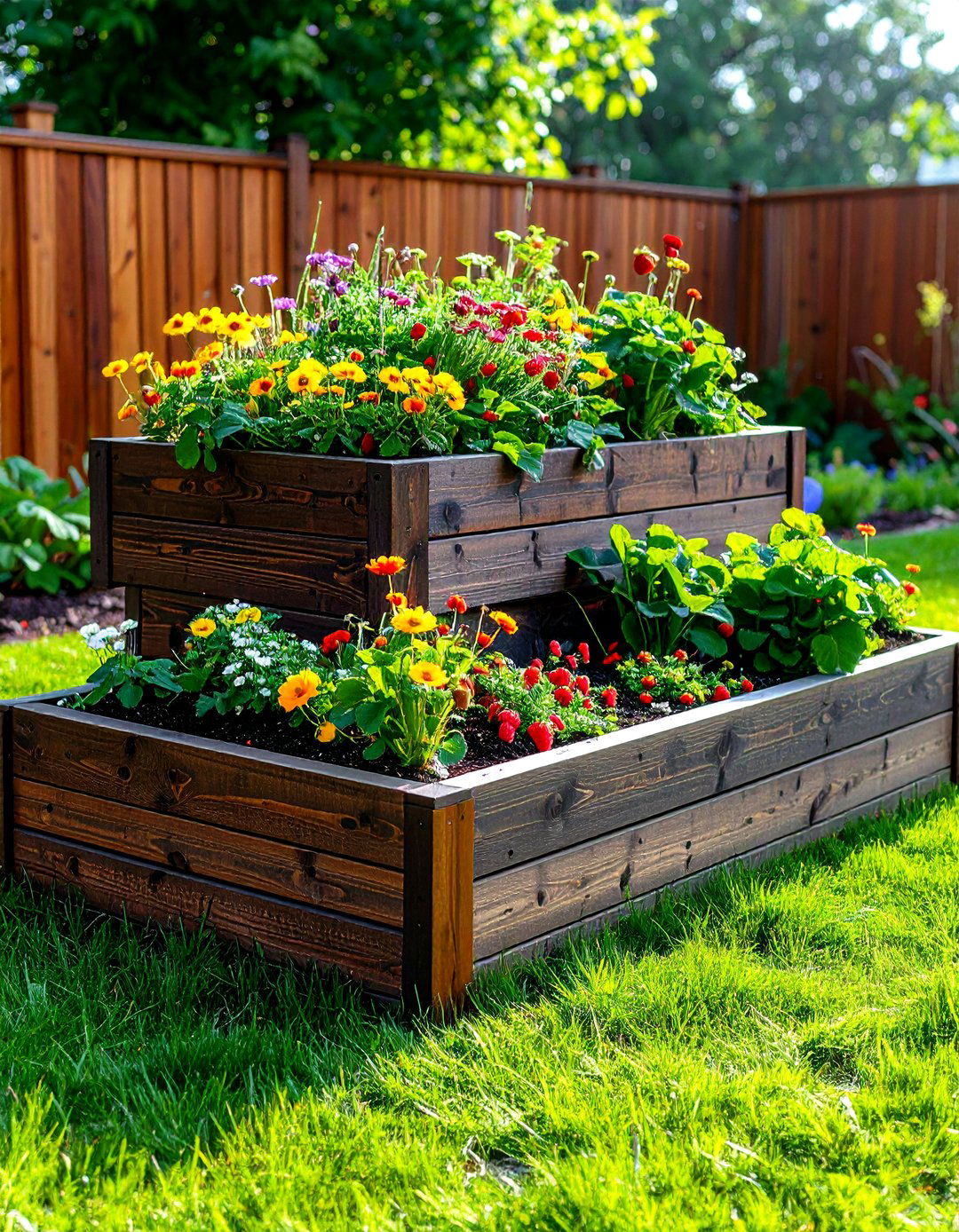
A tiered raised garden bed maximizes growing space, especially in smaller yards or on sloped terrain. This design features multiple levels, allowing you to cultivate a variety of plants with different root depths and sunlight needs in a single, compact unit. For instance, you could grow sun-loving herbs on the top tier and shade-tolerant lettuces on the lower levels. The cascading effect of the plants creates a lush, green waterfall, making it a striking focal point in any garden. It’s perfect for creating a diverse herb garden or a strawberry patch where the berries can hang down cleanly.
4. U-Shaped Raised Garden Bed

The U-shaped raised garden bed is designed for ultimate accessibility and efficiency. This ergonomic layout allows you to reach every part of the garden without stepping on the soil, which prevents compaction and protects your plants. The central nook provides a convenient space to place a stool or kneeling pad, making planting, weeding, and harvesting much more comfortable. This design is particularly well-suited for larger garden plots, as it breaks up a large growing area into manageable sections. It’s an excellent choice for gardeners with limited mobility or anyone who wants to tend their garden with minimal physical strain.
5. Raised Garden Bed with Built-In Seating
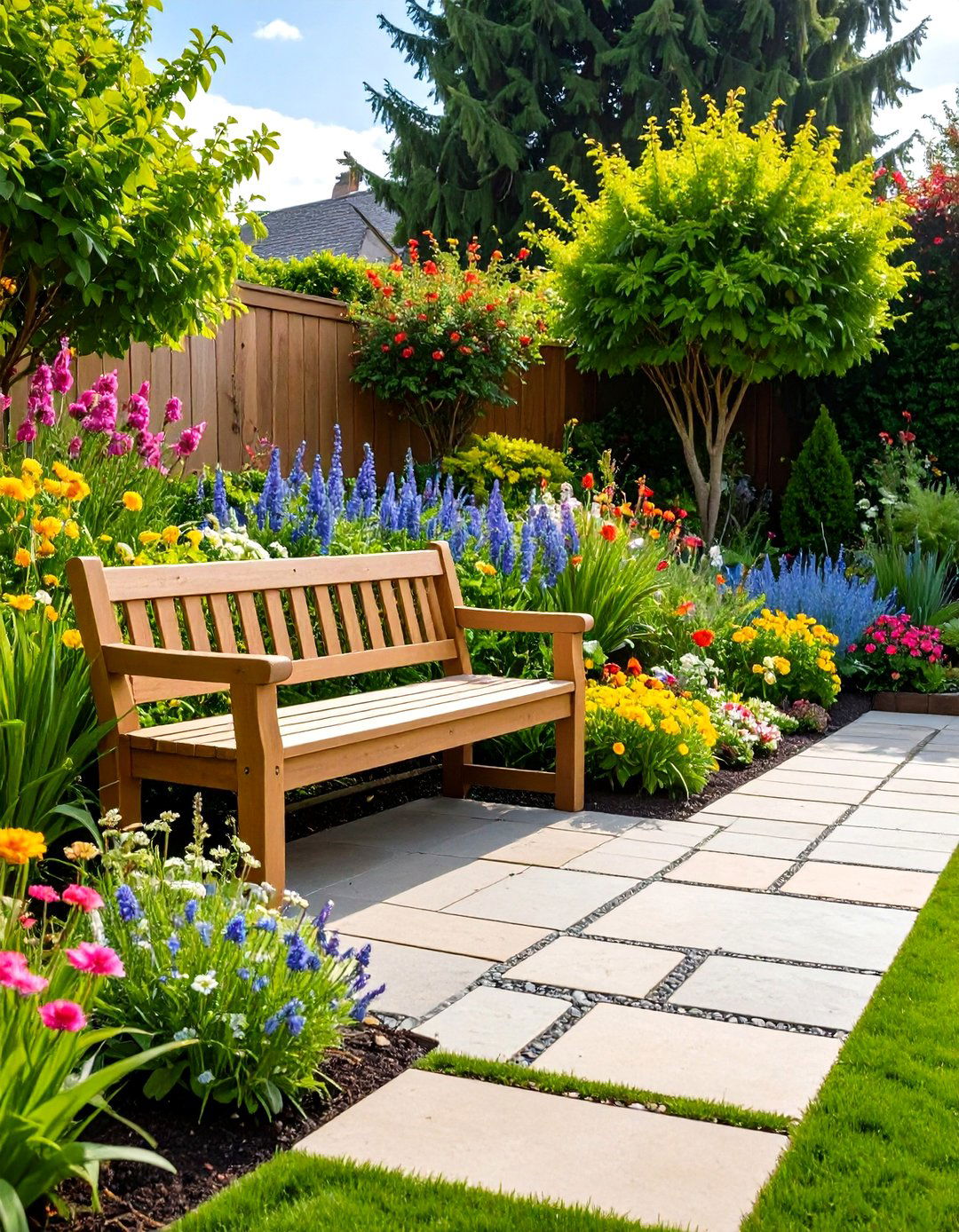
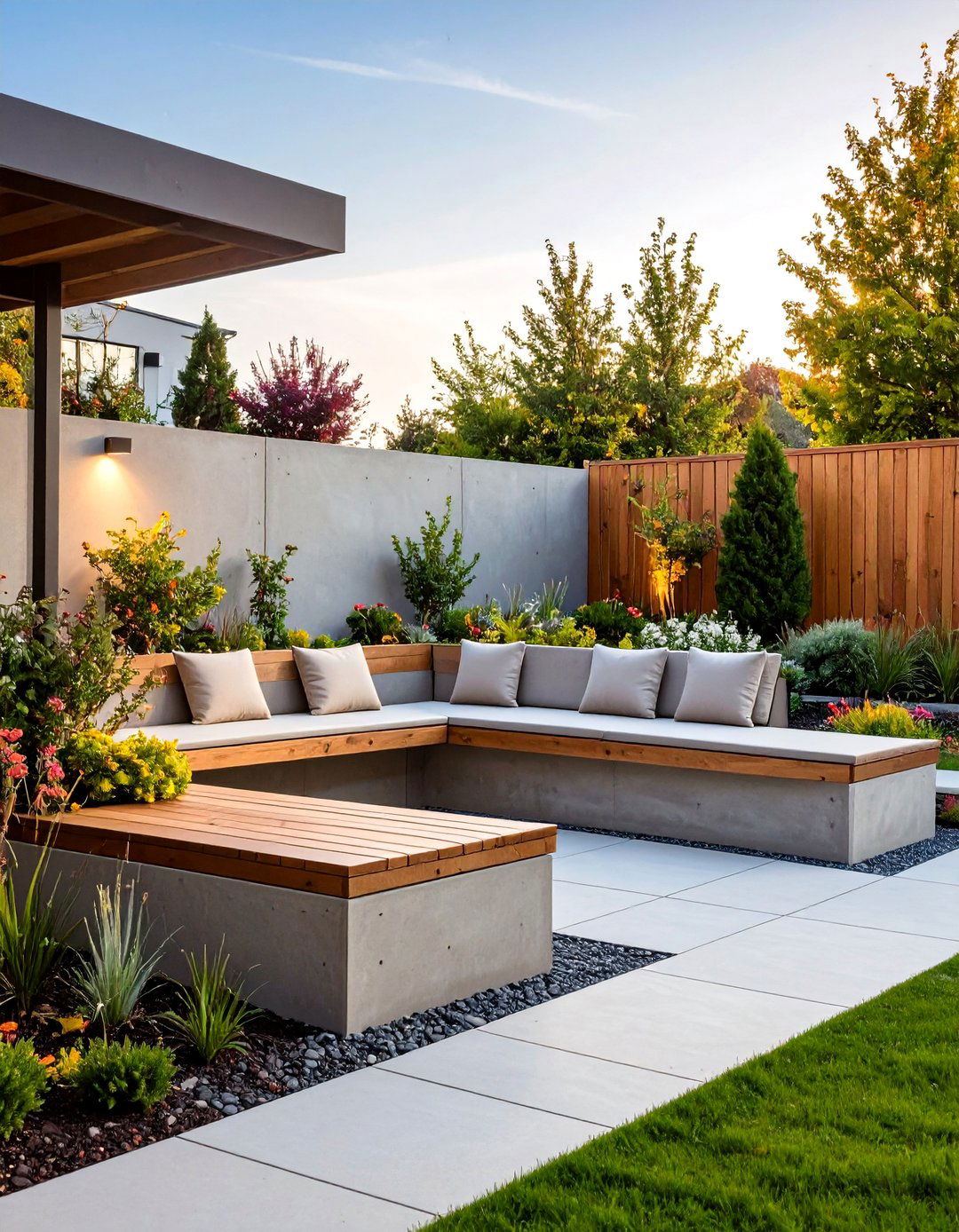
Combine functionality with comfort by incorporating a raised garden bed with built-in seating. This clever design features a wide top ledge or an attached bench, offering a convenient spot to sit, relax, and admire your garden. It’s a perfect way to create a social hub in your backyard, inviting guests to enjoy the beauty of your plants up close. The seating can be made from the same material as the bed, such as wood or composite decking, for a cohesive look. This style is ideal for patios or decks where you want to soften the space with greenery while providing practical seating.
6. Concrete Block Raised Garden Bed
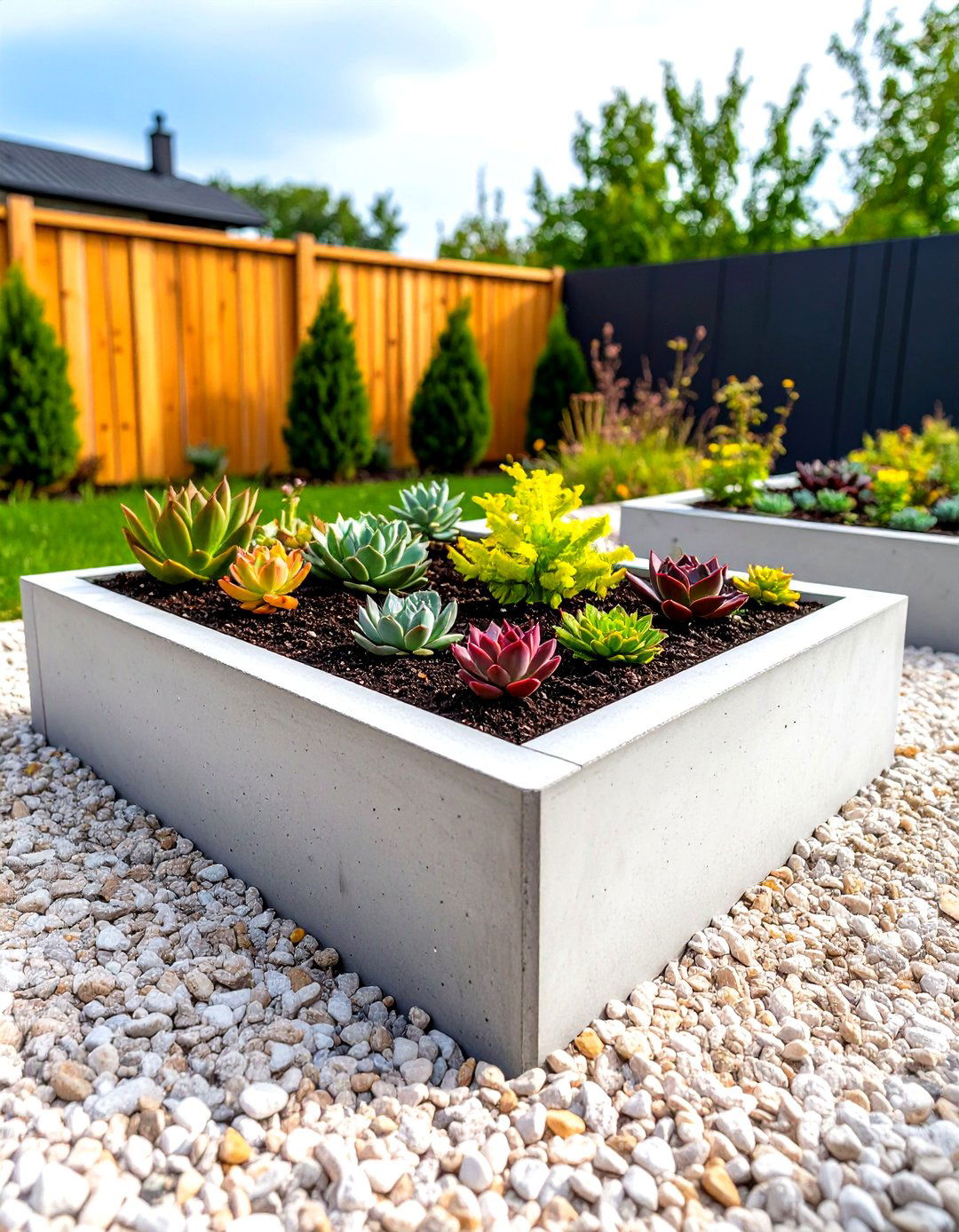
A concrete block raised garden bed is an incredibly durable, affordable, and easy-to-construct option. Using standard cinder blocks, you can quickly create a sturdy frame of any shape or size without needing specialized tools. The hollow cores of the blocks can even be filled with soil and used to plant smaller herbs or flowers, maximizing your growing area. Concrete retains heat, which can benefit heat-loving plants like tomatoes and peppers by keeping the soil warm. This utilitarian design is highly practical and can be painted or stuccoed to better match your landscape’s aesthetic for a more polished appearance.
7. Gabion Wall Raised Garden Bed
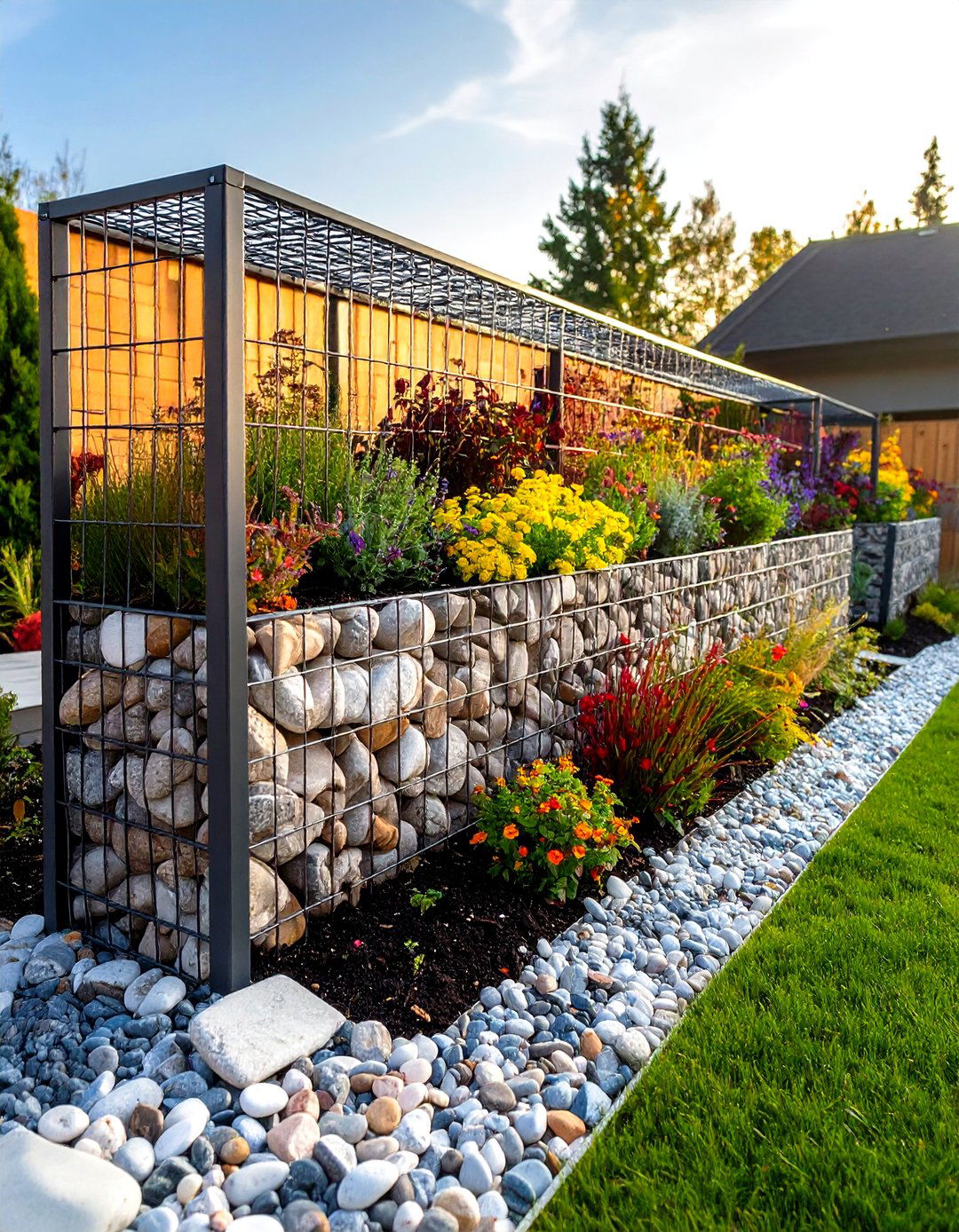
For a unique and rustic look, consider a gabion wall raised garden bed. This design uses a wire mesh cage, or gabion, filled with rocks, stones, or even recycled materials like broken concrete to form the walls of the bed. The result is a highly durable, permeable structure that provides excellent drainage. The natural, earthy texture of the stone-filled walls adds a dramatic and architectural element to the garden. Gabion beds are exceptionally long-lasting and require virtually no maintenance. They work well in modern and rustic landscapes alike, creating a powerful statement piece that is both functional and artistic.
8. Raised Garden Bed on Wheels
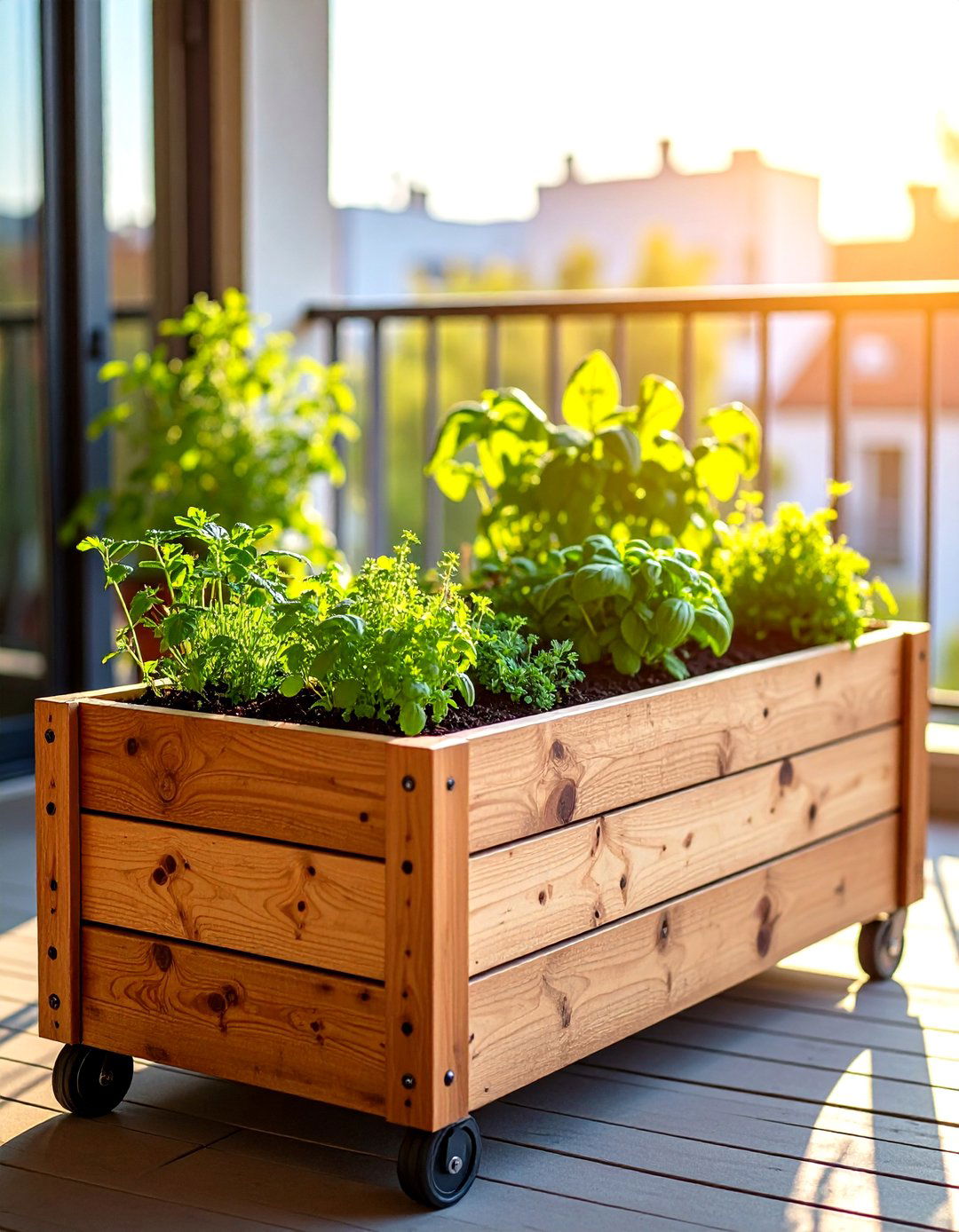
A raised garden bed on wheels offers the ultimate in flexibility and mobility. Perfect for renters or those with limited sun exposure, this portable garden allows you to move your plants to follow the sunlight throughout the day or protect them from harsh weather. Often built as a planter box set on heavy-duty casters, this design is ideal for patios, balconies, and decks. You can easily wheel it out of the way when you need the space for entertaining. It’s a fantastic solution for growing herbs and vegetables right outside your kitchen door, providing fresh ingredients within easy reach.
9. Keyhole Raised Garden Bed
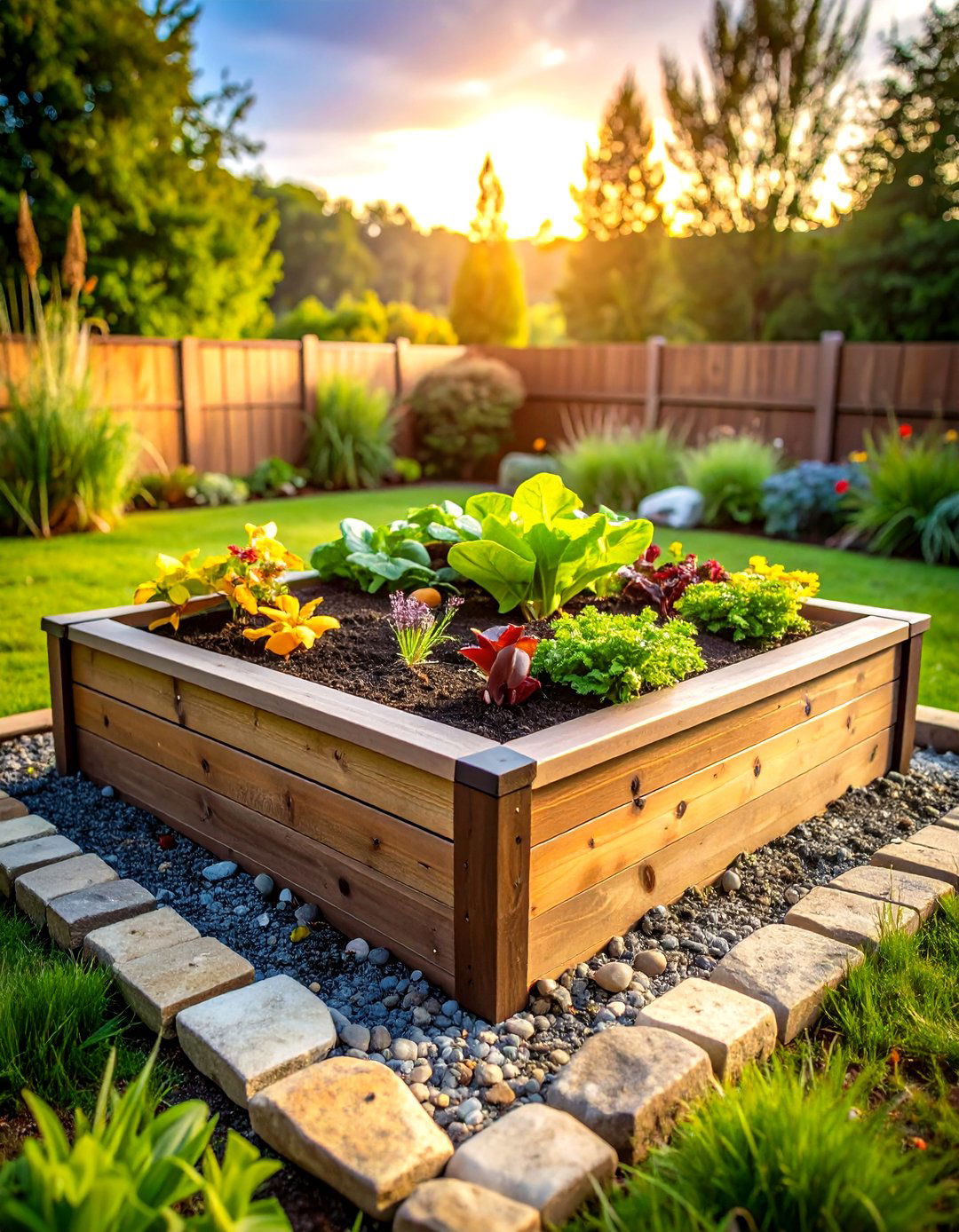
The keyhole raised garden bed is an innovative design originating from Africa, created to maximize resources in arid climates. It features a circular bed with a keyhole-shaped cutout that leads to a central compost basket. This basket is continuously filled with kitchen scraps, greywater, and other organic matter, which breaks down and leaches nutrients directly into the surrounding soil. This self-fertilizing system reduces the need for watering and commercial fertilizers, making it a highly sustainable and efficient gardening method. Its unique shape is not only practical but also adds a distinctive and conversation-starting element to your yard.
10. L-Shaped Corner Raised Garden Bed
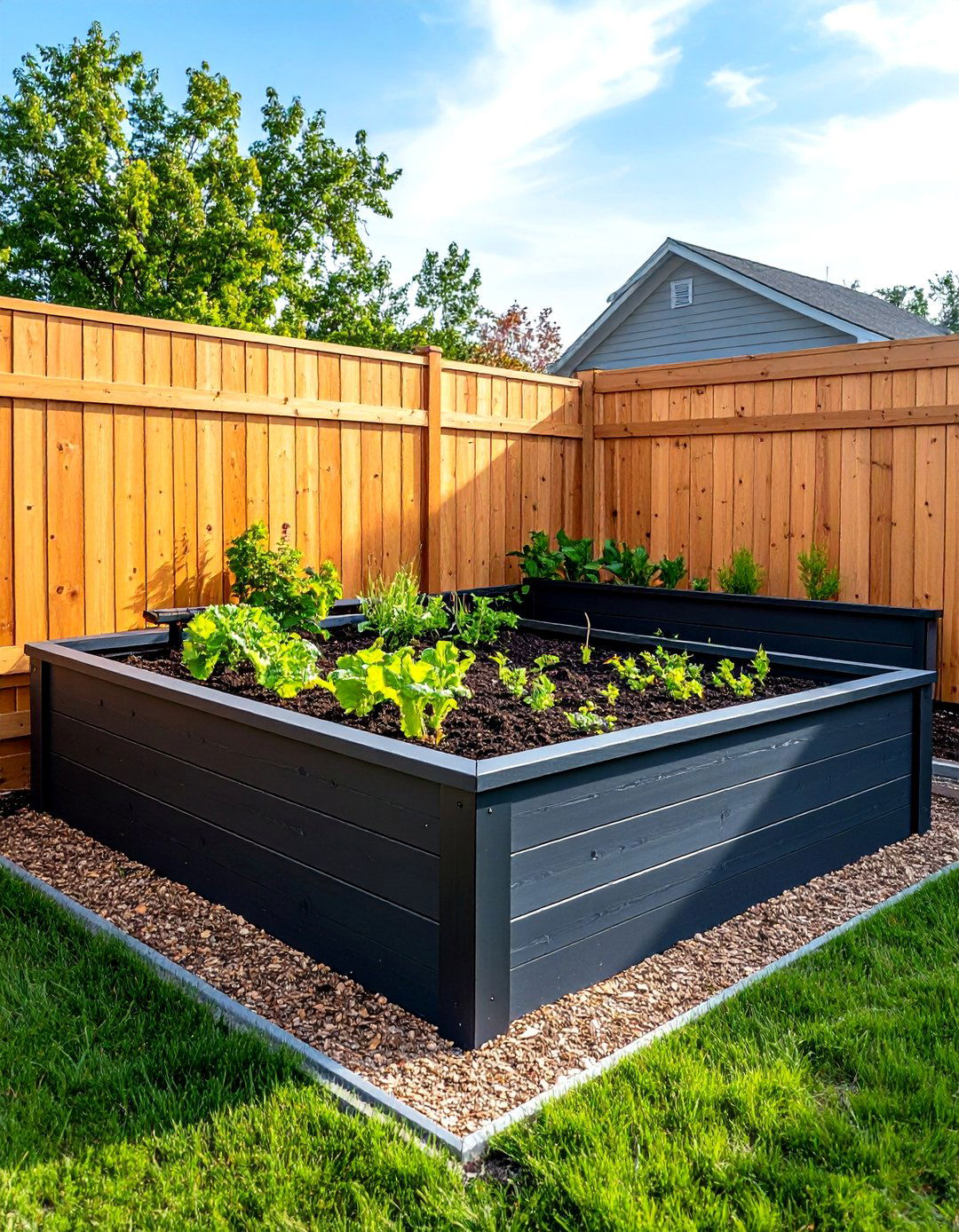
An L-shaped corner raised garden bed is a brilliant way to utilize often-overlooked corner spaces in your yard or on a patio. This design fits snugly into any 90-degree angle, transforming an unused area into a productive and attractive garden plot. It provides ample growing space while maintaining a tidy, organized appearance. The L-shape also offers easy access to all plants from two sides, reducing the need to reach far into the bed. This style is perfect for defining the edges of a patio, lining a fence, or creating a lush, green border around your outdoor living area.
11. Vertical Raised Garden Bed
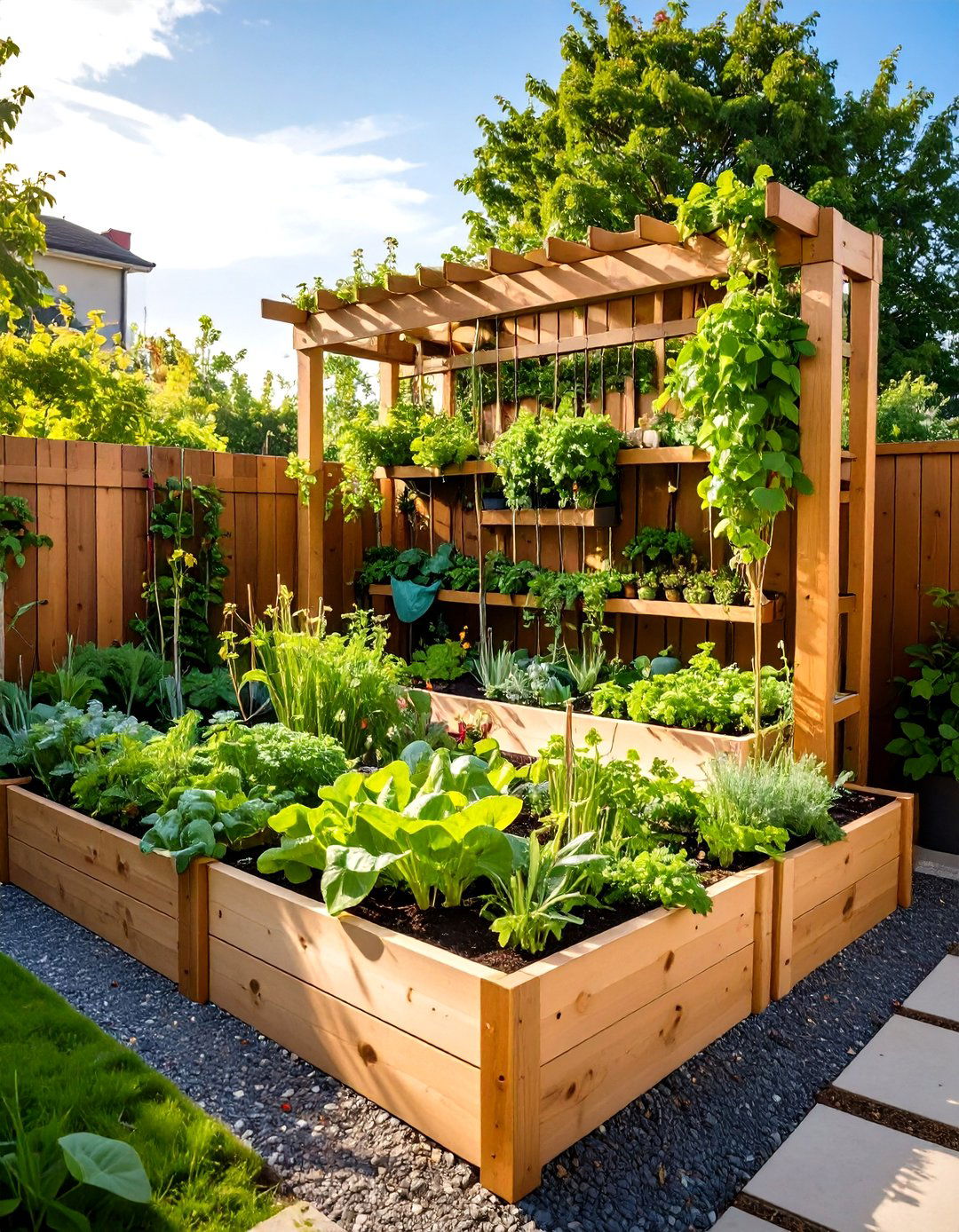
When ground space is at a premium, a vertical raised garden bed allows you to grow upwards. This design incorporates trellises, netting, or posts to support climbing plants like beans, peas, cucumbers, and tomatoes. By training plants to grow vertically, you can cultivate a significant harvest in a small footprint. It also improves air circulation around the plants, which can help reduce the risk of fungal diseases. A vertical element adds height and dimension to your garden landscape, creating a beautiful living wall. It’s an efficient and space-saving solution for urban gardeners and anyone with a small yard.
12. Recycled Pallet Raised Garden Bed
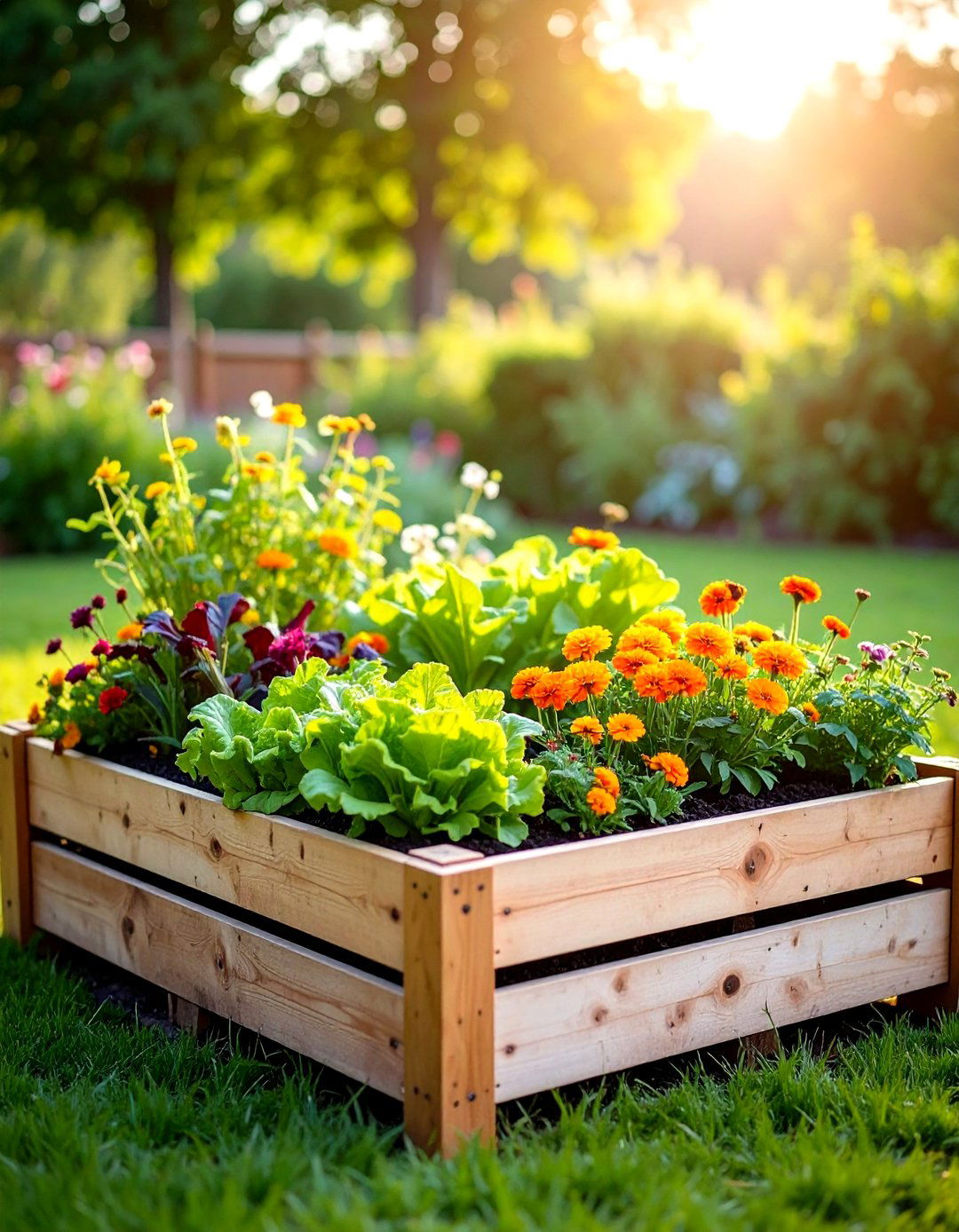
A recycled pallet raised garden bed is a budget-friendly and resourceful DIY project. By repurposing wooden pallets, you can create a rustic and functional planter with minimal cost. Pallets can be stood upright for a vertical garden perfect for herbs and lettuces, or disassembled and reconstructed into a traditional raised bed frame. It's crucial to ensure the pallet is heat-treated (marked with "HT") rather than chemically treated (marked with "MB") to avoid contaminating your soil. This sustainable approach not only saves money but also gives a second life to materials that might otherwise be discarded.
13. Woven Wattle Raised Garden Bed
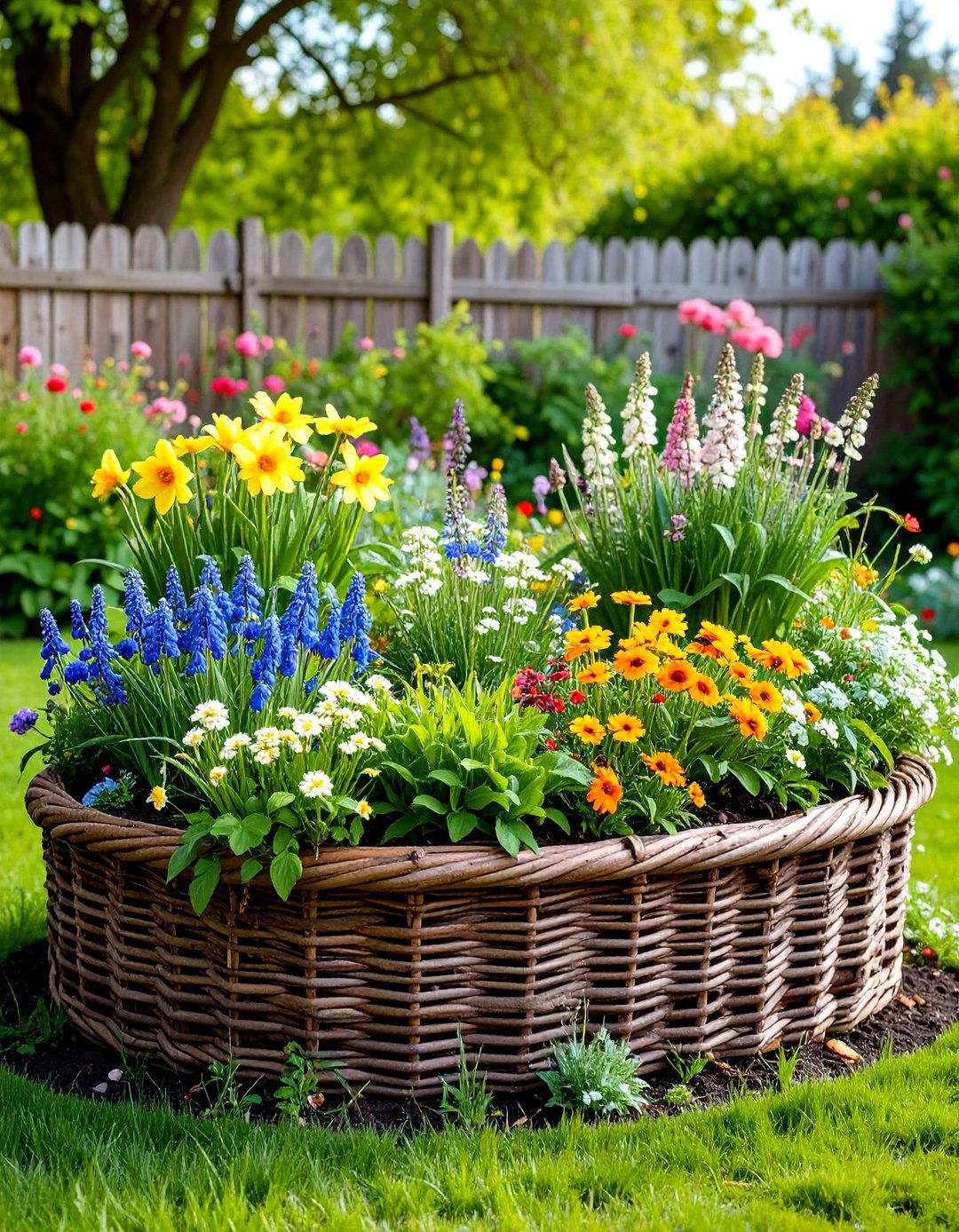
Create a charming, cottage-style garden with a woven wattle raised garden bed. This ancient technique involves weaving flexible, young branches (like willow or hazel) around sturdy upright stakes to form the walls of the bed. The result is a beautiful, handcrafted structure with a rustic, organic texture. Wattle fencing is surprisingly durable and provides good drainage. Building one is a rewarding, hands-on project that connects you with traditional crafting methods. This style is perfect for an informal garden setting, adding a touch of whimsical, old-world character that complements flowering plants and heirloom vegetables beautifully.
14. Spiral Raised Herb Garden Bed
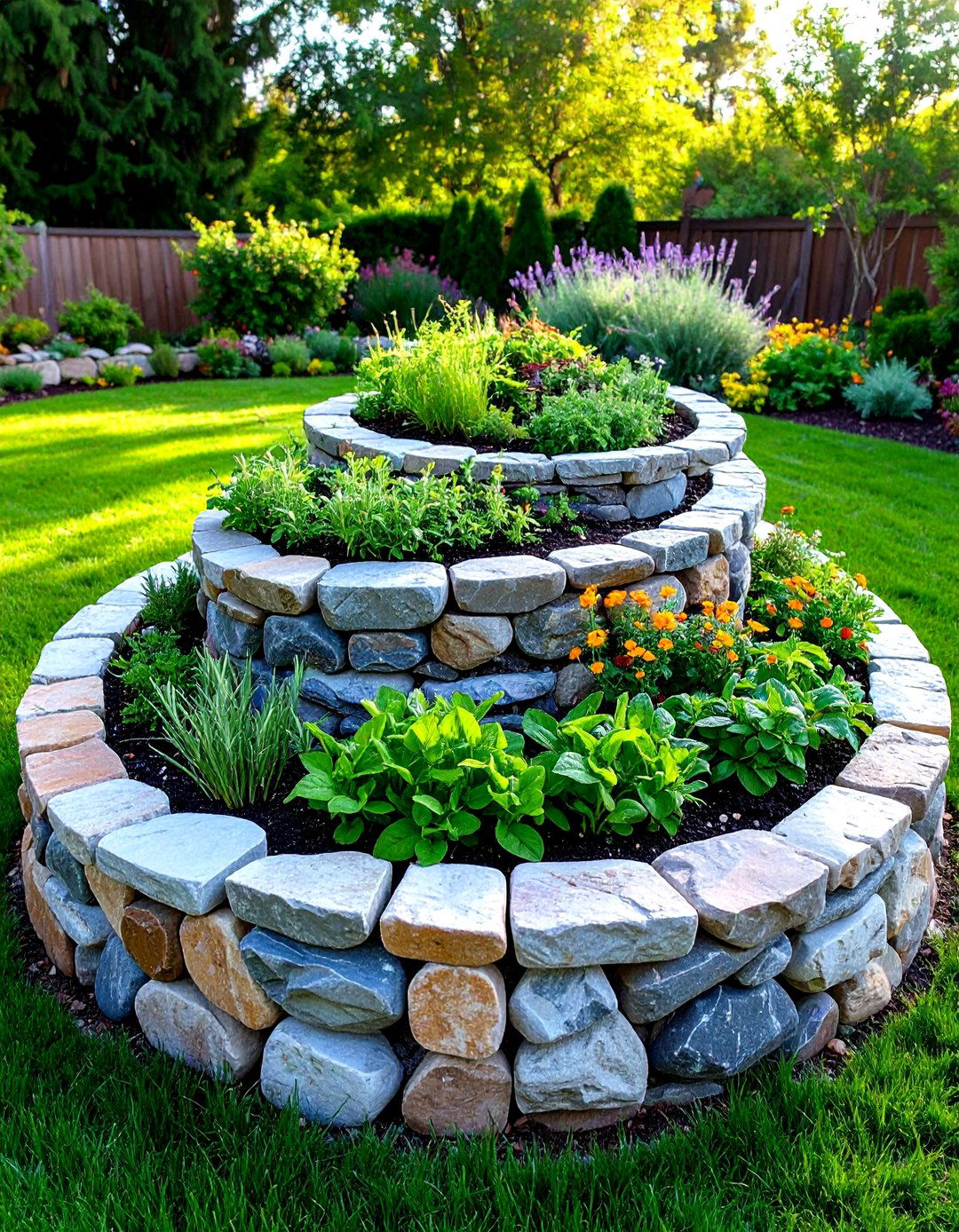
A spiral raised herb garden bed is a visually stunning and highly practical design. This three-dimensional spiral, often built with stones or bricks, creates various microclimates within a small area. The top of the spiral is sunnier and drier, ideal for Mediterranean herbs like rosemary and thyme, while the lower, more shaded base retains moisture, perfect for mint or chives. This clever layout allows you to grow a diverse collection of herbs with different needs in one compact, accessible structure. Its swirling shape creates a beautiful focal point in the garden, combining aesthetic appeal with horticultural ingenuity.


15. Galvanized Stock Tank Raised Garden Bed
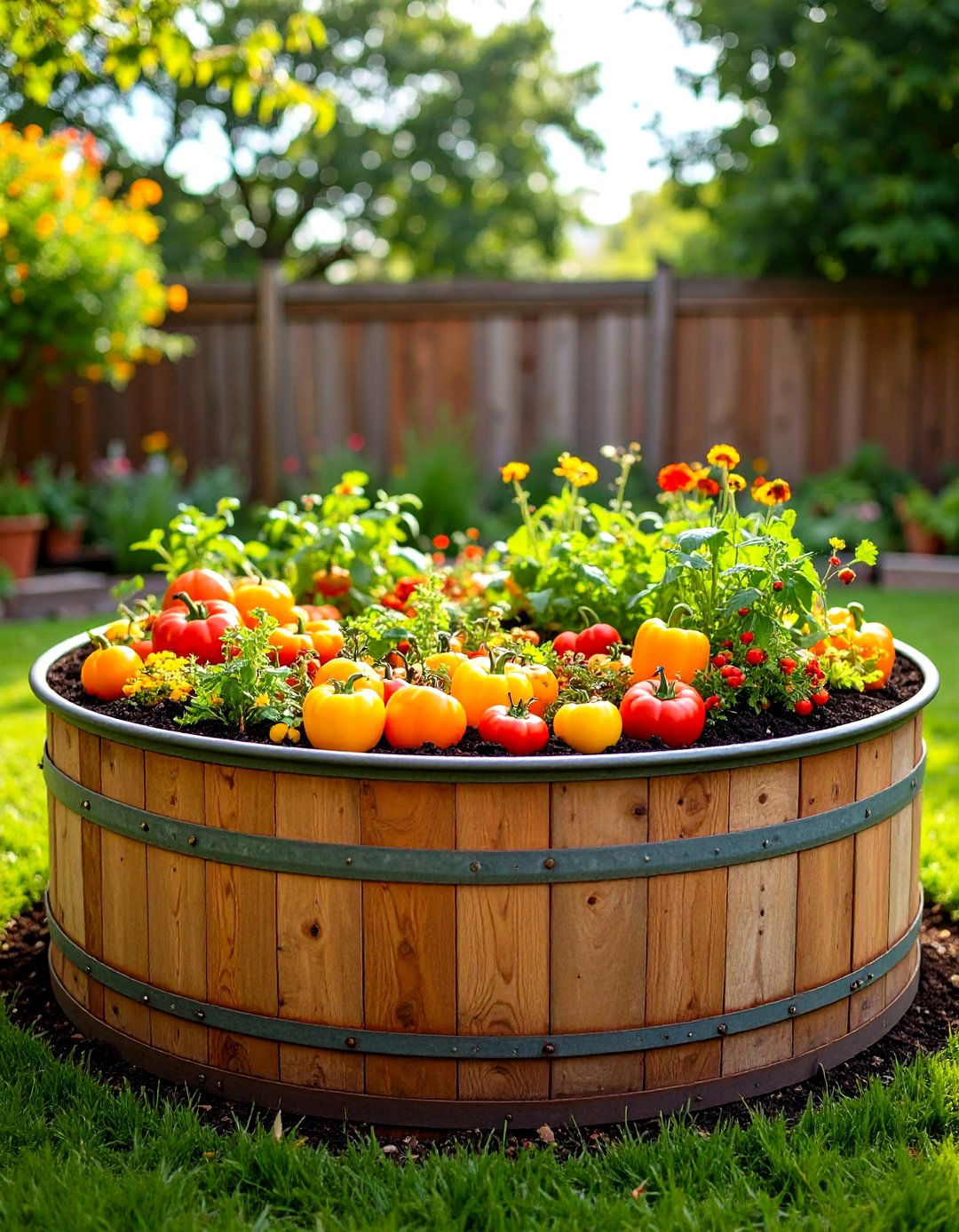
Repurposing a galvanized stock tank is a quick and stylish way to create an instant raised garden bed. These large metal troughs, typically used for watering livestock, are incredibly durable and offer a modern, farmhouse-chic vibe. They come in various shapes and sizes, from round to oblong, providing ample depth for root vegetables. Be sure to drill drainage holes in the bottom before filling it with soil. The metal heats up quickly, giving your plants a head start in the spring. This no-build solution is perfect for anyone wanting a sturdy, long-lasting raised bed with minimal setup.
16. Stacked Stone Raised Garden Bed
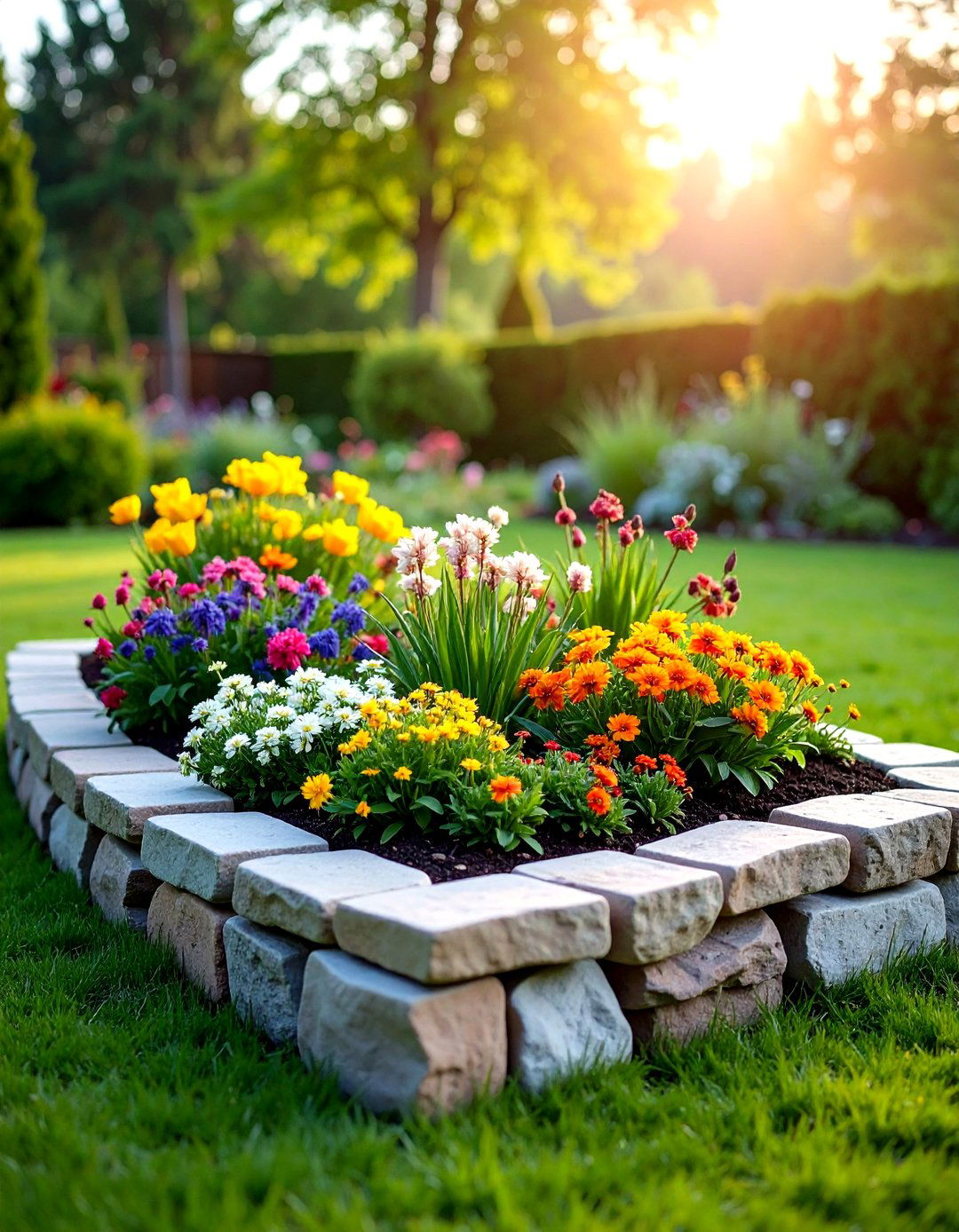
A stacked stone raised garden bed offers a natural, timeless, and elegant look that can enhance any landscape. Using natural fieldstone, flagstone, or slate, you can create dry-stacked walls that are both beautiful and durable. This method requires no mortar, allowing for excellent drainage through the small gaps between the stones. The varied colors and textures of the stone create a rustic yet sophisticated appearance that complements both formal and informal garden designs. While it can be labor-intensive to build, the result is a permanent, high-end feature that adds significant value and character to your property.
17. Composite Decking Raised Garden Bed
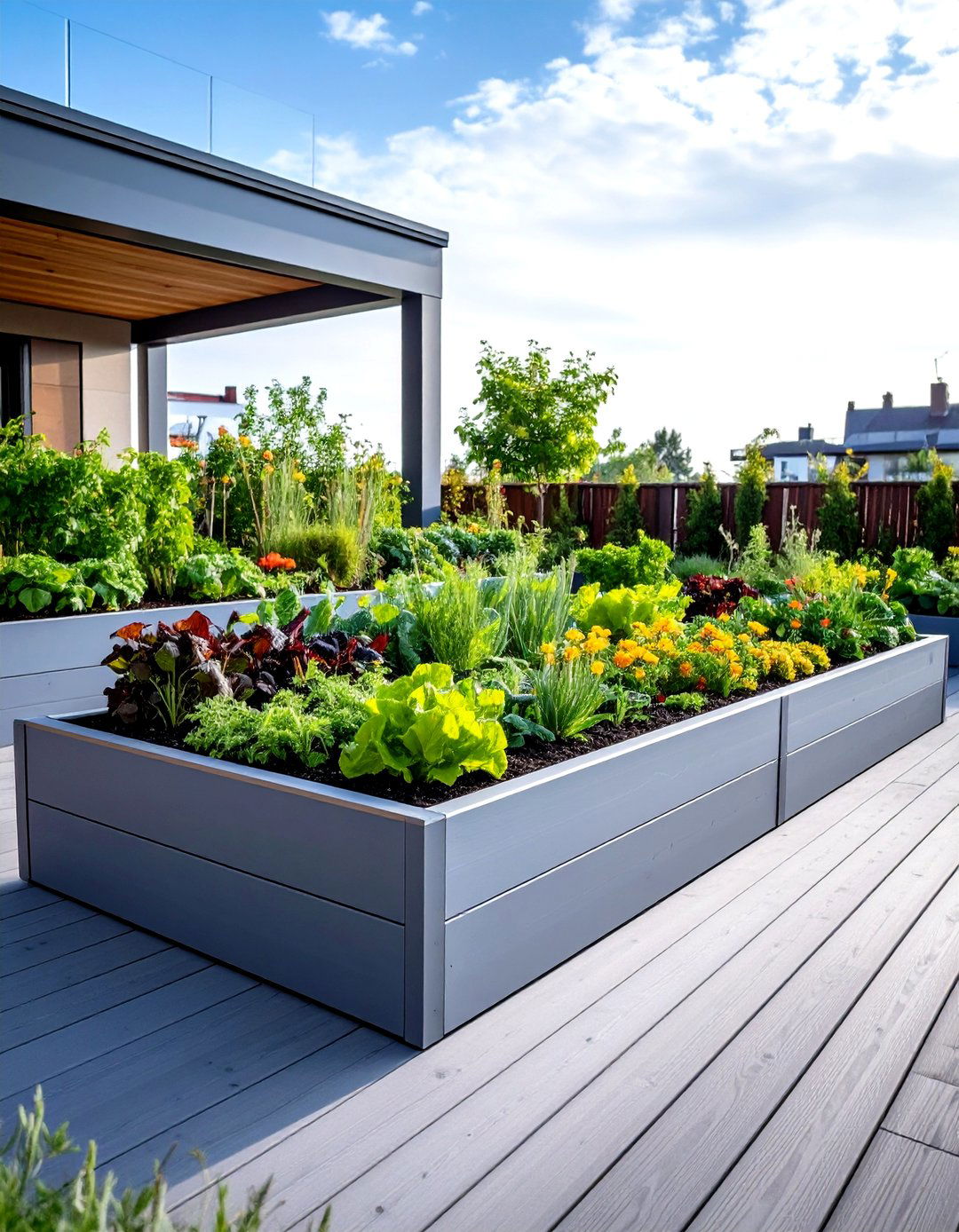
For a sleek, modern, and low-maintenance option, a raised garden bed made from composite decking is an excellent choice. Composite materials, made from a mix of wood fibers and recycled plastic, are resistant to rot, warping, and pests. They won't splinter or fade like traditional wood and require no annual sealing or staining. Available in a variety of colors and finishes, composite decking allows you to create a clean, polished look that can match your home's exterior or existing deck. This durable material ensures your garden bed will look great and perform well for many years with minimal upkeep.
18. Multi-Width Board Raised Garden Bed
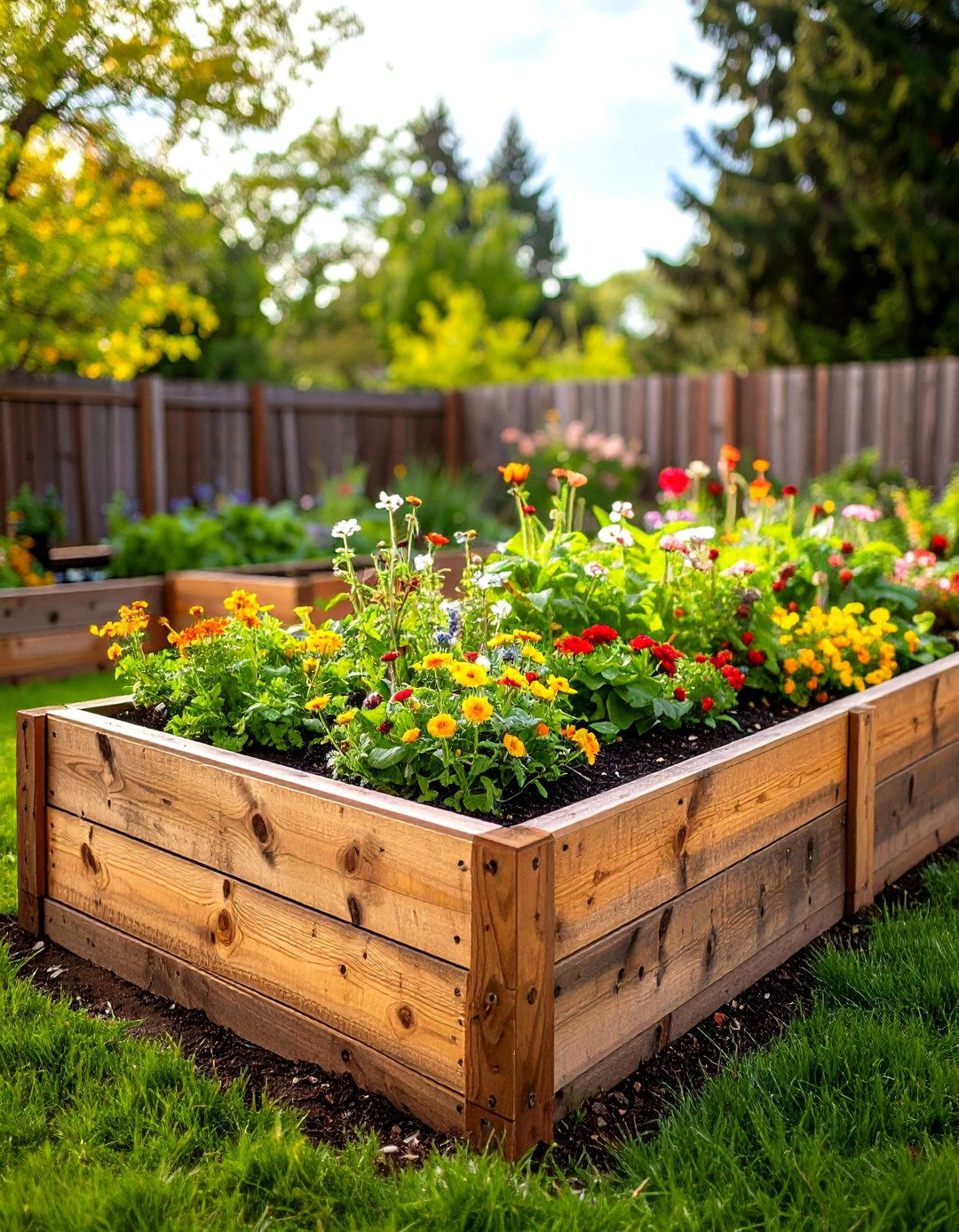
Create visual interest and a unique, custom look with a multi-width board raised garden bed. Instead of using uniform planks, this design alternates boards of different widths to construct the walls of the bed. This simple variation adds a subtle yet dynamic texture and a rustic, handcrafted feel. You can use new lumber or reclaimed wood for an even more eclectic and sustainable project. The pattern can be random or symmetrical, depending on your preference. It’s an easy way to elevate a standard wooden box design into something more distinctive and eye-catching without requiring advanced skills or special materials.
19. Raised Garden Bed with Cold Frame Top
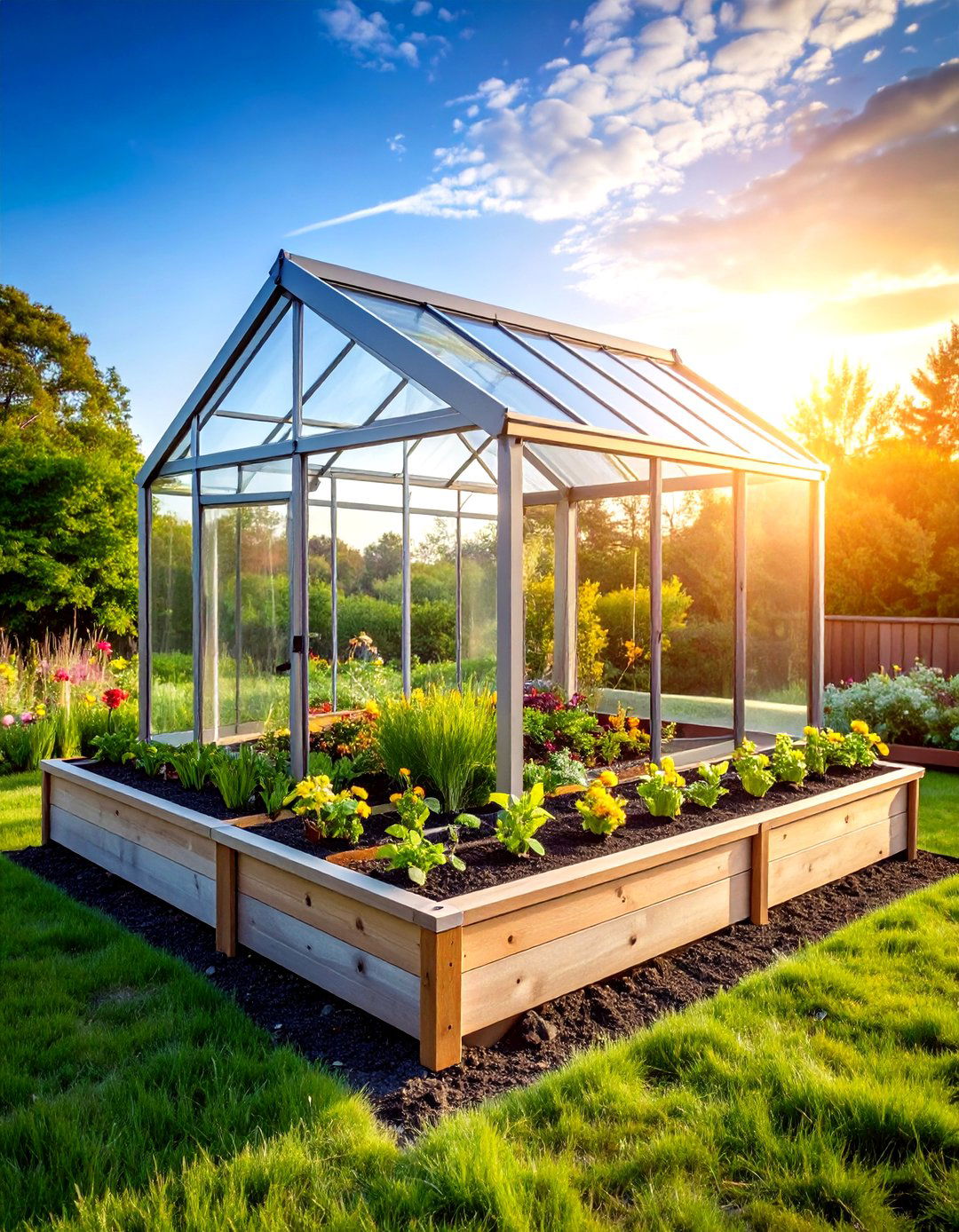
Extend your growing season significantly by adding a cold frame top to your raised garden bed. A cold frame is a transparent-topped enclosure that protects plants from cold weather, allowing you to start seeds earlier in the spring and continue harvesting later into the fall. The raised design makes it even more effective by lifting plants off the cold ground. The top, typically made with glass or polycarbonate panels on a hinged frame, can be easily opened for ventilation on warmer days. This combination is a game-changer for gardeners in cooler climates, essentially creating a mini-greenhouse.

20. Sandbag Raised Garden Bed
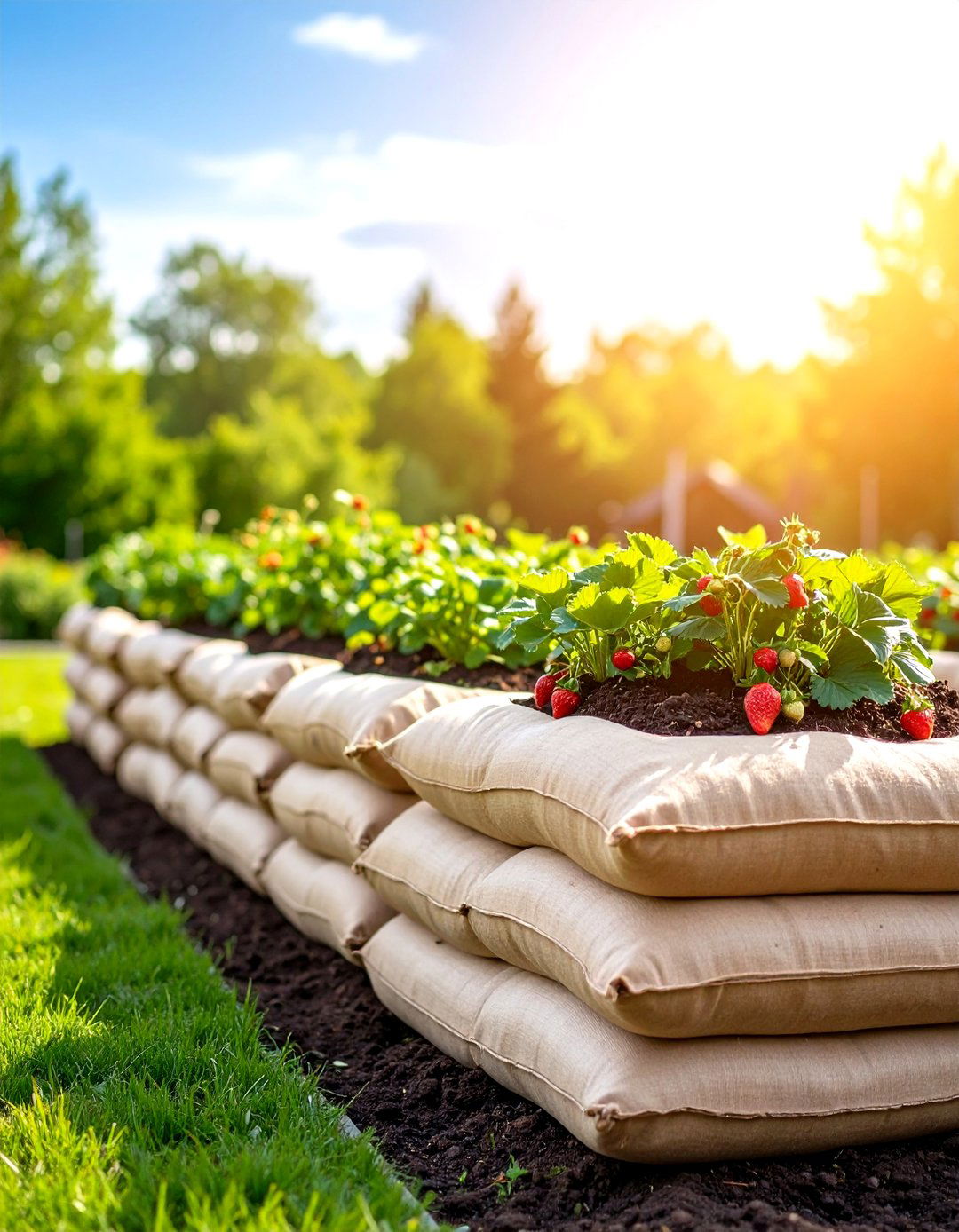
A sandbag raised garden bed is an unconventional, inexpensive, and surprisingly effective solution, particularly for temporary or emergency gardens. Simply stack UV-resistant polypropylene or burlap bags filled with a soil-sand mixture to form the walls of your bed. This method is incredibly fast and requires no tools. The bags conform to any shape, allowing for curved or free-form designs. Over time, plants like mint or strawberries can grow into the bag walls, further stabilizing the structure and creating a living wall effect. It's a practical, low-cost option that can be deployed quickly wherever you need a garden plot.
21. Log Raised Garden Bed
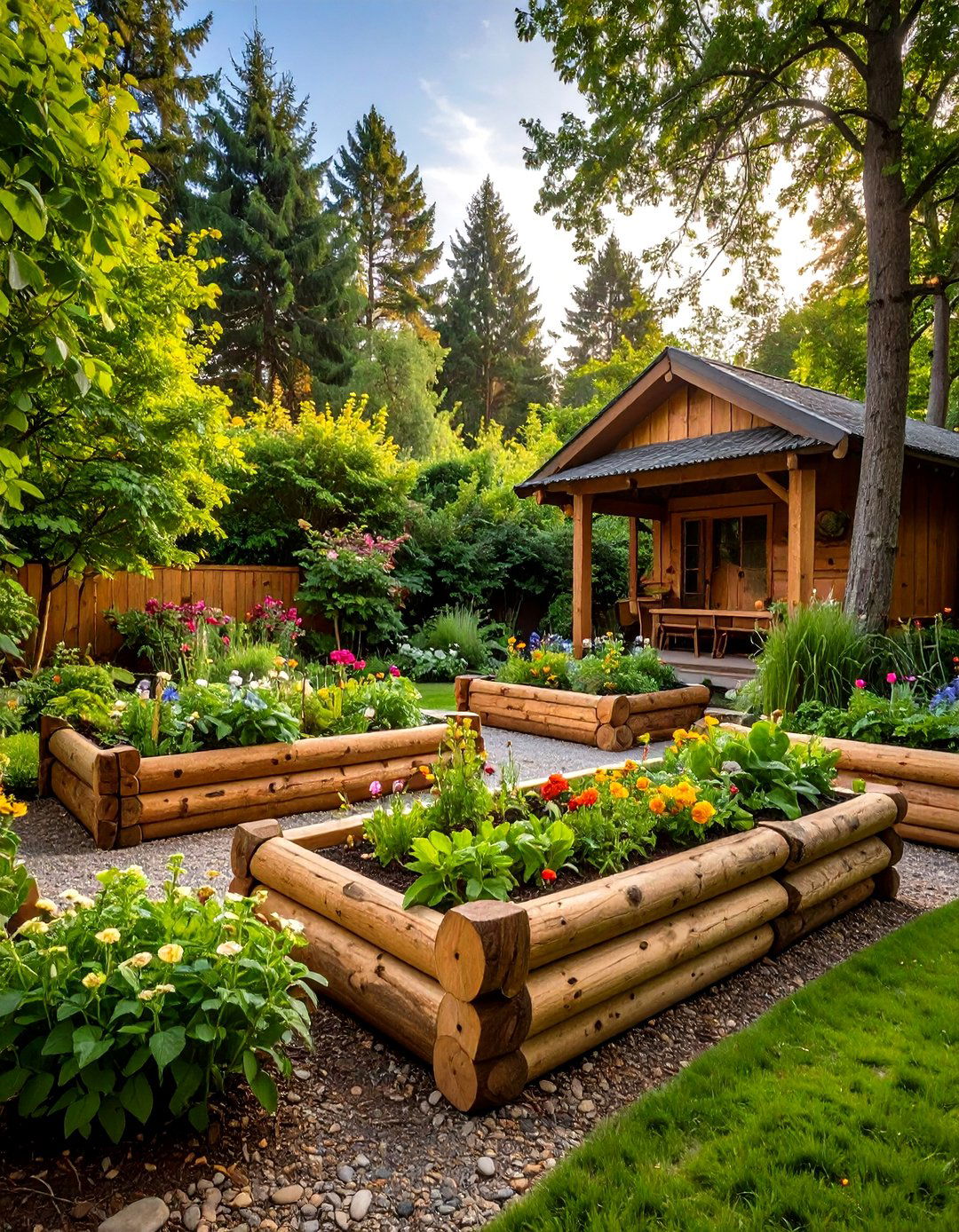
For a truly rustic and natural aesthetic, a log raised garden bed is a fantastic choice. This design uses whole logs or split logs to form the perimeter of the garden. It's an excellent way to repurpose fallen trees from your property, turning a potential waste product into a beautiful and functional garden feature. The large, sturdy logs create a solid barrier and will slowly decompose over many years, adding organic matter back into the soil. The natural, woodsy look blends seamlessly into a cottage or forest-style garden, providing a robust and charming home for your plants.
22. Brick Raised Garden Bed
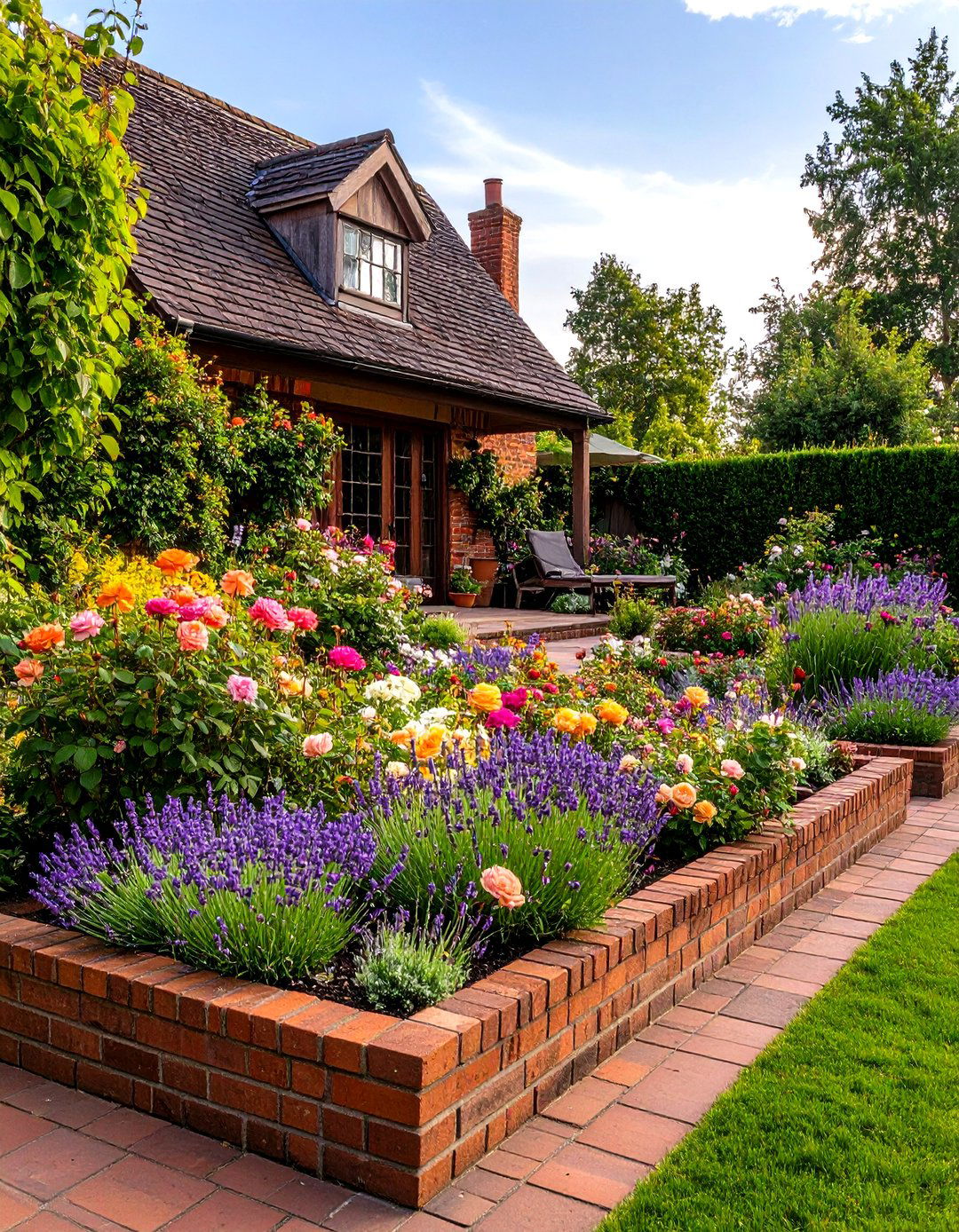
A brick raised garden bed adds a classic, formal touch to any landscape. The rich color and uniform shape of bricks create a clean, traditional look that pairs well with classic home architecture. Bricks are extremely durable and will last for decades with no maintenance. You can lay them without mortar for a dry-stacked look with good drainage, or use mortar for a more permanent, solid structure. The design possibilities are versatile, from simple rectangles to intricate curved or herringbone patterns. A brick bed is a long-term investment that provides enduring beauty and structure to your garden.
23. Sub-Irrigated Raised Garden Bed
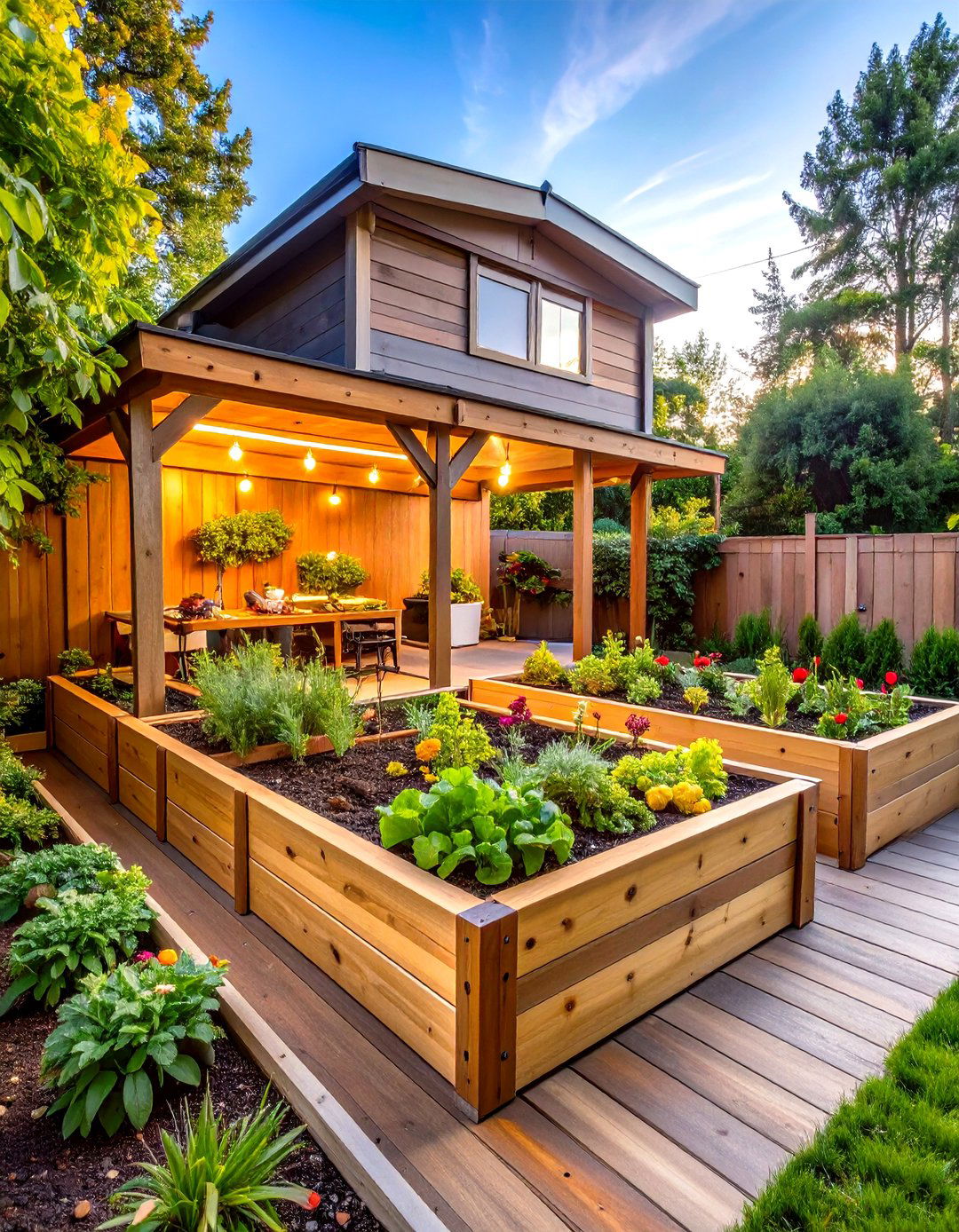
A sub-irrigated raised garden bed, also known as a wicking bed, is a highly water-efficient system. It features a water reservoir at the bottom of the bed, from which water is wicked up into the soil via a porous medium. This method delivers water directly to the plant roots, minimizing evaporation and reducing water usage by up to 50%. It also provides a consistent moisture supply, which helps prevent plant stress and promotes healthy growth. While it requires more effort to set up initially, a wicking bed saves significant time on watering throughout the growing season.
24. Curved and Serpentine Raised Garden Bed
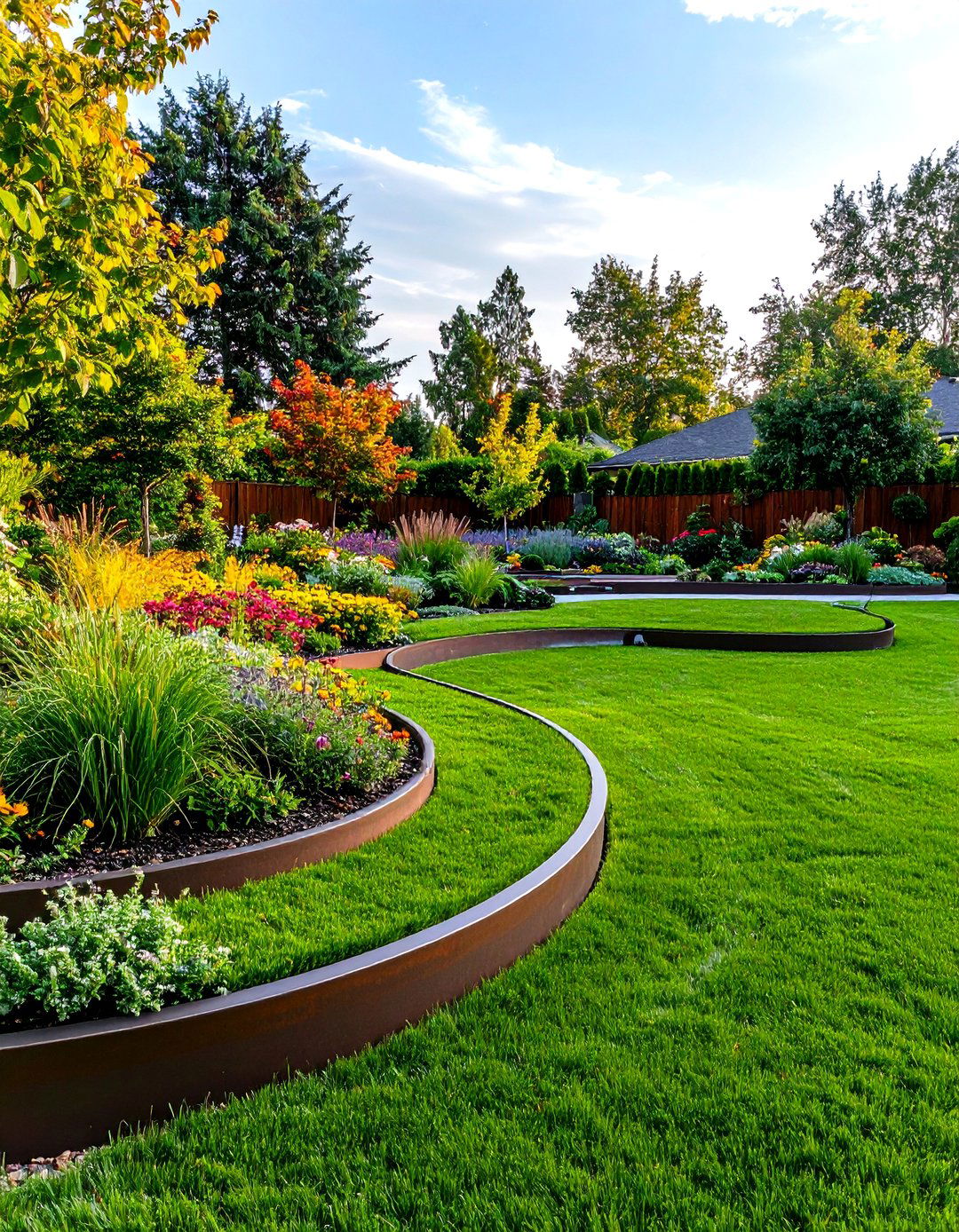
Move beyond straight lines and create a dynamic, flowing landscape with a curved or serpentine raised garden bed. This organic shape adds a sense of movement and grace to the garden, softening hard edges and creating a more natural feel. Materials like flexible composite edging, smaller blocks, or metal panels are ideal for constructing these sinuous forms. Curved beds can be used to wrap around a patio, follow the contour of a slope, or create meandering pathways through the garden. This design approach transforms a functional garden plot into a beautiful and artistic landscape element.
25. Trellis-Backed Raised Garden Bed
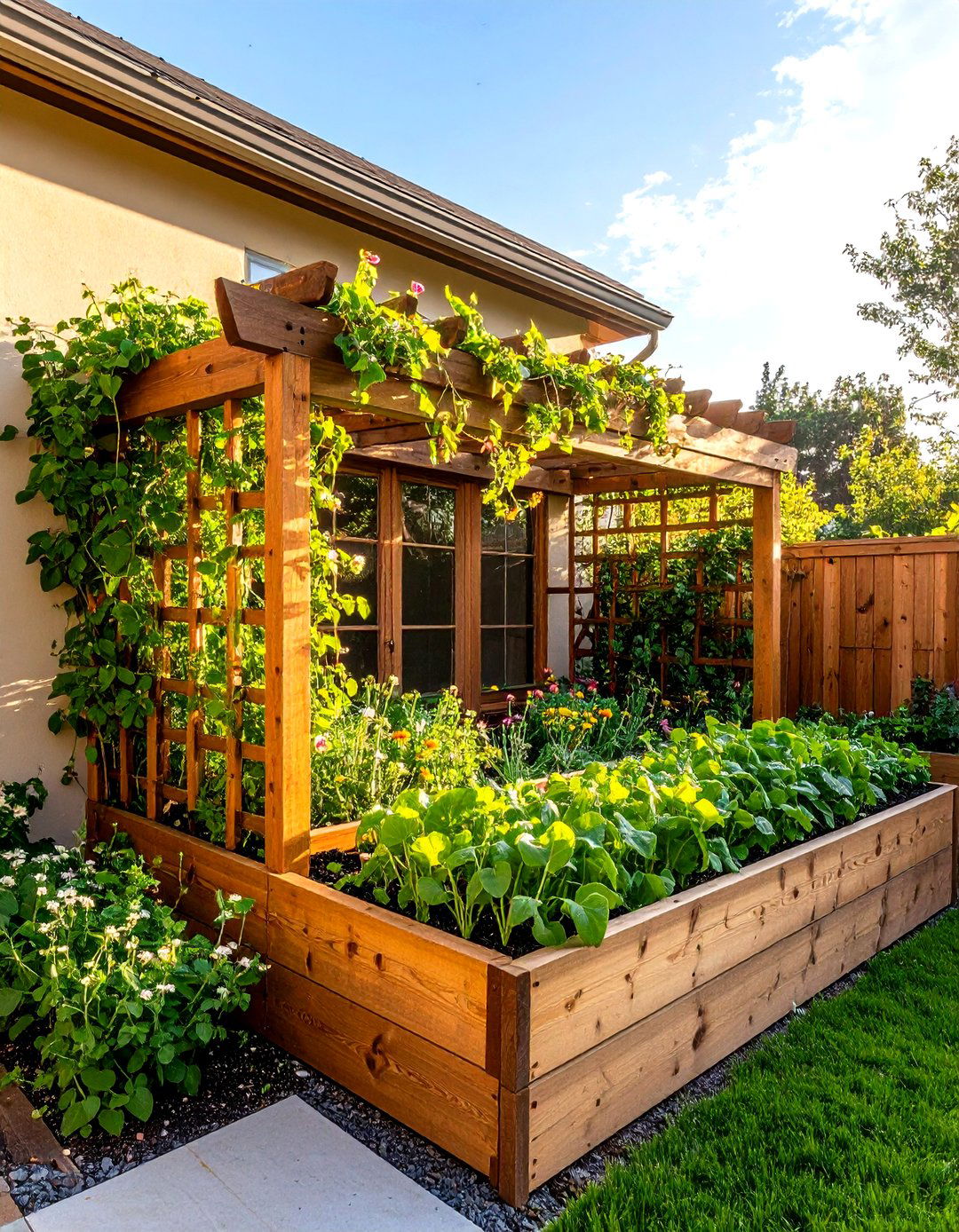
A trellis-backed raised garden bed is a perfect two-in-one solution for growing climbing plants. By attaching a trellis directly to the back of the bed, you provide built-in support for vining vegetables like cucumbers, pole beans, or indeterminate tomatoes. This setup saves space and keeps your climbing plants contained and easy to manage. The trellis can also serve as a privacy screen or a beautiful backdrop for the rest of the garden when covered in lush foliage or flowers. It’s an efficient design that maximizes vertical growing space and adds structure and height to your garden layout.
26. Tall Raised Garden Bed for Accessibility
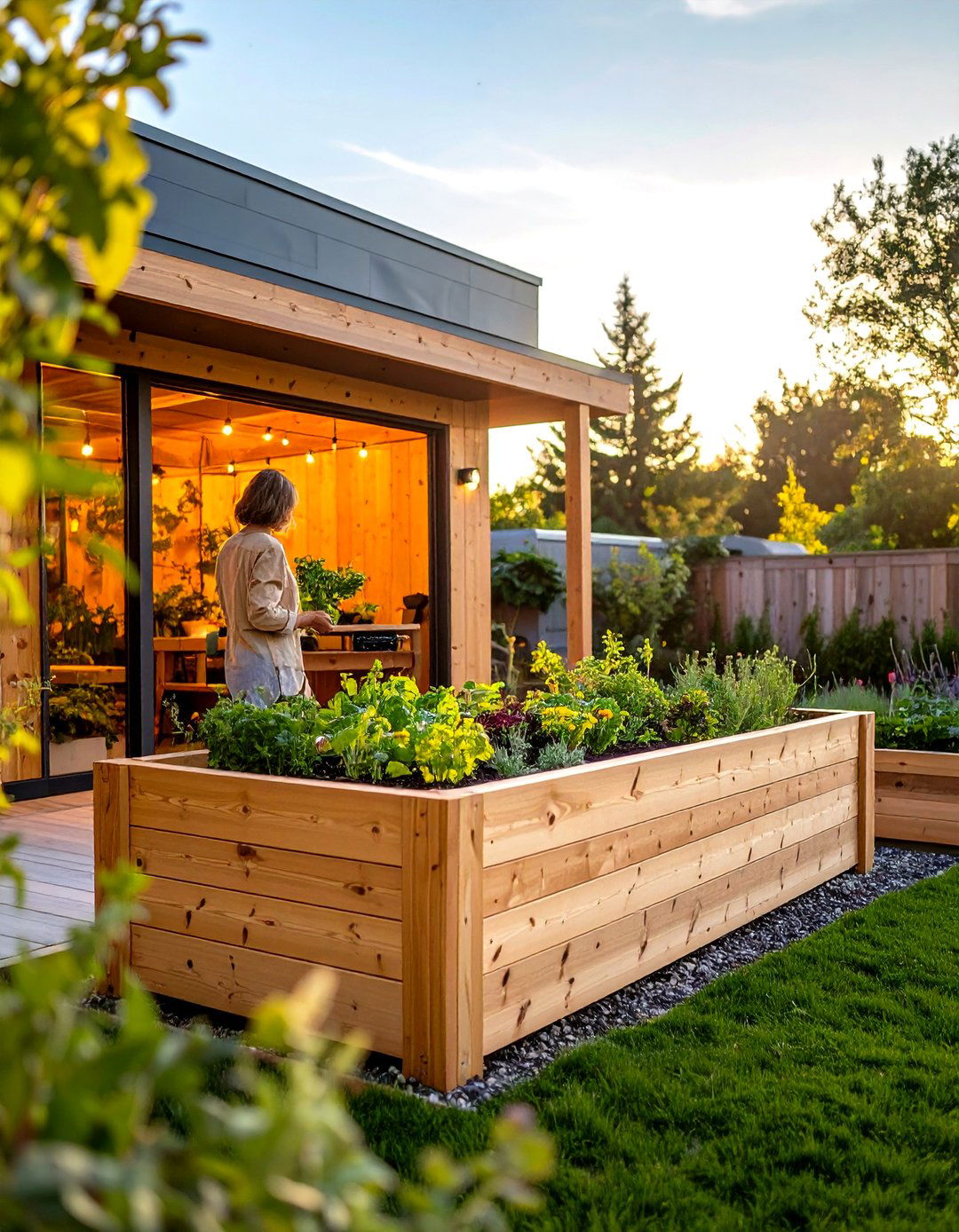
For gardeners who have difficulty bending or kneeling, a tall raised garden bed is the perfect solution. Built to waist height or even higher, these beds allow you to tend your plants while standing or sitting on a stool, eliminating physical strain on your back and knees. Often referred to as garden tables, these elevated planters make gardening accessible to everyone, including seniors and individuals with mobility challenges. They provide all the benefits of a standard raised bed, such as better drainage and soil control, with the added advantage of supreme comfort and ease of use.
27. Paver Stone Raised Garden Bed
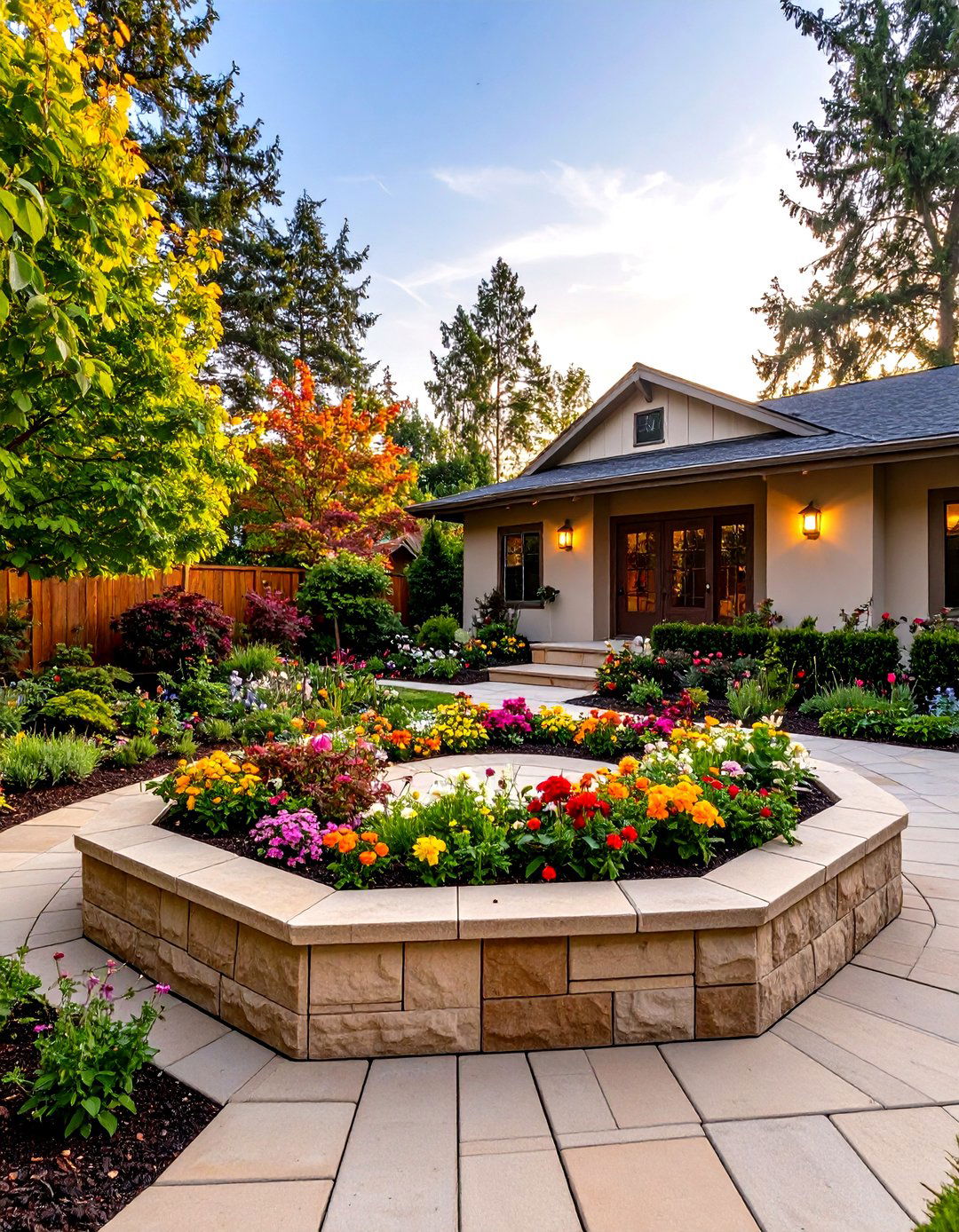
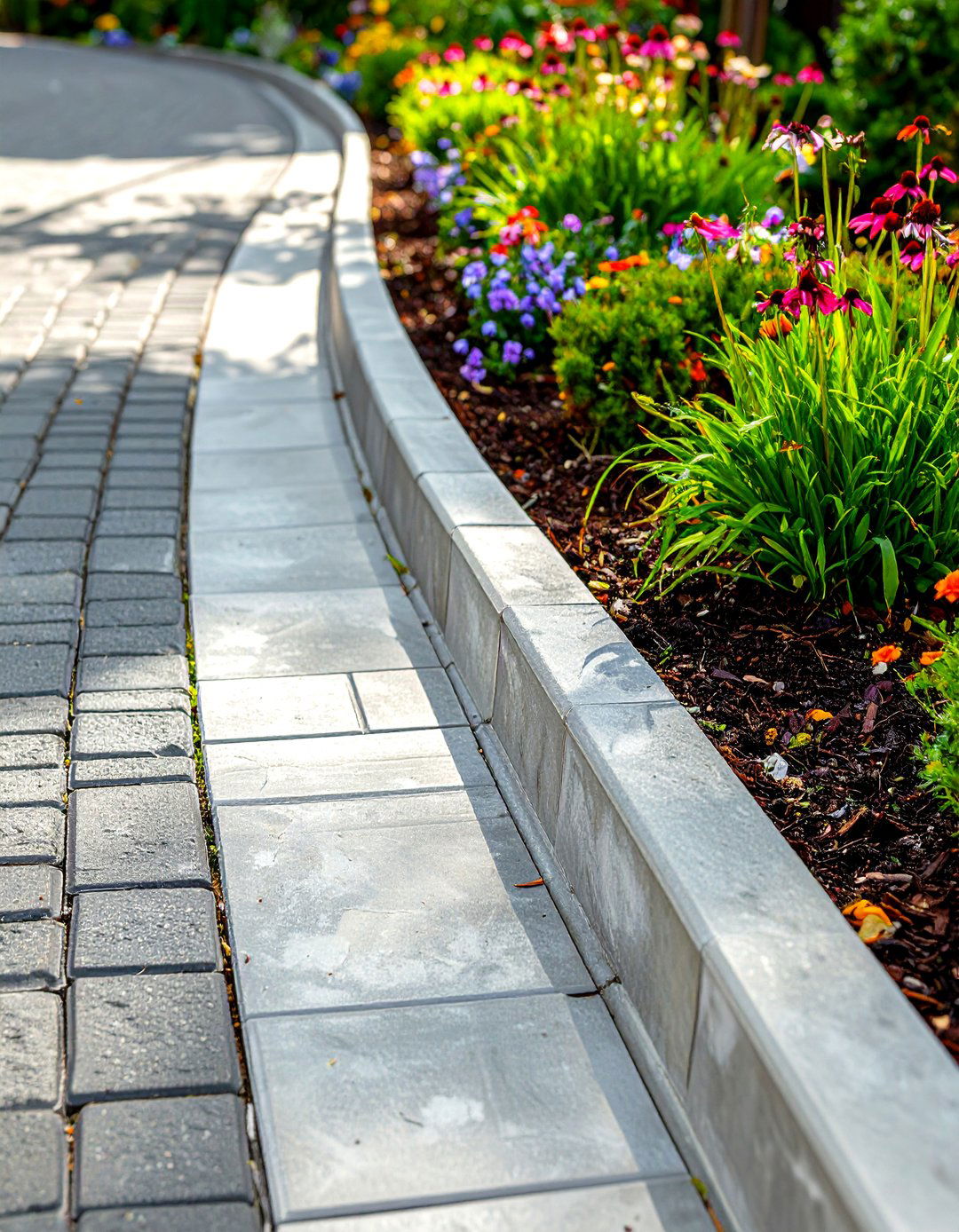
A paver stone raised garden bed offers a neat, durable, and highly customizable option. Concrete pavers, available in a wide array of shapes, sizes, and colors, can be used to construct beds with a clean, interlocking design. Many paver systems are designed to stack securely without mortar, making assembly straightforward. The uniform look of pavers provides a polished, organized appearance that works well in both modern and traditional settings. They are long-lasting and maintenance-free, creating a permanent and attractive border for your garden that will withstand the elements for years to come.
28. Wine Bottle Edged Raised Garden Bed
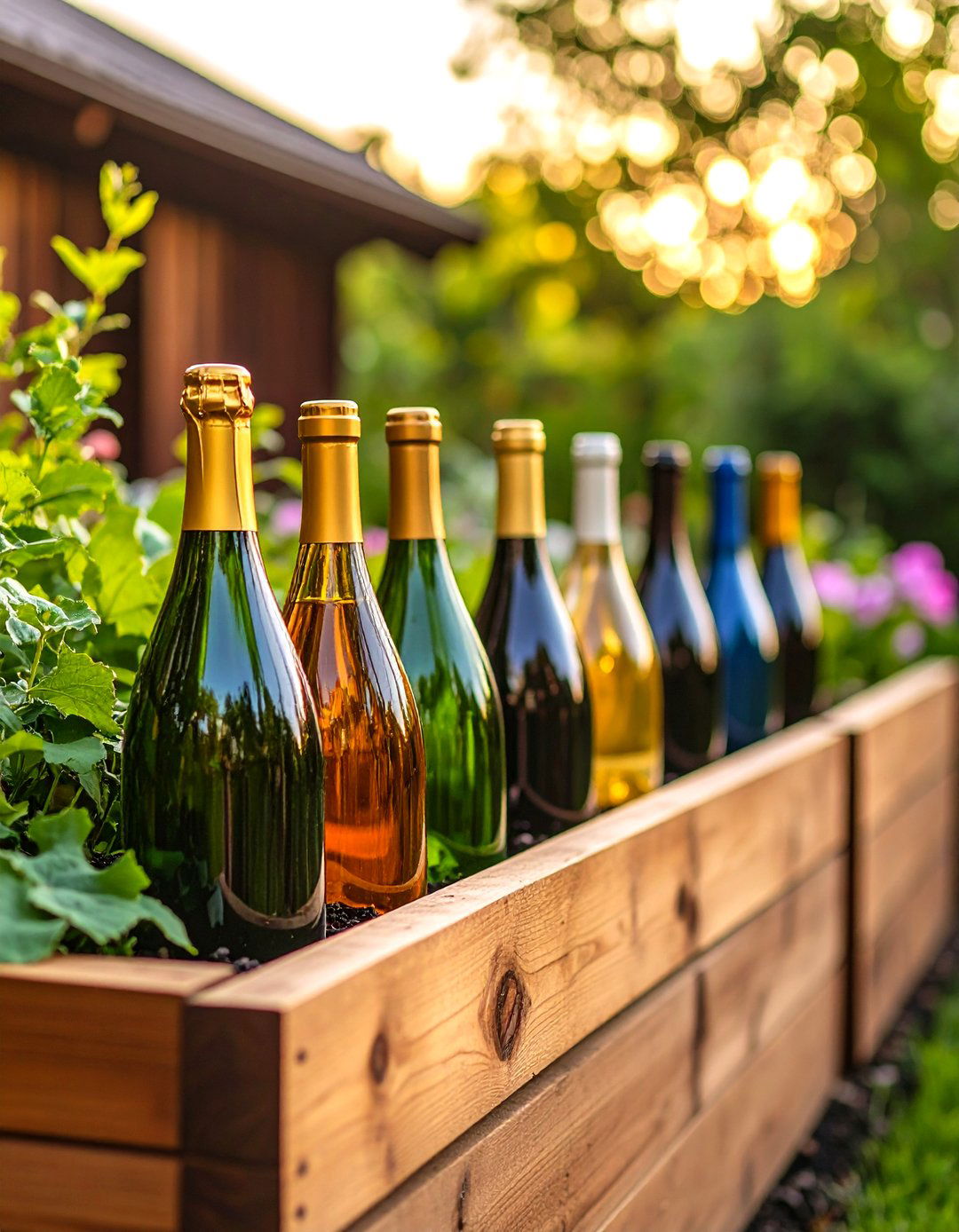
For a creative and colorful garden border, consider a wine bottle edged raised garden bed. By burying empty wine bottles upside down, with about half of the bottle exposed, you can create a unique and sparkling edge for a low-profile bed. The colored glass catches the sunlight, adding a beautiful, jewel-toned glimmer to your garden. This is a fantastic way to recycle glass bottles and infuse your garden with personal, artistic flair. While this edge is more decorative than structural, it's perfect for containing a shallow bed of herbs or flowers and is sure to be a conversation starter.
29. Berm-Style Raised Garden Bed
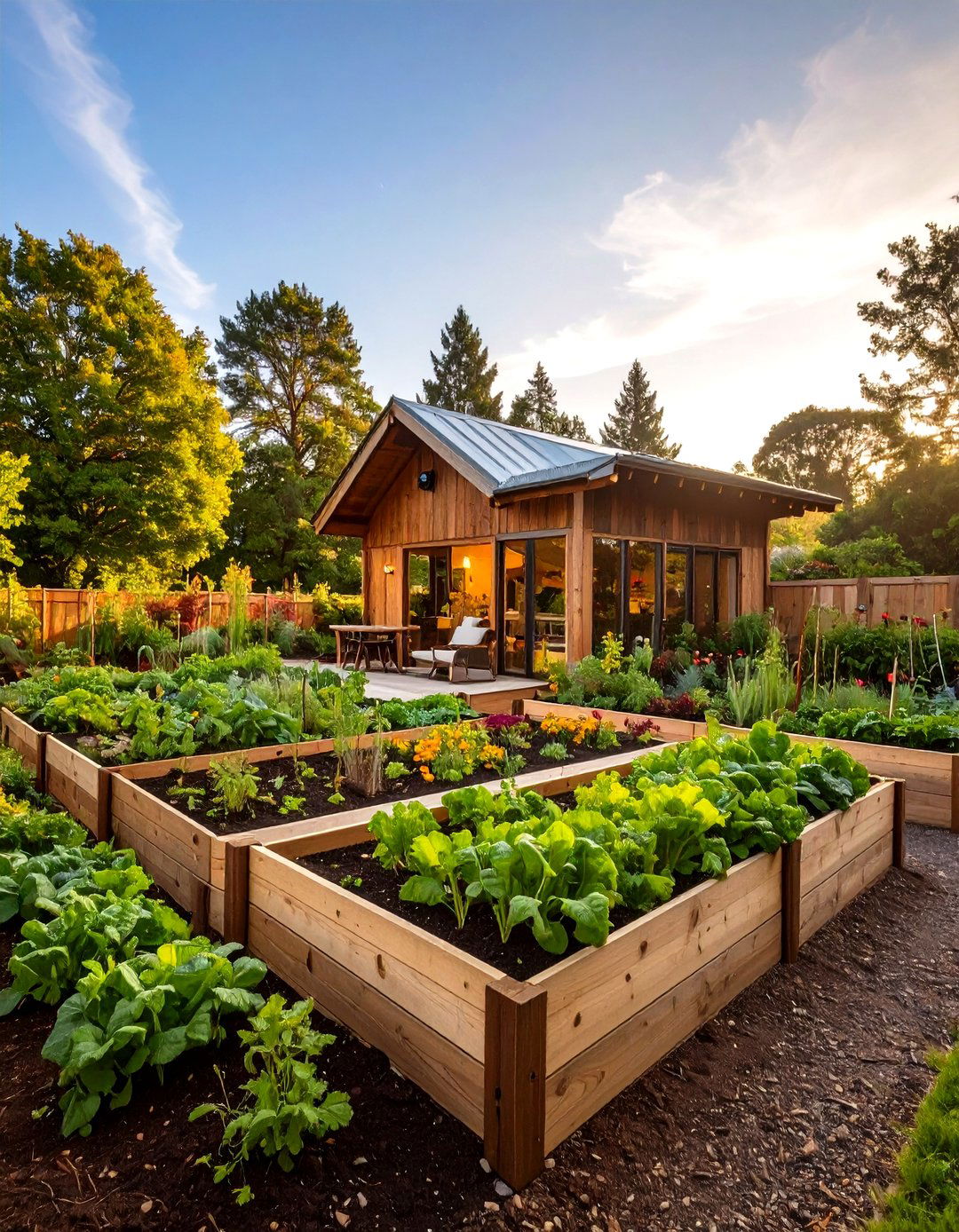
A berm-style raised garden bed is the most natural and informal type of raised bed. It is essentially a mounded pile of soil, without any hard-edged retaining walls. Often called "lasagna gardening," a berm can be built by layering organic materials like cardboard, leaves, grass clippings, and compost, topped with a thick layer of quality soil. This method is inexpensive and creates incredibly rich, fertile soil as the layers decompose. The gentle, sloping sides of the berm blend seamlessly into the surrounding landscape, creating a soft, naturalistic look that is both easy to build and highly productive.
30. Hexagonal Raised Garden Bed
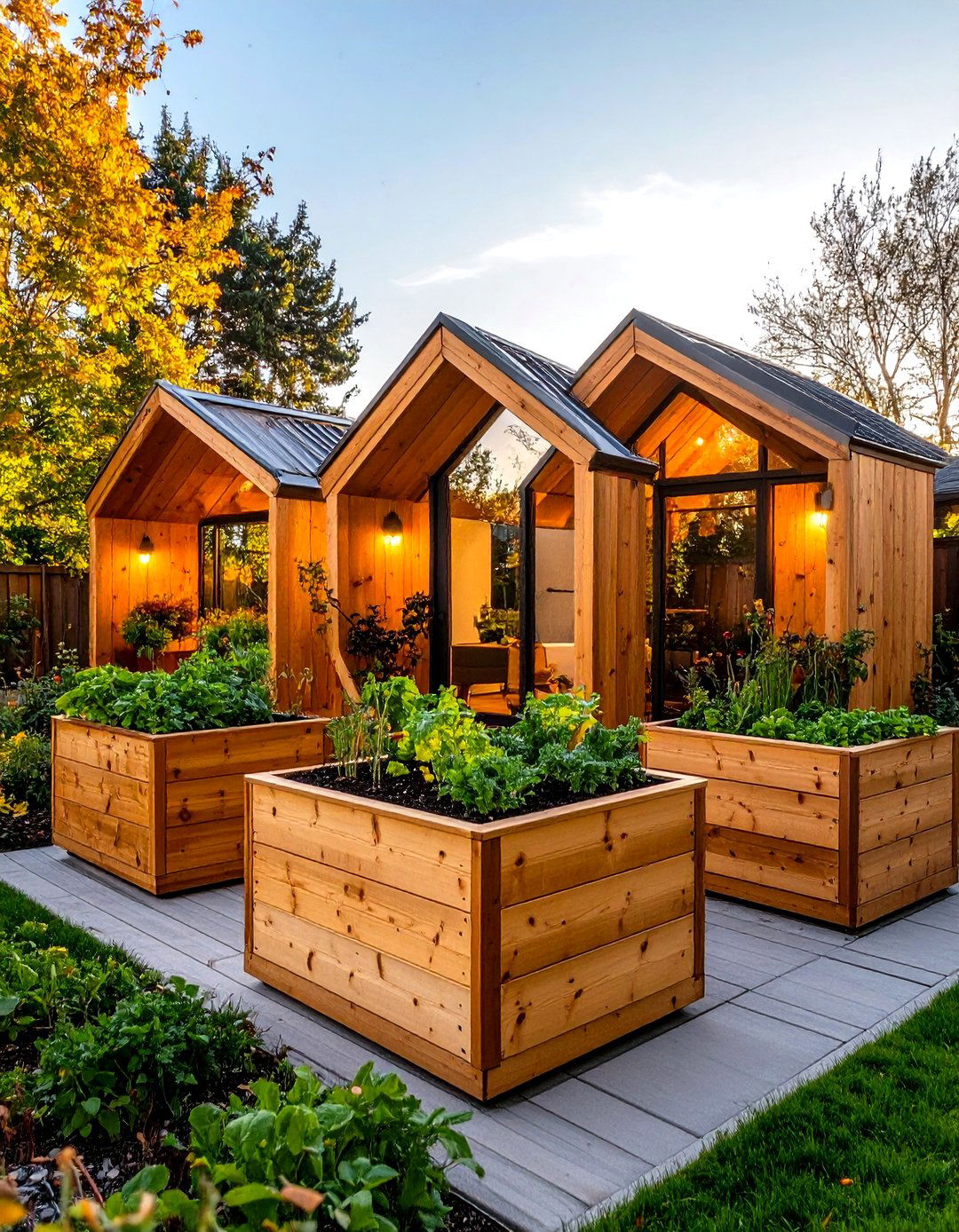
A hexagonal raised garden bed offers a visually interesting alternative to traditional rectangular designs. The six-sided shape creates a honeycomb-like pattern, which is both aesthetically pleasing and efficient. Hexagonal beds can be arranged in clusters to form a larger, modular garden layout that is easy to navigate and access from all sides. This geometric design adds a modern and structured feel to the garden space. They are perfect for creating a central feature or breaking up a large, open area with a unique and organized planting scheme that is both beautiful and highly functional.
Conclusion:
Raised garden beds provide a versatile and effective way to cultivate a thriving garden in any setting. From the rustic charm of log and wattle beds to the modern appeal of corrugated metal and composite designs, there is a style to match every taste and need. Whether you prioritize accessibility with a tall bed, sustainability with a keyhole garden, or space-efficiency with a tiered design, these ideas offer practical solutions. By choosing the right materials and shape, you can create a productive, accessible, and beautiful garden that enhances your outdoor space for years to come.

Related posts:



Leave a Reply