
Raised garden beds offer a fantastic solution for gardeners looking to overcome poor soil conditions, improve drainage, and reduce back strain. These elevated plots provide better control over your growing environment, allowing you to create the perfect soil mix for vegetables, herbs, or flowers. From simple wooden frames to intricate, multi-level structures, the design possibilities are endless, catering to every skill level and aesthetic preference. A well-designed raised bed not only boosts your garden’s productivity but also enhances your outdoor space’s overall beauty, turning a functional growing area into a stunning landscape feature that is both practical and attractive.
1. Tiered Raised Garden Bed Design
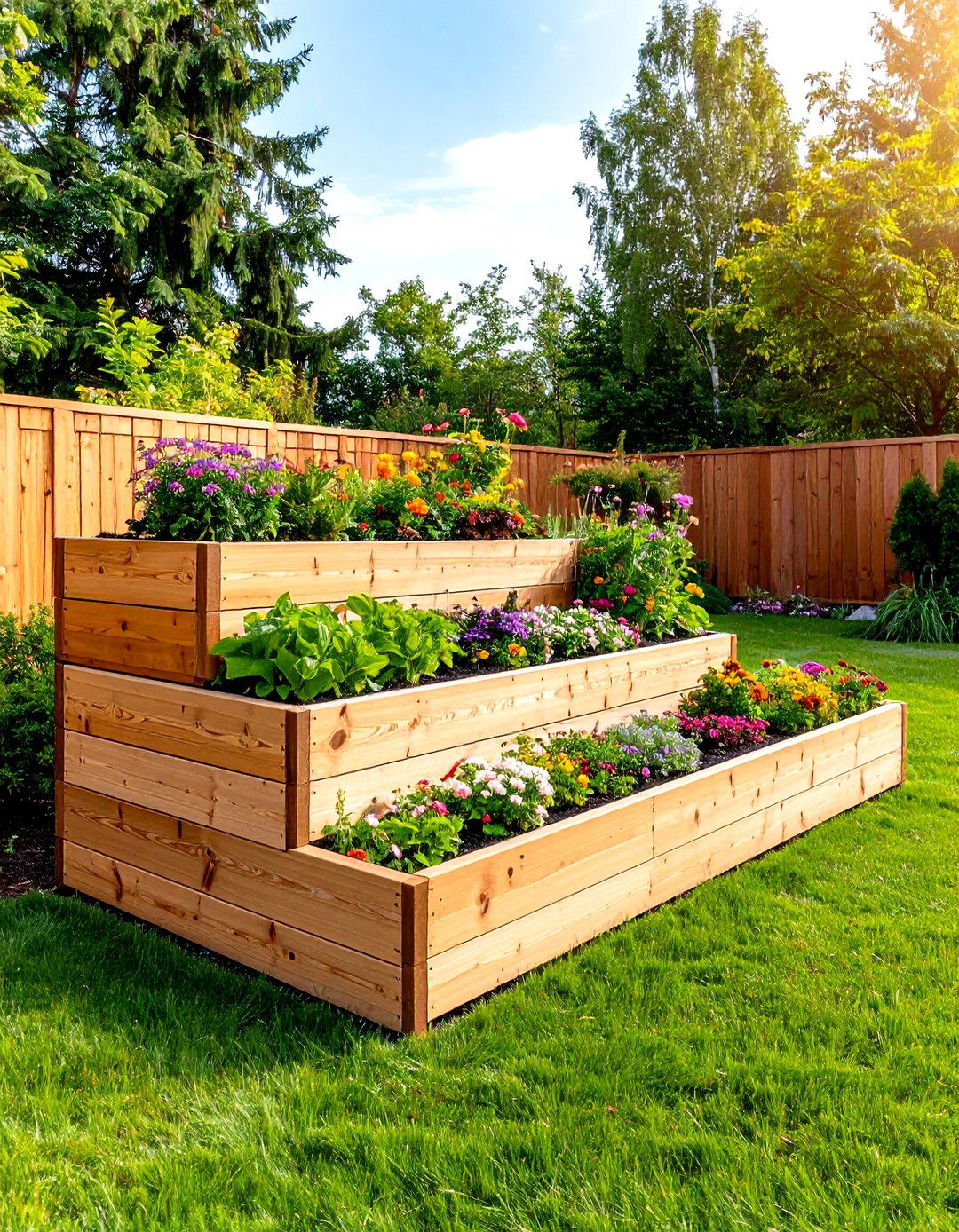
A tiered raised garden bed introduces multiple levels, creating visual interest and maximizing planting space, especially in smaller yards. This design is perfect for growing different types of plants that have varying root depths or sun requirements. For instance, you could plant sun-loving herbs on the top tier and shade-tolerant lettuces on the lower levels. The cascading effect is not only beautiful but also practical, making harvesting easier and improving air circulation around the plants. Building this style with naturally rot-resistant wood like cedar or redwood ensures longevity and adds a warm, rustic charm to your garden landscape.
2. U-Shaped Raised Garden Bed Layout

For those with a bit more space, the U-shaped raised garden bed is an incredibly ergonomic and efficient design. This layout allows you to reach every part of the garden without ever stepping on the soil, preventing compaction and protecting your plants. The central nook provides easy access from three sides, making planting, weeding, and harvesting a comfortable task. It’s an ideal setup for a dedicated vegetable patch, as you can easily organize different crops in distinct sections. This design essentially creates a small, immersive gardening station that is both highly functional and neatly contained.
3. L-Shaped Corner Raised Garden Bed
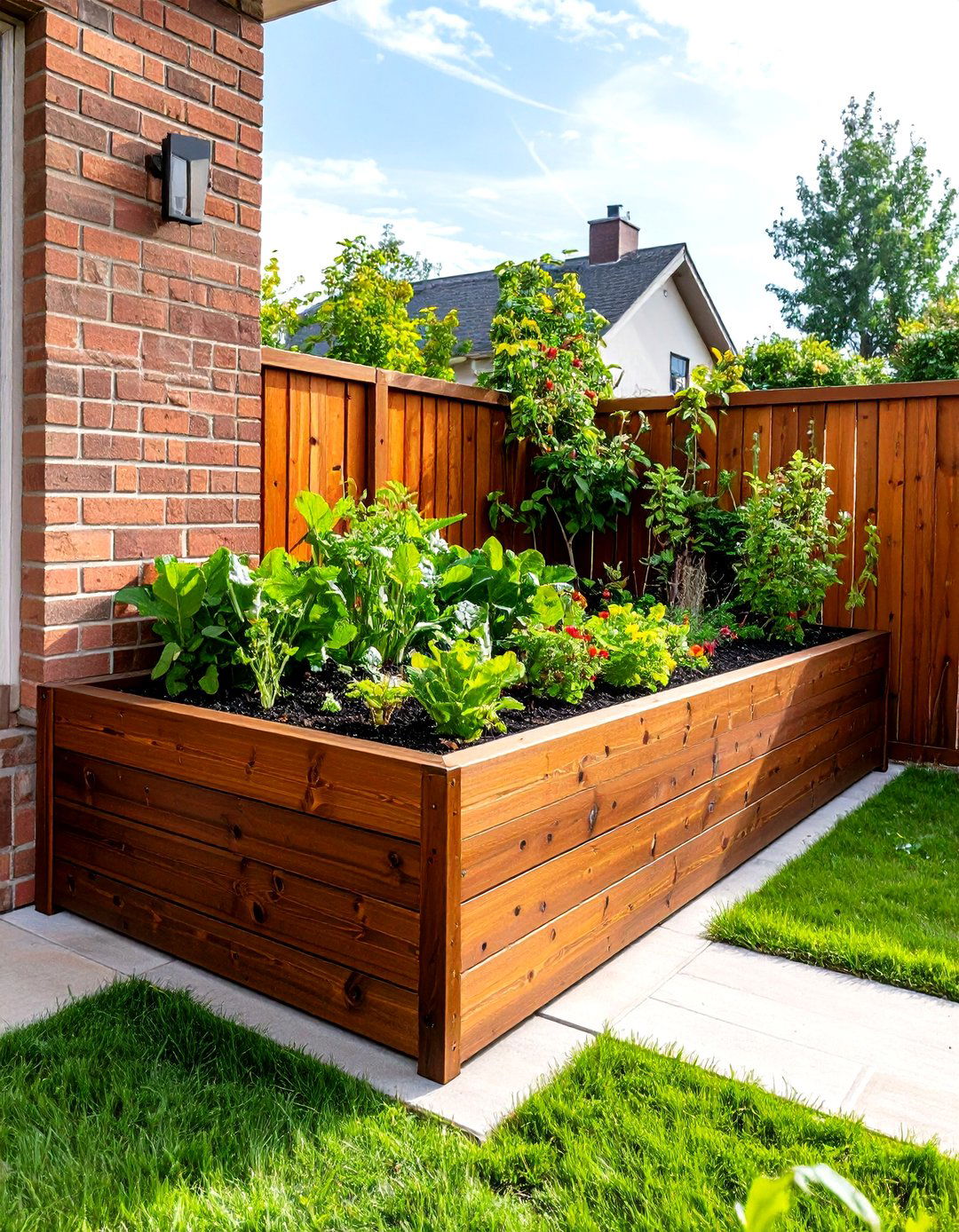
An L-shaped raised garden bed is a brilliant way to utilize otherwise awkward corner spaces in your yard or patio. This design fits snugly against fences or walls, transforming an unused area into a productive and attractive garden. By following the contours of your space, it helps define the garden area and creates a clean, organized look. The shape is also great for companion planting, allowing you to group plants that benefit each other. Whether you build it with simple wood planks, modern metal, or classic bricks, the L-shaped bed adds structure and purpose to any corner it occupies.
4. Galvanized Steel Raised Garden Bed
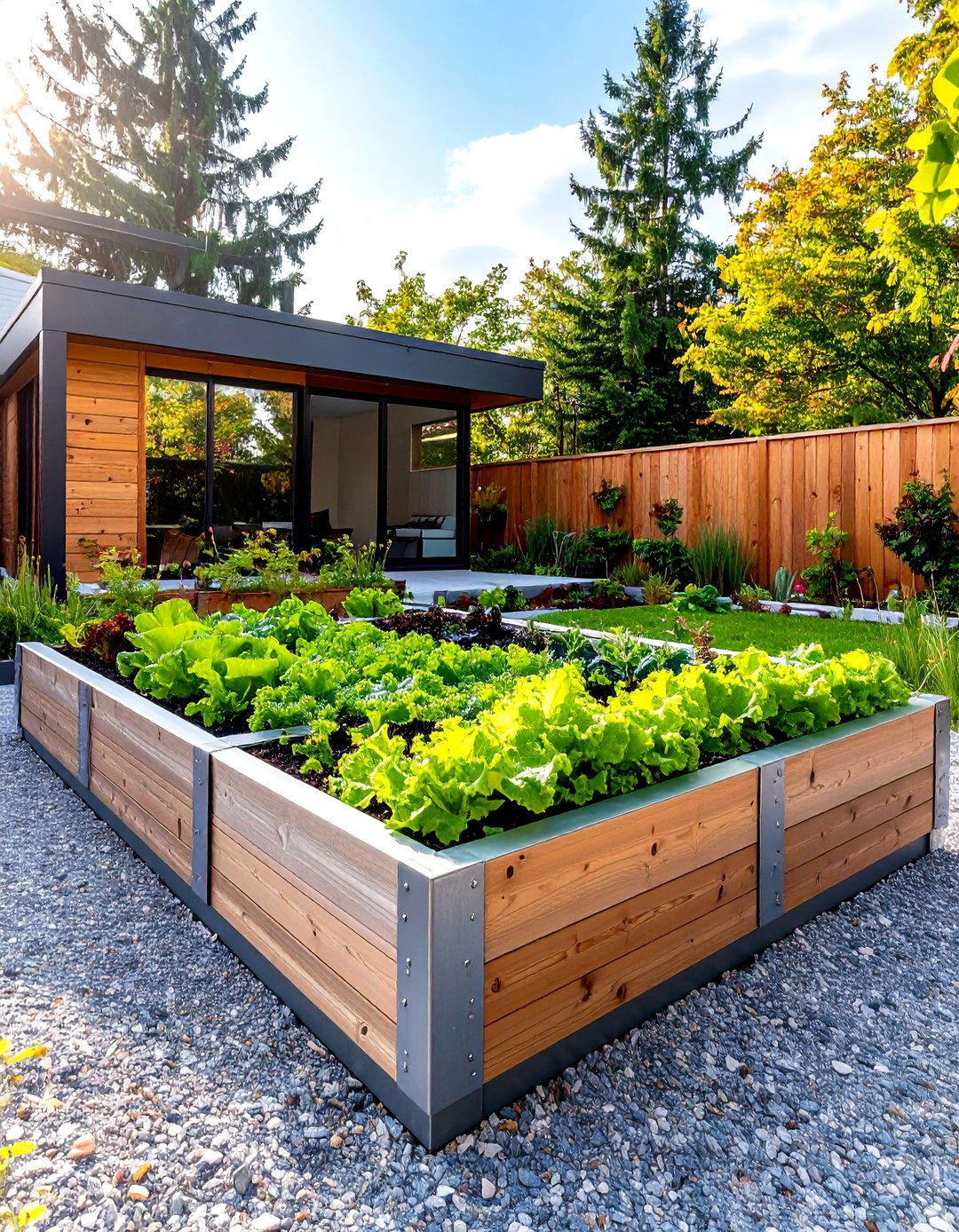
Choosing a galvanized steel raised garden bed brings a sleek, modern aesthetic to your outdoor space. These beds are known for their exceptional durability and longevity, as the zinc coating protects the steel from rust and corrosion for decades. They are lightweight, easy to assemble, and heat up quickly in the spring, giving your plants a head start on the growing season. Their modular nature allows for various configurations, from simple rectangles to more complex shapes. The smooth, metallic finish offers a striking contrast to the organic textures and vibrant colors of the plants growing within them.
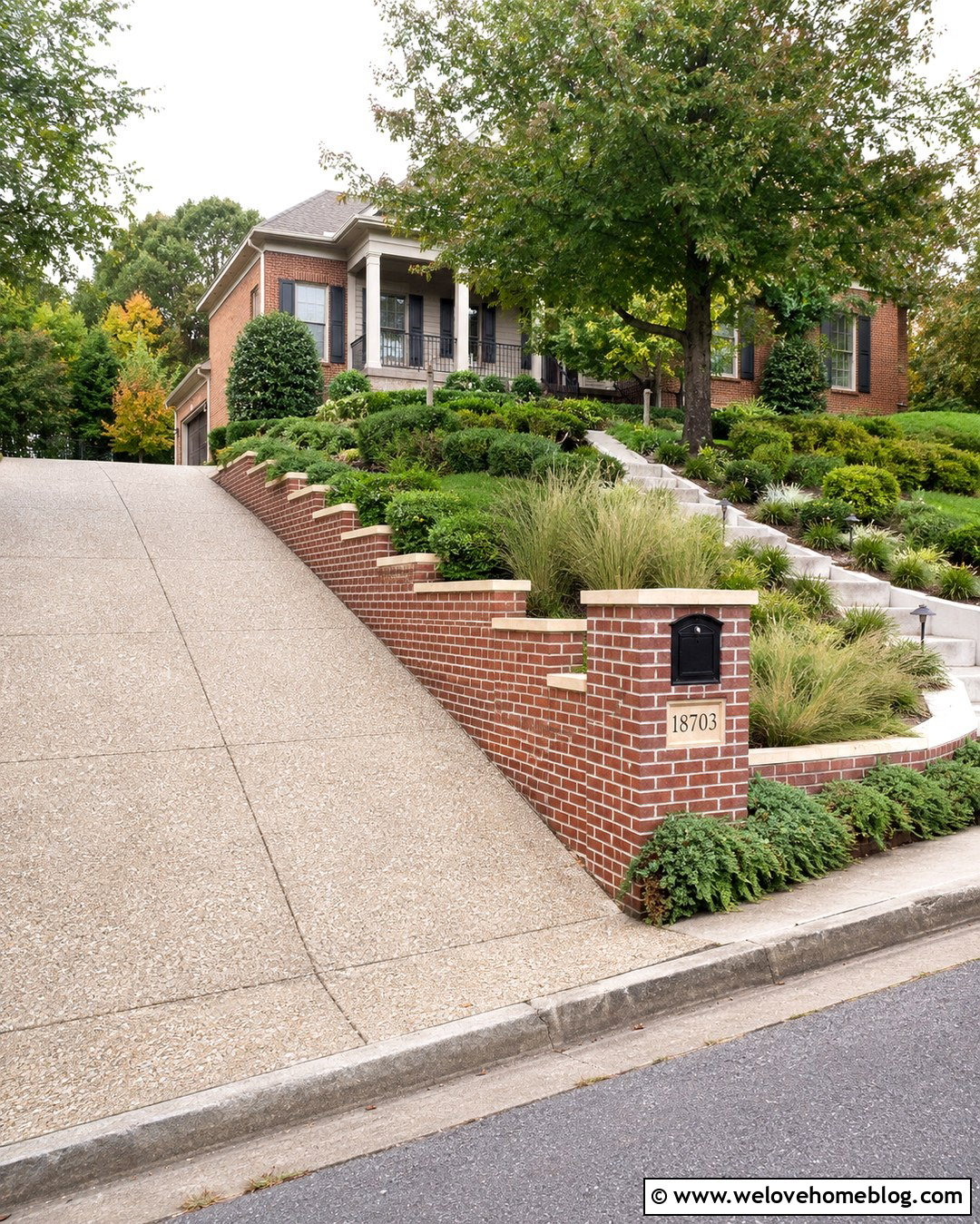
5. Cinder Block Raised Garden Bed
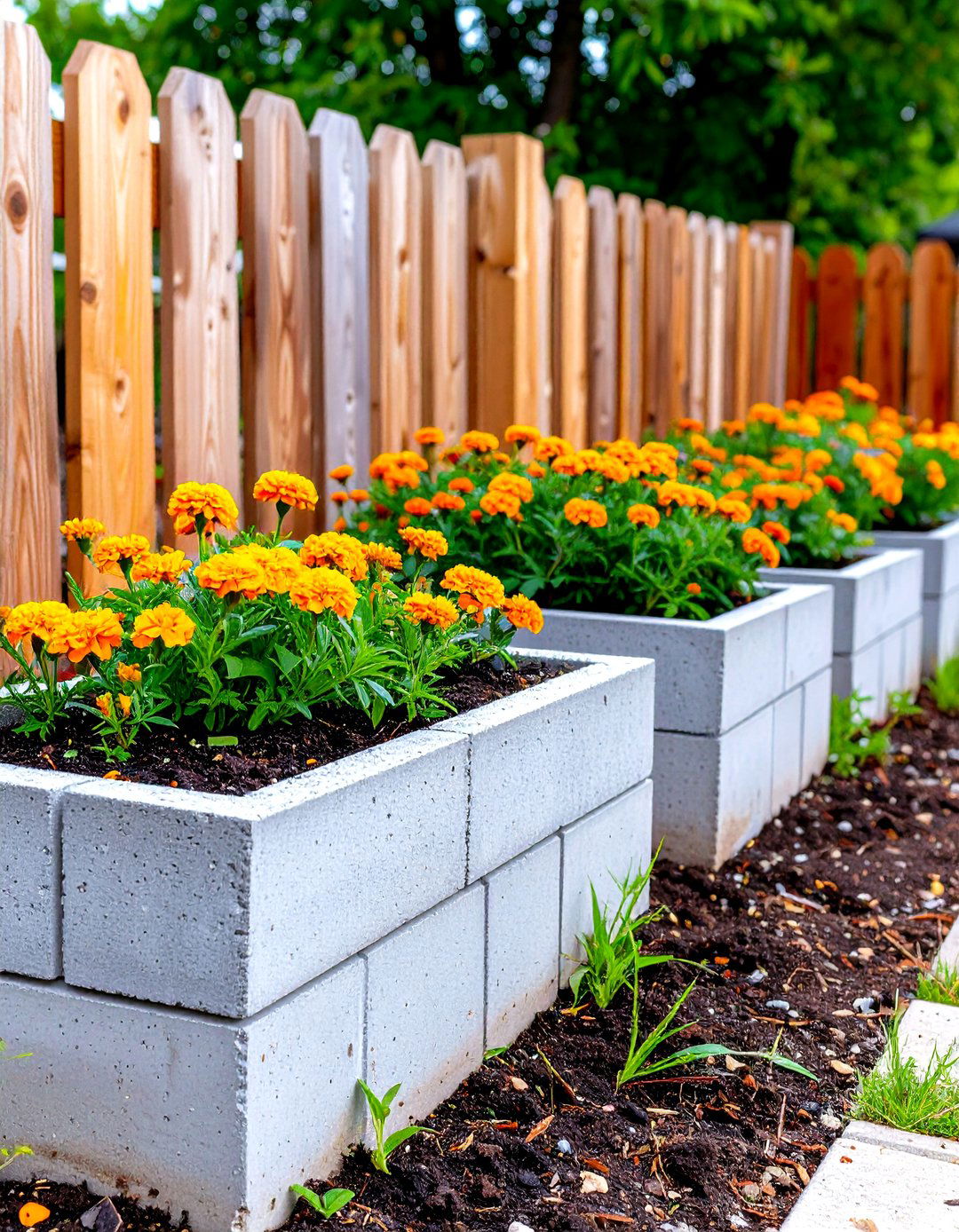
A cinder block raised garden bed is a budget-friendly, durable, and highly customizable option for any gardener. The blocks are inexpensive and can be easily sourced from any home improvement store. You can stack them to your desired height without needing mortar, although adding some can increase stability. A unique feature of this design is that the holes within the blocks can be filled with soil and used to plant smaller herbs or flowers, like marigolds, which can help deter pests. This creates a functional border and maximizes every inch of growing space in a rugged, industrial-chic style.
6. Raised Garden Bed with Integrated Trellis
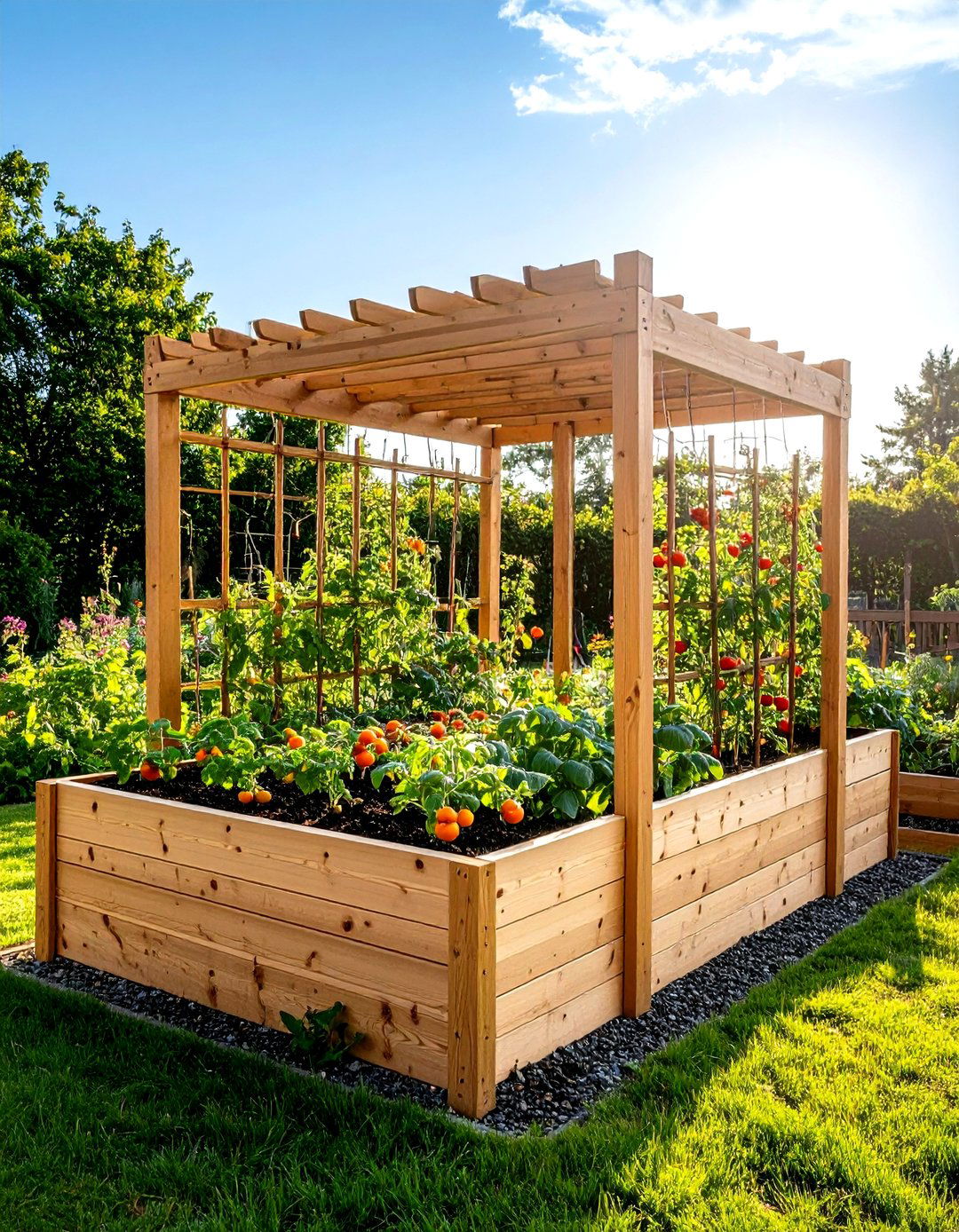
Incorporating a trellis directly into your raised garden bed design is a game-changer for growing vining plants like tomatoes, cucumbers, peas, and pole beans. This vertical element saves a significant amount of ground space, allowing you to grow more in a smaller footprint. A built-in trellis provides sturdy support for climbing plants, promoting healthier growth and better air circulation, which can reduce the risk of fungal diseases. It also makes harvesting much easier, as the fruits and vegetables hang conveniently at an accessible height. This functional addition adds a beautiful vertical dimension to your garden’s landscape.
7. Keyhole Raised Garden Bed Design
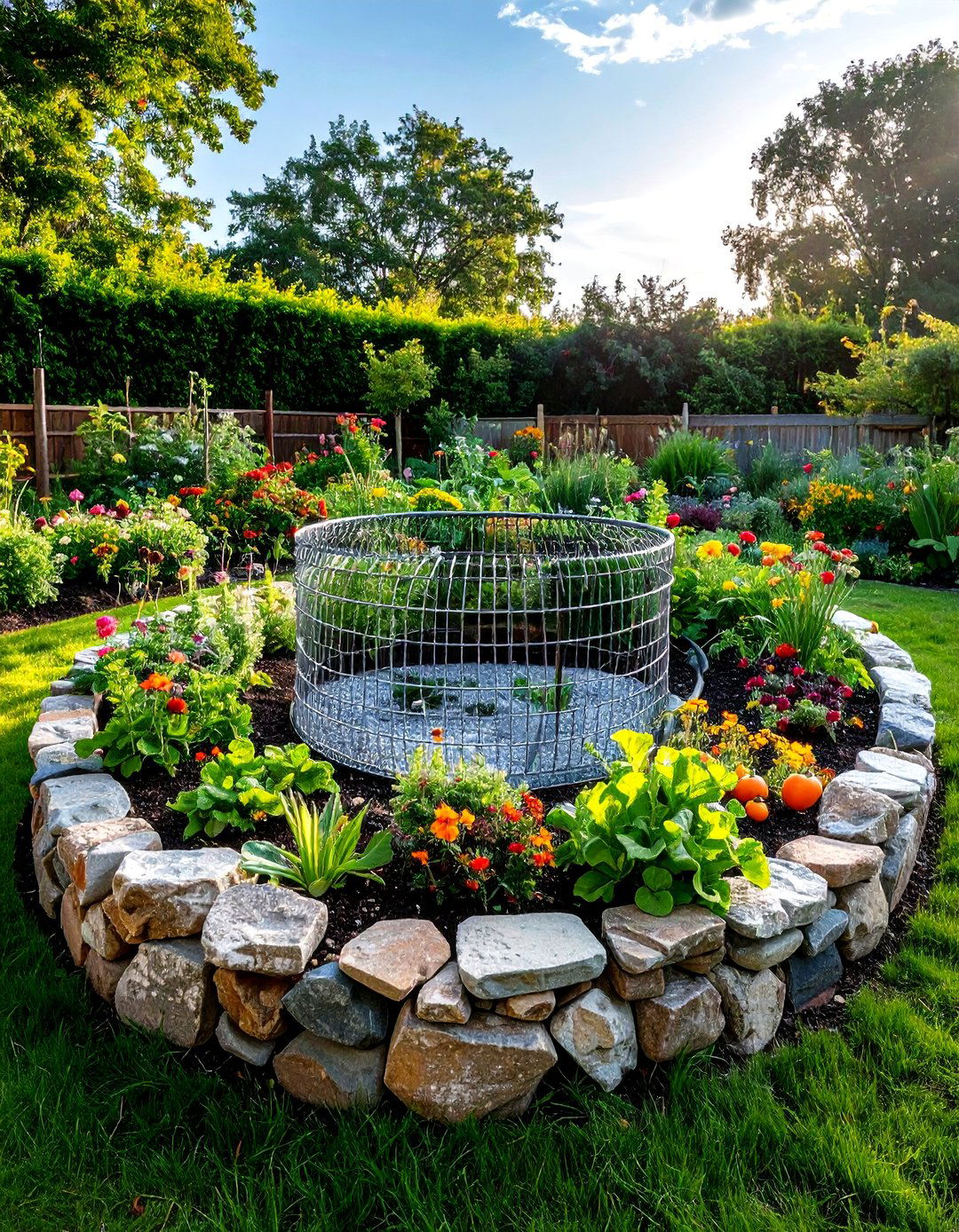
The keyhole raised garden bed is an innovative design that combines a garden bed with a central compost basket. Shaped like a keyhole, the design features a cutout that allows easy access to the compost pile located in the center. As you add kitchen scraps and other organic matter to the basket, nutrients slowly leach into the surrounding soil, continuously feeding your plants. This permaculture technique conserves water and creates a self-sustaining, nutrient-rich environment. It's an incredibly efficient system for growing vegetables, especially in regions with poor soil or limited access to water.
8. Vertical Raised Garden Bed Planter
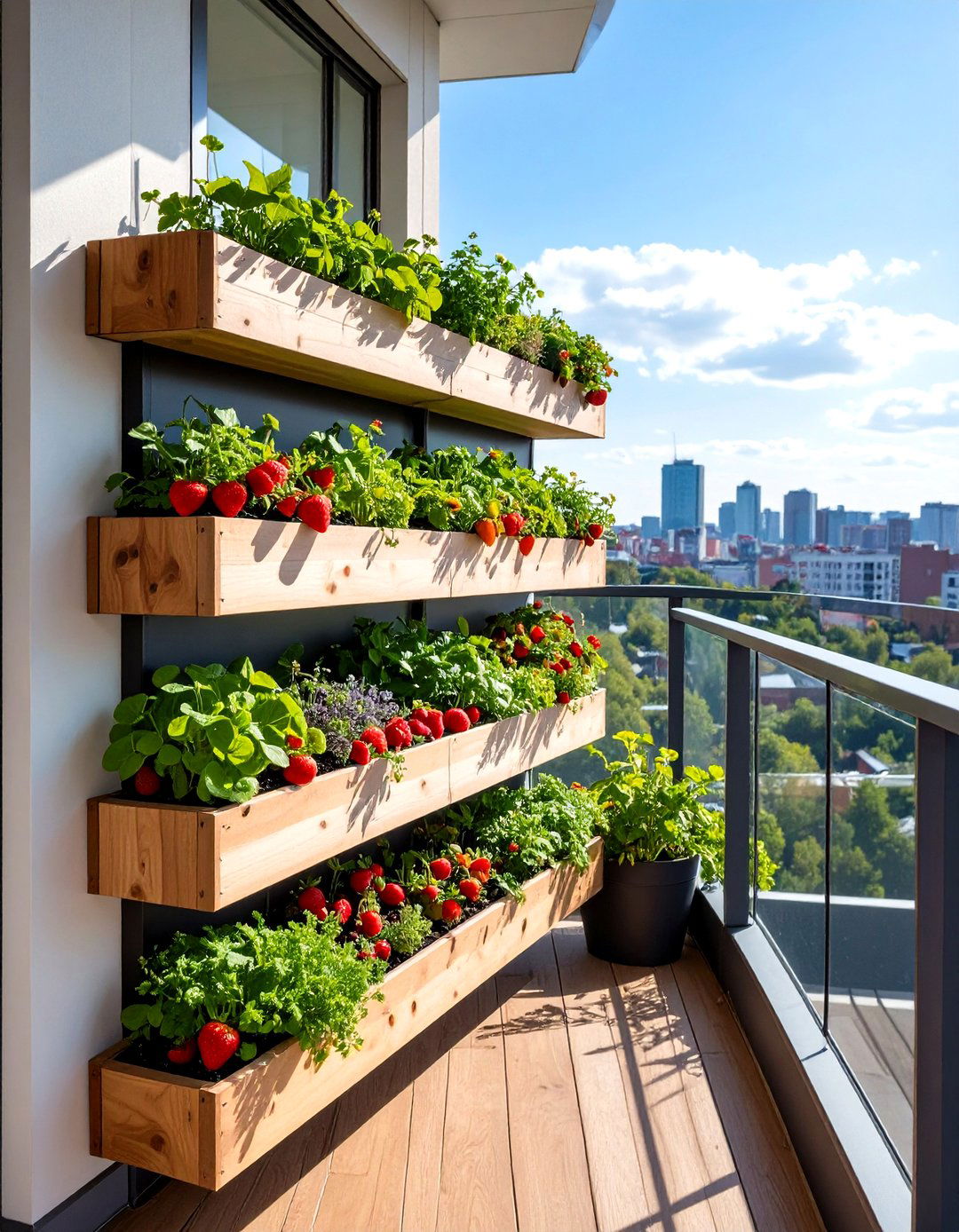
When ground space is at a premium, a vertical raised garden bed offers the perfect solution. This design utilizes upward space, often featuring stacked planters or a series of shelves on a wall-mounted frame. It’s ideal for patios, balconies, or small urban gardens, allowing you to grow a surprising number of plants in a tiny footprint. You can cultivate a variety of herbs, lettuces, strawberries, and flowers. The elevated nature of the planters also makes gardening more accessible, eliminating the need to bend or kneel. This space-saving design turns any blank wall into a living, productive green space.
9. Raised Garden Bed with Bench Seating
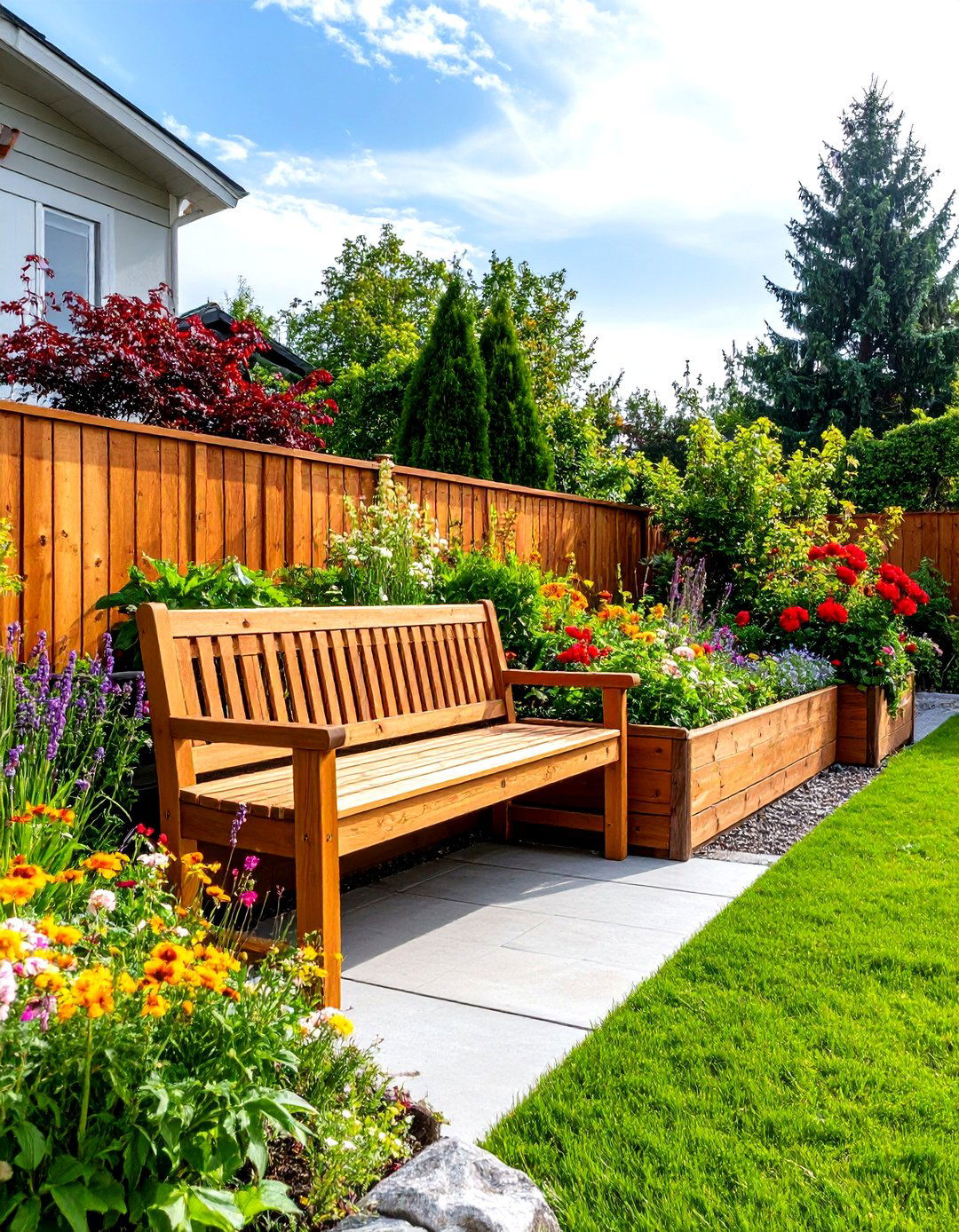
Combining a raised garden bed with built-in bench seating creates a beautiful and multi-functional feature for your yard. This clever design provides a convenient place to sit, relax, and admire your garden, or to take a break while weeding. The bench is typically constructed as a wide cap or an extension of the garden bed's frame, offering a seamless and integrated look. It’s a perfect addition to a patio or deck, inviting people to interact with the garden. This design elevates the raised bed from a simple planting container to a central piece of outdoor furniture.
10. Woven Wattle Raised Garden Bed
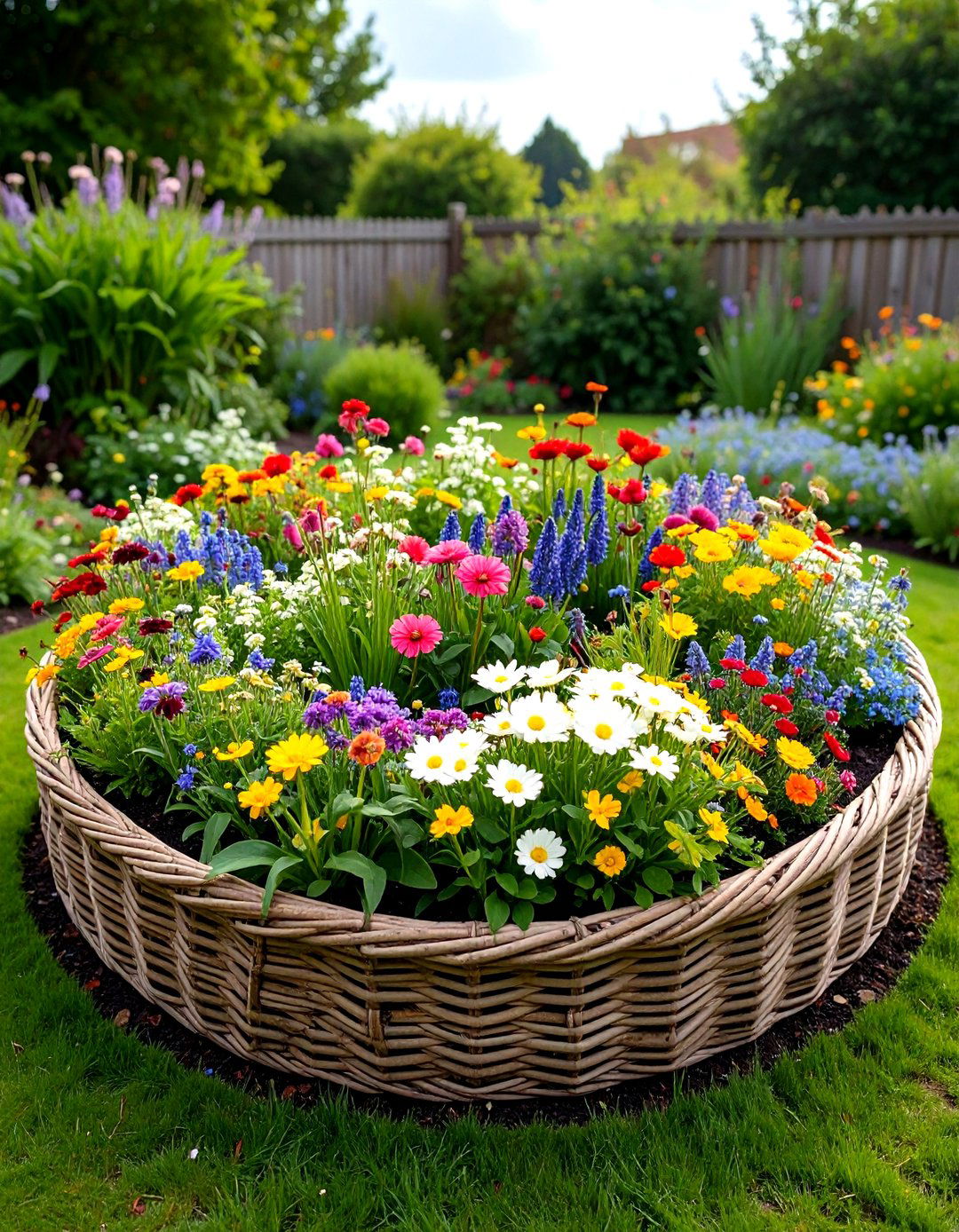
For a natural, rustic look, a woven wattle raised garden bed is an excellent choice. This ancient technique involves weaving thin, flexible branches, typically from willow or hazel, between sturdy upright stakes to form the garden bed walls. The resulting structure has a beautiful, basket-like appearance that blends seamlessly into a cottage or woodland garden setting. Wattle is a sustainable and eco-friendly option, as you can often source the materials from your own yard. While not as long-lasting as wood or metal, its unique charm and organic texture make it a worthwhile and visually appealing project.
11. Natural Stone Wall Raised Garden Bed
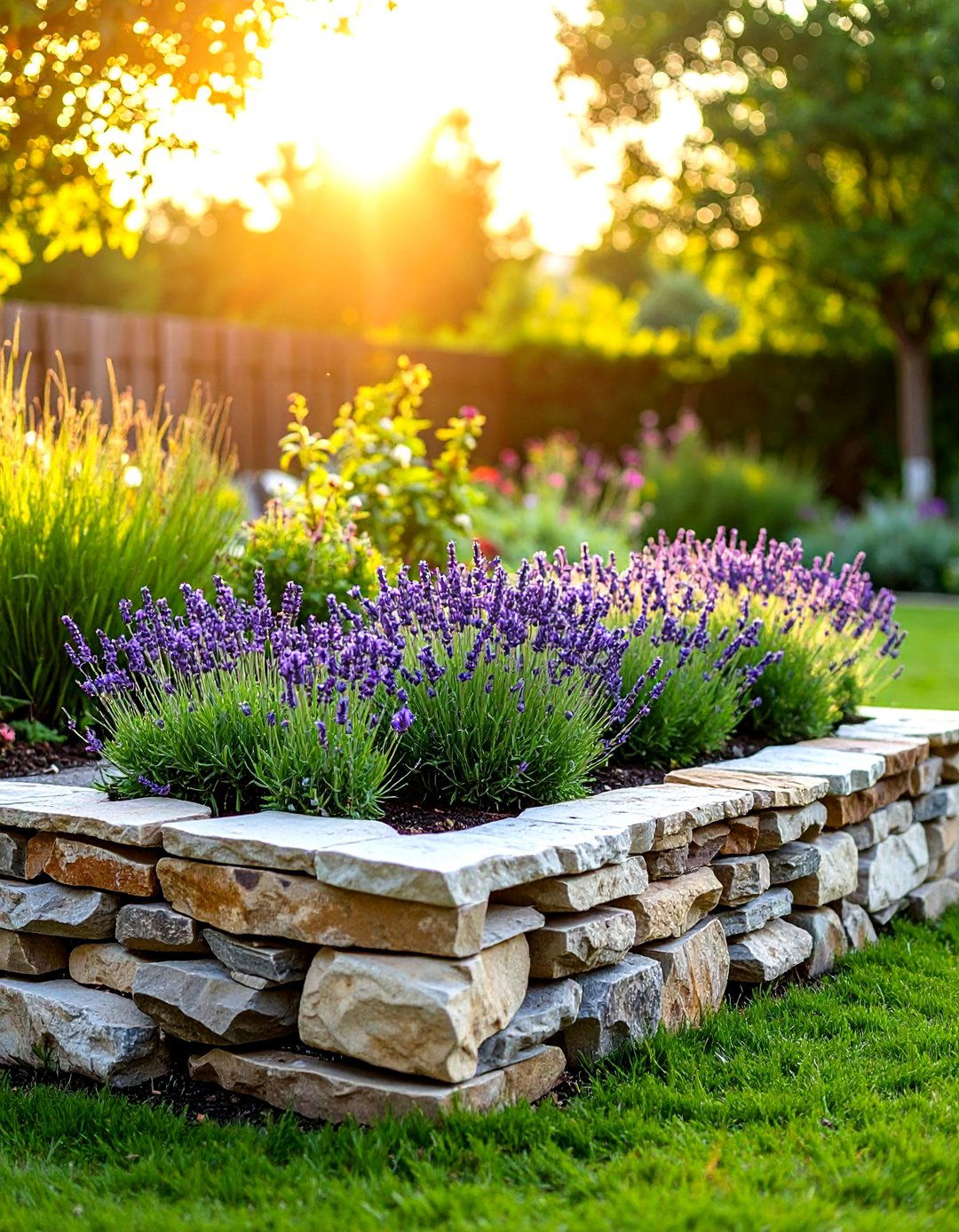
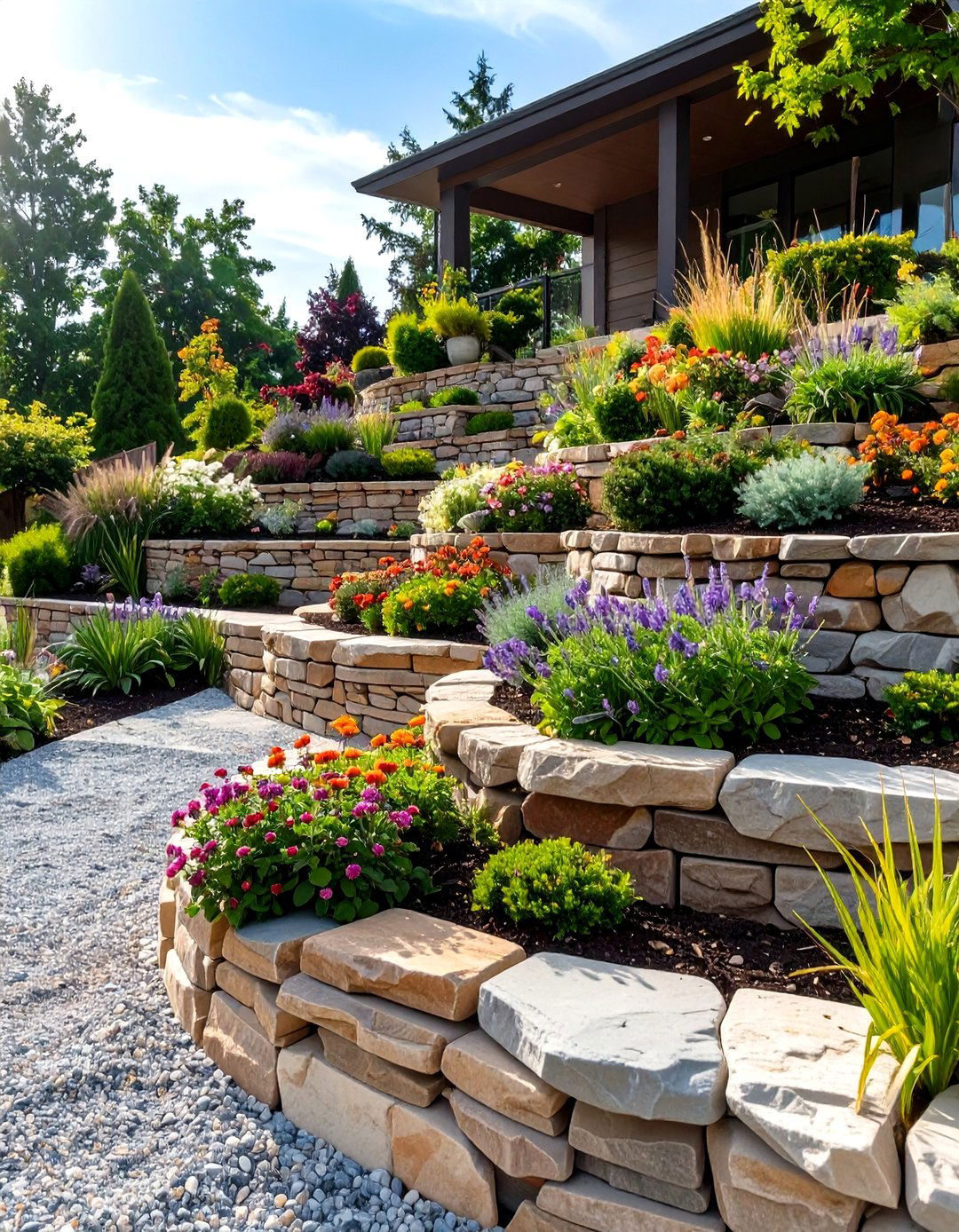
Building a raised garden bed with natural stone walls provides a timeless, durable, and elegant feature for your landscape. Using materials like fieldstone, flagstone, or river rock, you can create a structure with enduring beauty that complements any garden style. The stones retain heat from the sun, which can help extend the growing season by keeping the soil warm. A stone bed can be built using a dry-stack method or with mortar for added stability. This design is not just a garden bed; it's a permanent, high-end landscaping element that adds significant value and appeal to your property.
12. Gabion Wall Raised Garden Bed
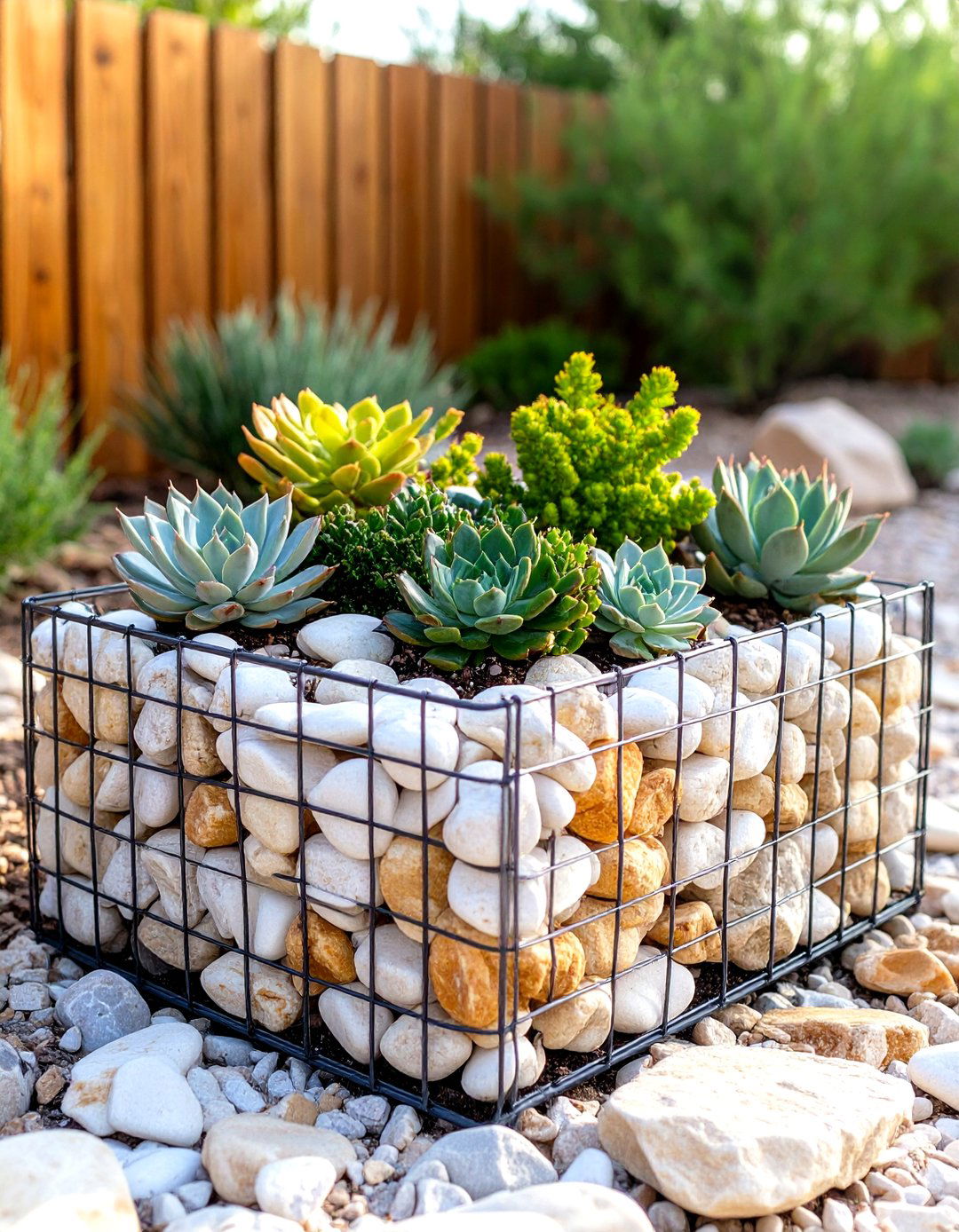
A gabion wall raised garden bed offers a unique blend of industrial and natural aesthetics. This design involves creating wire mesh cages, or gabions, and filling them with rocks, stones, or even recycled materials like broken concrete. The result is a highly durable, permeable wall that allows for excellent drainage. Gabion beds are incredibly strong and can be built to various heights and shapes. They create a striking visual statement in the garden, with the rugged texture of the rock fill contrasting beautifully with the soft foliage of the plants. It's a modern, low-maintenance, and long-lasting choice.
13. Repurposed Wood Pallet Raised Garden Bed
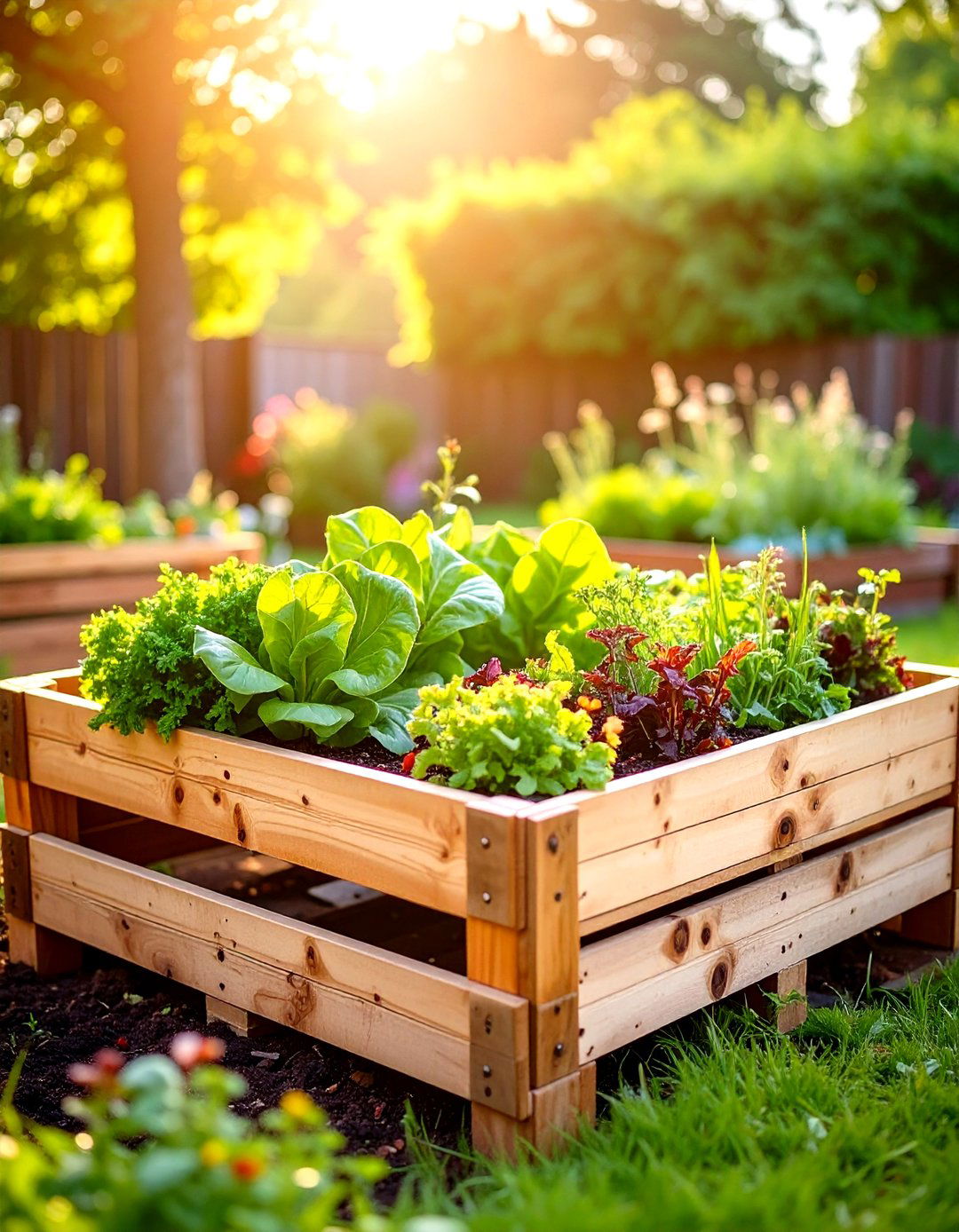
Creating a raised garden bed from repurposed wood pallets is a cost-effective and environmentally friendly DIY project. With a little deconstruction and reassembly, pallets can be transformed into simple, rustic rectangular beds. It’s crucial to ensure the pallets are heat-treated (marked with "HT") rather than chemically treated to avoid contaminating your soil. This design is perfect for beginner gardeners or anyone looking for a quick and affordable way to start a garden. The reclaimed wood adds a touch of rustic charm, and you get the satisfaction of giving an old item a new purpose.
14. Log Cabin Style Raised Garden Bed
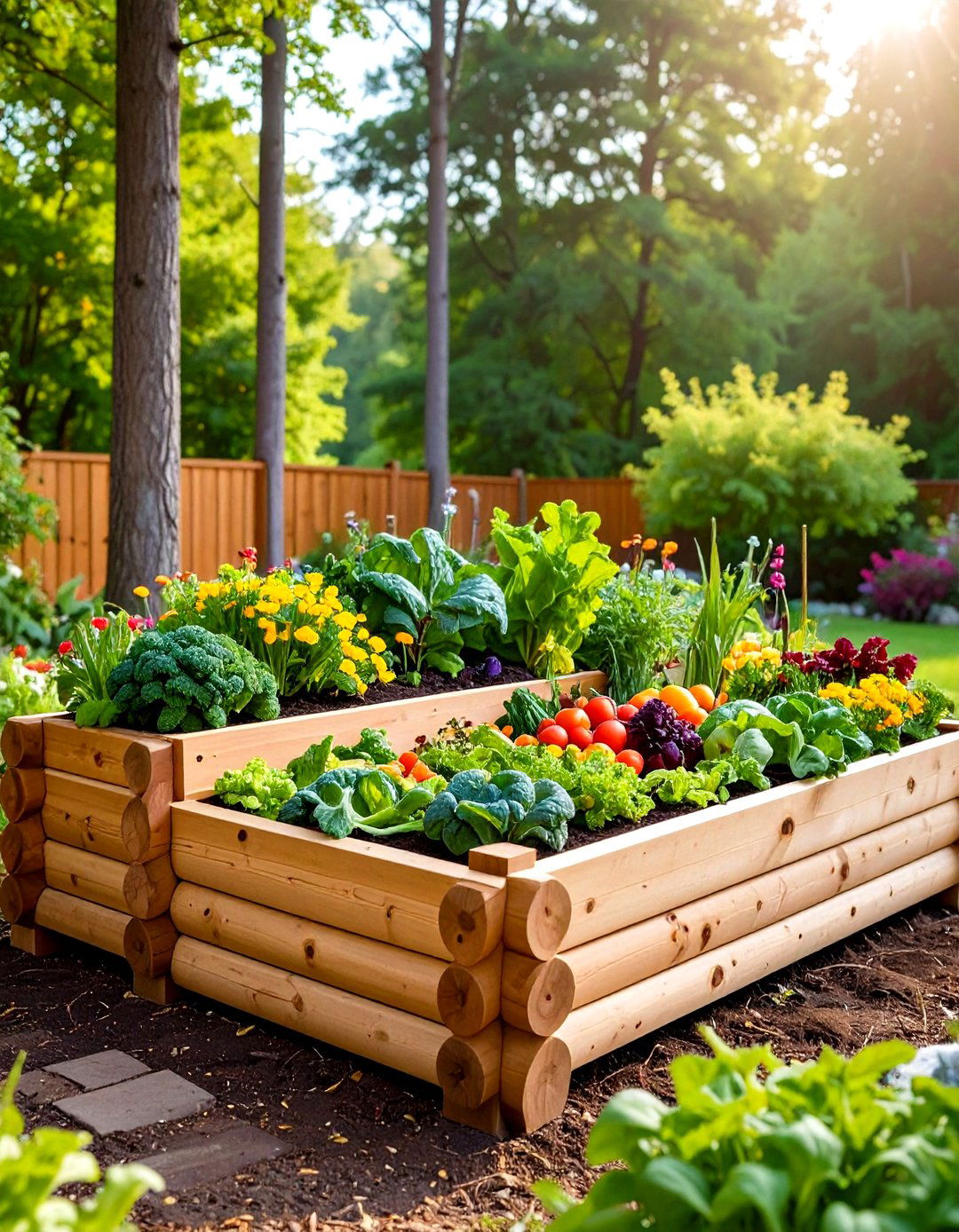
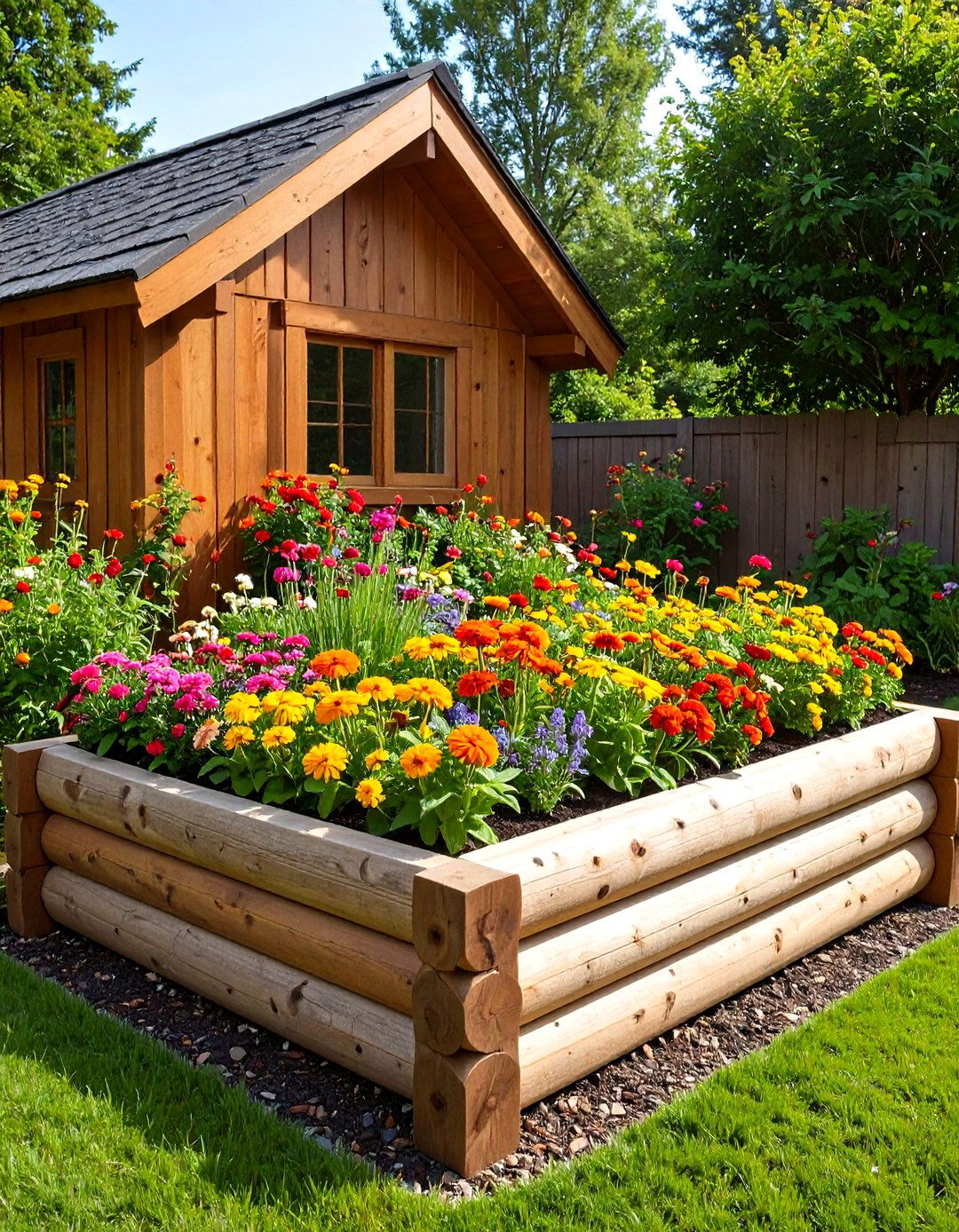
A log cabin style raised garden bed is constructed by stacking logs or landscape timbers with interlocking, notched corners, just like a miniature log cabin. This method creates a sturdy, rustic-looking structure that is both charming and durable. The thickness of the logs provides excellent insulation for the soil, protecting plant roots from extreme temperature fluctuations. You can use rounded logs for a more traditional look or squared timbers for a cleaner, more modern aesthetic. This design is particularly well-suited for woodland or country-style gardens, adding a touch of pastoral beauty to your landscape.
15. Corrugated Metal Raised Garden Bed
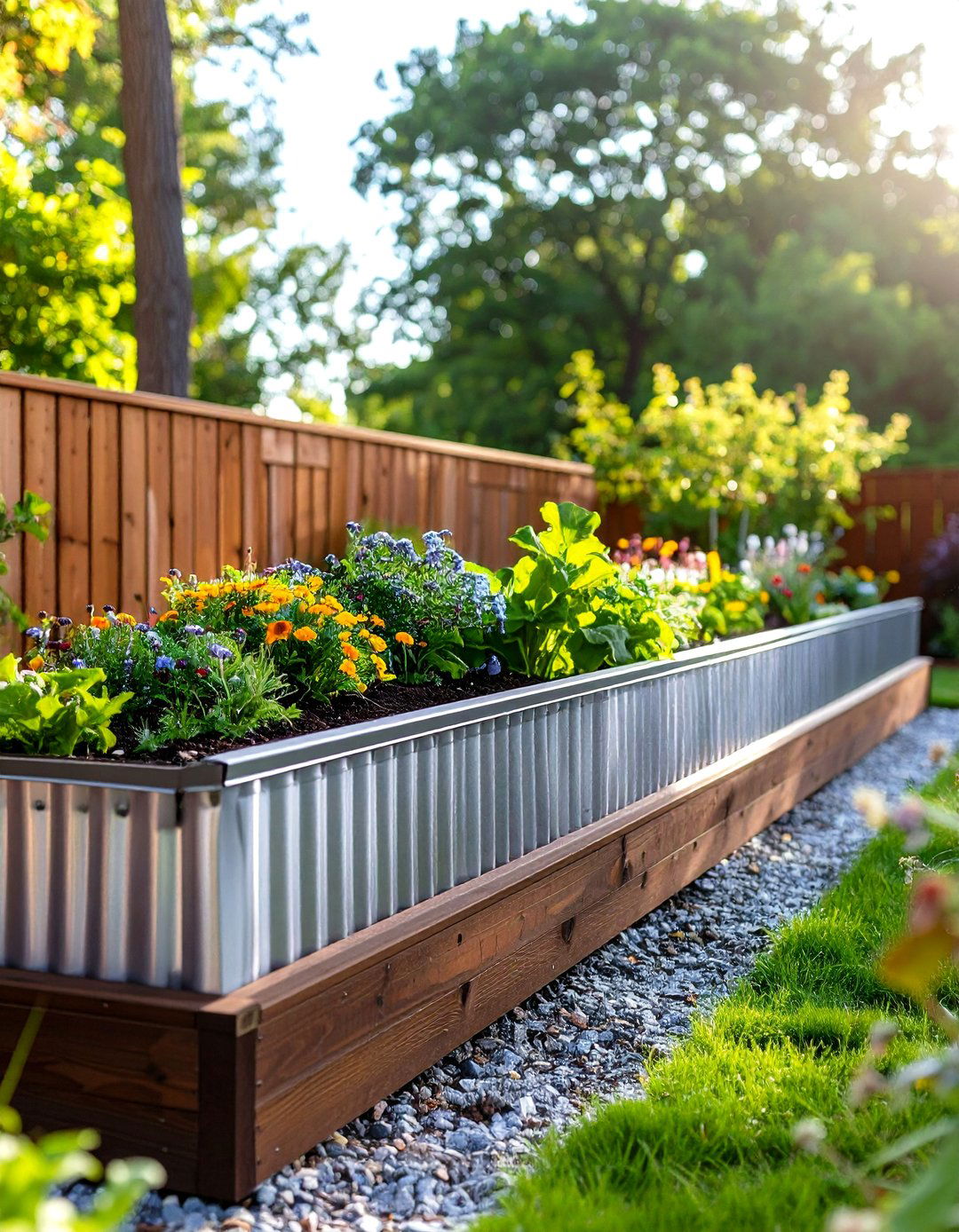
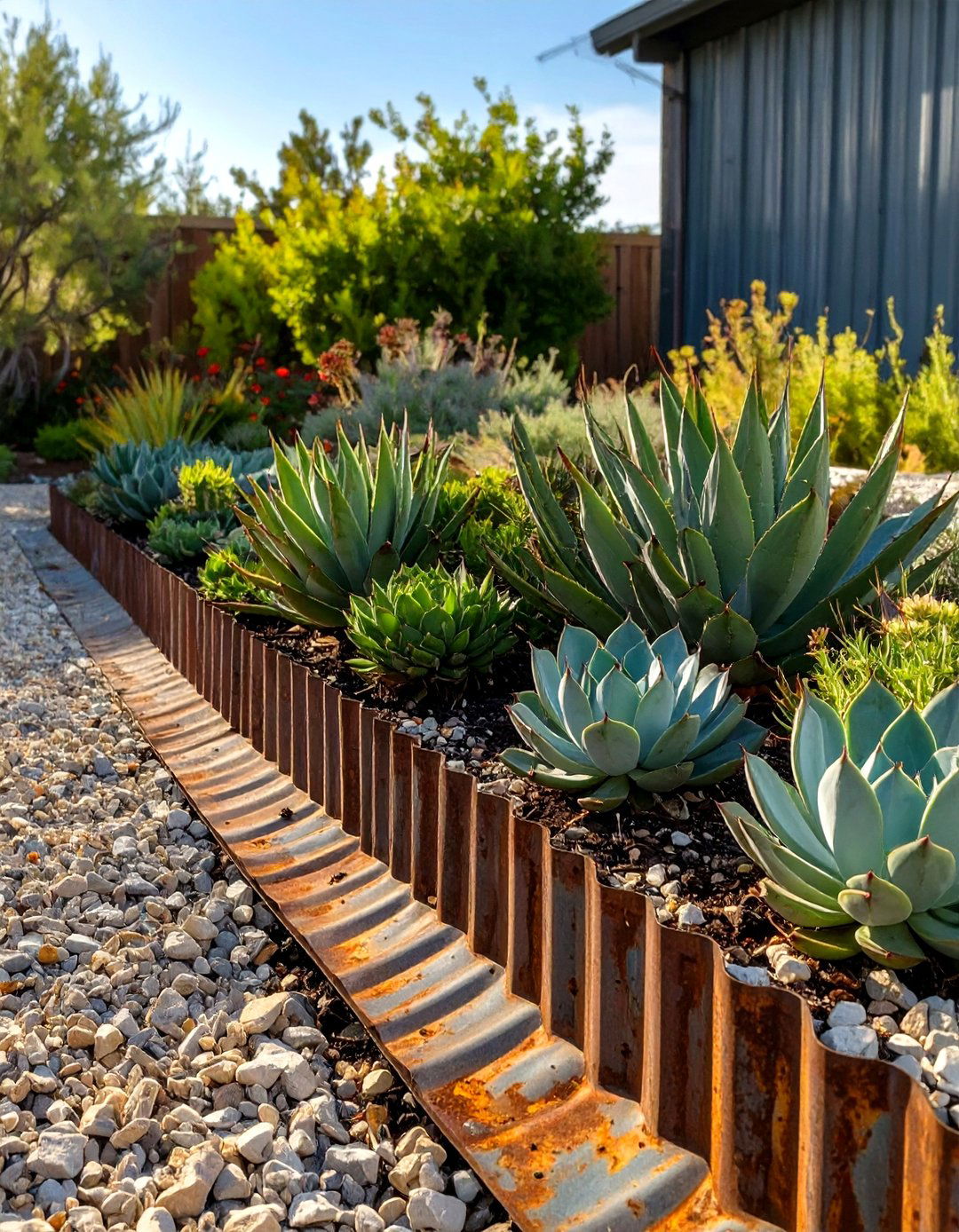
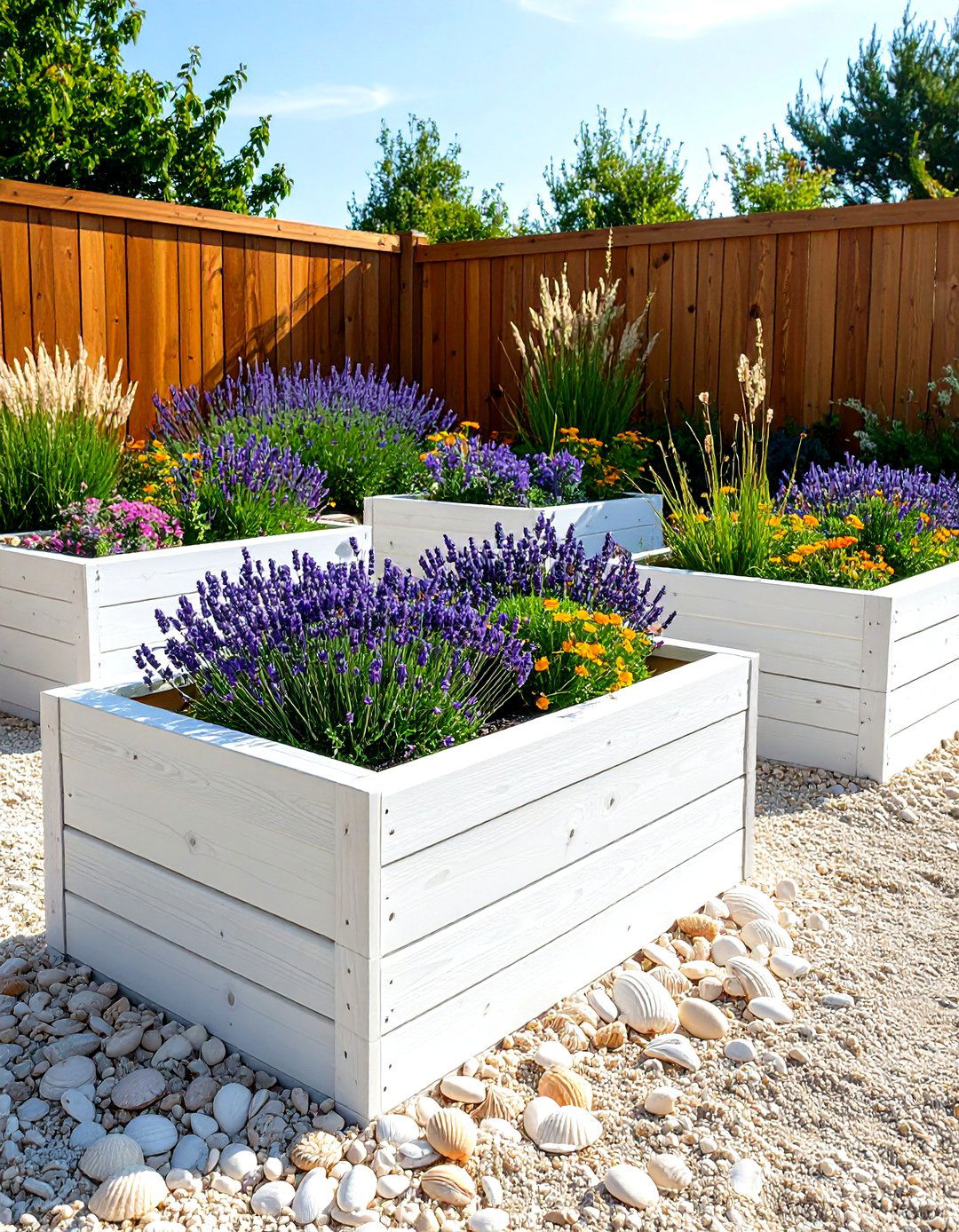
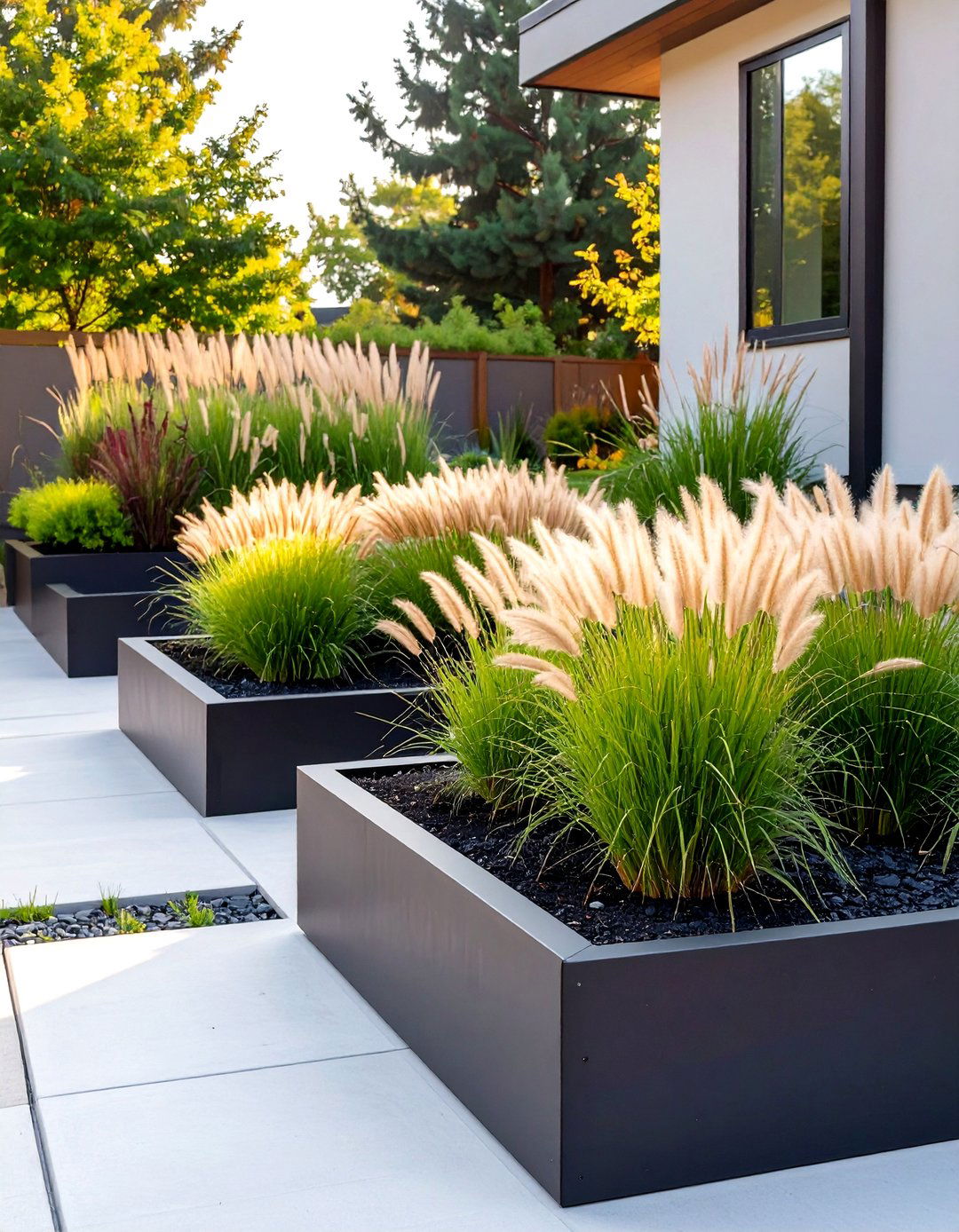
Corrugated metal is another popular material for creating raised garden beds, offering a blend of rustic and industrial styles. Whether you use new galvanized sheets or salvaged, weathered pieces, the wavy texture adds visual interest to the garden. Corrugated metal is lightweight, relatively inexpensive, and very durable. It heats up quickly in the sun, which can benefit plants in cooler climates by warming the soil early in the season. These beds are simple to assemble, often by building a wooden frame and attaching the metal panels, creating a functional and stylish planting space.
16. Multi-Level Contoured Raised Garden Bed
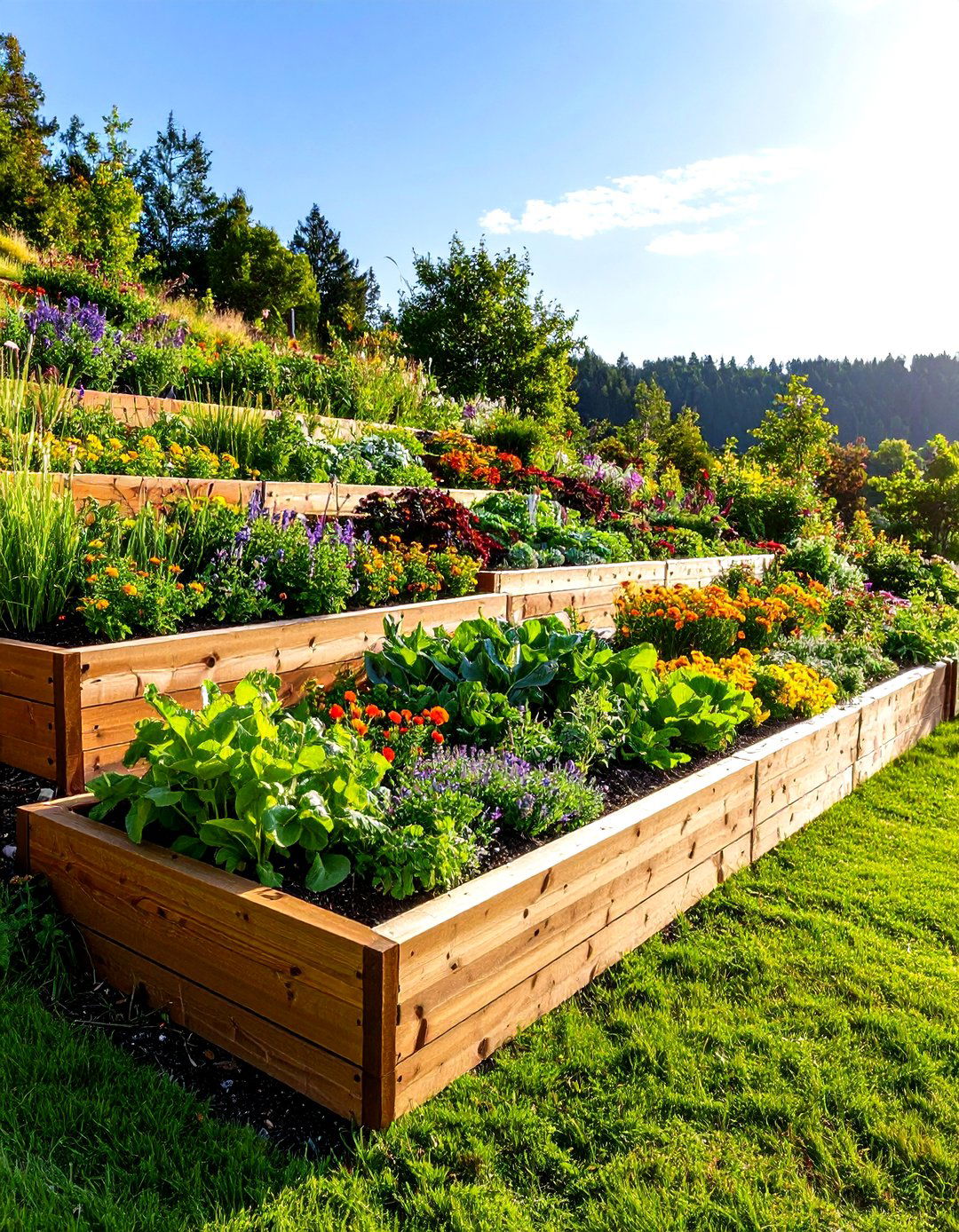
For gardens built on a slope, a multi-level contoured raised garden bed is the perfect solution. This design involves creating a series of terraced beds that follow the natural contours of the land. This not only prevents soil erosion but also turns a challenging hillside into a beautiful and highly productive growing area. Each level can be dedicated to different types of plants, creating a stunning visual cascade of flowers or vegetables. This approach maximizes usable space on uneven terrain and transforms a difficult slope into a striking landscape feature, making the most of your property's unique topography.
17. Circular Raised Garden Bed Design
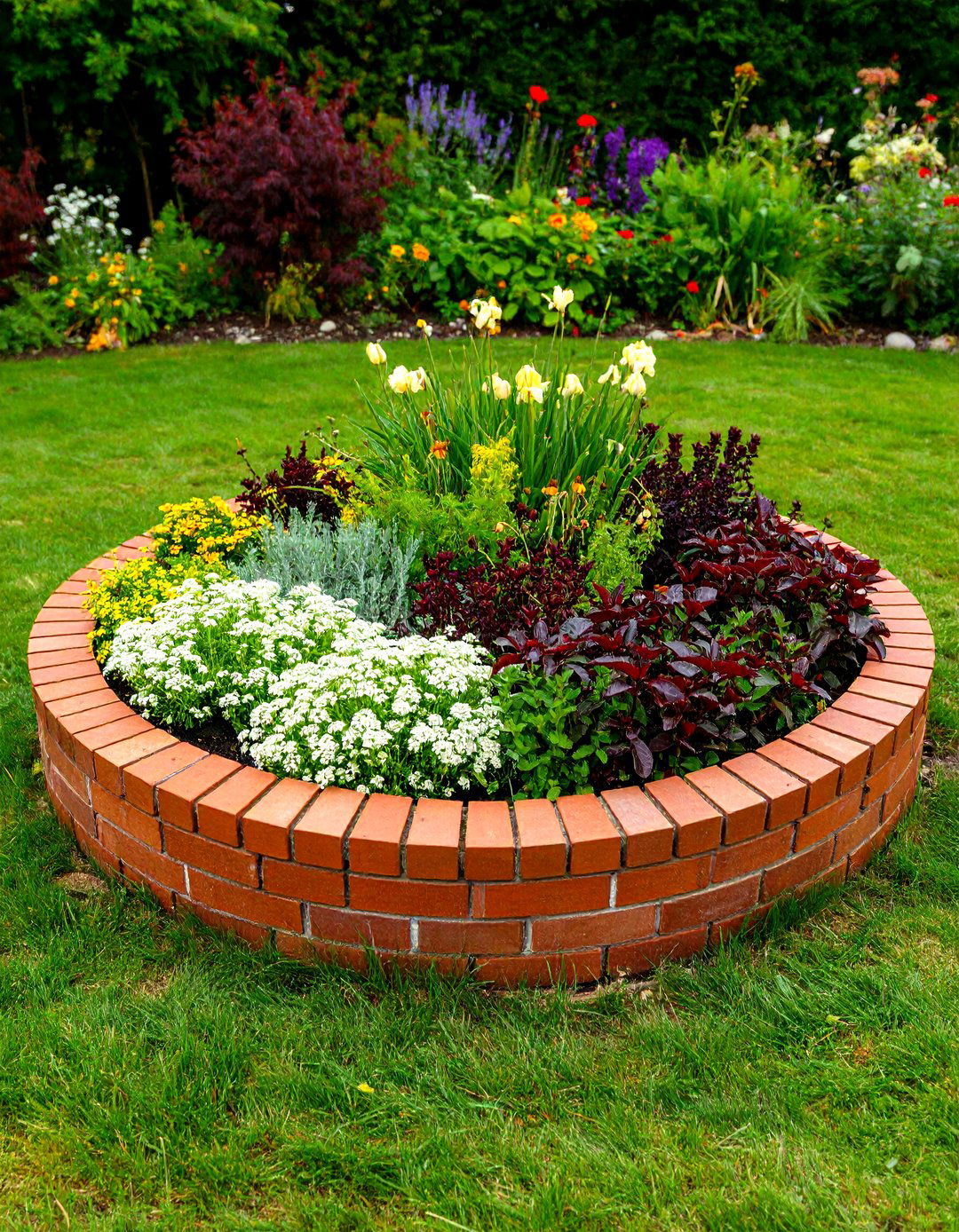
Breaking away from traditional rectangular shapes, a circular raised garden bed can serve as a stunning focal point in your yard. Whether built from curved metal panels, stone, brick, or flexible composite materials, a round bed creates a soft, organic feel. It can encircle a tree, a sculpture, or a birdbath, integrating the garden element with other landscape features. A large circular bed allows for creative planting arrangements, such as a spiral herb garden or a "pizza wheel" garden with different vegetable "slices." This elegant shape draws the eye and adds a unique design element.
18. Raised Garden Bed with Cold Frame Top
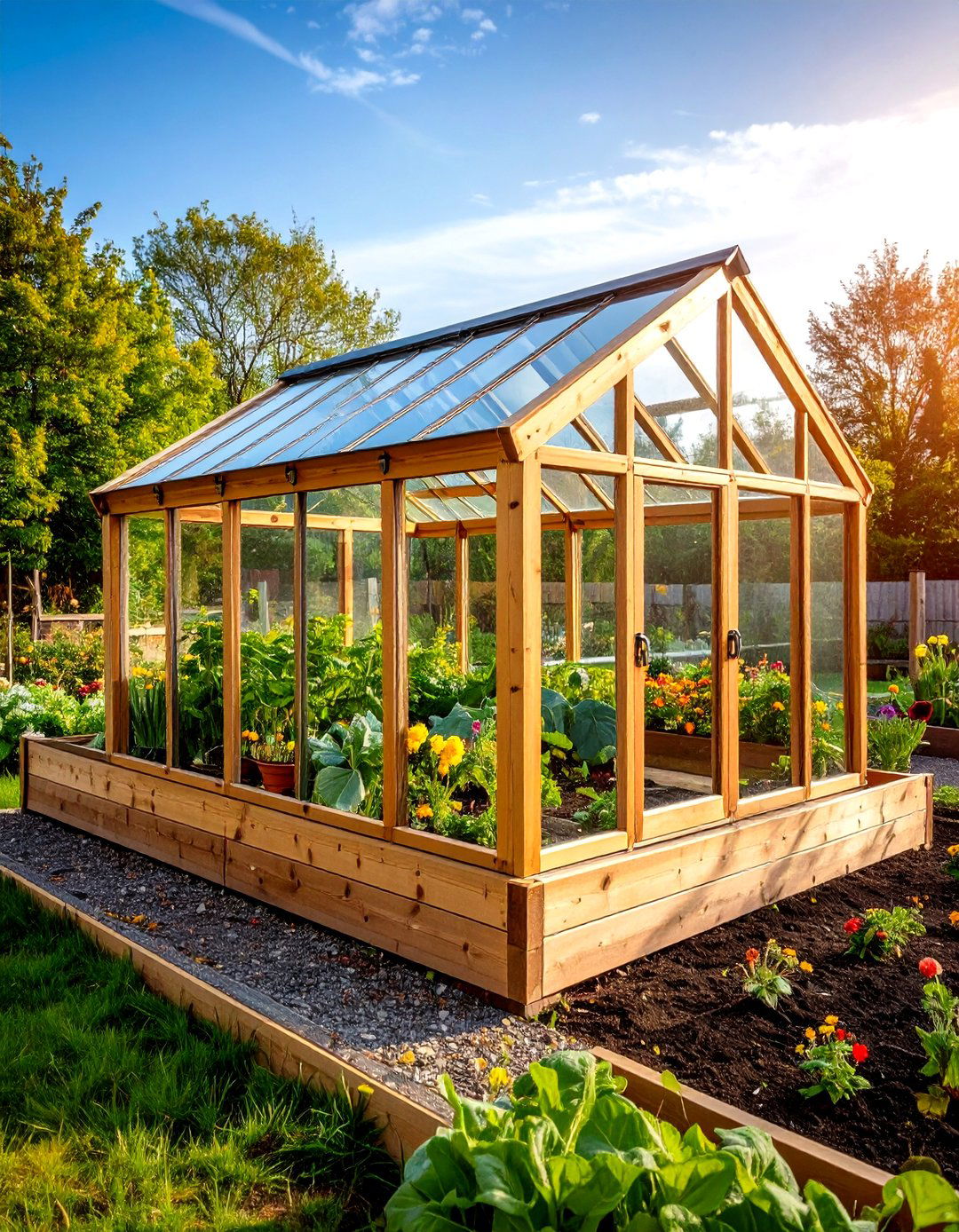
To extend your growing season into the colder months, consider a raised garden bed with a removable cold frame top. This design features a standard raised bed base with a transparent lid, typically made of glass or polycarbonate panels on a wooden frame. The cold frame acts like a mini-greenhouse, trapping solar heat and protecting your plants from frost, wind, and snow. This allows you to start seeds earlier in the spring and continue harvesting greens and root vegetables well into the fall and winter. It's a highly practical design for serious food growers.
19. Mobile Raised Garden Bed on Wheels
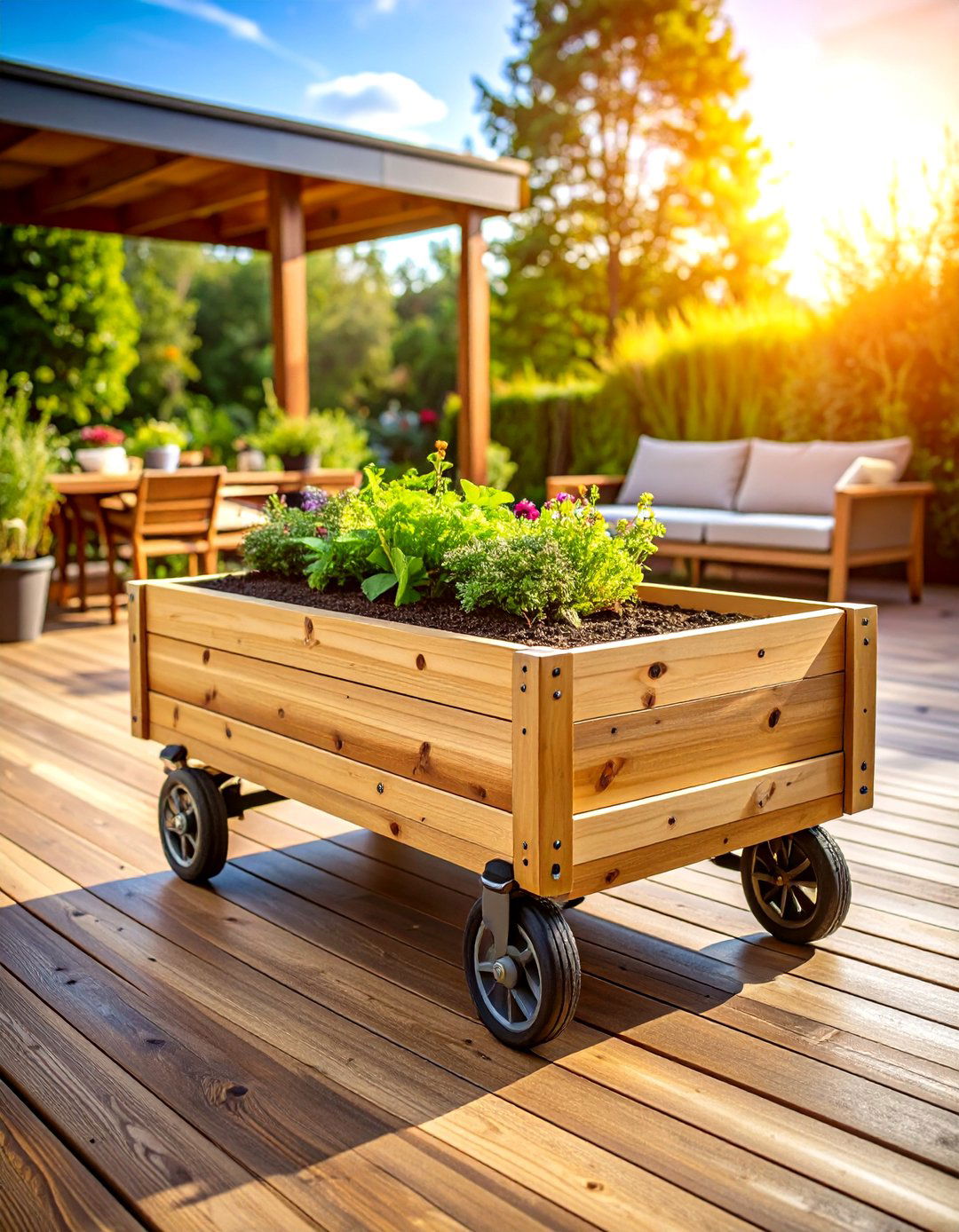
A mobile raised garden bed on wheels offers ultimate flexibility, especially for renters or those with small patios and balconies. This design, often called a garden cart or planter box on casters, allows you to move your garden around to chase the sun, protect plants from harsh weather, or simply rearrange your outdoor space. It's an excellent option for growing herbs, salad greens, or annual flowers. Being able to easily move the bed also makes tasks like repotting or cleaning the area underneath much simpler. It's a convenient, space-saving solution for urban gardening.


20. Stair-Step Raised Garden Bed
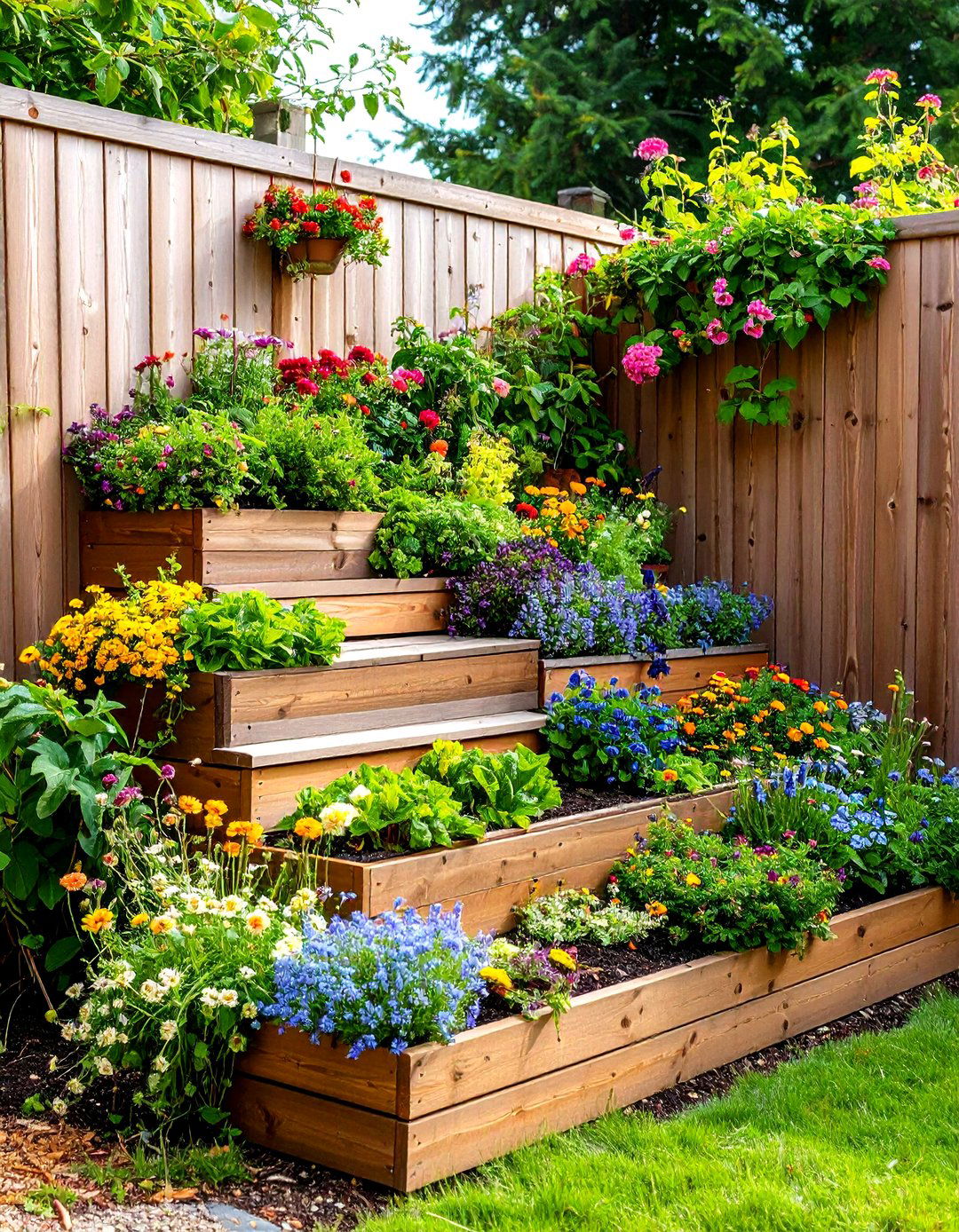
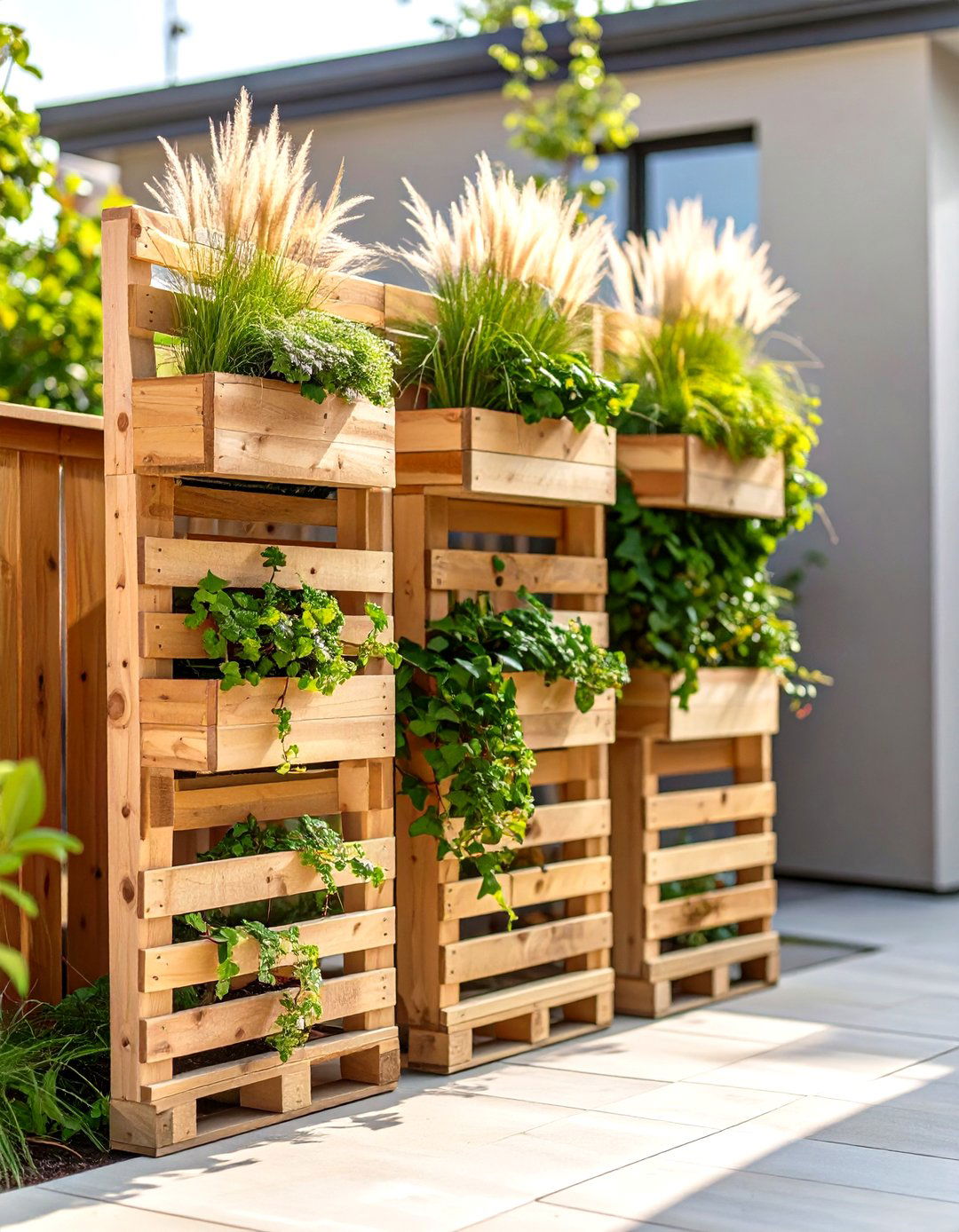
A stair-step or cascading raised garden bed is a variation of the tiered design, specifically arranged to look like a set of stairs. This structure is ideal for small spaces or for placing against a wall or fence. Each "step" provides a different planting depth and sun exposure, making it suitable for a wide variety of plants. You could grow trailing plants on the bottom step, medium-sized herbs in the middle, and taller flowers on top. This design is not only space-efficient but also creates a dramatic and visually appealing vertical display of greenery and color.
21. Poured Concrete Raised Garden Bed
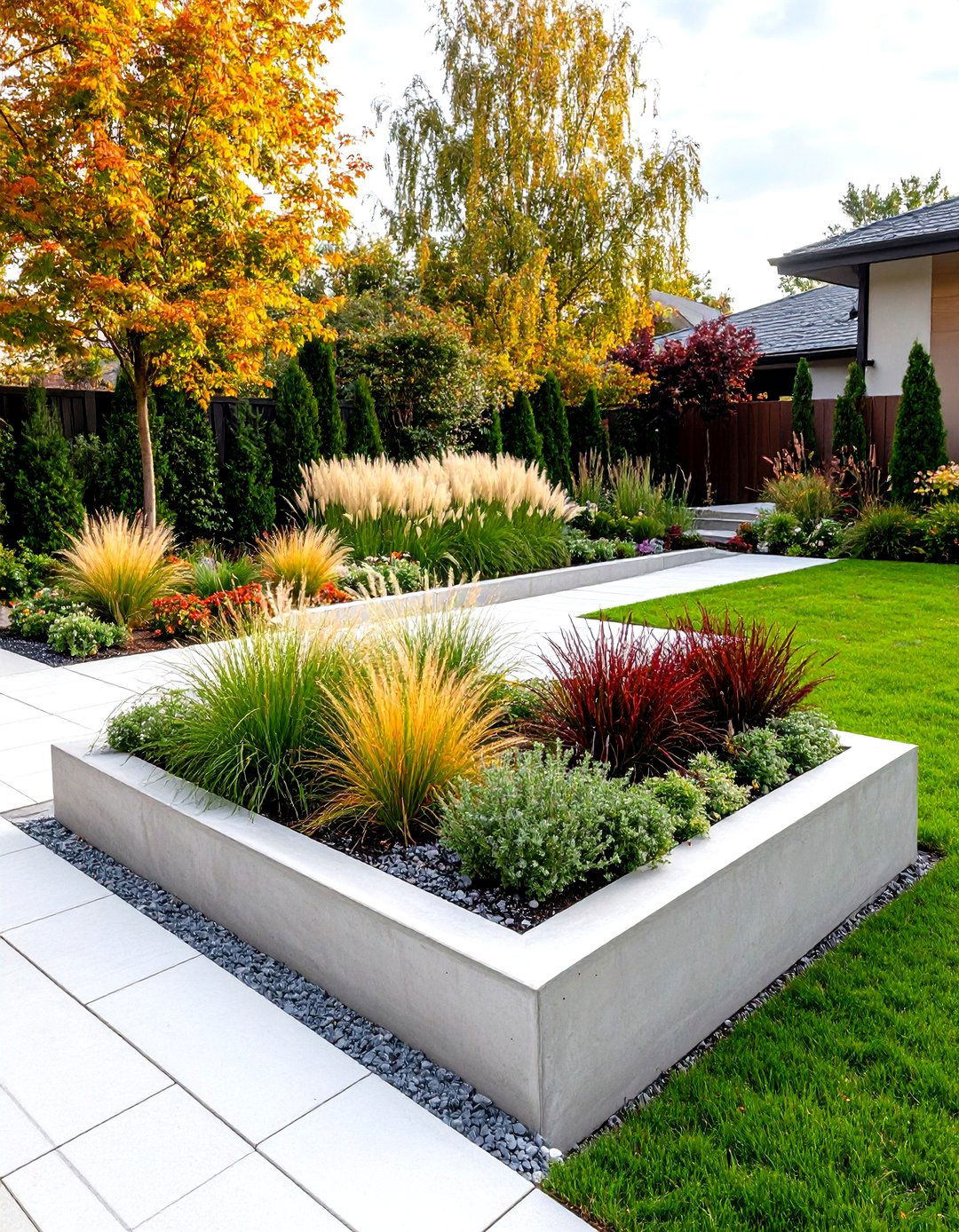
For a sleek, minimalist, and permanent garden structure, a poured concrete raised garden bed is an unmatched choice. This design offers incredible durability and a clean, modern aesthetic that complements contemporary architecture. The forms can be built in any shape you desire, from sharp geometric angles to gentle curves. The concrete's thermal mass helps regulate soil temperature, keeping it cooler in summer and warmer in winter. While the initial construction is more labor-intensive, the result is a sophisticated, high-end landscaping feature that will last a lifetime with virtually no maintenance required for the structure.
22. Upcycled Tire Raised Garden Bed
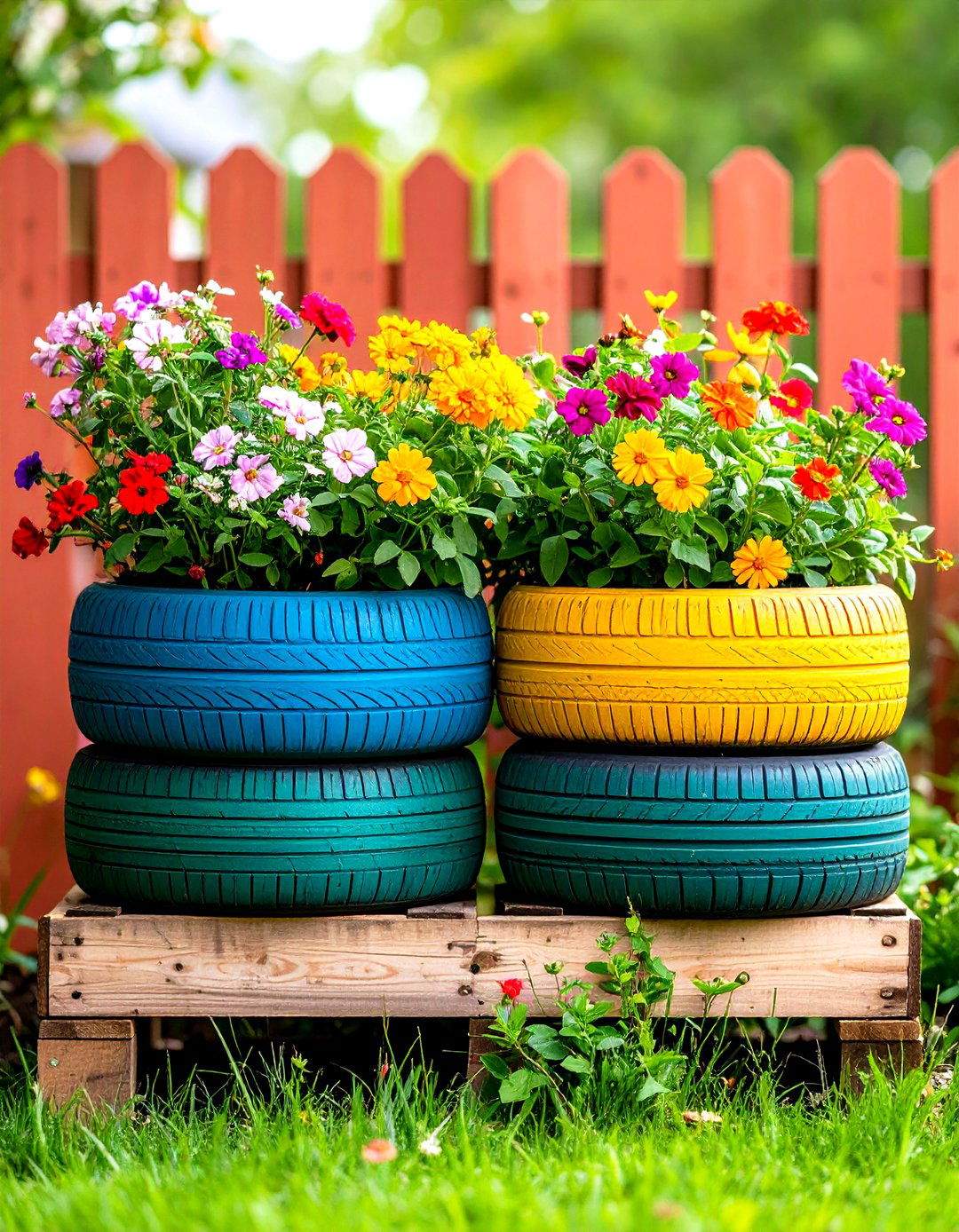
An upcycled tire raised garden bed is a creative and resourceful way to divert waste from landfills. Old tires can be stacked to create the desired height for a deep planting bed. To add a splash of color and make them more visually appealing, you can paint the exterior of the tires with non-toxic paint. They are incredibly durable and free to acquire. This is a great choice for growing ornamental flowers or shrubs. The round shape provides a unique look, and by giving these items a new life, you contribute to a more sustainable gardening practice.
23. Modern Corten Steel Raised Garden Bed
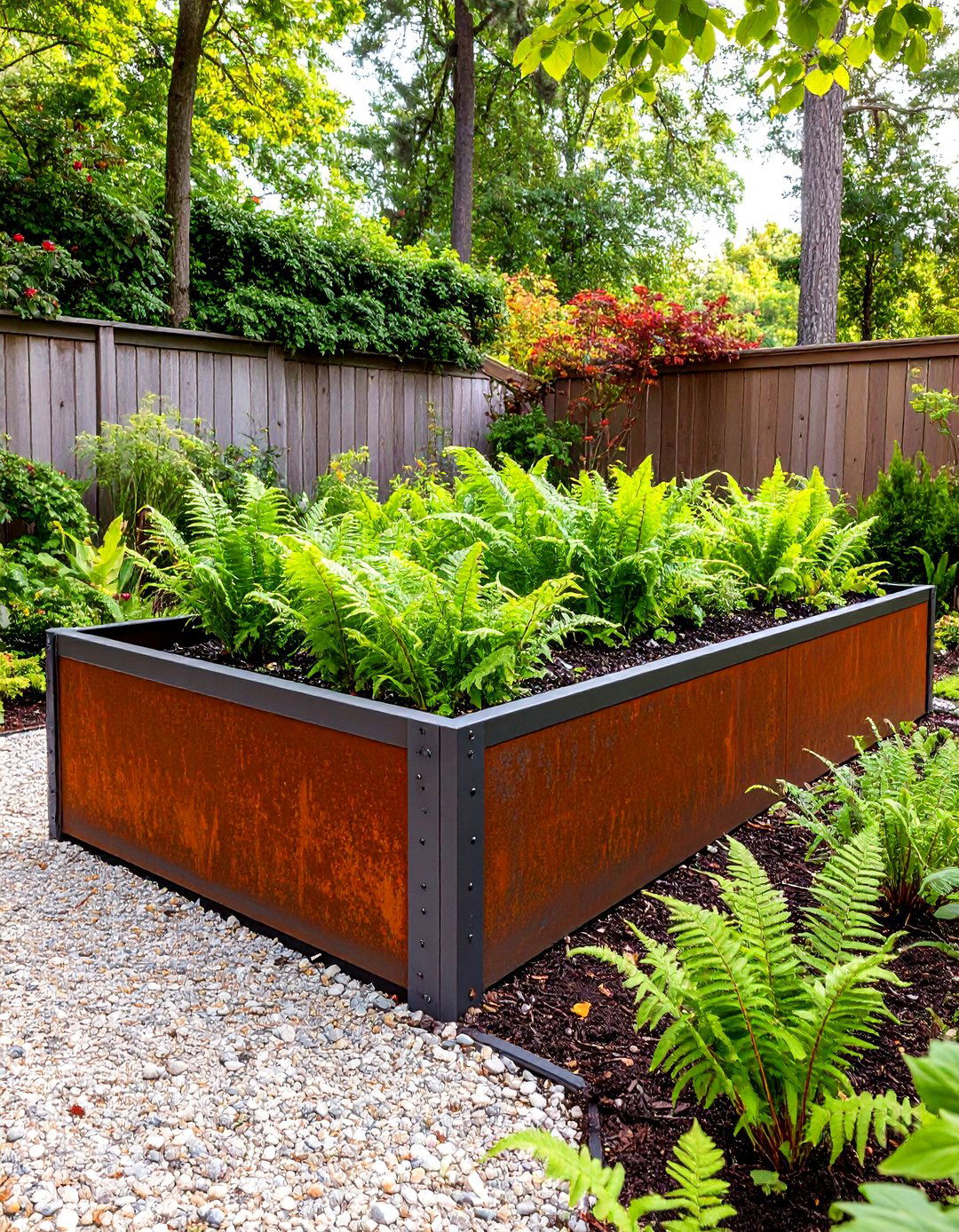
Corten steel, also known as weathering steel, is a fantastic material for a modern raised garden bed. When exposed to the elements, this steel alloy develops a stable, rust-like protective layer that is admired for its deep, earthy orange-brown patina. This protective coating prevents further corrosion, making the bed extremely long-lasting. Corten steel beds offer a clean, contemporary look with sharp lines that create a striking contrast against lush green foliage. They are perfect for minimalist or industrial-inspired garden designs, providing a feature that is both a durable planter and a sculptural art piece.
24. Classic Brick Raised Garden Bed
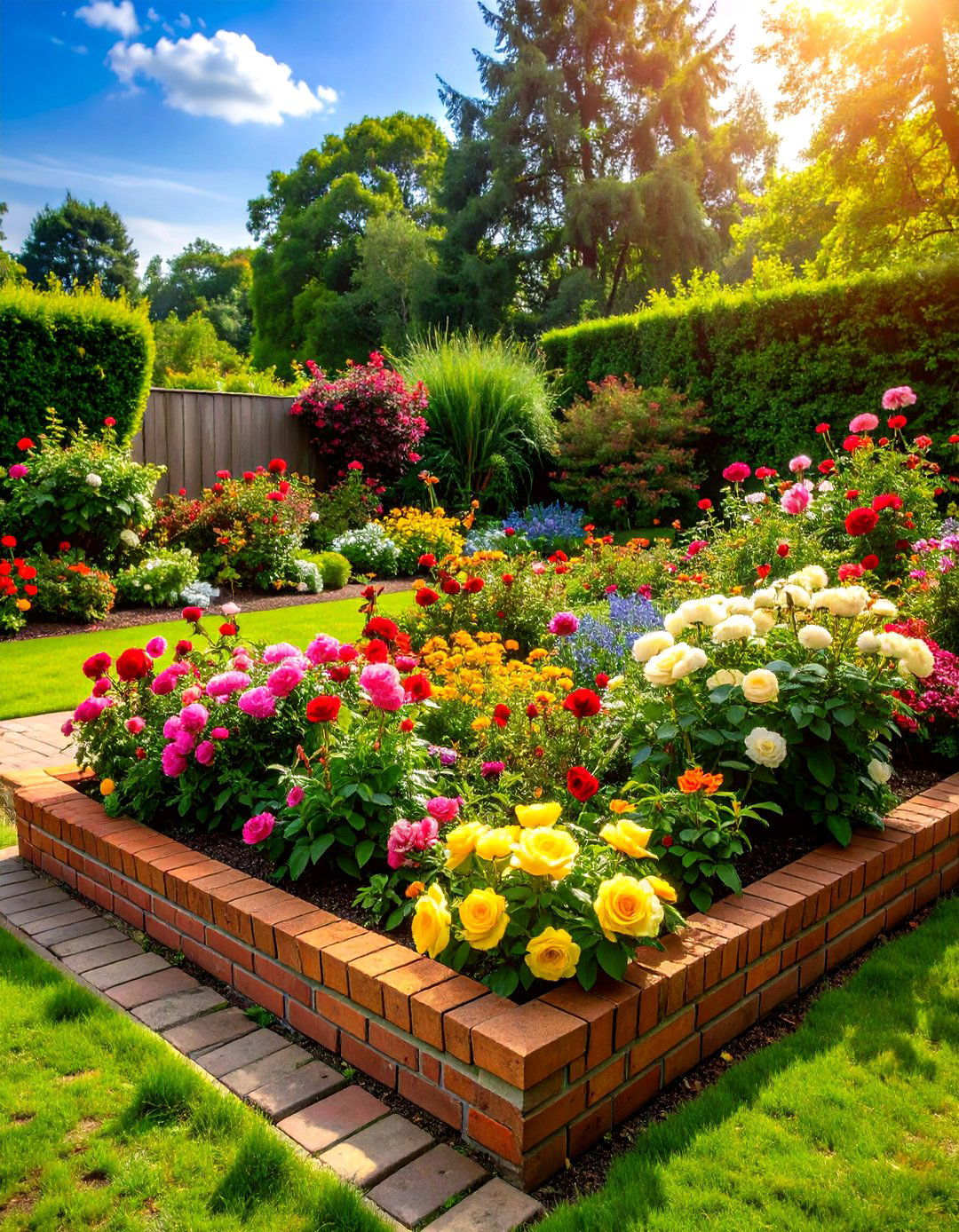
A classic brick raised garden bed lends a sense of tradition, formality, and permanence to any garden. Bricks are durable, widely available, and offer a timeless look that pairs well with many home architectural styles. They can be laid in various patterns, such as running bond or herringbone, to add subtle decorative detail. A brick border clearly defines the garden space and helps retain soil moisture and warmth. Whether you opt for a simple, low-lying border or a taller, more substantial wall, a brick raised bed is a sturdy and attractive investment for your landscape.
25. Raised Herb Spiral Garden Design
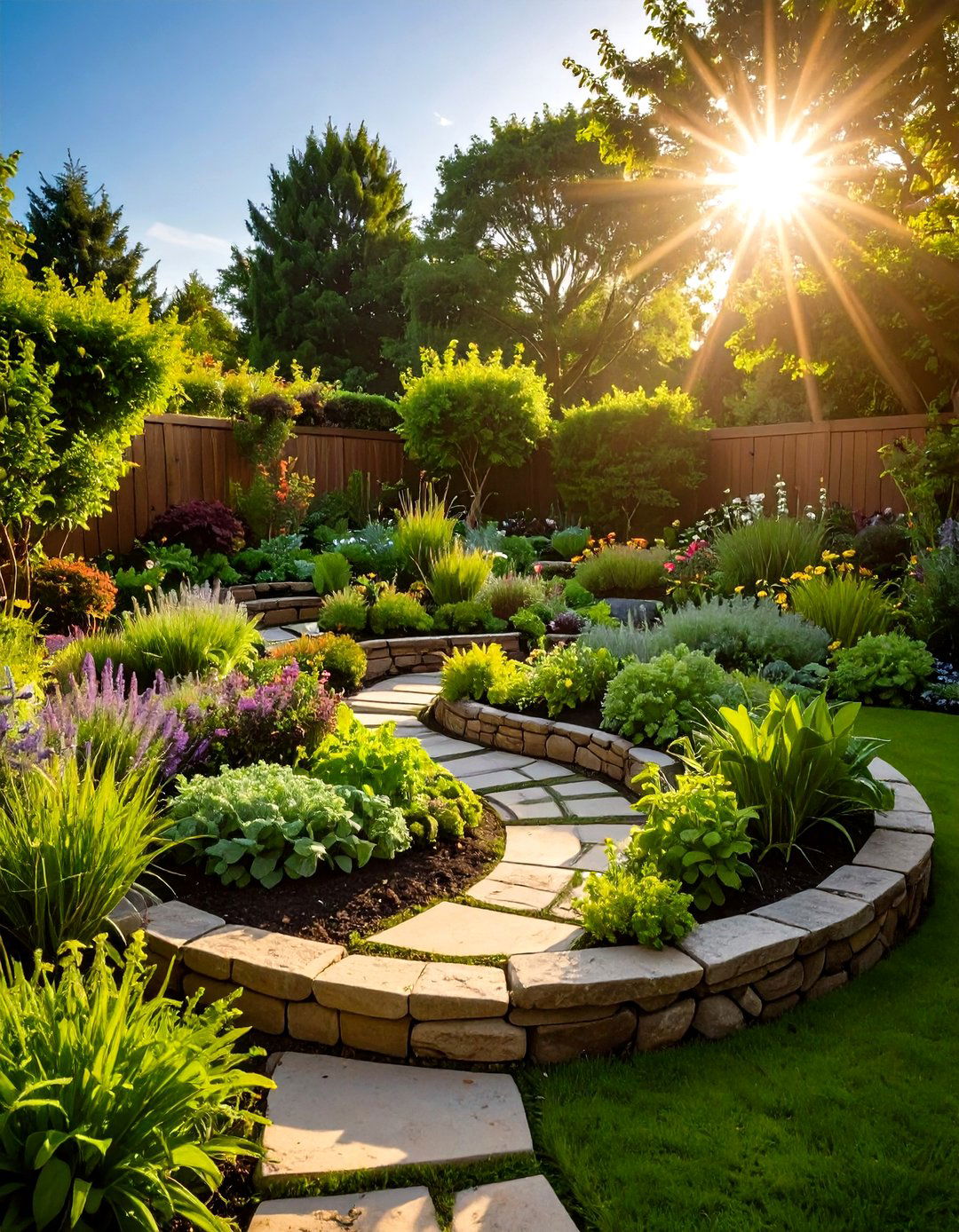
The herb spiral is a special type of raised garden bed designed using permaculture principles. It's a three-dimensional spiral structure, typically built with rocks or bricks, that creates a variety of microclimates in a very small space. The top of the spiral is sunny and dry, perfect for Mediterranean herbs like rosemary and thyme, while the bottom is cooler and moister, ideal for plants like mint or parsley. This clever design maximizes space, conserves water, and creates the perfect growing conditions for a wide range of herbs, all within arm's reach in a compact, beautiful form.
26. Hexagonal Raised Garden Bed Modules
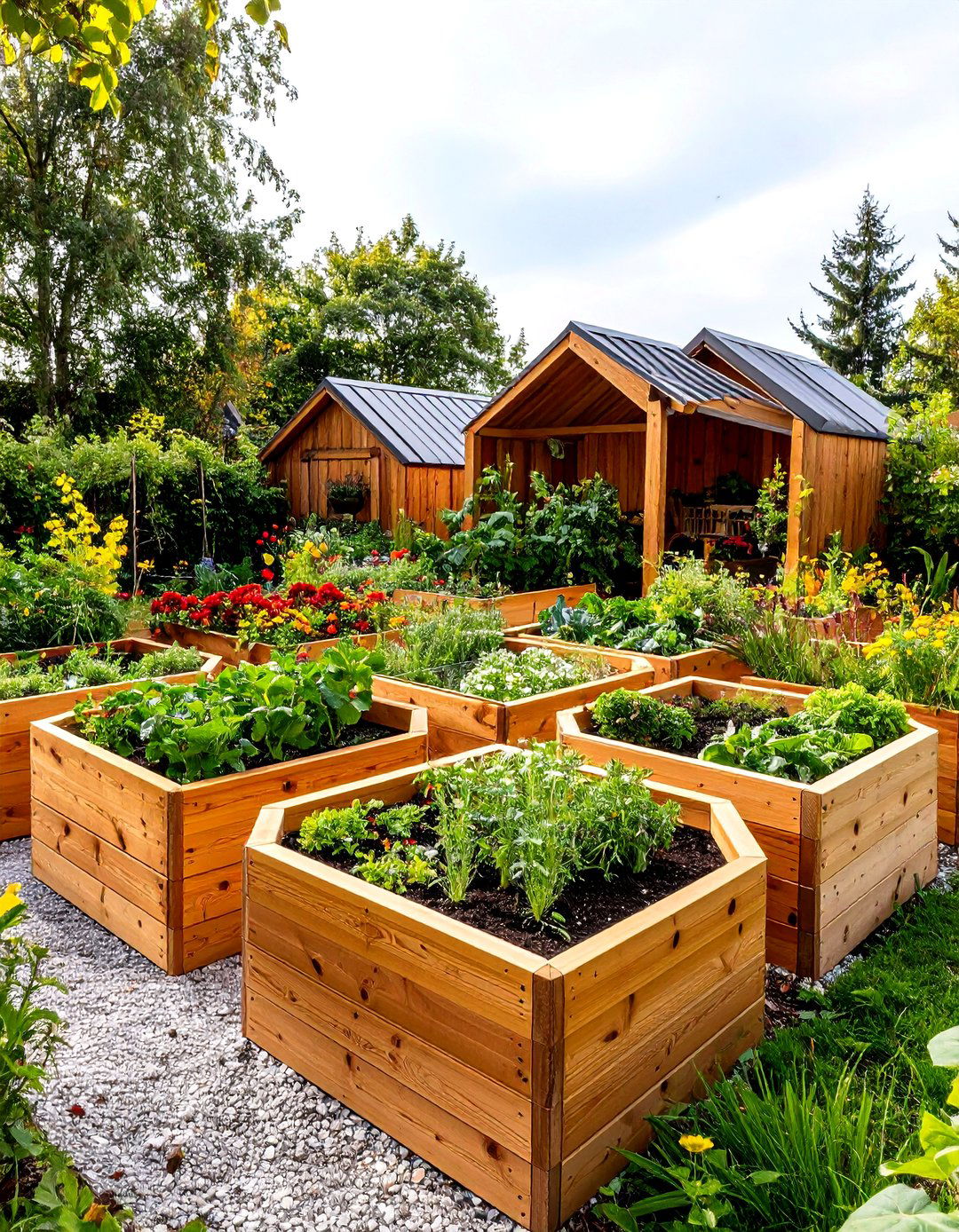
Hexagonal raised garden beds offer a stylish alternative to standard rectangular planters. Their unique geometric shape allows them to be used individually as a standalone feature or clustered together to create a honeycomb or mosaic-like garden layout. This modularity provides endless design flexibility, letting you expand your garden over time. The six-sided shape is visually interesting and efficient, providing ample planting space with easy access from all sides. Made from wood, metal, or composite materials, these honeycomb beds bring a modern, organized, and playful feel to your garden design. It's a creative way to structure your planting areas.
27. Raised Garden Bed with Integrated Irrigation
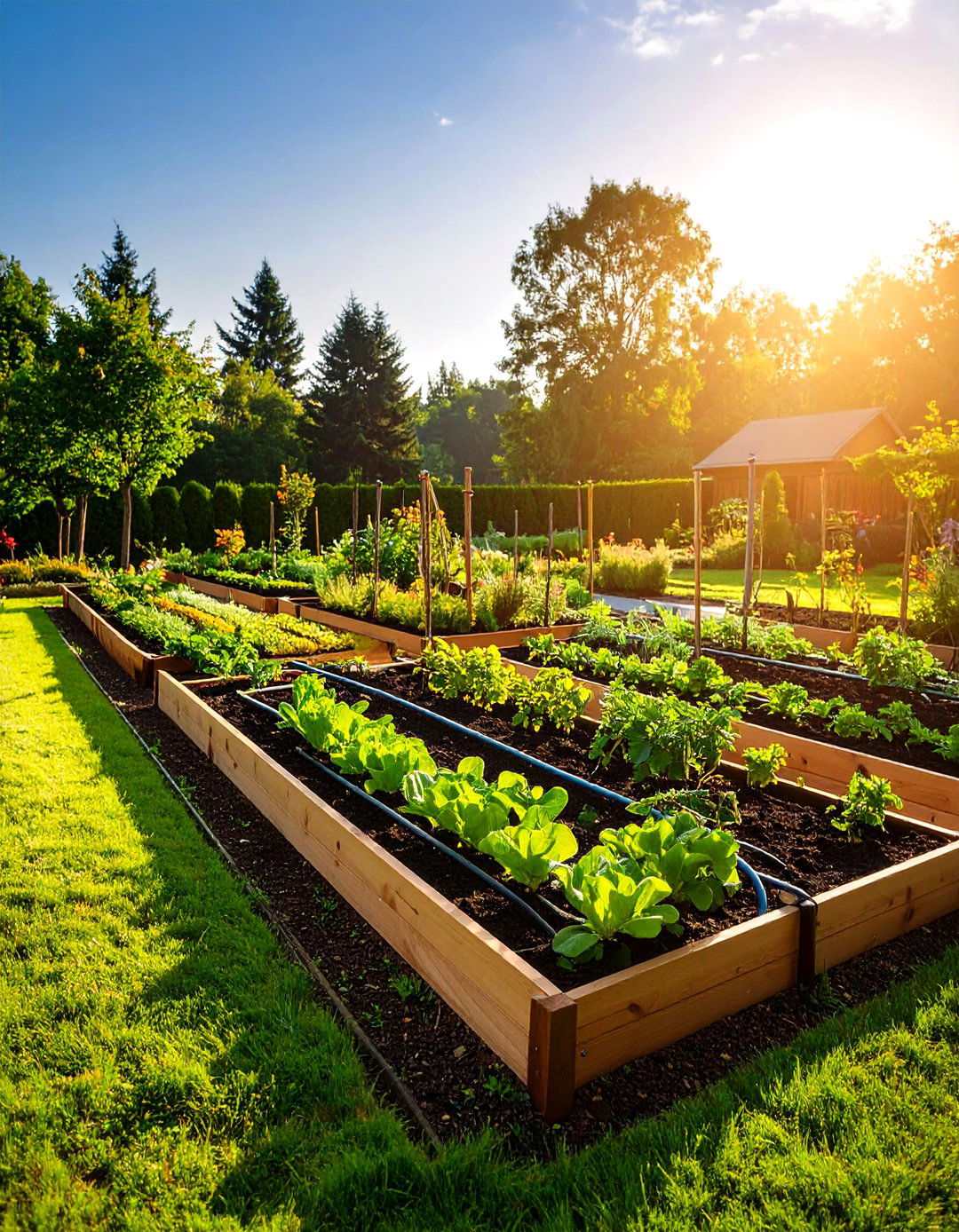
To make watering more efficient and consistent, consider a raised garden bed with an integrated irrigation system. This can be as simple as laying a soaker hose on the soil surface or as sophisticated as installing a built-in drip irrigation network with emitters placed near each plant. An integrated system delivers water directly to the plant roots, minimizing evaporation and water waste. It also ensures plants receive a steady supply of moisture, leading to healthier growth and better yields. This is a highly practical design for busy gardeners or those living in dry climates.
28. Layered Lasagna Raised Garden Bed
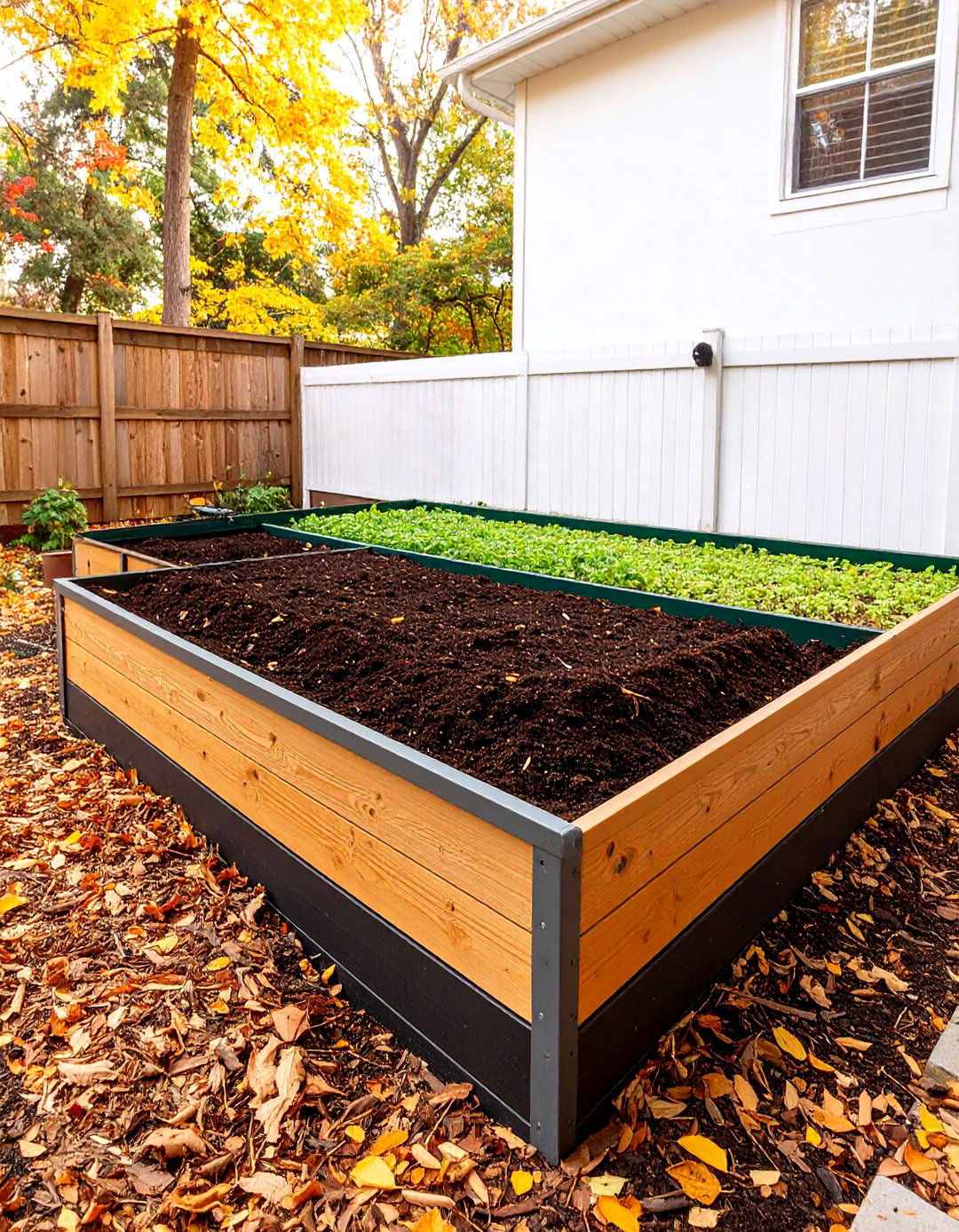
A lasagna raised garden bed, also known as sheet mulching, is less about the structure and more about the no-dig method of filling it. You start by laying down a layer of cardboard or newspaper at the bottom to suppress weeds. Then, you alternate layers of "green" materials (like kitchen scraps, grass clippings) and "brown" materials (like dried leaves, shredded paper, and straw). This layered composition breaks down over time, creating incredibly rich, fertile, and well-aerated soil without any tilling. It’s an easy, low-cost way to build healthy soil from scratch.
29. Composite Decking Raised Garden Bed
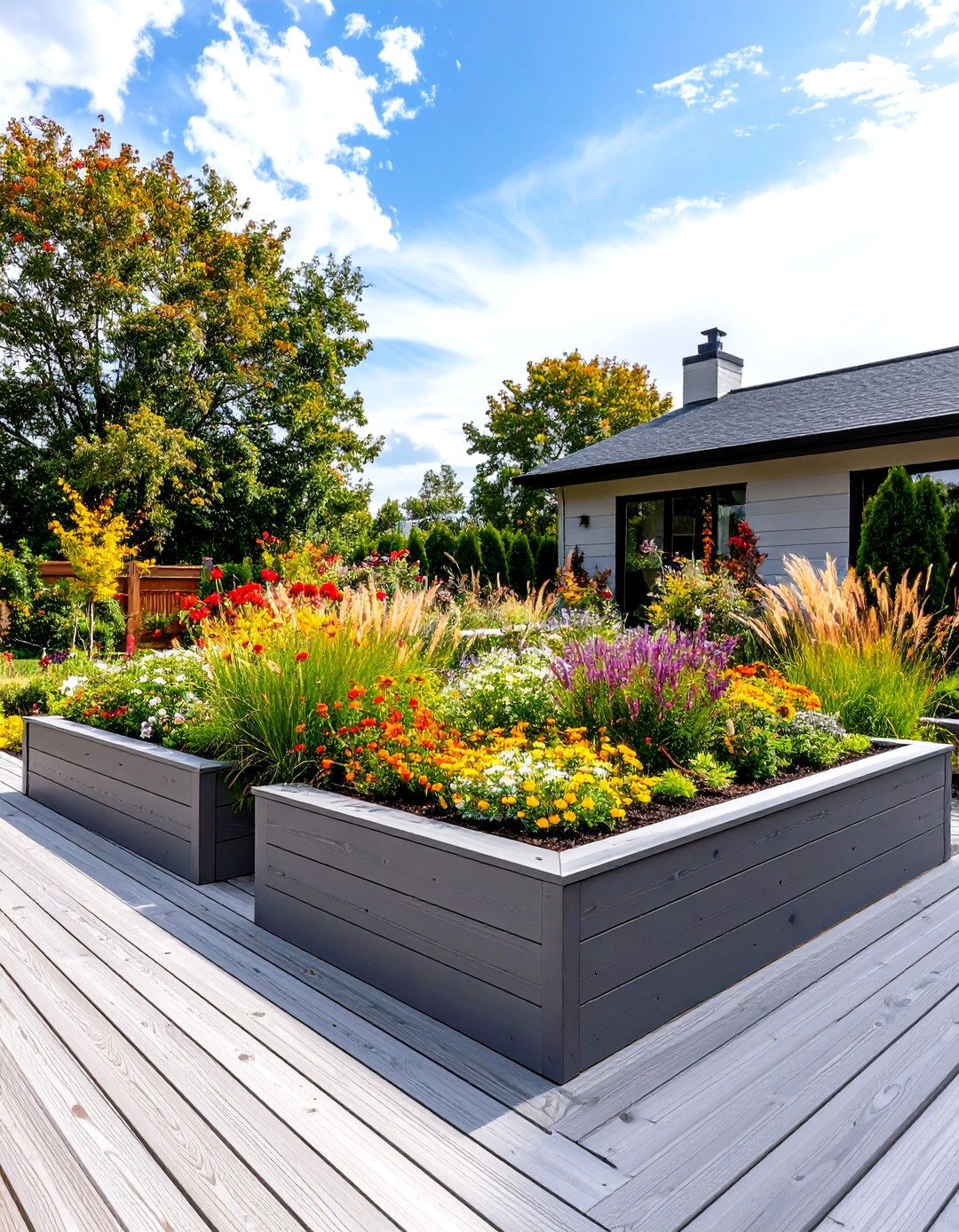
Using composite decking materials to build a raised garden bed is a modern, low-maintenance solution. Composite boards are made from a mix of wood fibers and recycled plastics, making them resistant to rot, insects, and warping. They won't splinter or crack like traditional wood and require no staining or sealing to maintain their appearance. Available in a variety of colors and finishes, composite decking allows you to create a sleek, durable garden bed that can perfectly match your home's deck or patio, ensuring a cohesive and polished look for your entire outdoor living space.
30. Sunken Hugelkultur Raised Garden Bed
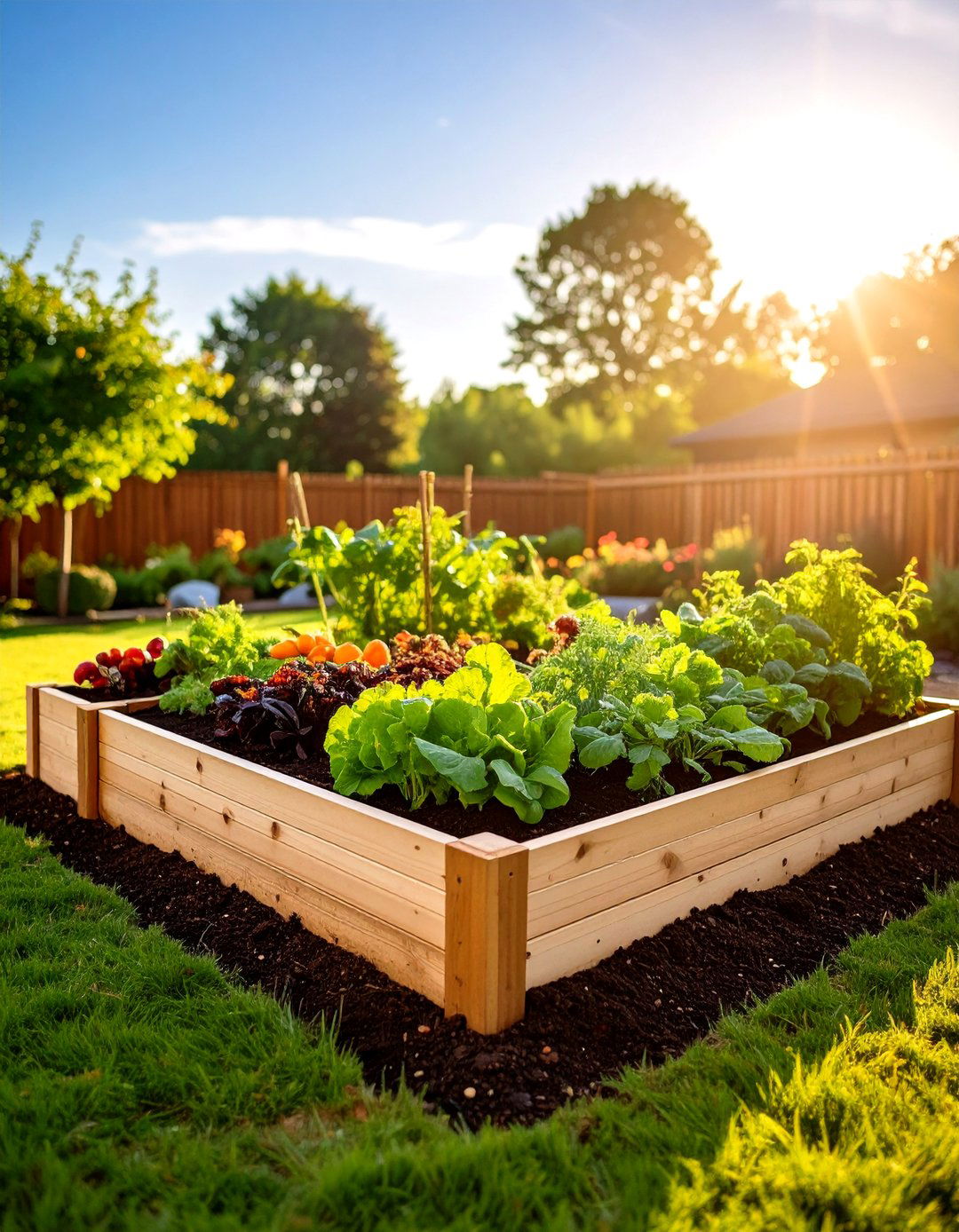
A sunken Hugelkultur raised garden bed is a unique technique that involves burying large logs and branches in a trench and then mounding soil on top. As the wood slowly decomposes, it releases nutrients, improves soil aeration, and acts like a sponge, retaining a massive amount of water. This creates a fertile, self-watering, and long-lasting garden bed that requires less irrigation over time. The bed is "sunken" initially but becomes a raised mound above ground level. This sustainable method builds incredible soil health from the bottom up, perfect for resource-efficient and productive gardening.
Conclusion:
Raised garden beds provide an incredibly versatile and effective way to cultivate a thriving garden. From ergonomic U-shaped designs and space-saving vertical planters to sustainable Hugelkultur mounds and modern Corten steel beds, there is a design to suit every need, style, and skill level. By choosing the right structure, you can overcome poor soil, improve accessibility, and extend your growing season. These 30 ideas demonstrate that a raised bed is more than just a container; it's a powerful tool for creating a beautiful, productive, and personalized garden space that you can enjoy for years.

Related posts:




Leave a Reply