
1. Matching Concrete Driveway Extension
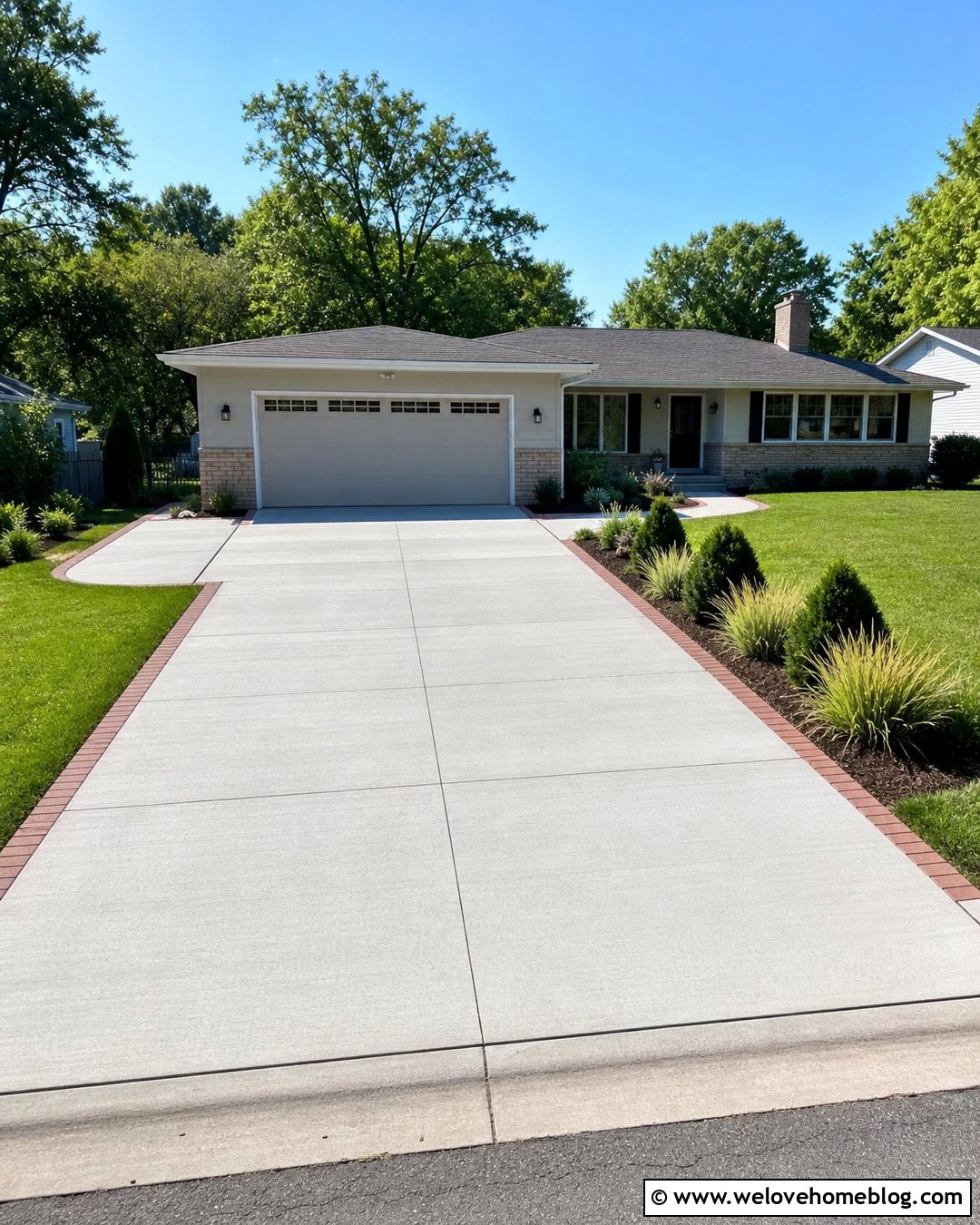
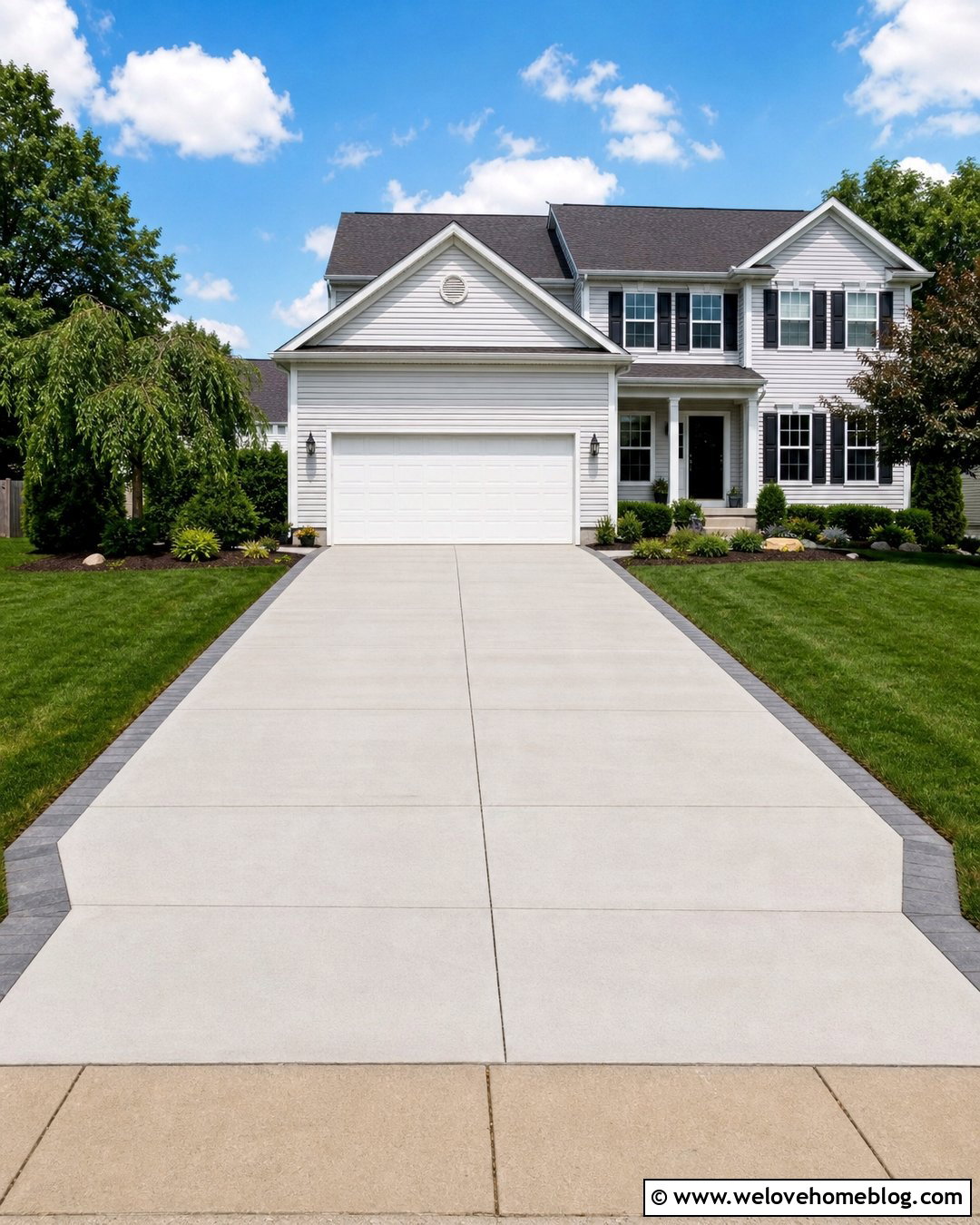
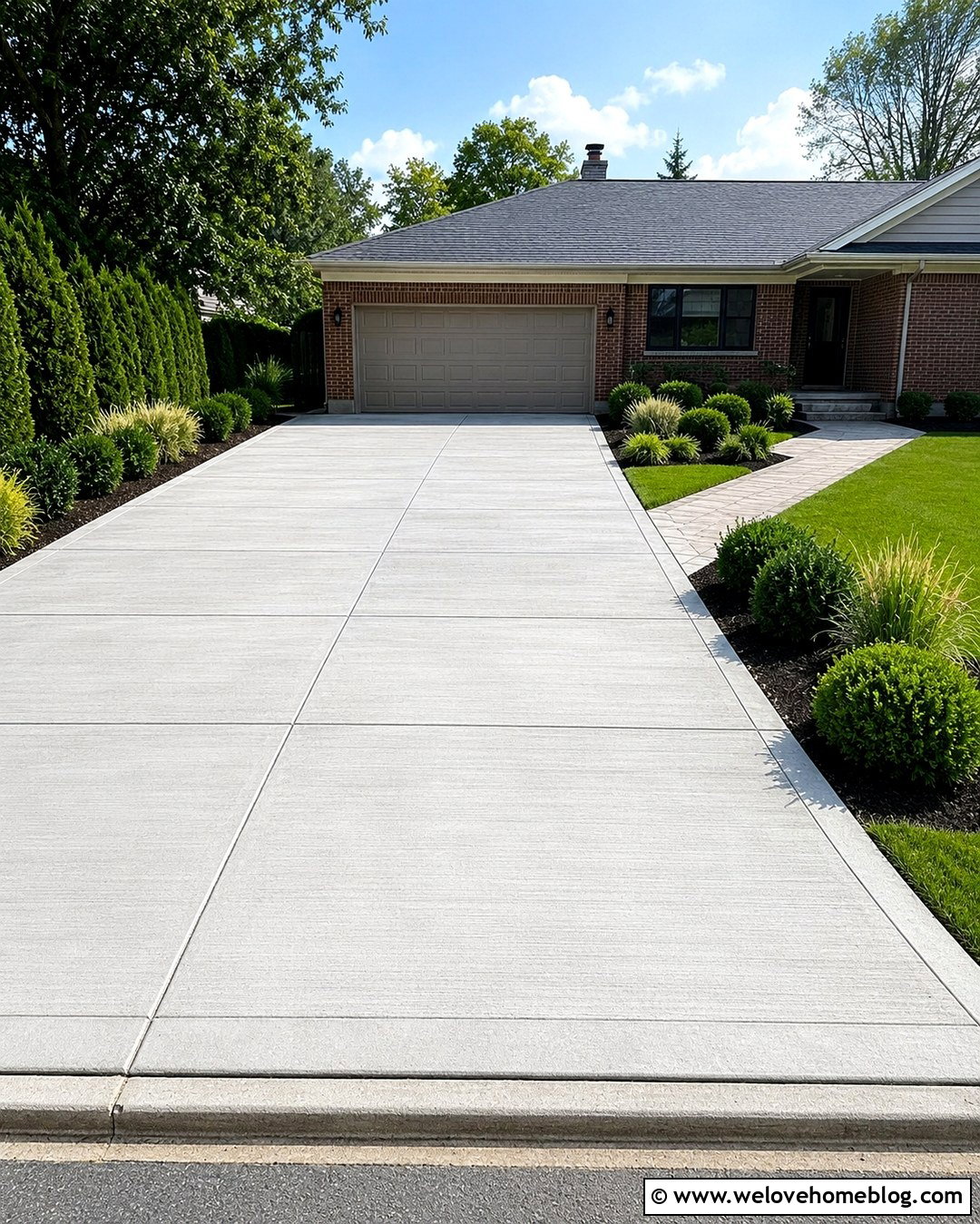
A matching concrete extension creates the cleanest appearance when you already have a poured concrete driveway. Widen one side with gray concrete that closely matches the original color, texture, thickness, and control-joint pattern. Continue the new slab toward the garage so the added space works for parking and opening vehicle doors. A narrow brick paver border can disguise minor color differences between old and new concrete. Finish the outer edge with a low planting bed containing ornamental grasses and compact evergreen shrubs. Keep the transition flush to reduce tripping and simplify snow removal. Because fresh and weathered concrete rarely match perfectly, consider cleaning or resurfacing the original driveway after completing the extension for a more unified look.
2. Paver Strip Beside An Asphalt Driveway
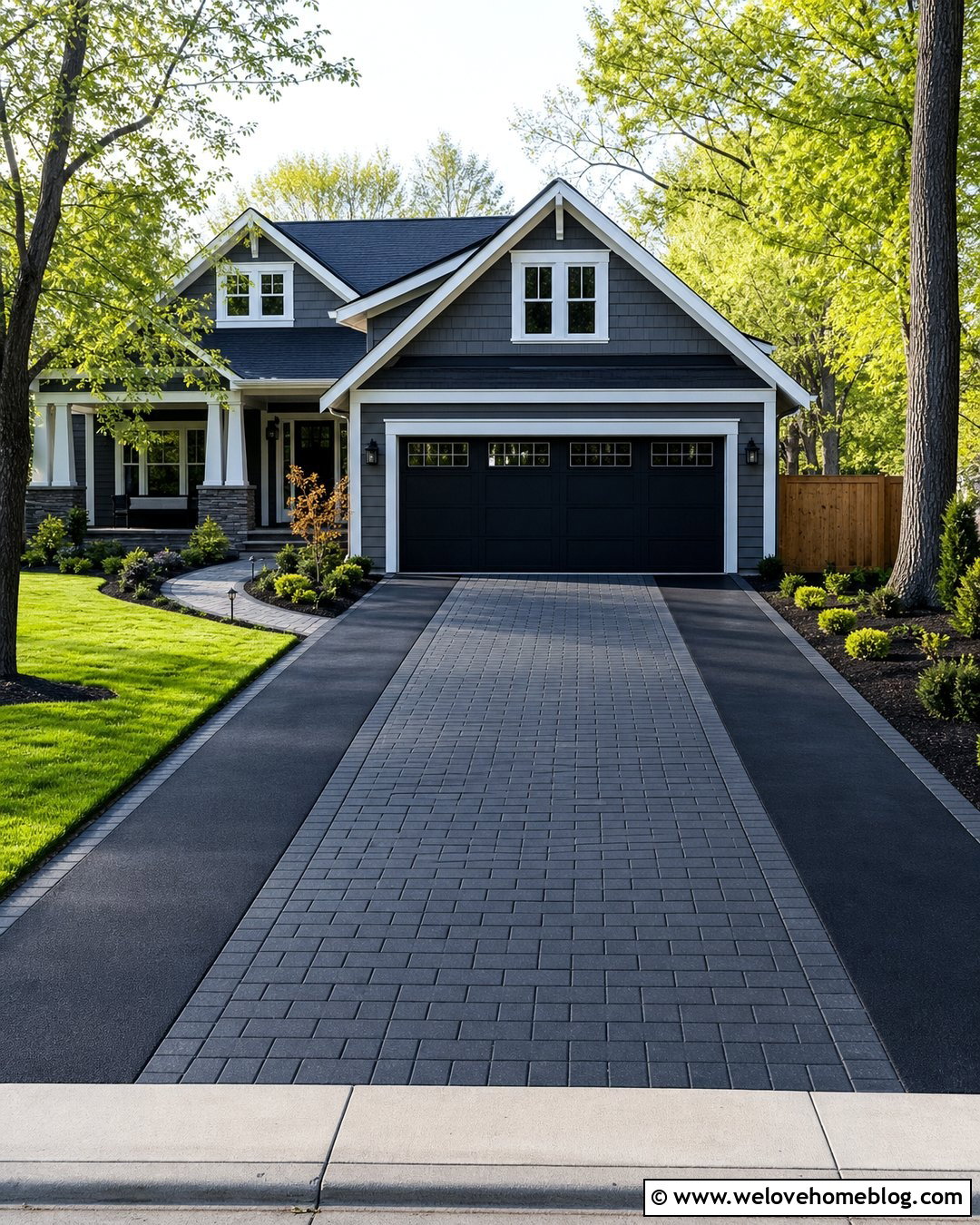
Could a contrasting material make the wider driveway look more intentional? Add a broad strip of concrete pavers beside an existing black asphalt driveway instead of attempting a difficult color match. Choose charcoal, tan, or blended pavers that complement the house facade. A soldier-course border gives the new parking shoulder a finished edge and helps control movement. Extend the strip from the street-side entrance to the garage for consistent door clearance. Low shrubs and mulch can frame the outer side without crowding parked vehicles. Properly prepare the base so the pavers remain level under repeated tire loads. The combination of dark asphalt and patterned pavers creates definition while allowing future repairs to be completed one section at a time.
3. Full-Width Asphalt Driveway Widening
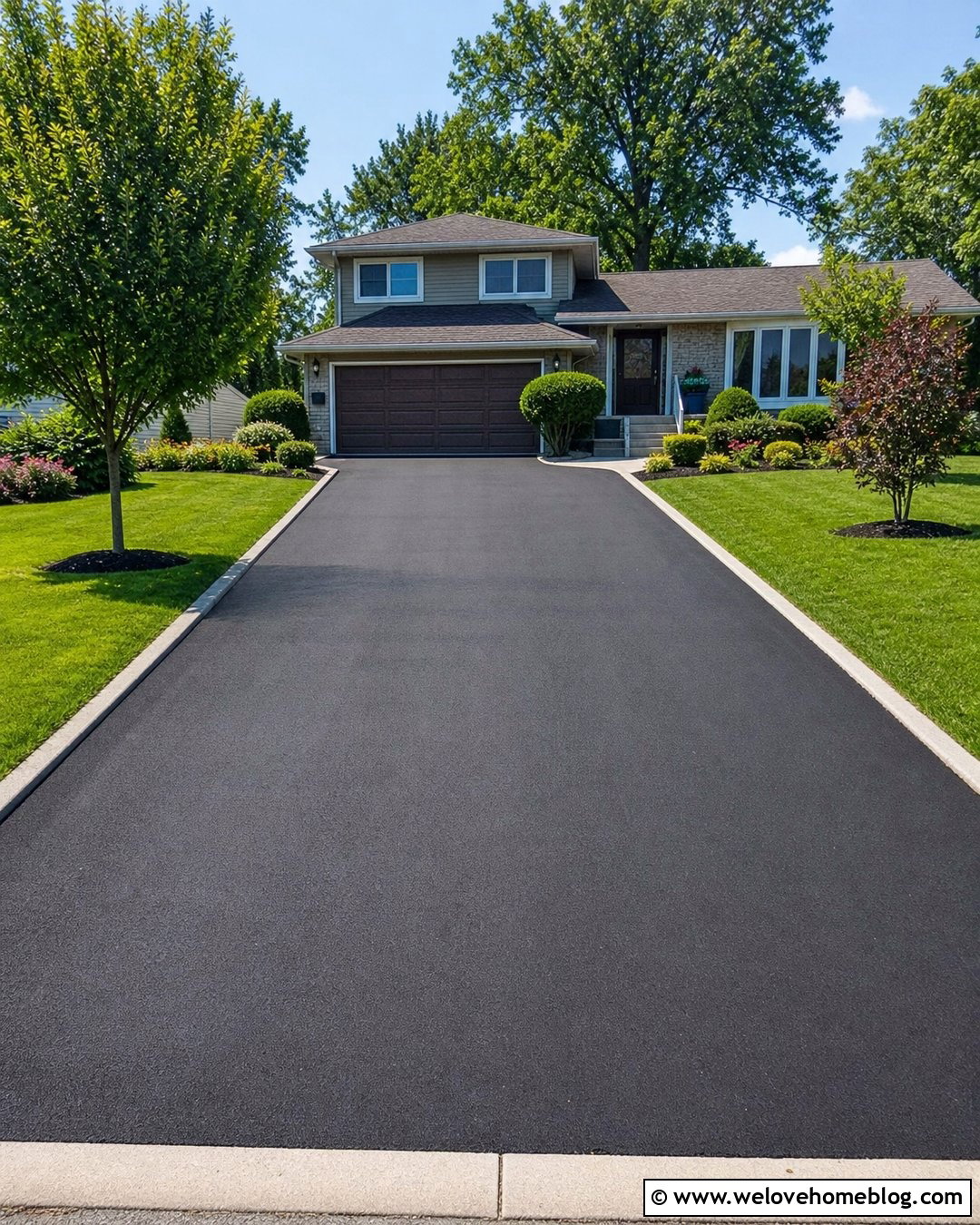
Smooth black asphalt is practical when you need to widen a narrow driveway by several feet. Excavate the lawn along one or both sides, install a compacted aggregate base, and pave the complete width for an even finish. Resurfacing the old section at the same time can prevent the extension from appearing patched together. Add a flush concrete curb or granite block border to protect the asphalt edges from cracking and vehicle pressure. A straight layout works especially well for ranch and split-level homes with attached garages. Finish the surrounding yard with simple grass margins and broad foundation beds. This design provides generous everyday parking while maintaining an uncluttered appearance that is easy to sweep, shovel, and navigate.
4. Gravel Grid Driveway Extension
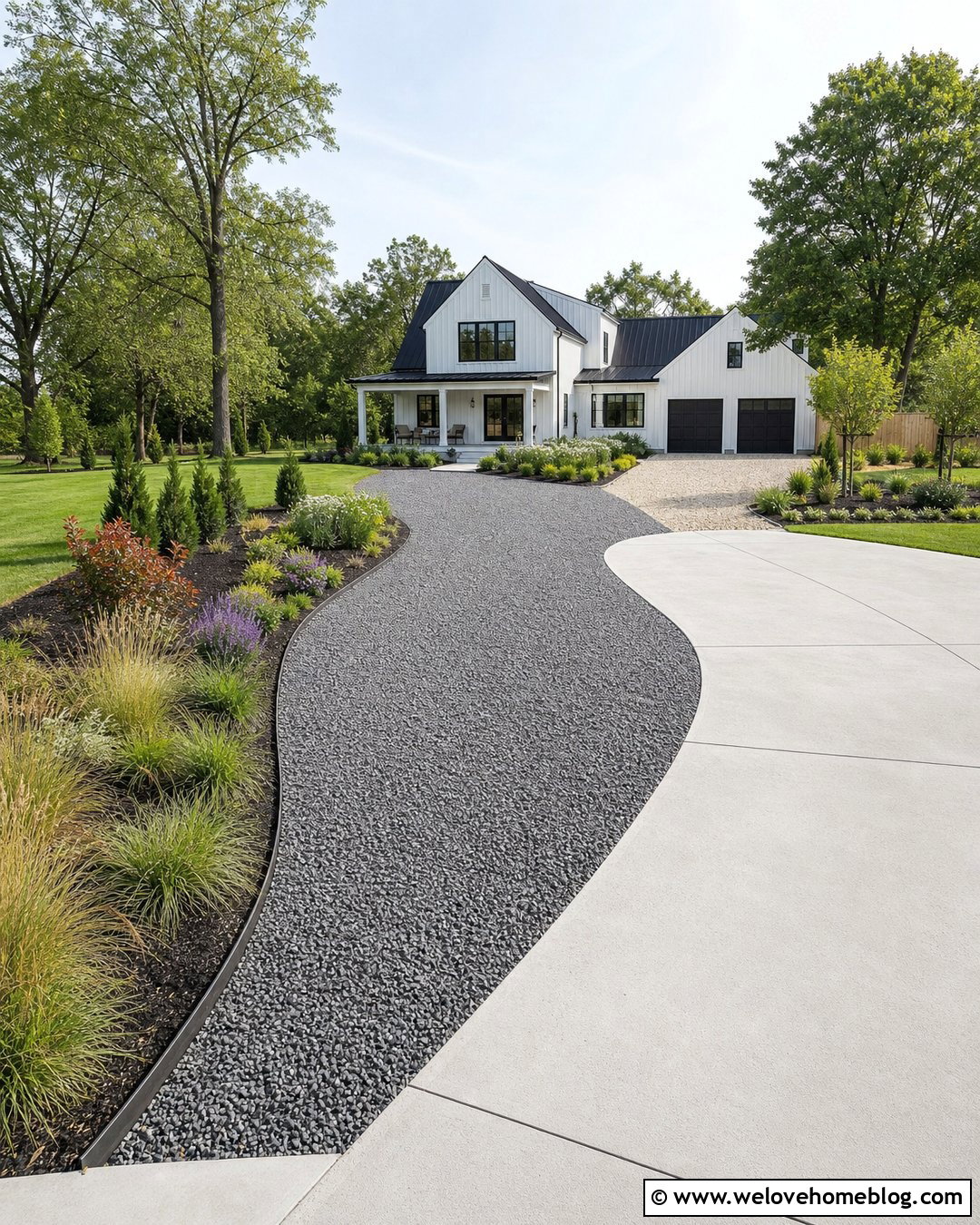
For a lower-cost widening project, reinforced gravel can create a stable side strip without making the front yard feel heavily paved. Install a load-bearing gravel grid over a properly excavated and compacted base, then fill it with angular gray gravel. The grid helps hold the stones in place and reduces visible rutting where tires repeatedly travel. Use steel edging or a flush concrete border between the extension and lawn. A slightly curved outer edge can soften the wider footprint while preserving useful parking depth. Add drought-tolerant grasses and small flowering shrubs beyond the border. This complete driveway look pairs particularly well with casual ranch, cottage, and farmhouse homes where a relaxed surface feels natural rather than unfinished.
5. Pea Gravel Side Parking Bay
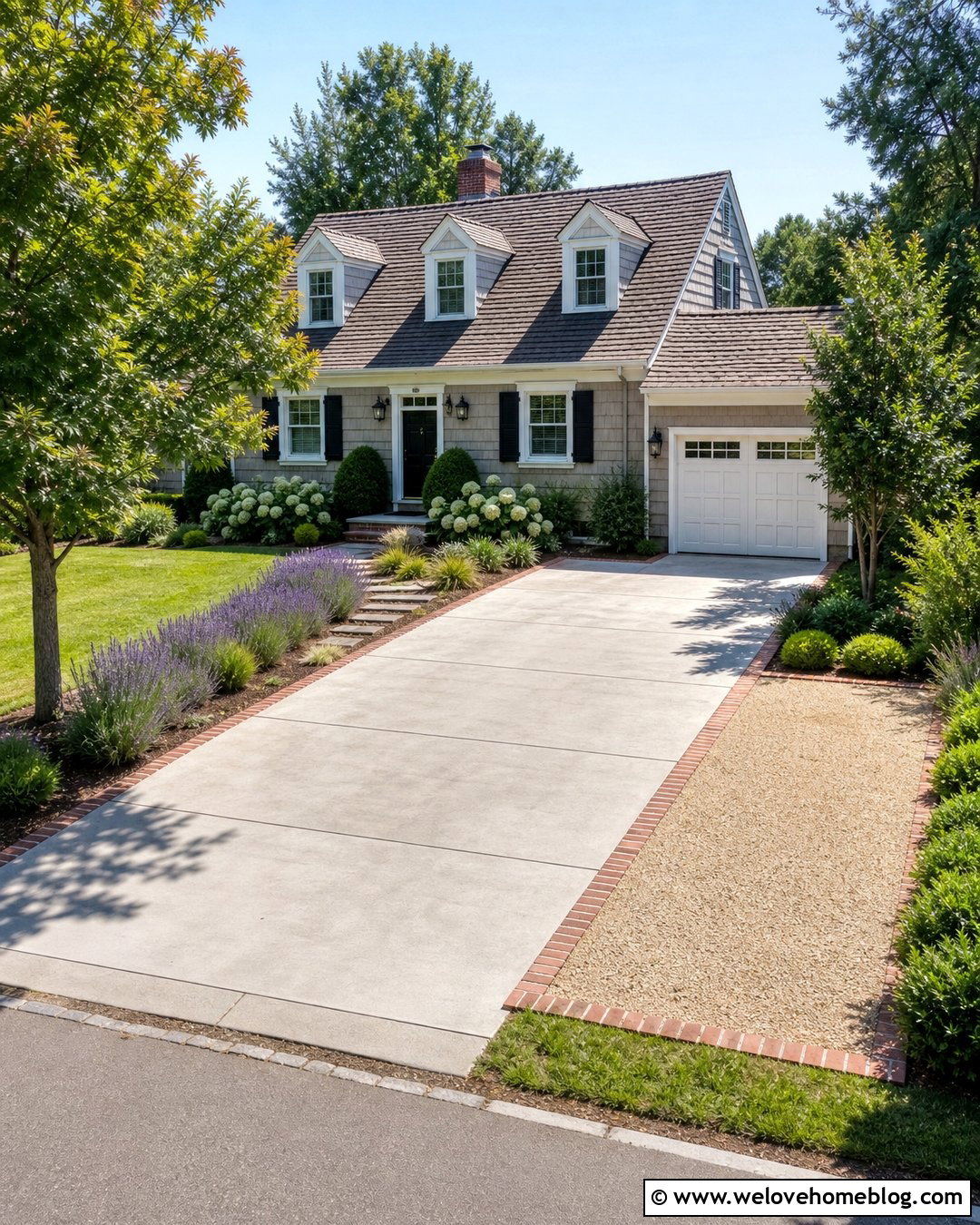
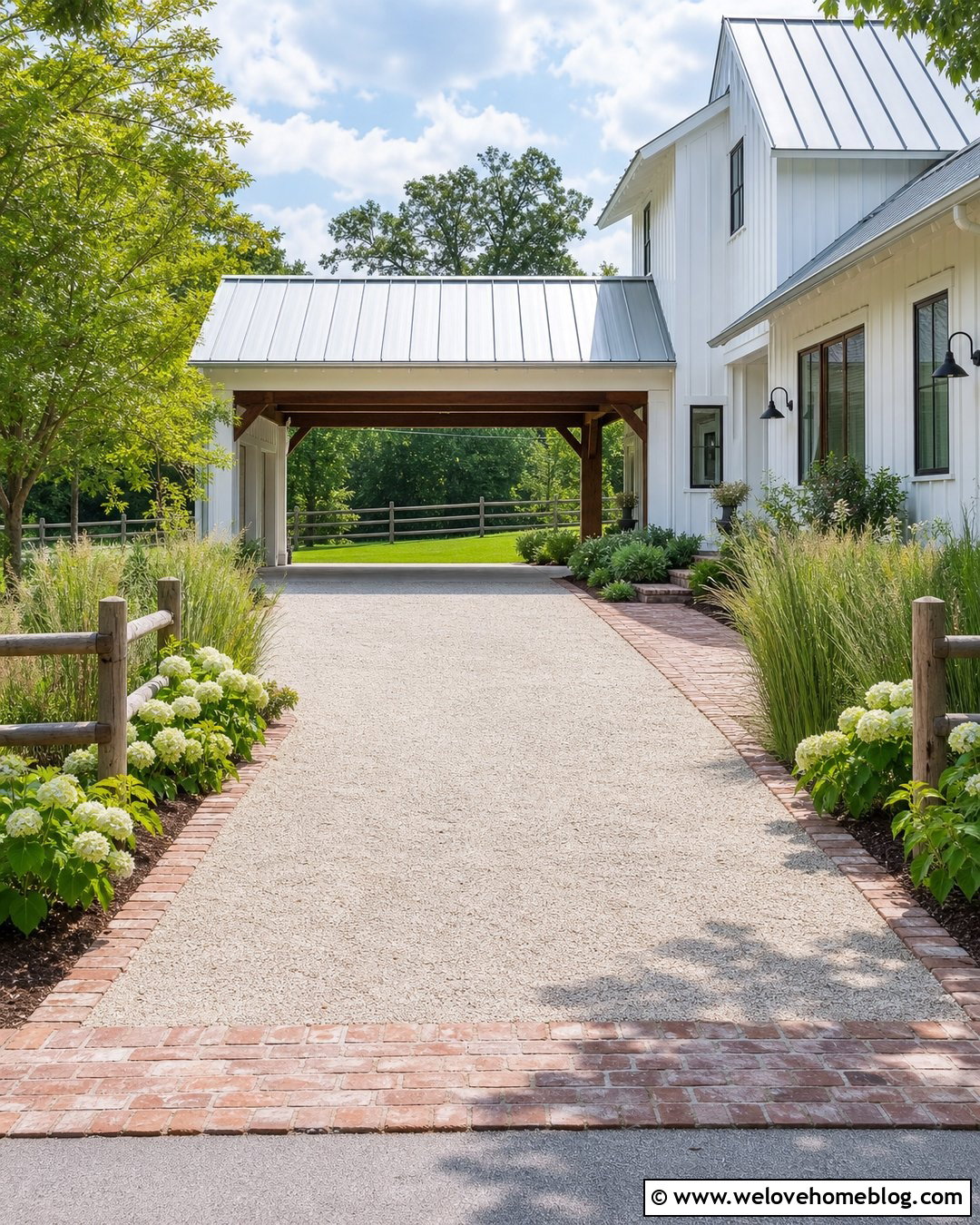
When you only need occasional space for a guest vehicle, a defined pea gravel parking bay may be enough. Place the bay beside the upper half of the existing concrete or asphalt driveway so the street entrance does not need to become excessively wide. Warm tan pea gravel creates a softer appearance, while brick or cobblestone edging prevents the rounded stones from spreading into the lawn. Give the bay a rectangular shape with enough room for doors to open comfortably. Connect it to the front walkway with matching stepping stones or brick pavers. Frame the outside with lavender, dwarf grasses, or compact hydrangeas. Use a stable crushed-stone base beneath the decorative gravel because pea gravel alone shifts easily under tires.
6. Permeable Paver Driveway Widening
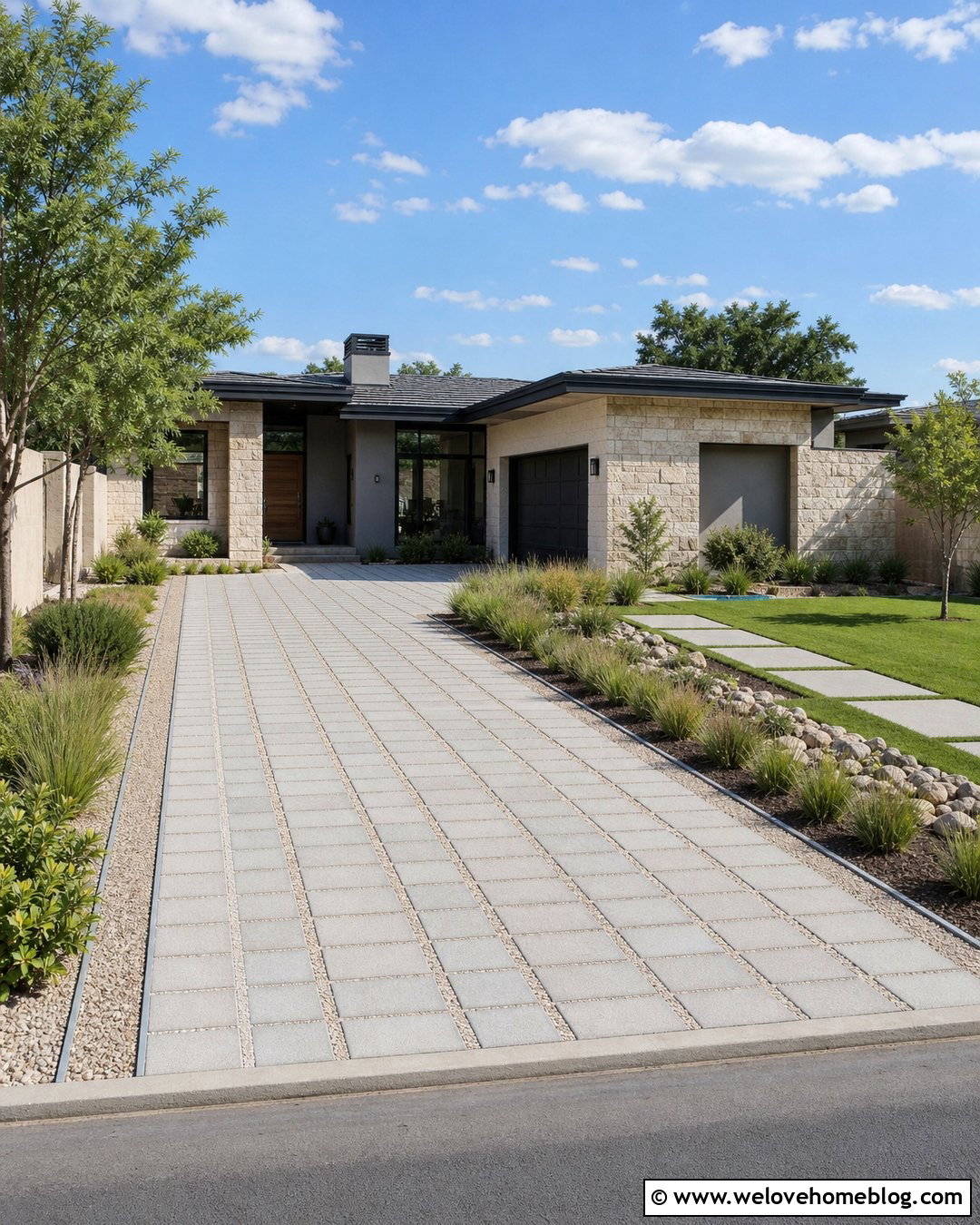
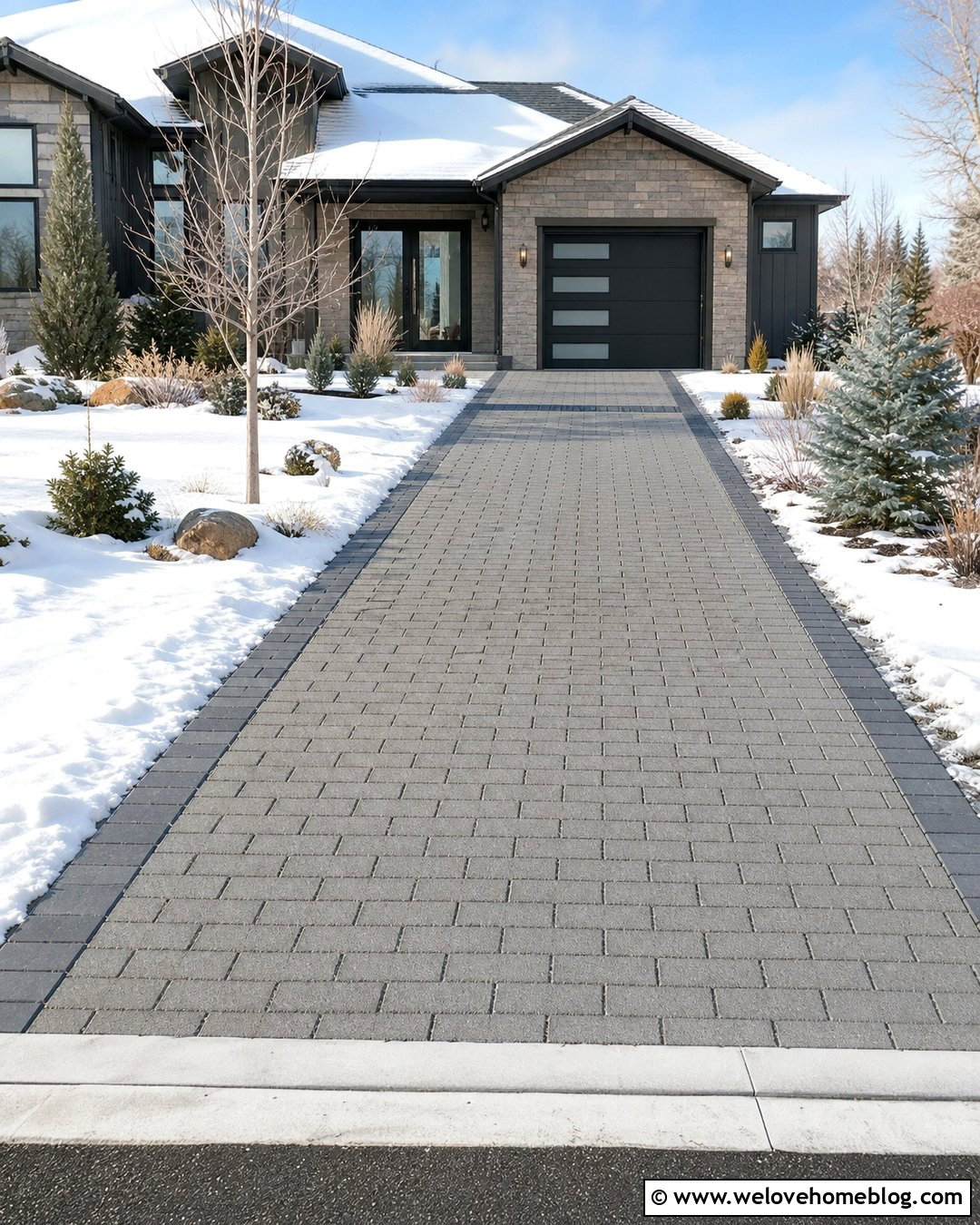
Permeable pavers offer a polished way to gain parking space while reducing the amount of runoff leaving the driveway. Extend both sides of the existing driveway with open-joint concrete pavers installed over layers of clean, compacted stone. Fill the joints with small aggregate rather than ordinary sand. Choose a paver color that coordinates with the original surface and repeat it around the driveway entrance for visual balance. Flush metal or concrete edging will keep the system secure without creating a wheel obstacle. Surround the wider drive with rain-friendly grasses, low sedges, and a shallow planted drainage area where appropriate. The final design feels organized and modern, especially beside contemporary homes with simple lawns and linear planting beds.
7. Brick Paver Driveway Extension
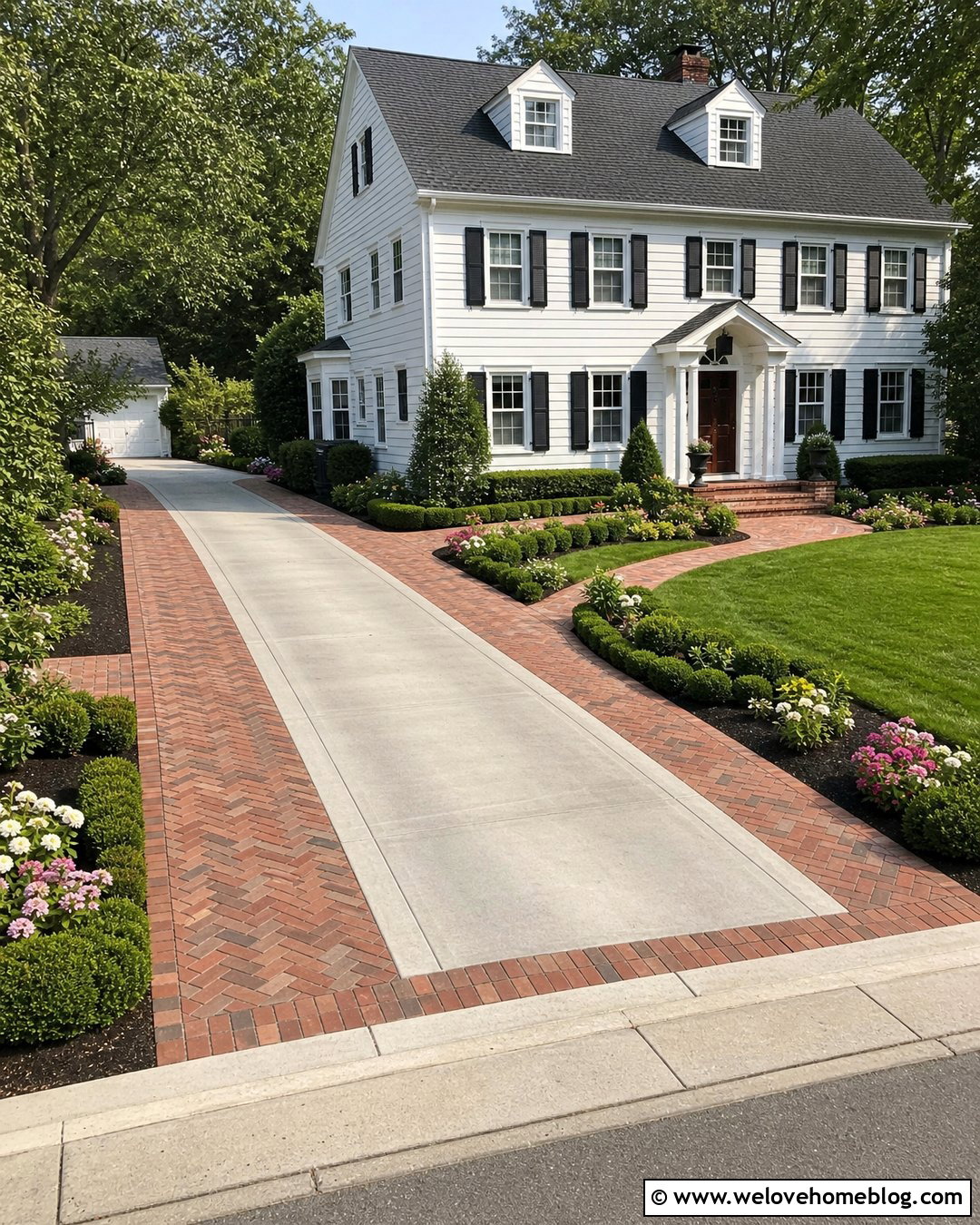
Rich clay brick pavers can transform a basic driveway extension into a feature that complements traditional architecture. Add a wide herringbone brick lane beside the existing concrete driveway, then use the same brick as a ribbon along the opposite edge. This repetition makes the widened section appear planned rather than attached later. Select red, brown, or weathered brick tones that relate to the home’s facade, chimney, or front walkway. Install the pavers over a vehicle-rated base with strong edge restraints. Curved planting beds containing boxwood, flowering perennials, and dark mulch can soften the outer boundary. This complete look works beautifully with Colonial, Cape Cod, and Tudor-inspired homes while creating durable parking and comfortable pedestrian space.
8. Cobblestone Driveway Side Strip
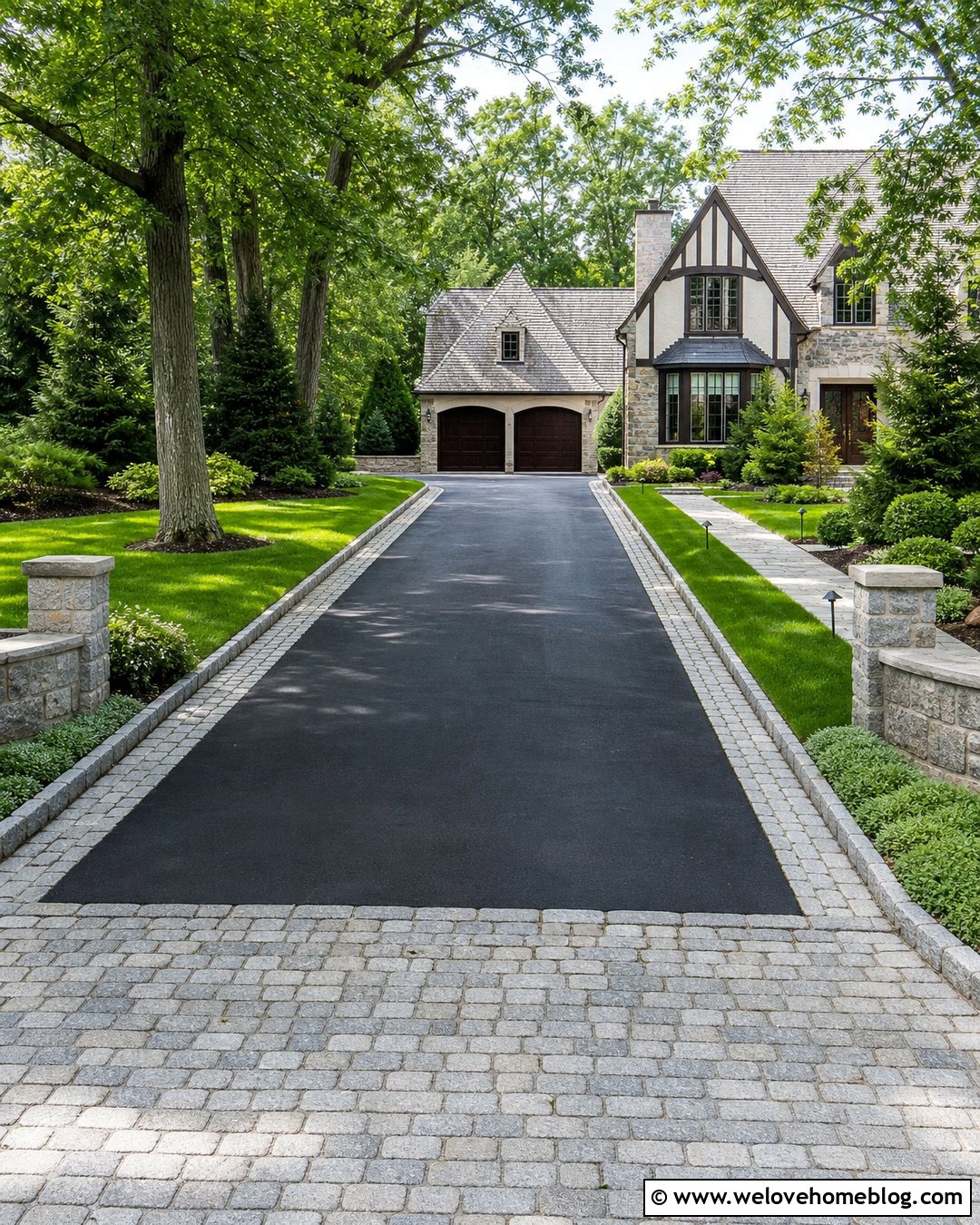
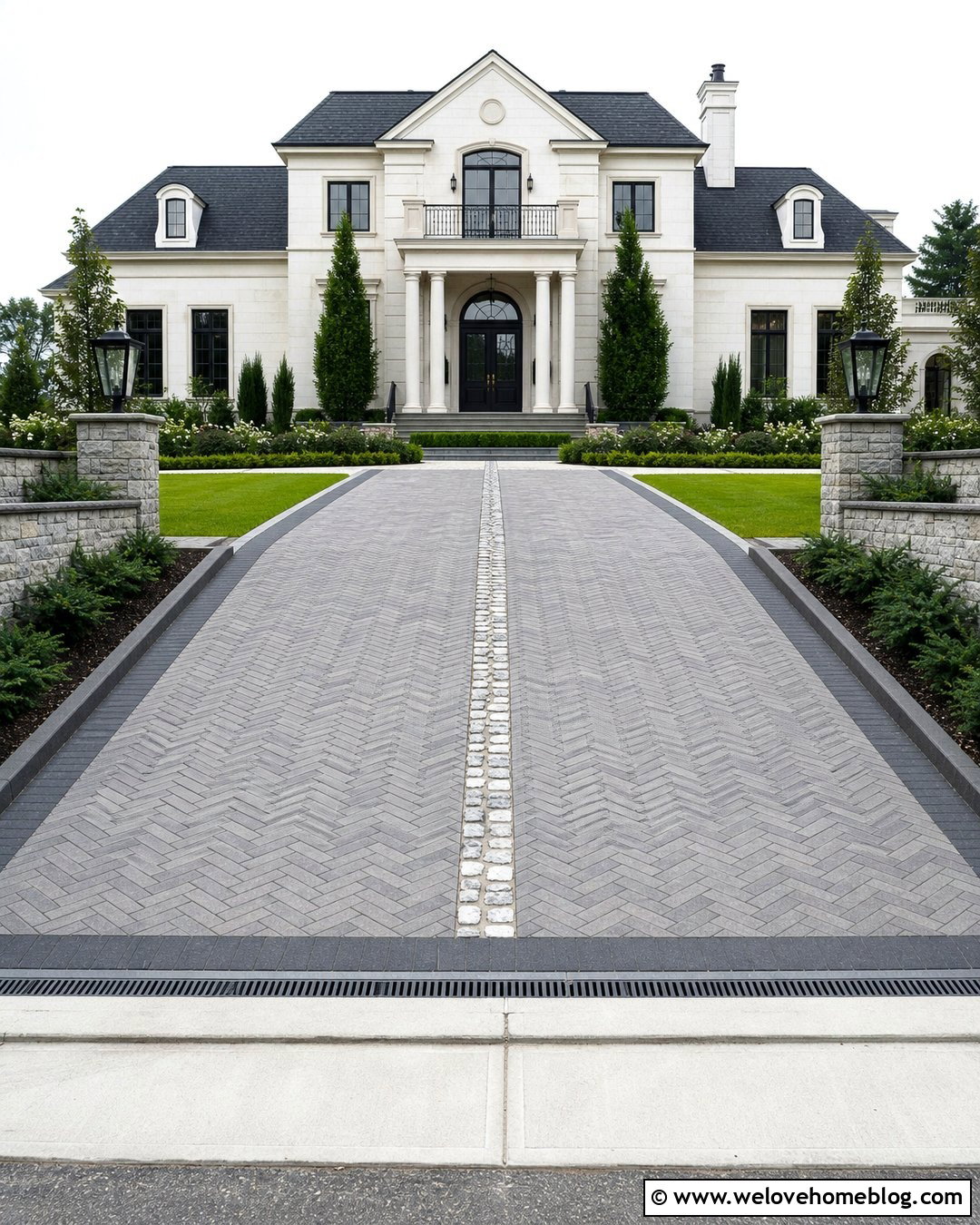
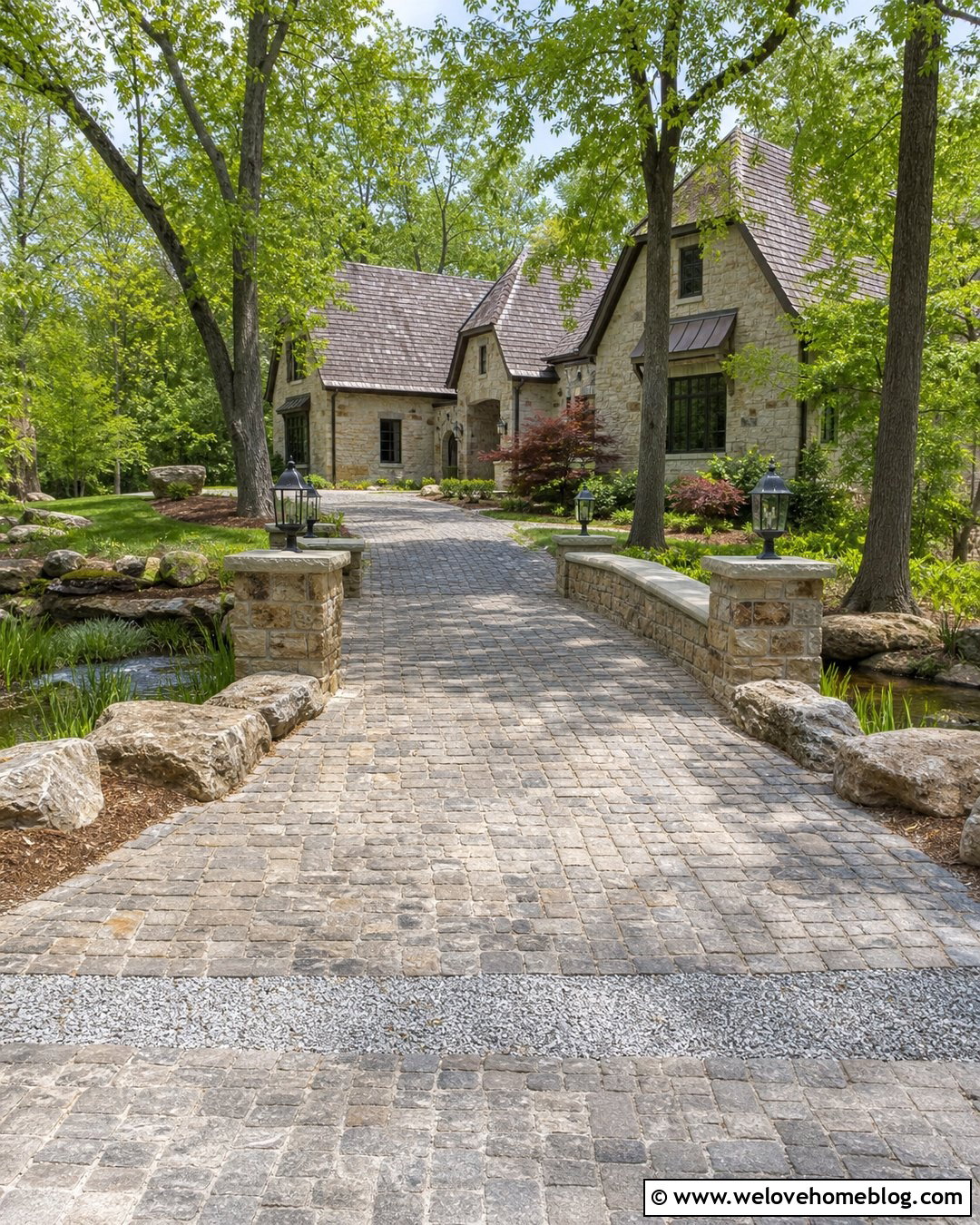
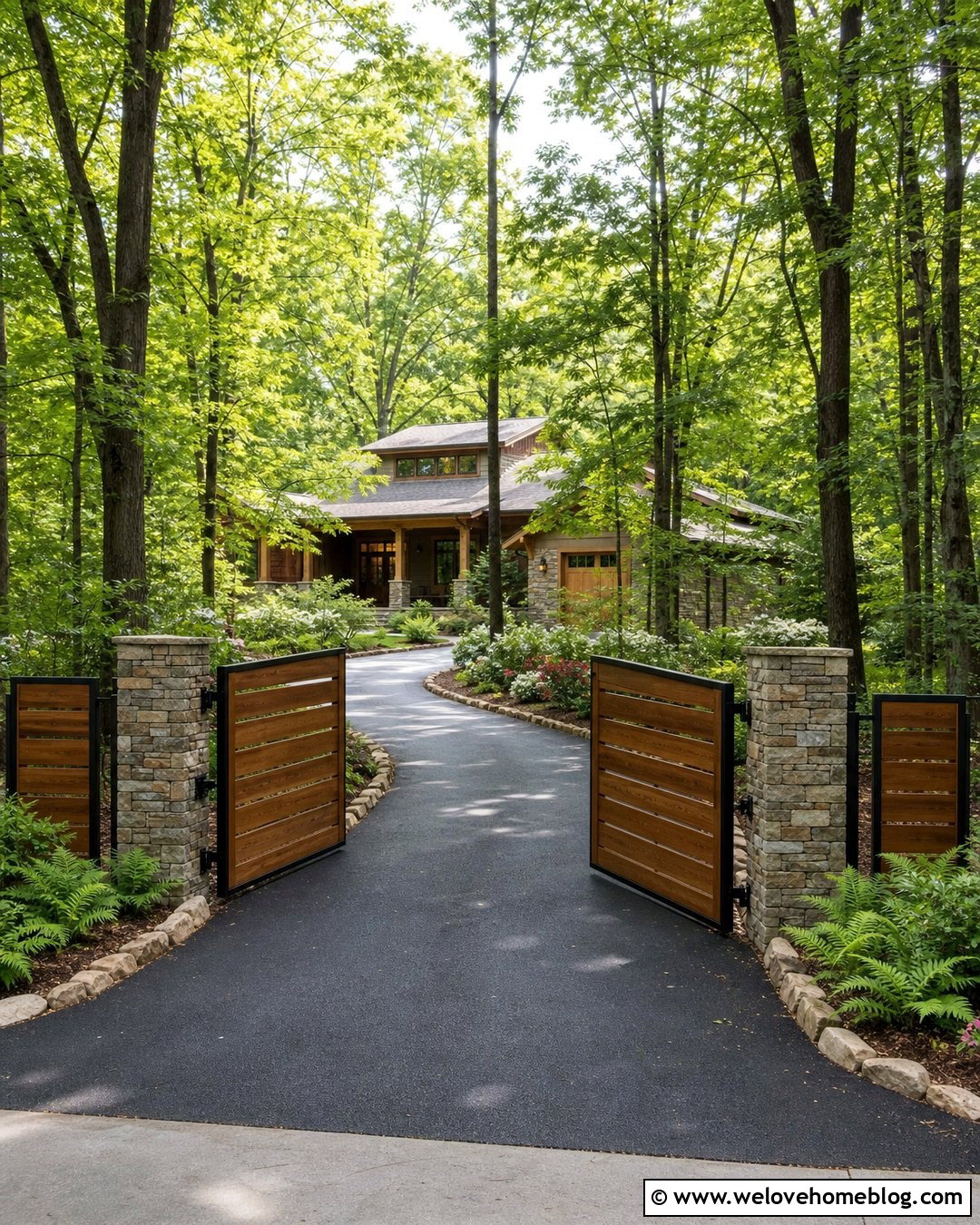
A flush cobblestone strip adds usable width and strong definition to an asphalt or concrete driveway. Choose granite cobblestones in mixed gray tones and set them level with the main surface so tires can cross the transition smoothly. Continue the stone strip along the full driveway or widen it near the garage where extra door clearance is most useful. Repeat the cobblestone across the entrance as an apron to connect the design visually. A crisp lawn edge and restrained evergreen planting will keep the textured stone from making the frontage look busy. This approach is ideal for traditional homes and wooded properties. It also creates a forgiving transition between the hard driveway surface and surrounding landscape beds.
9. Concrete Wheel Strip Driveway Extension
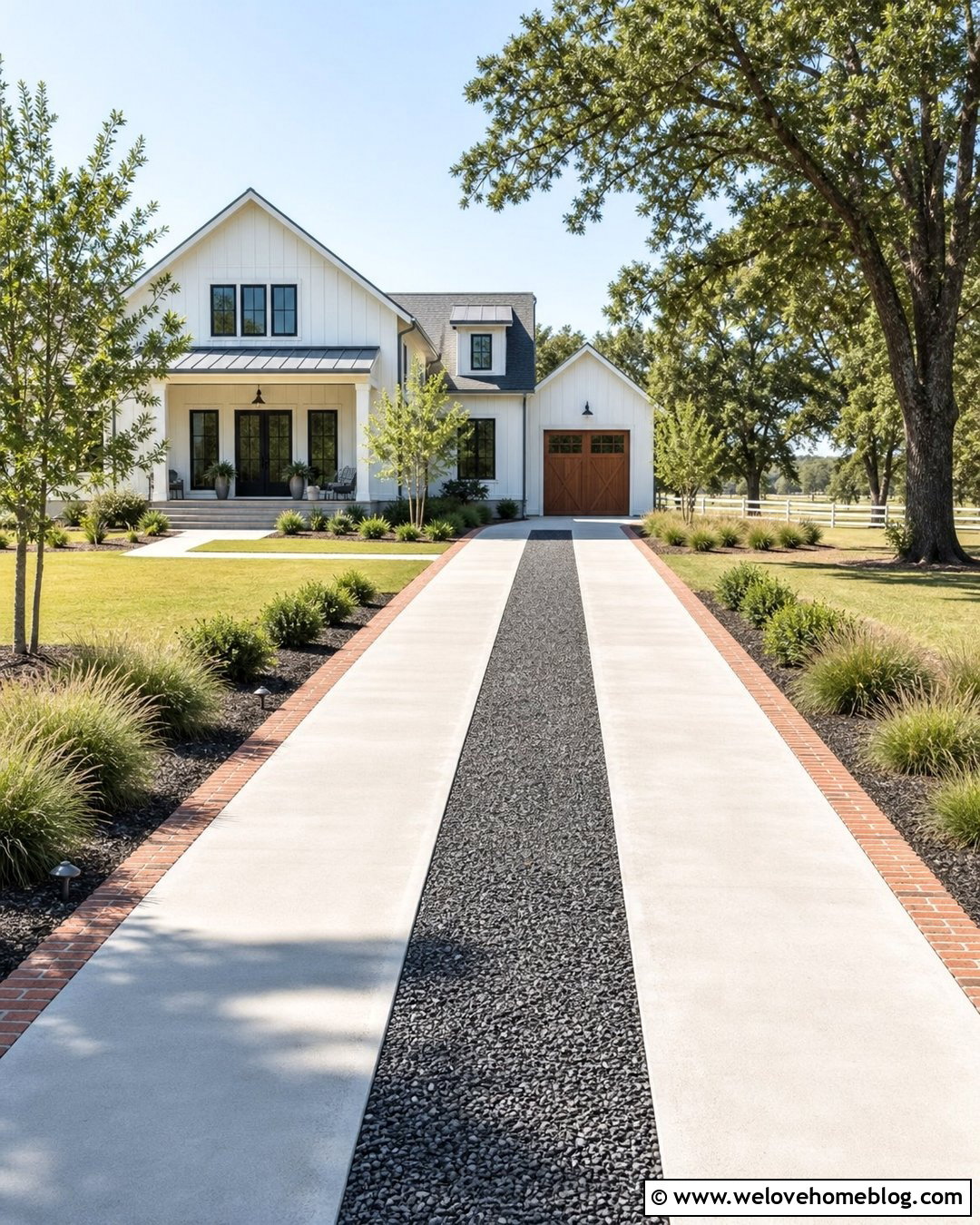
Two concrete wheel strips can widen a gravel or grass-edged driveway without covering the entire area in pavement. Pour parallel gray concrete ribbons over a strong base and leave a central strip filled with gravel or low-growing reinforced turf. Align the new ribbons with the garage opening and existing vehicle path. A flush brick border along the outer edge can contain the center material and create a neat transition to the lawn. Keep plants several feet away from the driving zone, using compact shrubs farther along the perimeter instead. This layout introduces greenery and texture while providing dependable tire support. It suits cottages, modern farmhouses, and smaller suburban lots where a solid, extra-wide slab might overwhelm the front yard.
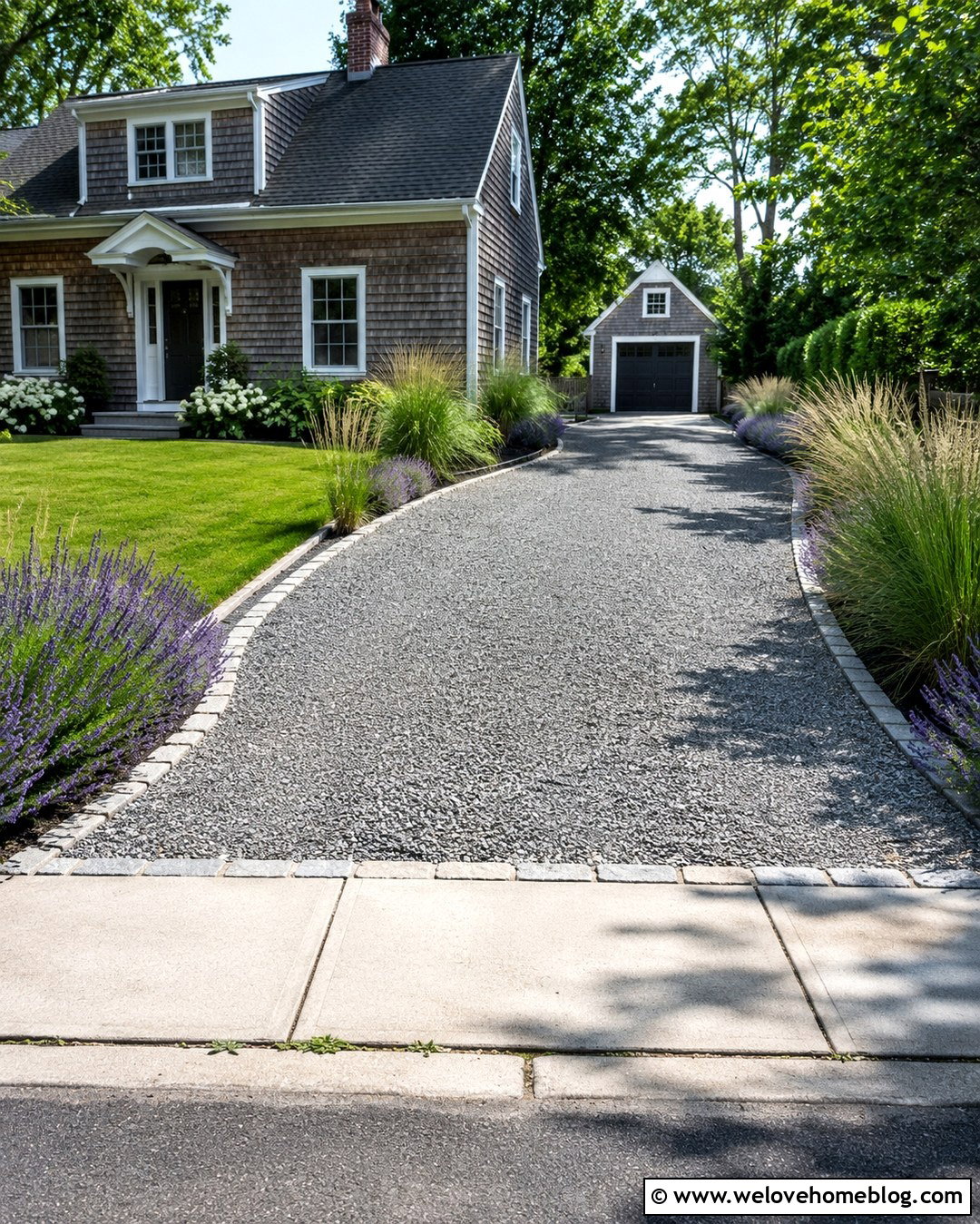
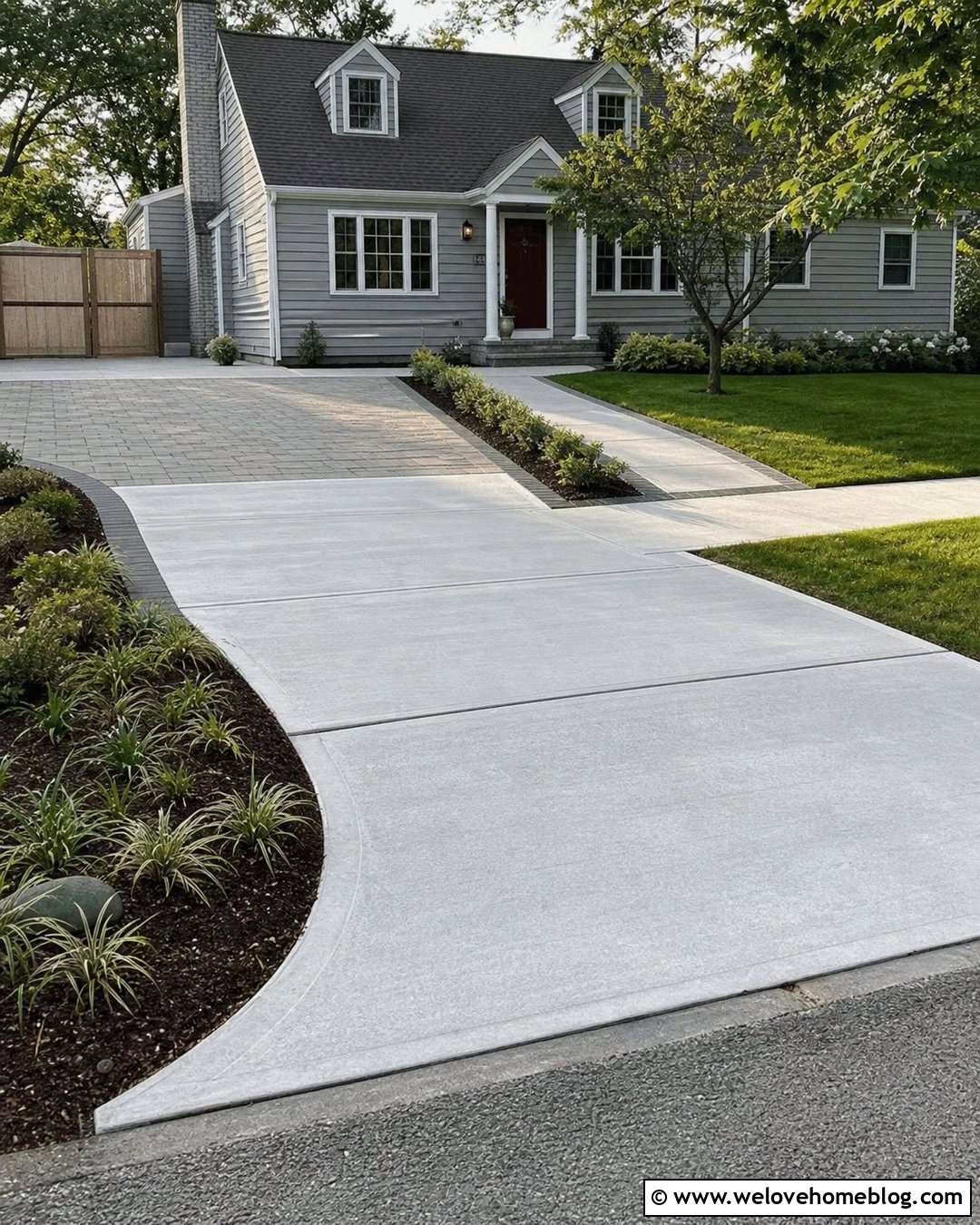
10. Resurfaced Concrete Driveway With Added Width
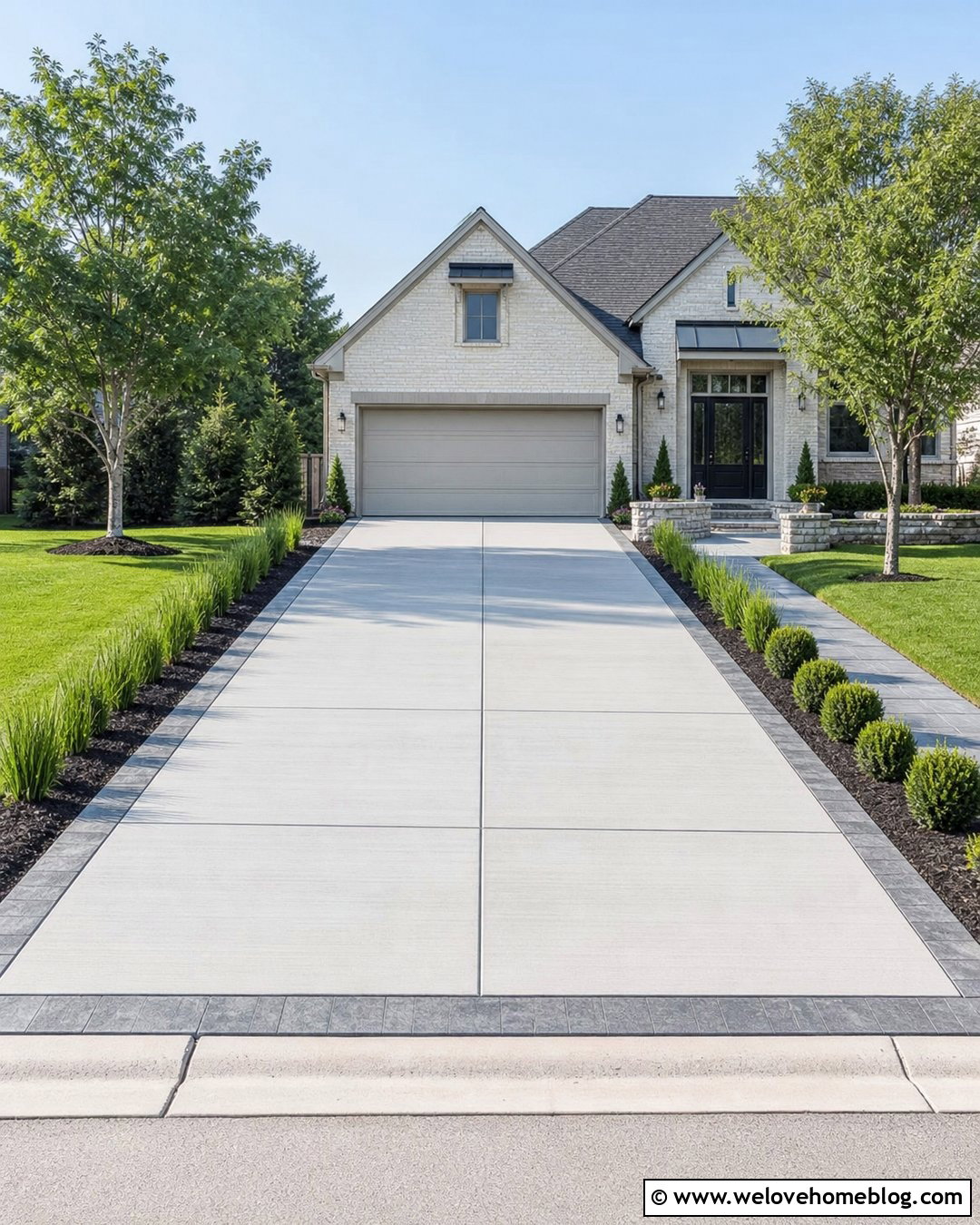
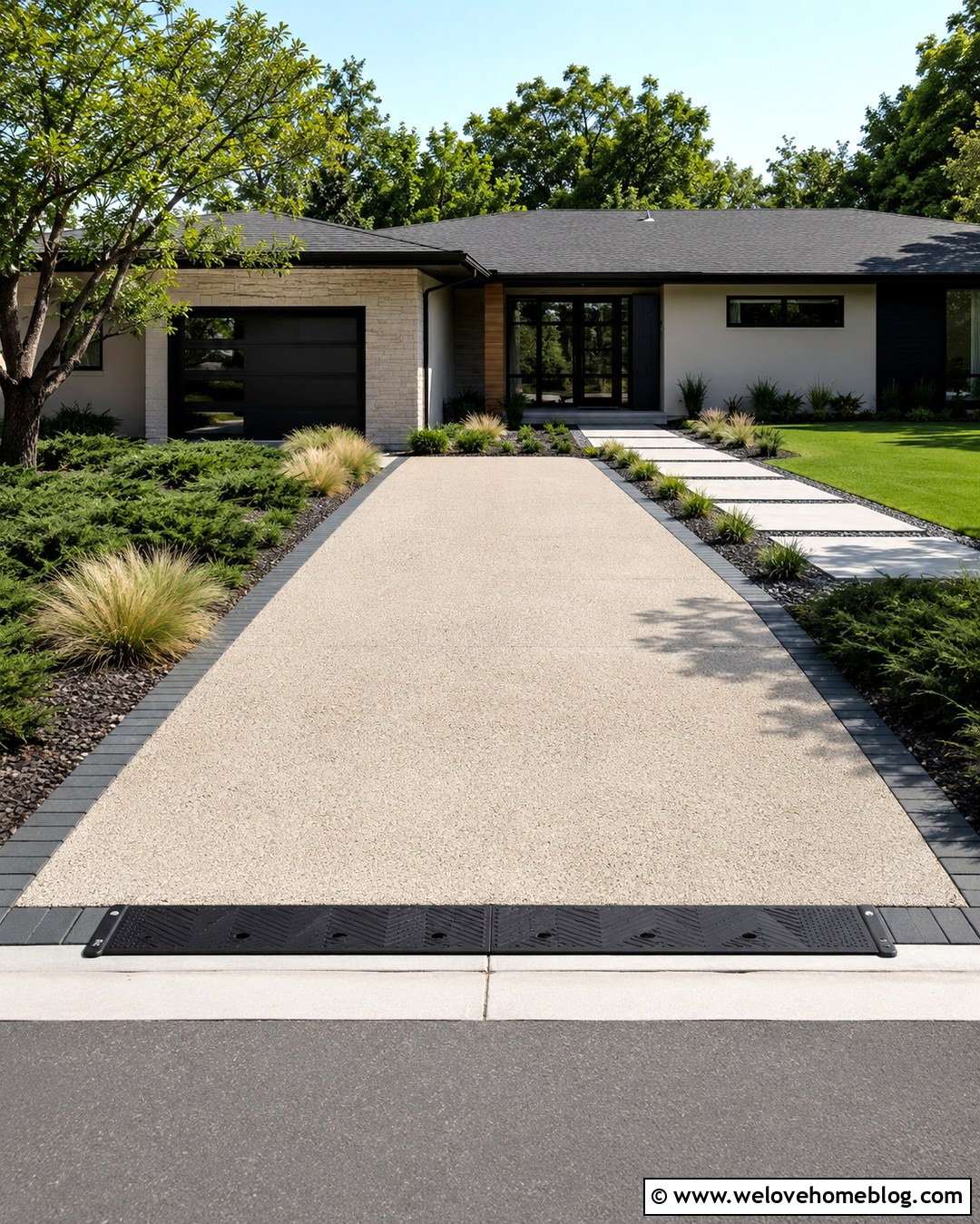
An older concrete driveway may benefit from widening and resurfacing as one coordinated project. Build the side extension with vehicle-rated concrete, repair significant damage in the original slab, and apply a compatible decorative finish across the complete surface. A light broom finish offers subtle texture, while a stamped border can define the expanded outline. Keep the driveway straight and symmetrical as it approaches a two-car garage. Narrow planting beds with upright grasses and clipped shrubs can frame the increased width without reducing visibility. Carry the concrete tone into the front walkway for continuity. This strategy is useful when matching new concrete to a stained or faded driveway would be difficult, giving the entire approach a refreshed and consistent appearance.
11. Tapered Driveway Entrance Widening
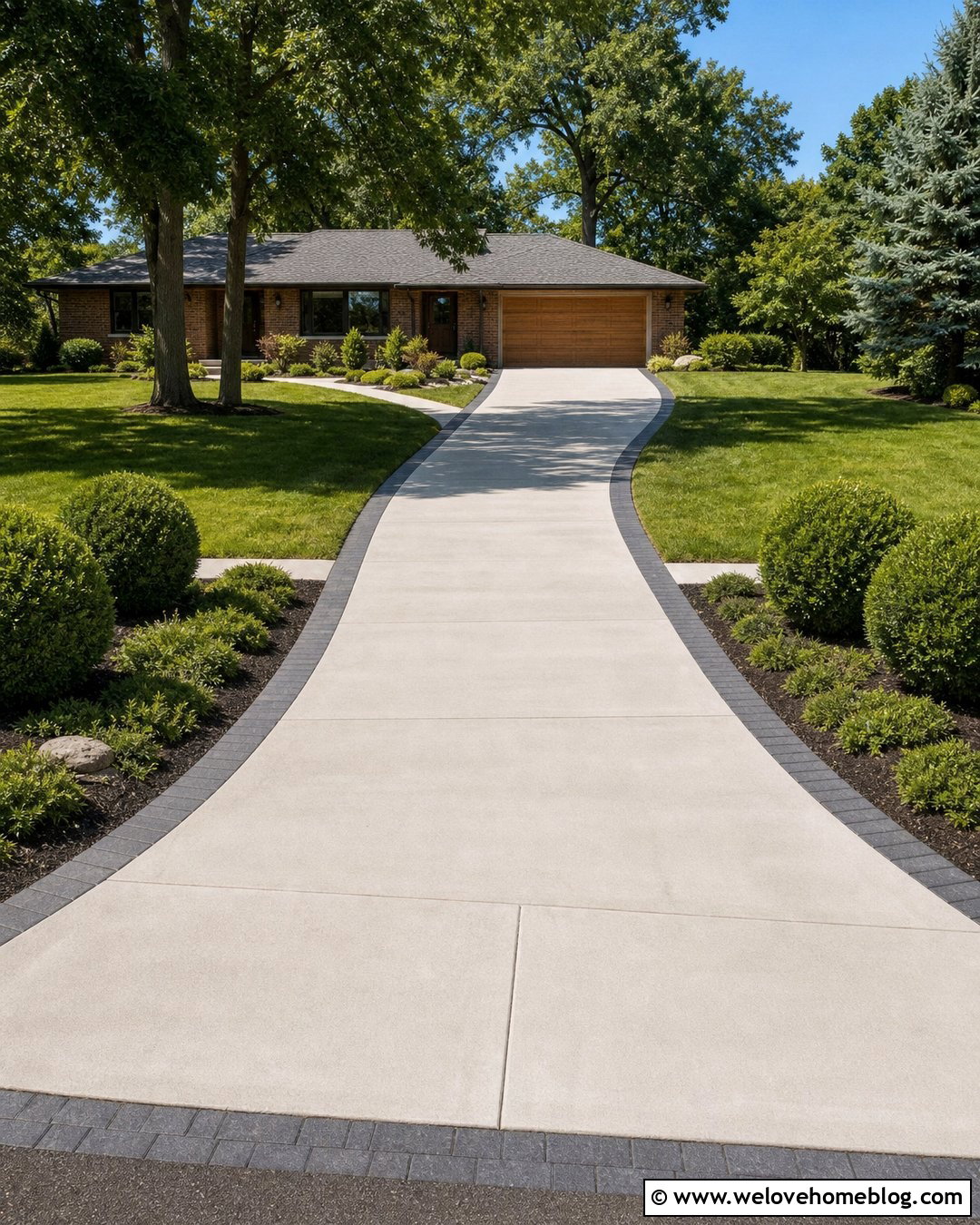
A tight entrance can be improved by gradually flaring the driveway near the street. Maintain the existing width closer to the house, then create a smooth taper that provides more turning room at the approach. Use matching asphalt or concrete for the main surface and define both sides with flush paver borders. Avoid abrupt corners that encourage tires to cross the lawn. Low ground covers, rounded shrubs, and open lawn should frame the entrance without blocking sightlines. If widening affects the public sidewalk, curb, drainage channel, or street apron, verify local approval requirements before starting. The finished layout should guide vehicles naturally into the driveway while maintaining a balanced connection between the street, front yard, and house.
12. Garage-Side Driveway Parking Pad
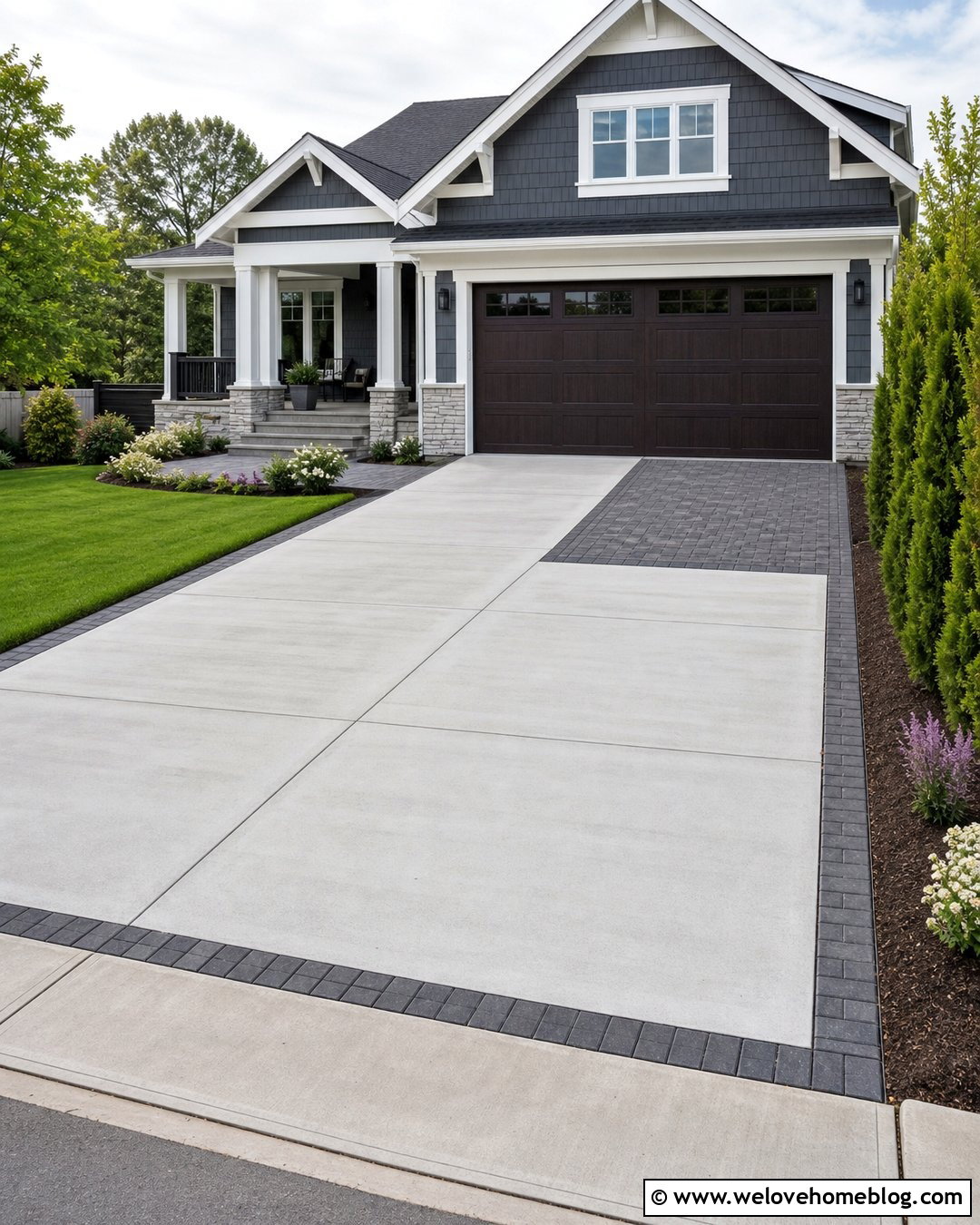
Not every driveway needs to be widened from the curb to the garage. A rectangular parking pad beside the upper section can provide an extra space while preserving more lawn near the street. Build the pad with interlocking concrete pavers that contrast gently with the existing poured concrete driveway. Position it near the garage, but leave enough clearance from walls, meters, gates, and walkways. A dark paver border can define the perimeter and connect the pad to the main drive. Plant a slim evergreen screen along the outer edge where privacy is needed, keeping branches away from parked vehicles. This layout is especially effective on suburban lots where daily parking is the priority but expanding the curb entrance is unnecessary.
13. Curved Driveway Widening
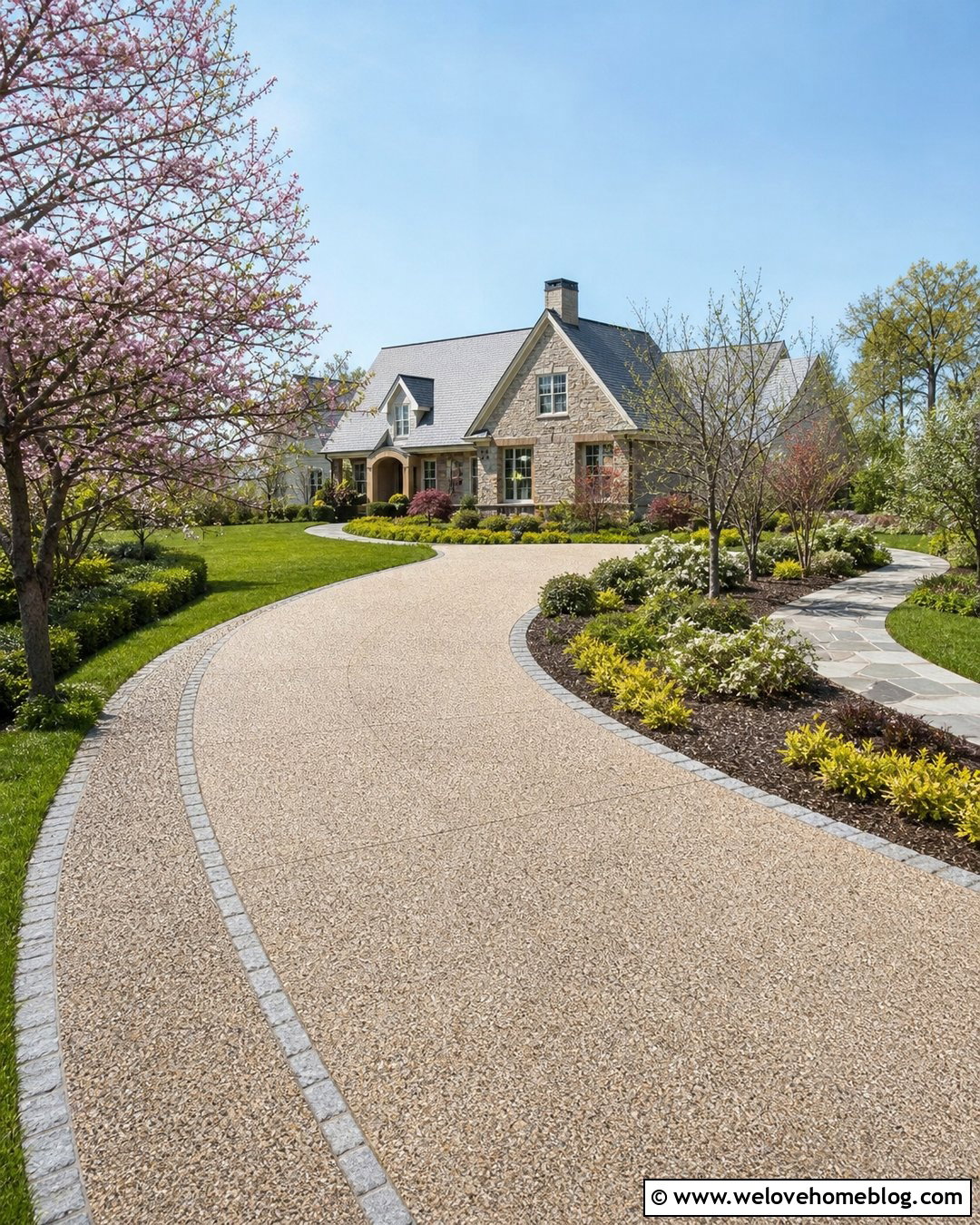
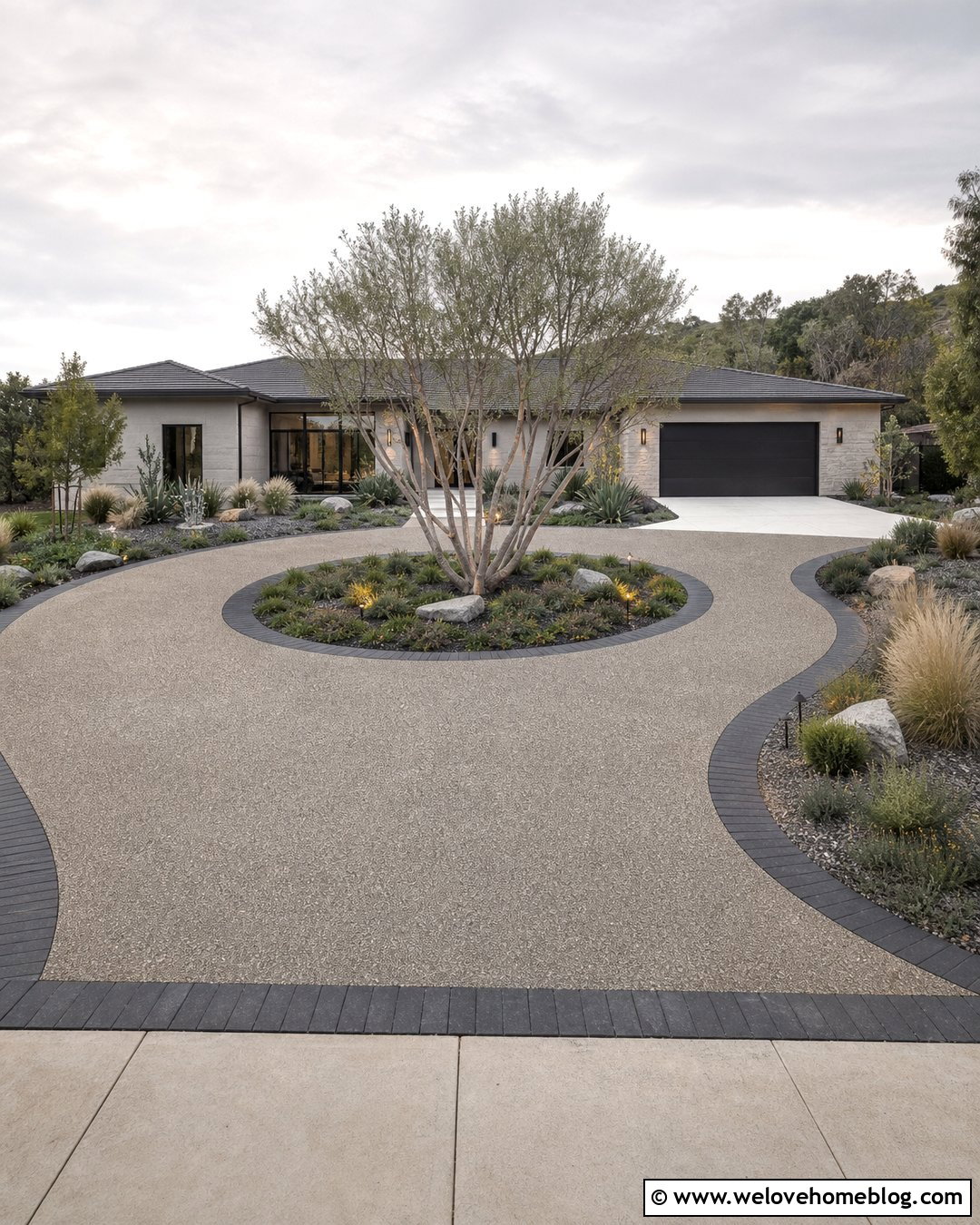
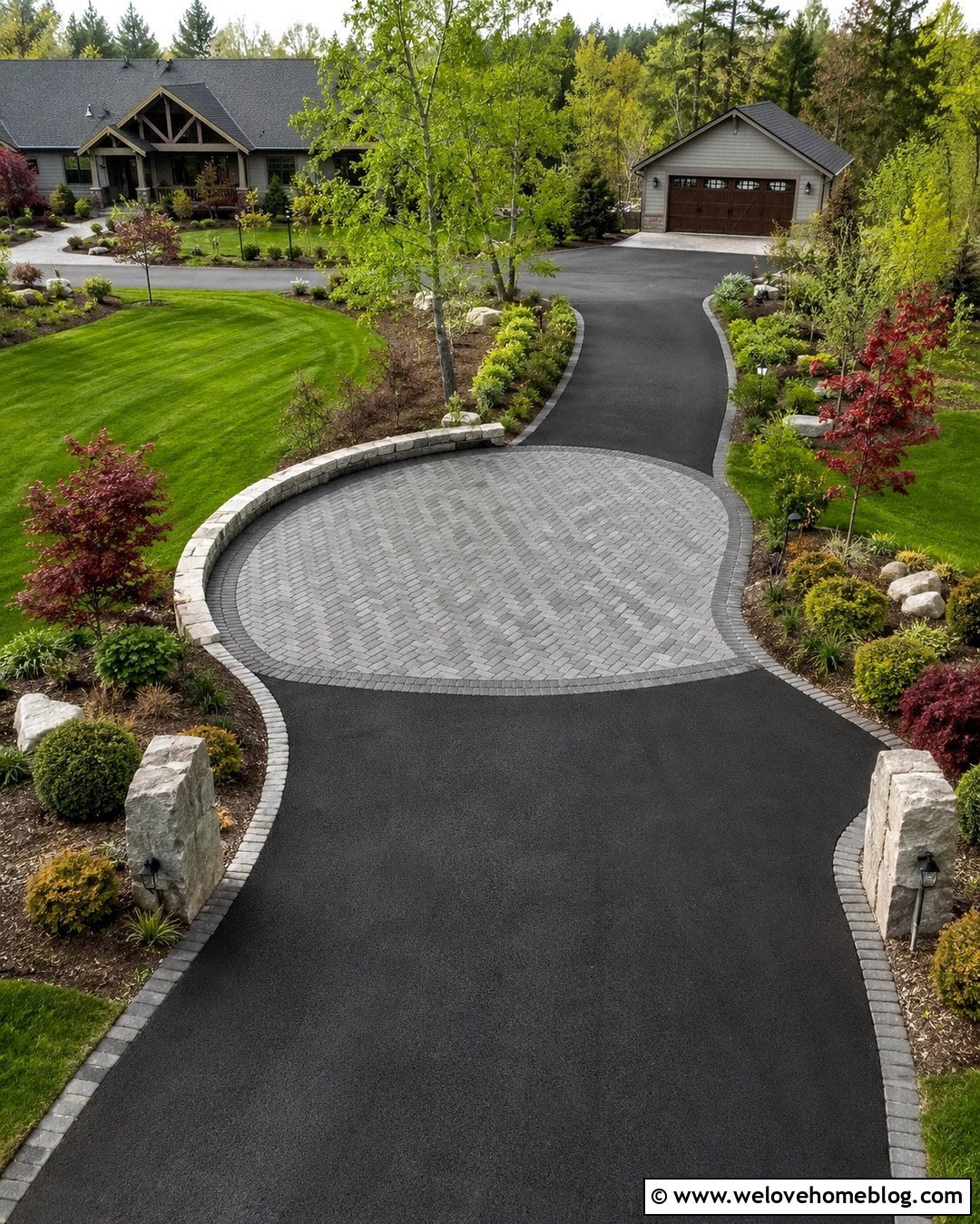
A curved driveway extension can feel more graceful than a straight strip, particularly when the existing drive passes through a broad front yard. Widen the outside of the curve using matching exposed aggregate concrete or complementary stone pavers. Maintain a smooth radius so vehicles can follow the bend without crossing the border. Install a flush cobblestone edge to reinforce the curve and prevent landscaping from creeping onto the driving surface. Layer the surrounding beds with low ground covers, flowering shrubs, and small ornamental trees. Keep taller plants away from the entrance and inside turning areas. The sweeping shape makes the extra pavement feel integrated into the landscape while offering better maneuvering space for larger vehicles and visiting drivers.
14. Driveway Turnaround Pad
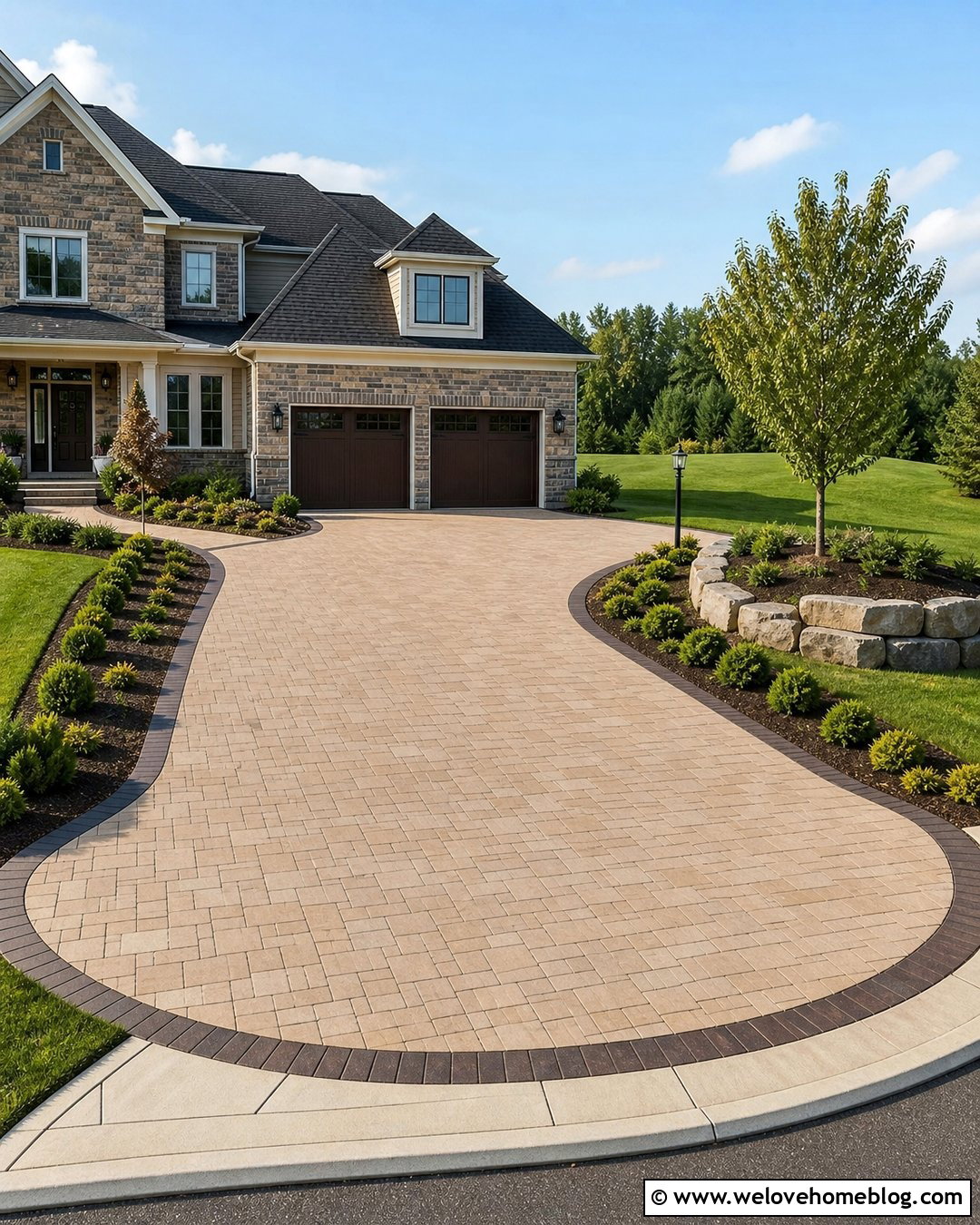
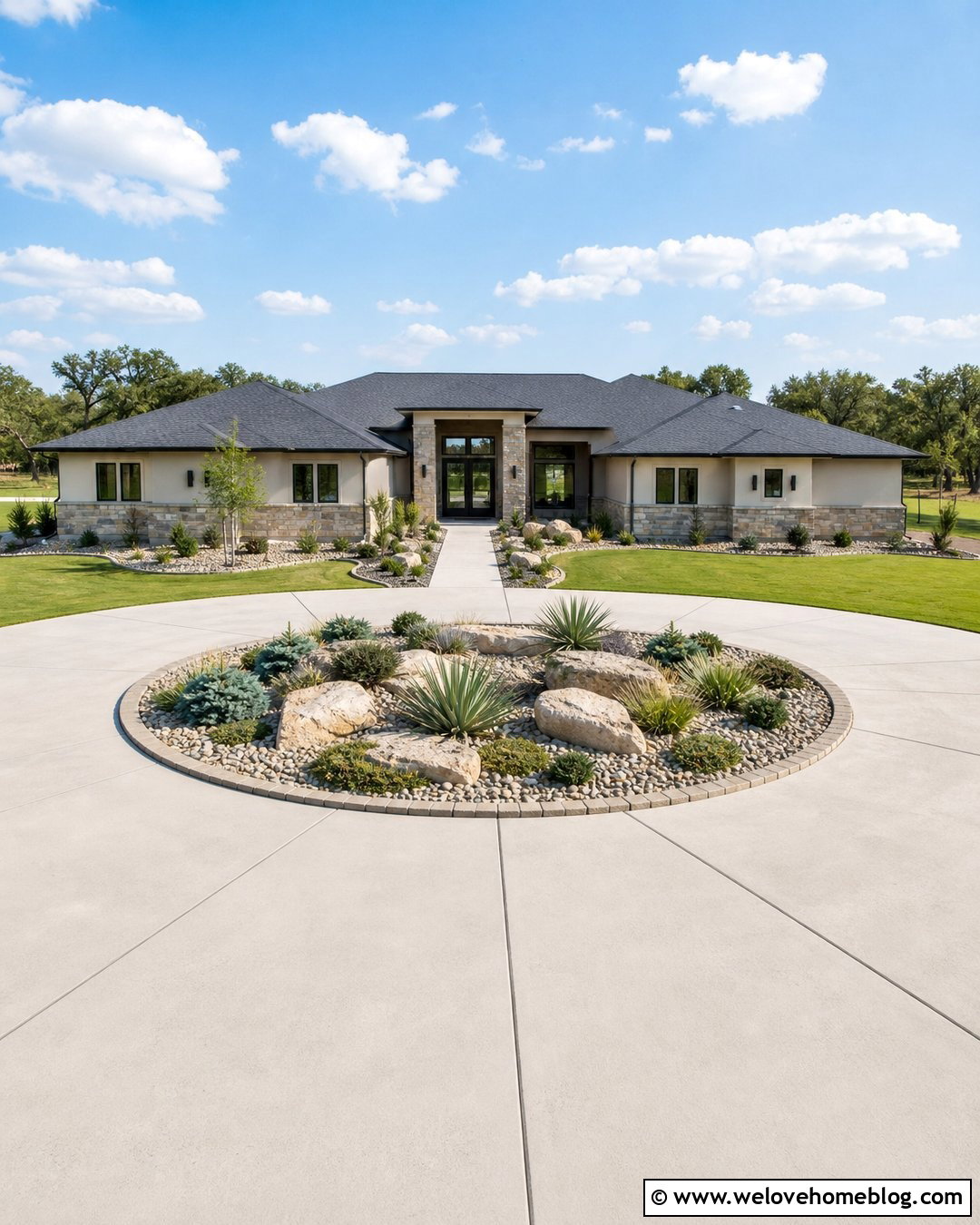
A turnaround pad adds useful width where backing onto a busy street is inconvenient. Extend one side of the driveway near the house with a broad paver or concrete area shaped like a shallow T, hammerhead, or rounded pull-off. Match its surface to the main drive or use a coordinating border to connect the two materials. The pad should provide clear maneuvering space without directing vehicles into planting beds or walkways. Frame the outer edge with lawn, low evergreen shrubs, and one well-positioned ornamental tree. A stone retaining edge may be necessary on sloped ground. The completed design gives drivers a practical place to turn, load, or temporarily park while preserving an attractive residential appearance from the curb.
15. Driveway Extension With A Walkway
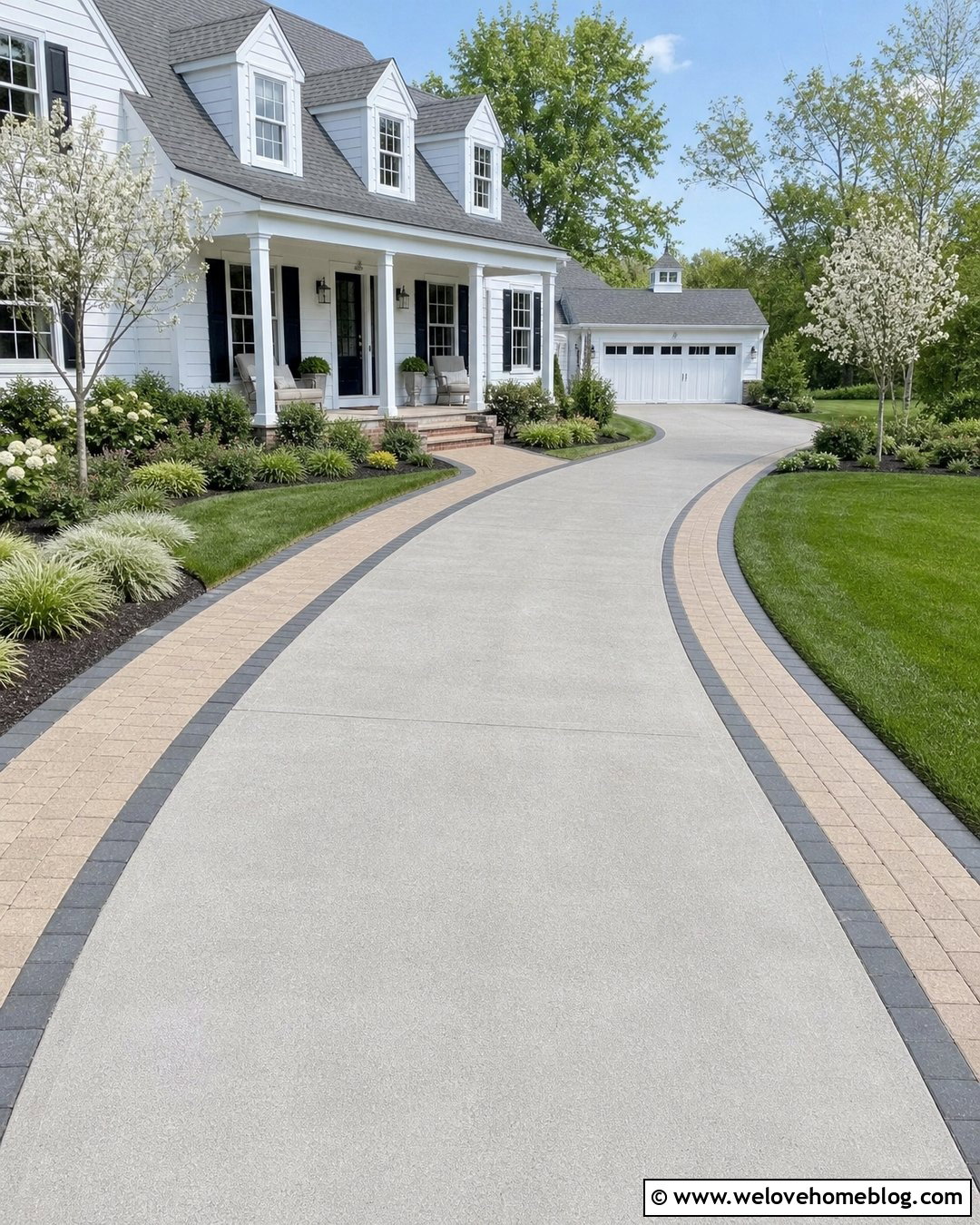
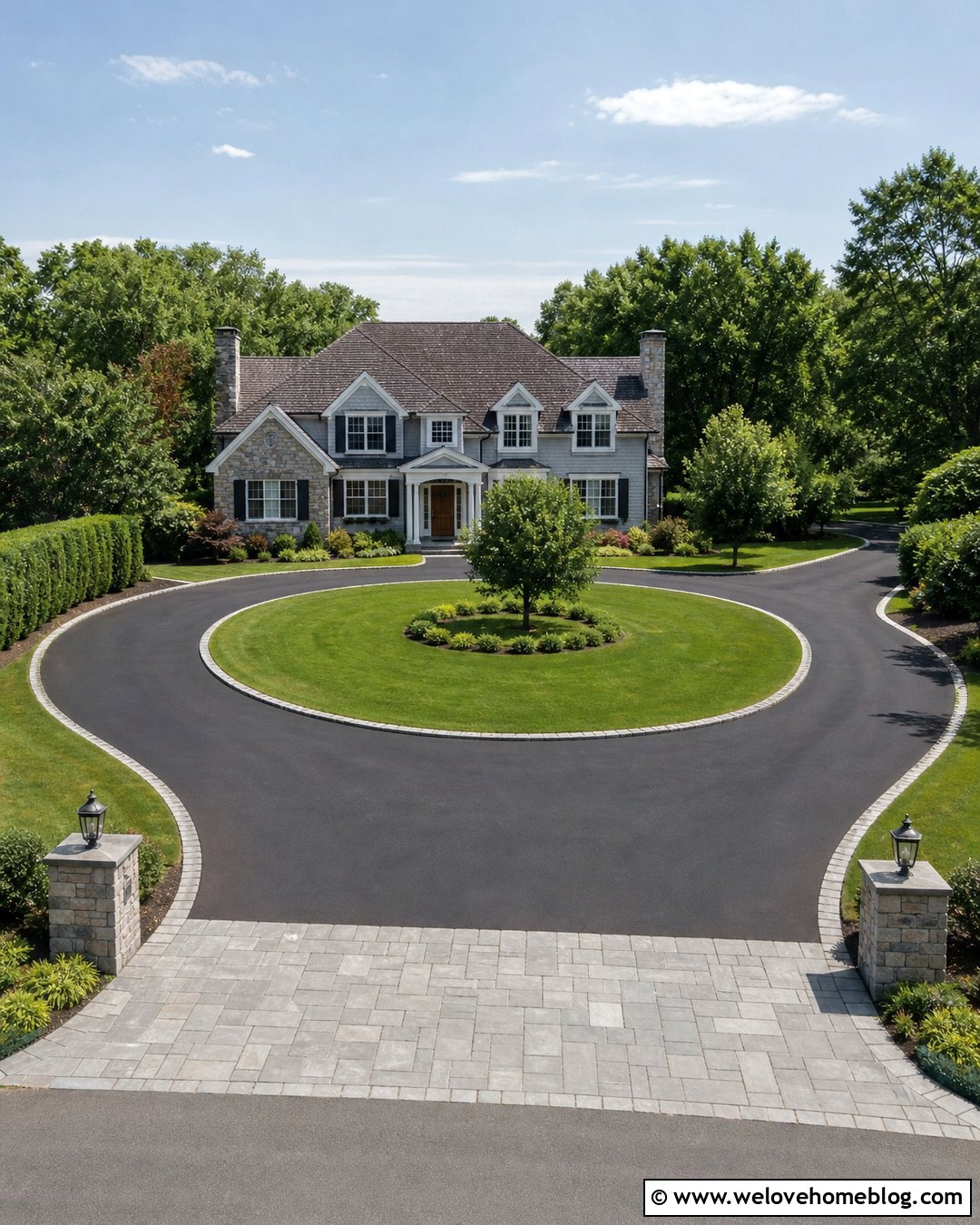
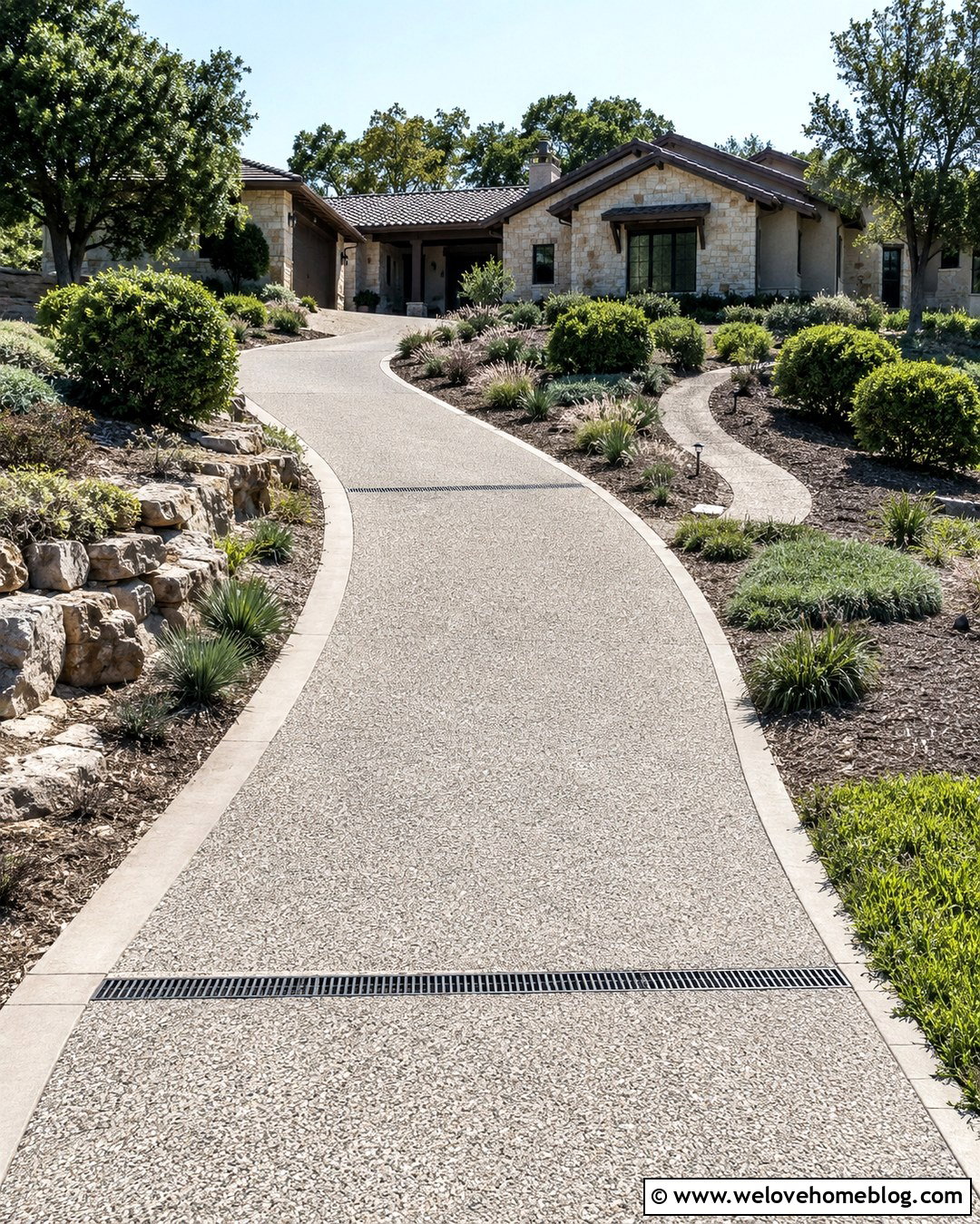
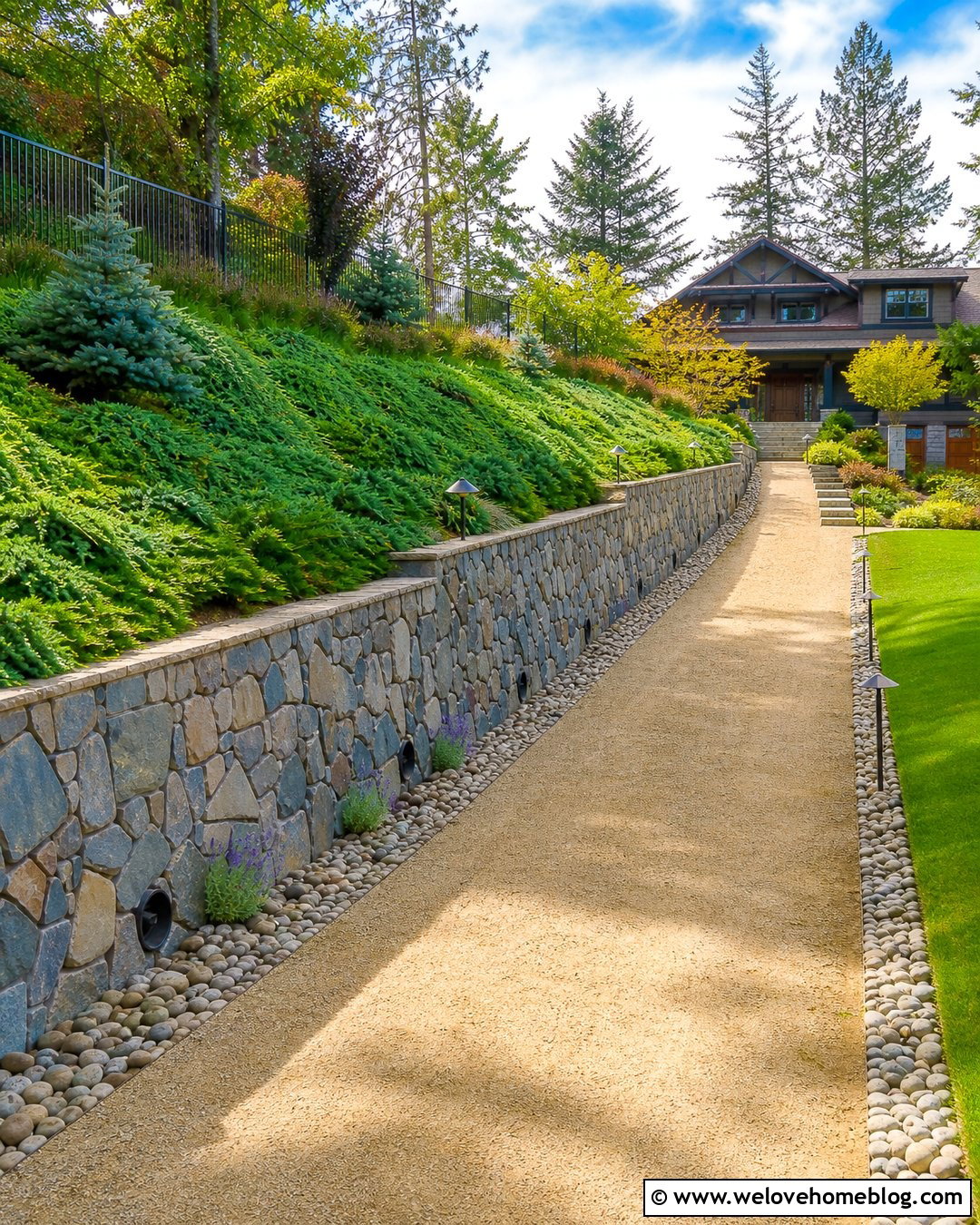
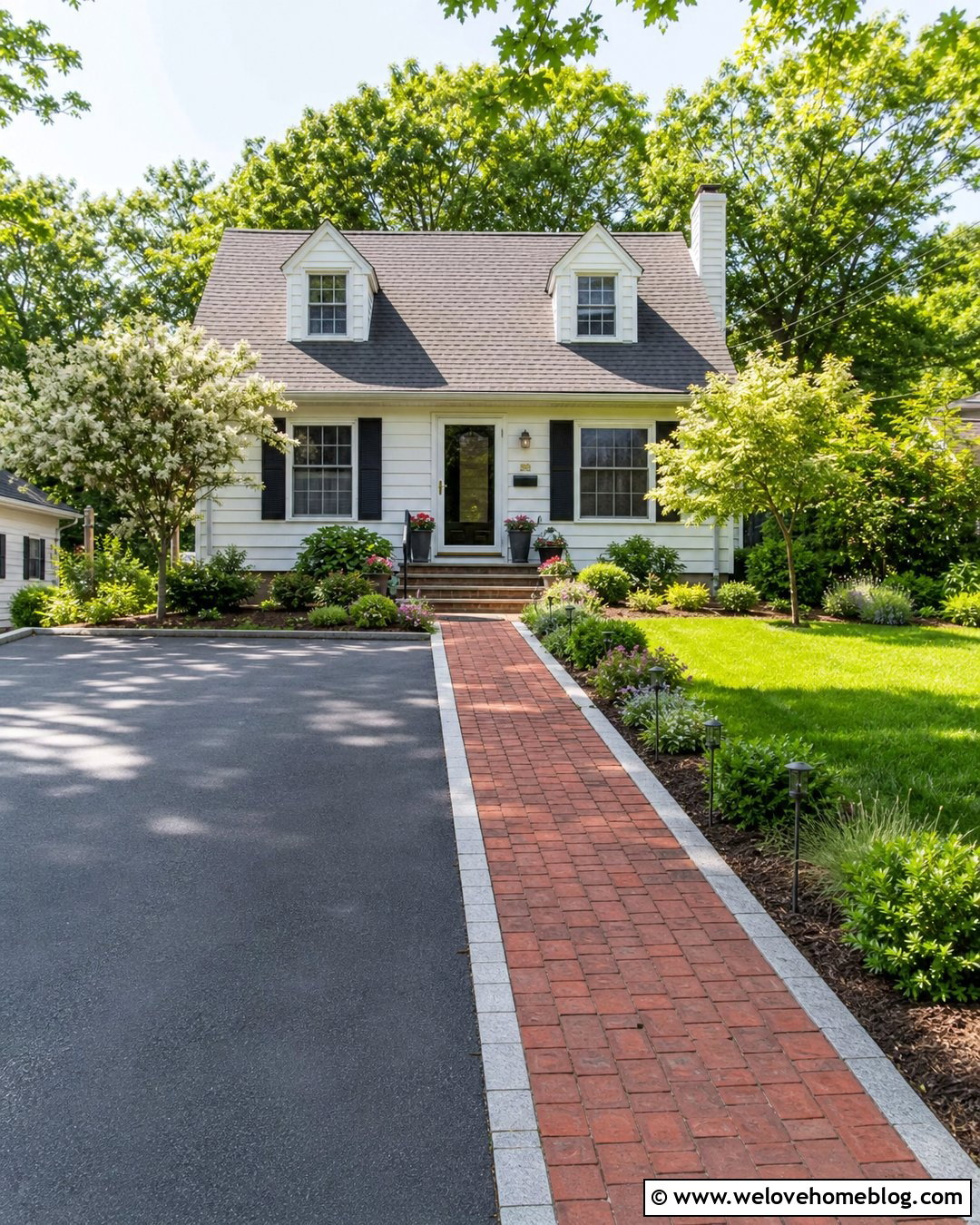
Combining the widened edge with a pedestrian path can make a small property work harder. Add a three-foot or wider band of textured concrete pavers beside the existing driveway, building the base to support occasional vehicle use. The strip functions as extra parking clearance when needed and as a comfortable walkway when a vehicle occupies the main drive. Use a contrasting border to distinguish the path visually without raising the surface. Lead it directly toward the porch or front steps, avoiding an awkward dead end at the garage. A narrow planting bed with low flowers and grasses can separate the walkway from the lawn. This complete layout improves parking, guest access, and curb appeal within one carefully planned extension.
16. Sloped Driveway Widening With A Retaining Wall
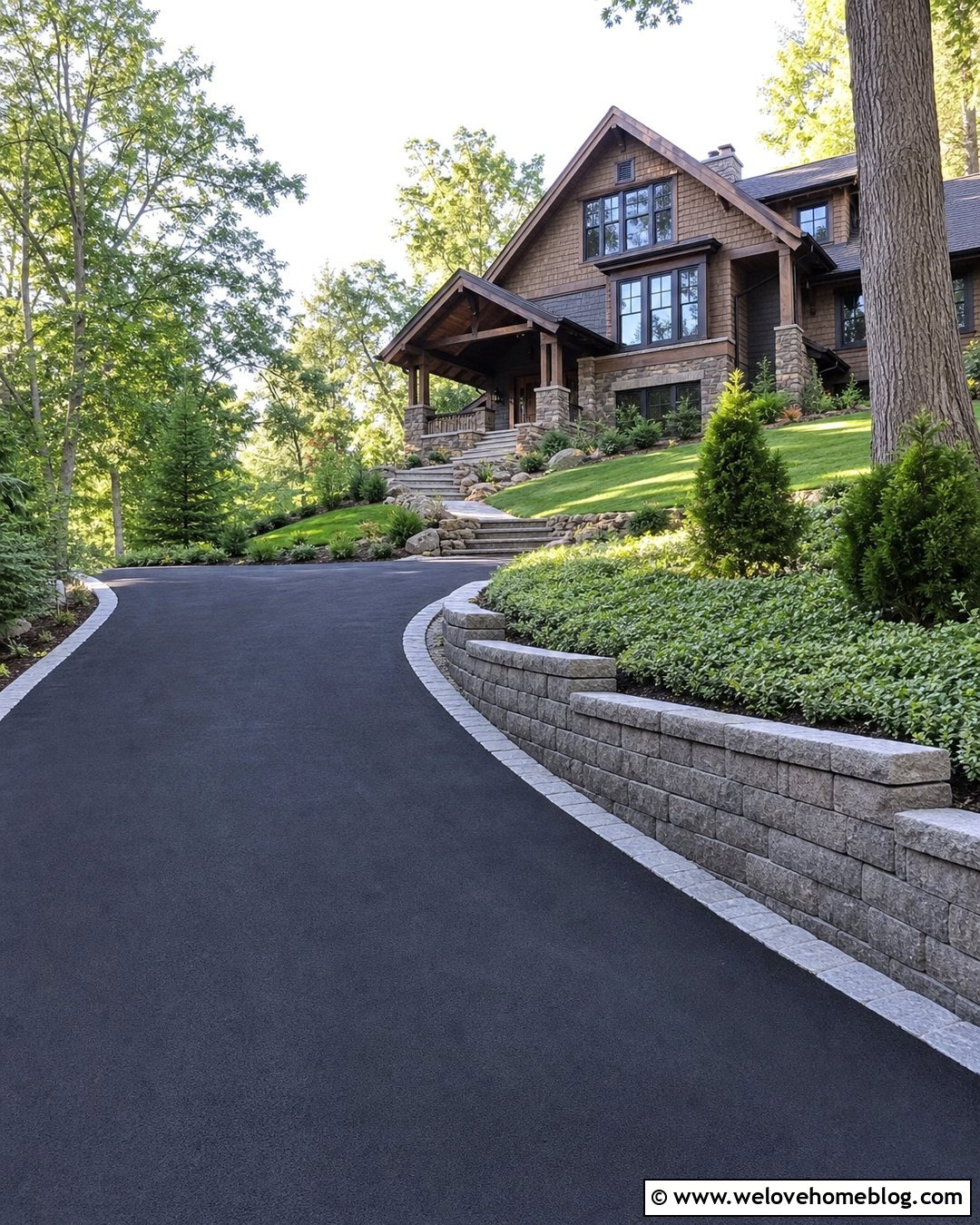
Widening a driveway on sloped ground requires more than removing a strip of lawn. Support the higher side with an engineered retaining wall made from segmental concrete blocks, natural stone, or reinforced poured concrete. Extend the driveway with matching asphalt or concrete and install a secure edge along the lower side. The wall should follow the driveway grade while managing soil pressure and directing water safely. Add shallow-rooted ground covers above the wall and keep large trees away from the structure. A metal handrail or guard may be appropriate where the drop is significant. This integrated design creates level parking space, controls erosion, and gives the expanded driveway a deliberate boundary rather than an unstable soil bank.
17. Grass Paver Driveway Extension
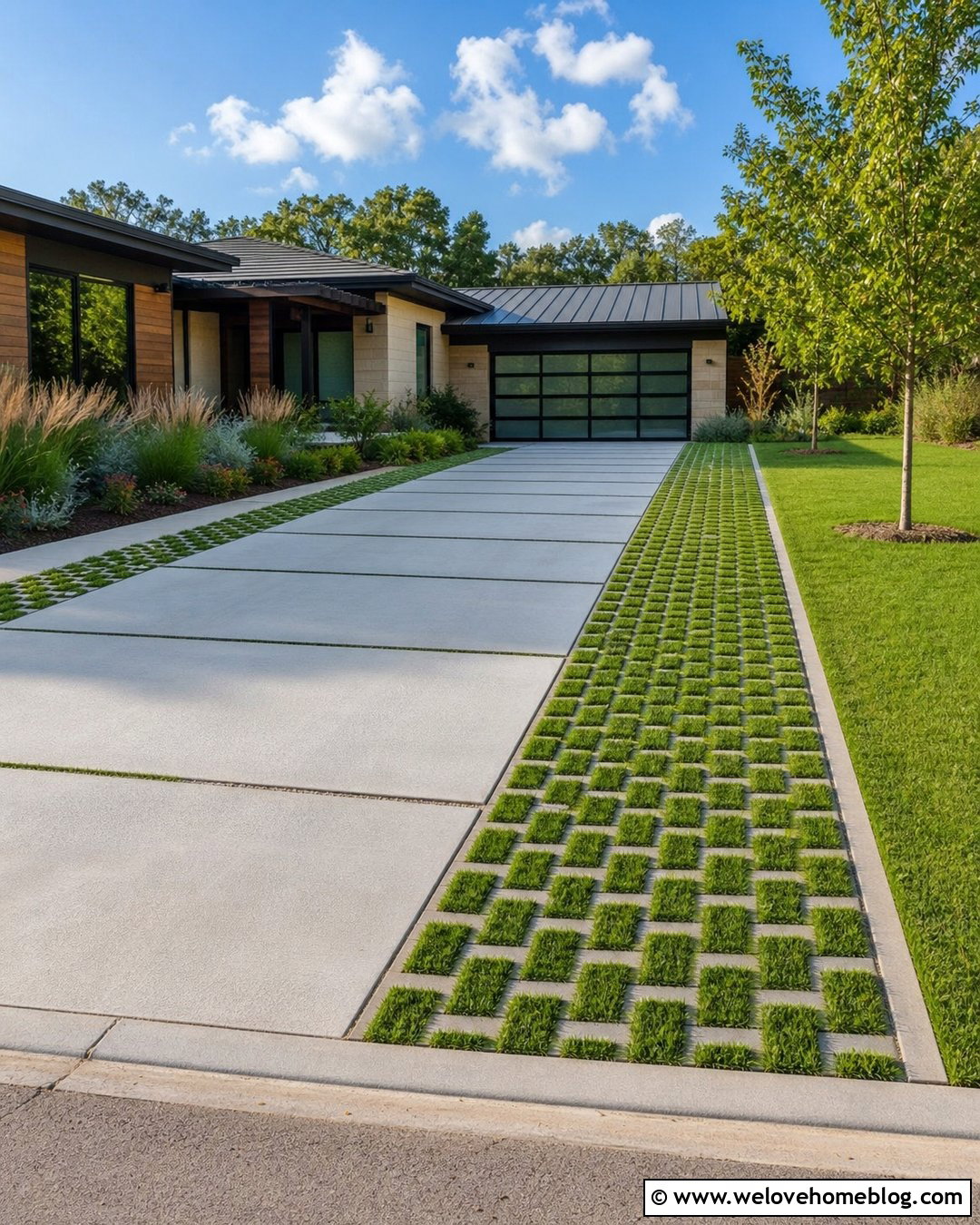
Grass pavers provide occasional parking space while preserving a greener front-yard appearance. Install heavy-duty concrete or recycled plastic grid units over a load-bearing, free-draining base beside the existing driveway. Fill the openings with suitable soil and tough grass, keeping the finished surface level with the adjoining pavement. Create a straight extension near the garage or a wider pull-off along one side. A narrow concrete mowing strip will produce a clean edge and make lawn maintenance easier. Continue regular turf across the outer boundary for a nearly seamless transition. This design works best for overflow parking rather than areas exposed to constant turning. It complements modern eco-conscious homes, casual ranch houses, and properties where reducing the visual impact of pavement matters.
18. Decomposed Granite Driveway Extension
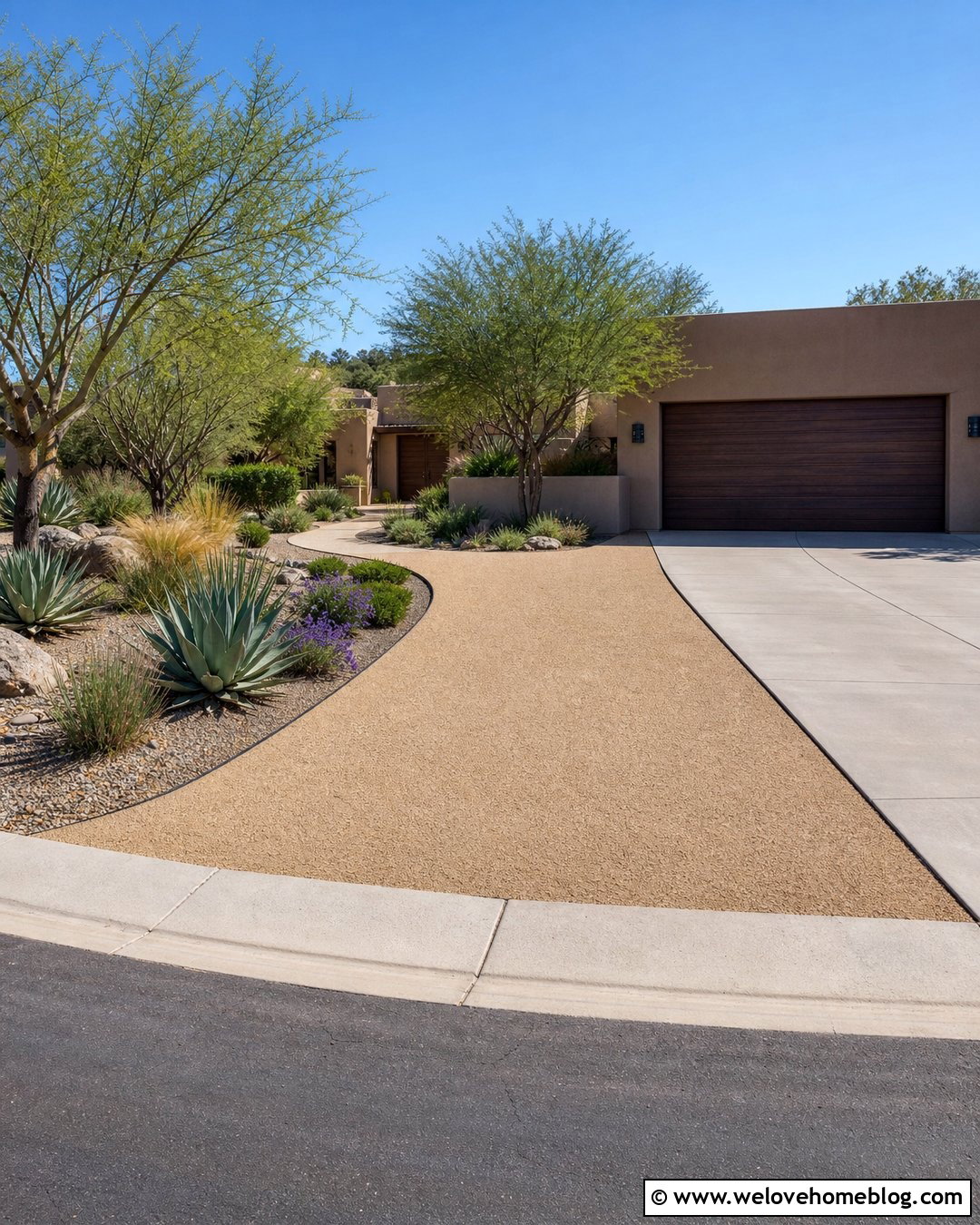
Warm-toned decomposed granite can create an affordable extension that feels at home in dry, Southwestern, and modern landscapes. Excavate the side area, construct a compacted aggregate base, and install stabilized decomposed granite in tan, gold, or rust tones. Steel edging separates the new surface from planting beds and keeps the outline crisp. Widen the driveway more generously near the garage, then taper it toward the street for a softer footprint. Surround the extension with gravel mulch, ornamental grasses, agave, or other climate-appropriate plants. Repeat the granite in a nearby walkway to make the material look intentional. Proper stabilization and drainage are important because loose fines can track onto the original driveway during heavy rain.
19. Driveway Widening With A Drainage Channel
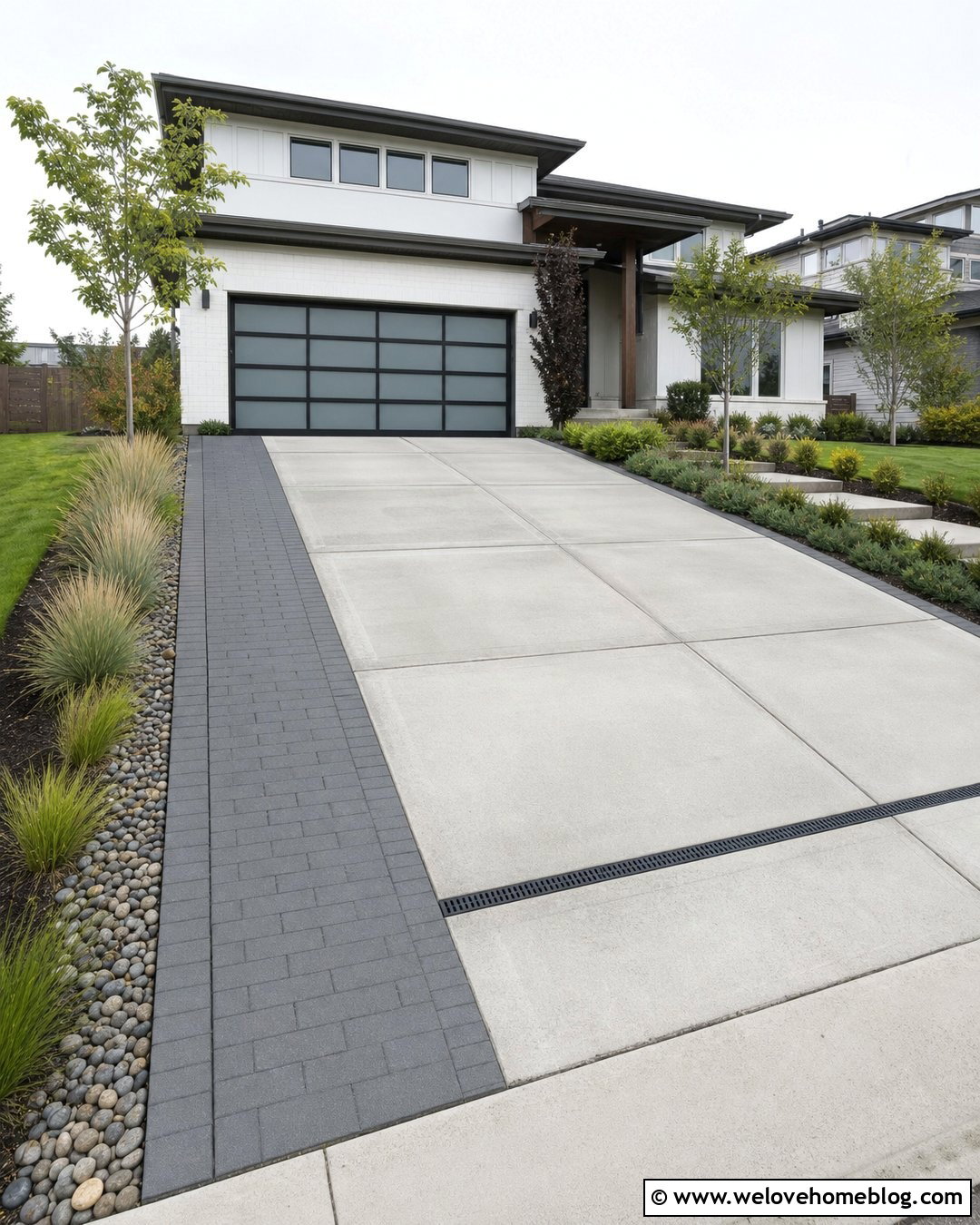
Water management should become part of the design when widening a driveway reduces nearby lawn or changes the existing slope. Add a paver extension beside the main concrete surface and install a slim channel drain across the lower section or along the garage threshold. Use a grate color that blends with the paving rather than becoming a strong visual feature. Grade the widened surface toward an approved drainage destination and away from the foundation. A border of river rock and moisture-tolerant grasses can help integrate a shallow drainage zone into the landscaping. Keep the driveway layout simple and maintain clear access for cleaning the channel. The result provides extra parking while helping control puddles, runoff, and staining around the house.
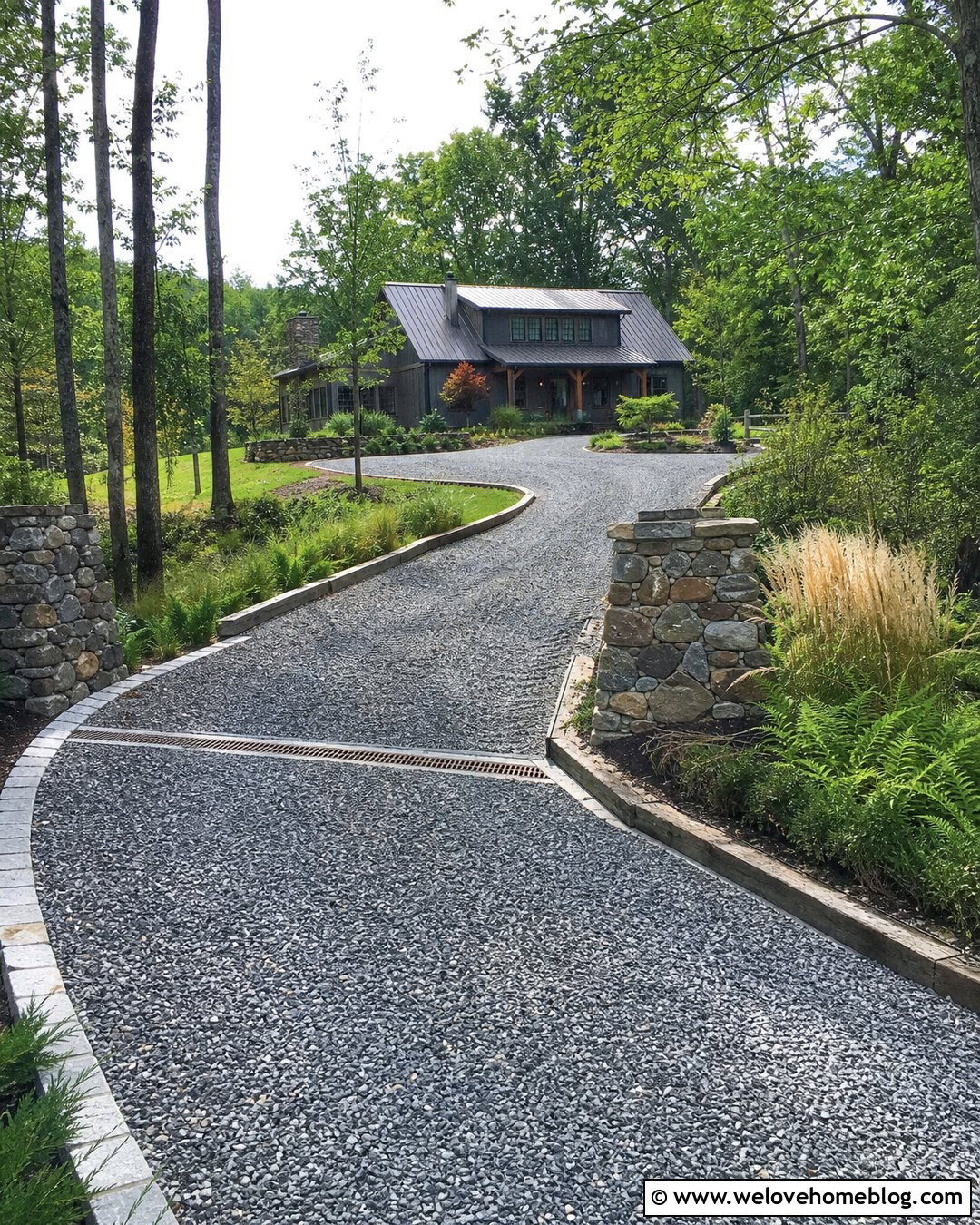
20. Symmetrical Driveway Widening On Both Sides
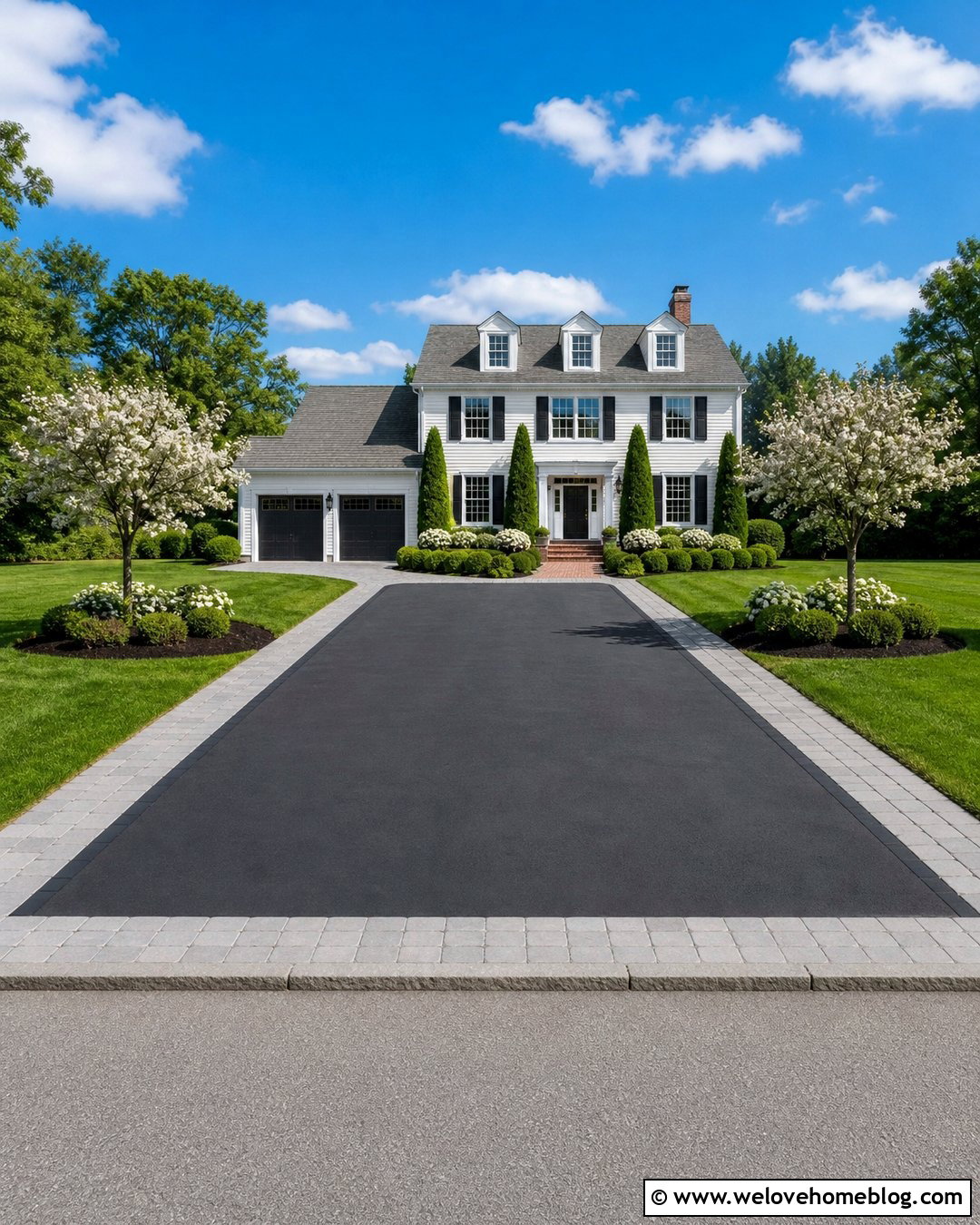
Adding equal-width extensions to both sides can make a narrow driveway feel balanced and connected to the house. Continue the central black asphalt surface, then install matching light-gray concrete paver shoulders along each edge. The contrasting bands provide extra tire and door clearance without making the entire area look like one oversized parking lot. Carry the pavers across the garage threshold or street entrance as a unifying ribbon. Mirror the surrounding landscaping with low hedges, small trees, and evenly shaped planting beds. Keep borders flush so every part of the expanded surface remains usable. This symmetrical design works particularly well for homes with centered garages, formal facades, and straight front walks because it reinforces the architecture’s natural alignment.
Conclusion:
The best way to widen a driveway is to combine practical parking needs with materials and details that already suit the home. A matching concrete extension creates continuity, while pavers, gravel, cobblestone, or grass grids can turn the added width into a deliberate design feature. Consider where extra space is truly needed before removing lawn across the entire driveway. A garage-side pad, tapered entrance, walkway strip, or turnaround may solve the problem with less construction. Strong base preparation, secure edging, careful grading, and effective drainage are essential for lasting results. Always review local requirements before changing an apron or curb. Use these 20 Driveway To Widen Ideas to plan a functional, cohesive upgrade.

Related posts:
Leave a Reply