
Expanding a driveway can solve everyday parking problems while giving the entire front yard a more intentional look. The best approach is not simply adding pavement beside the existing surface. A successful extension should connect naturally with the driveway’s material, shape, border, drainage, landscaping, and home exterior. Options range from matching concrete and affordable gravel to decorative pavers, permeable grids, and practical turning pads. Before construction, check local zoning, setback, drainage, curb-cut, and HOA requirements because driveway widening rules vary by location. () Whether you need one extra parking space or a wider two-car approach, these complete designs balance function with curb appeal. Explore these **20 Expand Driveway Ideas** to find a layout that fits your property.
1. Matching Concrete Driveway Extension
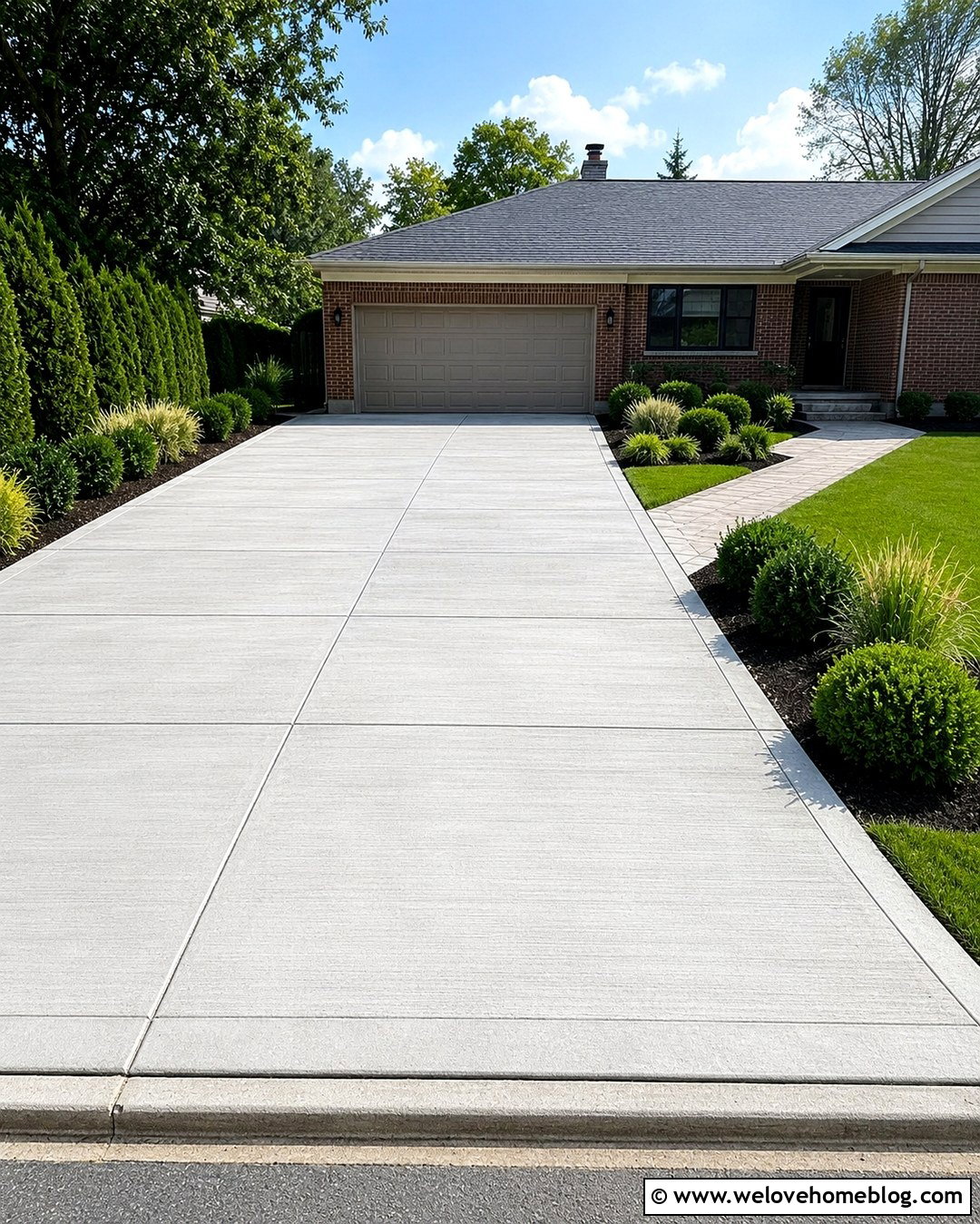
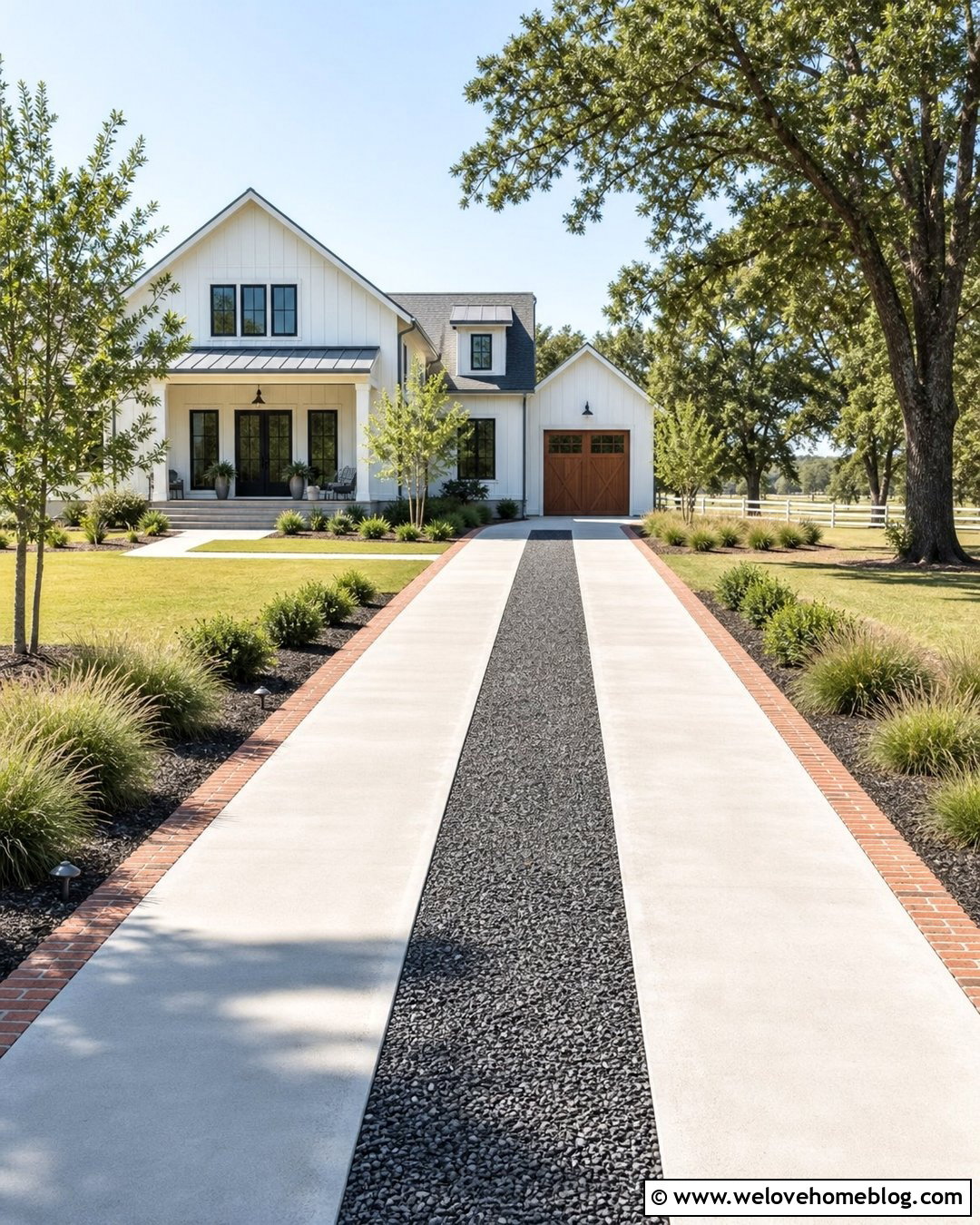
A matching concrete extension creates a clean, permanent surface that looks like part of the original driveway. Widen a straight concrete drive along one side, then continue the new pavement toward the garage for a balanced two-car layout. Match the existing color, broom finish, control-joint pattern, and border as closely as possible. If an exact match is difficult, resurfacing both areas can create a more unified appearance. Add narrow planting beds along the outer edges with low ornamental grasses and compact evergreen shrubs. A brick or concrete paver walkway can separate the driveway from the lawn without reducing useful parking space. This complete look works especially well with ranch, split-level, and traditional suburban homes where a simple, practical expansion feels most natural.
2. Concrete Driveway Extension With Paver Border
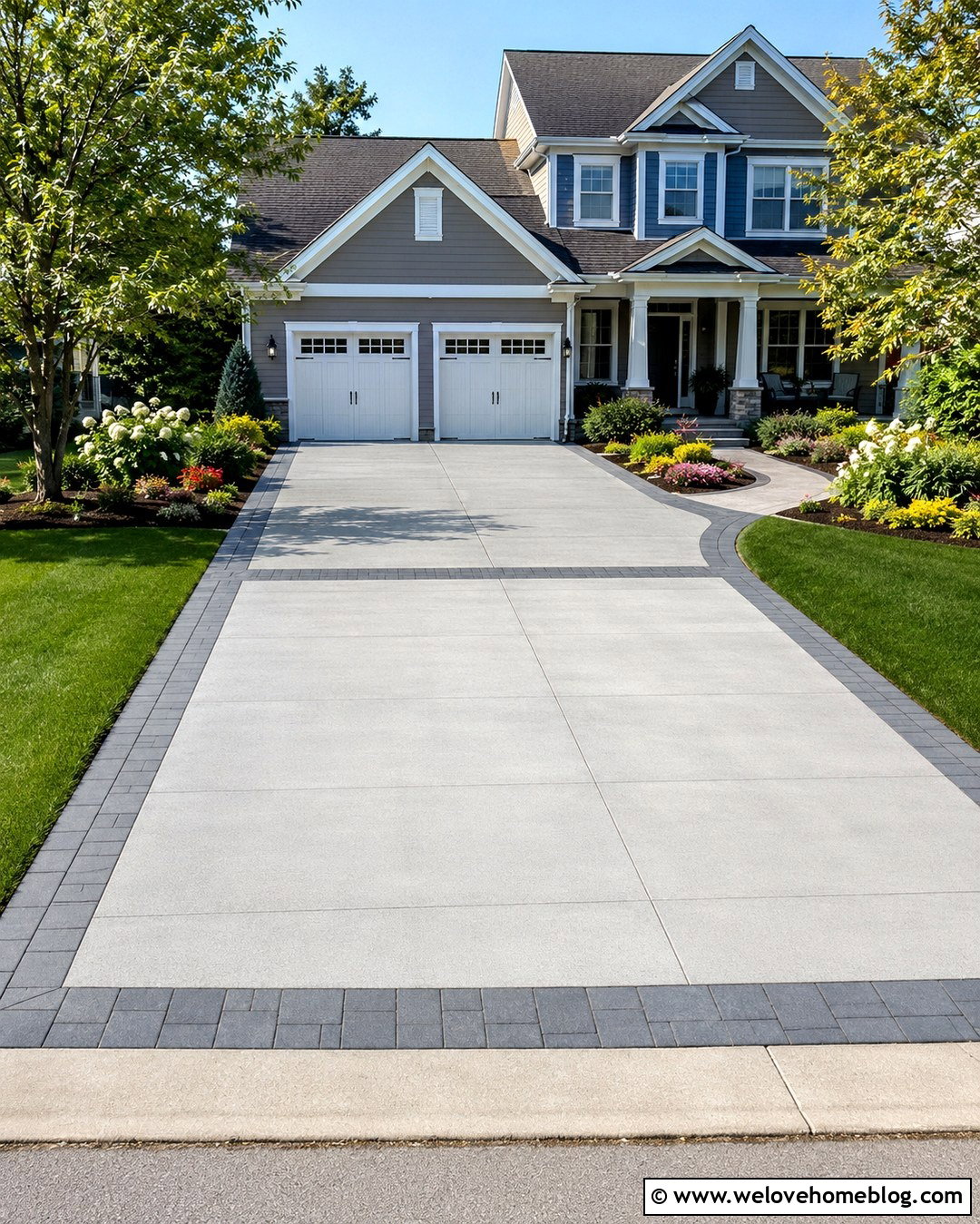
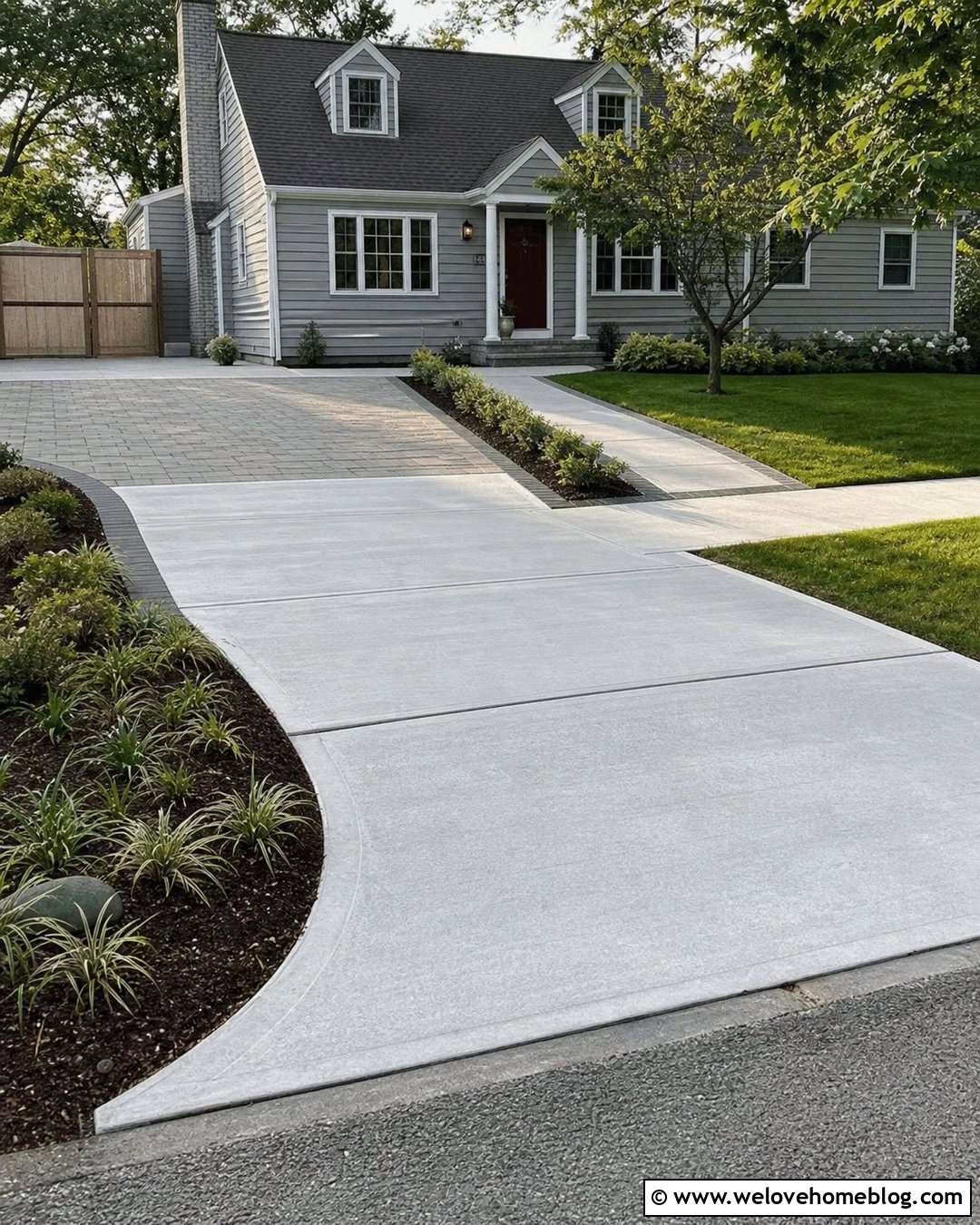
What if the new concrete cannot perfectly match the weathered driveway? Turn the difference into an intentional design feature by framing the entire surface with pavers. Expand the concrete driveway on one side, then install a continuous charcoal, tan, or red paver border around both the old and new sections. A matching paver ribbon across the driveway can visually connect the materials and disguise the construction transition. Keep the wider layout rectangular near the garage while gently flaring the entrance for easier movement. Finish the outer edge with clipped shrubs, flowering perennials, and a simple walkway leading toward the front door. This approach gives a standard concrete extension more character while helping it complement brick, stone, or neutral siding on the house.
3. Gravel Driveway Extension With Stone Edging
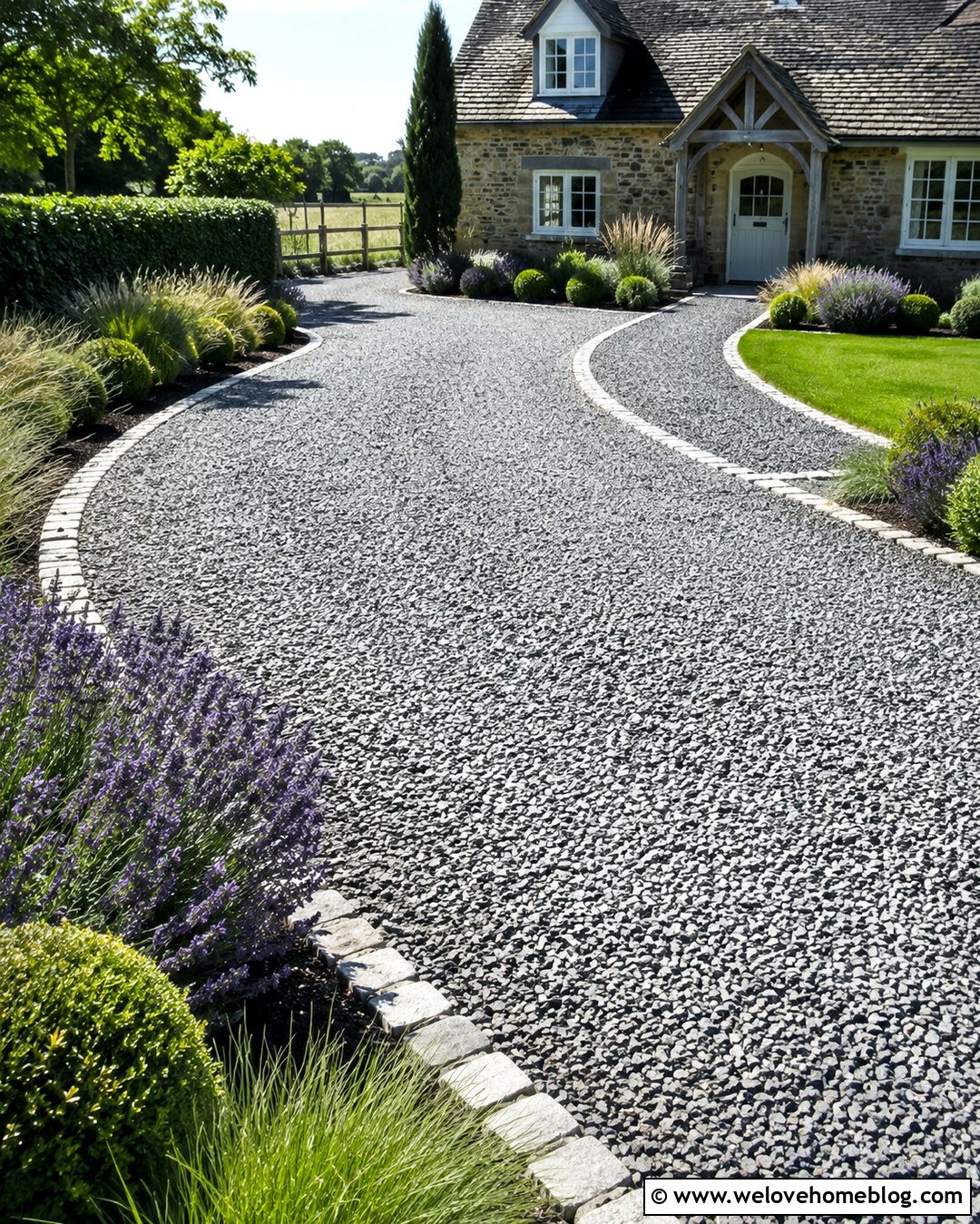
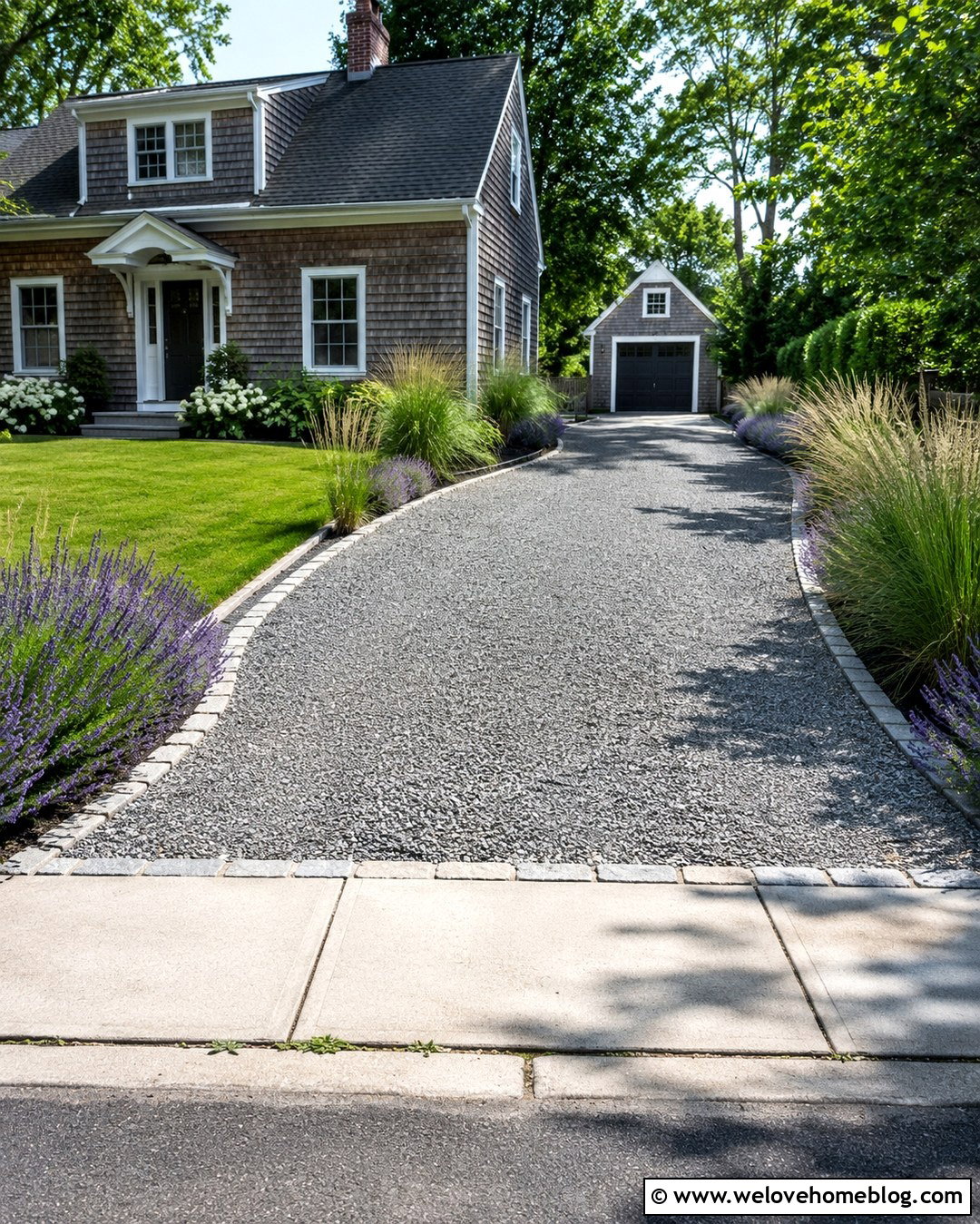
Loose gravel brings a relaxed appearance to a driveway expansion and can blend naturally into a country or cottage landscape. Add a compacted gravel parking lane beside the existing driveway, using angular gray crushed stone rather than loose rounded gravel in frequently driven areas. A properly prepared base is essential for creating a stable surface. Contain the extension with granite cobbles, fieldstone blocks, or sturdy metal edging so the gravel does not spread into the lawn. Shape the outer edge with a subtle curve and frame it with lavender, ornamental grasses, or low evergreen mounds. Connect the parking lane to a matching gravel path near the house. The contrasting surface makes the addition look planned instead of appearing like an unfinished strip beside the original driveway.
4. Paver Driveway Extension For Extra Parking
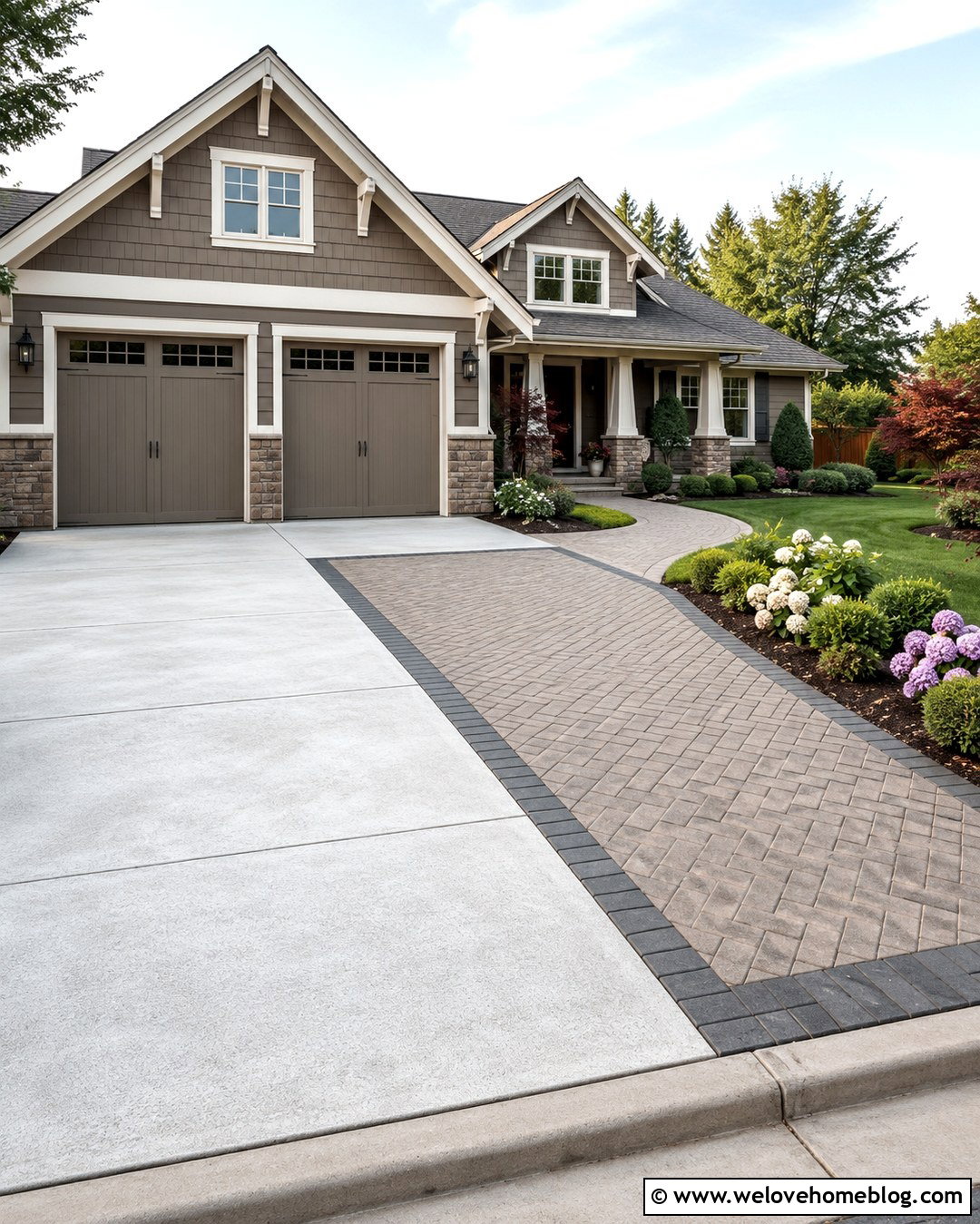
Rich color and a defined pattern can transform an ordinary parking addition into an attractive part of the landscape. Extend a concrete or asphalt driveway with interlocking concrete pavers that coordinate with the home’s roof, brickwork, or stone veneer. A running-bond or herringbone pattern gives the extension a clear visual identity, while a darker soldier-course border produces a crisp finish. Make the new pad wide enough for comfortable parking and door clearance without paving the entire front yard. Use a curved planting bed at the outer corner to soften the added hardscape. Repeating the same pavers in the front walkway helps tie everything together. This complete driveway look is especially suitable when homeowners want additional parking without trying to create an imperfect material match.
5. Permeable Paver Driveway Extension
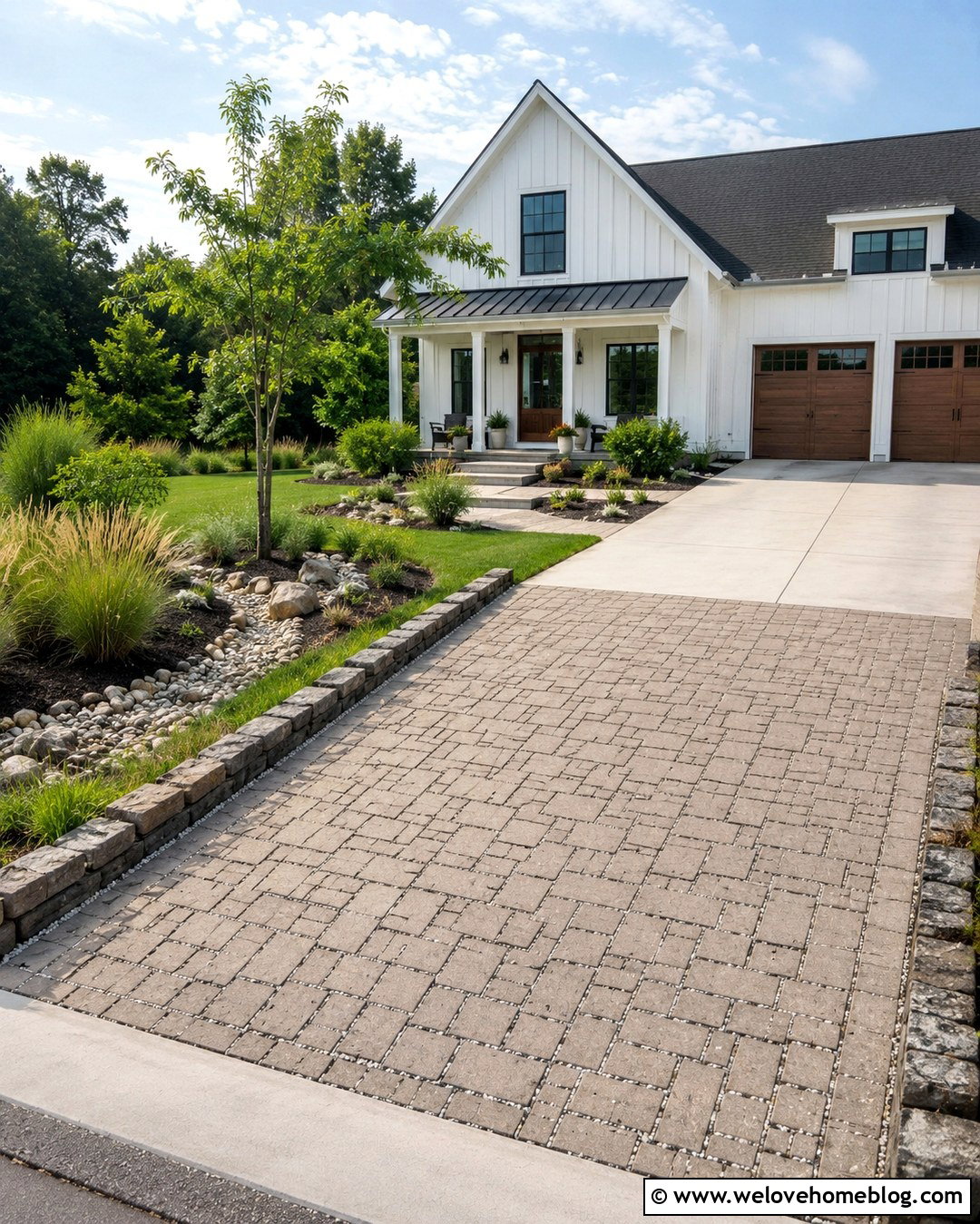
A permeable paver extension offers additional parking while maintaining a lighter, more landscape-friendly appearance. Place permeable concrete pavers beside the existing driveway, leaving carefully sized joints filled with clean aggregate. Choose a color that relates to the main driveway but remains slightly different, such as warm greige pavers beside pale concrete. Continue the extension toward the garage as a straight parking lane, then use a low stone border to separate it from nearby planting beds. Rain gardens, native grasses, and moisture-tolerant shrubs can frame the lower side of the driveway and support the drainage-focused design. Permeable systems still require correct excavation, base preparation, and installation. When professionally planned, the new area feels polished rather than like an improvised overflow parking spot.
6. Asphalt Driveway Extension With Brick Edging
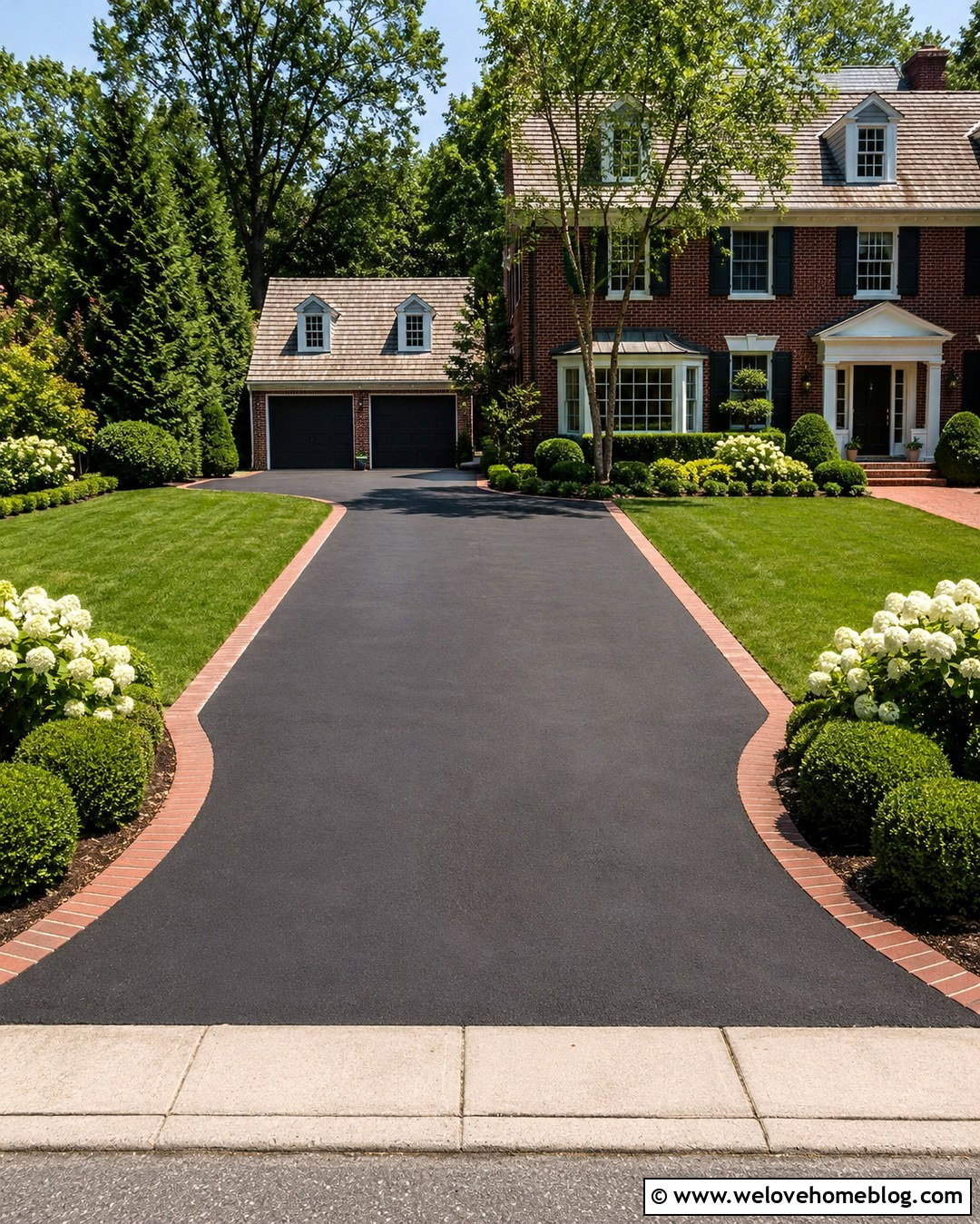
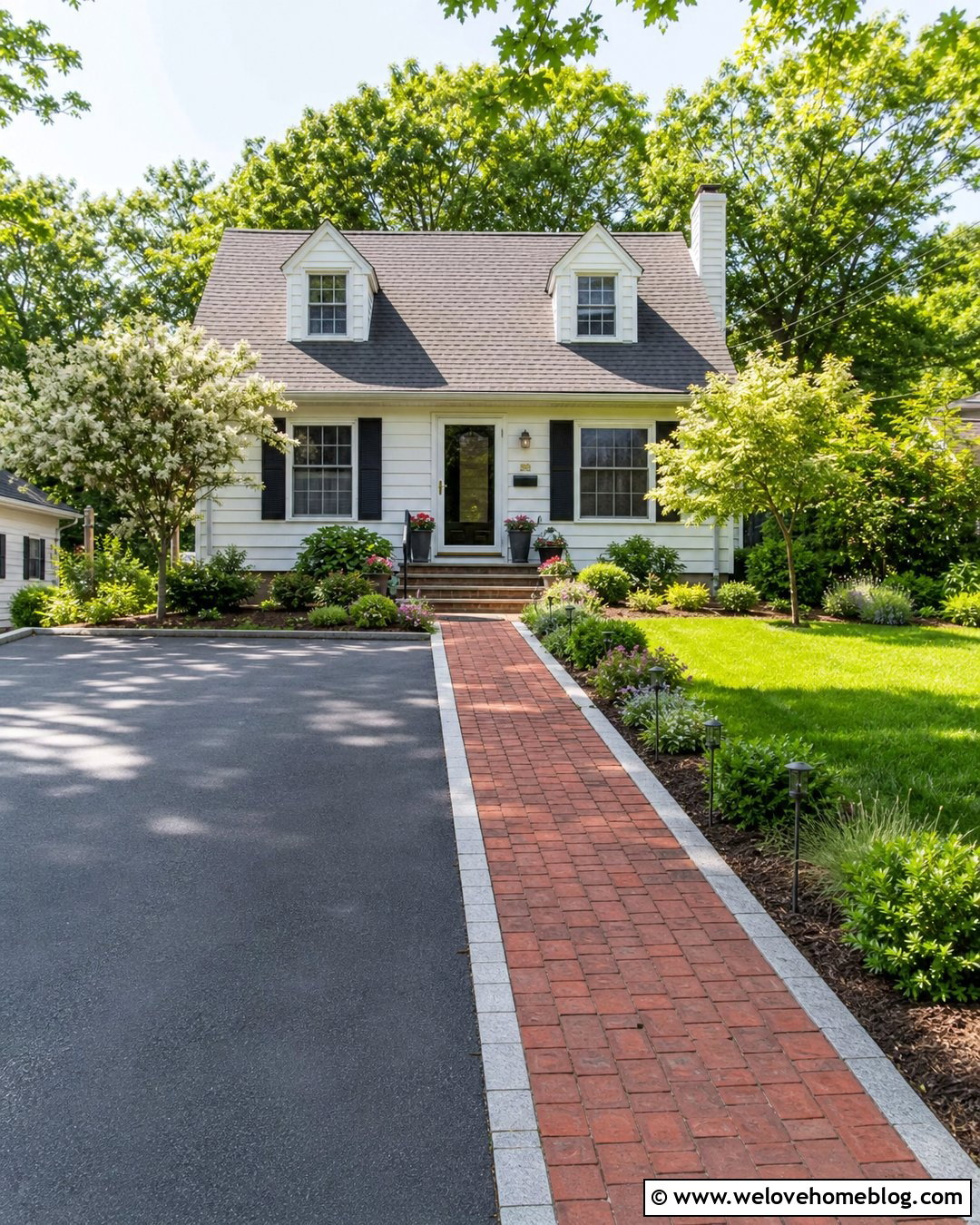
Fresh black asphalt creates a smooth, visually continuous solution for widening an existing asphalt driveway. Extend the surface evenly along one side and finish it with red clay brick or warm-toned concrete pavers. The border adds color, helps define the new width, and creates a stronger connection to a traditional brick house. Near the street, flare the expanded driveway slightly so the entrance feels generous without dominating the front lawn. Add a narrow foundation bed beside the garage with boxwood, hydrangeas, or ornamental grasses. A matching brick walkway can branch from the driveway toward the front steps. Because new asphalt will initially look darker than an older surface, consider resurfacing or sealing the full driveway when appropriate to produce a more consistent finished appearance.
7. Grass Paver Driveway Extension
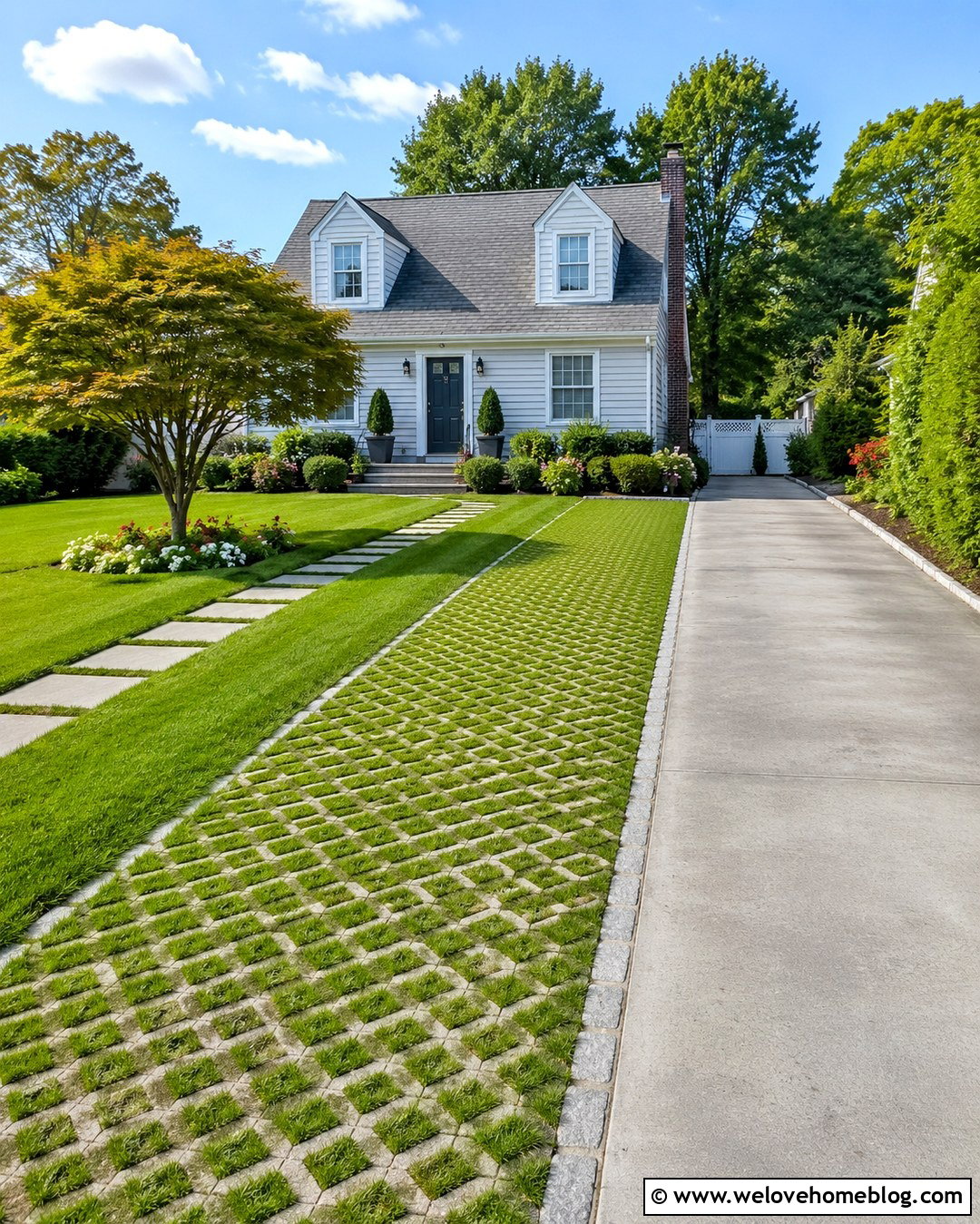
Green grass pavers can provide occasional parking without making the entire front yard look paved. Install a reinforced concrete or plastic grid beside a narrow driveway, then fill the openings with suitable grass or aggregate based on the site conditions. Keep the parking lane rectangular and define its outer boundary with a slim concrete curb or flush paver edge. When not occupied, the extension visually blends with the lawn and preserves a softer streetscape. A stepping-stone path can cross the grass grid and lead toward a side door or garden gate. Pair the surface with simple foundation planting and one small ornamental tree. Grass pavers require proper base construction and ongoing lawn care, making this design most appropriate for overflow or occasional parking rather than constant heavy use.
8. Side Driveway Extension To The Backyard
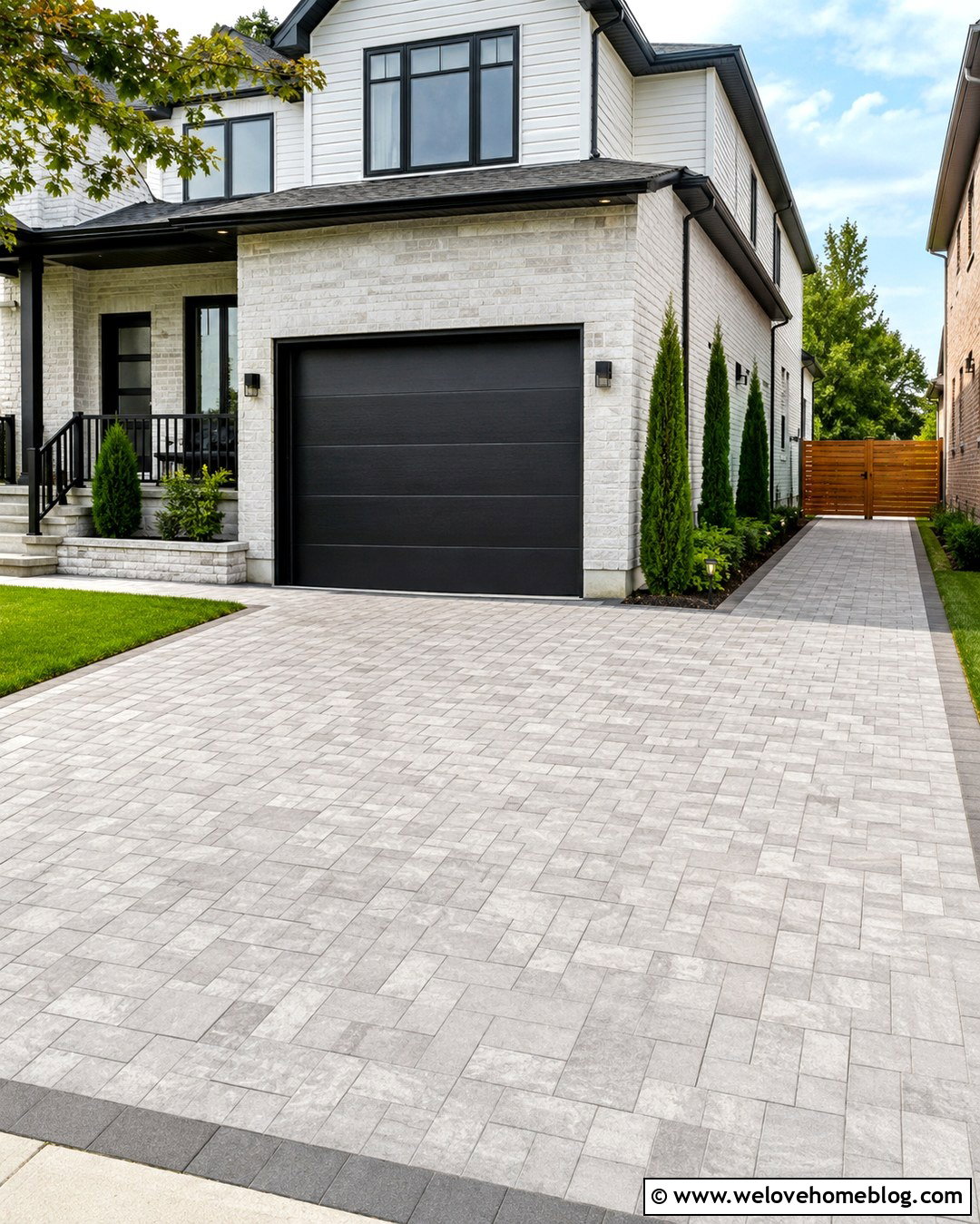
A long extension beside the house creates useful access to a backyard, detached garage, workshop, or storage area. Continue the existing driveway past the attached garage using matching concrete, asphalt, pavers, or compacted gravel. Keep the lane straight and clearly defined with flush edging so trailers, lawn equipment, and service vehicles can move through comfortably. A horizontal wood gate can screen the rear section while still feeling connected to the house exterior. Along the property line, use narrow upright shrubs or a slim planting bed rather than spreading plants that reduce clearance. Add a paved walkway beside the house where space permits. This layout improves circulation and offers secondary parking, but careful grading is important so water is directed away from foundations and neighboring properties.
9. Driveway Extension With A Side Parking Pad
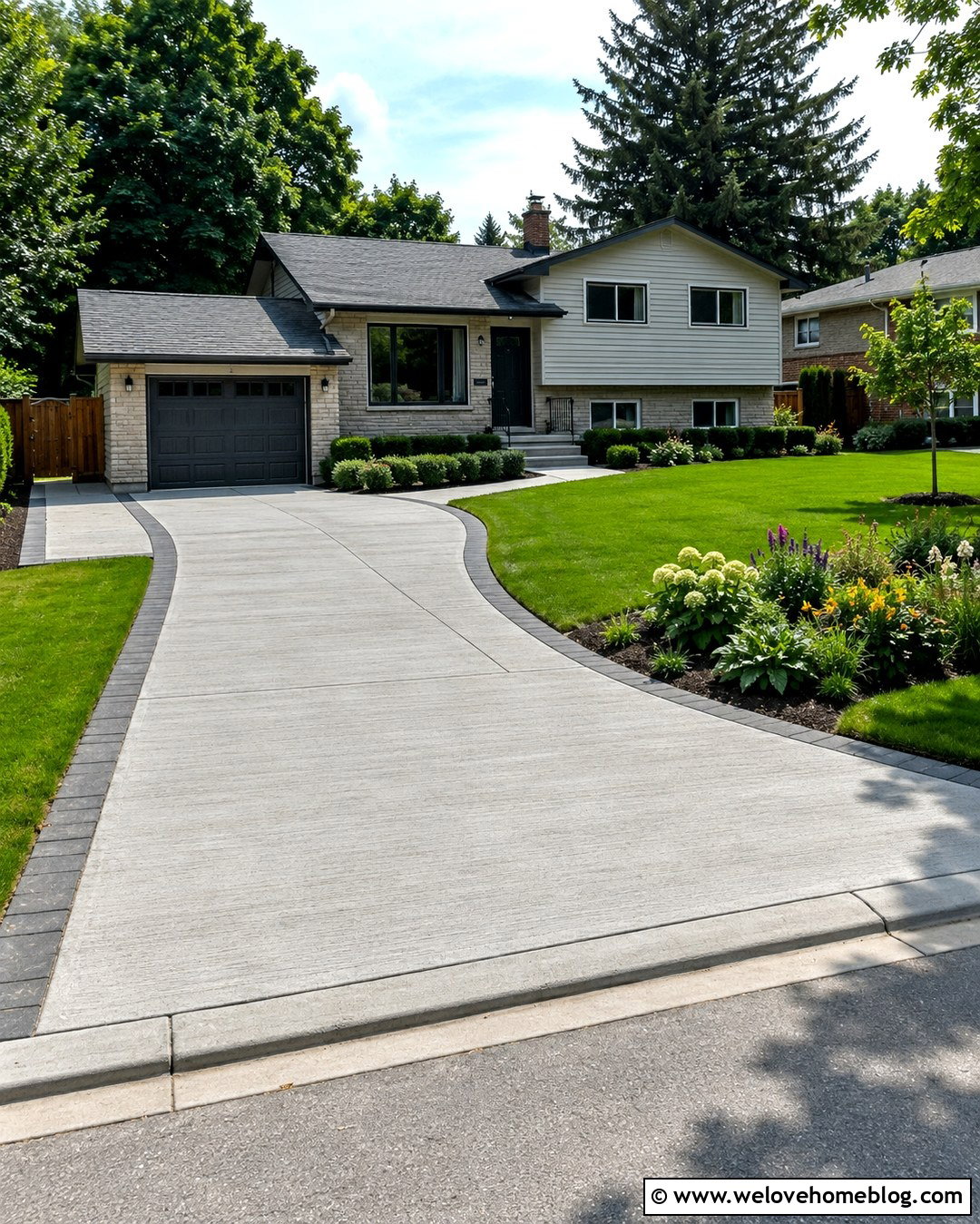
Sometimes the driveway is wide enough for driving but lacks a place where a second vehicle can remain parked. Add a rectangular side parking pad near the garage or farther down the driveway, depending on the available yard space. Use matching poured concrete for a seamless appearance or contrasting pavers to make the pad look intentional. A curved transition between the main lane and parking area provides smoother vehicle movement than a sharp corner. Frame the outer edge with a low hedge, decorative stone, or a mixed planting bed. Leave clear sightlines where the pad reconnects with the driveway. This design keeps the main travel lane open and reduces daily vehicle shuffling while preserving more lawn than a full-length driveway widening project would require.
10. Driveway Extension With A Turning Pad
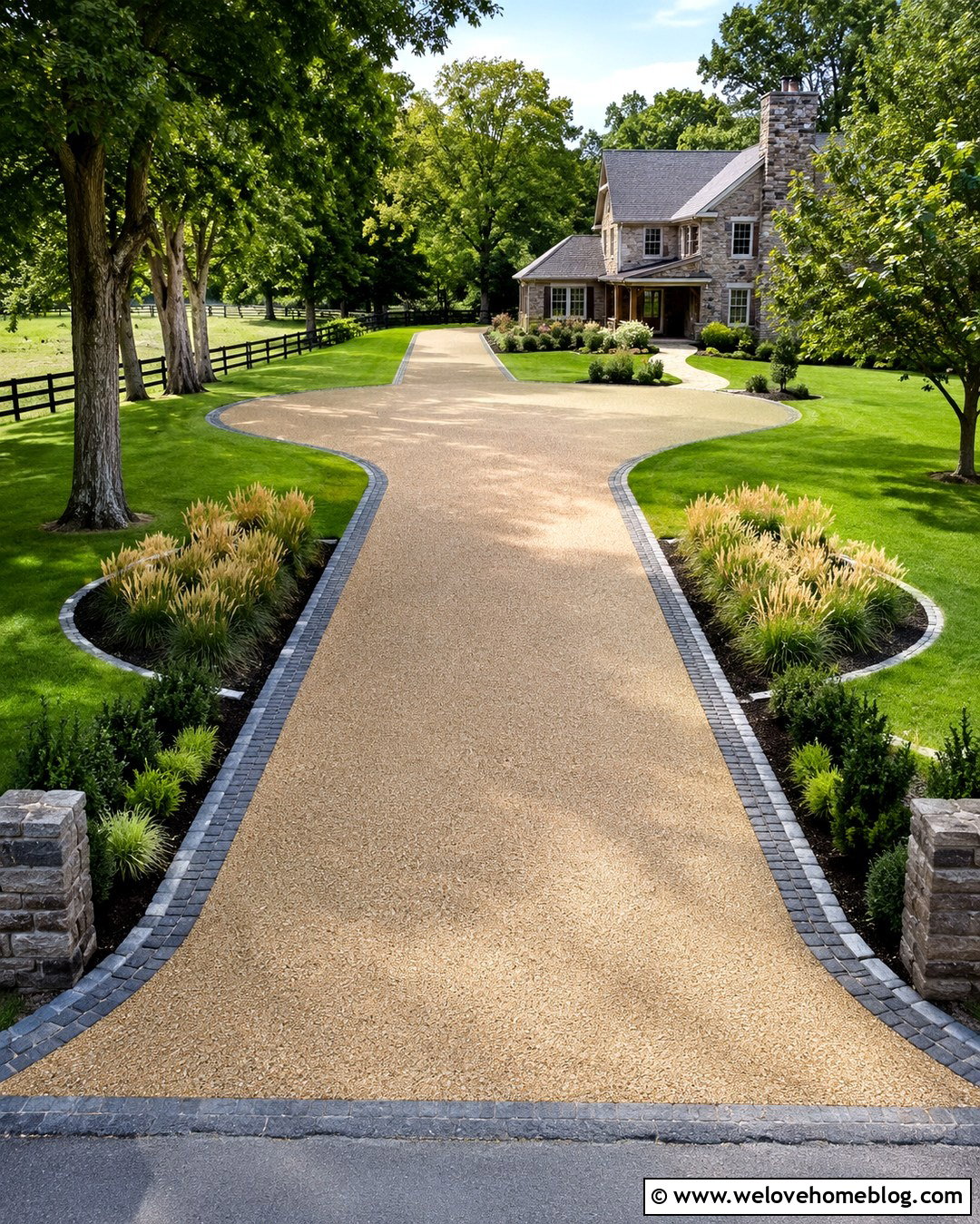
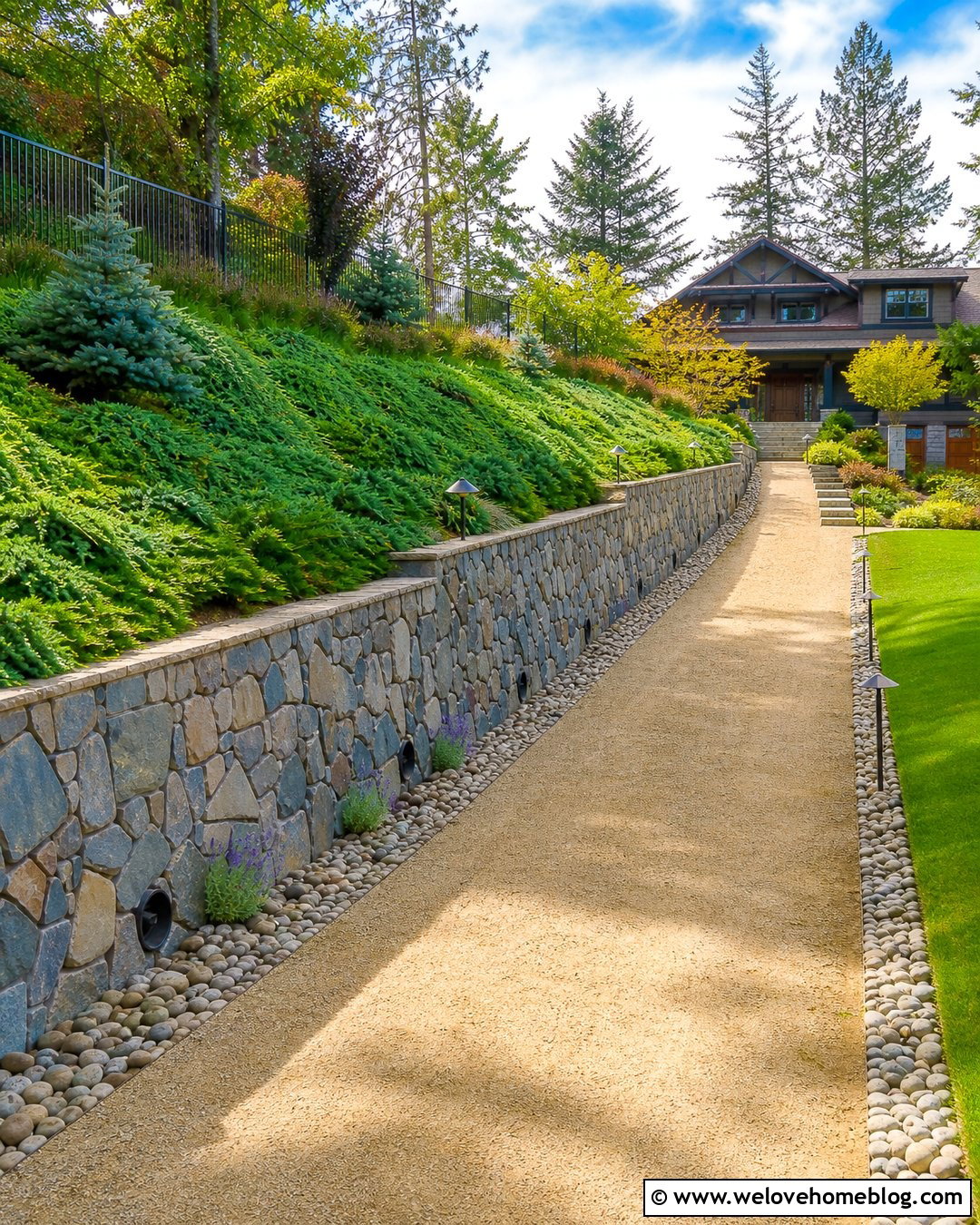
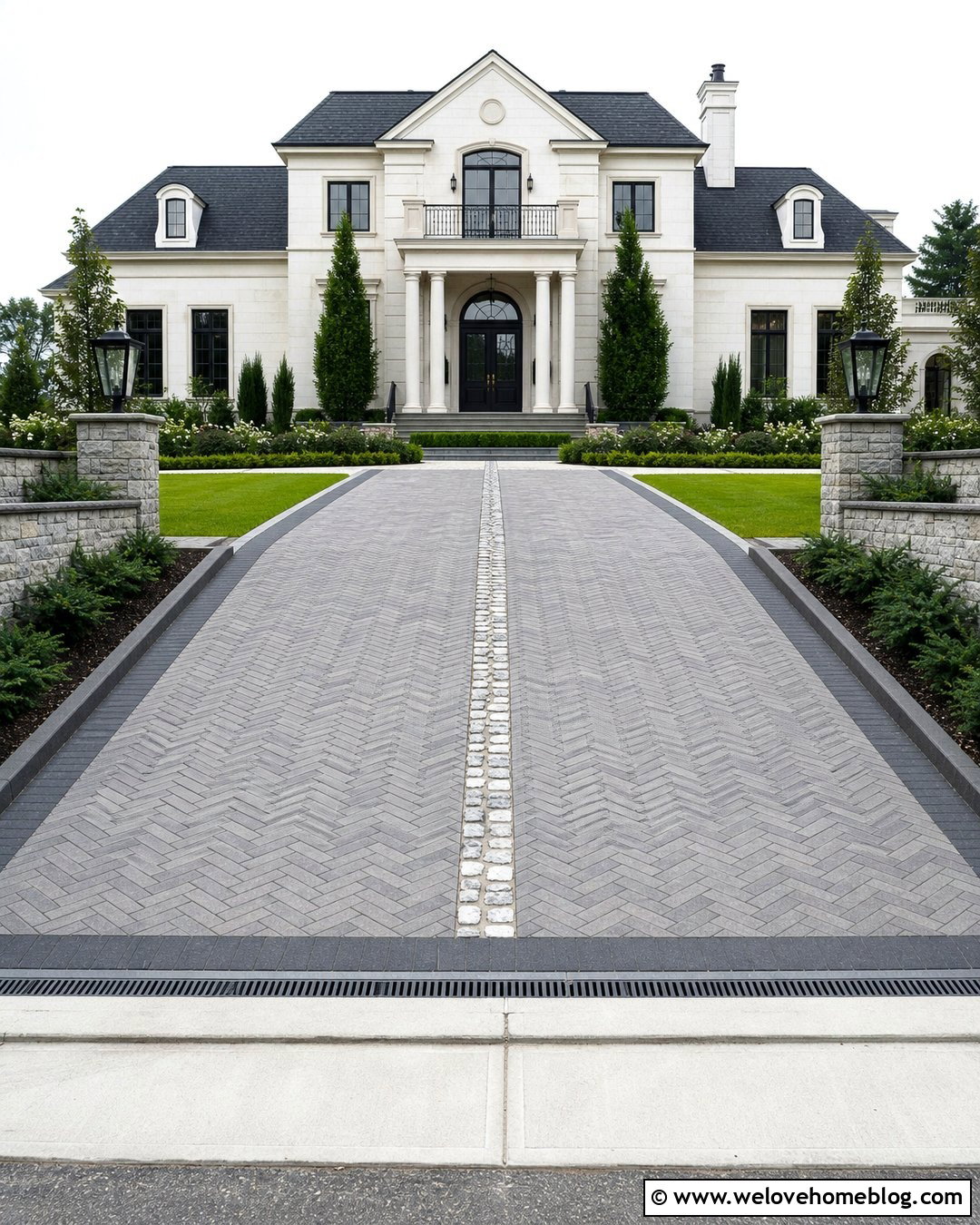
Long or narrow driveways can become easier to navigate when a compact turning pad is added near the house. Expand one side into a T-shaped, rectangular, or gently rounded maneuvering area that allows a vehicle to turn before heading toward the street. Match the main driveway material or use a coordinated paver field framed by a darker border. Keep the layout free of raised obstacles and place lighting, planters, and trees beyond the necessary movement area. A crescent-shaped planting bed can soften the outside corner without interfering with tires. This design works beautifully with long concrete, gravel, and asphalt drives leading to side-entry garages or rural homes. Have the dimensions planned around the vehicles that will regularly use the space rather than relying on guesswork.
11. Curved Driveway Extension
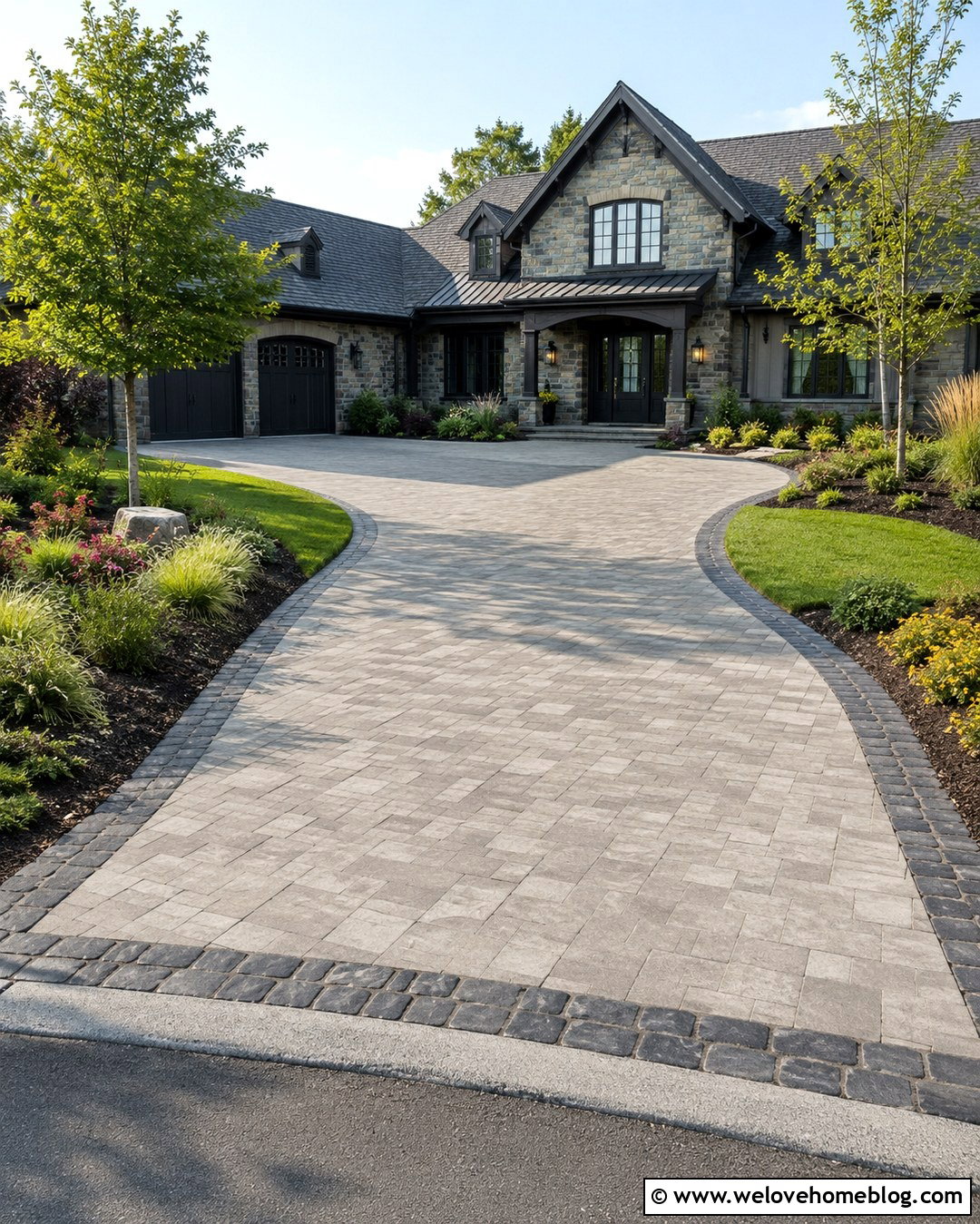
Gentle curves can make a driveway expansion appear integrated with the landscape rather than attached as a rigid rectangle. Widen an existing curved driveway with matching pavers, concrete, asphalt, or gravel, following the original arc toward the garage. A contrasting cobblestone or brick border emphasizes the flowing shape and protects nearby planting beds. Use low shrubs and ground covers along the inside curve so drivers maintain clear views across the property. On the outer curve, layer ornamental grasses, flowering perennials, and a few small trees for depth. A curved walkway leading to the front entrance can repeat the driveway geometry. This design is particularly effective on wider suburban lots where the expanded surface can sweep naturally around lawn areas without creating an oversized parking lot appearance.
12. Circular Driveway Expansion
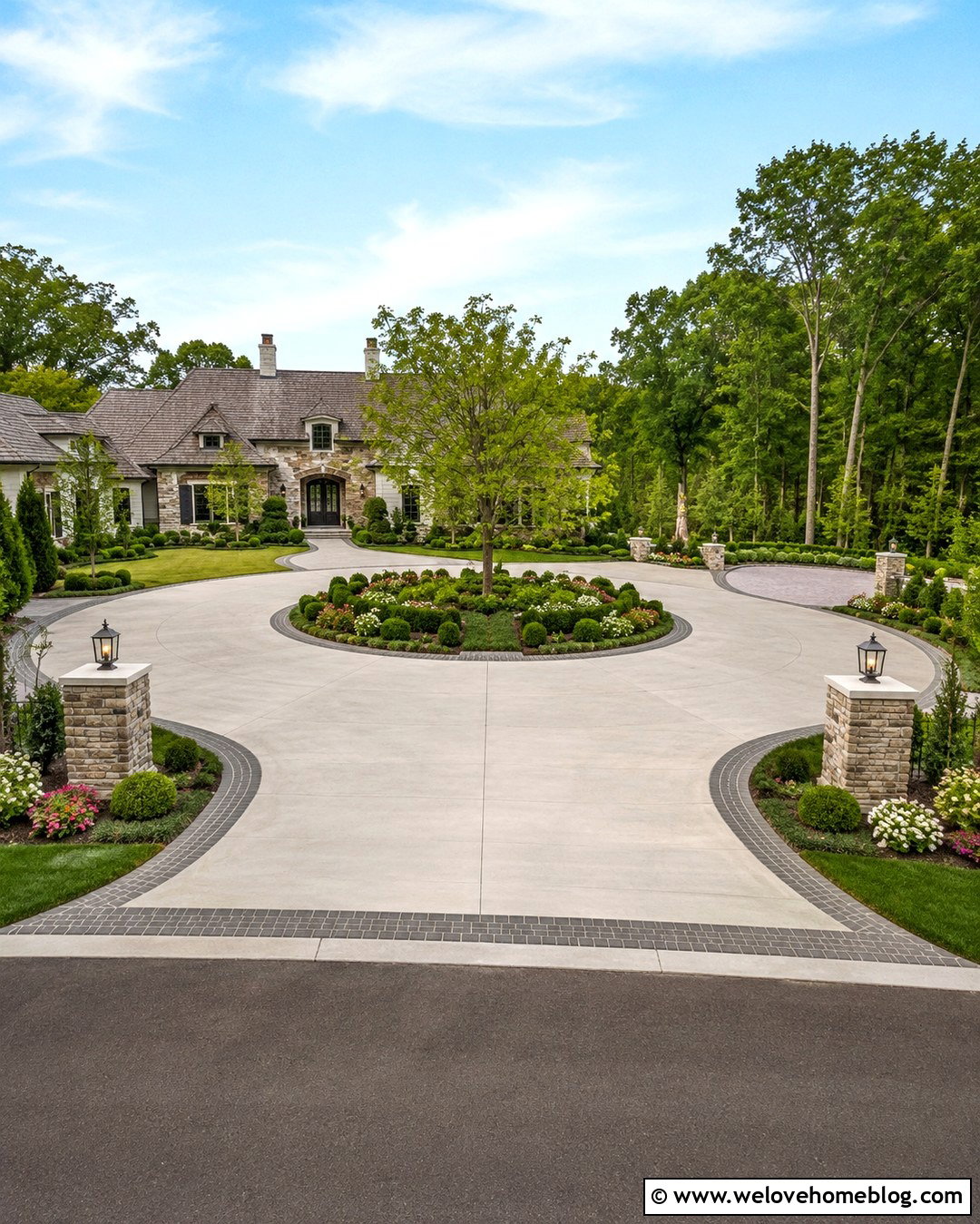
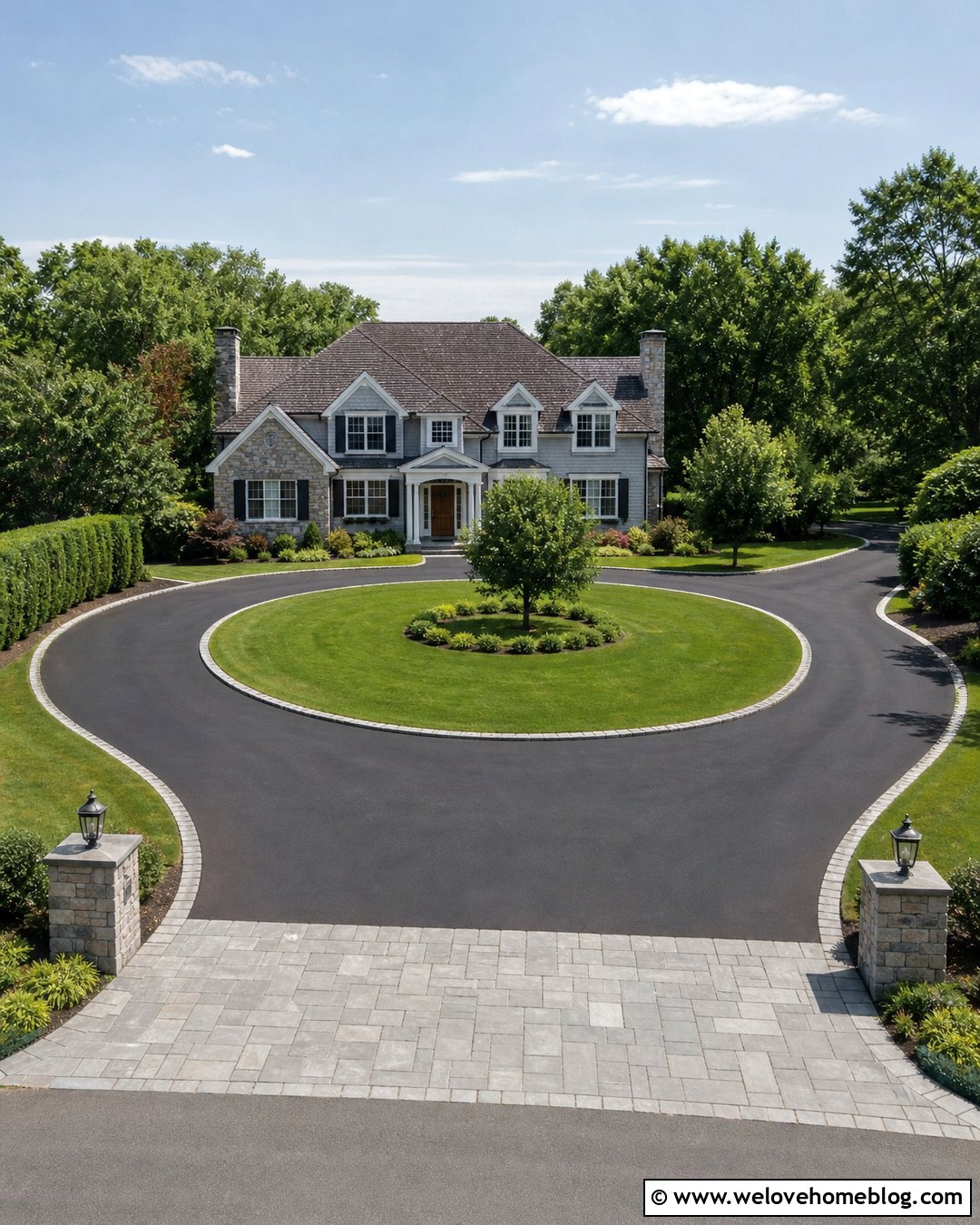
A circular driveway expansion creates smoother arrival and departure patterns while making a larger front yard feel purposeful. Extend an existing driveway into a complete loop or enlarge a narrow circle using concrete, asphalt, gravel, or pavers. Center the design around a landscaped island filled with a specimen tree, clipped shrubs, and low seasonal flowers. Use durable stone edging around the island to protect the planting bed and define the driving lane. At the house, widen one section into a practical parking bay so stopped vehicles do not block the loop. Matching entrance pillars can frame the two openings near the street. The circle should be professionally scaled to the property and expected vehicles, ensuring that the landscaping, driveable width, and turning movement work together comfortably.
13. Double Driveway Extension
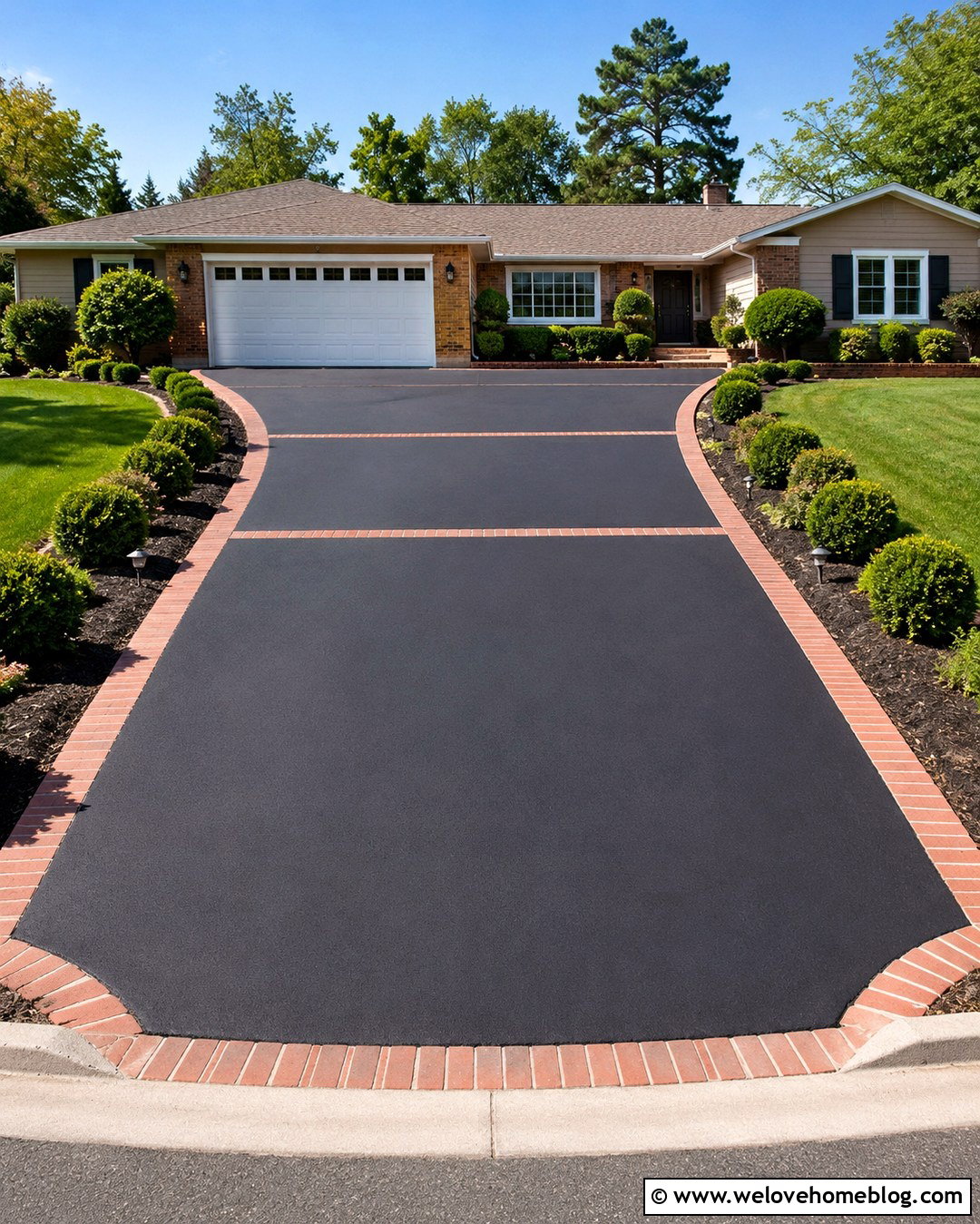
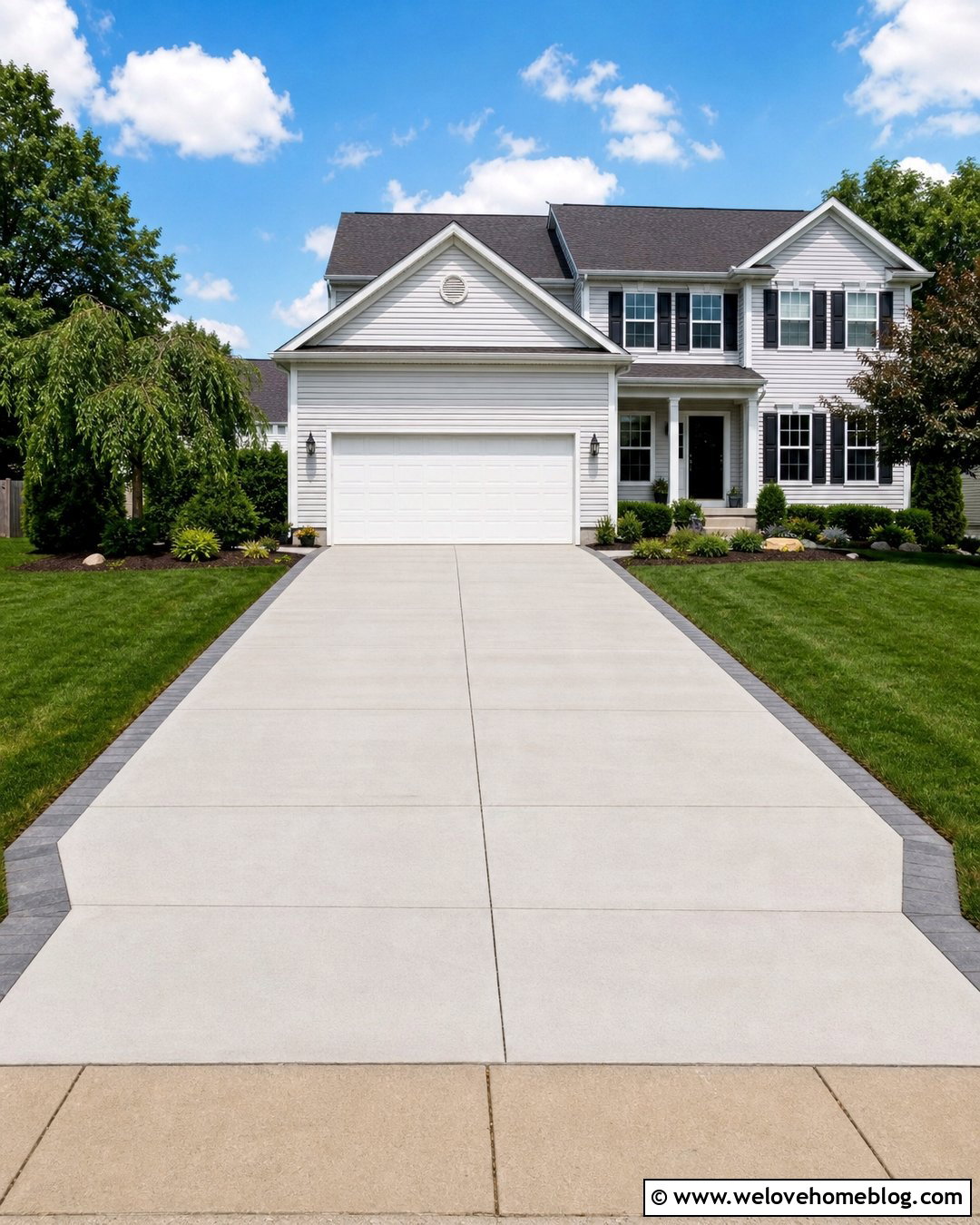
A narrow single driveway can become a practical two-car approach by expanding the surface across its full length. Match the existing concrete, asphalt, or pavers, and carry the wider layout from the street toward the garage whenever local regulations and lot dimensions allow. Keep the design visually balanced by centering the expanded pavement on the garage doors or house facade. Decorative paver bands can divide the broad surface into two apparent lanes, reducing the look of one large slab. Frame both sides with matching planting beds containing low shrubs and ground covers. At the curb, a gradual flare can make entry easier, although modifications near sidewalks and streets may need separate approval. The finished driveway should feel proportionate to the home rather than overwhelming the front yard.
14. Driveway Extension With A Walkway
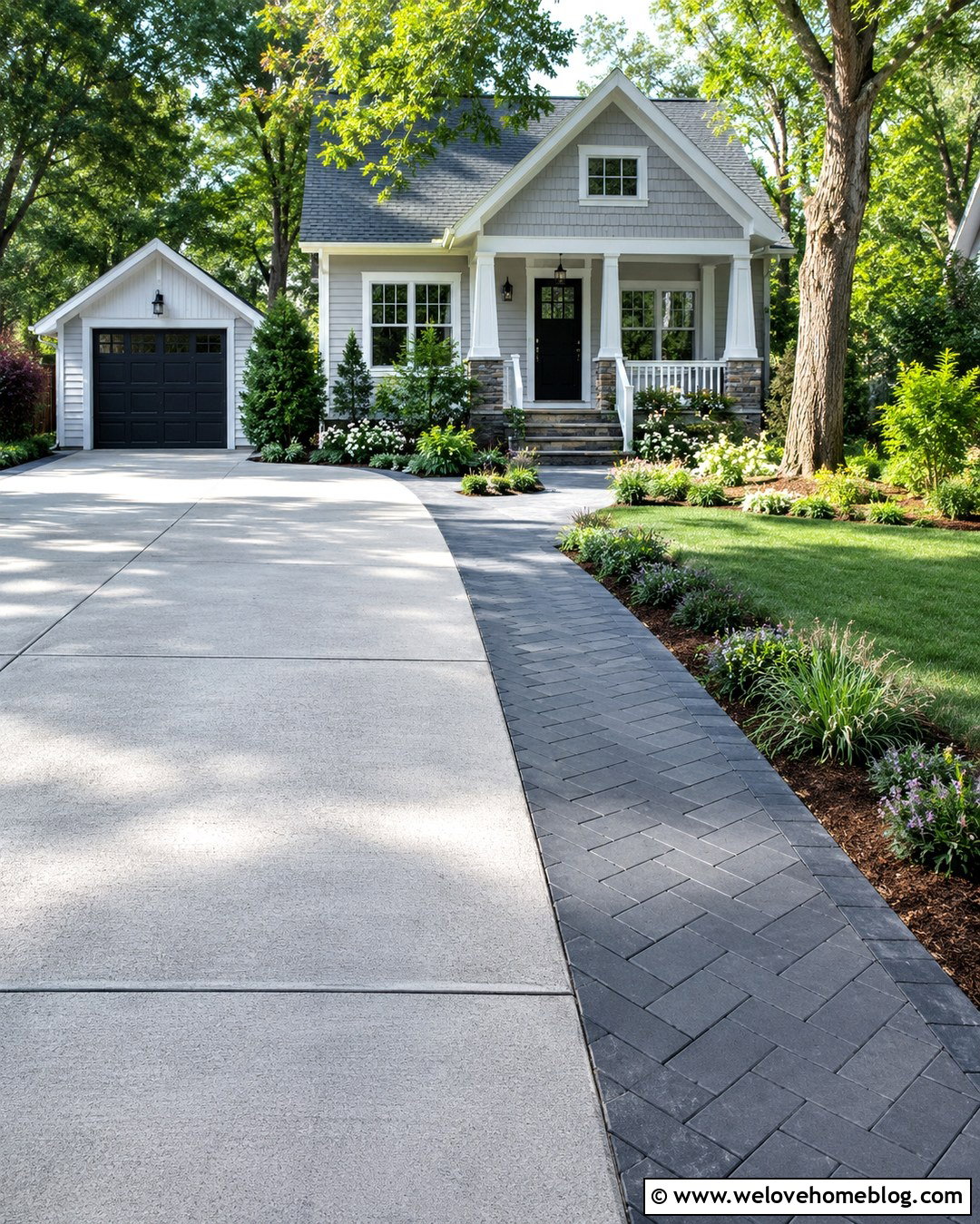
Adding a pedestrian strip beside the driveway can provide extra maneuvering room while creating safer, cleaner access to the house. Widen the existing surface with a paver walkway that is strong enough to handle occasional vehicle overlap when properly constructed. Use a contrasting pattern, such as charcoal herringbone pavers beside light broom-finished concrete. Continue the walkway from the sidewalk or driveway entrance to the front steps, giving visitors an obvious route that does not pass behind parked vehicles. Separate the outer edge from the lawn with a narrow planting ribbon of liriope, dwarf grasses, or low flowering plants. This solution works especially well on compact suburban lots where a complete second parking lane is unnecessary but a little more usable width would improve everyday movement.
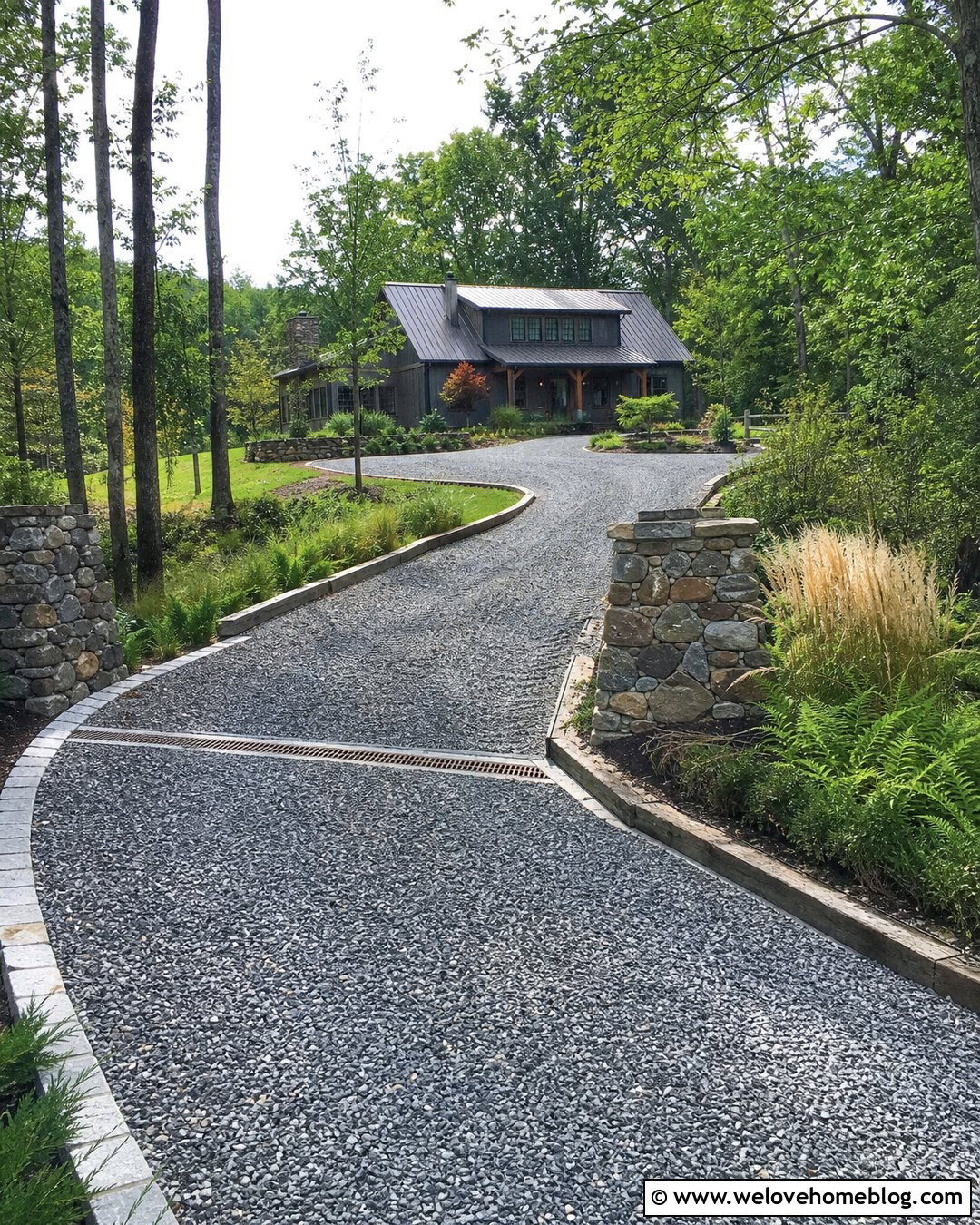
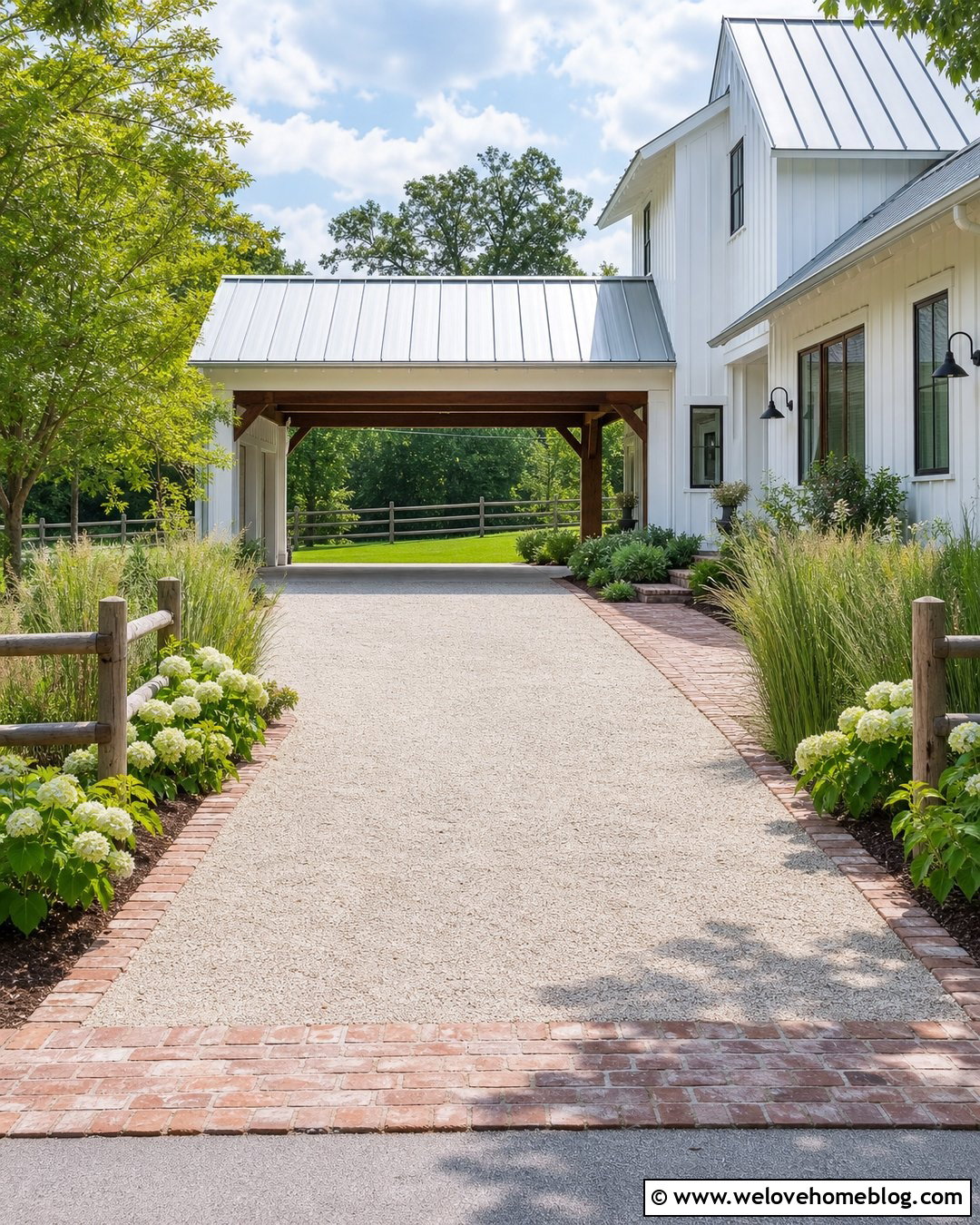
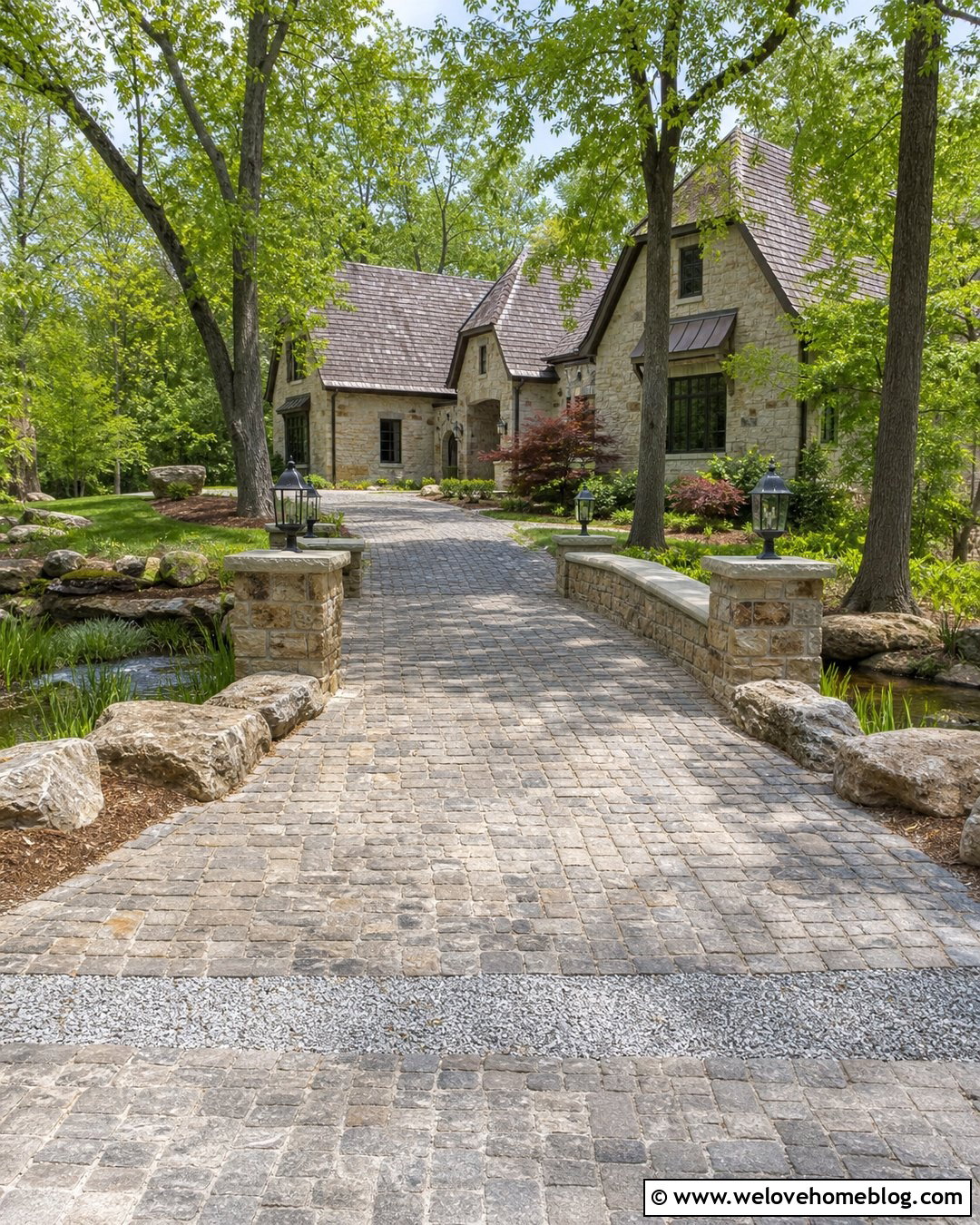
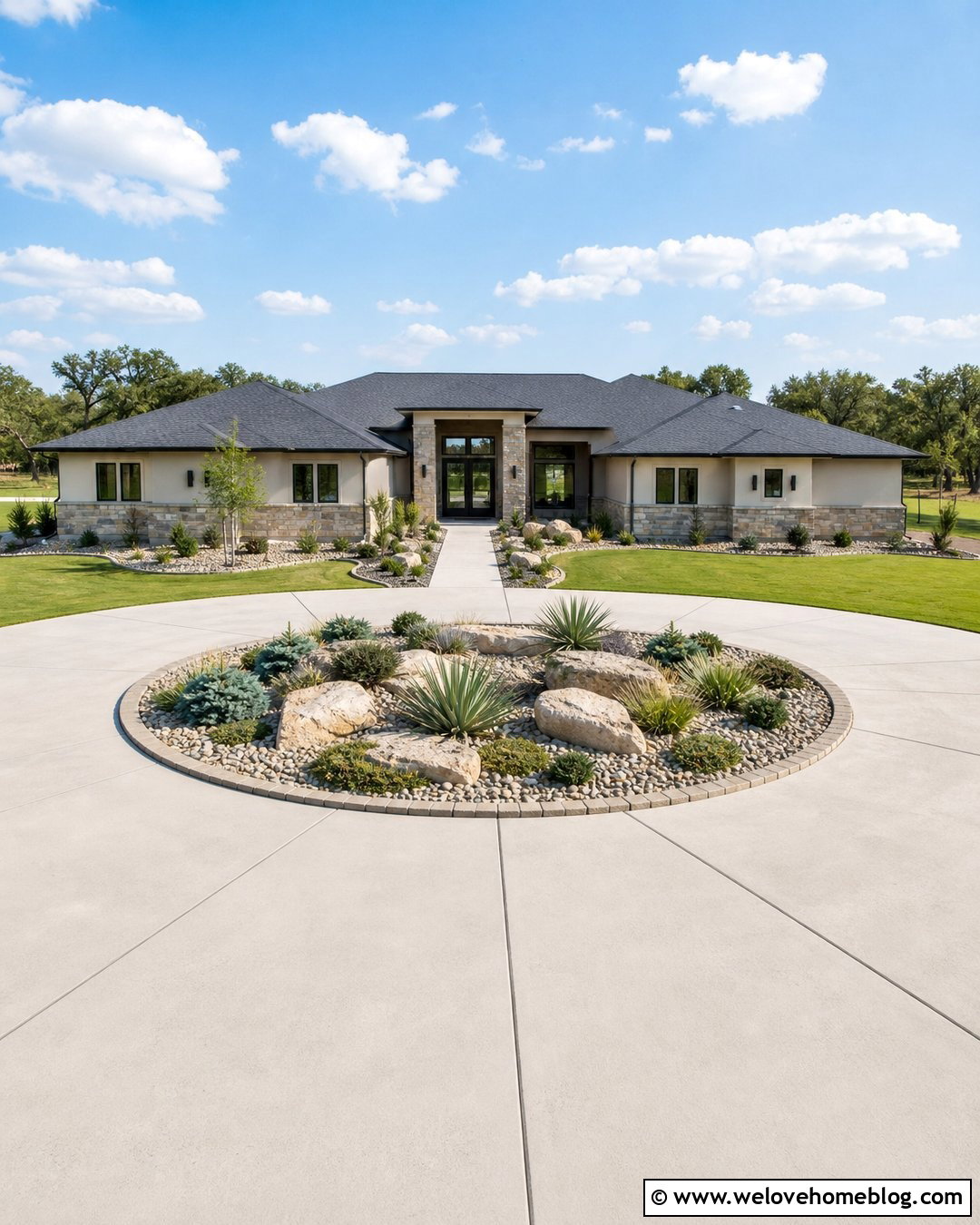
15. Driveway Extension With A Basketball Area
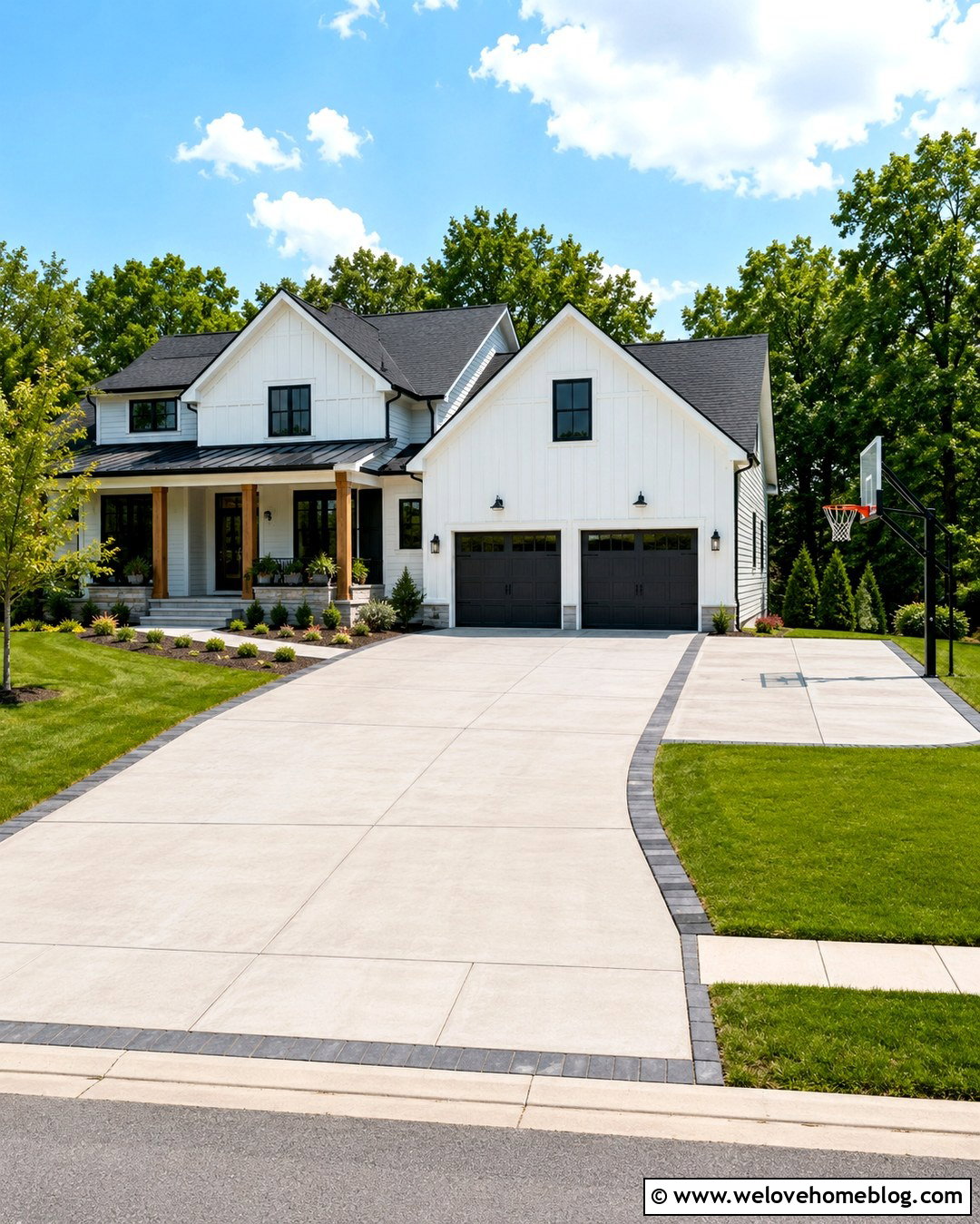
An expanded driveway can support recreation as well as parking when the layout includes a dedicated basketball area. Add a level concrete pad beside the upper portion of the existing driveway, keeping it connected to the main surface but visually defined with a contrasting paver border. Position the hoop away from windows, streets, delicate planting beds, and regularly parked vehicles. Carry the driveway’s control-joint pattern into the new slab for a coordinated finish. Surround the outer edges with durable lawn, low shrubs, and generous open clearance rather than thorny or brittle plants. When the court is not being used, the pad can provide guest parking or workspace. A clean rectangular layout looks especially natural beside a ranch, craftsman, or modern farmhouse with a broad garage facade.
16. Driveway Extension With A Garage Apron
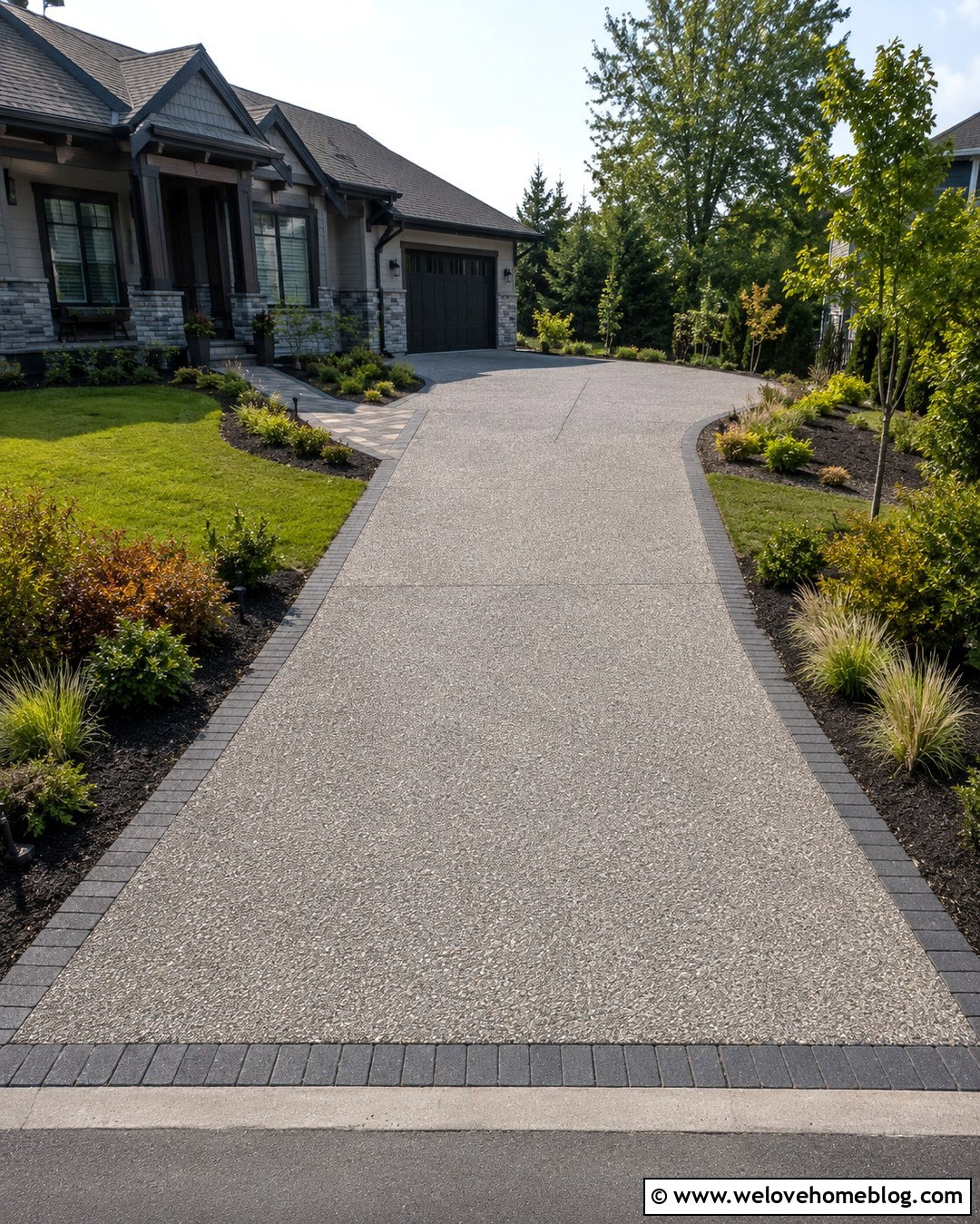
A wider garage apron gives drivers more room to align vehicles, open doors, and move between multiple garage bays. Expand the upper section of a narrow driveway using matching concrete or asphalt, then taper the addition gradually as it moves toward the street. This creates useful width where it is most needed without replacing large areas of lawn. Define the apron with a soldier-course paver border that follows the taper and coordinates with the garage facade. Low foundation shrubs can fill the triangular spaces created along the sides, while a direct walkway leads from the apron to the front or side entrance. This complete design works particularly well for side-entry garages and homes where backing movements are difficult. Keep planting, mailboxes, and lights outside the required maneuvering area.
17. Gravel Parking Pad Beside Concrete Driveway
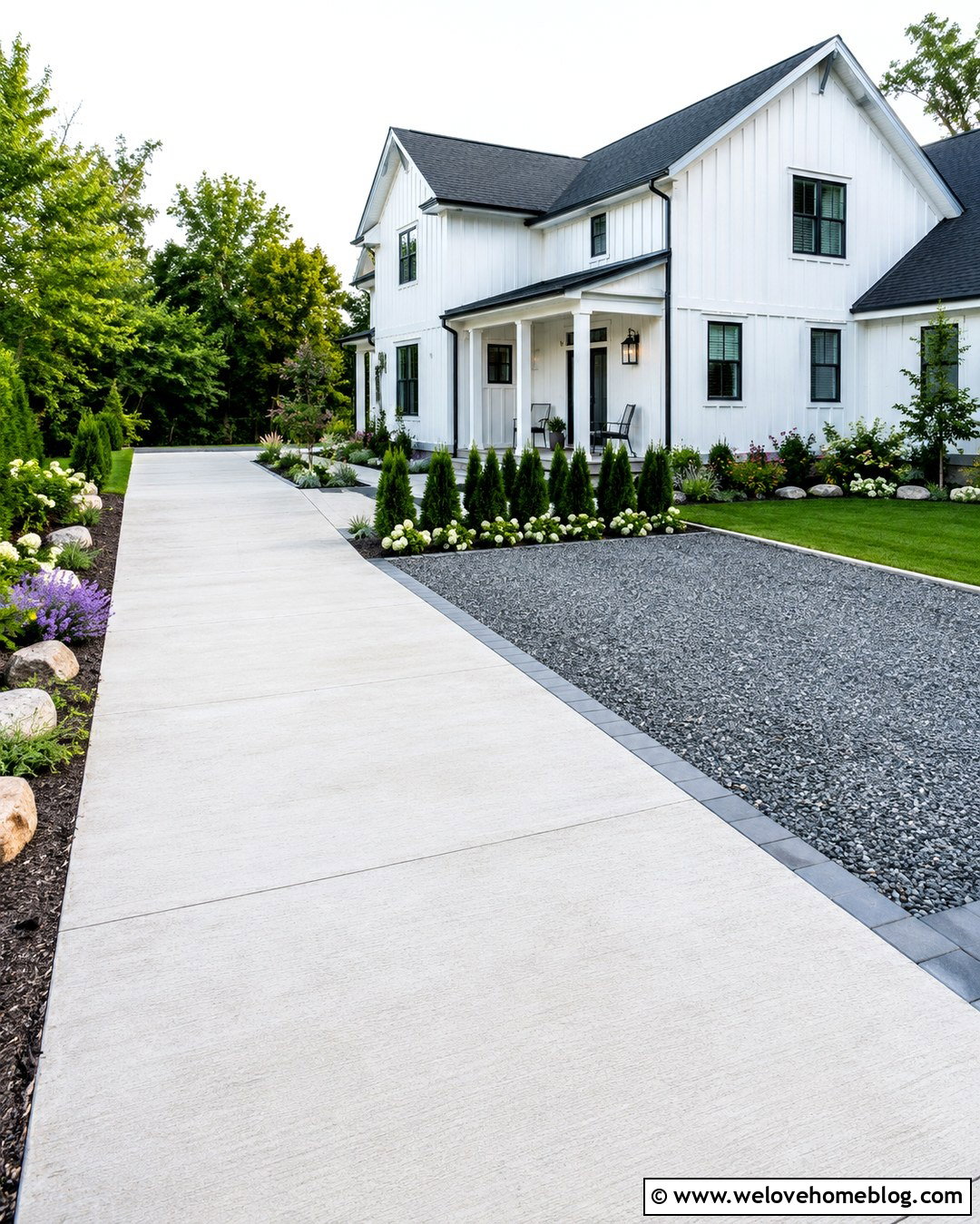
A gravel parking pad can expand a concrete driveway without trying to duplicate an older slab. Create a clearly defined rectangular bay using compacted gray crushed stone and frame it with charcoal concrete pavers or granite blocks. Position the pad near the garage for daily use or farther toward the street for guest parking. A flush transition between the concrete and gravel prevents an awkward raised edge and creates a cleaner driving path. Add a narrow hedge or mixed perennial border along the outside, but leave enough open space for vehicle doors. Repeating the same stone in nearby planting beds can make the contrasting materials feel connected. The result suits cottage, farmhouse, ranch, and rustic homes where a softer extension complements the surrounding landscape.
18. Brick Driveway Extension
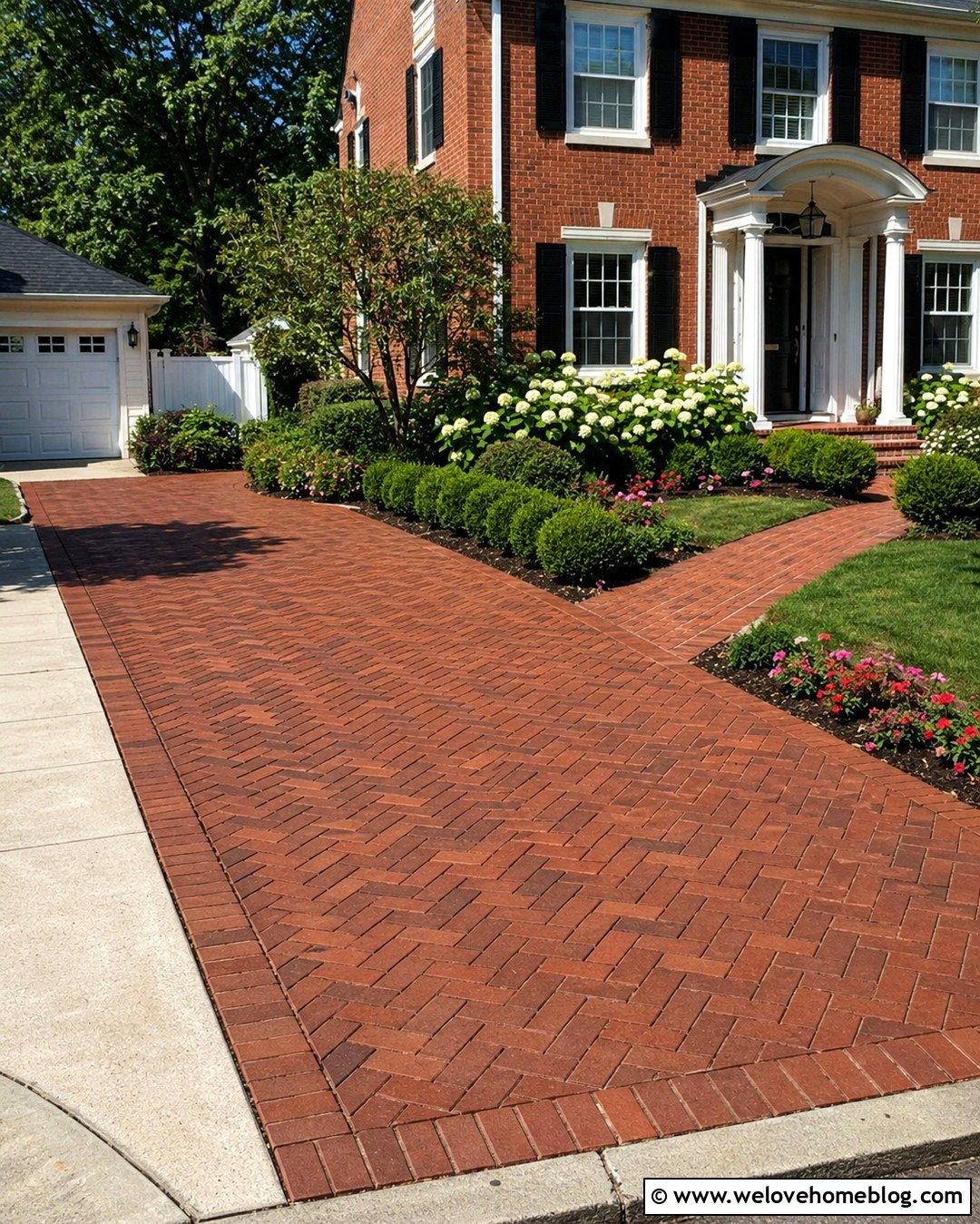
Warm clay brick pavers can extend an existing brick driveway or add an elegant parking lane beside concrete. Install the bricks in a herringbone pattern for the main driving surface, then use a straight soldier-course border to define the perimeter. When adjoining concrete, add a brick ribbon on the opposite side of the driveway so the extension feels balanced. Deep red, brown, or weathered buff tones pair naturally with colonial, Tudor, cottage, and traditional brick homes. Soften the expanded surface with curved planting beds filled with boxwood, hydrangeas, and seasonal color. A brick walkway leading toward the entry can repeat the pattern on a smaller scale. Proper base preparation and edge restraint help the complete surface remain stable under regular vehicle use.
19. Modern Driveway Extension With Large Pavers
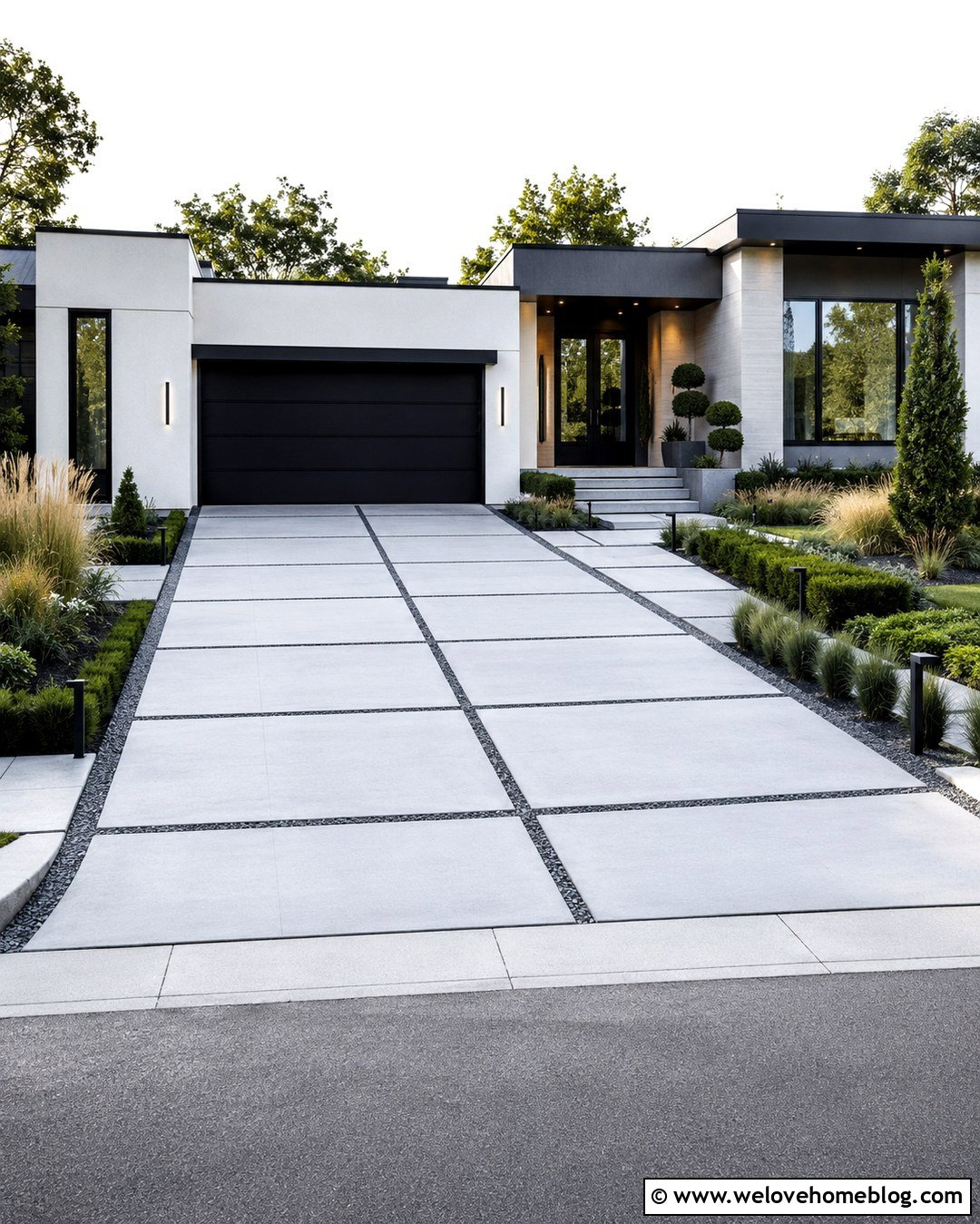
Large-format concrete pavers give a widened driveway a sharp, contemporary appearance. Extend the existing drive with oversized charcoal, greige, or pale gray units arranged in a simple grid. Use narrow dark joints or restrained gravel strips to emphasize the geometry without making the surface too visually busy. Keep the extension straight and align its edges with the garage, front walkway, and architectural lines of the house. Linear planting beds containing ornamental grasses, compact evergreens, and sculptural shrubs can soften the hardscape while preserving a modern look. Add low-profile bollard lights along the outer border, positioned beyond vehicle clearance. This design is most successful when the paver color, garage door, siding, and landscape materials share a limited, coordinated palette that makes the expansion feel original to the property.
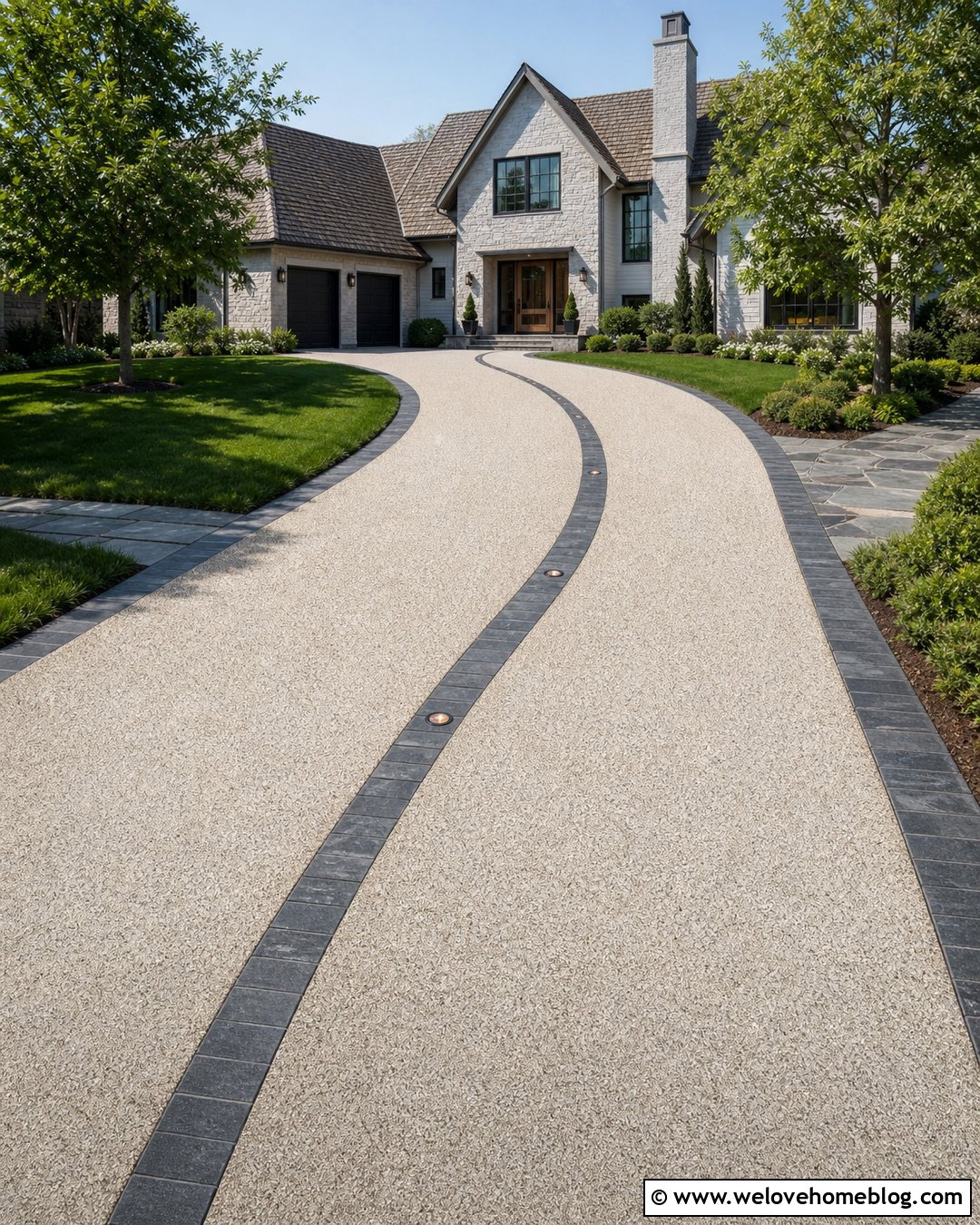
20. Driveway Extension With Retaining Wall
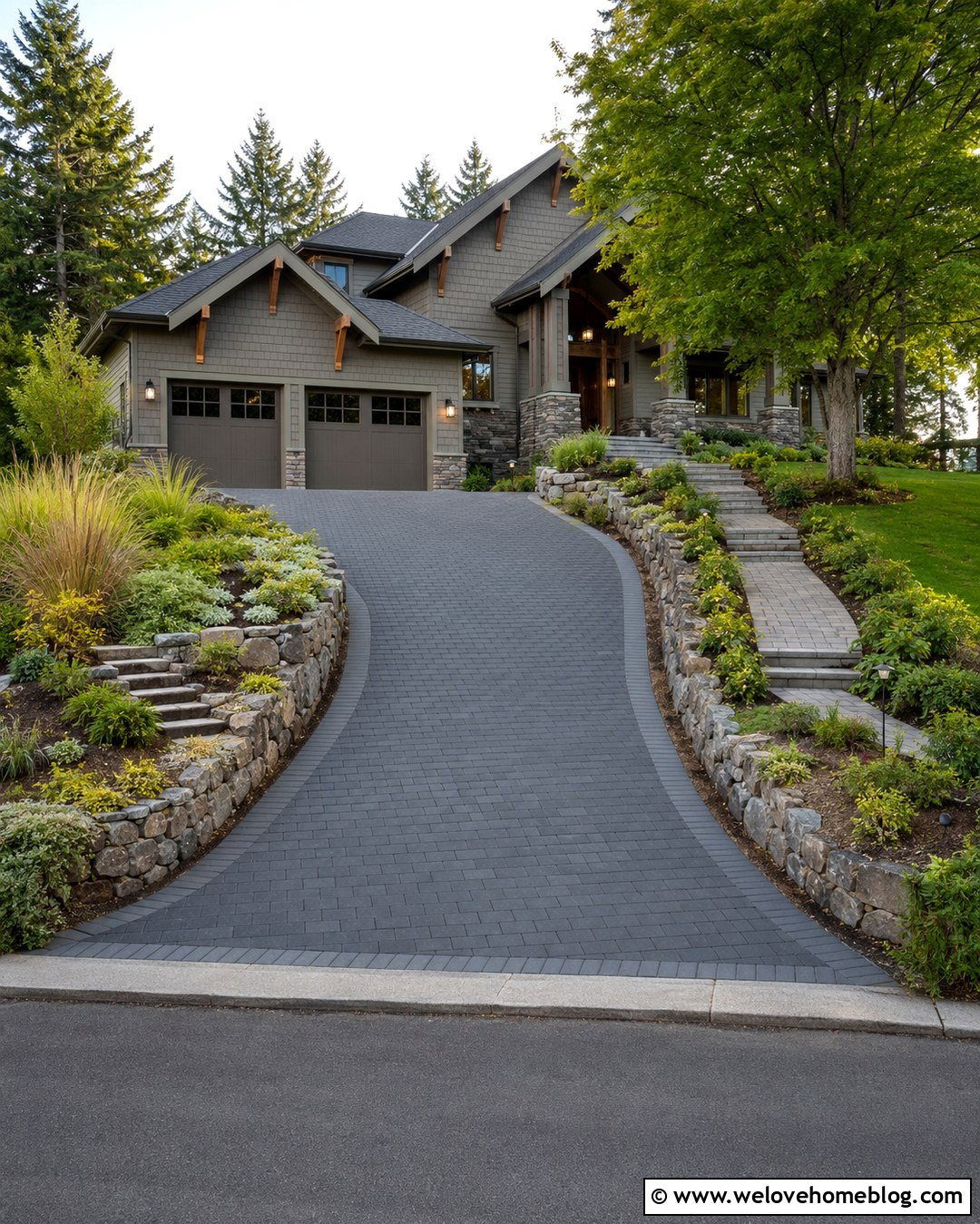
Sloped lots often need more than pavement when a driveway is expanded into a raised or cut section of the yard. Support the widened area with an engineered retaining wall made from concrete block, natural stone, or poured concrete that complements the house. Extend the driveway using concrete, asphalt, or interlocking pavers, and add a secure edge or guard where site conditions require it. Plant the upper or lower side of the wall with ground covers, ornamental grasses, and compact shrubs that will not obstruct visibility. Integrated steps can connect the driveway to the lawn or front walkway. Drainage and structural requirements make this a professional project rather than a cosmetic addition. When carefully designed, the wall becomes an attractive architectural feature instead of looking purely functional.
Conclusion:
The most effective driveway expansion combines useful parking space with materials and landscaping that suit the home. Matching concrete creates a seamless result, while pavers, gravel, asphalt, and grass grids can turn the extension into a deliberate accent. The right layout might be a side parking pad, wider garage apron, turning area, backyard lane, or complete second bay. Always consider drainage, base preparation, property boundaries, pedestrian access, and local approval requirements before removing lawn or pouring pavement. Thoughtful borders and planting beds will help the larger surface remain balanced within the yard. Use these **20 Expand Driveway Ideas** to create a practical upgrade that looks coordinated, improves daily movement, and strengthens curb appeal.

Related posts:


Leave a Reply