
Transforming a small, unused basement into a functional and inviting space doesn't require a massive budget. With a bit of creativity and strategic planning, you can create a valuable extension of your home. The key is to focus on clever, cost-effective solutions that maximize both space and style. From smart storage to lighting tricks and DIY projects, there are countless ways to remodel your basement without breaking the bank. These ideas prioritize affordability and impact, proving that even a small, dark area can become a favorite spot for relaxation, work, or play on a modest budget.

1. Exposed and Painted Ceiling Joists

Painting the exposed ceiling joists, pipes, and ductwork a single, uniform color is a brilliant budget-friendly strategy. Choosing a dark color like black or charcoal gray creates an industrial-chic vibe and makes the ceiling recede, giving the illusion of more height. Conversely, painting everything white can make the space feel brighter and more open. This approach saves a significant amount of money by eliminating the need for a costly drop ceiling or drywall installation. It’s a project that a homeowner can easily tackle over a weekend, instantly providing a clean, finished look to an otherwise raw basement space.
2. Peel-and-Stick Flooring Solutions

For an affordable and easy-to-install flooring option, consider peel-and-stick tiles or planks. Available in a vast array of styles, from realistic wood grains to modern geometric patterns, these products can dramatically change the look of your basement floor for a fraction of the cost of traditional materials. They are highly durable, often water-resistant, and forgiving of subfloor imperfections, making them ideal for basement environments. The simple application process requires no special tools or professional help, allowing you to complete the project yourself and save on labor costs while achieving a professional-looking, stylish finish that elevates the entire room.
3. Strategic Area Rug Placement
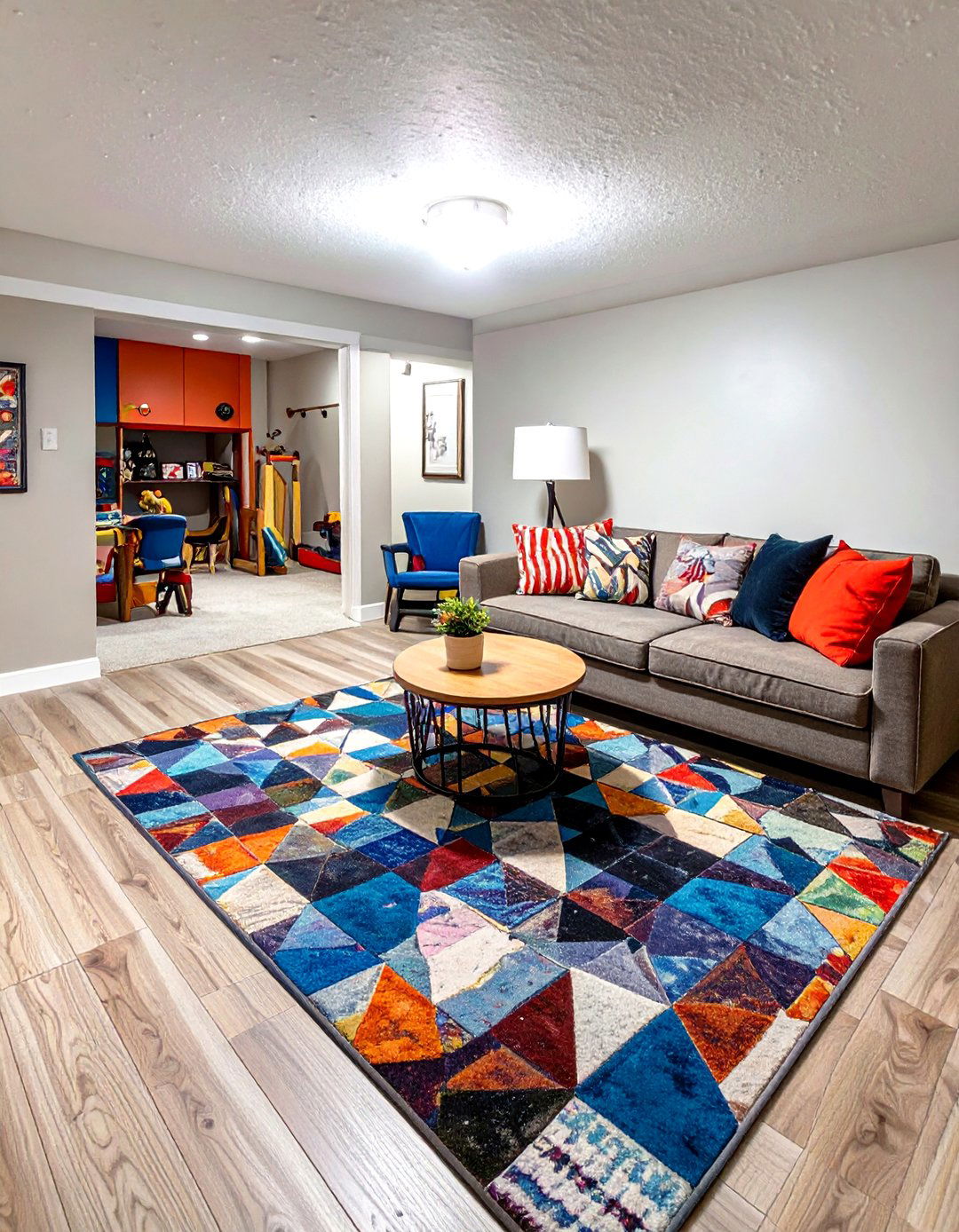
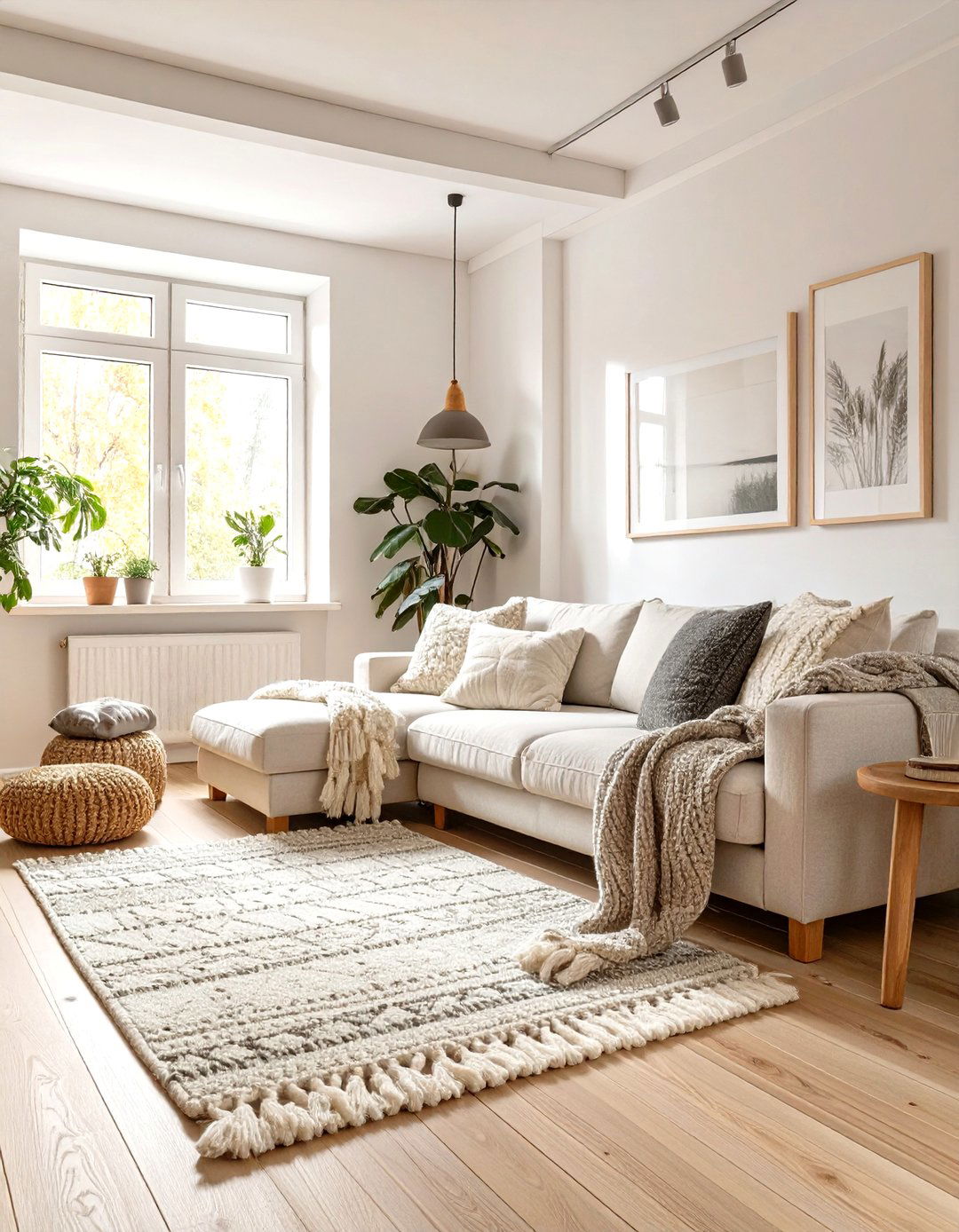
Defining different zones in a small basement can be achieved effectively and affordably with area rugs. Instead of expensive wall-to-wall carpeting, use a large, comfortable rug to anchor a seating area, a smaller one to designate a workspace, or a durable runner to create a pathway. Rugs add warmth, texture, and color, making the concrete floor feel cozier and more inviting. They also help with sound absorption, reducing the echo common in basements. By shopping sales or visiting discount home goods stores, you can find stylish options that fit your budget and instantly make the space feel more finished.
4. DIY Built-In Shelving with Plywood

Creating custom-looking built-in storage doesn't have to be expensive. Using basic plywood sheets, you can construct simple, wall-to-wall shelving that offers immense storage capacity without taking up valuable floor space. Design the shelves to fit your specific needs, whether for books, games, or storage bins. You can leave the plywood in its natural state for a rustic, minimalist look or paint it to match your walls for a seamless, integrated appearance. This DIY project is a cost-effective way to get a high-end, custom-fit solution that keeps your small basement organized, tidy, and free of clutter.

5. Fabric Ceiling Canopy Treatment

To conceal an unsightly ceiling without the expense of drywall, a fabric canopy offers a soft and stylish solution. Using long lengths of inexpensive, lightweight fabric like muslin or cotton, you can drape the material across the ceiling, attaching it to the joists. This technique effectively hides pipes, wires, and imperfections while adding a touch of elegance and softness to the room. It also helps to improve the acoustics of the space. Choose a light color to keep the room feeling bright and airy. This creative, no-construction approach provides a unique and dreamy finish on a very tight budget.
6. Budget-Friendly Wall Paneling

Instead of drywall, which can be costly and difficult to install, consider affordable wall paneling options like beadboard or shiplap-style planks made from MDF. These materials are easier for a DIYer to handle and can be installed directly over existing foundation walls or furring strips. Paneling adds texture and character to the space, instantly making it feel more finished and intentional. Painting the panels a bright white or a soft, light color can significantly enhance the brightness of a small basement, making it feel larger and more welcoming without the expense and labor of traditional drywall finishing.
7. Concrete Floor Painting and Stenciling

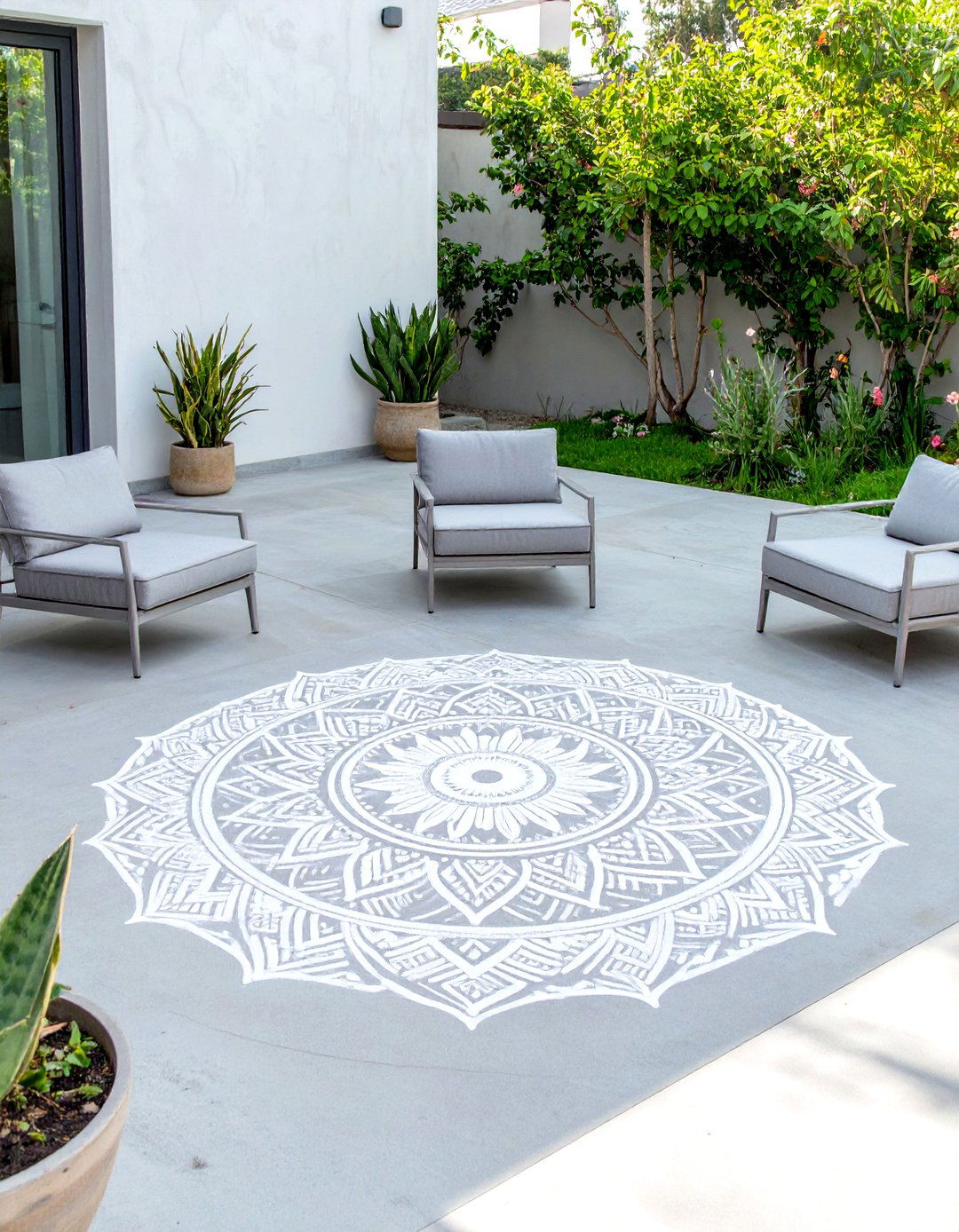
Embrace the industrial nature of your basement by treating the concrete floor as a design feature. After thoroughly cleaning and sealing the concrete, you can paint it using durable epoxy floor paint. A solid light gray or beige can brighten the space, while a bold color can add personality. To take it a step further, use stencils to create a faux tile or rug pattern for a custom look at a minimal cost. This approach is incredibly budget-friendly, highly durable, and easy to maintain, providing a unique and stylish foundation for your small basement design.
8. Clever Staircase Makeover
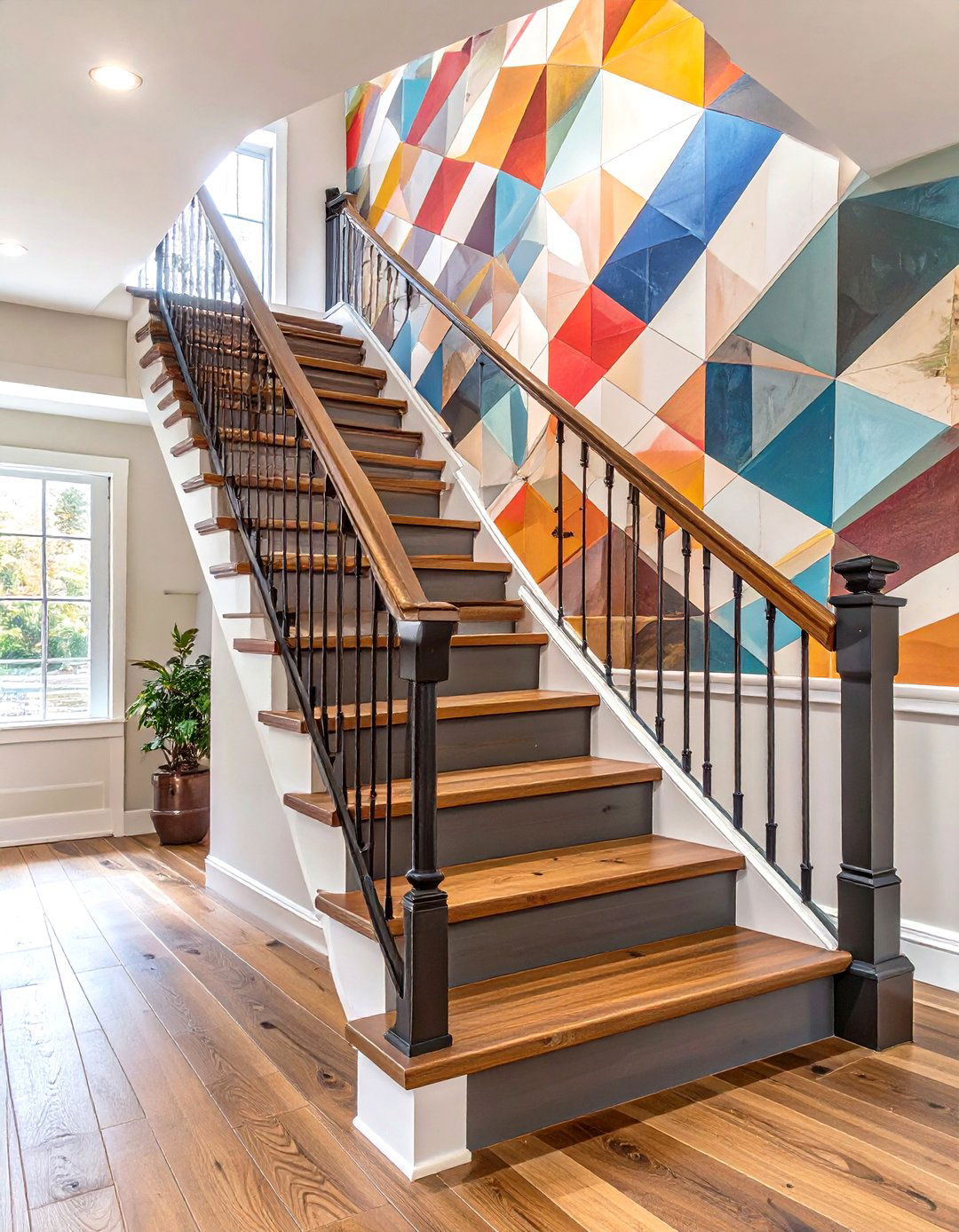
The staircase leading down to your basement is the first impression of the space, so give it an affordable makeover. A fresh coat of paint on the risers and treads can work wonders. Consider painting the risers a bright, fun color or adding peel-and-stick wallpaper for a pop of pattern. For safety and style, install a simple, budget-friendly runner. You can also update the handrail with a coat of paint or a new, modern bracket. These small, inexpensive changes can make the transition into the basement feel more deliberate and welcoming, setting a positive tone for the room.
9. Multipurpose Furniture Finds

In a small basement, every piece of furniture should work hard. Seek out affordable, multipurpose items from thrift stores, flea markets, or budget retailers. An ottoman with hidden storage can serve as a coffee table, extra seating, and a place to hide blankets. A daybed can function as a sofa for lounging and a guest bed when needed. A narrow console table can double as a desk or a small bar area. Choosing furniture that serves at least two functions is a smart way to maximize usability in a limited space without cluttering the room or your budget.

10. String Light Illumination

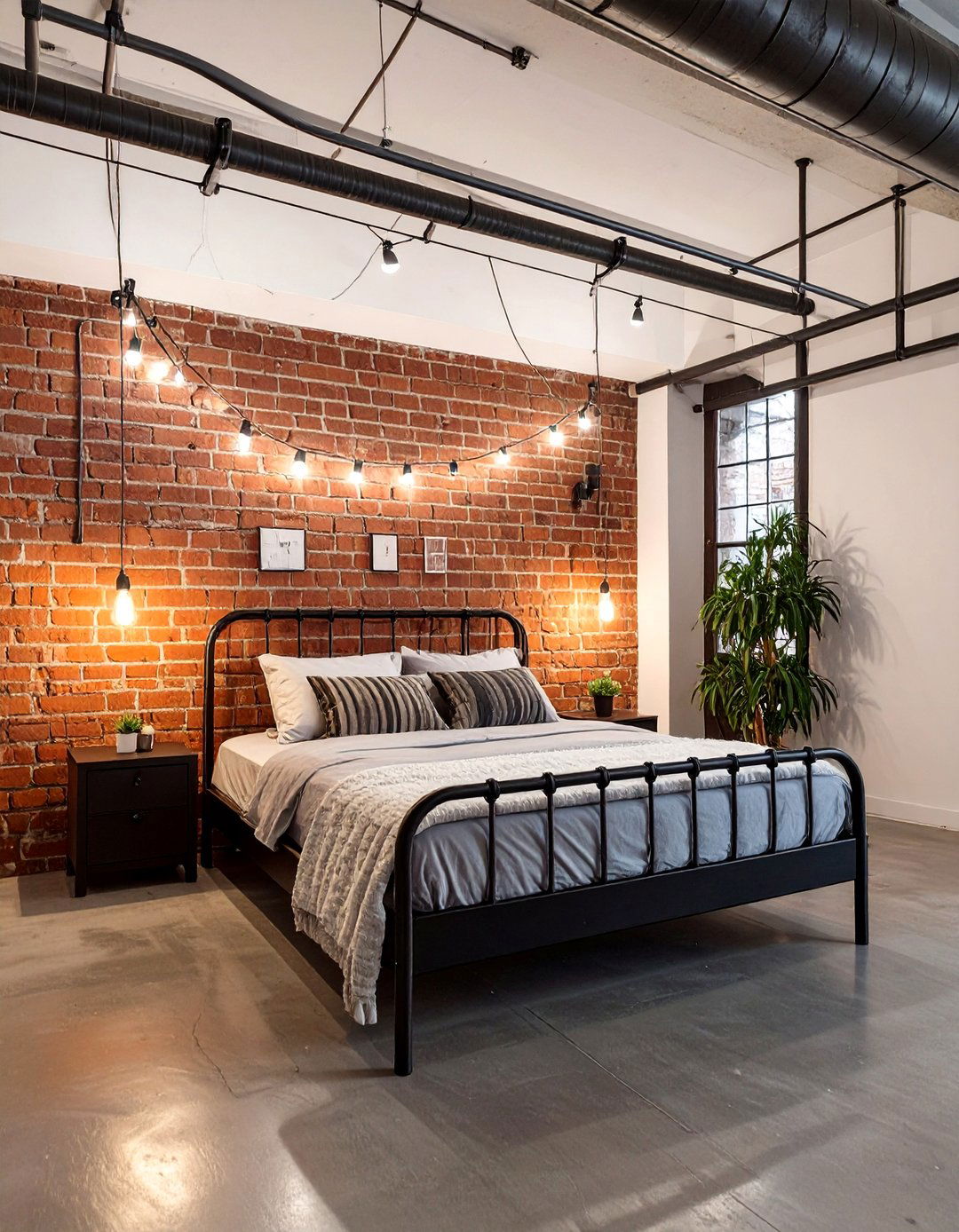
For ambient lighting that is both magical and inexpensive, string lights are an unbeatable option. Industrial-style Edison bulb string lights can be draped across the ceiling or strung along the walls to create a warm, inviting glow. Fairy lights can be placed in glass jars or woven around shelving for a whimsical touch. These lights are far cheaper than installing permanent fixtures and offer a flexible way to brighten dark corners. They add a cozy, cafe-like atmosphere that makes the basement feel less like a utility space and more like a deliberate retreat, all for a very low cost.
11. Wall-Mounted Desk Solutions

Create a functional home office nook without sacrificing floor space by installing a wall-mounted desk. You can purchase a pre-made floating desk or create a simple DIY version using a sturdy plank of wood and some strong brackets. This minimalist approach provides a dedicated workspace that feels integrated and uncluttered. Position it in a well-lit corner and add a wall-mounted shelf above for storage. This solution keeps the floor clear, which is essential for making a small room feel larger, and offers a practical workstation on an extremely tight budget.
12. Using Mirrors to Expand Space

A classic trick for making any small room feel larger is the strategic use of mirrors. In a basement with limited natural light, a large mirror can work wonders. Place a large, inexpensive floor-length mirror against one wall or hang a collection of smaller, thrifted mirrors gallery-style. They will reflect any available light, both natural and artificial, making the entire space feel brighter and more open. The reflection also creates an illusion of depth, tricking the eye into thinking the room is more spacious than it is. This is a simple, affordable, and highly effective decorating strategy.
13. DIY Curtain Room Dividers

To create distinct zones in an open-concept small basement, use curtains as room dividers. This is a flexible and incredibly cost-effective alternative to building walls. Install a ceiling-mounted curtain track or a simple tension rod and hang inexpensive, lightweight curtains. You can easily separate a sleeping area from a living space or a workout zone from a home office. When you want the space to feel open again, simply pull the curtains back. This solution adds softness and texture while providing privacy and definition without any permanent or costly construction.
14. Creating a Cozy Reading Nook

Carve out a dedicated space for relaxation by creating a cozy reading nook. You don't need much space—an unused corner will do. Start with a comfortable, second-hand armchair or a large floor cushion. Add a small side table for a cup of tea, a stack of books, and a simple, budget-friendly task lamp for focused lighting. A soft, plush rug underfoot completes the cozy vibe. This simple setup transforms a neglected corner into a purposeful and inviting retreat, adding immense value and comfort to your small basement with very little investment.
15. Upcycled Furniture Projects

Give your small basement character and save money by upcycling old furniture. Scour flea markets, garage sales, or your own attic for pieces with good bones that just need a little love. A dated dresser can become a stylish media console with a fresh coat of chalk paint and new hardware. An old wooden chair can be transformed into a chic accent piece. Refinishing and repurposing furniture is a creative way to get unique, high-quality items for a fraction of the price of new ones, adding a personal touch to your basement design.
16. Egress Window Well Scenery

If your basement has an egress window, don't neglect the window well. Instead of looking out at corrugated metal, create a pleasant view. Clean the well thoroughly and add a layer of attractive river rocks or pebbles. You can place a few weather-resistant faux plants or a small outdoor sculpture inside. For a more creative touch, attach a weather-proof mural or a piece of outdoor art to the back wall of the well. This small detail makes a huge difference, transforming a utilitarian feature into a mini-garden view that brings a sense of the outdoors inside.
17. Budget Home Gym Corner

You don’t need expensive machines to create a functional home gym. Designate a corner of your small basement for fitness. Install interlocking foam floor mats for a comfortable and protective surface. Add a wall mirror to help with form and make the space feel bigger. Use simple, affordable equipment like resistance bands, a yoga mat, dumbbells, and a stability ball. Wall-mounted hooks can keep everything organized and off the floor. This setup provides everything you need for a great workout without consuming a lot of space or money.
18. DIY Pallet Wood Accent Wall

For a rustic and incredibly cheap accent wall, look no further than reclaimed pallet wood. You can often find pallets for free from local businesses. After disassembling and sanding the boards, you can arrange them on a wall to create a feature with rich texture and warmth. The variations in the wood's color and grain add instant character. You can leave the wood natural, apply a light stain, or whitewash it for a brighter look. This DIY project makes a huge visual impact, turning a plain wall into a stunning focal point for almost no cost.
19. Open Closet Storage System

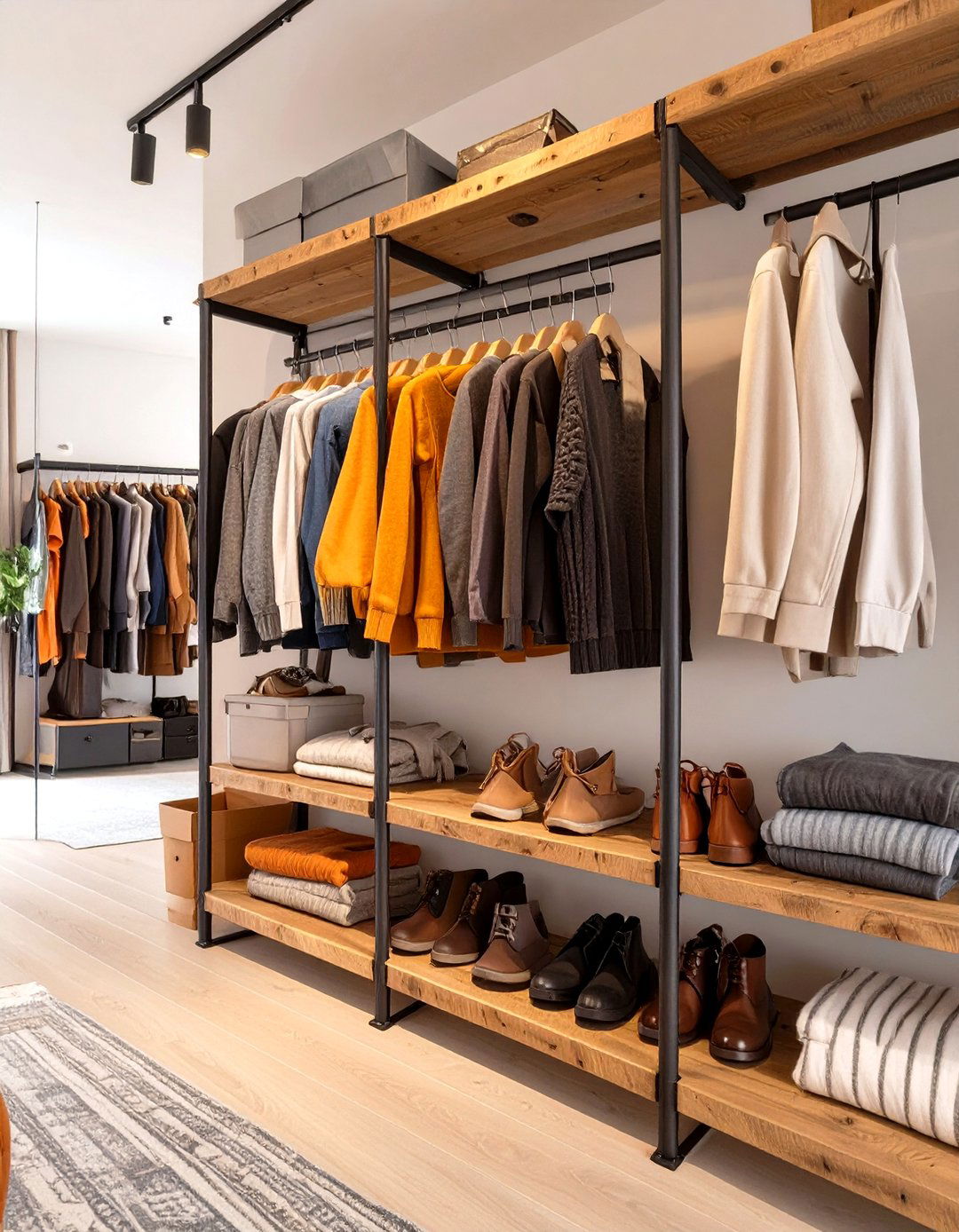
Instead of a bulky, expensive wardrobe, opt for an open closet system to store clothes or extra linens. This can be as simple as installing a sturdy industrial pipe clothing rack between two walls or using a freestanding metal garment rack. Combine this with a set of wire shelving units or cubbies for folded items and shoes. The open concept encourages you to stay organized and prevents the closed-off feeling a traditional closet can create in a small space. It’s a modern, affordable, and practical storage solution perfect for a basement bedroom or dressing area.
20. Simple Bar Cart Setup

Create a dedicated spot for entertaining with a simple and stylish bar cart. You don’t need a full built-in bar. A small, wheeled cart can be found affordably at thrift stores or budget retailers and can be tucked into a corner when not in use. Stock it with your favorite glassware, drinks, and a few bar tools. It’s a movable party station that adds a touch of sophistication and fun. A bar cart is a flexible piece that can also serve as a coffee station or extra storage, making it a versatile and budget-friendly addition to your basement living space.
21. Chalkboard or Whiteboard Wall

Turn an entire wall into a creative canvas by painting it with chalkboard or whiteboard paint. This is a fun and functional idea for a kids' play area, a home office, or a family message center. It’s an inexpensive way to create a large-scale, interactive feature wall. For kids, it provides endless entertainment without cluttering the room with easels or toys. In a workspace, it’s perfect for brainstorming ideas and keeping track of to-do lists. This simple paint project adds a dynamic and practical element to the room on a very small budget.
22. Focus on Vertical Storage

In a small basement, think vertically to maximize storage. Install tall, narrow bookshelves that draw the eye upward and provide ample space for books, decor, and bins. Use wall-mounted shelving systems that can be customized to fit your space and needs. Even simple picture ledges can be used to display small items without taking up surface area. By utilizing the vertical space on your walls, you keep the floor clear, which is crucial for making the room feel larger and less cluttered, all while gaining valuable and affordable storage solutions.
23. DIY Concrete Countertop Bar

For a sleek, industrial-style bar or workspace, consider creating a DIY concrete countertop. Using a simple melamine form and a bag of concrete mix, you can pour your own custom-fit countertop for a fraction of the cost of other materials. Place it on top of inexpensive kitchen base cabinets or a sturdy wooden frame. The result is a durable, high-end looking surface that is perfect for a basement environment. It’s a project that requires some effort but delivers a huge design payoff for a very small investment.
24. Smart Task Lighting Solutions

Good lighting is essential in a basement, but you don't need expensive recessed lights. Focus on affordable task lighting to create bright, functional zones. Use inexpensive clamp-on lamps attached to shelves for a workspace or reading nook. A simple floor lamp with an adjustable head can provide light exactly where you need it in a seating area. Under-cabinet LED strip lighting is a cheap and easy way to brighten a kitchenette or craft area. These targeted lighting solutions are more effective and much cheaper than trying to light the entire room with one overhead fixture.
25. Concealing Pipes with Boxing

While painted pipes can look cool, sometimes you just want them to disappear. A budget-friendly way to hide horizontal pipes running along the walls or ceiling is to box them in with simple plywood or MDF frames. This creates a clean, straight line that looks like an intentional architectural feature, such as a soffit or beam. You can build these simple three-sided boxes yourself and paint them to match the ceiling or walls. It's a much cheaper and easier alternative to rerouting plumbing or framing out an entire drop ceiling.
26. Lightweight Faux Brick Panels

Achieve the popular look of an exposed brick wall without the cost and weight of real brick. Lightweight faux brick panels made from MDF or high-density foam are easy for a DIYer to install with construction adhesive. They add incredible texture and an urban-loft or industrial feel to the space. You can find them in various colors, from classic red to whitewashed finishes. Installing them on just one wall creates a stunning, high-impact feature that makes the entire basement feel more designed and thoughtfully finished, all on a budget.
27. Building a Simple Platform Bed

For a basement bedroom, a DIY platform bed is a simple and cost-effective solution. You can construct a sturdy frame using basic lumber or even reinforced pallets. This eliminates the need for a costly box spring and bed frame. The low-profile design of a platform bed works well in rooms with low ceilings, making the space feel taller. You can also build it with integrated cubbies or drawers underneath for hidden storage, a huge bonus in a small room. It's a practical weekend project that saves money and adds custom functionality.
28. Using Paint to Create Zones

Instead of physical dividers, use paint to visually separate different areas of your small basement. Paint a bold, contrasting color in an alcove to define a home office nook. Use a wide, vertical stripe of color on a wall to anchor a seating area. You can even paint a large rectangle on the floor to mimic a rug under a play table. This technique, known as color blocking, is an incredibly inexpensive yet powerful design tool for creating definition and interest in an open-plan space without adding any physical bulk.
29. Hanging Inexpensive Art and Photos

Bare walls can make a basement feel sterile and unfinished. Warm up the space affordably by hanging art and personal photos. You don't need expensive custom framing. Use simple, budget-friendly frames from craft stores or IKEA. Create a large gallery wall using a collection of different-sized frames for a dynamic look. You can also print your own photos or find free, high-resolution art online to print. This is a personal and very low-cost way to add color, personality, and warmth, making the basement truly feel like a part of your home.
30. Low-Profile Seating Arrangements

In a basement with low ceilings, low-profile furniture can create the illusion of more height. Look for sofas and chairs with low backs and legs. Floor cushions, poufs, and bean bags are also excellent, budget-friendly options that create a relaxed, casual lounge vibe. This type of seating encourages a comfortable, informal atmosphere perfect for a media room or family hangout spot. By keeping the furniture closer to the ground, you maximize the perceived vertical space, making the room feel more open and less cramped, a smart move for any small basement.
Conclusion:
Ultimately, creating a beautiful and functional small basement on a budget is entirely achievable. The key lies in prioritizing smart, DIY-friendly solutions and multi-purpose designs. By focusing on impactful changes like paint, clever lighting, and affordable flooring, you can completely transform the space. Embrace the unique characteristics of your basement, such as concrete floors or exposed joists, and turn them into stylish features. With careful planning and a little creativity, you can add valuable living area to your home without overspending, proving that great design is about ingenuity, not a big budget.

Related posts:



Leave a Reply