
Transforming an unfinished basement ceiling can dramatically change the feel of the space, turning it from a dark, forgotten area into a functional and stylish part of your home. Instead of opting for a conventional drywall finish, there are numerous creative and budget-friendly ways to handle exposed joists, pipes, and ductwork. These ideas embrace industrial, rustic, or modern aesthetics, offering solutions that range from simple paint jobs to more intricate installations. By rethinking the ceiling, you can add character, improve lighting, and create a unique atmosphere that complements your basement's intended use.

1. Black Painted Exposed Joist Ceiling

Painting the exposed ceiling joists and all the overhead elements black is a popular and effective strategy. This approach creates a clean, uniform look that makes pipes, wires, and ductwork visually recede, resulting in an industrial-chic aesthetic. The dark color adds a sense of depth and can make a low ceiling feel higher. For the best result, use a paint sprayer to ensure even coverage across all surfaces, including the underside of the subfloor above. This technique is cost-effective and instantly modernizes the space, providing a dramatic backdrop for lighting fixtures and other decor elements, making the room feel cohesive.
2. White Painted Open Rafter Ceiling

For a brighter, more airy feel, consider painting the entire unfinished ceiling white. Unlike black, which hides imperfections, white reflects light, making the basement feel larger and more welcoming. This approach maintains the industrial character of the exposed joists, pipes, and ductwork while creating a crisp, clean canvas. A bright white ceiling can significantly enhance the effectiveness of your lighting, whether it's pot lights or string lights. It's a versatile choice that works well with various design styles, from modern farmhouse to minimalist, giving the space a fresh and open atmosphere without the expense of a traditional ceiling.
3. Industrial Corrugated Metal Ceiling

Installing corrugated metal panels directly onto the ceiling joists offers a distinct industrial or rustic look. Available in various finishes, from galvanized steel to aged copper, these panels are durable, easy to clean, and relatively simple to install. They effectively hide the clutter of wires and pipes while adding a unique texture and reflective quality to the room. This material is perfect for creating a workshop, home gym, or entertainment area with an edgy, urban vibe. The metallic surface helps bounce light around the room, contributing to a brighter environment and making a bold design statement.
4. Rustic Wood Plank Ceiling

To add warmth and rustic charm, install wood planks directly to the bottom of the ceiling joists. You can use reclaimed pallet wood, beadboard, or tongue-and-groove pine for an authentic look. Staining the wood in different tones can create a custom finish that complements your decor, whether you're aiming for a cozy cabin feel or a modern farmhouse style. Wood planks are excellent for concealing uneven joists and exposed utilities while introducing natural texture. This option provides a more finished appearance than an open ceiling but retains a sense of character that drywall often lacks.
5. Stretched Fabric Ceiling System

A stretched fabric ceiling offers a sleek, contemporary solution for covering an unfinished basement. This system involves a lightweight fabric membrane stretched across a track mounted to the walls or joists. The result is a perfectly smooth, seamless surface that hides everything above it. Available in a multitude of colors and finishes, including matte, satin, and high-gloss, it can also accommodate integrated lighting and ventilation systems. While it provides a completely finished look, it remains easily removable for access to pipes and wiring, offering both aesthetic appeal and practicality for a modern basement design.
6. Plywood Panel Ceiling
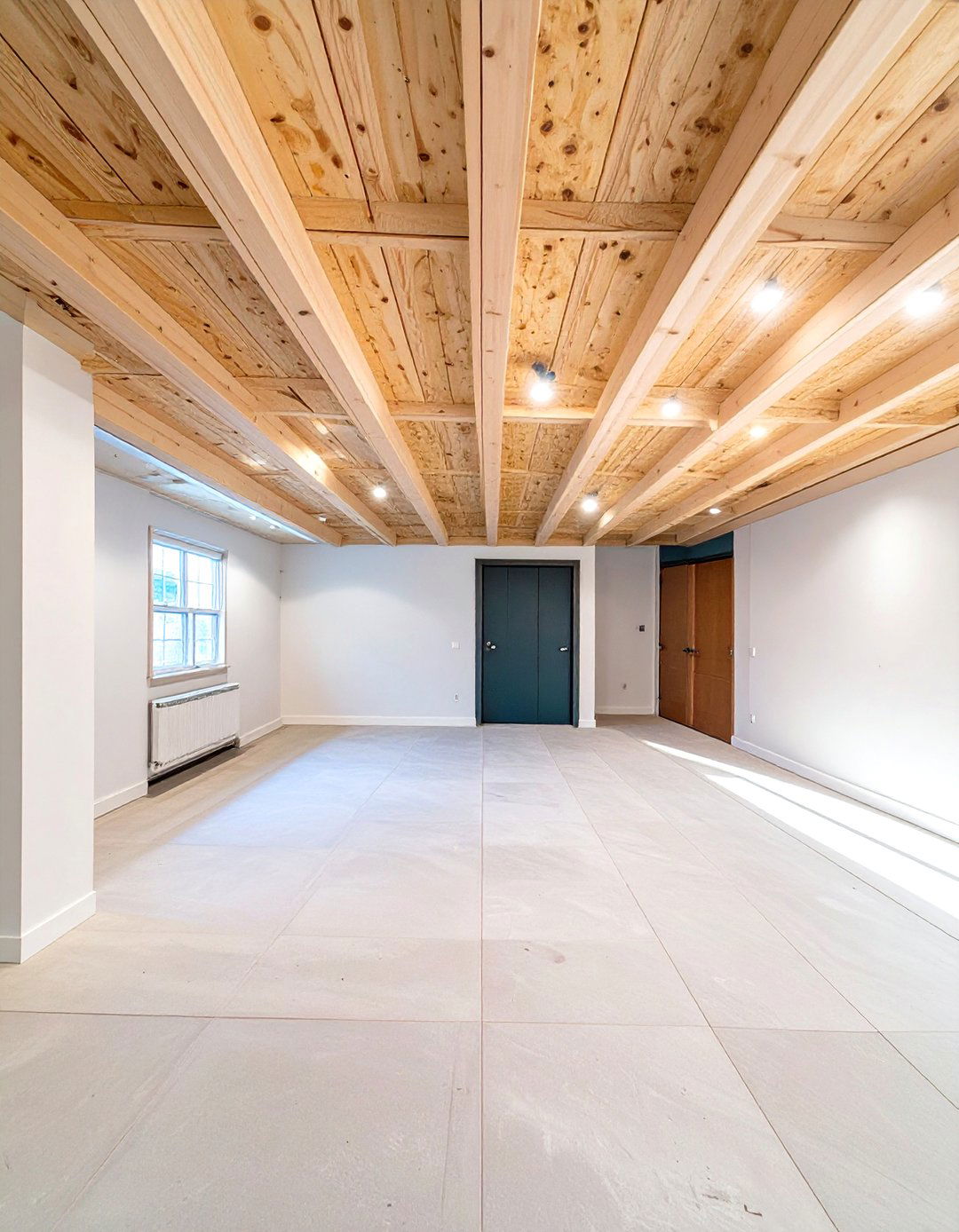
For a budget-friendly and modern industrial aesthetic, consider using plywood panels to cover your basement ceiling. Attaching large sheets of sanded plywood directly to the joists creates a clean, minimalist surface with a subtle wood grain texture. You can leave the plywood in its natural state for a warm, organic feel, apply a clear sealant to protect it, or paint it any color to match your decor. The simple, geometric lines of the panels add architectural interest without the cost or labor of a traditional drywall installation, making it a smart choice for a contemporary space.
7. Beadboard Panel Ceiling

Installing beadboard panels on the ceiling joists is an excellent way to add classic, cottage-style charm to your basement. These panels feature decorative grooves that create a timeless, textured look, instantly elevating the space from unfinished to thoughtfully designed. Typically available in large, easy-to-install sheets, beadboard can be painted to match any color scheme, with white being a popular choice for a bright and airy feel. It effectively conceals pipes and wiring while adding architectural detail, making the basement feel more like a cozy, integrated part of your home rather than a forgotten lower level.
8. Faux Wood Beam Ceiling

To create architectural interest and a sense of rustic grandeur, install faux wood beams below the existing joists. These lightweight, hollow beams are designed to mimic the appearance of heavy, solid wood but are much easier and cheaper to install. They can be strategically placed to create a coffered ceiling effect or to run parallel with the joists for a more traditional look. Faux beams are perfect for hiding specific pipes or wires while adding significant visual impact. This approach gives the basement a sophisticated, custom-built feel and introduces warm, natural texture without structural modifications.
9. Drop Ceiling Tiles with Modern Designs

Modern drop ceilings have evolved far beyond the standard white fiberboard tiles. Today's options include stylish designs like coffered panels, embossed patterns, and even metallic or wood-look finishes. A suspended grid system remains one of the most practical solutions for an unfinished basement, as it allows for easy access to plumbing, ductwork, and electrical wiring. Choosing contemporary tiles can transform this functional choice into a deliberate design feature. These updated styles can mimic the look of tin, wood, or architectural plaster, providing a polished appearance while retaining all the practical benefits of a traditional drop ceiling.

10. String Light Canopy Ceiling

Create a magical and ambient atmosphere by installing a canopy of string lights across the ceiling joists. This simple yet highly effective idea adds a warm, inviting glow to the basement, making it perfect for a lounge area, home theater, or entertainment space. Simply weave commercial-grade string lights with Edison bulbs back and forth between the joists to create a dense, starry effect. For an even more dramatic look, paint the joists and everything above them black beforehand to make the lights truly pop. It's a low-cost, high-impact solution that adds instant personality and charm.
11. Tin Tile Ceiling

For a touch of vintage elegance and glamour, install tin or faux tin ceiling tiles. These decorative panels come in a wide array of intricate patterns and metallic finishes, such as copper, bronze, silver, and classic white. They can be installed directly onto the joists or as part of a drop ceiling grid. Tin tiles add texture, reflect light, and create a stunning focal point that feels both historic and luxurious. This option is perfect for a home bar, game room, or theater, lending a unique, sophisticated character to the space that is far from the typical unfinished basement look.
12. Soundproofing Acoustic Panel Ceiling

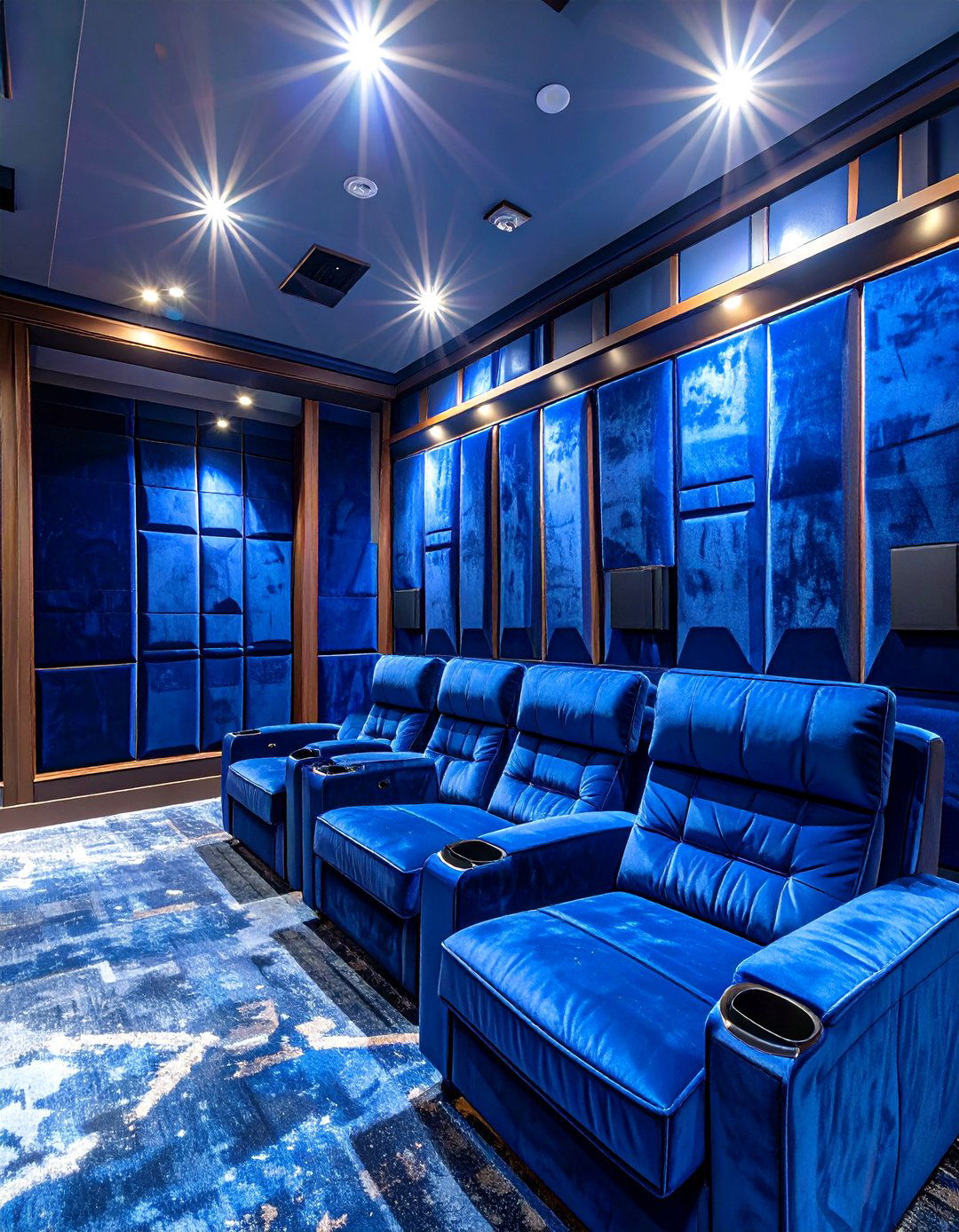
If you plan to use your basement as a home theater, music room, or workshop, installing acoustic panels on the ceiling is a smart choice. These panels are specifically designed to absorb sound, reducing echo within the room and minimizing noise transmission to the floors above. Available in various colors and fabric finishes, acoustic panels can be arranged in creative patterns to add visual interest while serving a crucial functional purpose. They can be attached directly to the underside of the joists, providing a practical and aesthetically pleasing solution for creating a quieter, more enjoyable basement environment.
13. Lath and Plaster Style Ceiling

For a rustic, deconstructed look, attach thin strips of wood lath across the bottom of the joists. Spacing the lath strips an inch or two apart creates a visually interesting pattern while allowing you to see the joists and subfloor behind them. This technique adds texture and architectural detail without completely closing off the ceiling. You can paint the joists and the lath in contrasting colors for a more dramatic effect or use the same color for a subtle, layered look. It’s a creative and affordable way to add rustic farmhouse character to your basement space.
14. Industrial Exposed Ductwork with Drywall

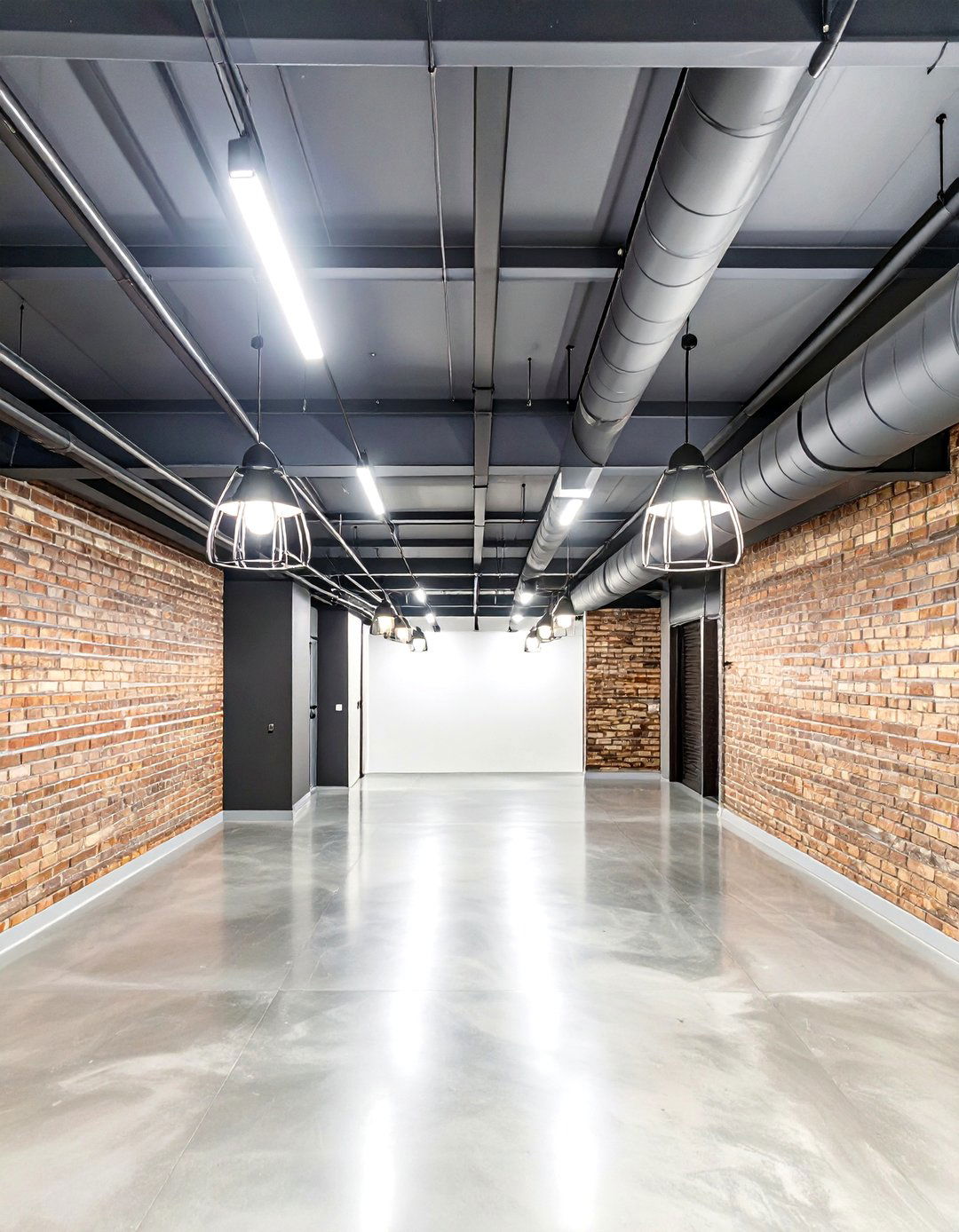
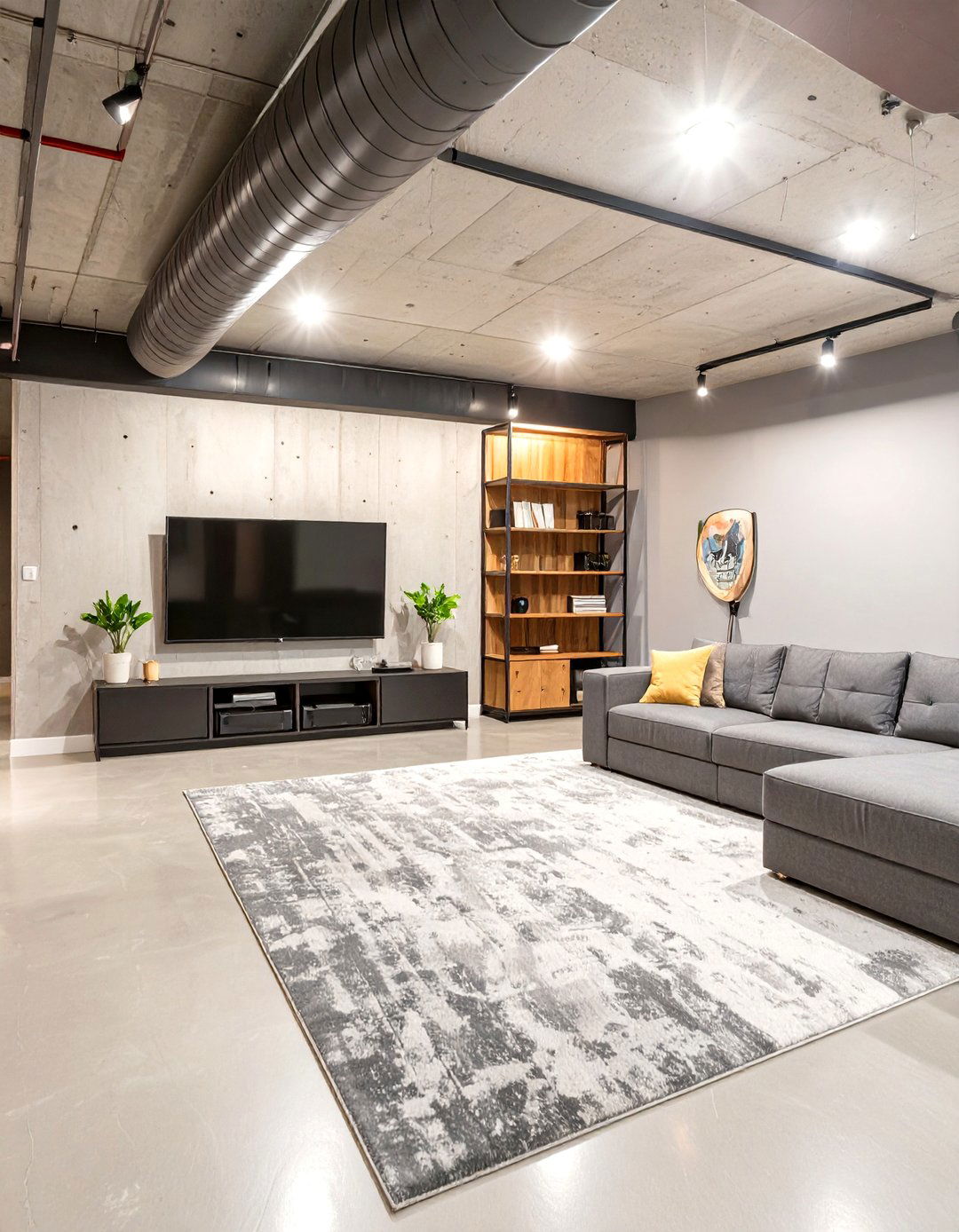
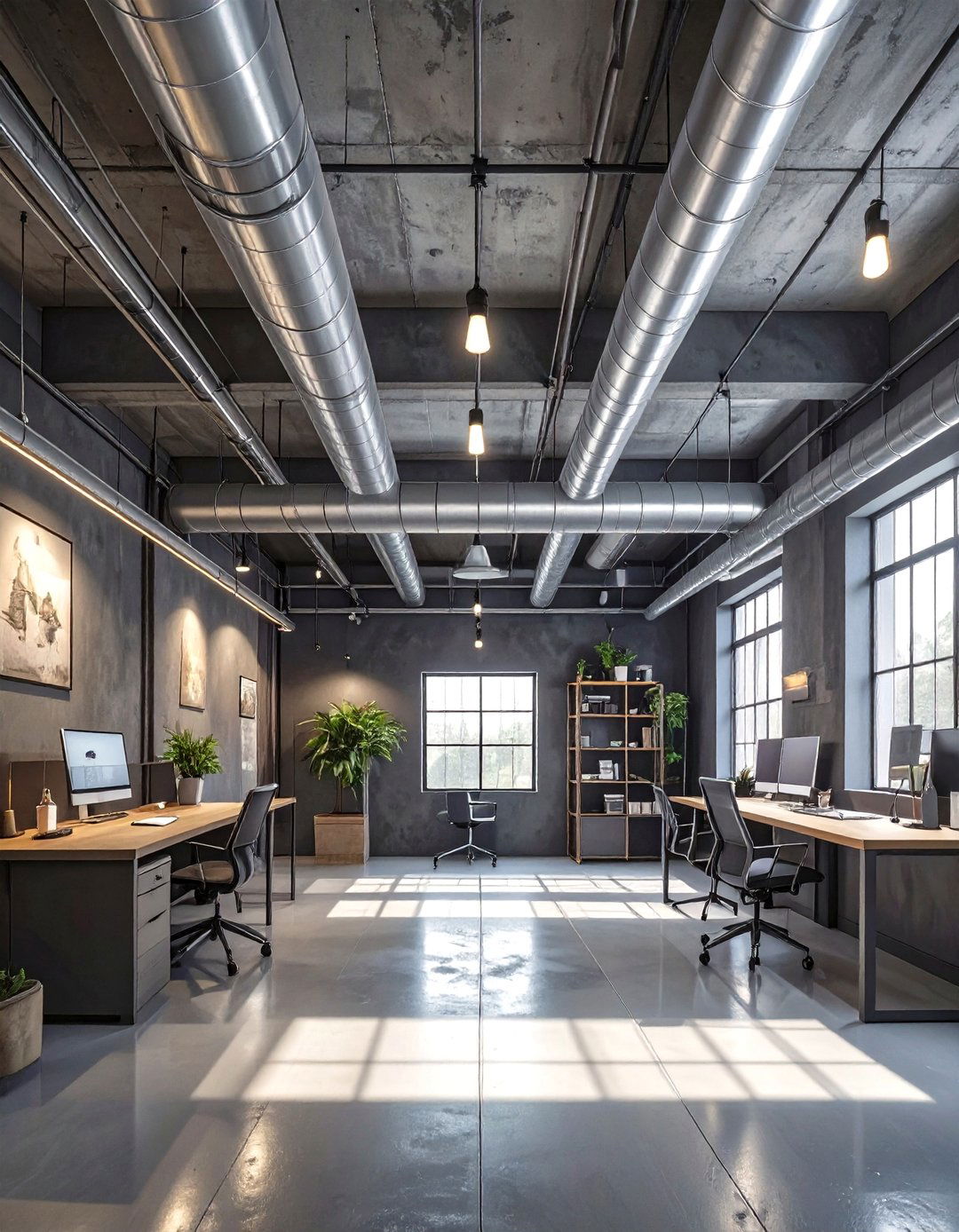
Embrace the industrial look by leaving the ductwork exposed while finishing the rest of the ceiling with drywall. This hybrid approach creates a clean, polished look while celebrating the raw, mechanical elements of the space. By painting the exposed ducts a bold color like black or charcoal grey, they become an intentional design feature rather than an afterthought. The surrounding drywall can be painted a lighter color to create contrast and make the room feel bright. This method provides a balanced, contemporary aesthetic that is both stylish and sophisticated, perfect for a modern loft-style basement.



15. Painted PVC Pipe Ceiling Grid

Create a unique, graphic ceiling by constructing a grid with PVC pipes. Paint the pipes and fittings in a uniform color—like black, white, or a vibrant hue—and attach them below the joists. This DIY-friendly project adds an industrial or futuristic vibe to the space. You can design the grid to be purely decorative or functional, using it as a framework to hang lights, plants, or even lightweight storage baskets. It’s a creative and inexpensive way to conceal some of the overhead clutter while introducing a bold geometric pattern that makes a strong visual statement in any basement.
16. Two-Tone Painted Joist Ceiling

Add visual interest and the illusion of height by painting your basement ceiling in two tones. Paint the joists one color—perhaps a crisp white or a light grey—and the space between them, including the subfloor and any visible pipes, a darker color like charcoal or black. This technique creates a strong sense of depth and architectural definition. The lighter-colored joists draw the eye and establish a clean visual rhythm, while the dark background makes the mechanical elements disappear. This sophisticated approach adds a custom designer touch without the high cost, elevating the entire room's aesthetic.
17. Natural Wood Slat Ceiling

Install natural wood slats across the ceiling joists for a warm, contemporary, and organic feel. Unlike solid wood planks, slats are installed with small gaps in between, creating a visually light and airy effect. This design allows for air circulation and can cleverly conceal wiring while still providing some access. The linear pattern of the slats draws the eye and can make the room feel longer or wider, depending on their orientation. Using woods like cedar, pine, or oak brings natural texture and warmth into the basement, creating a welcoming and modern space that feels connected to nature.
18. Decorative Ceiling Medallions

Add a touch of classical elegance to an otherwise industrial ceiling by installing decorative medallions. Traditionally used around light fixtures, these ornamental pieces can be placed strategically across the ceiling to break up the visual space and add architectural detail. Paint the medallions the same color as the ceiling joists for a subtle, textured look, or use a contrasting color to make them a focal point. You can even cluster several medallions of different sizes to create a unique art-like installation. This unexpected detail adds a layer of sophistication and classic charm to an unfinished space.
19. Open Ceiling with Integrated Track Lighting

For a functional and modern industrial aesthetic, embrace the open joist ceiling and integrate track lighting. Mount the tracks directly onto the bottom of the joists or run them parallel to the joists. The advantage of track lighting is its versatility; you can aim each individual light to highlight specific areas, such as artwork, a seating area, or a workspace. Painting the entire ceiling, including joists and ductwork, a dark color like black or charcoal will make the tracks blend in and the light sources stand out, creating a dramatic, gallery-like atmosphere in your basement.


20. Corrugated Plastic Panel Ceiling

For a bright and budget-friendly ceiling solution, consider using corrugated plastic panels. These translucent or opaque panels are lightweight, inexpensive, and very easy to cut and install. The translucent option is particularly effective as it allows light to pass through, which is ideal if you want to install lighting above the panels for a diffused, glowing effect. This can make the entire ceiling act as a giant light fixture, brightening the whole basement. The corrugated texture adds visual interest, and the material is resistant to moisture, making it a practical choice for a basement environment.
21. DIY Fabric Canopy Ceiling

Create a soft, elegant, and dreamy atmosphere with a DIY fabric canopy. This is an incredibly affordable and simple way to cover an unfinished ceiling. Choose long bolts of lightweight fabric, such as sheer voile, cotton, or muslin, and drape them from one end of the room to the other, securing them to the joists. You can let the fabric swag gracefully between attachment points or pull it taut for a more tailored look. This method softens the industrial feel of the exposed joists and can hide imperfections, all while adding a touch of romance and coziness to the space.
22. Rope-Wrapped Pipes and Beams

Turn exposed pipes and beams into a nautical or rustic design feature by wrapping them tightly with rope. This creative and tactile solution adds texture and visual interest while concealing unattractive surfaces. Use thick manila or jute rope for a rustic, coastal vibe, or choose a colored rope to match your decor. The process is straightforward but requires patience, securing the rope with adhesive at the start and end points. This technique is an excellent way to integrate industrial elements into a more cozy or themed design, transforming functional components into decorative accents that enhance the room's character.
23. Stamped Concrete Look Ceiling

Achieve a raw, urban, and industrial aesthetic by creating a faux stamped concrete look on your ceiling. This can be done by attaching thin cement boards or fiber cement panels to the joists. Some manufacturers offer panels with pre-stamped patterns or textures that mimic the look of poured concrete. Alternatively, you can apply a concrete-like plaster finish over drywall. This approach provides a bold, monolithic appearance that is both durable and striking. It pairs exceptionally well with metal accents, exposed brick, and minimalist furniture, perfect for creating a modern loft or industrial-style basement living space.
24. Geometric Wood Panel Ceiling

Design a striking, contemporary ceiling by installing geometric wood panels. Instead of simple planks, use plywood or MDF cut into shapes like triangles, hexagons, or chevrons to create a dynamic, puzzle-like pattern. This approach turns the ceiling into a major focal point and a piece of art. You can stain or paint the pieces in different colors to enhance the geometric effect or use a single finish for a more subtle, textural look. This custom treatment adds a high-end, architectural feel to the basement, demonstrating a creative use of simple materials to achieve a sophisticated and modern result.
25. OSB (Oriented Strand Board) Ceiling

For a truly unique and budget-friendly industrial or rustic look, use Oriented Strand Board (OSB) panels for your ceiling. The distinct texture of compressed wood strands gives OSB a raw, graphic quality that can make a bold statement. Attaching large panels directly to the joists is simple and cost-effective. You can leave the OSB in its natural state for an unfinished, workshop vibe or apply a clear polyurethane coat to bring out the wood tones and add a slight sheen. This unconventional choice adds significant texture and character, perfect for a modern, edgy, and industrial-inspired basement design.
26. Galvanized Steel Grid Ceiling

Create an authentic industrial look by installing a grid made from galvanized steel studs or pipes. Similar to a PVC grid but with a more robust, mechanical feel, this framework can be left open or used to support other elements. You can lay wire mesh panels within the grid for a semi-transparent effect or hang industrial-style pendant lights from it. The metallic finish of the galvanized steel reflects light and enhances the industrial aesthetic. This option is perfect for a home gym, workshop, or game room, providing a durable and visually interesting ceiling that celebrates raw materials.
27. Pegboard Ceiling for Storage

For a highly functional and utilitarian ceiling, install large panels of pegboard directly onto the joists. This is an ingenious solution for a workshop, craft room, or storage area, as it turns the entire ceiling into a versatile storage surface. You can use standard pegboard hooks and accessories to hang tools, supplies, and lightweight items, freeing up valuable wall and floor space. Paint the pegboard to match your room's color scheme or leave it in its natural brown for a classic workshop look. This practical approach combines storage and a finished ceiling in one clever application.
28. Chalkboard Paint Ceiling

For a fun and interactive ceiling, paint it with chalkboard paint. After installing a smooth surface like plywood or drywall panels, apply several coats of chalkboard paint to create a large-scale canvas. This is a fantastic idea for a kids' playroom, a creative studio, or a home bar area where you can write messages, doodle, or display menus. A black chalkboard ceiling can also have a similar dramatic effect to regular black paint, making the space feel cozy and intimate. It’s an unconventional and engaging choice that adds a playful and personal touch to your basement.
29. Reclaimed Wood Crate Ceiling

Create a unique, rustic, and textured ceiling by deconstructing old wooden crates and attaching the pieces to the joists. The varied tones, weathered finishes, and printed logos or text on the crate wood add immense character and a sense of history to the space. You can arrange the pieces in a random pattern for an eclectic look or in a more organized layout. This upcycling project is not only environmentally friendly but also results in a one-of-a-kind ceiling that tells a story. It’s perfect for a rustic-themed bar, wine cellar, or cozy den.
30. Exposed Ceiling with Color-Coded Pipes

Embrace the industrial nature of your unfinished basement by making the exposed pipes and ductwork a deliberate design element. Instead of trying to hide them, paint them in bright, distinct colors. This "color-coding" approach turns the functional systems into a vibrant, graphic installation. For example, you could paint water pipes blue, electrical conduits yellow, and gas lines red. Against a neutral background like a black or white painted ceiling, this creates a bold, high-tech, or playful look. It’s a creative and low-cost way to celebrate the mechanics of your home.
Conclusion:
Ultimately, finishing an unfinished basement ceiling is about finding the right balance between aesthetics, budget, and functionality. From simple paint applications that create drama or brightness to installing materials like wood, metal, or fabric, the options are plentiful. Ideas like embracing exposed ductwork, adding string lights, or using modern drop ceiling tiles prove that you don't need a traditional drywall finish to create a stylish and inviting space. By choosing a solution that complements your home's style and your basement's purpose, you can transform a neglected area into a valuable and well-designed extension of your living space.

Related posts:

Leave a Reply