
Decorating a small room doesn't mean sacrificing style or function. With thoughtful choices, even the most compact space can feel open, airy, and beautifully organized. The key is to embrace clever design tricks that maximize every square inch, from using vertical space to selecting furniture that serves multiple purposes. By focusing on light, scale, and smart storage, you can transform a tiny room into a comfortable and inviting retreat. These ideas will guide you in creating a space that feels larger and more personalized, proving that size is no barrier to great design.
1. Floating Shelves for Vertical Storage
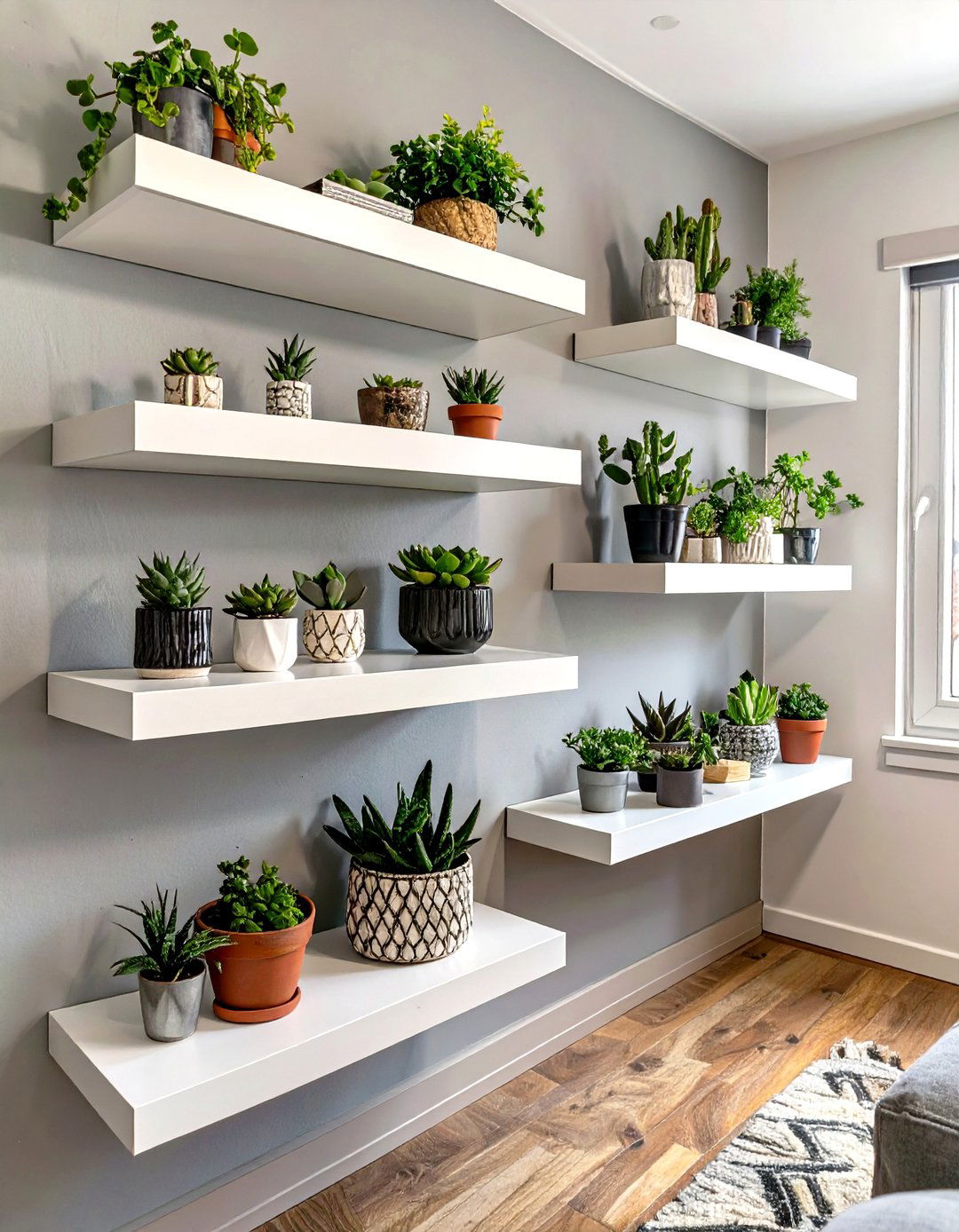
To maximize floor space, look upwards and install floating shelves. These shelves create a clean, minimalist look while offering valuable storage for books, plants, and decorative items without the bulk of a traditional bookcase. By drawing the eye upward, they create an illusion of height, making the room feel more spacious and open. This approach is perfect for displaying your favorite objects without cluttering surfaces like desks or nightstands. For a cohesive design, choose shelves in a color that either matches the wall or provides a subtle, intentional contrast.
2. Large Mirrors to Create Depth
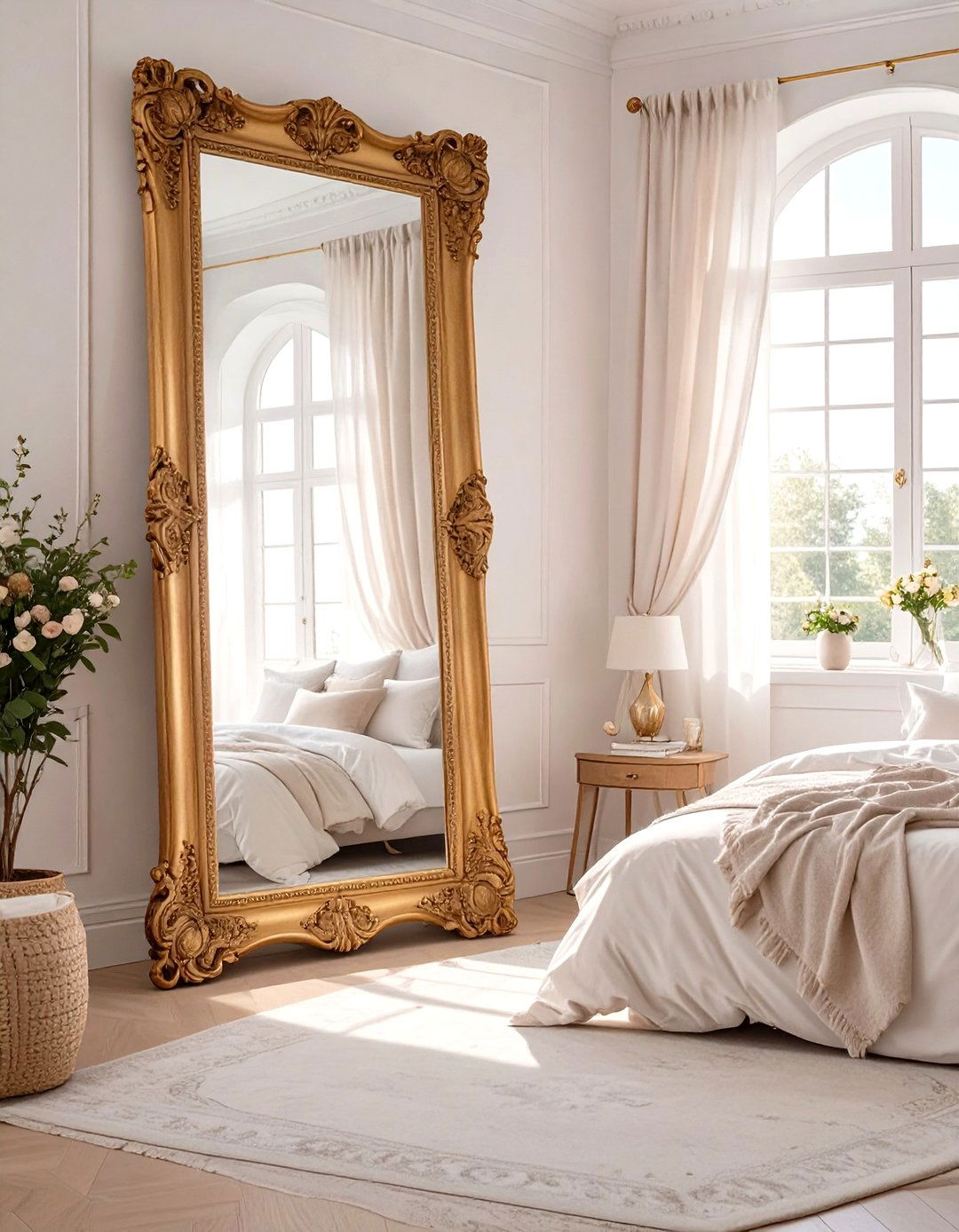
A large, well-placed mirror is one of the most effective tools for making a small room feel bigger. It works by reflecting both natural and artificial light, which instantly brightens the space and creates a sense of openness. Placing a mirror opposite a window is particularly effective, as it bounces light around the room and reflects the view, adding depth. Consider a floor-length mirror leaned against a wall or a large decorative mirror hung as a focal point. This simple addition can visually double the size of your room while adding a touch of elegance.
3. Light Color Paint on Walls
Using a light and airy color palette is a classic strategy for small rooms. Soft hues like white, cream, pale gray, or gentle pastels reflect light, making walls recede and the space feel more expansive and breathable. A monochromatic scheme, using varying shades of the same light color, can add sophistication without overwhelming the room. Painting the trim and ceiling a slightly lighter shade than the walls can further enhance the feeling of height and openness. This approach creates a serene and uncluttered backdrop, allowing your furniture and decor to stand out.
4. Multifunctional Ottoman with Storage
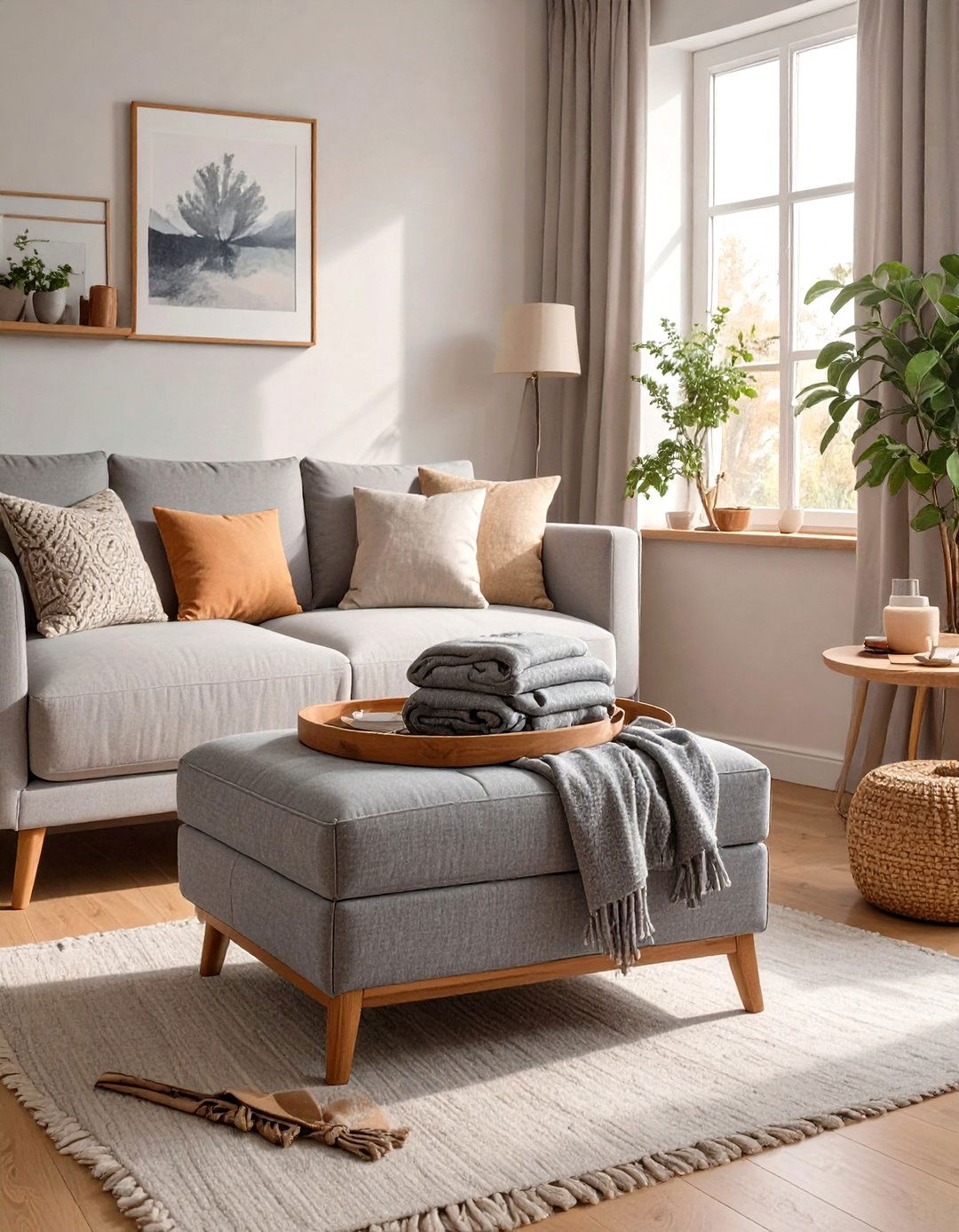
In a small room, every piece of furniture should work hard. A multifunctional ottoman is an excellent investment, serving as a coffee table, extra seating, and a hidden storage compartment all in one. You can use it to store blankets, magazines, remote controls, or other items that might otherwise create clutter. Choosing an ottoman with a removable lid makes accessing your stored belongings easy. This versatile piece helps keep your living area tidy and functional without sacrificing valuable floor space for separate furniture items, making it a smart and stylish solution.
5. Vertical Stripes to Elongate Walls
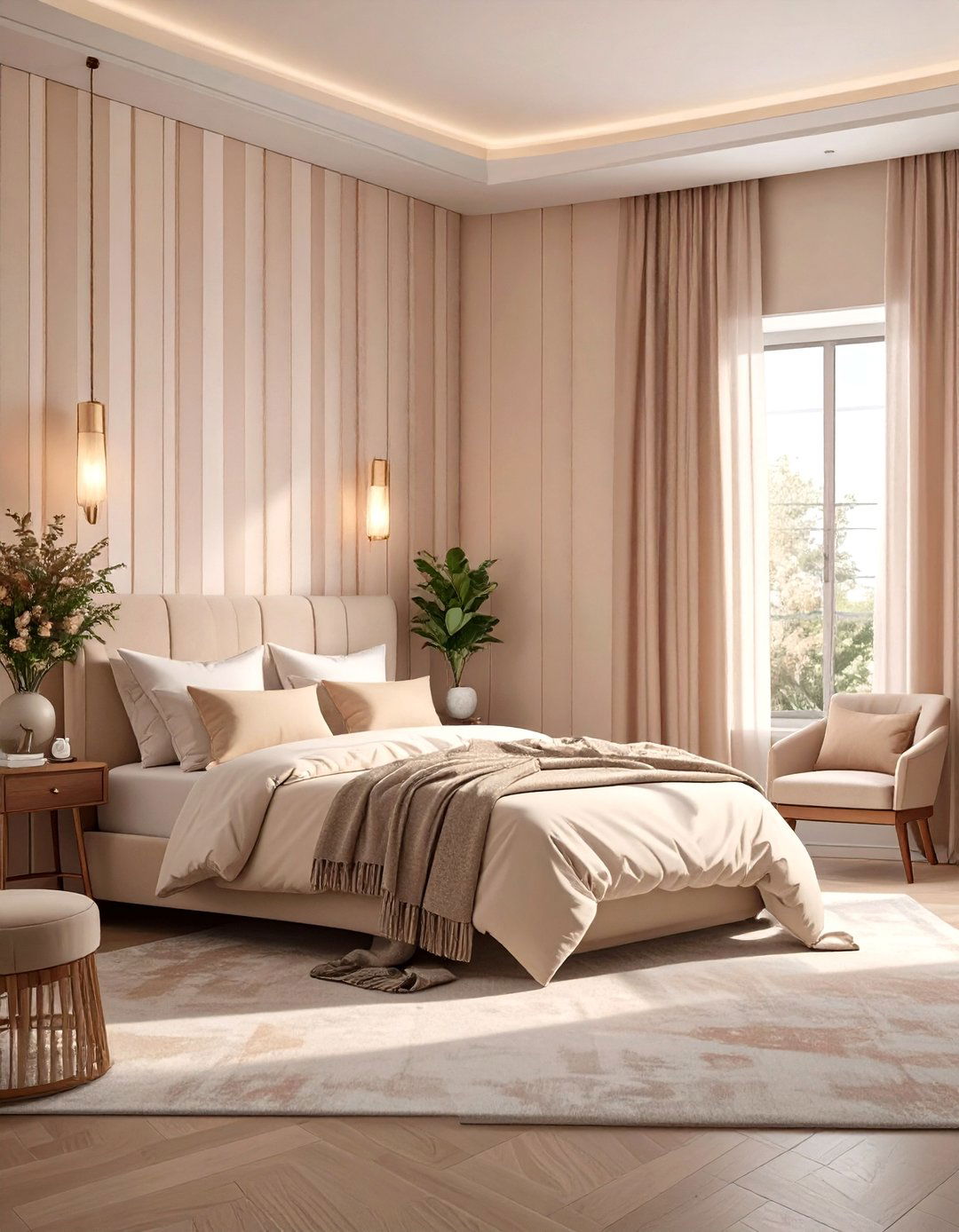
Creating the illusion of height is essential in a small room, and vertical stripes are a perfect way to achieve this. Whether through wallpaper or a painted design, vertical lines draw the eye upward, making ceilings appear higher than they are. This visual trick can make a cramped room feel more grand and less confined. For a subtle effect, use tone-on-tone stripes in a neutral color. For a bolder statement, choose contrasting colors that complement your overall decor. This technique works well on a single accent wall to avoid overwhelming the space.
6. Wall-Mounted Drop-Leaf Desk
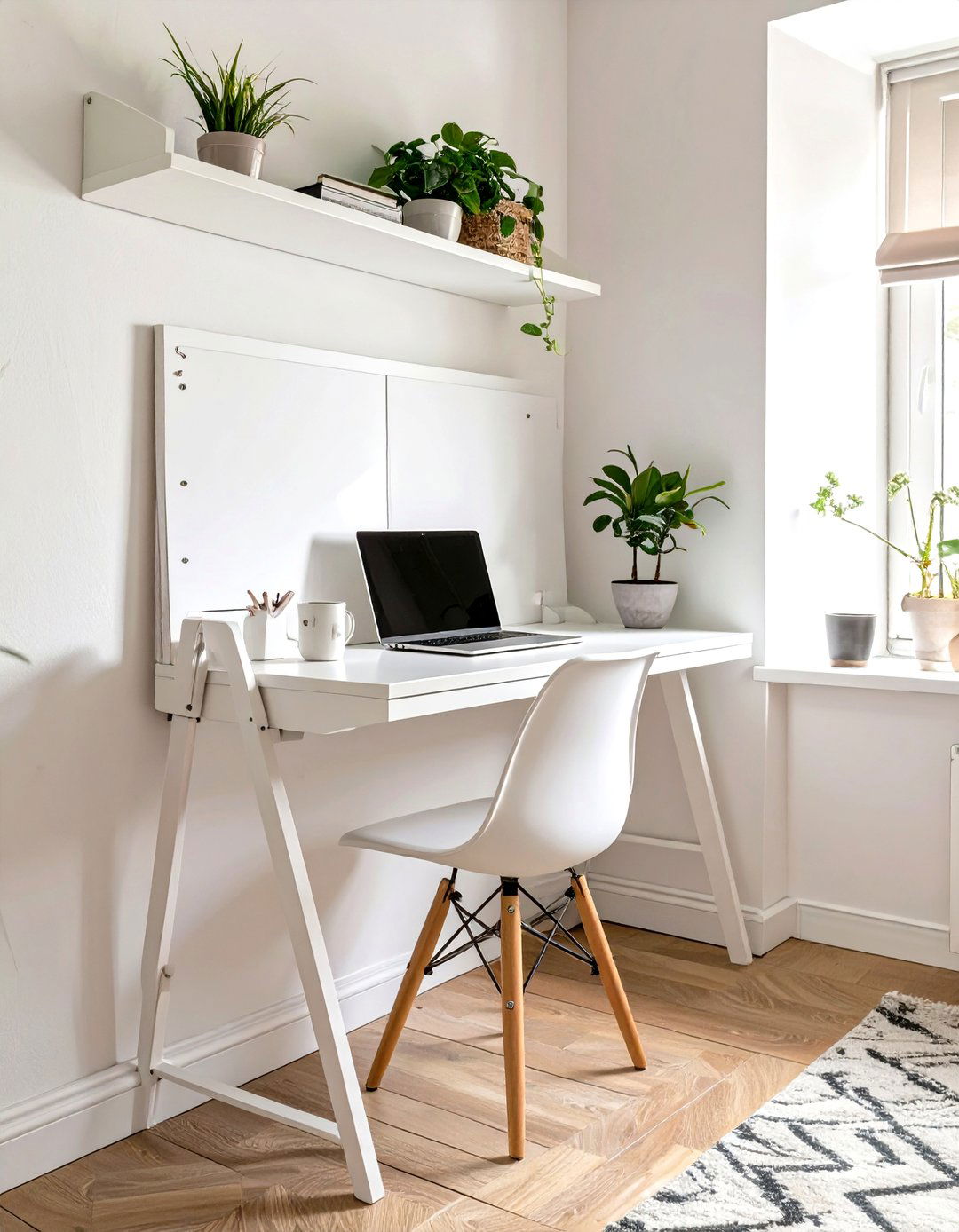
A wall-mounted drop-leaf desk is a game-changer for small bedrooms or living areas that need a dedicated workspace. This clever piece of furniture attaches directly to the wall and folds down when you need a desk, then folds back up to become a slim shelf or cabinet when not in use. It frees up valuable floor space that a traditional desk would occupy, maintaining an open and uncluttered feel. This solution provides a functional work surface without permanently sacrificing room for movement, making it ideal for compact living.
7. Corner Shelving Units for Awkward Spaces
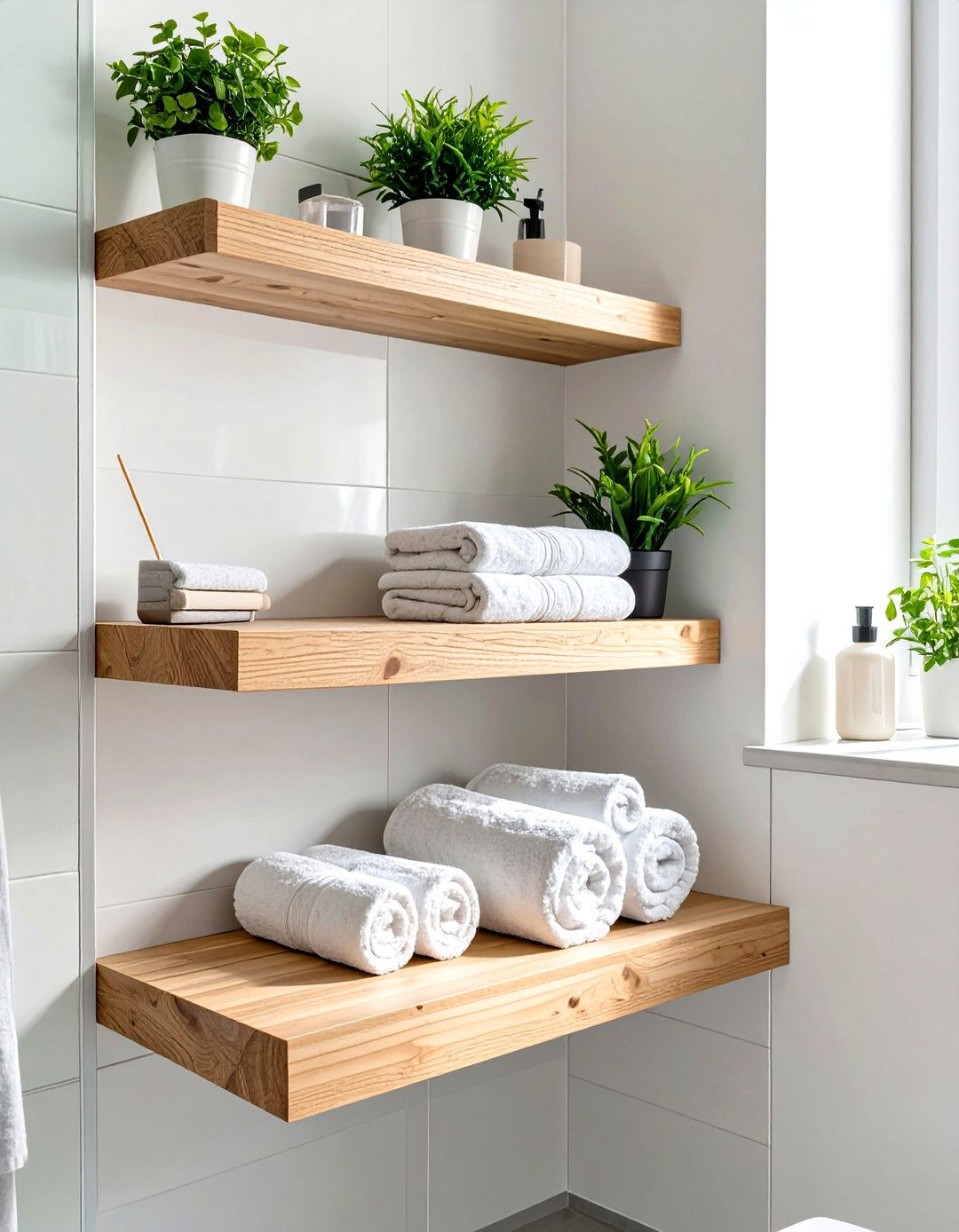
Take advantage of often-overlooked corner spaces by installing dedicated shelving units. Corners can be awkward to furnish, but floating corner shelves or a slim corner bookcase can turn them into a valuable storage or display area. This strategy utilizes vertical space efficiently, drawing clutter away from the center of the room. Use them to house books, small plants, or decorative pieces, transforming a dead zone into a functional and stylish feature. It’s a smart way to add storage without encroaching on your main living area.
8. Clear Acrylic Furniture for a Ghostly Effect
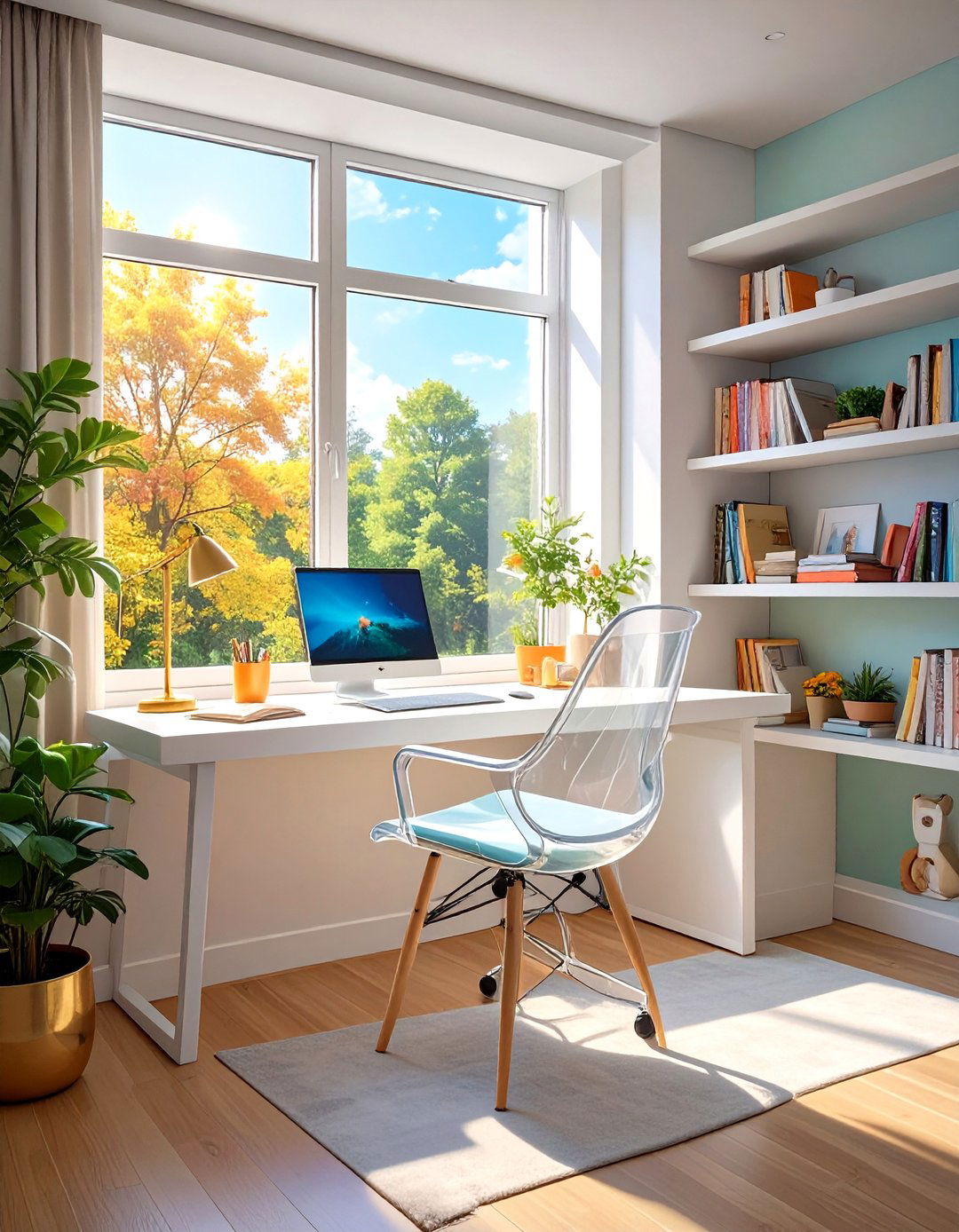
Clear acrylic or lucite furniture is a fantastic choice for small rooms because it has a minimal visual footprint. Pieces like a ghost chair, a waterfall coffee table, or a transparent console table seem to disappear into the room, taking up no visual space. This allows light to pass through them, preventing the room from feeling crowded or heavy. You get the full functionality of the furniture without the bulk, helping to maintain a sense of openness and flow. This modern approach is perfect for adding style without overwhelming a compact area.
9. Layered Lighting for Ambiance and Function
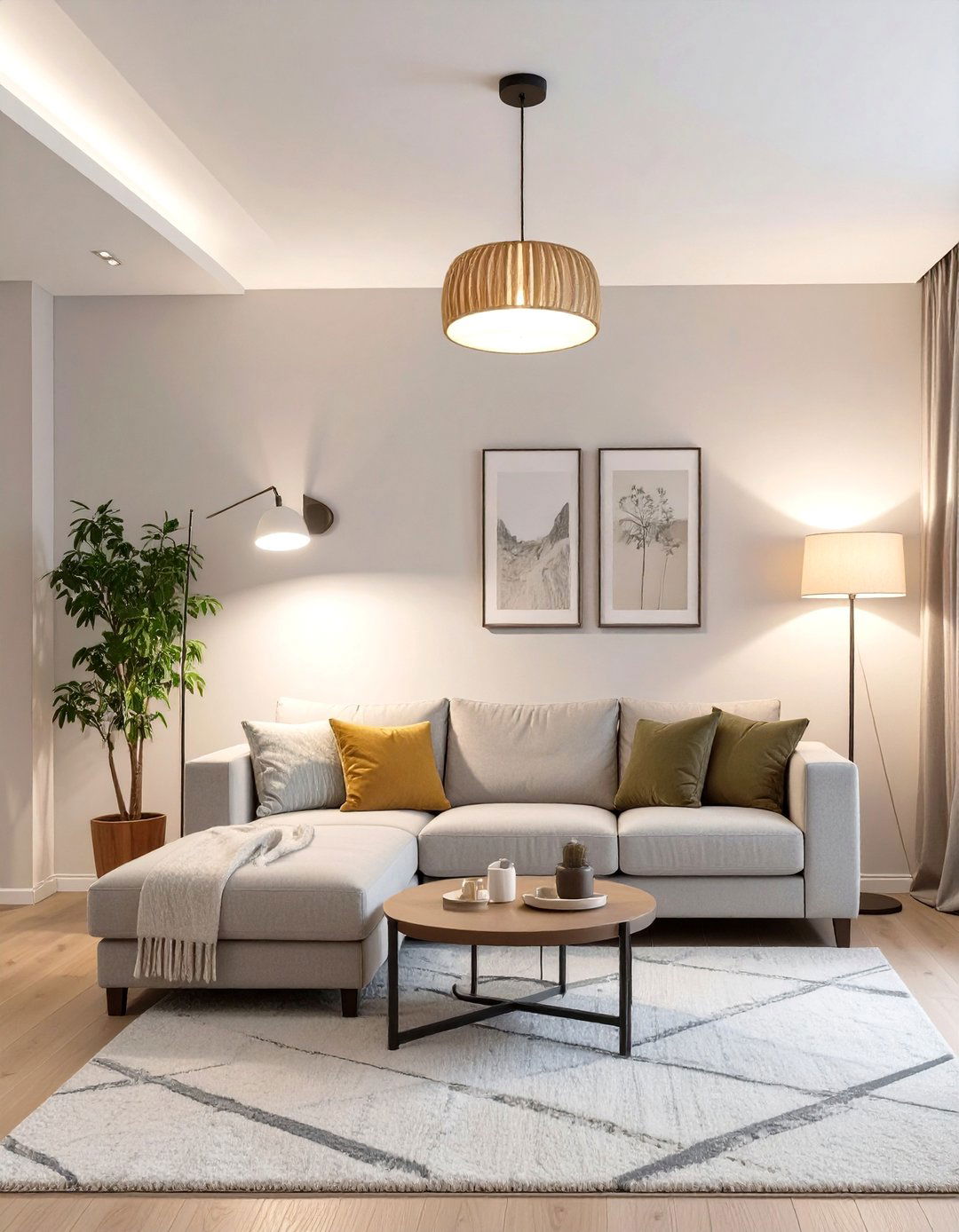
Good lighting is crucial in a small room. Instead of relying on a single overhead fixture, use a layered lighting approach. Combine ambient lighting (like a ceiling fixture), task lighting (a reading lamp or desk light), and accent lighting (sconces or picture lights). This strategy not only brightens the entire space, eliminating dark corners, but also allows you to create different moods. Using multiple light sources draws the eye around the room, adding depth and dimension. Wall sconces are particularly useful as they free up floor and table space.

10. Floor-to-Ceiling Curtains to Add Height
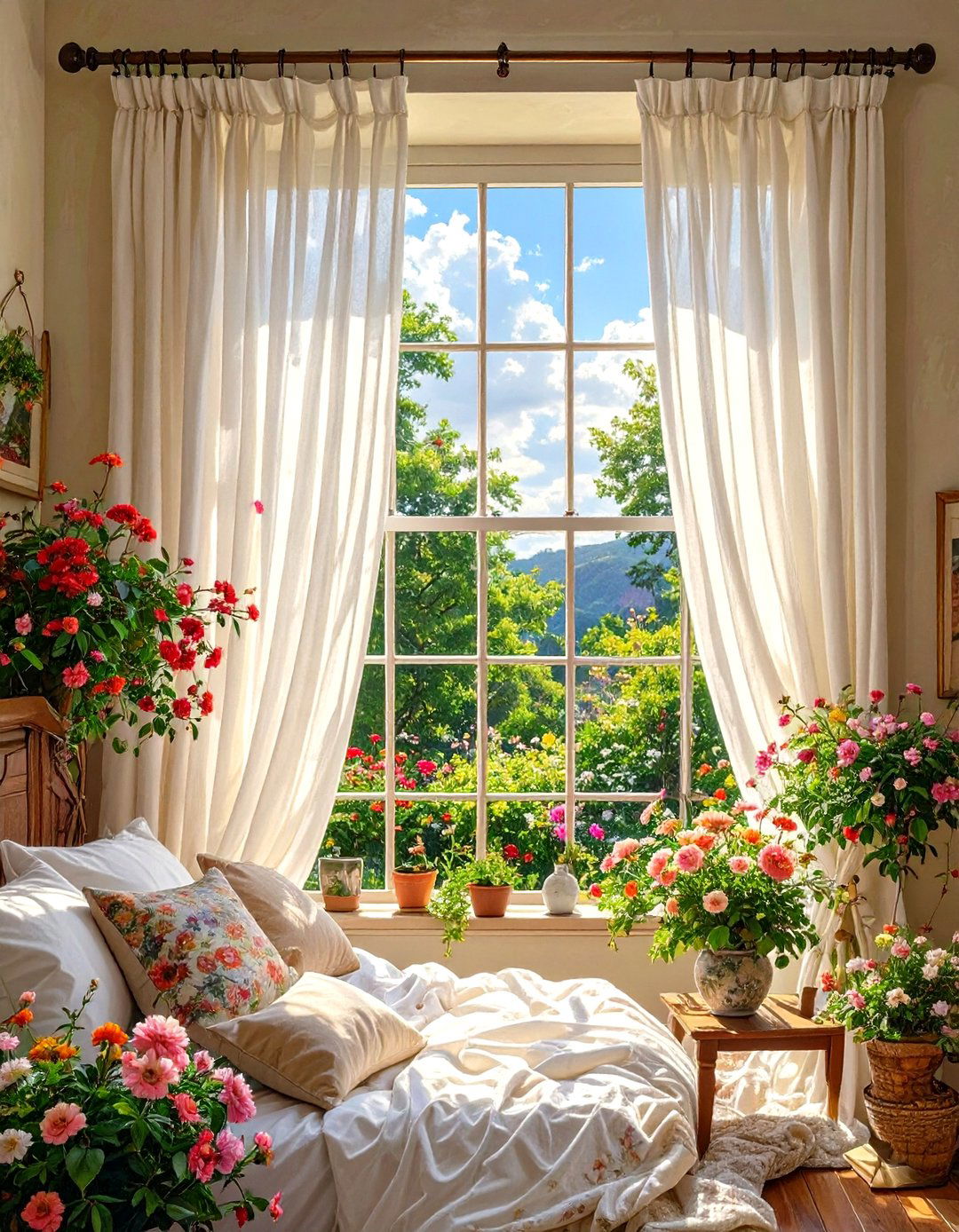
Hang your curtains as high and wide as possible to make your windows—and the entire room—feel larger. Installing the curtain rod close to the ceiling and extending it beyond the window frame creates a powerful vertical line that draws the eye upward, giving the illusion of a taller ceiling. Choose lightweight, light-colored fabrics that allow natural light to filter through, further enhancing the sense of space. This simple yet dramatic trick can transform the perceived proportions of your room, making it feel more open and elegant.
11. Strategic Rug Placement to Define Zones
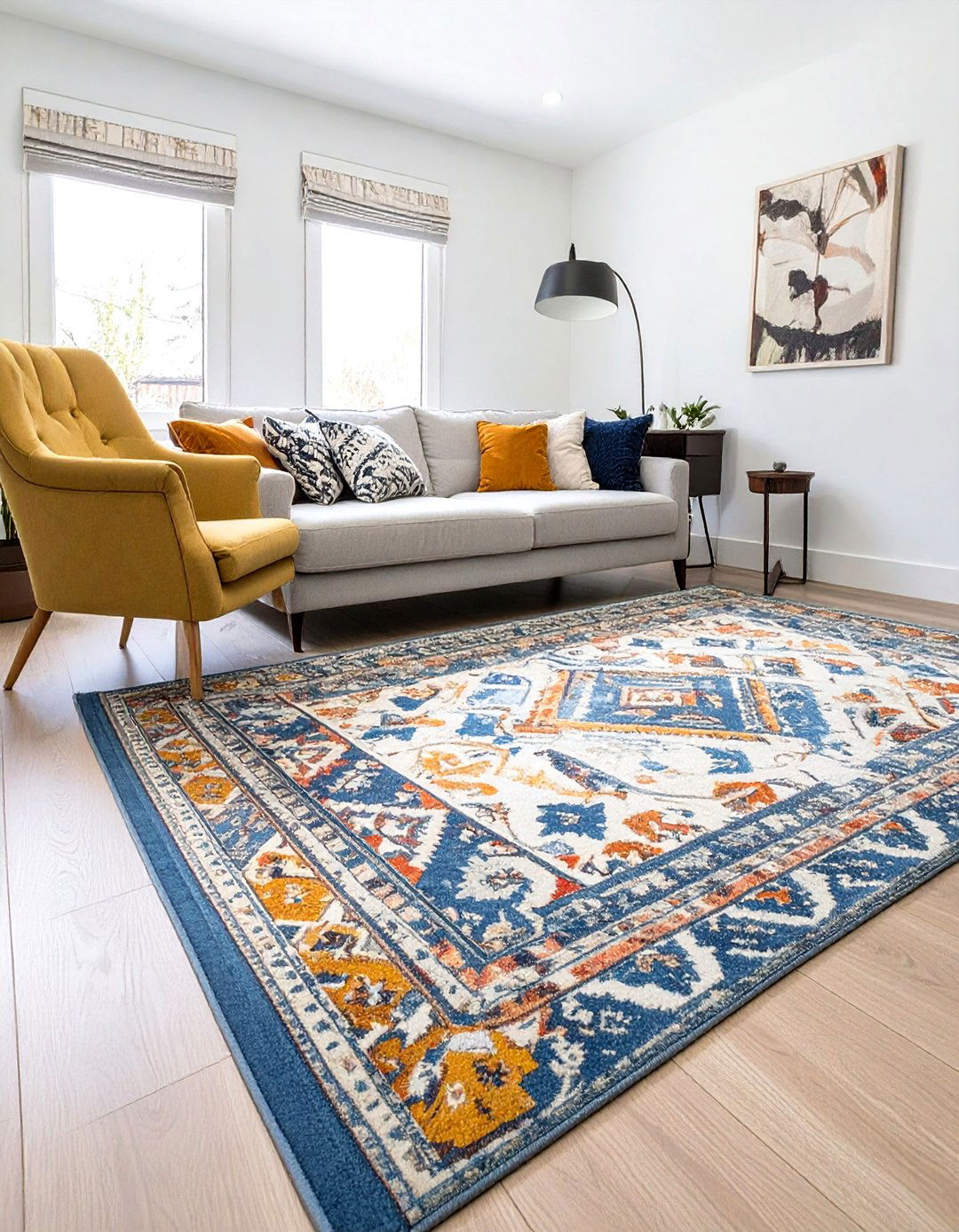
A well-placed rug can anchor a room and define specific functional zones, even in a small space. For instance, a rug can delineate the seating area in a studio apartment, separating it from the sleeping area. Choose a rug that is large enough for the front legs of your main furniture pieces to rest on it. This creates a cohesive and unified look. Surprisingly, a larger rug can often make a room feel bigger than a small one, as smaller rugs can visually chop up the floor and make the space feel disjointed.
12. Minimalist Wall Art for a Clean Look
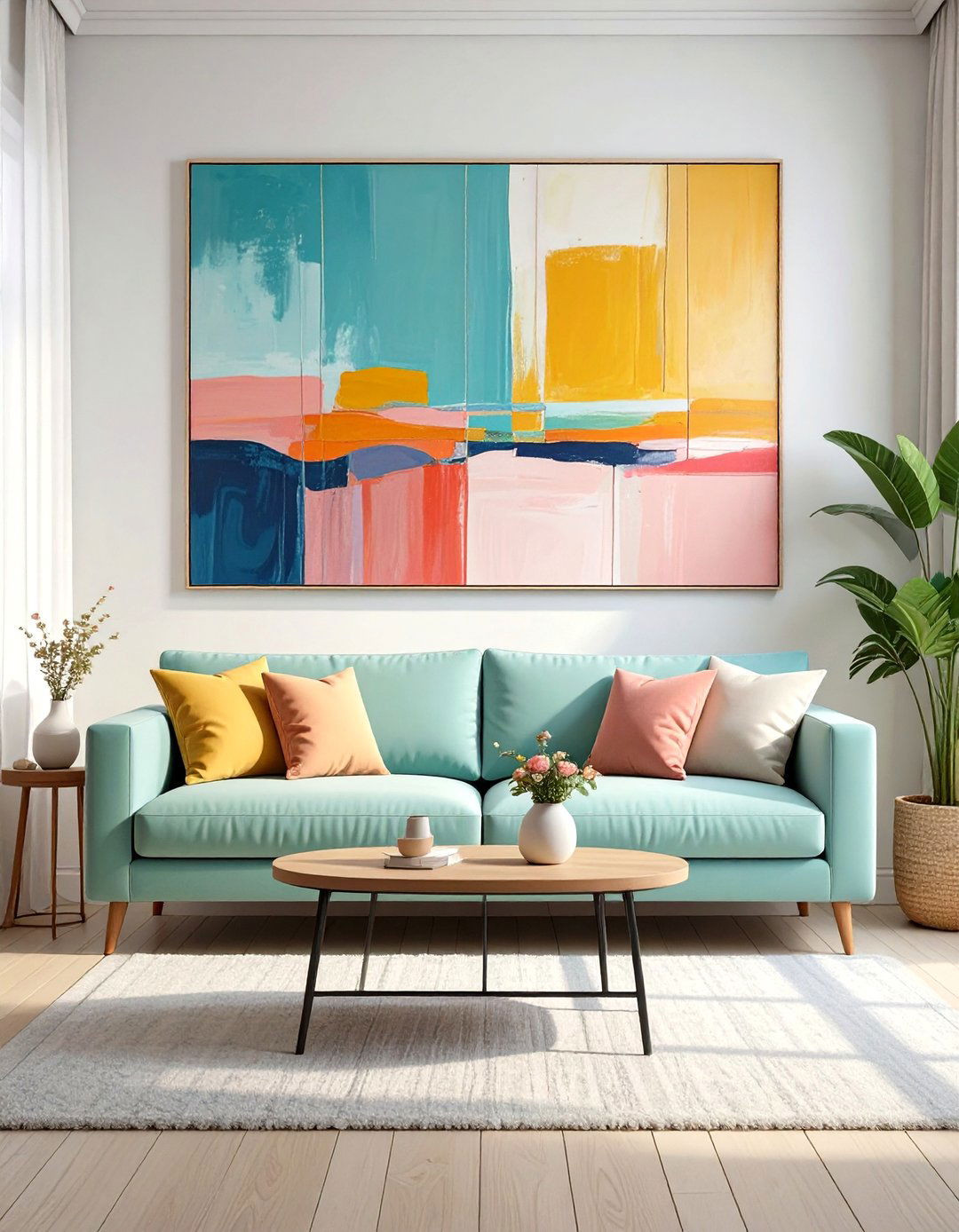
When it comes to wall art in a small room, less is often more. Instead of a gallery wall with many small frames, which can feel cluttered, opt for one or two larger pieces of minimalist art. A single, impactful piece creates a strong focal point without overwhelming the space. It draws the eye and adds personality without creating visual noise. Choose art with plenty of negative space and a simple color palette to maintain a calm and uncluttered aesthetic. This approach ensures your walls look decorated but not busy.
13. Under-Bed Storage Solutions to Hide Clutter
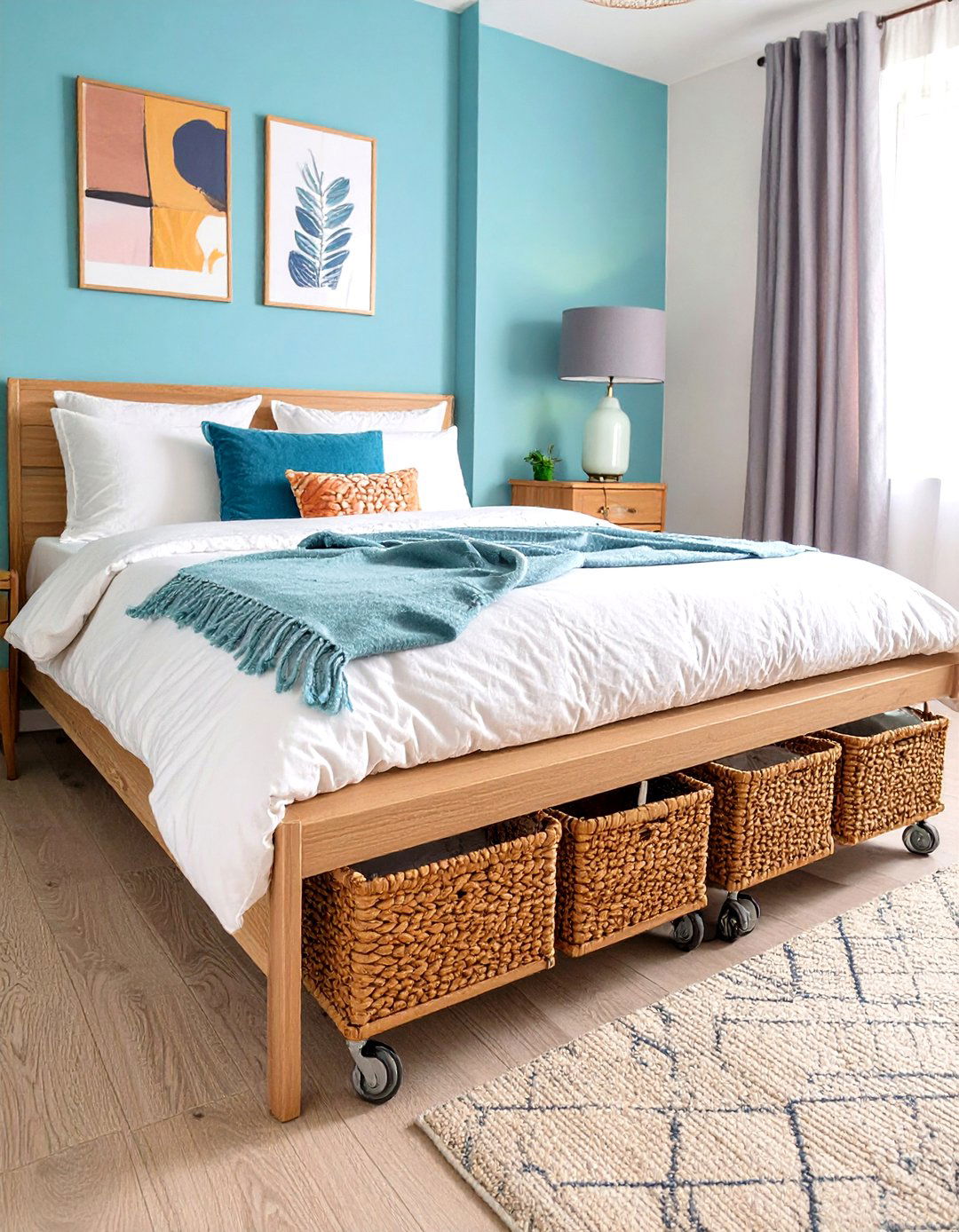
The space under the bed is prime real estate for storage in a small bedroom. Utilize this area with rolling drawers, storage bins, or vacuum-sealed bags to tuck away out-of-season clothing, extra bedding, or shoes. This keeps clutter off the floor and out of sight, contributing to a more serene and organized environment. Many bed frames are now designed with built-in drawers, but if yours isn't, there are plenty of slim containers designed specifically to slide underneath. It’s a simple way to gain a significant amount of storage space.
14. Nesting Tables for Flexible Surfaces
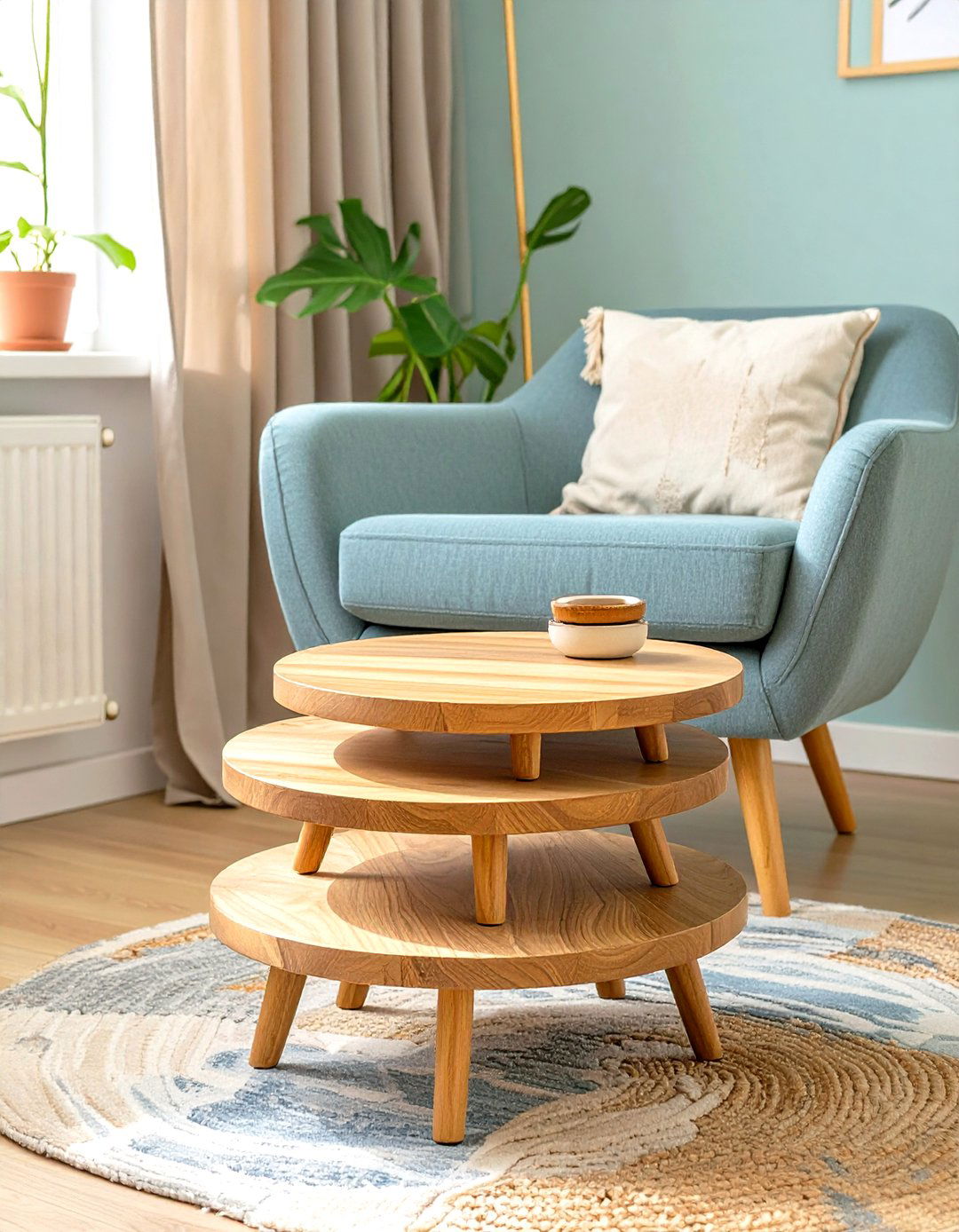
Nesting tables are a brilliant solution for small living rooms. This set of two or three tables of varying sizes can be stacked together to save space when not in use. When you have guests or need extra surface area, simply pull them apart. They can function as a layered coffee table, individual side tables, or even temporary nightstands. Their versatility and space-saving design make them incredibly practical for compact areas, offering functionality that adapts to your changing needs without permanently taking up a lot of room.


15. Wall-Mounted Sconces for Lighting
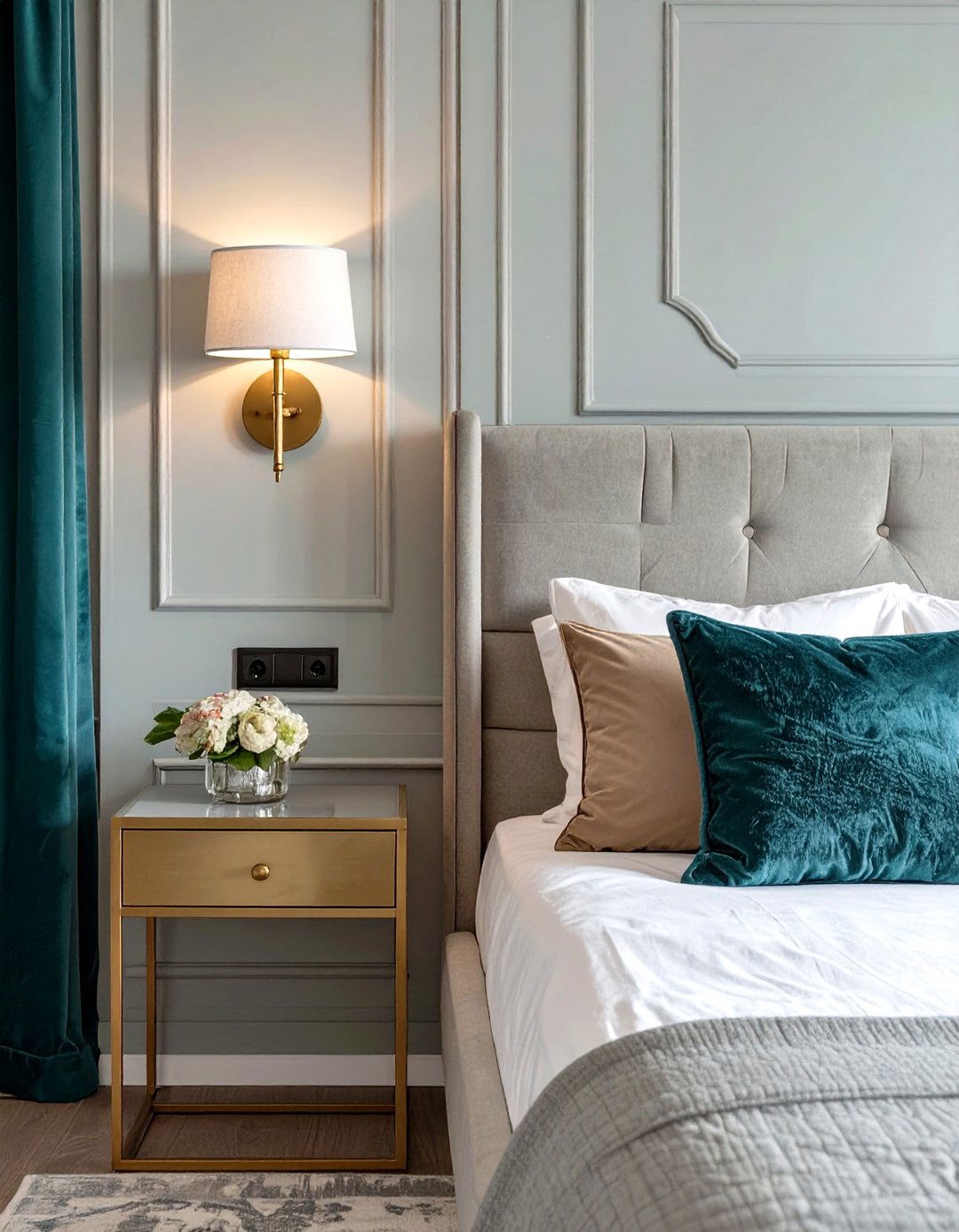
Free up your nightstands and side tables by opting for wall-mounted sconces. These light fixtures provide excellent ambient or task lighting without occupying any surface area, leaving more room for books, a glass of water, or other essentials. They create a clean, hotel-like aesthetic and help reduce visual clutter. Plug-in sconces are a great option if you don't want to deal with hardwiring, offering the same space-saving benefits with easy installation. This is a sophisticated and practical lighting choice for any small bedroom or reading nook.
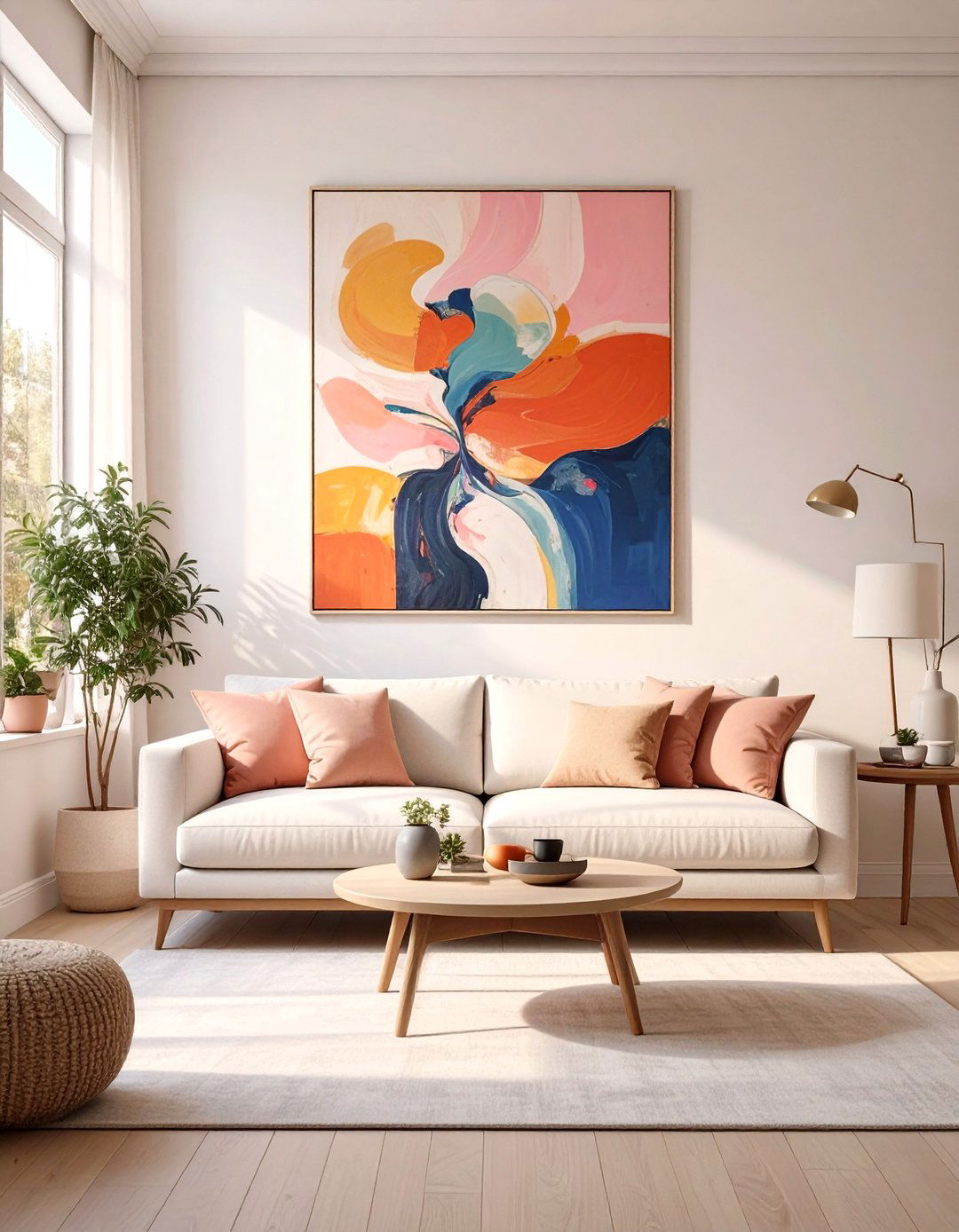
16. A Single Large Piece of Art as a Focal Point
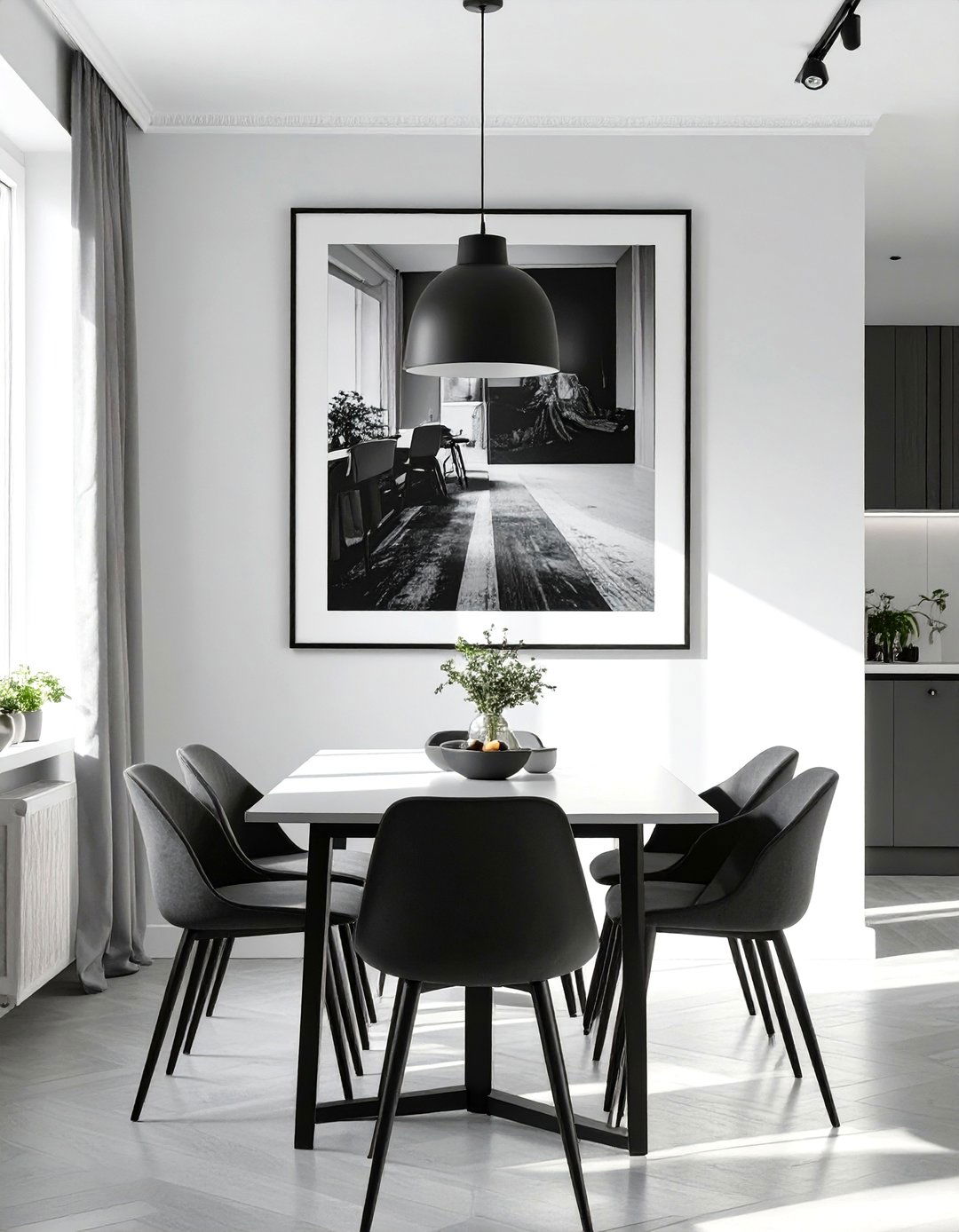
Instead of cluttering your walls with numerous small pictures, create a powerful statement with a single, oversized piece of art. A large painting or photograph can act as a commanding focal point, drawing attention and adding a sense of scale and drama to the room. This approach feels more intentional and less busy than a gallery wall. It can make the wall itself seem larger and gives the room a sophisticated, curated feel. Choose a piece that you love and that complements your decor for maximum impact.
17. Leggy Furniture to Create Visual Space

Furniture that sits up off the ground on visible legs—often called "leggy" furniture—is an excellent choice for small rooms. Sofas, armchairs, consoles, and side tables with raised legs create a sense of openness because you can see the floor underneath them. This visual trick makes the room feel larger and less crowded. The open space beneath the furniture allows light and air to circulate more freely, contributing to a lighter, airier atmosphere. It’s a subtle but highly effective way to reduce the perceived bulk of your furniture.
18. A Monochromatic Color Scheme for Cohesion
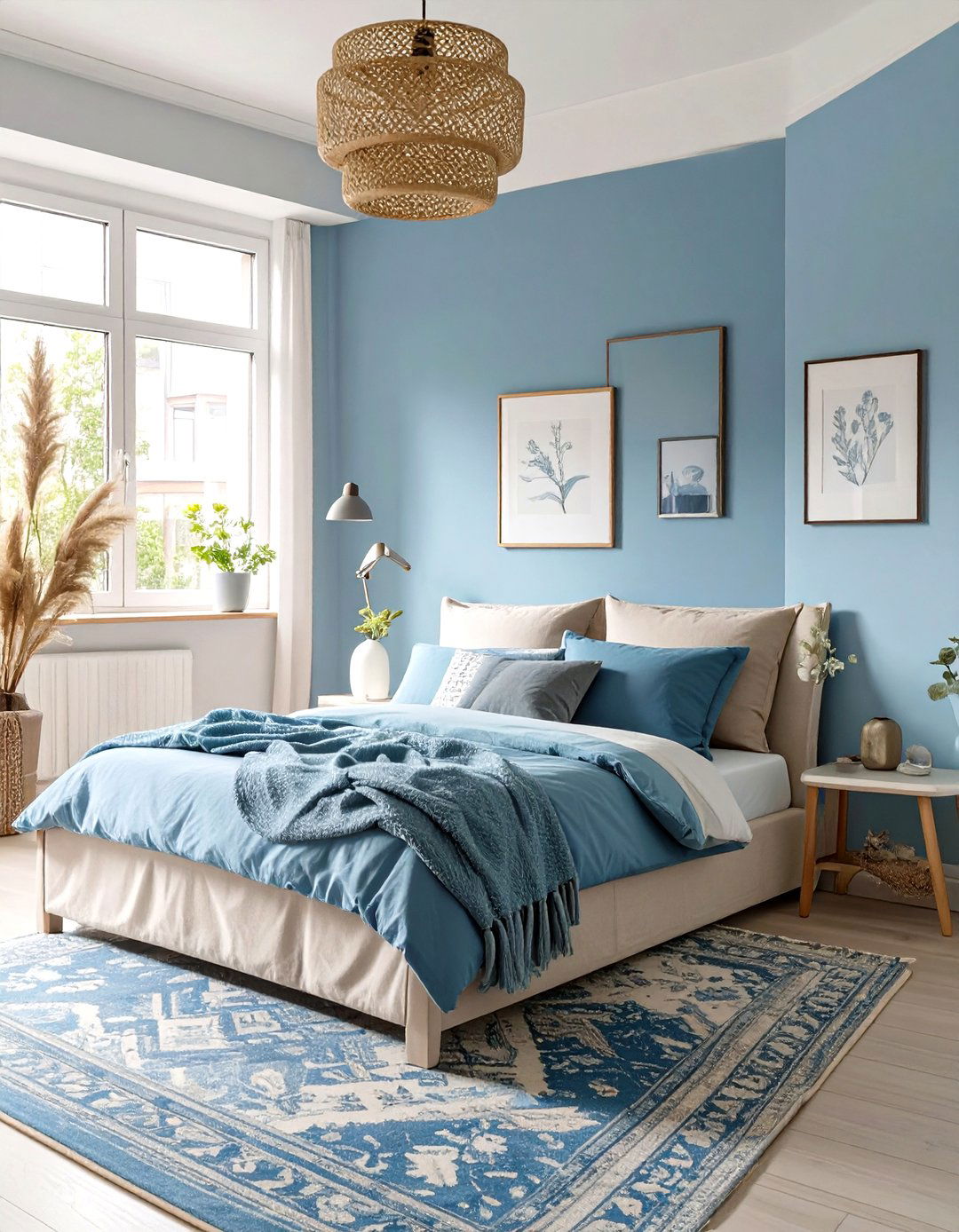
Sticking to a monochromatic color scheme—using different tones, shades, and tints of a single color—can work wonders in a small room. This approach creates a seamless and cohesive look that is calming and uncluttered. By not breaking up the space with multiple competing colors, you allow the eye to move smoothly around the room, which makes it feel larger and more unified. You can add interest and depth by incorporating various textures within your chosen color family, such as a chunky knit throw, a velvet cushion, or a linen curtain.
19. Hanging Plants to Add Greenery
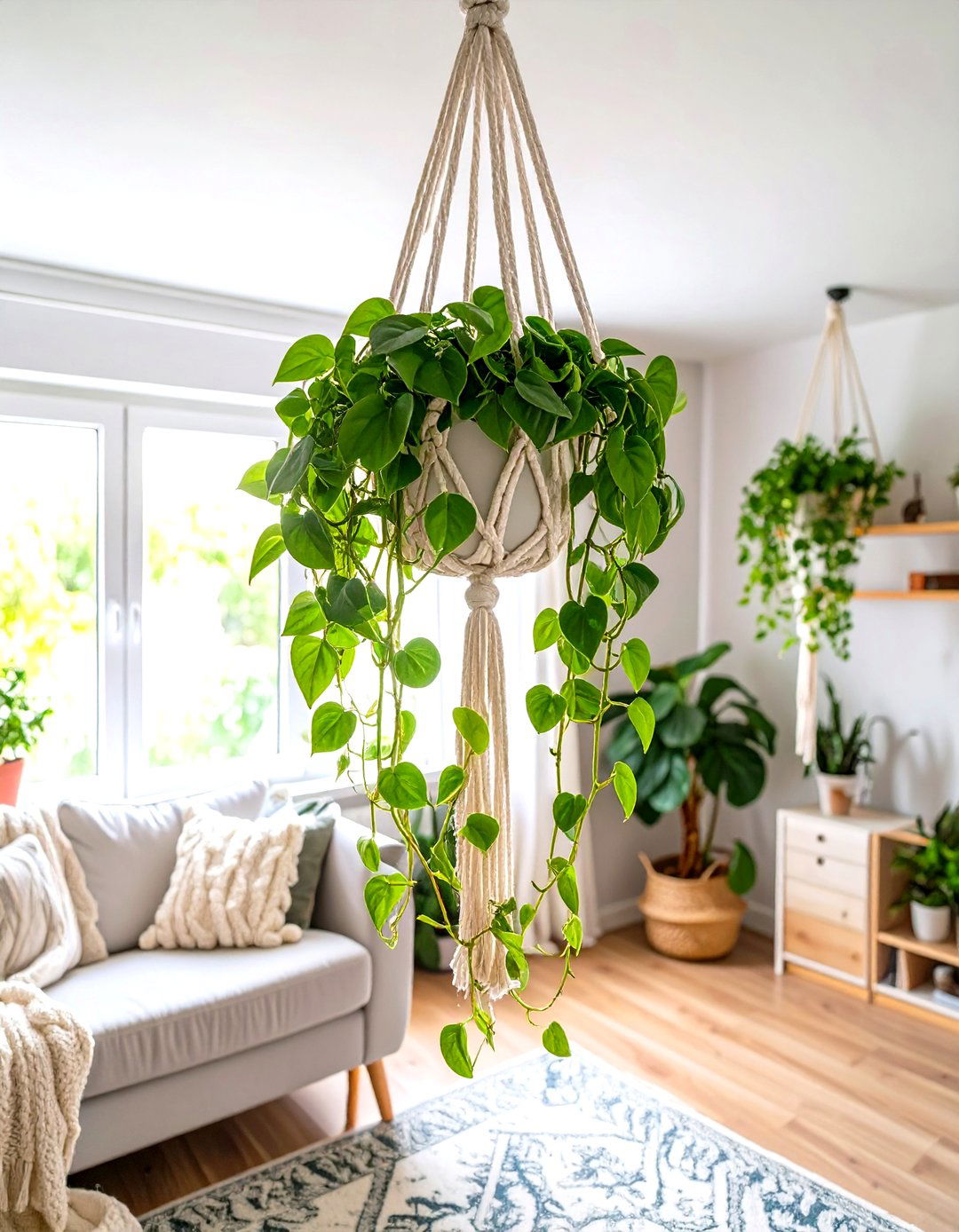
Bringing nature indoors can liven up any space, and in a small room, hanging plants are the perfect solution. By suspending planters from the ceiling or using wall-mounted planters, you can add lush greenery without taking up any valuable floor or surface space. This draws the eye upward, adding a vertical element of interest and making the room feel taller. Trailing plants like pothos or ivy are especially effective, creating a beautiful cascading effect. It’s a fresh, vibrant way to add life and color to your decor.


20. Back-of-the-Door Storage Organizers
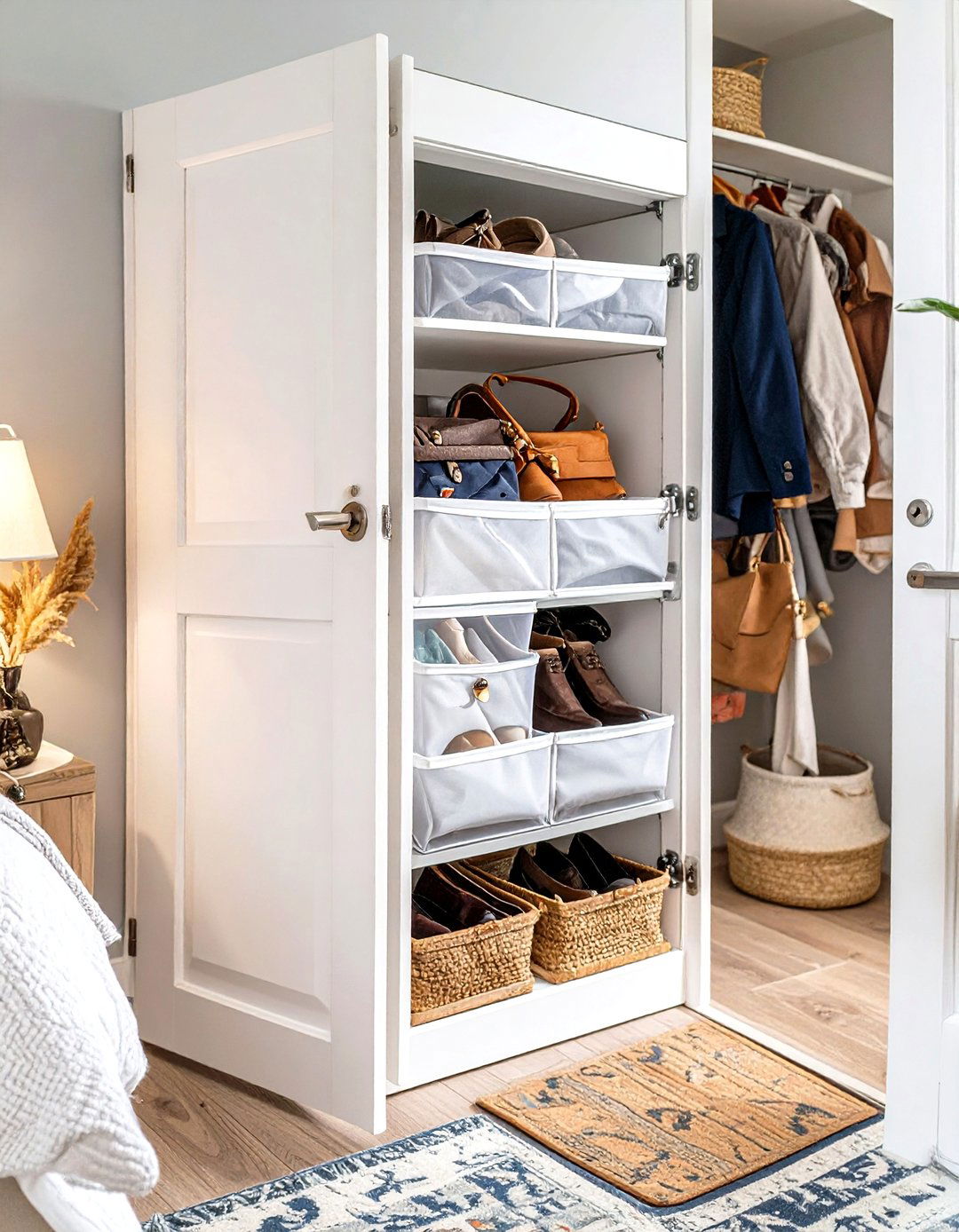
The back of a door is an often-underutilized storage opportunity. Use an over-the-door organizer to store shoes, accessories, cleaning supplies, or toiletries. This simple addition can free up a surprising amount of closet or cabinet space, helping to keep your room tidy and organized. These organizers are easy to install and come in a variety of styles, from clear plastic pockets to more decorative fabric options. It's a discreet and highly efficient way to add storage to a bedroom, bathroom, or closet without any permanent installation.
21. Low-Profile Furniture for an Unobstructed View
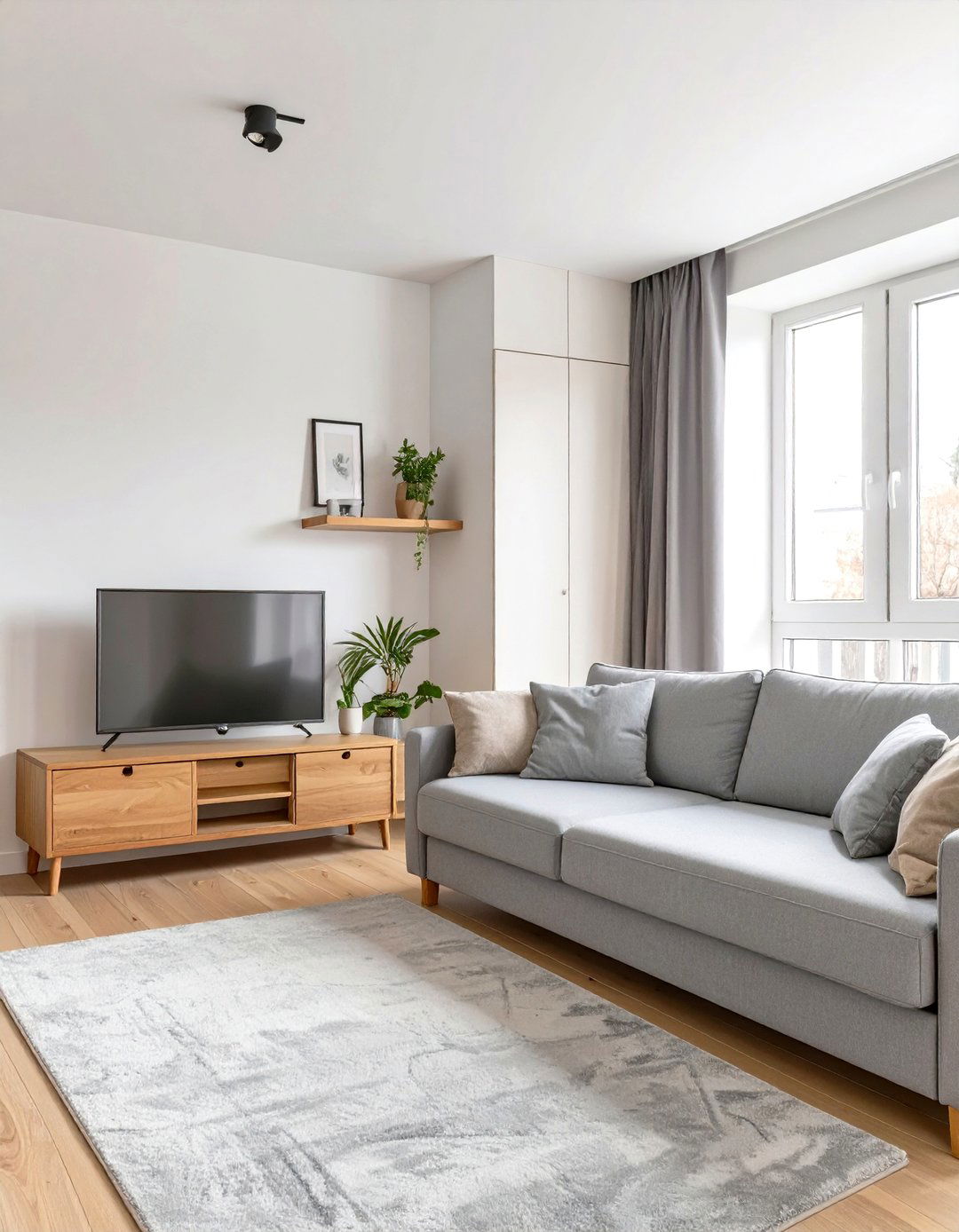
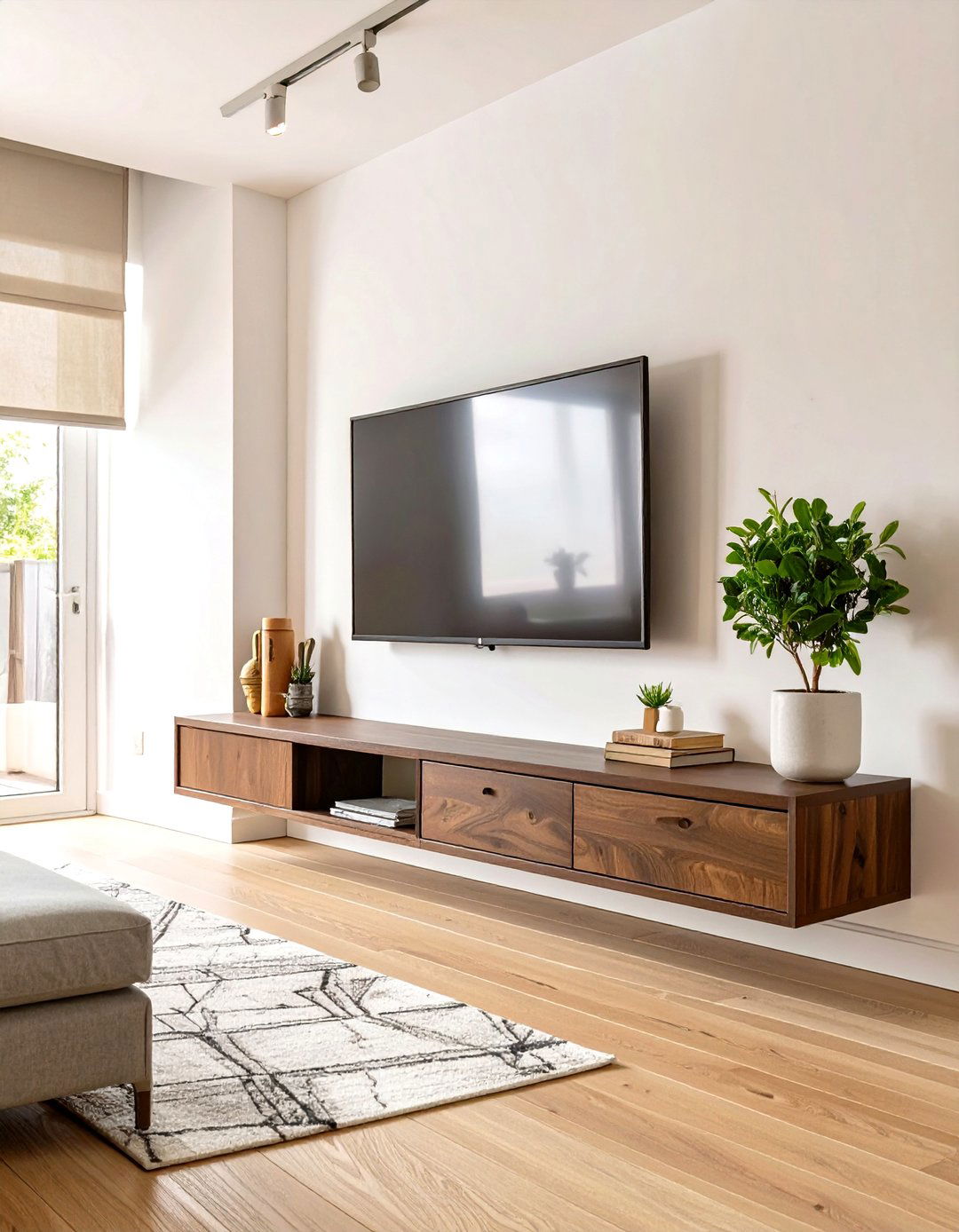
Choosing low-profile furniture, such as a low-slung sofa or a short media console, can help make a small room feel more spacious. Furniture that sits closer to the ground doesn't obstruct sightlines as much, creating a more open and uninterrupted view across the room. This makes the space feel less crowded and can also create the illusion of higher ceilings. This modern, minimalist aesthetic works particularly well in living rooms or bedrooms where maintaining a sense of openness is a top priority for comfort and style.
22. Reflective Metallic Decor Accents
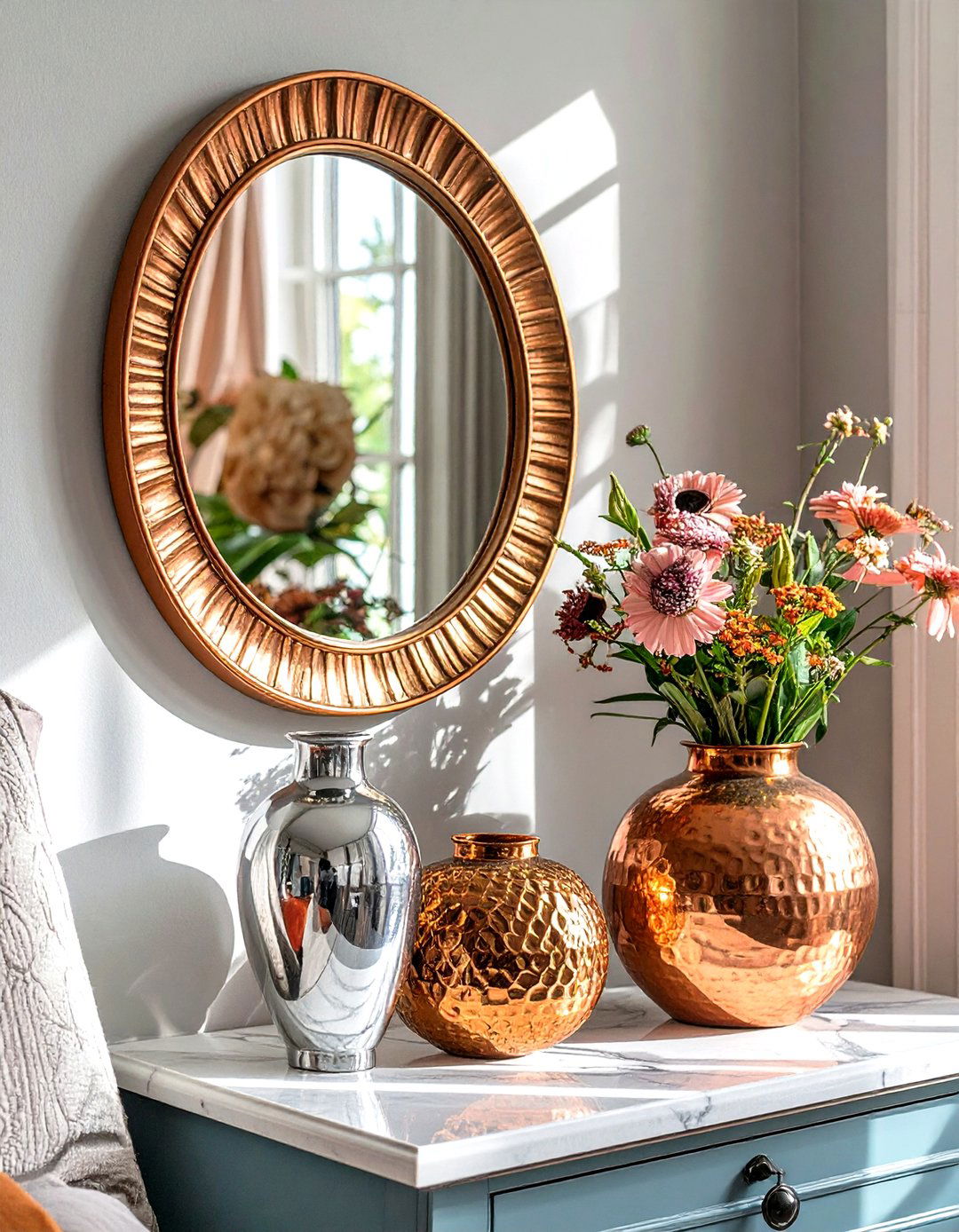
Incorporating reflective surfaces beyond mirrors can also help bounce light around a small room. Add metallic accents like a polished chrome lamp, a brass vase, or a silver picture frame. These shiny objects catch and reflect light, adding a touch of glamour and brightness to the space. They act like small jewels, creating sparkle and visual interest without adding bulk. Use them strategically to brighten dark corners or to add a decorative touch to shelves and tables, enhancing the overall feeling of light and space in the room.
23. Custom Built-In Shelving and Storage
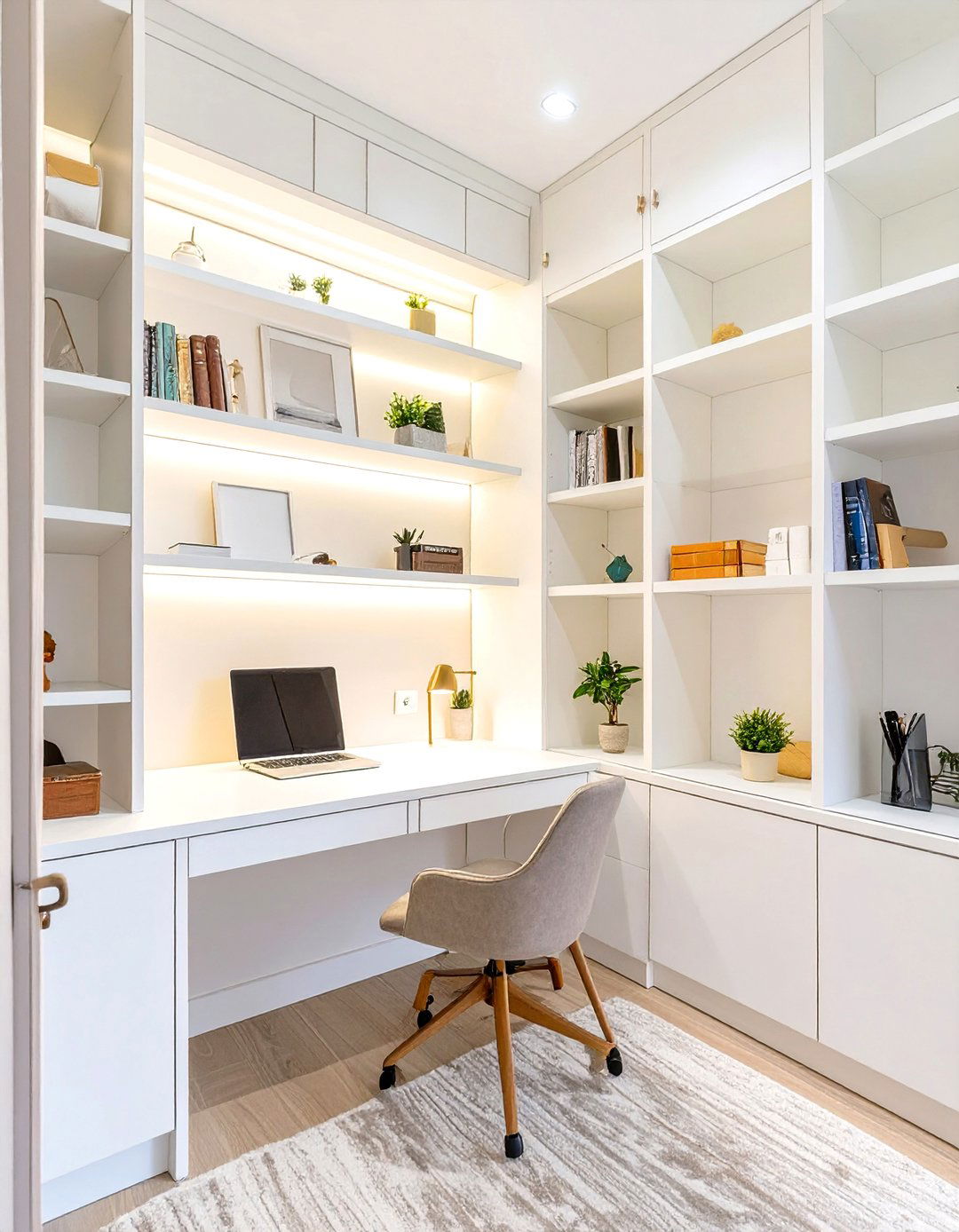
If your budget allows, custom built-in storage is the ultimate solution for a small room. Built-ins can be designed to fit your exact space and needs, maximizing every inch from floor to ceiling. A wall of built-in shelving and cabinets can provide immense storage while maintaining a seamless, integrated look that feels less obtrusive than freestanding furniture. This approach is perfect for creating a library wall, a media center, or a compact home office, offering a sophisticated and highly efficient way to keep clutter permanently at bay.
24. A Bold Accent Wall to Add Depth
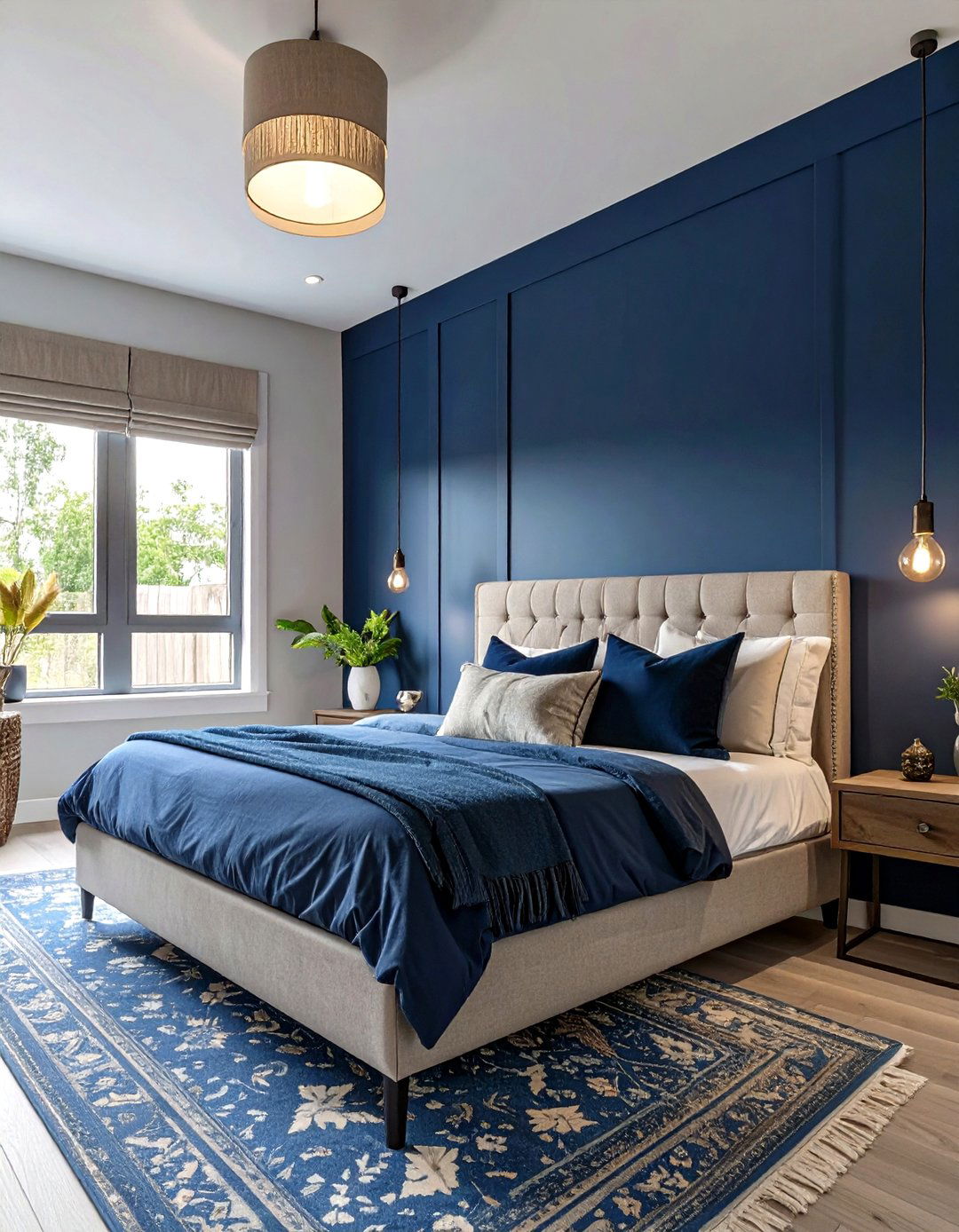
While it may seem counterintuitive, creating a bold accent wall can actually give a small room more depth. Painting one wall a deep, dramatic color or covering it in a striking wallpaper pattern draws the eye and creates a focal point. This makes the other walls seem to recede, adding a sense of dimension to the space. The key is to choose just one wall—typically the one you see first when entering the room—to avoid making the space feel closed in. This technique adds personality and style without overwhelming the room.
25. Round Tables for Better Flow
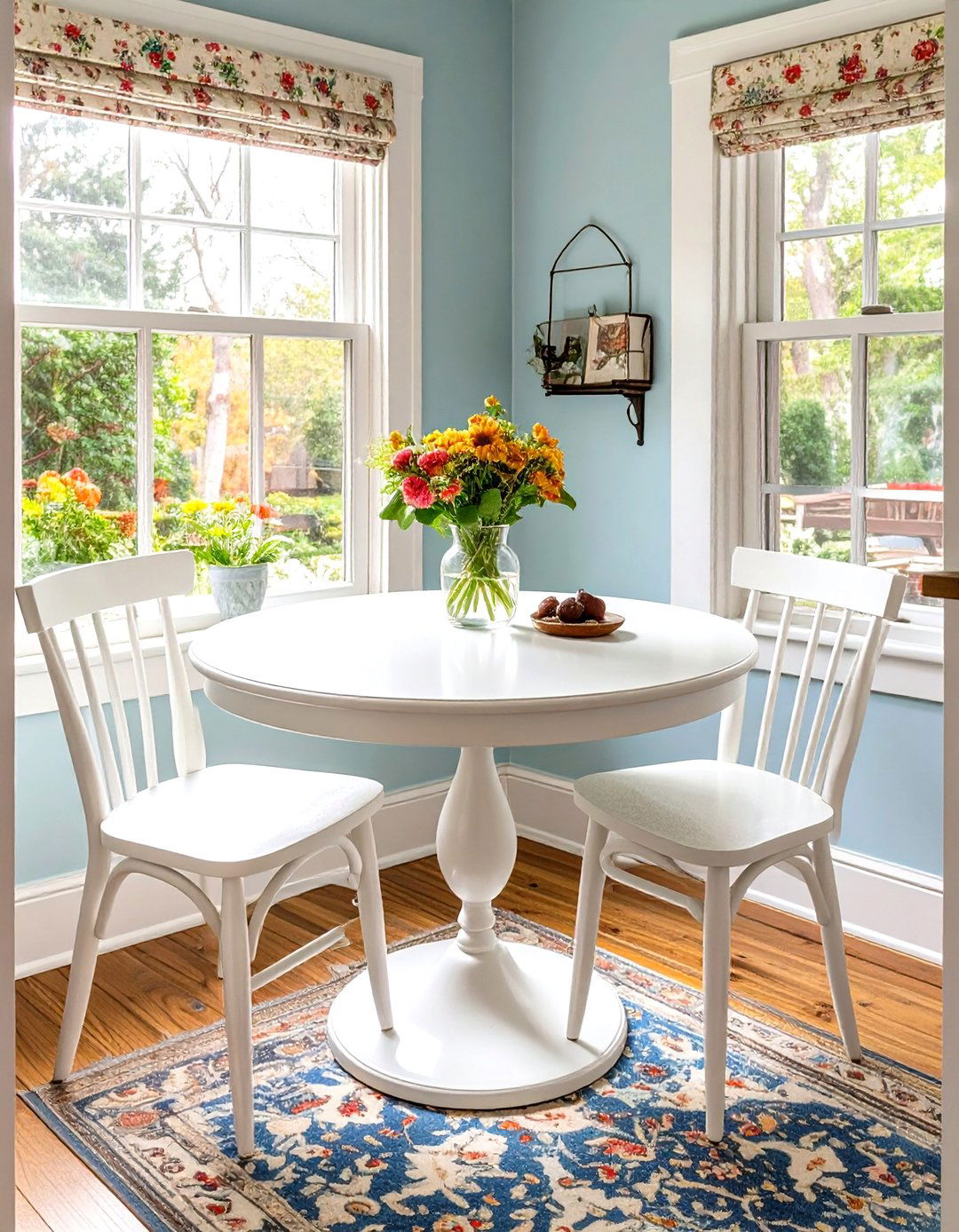
In a small dining area or breakfast nook, a round table is often a better choice than a square or rectangular one. Round tables have a smaller footprint and no sharp corners, which makes them easier to navigate around. This improves the flow of traffic in a tight space. A pedestal base is even better, as it eliminates table legs that can get in the way of chairs and feet. This creates a more comfortable and less cluttered dining experience, proving that you don't need a large room for an elegant eating area.
26. See-Through Room Dividers
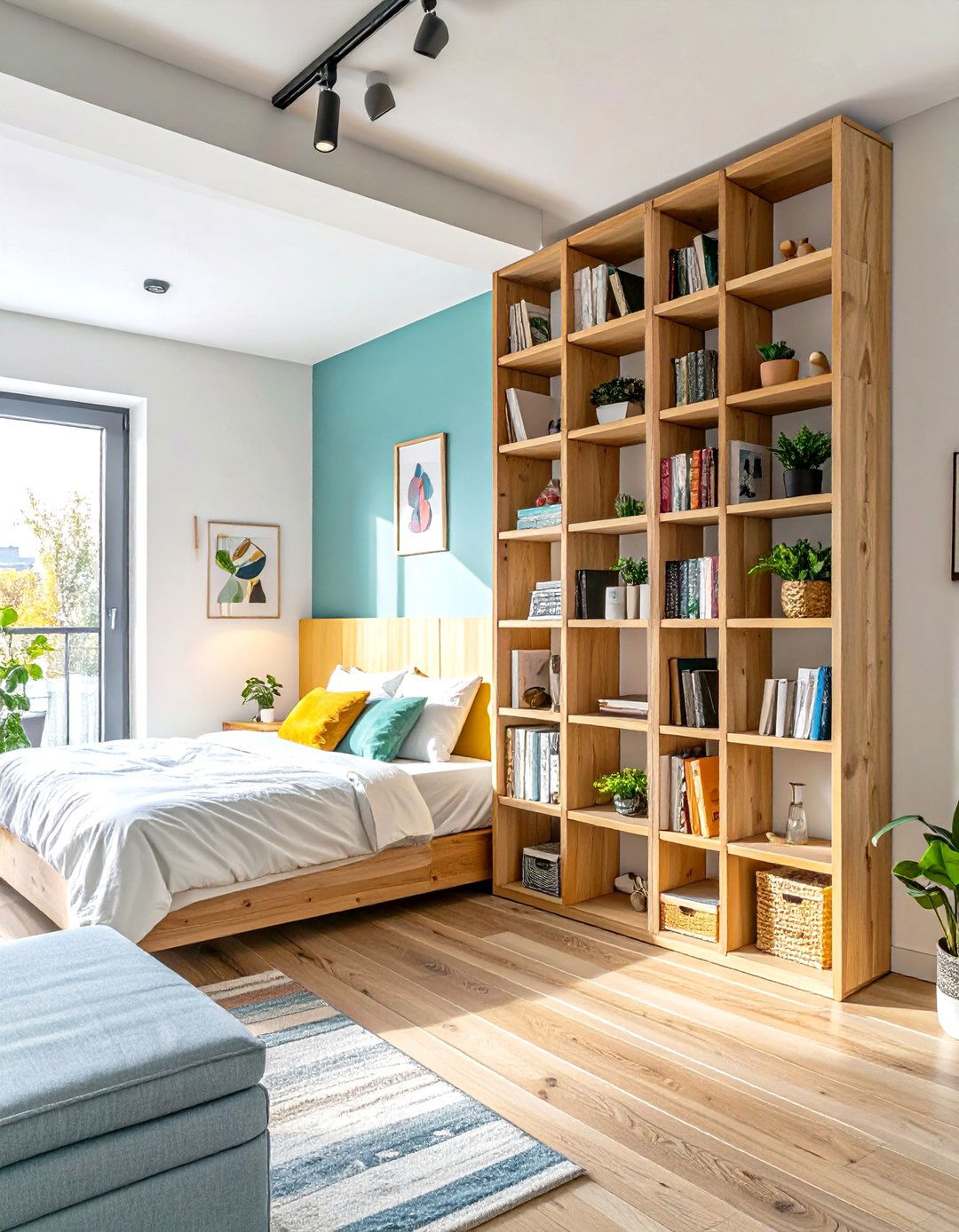
If you need to divide a small space, such as separating a sleeping area from a living area in a studio, opt for a see-through divider. An open-shelf bookcase, a screen made of slatted wood, or a glass panel can create a sense of separation without completely blocking light or sightlines. This defines the different zones while maintaining the overall sense of openness. It’s a much better alternative to a solid wall or a heavy screen, which would make both sections of the room feel smaller and more confined.
27. Slim Profile Bookcases for Storage
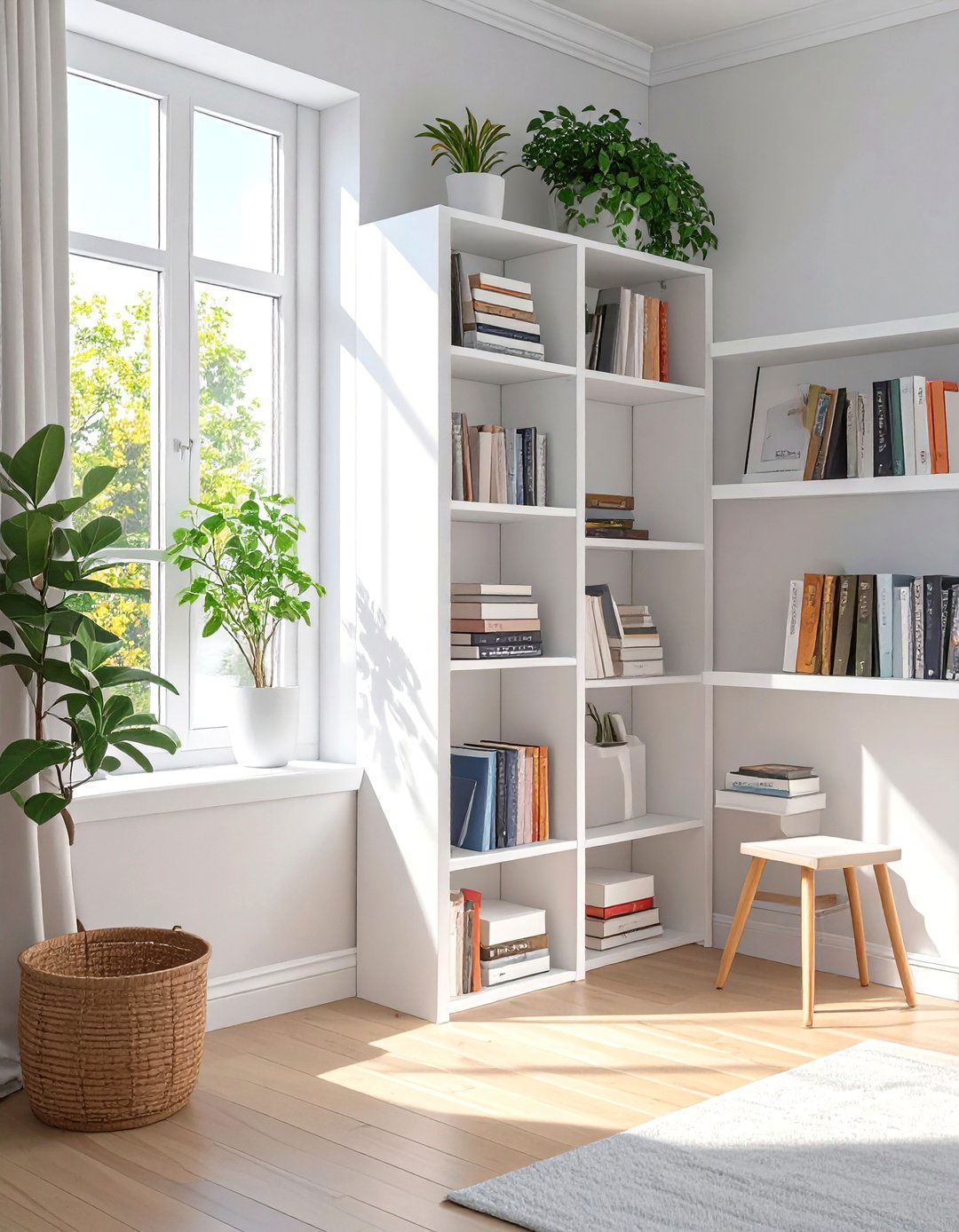
For book lovers in small spaces, a slim profile or "spine" bookcase is a fantastic storage solution. These tall, narrow towers hold books horizontally or vertically in a compact stack, taking up very little floor space. They utilize vertical height to provide a surprising amount of storage for your reading collection. This minimalist design keeps books organized and accessible without the visual weight of a traditional, bulky bookshelf. It’s a modern and space-efficient way to display your favorite titles while keeping your room feeling open.
28. Wall-to-Wall Carpeting in a Light Hue
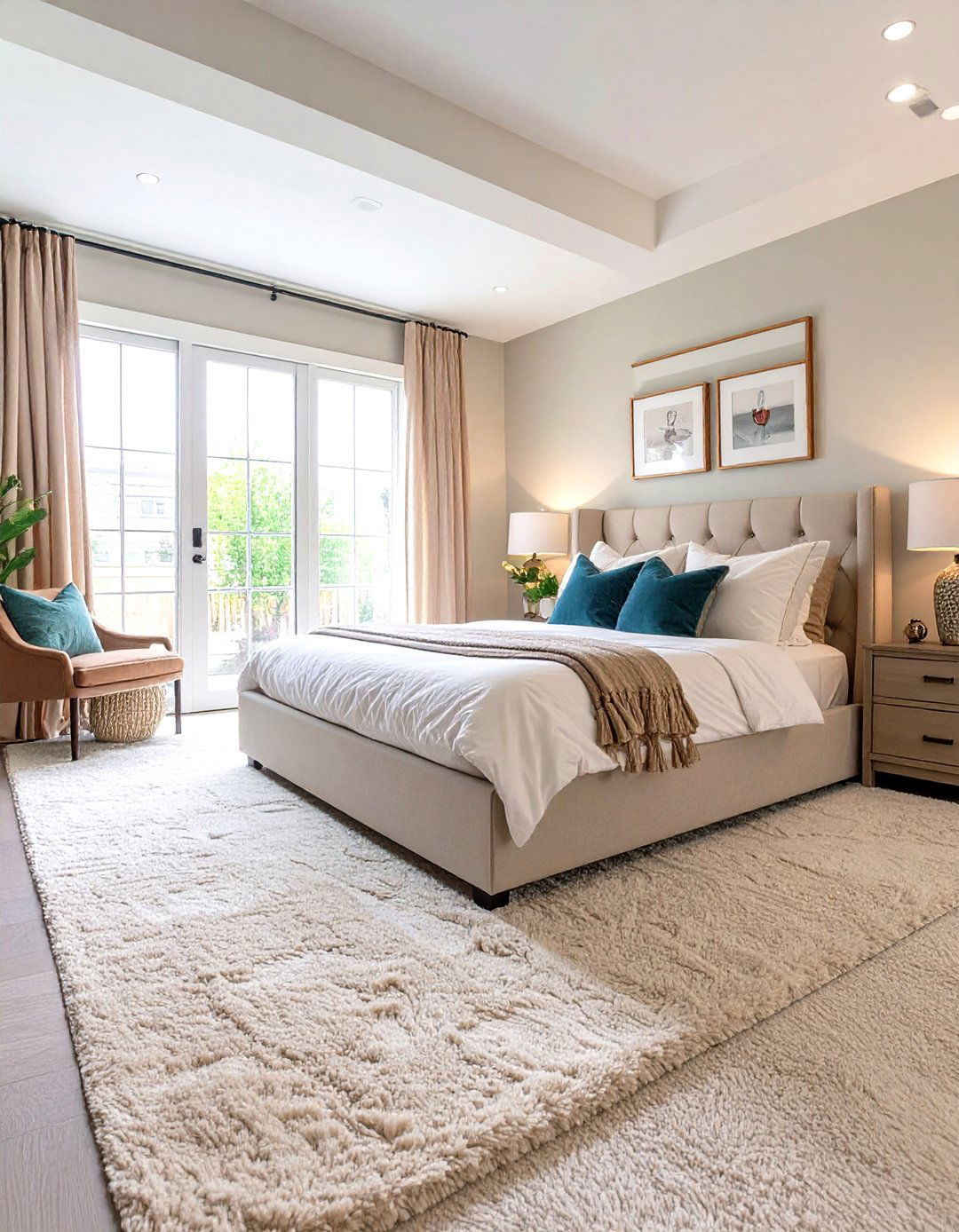
While hardwood floors are popular, wall-to-wall carpeting in a light, neutral color can make a small room feel larger and more cohesive. A single, unbroken expanse of flooring creates a seamless look that visually expands the space. Unlike area rugs, which can break up the floor, wall-to-wall carpeting unifies the room. A light color like beige, cream, or light gray will reflect light and contribute to an airy feel. Plus, it adds a layer of comfort and sound absorption, making the room feel cozier and more serene.
29. Compact Sectional Sofas for Seating
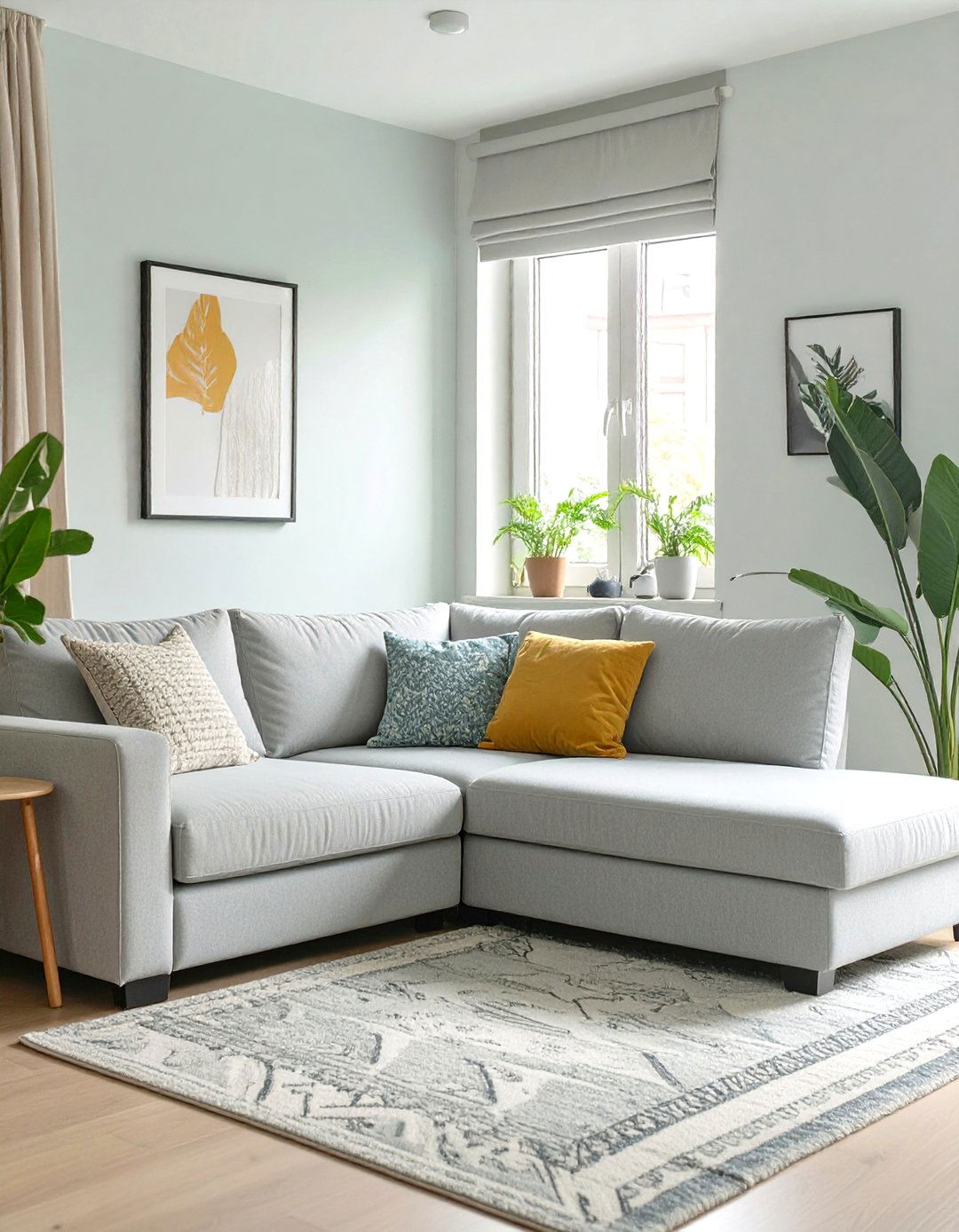
A sectional sofa might seem too large for a small room, but a compact or apartment-sized sectional can actually be a great space-saver. By pushing seating into a corner, a sectional can often provide more seating than a separate sofa and armchair combination while taking up less overall floor space. It helps to define the seating area and creates a cozy, inviting nook. Look for models with clean lines, raised legs, and a low profile to minimize their visual weight and maintain an open feel in your living area.
30. Folding or Extendable Dining Tables
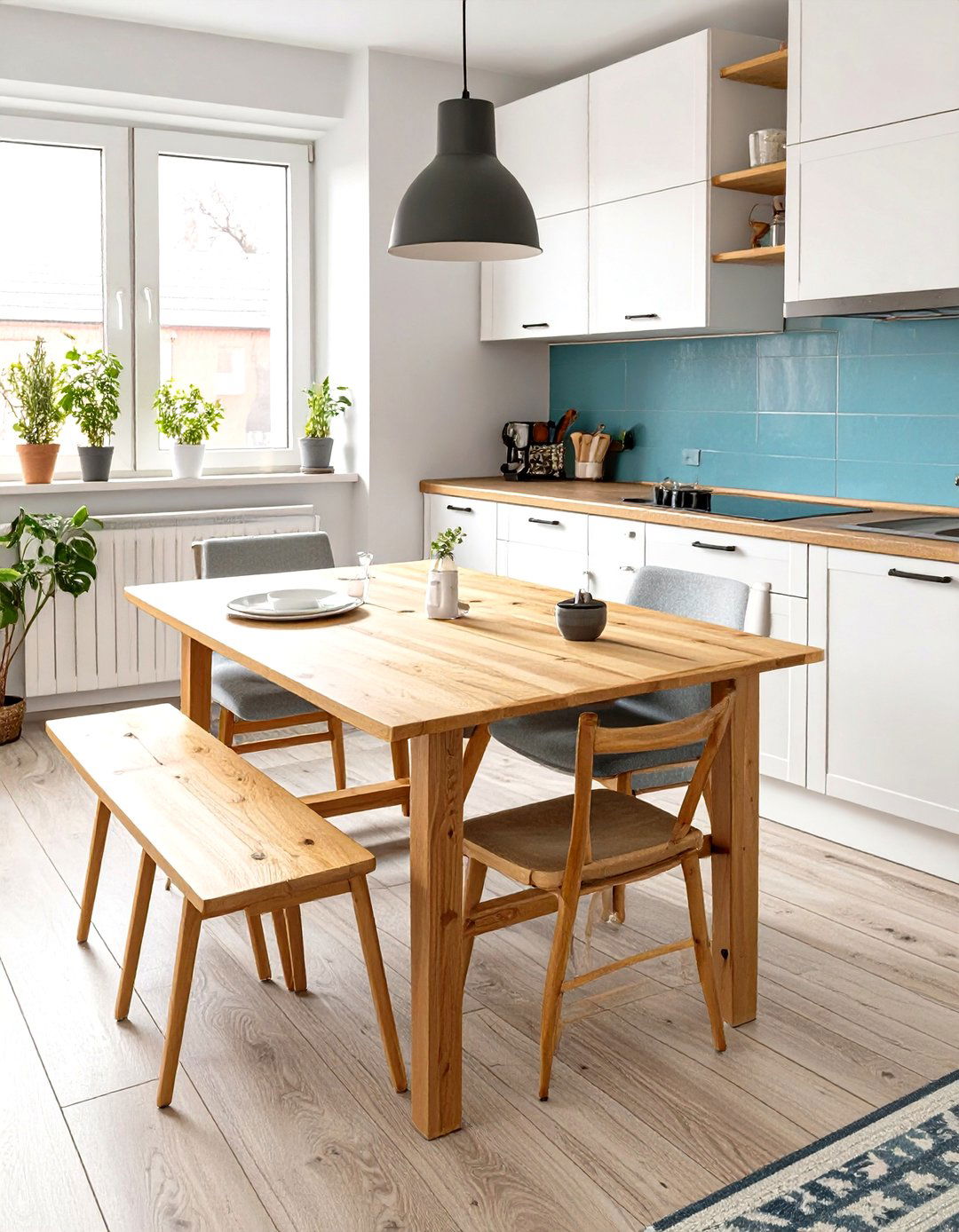
For those who live in a small space but love to host, a folding or extendable dining table is essential. These versatile tables can remain small for everyday use, preserving precious floor space. When guests arrive, they can be easily extended or unfolded to accommodate more people. A drop-leaf table, where one or both sides can be folded down, is a classic choice. This flexibility allows you to have a functional dining area without committing to a large piece of furniture, making it a perfect solution for multi-purpose rooms.
Conclusion:
Ultimately, decorating a small room is an exercise in creativity and smart problem-solving. By using techniques that enhance light, create the illusion of height, and maximize functionality, you can overcome spatial limitations. Ideas like using large mirrors, vertical stripes, and multi-purpose furniture are not just tricks but practical strategies for a more comfortable and stylish home. Embracing a minimalist mindset and choosing pieces that are both beautiful and hardworking will transform your compact space into a personalized haven that feels anything but small.

Related posts:


Leave a Reply