
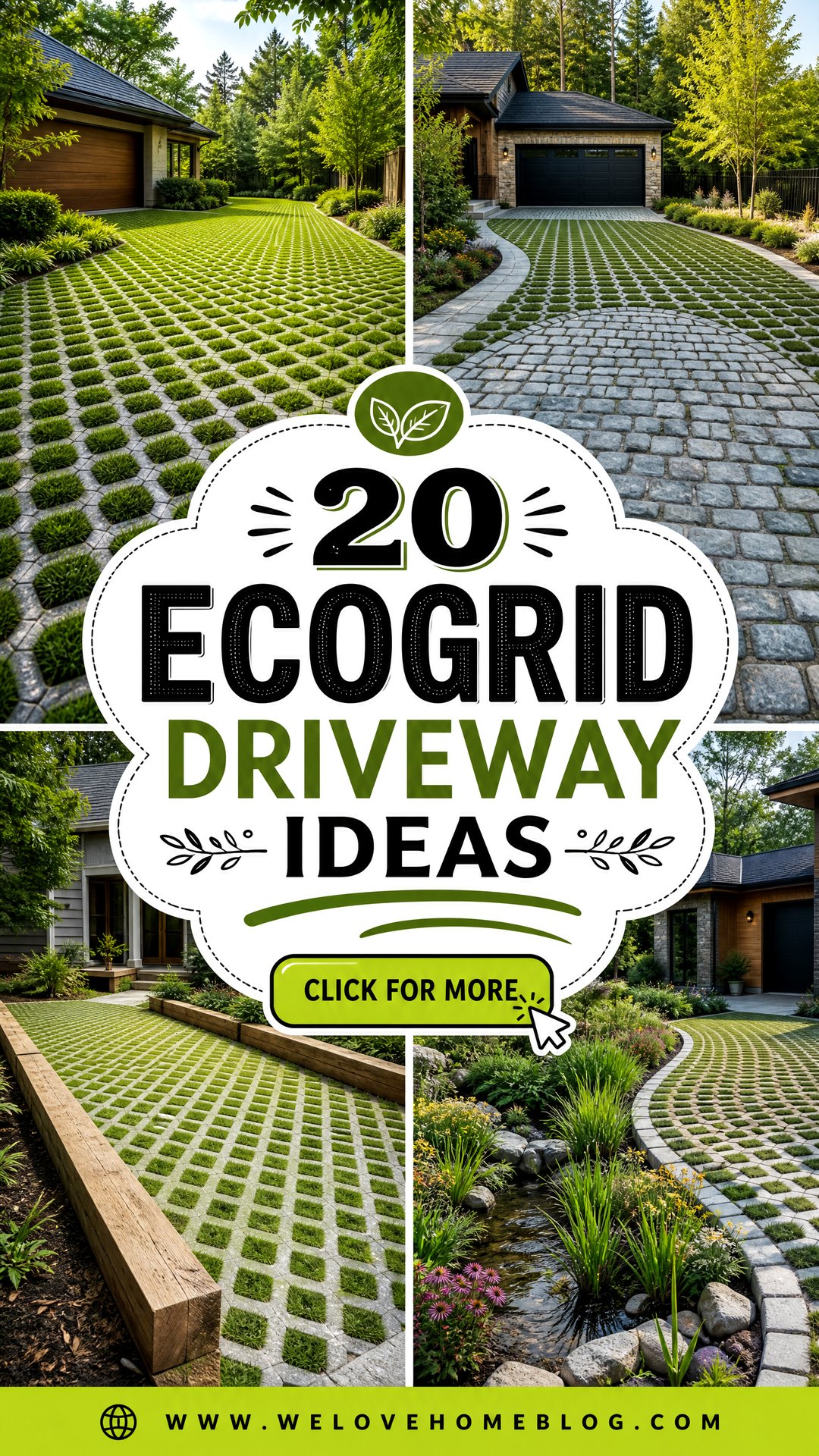
A stable, attractive driveway can still feel natural and allow rainwater to soak into the ground. These **20 Ecogrid Driveway Ideas** explore complete designs using gravel, grass, resin-bound aggregate, decorative borders, practical entrances, and thoughtful landscaping. The interlocking grid beneath the surface helps distribute vehicle loads and hold loose infill in place while maintaining a permeable finish. EcoGrid can support several surface treatments, making it suitable for everything from compact suburban driveways to sweeping country entrances. () The best results come from coordinating the infill color, driveway shape, edging, planting, and house facade. Whether you prefer a crisp modern approach or a softer green surface, explore these **20 Ecogrid Driveway Ideas**.
1. White Gravel Ecogrid Driveway
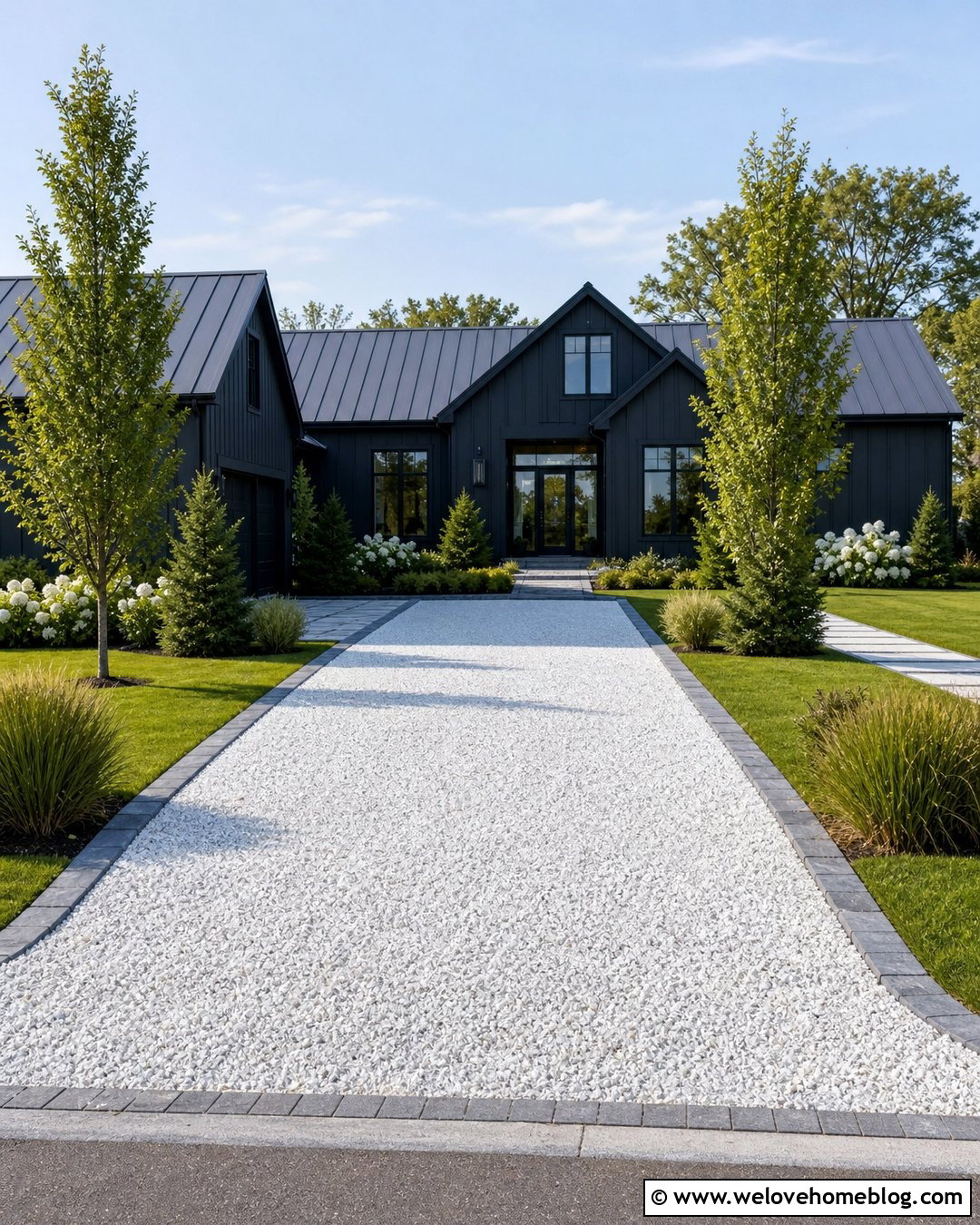
Bright white gravel creates a clean Ecogrid driveway that works especially well with dark siding, red brick, or a modern white facade. Use angular stone rather than rounded pea gravel so the pieces settle securely within the grid cells. A straight layout provides a tidy sightline from the curb to the garage. Frame both sides with charcoal concrete curbs or dark granite setts for contrast and dependable edge support. Low planting beds filled with ornamental grasses, compact evergreens, and white flowering perennials can soften the hard lines without covering the surface. Near the sidewalk, add a slightly wider gravel entrance so vehicles can turn comfortably. Regularly removing leaves will help the pale surface retain its bright, polished appearance.
2. Black Gravel Ecogrid Driveway

Deep charcoal gravel gives an Ecogrid driveway the refined appearance of dark paving while keeping the surface visually textured. This complete look suits a contemporary house with black windows, warm wood siding, or pale stucco. Keep the driveway straight and geometric, with a matching path branching toward the front door. Smooth concrete curbs can hold the grid and gravel securely along the perimeter. Add rectangular planting beds containing clipped boxwood alternatives, feather reed grass, and multi-stem trees. The dark aggregate makes fresh green landscaping appear more vibrant. Select a consistent gravel size that fits the grid openings, and avoid overfilling the cells. A narrow strip of decorative river rock beside the curb can create a neat drainage-friendly transition without distracting from the driveway.
3. Golden Gravel Ecogrid Driveway
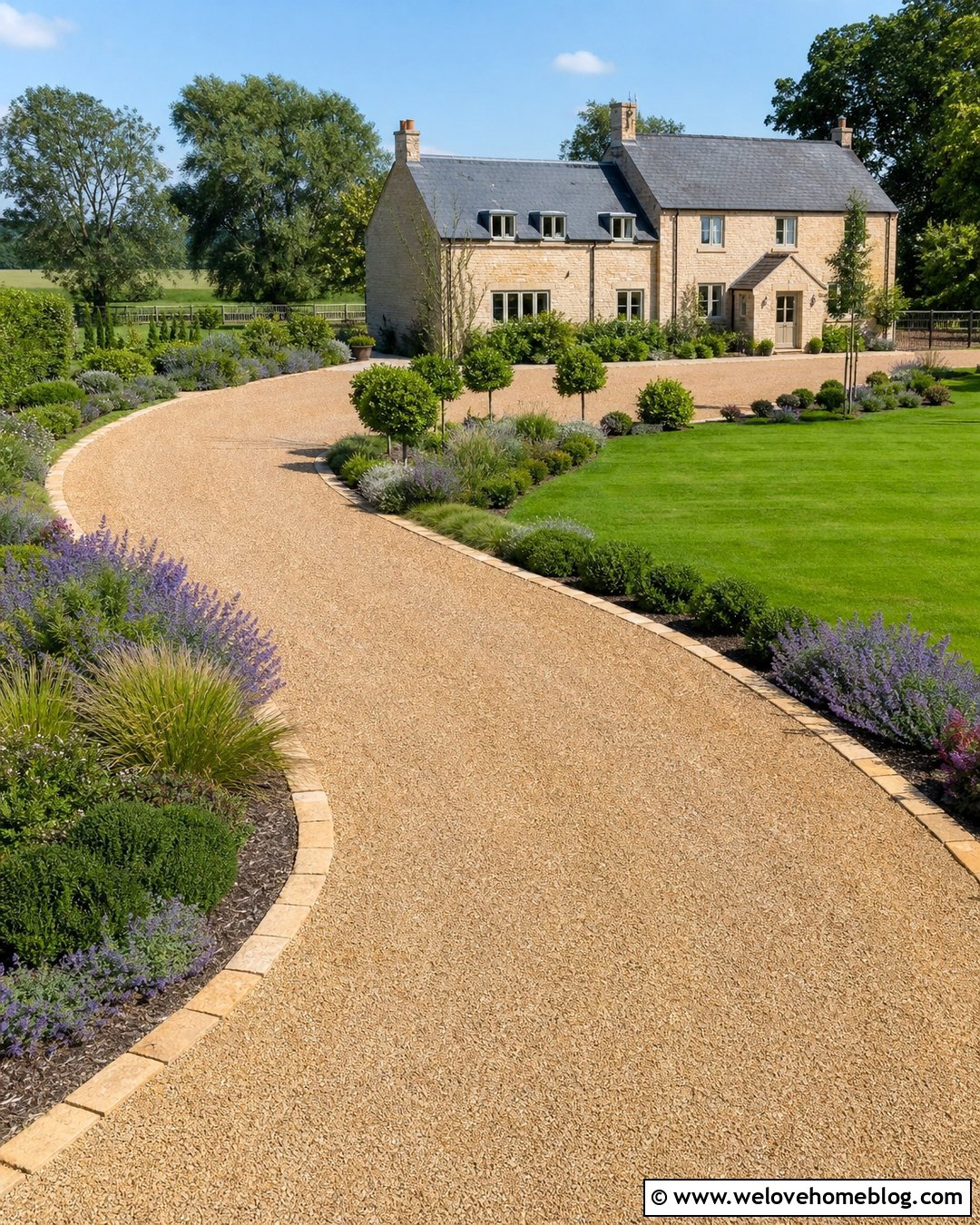
Warm golden gravel can make a curved Ecogrid driveway feel welcoming rather than purely functional. Its sandy color complements stone cottages, cream siding, tan brick, and traditional homes with natural wood details. Follow the curve with low sandstone edging so the border feels connected to the aggregate. On the wider outside edge, create layered beds with lavender, catmint, dwarf grasses, and rounded shrubs. A simple lawn can occupy the inside curve, preserving open views toward the house. Include a generous turning space near the garage to reduce repeated driving over planted edges. Golden gravel may show dark leaves and soil more readily, so position mulch beds behind a defined curb. The completed design feels relaxed, warm, and appropriate for country-inspired landscapes.
4. Grass Track Ecogrid Driveway
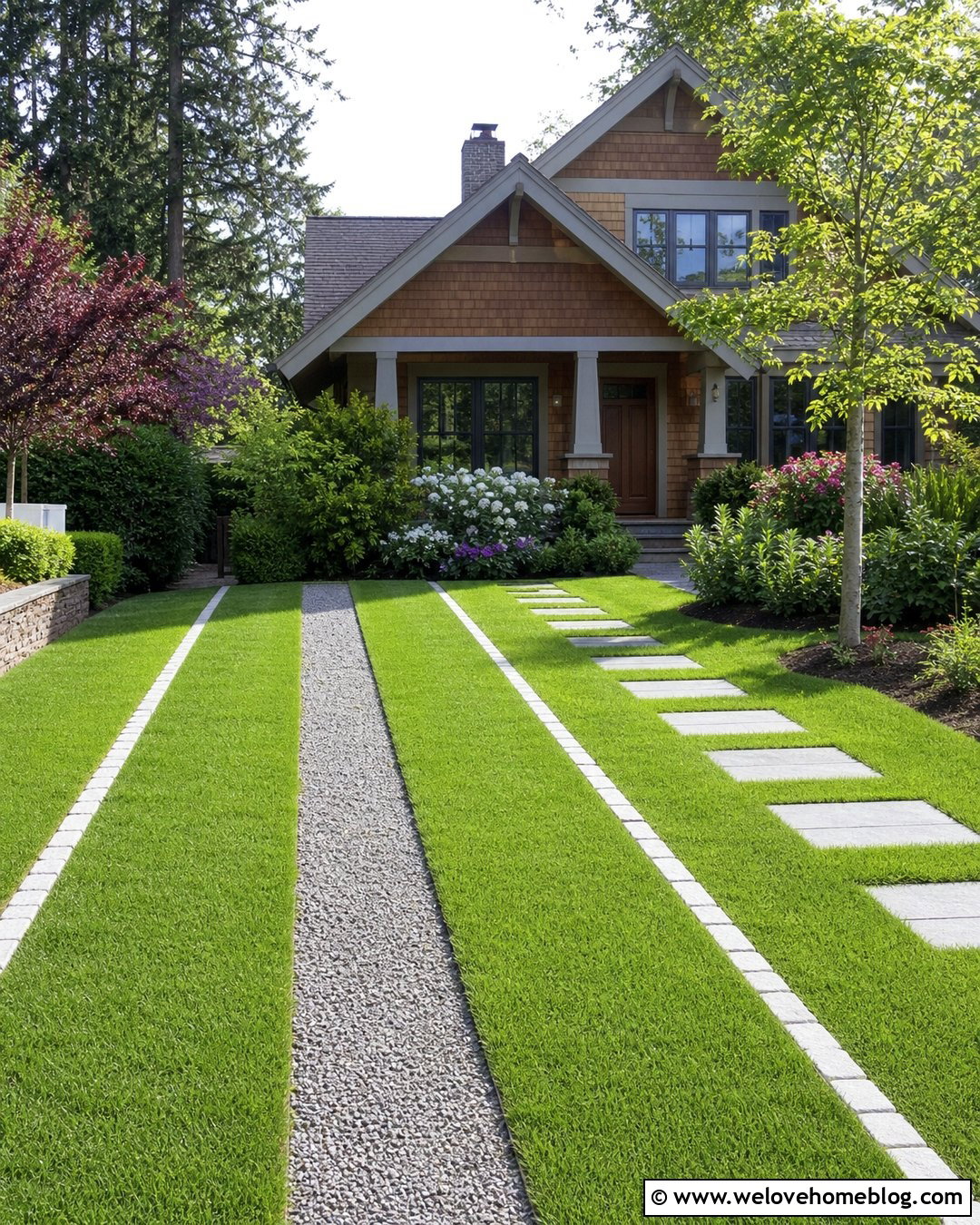
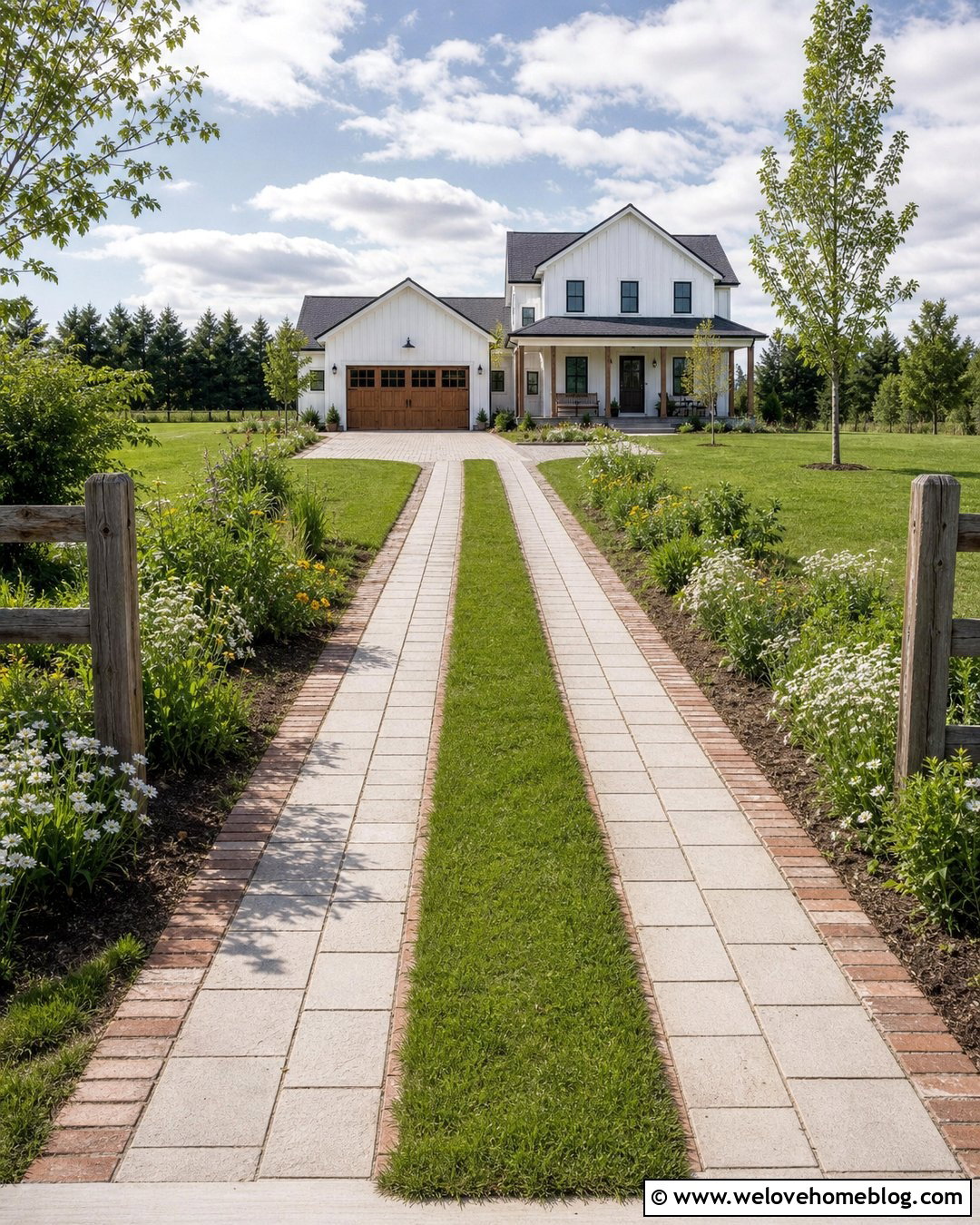
Two reinforced grass tracks offer a practical way to reduce the visual amount of hard surfacing. Install grass-filled Ecogrid where the tires travel, then place a low ground cover, narrow gravel strip, or maintained lawn between them. This layout is best suited to a straight driveway where vehicle movement is predictable. Define the outside edges with flush steel, stone, or concrete restraints that will not interfere with mowing. Continue the surrounding lawn directly up to the grid so the driveway blends naturally into the yard. A stepping-stone walkway can provide a separate, comfortable route for pedestrians. Choose turf that suits local sunlight, rainfall, and traffic conditions. The result can look like a green garden approach while still providing a clearly organized route to the garage.
5. Full Grass Ecogrid Driveway
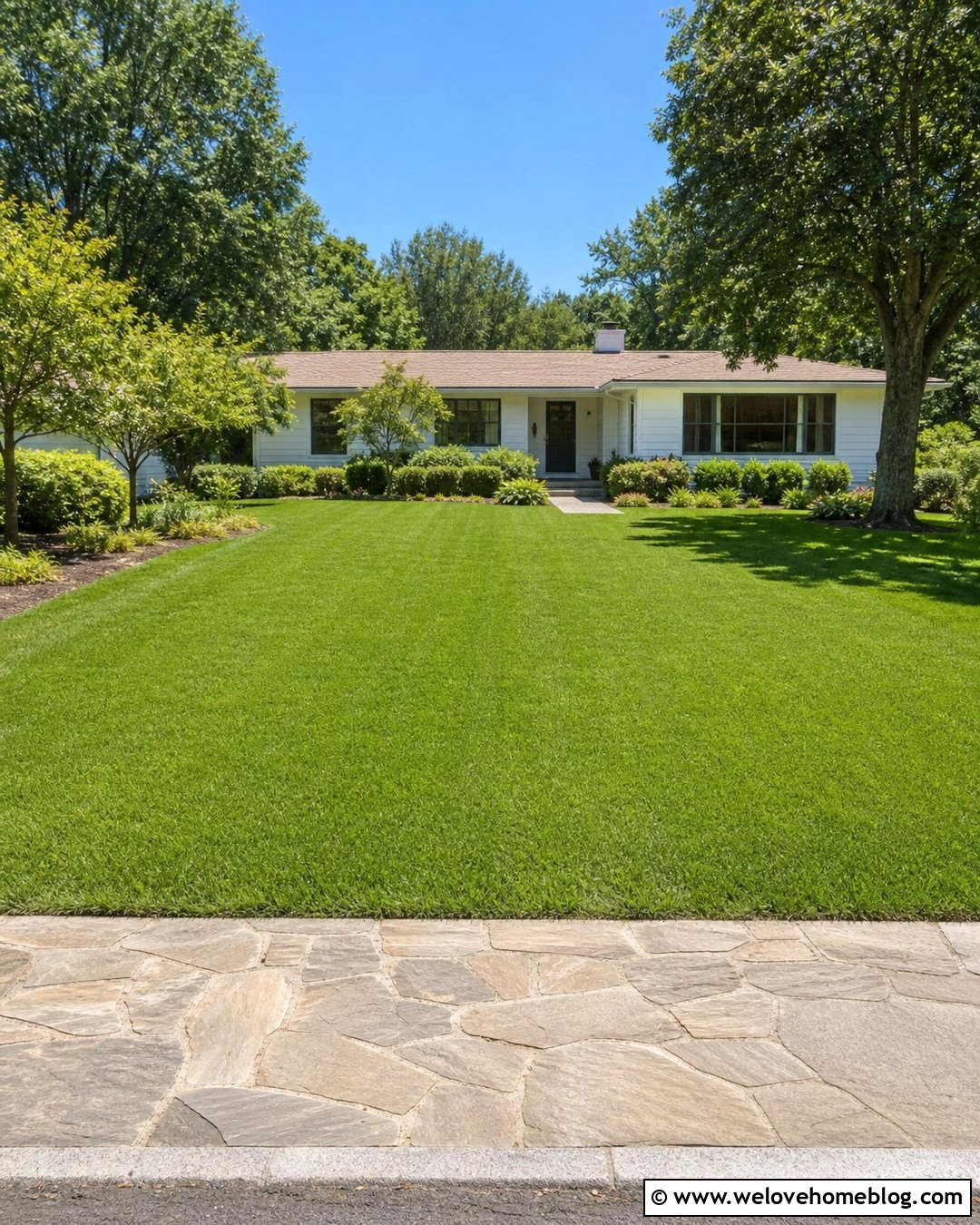
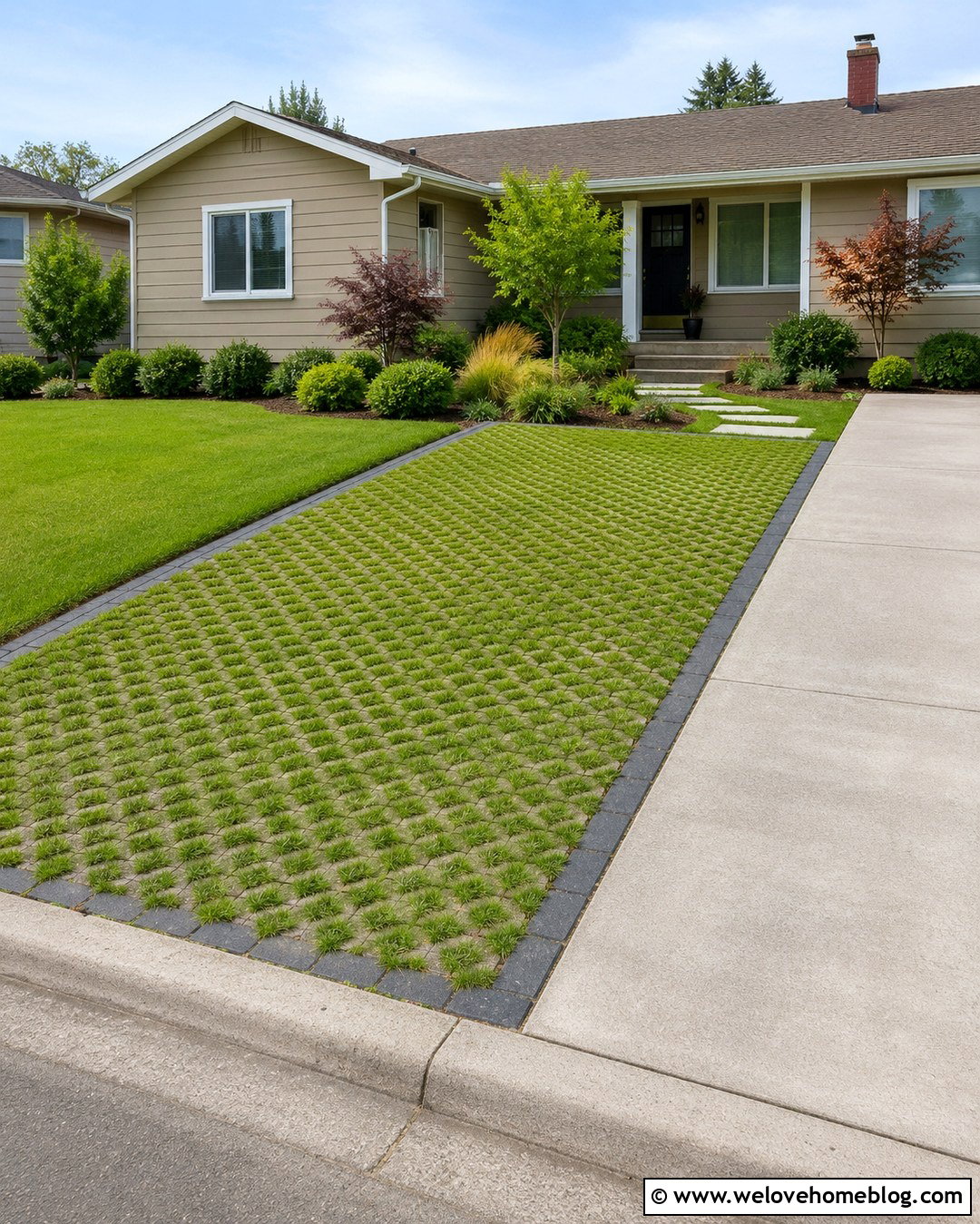
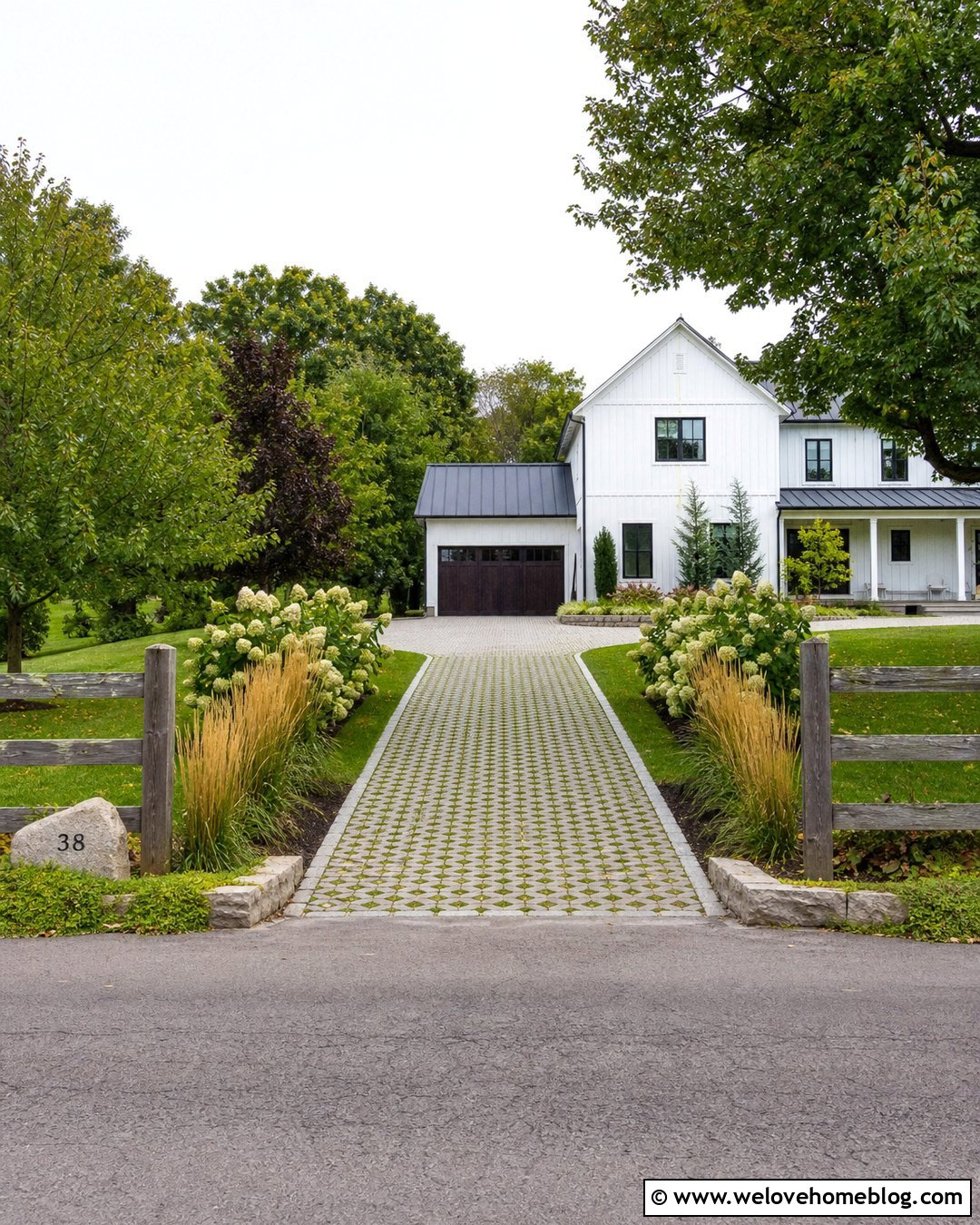
A fully grass-filled Ecogrid driveway can make a parking area appear like an extension of the front lawn. This design works beautifully beside a cottage, ranch house, or low-key contemporary home where greenery is more desirable than a broad gravel surface. Use a simple rectangular layout with clearly defined corners and a flush stone apron at the street. The grid protects the driving zone, but the grass will still need suitable soil, sunlight, watering, and routine mowing. Keep heavily used turning areas slightly wider to limit tire pressure near the perimeter. Plant durable shrubs and small trees beyond the edge instead of creating narrow beds that vehicles could clip. Once the grass is established, the underlying grid should become visually subtle, leaving a softer and more garden-focused entrance.
6. Grass And Gravel Ecogrid Driveway
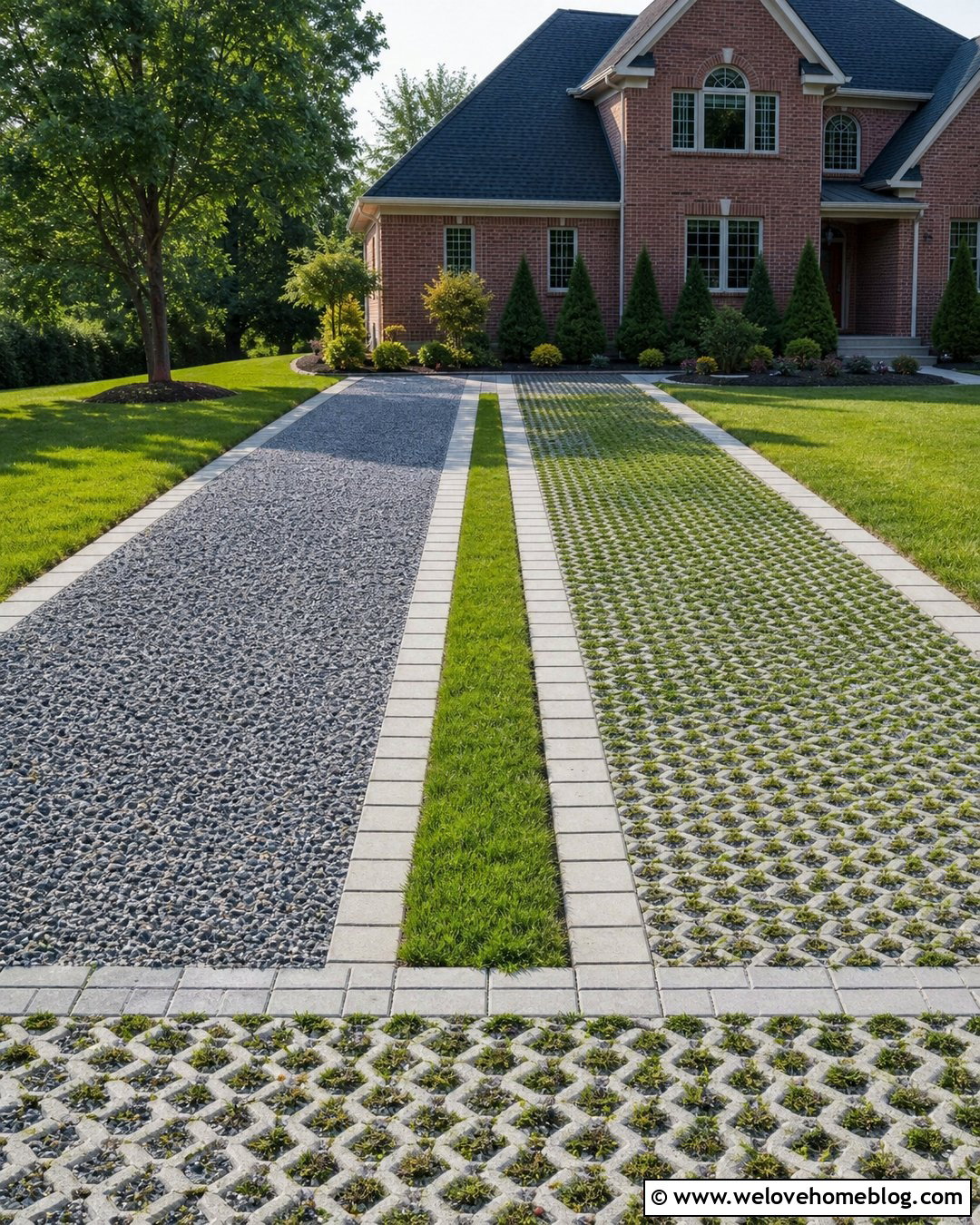
Combining grass and gravel makes it easier to match different levels of vehicle use within one Ecogrid driveway. Fill the primary driving and turning zones with angular gray gravel, then use grass-filled grid for an occasional parking bay or decorative center strip. A flush paver ribbon can separate the two infills and make the transition look intentional. This design is useful for a wide suburban frontage that needs extra parking without appearing completely covered by stone. Surround the driveway with a simple lawn, evergreen foundation planting, and one shade tree positioned safely away from turning vehicles. Repeat the gravel in a front walkway or planting-bed accent. The completed layout balances dependable everyday access with enough living green surface to preserve an open, landscaped appearance.
7. Circular Ecogrid Driveway
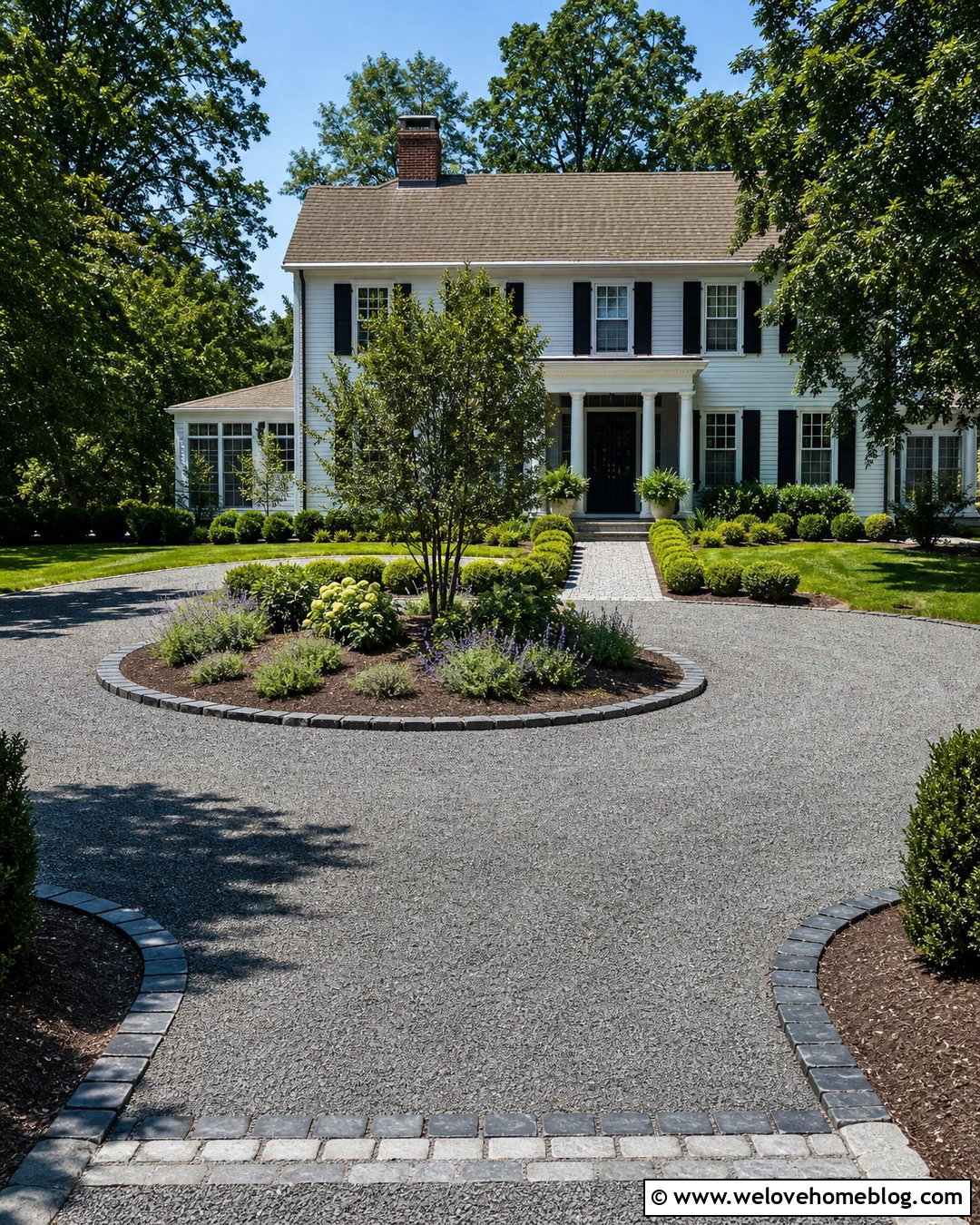
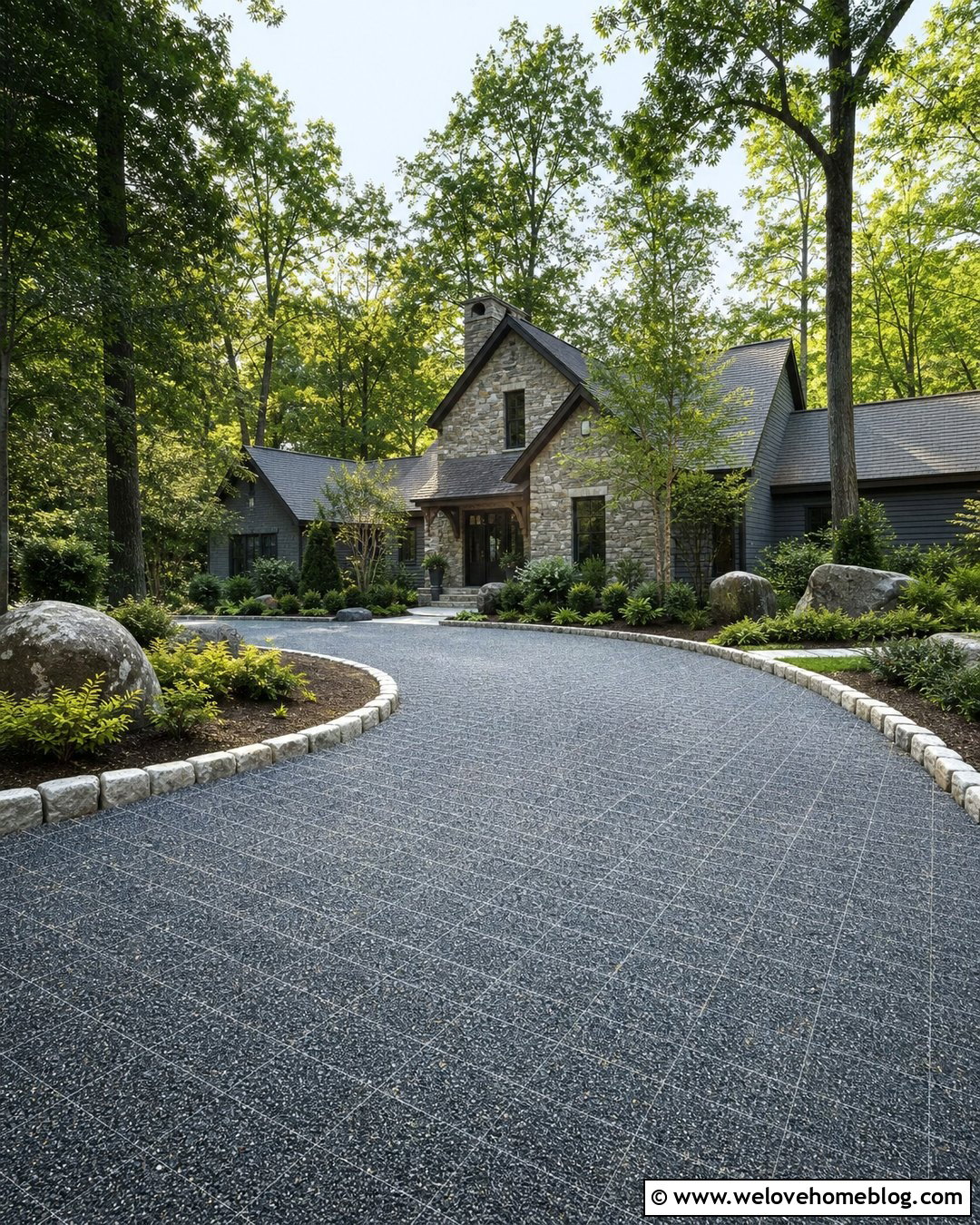
A circular Ecogrid driveway creates a convenient arrival route while establishing a strong landscape centerpiece. Fill the grid with medium-gray angular gravel and define the outer curve with cobblestone setts. In the center island, use a small ornamental tree surrounded by low shrubs and drought-tolerant perennials that will not block views across the driveway. A slightly wider section near the front entrance can function as a passenger drop-off area. Keep the curve broad enough for comfortable vehicle movement, and reinforce both edges carefully because tires naturally travel toward the borders. A matching gravel walkway can connect the circle to the porch. This complete design feels appropriate for colonial, Georgian, and larger farmhouse properties while retaining a softer surface than an uninterrupted expanse of conventional paving.
8. Horseshoe Ecogrid Driveway
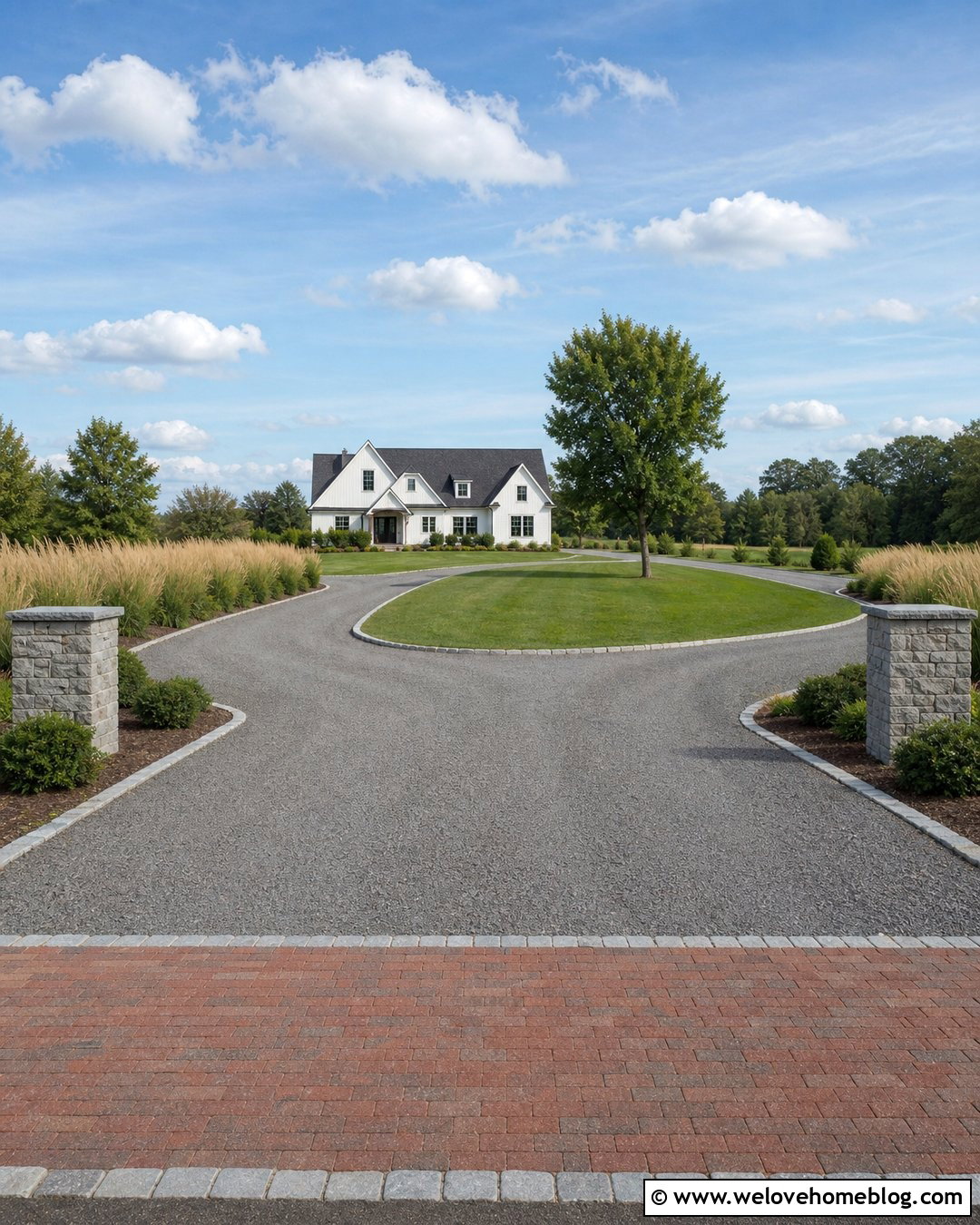
A horseshoe-shaped Ecogrid driveway provides separate entrance and exit points, making it practical for homes on wider lots. Use warm gray gravel to keep the sweeping layout understated. Brick or stone aprons at both street connections can protect the most visible transitions and coordinate with the house facade. Inside the horseshoe, maintain an open lawn with one sculptural tree and low planting around its base. Along the outer edge, repeat simple shrubs and ornamental grasses to guide the eye toward the house. Place address pillars near the entrance without narrowing the usable driving width. Consistent edging is especially important on the curves, where loose aggregate might otherwise migrate into planting beds. The overall design creates a graceful approach without requiring an overly formal landscape.
9. Long Ecogrid Driveway
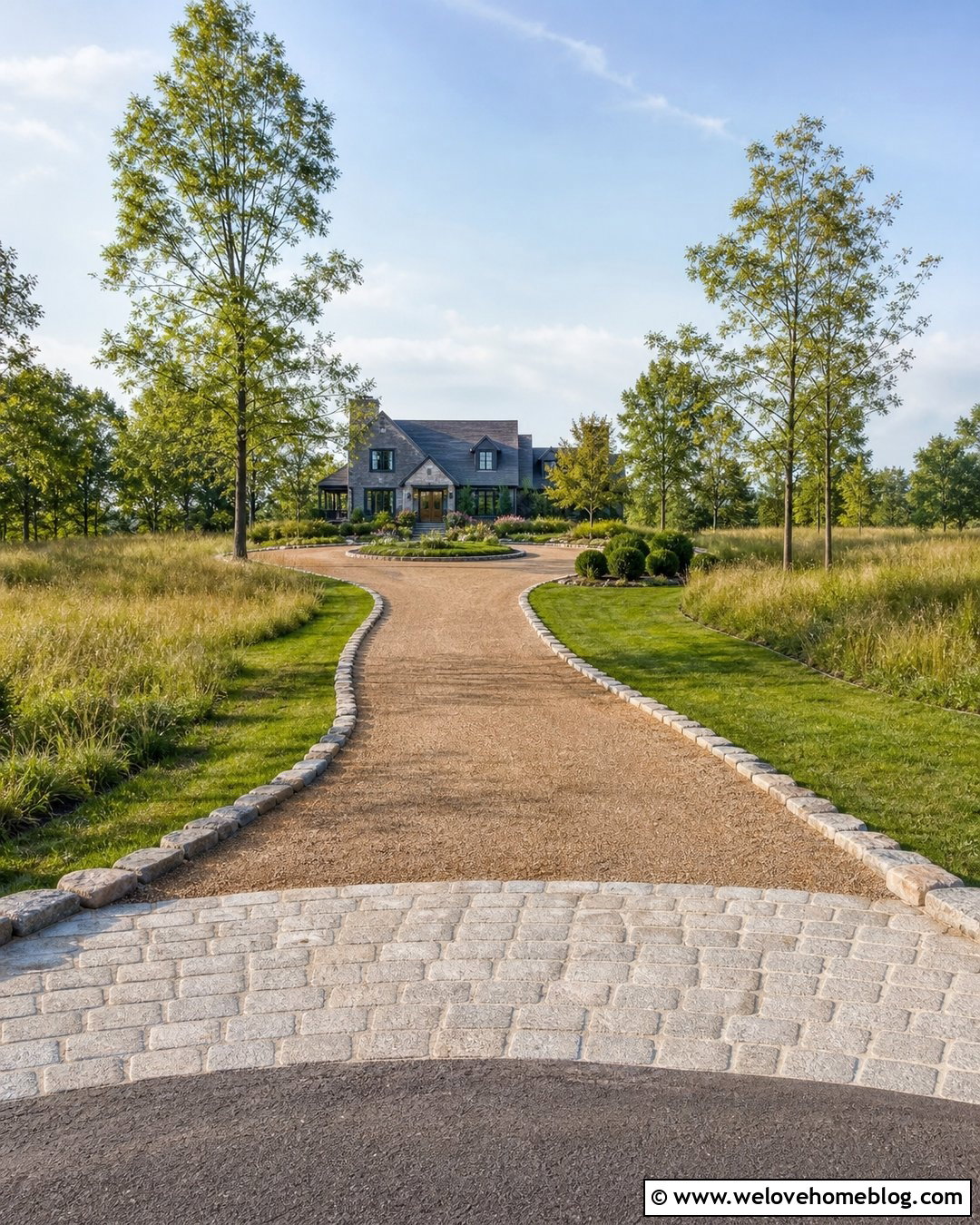
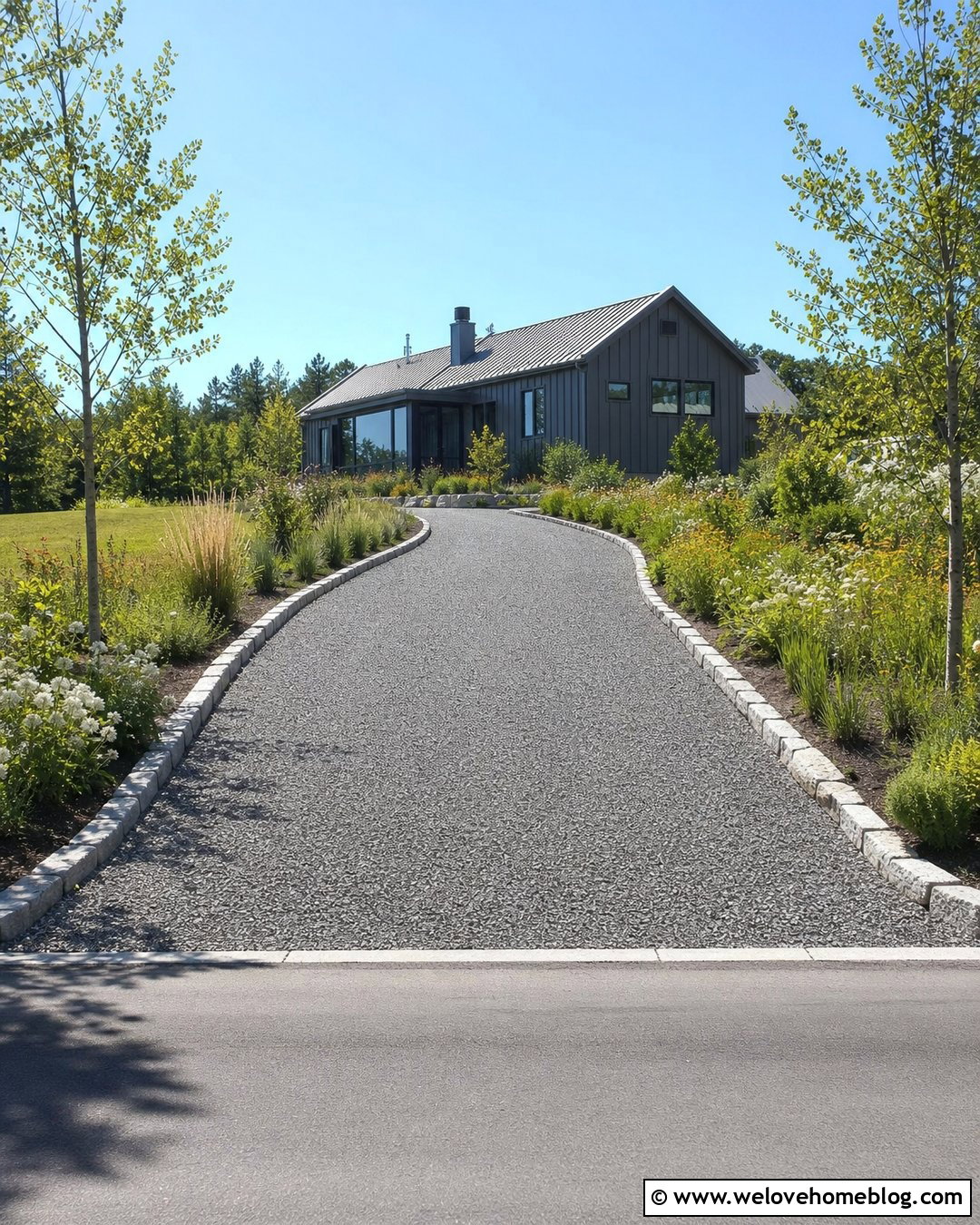
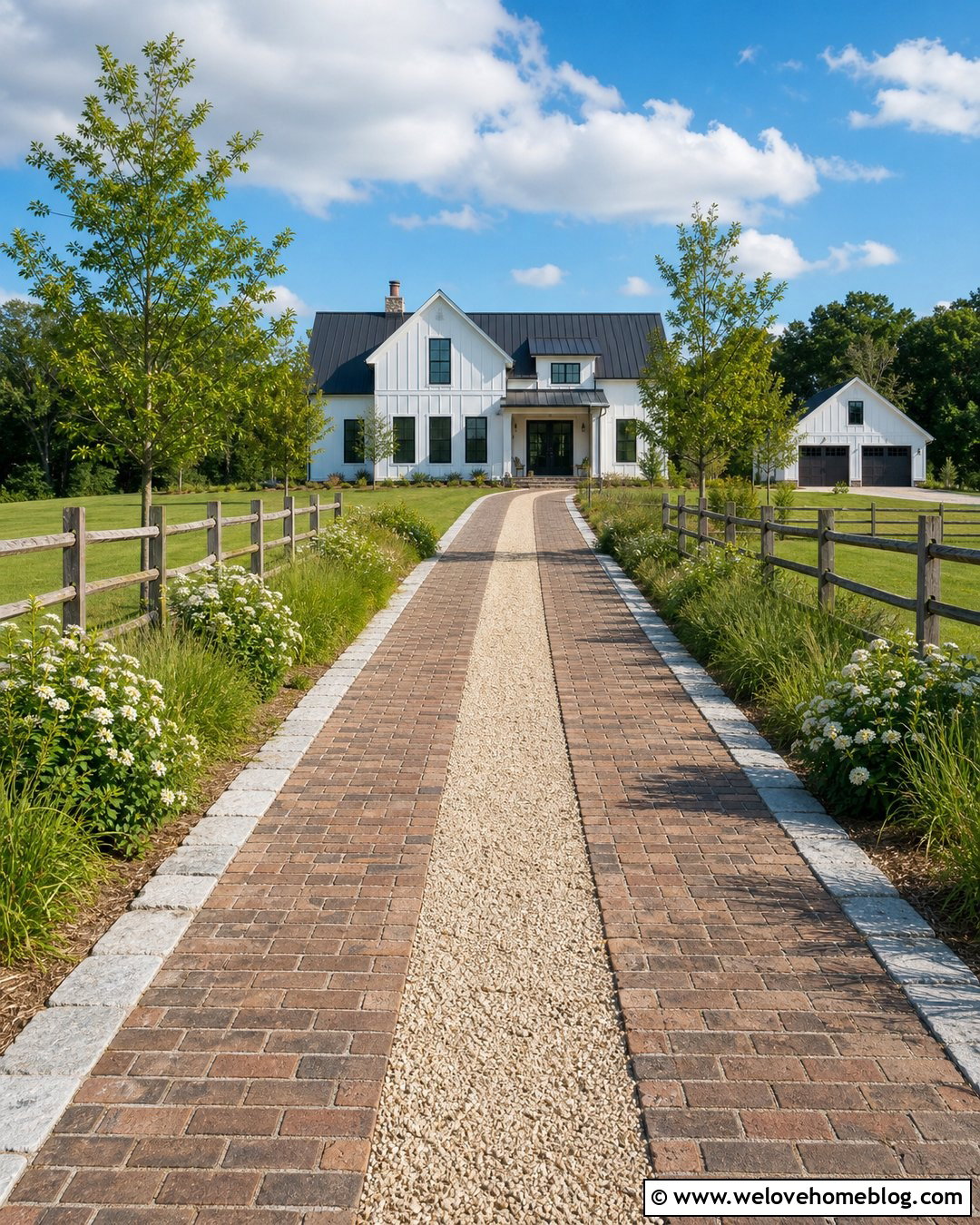
A long Ecogrid driveway can become a striking part of the landscape when its surface, borders, and tree placement are planned together. Choose earthy brown or gray gravel that blends with the surrounding soil and architecture. A gentle curve can reveal the house gradually, while a straight design creates a stronger formal axis. Install a durable stone border along both sides and leave enough clearance between the driveway and tree trunks. Repeated native trees, meadow grasses, or clipped shrubs can frame the route without making it feel cramped. Add a wider passing or turnaround area near the house if the site allows. At the road, use a contrasting cobblestone apron to mark the entrance. This approach suits rural homes, wooded properties, and larger modern farmhouses.
10. Small Ecogrid Driveway
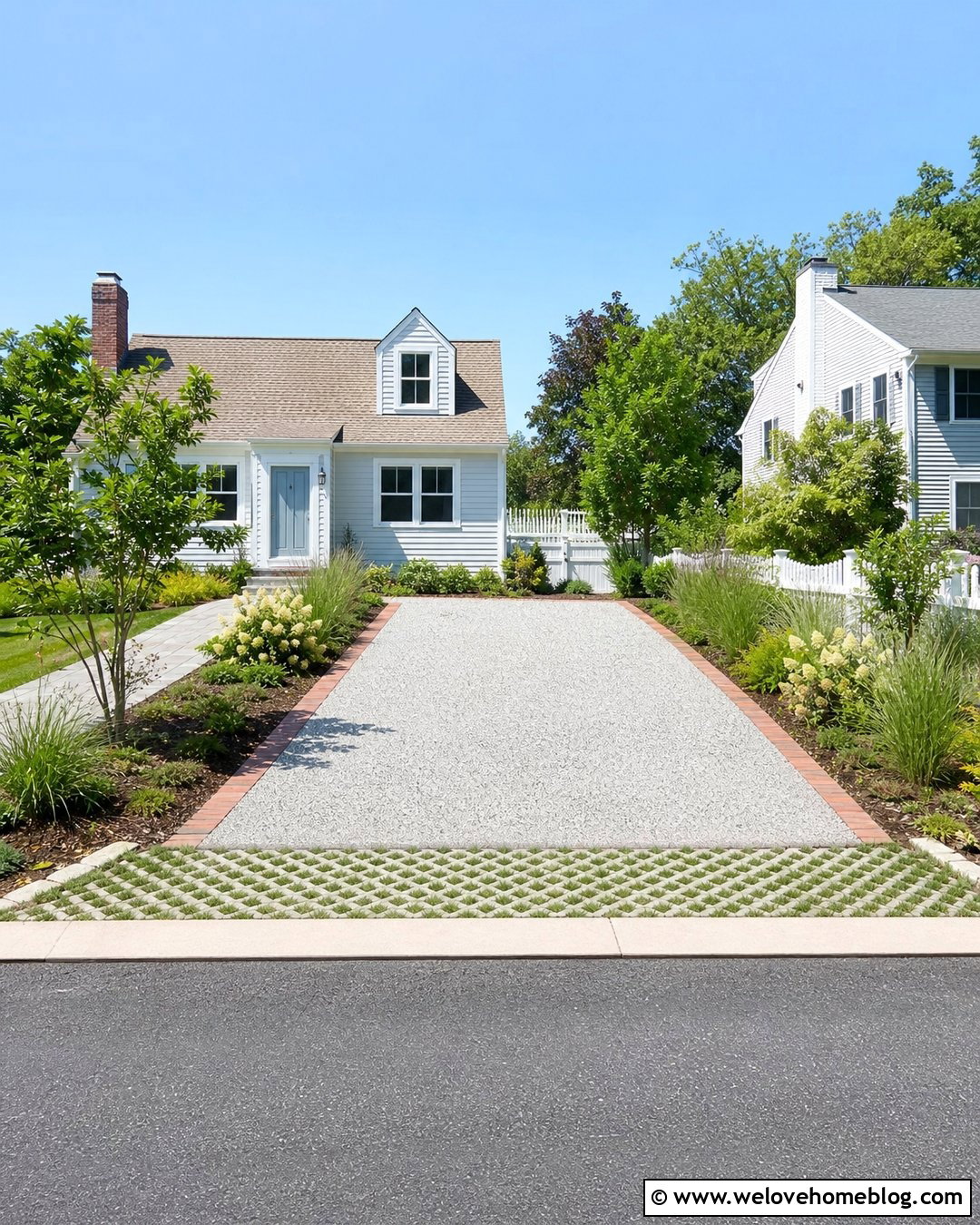
Even a compact front yard can accommodate an Ecogrid driveway without losing all its greenery. Use pale gray gravel to make the space feel open, and keep the layout straight so every square foot serves a purpose. A narrow brick border can define the surface while echoing a brick house or front walkway. Instead of deep planting beds, choose slim strips containing upright grasses, compact flowering shrubs, and low ground covers. Position the pedestrian path along one side rather than squeezing it between parking spaces. A grass-filled grid section near the street can soften the transition to the lawn, provided it does not receive constant turning traffic. Careful measurements are essential in a small space. The finished driveway should feel organized, balanced, and comfortably connected to the entrance.
11. Sloped Ecogrid Driveway
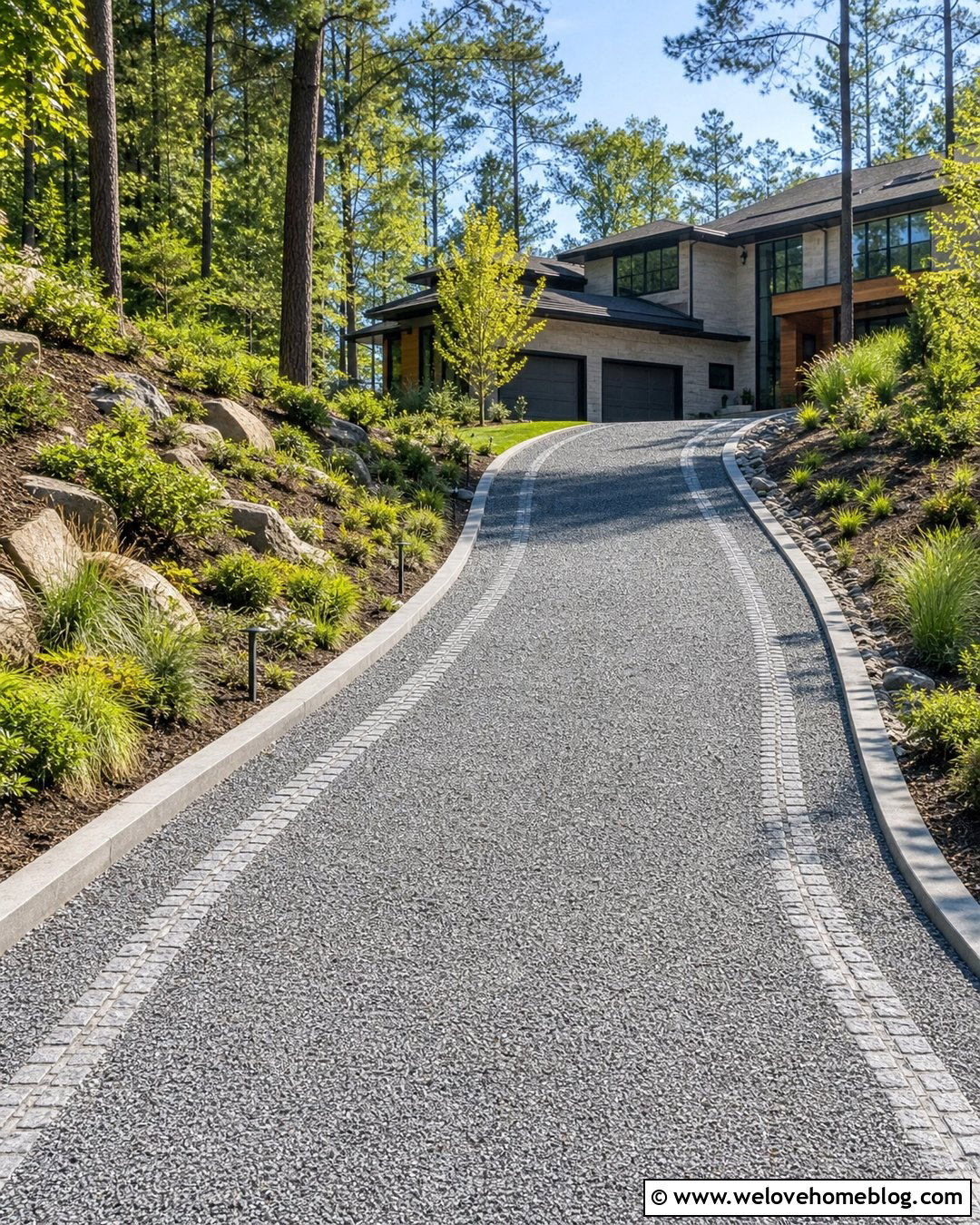
A gently sloped Ecogrid driveway benefits from strong edges and angular aggregate that settles into the grid more effectively than rounded stone. Choose crushed granite or similar textured gravel in a medium tone that will not make minor debris overly noticeable. Divide a long incline visually with subtle cobblestone ribbons running across the driveway, but keep every transition smooth for vehicles. Install planted slopes beside the surface using spreading shrubs, ornamental grasses, and erosion-conscious ground covers. Water should be directed away from the house through a professionally planned permeable base, swale, or drainage feature appropriate for the property. Grid paving is not suitable for every steep site, so the grade and installation requirements should be assessed before construction. A carefully engineered design can look natural while remaining orderly.
12. Resin-Bound Ecogrid Driveway
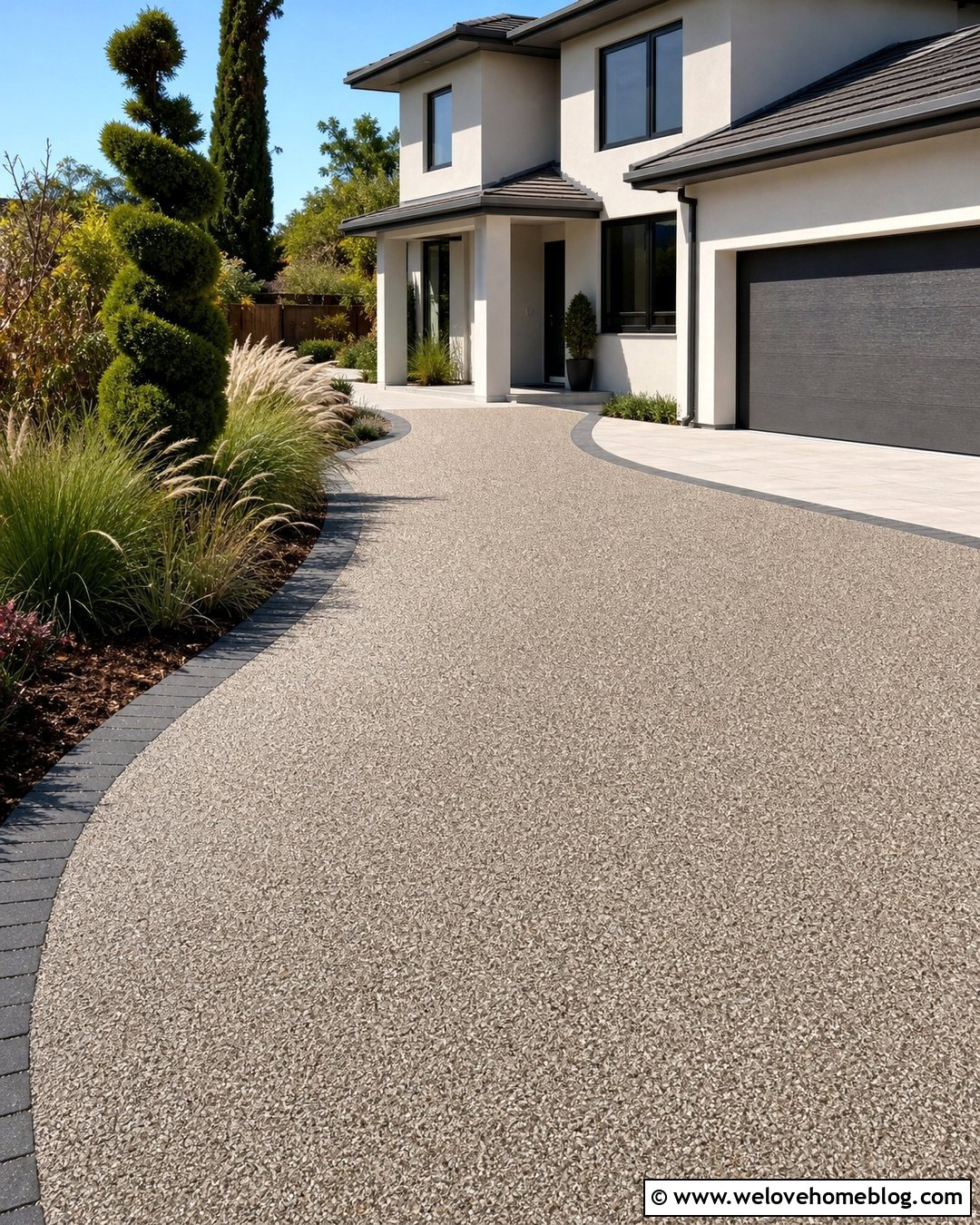
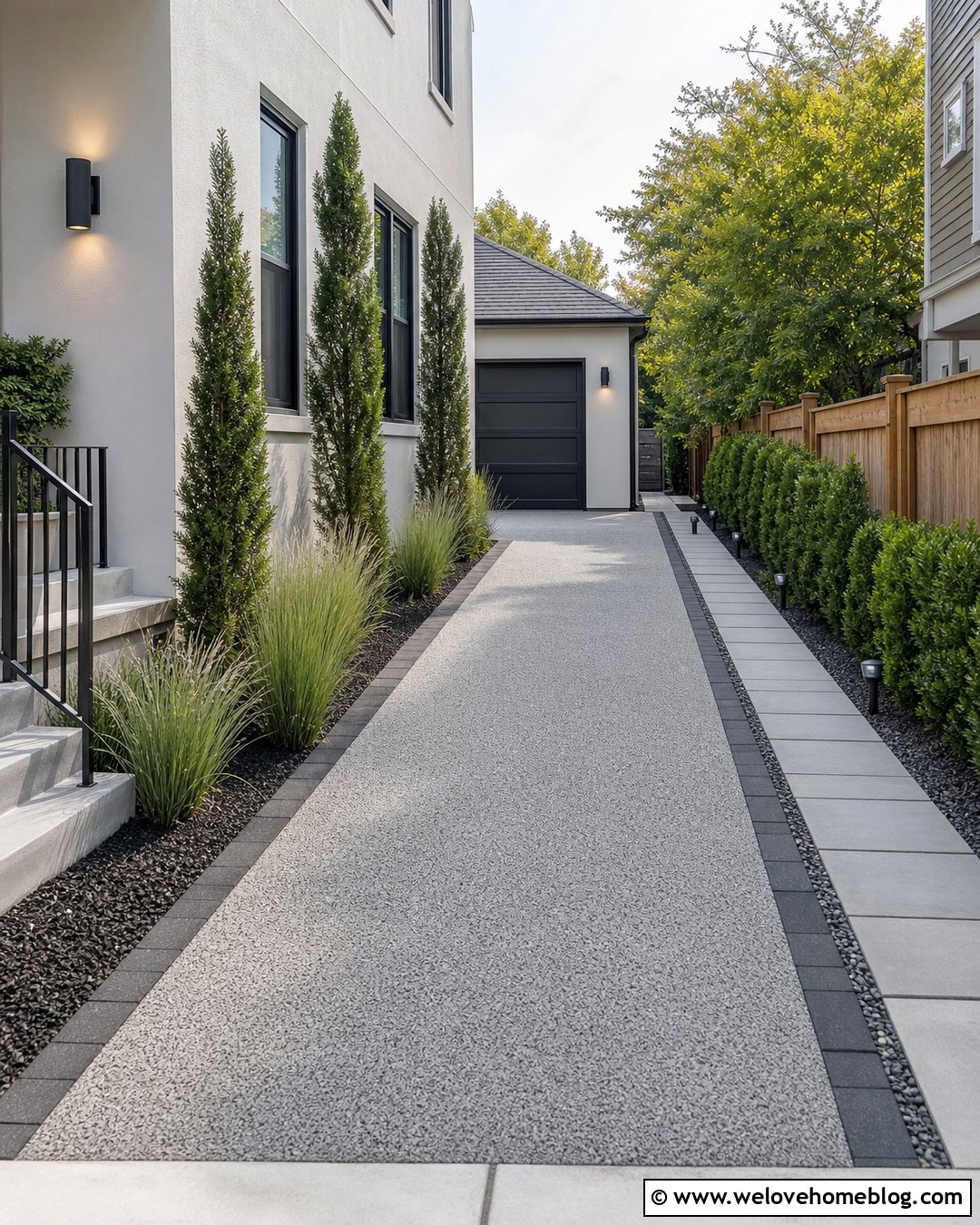
A resin-bound aggregate finish over a compatible Ecogrid system creates a smooth, contemporary surface with the visual warmth of small stone. Choose a golden, silver, or natural beige aggregate blend that complements the roof and facade. A broad curved layout can make the driveway feel less rigid, while dark block edging provides a crisp perimeter. Pair the surface with sculpted evergreen shrubs, airy grasses, and a paved walkway in a coordinating neutral color. Use a contrasting apron near the garage to create a clean visual stopping point. The installation method and selected resin system must be designed to remain permeable and compatible with the supporting grid. When properly specified, this complete look offers a more seamless appearance than loose gravel while retaining the character of exposed aggregate.
13. Brick Border Ecogrid Driveway
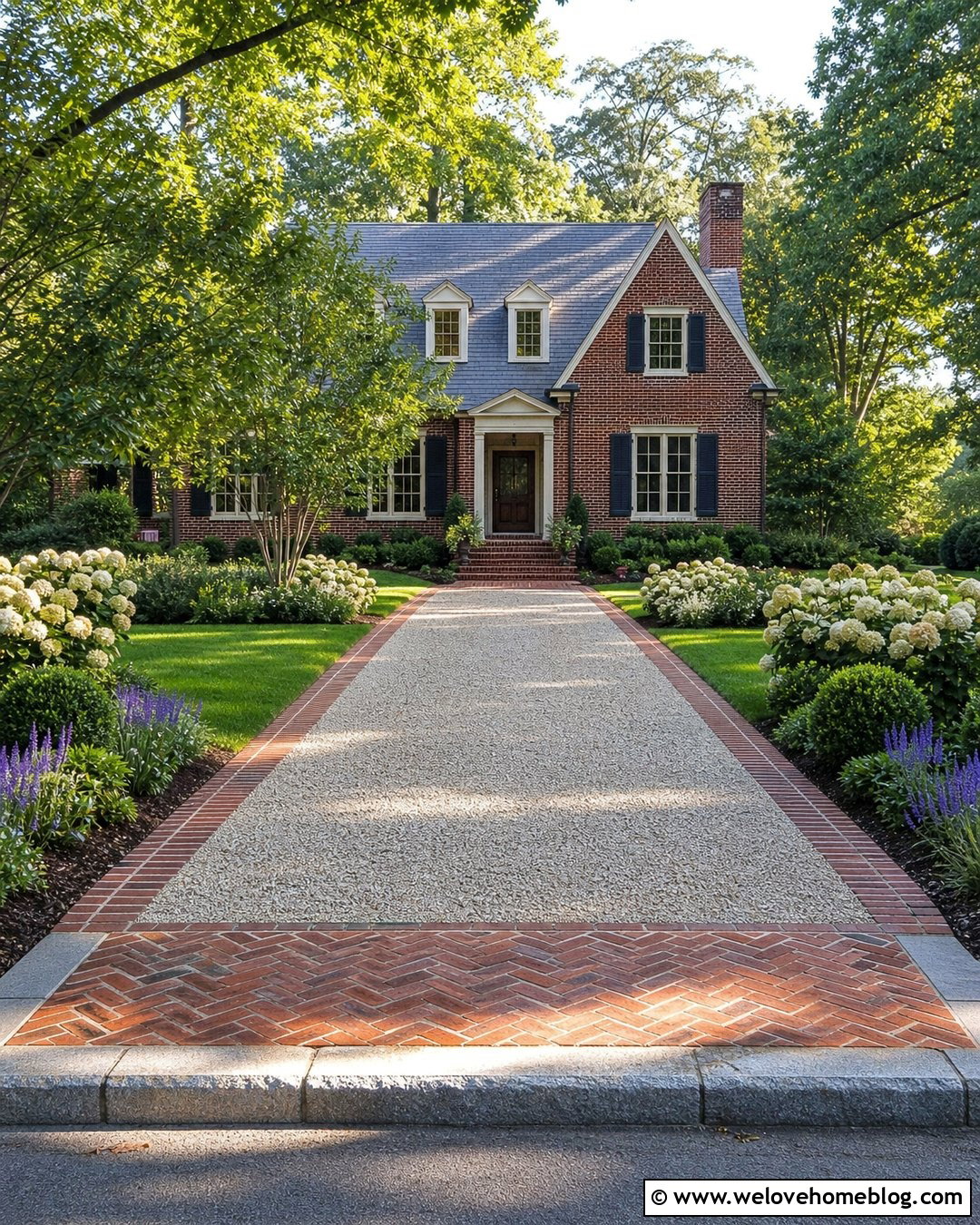
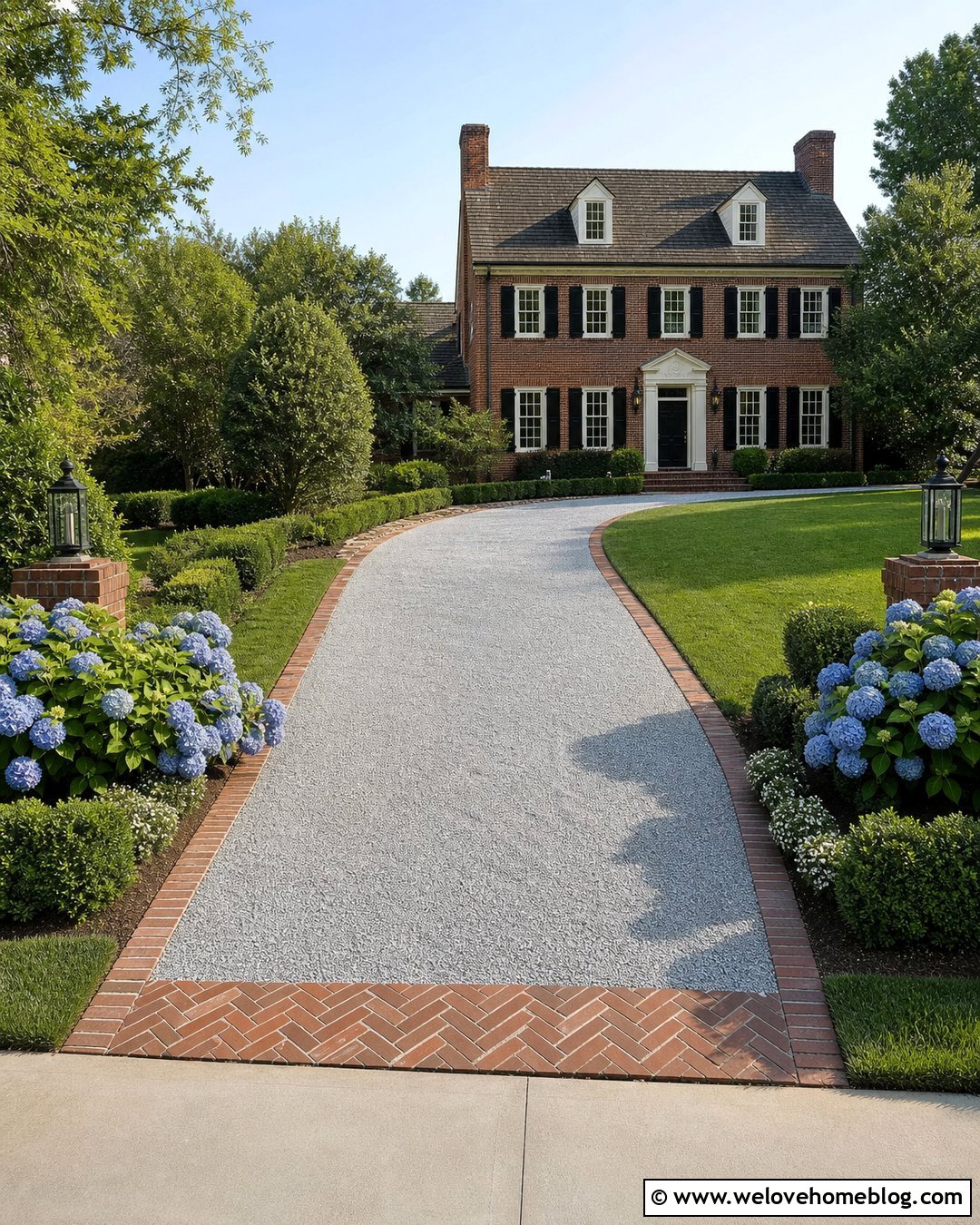
A brick border gives a gravel-filled Ecogrid driveway a traditional frame and helps connect the surface to a brick house. Use gray or buff angular gravel inside the grid, then install one or two rows of clay brick around the perimeter. A herringbone brick apron at the curb can make the entrance feel more substantial without covering the entire driveway in masonry. Keep the driveway straight or gently curved, depending on the front-yard dimensions. Repeat the brick in the walkway leading to the porch for a coordinated exterior. Soft planting beds with hydrangeas, compact hollies, salvia, and seasonal perennials can prevent the borders from feeling too formal. Select brick tones that complement rather than exactly match the facade, creating depth while keeping the complete driveway design visually connected.
14. Cobblestone Apron Ecogrid Driveway
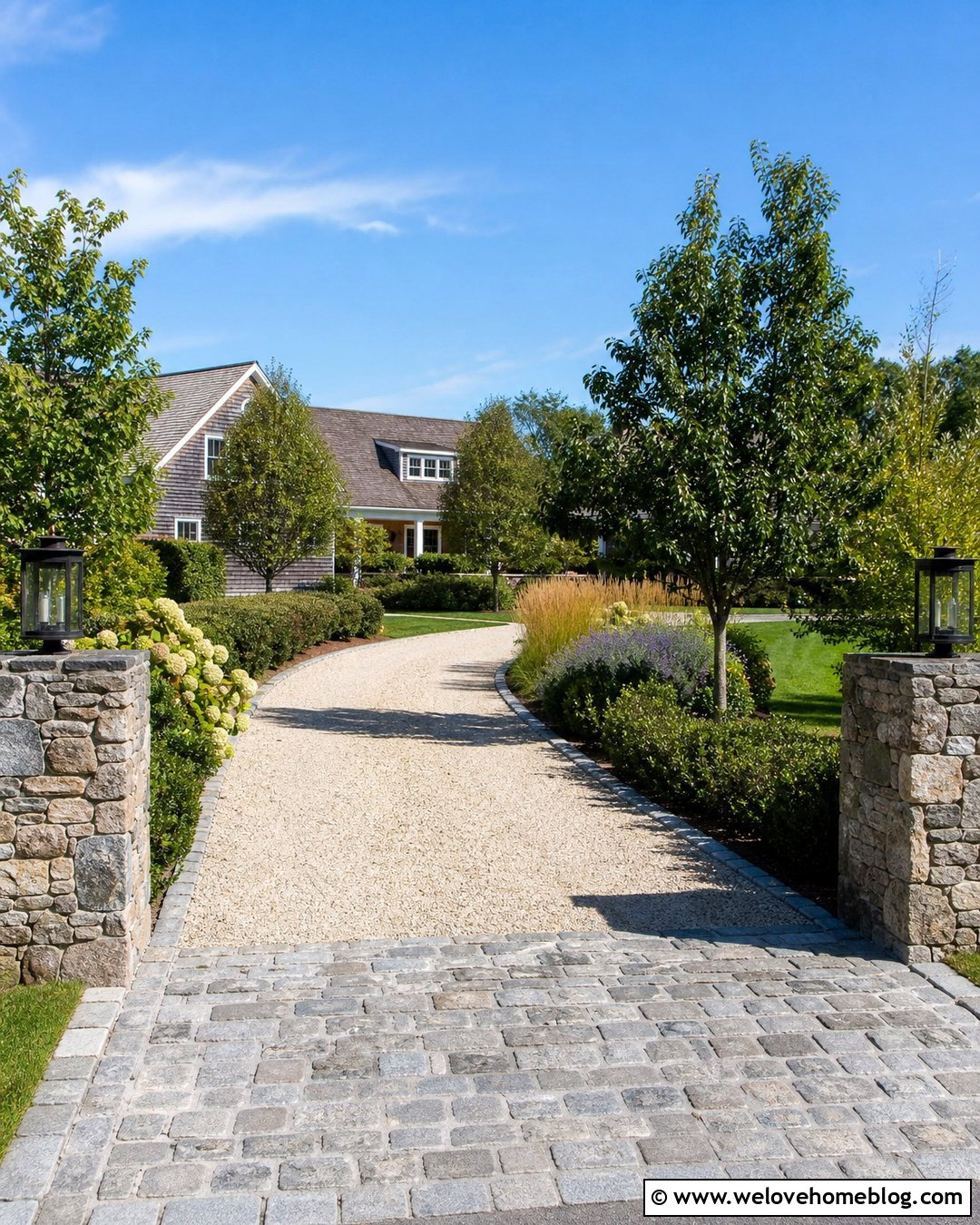
A cobblestone apron creates a durable-looking transition between the street and a gravel Ecogrid driveway. Select dark gray or mixed natural cobbles that contrast with lighter limestone or granite infill. Extend the apron far enough into the property to read as an intentional entrance feature rather than a narrow decorative line. Continue smaller cobblestone setts along the driveway edges to visually connect the entire route. For a country home, frame the entrance with informal hedges, flowering shrubs, and native grasses. A modern house may look better with clipped evergreens and structured beds. Keep plants low near the curb so drivers have clear views of pedestrians and traffic. The combination of stable gravel, textured stone, and layered landscaping produces an entrance that feels established and carefully finished.
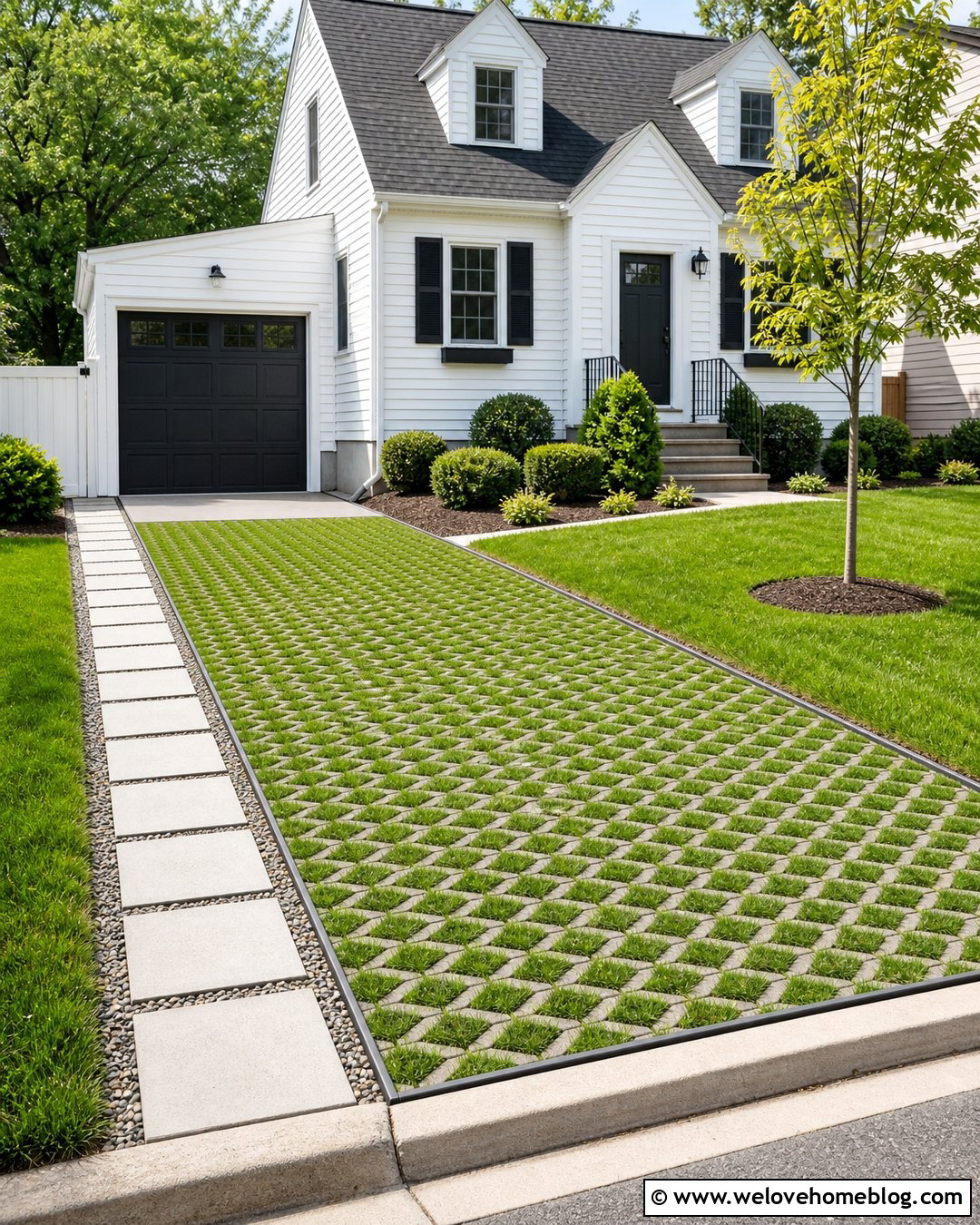
15. Steel Edge Ecogrid Driveway
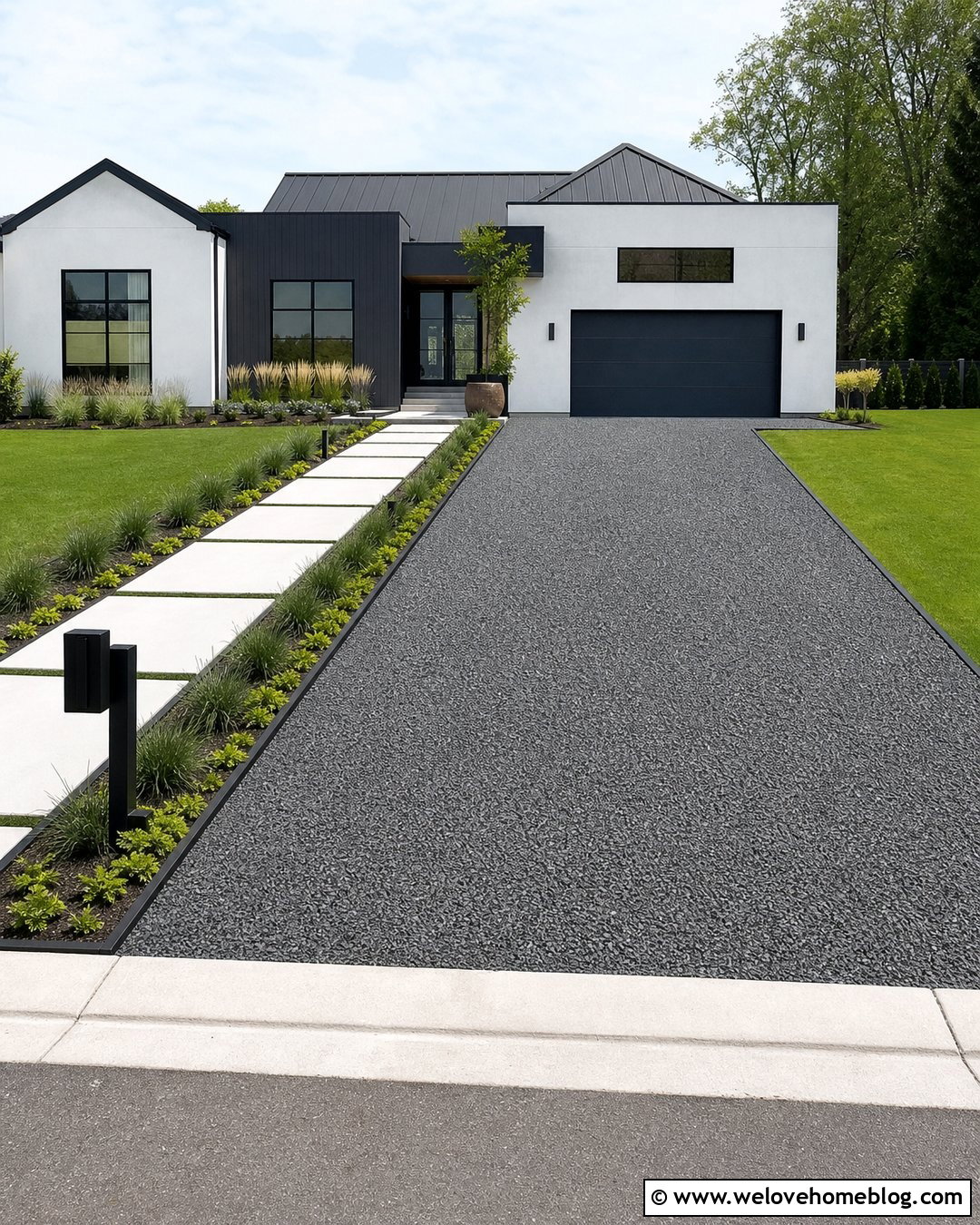
Slim steel edging can give an Ecogrid driveway a clean outline without creating a bulky border. Fill the grid with charcoal crushed stone and use a straight or slightly angled layout for a modern home. Set the steel nearly flush with the finished gravel so it defines the edge without becoming a trip hazard. Along one side, add a linear concrete walkway separated from the driveway by a narrow bed of ornamental grasses. On the opposite side, use lawn or low ground cover to maintain visual simplicity. Black steel pairs particularly well with dark window frames, modern address numbers, and understated bollard lighting. Because the border is visually narrow, accurate installation matters. Straight lines, even gravel coverage, and controlled planting help this complete design feel sharp rather than unfinished.
16. Timber Border Ecogrid Driveway
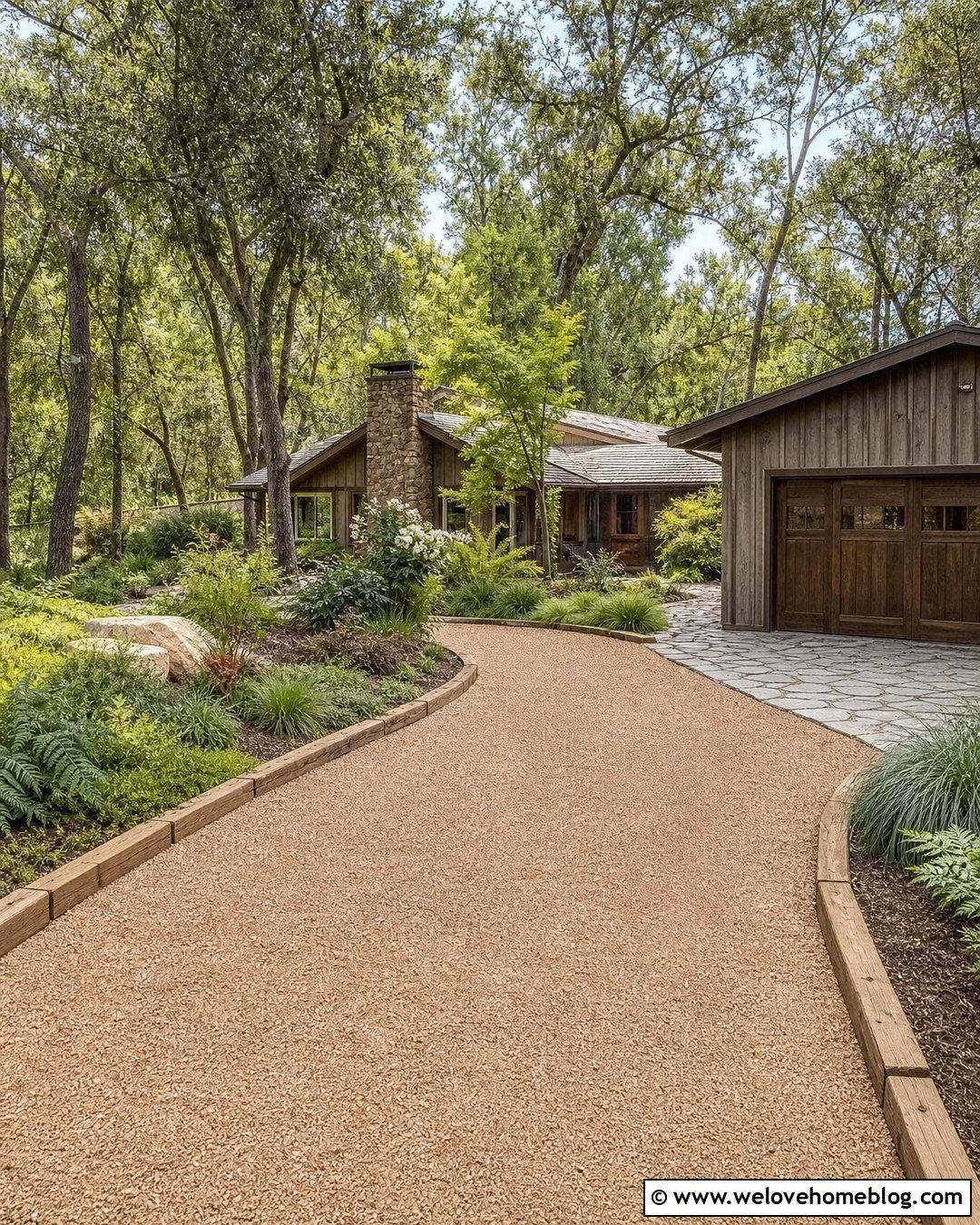
Timber edging brings a relaxed, natural character to a gravel-filled Ecogrid driveway. It works best with warm brown crushed stone, decomposed granite tones, or muted golden gravel. Use treated, ground-rated timber or another exterior product suited to local conditions, and secure it firmly along the grid perimeter. A gently curved layout can follow a wooded lot or informal front garden. Plant ferns, native grasses, flowering shrubs, and small woodland trees beyond the border, leaving clear space for vehicle doors and maintenance. Near the house, transition to a stone or brick apron for a more finished connection to the garage. The timber should support the overall landscape rather than dominate it. This coordinated approach is especially suitable for cabins, ranch homes, and rustic contemporary houses.
17. Rain Garden Ecogrid Driveway
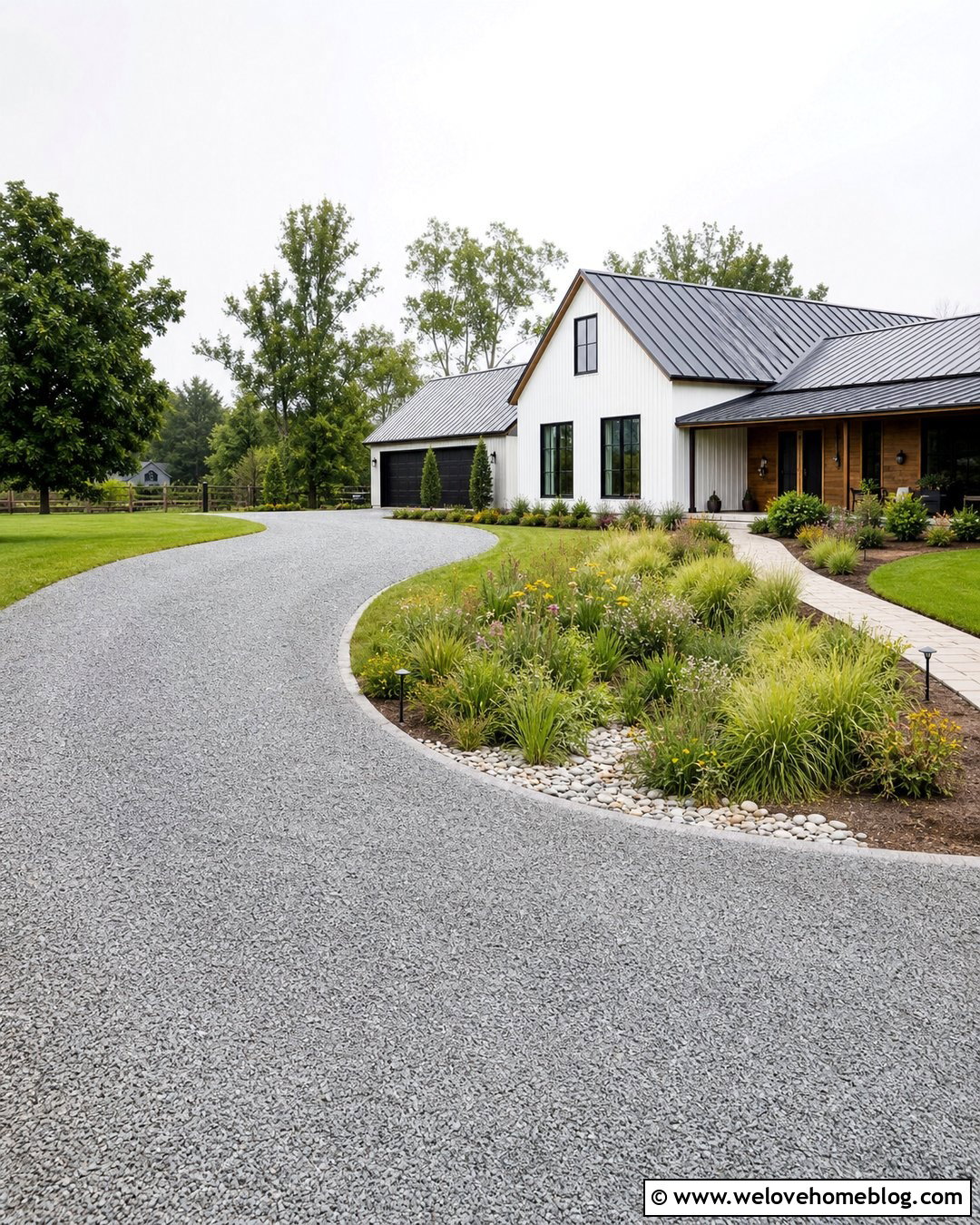
Pairing an Ecogrid driveway with a rain garden creates a landscape where the driving surface and surrounding drainage plan feel connected. Use light gray gravel in a straight or softly curved grid layout. Along the lower side of the driveway, form a shallow planted basin containing moisture-tolerant species appropriate for the local climate. Add river rock at selected inlet points to slow and spread water entering the garden. A raised curb should not block the intended flow, so use carefully positioned openings or flush transitions planned by a qualified installer. On the opposite side, keep the landscaping simpler with lawn and a paved walkway. The rain garden should sit safely away from foundations and utilities. Visually, the stone, grasses, flowers, and permeable driveway create a cohesive natural composition.
18. Gated Ecogrid Driveway
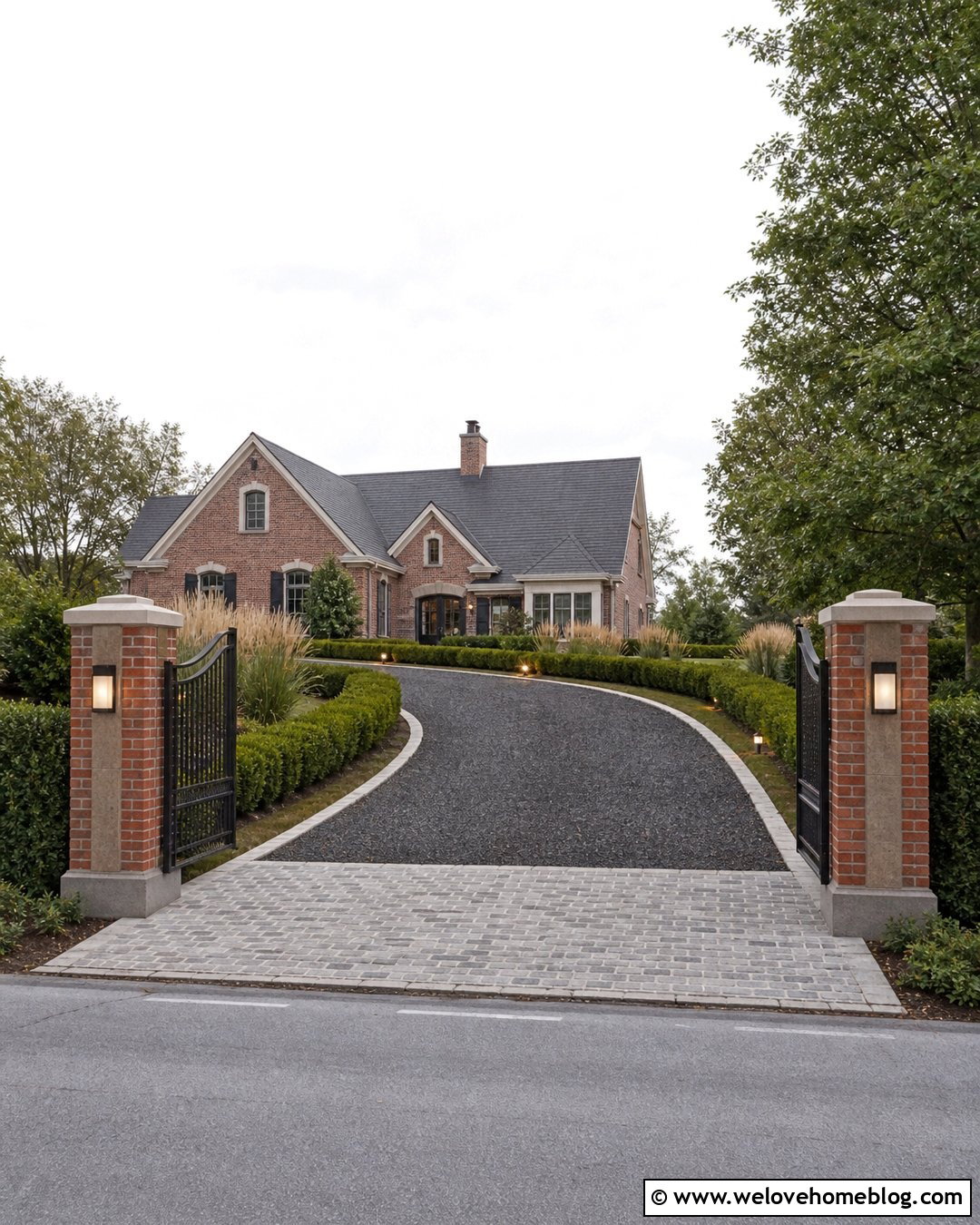
A gated Ecogrid driveway can feel secure and welcoming when the entrance has enough space and visual balance. Choose dark gravel for the grid surface and pair it with stone or brick pillars that coordinate with the house. Set the gate back from the road where site conditions allow, providing a safe waiting area that does not obstruct traffic. A matching cobblestone apron can strengthen the entrance and reduce the contrast between the road and loose-stone surface. Continue low hedges or ornamental grasses beyond the pillars to guide attention toward the home. Curving the driveway slightly after the gate can create privacy and a more graceful arrival sequence. Keep address signs, lighting, controls, and planting clear of the gate’s movement. The complete entrance should look integrated rather than added afterward.
19. Lighted Ecogrid Driveway
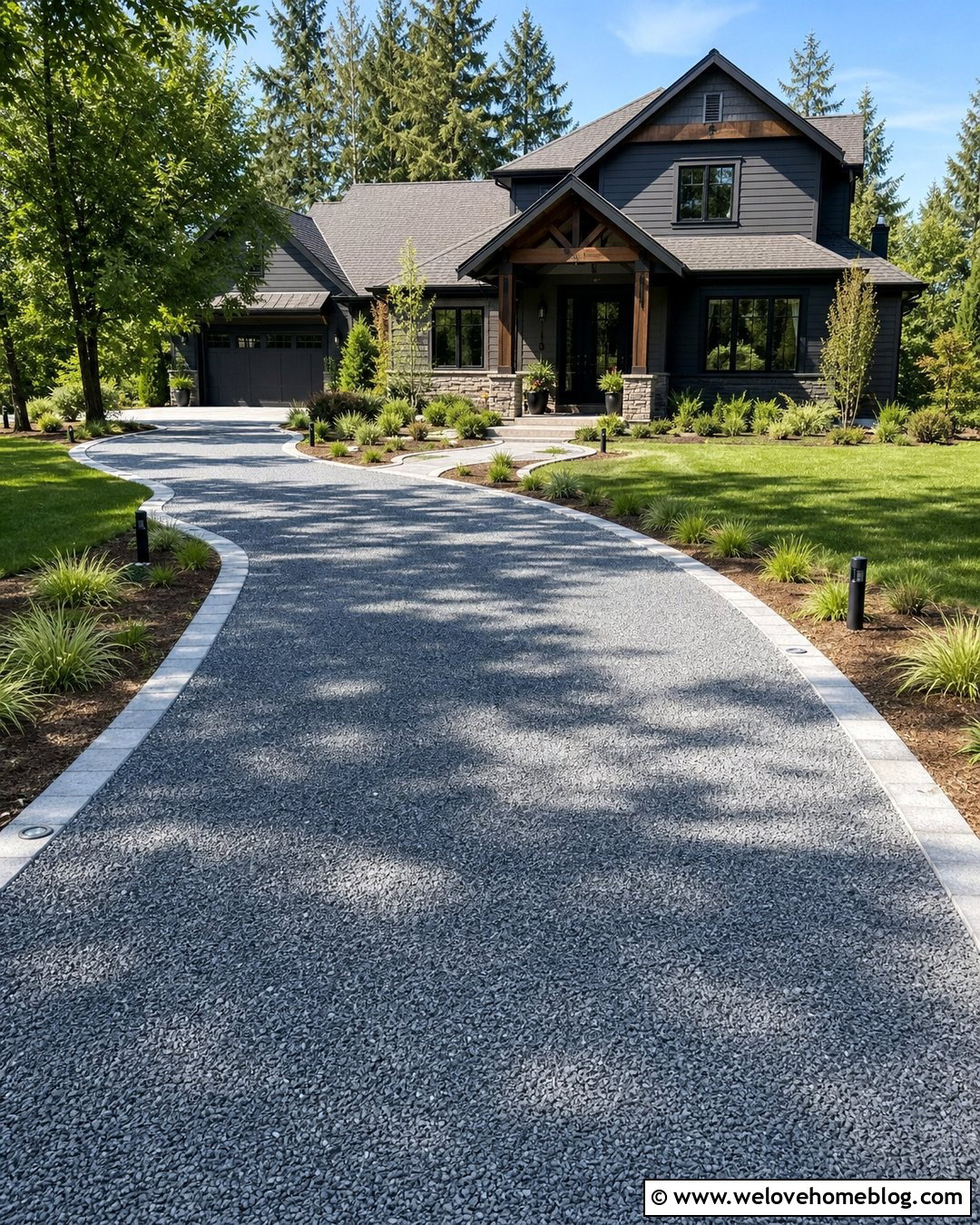
Driveway lighting should clarify the route without turning the front yard into a brightly illuminated runway. Start with a silver-gray gravel Ecogrid driveway that reflects light gently. Place low bollards at important points, such as the entrance, curves, pedestrian crossings, and garage approach, rather than spacing them too closely along every edge. Flush marker lights can be integrated into a solid border, provided the fixtures and installation are rated for exterior conditions. During the day, coordinate the dark fixtures with metal edging, the mailbox, or the house trim. Surround the driveway with airy grasses, compact shrubs, and a clear walkway to the porch. A simple straight or curved layout allows the lighting pattern to remain easy to understand while supporting a polished, comfortable arrival.
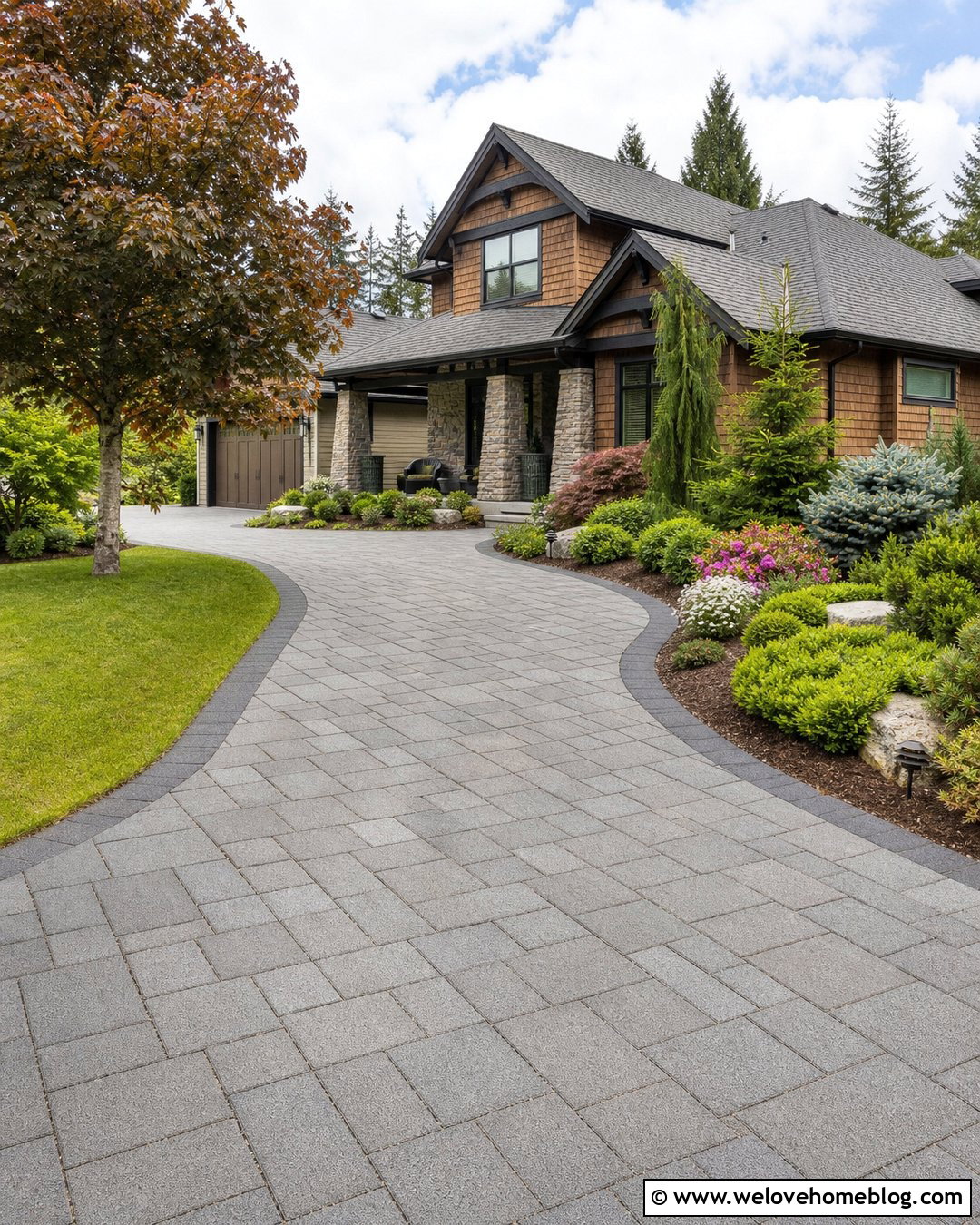
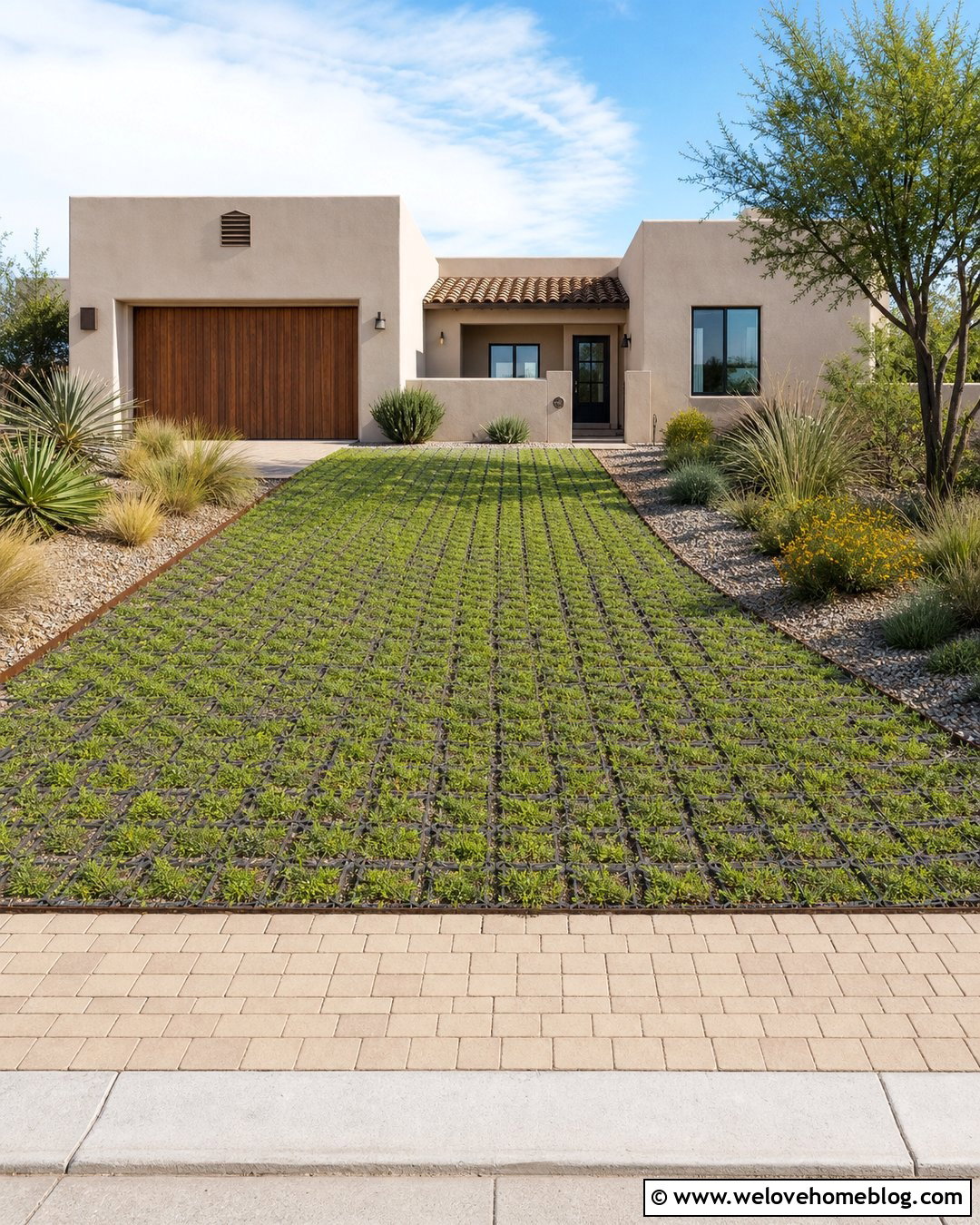
20. Ecogrid Parking Courtyard
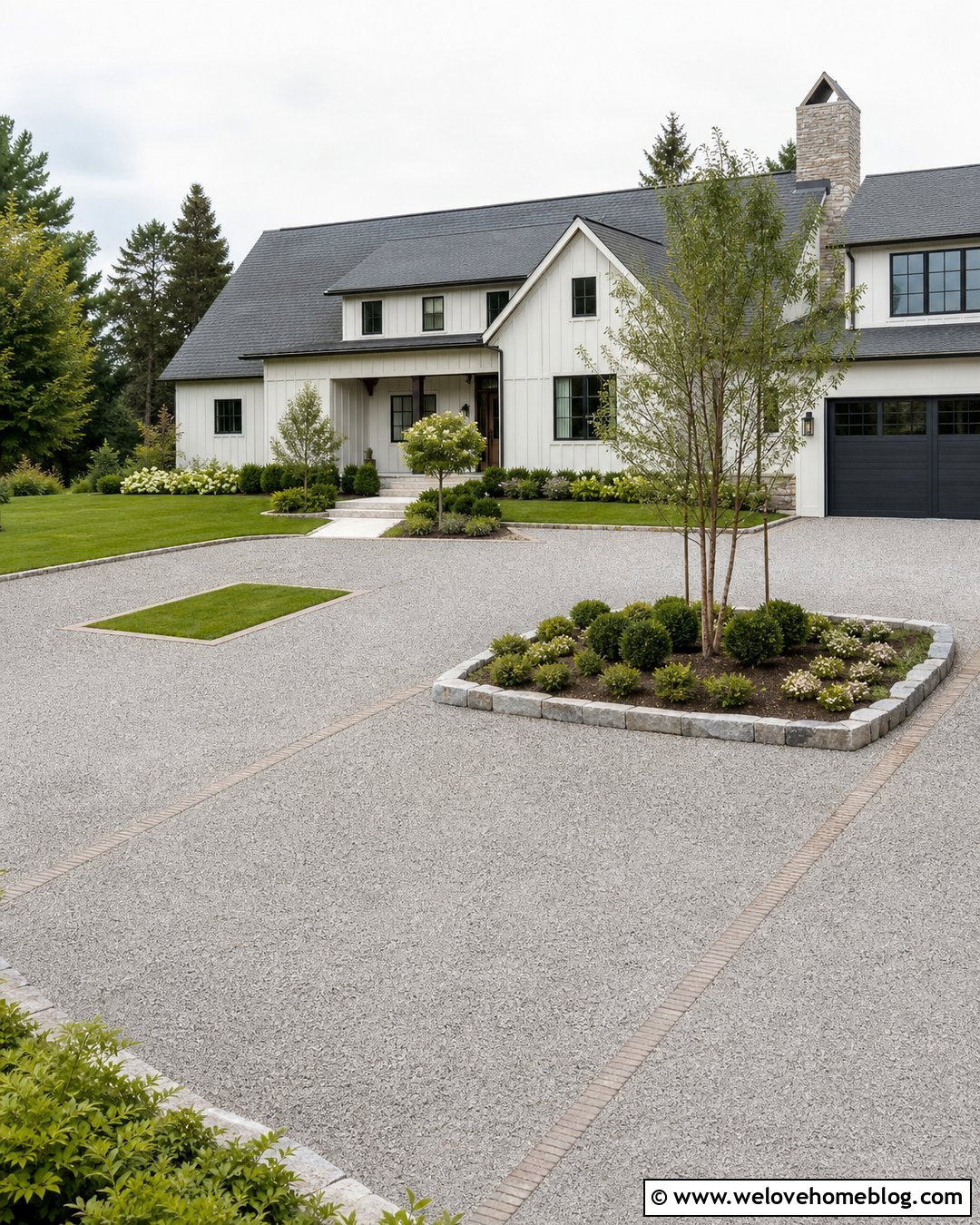
A broad Ecogrid parking courtyard can accommodate multiple vehicles without looking like a commercial parking lot. Fill the main turning and parking surface with warm gray angular gravel, then introduce brick or stone ribbons to subtly define individual bays. Grass-filled grid can soften a secondary space used only for guests. Organize the courtyard around a central planting island containing a small tree, low shrubs, and ground cover that will not obstruct sightlines. A paved walkway should connect the parking area directly to the front door. Use matching masonry around the island and driveway perimeter to keep gravel contained. This arrangement works well for larger ranch homes, farmhouses, and multigenerational properties. The completed design combines practical circulation, flexible parking, attractive landscaping, and a cohesive residential appearance.
Conclusion:
The best Ecogrid driveway is more than a reinforced surface. It combines appropriate infill, a practical layout, secure edging, clear vehicle movement, and landscaping that complements the home. Gravel offers color and texture, grass creates a softer green appearance, and compatible resin-bound aggregate can provide a smoother finish. Borders, entrance aprons, lighting, gates, and rain gardens can make the driveway feel like a complete part of the property. Proper excavation, base preparation, drainage planning, and edge restraint remain important regardless of the final look. Use these **20 Ecogrid Driveway Ideas** as inspiration, then adapt the materials and details to your climate, site conditions, maintenance preferences, local requirements, and house architecture.

Related posts:
Leave a Reply