
Eco-friendly paving can turn a practical parking area into a more attractive, water-conscious part of your landscape. These 20 eco-friendly driveway pavers ideas explore permeable concrete blocks, reclaimed brick, recycled-plastic grids, grass pavers, salvaged stone, and other lower-impact options. The strongest designs combine a durable surface with an open-graded base that lets rain filter downward instead of rushing toward the street. Thoughtful borders, native planting, and correctly placed drainage areas can improve the complete layout. Because soil, rainfall, vehicle loads, and local rules differ, professional site planning remains important. Permeable paving generally depends on both the surface openings and the prepared stone foundation beneath them. () Here are 20 eco-friendly driveway pavers ideas.

1. Permeable Concrete Driveway Pavers With Native Plant Borders
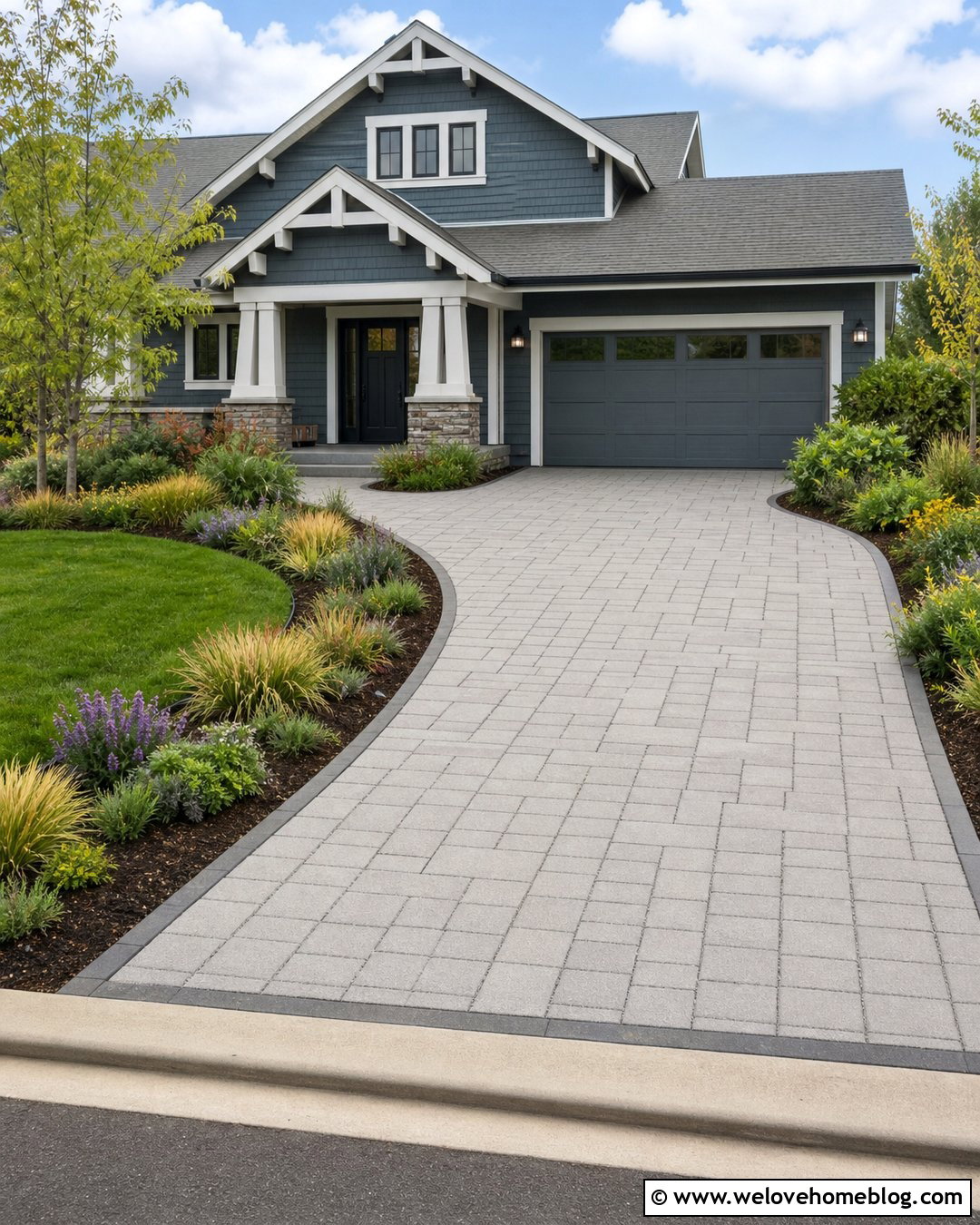
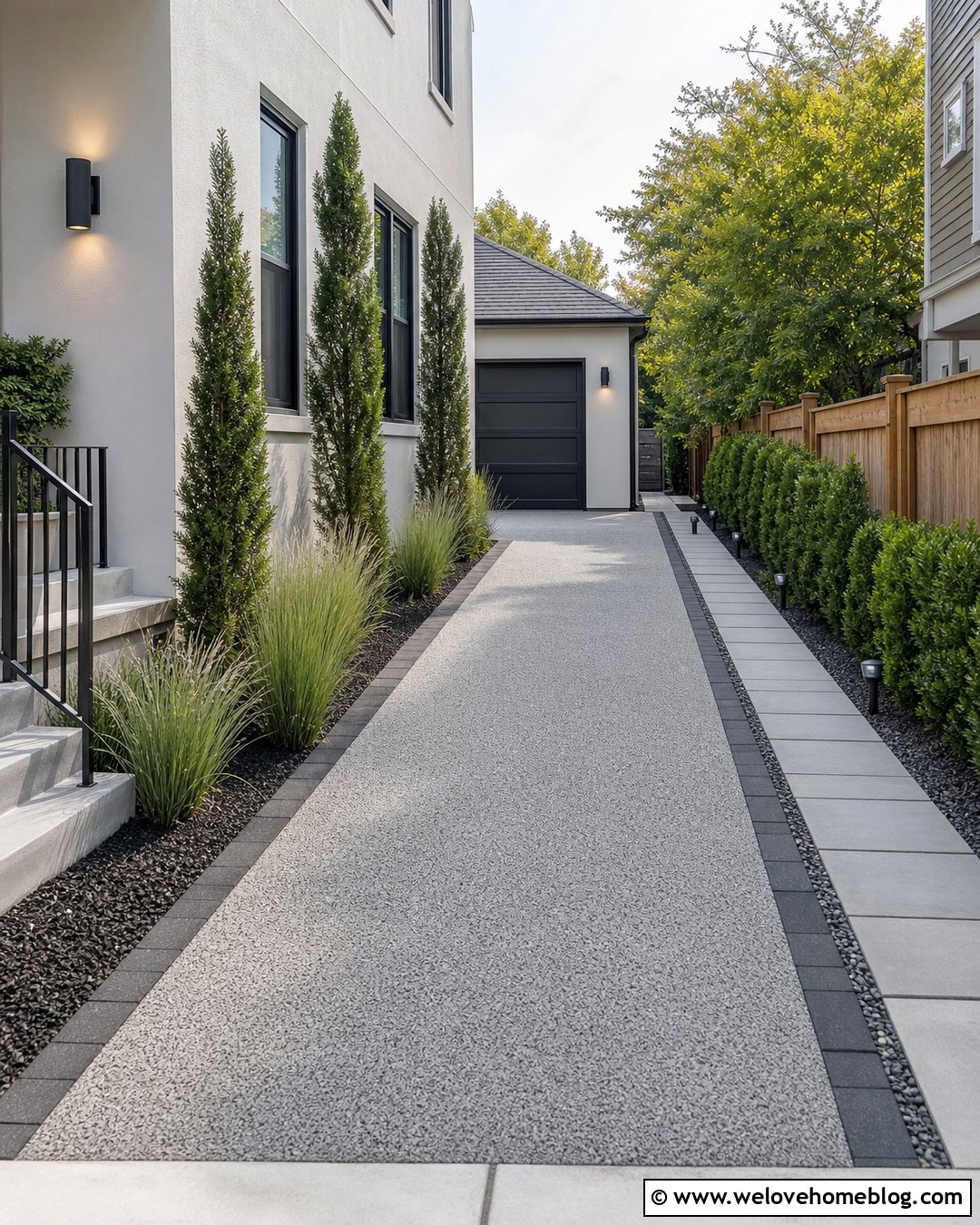
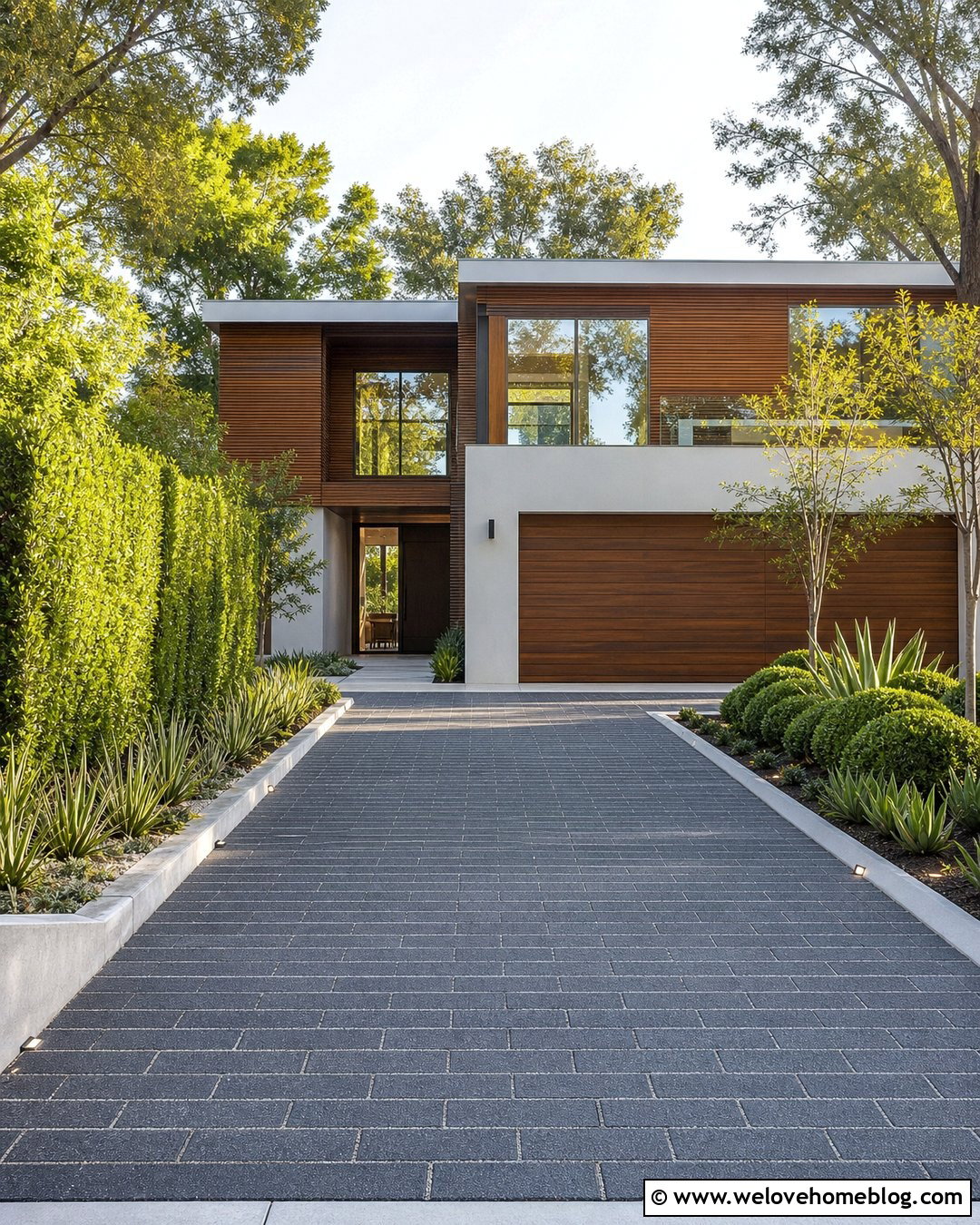
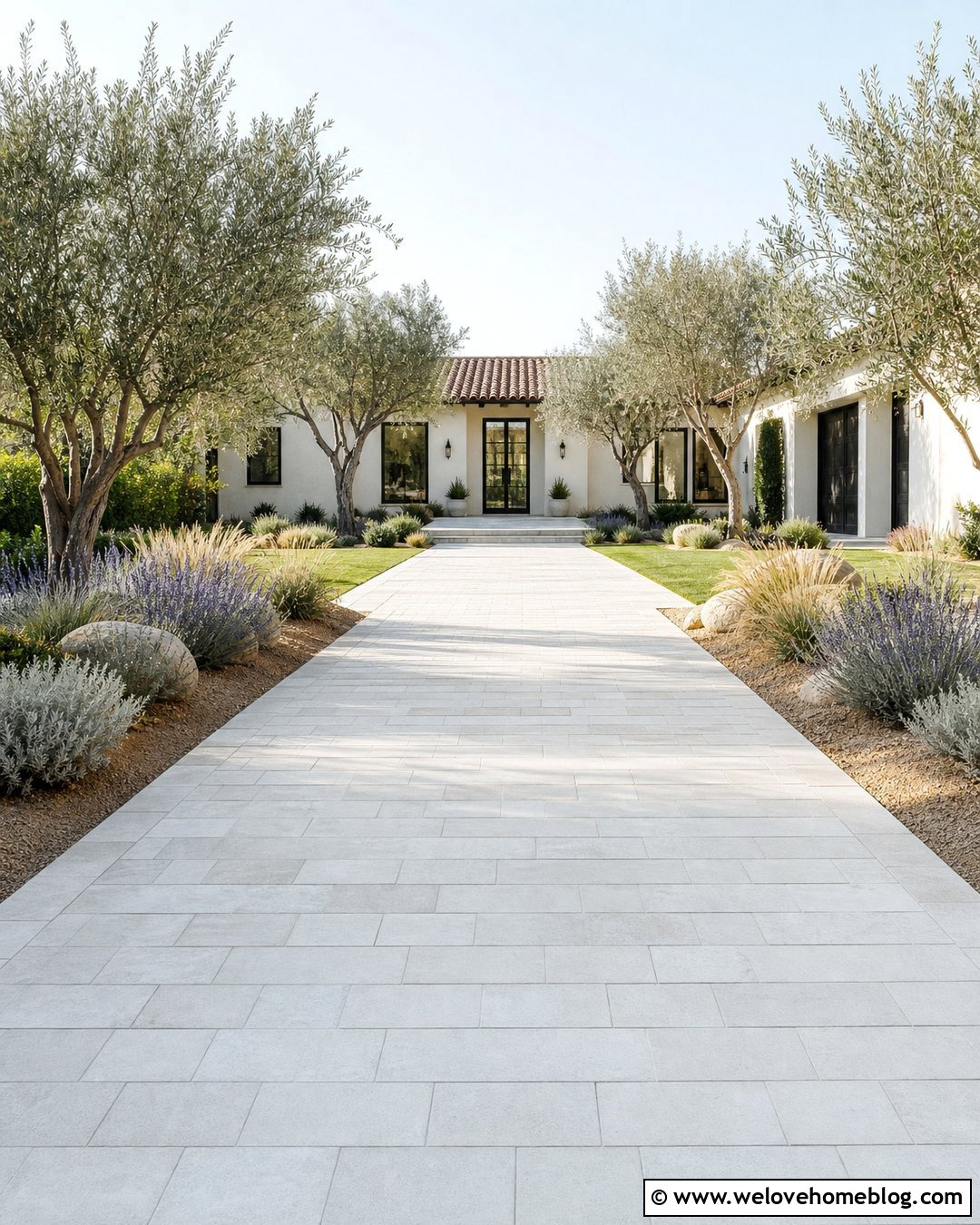
Permeable concrete driveway pavers create a clean, familiar surface without making the front yard feel like one solid slab. Choose rectangular pavers in a soft gray tone and install them with wide, aggregate-filled joints over an open-graded stone base. A straight driveway suits a ranch, craftsman, or contemporary suburban home. Frame both sides with native grasses, flowering perennials, and compact shrubs selected for your local conditions. Steel or recycled-plastic edging can keep the planting soil away from the permeable joints. Continue the same pavers into a walkway for a coordinated entrance. The restrained color palette keeps the design versatile, while the textured planting softens the hardscape and creates a complete, polished driveway rather than an isolated parking pad.
2. Grass Driveway Pavers With Concrete Wheel Tracks
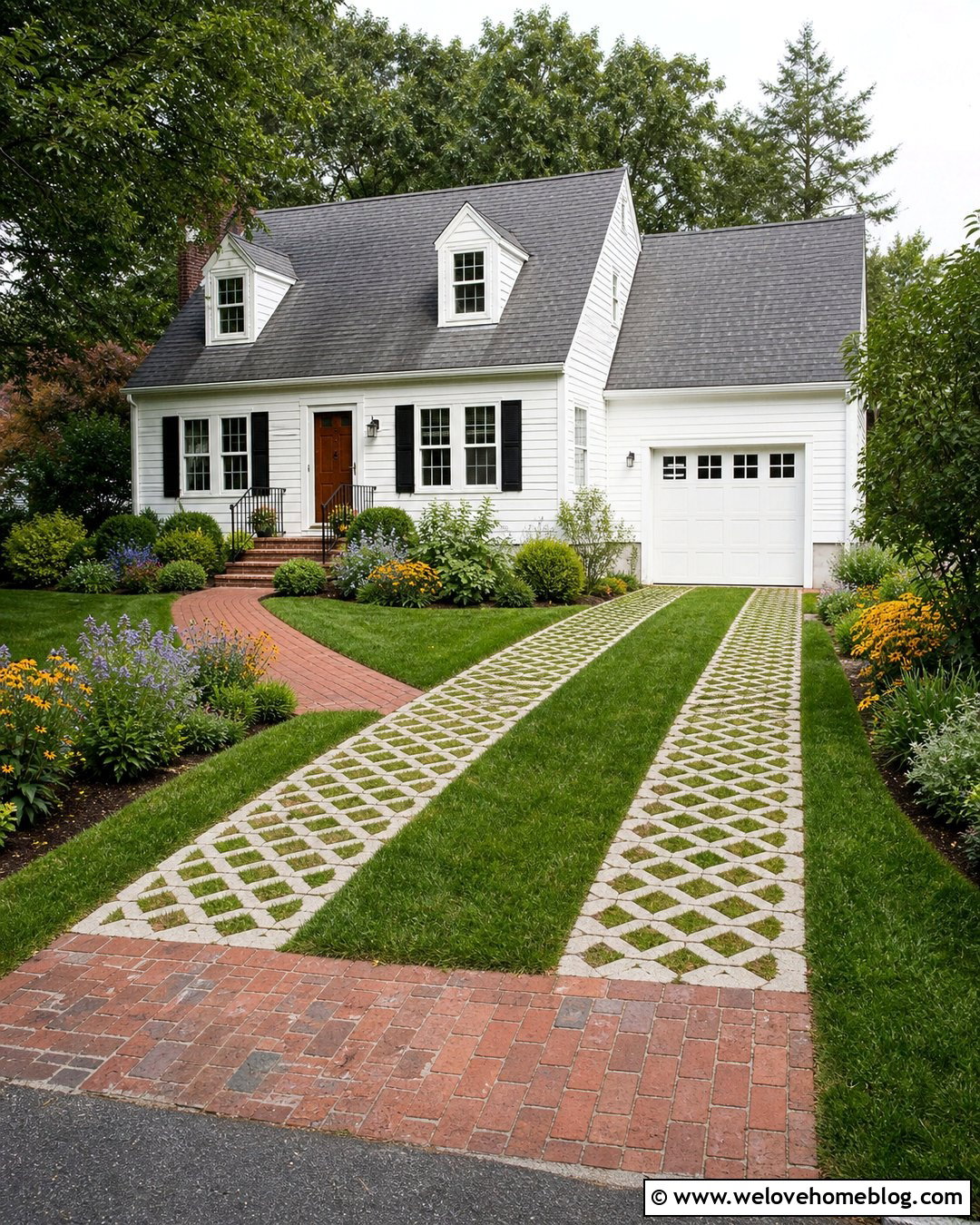
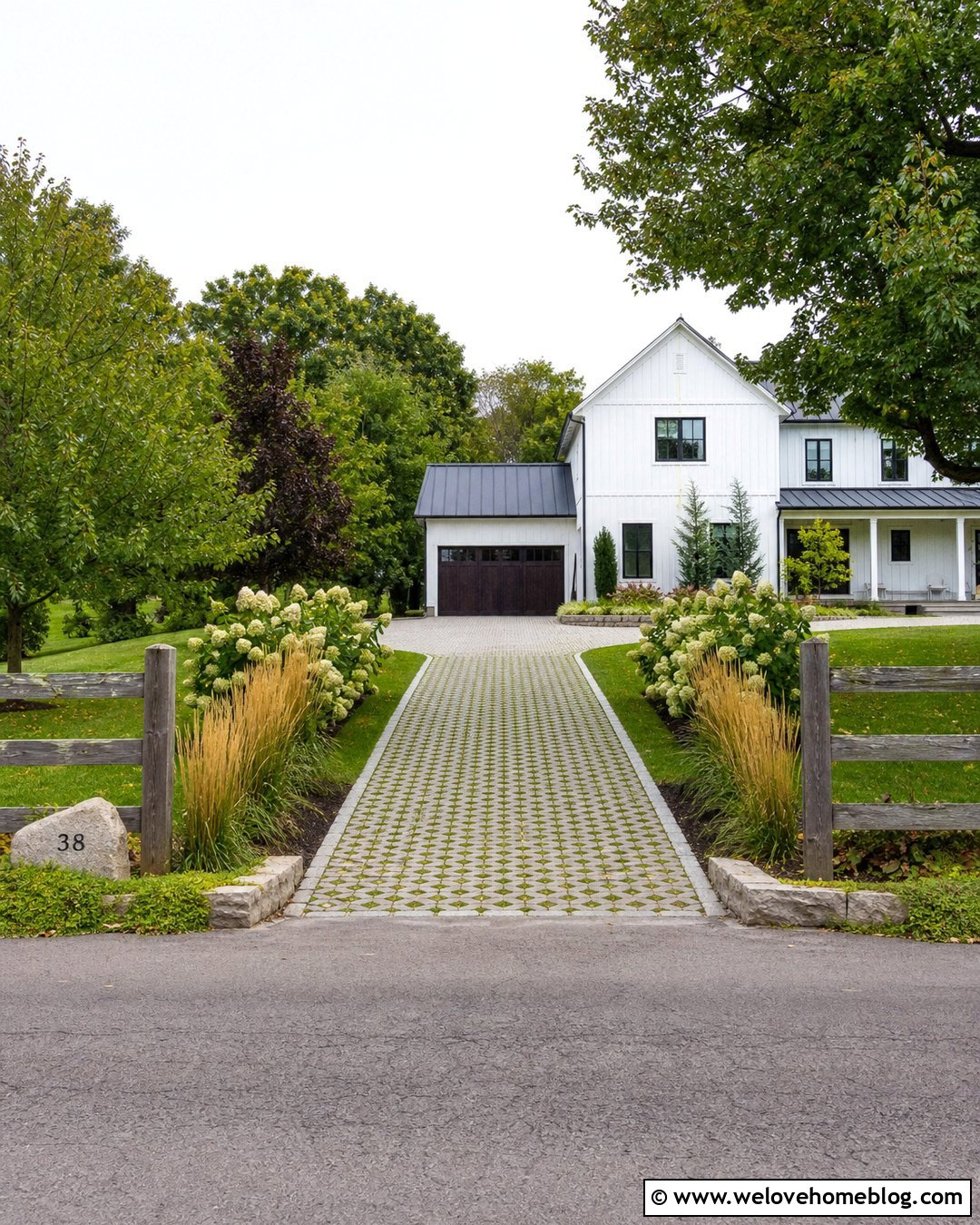
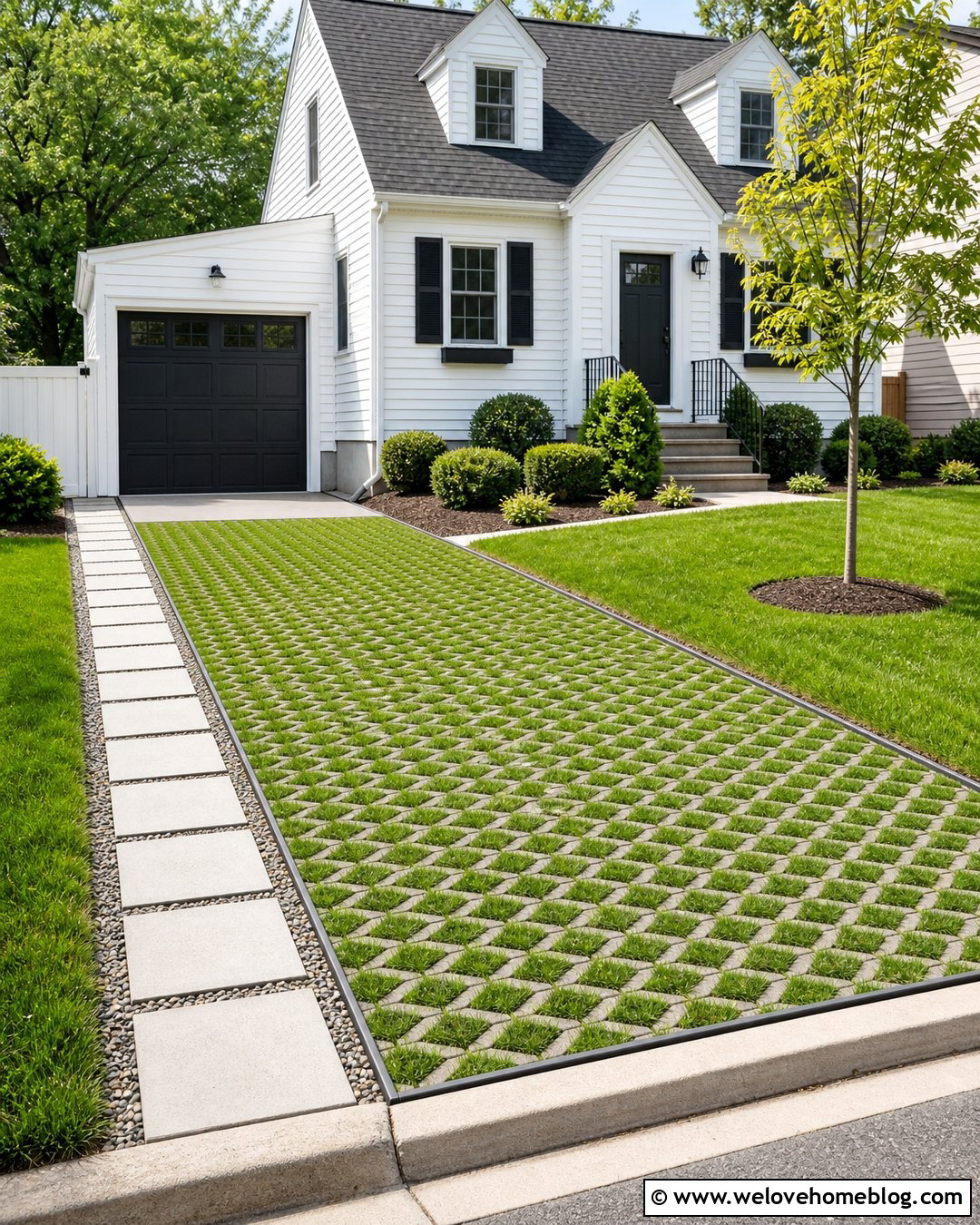
Imagine two neat driving lanes surrounded by healthy green growth instead of a wide expanse of conventional paving. Concrete grass pavers can form reinforced wheel tracks, while the center strip and outer edges remain planted. This layout works especially well for a straight driveway leading to a cottage, Cape Cod, or modest farmhouse. Select turf or a traffic-tolerant ground cover appropriate for the site’s sun exposure, rainfall, and maintenance level. A brick apron at the street provides a crisp transition and helps define the entrance. Keep the planted cells slightly below the top of the pavers so tires travel primarily over the structural surface. Grass paving can support infiltration, but shaded parking areas may require more care because prolonged vehicle coverage can weaken turf growth. ()
3. Reclaimed Brick Driveway Pavers In A Herringbone Pattern
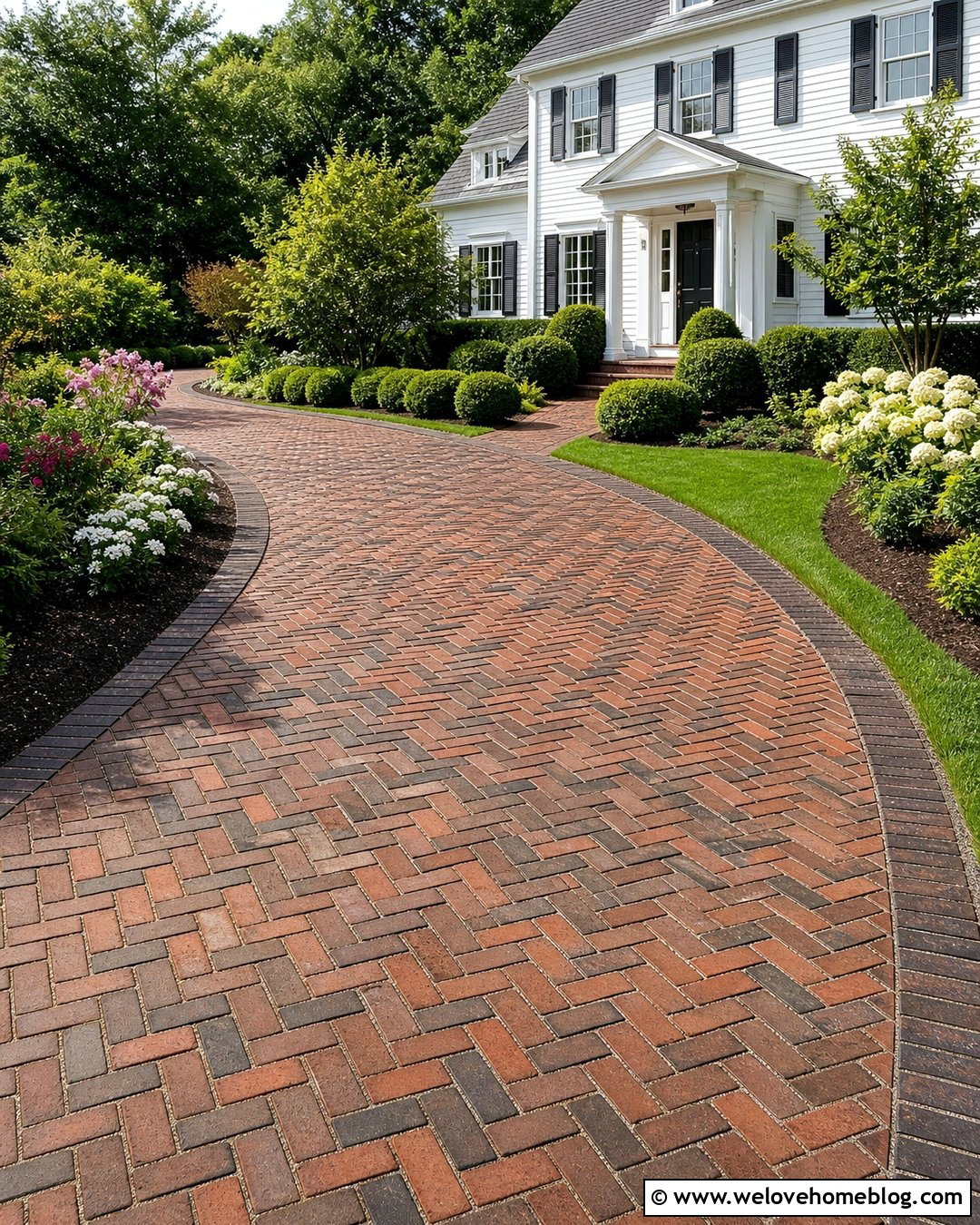
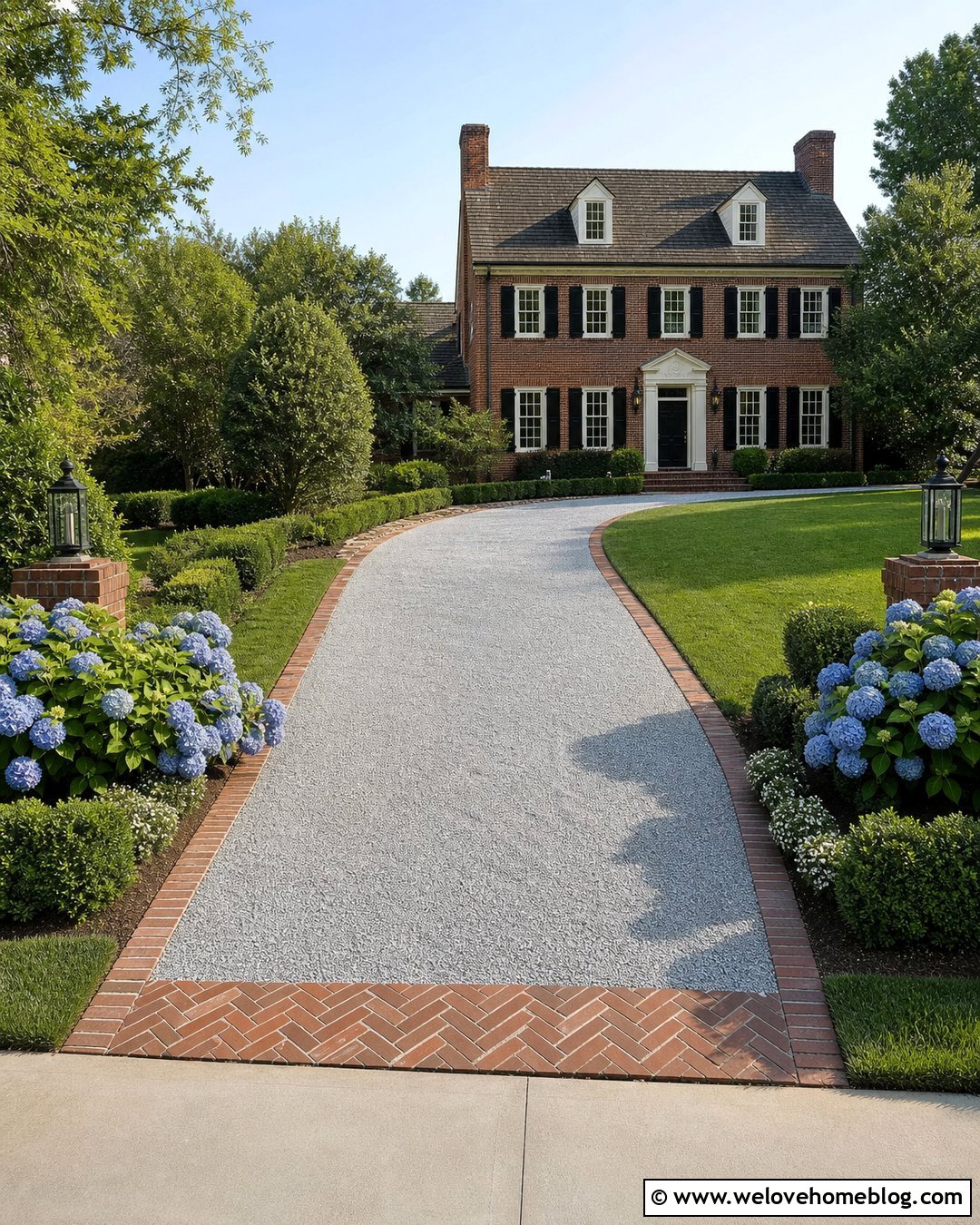
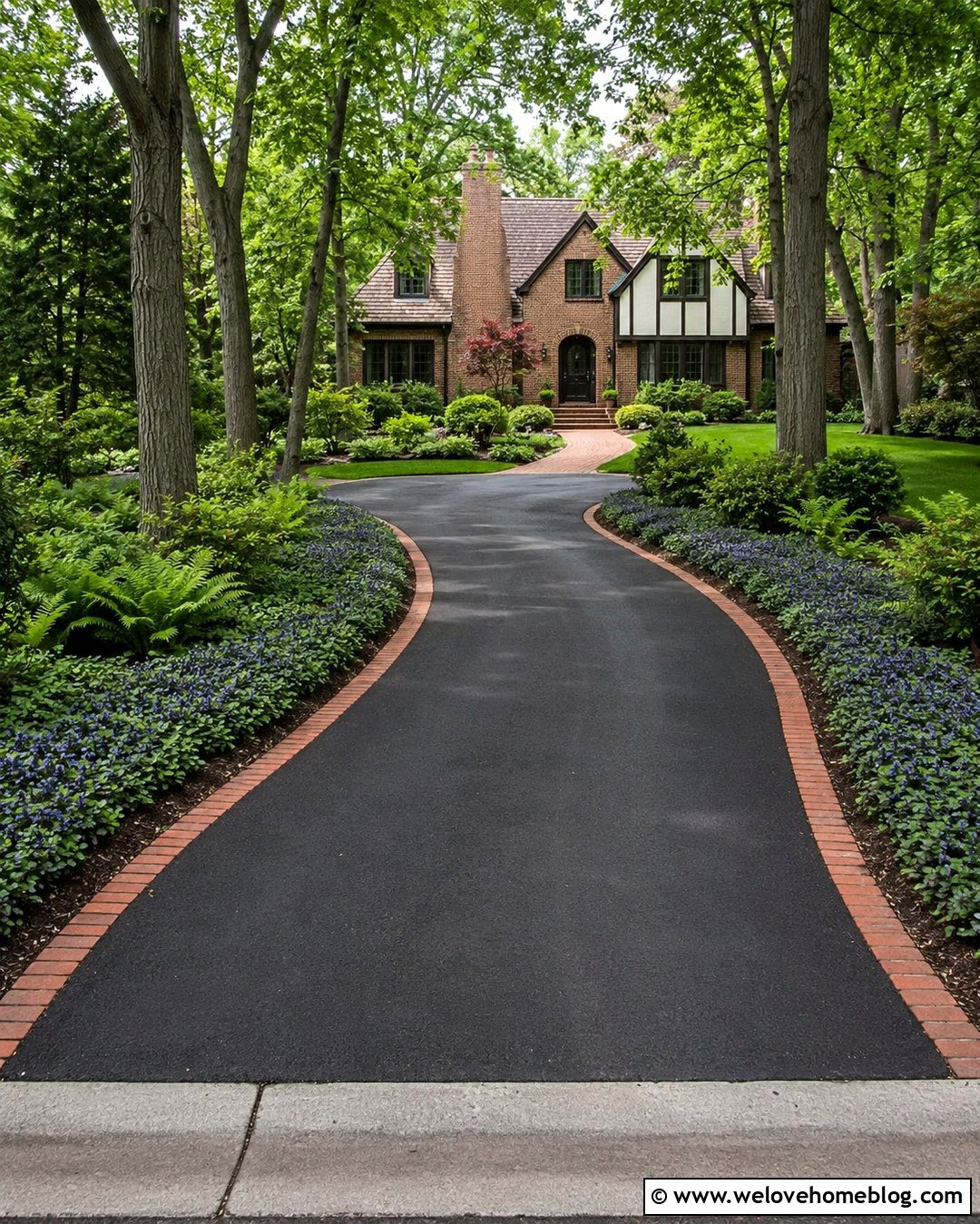
Reclaimed clay brick brings warmth and history to an eco-conscious driveway, especially when the material is carefully salvaged and suitable for vehicle use. Lay the bricks in a herringbone pattern to create a visually strong surface for a curved driveway approaching a traditional colonial home. A contrasting soldier-course border can hold the pattern together and make the curves appear intentional. Surround the drive with clipped evergreen shrubs, native flowering plants, and a narrow lawn strip. Reuse matching bricks for the front walkway to connect the parking area with the entrance. Before purchasing salvaged material, check its condition, dimensions, and frost resistance. Properly prepared aggregate beneath the bricks matters just as much as their appearance. Permeable joints should use compatible clean aggregate rather than ordinary joint sand if infiltration is part of the plan.
4. Recycled Plastic Gravel Driveway Pavers With Stone Edging
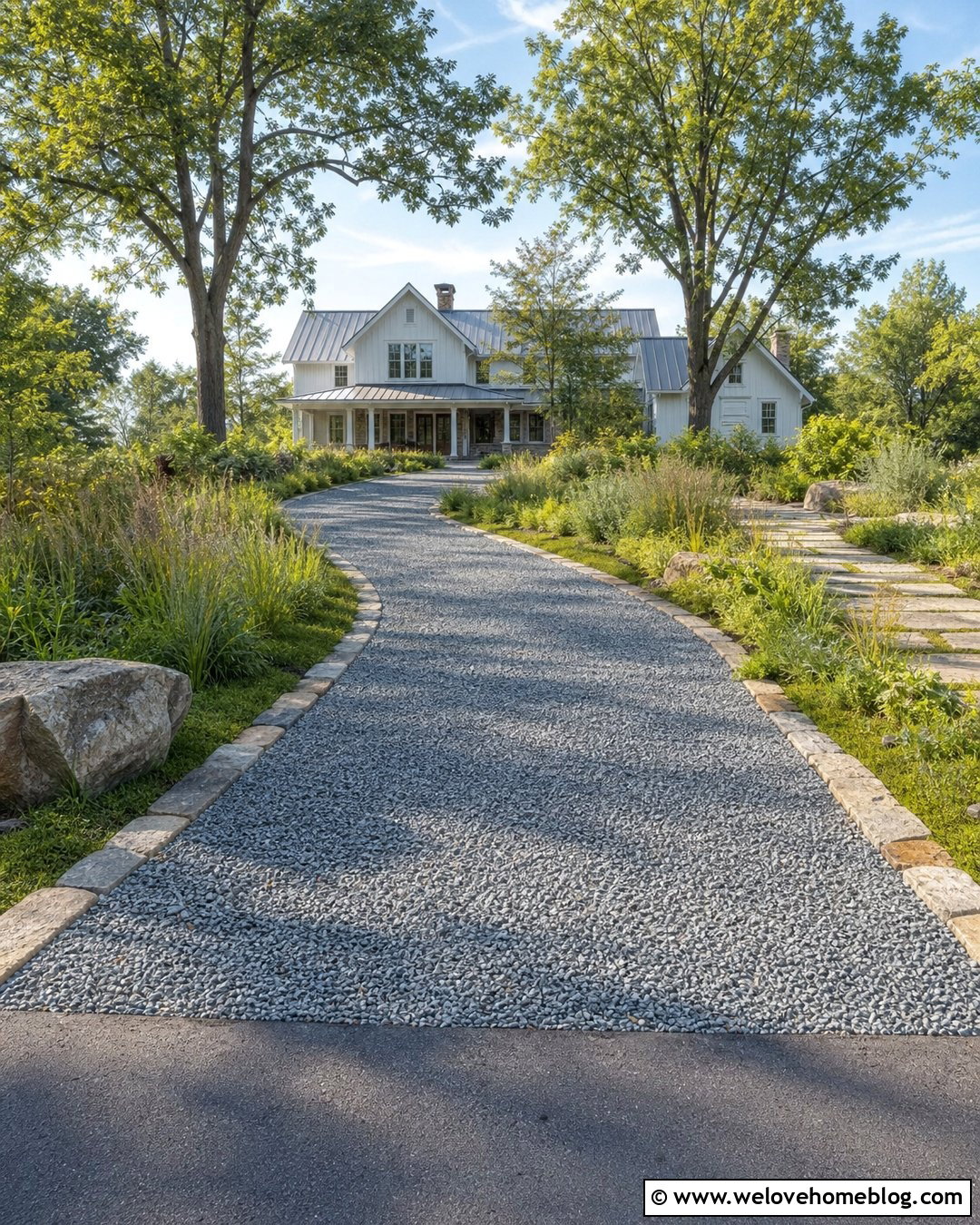
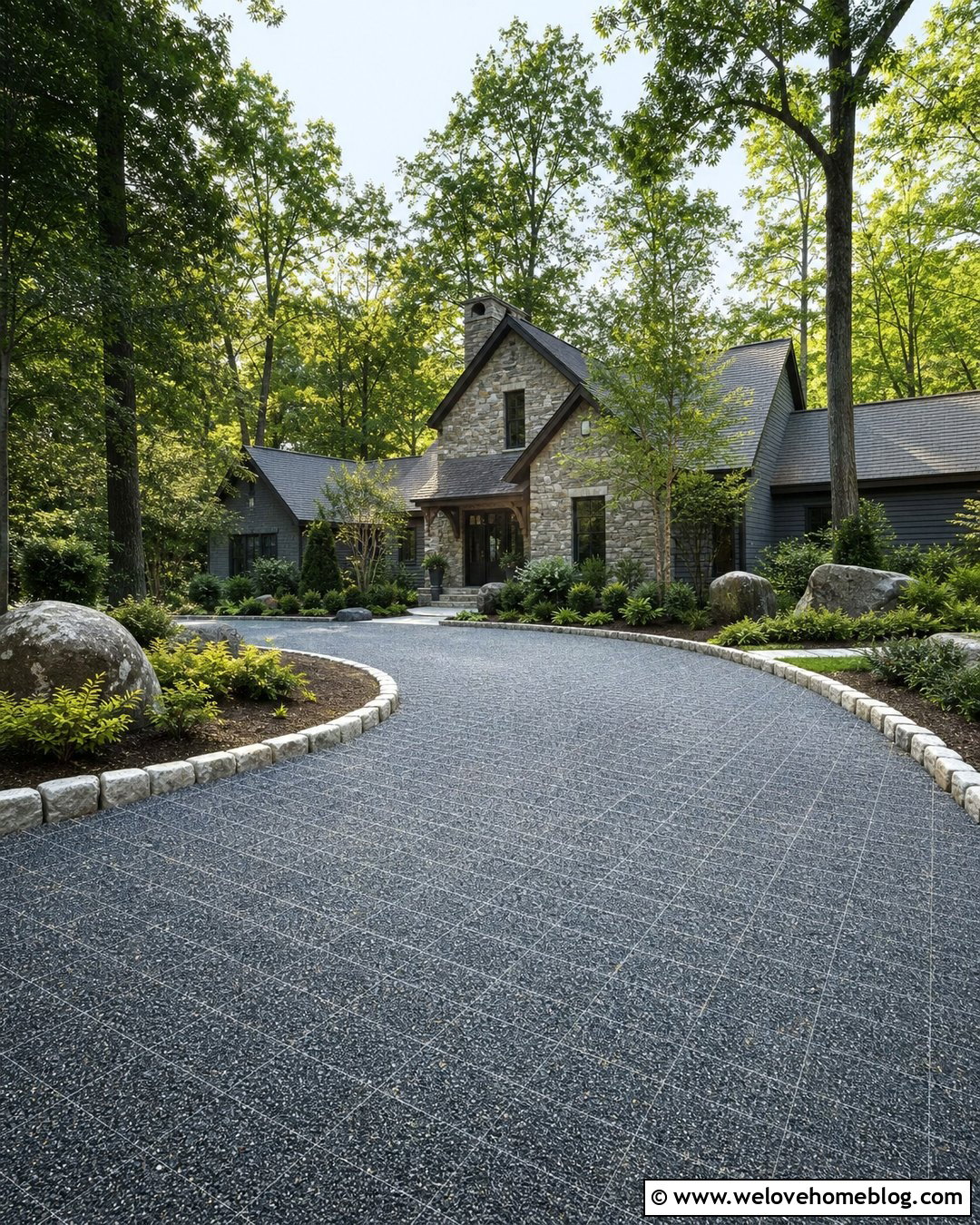
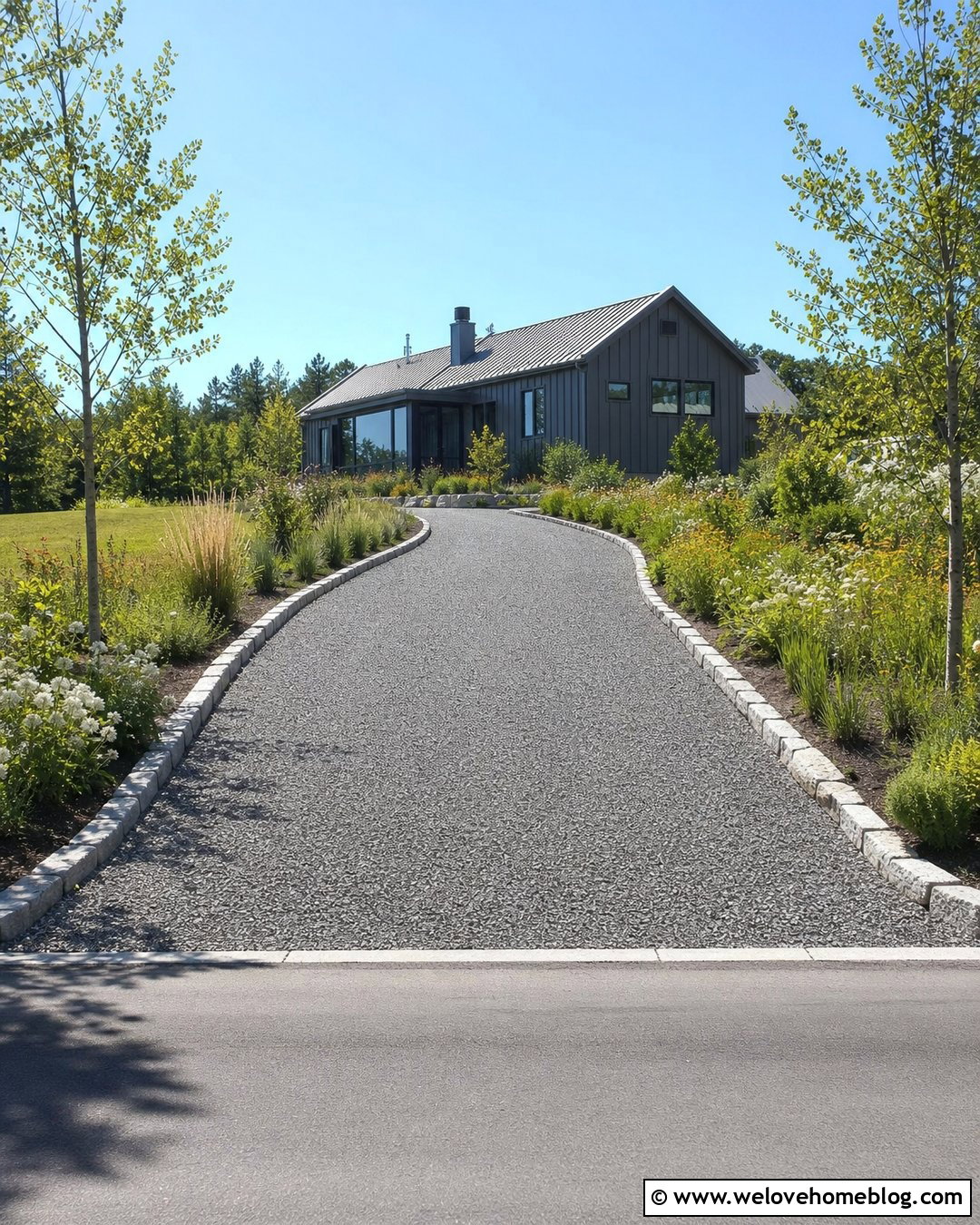
Recycled-plastic grid pavers filled with decorative gravel offer the relaxed appearance of loose stone with better surface organization. For a long country driveway, use gray or tan angular gravel that settles securely inside the grid cells. Edge the route with locally sourced fieldstone to keep the transition between gravel and planting beds tidy. A gentle curve can preserve mature trees and make the approach feel more natural. Add meadow grasses, low native shrubs, and occasional shade trees instead of maintaining a continuous strip of thirsty lawn. The grid remains mostly hidden after installation, leaving the driveway looking like a refined gravel lane. Some permeable grid products are manufactured from recycled plastic and can be filled with gravel or vegetation, but the environmental value and load capacity vary by product. ()
5. Permeable Driveway Pavers With A Rain Garden
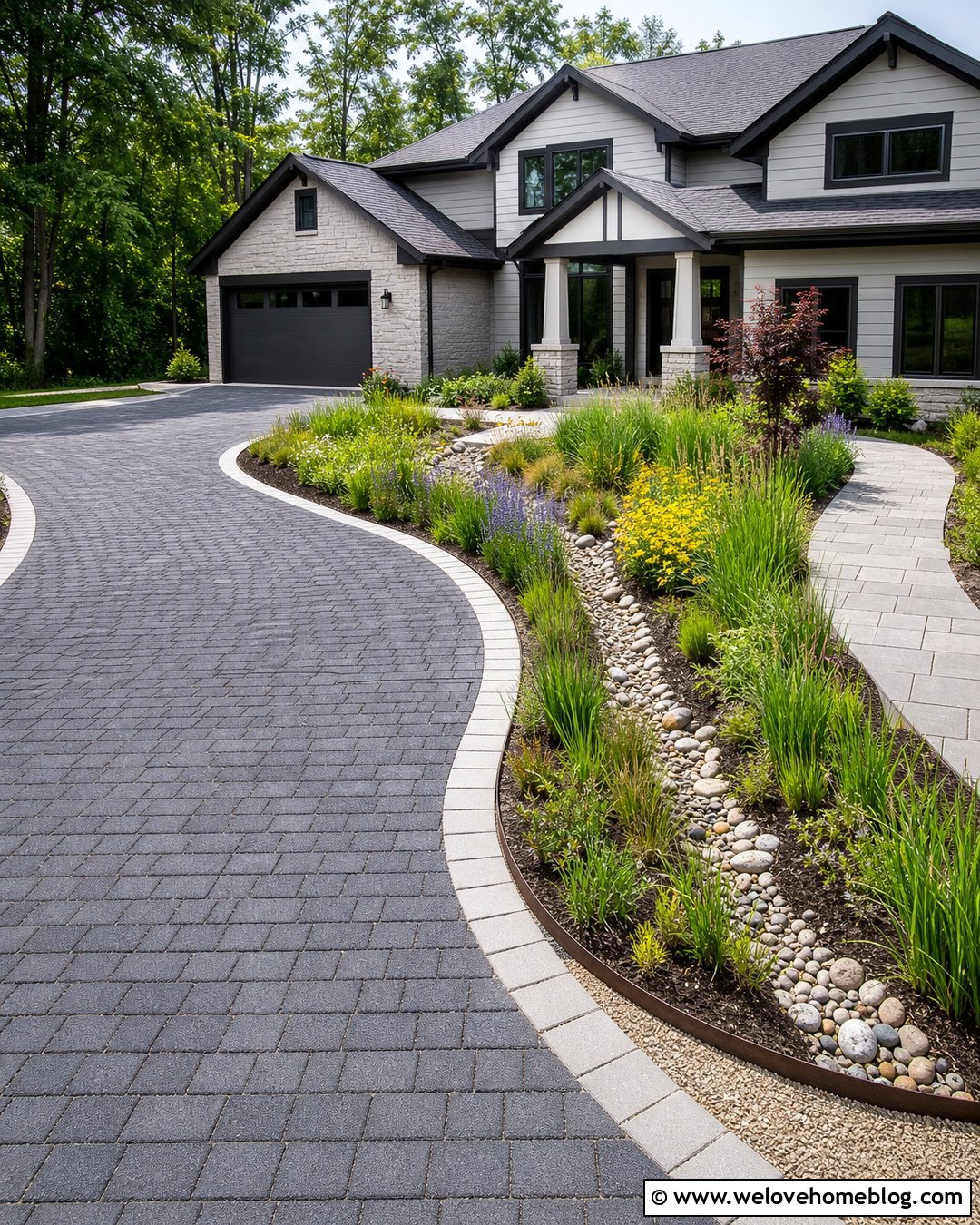
Where should driveway runoff go during a heavy storm? A permeable paver driveway can be paired with a shallow rain garden positioned beside the lower edge of the site. Use charcoal concrete pavers with light aggregate joints for a contemporary look, then direct excess water toward the planted depression through a subtle stone channel. Moisture-tolerant native grasses, sedges, and flowering perennials can make the drainage feature look like intentional landscaping. A curved layout works well because the rain garden can nest inside the bend without reducing parking space. Add a raised curb only where water should be contained, leaving a planned opening near the garden. The finished design should be based on soil infiltration, slope, and overflow conditions so stormwater does not collect near the house foundation.
6. Reclaimed Cobblestone Driveway Pavers With Gravel Joints
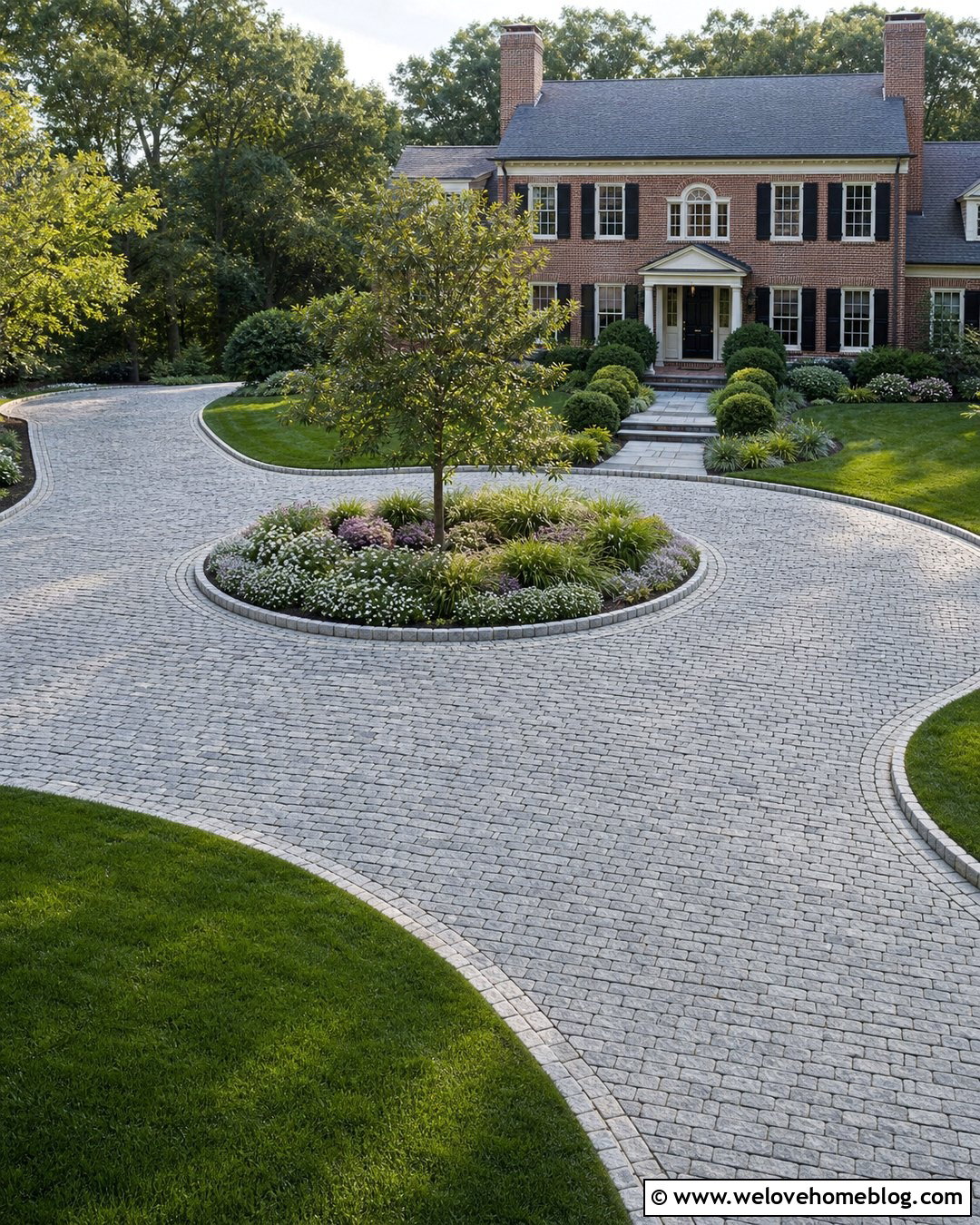
Uneven color and softened edges give reclaimed cobblestones a character that newly manufactured surfaces rarely duplicate. Use salvaged granite cobblestone pavers across a short circular driveway leading to a brick or stone colonial house. Clean gravel joints can visually lighten the surface and encourage infiltration when combined with a correctly engineered permeable base. Define the central island with matching cobbles laid as a raised border. Inside it, plant a small native tree, low shrubs, and drought-tolerant ground cover that will not obstruct visibility. Keep the entrance wider and simpler than the inner curve so vehicles can maneuver comfortably. Reclaimed cobbles can be irregular, so professional grading and installation are valuable. The complete look feels established and elegant while giving durable materials from an earlier project another useful life.
7. Grass Grid Driveway Pavers With A Modern House
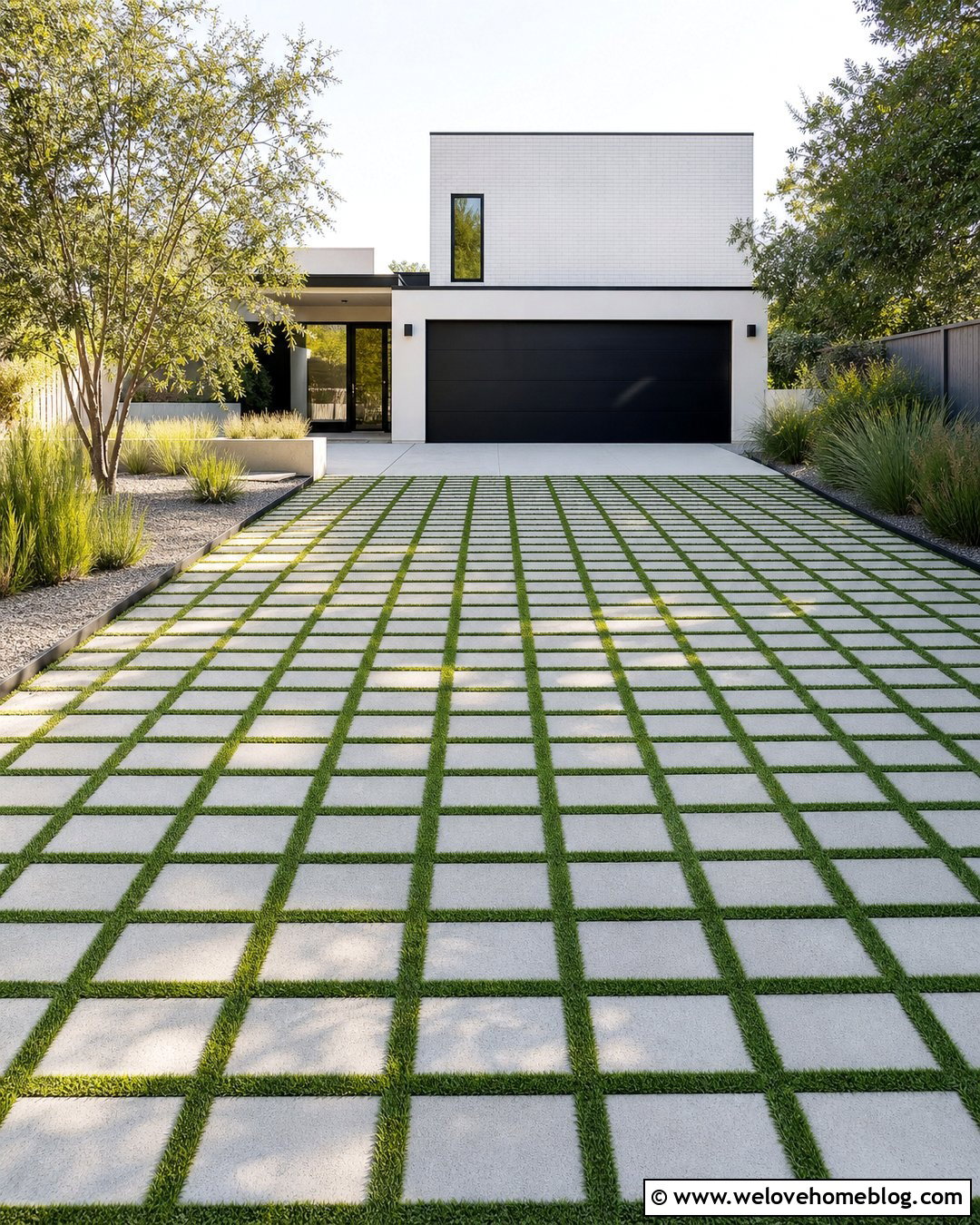
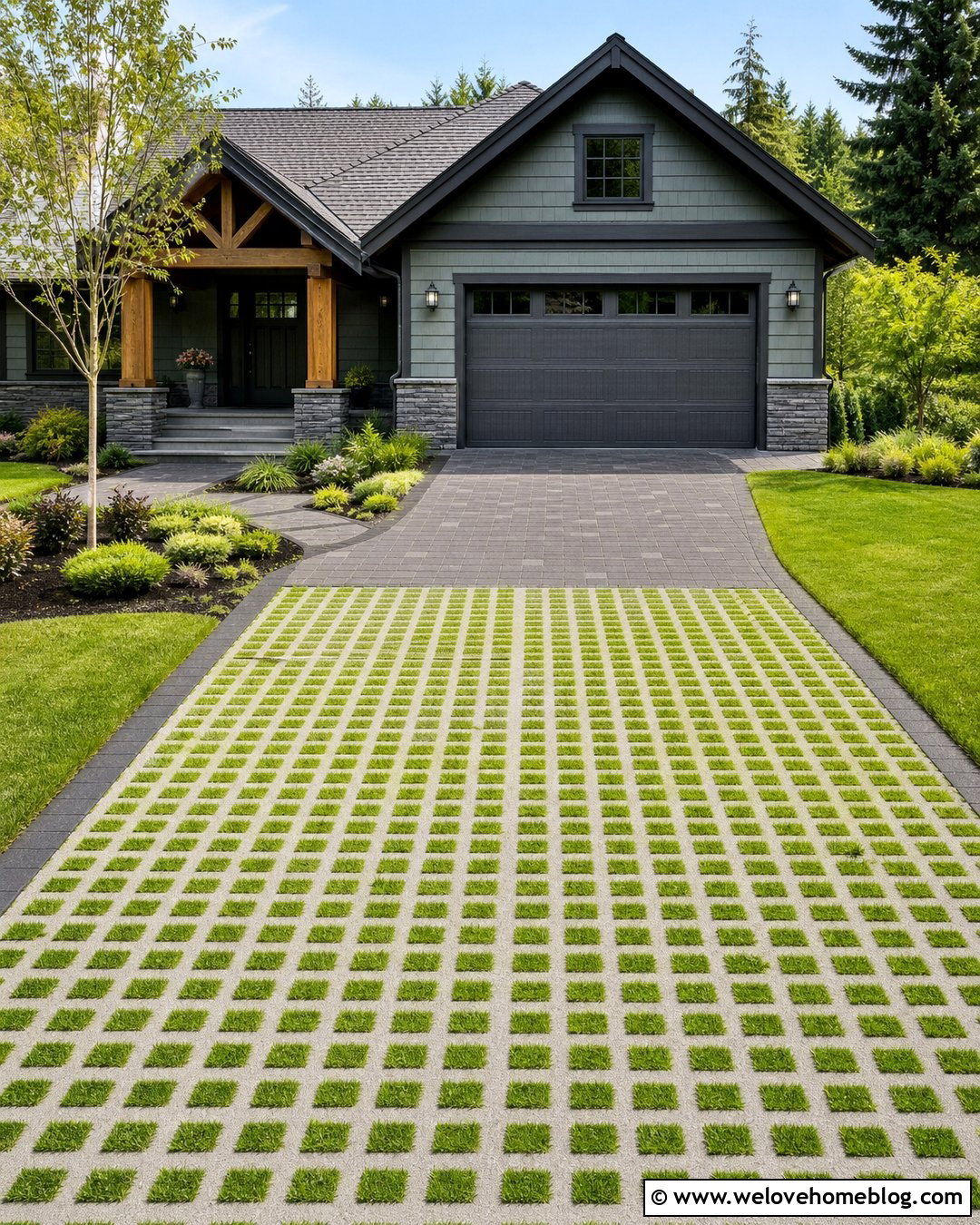
A geometric grass grid creates a striking transition between architecture and landscape. Choose square concrete grid pavers filled with closely cut turf for a broad, straight driveway leading to a modern home. Use solid permeable pavers near the garage and front walkway, where frequent foot traffic calls for a smoother surface. Black steel edging can define the driveway without competing with the graphic grid. Repeat ornamental grasses, compact evergreen shrubs, and one sculptural tree along the facade. The green cells help the driveway blend into the lawn, while the exposed concrete forms a deliberate pattern. Irrigation and mowing access should be planned before installation. In dry climates, locally adapted ground cover or pale gravel may be more practical than turf, creating a similar grid effect with lower routine water demand.
8. Permeable Clay Driveway Pavers With Cottage Landscaping
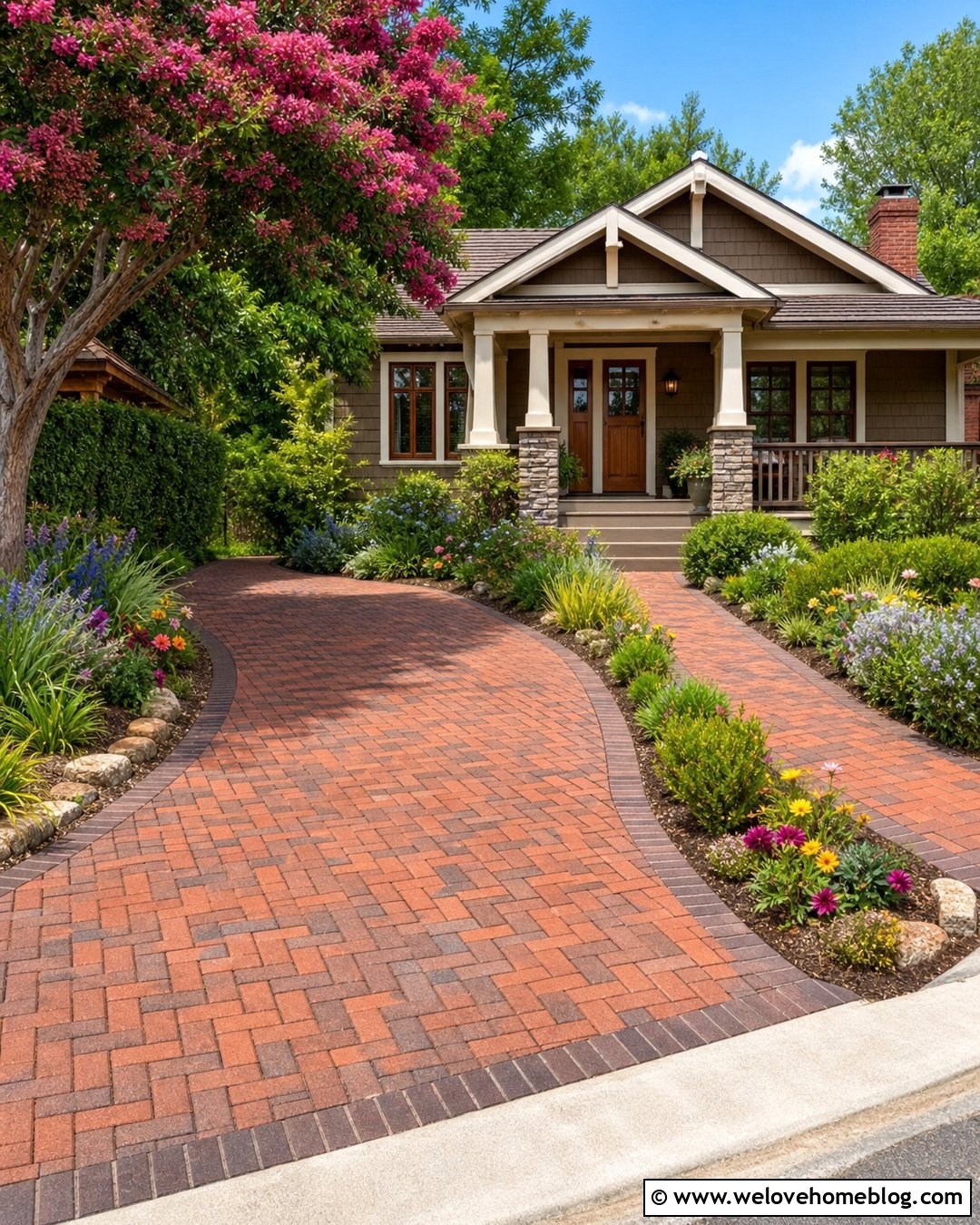
Warm red and brown clay pavers look especially inviting beside a cottage garden. Arrange permeable clay driveway pavers in a basketweave pattern along a gently curved approach to a craftsman bungalow or cottage-style home. Fill the enlarged joints with a compatible fine aggregate, and use a darker brick ribbon to define both edges. Layer the surrounding beds with native flowers, compact shrubs, ornamental grasses, and a small flowering tree. Avoid letting mulch spill onto the pavers, since loose organic material can collect in the joints. A matching path can branch toward the porch through the planting beds. The rich paving colors conceal everyday dust better than very pale materials, while the varied garden creates a soft frame. Confirm that the selected clay units are rated for driveways and local freeze-thaw conditions.
9. Recycled Concrete Driveway Pavers With Gravel Strips
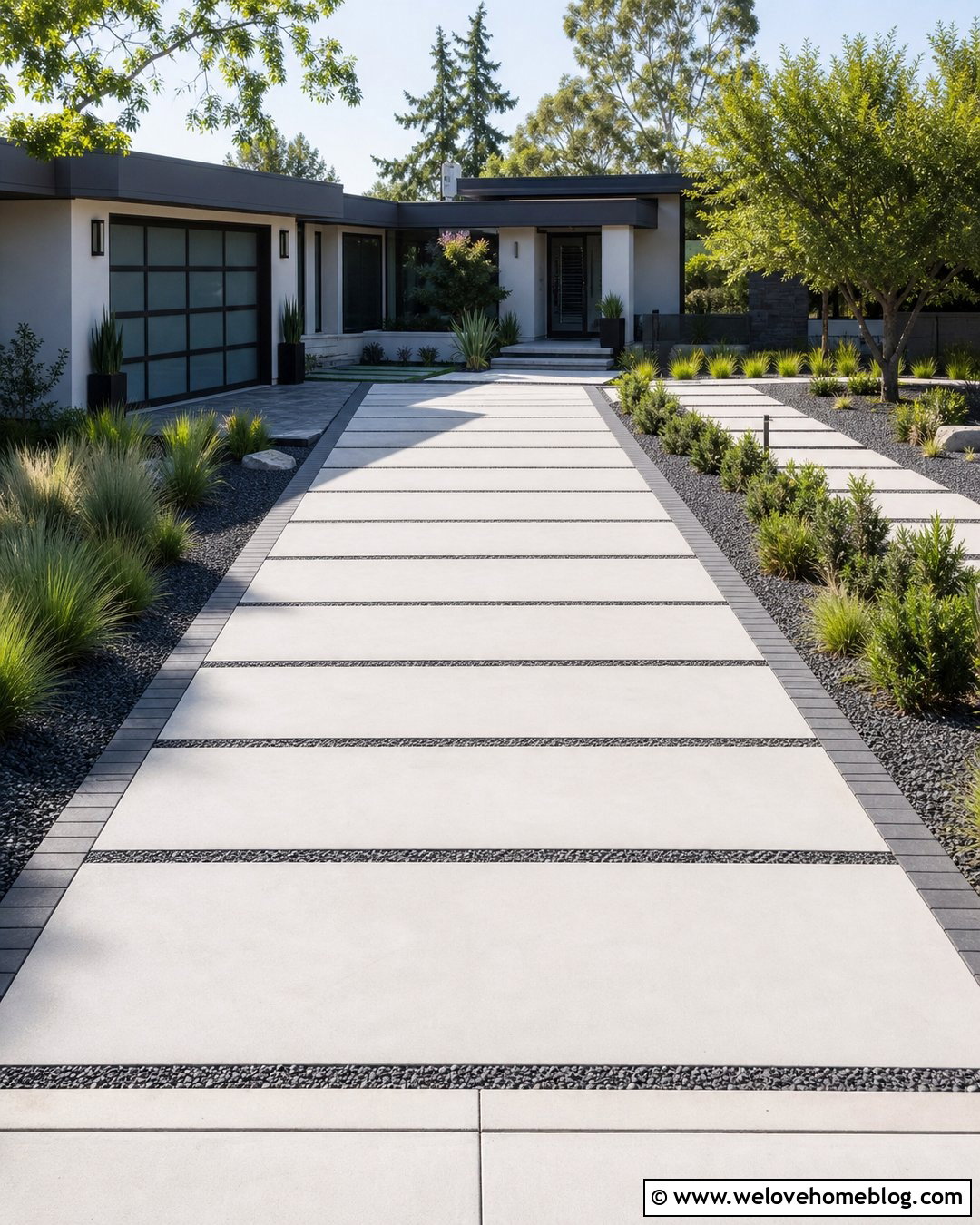
Large recycled-content concrete pavers can make a small front yard appear wider and less cluttered. Place rectangular pavers in parallel bands, separated by narrow strips of washed gravel that visually extend from the curb to the garage. The resulting straight layout complements a midcentury modern or minimalist house. Use low-water shrubs and architectural grasses along one side, leaving the other side open for a smooth pedestrian path. A charcoal paver border can frame the lighter center and prevent the pattern from looking unfinished. Ask manufacturers for clear information about recycled content, local production, durability, and product lifespan rather than relying only on broad environmental labels. A long-lasting paving system that can be repaired one unit at a time may reduce the need for complete surface replacement after localized damage.
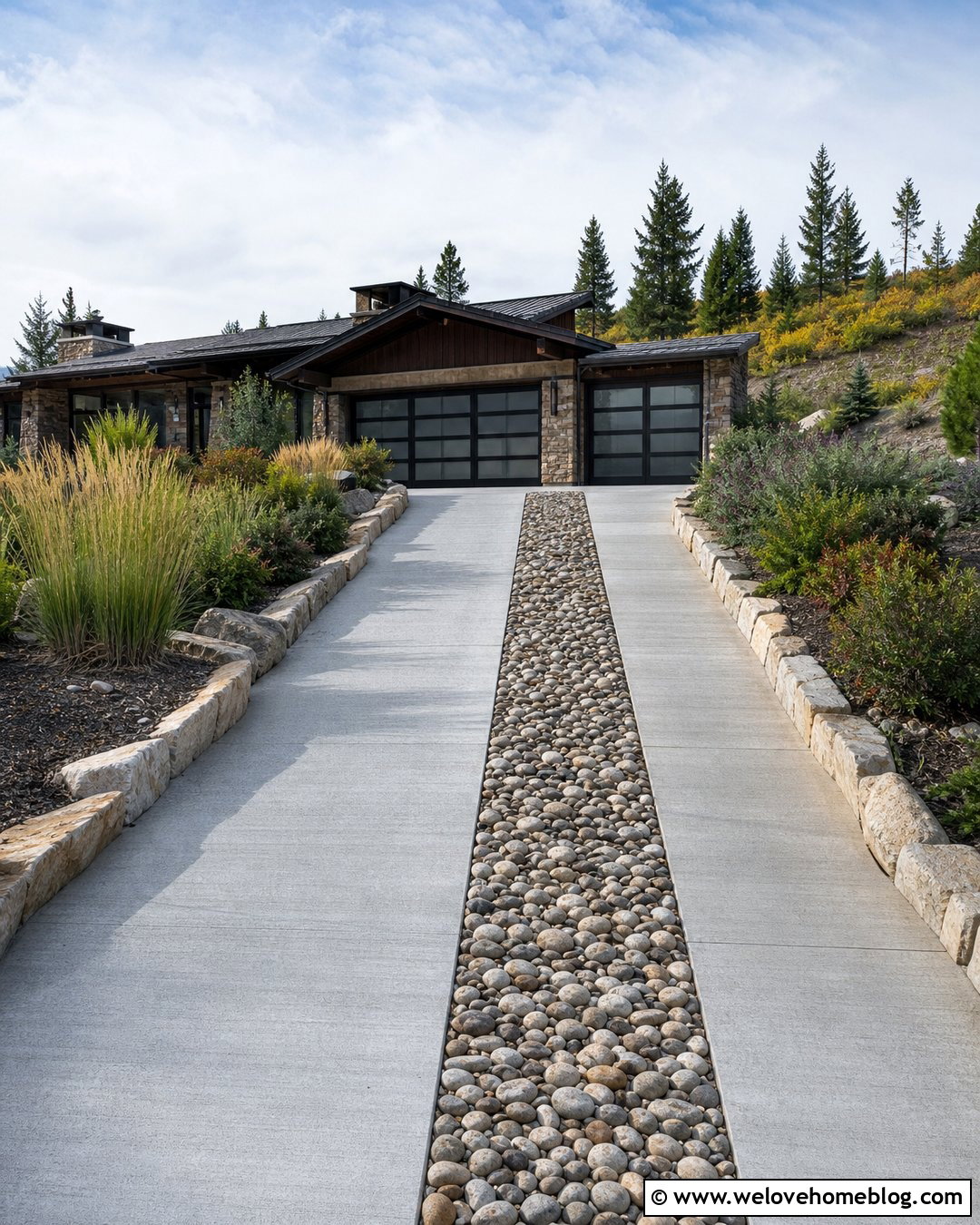
10. Permeable Driveway Pavers With A Dry Creek Border
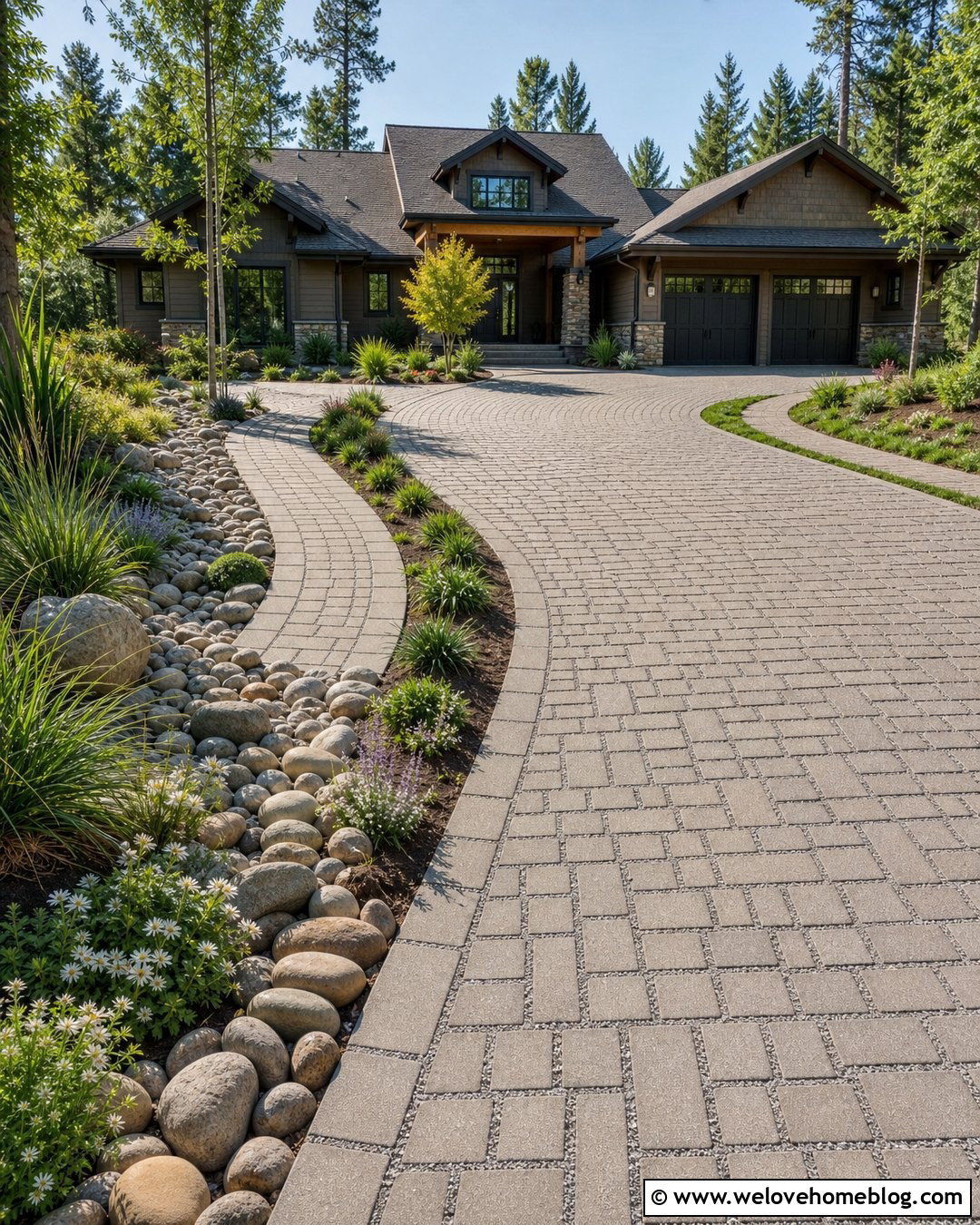
A dry creek border can turn necessary drainage into one of the driveway’s best landscape features. Install permeable interlocking concrete pavers in a warm greige color along a curved driveway, then place a shallow channel of rounded river rock on the downhill side. Use larger stones at bends and smaller gravel between them for a natural transition. Native sedges, rushes, flowering perennials, and low shrubs can frame the channel without hiding it. On the opposite side, add a narrow paver walkway separated from the driveway by a planted strip. The dry creek should have a defined outlet and must not direct water toward neighboring property or the foundation. When its elevations are professionally planned, the permeable surface, stone channel, and planting beds can operate as one cohesive stormwater-conscious landscape.
11. Locally Sourced Stone Driveway Pavers With Ground Cover Joints
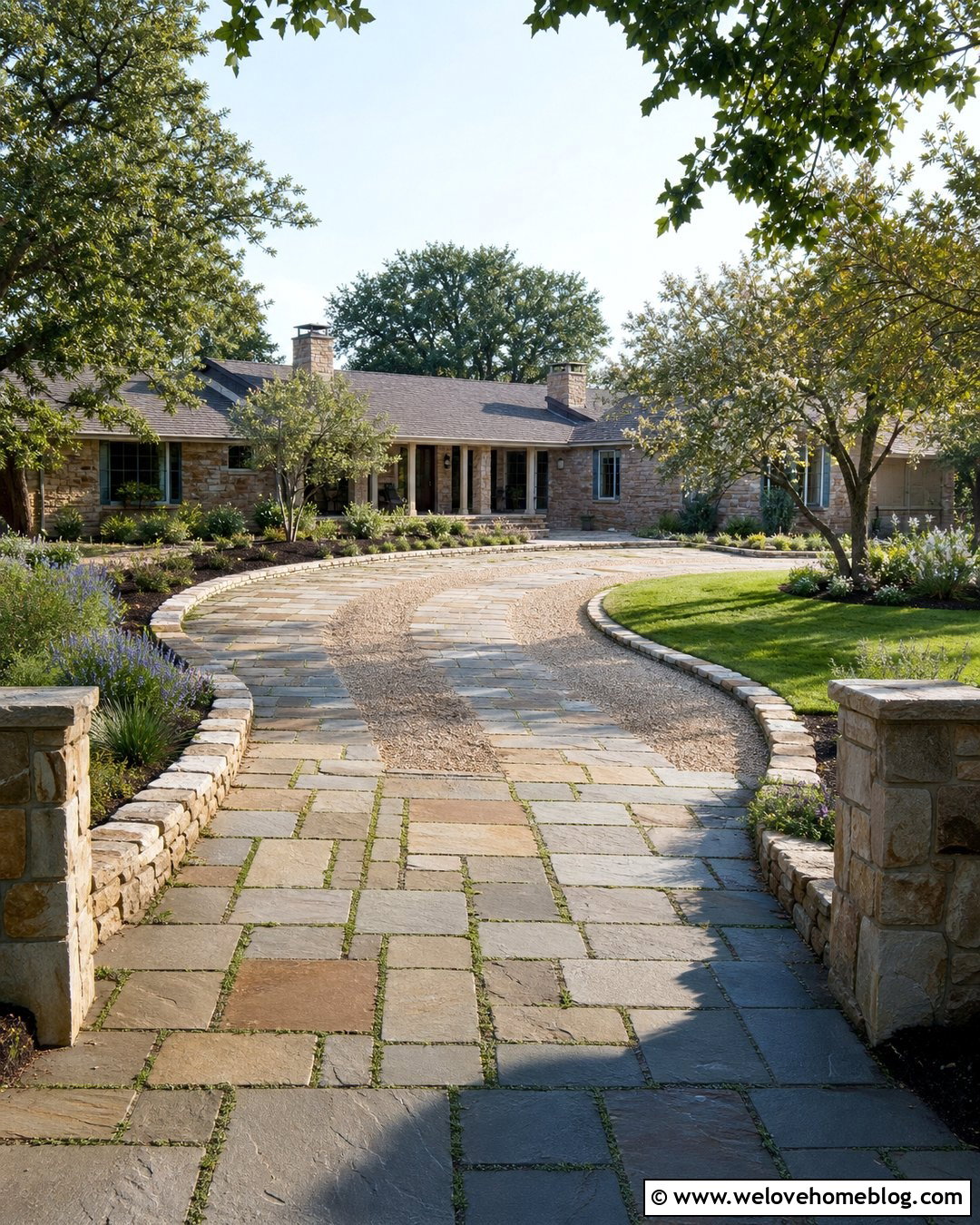
Locally sourced stone pavers can connect a driveway to the surrounding regional landscape. Choose flat, vehicle-rated stone setts in muted gray, buff, or brown tones and arrange them in irregular rows across a short horseshoe driveway. Plant low, traffic-tolerant ground cover in selected wider joints outside the primary tire paths. Use aggregate-filled joints where wheels turn or vehicles park regularly. A simple stone border will stabilize the edges and echo the home’s foundation or garden walls. Frame the entrance with native shrubs and two appropriately sized ornamental trees rather than oversized formal pillars. Local sourcing may reduce transportation distance, but performance still matters. Select dense, durable stone suited to the climate, and avoid thin garden flagstones that could crack under vehicle loads or during seasonal ground movement.
12. Permeable Driveway Pavers With Solar Lighting
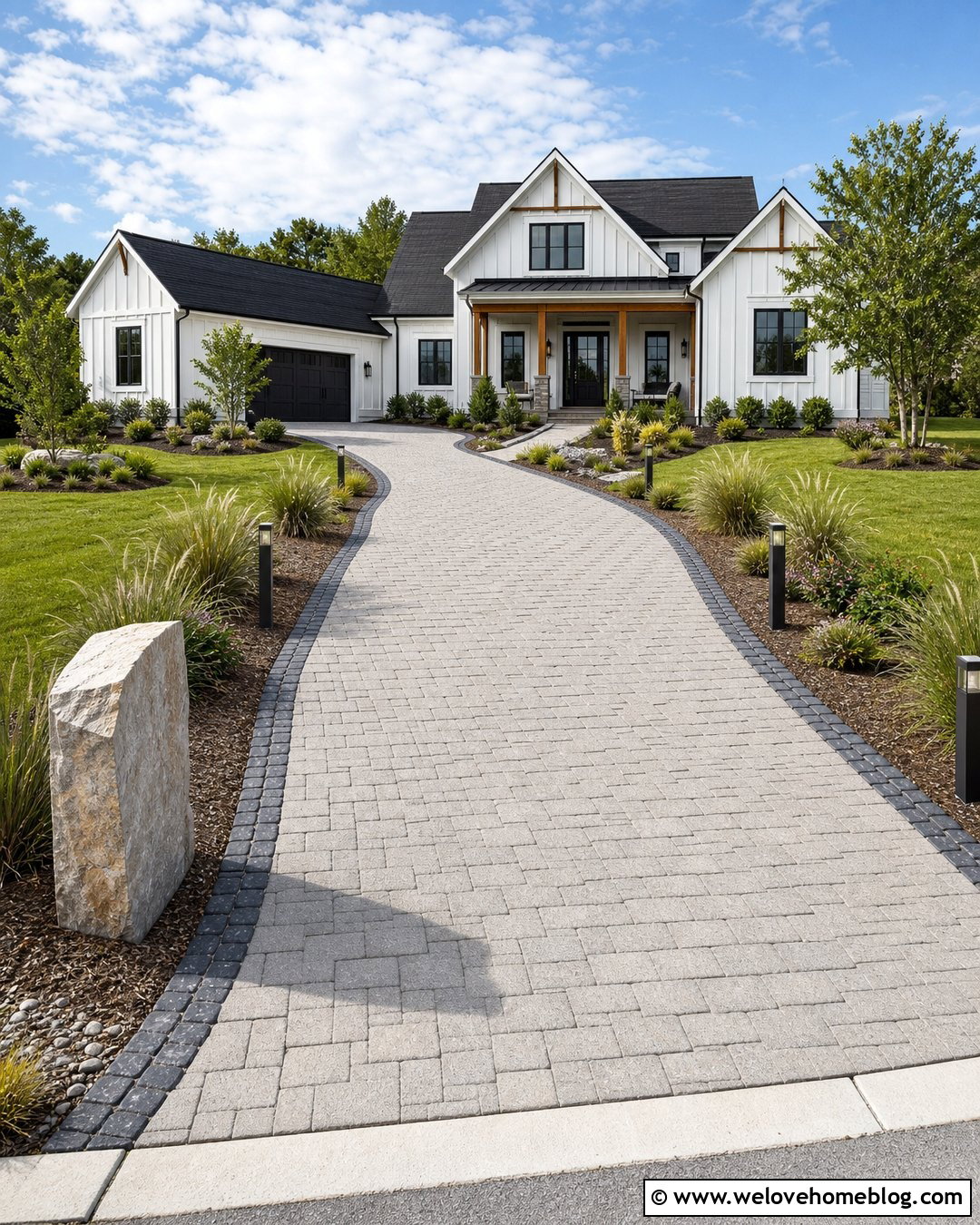
Good driveway lighting does not need to overpower the house or surrounding landscape. Begin with light gray permeable concrete pavers laid in a running-bond pattern across a gently curving driveway. Add low-profile solar bollards along the outer border, spaced evenly enough to mark the route without creating visual clutter. A dark cobblestone ribbon can reinforce the edge and contrast with the pale paving. Plant native ornamental grasses behind the lights so their foliage catches the illumination while remaining clear of the driving area. Near the entrance, include reflective address numbers on a simple stone marker for easier identification. Solar fixtures vary greatly in brightness, battery life, and winter performance, so choose replaceable components when possible. The complete design should remain attractive in daylight, when the paving, border, and planting are most visible.
13. Open Joint Driveway Pavers With Gravel Landscaping
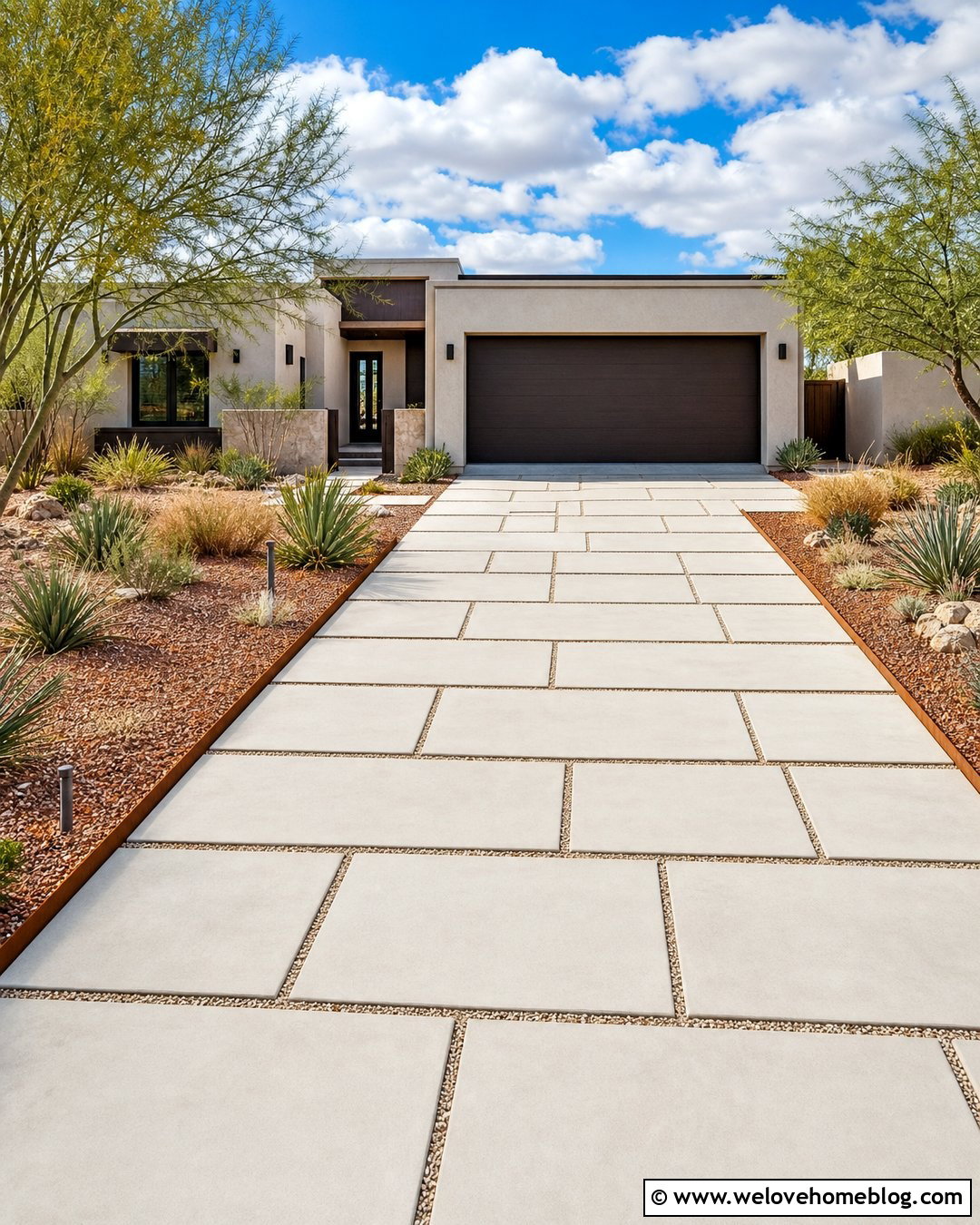
For homeowners who prefer a low-maintenance front yard, open-joint pavers and gravel landscaping create a practical combination. Use large-format concrete driveway pavers in a staggered pattern with narrow, stone-filled openings between each unit. Continue the same clean gravel into adjacent planting beds, but change the stone size or color so the driveway boundary stays visible. Drought-tolerant native shrubs, yucca, ornamental grasses, and small desert trees can provide structure around a modern southwestern house. A weathered steel edge separates the permeable paver field from the planting zones. Pale paving helps keep the composition visually bright, while rust-colored gravel adds warmth. Ensure the joints, bedding layer, and base use materials specified as a complete permeable system; simply widening joints over a conventional compacted base will not provide the same drainage performance.
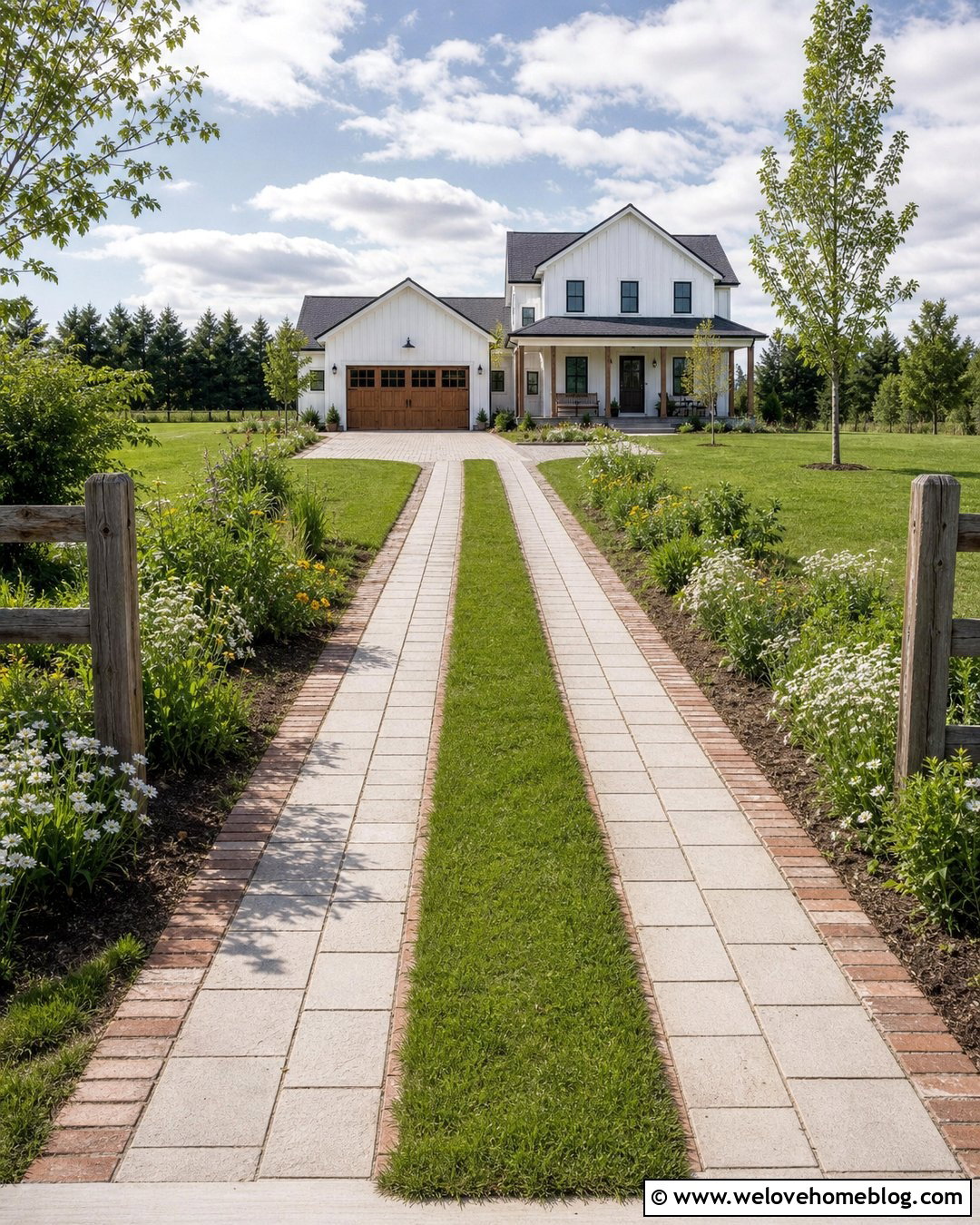
14. Permeable Paver Driveway With A Planted Center Strip
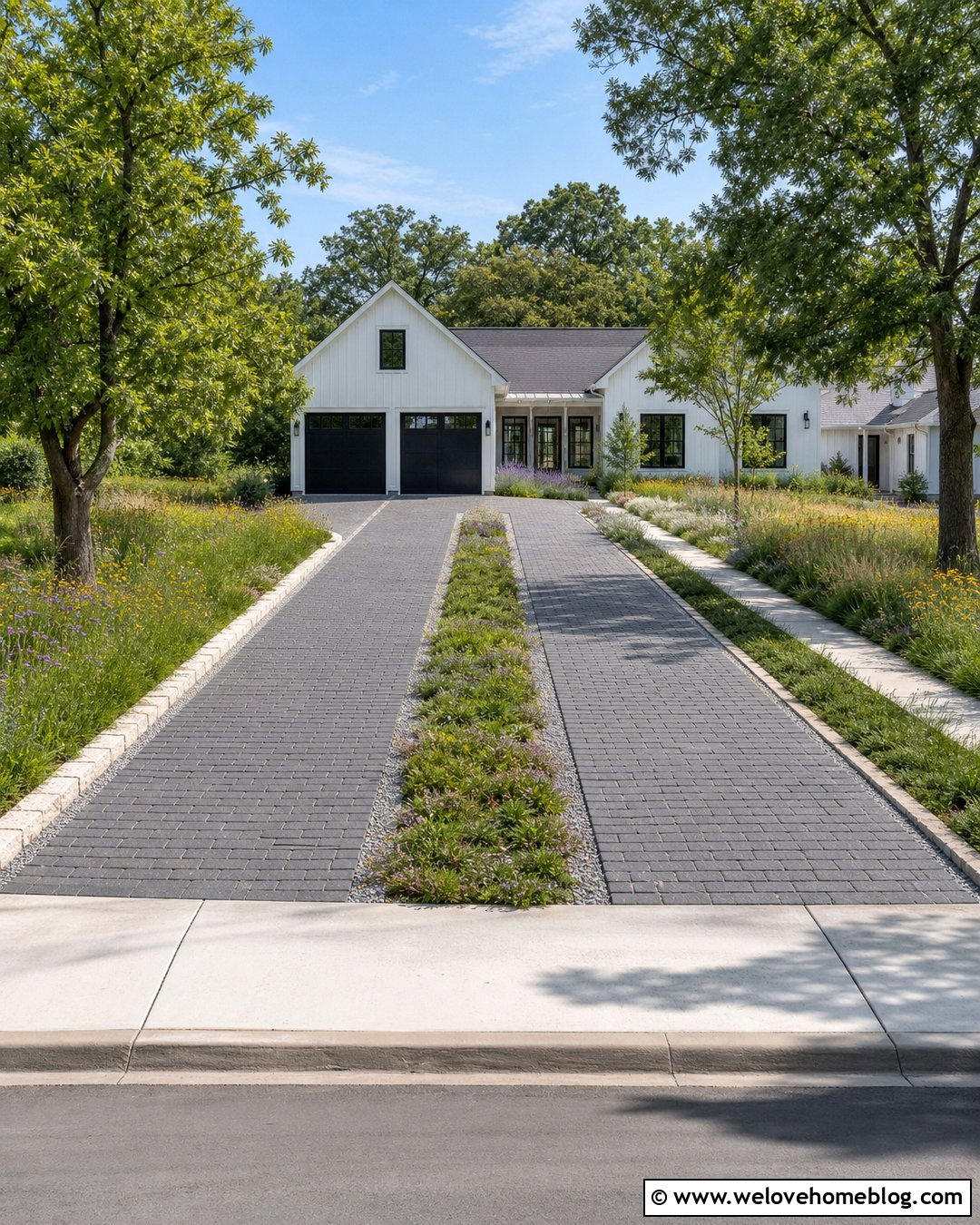
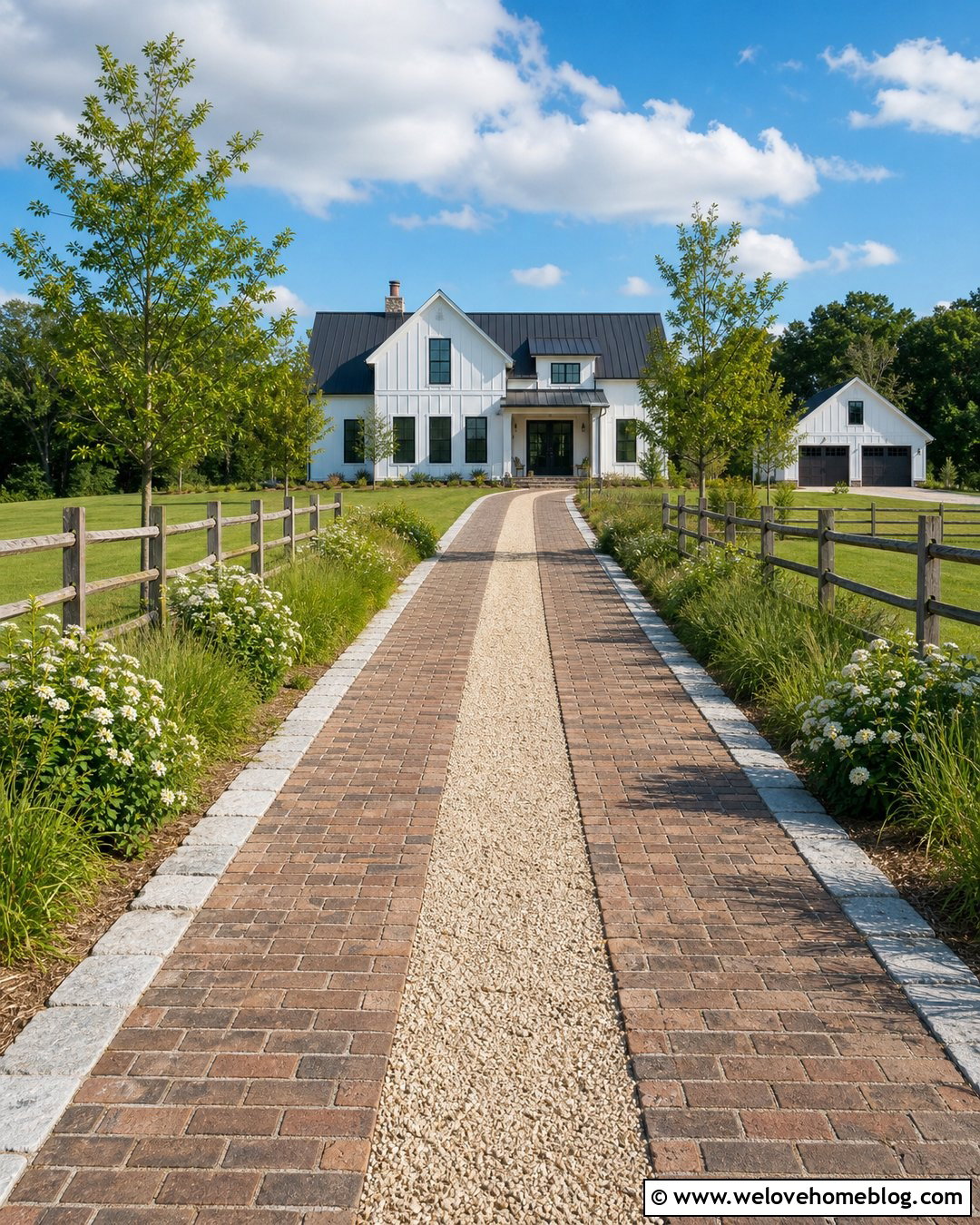
A planted center strip breaks up hardscape while preserving two reliable paths for vehicle tires. Build the driving lanes from charcoal permeable concrete pavers and fill their joints with crushed stone. Between them, establish a broad strip of low-growing native ground cover, sedges, or turf suited to the available light. This arrangement looks natural on a long driveway leading to a modern farmhouse, particularly when paired with limestone edging and informal meadow planting. Create a fully paved apron near the street and another solid turning area by the garage. These sections make steering easier and reduce damage where tires pivot. Set the central planting below the paver surface to limit contact with vehicle undercarriages. Include stepping stones if the strip must be crossed frequently when accessing parked cars or waste containers.
15. Salvaged Granite Driveway Pavers With Brick Borders
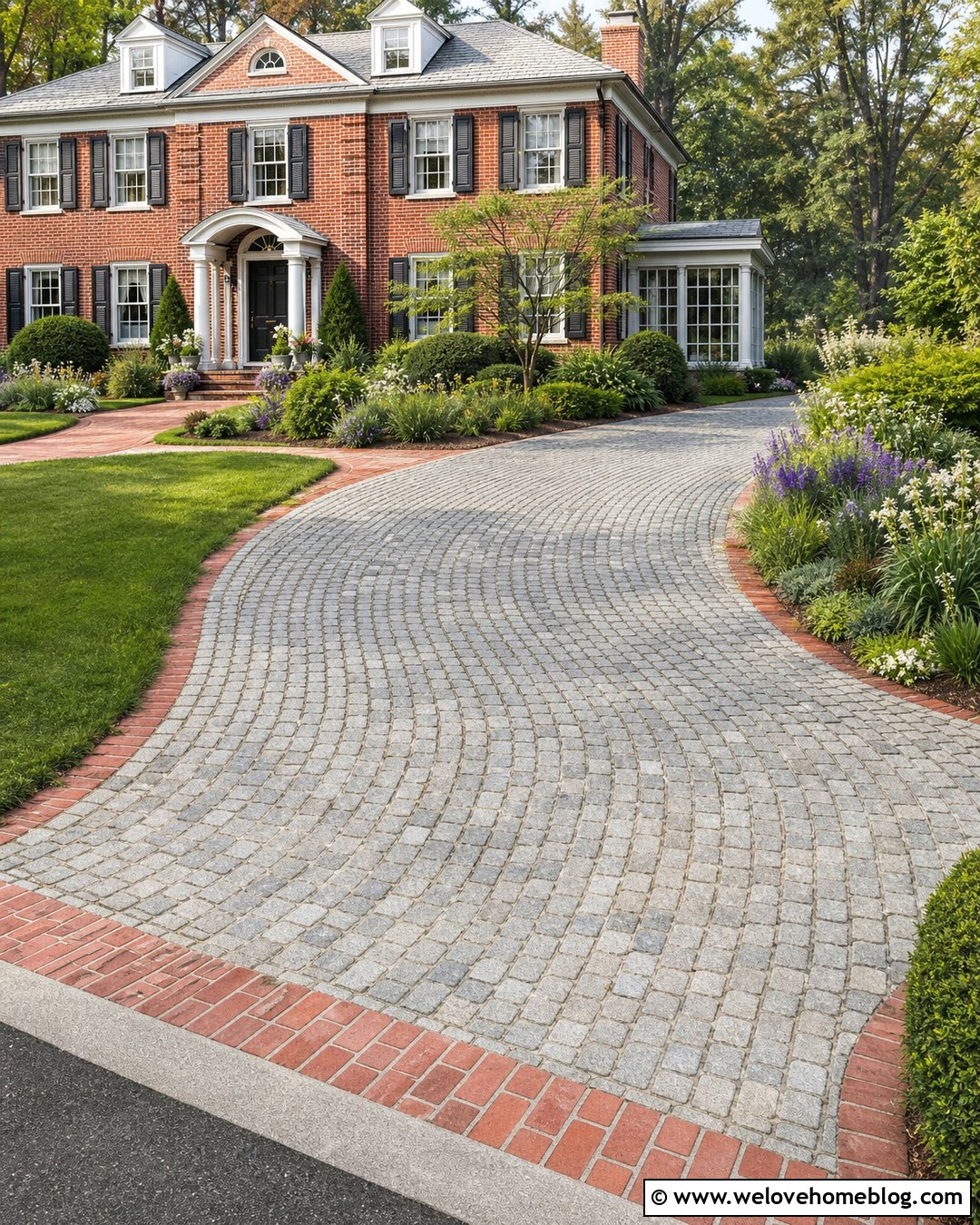
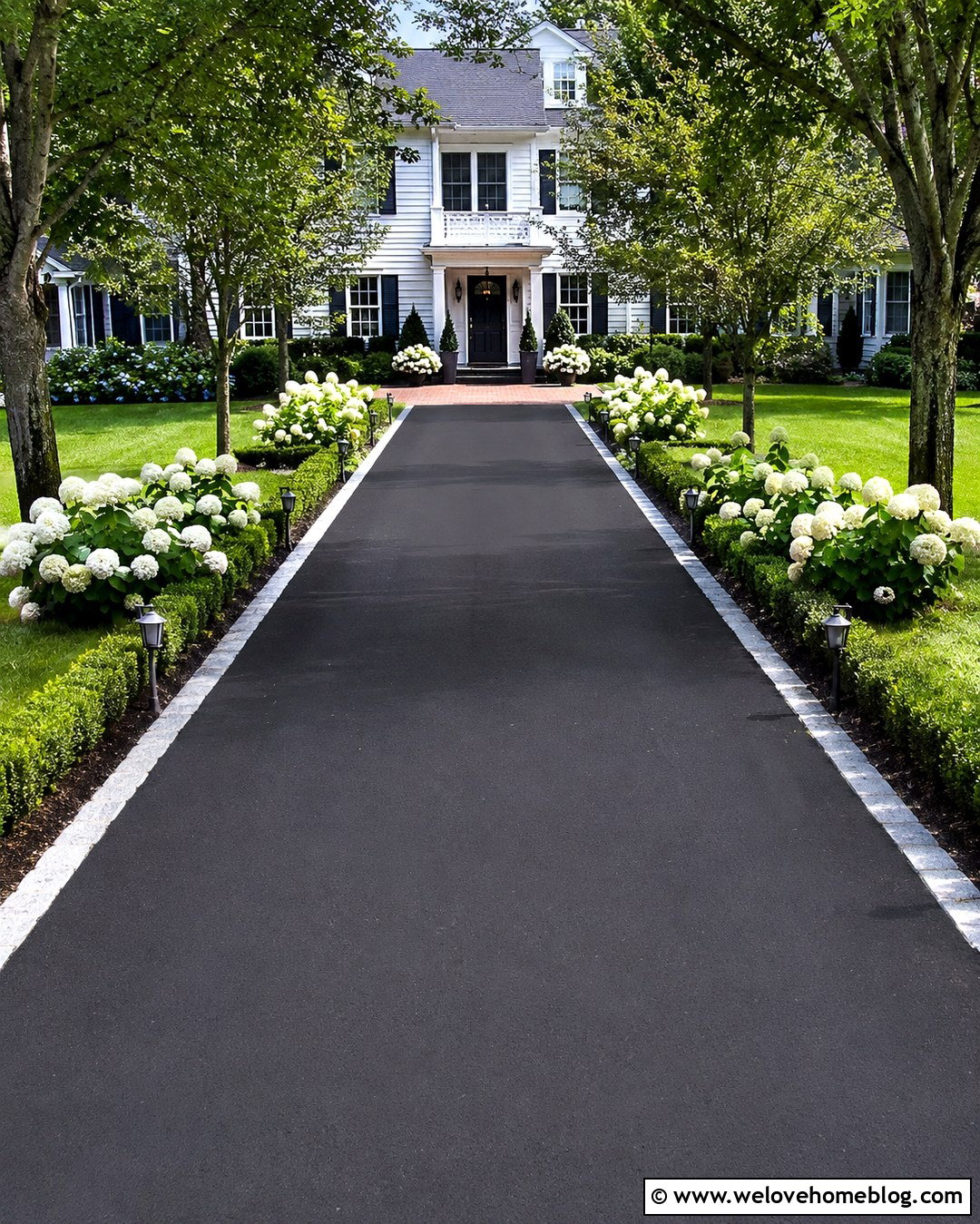
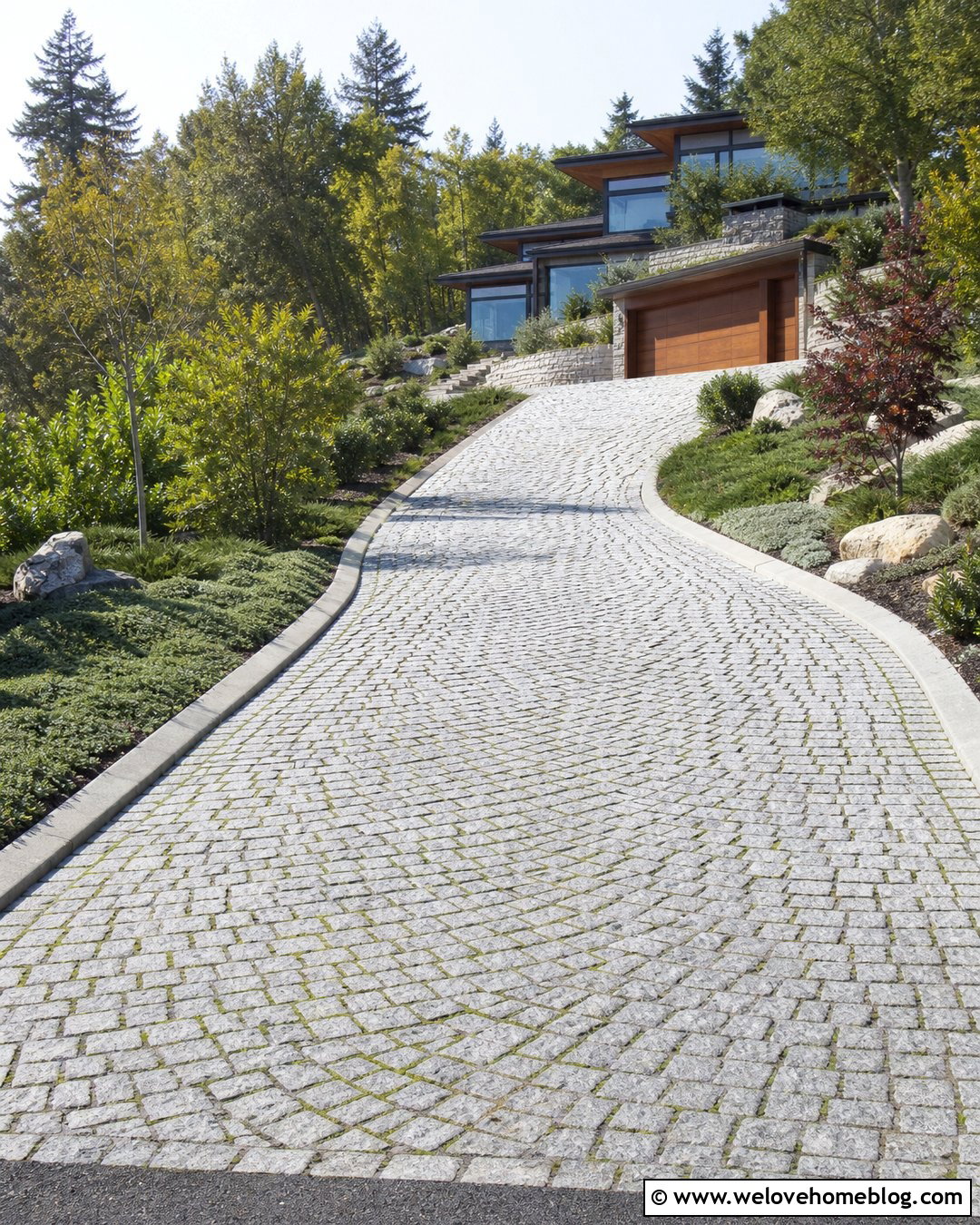
Salvaged granite setts create a sturdy, textured driveway that feels appropriate beside historic and traditional homes. Lay gray granite pavers in gently arcing rows across a broad, curved approach. A reclaimed red brick border can warm the cool stone and relate the driveway to a brick facade. Use permeable aggregate joints where site conditions and construction requirements allow. Along the outer curve, plant clipped shrubs mixed with native flowers to keep the landscaping orderly without making it rigid. A broad brick threshold near the sidewalk can mark the entrance and repeat the edging material. Since salvaged granite varies in depth and shape, it requires careful sorting and a substantial base. Reserve the flattest pieces for walkable zones and transitions, while more irregular units can form decorative borders away from routine foot traffic.
16. Gravel Filled Driveway Pavers With Timber Edging
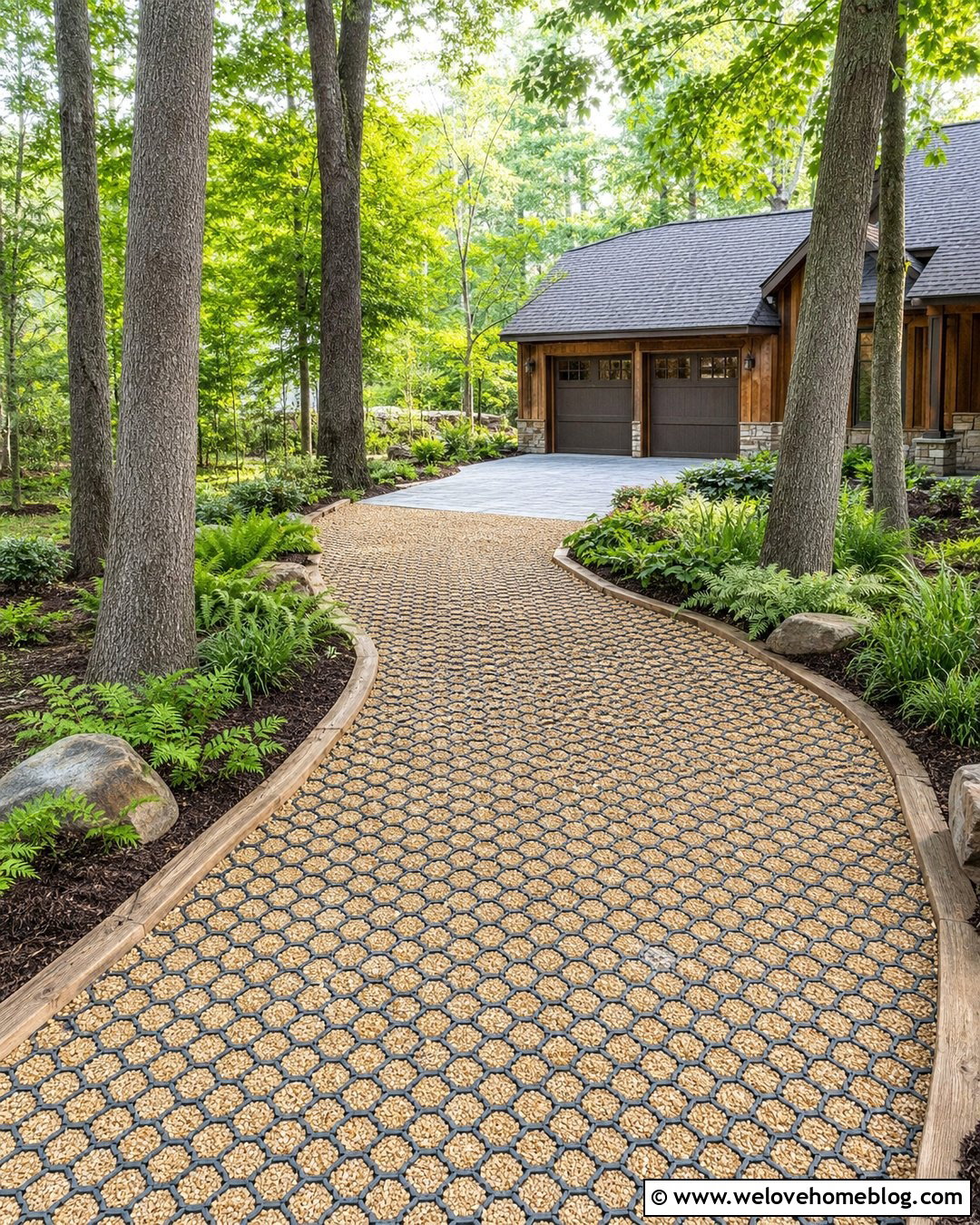
A stabilized gravel driveway can suit a rustic property without developing the loose, spreading appearance associated with unsupported stone. Install recycled-plastic grid pavers and fill them with angular golden gravel that locks together more effectively than smooth pebbles. Use durable timber edging along a gently winding driveway, keeping the wood level with or slightly above the finished surface. Surround the route with native ferns, woodland grasses, and shade-tolerant shrubs beneath existing trees. Near the garage, transition to solid permeable concrete pavers for easier walking and cleaner door access. The grid, gravel depth, and base must be rated for expected vehicle loads. Tree-root protection also requires site-specific guidance; excavation should not automatically be placed within critical root areas simply because the final surface is permeable or visually natural.
17. Permeable Driveway Pavers With A Pollinator Garden
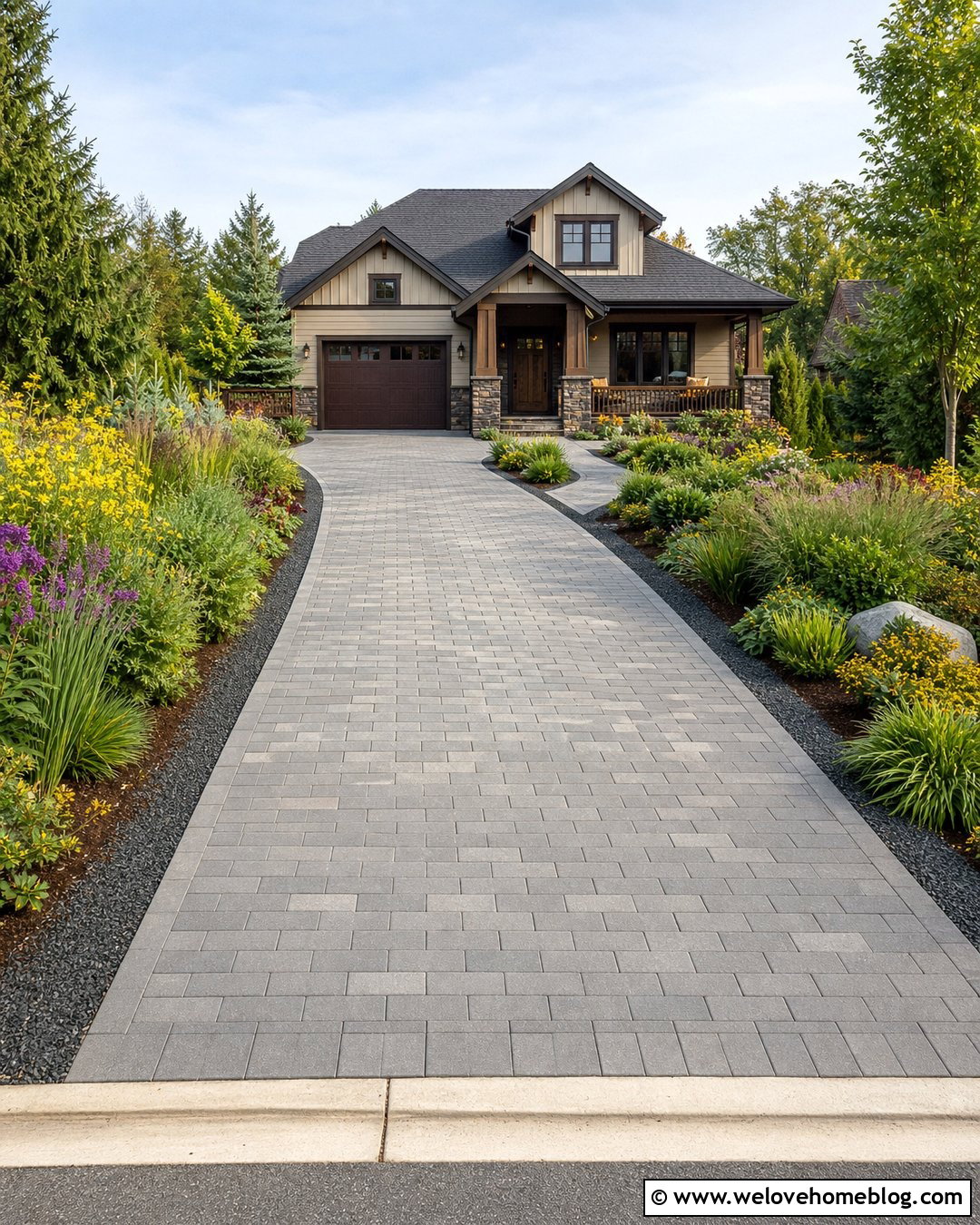
Bright planting can transform a simple driveway into a seasonal pollinator corridor. Start with warm gray permeable concrete pavers in a modular pattern, then add generous planting beds along both sides of a straight suburban driveway. Choose locally appropriate native flowers with overlapping bloom periods, mixed with grasses and evergreen structure. Keep taller plants away from the street so drivers can see pedestrians and approaching traffic. A narrow band of dark gravel between the pavers and beds prevents stems and mulch from falling into the joints. Connect the driveway to the porch with a matching accessible walkway that avoids grass-filled cells. A small stone basin can receive overflow at the lowest point. The complete design balances usable parking, clear sightlines, rainfall management, and colorful planting instead of treating sustainability as a surface choice alone.
18. Permeable Driveway Pavers With Reclaimed Stone Aprons
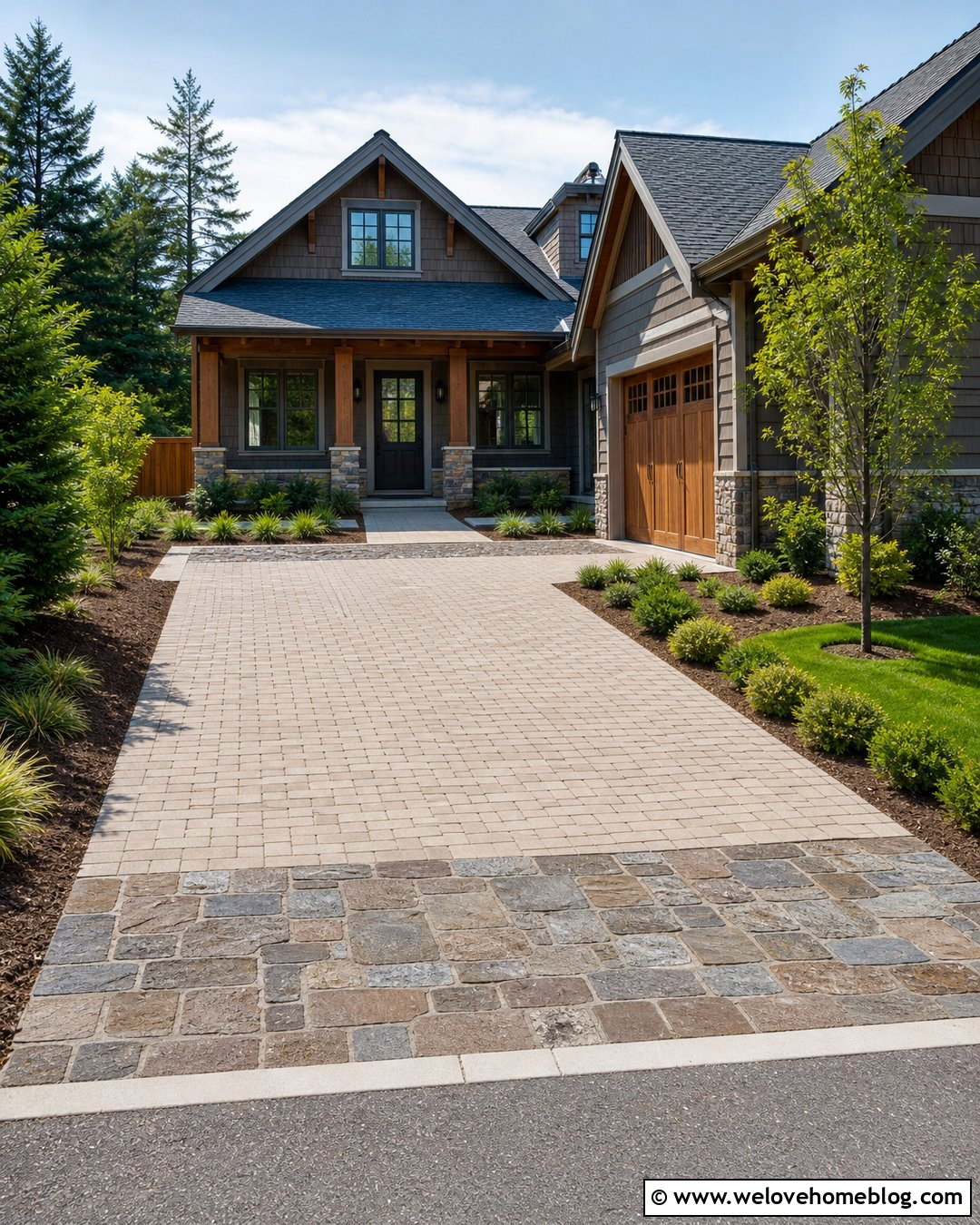
A reclaimed stone apron can add character exactly where the driveway meets the street or garage. Cover the main straight driveway with tan permeable concrete pavers laid in a simple running bond. Then create a wide entrance apron from salvaged stone setts in complementary brown and gray tones. Repeat the reclaimed stone as a narrow ribbon near the garage to make the detail feel connected rather than random. Low evergreen shrubs, native grasses, and a pair of small trees can frame the approach to a craftsman home. Keep the planting beds slightly lower than the edging so soil does not wash onto the paving. The change in material should remain smooth enough for comfortable walking, bicycles, strollers, and vehicle tires. Use flush transitions rather than raised decorative bands across primary travel routes.
19. Porous Paver Driveway With Shade Trees
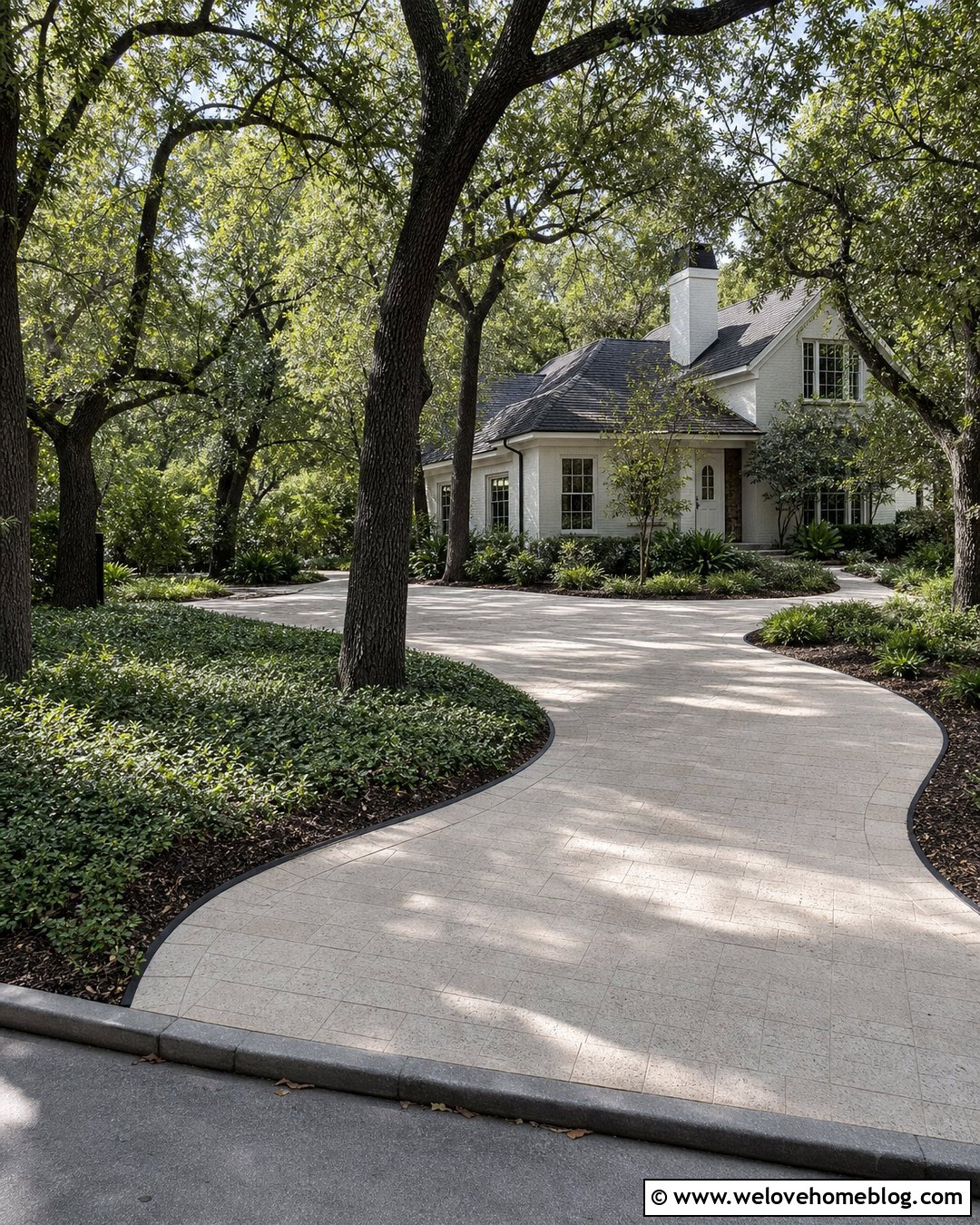
Mature trees bring valuable scale and shade to a front yard, but the driveway must be planned carefully around their roots. Use porous concrete pavers in a light sand color for a curved driveway that shifts around established trees rather than running directly beside their trunks. A professional should determine appropriate excavation limits and root protection before construction starts. Border the surface with flexible steel edging and a broad layer of woodland ground cover, native shrubs, and leaf mulch. Avoid building raised beds against tree trunks. Near the house, widen the paver field into a practical parking court with clear pedestrian access to the door. Permeability does not eliminate every impact of construction or soil compaction, so protecting existing root zones should guide the alignment, base design, and equipment access from the beginning.

20. Mixed Permeable Driveway Pavers With A Circular Layout
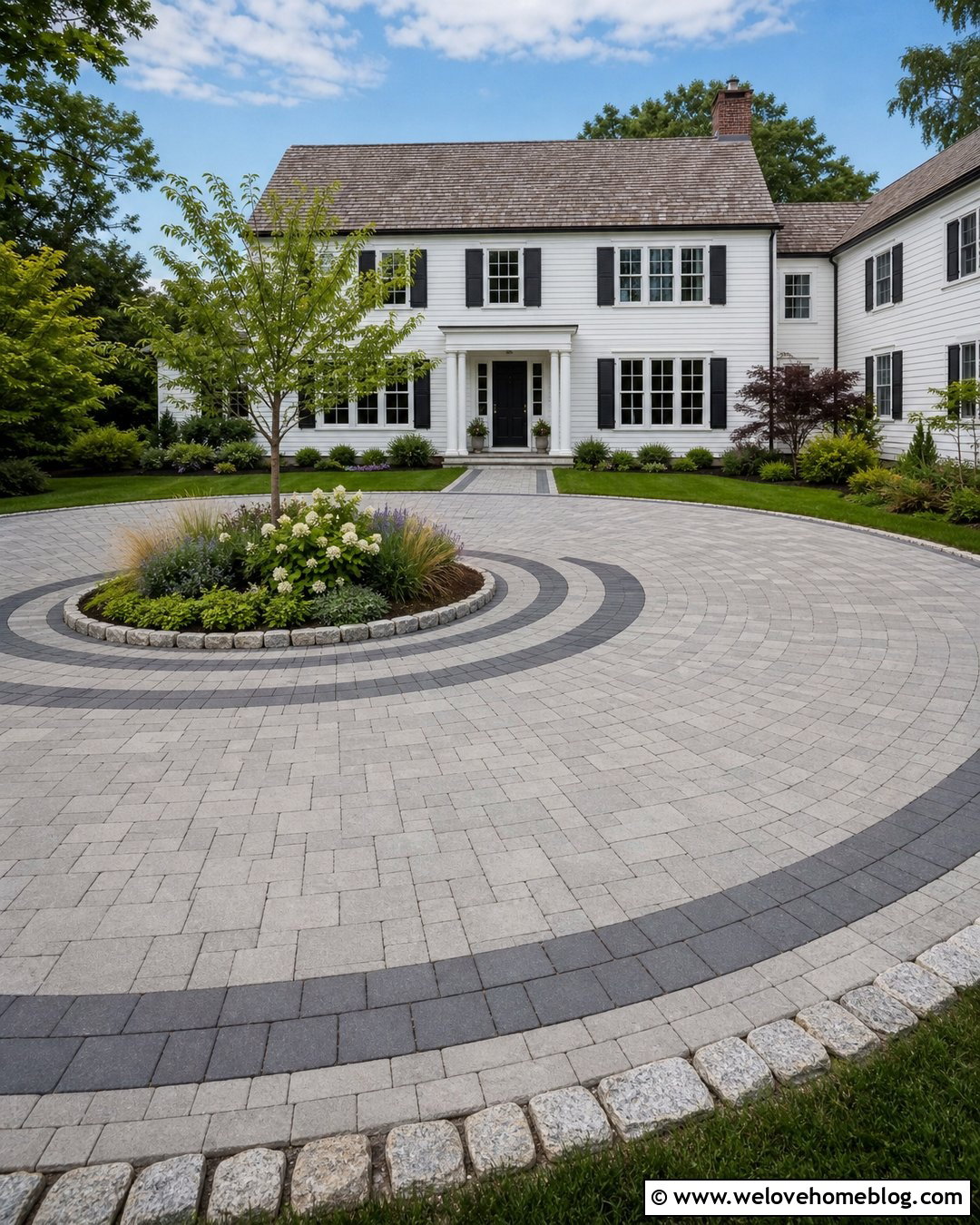
A mixed-paver circular driveway can reduce visual monotony while creating a memorable entrance. Use permeable concrete pavers in two compatible sizes, combining a light gray main field with charcoal bands that emphasize the circular movement. Place reclaimed cobblestones around the central island and at both street entrances. The island can hold a small native tree, flowering shrubs, ornamental grasses, and low ground cover arranged to preserve driver visibility. Echo the charcoal bands in the front walkway for a unified connection to a contemporary colonial house. Keep patterns simple near turning areas, where excessive color changes may appear busy. The driveway’s dimensions should accommodate expected vehicles without encouraging tires to cross the planted island. A correctly graded permeable base and planned overflow route complete this functional, water-conscious design.
Conclusion:
The most successful sustainable driveway is more than a set of attractive paving blocks. It combines a vehicle-rated surface, suitable foundation, thoughtful drainage, durable edging, accessible routes, and landscaping adapted to the property. Permeable concrete pavers offer a polished appearance, while reclaimed brick and stone add character. Grass or recycled-plastic grids can visually reduce hardscape, although their maintenance needs should match your climate and parking habits. Before construction, evaluate soil, slope, utilities, tree roots, local requirements, and stormwater overflow. Product specifications also deserve close attention because not every open-joint paver performs the same way. Use these 20 eco-friendly driveway pavers ideas to create a driveway that balances curb appeal, daily function, and responsible material choices.

Related posts:
Leave a Reply