
A strong driveway starts below the surface. The right base controls settling, rutting, drainage, frost movement, and long-term repair needs. These 20 driveway base material options ideas cover traditional crushed aggregates, recycled products, permeable systems, and region-specific materials. Each option works best under certain surfaces, soil conditions, climates, and vehicle loads. Local quarry names and grading specifications can vary, so ask suppliers for a compactable driveway-base product rather than relying on the material name alone. Proper excavation, drainage, layer thickness, moisture control, and mechanical compaction are just as important as the aggregate itself. Use the following 20 driveway base material options ideas to compare complete driveway designs that combine a reliable foundation with practical surfacing, edging, and landscaping. ()

1. Crusher Run Driveway Base
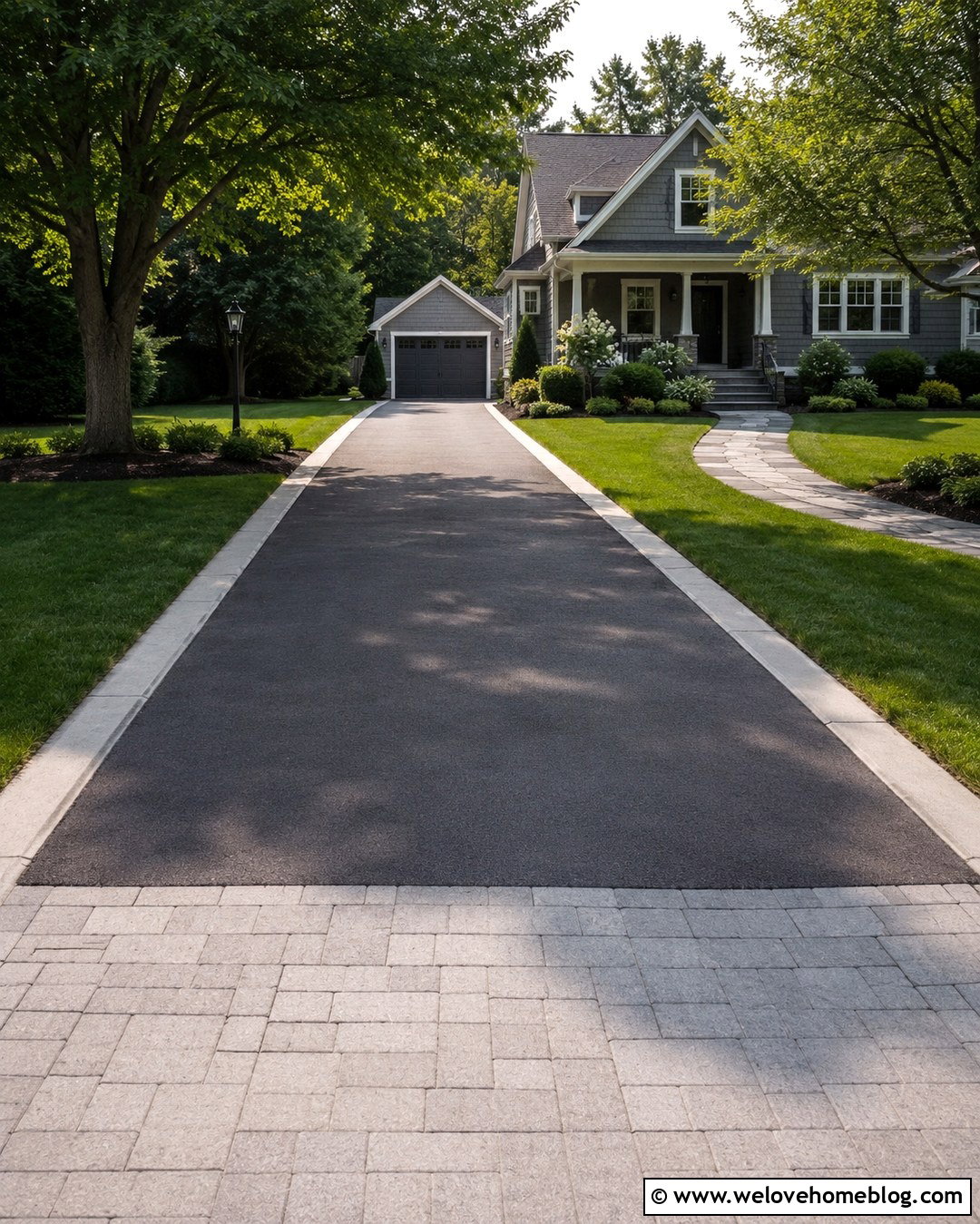
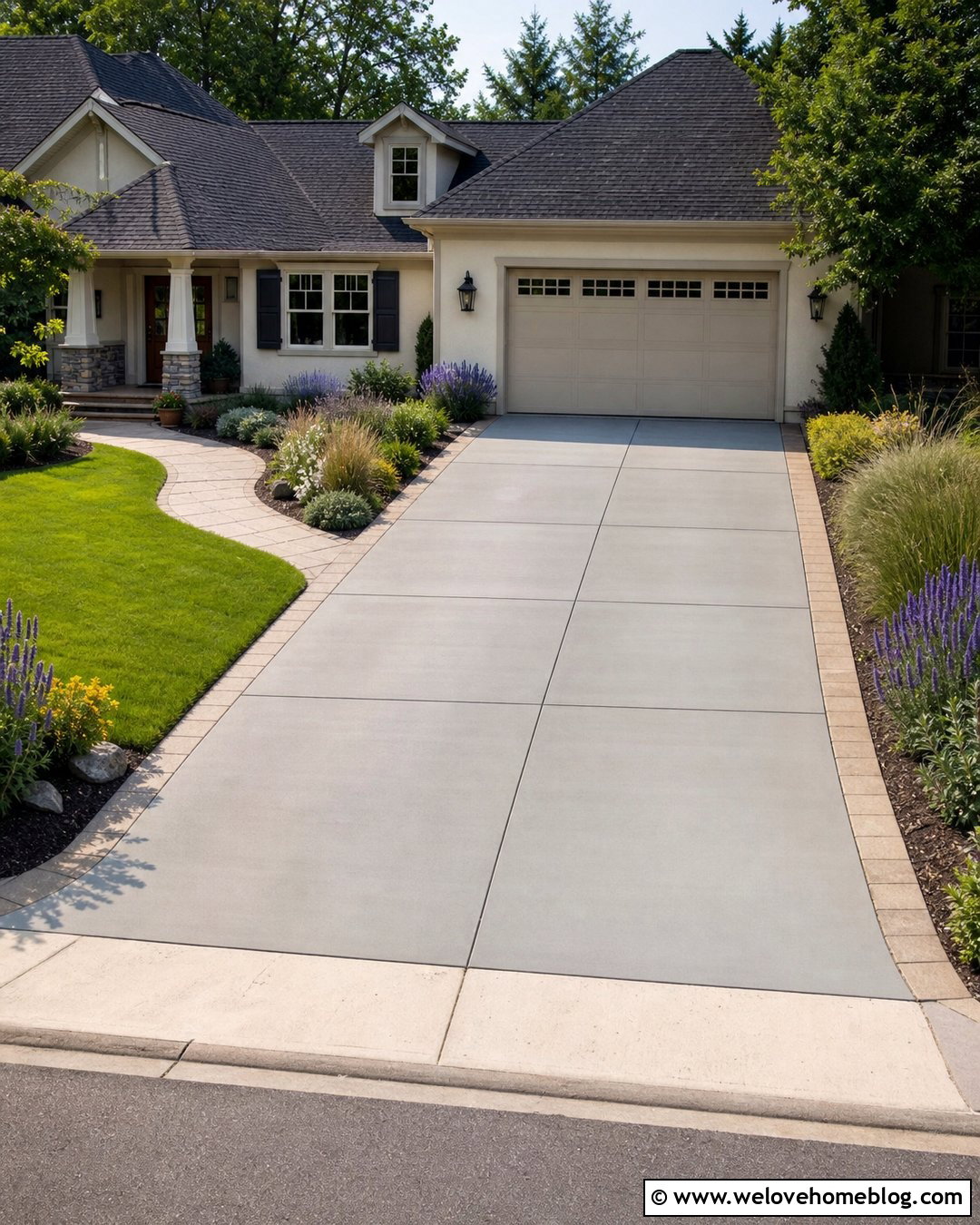
Crusher run is one of the most practical choices for a standard residential driveway. It combines angular crushed stone with smaller particles and stone dust. When compacted at the correct moisture level, these varied particle sizes lock together and create a dense foundation. Use it beneath black asphalt, poured concrete, pavers, or a finer gravel wearing course. A straight driveway with concrete curbs keeps the material contained and gives the entrance a finished appearance. Add a slight crown or cross slope so rain moves away instead of soaking into low spots. Crusher run performs especially well where homeowners want an affordable, widely available base, although the exact stone size and product name differ between local quarries. ()
2. Class 5 Gravel Driveway Base
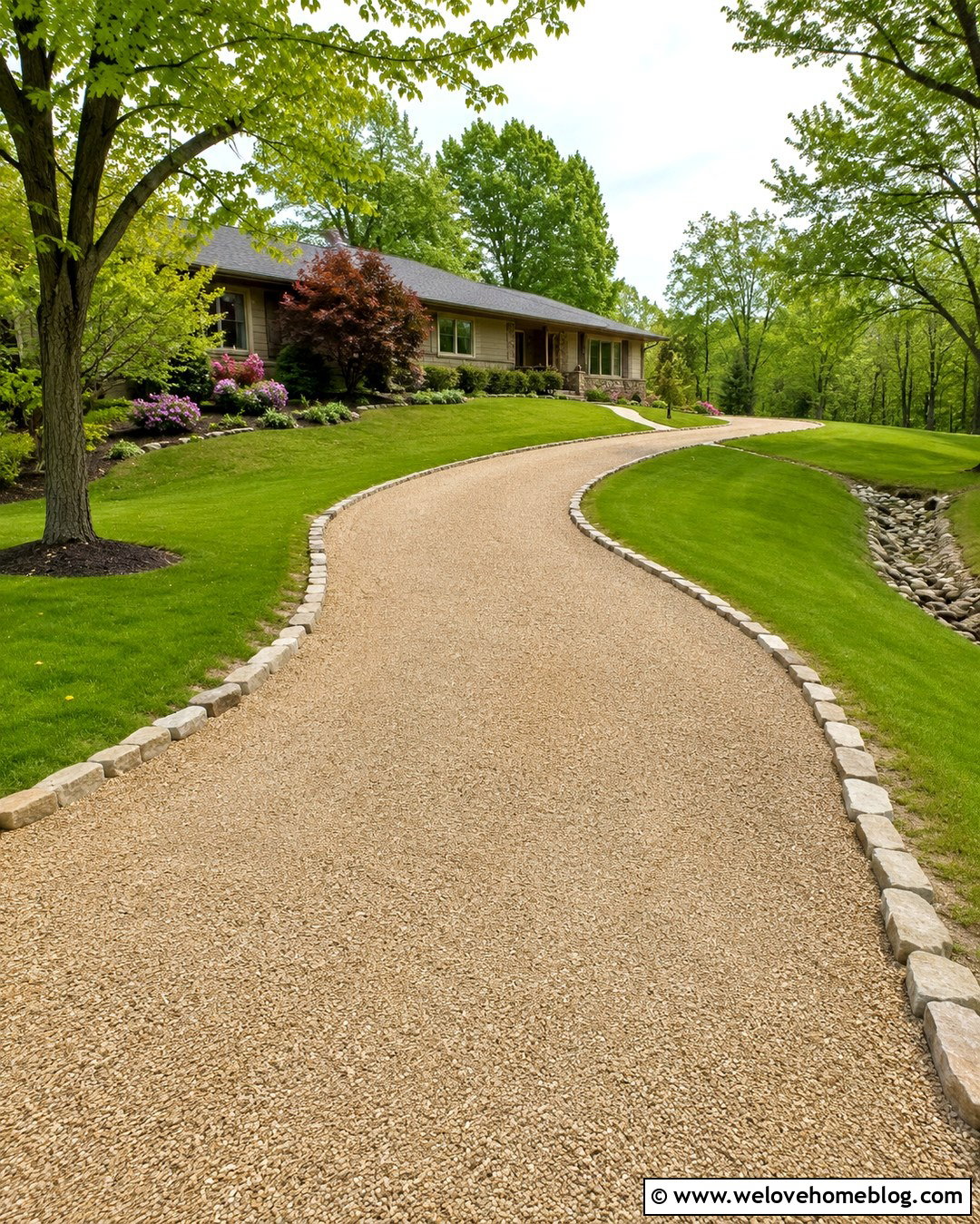
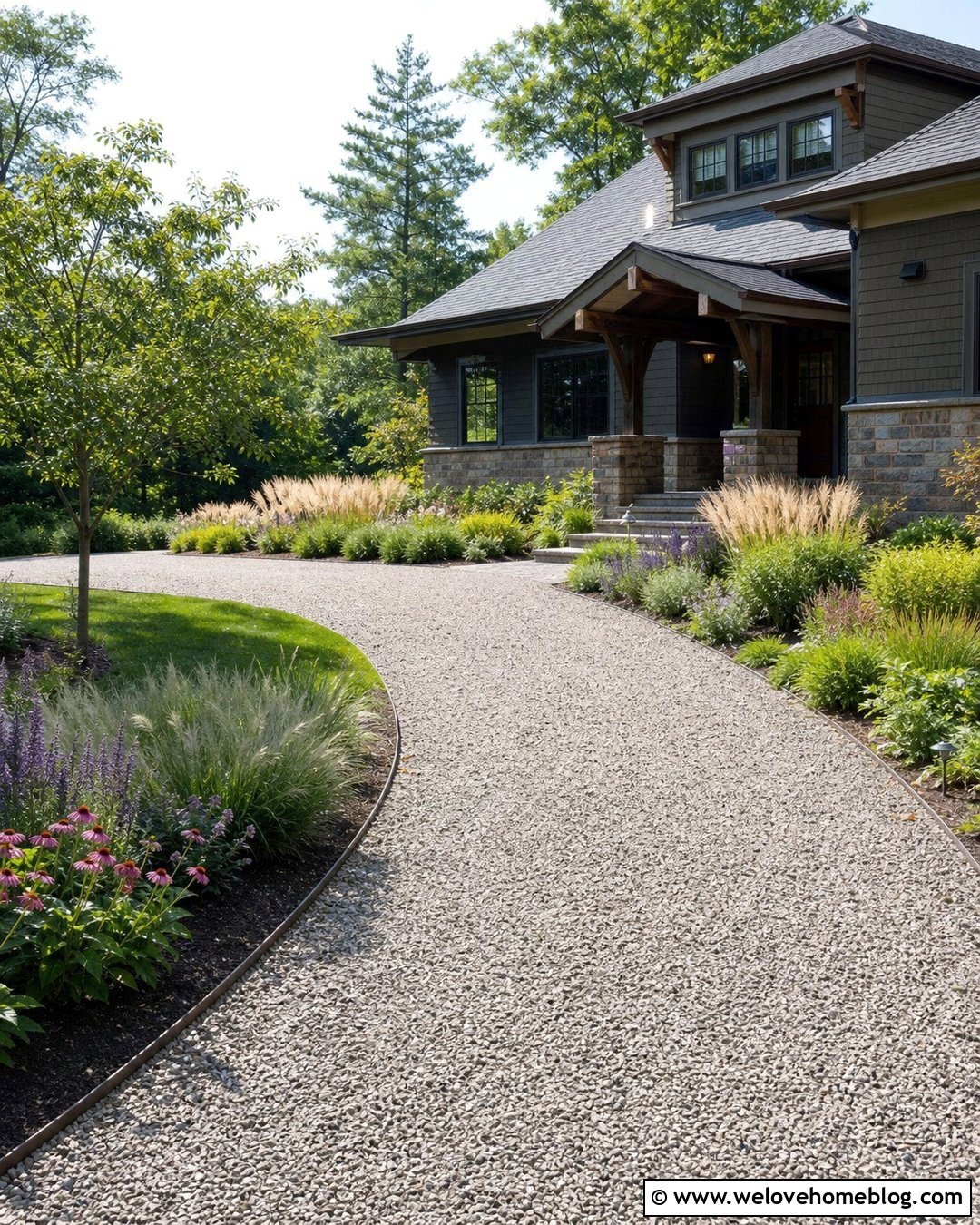
Class 5 gravel is a common regional road-base product made from crushed rock, sand, and fines. The balanced gradation allows it to compact more tightly than clean decorative gravel. It works well for a curved gravel driveway leading to a ranch or country home, especially when topped with a smaller crushed aggregate. Steel, concrete, or natural stone edging helps prevent the finished gravel from spreading into the lawn. Class 5 is often economical because it may be sourced locally, but specifications vary by state and supplier. Ask for the gradation sheet and confirm that the product is intended for driveway or road-base construction. The completed base should be compacted in controlled lifts rather than installed as one deep, loose layer. ()
3. Crushed Limestone Driveway Base
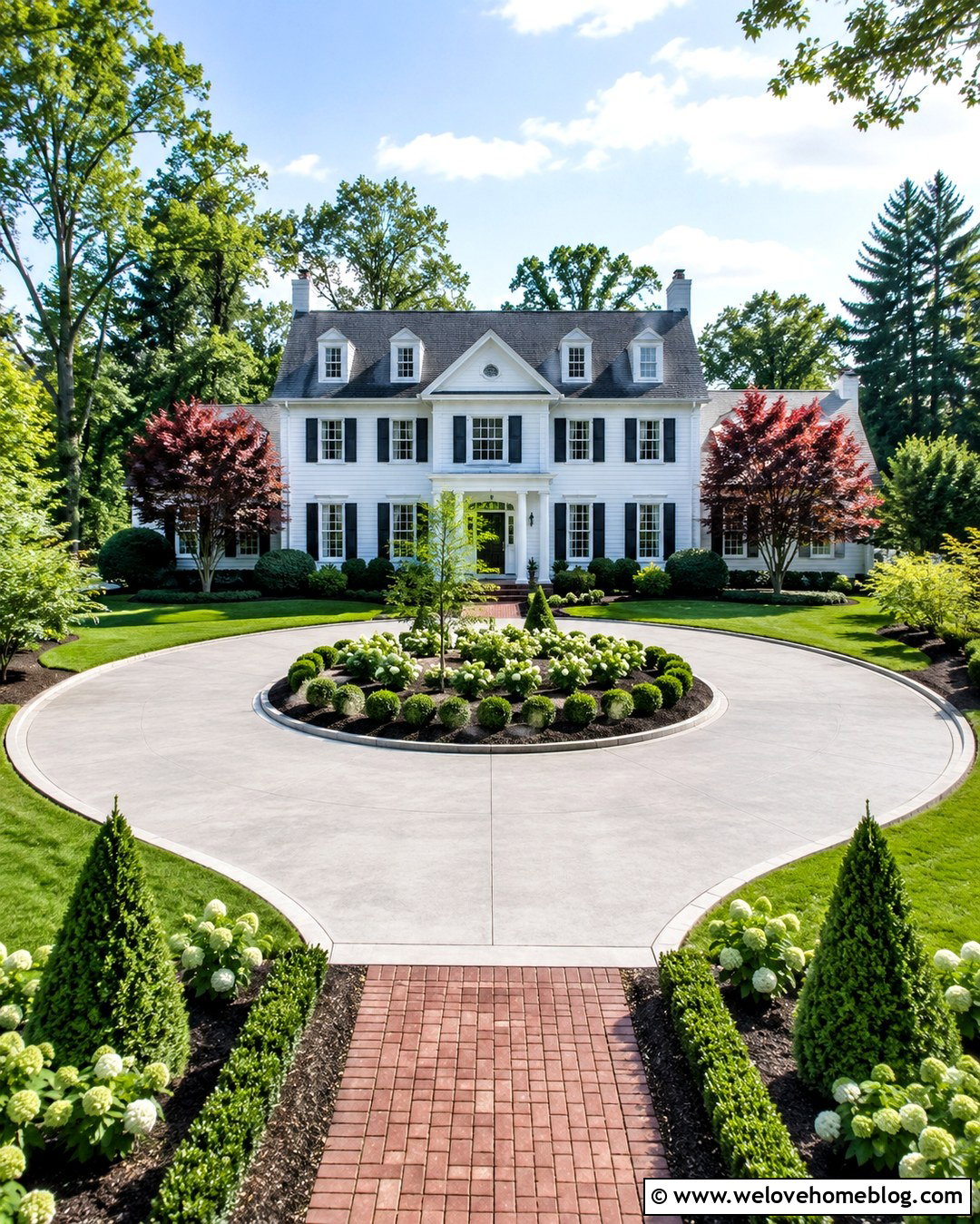
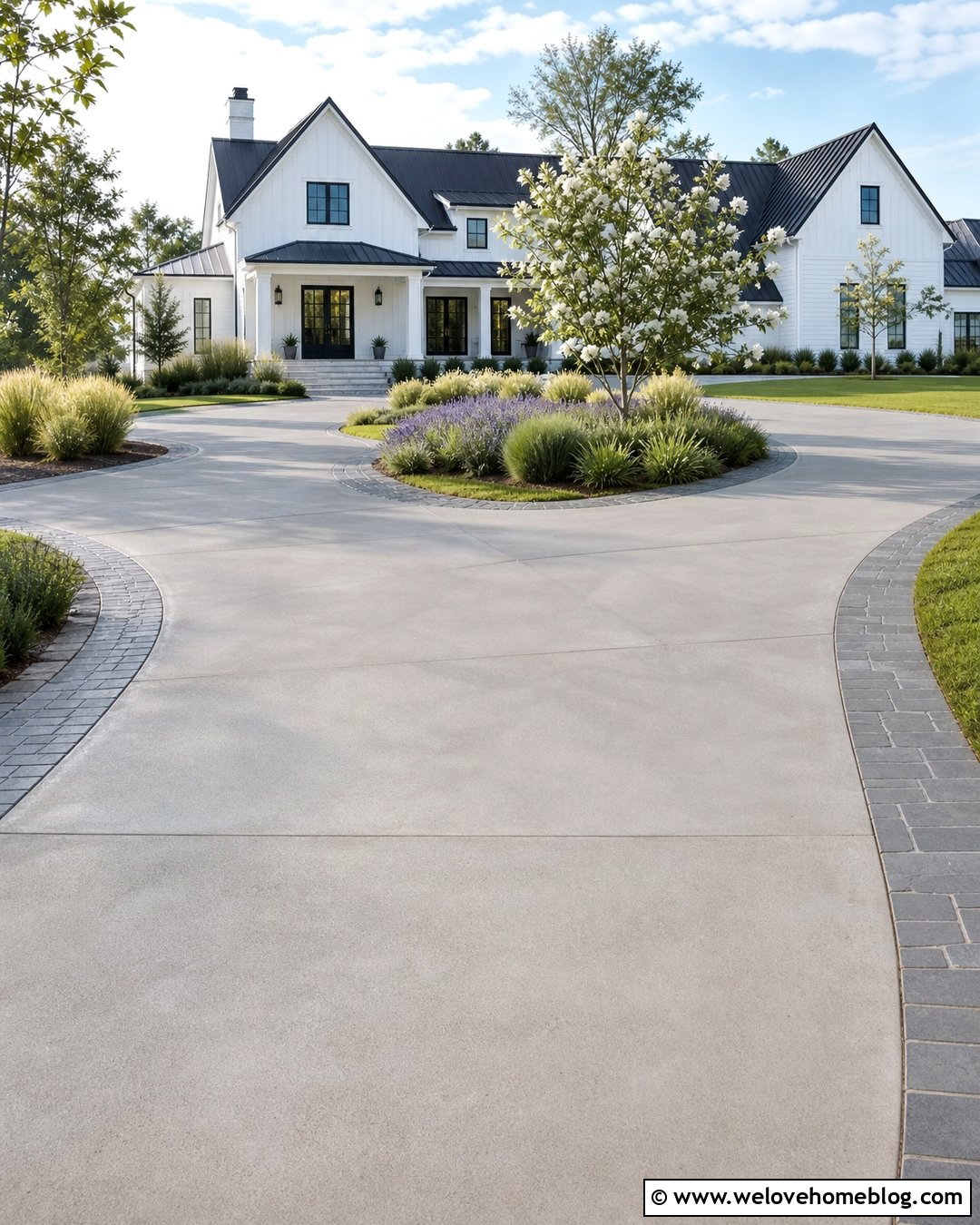
A crushed limestone base creates a firm, pale foundation beneath concrete, asphalt, or decorative gravel. Limestone fragments are angular, while the included fines help fill spaces during compaction. This combination can support a formal circular driveway with a light gray concrete surface, limestone curbing, and structured evergreen beds. The pale aggregate is also useful when the finished driveway will remain gravel because it produces a clean, traditional appearance. Limestone quality and hardness differ by deposit, so choose material sold specifically as compactable base rather than soft screenings alone. Drainage remains essential because water trapped beneath the pavement can weaken the subgrade. Install the driveway above surrounding grade, stabilize soft soil when necessary, and direct runoff toward approved drainage areas. ()
4. Crushed Granite Driveway Base
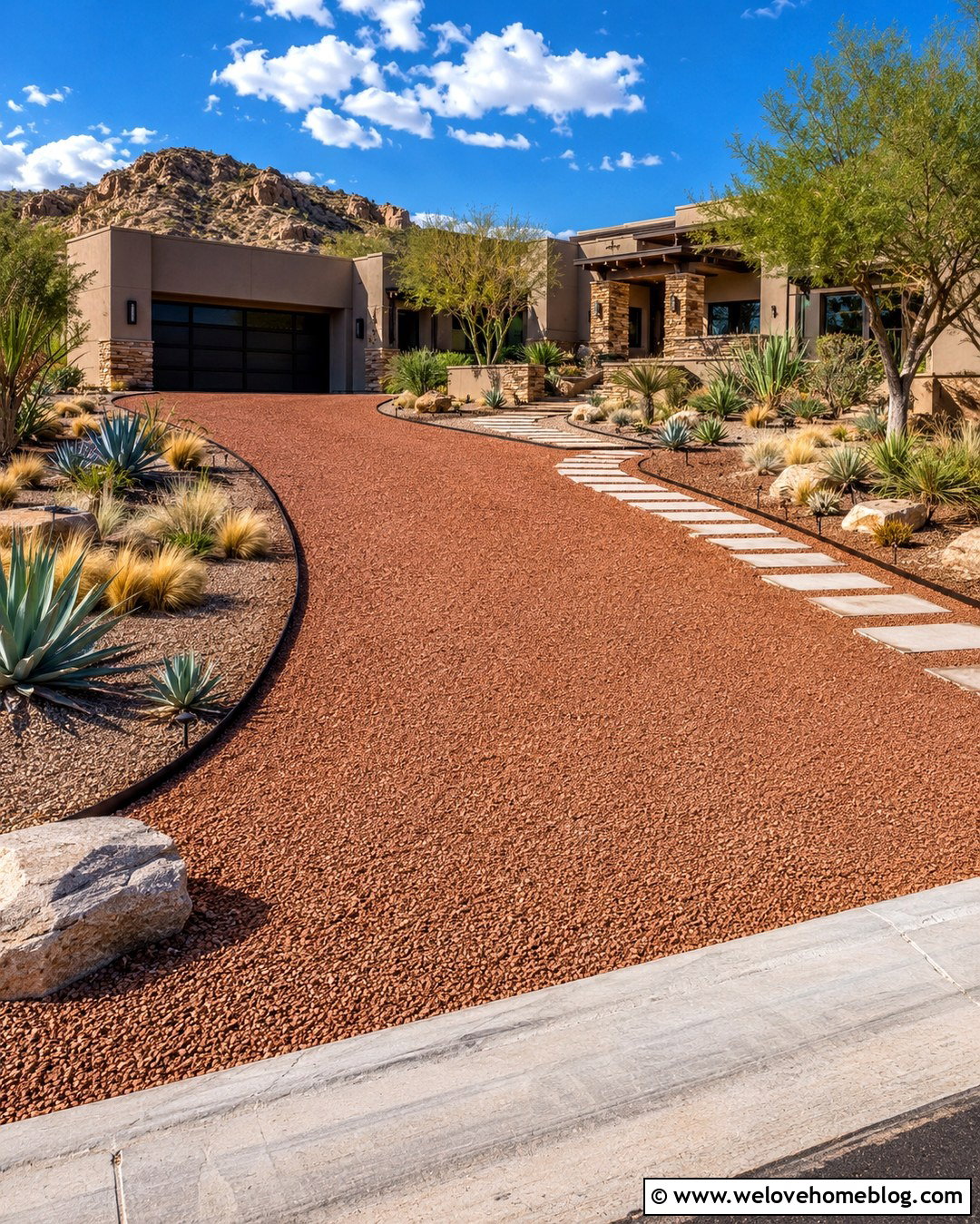
Crushed granite offers strength, angular texture, and attractive natural color. Depending on the quarry, it may appear gray, pink, red, or warm brown. It can serve as a structural aggregate layer or as part of a complete unpaved driveway system. For a curved driveway near a modern desert home, use larger crushed granite below and a finer compactable granite layer above. Steel edging provides a crisp transition to drought-tolerant planting beds filled with ornamental grasses, agave, and boulders. Granite generally resists breakdown, but a product containing controlled fines will compact better than uniformly sized loose chips. The driveway still needs a properly shaped subgrade and reliable runoff path, particularly on slopes where fast-moving water can wash away the finer particles. ()
5. Trap Rock Driveway Base
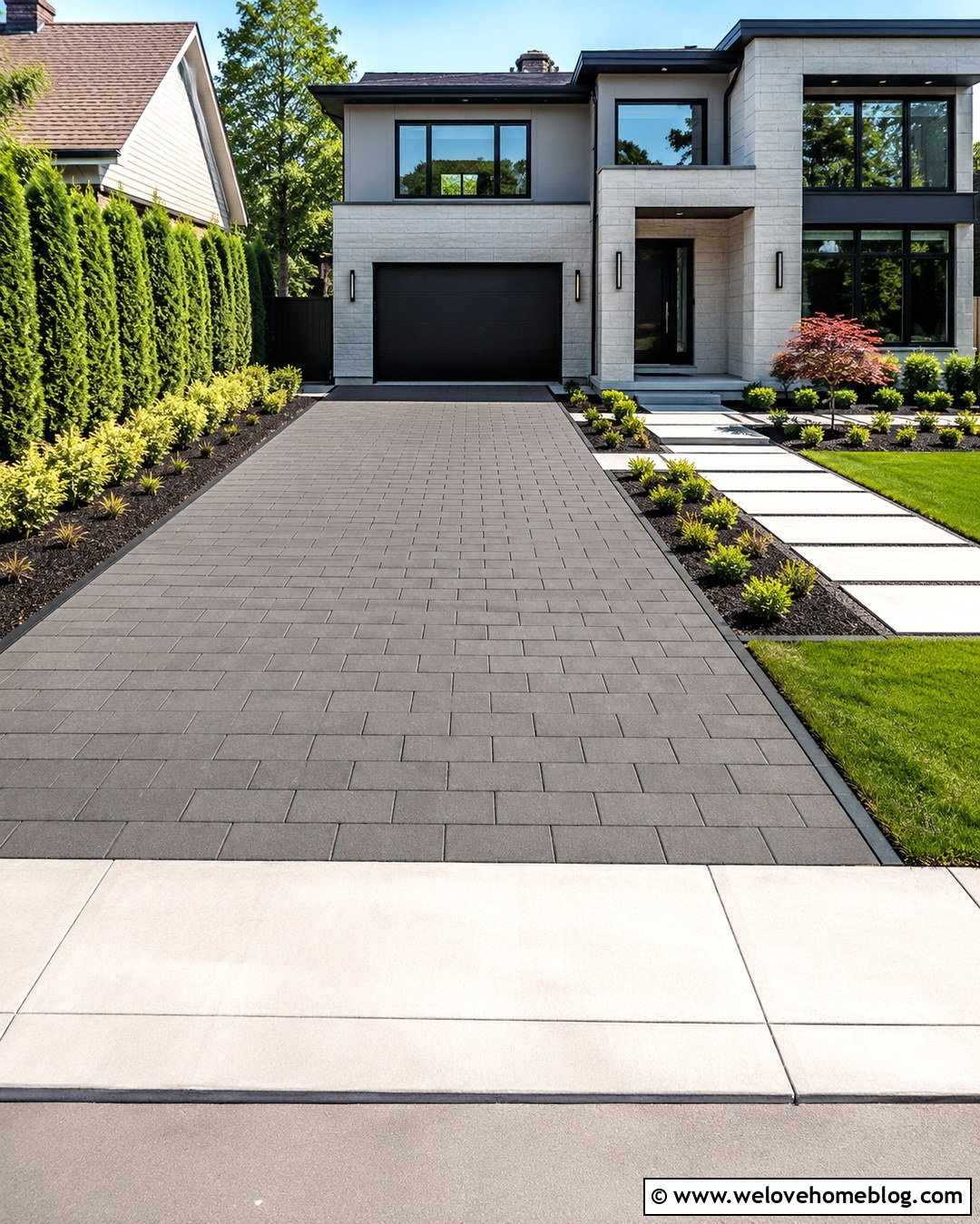
Trap rock is a dense, durable crushed stone commonly produced from basalt or similar dark volcanic rock. Its hardness makes it suitable beneath driveways exposed to regular vehicle traffic. A compacted trap-rock base can support charcoal concrete pavers on a straight modern driveway, creating a dark, coordinated look from the curb to the garage. Pair the driveway with black metal edging, rectangular planting beds, and simple green shrubs. Since trap rock is heavy and may cost more to transport, it is most practical where the material is locally available. Choose a dense-graded base product for structural support. Clean, uniformly sized trap rock is better suited to drainage layers, provided the pavement system is designed for an open-graded foundation and the stone is properly confined. ()
6. Number 3 Stone Driveway Base
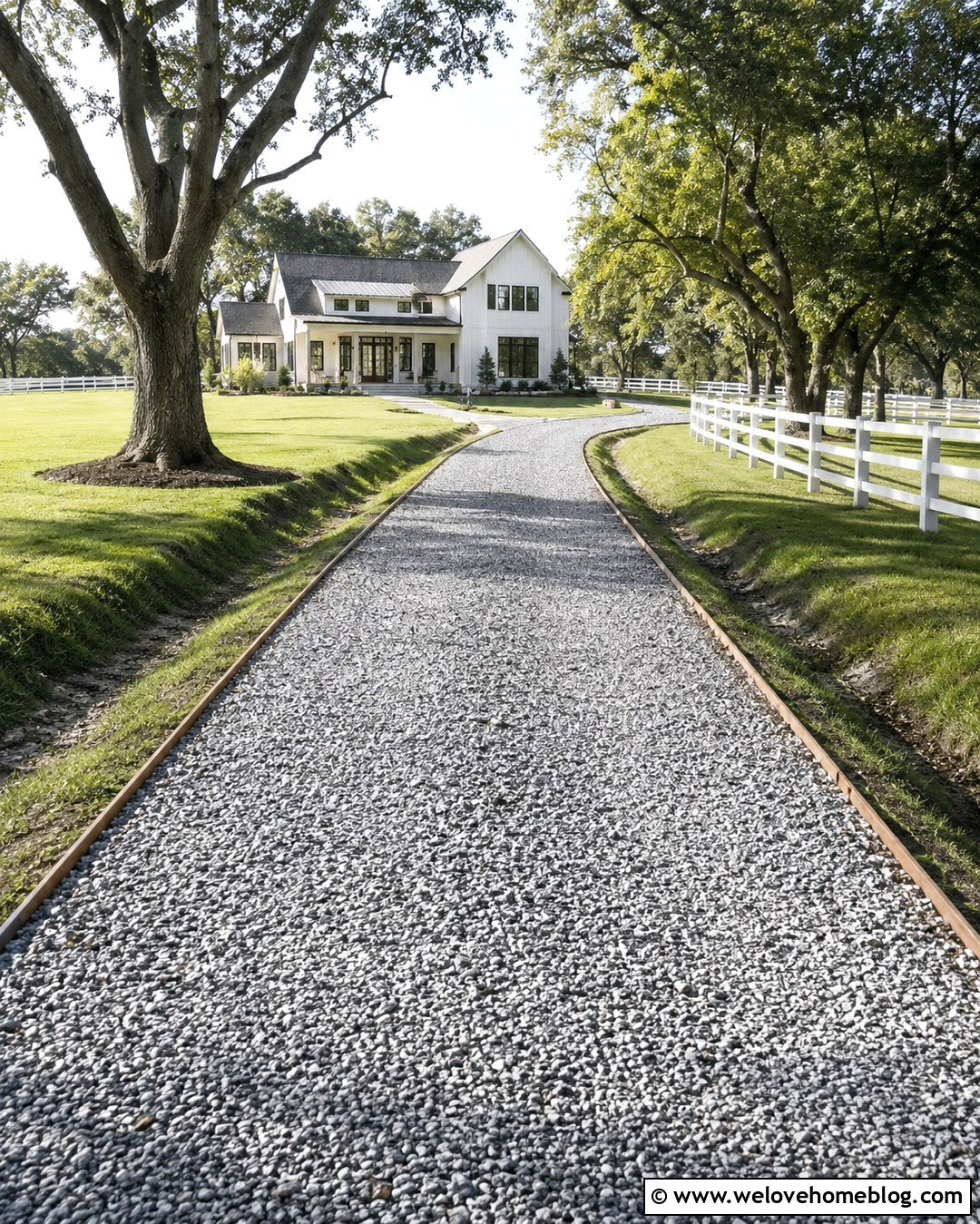
Number 3 stone is a relatively large crushed aggregate that can form the lower foundation of a deep driveway base. It is useful over weak, wet, or disturbed soil because the large angular pieces create a sturdy initial platform. A long farmhouse driveway might use this coarse stone at the bottom, followed by crusher run and a smaller gray gravel surface. Timber edging, broad grass shoulders, and drainage swales complete the rural design. Large stone should not normally remain as the final driving surface because it is uncomfortable to walk on and difficult to grade smoothly. It also needs smaller aggregate above it to fill surface voids. A geotextile separator may be useful where soft soil could migrate upward into the stone. ()
7. Number 57 Stone Driveway Base

Number 57 stone is a clean, angular aggregate often used where drainage is a major priority. Because it contains few fines, water can move through the open spaces between stones. This makes it appropriate beneath permeable concrete pavers or other infiltration-focused driveway systems. A horseshoe driveway with wide-joint pavers, stone curbs, rain gardens, and native planting beds can manage runoff while maintaining polished curb appeal. Clean stone does not compact like crusher run, so it must be properly confined and installed as part of an engineered open-graded system. Avoid replacing a specified dense base with Number 57 stone without checking the complete pavement design. The soil, geotextile, aggregate depth, underdrain, and outlet conditions must all work together. ()
8. Washed Gravel Driveway Base
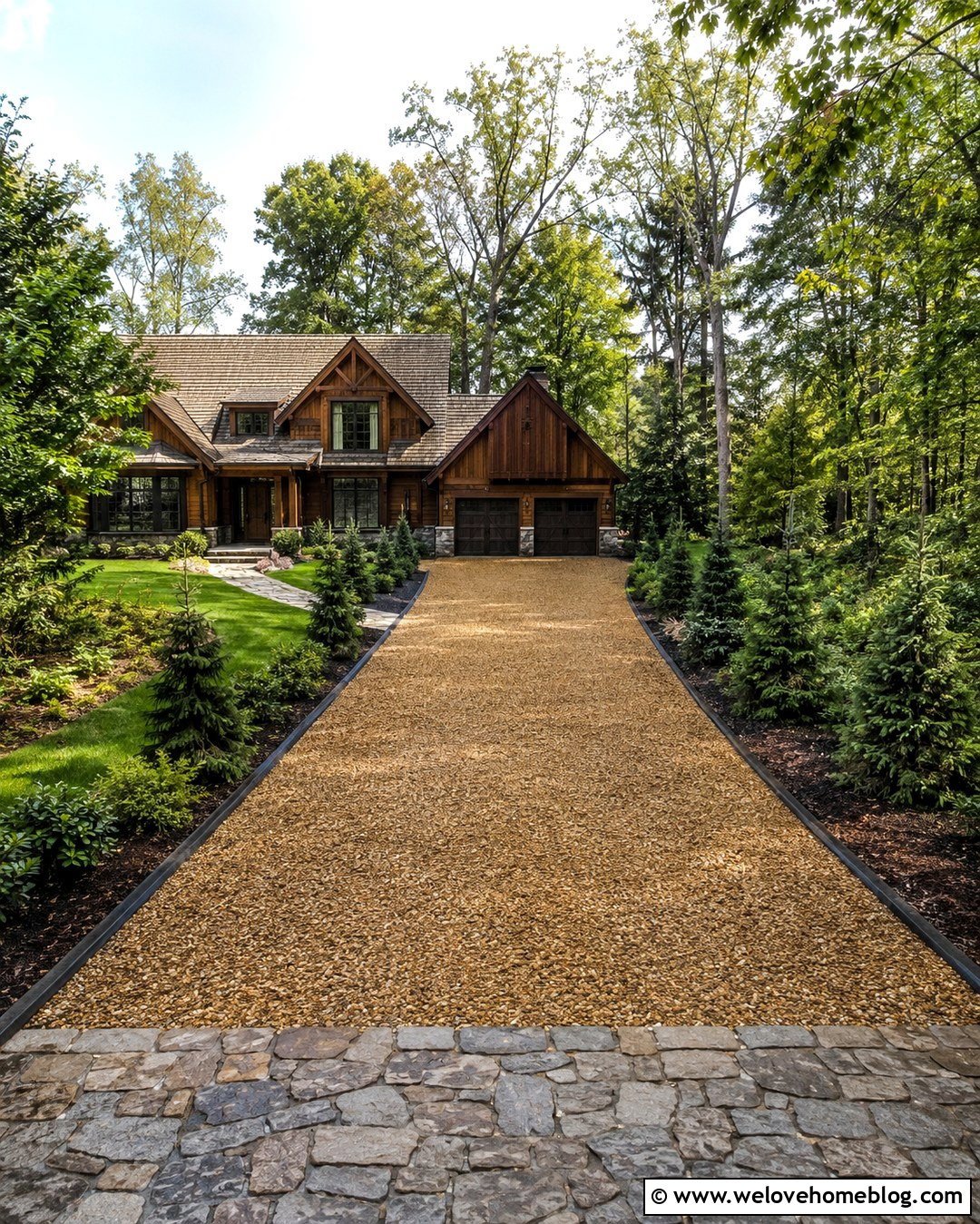
Washed gravel contains little dust or fine material, giving it excellent drainage but limited natural binding. Rounded washed gravel can shift under tires, so it should not replace angular compactable base on a conventional driveway. However, it can work inside a heavy-duty geocell or gravel stabilization grid. A straight cabin-style driveway could combine honey-colored washed gravel, dark steel edging, evergreen borders, and a stabilized cellular structure that holds the stones in place. Beneath the grid, install the structural base recommended by the system manufacturer. This complete approach reduces loose ruts while preserving a natural gravel appearance. Before choosing washed gravel, check stone size, shape, grid compatibility, expected vehicle weight, and snow-removal methods. Angular washed stone generally remains more stable than smooth river gravel. ()
9. Bank Run Gravel Driveway Base
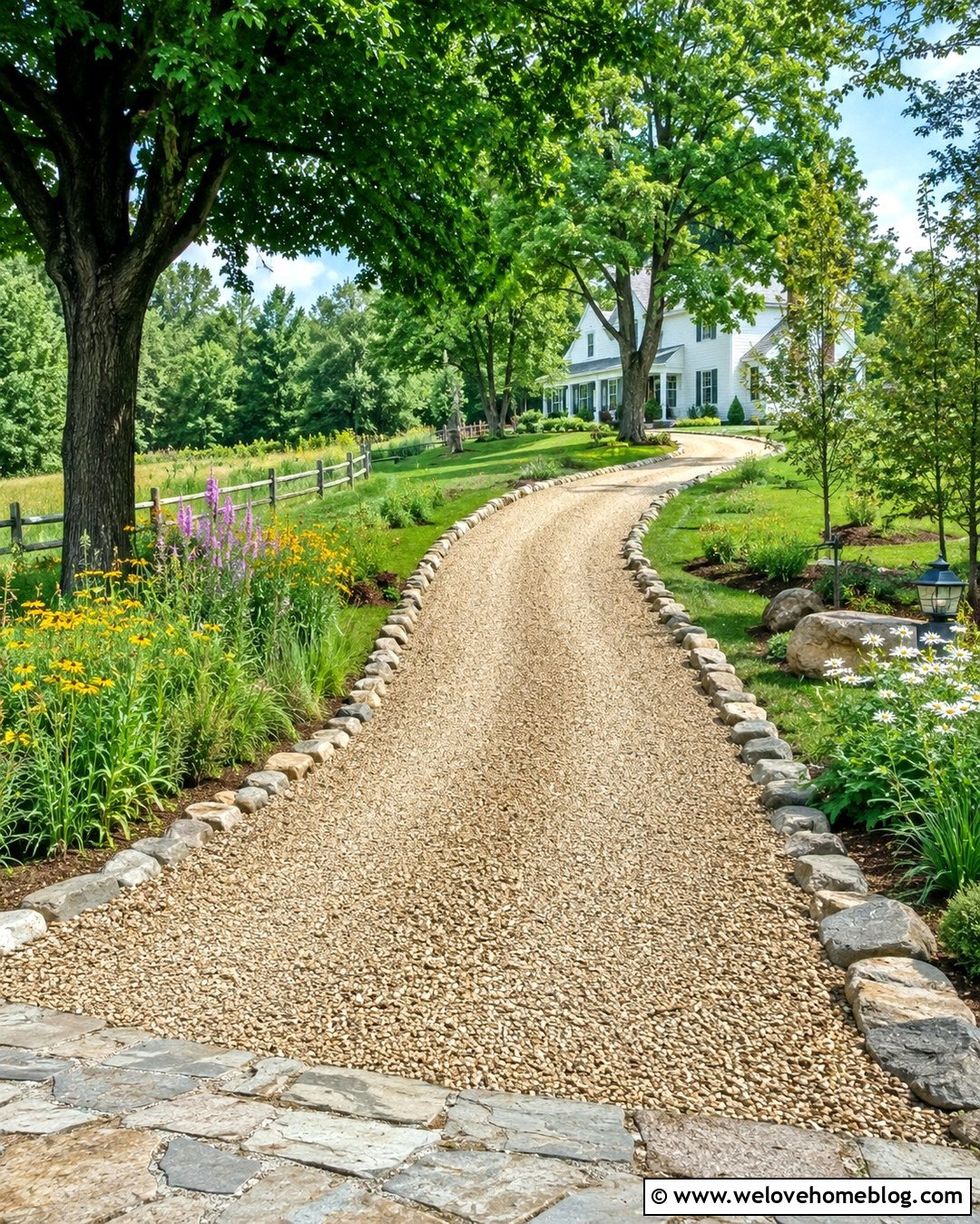
Bank run gravel is an economical mixture of naturally occurring stone, sand, and fine soil particles. Its appearance and performance can vary considerably because the material is excavated from a local deposit rather than manufactured to one universal gradation. It can suit a low-cost rural driveway when the supplier confirms that the blend is appropriate for base construction. Use it beneath a compacted crushed-stone surface on a gently curved drive with fieldstone edging, grass shoulders, and shallow drainage ditches. Inspect the load before installation because excessive clay, oversized rocks, or organic debris can interfere with drainage and compaction. Bank run is generally better as a lower subbase than a polished final surface. Test questionable material and compact it in manageable layers over a stable, shaped subgrade. ()
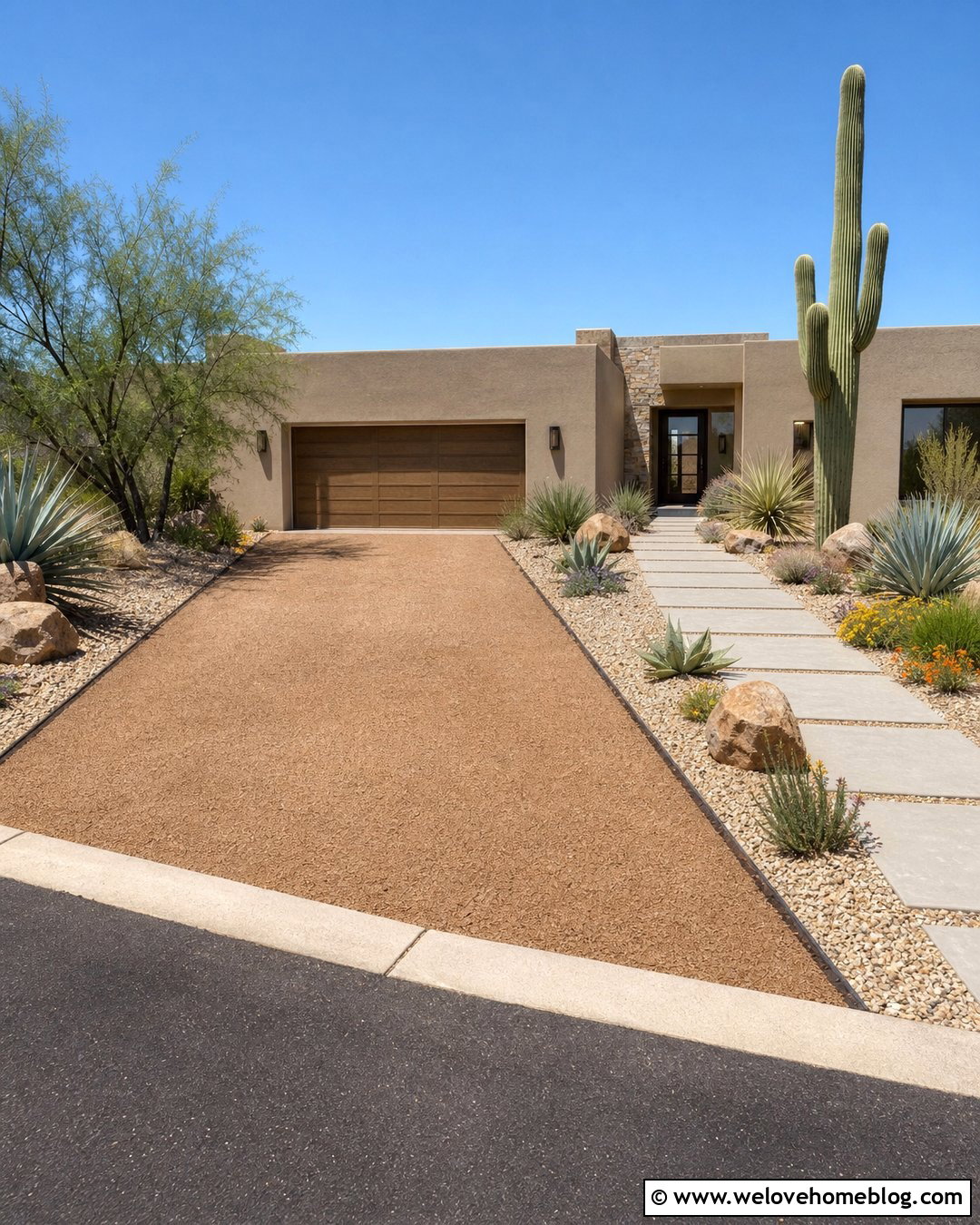
10. Recycled Concrete Driveway Base
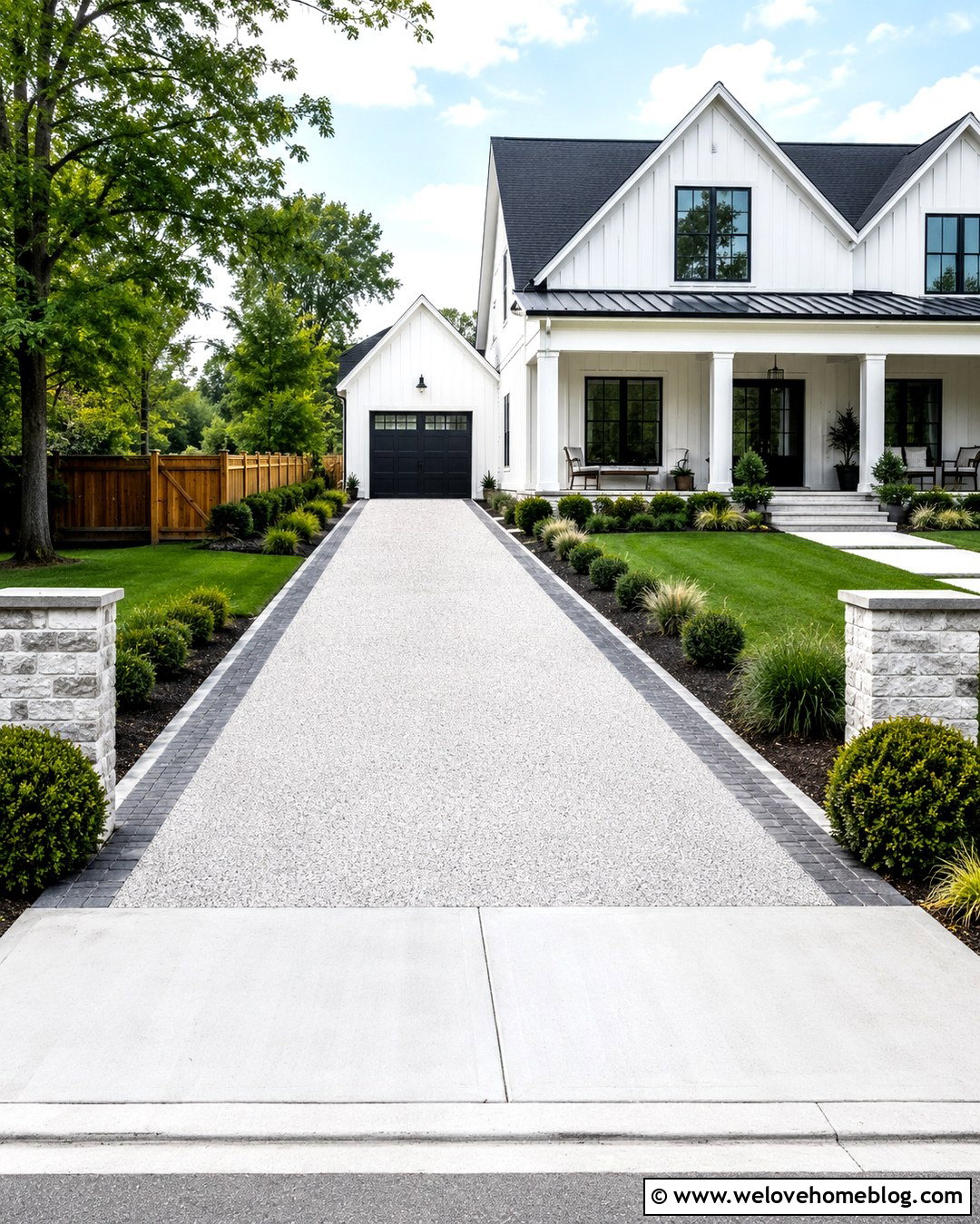
Recycled concrete aggregate is produced by crushing and screening old concrete. Proper processing removes reinforcing metal, soil, and other unwanted material. The angular fragments lock together well, making recycled concrete useful beneath asphalt, concrete, pavers, or a loose aggregate surface. For a budget-friendly modern farmhouse driveway, leave a fine recycled concrete layer visible and contain it with charcoal paver ribbons. Add clipped shrubs, lawn panels, and a broad concrete walkway to soften the pale industrial texture. Quality matters because poorly processed loads may contain contaminants or inconsistent particle sizes. Ask whether the material meets a recognized base specification. Also plan drainage carefully, since recycled concrete can influence water chemistry and may produce fine sediment if it is not processed, installed, and contained correctly. ()
11. Asphalt Millings Driveway Base
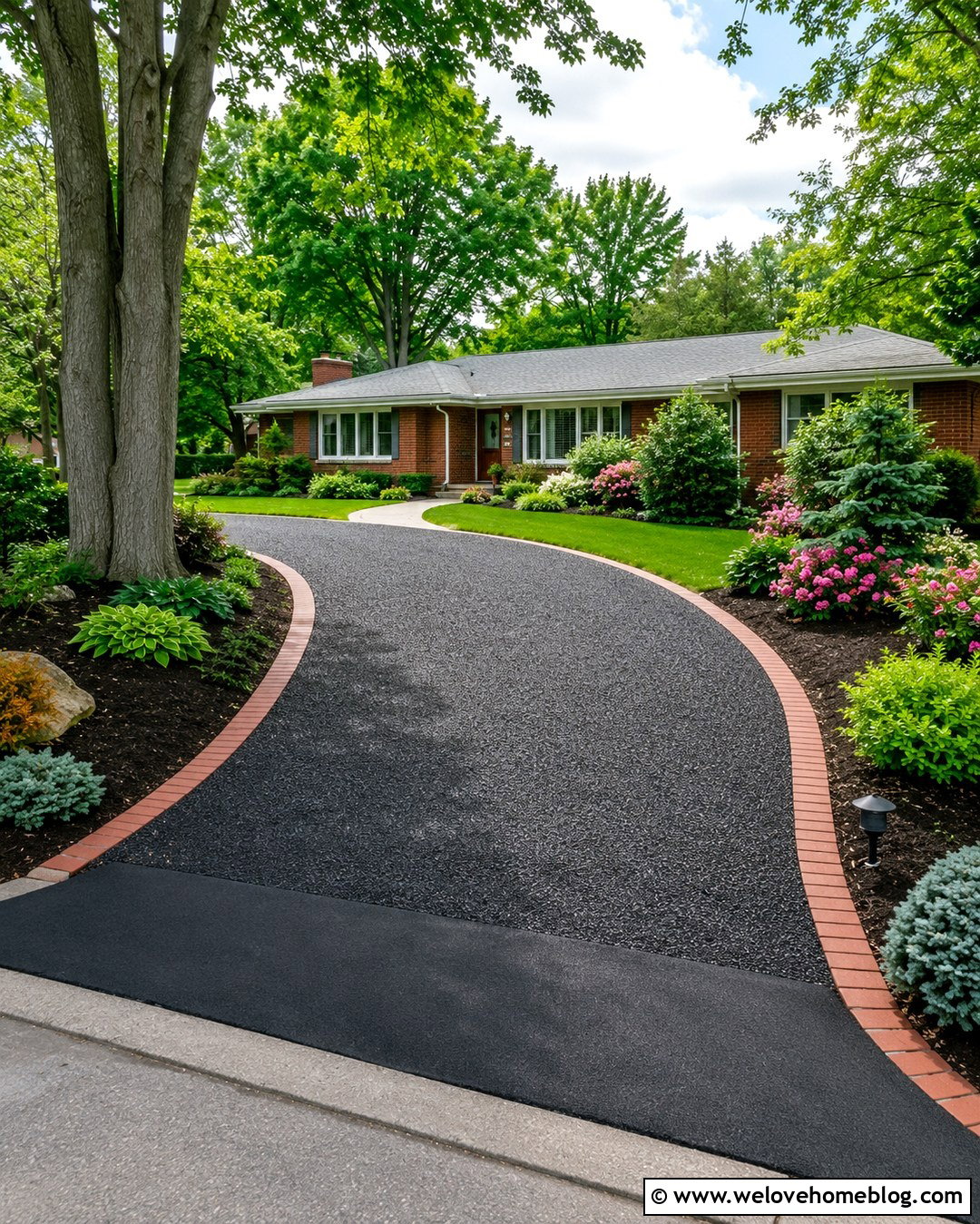
Asphalt millings, also called reclaimed asphalt pavement, are created when existing asphalt is removed and ground into reusable particles. When properly processed and compacted, millings can form a durable base or an economical finished surface. They are especially appealing for a curved ranch driveway where a dark gray surface complements brick edging and informal foundation planting. The residual asphalt can help the particles bind, particularly during warm weather and mechanical rolling. Results still vary according to the age, cleanliness, particle size, and asphalt content of the material. Avoid loads mixed with excessive soil or construction debris. Millings may also be blended with conventional aggregate when additional stability or gradation control is required. Check local rules before installing reclaimed asphalt near wells, waterways, or sensitive drainage areas. ()
12. Recycled Concrete And Asphalt Driveway Base
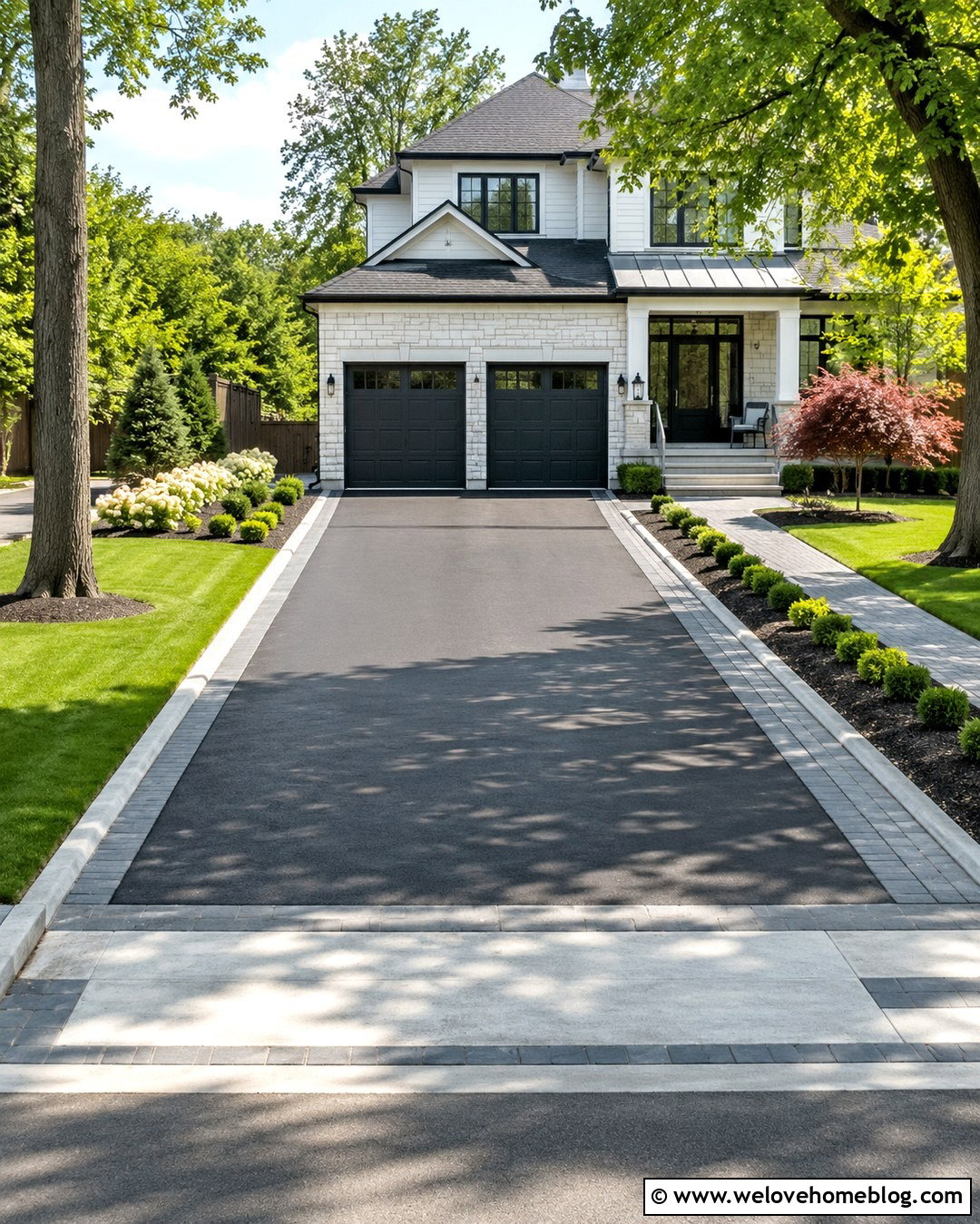
A blended recycled base combines crushed concrete with reclaimed asphalt pavement. The concrete contributes angular mineral particles, while the asphalt millings can add darker color and limited binding behavior. This mixture can support a straight suburban driveway finished with black asphalt or compacted recycled aggregate. Use concrete curbs at the street, a narrow paver border, and low-maintenance shrubs to keep the complete design neat. Blended products are not automatically consistent, so request information about particle size, contamination controls, and intended use. The ratio of concrete to asphalt may affect compaction, drainage, and surface behavior. A contractor should also confirm that the blend is compatible with the planned pavement. Properly processed recycled materials can reduce demand for virgin aggregate while giving demolished pavement another practical use. ()
13. Steel Slag Driveway Base
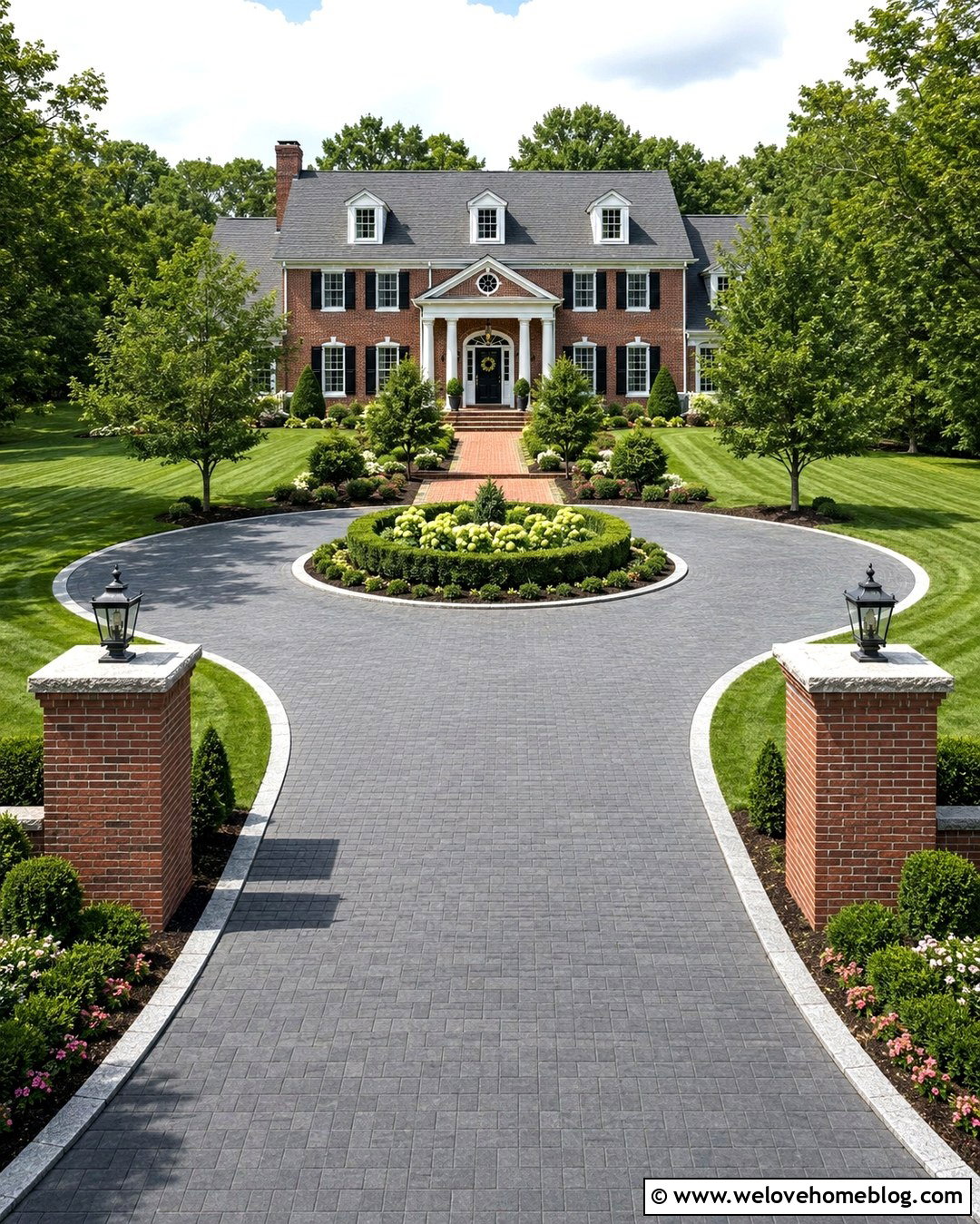
Processed steel slag can be used as a hard aggregate in certain granular or stabilized base applications. Its angular texture may provide strong particle interlock beneath pavers or asphalt. A formal circular driveway could place dark concrete pavers over an approved slag base, then use granite curbs, symmetrical boxwood beds, and brick entrance pillars. Only purchase weathered, tested slag from a reputable supplier because some unprocessed materials may expand or create drainage concerns. Chemical composition and performance vary by source and production method. This is not a product to collect casually from an industrial site. Confirm that the aggregate meets local specifications for pavement base, volume stability, abrasion resistance, and environmental use. Availability is regional, and conventional crushed stone may be simpler where certified slag products are difficult to obtain. ()
14. Crushed Brick Driveway Base
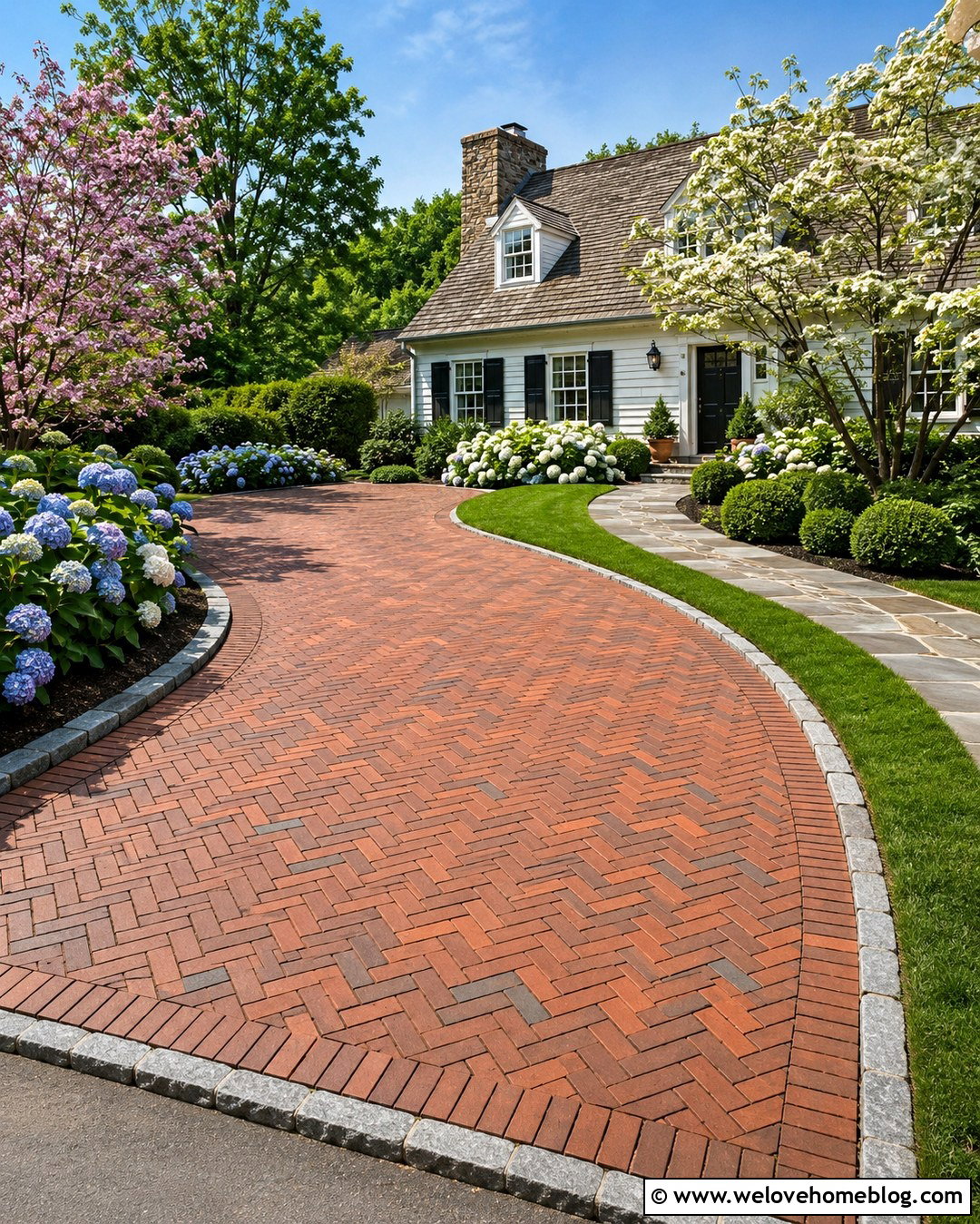
Crushed brick can provide a warm-toned recycled aggregate for light-duty driveways, secondary parking areas, and lower base blends. A brick-paver driveway with a herringbone pattern can use tested crushed masonry beneath the structural layers, creating a coordinated design for a traditional cottage. Add a soldier-course border, curved planting beds, hydrangeas, and a flagstone walkway. Pure, well-processed brick behaves differently from mixed demolition rubble, which may include plaster, wood, glass, or soft masonry. Brick can also be more absorbent and less durable than strong natural stone. For these reasons, it is often blended with conventional aggregate rather than used as the only structural base. Request test information, especially in freeze-thaw climates or where delivery trucks and other heavy vehicles will regularly use the driveway. ()
15. Decomposed Granite Driveway Base
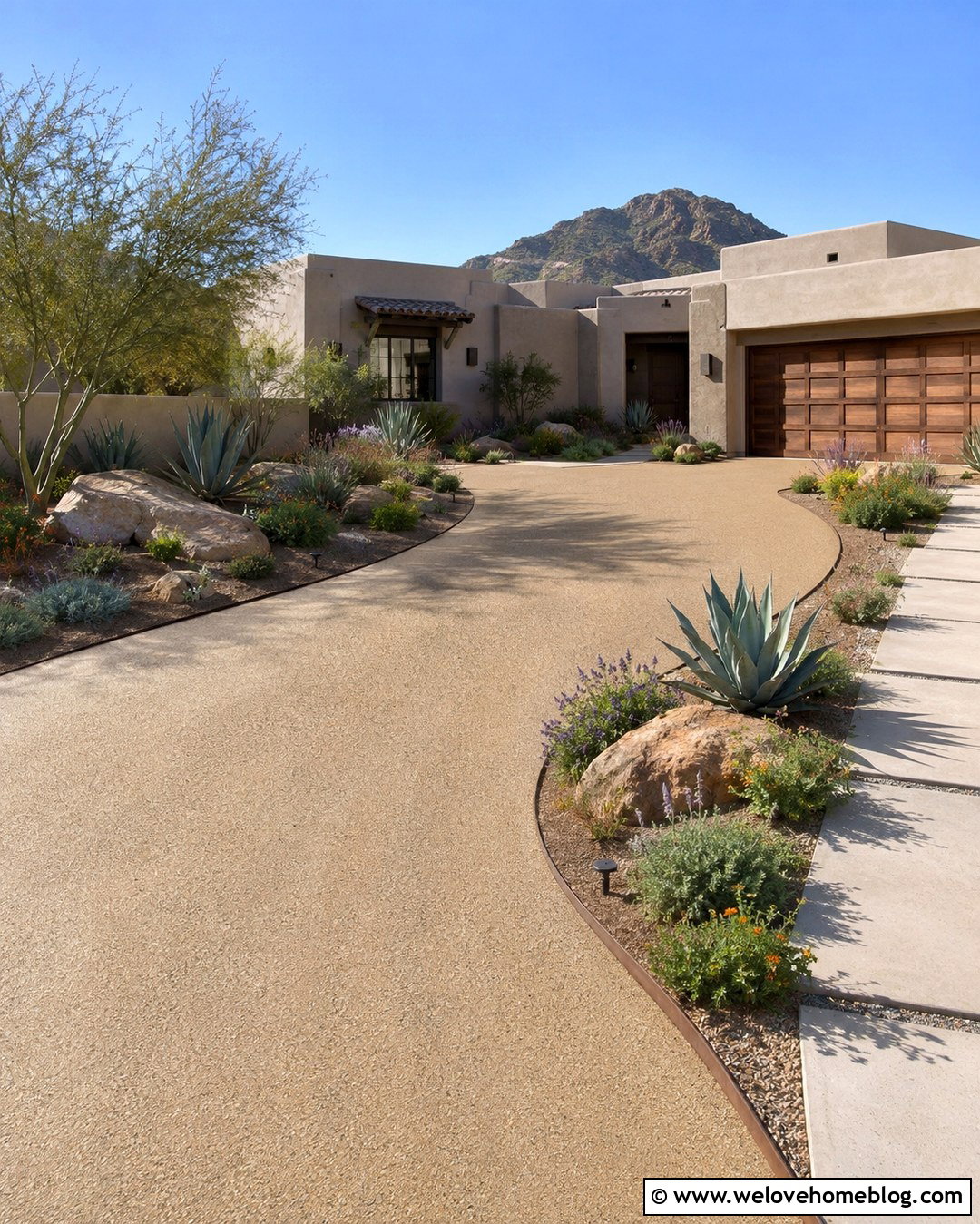
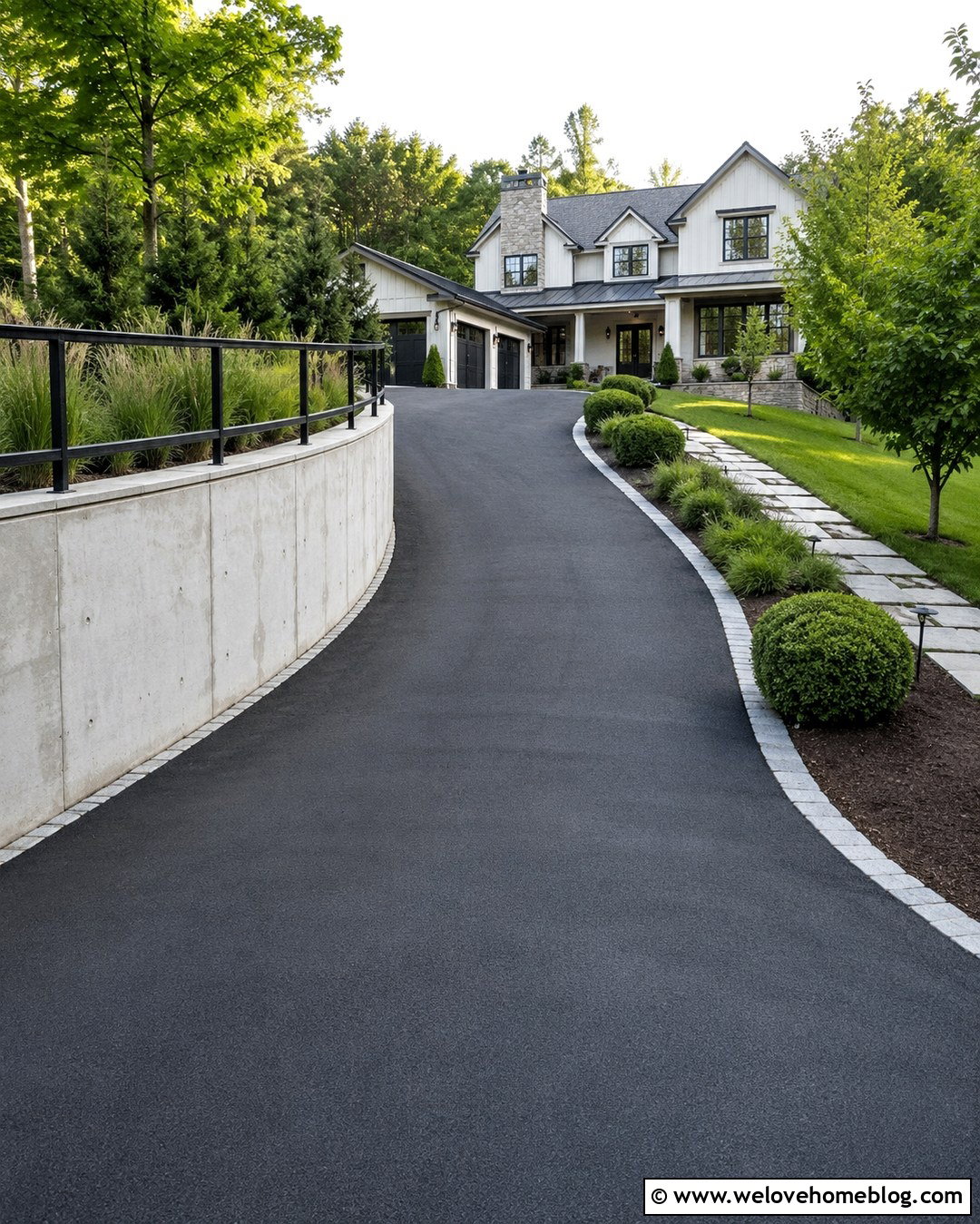
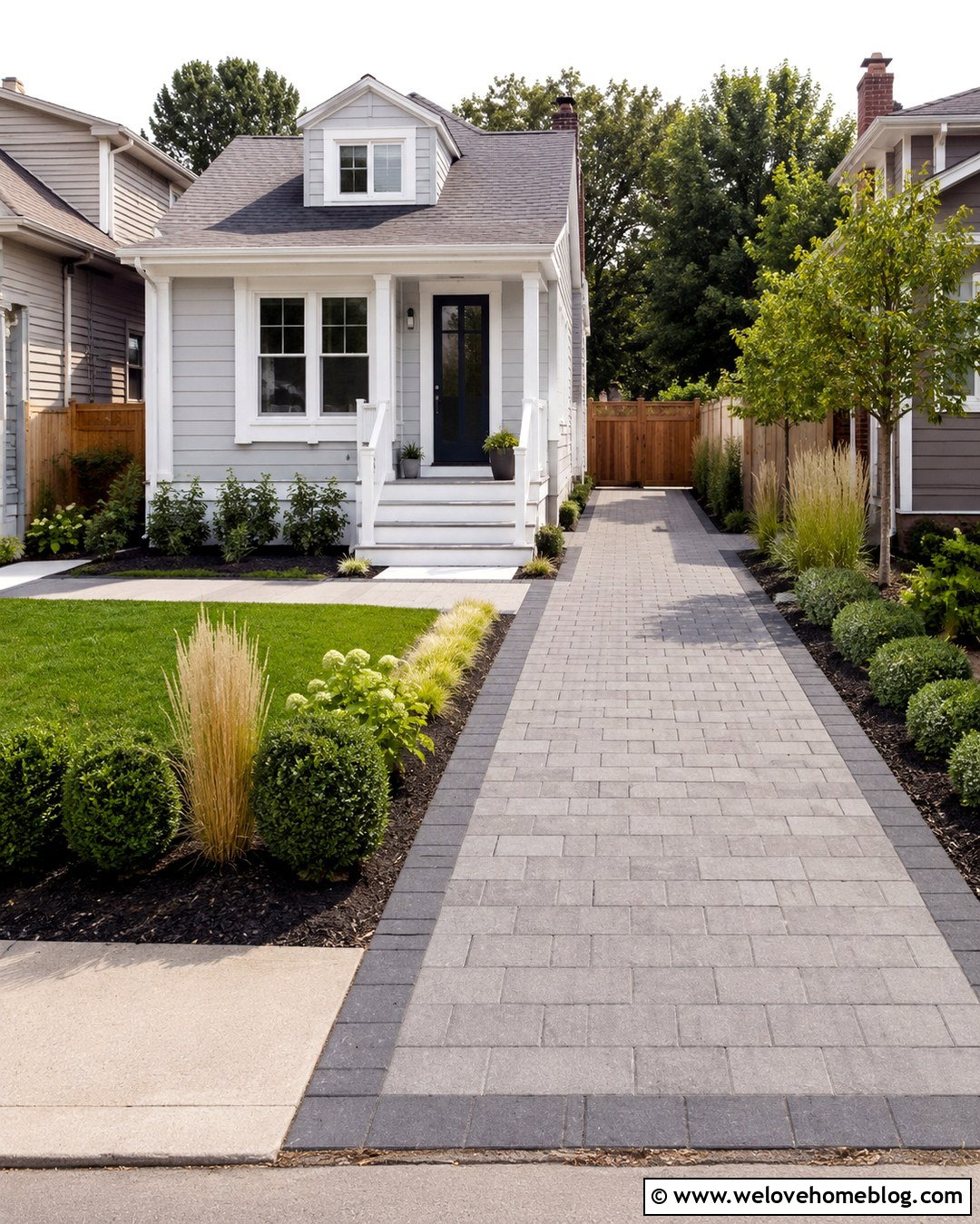
Decomposed granite consists of weathered granite particles ranging from small chips to fine material. When graded, moistened, and compacted, it can create a firm natural-looking driveway in relatively dry climates. A curved golden decomposed granite drive pairs beautifully with steel edging, desert grasses, flowering shrubs, and a stucco or adobe-style home. Stabilized products containing an approved binder may resist erosion and rutting better than loose material. However, decomposed granite should not be treated as a universal replacement for deep structural aggregate. Soft soil may still require a thicker crushed-stone subbase beneath it. Intense runoff can carry away fines, so crown the driveway, protect steep sections, and prevent roof or street water from flowing directly across the surface. Local granite color provides another useful design advantage. ()
16. Caliche Driveway Base
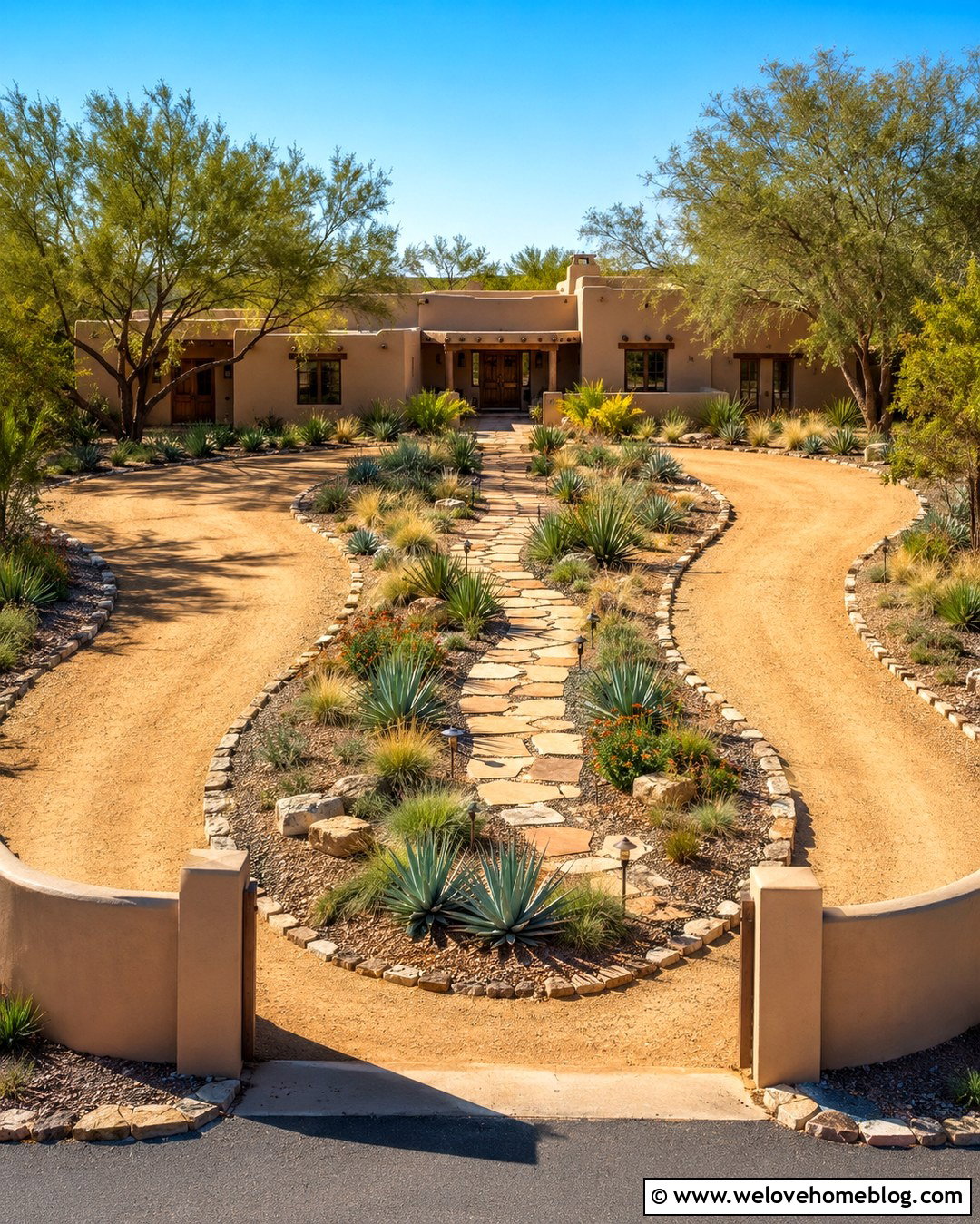
Caliche is a naturally cemented soil material found in parts of the Southwest. It usually contains calcium carbonate mixed with sand, clay, gravel, or silt. Where locally approved and correctly processed, caliche can create an economical base for rural asphalt, gravel, or chip-seal driveways. A broad horseshoe driveway finished with pale beige caliche can complement a Southwestern ranch home, adobe walls, native grasses, agave, and weathered stone borders. Performance varies greatly between deposits, making material testing important. Poor-quality caliche may soften, become dusty, or erode when exposed to repeated water. It should be shaped and compacted at suitable moisture, then protected from concentrated runoff. In wetter climates or on expansive soil, an engineered crushed aggregate base will often provide more predictable performance than untreated local caliche.
17. Crushed Shell Driveway Base
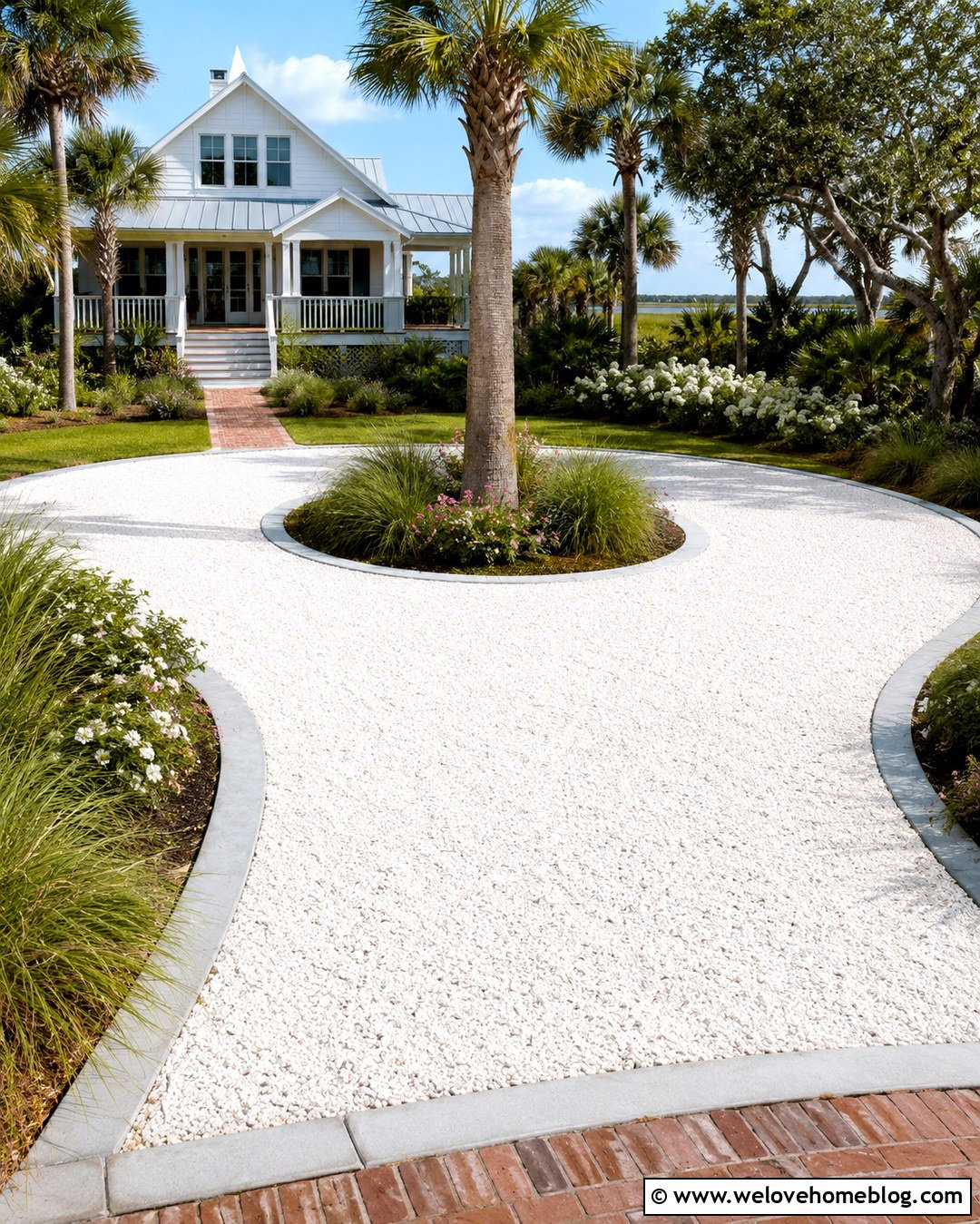
Crushed shell is a distinctive regional material used in some coastal communities. Broken shell pieces and naturally occurring fines can compact into a pale, textured surface that suits beach cottages and coastal ranch homes. A circular crushed shell driveway looks complete with concrete edging, salt-tolerant grasses, palms, and a brick walkway to the entrance. Shell quality differs widely, and some products are better suited to a wearing course than a structural base. Soft subgrades may need conventional crushed stone below the shell layer. Expect minor dust, movement, and periodic replenishment, especially near the street transition. Source the material legally and responsibly, since harvesting rules can apply. Also confirm that the shell’s salt content, cleanliness, particle distribution, and compaction behavior are appropriate for residential construction in your area.
18. Sand Clay Driveway Base
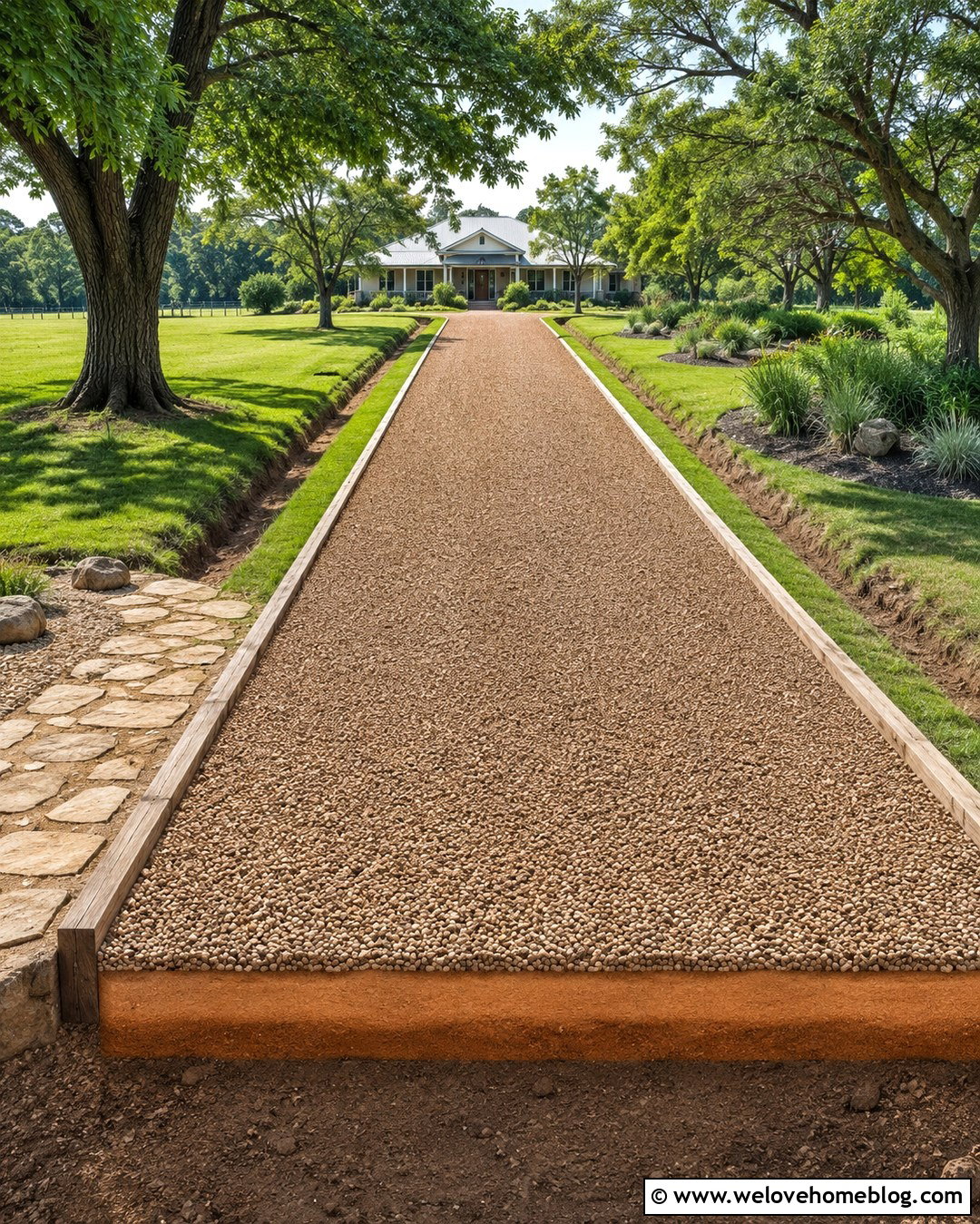
A sand-clay mixture can form a compacted base in regions where suitable local soils are readily available. The sand contributes friction and drainage, while the clay helps bind the particles. A long country driveway might use reddish-tan sand-clay beneath a compacted gravel surface, with grass shoulders, timber edging, mature shade trees, and shallow side ditches. The blend must be carefully proportioned. Too much sand can produce a loose foundation, while excessive clay may hold water and become soft. Moisture control during construction is critical because the material needs to be neither powder-dry nor saturated when compacted. Sand-clay bases are best evaluated through local experience and soil testing. They are less predictable than graded crushed aggregate, particularly in areas with frequent rain, frost, or expansive subgrade soil. ()
19. Soil Cement Driveway Base
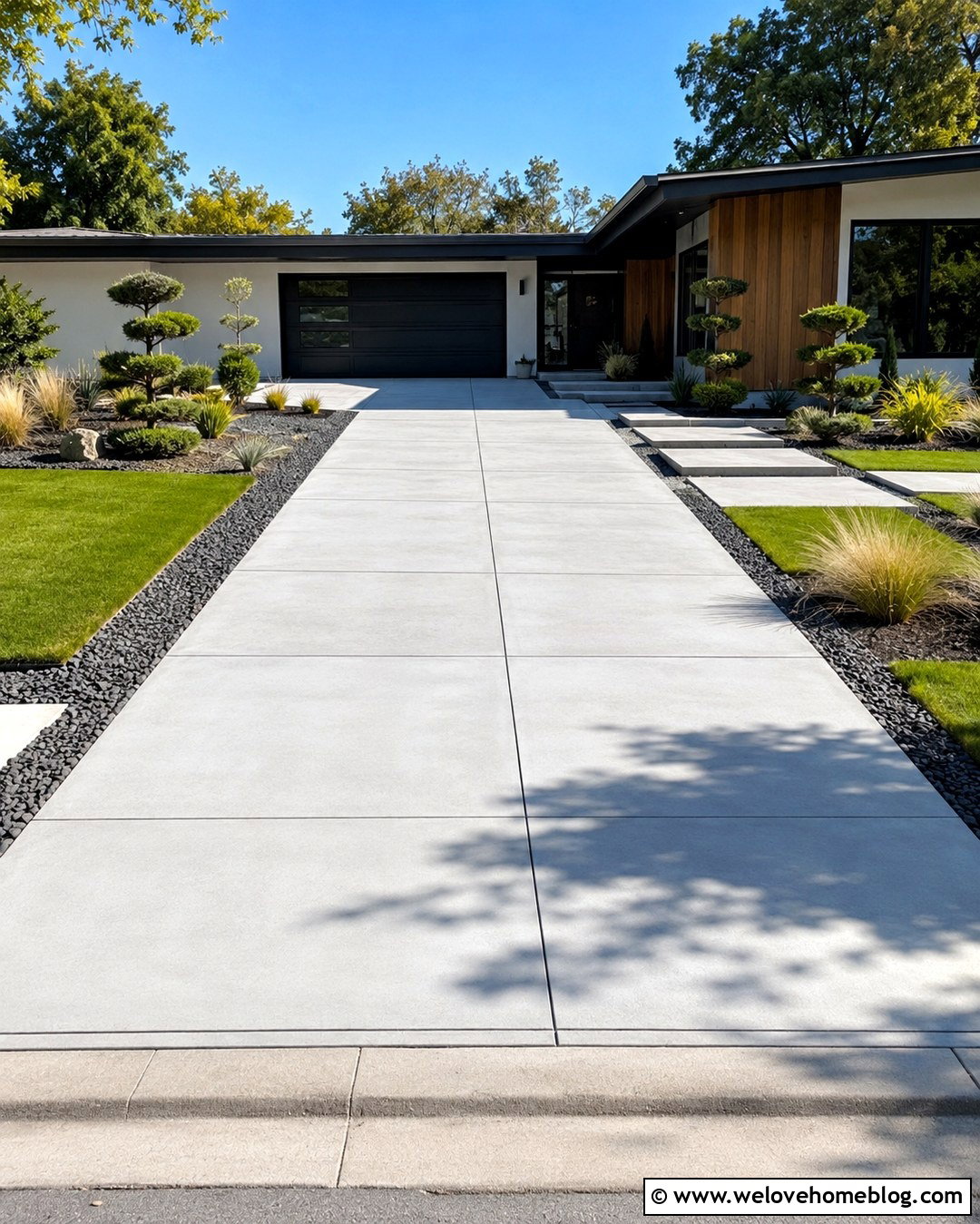
Soil cement is created by blending existing soil with a controlled amount of Portland cement and water, then compacting and curing the mixture. This treatment transforms suitable site soil into a stronger, more uniform supporting layer. It works beneath asphalt, concrete, chip seal, or pavers when designed for the specific soil and load conditions. A straight midcentury driveway could use a soil-cement base beneath light gray poured concrete, framed by narrow gravel beds and sculptural evergreen planting. The process requires accurate proportioning, thorough mixing, timely compaction, and moisture retention during curing. It is not simply dry cement scattered over muddy ground. Laboratory testing or contractor experience is needed to determine whether the soil is suitable and how much cement the project requires. ()
20. Cement Treated Aggregate Driveway Base
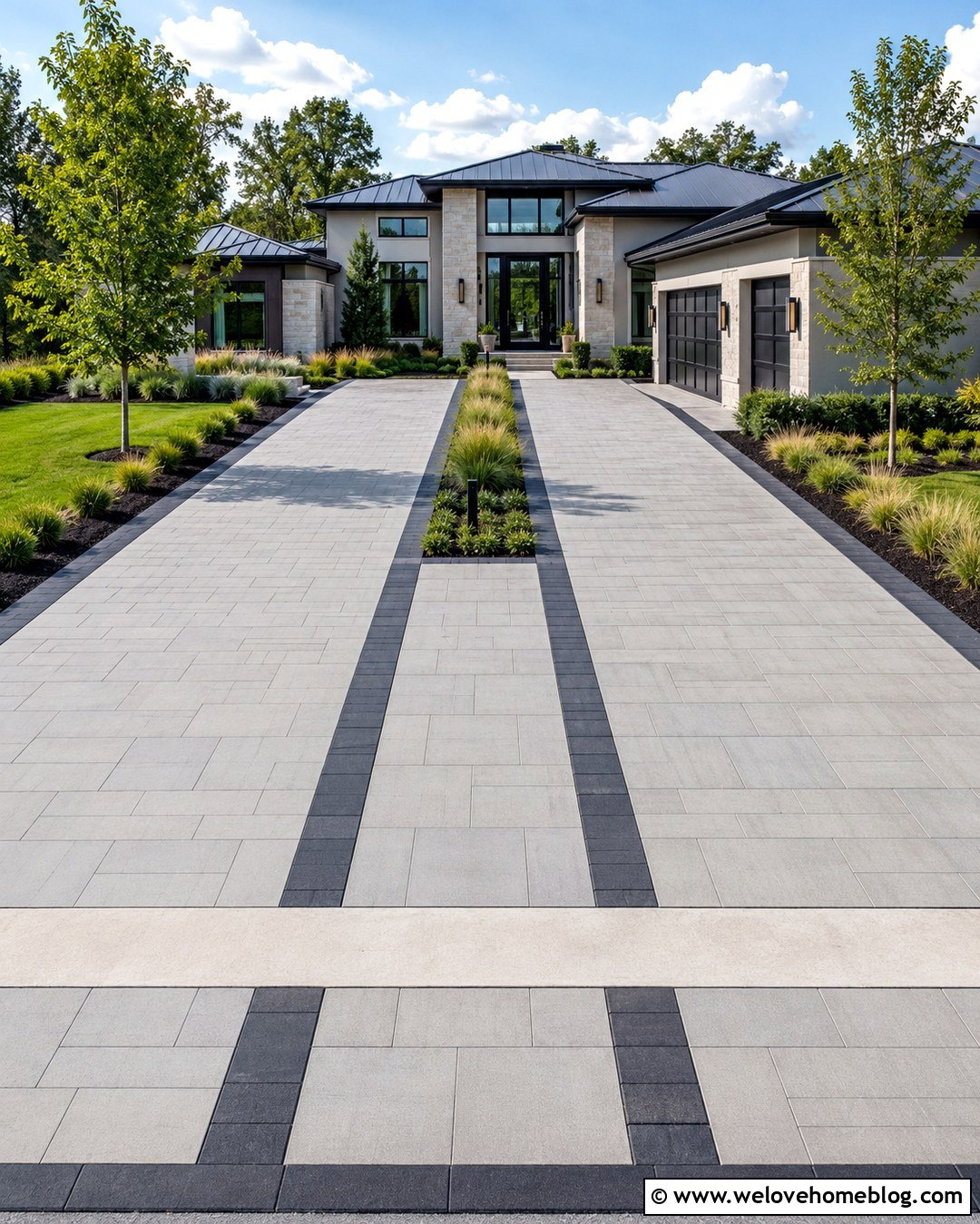
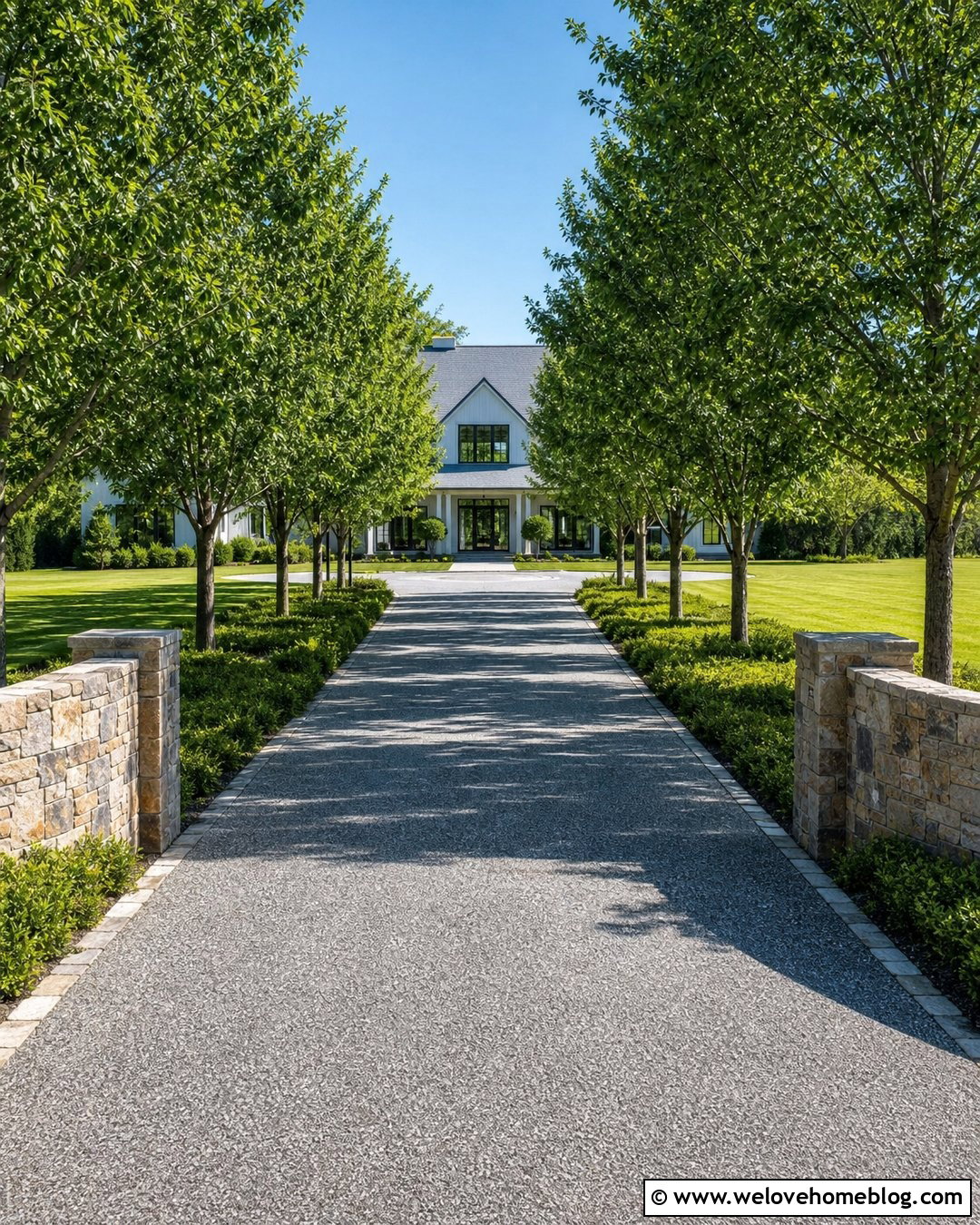
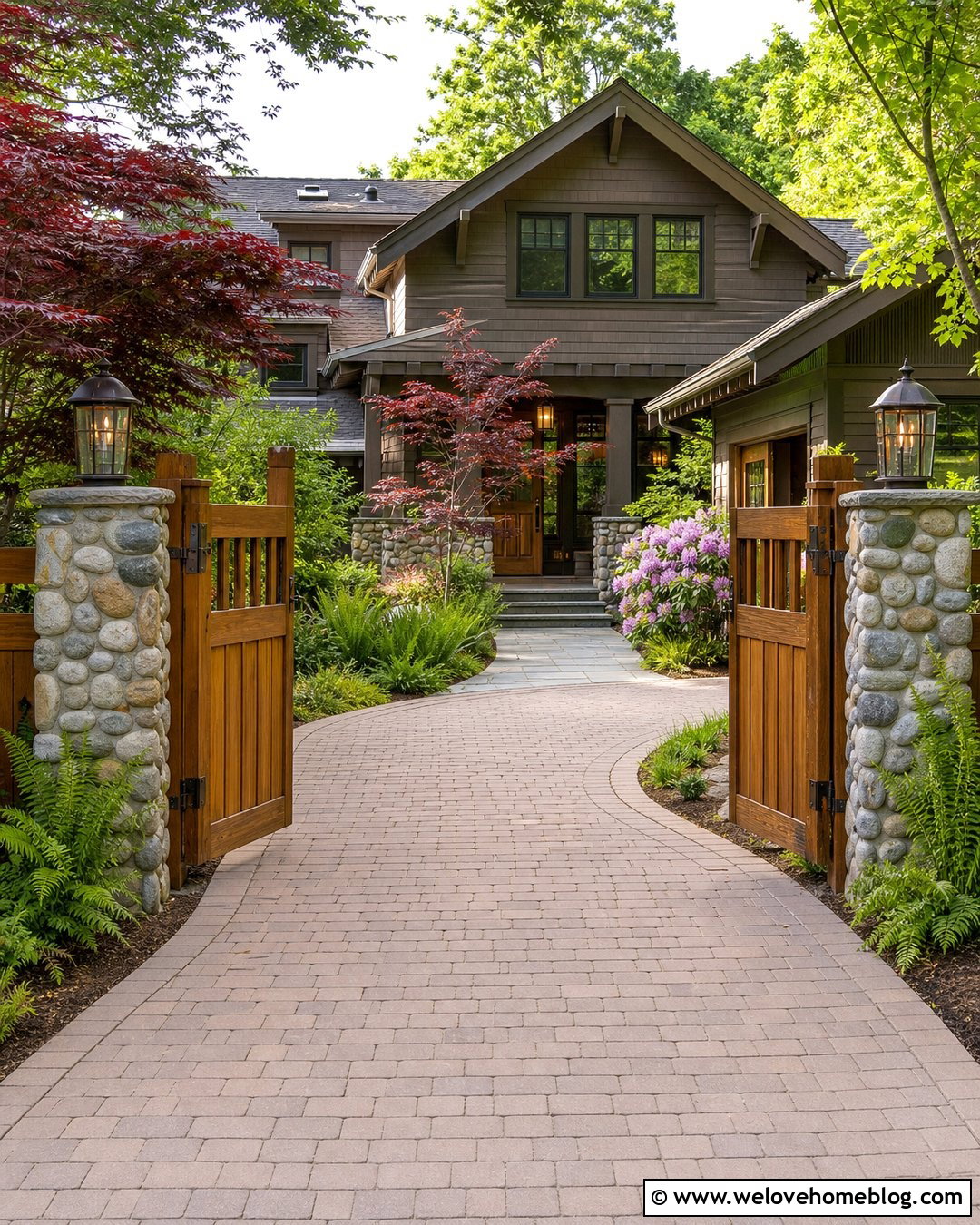
Cement-treated aggregate base combines graded stone, a measured amount of cement, and water. Once compacted and cured, it becomes stiffer than an unbound gravel base while remaining a separate supporting layer beneath the driveway surface. This option can benefit heavily used driveways, weak subgrades, and projects where rut resistance is important. Pair it with large-format concrete pavers on a split modern driveway, using dark paver borders, ornamental grasses, and a matching concrete walkway. Because the base becomes relatively rigid, the pavement design must account for joints, cracking, drainage, and the transition to surrounding flexible materials. Mixing and curing need professional control. It usually costs more than conventional crushed aggregate, but it can provide a strong foundation when site conditions justify additional stabilization. ()
Conclusion:
The best foundation depends on much more than price. Soil strength, drainage, frost depth, driveway slope, vehicle weight, surface material, and local aggregate availability should guide the decision. Crusher run and dense-graded gravel suit many conventional projects, while clean stone supports properly designed permeable systems. Recycled concrete and asphalt millings can reduce virgin material use when they are clean and specification compliant. Regional choices such as caliche, shell, or sand-clay require especially careful evaluation. Whatever material you select, invest in excavation, grading, drainage, mechanical compaction, and strong edge restraint. These 20 driveway base material options ideas provide a useful starting point, but a locally experienced contractor can finalize the appropriate depth and construction method.

Related posts:
Leave a Reply