
Solar driveway markers can do much more than outline pavement. They can clarify curves, highlight entrances, improve nighttime navigation, and add a polished layer of curb appeal without trenching for electrical wiring. Today’s options include solar stakes, flush-mounted road studs, post-cap lights, paver markers, and low bollards. The strongest designs match the marker style to the driveway material, house architecture, landscaping, and local weather. Sun exposure also matters because shaded fixtures may not charge reliably, while reflective details can provide backup visibility when headlights reach them. () Whether your driveway is gravel, concrete, asphalt, brick, or resin-bound, the following 20 Solar Driveway Markers Ideas offer complete looks that balance appearance, placement, and practical guidance.

1. Solar Driveway Markers With Gravel Edging
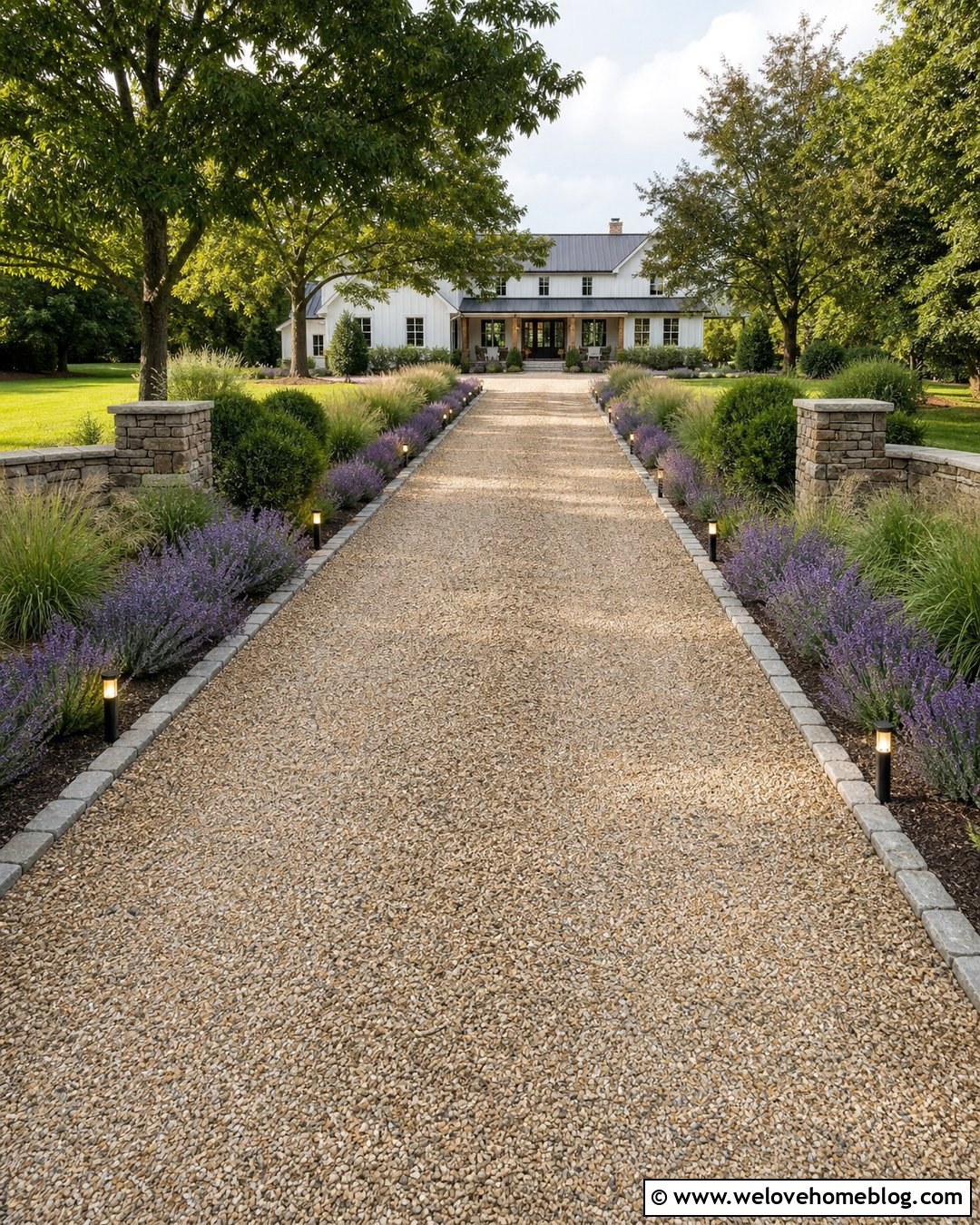
A long pea gravel driveway feels more organized when warm-white solar stake markers follow both edges. Install the markers just beyond a low cobblestone border so tires, lawn equipment, and shifting gravel cannot easily damage them. A straight layout suits a farmhouse or country home, especially when lavender, ornamental grasses, and clipped shrubs soften the entrance. Keep the markers evenly aligned, but add one extra fixture near each turn, parking area, or walkway connection. Black or bronze housings blend naturally with rural landscaping during the day. At night, their repeated glow clearly defines the driving route. Choose markers with replaceable batteries and place their solar panels above surrounding plants, where leaves will not block sunlight or cover the lenses.
2. Flush Solar Driveway Markers On Concrete
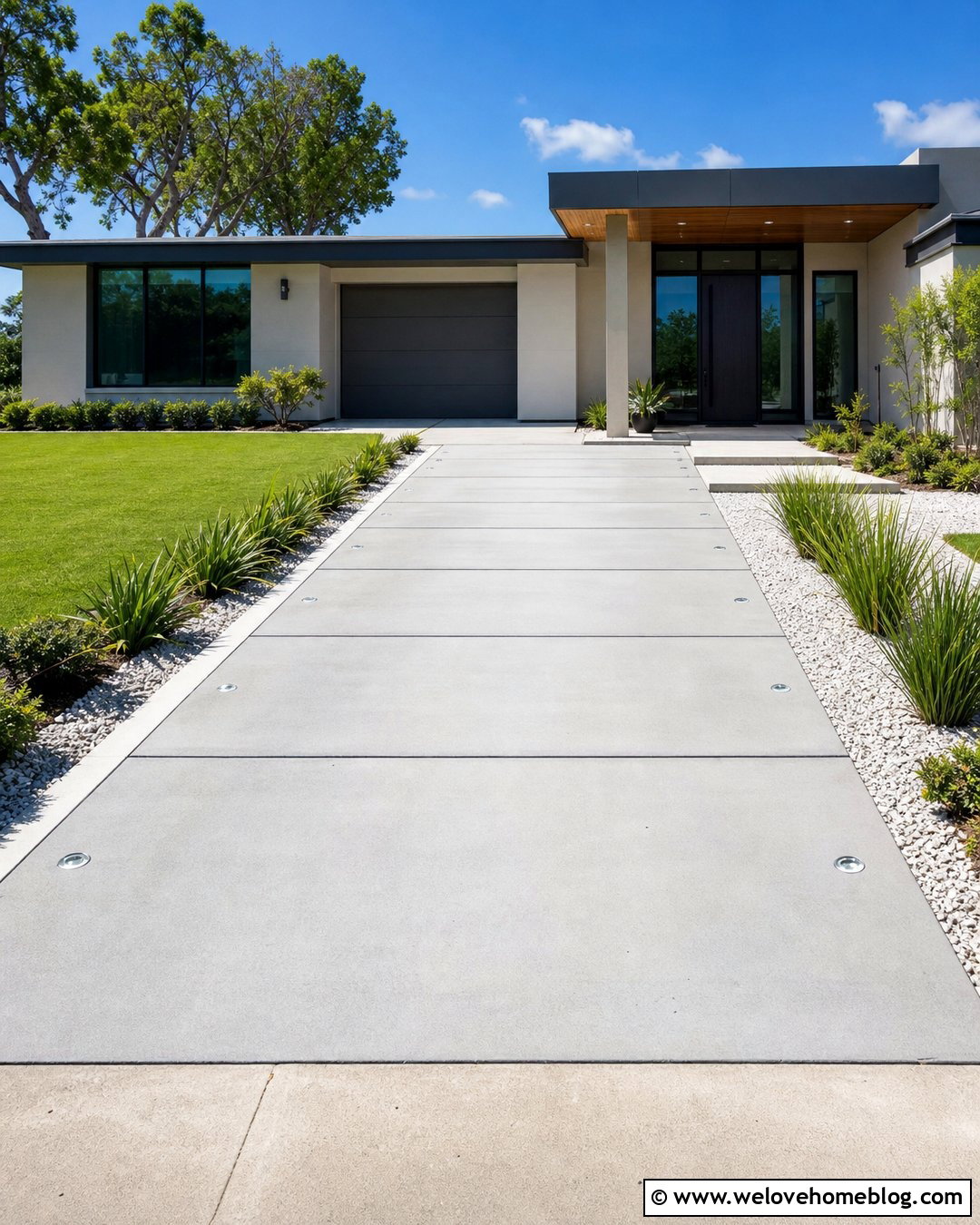
Flush solar road studs create a clean solution for a modern poured-concrete driveway. Arrange them along the outer edges rather than across the main tire paths unless the fixtures are specifically rated for vehicle loads. The low profile preserves an uncluttered look and reduces interference with mowing or foot traffic. Cool-white markers complement pale gray concrete, charcoal expansion joints, and a contemporary house with simple geometric planting beds. Use closer placement around a curve and wider spacing along straight sections to make the route easy to read. Aluminum or heavy-duty polycarbonate housings offer a more substantial finish than lightweight plastic. Clean the solar panels occasionally because dust, leaves, and driveway residue can reduce charging and make the lights appear uneven after sunset.
3. Blue Solar Driveway Markers On Asphalt
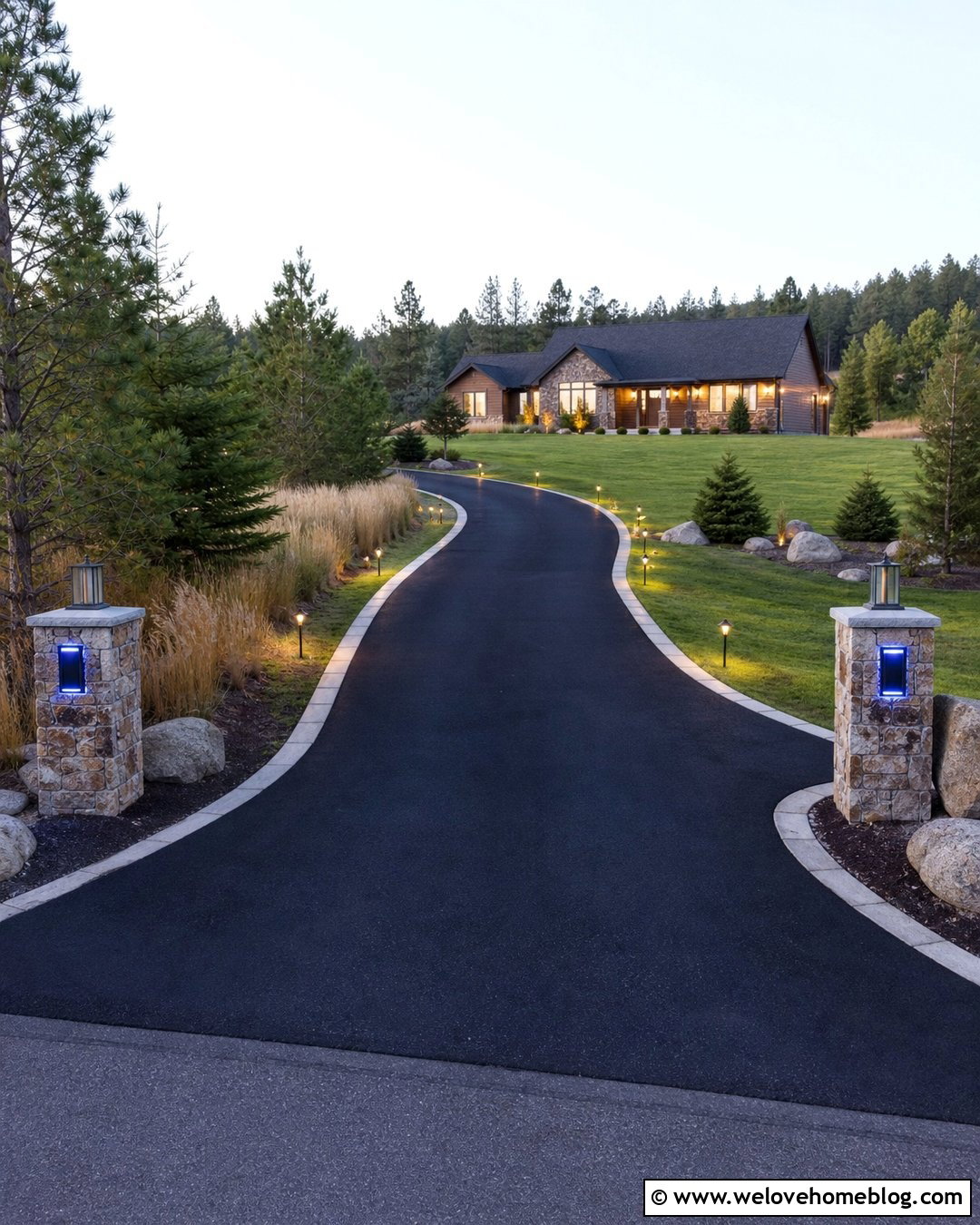
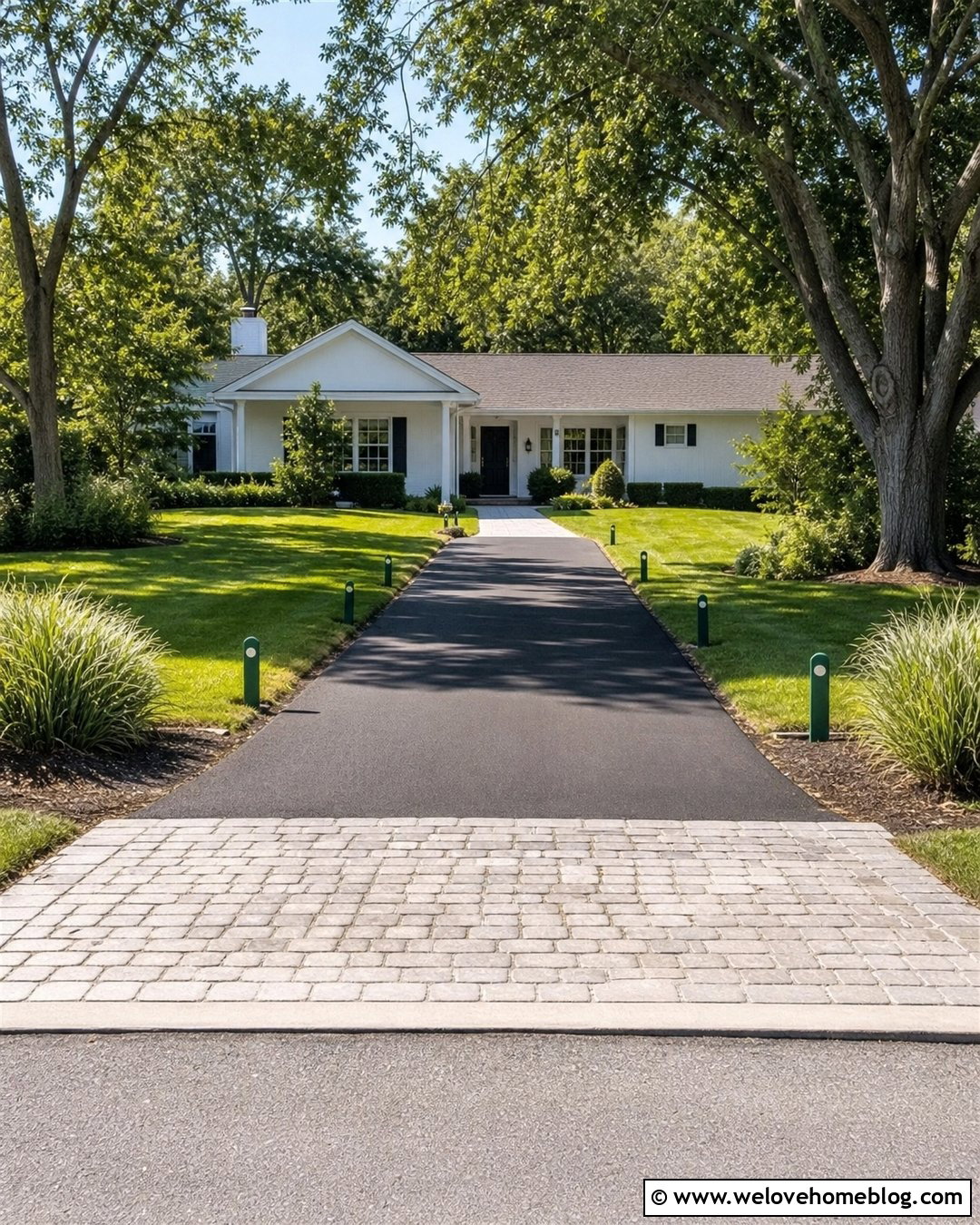
Blue solar driveway markers can make a black asphalt driveway easier to recognize from a dark rural road. Use them sparingly so the result feels residential rather than commercial. Two bright markers at the entrance can identify the opening, while softer warm-white markers continue along the driveway edges toward the house. Frame the asphalt with pale granite curbing to create strong daytime contrast. A gently curved layout surrounded by meadow grass, evergreens, and natural stone works especially well with this lighting plan. Place each fixture outside the pavement where snowplows and tires are unlikely to hit it. Combining active solar illumination with reflective surfaces provides a useful second layer of visibility when headlights approach the driveway. ()
4. Solar Post Cap Driveway Markers
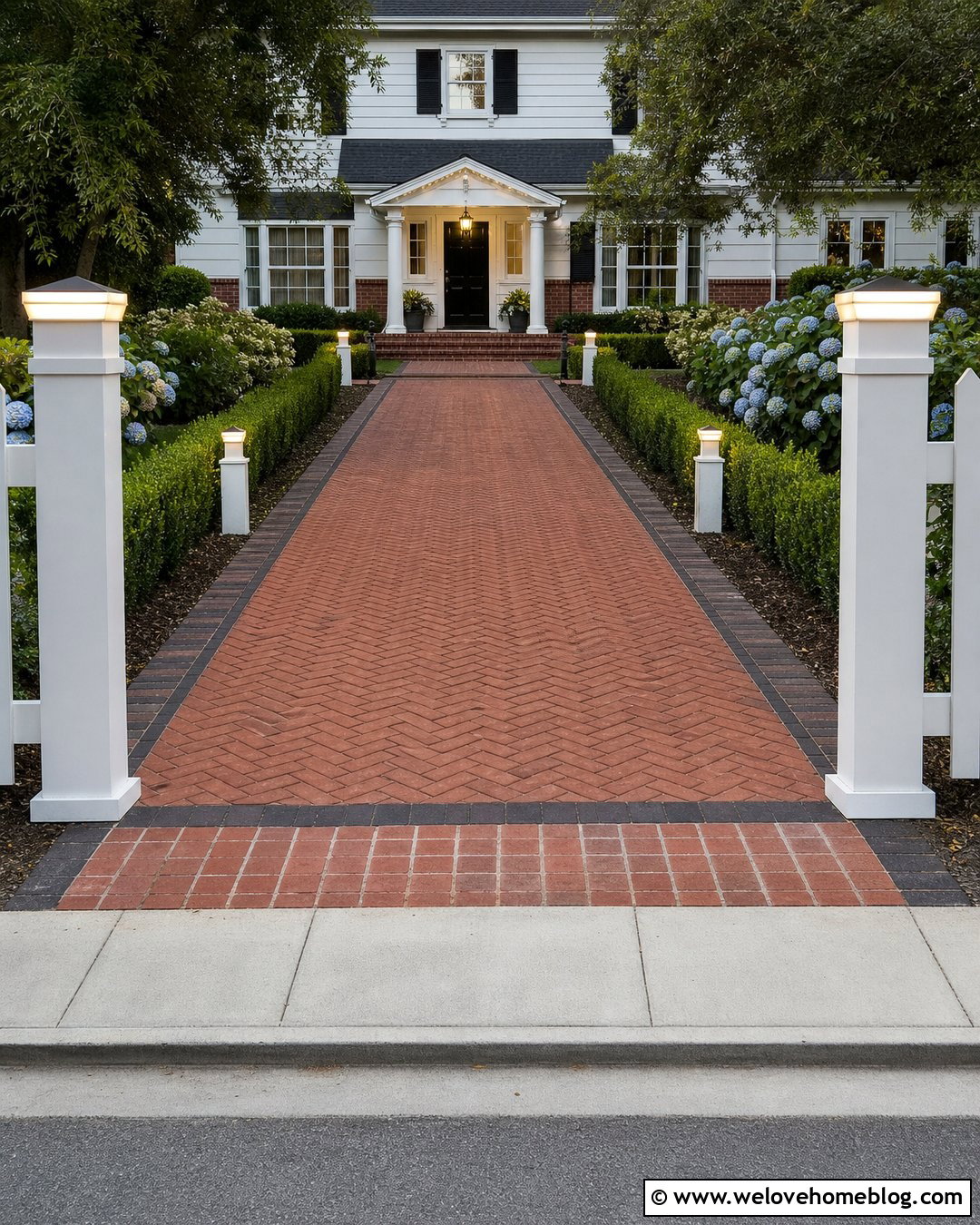
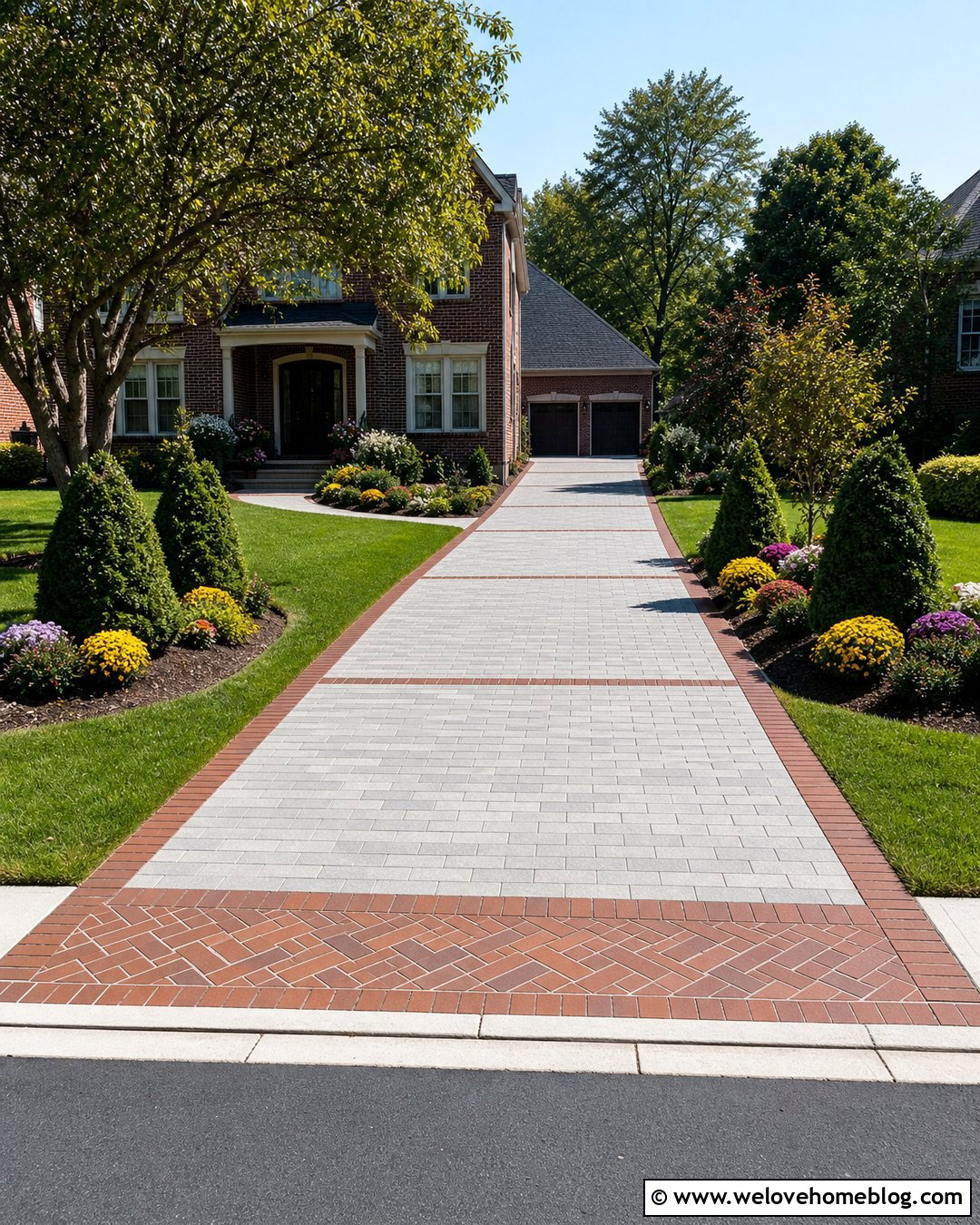
Solar post caps turn simple entrance posts into prominent driveway markers. For a traditional brick driveway, install them on painted wood posts that coordinate with the home’s trim, fencing, or front door. Continue the design with smaller solar stakes set beside the brick edges, creating a visual path from the street to the garage. Warm-white caps generally look welcoming against red or brown clay pavers. Boxwood hedges, hydrangeas, and a neat lawn complete the formal suburban setting. Size the posts so they remain visible above nearby plants without overwhelming the entrance. Select caps designed for the exact post dimensions, and ensure the panels receive direct sunlight. Reflective strips placed discreetly on the street-facing sides can maintain entrance visibility when winter weather limits solar charging.
5. Solar Lantern Driveway Markers

Lantern-style solar markers give a circular driveway a traditional, welcoming appearance. Pair antique-bronze lanterns with clay brick pavers laid in herringbone and a contrasting soldier-course border. Position the tallest markers at the two entrances, then use shorter matching fixtures around the center island. This creates a clear hierarchy and prevents the lighting from feeling crowded. A colonial house, clipped hedges, flowering trees, and a simple lawn make an appropriate backdrop. Keep lanterns outside vehicle overhang zones, especially where the circle narrows near the front steps. Frosted lenses produce a softer effect than exposed LEDs and can reduce distracting points of glare. Repeating the same metal finish on the mailbox, door hardware, and walkway lights helps the full driveway design feel intentional.
6. Solar Bollard Driveway Markers
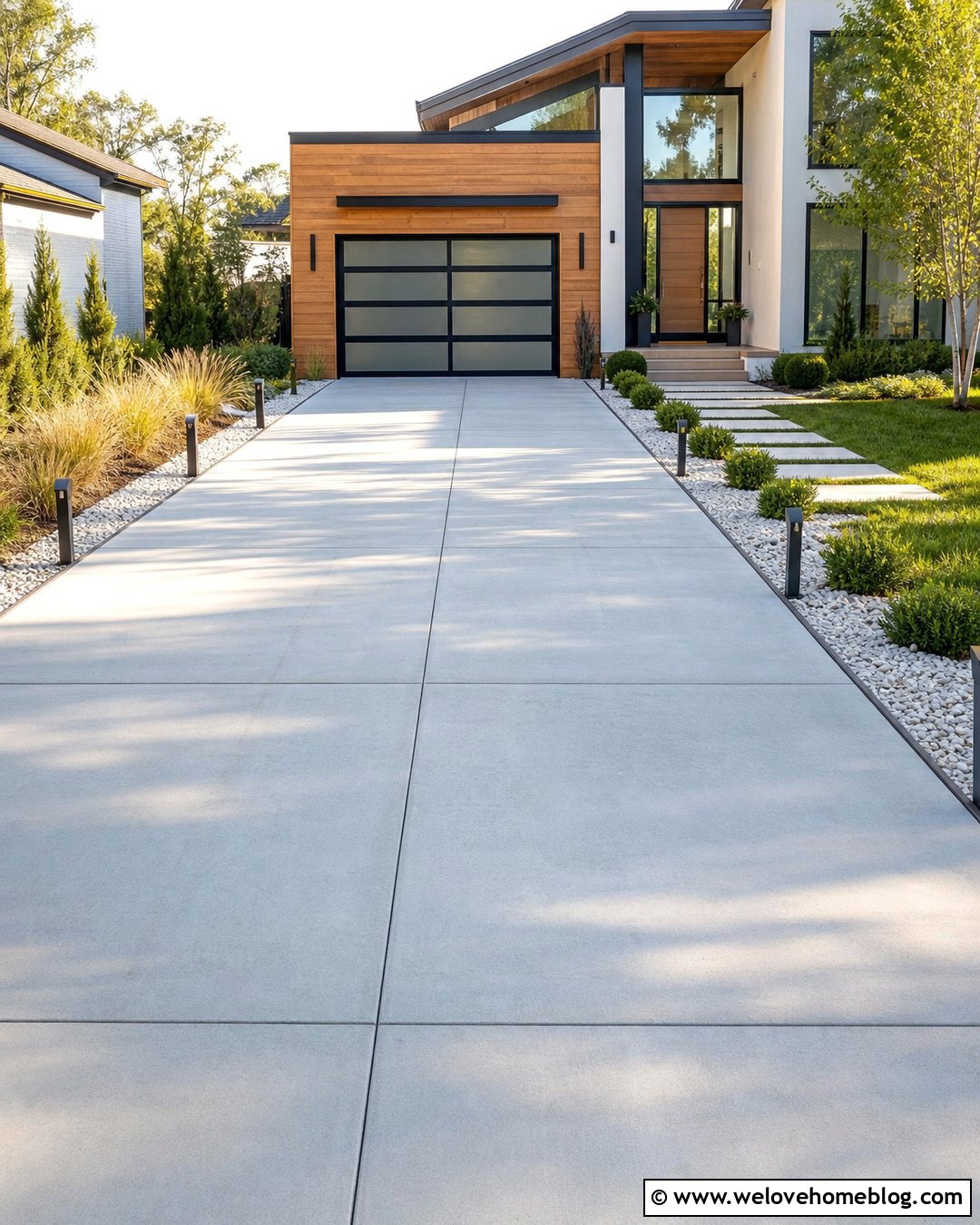
Low solar bollards are a natural match for a straight modern driveway made from large-format concrete slabs. Choose slim black fixtures with shielded, downward-facing light so the pavement is defined without sending excessive brightness toward windows or neighboring properties. Set the bollards in narrow gravel beds beside the driveway, where their dark finish contrasts with white decorative stone and architectural grasses. A modern house with wood siding, flat rooflines, and broad planting beds completes the look. Use consistent spacing along the straight run, with additional markers near the sidewalk and garage apron. Downward light can also reveal the pavement edge and nearby ground rather than producing only isolated glowing dots. Short bollards generally feel more residential and visually balanced than tall commercial fixtures.
7. Solar Snow Pole Driveway Markers
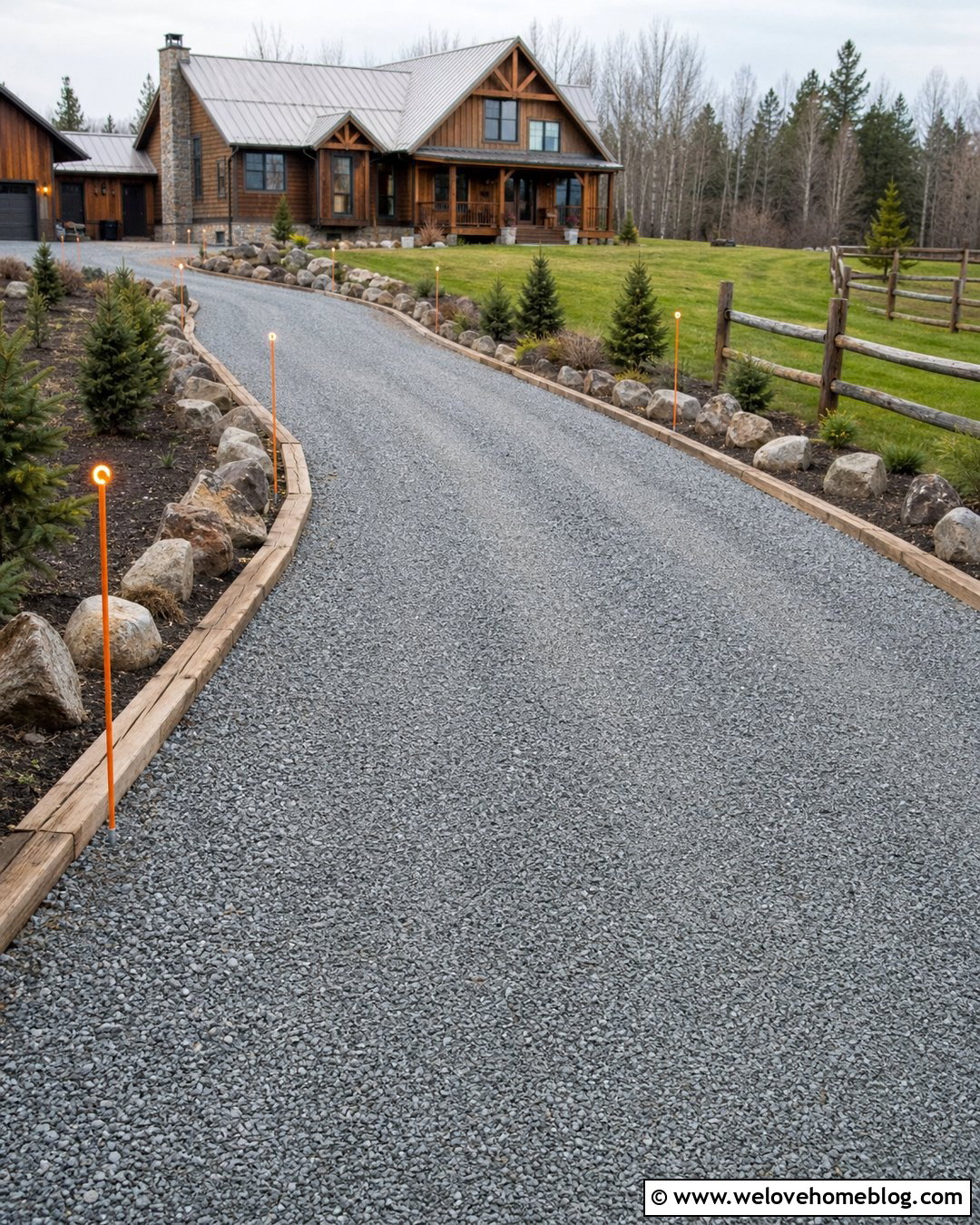
Snowy climates call for solar driveway markers that remain visible above plowed banks. Combine flexible fiberglass snow poles with small solar caps or illuminated reflector heads along a crushed-stone driveway. Bright orange poles provide practical daytime visibility, while warm or cool LEDs define the route after dark. Place them beyond the normal plow line and use closer spacing near drainage ditches, curves, and culverts. A long driveway leading to a cabin, ranch house, or rural farmhouse suits this functional design. Low boulders and evergreen planting can soften the utilitarian appearance without hiding the markers. Avoid rigid metal posts beside tight driving lanes because they may damage vehicles. Flexible supports are more forgiving, but they should still be installed firmly enough to resist wind and accumulated snow.
8. Solar Driveway Markers For Curved Driveways

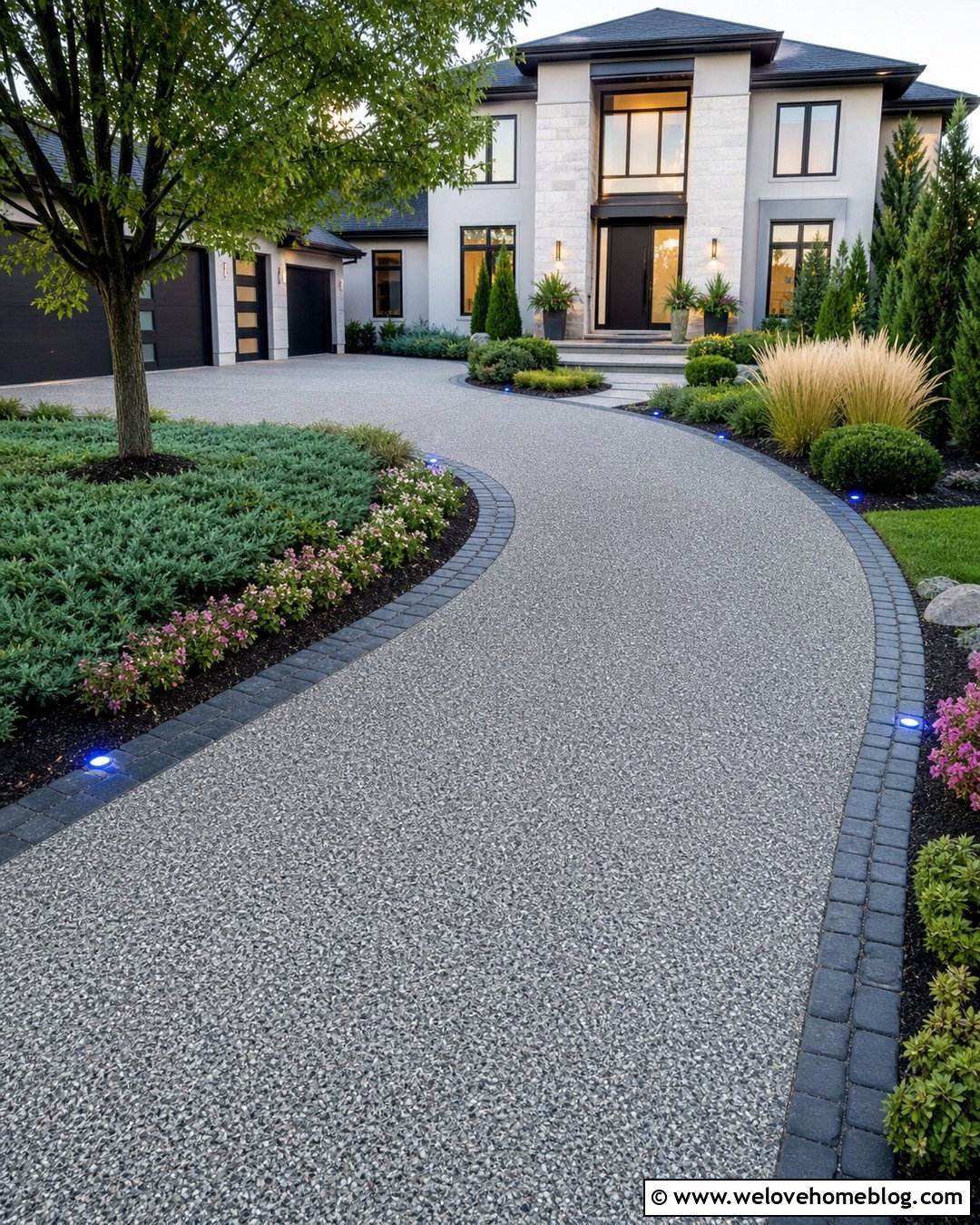
A curved driveway becomes easier to follow when solar markers emphasize the outside edge of every bend. Use warm-white stake lights beside a resin-bound gravel surface in a natural tan tone. Dark granite setts can form a crisp border, while layered shrubs, flowering perennials, and small ornamental trees frame the route. Place markers slightly closer together through the curve and farther apart where the driveway straightens. This changing rhythm visually communicates the direction of travel without flooding the yard with light. A craftsman house with stone details and warm woodwork complements the organic layout. Keep fixtures set back from the pavement but clear of dense foliage. The complete design should reveal each turn while preserving open views toward the garage, front walkway, and home entrance.
9. Solar Address Sign Driveway Markers
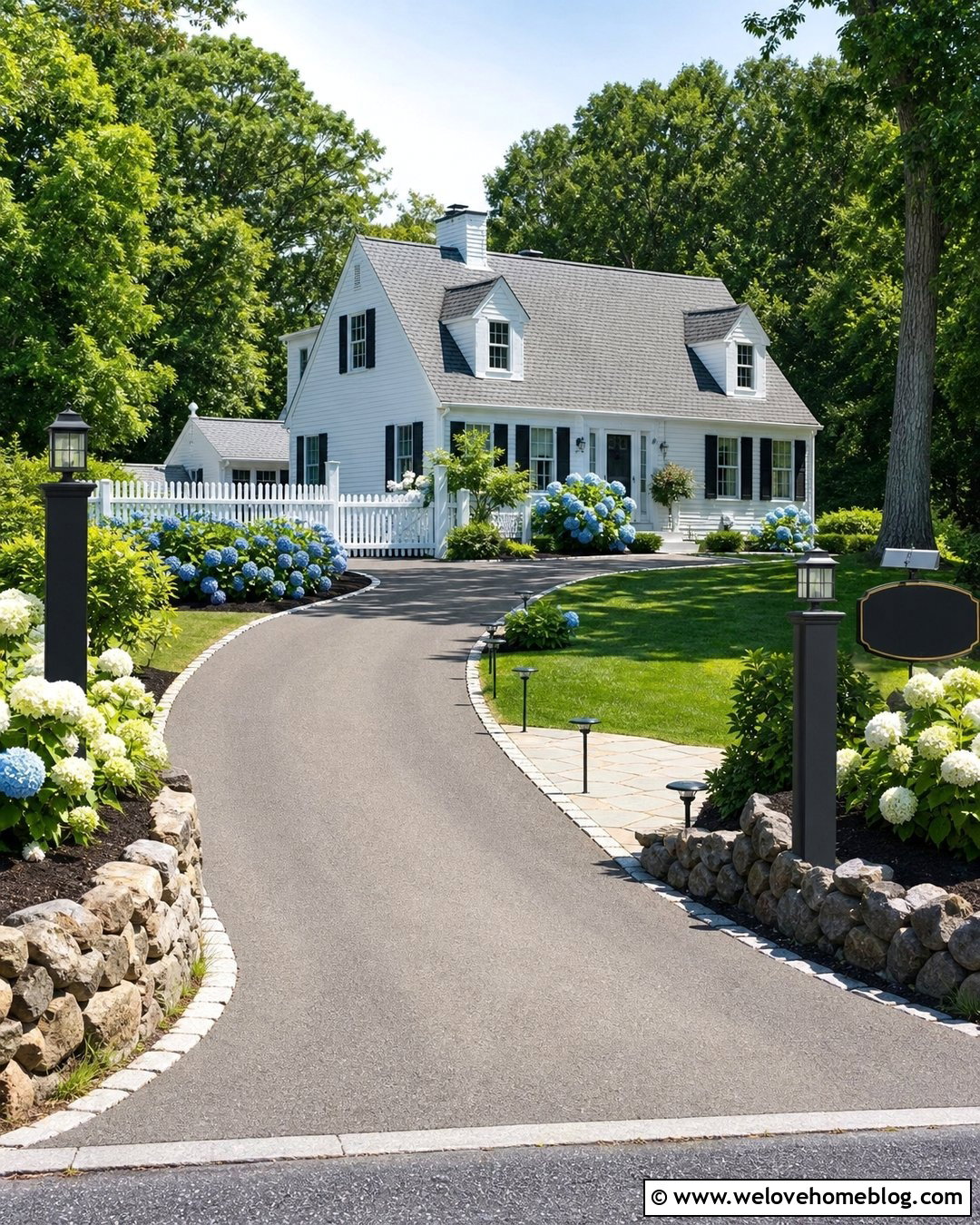
A solar address sign can serve as the main marker for a driveway that is difficult to locate from the street. Pair a backlit or top-lit address plaque with two matching solar posts at the entrance to a gray asphalt driveway. Continue with smaller markers along a curved stone border so visitors can immediately understand the route. Place the sign where approaching headlights will not be blocked by shrubs, mailbox posts, or parked vehicles. A Cape Cod home with white siding, dark shutters, hydrangeas, and a low picket fence creates a classic setting. Use simple, high-contrast numbers rather than decorative lettering that becomes hard to read from a distance. The sign should face approaching traffic as clearly as local placement rules allow while remaining outside the road clearance area.
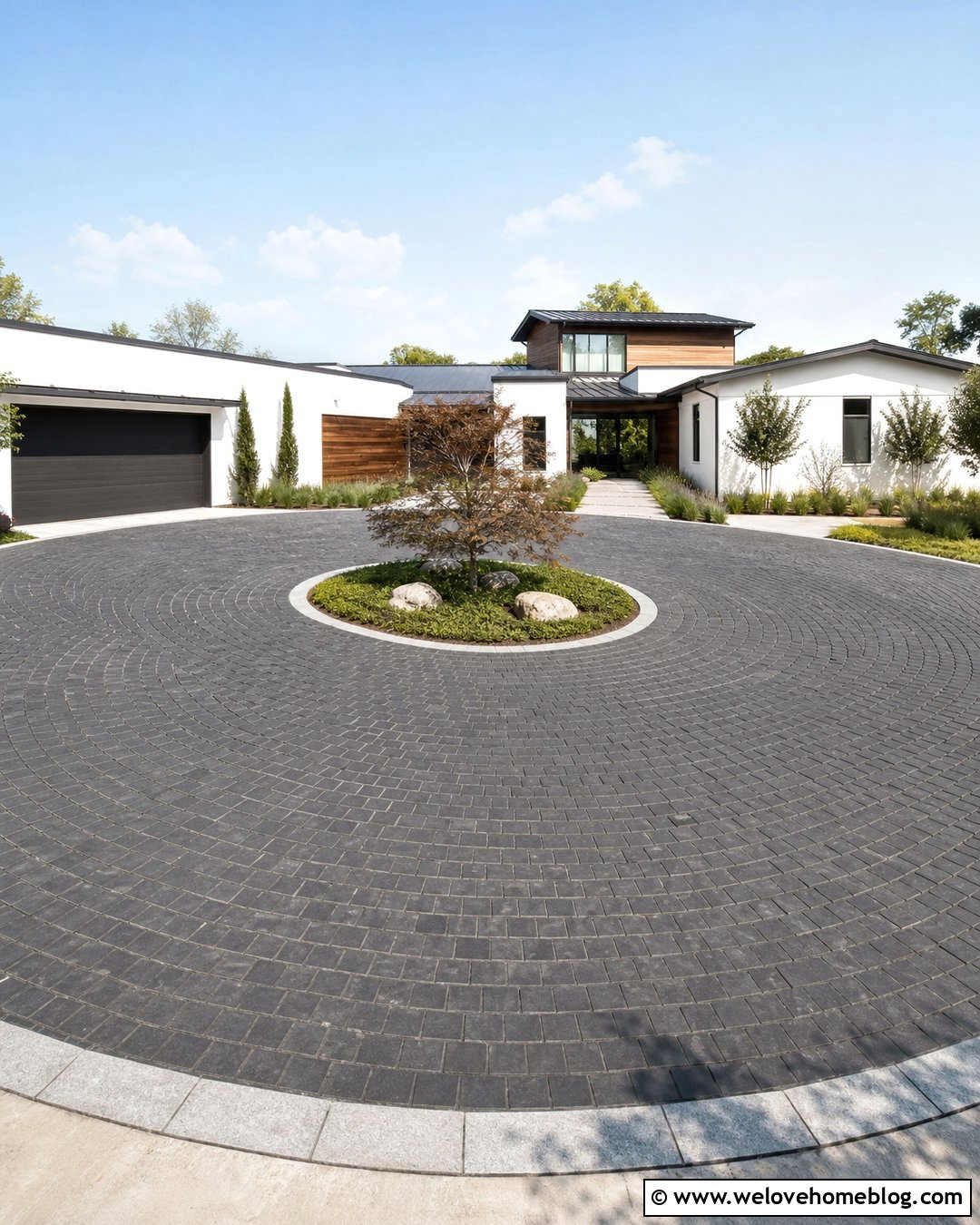
10. Solar Paver Driveway Markers
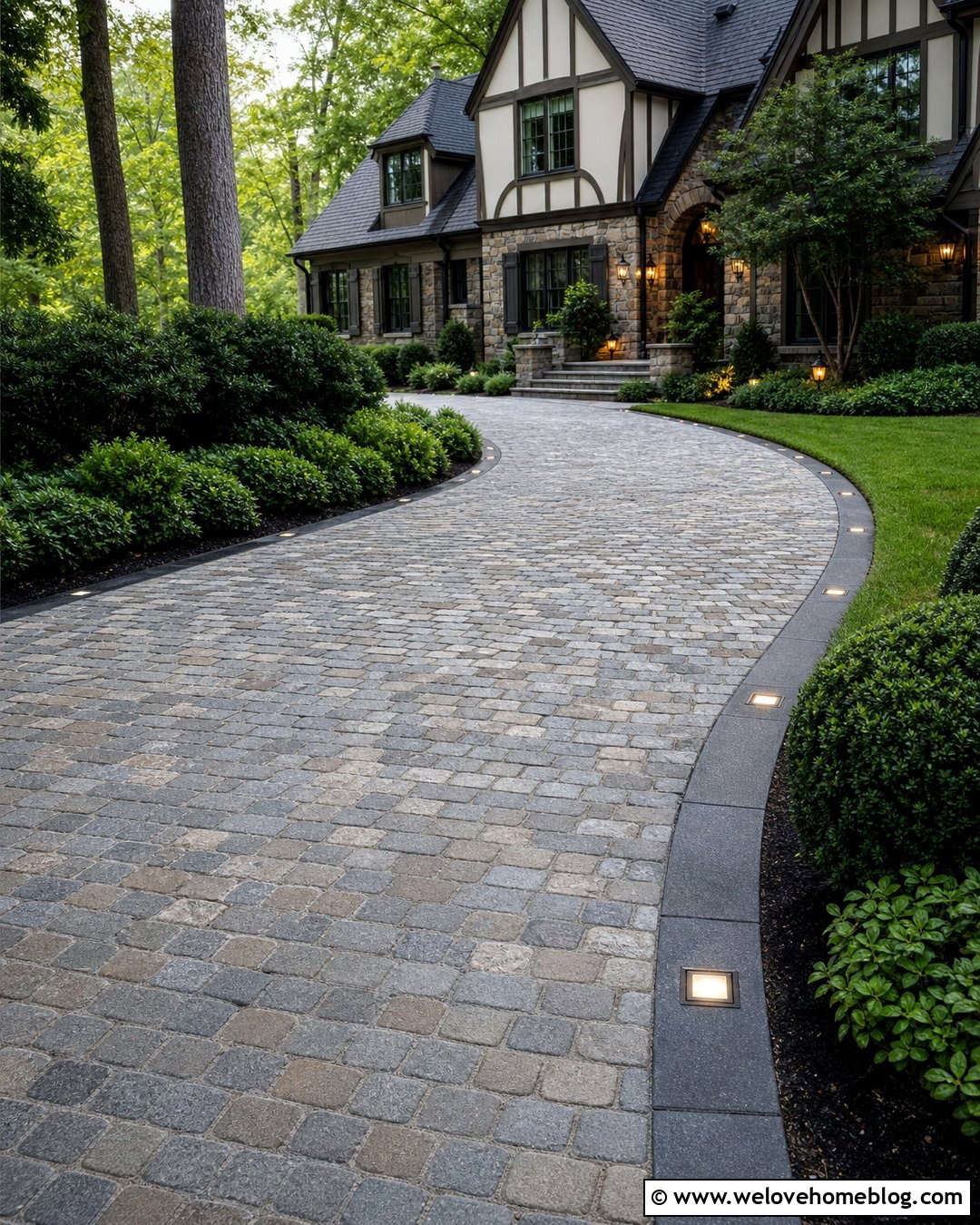
Solar paver markers can be integrated into a cobblestone driveway for a refined, nearly seamless appearance. Install square or rectangular fixtures inside the border course rather than scattering them randomly across the surface. Warm-white light works well with gray and buff cobbles, while a darker granite ribbon makes the illuminated edge easy to recognize during the day. A gently sweeping driveway leading to a Tudor-style house reinforces the traditional character. Add clipped yews, shade-tolerant ground cover, and mature deciduous trees around the approach. Choose markers built for wet outdoor conditions and confirm whether they are intended for edging or vehicle traffic before installation. Because flush fixtures collect dirt more easily, leave enough access around each unit for cleaning, inspection, and eventual battery replacement.
11. Solar Wood Post Driveway Markers
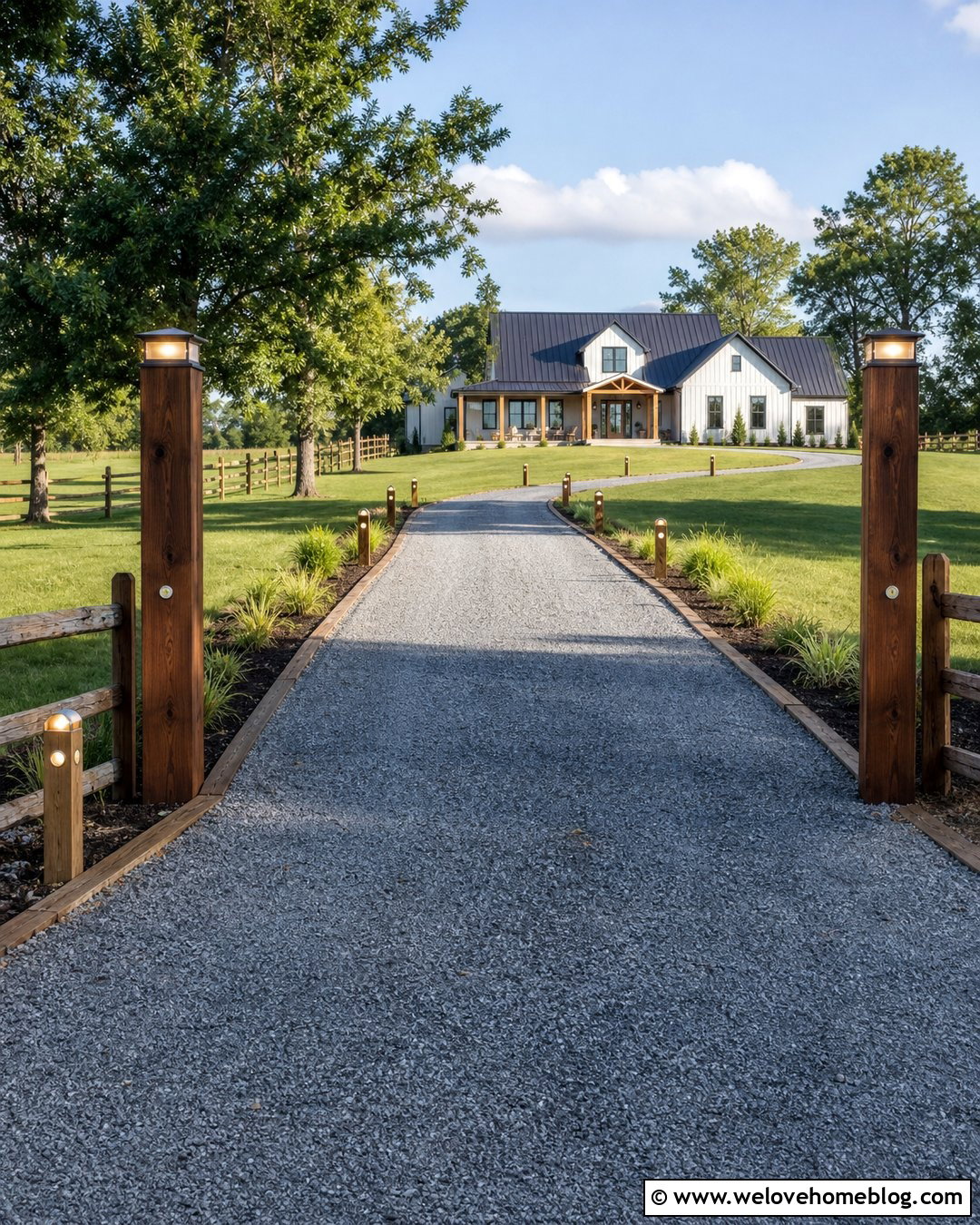
Chunky wood posts topped with solar caps bring warmth to a farmhouse gravel driveway. Use pressure-treated cedar or naturally durable wood, then stain it to coordinate with the porch, barn doors, or fencing. Set a pair of taller posts at the road and repeat shorter versions along a broad curved driveway made from compacted gray gravel. Timber edging, native grasses, split-rail fencing, and scattered shade trees complete the country look. Warm-white caps prevent the lighting from feeling harsh against the natural materials. Keep the posts far enough from the driving surface to allow for trailers, delivery vehicles, and snow removal. Adding small reflectors to the street-facing sides improves recognition from headlights while leaving the solar caps to provide a steady decorative glow after dark.
12. Solar Stone Pillar Driveway Markers
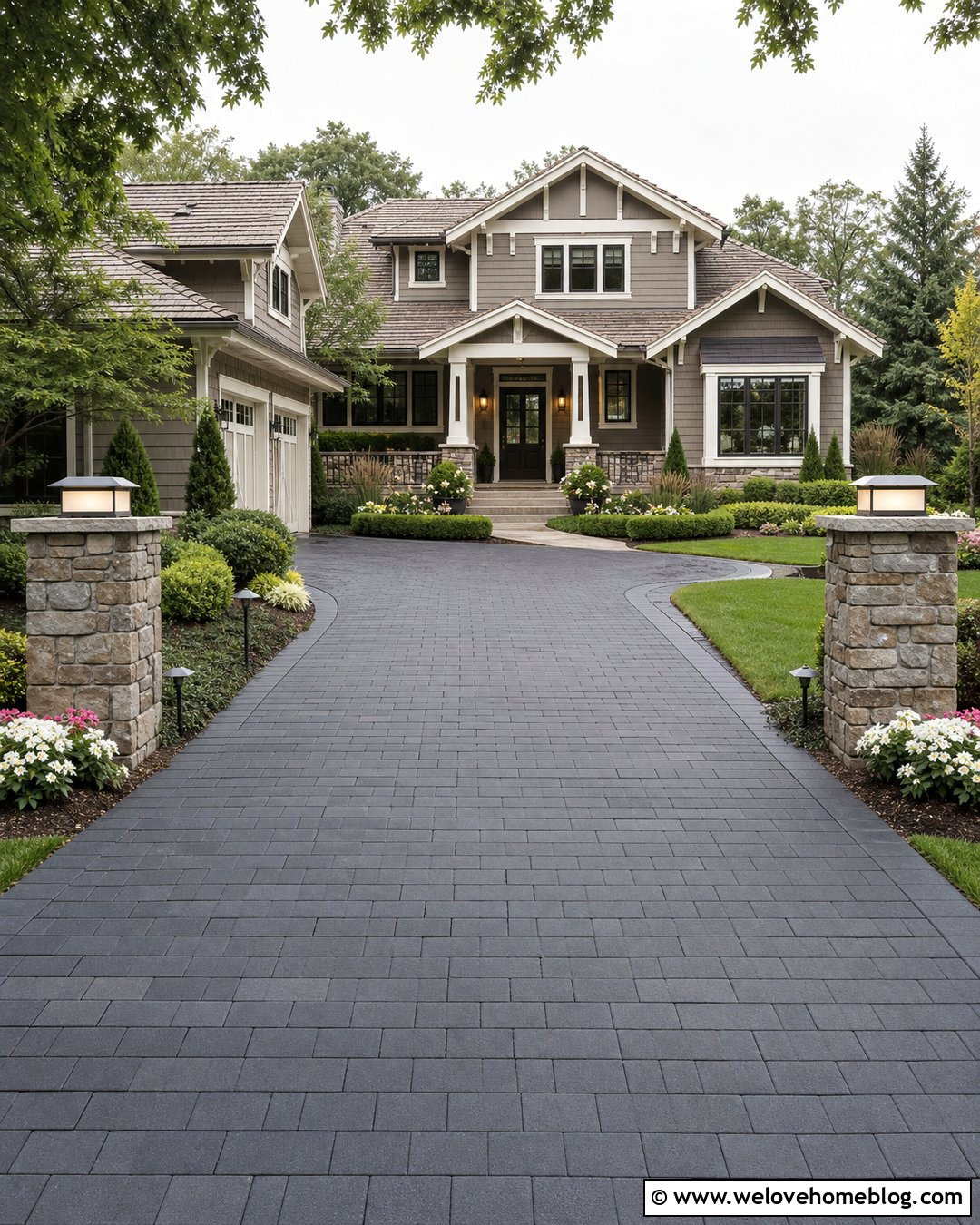
Stone pillars with solar caps create a substantial entrance for a paver driveway. Select natural stone or manufactured veneer that repeats colors found on the home’s foundation and facade. A pair of broad pillars can frame the entrance, while low solar markers continue beside charcoal concrete pavers laid in a running-bond pattern. Curved planting beds filled with boxwoods, ornamental grasses, and seasonal flowers soften the masonry. This combination works well with craftsman, transitional, and contemporary suburban homes. Keep pillar caps proportionate to the masonry so the lights do not look undersized. Their glow should identify the opening without obscuring a driver’s view of pedestrians or road traffic. Leave generous clearance between the pillars, especially if the driveway curves immediately after the entrance.
13. Motion Sensor Solar Driveway Markers
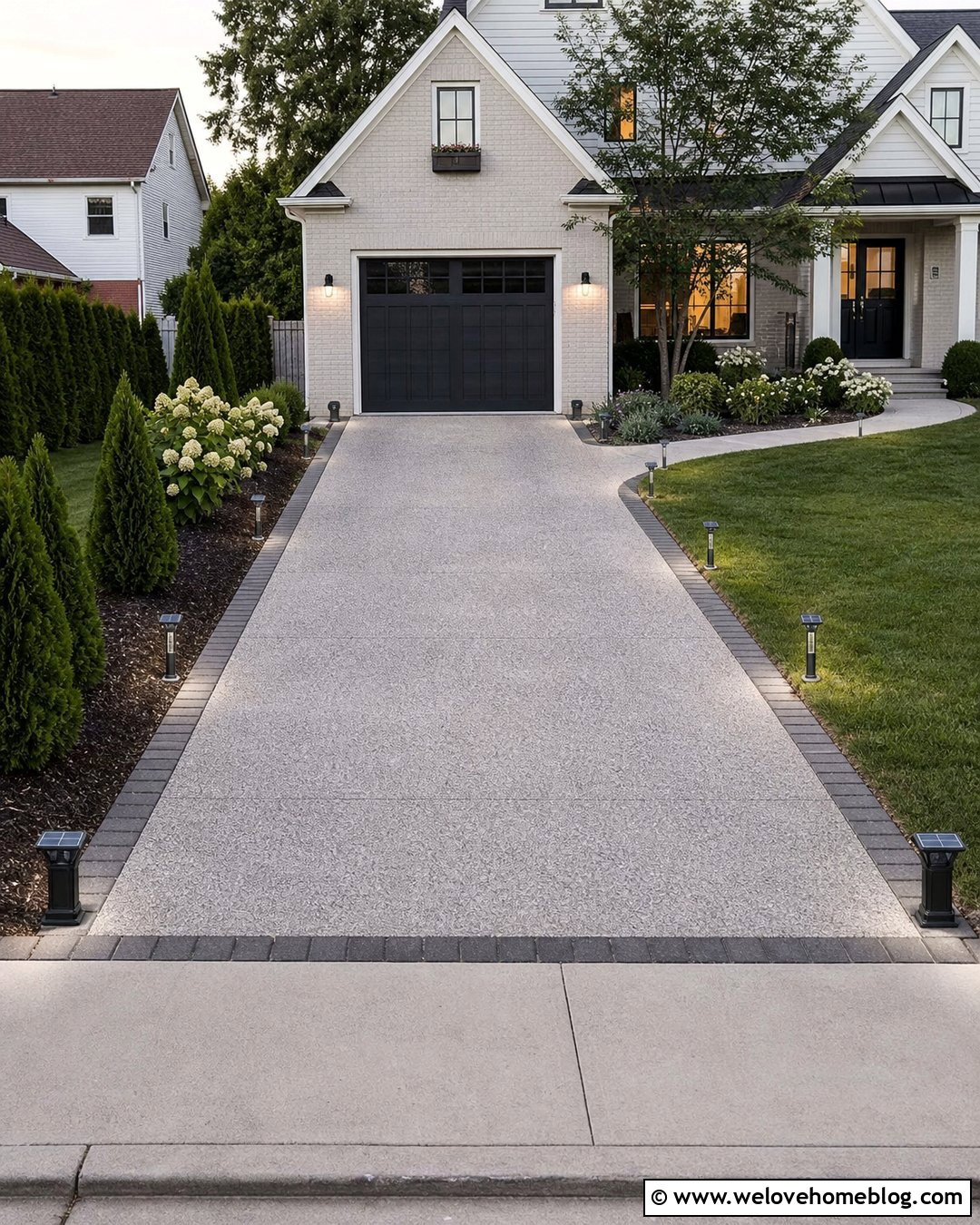
Motion-sensitive solar markers work well where constant lighting is unnecessary but brighter guidance is useful when a vehicle approaches. Combine low-output edge markers with two stronger motion-activated fixtures at the entrance and garage apron. A straight exposed-aggregate concrete driveway provides a textured surface that reflects a modest amount of light, while dark brick edging adds definition. Use simple black fixtures beside structured evergreen beds for a clean transitional look. Check the sensor direction carefully so passing street traffic, swaying branches, or pedestrians do not trigger the lights repeatedly. The markers should brighten gradually or switch to a useful level without shining directly toward drivers. This layered arrangement maintains a subtle nighttime appearance while adding focused illumination at the two areas where turning and parking decisions happen.
14. Dual Color Solar Driveway Markers
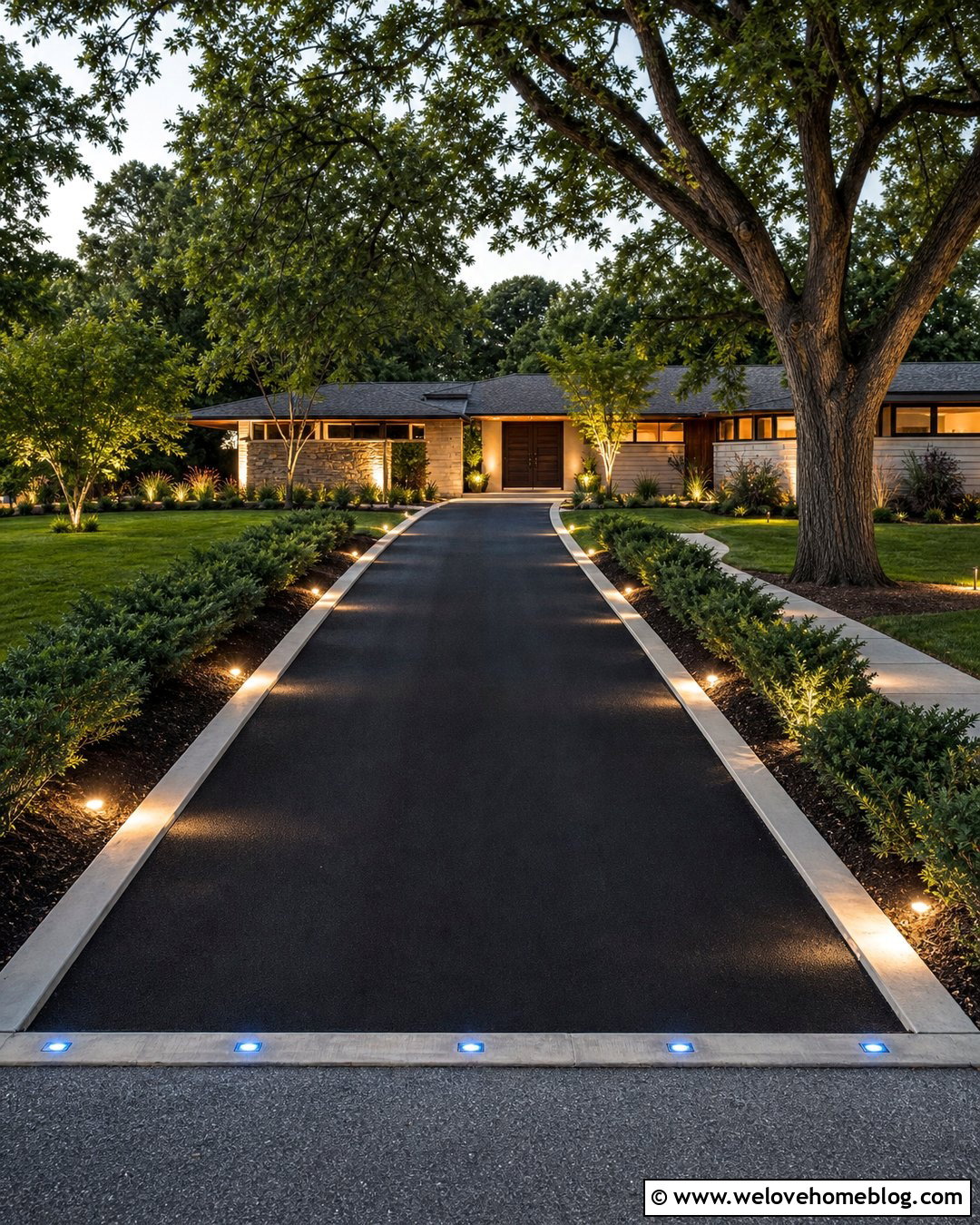
Dual-color solar markers can distinguish a driveway entrance from the route leading to the house. Use amber or warm-white light along the edges and reserve blue light for the two street-side entrance markers. The contrast makes the opening recognizable without turning the entire driveway blue. Pair the lighting with a black asphalt surface, pale concrete curbs, and a straight approach to a midcentury ranch home. Low junipers, ornamental grasses, and broad lawn areas preserve clear sightlines. Keep the number of colors limited and consistent because too many tones can make the design look scattered. Before permanent installation, test the markers from both driving directions after dark. Confirm that the entrance pair remains visible without resembling nearby road, emergency, or municipal lighting.

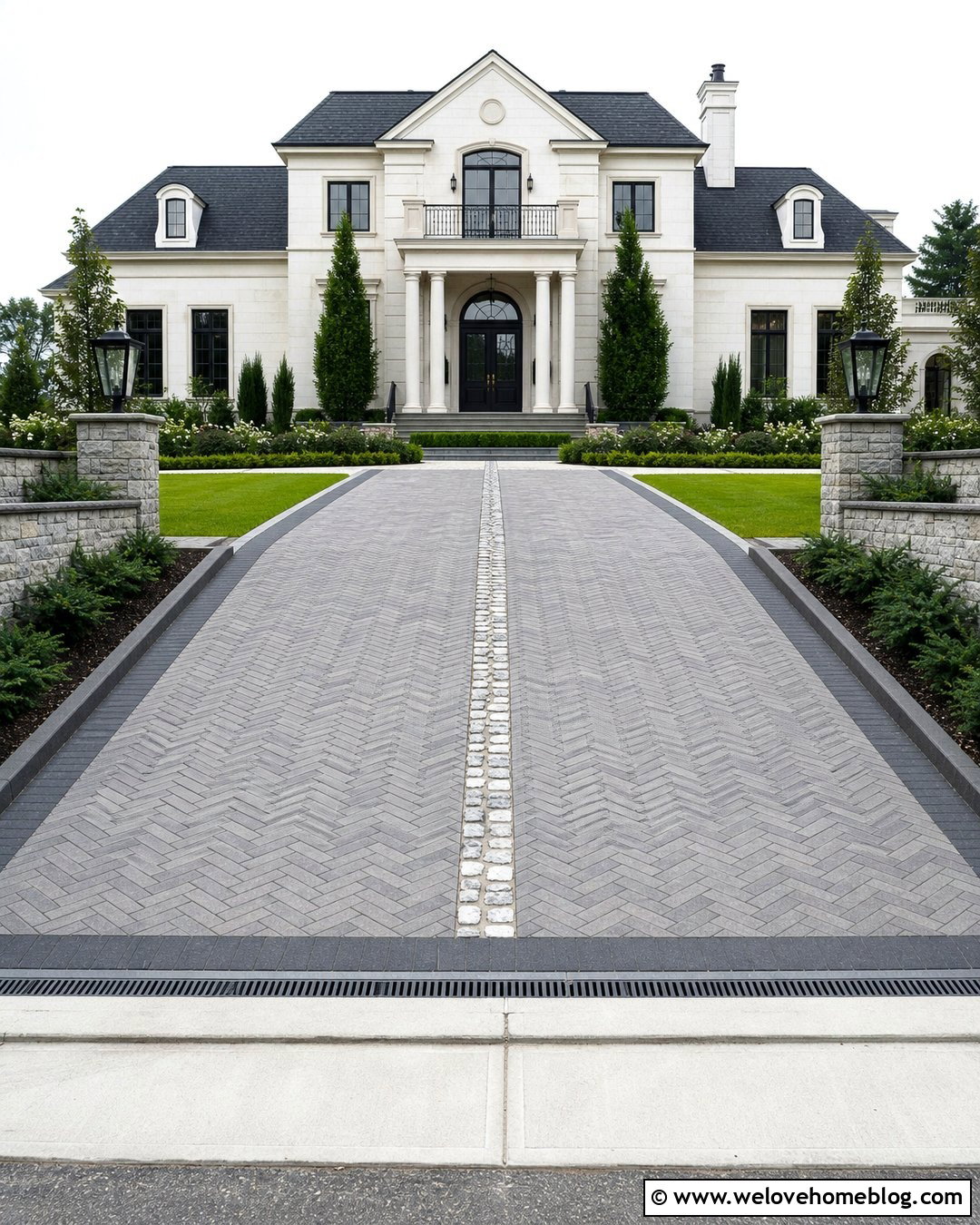
15. Solar Driveway Markers In Flower Beds
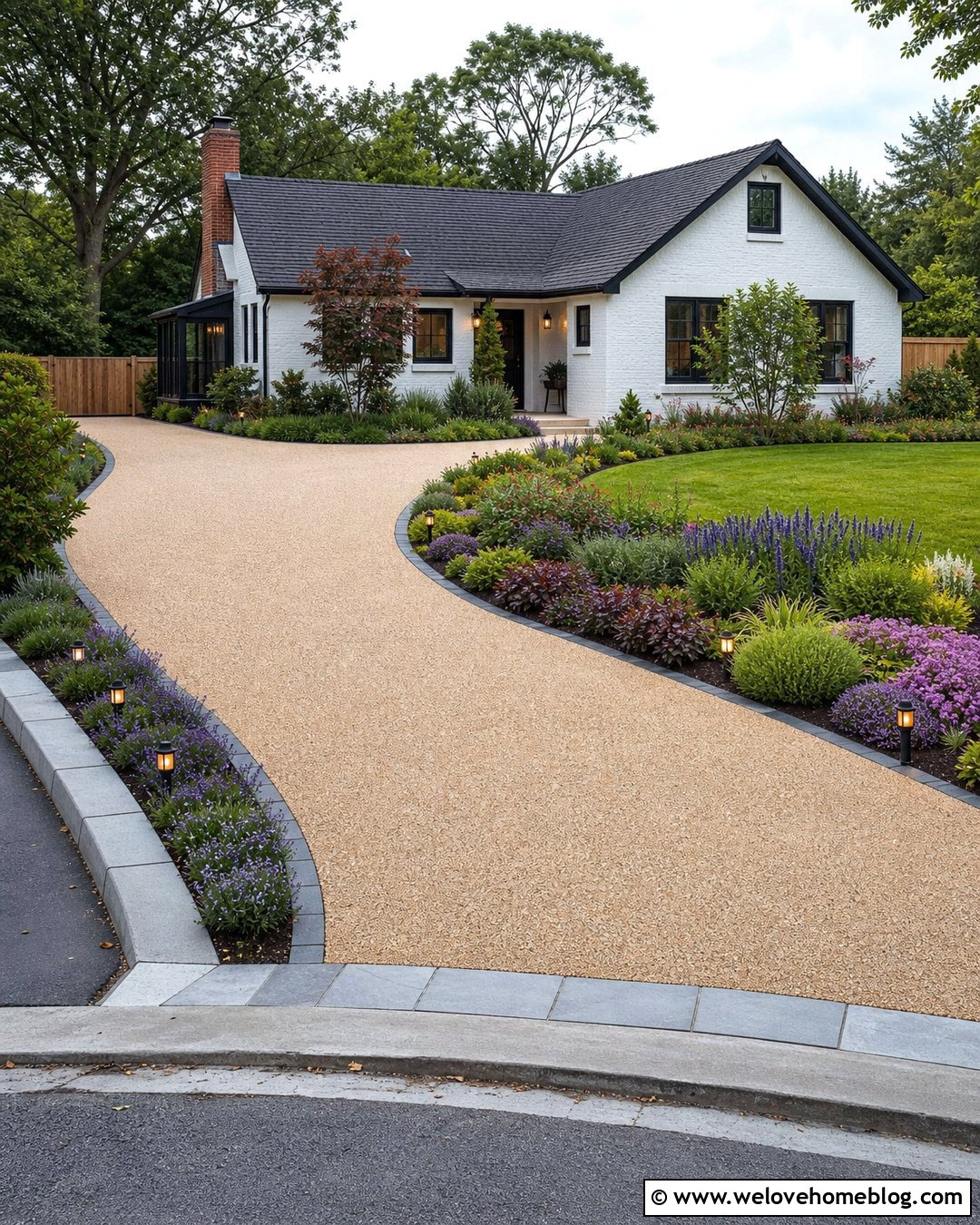
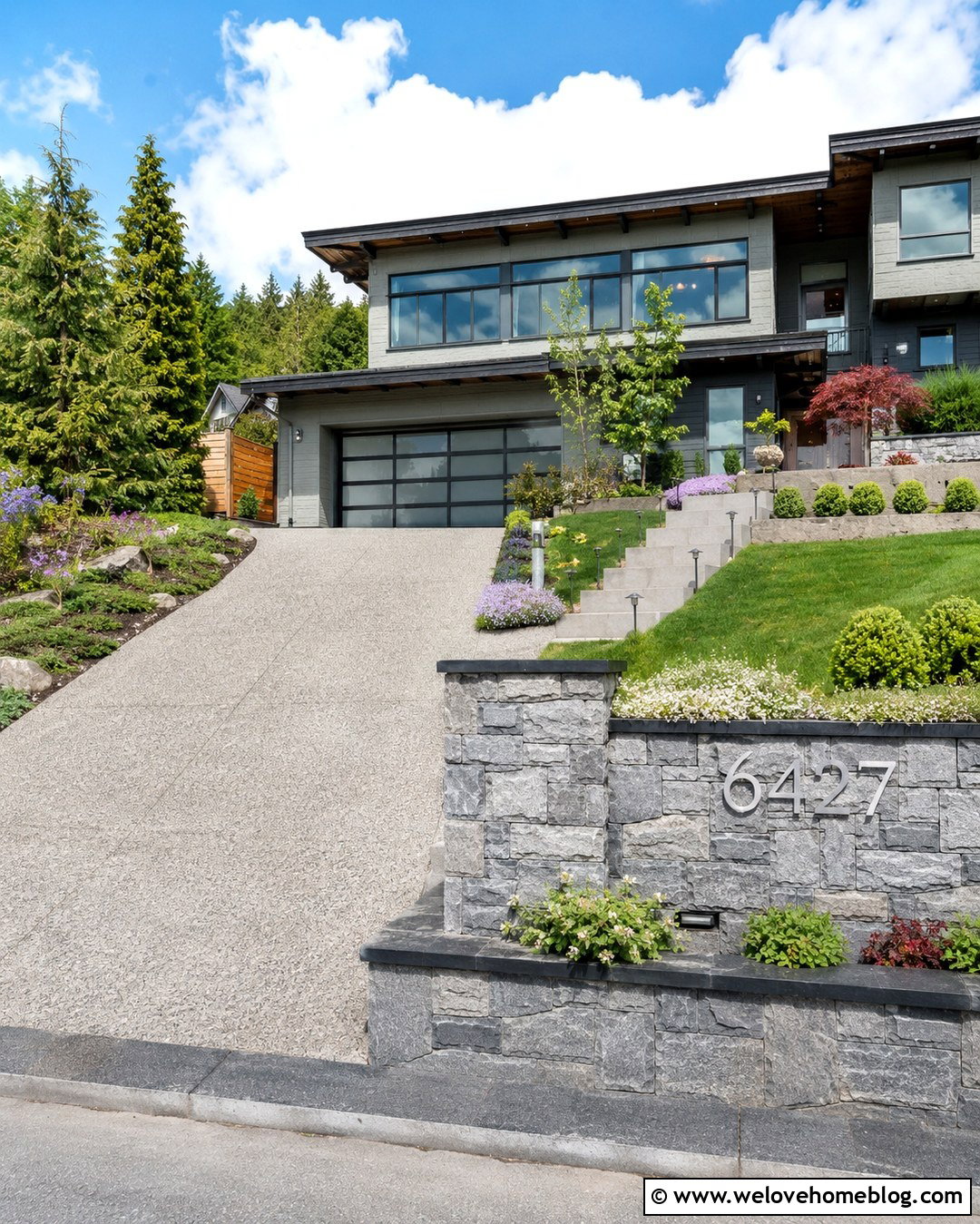
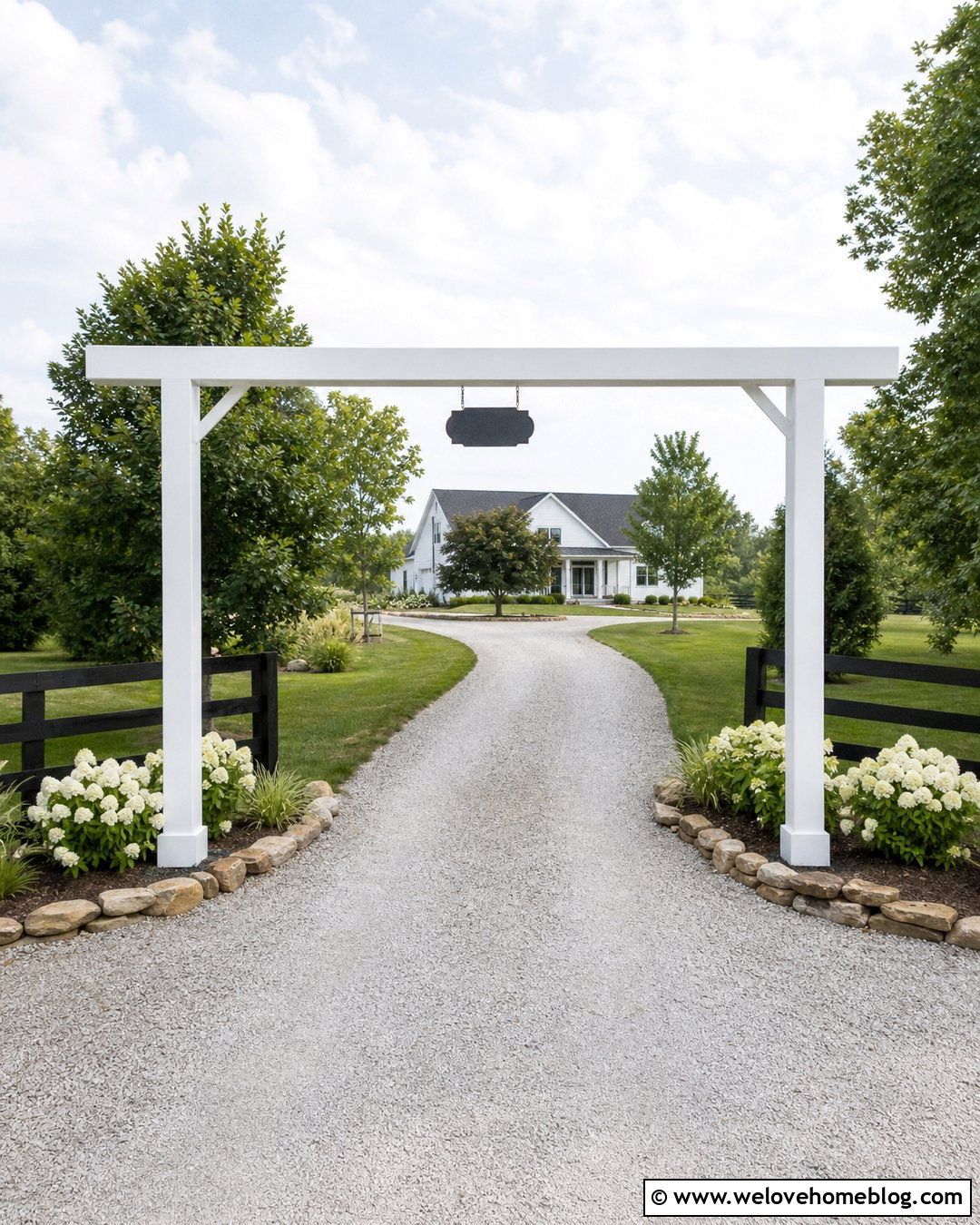
Solar markers can disappear gracefully into flower beds during the day while defining the driveway at night. Border a pale resin-bound gravel driveway with dark steel edging, then place compact solar stakes among low-growing plants just beyond the border. Choose flowers and ground covers that remain below the light heads, such as creeping thyme, sedum, dwarf salvia, or compact ornamental grasses. A curved driveway leading to a cottage-style home suits this layered approach. Warm-white light complements the natural buff surface and colorful planting. Avoid placing markers behind tall seasonal growth that may block their panels or lenses. Leave small maintenance gaps around each fixture for weeding and cleaning. The final design should illuminate the driveway edge while allowing the planting beds to remain the main daytime feature.
16. Solar Markers For Split Driveways
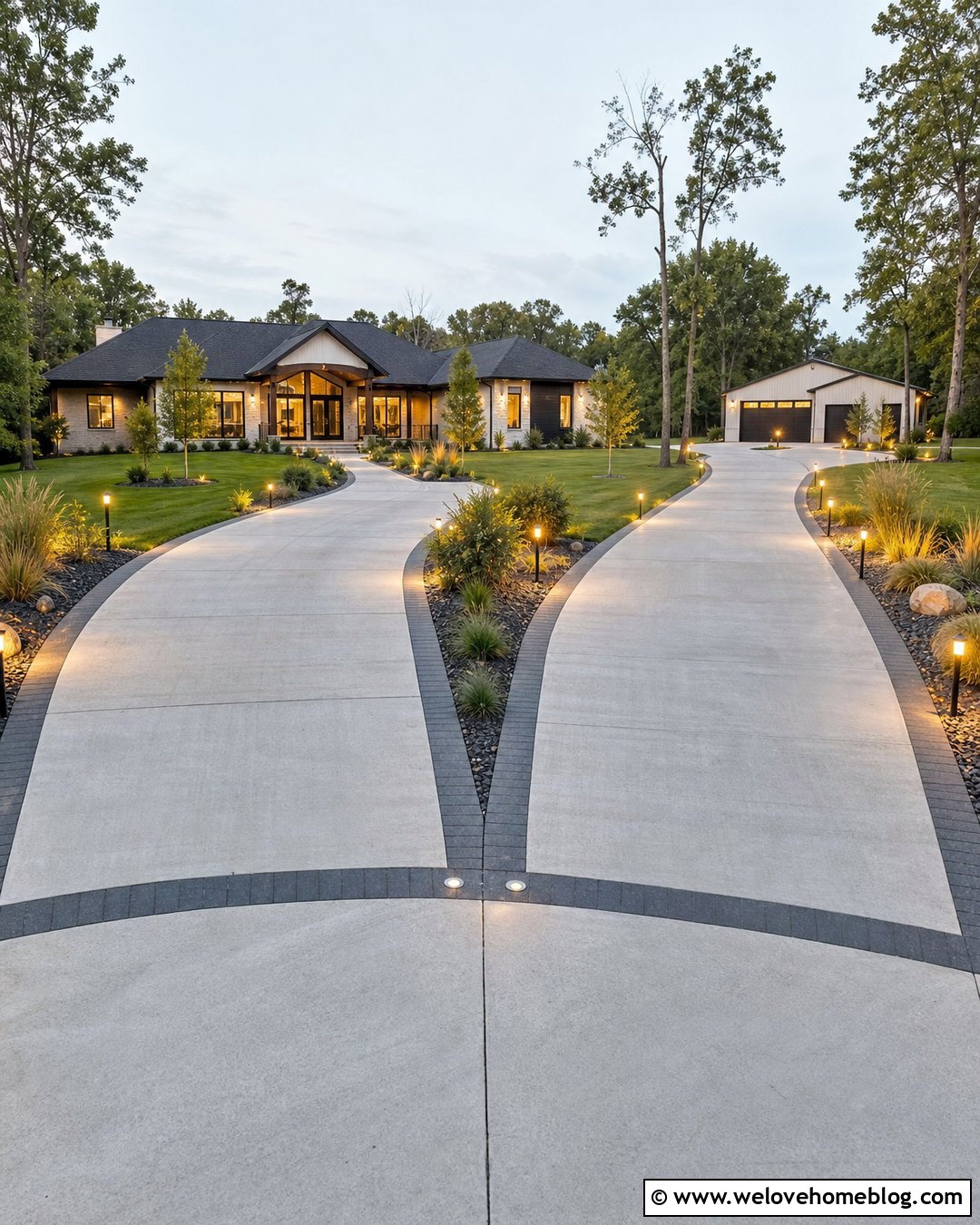
A split driveway needs lighting that clearly communicates which branch leads to the garage, guest parking, or secondary building. Use flush solar markers at the dividing point and stake lights along each outer edge. A light-gray concrete driveway with a dark paver ribbon can visually reinforce the split even during daylight. Place a small directional marker or landscaped island where the two routes separate, but keep it low enough to preserve visibility. A contemporary ranch home with an attached garage and separate workshop suits this practical layout. Use one consistent light color across both branches to avoid confusion. Add extra markers near tight corners and pavement transitions, not randomly in the center. The goal is to make the correct route understandable before a driver reaches the decision point.
17. Solar Markers For Horseshoe Driveways
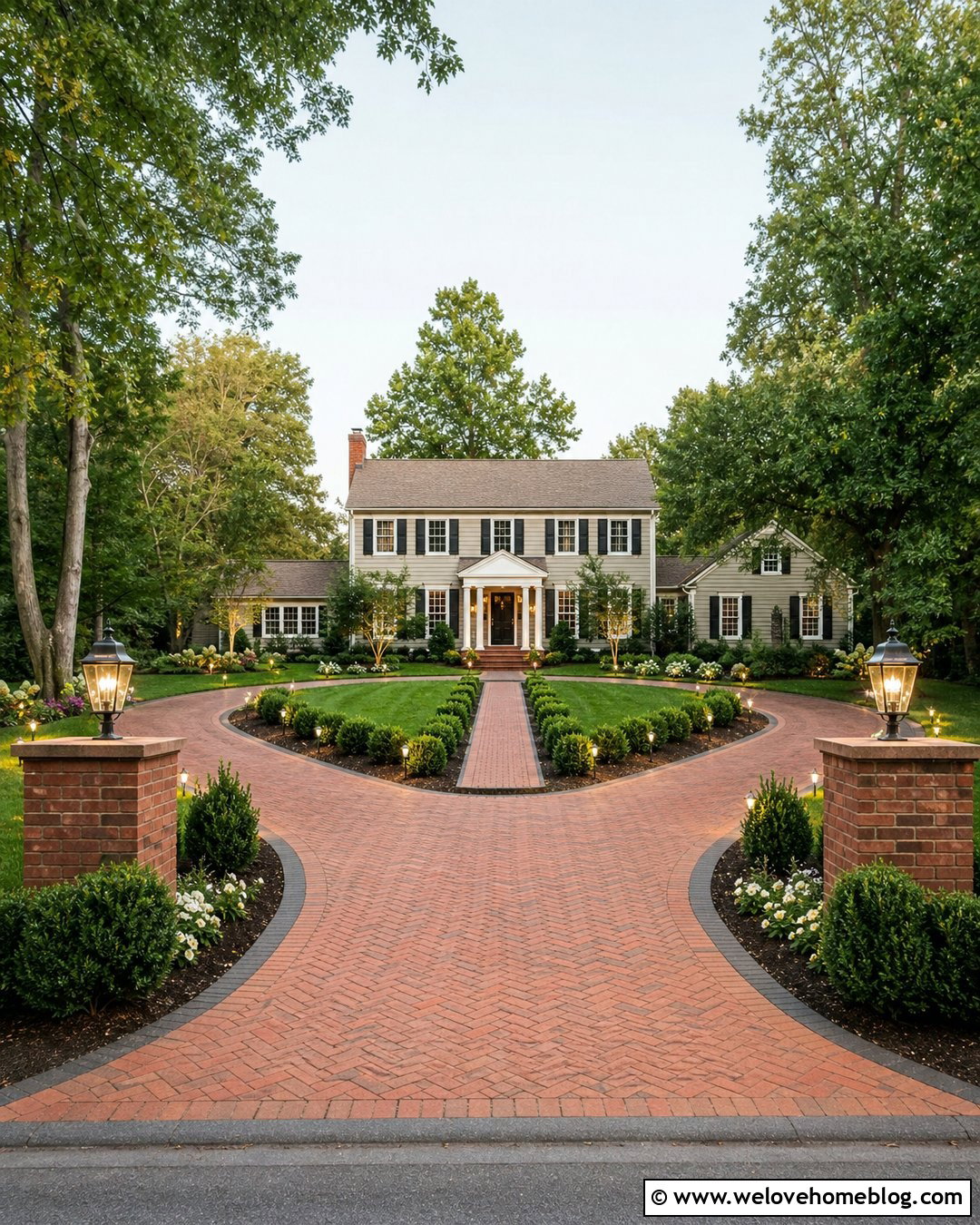
A horseshoe driveway benefits from symmetrical solar markers at both entrances and around the central lawn. Pair warm-white lantern stakes with reddish-brown brick pavers and a charcoal border course. Matching entrance posts can make the two openings easy to identify, while shorter markers guide vehicles around the curve. Place them on the outer pavement edges and inside the central island without crowding the turning area. A traditional two-story home with balanced windows, foundation shrubs, and a central walkway supports the symmetry. Keep planting in the island low near each entrance so drivers can see approaching traffic. If one opening is intended mainly as an exit, use landscaping or a discreet directional sign to clarify circulation while keeping the lighting style consistent across the whole frontage.
18. Solar Markers For Narrow Driveways
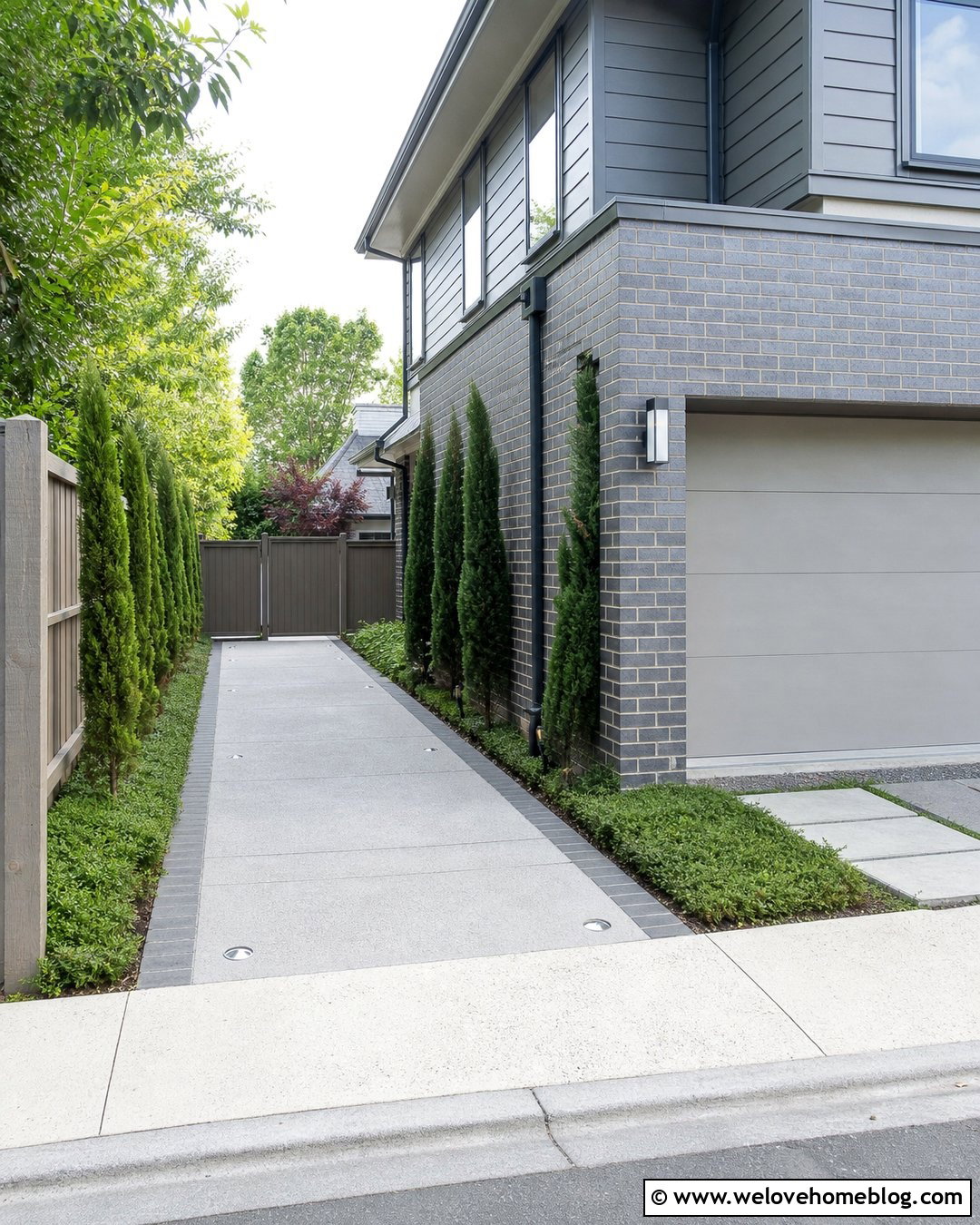
A narrow side driveway requires compact markers that will not reduce usable vehicle clearance. Choose flush solar studs or very short shielded lights installed beside a poured-concrete strip driveway. Dark brick edging can define the boundary, while narrow planting beds with columnar evergreens or low ground cover soften fences and walls. Place markers at critical points such as the street entrance, gate opening, walkway crossing, and garage corner instead of lining every foot. Cool-white fixtures complement a modern townhouse or compact suburban home, although warm white may feel softer near windows. Test the layout using the widest vehicle that regularly uses the driveway. Lights should remain visible in mirrors without creating obstacles for doors, trash bins, bicycles, lawn equipment, or snow removal.
19. Solar Markers For Wooded Driveways
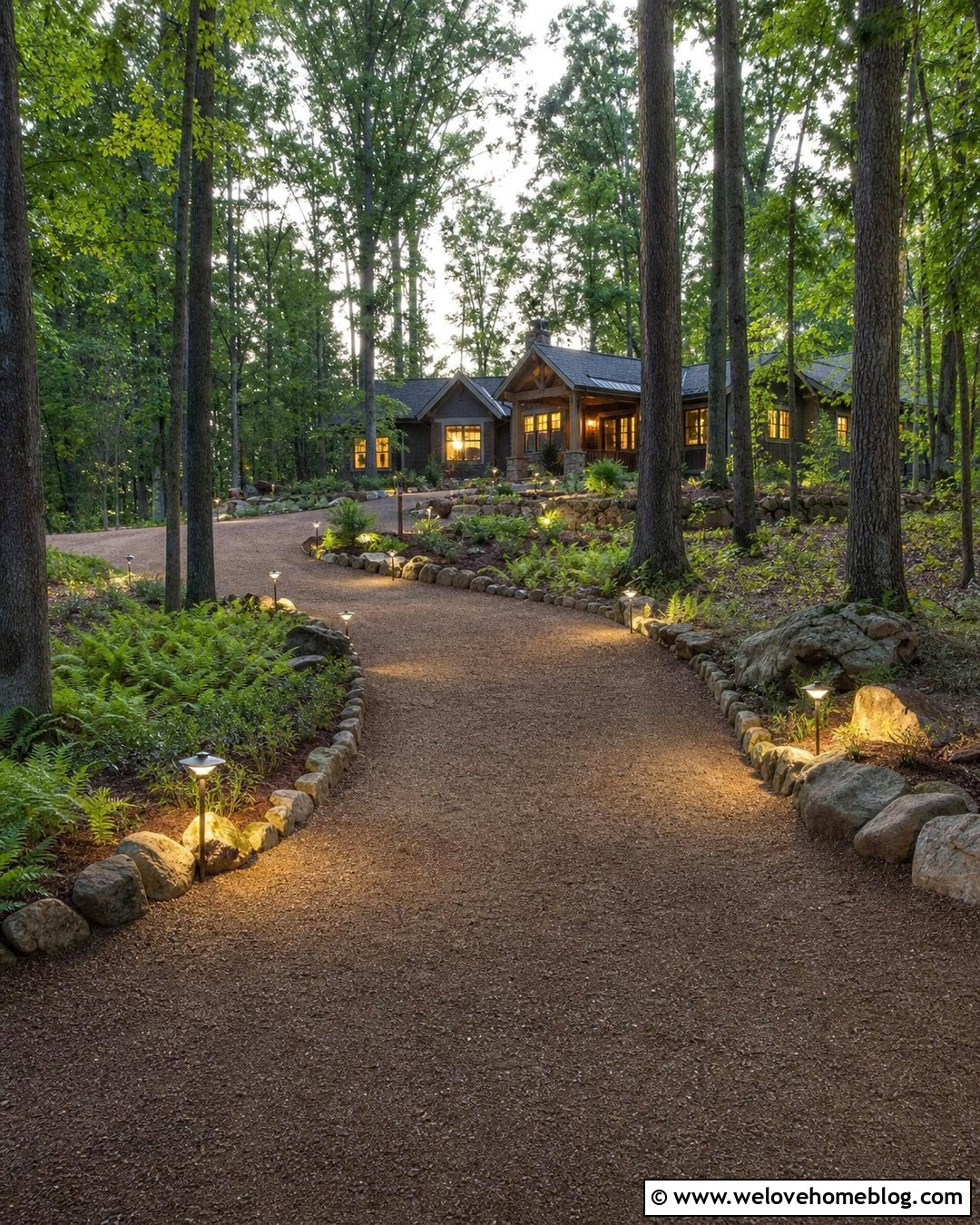
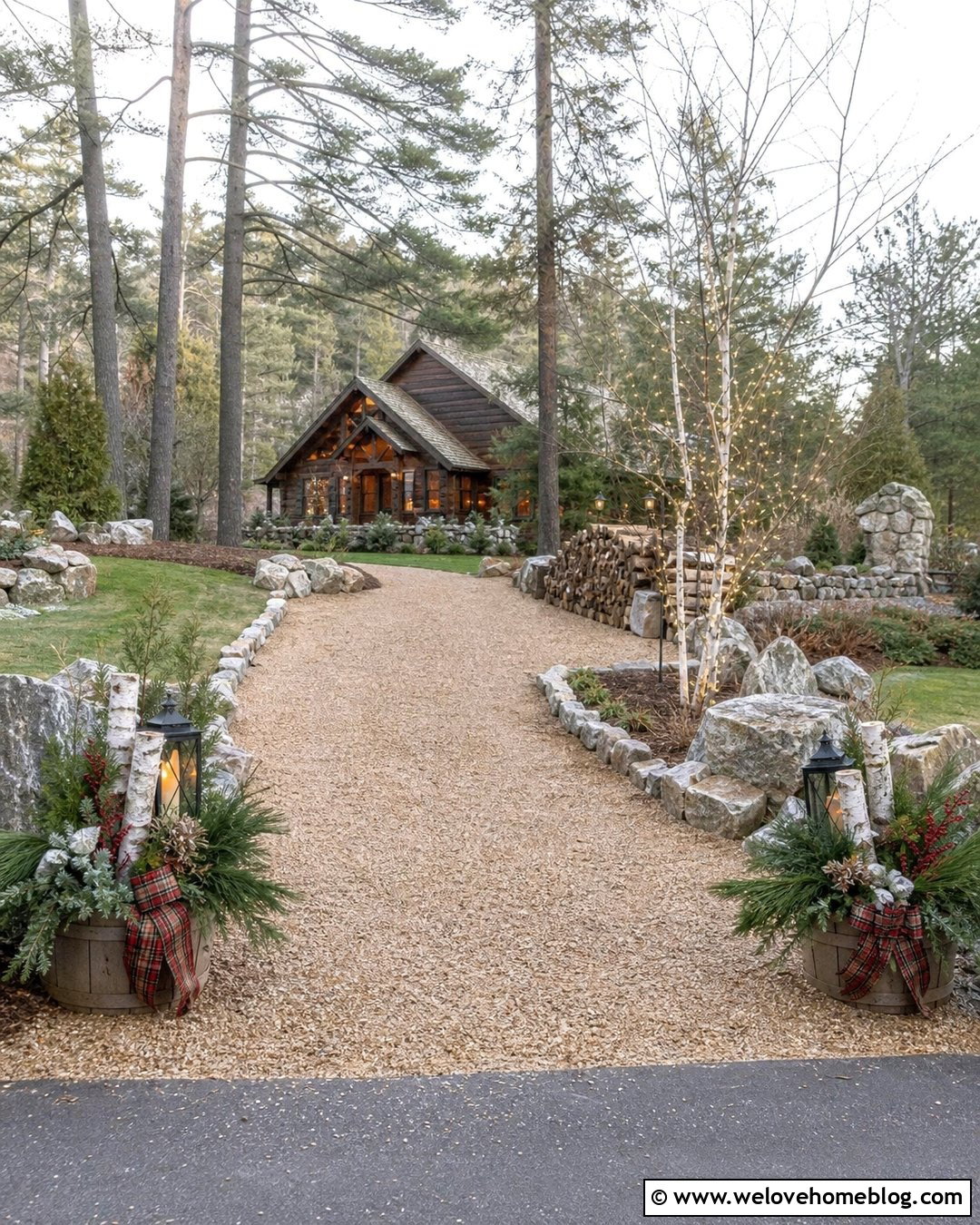
A wooded driveway needs solar markers positioned where they can receive meaningful daylight despite overhead branches. Use fixtures with adjustable or remotely mounted panels along a winding brown gravel drive. Stone edging and woodland plants can keep the installation natural, while warm-white markers create a subtle route toward a cabin or craftsman home. Place the brightest units at bends, bridge crossings, and the entrance rather than relying on weak lights beneath dense tree cover. Trim only the foliage necessary to expose the panels and preserve the wooded character. Shielded fixtures help direct light toward the gravel instead of into surrounding habitat or neighboring land. Reflective details on posts or stones can provide backup guidance when cloudy weather, fallen leaves, or snow reduce charging performance.
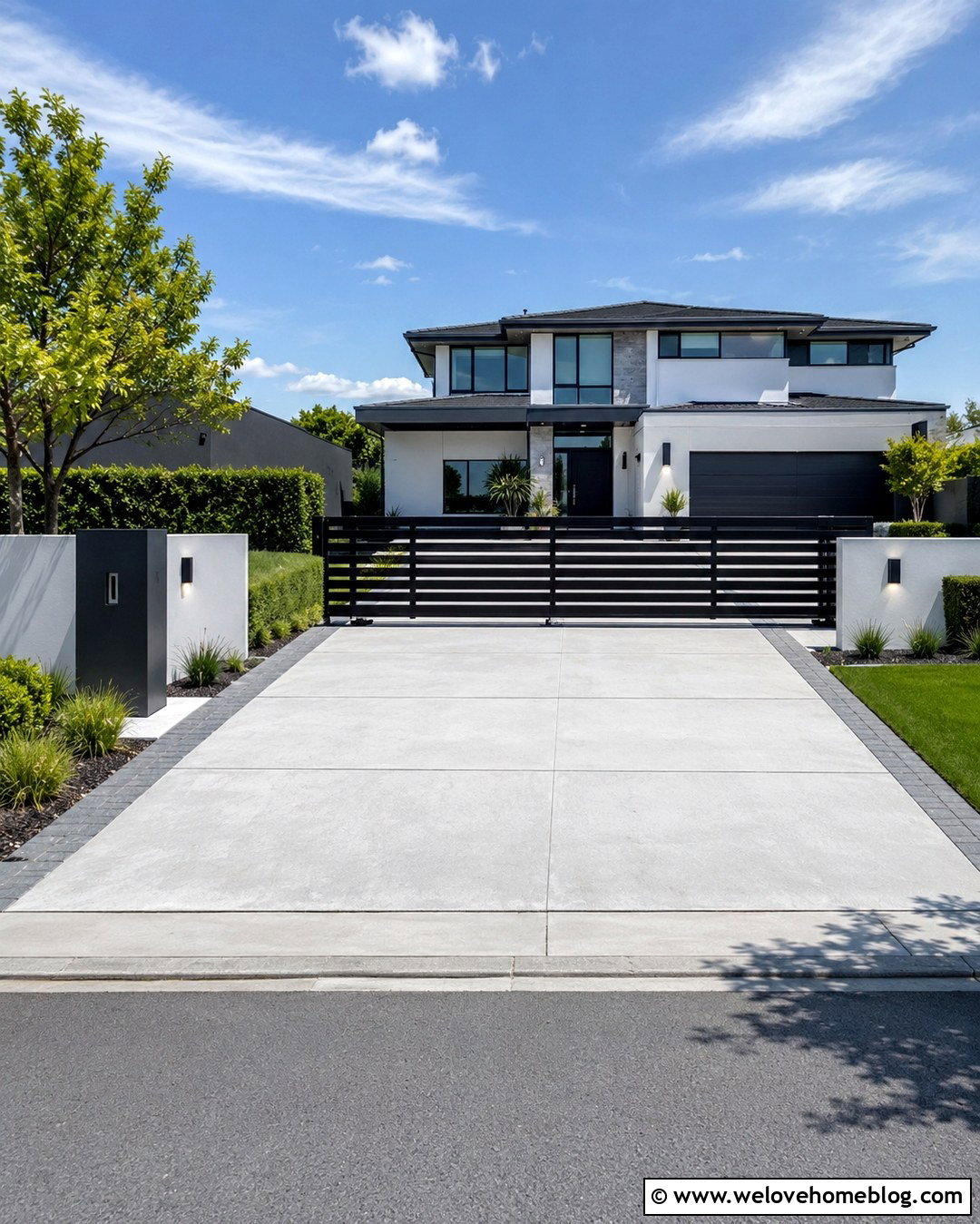


20. Coastal Solar Driveway Markers
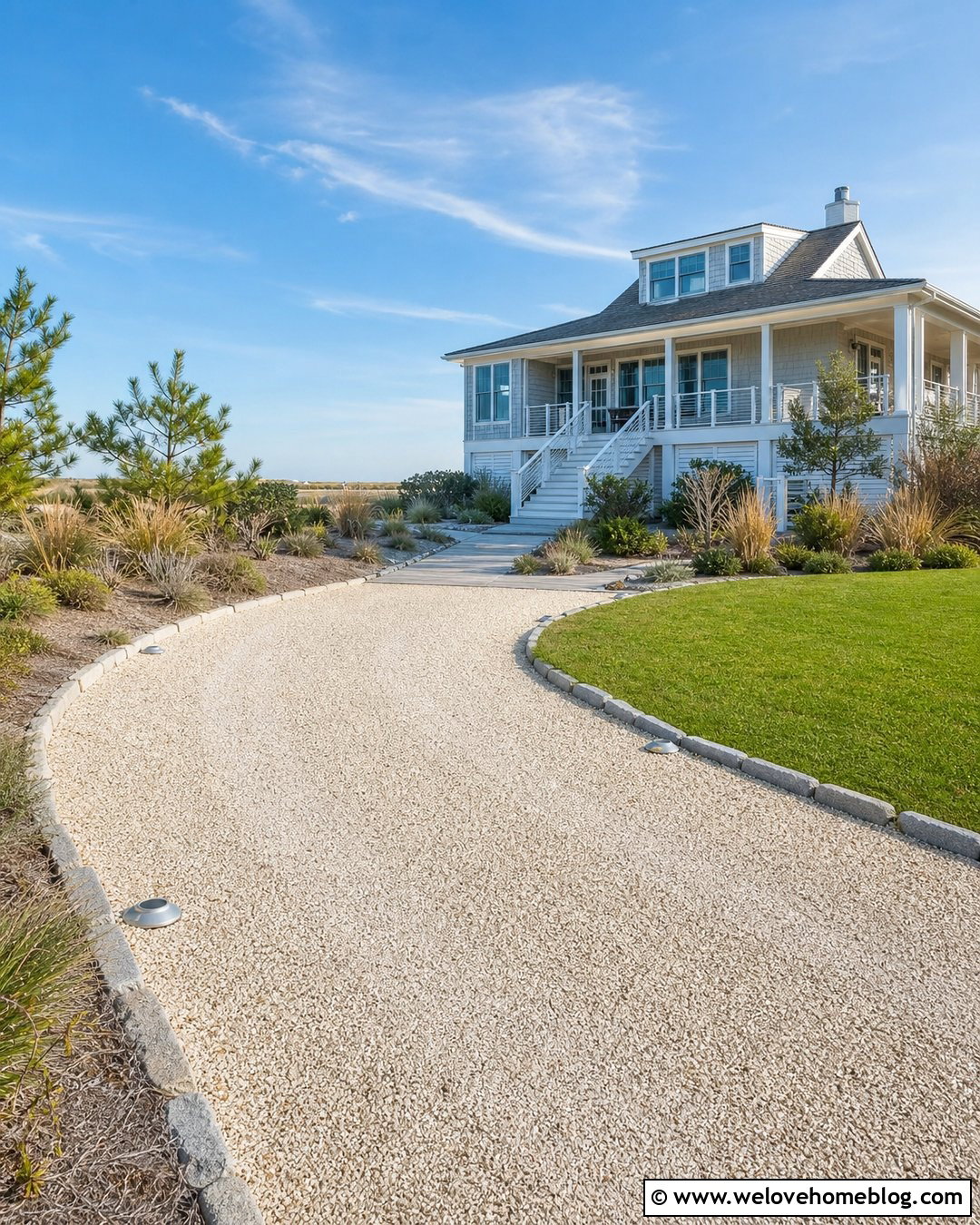
Coastal properties benefit from simple solar markers made with corrosion-resistant housings and secure ground anchors. Pair stainless steel or durable composite fixtures with a pale shell or crushed-stone driveway leading to a beach-style home. A sweeping curved layout bordered by weathered granite, dune grass, low shrubs, and a boardwalk-inspired front path creates a relaxed but organized entrance. Use warm-white light to soften the cool tones of the siding and driveway material. Keep markers low enough to resist wind exposure but visible above surrounding grasses. Avoid lightweight fixtures that may lean in loose soil. Regularly remove salt residue and windblown sand from the panels and lenses. The complete design should feel understated during the day while providing a clear, continuous route after sunset.
Conclusion:
The best solar marker layout combines nighttime guidance with a driveway design that still looks attractive in daylight. Start with the surface, shape, and most important navigation points. Then select fixtures that complement the house and withstand local rain, snow, heat, wind, or salt exposure. Low studs work well with modern pavement, while post caps, lanterns, and wood markers suit traditional or rural properties. Give every solar panel adequate sun, keep fixtures outside tire and plow paths, and use reflective details where backup visibility is needed. With thoughtful spacing and coordinated landscaping, these 20 Solar Driveway Markers Ideas can create an entrance that feels safer, easier to follow, and noticeably more polished.

Related posts:





Leave a Reply