
Driveway reflectors can do much more than mark pavement edges. When they are planned with the driveway surface, layout, borders, lighting, and landscaping, they improve visibility without making the property feel commercial. These 20 Driveway Reflectors Ideas cover practical options for suburban homes, rural entrances, snowy climates, curved approaches, and narrow side yards. You will find reflective stakes, solar markers, illuminated posts, pavement reflectors, and decorative solutions that complement materials such as asphalt, concrete, gravel, brick, and pavers. Before installing anything near a public road, check local requirements for placement and reflector color. You should also keep markers clear of normal vehicle and snowplow paths. Explore the complete driveway looks below for functional and attractive 20 Driveway Reflectors Ideas.

1. Solar Driveway Reflectors With Concrete Edging
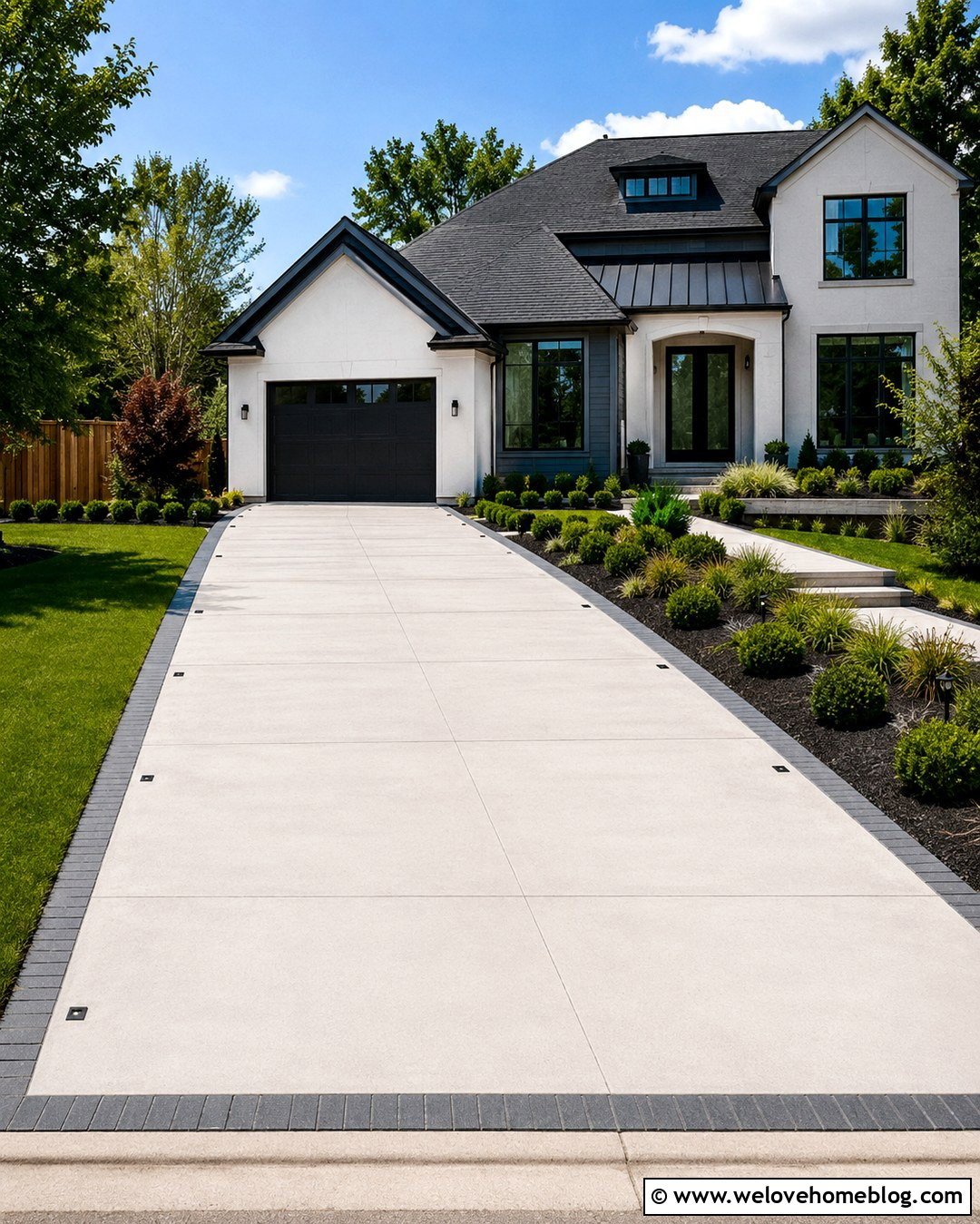
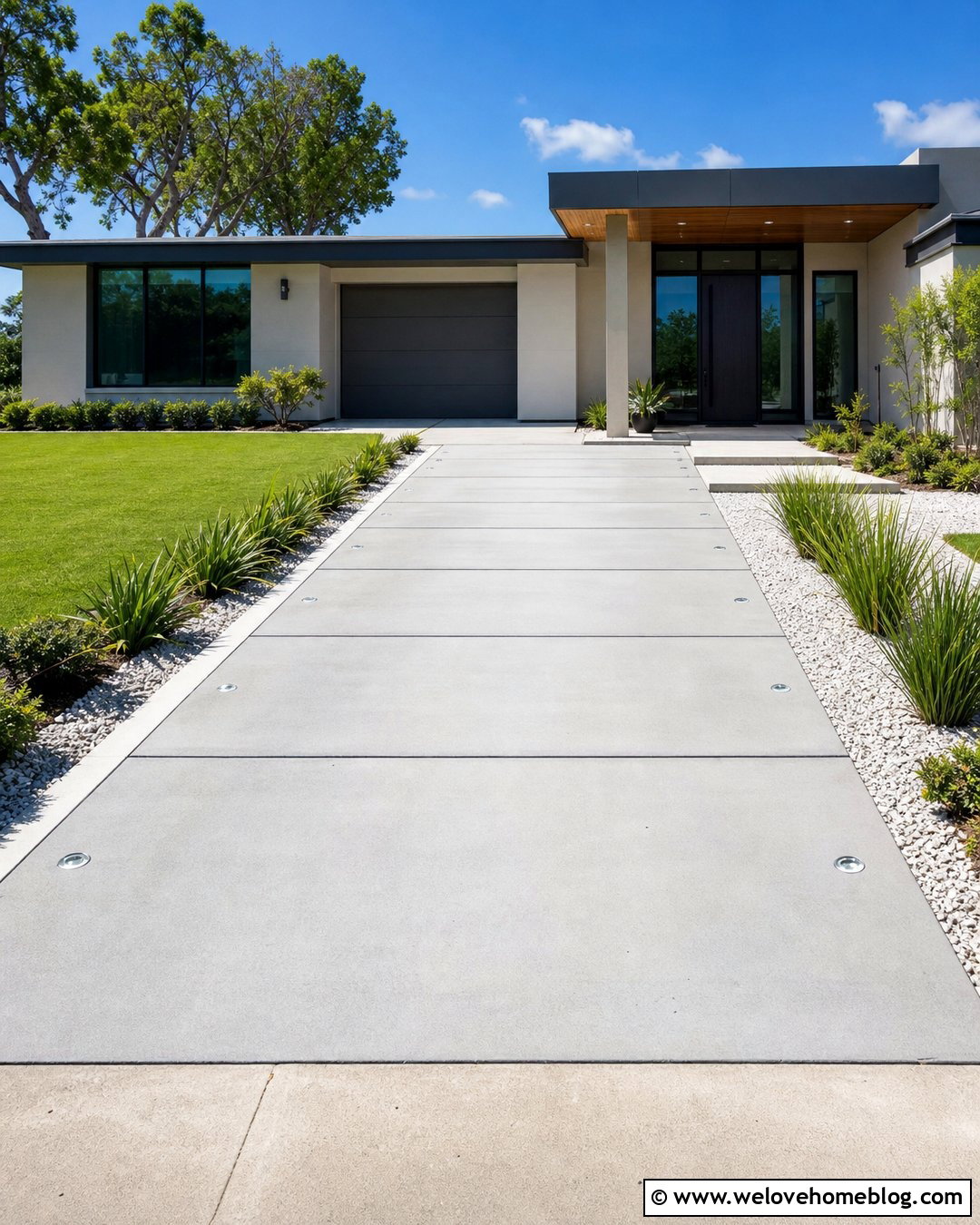
Solar reflectors give a straight concrete driveway a clean, finished appearance while providing active illumination after sunset. Start with light gray poured concrete framed by narrow charcoal paver borders. Install low solar markers in the planting beds rather than directly in the pavement, keeping them evenly spaced along both sides. This creates a balanced line that helps drivers judge the driveway width. Choose simple black or brushed metal housings that complement a modern or transitional home. Low ornamental grasses, compact boxwoods, and dark mulch will keep the reflectors visible without creating visual clutter. Position each solar panel where it receives dependable daytime sun. This complete layout works especially well for properties without streetlights because the driveway remains recognizable even before headlights reach the entrance.
2. Fiberglass Driveway Reflectors For Snow
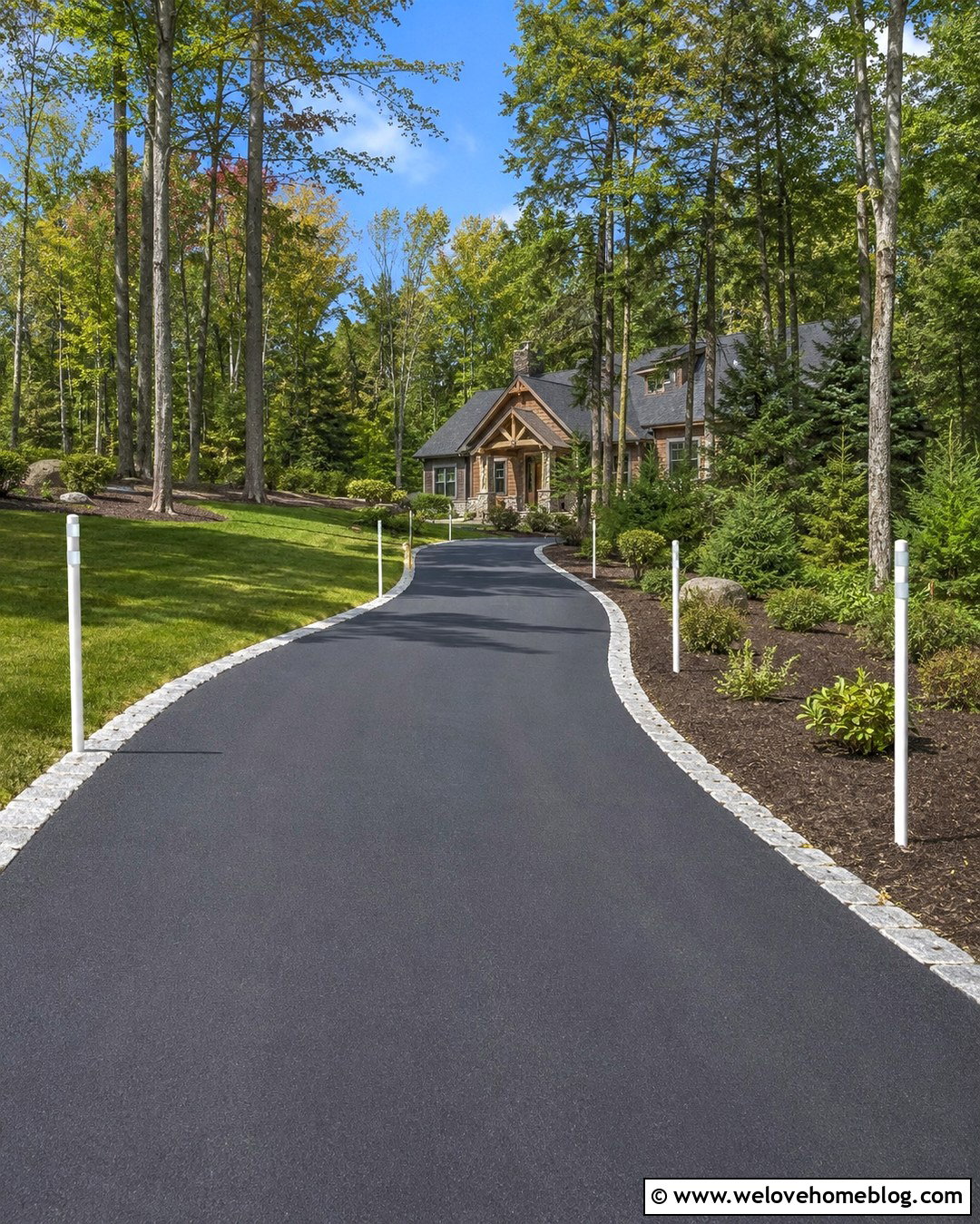
Tall fiberglass reflectors are a practical match for an asphalt driveway in a region with regular snowfall. Their flexible construction is less visually heavy than rigid posts, while their height helps the markers remain noticeable above accumulated snow. Use black asphalt with a gently curved layout and a granite cobblestone border that clearly separates pavement from lawn. Place matching fiberglass stakes several inches beyond the hard edge, following the curve at consistent intervals. Tighter spacing near bends makes the route easier to understand during storms. Evergreen shrubs and deciduous trees can frame the approach without hiding the markers. Select a stake height based on expected snow depth, and install the markers before the soil freezes. The finished design protects lawn edges while maintaining an orderly residential appearance.
3. White Driveway Reflectors With Brick Pavers
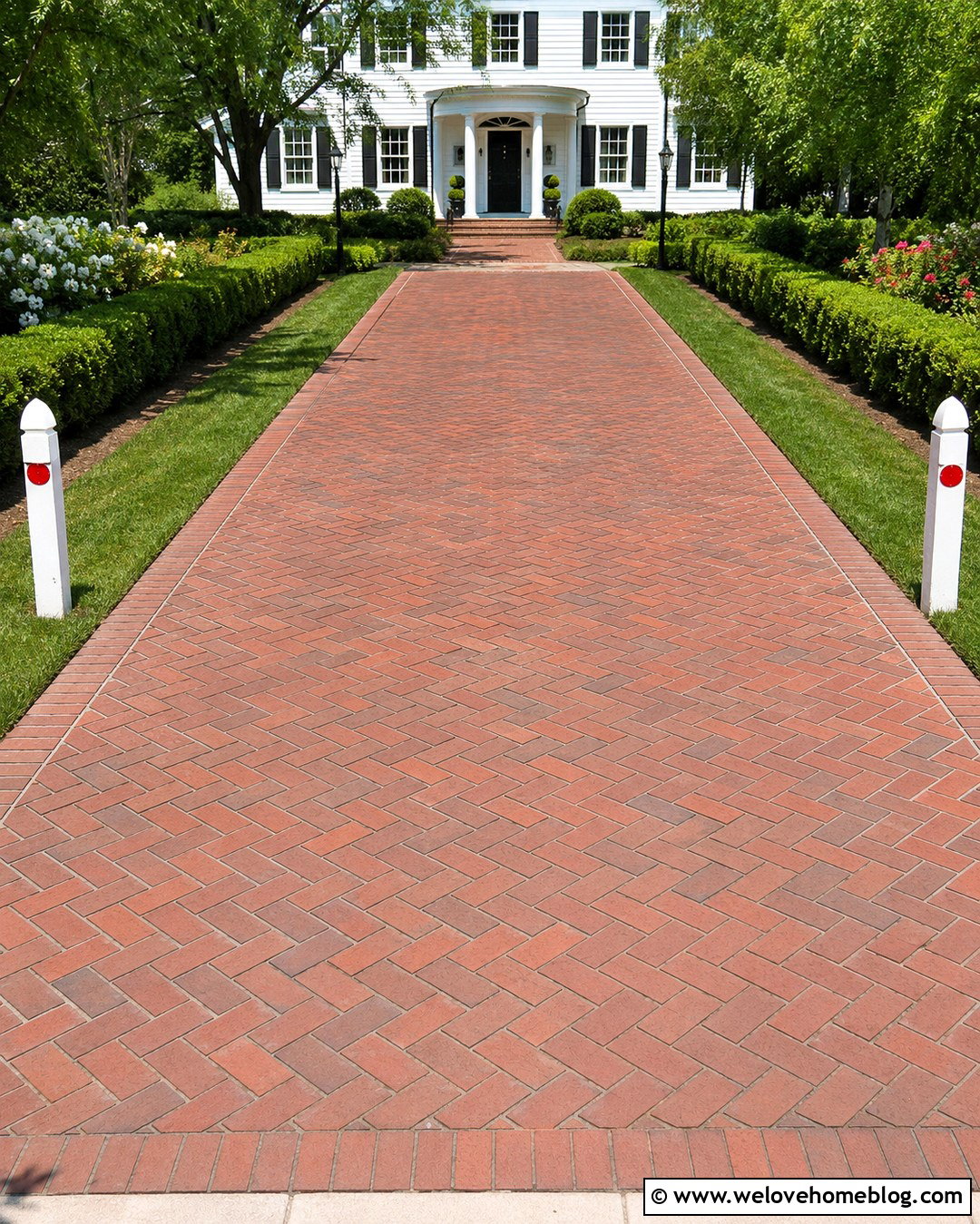
White reflective markers can blend naturally with a traditional brick driveway when their posts coordinate with the home’s trim. Use clay brick pavers in a herringbone pattern for the main surface, then add a soldier-course brick border along each side. Short white posts with double-sided reflectors can be positioned in narrow lawn strips beyond the border. This keeps the functional elements away from tires while creating a formal, symmetrical approach. A colonial house with white columns, clipped hedges, and matching walkway bricks completes the look. Keep nearby shrubs low enough that leaves do not block incoming headlights. At the street, use slightly taller entrance markers to make the opening easier to identify. The combination feels intentional because the reflectors repeat an existing architectural color rather than introducing an unrelated finish.
4. Blue Driveway Reflectors At A Rural Entrance
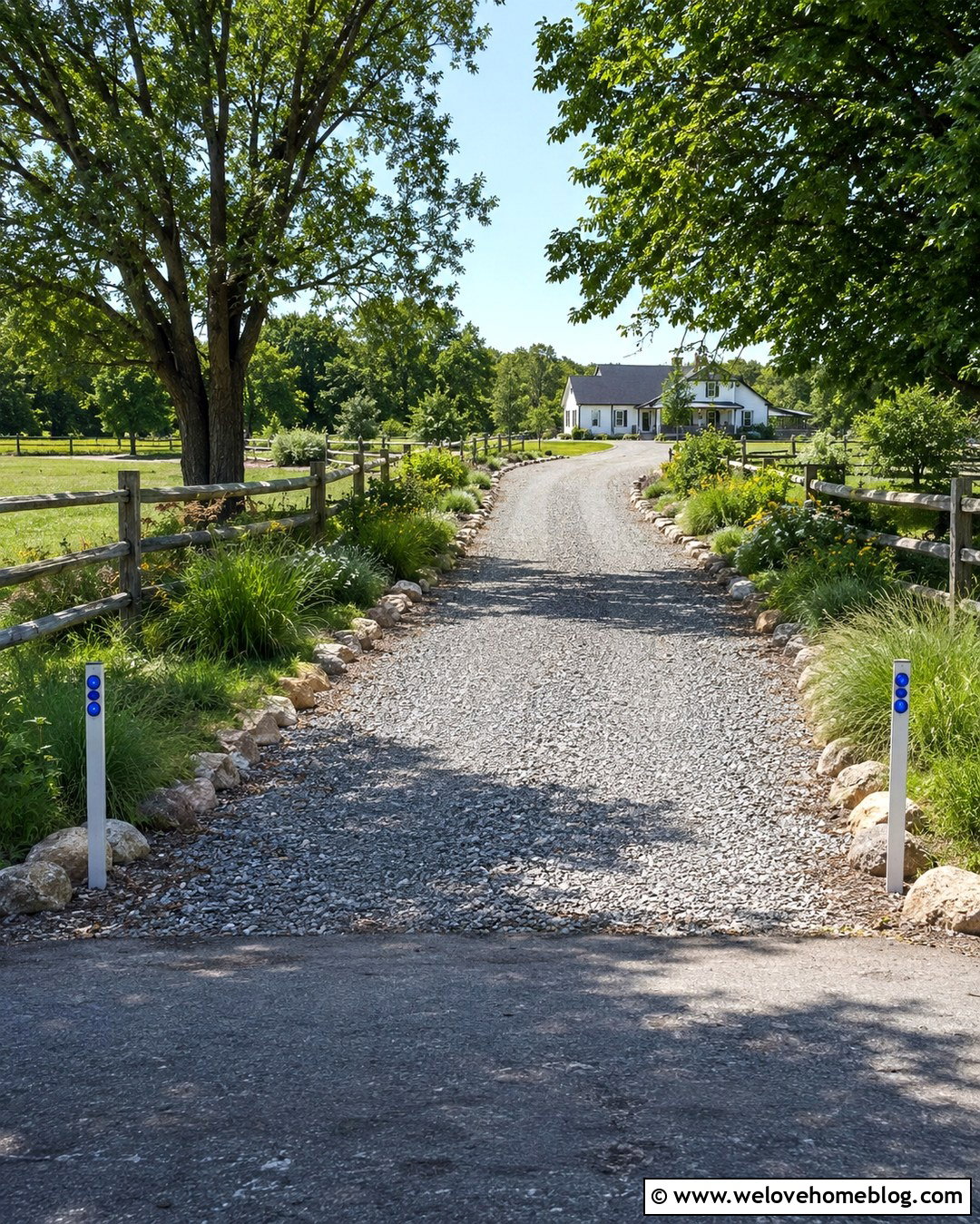
A long rural driveway needs a clear entrance that can be recognized from either travel direction. Pair compacted gray gravel with natural fieldstone edging and install prominent double-sided blue reflectors near the opening, subject to local roadway requirements. Mount the reflectors on slim galvanized or dark green stakes placed safely beyond the road shoulder and normal plow route. Continue smaller reflective markers along the first section of the driveway so the entrance transitions into an obvious driving path. Native grasses, split-rail fencing, and groups of flowering shrubs create a relaxed country setting without obscuring visibility. A simple address post can stand behind one entrance reflector, but it should remain visually separate. This layout helps visitors locate the property while preserving the natural character of a farmhouse or rural home.
5. Low Profile Driveway Reflectors With Paver Borders
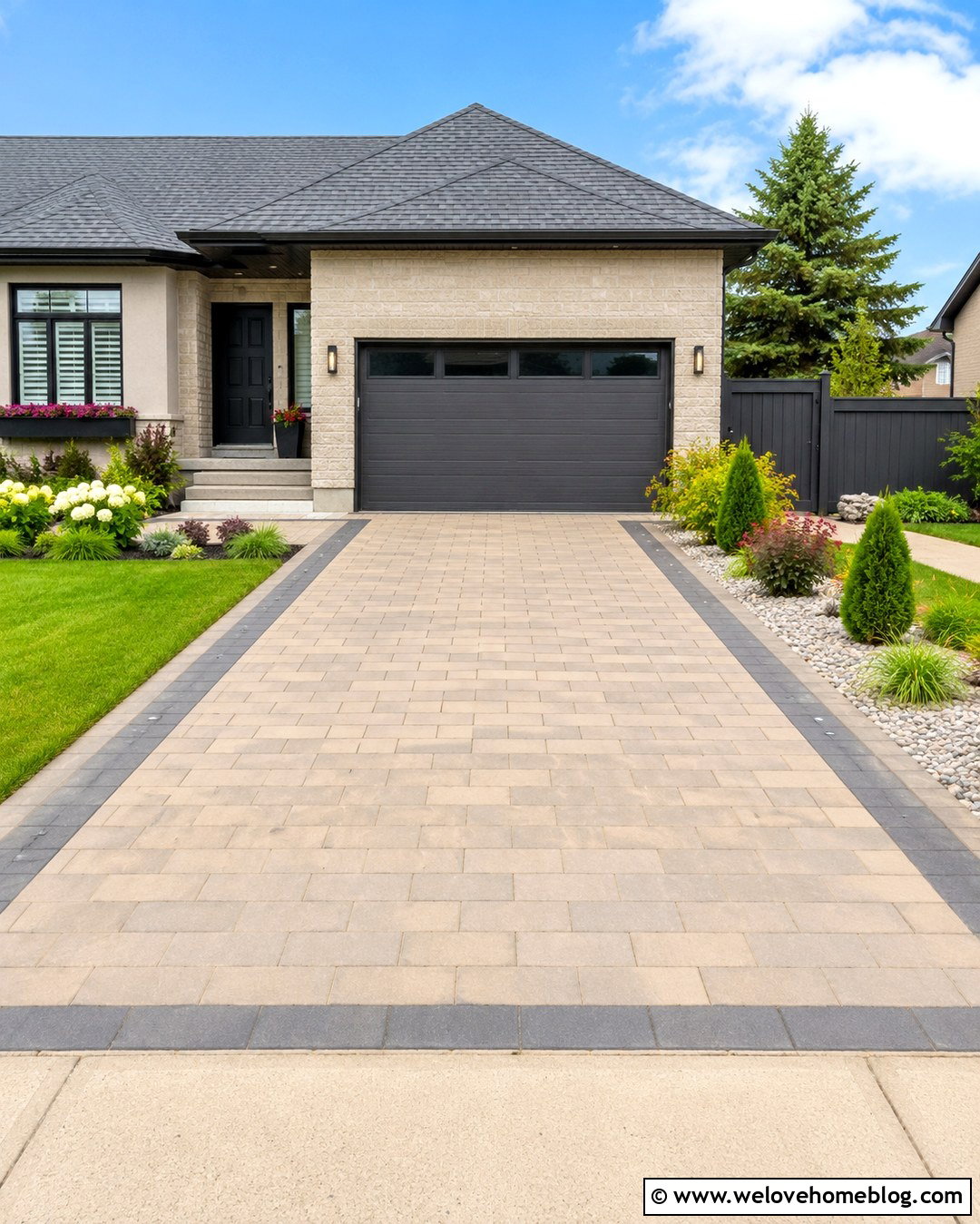
A low-profile system suits a short suburban driveway where tall snow stakes would feel oversized. Create the main surface with smooth beige concrete pavers laid in a running-bond pattern. Frame it with a contrasting charcoal paver ribbon and place small reflective units along the outer edge, beyond the typical tire path. The contrast between the two paver colors already defines the driveway during daylight, while the reflectors reinforce that boundary at night. Keep the layout straight and symmetrical, leading toward an attached garage. Narrow planting beds with dwarf evergreens, flowering perennials, and landscape gravel soften the hardscape. Because low markers can disappear beneath leaves or snow, they need occasional cleaning and may work best in mild climates. The result is subtle, polished, and appropriate for a compact front yard.
6. Driveway Reflectors On Stone Entrance Pillars
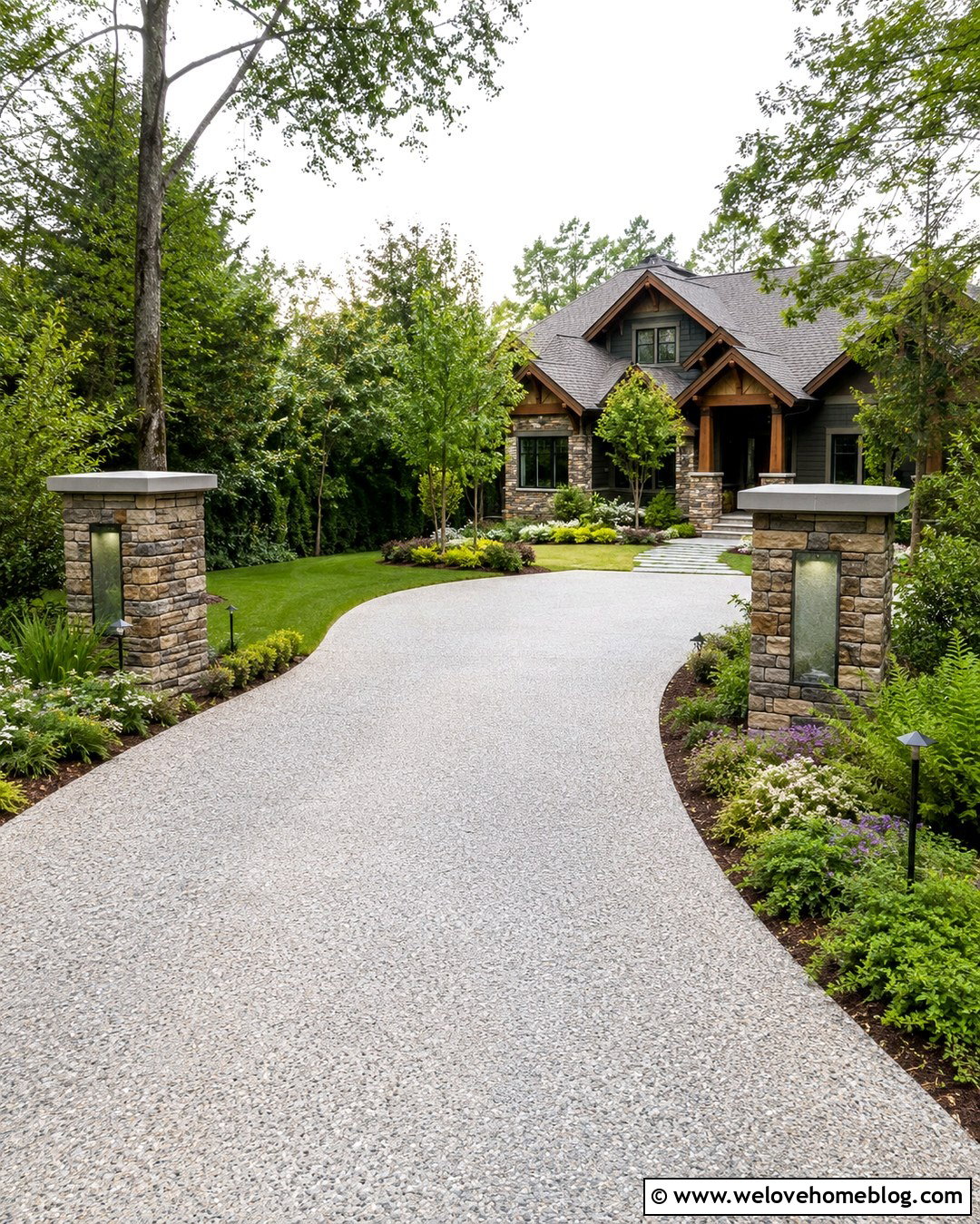
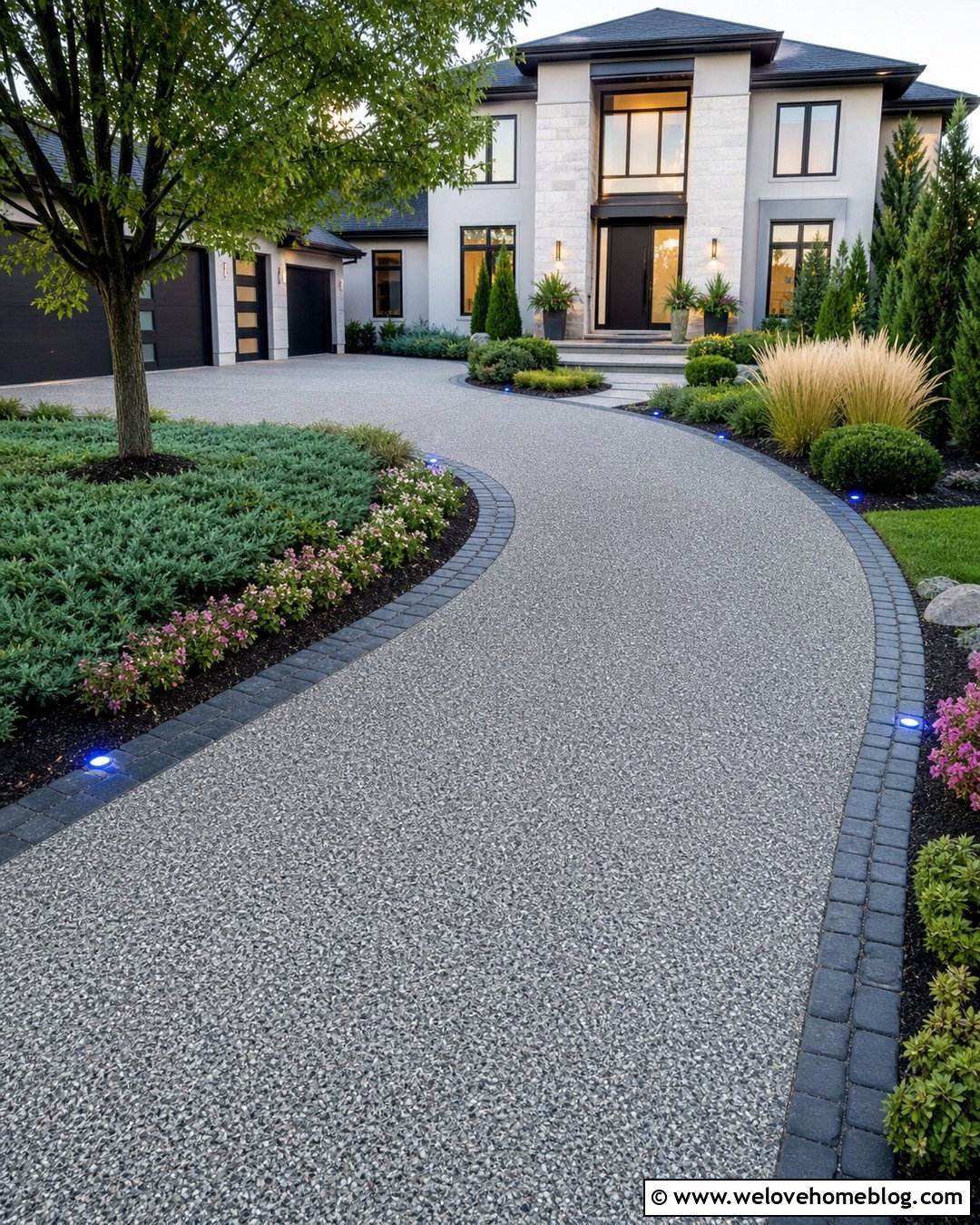
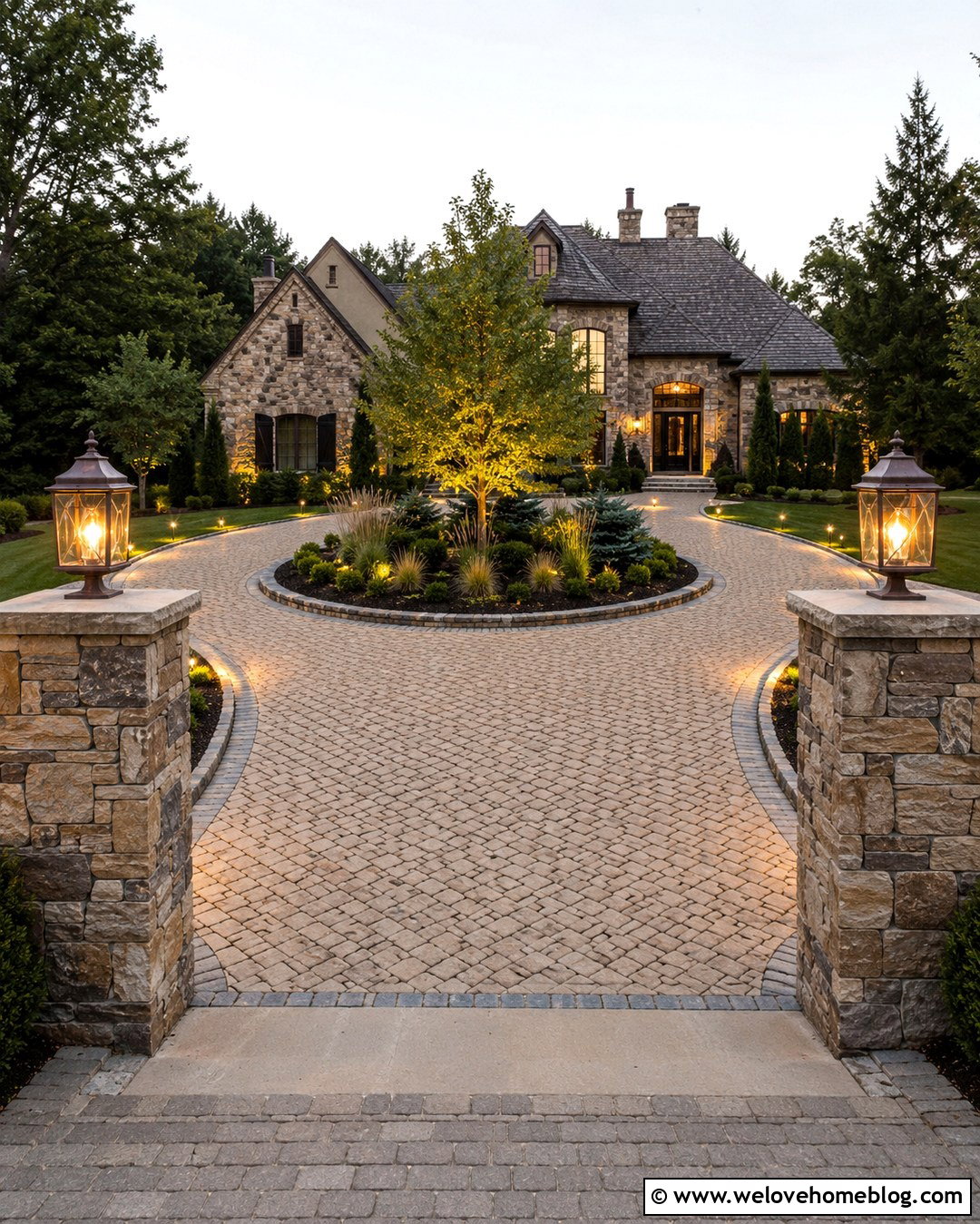
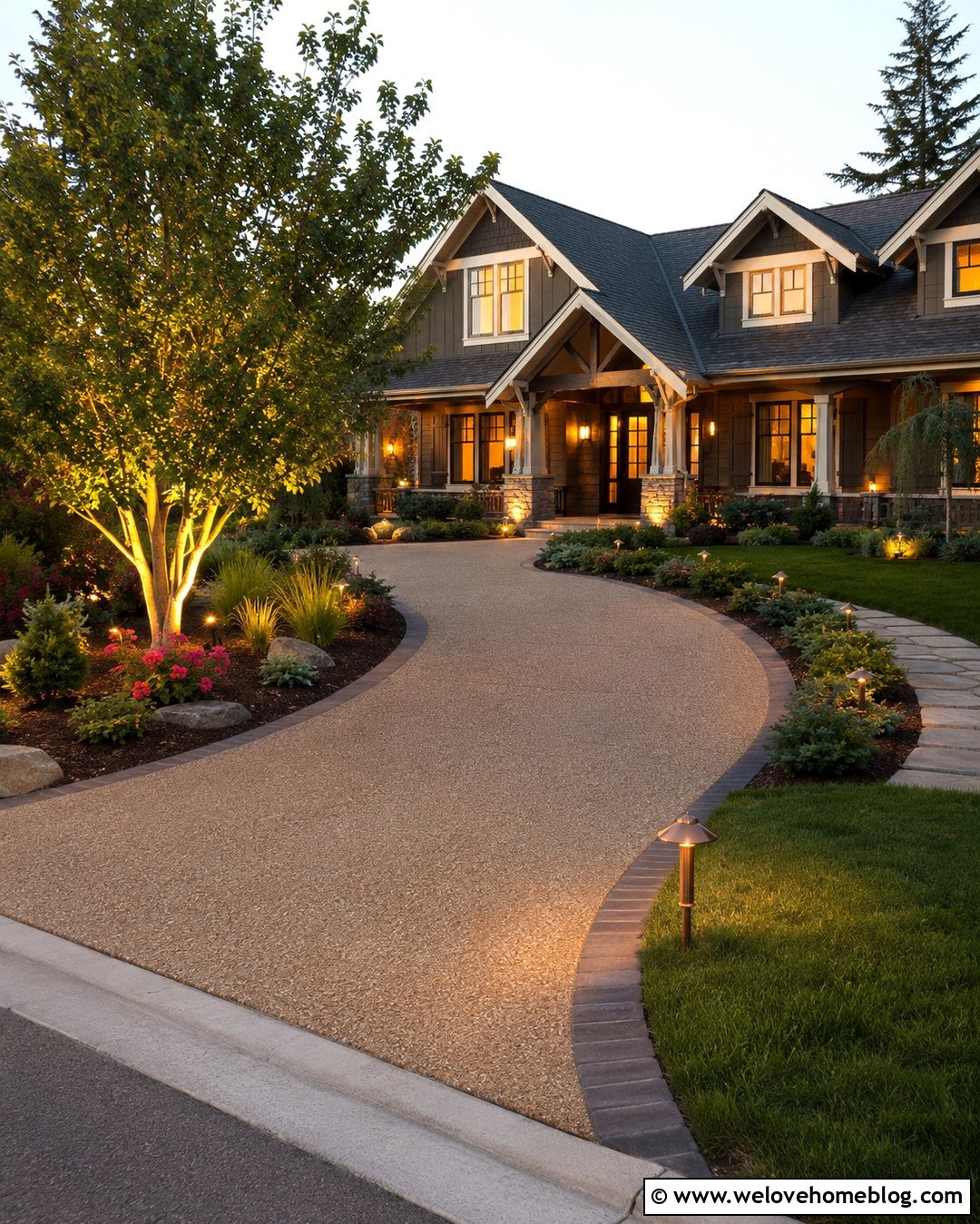
Stone entrance pillars provide a sturdy architectural location for integrated reflectors. Use a broad exposed aggregate concrete driveway with a gentle inward curve leading toward a craftsman house. Build low pillars from stacked natural stone and cap them with smooth concrete slabs. Small clear or white reflector panels can be recessed into the road-facing and driveway-facing sides, allowing approaching headlights to reveal the entrance from multiple angles. Add matching reflective stakes farther along the curve where the pillars are no longer visible. Layered shrubs, ferns, and flowering ground covers will connect the stonework to the yard. Keep all reflective panels unobstructed and avoid placing dense vines on the pillars. This complete design creates a substantial entrance during the day and a clearly defined gateway at night without relying on oversized markers.
7. Solar Driveway Reflectors With Gravel Landscaping
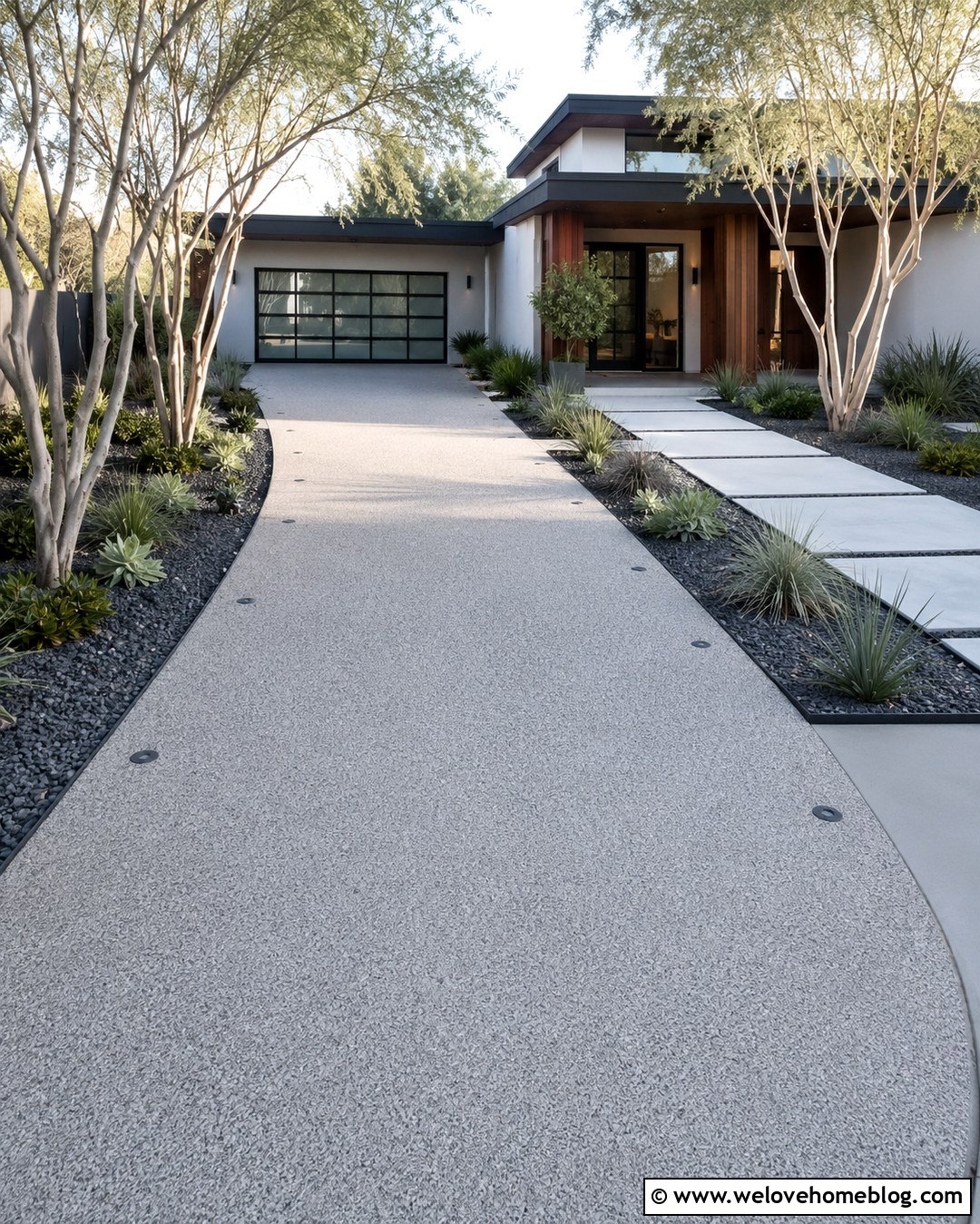
A modern driveway can combine active solar guidance with low-maintenance gravel landscaping. Choose pale gray resin-bound gravel for a smooth, uniform driving surface and form a straight approach to a contemporary house. Use black aluminum edging to create crisp boundaries between the driveway and beds of dark decorative gravel. Install compact black solar reflectors within those beds, aligning them in an evenly spaced row on both sides. Sculptural grasses, low succulents, and a few multi-stem trees add movement without covering the lights. The pale driveway surface will reflect ambient light, while the dark borders make its width easy to read during the day. Select weather-resistant solar units and keep their panels free from soil, leaves, and snow. Together, these features produce a streamlined look with dependable nighttime definition.
8. Driveway Reflectors For A Curved Asphalt Driveway
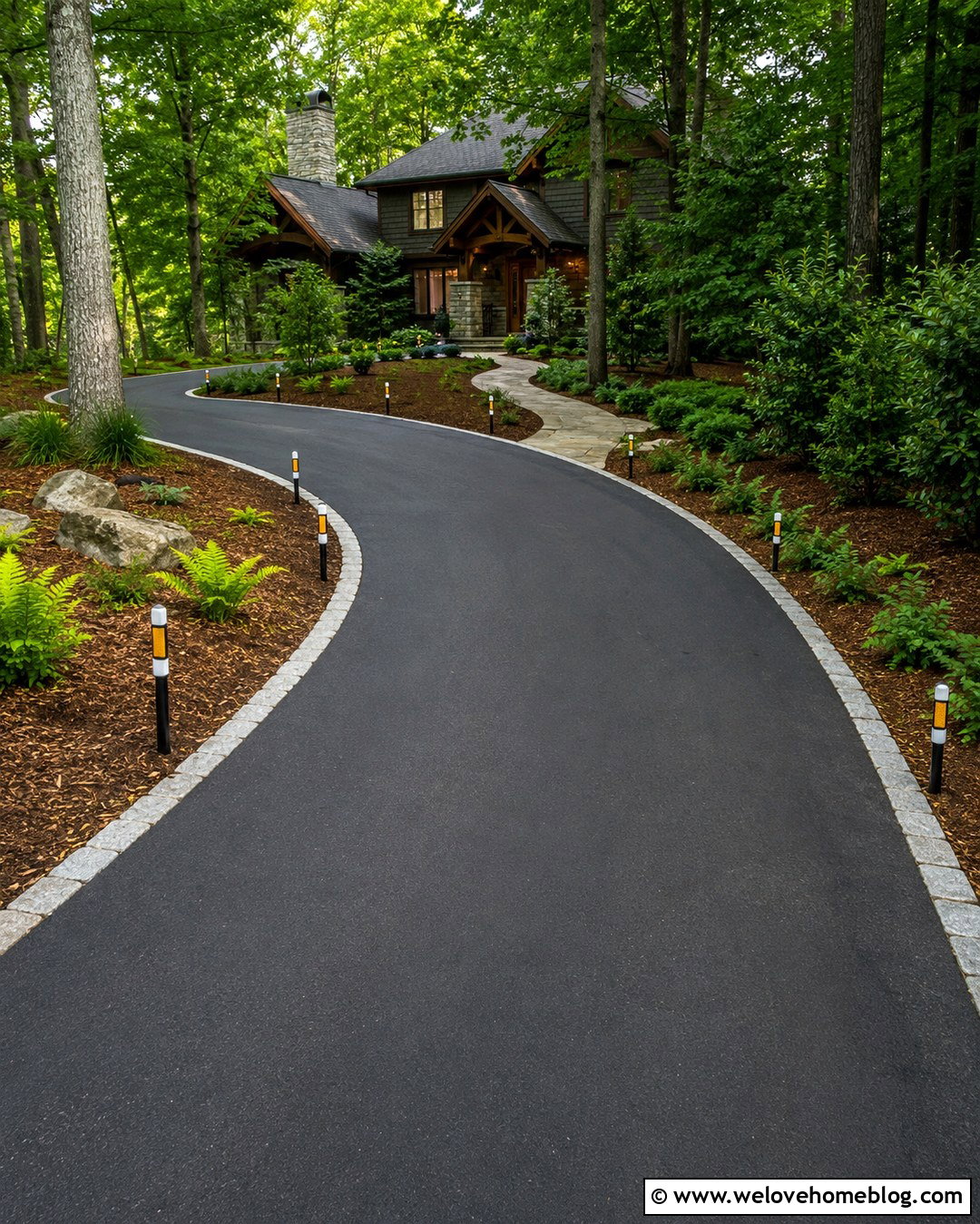
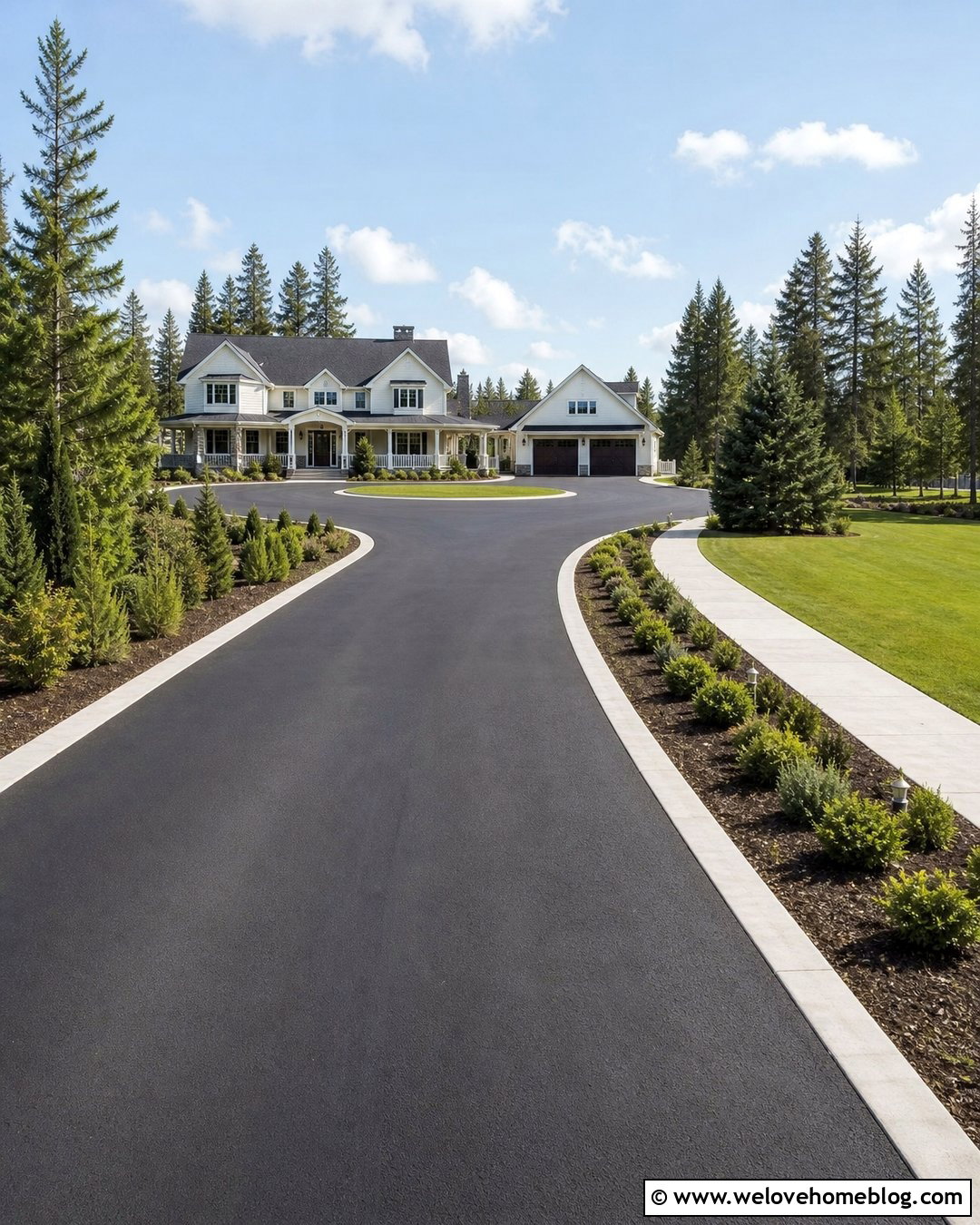
Curves become difficult to judge when darkness, rain, or snow hides the pavement edge. A curved black asphalt driveway can be made easier to follow with flexible reflective stakes tracing the outside and inside boundaries. Add a light gray Belgian block border to create strong daytime contrast against the asphalt. Space markers more closely through the tightest bend and farther apart along the straighter sections. Each reflective face should be oriented toward approaching vehicles rather than simply facing the house. A wooded craftsman setting with ferns, shade-tolerant shrubs, and mulched beds will make the practical markers feel integrated with the landscape. Use stakes in a muted neutral color if bright poles would be distracting during daylight. This coordinated arrangement communicates the changing direction early, giving drivers more time to follow the driveway safely.
9. Driveway Reflectors With Cobblestone Borders
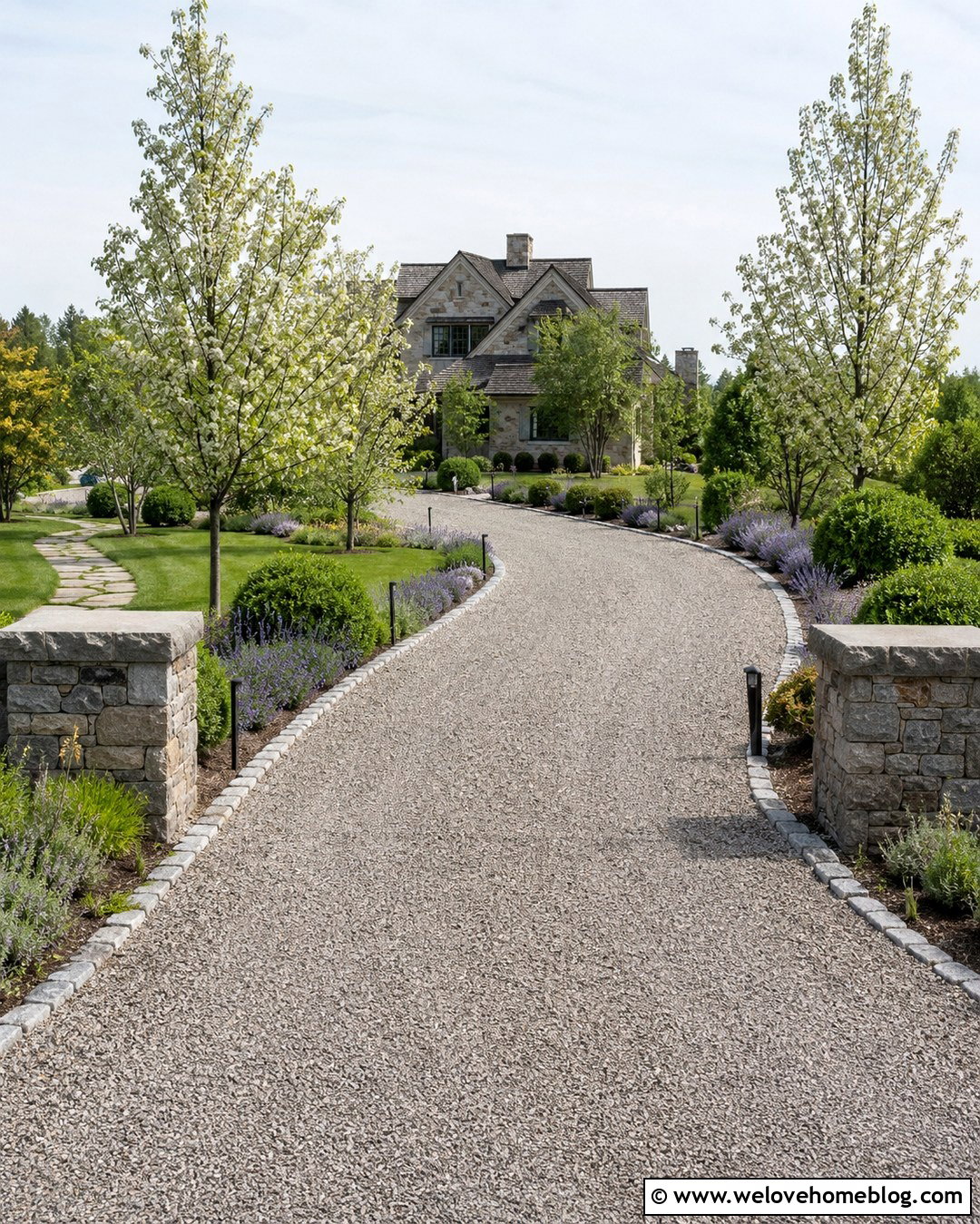
Cobblestone borders can make ordinary reflector stakes look like part of a carefully planned traditional driveway. Begin with warm gray gravel shaped into a wide, gently curving approach. Install reclaimed cobblestones along both edges to contain loose aggregate and create a visible transition into the lawn. Place slender black posts with clear double-sided reflectors immediately beyond the stones, maintaining consistent alignment. At the entrance, slightly larger reflectors can mark the full driveway width. Lavender, catmint, clipped shrubs, and ornamental pear trees will soften the route while leaving open sightlines. The stones provide texture during daylight, and the reflectors reveal the same border after dark. This combination is especially effective for a cottage or country house because the safety features remain understated rather than competing with the character of the cobblestone.
10. Decorative Driveway Reflectors With Lantern Posts
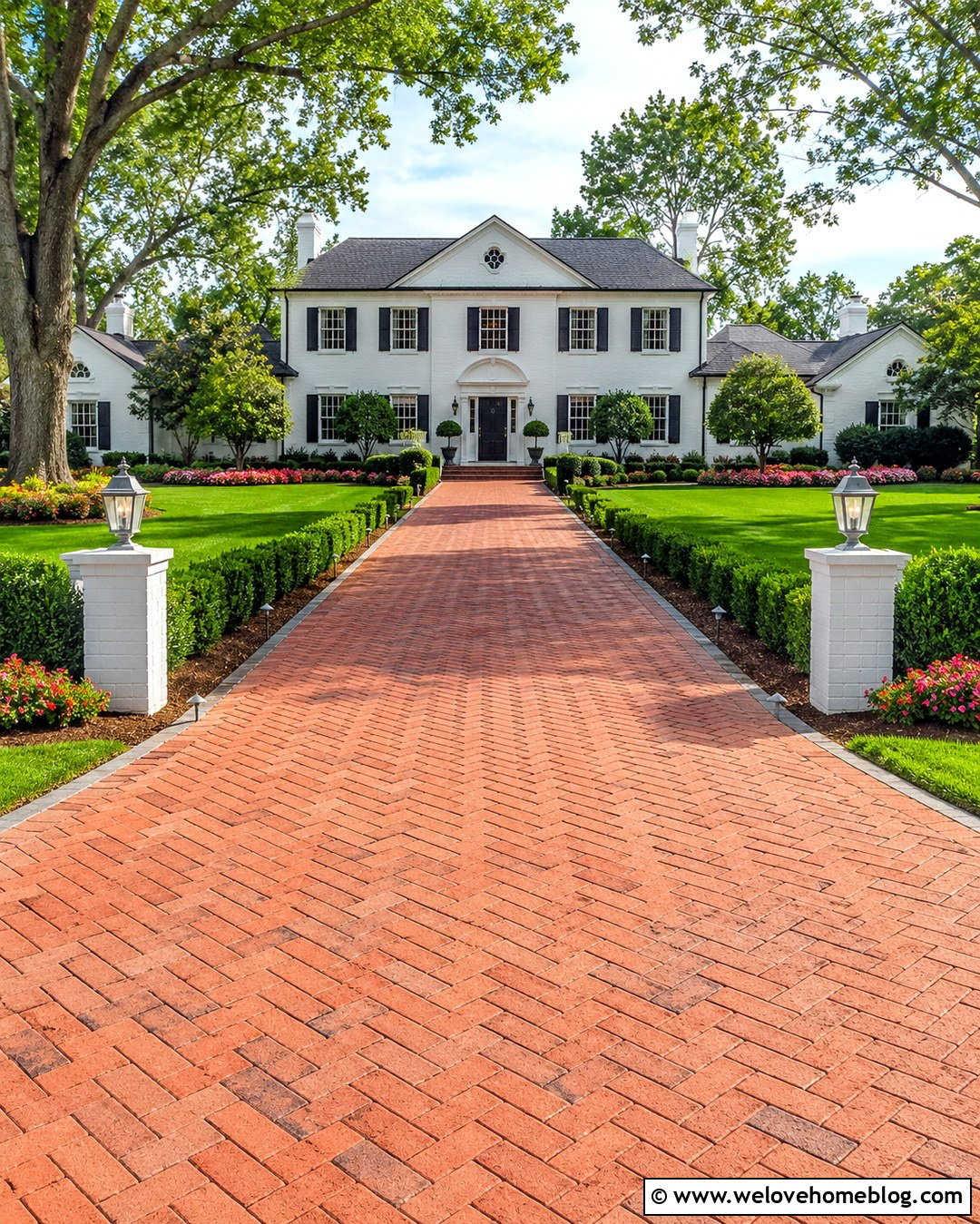
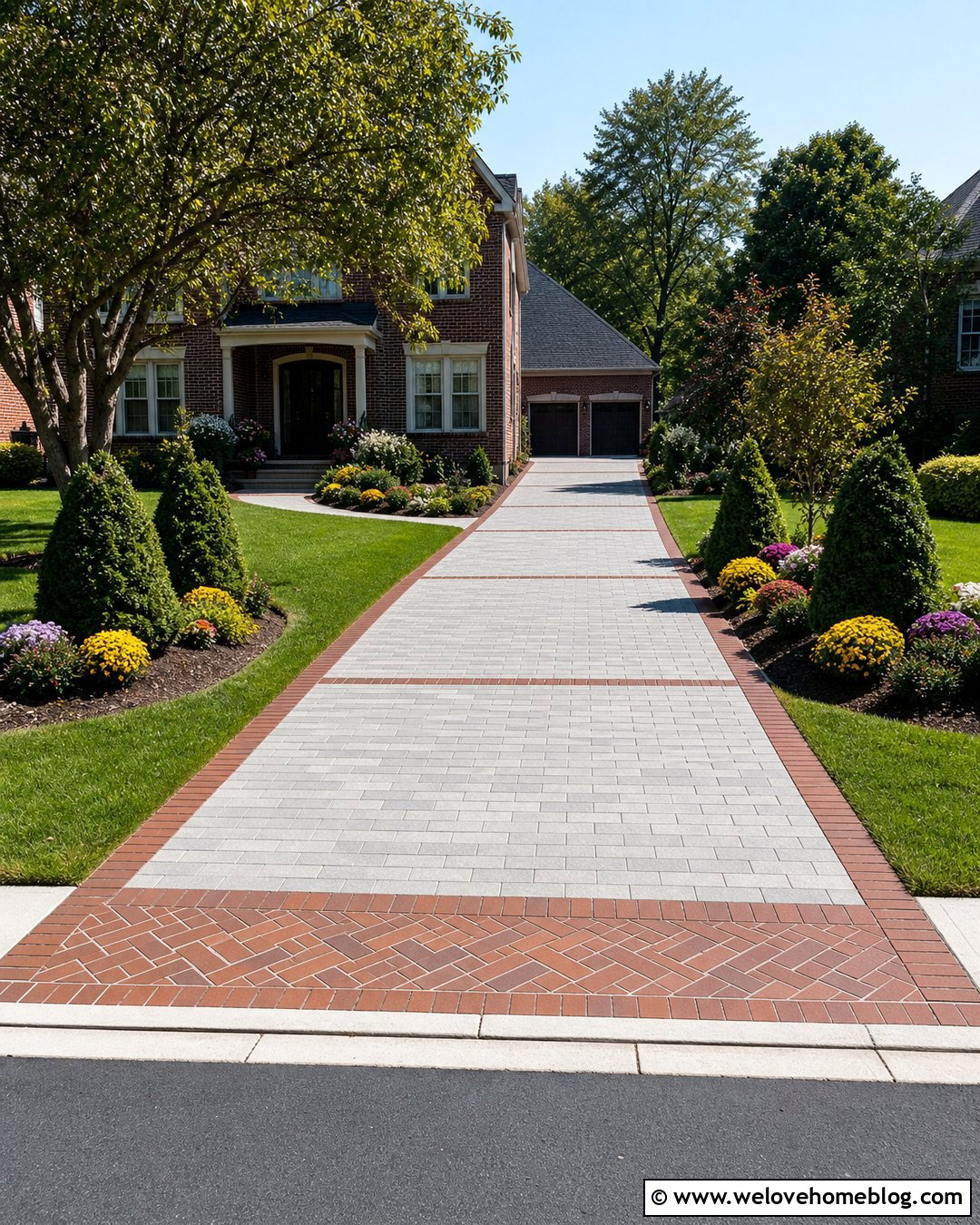
Decorative reflector panels can be combined with lantern posts to create a formal entrance without depending entirely on electrical lighting. Use red clay brick pavers arranged in a basketweave pattern for a straight driveway leading to a Georgian or colonial house. Place two white masonry or painted wood posts at the street, each fitted with a traditional lantern and discreet clear reflectors facing approaching traffic. Continue the guidance with small reflective markers beside the brick border. Symmetrical boxwood hedges, seasonal flowers, and a centered walkway reinforce the formal layout. The lanterns create gentle general illumination, while the reflector panels react directly to headlights and define the driveway opening. Keep the posts outside the turning path and choose proportions that do not block views of pedestrians or vehicles near the street.
11. Driveway Reflectors With Wooden Posts
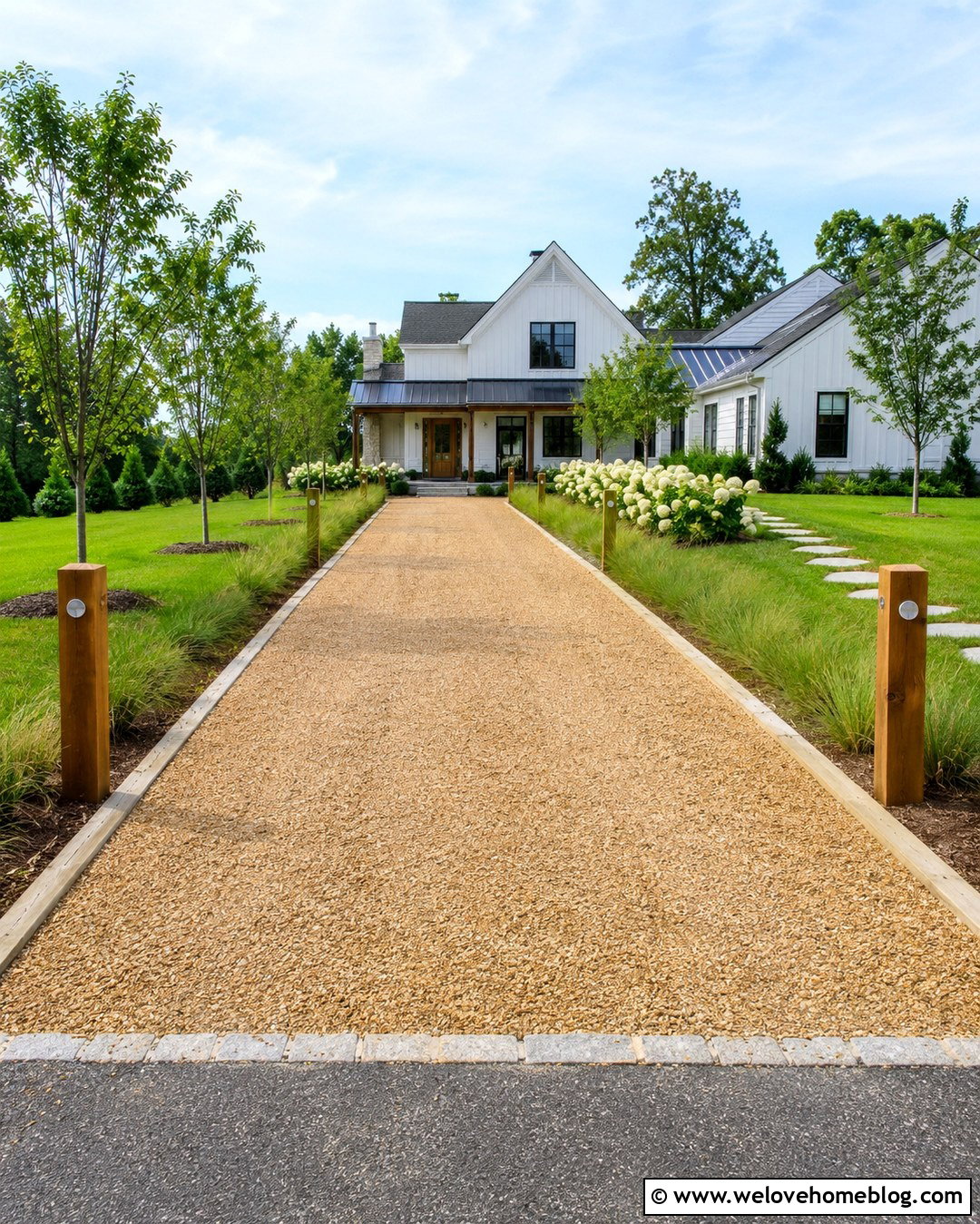
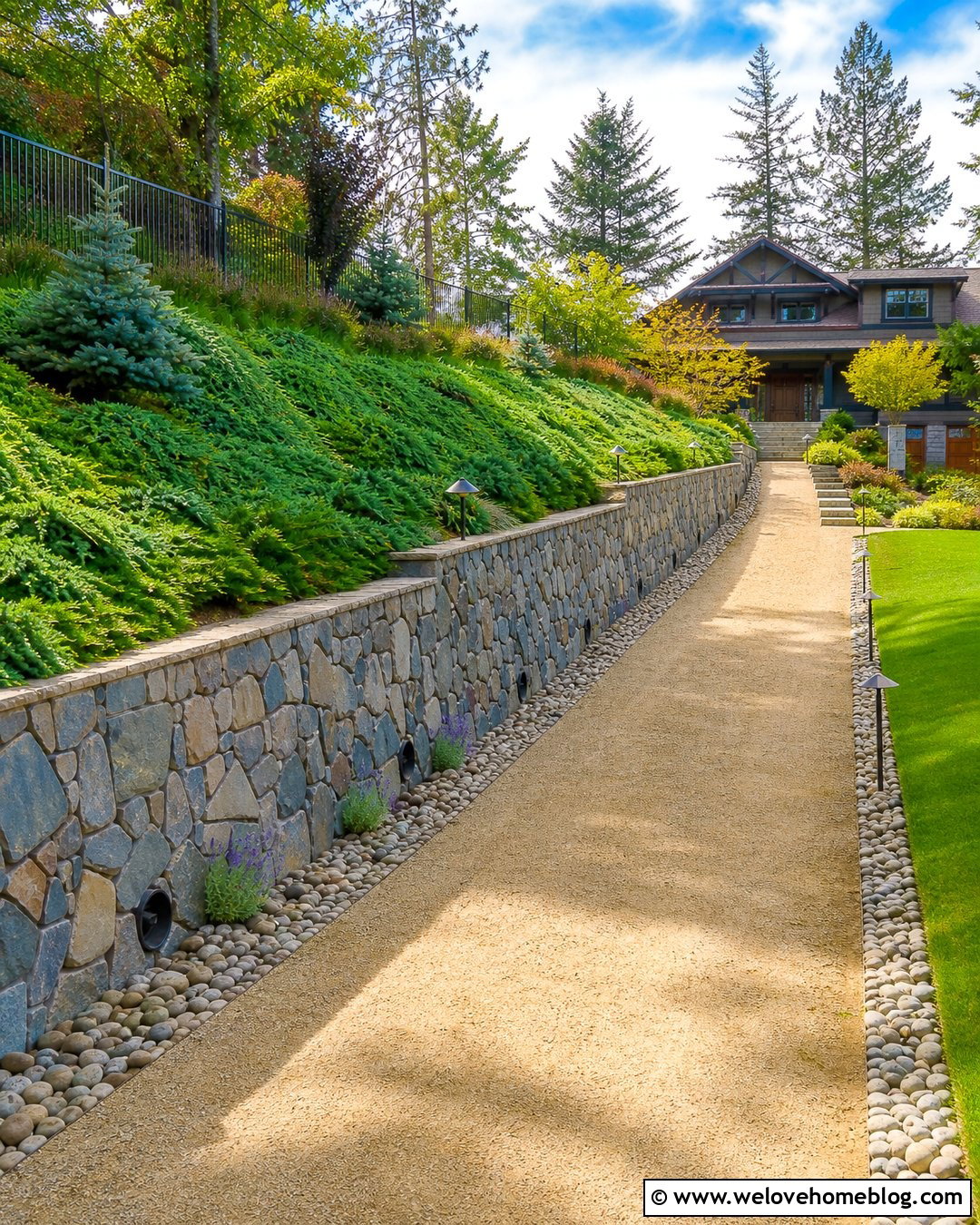
Wooden reflector posts are well suited to gravel driveways surrounded by natural landscaping. Use compacted tan crushed stone for a broad, straight approach to a modern farmhouse. Edge the gravel with pressure-treated timber or weathered steel strips so loose material stays away from the lawn. Install short cedar posts beyond the edging and attach compact double-sided reflectors near the top. Applying a medium brown stain will coordinate the markers with fencing, porch beams, or the garage door. Native grasses, hydrangeas, and young shade trees can fill the surrounding beds while maintaining clear space around every reflective surface. Set the posts far enough from the driveway to reduce contact with tires and plowing equipment. This approach turns basic boundary markers into warm architectural details that complement a relaxed rural property.
12. Driveway Reflectors For A Steep Concrete Driveway
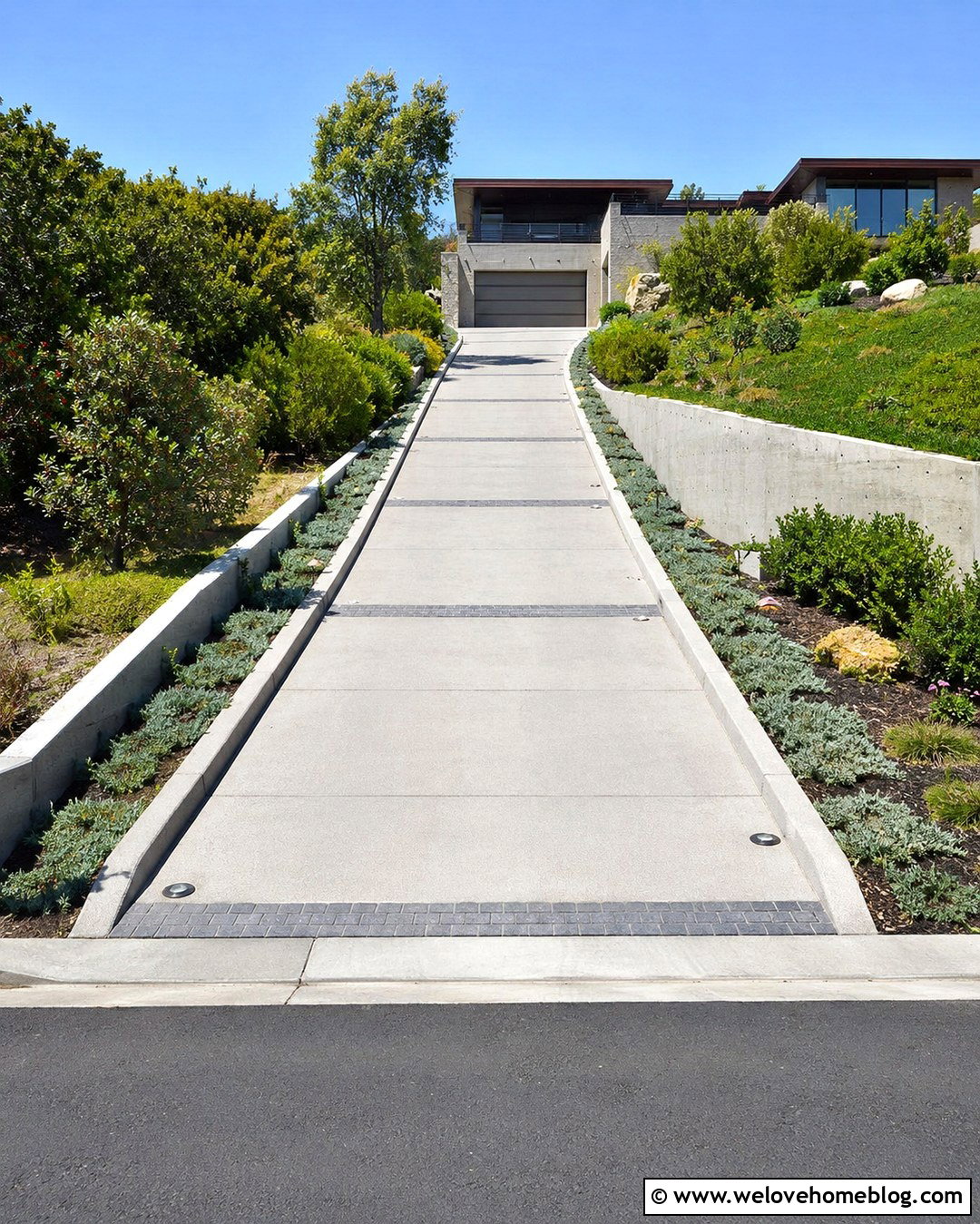
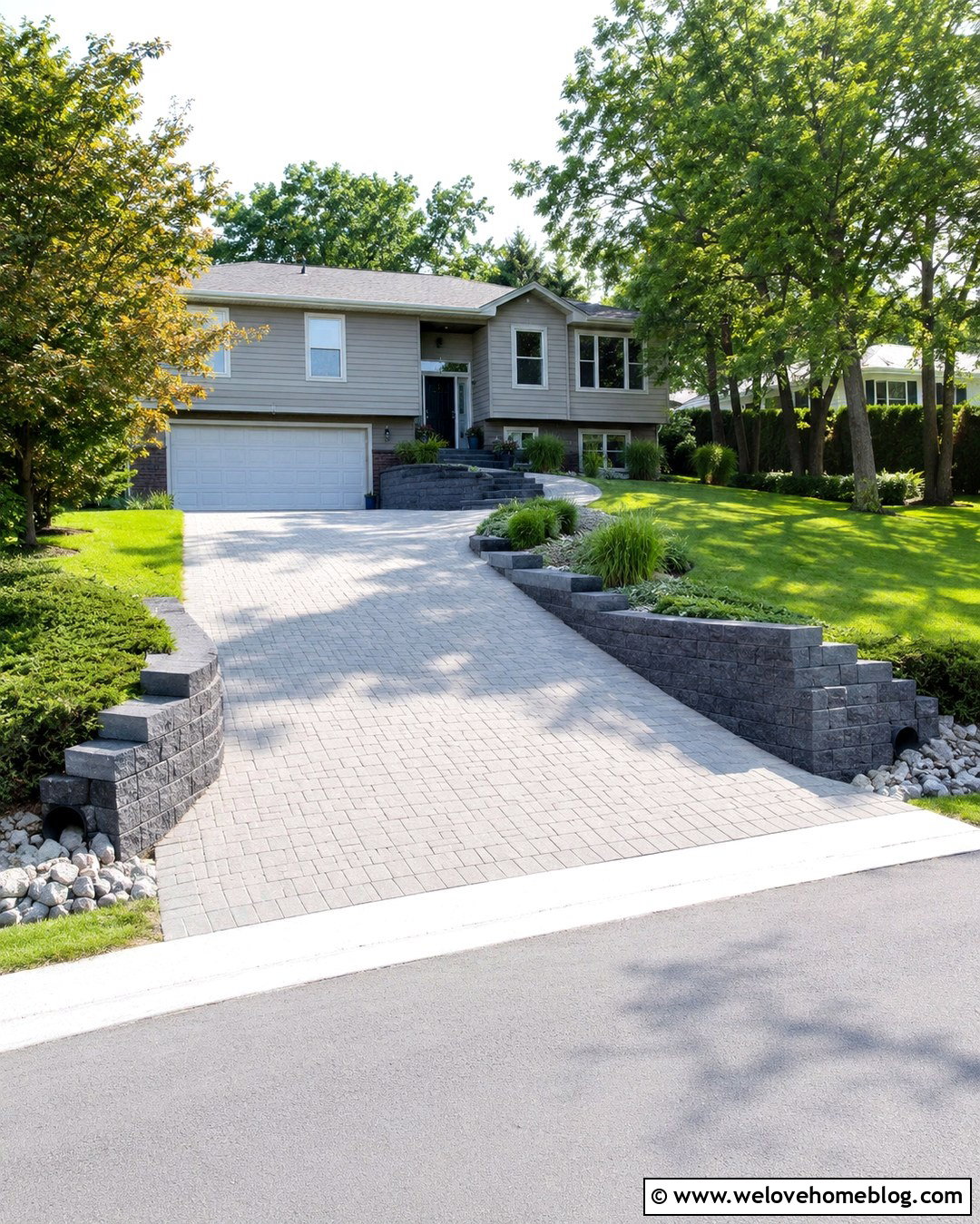
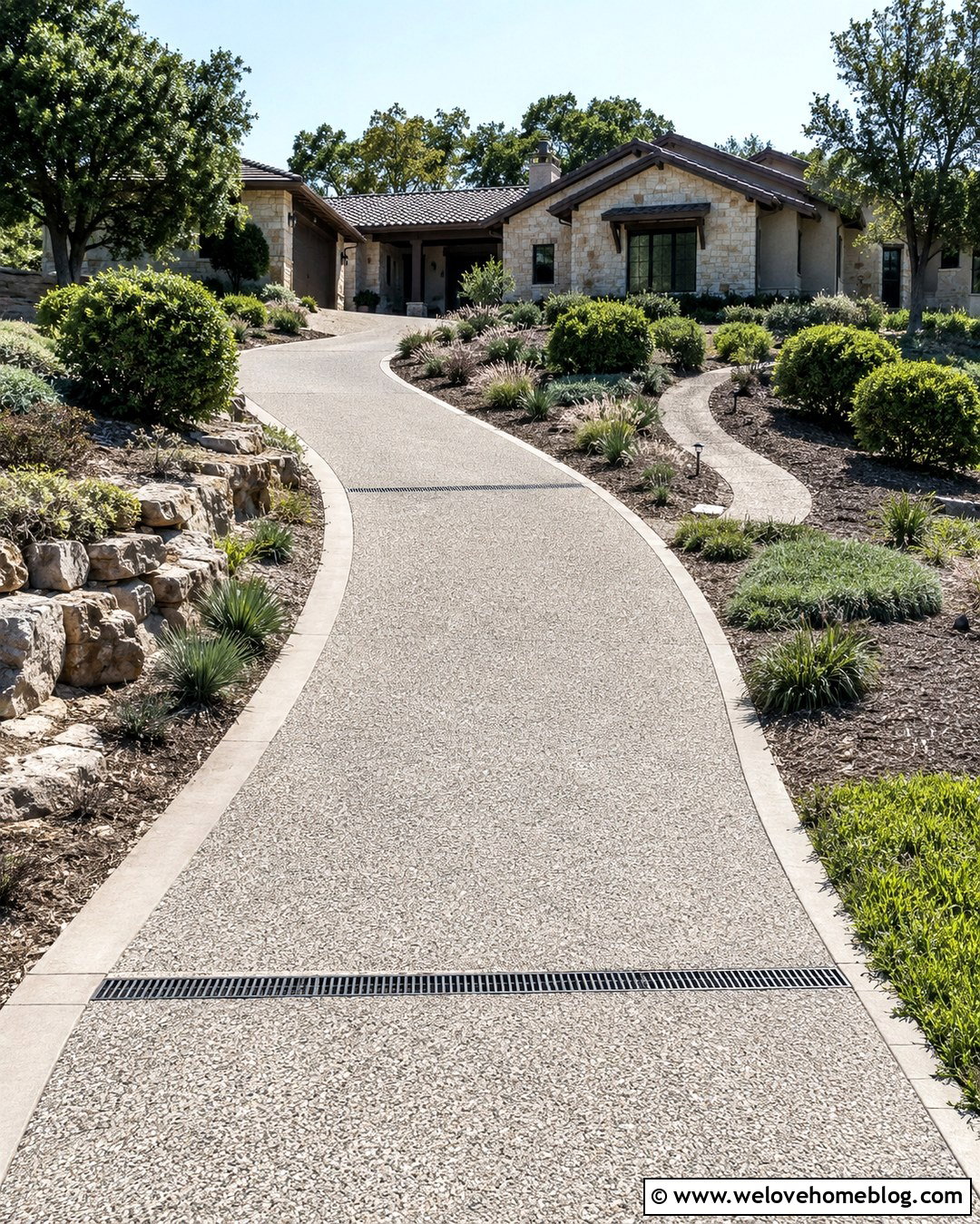
A steep driveway benefits from clear visual boundaries at the top, bottom, and any point where the grade changes. Use broom-finished gray concrete with a straight layout and dark textured paver bands across the surface for added visual definition. Place flexible reflectors along raised planting borders instead of attaching rigid objects beside the narrow driving lane. Closely spaced markers near the lower entrance help drivers align before beginning the climb. Additional reflectors near retaining walls and the garage apron identify transitions that may be difficult to see from below. Use low evergreen ground covers and compact shrubs to prevent vegetation from hiding the markers. For a hillside contemporary home, black posts and clear reflective faces maintain a simple appearance. This complete design supports nighttime navigation while keeping the sloped driveway visually organized.
13. Driveway Reflectors With Landscape Lighting
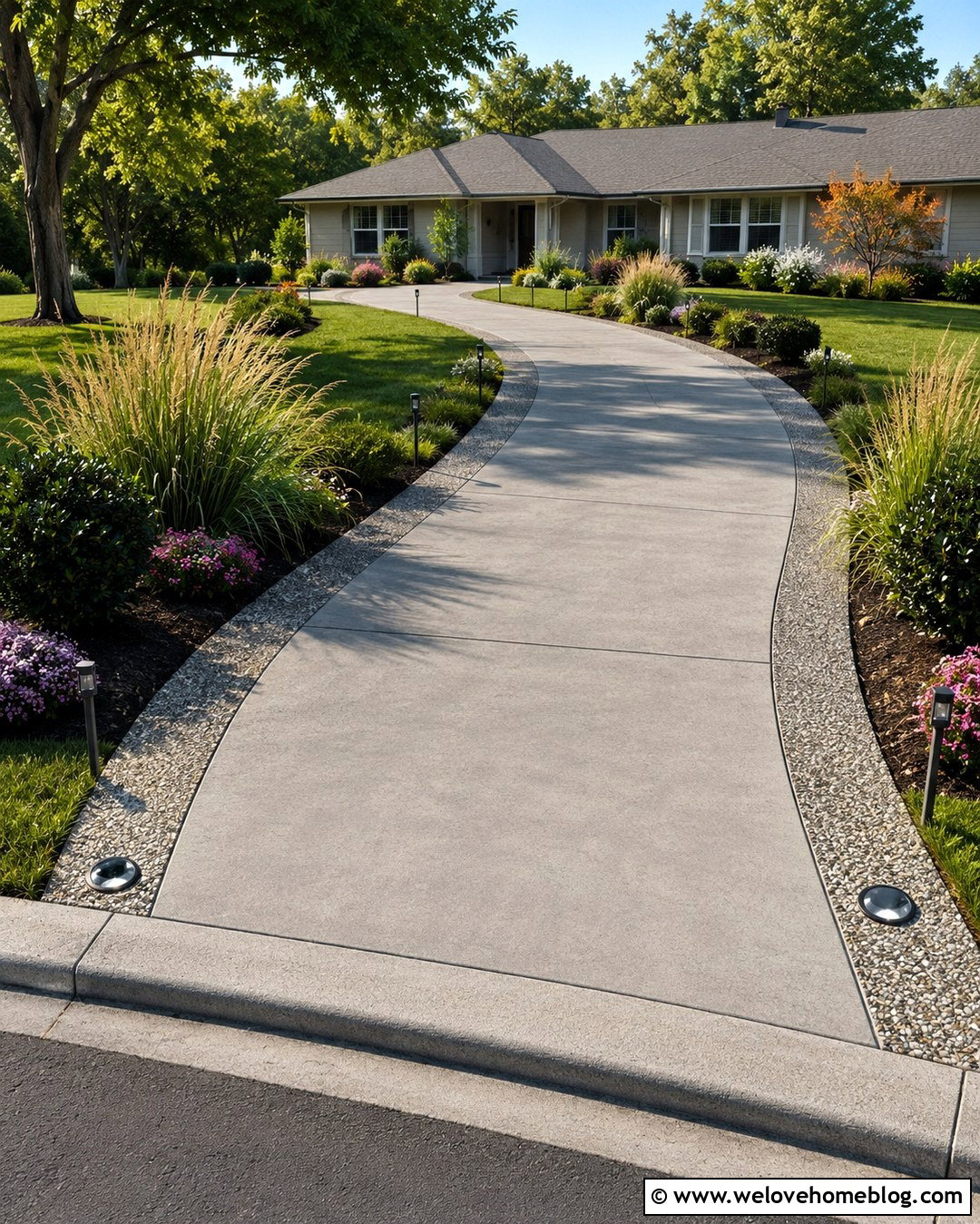
Reflectors and landscape lighting serve different purposes, so combining them can produce a more complete visibility system. Design a wide concrete driveway with exposed aggregate borders and a gentle curve toward a ranch house. Install low-voltage path lights within planting beds to illuminate shrubs and walkways. Add small double-sided reflectors closer to the driveway edge, positioning their faces where vehicle headlights will reach them. The fixtures should share a similar black or bronze finish for a coordinated look. Use ornamental grasses, compact hollies, and flowering perennials to frame the route without casting heavy shadows over the markers. Reflectors still provide guidance if a bulb fails or the lighting system is switched off. Meanwhile, the landscape lights reveal nearby steps, plants, and paths that passive reflectors cannot illuminate by themselves.
14. Driveway Reflectors For A Narrow Side Driveway
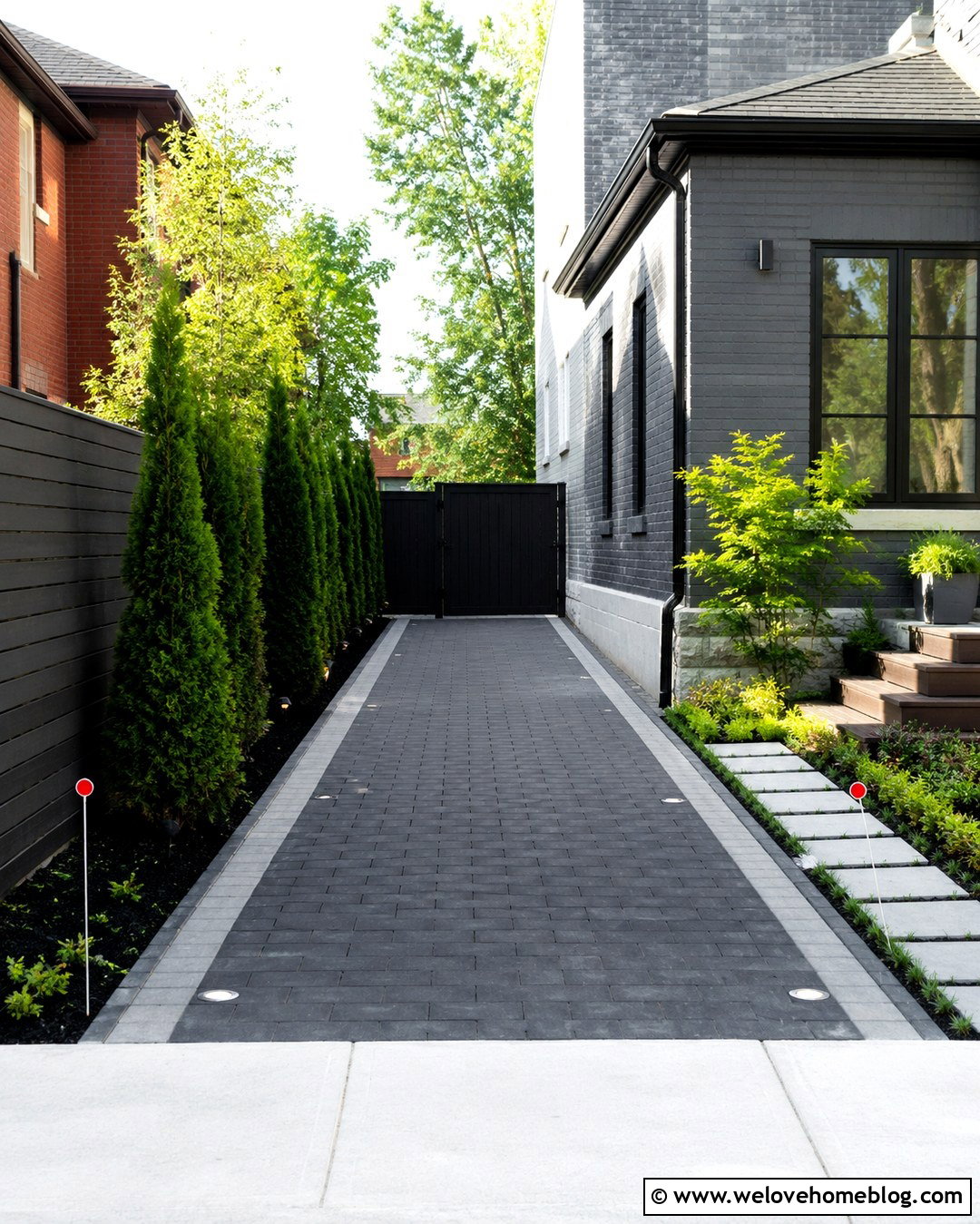
A narrow side driveway requires precise edge definition without adding posts that reduce usable clearance. Choose smooth charcoal concrete pavers for the driving surface and add thin light gray paver borders that visually widen the route. Install compact wall-mounted reflectors along the house foundation on one side and low flexible markers within a planting strip on the other. Keep both rows at a consistent height so drivers can quickly judge the available width. A simple side gate, vertical evergreen shrubs, and a narrow stepping-stone walkway can finish the space without creating congestion. Reflectors should remain outside mirror height and away from doors, utility equipment, and pedestrian routes. This arrangement is useful for urban or small-lot homes because it improves nighttime guidance while preserving every practical inch of the driveway.
15. Driveway Reflectors With A Horseshoe Driveway

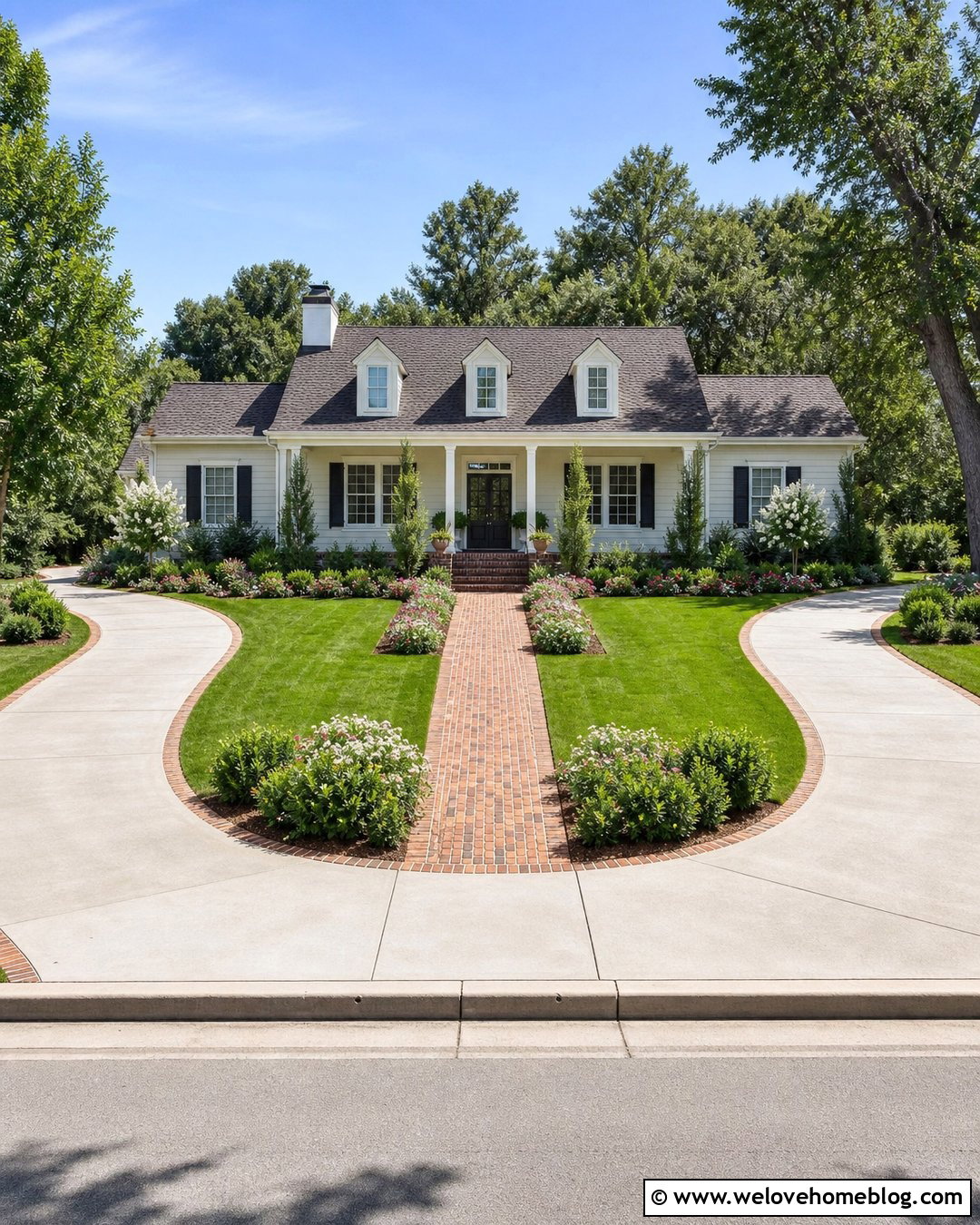
A horseshoe driveway needs reflectors that distinguish the entrance from the exit and clearly reveal the curved route between them. Use tan pea gravel contained by dark brown steel edging for a relaxed country look. Mark both openings with matching stone pillars fitted with clear double-sided reflectors. Continue flexible stakes around the outside curve, using closer spacing near each street connection. Inside the horseshoe, create a large landscaped island with a small ornamental tree, flowering shrubs, and low ground covers. Avoid tall plantings near the openings because they can restrict sightlines. A Cape Cod or cottage-style house provides a welcoming background for this balanced layout. The repeated marker height and consistent reflector color connect both sides visually, helping guests understand the intended circulation pattern as soon as they arrive.
16. Driveway Reflectors With An Address Sign
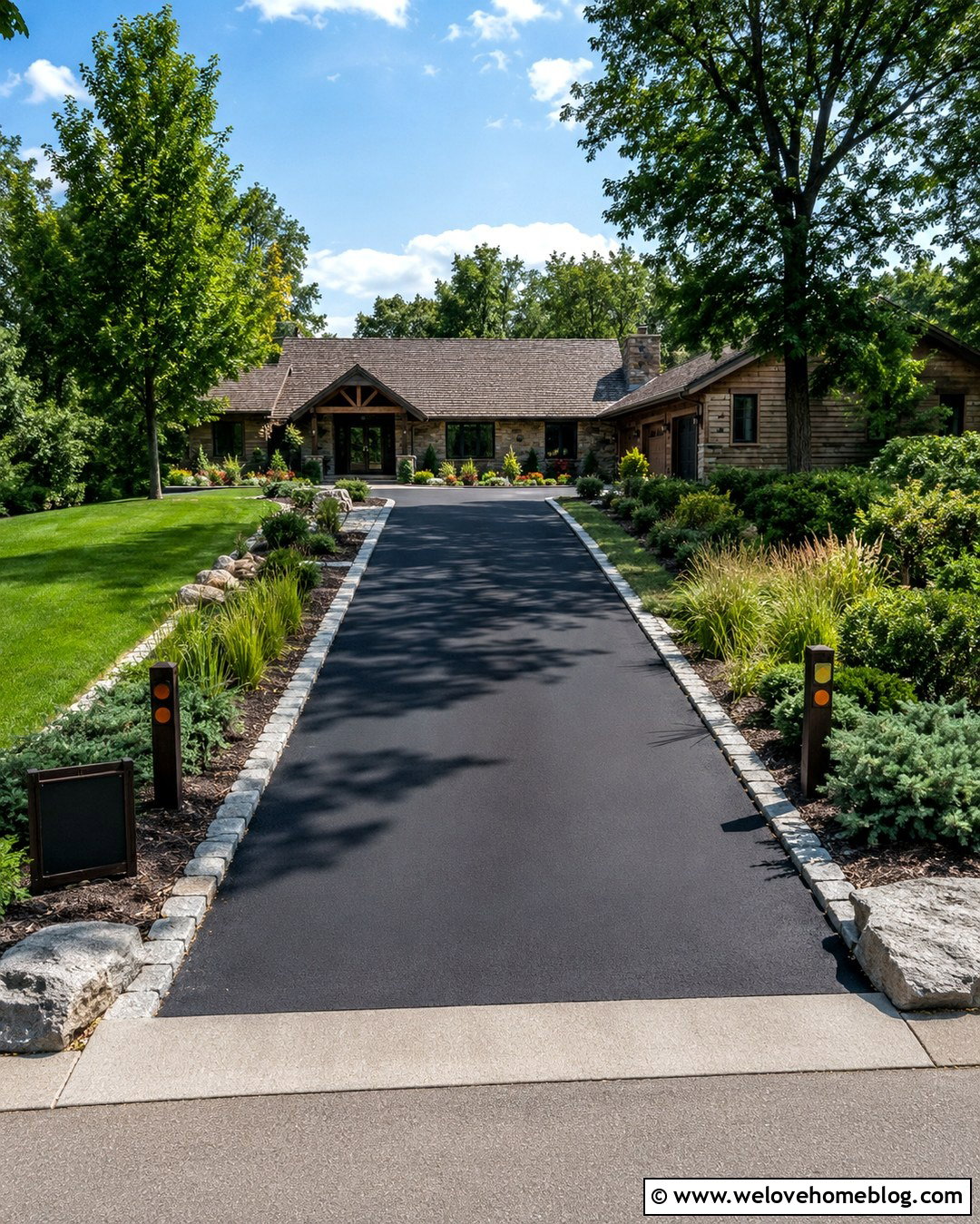
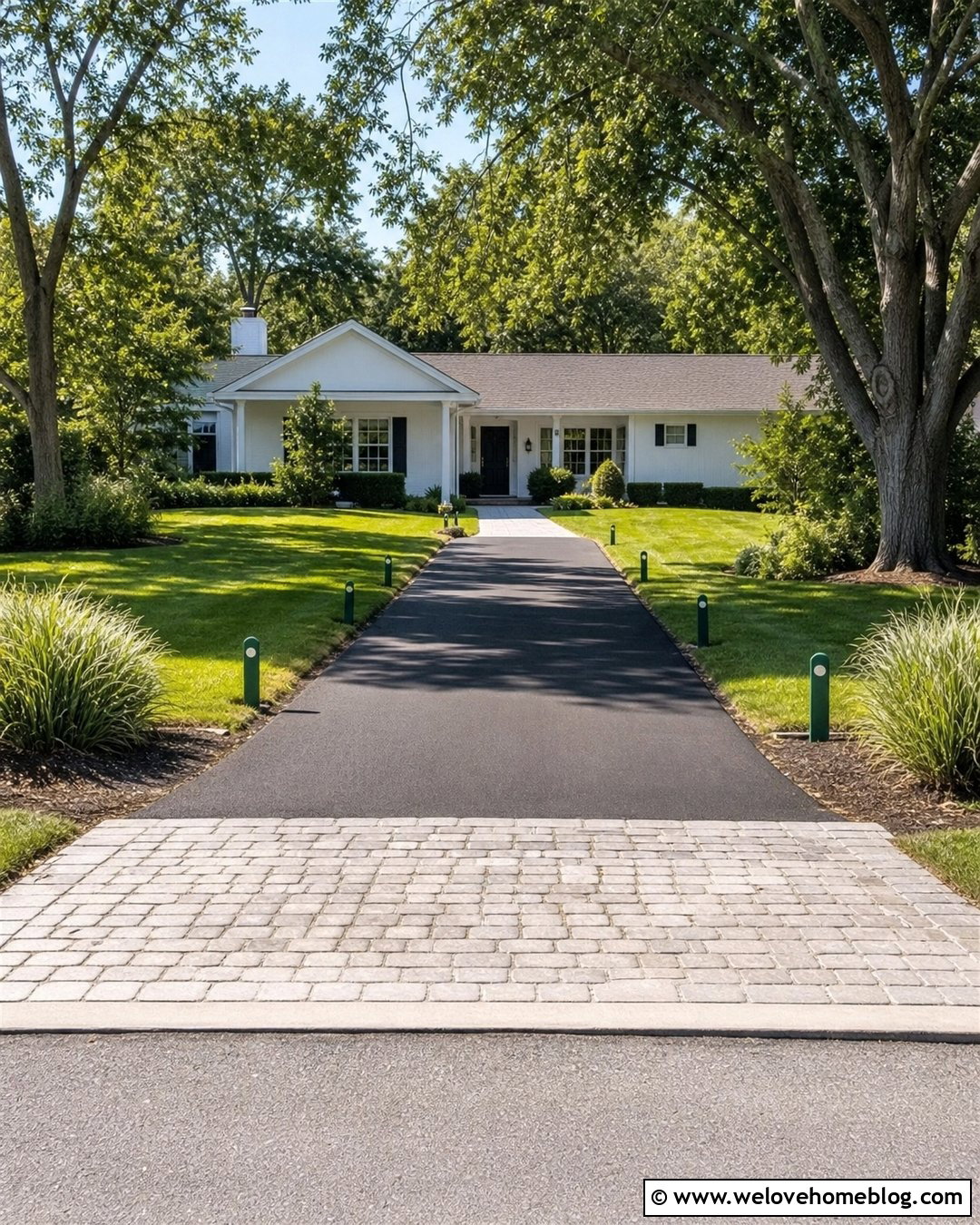
An address sign and driveway reflectors can work together to make a home easier to locate after dark. Start with a straight black asphalt driveway bordered by pale granite blocks. At the entrance, install a substantial wood or metal address sign in a mulched bed, positioned where it remains visible from the street without interfering with traffic. Add clear or locally approved reflectors to separate posts on both sides of the driveway rather than crowding the sign. Continue understated fiberglass markers along the edges toward a ranch or farmhouse-style home. Low junipers, ornamental grasses, and seasonal flowers will frame the entrance while leaving the numbers exposed. Use strong contrast between the sign background and address characters. This coordinated setup guides visitors toward the correct entrance and then safely along the driveway.
17. Driveway Reflectors With A Modern Gate
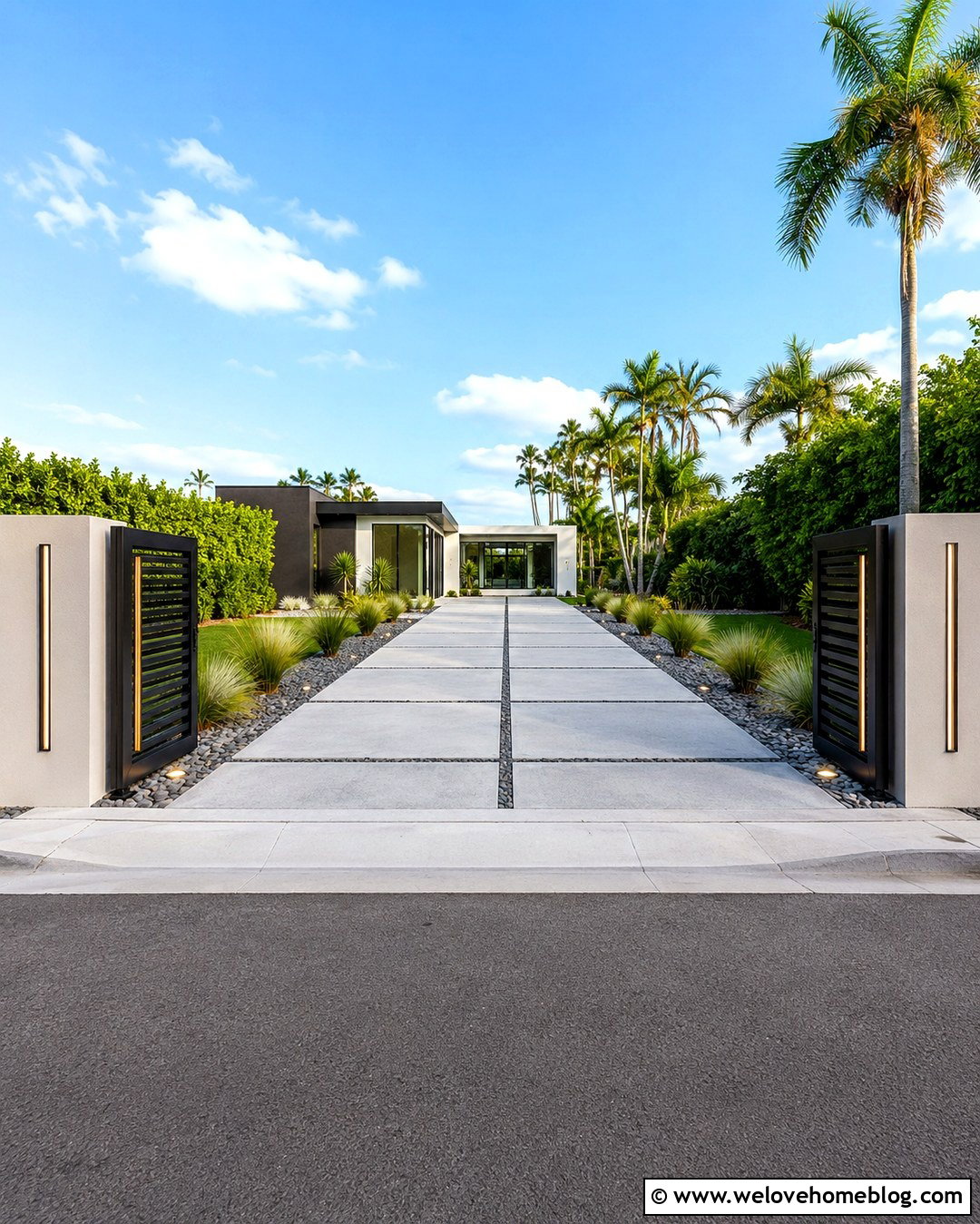
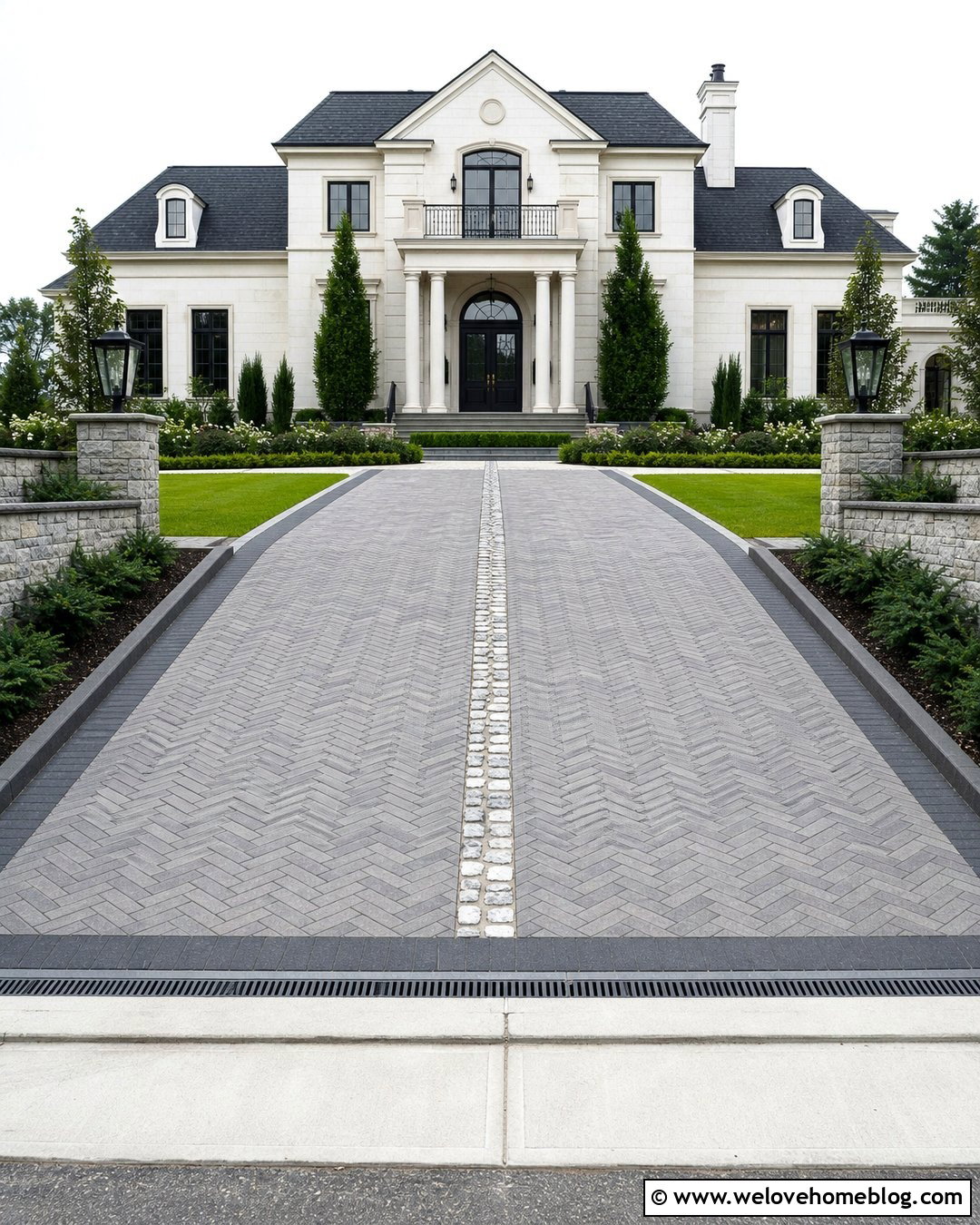
A modern gate can incorporate reflectors without losing its clean architectural character. Use large-format light gray concrete pavers for a straight driveway approaching a flat-roofed contemporary home. Install a horizontal black aluminum sliding gate between smooth stucco pillars. Narrow reflective strips can be integrated near the outer edges of the gate and on the road-facing sides of the pillars. Add low solar markers within linear gravel beds to define the driveway after the gate opens. Structured grasses, clipped hedges, and architectural agaves can reinforce the geometric layout in an appropriate climate. Keep reflectors away from gate sensors, tracks, hinges, and moving components. The coordinated black, gray, and green palette feels intentional during the day, while the reflective surfaces make the gate position and driveway opening easier to recognize at night.
18. Driveway Reflectors With Flexible Snow Poles
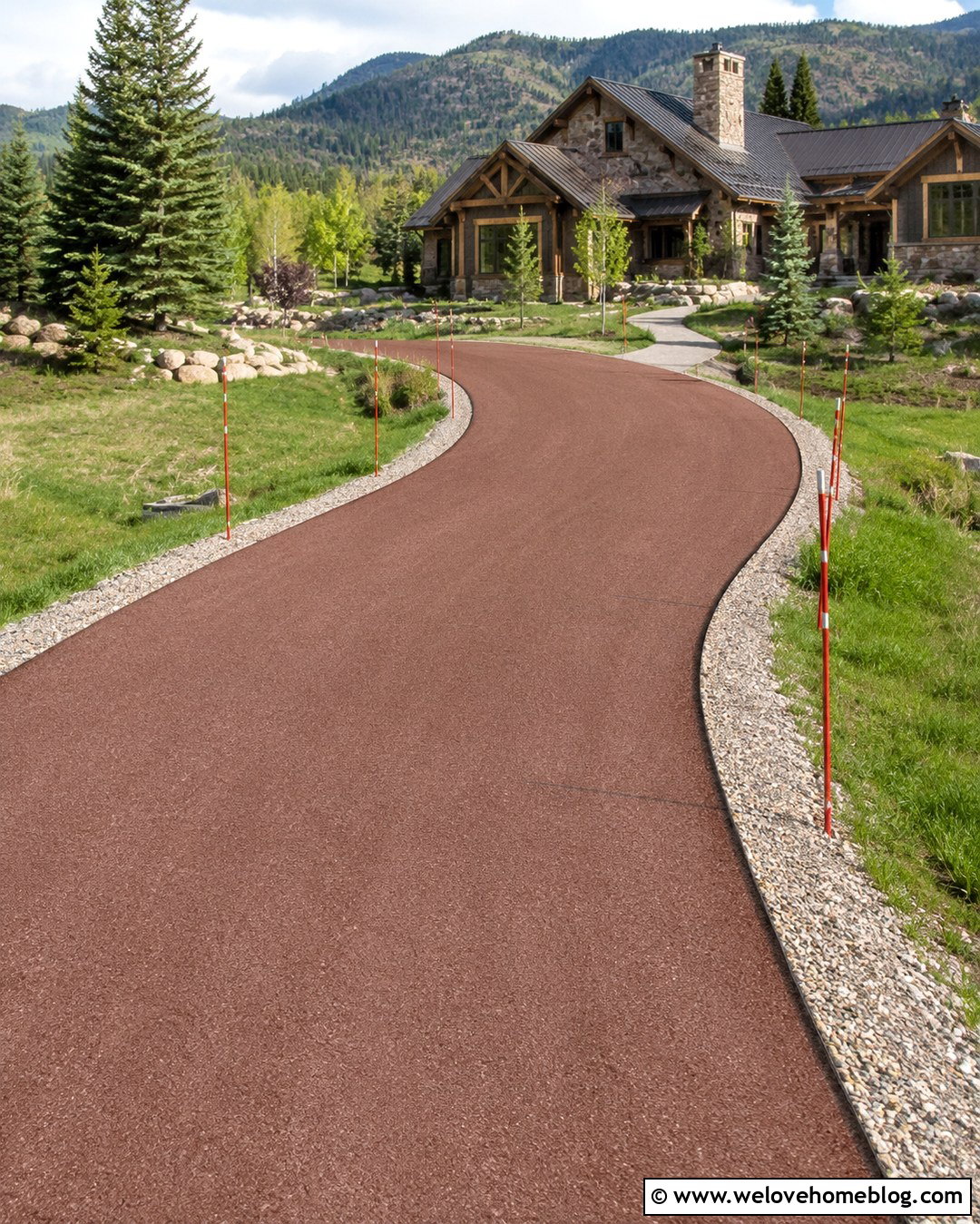
Flexible snow poles offer a highly visible solution for a long driveway exposed to drifting snow. Pair reddish-brown asphalt with a light granite chip shoulder to make the driving lane distinct before winter arrives. Place tall fiberglass poles outside the normal plow path, following both sides of a sweeping curved layout. Reflective bands near the pole tops should remain visible above the expected snow level. Use extra markers around drainage ditches, culverts, retaining edges, or sudden changes in width. A mountain-style home with stone siding, evergreens, and open meadow landscaping provides a natural setting for this practical system. Keep the pole spacing consistent on straight stretches and reduce it through curves. Installing them before frozen conditions arrive makes alignment easier and helps each pole remain firmly anchored throughout the season.
19. In Ground Driveway Reflectors With Concrete Pavers
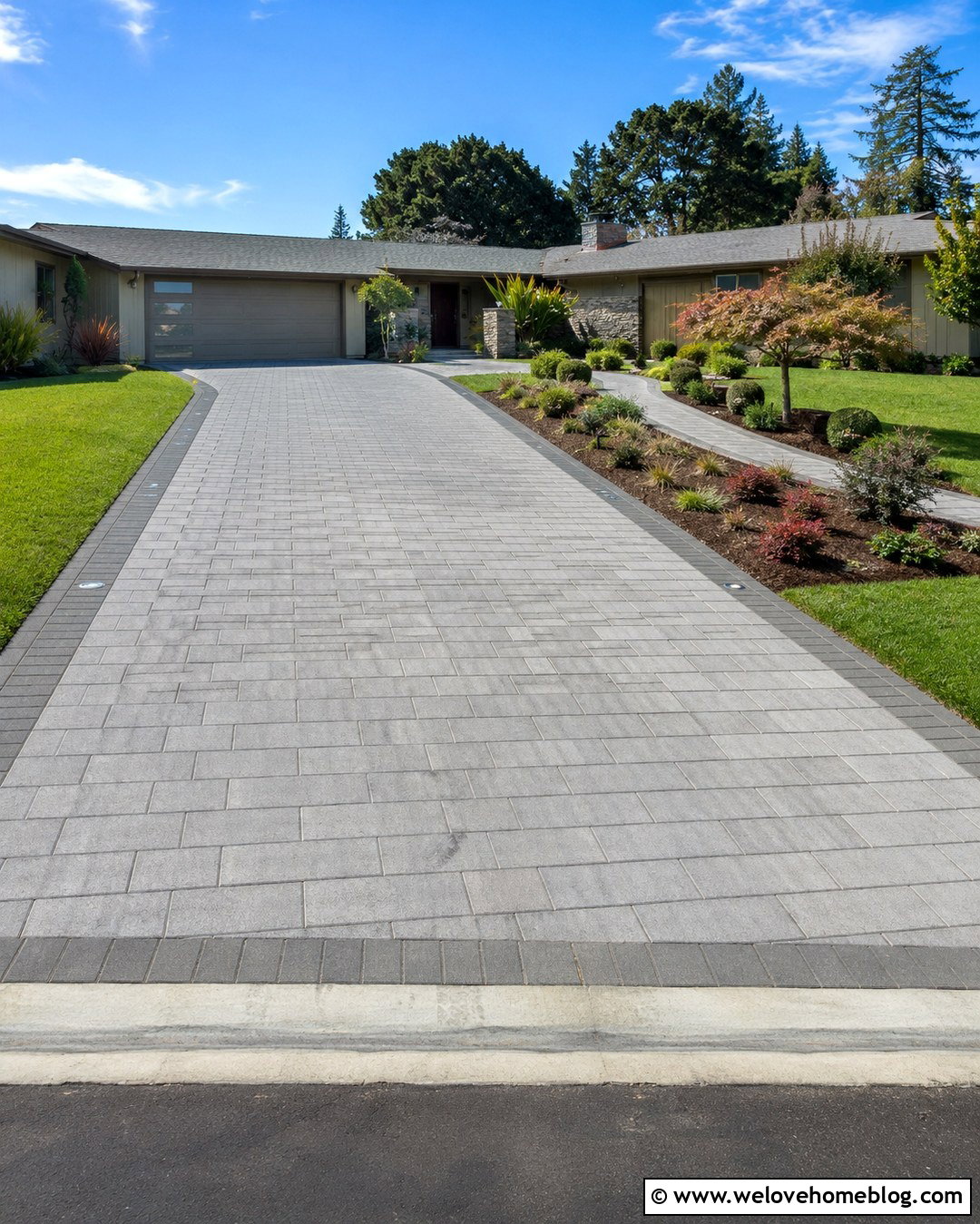
In-ground reflectors create a streamlined appearance where tall stakes are unnecessary and snowplowing is limited. Build a wide driveway from medium gray interlocking concrete pavers in a clean running-bond pattern. Use darker paver ribbons to outline both sides and install rated recessed or low-profile markers beside those bands, outside the primary tire tracks. The reflectors should form a consistent line toward the garage and clearly identify the transition into a matching walkway. Pair the driveway with a midcentury ranch house, open lawn, sculptural shrubs, and broad planting beds. Because surface-mounted products vary in durability and compatibility, choose units intended for the driveway material and expected vehicle loads. Proper installation and regular cleaning are essential. The completed look is minimal during daylight yet clearly defined when headlights strike the reflective faces.
20. Driveway Reflectors With A Circular Driveway
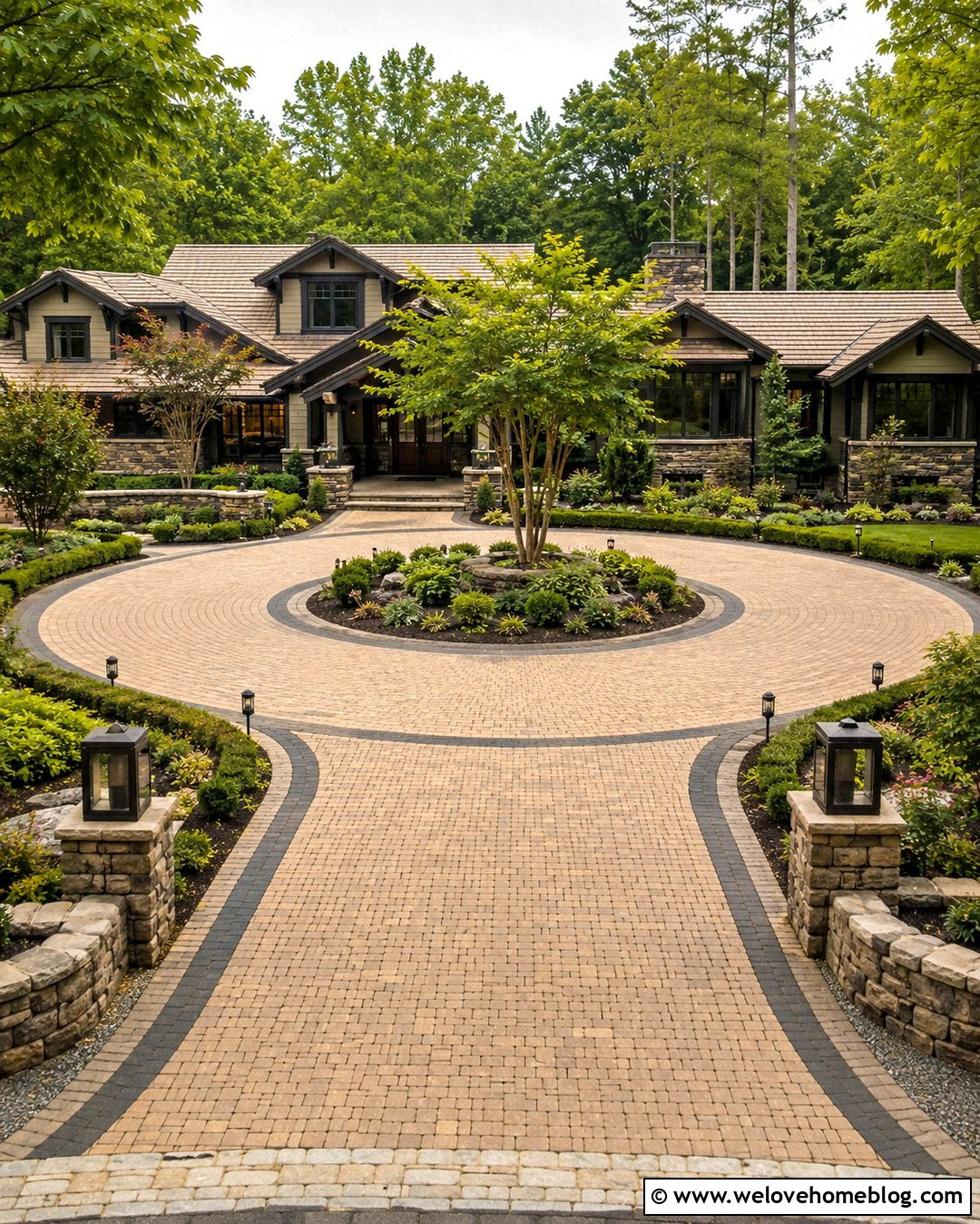
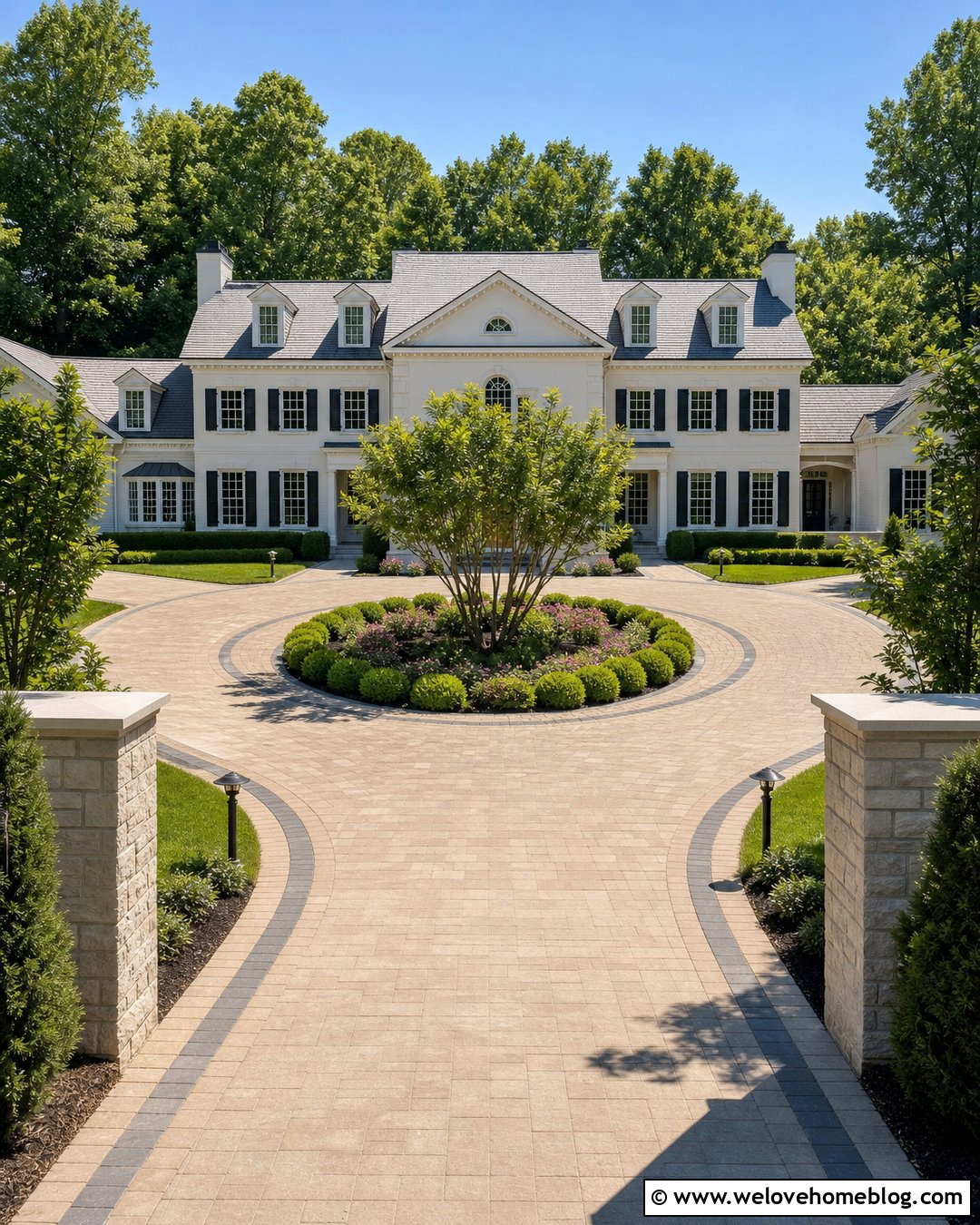
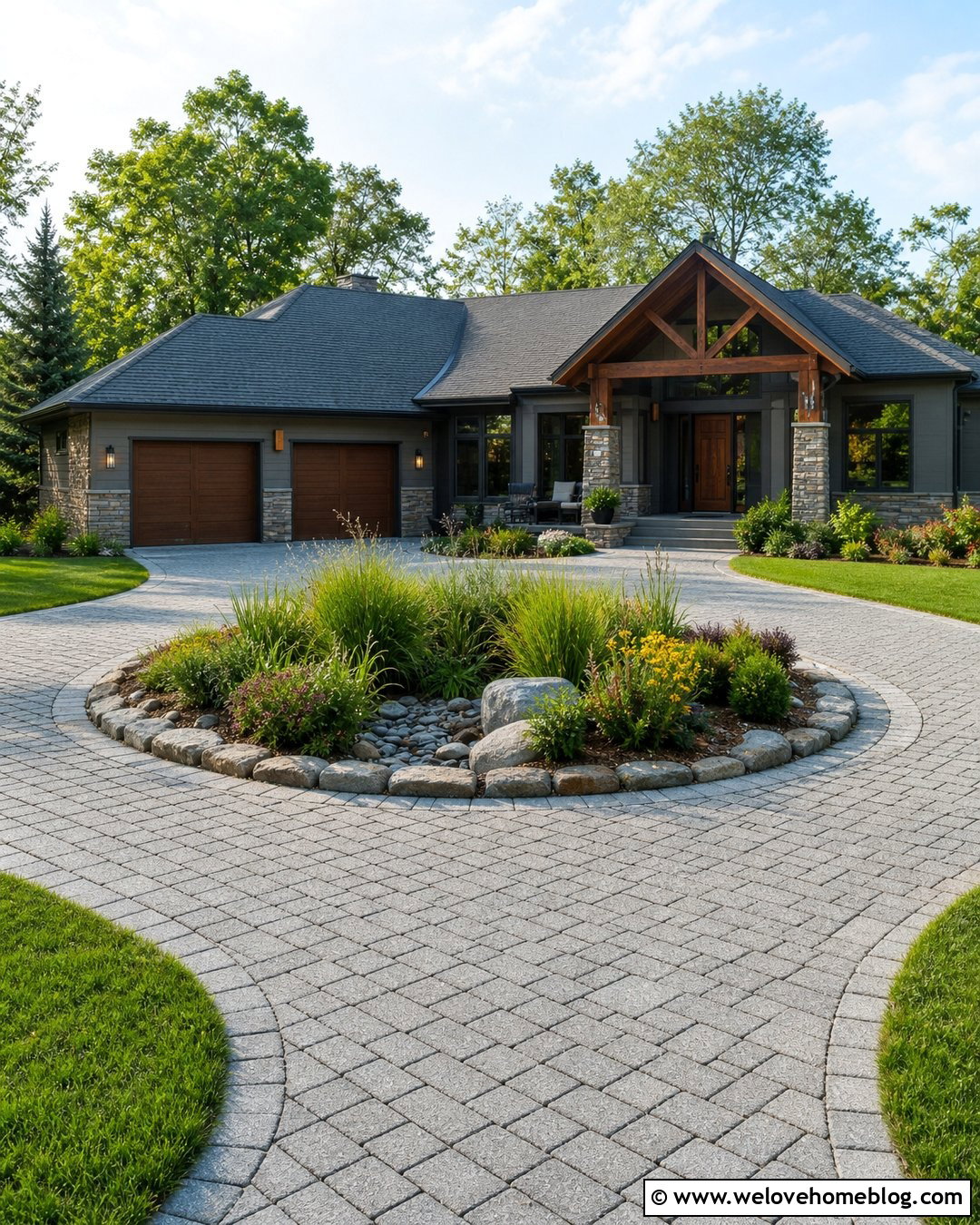
A circular driveway can use reflectors to clarify its shape without overwhelming the central landscape. Choose warm beige permeable pavers laid in a fan pattern around a large planted island. Define the outer and inner edges with charcoal paver borders, then install small black reflector posts at consistent points around the circle. Larger double-sided markers at the entrance and exit help drivers understand where to enter and leave. In the center, use a multi-stem tree, clipped shrubs, ground covers, and a low stone feature that remains clear of vehicle sightlines. A stately craftsman or traditional home can anchor the background. The repeating reflectors emphasize the circular movement after dark, while the contrasting paver bands and layered landscaping make the same circulation pattern obvious during the day.
Conclusion:
The best driveway reflectors improve visibility while supporting the design of the entire front yard. Match their size, color, height, and finish to the driveway material, house, and surrounding landscape. Tall flexible stakes are useful in snowy areas, while low-profile or in-ground markers suit compact properties and mild climates. Solar models provide active illumination, but passive double-sided reflectors offer simple, dependable guidance when headlights reach them. Whatever design you choose, maintain open sightlines, use consistent spacing, and keep each marker outside normal driving and plowing paths. Check local placement and color requirements near public roads before installation. With thoughtful planning, these 20 Driveway Reflectors Ideas can make an entrance safer, clearer, and more attractive.

Related posts:
Leave a Reply