
A clear address marker does more than help guests find your home. It anchors the driveway entrance, improves curb appeal, and makes the property easier to identify from the road. The best 20 address markers driveway ideas combine readable numbers with a complete entrance design, including the driveway surface, borders, lighting, and landscaping. Materials such as stone, brick, steel, wood, and concrete can connect the marker to the architecture of the house. Strong contrast and an open placement also keep numbers visible from both directions. For safety, position the marker where plants, snow, parked vehicles, or open gates will not hide it. Explore these practical 20 address markers driveway ideas to create an entrance that looks polished and easy to navigate.
1. Stone Driveway Address Marker With Gravel Entrance
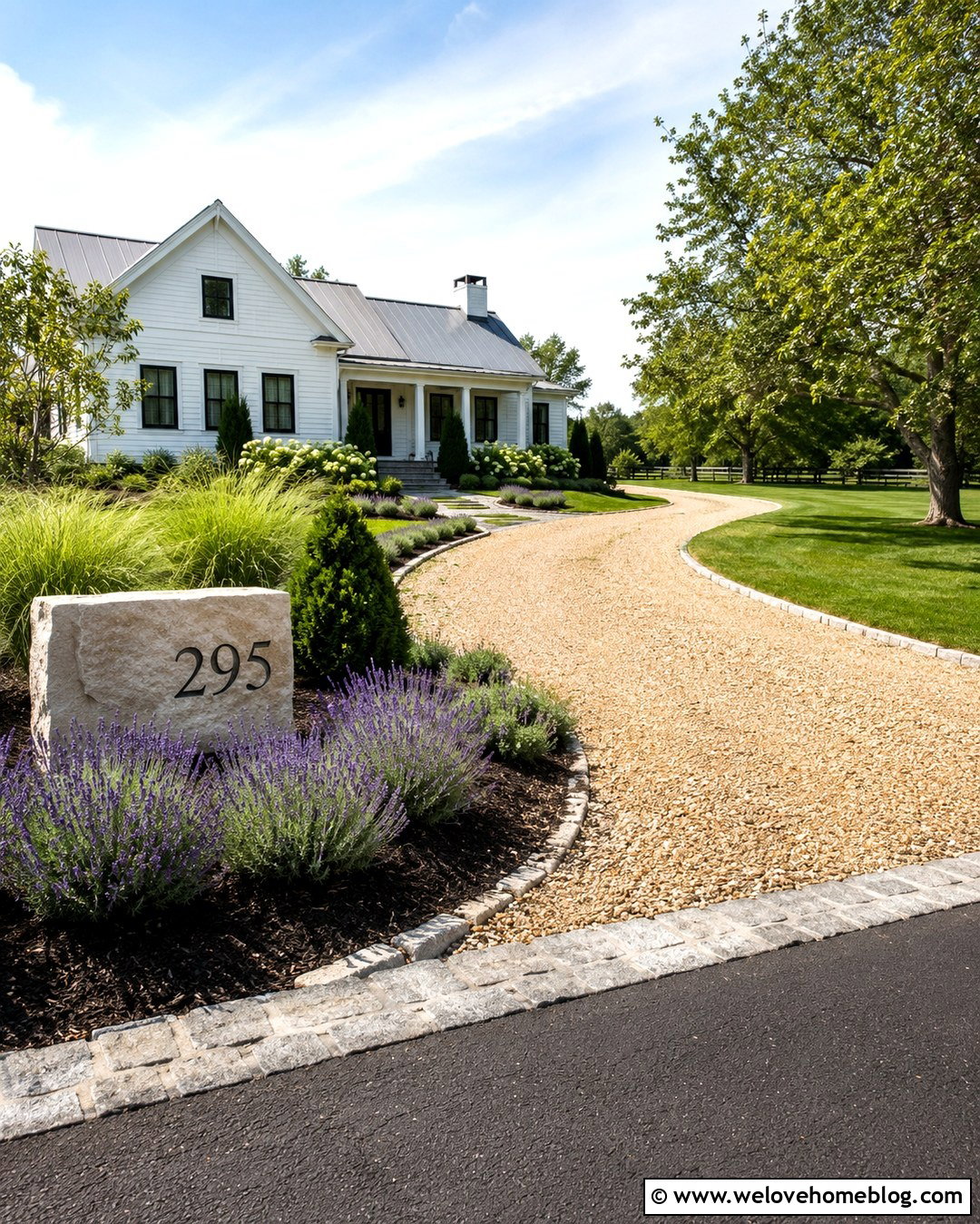
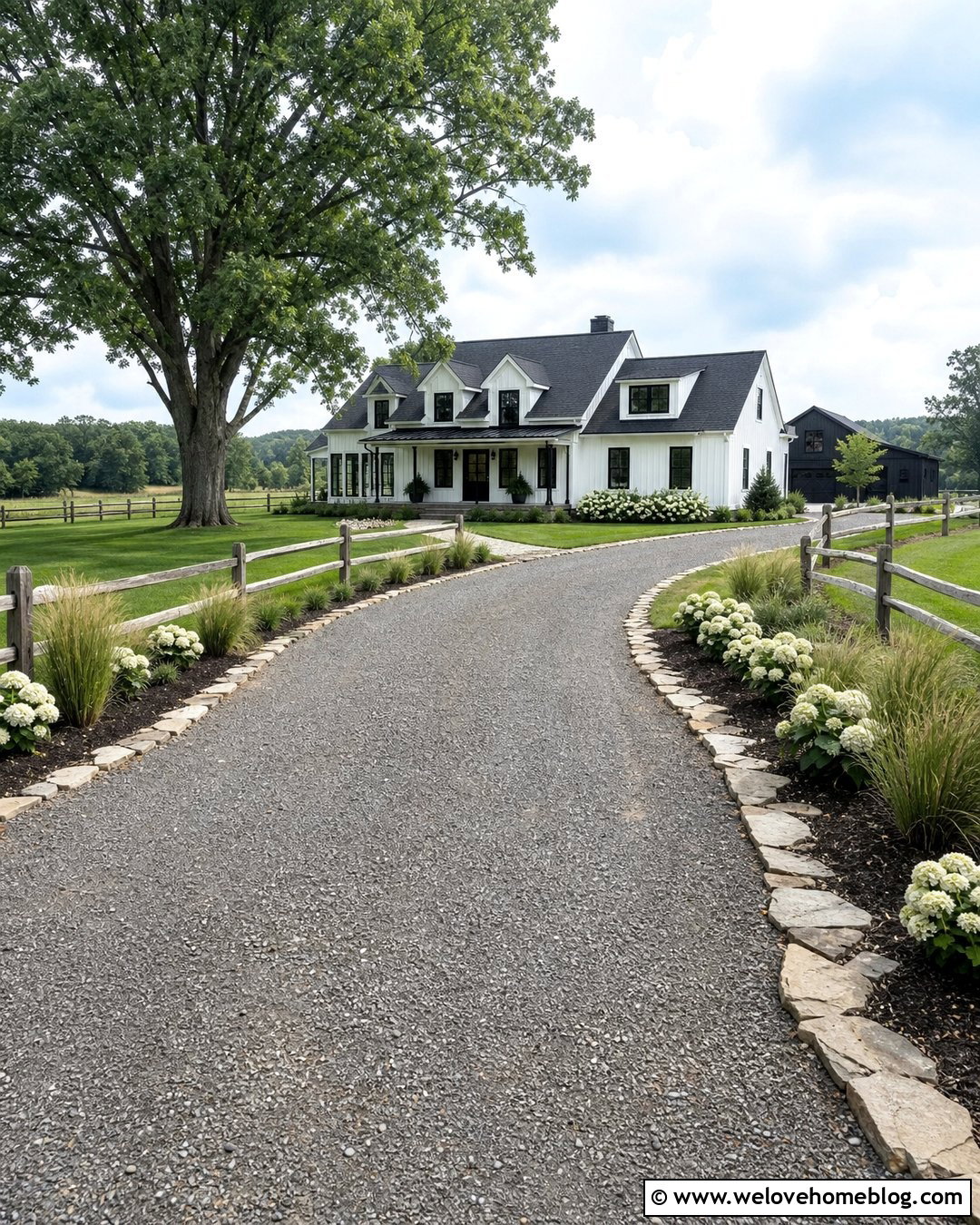
A natural stone address marker feels right at home beside a warm gravel driveway. Choose one broad fieldstone or a neatly cut limestone slab with deeply engraved, dark-painted numbers. Position it near the road, but leave enough clearance for turning vehicles and maintenance equipment. A curved pea gravel driveway edged with cobblestones gives the entrance a soft, established appearance. Low ornamental grasses, creeping thyme, and compact evergreen shrubs can frame the marker without blocking the address. Add a discreet ground spotlight or solar fixture to improve visibility after sunset. This complete look works especially well with ranch homes, country houses, and modern farmhouses because the stone, gravel, and relaxed planting create a unified transition from the street to the home.
2. Modern Driveway Address Marker With Concrete Driveway
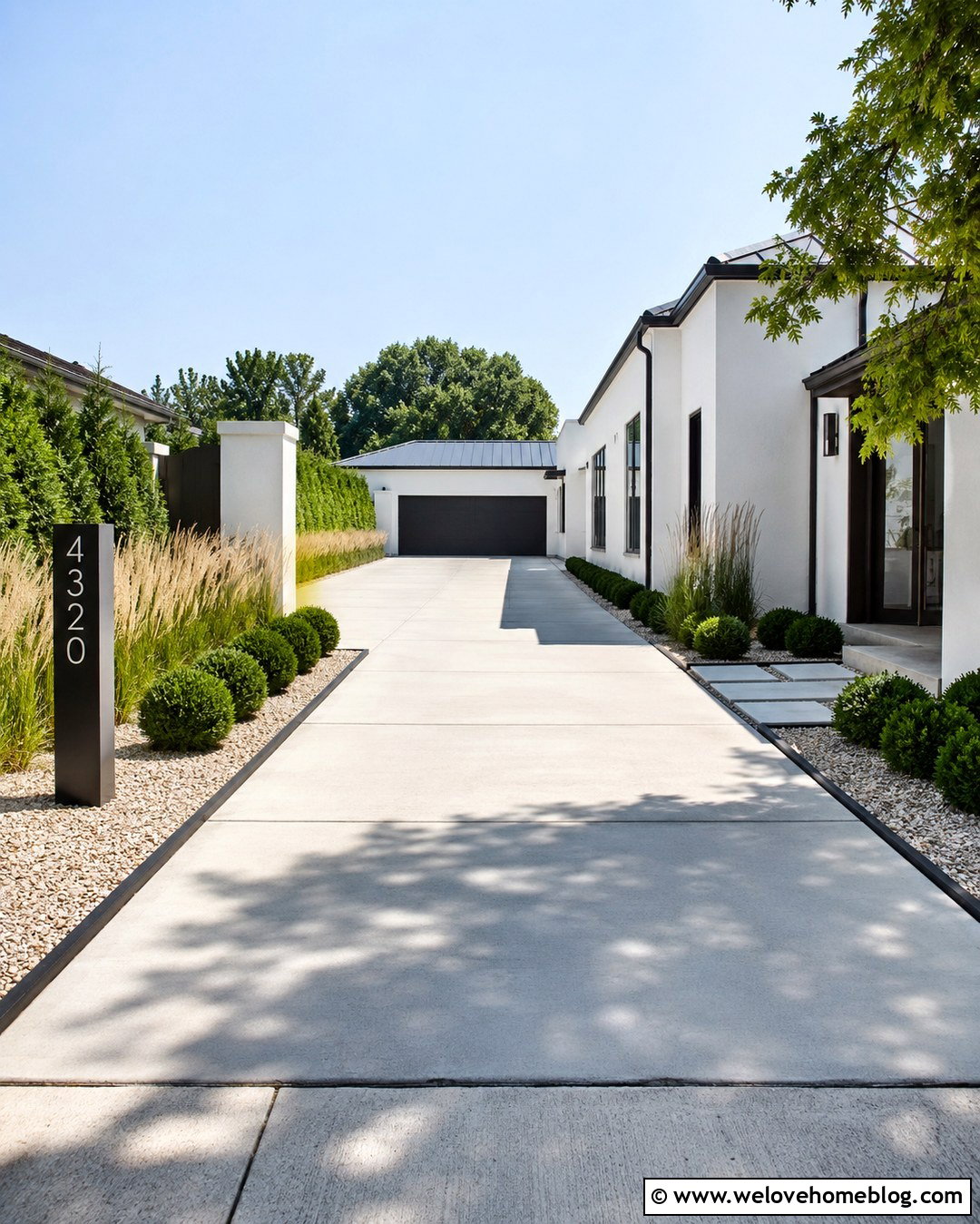
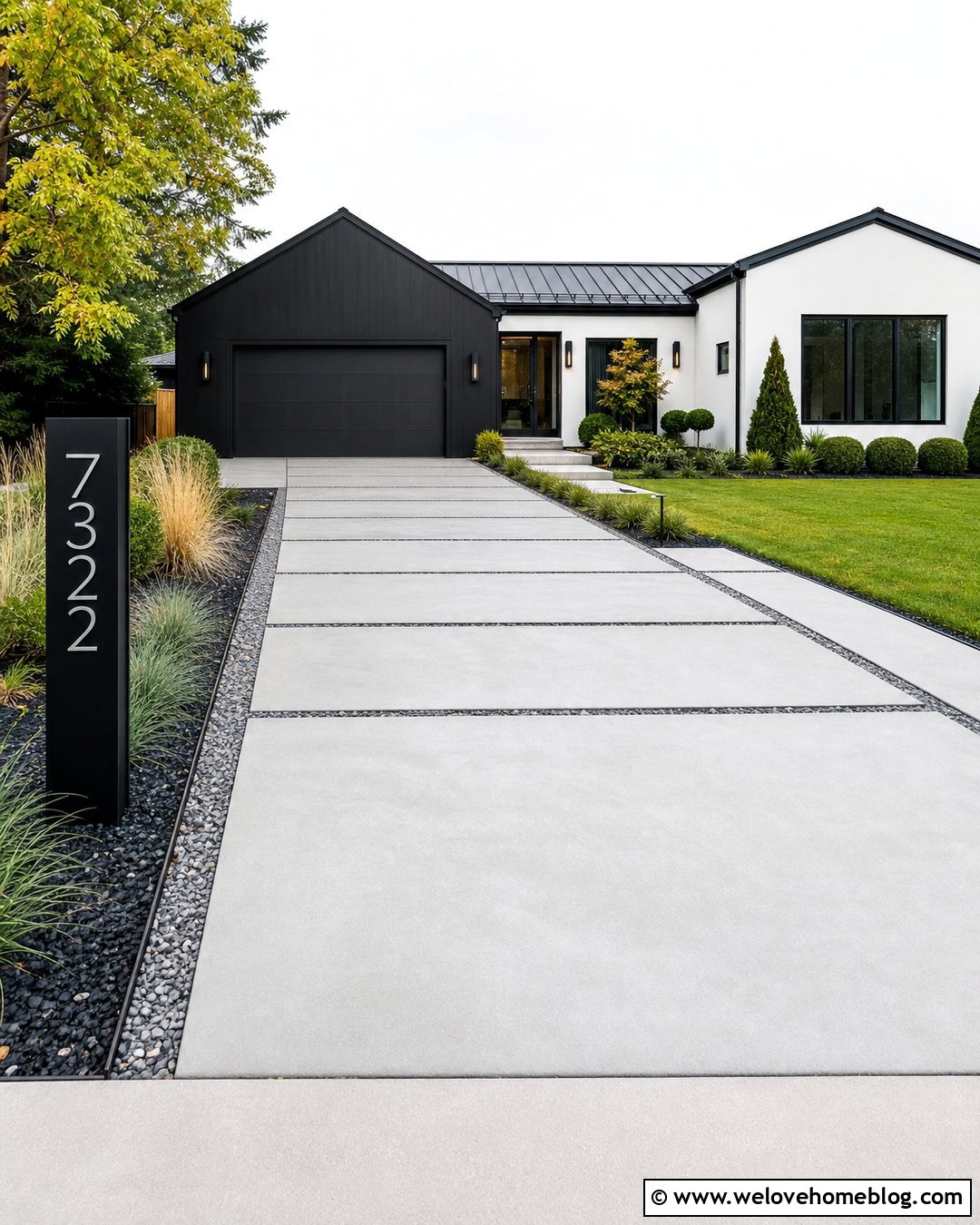
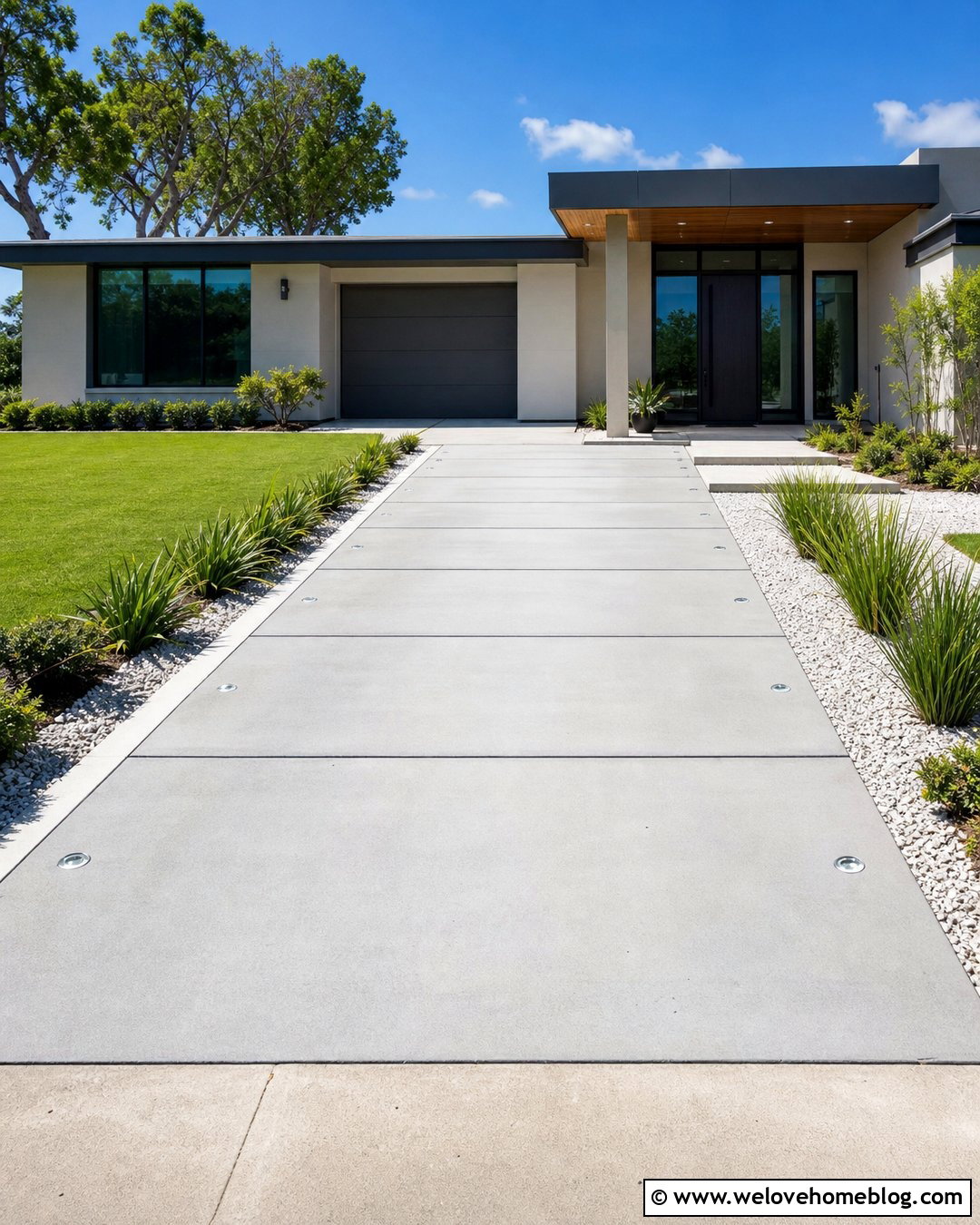
Clean lines make a modern address marker stand out without making the entrance feel busy. Use a tall matte black steel panel with large vertical numbers in white, brushed aluminum, or stainless steel. Pair it with a straight light-gray poured concrete driveway divided by narrow control joints. Black metal edging and rectangular planting beds can repeat the marker’s crisp geometry. Fill the beds with ornamental grasses, compact boxwoods, and pale decorative gravel for simple texture. The marker should face approaching traffic clearly rather than sitting parallel to the road where numbers are harder to notice. A slim integrated light can illuminate the panel evenly. Against a modern house with white stucco, dark siding, or mixed wood cladding, the result feels coordinated, practical, and intentionally designed.
3. Brick Driveway Address Marker With Paver Driveway
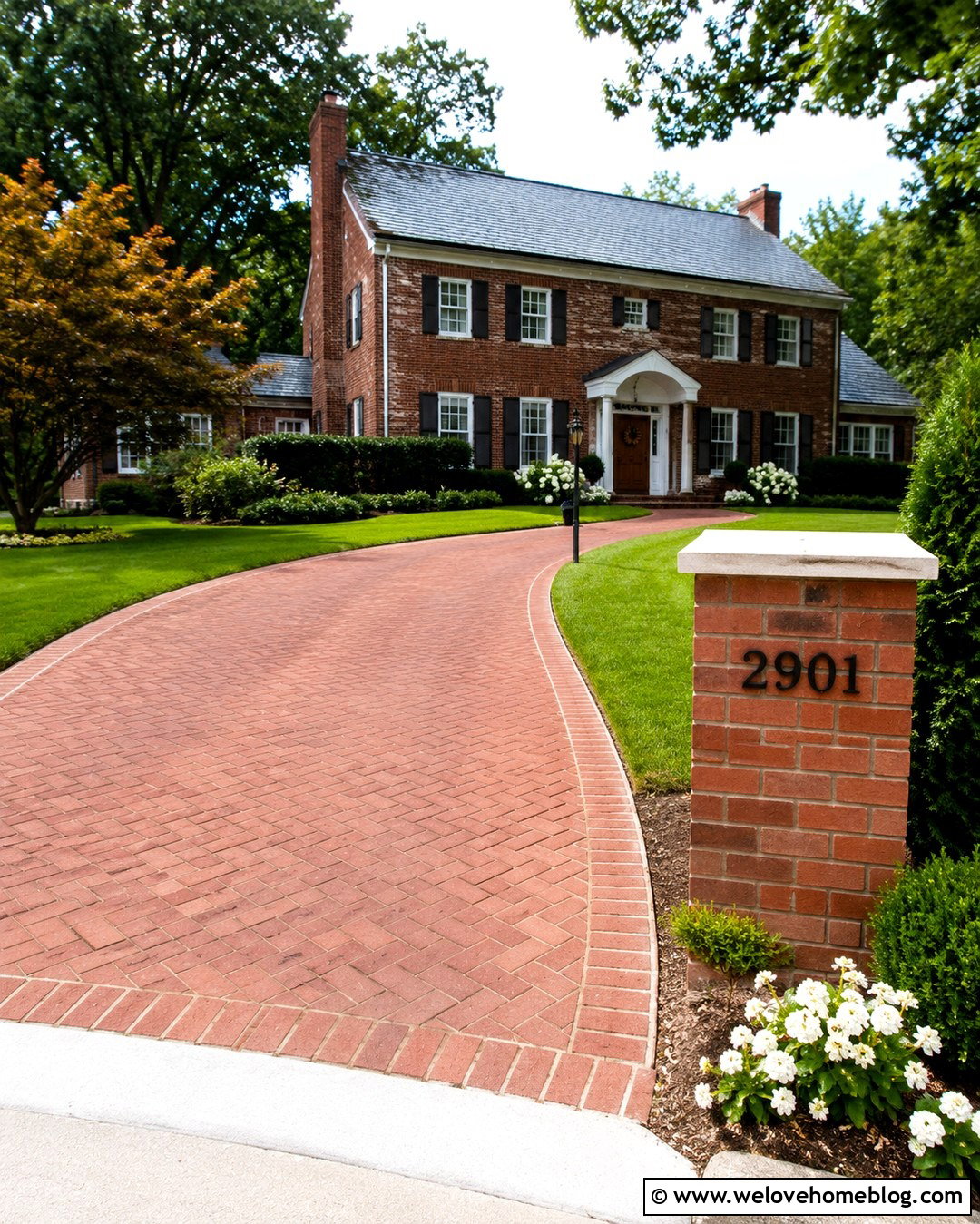
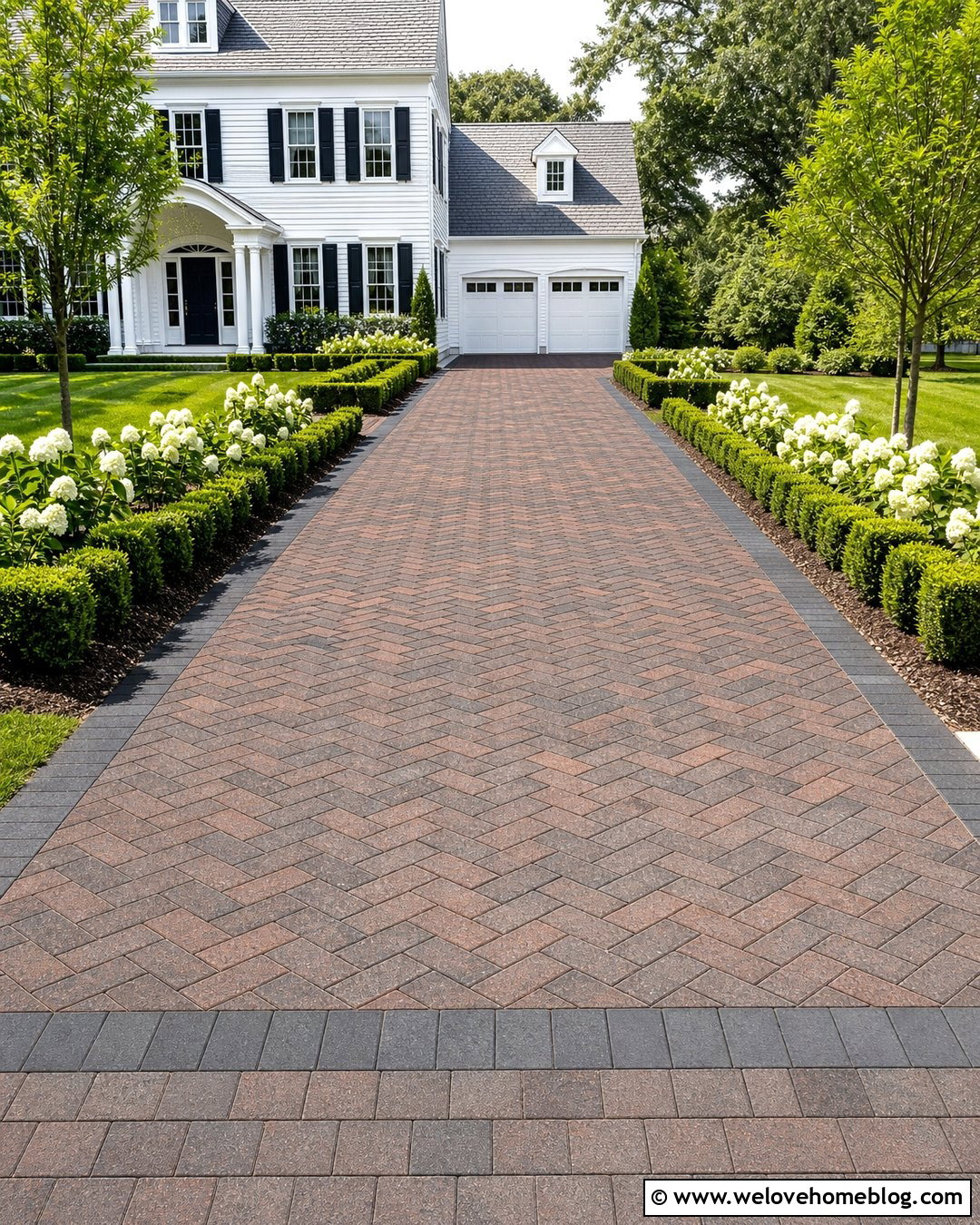
Brick pillars create a substantial address display that can make a driveway entrance feel connected to a traditional home. Build one low pillar beside a curved driveway made from clay brick pavers in a herringbone pattern. A cast stone cap protects the masonry and gives the structure a finished edge. Mount high-contrast metal numbers on the road-facing side, leaving enough empty brick around them for easy reading. A matching brick walkway and border help carry the material toward the house. Keep nearby landscaping restrained with clipped shrubs, seasonal flowers, and an open lawn edge. Warm pathway lights can highlight both the numbers and paving pattern. This balanced entrance complements Colonial, Georgian, and traditional suburban houses while avoiding the visual weight of oversized double columns.
4. Driveway Address Marker With Mailbox Post
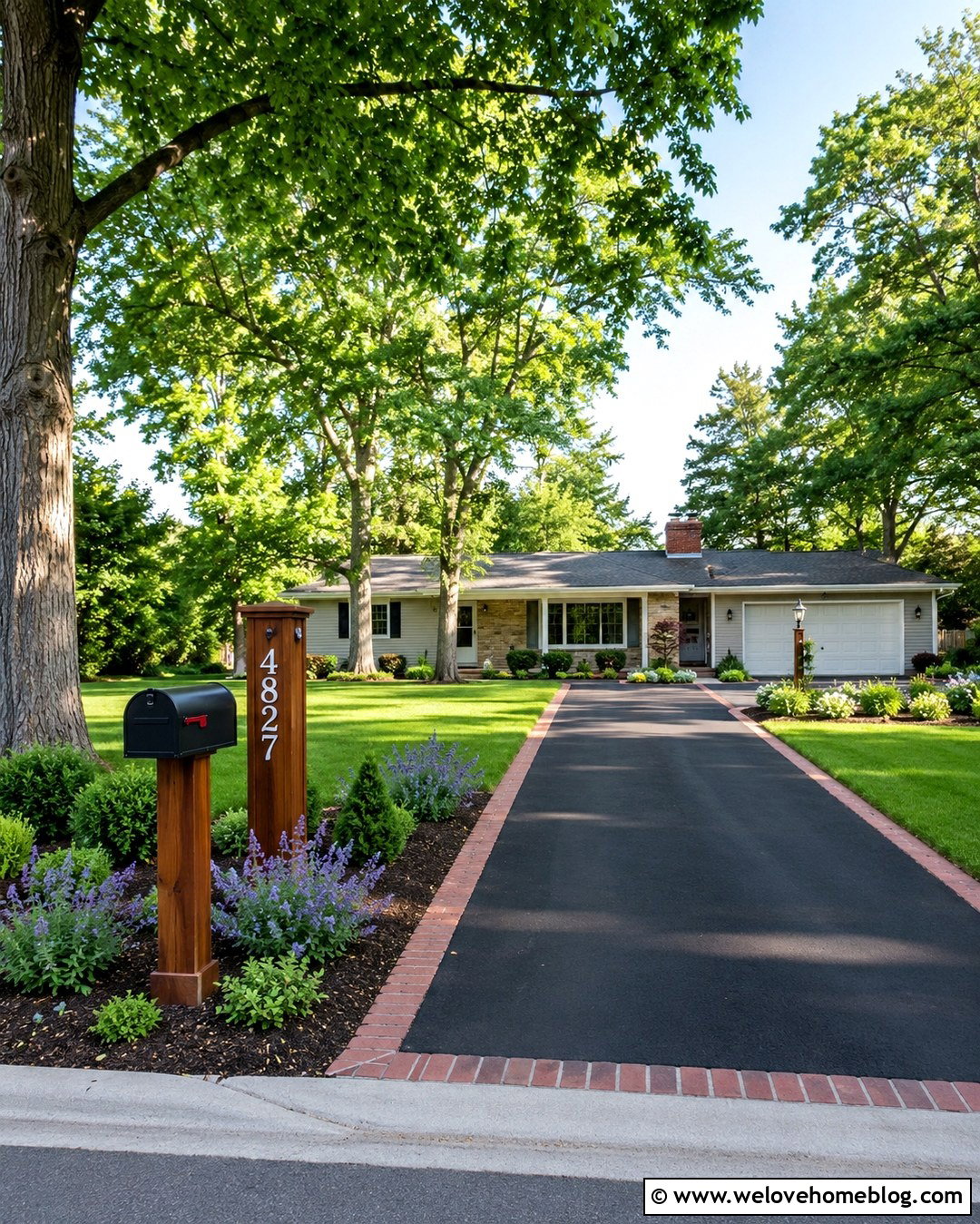
Combining the address marker and mailbox keeps a smaller entrance organized and easy to understand. Select a sturdy cedar or powder-coated metal post with large numbers mounted on both road-facing sides. A straight black asphalt driveway can provide a simple background, while a red brick border adds warmth and definition. Surround the post with a compact mulch bed containing dwarf evergreens, catmint, and low flowering perennials. Plants should stay below the numbers when mature, reducing the need for constant trimming. Match the mailbox finish to exterior details such as shutters, railings, or the front door. If the house sits far from the street, repeat the address near the front entrance. The coordinated post, planting bed, paving border, and house colors create a practical suburban driveway composition.
5. Solar Driveway Address Marker With Long Driveway
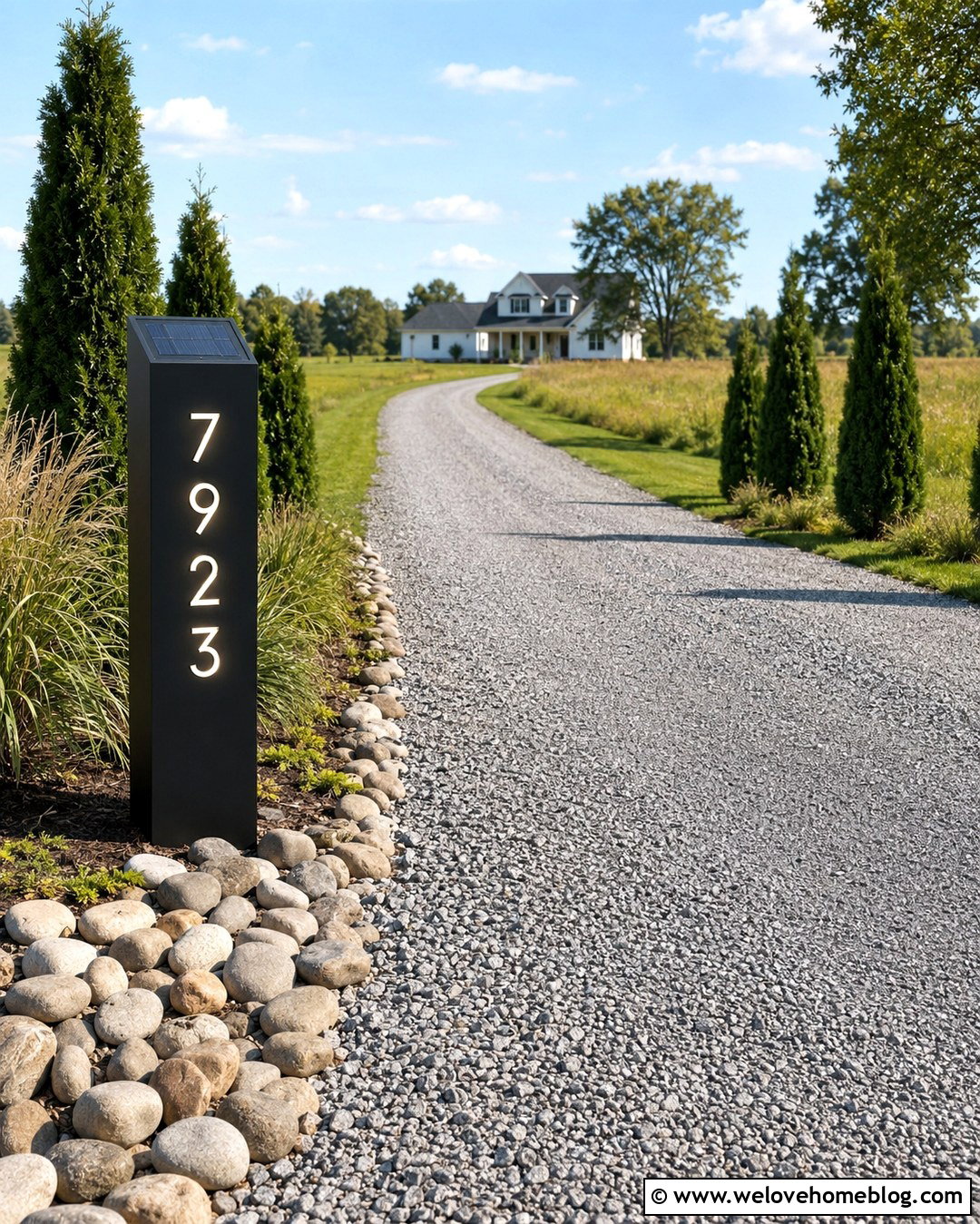
A solar address pillar can make a long driveway more noticeable without requiring electrical trenching near the road. Use a tall black steel column with internally illuminated cutout numbers and a pale backing for strong contrast. Place it beside a gently curved gray gravel driveway bordered by larger river stones. A pair of columnar evergreens can frame the entrance, but set them far enough away that future growth will not cover the marker. Continue the design with meadow grasses and a mowed lawn strip leading toward a distant farmhouse or country home. The solar panel should receive adequate direct daylight rather than sitting under a dense tree canopy. This complete entrance remains simple during the day while providing a clear visual reference after dark, especially on rural roads with limited surrounding light.
6. Concrete Driveway Address Marker With Grass Strips
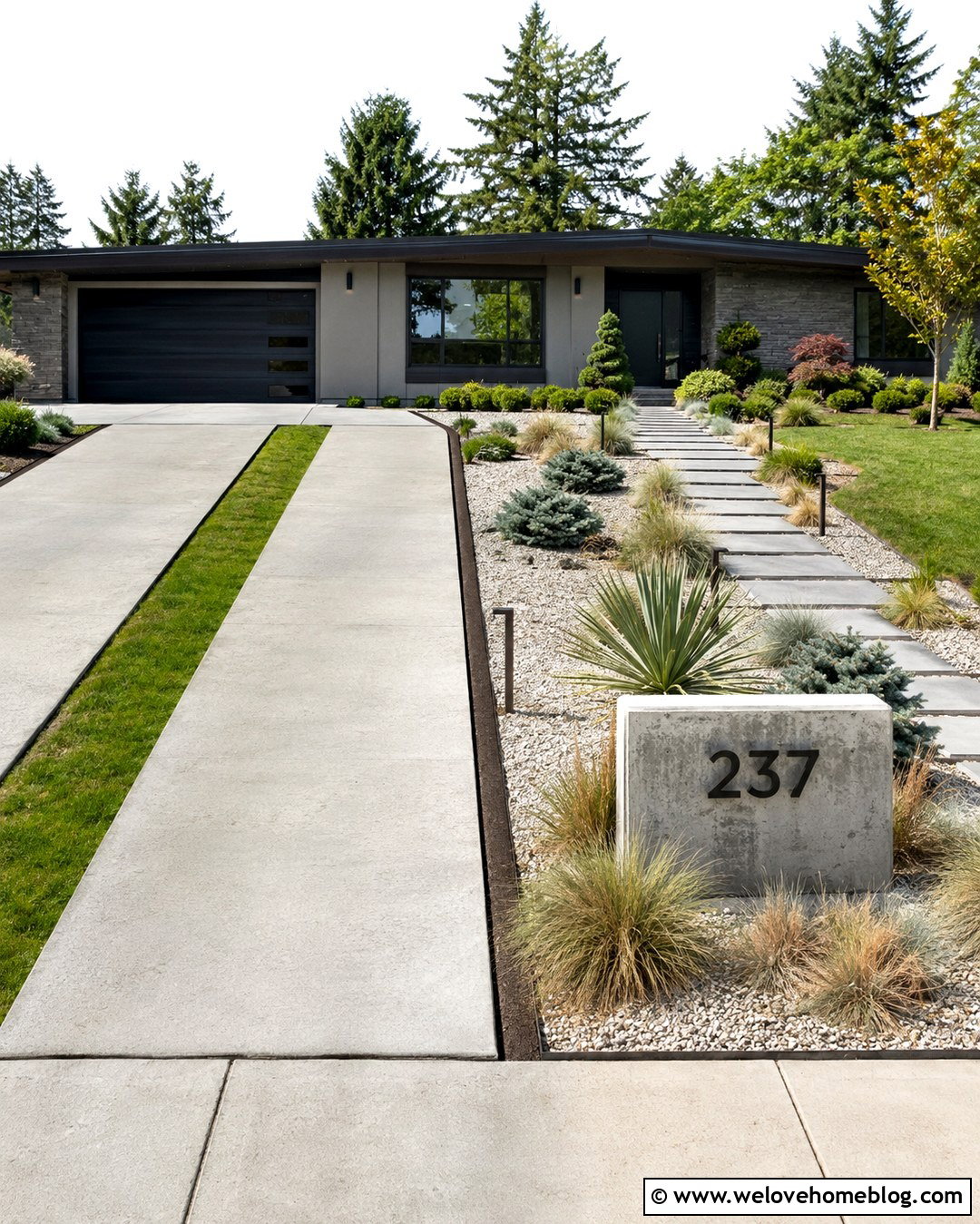
A cast concrete address monument pairs naturally with a driveway that uses the same material in a more contemporary layout. Consider wide, medium-gray concrete wheel tracks separated by narrow grass strips. A low rectangular marker can sit within a matching geometric planting bed near the entrance. Use raised black metal numbers or recessed numerals painted charcoal to create contrast against the concrete. Finish the bed with ornamental grasses, small agaves in warm climates, or compact evergreen plants in colder regions. Dark steel edging keeps the grass and planting areas crisp. Because a low monument can disappear behind snow or tall growth, choose its height according to local conditions and sightlines. This streamlined composition suits midcentury, modern, and minimalist homes without making the driveway feel cold or unfinished.
7. Wood Driveway Address Marker With Farmhouse Entrance
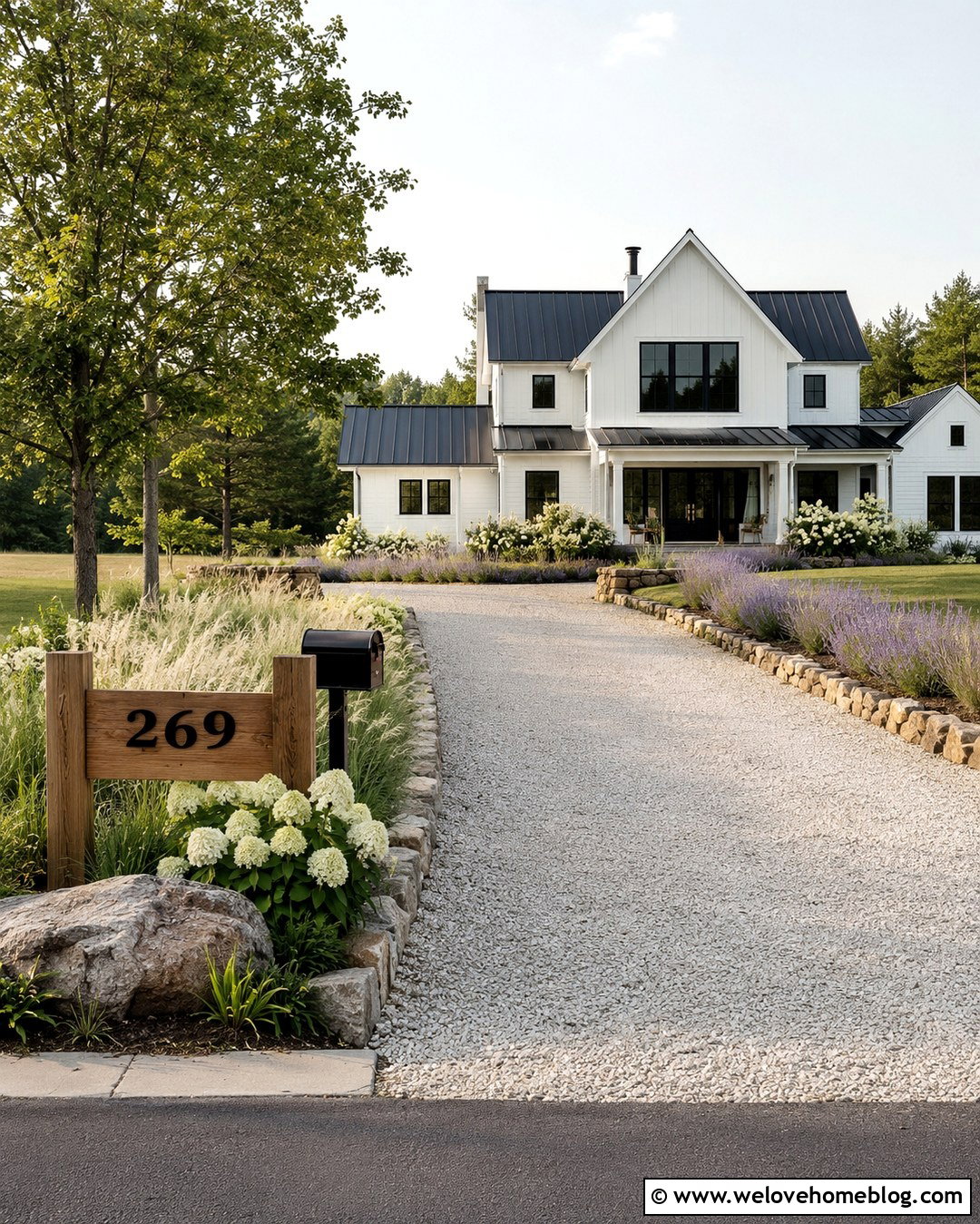
Weathered wood brings warmth to a practical farmhouse driveway entrance. Install a thick cedar address board between two simple posts, using oversized black metal numbers that can be read quickly from the road. Pair it with a broad crushed limestone driveway edged by dark timber beams or rugged fieldstones. White hydrangeas, lavender, and native grasses can soften the post bases while leaving the number panel completely open. A black gooseneck fixture mounted above the sign adds familiar farmhouse character and useful illumination. Repeat the same black finish on the mailbox, gate hardware, and house lighting. The marker should look sturdy rather than overly decorative, with sealed wood and corrosion-resistant fasteners. This complete design works beautifully with white siding, black windows, a metal roof, and relaxed country landscaping.
8. Boulder Driveway Address Marker With Curved Driveway
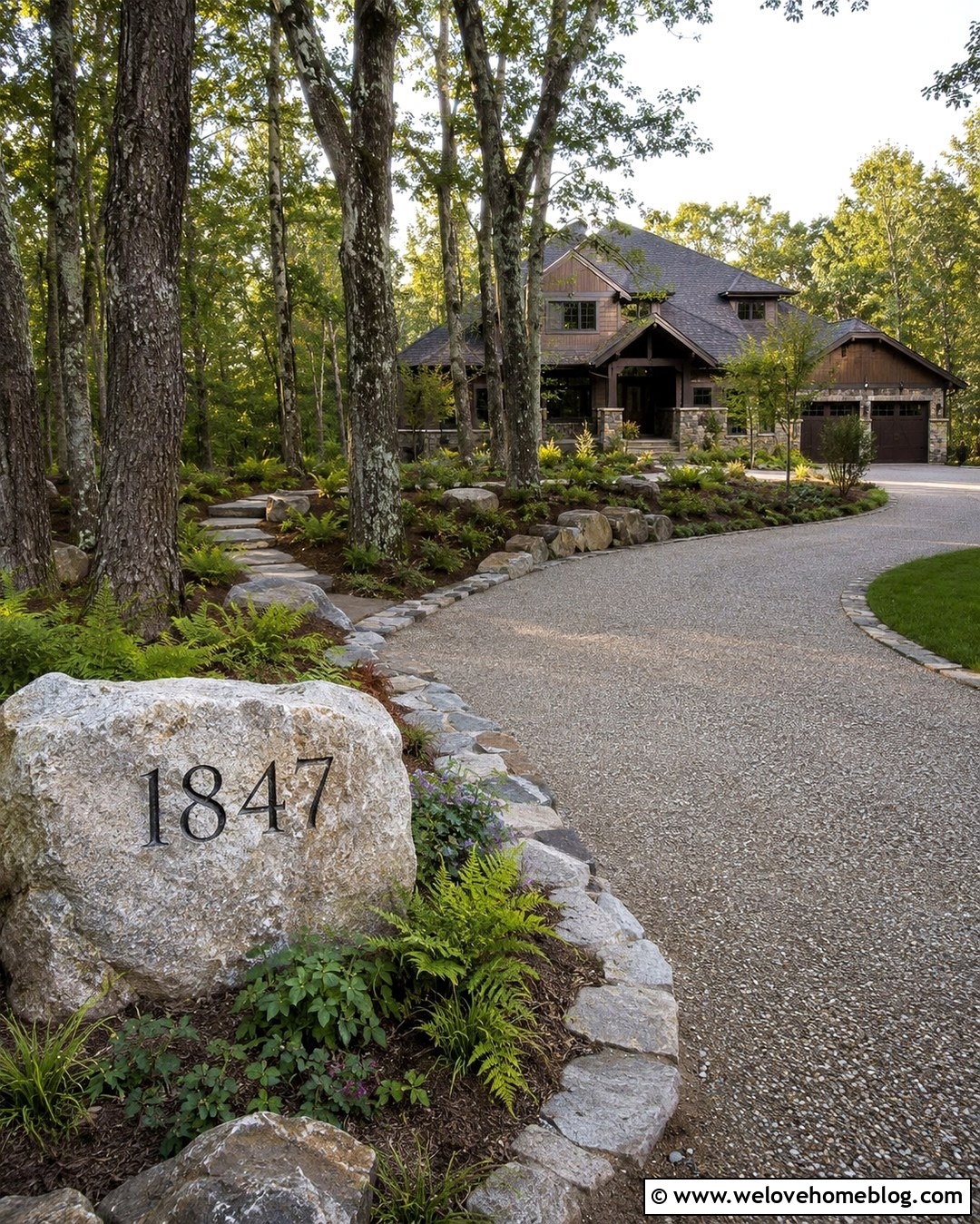
A large engraved boulder can mark a curved driveway while blending into a wooded or natural setting. Select a stone with a broad, relatively flat face so the address remains legible rather than wrapping around an uneven surface. Dark numbers work on pale granite, while white or reflective numbers show better on darker stone. Set the boulder beside an exposed aggregate driveway with irregular fieldstone edging. Ferns, native grasses, and low ground covers can settle the marker into the landscape, but keep foliage away from its engraved face. A concealed ground light provides illumination without changing the natural appearance. The driveway curve should reveal the marker early as visitors approach. This durable, low-profile entrance complements cabins, Craftsman homes, mountain houses, and wooded suburban properties with informal landscaping.
9. Driveway Address Marker With Stone Pillars
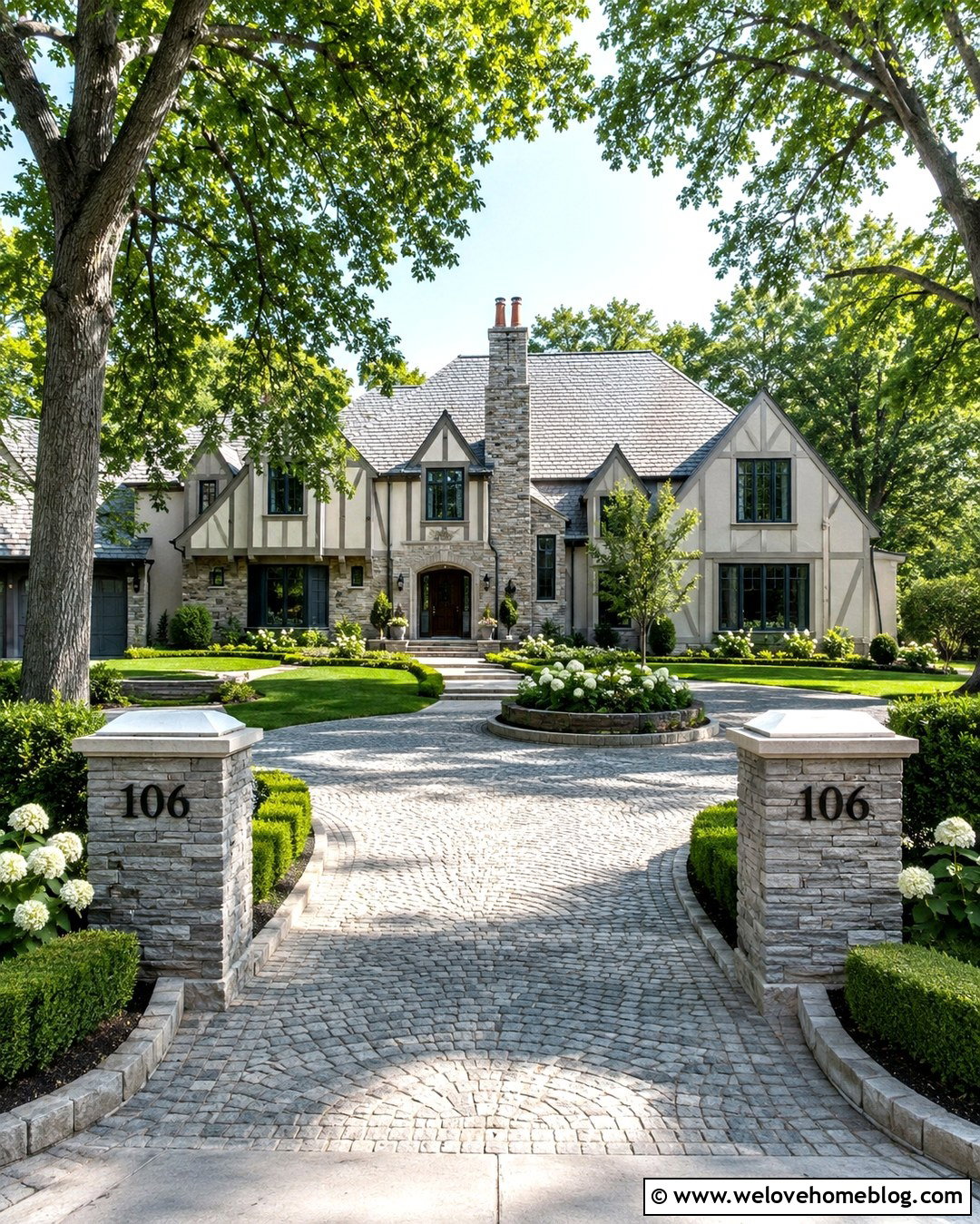
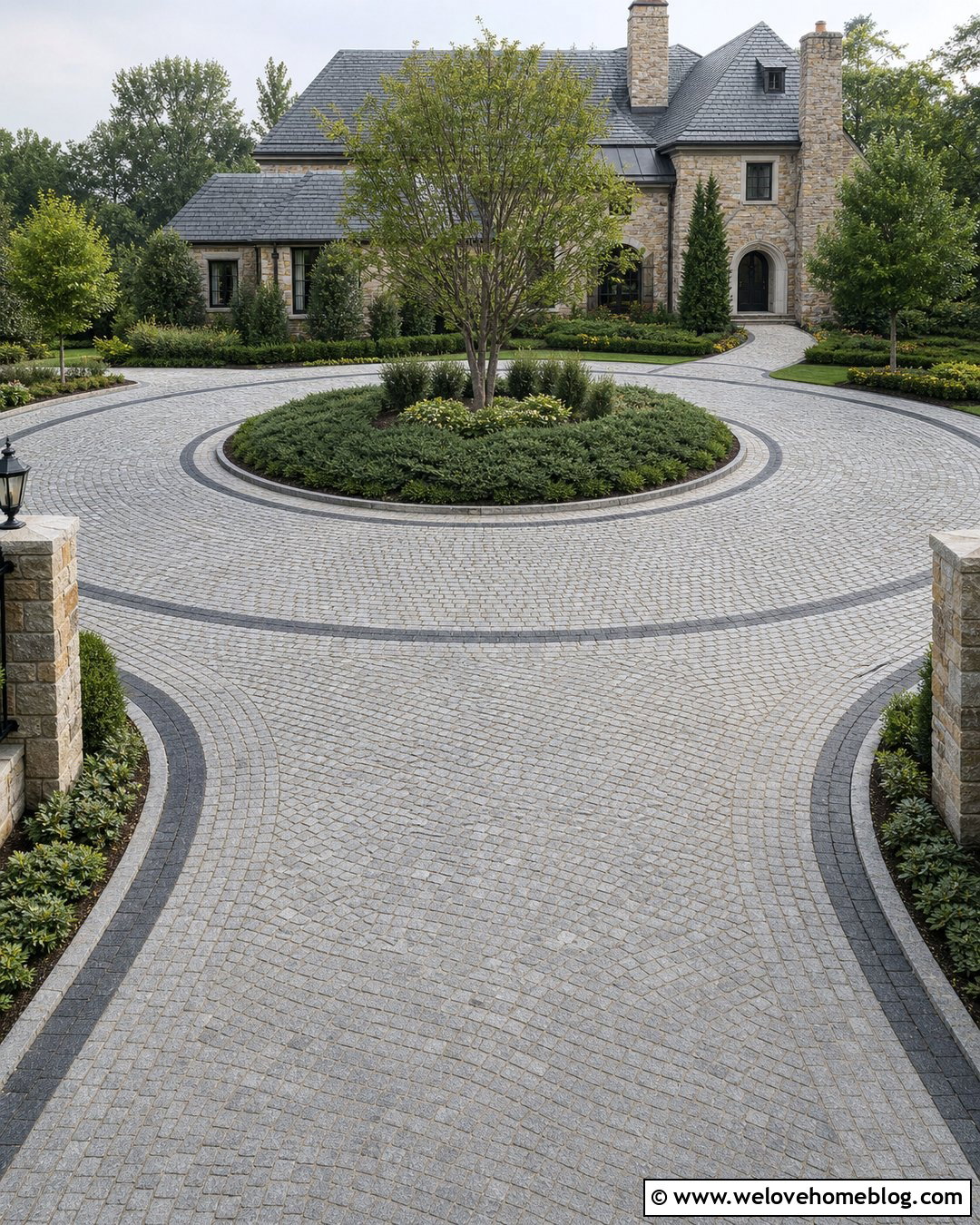
Matching stone pillars can define a wide driveway and provide a prominent place for the address. Use stacked ledgestone columns with smooth limestone caps beside a circular cobblestone driveway. Mount large dark bronze or black numbers on the pillar that is easiest to see from approaching traffic. The opposite pillar can hold a coordinated lantern, mailbox, or simple decorative panel without competing with the address. Low boxwoods and white flowering shrubs soften the masonry while preserving clear sightlines through the entrance. Continue the same stone on retaining walls or the house foundation to make the design feel connected. Pillars should be proportioned to the driveway and placed outside comfortable vehicle clearance. This formal composition works well for Tudor, European-inspired, and substantial traditional homes.
10. Driveway Address Marker With Horizontal Slat Fence
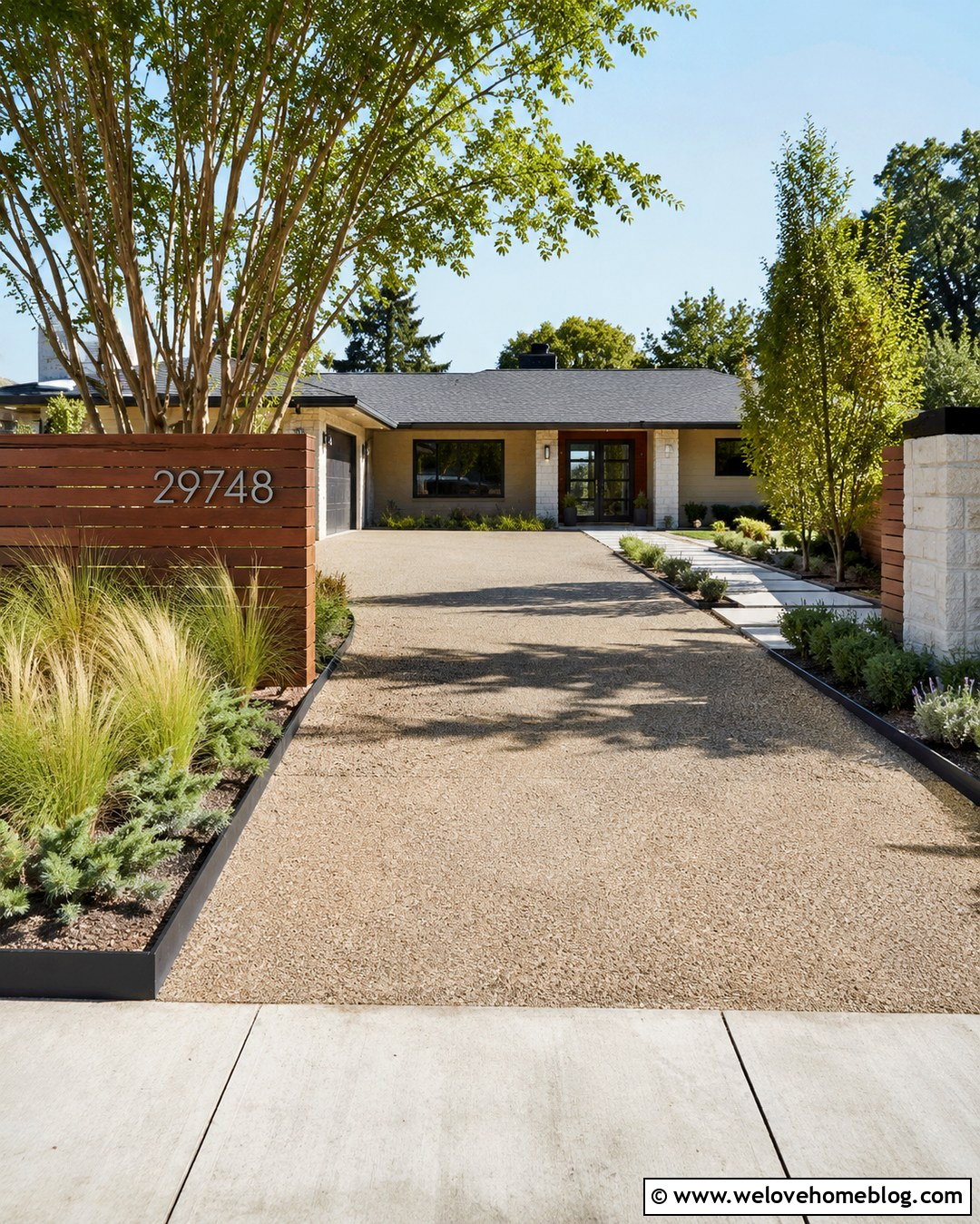
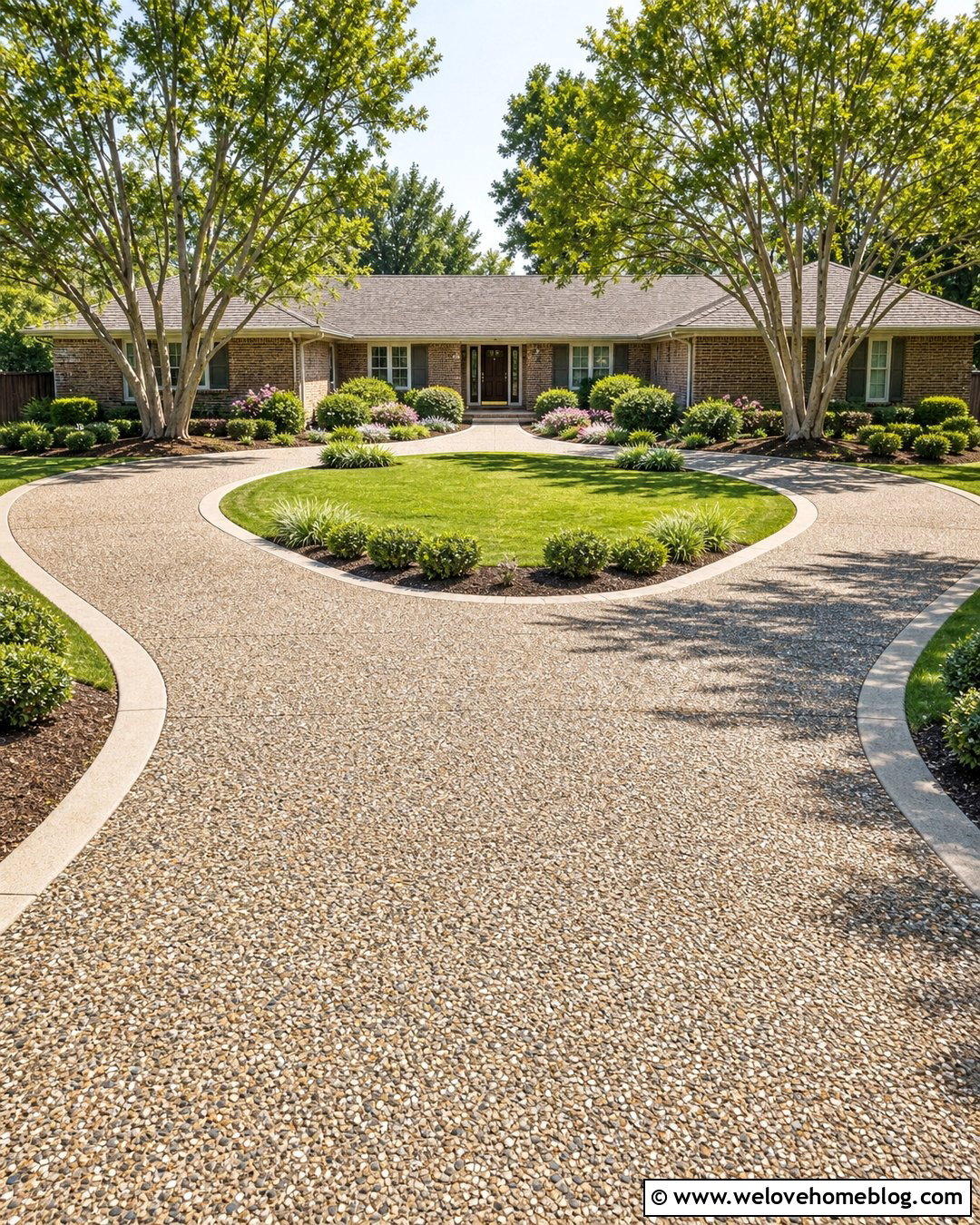
A horizontal slat fence offers an ideal background for a modern address display. Mount large brushed metal numbers on a section of warm cedar fencing positioned beside a straight resin-bound gravel driveway. The smooth, tan aggregate surface balances the natural wood while a black steel border adds sharp definition. Extend the fence just far enough to frame the entrance without closing off the front yard. Plant feather reed grass, low juniper, and a small multi-stem tree nearby to provide layered greenery. Leave generous space around the address so shadows and branches do not interfere with readability. A narrow linear light above or below the numbers can create even illumination. This coordinated layout complements contemporary ranch homes, modern cabins, and houses with mixed wood and dark metal exteriors.
11. Driveway Address Marker Planter Box
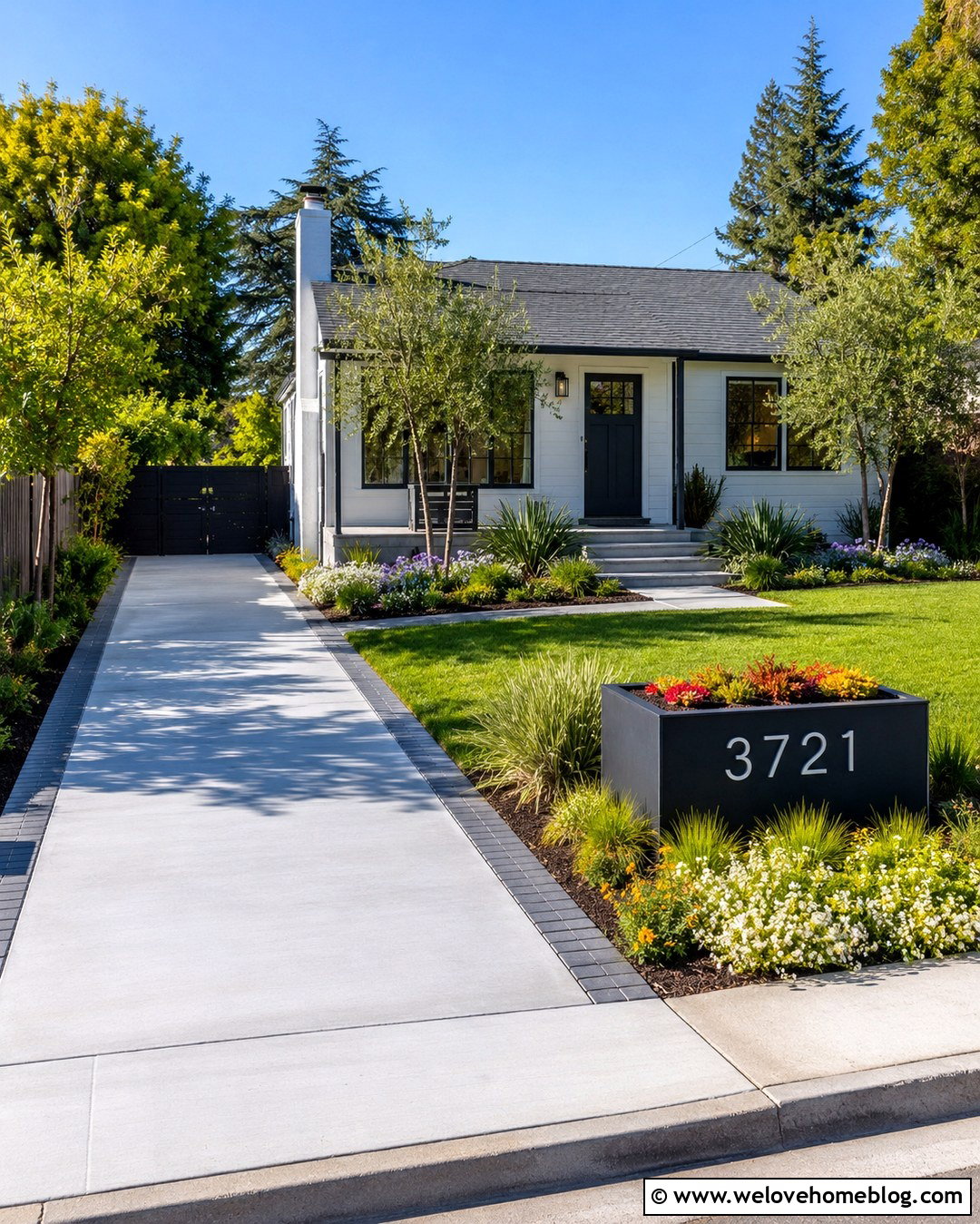
A planter address marker adds color and function to an otherwise simple driveway entrance. Build a tall rectangular planter from charcoal-painted wood, fiber cement, or powder-coated steel, then mount contrasting numbers on its raised back panel. Pair it with a straight broom-finished concrete driveway edged by a thin band of dark pavers. Use compact plants that will not cover the address, such as trailing sweet potato vine, dwarf ornamental grass, or seasonal flowers kept below the number line. A drip line can simplify watering and prevent splashes from staining the sign. Coordinate the planter color with the front door, garage door, or exterior trim. This approachable design is especially useful for small suburban lots where a separate monument, mailbox structure, and planting bed would make the entrance feel crowded.
12. Driveway Address Marker With Entry Gate
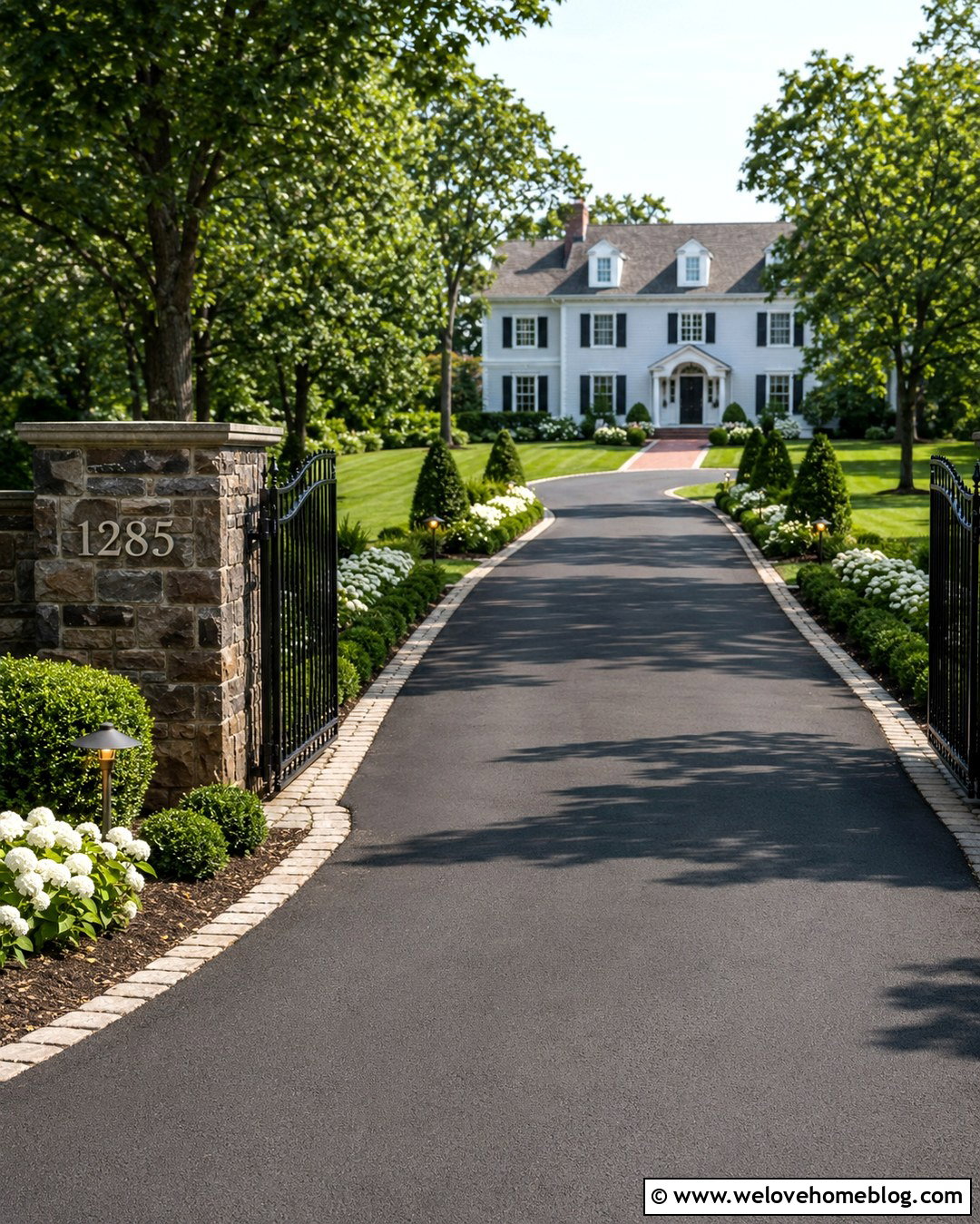
An address marker can help an entry gate feel more welcoming and easier to navigate. For a black steel swing gate, place large light-colored numbers on an adjacent masonry pier rather than on moving gate panels. Pair the gate with a gently curving black asphalt driveway edged by warm tan cobblestones. Symmetrical beds of clipped evergreens and white flowering perennials create a formal frame while preserving visibility near the road. Low pillar lights can illuminate the numbers, keypad, and entrance without relying on harsh glare. Leave adequate space for vehicles to wait safely while the gate opens. The marker, gate, paving border, and landscaping should share a limited material palette. This complete look suits Colonial, estate, and traditional homes with long front setbacks and clearly defined property entrances.
13. Corten Steel Driveway Address Marker
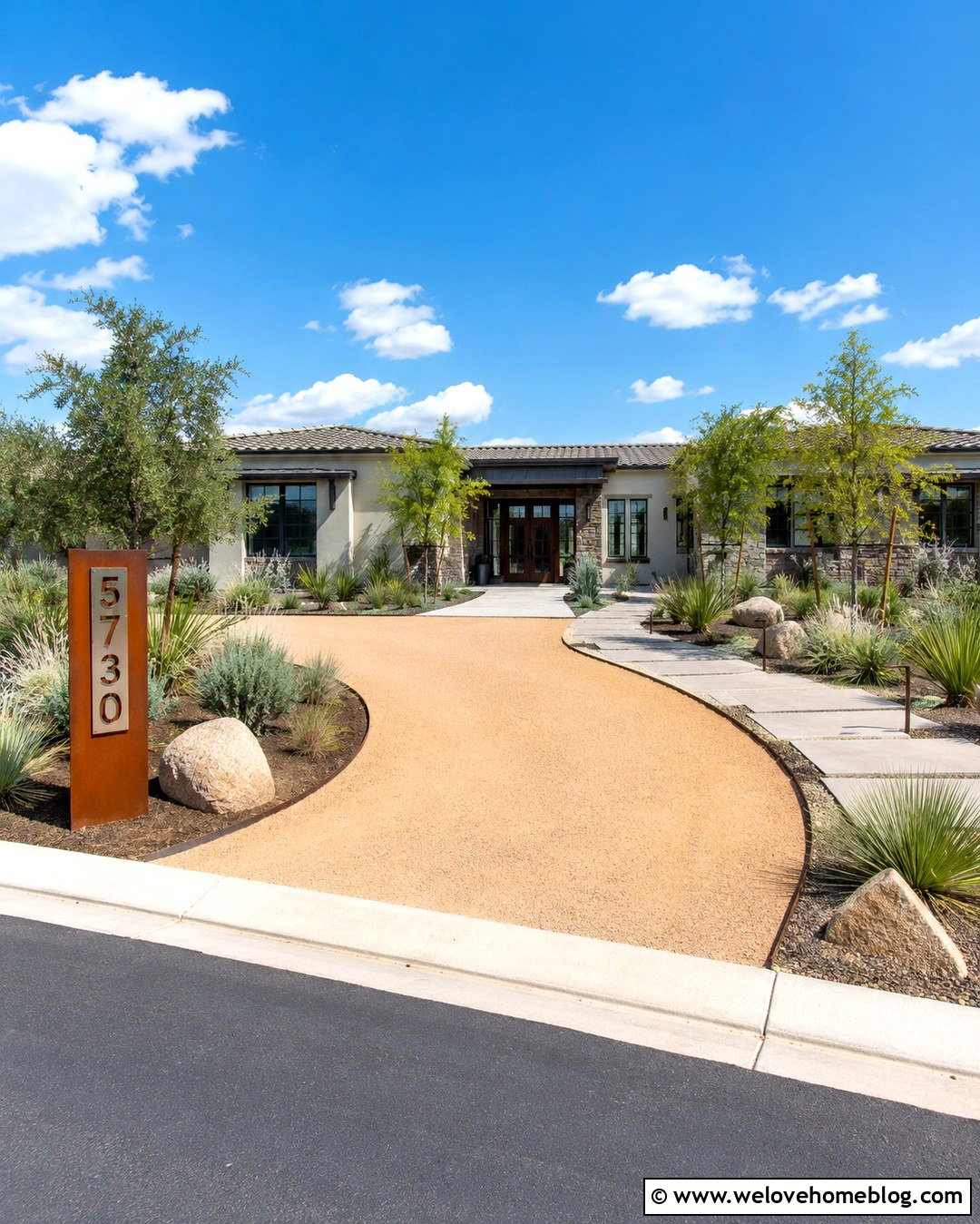
Corten steel gives an address marker rich color and a strong architectural presence. Choose a tall rectangular panel with laser-cut numbers backed by a pale insert, allowing the address to remain clear against the weathered rust finish. Place it beside a curved decomposed granite driveway contained by dark steel edging. Drought-tolerant grasses, sage, yucca, and small boulders can surround the panel while keeping its face unobstructed. A simple concrete walkway crossing the driveway creates a clean transition toward the house. Position the steel carefully so runoff from the weathering surface will not stain pale paving. This earthy material combination works particularly well with desert modern, Southwestern, and contemporary ranch houses. The warm marker, sandy driveway, and sculptural planting create a cohesive entrance without requiring lush or high-maintenance landscaping.
14. Driveway Address Marker With Retaining Wall
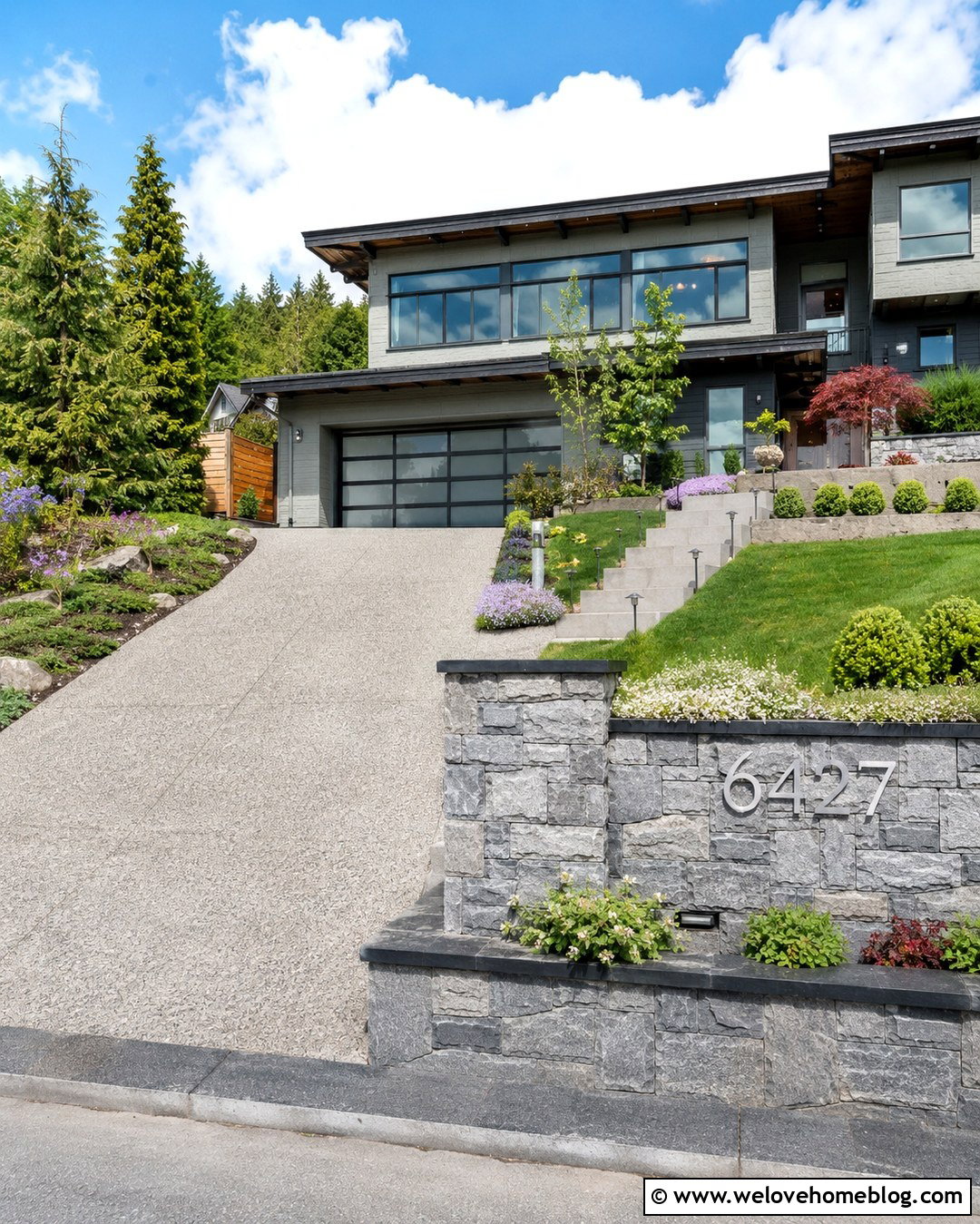
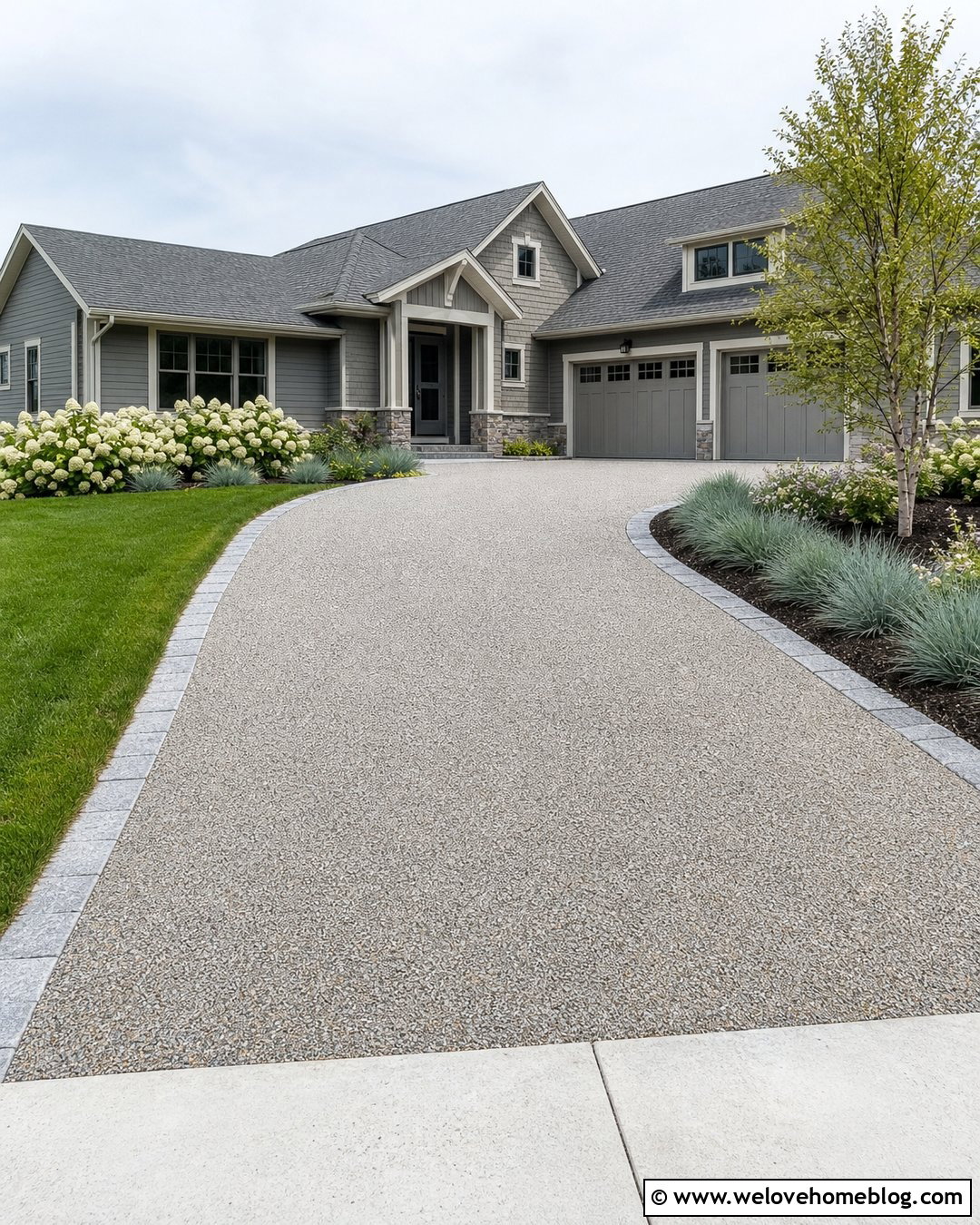
A retaining wall beside a sloped driveway can double as a highly visible address marker. Use a low wall faced with gray natural stone and mount large stainless steel numbers near its road-facing end. Pair it with a sloped exposed aggregate driveway bordered by a dark granite curb. Ground covers, compact shrubs, and cascading plants can soften the top of the wall, but they should remain away from the numbers. Add a recessed wall light above or below the address for controlled illumination. The wall can continue uphill to support a raised lawn or planting bed, visually guiding the eye toward the house. This solution reduces the need for an additional freestanding sign and works especially well on hillside lots, split-level homes, and properties where the driveway entrance needs structural support.
15. Driveway Address Marker With Lamp Post
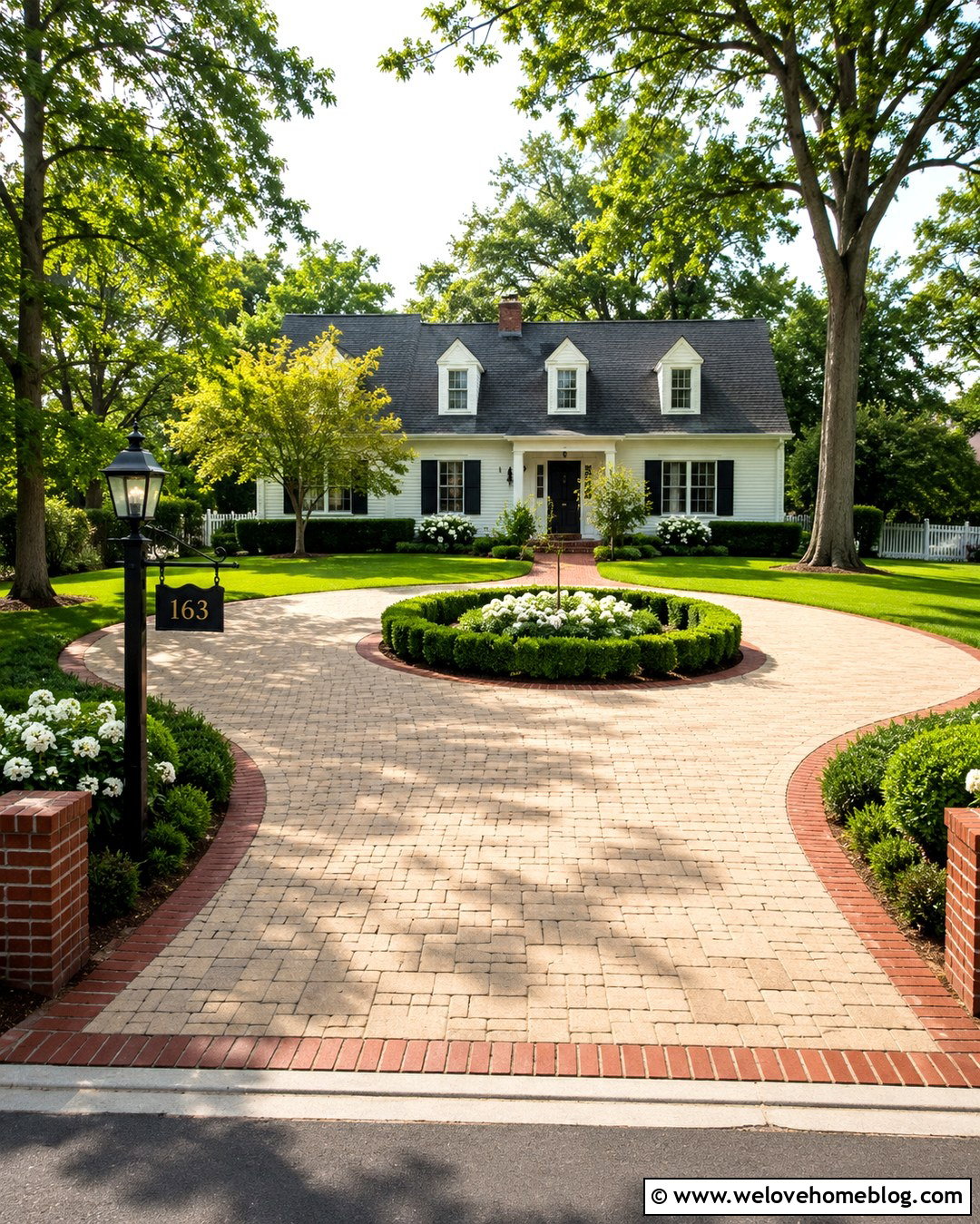
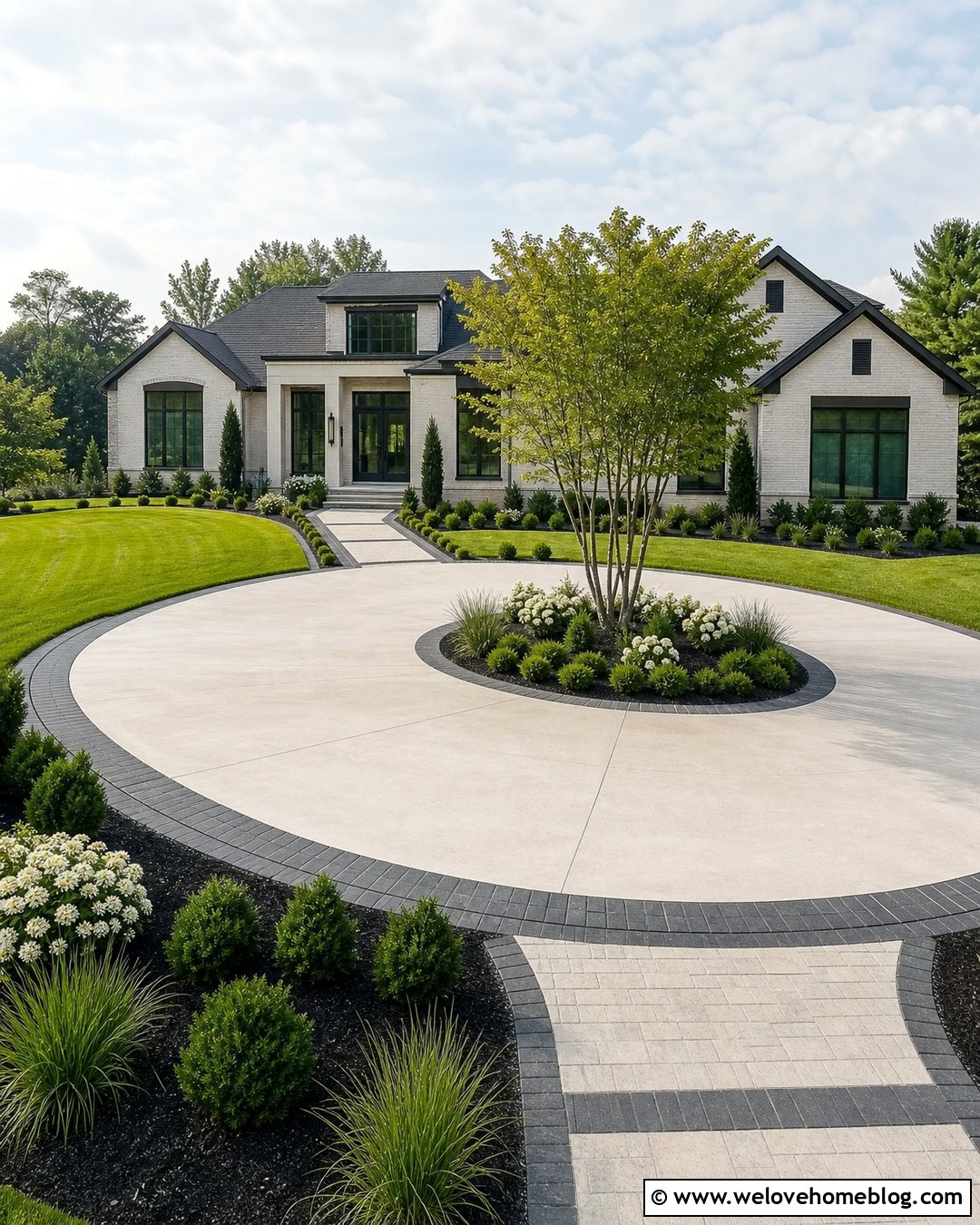
A traditional lamp post can carry the address while bringing height and light to the driveway entrance. Choose a black metal post with a hanging or side-mounted number plaque positioned below the lantern. Pair it with a horseshoe driveway made from warm buff concrete pavers laid in a running bond. A narrow brick soldier-course border can outline the curves and connect the paving to a classic brick house. Surround the post with a circular bed of low boxwoods and white annuals, keeping the plaque visible from both road directions. Use a bright, shielded fixture that illuminates the marker without shining directly into drivers’ eyes. The lamp, numbers, curved paving, and traditional planting create an inviting entrance for Cape Cod, Colonial, and cottage-inspired homes.
16. Vertical Driveway Address Marker With Paver Border
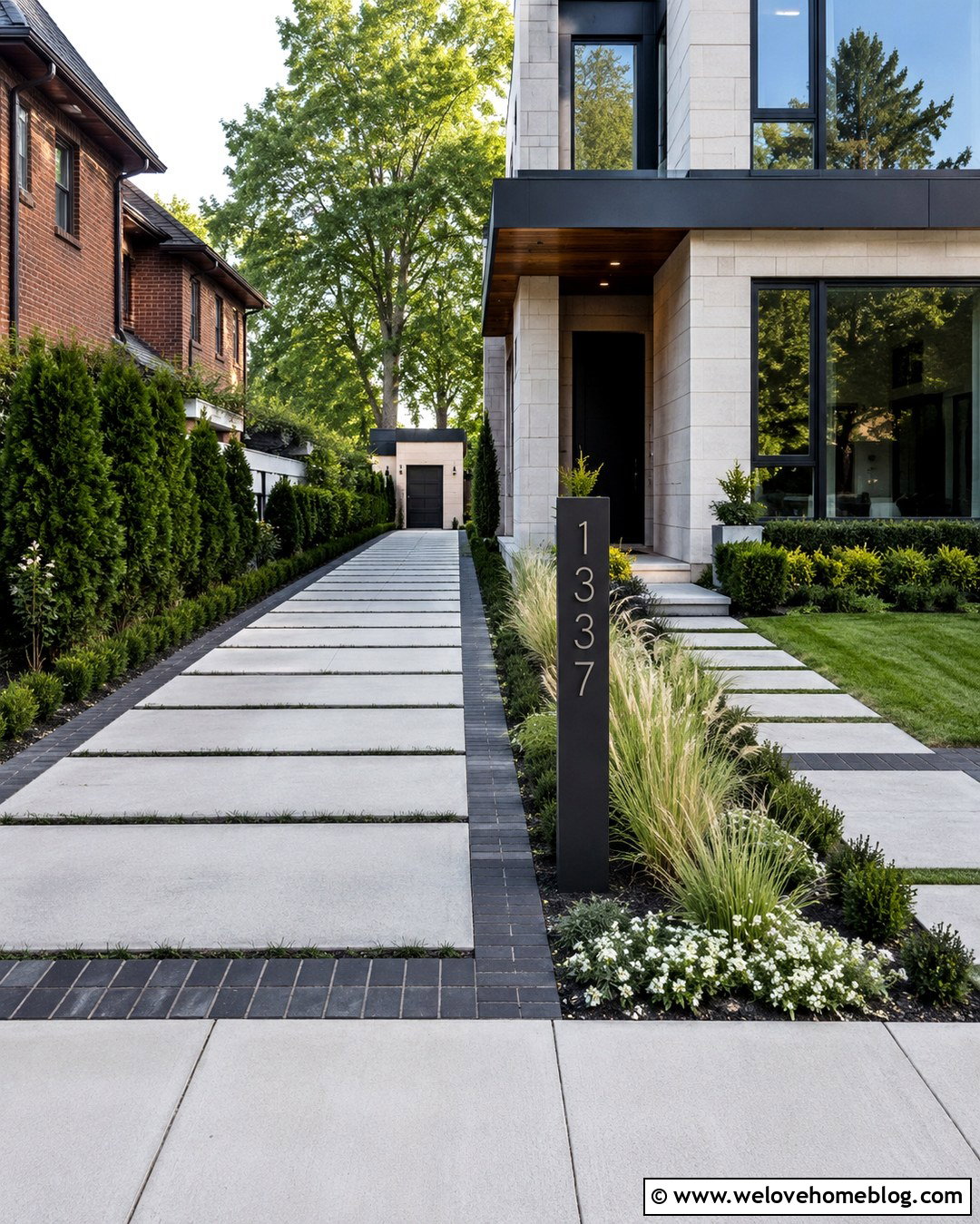
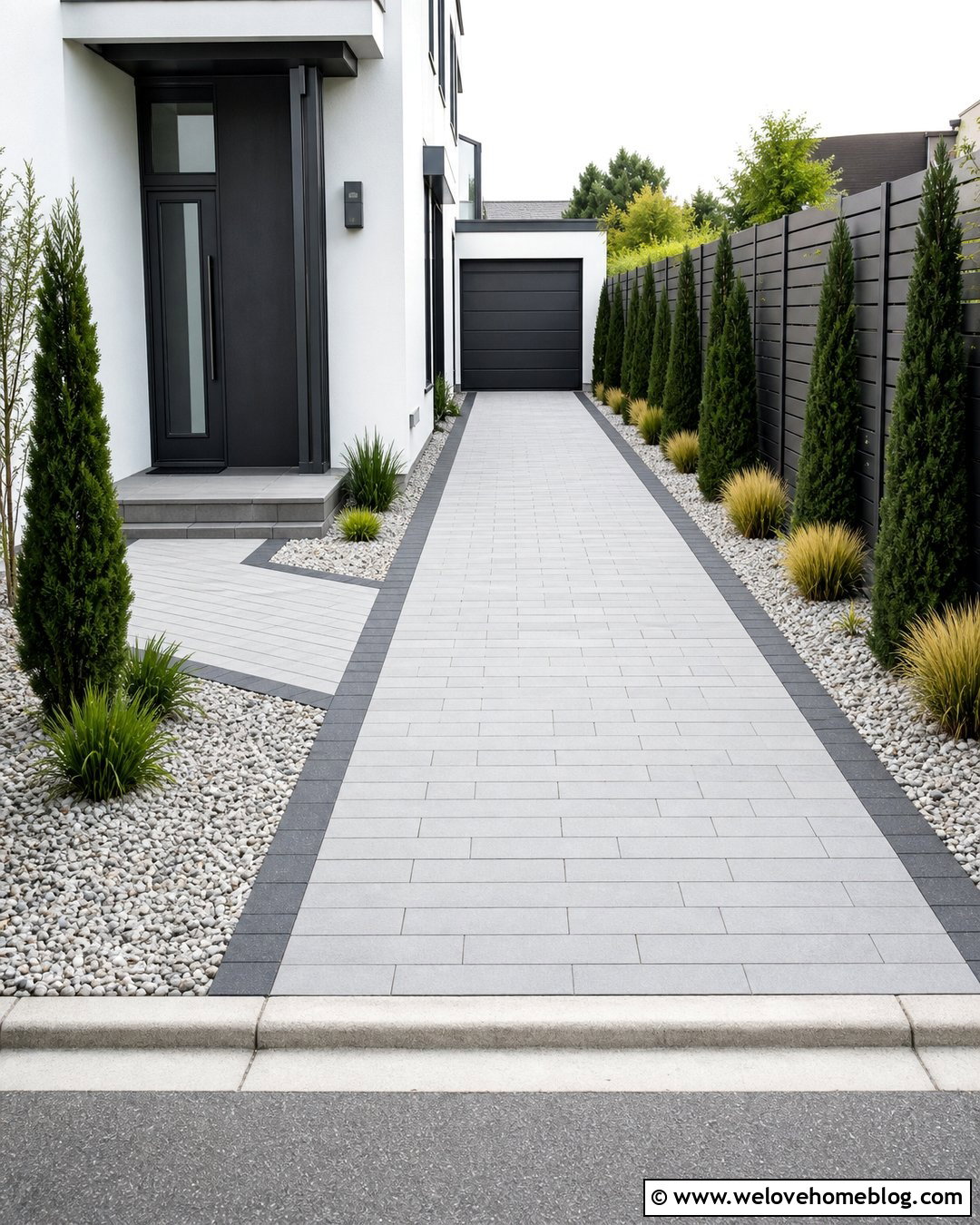
A vertical marker is a smart choice when the entrance has limited horizontal space. Install stacked numbers on a narrow charcoal metal post beside a straight driveway of large-format light-gray concrete pavers. Frame the paving with a black brick border that echoes the marker color and provides a defined transition into the lawn. A slim bed of ornamental grass and low flowering ground cover can fill the area behind the post without hiding it. Keep the number sequence logical from top to bottom and use a typeface with simple, distinct shapes. A small overhead cap light or internal backlighting improves nighttime visibility. This compact, coordinated design fits narrow city lots, modern townhomes, and contemporary infill houses where every part of the front yard must be used efficiently.
17. Driveway Address Marker With Shared Driveway Sign
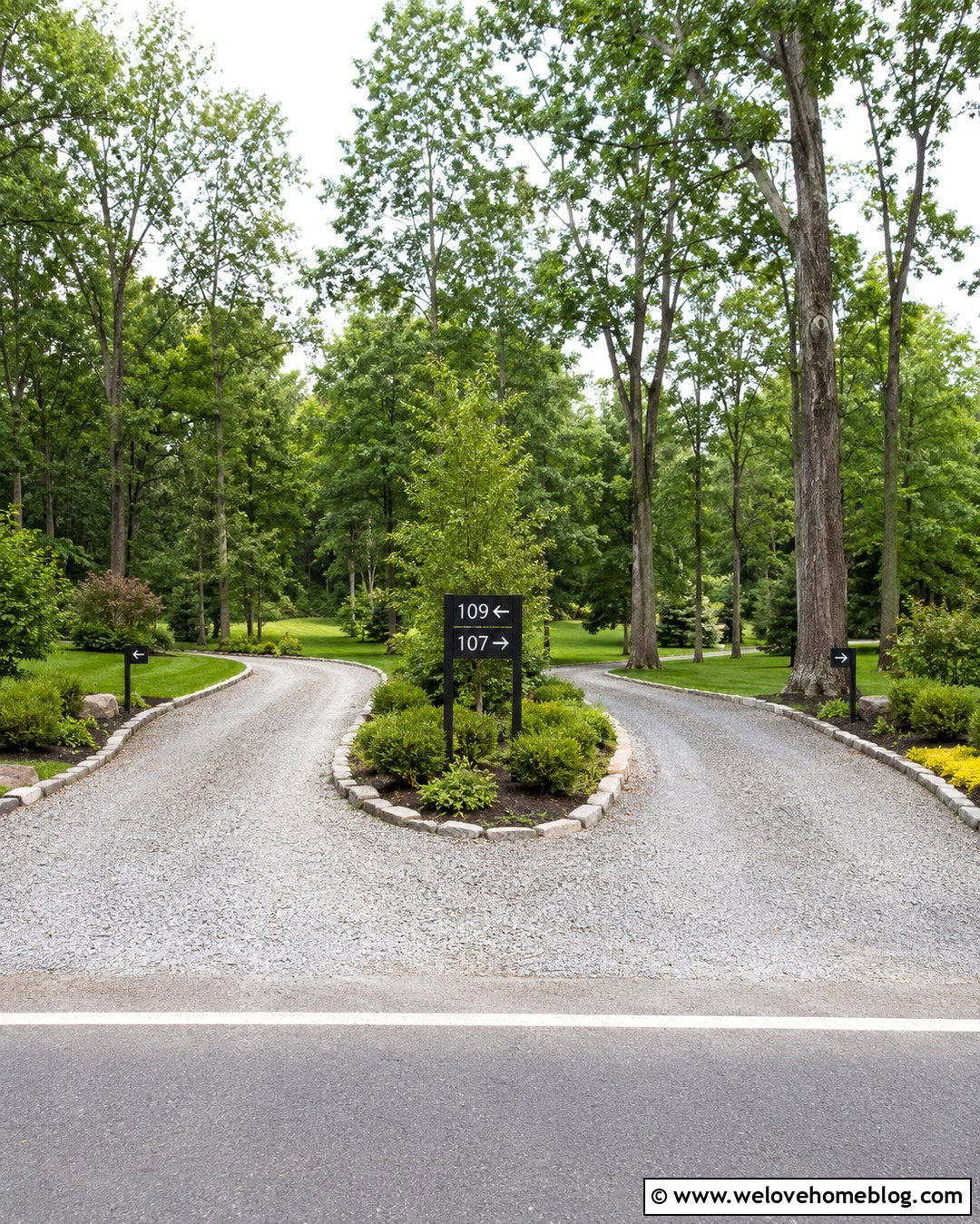
A shared driveway needs an address marker that communicates direction as clearly as it shows numbers. Use a double-sided powder-coated aluminum sign with separate address lines and simple arrows. Mount it on a substantial black post at the point where a light-gray gravel driveway enters from the road. Farther in, split the driveway into two branches with matching smaller markers so each home remains easy to locate. Granite cobbles can define the entrance and branching edges, while low native shrubs maintain an open view. Avoid decorative lettering that makes multiple numbers difficult to distinguish. Coordinate the sign finish with both mailboxes or use one neutral design that suits the shared setting. The complete layout feels orderly, reduces visual confusion, and fits rural properties or wooded multi-home lots.
18. Coastal Driveway Address Marker With White Post
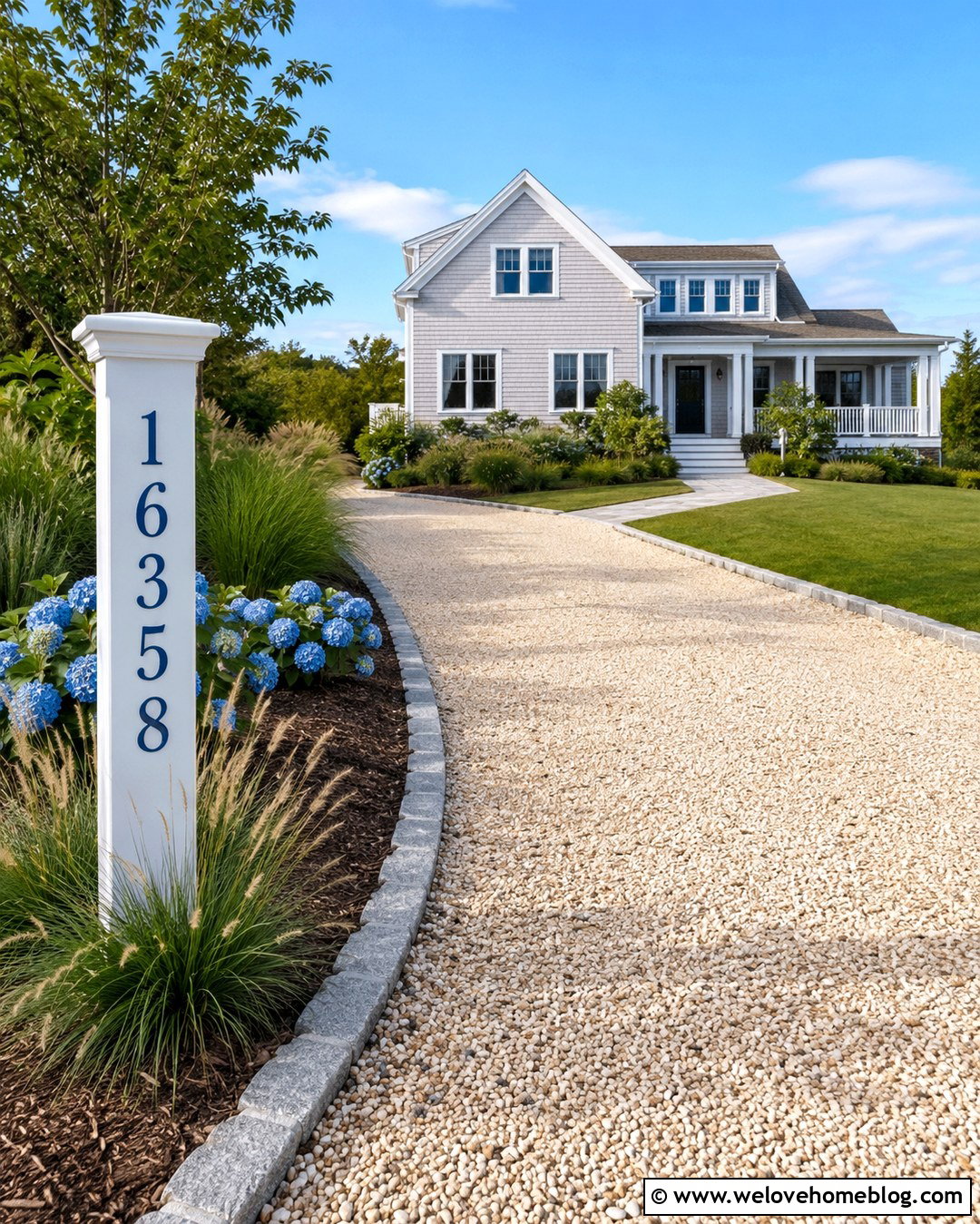
A crisp white address post creates a fresh entrance for a coastal or cottage-style property. Mount navy or charcoal numbers on a wide PVC or painted cedar post designed to resist moisture. Pair it with a pale shell gravel driveway that curves gently toward a light-colored shingle house. Bluestone edging can contain the loose material and coordinate with the cool number color. Surround the marker with beach grass, hydrangeas, and low salt-tolerant shrubs, leaving plenty of open space around the address panel. Add a small downlight beneath the post cap for subtle illumination. White finishes require occasional cleaning, so choose washable exterior materials and avoid placing sprinklers directly beside the marker. The pale gravel, blue-gray stone, and relaxed planting create a bright, cohesive coastal entrance.
19. Craftsman Driveway Address Marker With Brick Base
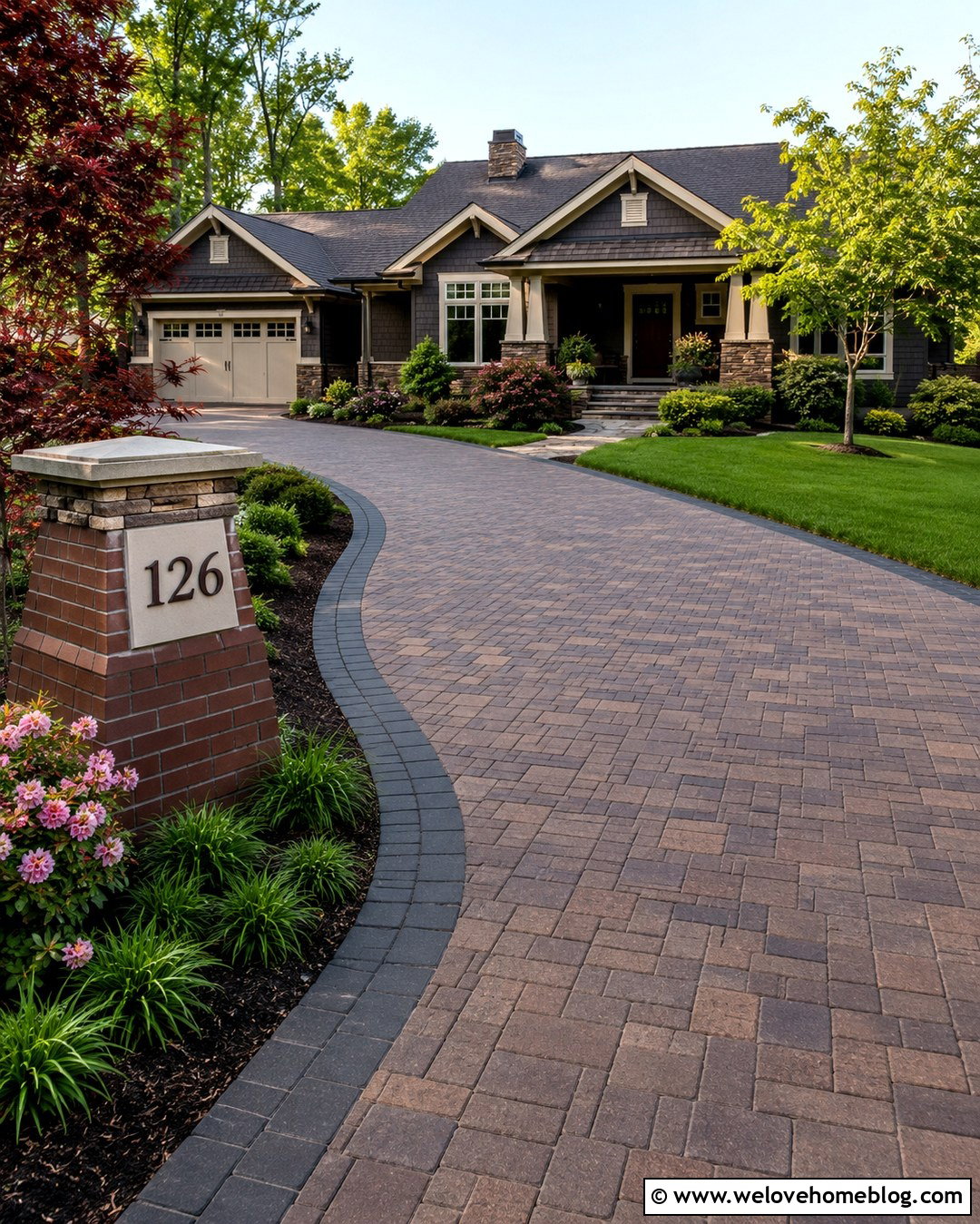
A Craftsman entrance looks balanced when the address marker repeats materials from the house. Build a tapered column with a red brick base, a stone accent band, and a painted wood cap. Mount bronze numbers on a cream inset panel for strong contrast. Pair the marker with a curved driveway of brown and charcoal concrete pavers arranged in a simple modular pattern. A dark brick border can define the curve and connect visually to the column base. Frame the entrance with Japanese forest grass, compact rhododendrons, and a small ornamental maple, keeping branches behind the sign. A low, warm-neutral fixture beneath the cap highlights the numbers. This layered combination of brick, stone, wood, textured paving, and structured landscaping captures Craftsman character without becoming overly ornate.
20. Driveway Address Marker With Native Landscaping
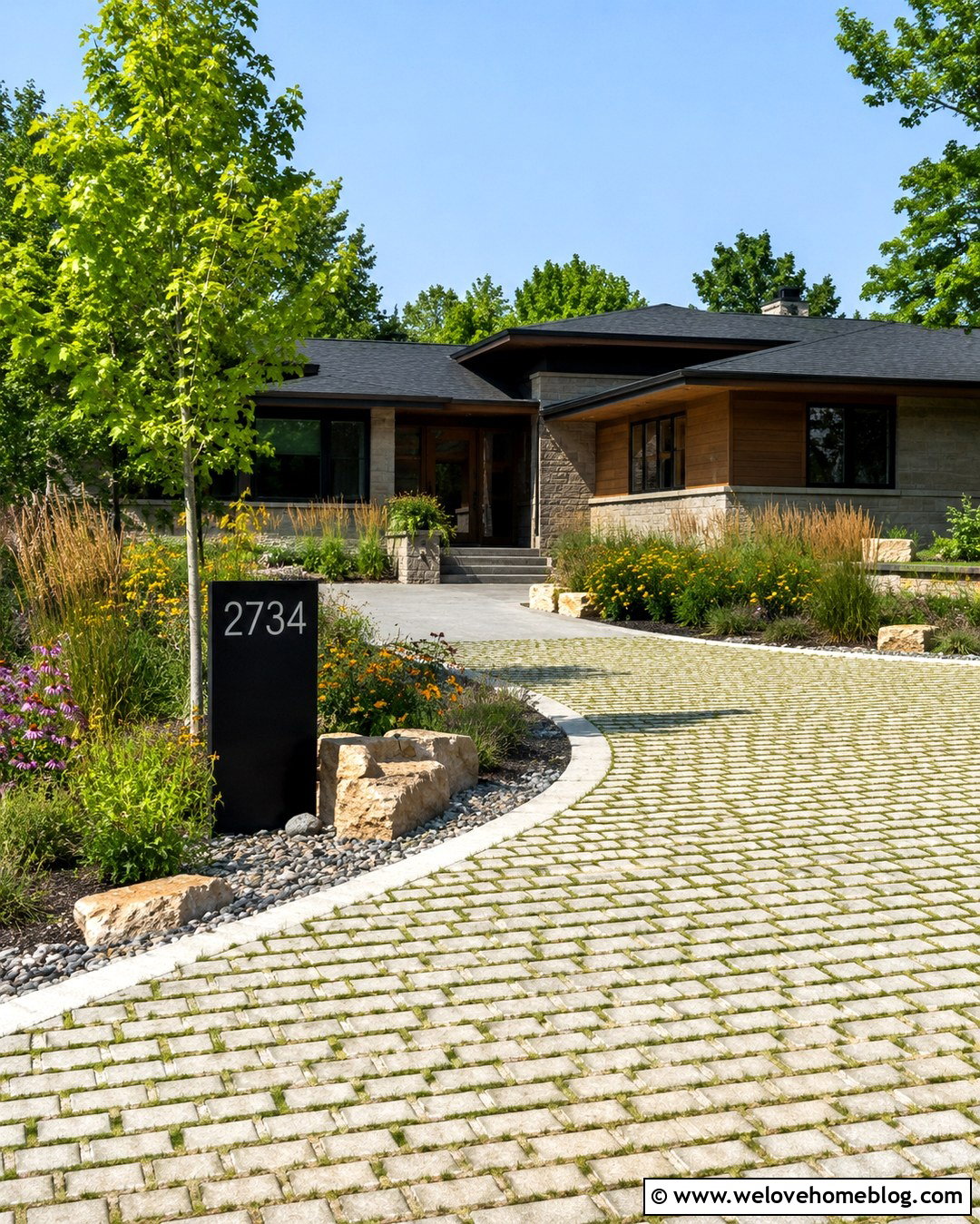
Native landscaping can make an address marker feel like a natural extension of the yard rather than a separate roadside object. Start with a simple black steel sign featuring large white reflective numbers. Place it beside a softly curved permeable paver driveway with grass-filled joints and a border of local stone. Group native grasses and flowering perennials behind the marker, arranging the shortest varieties closest to its face. A small native tree can frame the entrance from several feet away without casting dense shade over the sign. Use mulch or gravel around the post base for easier trimming and a cleaner appearance. This environmentally responsive layout suits contemporary, prairie, and casual suburban homes while combining clear identification, stormwater-conscious paving, seasonal color, and low-maintenance curb appeal.
Conclusion:
The strongest 20 address markers driveway ideas make visibility part of a complete entrance rather than treating the house number as an afterthought. Select a marker material that relates to the driveway, house facade, and surrounding landscape. Then use clear contrast, practical lighting, and controlled planting to keep the address easy to recognize. Stone works well in natural settings, while steel and concrete suit cleaner modern layouts. Brick, wood, and lamp-post displays bring warmth to traditional homes. Before installing a post or monument, confirm local placement requirements and locate underground utilities. With thoughtful proportions and durable materials, an address marker can improve navigation, safety, and curb appeal while giving the driveway a more polished sense of arrival.

Related posts:
Leave a Reply