
A well-planned paver driveway extension can create extra parking, simplify daily access, and make the front yard feel more polished. Pavers are especially useful because their size, color, pattern, and border can be adapted to an existing concrete, asphalt, or paved surface. The extension may become a full parking bay, a narrow side strip, a turning pad, or a wider entrance. Good results depend on more than choosing attractive pavers. The new surface should fit the driveway’s shape, complement the house, manage runoff, and connect naturally with nearby lawns and walkways. Before building, confirm local rules and prepare a vehicle-rated base. Use these 20 pavers driveway extension ideas to find a complete layout that suits your property.
1. Matching Paver Side Extension
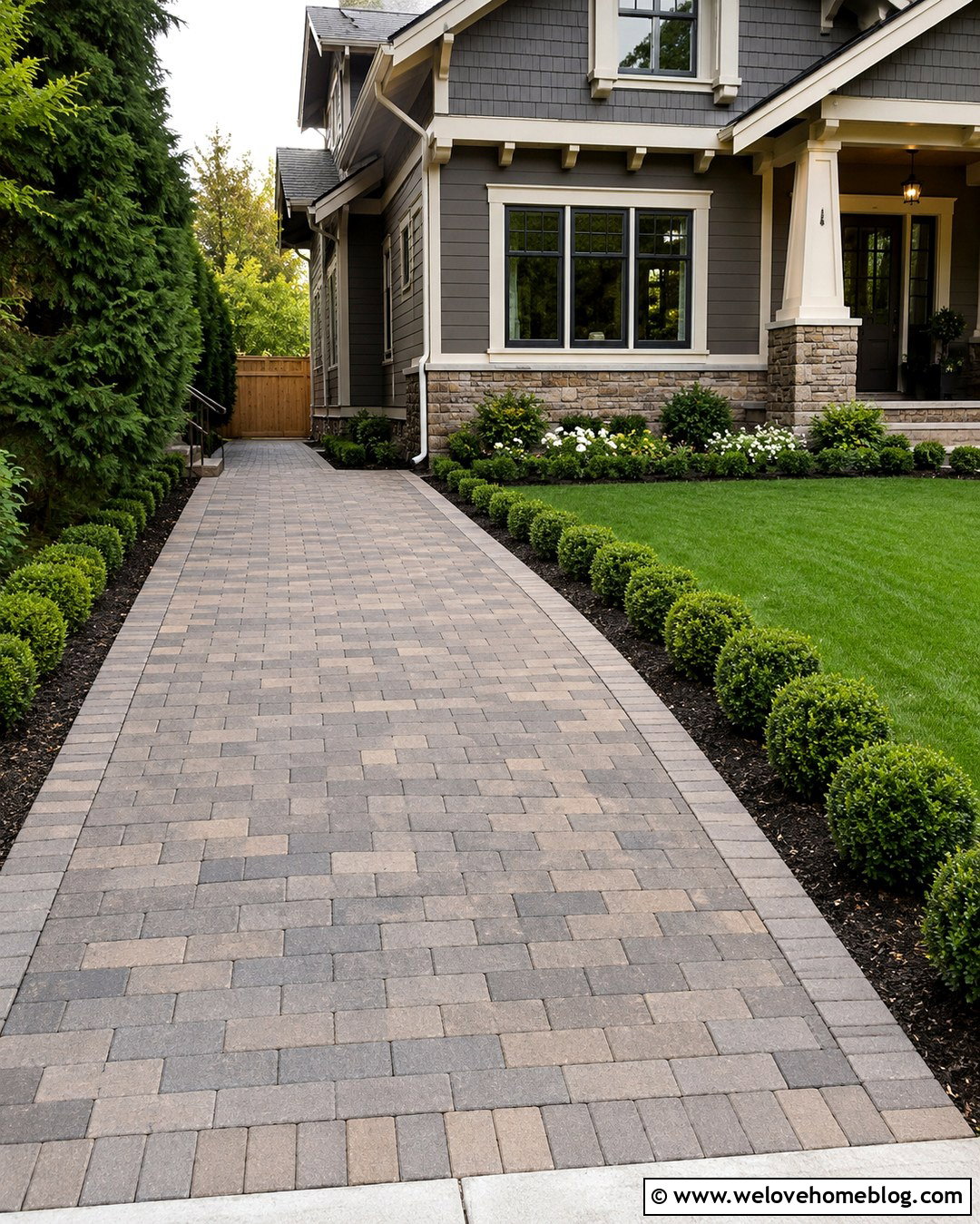
A matching side extension is the most seamless choice when the existing driveway already uses pavers. Continue the same paver size, color blend, laying pattern, and joint width into the new parking area. Carefully resetting the original edge course can help the old and new surfaces connect cleanly. If the existing pavers have faded, blend some lifted pieces into the extension rather than placing every new paver together. A straight rectangular layout works well beside a two-car garage and creates practical space for another vehicle. Finish the outside edge with a soldier course and low evergreen planting. This complete look feels original to the property rather than like an addition installed years later.
2. Contrasting Paver Parking Bay
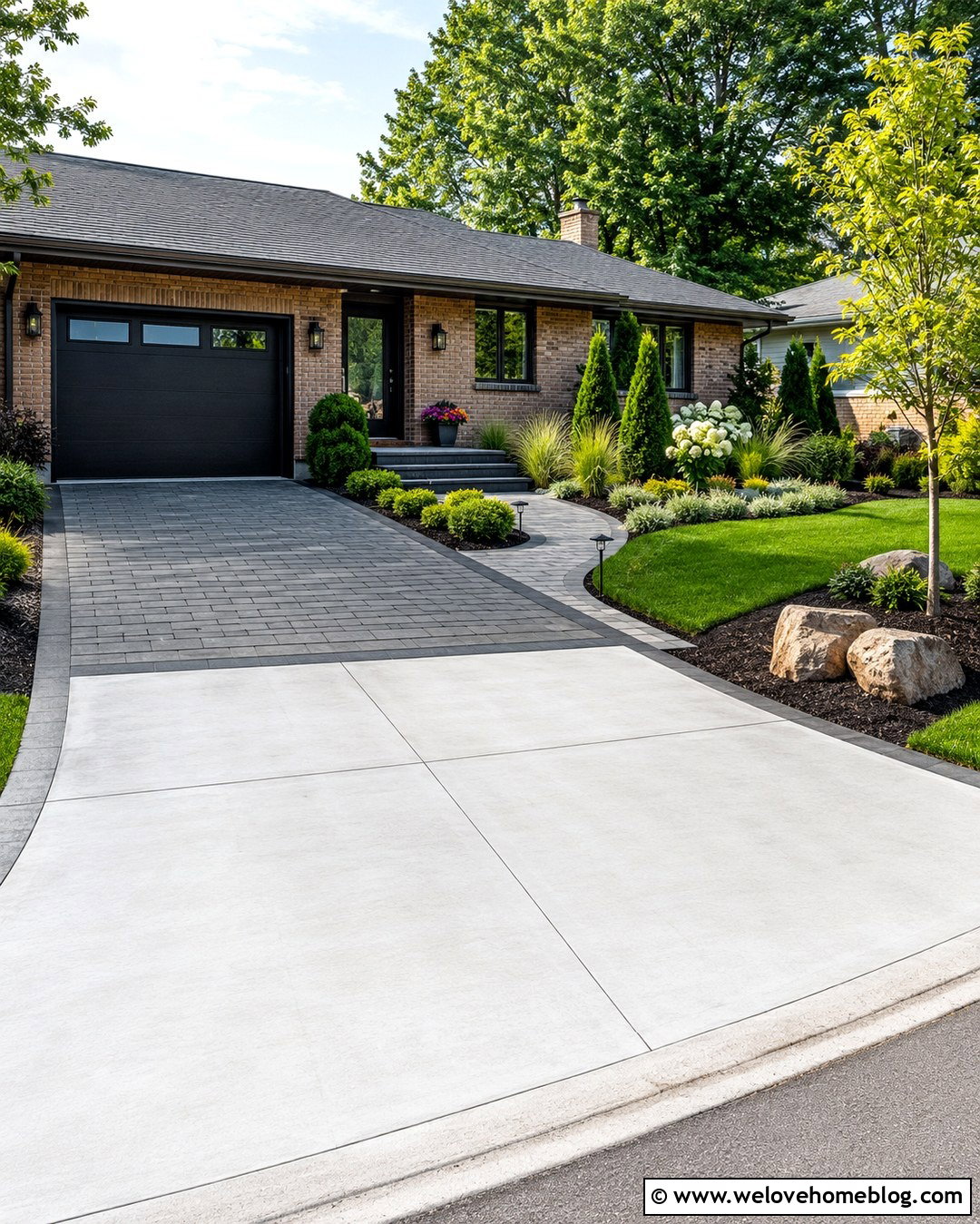
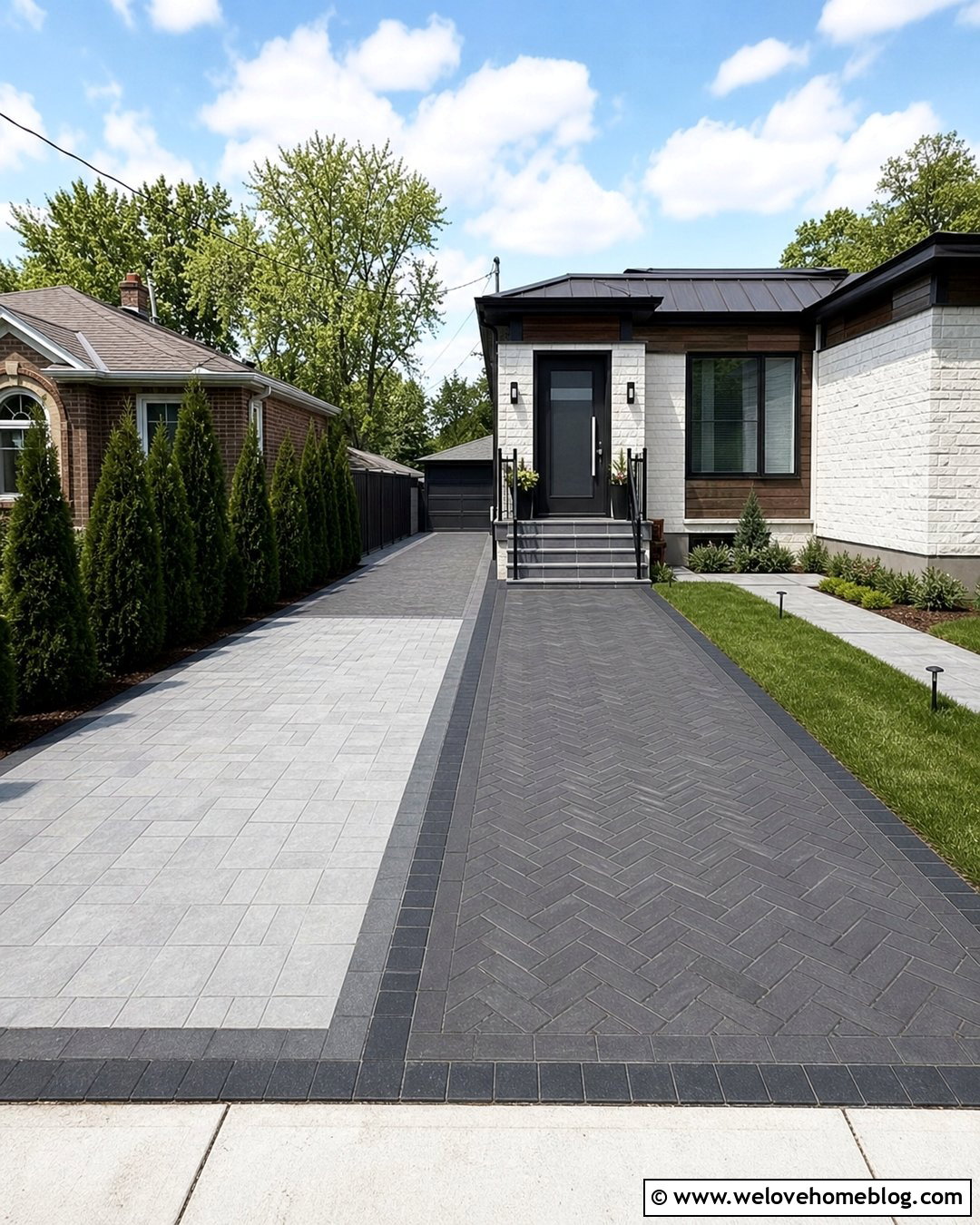
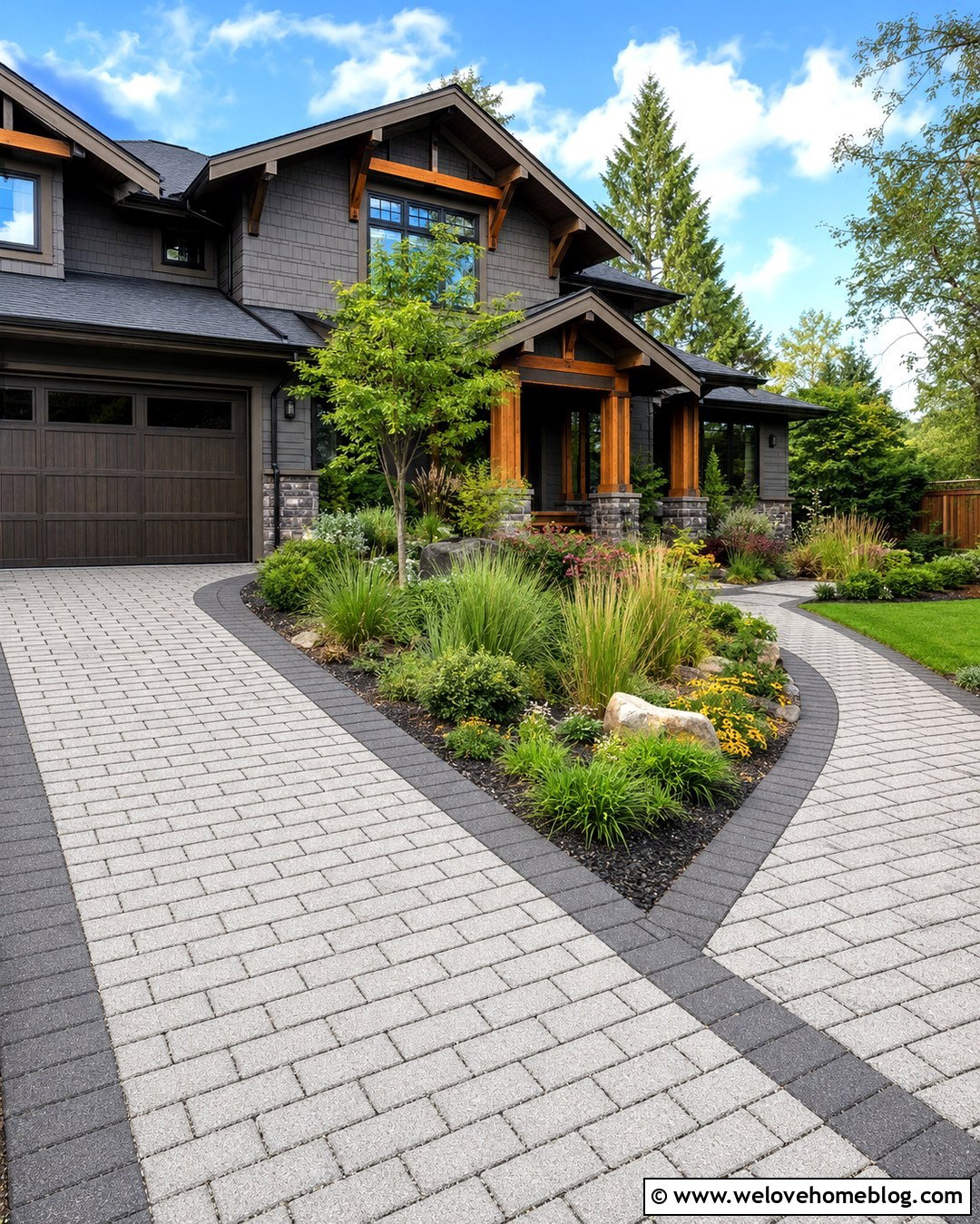
What if matching an older driveway is difficult or impossible? Turn the difference into a deliberate feature by building a contrasting paver parking bay. For example, pair a pale concrete driveway with charcoal concrete pavers laid in a running bond pattern. A narrow border between the two surfaces creates a clear transition and prevents the extension from appearing mismatched. Keep the parking bay rectangular, but soften its outer edge with an ornamental grass bed or clipped shrubs. Repeating the charcoal color in the front walkway or porch steps will connect the overall landscape. This approach works especially well when the extension needs to look distinct while still complementing the home’s roof, trim, or masonry.
3. Permeable Paver Driveway Extension
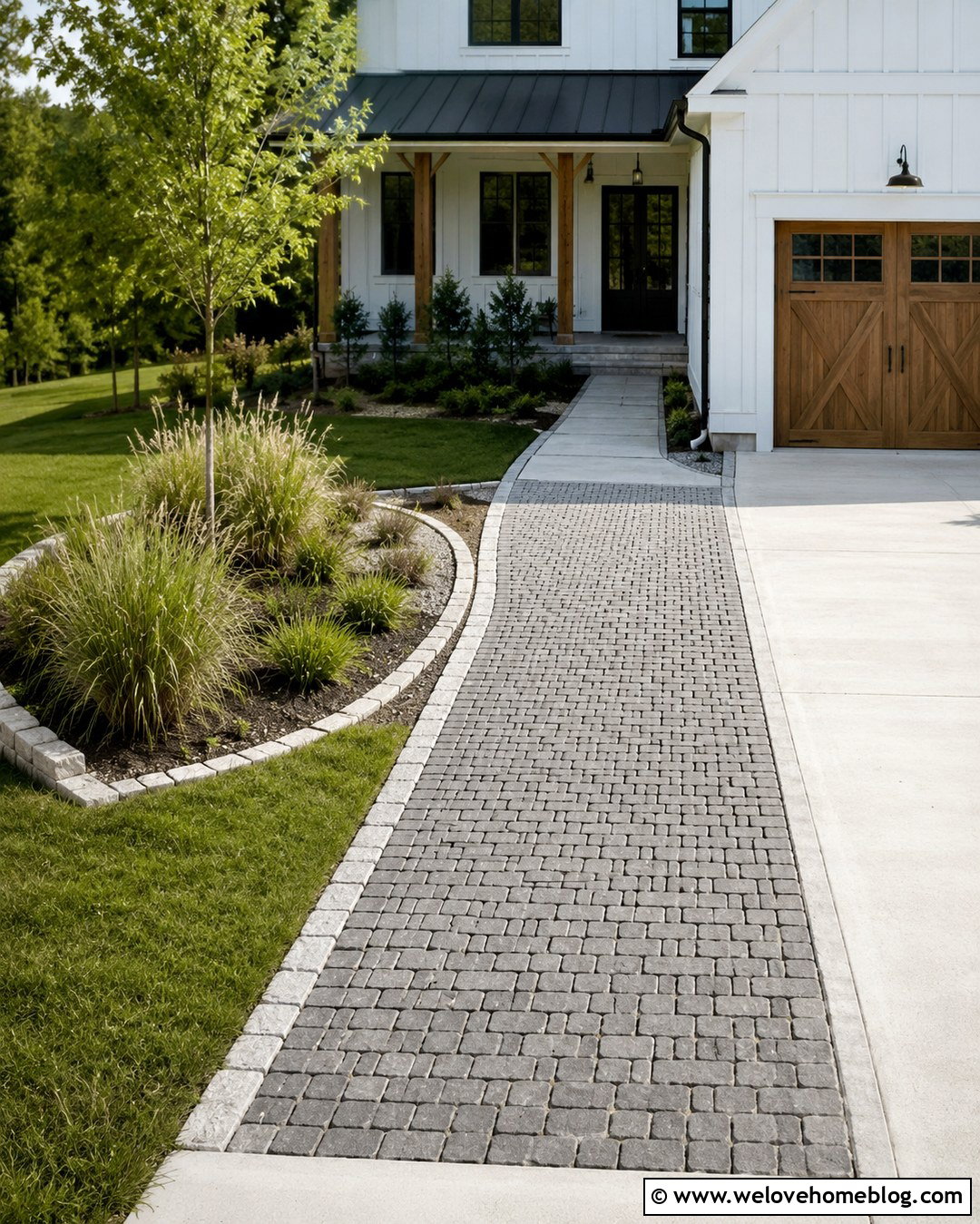
A permeable paver extension combines useful parking with a lighter, more natural appearance. Install open-joint concrete pavers beside the main driveway and fill the joints with clean aggregate rather than ordinary joint sand. A properly designed permeable base allows water to enter the paved area instead of simply flowing across the surface. Choose soft gray or tan pavers that coordinate with the existing driveway without creating a harsh contrast. A straight side bay is practical for daily parking, while a curved planting bed can soften its outer corner. Use stone edging near the lawn and moisture-tolerant plants near the lower side. The finished extension looks structured, green, and intentionally connected to the landscape.
4. Herringbone Paver Driveway Widening
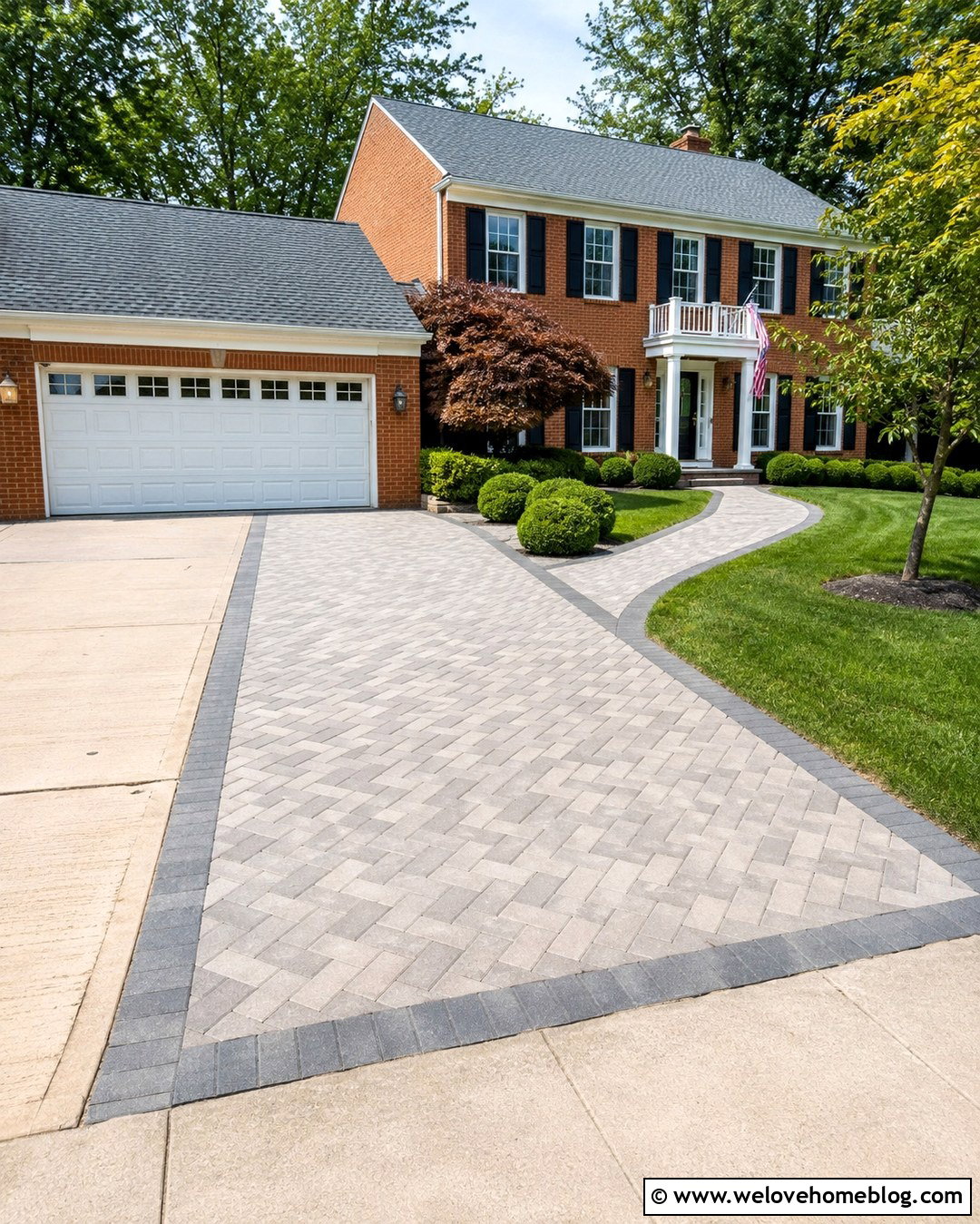
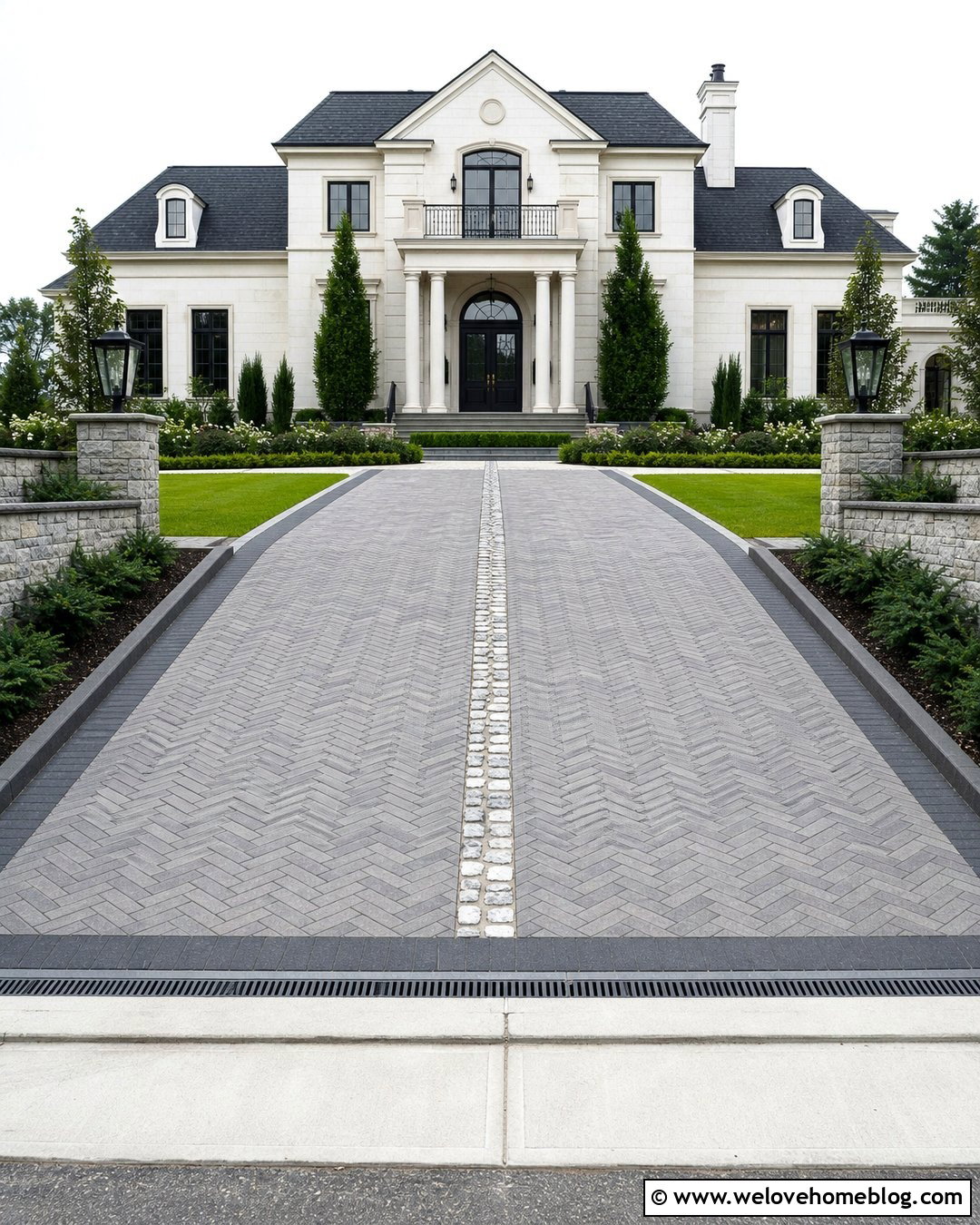
Herringbone pavers give a driveway widening project a strong, detailed surface that looks appropriate for regular vehicle use. Lay rectangular concrete pavers at a 45-degree angle beside the existing driveway, then frame the new area with a straight soldier-course border. A warm gray and taupe color blend can complement brick, stone, and neutral siding. The angled pattern also creates noticeable visual separation when an exact material match is unavailable. For a unified result, continue a narrow herringbone band across the driveway entrance or nearby walkway. Keep the landscaping simple with lawn, rounded shrubs, and one small ornamental tree. This prevents the patterned extension from making the front yard look overly busy or fragmented.
5. Running Bond Paver Side Strip
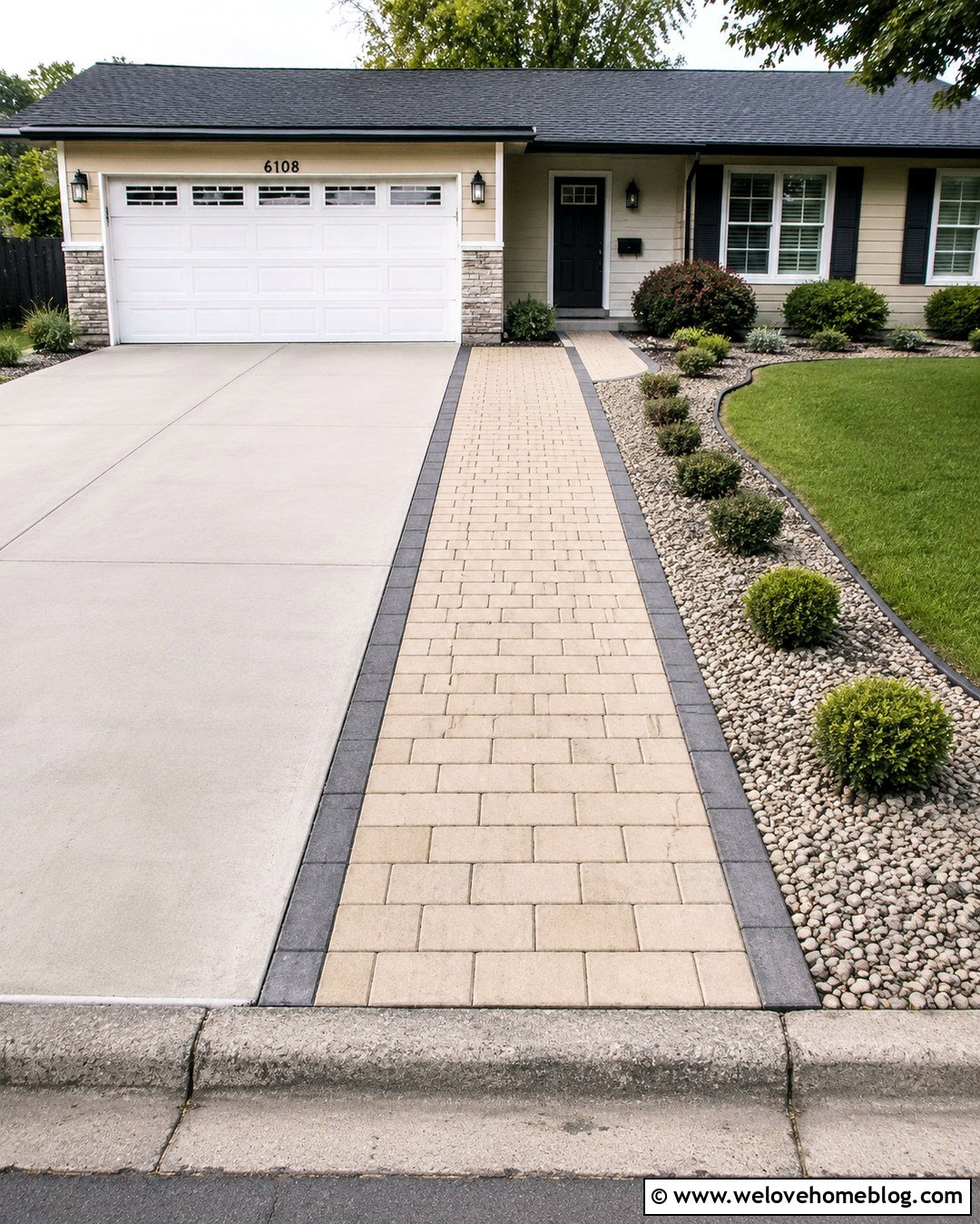
For a modest increase in usable width, consider a running bond paver side strip. This layout works beside a narrow concrete or asphalt driveway where passengers regularly step onto grass or mulch. Use rectangular pavers in a color that complements the main surface, and install the rows parallel to the direction of travel. A width of several feet can provide a clean stepping zone and limited parking support without taking over the front lawn. Define the outside with a darker paver course or sturdy edge restraint. Beyond it, add a narrow bed of compact shrubs and decorative gravel. The long lines make the driveway appear wider, while the simple pattern keeps the extension visually calm and easy to coordinate.
6. Paver Driveway Extension With Border
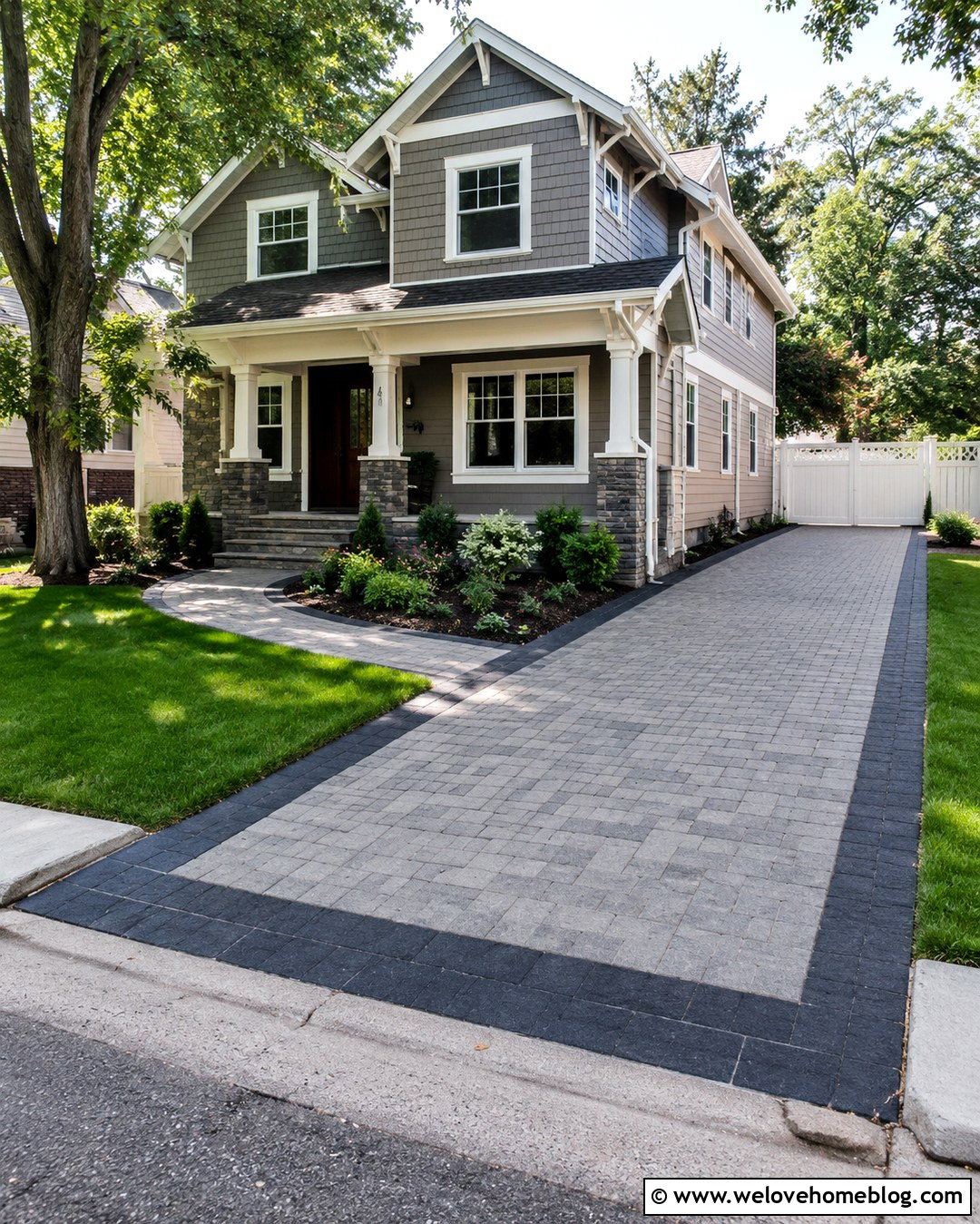
A bold border can make a basic paver extension feel connected to the original driveway. Build the widened area with medium-gray concrete pavers, then surround both the old and new surfaces with a charcoal soldier course. If rebuilding the entire perimeter is impractical, use the dark border along the extension and repeat it across the entrance as a ribbon. This small repetition creates a purposeful relationship between the surfaces. A straight extension beside the garage provides everyday parking, while a gentle curve at the street prevents the new edge from looking abrupt. Complete the design with lawn, foundation shrubs, and matching charcoal pavers in the front walk. The border visually organizes every part of the approach.
7. Curved Paver Driveway Extension
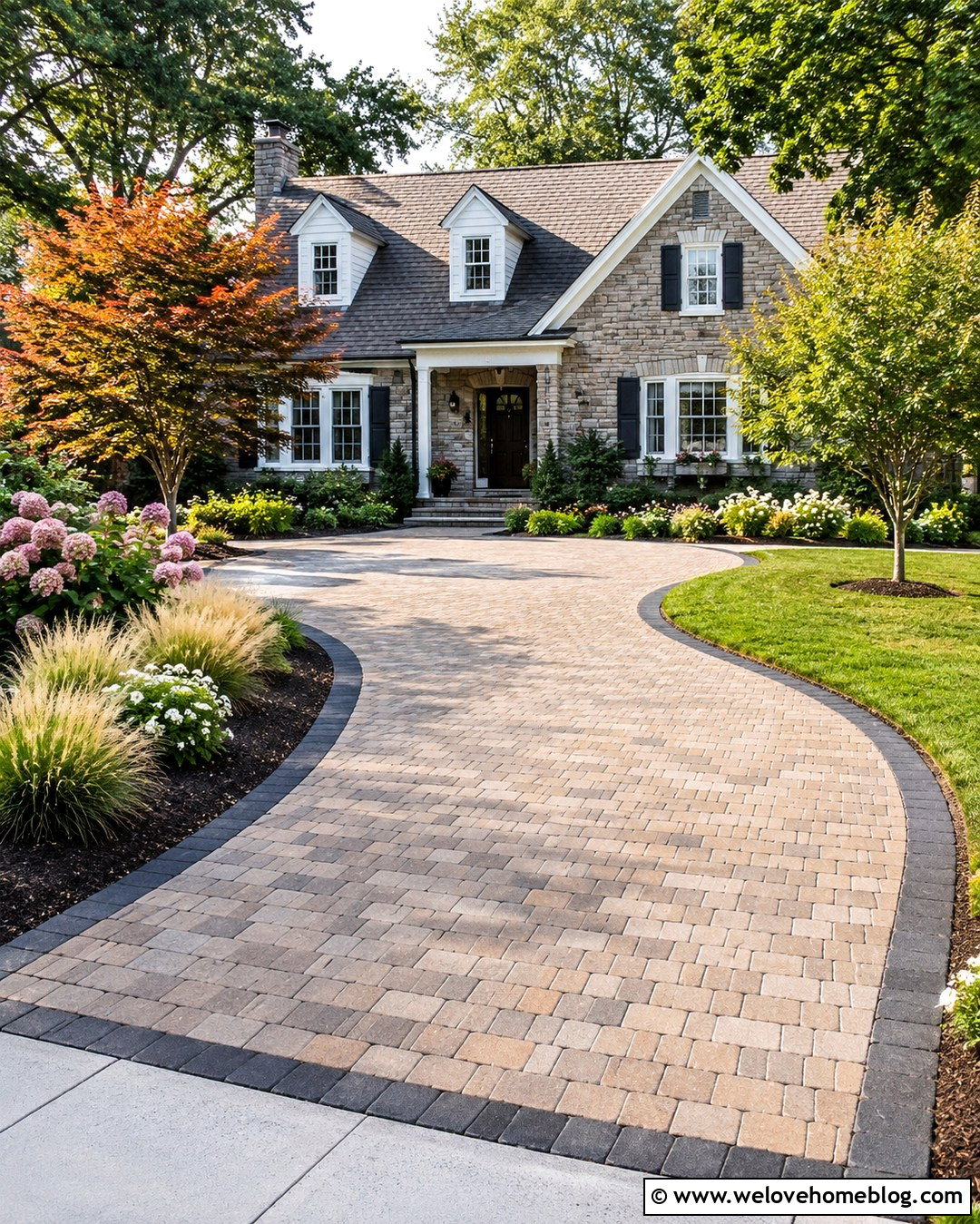
A curved paver extension can follow an irregular property line while making vehicle movement feel more natural. Begin with a straight connection beside the existing driveway, then sweep the outer edge gently toward the garage or side yard. Small rectangular pavers handle curves more neatly than oversized units and allow smoother cuts. Use a fan pattern, running bond, or flexible herringbone layout in blended tan and gray tones. A darker edge course will sharpen the curve and help separate the paved surface from planting beds. Fill the surrounding landscape with low shrubs, ornamental grasses, and a small flowering tree. The extension should provide useful space without leaving narrow lawn strips that are difficult to maintain.
8. Tapered Paver Driveway Entrance
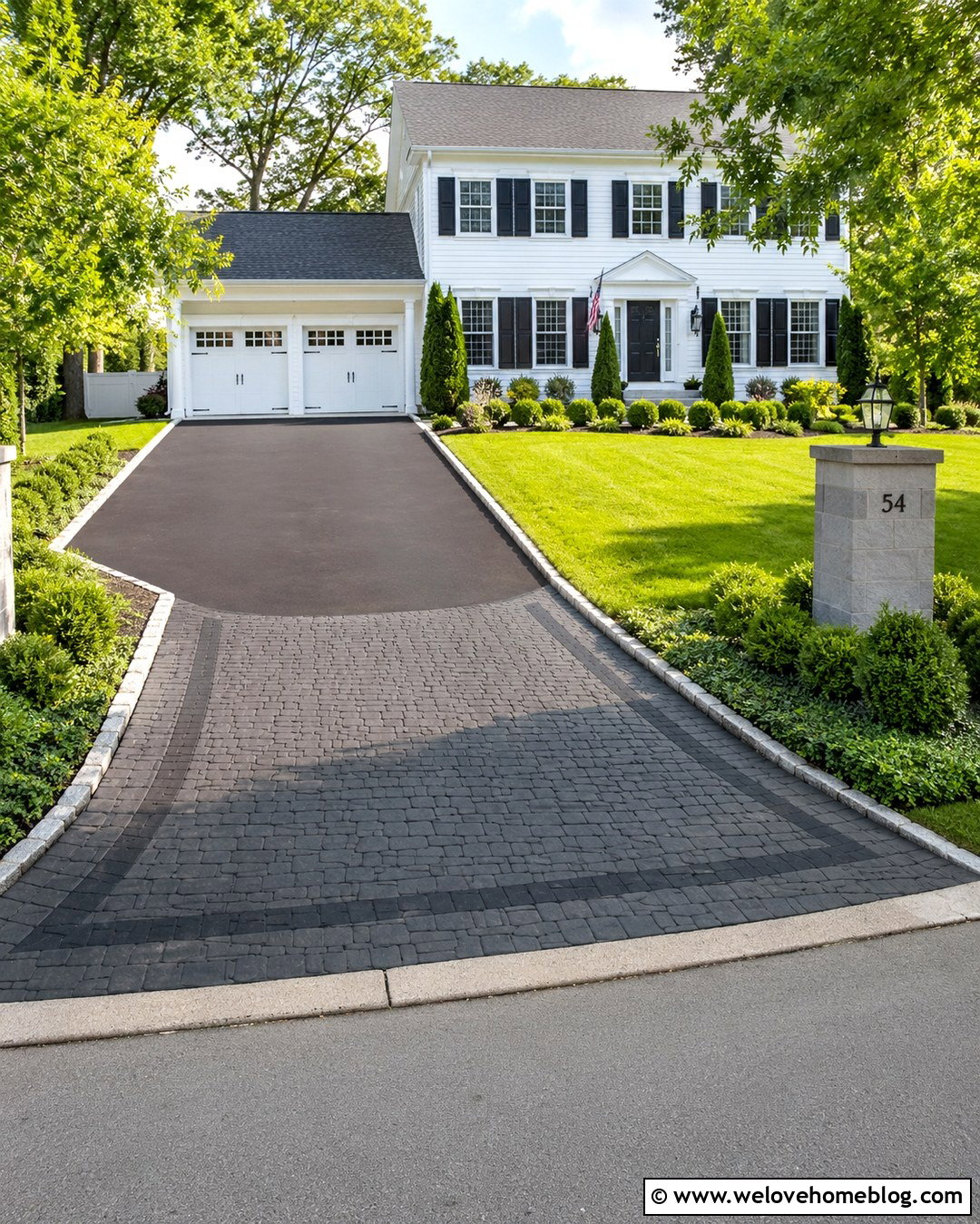
A tapered paver extension is useful when the driveway feels especially tight near the street. Widen the entrance with vehicle-rated pavers, then gradually narrow the new area as it approaches the house. The flared shape can provide more comfortable turning while preserving lawn closer to the garage. Select pavers that relate to the existing driveway, such as charcoal cobblestone-style units beside black asphalt or beige concrete pavers beside warm concrete. Outline the taper with a strong contrasting border that clearly defines the driving surface. Set back nearby plants so they do not crowd the entrance. Low ground cover, a simple address marker, and balanced planting beds can make the widened apron feel like a designed entry feature.
9. Paver Turning Pad Extension
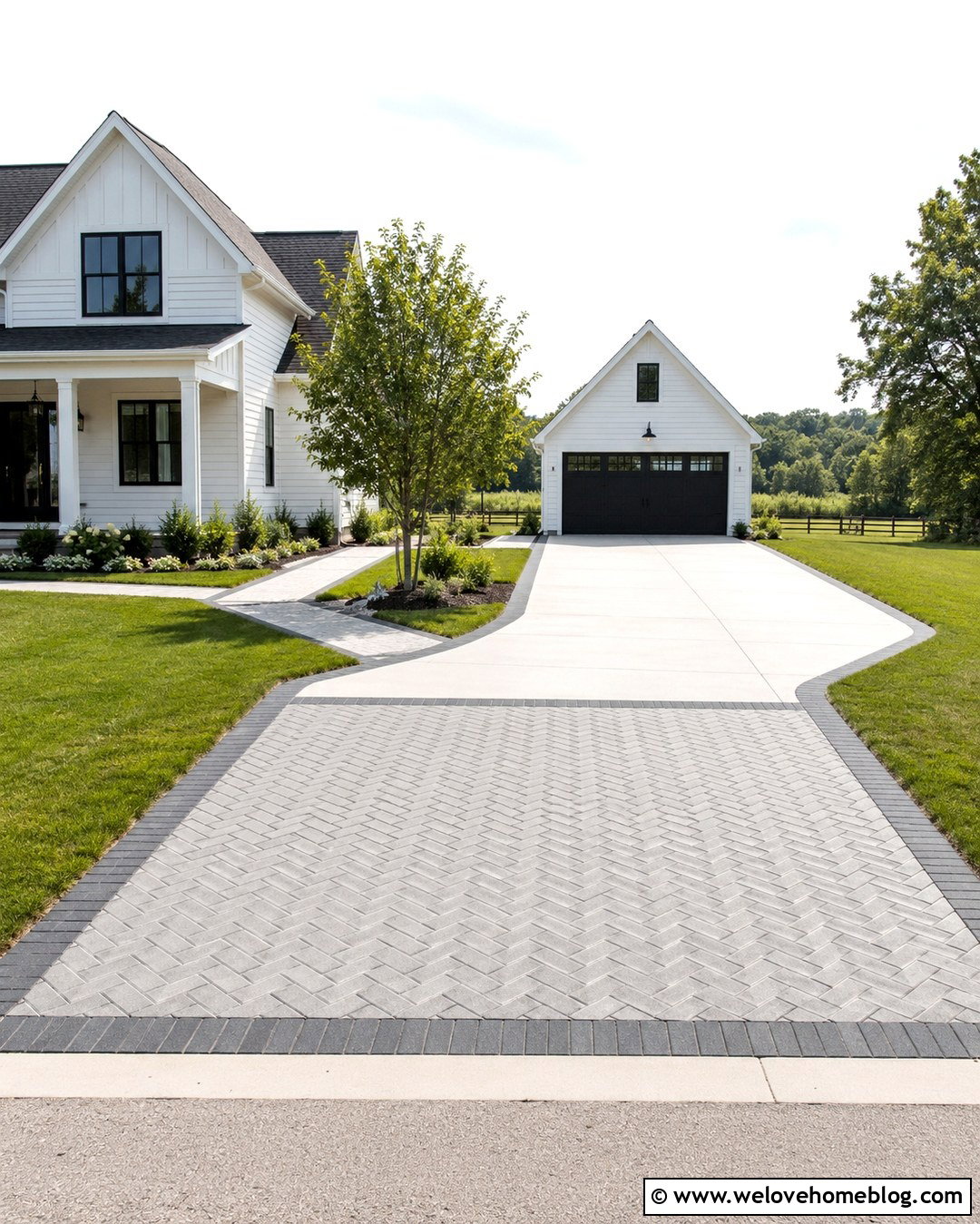
Backing out of a long driveway can be inconvenient, especially on a busy street. A paver turning pad near the garage creates space to reposition a vehicle without widening the entire approach. Build a rectangular or gently curved pad that branches from the main driveway and uses a pattern distinct from the existing surface. Gray interlocking pavers with a charcoal border can coordinate with concrete, asphalt, or another paver blend. Connect the pad visually to the house with a matching walkway or small paver landing. Use low planting along its outside edge to maintain clear sightlines. When space allows, a tree placed beyond the turning area can anchor the design and prevent the extension from looking like an empty paved rectangle.
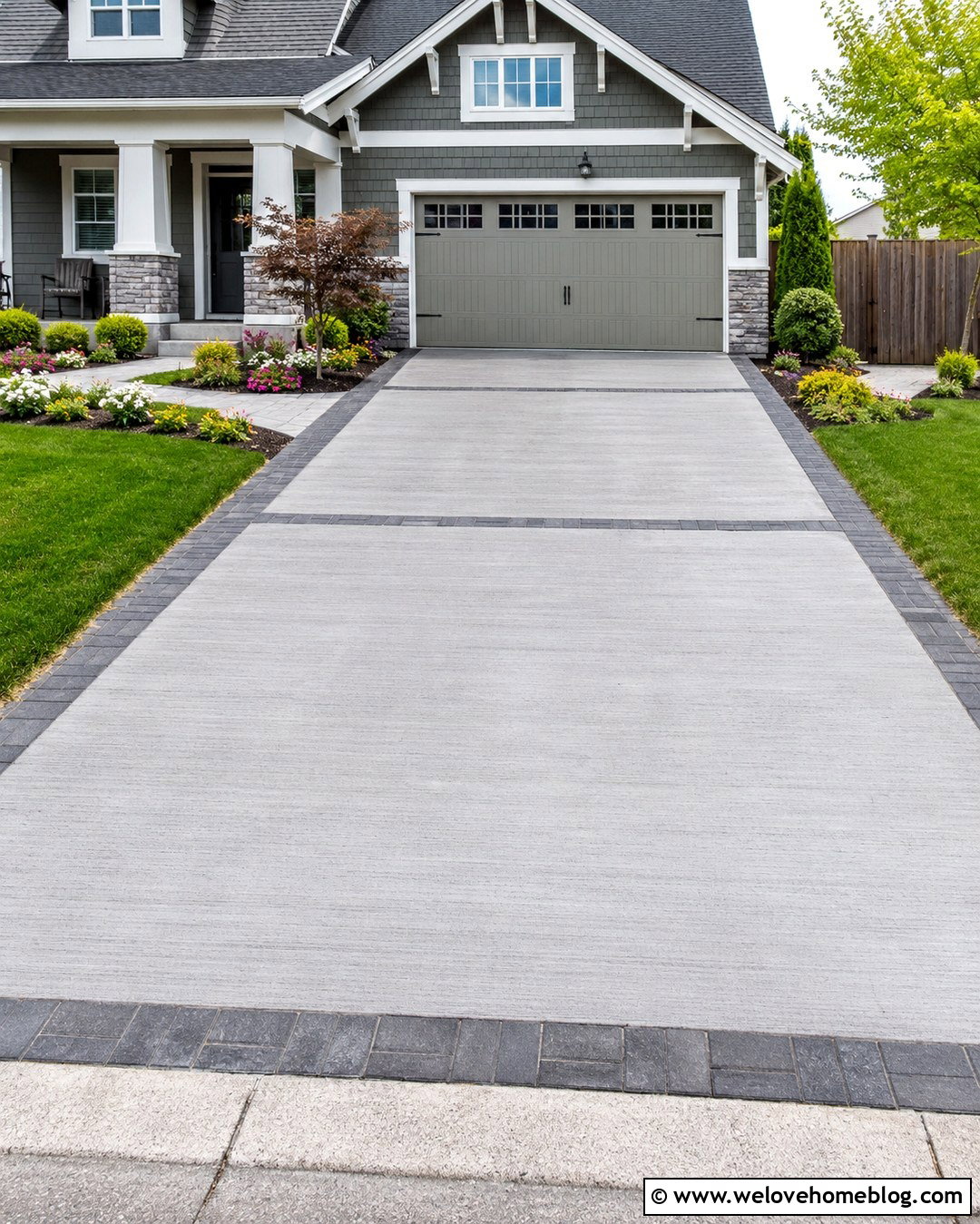
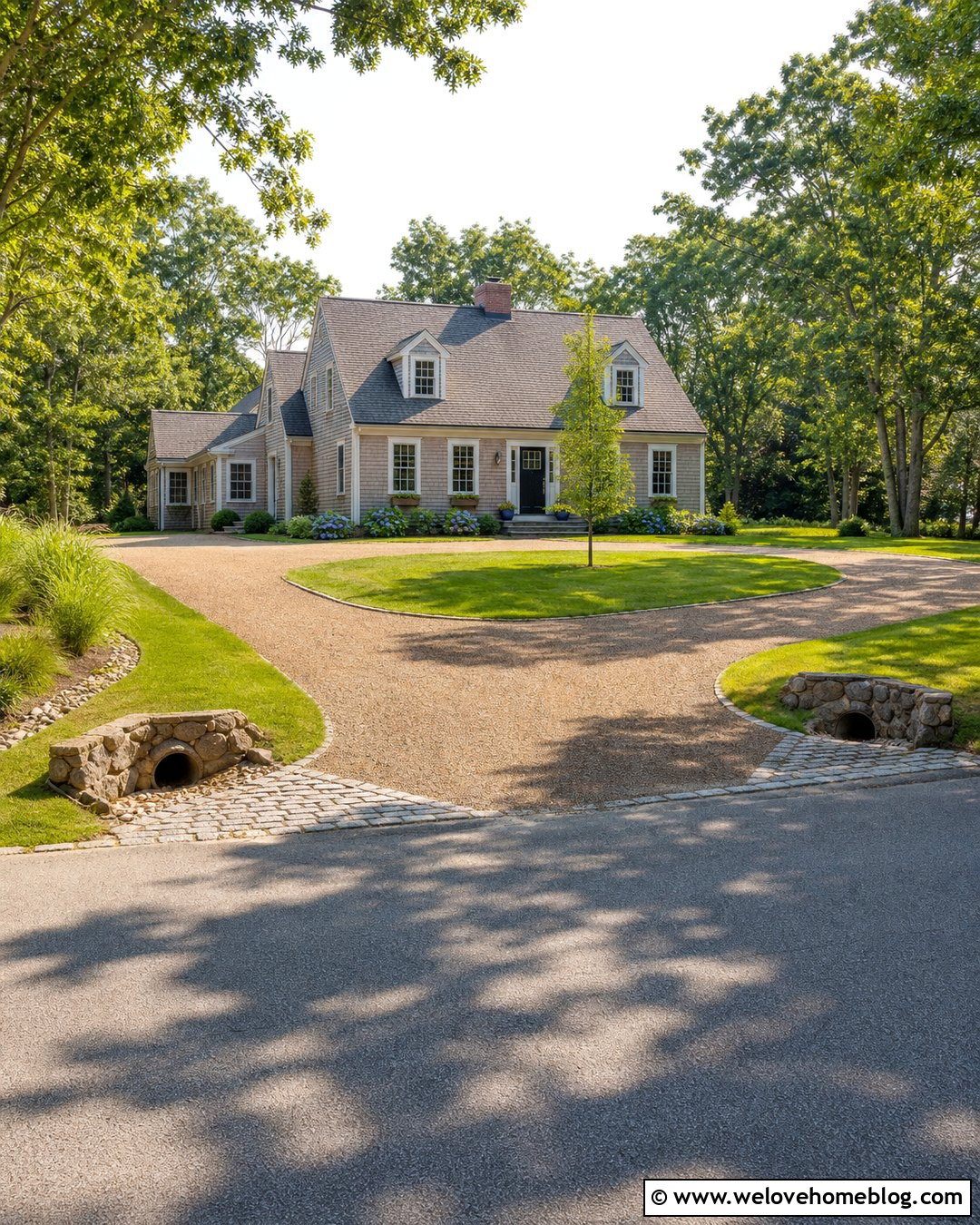
10. Paver Guest Parking Spur
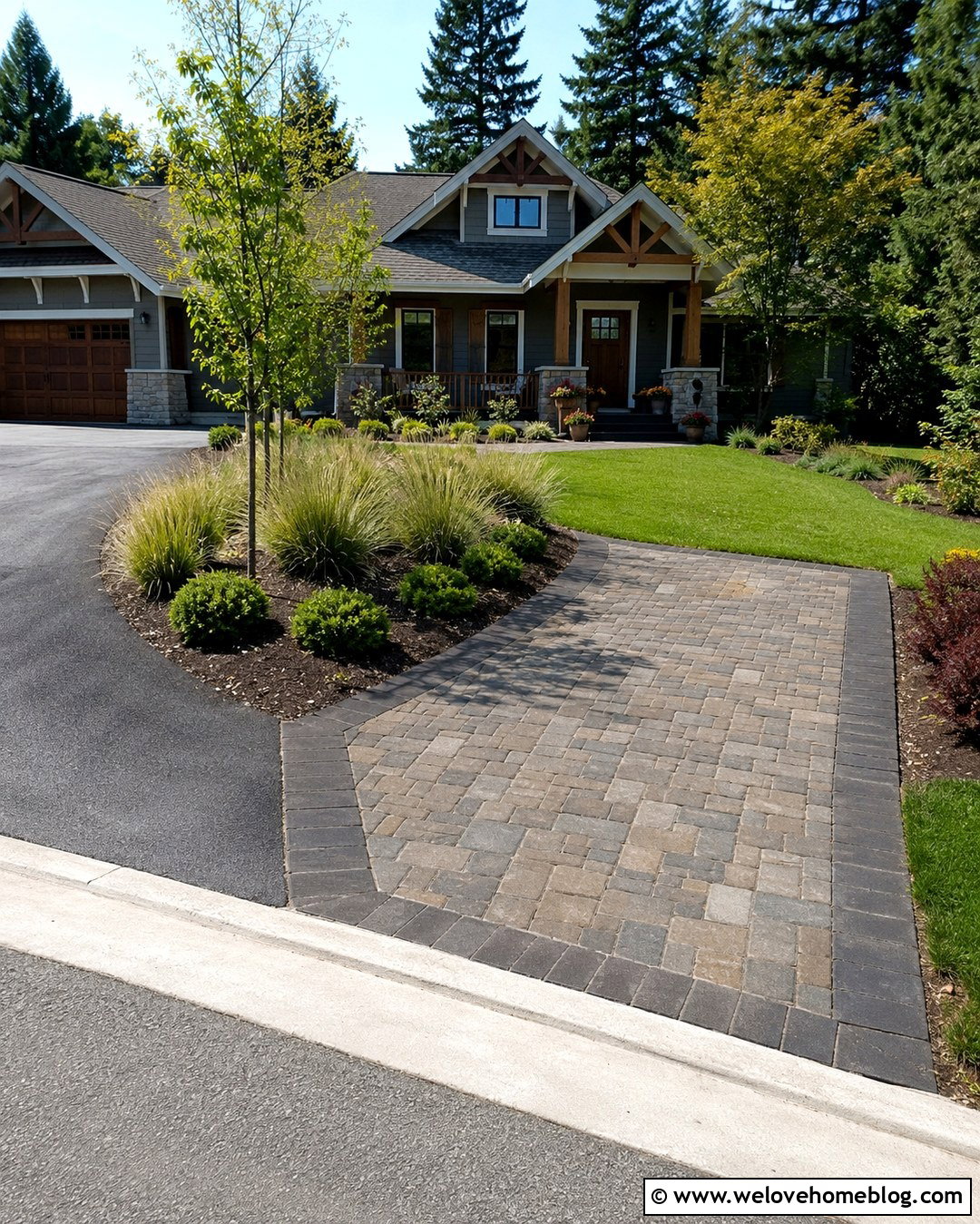
A short parking spur gives visitors a dedicated space without turning the whole front yard into pavement. Branch the extension from the driveway at a comfortable angle and make it long enough to hold a vehicle clear of normal traffic. Tumbled concrete pavers in a muted brown or gray blend work well with traditional homes, while a straight dark border keeps the shape crisp. Add a planting island between the spur and main driveway if the yard is wide enough. This green separation makes the extension feel like part of the landscape rather than an oversized driveway. Coordinate the island with existing foundation beds using compact shrubs, grasses, or a small tree that will not obstruct drivers approaching the street.
11. Paver Extension Beside Asphalt
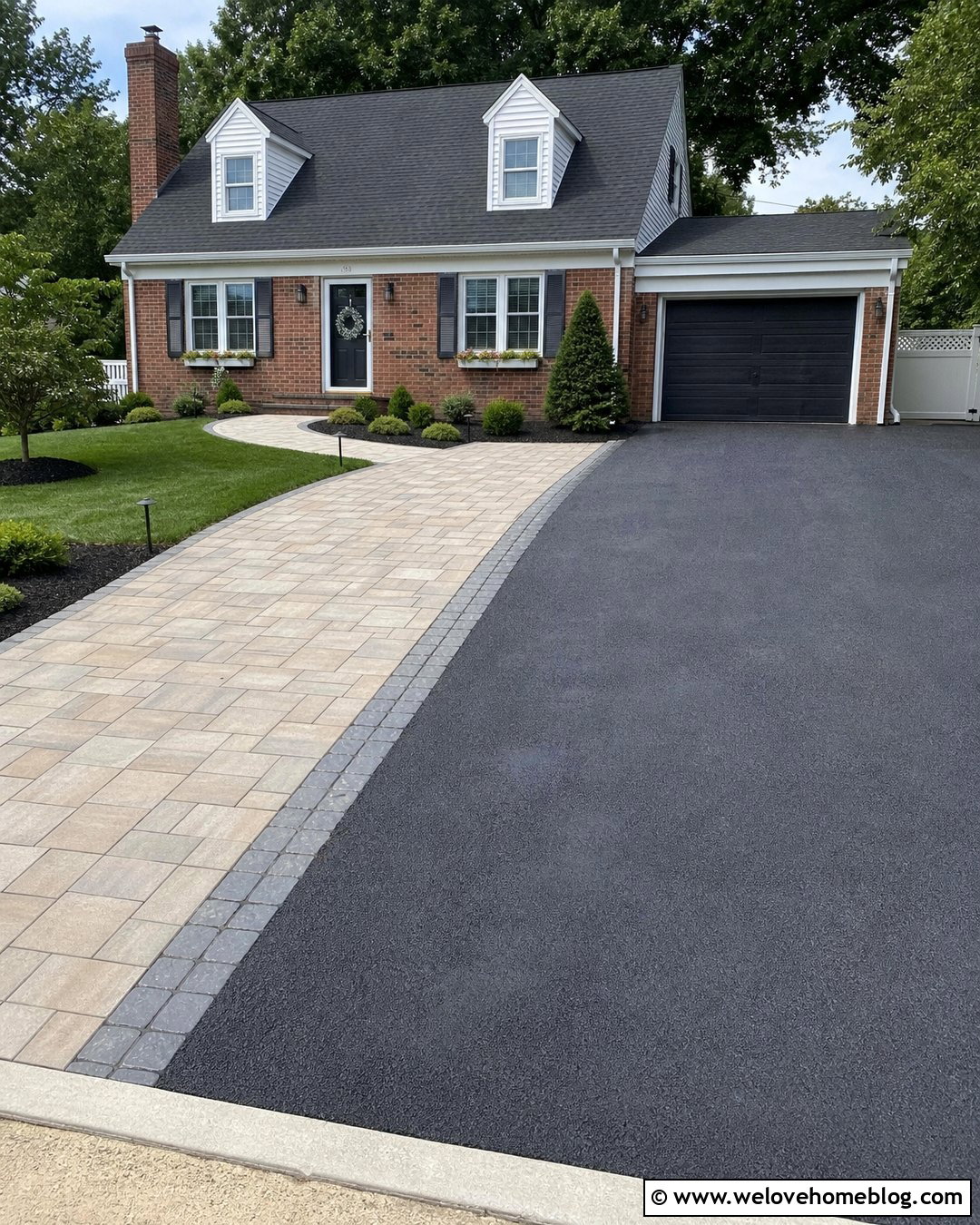
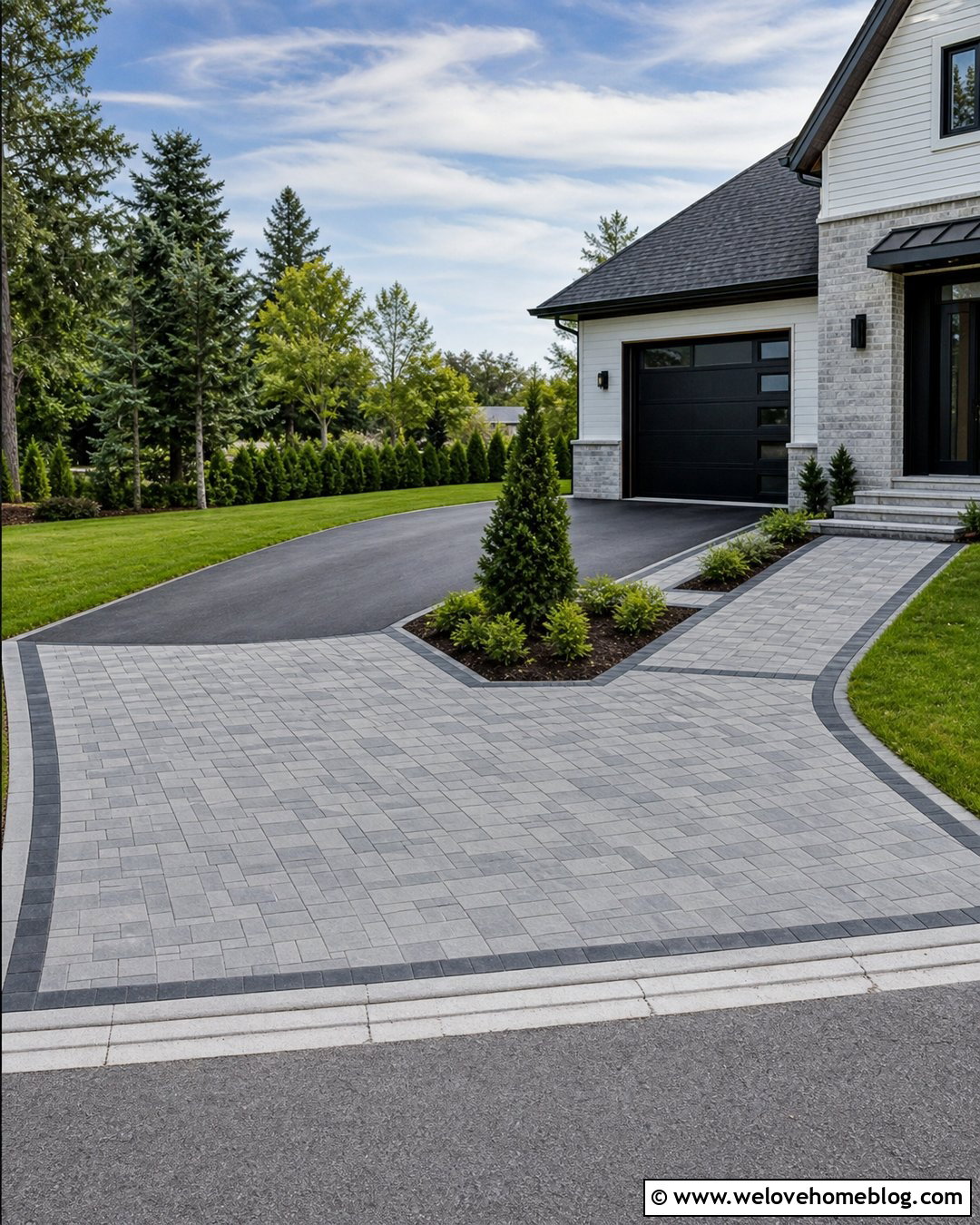
Black asphalt creates a strong background for a lighter paver driveway extension. Install gray, beige, or weathered-tan concrete pavers along one side to create a practical parking bay. Instead of trying to disguise the material change, define it with a charcoal paver ribbon or narrow cobblestone transition. A rectangular layout is efficient, but a rounded outside corner can help the paved area merge with the front lawn. Repeat the extension’s pavers in the walkway leading to the porch for a more coordinated result. Keep the surrounding beds simple and use dark mulch to echo the asphalt. This mixed-material design can look polished when the paver color relates to the house facade and the edges remain consistent.
12. Paver Extension Beside Concrete
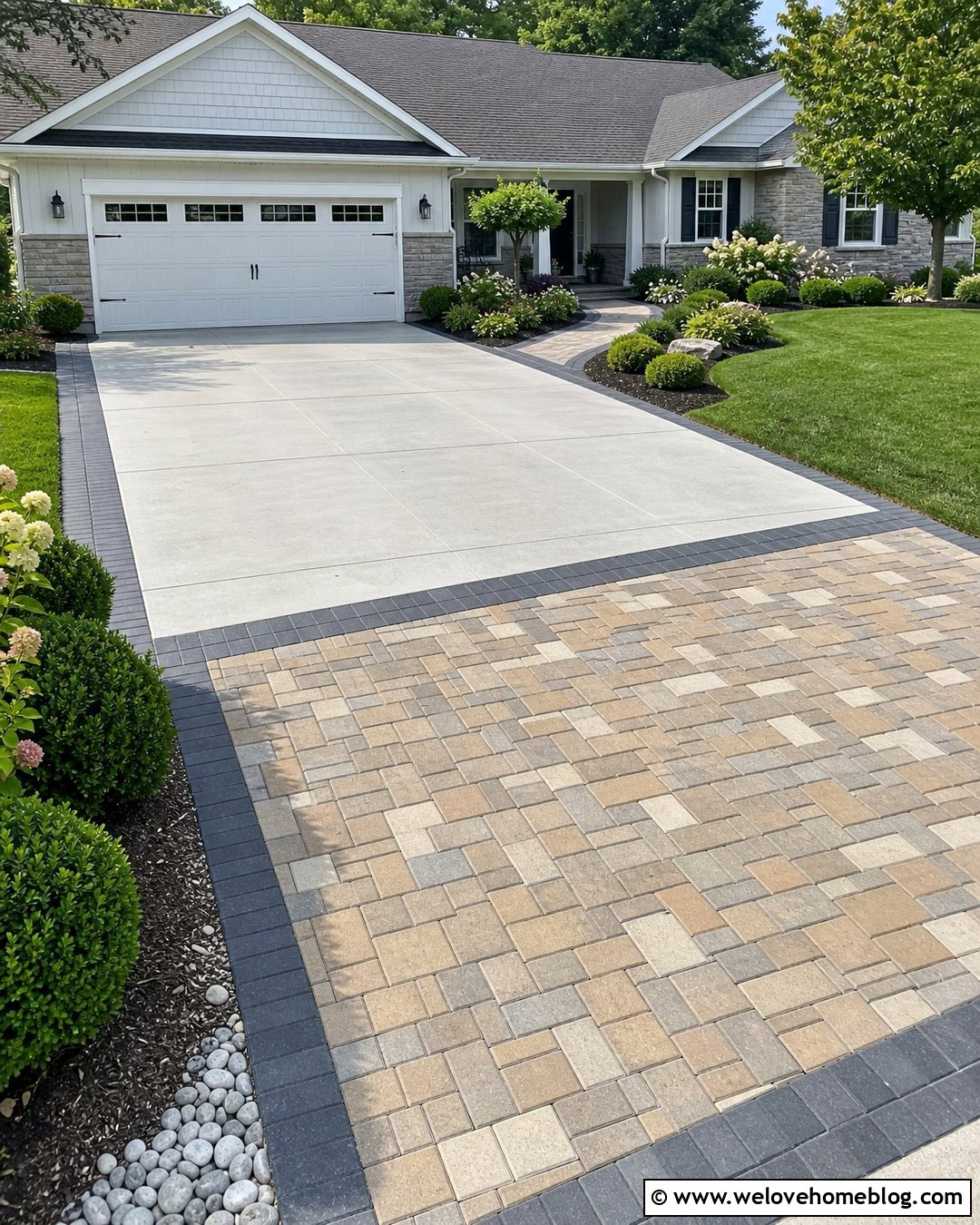
Warm-toned pavers can transform a plain concrete driveway without requiring the existing slab to be removed. Build a side parking extension with tan, cream, and soft gray interlocking pavers. Place a contrasting charcoal band where the two materials meet so small color differences look intentional. A basketweave or running bond pattern adds texture without competing with the concrete. Extend the pavers around the driveway apron or into the front walkway to distribute the new material across the design. Along the outer edge, use a narrow planting bed with boxwood, flowering perennials, and decorative stone. The result combines the clean practicality of concrete with the color and detailed pattern of a thoughtfully planned paver addition.
13. Grass Paver Driveway Extension
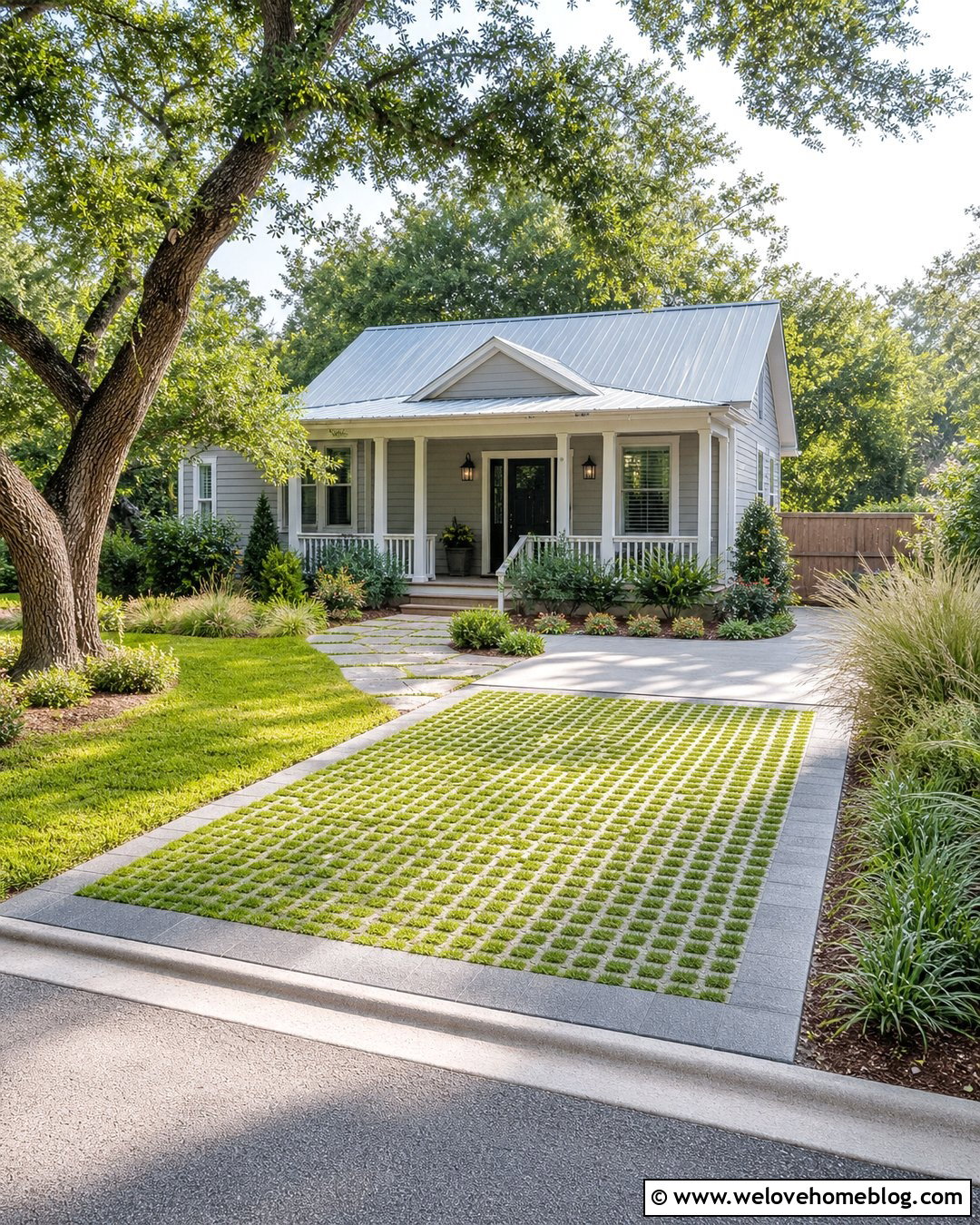
Grass pavers can provide occasional overflow parking while preserving a greener front-yard appearance. Cellular concrete units support vehicle loads while leaving openings where suitable grass or aggregate can grow. Position the extension beside a straight driveway and define its boundaries with a narrow row of solid concrete pavers. This border creates a clean transition and keeps the green surface from visually disappearing into the lawn. Grass pavers work especially well near casual ranch homes, cottages, and properties with broad lawns. Continue the planting theme with native grasses and simple shrubs around the perimeter. Because soil, drainage, traffic, and climate affect plant performance, choose the infill and grass type with local conditions and expected parking frequency in mind.
14. Brick Paver Driveway Extension
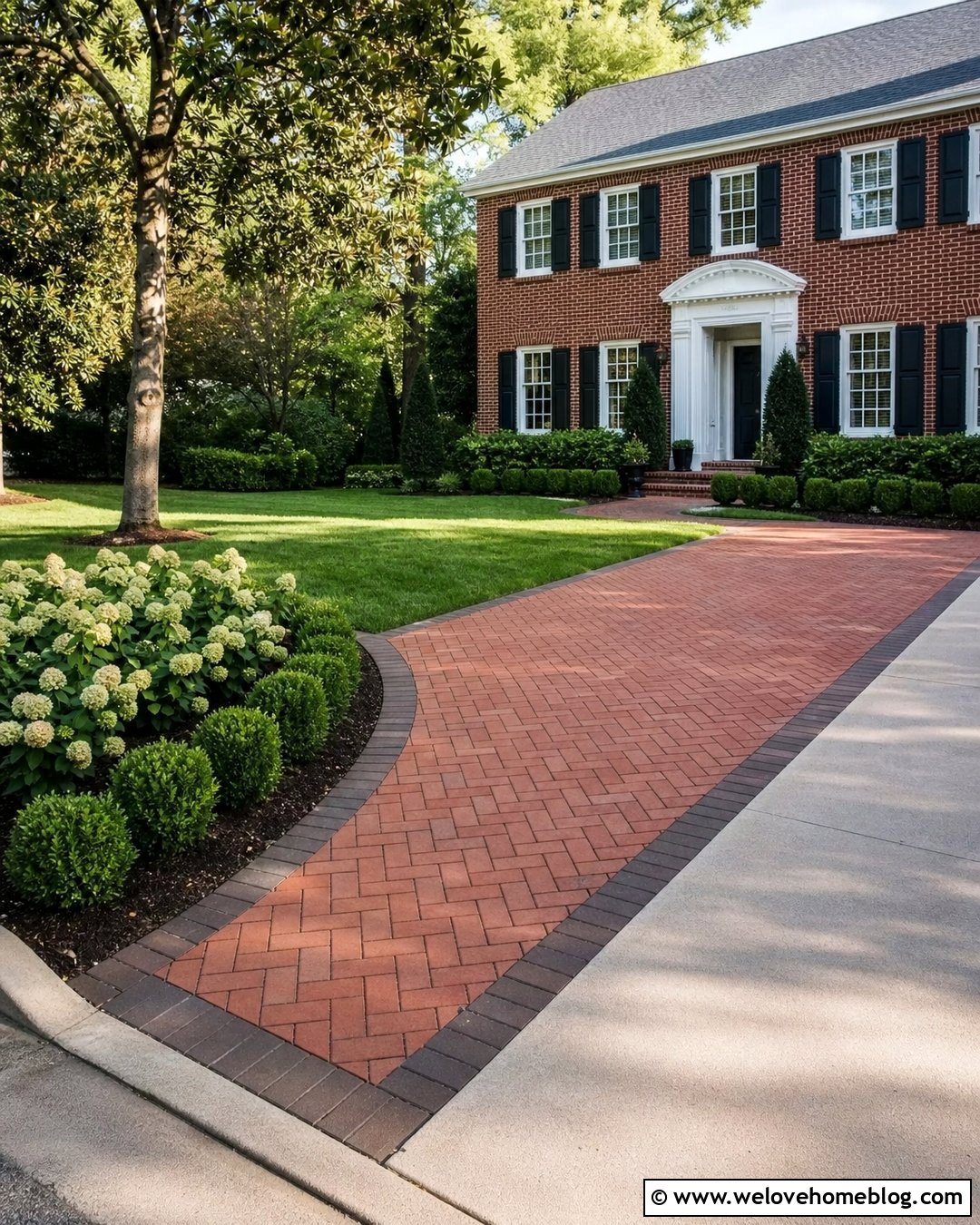
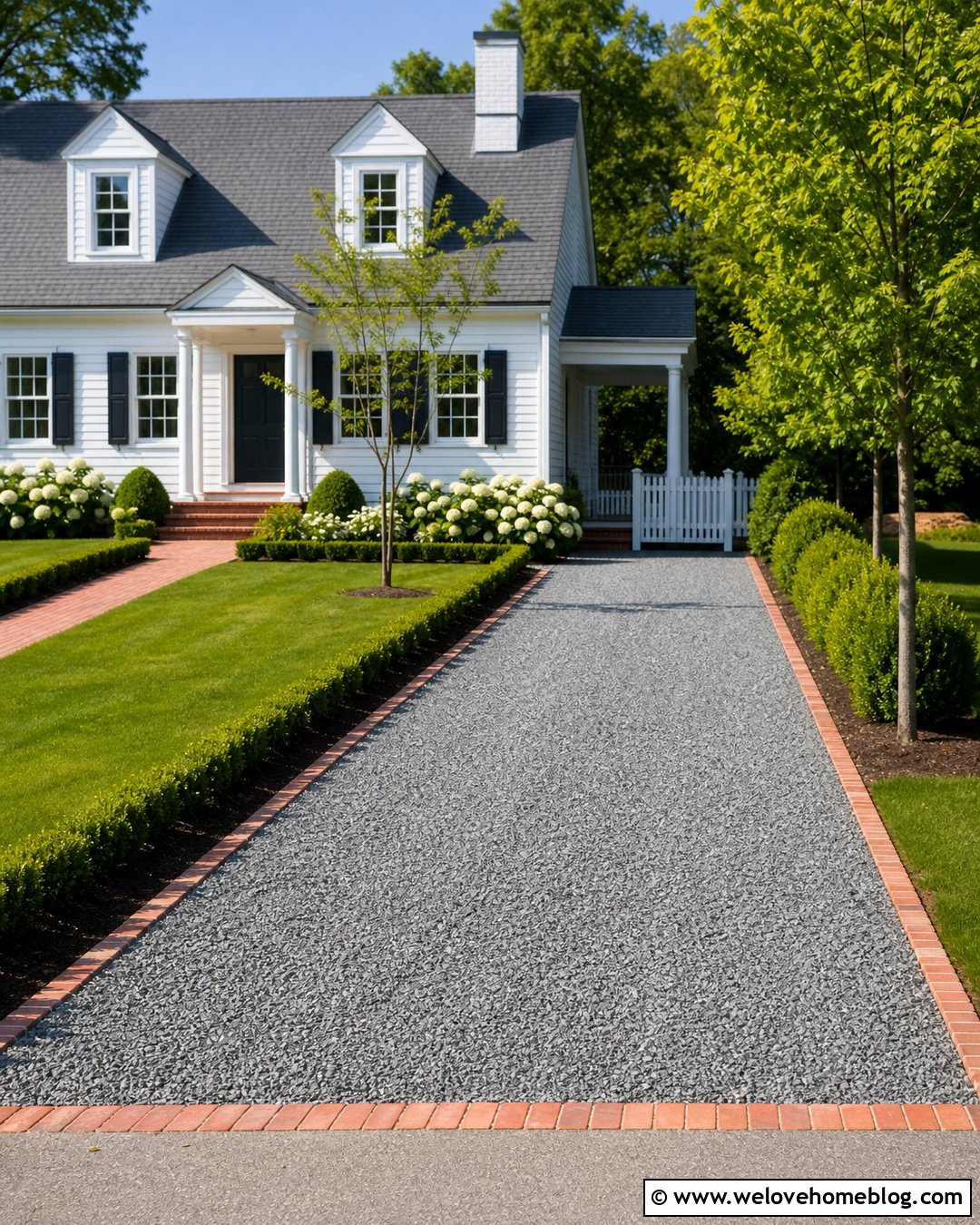
Clay brick pavers can give a driveway extension a warm, established appearance. They are particularly attractive beside traditional brick houses, Cape Cod homes, and colonial facades. Use deep red or brown brick in a herringbone pattern for the parking surface, then add a charcoal or dark brown soldier-course border. If the original driveway is concrete, repeat the brick across the entrance as a ribbon to connect both materials. Keep the extension straight near the garage and curve its outer corner into a landscaped bed. Boxwood, hydrangeas, and a green lawn balance the rich brick color. Avoid selecting a brick solely for appearance; confirm that the specific product and complete installation system are intended for driveway traffic.
15. Large Format Paver Extension
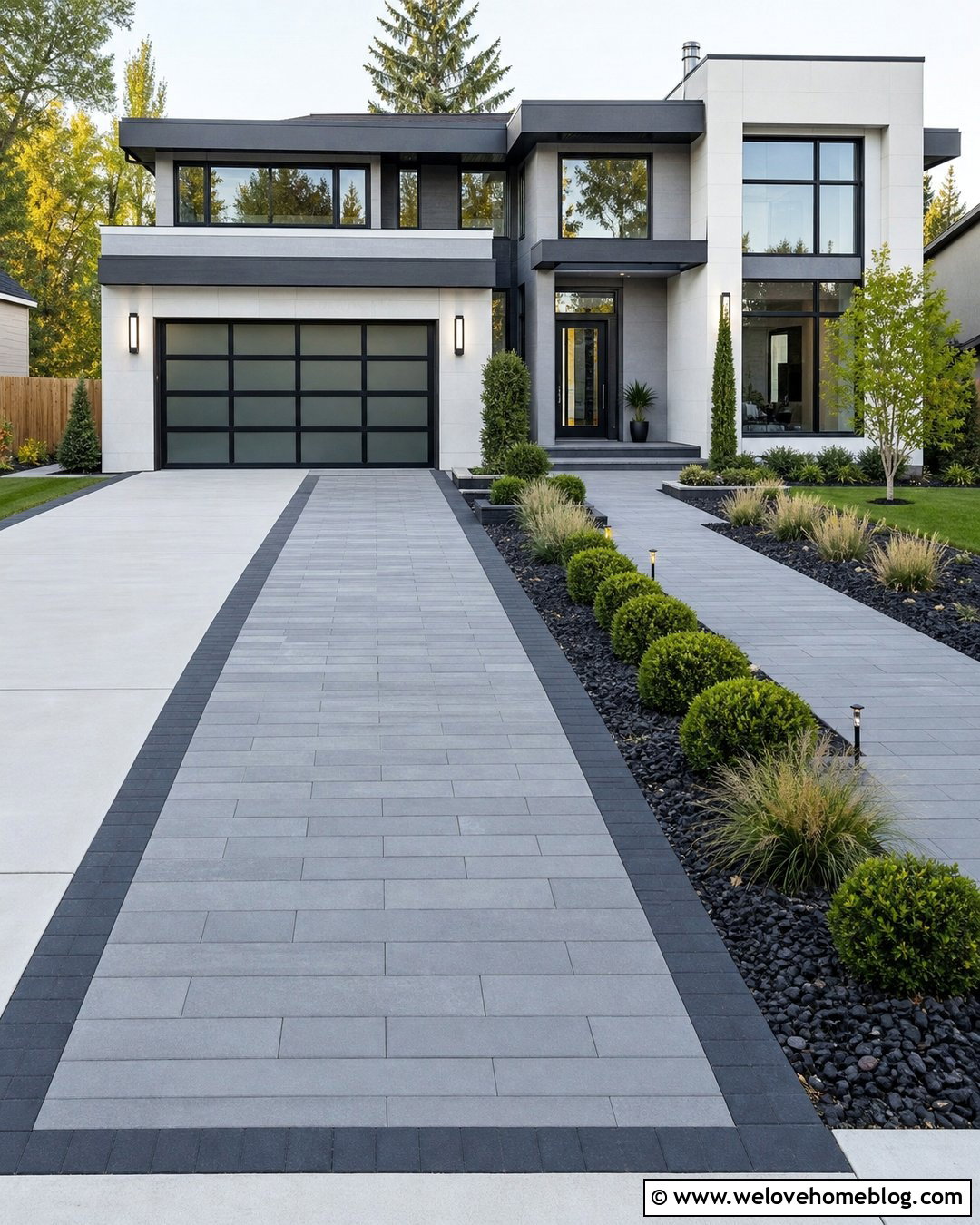
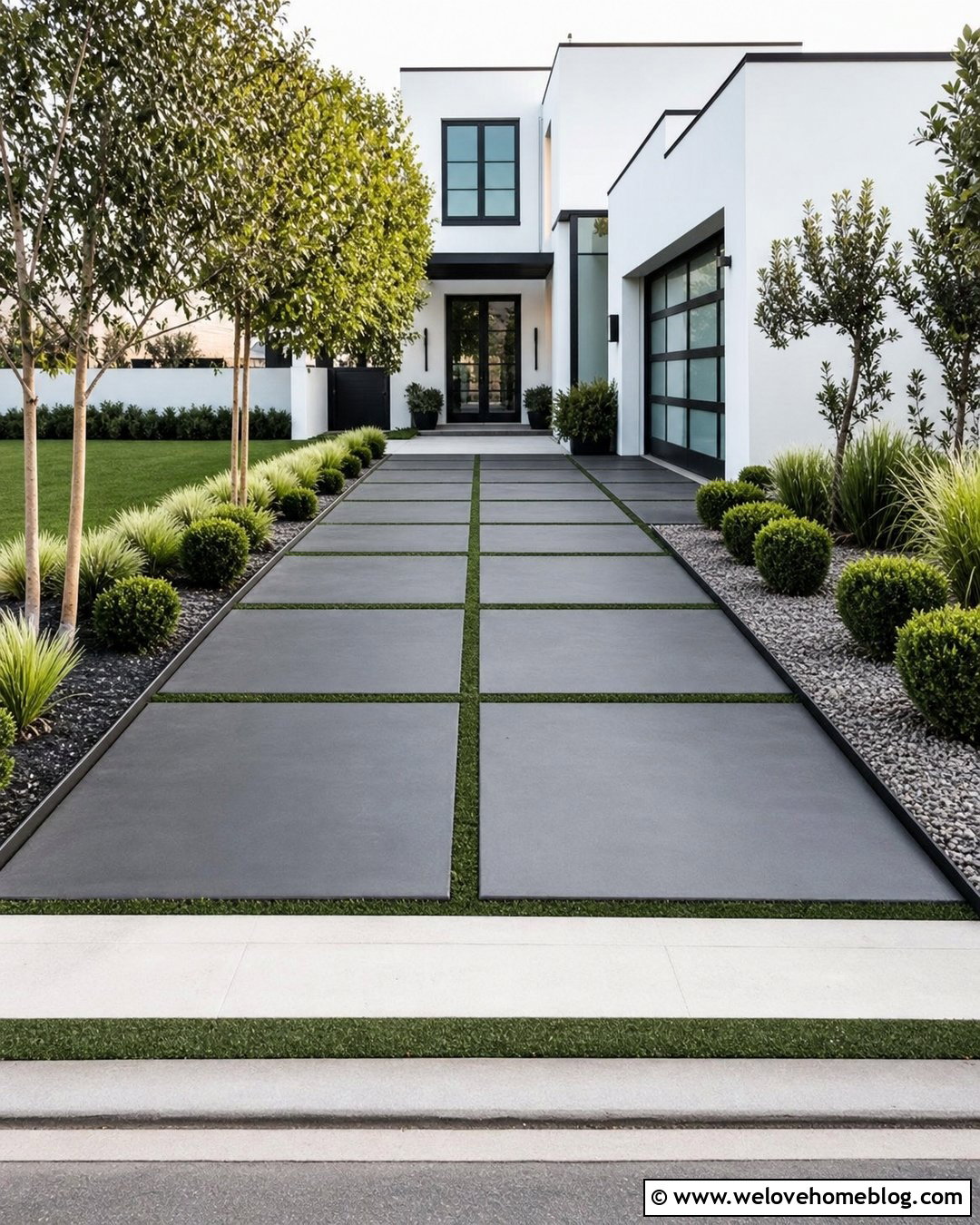
Large-format concrete pavers suit modern homes with clean lines and minimal landscaping. Use rectangular units in cool gray or greige to form a wide side extension beside an existing concrete driveway. Lay the pavers in a linear pattern that follows the direction of the driveway, creating a longer and more streamlined appearance. A narrow charcoal border can separate the extension from the lawn without introducing excessive detail. Add rectangular planting beds with ornamental grasses, clipped evergreen shrubs, and dark decorative stone. A broad walkway made from the same pavers can link the driveway to the entrance. Careful grading and installation are important because larger units require consistent support to keep the finished vehicle surface stable and visually even.
16. Reclaimed Paver Driveway Extension
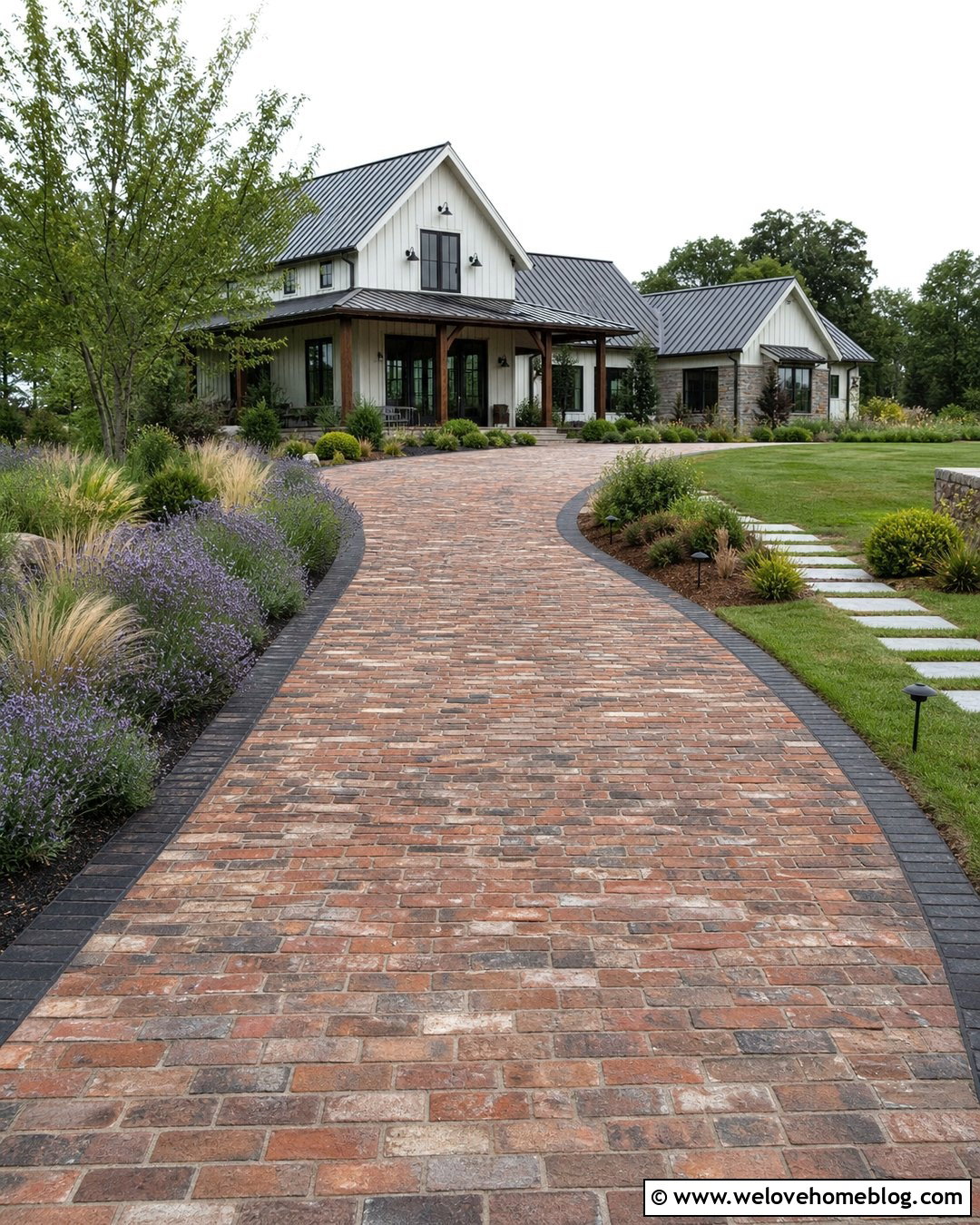
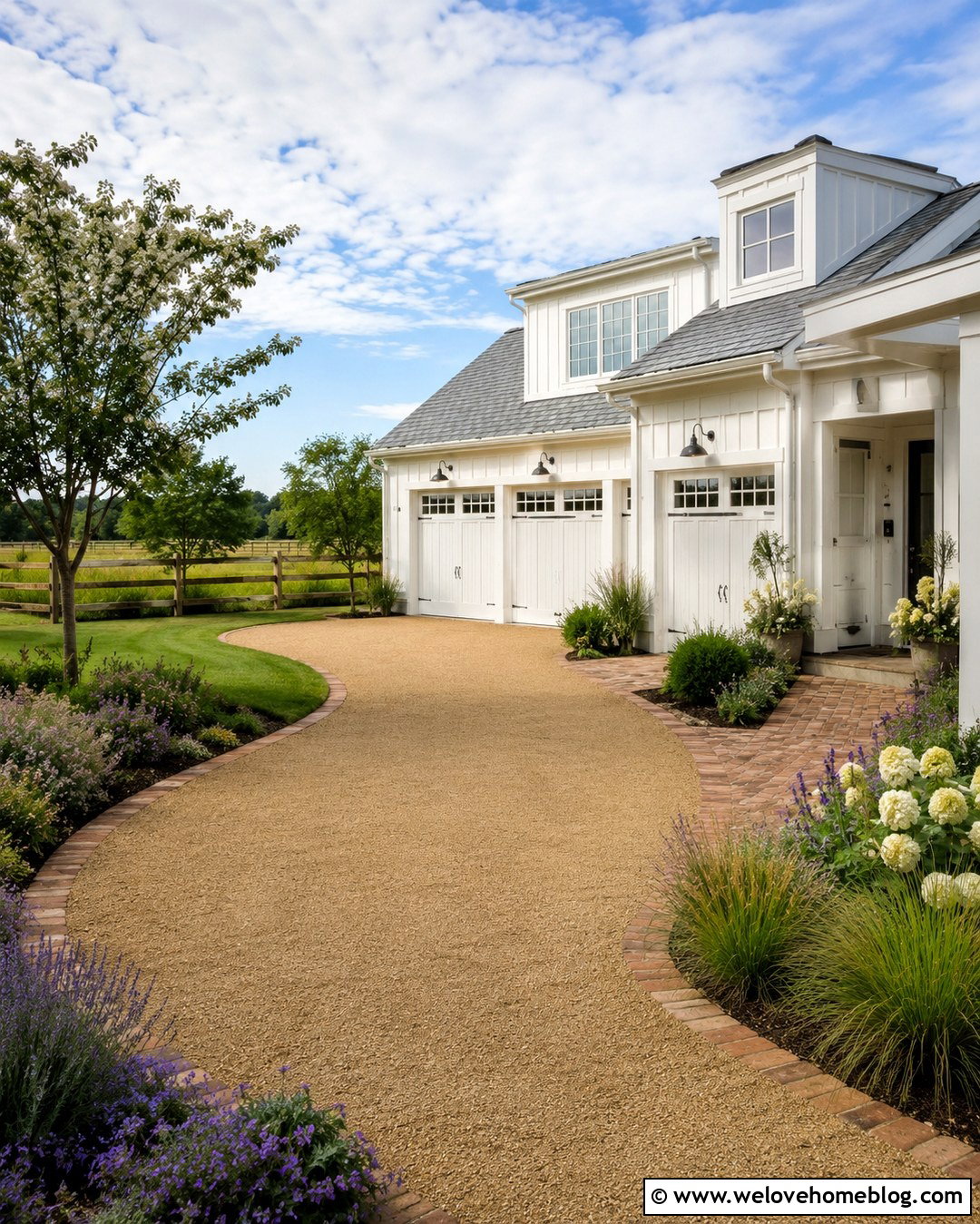
Reclaimed pavers bring color variation and a relaxed, time-worn character to a driveway extension. They are a natural match for cottages, farmhouses, craftsman homes, and older brick properties. Use a mixed running bond or herringbone pattern, arranging the colors evenly so dark or pale areas do not form accidental patches. Frame the extension with a more uniform reclaimed brick or stone course to control the rustic look. A curved parking bay bordered by lavender, grasses, or compact shrubs can feel especially inviting. When salvaged pavers differ in thickness, the base and bedding layer must be adjusted so the final surface remains level. Confirm that the reused units are durable and appropriate for vehicle loads before installation.
17. Sloped Paver Driveway Extension

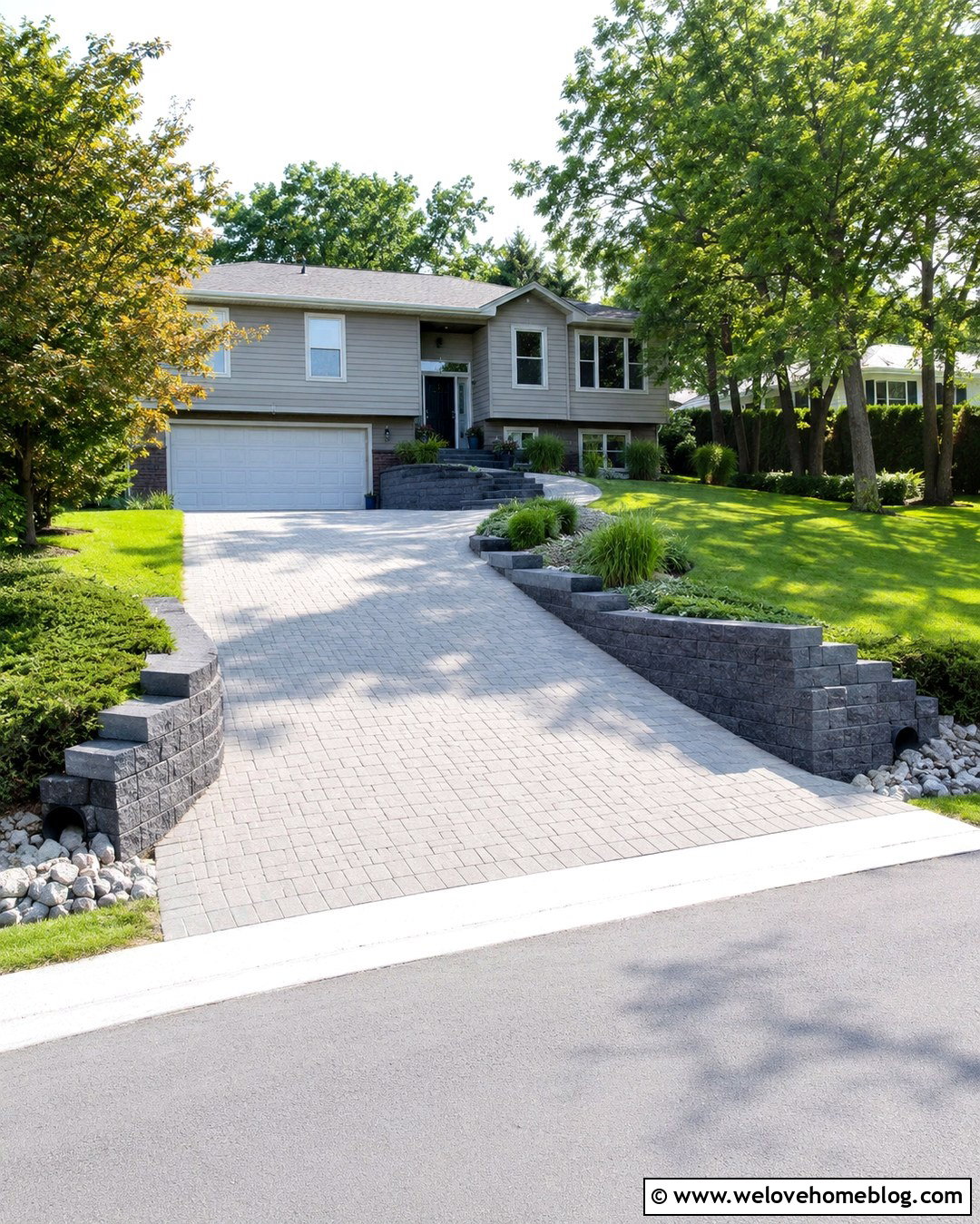
A sloped driveway extension needs a design that looks attractive while addressing elevation changes and runoff. Interlocking concrete pavers in a herringbone pattern create a visually strong surface beside an inclined driveway. Follow the existing grade rather than creating a sudden raised platform, and use a defined edge where the extension meets the lawn. On the lower side, a short retaining wall may help create a stable transition into the yard. Match the wall color to the pavers or house masonry for a cohesive appearance. Plant the adjacent slope with low, spreading shrubs and ornamental grasses that keep views open. A professional should assess the grade, drainage path, base depth, and retaining needs before construction begins.
18. Narrow Lot Paver Extension

Even a tight side yard may provide enough room for a slim paver driveway extension. Add a straight strip beside the existing surface using narrow rectangular pavers laid lengthwise. This direction makes the driveway feel longer and avoids a patchwork appearance. Light gray units can brighten a confined area, while a dark single-course border clearly separates the extension from the fence or planting bed. Choose upright shrubs and columnar plants instead of wide varieties that could reduce usable space. If the front walk meets the extension, use the same pavers at that intersection for a clean transition. Keep utility access, gates, drainage, setbacks, and passenger clearance in mind so the added width remains practical rather than merely decorative.
19. Paver Extension With Walkway
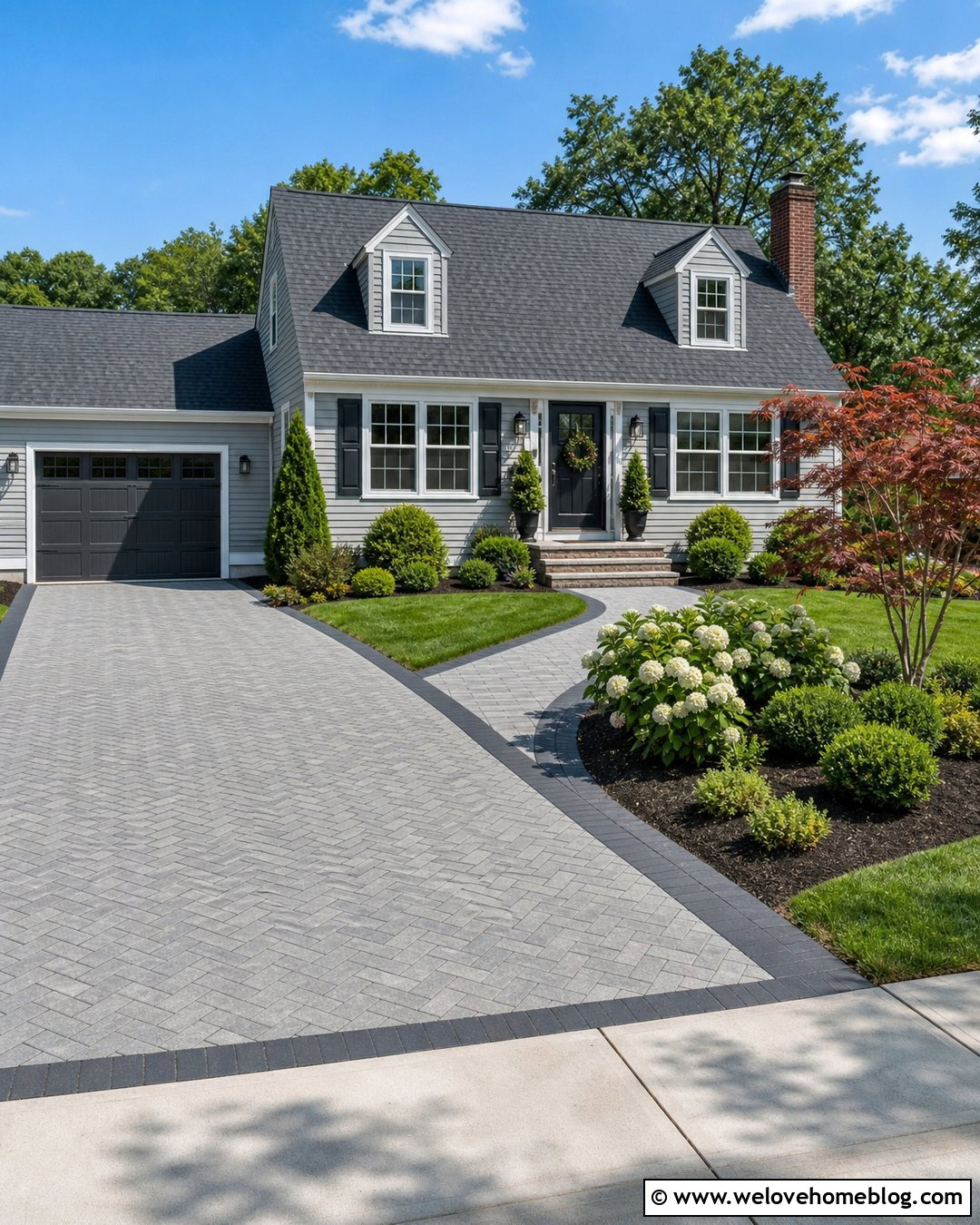
Combining a driveway extension with a front walkway can solve two layout problems through one coordinated design. Build a wide paver strip beside the driveway that supports parking but also leads directly toward the porch. Near the house, separate pedestrian movement from the parking area with a contrasting border or slight pattern change. For example, use gray concrete pavers in herringbone for the extension and running bond for the walkway. A charcoal soldier course can outline both areas and connect them visually. Add a curved planting bed between the path and house to soften the hardscape. This integrated layout gives passengers a stable place to exit, creates a clear route to the door, and makes the expanded driveway look architecturally planned.
20. Paver Driveway Extension With Landscaping
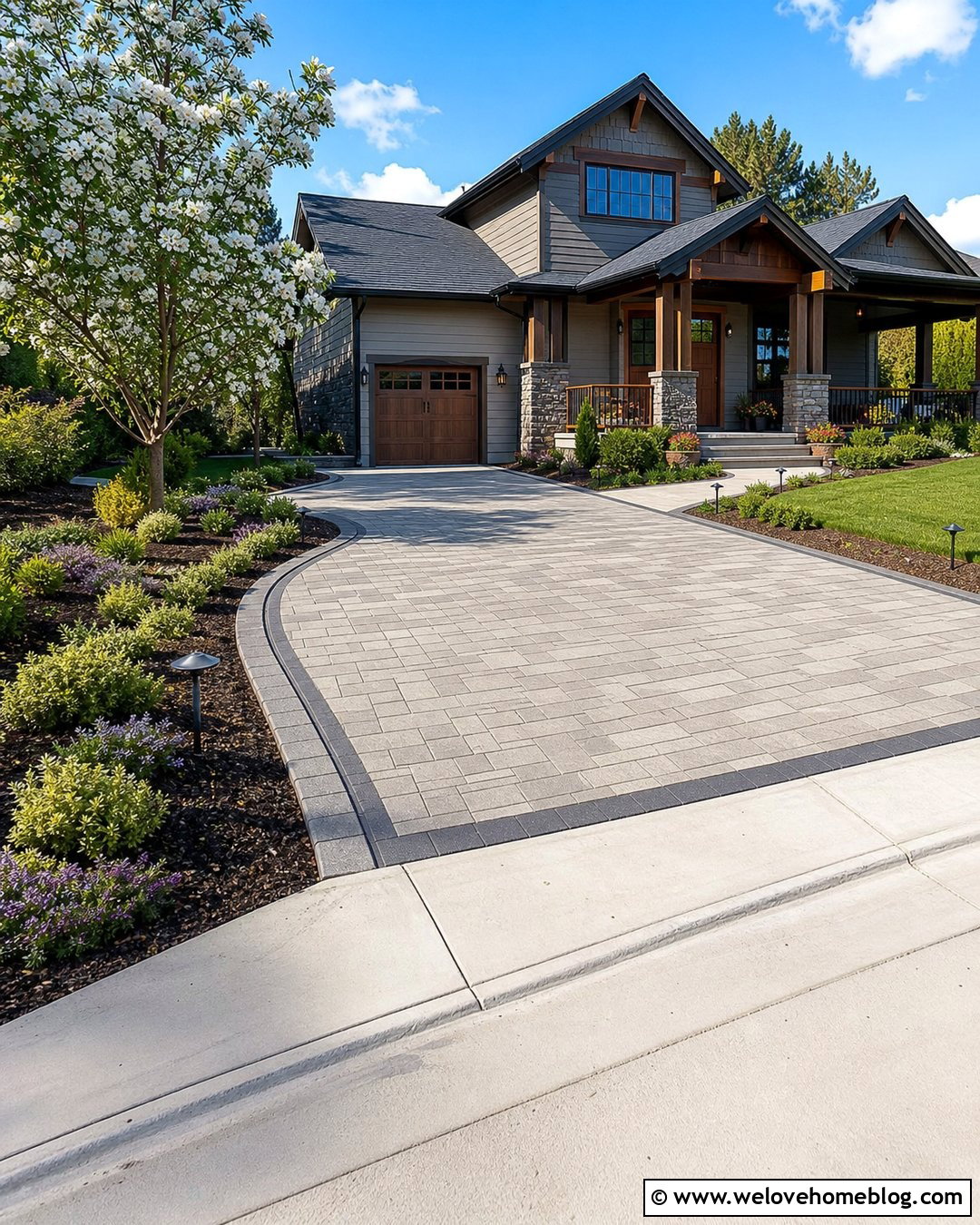
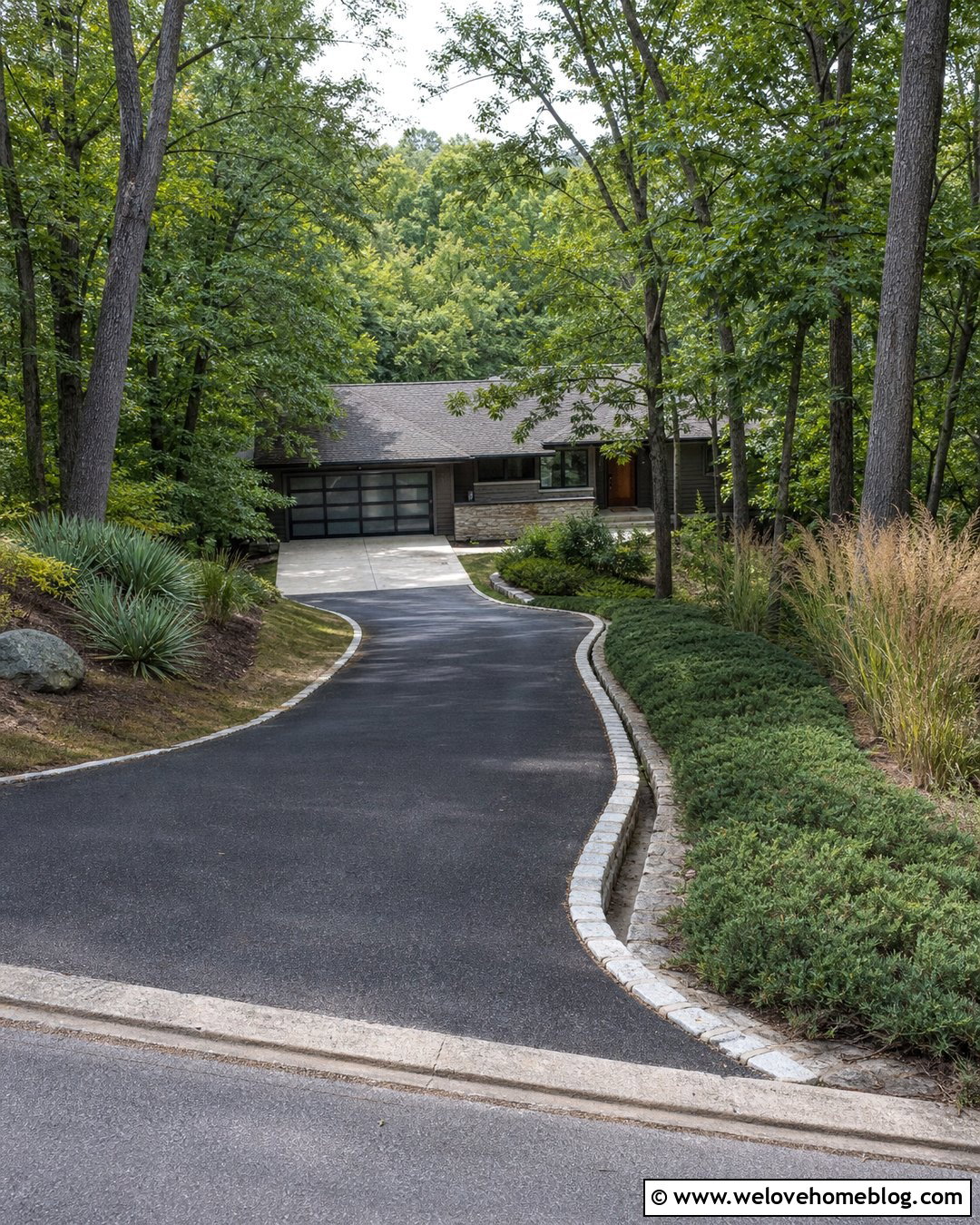
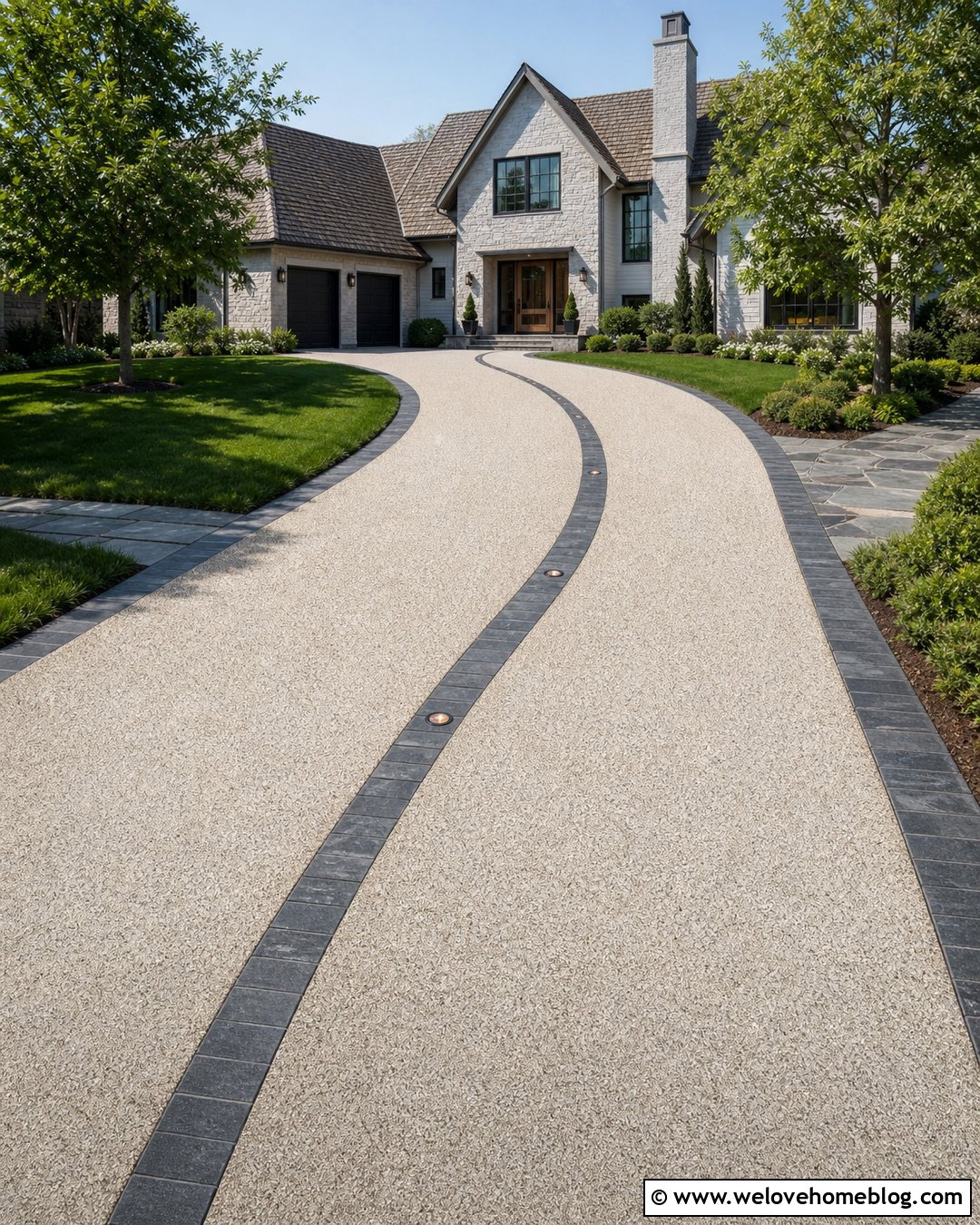
Lush landscaping can help a wide paver extension feel balanced rather than overly paved. Build a rectangular parking bay with warm gray interlocking pavers, then shape a curved bed along the outside edge. Use a darker border to create separation between the pavers, mulch, and lawn. Layer low ground cover near the pavement, compact shrubs in the middle, and a small ornamental tree farther back. Plants should remain clear of vehicle doors and preserve visibility near the street. Repeat selected paver colors in decorative stone, porch masonry, or the front walkway. Low-voltage edging lights can reinforce the extension’s shape after dark, although daytime curb appeal should remain the priority. The complete composition blends practical parking with a welcoming garden frame.
Conclusion:
The best driveway extension should look intentional, provide useful maneuvering or parking space, and complement the home from the curb. Matching pavers create a seamless result, while contrasting colors and borders make material differences feel deliberate. Curves, tapered entrances, parking spurs, and turning pads can solve different access problems without paving more yard than necessary. Landscaping, walkways, and strong edge details help connect the addition to the entire property. Always choose vehicle-rated products, plan drainage carefully, and confirm municipal or neighborhood requirements before work begins. With thoughtful planning, these 20 pavers driveway extension ideas can help you create a durable, attractive upgrade that improves everyday use and overall curb appeal.

Related posts:
Leave a Reply