
Designing a small, narrow living room presents a unique challenge, turning a potentially awkward space into a cozy and functional haven. The key is to trick the eye, creating an illusion of width and openness where there is none. By using smart furniture choices, clever layout strategies, and strategic decor, you can transform a corridor-like room into a welcoming area for relaxation and entertainment. These ideas focus on maximizing every square inch without sacrificing style. From lighting to color palettes, each element plays a crucial role in making your narrow living room feel balanced, spacious, and inviting.
1. Vertical Striped Wallpaper for Height
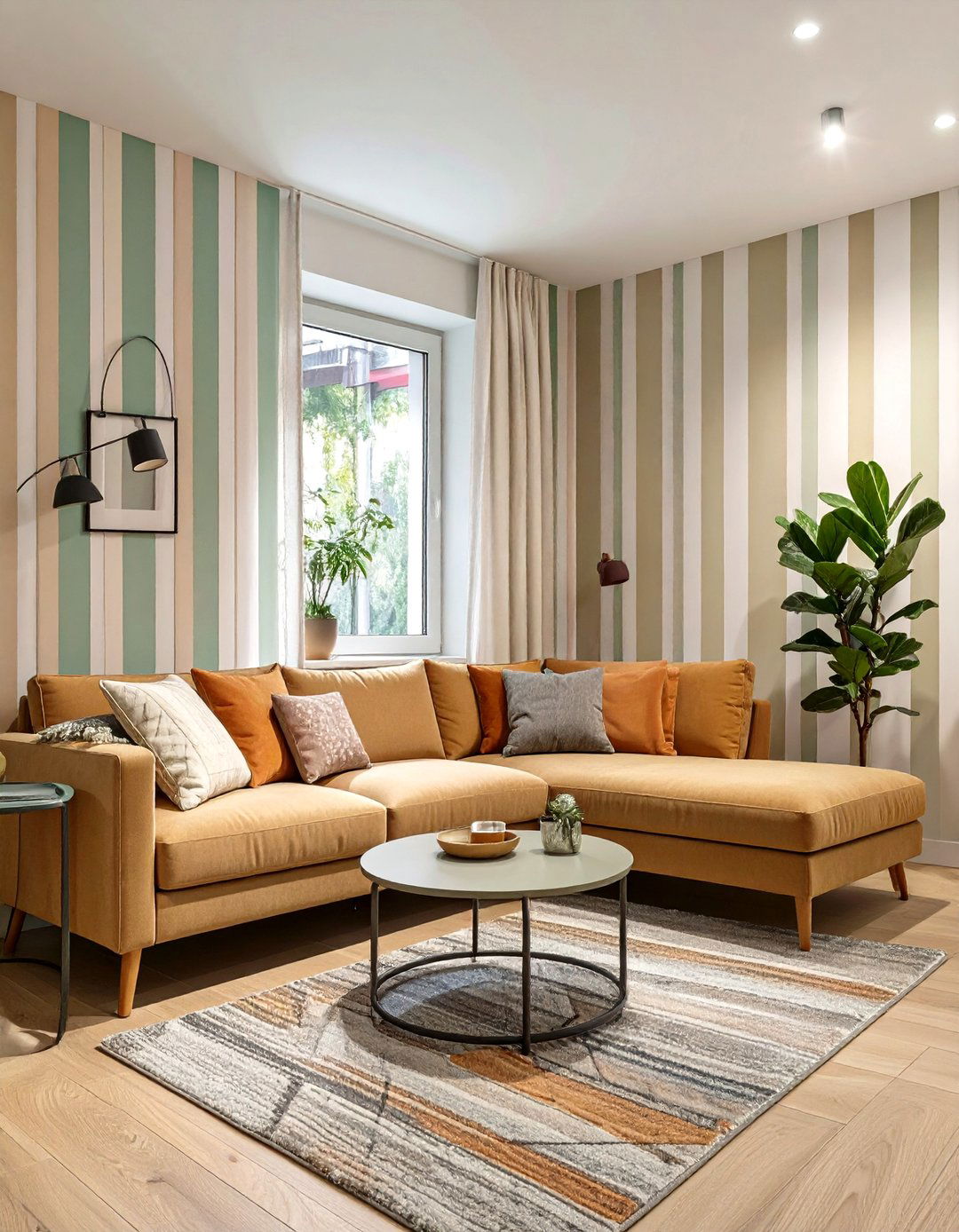
Using wallpaper with vertical stripes is an excellent trick to draw the eye upward, creating the illusion of higher ceilings. This simple addition can make a narrow room feel less confined and more expansive. For the best effect, choose subtle stripes with a low-contrast color palette, such as soft grays, beiges, or muted pastels. This approach adds visual interest without overwhelming the small space. By emphasizing the vertical dimension, you counteract the room's horizontal limitations. This design choice is a powerful tool to reshape the perceived proportions of your living area, making it feel grander and more open.
2. Wall-Mounted Furniture for Floor Space
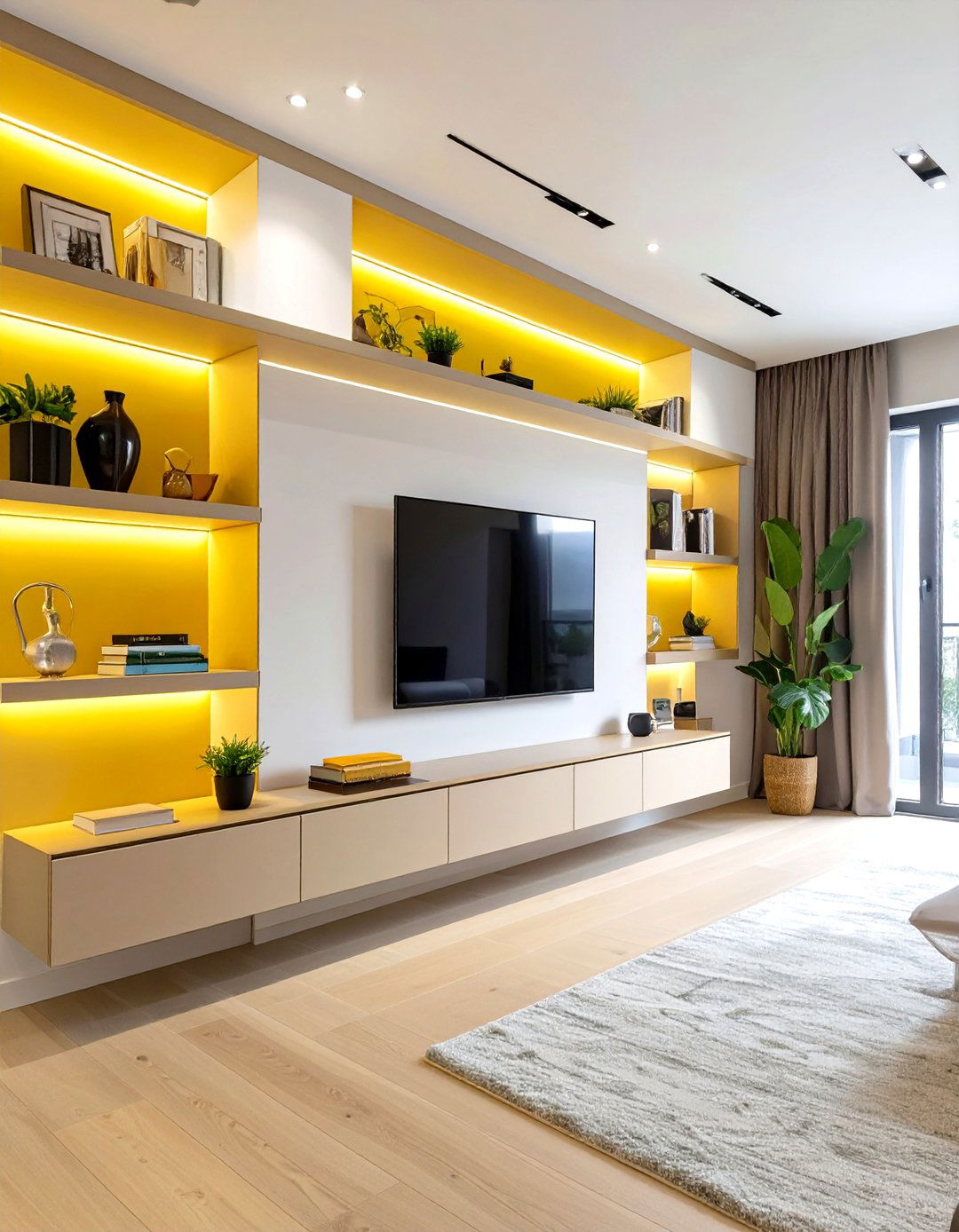
To create a more open and airy feel, consider mounting your furniture directly onto the walls. A floating TV console, wall-mounted shelves, or even a suspended side table can make a significant difference. This strategy frees up valuable floor space, which makes the room appear larger and less cluttered. By lifting furniture off the ground, you create an uninterrupted visual line across the floor, enhancing the sense of spaciousness. It’s a modern and practical solution that not only saves space but also adds a sleek, contemporary look to your narrow living room, making cleaning underneath a breeze.
3. A Large Area Rug to Unify the Space
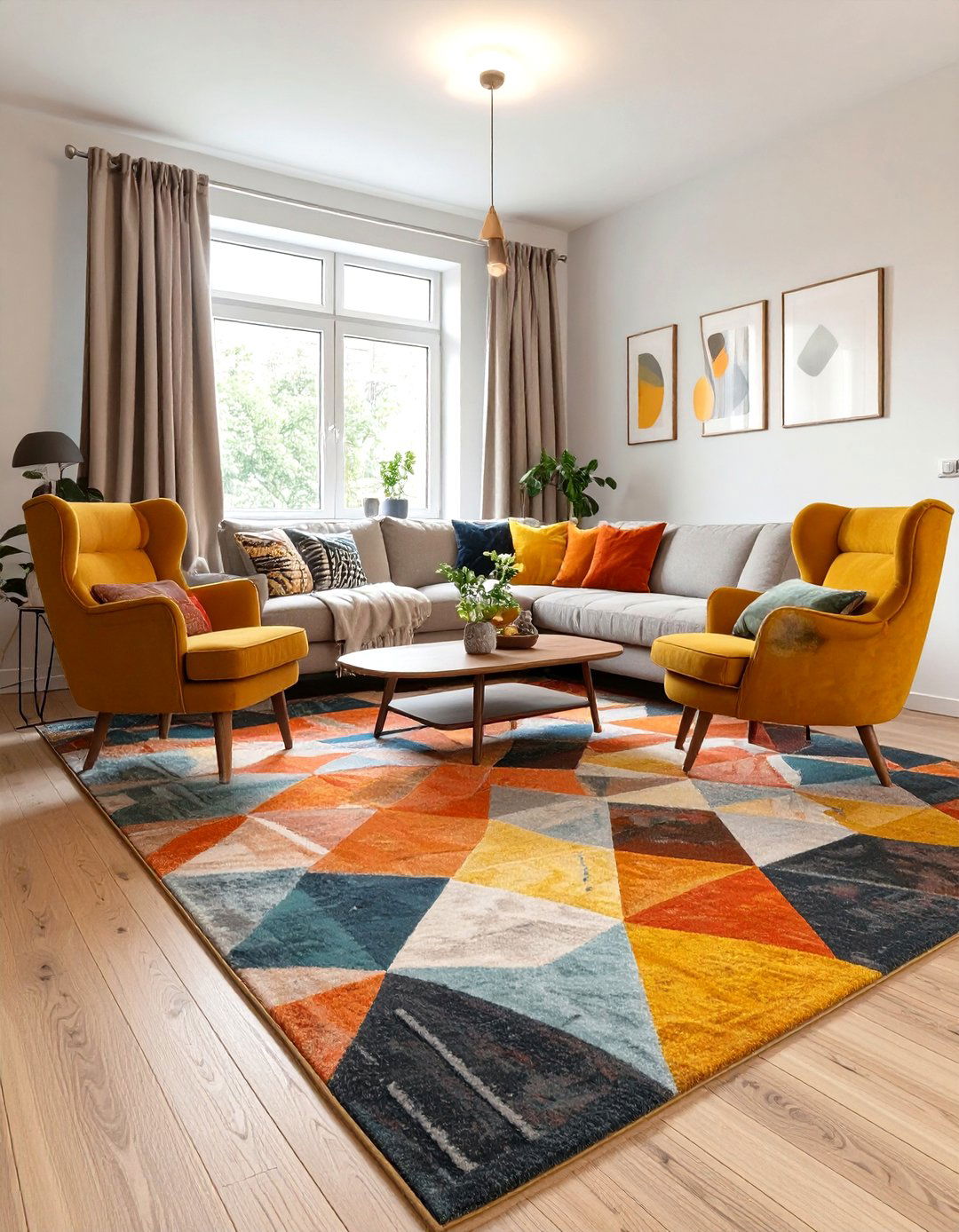
Placing a single, large area rug can visually widen a narrow living room. Unlike smaller rugs that can chop up the floor and make the space feel disjointed, a large rug acts as a unifying anchor for your furniture. Ensure that the front legs of your main furniture pieces, like the sofa and armchairs, rest on the rug. This creates a cohesive seating area and draws the eye across the width of the room rather than down its length. Choosing a rug with a bold pattern or a light color can further enhance this effect, making the entire area feel more integrated and spacious.
4. A Mirrored Wall to Create Depth
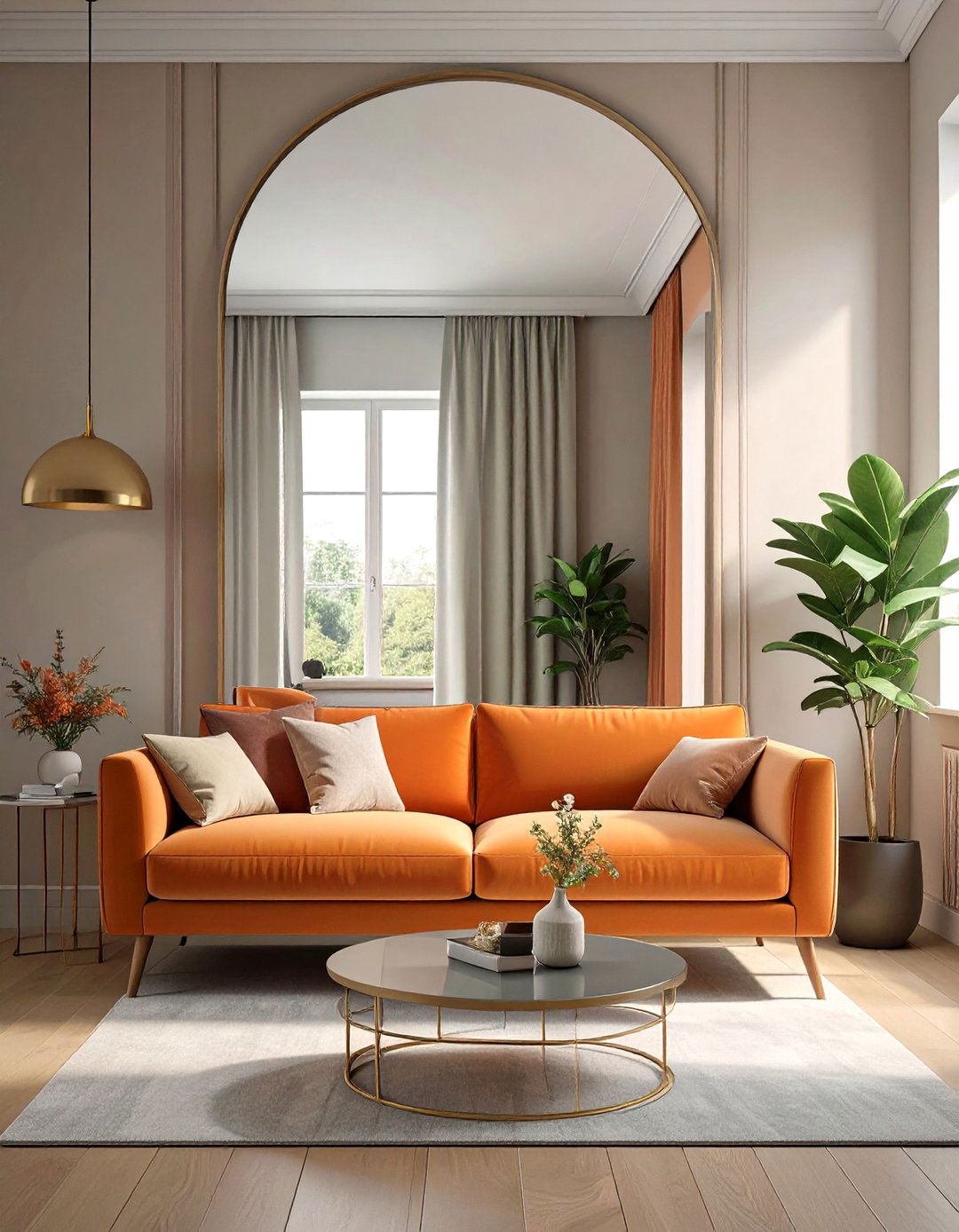
One of the most effective strategies for a narrow room is to install a large mirror or a series of mirrored panels on one of the long walls. This technique instantly doubles the perceived width of the space, creating a powerful illusion of depth. A large, frameless mirror works best for a seamless, modern look. When placed opposite a window, it also reflects natural light, brightening the entire room and making it feel more open and vibrant. This simple yet dramatic addition can completely transform the feel of your living room, turning a cramped area into a seemingly expansive one.
5. A Backless Sofa or Bench for Openness
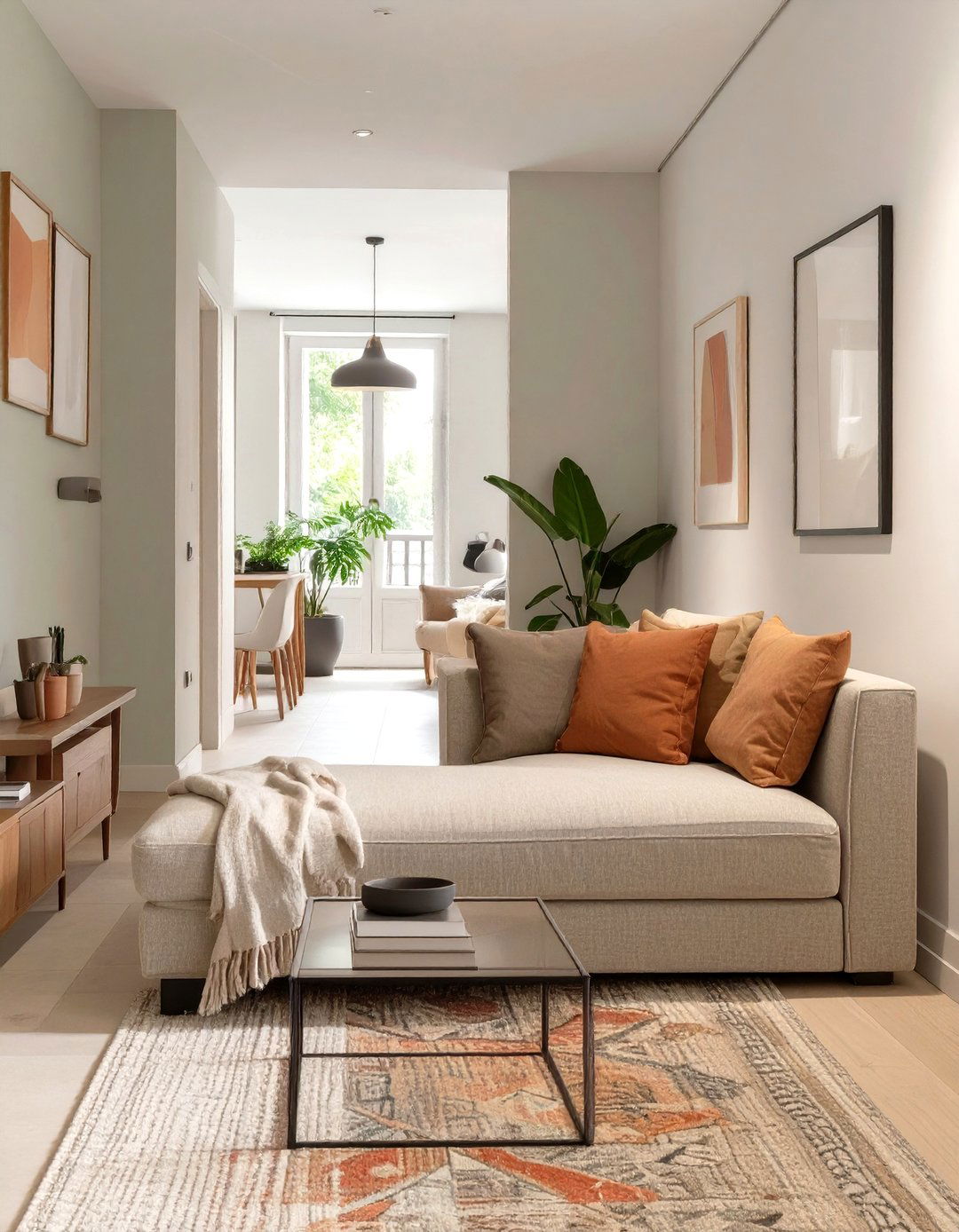
A backless sofa or a long bench can be a game-changer in a narrow living room layout. Placed in the middle of the room, it can serve as a subtle divider between zones, such as a seating area and a walkway, without creating a visual barrier. This piece of furniture allows sightlines to remain open from one end of the room to the other, preserving a sense of flow and spaciousness. It provides ample seating while maintaining a light, unobstructed feel. You can add pillows for comfort that can be moved as needed, making it a versatile and stylish choice.
6. A Round Coffee Table to Improve Flow
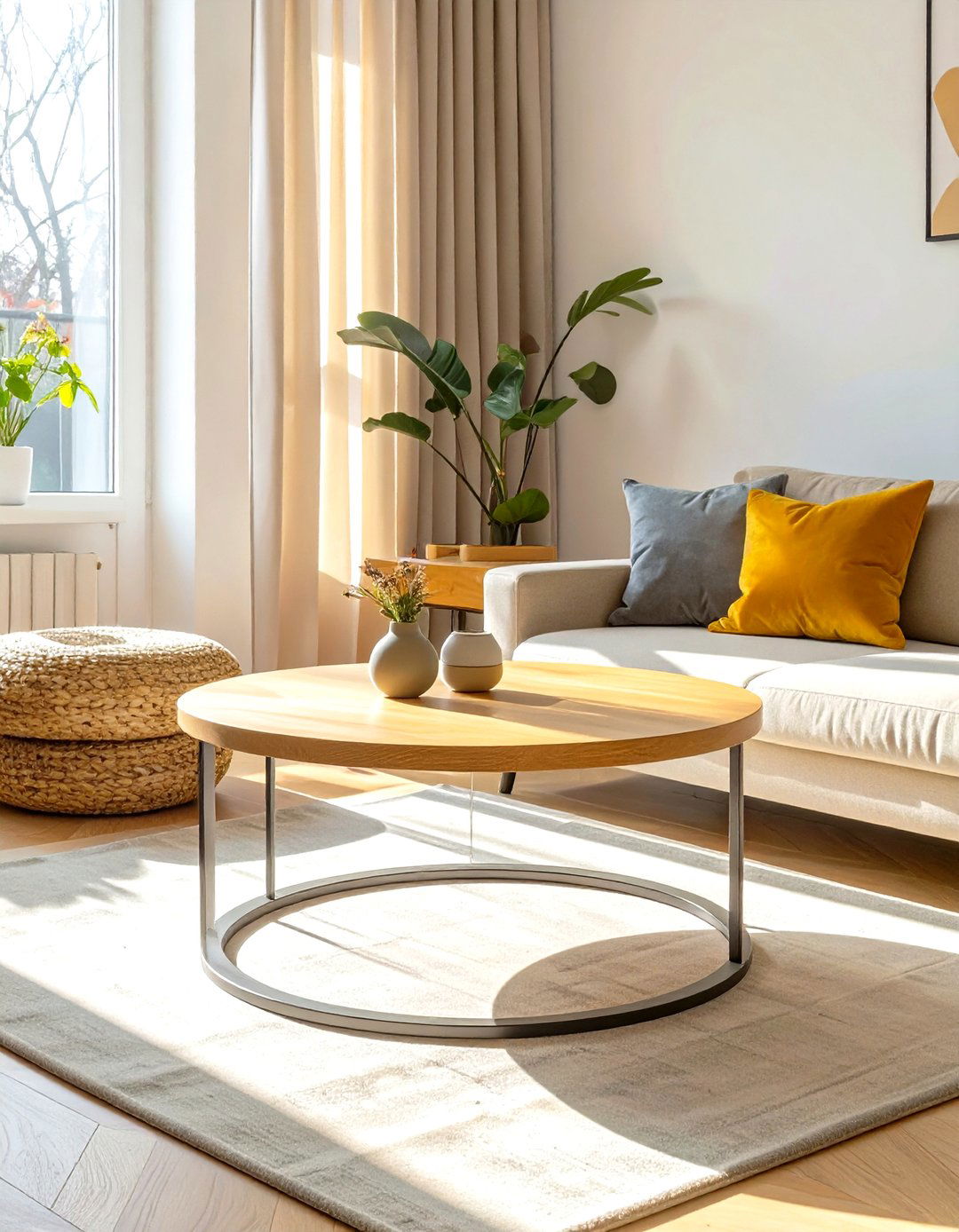
In a room defined by straight lines, introducing a round coffee table can soften the look and improve traffic flow. Square or rectangular tables can create sharp corners that are awkward to navigate in a tight space. A circular or oval table, however, allows for easier movement around it and breaks up the monotony of the room's linear shape. This simple swap encourages a more natural path through the living area and prevents the space from feeling like a hallway. Choose a table with a delicate frame or a glass top to further enhance the sense of openness.
7. Clear Acrylic Furniture for Invisibility
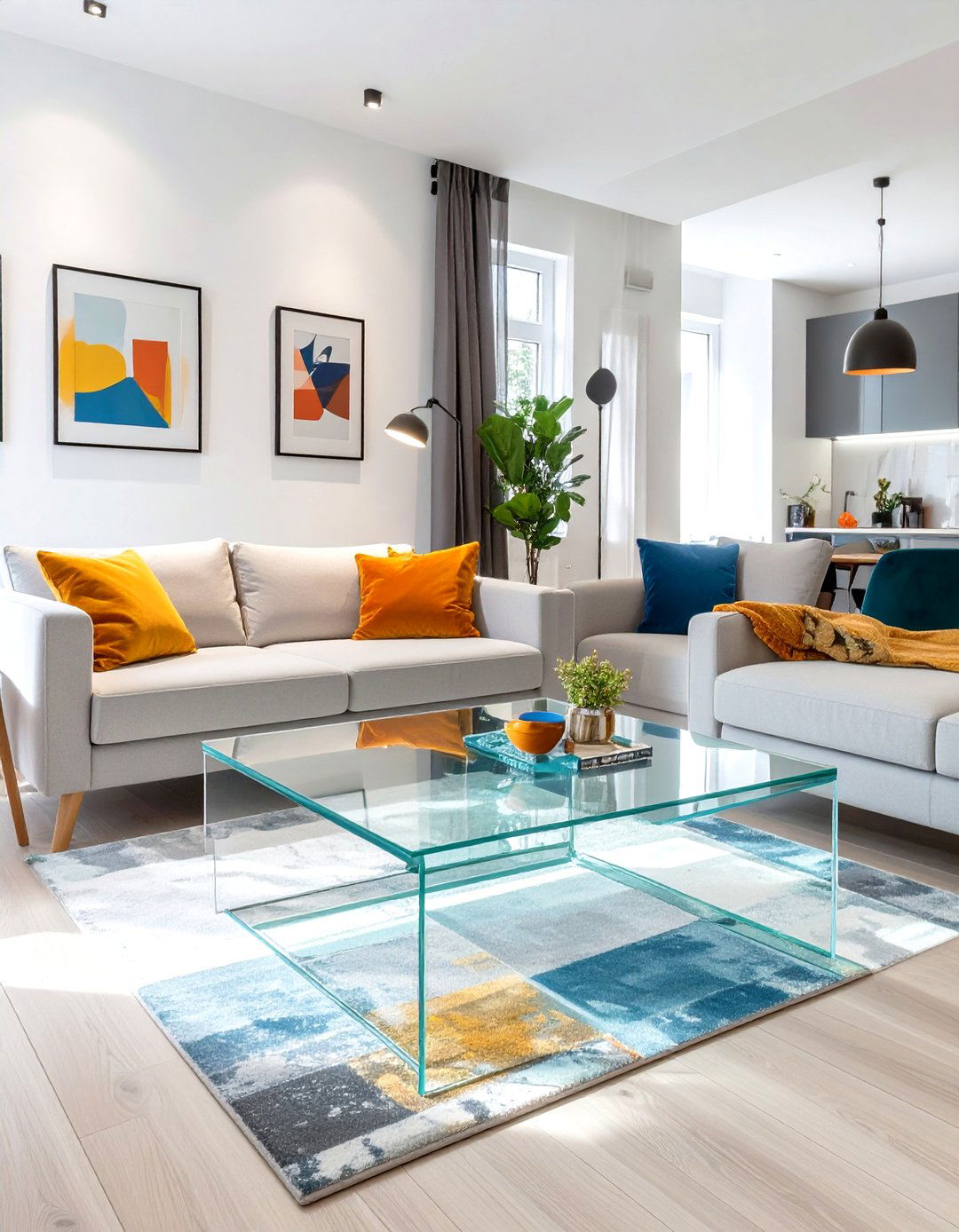
For a truly minimalist feel, incorporate clear acrylic or lucite furniture into your design. A ghost-style coffee table, console table, or side chairs can provide the function you need without adding visual bulk. Because these pieces are transparent, they appear to take up almost no space, allowing light to pass through them and keeping the room feeling uncluttered and open. This is an ideal solution for maintaining a sense of spaciousness in a very small area. Acrylic furniture blends seamlessly with any decor style, adding a touch of modern sophistication while helping to combat the closed-in feeling of a narrow room.
8. Strategic Lighting Layers for Ambiance
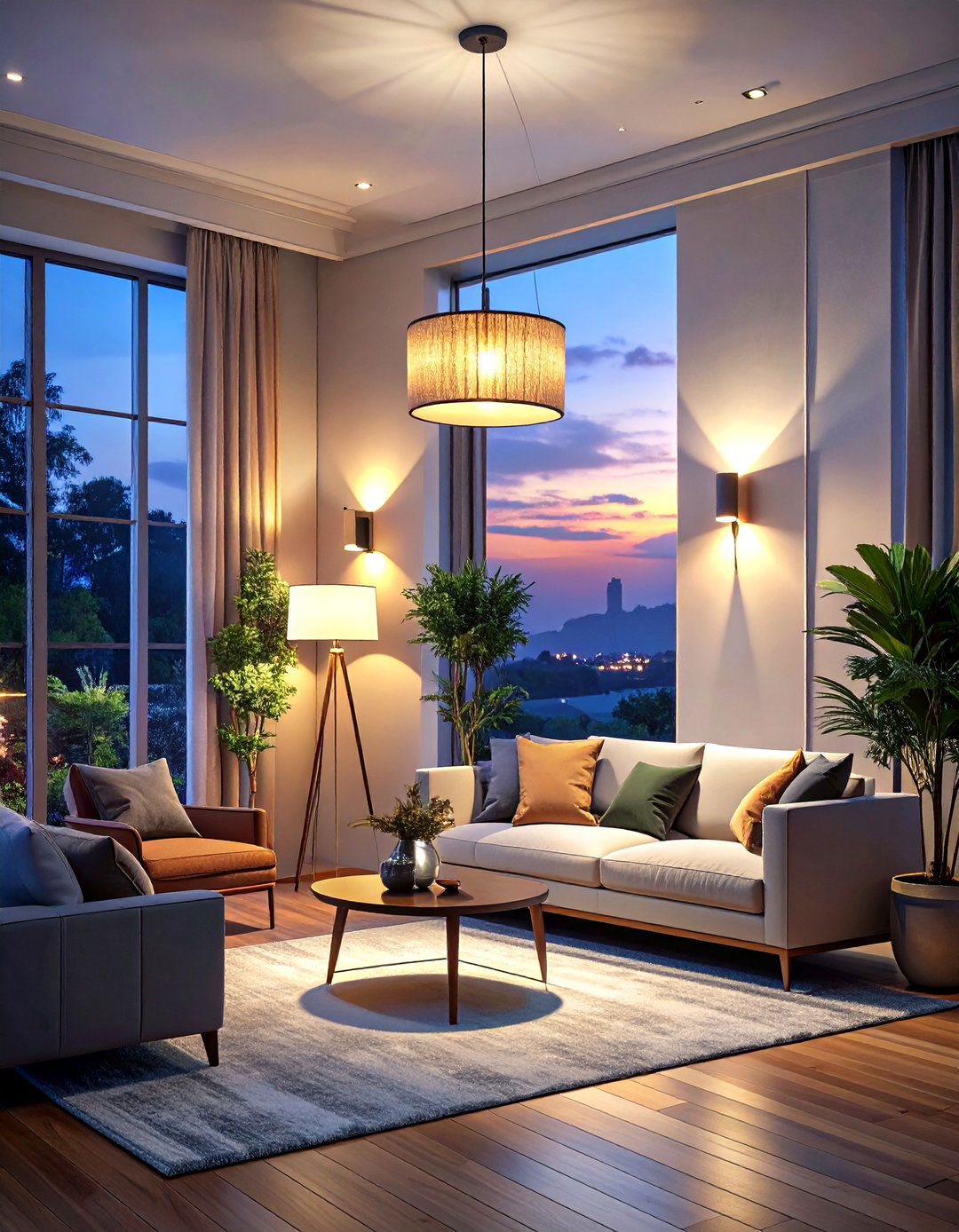
Proper lighting is essential in a narrow living room to avoid a tunnel-like effect. Instead of relying on a single overhead fixture, use layers of light to create ambiance and visual interest. Combine a stylish ceiling light with wall sconces placed on the long walls to wash them with light and make them recede. Add floor lamps in corners to illuminate dark spots and a table lamp on a side table for task lighting. This multi-source approach not only brightens the space evenly but also adds depth and dimension, making the room feel wider and more inviting.
9. A Light and Airy Color Palette to Expand
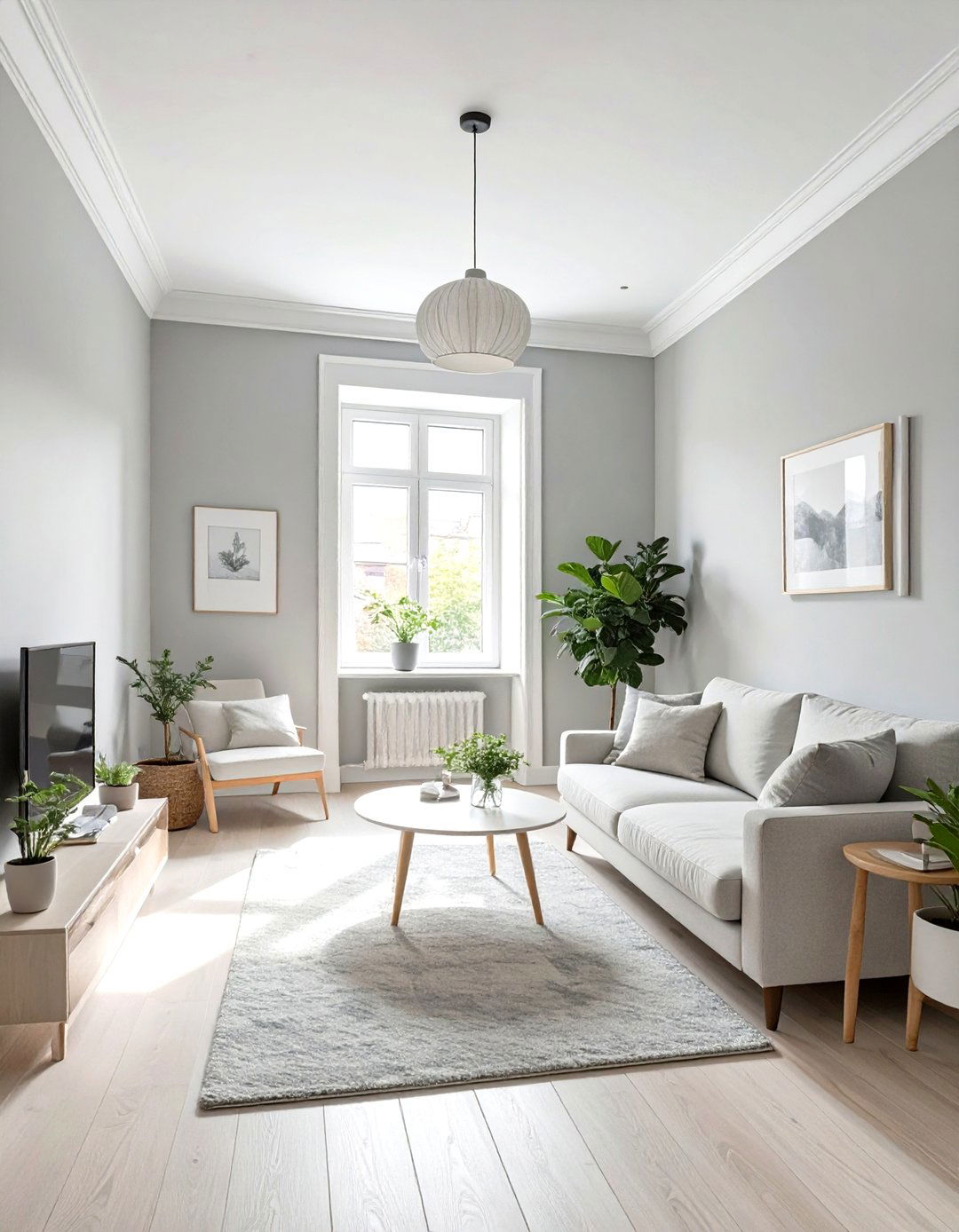
Painting your narrow living room in light and airy colors is a classic way to make it feel larger. Shades of white, soft gray, pale blue, or muted pastels reflect more natural and artificial light, creating an open and expansive atmosphere. To prevent the space from feeling sterile, introduce different textures through textiles like throw pillows, blankets, and rugs. A monochromatic color scheme, where walls, trim, and even some furniture are in similar light hues, can blur the room's boundaries, further enhancing the illusion of space. This simple color strategy makes the room feel less confined and more serene.
10. Floating Shelves for Vertical Display
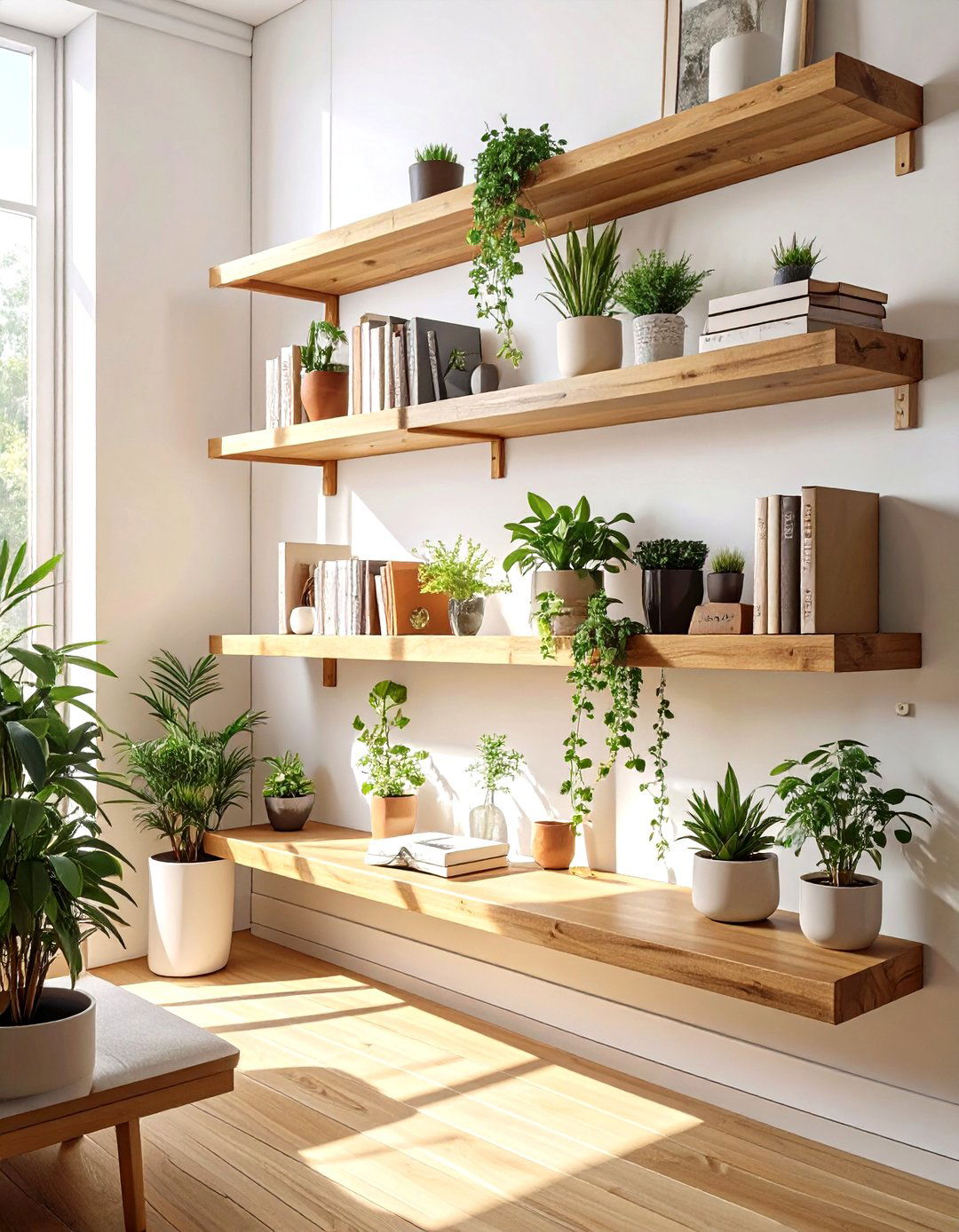
Utilize your vertical space effectively with floating shelves. Installing shelves on the walls allows you to display books, plants, and decor without taking up any floor space. This draws the eye upward, making the room feel taller and less constricted. Arrange them on one of the longer walls to create a focal point and add personality to the room. Opt for shelves that match the wall color for a subtle, built-in look, or choose a contrasting material like wood to add warmth. Floating shelves are a perfect blend of form and function for a small, narrow living area.
11. A Low-Profile Sectional Sofa for Comfort
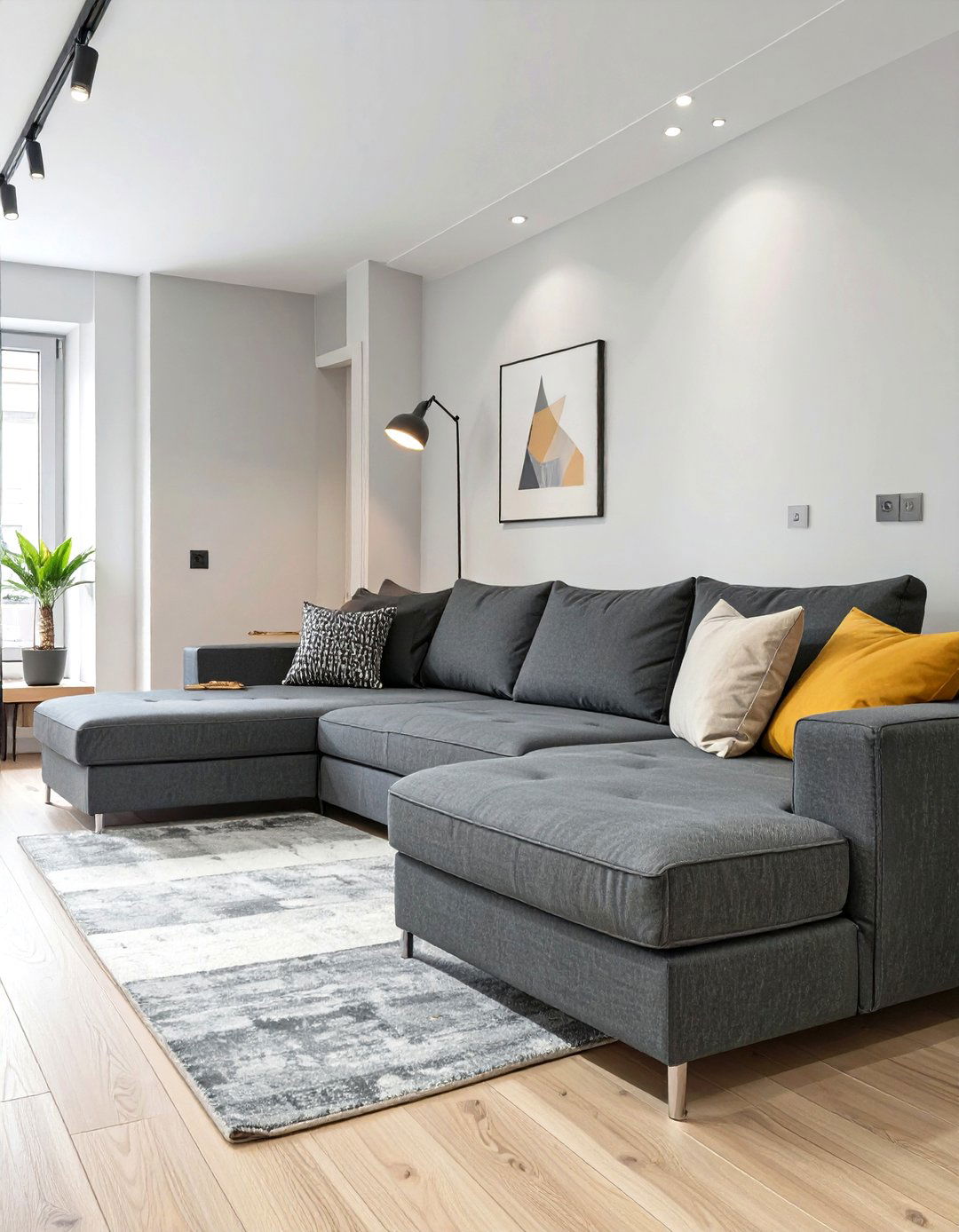
A low-profile sectional sofa can work surprisingly well in a narrow room. Choose a sleek, modern design with a low back and clean lines to avoid overwhelming the space. Placing it against one of the long walls maximizes seating without jutting too far into the room. A sectional can define the seating area and make it feel intentional and cozy. Opt for a style with a chaise on one end to add extra lounging space without the bulk of a traditional three-piece suite. This choice provides ample, comfortable seating while maintaining a streamlined and uncluttered appearance.
12. Nesting Side Tables for Versatility
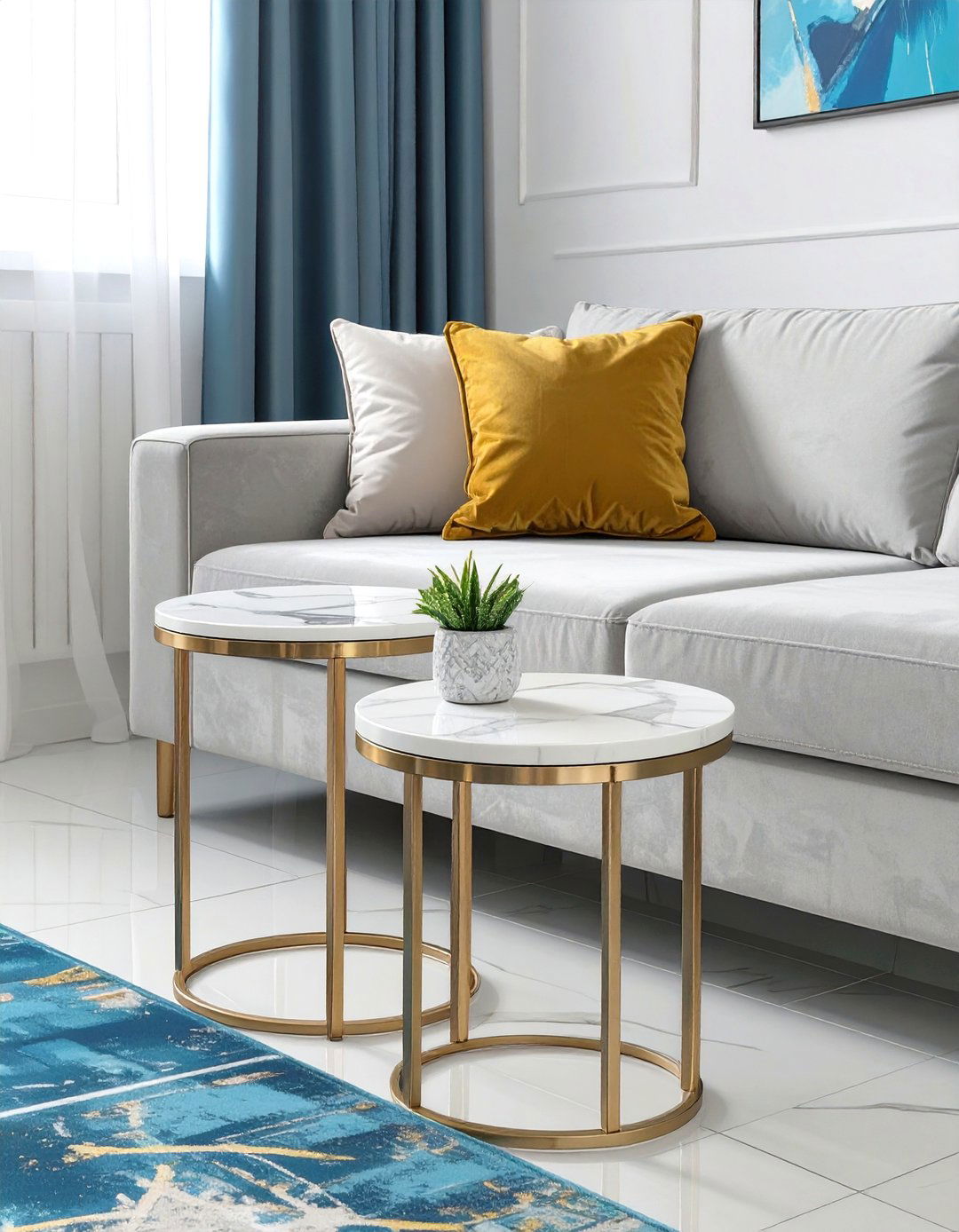
Nesting side tables are a brilliant, space-saving solution for a narrow living room. These tables can be tucked away into a compact unit when not in use, freeing up valuable floor space. When you have guests, you can easily pull them apart to provide extra surfaces for drinks or snacks. This flexibility is perfect for a small room where every inch counts. They come in various styles and materials, from modern metal to rustic wood, so you can find a set that complements your decor. Nesting tables offer the function of multiple tables without the permanent footprint.
13. A Single Statement Art Piece
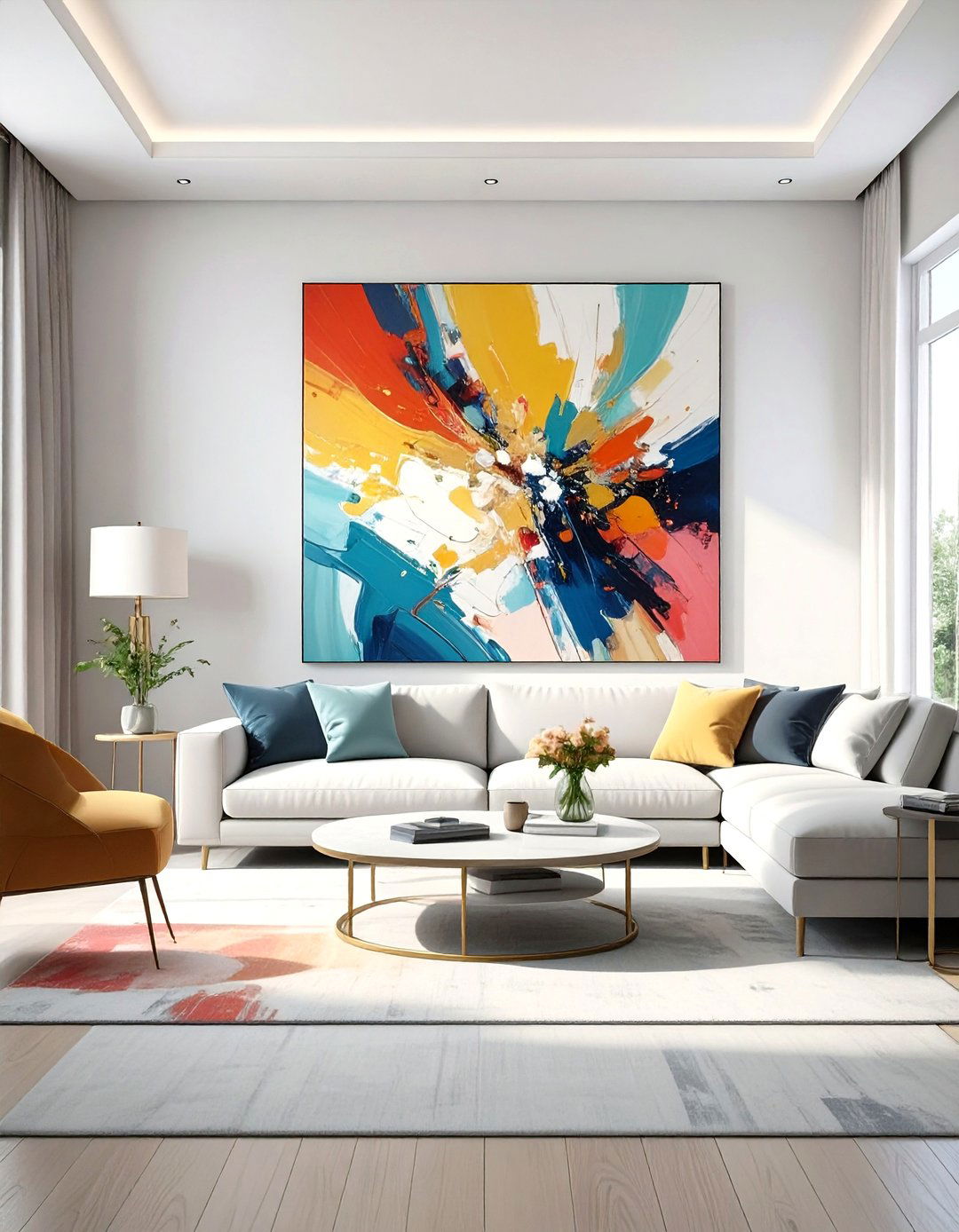
Instead of cluttering the walls with many small frames, which can make a narrow room feel busy, opt for one large, impactful piece of art. Placing a single, oversized painting or photograph on the main long wall creates a strong focal point. This draws attention and adds a sense of grandeur to the space. The large scale of the artwork can trick the eye into seeing the wall as bigger than it is. Choose a piece with colors that complement your decor and a subject that you love, turning a functional wall into a stunning feature that elevates the entire room.
14. Creating Distinct Zones with Furniture
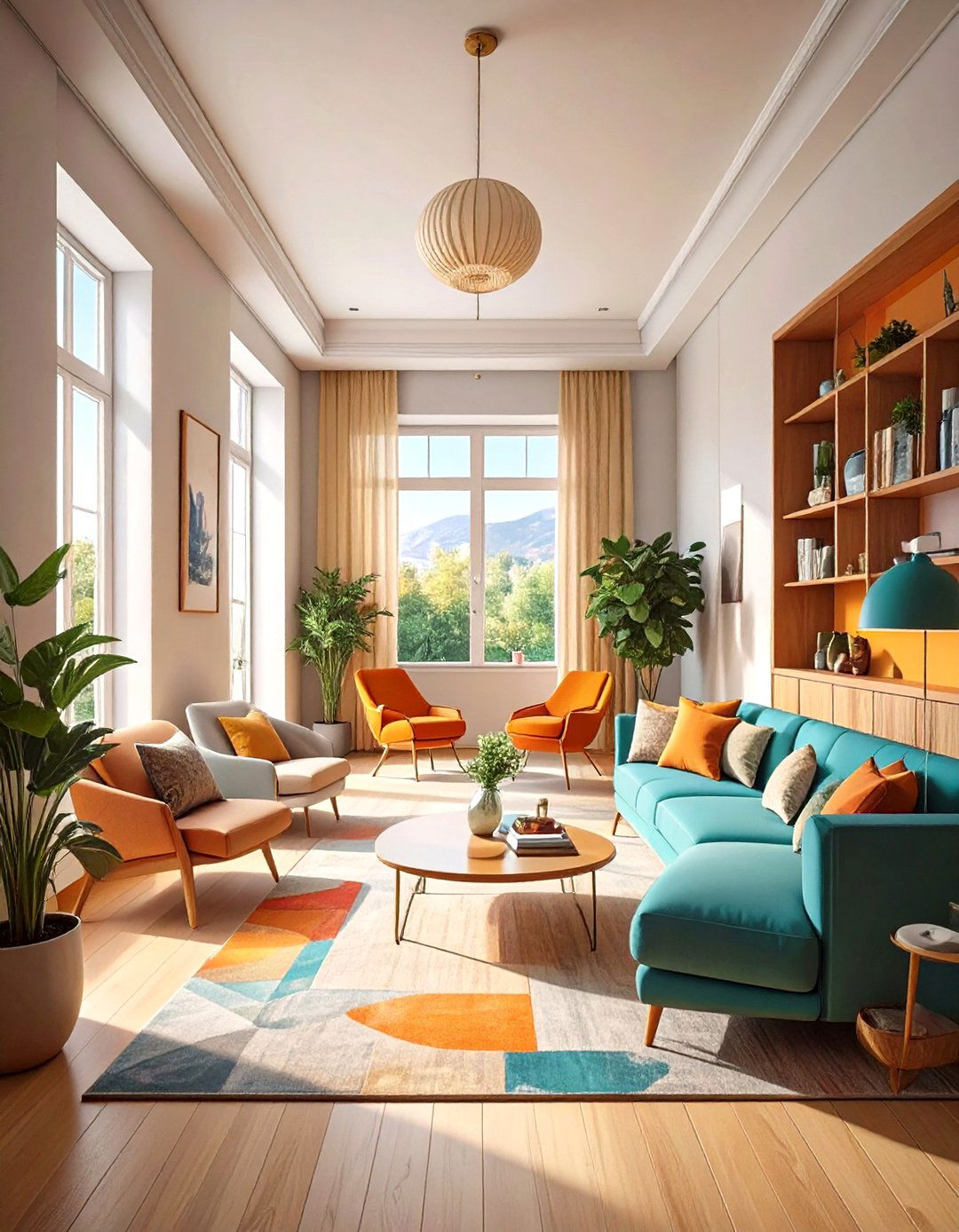
To break up the long, tunnel-like feel of a narrow living room, create distinct functional zones. You can use furniture arrangement to define separate areas for different activities. For example, anchor a cozy seating area at one end with a sofa and armchairs. At the other end, you could place a small desk and chair to create a compact workspace, or a comfortable armchair and a floor lamp for a reading nook. This zoning strategy breaks up the length of the room, making it feel more balanced and purposeful. Use area rugs to visually separate these zones further.
15. See-Through Room Dividers
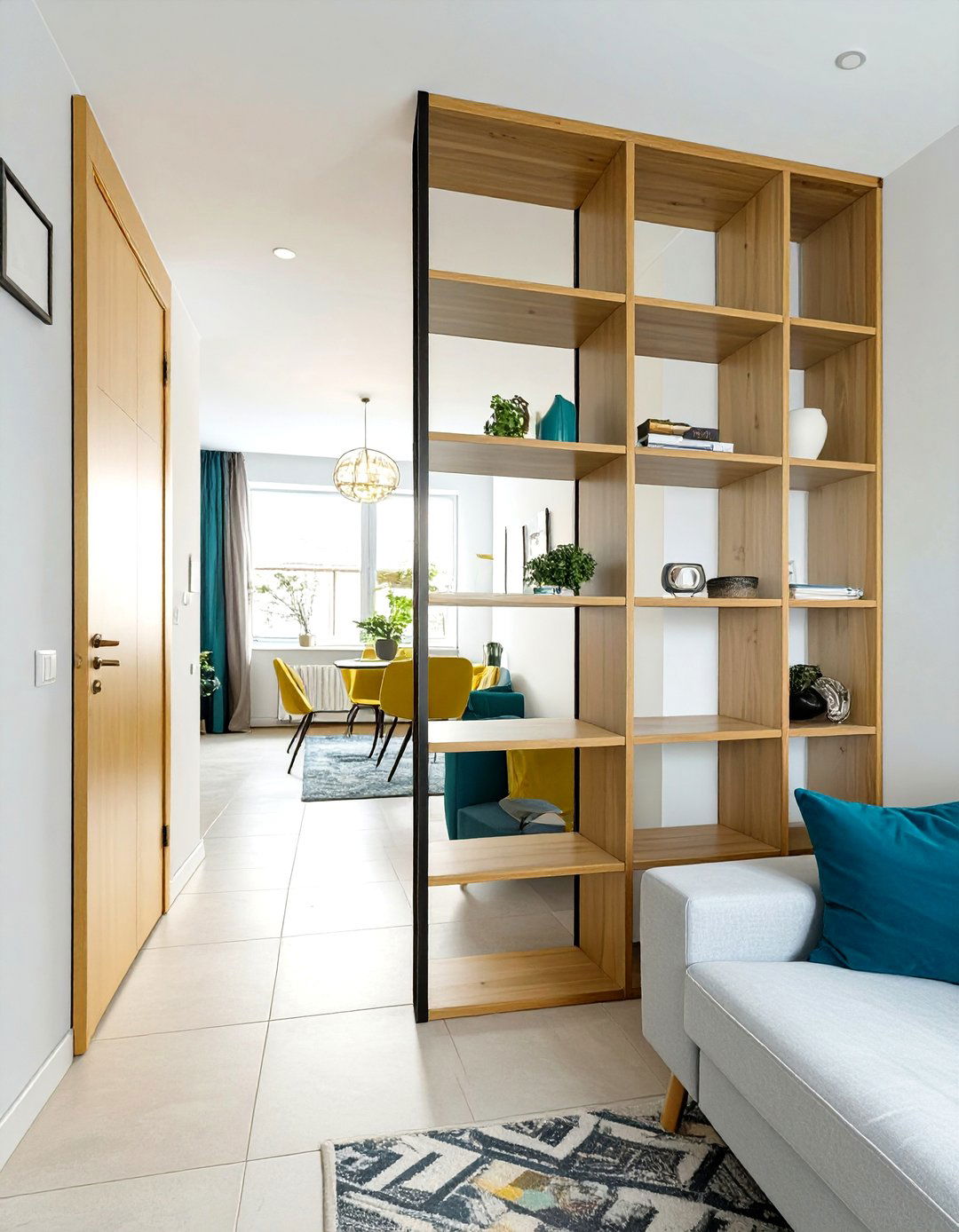
If you need to divide your narrow living room without closing it off completely, a see-through room divider is the perfect solution. An open-backed bookshelf, a screen with a geometric cutout pattern, or a slatted wooden divider can separate spaces while maintaining an open line of sight. These dividers add architectural interest and create distinct zones without sacrificing light or a sense of spaciousness. They allow you to define an entryway or a dining area, for instance, while still letting the room breathe. This approach adds structure and style without the heavy look of a solid wall.
16. Leggy Furniture for an Airy Feel
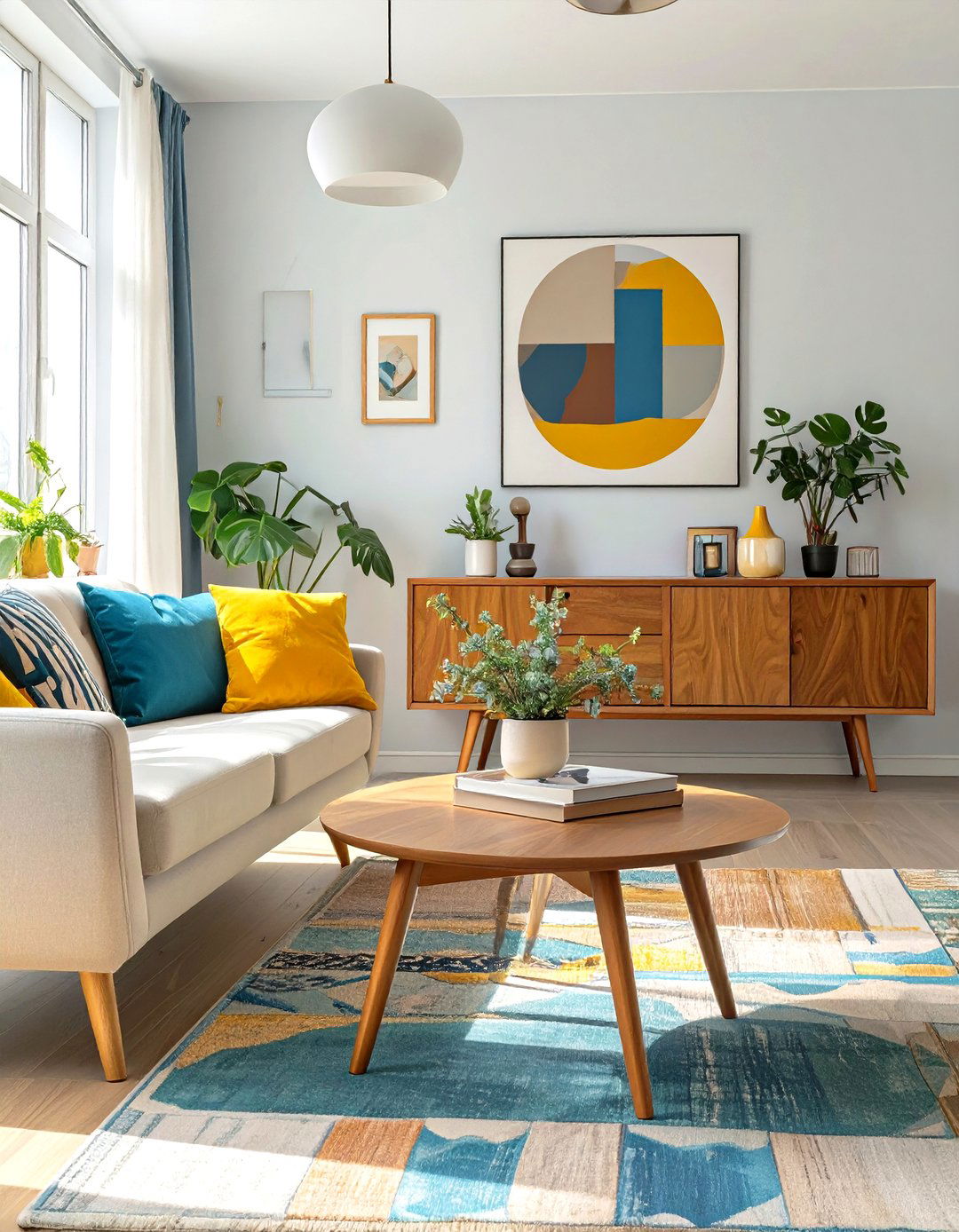
Choosing furniture with exposed legs, often called "leggy" furniture, is a smart move for a small, narrow space. Sofas, armchairs, coffee tables, and consoles raised on slender legs create a sense of openness because you can see the floor underneath them. This visual continuity makes the room feel larger and less cluttered. The space beneath the furniture allows light and air to circulate more freely, contributing to a lighter, more buoyant atmosphere. This style of furniture avoids the heavy, blocky look that can weigh down a small room, instead offering a sophisticated and airy aesthetic.
17. Utilizing Window Nooks for Seating
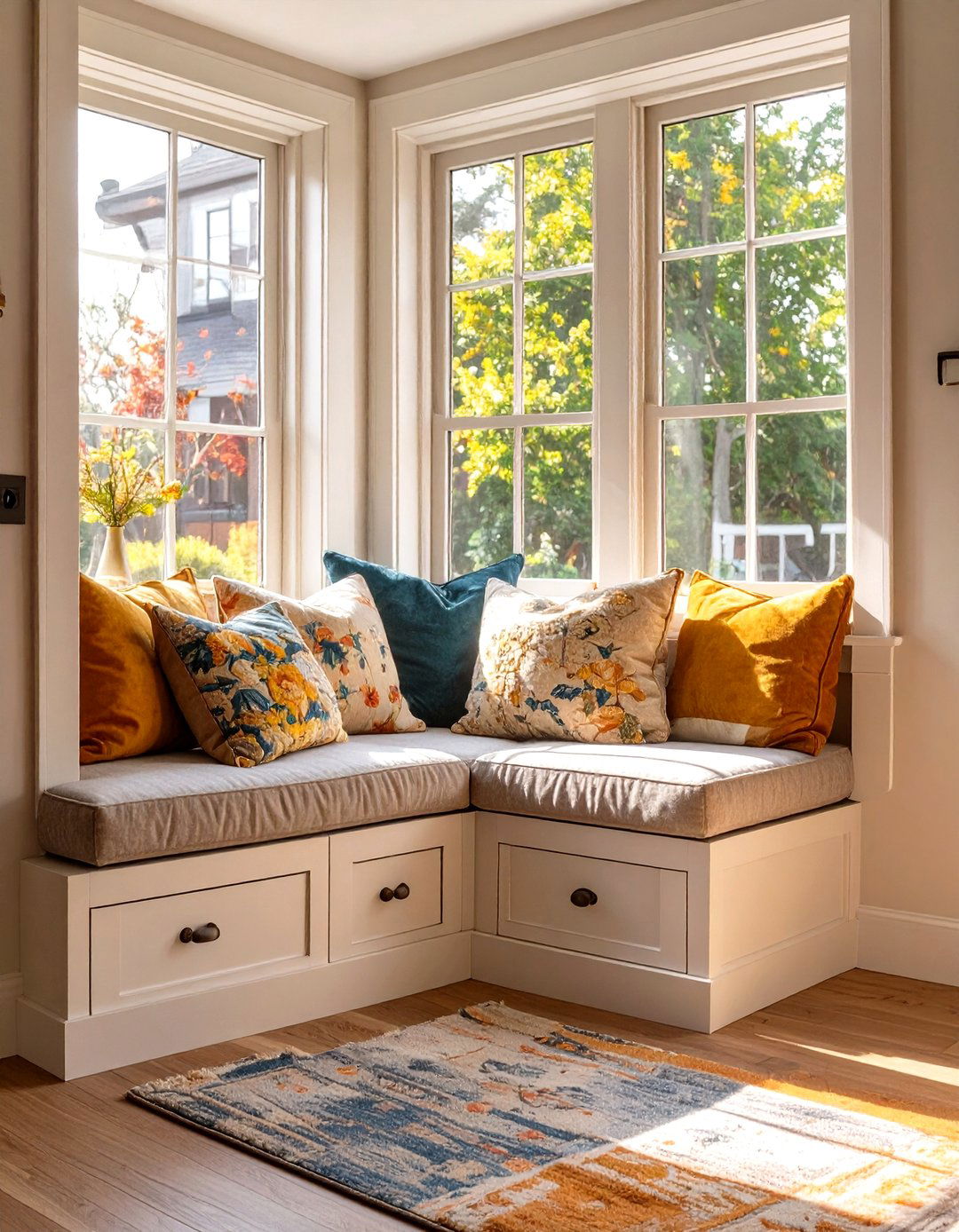
If your narrow living room has a window nook, take full advantage of it. Transform it into a cozy built-in window seat with storage underneath. This not only provides extra seating without taking up central floor space but also adds a charming architectural feature to the room. You can make it a comfortable spot for reading or enjoying a cup of coffee. The built-in storage is perfect for stashing away blankets, pillows, or books, helping to keep the main living area tidy and uncluttered. A window seat makes a feature of the window, drawing attention to the light source.
18. A Multifunctional Storage Ottoman
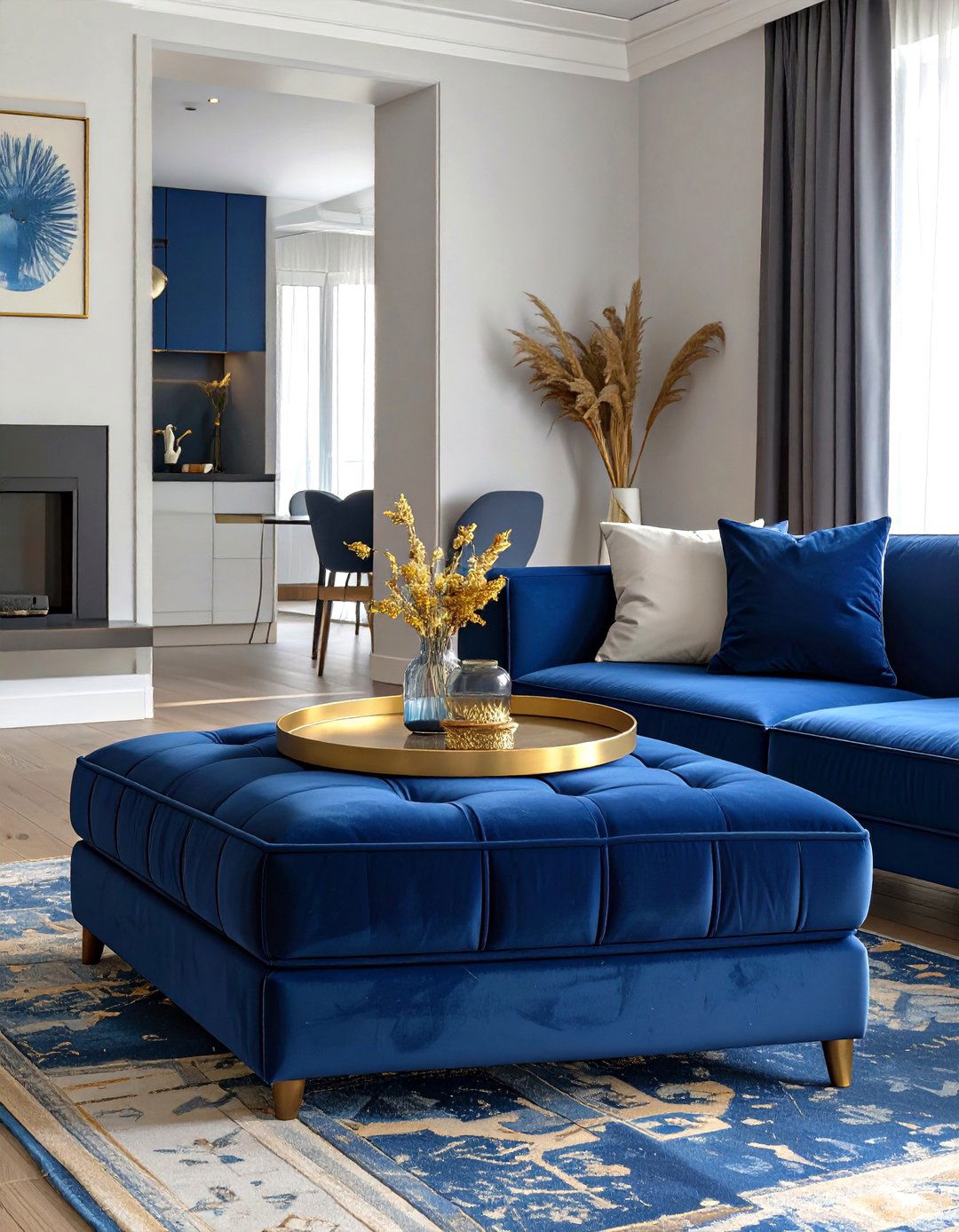
A storage ottoman is a hardworking piece of furniture that is perfect for a narrow living room. It can serve as a coffee table, extra seating for guests, or a comfortable footrest. The hidden storage inside is ideal for keeping clutter like blankets, magazines, or remote controls out of sight. This helps maintain a clean and organized look in a small space. Choose an ottoman in a color or fabric that complements your sofa to create a cohesive look. This versatile item is a must-have for maximizing both function and style in a constrained area.
19. A Long, Narrow Console Table
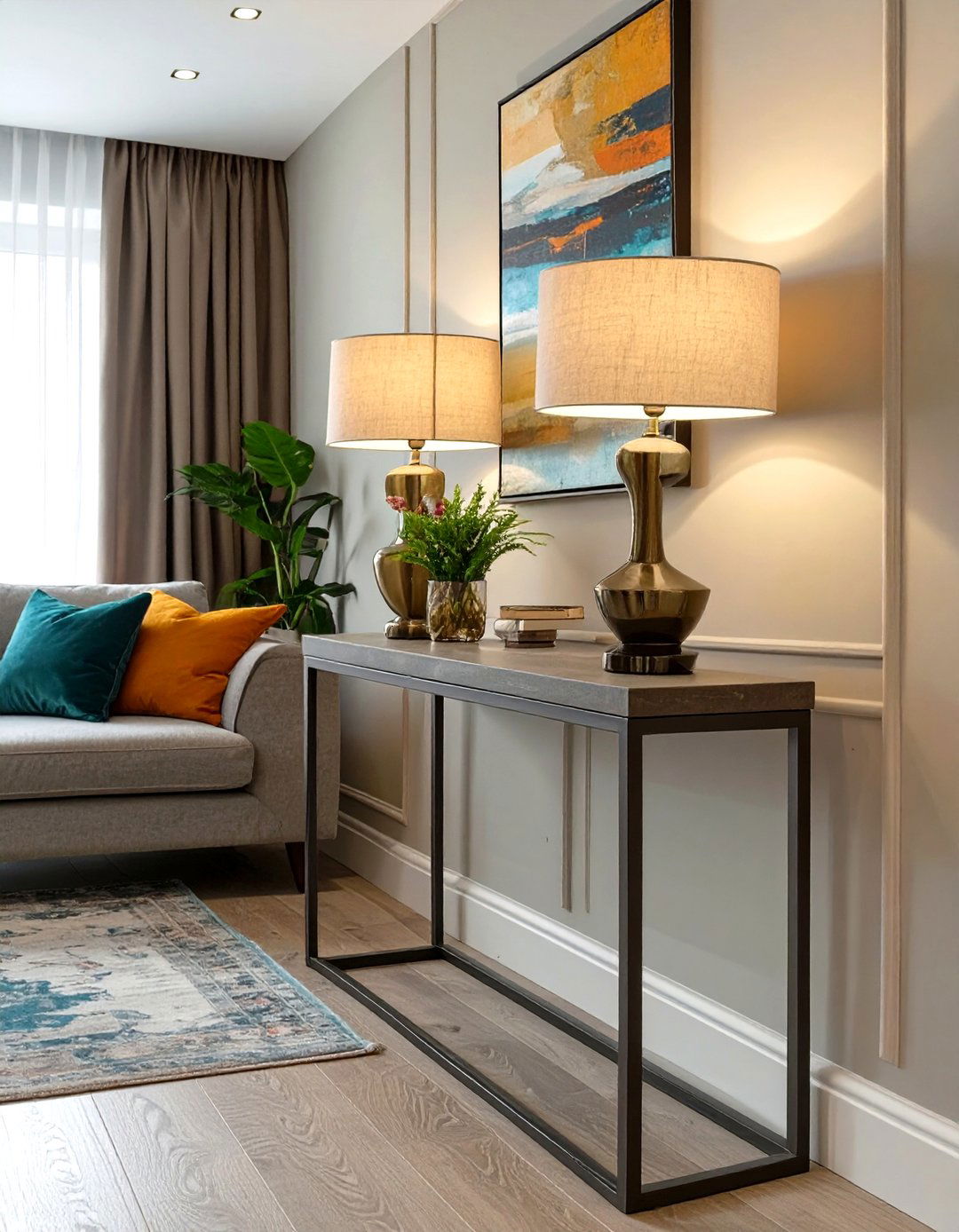
Place a long, slim console table against the wall behind your sofa or along one of the long walls. This piece provides a valuable surface for lamps, decor, or even a small bar setup, without protruding too far into the room's pathway. Its narrow profile is perfectly suited to the room's dimensions. A console table helps to ground the space and can also serve as a landing spot for keys and mail if placed near the entrance. Choose one with an open base or thin legs to maintain a sense of lightness and avoid a bulky appearance.



20. Matching Wall and Trim Color for a Seamless Look
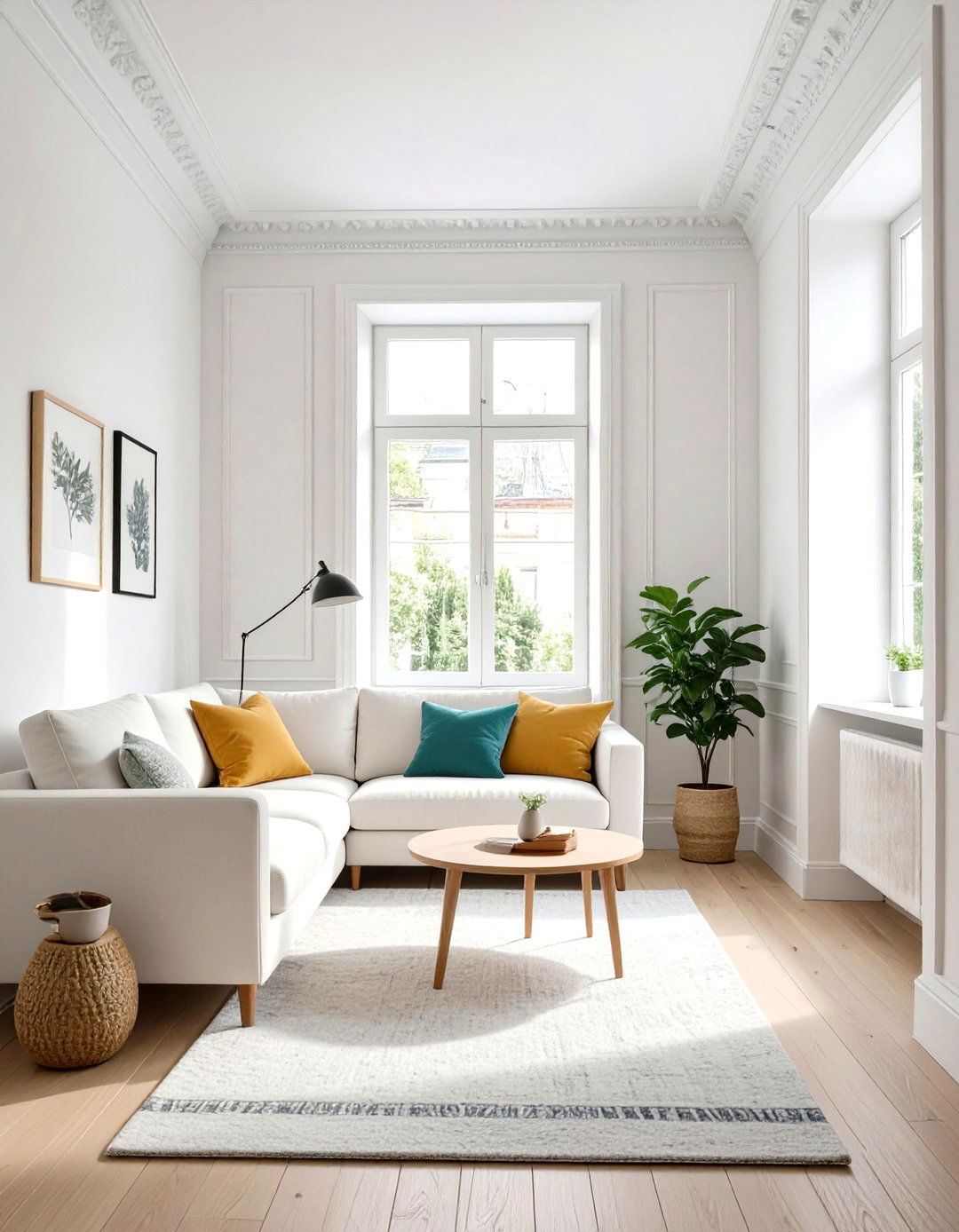
Painting the walls and the trim (including baseboards, window frames, and crown molding) the same color can make a narrow room feel much larger. This technique creates a seamless, uninterrupted visual field, which helps to blur the boundaries of the room. Without the contrast of different colored trim, the walls appear to recede, making the space feel more open and continuous. For the best effect, choose a light, neutral color in a satin or eggshell finish. This simple painting trick is a highly effective way to create a more expansive and sophisticated backdrop for your furniture.
21. Drapery Hung High and Wide
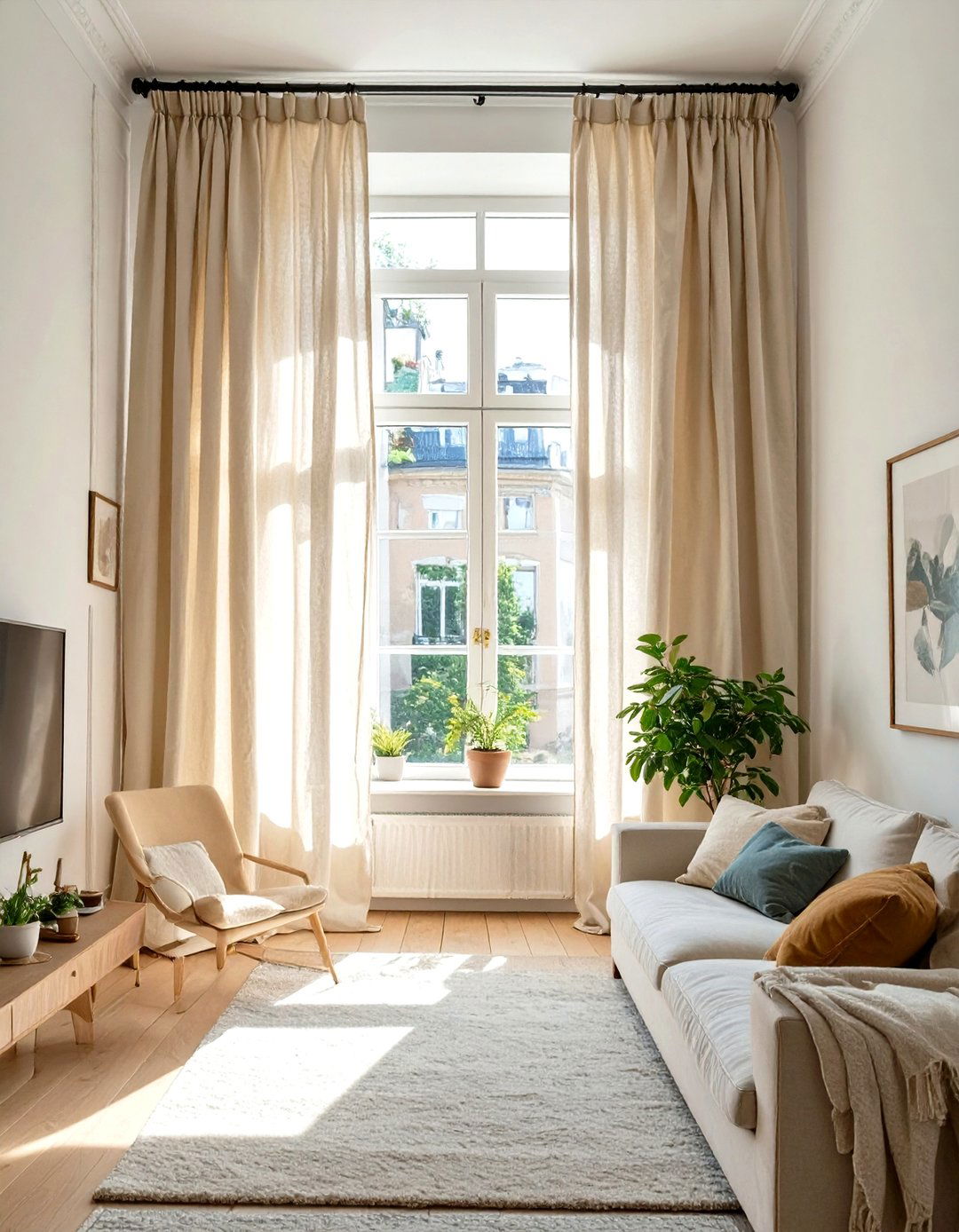
To make the windows in your narrow living room appear larger and the ceilings higher, hang your drapery high and wide. Install the curtain rod several inches above the window frame, close to the ceiling, and extend it several inches beyond the frame on each side. This tricks the eye into perceiving a taller and wider window, which in turn makes the entire room feel more spacious and grand. Choose lightweight, light-colored curtains to allow plenty of natural light to filter through, further enhancing the airy and open atmosphere of the space.
22. Downsizing the Sofa for Better Proportions
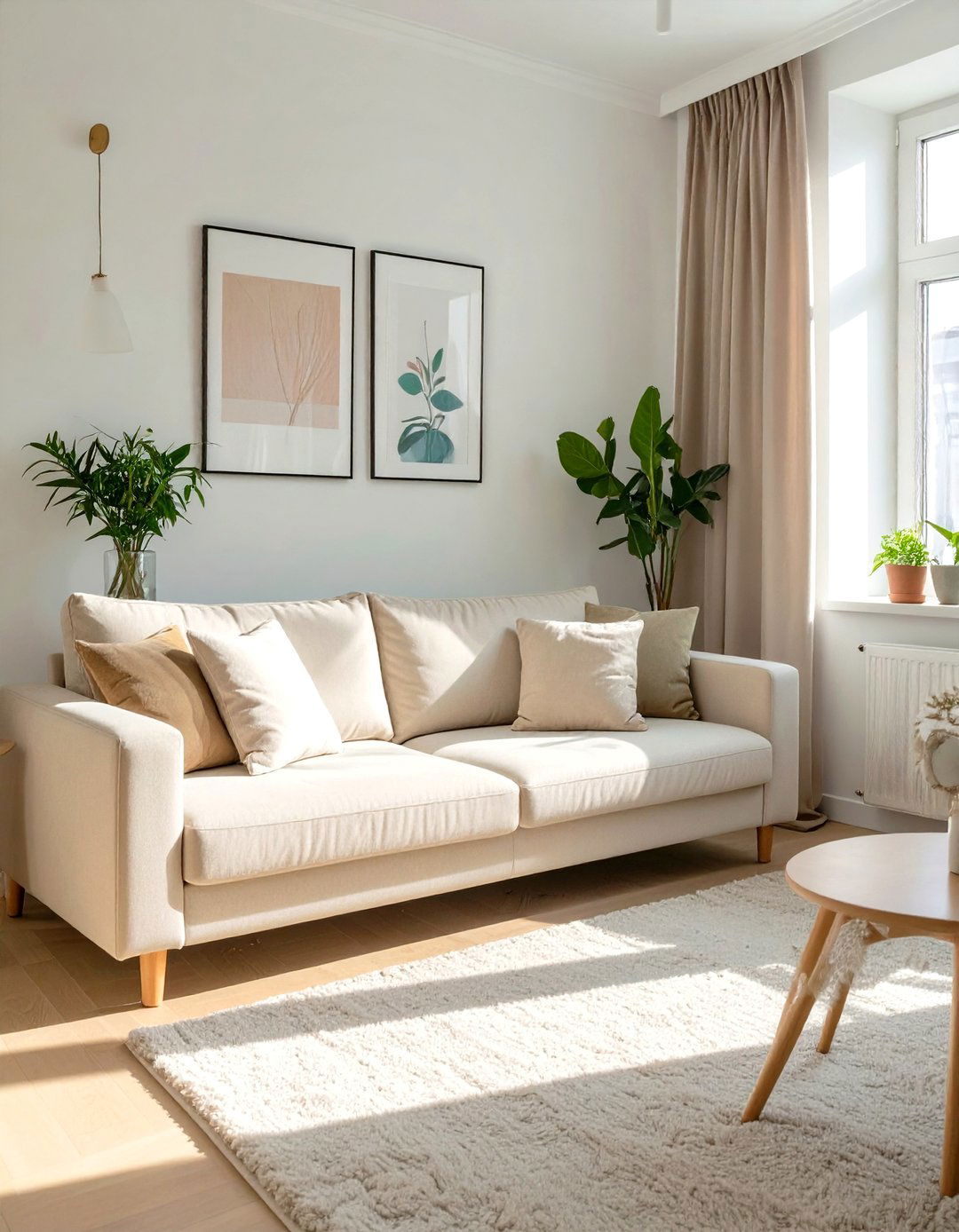
In a particularly narrow room, a standard-sized sofa can look oversized and cumbersome. Consider downsizing to an apartment-sized sofa or even a loveseat. A smaller sofa leaves more room for circulation and prevents the main seating piece from dominating the space. Ensure the style is sleek and not overly bulky, with clean lines and a low profile. Paired with one or two slim armchairs, a smaller sofa can still provide adequate seating while being much better suited to the room's scale. This helps to create a more balanced and proportionally pleasing layout.
23. Using Floor Poufs for Flexible Seating
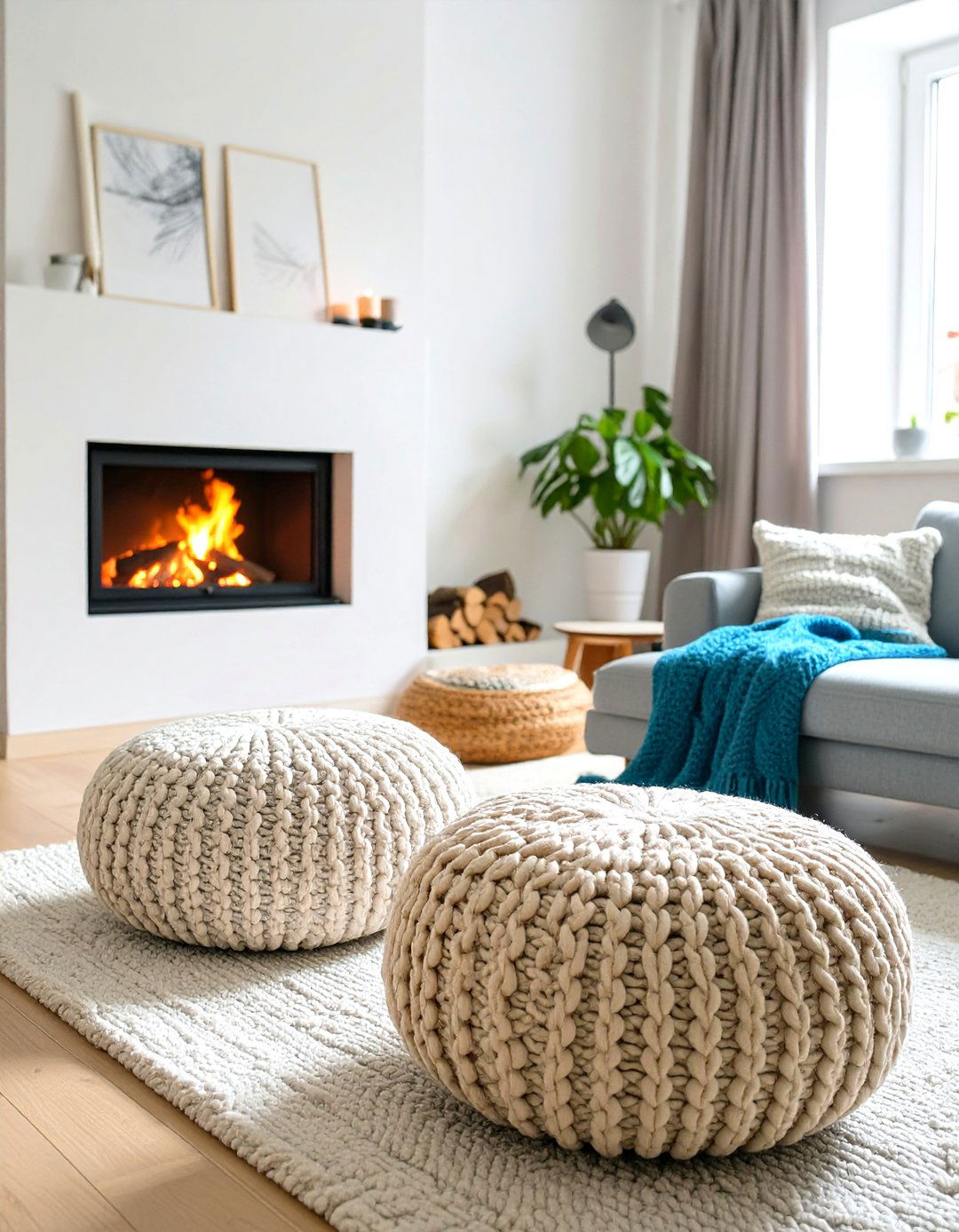
Floor poufs are a fantastic, flexible seating solution for a narrow living room. They are lightweight, easy to move around, and take up very little space. You can tuck them under a console table or in a corner when not in use, and then pull them out for extra seating when you have guests. They add a casual, cozy vibe to the room and come in a huge variety of colors, textures, and styles to complement your decor. Poufs can also double as a small side table or a footrest, making them a truly versatile and practical addition.
24. Curved Furniture Pieces to Soften Lines
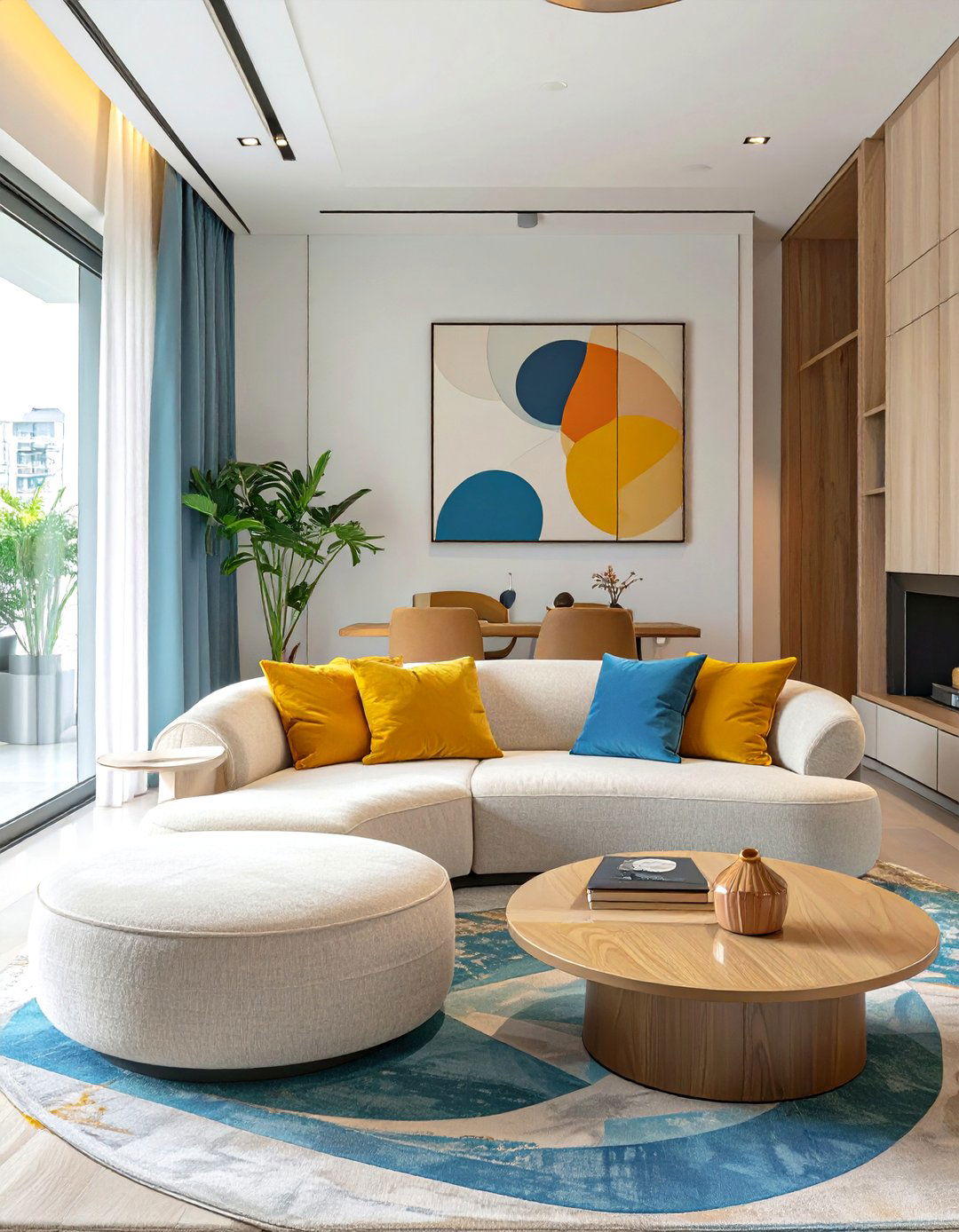
Introducing furniture with soft curves can counteract the harsh, linear nature of a narrow room. A sofa with rounded arms, a circular side table, or an armchair with a curved back can break up the straight lines and add a sense of gentle flow. These shapes are more pleasing to the eye and can make the room feel more inviting and less rigid. Curved furniture can also be easier to navigate around in a tight space. Even small touches, like a round mirror or a curved floor lamp, can help soften the room's geometry.
25. A Single Accent Wall on a Short Wall
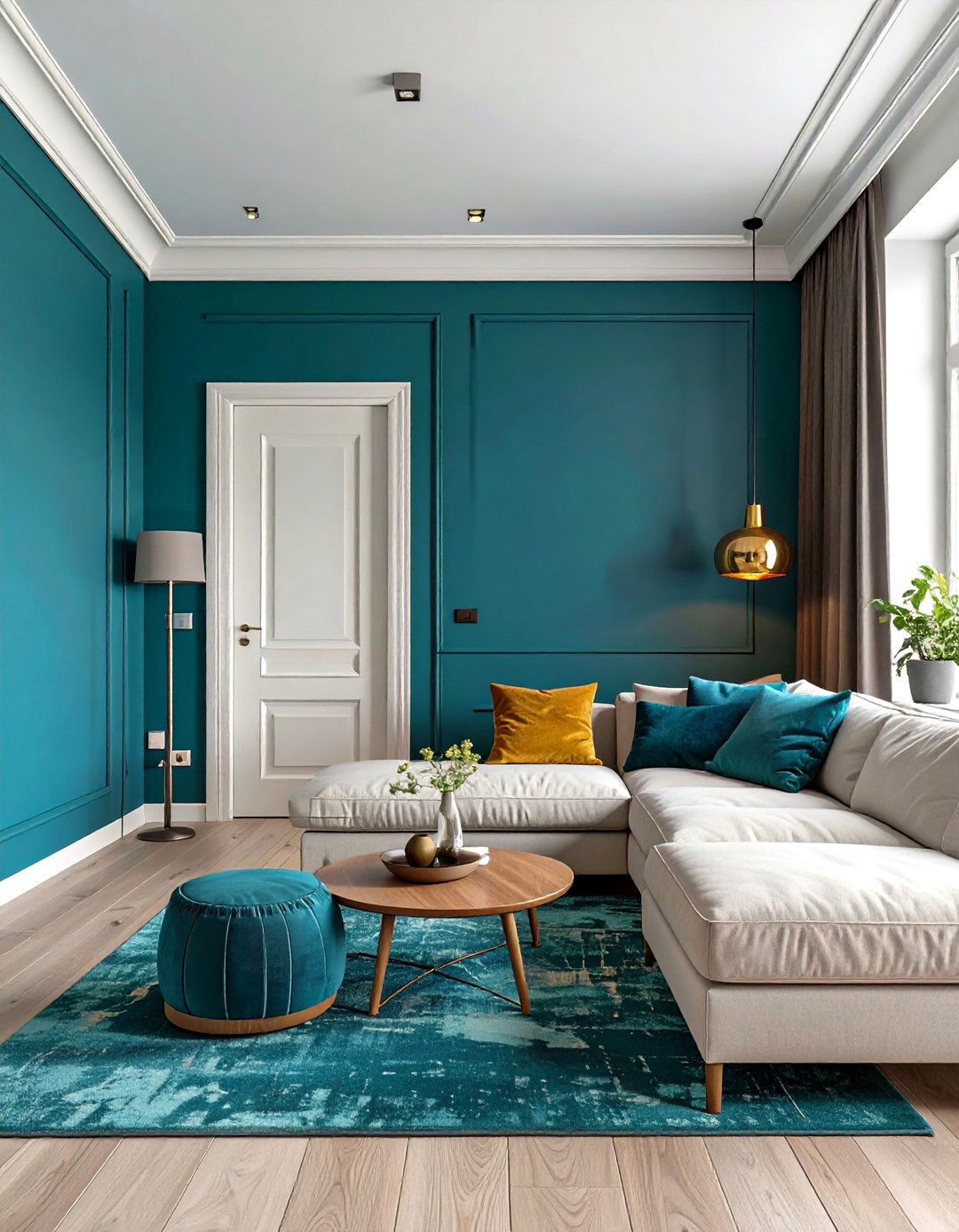
To visually correct the proportions of a narrow room, paint one of the shorter walls a darker or bolder color. This creates an accent wall that draws the eye and makes the wall appear closer, which in turn can make the room feel wider and less like a long corridor. Avoid placing the accent color on one of the long walls, as this will only emphasize the room's length. This technique is a simple yet powerful way to manipulate the perception of space and create a more balanced and dynamic living area.
26. A Minimalist Decor Approach
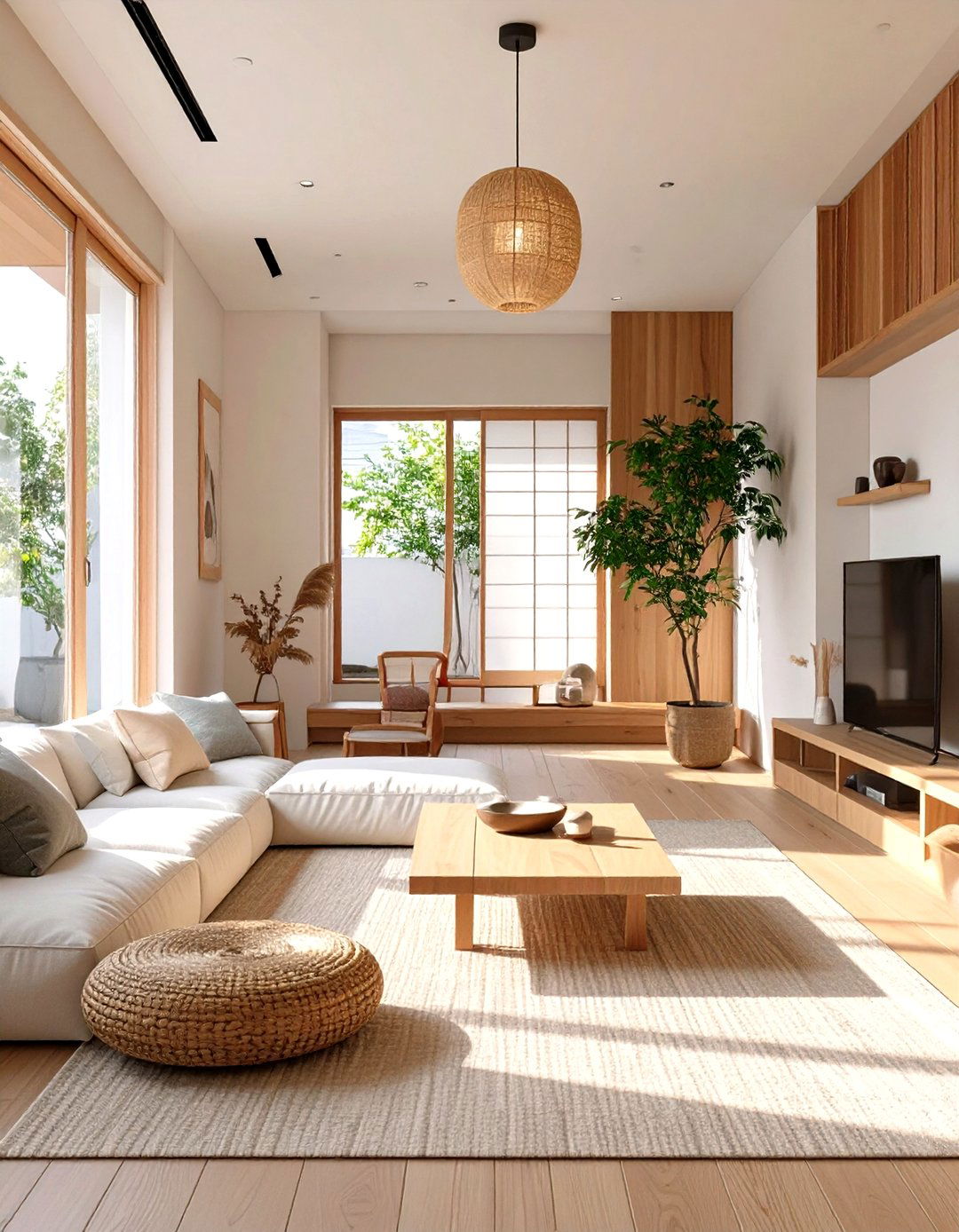
Adopting a minimalist approach is highly effective in a small, narrow living room. The principle of "less is more" helps to prevent the space from feeling cluttered and chaotic. Focus on having only essential furniture pieces and carefully curated decor items. Keep surfaces clear and avoid excessive ornamentation. A minimalist design emphasizes clean lines, neutral colors, and a sense of order, all of which contribute to making a room feel more spacious and serene. By being intentional with every item, you create a calm, uncluttered environment that is both stylish and functional.
27. Strategic Plant Placement for Life
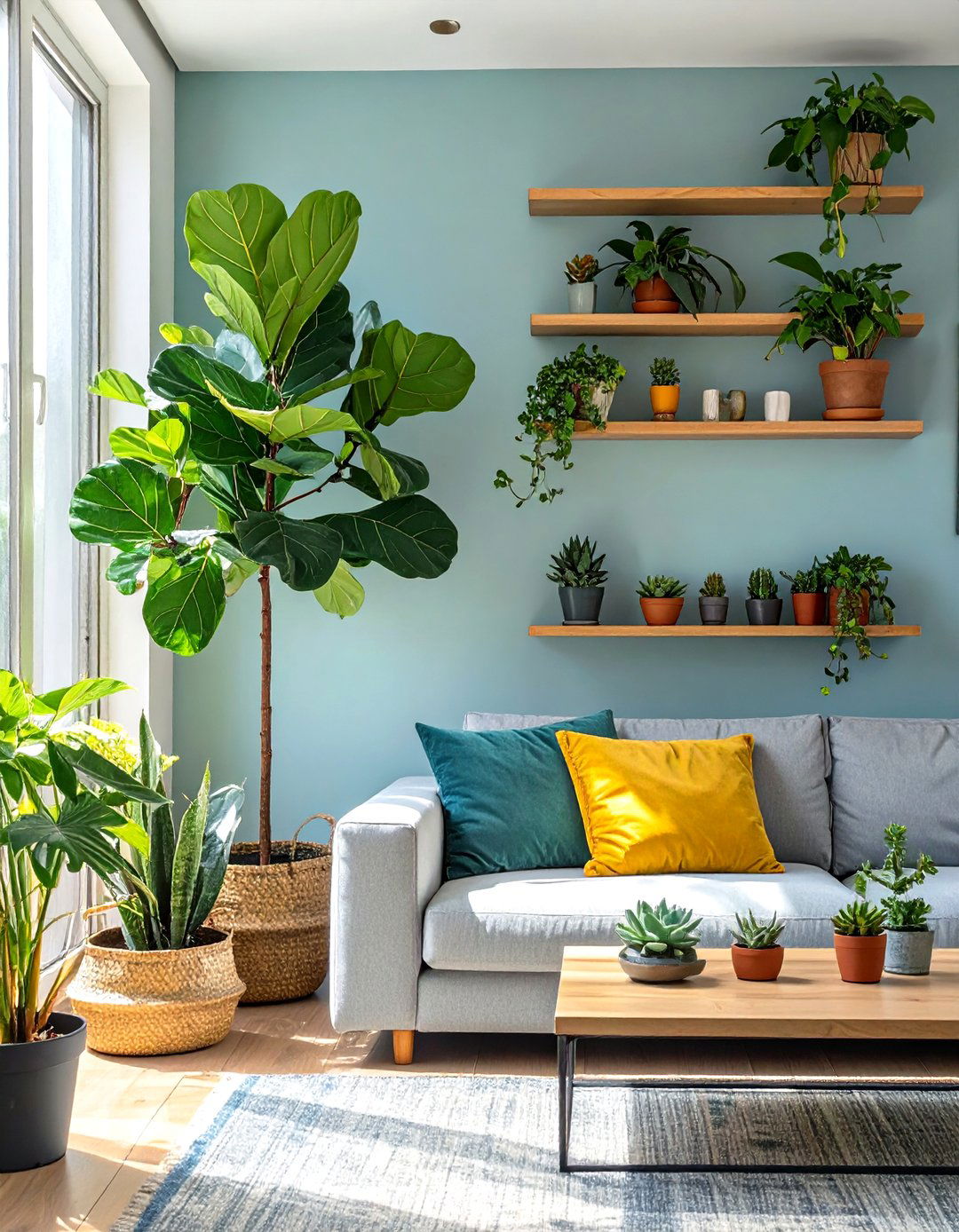
Bringing plants into your narrow living room can add life, color, and a sense of depth. Use vertical space by placing a tall, slender plant like a snake plant or fiddle leaf fig in a corner. This draws the eye upward and adds a touch of nature without taking up much floor space. You can also use hanging planters or place small pots on floating shelves. Plants can help to soften the hard edges of a room and improve air quality. Their organic shapes provide a welcome contrast to the linear structure of the space.
28. Built-in Bookcases for a Custom Fit
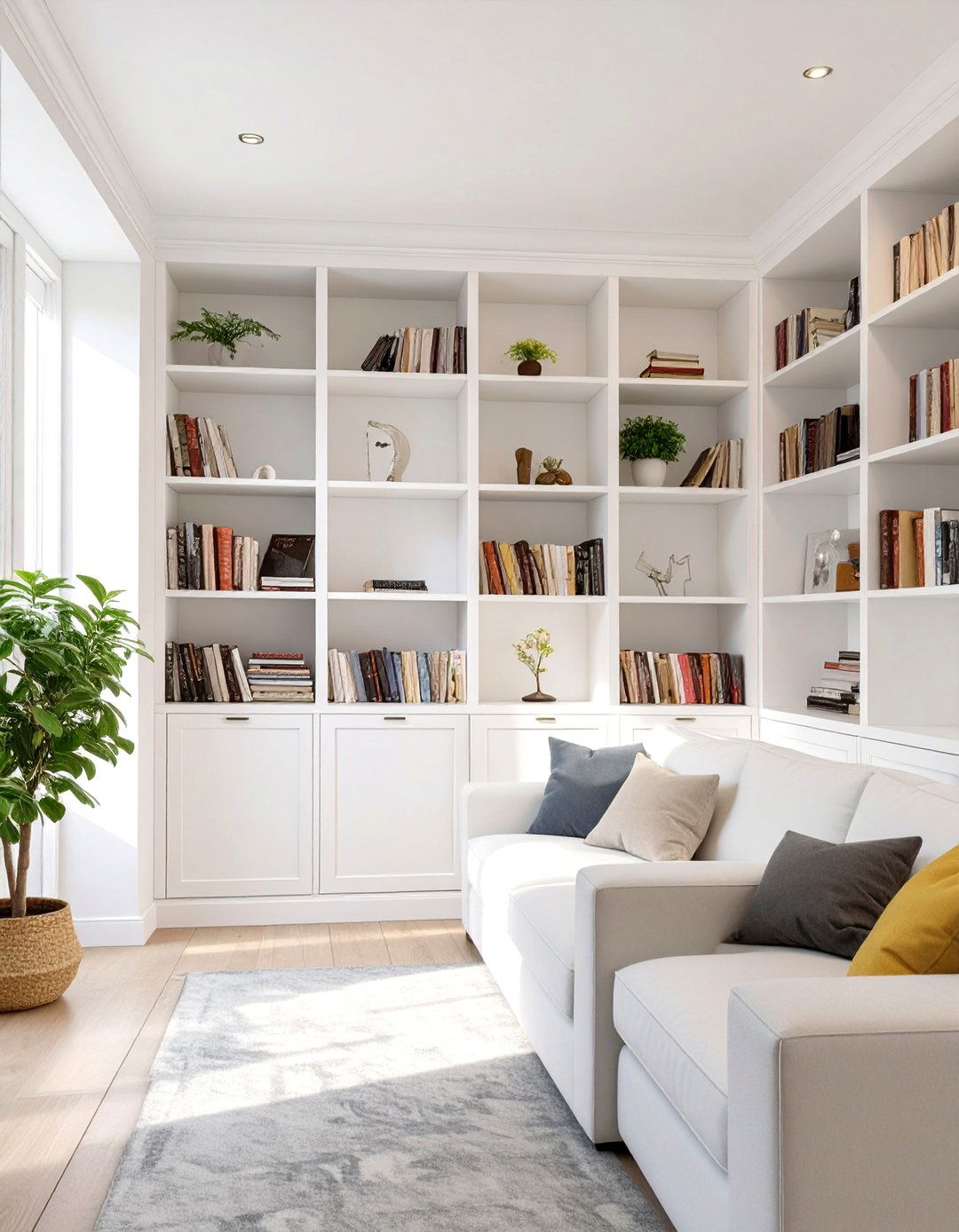
If your budget allows, installing built-in bookcases on one of the short walls can be a fantastic solution. Built-ins provide massive amounts of storage and display space without protruding into the room like freestanding furniture. You can design them to go from floor to ceiling to maximize vertical space and create a stunning focal point. Painting the built-ins the same color as the walls will help them blend in seamlessly, making the room feel wider and more integrated. It’s a custom solution that adds value and incredible functionality to the space.
29. A Gallery Wall on a Short Wall
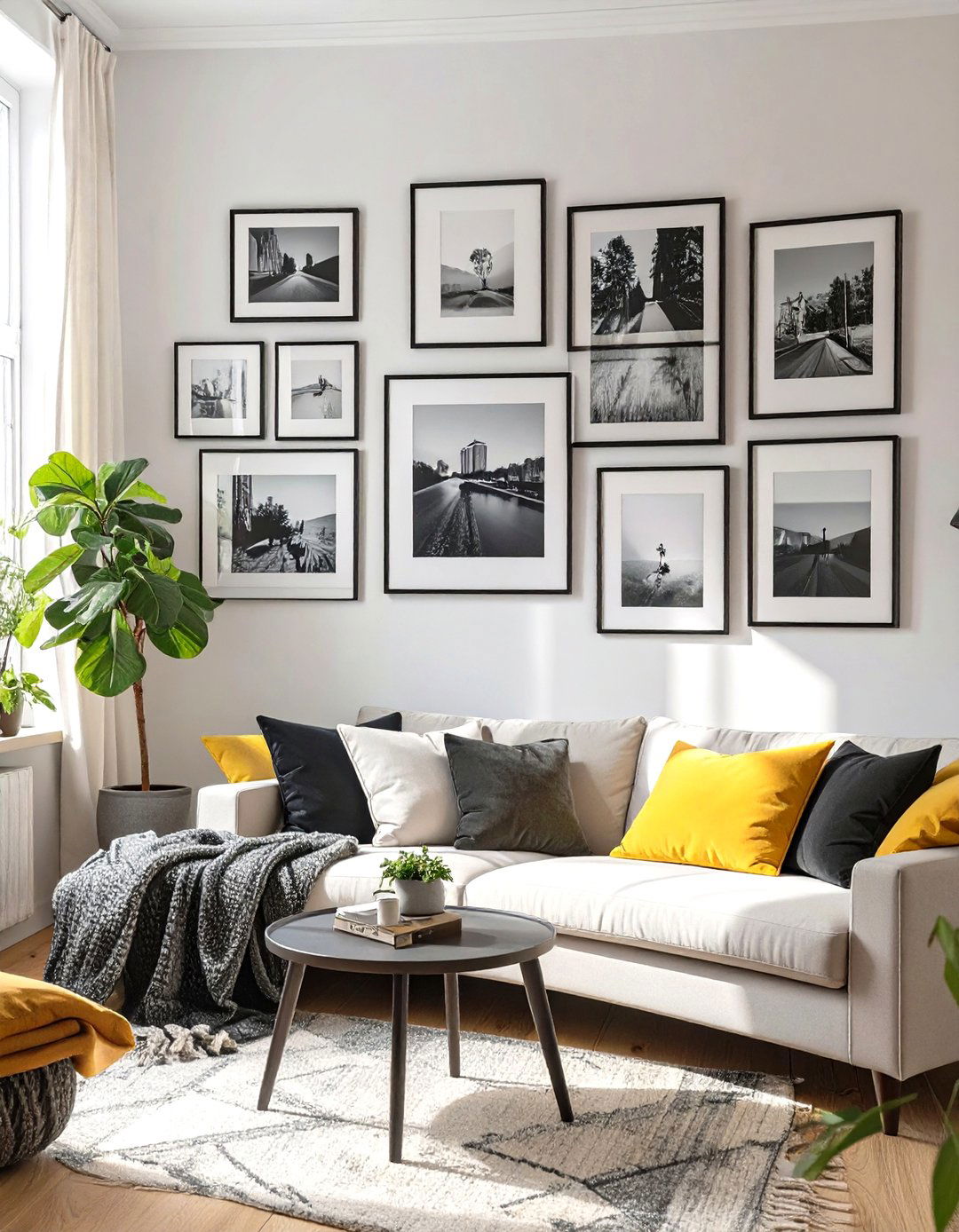
Arranging a gallery wall on one of the shorter walls is another effective way to create a focal point and visually widen the room. A collection of different-sized frames, art, and photographs draws the eye and adds personality. This curated display makes the short wall more prominent, which helps to balance the room's long proportions. Keep the arrangement tight and cohesive to avoid a cluttered look. A well-executed gallery wall can turn a blank end wall into the most interesting feature of your living room, making the space feel more intentional and less like a passageway.
30. A Drop-Leaf Console Table for Adaptability
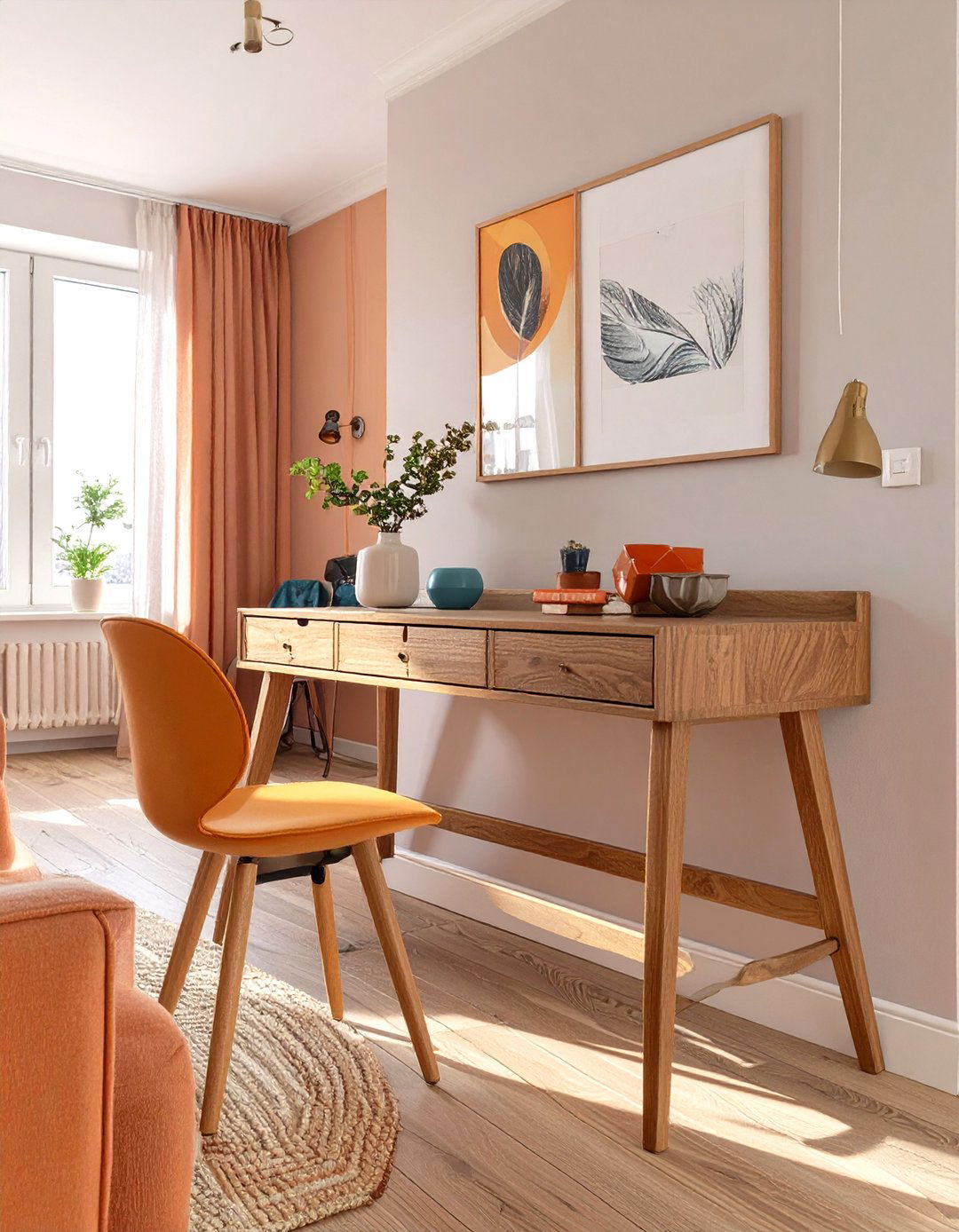
A drop-leaf console table offers incredible adaptability for a narrow space. When the leaves are down, it functions as a super-slim console table, perfect for placing against a wall. When you need more surface area for work, dining, or serving guests, you can simply lift one or both leaves to instantly create a larger table. This adaptable piece of furniture allows you to have the function of a larger table without it constantly taking up valuable space. It's an ideal solution for a multifunctional living room where flexibility is key to comfortable living.
Conclusion:
Ultimately, transforming a small, narrow living room is about clever deception and smart functionality. By using vertical space, light colors, and reflective surfaces, you can create an illusion of width and height. Choosing appropriately scaled and multifunctional furniture, like leggy pieces or storage ottomans, ensures the room remains uncluttered and easy to navigate. Strategies like creating distinct zones and using a single, large rug unify the space, while well-placed lighting and decor add warmth and personality. These ideas prove that even the most challenging layout can become a stylish, comfortable, and inviting home.

Related posts:





Leave a Reply