
Designing a living room in a single wide mobile home presents a unique opportunity to blend style with smart functionality. The long, narrow layout challenges you to think creatively about space, furniture placement, and visual flow. With the right approach, you can transform this compact area into a cozy, spacious-feeling, and inviting heart of your home. These ideas focus on maximizing every square inch, using optical illusions to expand the room, and selecting decor that is both beautiful and practical. Embrace the constraints and let them inspire clever solutions that reflect your personal taste and make your living room truly shine.
1. Incorporating an L-Shaped Sofa
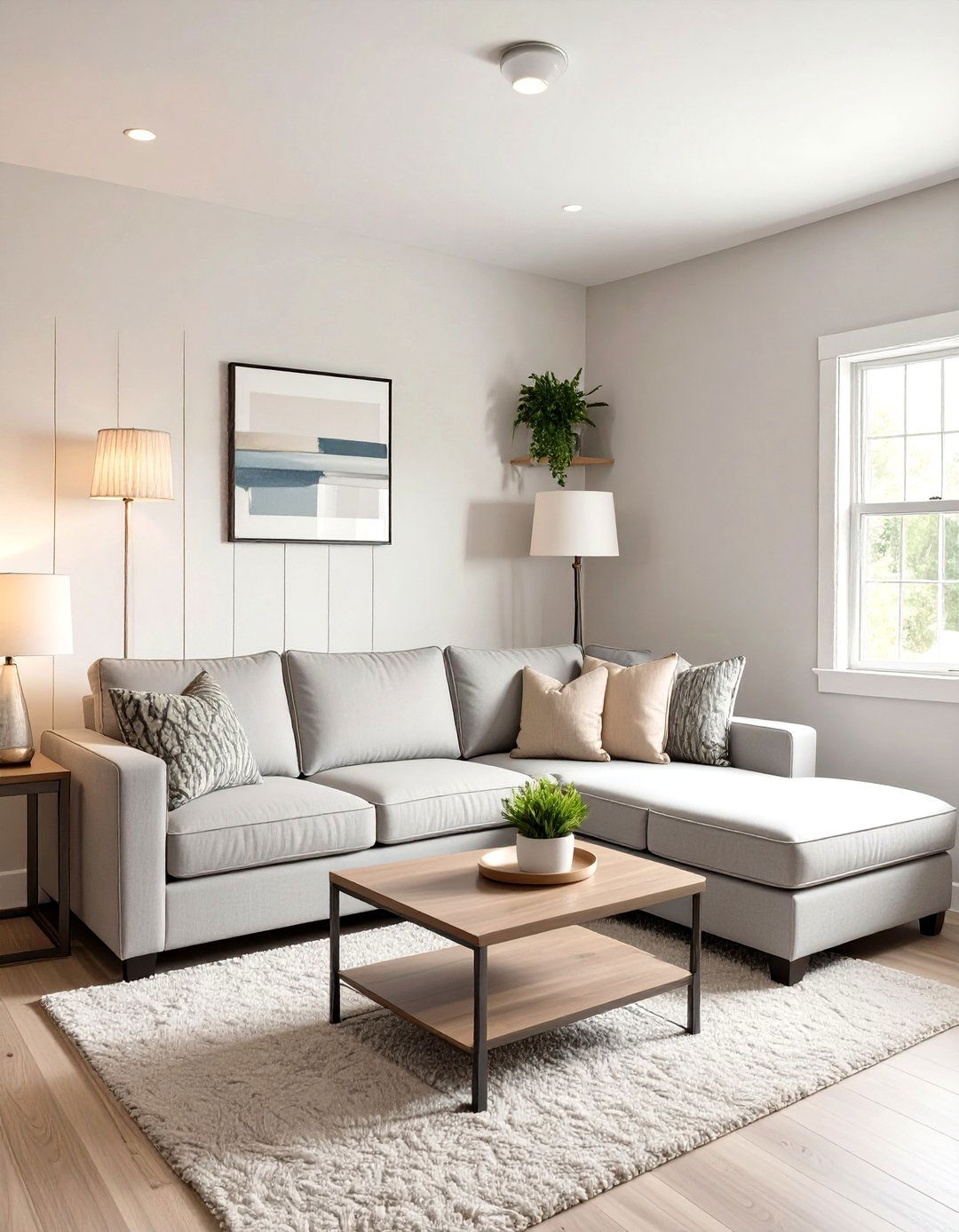
An L-shaped sofa is a brilliant choice for defining a corner and maximizing seating in a narrow living room. By placing it against the two shortest walls of a corner, you create a distinct conversational area without obstructing the main walkway that often runs through the space. This layout frees up the center of the room, making it feel more open. Opt for a sofa with a low profile and slim arms to reduce visual bulk. Lighter colors like beige, light gray, or cream can also help the large piece feel less imposing, contributing to an airy and uncluttered atmosphere.
2. Using Nesting Coffee Tables
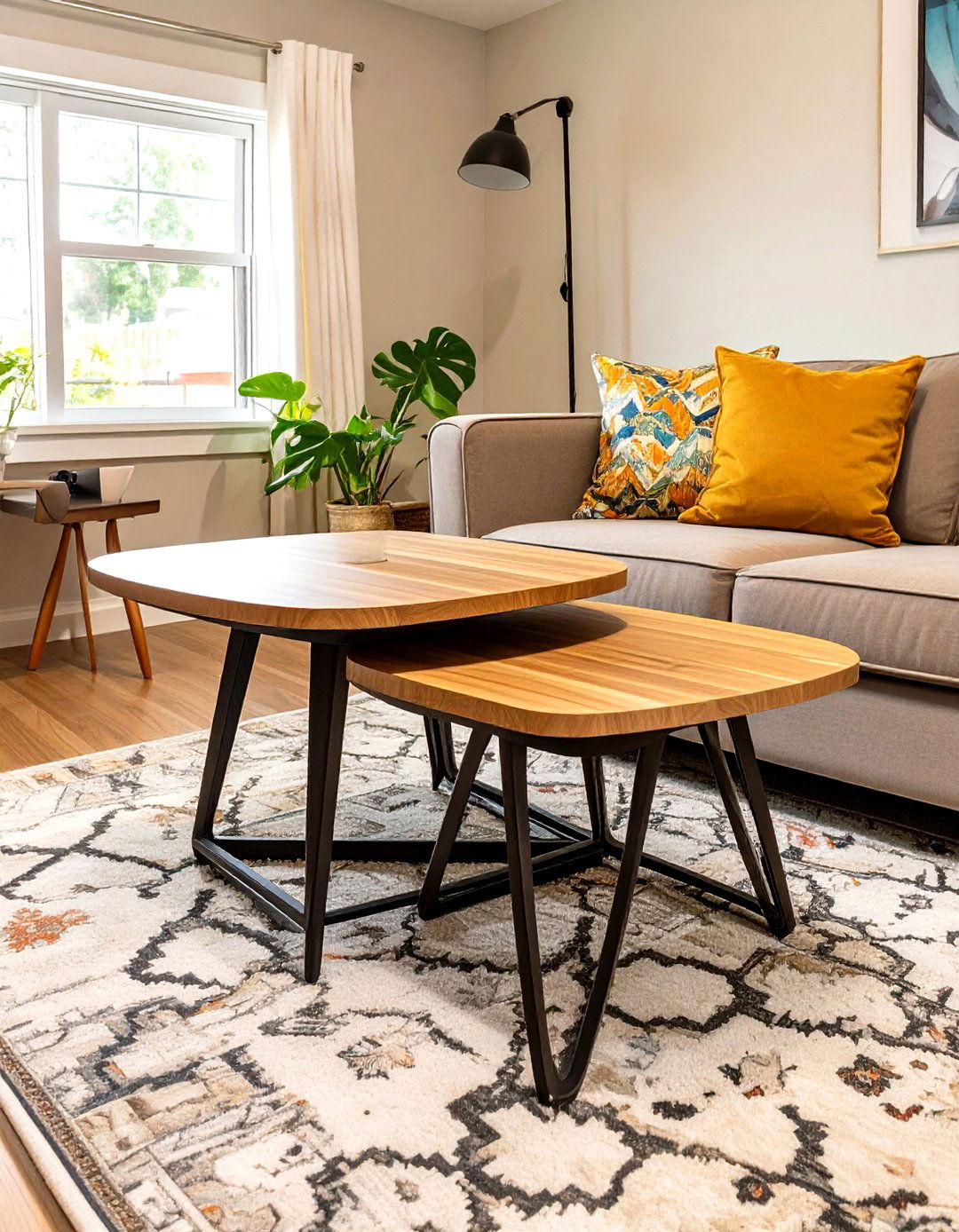
For a versatile centerpiece, nesting coffee tables offer incredible flexibility in a small living area. These sets typically consist of two or three tables of varying heights that can be tucked together to save space when you need more floor area. When guests are over, you can easily pull them apart to provide extra surfaces for drinks and snacks. This adaptability is perfect for a multi-use living room. Look for sets with slender metal legs and wooden or glass tops to maintain a light, open feel, preventing the center of your room from looking too heavy or crowded.
3. Mounting the Television on the Wall
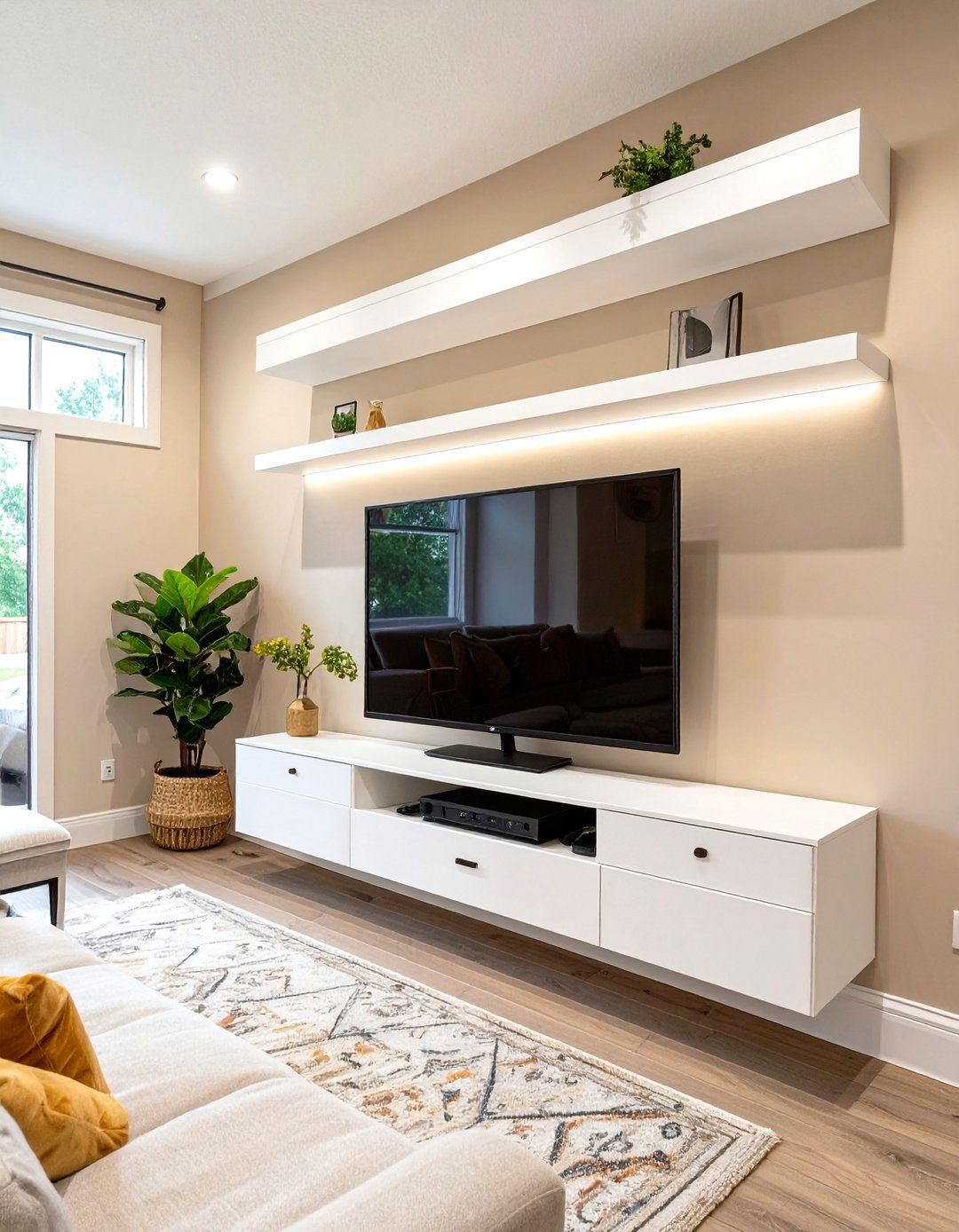
A wall-mounted television is one of the most effective ways to reclaim valuable floor space in a single wide living room. By lifting the TV off a bulky media console, you instantly create a more open and streamlined look. This frees up the area below for a slim credenza, a floating shelf for media components, or even just empty space to enhance the sense of roominess. It also creates a clean, modern focal point. Be sure to conceal the wires using in-wall cord concealers or a paintable cord cover for a truly polished and uncluttered finish.
4. Choosing a Loveseat and Chairs
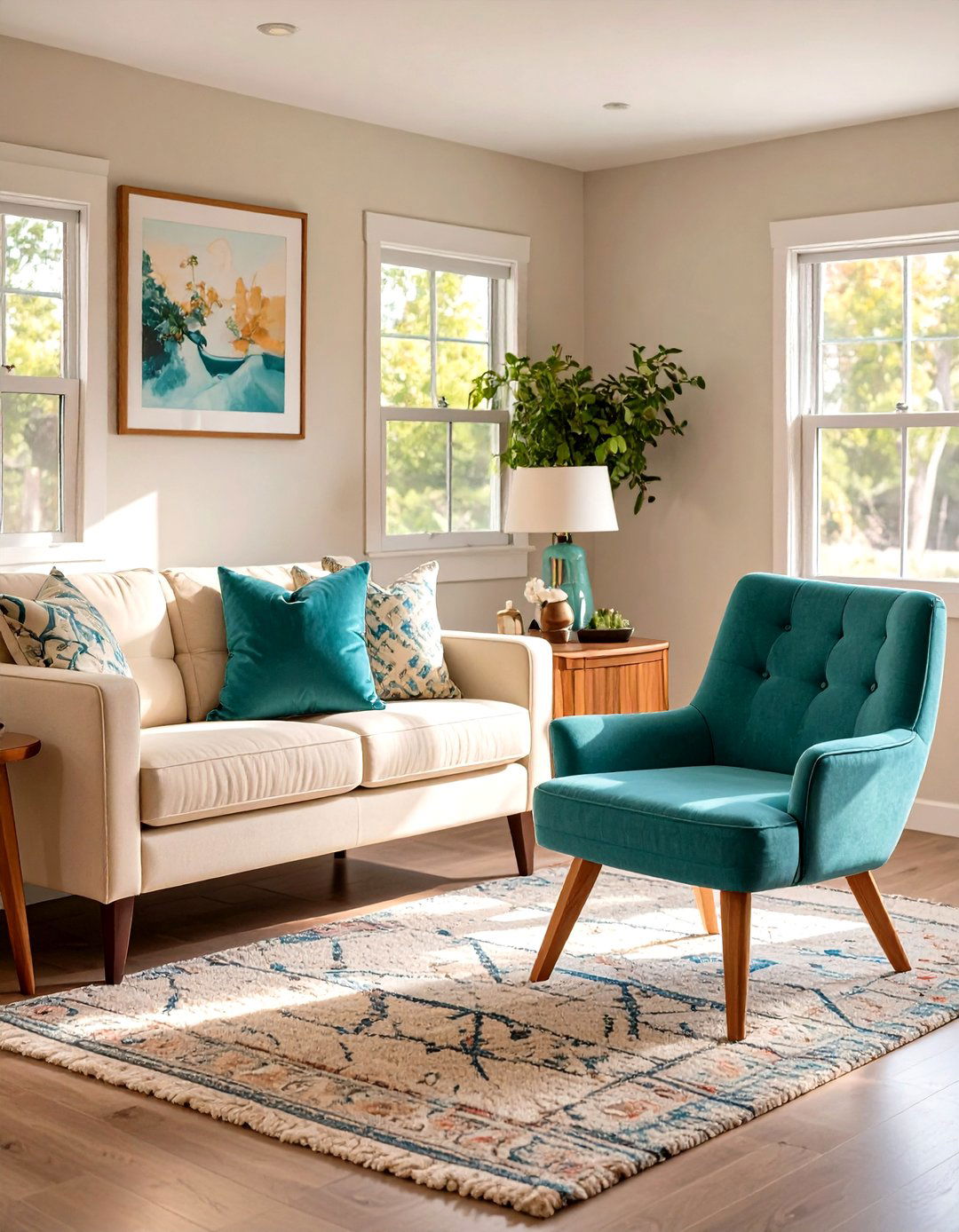
Instead of a single large sofa, consider pairing a compact loveseat with one or two stylish accent chairs. This arrangement offers more flexibility for placement and creates better traffic flow, which is crucial in a long, narrow room. You can position the loveseat against one wall and place the chairs opposite or at an angle, fostering a cozy and conversational setting. This approach also allows you to introduce different textures, colors, and styles through the chairs, adding more personality and visual interest to your decor than a monolithic sofa might allow.
5. Utilizing a Large Area Rug
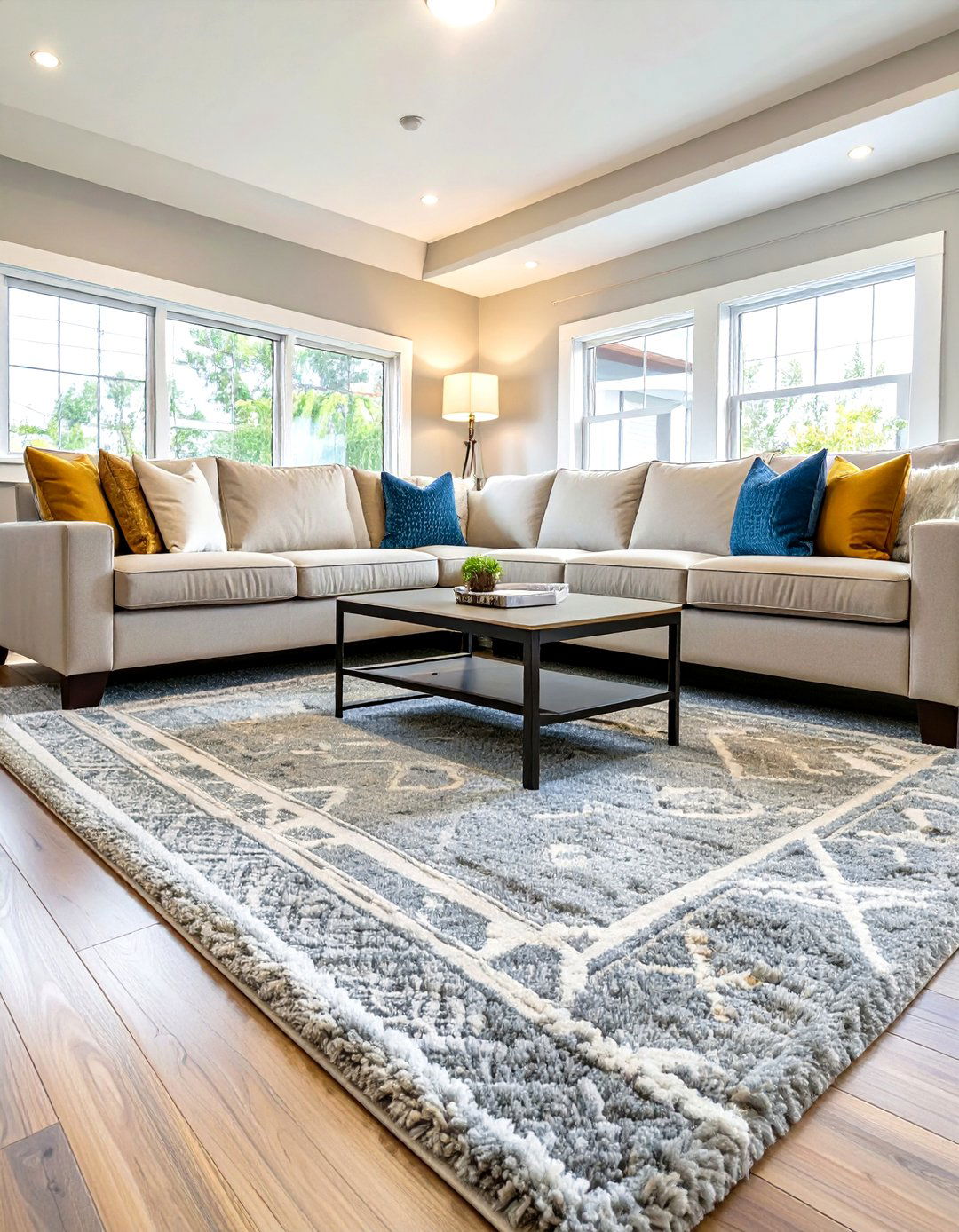
A large area rug can work wonders in a single wide living room by creating a unified and defined zone. Instead of using small, scattered rugs that can make a space feel choppy, one substantial rug anchors the entire seating area. It should be big enough for the front legs of your sofa and any chairs to rest on it, which visually pulls the furniture together and makes the room feel larger and more cohesive. Choose a rug with a light color or a simple pattern to avoid overwhelming the space, helping to establish a calm and organized foundation for your decor.
6. Installing Floating Shelves for Decor
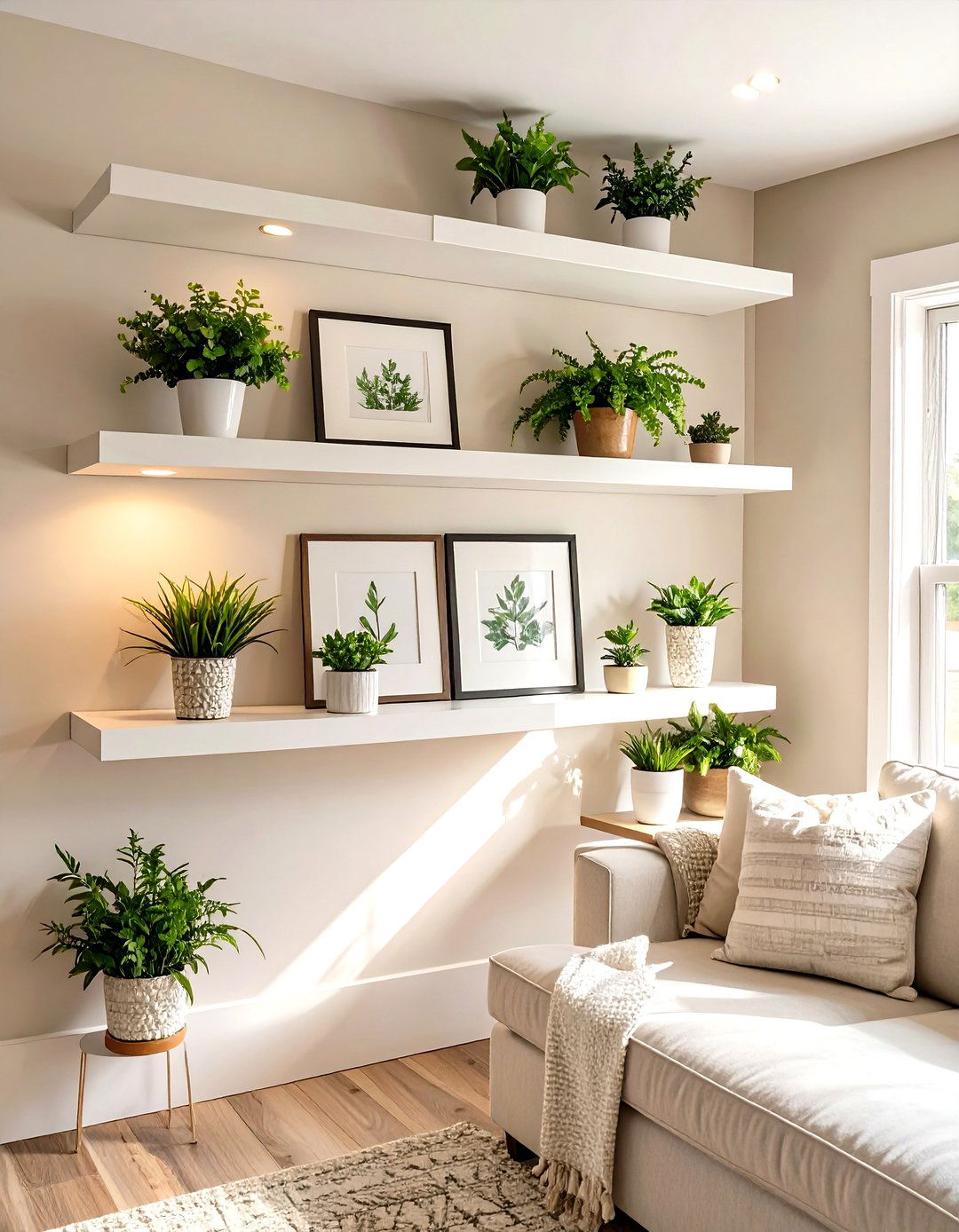
To display decor without consuming floor space, install floating shelves on the walls. These shelves offer a clean, minimalist look and are perfect for holding books, small plants, photos, and other decorative items. In a narrow mobile home living room, they draw the eye upward, creating an illusion of height and spaciousness. You can arrange them symmetrically above a loveseat or stagger them on a larger feature wall for a more dynamic effect. This strategy allows you to personalize your space and add storage while keeping the floor clear, which is essential for maintaining an open feel.
7. Painting Walls in a Light, Neutral Color
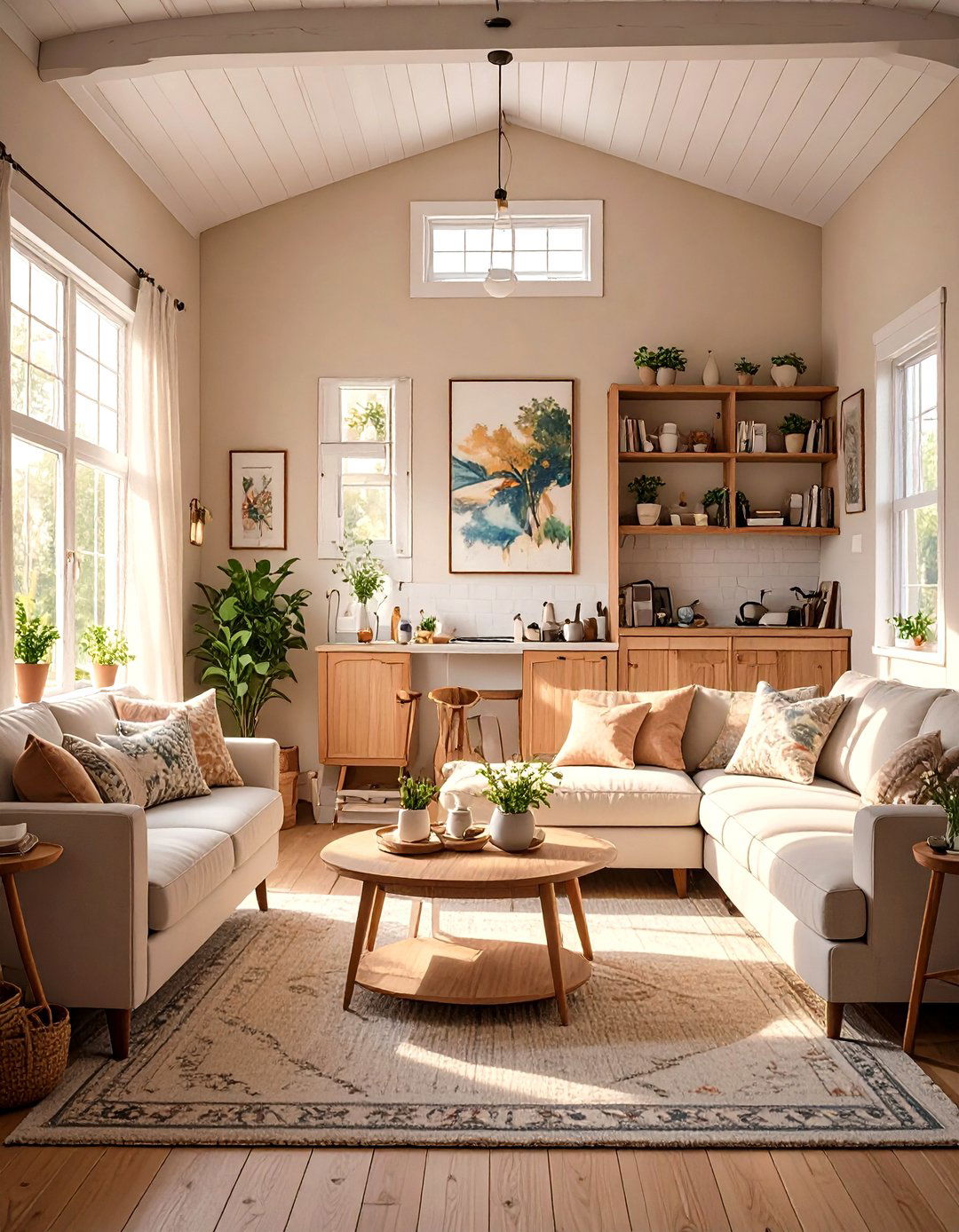
Painting your walls in a light, neutral color is a classic and highly effective strategy for making a small living room feel bigger and brighter. Shades like soft white, light gray, beige, or pale pastels reflect more natural and artificial light, creating an airy and open ambiance. A uniform light color on all walls helps to blur the boundaries of the room, making the narrow space seem wider than it actually is. This neutral backdrop also provides a versatile canvas, allowing your furniture, textiles, and decor to stand out without competing with a busy wall color.
8. Adding a Large Wall Mirror
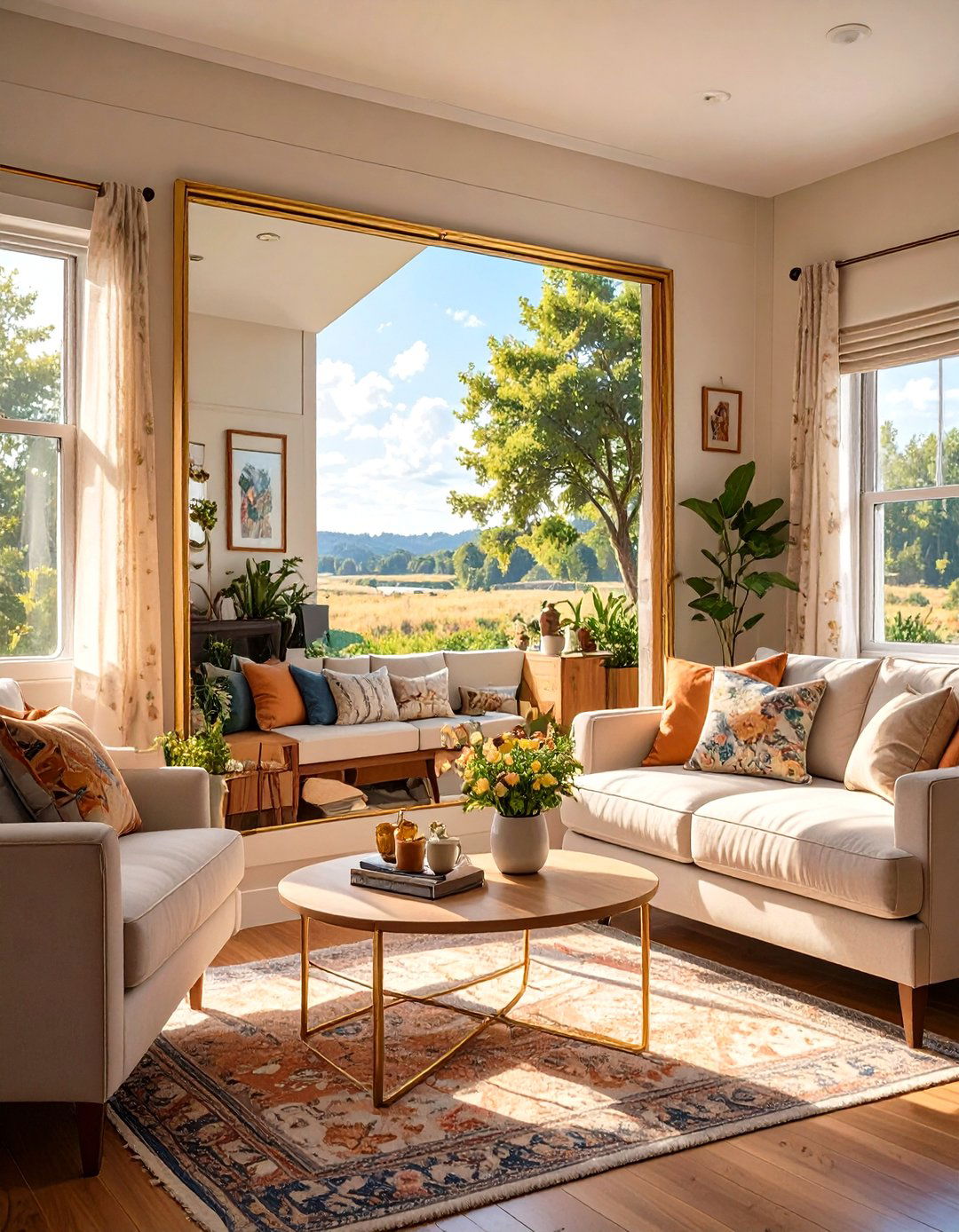
A large mirror is a powerful tool for visually expanding a small living room. When placed strategically, it can create a profound sense of depth and brightness. Position a large mirror on the wall opposite a window to reflect natural light and the view, instantly making the room feel more open and connected to the outdoors. Alternatively, placing it along one of the longer walls of the room will create the illusion of more width. Choose a mirror with a simple, slim frame to keep the look modern and uncluttered, maximizing its space-enhancing effects.
9. Selecting Furniture with Exposed Legs
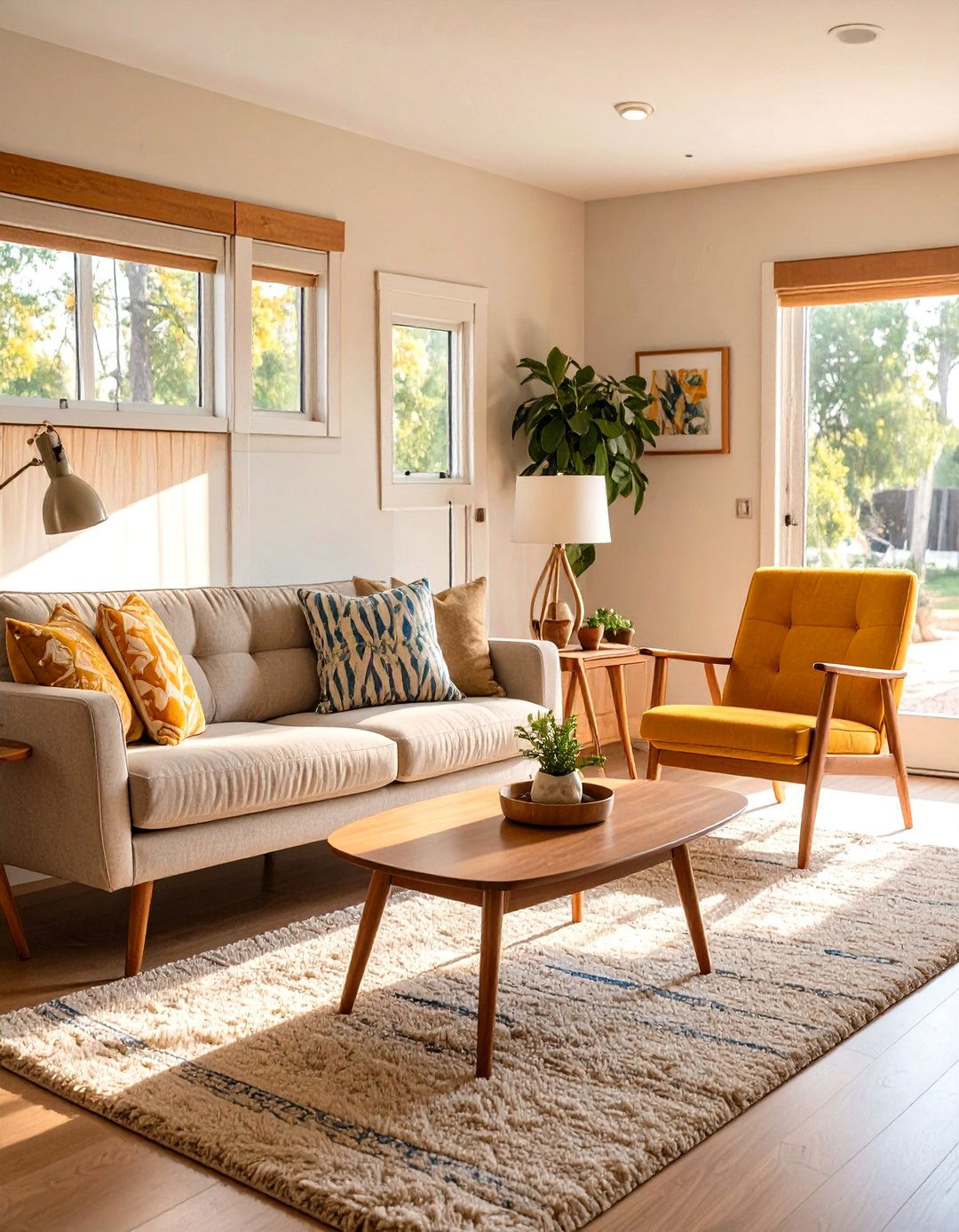
When choosing furniture for your living room, opt for pieces with exposed legs, such as sofas, chairs, and tables raised off the ground. This design detail allows light and air to flow underneath, creating a sense of openness and making the room feel less crowded. Seeing the floor continue beneath the furniture tricks the eye into perceiving more space. Mid-century modern style pieces are often a great choice as they typically feature slender, tapered legs that add elegance without bulk. This simple switch from skirted or blocky furniture makes a significant visual impact in a compact area.
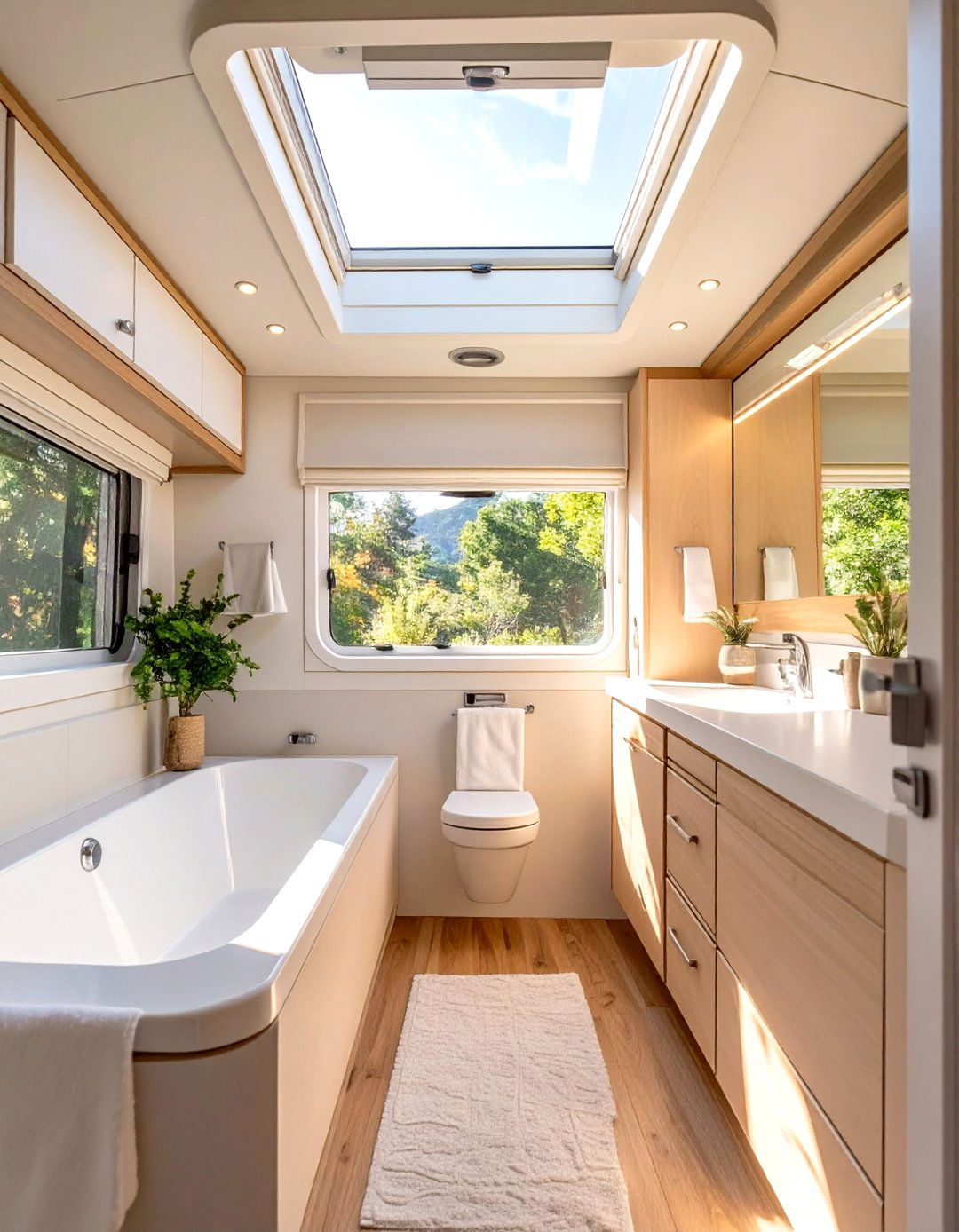
10. Using Multi-Functional Ottoman
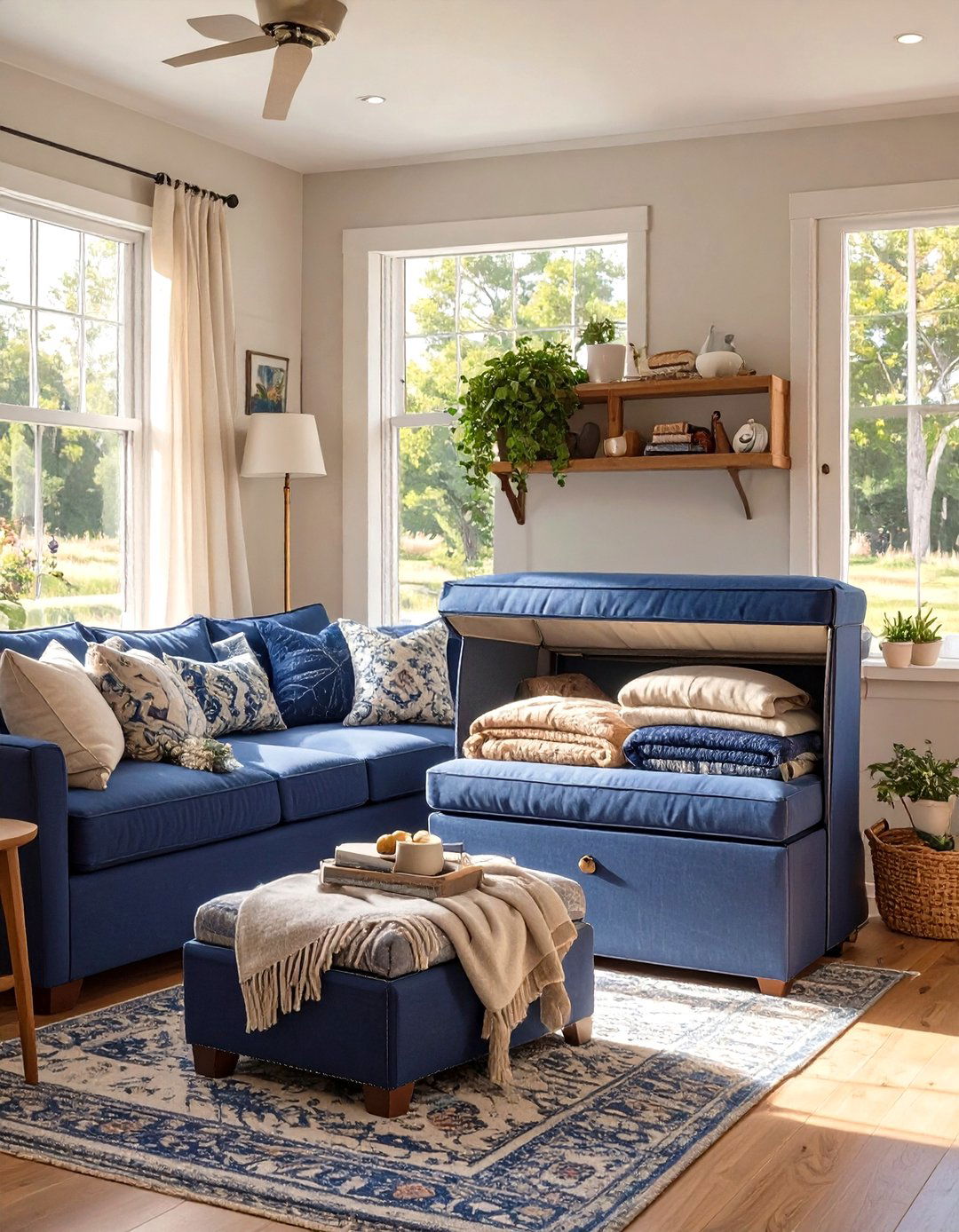
A multi-functional ottoman is a hardworking hero in any small living room. This single piece can serve as a coffee table, extra seating for guests, or a comfortable footrest. For even more utility, choose a storage ottoman with a hollow interior and a hinged or removable top. This provides a hidden spot to stash away blankets, magazines, remote controls, or toys, helping to keep your living area tidy and clutter-free. Available in countless shapes, sizes, and fabrics, an ottoman can also add a pop of color or a soft texture to your decor.
11. Implementing Vertical Stripe Accents
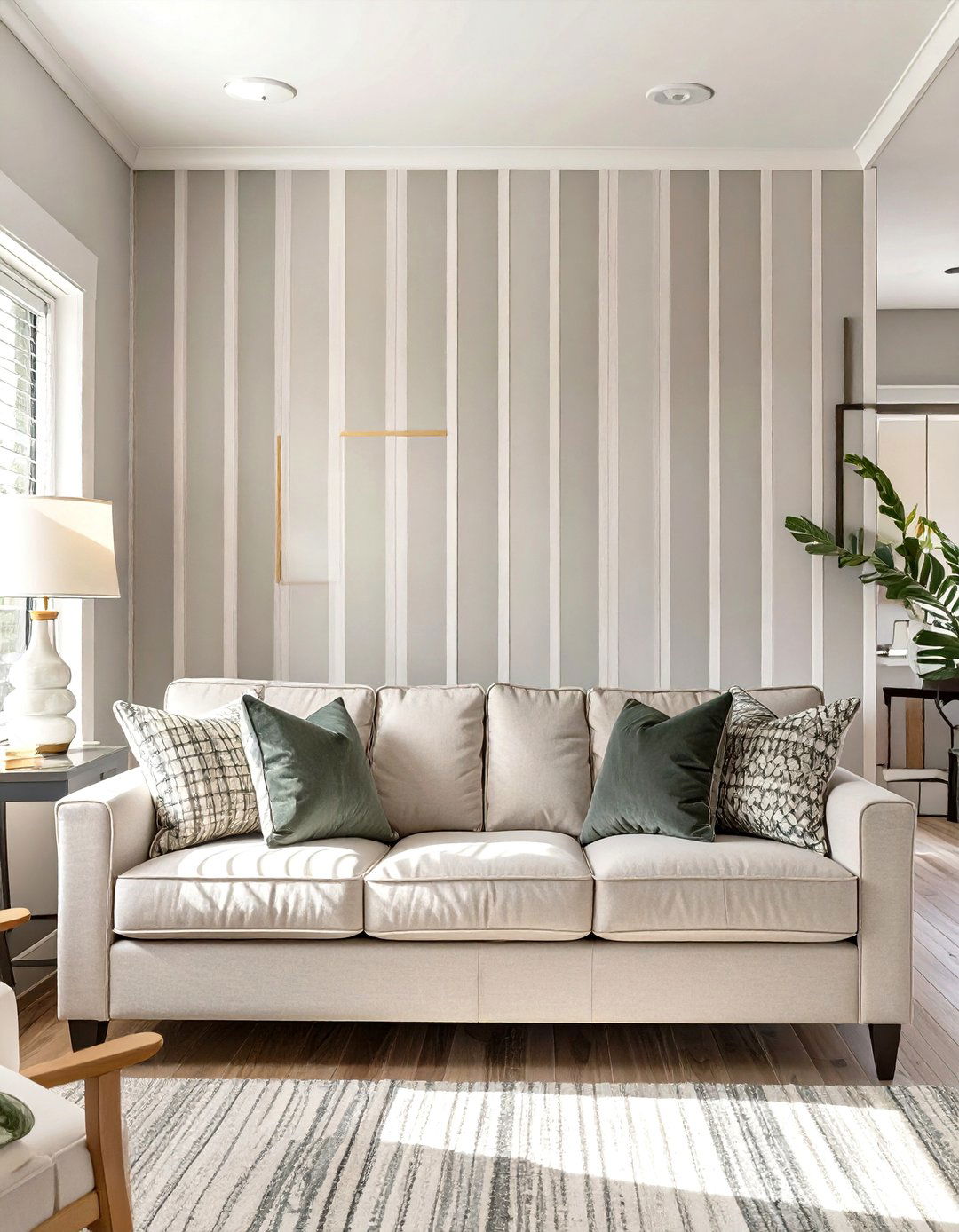
To make the ceiling in your single wide living room appear higher, incorporate vertical stripes. This can be achieved in several ways without being overwhelming. Consider using wallpaper with a subtle vertical stripe pattern on a single accent wall, or hang curtains that feature a distinct vertical design. Even a tall, narrow piece of art with strong vertical lines can draw the eye upward. This simple visual trick counteracts the typically lower ceilings in mobile homes, creating a sense of height and airiness that makes the entire room feel more spacious and less confined.
12. Hanging Curtains High and Wide
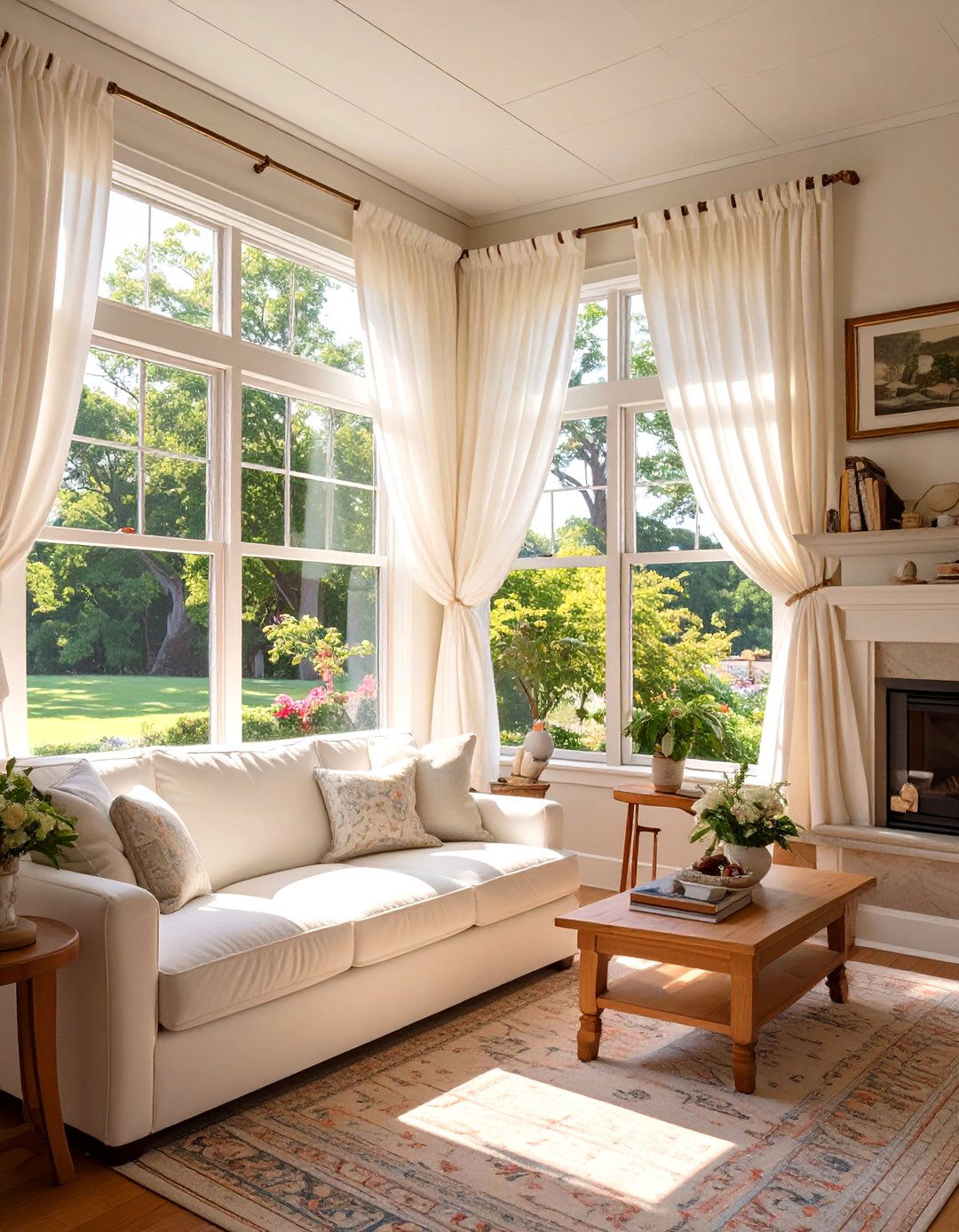
A simple yet transformative trick for any small living room is to hang your curtains high and wide. Mount the curtain rod several inches above the window frame, close to the ceiling, and extend it well beyond the sides of the window. This makes the window appear much larger and taller, drawing the eye upward and allowing the maximum amount of natural light to enter when the curtains are open. Opt for lightweight, light-colored curtain panels to complete the effect, as heavy, dark drapes can feel bulky and enclose the space.
13. Incorporating Clear Acrylic Furniture
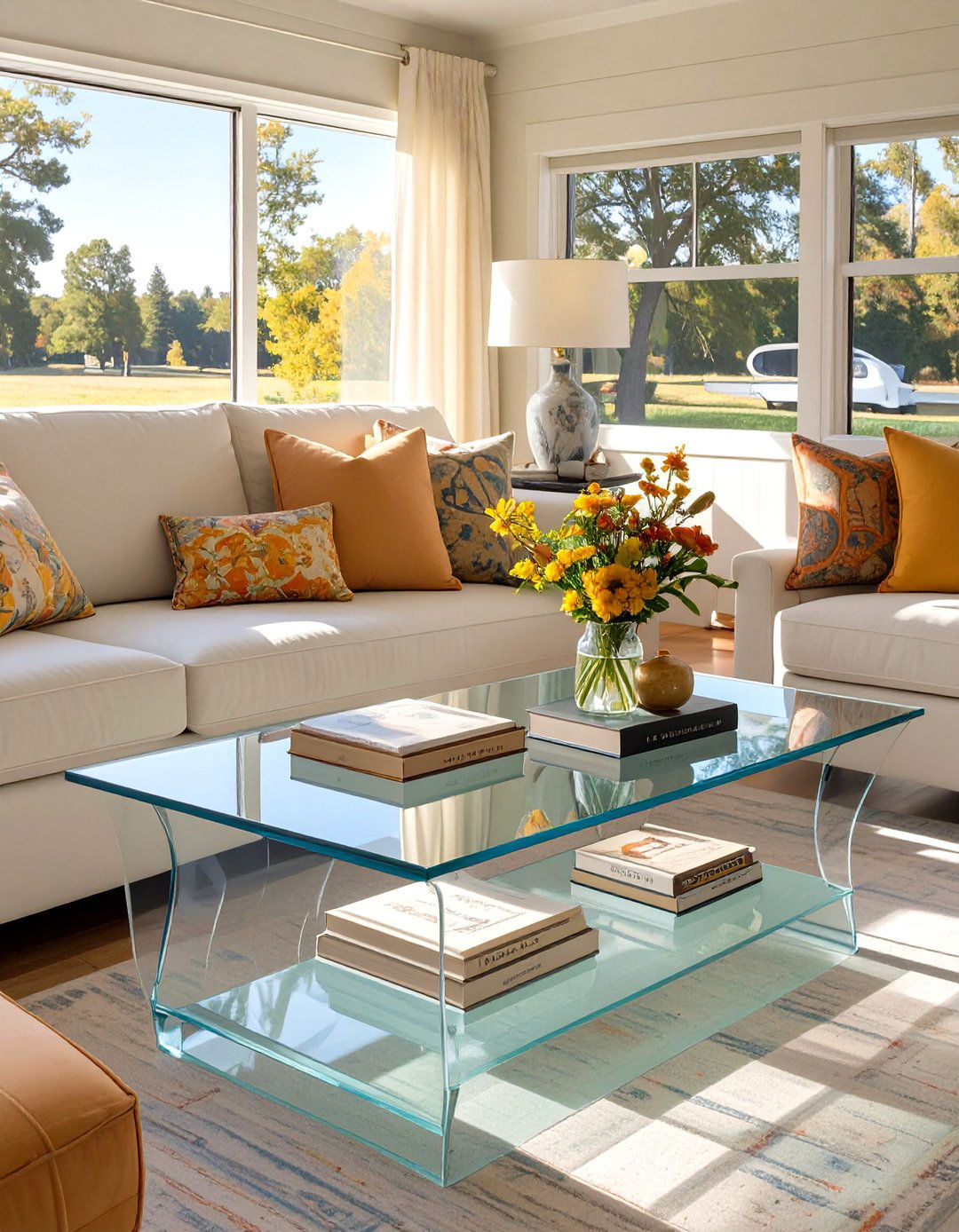
Clear acrylic or lucite furniture is a fantastic choice for small living rooms because it takes up zero visual space. An acrylic coffee table, side table, or console table provides the function you need without adding visual clutter. Because you can see right through it, it helps maintain an open, unobstructed view across the room, making the area feel larger and more modern. This "ghost" furniture blends seamlessly with any decor style, from minimalist to glamorous, offering a chic and practical solution for maintaining a sense of spaciousness in a tight living area.
14. Creating a Cohesive Color Scheme
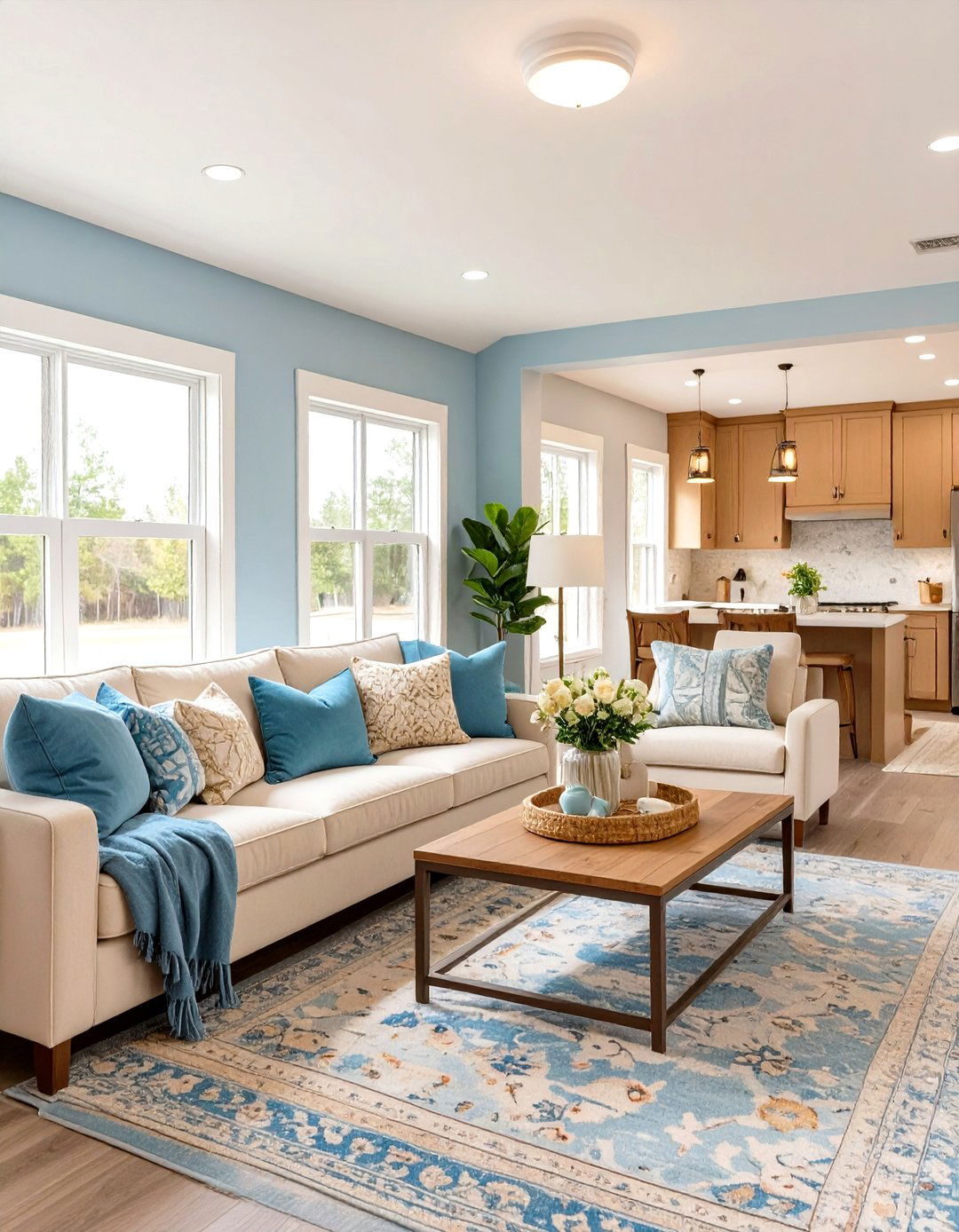
Sticking to a cohesive color scheme is essential for creating a harmonious and uncluttered look in a small mobile home living room. Choose two or three main colors and use them consistently throughout the space in your walls, furniture, textiles, and accessories. A limited palette helps to unify the room and prevents it from feeling chaotic or visually busy. Lighter color schemes, such as variations of white, gray, and blue, are particularly effective at creating a sense of calm and spaciousness. This intentional approach ensures all elements work together, resulting in a polished and thoughtfully designed space.
15. Using Backless Benches for Seating
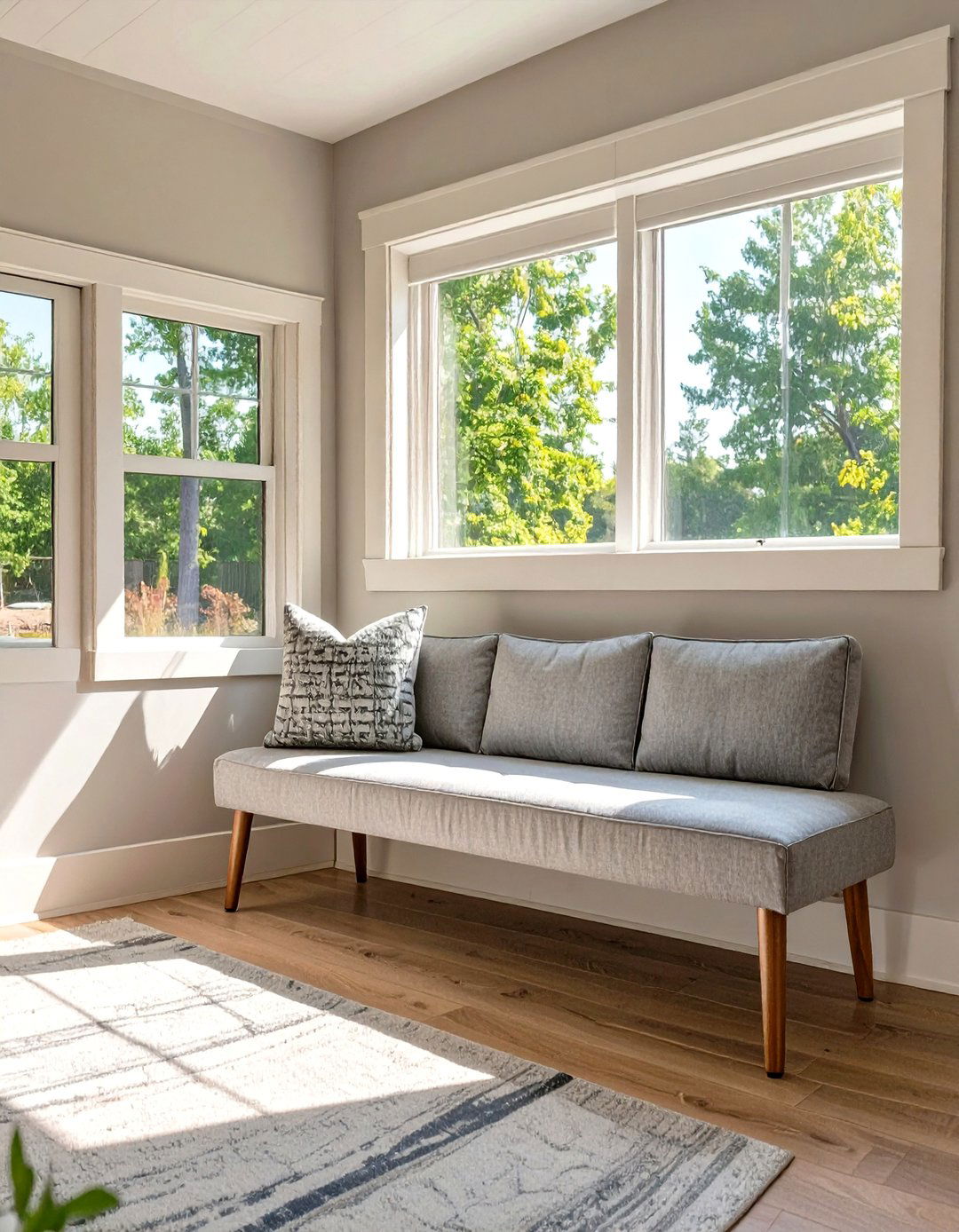
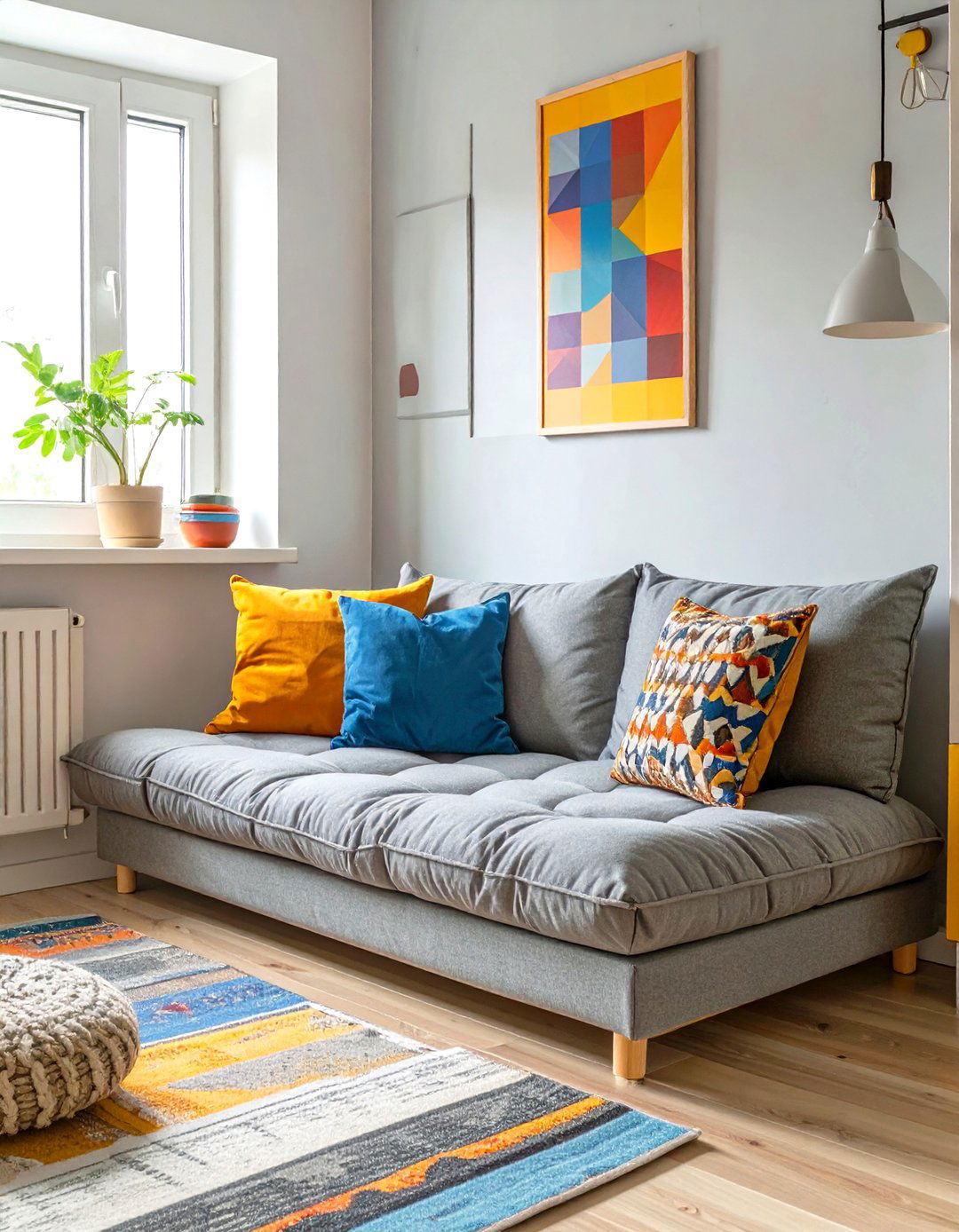
A backless bench is a smart seating solution for a single wide living room because it can be easily tucked away or repositioned. Place it under a window where it won’t block the view, or use it as a coffee table substitute with a tray on top. It can also be pulled out for extra seating when you have company. Because it has no back, it doesn’t create a visual barrier in the room, helping to maintain an open and airy feel. Choose a slim, upholstered bench to add a touch of softness and color without taking up too much space.
16. Placing a Console Table Behind the Sofa
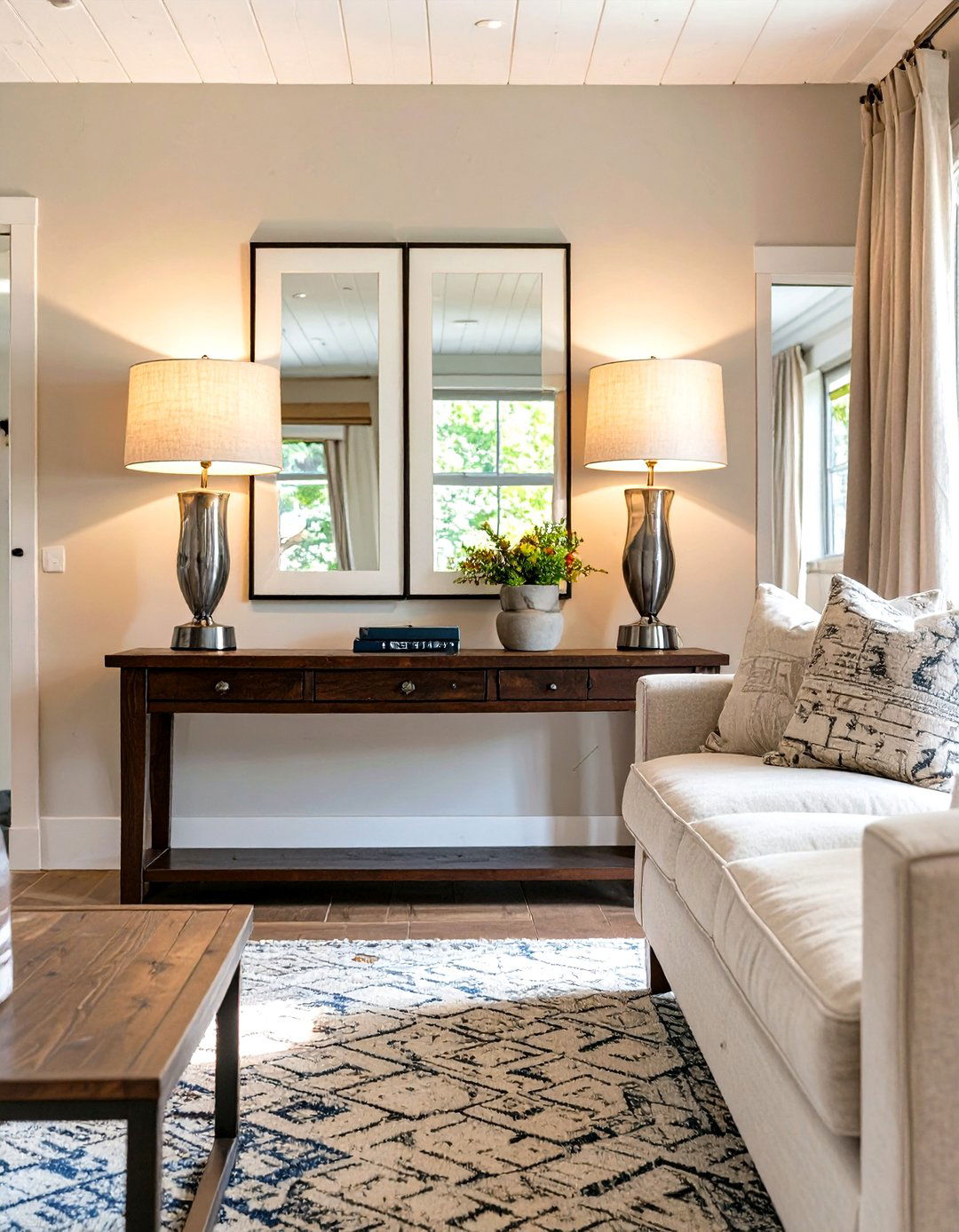
If your sofa "floats" in the middle of the room rather than being against a wall, placing a slim console table directly behind it is a brilliant use of space. This creates a subtle visual separation and provides a valuable surface for lamps, books, or decorative objects without cluttering up side tables. It’s also a perfect spot to add a power strip for charging devices. This strategy adds function and a layer of sophistication to your layout. Choose a console table that is roughly the same height as the back of your sofa for a seamless, built-in look.
17. Decluttering with Smart Storage Solutions

Aggressive decluttering is non-negotiable in a small living room. Utilize smart storage solutions to keep surfaces clear and maintain a sense of order. Think vertically with tall, narrow bookcases that draw the eye up. Use decorative baskets or boxes to corral smaller items on shelves or under tables. A storage ottoman or a coffee table with drawers provides hidden space for essentials like remotes and blankets. By ensuring everything has a designated home, you prevent clutter from accumulating, which is the key to making any small space feel larger and more serene.
18. Choosing a Round Dining Table
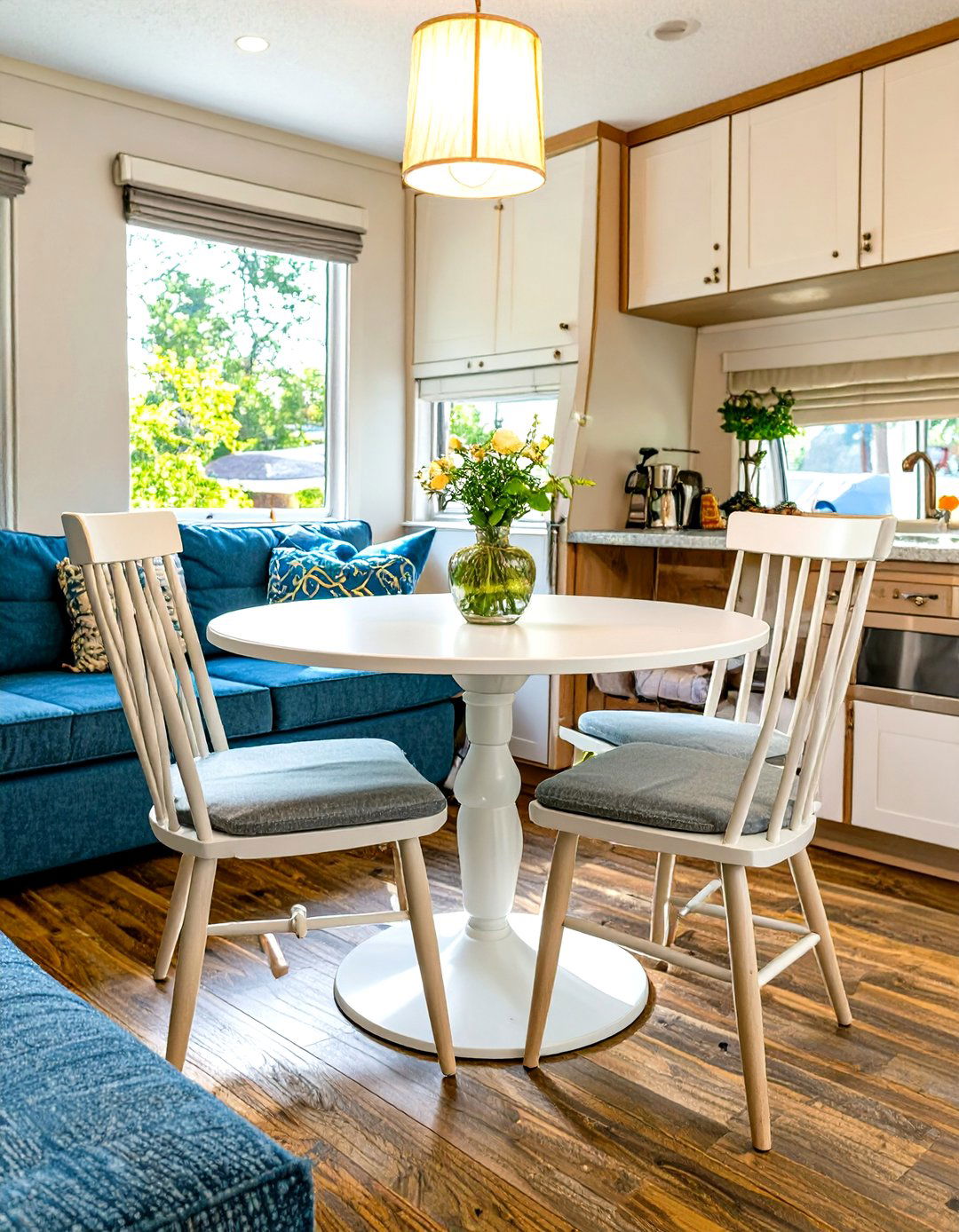
If your living area doubles as a dining space, a round table is a superior choice. Round tables have a smaller footprint than square or rectangular ones and lack sharp corners, making them easier to navigate around in a tight space. They also promote a more intimate and conversational dining experience. A small pedestal-style round table is particularly effective as it eliminates corner legs, freeing up even more legroom and visual space. This allows for smoother traffic flow and makes the dual-purpose area feel less cramped and more functional.
19. Utilizing Corner Shelving Units
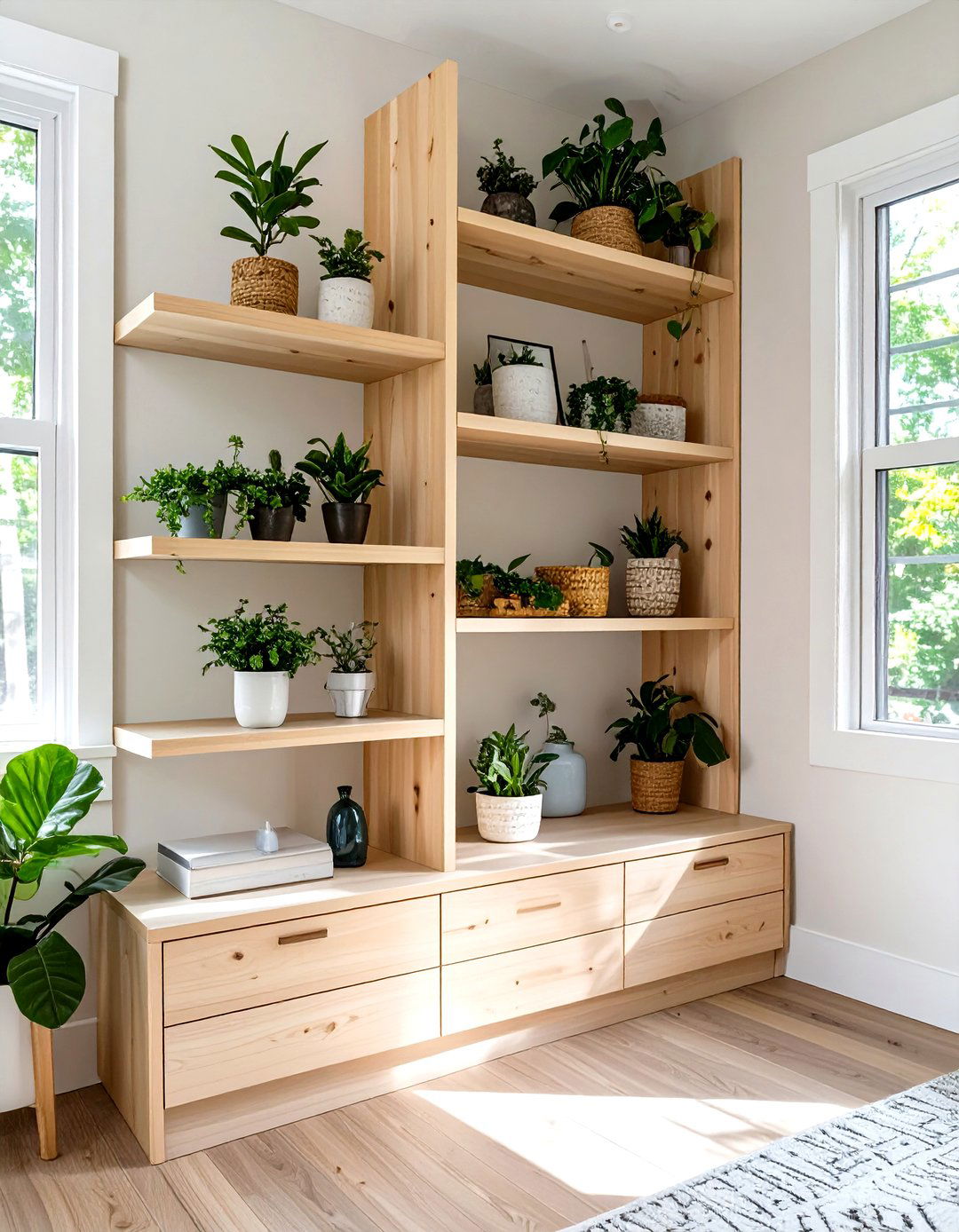
Corners are often underutilized, but in a small living room, they represent valuable real estate. A corner shelving unit or bookcase can transform an awkward empty corner into a stylish and functional storage or display area. These units are designed to fit snugly into the space, providing shelves for books, plants, or cherished items without protruding into the main living area. This draws the eye into the corner, making the room feel larger, and adds depth and interest. It’s a smart way to maximize storage capacity while maintaining a clear and open floor plan.
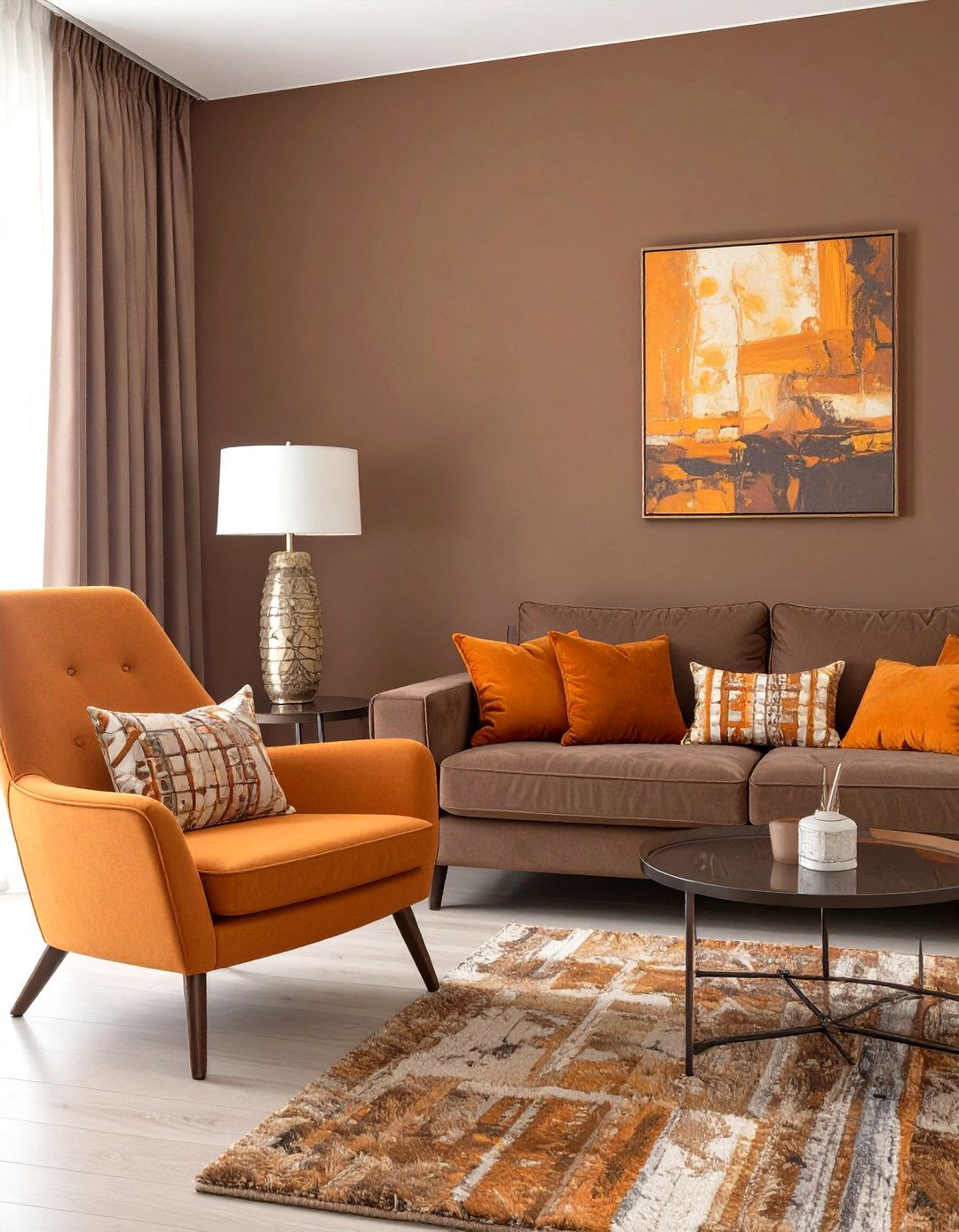

20. Layering Different Light Sources
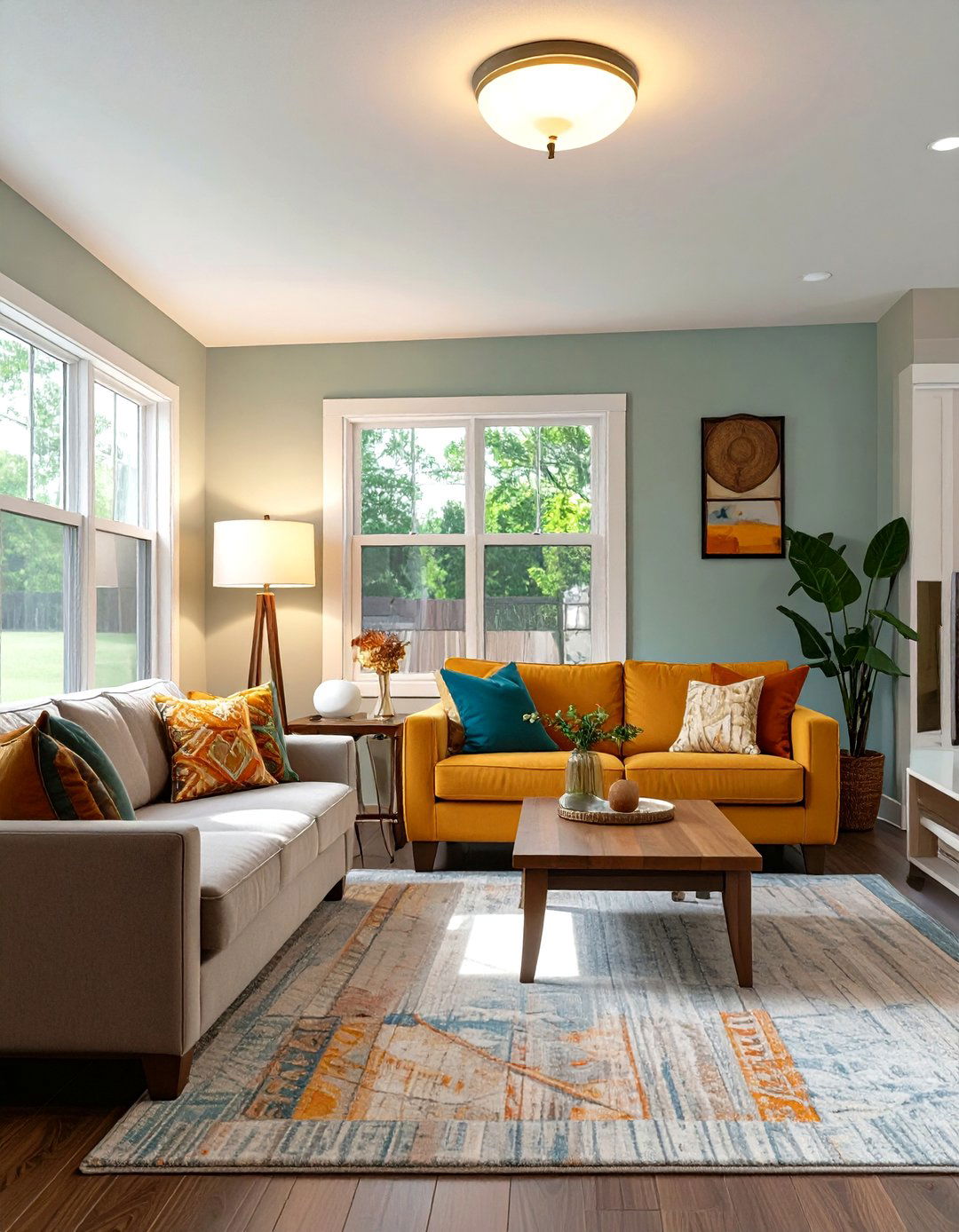
Good lighting is crucial in making a small room feel welcoming and spacious. Instead of relying on a single overhead fixture, layer your lighting with multiple sources. Combine a main ceiling light with floor lamps, table lamps, and perhaps even some accent lighting like picture lights or LED strips on shelves. This allows you to adjust the ambiance for different activities and times of day. Spreading light sources around the room also eliminates dark corners and creates a warm, balanced glow, which helps the space feel larger, more inviting, and more thoughtfully designed.
21. Adopting a Minimalist Design Approach
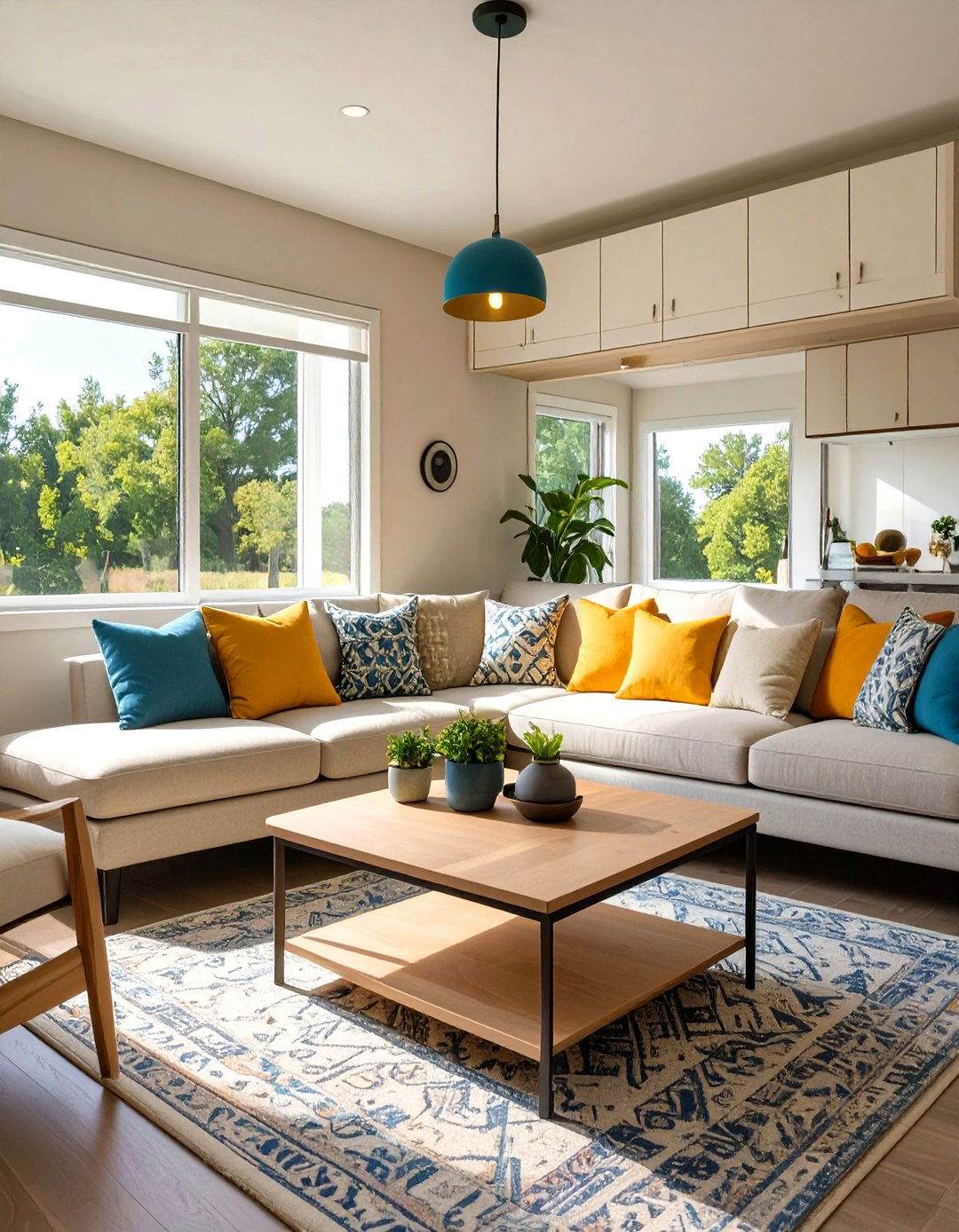
Embracing a minimalist design philosophy can be transformative for a small mobile home living room. This approach centers on the principle of "less is more," focusing on essential, high-quality pieces and eliminating unnecessary clutter. By carefully selecting only the furniture and decor that you truly need and love, you create a space that feels calm, open, and intentional. A minimalist aesthetic typically involves a neutral color palette, clean lines, and uncluttered surfaces. This intentional simplicity not only maximizes the feeling of space but also makes the room easier to clean and maintain.
22. Integrating Natural Elements
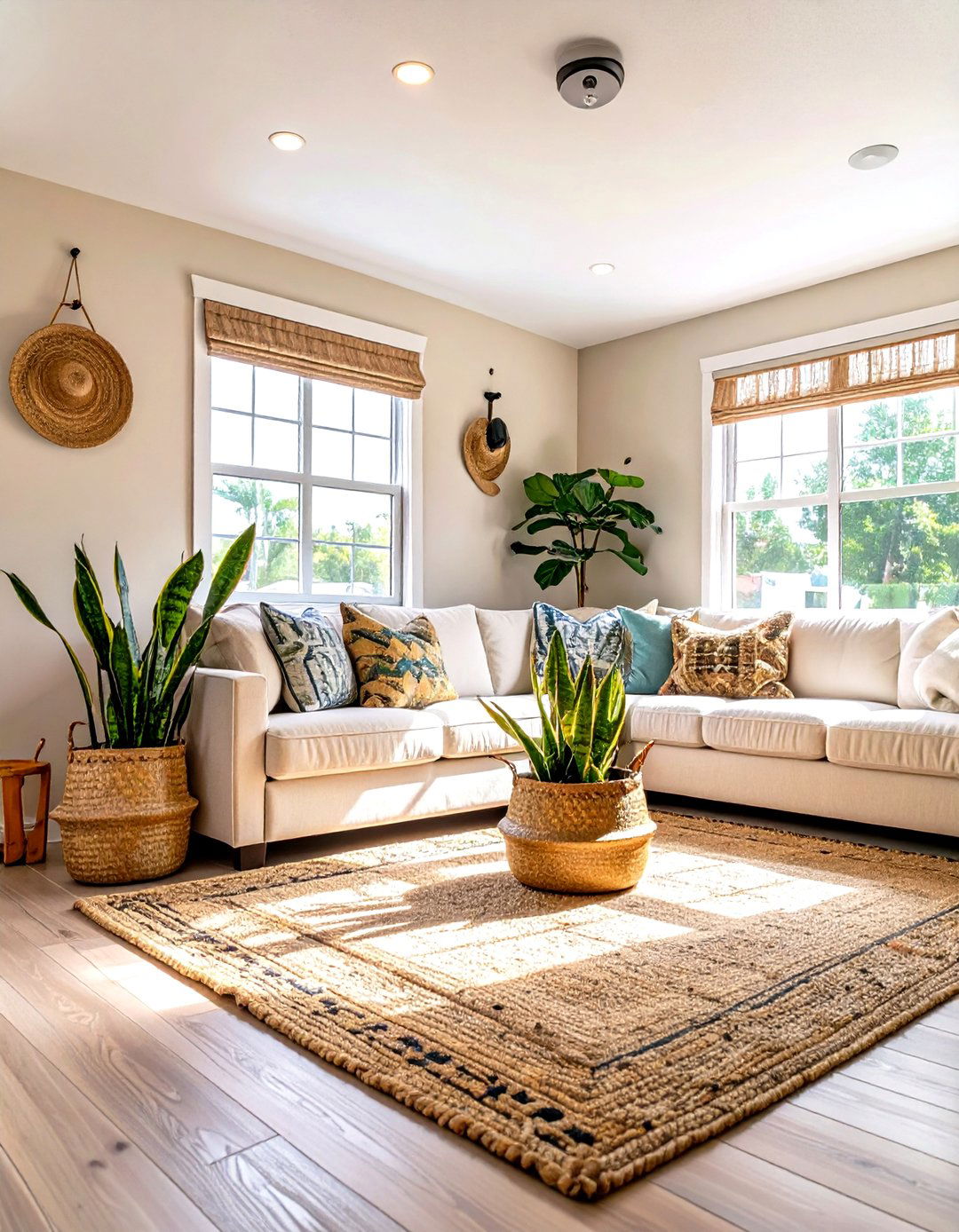
Bringing natural elements into your living room can make the space feel fresh, calm, and more connected to the outdoors. Incorporate houseplants of various sizes—a tall fiddle leaf fig in a corner or small succulents on a shelf—to add life and color. Use materials like wood, jute, rattan, and linen in your furniture and decor to introduce texture and warmth. A jute rug, a wooden coffee table, or wicker baskets can create a relaxed, organic vibe. These natural touches help to soften the lines of the room and create a serene, inviting atmosphere.
23. Using Leggy Accent Chairs
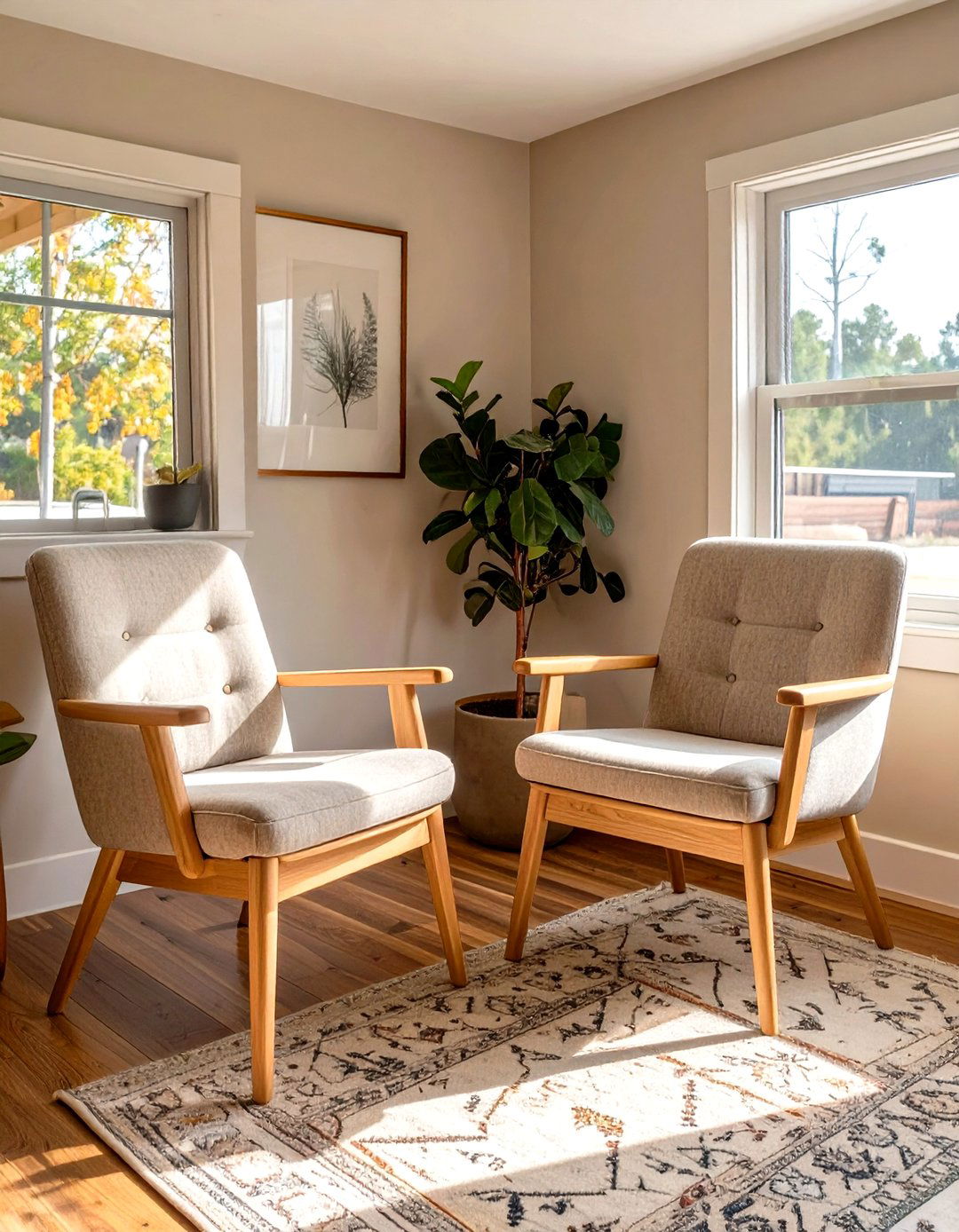
When selecting accent chairs, look for "leggy" designs with slim frames and visible legs. Chairs that are elevated off the floor create a sense of lightness and space, as opposed to bulky, skirted chairs that can make a room feel heavy and crowded. This design allows you to see more of the floor, which tricks the eye into perceiving a larger area. Mid-century modern or Scandinavian-style chairs are excellent examples of this principle. They provide comfortable seating while maintaining a minimalist and airy profile that is perfectly suited for a compact living room.
24. Creating a Gallery Wall
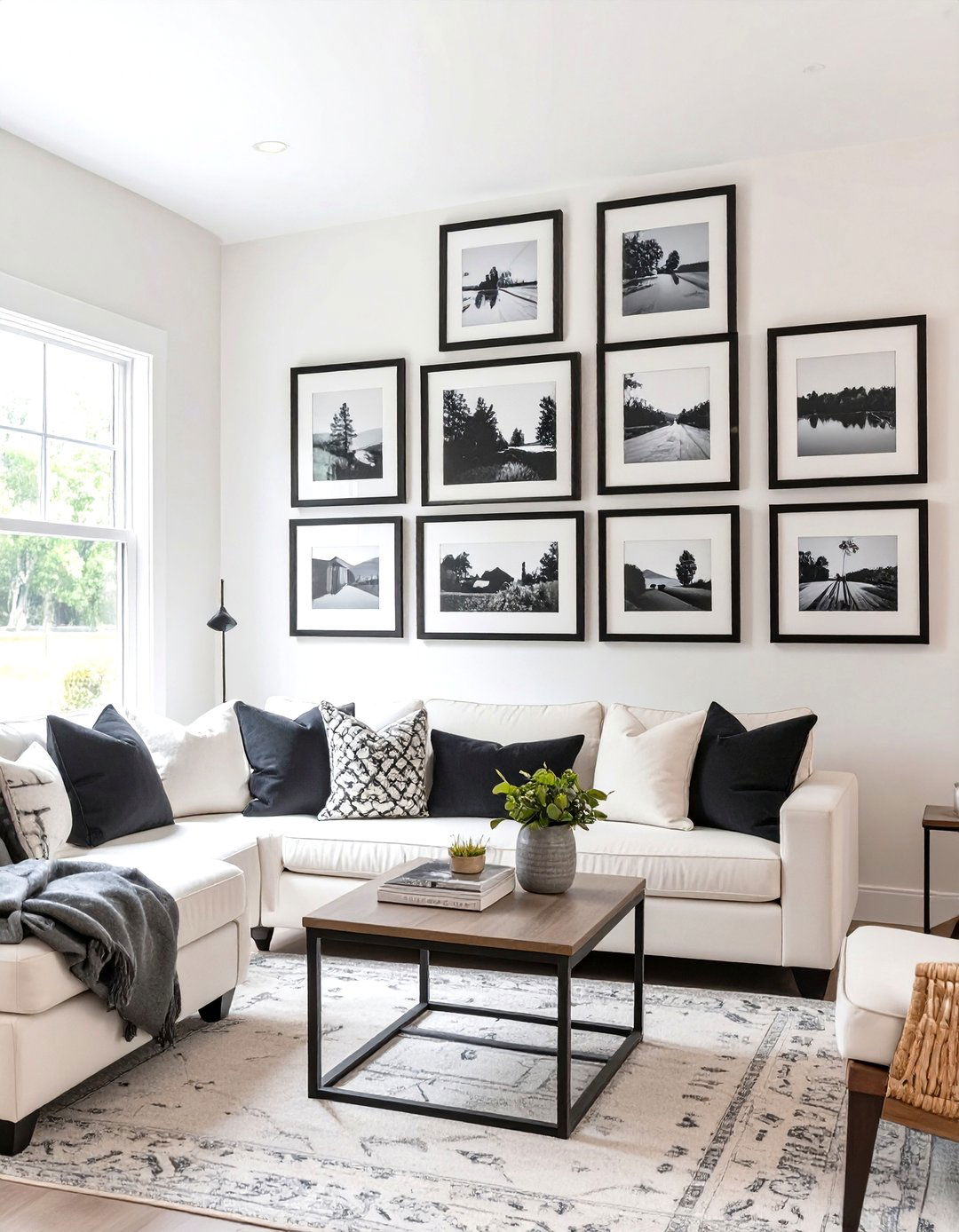
A gallery wall is an excellent way to display art and personal photos without taking up surface space. By grouping a collection of frames on one wall, you create a powerful focal point that adds personality and style. To make the room feel taller, arrange the gallery wall so that it extends vertically. Use frames of different sizes but maintain a cohesive color scheme—like all black, white, or metallic frames—to keep the look unified rather than chaotic. This allows you to express your creativity while keeping your living room organized and visually interesting.
25. Choosing a Slim Profile Bookcase
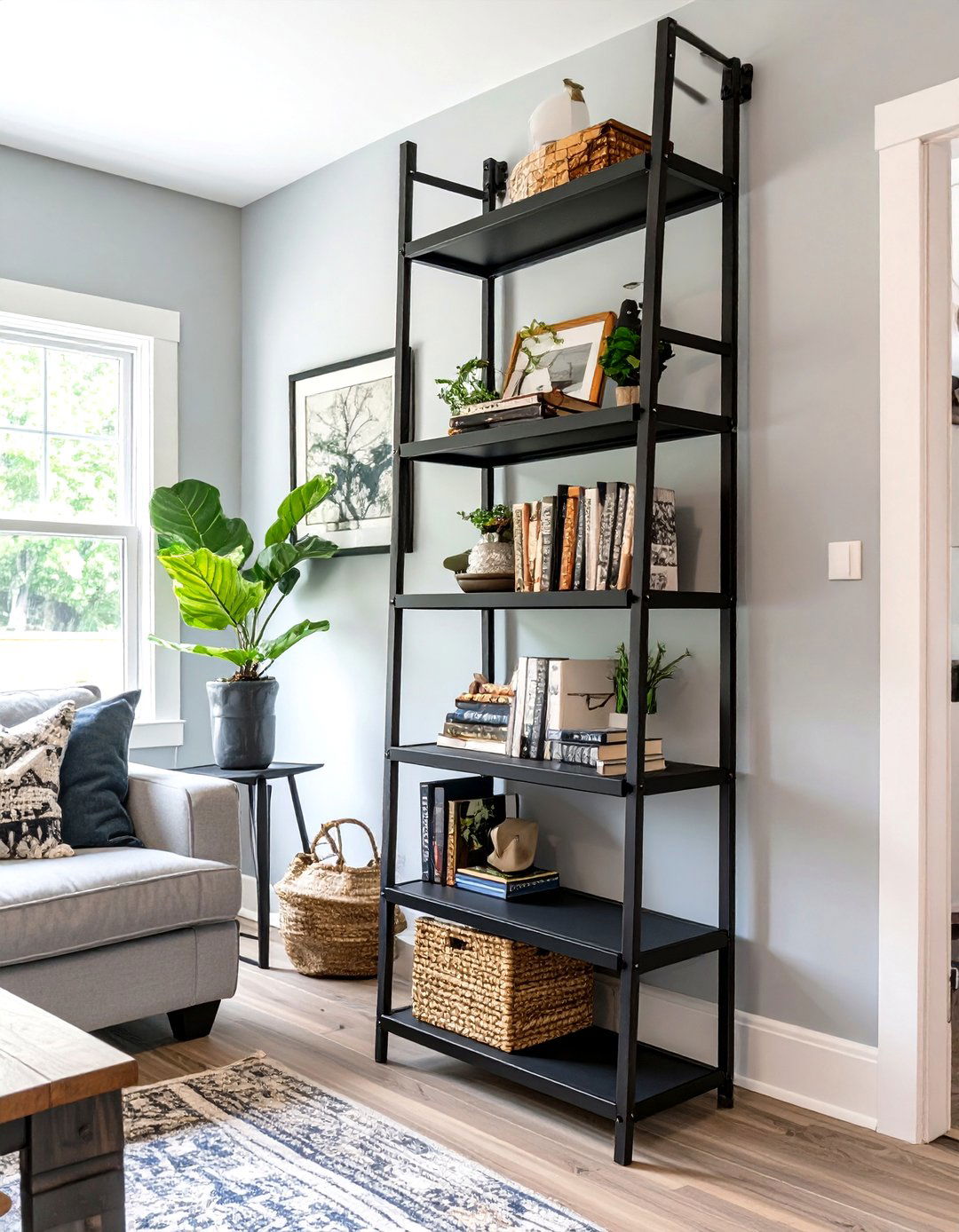
For book lovers with limited space, a slim-profile bookcase is a perfect solution. Look for tall, narrow designs that maximize vertical storage without protruding too far into the room. "Spine" bookcases or ladder-style shelves are great options as they have a minimal footprint. These not only provide a home for your books but also draw the eye upward, enhancing the sense of height in the room. Placing a slender bookcase in a corner or flanking a doorway can add both character and essential storage, proving that you don't need a large space to house your library.
26. Using See-Through Room Dividers
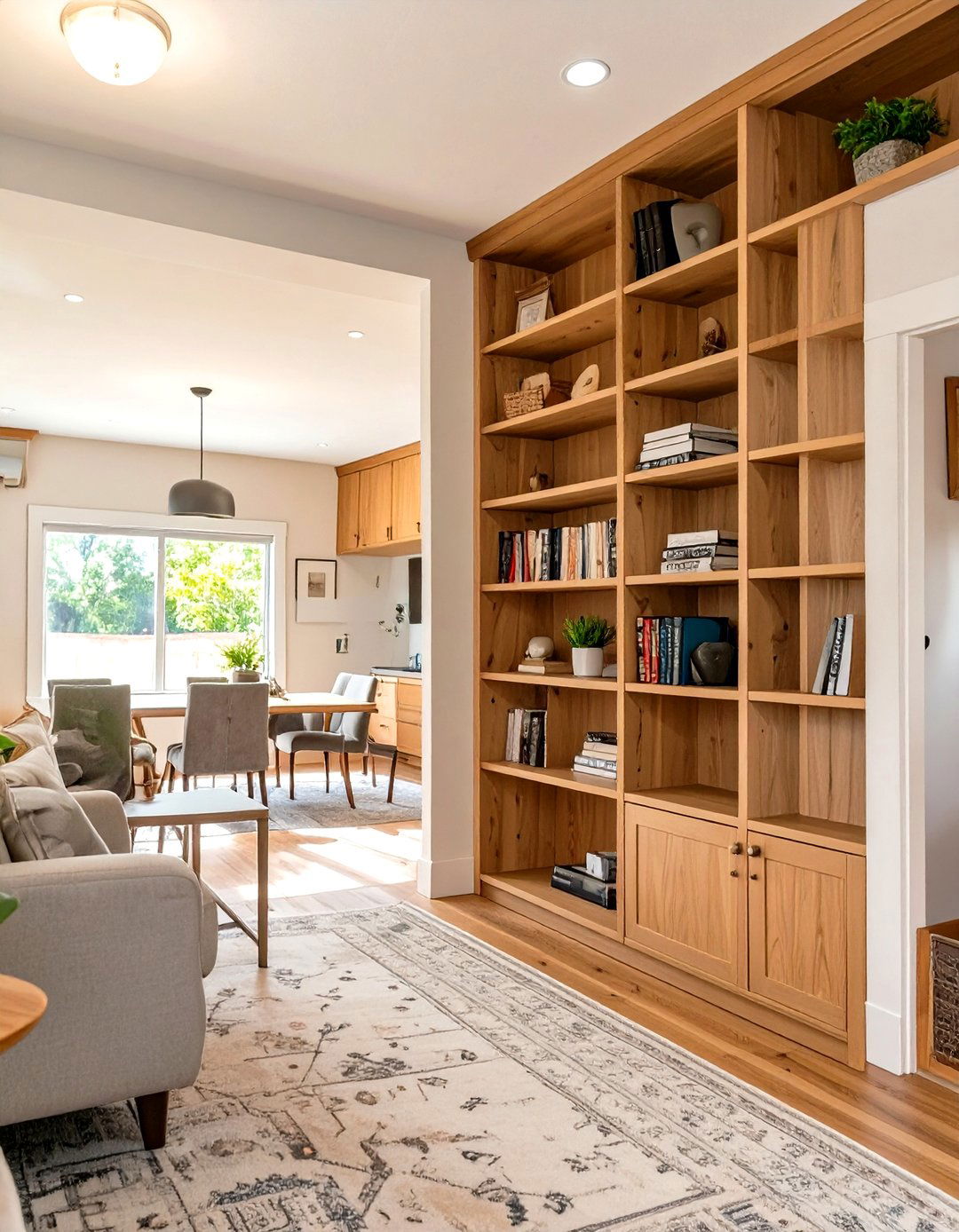
If you need to subtly partition your living room from another area, like a kitchen or dining nook, use a see-through divider. An open-backed bookshelf, a screen with a geometric cutout pattern, or a hanging macrame curtain can create a sense of separation without blocking light or sightlines. This defines different zones while preserving the open feel of the space, which is critical in a single wide layout. These dividers add architectural interest and function as decorative elements, enhancing your style while organizing the flow of your home.
27. Painting the Ceiling a Lighter Shade
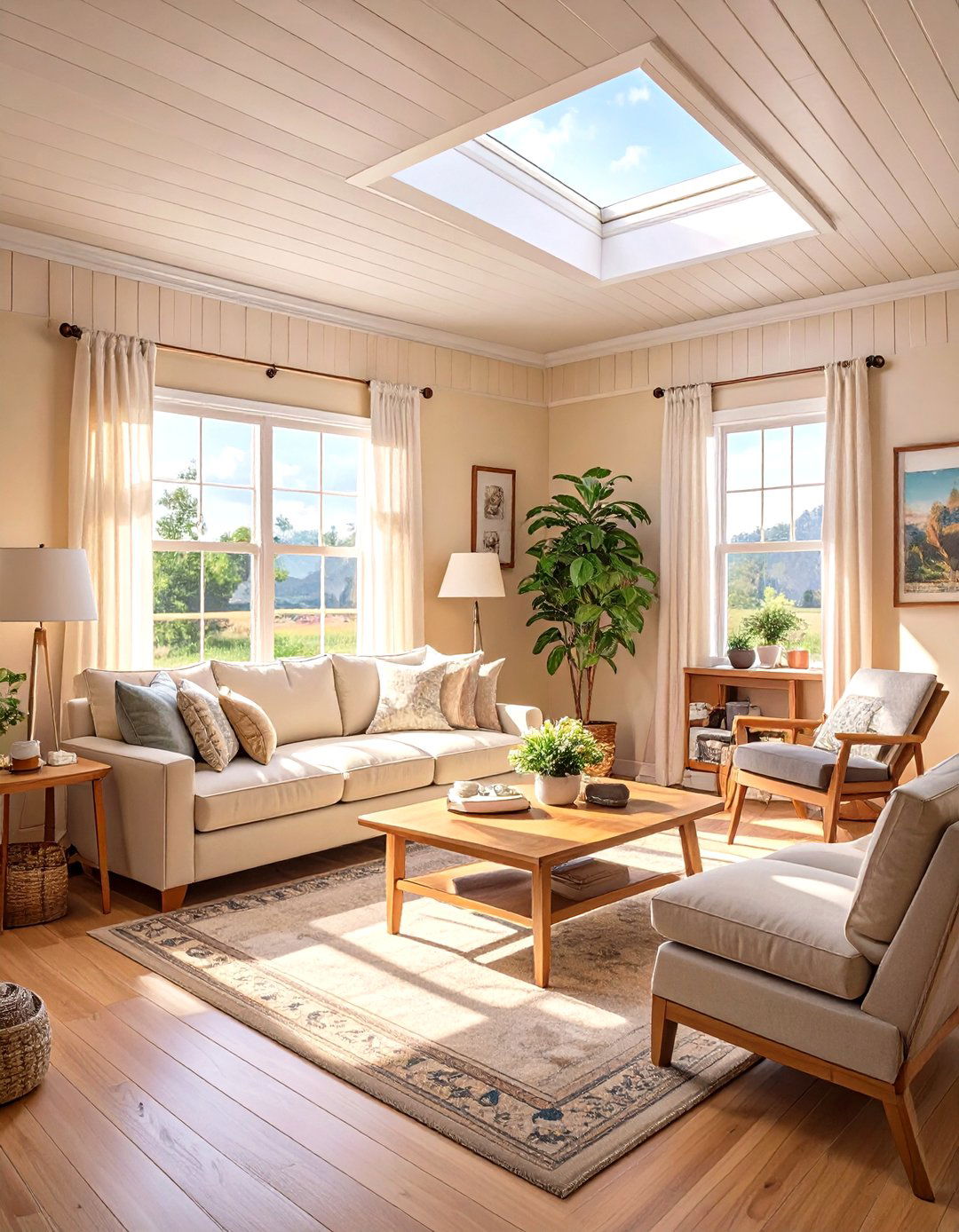
To create an illusion of height, paint your ceiling a shade of white or a color that is even lighter than your walls. This technique draws the eye upward and makes the ceiling feel like it's receding, which in turn makes the entire room feel taller and more spacious. A bright, light-reflecting ceiling helps to bounce light around the room, contributing to an airy and open atmosphere. Avoid dark ceiling colors, which can make the room feel closed-in and oppressive. This simple painting trick is a highly effective way to combat the low-ceiling feel common in many mobile homes.
28. Selecting a Rug with Simple Patterns
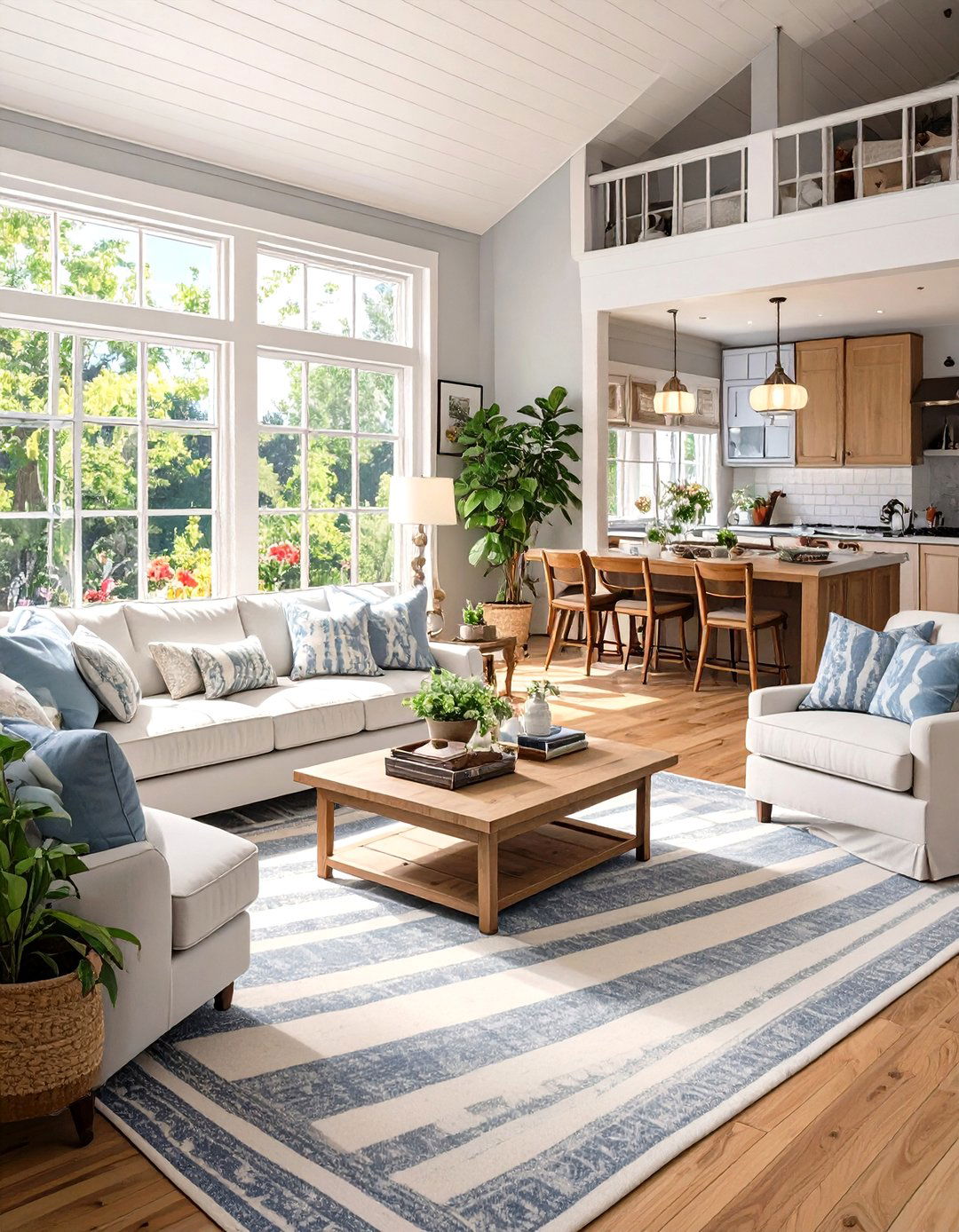
While a large rug can anchor a room, its pattern is key in a small space. Opt for rugs with simple, uncluttered patterns or solid colors. Busy, intricate designs can make the floor feel chaotic and visually shrink the room. Subtle geometric patterns, wide stripes, or a soft textured weave can add interest without overwhelming the space. A light-colored rug will also contribute to a brighter, more open feel. The goal is to choose a rug that complements the room's decor and defines the space without becoming a distracting or dominant element.
29. Incorporating a Floor Lamp for Height
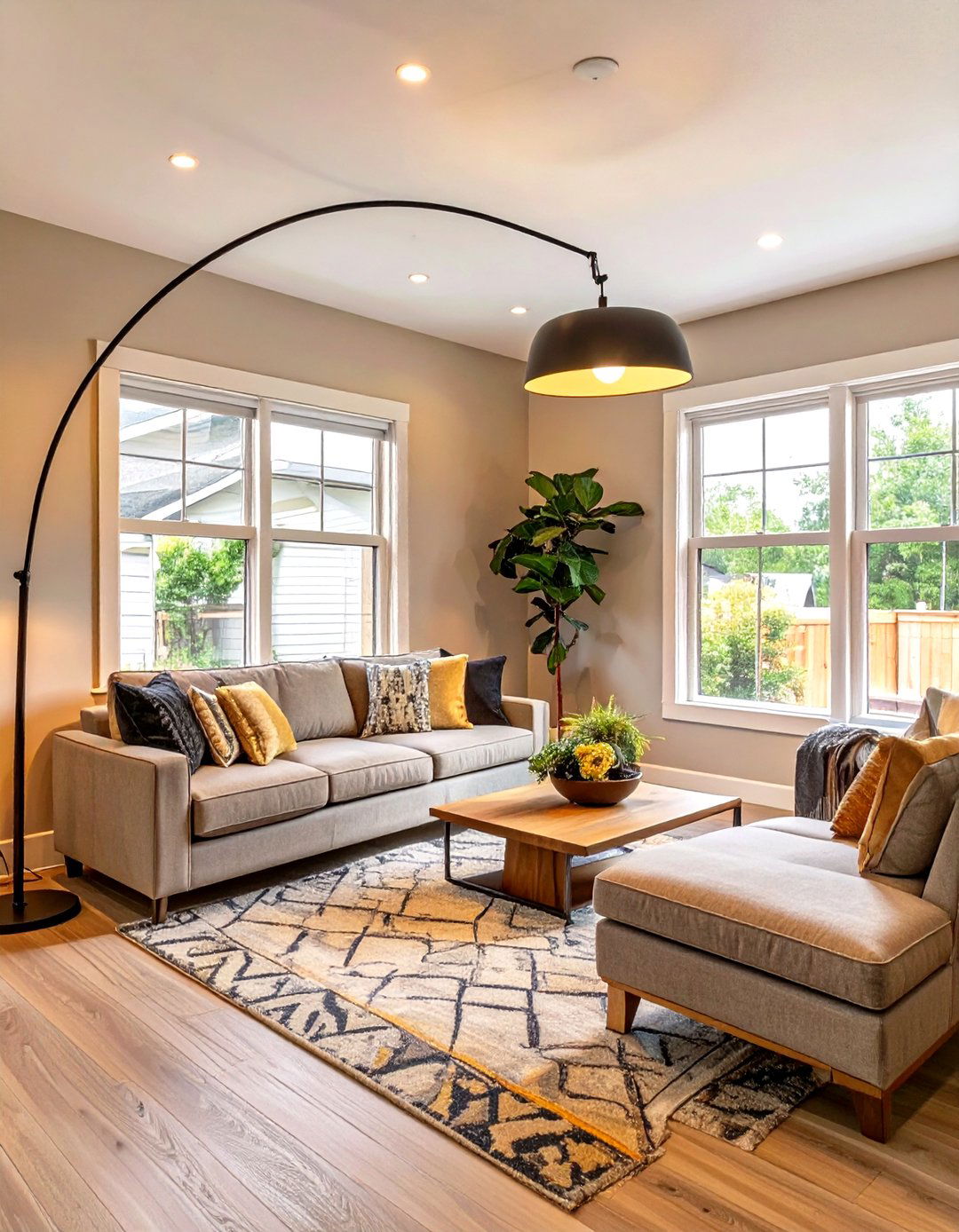
A tall, slender floor lamp is an excellent addition to a single wide living room. Not only does it provide valuable layered lighting, but its vertical form also draws the eye upward, creating an illusion of height. An arc floor lamp is particularly useful, as it can extend over a coffee table or seating area, providing focused light without needing a side table. This saves floor space and adds a modern, sculptural element to the room. Position the lamp in a corner or behind a chair to illuminate a dark spot and enhance the overall sense of spaciousness.
30. Using a Monochromatic Color Palette
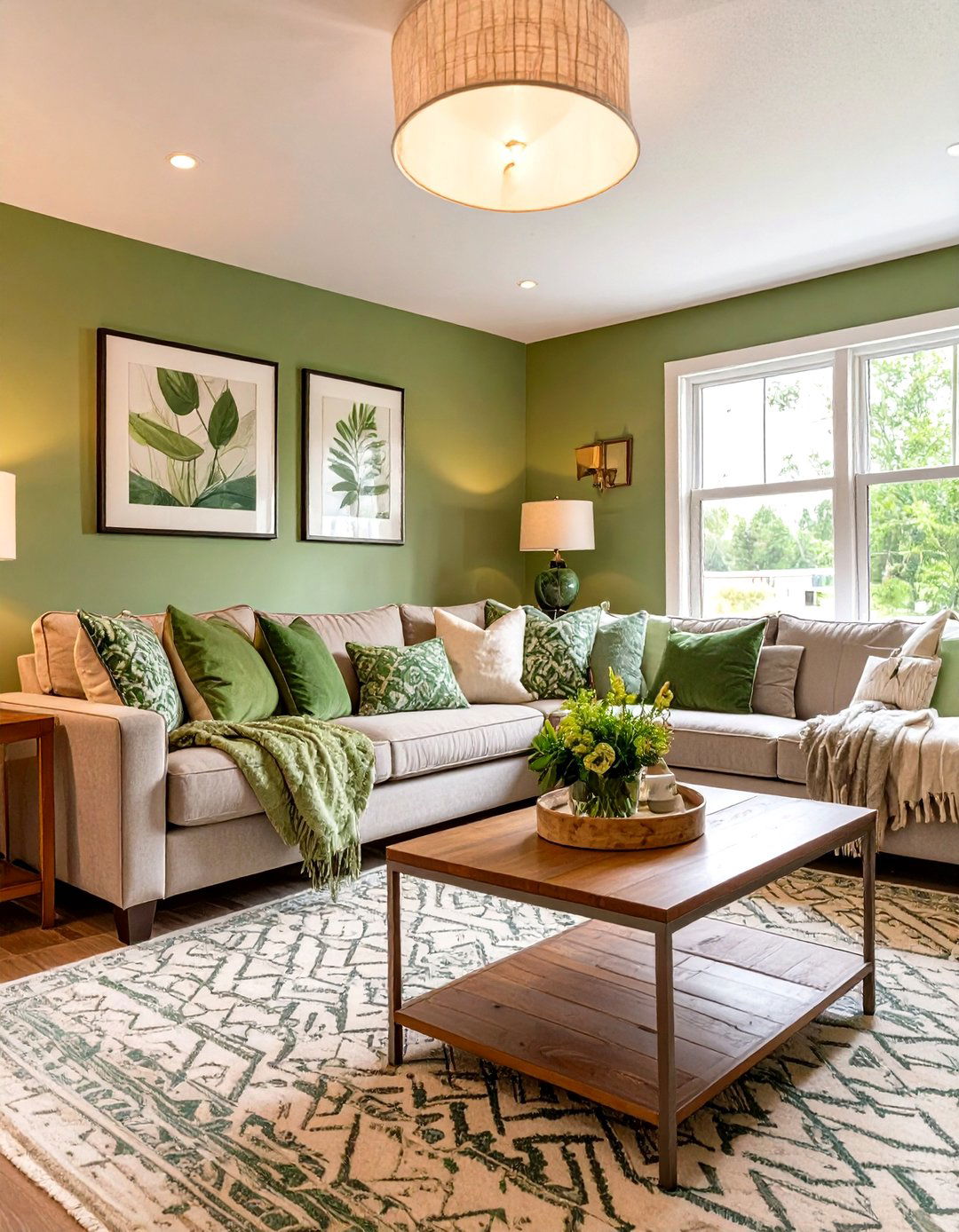
A monochromatic color scheme, which uses various tints, tones, and shades of a single color, is a sophisticated strategy for making a small living room feel larger. Sticking to one main color family—like different shades of gray, blue, or beige—creates a seamless and cohesive look. This lack of sharp contrast between elements allows the eye to sweep across the space uninterrupted, making it feel more expansive and serene. You can add depth and prevent monotony by incorporating a variety of textures within your chosen color, such as a chunky knit throw, a velvet pillow, or a linen curtain.
Conclusion:
Transforming a single wide small mobile home living room is all about making smart, intentional choices. By focusing on multi-functional furniture, light-enhancing colors, and vertical space, you can overcome the challenges of a narrow layout. Techniques like using mirrors, choosing furniture with exposed legs, and layering your lighting work together to create an environment that feels open, airy, and much larger than its actual dimensions. These ideas prove that with a bit of creativity, you can design a beautiful, comfortable, and highly functional living space that you’ll love spending time in.

Related posts:

Leave a Reply