
The best **20 Tarmac And Gravel Driveway Ideas** combine the smooth, practical finish of tarmac with the texture and natural color of loose stone. Tarmac creates a stable driving surface, while gravel can define borders, parking bays, drainage zones, and landscaped transitions. Strong edging is especially important because it keeps gravel contained and helps protect exposed driveway edges. () These materials also suit many home styles, from modern suburban houses to cottages and country properties. The key is treating the surface, shape, borders, entrance, and planting as one coordinated design. Use the complete looks below as your guide to **20 Tarmac And Gravel Driveway Ideas**.

1. Tarmac Driveway With Gravel Border
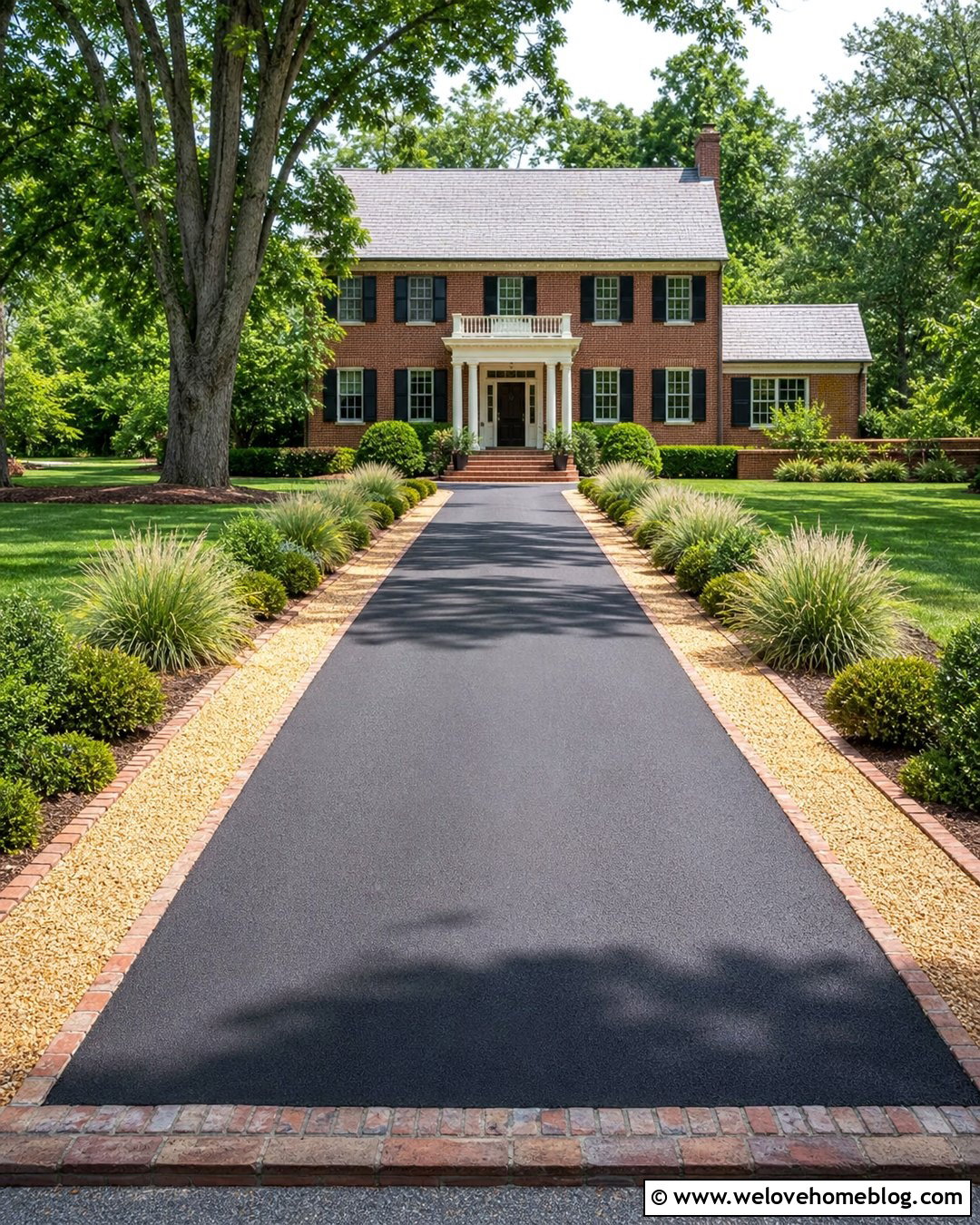
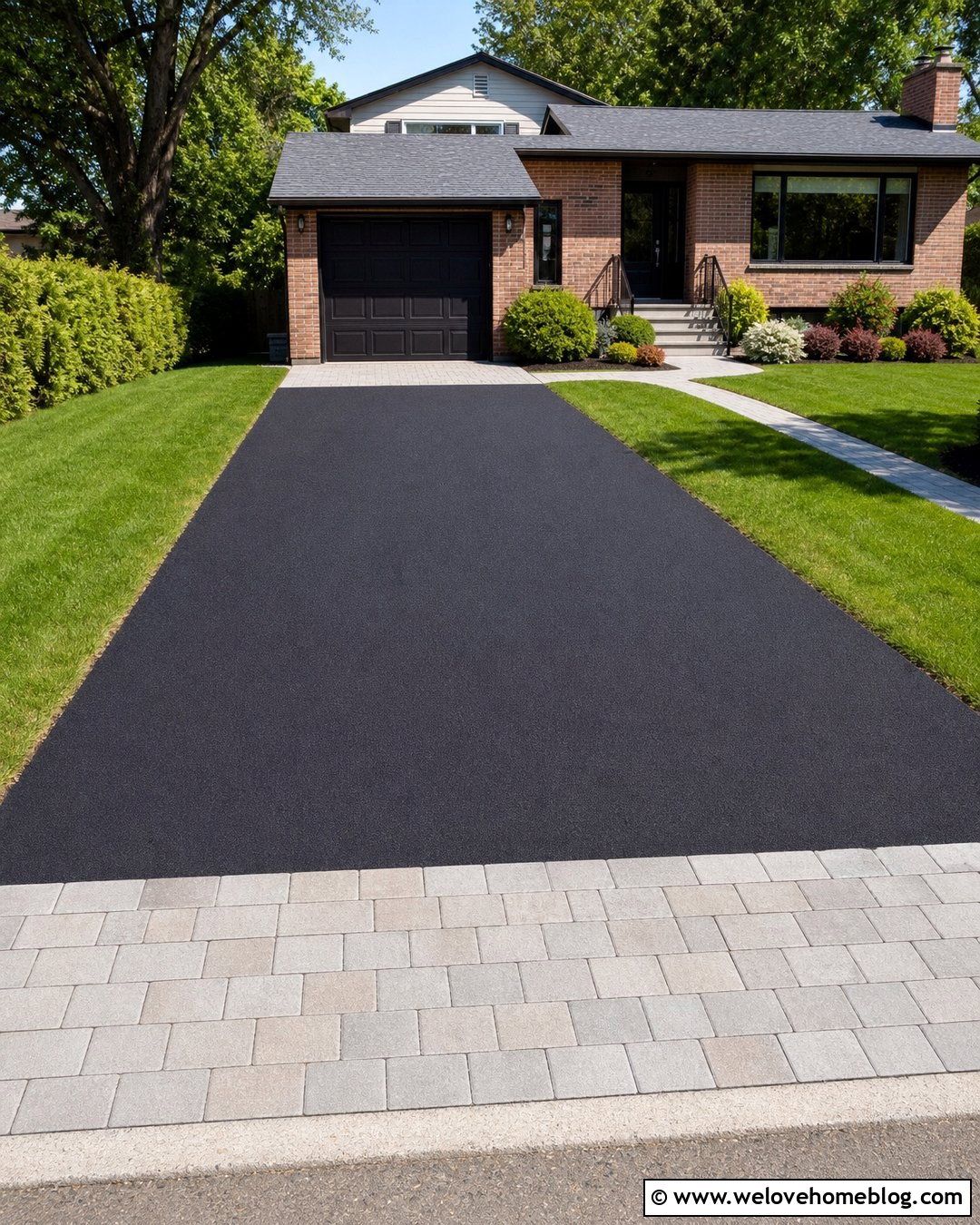
A black tarmac driveway framed by golden gravel offers a simple way to add warmth and texture. Keep the main driving area smooth and wide enough for comfortable parking. Then install a narrow gravel border along both sides. A firm brick, concrete, or metal edge between the materials will stop loose stones from spreading onto the tarmac. Continue the gravel into small planting beds filled with ornamental grasses, compact shrubs, and drought-tolerant perennials. This creates a softer transition between the hard surface and lawn. The golden stone works especially well with red brick, cream siding, and natural wood details. At the street, use a matching brick threshold to give the entrance a neat and finished appearance.
2. Curved Tarmac And Gravel Driveway
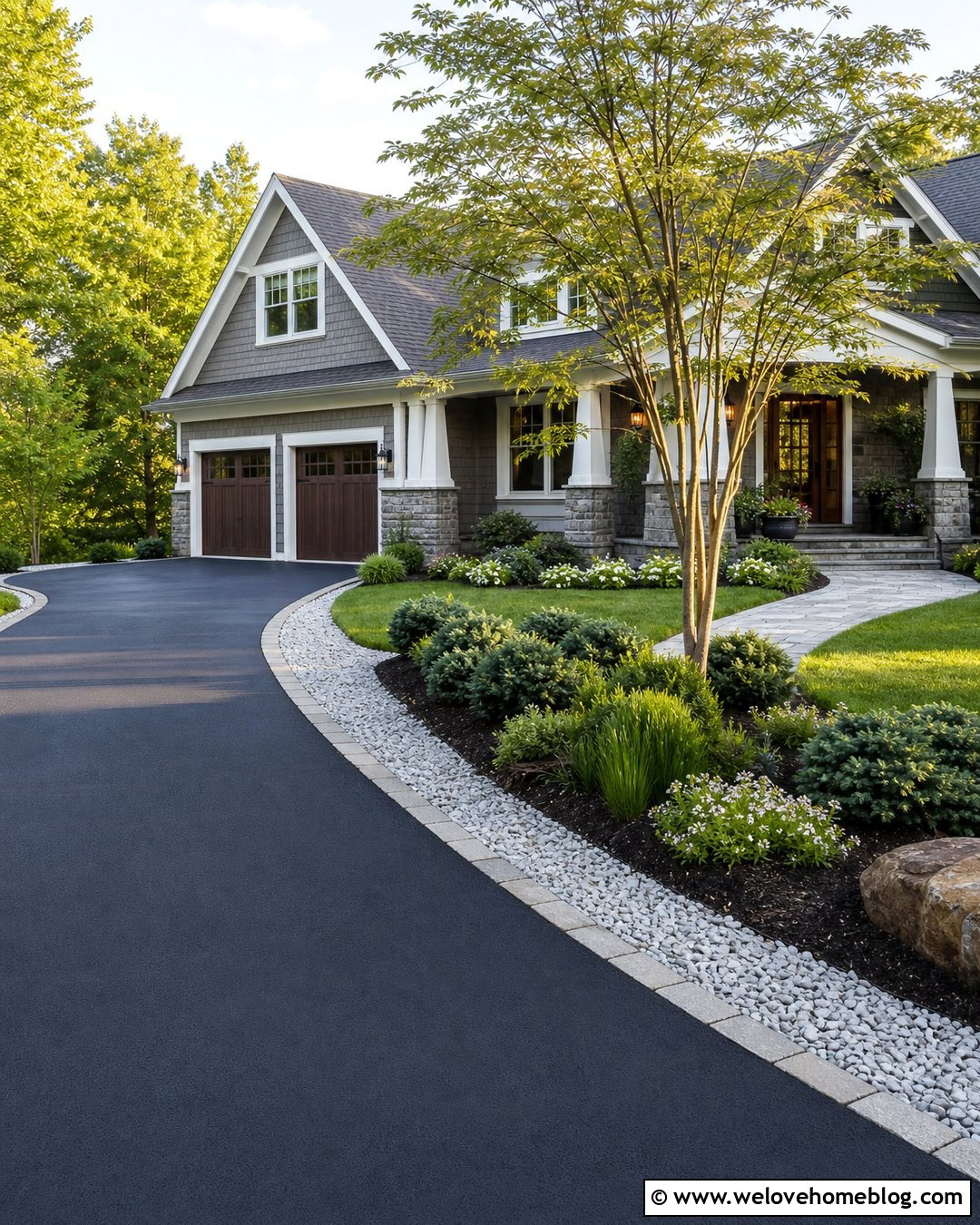
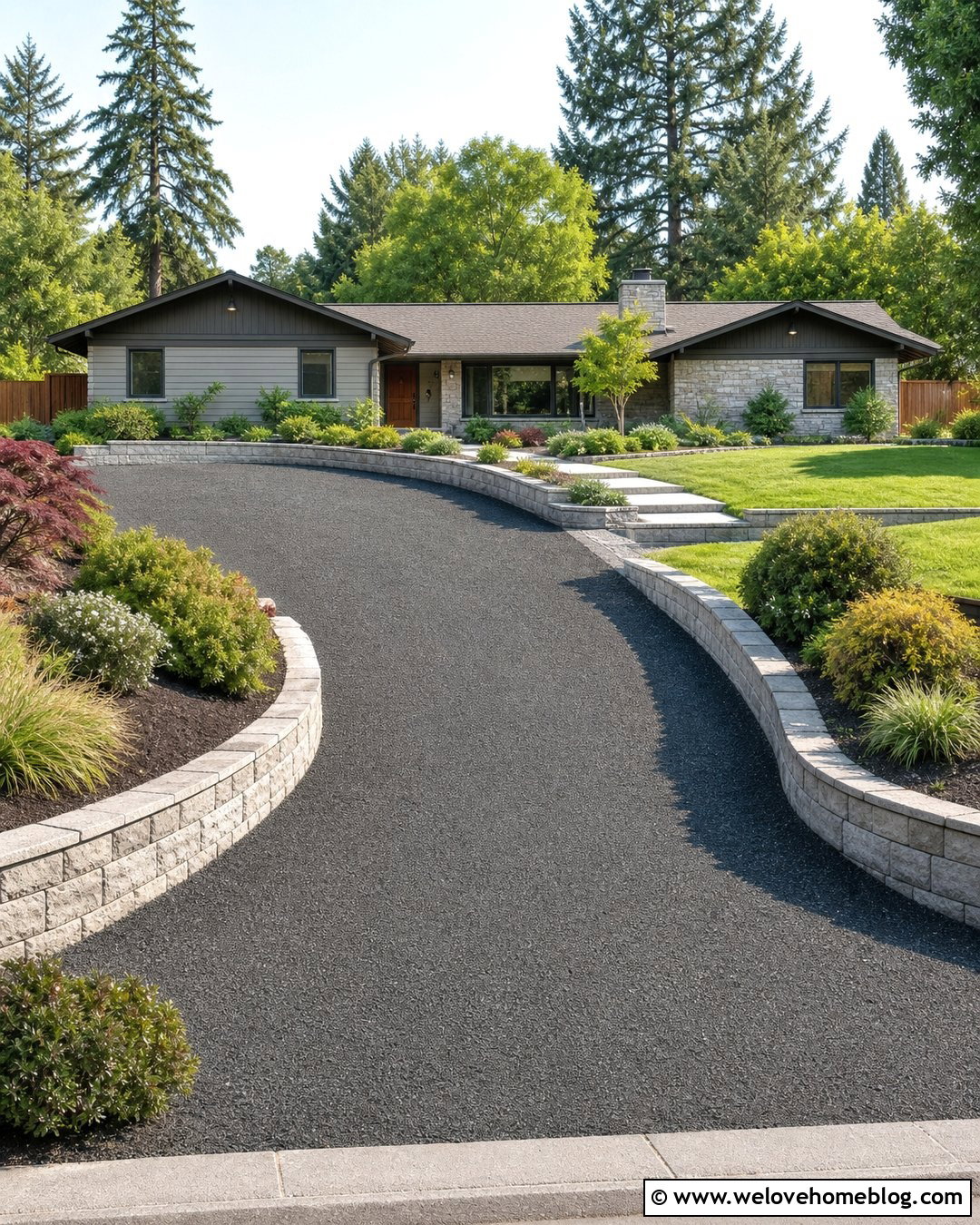
A gently curved layout can make a front yard feel larger and create a more interesting approach to the house. Use smooth black tarmac for the main driving lane and pale gray gravel along the inside curve. The lighter material emphasizes the driveway’s shape while providing space for low planting. Define both sides with granite setts so the curve remains crisp. Inside the bend, add a layered bed with a small ornamental tree, evergreen shrubs, and ground cover. Keep taller plants away from the street entrance so drivers retain a clear view. This combination works particularly well in front of a Craftsman or traditional home, where the curved route can reveal the facade gradually rather than presenting the entire house at once.
3. Tarmac Driveway With Gravel Parking Area
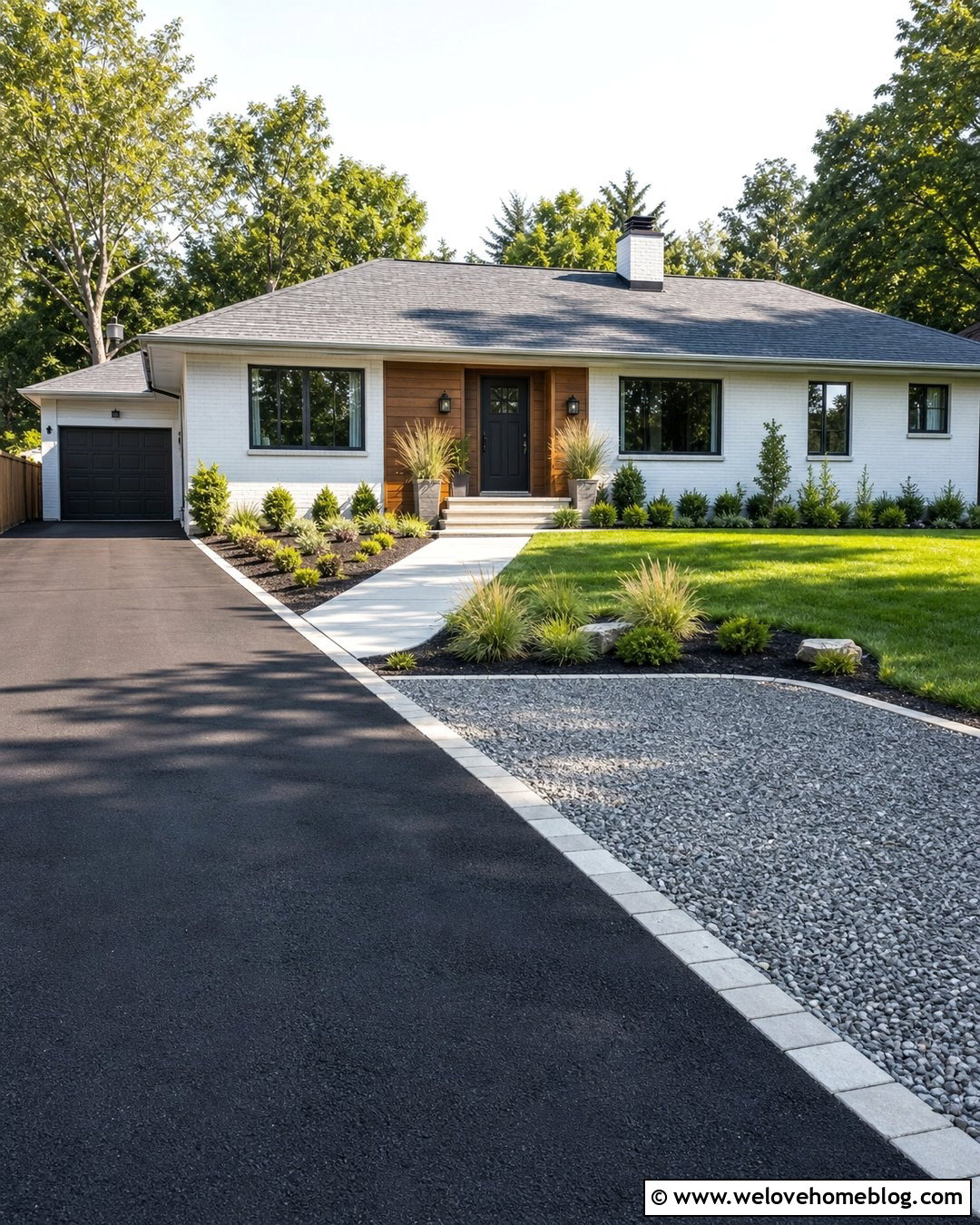
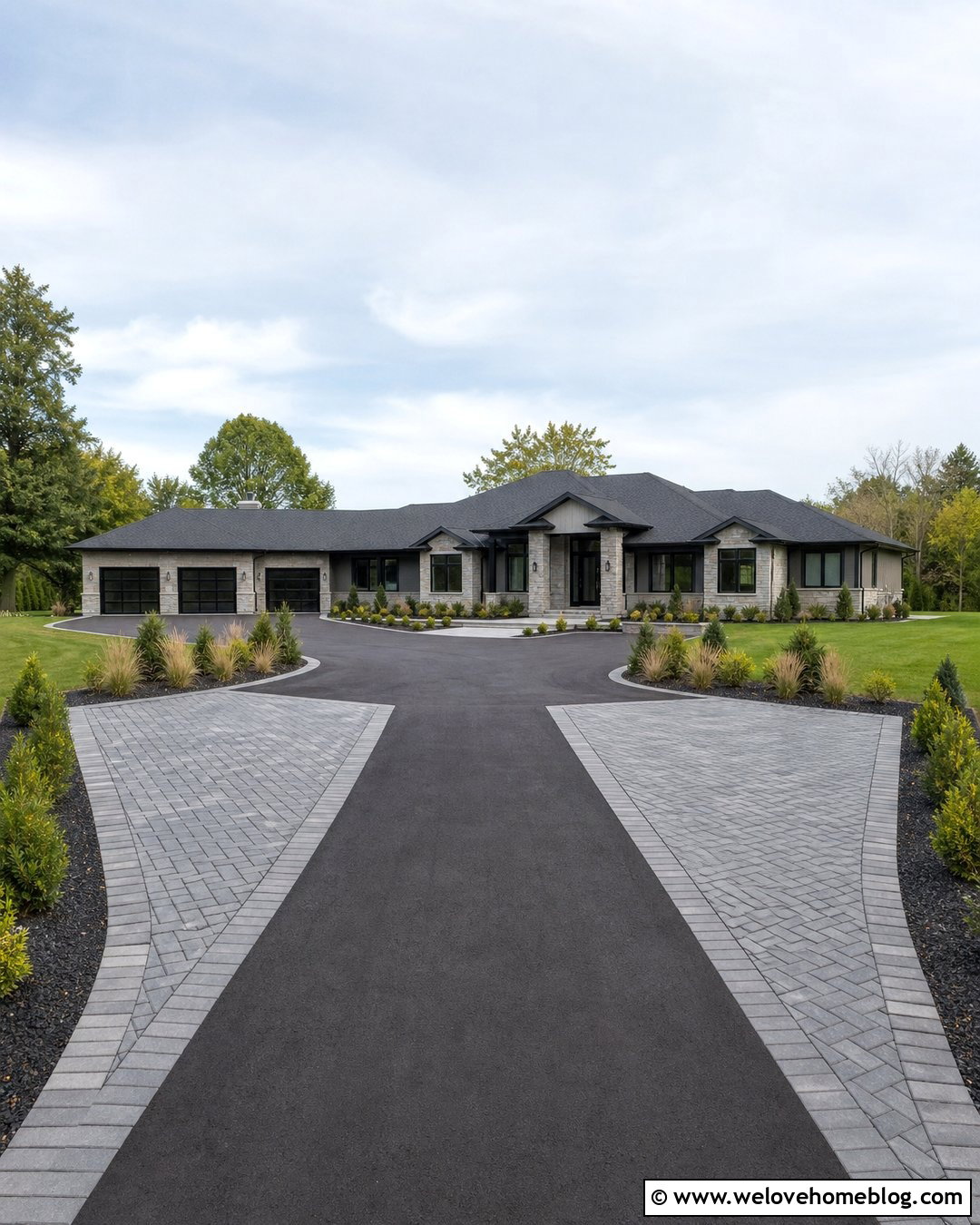
If you need occasional extra parking, add a gravel bay beside a tarmac driveway instead of widening the entire paved surface. The tarmac provides a clean everyday route to the garage, while compacted angular gravel creates a clearly defined guest space. Use matching concrete pavers around the gravel bay to contain the stone and separate it from nearby lawn. A curved planting bed at the outer corner can help the extension feel intentional rather than added later. Choose hardy shrubs that will not lean into vehicle doors, and leave adequate room for people to step out. A proper compacted base and solid edge restraint will reduce rutting, movement, and repeated maintenance in the gravel section. ()
4. Gravel Driveway With Tarmac Entrance
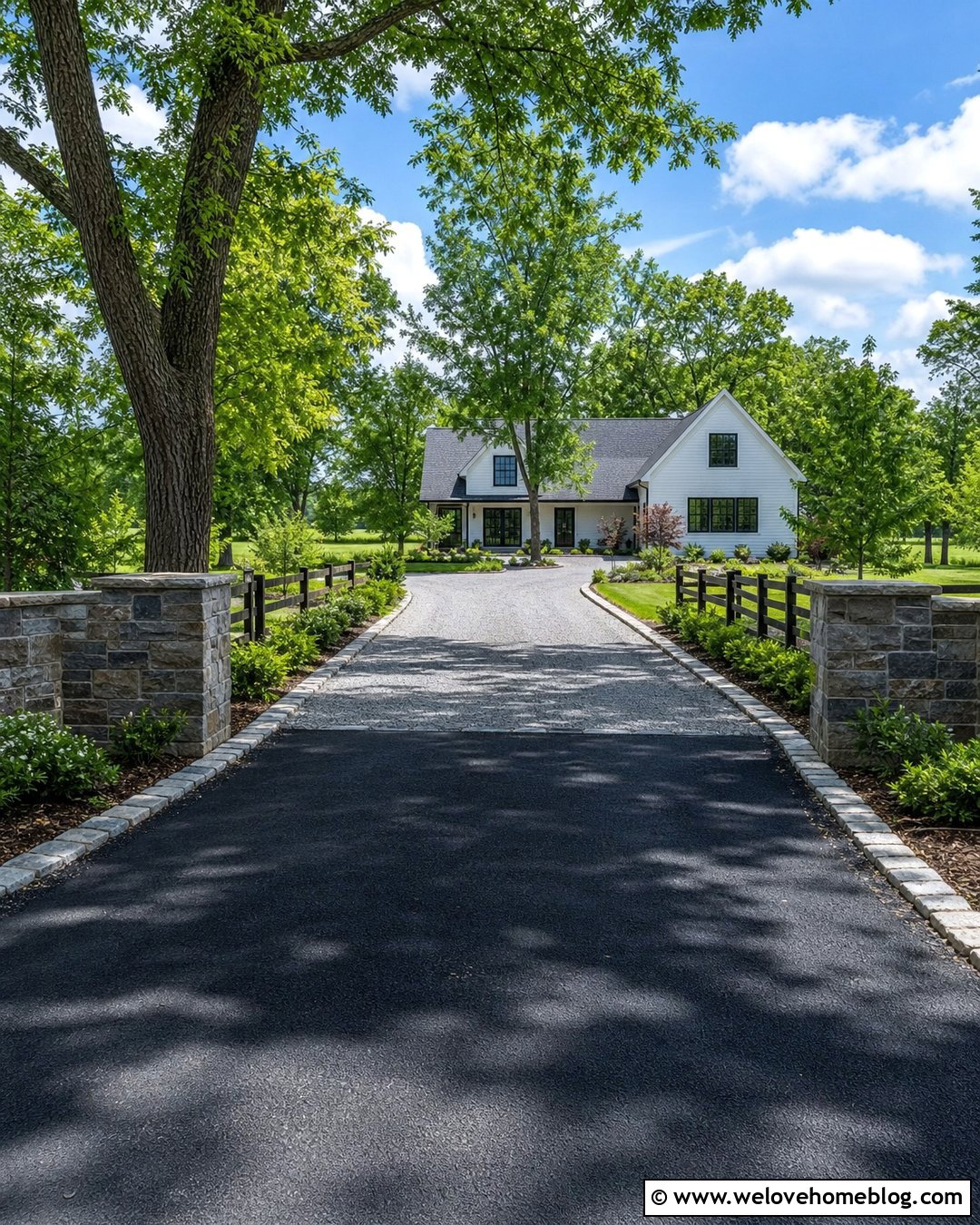
A gravel driveway can become easier to enter when a tarmac apron is installed beside the street. The smooth black entrance creates a firm transition from the roadway and helps keep loose stone farther inside the property. Beyond the apron, use compacted gray crushed gravel for a relaxed, country-inspired approach. Frame the complete driveway with reclaimed brick or granite edging, and widen the entrance slightly to make turning more comfortable. Low stone walls, simple wooden fencing, or clipped hedges can reinforce the boundary without blocking visibility. This layout suits rural homes, farmhouses, and larger suburban lots. Repeat the dark tarmac color through exterior light fixtures or a black front door to make the mixed-material driveway feel connected to the house.
5. Tarmac Driveway With Brick Edging And Gravel Beds
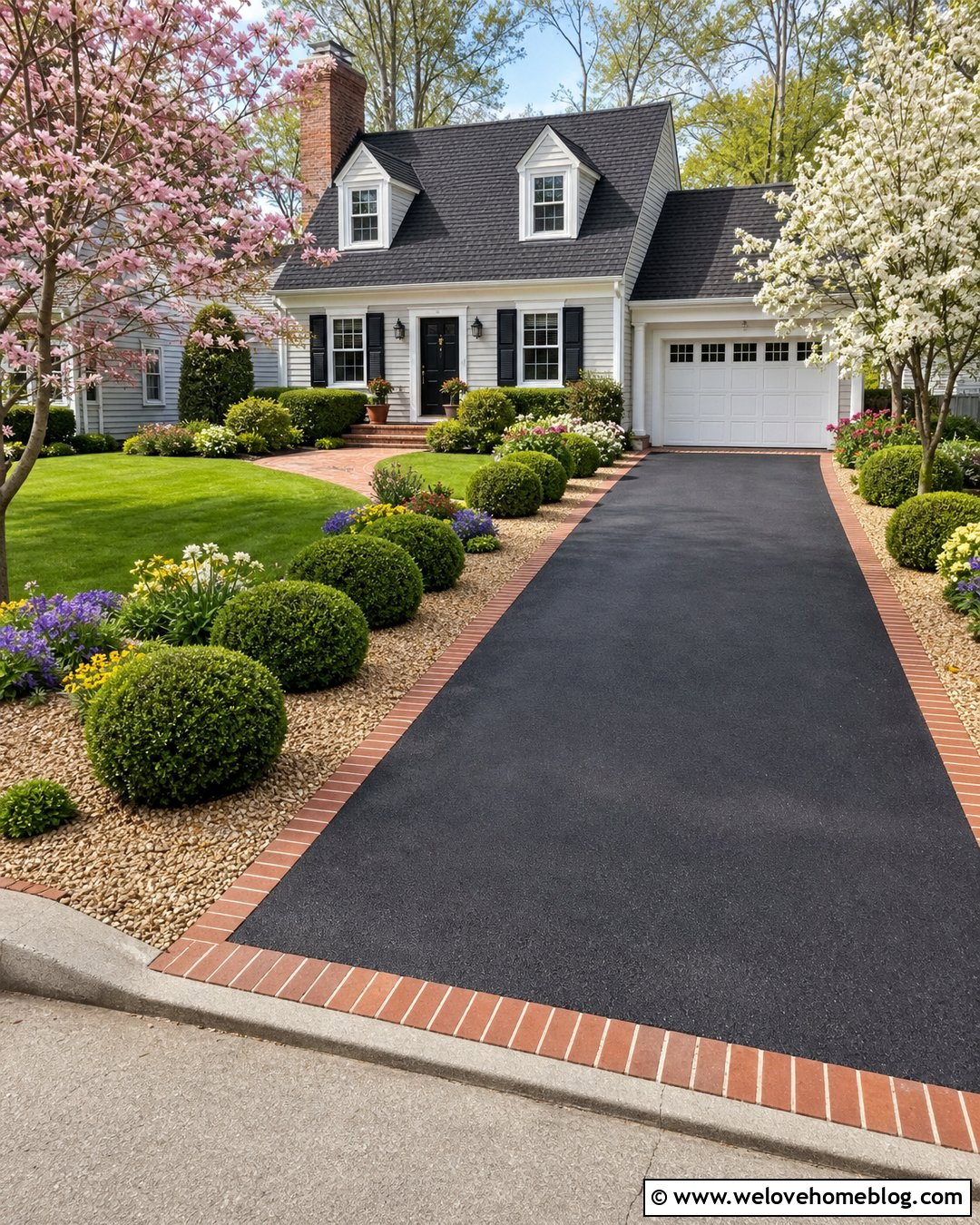
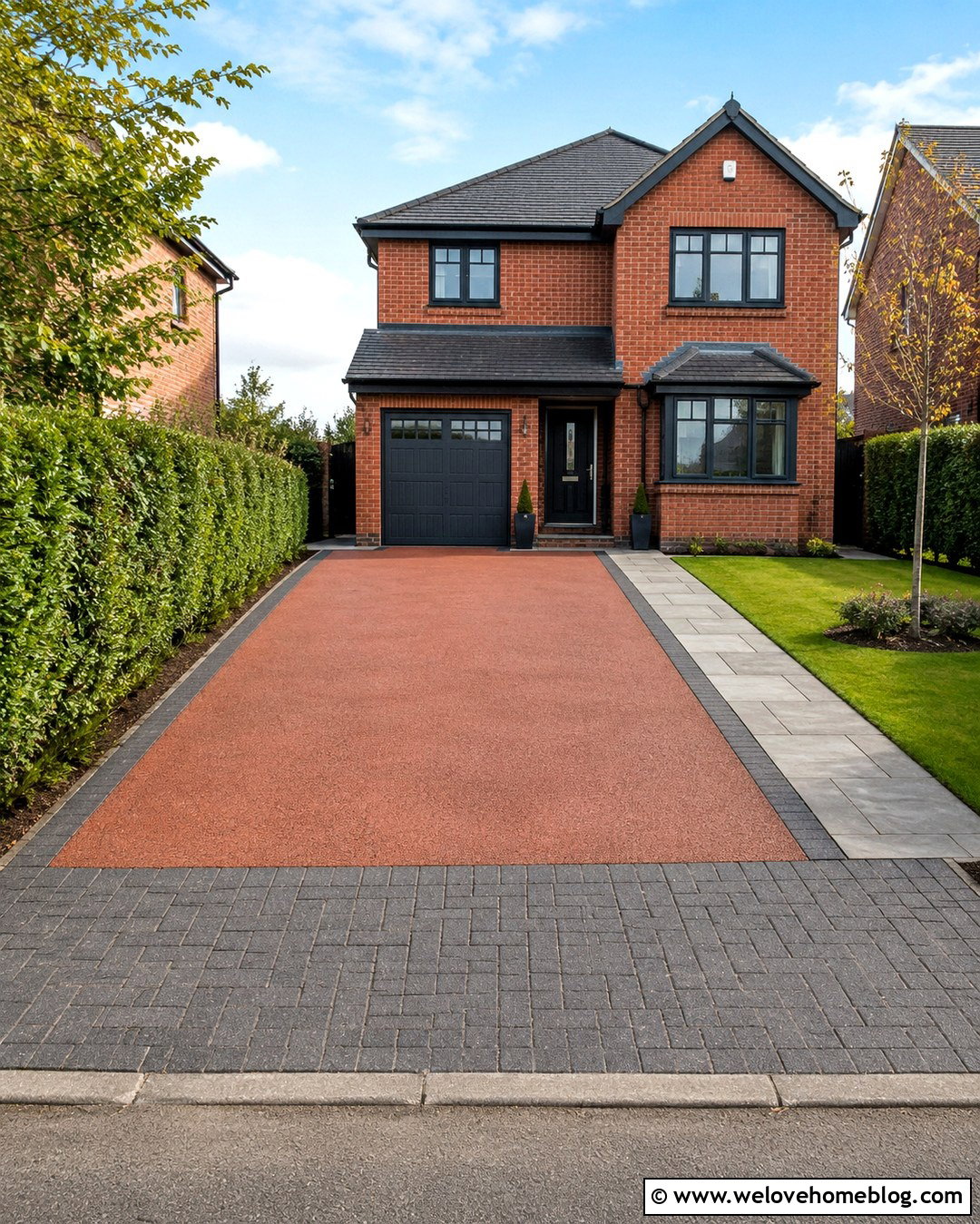
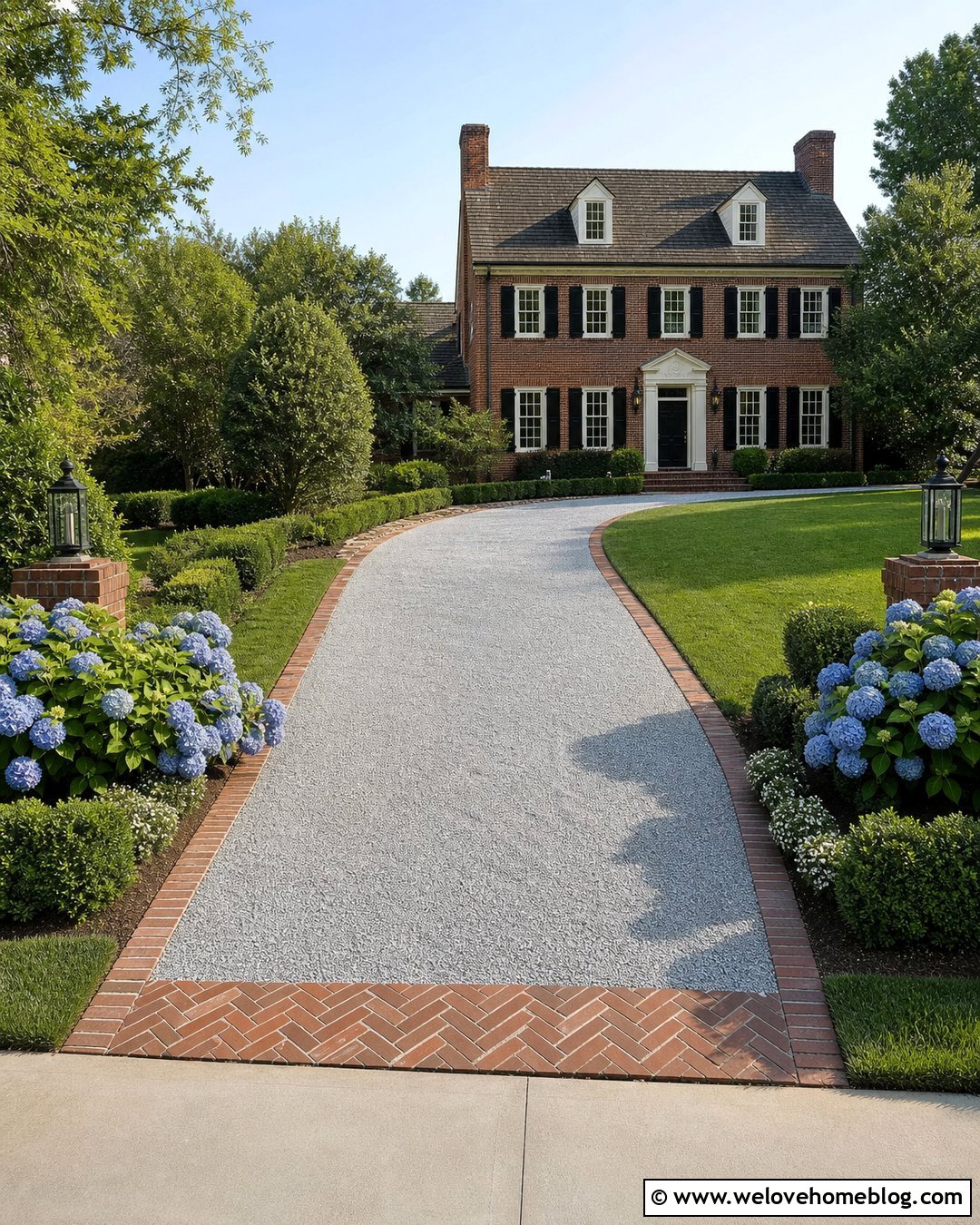
Red brick edging brings color and traditional character to a plain tarmac surface. Lay the bricks as a continuous soldier-course border around the driveway, then position decorative gravel beds outside that frame. The brick separates the loose stone from the black tarmac and creates a strong visual outline. Warm buff gravel will complement the red and brown tones of a Colonial or Cape Cod home. Fill wider gravel areas with rounded shrubs, small flowering trees, and evenly spaced perennials. Near the garage, continue the same brick into a narrow walkway or entrance apron. This repeated material makes the overall scheme look coordinated. Keep the brick border close to the surface level so tires, wheelbarrows, and lawn equipment can cross it comfortably when necessary.
6. Circular Tarmac And Gravel Driveway
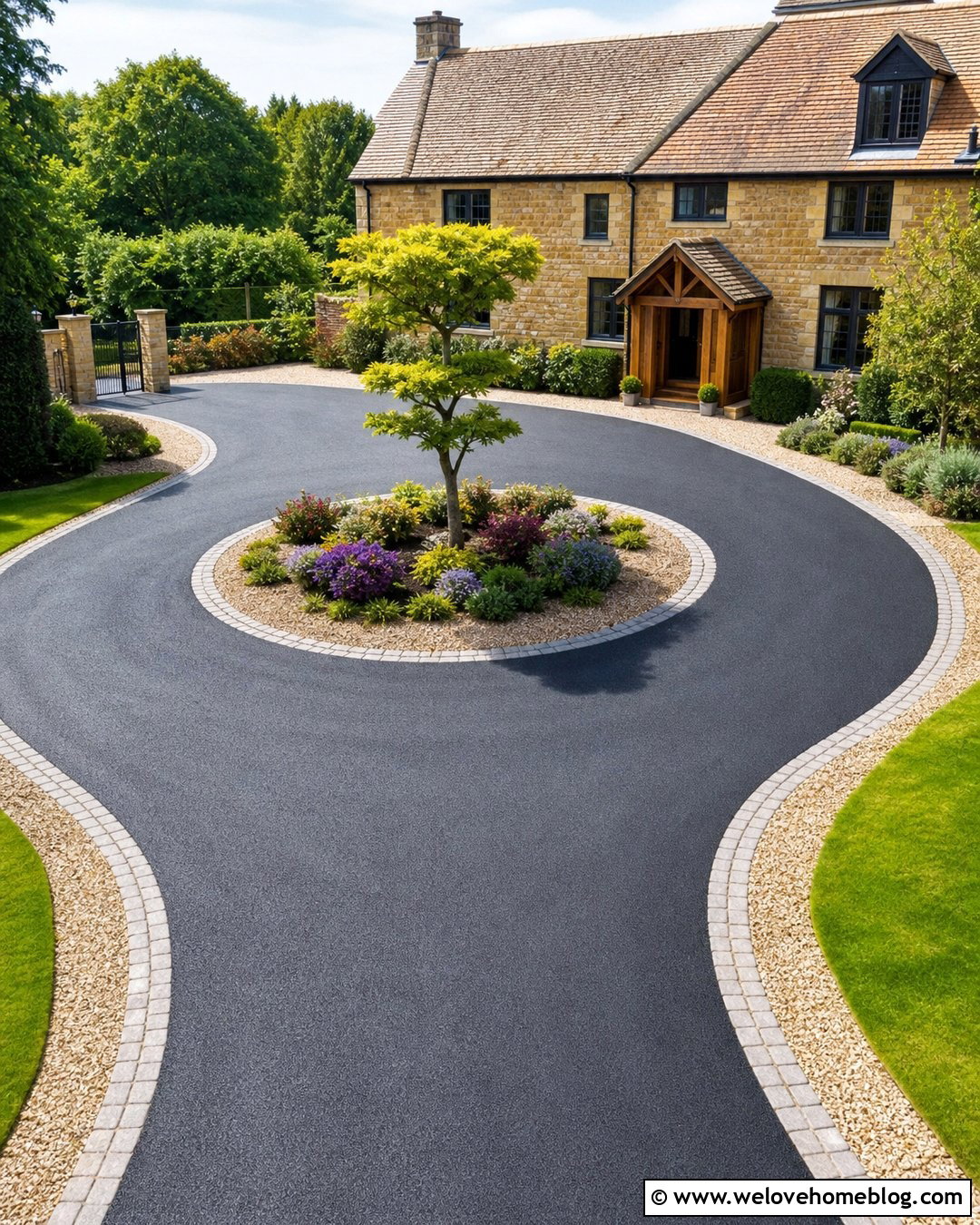
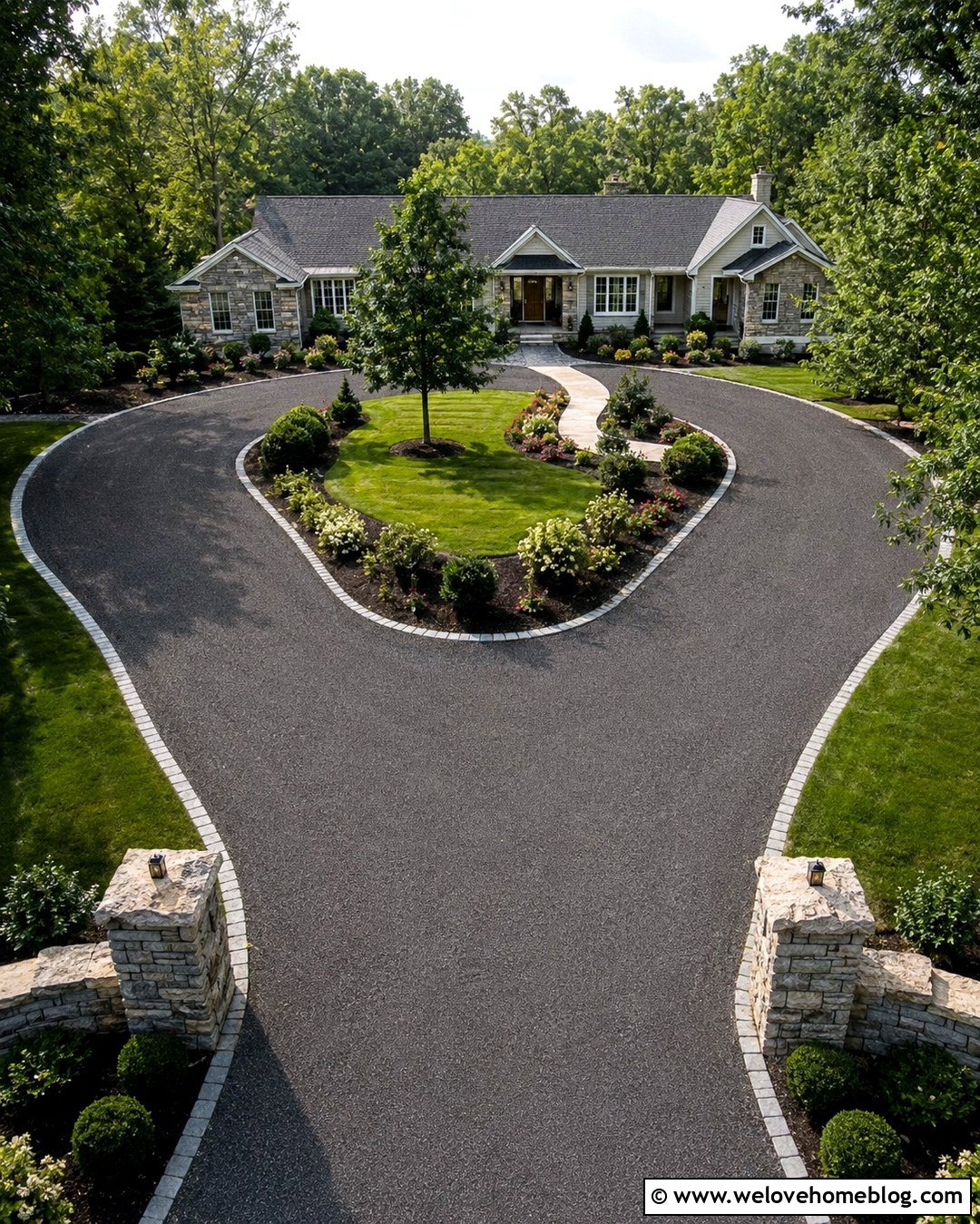
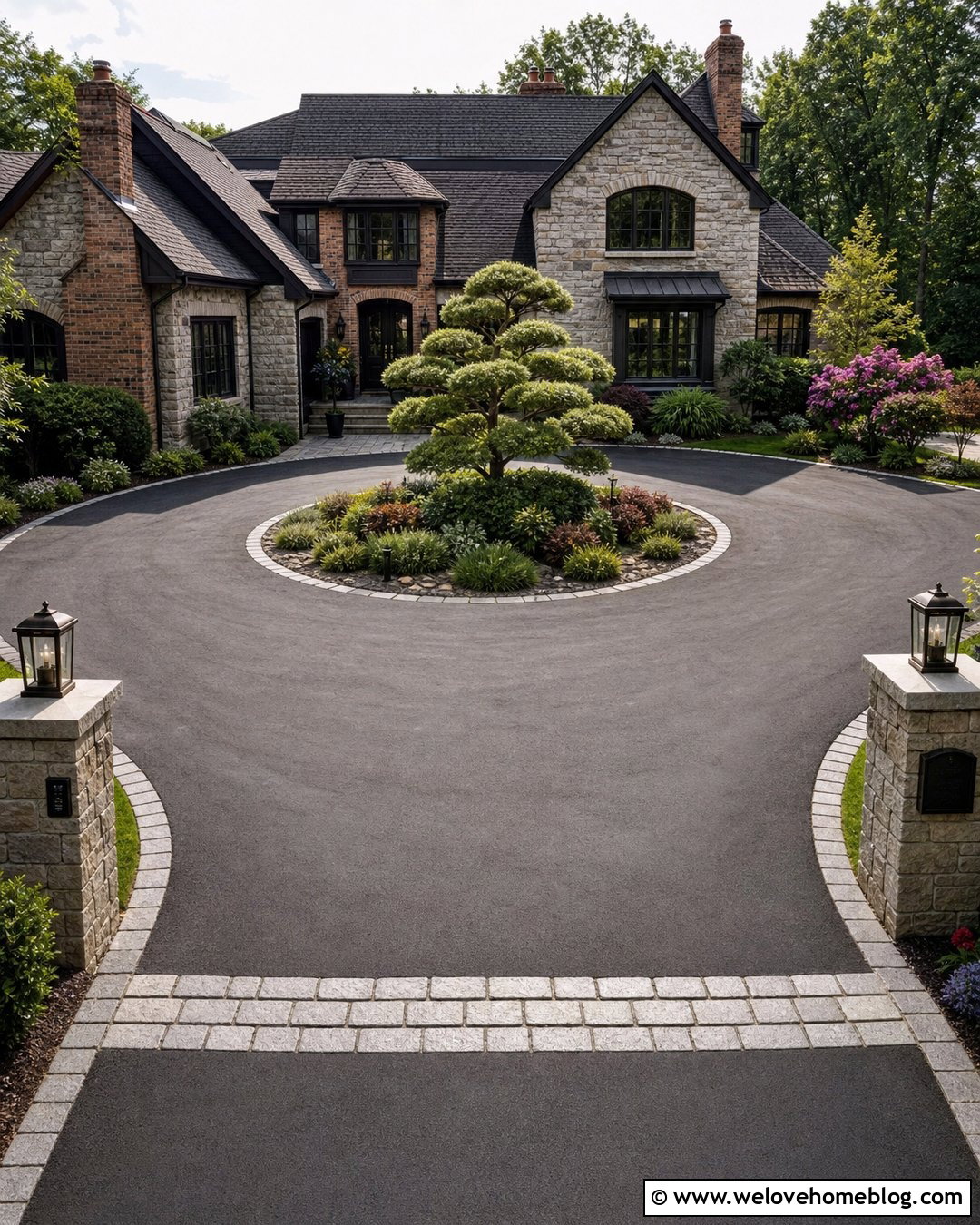
A circular tarmac driveway provides a convenient route around a landscaped center island without requiring drivers to reverse toward the street. Use a smooth black surface for the loop and surround the island with a wide band of tan angular gravel. A granite or cobblestone ring will hold the gravel in place and protect the tarmac edge. In the center, plant one well-shaped tree with lower shrubs and seasonal flowers beneath it. Keep the arrangement open enough that the front door remains visible from the curb. Matching gravel borders can continue along the outer edge of the circle, visually connecting the entrance and exit. This complete layout works best on wider lots where the circle can maintain practical turning space without overwhelming the front yard.
7. Modern Tarmac Driveway With White Gravel
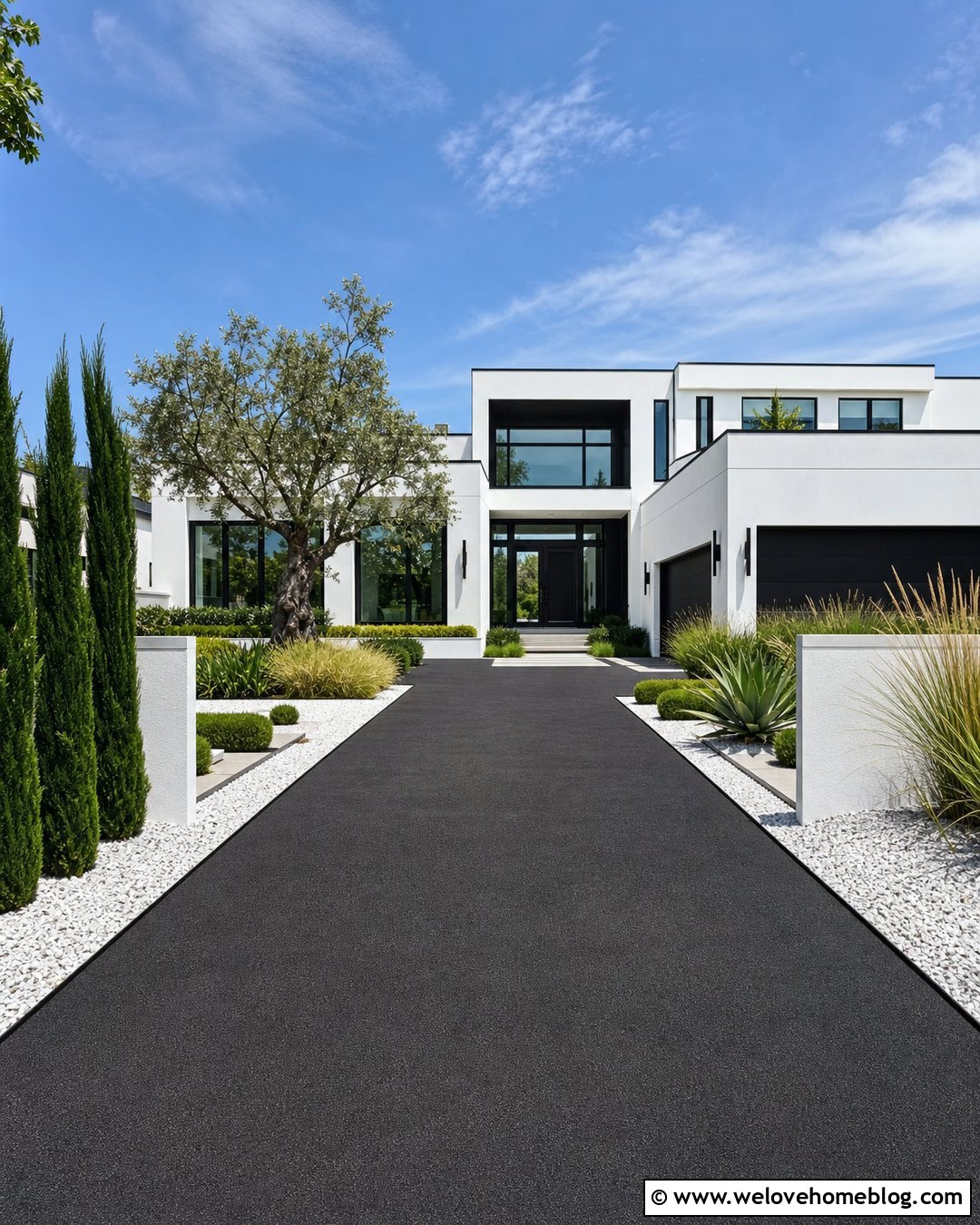
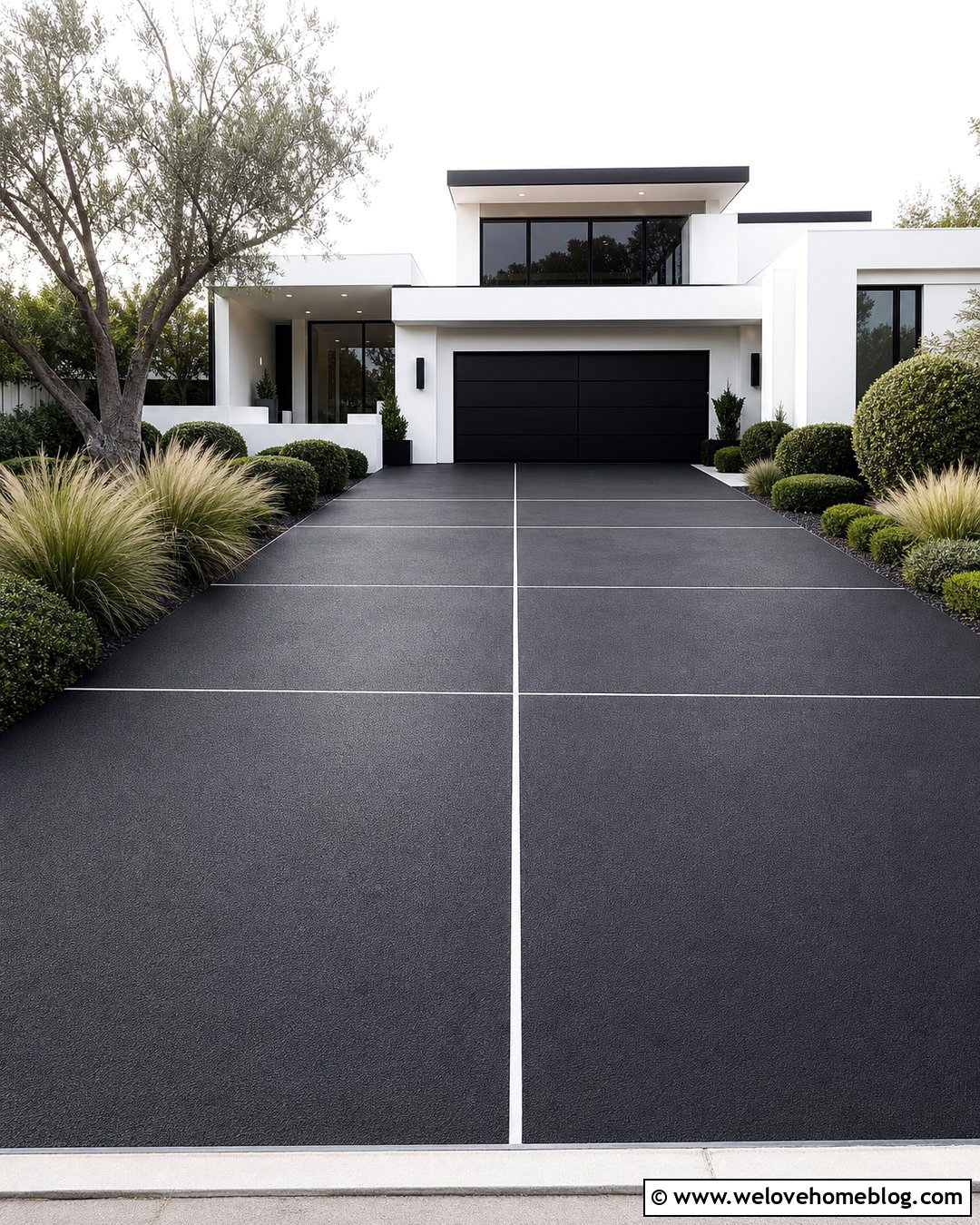
Bright white gravel creates a striking contrast against fine-textured black tarmac. For a modern house, keep the driveway straight and use crisp rectangular planting beds rather than curved borders. Install slim steel edging between the surfaces to preserve the clean geometry. White gravel can fill narrow side strips, surround architectural grasses, and continue beneath a horizontal address sign. Choose a restrained planting palette, such as dark green evergreens, feather reed grass, and one sculptural tree. Large concrete stepping pads can cross the gravel and connect the driveway to the front entrance. Because very light stone shows leaves and soil easily, use it in defined areas rather than across the main parking surface. The result feels contemporary without making everyday vehicle access complicated.
8. Tarmac Driveway With Gray Gravel Strips
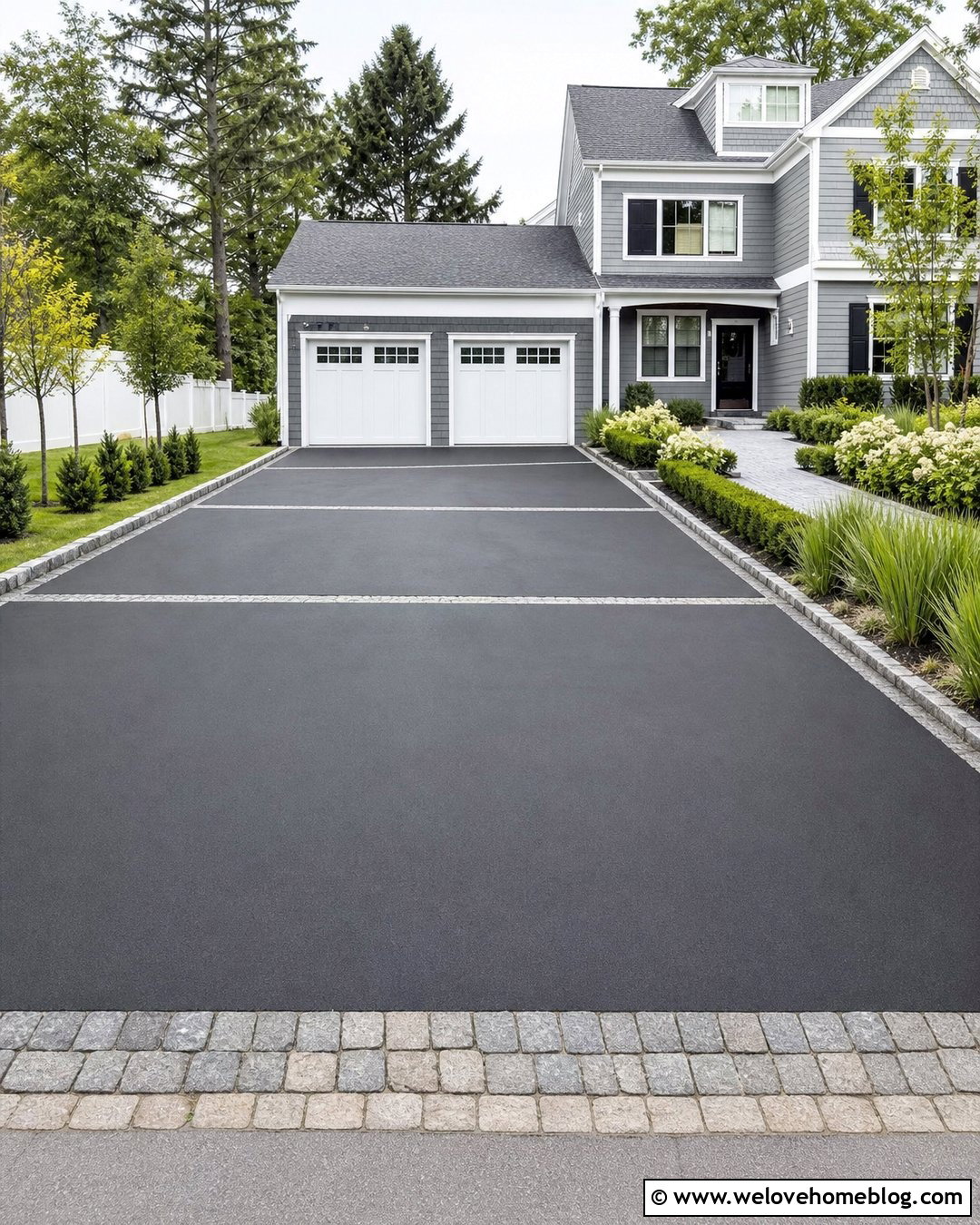
Gray gravel strips can break up a broad tarmac driveway and make a large parking area appear more carefully designed. Place narrow gravel bands along the perimeter or between parking zones, but keep them away from regular tire paths. Medium-gray crushed granite creates a subtle contrast against black tarmac without introducing a new color that competes with the house. Frame each strip with charcoal concrete pavers for reliable containment. Along the outer edges, repeat the gravel in planted beds containing boxwood, sedges, and compact flowering shrubs. A matching gray paver walkway can lead toward the front door. This understated combination suits homes with stone veneer, gray siding, or black window frames and allows the architecture to remain the strongest visual feature.
9. Gravel Driveway With Tarmac Parking Pad
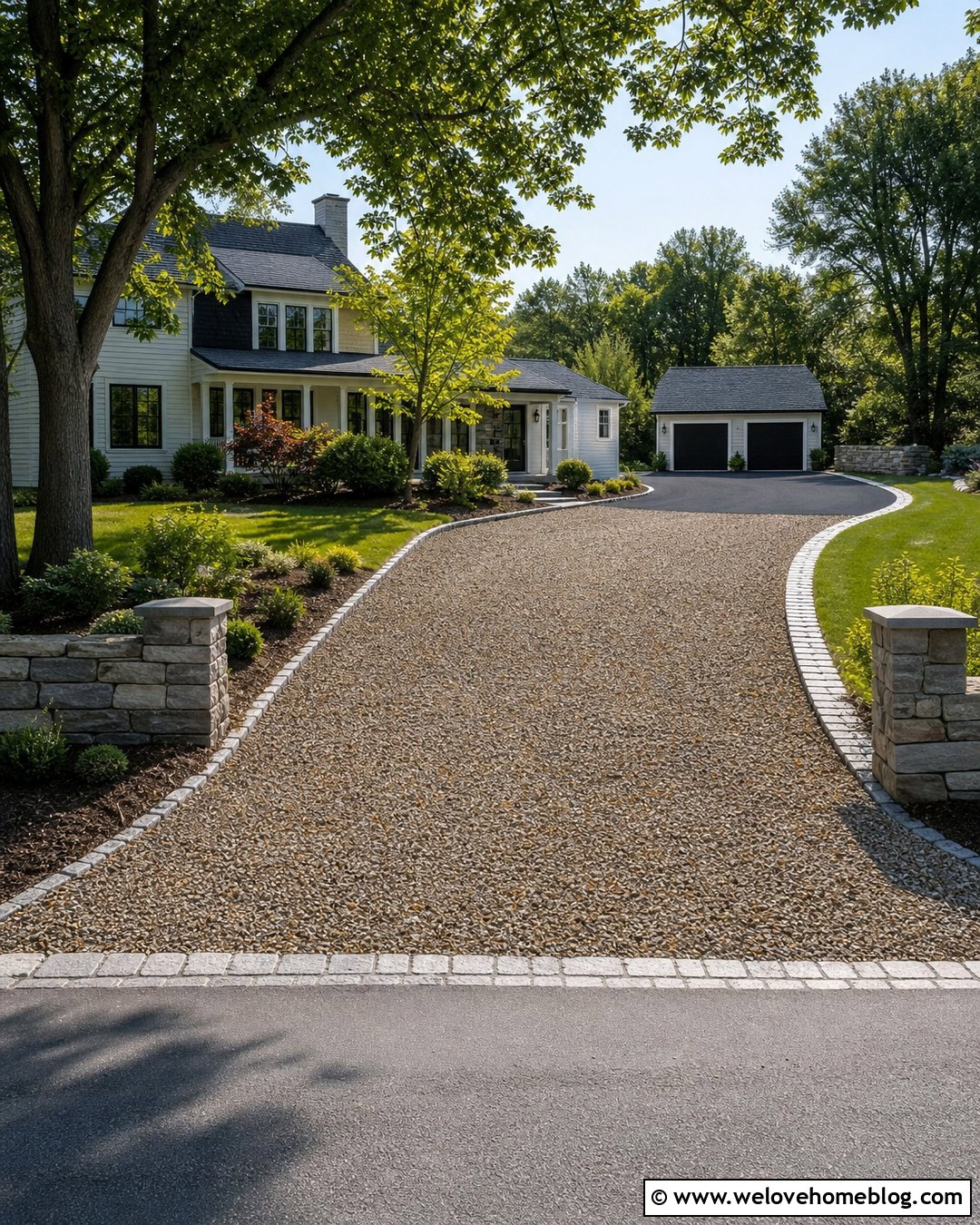
A long gravel approach can lead into a smooth tarmac parking pad beside the house. This arrangement keeps the relaxed appearance of gravel near the street while providing a firmer surface where vehicles stop, turn, and enter the garage. Use angular brown or gray gravel over a properly prepared base, with stone setts containing both sides. At the top, transition into the tarmac with a broad curved line rather than a narrow, abrupt seam. Repeat several of the gravel tones in nearby stone walls or planting beds. Shade trees can frame the long approach, while low shrubs around the parking area preserve visibility. This design is particularly useful on larger properties where paving the entire driveway may not suit the desired character or project budget.
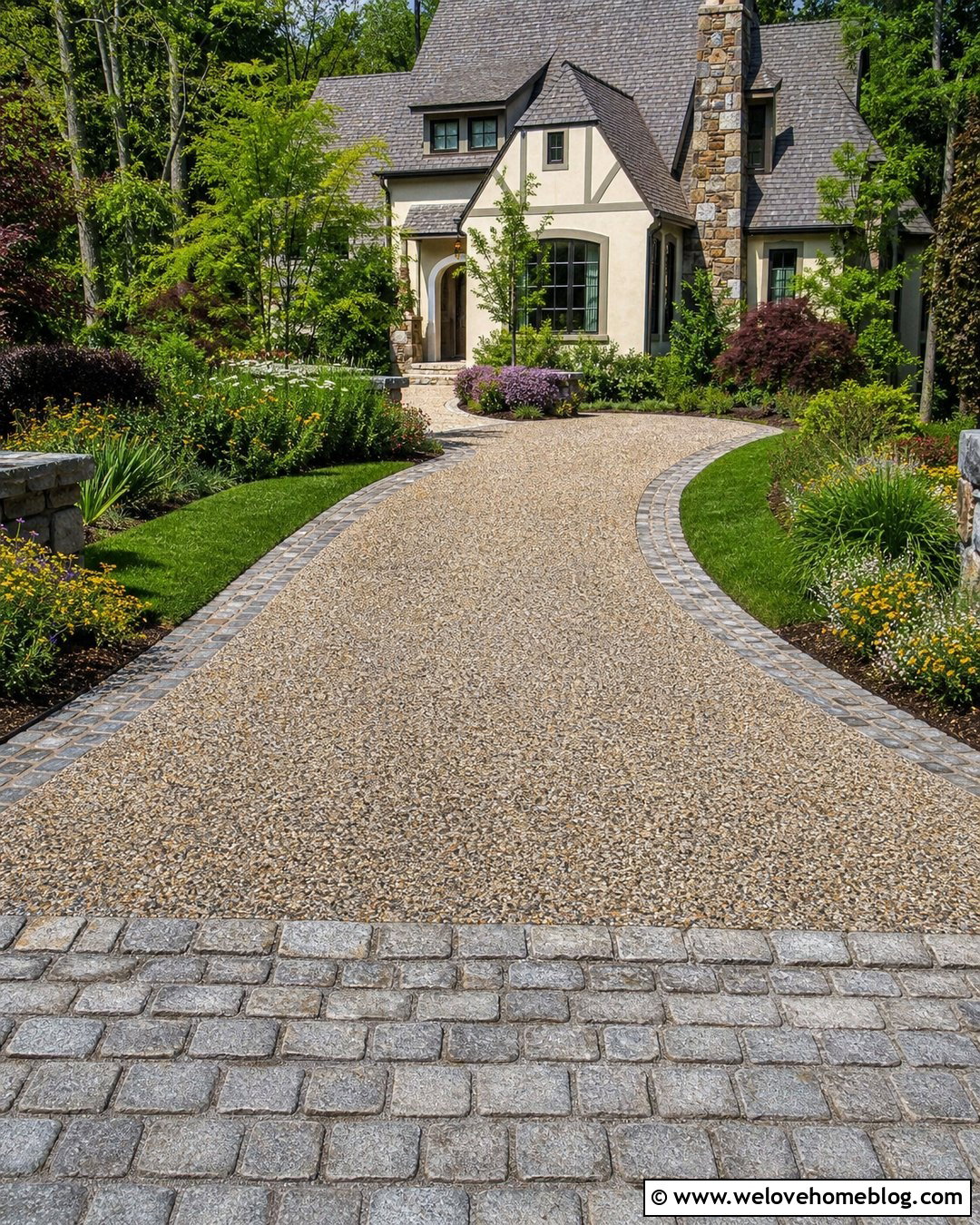
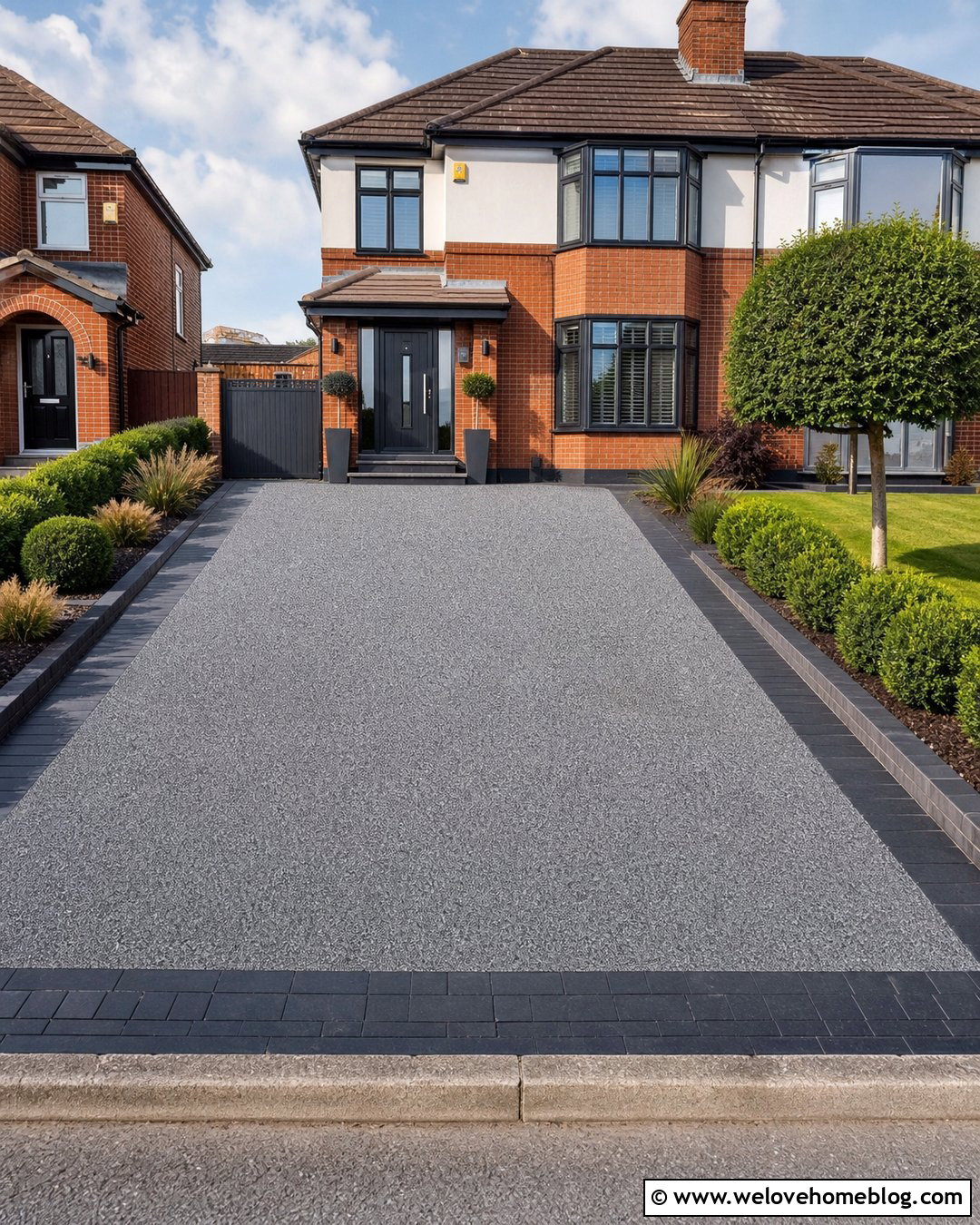
10. Tarmac And Gravel Driveway With Granite Setts
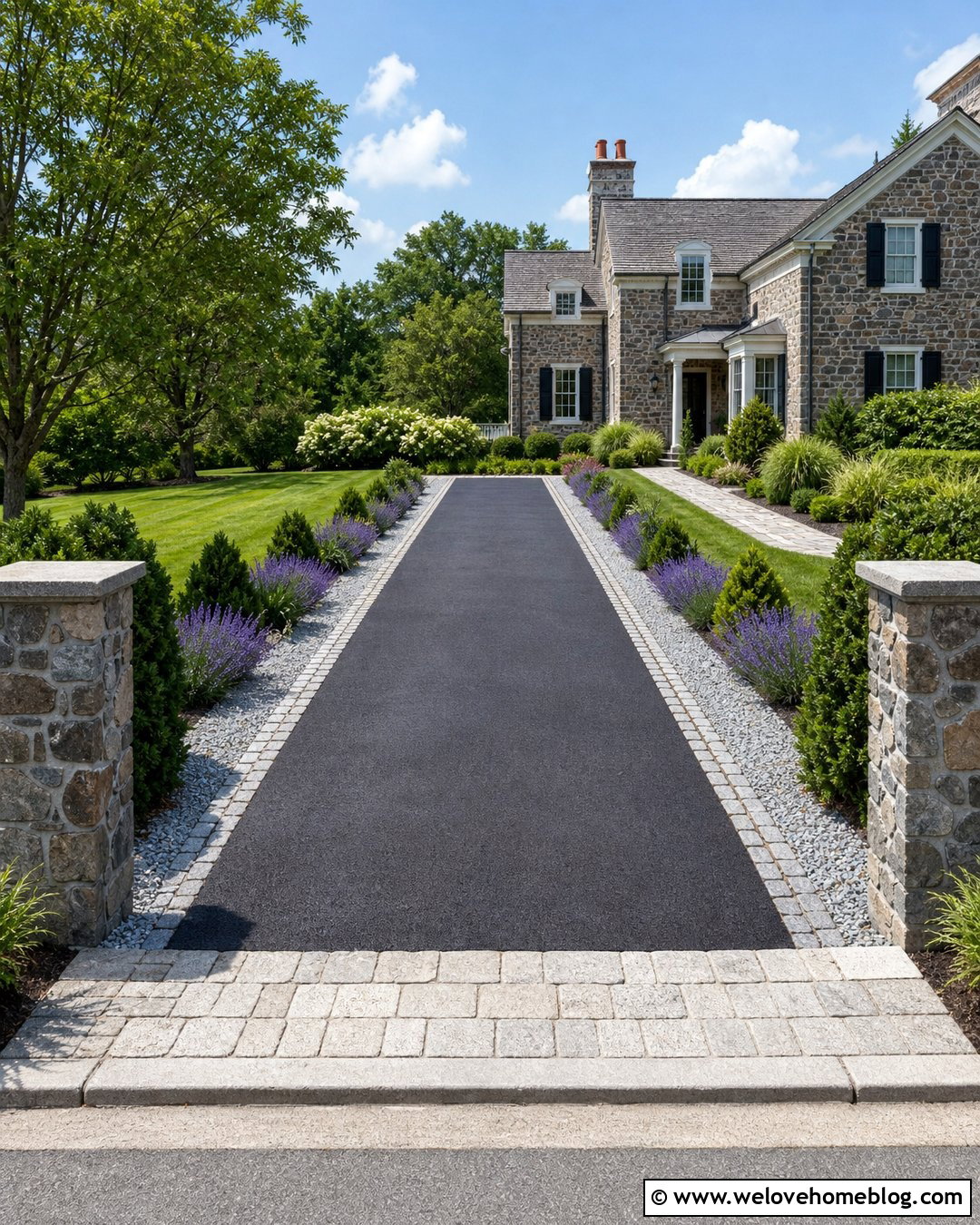
Granite setts can unify tarmac and gravel while giving both surfaces a durable, finished edge. Use black tarmac through the center of a straight driveway and place wide strips of silver-gray gravel along either side. Install two rows of granite setts between the materials, then repeat the setts across the entrance as a decorative threshold. The stone adds enough visual detail to suit a traditional house without making the driveway appear busy. Extend the gravel strips into shallow planting beds with lavender, low evergreens, and ornamental grasses. Near the house, use the same granite around the front walkway or porch steps. The repeated border gives the complete landscape a consistent material palette and helps the tarmac, gravel, planting, and architecture work together.
11. Country Tarmac And Gravel Driveway
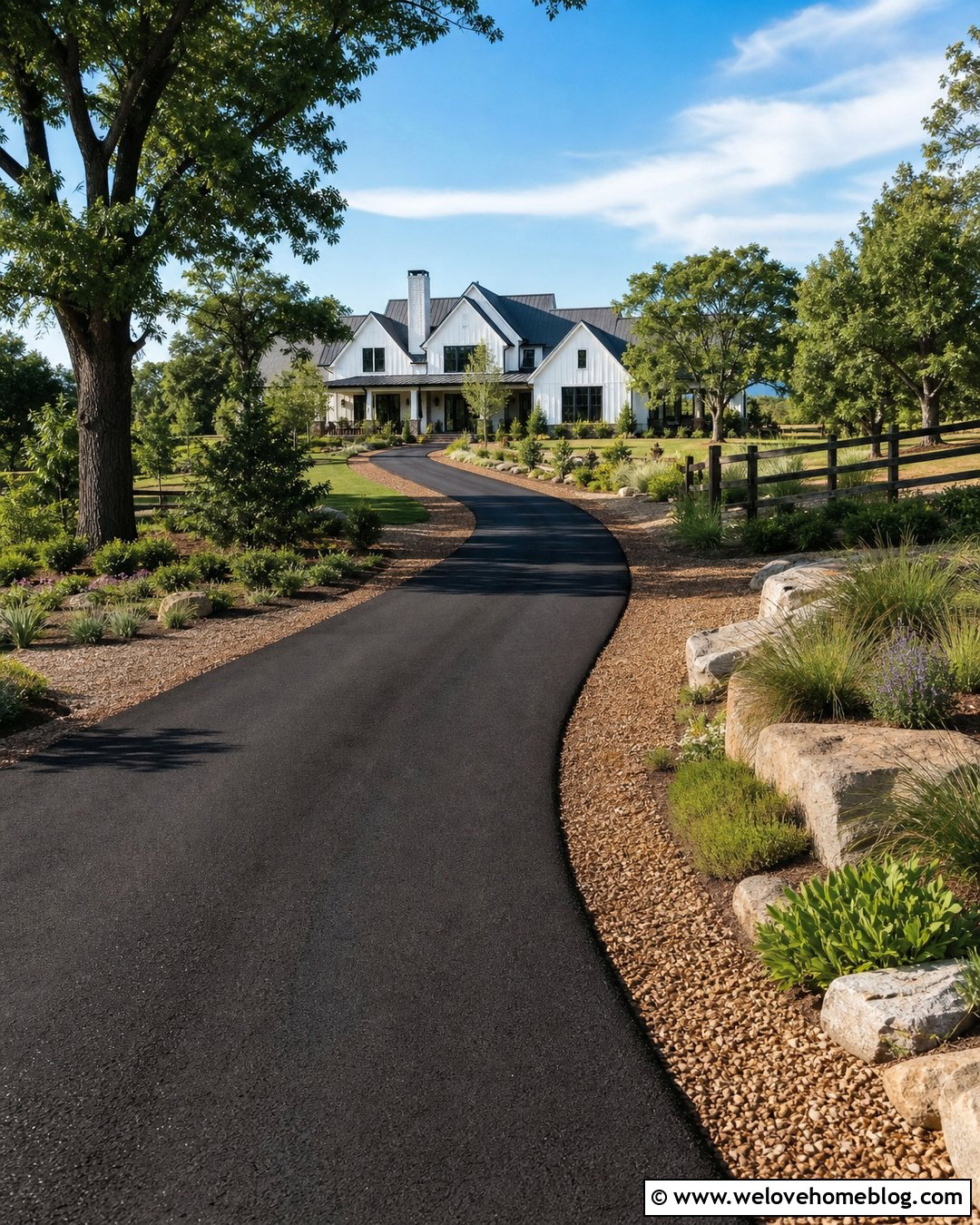
For a country home, combine a narrow tarmac lane with broad gravel shoulders and informal planting. The dark driving surface remains practical, while warm brown gravel helps the driveway blend into the surrounding landscape. Edge the gravel with large natural stones rather than perfectly uniform pavers. Plant native grasses, flowering perennials, and loose groups of shrubs outside the shoulders. A post-and-rail fence can follow one side, while mature trees frame the approach from above. At the house, widen the tarmac into a simple parking area and continue the gravel around a detached garage or garden path. Avoid overly formal symmetry. Gentle curves, varied planting heights, and locally inspired materials will make the driveway feel established and appropriate for its rural setting.
12. Tarmac Driveway With Gravel Rain Garden
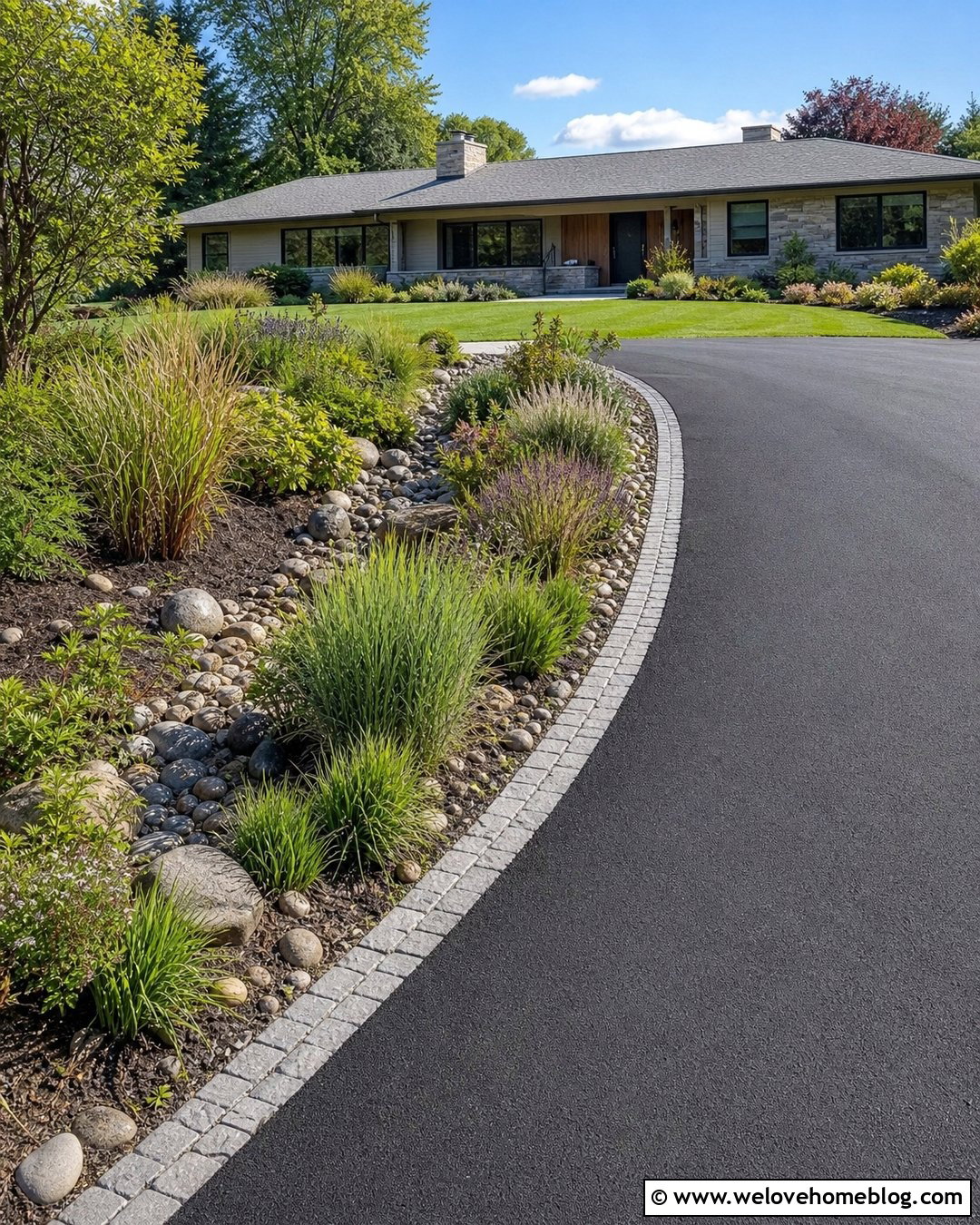
A gravel rain garden beside a tarmac driveway can turn necessary water management into an attractive landscape feature. Grade the driveway so runoff moves toward a planted gravel basin rather than collecting beside the garage or flowing toward neighboring property. Use dark tarmac for the main surface and mixed river gravel within the garden. A flush cobblestone channel can guide water while creating an appealing border. Fill the basin with plants selected for local soil, climate, and changing moisture levels. Keep the bed shallow, open, and clearly separated from driving space. Drainage requirements vary considerably, so the final grading and discharge route should be planned with a qualified local installer. Thoughtful drainage contributes to driveway performance as well as overall curb appeal. ()
13. Narrow Tarmac And Gravel Driveway
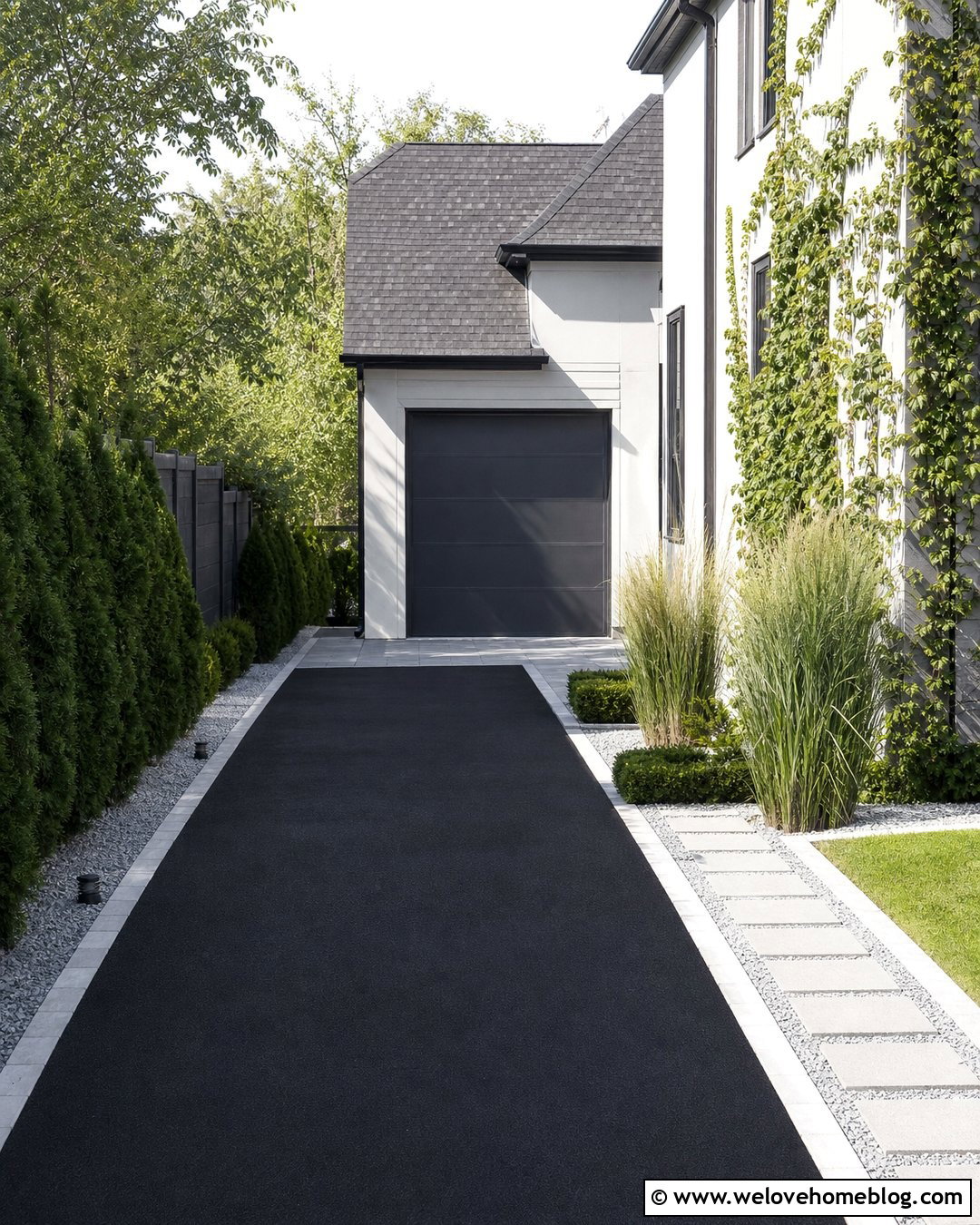
A narrow side driveway benefits from a simple layout that visually opens the available space. Use black tarmac for the central vehicle path and slim bands of pale gravel beside the edges. Instead of raised curbs, choose flush concrete restraints that will not make the lane feel confined. Add a narrow stepping-stone walkway through one gravel band so visitors have a separate route to the entrance. Vertical ornamental grasses, compact evergreens, and wall-trained plants provide greenery without spreading into the driving area. Light-colored gravel reflects more light into a tight space and creates contrast with the dark surface. At the garage, widen the tarmac slightly to improve maneuvering. This design works well for small suburban lots, attached garages, and homes positioned close to neighboring boundaries.
14. Sloped Tarmac And Gravel Driveway
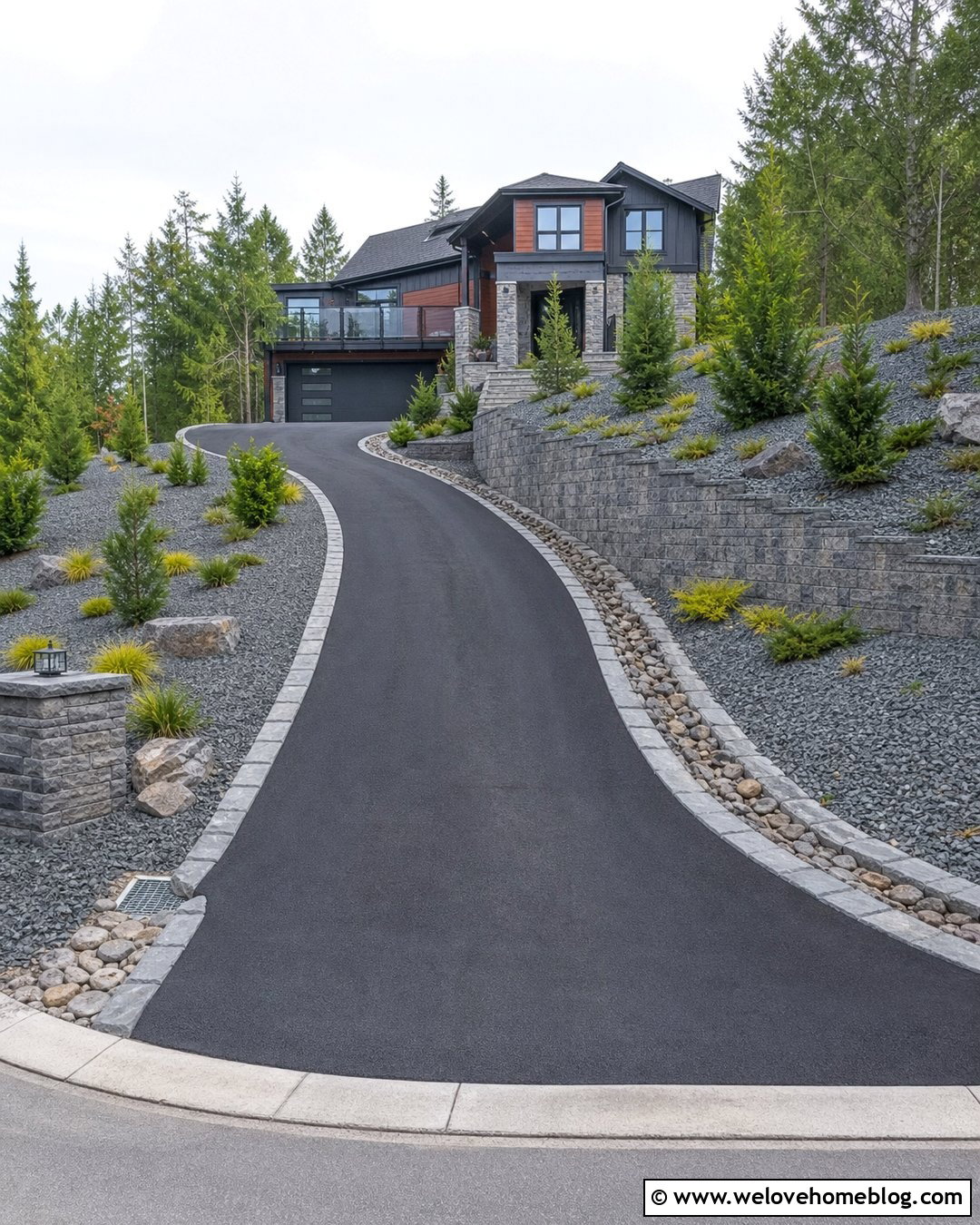
On a sloped property, tarmac can provide the primary driving surface while gravel is reserved for contained borders and level planting pockets. Follow the natural grade with a straight or gently curving black tarmac lane. Use concrete curbs, granite setts, or masonry walls to prevent gravel from washing downhill. Create terraced beds along the higher side with compacted gray gravel, evergreen shrubs, and erosion-resistant ground cover. On the lower side, a defined drainage channel can direct water toward an approved outlet. Avoid placing loose gravel directly across steep tire paths, where movement and rutting may become frequent concerns. Professional grading is especially valuable here. A well-planned slope should manage runoff, offer safe access, and connect naturally with steps or a separate walkway leading to the front door.

15. Tarmac Driveway With Gravel Turning Area
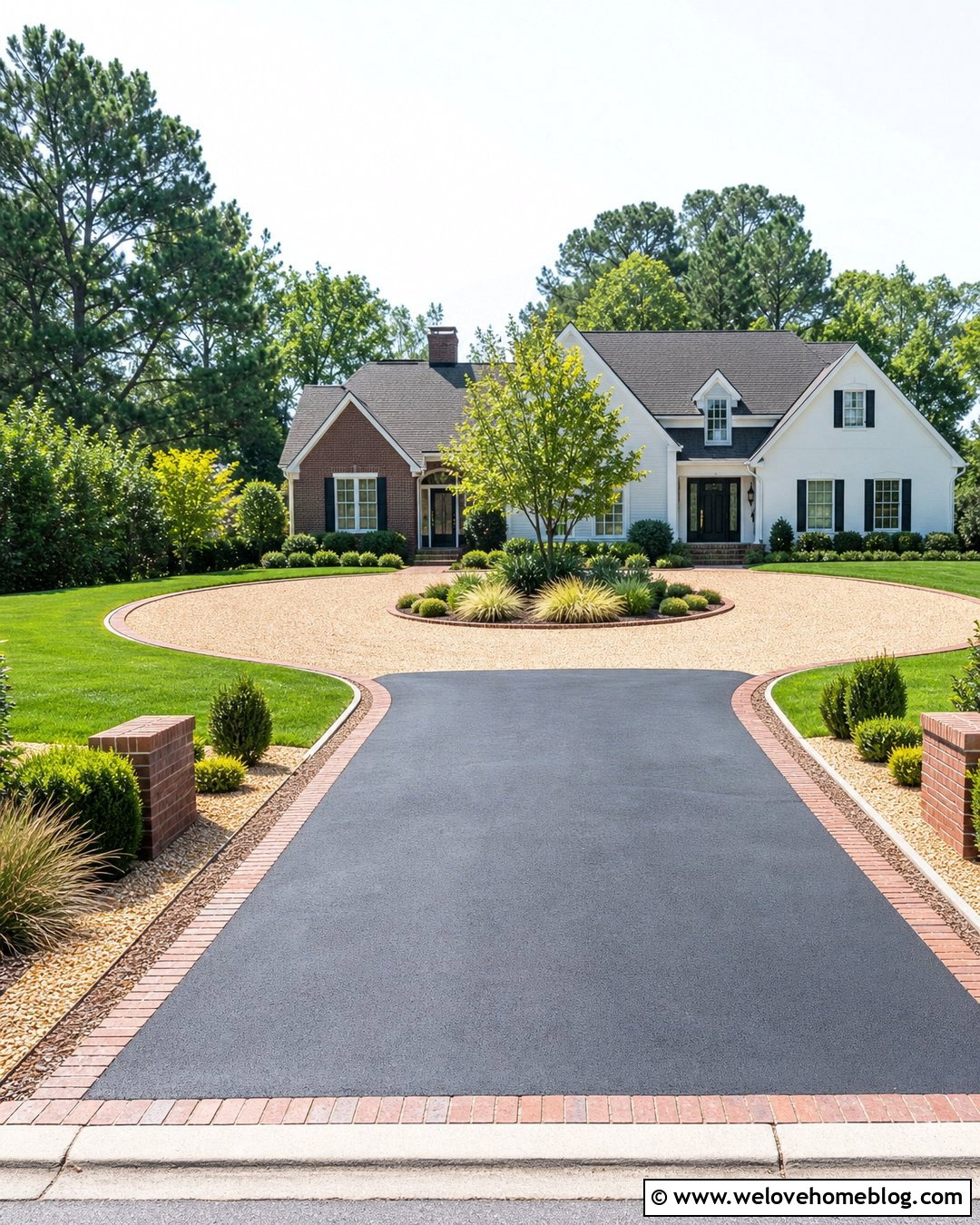
A dedicated turning area can make a long driveway more convenient without creating one oversized expanse of tarmac. Use the black tarmac lane for regular travel, then form a semicircular gravel turnout near the house. Select angular gravel that compacts well and surround it with a solid brick or stone edge. The different surface clearly identifies the turning zone while adding texture beside the main lane. A central planting bed can shape the curve, provided it does not interfere with vehicle clearance. Use low shrubs, ornamental grasses, and one small tree rather than dense planting. Repeat the same gravel beside the entry walkway or around the mailbox. This repetition ensures the turning area appears to be an intentional part of the complete front-yard design.
16. Tarmac And Gravel Driveway With Timber Edging
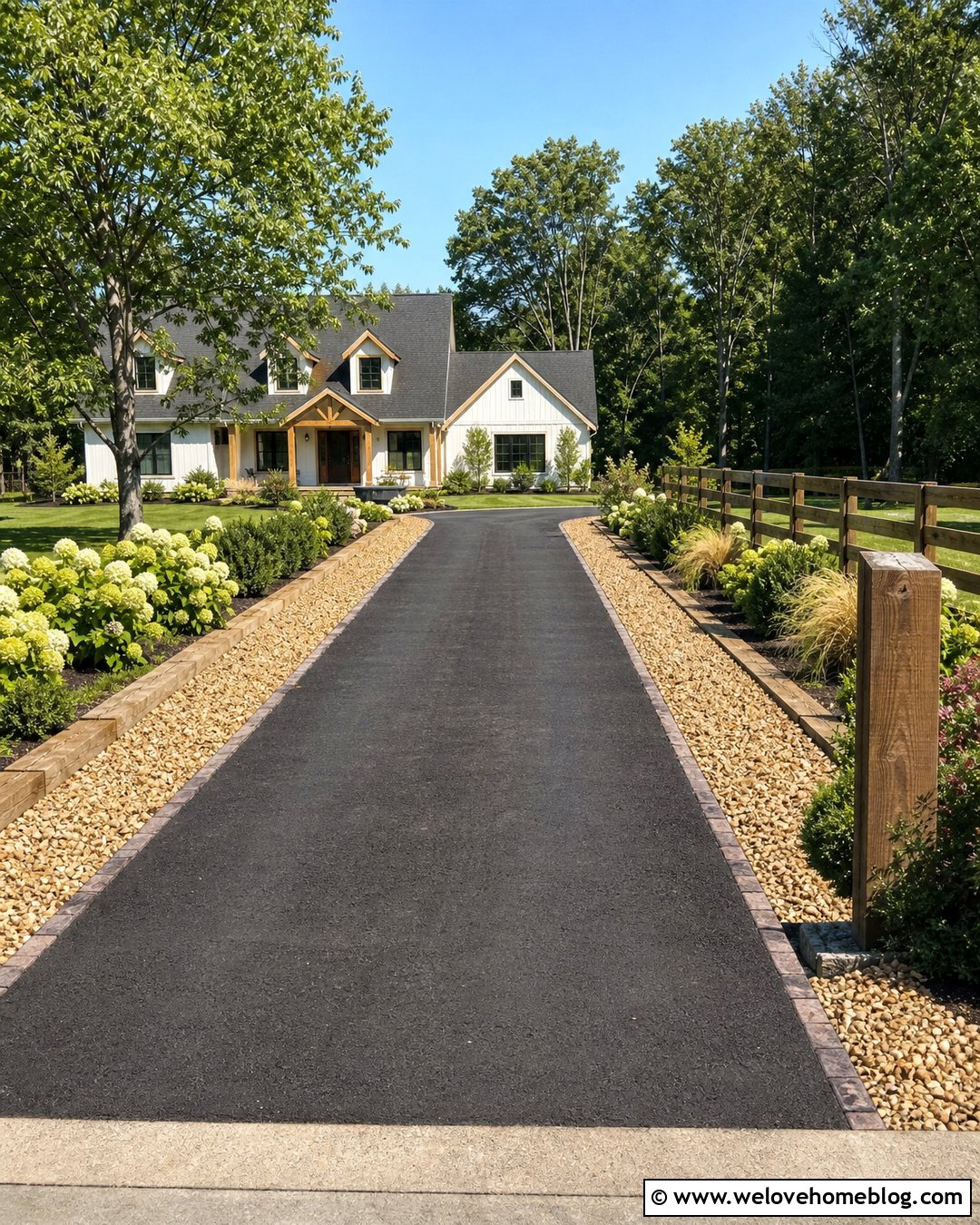
Timber edging gives a mixed tarmac and gravel driveway a relaxed appearance that suits ranch homes, cabins, and modern farmhouses. Lay a smooth tarmac driving lane through the center and use warm buff gravel shoulders on both sides. Heavy, properly treated landscape timbers can define the outer gravel edges, while a flush row of brick should separate gravel from tarmac in areas exposed to tires. Continue the timbers around informal beds containing grasses, hydrangeas, and evergreen shrubs. A matching wood address post or simple horizontal fence can strengthen the connection. Timber will weather over time, so choose material rated for ground contact and consider future replacement access. The complete look should feel natural and structured rather than overly polished or formal.
17. Tarmac Driveway With Gravel Grid Extension
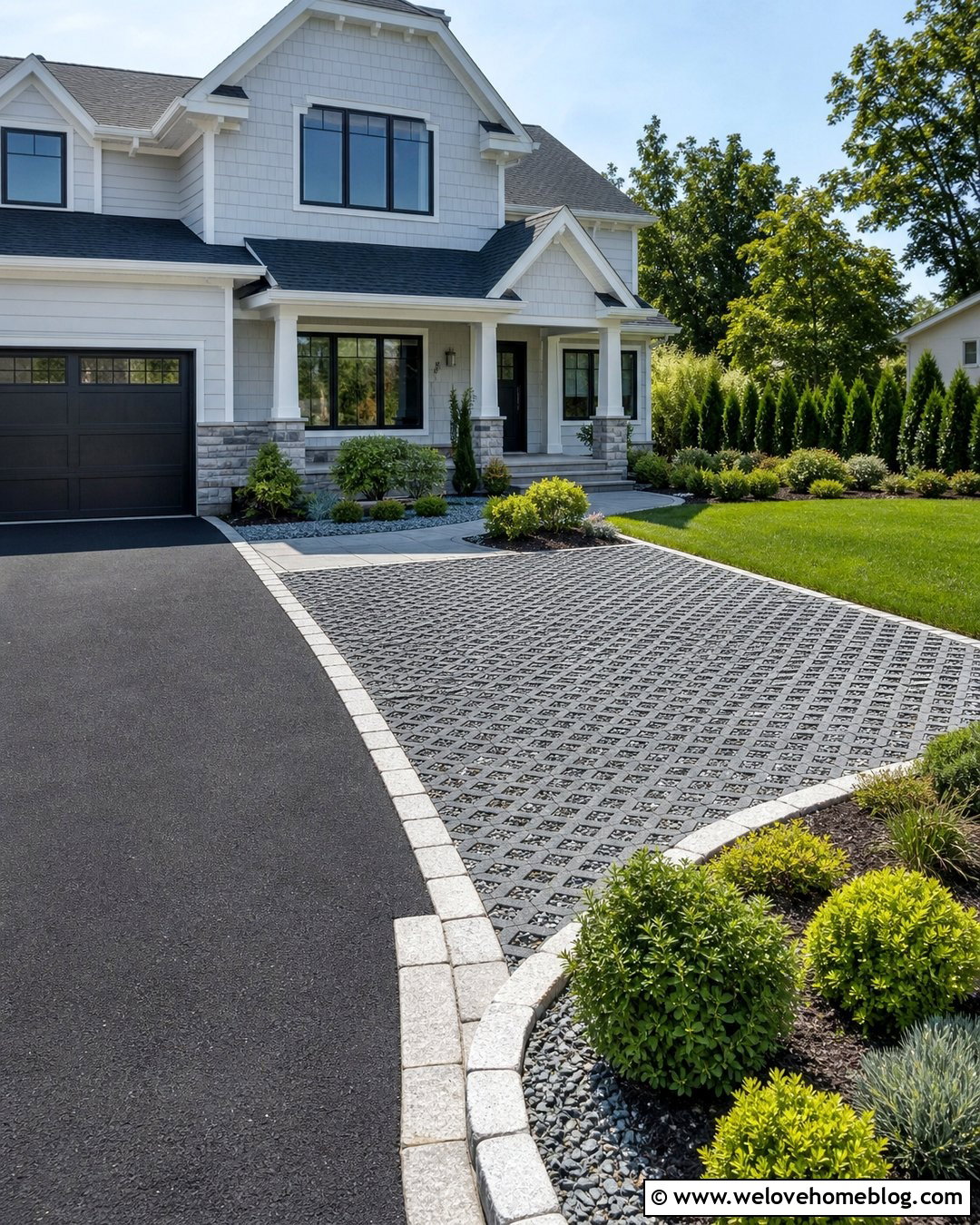
A gravel grid extension can add usable space beside an existing tarmac driveway while keeping a softer appearance. Choose gray angular gravel held within a load-rated stabilization grid, and contain the perimeter with concrete pavers or granite setts. Align the extension with the existing parking area so vehicles can enter without making a sharp turn. The grid section can serve as occasional guest parking while the original black tarmac remains the primary surface. Add a curved planting bed at the far corner to integrate the new area into the yard. Use sturdy, compact plants that tolerate reflected heat and occasional road spray. Matching gray gravel around the walkway or mailbox will help the extension look planned rather than like a disconnected patch added solely for parking.
18. Tarmac And Gravel Driveway With Stone Pillars
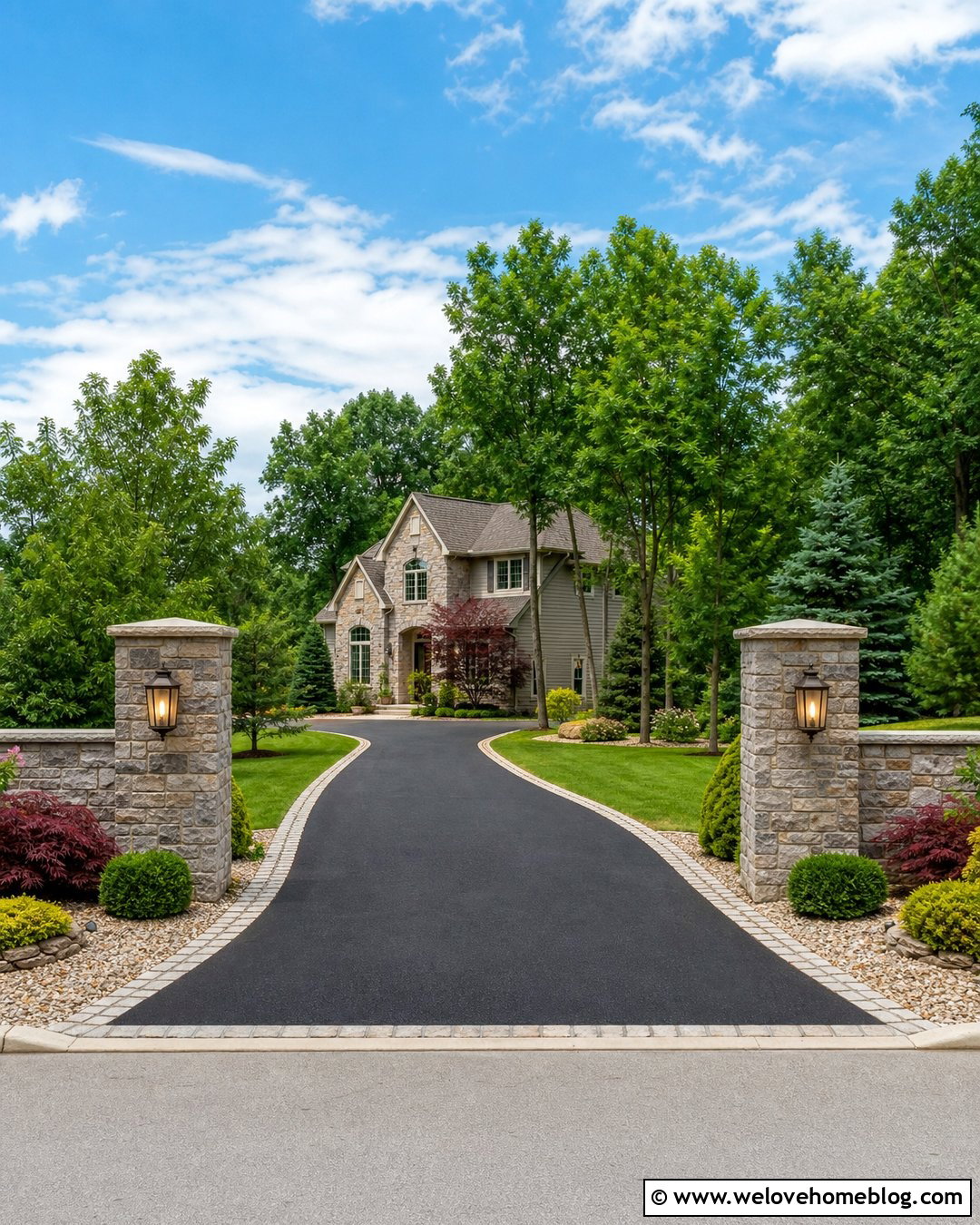
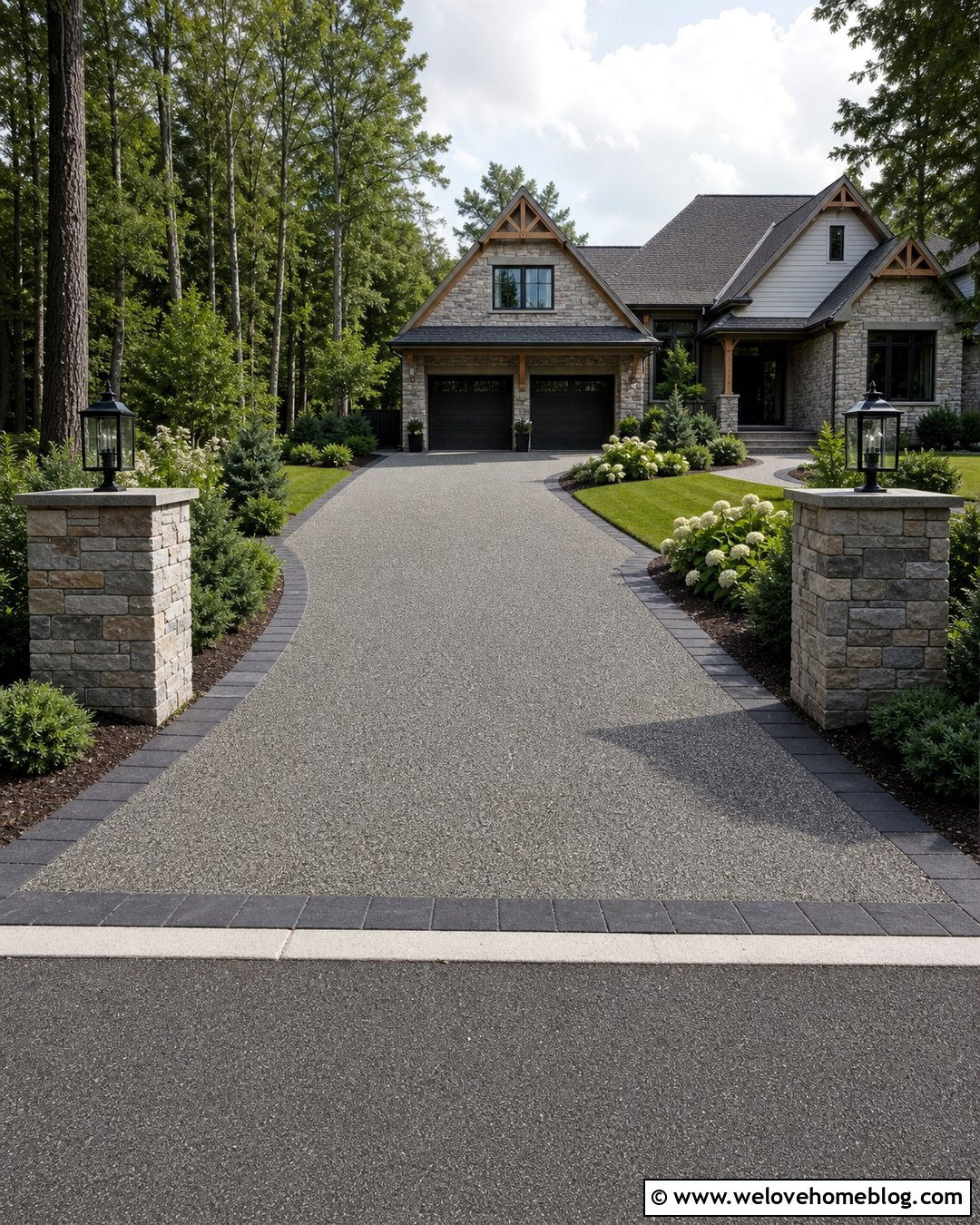
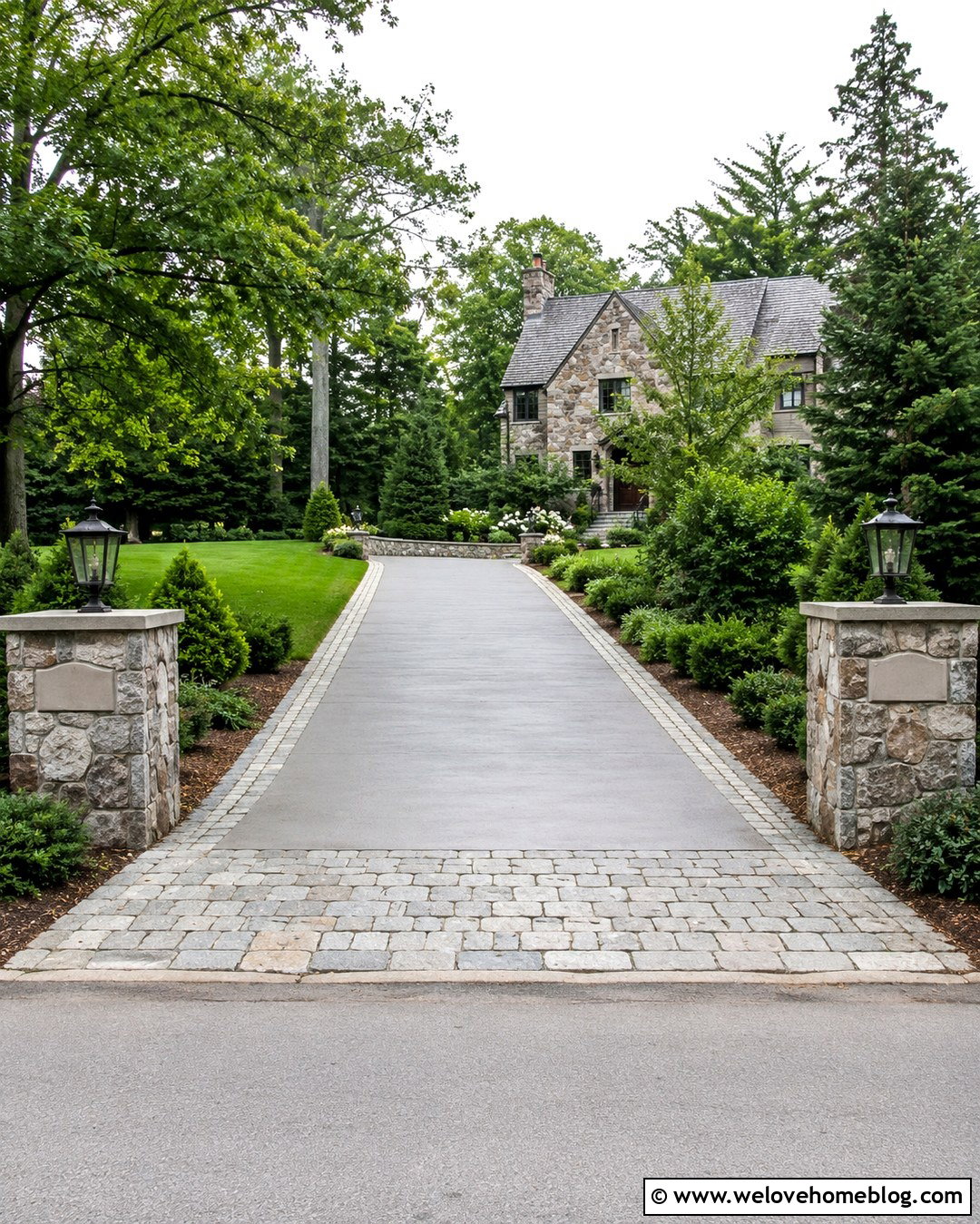
Stone entrance pillars create a strong focal point for a driveway that combines black tarmac with natural gravel. Begin with a broad tarmac apron between the pillars, then continue the dark lane toward the house. Add tan gravel borders along both sides and contain them with low granite setts. Build the pillars from stone that complements the home’s foundation or exterior veneer. Low walls can extend a short distance from each pillar before transitioning into hedges or open lawn. Place address numbers and lighting where they remain visible without overwhelming the masonry. Keep planting low near the road to protect sightlines. Farther inside the property, small trees and layered shrubs can frame the approach and visually guide attention toward the house.
19. Tarmac And Gravel Driveway With Lighting
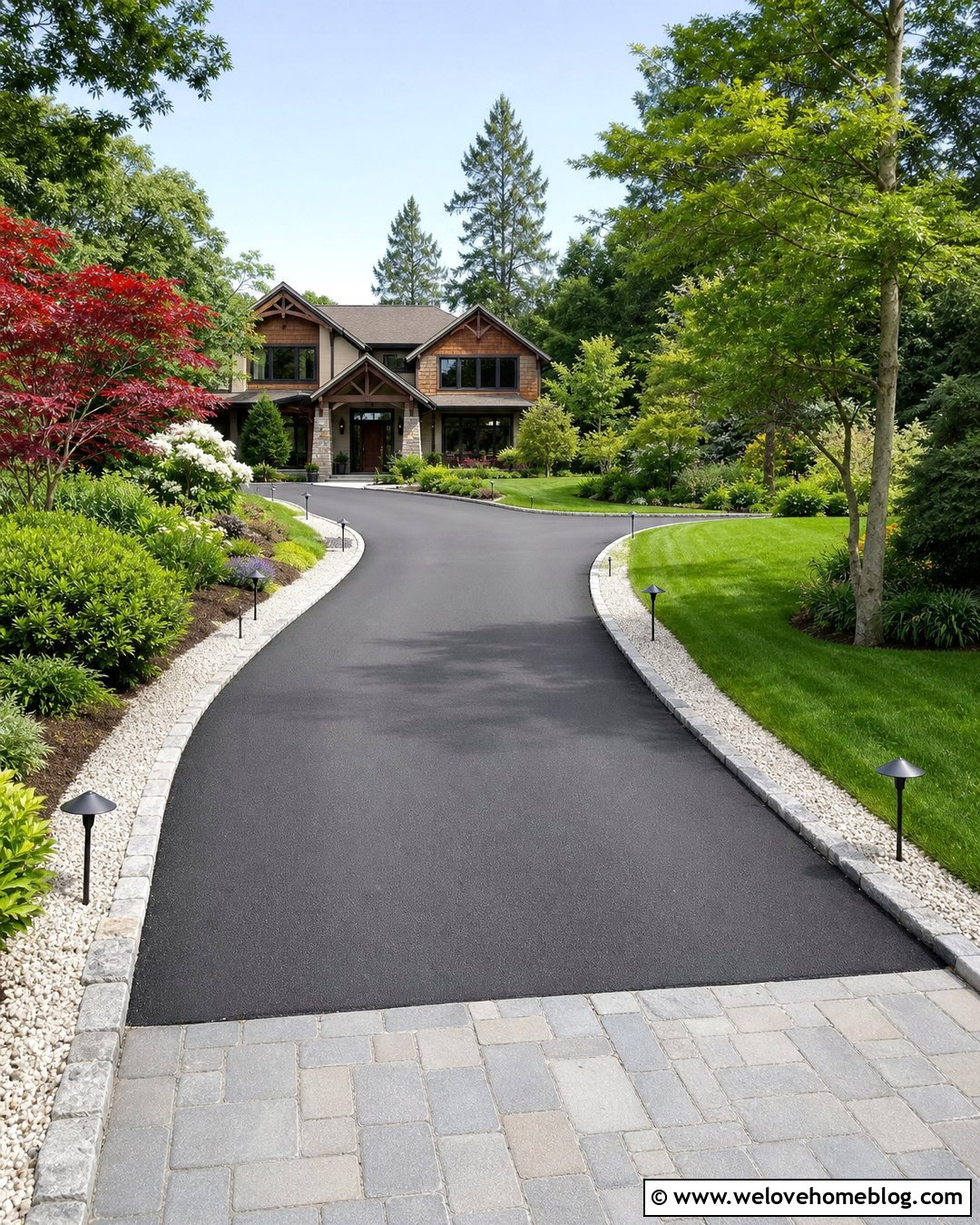
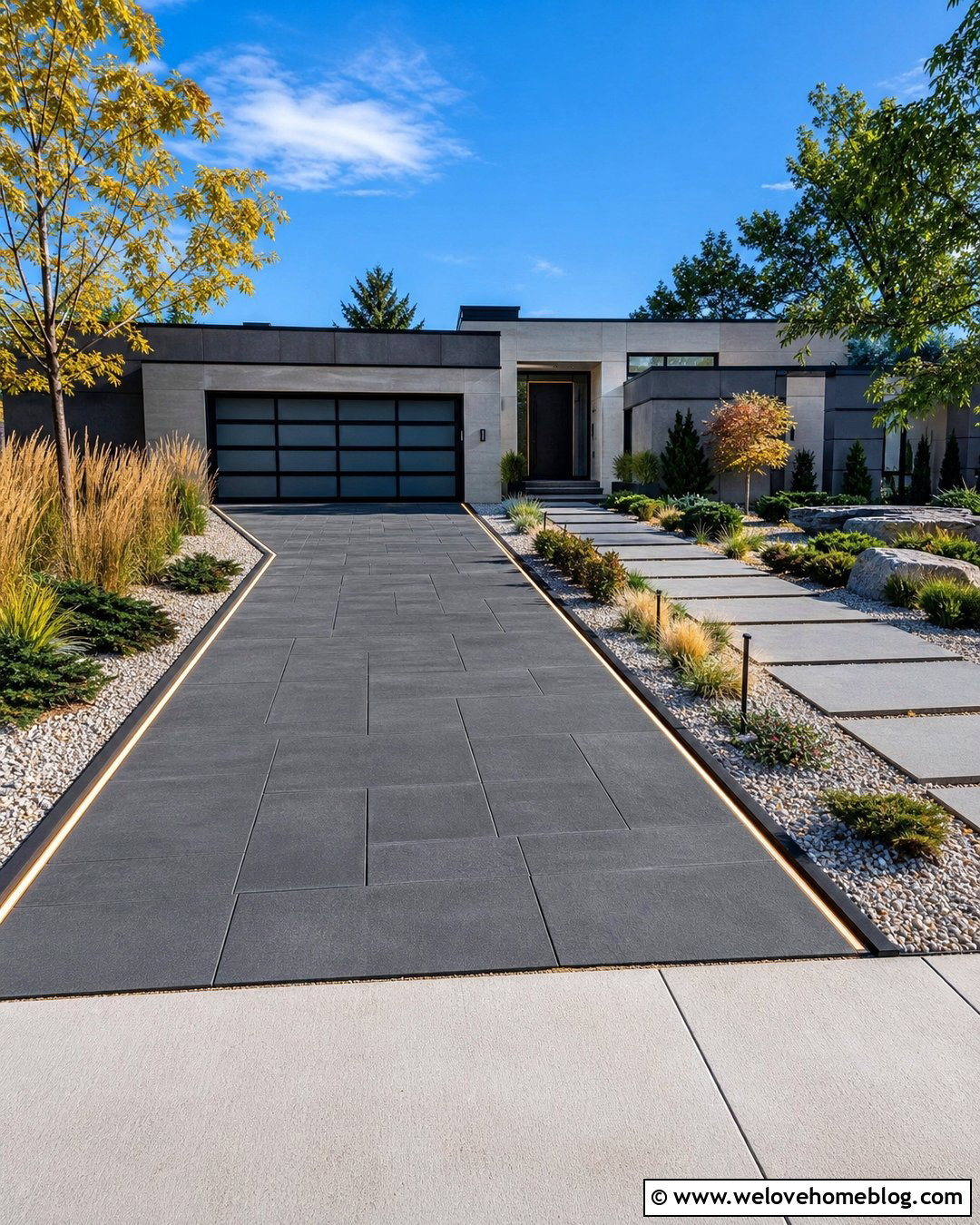
Integrated lighting improves the appearance of a mixed-material driveway and helps define the route after sunset. During the day, the design should still look attractive without relying on fixtures. Use smooth black tarmac for a curved lane and pale gravel for the outer shoulders. Position low, shielded path lights within the gravel rather than directly beside tire paths. Space them evenly around bends, entrance transitions, and the walkway leading to the house. Granite edging can create a clean boundary and provide a consistent line for fixture placement. Pair the lights with layered shrubs and small trees, leaving enough open space for maintenance. Select appropriately rated exterior fixtures and avoid excessive brightness that shines toward neighbors or drivers. Landscape lighting can support both orientation and curb appeal. ()
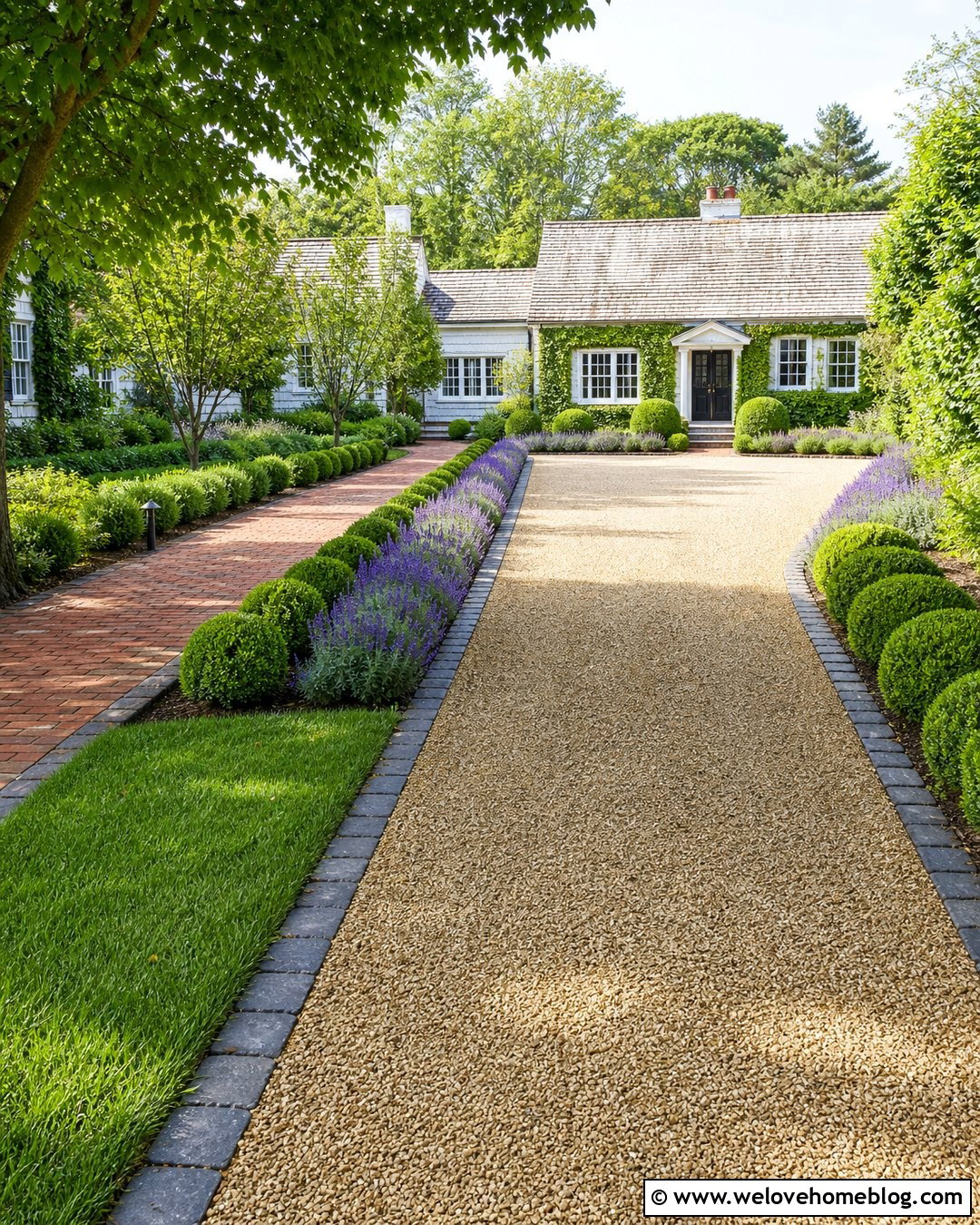
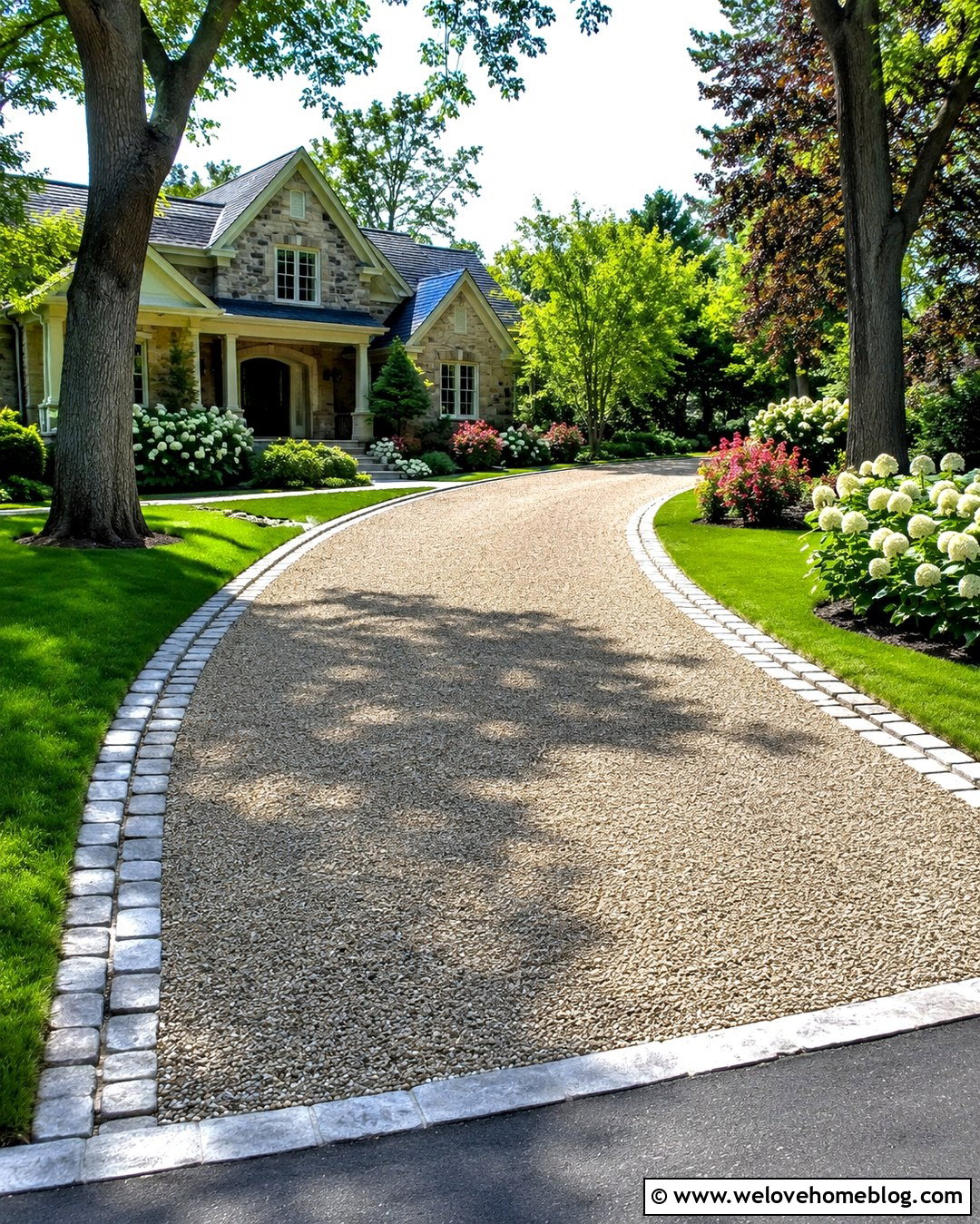
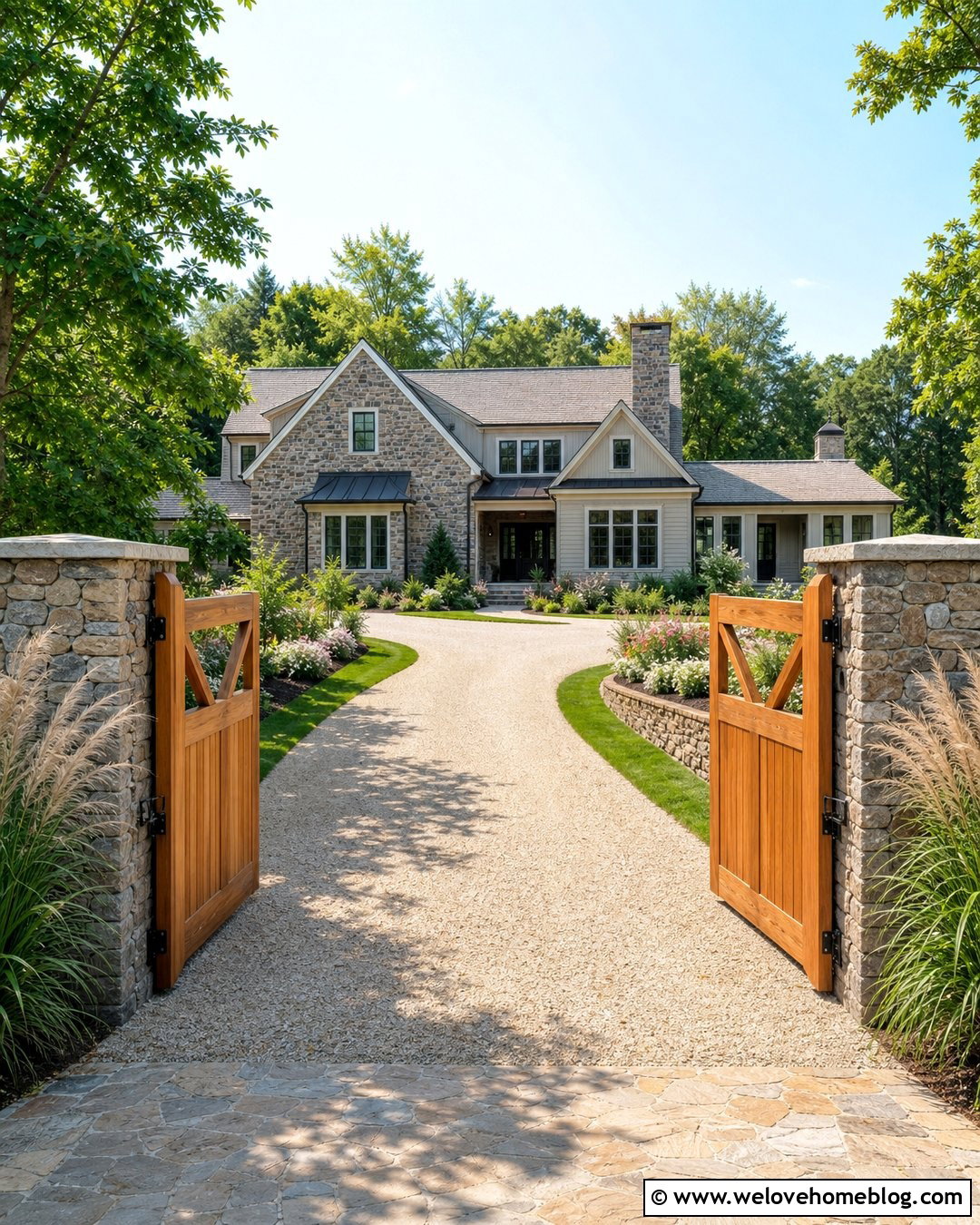
20. Low Maintenance Tarmac And Gravel Driveway
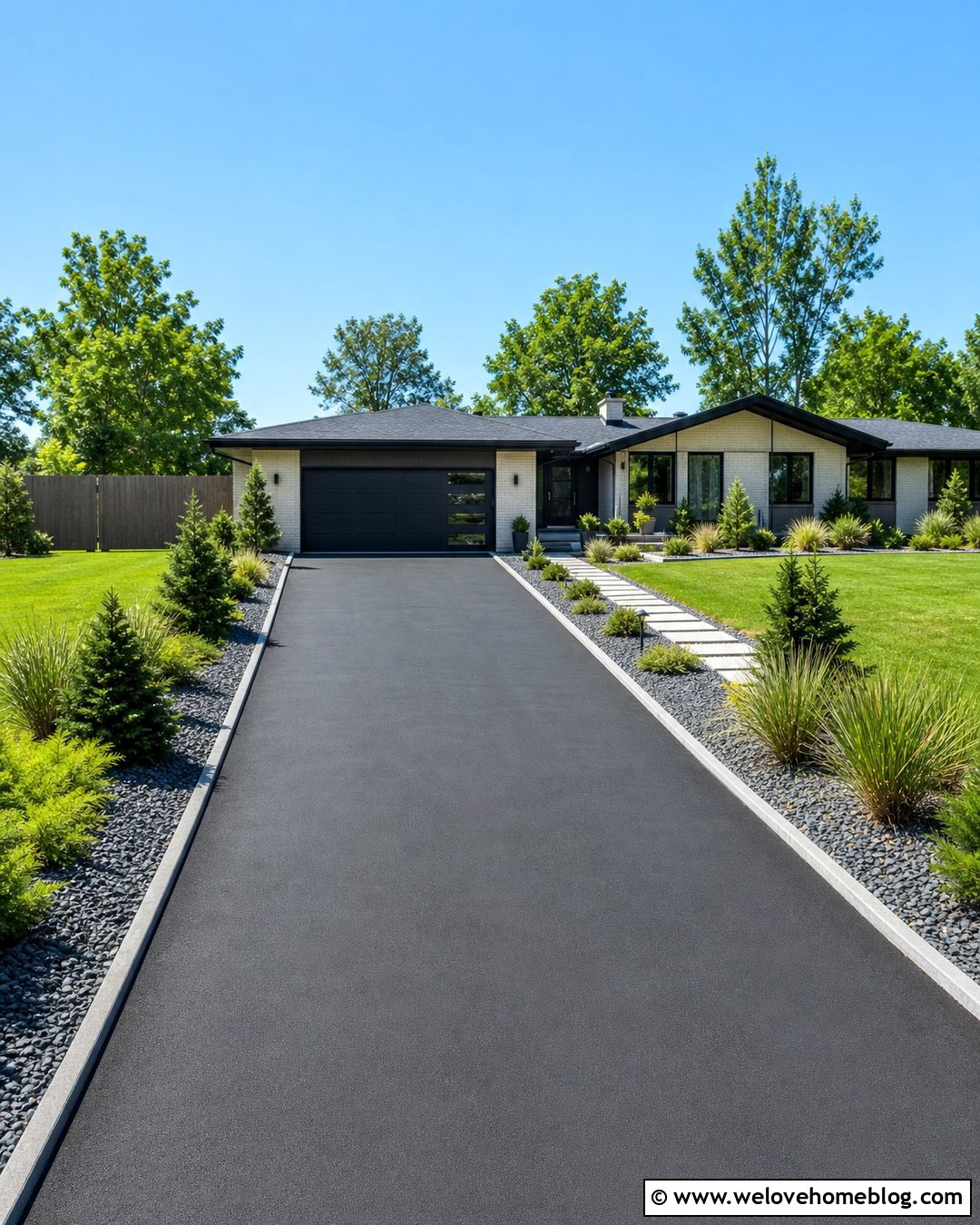
A low-maintenance design uses tarmac where vehicles travel most and gravel only in contained areas that are easy to refresh. Start with a straight, fine-textured black tarmac driveway leading to the garage. Add narrow bands of dark gray angular gravel between the tarmac and raised concrete curbs. Plant the surrounding beds with slow-growing evergreens, ornamental grasses, and ground cover suited to the local climate. Avoid loose gravel directly beside lawn unless a strong edge prevents stones from reaching mowing areas. A simple paver walkway can connect the driveway to the porch without adding complicated patterns. Keep drainage routes visible and accessible for cleaning. This restrained layout offers contrast, greenery, and a polished entrance while limiting routine sweeping, pruning, weeding, and stone redistribution.
Conclusion:
These **20 Tarmac And Gravel Driveway Ideas** show how two straightforward materials can create a polished and practical entrance. Tarmac works well for primary driving lanes, parking pads, slopes, and street aprons. Gravel can soften the surface through borders, parking bays, landscaped shoulders, and drainage areas. The strongest designs also use reliable edging, suitable grading, coordinated planting, and clear pedestrian routes. Before installation, consider vehicle movement, runoff, underground utilities, local requirements, and long-term upkeep. Select colors that connect with the home’s facade and repeat border materials elsewhere in the landscape. With thoughtful planning, a mixed tarmac and gravel driveway can look intentional, welcoming, and well suited to the property.

Related posts:
Leave a Reply