
Expanding your outdoor living area can transform how you enjoy your home, providing more space for relaxation, entertainment, and connecting with nature. A patio extension is an excellent way to increase your property's value and functionality, seamlessly blending your indoor comfort with the outdoors. Whether you're looking to add a small seating nook or a grand entertaining space, there are countless ways to enlarge your existing patio. From simple paver additions to elaborate covered structures, these ideas cater to various styles, budgets, and backyard sizes, offering practical solutions to create the outdoor oasis you've always envisioned.
1. Concrete Slab Patio Extension
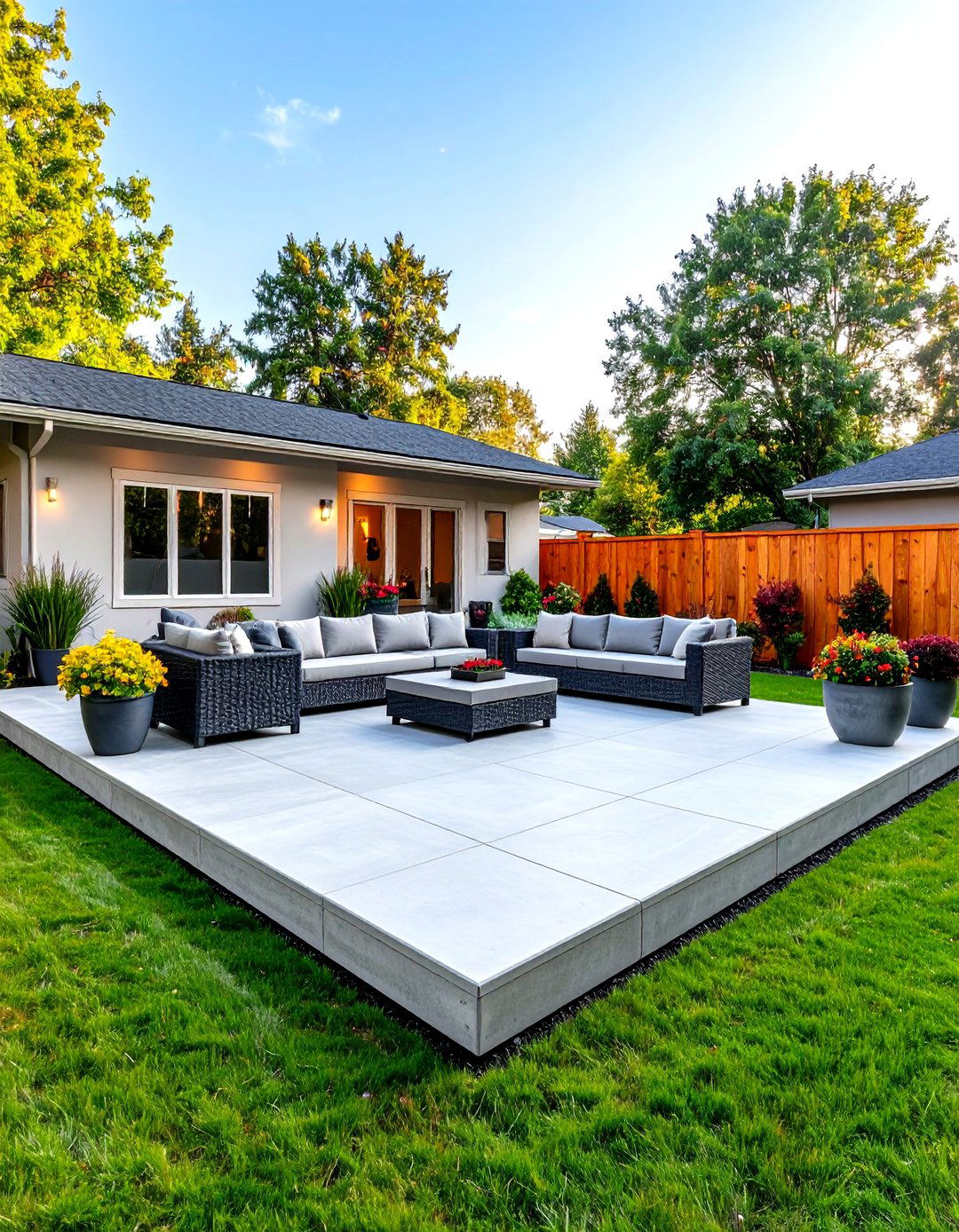
A straightforward way to enlarge your patio is by pouring an additional concrete slab. This method creates a seamless, durable surface that matches your existing concrete patio, providing a clean and modern look. The new section can be shaped to fit your landscape, whether you need a simple rectangle or a more organic, curved design. Concrete is low-maintenance and provides a stable foundation for outdoor furniture, grills, or even a hot tub. To add visual interest, you can have the new concrete stamped or stained to mimic stone or tile, offering a custom finish without the higher cost of those materials.
2. Brick Paver Patio Extension
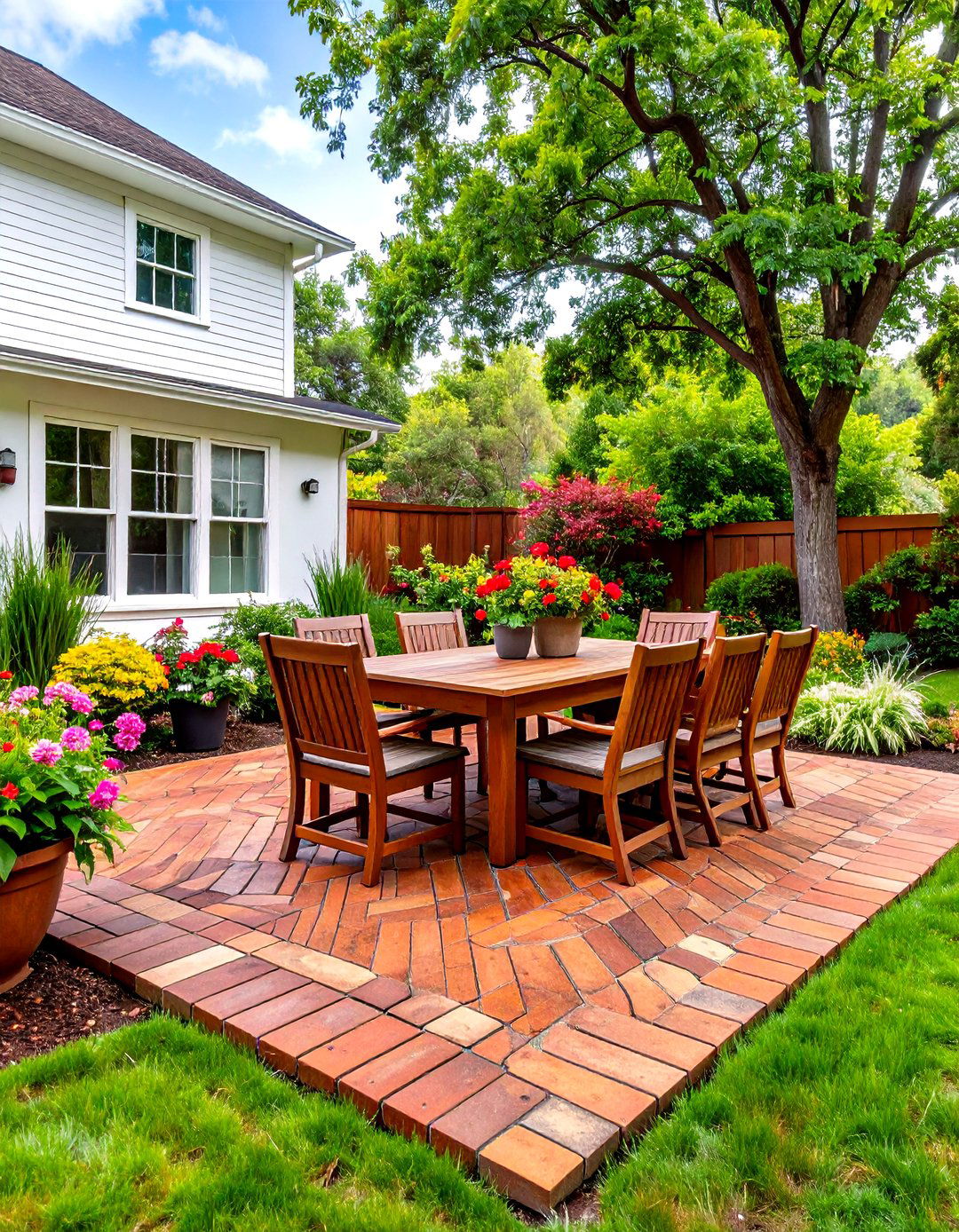
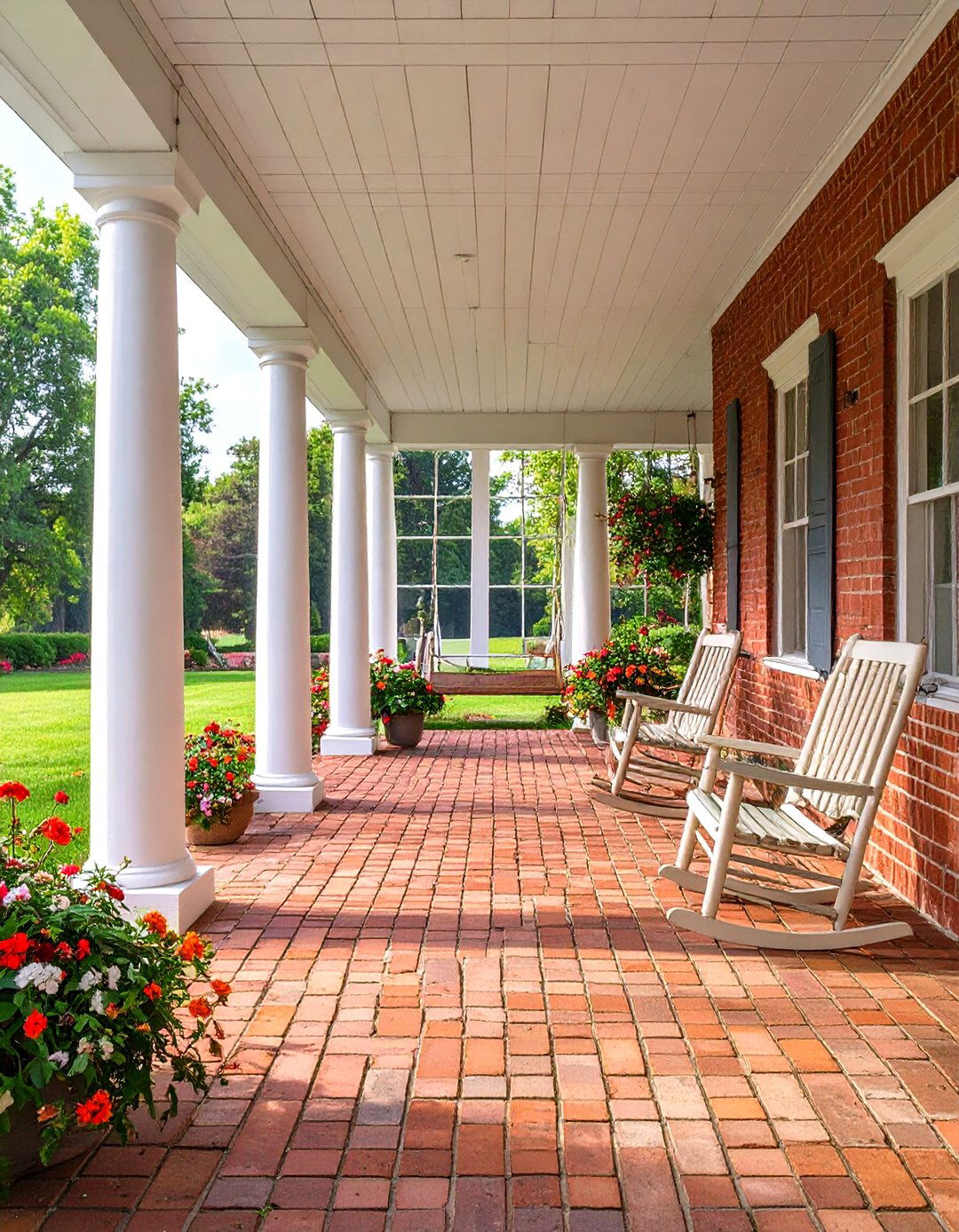
For a classic and timeless look, consider extending your patio with brick pavers. These offer rich color and texture, creating a warm and inviting atmosphere. You can lay them in various patterns, such as herringbone, basketweave, or running bond, to add a decorative touch to your outdoor space. Brick pavers are durable and can be laid directly adjacent to an existing concrete or stone patio, creating a charming contrast in materials. This type of extension is also DIY-friendly for those with some landscaping experience, allowing you to gradually expand your patio over time as your budget and needs evolve.
3. Natural Stone Paver Patio Extension
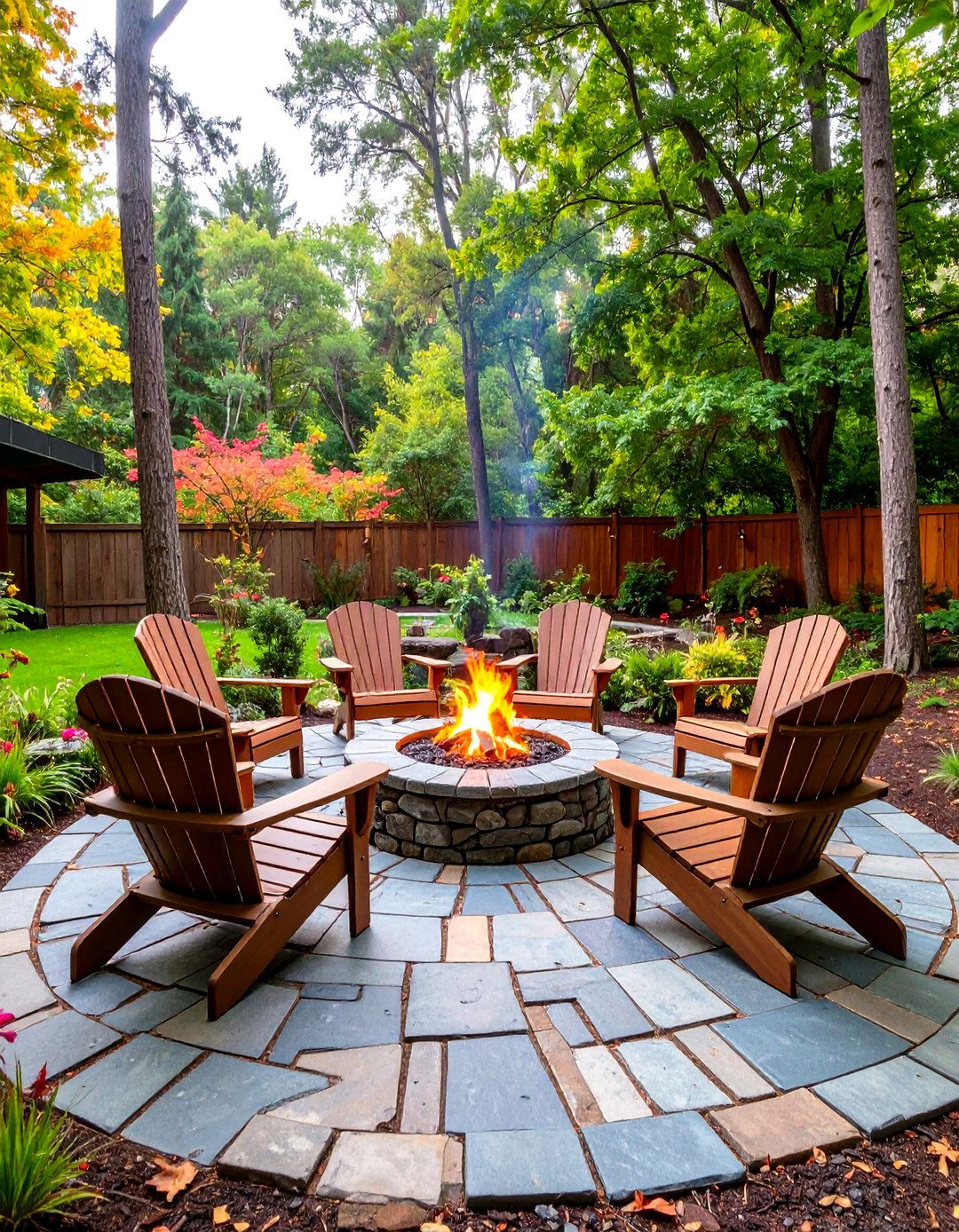
Adding a natural stone paver extension introduces an element of rustic elegance to your backyard. Using materials like flagstone, slate, or bluestone provides an organic, textured surface that blends beautifully with surrounding gardens and landscaping. Each stone is unique in shape and color, ensuring your patio extension has a one-of-a-kind appearance. While more expensive than concrete or brick, natural stone is incredibly durable and weather-resistant. It's perfect for creating winding pathways that extend from your main patio or for designing a secluded seating area nestled within your garden, enhancing the natural beauty of your outdoor space.
4. Gravel Patio Extension
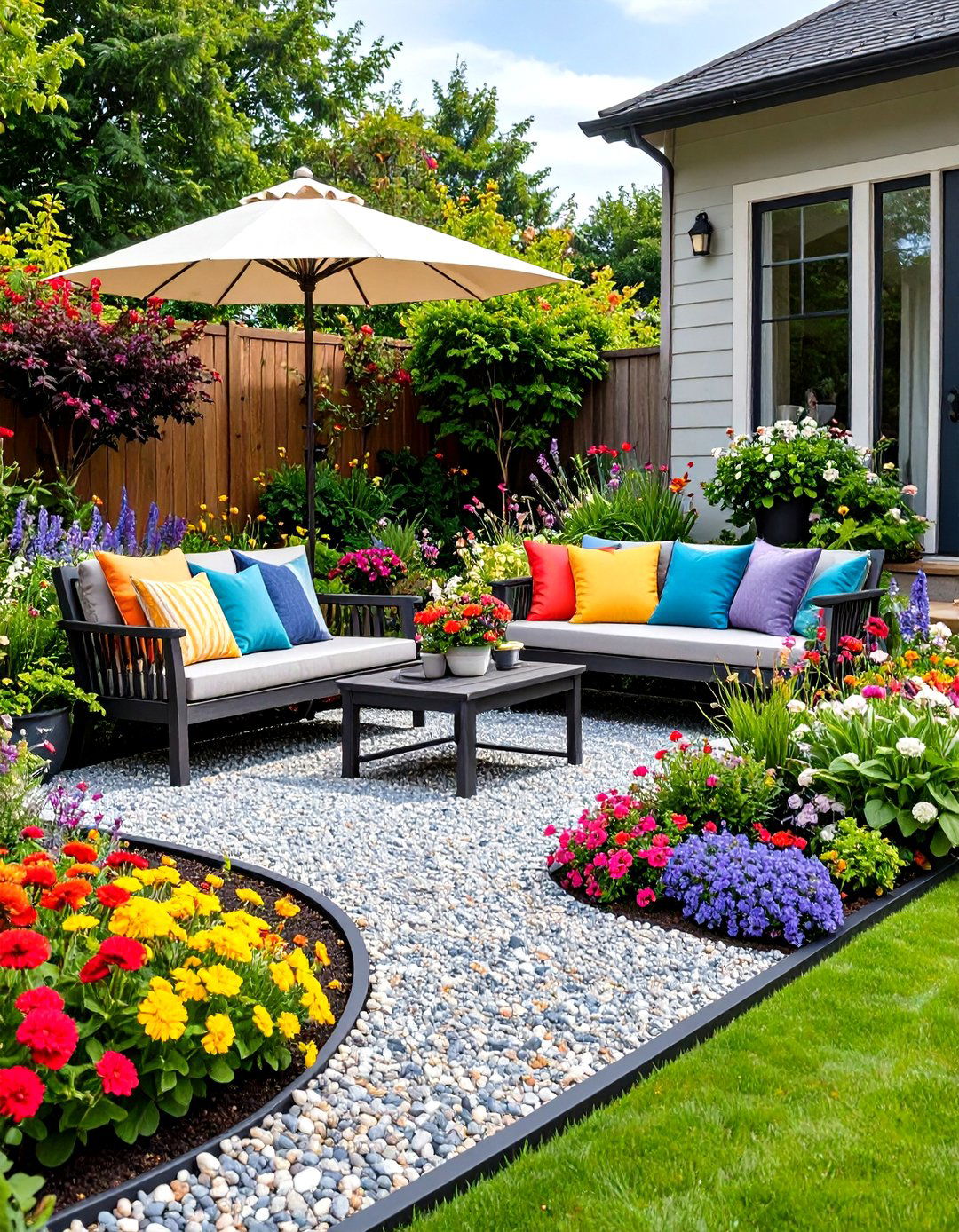
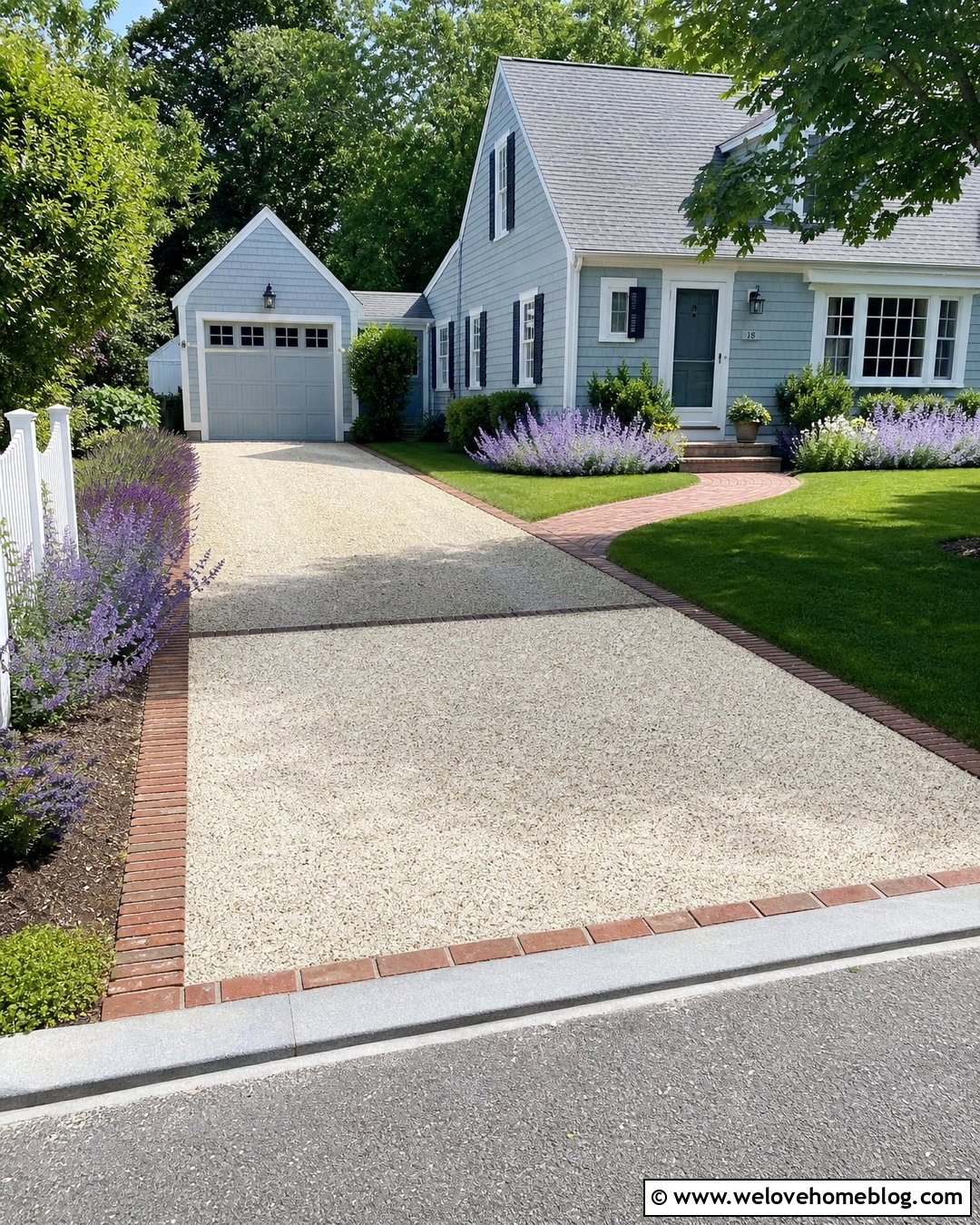
A gravel patio extension is one of the most budget-friendly and easiest ways to add usable outdoor space. Using pea gravel or crushed stone, you can quickly create a relaxed, informal area for seating or a fire pit. First, you'll need to install a border using materials like metal edging, wood, or stone to contain the gravel. Then, lay down landscape fabric to prevent weeds before spreading the gravel evenly. This type of extension offers excellent drainage and a satisfying crunch underfoot, contributing to a casual, rustic, or cottage-style aesthetic that requires minimal maintenance and is simple to install.
5. Decomposed Granite Patio Extension
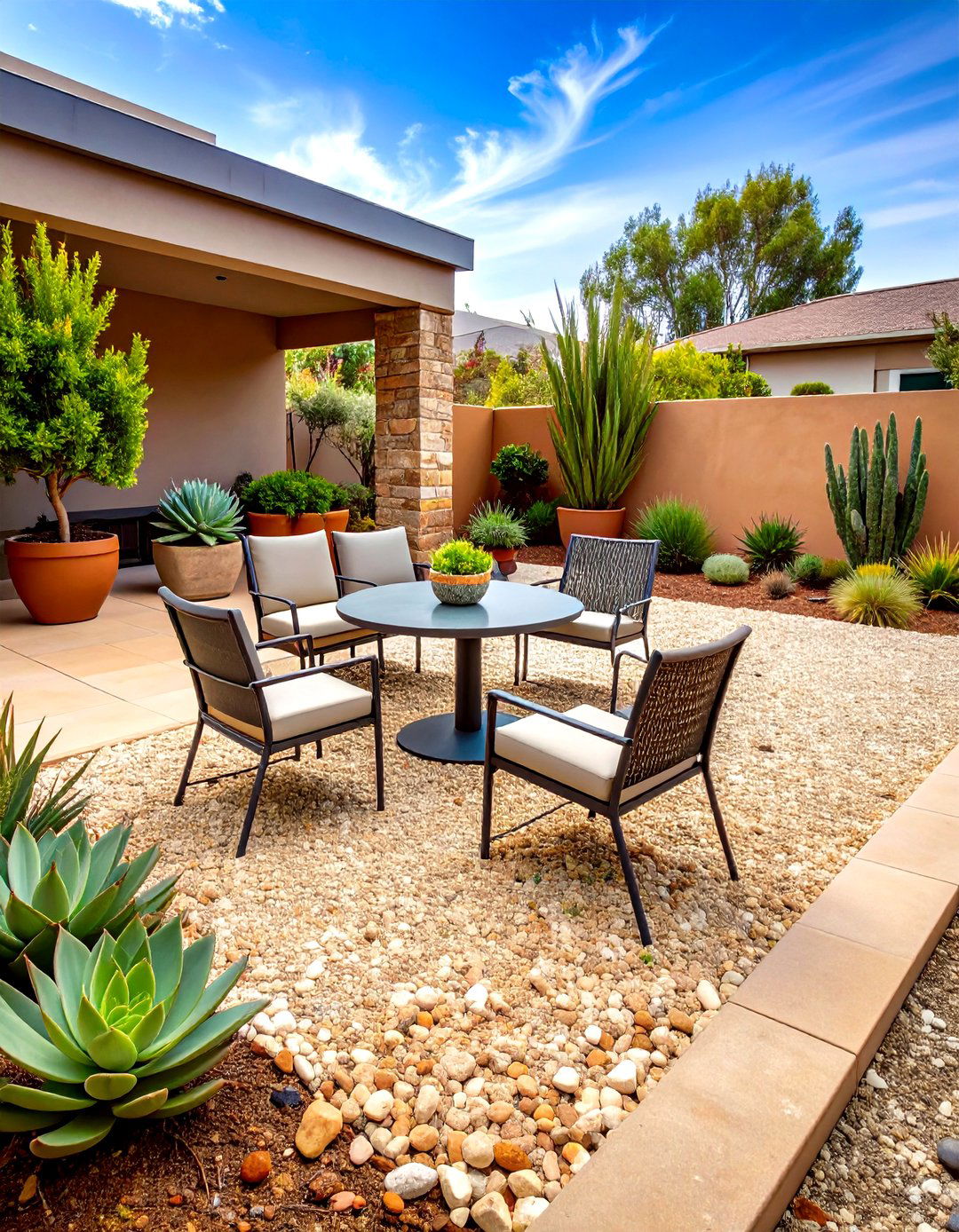
For a soft, natural-looking surface, a decomposed granite (DG) patio extension is an excellent choice. This material consists of fine rock particles that compact to form a stable, yet permeable surface. It provides a look that is more formal than gravel but more natural than pavers. DG is available in various earthy tones, allowing it to blend seamlessly with your landscape. To create the extension, you'll need to frame the area and compact the DG in layers. This creates a durable space perfect for a quiet reading nook or a walkway connecting different parts of your yard to the main patio.
6. Wood Deck Patio Extension
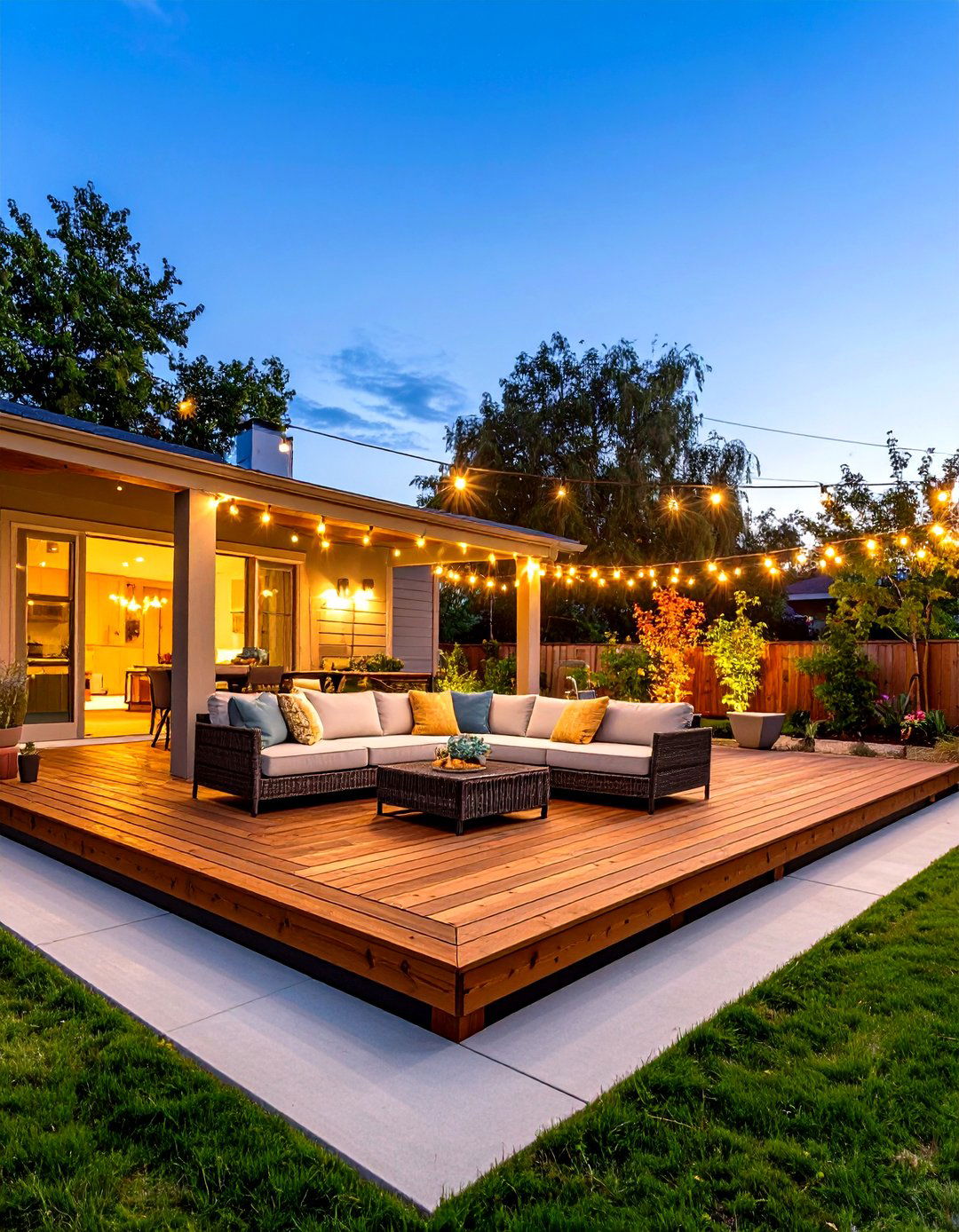
Building a low-profile wood deck adjacent to your existing patio can add warmth and a new level of dimension to your outdoor area. A wood deck extension is particularly effective for yards with a slight slope, as it can be built to level out the space. You can use natural wood like cedar or redwood for a classic look or opt for composite decking for lower maintenance. This addition creates a distinct zone for dining or lounging, separating it from the main patio area. Staining the wood to complement your home's exterior ties the whole design together for a cohesive finish.
7. Composite Decking Patio Extension
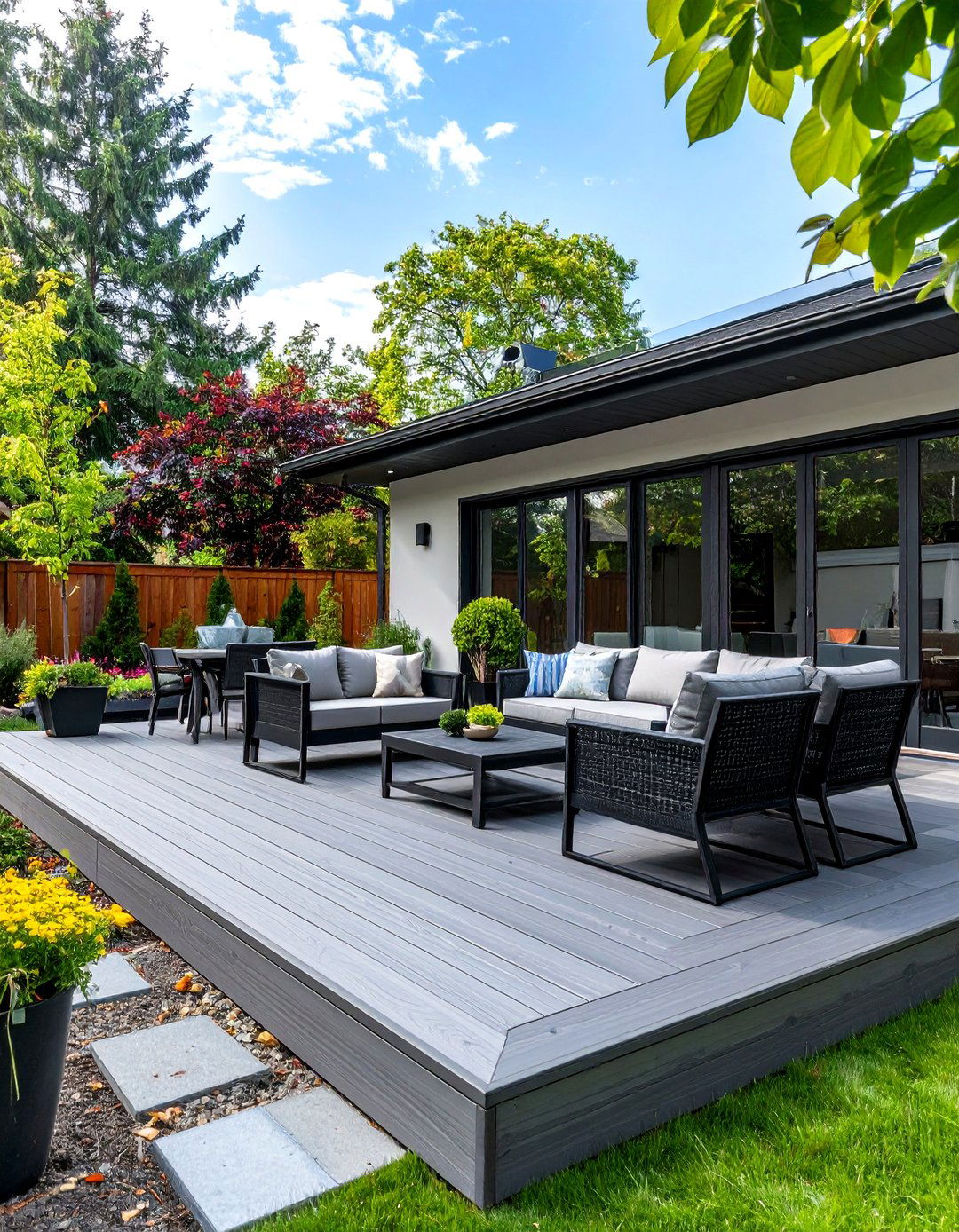
A composite decking extension offers the beauty of wood without the demanding upkeep. Made from a blend of wood fibers and recycled plastic, composite materials are resistant to rot, stains, and fading, making them a durable, long-lasting choice. This type of extension can be built directly next to a ground-level patio, creating a multi-textured outdoor living area. Available in a wide range of colors and finishes, you can easily find a style that complements your existing patio and home exterior. It’s an ideal solution for creating a defined space for outdoor dining sets or lounge chairs.
8. Multi-Level Patio Extension
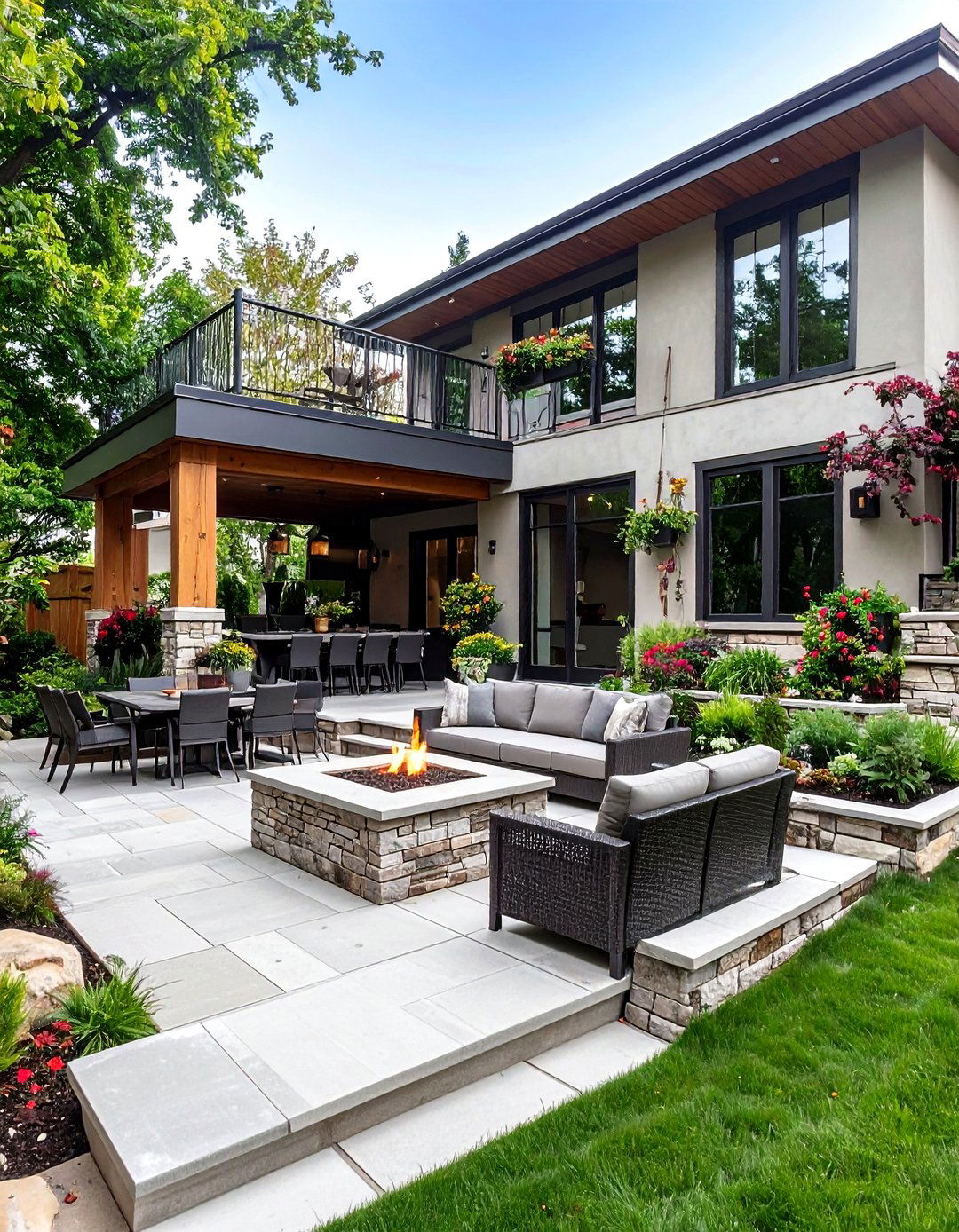
Creating a multi-level patio extension adds significant visual interest and functionality to your backyard, especially on sloped terrain. By adding a raised or sunken level, you can define different zones for various activities, such as a lower level for a fire pit and an upper level for dining. You can use a mix of materials like concrete for one level and pavers or wood for another to create contrast and texture. Steps connecting the levels can be flanked by built-in planters or lighting for added safety and style, transforming a simple backyard into a dynamic outdoor retreat.
9. Pergola-Covered Patio Extension
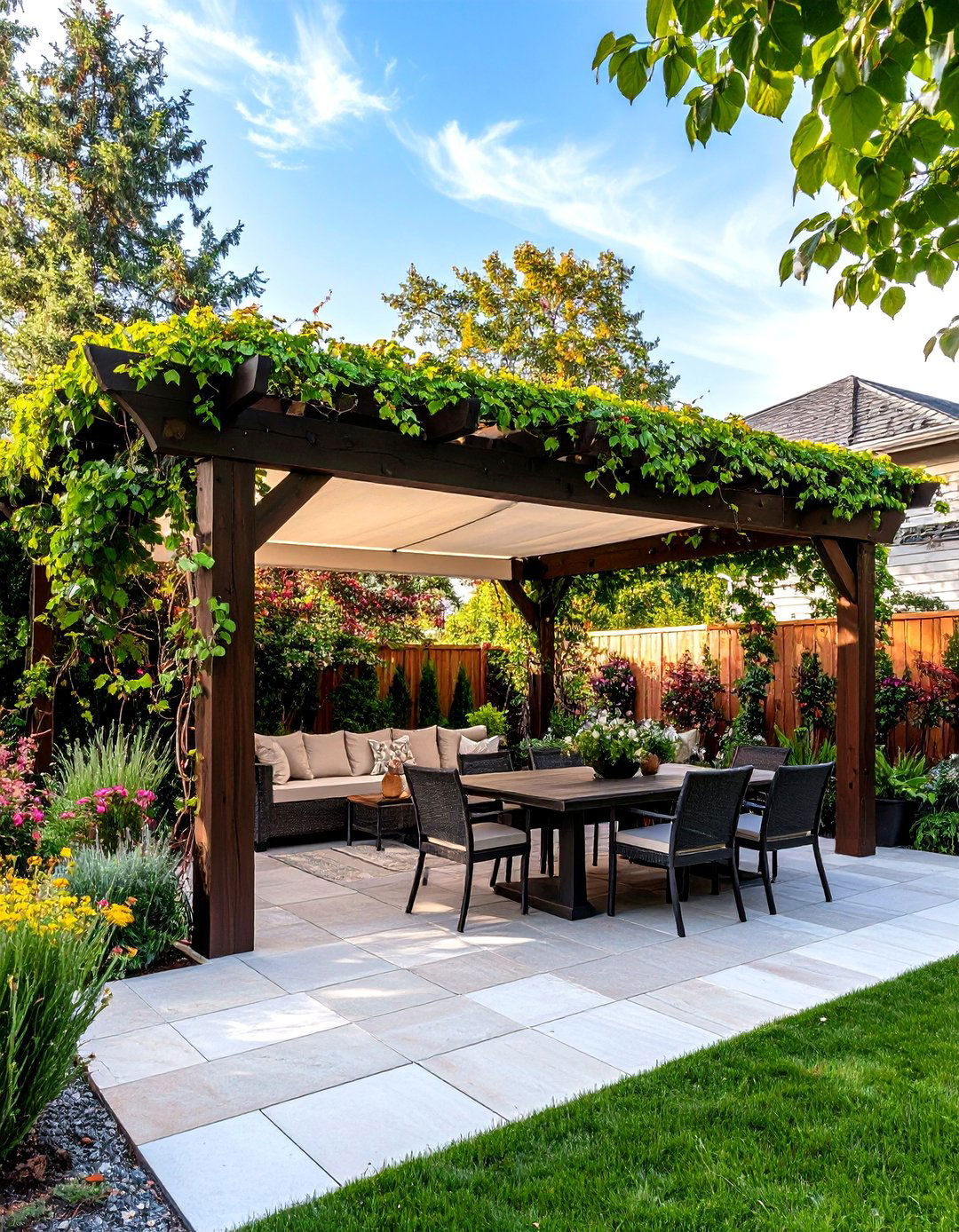
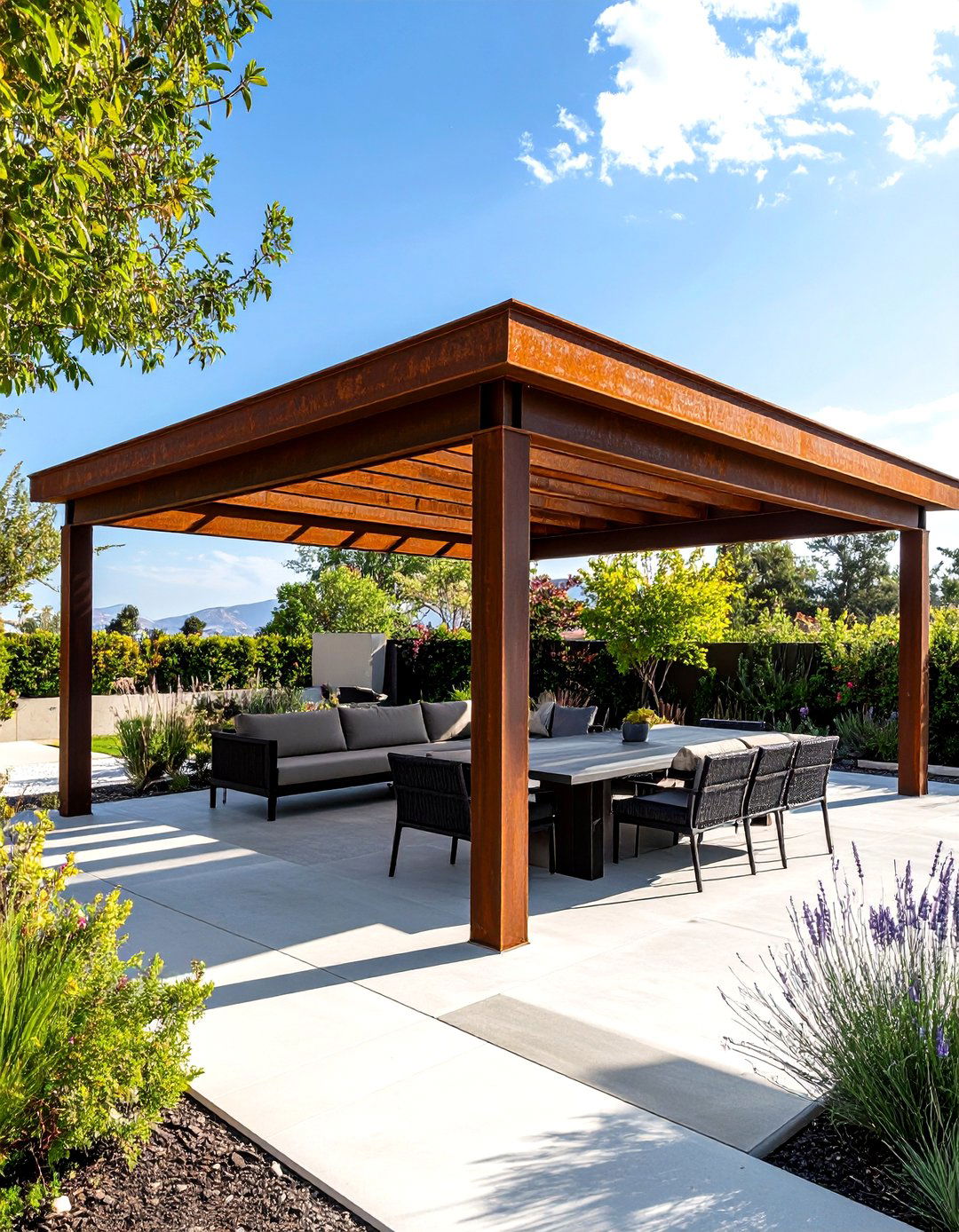
Adding a pergola over a new extension instantly defines the space and provides partial shade. A pergola is a versatile structure that can be built from wood, vinyl, or metal to match your home's style. You can extend your patio with pavers or concrete and then erect the pergola over the new area to create a designated outdoor room. Grow climbing vines like wisteria or clematis up the posts and across the beams for natural, fragrant shade. Alternatively, you can add a retractable canopy for adjustable sun protection, making the space comfortable throughout the day for dining or relaxing.
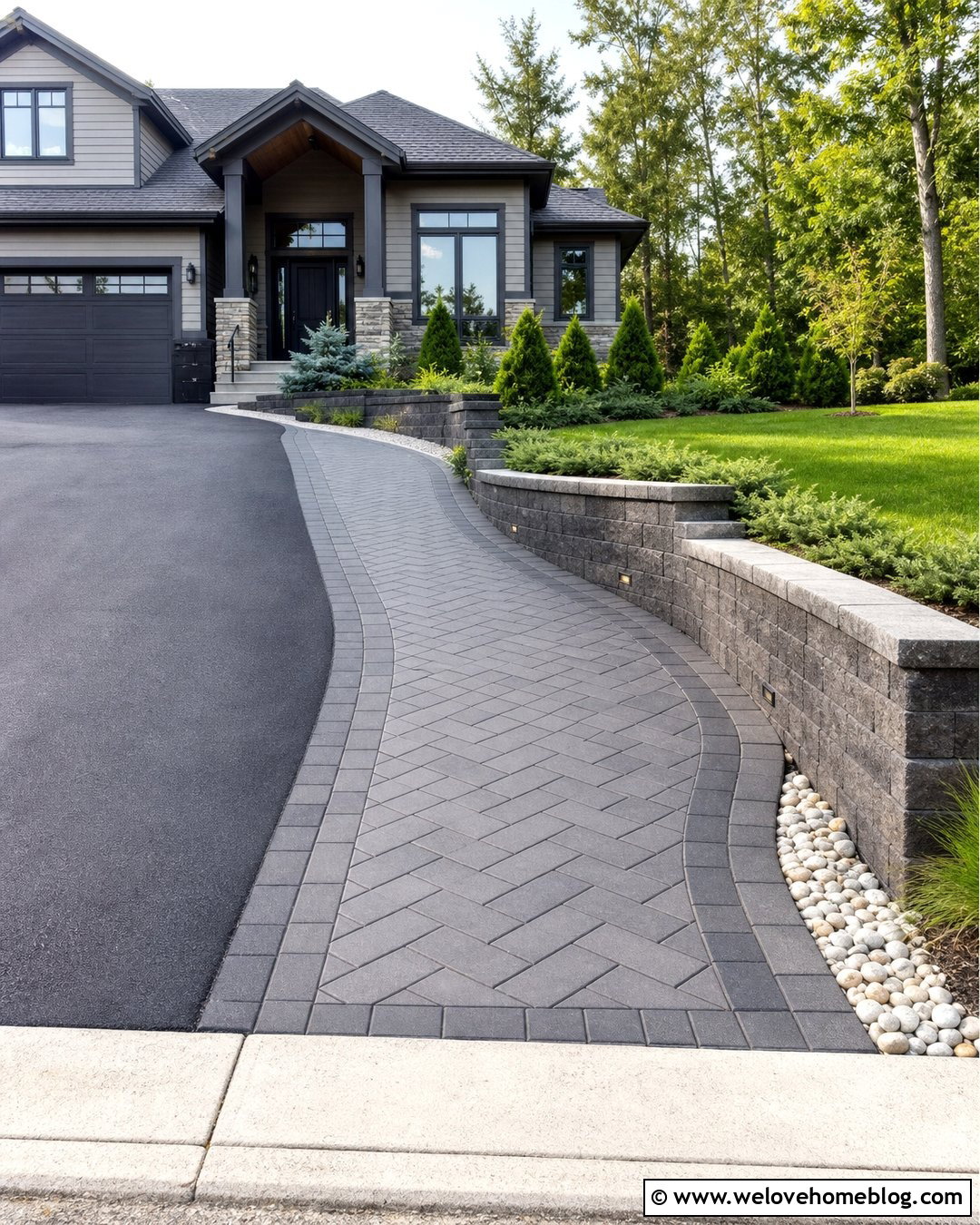
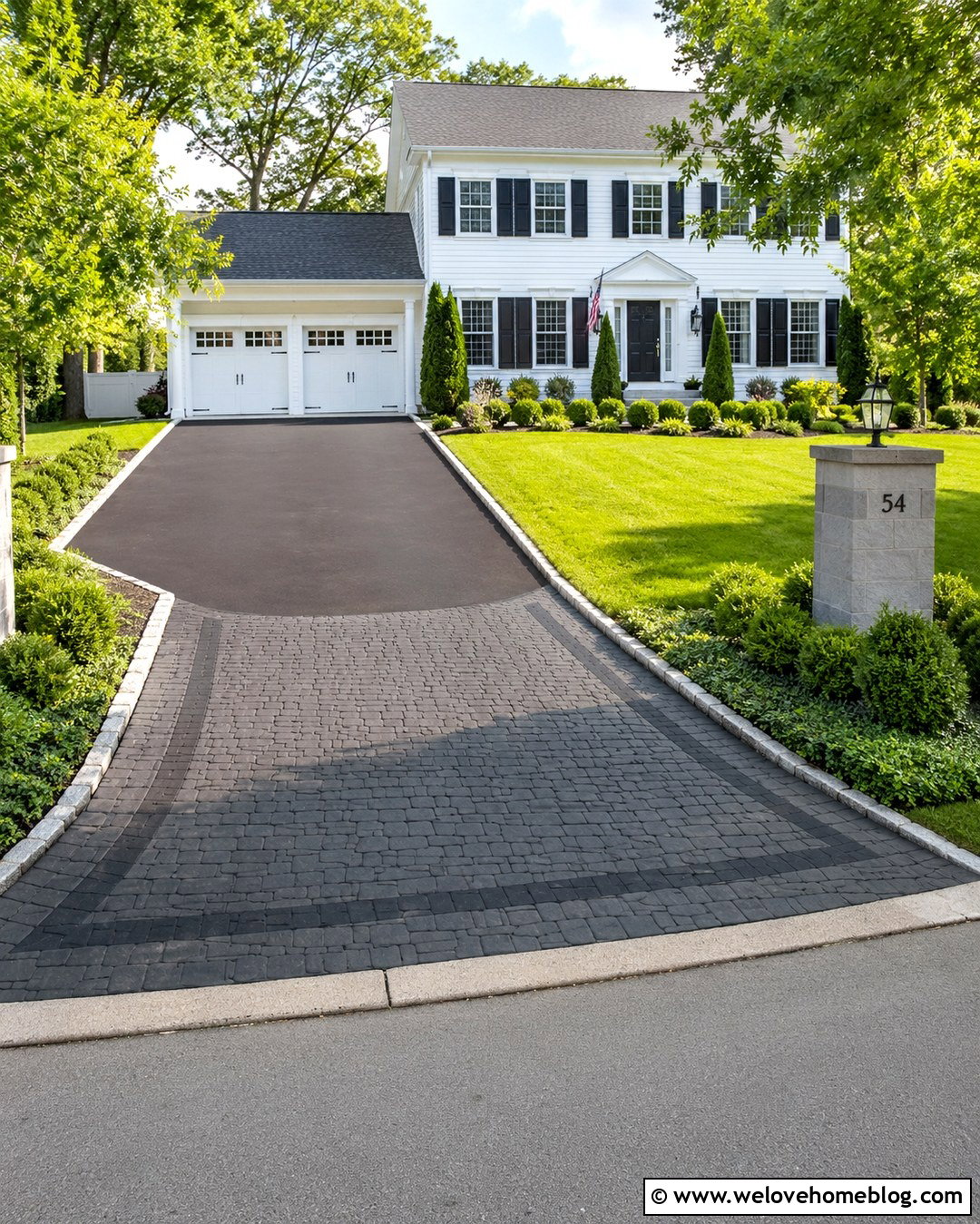
10. Awning-Covered Patio Extension
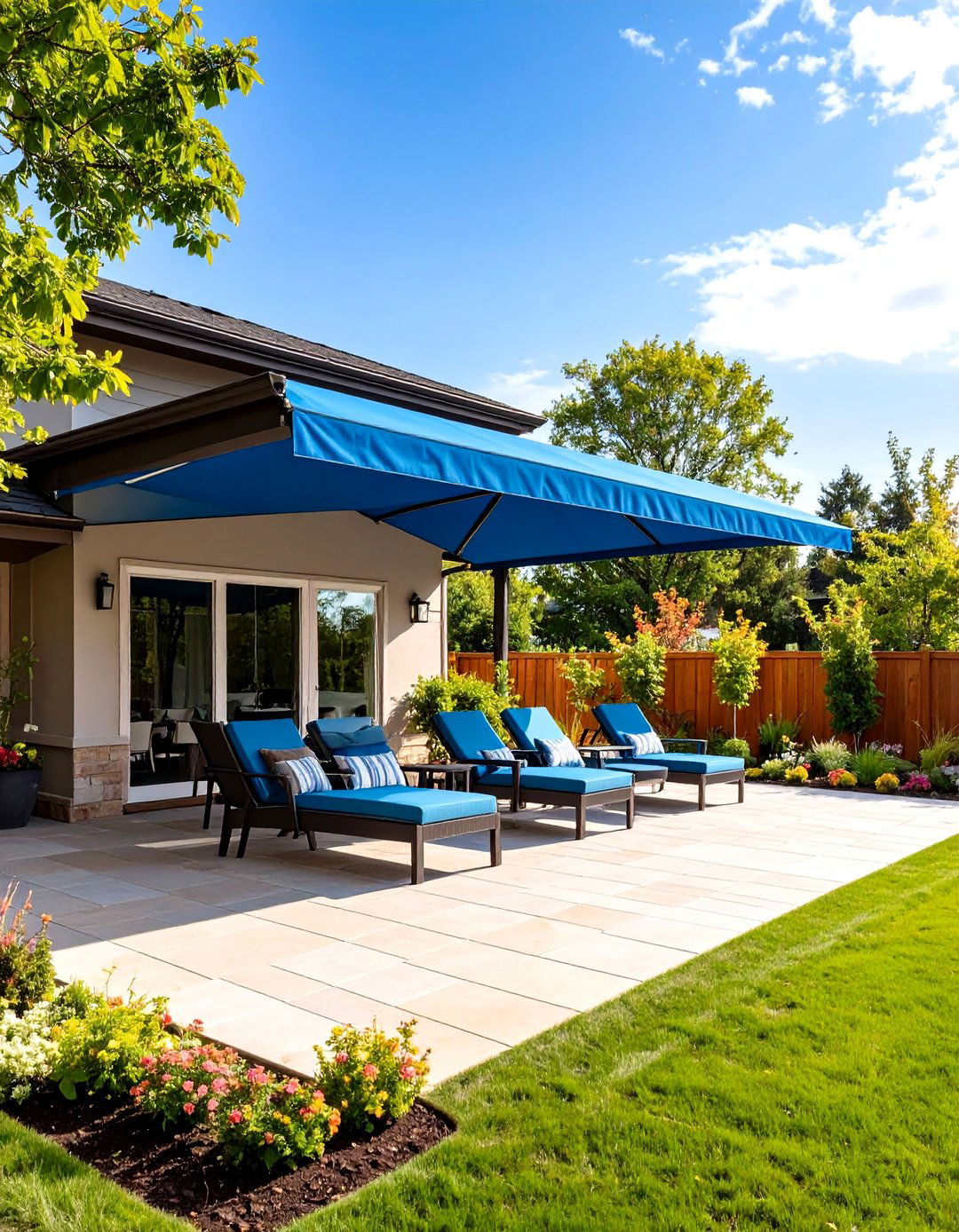
A retractable awning is a flexible and practical way to cover a patio extension. This allows you to enjoy sun or shade with the simple push of a button or turn of a crank. When you extend your patio with pavers or concrete, installing an awning on the adjacent wall of your house provides instant cover for the new space. Awnings come in a wide variety of durable, weather-resistant fabrics and colors, letting you add a pop of personality to your backyard. This solution is perfect for creating a comfortable dining or lounging area that you can adapt to changing weather conditions.
11. Solid Roof Patio Extension
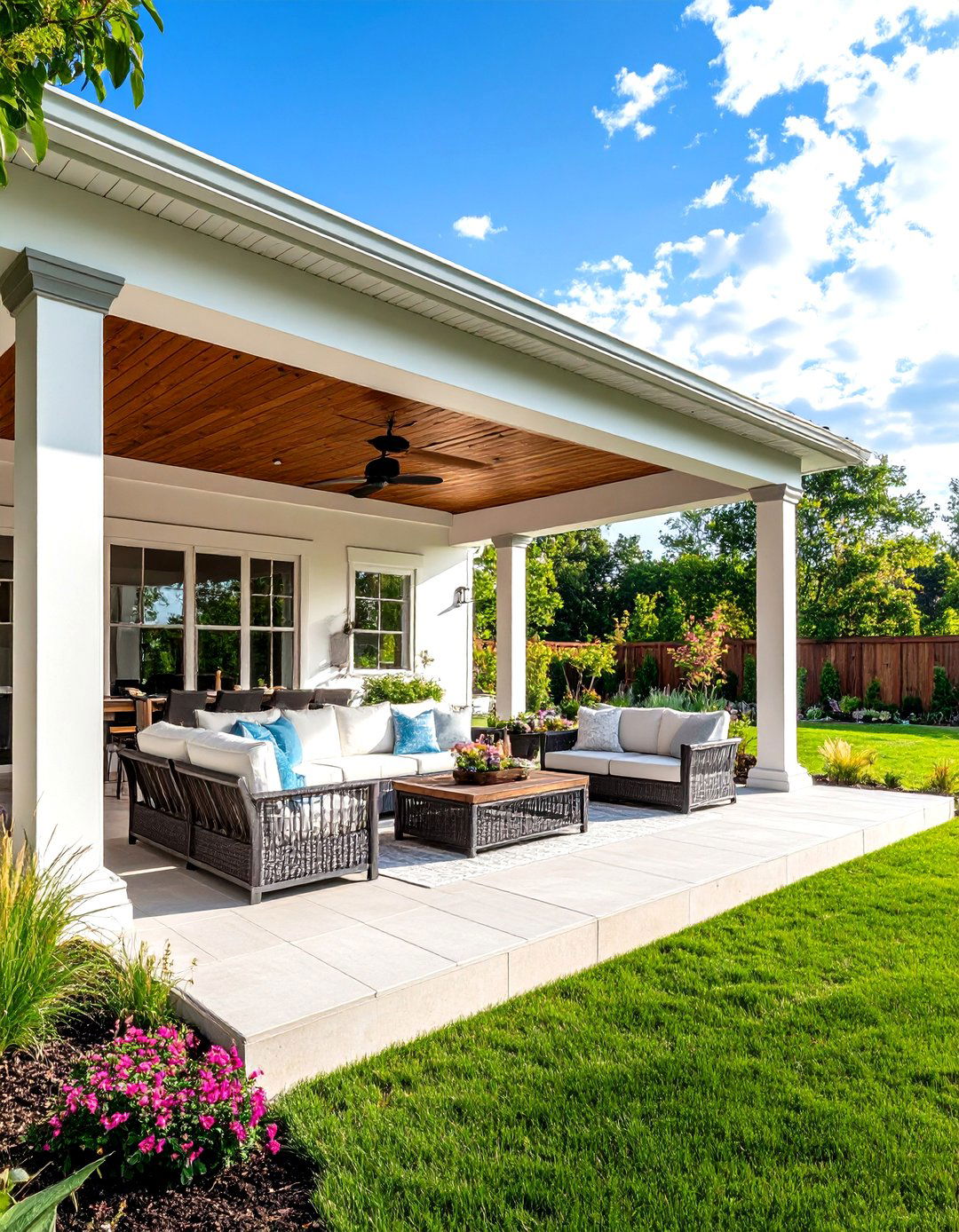
For maximum protection from the elements, a solid roof patio extension is the ultimate solution. Extending your home’s roofline over a newly added patio section creates a true outdoor room that can be enjoyed in sun, rain, or even light snow. This type of permanent structure can be designed to match your home's architecture, with columns and a ceiling that can accommodate lighting, fans, and even outdoor speakers. It provides a sheltered space for an outdoor kitchen or a comfortable living area with upholstered furniture, truly blurring the line between indoors and out and maximizing your year-round living space.
12. Screened-In Patio Extension
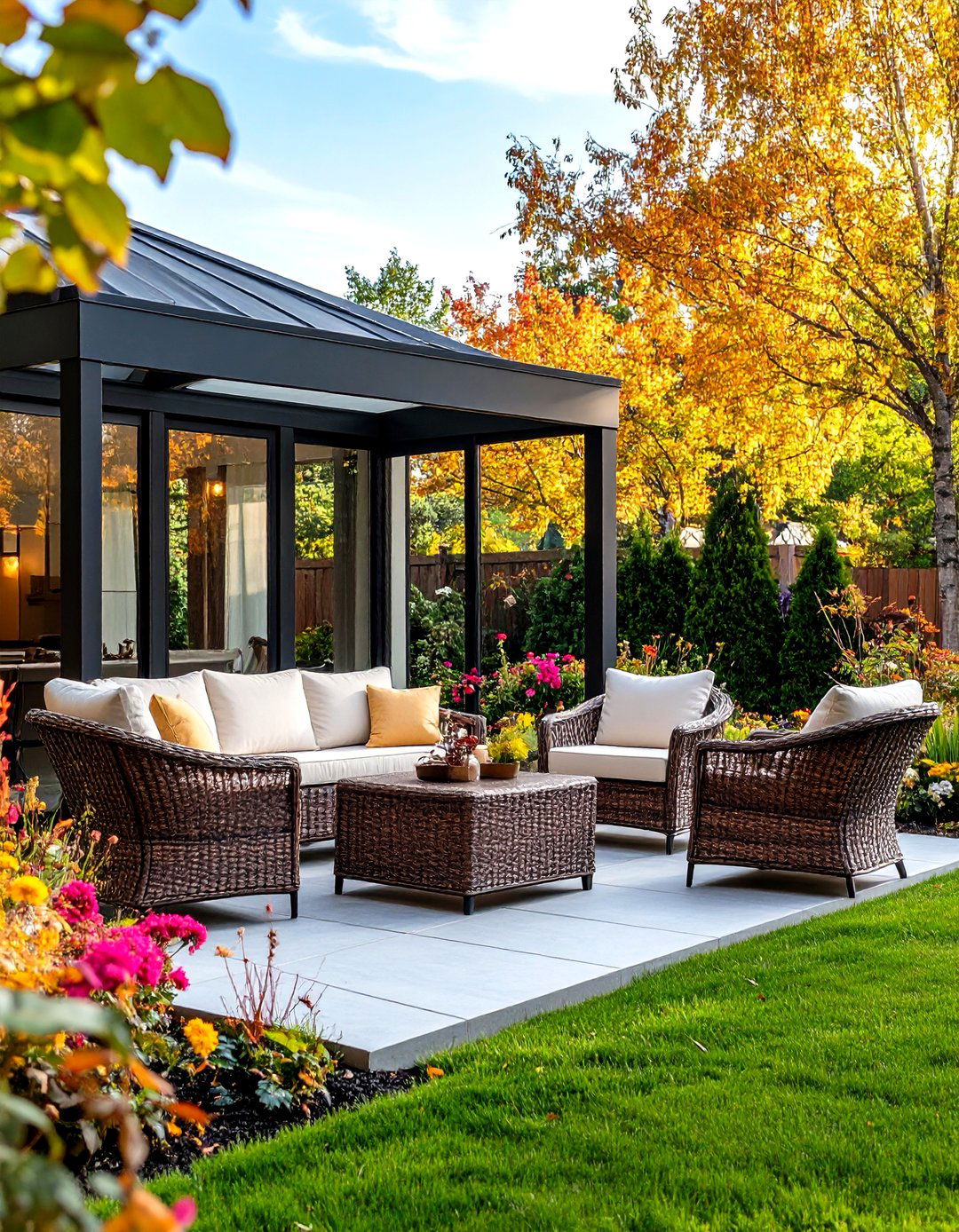
A screened-in patio extension allows you to enjoy the fresh air without dealing with insects or other pests. After extending your patio's footprint with concrete or pavers, you can build a screen enclosure around the new area. This creates a comfortable space for dining or relaxing, protected from mosquitos and flies. A screened-in room feels open and connected to the outdoors while providing a bug-free environment. You can furnish it with comfortable seating and lighting to create a versatile three-season room that significantly enhances your home's usability and your enjoyment of the backyard.
13. Outdoor Kitchen Patio Extension
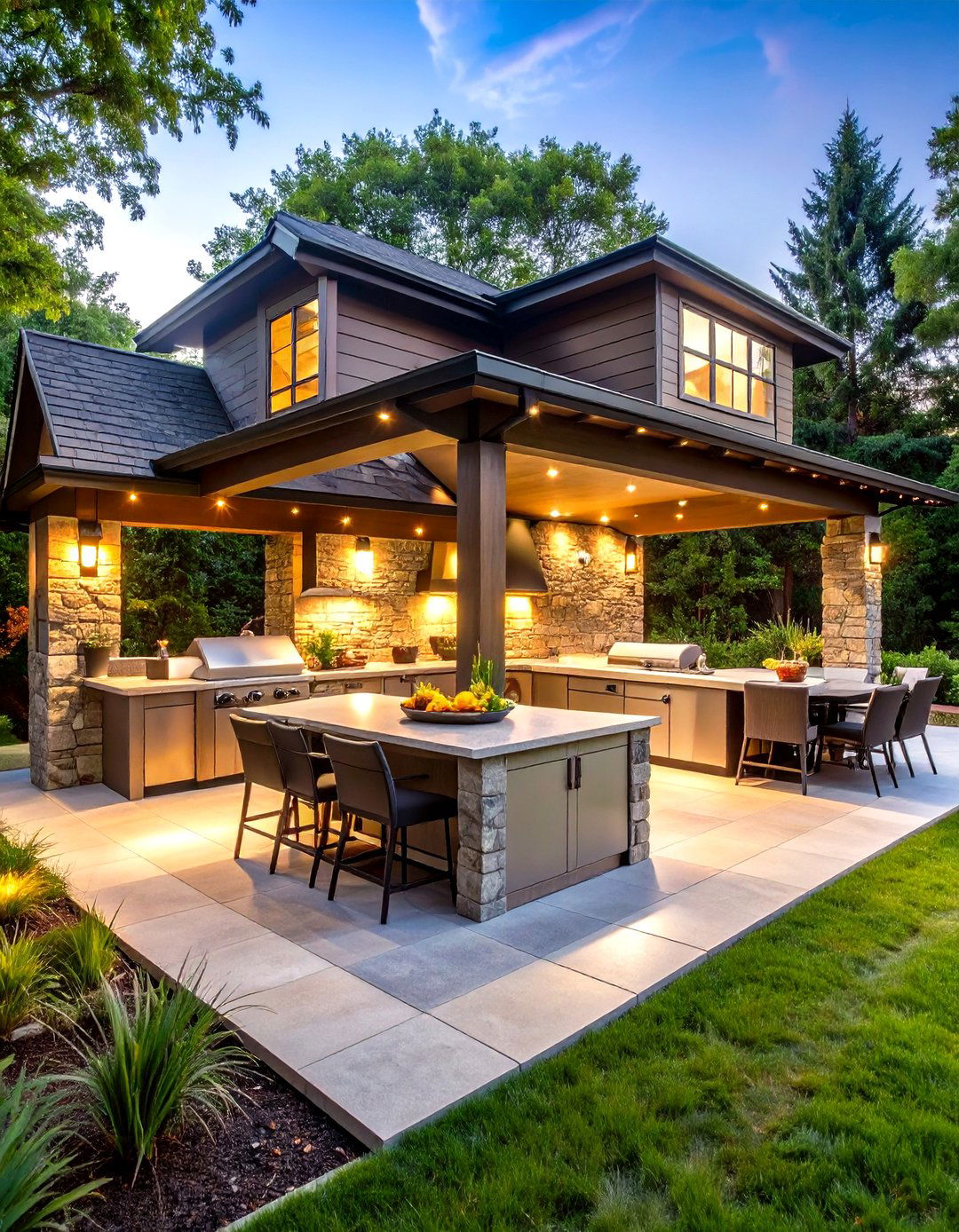
Transform your patio into a premier entertainment hub by extending it to include an outdoor kitchen. This extension can be built with pavers or concrete to provide a solid base for appliances and countertops. A functional outdoor kitchen can include a built-in grill, a sink, a mini-fridge, and ample counter space for food preparation. You can construct the base from stone or brick to match your home’s aesthetic. Adding this feature not only makes alfresco dining more convenient but also creates a social focal point where guests can gather while you cook, making your backyard the perfect spot for parties.
14. Fire Pit Patio Extension
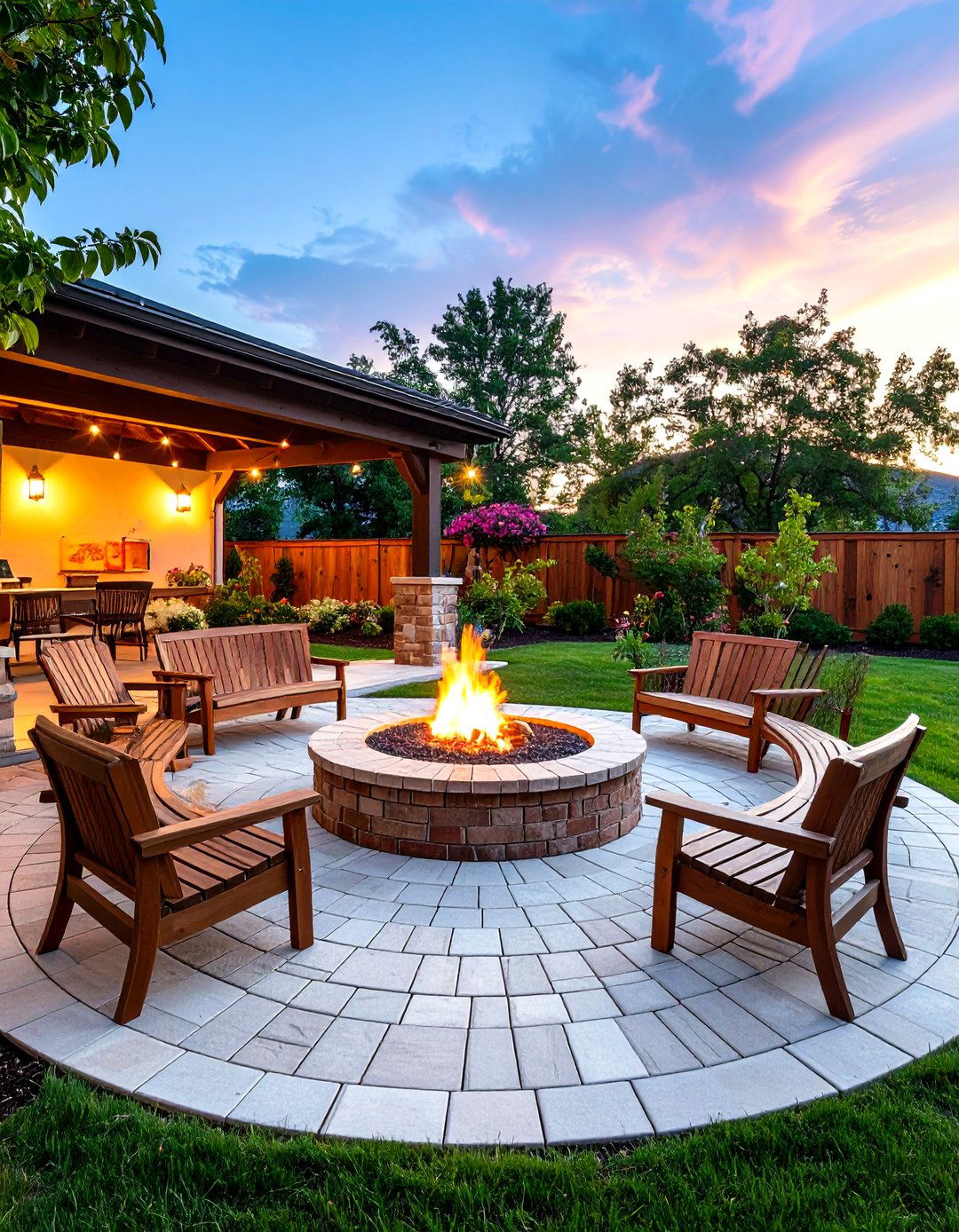
Create a cozy gathering spot by adding a patio extension specifically for a fire pit. You can extend your existing patio with a circular or square area using pavers, flagstone, or concrete. This new zone becomes a natural destination for evening conversations and marshmallow roasting. You can choose a built-in fire pit made from stone or brick for a permanent feature or opt for a portable metal fire bowl for more flexibility. Arrange comfortable seating around the fire pit to complete this inviting space, ensuring you can enjoy your backyard even on cooler nights throughout the year.
15. Water Feature Patio Extension
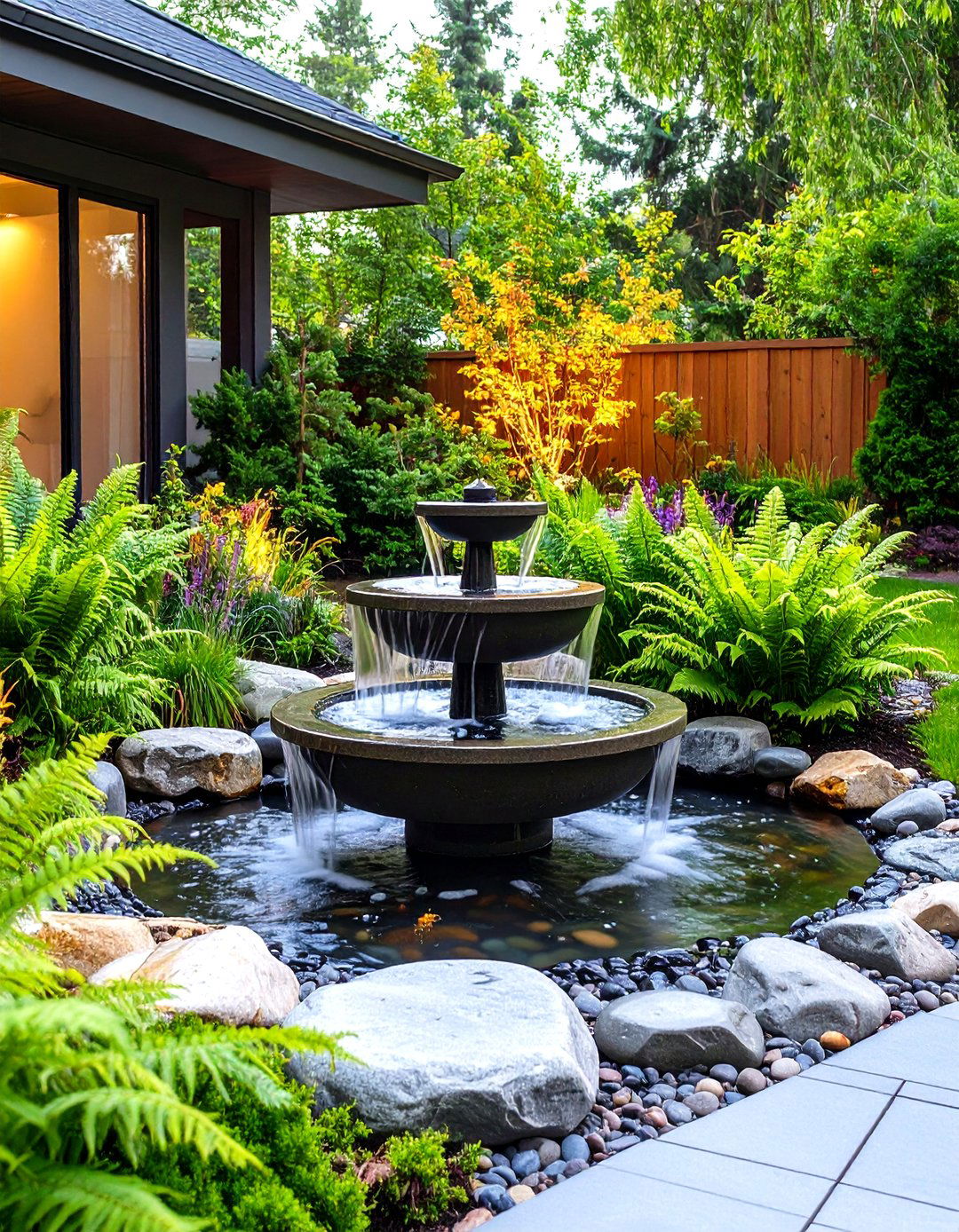
Incorporating a water feature into your patio extension can add a sense of tranquility and mask unwanted background noise. Extend your patio with pavers or stone and dedicate a corner or a central point to a fountain, a small pond, or a bubbling rock. The gentle sound of moving water creates a peaceful, spa-like atmosphere perfect for relaxation. Water features come in countless styles, from modern, minimalist designs to rustic, naturalistic creations. This addition not only enhances the ambiance of your outdoor space but also attracts birds and other wildlife, bringing your garden to life.
16. Built-In Seating Patio Extension
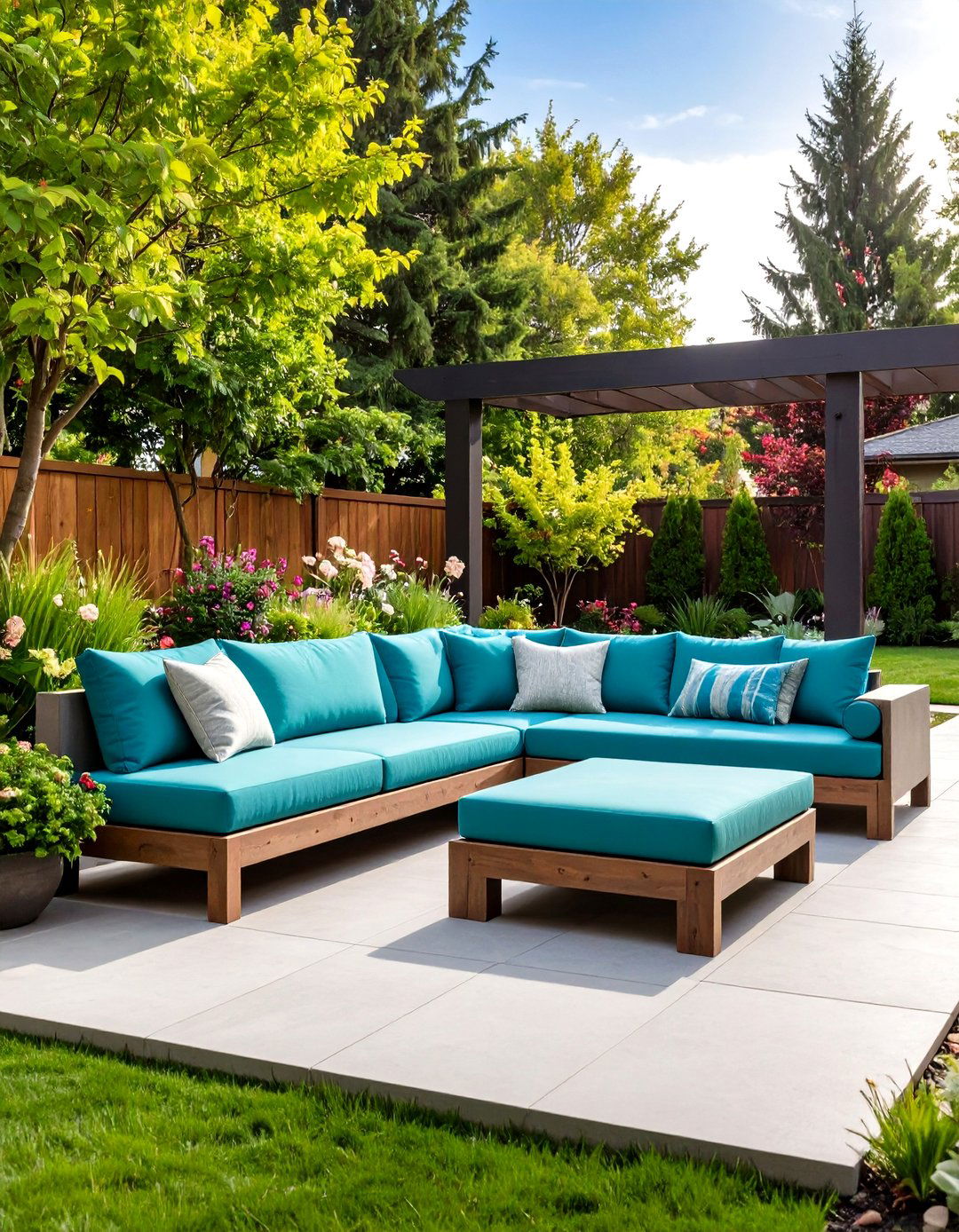
Maximize your space and add a custom touch by including built-in seating in your patio extension. When you add a new section of patio, you can construct a low retaining wall around the perimeter that doubles as a bench. This can be made from concrete, brick, or stone to match the patio surface or your home's exterior. Built-in seating is a space-efficient solution that eliminates the need for bulky furniture, keeping the area open and uncluttered. Top the benches with comfortable outdoor cushions to create a permanent and inviting spot for guests to sit and socialize.
17. Garden Bed Border Patio Extension
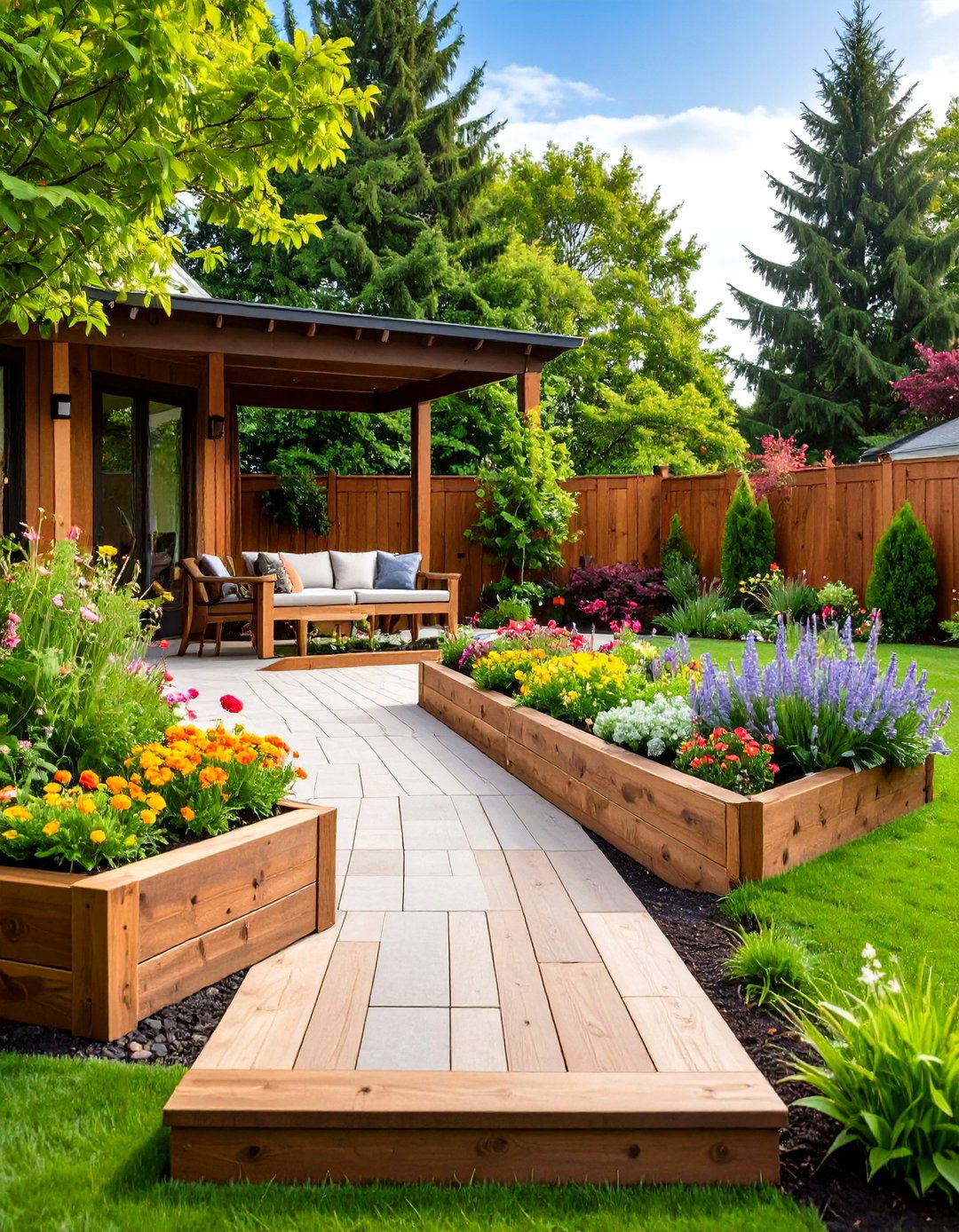
Soften the edges of your new patio extension by bordering it with garden beds. As you extend your patio with pavers or concrete, leave a perimeter of soil for planting flowers, shrubs, or herbs. This integrates the hardscape beautifully with the surrounding landscape, creating a lush and vibrant transition. You can use raised beds made of wood or stone for a more structured look or create in-ground beds for a more natural feel. Planting fragrant herbs or colorful perennials adds sensory appeal and beauty, making your patio feel like a true garden retreat.
18. Walkway Connector Patio Extension
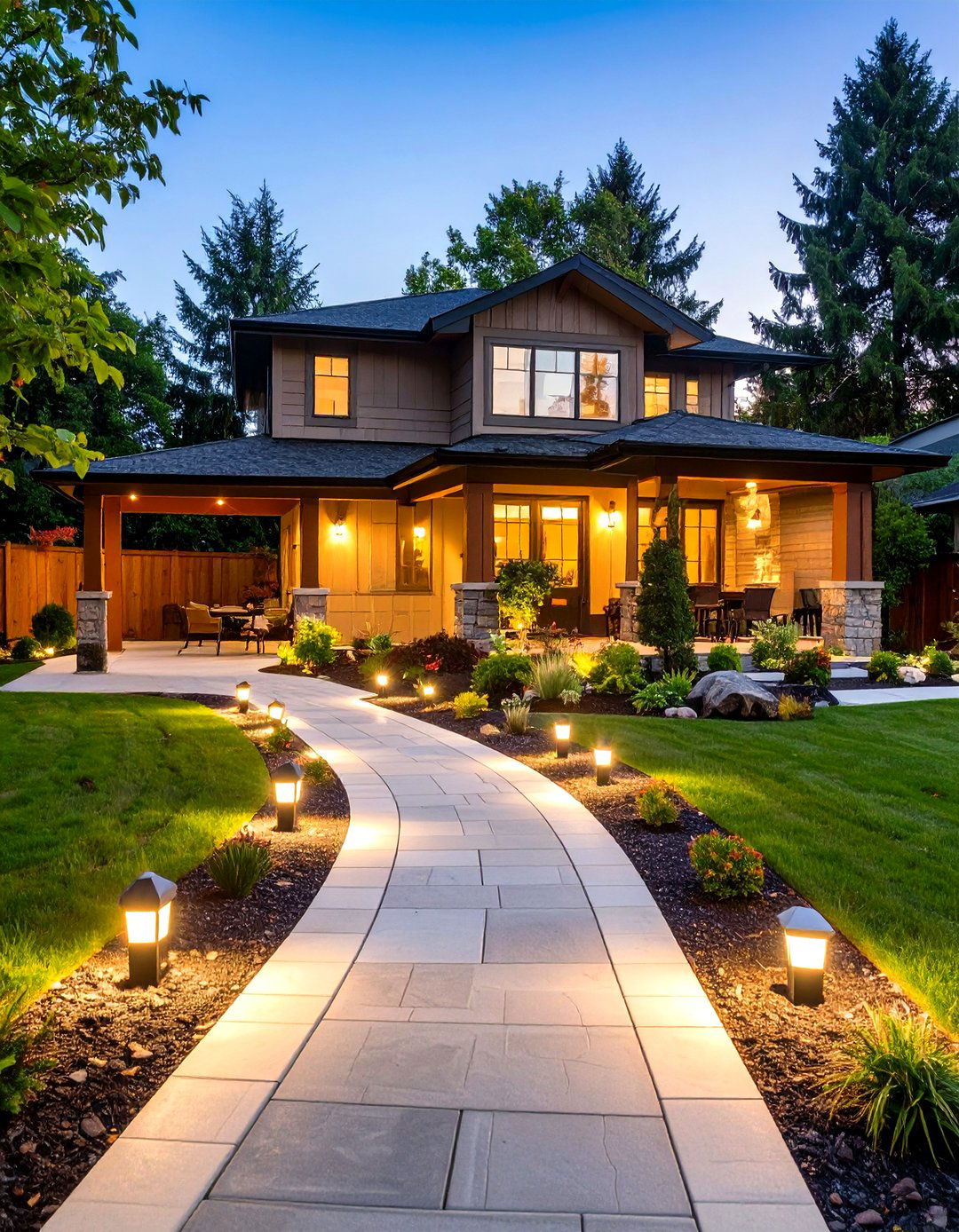
Seamlessly connect your patio to other parts of your yard by creating a walkway extension. Instead of just adding a large square, design a winding path of pavers, flagstone, or gravel that leads from your main patio to a separate feature like a garden shed, a play area, or a secluded bench. This not only makes your yard more navigable but also adds visual flow and makes the space feel larger and more thoughtfully designed. You can line the walkway with low-growing plants or solar lights to enhance its appearance and provide guidance after dark.
19. Artificial Turf Patio Extension
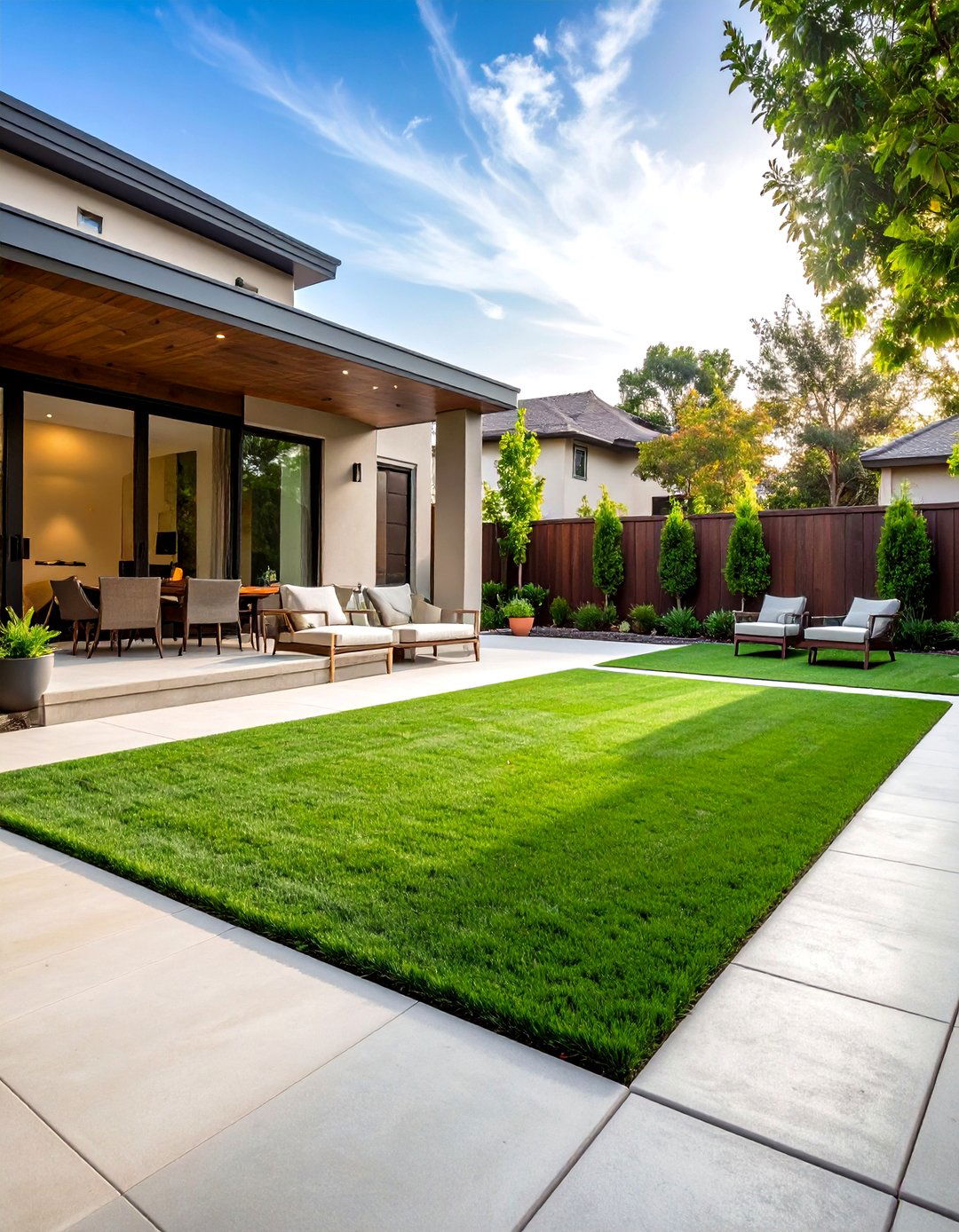
For a pop of green that requires zero maintenance, consider extending your patio with a border of artificial turf. This is an excellent option for creating a clean, modern look and is perfect for areas where natural grass struggles to grow. You can install a patch of turf next to your newly extended patio to create a soft area for kids to play or for you to lounge on. Artificial grass provides a lush, green appearance year-round without the need for watering, mowing, or fertilizing, offering a practical and attractive transition from your hardscape to the rest of your yard.

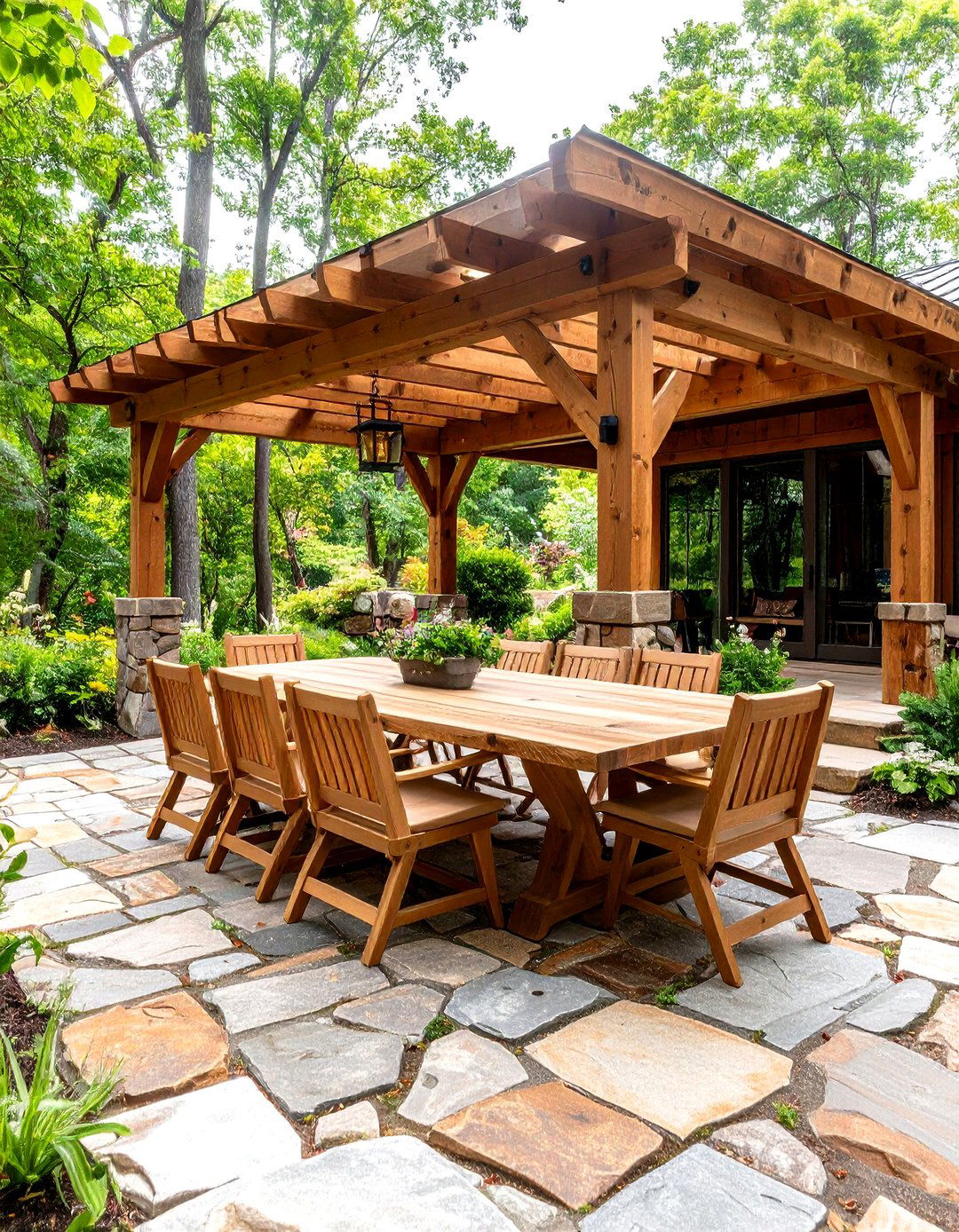
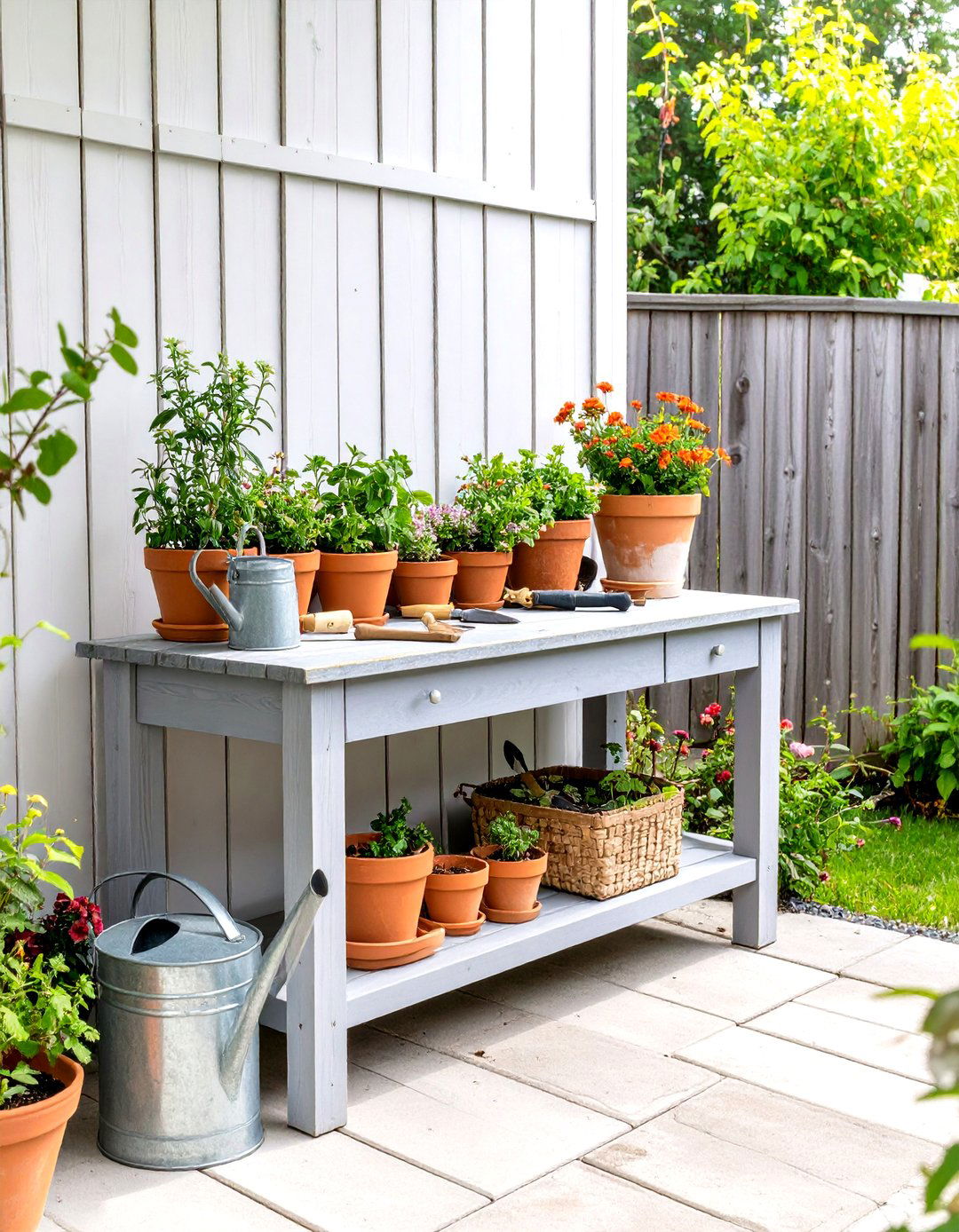
20. Stamped Concrete Patio Extension
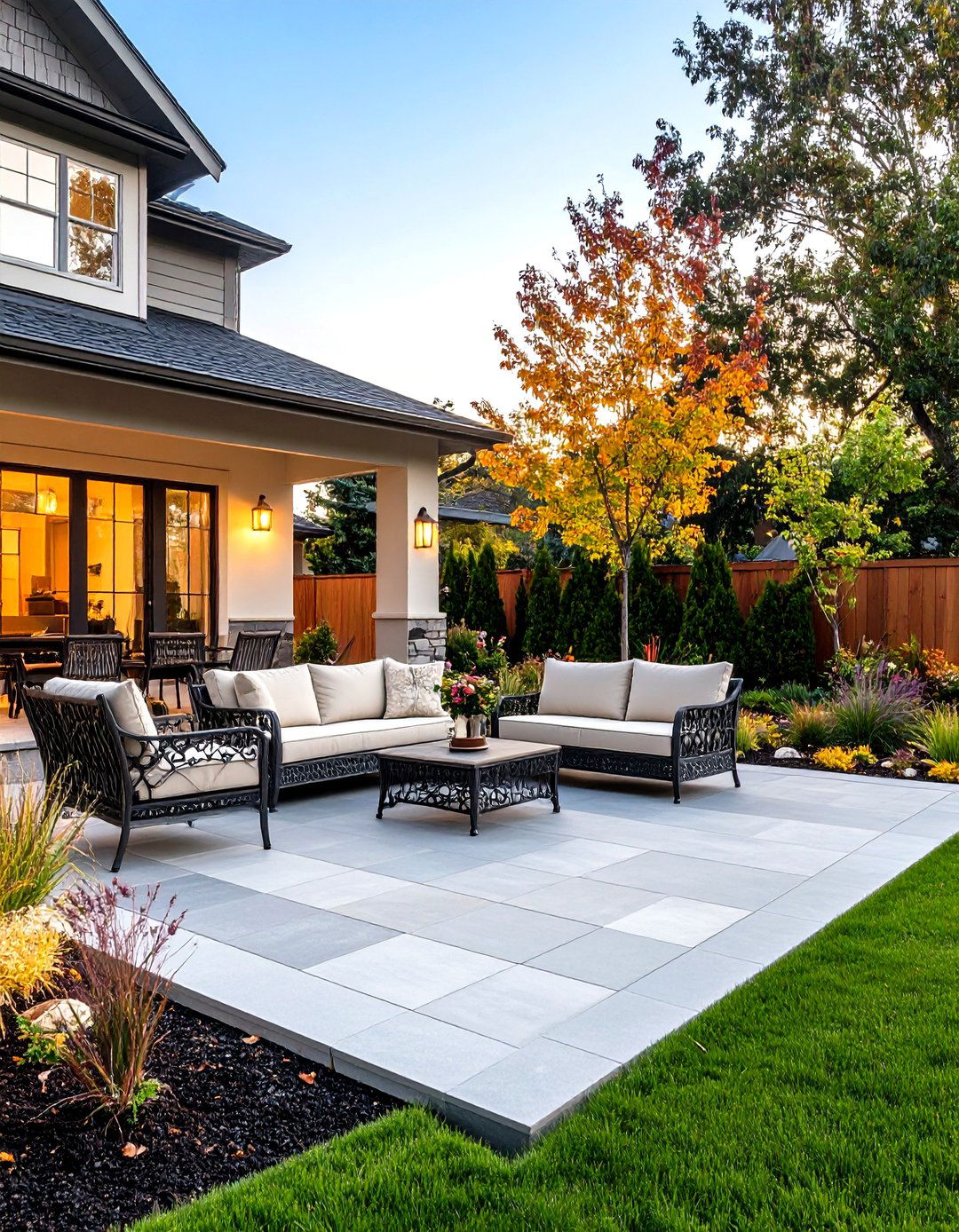
Elevate the look of a simple concrete extension by opting for a stamped finish. Stamped concrete can mimic the appearance of more expensive materials like slate, flagstone, brick, or even wood planking. When you pour the new concrete slab, a pattern is pressed into the surface before it fully cures. You can also add color to the concrete to further enhance the realistic look. This method gives you a high-end, custom appearance for a fraction of the cost and with the durability and low maintenance of concrete, making it a stylish and practical choice for any patio extension.
21. Cobblestone Paver Patio Extension
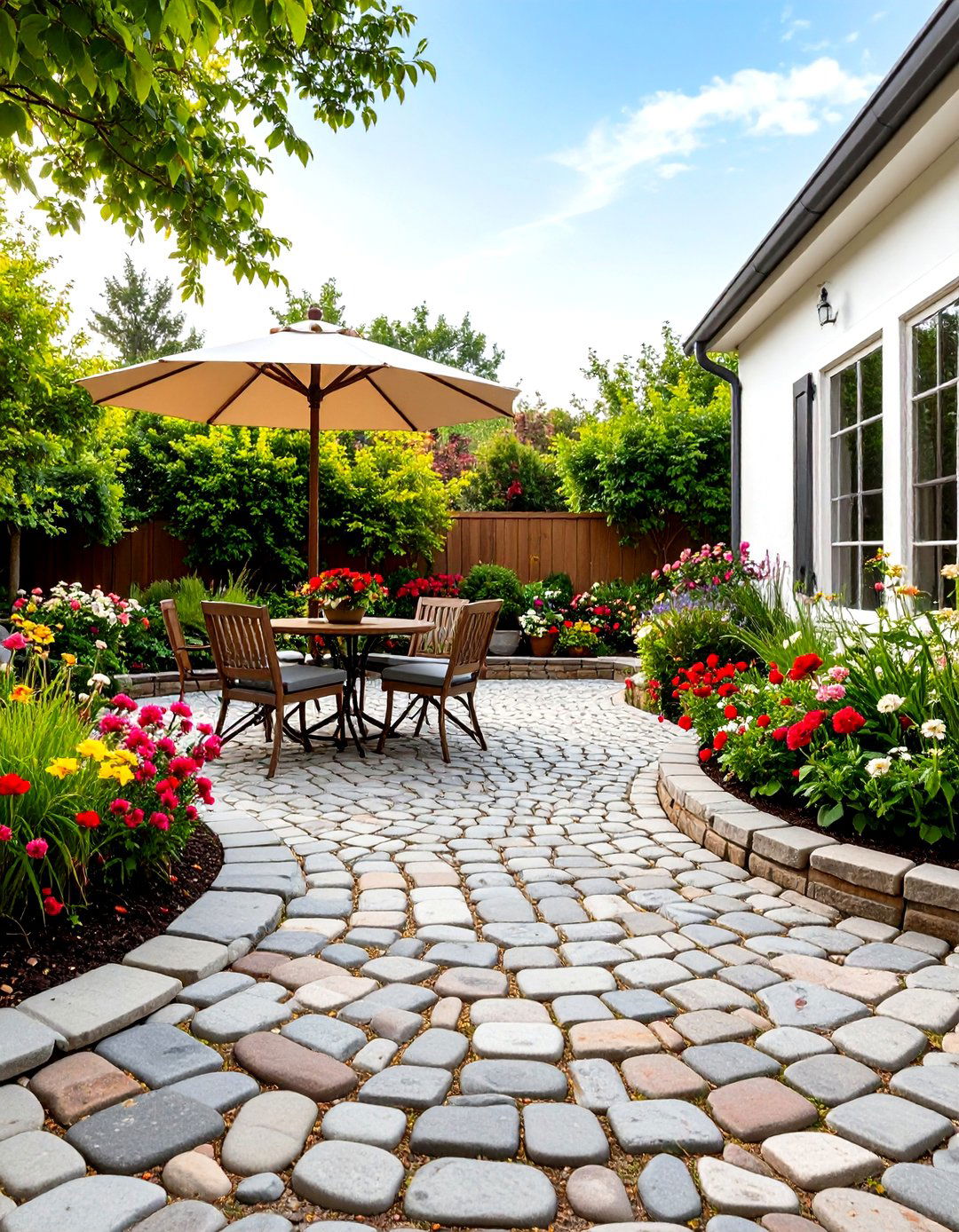
Introduce old-world charm to your backyard with a cobblestone paver patio extension. Cobblestones provide a rustic, textured look that is full of character and history. Their rounded shape and varied tones create a distinctive surface that feels both elegant and durable. A cobblestone extension pairs beautifully with traditional or cottage-style homes and gardens. While the installation can be more labor-intensive due to the irregular shapes, the result is a unique and timeless patio surface that adds a sense of permanence and European-inspired style, creating a truly special outdoor space for relaxing or entertaining.
22. Cantilevered Deck Patio Extension
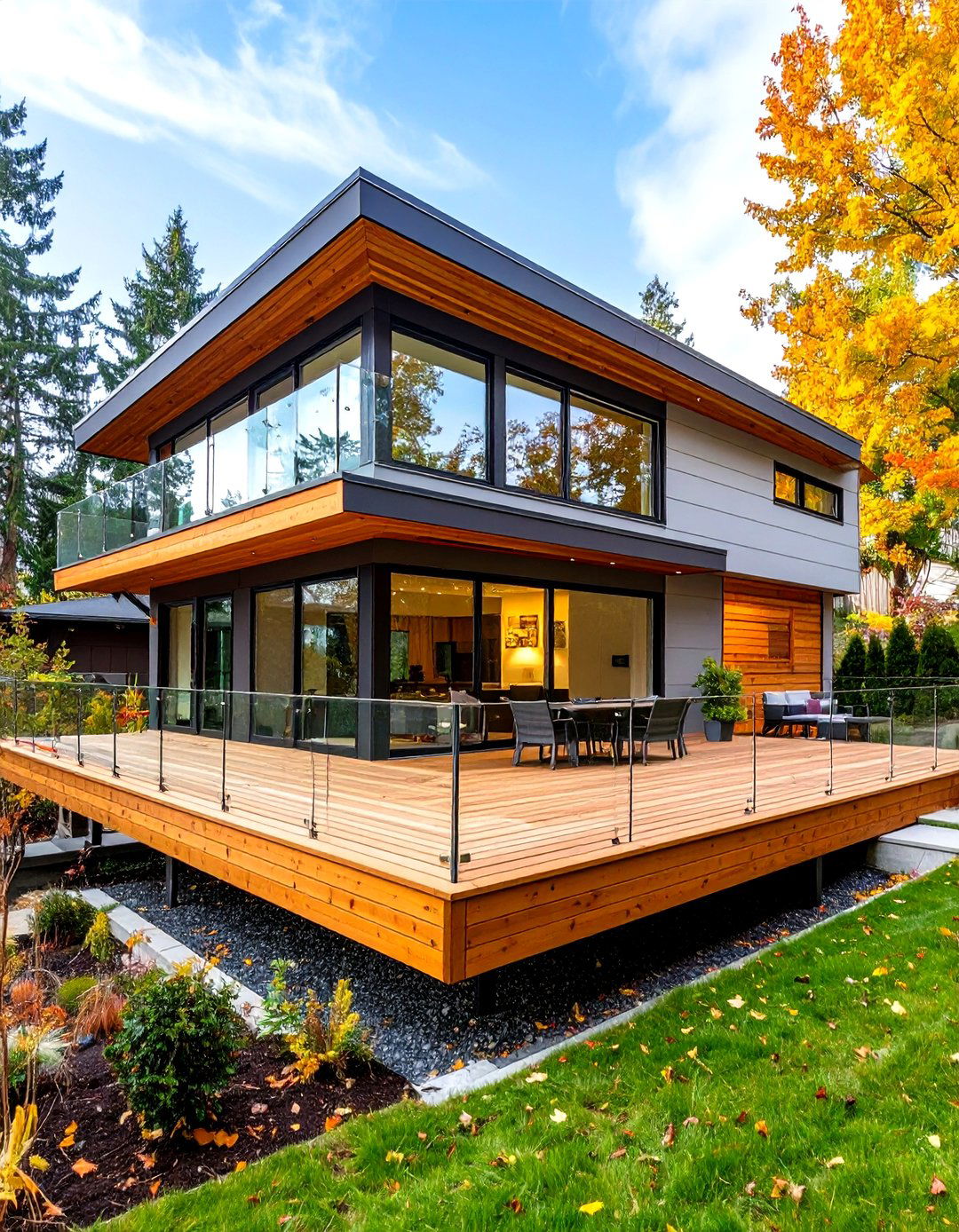
For a modern and dramatic effect, especially on a sloped property, a cantilevered deck patio extension can be a stunning choice. This type of deck extends outward from a foundation point without visible supports underneath the extended edge, making it appear to float. Extending from an existing patio, a cantilevered platform creates a unique vantage point overlooking your yard or a scenic view. It is an advanced construction project that requires professional design and engineering but results in a striking architectural feature that adds a sophisticated, contemporary flair and a "wow" factor to your outdoor living area.
23. Dining Nook Patio Extension
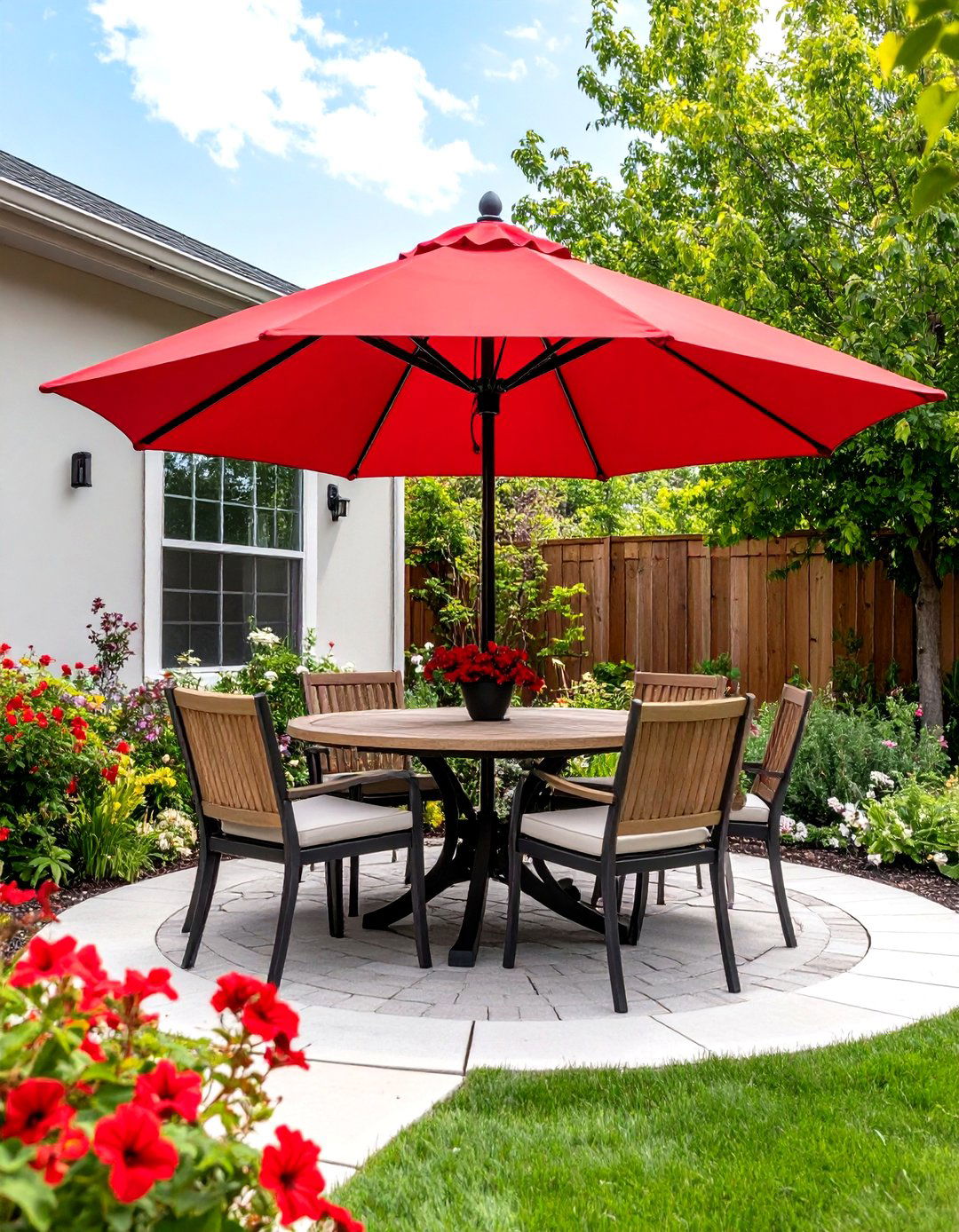
If your primary goal is to create more space for alfresco meals, a dedicated dining nook extension is a perfect solution. Extend a small section of your patio using pavers or concrete, just large enough to accommodate a dining table and chairs. This defines the eating area and keeps it separate from lounging or grilling zones. You can position it under a shady tree or add a large umbrella for comfort. Framing the nook with potted plants or a small trellis can make it feel more intimate and secluded, creating the perfect setting for family dinners or morning coffee outdoors.
24. Outdoor Bar Patio Extension
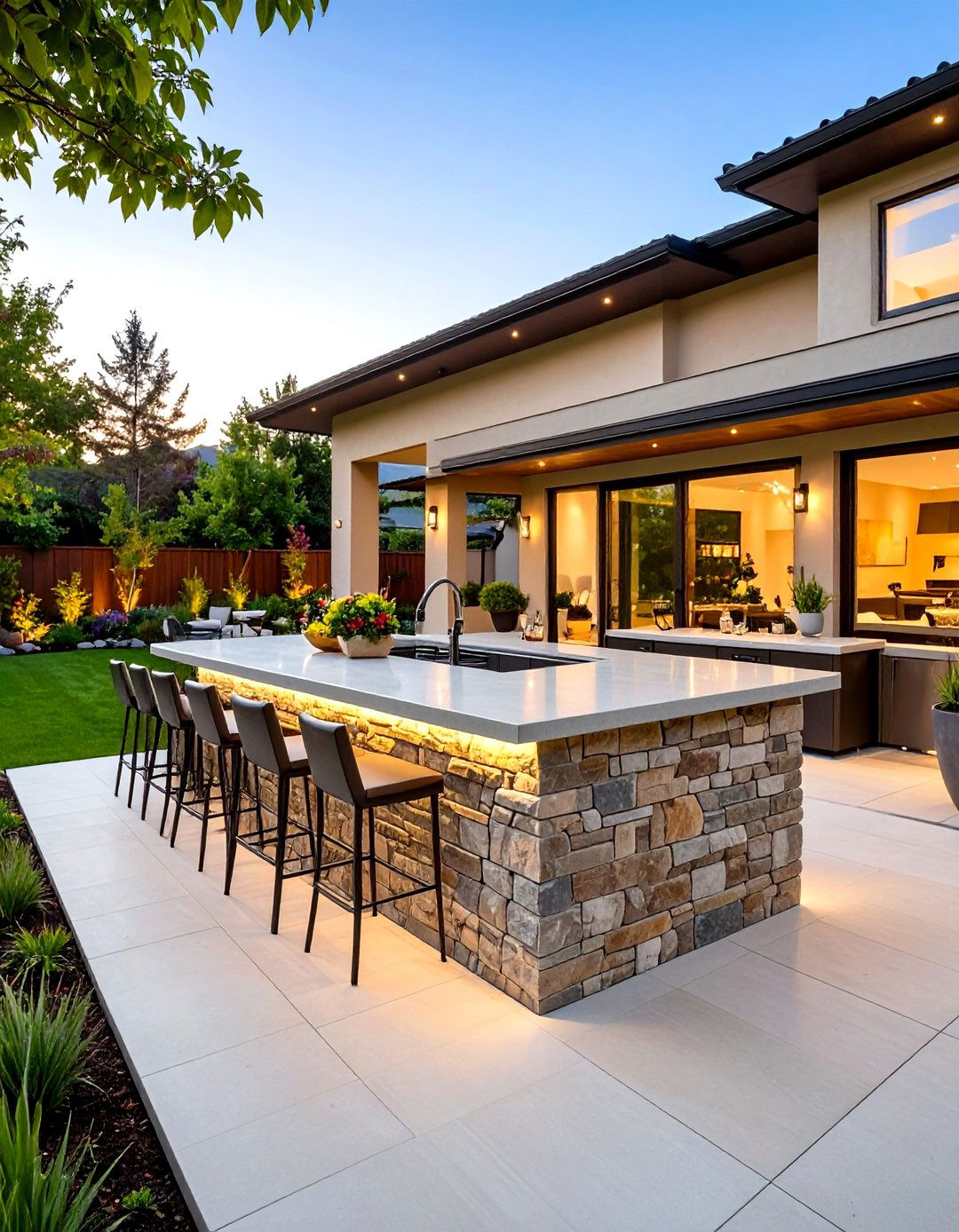
Create the ultimate entertainment space by extending your patio to include an outdoor bar. This can be as simple as adding a high-top counter and stools to a new paver section or as elaborate as a fully equipped bar with a sink, beverage cooler, and built-in shelving. Use materials like stacked stone, reclaimed wood, or poured concrete for the bar structure to create a stylish focal point. An outdoor bar extension provides a designated spot for serving drinks and socializing, keeping foot traffic flowing and making your backyard the go-to destination for parties with friends and family.
25. Sunken Lounge Patio Extension
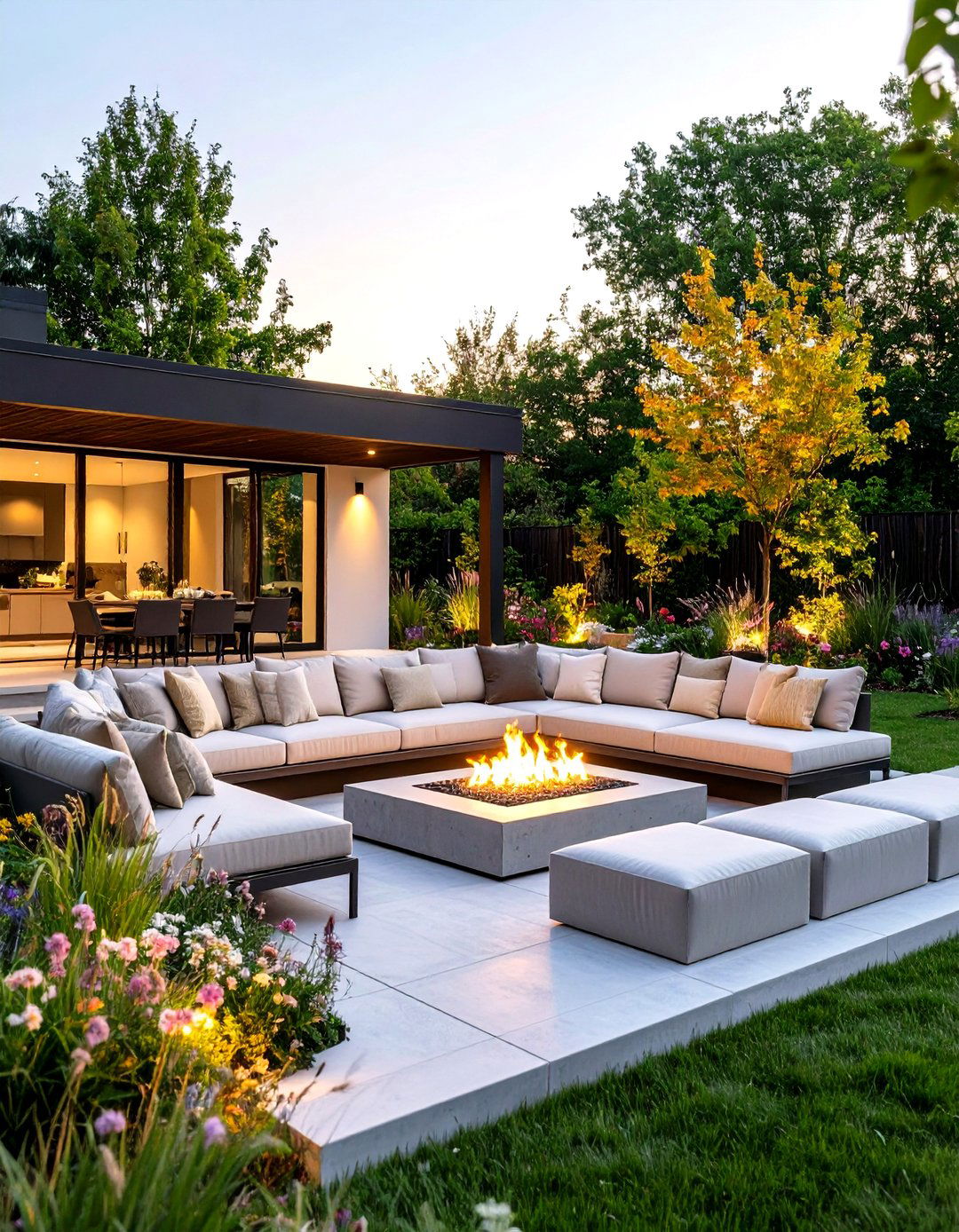
Add a touch of modern luxury by creating a sunken lounge area as your patio extension. This involves excavating a section next to your existing patio and building a lowered space with built-in seating. The sunken design creates an intimate, conversation-pit atmosphere that feels cozy and secluded. You can build the retaining walls and seating with materials like poured concrete or stone and add a fire pit or a water feature in the center for a dramatic focal point. This high-impact design transforms your backyard into a sophisticated retreat perfect for entertaining or quiet relaxation.
26. Zen Garden Patio Extension
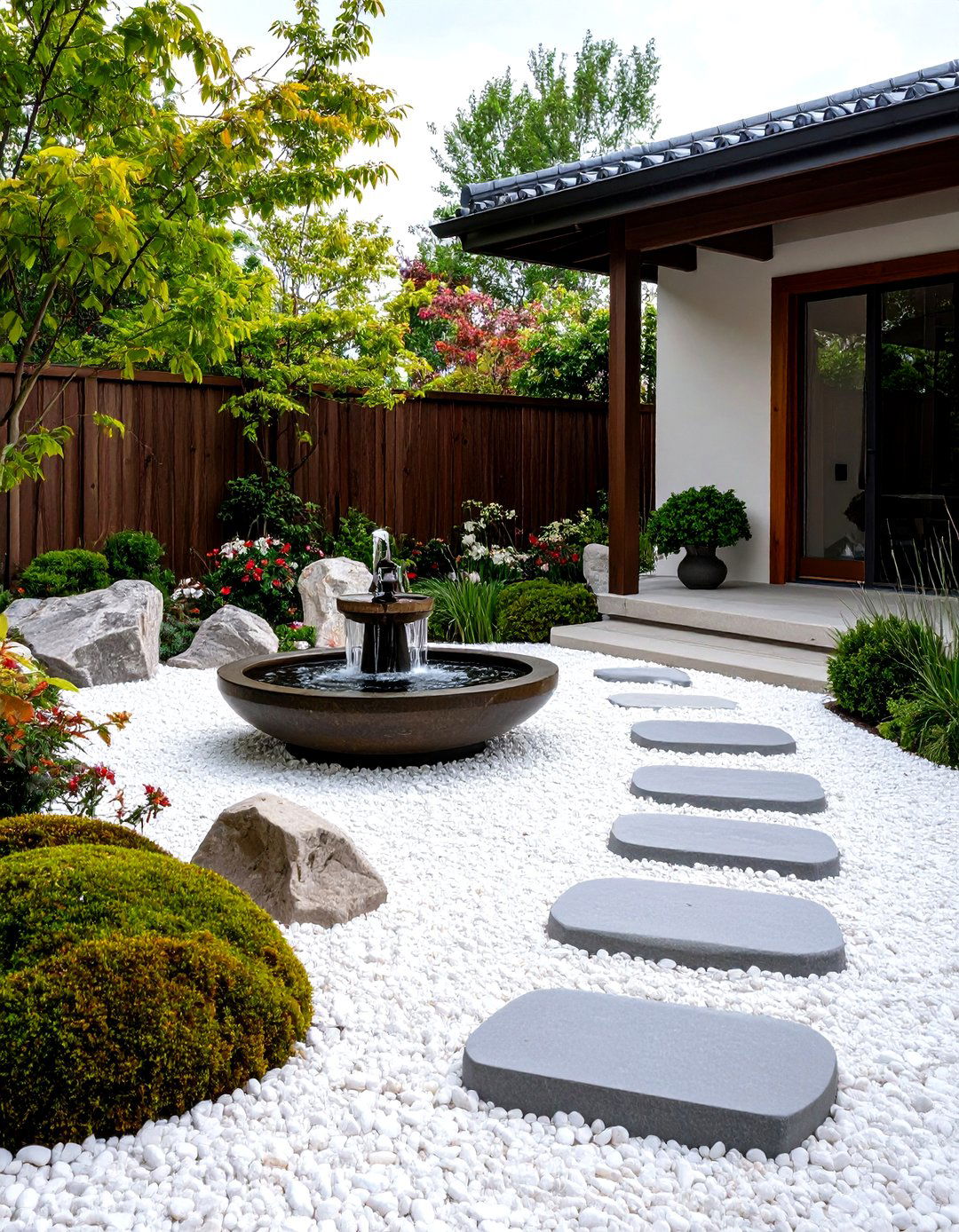
Extend your patio to create a peaceful Zen garden retreat. Use materials like gravel, smooth river rocks, and stepping stones to design a minimalist space for meditation and reflection. Add a simple bamboo water feature for soothing sound and place a stone lantern or a small Buddha statue as a focal point. Keep plantings simple with moss, bamboo, or a single Japanese maple. This type of extension transforms a portion of your backyard into a serene escape from the stresses of daily life, promoting a sense of calm and connecting you with nature in a mindful, uncluttered way.
27. Outdoor Shower Patio Extension
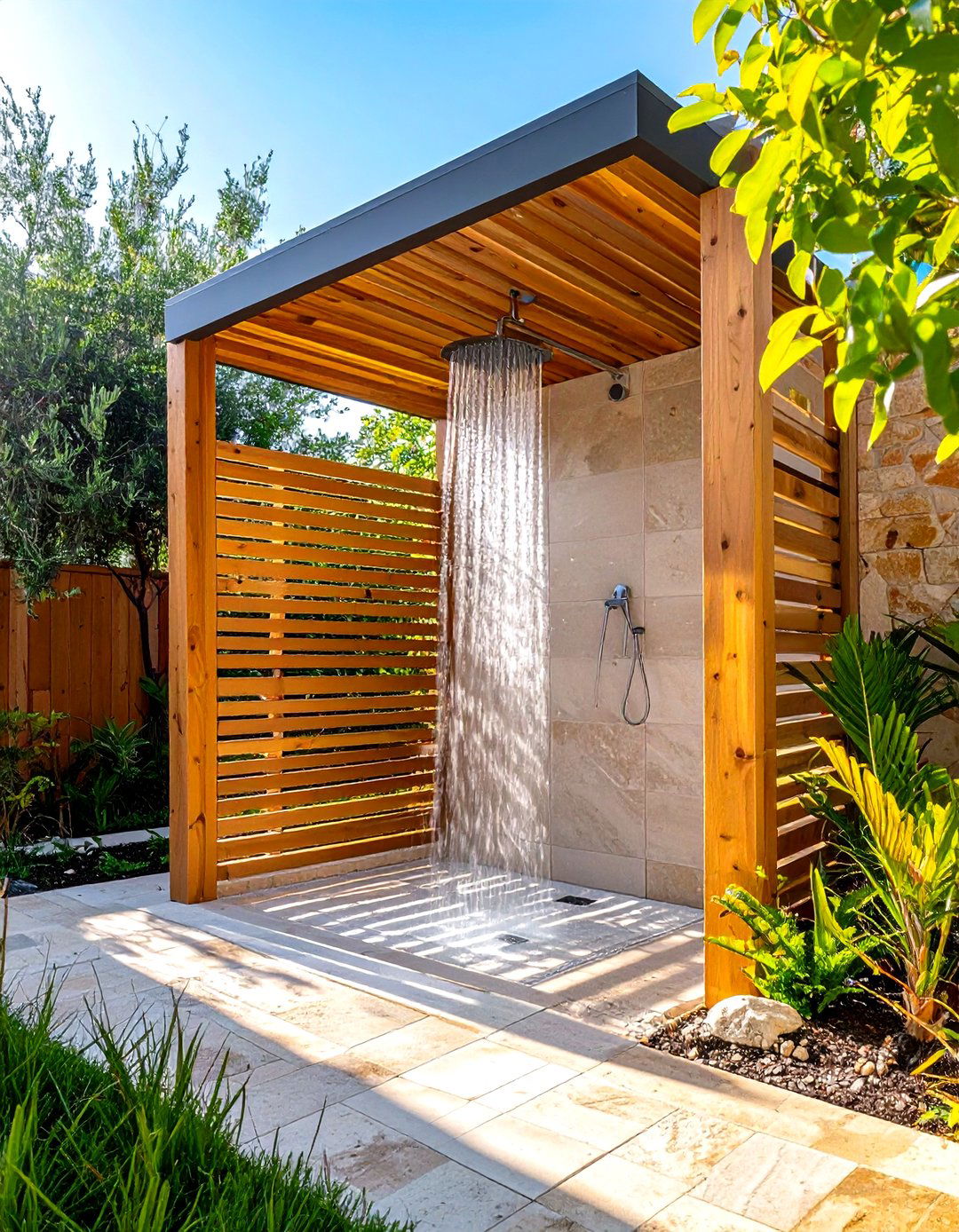
For homes near a beach or with a pool, an outdoor shower patio extension is a highly practical and refreshing addition. Extend a small, private corner of your patio with a non-slip surface like textured concrete, stone, or wood decking. Enclose the area with a privacy screen made from wood, vinyl, or even fast-growing bamboo. Install a simple shower head and controls for a functional space to rinse off before or after a swim. This feature adds a touch of resort-style luxury to your backyard while helping to keep your home's interior clean.
28. Pet-Friendly Patio Extension
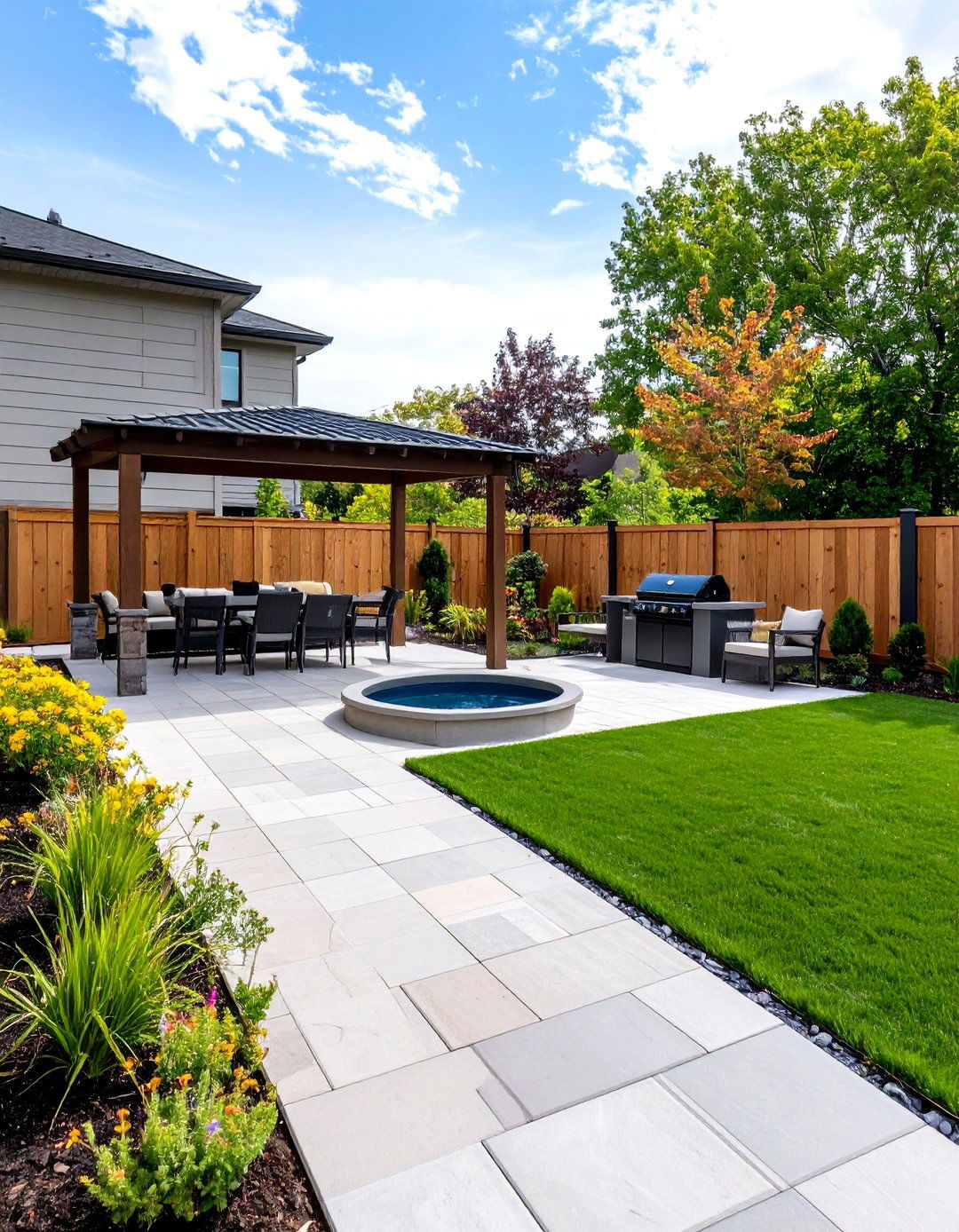
Design a patio extension with your furry friends in mind. Extend your patio using pet-friendly materials like pavers or artificial turf that are durable and easy to clean. You can incorporate features like a designated potty area with a special drainage system, a built-in water station, or a shaded spot for them to rest on hot days. Using rounded stones instead of sharp gravel can be gentler on paws. Fencing in the new extension ensures your pets have a safe and secure area to enjoy the outdoors with you, making your backyard comfortable for every member of the family.
29. Retaining Wall Patio Extension
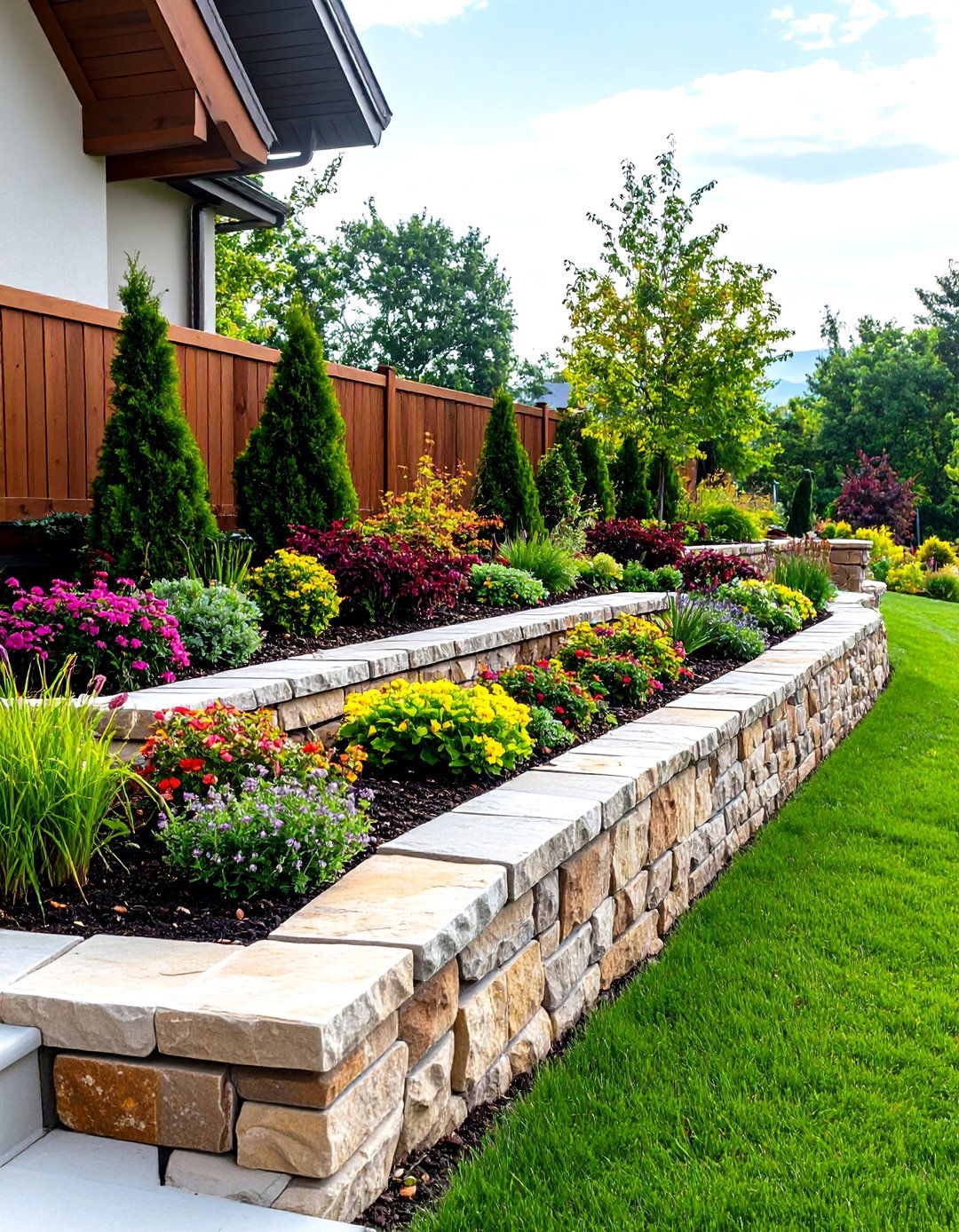
If your yard has a slope, a retaining wall can be the key to a successful patio extension. By building a retaining wall, you can create a level terrace of usable land extending from your current patio. This new, flat area can then be finished with pavers, concrete, or gravel. The retaining wall itself can be a beautiful feature, constructed from materials like natural stone, concrete blocks, or railroad ties. You can also incorporate built-in planters or seating into the wall's design, turning a landscaping challenge into a stylish and functional multi-level outdoor living space.
30. Gazebo Patio Extension
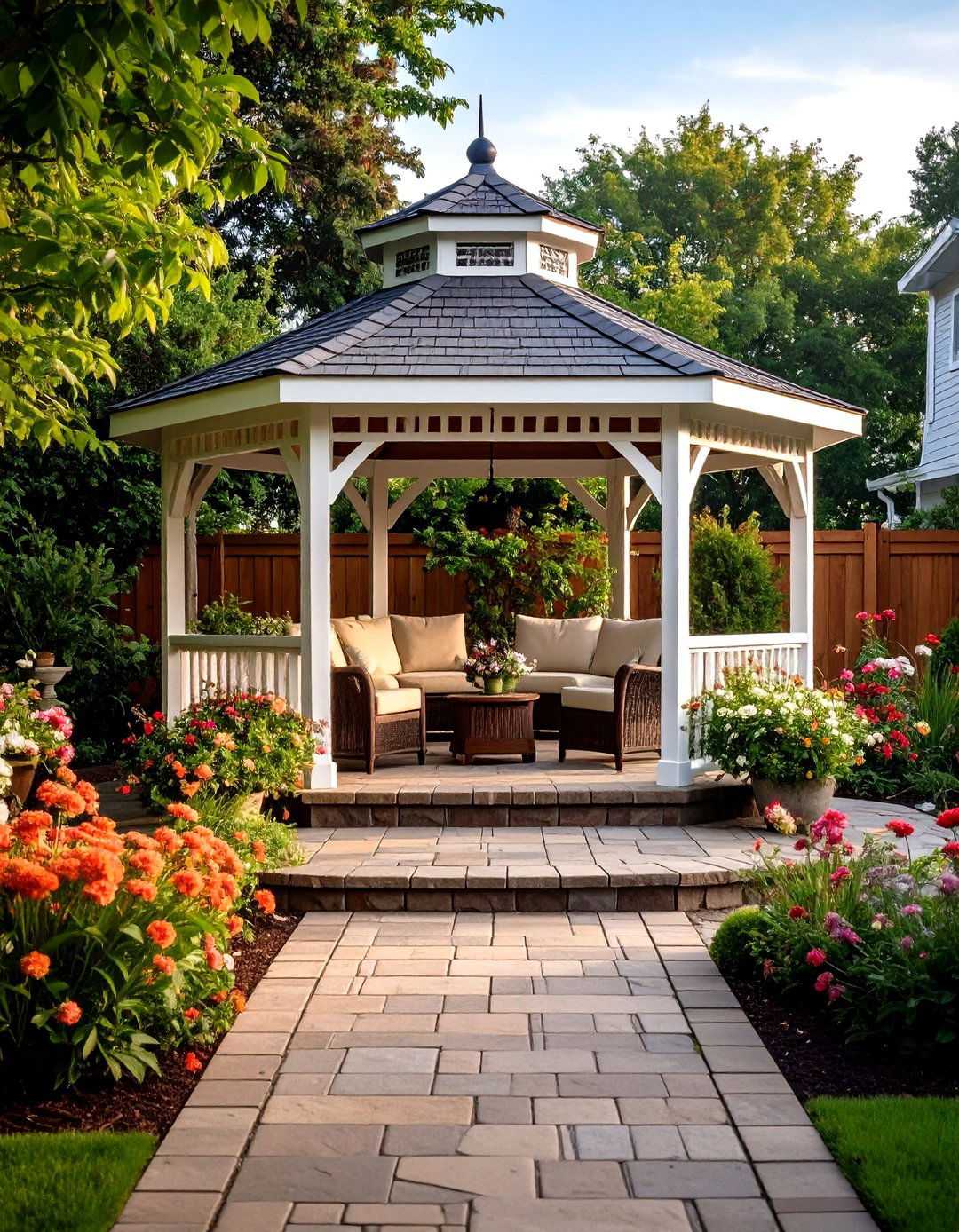
For a truly elegant and sheltered outdoor room, extend your patio to accommodate a gazebo. After laying a new foundation of pavers or concrete, place a gazebo structure on top. Gazebos provide 360-degree views of your yard while offering complete protection from sun and rain. They come in various styles, from classic octagonal wood designs to modern metal frames. A gazebo creates a distinct and charming focal point in your backyard, perfect for a dining set, comfortable lounge furniture, or even a hot tub, providing a beautiful and functional retreat for all-weather enjoyment.
Conclusion:
Ultimately, extending your patio is a versatile home improvement project that can significantly enhance your lifestyle. Whether you opt for a simple gravel addition, a multi-level deck, or a fully covered outdoor room, the key is to choose a design that suits your needs, budget, and property. By expanding your outdoor living space, you create more opportunities for relaxation, entertaining, and enjoying the beauty of your own backyard. These ideas offer a starting point for transforming your patio into a more functional, valuable, and inviting extension of your home.

Related posts:


Leave a Reply