
Creating a beautiful stone patio doesn't have to drain your savings. With a bit of creativity and strategic planning, you can design a stunning outdoor space that is both functional and affordable. The key to a budget-friendly project lies in choosing the right materials, embracing DIY techniques, and thinking outside the box. From using reclaimed materials to combining stone with less expensive fillers like gravel or ground cover, there are countless ways to achieve a high-end look for less. This guide explores 30 practical and stylish stone patio ideas that prove you can build your dream outdoor retreat without a hefty price tag.
1. Pea Gravel and Flagstone Patio
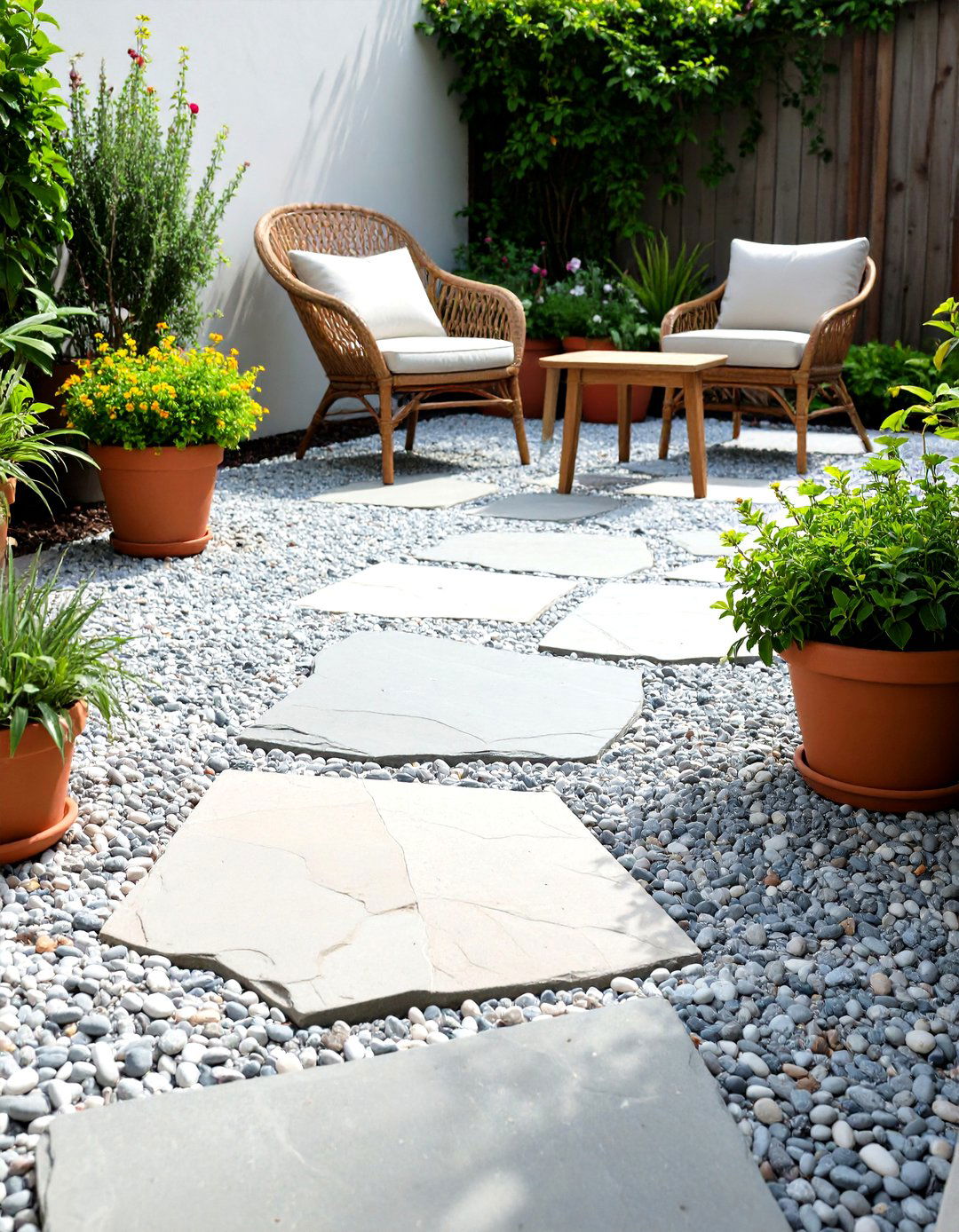
A combination of large flagstones set within a bed of pea gravel offers a classic, relaxed look for a fraction of the cost of a fully paved surface. To create this patio, you first level the area and lay down a weed barrier fabric. Then, spread a thick layer of pea gravel as the base. Carefully place large, irregular flagstones across the gravel, leaving generous gaps between them. This approach significantly reduces the number of expensive stones needed, as the gravel acts as a stylish and permeable filler. It’s a forgiving DIY project that requires no mortar, making it easy to adjust and perfect over time.
2. Decomposed Granite Patio Surface
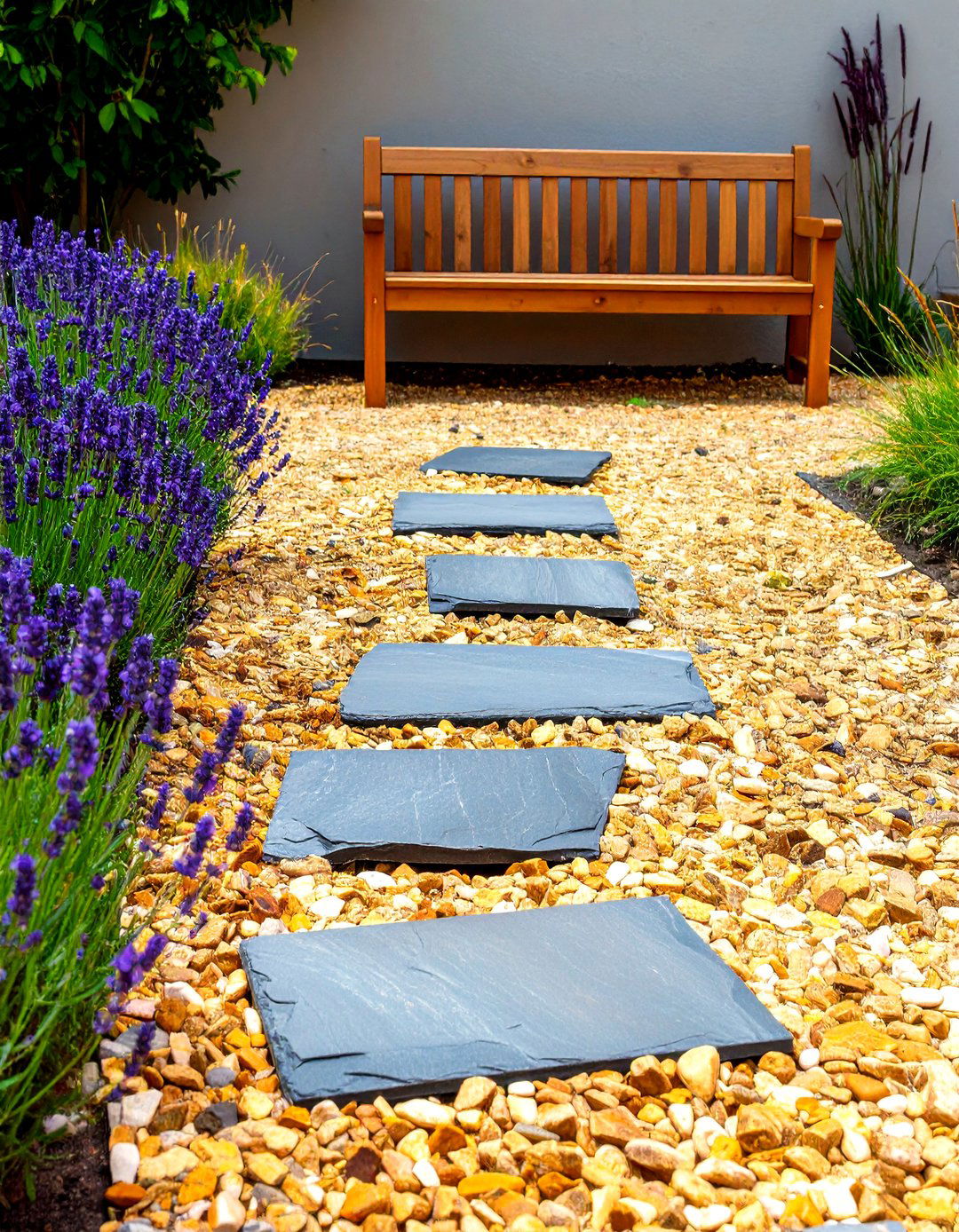
For a soft, natural, and highly affordable patio surface, decomposed granite is an excellent choice. This fine, gravel-like material compacts tightly to create a stable and smooth surface that feels comfortable underfoot. After clearing and leveling your desired patio area, you simply spread a layer of decomposed granite, moisten it lightly, and compact it with a hand tamper or roller. You can embed a few larger stepping stones within the granite for visual interest and to create designated pathways. This method is incredibly cost-effective, easy to install, and provides a rustic, Tuscan-inspired aesthetic that blends seamlessly with garden landscapes.
3. Recycled Concrete (Urbanite) Patio
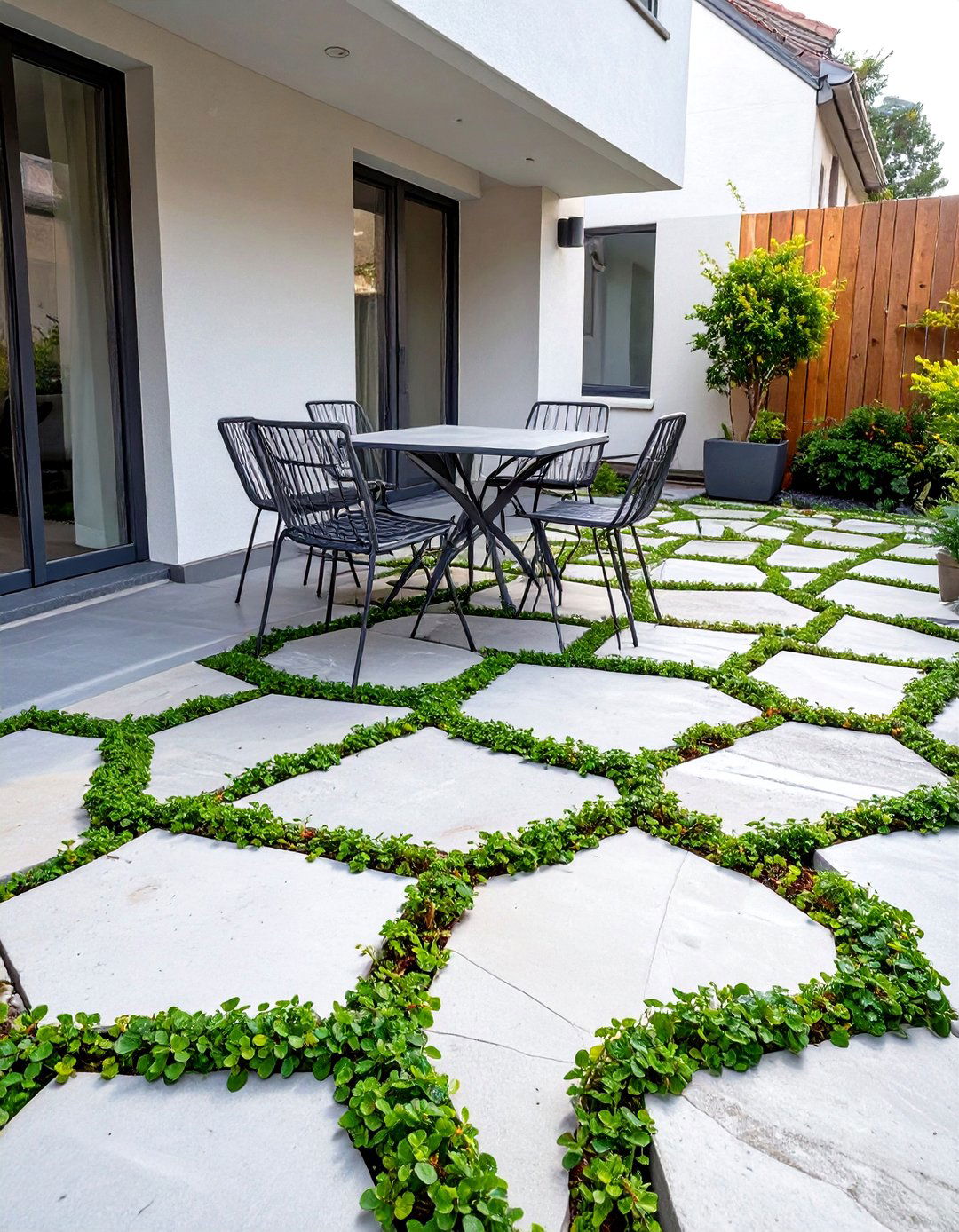
One of the most budget-friendly materials is one you can often find for free: broken concrete. Known as "urbanite," these salvaged pieces from old sidewalks or driveways can be laid just like natural flagstone. The process involves breaking up concrete slabs into manageable, irregular shapes and arranging them into a unique mosaic pattern. You can fill the gaps with sand, fine gravel, or even hardy, low-growing plants like thyme or moss. This eco-friendly approach not only saves money but also diverts waste from landfills, resulting in a patio with a rugged, modern character and a compelling backstory.
4. Simple DIY Concrete Paver Patio
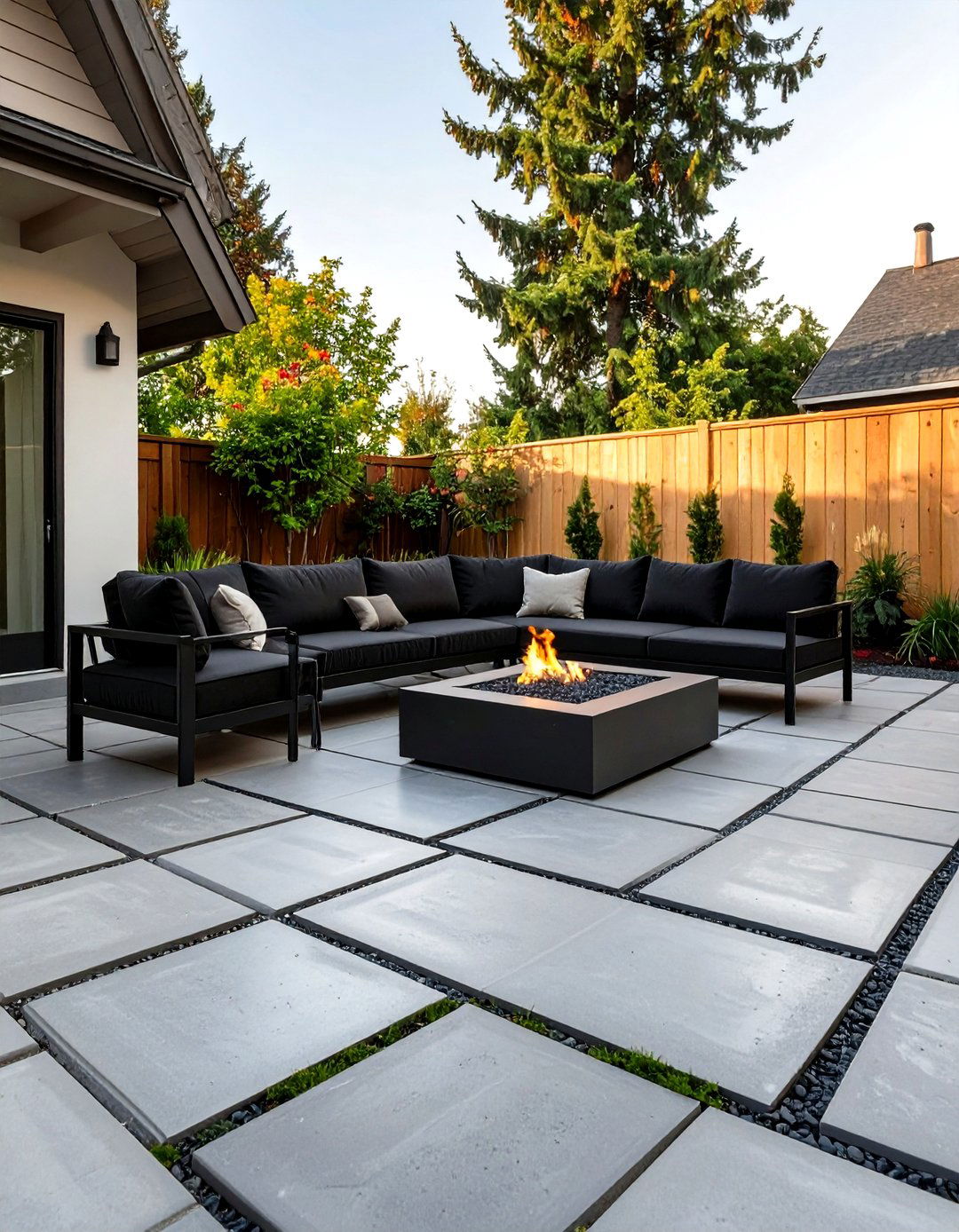
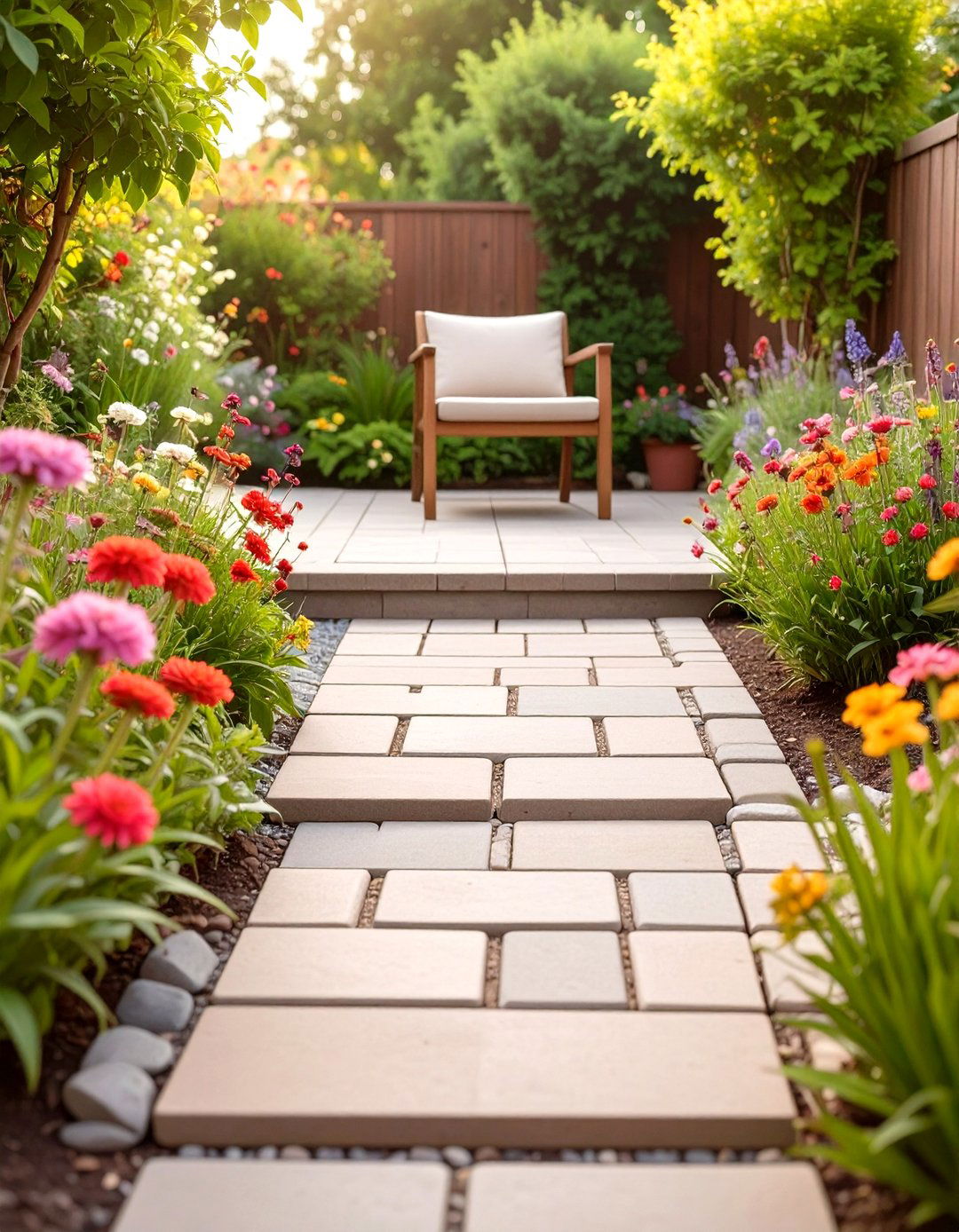
Concrete pavers are a manufactured, cost-effective alternative to natural quarried stone. They come in various shapes, sizes, and colors, allowing for creative patterns without the high price tag. A simple square or rectangular paver patio is a straightforward DIY project. Begin by preparing a level base of compacted sand and gravel. Then, lay the pavers in your chosen pattern, using a rubber mallet to set them firmly in place. Sweep sand into the joints to lock them together. This method creates a durable, uniform, and clean-looking patio space perfect for outdoor dining or lounging, all while staying firmly within a modest budget.
5. Mixed-Material Patio with Stone and Mulch
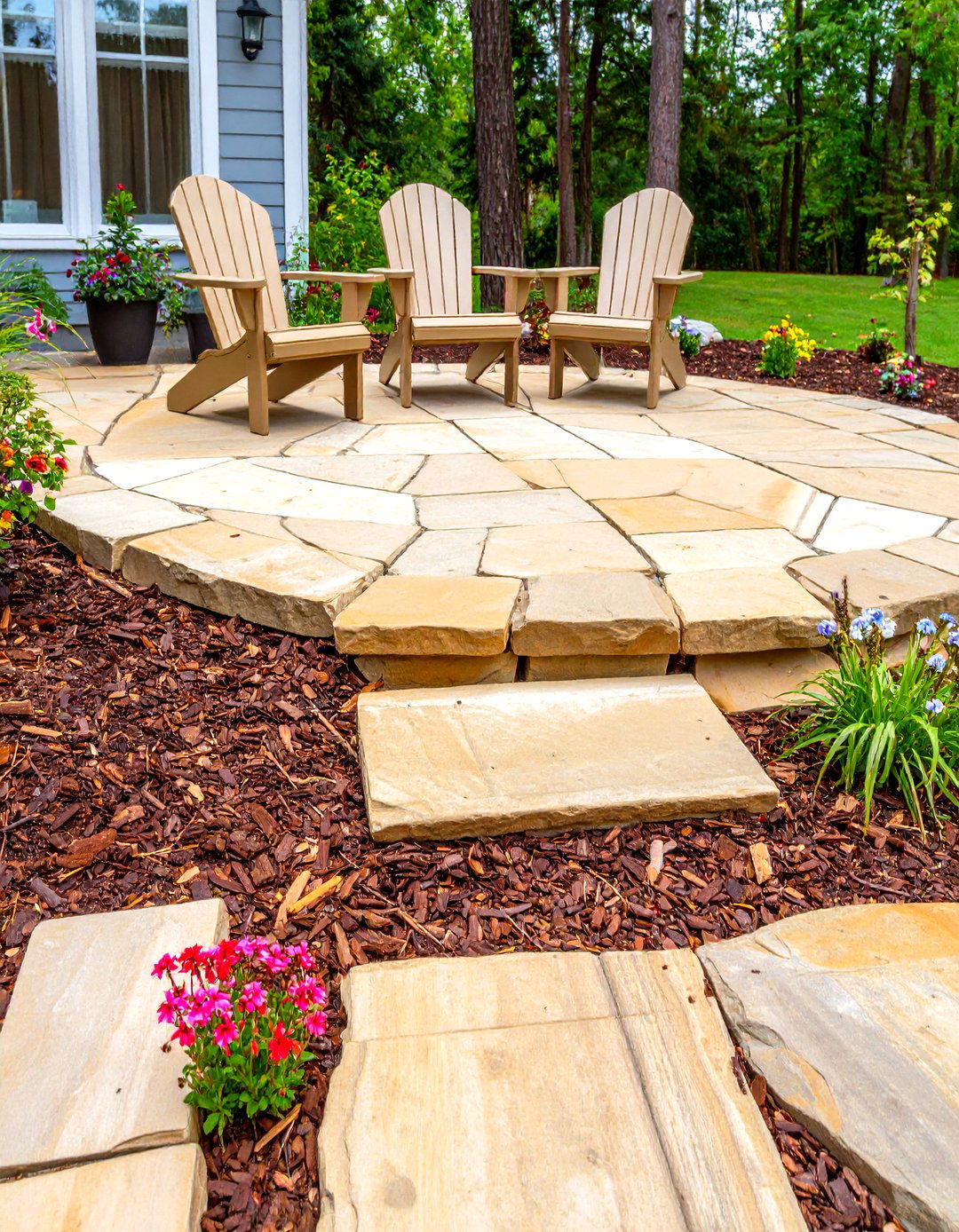
To stretch your budget further, consider designing a patio that combines stone with organic mulch. This technique is perfect for creating a more natural, woodland feel. Use flat stones or pavers to create the main functional areas, such as a spot for a grill or a seating arrangement. Then, use inexpensive wood mulch to fill the surrounding spaces and connect the different zones. This not only reduces the quantity of stone needed but also helps with weed control and moisture retention in adjacent garden beds. The contrast between the hard, cool stone and the soft, dark mulch adds textural depth and visual appeal.
6. Small, Intimate Stone Seating Nook
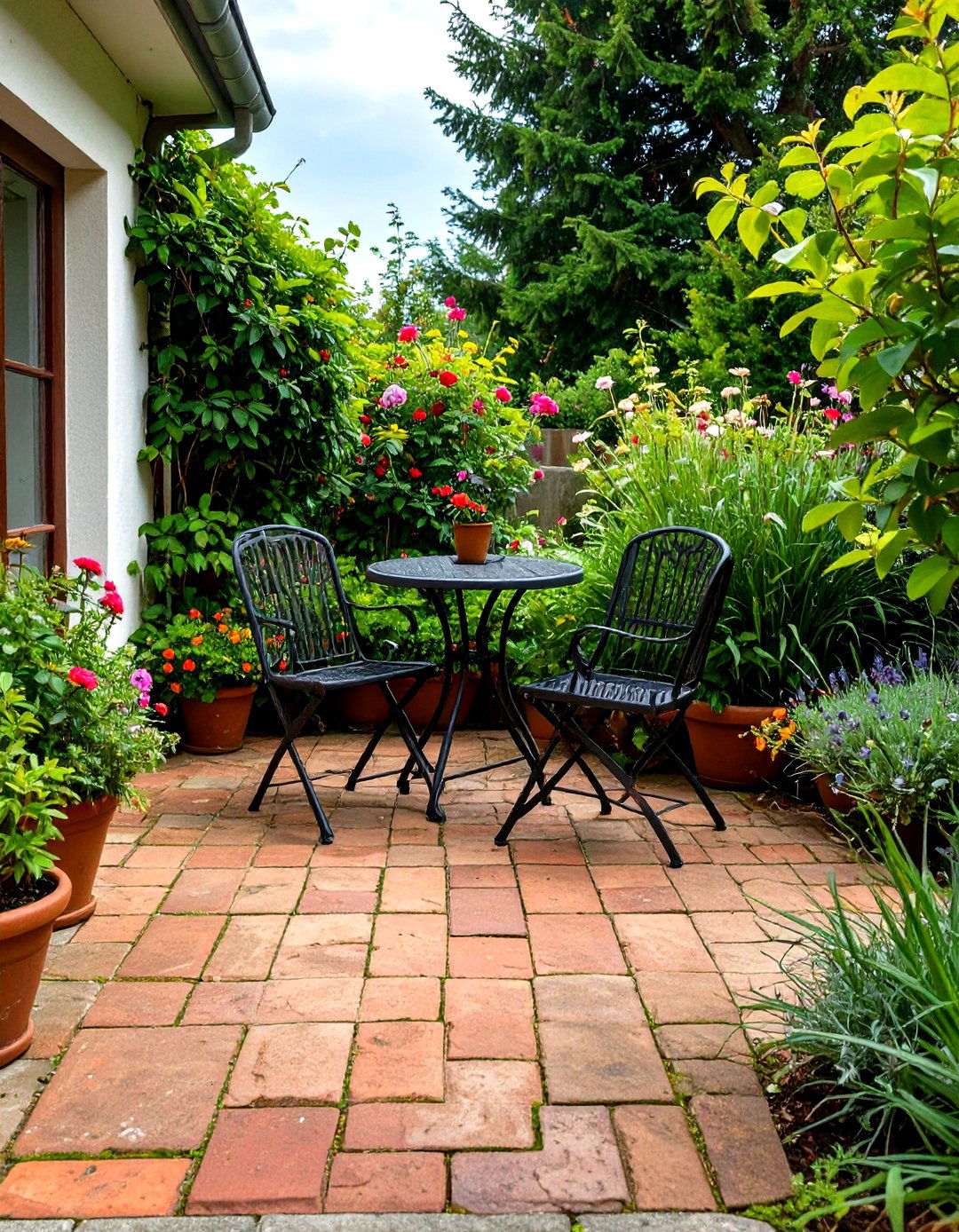
You don't need a massive patio to create a functional outdoor retreat. A small, intimate stone nook can be just as impactful and is far more affordable. Choose a cozy corner of your yard and create a simple 8x8 or 10x10 foot patio using budget-friendly pavers or flagstone remnants. This size is perfect for a small bistro set, a couple of chairs, and a small table. By focusing on a smaller footprint, you can potentially afford slightly nicer stone or dedicate more of your budget to comfortable seating and container plants, creating a charming and cost-effective garden hideaway.
7. Patio from Stone Remnants and Scraps
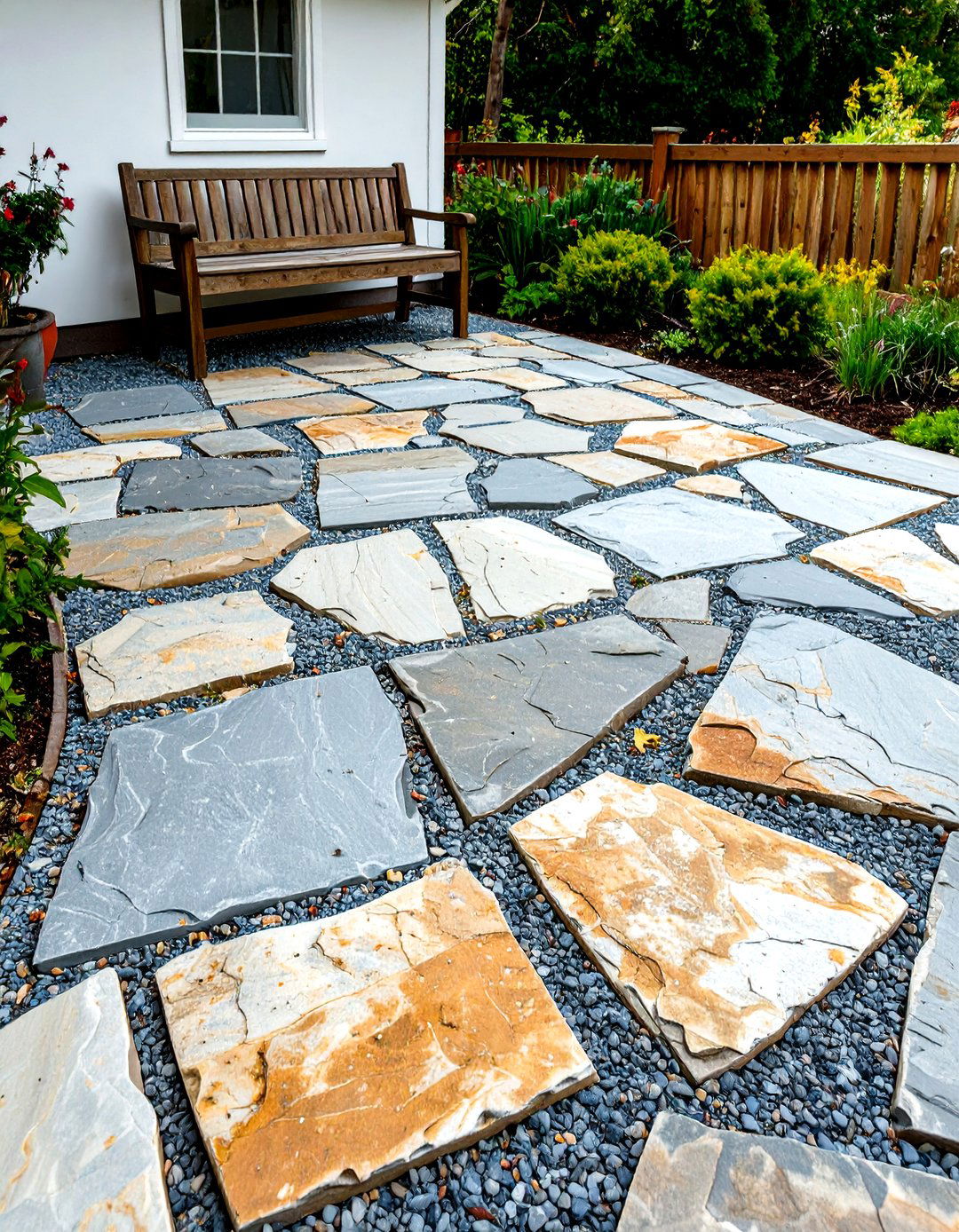
Don't overlook the potential of stone remnants and scraps. Landscape supply yards or stone quarries often sell leftover, odd-sized, or broken pieces of flagstone, slate, or other stones at a steep discount. These irregular pieces are perfect for creating a rustic, mosaic-style patio. The key is to treat it like a puzzle, fitting the different shapes together to form a unique, custom surface. Fill the joints with polymeric sand or small gravel to secure the stones. This approach not only saves a significant amount of money but also results in a one-of-a-kind patio with immense character and charm.
8. Dry-Laid Stone Patio Technique
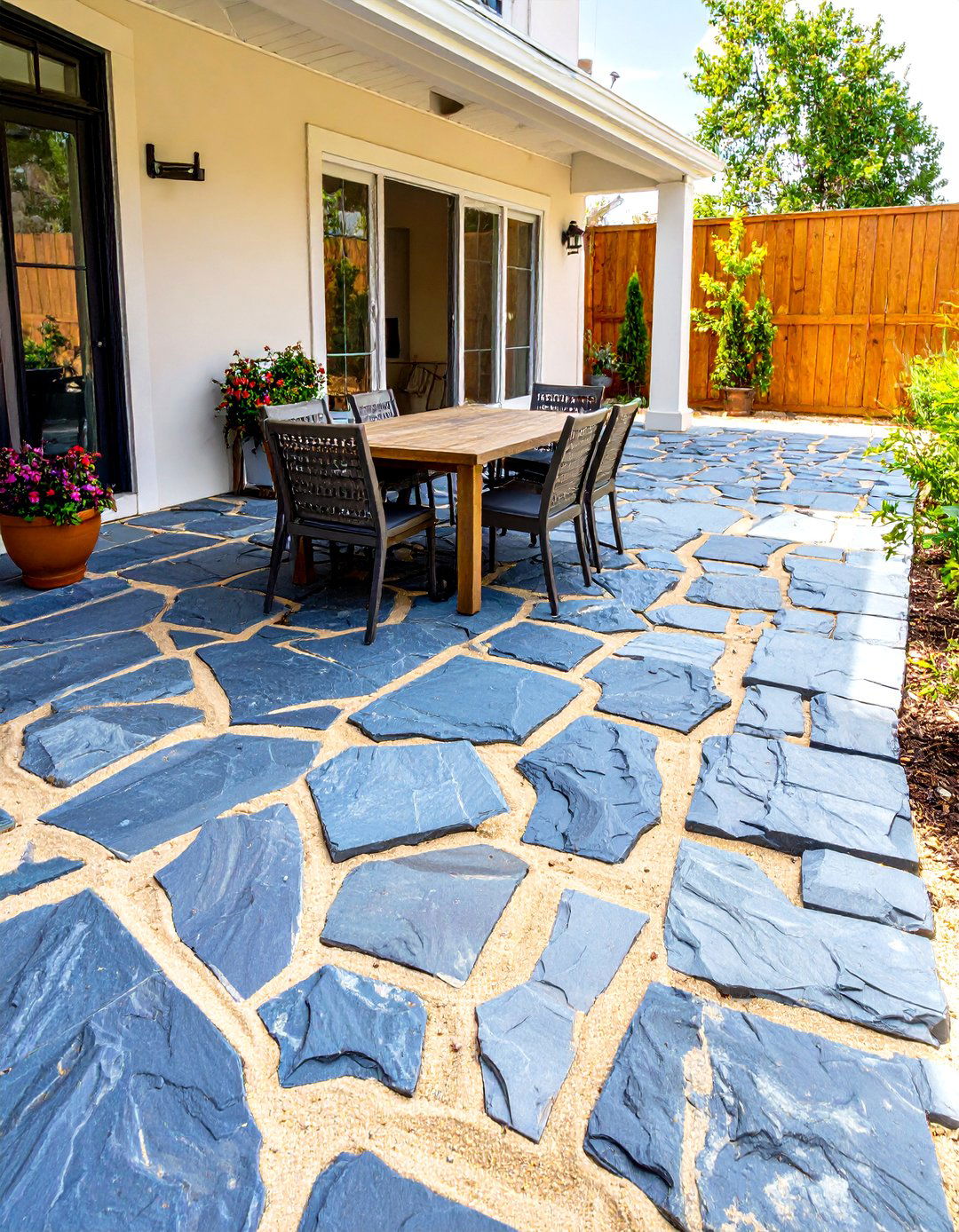
The dry-laid method is a cost-saving technique that eliminates the need for expensive mortar and professional masonry skills. For this project, you set your stones directly onto a prepared base of compacted sand or gravel. After leveling the ground and adding the base layer, you place each stone, wiggling it into the sand until it's stable and level with the others. The gaps are then filled with more sand or fine gravel, which locks the stones in place. This approach is forgiving for DIYers, allows for easy repairs, and creates a permeable surface that helps with drainage.
9. Ground Cover Between Paving Stones
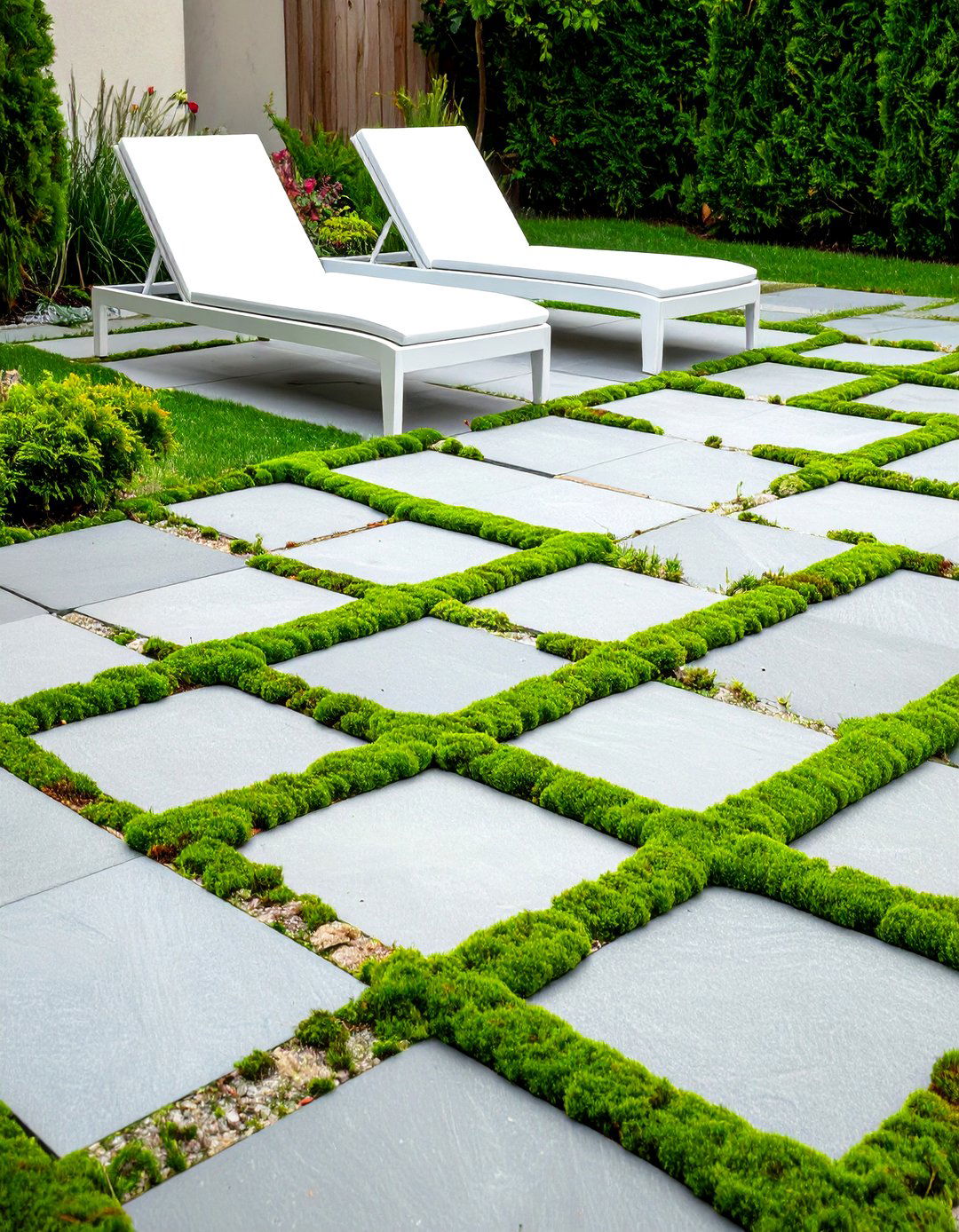
Integrating hardy, low-growing ground cover plants between your paving stones is a beautiful way to reduce costs and soften the look of your patio. By spacing your stones further apart, you need fewer of them to cover the area. In the gaps, plant resilient options like creeping thyme, Irish moss, or mondo grass. These plants will fill in over time, creating a living green mortar that adds color, texture, and fragrance. This "living patio" approach not only saves money on materials but also helps with rainwater absorption and creates a more natural, garden-integrated outdoor space.

10. Sourcing Free or Cheap Local Stone
For the ultimate budget patio, look for opportunities to source stone locally for little to no cost. Check online marketplaces for people giving away old patio stones or bricks from a demolition project. Farmers in rural areas may have piles of fieldstone they are willing to part with for a small fee or for free if you haul it away. Always ask for permission before taking stone from private land or construction sites. This requires more effort in terms of sourcing and transport, but the savings can be enormous, allowing you to build a substantial stone patio for the cost of your labor.
11. Stamped Concrete for a Faux Stone Look
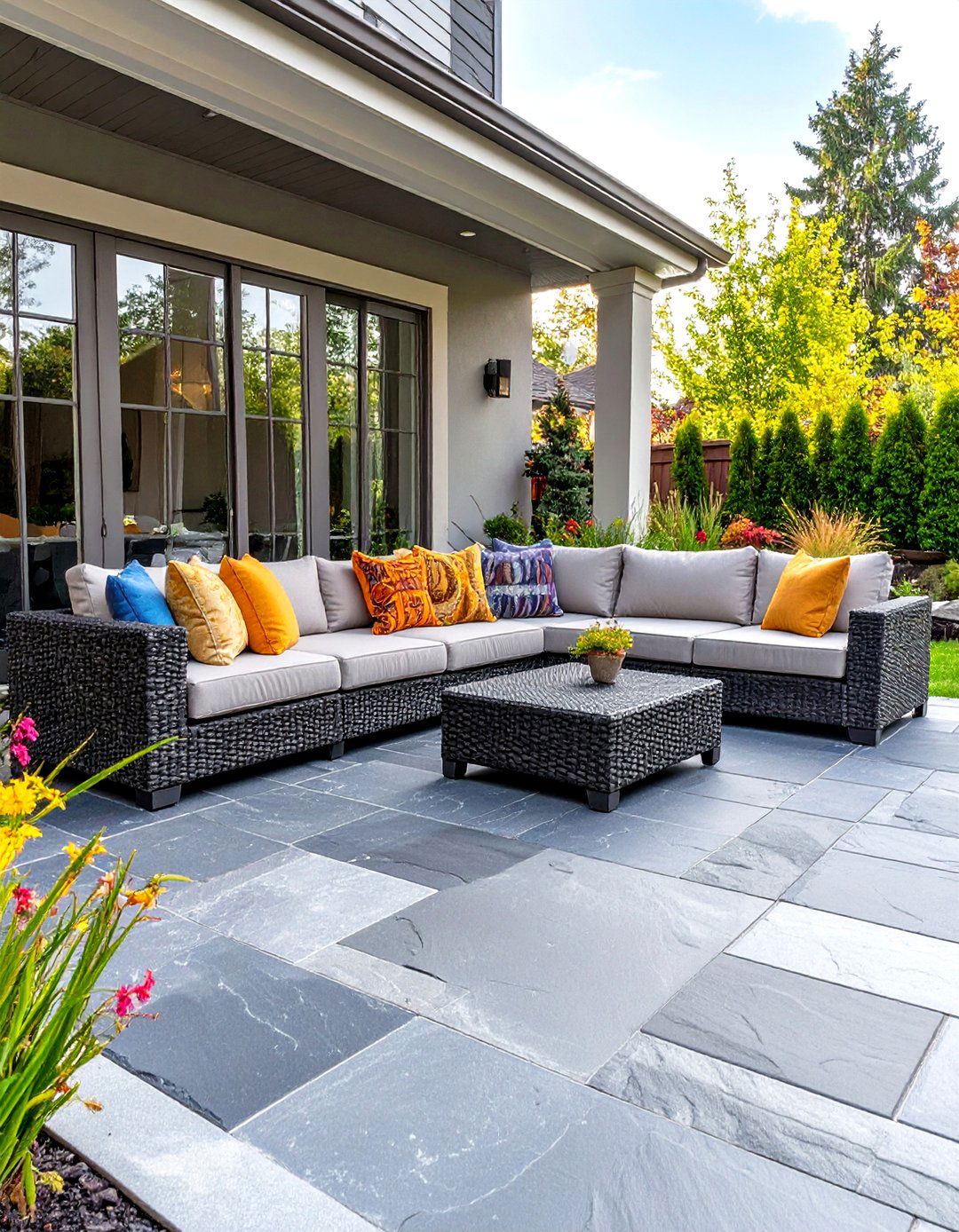
If you love the look of high-end stone like slate or cobblestone but not the price, stamped concrete is a brilliant alternative. This method involves pouring a concrete slab and then pressing molds or "stamps" into the wet surface to create the texture and pattern of natural stone. Pigments can also be added to the concrete to mimic the color variations of real stone. While it may require hiring a professional for the best results, the total cost is often significantly lower than installing authentic quarried stone, giving you a durable, low-maintenance patio with a deceptively upscale appearance.
12. Simple Square-Cut Stone Patio
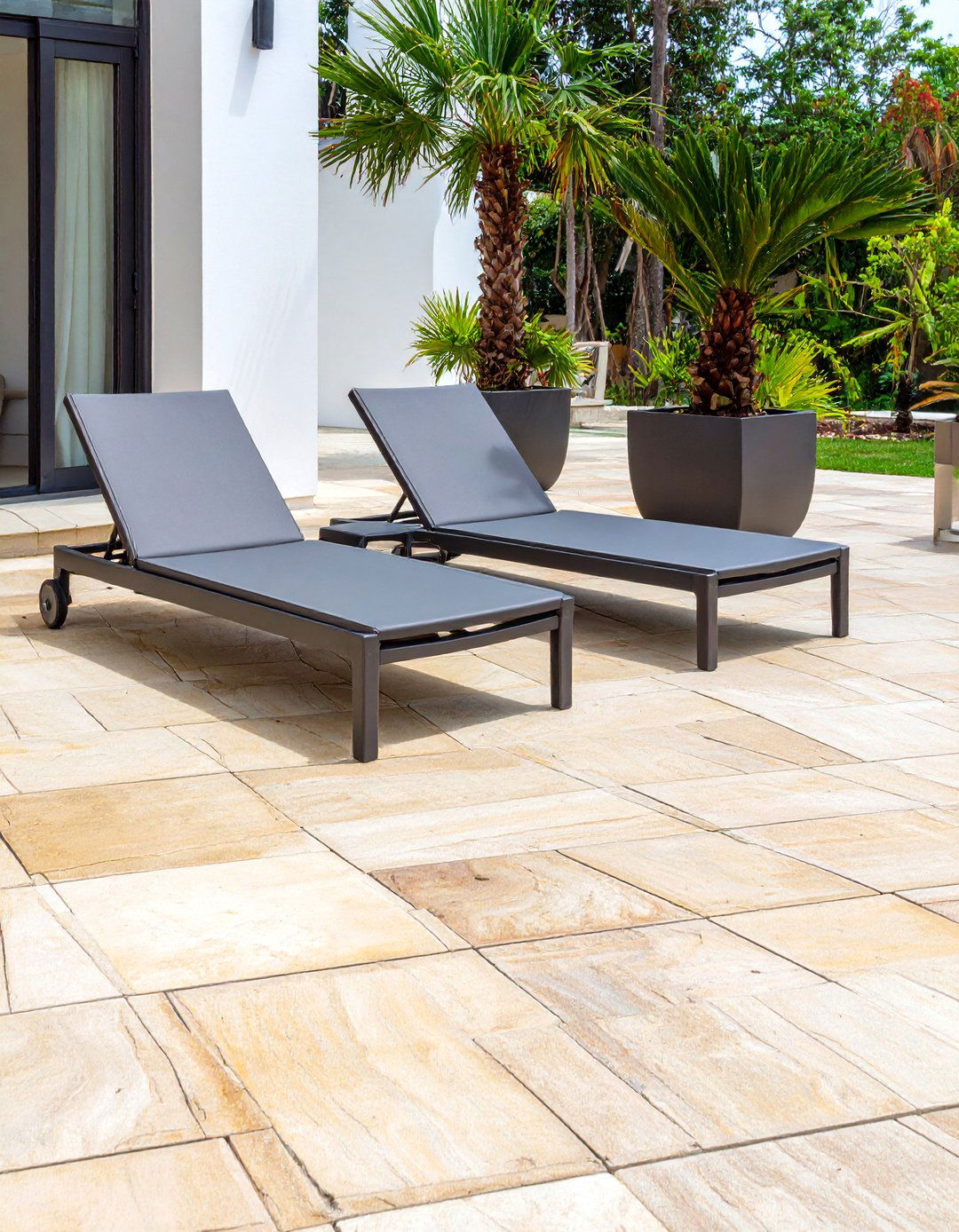
Sometimes simplicity is the most affordable and elegant option. Using uniform, square-cut pavers or stones laid in a simple grid pattern is a classic design that is easy to install for a DIYer. Because the shapes are consistent, planning your layout and calculating the required materials is straightforward. This regularity minimizes cutting and waste, which helps keep costs down. Choose affordable concrete pavers or look for sales on natural stone tiles. The clean lines of a grid pattern create a modern, orderly feel that provides a perfect, stable base for any style of outdoor furniture.
13. Salvaged Brick and Stone Combination
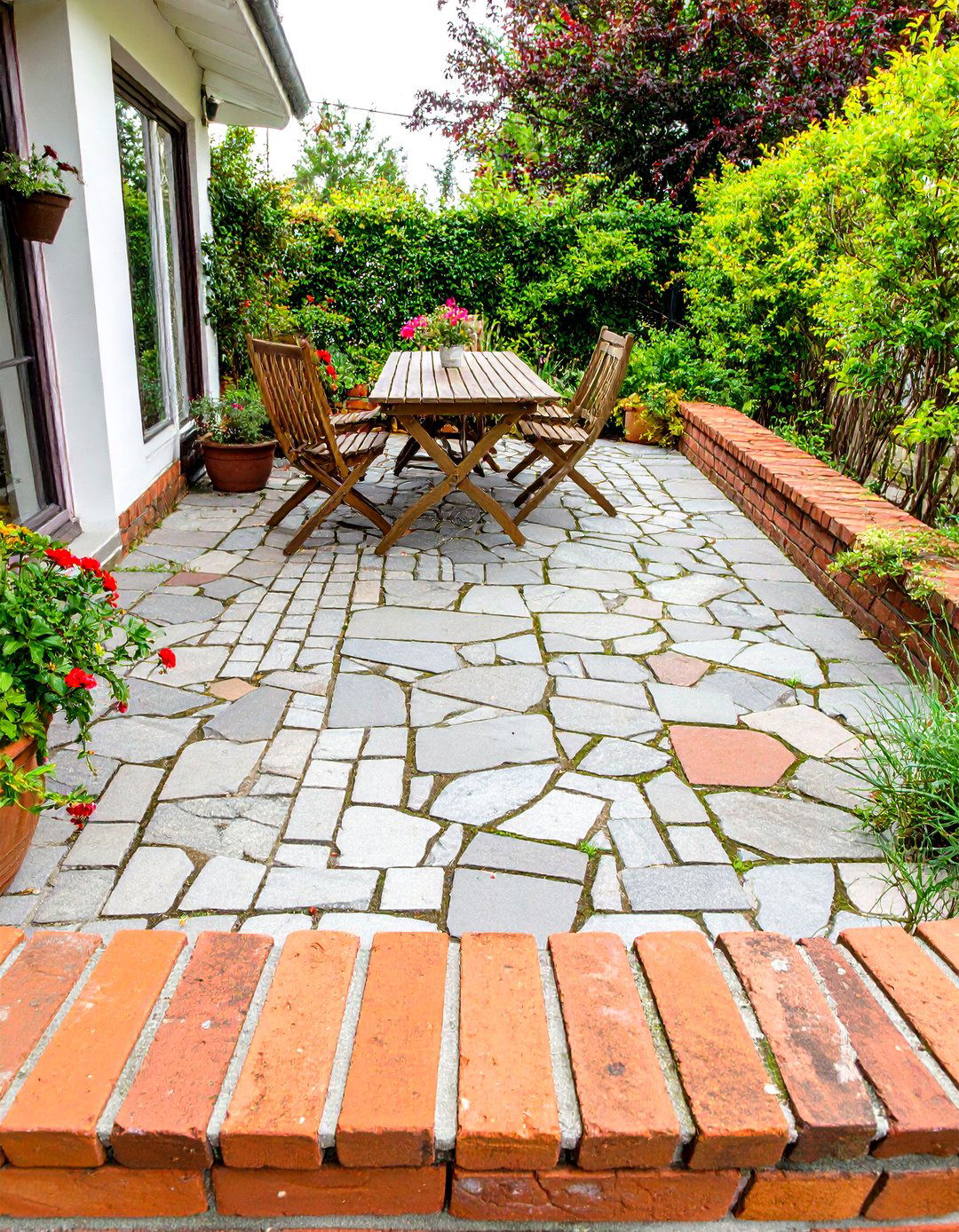
Create a patio with rich character by combining salvaged bricks with natural stone. Old bricks can often be found cheaply or for free and provide a warm, rustic element. Use the bricks to create a decorative border or edge around a central area paved with budget-friendly flagstone or concrete pavers. You can also alternate rows of brick and stone to create interesting patterns. This mixed-media approach stretches your budget by reducing the amount of more expensive stone required, and the final result is a patio with a unique, time-worn aesthetic that feels instantly established.
14. Creating a Stone Border with a Gravel Interior
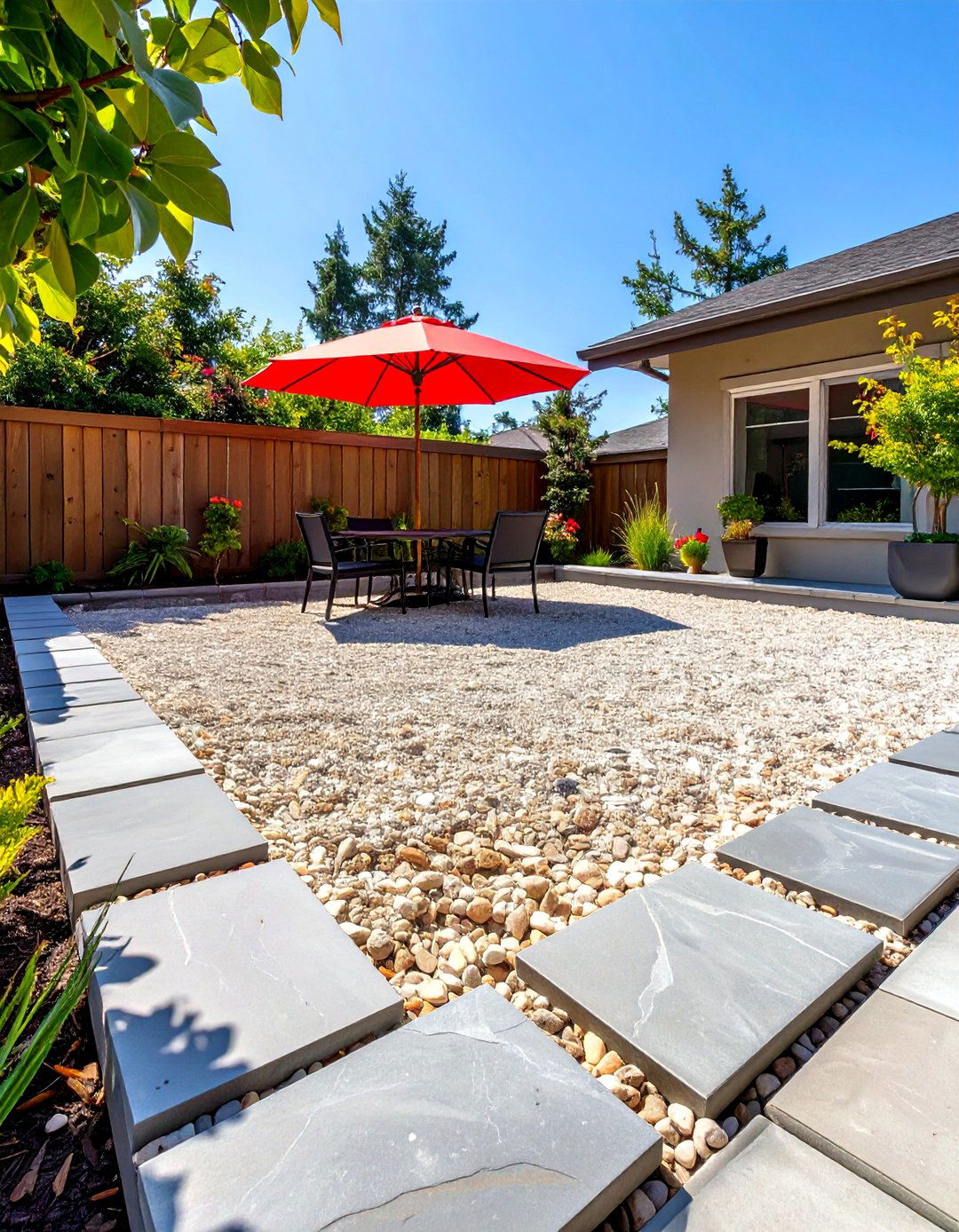
This design strategy gives you the polished look of a stone patio with the affordability of a gravel one. Start by building a defined border using flat, sturdy stones or affordable pavers set in a shallow trench. This edge creates a clean, finished frame and contains the filler material. Then, fill the entire interior of the patio with a few inches of inexpensive and easy-to-spread pea gravel or crushed stone. This gives you a large, functional patio space for a fraction of the cost of paving the whole area. It’s perfect for a casual seating area or a space for a fire pit.

15. Flagstone and Wood Chip Patio Design
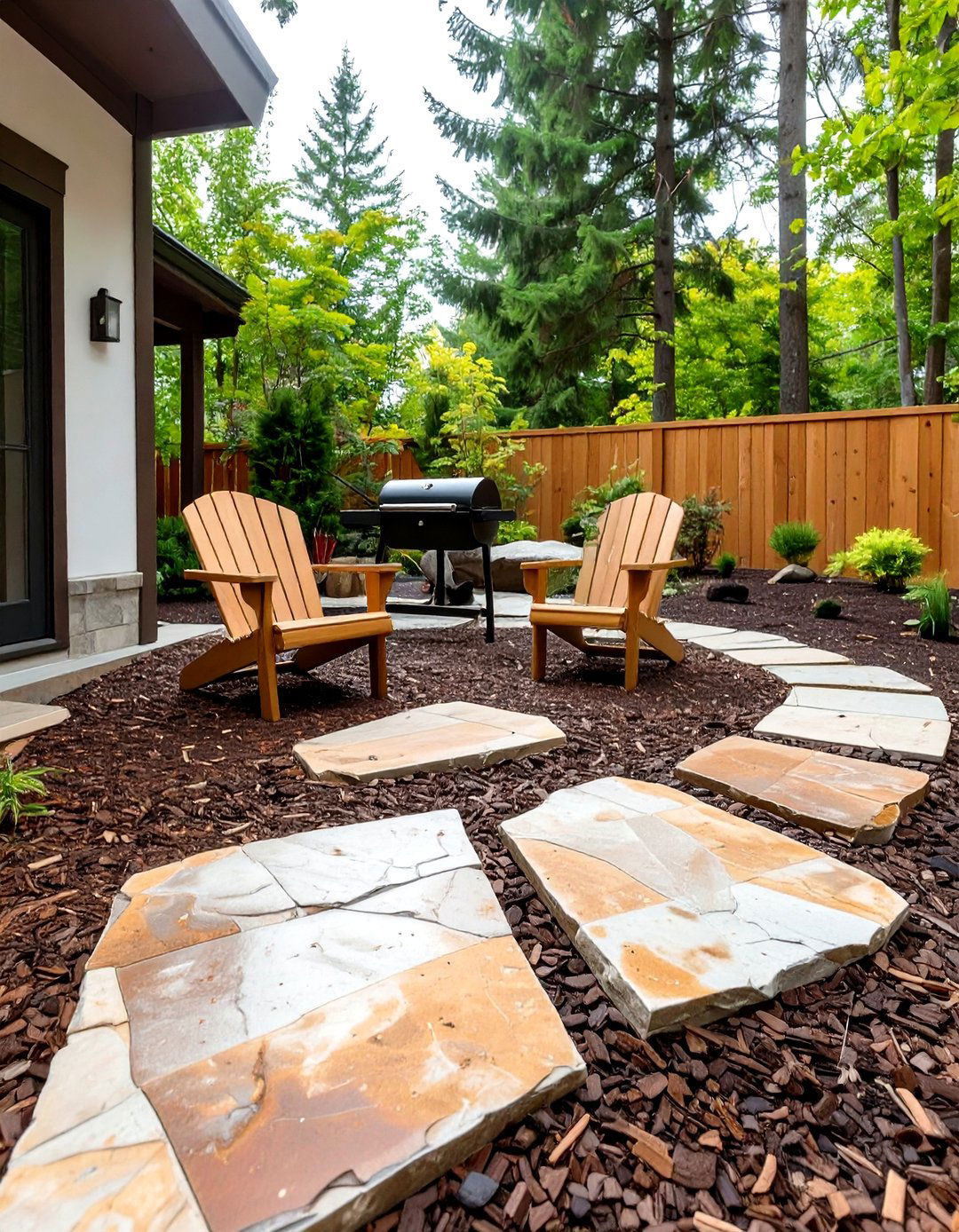
For a soft, rustic patio that blends into a natural landscape, pair irregular flagstones with wood chips or bark mulch. This is one of the cheapest and easiest DIY patio options available. Simply lay large flagstones directly on the leveled ground to serve as stable spots for furniture and main walking paths. Then, fill all the space in between with a thick layer of inexpensive wood chips. The wood chips suppress weeds, feel soft underfoot, and add a natural, woodland aroma to your outdoor space. This method requires minimal ground preparation and no complex setting materials.
16. Using Large Stepping Stones in Grass
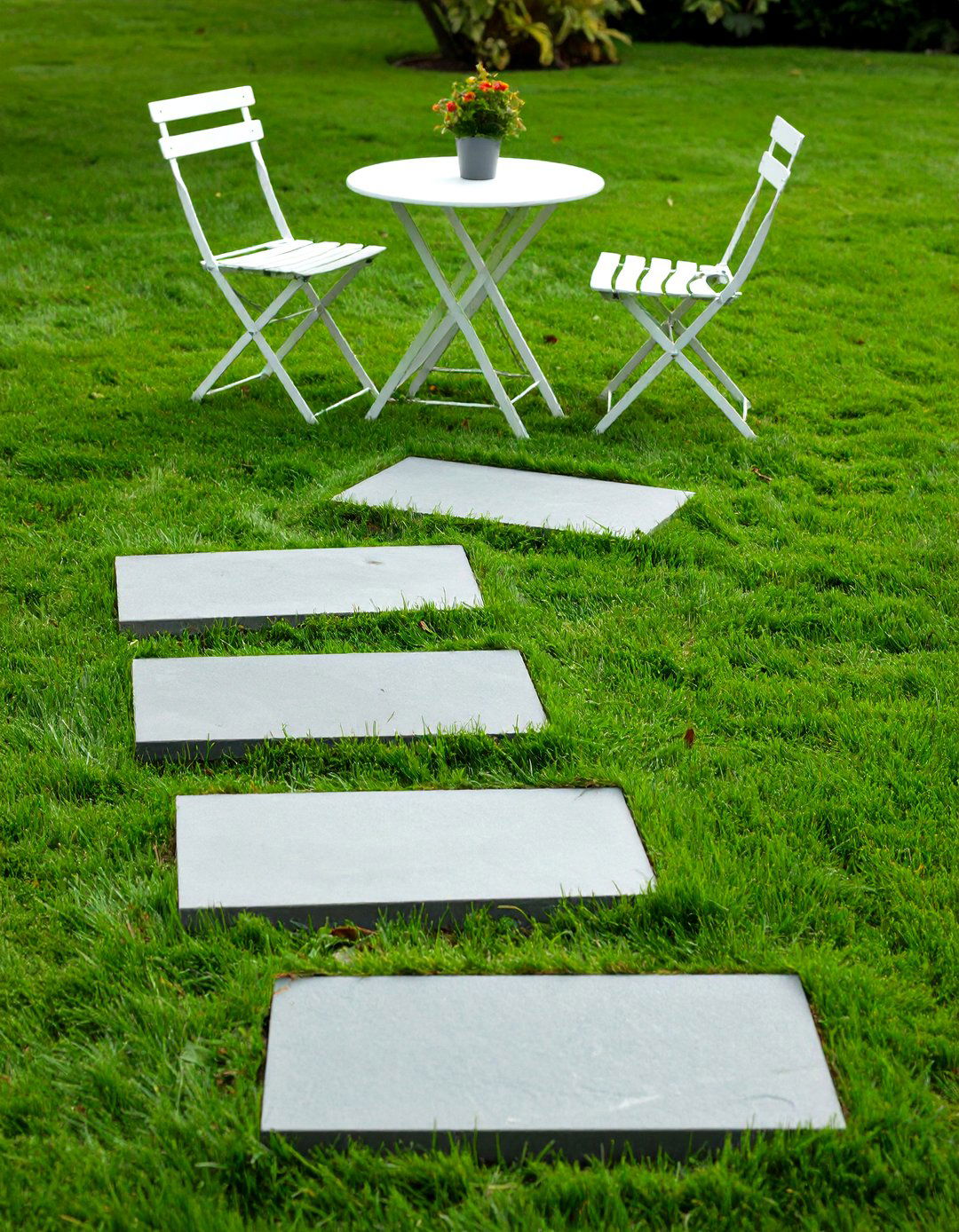
To create a patio feel without the cost and effort of a full installation, strategically place large, flat stepping stones directly into your lawn. This creates a solid surface for chairs and a small table while maintaining the green, open feel of the yard. Choose large, thick stones (at least 2 inches thick) for stability. Simply cut out the sod in the shape of each stone, dig down slightly, and set the stone so its surface is level with the ground, making mowing easy. This minimalist approach defines an outdoor living space with very few materials and minimal labor.
17. A Cobblestone-Look Patio with Molds
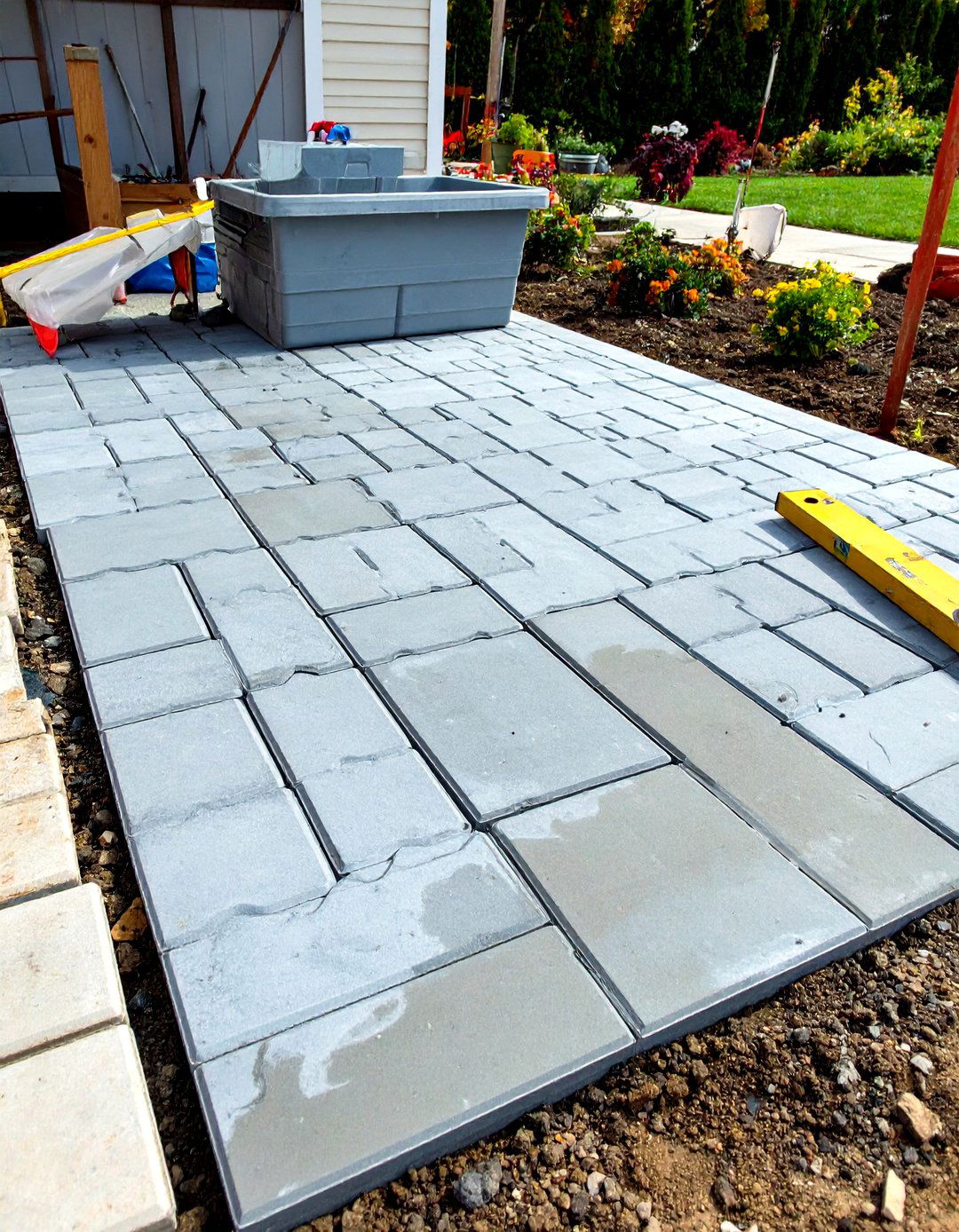
Achieve the old-world charm of a cobblestone patio on a shoestring budget using a concrete mold. These plastic molds, available at home improvement stores, allow you to create the look of individual cobblestones using ready-mix concrete. You place the mold on a leveled patch of ground, fill it with concrete, smooth the top, and then lift the mold to reveal the pattern. You then repeat the process, fitting the mold next to the previous section. This is a labor-intensive but incredibly cheap way to create a durable, custom-paved surface with a timeless European look.
18. River Rock Edging and Accents
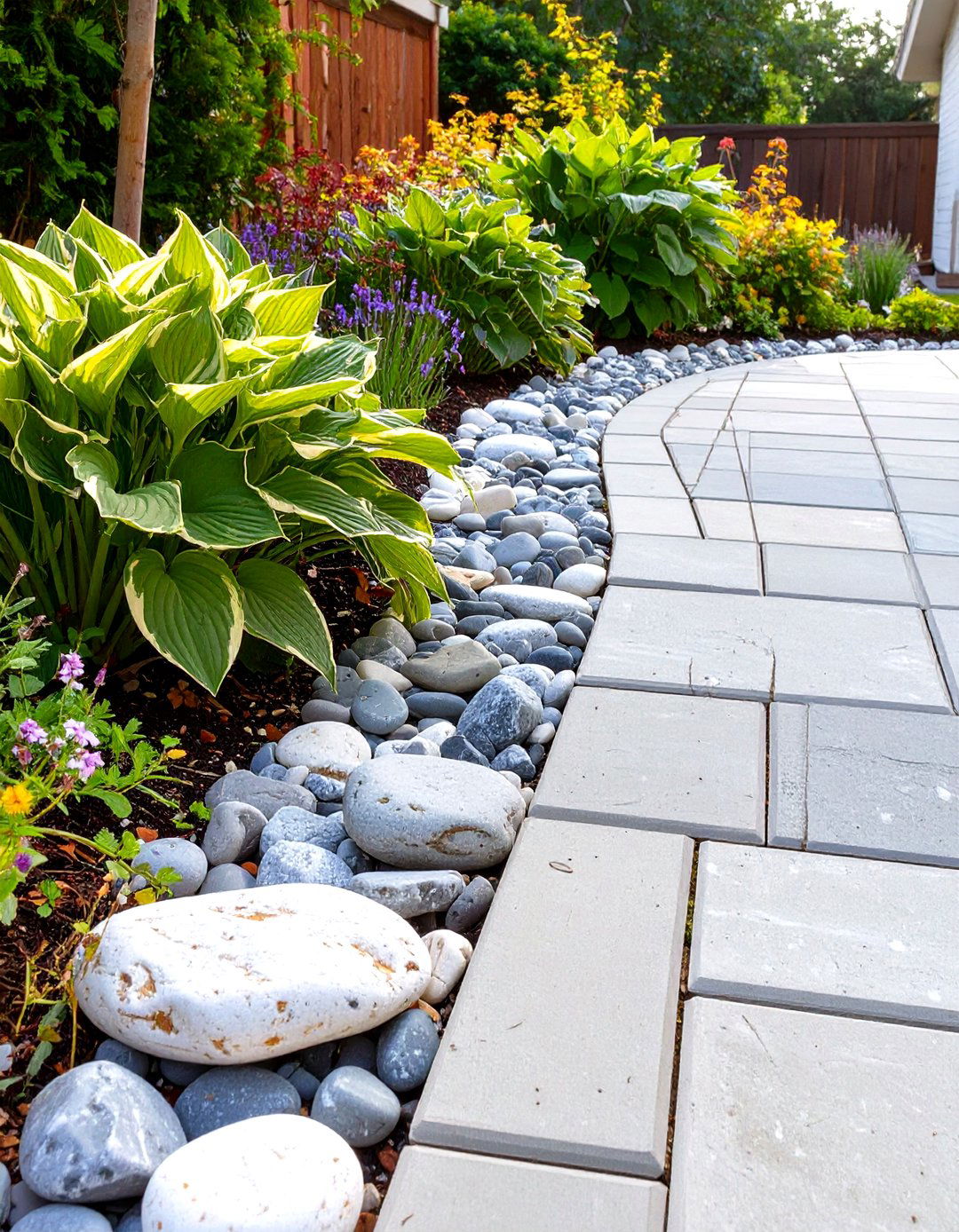
Enhance a simple paver or gravel patio by incorporating river rocks as an accent. Use these smooth, rounded stones to create a decorative border around the perimeter of your patio. This adds a natural, textural contrast to more uniform pavers and helps contain filler materials like gravel or sand. You can also create small accent areas or mosaics within a gravel patio using different colored river rocks. Bags of river rock are relatively inexpensive and can be used to add a high-end, custom touch to a basic design, elevating the entire look without a significant investment.
19. Building a Patio in Phases
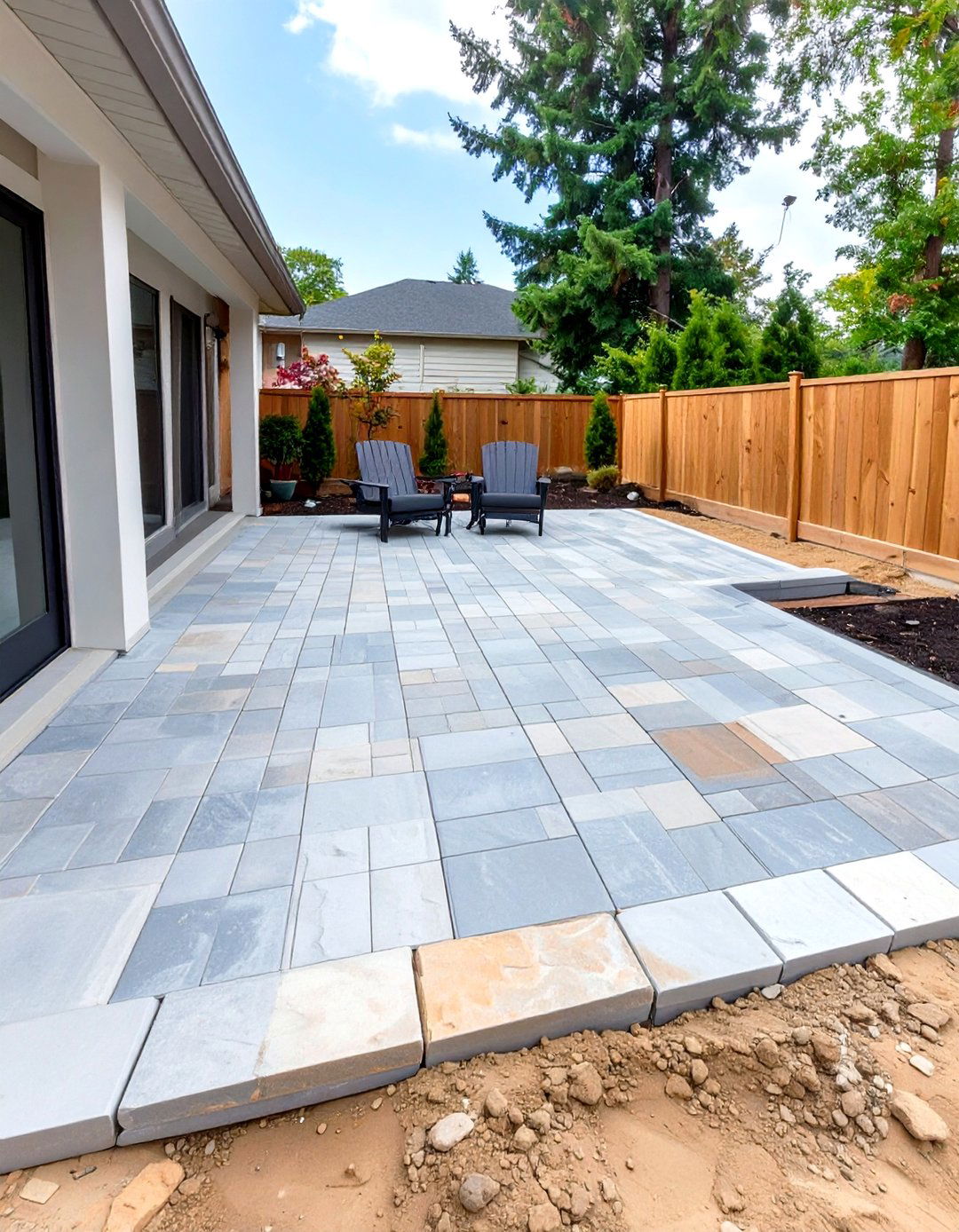
If your dream patio seems financially out of reach, consider building it in manageable phases. Start by installing a small, central section that’s large enough for a couple of chairs. Use this as your functional base. Then, as your budget allows, you can add to it over the following months or years. You might expand the paved area, add a stone border, or build a connecting walkway. This incremental approach makes a large project feel less overwhelming both physically and financially, allowing you to gradually achieve your vision without going into debt.

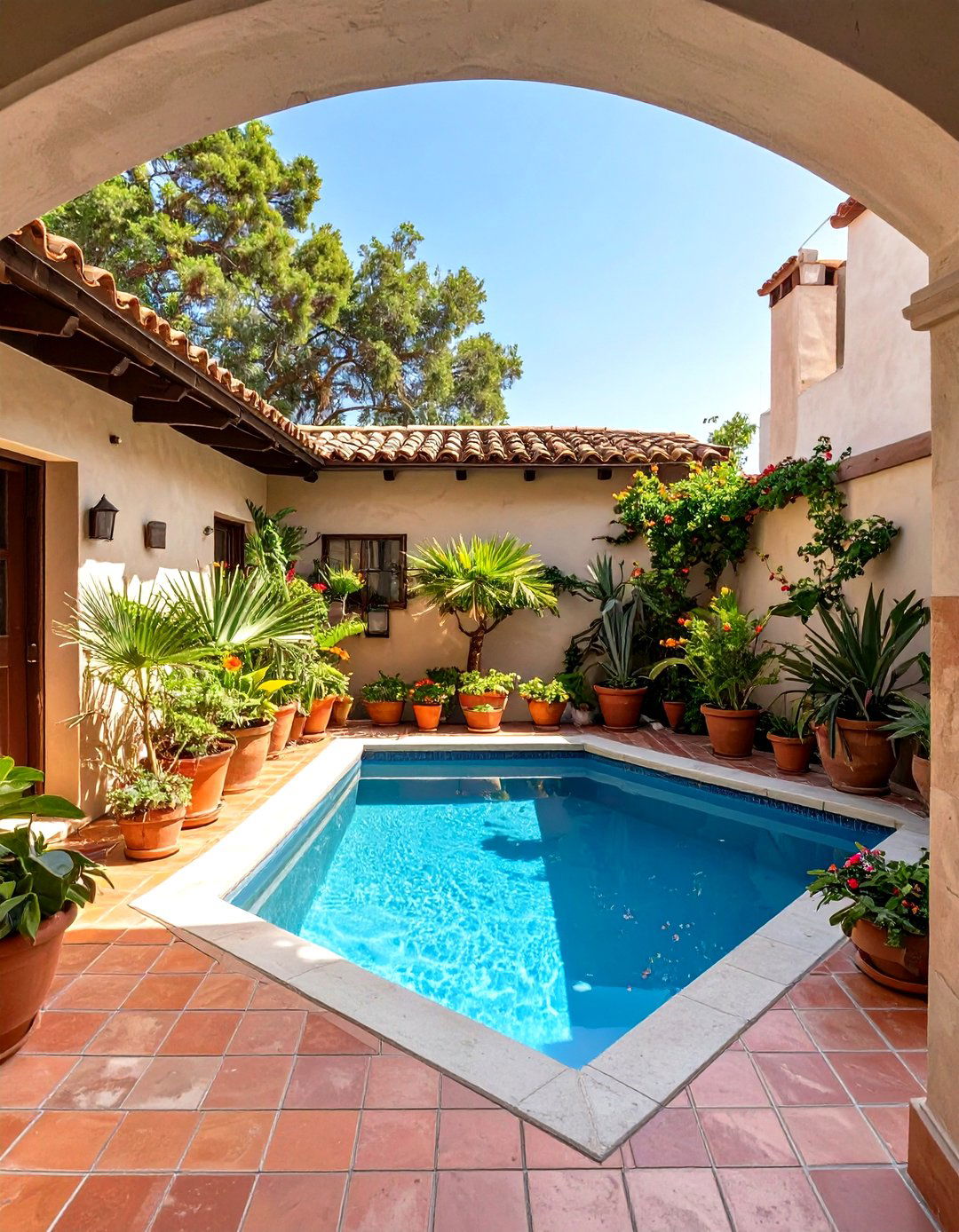
20. Small-Scale Slate Tile Patio
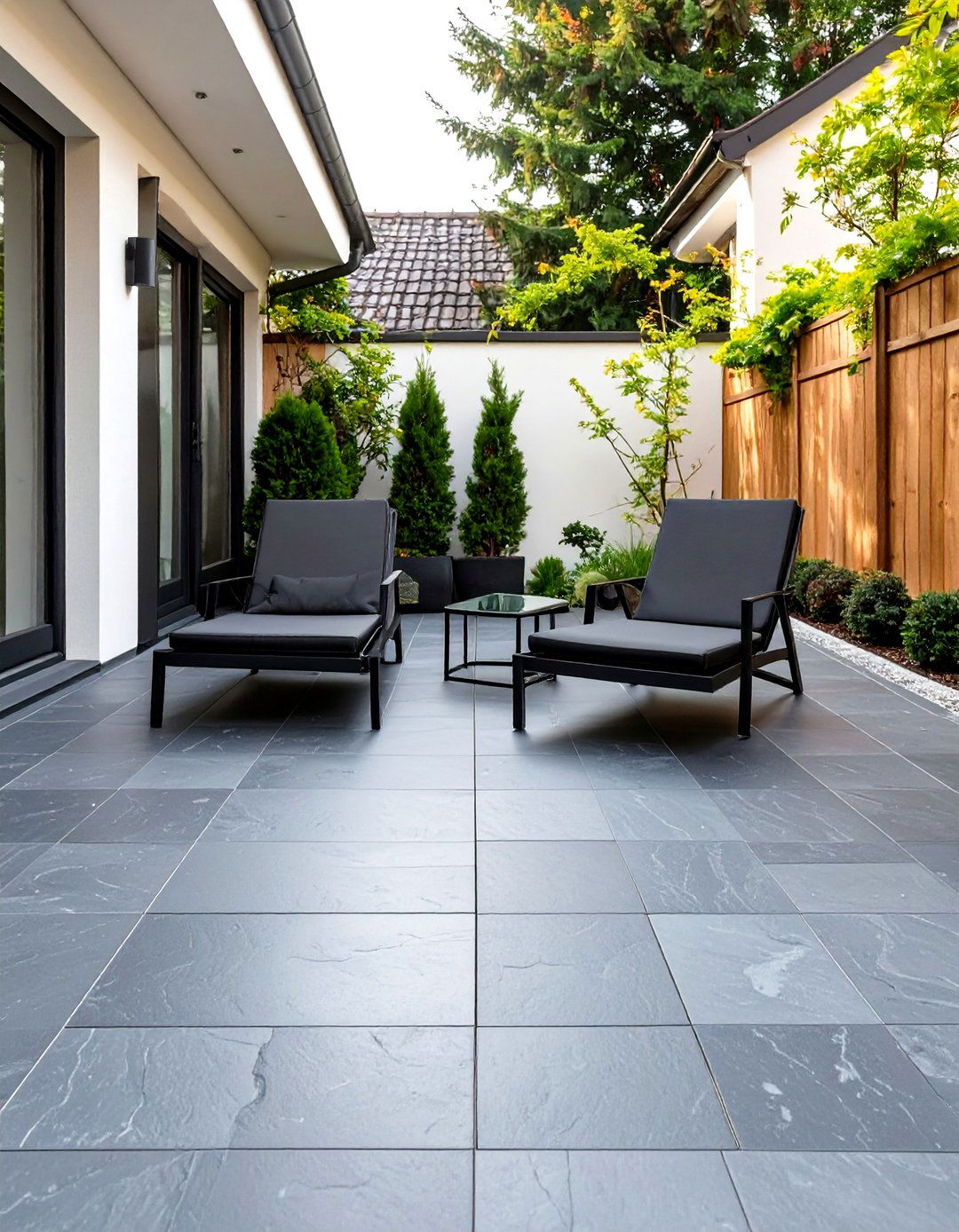
Slate tiles offer a sleek, modern look but can be pricey. To get the style without the cost, create a smaller, well-defined patio using affordable 12x12 or 16x16 inch slate tiles. A small, formal patio made from these tiles can serve as a sophisticated foundation for a bistro set or a pair of modern lounge chairs. By keeping the square footage minimal, you can afford the real material. Set them on a sand or fine gravel base for a dry-laid installation, or for a more permanent solution, lay them over an existing concrete slab to give it an instant, high-end upgrade.
21. Sand-Set Bluestone Patio
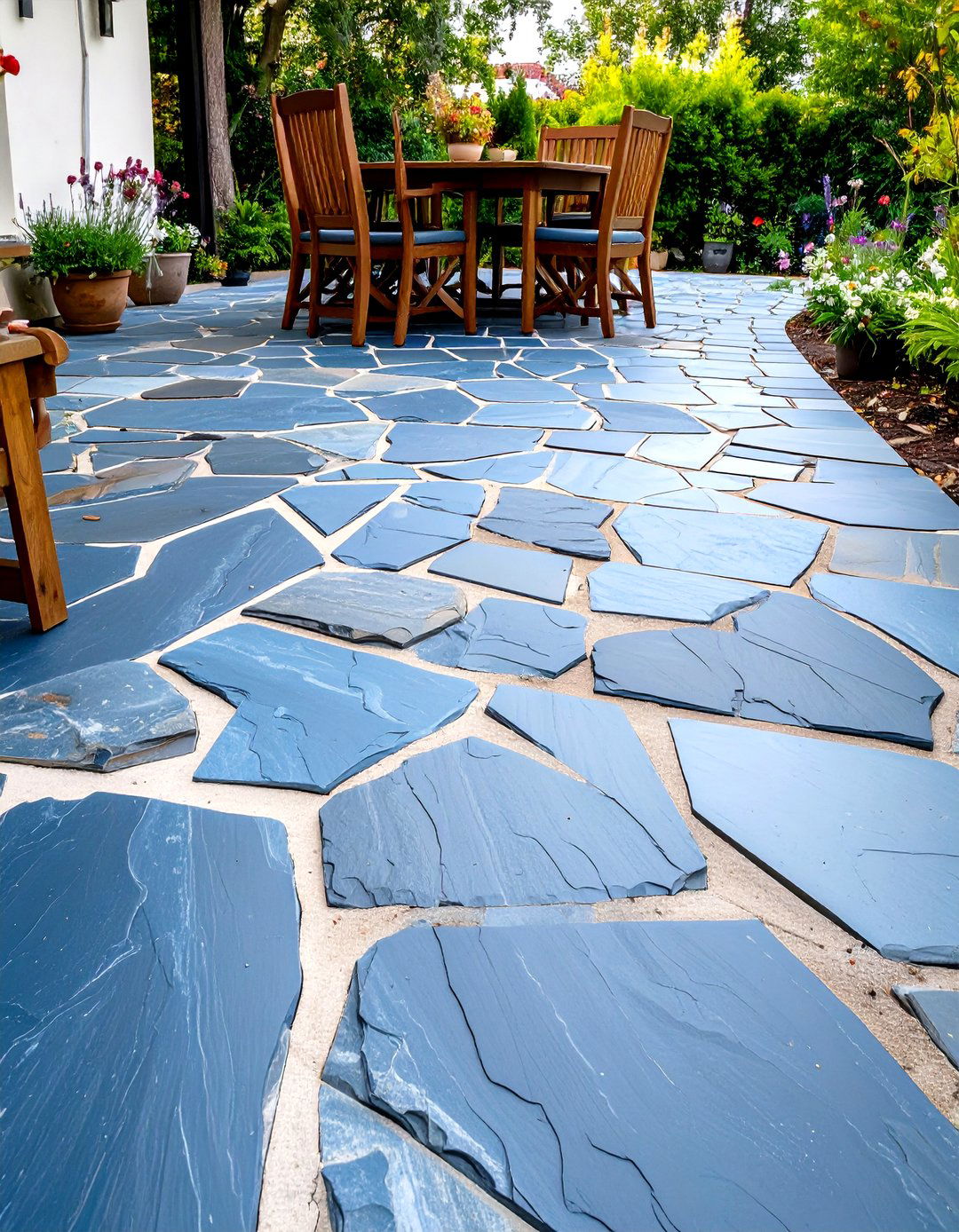
Bluestone is a coveted patio material, but it can be expensive. To make it more affordable, look for irregular or "stand-up" bluestone pieces, which are often sold at a lower price than uniform rectangular cuts. Installing them using the sand-set (dry-laid) method further reduces costs by eliminating mortar and specialized labor. You prepare a level base of compacted gravel and a layer of sand, then fit the irregular stones together like a puzzle. The natural cleft surface and varied colors of bluestone provide a rich, organic look that is both timeless and durable.
22. A Circular Stone Fire Pit Patio
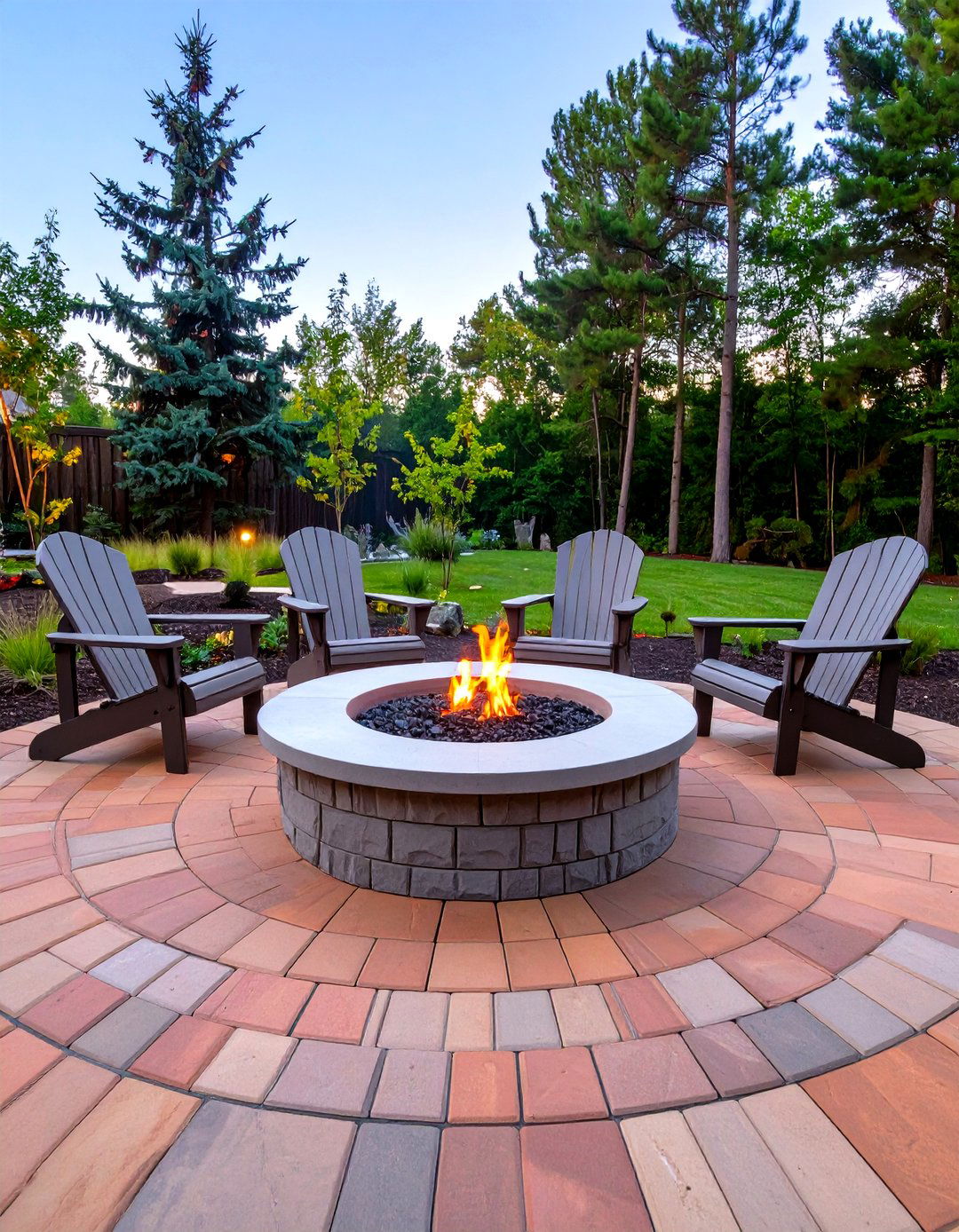
Create a natural gathering spot by designing a simple circular patio around a fire pit. This design often requires fewer materials than a square or rectangular patio of a similar functional size. You can use affordable cast concrete wall blocks to build the fire pit ring itself. For the patio surface, lay inexpensive concrete pavers or irregular flagstones in a circular pattern around the pit. The gaps can be filled with sand or pea gravel. This focused design creates a highly functional and inviting feature for your backyard without the expense of paving a much larger area.
23. Budget-Friendly Retaining Wall Seating
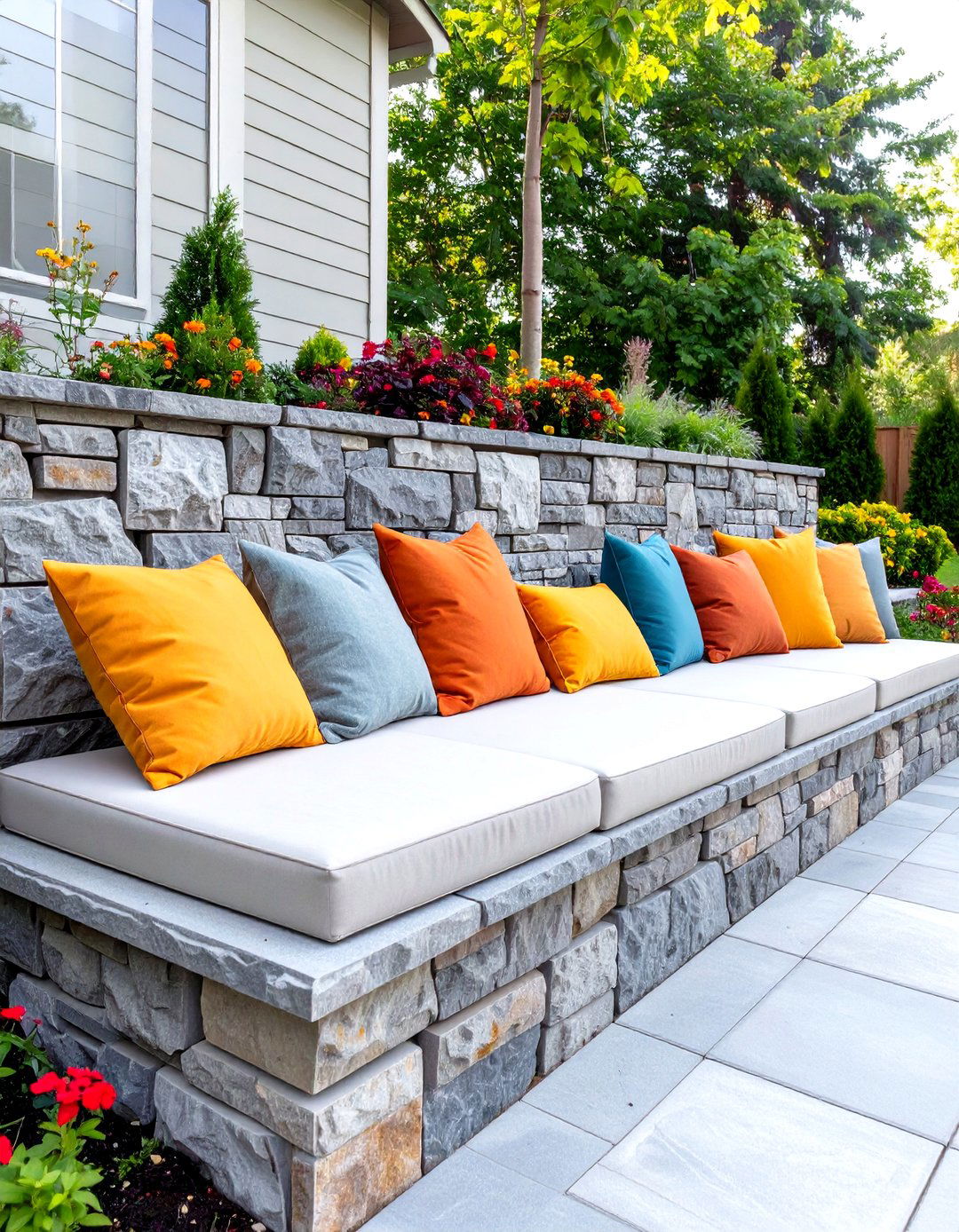
Integrate seating directly into your patio design to save on furniture costs. If your patio is on a slight slope, you can build a low, budget-friendly retaining wall along one or two sides using inexpensive cast concrete blocks. Make the wall about 18-20 inches high and cap it with flat stones or wooden planks to create durable, built-in bench seating. This not only provides ample seating but also helps define the patio space and manage changes in elevation. It's a dual-purpose feature that adds value and functionality while keeping overall project costs down.
24. Using Leftover Construction Materials
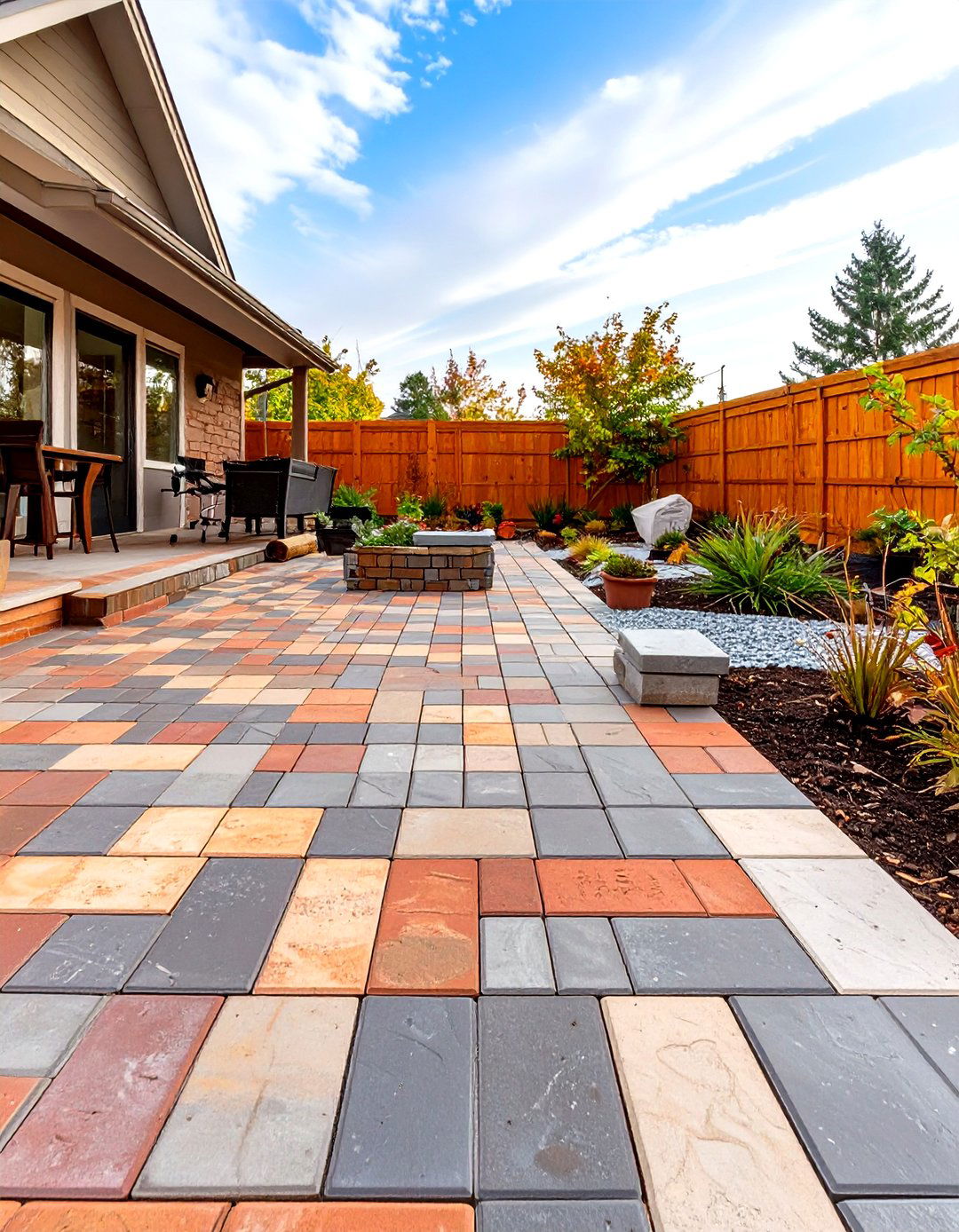
Keep an eye out for leftover materials from local construction projects. Builders often have extra pavers, bricks, or stone blocks they need to dispose of and may be willing to give them to you for free or a very low price. Visiting new housing developments (and asking the site manager) or connecting with contractors can be a great way to source high-quality materials. This requires some legwork and a bit of luck, but you could acquire premium materials for your patio project at a deep discount, turning someone else's surplus into your beautiful outdoor space.
25. Minimalist Stone and Grass Patio
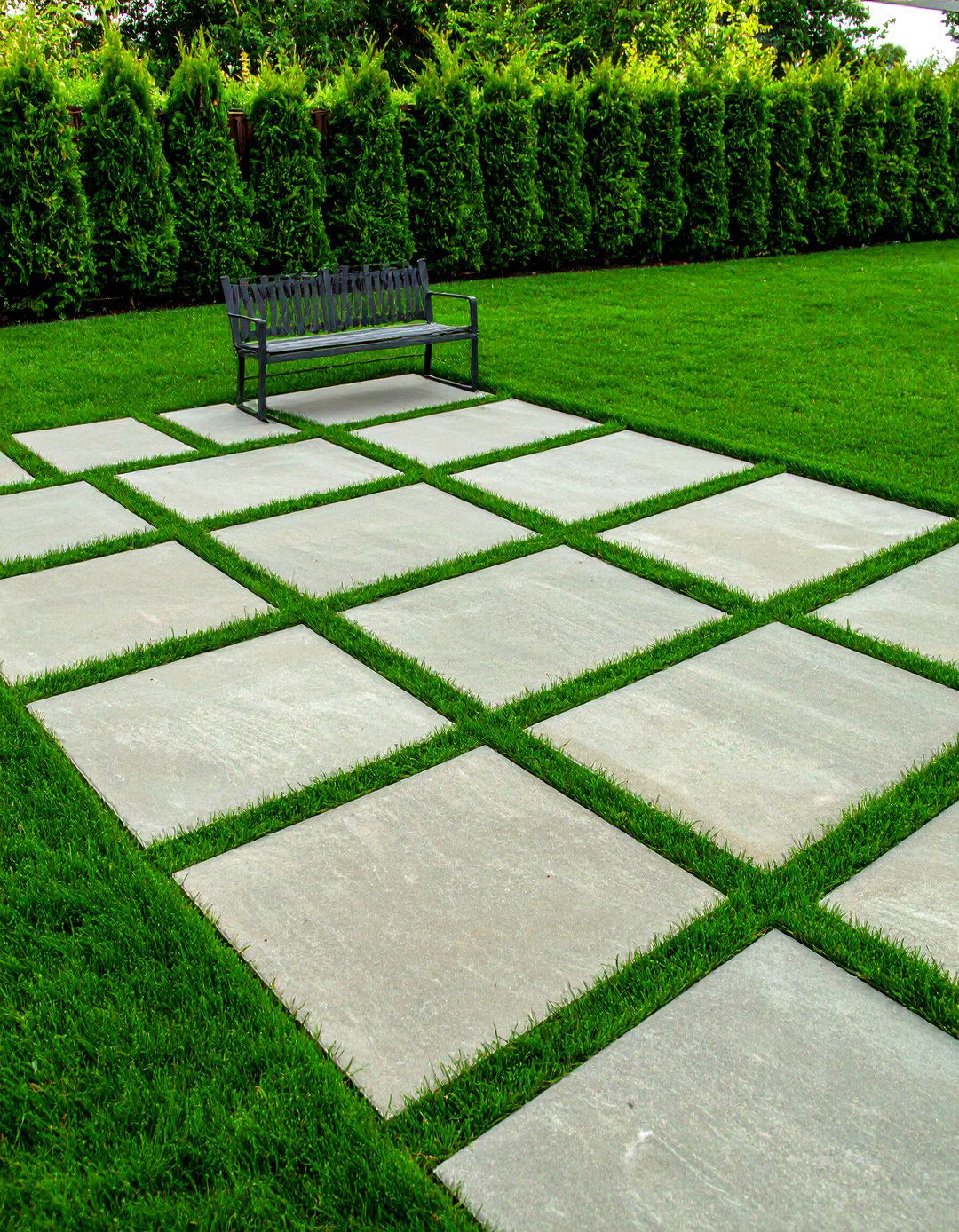
Embrace a minimalist design by creating a patio where grass grows between large, widely spaced paving stones. This checkerboard or geometric style integrates the patio directly into the lawn, creating a soft, green, and modern look. The key is to use large, simple square or rectangular pavers and space them several inches apart. This design significantly reduces the number of pavers needed and eliminates the cost of filler materials like sand or gravel. It’s a chic, contemporary look that is easy to maintain with a lawnmower and provides a permeable, eco-friendly surface.
26. Concrete Stepping Stone Molds
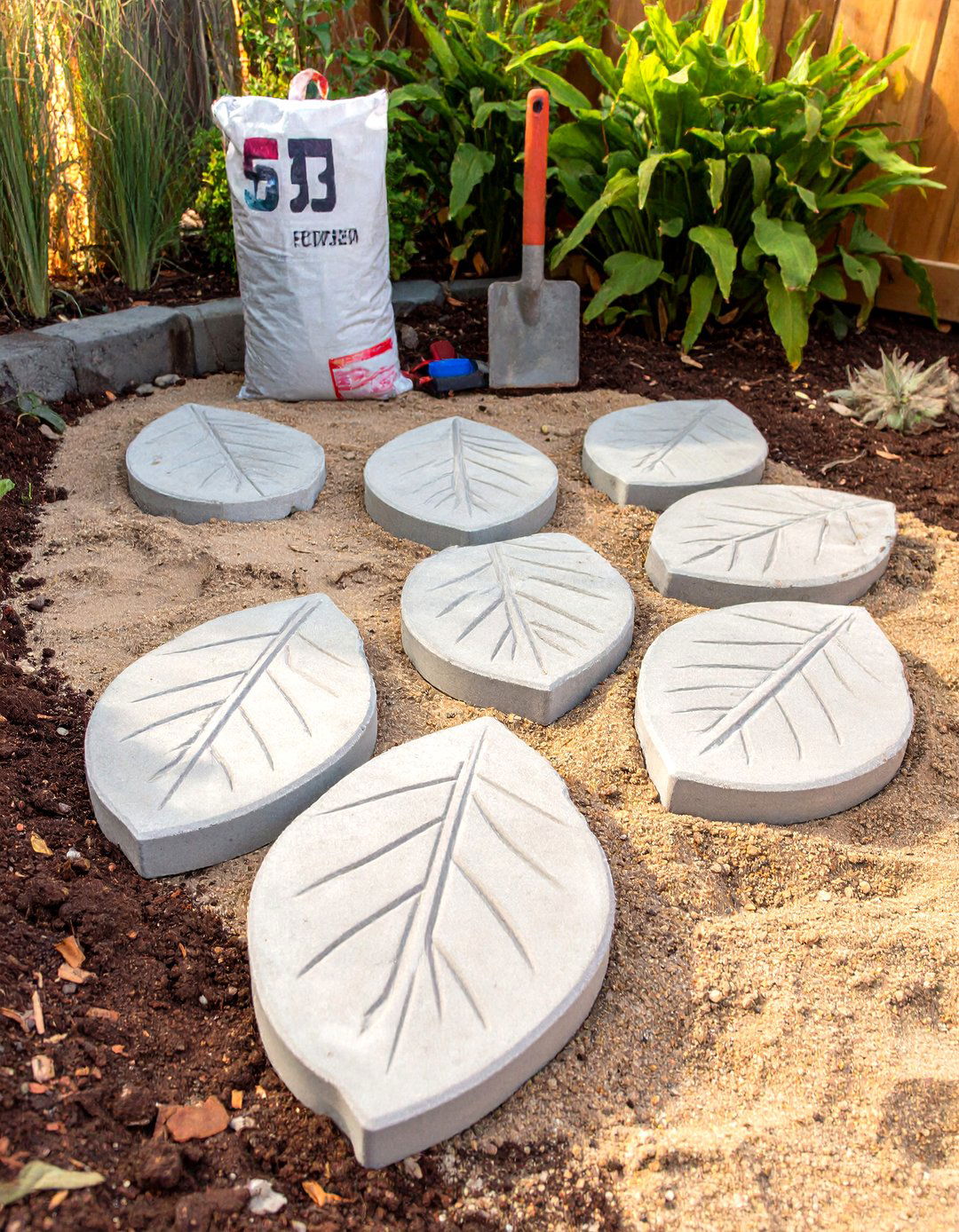
If you enjoy DIY projects, crafting your own stepping stones using concrete molds is an incredibly cheap way to build a patio. You can buy pre-made molds in various shapes, from classic circles to whimsical leaves, or even build your own simple square frame from wood. Mix bags of concrete, pour them into the molds, and let them cure. You can add concrete colorant to the mix for custom shades. Once you have enough stones, you can arrange them on a sand base or set them into your lawn to create a charming, handcrafted patio path or seating area.
27. Interlocking Concrete Pavers
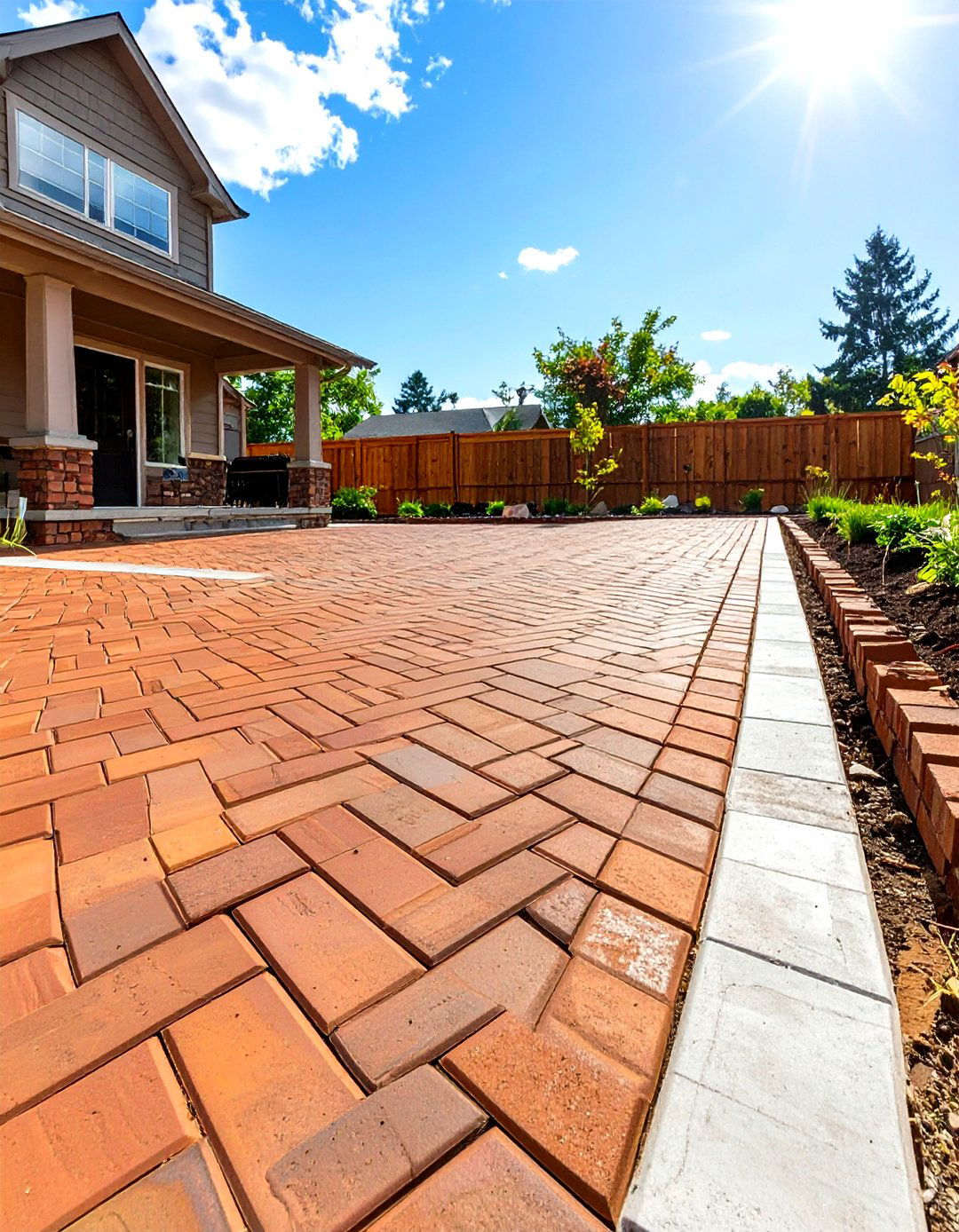
Interlocking concrete pavers are designed for easy, mortar-free installation, making them a great choice for a budget DIY project. Their shape allows them to fit snugly together, creating a stable, durable surface without the need for complex jointing. Available in many styles and colors, they are a cost-effective alternative to natural stone. Preparing a solid, level base of sand and gravel is the most critical step. Once the base is ready, laying the pavers is a relatively quick process. This system creates a professional-looking patio that can withstand heavy use and shifting ground.
28. Flagstone Over an Existing Concrete Slab
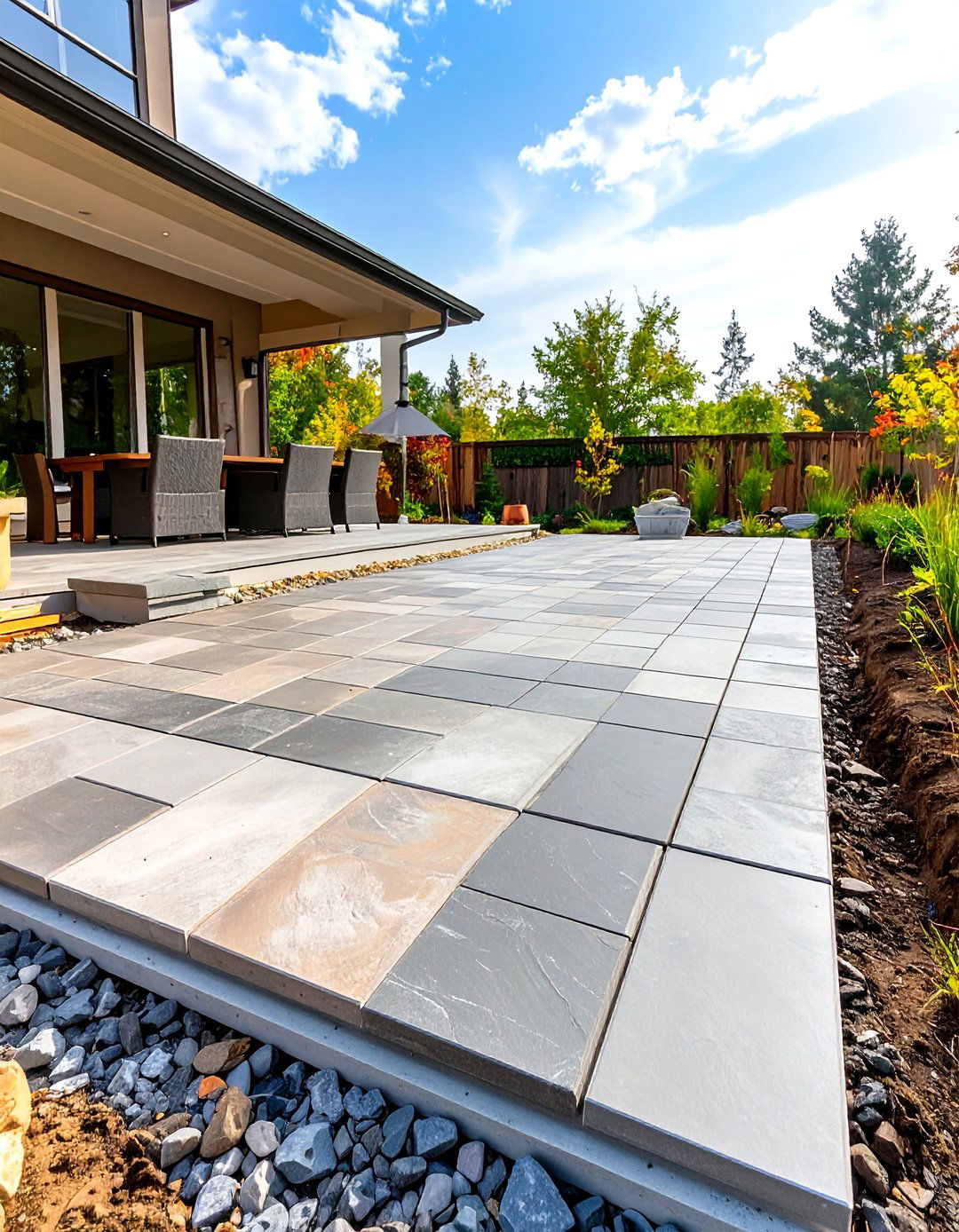
If you have an old, cracked, or boring concrete slab, you can give it a major facelift without the expense of demolition. A great budget option is to lay thin flagstone or slate tiles directly over the existing concrete using a strong exterior-grade adhesive or a thin layer of mortar. This process, called overlaying, completely transforms the look of the space, covering imperfections and providing the beautiful texture and color of natural stone. It saves a huge amount of labor and disposal costs associated with removing the old slab.
29. A Zen Garden Inspired Stone Patio
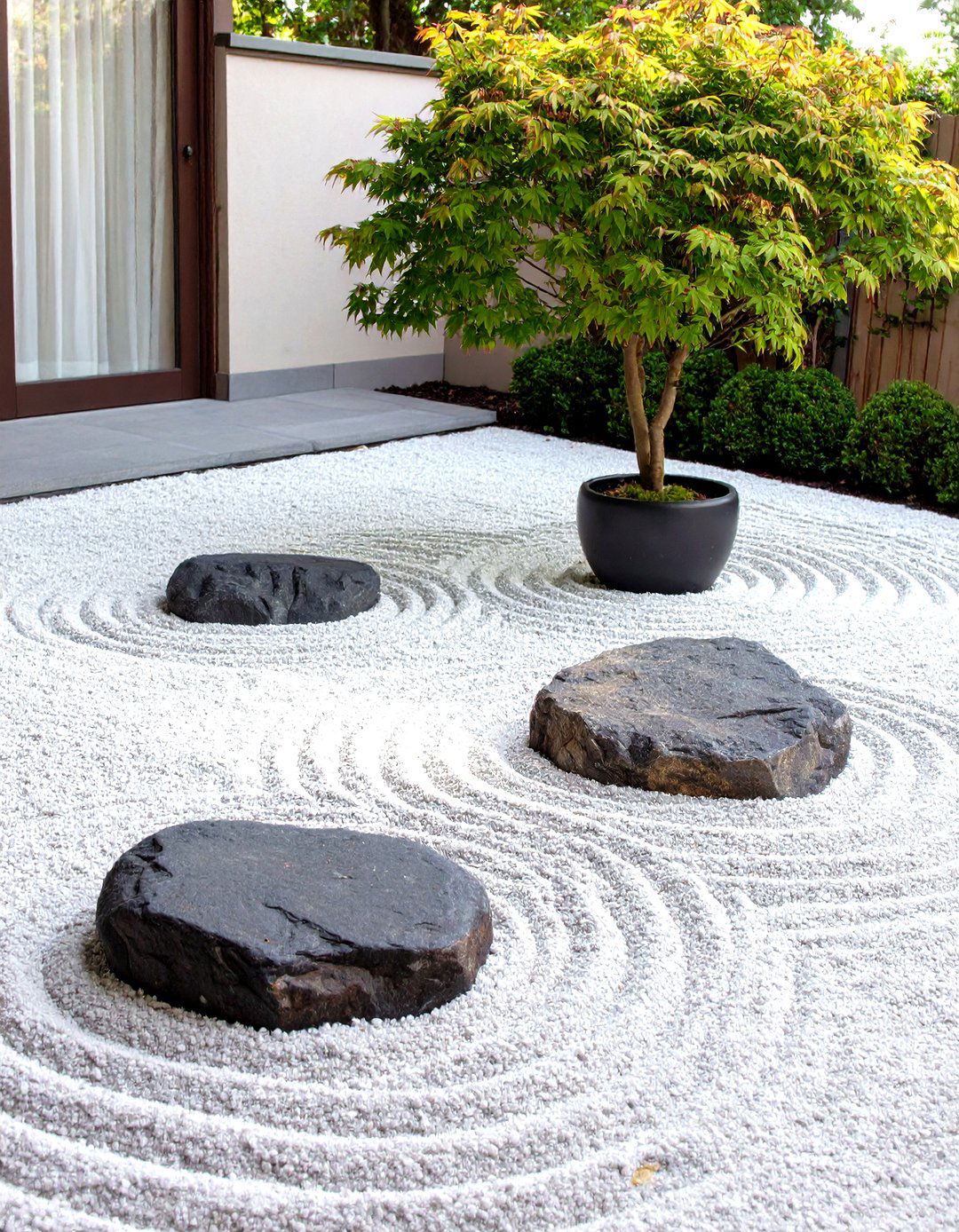
Create a tranquil, meditative space with a Zen garden-inspired patio. This design relies on minimalism and the careful placement of elements. Use a large area of inexpensive light-colored gravel or sand as your base, raking it into calming patterns. Then, strategically place a few large, beautiful stones or flat-topped boulders to serve as natural seating or focal points. You might add a single, elegant Japanese maple in a container. This style is more about thoughtful arrangement than covering a large area with expensive paving, making it a profoundly peaceful and budget-conscious choice.
30. Using Tumbled Pavers for a Weathered Look
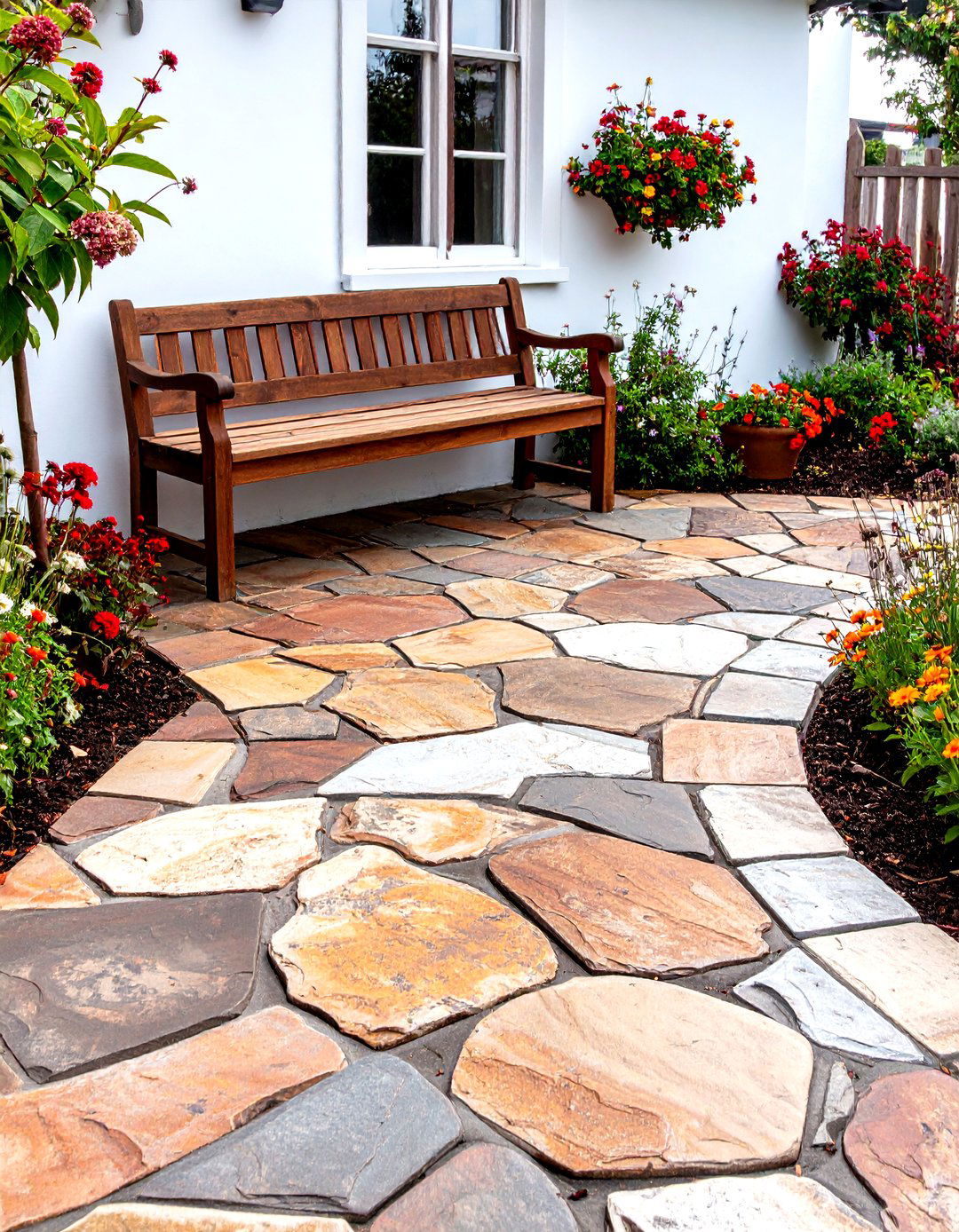
For a patio that looks like it has been there for centuries, use tumbled concrete pavers. These pavers are put through a process that rounds their edges and gives them a soft, weathered appearance, mimicking the look of aged, reclaimed cobblestones. They are significantly cheaper than authentic reclaimed stone but provide a very similar rustic charm. Lay them in a random or curving pattern on a sand base to enhance the organic, time-worn feel. This is an excellent way to get a high-end, historic look for your patio while sticking to a strict budget.
Conclusion:
Building a stylish and functional stone patio on a budget is entirely achievable with the right approach. By focusing on affordable materials like gravel, concrete pavers, and salvaged stone, you can drastically cut costs. DIY-friendly techniques such as dry-laying and building in phases make the project more manageable and eliminate labor expenses. Whether you choose a minimalist design with grass and stepping stones or a rustic mosaic of stone remnants, a beautiful outdoor oasis is within reach. These ideas prove that creativity, resourcefulness, and a little bit of effort are the most valuable tools for your project.

Related posts:



Leave a Reply