
Railway sleepers bring warmth, structure, and rustic character to an otherwise ordinary driveway. Their substantial timber form can contain loose gravel, support raised planting beds, retain sloping soil, frame parking areas, or create a memorable entrance. They also complement many surfaces, including asphalt, pavers, resin-bound gravel, and poured concrete. New landscape-grade sleepers offer a cleaner, more uniform finish, while responsibly sourced reclaimed timbers create a weathered country look. Good installation is essential because driveway edges must withstand moisture, soil pressure, and frequent vehicle movement. The following 20 Railway Sleepers Driveway Ideas combine practical layouts, attractive materials, defined borders, and coordinated landscaping to help you design a complete front-yard approach.

1. Gravel Driveway With Railway Sleeper Edging
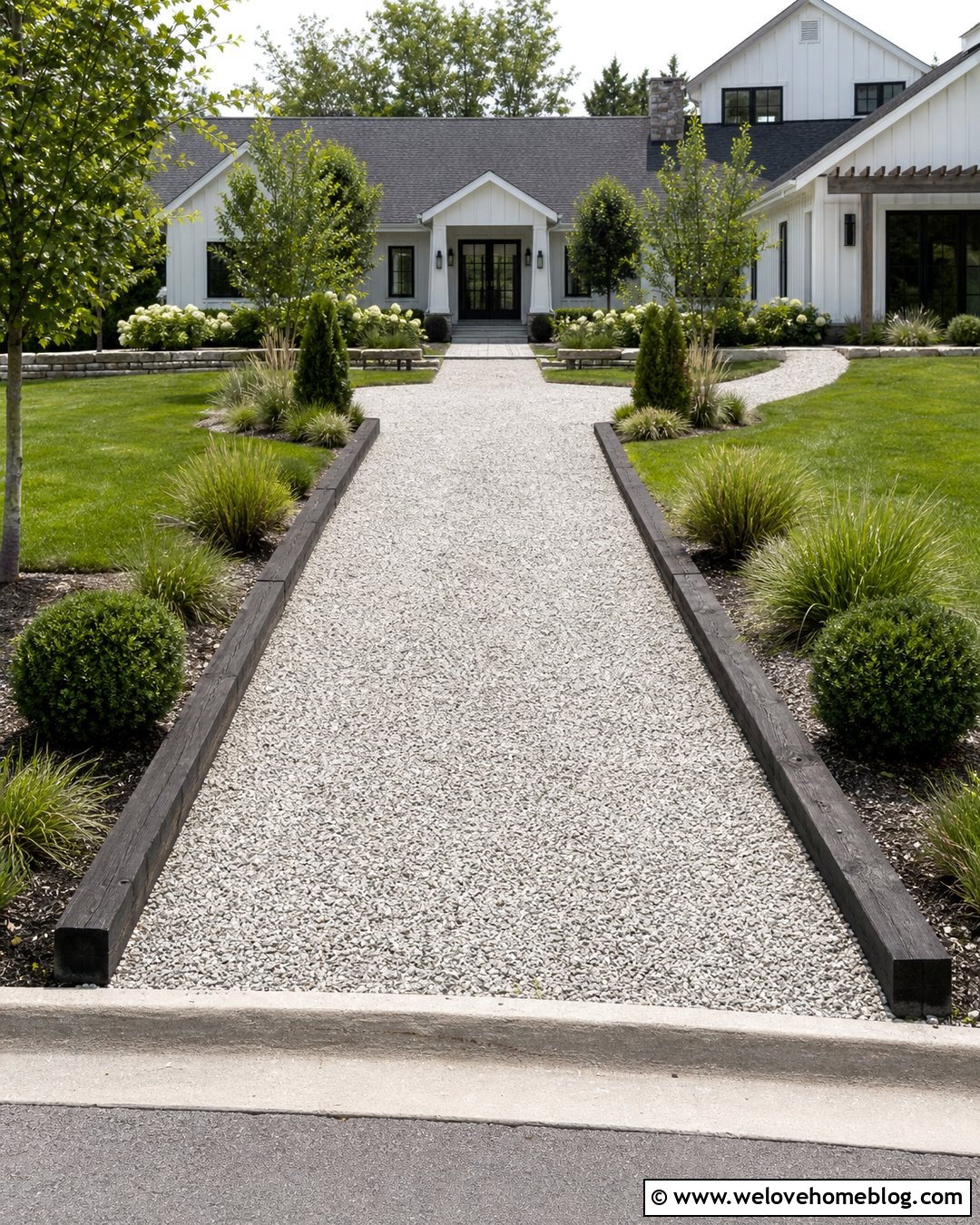
A pale gravel surface framed by dark railway sleepers creates a crisp, practical driveway with natural character. Lay the sleepers horizontally along both sides to keep loose aggregate from spreading into the lawn and planting beds. A straight layout works especially well for ranch homes, cottages, and modern farmhouses. Use compacted angular gravel for the driving area rather than soft, rounded stones that move easily beneath tires. At the entrance, continue the timber edging around gently curved flower beds filled with ornamental grasses and low evergreen shrubs. A matching gravel walkway can branch toward the front door. Set the sleepers securely on a prepared base so the border remains level and visually consistent.
2. Curved Driveway With Railway Sleeper Borders
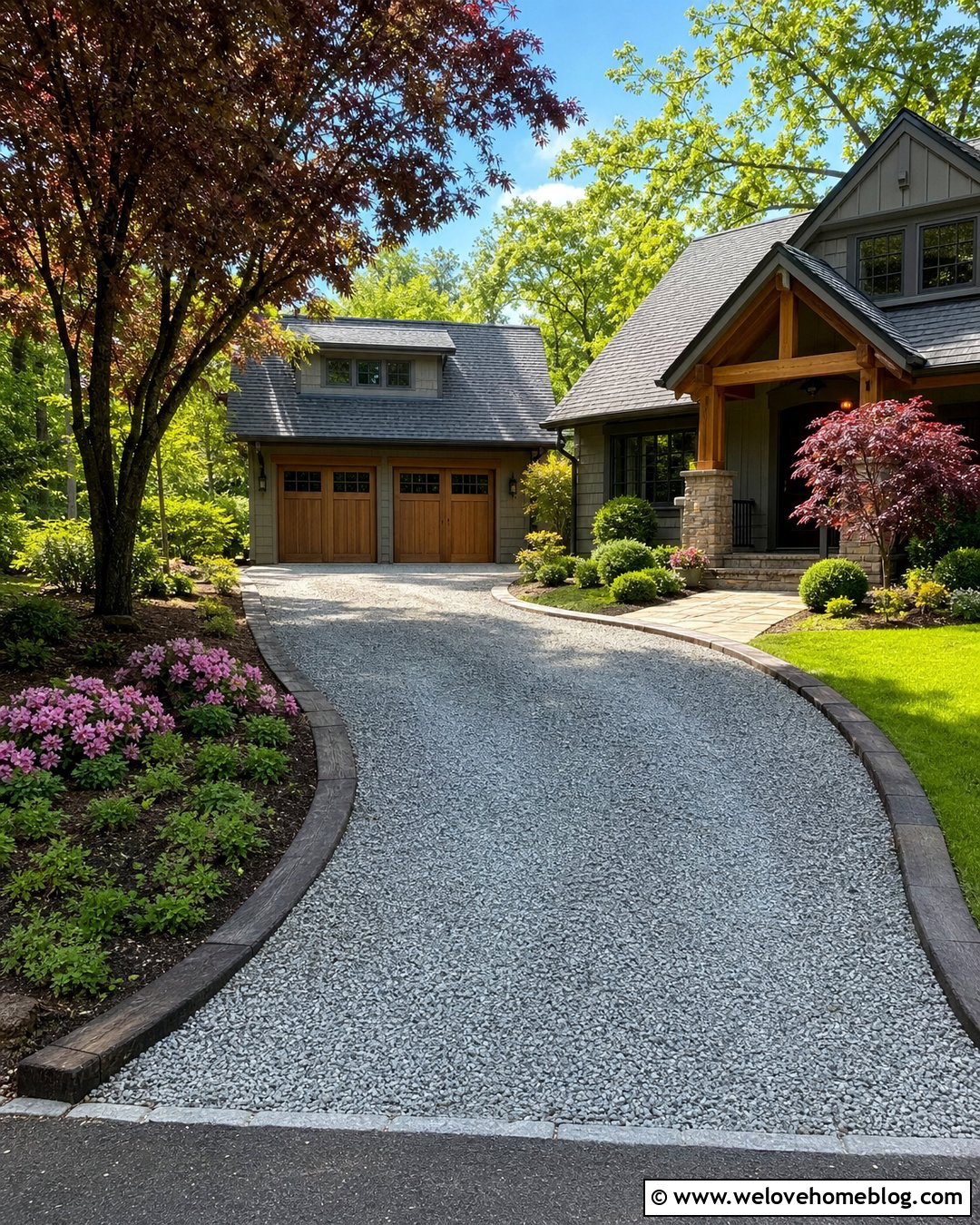
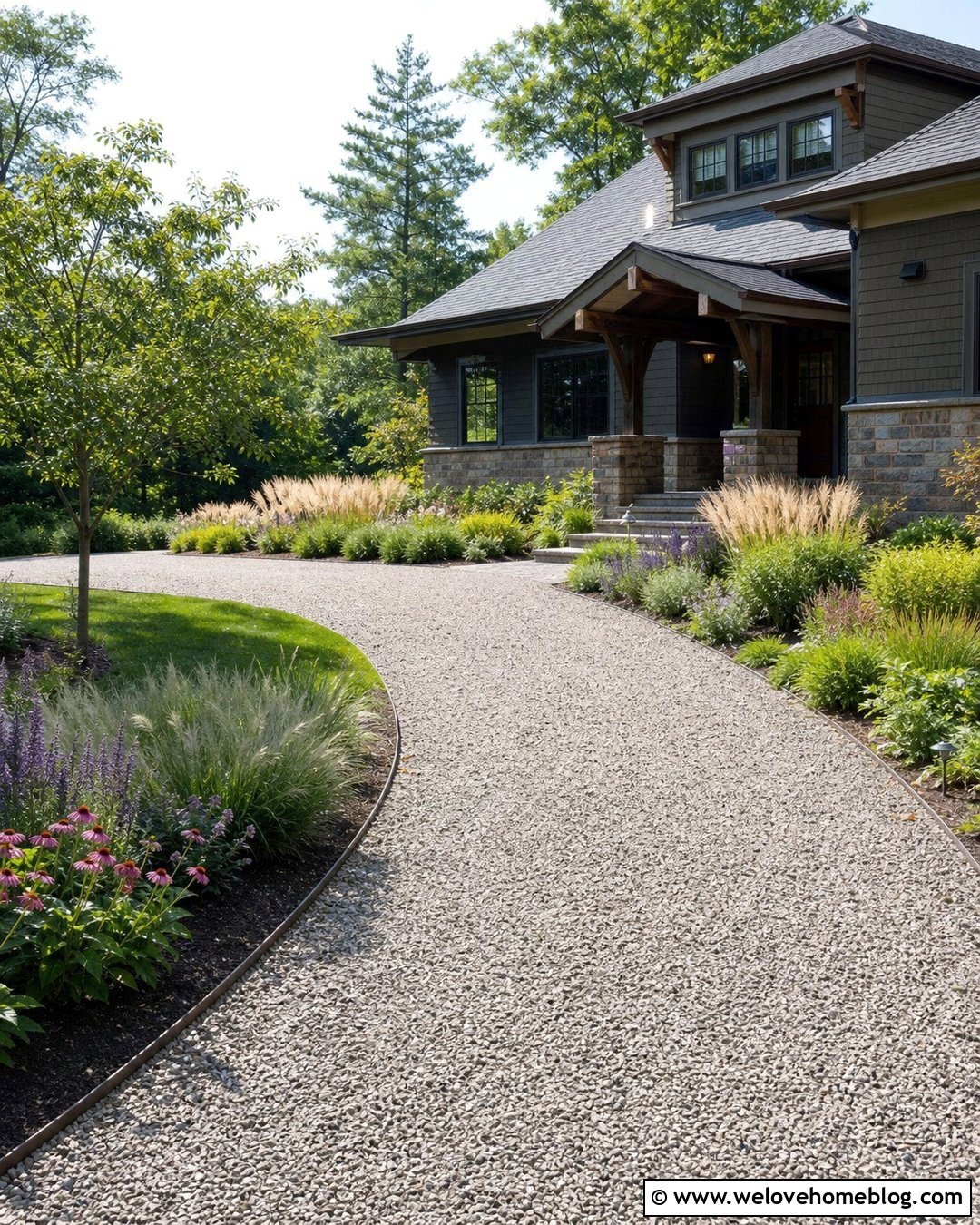
Does your driveway need to flow around a tree, garden, or awkward corner? A curved gravel driveway bordered with railway sleepers can make the route feel intentional instead of restricted. Create the curve with shorter sleeper sections, carefully aligned to form a smooth sequence rather than a sharp, uneven edge. Warm brown timbers look especially appealing beside gray crushed stone and a green lawn. On the outside of the curve, add a broad planting bed with flowering shrubs, ground cover, and small ornamental trees. Keep plants low near the street so drivers retain a clear view. This complete design suits craftsman homes and wooded properties where straight concrete would appear too rigid or formal.
3. Sloped Driveway With Railway Sleeper Retaining Walls
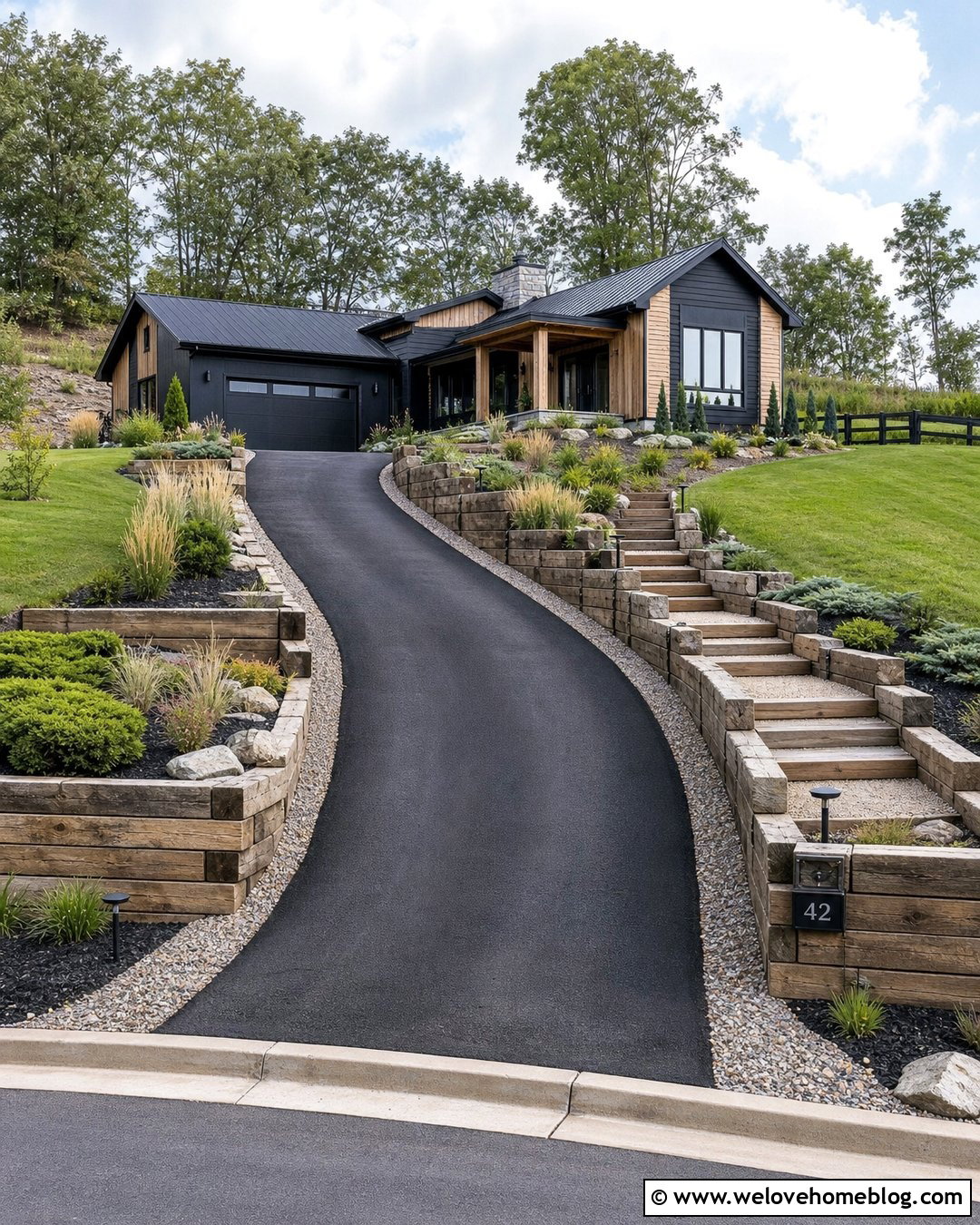
A sloping front yard often leaves exposed banks beside the driveway. Stacked railway sleepers can transform those difficult areas into structured retaining walls and tiered planting beds. Pair the timber walls with a durable asphalt or compacted gravel driveway that follows the natural grade toward the house. Properly designed drainage behind each wall is important because trapped water can increase pressure and shorten the timber’s life. Plant the terraces with spreading juniper, ornamental grasses, and erosion-resistant ground cover. Integrate wide sleeper steps into one side for a pedestrian route to the front yard. Because vehicle loads and taller retaining structures require careful engineering, use an experienced landscape contractor for complex or heavily sloped sites.
4. Modern Driveway With New Oak Sleepers
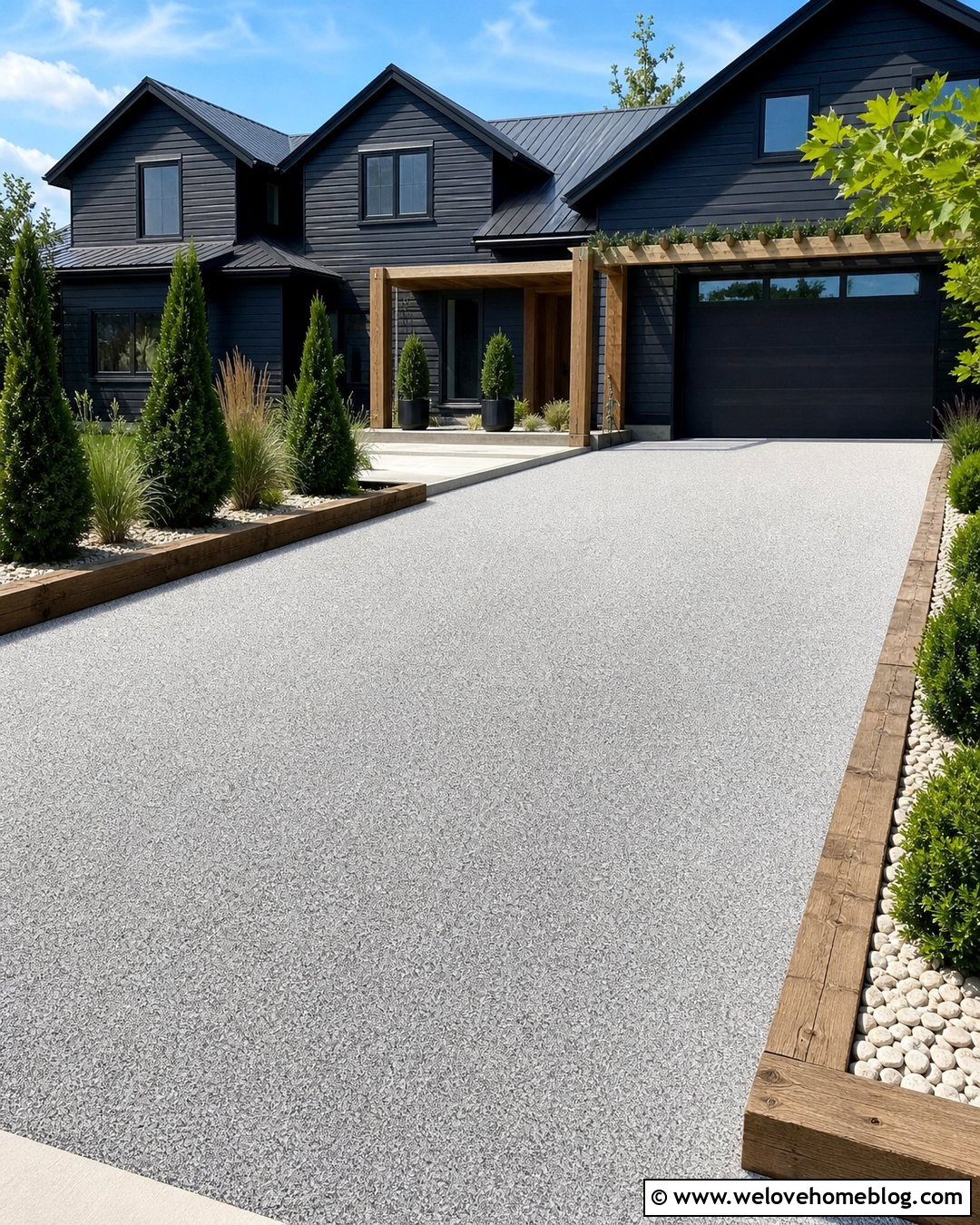
Clean new oak sleepers can work beautifully in a contemporary front yard when their lines are simple and restrained. Frame a light gray resin-bound gravel driveway with long horizontal timbers installed at a consistent height. The warm oak softens the smooth surface without making the design look overly rustic. Use a straight driveway layout leading toward a modern house with dark siding, pale stucco, or mixed cladding. Narrow planting beds filled with clipped grasses, compact evergreens, and pale decorative stone reinforce the orderly appearance. Avoid crowded flower combinations and irregular timber placement. Concealed fixings and precise corner joints will produce a more polished finish. Low-profile lighting can be integrated nearby for visibility without distracting from the minimalist composition.
5. Rustic Driveway With Reclaimed Railway Sleepers
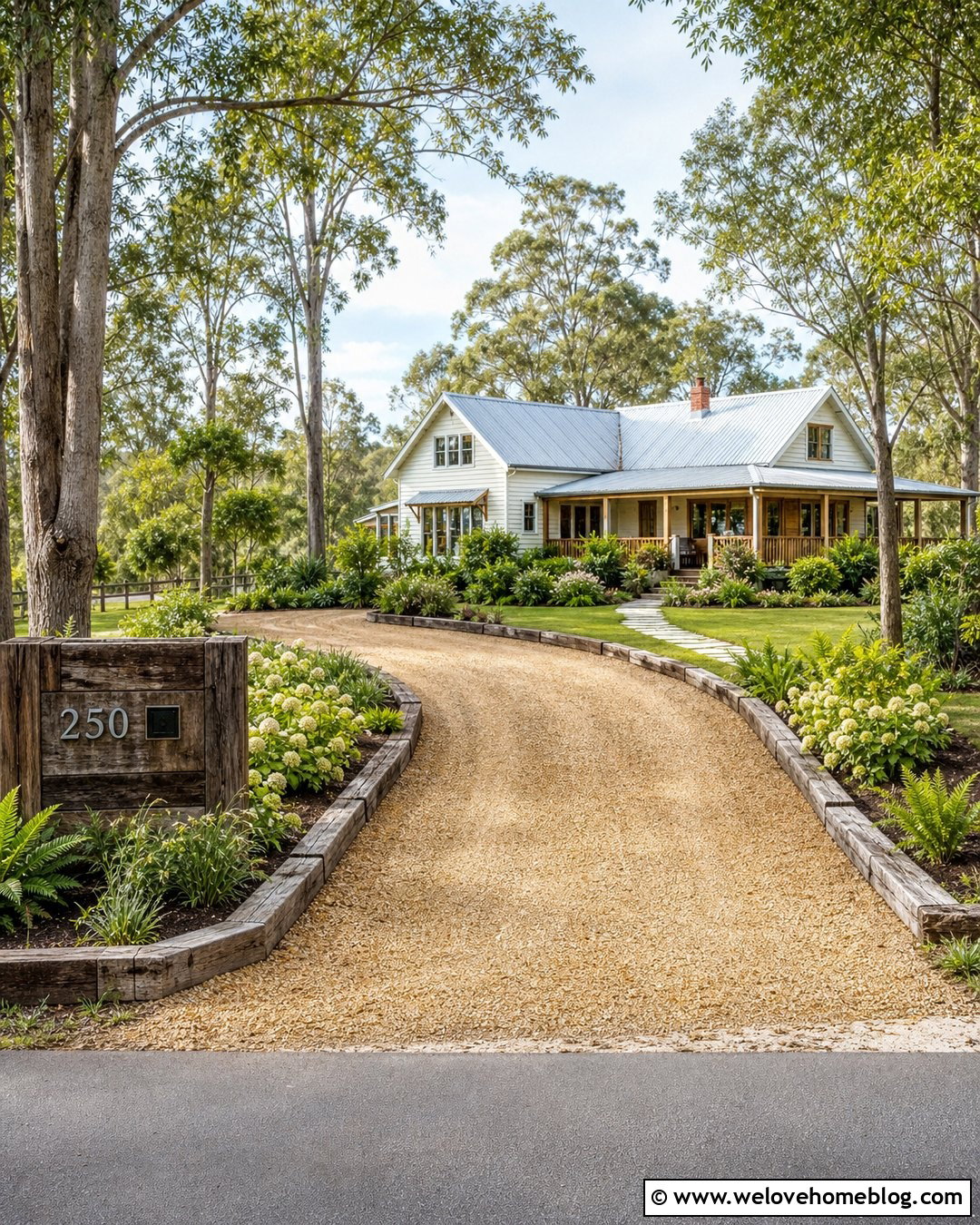
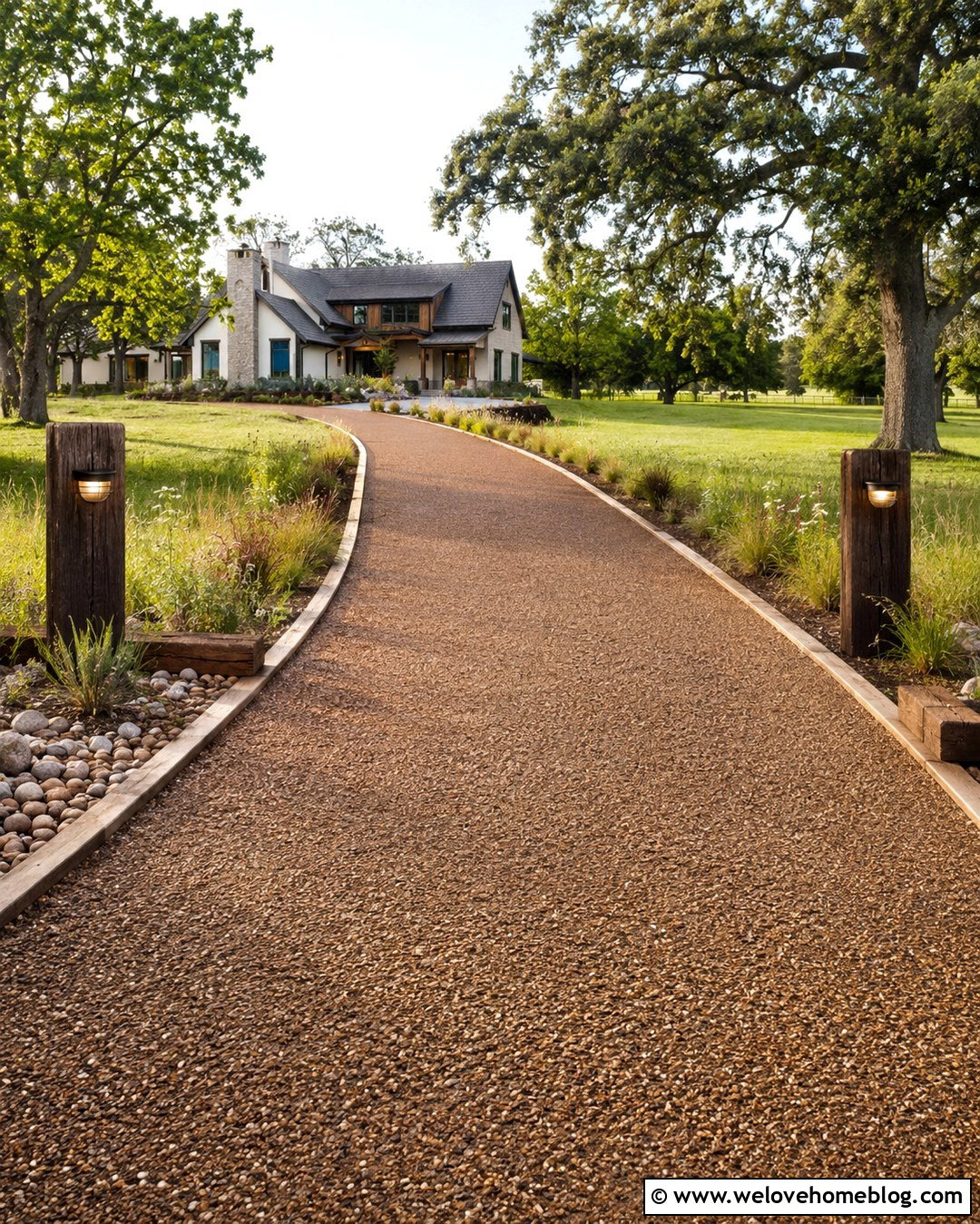
Weathered railway sleepers are a natural match for a country driveway surrounded by mature trees and informal planting. Their worn edges, dark tones, and visible grain provide an established appearance that newer materials cannot easily reproduce. Combine them with warm buff gravel in a long, gently curving layout leading to a farmhouse or cottage. Use the sleepers as low horizontal borders, then repeat the timber at the entrance in decorative posts or a simple address feature. Native grasses, hydrangeas, ferns, and loose flowering borders can soften the substantial wood. Select reclaimed material carefully and reserve questionable chemically treated pieces for locations away from edible gardens, frequent skin contact, and areas where residue could become a concern.
6. Railway Sleeper Raised Beds Along Driveway
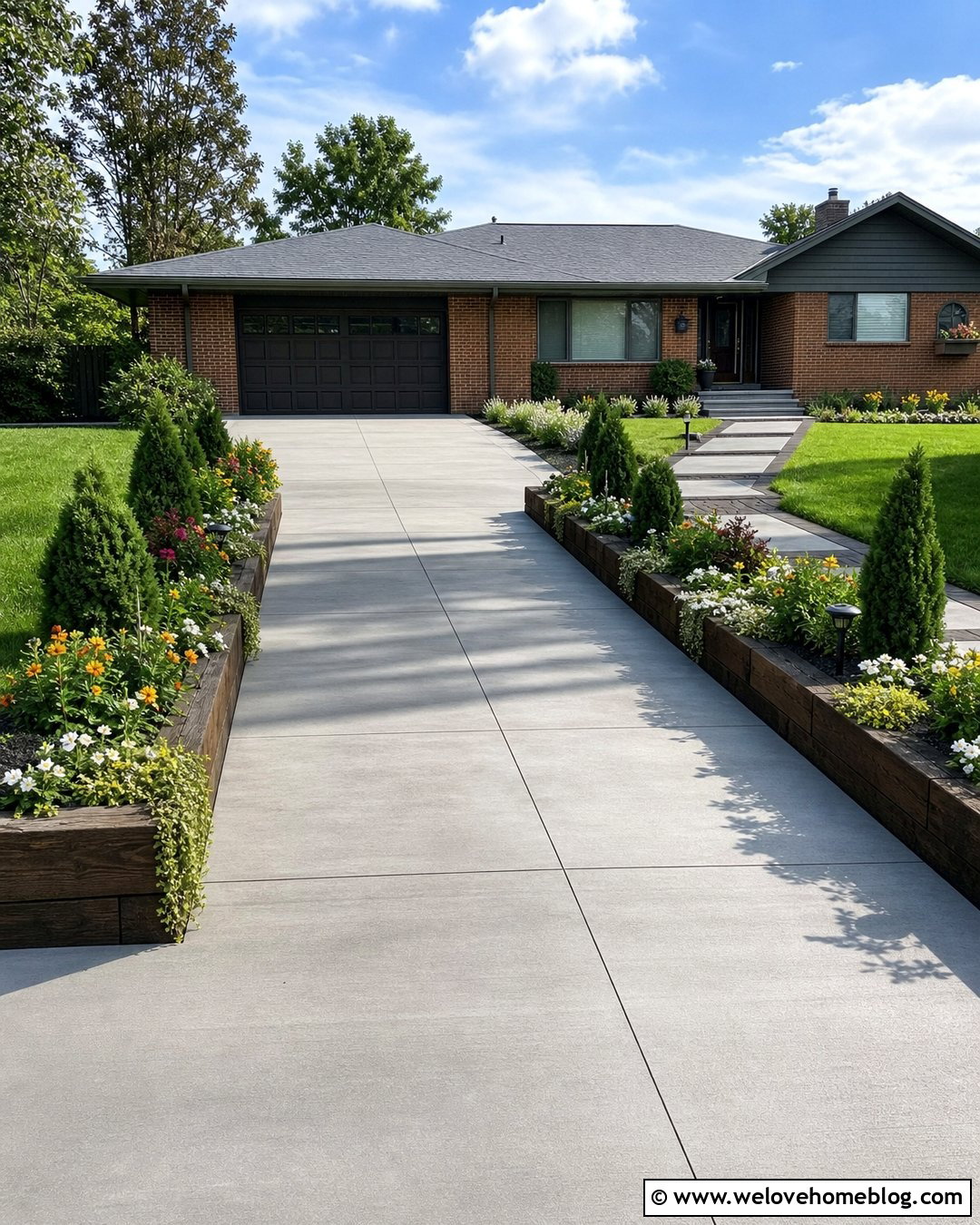
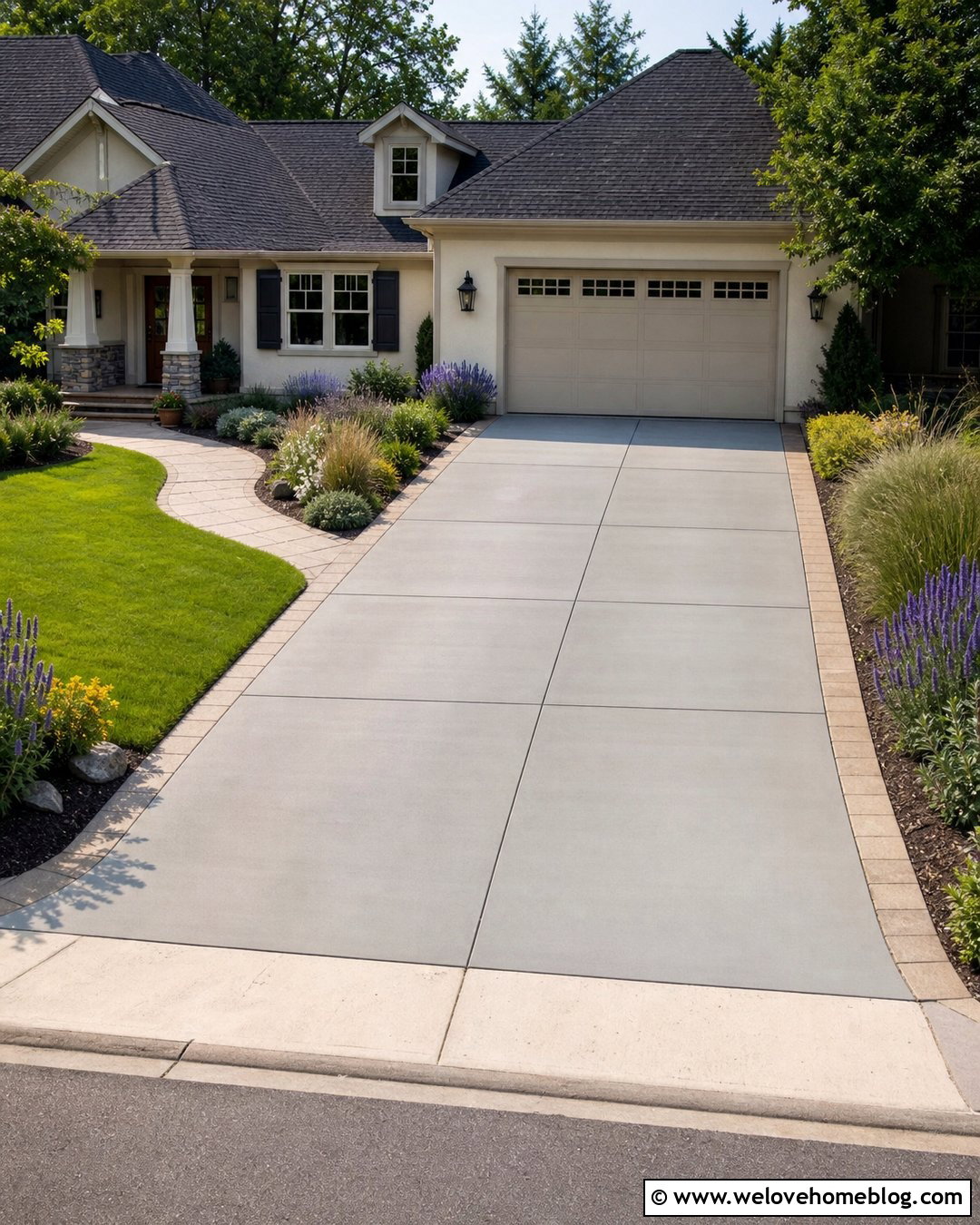
Raised beds can turn a plain driveway edge into a lush and organized garden feature. Build long, low planters from new landscape-grade railway sleepers and position them between a concrete driveway and the front lawn. The timber provides warmth against cool gray concrete while raising flowers and foliage closer to eye level. Fill the beds with layered planting, placing compact evergreens at the back, seasonal color through the center, and trailing ground cover along the edge. Maintain enough driveway width for doors to open without hitting plants or timber corners. Add a practical gap near the house for garbage bins or side-yard access. A matching sleeper-framed walkway can connect the driveway to the porch and complete the coordinated layout.
7. Railway Sleeper Entrance With Gravel Driveway
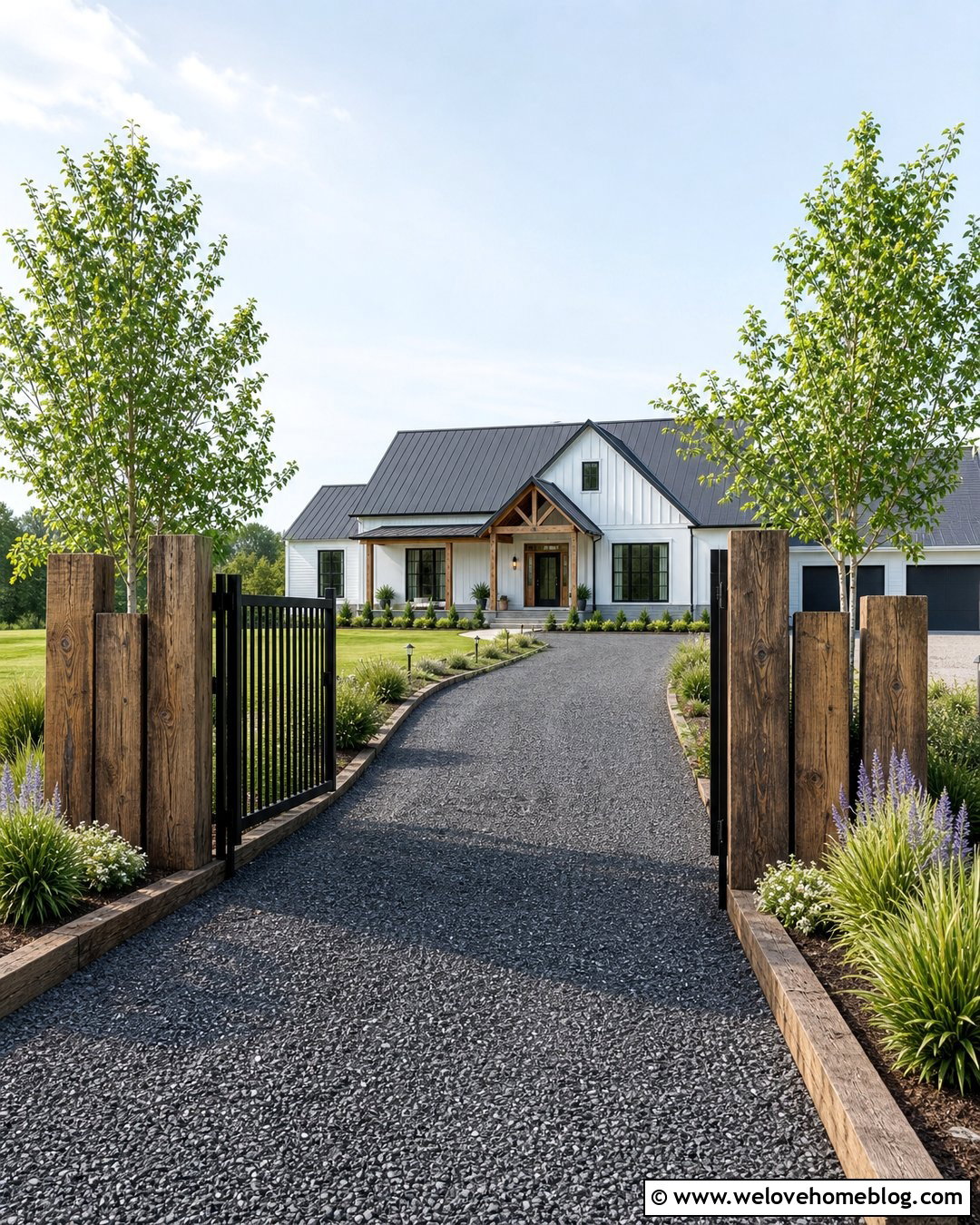
A defined entrance immediately gives a long gravel driveway more presence. Place substantial railway sleepers vertically on both sides of the opening as decorative posts, then continue horizontal sleeper borders along the first section of the drive. Pair the timbers with charcoal gravel, a recessed metal gate, and informal planting for a welcoming country look. The gate should have properly engineered structural supports rather than relying on decorative sleepers that were not installed to carry its weight. Frame the entrance with low grasses, flowering perennials, and two small trees positioned clear of sightlines. A simple timber address plaque can repeat the material without overwhelming the design. This approach works especially well for rural homes and larger modern farmhouses.
8. Circular Driveway With Railway Sleeper Island
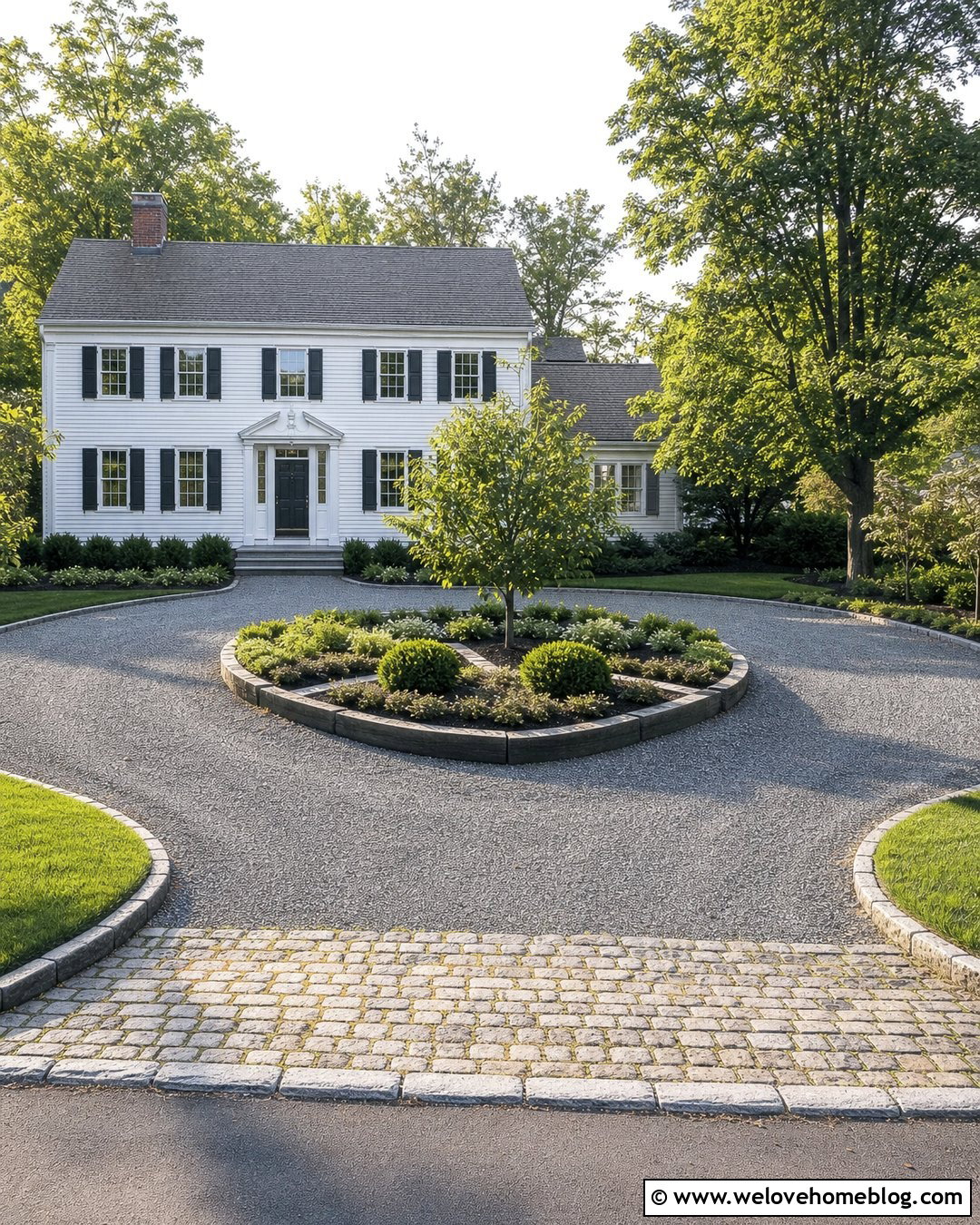
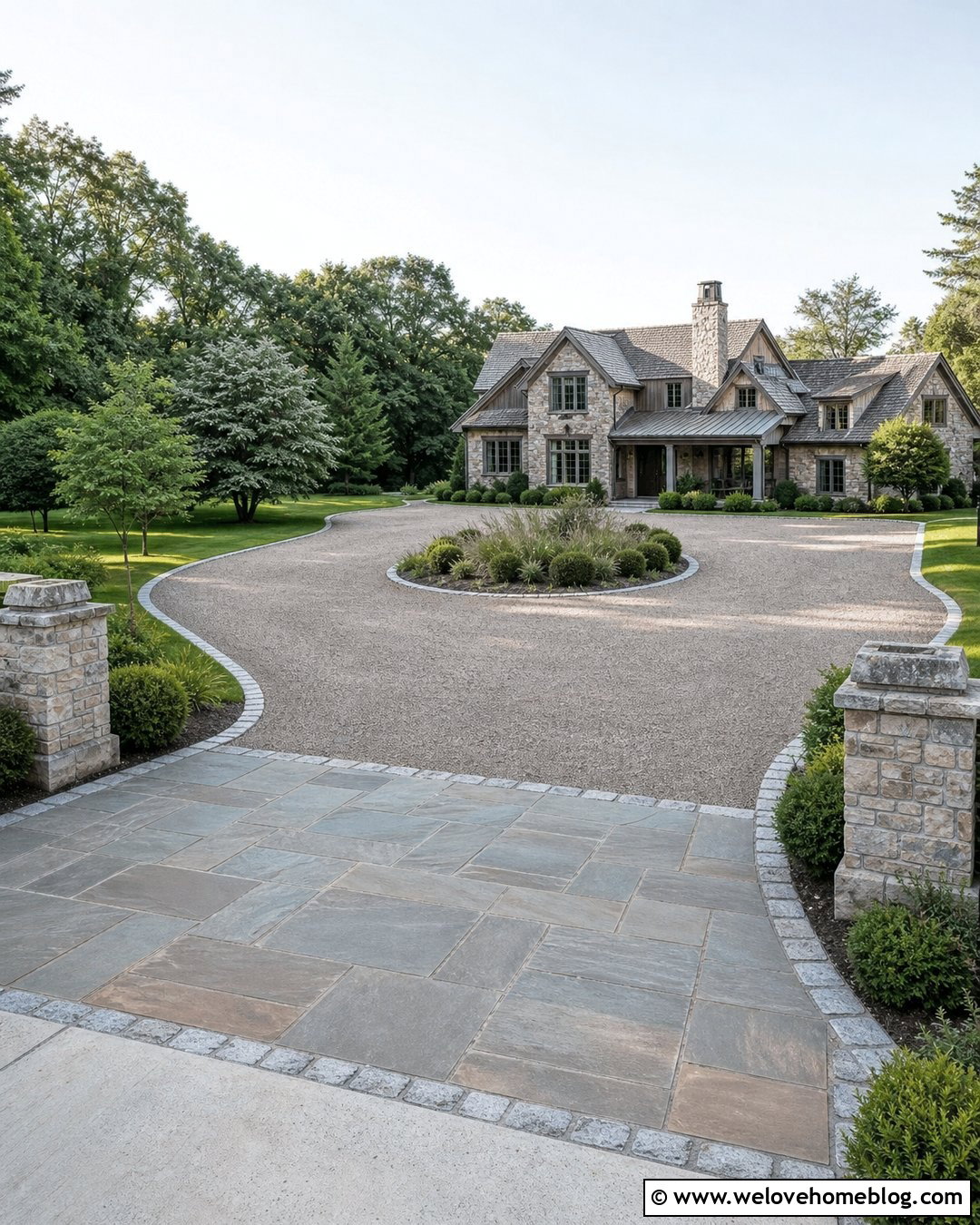
A circular driveway becomes more attractive when its central island has a strong, clearly defined border. Surround the island with horizontal railway sleepers, using carefully cut sections to follow the curve. Fill the driving loop with compacted gray gravel and add a contrasting cobblestone apron where it meets the street. Inside the timber border, create layered landscaping around a small ornamental tree. Low evergreen shrubs and spreading ground cover preserve visibility across the circle while providing year-round structure. Repeat shorter sleeper borders beside the front walkway to connect the island with the house. This substantial layout complements colonial, Georgian, and country homes, but the turning radius must be planned around the vehicles that regularly use the property.
9. Narrow Driveway With Vertical Railway Sleepers
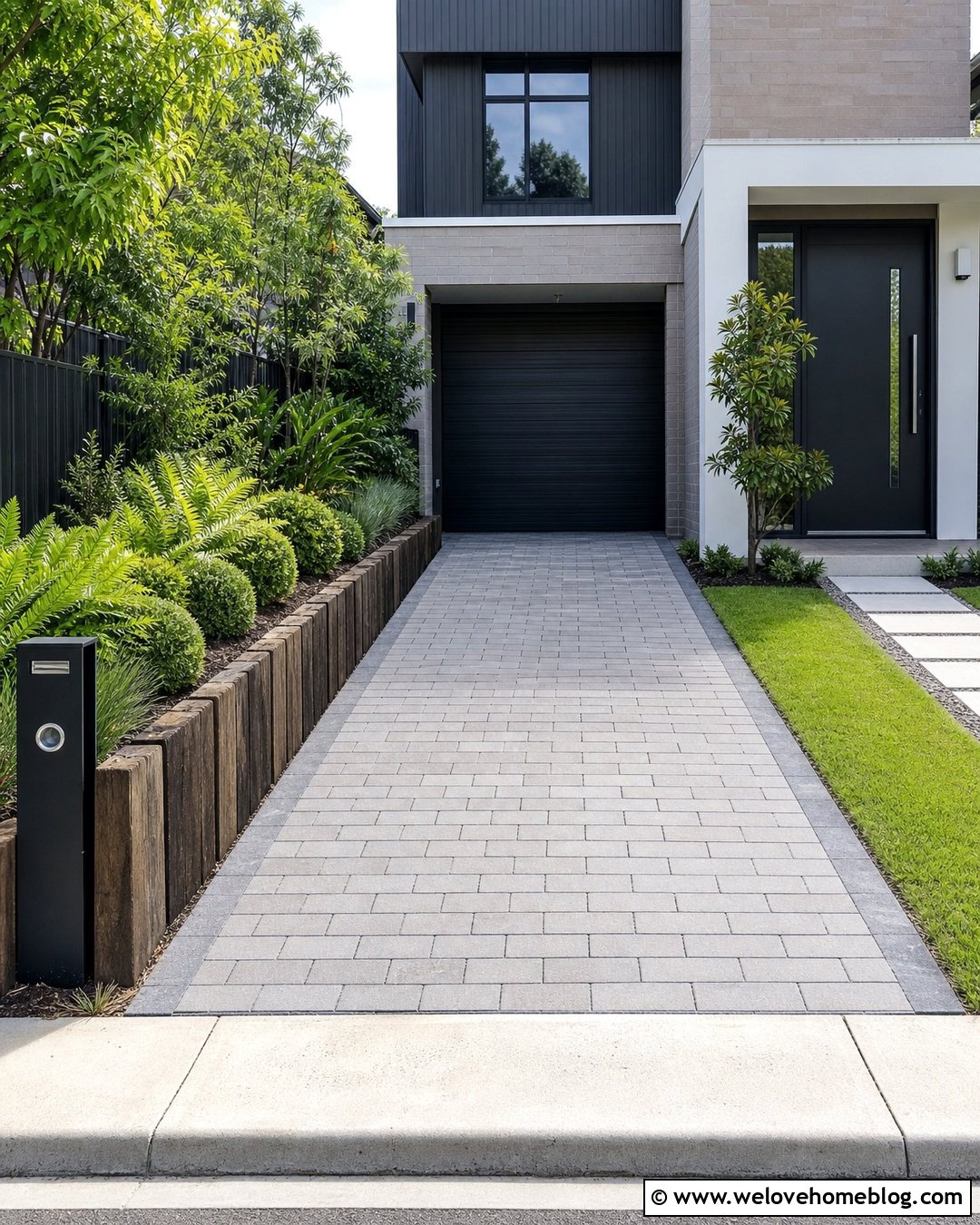
When space is limited, upright railway sleeper edging can provide definition without consuming the width required by broad planting beds. Cut new sleepers into varied but controlled heights and install them vertically along one side of a narrow paver driveway. The resulting timber wall can retain a slightly raised garden filled with ferns, grasses, and compact shrubs. Keep the opposite side flush with a paved walkway or simple lawn edge so passengers have room to exit. Choose slim rectangular concrete pavers in soft gray to make the driveway appear longer and less crowded. The repeating vertical timber pattern adds texture while drawing the eye toward the house. Secure every section properly because unsupported upright pieces may lean as surrounding soil settles.
10. Asphalt Driveway With Railway Sleeper Landscaping
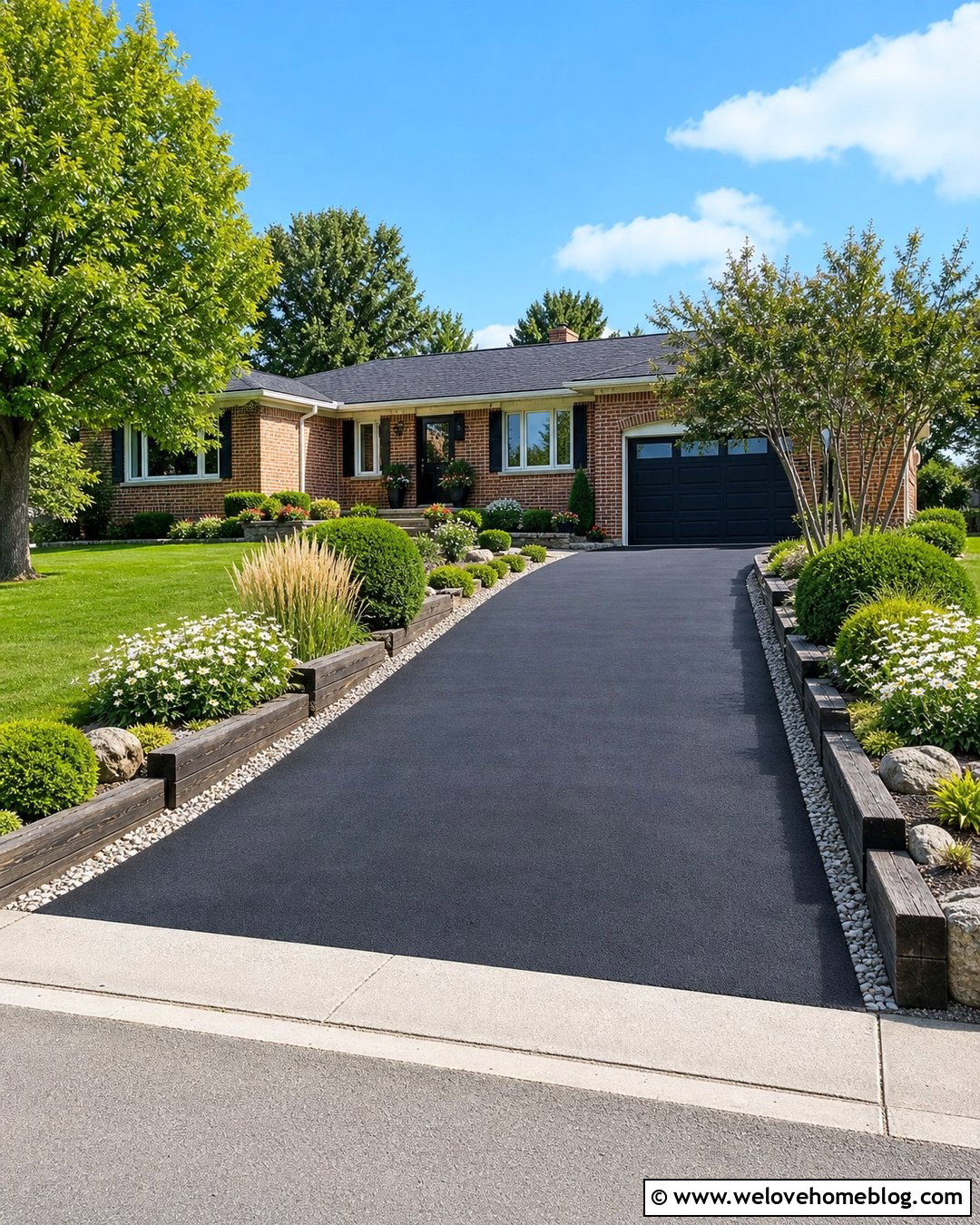
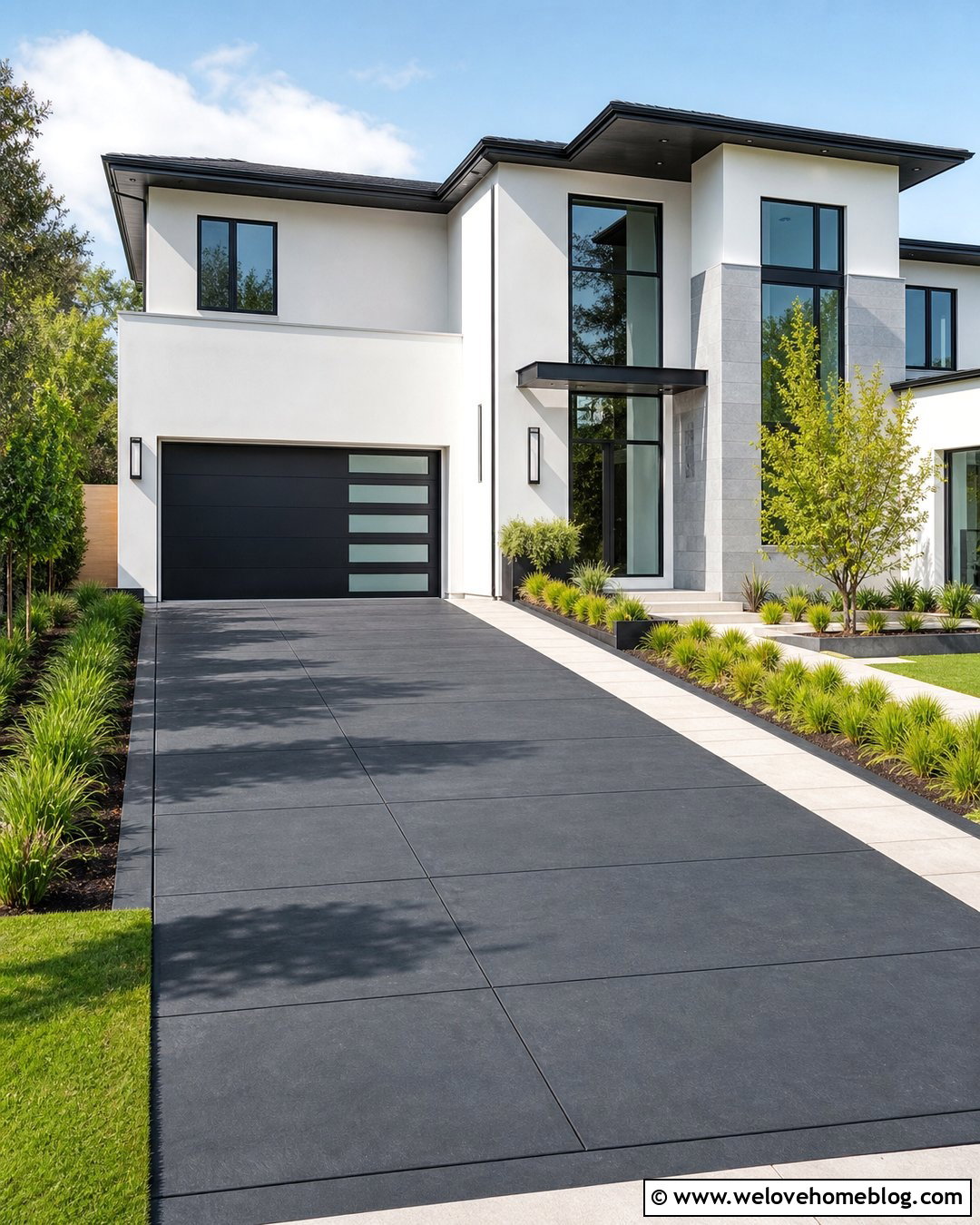
Black asphalt is practical, but it can appear visually heavy without a softer landscape edge. Railway sleeper beds introduce warm color and strong definition along the surface. Run low horizontal sleepers beside both edges, leaving a narrow gravel transition strip between the timber and asphalt where appropriate. This detail can reduce the harsh contrast between the driveway and surrounding garden. Add rounded shrubs, white flowering perennials, and feathery ornamental grasses to brighten the dark pavement. Near the garage, widen one bed to accommodate a small multi-stem tree without obstructing vehicle movement. Repeating the sleepers around the front walkway helps unify the property. The resulting design feels particularly suitable for brick ranch homes, cottages, and casual suburban houses.
11. Resin-Bound Driveway With Railway Sleeper Borders
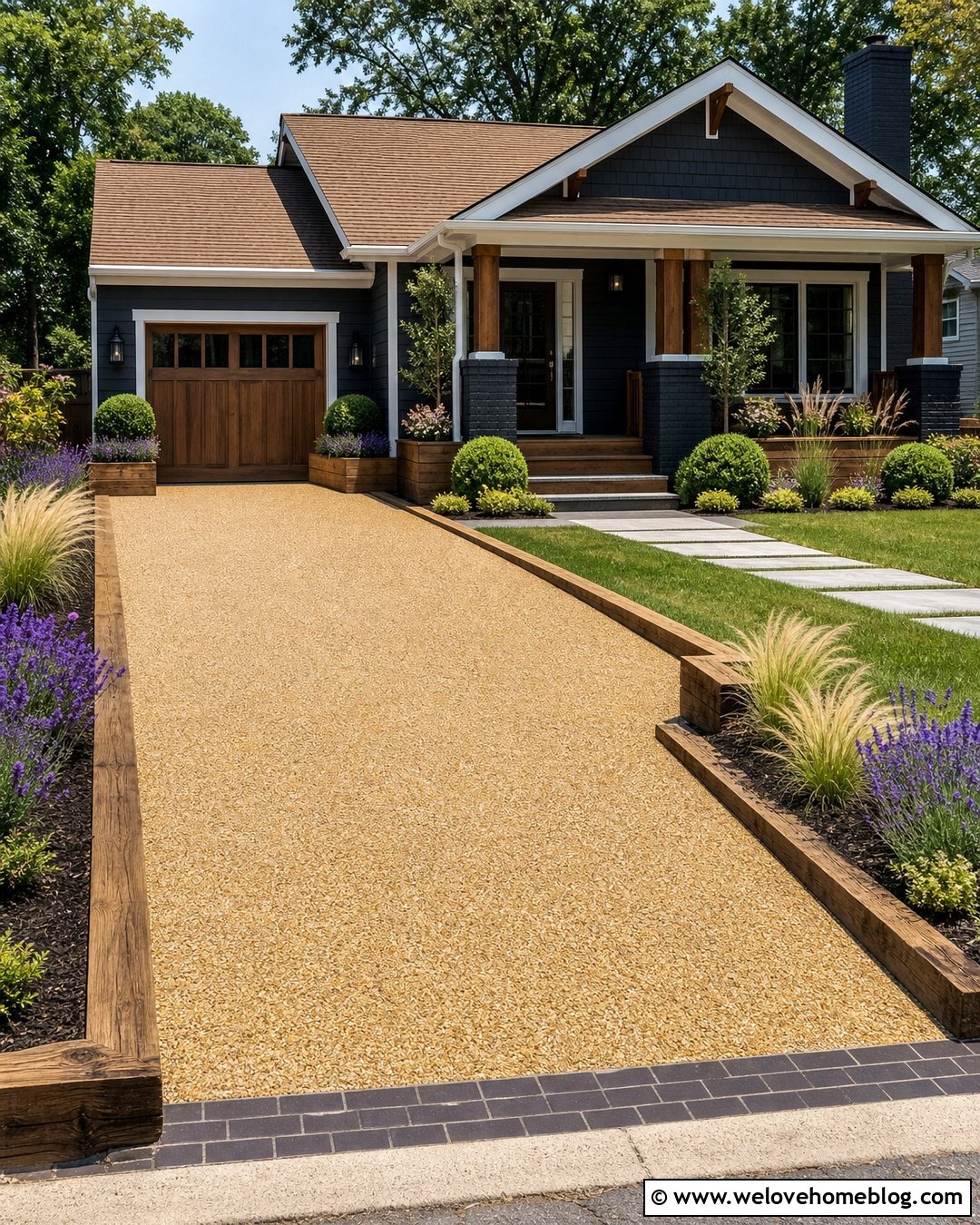
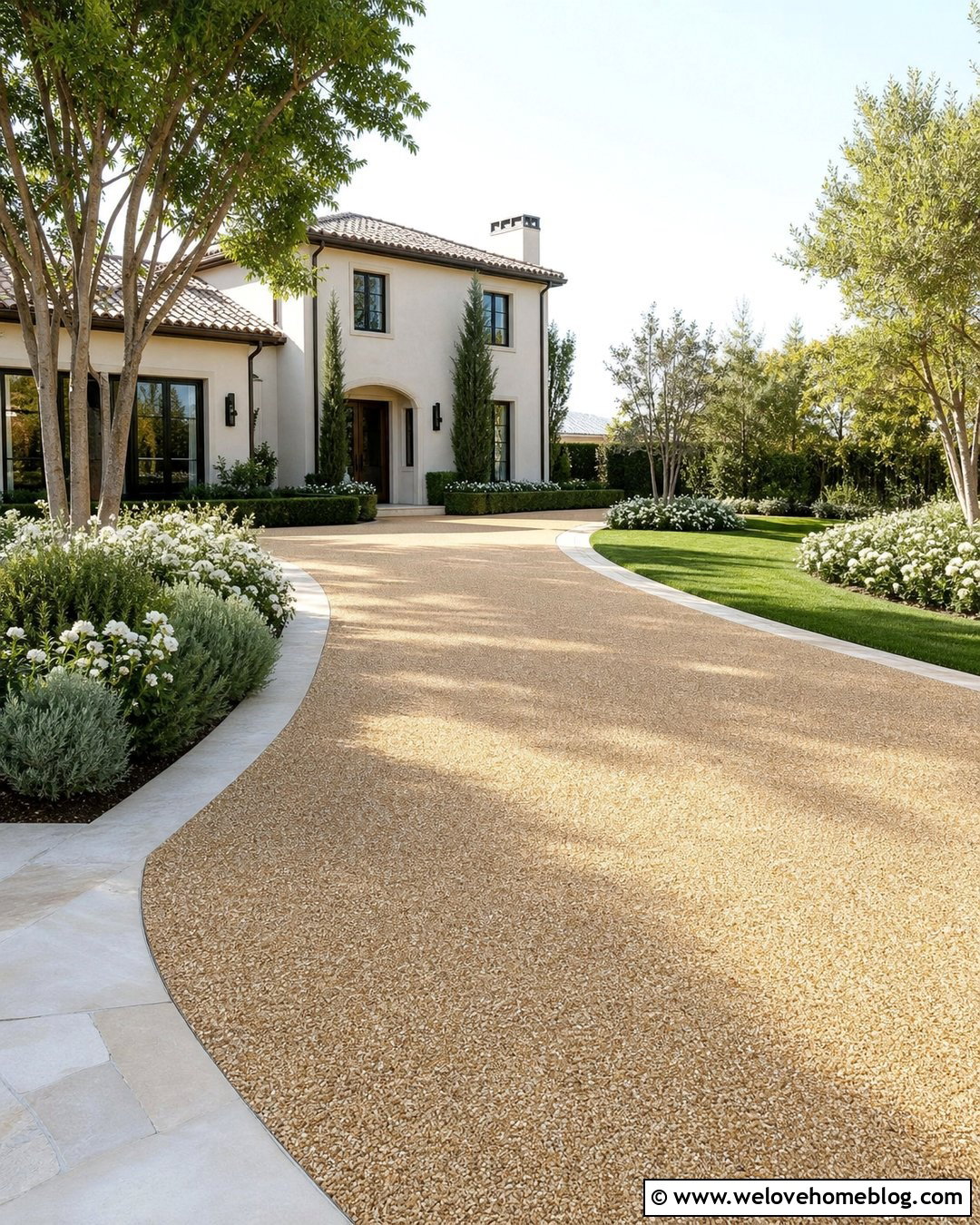
A resin-bound gravel driveway offers a smooth, refined surface, while railway sleeper borders keep the overall design warm and approachable. Choose golden or light gray aggregate and frame the straight driveway with new oak sleepers installed in clean, continuous lines. The contrast works well in front of a contemporary craftsman or renovated bungalow. Behind the sleepers, use narrow beds containing lavender, fountain grass, and rounded evergreen shrubs. Add a dark brick or stone threshold at the sidewalk to create a durable visual transition. Since the resin surface already looks neat and uniform, keep the timber construction precise rather than intentionally irregular. Matching sleeper planters near the garage can repeat the border material and make the entire approach feel thoughtfully connected.
12. Paver Driveway With Railway Sleeper Planters
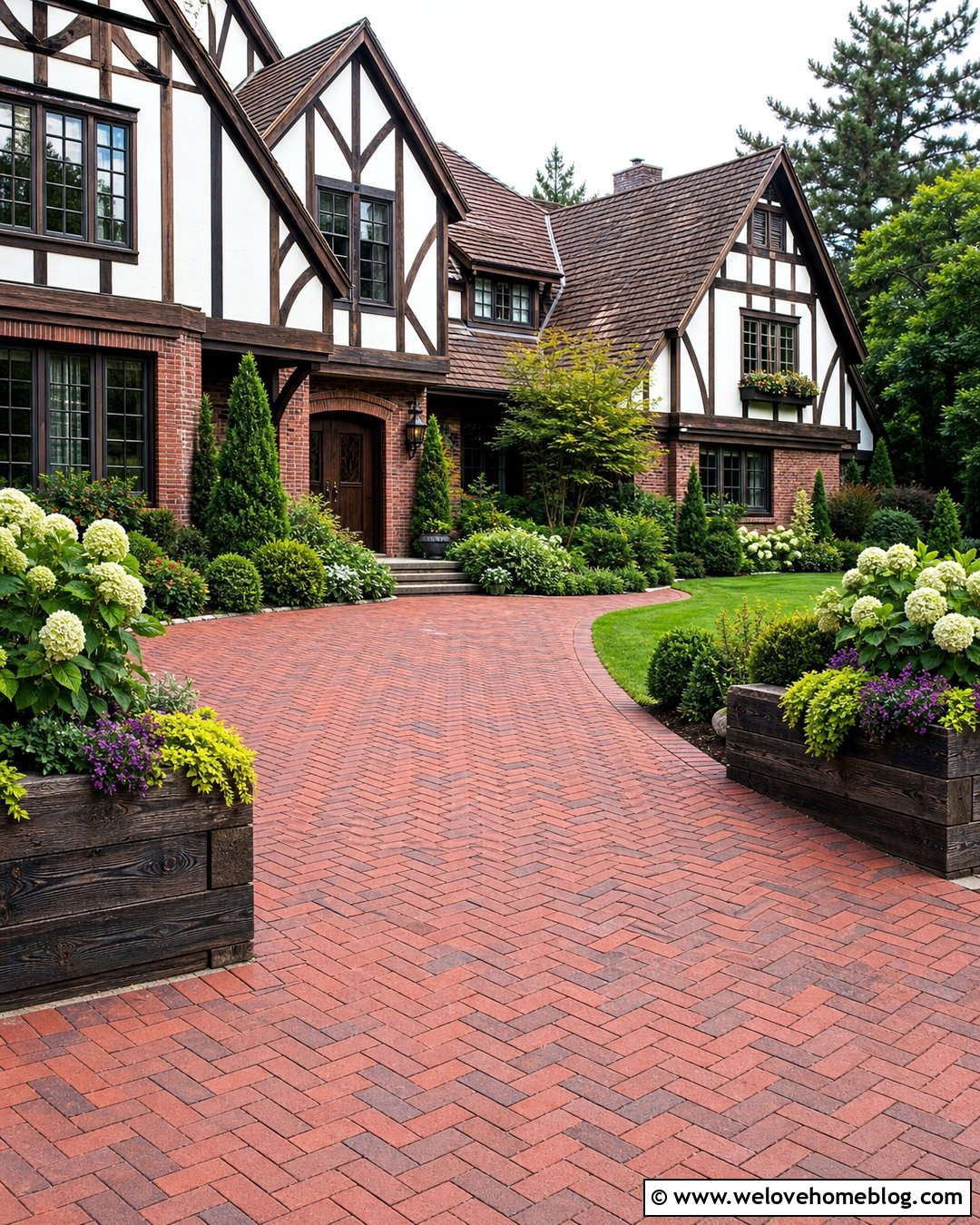
Brick or concrete pavers gain extra depth when paired with substantial timber planters. Build rectangular railway sleeper beds at the outer corners of a herringbone driveway, allowing them to frame the approach without narrowing the vehicle path. Warm red clay pavers and dark reclaimed sleepers create a traditional combination for craftsman, Tudor, and cottage homes. For a lighter appearance, use taupe concrete pavers with new honey-toned timber. Plant the raised beds with compact hydrangeas, boxwood alternatives, and trailing flowers. Include irrigation access and free-draining soil so water does not remain trapped against the wood. A coordinating paver walkway should pass between the planters and continue toward the porch, tying together the driveway surface, landscaping, and house entrance.
13. Railway Sleeper Steps Beside Sloped Driveway
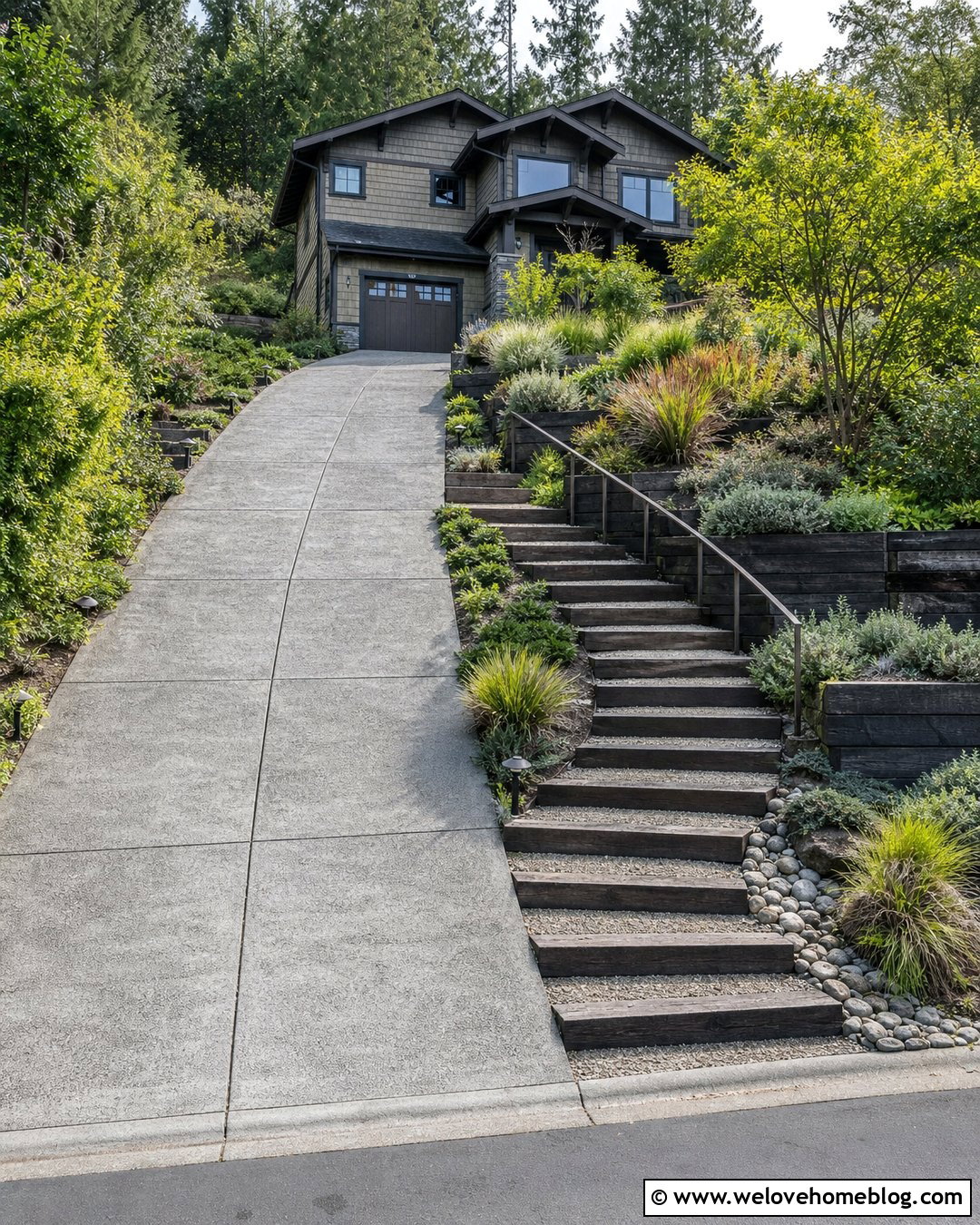
A steep driveway needs a safer pedestrian route than the vehicle surface alone. Railway sleeper steps can climb through a planted bank beside a textured concrete or asphalt driveway. Use each sleeper as a clearly defined riser, with compacted gravel or stone paving forming the treads. A gently curving stairway usually feels more natural than a rigid flight running directly uphill. Frame the route with low shrubs and grasses that will not spill across the walking surface. Continue stacked sleeper retaining walls behind selected steps to create stable planting terraces. Add a sturdy handrail where the grade requires one. Good drainage, consistent step dimensions, and secure construction matter more than decoration, so have the slope and stair proportions professionally assessed before building.
14. Railway Sleeper Lighting Along Driveway
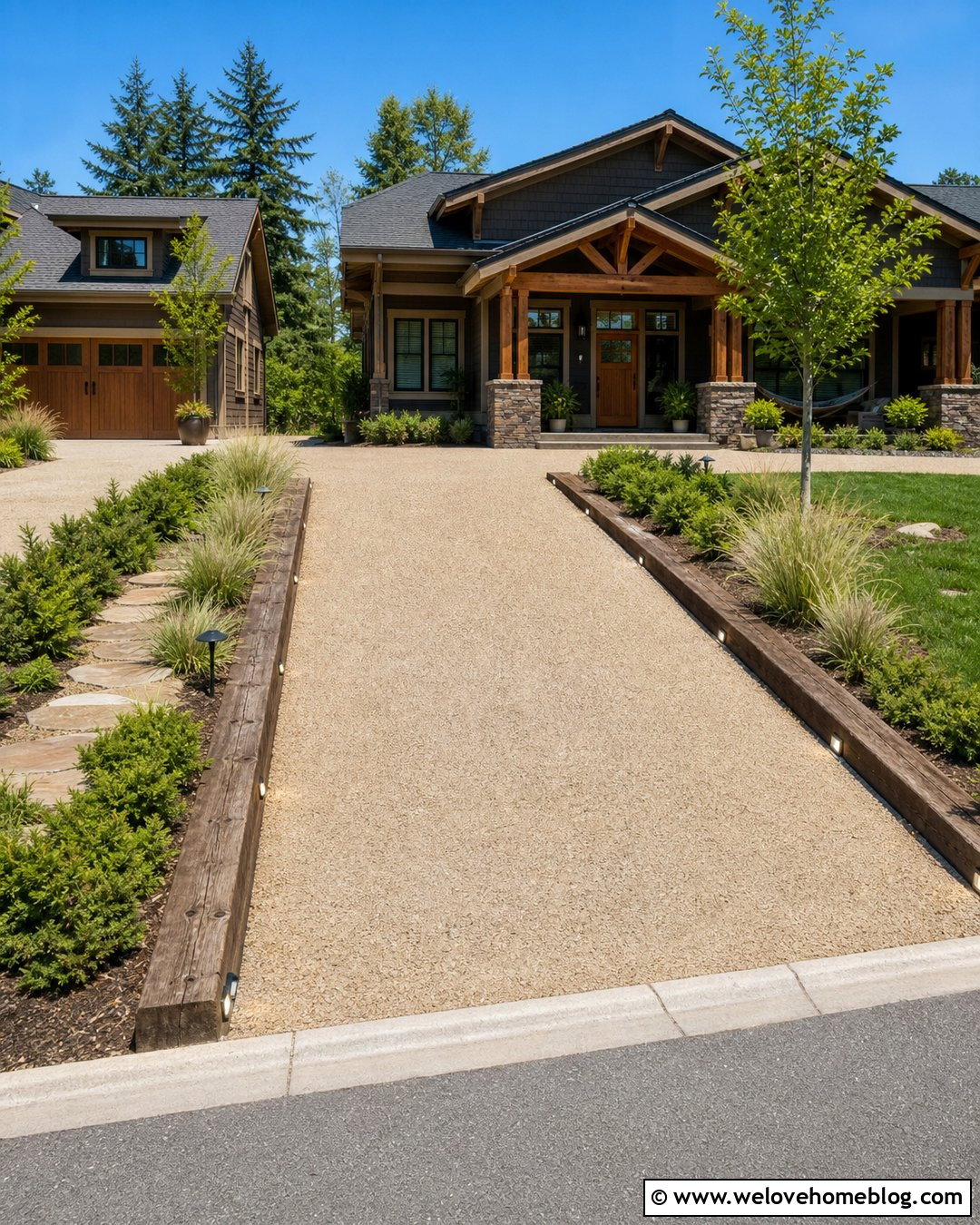
Integrated lighting helps a sleeper-bordered driveway remain easy to navigate without introducing numerous visible fixtures. Install small, outdoor-rated recessed lights in selected new railway sleepers along a straight gravel or paver drive. Space them evenly and keep the fixtures low so they mark the edge rather than shining toward drivers or neighboring windows. During the day, the warm timber border complements cream gravel, clipped greenery, and a craftsman-style home. At night, the lights provide subtle guidance along the approach. The electrical system should be designed for exterior conditions and positioned where vehicle tires cannot reach it. Complete the look with low planting behind the sleepers and brighter functional lighting near the garage, walkway junction, and front entrance.
15. Railway Sleeper Address Sign At Driveway Entrance
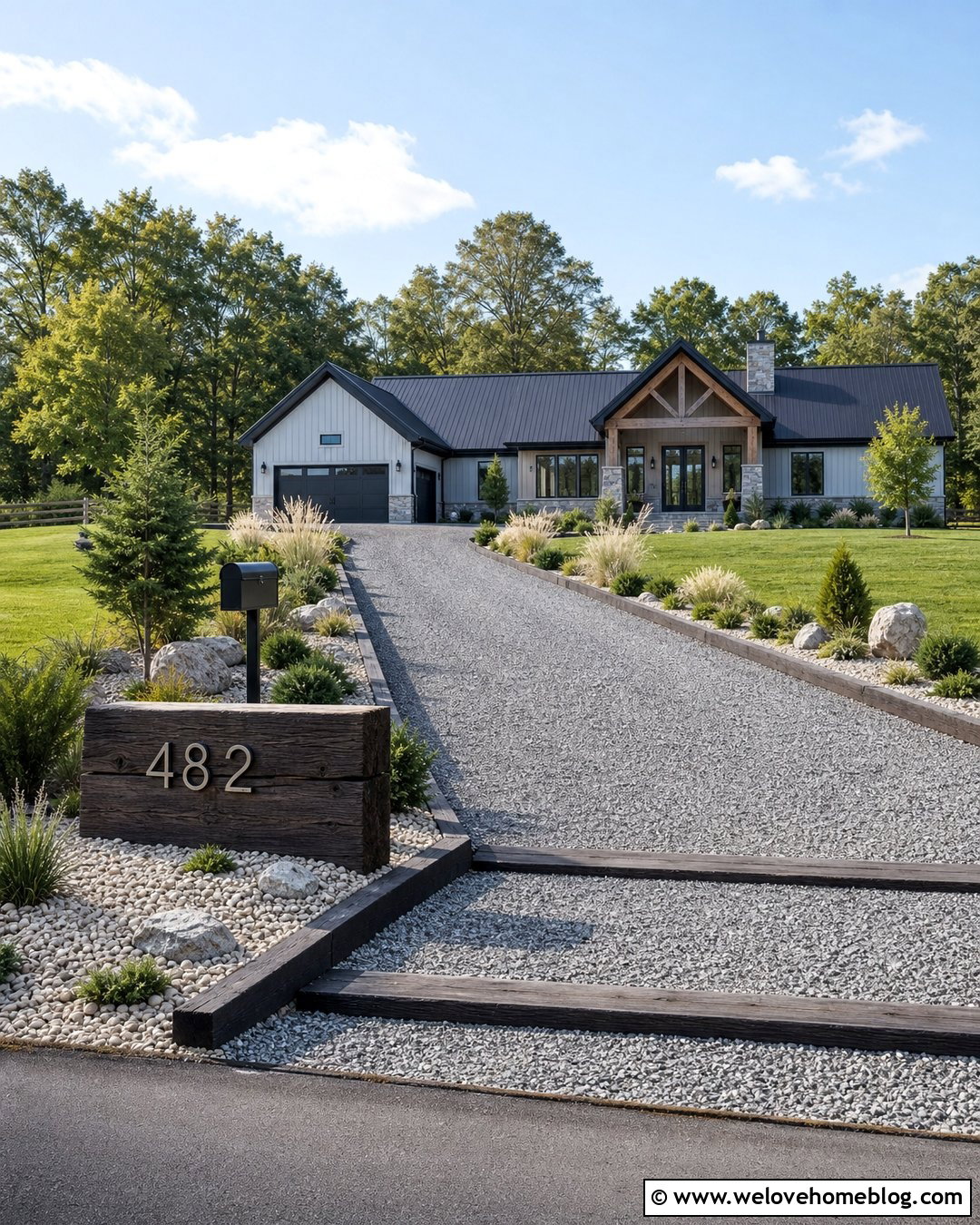
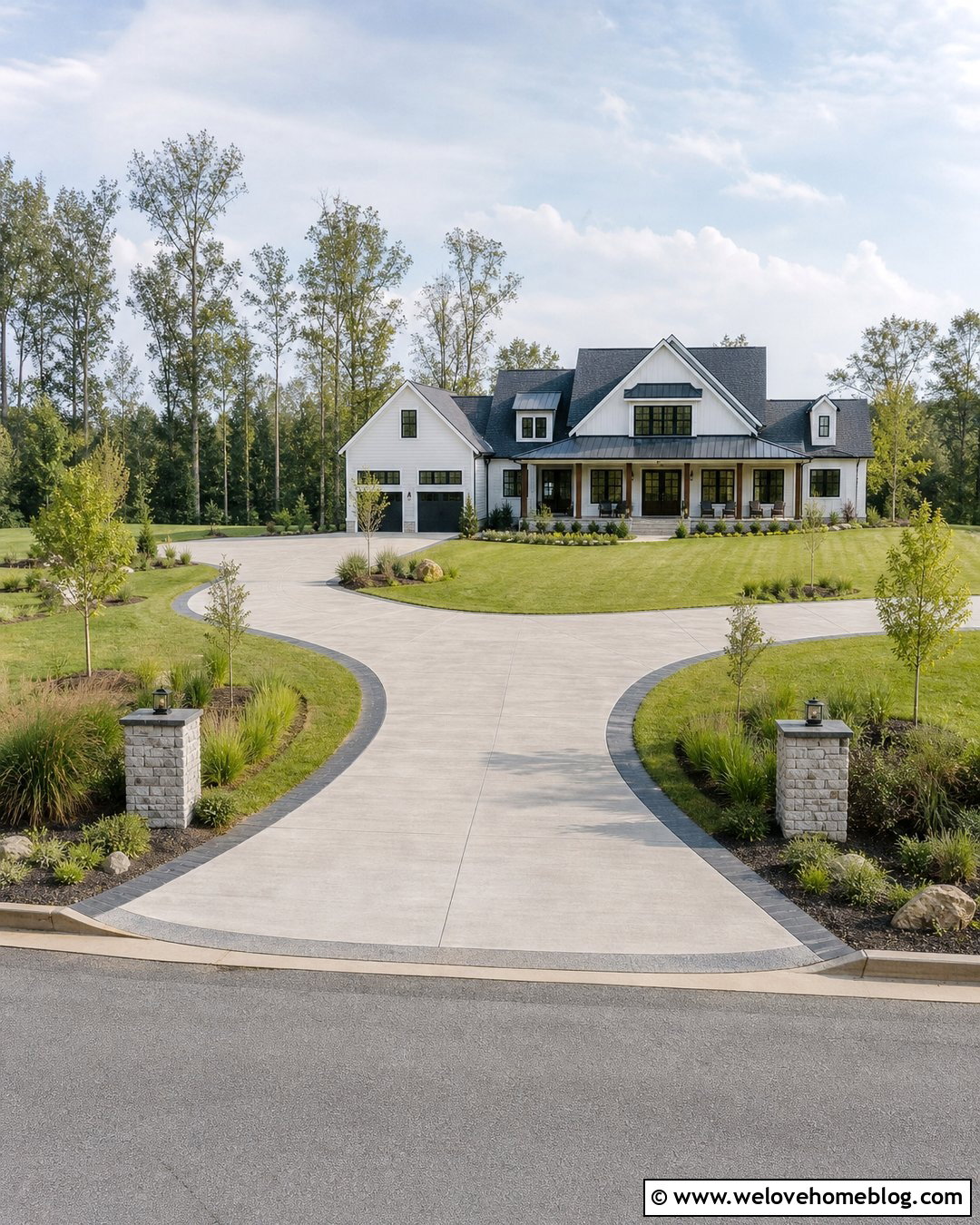
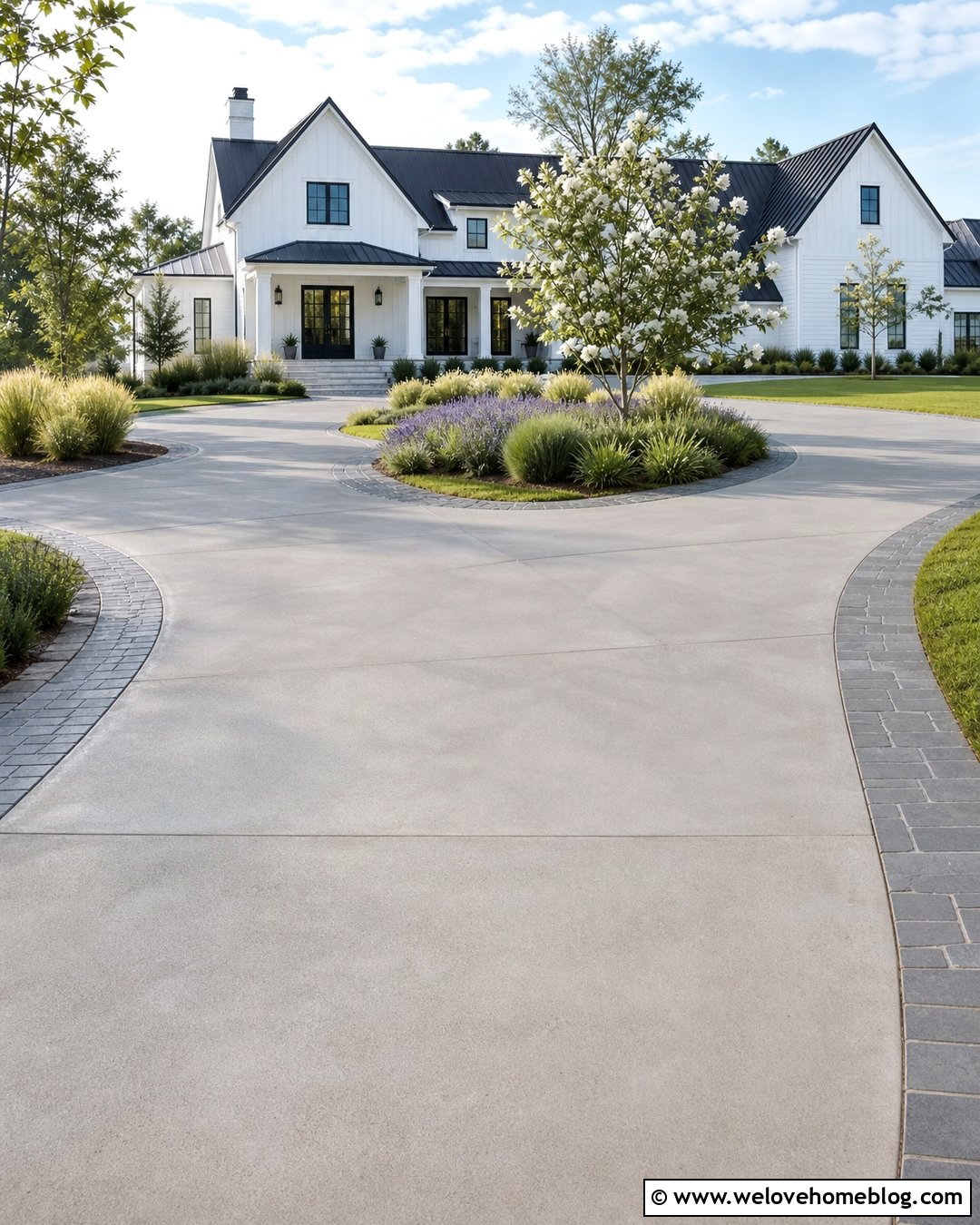
A railway sleeper address sign can make the driveway entrance easier to recognize while reinforcing the landscape design. Mount simple metal numbers on a clean vertical timber or a short horizontal sleeper wall beside a gray gravel driveway. Position the feature beyond the vehicle clearance zone and where approaching visitors can see it safely. Surround its base with decorative stone, low evergreen plants, and ornamental grasses rather than tall flowers that could cover the numbers. Continue a single course of matching sleepers along the driveway edge to connect the sign with the wider design. A black mailbox or compact downlight can be incorporated nearby. Keep the display uncluttered so the address remains legible and the timber acts as a strong architectural element.
16. Railway Sleeper Parking Bay Border
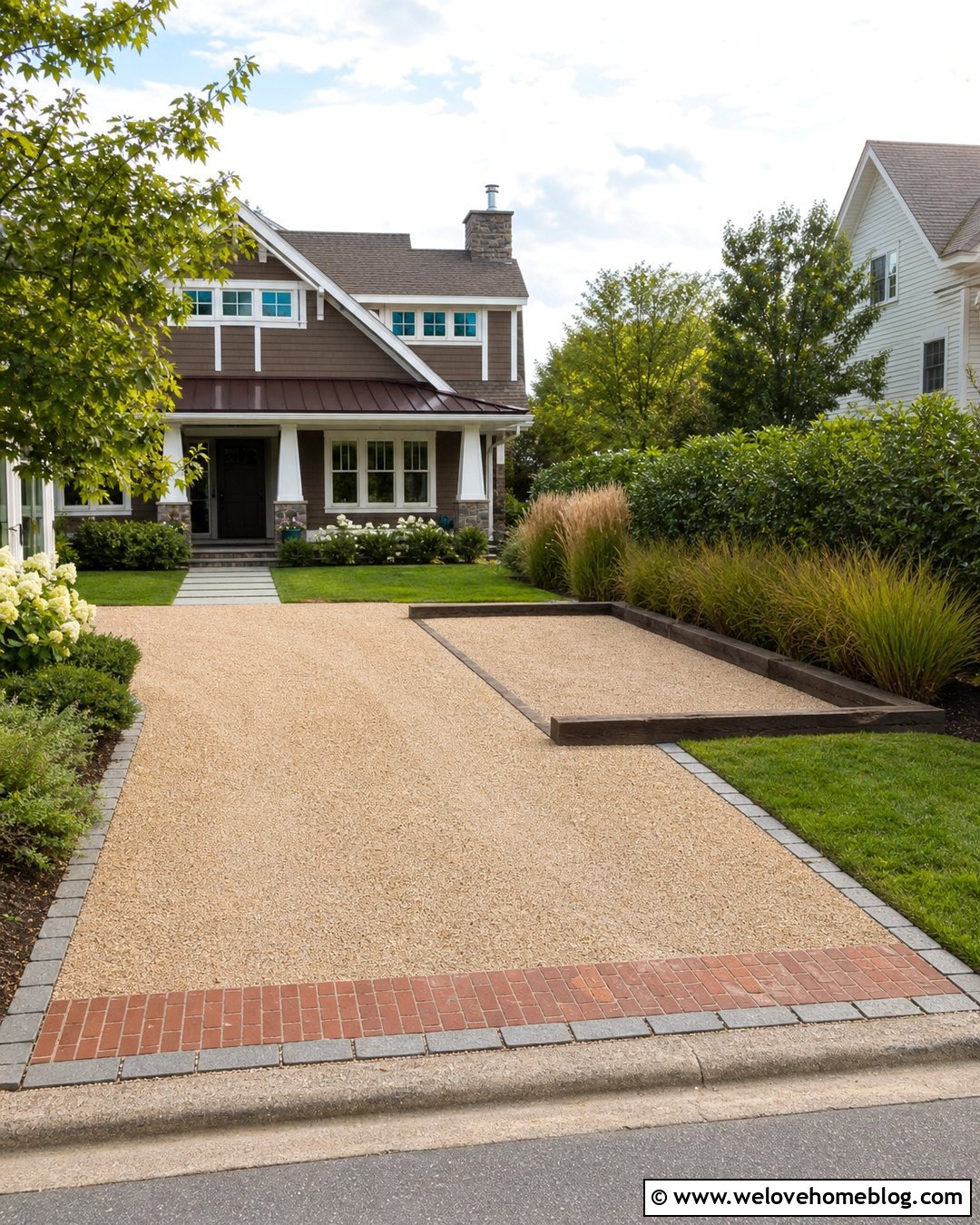
An additional parking bay does not have to resemble an unfinished patch of gravel. Define the space with railway sleepers and use the same aggregate as the main driveway for a connected appearance. A rectangular bay positioned beside a long driveway can be framed on three sides with heavy horizontal timbers. Leave the vehicle entrance open and wide enough for comfortable turning. Behind the outer sleeper, plant a mixed hedge or ornamental grasses to screen parked vehicles from the front yard. A brick ribbon between the bay and driveway provides a neat transition and helps clarify the parking boundary. Install wheel stops separately if needed rather than assuming the landscape border can withstand repeated vehicle impacts. This layout suits larger suburban and rural properties.
17. Railway Sleeper And Stone Driveway Border
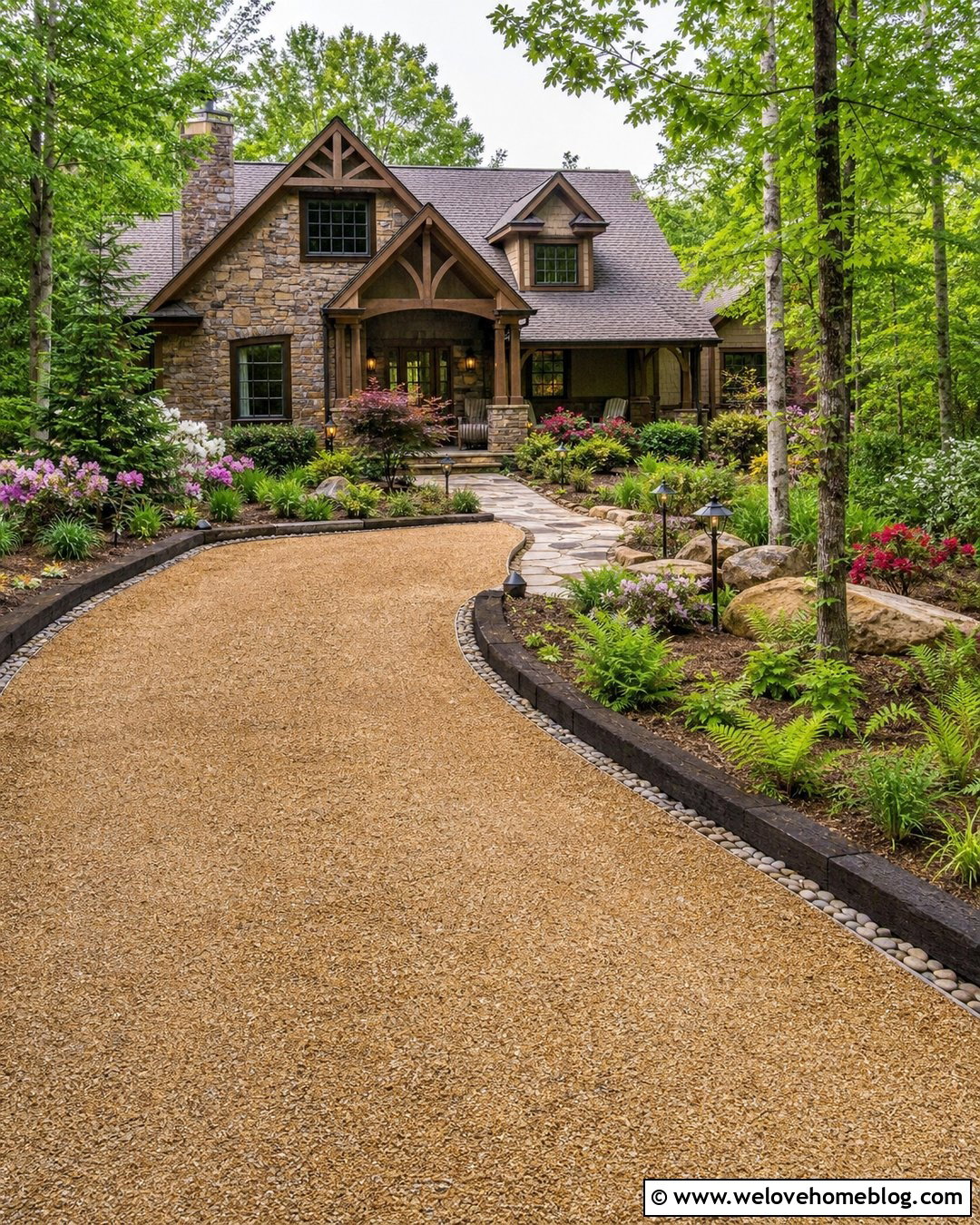
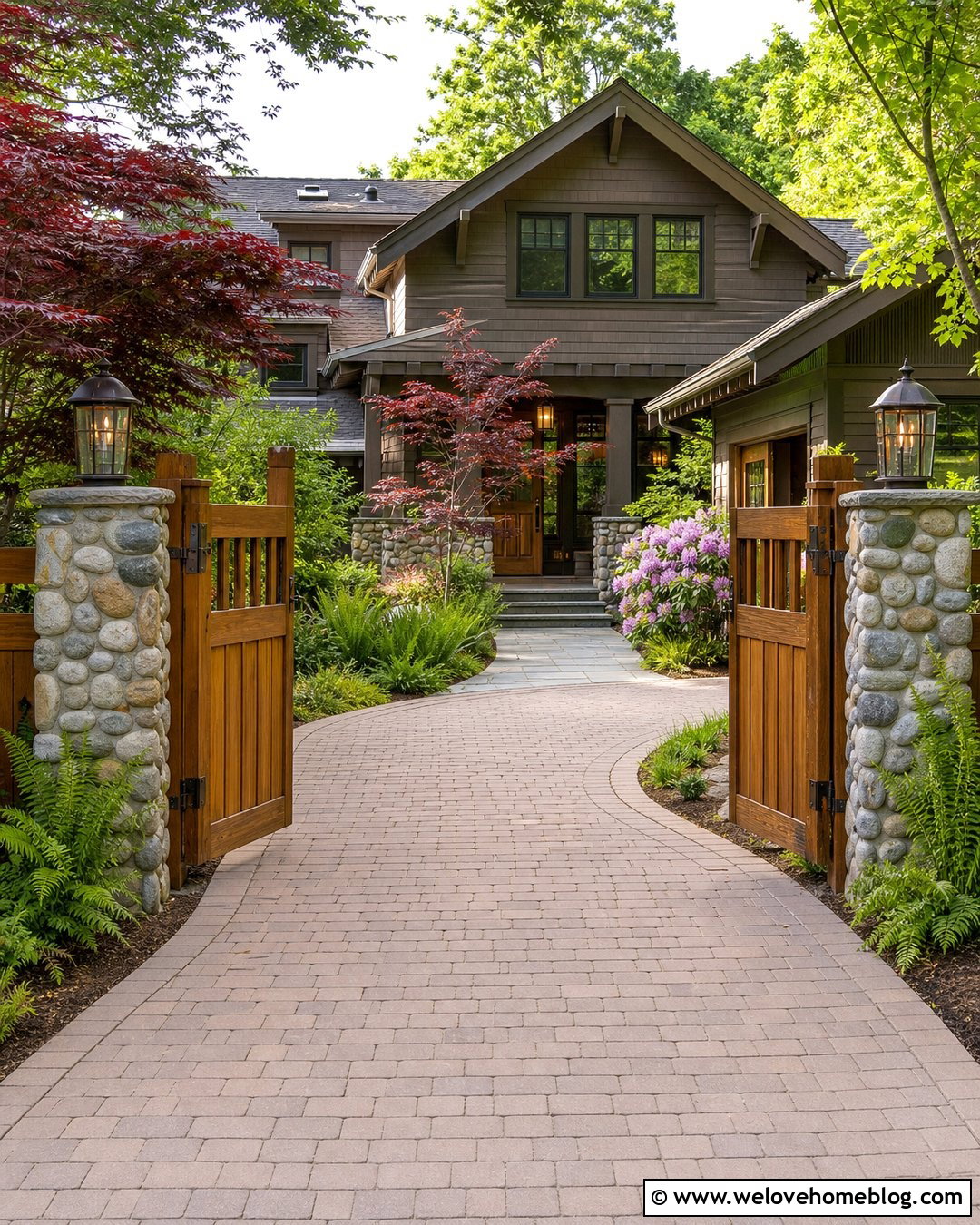
Combining timber with natural stone produces a layered border that feels durable yet relaxed. Edge a warm gravel driveway with dark railway sleepers, then place a narrow strip of rounded river rock or angular fieldstone behind the wood. The stone transition improves visual separation between the substantial sleepers and soft planting beds. Use the combination along a gently curved driveway leading to a stone-front craftsman or woodland home. Ferns, sedges, flowering shrubs, and small trees can fill the surrounding landscape. Repeat the same rocks around the mailbox or front walkway for consistency. Keep the stone strip narrow enough to look intentional, and choose rock colors that relate to the driveway aggregate and house facade rather than introducing an unrelated mixture of tones.
18. Railway Sleeper Fence Along Country Driveway
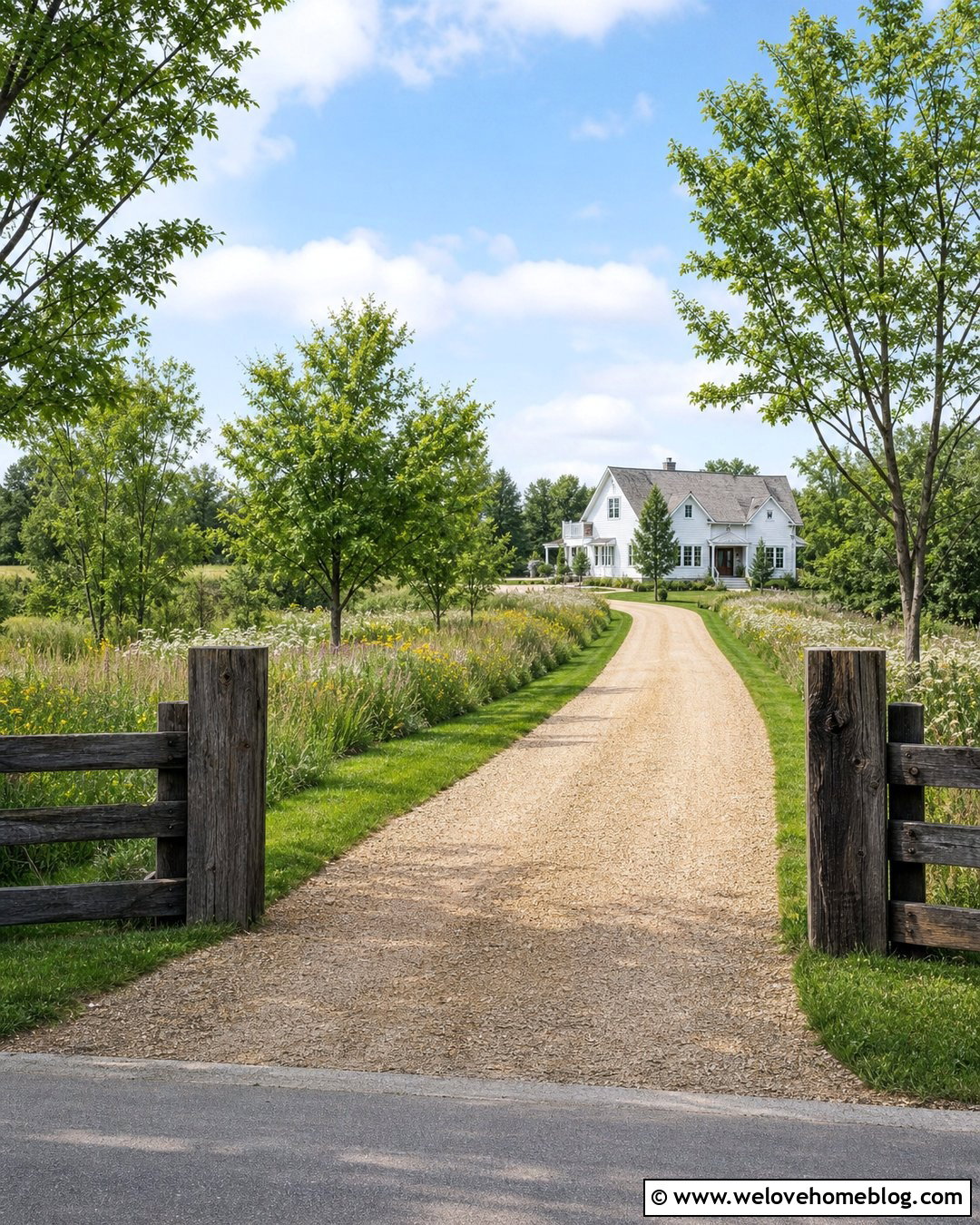
A low railway sleeper fence can give a long country driveway a strong sense of direction. Use vertical timber posts connected by simple horizontal rails, then run a gravel drive beside the fence with a narrow grass or planting strip between them. The separation prevents tires from repeatedly splashing dirt onto the wood and leaves room for maintenance. Weathered sleepers suit a farmhouse approach, especially when paired with native grasses, flowering meadow plants, and scattered deciduous trees. At the entrance, widen the planting and add matching timber gateposts for a more substantial arrival point. Keep the fence low near curves and road connections to preserve visibility. The completed scheme should guide attention toward the house without making the landscape feel enclosed.
19. Railway Sleeper Drainage Border
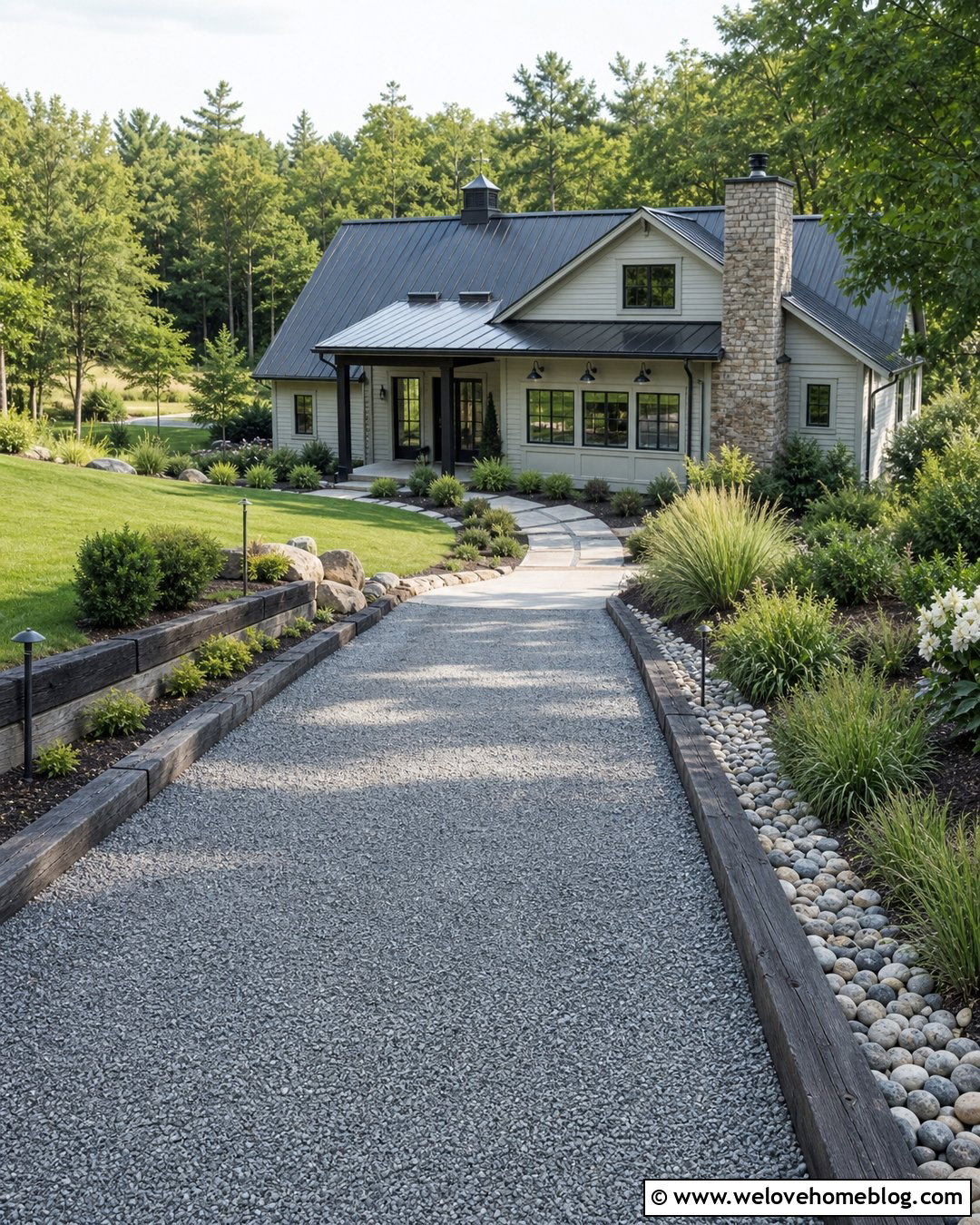
A wet driveway edge can become part of the design instead of remaining a muddy problem area. Border a sloped gravel driveway with railway sleepers and create a shallow stone-lined drainage strip immediately beyond the timber. Use washed river rock or coarse drainage stone that contrasts gently with the main driving aggregate. Moisture-tolerant grasses and compact shrubs can fill the higher planting bed behind the channel. The sleepers define the driving surface, while the rock strip provides a planned route for runoff toward an approved outlet or collection area. Avoid directing water toward neighboring properties, foundations, or public sidewalks. Because drainage requirements vary by site, soil, and local regulations, have persistent runoff problems evaluated before finalizing the driveway grade and channel dimensions.
20. Small Front Yard Driveway With Railway Sleepers
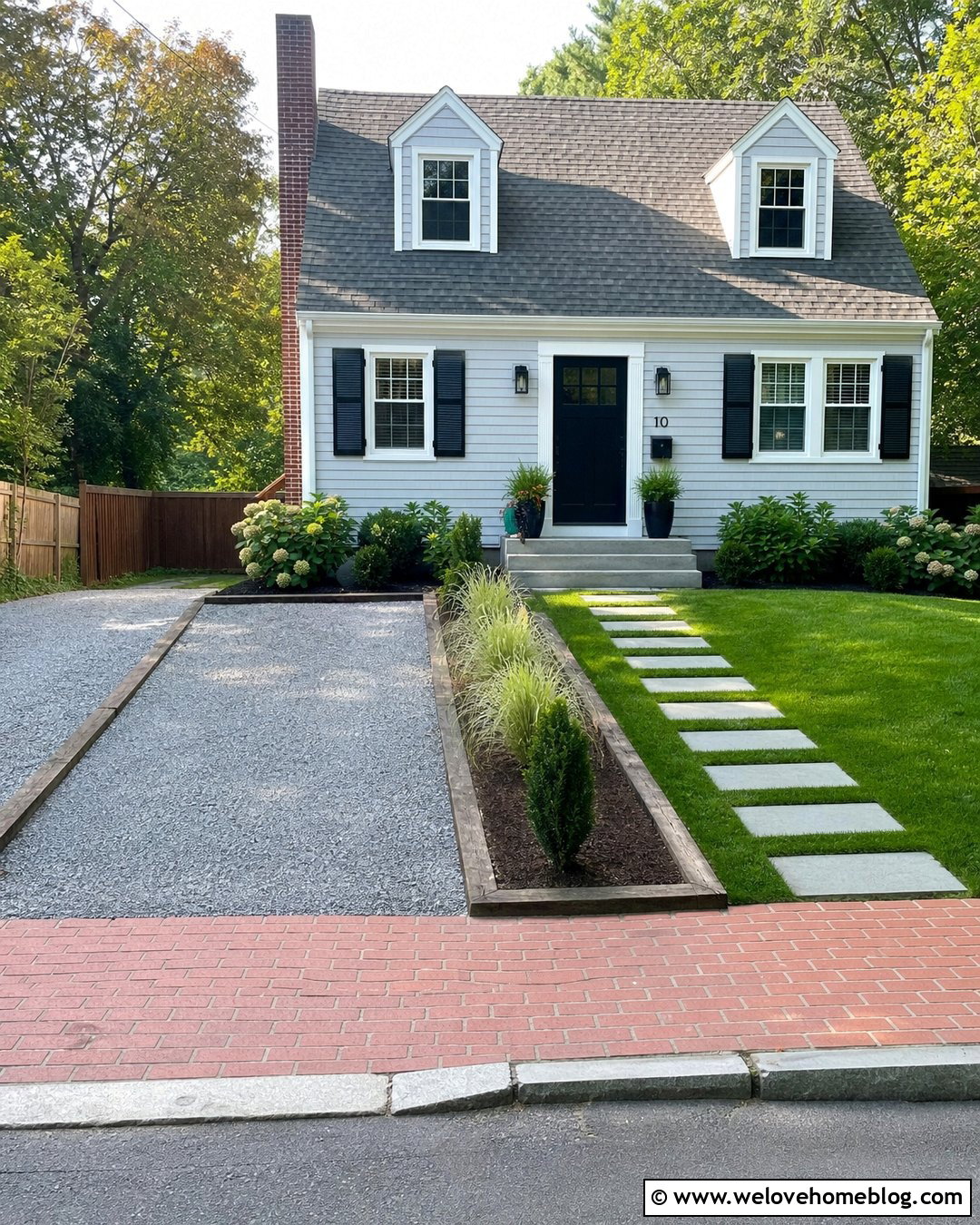
Even a compact front yard can use railway sleepers without feeling crowded. Frame a short light-gray gravel driveway with one low course of new timber, keeping the border flush and simple. On one side, build a slim sleeper planter filled with upright grasses and a small evergreen shrub. On the other, add rectangular stepping stones that connect the parking space to the front door. A modest brick apron at the sidewalk can stop the gravel-and-timber combination from looking overly rustic. Choose a limited planting palette and preserve an open area beside the vehicle for doors, bins, and daily movement. This efficient layout works well with bungalows, duplexes, Cape Cod homes, and narrow urban properties where every foot must serve a purpose.
Conclusion:
The best railway sleeper features do more than decorate the edge of a driveway. They contain gravel, organize planting, manage changes in grade, define entrances, and connect the driving surface with the wider front yard. Choose new landscape-grade timber for a clean finish or carefully selected reclaimed sleepers for weathered character. Whatever the material, provide a stable base, secure fixings, suitable drainage, and enough clearance for vehicles and pedestrians. Taller walls, structural gateposts, steep steps, and areas near vehicle loads deserve professional guidance. Use these 20 Railway Sleepers Driveway Ideas to create a practical approach where the surface, timber borders, landscaping, and house feel like one complete design.

Related posts:
Leave a Reply