
A moss driveway can make an ordinary entrance feel established, green, and closely connected to the landscape. The best designs do not simply allow moss to spread across a driving surface. They place it intentionally between pavers, along borders, within center strips, or beside lightly traveled parking areas. Moss generally performs best where moisture, shade, and a suitable surface help it remain established, so the right layout matters. () You can pair its soft texture with cobblestone, brick, gravel, natural stone, or modern concrete. Just keep primary tire paths stable, well-drained, and easy to navigate. The complete driveway looks below offer practical, attractive, and varied inspiration through these 20 moss driveway ideas.

1. Moss Cobblestone Driveway
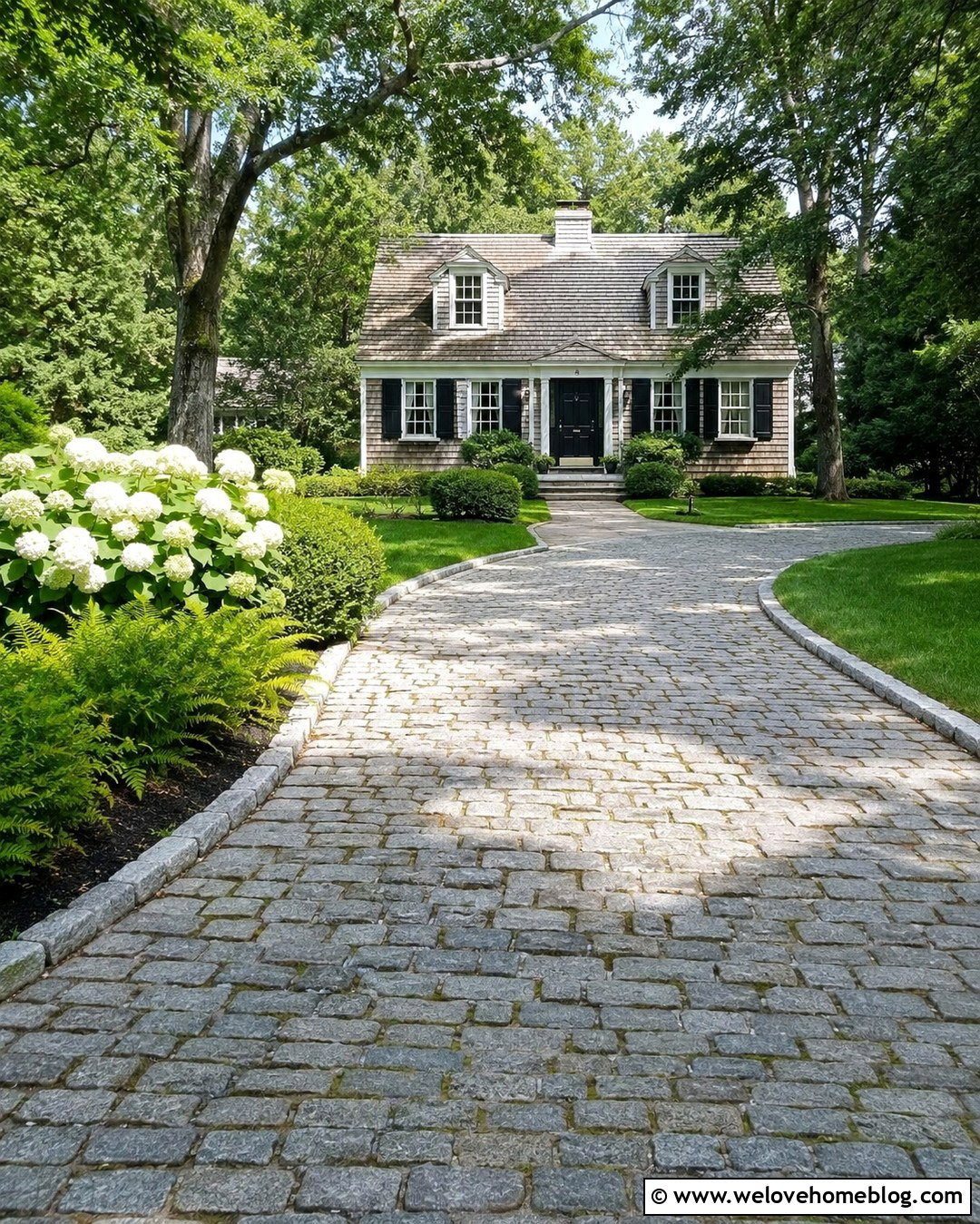
Old cobblestones and velvety green joints create a driveway that feels naturally connected to a cottage garden. Choose rounded gray or brown cobbles with generous, carefully spaced joints where moss can grow without covering the main stone surfaces. A gently curved layout makes the entrance feel relaxed rather than formal. Frame it with low boxwood, white hydrangeas, ferns, and a narrow flagstone walkway leading to the front door. Keep the wheel paths level and slightly more compact than the quieter sections near the edges. This reduces disturbance while allowing the green joints to remain visible. The look works especially well with stone cottages, Cape Cod homes, and houses surrounded by mature shade trees.
2. Moss Bluestone Driveway
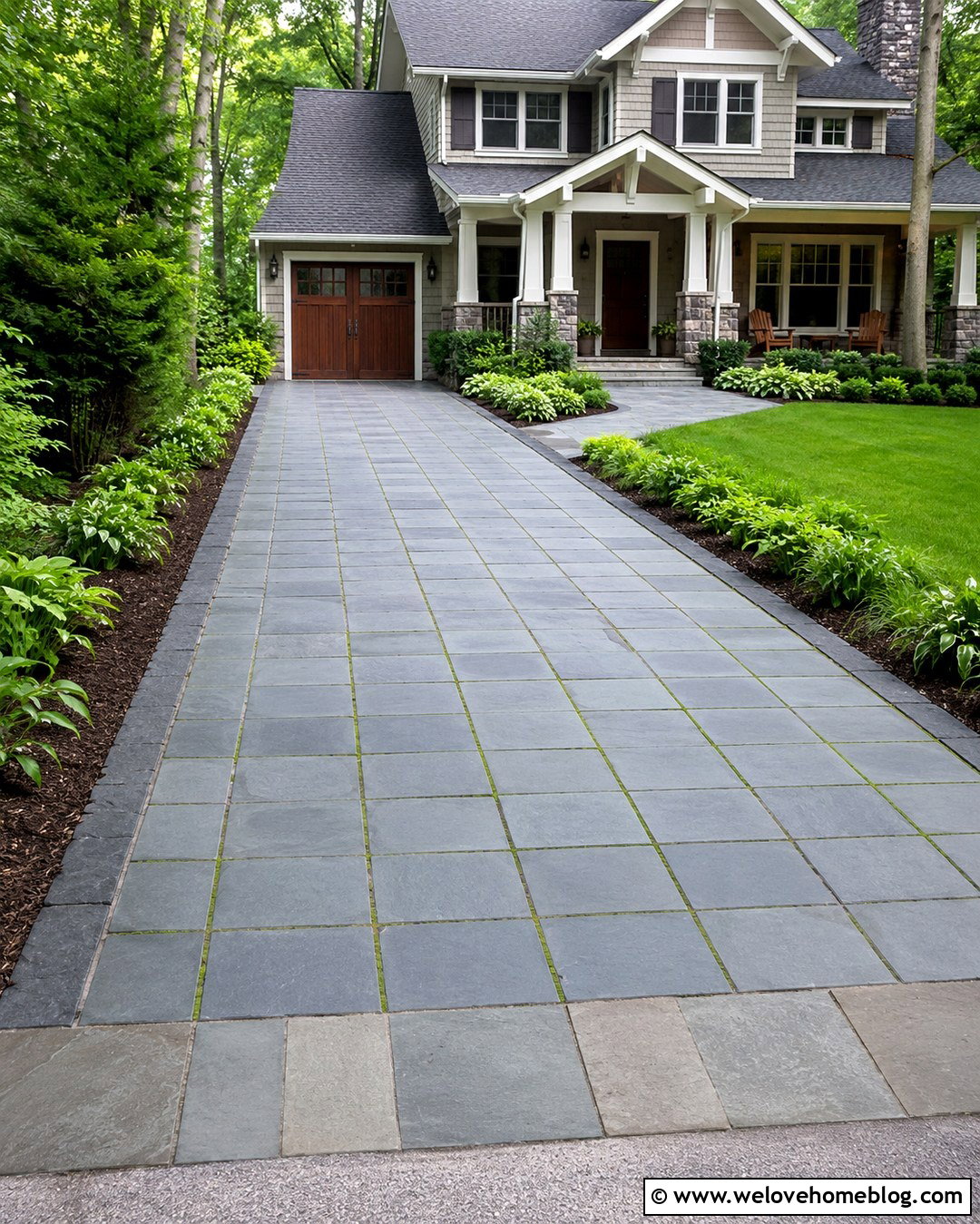
Large bluestone pavers give moss enough structure to create a clean grid instead of an uncontrolled green surface. Lay rectangular stones in a straight running pattern with narrow planting joints. Deep blue-gray stone looks especially attractive beside bright moss and cool-toned landscaping. Use a matching bluestone apron at the street, then soften the sides with inkberry shrubs, hostas, and woodland ground covers. A Craftsman house with stained wood details provides a warm background for the cooler driveway colors. Keep the pavers closely aligned in the primary driving lanes. Slightly wider joints can be used beside the walkway or near the garage, where tires are less likely to disturb the moss. The finished entrance feels tailored, calm, and established.
3. Moss Brick Driveway

A red brick driveway gains a softer, older appearance when moss fills selected joints around the edges and center. Use reclaimed clay brick pavers in a herringbone pattern for strong visual movement and reliable alignment. Rather than encouraging moss everywhere, create green sections beside a double brick border and within a narrow center ribbon. This preserves clear wheel tracks while making the surface look naturally aged. Surround the driveway with clipped hedges, flowering dogwoods, and curved perennial beds. A white Colonial house provides crisp contrast against the red brick and green moss. Continue the same brick into the front walkway so the driveway and entrance feel unified. Regular trimming keeps the moss lines neat without removing their relaxed character.
4. Moss Permeable Paver Driveway
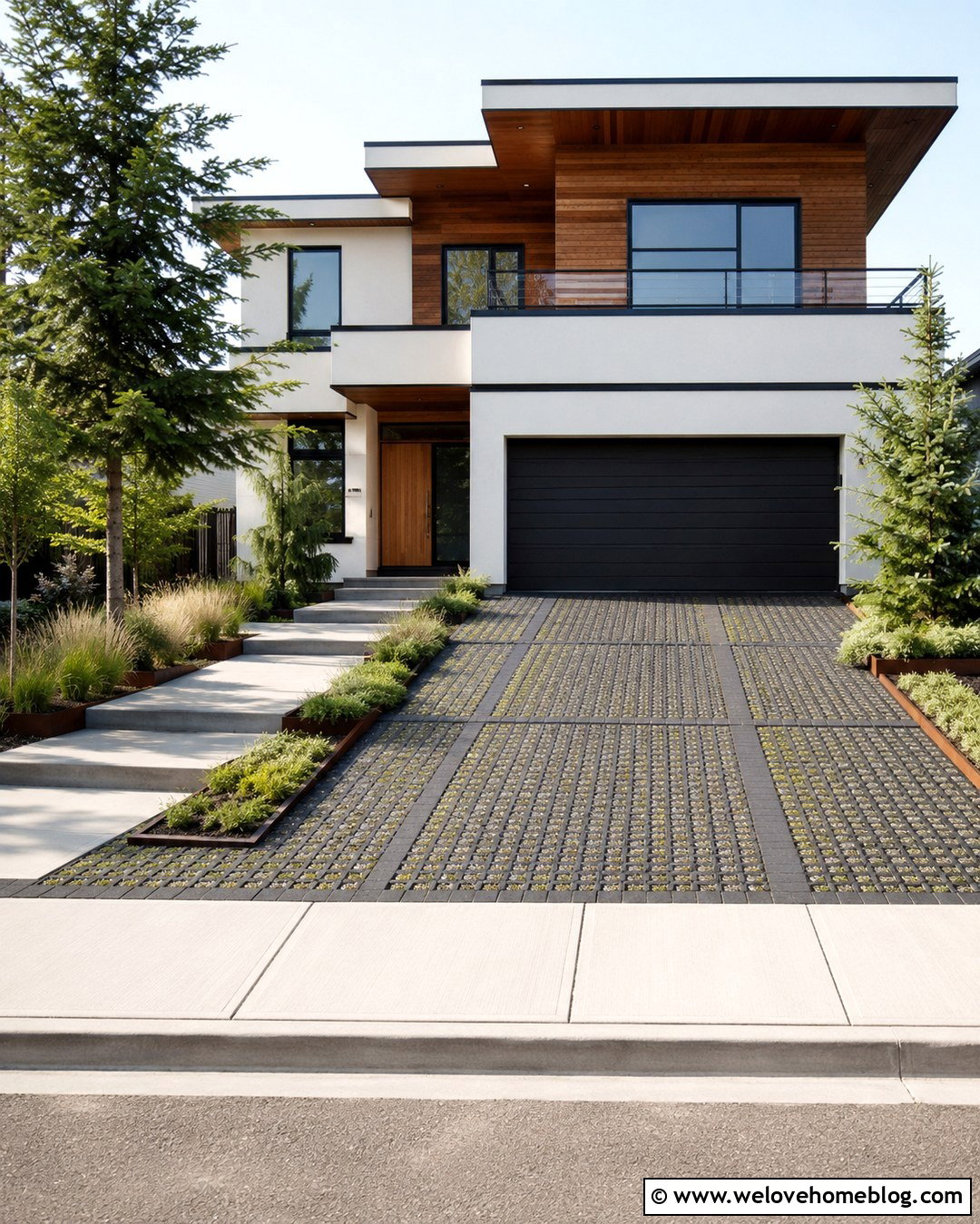
Permeable concrete pavers can create an organized moss driveway with a contemporary garden-grid appearance. Select charcoal or warm gray pavers with defined openings, then reserve moss for low-traffic gaps outside the strongest wheel paths. Beneath the surface, use a properly designed free-draining base so water does not remain trapped around the driveway. Permeable joints depend on the complete foundation and drainage system, not just visible gaps between paving units. () Add straight corten steel edging, ornamental grasses, compact evergreens, and a wide concrete walkway. The driveway works beautifully with a modern house featuring wood siding and black-framed windows. Its geometric layout keeps the greenery controlled, while the moss softens the hard edges and prevents the entrance from feeling overly stark.
5. Moss Gravel Driveway
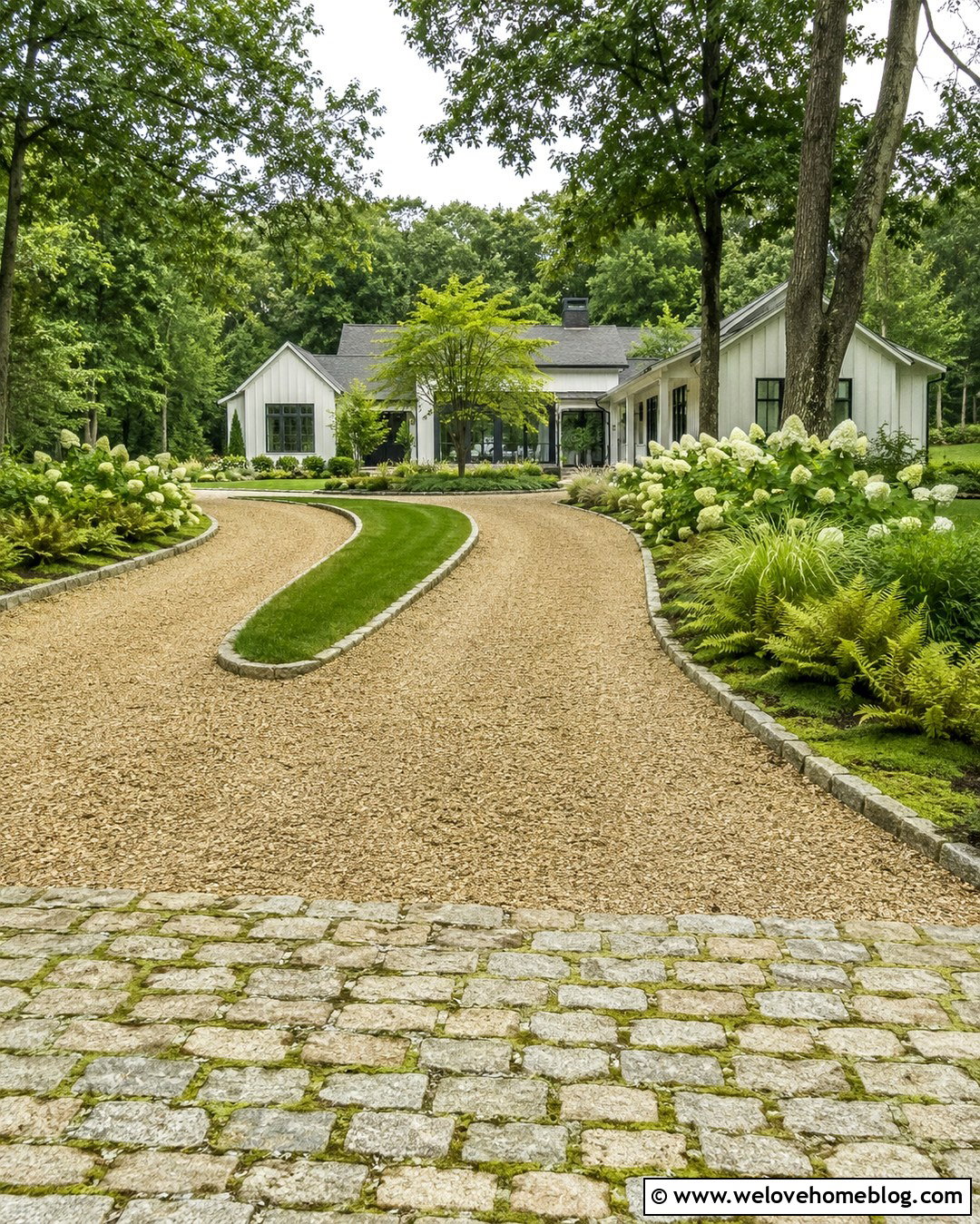
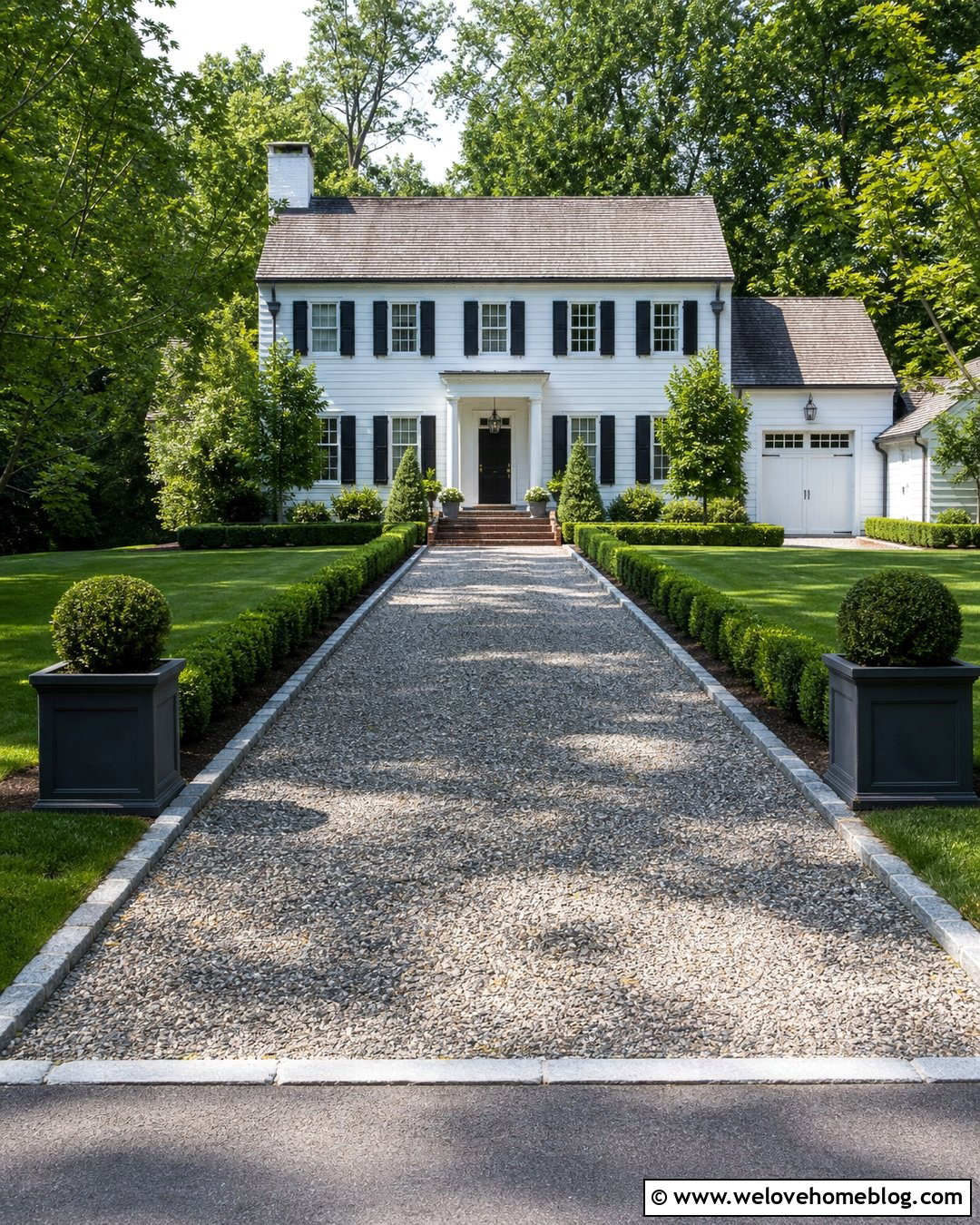
A light pea gravel driveway can feature moss without allowing it to take over the loose driving surface. Create the green detail along a cobblestone apron, shaded stone borders, and a narrow center strip protected from regular tire contact. The combination delivers the informal appeal of gravel with the aged character of moss-covered masonry. Shape the driveway with a broad curve leading toward a modern farmhouse. Use reclaimed granite curbing to contain the gravel and prevent it from spreading into nearby beds. Plant oakleaf hydrangeas, ferns, and native sedges along the shady side. Sunny sections can remain more open and dry. The contrast between pale gravel, dark edging, and fresh green moss makes the entire approach look layered, welcoming, and intentional.
6. Moss Concrete Strip Driveway
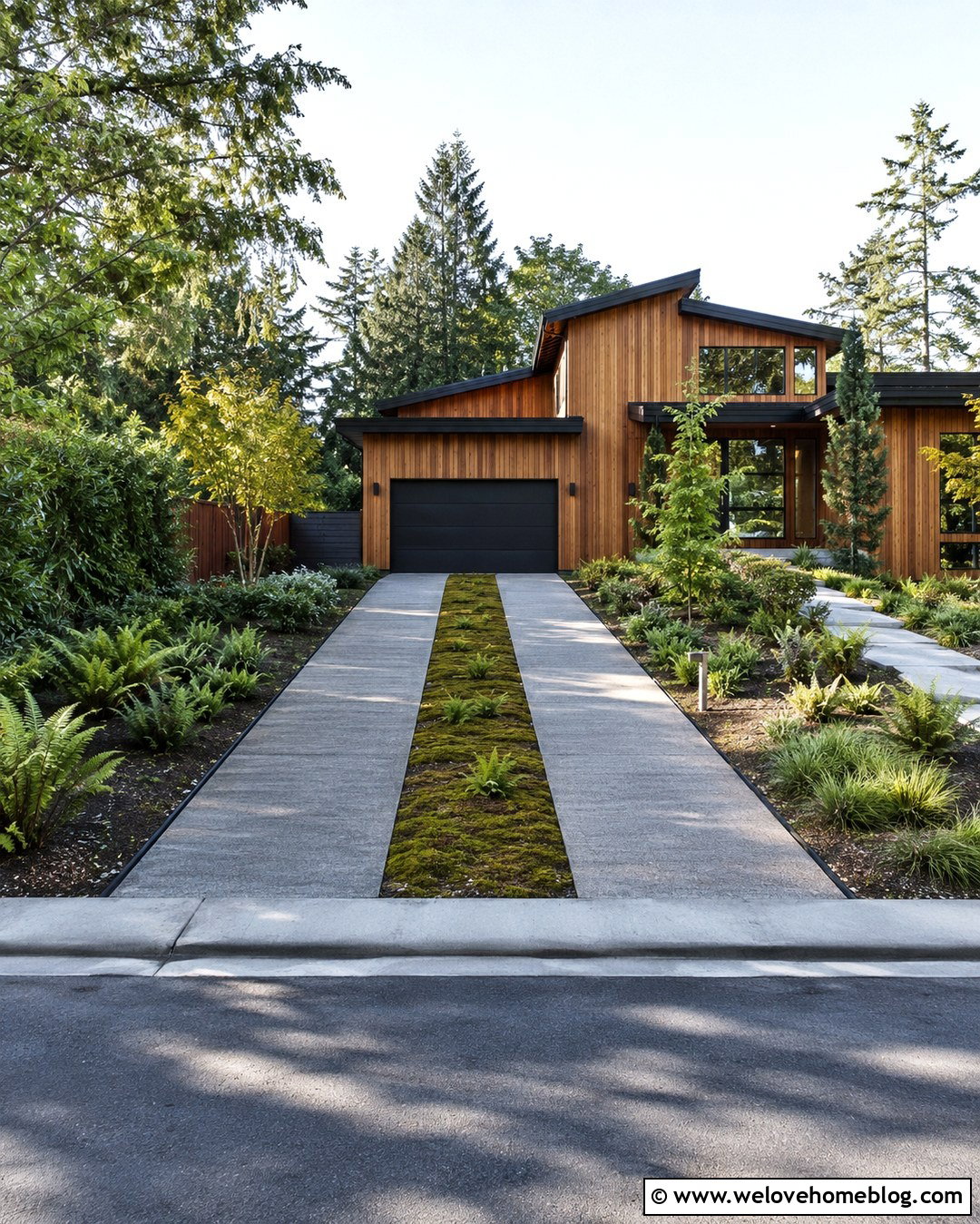
Two poured concrete wheel strips offer a practical way to bring moss into a modern driveway. Leave a wide planted channel between the strips, using moss in shaded sections and low ground cover where sunlight is stronger. The concrete should have a light broom finish for traction and a warm gray tone that complements the greenery. Straight steel edging keeps the center planting neatly separated from the driving lanes. Add rectangular planting beds filled with ferns, dwarf grasses, and simple evergreen shrubs. A low-slung modern home with natural cedar siding completes the clean look. This layout uses less solid paving than a full slab while maintaining dependable tire paths. It is best suited to a level driveway with predictable vehicle positioning and good drainage.
7. Moss Circular Driveway
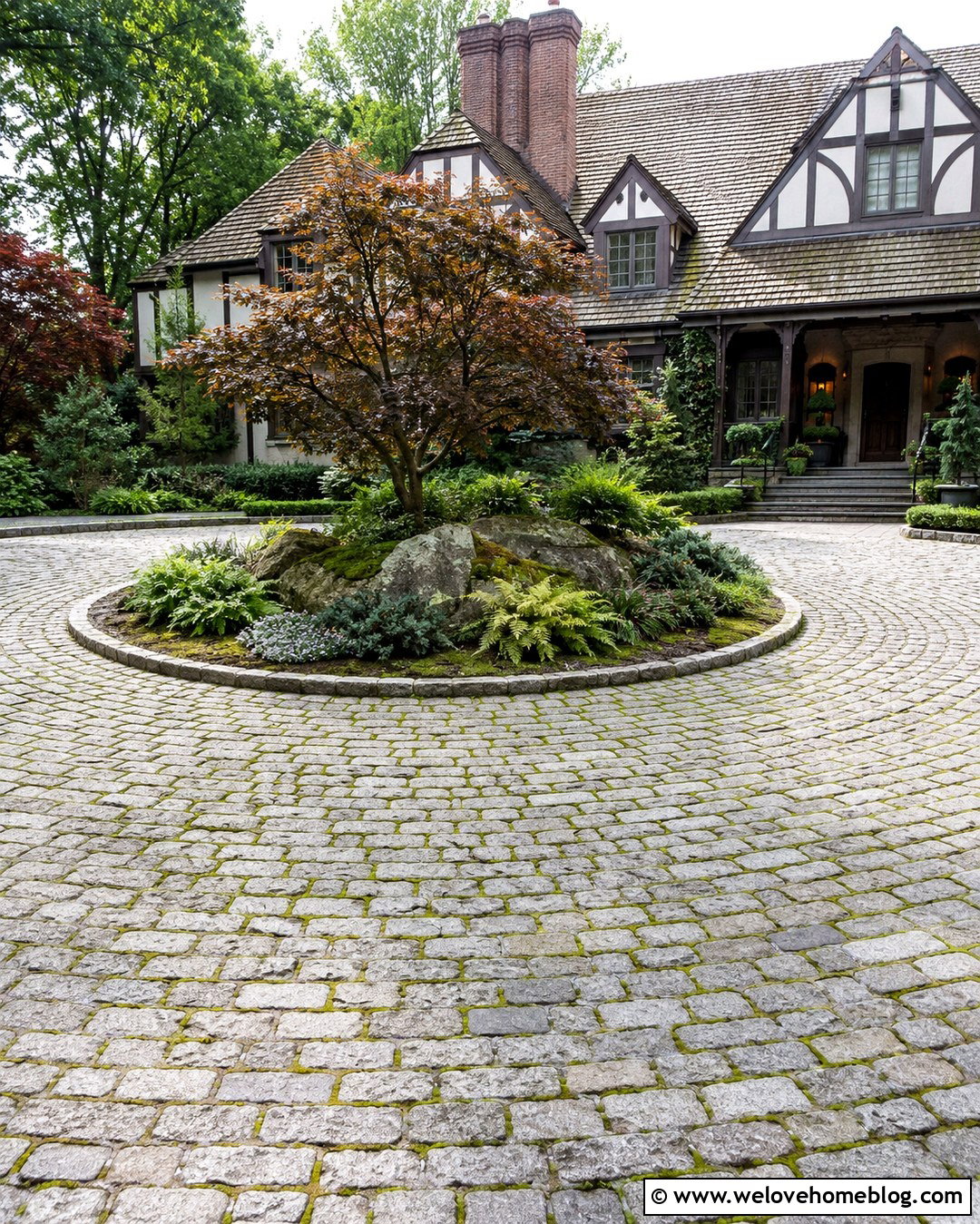
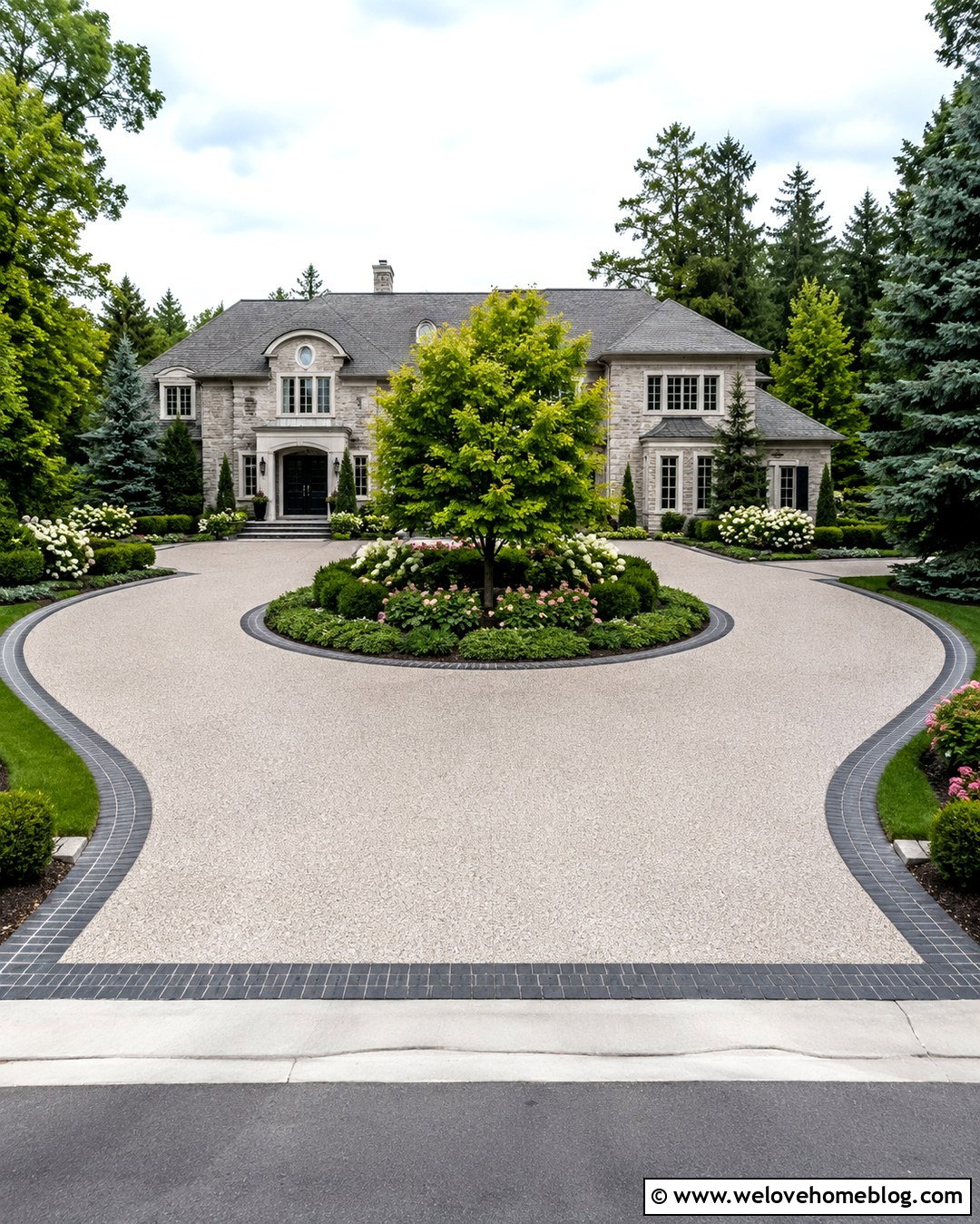
A circular moss driveway can make a large front yard feel greener and less dominated by paving. Use weathered fieldstone pavers around the loop, with moss concentrated in narrow joints and along the inner border. Place a layered garden inside the circle with a small ornamental tree, evergreen shrubs, ferns, and boulders. A low stone curb protects the central planting while repeating the driveway material. Near the front steps, widen the paving into a convenient arrival area with tighter, cleaner joints. The design pairs naturally with a Tudor, stone Colonial, or substantial country home. Keep the outer driving edge open and clearly defined. The resulting driveway feels elegant without becoming formal, and the central greenery gives visitors a memorable view from every direction.
8. Moss Granite Sett Driveway
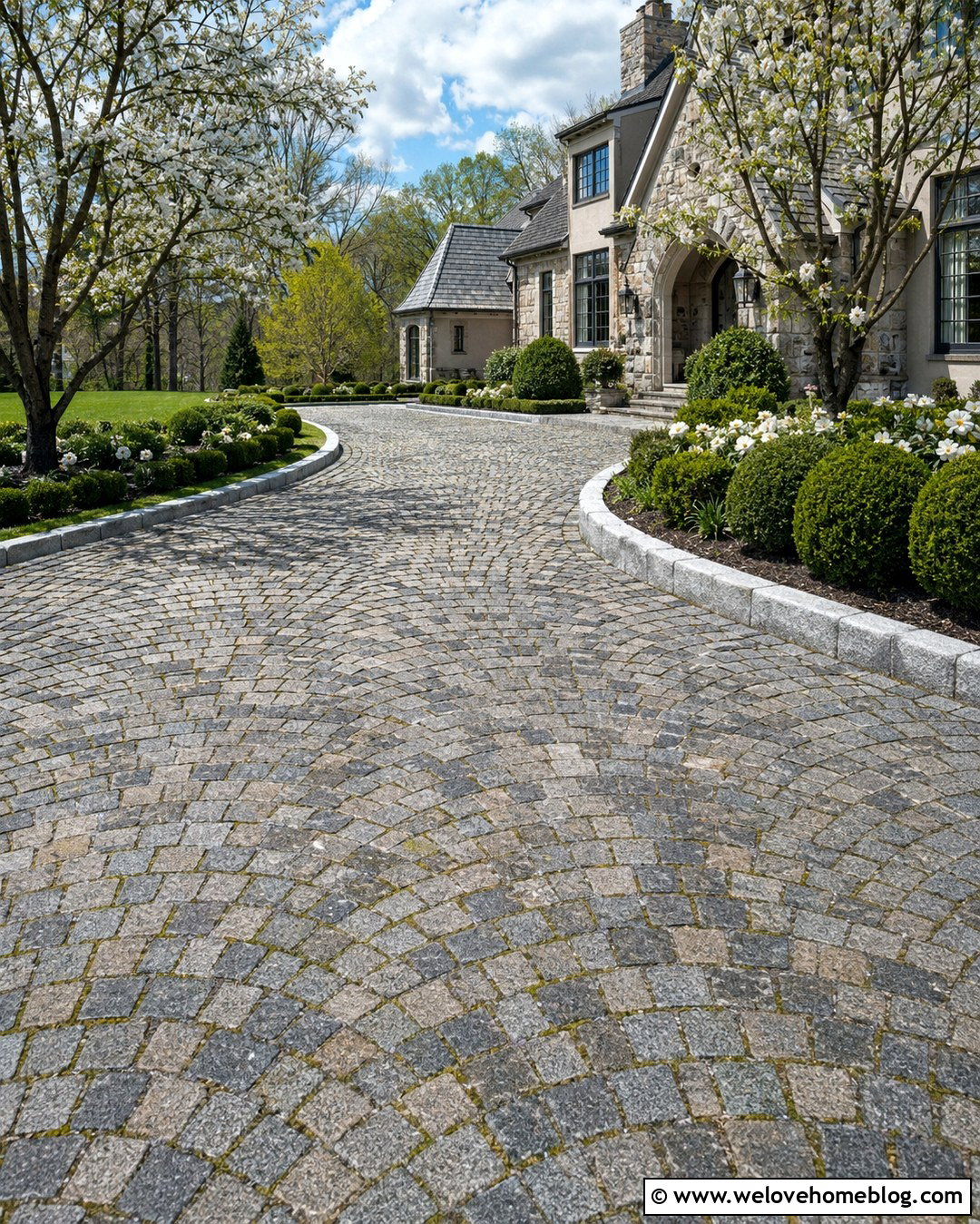
Granite setts provide a durable, textured foundation for a moss-filled driveway with European character. Choose mixed charcoal, silver, and warm gray blocks laid in gentle fan patterns. Allow controlled green joints near the borders while using tighter aggregate-filled joints along the most heavily traveled wheel paths. A curved layout can follow the natural shape of the yard and reduce the rigid appearance of the stone. Edge the driveway with larger granite curbs, then add clipped yew, white roses, and small flowering trees. A stucco or stone house works well behind the varied gray surface. Because the blocks already have subtle color differences, the moss looks integrated rather than added afterward. The complete entrance feels mature, detailed, and suitable for year-round curb appeal.
9. Moss Woodland Driveway
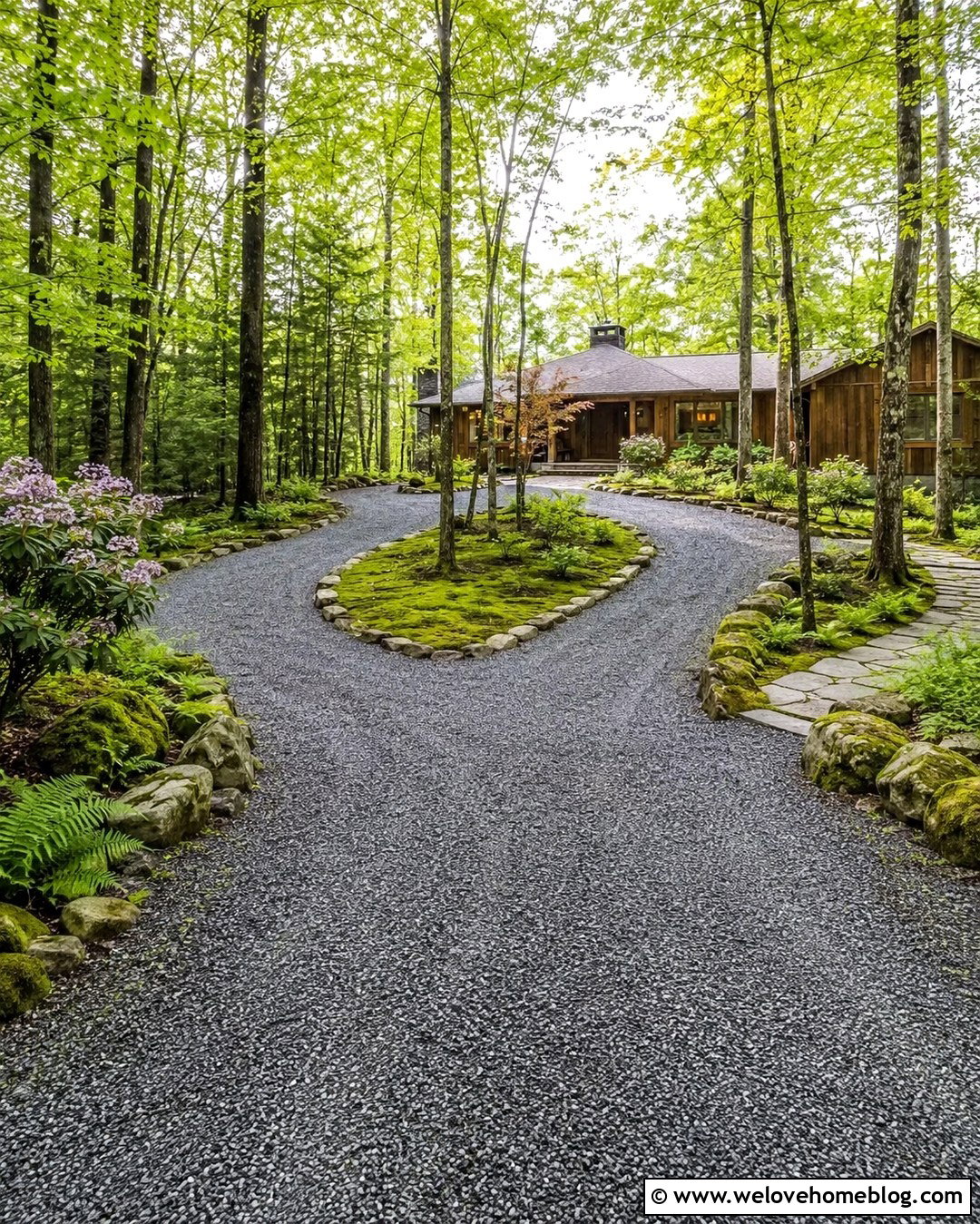
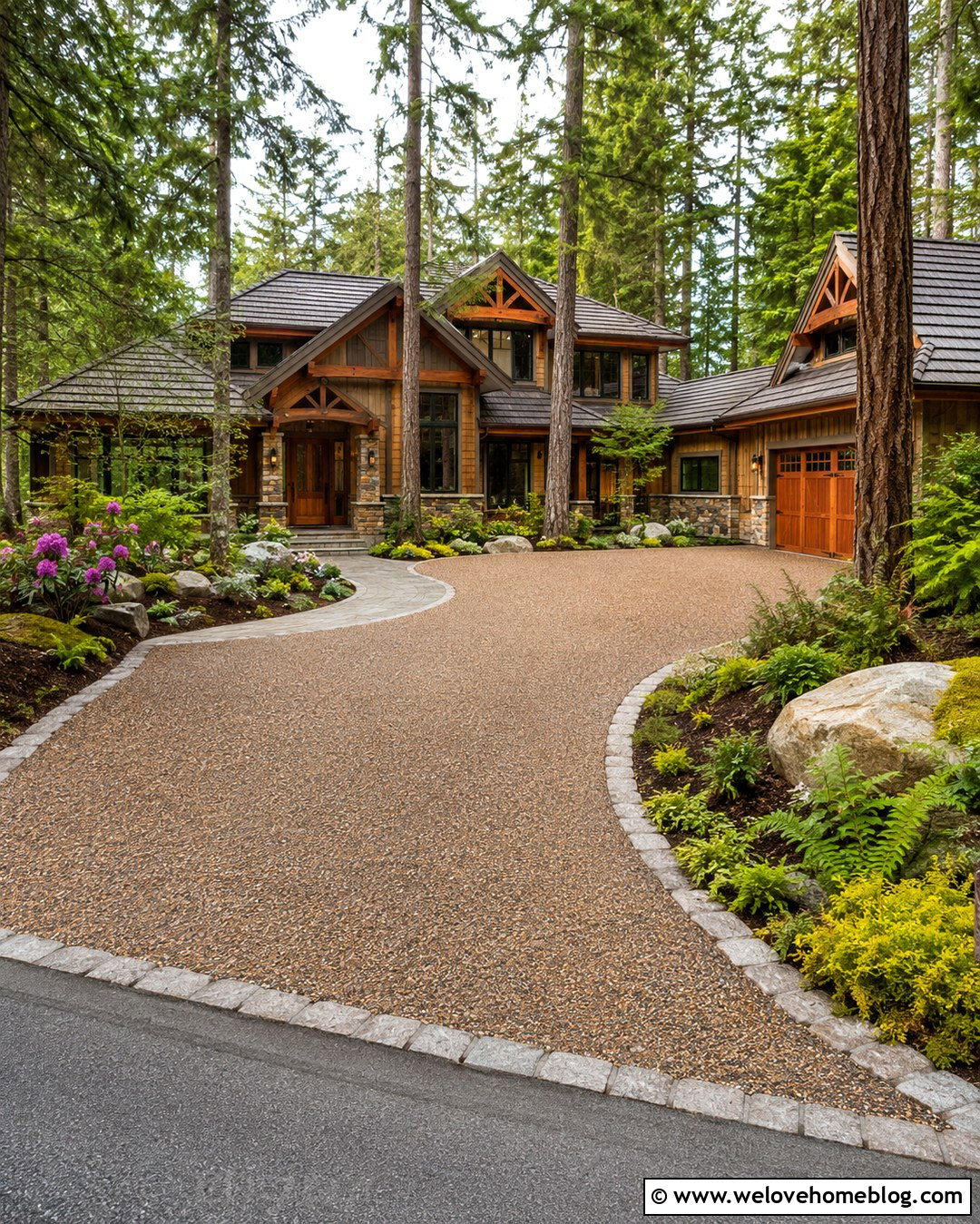
Imagine a gravel lane winding beneath mature trees, with moss covering the shaded shoulders and nearby stones. Use compacted gray crushed gravel for the main driving surface and irregular fieldstone edging to separate it from the woodland floor. Encourage moss on the border stones, center island, and protected areas instead of across loose gravel where turning tires would tear it apart. Plant native ferns, mountain laurel, shade-tolerant sedges, and woodland shrubs along the approach. A rustic ranch or cedar-clad house fits naturally at the end of the lane. Keep branches trimmed so the entrance remains bright enough to feel welcoming. Moss can become slick when wet, so maintain clean wheel paths and walking routes, particularly on curves or slopes. ()
10. Moss Concrete Paver Driveway
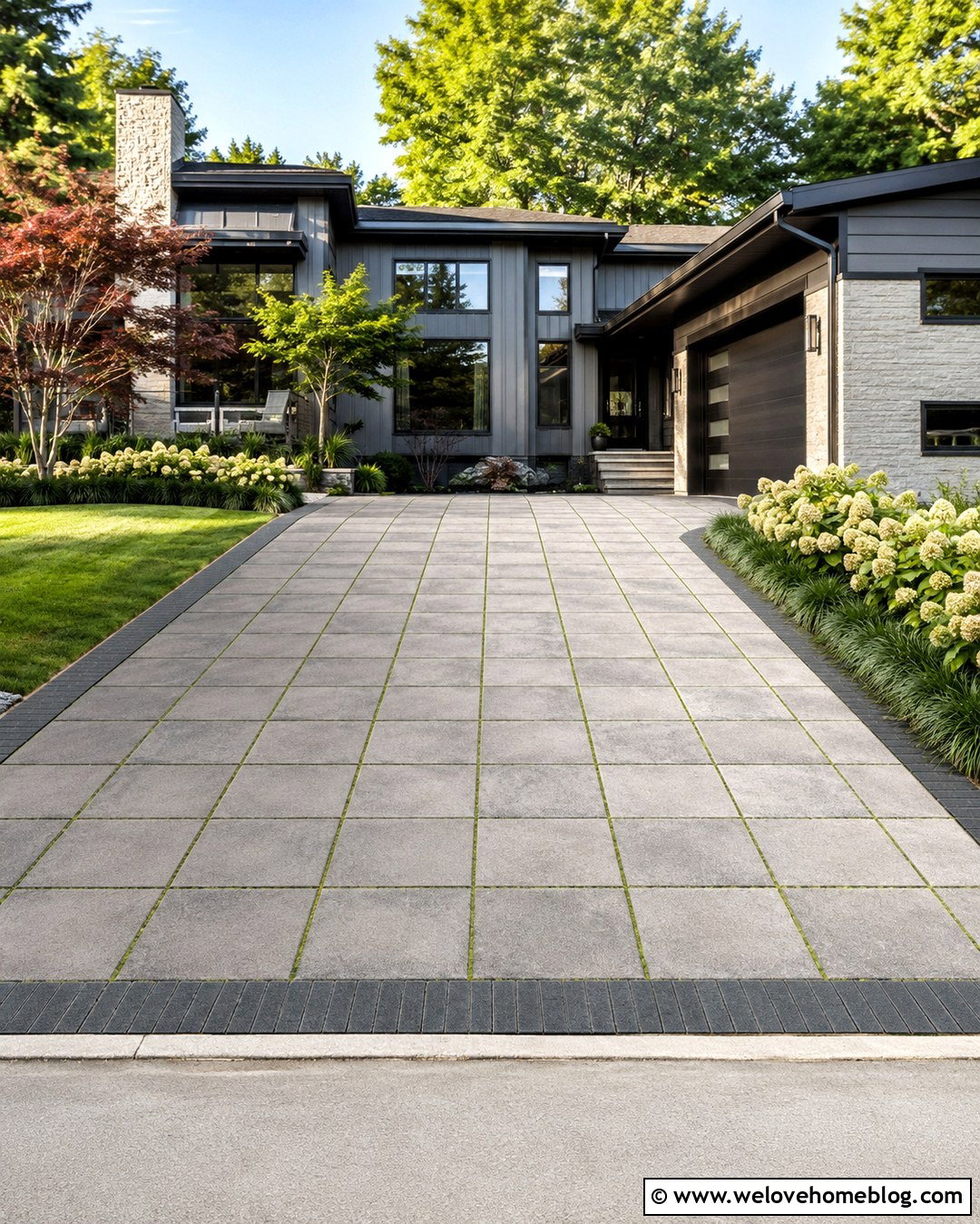
Square concrete pavers with green joints can give a small suburban driveway a simple garden-inspired update. Select large warm-gray units and place them in a straight grid that visually widens the entrance. Keep the joints narrow beneath the expected tire tracks, then widen them slightly beside the lawn and front walkway. Use moss only where shade and moisture make it practical. A dark charcoal paver border adds definition and prevents the layout from blending into the sidewalk. Frame the driveway with compact hydrangeas, Japanese forest grass, and one small ornamental maple. The complete look suits a renovated ranch house or contemporary split-level. Because the pattern is orderly, the moss reads as part of the design rather than neglected growth between aging pavers.
11. Moss Reclaimed Brick Driveway
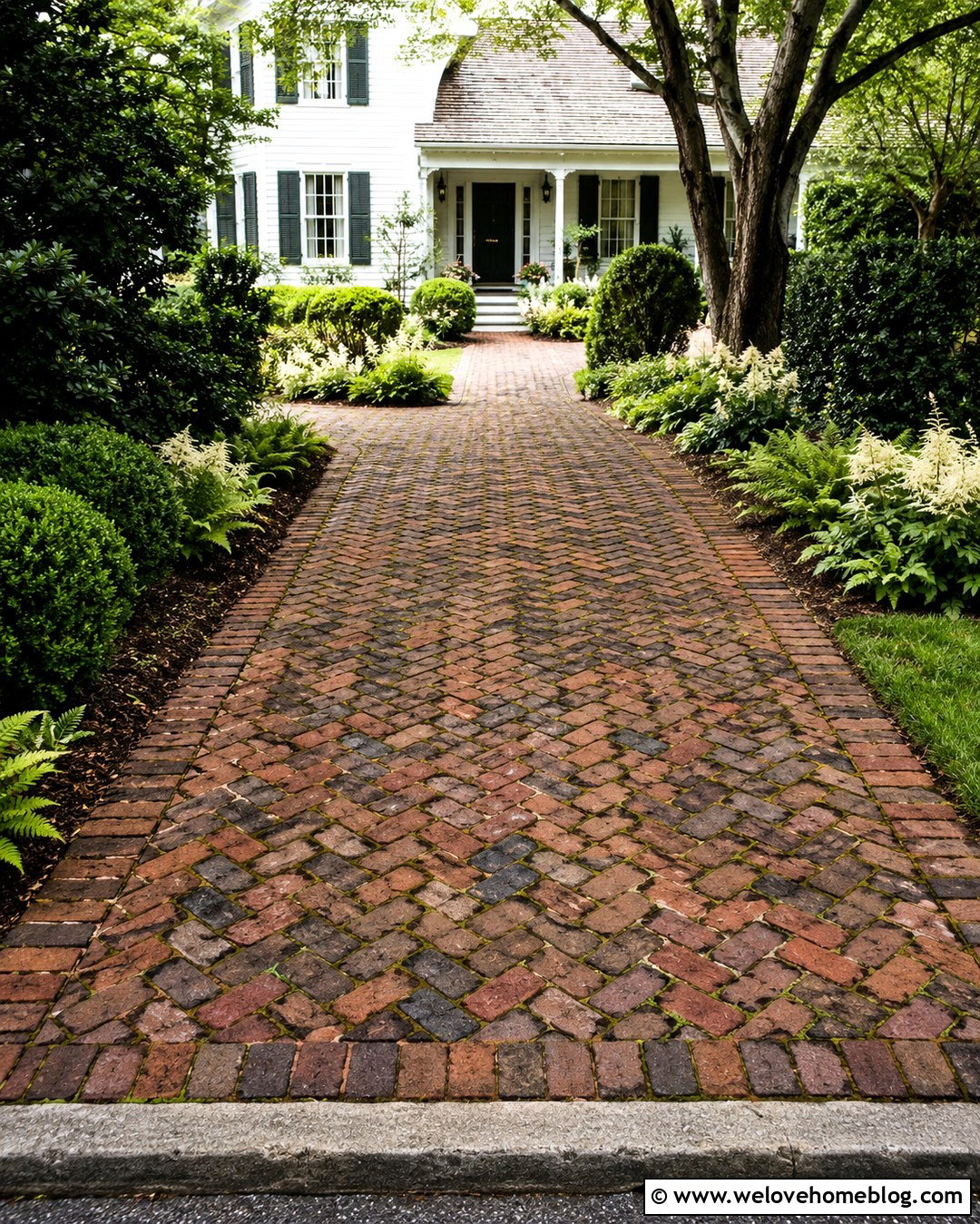
Reclaimed brick brings immediate warmth to a moss driveway, especially when the colors range from muted red to brown and charcoal. Lay the bricks in a basketweave pattern across a straight driveway, then use a soldier-course border to hold the edges visually together. Moss can fill selected shaded joints beside the border, near planting beds, and along a protected center line. Add informal drifts of ferns, white astilbe, and evergreen shrubs rather than tightly clipped landscaping. A historic farmhouse or painted cottage makes an ideal backdrop. Repeat the brick around the porch steps and mailbox base for continuity. The imperfect color and gently softened joints make the entrance feel authentic, while clear wheel paths provide the clean structure needed for everyday use.
12. Moss Black Paver Driveway
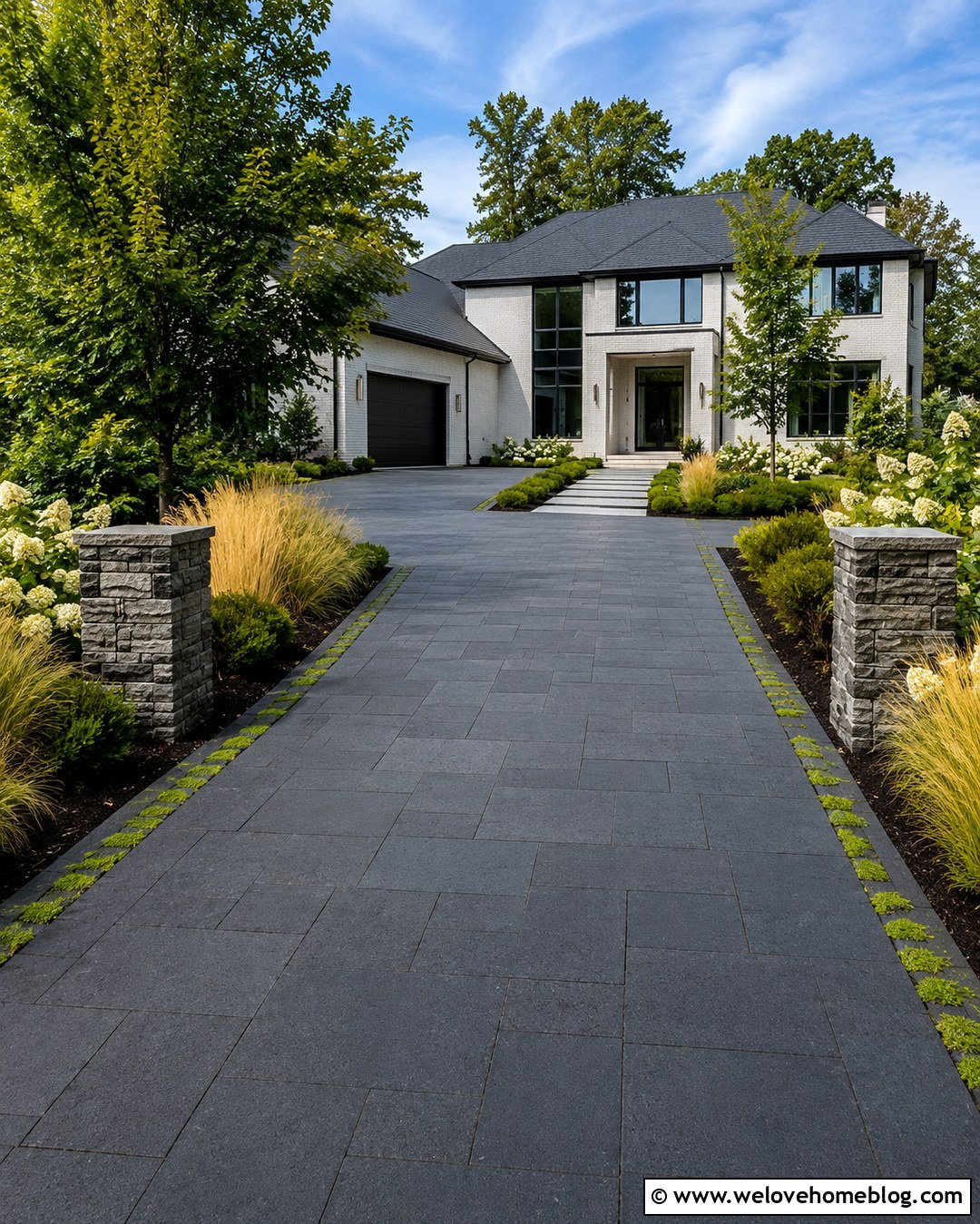
Dark paving makes bright green moss stand out with strong contrast. Use charcoal concrete pavers or flamed black basalt units in a large rectangular pattern. Create thin moss seams around the outer sections while filling the main driving joints with a stable material appropriate for the paving system. A straight driveway with a broad turning pad keeps the geometry easy to understand. Continue the dark tones through black metal edging, modern address pillars, and a simple front walkway. Plant pale ornamental grasses, white flowering shrubs, and low evergreen mounds to brighten the border. This complete driveway look works best with a white modern house, where the black surface anchors the facade. The moss adds natural softness without weakening the crisp contemporary composition.
13. Moss Limestone Driveway
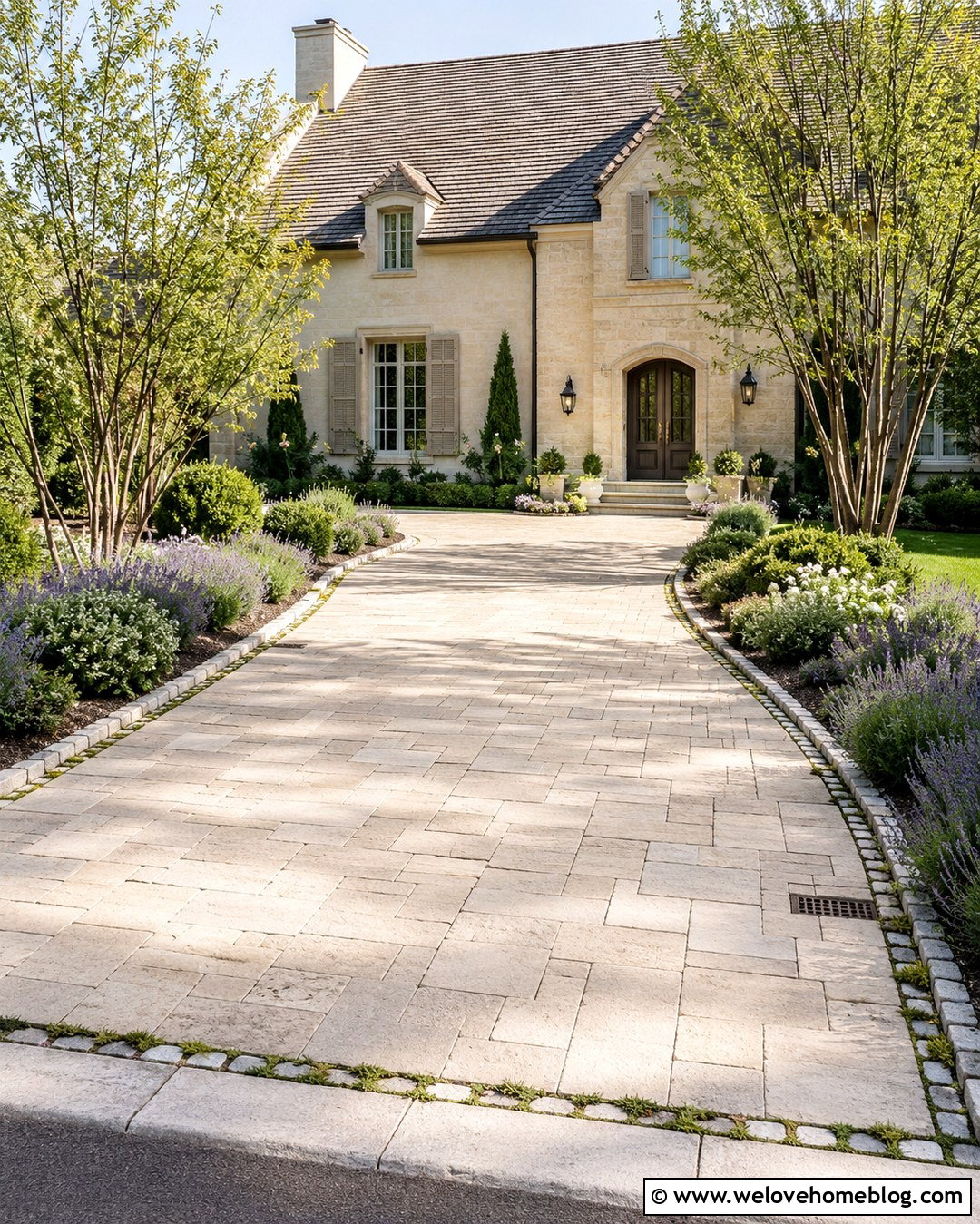
Cream limestone pavers and green moss create a light, garden-focused driveway suited to traditional homes. Choose thick tumbled pavers with a slightly varied beige finish. Arrange them in a modular pattern so the surface feels relaxed but still organized. Moss can occupy selected joints around the perimeter, between a few larger stones, and beside the walkway connection. Use matching limestone blocks as edging, then frame the driveway with lavender, soft green shrubs, and multi-stem serviceberry trees. A beige stucco or French country house continues the warm palette. Avoid covering every joint because the contrast is more attractive when the moss appears in measured sections. The finished driveway feels bright from the street while gaining enough greenery to settle comfortably into the surrounding garden.
14. Moss Flagstone Driveway
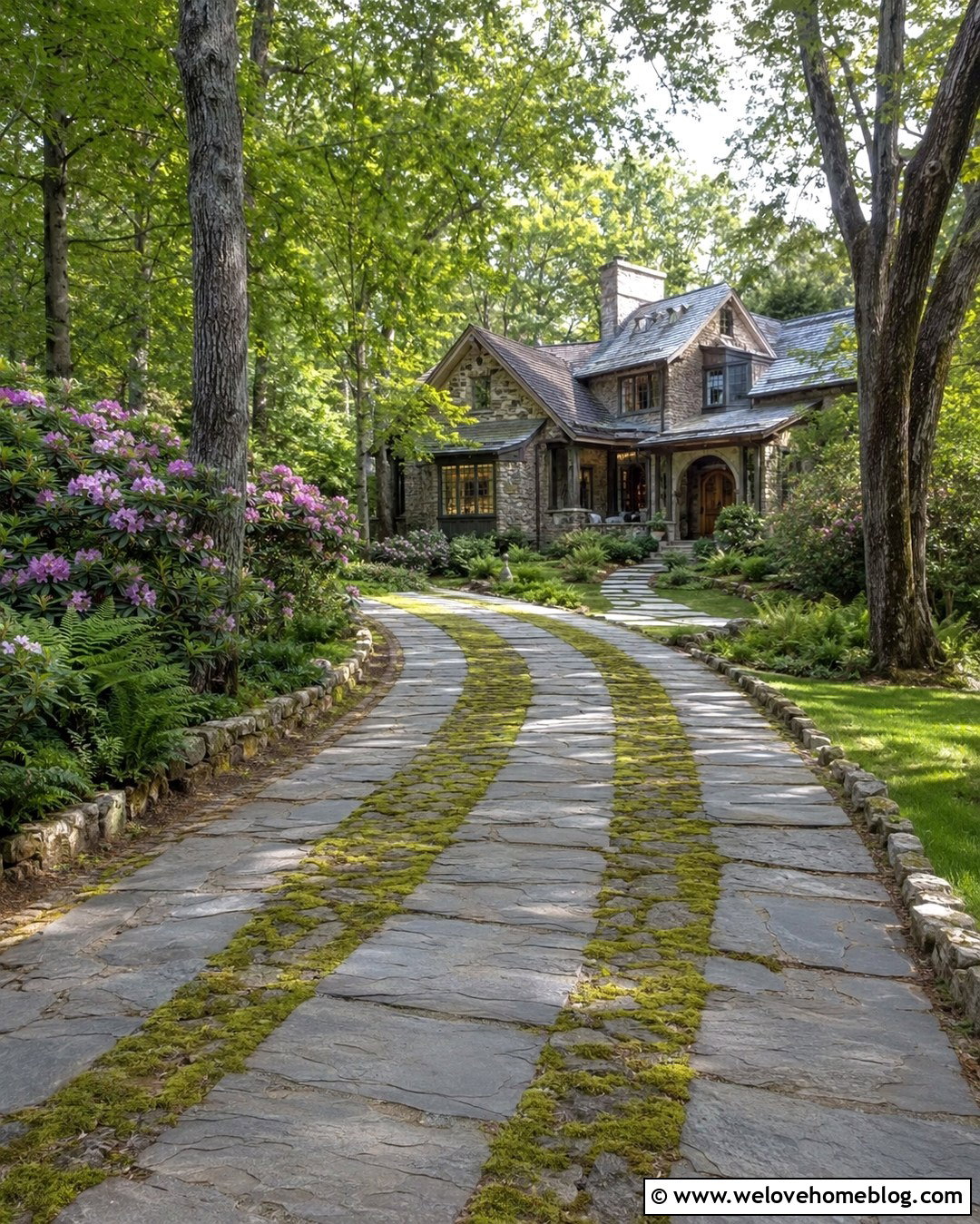
Irregular flagstone creates one of the most natural foundations for a moss driveway. Use thick gray flagstones with broad shapes that can carry vehicle loads when installed over a suitable base. Place the largest stones along two clear wheel paths and reserve wider moss joints for the center and outer edges. Irregular fieldstone curbing can follow a softly curved entrance toward a country house. Surround the driveway with rhododendrons, ferns, woodland grasses, and mature deciduous trees. A short flagstone walkway should branch toward the front porch using the same joint treatment. The uneven outlines provide a handcrafted look, but the finished surface should remain level and stable. This design is especially effective where a formal paved driveway would feel too severe for the natural setting.
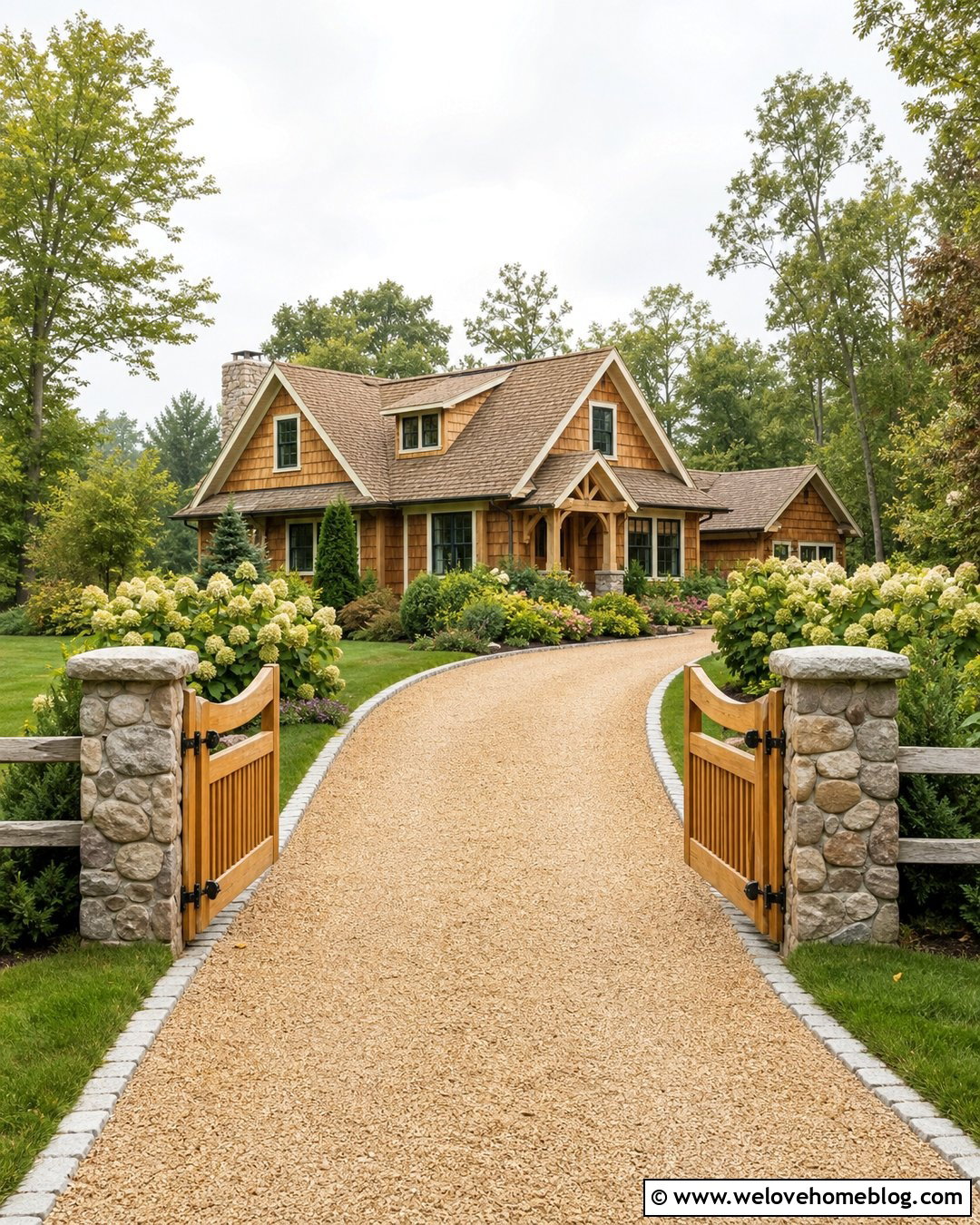
15. Moss Asphalt Driveway
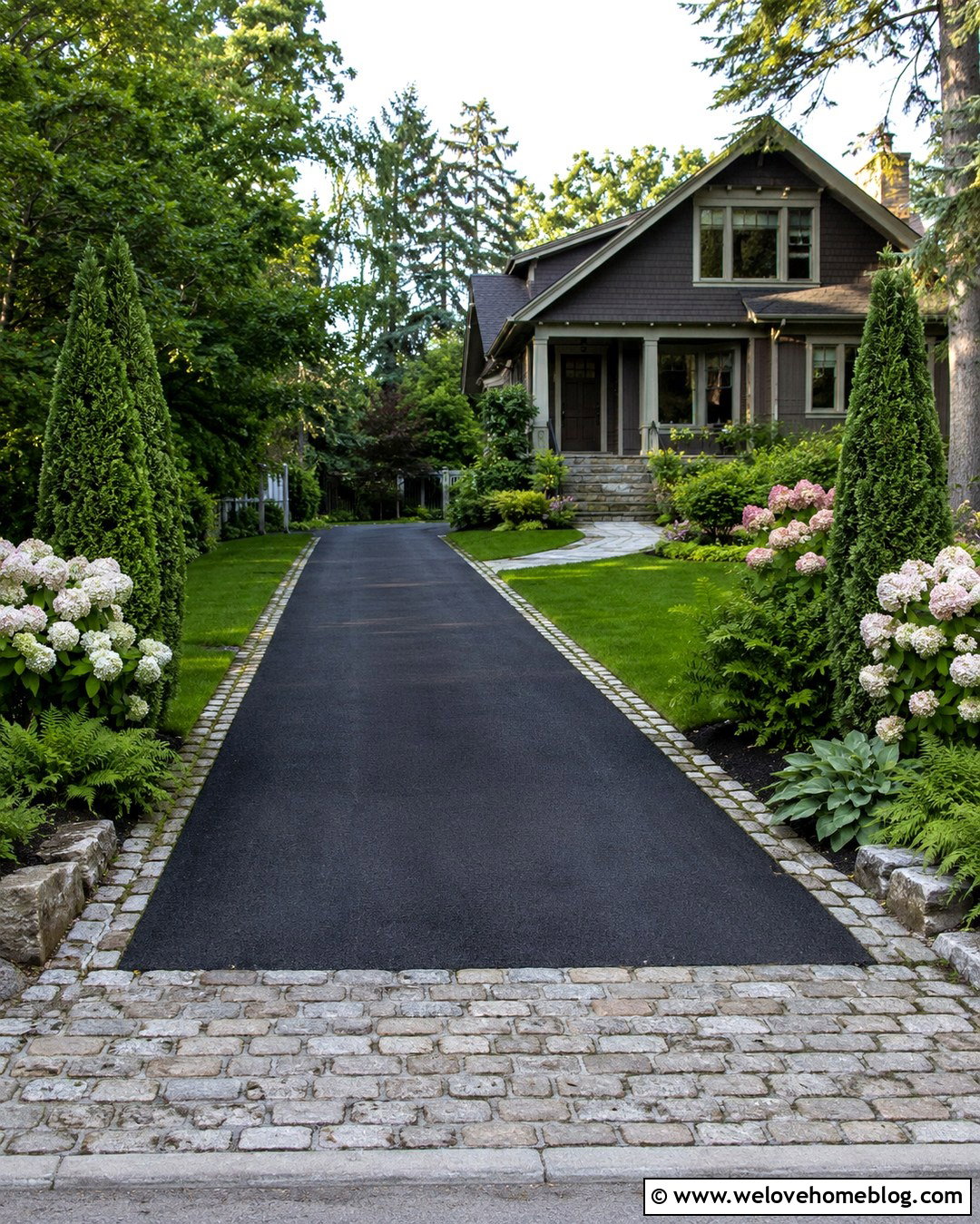
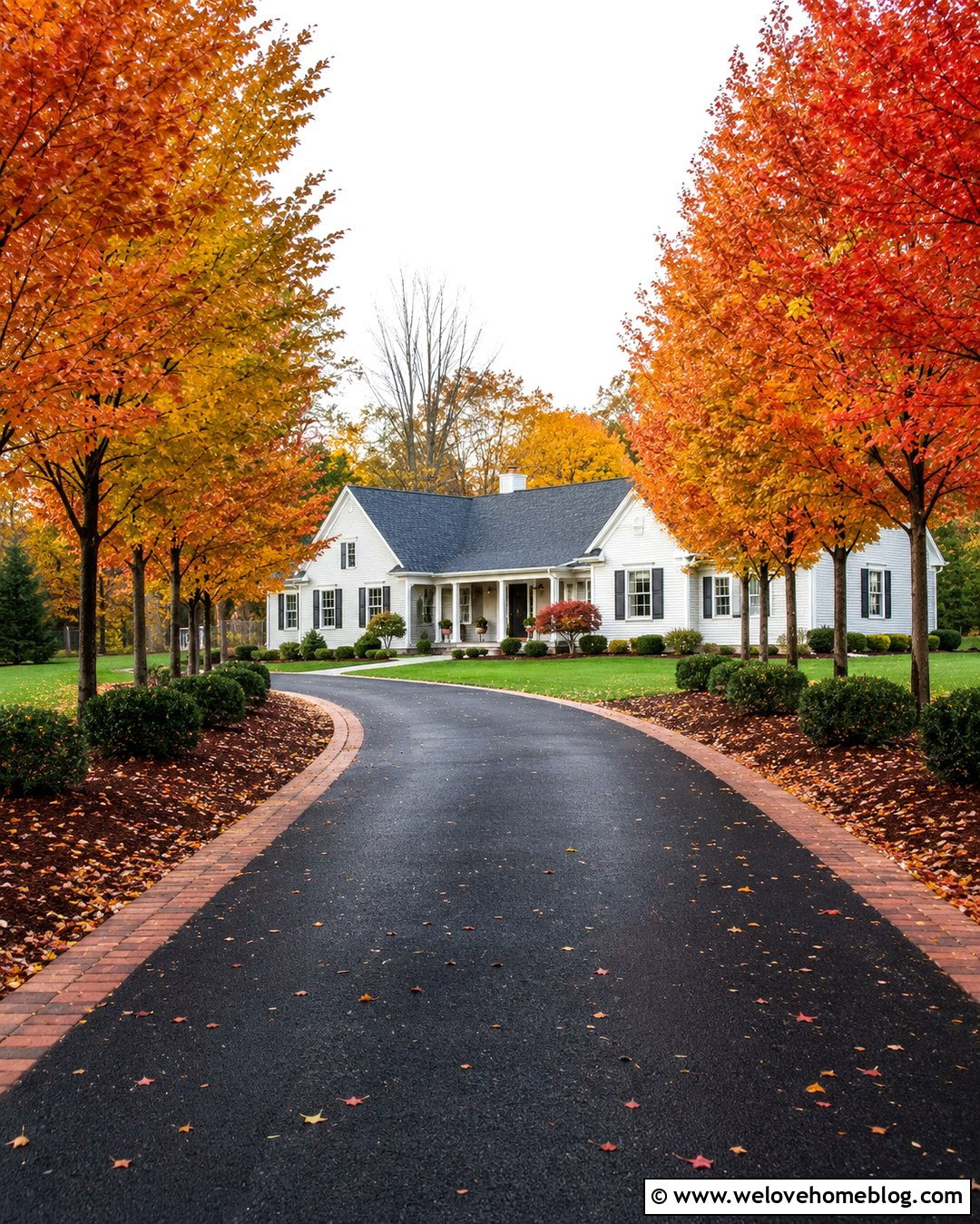
Black asphalt becomes more attractive when paired with moss-covered cobblestone borders and a detailed stone entrance apron. Keep the driving surface smooth and free from moss, then concentrate the green texture beside the pavement where it will not affect traction. Install two rows of weathered granite cobbles along both sides, allowing moss to soften their joints beneath partial shade. At the street, create a wider cobblestone apron that signals the entrance and protects the asphalt edge. Add sweeping beds of hydrangeas, ferns, and upright evergreens beside a Craftsman house. The dark asphalt provides a practical background, while the mossy stonework gives it age and character. This approach is also easier to manage than trying to maintain living joints across an entire paved surface.
16. Moss Resin-Bound Driveway
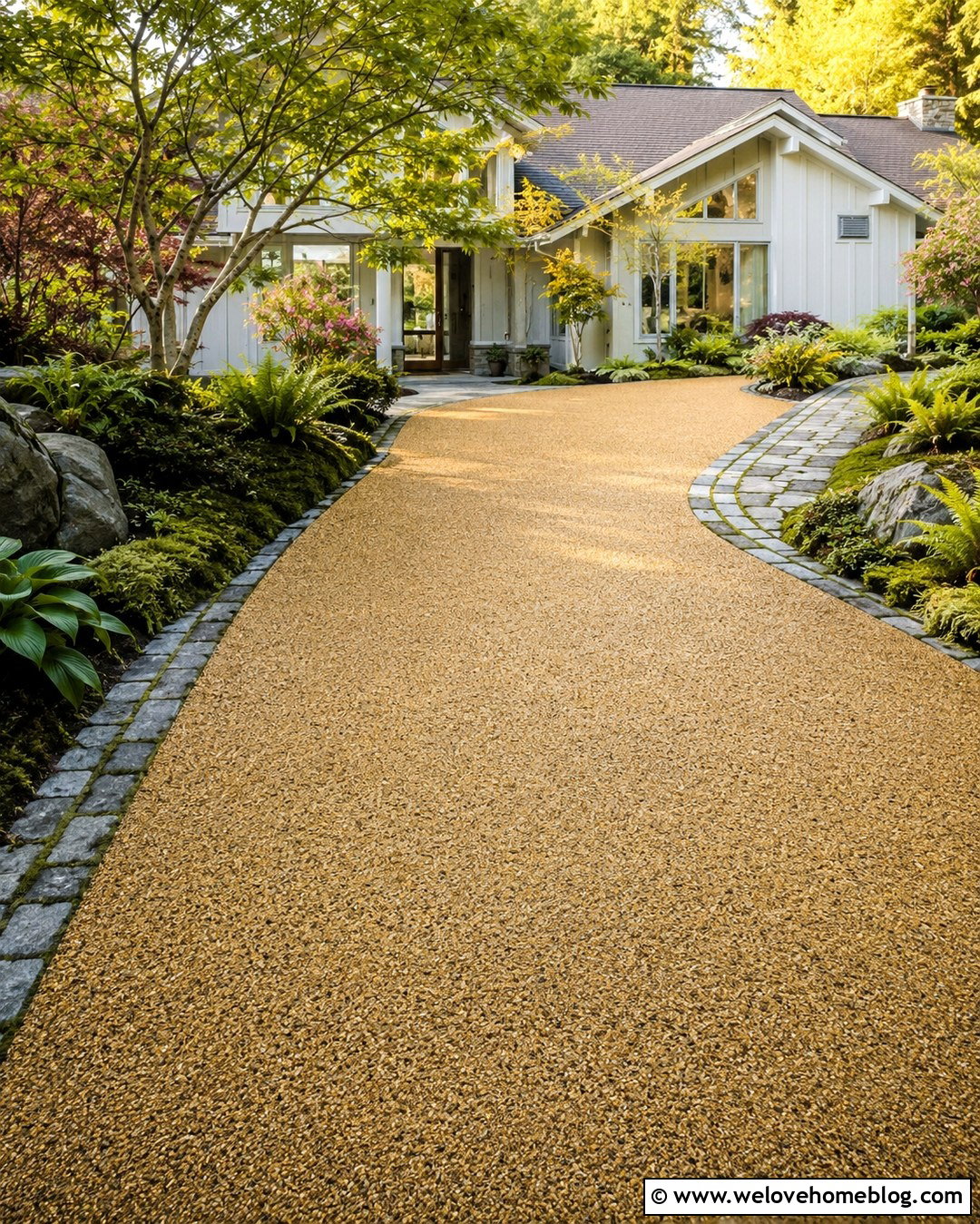
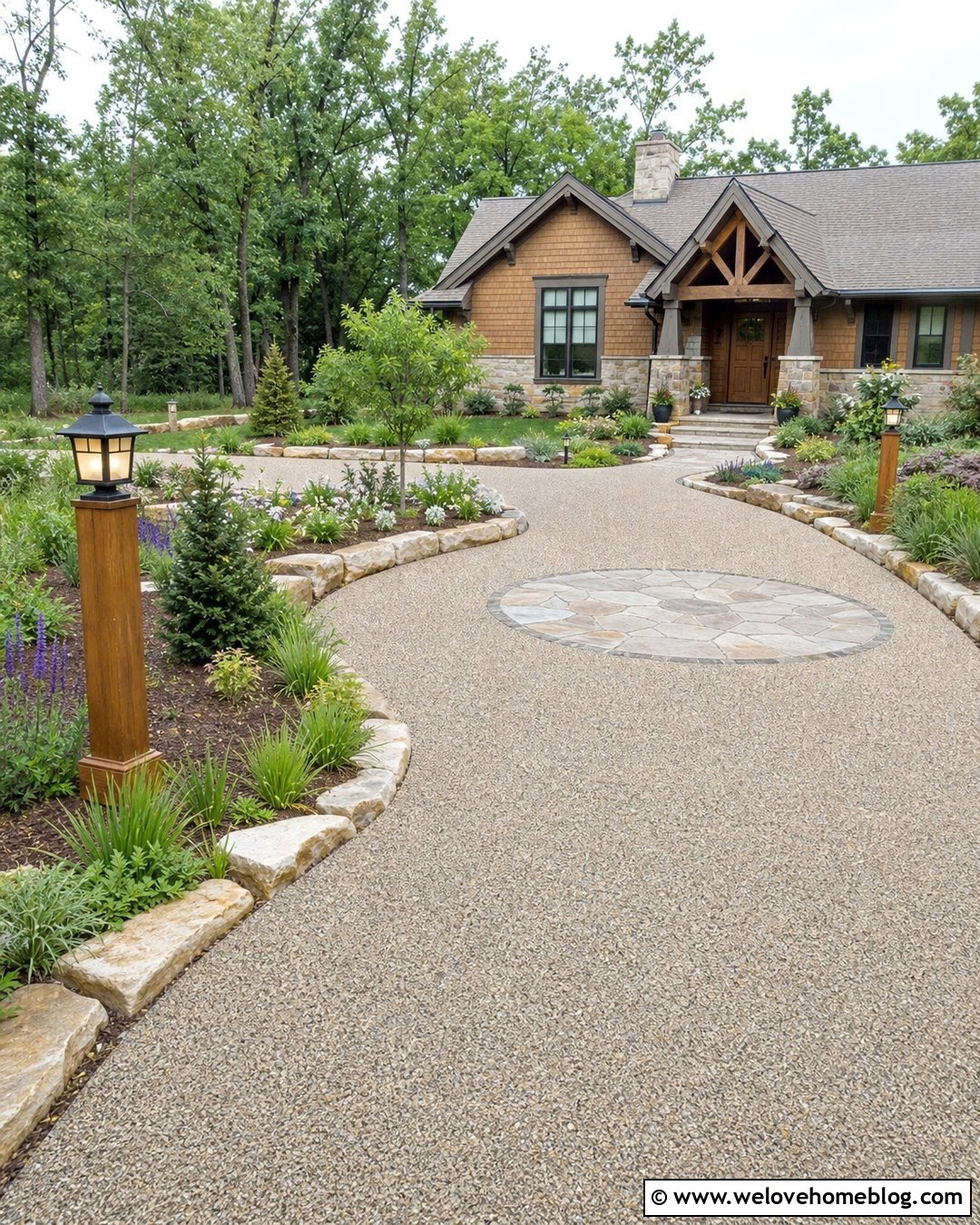
A resin-bound gravel driveway can support a moss-focused landscape without putting living material in the driving surface. Choose fine golden aggregate with an even, seamless finish, then border it with weathered stone setts containing soft moss joints. Shape the driveway with a shallow curve toward a light-colored contemporary cottage. Create shaded planting beds along one side with boulders, ferns, hostas, and patches of moss that visually connect to the stone border. On the sunnier side, use compact grasses and flowering shrubs for balance. Add a narrow stone walkway that repeats the moss-filled joints. The smooth resin-bound surface remains visually clean and easy to read, while the green edges provide texture. This is a useful option for homeowners wanting subtle woodland character with a more controlled driveway.
17. Moss Split Driveway
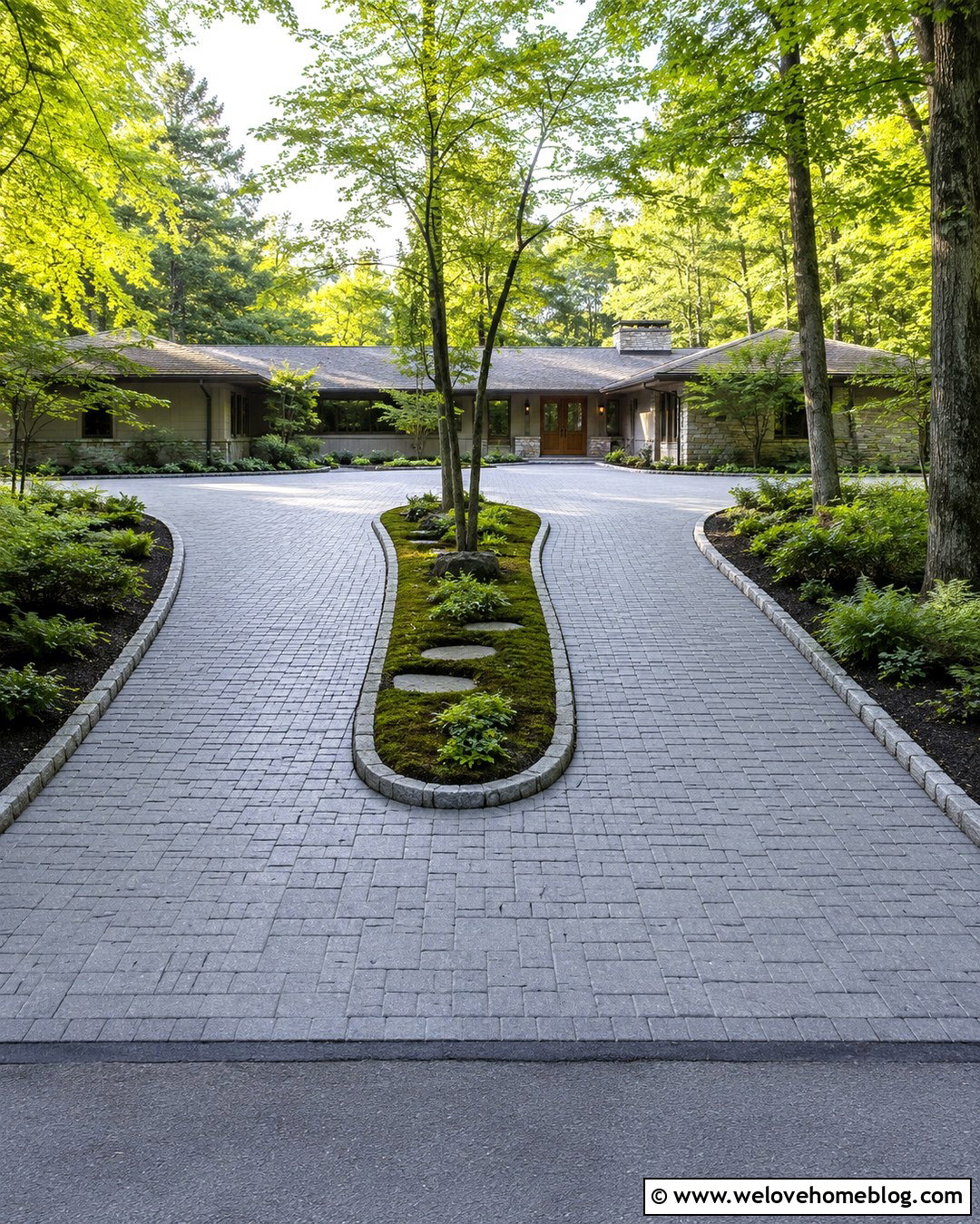
A split driveway turns a wide entrance into two narrower driving lanes separated by a green median. Build the lanes from textured concrete pavers in a soft gray tone, using clean, closely fitted joints where tires pass. Fill the center median with moss, shade-loving ground covers, small ferns, and flat stepping stones for maintenance access. A low granite curb should contain the planting and protect it from turning vehicles. At the garage, reconnect the lanes into one broad parking pad with a matching paver border. Add small trees and layered shrubs along the outside edges. The design suits a wide ranch, midcentury home, or contemporary residence. Its green center reduces the visual weight of the paving and makes a large front yard feel more like a garden.
18. Moss Horseshoe Driveway
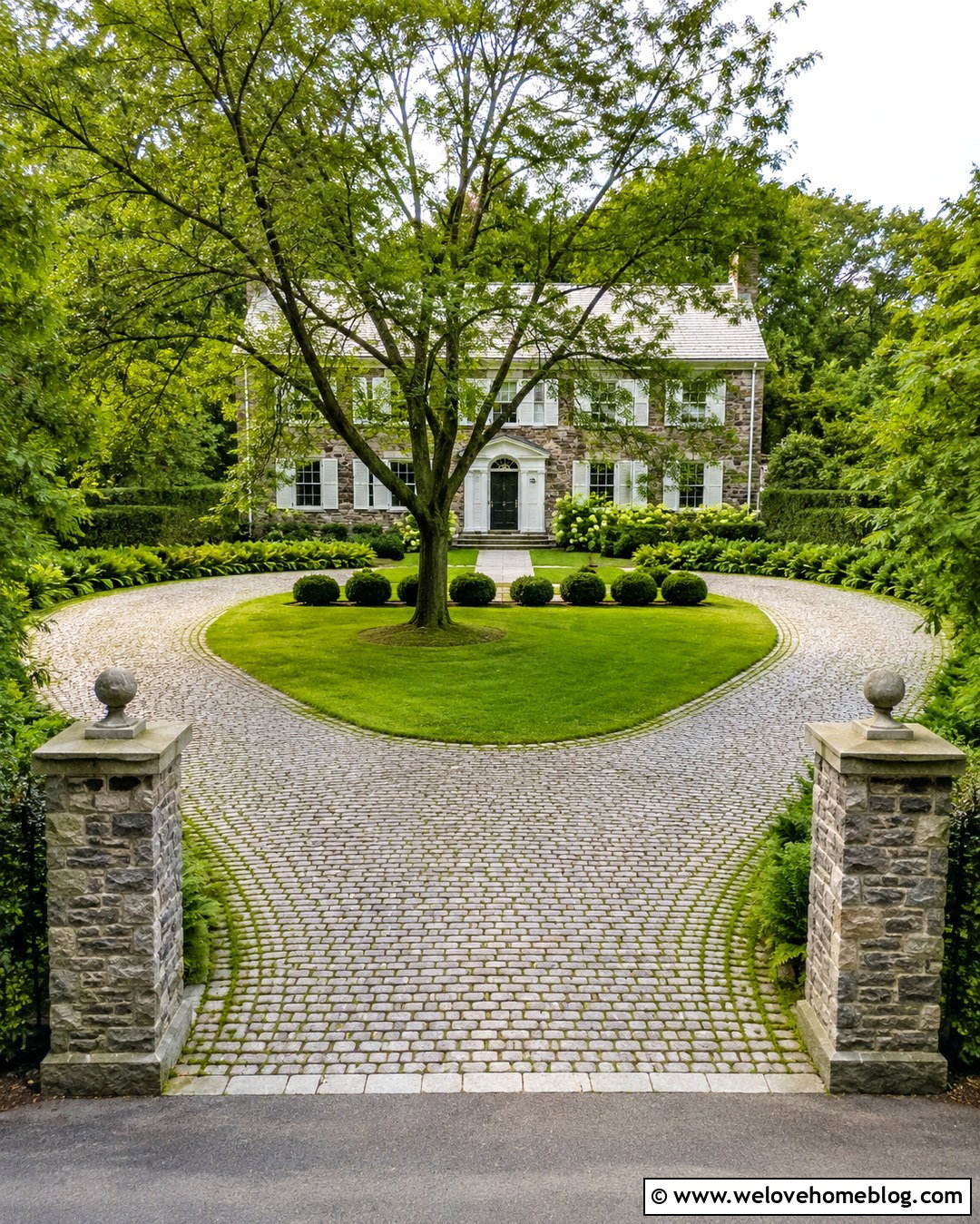
A horseshoe driveway offers two entrances, a graceful front approach, and plenty of space for a moss-centered landscape. Use reclaimed cobblestone or weathered granite pavers for the curved driving lane. Keep joints tighter along the wheel paths and introduce moss around the inner curve, entrance pillars, and sheltered parking edge. Fill the center lawn with a mature shade tree, clipped shrubs, and broad sweeps of ferns. Stone pillars at both street entrances can repeat the colors of the cobbles without making the design too formal. Place the main walkway directly opposite the front door for a clear arrival point. This layout complements Colonial, Georgian, and large farmhouse architecture. The greenery softens the sweeping curve while the repeated stone details hold the entire frontage together.
19. Moss Driveway For A Small Yard
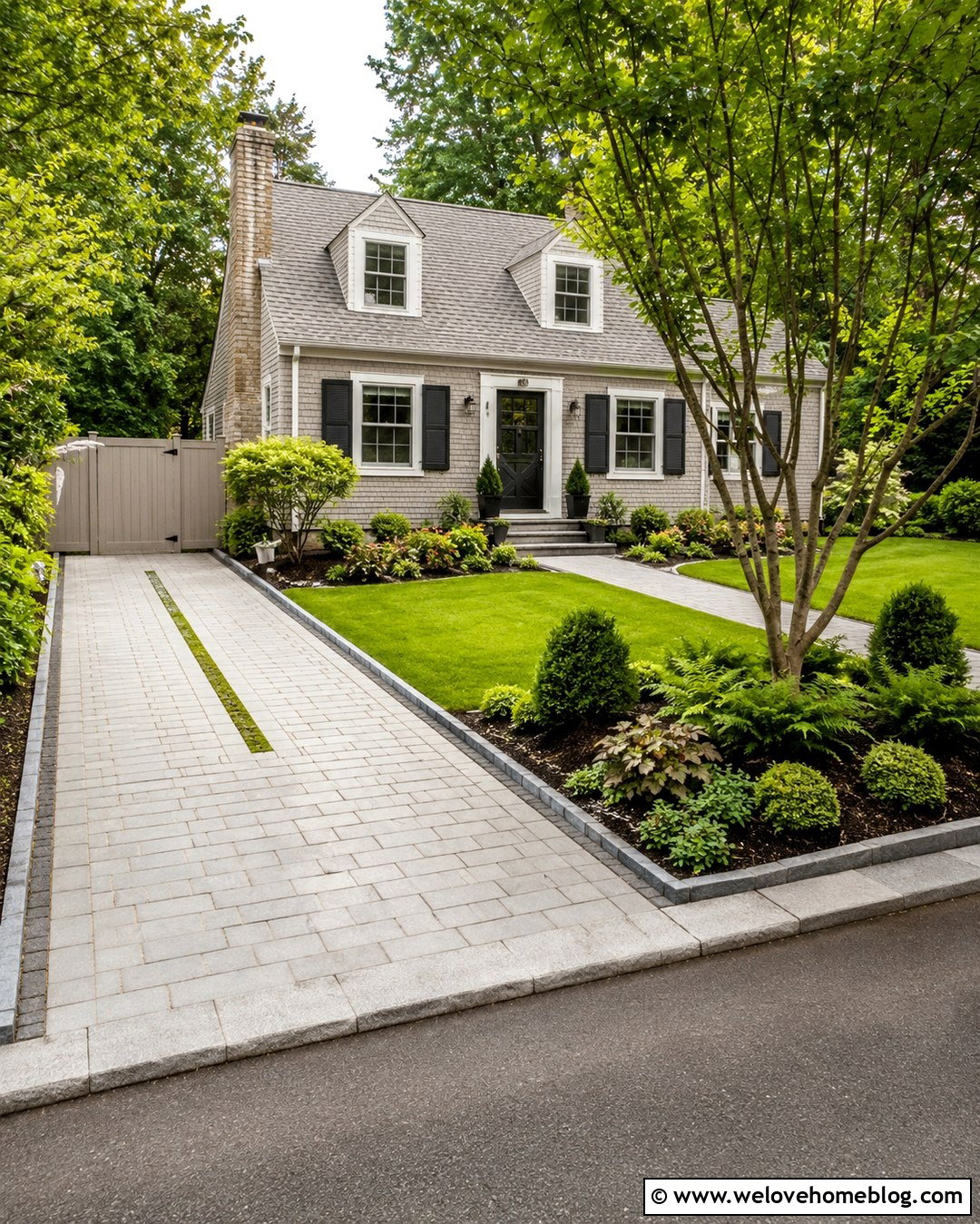
A short driveway can still create a detailed moss look without making the front yard feel crowded. Use medium-size concrete pavers in a simple running bond, choosing a pale gray finish that reflects light. Reserve moss for narrow perimeter joints, a small center strip, and the transition into the front walkway. A single row of dark granite edging will make the paving appear wider and more finished. Keep the landscaping compact with dwarf evergreens, low ferns, coral bells, and one multi-stem tree near the house. A bungalow, Cape Cod, or narrow city cottage provides the right scale. Avoid oversized gates and deep planting beds. Every component should remain low and tidy, allowing the driveway surface, moss accents, walkway, and facade to read as one organized entrance.


20. Moss Driveway With Drainage
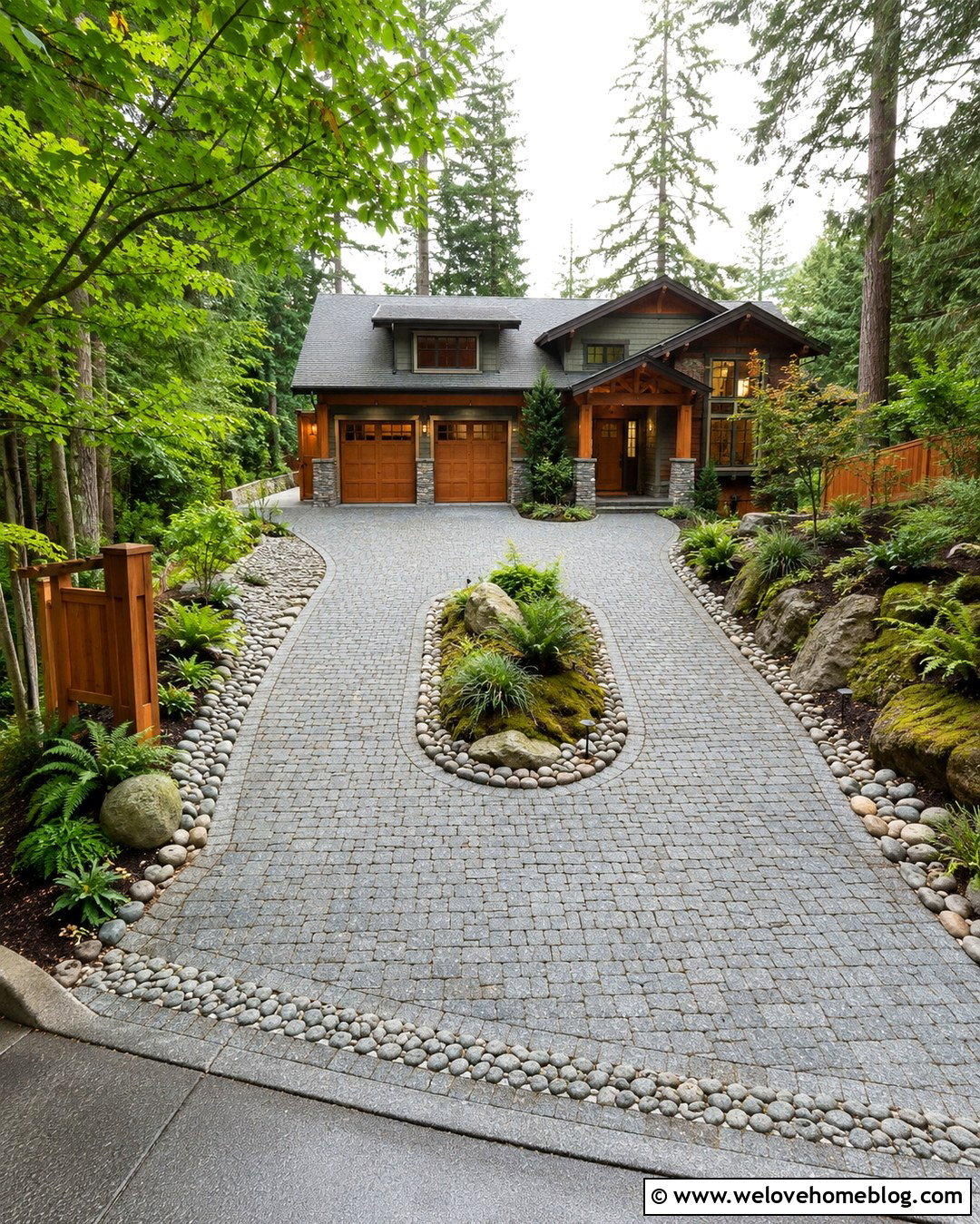
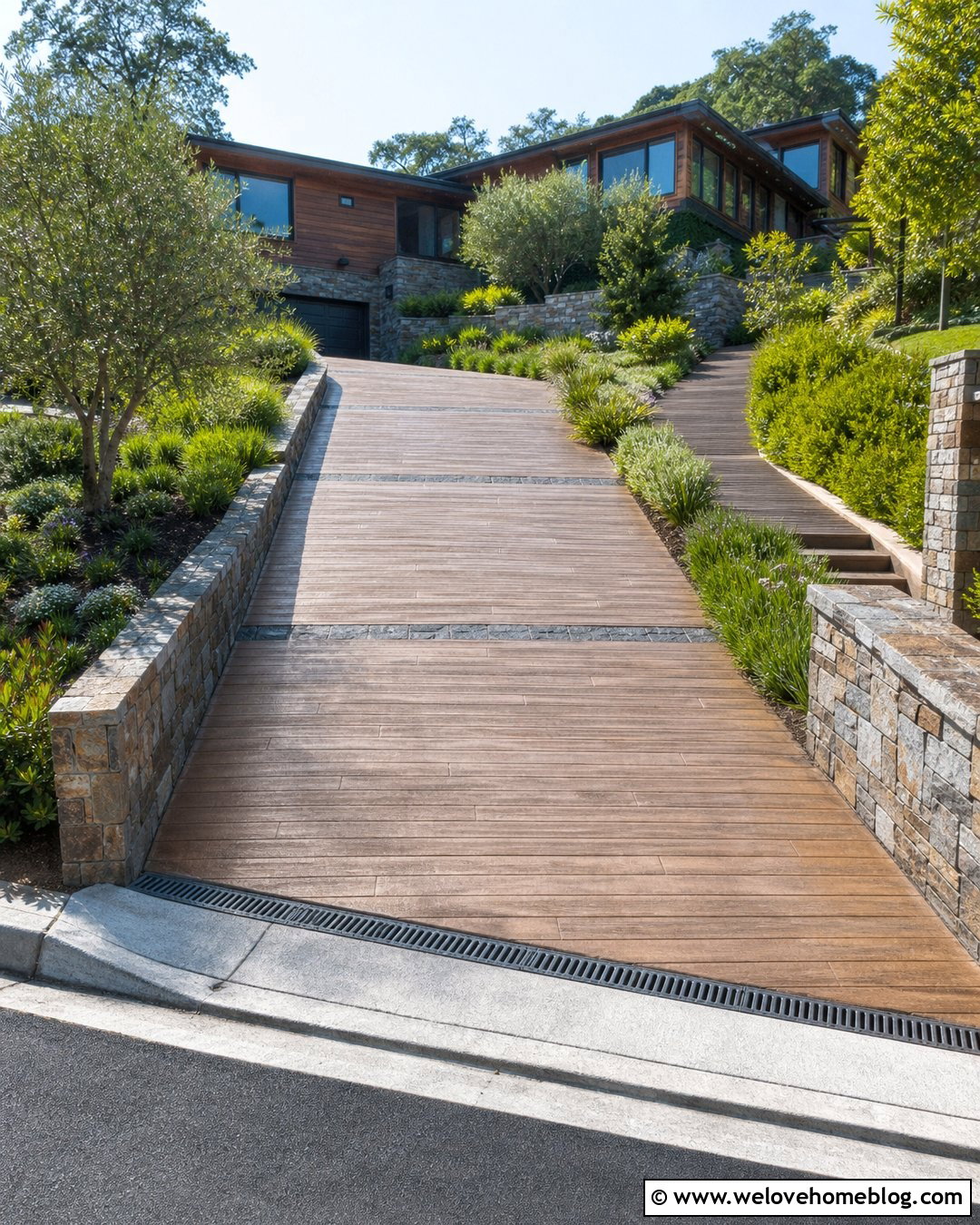
In a rainy setting, drainage must shape the moss driveway from the beginning. Use permeable granite pavers over a professionally planned, free-draining base, with moss limited to selected edge joints and protected center areas. Grade the driveway so water moves away from the house and garage. A narrow stone-lined channel can collect runoff along the lower side without looking industrial. Frame it with moisture-loving ferns, sedges, compact shrubs, and rounded river stones. A Pacific Northwest Craftsman or cedar-sided contemporary home completes the setting. Leave major wheel paths open and easy to inspect after storms. Moss can enhance a damp landscape, but it should not be used to disguise puddling, unstable paving, or poor runoff control. Effective drainage remains essential to the driveway’s performance. ()
Conclusion:
The most successful moss driveway ideas treat greenery as a planned design feature rather than uncontrolled surface growth. Moss can soften cobblestone, brighten brick joints, define concrete pavers, or connect a gravel entrance to woodland landscaping. Place it where tires and frequent footsteps will cause the least disturbance. Maintain clear wheel paths, stable paving, visible edges, and reliable drainage. Your home style should also guide the material choice. Reclaimed brick suits traditional architecture, while geometric pavers complement modern houses. Whether your entrance is short, circular, curved, or tree-lined, these 20 moss driveway ideas can help you create a softer, greener approach that still feels organized, functional, and welcoming.

Related posts:
Leave a Reply