
Winter ice can turn an attractive driveway into a dangerous surface overnight. These 20 Homemade Ice Melt For Driveway Ideas include practical deicing mixtures, low-salt blends, pretreatments, and traction alternatives for different surfaces and temperatures. Some recipes actively loosen ice, while others make frozen areas safer until they can be scraped or shoveled. Always test a small hidden area first, especially on decorative pavers, sealed asphalt, or colored concrete. Avoid heavy deicer use on concrete installed within the past year. Clear snow before applying anything, use the smallest effective amount, and remove loosened slush before it refreezes. Keep every ingredient away from children and pets. Here are the safest and most useful 20 Homemade Ice Melt For Driveway Ideas.

1. Dish Soap And Rubbing Alcohol Driveway Ice Melt
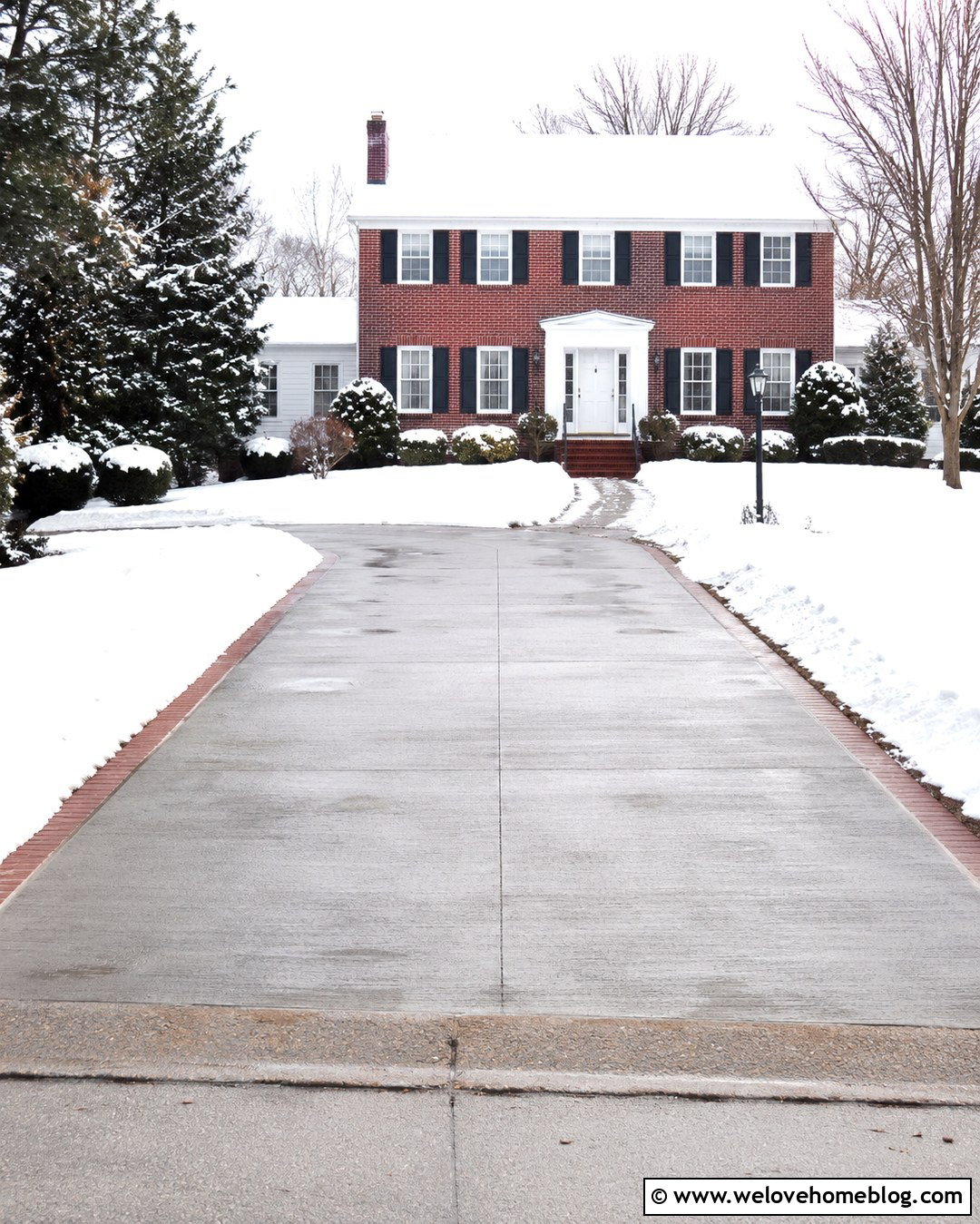
A basic alcohol-and-soap solution works best on thin ice covering a small concrete or paver driveway. Combine half a gallon of hot water, one-quarter cup of rubbing alcohol, and about six drops of liquid dish soap in a bucket. Apply a small amount across the frozen area, allow it to loosen the surface, and immediately scrape away the remaining ice. The alcohol lowers the mixture’s freezing point, while the soap helps it spread. Do not flood the driveway because excess water may freeze again. This recipe is better for isolated slick patches than an entire snow-covered driveway. Keep it away from flames, store unused alcohol securely, and test the solution on coated surfaces first. ()
2. Rubbing Alcohol Spray For Thin Driveway Ice
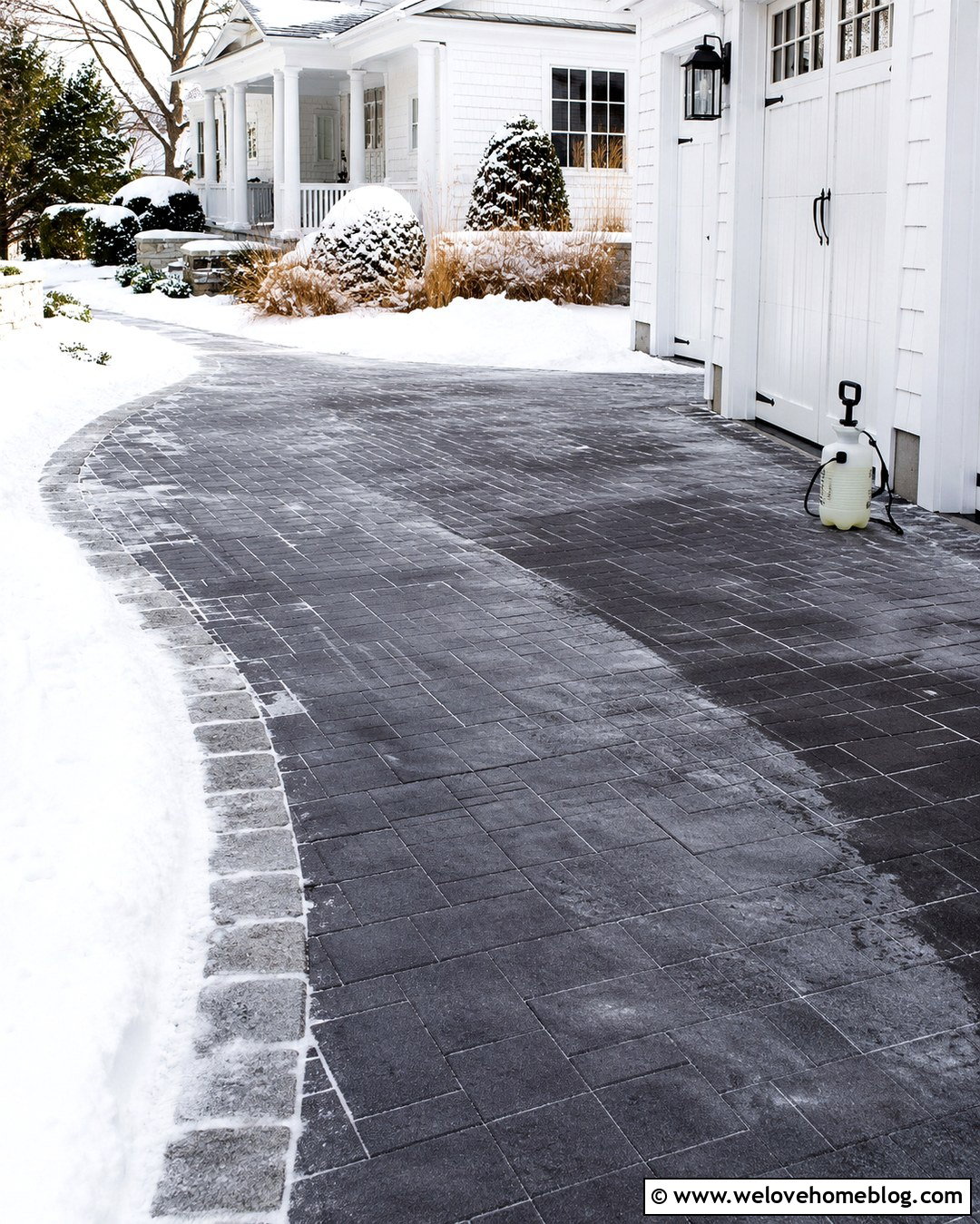
Need to clear a narrow walking lane without mixing a full bucket? Prepare a small rubbing alcohol spray using half a gallon of water, one tablespoon of rubbing alcohol, and one teaspoon of dish soap. Transfer the mixture to a clearly labeled garden sprayer. Apply it lightly over thin, transparent ice after shoveling loose snow. Give the solution time to soften the frozen layer, then use a plastic ice scraper to lift it from the driveway. This approach is especially convenient around garage doors, gates, and the main path to the street. Never combine the spray with bleach, ammonia, or other cleaners. Avoid overspraying nearby plants, and rinse the sprayer thoroughly before using it for gardening. ()
3. Baking Soda For Light Driveway Ice
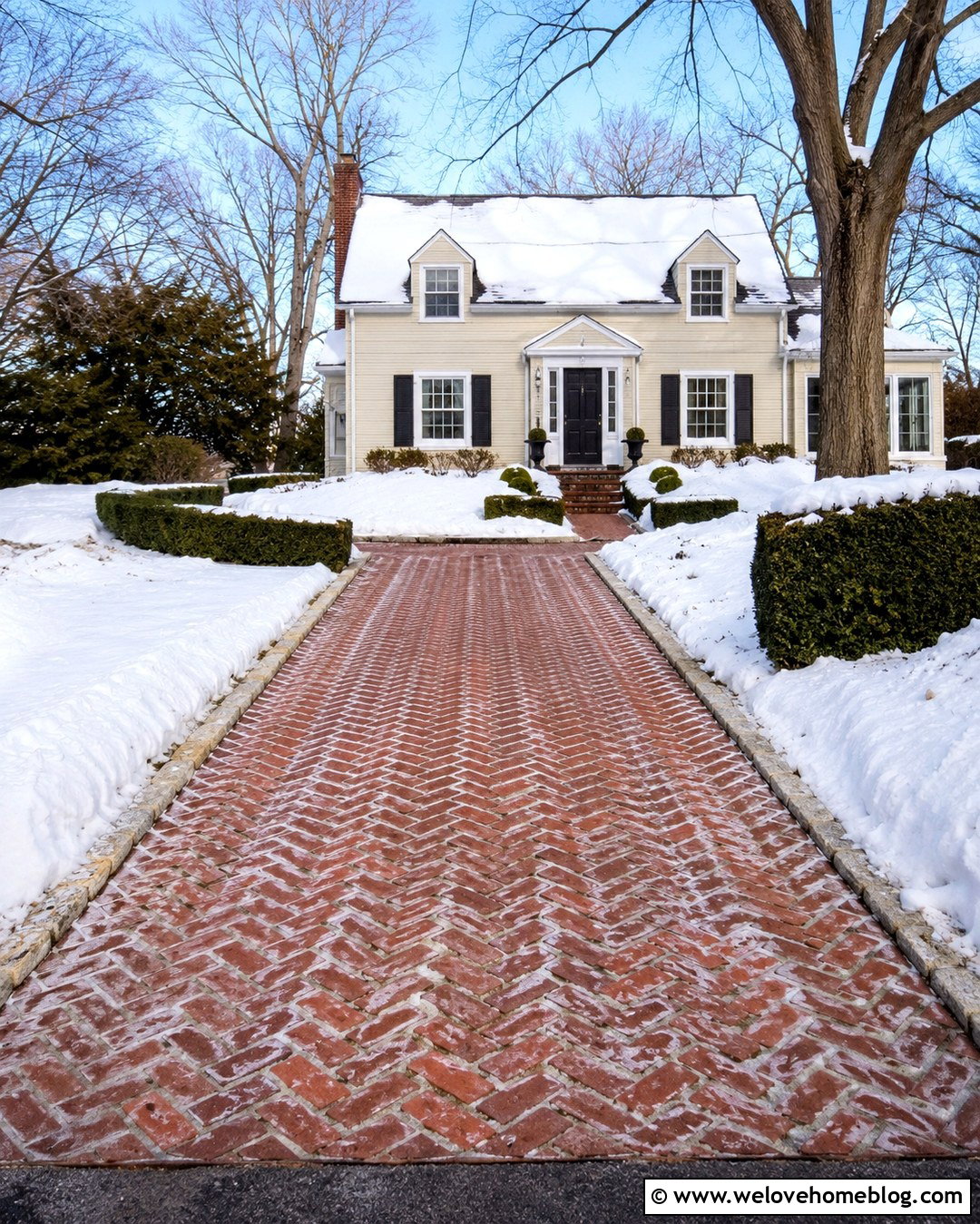
Baking soda can provide a mild option when temperatures sit close to freezing and the driveway has only a light icy film. Sprinkle a thin, even layer over the affected area rather than dumping large piles. Its fine texture can add limited traction while the sodium bicarbonate helps lower the freezing point slightly. Wait for the surface to soften, scrape the ice, and sweep away the residue. Baking soda is not powerful enough for thick ice or severe cold, so treat it as a temporary spot solution. Excess sodium can still affect soil and plants, making careful application important near lawns. Test it on dark pavers or decorative finishes because pale residue may remain after the surface dries.
4. Epsom Salt For Small Driveway Ice Patches
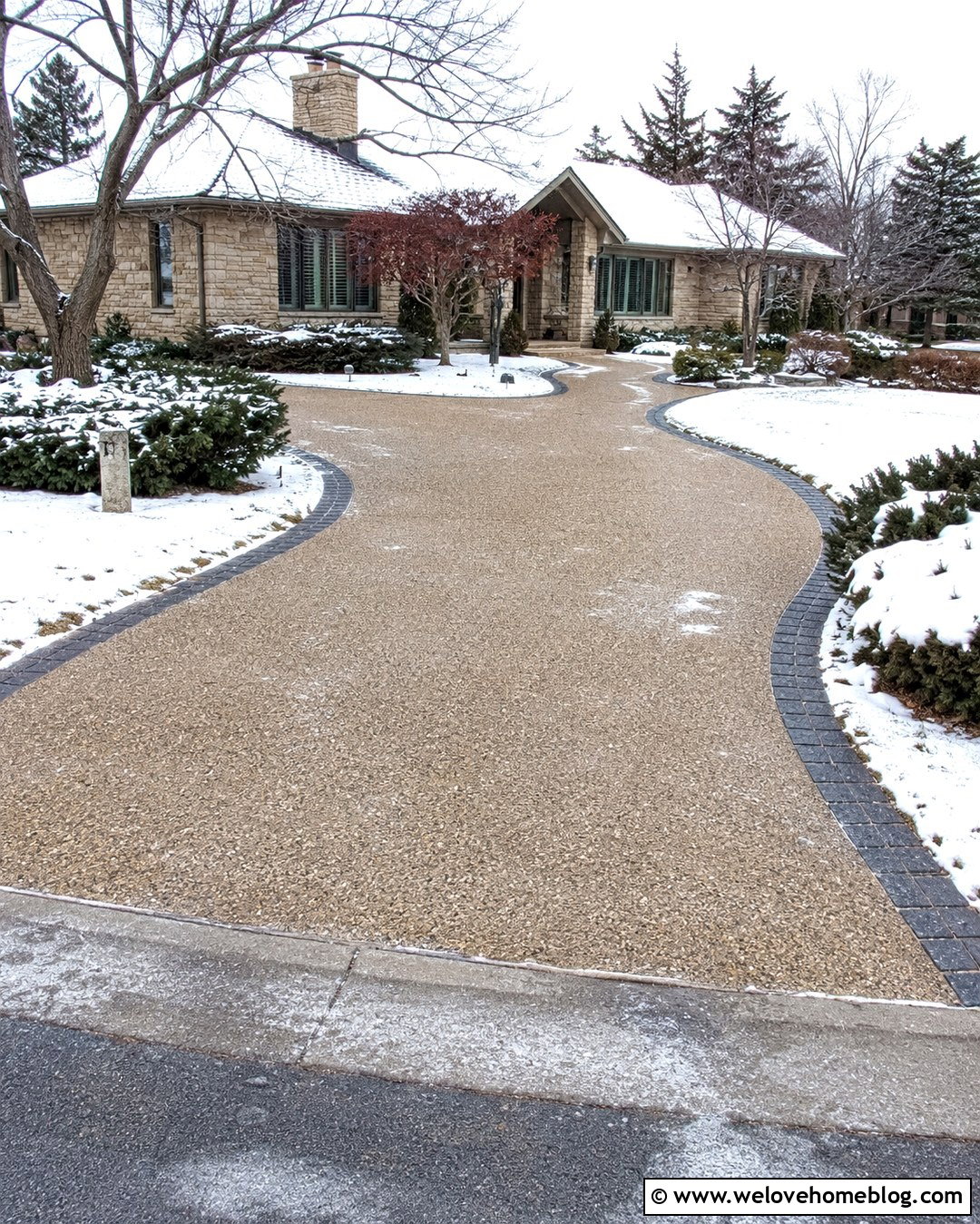
A small amount of Epsom salt may help loosen minor ice patches during relatively mild winter weather. Spread the crystals sparingly on areas where water collects, such as beside the garage threshold or along a shaded driveway edge. Allow time for the ice to soften before scraping it away. Epsom salt contains magnesium sulfate rather than chloride, but that does not make unlimited use harmless. Heavy applications can leave residue, enter planting beds, and waste material without producing fast results. It is generally less effective than purpose-made deicers, particularly in deep cold. Use this method only for small patches, sweep up leftover crystals, and avoid relying on it for steep driveways or areas requiring immediate traction.
5. Salt And Sand Driveway Ice Melt Blend
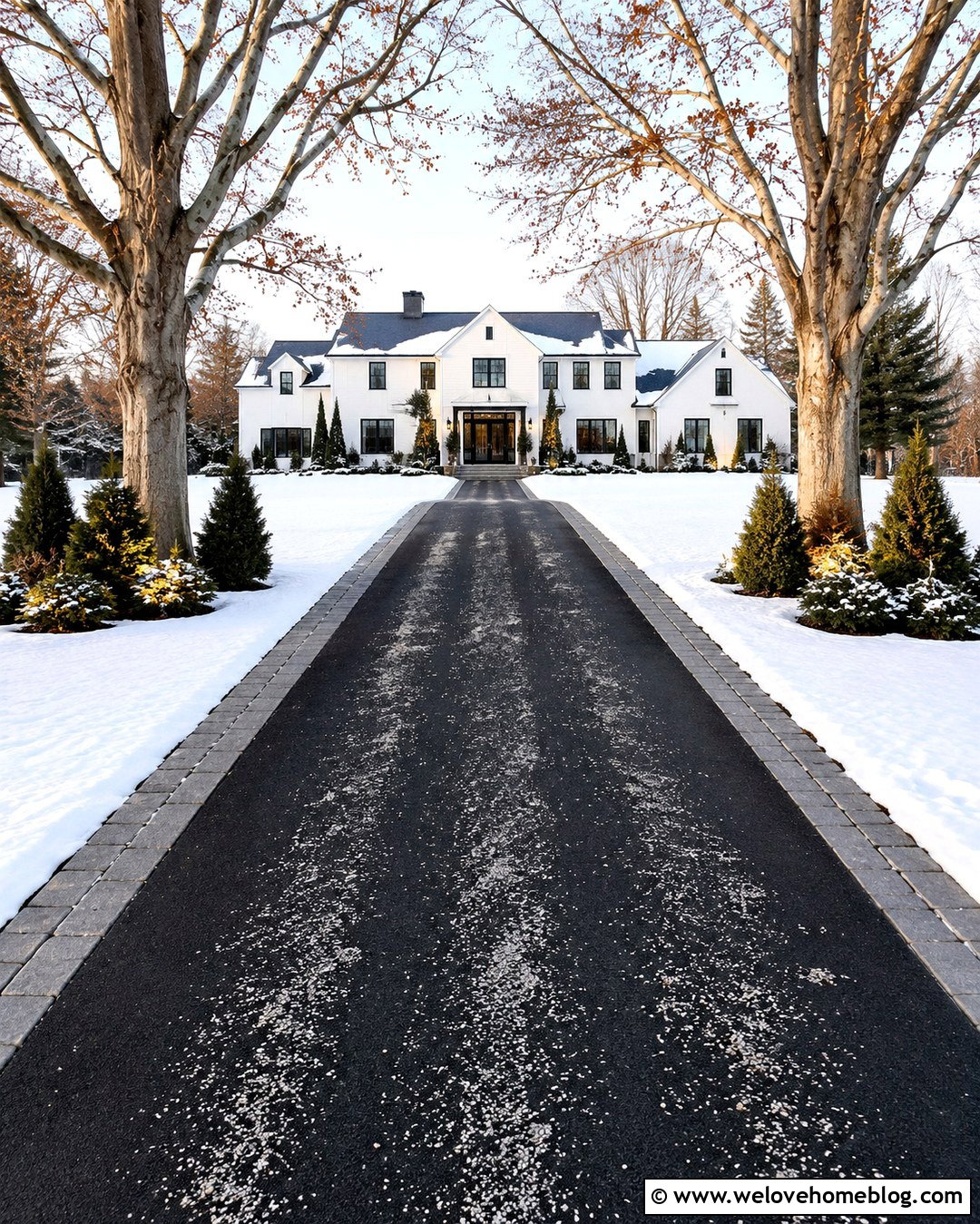
The crunch of coarse sand underfoot can make an icy driveway feel safer almost immediately. Mix one part rock salt with three parts clean masonry sand to reduce the amount of chloride spread across the surface. Apply a thin layer only after removing snow. The salt helps loosen ice during moderately cold weather, while the sand supplies traction before melting begins. Scrape away the slush and sweep up reusable sand once conditions improve. This blend is better suited to older asphalt than new or decorative concrete. Rock salt can contribute to concrete deterioration, metal corrosion, plant damage, and irritated pet paws. Keep the mixture away from lawns and never assume that adding sand makes the salt completely harmless. ()
6. Magnesium Chloride And Sand Driveway Blend
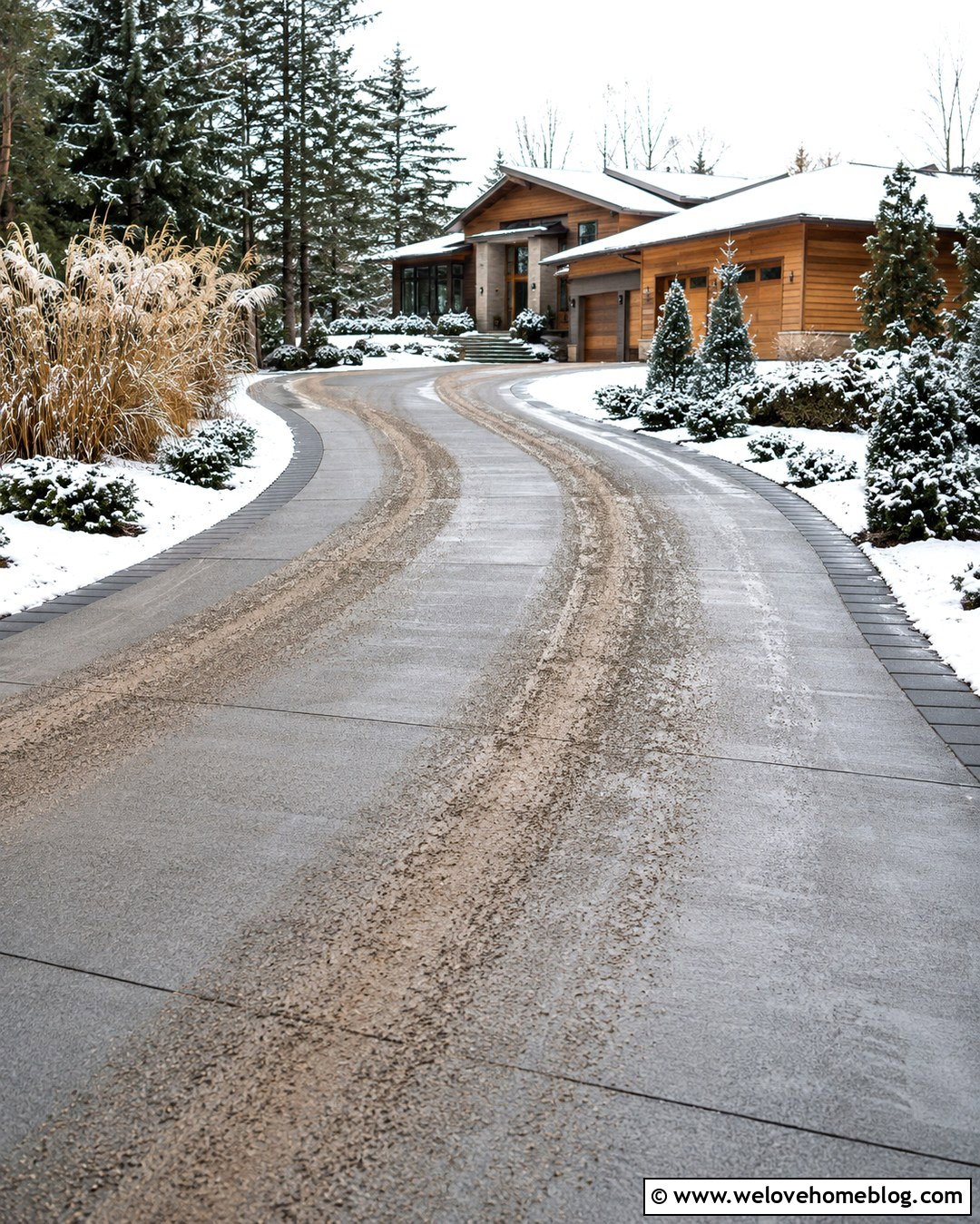
For colder weather, a homemade blend of magnesium chloride flakes and coarse sand can balance melting action with immediate grip. Start with one part magnesium chloride and three or four parts sand. Scatter it lightly along tire paths, the central walking lane, and any sloped section. Magnesium chloride generally works at lower temperatures than ordinary rock salt, while the added sand reduces how much chemical deicer is required. Even so, it remains a chloride product and should not be overapplied. Remove slush promptly, sweep up residue, and wipe pets’ paws after they cross the driveway. Check the package directions because concentrations vary. Avoid applying any chemical deicer to concrete during its first winter whenever possible. ()
7. Potassium Chloride Driveway Ice Melt Blend
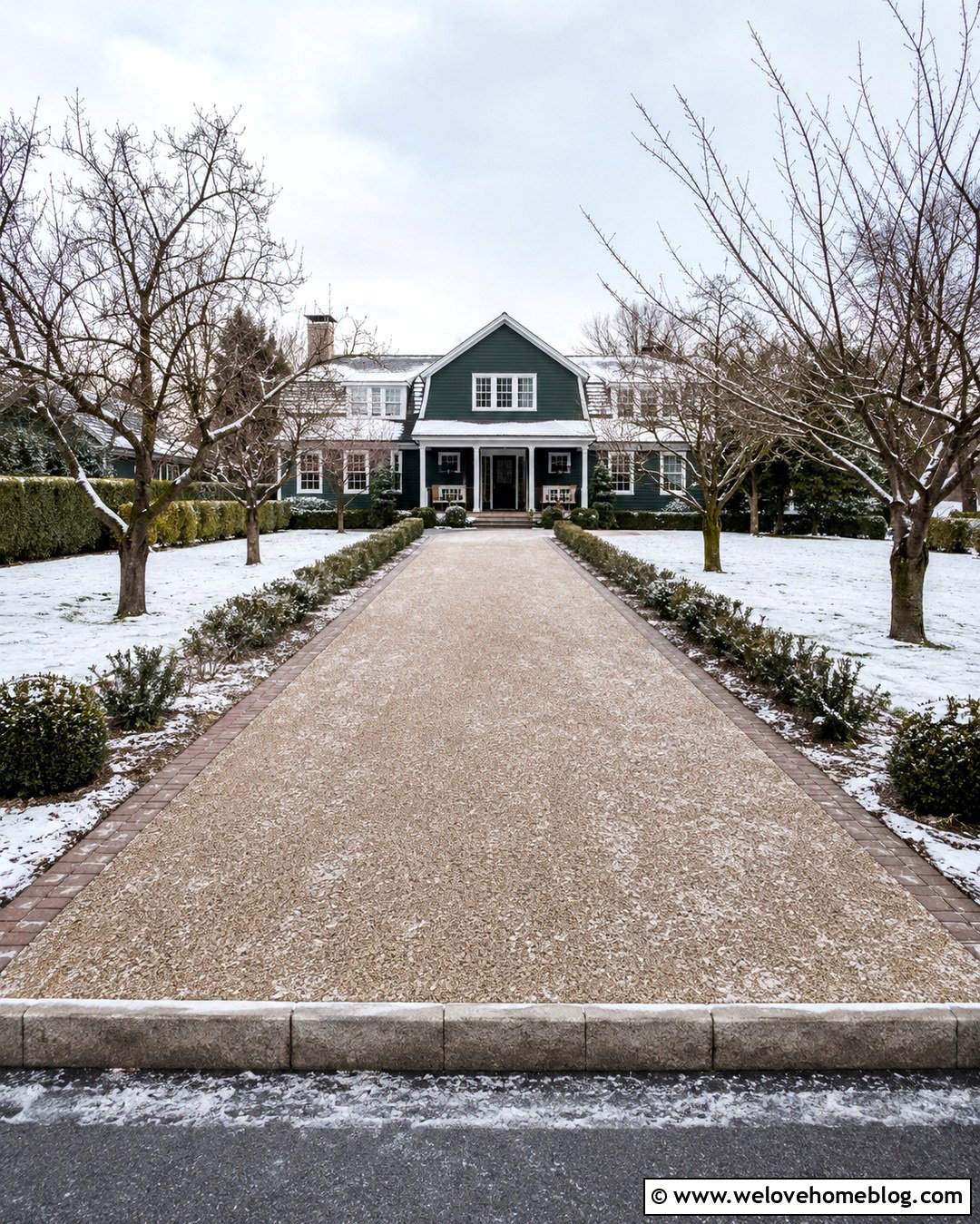
When the temperature remains around the upper 20s, potassium chloride can be mixed with coarse sand for a moderate-weather driveway treatment. Combine one part potassium chloride with three parts sand and apply the blend sparingly over compacted ice. Focus on shaded areas, slopes, and the route people use to reach the house. The granules work more slowly than aggressive deicers, so allow sufficient time before scraping. Potassium chloride begins losing effectiveness below approximately 25°F, making it unsuitable for bitterly cold mornings. Although it is commonly considered less corrosive than rock salt, excessive use can still affect vegetation and leave residue. Follow the product label, prevent piles from forming, and sweep the driveway after the thaw. ()
8. Calcium Chloride And Sand Driveway Blend
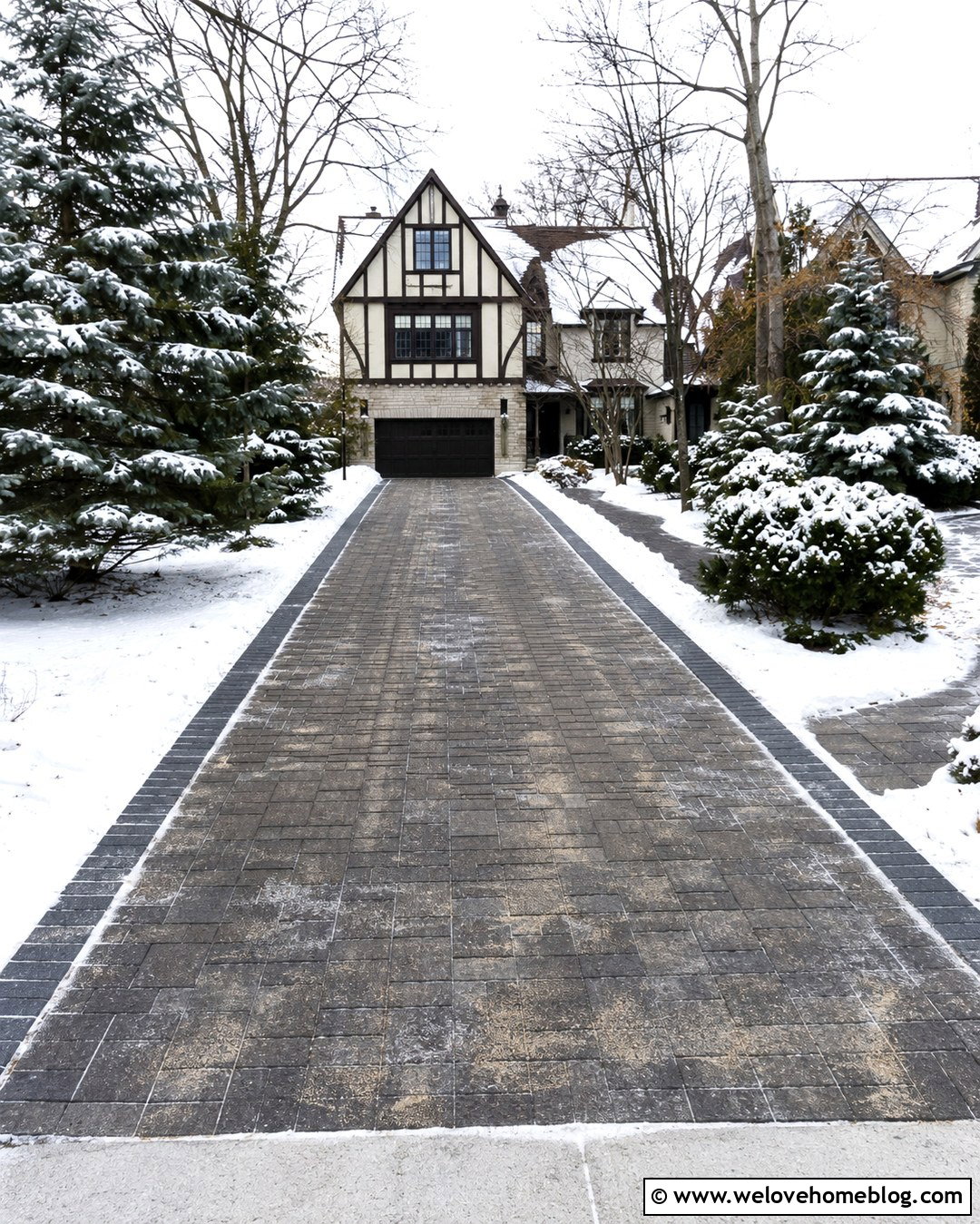
Fast melting may be necessary when thick ice covers a steep or heavily used driveway. Mix a small quantity of calcium chloride pellets with several parts of coarse sand, following the deicer label for maximum coverage. The pellets generate strong melting action in low temperatures, while the sand provides traction during the waiting period. Spread the blend evenly rather than creating concentrated piles that can increase surface exposure and runoff. Calcium chloride can work at much lower temperatures than ordinary sodium chloride, but it is still a chemical salt. Wear gloves, keep pets away from freshly treated areas, and remove the resulting brine and slush. Do not use it on new concrete or assume that rapid melting eliminates freeze-thaw concerns. ()
9. Calcium Magnesium Acetate Driveway Blend
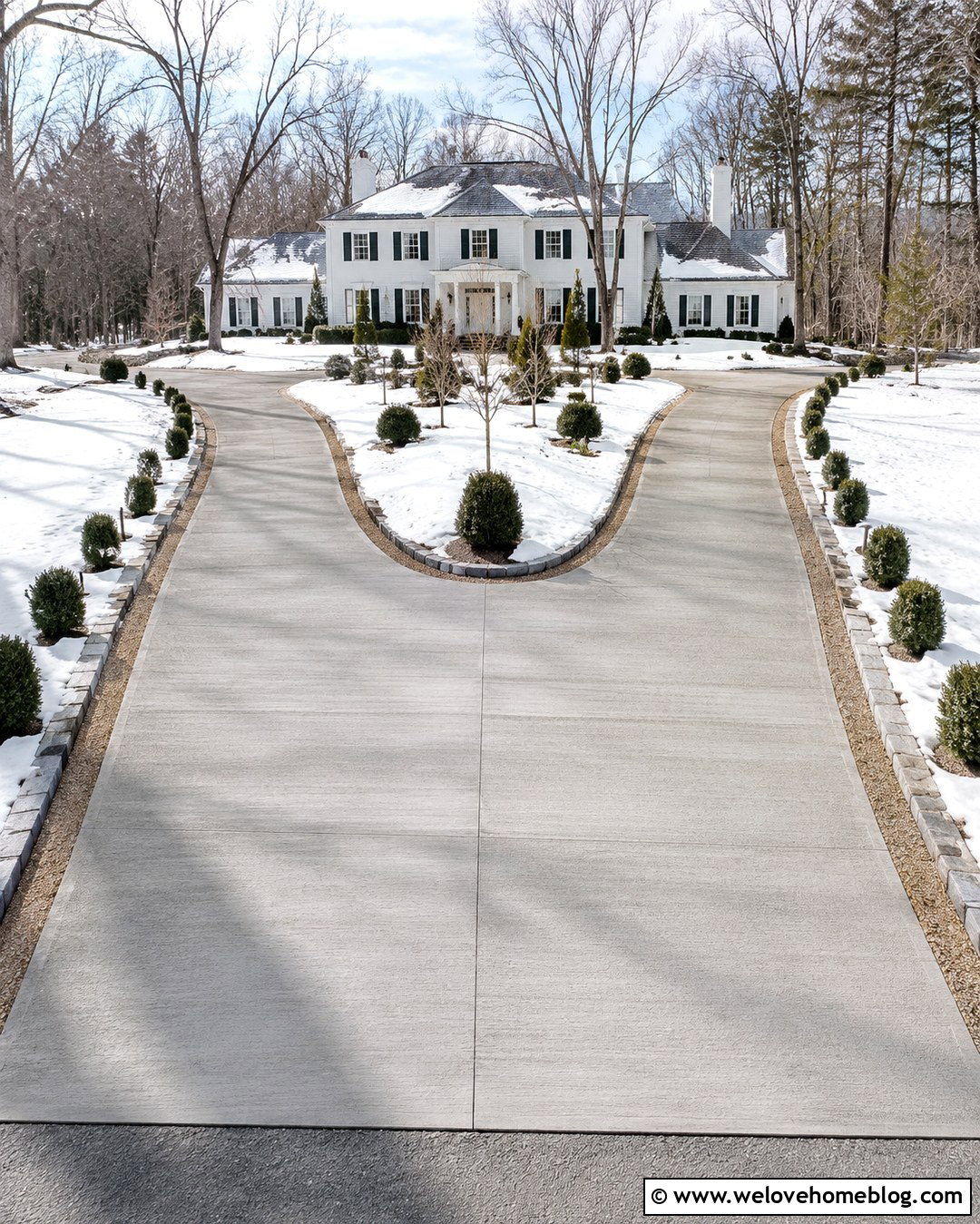
Calcium magnesium acetate, commonly called CMA, offers a chloride-free approach for homeowners who want to reduce corrosion concerns. Create a traction blend by combining one part CMA granules with two or three parts clean sand. Apply it before snowfall or across a thin frozen layer after shoveling. Unlike common salts that primarily liquefy ice, CMA helps prevent snow and ice particles from bonding tightly to the driveway. This makes later scraping and shoveling easier. It performs best in moderate conditions and may lose effectiveness near 20°F. CMA is usually more expensive, so targeted application along tire tracks and walking routes controls costs. Always use a labeled CMA product rather than attempting to manufacture the chemical at home. ()


10. Sugar Beet Juice Driveway Pretreatment
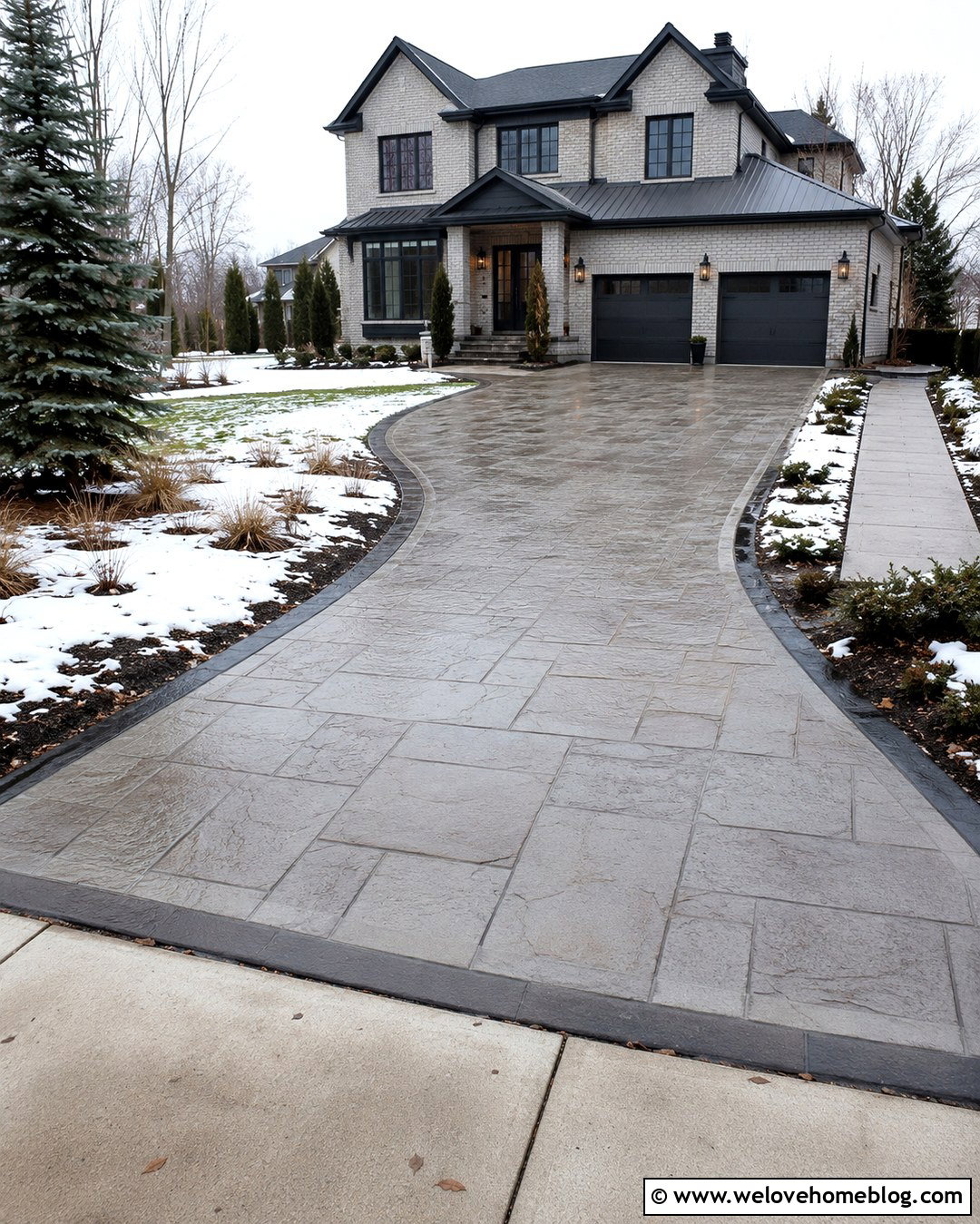
Sugar beet deicer creates a brownish liquid pretreatment that can help prevent ice from bonding firmly to a driveway. Purchase prepared beet-based deicing liquid because ordinary canned beet juice does not provide the same formulation. Dilute it only as directed by the manufacturer, then apply a light, even film with a dedicated pump sprayer before freezing rain or snow arrives. Concentrate on shaded sections and low spots where refreezing commonly occurs. The beet sugars help lower the freezing point and may reduce the corrosiveness of a salt-based treatment. However, the liquid can leave temporary discoloration on pale concrete or pavers. Test a hidden area, avoid overspray on siding, and remove snow early rather than expecting pretreatment to dissolve a deep accumulation. ()
11. Sugar Beet Juice And Sand Driveway Blend
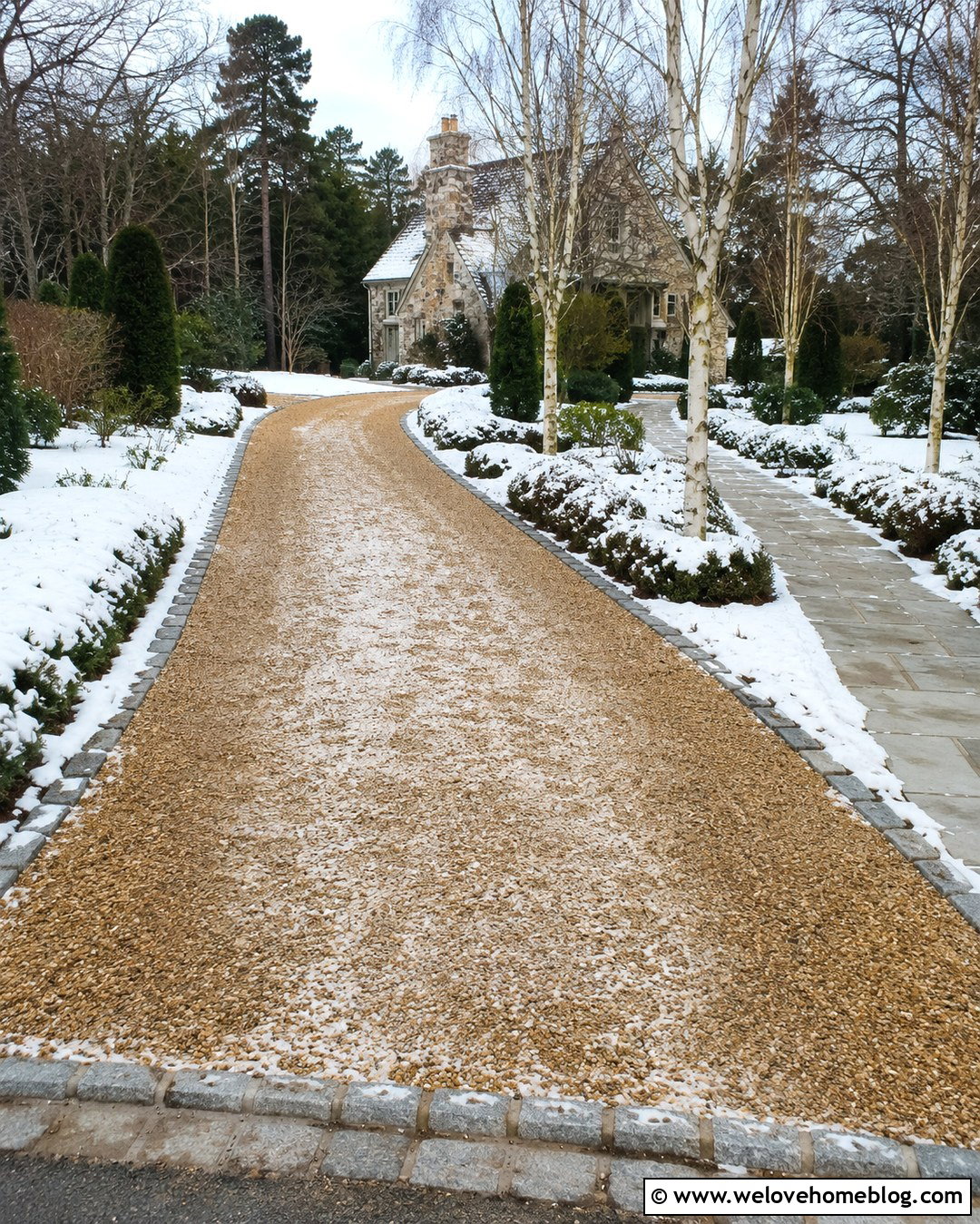
A beet-based liquid and sand combination gives a driveway both preventive treatment and visible traction. Lightly mist clean coarse sand with prepared sugar beet deicer until the grains are damp but not dripping. Store the mixture in a sealed bucket, then scatter it over slick tire paths and walking lanes. The darker, dampened sand is easier to see against snow and less likely to blow away than completely dry material. Beet deicer may help weaken the bond between ice and pavement, while the sand improves grip immediately. Use only commercial beet deicing liquid, not juice poured from canned vegetables. Test the blend on pale surfaces, apply it conservatively, and sweep up the sand after the ice has disappeared. ()
12. Alfalfa Meal For Light Driveway Ice
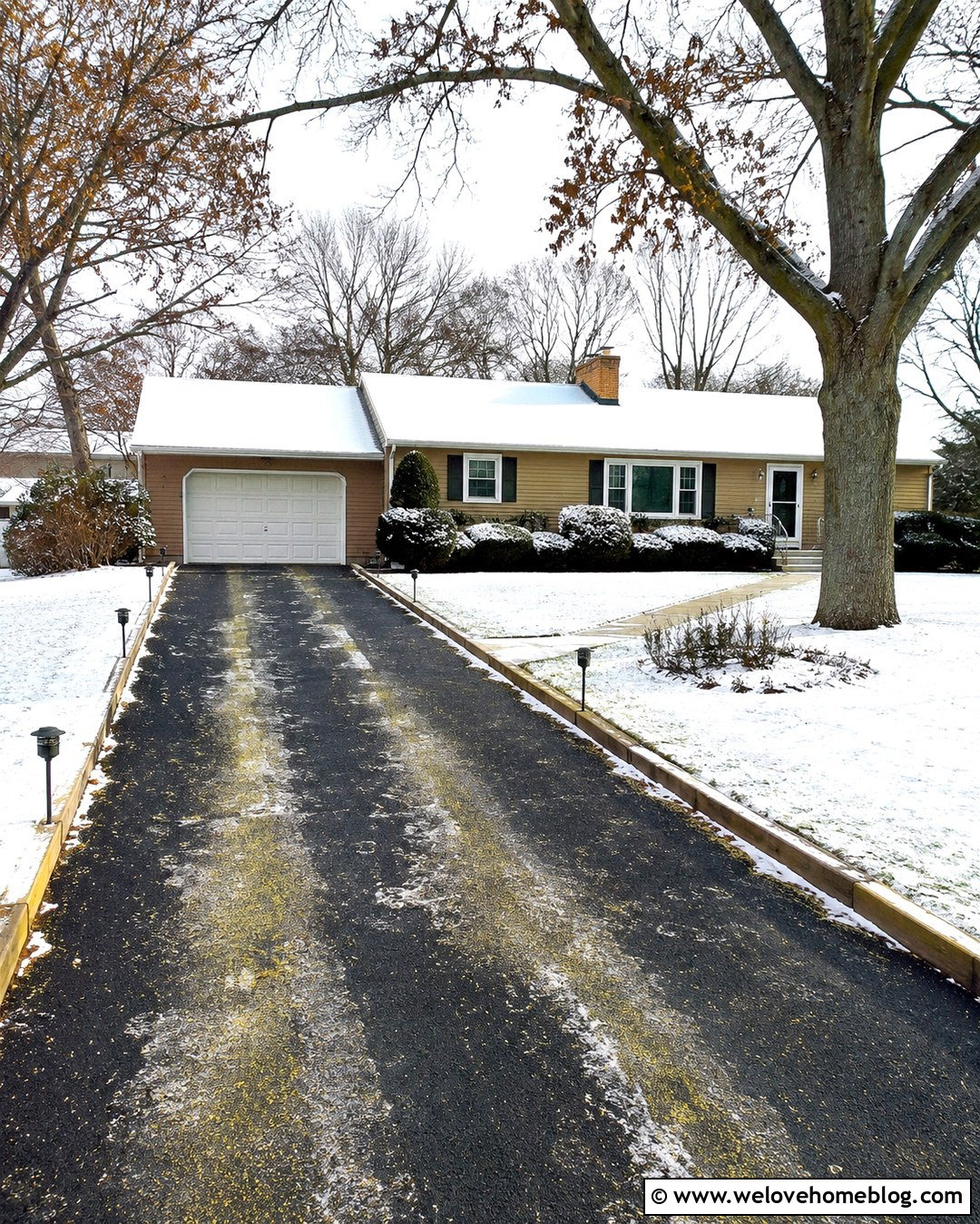
Alfalfa meal offers a grainy, biodegradable material for lightly frozen residential driveways. Sprinkle a thin layer over icy walking routes after clearing loose snow. Its dry texture improves traction, and its natural components may support limited melting during moderate conditions. Choose plain alfalfa meal without added pesticides or unrelated fertilizer ingredients. This option works particularly well when the goal is safer footing rather than quickly dissolving thick ice. Because alfalfa is organic, heavy piles can become soggy, track indoors, attract wildlife, or add unnecessary nutrients to runoff. Apply only enough to create grip, then sweep up the material as soon as the pavement clears. Store the bag in a sealed container so moisture and rodents cannot reach it between storms. ()
13. Wood Ash For Moderate Driveway Ice
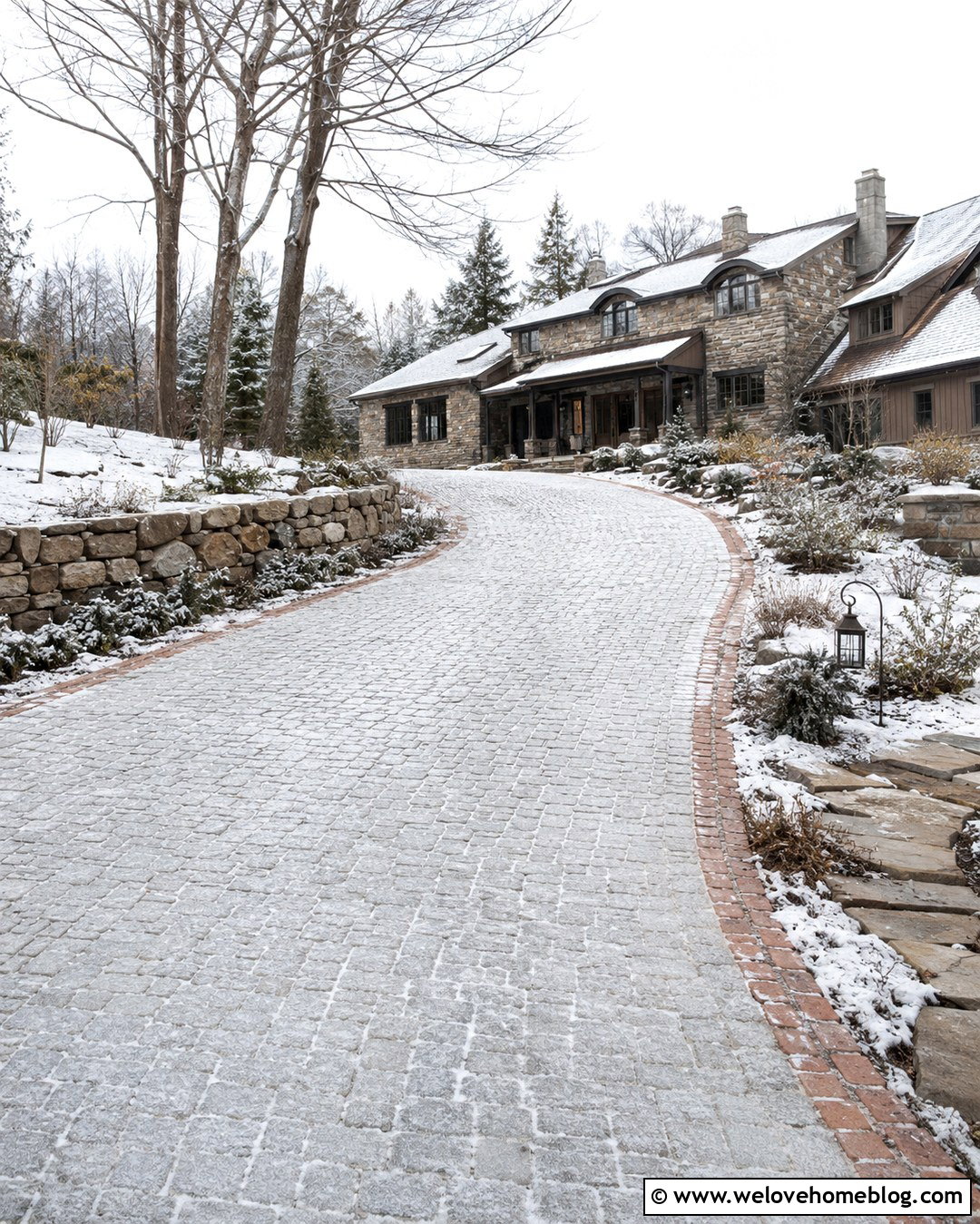
Warm gray ash can supply traction on a frozen driveway when no conventional deicer is available. Use only completely cooled, clean ash from untreated firewood. Never spread ash containing burned trash, painted lumber, charcoal additives, or other contaminants. Sift out nails and large pieces, then scatter a very light coating along the walking path and tire tracks. Wood ash contains potassium salts that may provide modest deicing action in moderate weather, while its gritty texture improves footing. The dark color can also absorb sunlight on clear days. Ash is alkaline and can stain pale pavement, dirty indoor floors, and alter nearby soil. Test it first, keep it away from pets, and sweep it up after the thaw. ()
14. Coffee Grounds For Sunny Driveway Ice
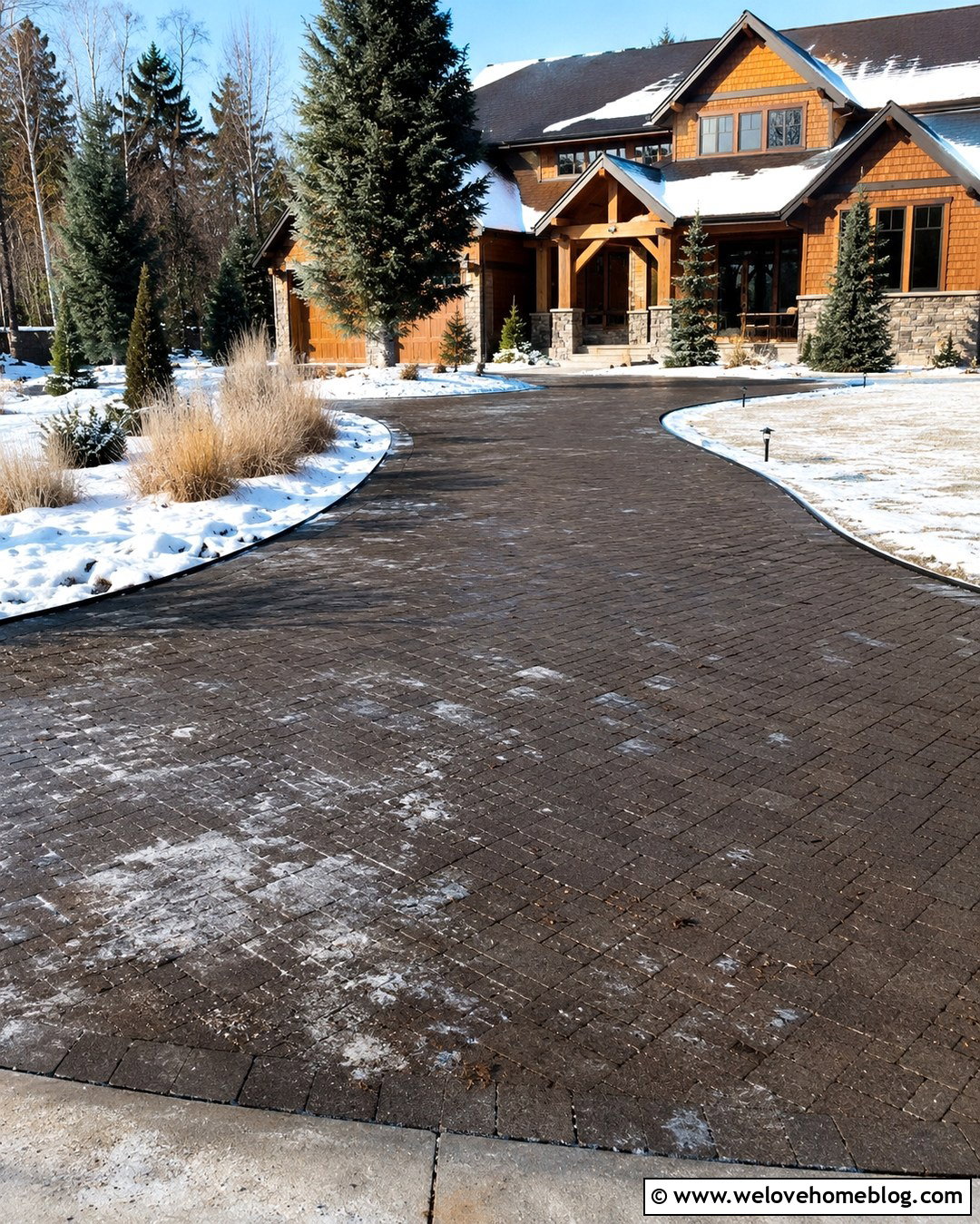
Used coffee grounds are better viewed as a traction aid than a powerful homemade ice melt. Dry the grounds thoroughly, then spread a thin layer across small icy patches that receive winter sunlight. Their dark color may absorb solar warmth, while the gritty texture makes slippery areas easier to see and cross. This approach suits a short walkway lane on asphalt or dark pavers, not a large concrete driveway covered in thick ice. Wet grounds can become messy, stain pale surfaces, and track into the garage. They may also attract animals when mixed with food residue. Use plain grounds without sweeteners or dairy products, keep pets from eating them, and sweep everything up when the ice softens enough to scrape.
15. Coarse Sand For Steep Driveway Ice
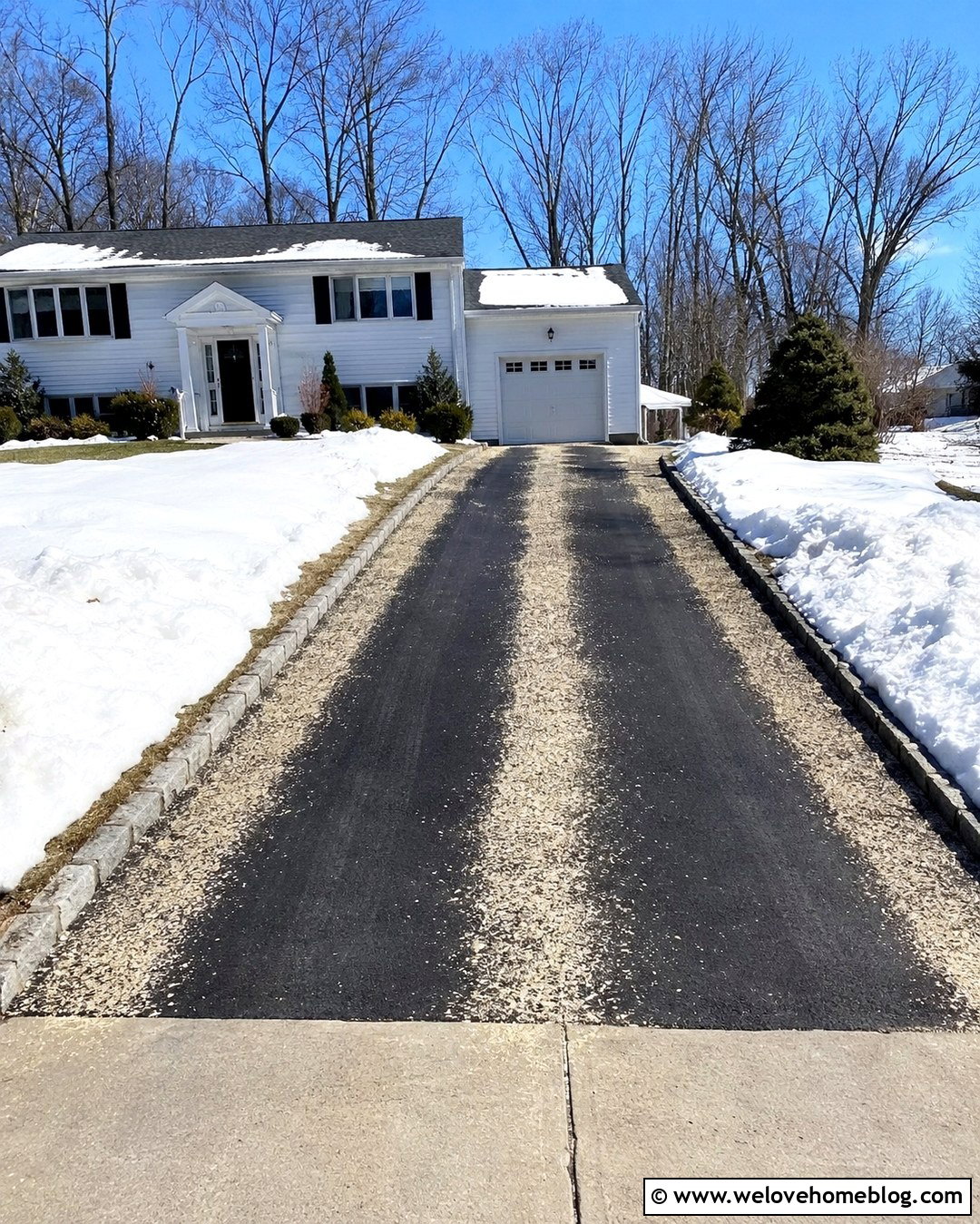
On a steep driveway, immediate traction can be more valuable than waiting for ice to melt. Spread clean, coarse masonry sand over tire tracks and the main walking route. Unlike fine play sand, larger angular grains provide better grip and are less likely to disappear into smooth ice. Sand does not melt the frozen layer, but it can reduce reliance on chemical deicers and make the surface safer while temperatures remain low. Reapply after wind, traffic, or new precipitation moves the material. Avoid dumping thick piles because loose sand can also create unstable footing. Once the thaw arrives, sweep and store reusable material before it enters storm drains, landscaping, or the garage. Combine it with minimal deicer only when actual melting is necessary. ()
16. Non-Clumping Kitty Litter For Emergency Traction
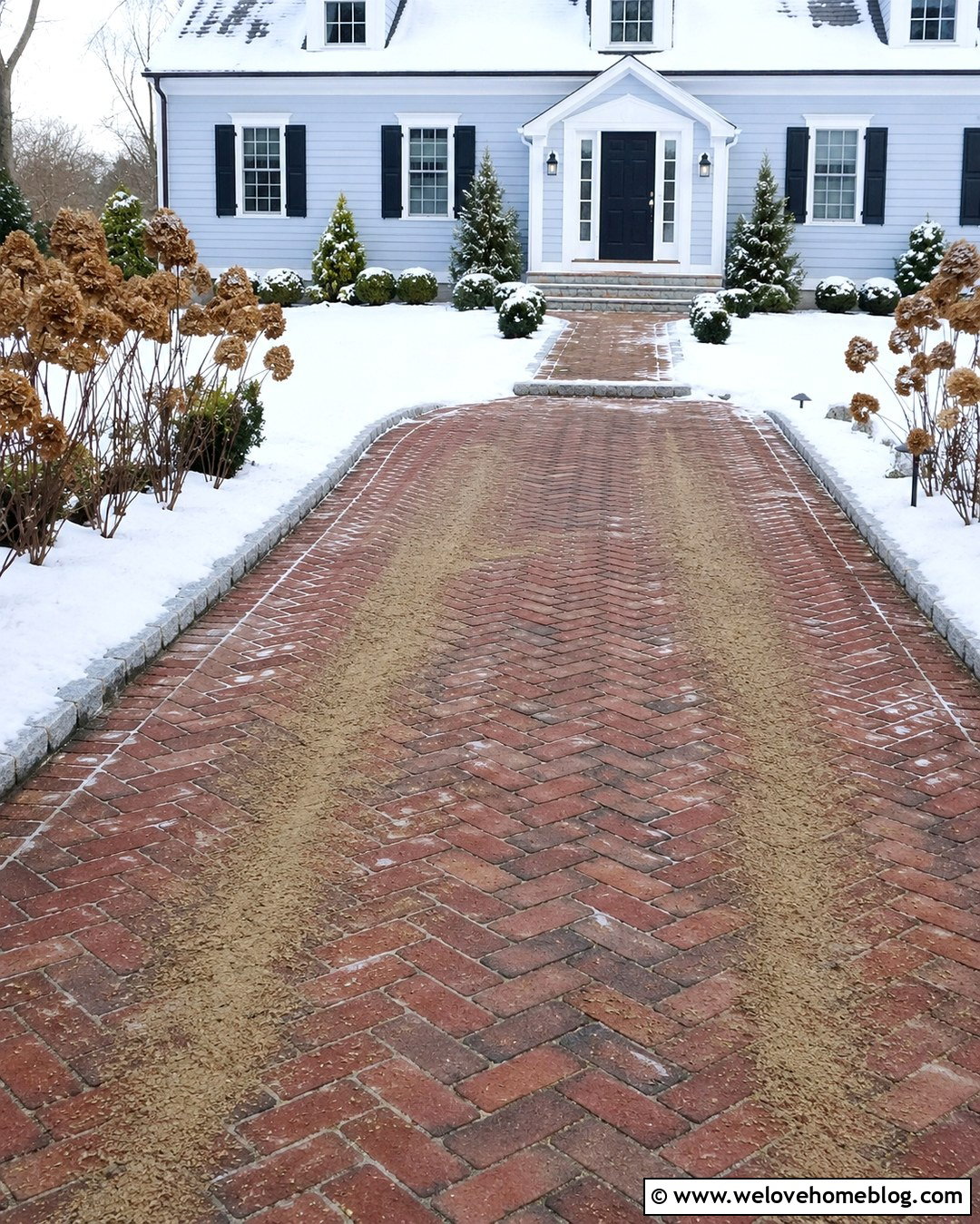
Imagine discovering an icy driveway just before an important morning trip. Plain, non-clumping clay kitty litter can provide emergency traction when sand is unavailable. Scatter a light layer beneath tires and across the path between the house and street. The particles create temporary grip, but they do not meaningfully melt ice. Avoid clumping, scented, silica-crystal, or lightweight litter because these products may become slippery, dusty, or difficult to clean. Even plain clay litter can turn into muddy paste when saturated. Use it sparingly, drive slowly, and sweep it up once the ice can be scraped away. This method is most appropriate for asphalt or rough pavement and should be tested carefully on pale, porous pavers that may stain.
17. Volcanic Granule Driveway Traction Blend
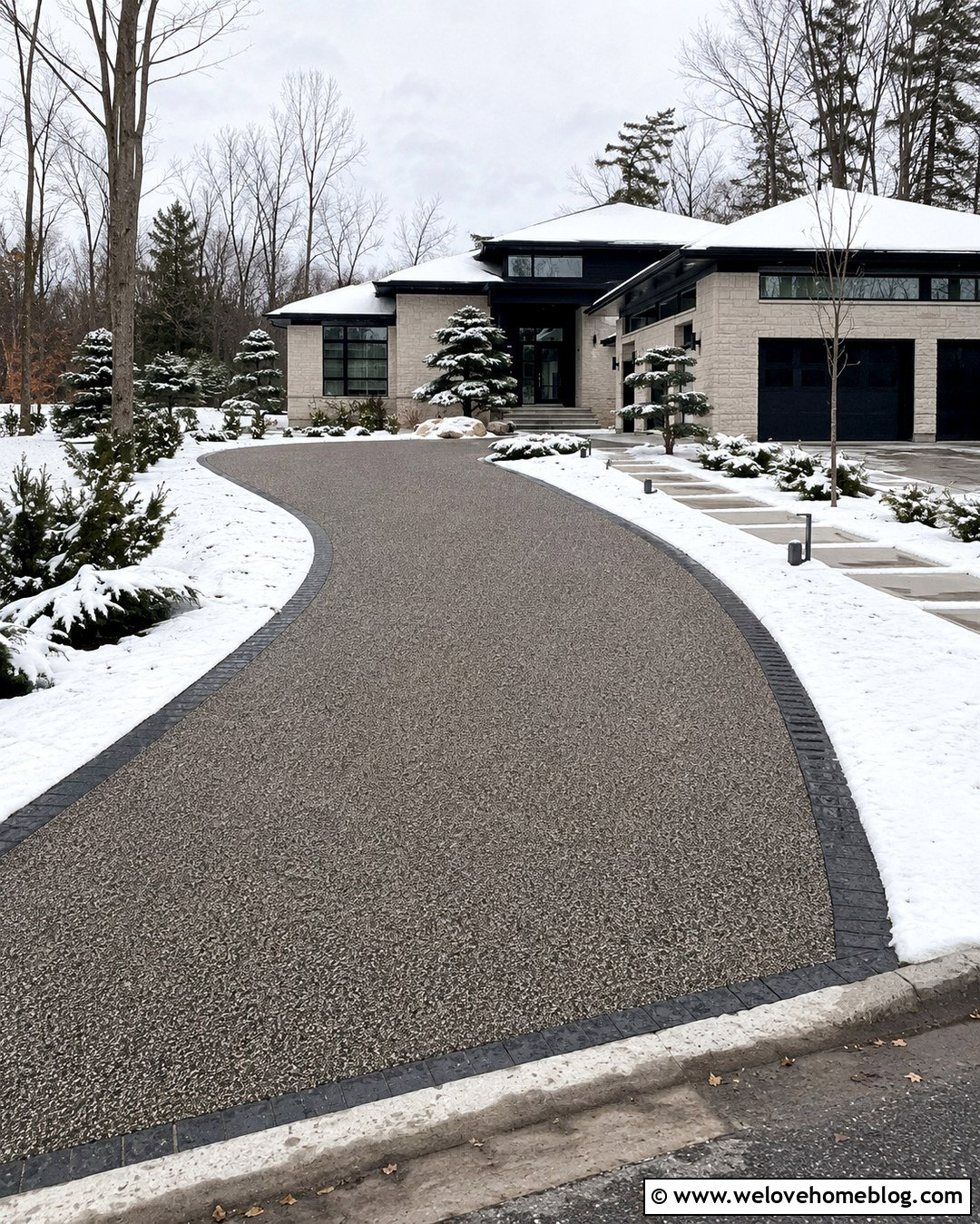
Natural volcanic granules create a durable traction blend for driveways that remain frozen for several days. Mix equal parts volcanic traction grit and coarse sand, then store the dry material in a covered container near the garage. Apply it over wheel paths, shaded curves, and sloped entrances after each snowfall is cleared. The angular particles bite into slick surfaces and may remain effective longer than fine sand. They do not melt ice, so pair them with scraping or a minimal amount of surface-compatible deicer when temperatures rise. Choose a product sold specifically for winter traction rather than decorative landscape rock. Sweep the particles up after the thaw to prevent clogged drainage channels, scratched indoor floors, and loose debris around the driveway. ()
18. Urea Fertilizer Driveway Ice Melt
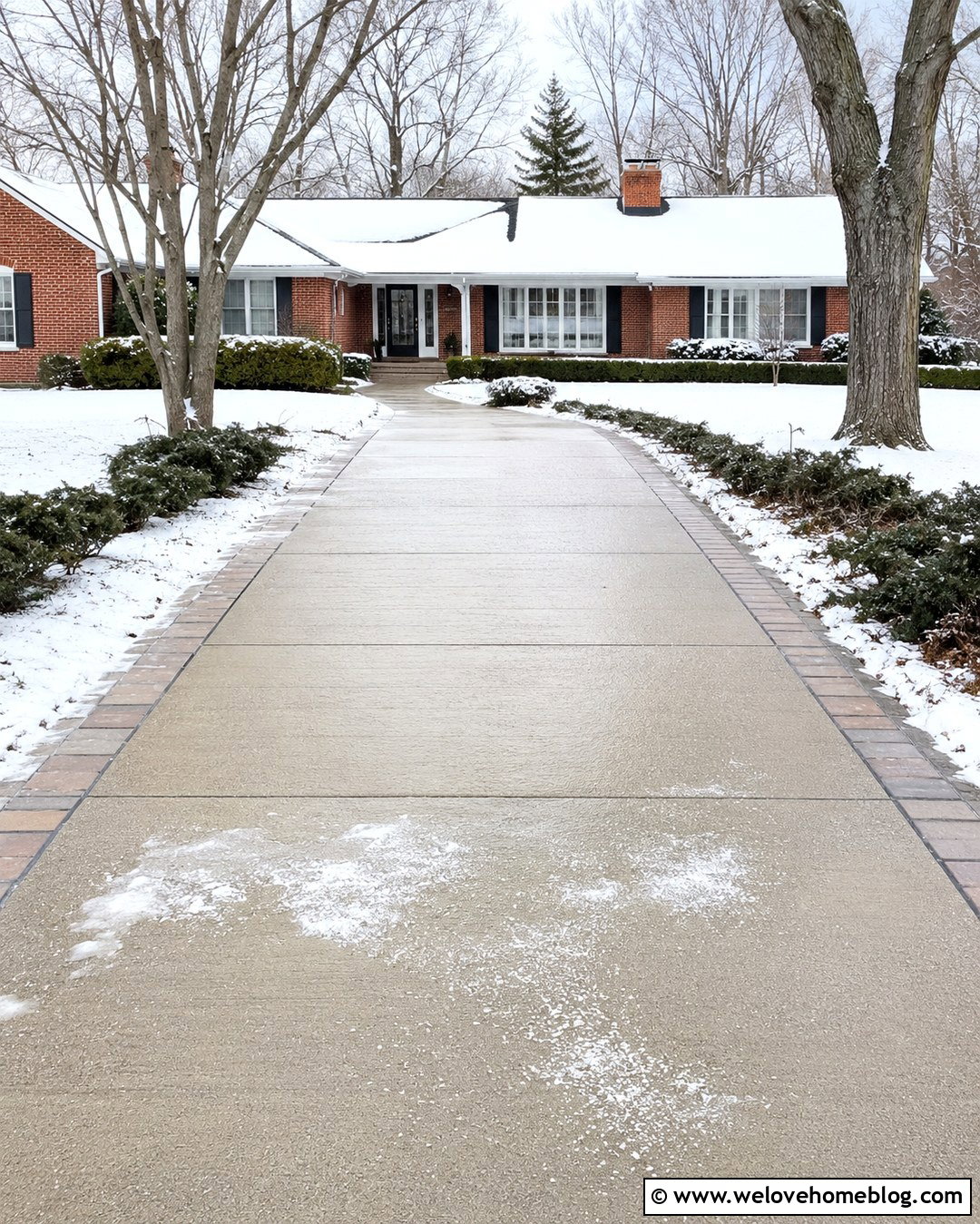
Urea can lower the freezing point of water and is sometimes sold as a chloride-free ice-melting ingredient. If using it, select a product specifically labeled for deicing rather than spreading an unknown lawn fertilizer blend. Apply the smallest labeled quantity to isolated patches, wait for softening, and remove the slush. Urea generally works better in milder winter temperatures and is not an efficient choice for deep cold. It also contains nitrogen, so excessive application can contribute to nutrient runoff, harm plants, and create environmental concerns. Do not spread it near drains, streams, or wells. Sweep up remaining granules and keep pets away from treated sections. For a large driveway, mechanical removal and a purpose-made deicer will usually offer more predictable results.
19. Shovel-First Minimal Deicer Driveway Method
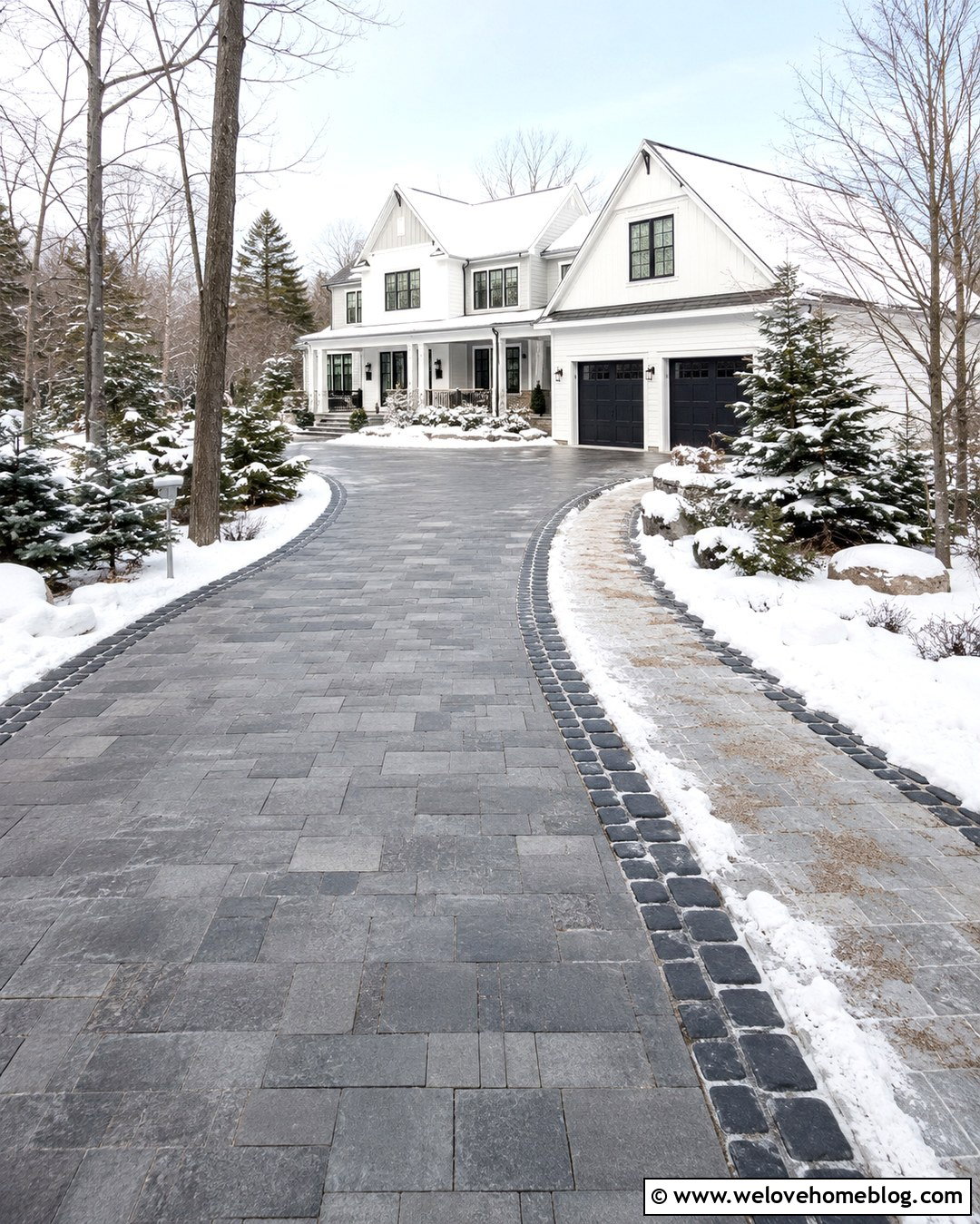
Fresh snow feels manageable until passing feet and tires compress it into solid ice. The most surface-conscious homemade approach starts with early mechanical removal. Shovel or blow away snow before traffic packs it down, then scrape the remaining film with a plastic-edged tool. Apply a small amount of alcohol solution, CMA, or surface-compatible deicer only where bonding remains. Finish with coarse sand for traction rather than covering the entire driveway with salt. This method reduces chemical use, runoff, and residue while addressing the areas that create the greatest risk. Work from the garage toward the street so removed slush does not flow back over cleared pavement. Early prevention is especially important because accumulated snow can quickly become difficult, tightly bonded ice. ()
20. Pre-Storm Driveway Ice Melt Routine

The most effective homemade ice melt plan begins before the first snowflake lands. Check the forecast, clear leaves from drainage areas, and repair any places where water regularly collects. Lightly pretreat established pavement with a suitable alcohol spray, beet-based deicer, CMA product, or another material approved for that surface. After snowfall begins, remove accumulation in stages rather than waiting for it to become deep and compacted. Add sand to slopes and walking lanes for immediate traction. Once the storm ends, scrape away loosened ice and move slush where it cannot drain across the driveway and refreeze. Pretreatment can reduce bonding and lower the amount of deicer needed later, but it should remain light and targeted rather than soaking the pavement. ()
Conclusion:
The best method depends on the driveway material, outdoor temperature, ice thickness, nearby landscaping, and whether pets use the area. These 20 Homemade Ice Melt For Driveway Ideas range from alcohol-based spot treatments to beet pretreatments, low-salt blends, and simple traction materials. Remember that sand, litter, coffee grounds, and volcanic grit improve grip but do not truly melt ice. Shovel early, treat only stubborn patches, and remove softened slush before it freezes again. Avoid heavy chloride use on concrete, especially during its first winter. Test unfamiliar mixtures on a hidden area, follow product labels, protect pets’ paws, and keep every ingredient away from drains and sensitive planting beds.

Related posts:






Leave a Reply