
Open-concept living has reshaped modern homes, blending the living room and dining room into a single, expansive space that fosters connection and design philosophy removes physical barriers, creating an airy, light-filled environment perfect for both quiet family evenings and entertaining challenge, however, lies in defining distinct functional zones without walls while maintaining a cohesive aesthetic. A successful open-concept layout feels intentional and harmonious, with each area complementing the clever furniture arrangements and strategic lighting to consistent color palettes and material choices, there are countless ways to design a space that is both beautiful and collection of ideas explores diverse themes to inspire your own unified living and dining area.
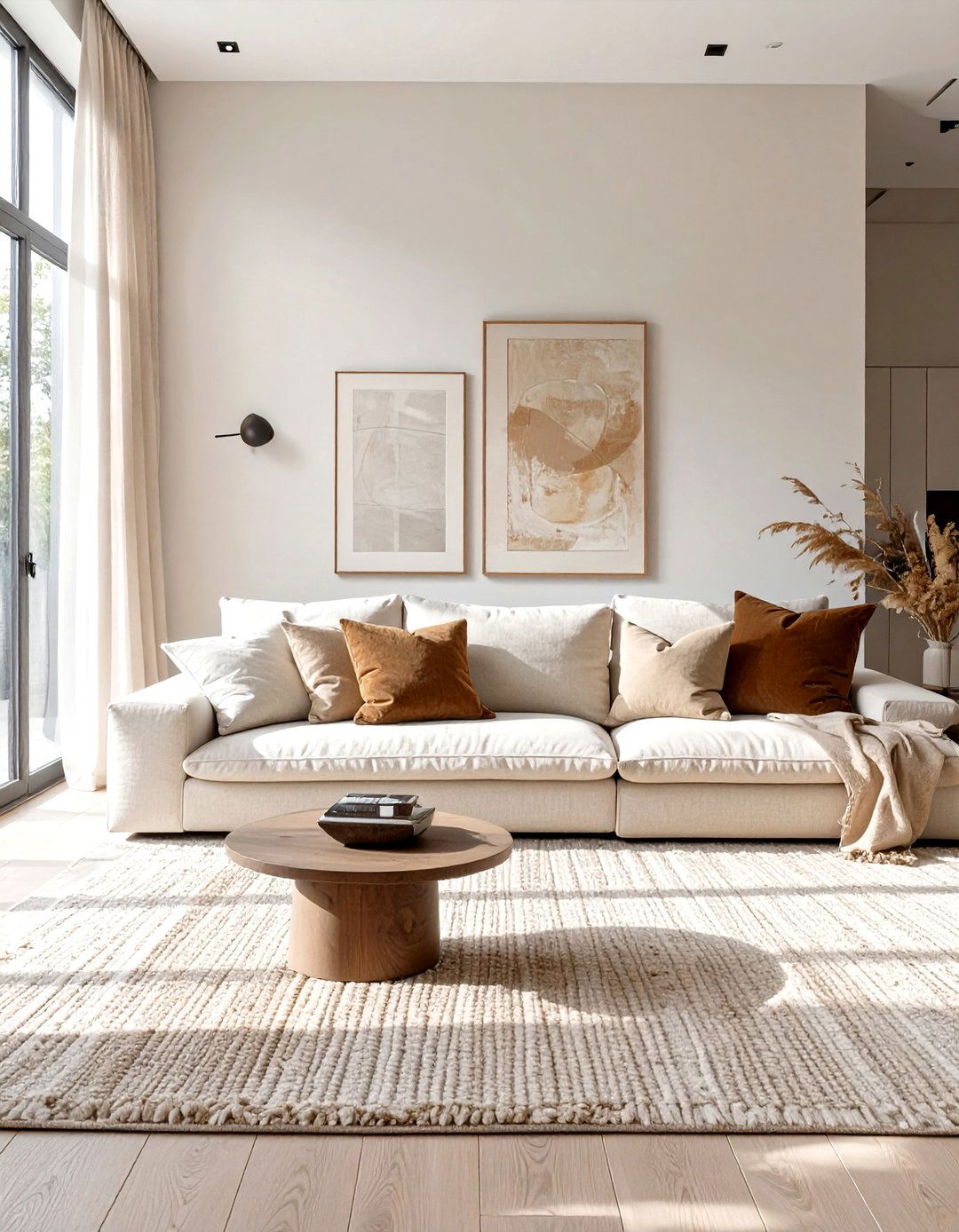
1. Scandinavian Minimalist Living and Dining Room
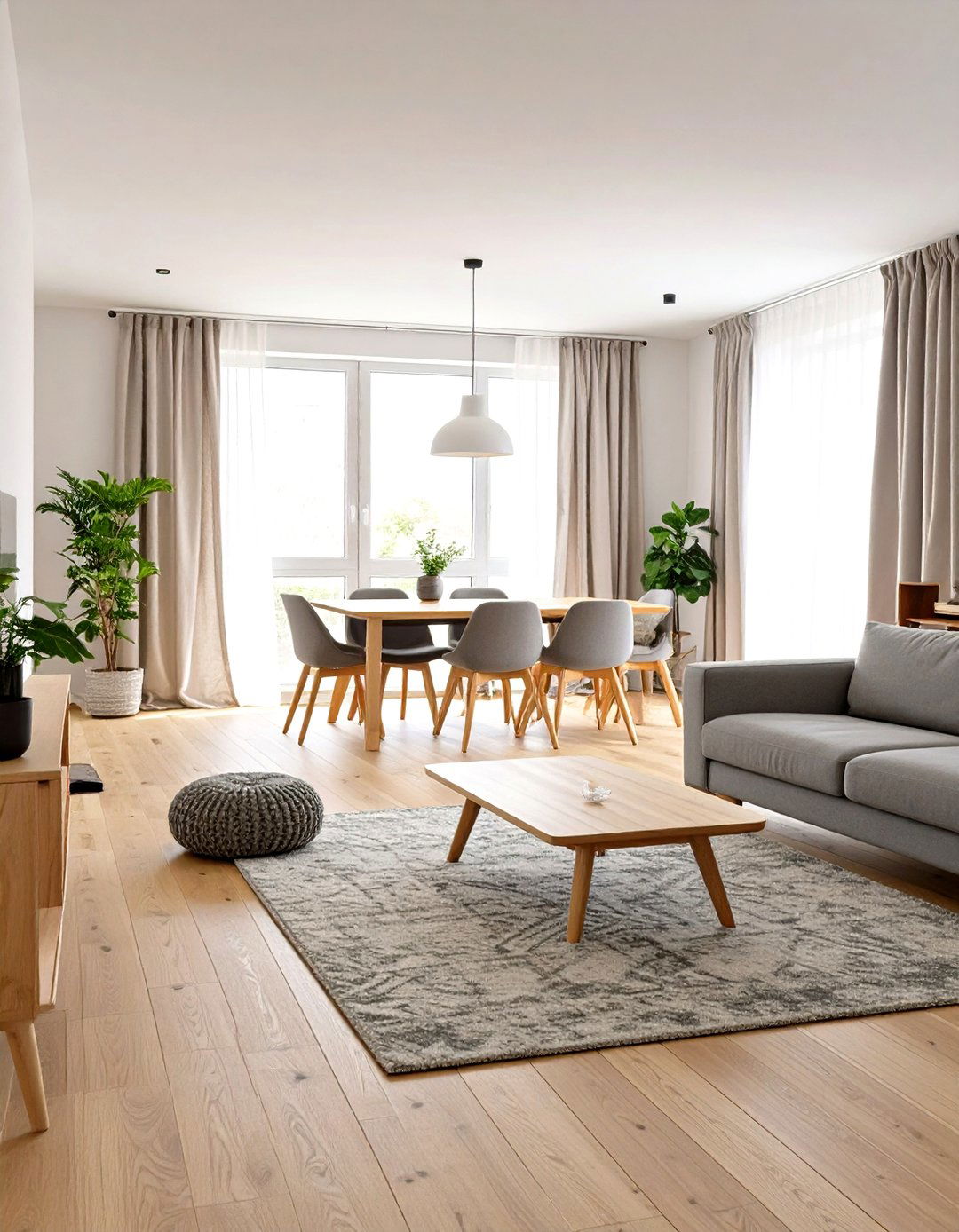
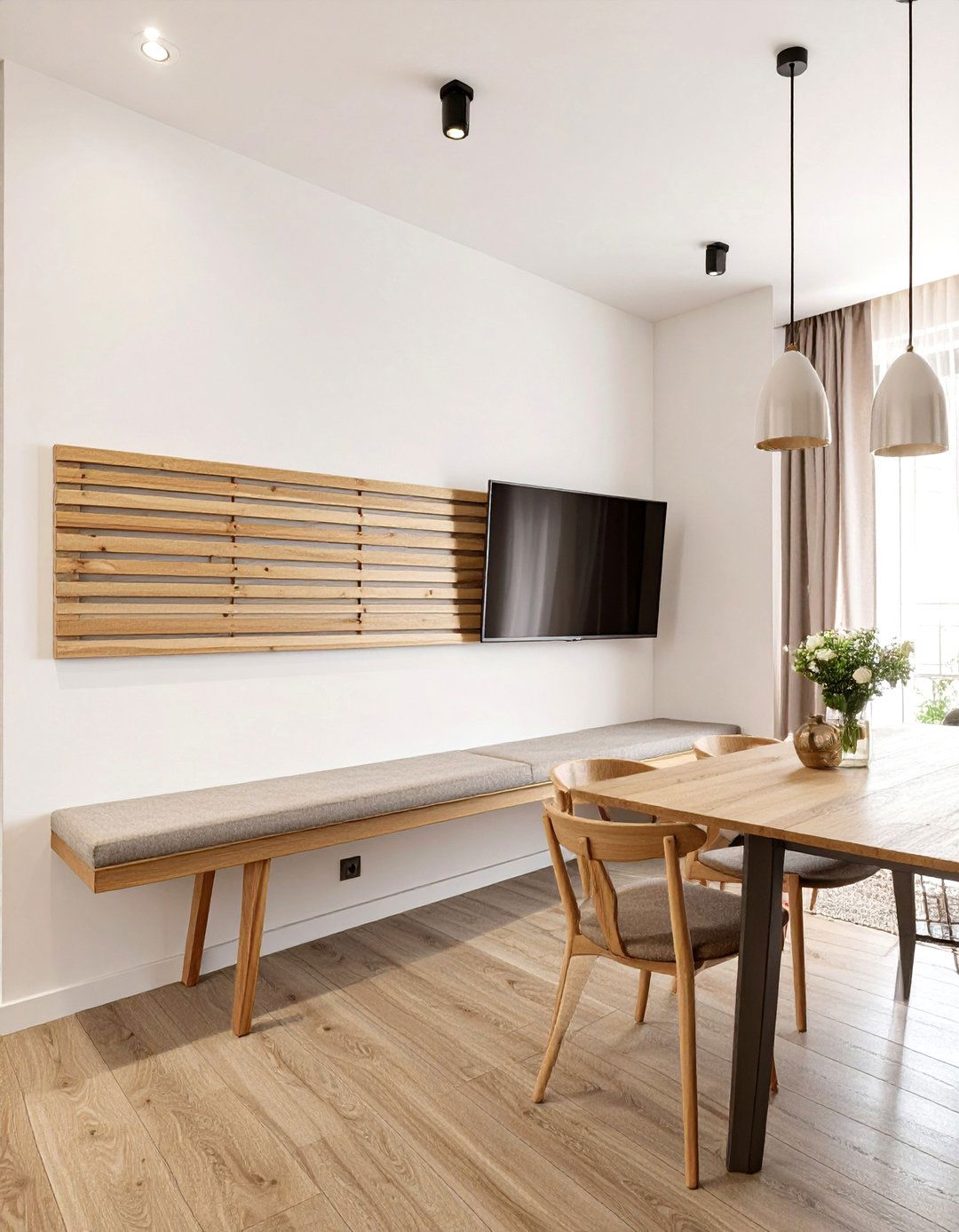
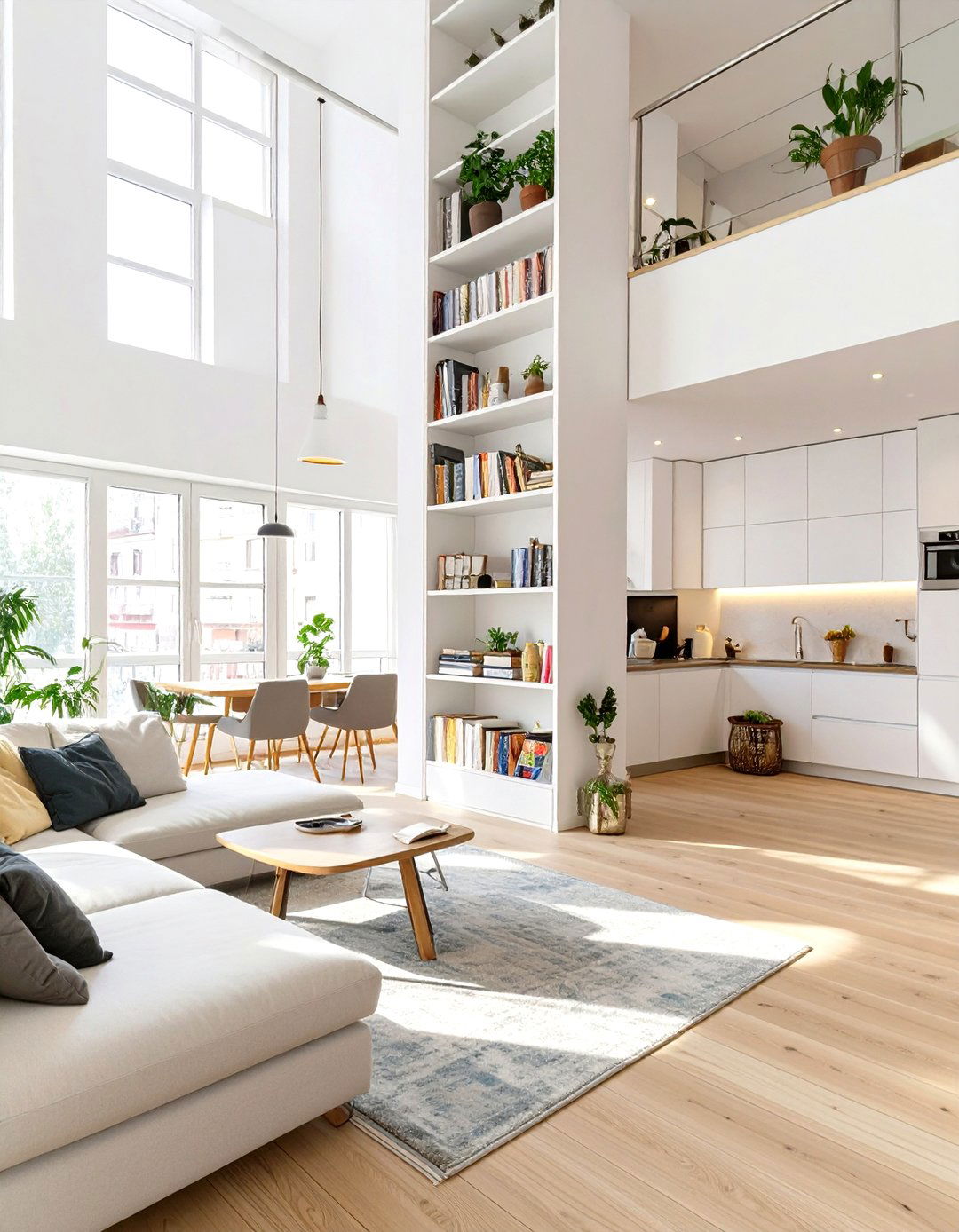
Embrace simplicity with a Scandinavian minimalist design features a clean, neutral color palette of whites, grays, and soft beiges, creating a serene and uncluttered is functional with clean lines, often crafted from light-toned woods like ash or living area might have a simple gray sofa and a single statement armchair, while the dining area features a sleek wooden table with mismatched unify the space, use a large, neutral-toned area rug in the living zone and hang minimalist pendant lights over the dining light is paramount, so keep window treatments sheer.
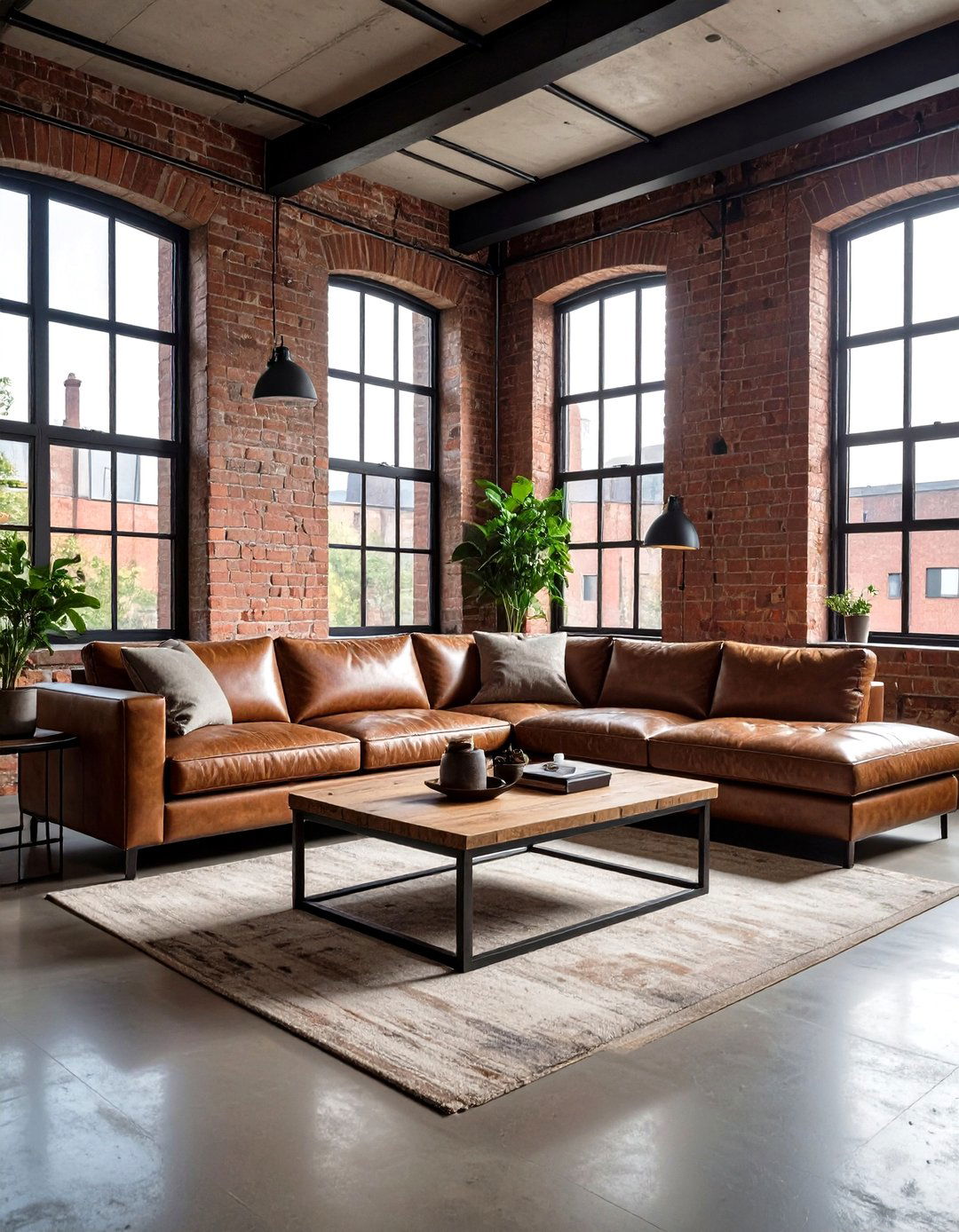
2. Industrial Loft Living and Dining Room
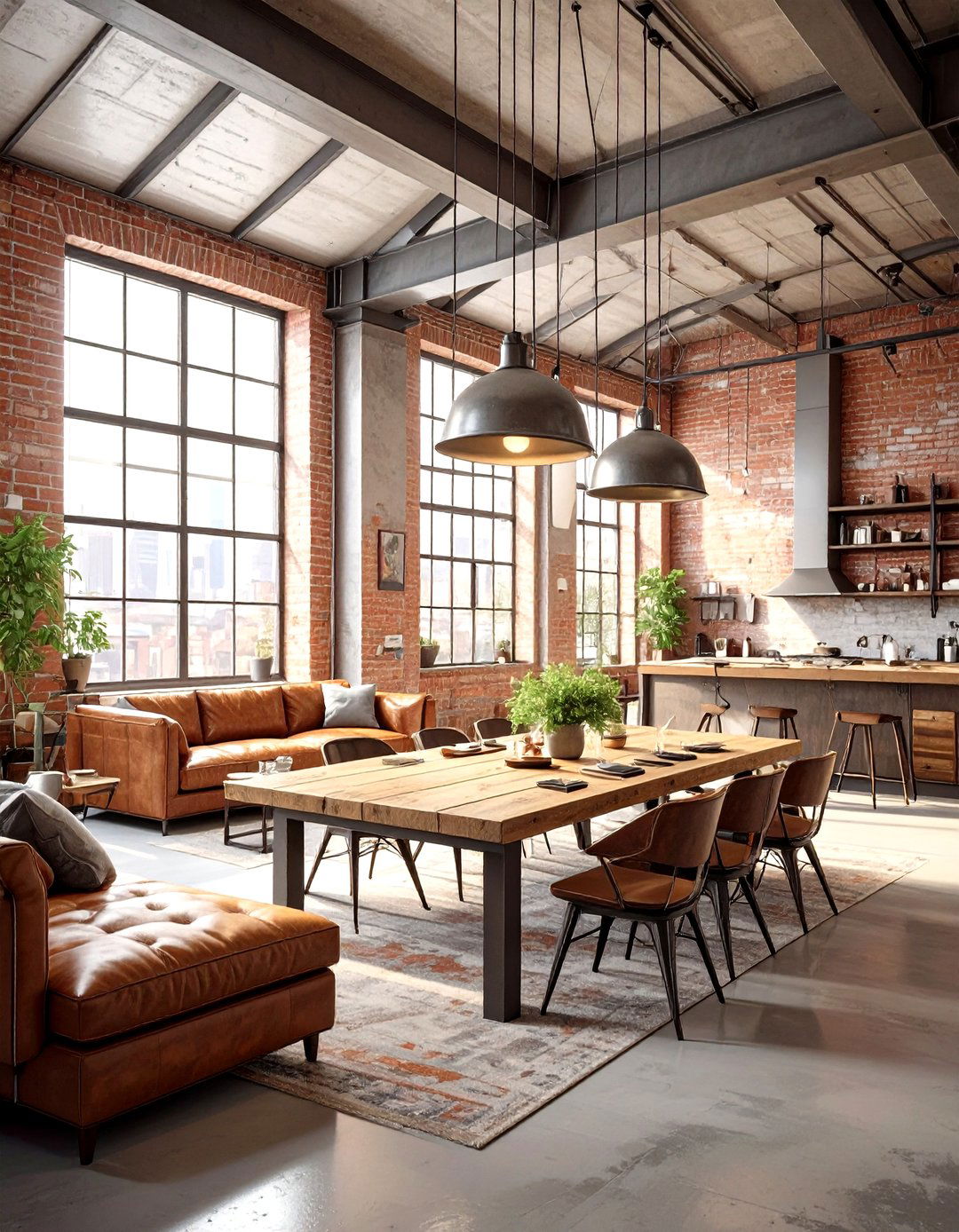
Capture the raw, edgy aesthetic of an industrial theme celebrates exposed brick walls, visible ductwork, and polished concrete or distressed hardwood combines metal and reclaimed wood for a rugged, utilitarian feel. A worn leather sofa in the living area complements a large, solid wood dining table with metal the zones with distinct lighting: track lighting or caged bulb pendants in the living space and a dramatic, low-hanging industrial chandelier over the dining color scheme is typically moody, with blacks, grays, and warm browns dominating the space for a cozy feel.
3. Coastal Farmhouse Living and Dining Room
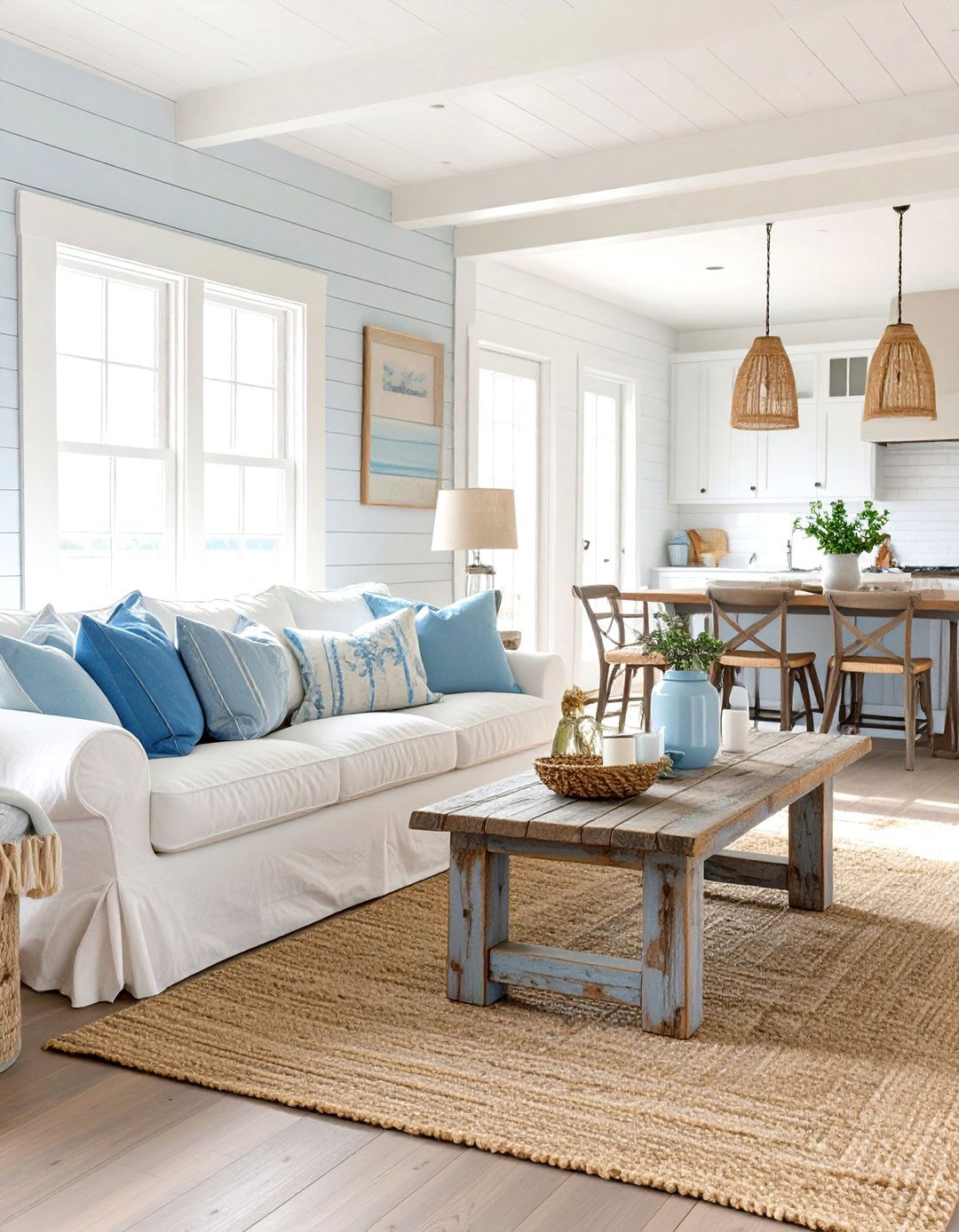
Merge the relaxed vibe of coastal living with rustic farmhouse style uses a light and airy palette of whites, sandy beiges, and soft walls or whitewashed wood floors provide a classic farmhouse living area is centered around a comfortable, slipcovered sofa, while the dining space features a sturdy, distressed wood table and bench textures are key, so incorporate jute rugs, linen curtains, and wicker baskets. A cohesive look is achieved through consistent use of weathered wood finishes and subtle nautical decor like driftwood or sea glass accents throughout both areas.
4. Mid-Century Modern Living and Dining Room
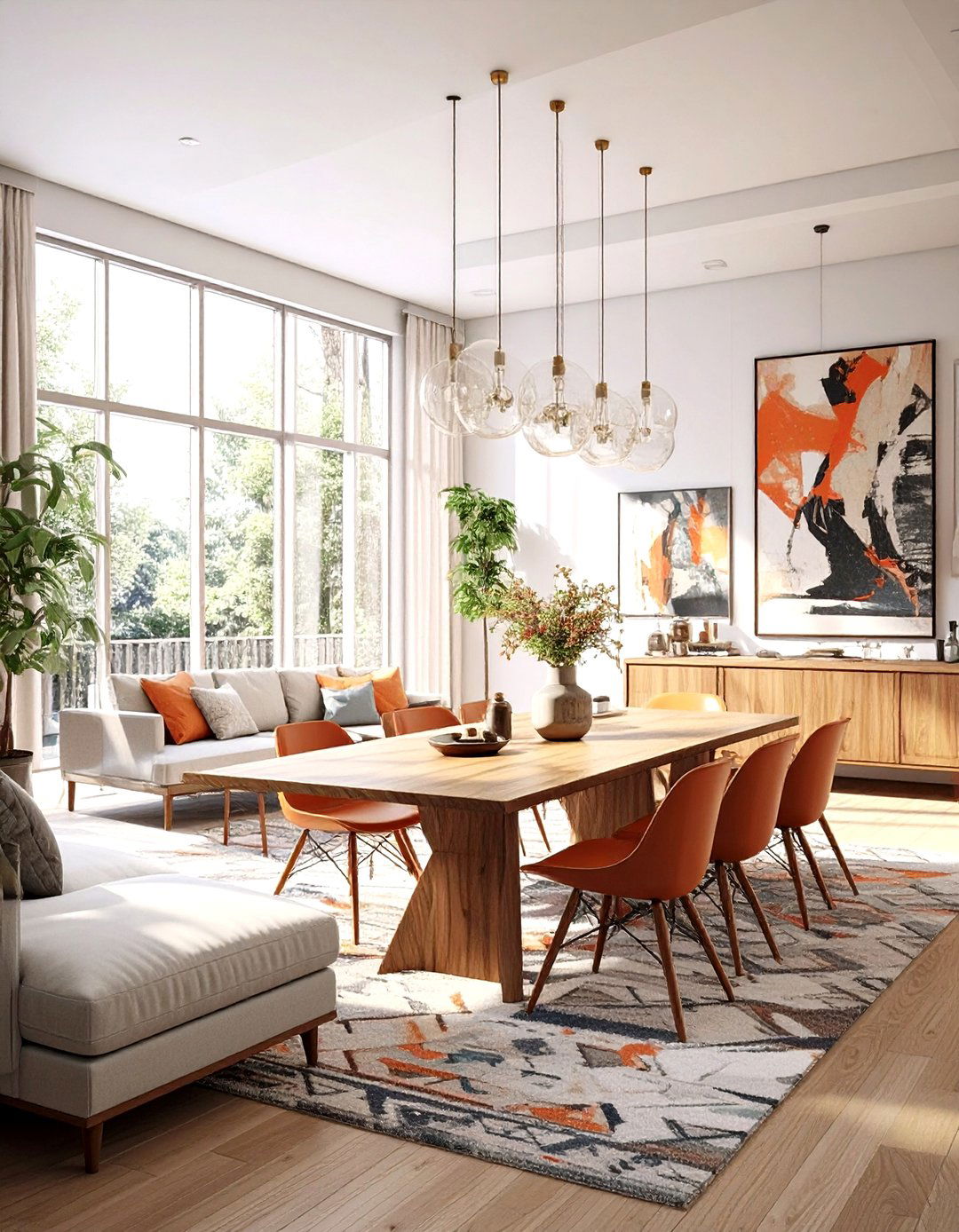
Step back in time with a mid-century modern style is characterized by organic shapes, clean lines, and a focus on living area showcases an iconic sofa with tapered legs, paired with a kidney-bean-shaped coffee dining area features a simple walnut or teak table with classic Eames-style chairs. A shared color palette of earthy greens, burnt oranges, and mustard yellows ties the spaces a geometric-patterned rug to anchor the living space and a sputnik chandelier above the dining table to create a stunning focal point that unifies the entire room.
5. Bohemian Eclectic Living and Dining Room
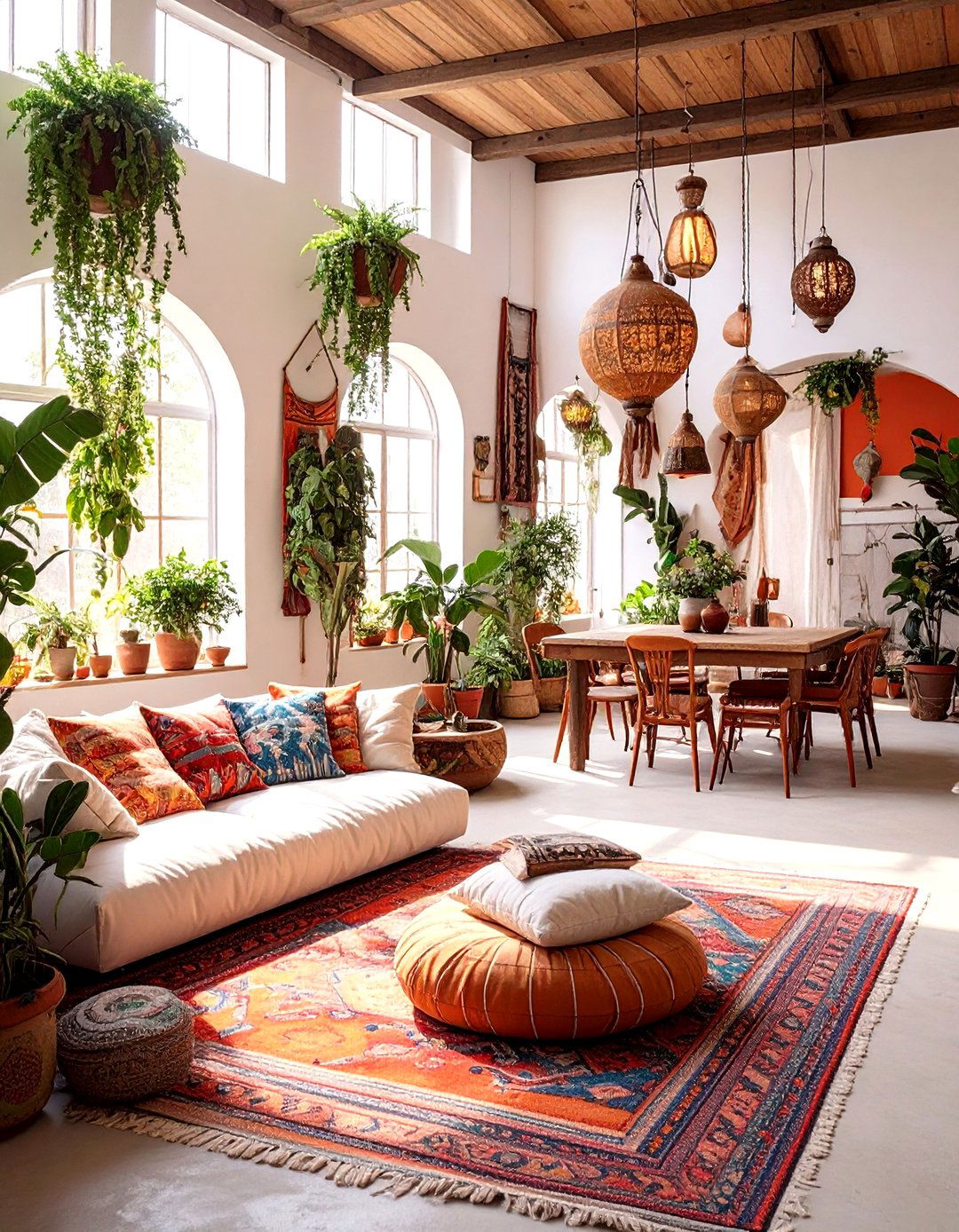
For a free-spirited and personalized space, a bohemian eclectic theme is style is all about mixing patterns, textures, and patterned rugs to define the living area, which is filled with low-slung seating, floor cushions, and an abundance of dining area can feature a vintage wooden table with an assortment of mismatched chairs. A cohesive, yet eclectic, look is achieved through a warm, earthy color base punctuated with vibrant jewel wall hangings, tapestries, and a variety of light sources like lanterns and string lights create a cozy, inviting atmosphere across the entire open layout.
6. Modern Glam Living and Dining Room
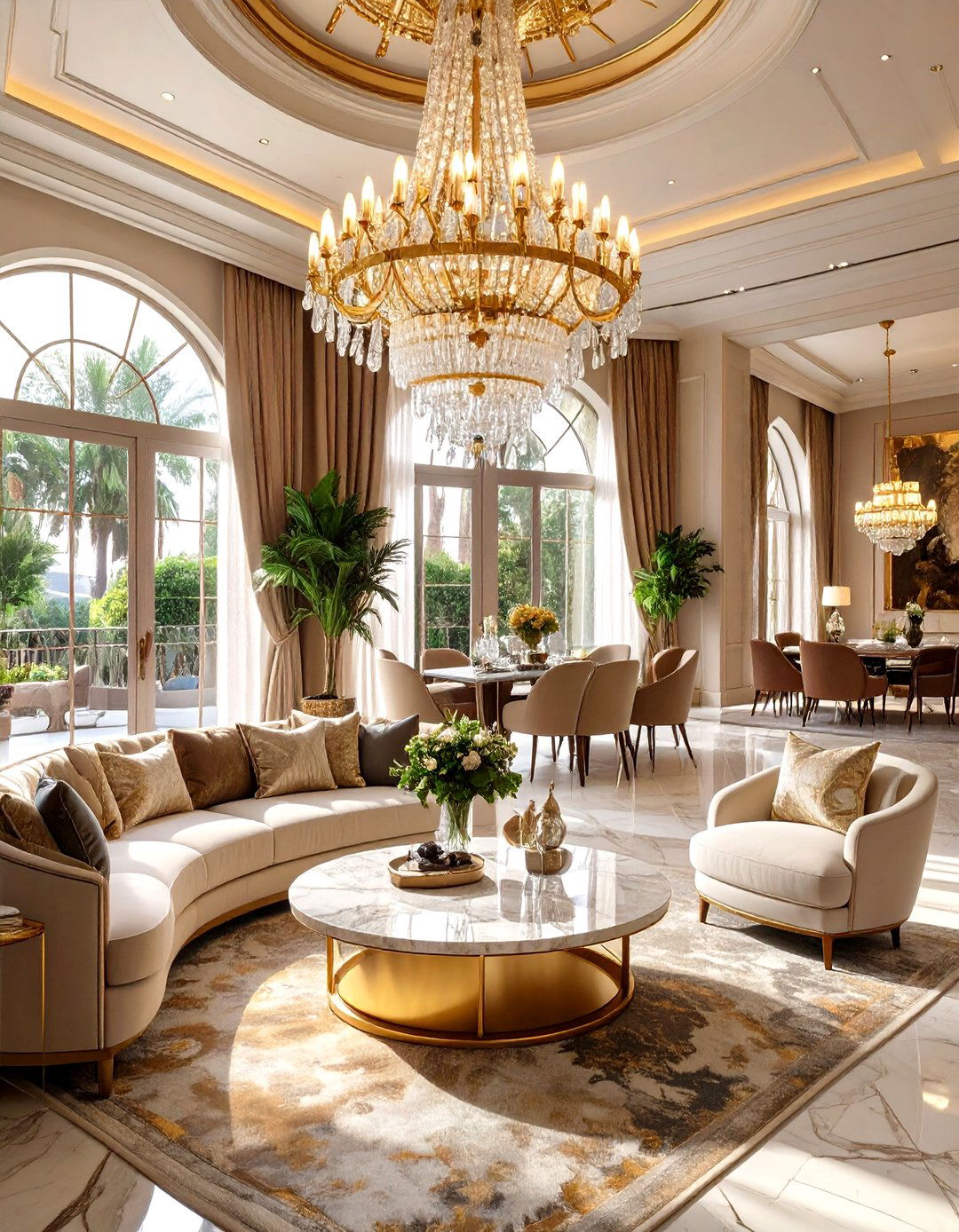
Infuse your space with sophistication through a modern glam theme blends sleek, contemporary lines with luxurious velvet sofas, mirrored furniture, and metallic accents in gold or chrome. A plush, high-pile rug can define the living area, while a statement crystal chandelier hangs over a glass or marble dining color palette is often a mix of bold jewel tones like emerald or sapphire with soft neutrals like blush and key to cohesion is the consistent use of luxe textures and shiny finishes, creating a polished and opulent feel throughout the living and dining zones.
7. Rustic Mountain Retreat Living and Dining Room

Create a cozy, cabin-like feel with a rustic mountain retreat design relies heavily on natural materials like stone and wood. A stacked stone fireplace can serve as a powerful focal point for the entire open is sturdy and comfortable, such as a deep leather sofa and a solid, rough-hewn wood dining warm, earthy tones and textures like faux fur throws, wool blankets, and cowhide rugs to enhance the cozy atmosphere. Dimmable, warm lighting from wrought-iron fixtures helps to create an intimate ambiance that connects the living and dining spaces seamlessly.
8. Japanese Zen Living and Dining Room
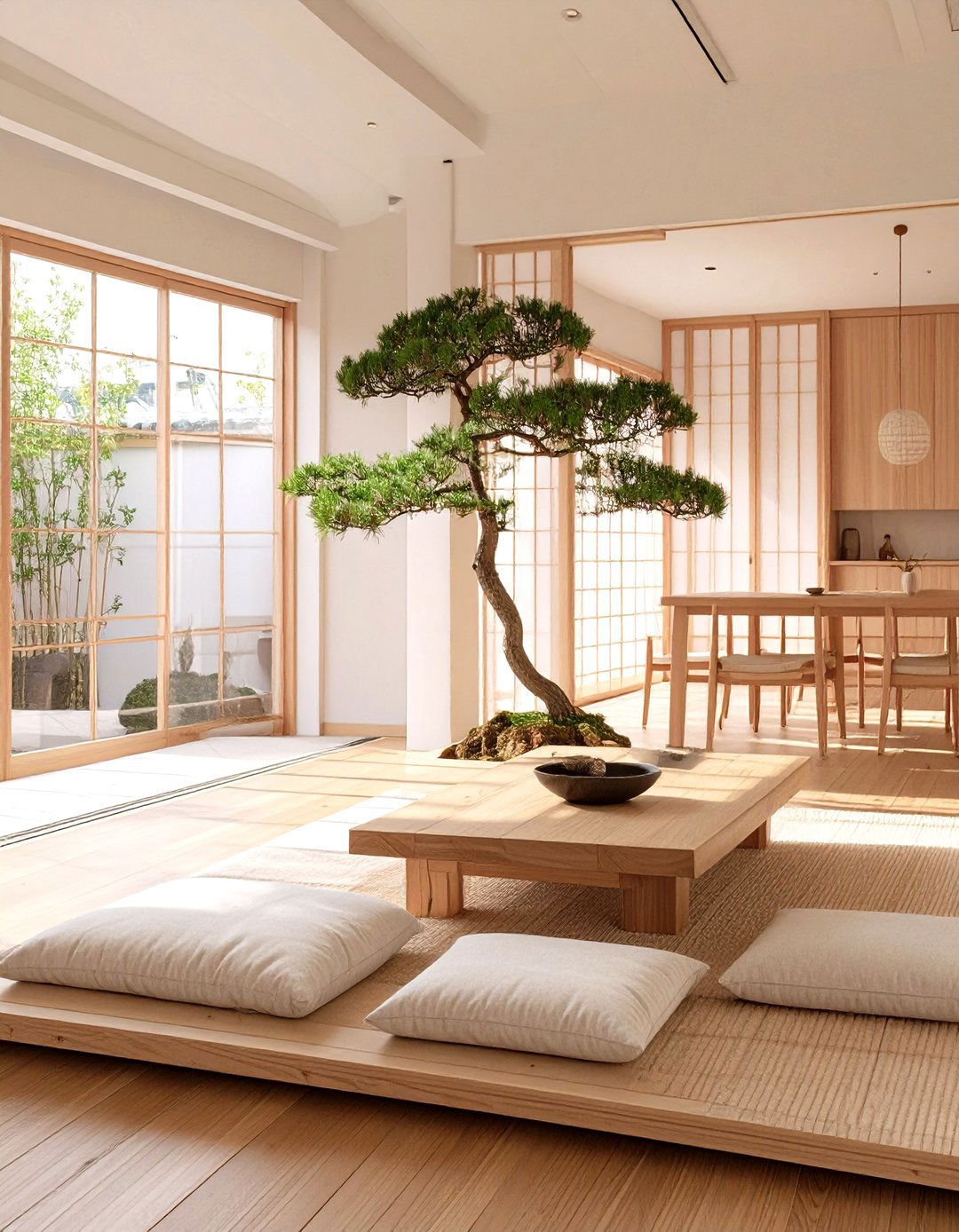
Achieve a state of tranquility with a Japanese Zen-inspired open minimalist style emphasizes natural materials, simplicity, and a connection to the layout is open and uncluttered, with low-profile furniture like a simple platform sofa and a low dining table with floor a palette of soft, natural colors and materials like bamboo flooring, rice paper screens (shoji) , and light wood. A single, well-placed bonsai tree or a simple ikebana flower arrangement can serve as a focal key is creating a sense of balance and harmony between the two zones.
9. Art Deco Inspired Living and Dining Room
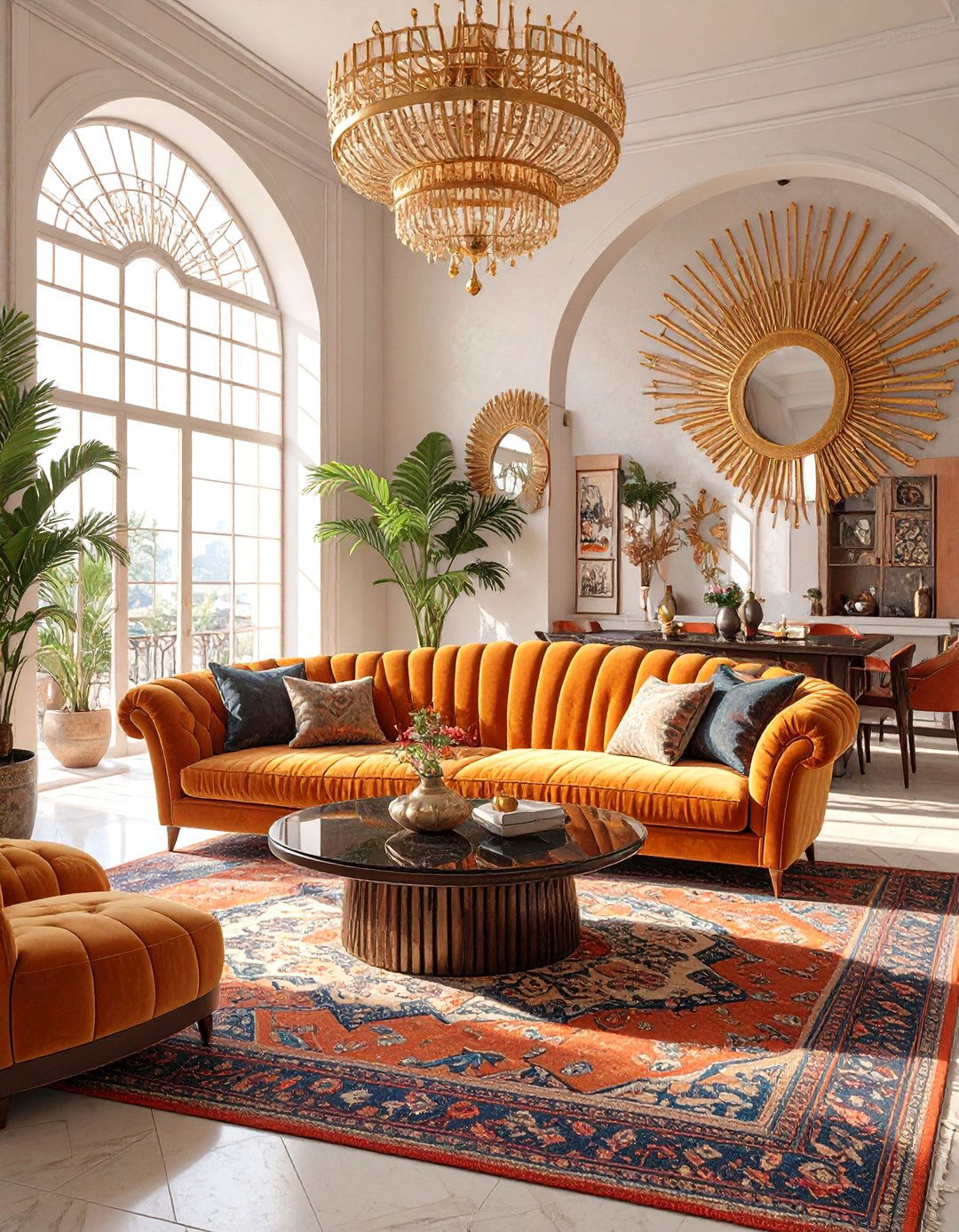
Bring the Roaring Twenties to life with an Art Deco-inspired theme is all about bold geometry, rich colors, and lavish furniture with strong, streamlined shapes and luxurious finishes like polished wood and living area might feature a velvet sofa with a scalloped back, while the dining area boasts a dark wood table with high-backed chairs. A consistent color scheme of deep jewel tones, black, and metallic gold or silver unifies the mirrors and geometric-patterned rugs are classic Art Deco elements that can tie the living and dining areas together.
10. Transitional Style Living and Dining Room
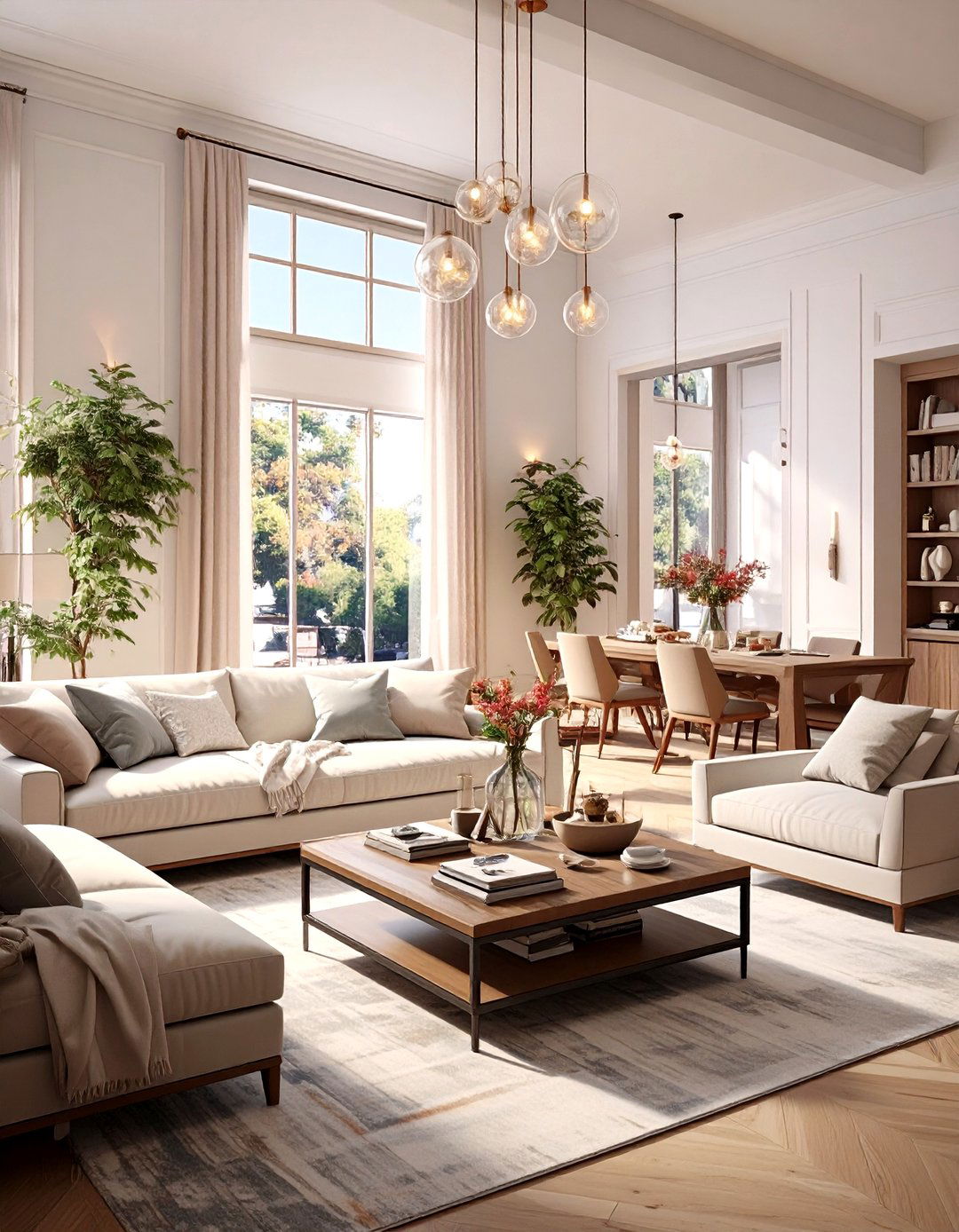
What if you could blend the best of both traditional and contemporary design? A transitional style does just that, creating a timeless and comfortable approach combines classic elements like plush, comfortable sofas with the clean lines of modern color palette is typically neutral and calming, creating a sophisticated backdrop. A large, traditional area rug might ground the living space, while a simple, modern chandelier illuminates the dining is achieved by balancing curved and straight lines and mixing textures like leather, linen, and wood throughout the entire open-concept area.
11. Biophilic Design Living and Dining Room
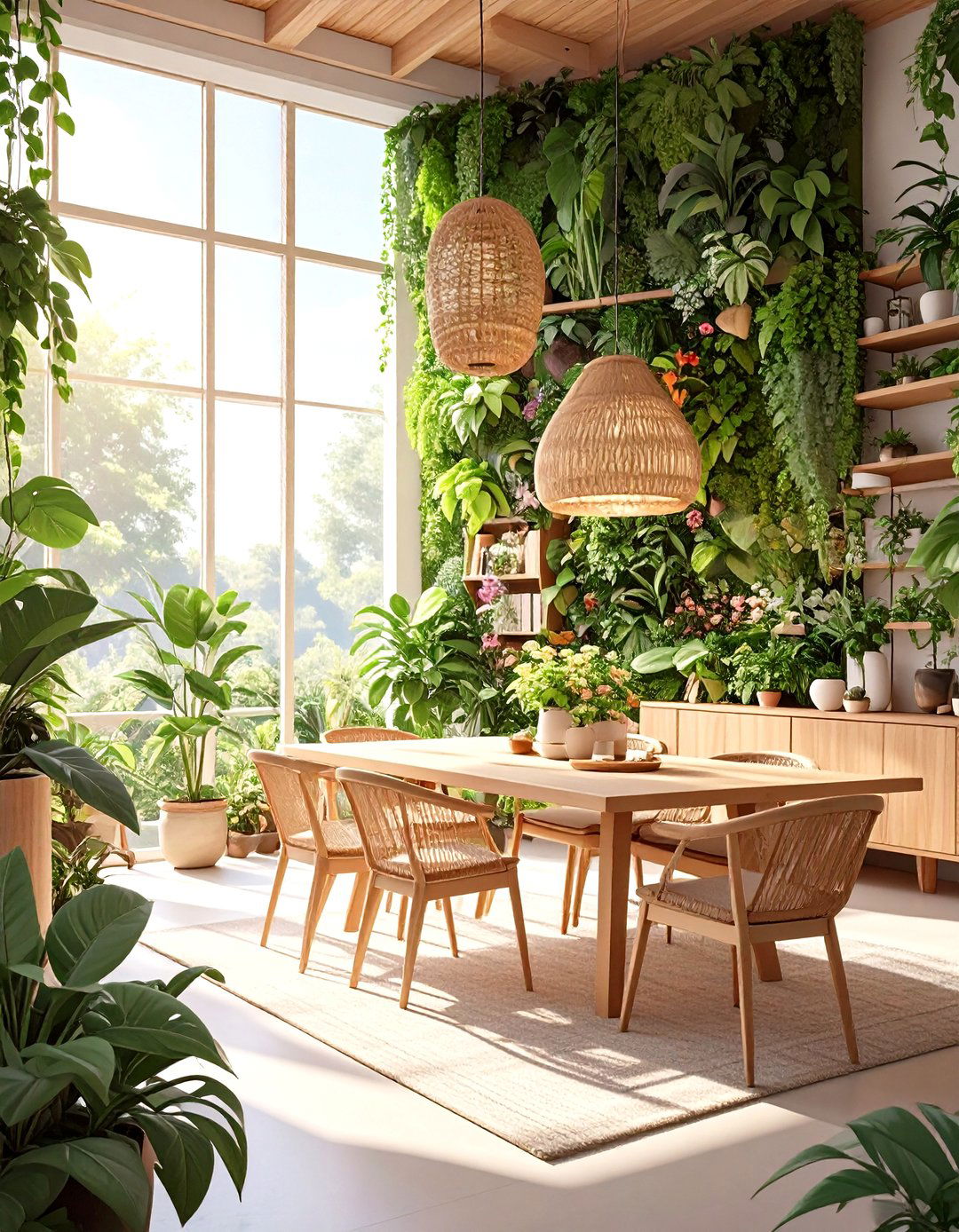
Connect your indoor space with the natural world through biophilic concept prioritizes natural light, ventilation, and an abundance of plant windows or glass doors are is made from natural materials like wood, rattan, and linen. A living wall of plants can serve as a stunning feature that benefits both the living and dining a color palette inspired by nature — greens, blues, and earthy goal is to create a seamless transition between indoors and out, fostering a sense of well-being throughout the entire open-plan environment.
12. Modern Farmhouse Living and Dining Room
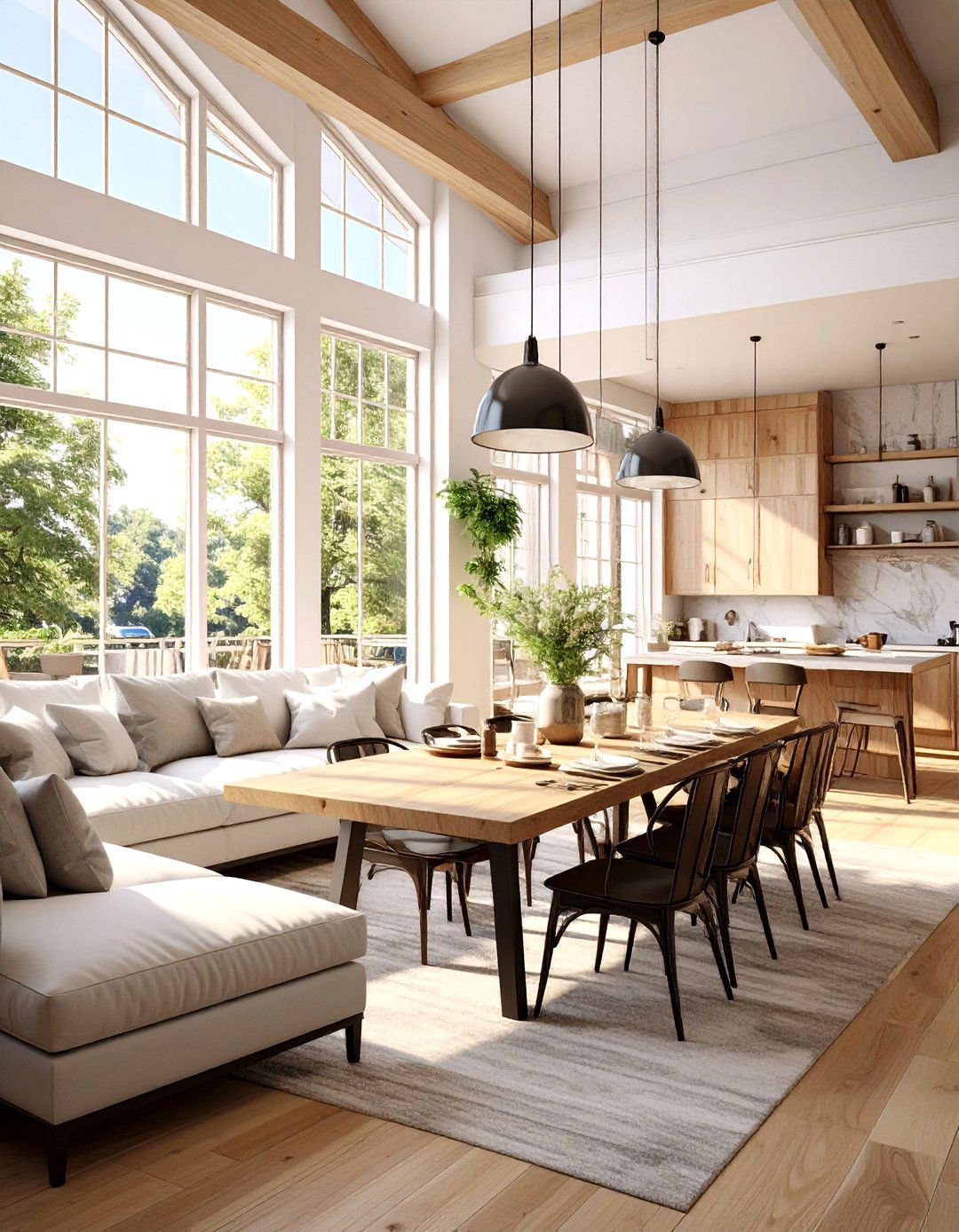
Achieve a perfect balance of rustic comfort and modern simplicity with a modern farmhouse style features a neutral color palette, often with crisp whites and blacks, combined with the warmth of natural wood living area has a comfortable, neutral-colored sectional, while the dining area showcases a large wooden table with modern black metal accents and black-framed windows are common comes from the consistent use of mixed materials — wood, metal, and soft textiles — and a clean, uncluttered aesthetic that flows effortlessly between the living and dining spaces.
13. Dark and Moody Living and Dining Room
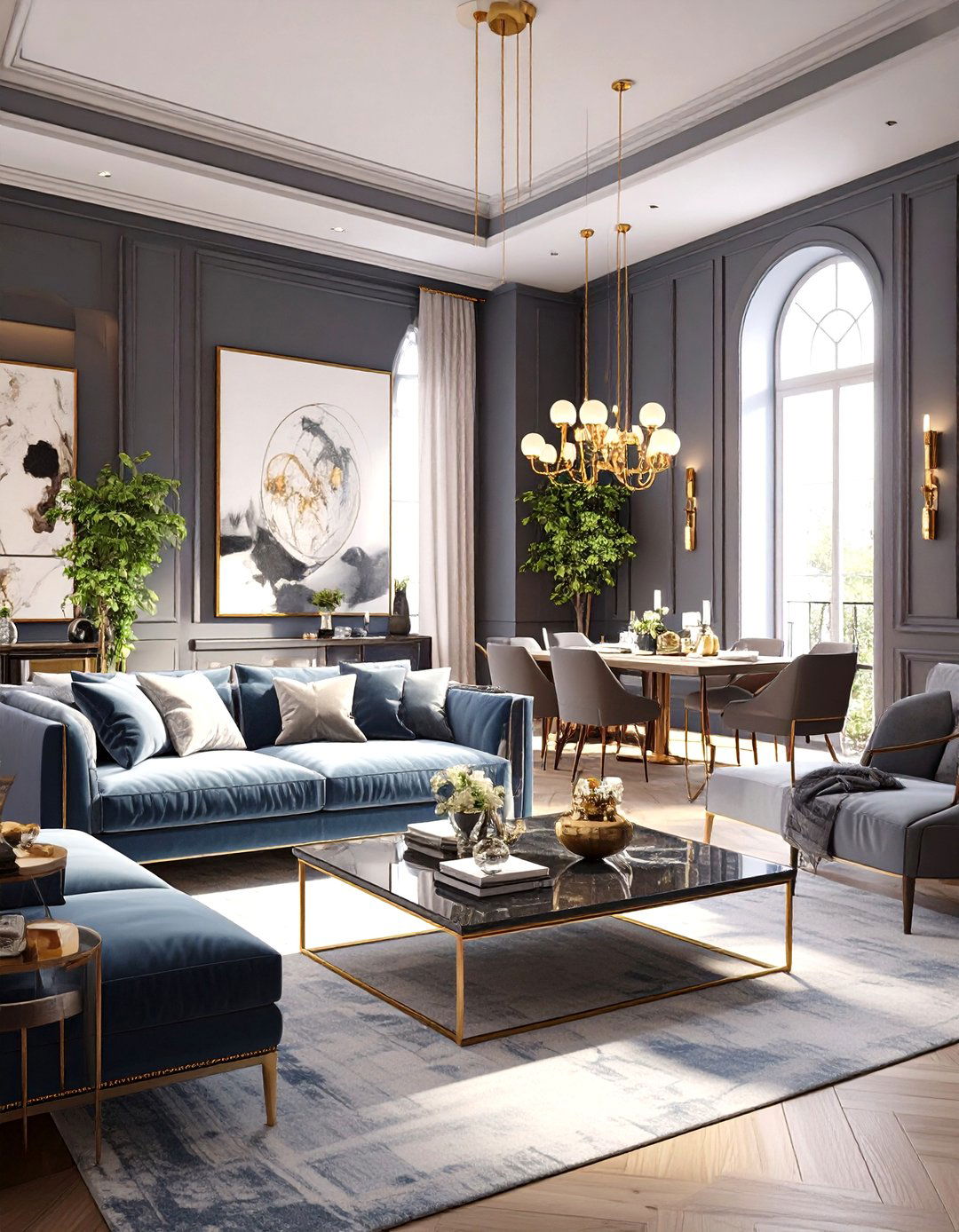
Dare to go dark with a moody and dramatic open-concept theme uses deep, saturated colors like charcoal gray, navy blue, or forest green on the walls to create an intimate and sophisticated in rich materials like velvet or leather adds to the luxurious lighting is crucial; use a mix of ambient, task, and accent lighting to highlight different zones and prevent the space from feeling too accents in brass or gold can add a touch of brightness and connect the living and dining areas with a common, elegant finish.
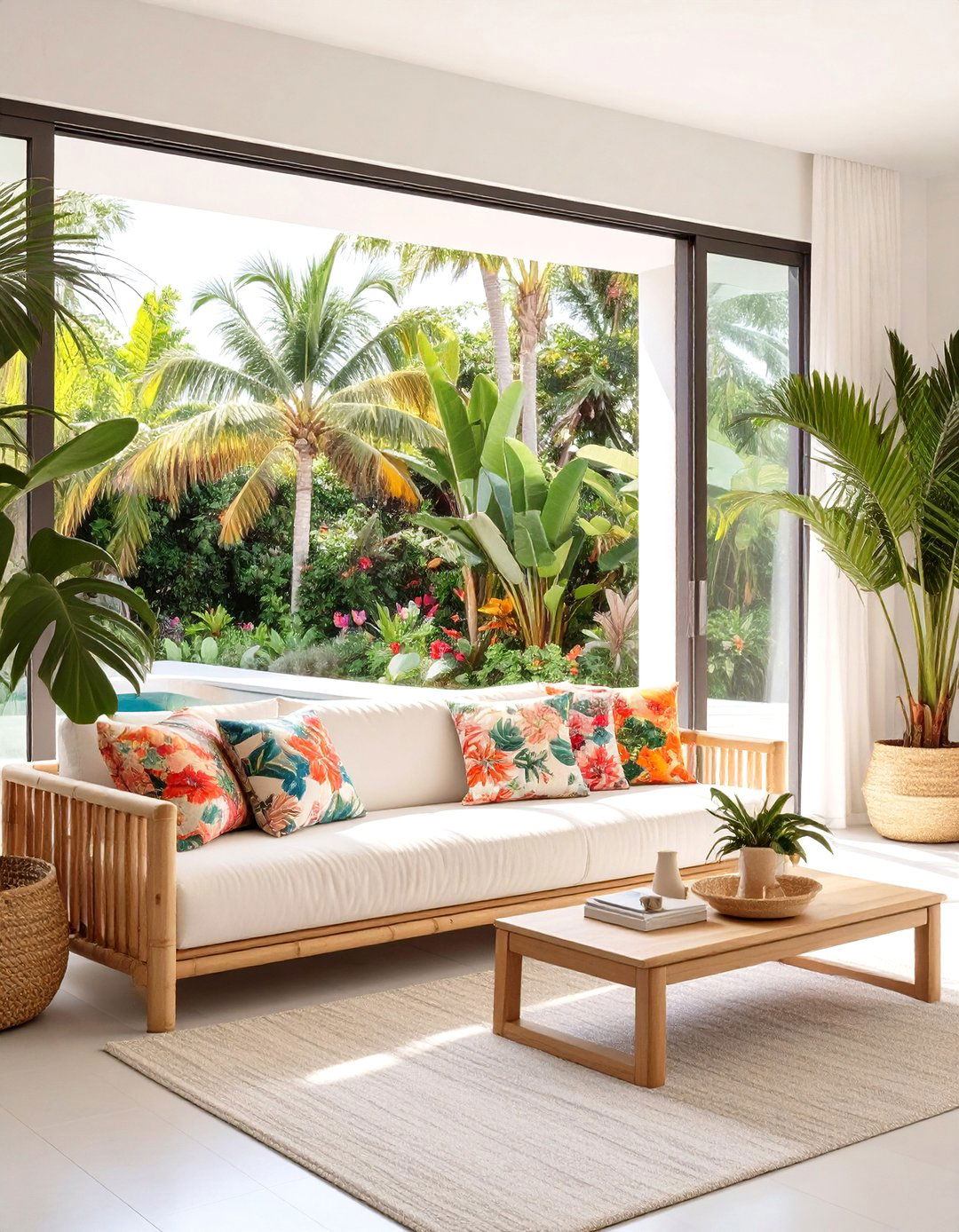
14. Tropical Modern Living and Dining Room
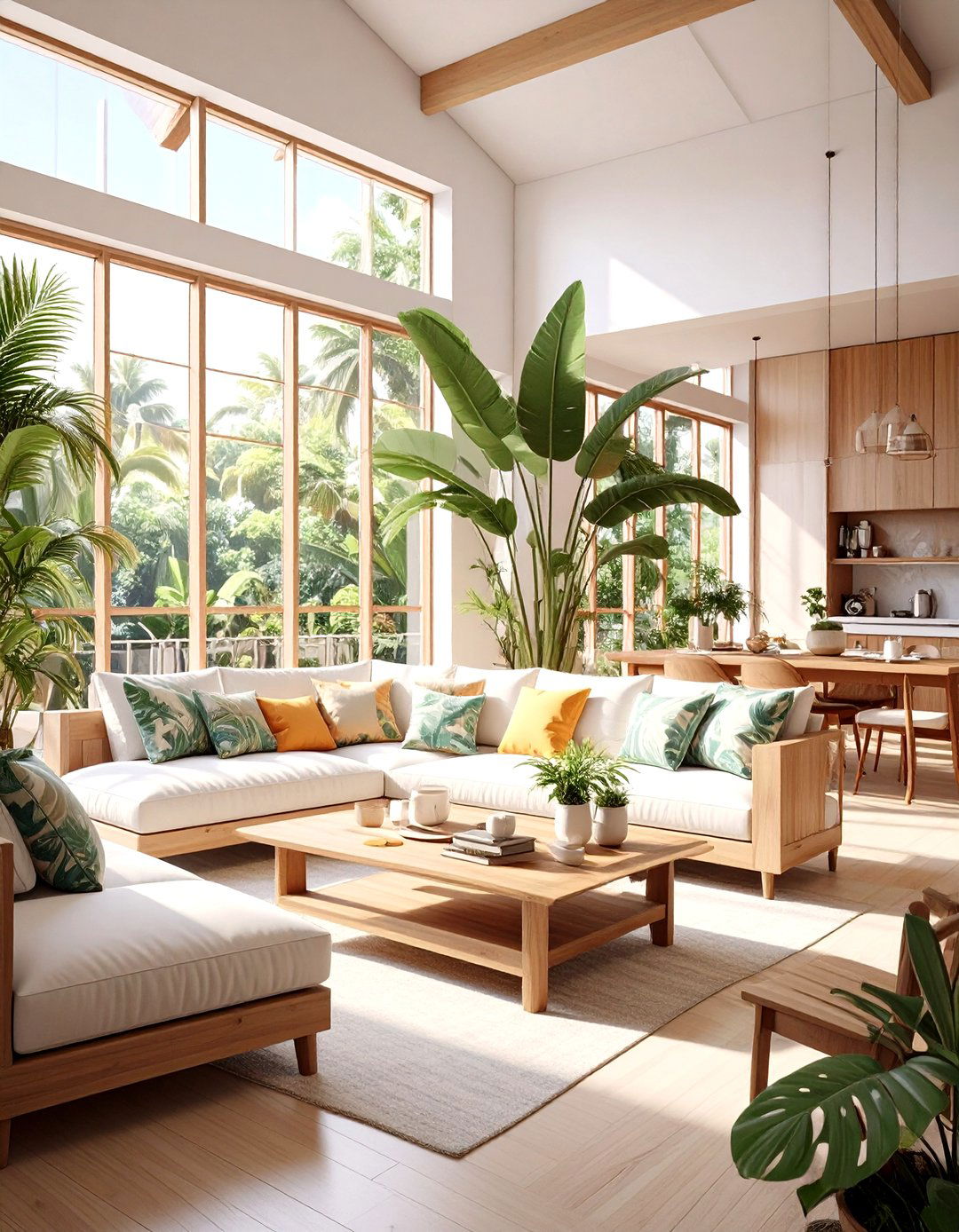
Bring a vacation vibe home with a tropical modern style combines the clean lines of modernism with the lush, vibrant feel of the space is defined by large windows, natural materials like teak and rattan, and an abundance of oversized tropical living area features a low-profile sofa with linen upholstery, while the dining area has a simple wood table. A color palette of crisp whites and greens creates a fresh, airy feel. A consistent use of bold, tropical-leaf prints on cushions or artwork can tie the two zones together beautifully.
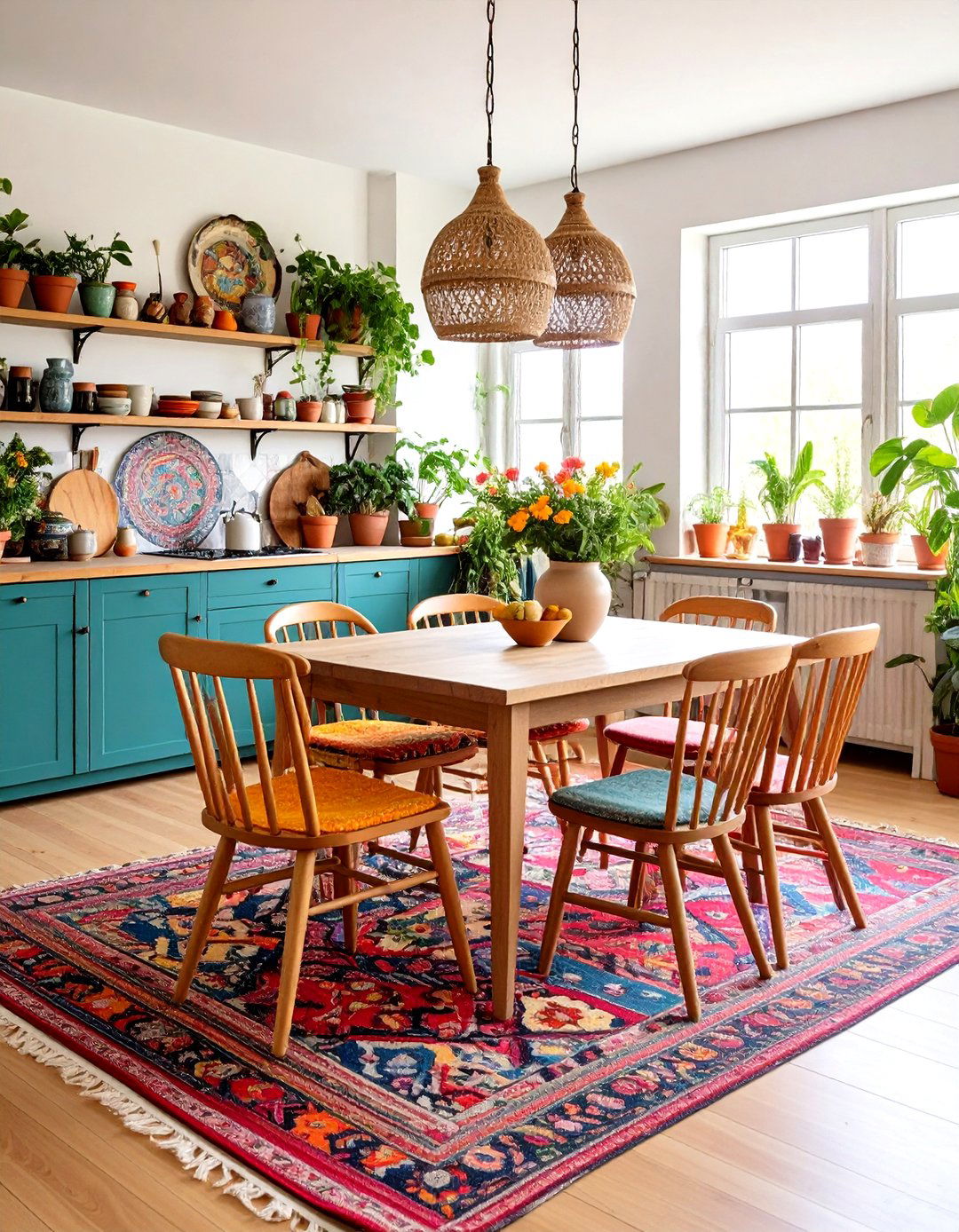


15. French Country Living and Dining Room
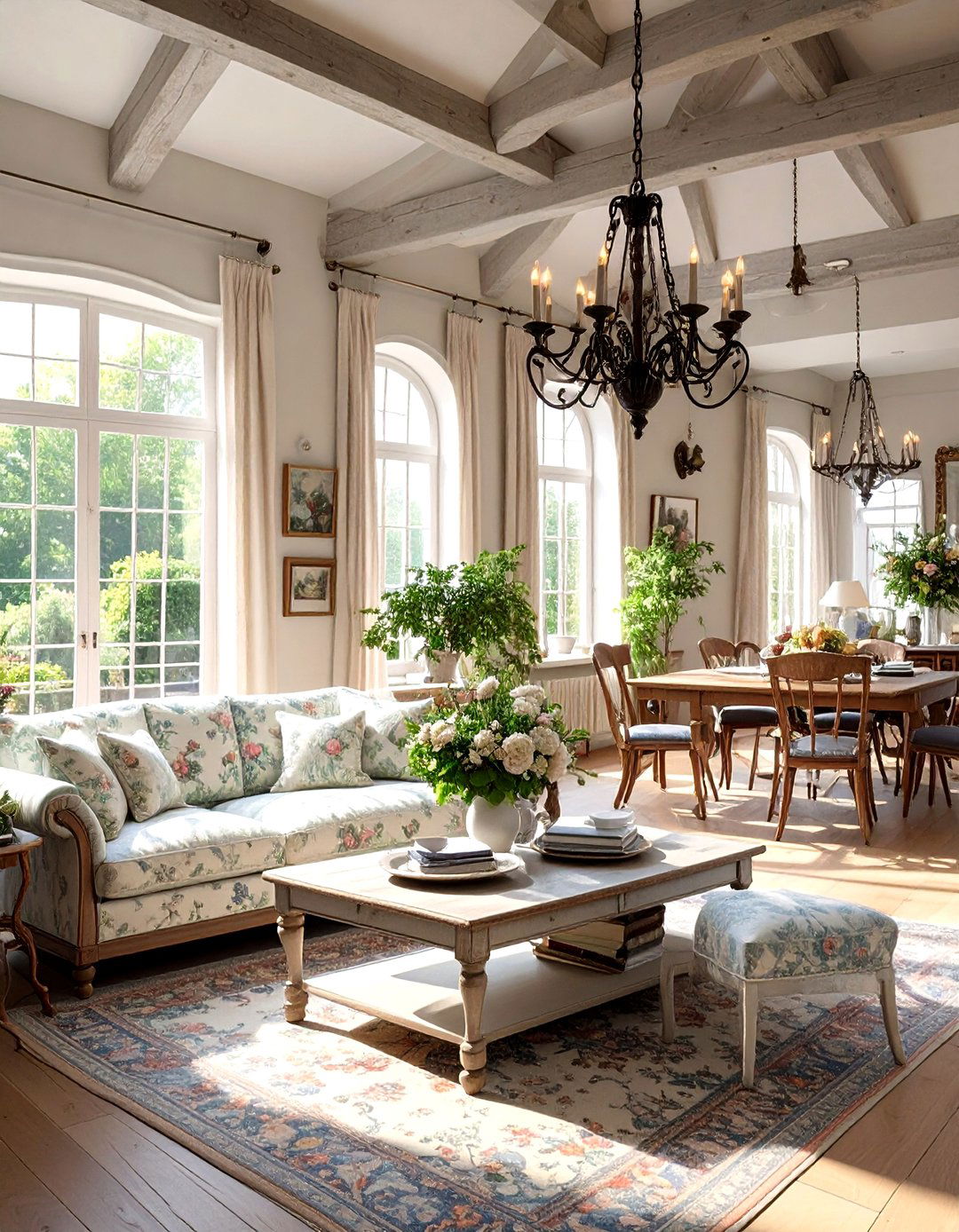
Evoke the charm of the French countryside with this warm and inviting Country design features soft, muted colors, distressed wood finishes, and elegant, curved living area is centered around a comfortable sofa with floral or toile-patterned dining area has a rustic farmhouse table, often with a matching bench or mismatched wooden iron details, seen in chandeliers or curtain rods, and natural stone or terracotta flooring help to unify the space, creating a look that is both rustic and refined throughout the open-concept room.
16. Mediterranean Coastal Living and Dining Room
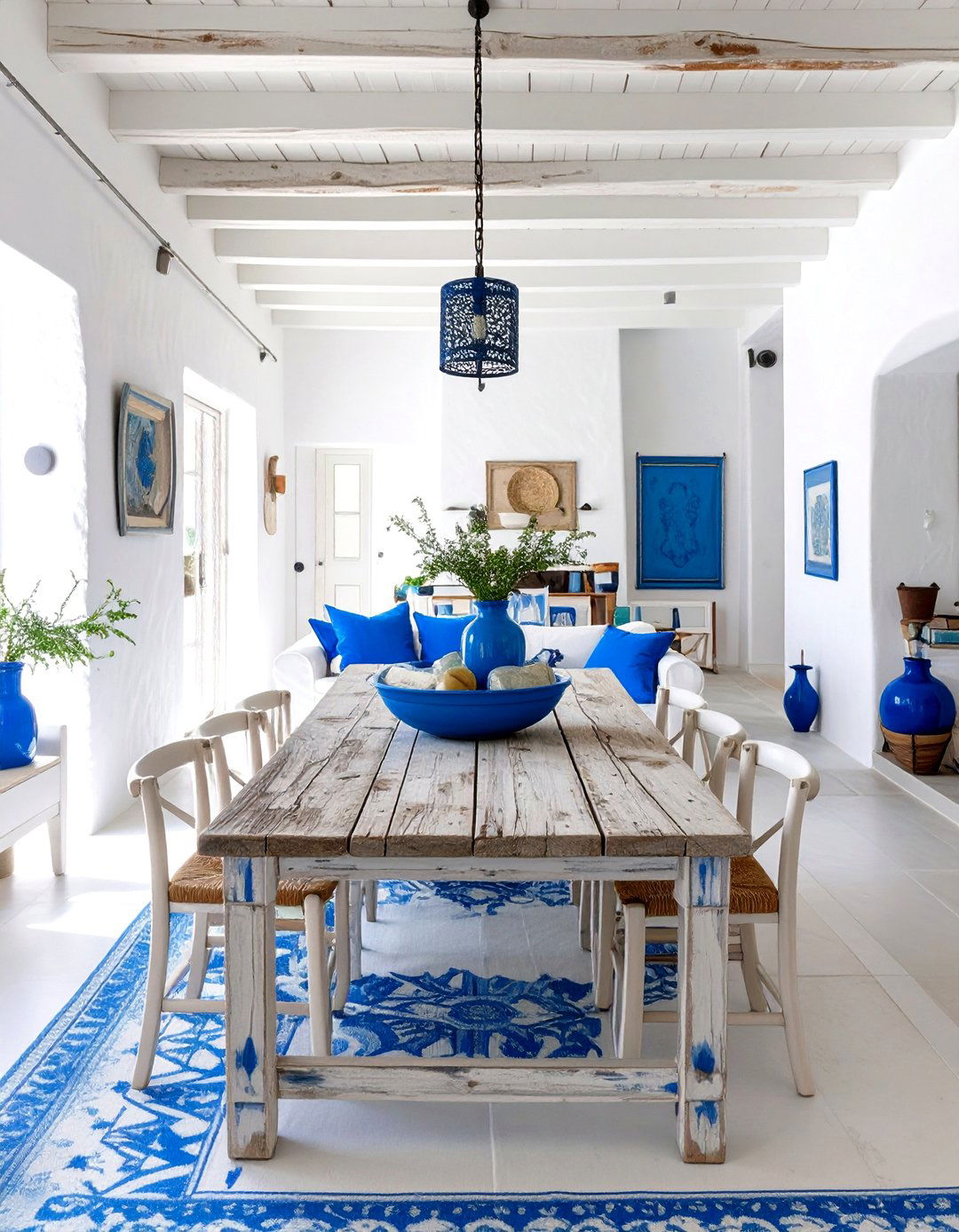
Imagine the breezy shores of the Mediterranean with this bright and airy style is defined by a crisp white color palette accented with bold blues, reminiscent of the sea and walls with arched doorways and exposed wooden beams add authentic furniture is simple and rustic, often made from weathered living area is kept casual with comfortable white sofas, while the dining area is simple and pots, colorful tiles, and woven textiles are used throughout to create a cohesive and relaxed atmosphere that flows seamlessly.
17. Hollywood Regency Living and Dining Room
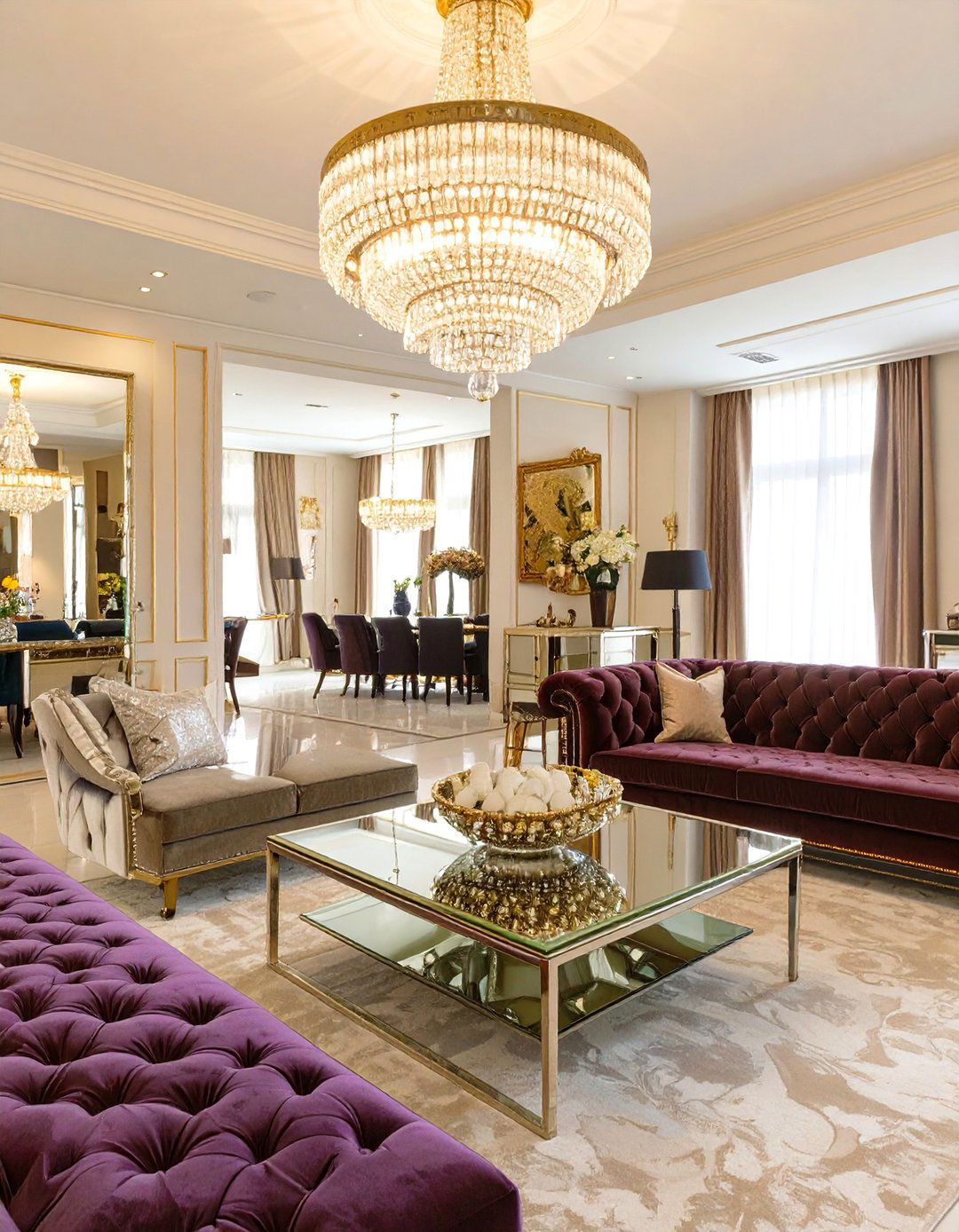
Embrace opulence and high drama with a Hollywood Regency style is a mix of glamour and comfort, featuring bold colors, metallic surfaces, and luxurious living area might showcase a dramatic tufted sofa in a jewel tone, paired with mirrored end dining area is equally grand, with a lacquered table and high-back upholstered chairs. A consistent use of high-shine finishes, animal prints (like zebra or leopard) , and statement lighting fixtures like oversized chandeliers ensures that the entire open-concept space feels cohesive, glamorous, and ready for its close-up.
18. Arts and Crafts Living and Dining Room
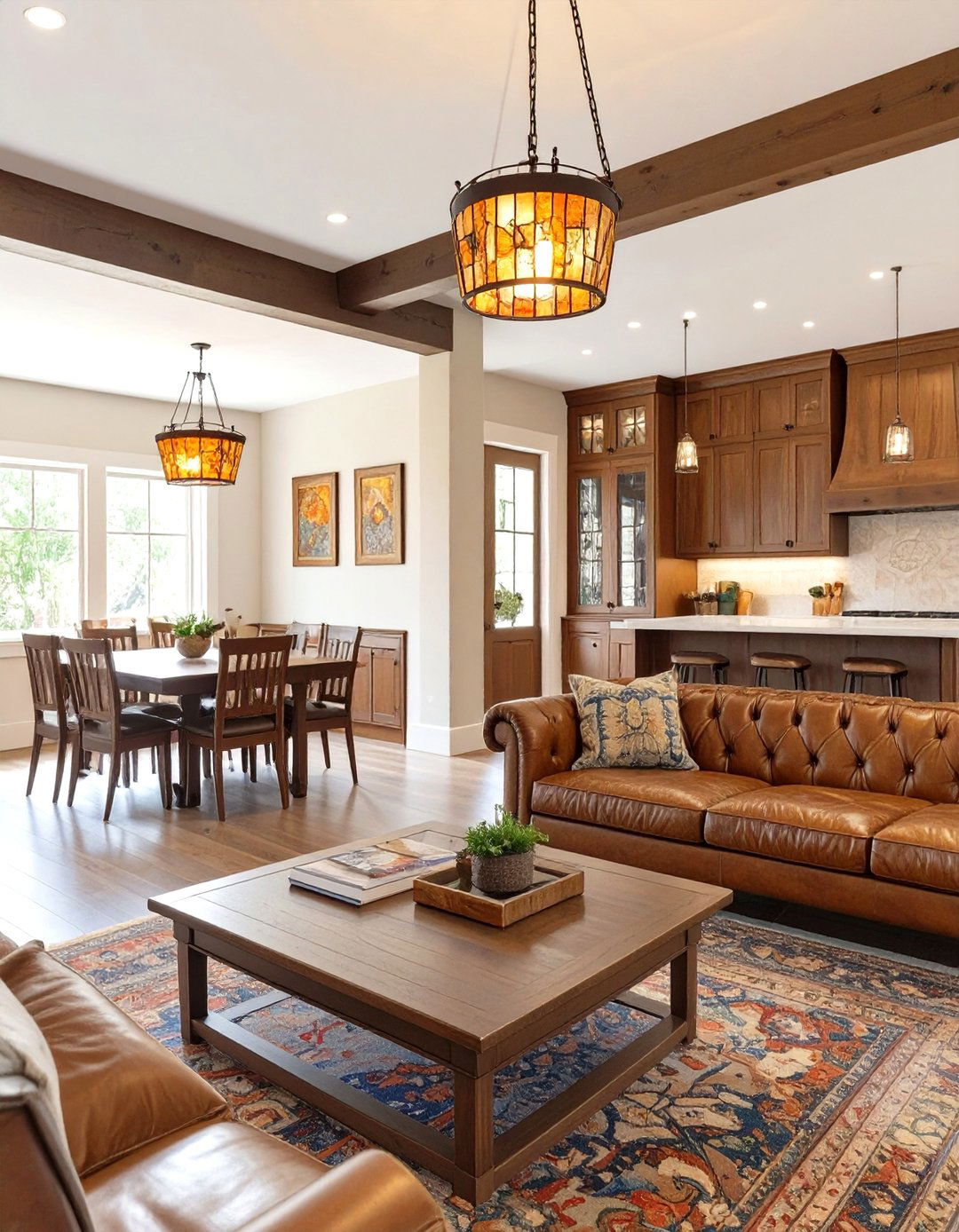
Celebrate craftsmanship and natural materials with an Arts and Crafts style emphasizes handcrafted quality, rich wood tones, and simple, honest forms. Built-in cabinetry, such as a bookcase or a dining bench, can help define the zones while maintaining a unified is sturdy and often made of dark oak, with leather or simple fabric color palette is drawn from nature, featuring earthy greens, deep reds, and warm glass details in light fixtures or windows can be a beautiful unifying element across the living and dining areas.
19. Southwestern Adobe Living and Dining Room
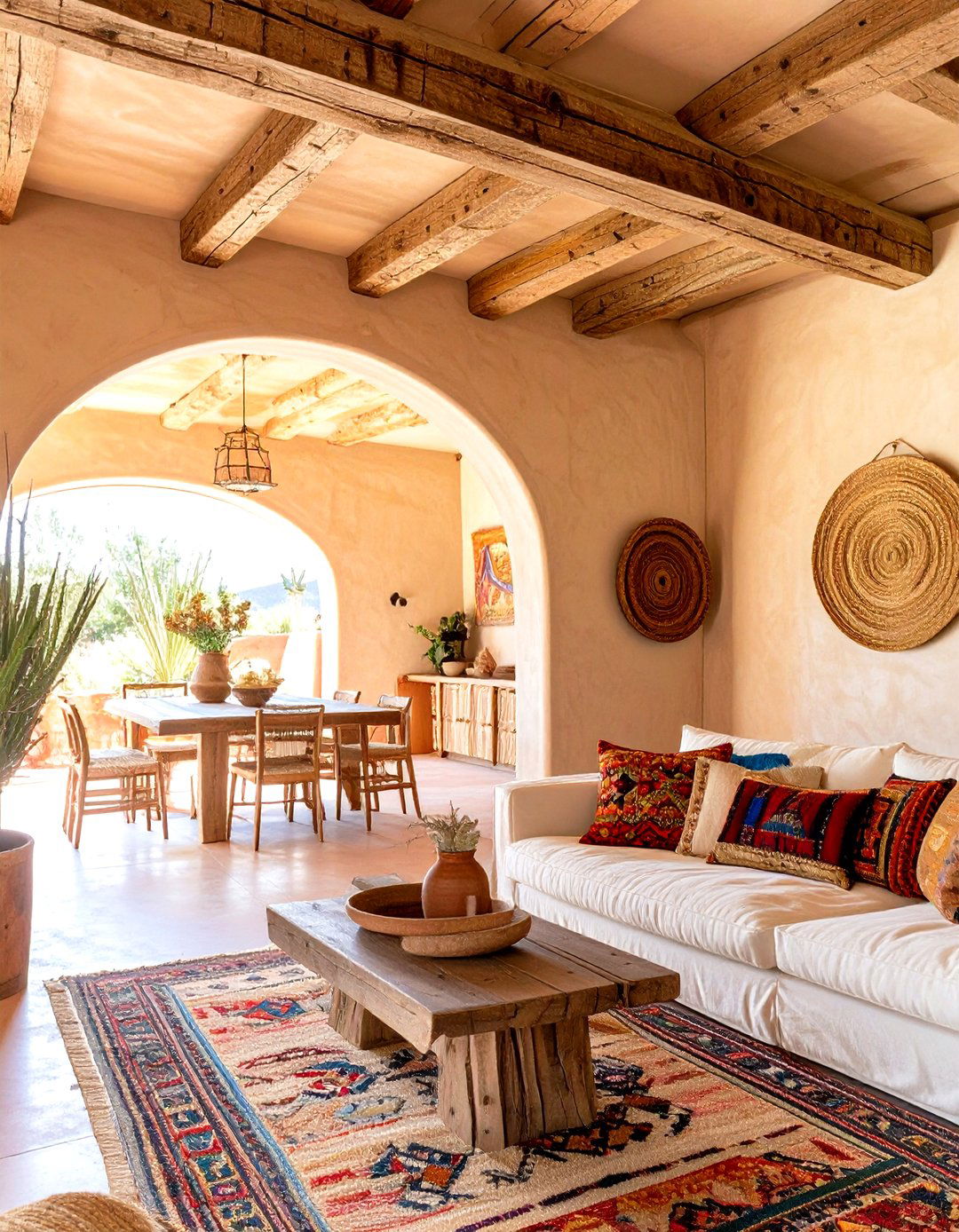
Capture the warmth and spirit of the desert with a Southwestern adobe theme is characterized by earthy tones, natural textures, and handcrafted are often rounded and plastered in warm whites or terracotta living area features a comfortable sofa adorned with woven textiles in vibrant, geometric dining area has a rustic wooden table and simple wood ceiling beams (vigas) and a kiva-style fireplace can act as architectural elements that unite the two spaces, while pottery and cacti add authentic, decorative touches throughout.

20. Urban Contemporary Living and Dining Room
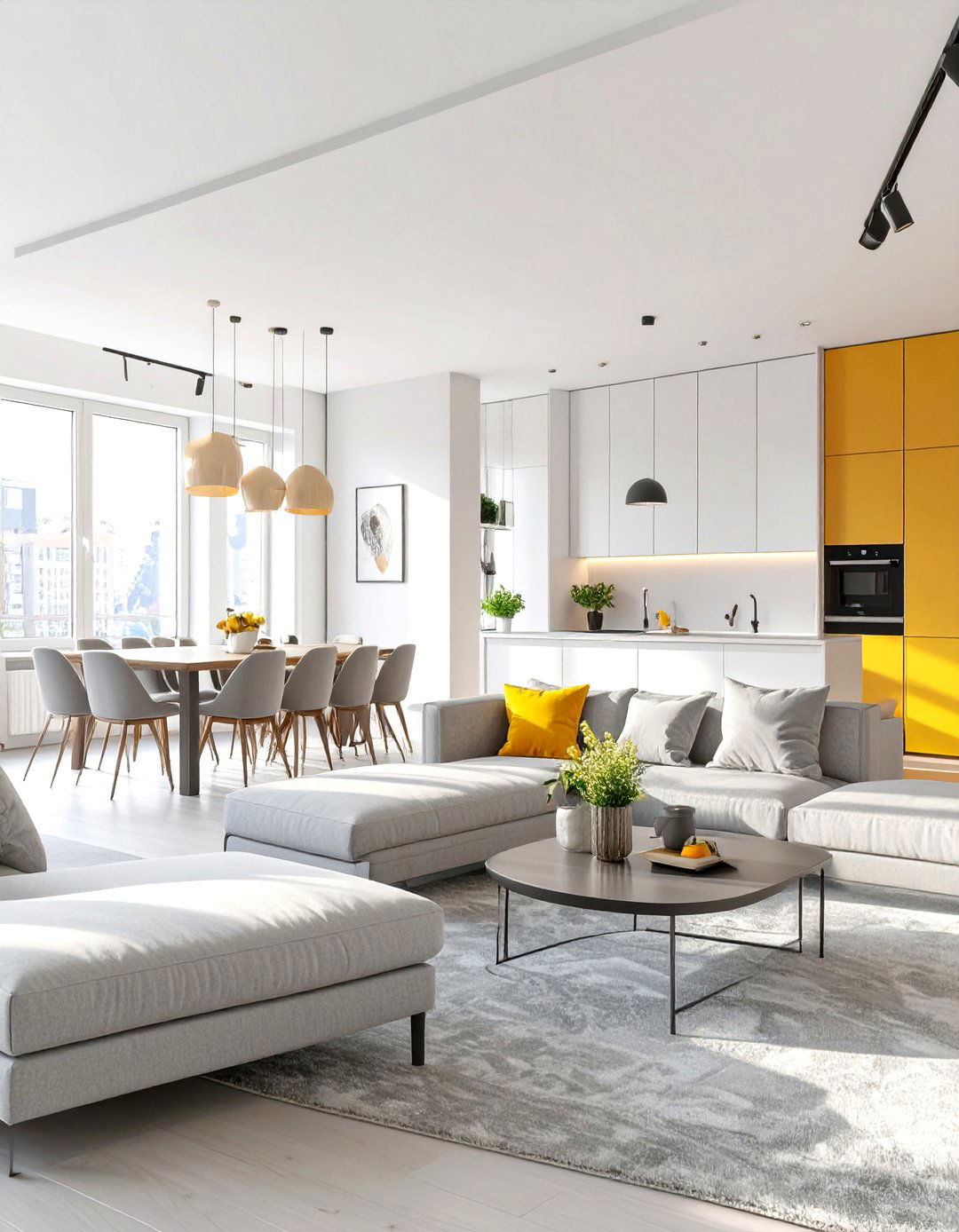
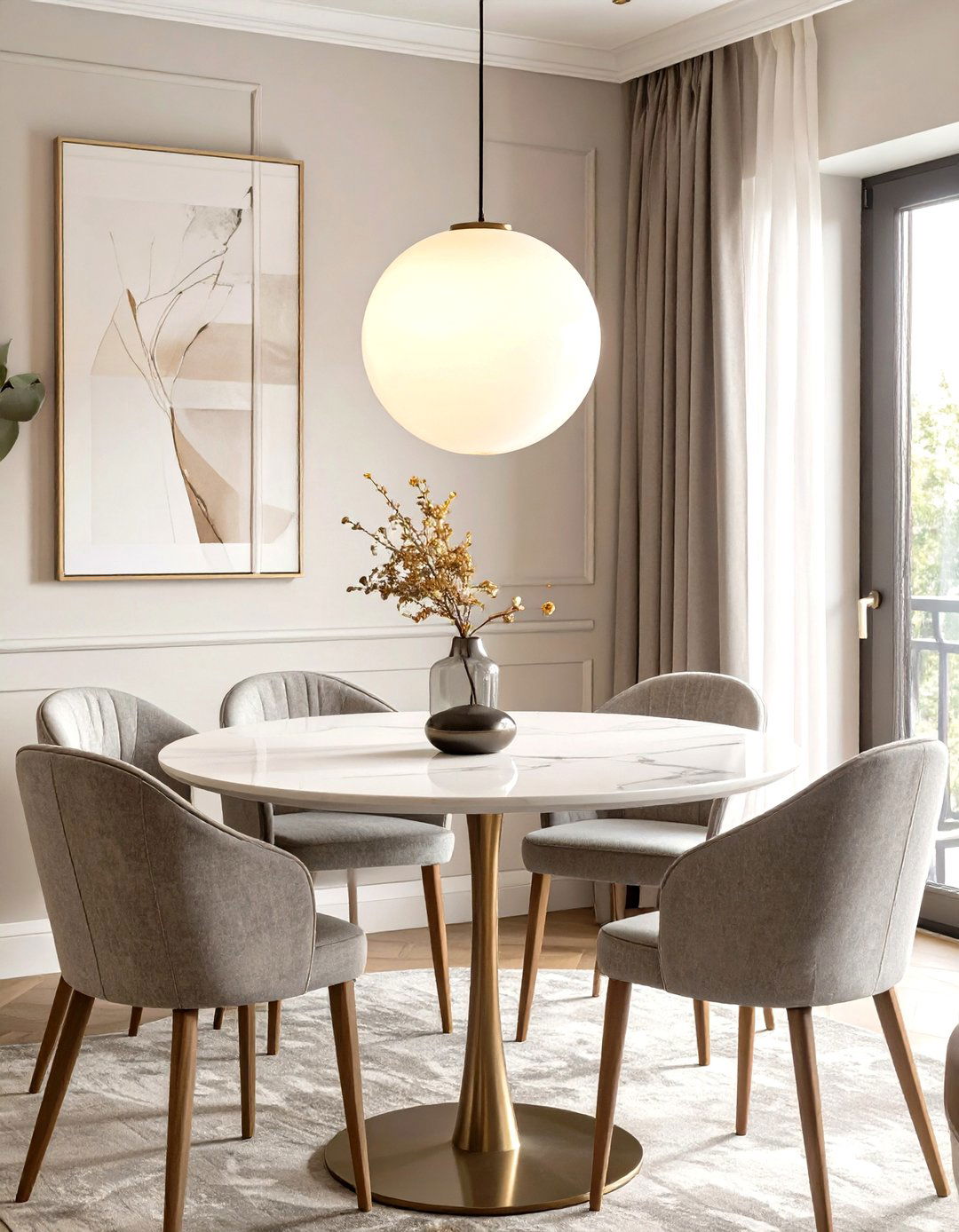
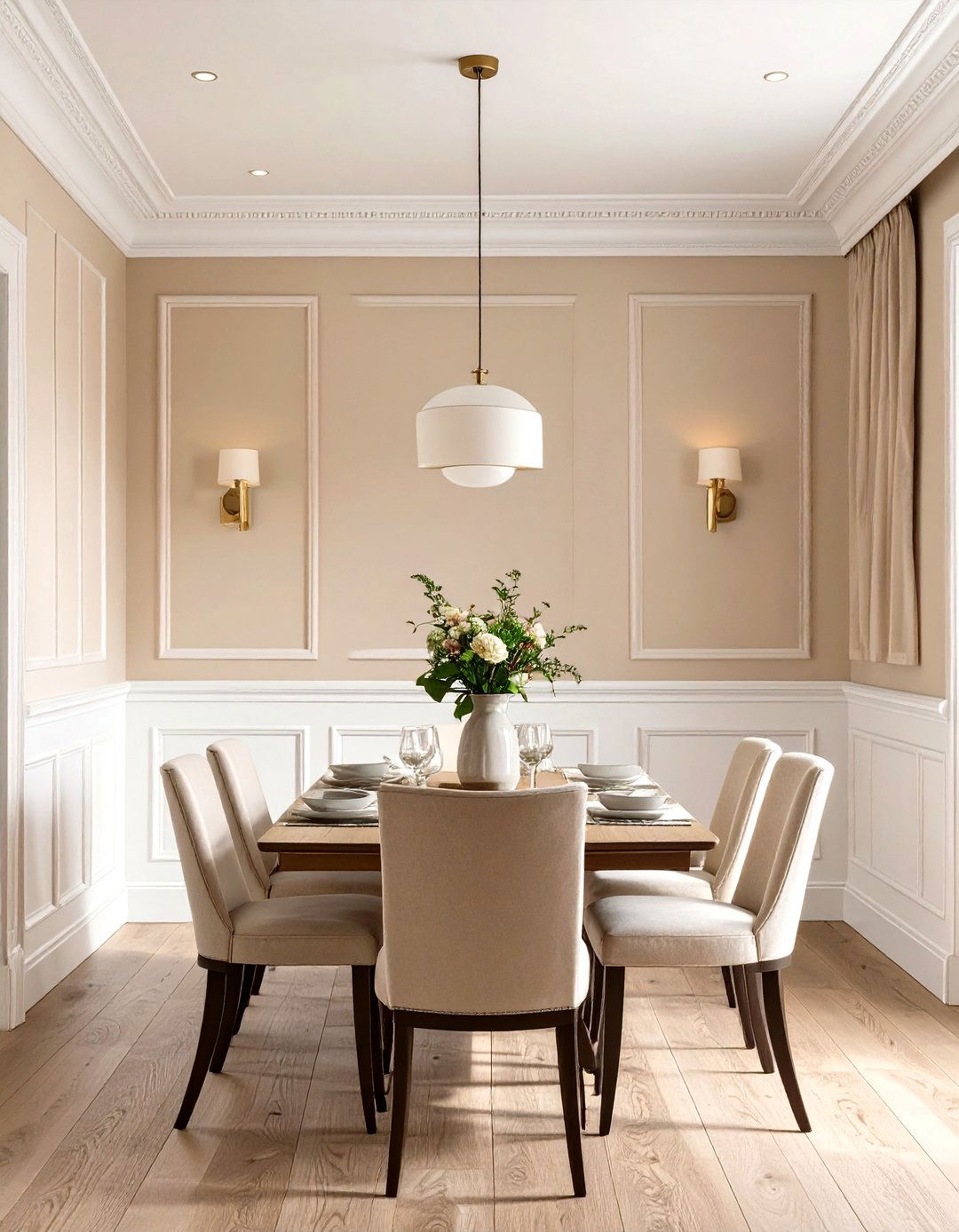
For a sleek and sophisticated city look, an urban contemporary theme is style focuses on clean lines, neutral colors, and a minimalist approach to layout is open and uncluttered, with furniture that is both stylish and functional. A low-profile sectional in the living area is complemented by a sleek dining table with slim chairs. A consistent palette of gray, white, and black creates a cohesive feel, while a single accent color, like a bold red or blue, can be used in artwork or accessories to connect the two zones and add a pop of personality.
21. Shabby Chic Living and Dining Room
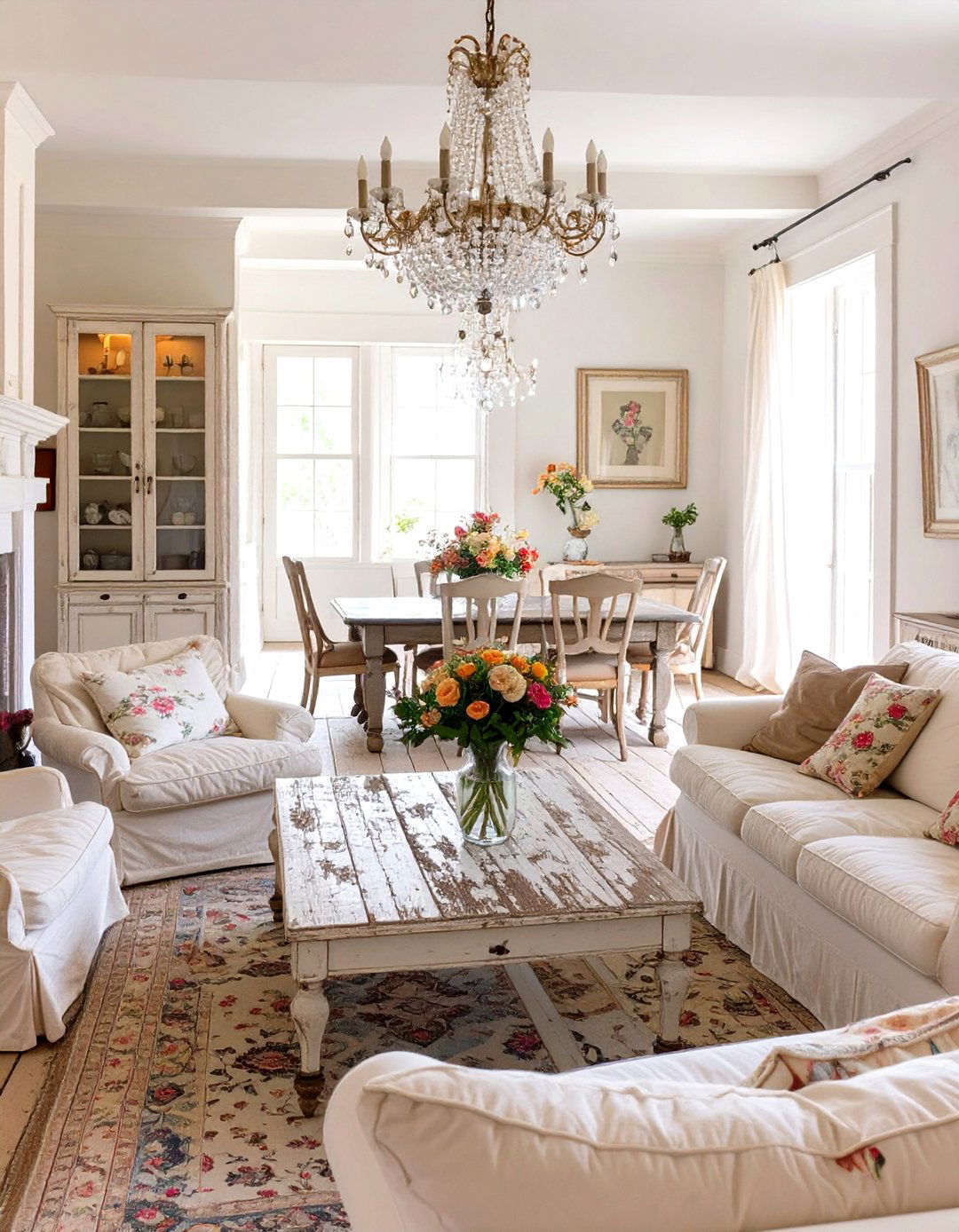
Create a comfortable, lived-in feel with a shabby chic style embraces imperfection, featuring vintage furniture with a distressed, painted color palette is soft and feminine, with whites, creams, and pale living area is filled with plush, comfortable seating and floral-print dining area has a weathered table and mismatched chairs. A consistent use of vintage-inspired decor, such as crystal chandeliers, antique mirrors, and fresh flowers, helps to create a cohesive and romantic atmosphere that flows beautifully between the living and dining spaces.
22. Color-Blocked Living and Dining Room
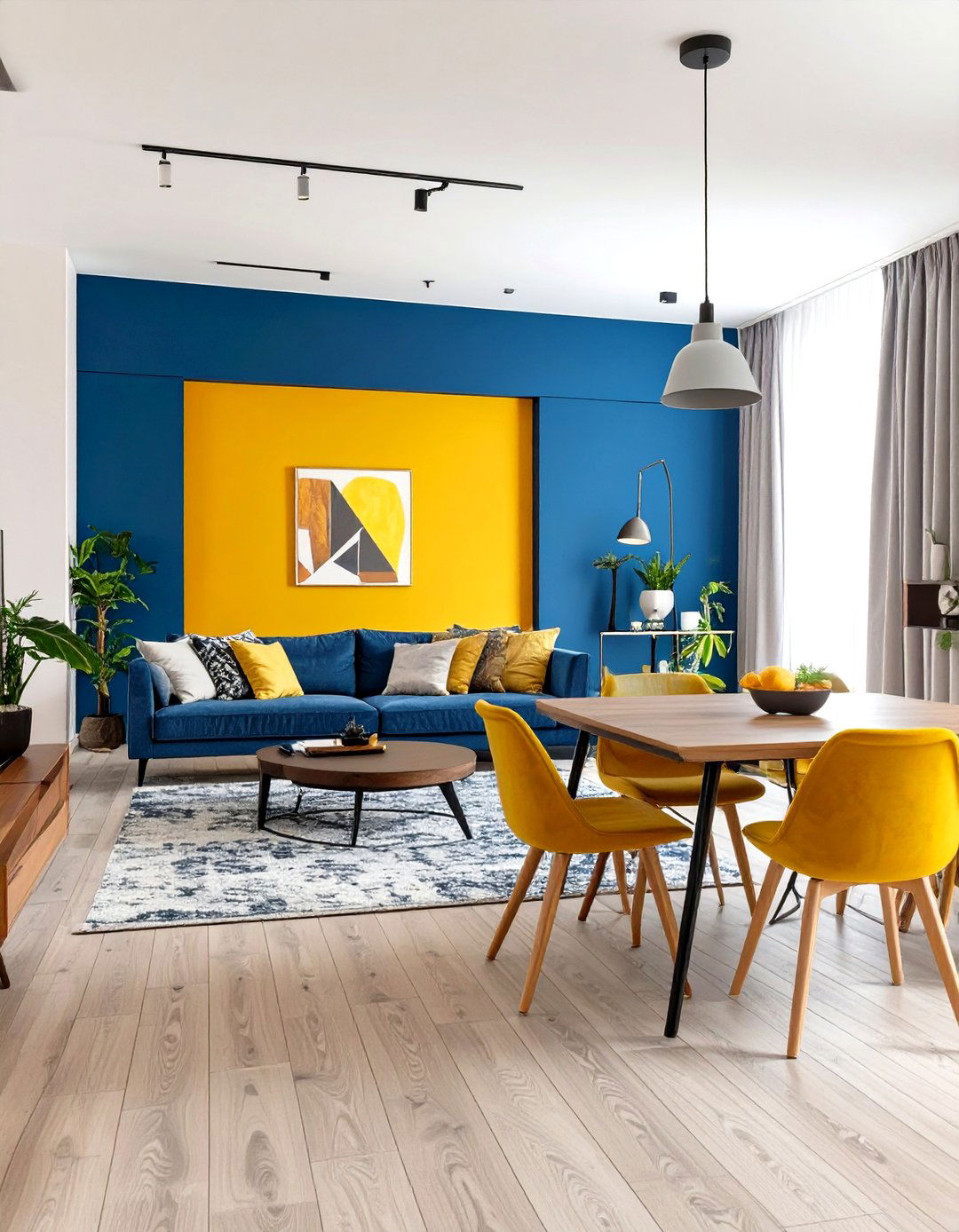
Make a bold statement with a color-blocked approach uses large blocks of solid color to define different functional areas within the open example, you could paint the wall behind the sofa a deep blue and the wall behind the dining table a complementary mustard and accessories within each zone can echo these keep the look cohesive, choose a neutral color for the flooring and ceiling, and repeat a third accent color in small doses in both the living and dining areas, tying the entire, vibrant space together.
23. Monochromatic Neutral Living and Dining Room
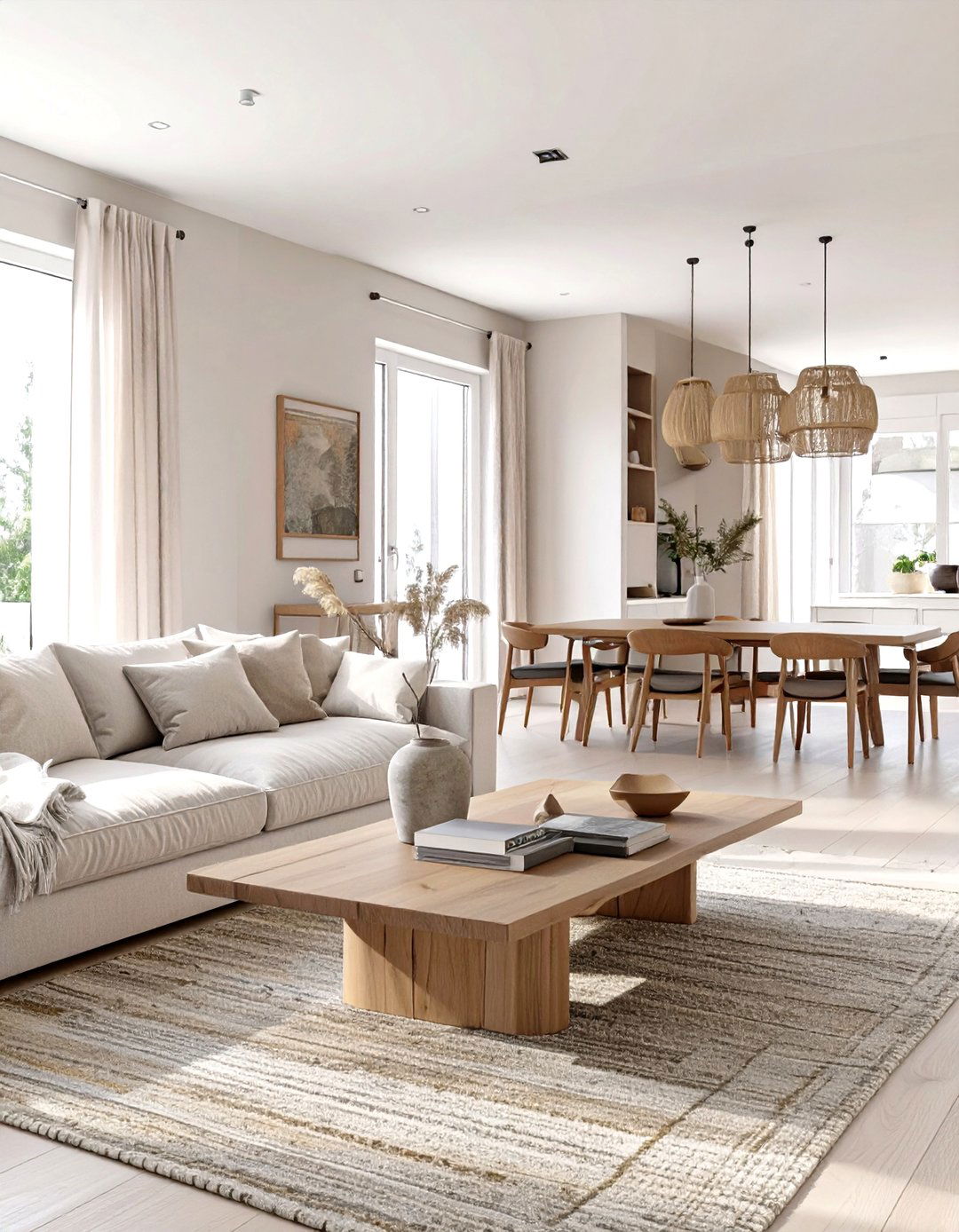
Is a calm and sophisticated space what you're after? A monochromatic neutral scheme offers timeless design uses various tints, tones, and shades of a single neutral color, such as gray, beige, or key to making it interesting is to layer different textures. A nubby wool rug in the living area, a smooth linen sofa, a rough-hewn wood dining table, and sleek metal light fixtures all add depth and subtle variation creates distinct zones while maintaining an incredibly serene and unified flow throughout the open-plan living and dining room.
24. Maximilist Living and Dining Room
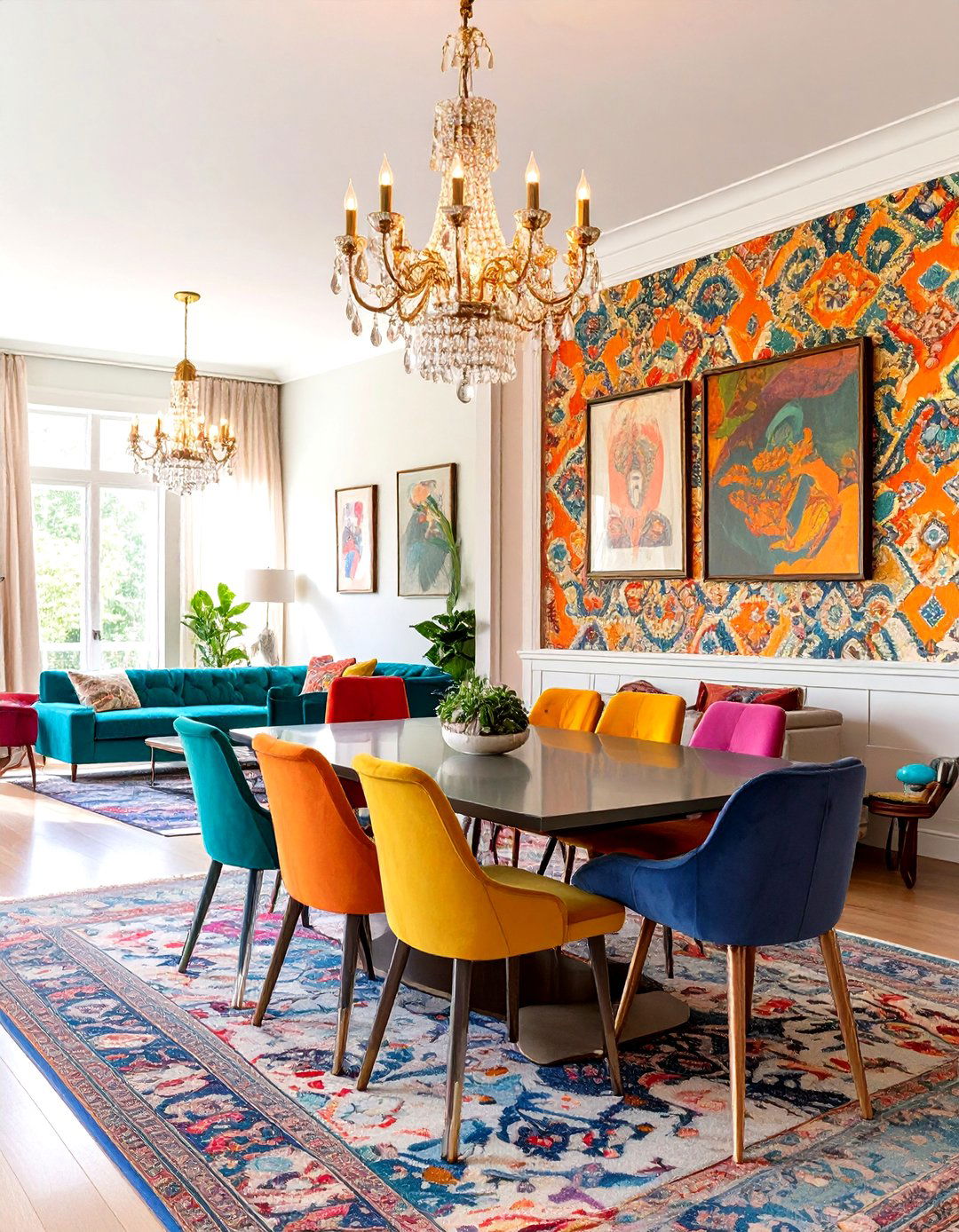
Embrace the "more is more" philosophy with a maximalist style is a curated explosion of color, pattern, and texture. It’s about layering pieces you love to create a rich, personalized living area could feature a bold, patterned wallpaper, a jewel-toned velvet sofa, and a gallery wall of dining area might have brightly colored chairs and a dramatic is found not in matching, but in a consistent energy and a fearless approach to mixing styles and eras. A common color thread or repeated motif can help tie the vibrant chaos together.
25. High-Contrast Black and White Living and Dining Room
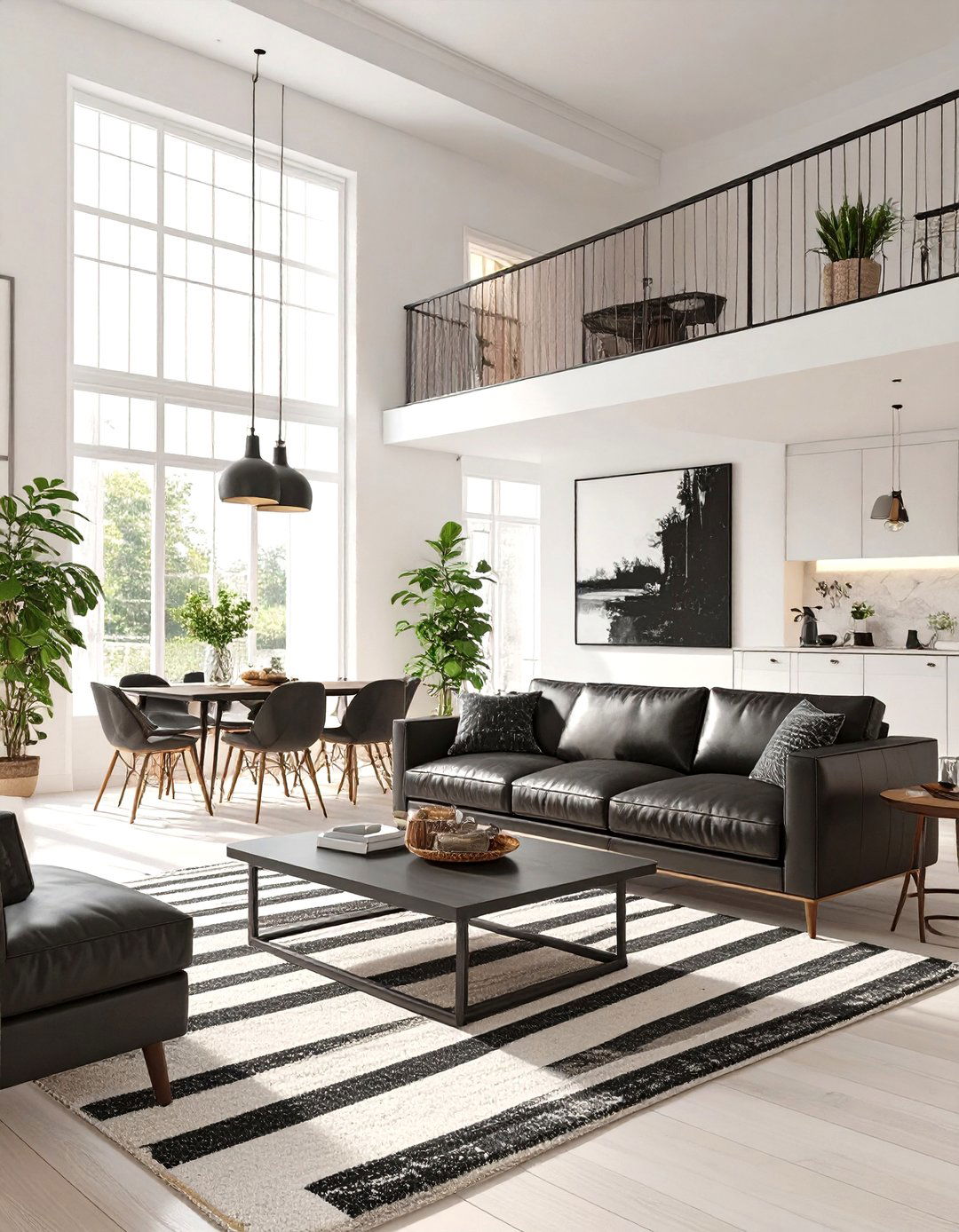
For a look that is forever chic and dramatic, a high-contrast black and white theme is a powerful classic combination creates a bold, graphic can use white walls as a clean canvas and bring in black furniture, such as a black leather sofa and a black dining table, for a striking effect. Alternatively, a black accent wall can create a dramatic focal patterns like stripes, checks, or dalmatian spots in rugs and cushions to add visual interest. A few metallic accents in silver or gold can add a touch of glamour and unify the space.
26. Organic Modern Living and Dining Room
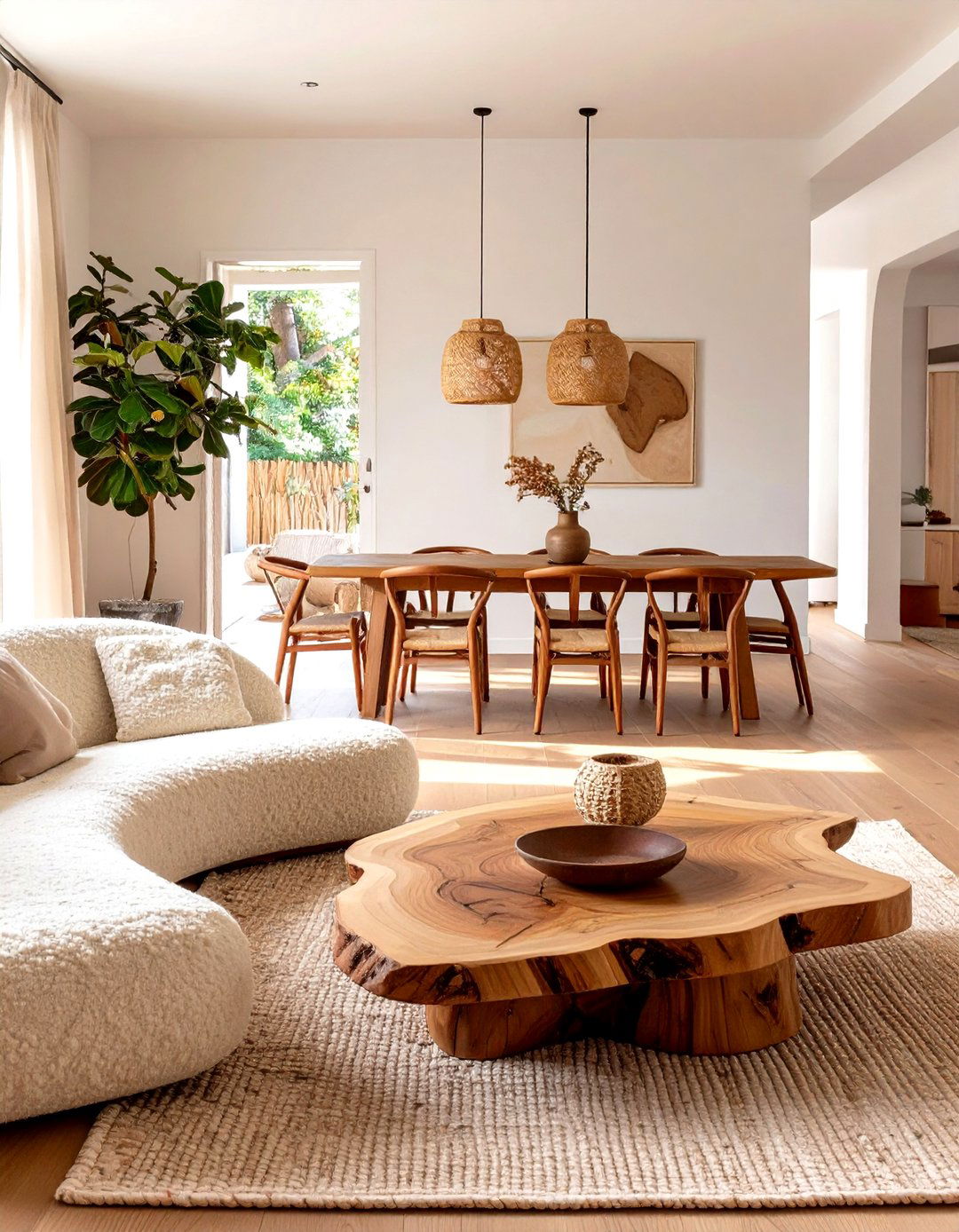
Blend modern minimalism with the warmth of nature in an organic modern style focuses on neutral colors, natural materials, and soft, curved of a living area with a boucle sofa and a live-edge coffee table, flowing into a dining area with a simple oak table and woven space feels calm and uncluttered, with a strong emphasis on windows, sheer curtains, and plenty of natural light are is achieved through a consistent palette of whites, beiges, and warm woods, creating a serene and grounded atmosphere.
27. Split-Level Open Concept Living and Dining Room
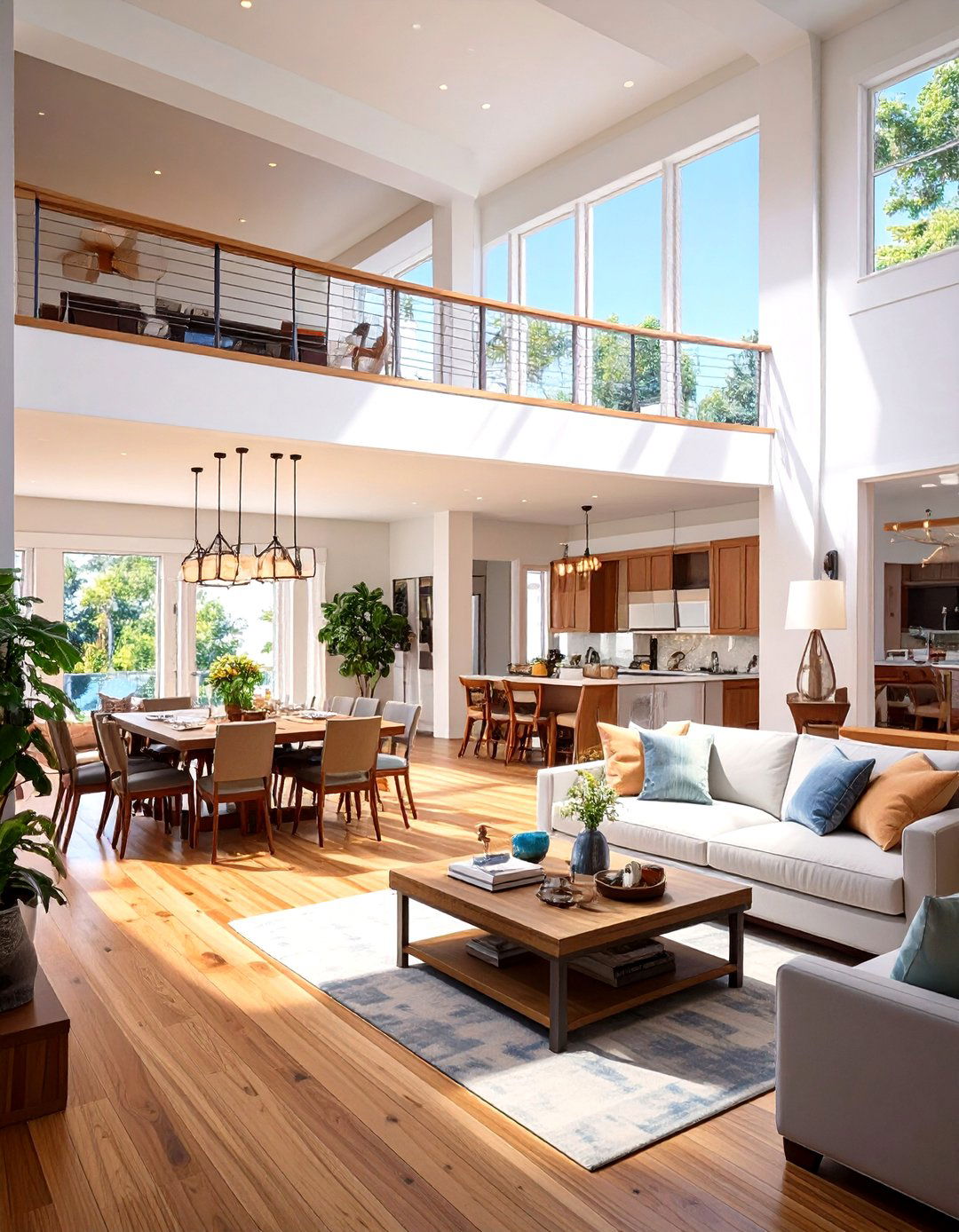
How do you define space without walls? Use different floor levels to create distinct zones. A split-level design can physically separate the living and dining areas while keeping them visually living area could be a step down, creating a cozy, sunken lounge, while the dining area remains on the upper level, feeling more formal. A consistent flooring material, like hardwood, can be used on both levels to maintain a sense of unity. A railing or a half-wall can provide a subtle boundary without closing off the space, enhancing the open and airy feel.
28. Glass Wall Divider for Living and Dining Room

Maintain an open feel while creating a subtle separation with a glass wall divider. A framed glass or Crittall-style partition can delineate the living and dining areas without blocking light or adds an architectural element and an industrial-chic touch to the provides a sense of two separate rooms while preserving the benefits of an open-concept can keep the furniture and decor style consistent on both sides of the divider to ensure the entire area feels harmonious and connected, offering the best of both open and closed floor plans.
29. Ceiling Design to Zone Living and Dining Room
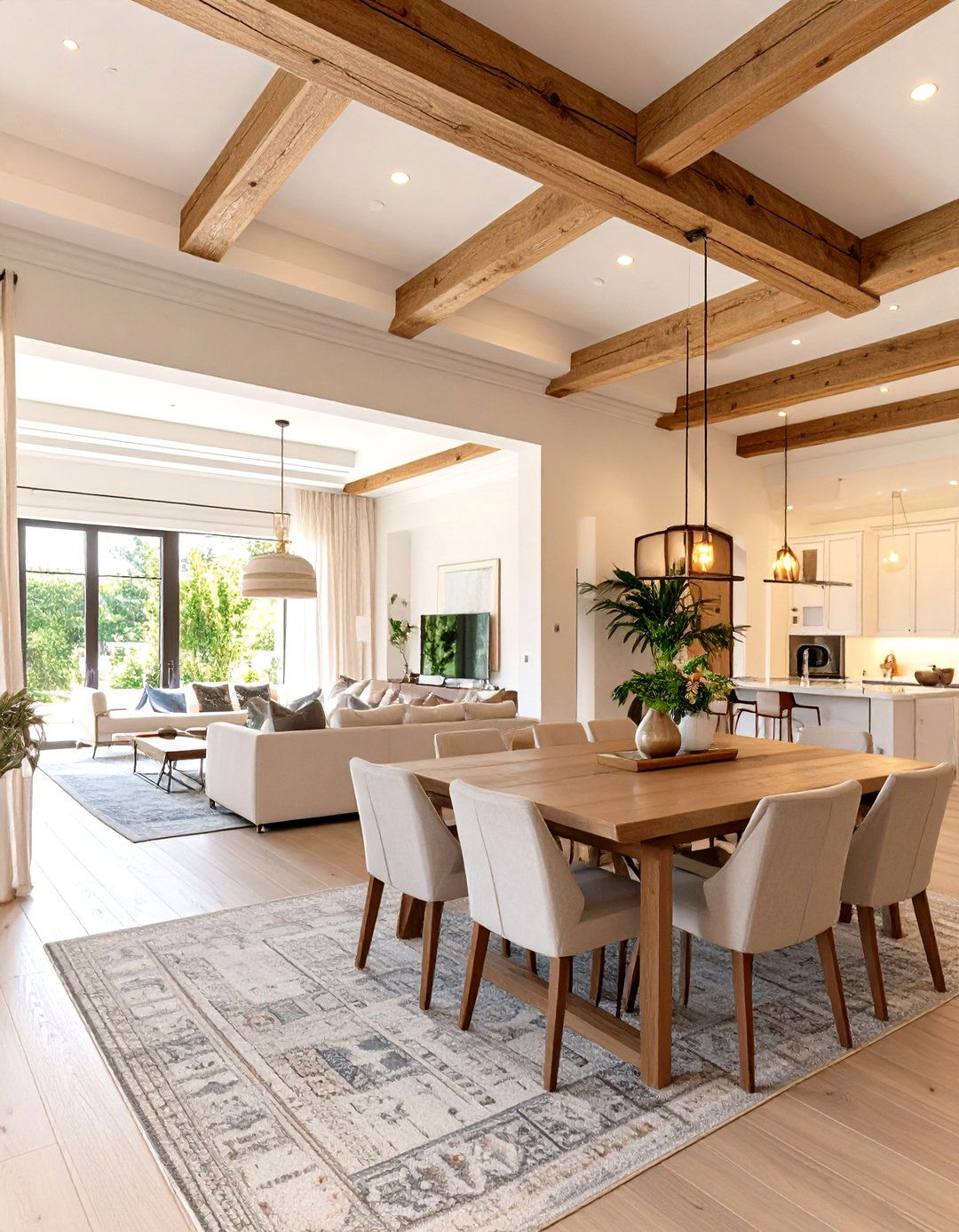
Look up to define your different ceiling treatments can be a clever way to delineate the living and dining zones in an open-concept instance, you could install a dropped ceiling or a coffered ceiling over the dining area to create a more intimate, formal the living area, you might leave the ceiling flat or add rustic wooden lighting fixtures or a unified color palette for the rest of the room will ensure that despite the different ceiling designs, the entire space feels cohesive and intentionally designed from top to bottom.
30. Furniture Layout to Separate Living and Dining Room
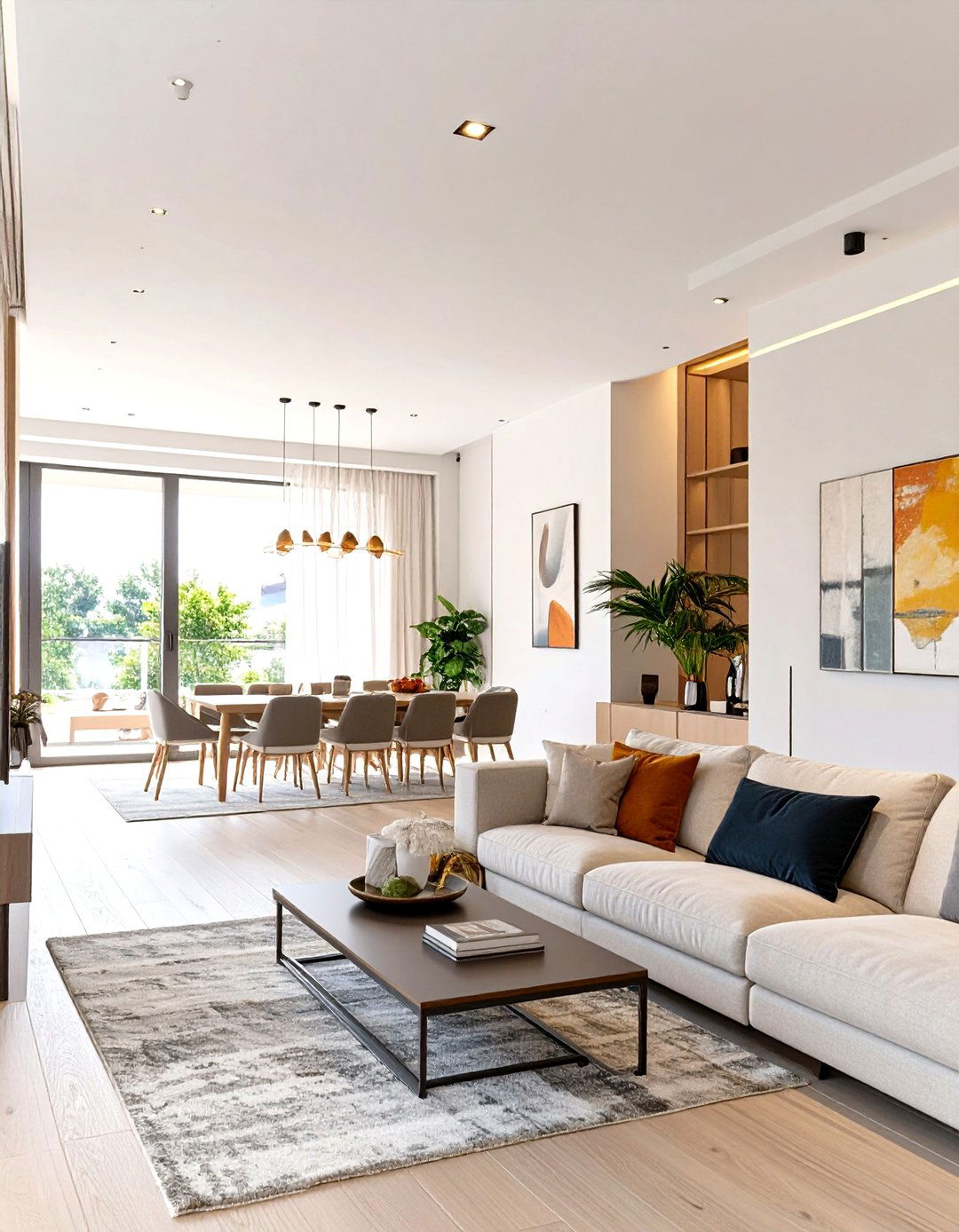
One of the simplest ways to define zones in an open-concept space is through strategic furniture a large sectional sofa to create a clear boundary for the living area, with its back facing the dining a console table behind the sofa further solidifies this division and provides a surface for lamps or decor. A large area rug placed under the living room furniture grouping will also visually anchor that creates a clear "room" within a room, establishing distinct functions without any physical walls, ensuring a natural and practical flow.
Conclusion:
Designing an open-concept living and dining room is a balancing act between creating distinct, functional zones and maintaining a unified, harmonious minimalist Scandinavian designs that prioritize light and simplicity to bold, maximalist spaces bursting with personality, the possibilities are key to success lies in a cohesive strategy that considers layout, color, materials, and lighting as interconnected using unifying features like consistent flooring, a shared color palette, or repeated textures, you can craft an expansive area that feels both integrated and thoughtfully zoned. Ultimately, a well-designed open-concept space enhances connection, maximizes light, and provides a versatile backdrop for modern living.

Related posts:



Leave a Reply