
A simple living room interior design focuses on creating a space that feels calm, uncluttered, and inviting without sacrificing style. It’s about making thoughtful choices, where every piece of furniture and decor has a purpose and contributes to a cohesive, peaceful atmosphere. This approach prioritizes functionality, clean lines, and a sense of openness, making your main living area a true sanctuary. By embracing simplicity, you can transform your living room into a functional and beautiful space that promotes relaxation and comfort, proving that less can truly be more in creating an impactful home environment.

1. Neutral Color Foundation

Creating a serene living room starts with a neutral color foundation. Painting your walls in soft hues like off-white, beige, light gray, or taupe provides a versatile and calming backdrop. This allows your furniture, textiles, and decor to stand out without overwhelming the space. A neutral palette also enhances the feeling of spaciousness and light, making even smaller rooms feel more open and airy. This timeless choice creates a tranquil atmosphere that is easy to build upon. You can introduce pops of color through accessories, which can be easily updated over time without needing a complete overhaul of the room.
2. Multifunctional Furniture Pieces

For a simple and uncluttered living room, choosing multifunctional furniture is a brilliant strategy. An ottoman with hidden storage can serve as a footrest, extra seating, and a place to tuck away blankets or magazines. A coffee table with drawers or a lower shelf provides surface space while keeping remotes and books out of sight. Similarly, a sofa bed is perfect for accommodating guests without needing a separate room. These smart pieces reduce the need for extra furniture, maximizing floor space and maintaining a clean, organized look. This approach seamlessly blends practicality with style, ensuring your living room remains functional and spacious.
3. Layered Lighting Scheme

A well-designed living room relies on a layered lighting scheme to create mood and functionality. Instead of depending on a single overhead fixture, combine different types of lighting. Start with ambient lighting from a central ceiling light or recessed fixtures. Add task lighting where needed, such as a floor lamp next to an armchair for reading. Finally, incorporate accent lighting, like a small table lamp or picture lights, to highlight artwork or architectural features. This layered approach allows you to adjust the brightness and focus of the light to suit any activity, from a bright, energetic gathering to a cozy, relaxing evening.
4. Floating Shelves for Display

Floating shelves are a perfect solution for adding storage and display space without the bulk of traditional bookcases. Mounting them directly to the wall creates a clean, minimalist look that makes the room feel more open. Use them to showcase a curated collection of books, small plants, framed photos, and decorative objects. To maintain a simple aesthetic, avoid overcrowding the shelves. Group items in odd numbers and vary their height and texture for visual interest. This not only keeps your favorite items on display but also turns a plain wall into a personalized focal point, adding character and style.
5. Incorporating Indoor Plants
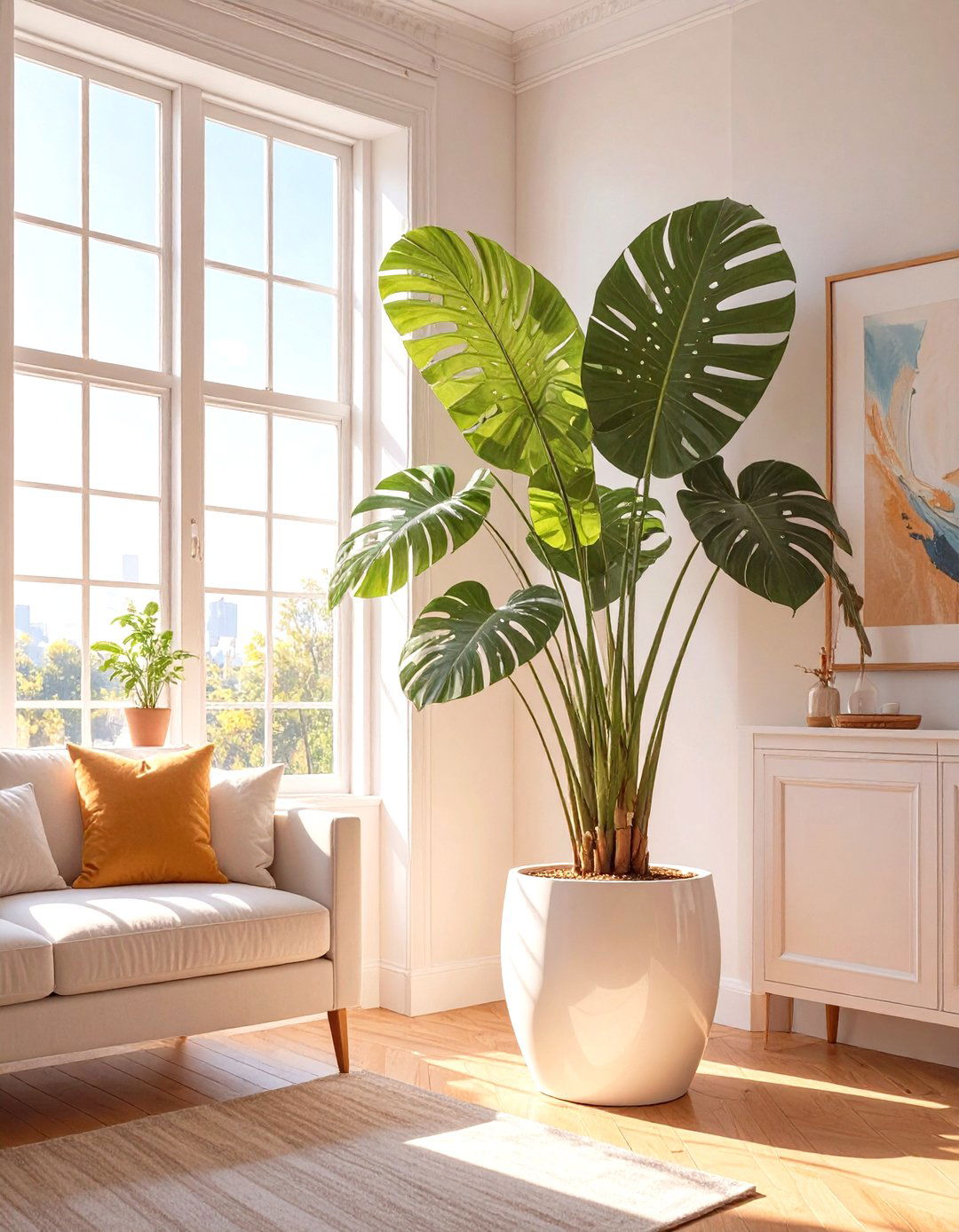
Bringing indoor plants into your living room is one of the easiest ways to add life, color, and texture. A large potted plant, like a fiddle leaf fig or a monstera, can create a stunning focal point in a corner. Smaller plants, such as succulents or snake plants, are perfect for styling shelves, coffee tables, or window sills. Plants not only enhance the visual appeal of a room but also improve air quality and create a connection to nature, promoting a sense of calm and well-being. They introduce an organic element that softens modern lines and adds a fresh, vibrant touch to any simple design.
6. A Single Statement Art Piece

Instead of cluttering walls with many small frames, consider hanging a single, large-scale statement art piece. This creates a powerful focal point and adds a touch of sophistication without making the space feel busy. Choose a piece of art that you truly love and that complements the color scheme and mood of your living room. Whether it's an abstract painting, a dramatic photograph, or a textured wall hanging, a single large piece commands attention and sets the tone for the entire room. This minimalist approach to wall decor ensures the space remains simple yet impactful and deeply personal.
7. Strategic Use of Mirrors

Mirrors are a designer’s secret weapon for making a room feel larger and brighter. Placing a large mirror on a wall opposite a window will reflect natural light, instantly illuminating the space and creating an illusion of depth. You can also use a decorative mirror as a focal point above a console table or fireplace. The frame of the mirror can add a stylistic element, whether it's sleek and modern or ornate and traditional. By strategically placing mirrors, you can enhance the sense of openness and light, making your simple living room feel more expansive and inviting without adding clutter.
8. Cozy and Textured Textiles
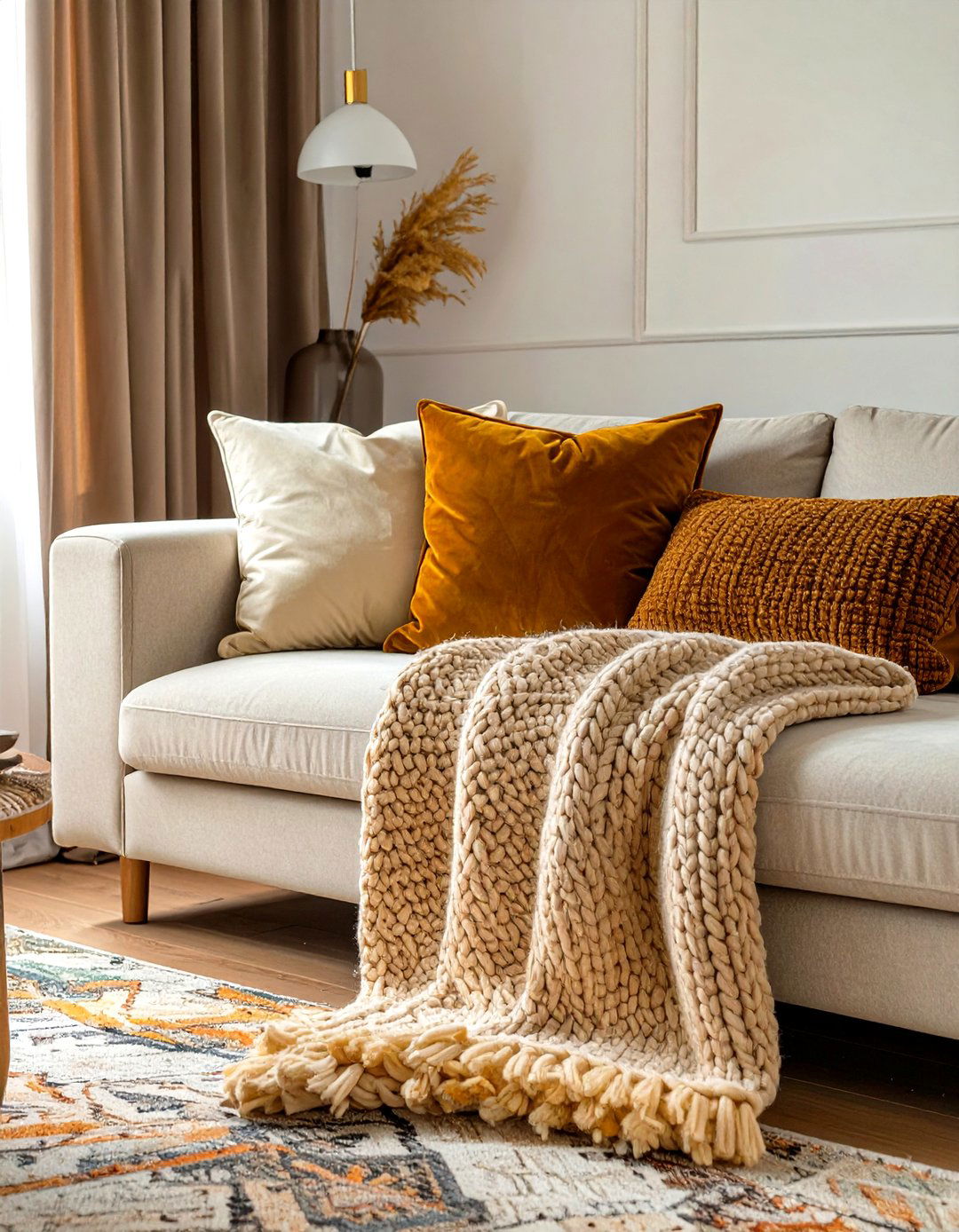
To prevent a simple living room from feeling cold or stark, introduce a variety of cozy and textured textiles. Layering different materials adds warmth, depth, and comfort. Think about a soft wool throw blanket draped over the sofa, plush velvet or chunky knit cushions, and a soft, high-pile rug underfoot. These elements invite you to relax and get comfortable. When choosing textiles, stick to a cohesive color palette but play with different textures like linen, cotton, faux fur, and wool. This approach adds visual interest and a tactile quality that makes the space feel welcoming and lived-in.
9. Minimalist Media Console
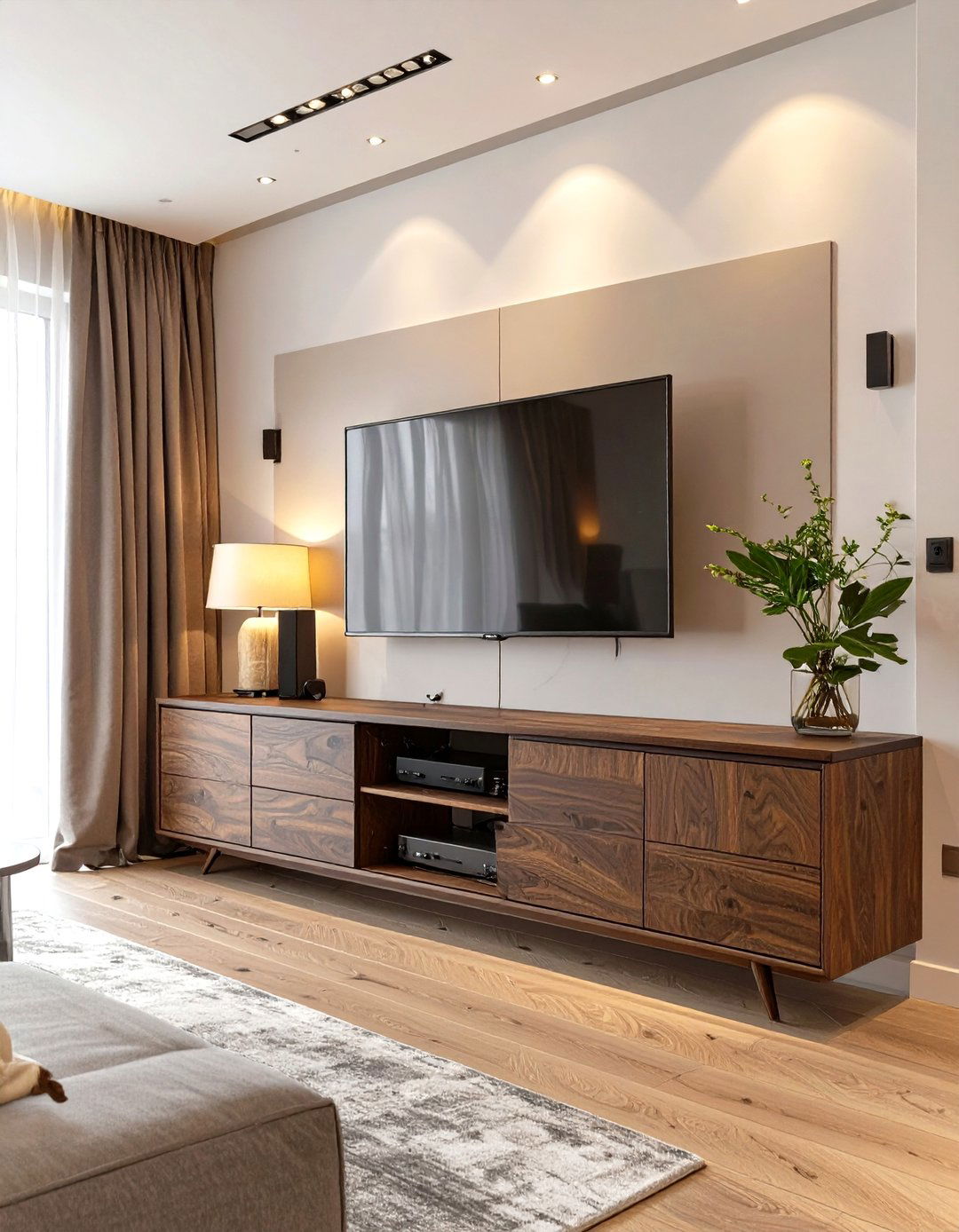
In a simple living room, a cluttered entertainment center can easily disrupt the calm atmosphere. Opt for a minimalist media console that keeps technology organized and out of sight. Look for a low-profile unit with clean lines and closed storage, such as cabinets or drawers, to hide cables, gaming consoles, and other electronics. Some designs even allow for wall-mounting, creating a floating effect that enhances the sense of space. By choosing a sleek and functional media console, you can ensure your entertainment area remains tidy and blends seamlessly with the rest of your simple and uncluttered interior design.

10. Curtain and Window Treatments

The right window treatments can complete a simple living room design. For a light and airy feel, choose sheer or light-filtering curtains that allow natural light to pour in while still providing privacy. Hang the curtain rod high and wide—several inches above and beyond the window frame—to create the illusion of a larger window and higher ceiling. Simple roller blinds or Roman shades in a neutral fabric are also excellent choices for a clean, minimalist look. Avoiding heavy, ornate drapes helps maintain the uncluttered and open aesthetic that is central to simple interior design.
11. Decluttered Coffee Table Styling
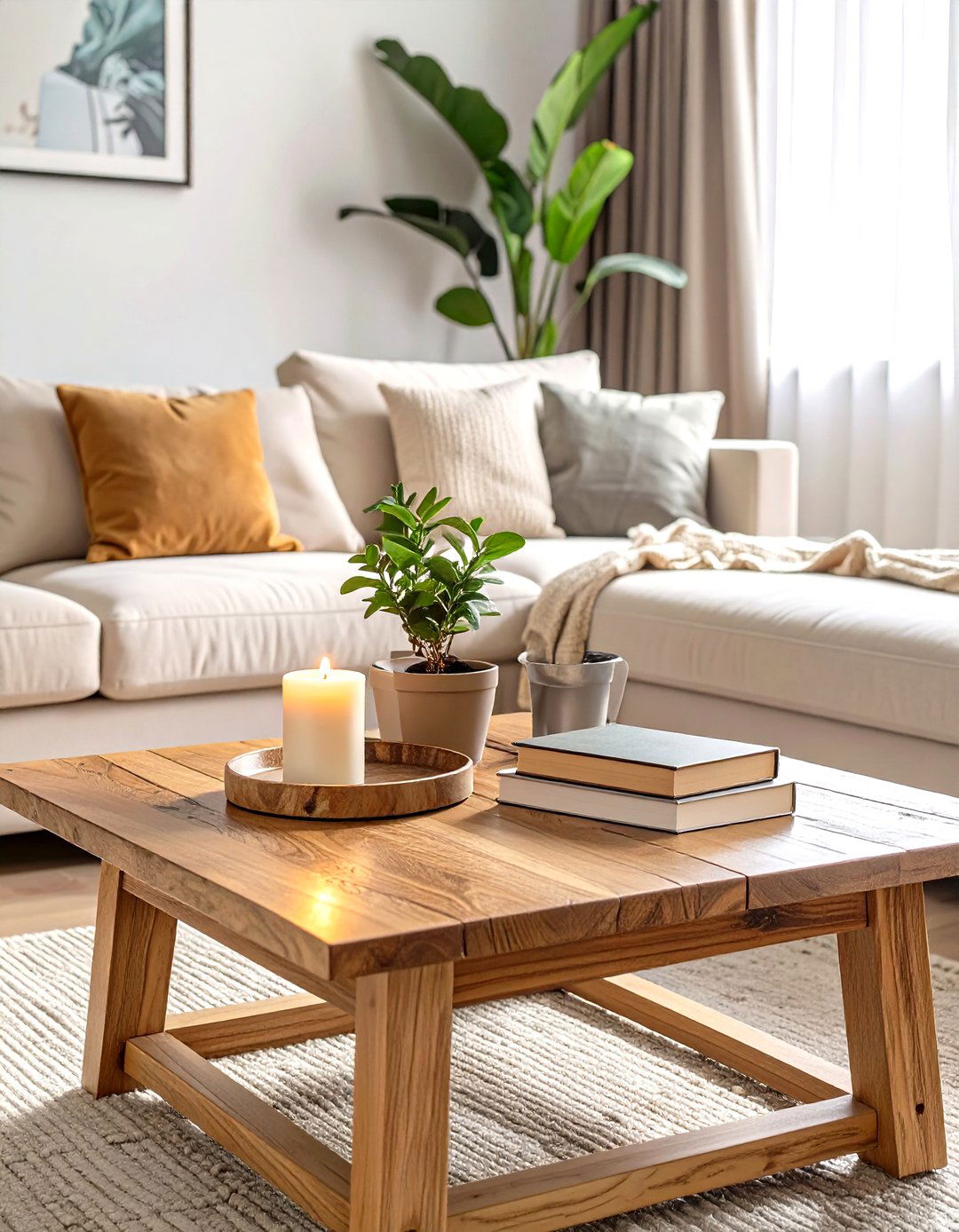
A coffee table is often the centerpiece of a living room, but it can quickly become a magnet for clutter. For a simple design, practice intentional styling. Limit the items on your coffee table to a few carefully chosen objects. A common styling trick is to use a tray to group items together, such as a small plant, a candle, and a couple of coasters. Adding a stack of two or three beautiful books can provide height and interest. By keeping the surface mostly clear, you maintain a sense of order and calm, ensuring the coffee table remains a functional and stylish focal point.
12. Japandi Style Influence

Embracing Japandi style is a perfect way to achieve a simple yet warm living room. This hybrid design philosophy combines the sleek, functional minimalism of Scandinavian design with the timeless elegance and nature-inspired principles of Japanese aesthetics. Focus on clean lines, natural materials like light-toned wood and bamboo, and a muted color palette. Furniture should be low-profile and functional. Decor is kept to a minimum, with an emphasis on handcrafted items and organic textures. This blend creates a serene, balanced, and uncluttered space that feels both sophisticated and deeply calming, embodying the essence of simple living.
13. Scandinavian Design Principles

Scandinavian design is synonymous with simplicity, minimalism, and functionality, making it an ideal approach for a living room. This style, known as "hygge," emphasizes coziness and contentment. Start with a base of white walls and light wood floors to maximize brightness. Furnish the space with pieces that feature clean lines, natural materials, and expert craftsmanship. Incorporate soft textiles like wool throws and sheepskin rugs for warmth. Keep decor minimal and intentional, focusing on plants, simple ceramics, and uncluttered surfaces. The result is a bright, airy, and inviting living room that feels effortlessly stylish and comfortable.
14. A Cohesive Color Scheme
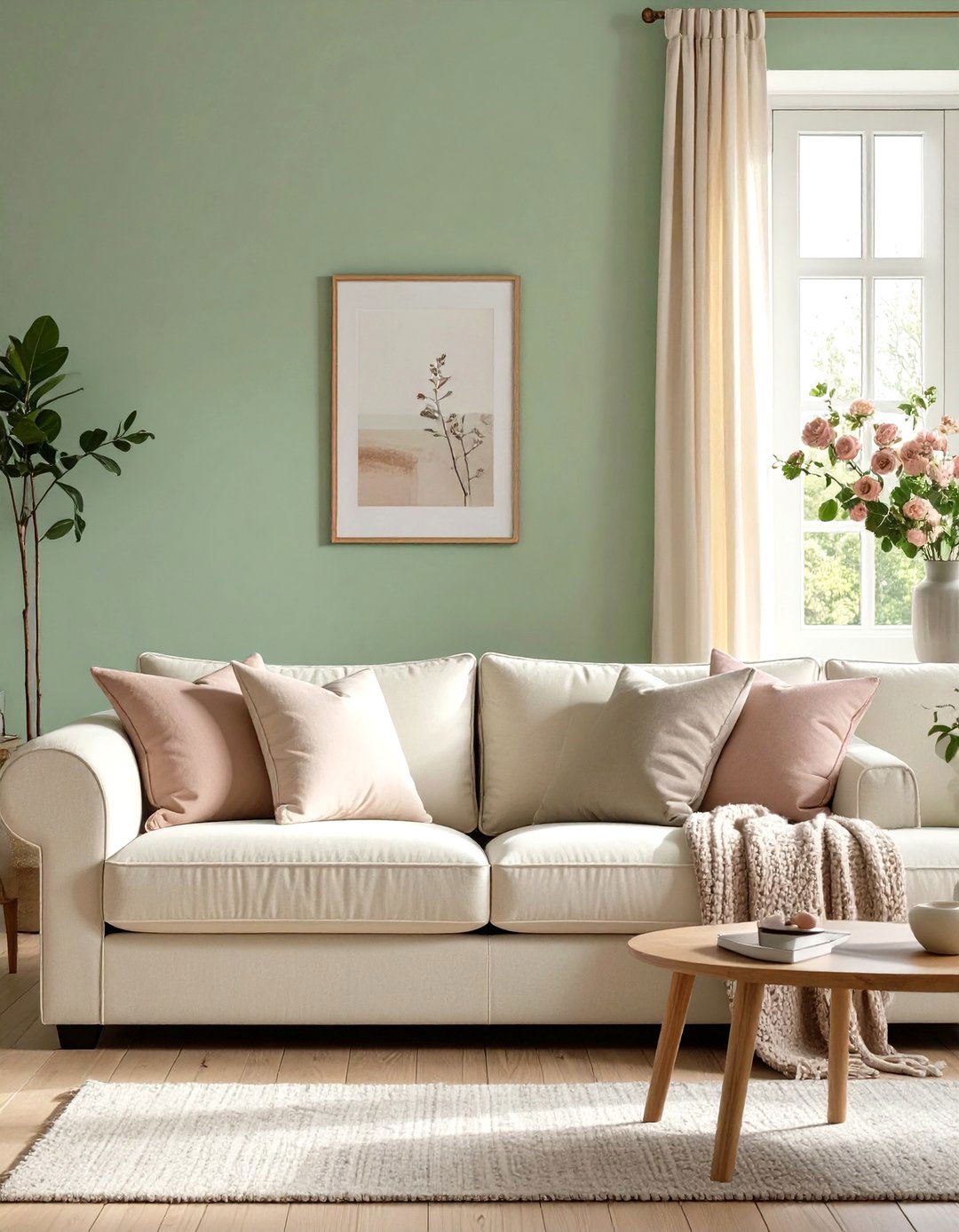
Maintaining a cohesive color scheme is fundamental to a simple living room design. Choose a limited palette of three to four colors and use them consistently throughout the space. A popular approach is the 60-30-10 rule: 60% of the room should be a dominant color (usually the walls), 30% a secondary color (furniture), and 10% an accent color (decor and textiles). This creates a balanced and harmonious look that is pleasing to the eye. Neutral palettes are a great starting point, but you can also use soft pastels or muted earthy tones to achieve a calming and unified atmosphere.


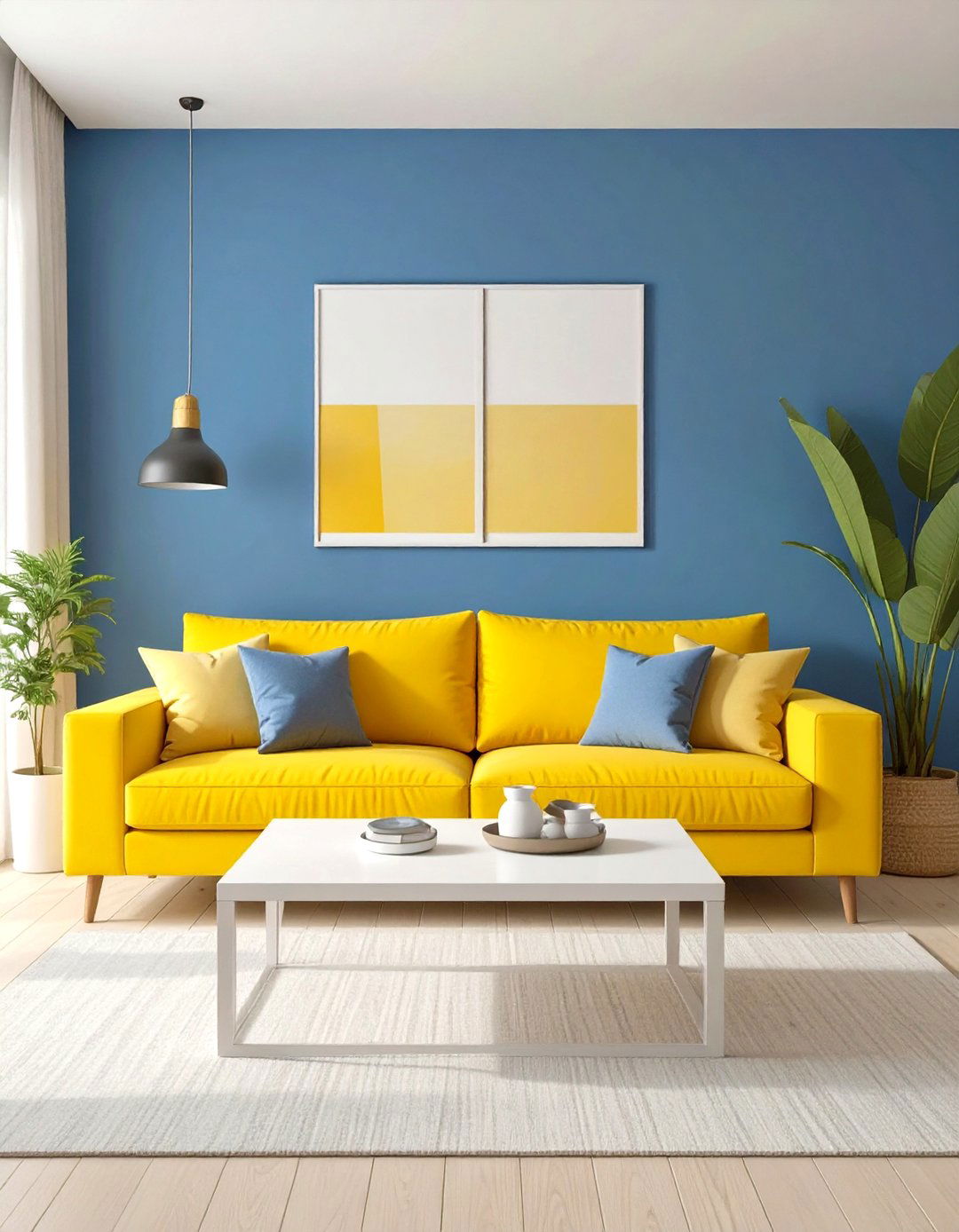
15. Round Coffee and Side Tables

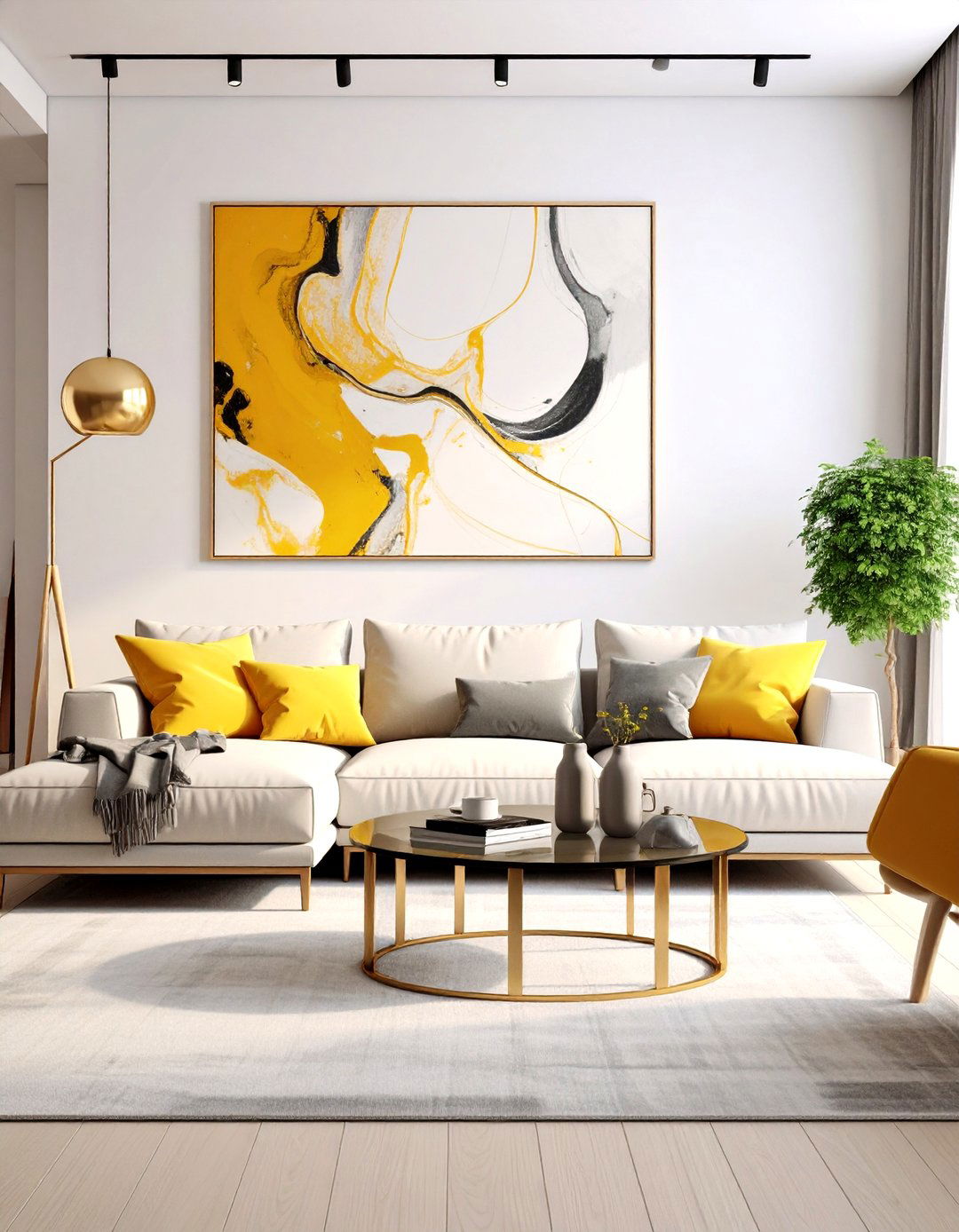
Introducing furniture with rounded edges, like a circular coffee table or side tables, can soften the look of a living room. In a space dominated by the straight lines of sofas, walls, and shelving, curves provide a welcome contrast and improve the flow of the room. Round tables are also practical, as they lack sharp corners, making them a safer choice for families with children. They tend to take up less visual space than their square or rectangular counterparts, which helps in making the room feel more open. This simple swap can have a significant impact on the overall feel of the space.
16. Integrated Storage Solutions
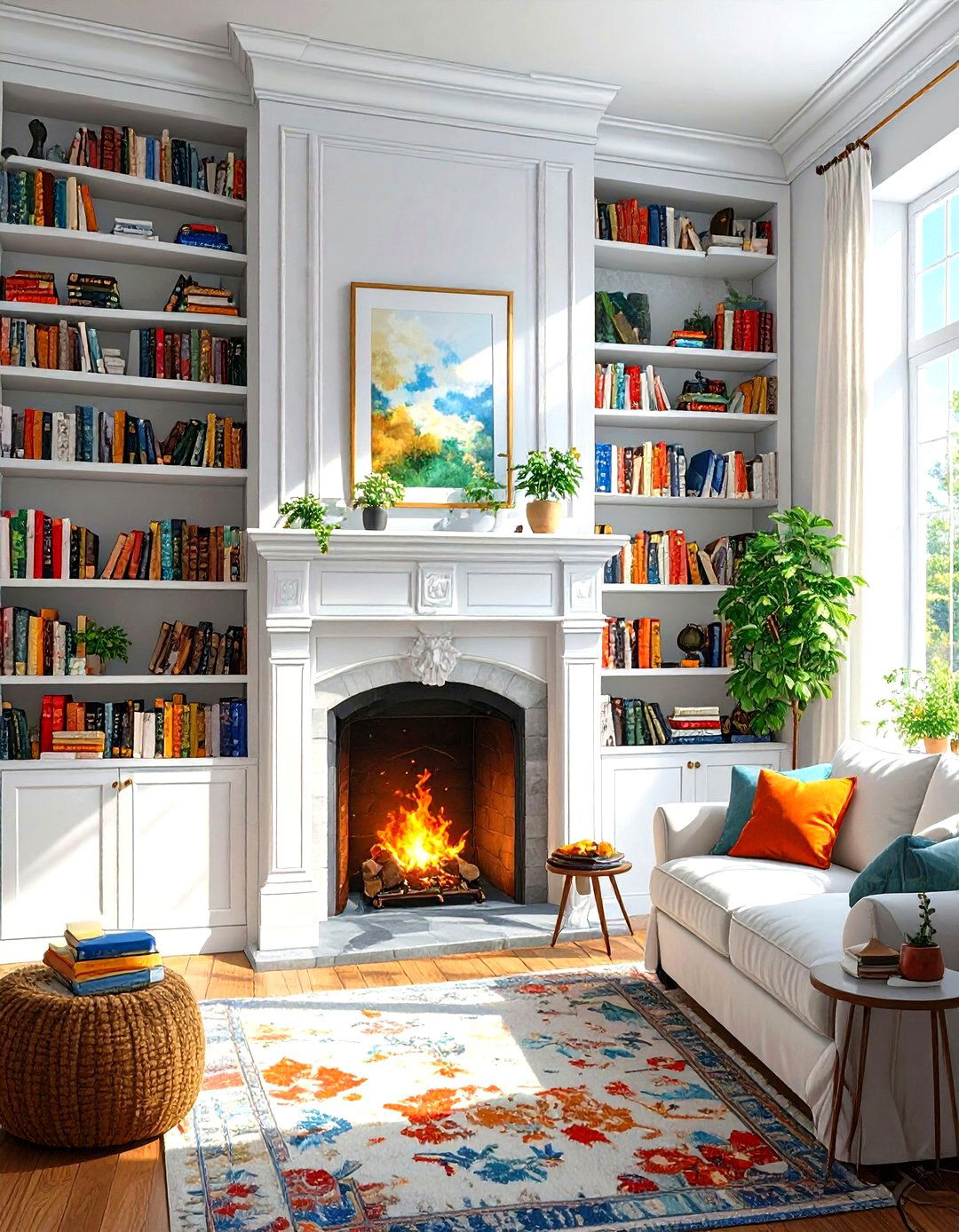
To maintain a simple and clutter-free living room, smart storage is essential. Integrated or built-in storage solutions are a fantastic way to keep things organized without adding bulky furniture. Consider custom-built shelving units that flank a fireplace or a wall-to-wall media center with a mix of open and closed compartments. Even simple solutions like benches with built-in drawers or storage ottomans can make a big difference. The goal is to create storage that feels like a natural part of the room’s architecture, blending in seamlessly to keep the focus on the open, tranquil space you’ve created.
17. Maximizing Natural Light
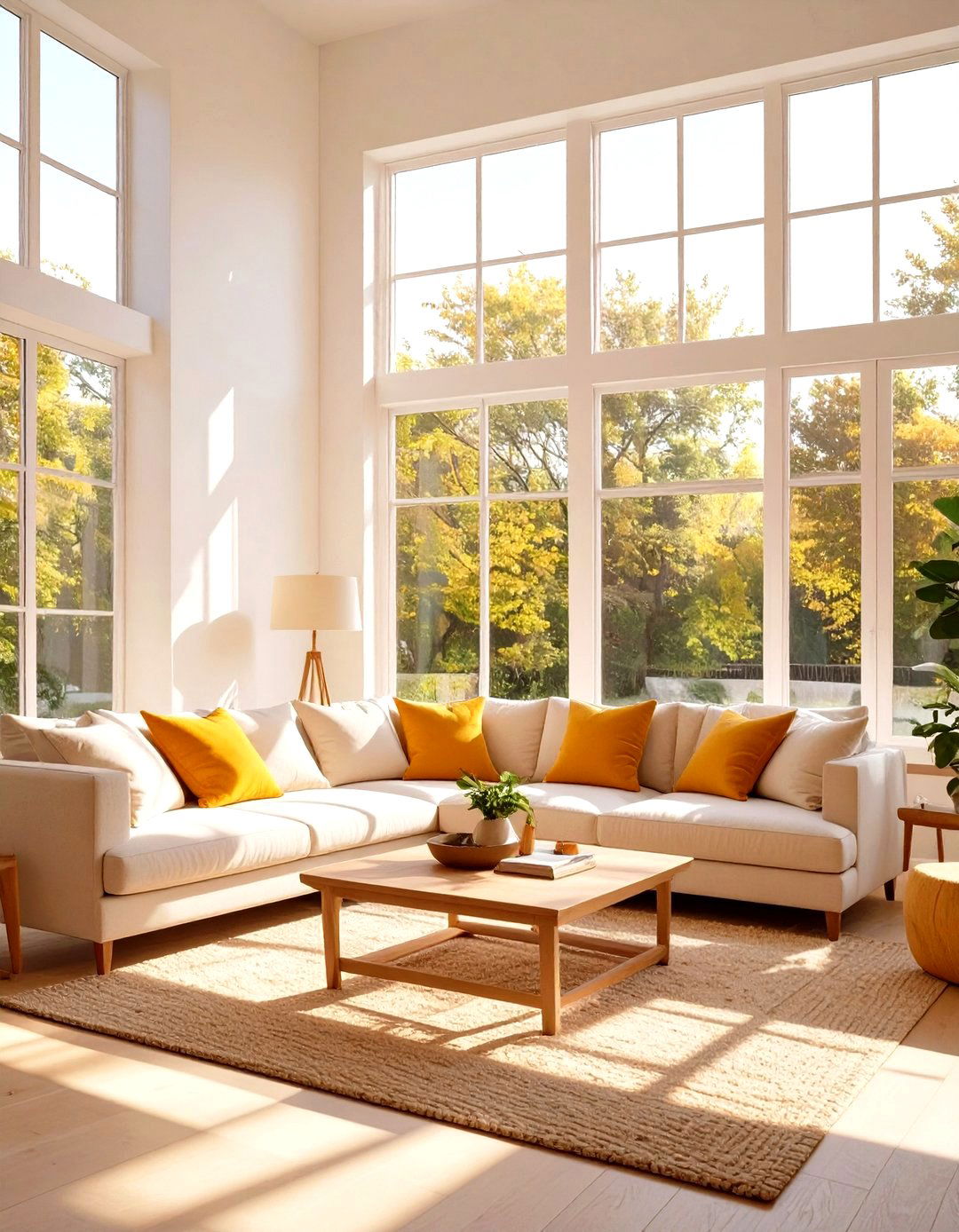
Natural light is a key component of simple and inviting interior design. To maximize it, keep window areas as unobstructed as possible. Use lightweight, sheer curtains or leave windows bare if privacy is not a concern. Position furniture to take advantage of the light, such as placing a comfortable reading chair near a window. As mentioned earlier, strategic placement of mirrors can also amplify the natural light by reflecting it throughout the room. A bright, sun-drenched space naturally feels more open, cheerful, and larger, enhancing the overall sense of simplicity and calm without any extra effort or cost.
18. Focus on a Fireplace

If your living room has a fireplace, make it the undeniable focal point. A simple, well-styled fireplace anchors the room and provides a natural gathering spot. Keep the mantel decor minimal to avoid a cluttered look. A single piece of art, a mirror, or a few carefully selected objects is all you need. The design of the fireplace itself can also contribute to the simple aesthetic; a clean-lined surround in a material like concrete, slate, or simple tile reinforces a modern feel. This approach draws the eye, adds architectural interest, and creates a cozy ambiance.
19. An Uncluttered Wall Gallery

A gallery wall can still fit within a simple design ethos if done thoughtfully. Instead of a chaotic mix of frames and images, create a more structured and cohesive display. Use frames that are all the same color and style, such as thin black or natural wood frames, to create a unified look. Arrange them in a symmetrical grid pattern for a clean, organized appearance. Choose artwork or photographs that share a common theme or color palette. This turns a collection of personal memories or art into a single, impactful design element rather than a source of visual clutter.
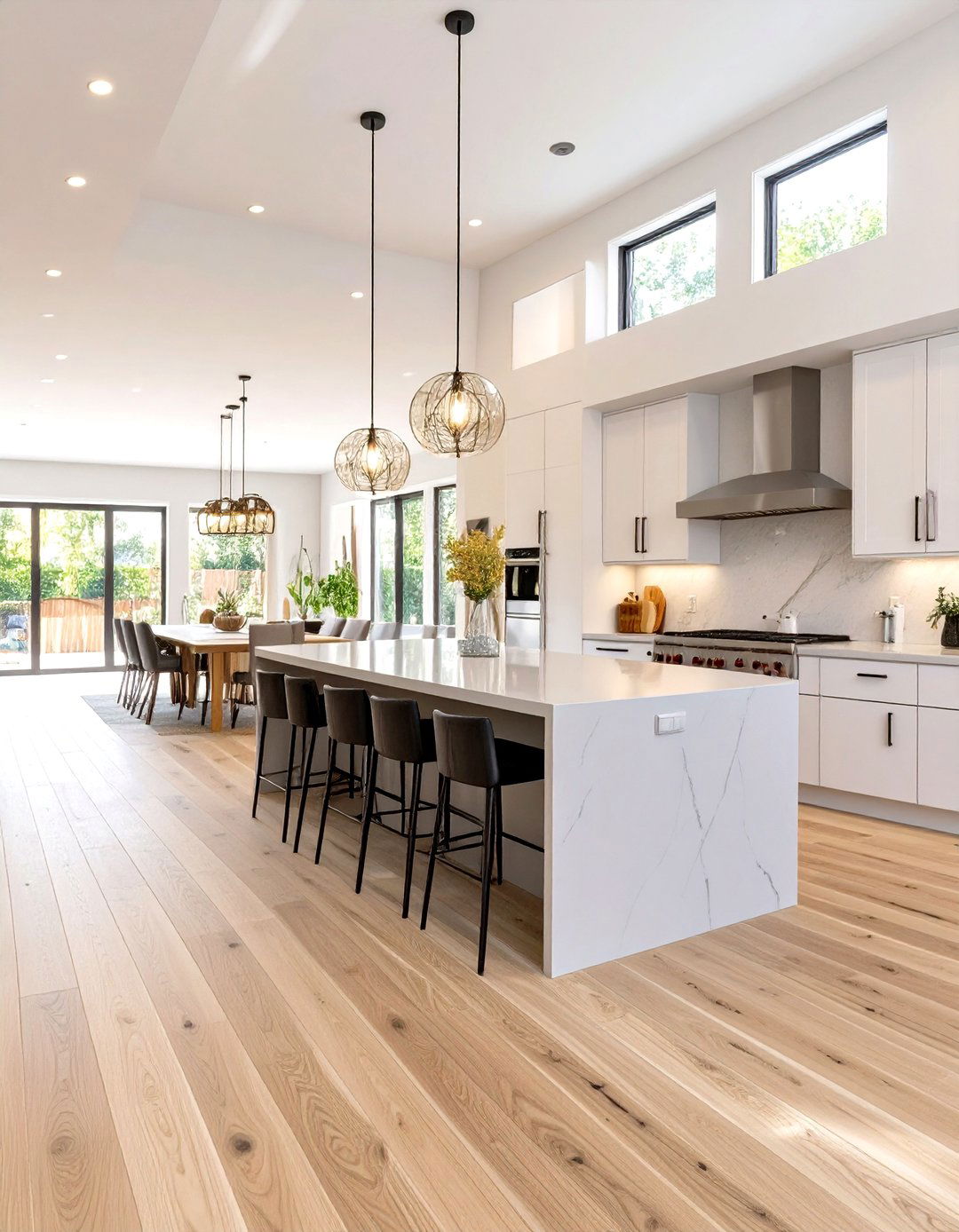



20. Low-Profile Furniture Choices

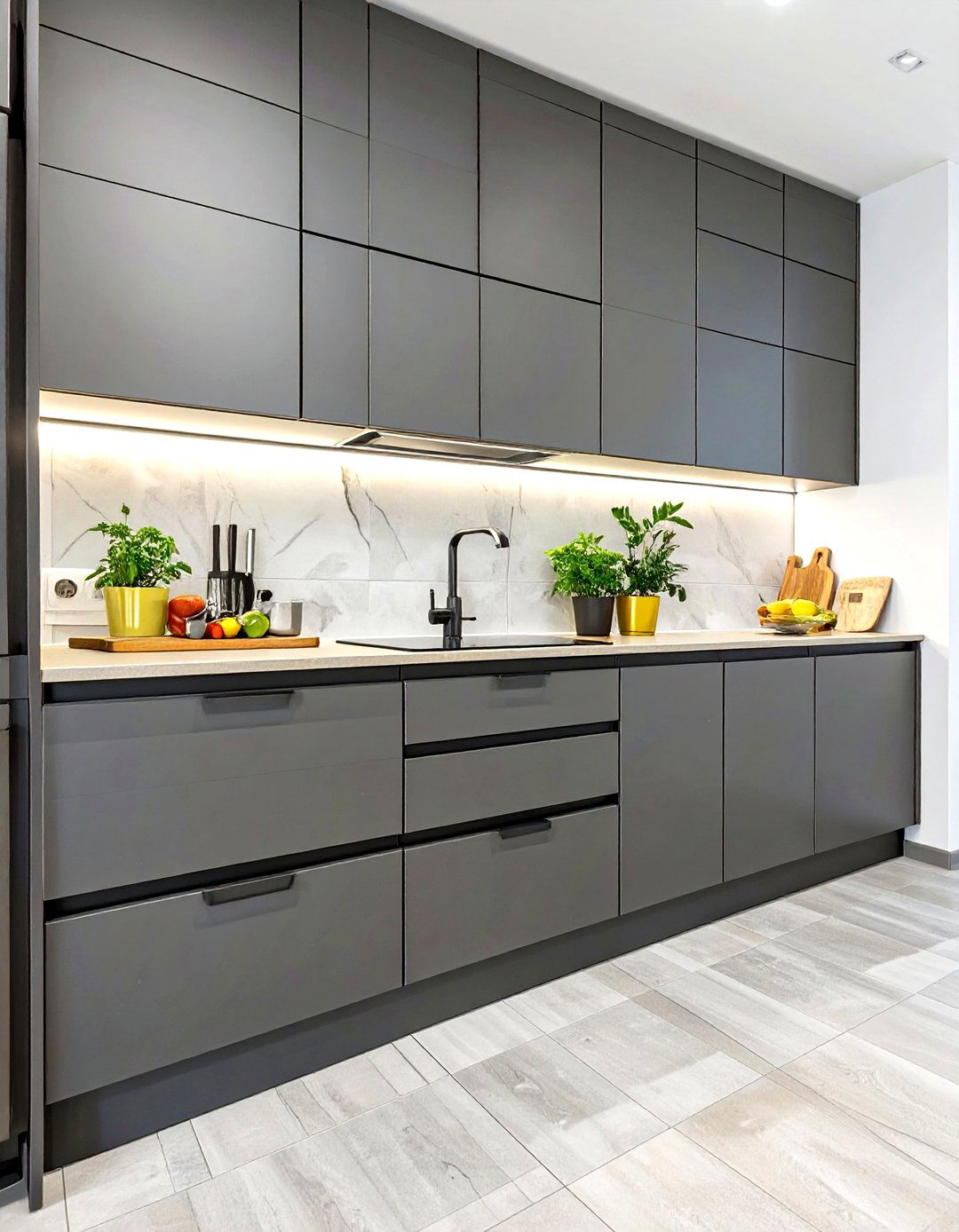
Selecting low-profile furniture is a great way to enhance the sense of openness in a simple living room. Sofas, chairs, and tables that sit lower to the ground create more visual space above them, making the ceiling feel higher and the room feel more expansive. This style of furniture often features clean, horizontal lines that contribute to a modern and uncluttered aesthetic. A low-slung sofa paired with a minimalist coffee table can make a significant impact, fostering a relaxed and airy atmosphere. This approach is particularly effective in smaller living rooms or spaces with lower ceilings.
21. Bare or Natural Flooring

The foundation of a simple living room often starts from the ground up. Consider leaving floors bare, especially if you have beautiful hardwood, polished concrete, or tile. The natural texture and color of the flooring material can be a design element in itself. This creates a clean, continuous look that makes the room feel larger and less cluttered. If you prefer some softness underfoot, opt for a single, well-chosen area rug rather than wall-to-wall carpeting. The rug should define a specific zone, like the seating area, while still allowing the natural flooring to be a prominent feature of the room.
22. Wall-Mounted Television

Free up valuable floor or surface space by mounting your television directly onto the wall. This instantly creates a cleaner, more streamlined look and eliminates the need for a bulky media stand. When the TV is mounted, cables can be hidden within the wall or concealed with a simple cord cover for a completely tidy appearance. This modern solution integrates the television into the room's design rather than letting it dominate as a piece of technology-heavy furniture. It’s a simple change that makes a significant difference in achieving a minimalist and uncluttered living room environment.
23. A Comfortable Sectional Sofa

For a simple living room that prioritizes comfort and togetherness, a sectional sofa can be an excellent choice. A single, large seating piece like a sectional can look less cluttered than a combination of a sofa and multiple armchairs. It provides ample seating for family and guests and anchors the living space, creating a cozy and inviting hub. Choose a sectional with clean lines and in a neutral fabric to maintain a simple aesthetic. This one-piece solution streamlines the room's layout, promoting a sense of unity and maximizing comfort without sacrificing style or an uncluttered feel.
24. A Touch of Wabi-Sabi

Incorporate the Japanese philosophy of wabi-sabi by celebrating the beauty of imperfection. This concept finds elegance in natural, aged, and handmade objects. Instead of striving for a perfectly polished look, embrace items with character—a handcrafted ceramic vase, a piece of reclaimed wood furniture, or linen curtains with natural creases. This approach adds soul and authenticity to a simple living room, creating a space that feels lived-in and genuine. It’s a reminder that beauty can be found in simplicity and the unique stories that objects tell, fostering a peaceful and grounded atmosphere.
25. Consistent Hardware and Finishes
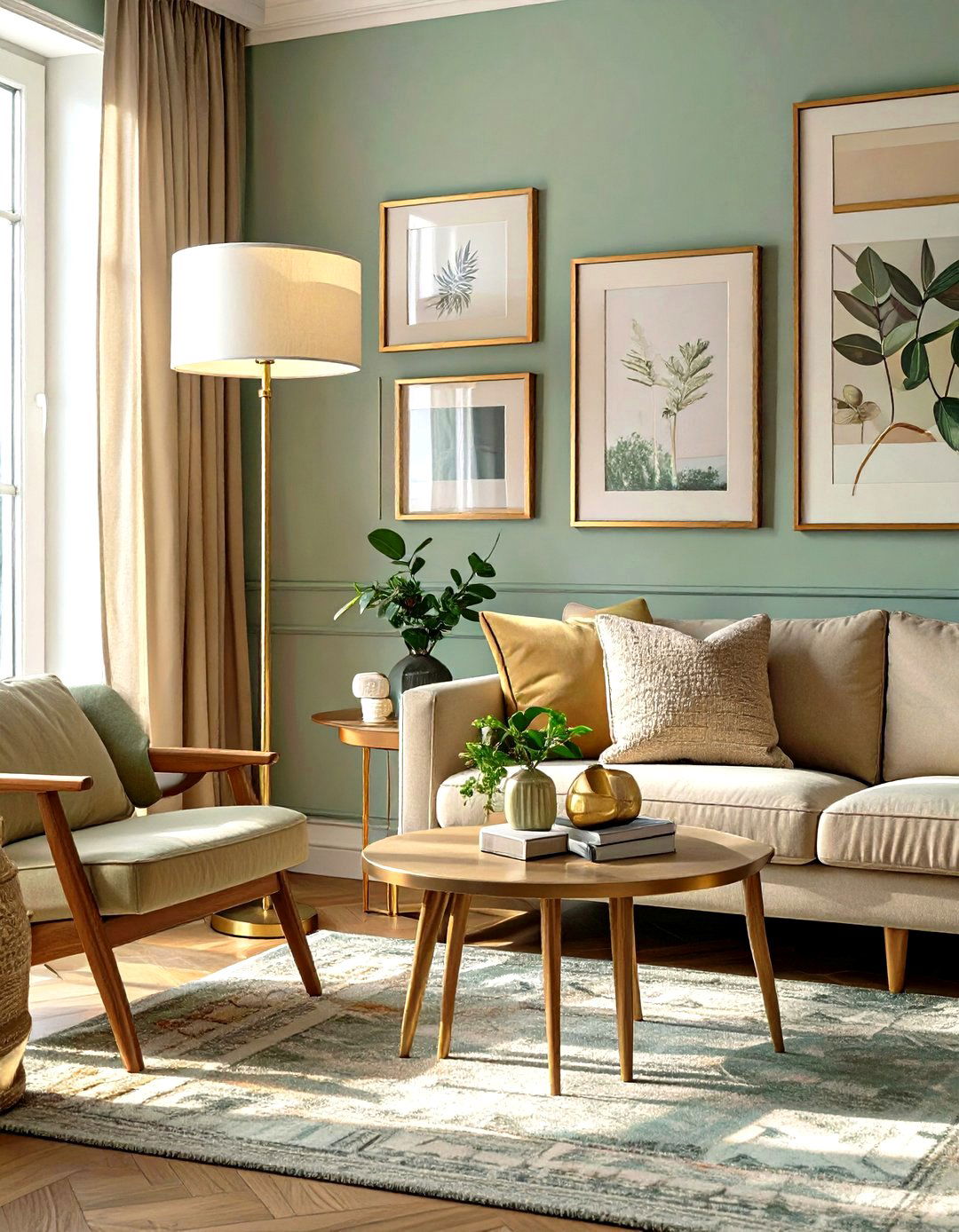
Attention to detail is crucial in simple design, and that includes hardware and metal finishes. To create a cohesive and uncluttered look, be consistent with your choices. If you have brass legs on a coffee table, try to echo that finish in your lamp bases, curtain rods, or picture frames. This doesn't mean everything has to match perfectly, but sticking to one or two complementary finishes—like black and brass, or chrome and nickel—will create a more polished and intentional feel. This subtle consistency helps tie the entire room together, reinforcing a sense of order and thoughtful design.
26. A Minimalist Floor Lamp
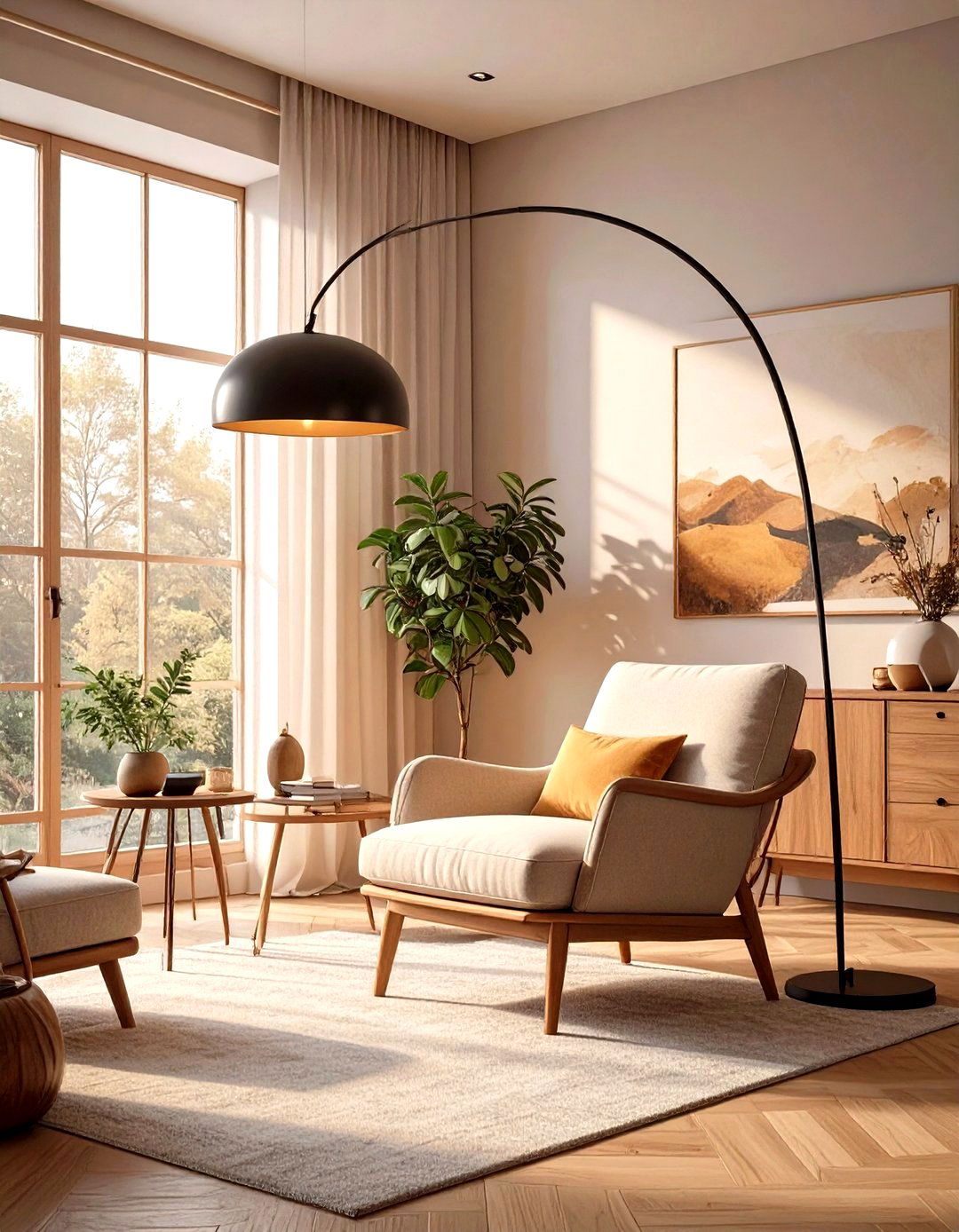
A minimalist floor lamp can serve as both a functional light source and a sculptural design element. Look for a lamp with a slender profile, a simple base, and clean lines, such as an arc lamp that can extend over a sofa or a tripod lamp with a classic drum shade. Placing it in a corner or next to an armchair provides essential task lighting without taking up valuable table space. The right floor lamp can add height and architectural interest to a room, reinforcing the simple, modern aesthetic while ensuring the space is well-lit and inviting after dark.
27. Sheer or Lightweight Drapery

To maintain a bright and airy atmosphere in your living room, opt for sheer or lightweight drapery. These types of curtains soften the windows without blocking precious natural light. Fabrics like linen, cotton voile, or sheer synthetics in a neutral color allow sunlight to filter through gently, creating a warm and inviting glow. They provide a degree of privacy while still keeping the room connected to the outdoors. Hanging them high and wide makes windows appear larger and ceilings taller. This simple window treatment enhances the feeling of openness and contributes to a relaxed, uncluttered aesthetic.
28. Using Baskets for Storage

Woven baskets are a stylish and practical solution for corralling clutter in a simple living room. Use them to store extra throw blankets, pillows, magazines, or kids' toys. Their natural texture adds warmth and an organic element to the space, complementing a wide range of decor styles. You can place a large basket on the floor next to a sofa or armchair, or use smaller baskets to organize shelves. They are an affordable and versatile way to keep everyday items neatly tucked away, ensuring your living room remains tidy and serene without sacrificing charm or accessibility.
29. A Clear Coffee or Side Table

For an ultimate sense of openness, consider a coffee table or side table made from clear acrylic or glass. These "ghost" tables have a minimal visual footprint, making them appear to take up almost no space at all. This is an excellent trick for smaller living rooms, as it allows light to pass through and keeps sightlines clear, creating the illusion of a larger area. A clear table provides all the functionality you need without adding visual weight or clutter. It’s a modern and chic choice that perfectly aligns with the principles of simple, uncluttered design.
30. Purposeful Negative Space

In simple living room design, what you don't include is just as important as what you do. Embrace the concept of negative space—the empty areas around and between your furniture and decor. Resist the urge to fill every corner and cover every surface. Leaving some walls bare and floors open creates breathing room and allows the pieces you’ve chosen to truly shine. This intentional emptiness helps to reduce visual noise, promoting a sense of calm and tranquility. It directs focus to the key elements of your design and is the ultimate expression of a simple, uncluttered aesthetic.
Conclusion:
Creating a simple living room is about making intentional choices that prioritize peace, functionality, and uncluttered beauty. By focusing on core ideas like a neutral palette, multifunctional furniture, layered lighting, and the strategic use of decor, you can craft a space that feels both stylish and serene. The key is to embrace minimalism, celebrate natural elements, and ensure every item has a purpose. This approach transforms your living room into a true retreat from the chaos of the outside world, proving that simplicity is the ultimate form of sophistication in home design.

Related posts:




Leave a Reply