
Creating a simple living room is about more than just minimalism; it's about curating a space that feels calm, intentional, and uniquely yours. By focusing on clean lines, thoughtful organization, and personal touches, you can transform your main living area into a sanctuary of comfort and style. A simple approach doesn’t mean sacrificing personality. Instead, it prioritizes functionality and visual harmony, allowing each element to breathe and contribute to a cohesive, uncluttered atmosphere. This guide explores 30 practical ideas to help you achieve a beautifully simplified living space that feels both modern and welcoming.

1. Adopt a Neutral Color Palette
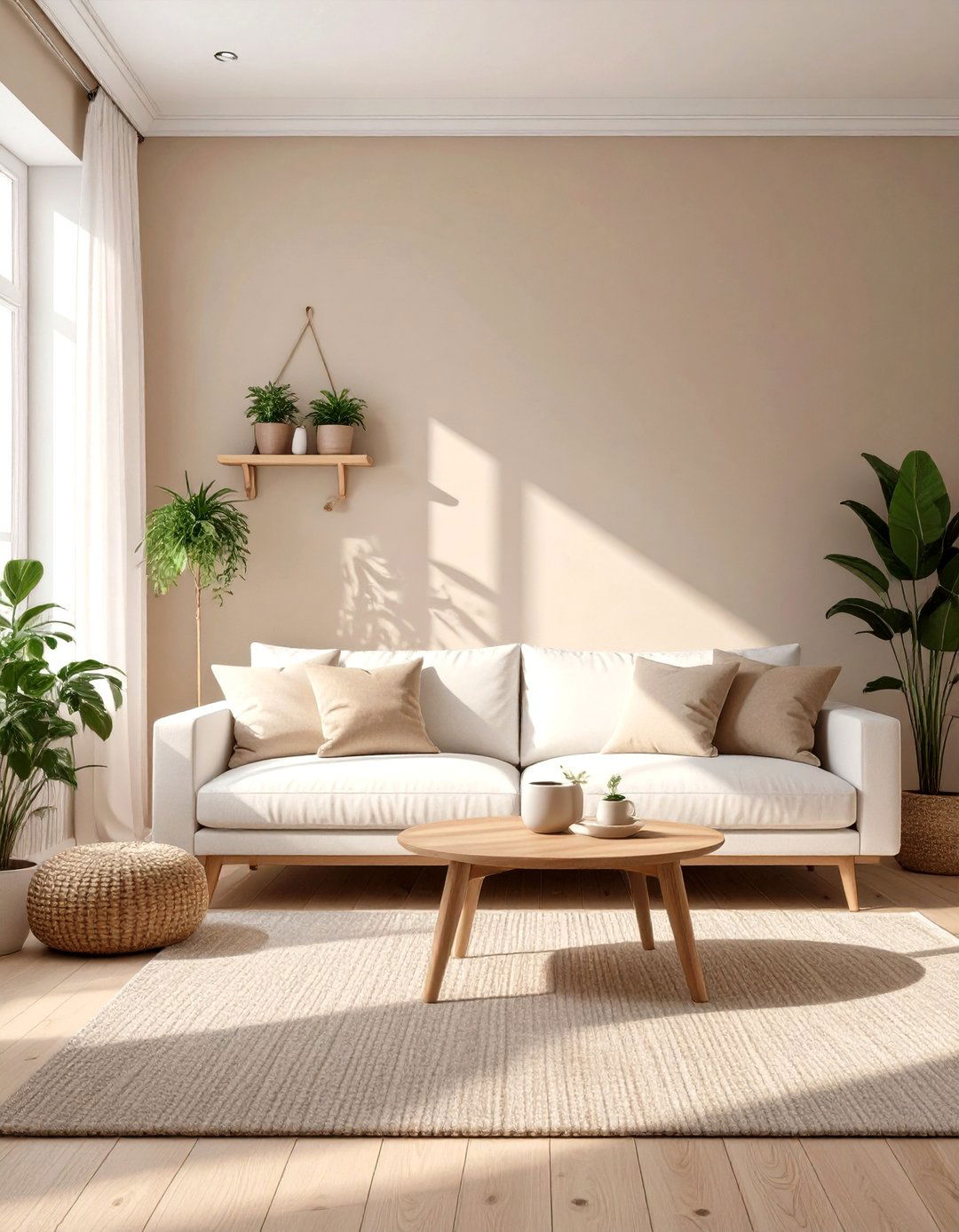
A neutral color palette serves as the perfect foundation for a simple and serene living room. By painting your walls in shades of white, beige, soft gray, or taupe, you create a bright and airy backdrop that makes the space feel larger and more open. This approach allows your furniture, textiles, and decor to stand out without overwhelming the senses. Neutrals also have a timeless quality, ensuring your living room won't feel dated quickly. You can easily introduce subtle warmth or coolness depending on the undertones you choose, crafting a versatile canvas that adapts to seasonal decor changes effortlessly.
2. Install Floating Shelves
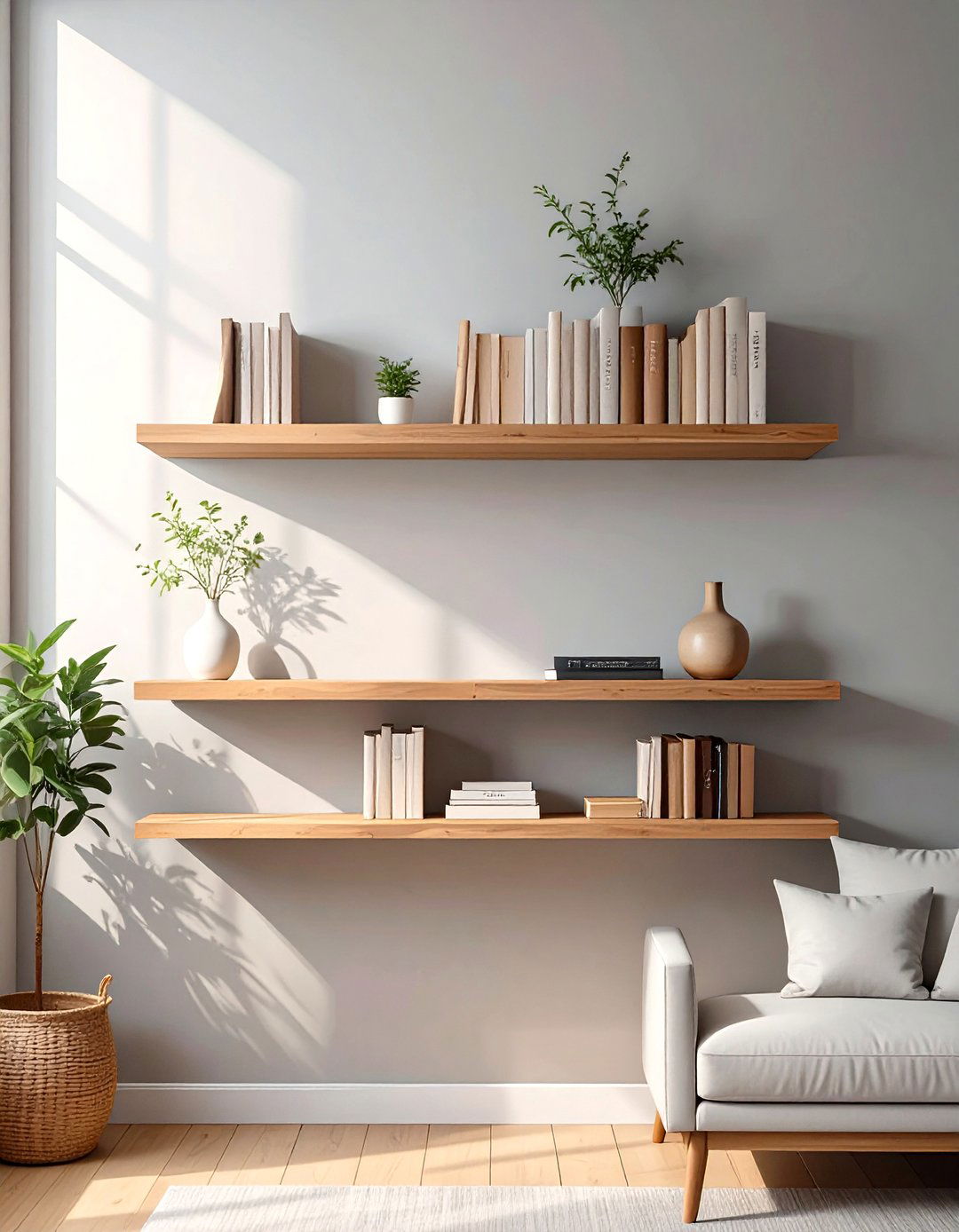
For a clean and modern storage solution, consider installing floating shelves. These shelves create a minimalist look by eliminating the need for bulky brackets, making them appear as if they are levitating against the wall. They are perfect for displaying a curated selection of books, small plants, and cherished decor items without taking up valuable floor space. This method encourages you to be intentional about what you display, reinforcing a "less is more" philosophy. Arranging them symmetrically or asymmetrically can add a touch of visual interest, providing both function and a stylish architectural detail to your simple living room design.
3. Choose a Sofa with Clean Lines
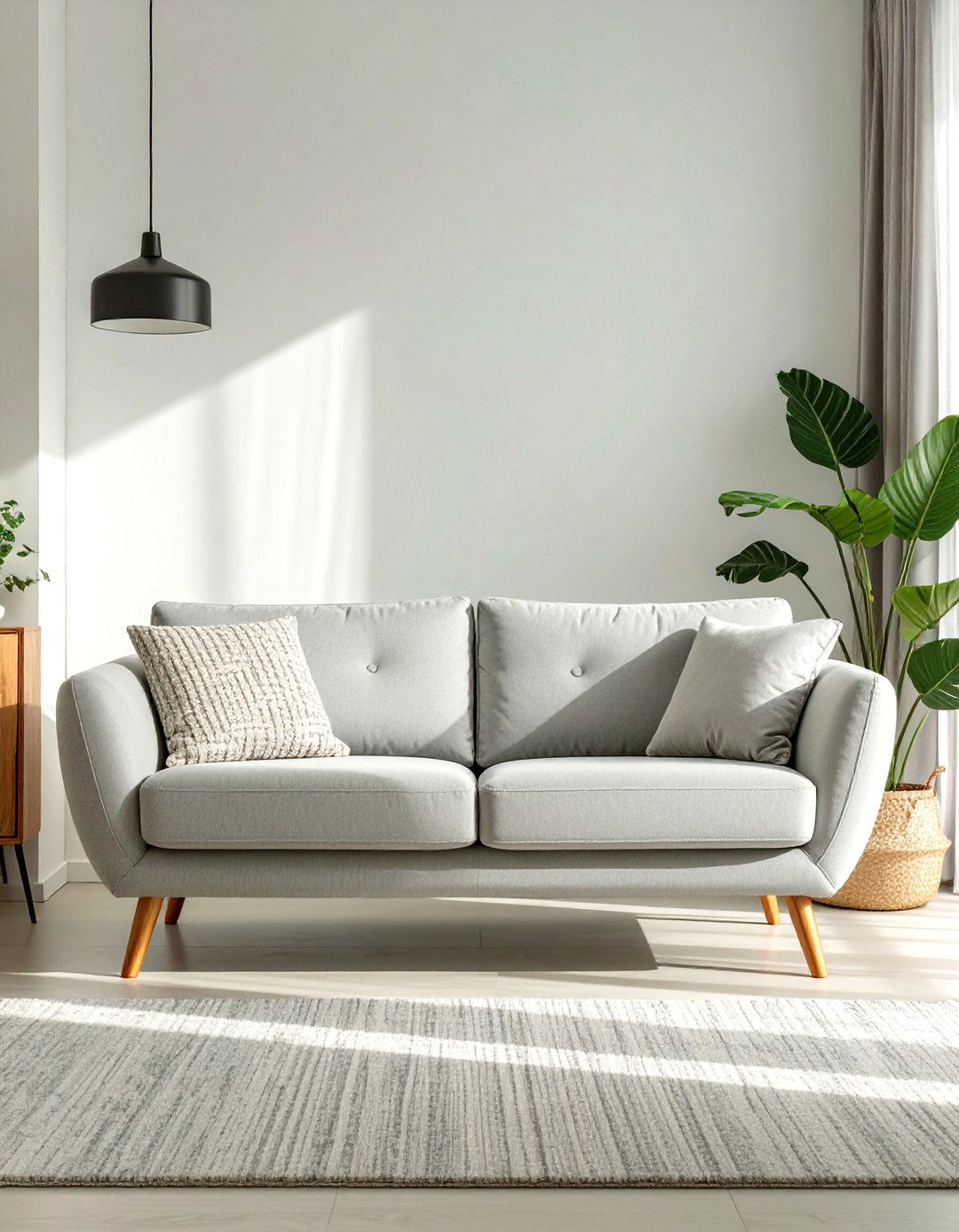
The sofa is often the largest piece of furniture in a living room, so selecting one with clean lines is crucial for a simple aesthetic. Look for designs with straight arms, uncluttered silhouettes, and solid-colored upholstery. A streamlined sofa acts as an anchor for the room without adding visual noise. Tapered legs can also make the piece feel lighter and less bulky by lifting it off the floor. This choice doesn't mean you have to sacrifice comfort; many modern designs offer deep, comfortable seating within a minimalist frame, blending coziness with a refined and understated look perfectly.
4. Utilize a Large Area Rug
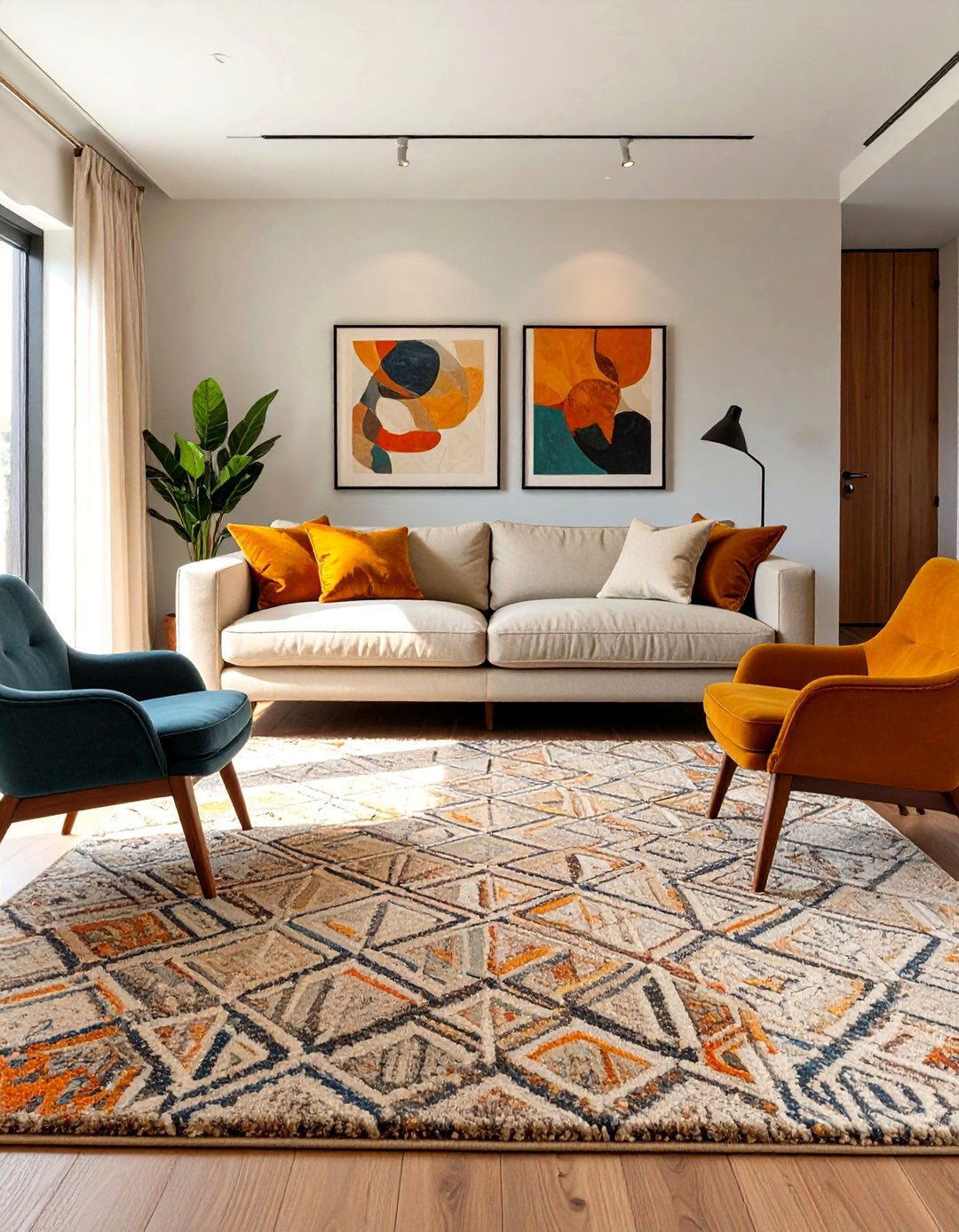
A large area rug can unify a simple living room by defining the seating area and adding a layer of texture and warmth. Choose a rug that is big enough for at least the front legs of your sofa and chairs to rest on. This creates a cohesive zone that makes the entire space feel more connected and grounded. In a simple design, a rug with a subtle pattern or a solid, muted color works best to avoid visual clutter. Materials like wool, jute, or sisal add a natural element that complements a minimalist aesthetic while providing comfort underfoot and absorbing sound.


5. Maximize Natural Light with Sheer Curtains
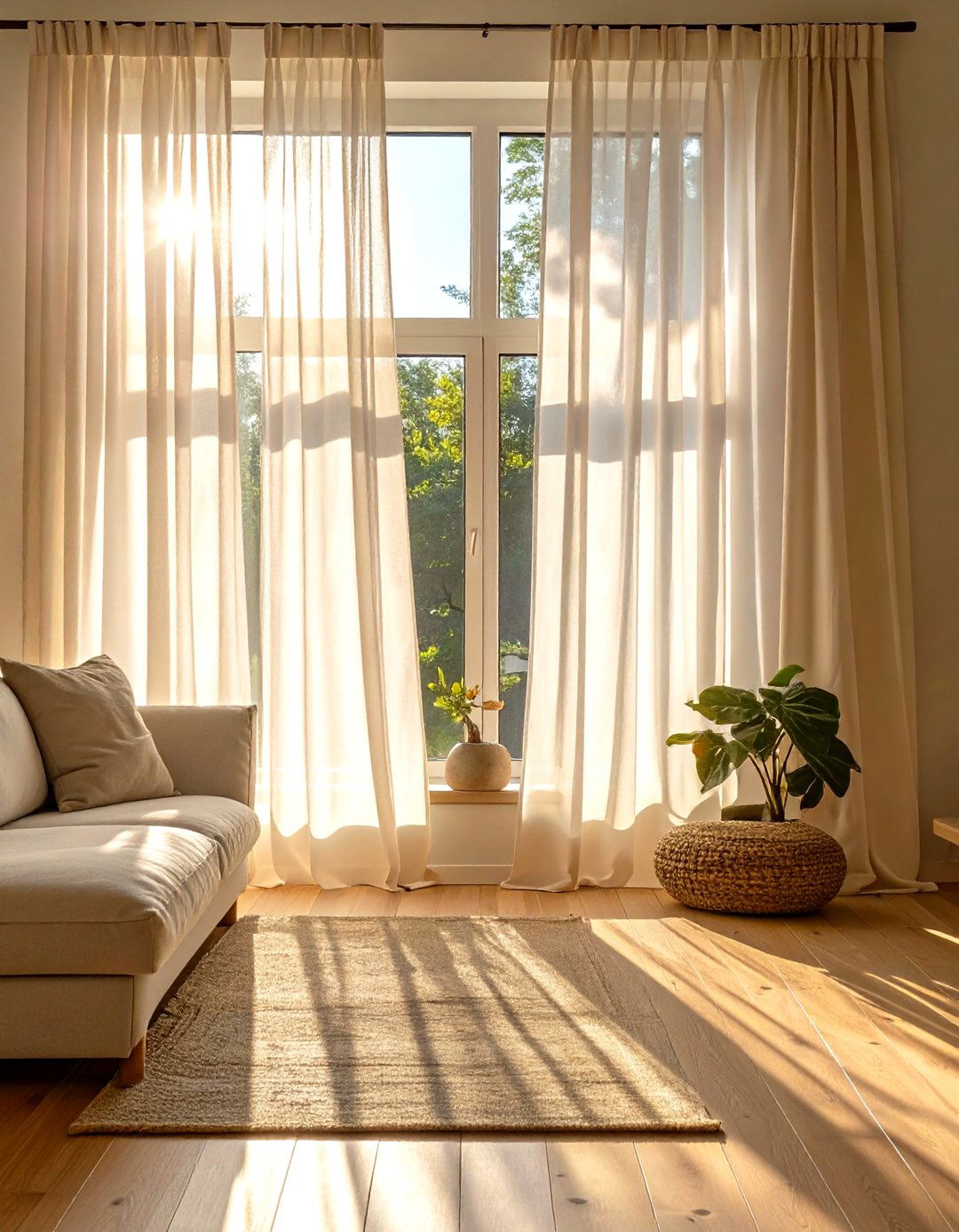
To enhance the feeling of openness in your living room, swap heavy drapes for lightweight, sheer curtains. These window treatments allow natural light to flood the space, creating a bright and airy ambiance that is central to simple design. Sheer fabrics in white or off-white soften the sunlight without blocking it, providing a degree of privacy while maintaining a connection to the outdoors. The gentle diffusion of light reduces the need for artificial lighting during the day and makes the room feel more expansive and uplifting. This simple switch can dramatically change the mood of your entire living space.
6. Place a Single Piece of Statement Art
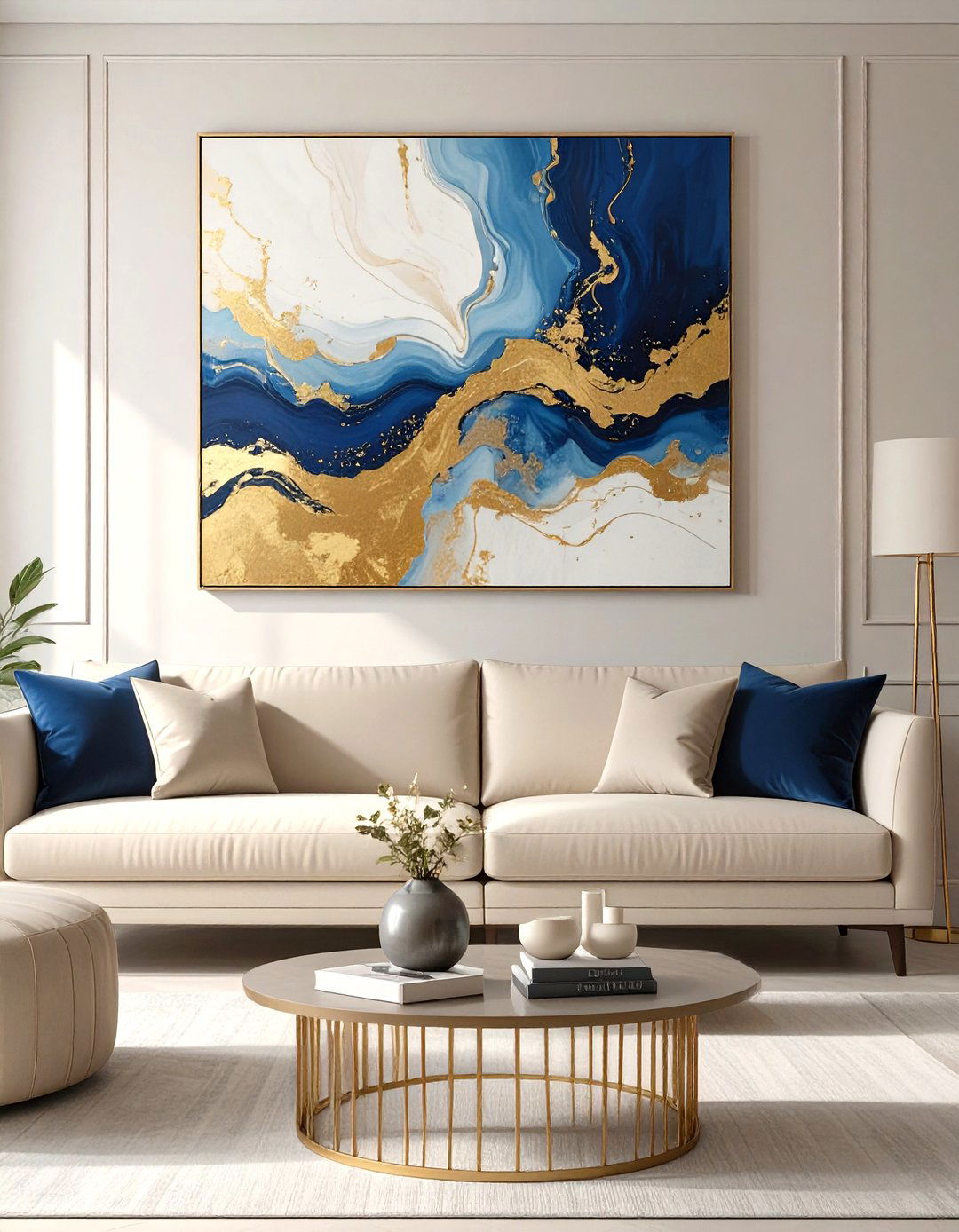
Instead of a cluttered gallery wall, a single piece of large-scale statement art can create a powerful focal point in a simple living room. This approach is bold yet uncluttered, drawing the eye and adding personality without making the space feel busy. Choose a piece that resonates with you, whether it's an abstract painting, a striking photograph, or a textured wall hanging. Placing it above the sofa or on a prominent empty wall ensures it commands attention. This intentional choice simplifies your decor decisions while delivering maximum visual impact, proving that one great piece is often more effective than many small ones.
7. Incorporate Natural Wood Accents
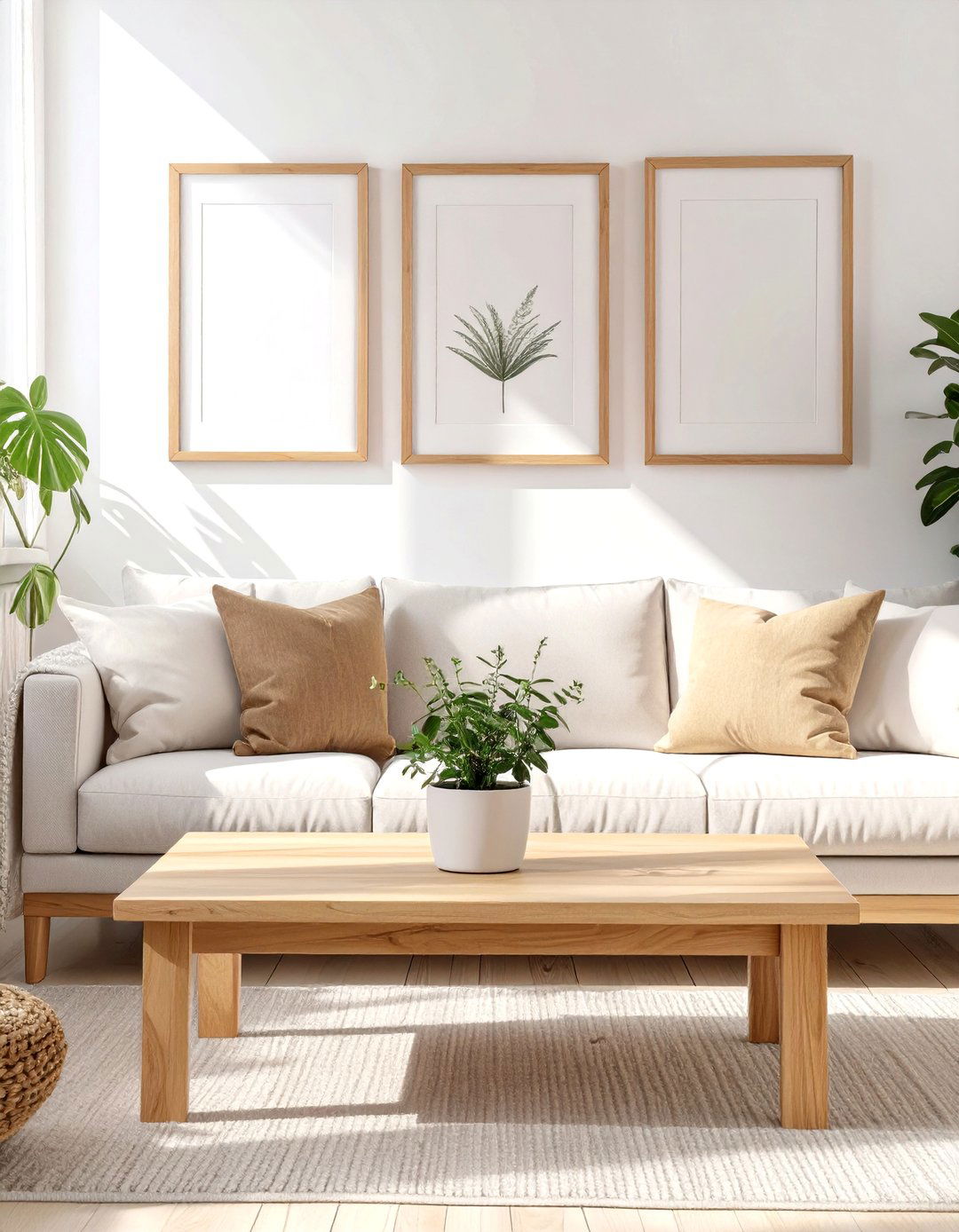
Bringing natural wood accents into your living room adds warmth, texture, and an organic touch that softens a minimalist aesthetic. This can be achieved through a simple wooden coffee table, side tables, picture frames, or even a decorative bowl. The grain and tone of the wood provide subtle visual interest without creating clutter. Lighter woods like oak, maple, or ash are popular in Scandinavian-inspired simple designs, enhancing the room's airy feel. These elements connect the indoor space to the natural world, fostering a sense of calm and grounding that is essential in a simplified home environment.
8. Opt for a Minimalist Coffee Table
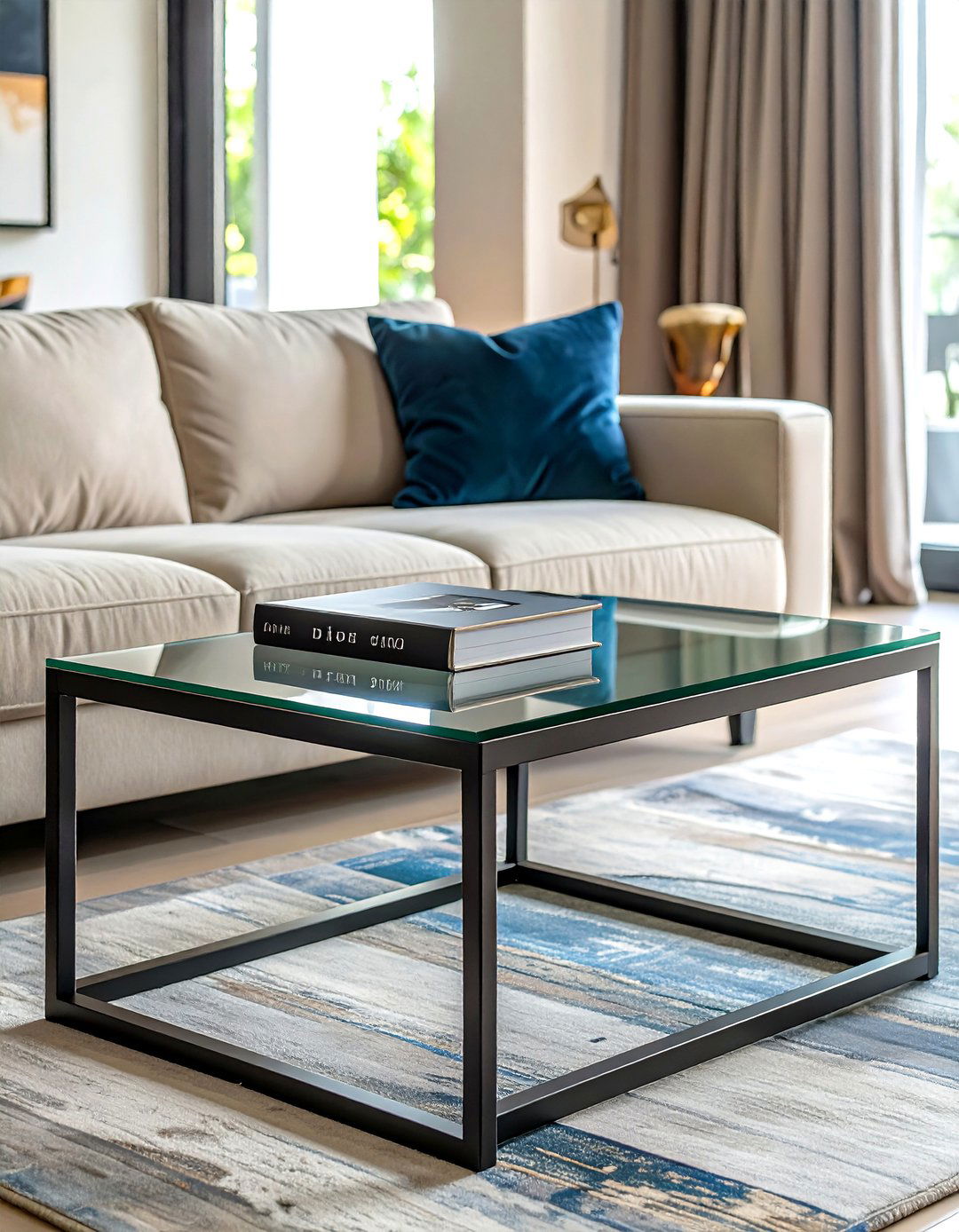
A minimalist coffee table is a key component of a simple living room, offering functionality without unnecessary bulk. Look for tables with simple geometric shapes, thin legs, and clean surfaces. Materials like light-toned wood, glass, or metal with a matte finish work well to maintain a sense of openness. A round coffee table can soften the straight lines of a sofa, while a rectangular one can offer more surface area. Keeping the tabletop uncluttered is equally important—limit items to a small plant, a couple of books, or a single decorative object to preserve the clean and tidy aesthetic.
9. Layer with Cozy, Simple Textiles
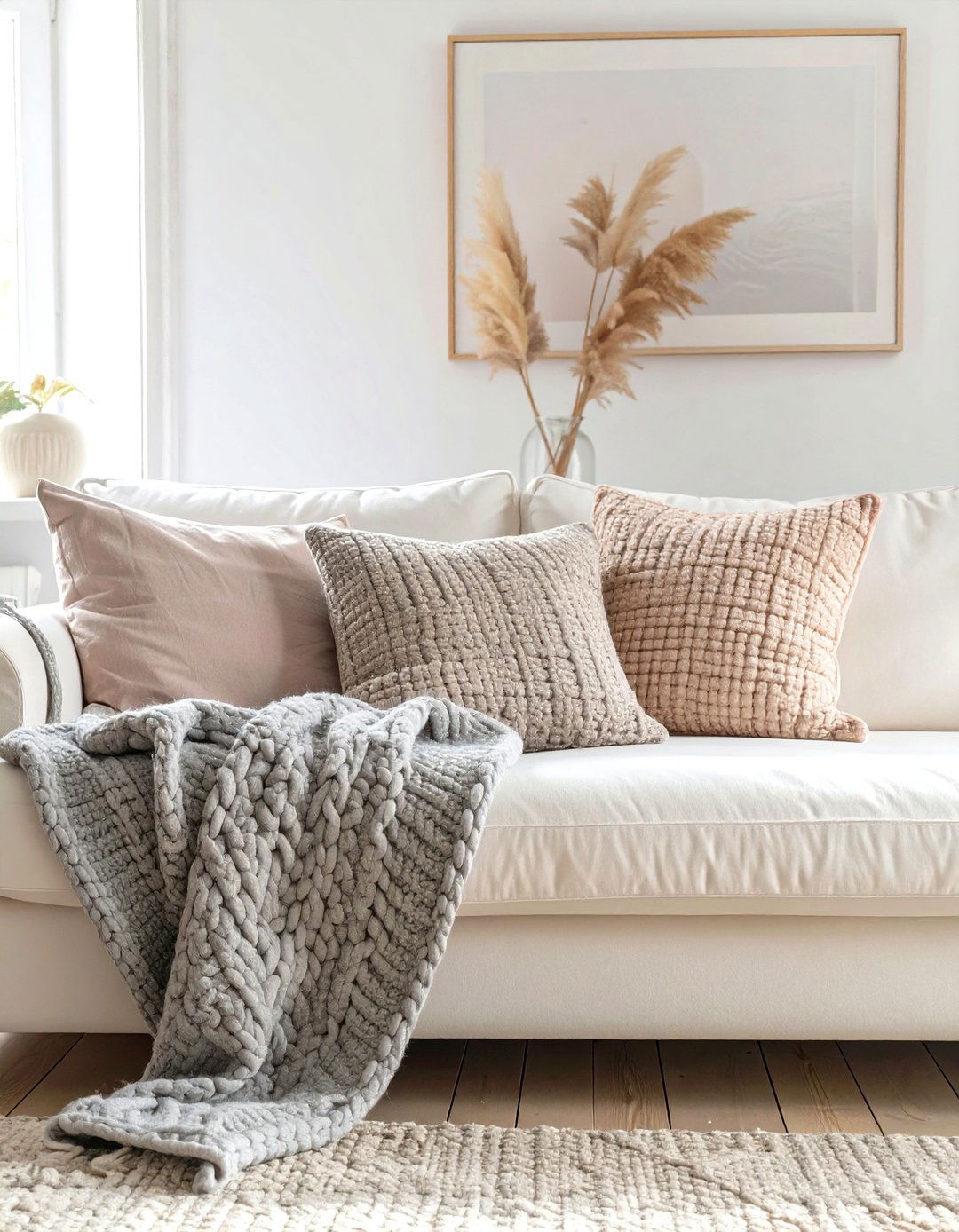
To ensure your simple living room feels inviting rather than stark, layer it with cozy textiles. Think soft, chunky-knit throw blankets draped over the sofa, plush cushions in solid colors or with subtle textures, and a soft rug underfoot. Choose materials like wool, linen, cotton, and faux fur to add tactile variety. Sticking to a cohesive color palette for your textiles will maintain a serene and unified look. These elements add depth and comfort, making the space feel warm and welcoming while adhering to the principles of simplicity. It’s about creating a comfortable haven through thoughtful, understated additions.

10. Strategically Place a Large Mirror
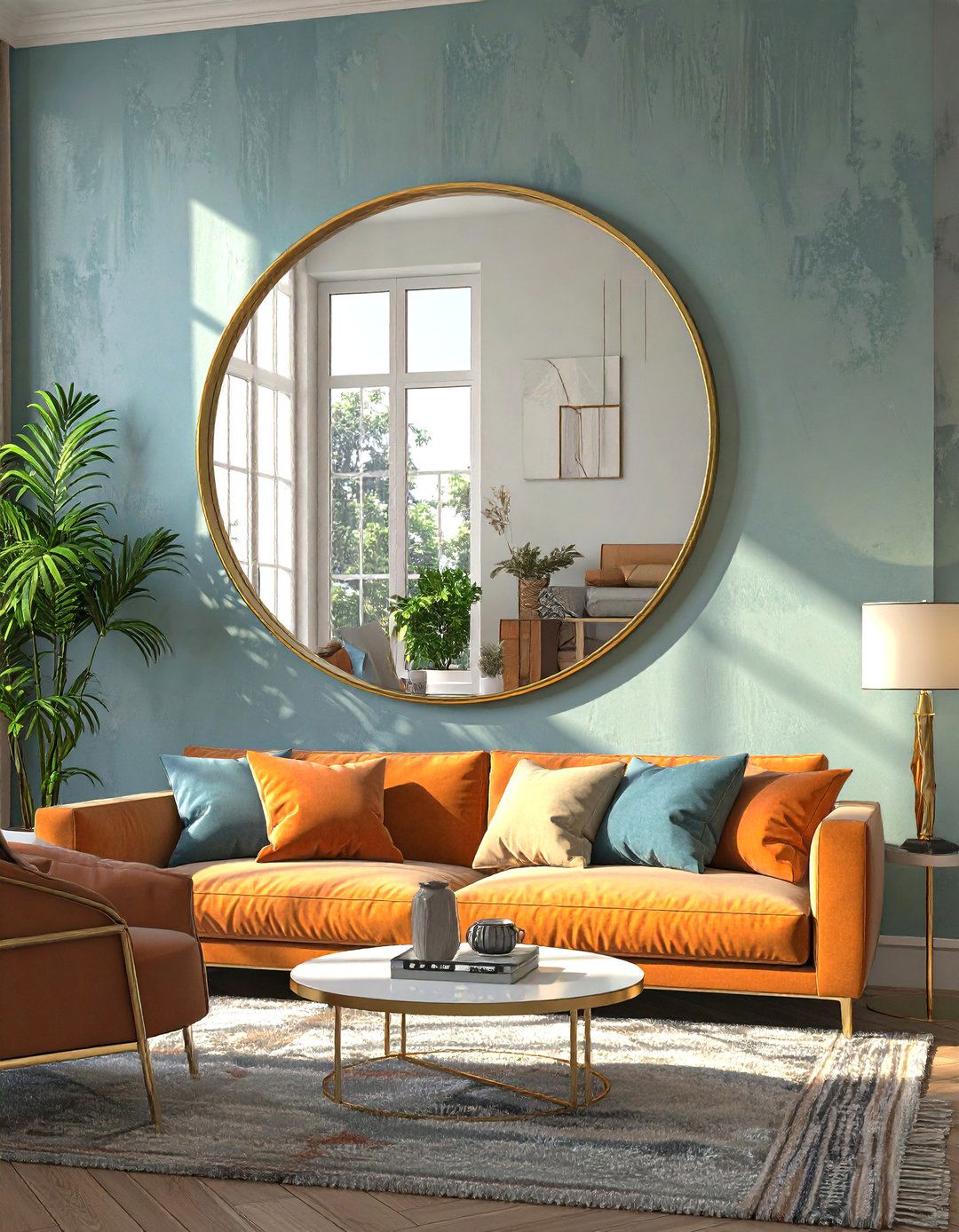
A large mirror is a classic tool for making a room feel bigger and brighter, making it a perfect addition to a simple living room. By placing a mirror opposite a window, you can reflect natural light throughout the space, instantly enhancing its airy quality. A mirror with a simple, thin frame or even a frameless design works best to maintain a minimalist look. It can also create the illusion of depth when placed on a long wall, making a small or narrow room feel more expansive. This single accessory serves a dual purpose: it’s a functional object that also acts as a piece of reflective art.
11. Create a Designated Plant Corner
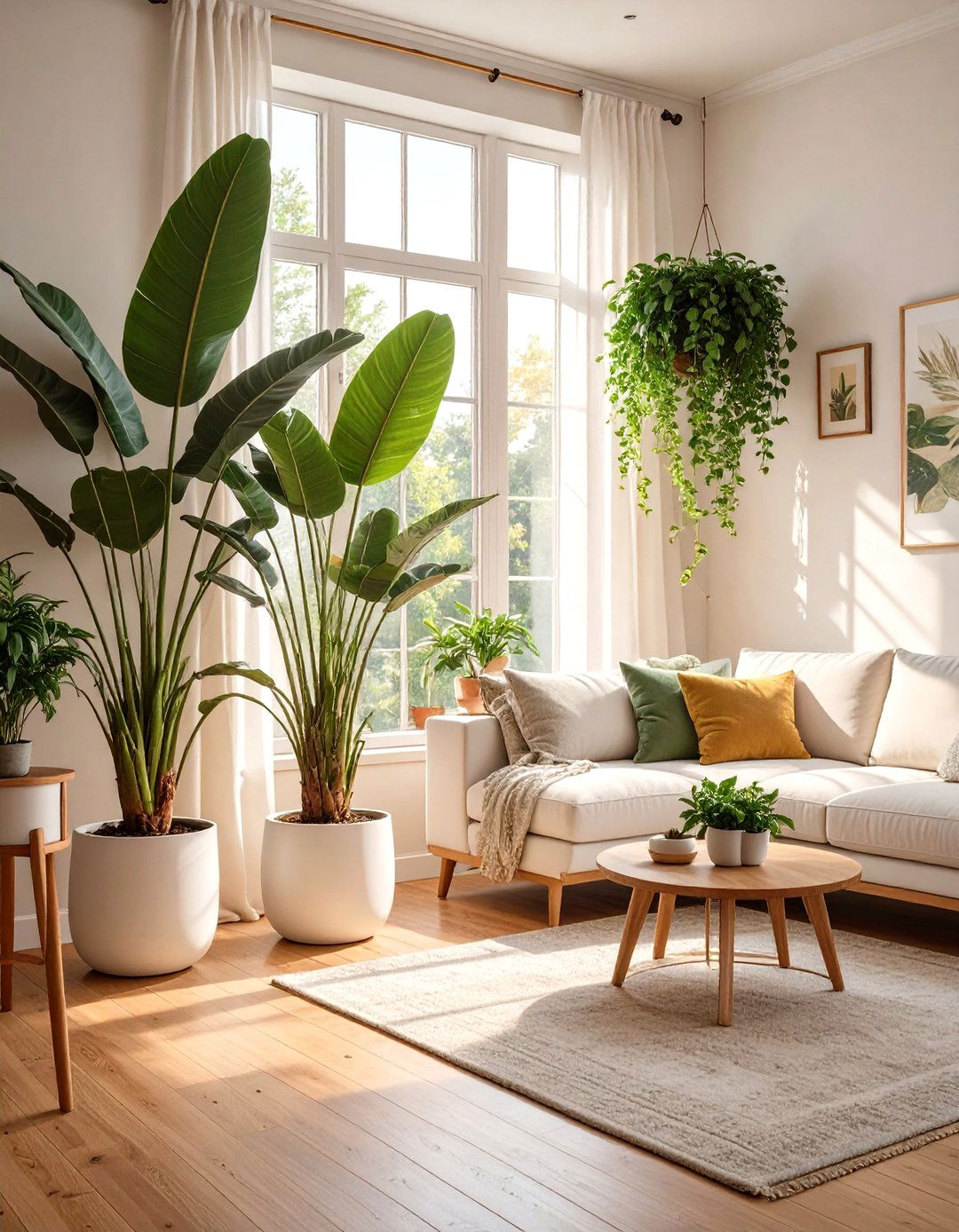
Bringing nature indoors is a simple way to add life and color to your living room. Designate a specific corner for a collection of indoor plants of varying heights and leaf shapes. This creates a lush, green focal point without scattering pots all over the room, which can look cluttered. Choose simple, cohesive planters in neutral colors like white, gray, or terracotta to maintain a clean look. A tall fiddle-leaf fig, a snake plant, and a trailing pothos can create a dynamic grouping. Plants not only enhance the aesthetic but also improve air quality, contributing to a healthier and more tranquil living environment.
12. Use Hidden Storage Ottomans
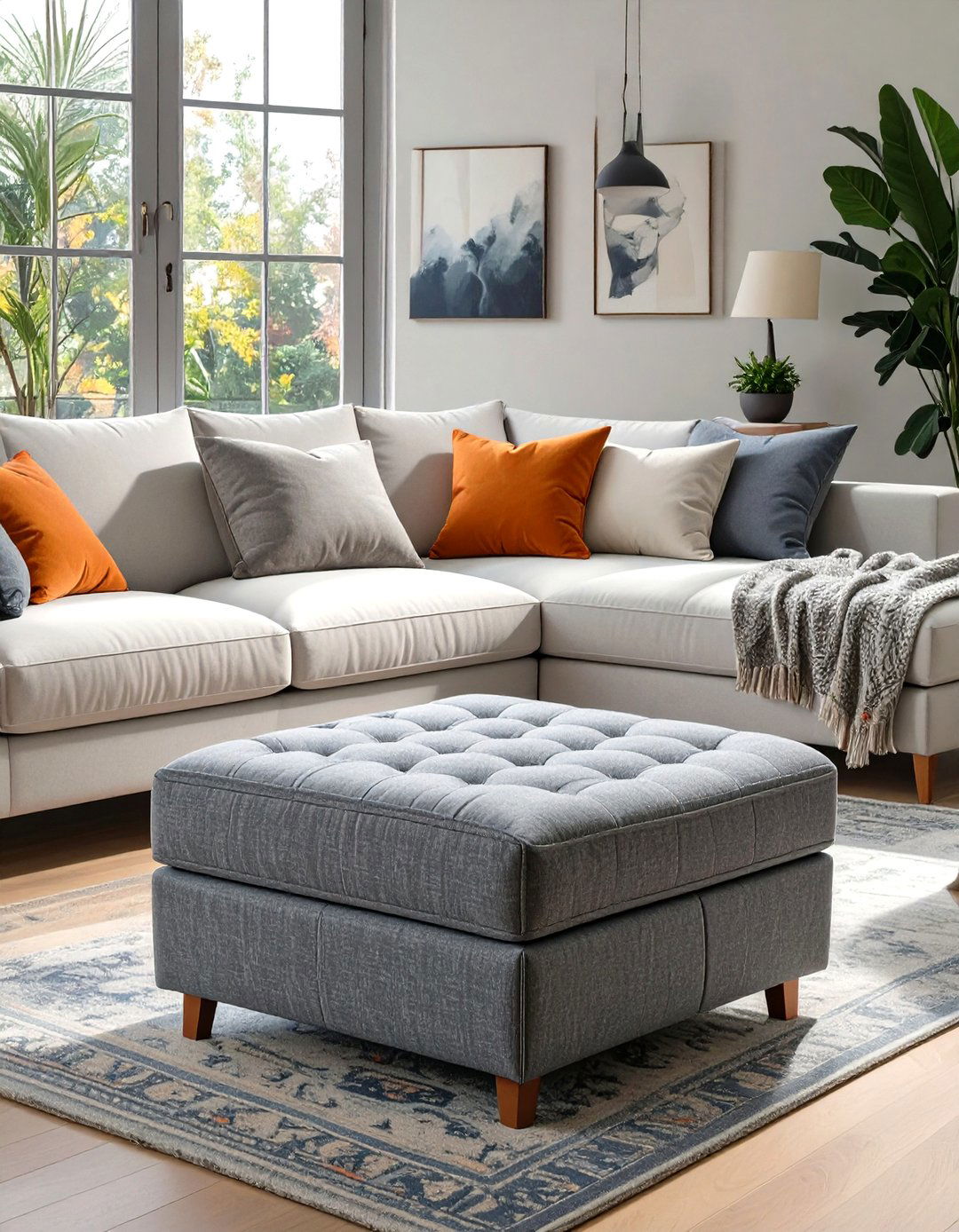
Hidden storage is essential for maintaining a simple, uncluttered living room. A storage ottoman is a brilliant multi-functional piece that serves as a footrest, extra seating, and a discreet place to stash away items like blankets, magazines, or remote controls. Choose an ottoman with a simple design and neutral upholstery that complements your sofa and other furniture. By keeping everyday clutter out of sight yet easily accessible, you can maintain a tidy and serene atmosphere. This clever solution helps you maximize your space without sacrificing style, making it an indispensable element for simple living.
13. Select Furniture with Exposed Legs
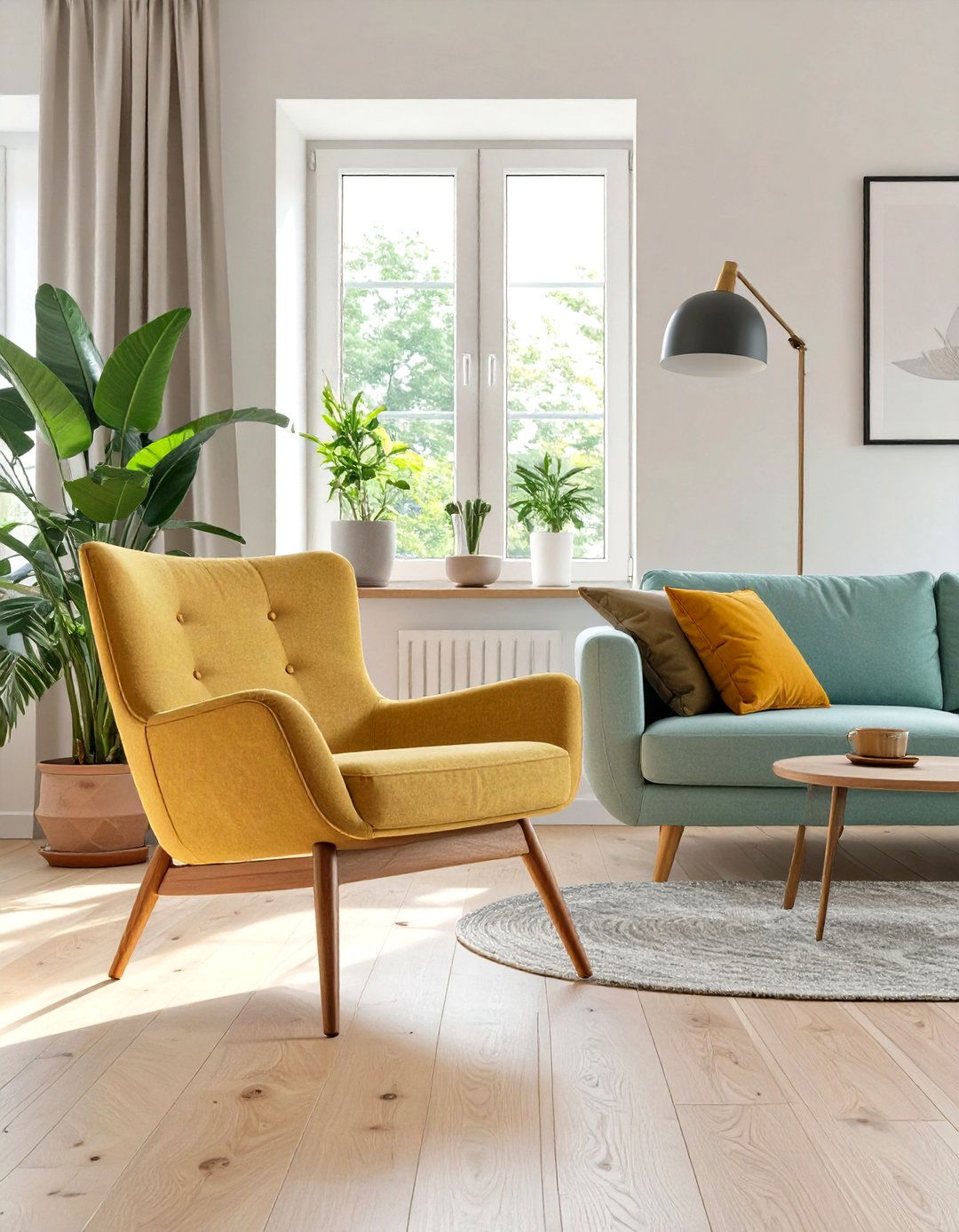
Choosing furniture with exposed legs, often called "leggy" furniture, can make a significant difference in a simple living room. Sofas, armchairs, and side tables that are lifted off the ground create a sense of spaciousness because you can see the floor underneath them. This visual trick makes the room feel larger and less crowded. The clean lines of tapered or straight legs contribute to a modern, airy aesthetic, preventing heavy pieces from looking too bulky. This design choice enhances the flow of light and space, contributing to the open and uncluttered feel that is the hallmark of simple interior design.
14. Mount Your Television
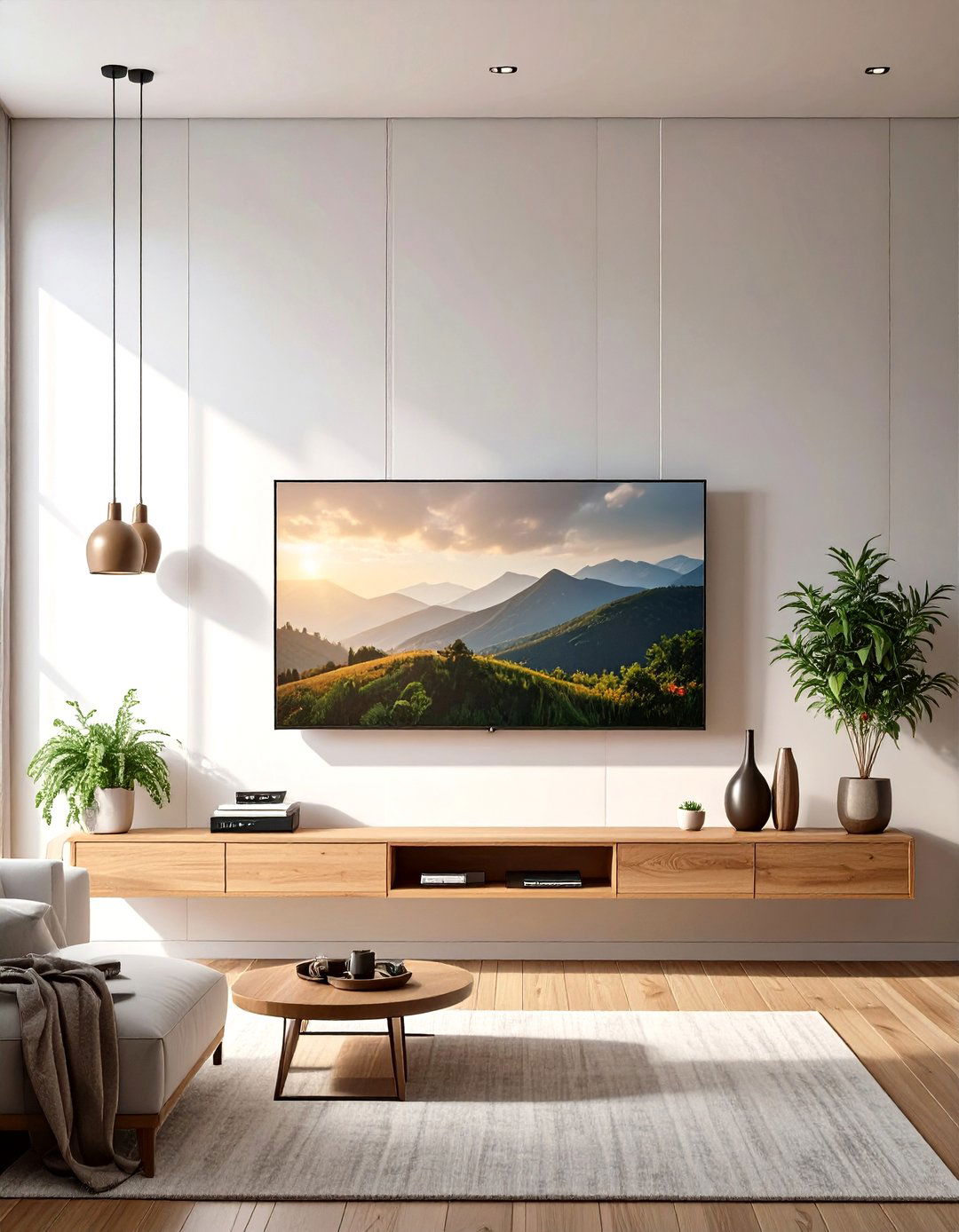
For the ultimate streamlined look, consider mounting your television directly onto the wall. This eliminates the need for a bulky media console, freeing up valuable floor space and creating a cleaner, more integrated appearance. Cords can be hidden within the wall for a completely seamless finish. If you need storage, a slim, floating media shelf can be installed below the TV to hold essential devices without adding visual weight. Mounting the television transforms it from a piece of furniture into a sleek, unobtrusive part of the room’s architecture, perfectly aligning with the principles of simple and minimalist design.

15. Stick to One Accent Color
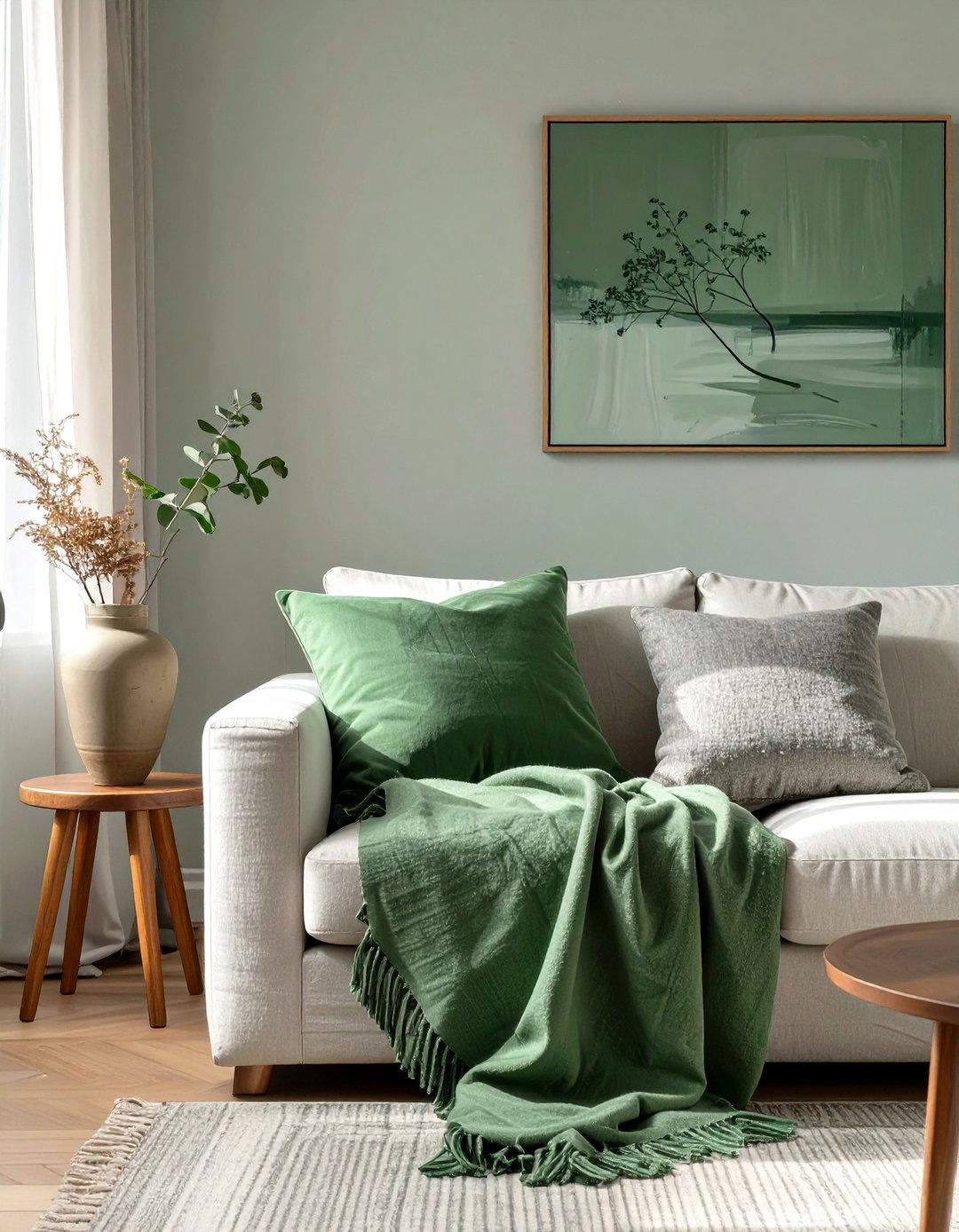
While a neutral palette forms the base of a simple living room, introducing a single accent color can add personality and visual interest without creating chaos. Choose one color you love—such as a soft blue, terracotta, or muted green—and weave it subtly throughout the space. This could be through throw pillows, a piece of art, a vase, or a cozy blanket. Using the color sparingly in a few key places creates a cohesive and intentional look. This disciplined approach to color ensures the room remains calm and uncluttered while still reflecting your personal style.
16. Use Floor Lamps for Ambient Lighting
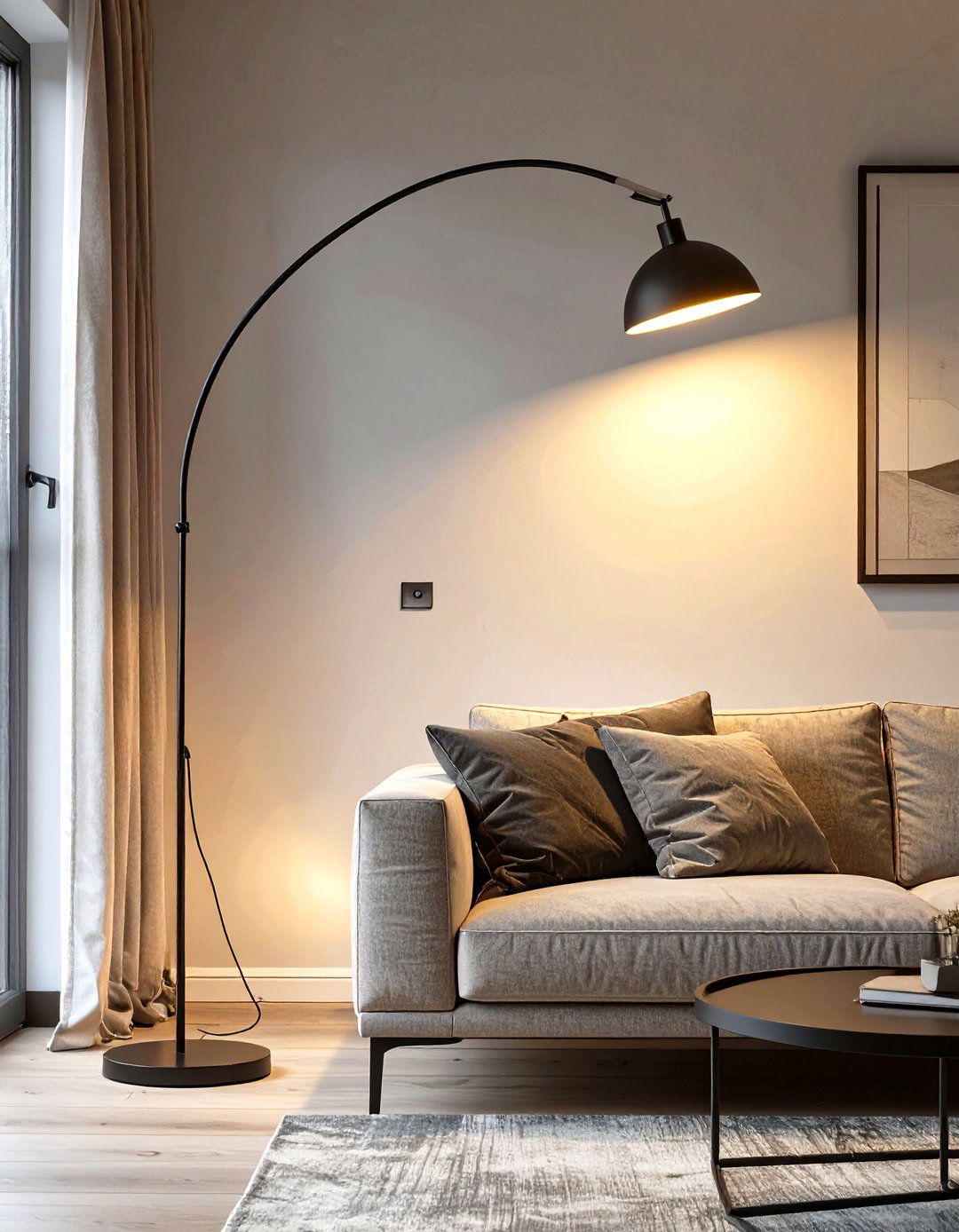
Good lighting is crucial in any living room, and floor lamps are an excellent choice for creating a simple yet warm ambiance. A slim, modern floor lamp with an arc design can provide overhead light for a seating area without requiring ceiling installation. Alternatively, a simple tripod or column lamp placed in a corner can cast a soft, diffused glow that makes the room feel cozy and inviting. Opt for lamps with simple shades and clean lines to complement the minimalist decor. Floor lamps are versatile, easy to move, and add both functional light and a sculptural element to the space.
17. Declutter Surfaces Daily
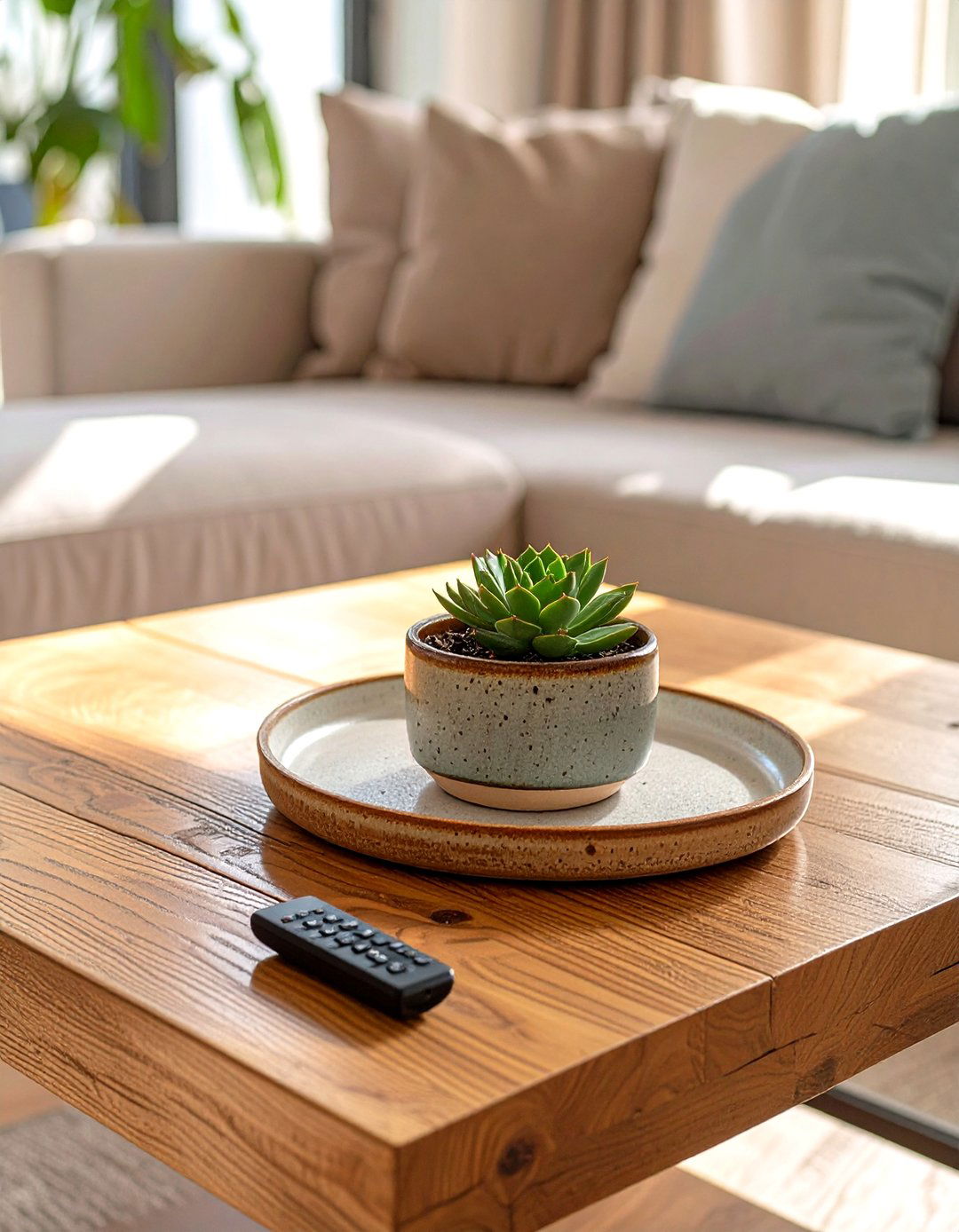
One of the most impactful habits for maintaining a simple living room is to declutter surfaces daily. This means taking just a few minutes each day to put away mail, magazines, remote controls, and other items that tend to accumulate on coffee tables, side tables, and shelves. Use decorative trays or bowls to corral small essentials like keys or remotes, giving them a designated home. A clear surface instantly makes a room feel more organized and peaceful. This simple routine prevents clutter from building up, ensuring your living space remains a tranquil and visually restful retreat every day.
18. Try a Monochromatic Scheme
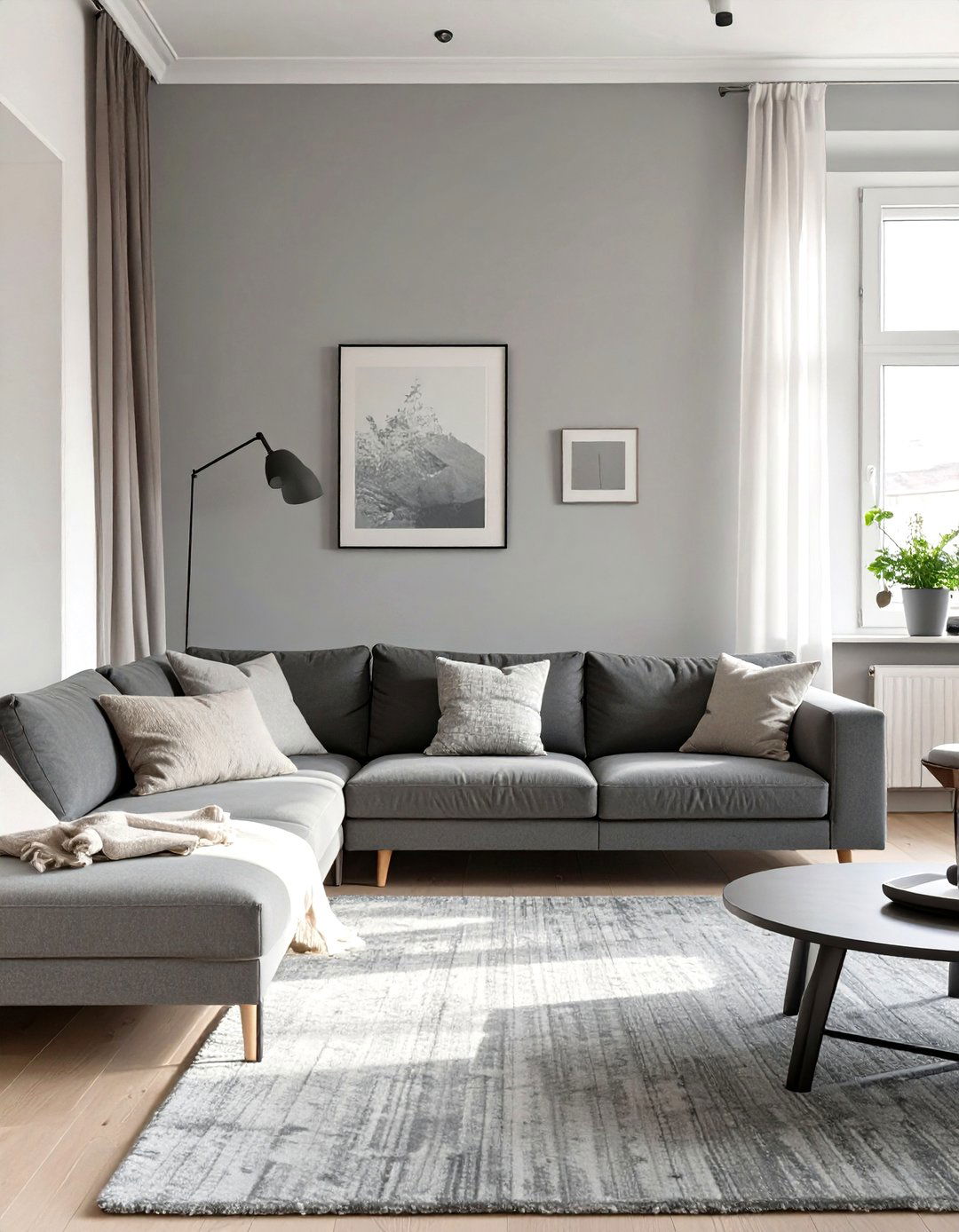
A monochromatic color scheme, which uses various tints, tones, and shades of a single color, is a sophisticated approach to simple living room design. For example, you could use different shades of gray, from light dove to deep charcoal, across your walls, sofa, rug, and accessories. This creates a cohesive and harmonious look that is visually calming. To prevent it from feeling flat, incorporate a variety of textures—a plush rug, a linen sofa, velvet cushions, and a metal lamp can all be in the same color family but offer different tactile experiences. This creates depth and interest within a beautifully simple framework.
19. Create a Simple Gallery Wall
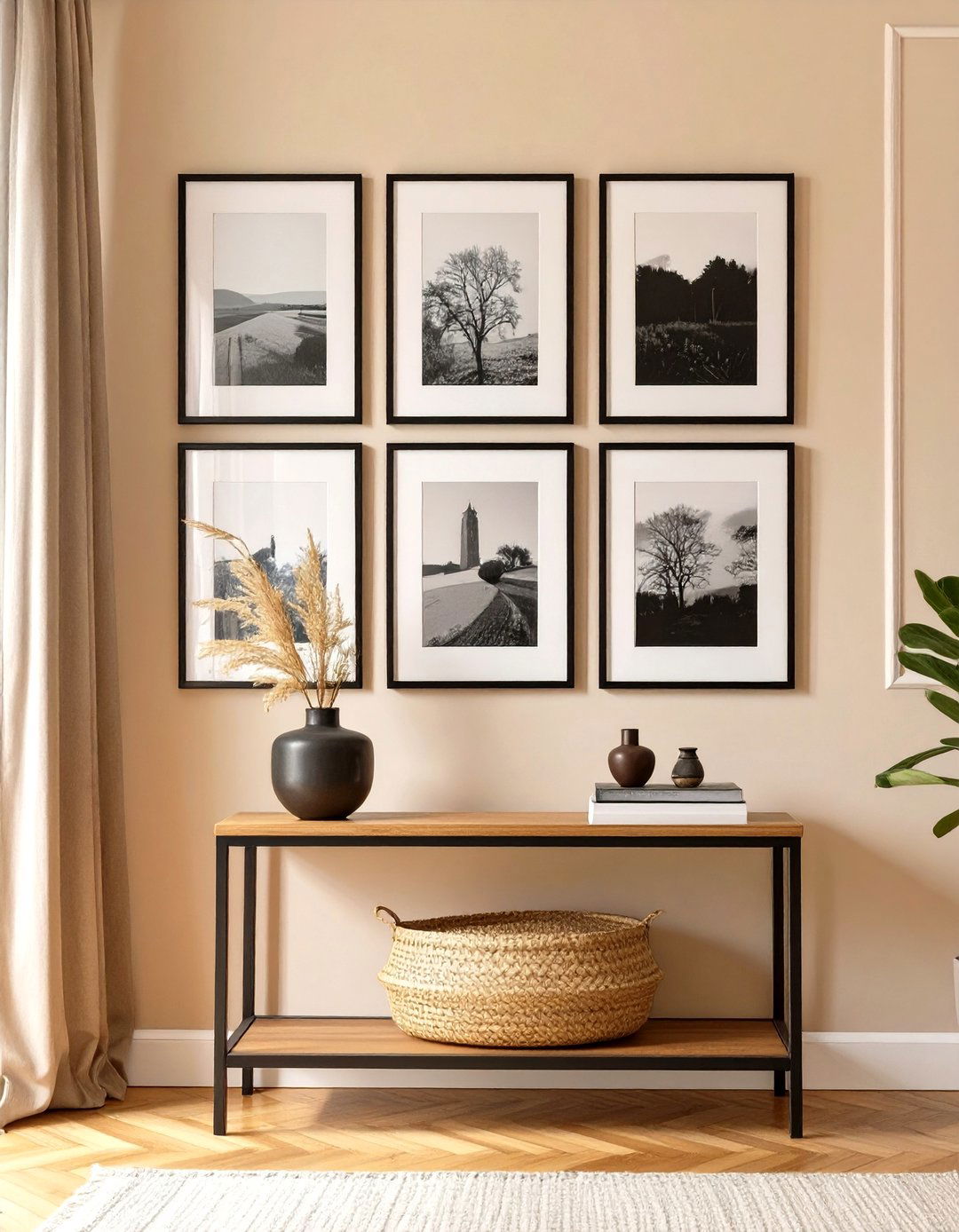
If a single piece of art feels too minimal, a simple gallery wall can add a personal touch. The key is to keep it controlled and cohesive. Use frames of the same color and style, such as thin black, white, or natural wood frames. Arrange them in a symmetrical grid for a clean, organized look. Choose artwork or photographs that share a similar color palette or theme to create harmony. A well-planned gallery wall acts as a single, unified focal point rather than a collection of disparate items, allowing you to display personal memories without sacrificing the room's simple, uncluttered feel.


20. Add a Cozy Reading Nook
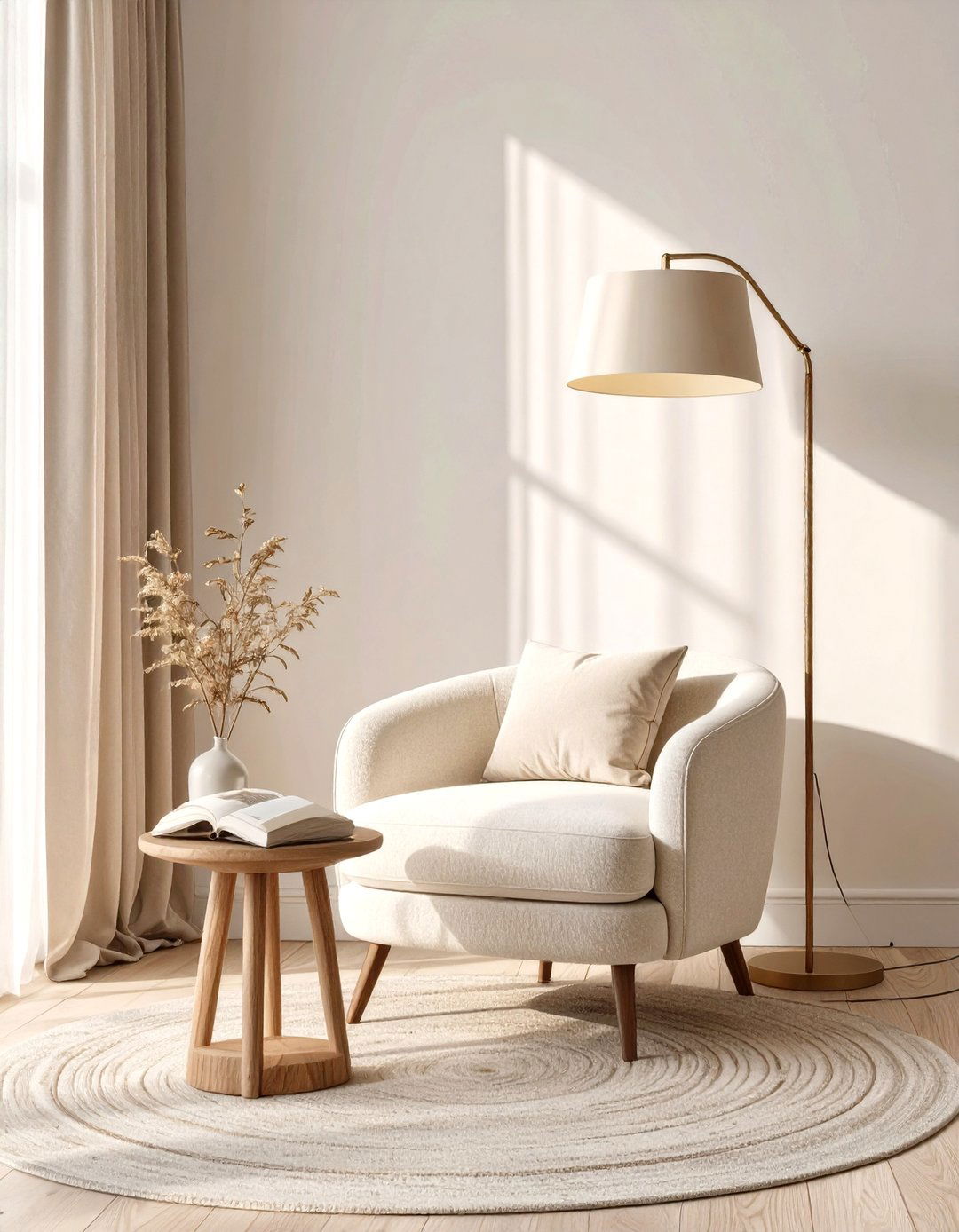
Carve out a small corner of your living room to create a cozy reading nook. All you need is a comfortable armchair, a small side table for a drink or a book, and a dedicated light source like a floor lamp or a wall sconce. This creates a defined zone for relaxation and quiet contemplation. Choose an armchair with a simple silhouette and add a soft cushion and a throw blanket for extra comfort. This "room within a room" concept adds function and a sense of purpose to an unused corner, making the entire living space feel more intentional and inviting without adding clutter.
21. Opt for a Jute or Sisal Rug
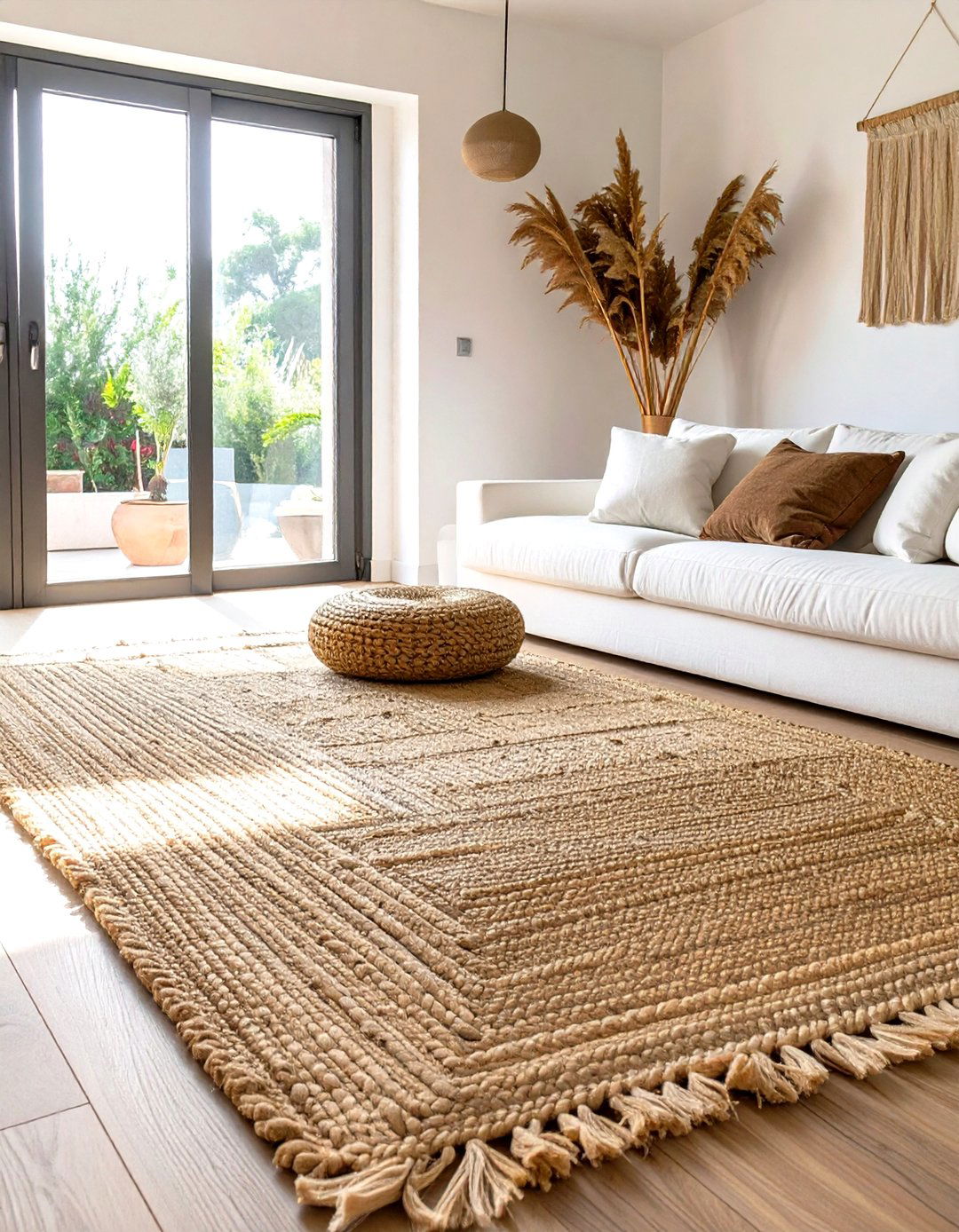
For a touch of natural, earthy texture, a jute or sisal rug is an ideal choice for a simple living room. These materials, made from natural plant fibers, bring an organic element to the space that is both durable and stylish. Their neutral, sandy tones complement a wide range of color palettes and furniture styles, from coastal to modern minimalist. A jute rug grounds the seating area with its rich texture, adding warmth and interest without relying on bold patterns or colors. It’s a simple, sustainable, and budget-friendly way to add character and comfort to your floor.
22. Consider Bare Windows
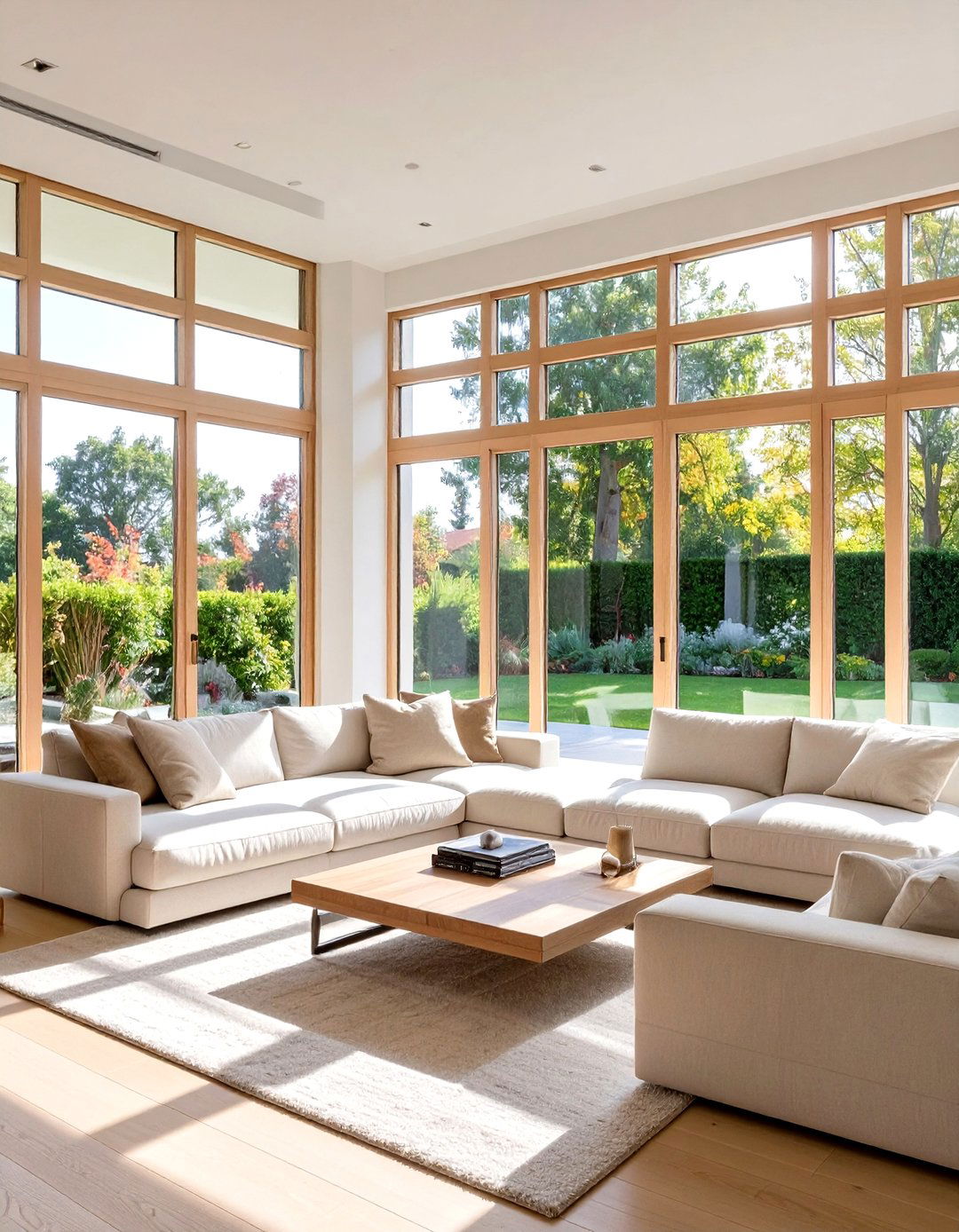
In some living rooms, particularly those with beautiful architectural details or a stunning view, the simplest window treatment is none at all. Leaving windows bare maximizes natural light and creates an unobstructed connection to the outdoors. This approach works best in homes where privacy is not a major concern. It embraces a truly minimalist aesthetic, celebrating the clean lines of the window frames and the beauty of the view beyond. If stark bareness feels too cold, you can add softness by placing a large potted plant or a simple bench beneath the window, framing the view without covering it.
23. Use Uniform Storage Baskets
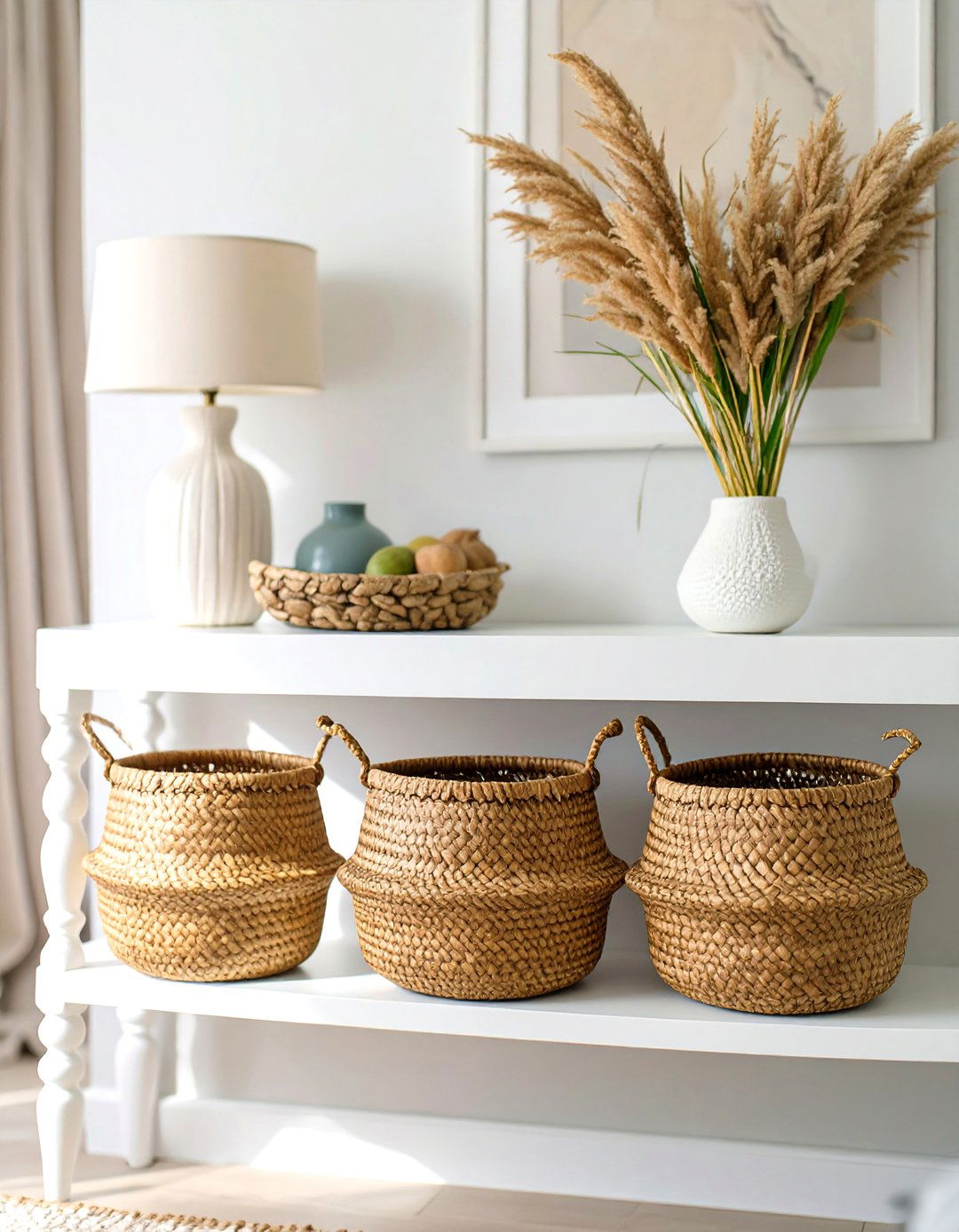
To tame clutter in an open-concept living room, use uniform storage baskets. Woven baskets made of seagrass, hyacinth, or rattan are perfect for storing items like toys, extra blankets, or magazines. By using baskets of the same style and color, you create a sense of order and cohesion. Place them on the bottom shelf of a console table, next to the sofa, or on open shelving. They conceal clutter while adding a warm, textural element to the room. This simple organizational strategy is both practical and aesthetically pleasing, helping you maintain a tidy space with ease.
24. Streamline Your Media Console
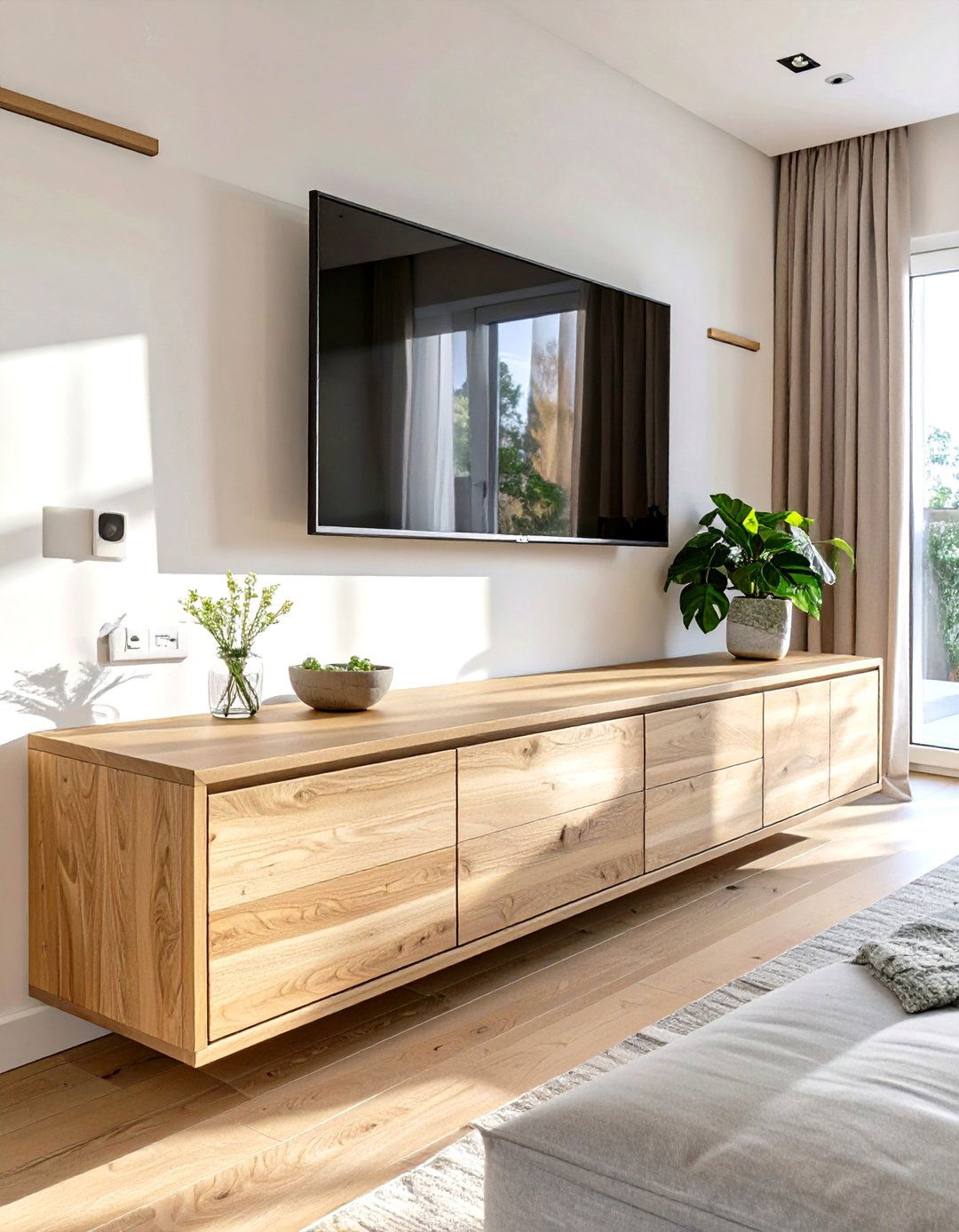
If you choose to use a media console, select one that is streamlined and low-profile. A long, low unit with clean lines and closed storage will keep your media devices, games, and cables neatly hidden from view. Look for consoles with simple hardware or handleless push-to-open doors for an ultra-clean look. A floating media console mounted to the wall can further enhance the sense of space. The goal is to have a functional piece that supports your television and media needs without becoming a heavy, dominant feature in the room, preserving the simple and open atmosphere.
25. Focus on Symmetrical Furniture Arrangement
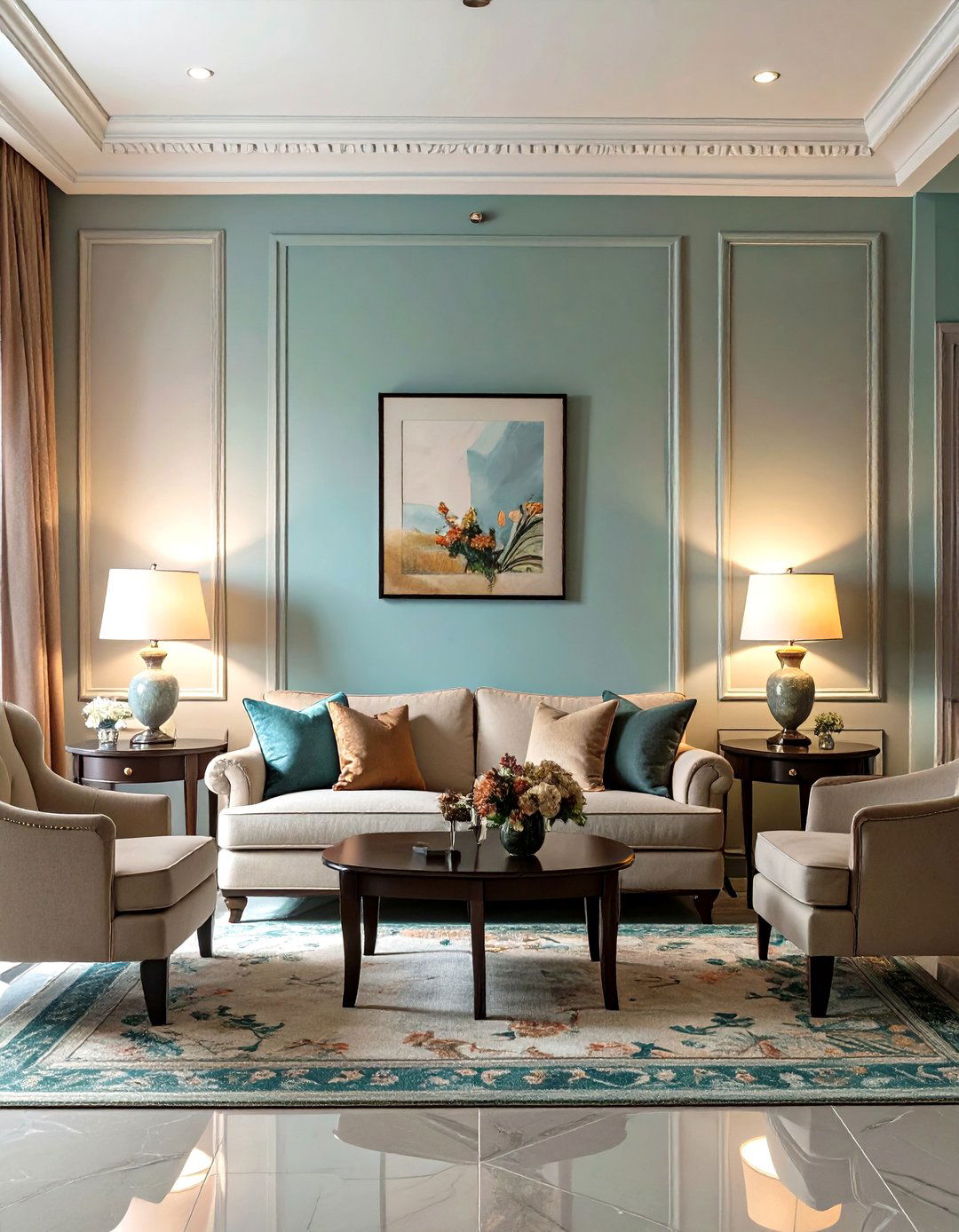
A symmetrical furniture arrangement can instantly create a sense of balance, order, and calm in a living room. This classic design principle involves arranging furniture and decor in a way that mirrors each other on opposite sides of a central axis. For example, you could place two identical armchairs opposite a sofa, with matching side tables and lamps on either side. This creates a formal yet restful layout that is easy on the eyes. Symmetry provides a feeling of stability and intention, making it a powerful tool for achieving a simple, harmonious, and well-organized living space.
26. Choose a Round Coffee Table
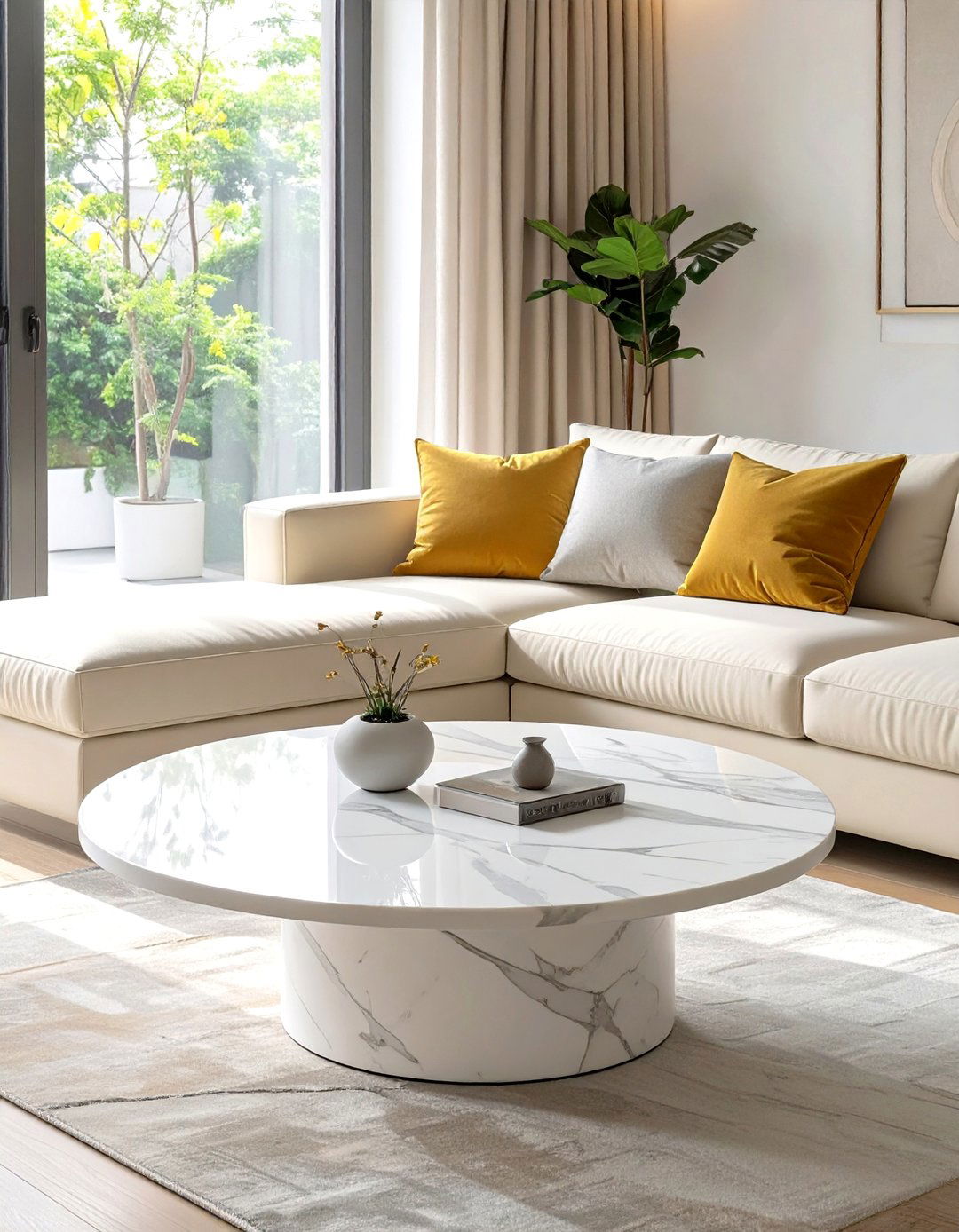
In a room dominated by the straight lines of a sofa, walls, and shelving, a round coffee table can introduce a welcome element of softness and flow. Its curved shape breaks up the sharp angles, making the space feel more dynamic and inviting. Round tables are also great for improving traffic flow in smaller living rooms, as there are no sharp corners to bump into. They encourage conversation by allowing people seated around them to face each other more easily. A simple wooden, metal, or marble-topped round table can serve as a gentle, elegant focal point in your simplified seating area.
27. Embrace Negative Space
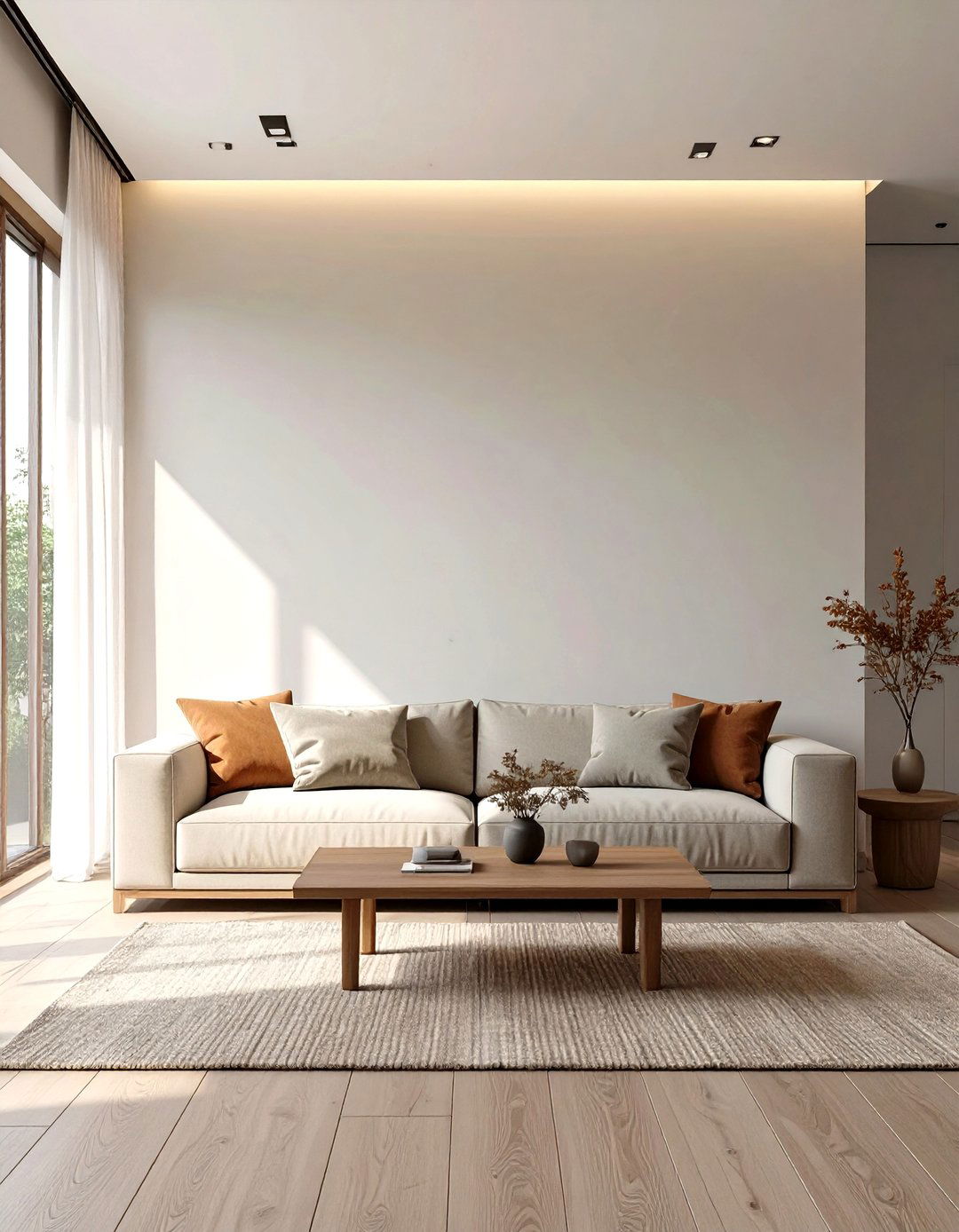
A core principle of simple design is the intentional use of negative space—the empty areas around and between objects. Resist the urge to fill every wall, corner, and surface. Leaving some areas bare allows the items you do have to stand out and be appreciated. An empty wall can be just as impactful as one filled with art, as it gives the room a chance to breathe. This concept promotes a sense of calm and sophistication, preventing the space from feeling cluttered or overwhelming. By embracing negative space, you create a visually restful environment where less truly becomes more.
28. Simplify Your Mantelpiece Decor
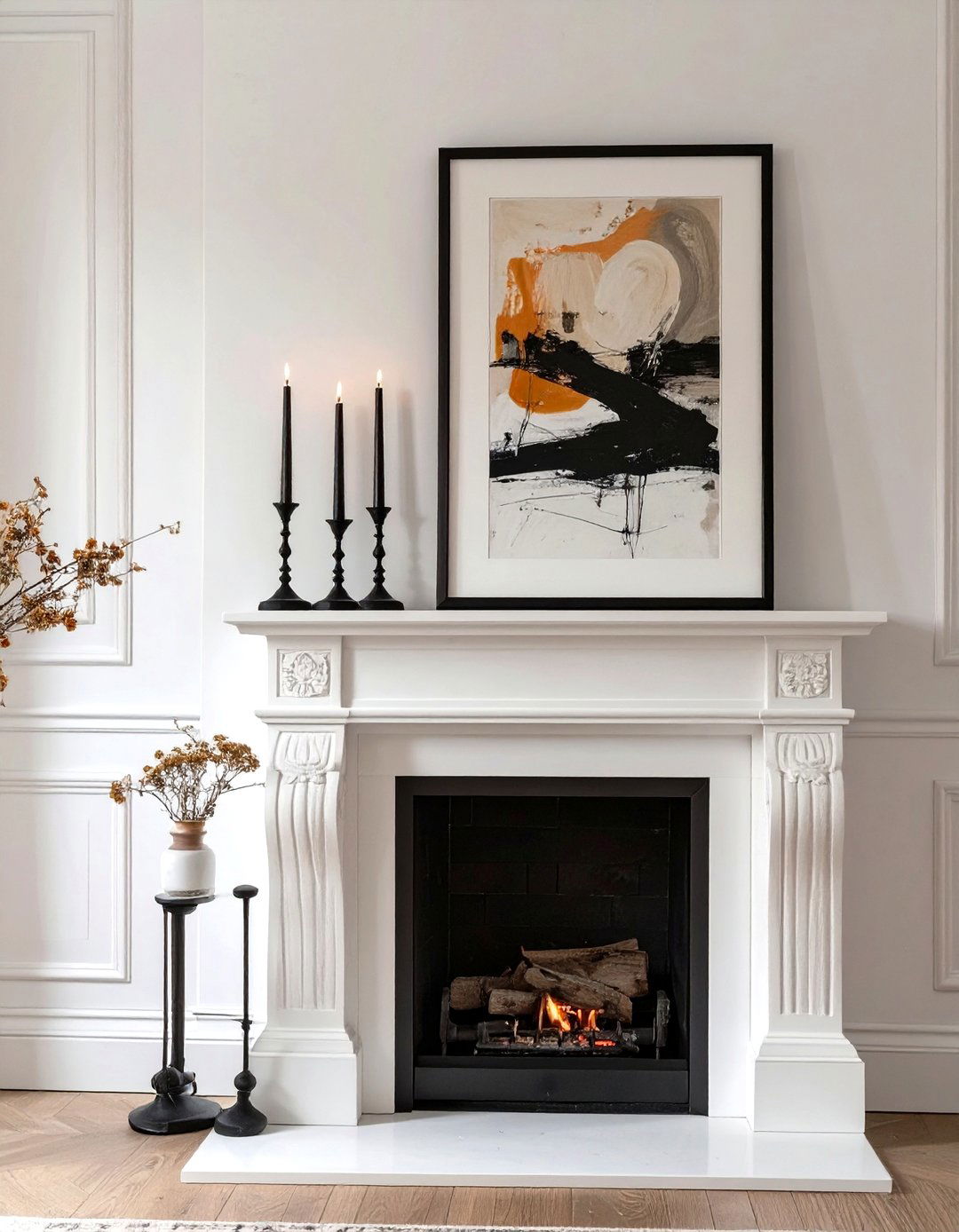
If you have a fireplace, a simple mantelpiece can serve as a beautiful focal point. Avoid cluttering it with too many small trinkets. Instead, opt for a minimalist approach. A single piece of art leaning against the wall, a pair of matching candle holders, or a long, low vase with a few simple branches can be incredibly effective. Another idea is to place one large mirror above the mantel to create a clean, classic look. By keeping the decor intentional and restrained, you allow the architectural beauty of the fireplace itself to shine through, contributing to the room’s overall sense of simplicity.
29. Incorporate a Pendant Light
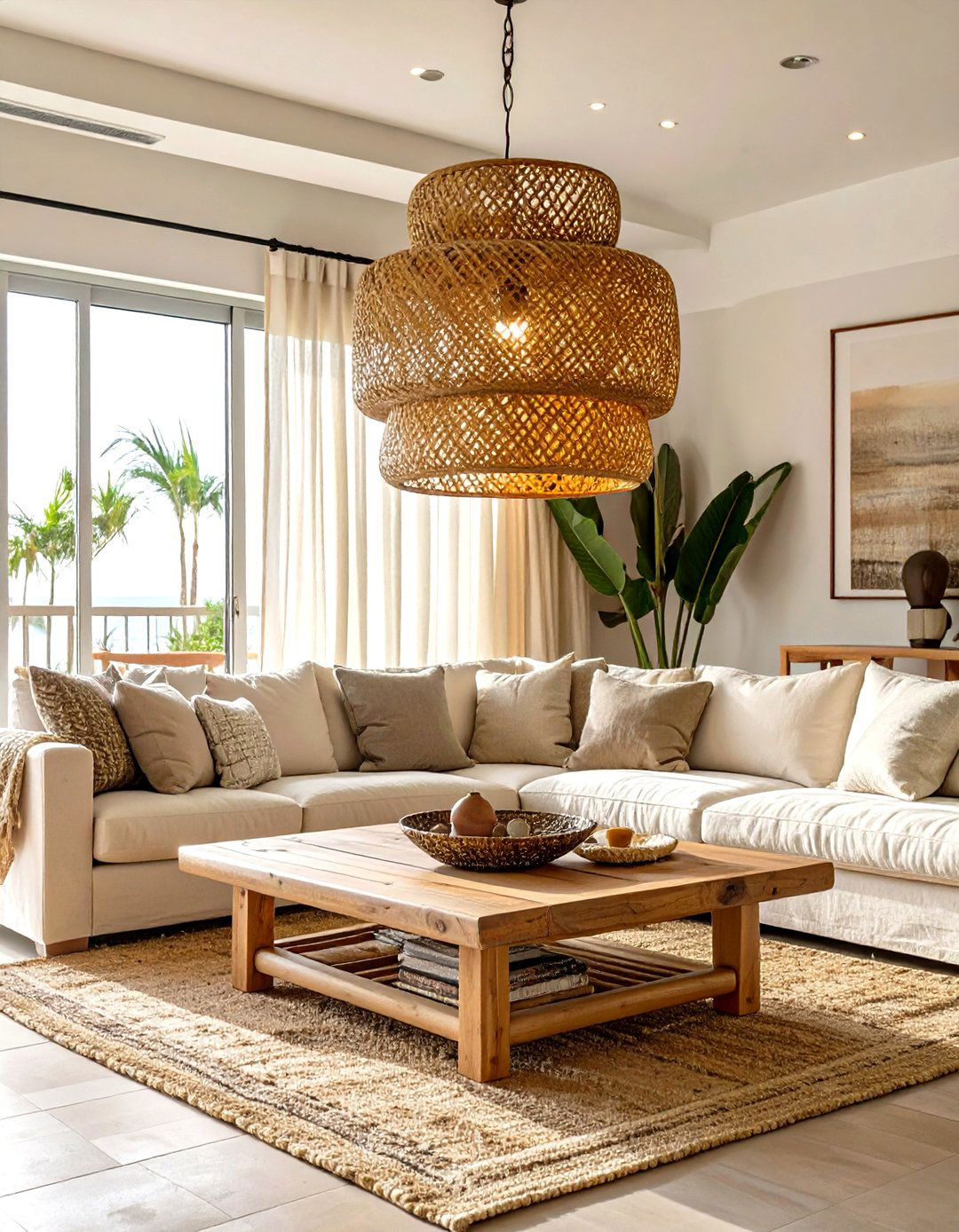
A single, stylish pendant light can serve as both a light source and a sculptural centerpiece in a simple living room. Hung over a coffee table or in the center of the room, it draws the eye upward and adds a touch of modern elegance. Choose a pendant with a simple silhouette, made from materials like metal, glass, or natural fibers like rattan or paper. A large, oversized pendant can make a dramatic statement, while a smaller one offers a more subtle touch. This type of lighting adds a layer of visual interest and focused illumination without contributing to ground-level clutter.
30. Use a Single, Comfortable Accent Chair
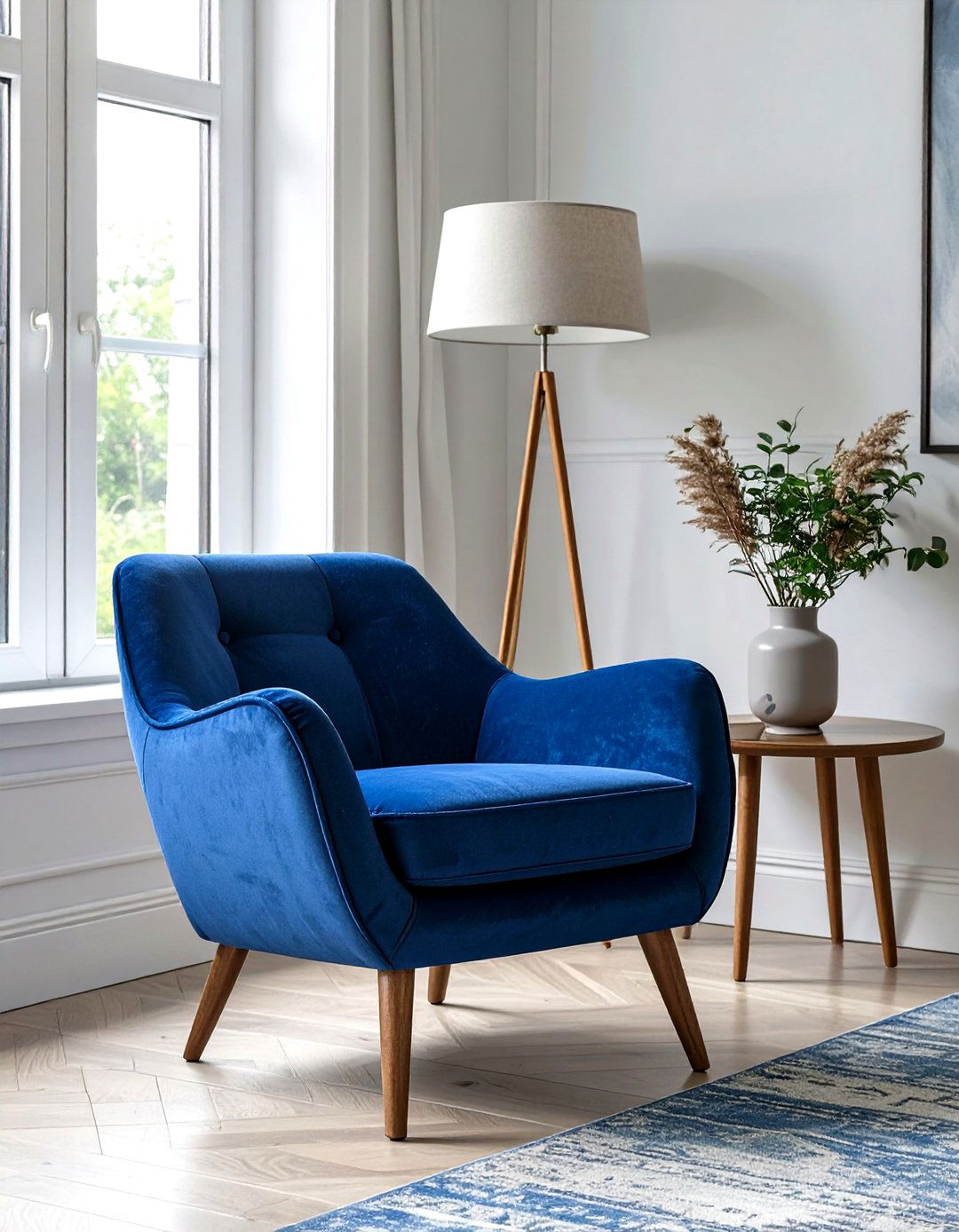
Rather than filling your living room with a matching set of bulky armchairs, consider adding a single, well-chosen accent chair. This piece can introduce a different shape, color, or texture to the space, adding character without overwhelming it. Choose a chair that is not only stylish but also genuinely comfortable, creating an inviting spot to sit. A sleek leather armchair, a soft upholstered wingback, or a modern Scandinavian-style chair can all work beautifully. This approach allows for more flexibility in your layout and reinforces the idea of intentional, curated design over uniform furniture sets.
Conclusion:
Ultimately, creating a simple living room is about making deliberate choices that foster peace and functionality. By embracing neutral palettes, decluttering surfaces, and selecting furniture with clean lines, you can build a space that feels both airy and grounded. The key is to prioritize what is essential and beautiful to you, from a single piece of statement art to the warmth of natural textiles. These 30 ideas show that simplicity is not about deprivation but about creating a thoughtful, organized, and serene environment where you can truly relax and feel at home.

Related posts:



Leave a Reply