
Simple landscaping can dramatically transform your home's curb appeal and create a peaceful outdoor retreat without requiring a massive budget or professional skills. By focusing on small, manageable projects, you can gradually build a beautiful and functional yard. From adding color with flowers to defining spaces with pathways and borders, these straightforward ideas are perfect for beginners and seasoned gardeners alike. The key is to start with a clear plan, choosing elements that complement your home's style and your lifestyle. A few well-placed plants, some decorative stones, or simple lighting can make a world of difference.
1. Create Defined Flower Beds with Mulch
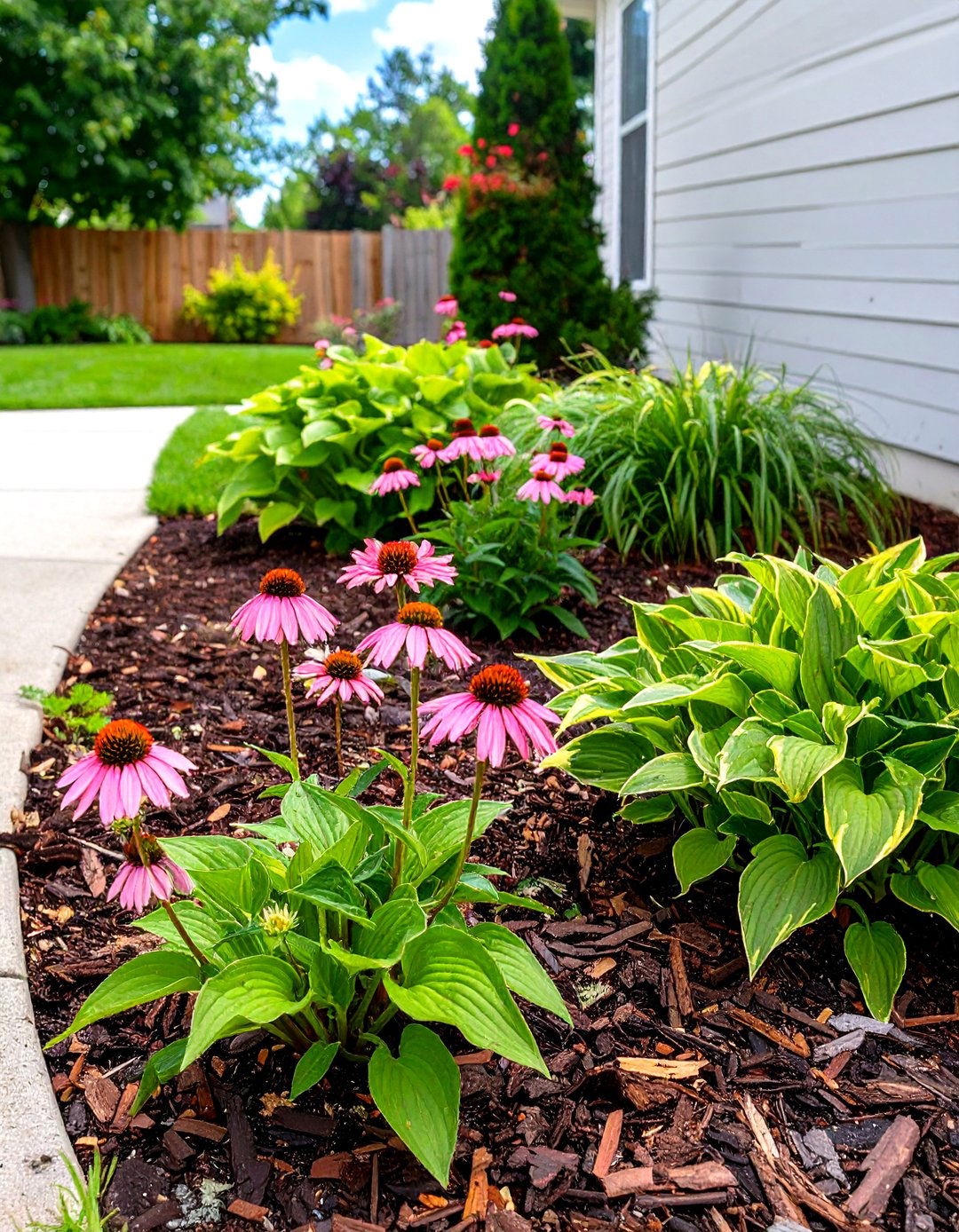
A fresh layer of mulch in your garden beds is one of the quickest ways to create a clean, polished look. Mulch not only suppresses weeds and retains soil moisture but also provides a neat, uniform backdrop that makes your plants pop. Choose from organic options like shredded bark or wood chips in colors that complement your home's exterior. To create a new bed, simply outline the desired shape with a spade or garden hose, remove the existing grass, and lay down a thick layer of mulch. This simple addition instantly brings structure and definition to your front or backyard.
2. Install Simple Stone Edging
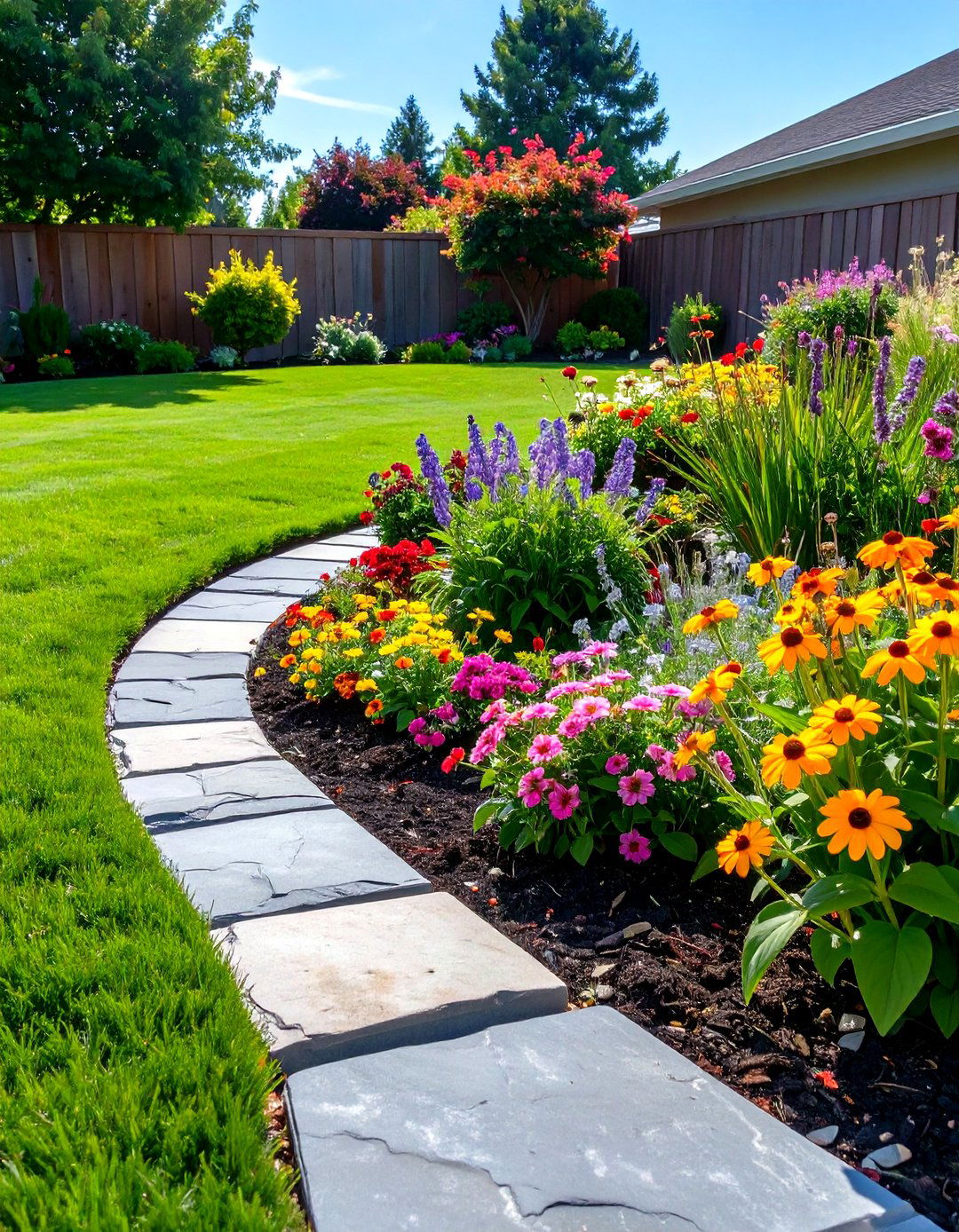
For a crisp and permanent border around your flower beds or walkways, consider installing stone edging. This simple landscaping project creates a clear separation between your lawn and garden areas, which prevents grass from creeping into your beds and keeps mulch contained. You can find a variety of affordable stones, from smooth river rocks to flat flagstones, at local garden centers. Simply dig a shallow trench along the edge of your bed and set the stones in place, fitting them snugly together. This durable and low-maintenance solution adds a touch of natural, rustic charm to any landscape design.
3. Add Colorful Window Boxes
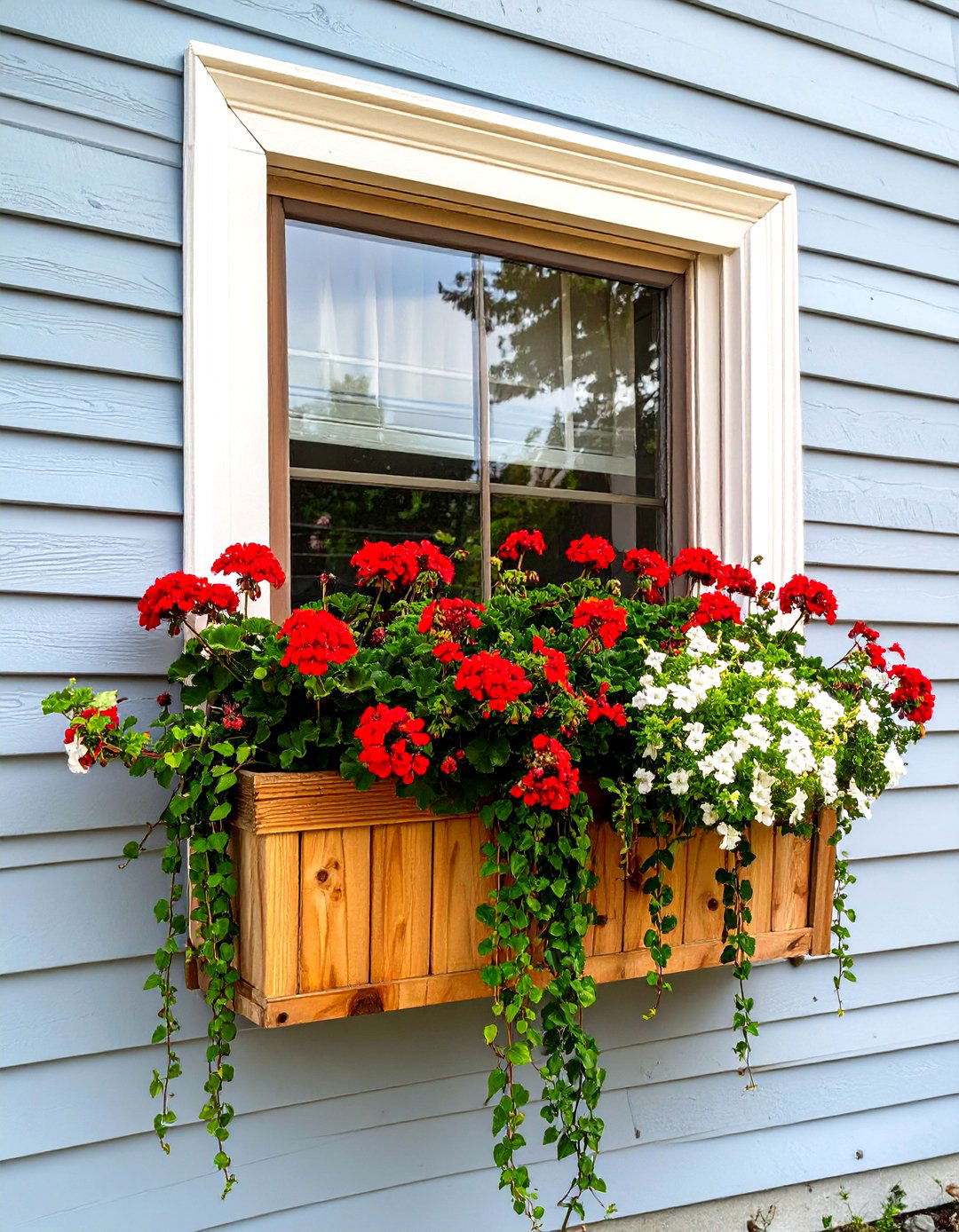
Window boxes provide an excellent opportunity to add a splash of vibrant color and charm directly to your home's facade. This simple landscaping idea is perfect for those with limited ground space. You can build your own from wood or purchase pre-made ones in various materials like plastic or metal. Fill them with a mix of trailing plants, upright flowers, and foliage for a lush, multi-dimensional display. Popular choices include petunias, geraniums, and ivy. Regularly watering and fertilizing them will ensure they remain a beautiful focal point throughout the season, boosting your home's curb appeal instantly.
4. Plant Low-Maintenance Perennials
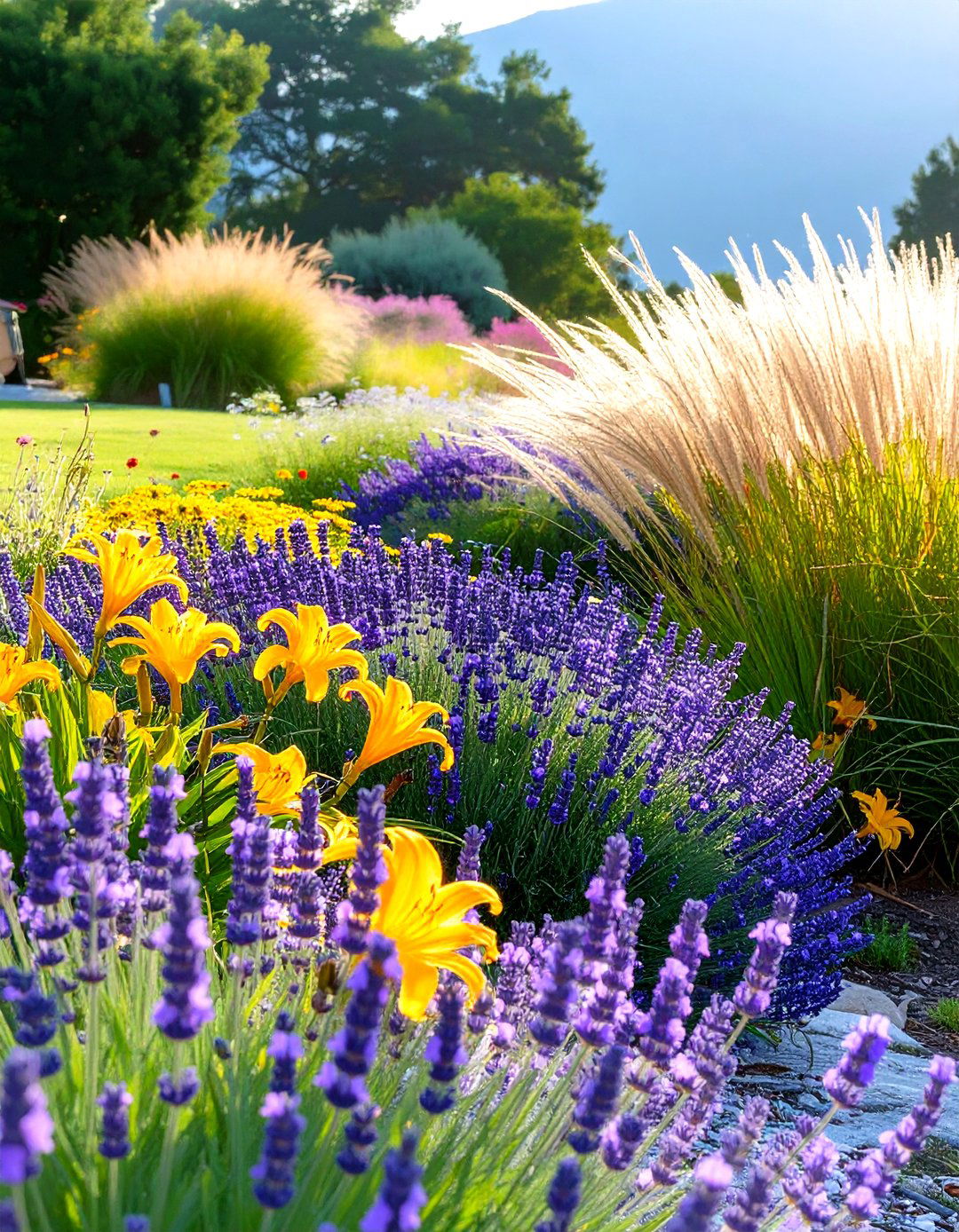
To enjoy beautiful blooms year after year with minimal effort, planting perennials is a fantastic strategy. Unlike annuals, which must be replanted each spring, perennials return on their own, often growing larger and more impressive over time. Choose hardy varieties suited to your climate zone, such as daylilies, hostas, coneflowers, or lavender. Grouping them together in a designated bed creates a powerful visual impact. This approach not only saves you time and money in the long run but also ensures your garden has a reliable source of color and texture from spring through fall.
5. Lay a Simple Gravel Pathway
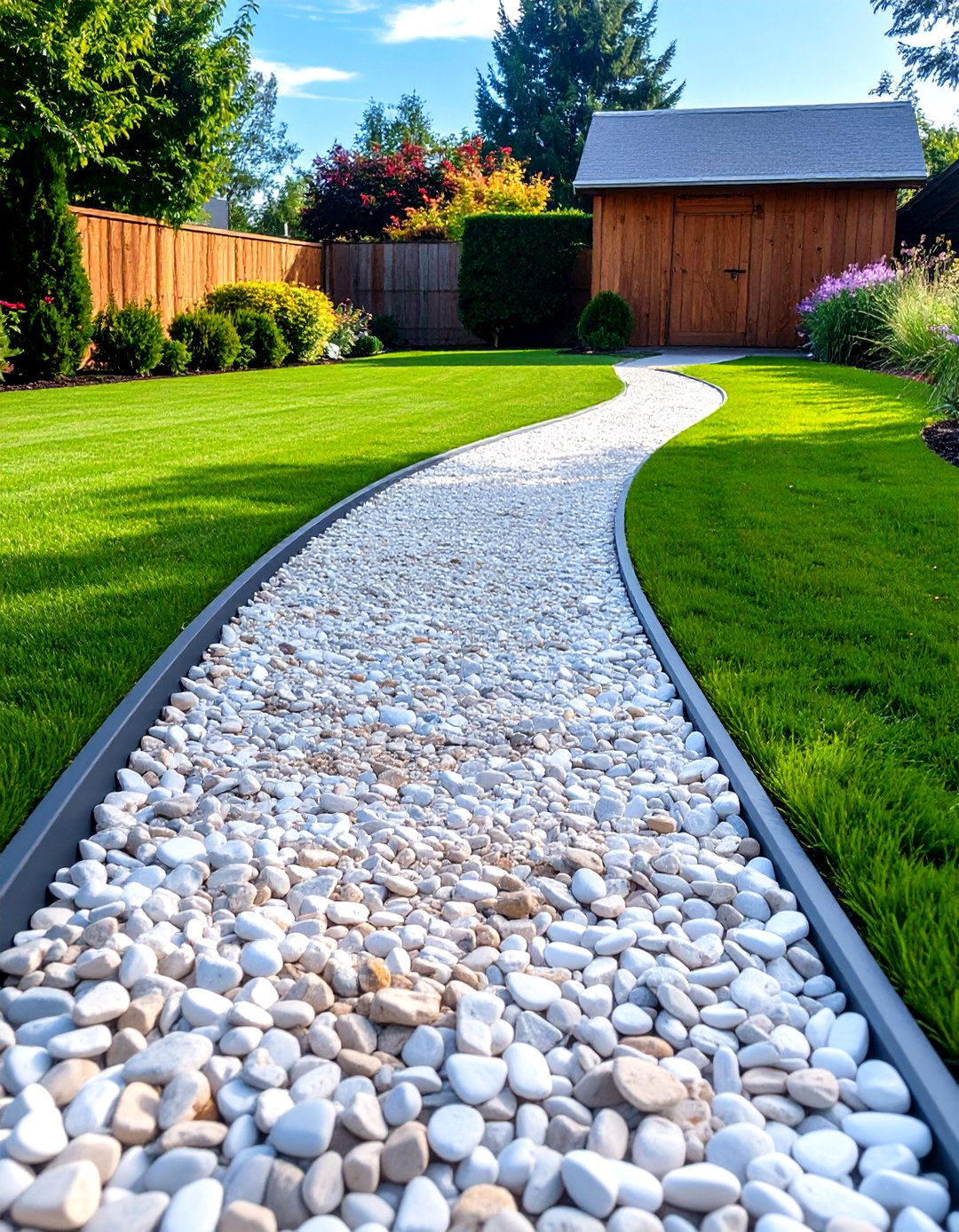
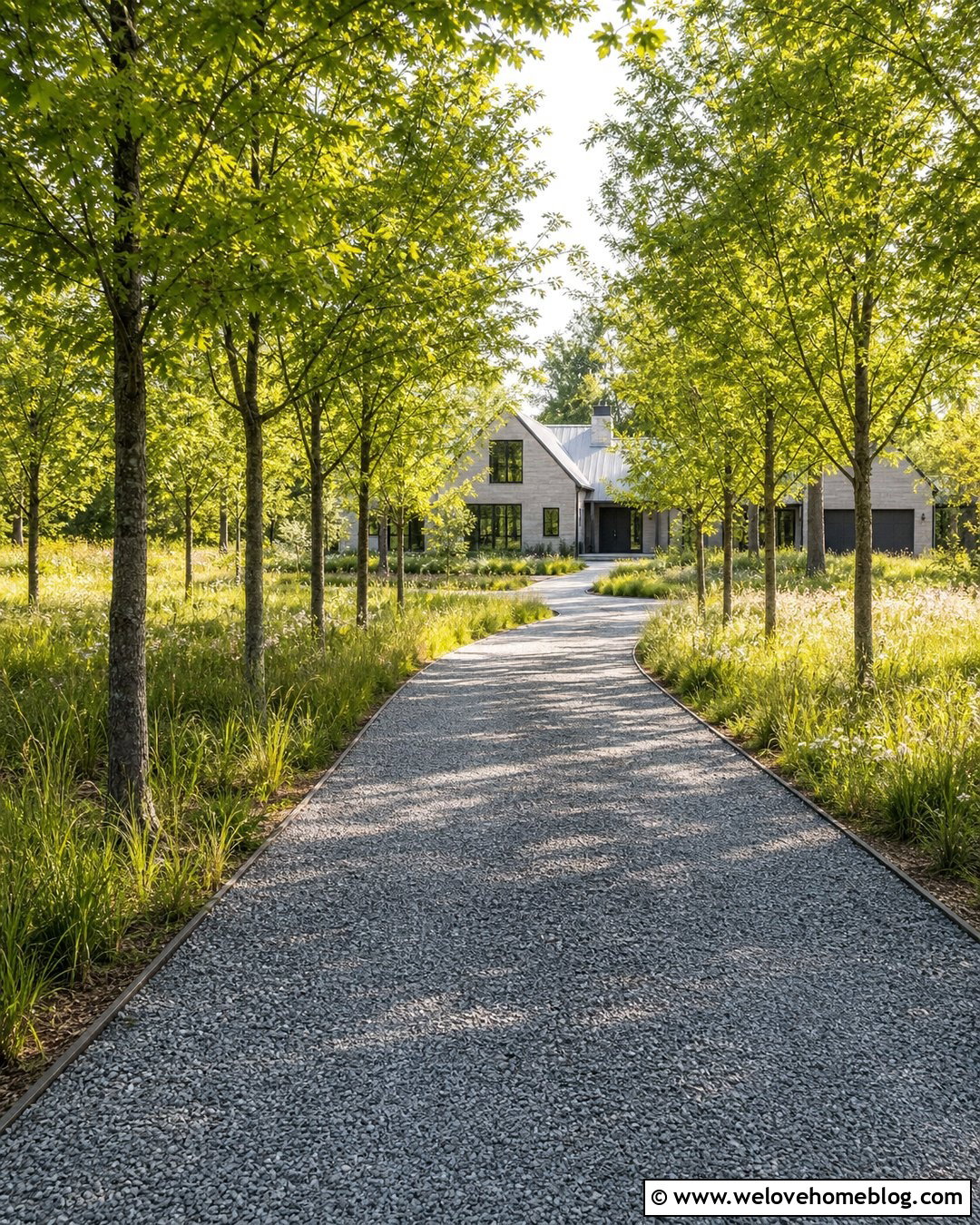
Creating a pathway with gravel is a straightforward and affordable way to guide visitors through your garden and connect different outdoor areas. A gravel path adds a rustic, natural texture and can be installed in an afternoon. Simply mark out your desired route, clear the area of grass and weeds, and lay down landscape fabric to prevent future growth. Then, spread a few inches of pea gravel or crushed stone evenly over the fabric and rake it smooth. This durable and low-maintenance walkway is a practical addition that enhances the functionality and flow of your yard.
6. Illuminate Walkways with Solar Lights
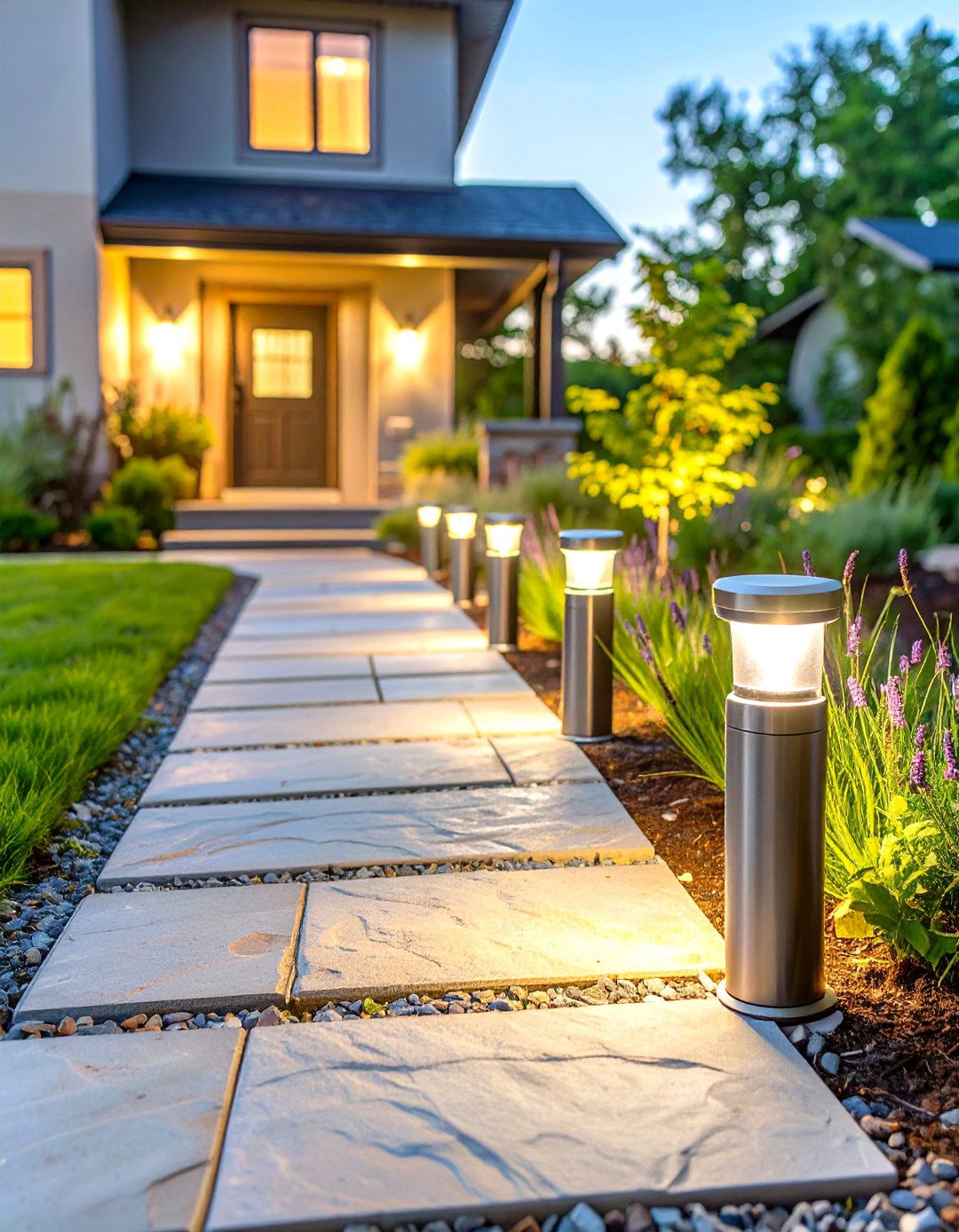
Adding solar-powered lights along your pathways, driveway, or garden beds is an incredibly simple yet effective landscaping idea. These lights require no wiring or electricity, making installation as easy as pushing a stake into the ground. They charge during the day and automatically turn on at dusk, providing a soft, welcoming glow that enhances safety and highlights your landscape's best features. Available in numerous styles, from modern stainless steel to classic lantern designs, solar lights offer an affordable way to add ambiance and elegance to your outdoor space without increasing your energy bill.
7. Utilize Container Gardening for Versatility
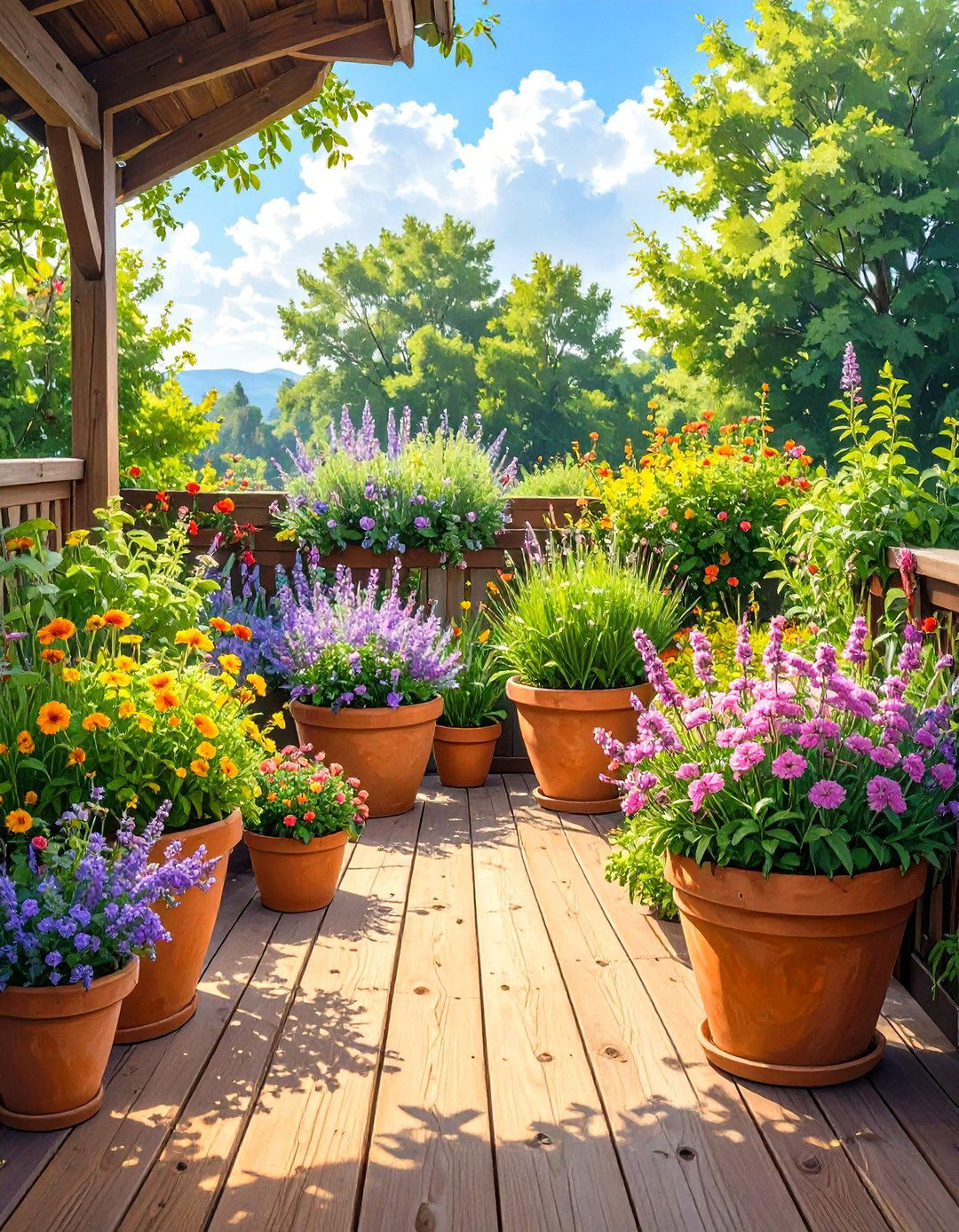
Container gardening is a perfect solution for adding life to patios, balconies, or small yards. By planting in pots, you can easily control the soil, manage watering, and even move plants around to chase the sun or refresh your design. Mix and match different pot sizes, colors, and materials to create visual interest. You can grow anything from vibrant annual flowers and ornamental grasses to herbs and vegetables. This flexible approach allows you to experiment with different plant combinations and adds a personal, decorative touch to any outdoor living area, no matter its size.
8. Plant Hardy Ground Cover Plants
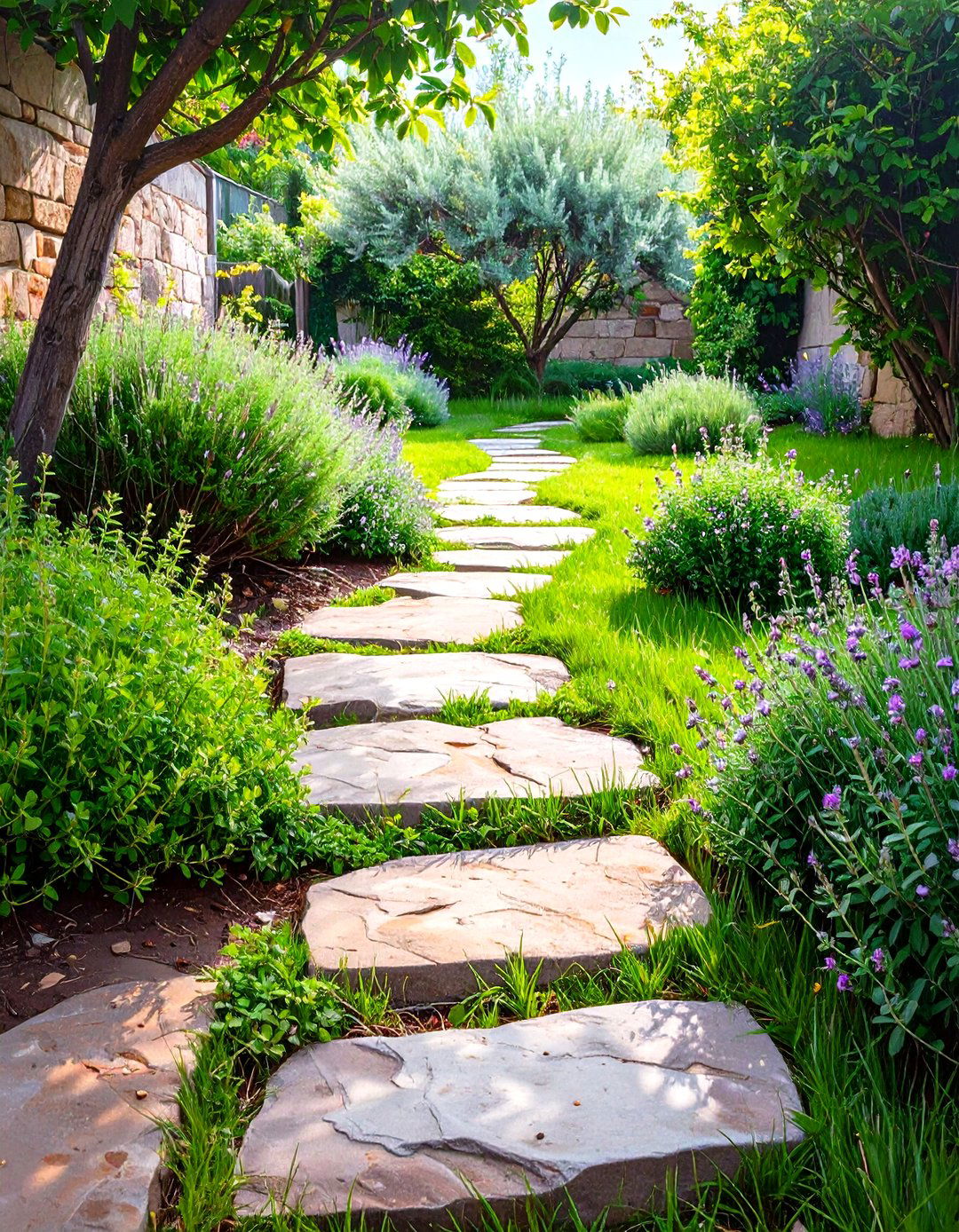
For a low-maintenance alternative to grass in shady or hard-to-mow areas, consider planting ground cover. These sprawling plants quickly form a dense mat of foliage that effectively suppresses weeds and prevents soil erosion. Varieties like creeping thyme, pachysandra, or sedum are excellent choices that require minimal care once established. They add texture and color to the landscape floor and are perfect for filling in gaps between stepping stones or covering bare spots under trees. Planting ground cover is a simple way to create a lush, green carpet that reduces your lawn care chores.
9. Add a Simple Bird Bath Feature
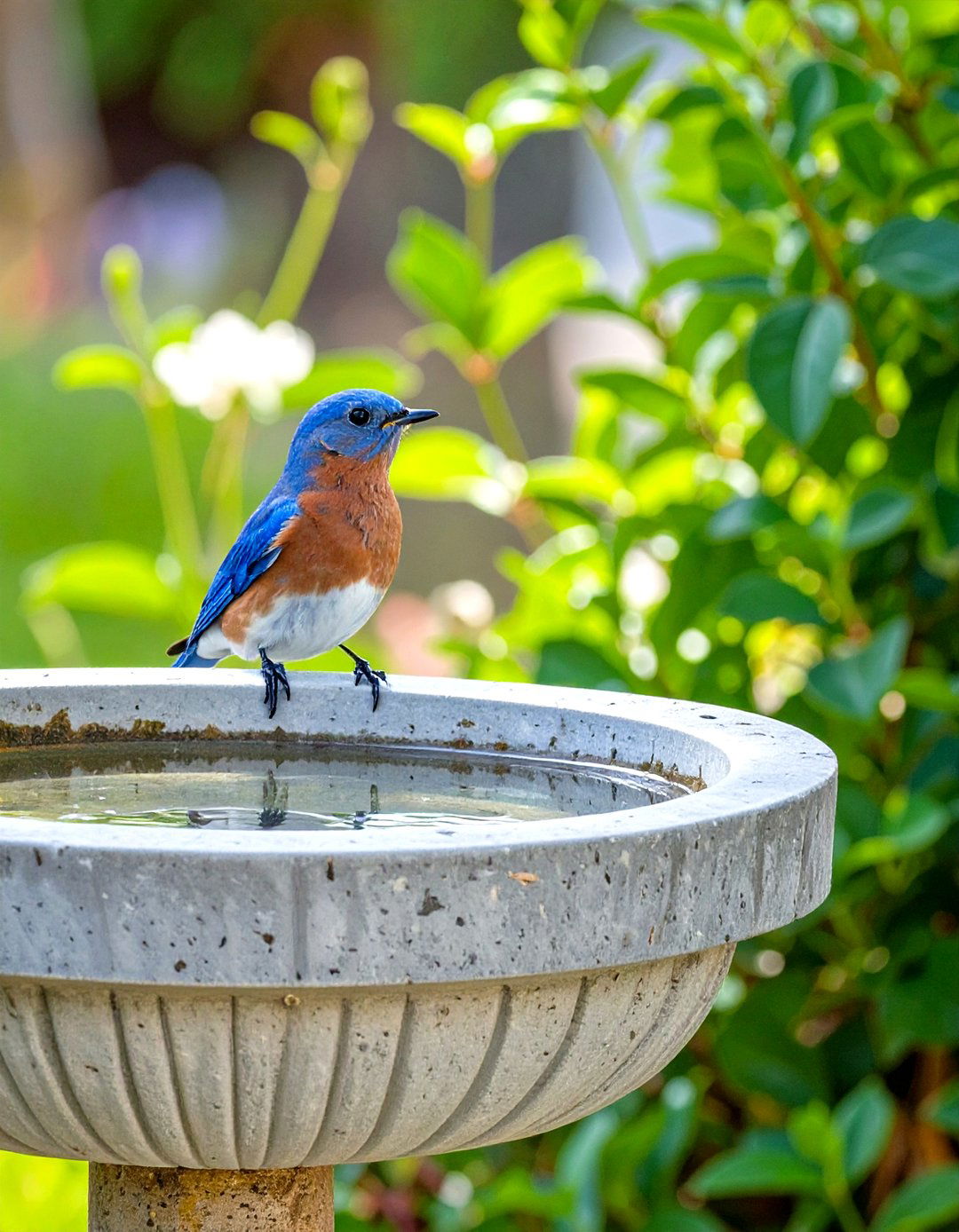
Introducing a bird bath is an easy way to bring life and movement into your garden. This simple feature attracts a variety of birds, providing them with a place to drink and bathe while offering you endless entertainment. Bird baths come in many styles and materials, from classic concrete pedestals to modern hanging designs, so you can easily find one that fits your aesthetic. Place it in a visible spot near a window or patio, preferably with nearby shrubs or trees for cover. A bird bath is a simple, charming focal point that supports local wildlife.
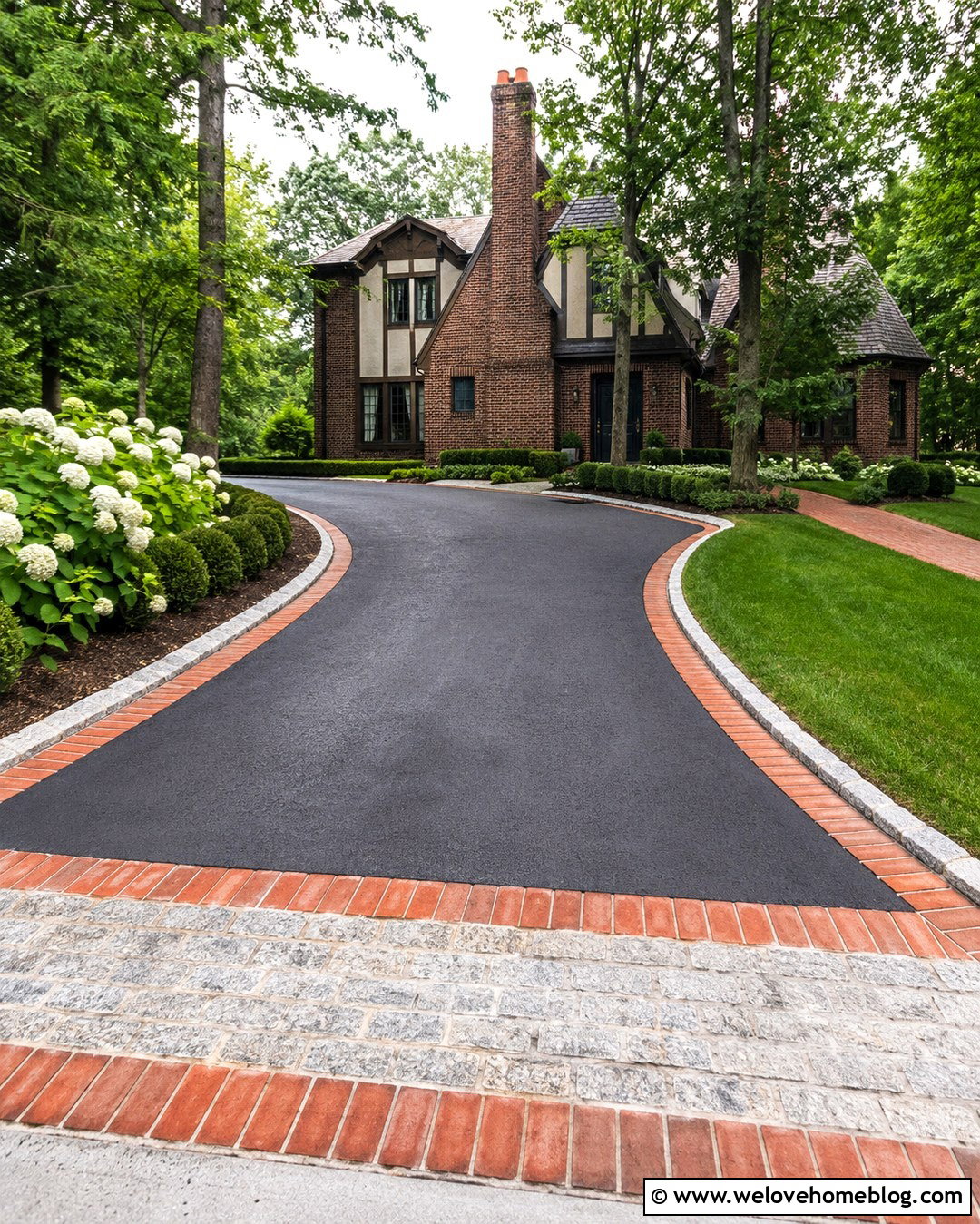
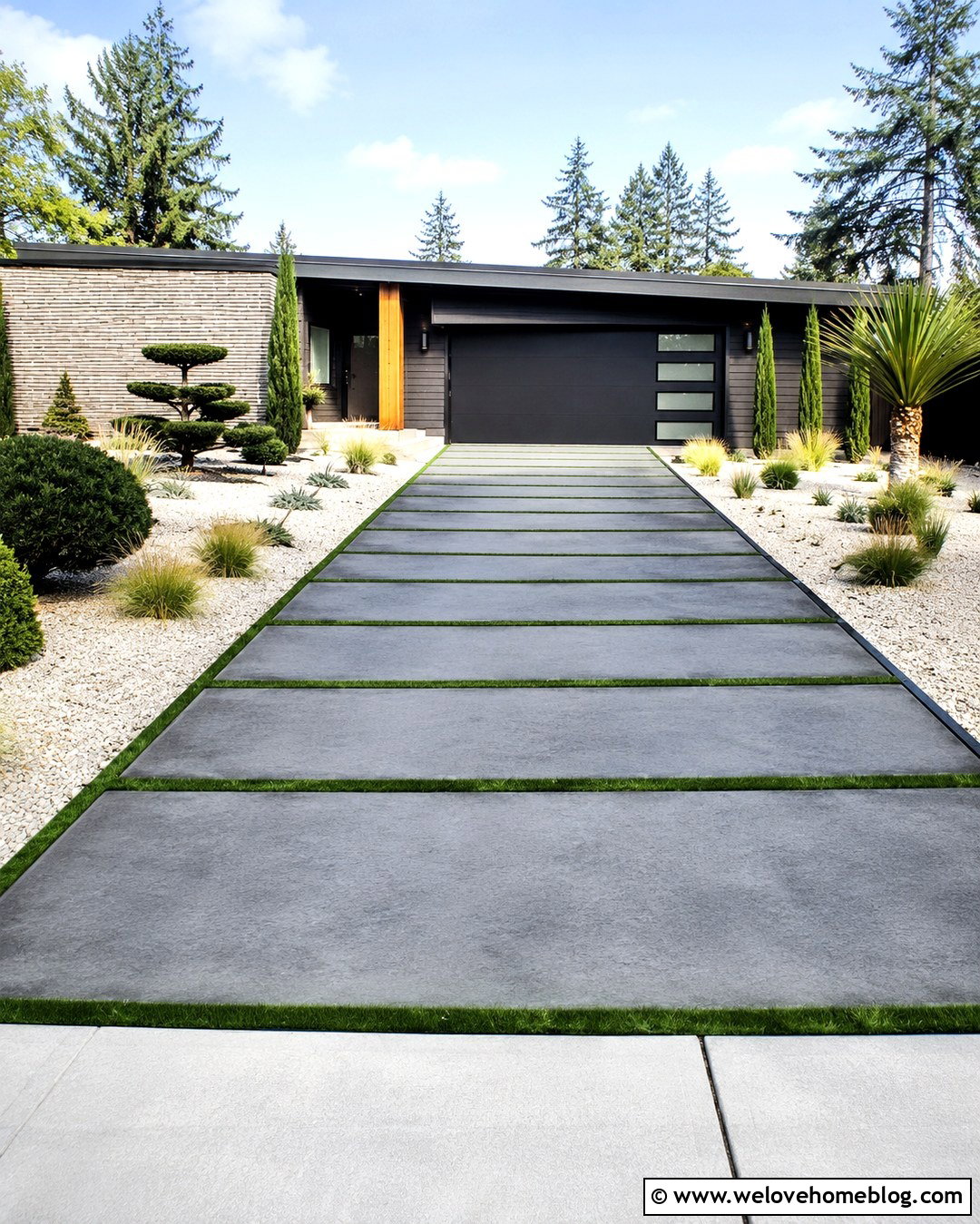
10. Install a Small, Self-Contained Water Feature
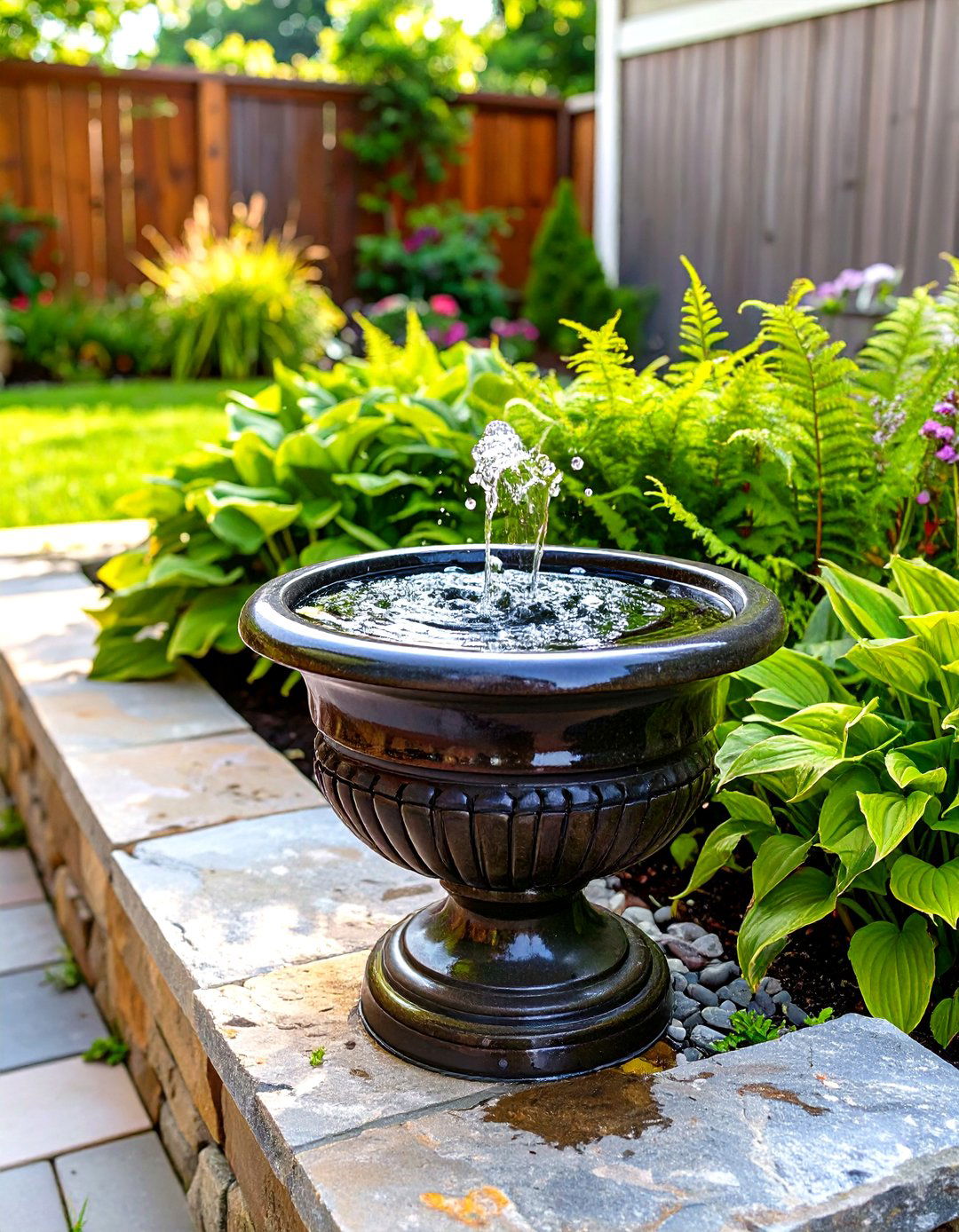
The soothing sound of trickling water can transform your backyard into a tranquil oasis. A self-contained water feature, such as a tabletop fountain or a small bubbling urn, is a simple landscaping project that adds instant calm. These units are easy to install, typically only requiring an electrical outlet and periodic refilling with water. They don't require any complicated plumbing or digging. Place one on your patio, deck, or nestled within a garden bed to create a serene focal point that masks unwanted noise and adds a sense of peacefulness to your outdoor living space.
11. Design a Simple Rock Garden
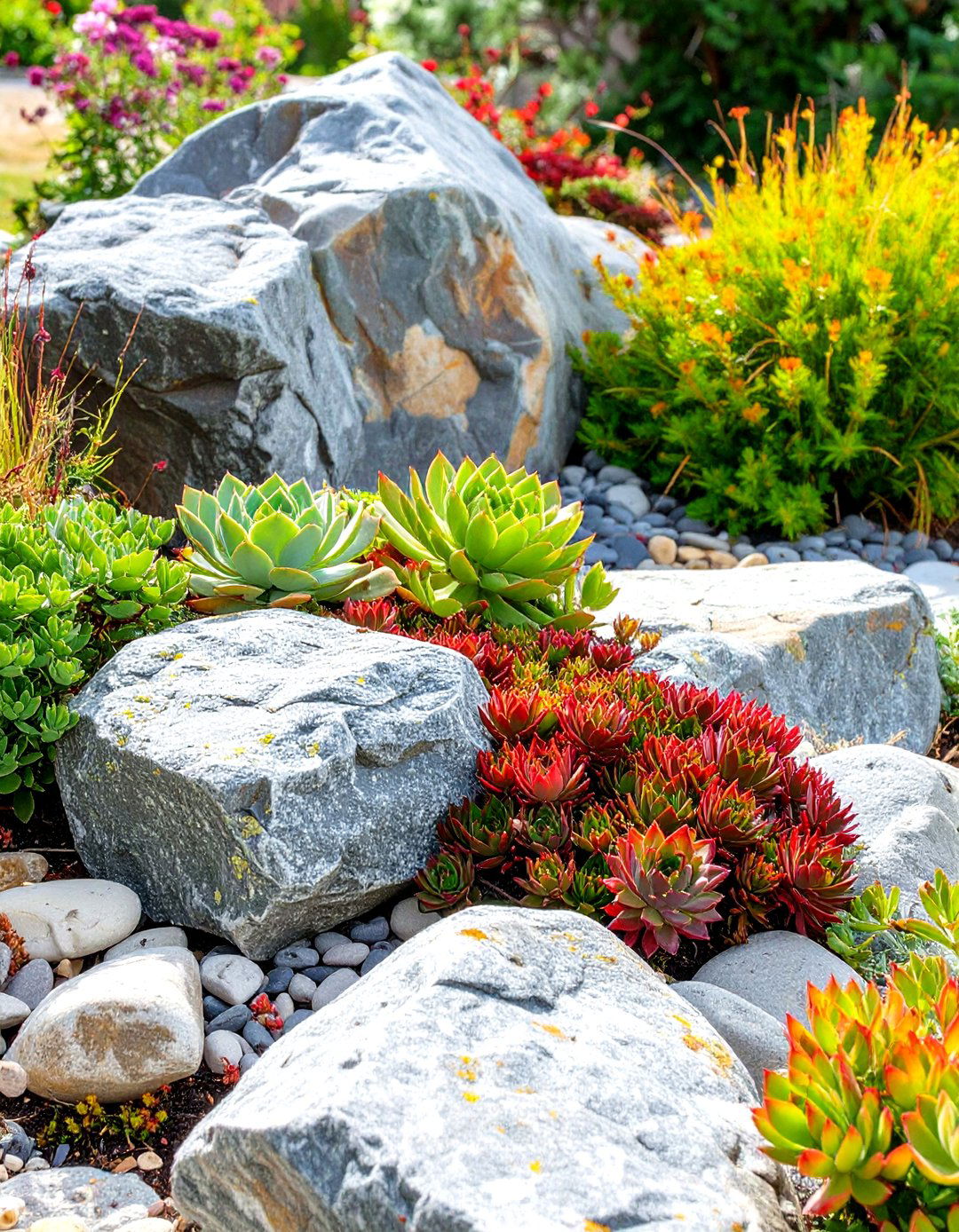
A rock garden is a striking, low-maintenance feature that thrives in sunny, well-drained areas. This landscaping idea involves strategically arranging rocks of various sizes to create a naturalistic, rugged terrain. You can then plant drought-tolerant species like succulents, sedums, and alpine plants in the crevices between the stones. These plants require minimal watering once established, making rock gardens an excellent choice for water-wise landscaping. Start small in a corner of your yard to add texture, dimension, and a unique focal point that stands out with its minimalist, sculptural beauty.
12. Create a Focal Point with a Garden Bench
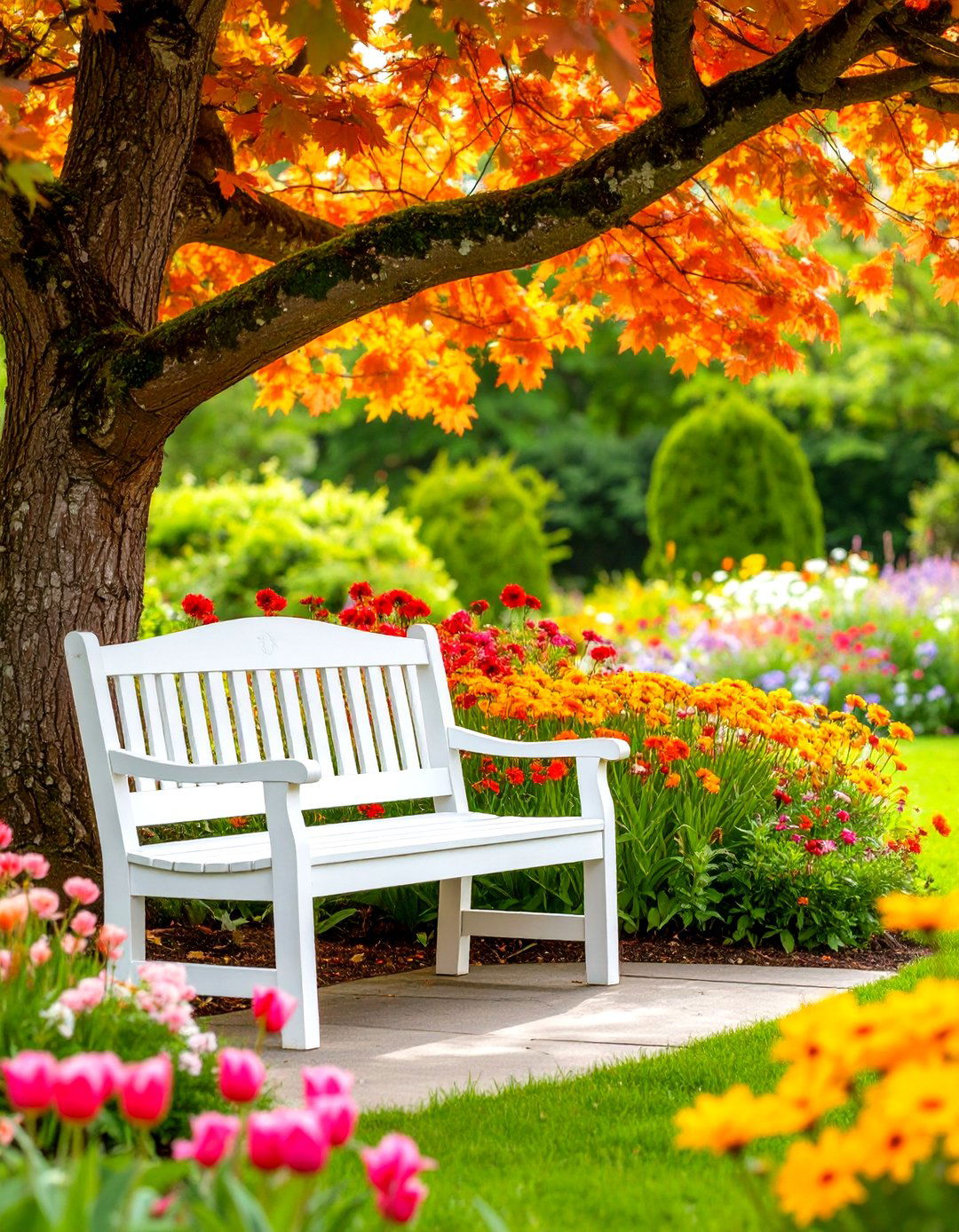
Placing a bench in your yard creates an instant invitation to sit, relax, and enjoy the view. A simple garden bench serves as both a practical seating area and a beautiful focal point. Position it under a tree, along a pathway, or overlooking your favorite flower bed to create a destination within your landscape. Benches are available in a wide range of materials, from classic wood and ornate iron to modern concrete, allowing you to choose a style that complements your home and garden. This simple addition adds a touch of charm and purpose to any outdoor space.
13. Use Ornamental Grasses for Texture
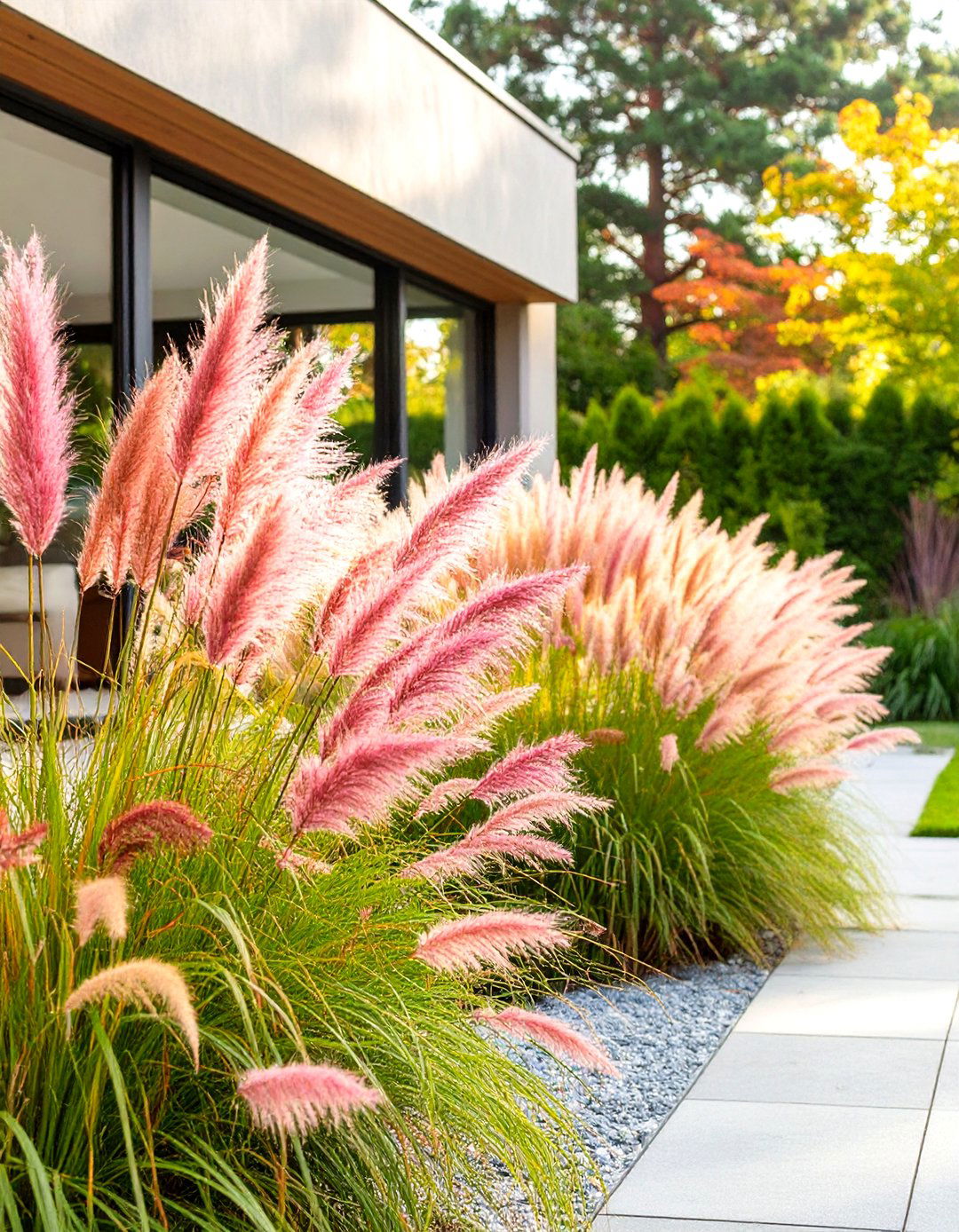
Ornamental grasses are an incredibly easy way to add texture, movement, and year-round interest to your landscape. With their graceful forms and rustling sounds, they create a dynamic and sensory experience. Varieties like fountain grass, switchgrass, or blue fescue come in different heights, colors, and shapes, making them versatile for any garden style. They are generally low-maintenance, drought-tolerant, and resistant to pests. Plant them in clusters, as a border, or as a standalone specimen to introduce a soft, natural element that beautifully contrasts with flowering plants and hardscaping features.
14. Plant a Single Statement Tree
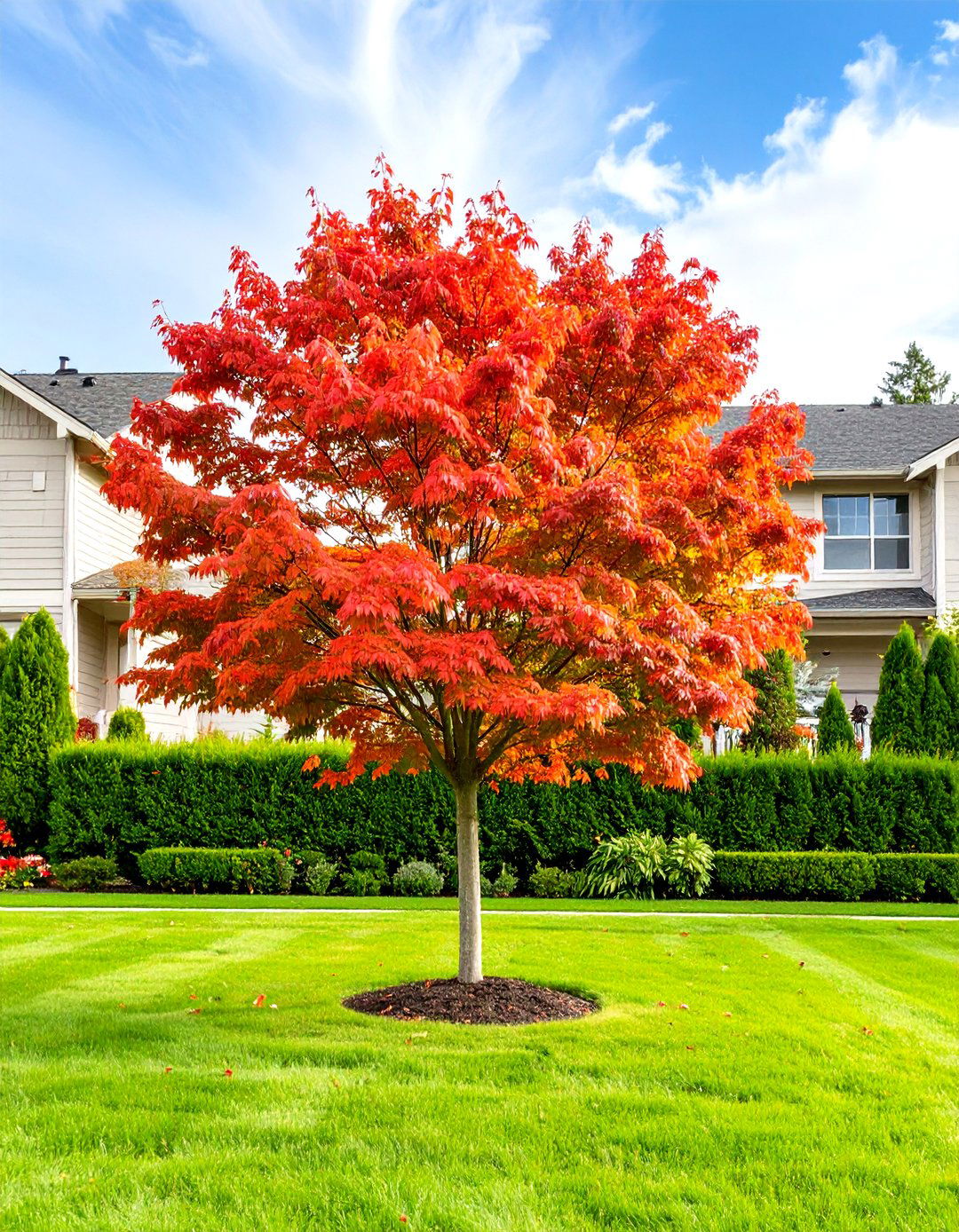
If you have the space, planting a single statement tree is a powerful long-term landscaping investment. A well-chosen tree can serve as a stunning focal point, provide valuable shade, and increase your property value. Select a species that fits the scale of your yard and offers seasonal interest, such as a Japanese maple for its brilliant fall color or a dogwood for its beautiful spring blossoms. Even a small ornamental tree can have a significant impact, adding vertical height and structure to your landscape design with just one simple planting project.
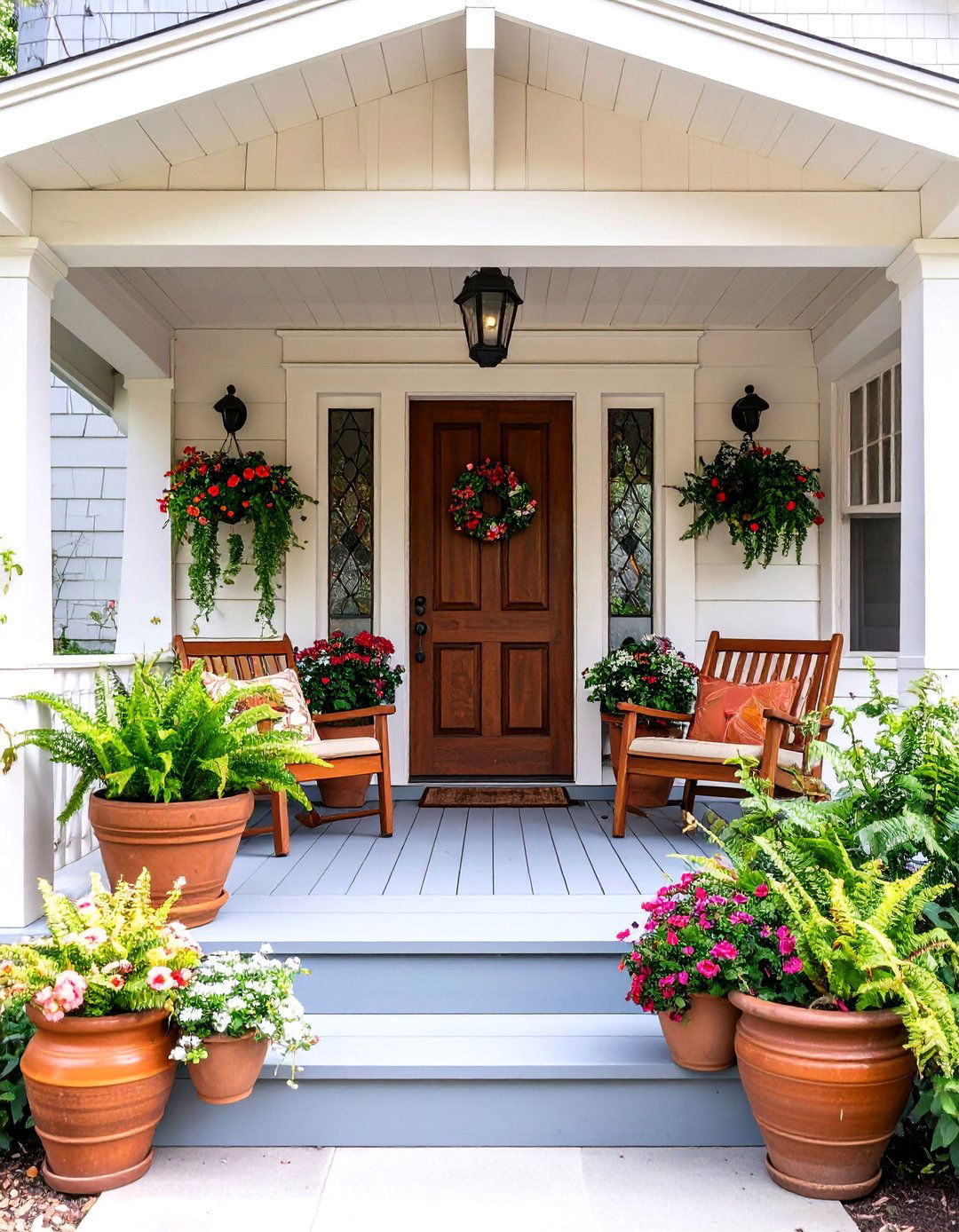
15. Brighten Up with Hanging Baskets
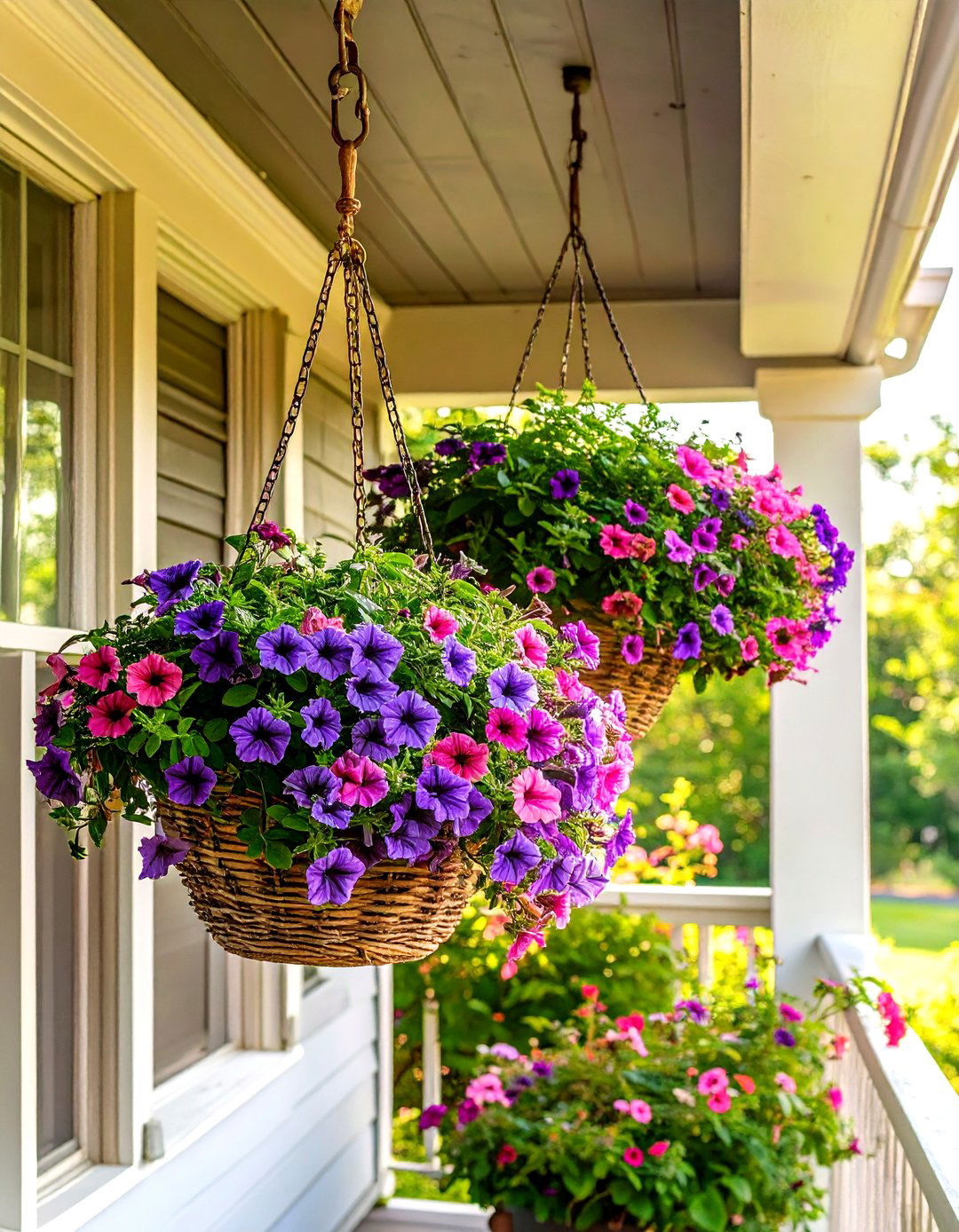
Hanging baskets are a fantastic way to introduce color and dimension at eye level, especially on porches, patios, or from tree branches. They draw the eye upward and can soften the hard lines of a house or fence. Fill them with cascading flowers like fuchsias, petunias, or verbena for a lush, overflowing look. You can create your own custom combinations or buy them pre-planted from a local nursery for ultimate convenience. This simple landscaping idea requires minimal space but delivers a high-impact visual punch, making any area feel more vibrant and welcoming.
16. Build a Simple Vertical Garden
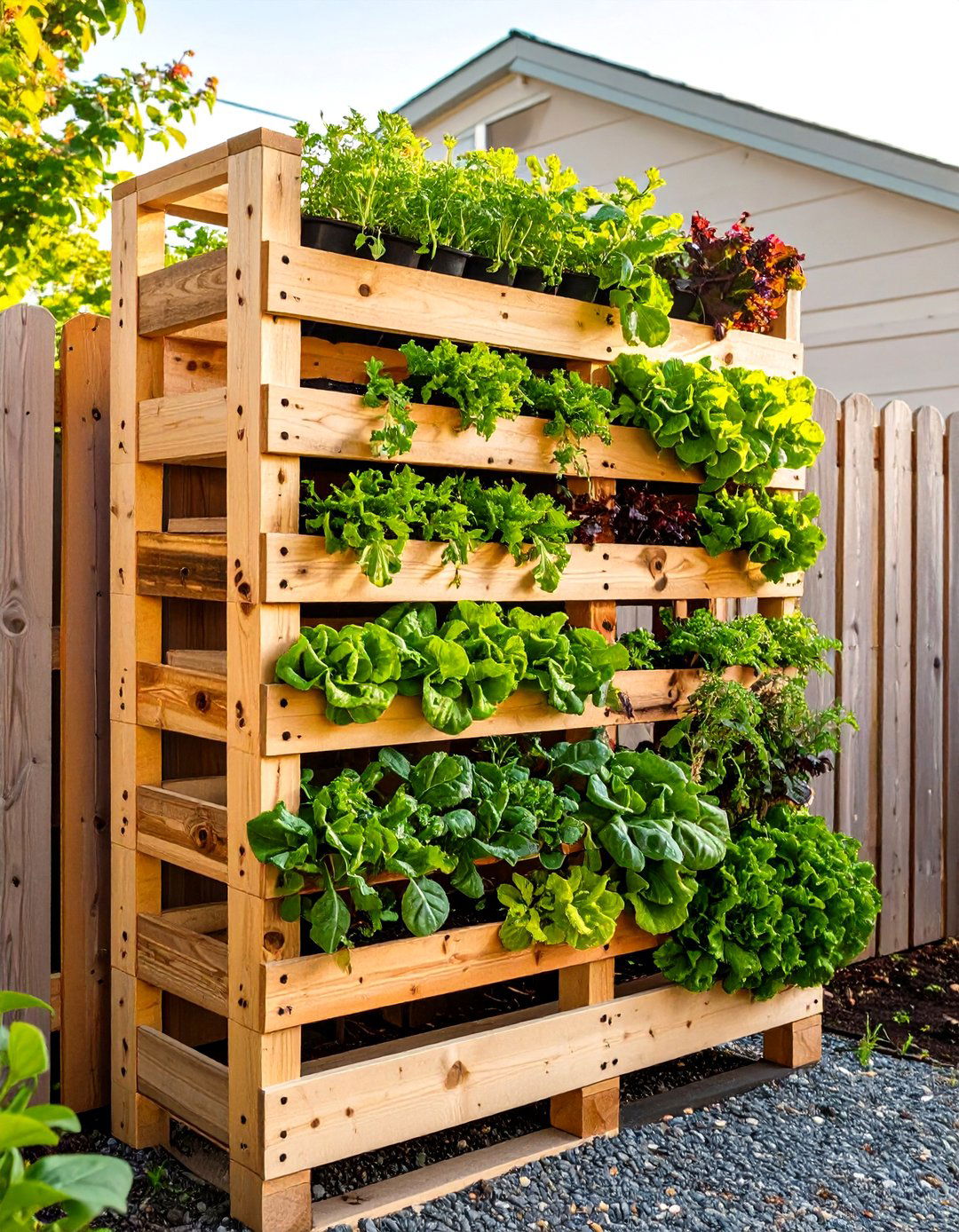
A vertical garden is an innovative solution for maximizing growing space, particularly in small yards, balconies, or patios. You can create one using a pre-made kit, repurposed pallets, or a simple trellis with climbing plants. This is an ideal way to grow herbs, lettuces, or flowers without taking up valuable floor space. The wall of green acts as a living piece of art, adding texture and a lush feel to an otherwise bare wall or fence. It’s a simple yet highly effective way to introduce more greenery into your environment.
17. Lay a Small Paver Patio

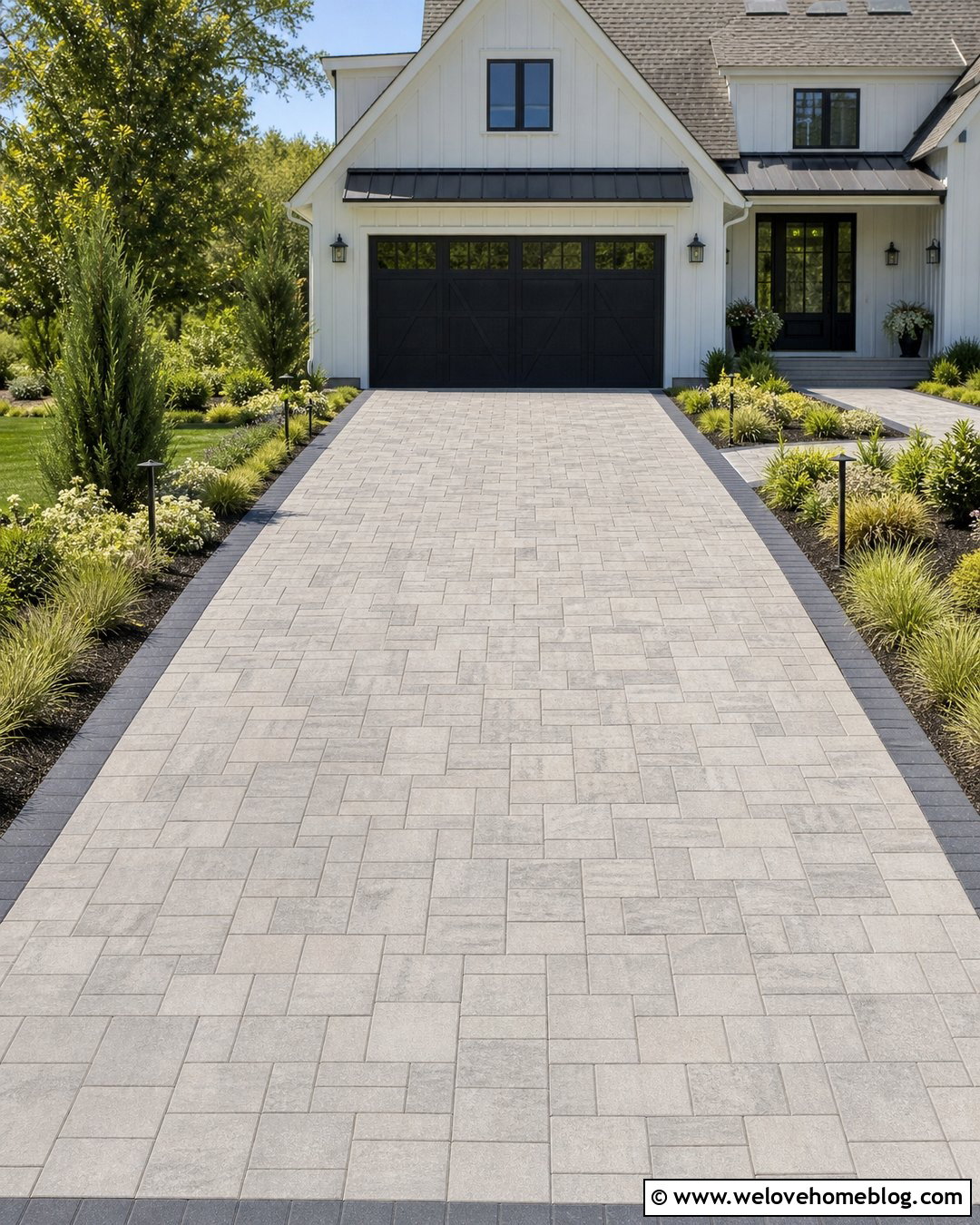
Creating a small paver patio is a manageable DIY project that provides a solid, functional surface for an outdoor seating or dining area. Start with a small, simple square or circular design. Mark out the area, excavate the soil, add a base layer of gravel and sand for drainage and stability, and then lay your pavers. You can choose from a variety of concrete or stone pavers to match your style. Even a tiny patio provides a designated spot for a café table and chairs, instantly extending your living space into the outdoors.
18. Design an Edible Herb Spiral
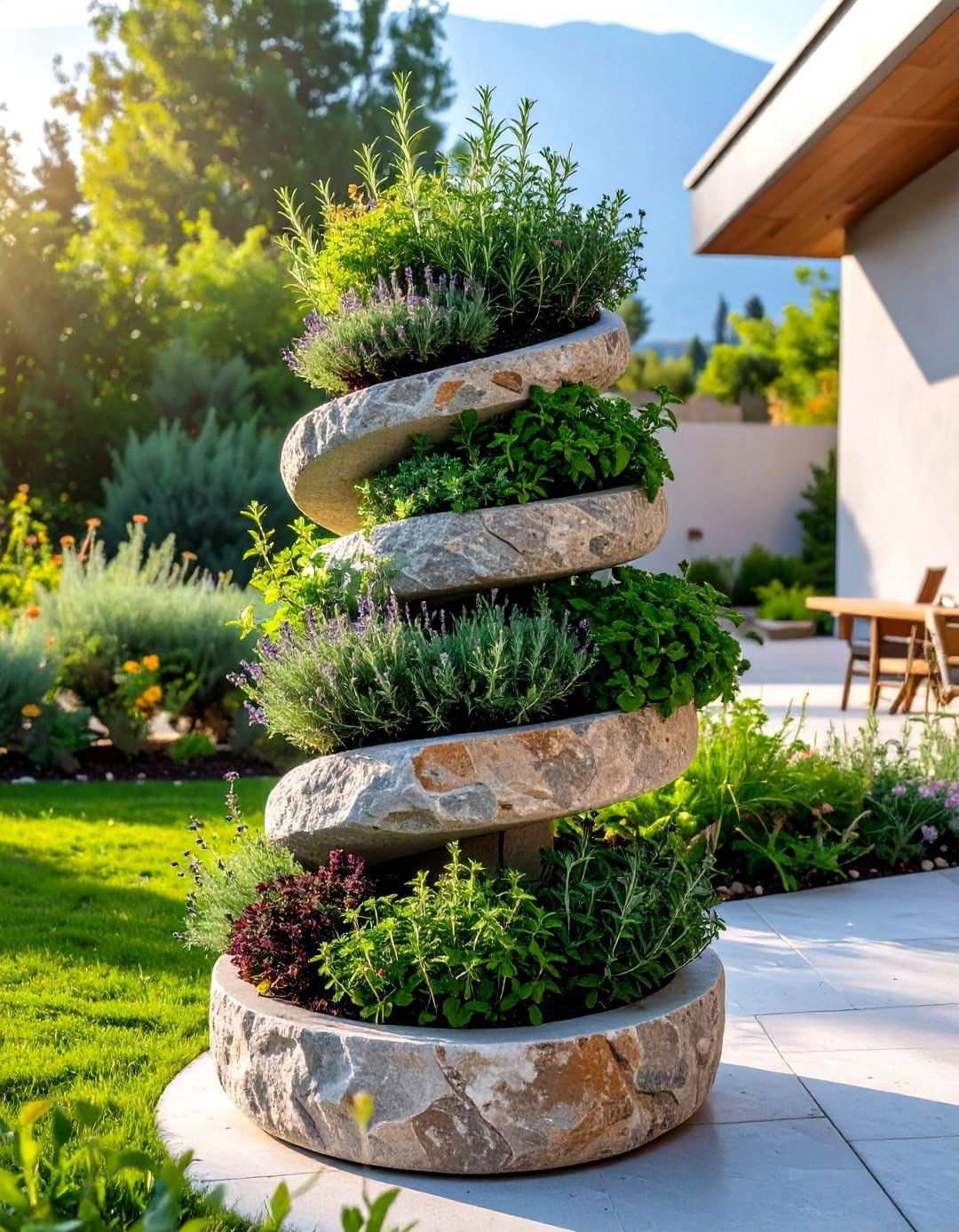
An herb spiral is a beautiful and practical feature that combines gardening with functional design. This simple raised bed is built in a spiral shape, creating various microclimates that suit different types of herbs. Plants that need more sun and drainage, like rosemary, can be planted at the top, while those that prefer more moisture, like mint, can go at the bottom. The spiral shape is not only visually appealing but also makes harvesting easy. It’s a compact, efficient, and attractive way to grow fresh herbs right outside your kitchen door.
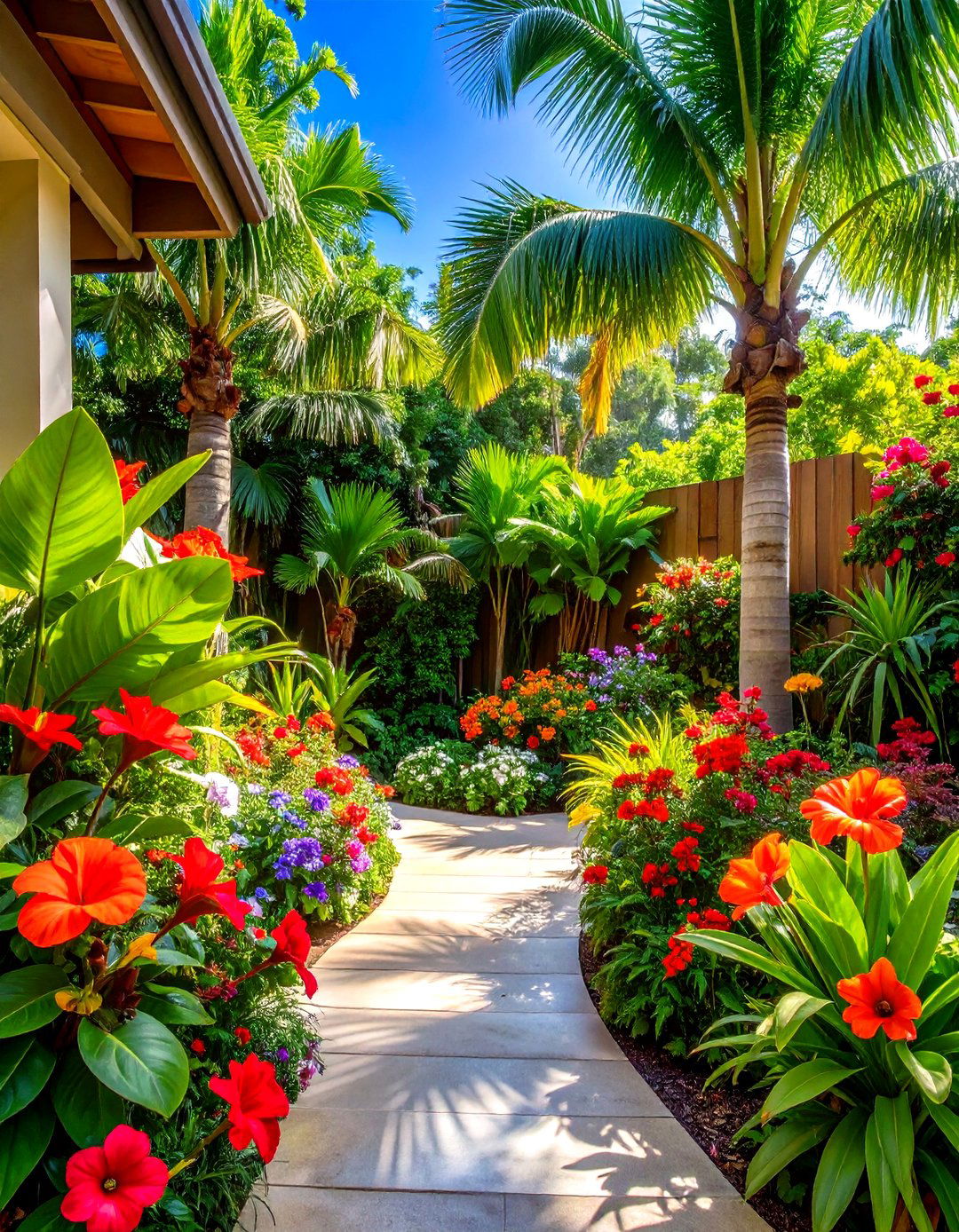
19. Introduce Curves to Garden Beds
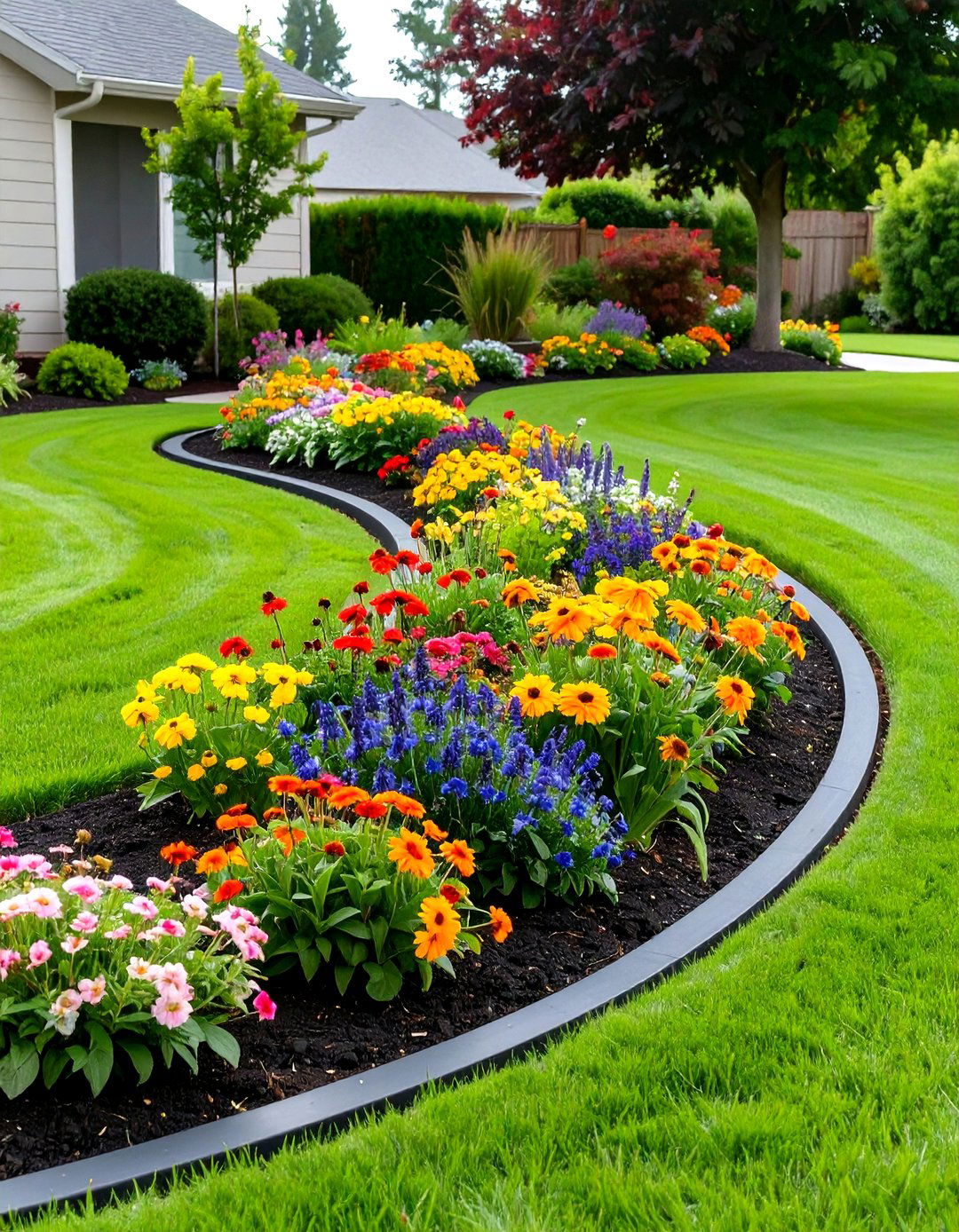
Instead of straight, rigid lines, add soft curves to your garden beds to create a more natural and visually appealing flow. A gently curving edge is more pleasing to the eye and can make your yard feel larger and more dynamic. You can easily lay out a new shape using a garden hose to visualize the curve before you start digging. This simple change in geometry can completely transform the feel of your landscape, guiding the eye through the space and adding a sense of gentle movement and organic grace to your overall design.
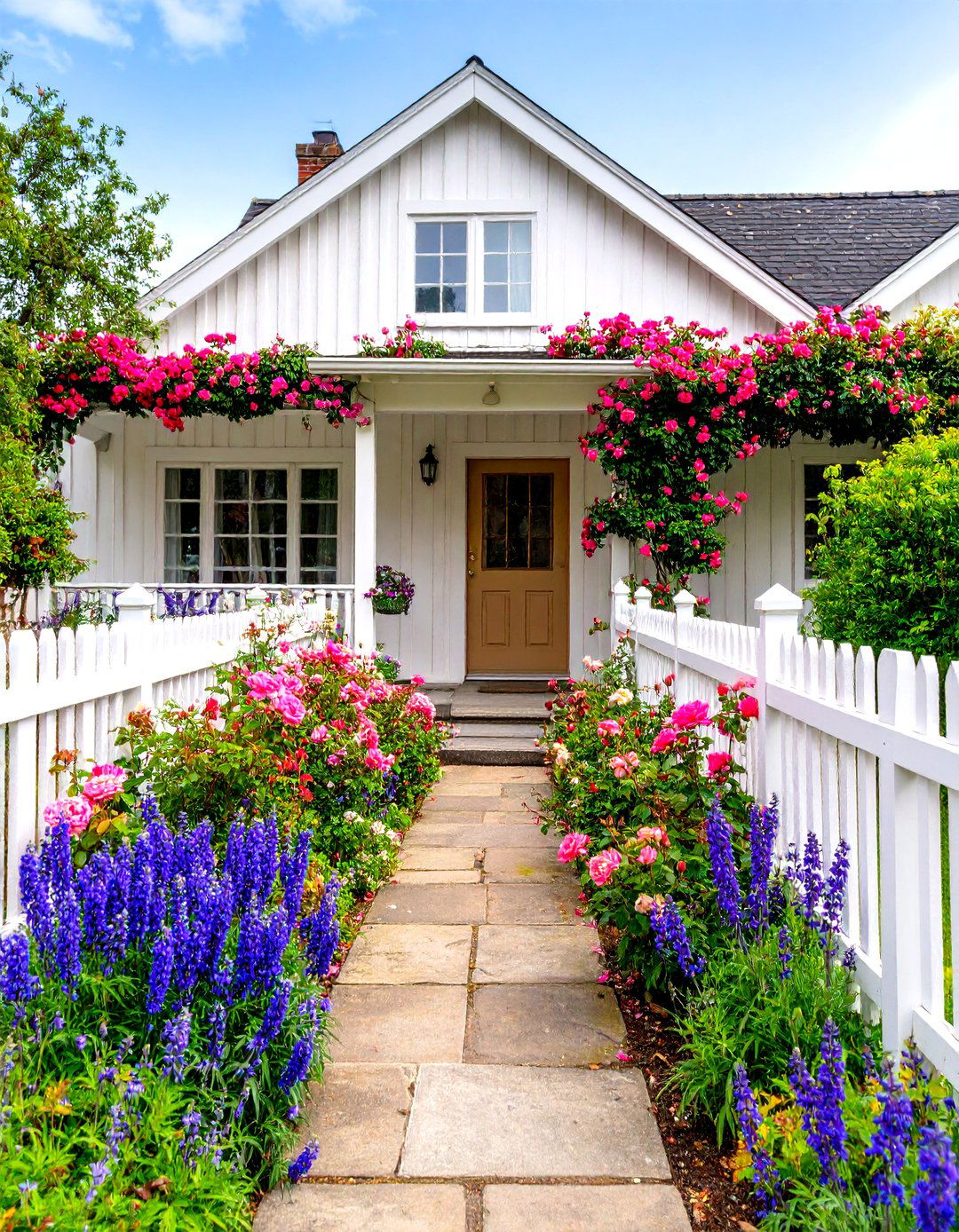


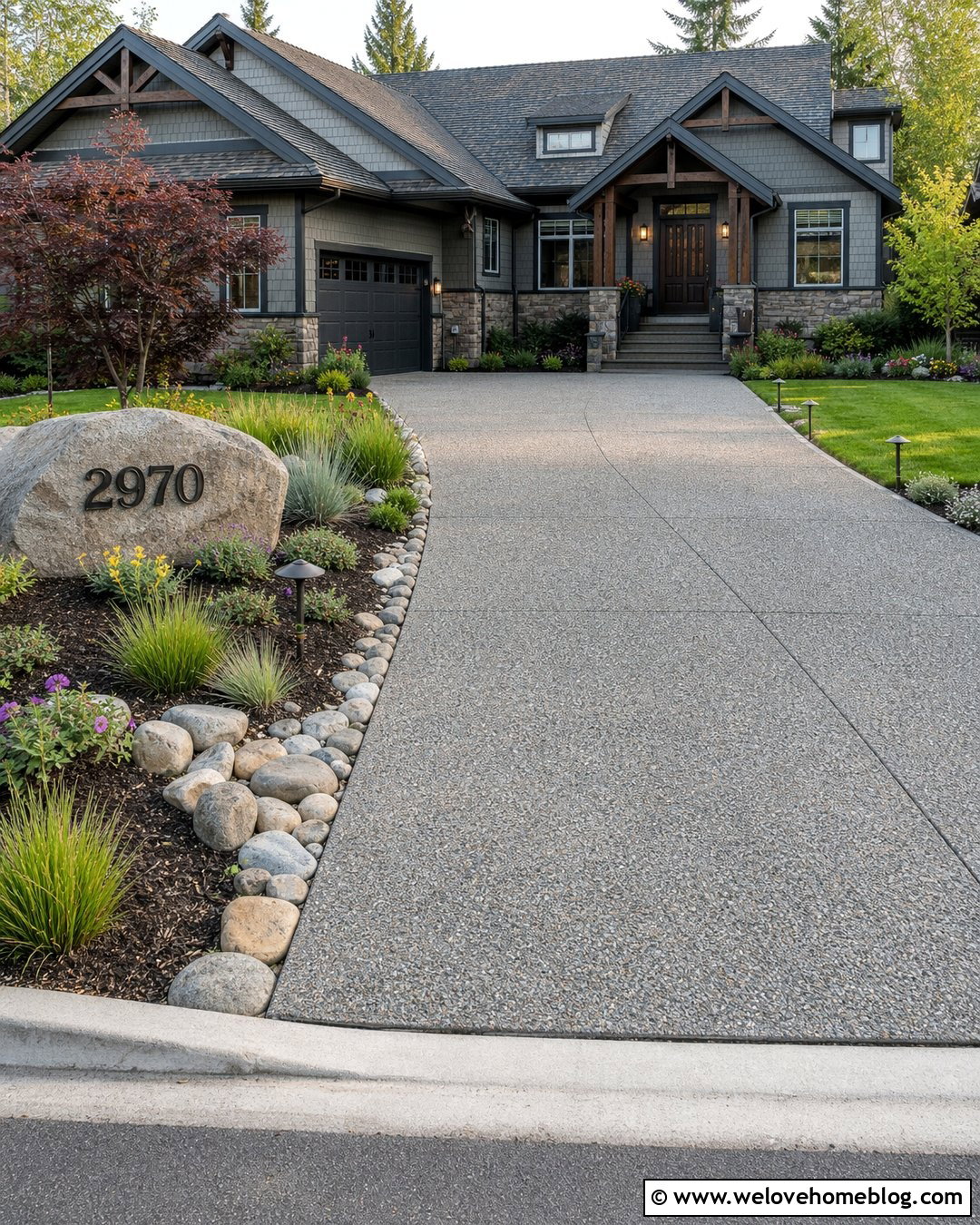
20. Use Climbing Plants on a Fence
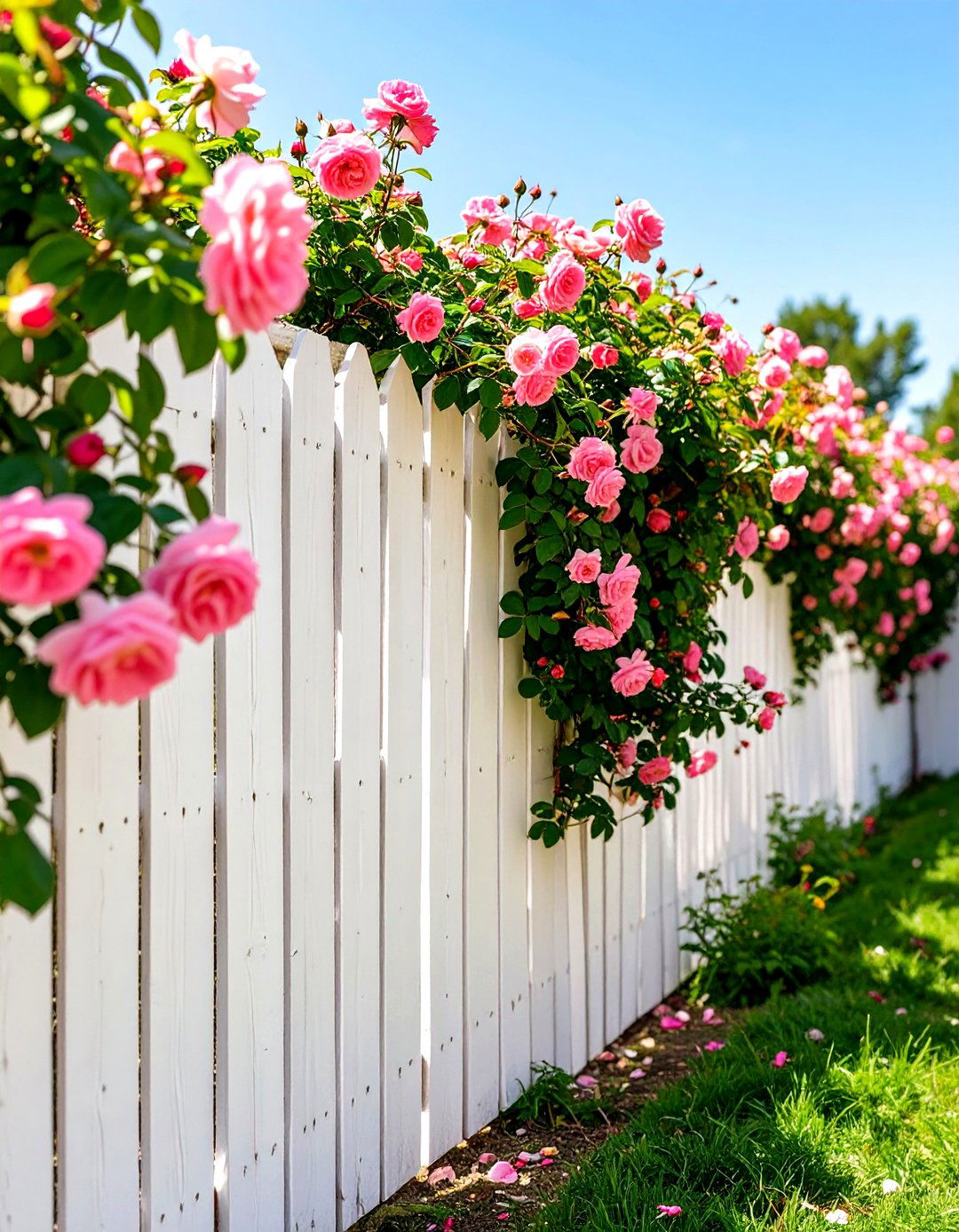
Transform a plain fence or a bare wall into a living work of art by training climbing plants to grow up it. This is a simple way to add vertical interest and a lush backdrop to your yard. You can install a trellis or simply run wires for the plants to cling to. Fast-growing climbers like clematis, morning glory, or climbing roses will quickly cover the area, providing beautiful flowers and dense foliage. This technique not only enhances privacy but also softens hard surfaces, integrating them beautifully into the garden environment.
21. Build a Simple DIY Fire Pit Area
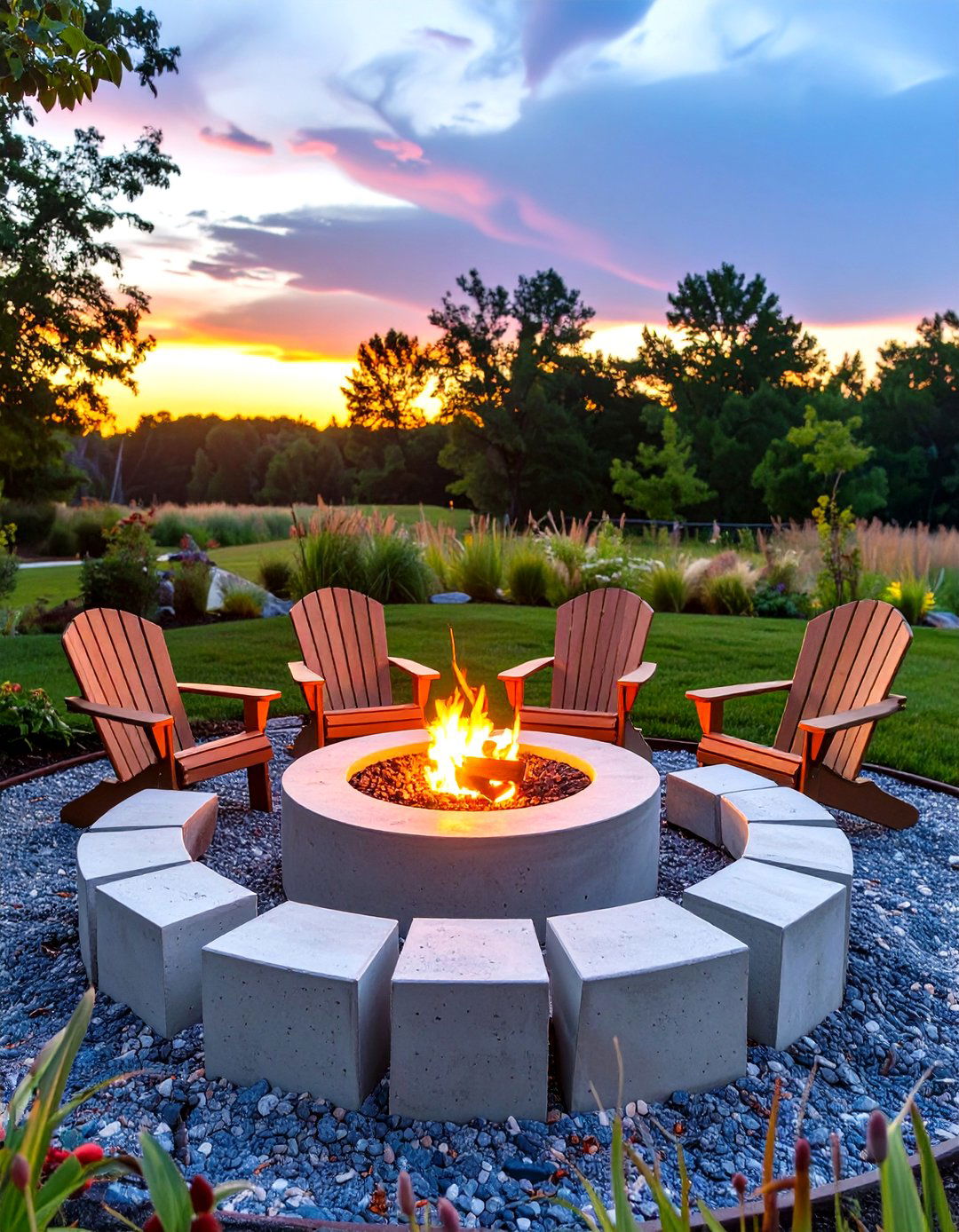
A fire pit creates a natural gathering spot for family and friends, extending the usability of your backyard into cooler evenings. You can create a simple one using a fire pit ring kit available at most home improvement stores. Just clear a level patch of ground away from your house, lay down some gravel or pavers for a non-combustible base, and assemble the blocks. Arrange some comfortable chairs around it, and you have an instant cozy retreat for making memories. This project is surprisingly easy and adds immense value and ambiance.
22. Place Decorative Stepping Stones
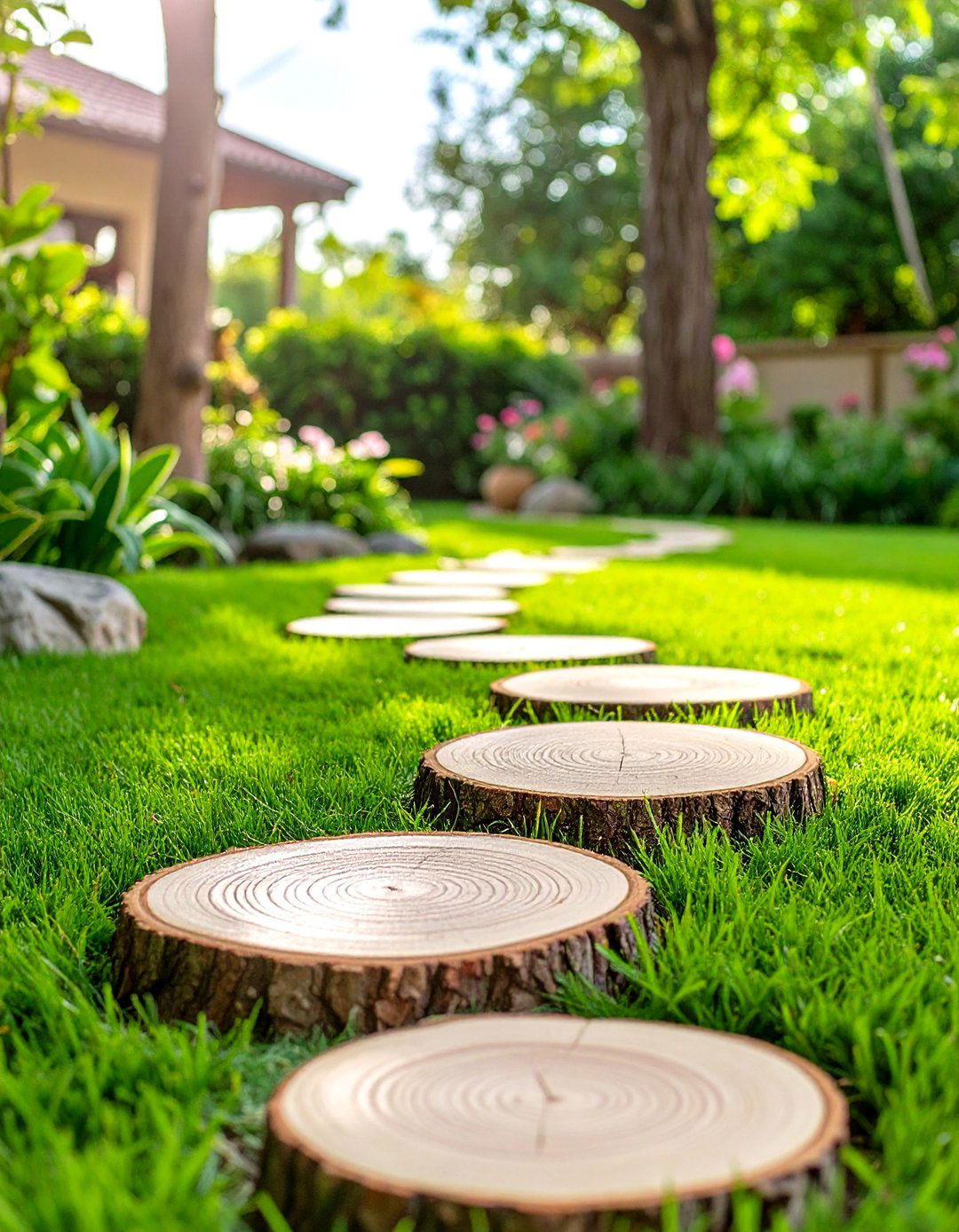
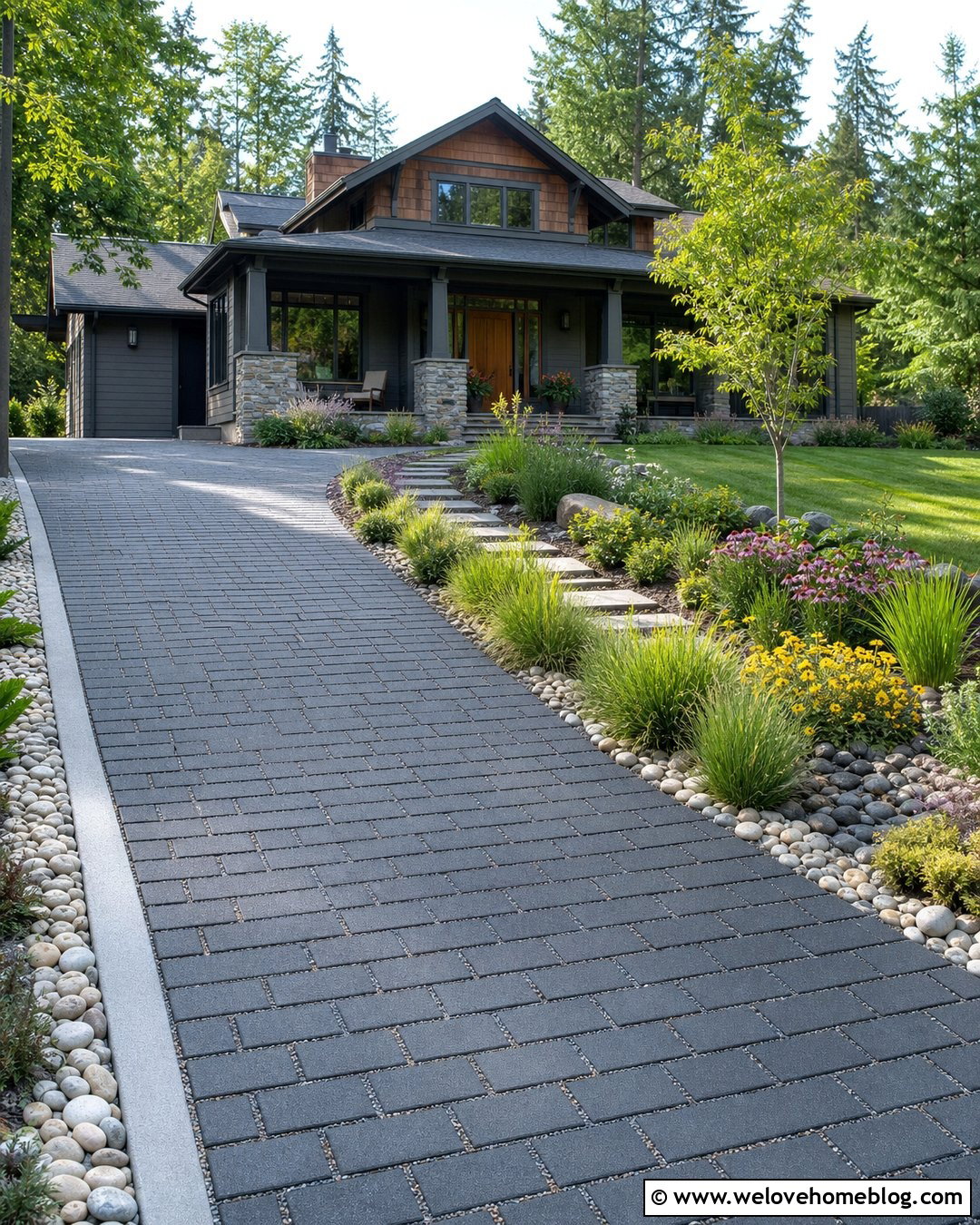
Adding stepping stones through a lawn or garden bed is a charming and practical way to create an informal path. This simple landscaping idea prevents foot traffic from compacting the soil or wearing down your grass. You can choose from a wide variety of materials, from natural flagstones to decorative pre-cast concrete shapes. Simply place each stone where your foot would naturally fall and press it firmly into the soil or a bed of sand until it is level with the ground. It’s an easy project that adds a whimsical and functional element.
23. Plant Native Species for Easy Care
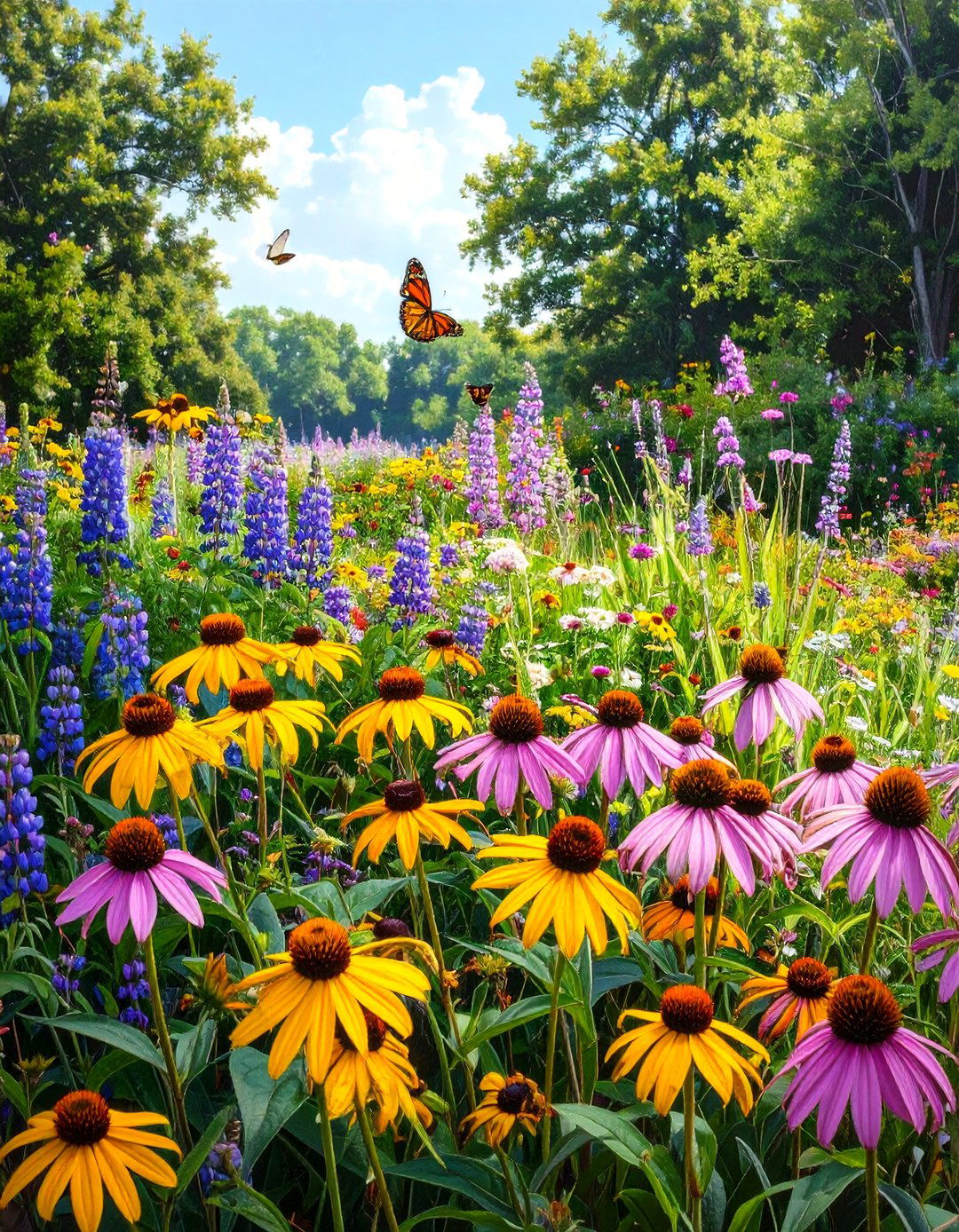
For a truly low-maintenance garden, choose plants that are native to your region. Native plants have adapted to the local climate, soil, and rainfall patterns, meaning they require far less watering, fertilizing, and general care than non-native species. They are also more resistant to local pests and diseases. Furthermore, planting native flowers, shrubs, and trees provides essential food and habitat for local wildlife, such as birds and pollinators. A garden filled with native species is a simple way to create a beautiful, resilient, and eco-friendly landscape.
24. Create a Simple Butterfly Garden
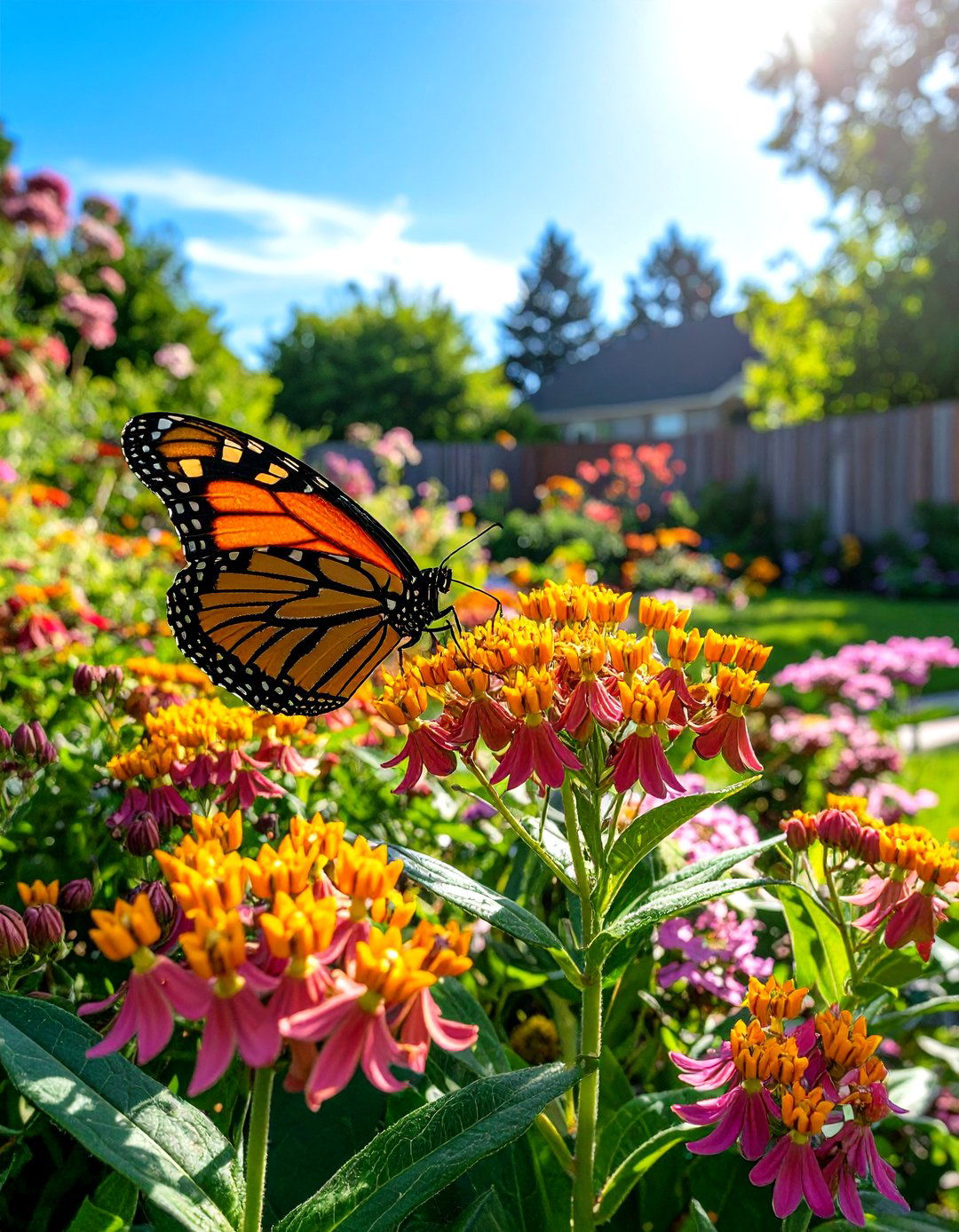
Designating a small, sunny spot in your yard for a butterfly garden is a delightful project that benefits local ecosystems. Plant a mix of nectar-rich flowers like black-eyed Susans, purple coneflowers, and milkweed, which is a crucial host plant for monarch butterflies. Grouping these plants together makes them more attractive to butterflies. This simple garden not only provides a beautiful display of color throughout the season but also offers the joy of watching these delicate pollinators flutter among the blooms, adding a touch of magic and life to your outdoor space.
25. Install a Garden Arbor or Trellis
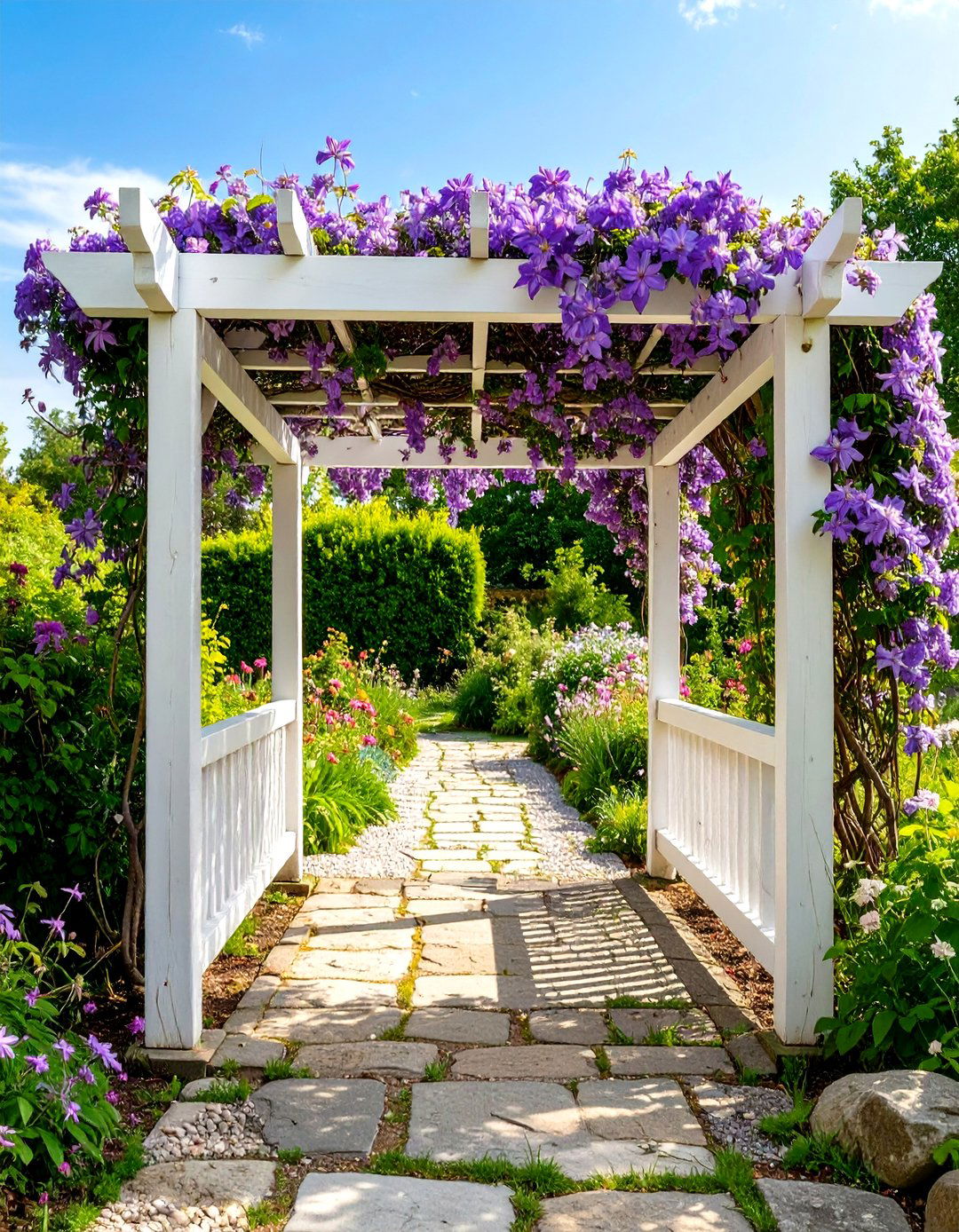
An arbor or trellis is a simple structural element that can instantly add height, charm, and a sense of entry to your garden. Place an arbor over a pathway to create a welcoming entrance or position a trellis against a wall to support climbing plants. These structures are perfect for growing flowering vines like roses, jasmine, or clematis, which adds a romantic and fragrant touch. Made from wood, vinyl, or metal, arbors and trellises are easy to assemble and install, providing an immediate vertical boost and a beautiful architectural feature.
26. Define Spaces with Small Shrubs
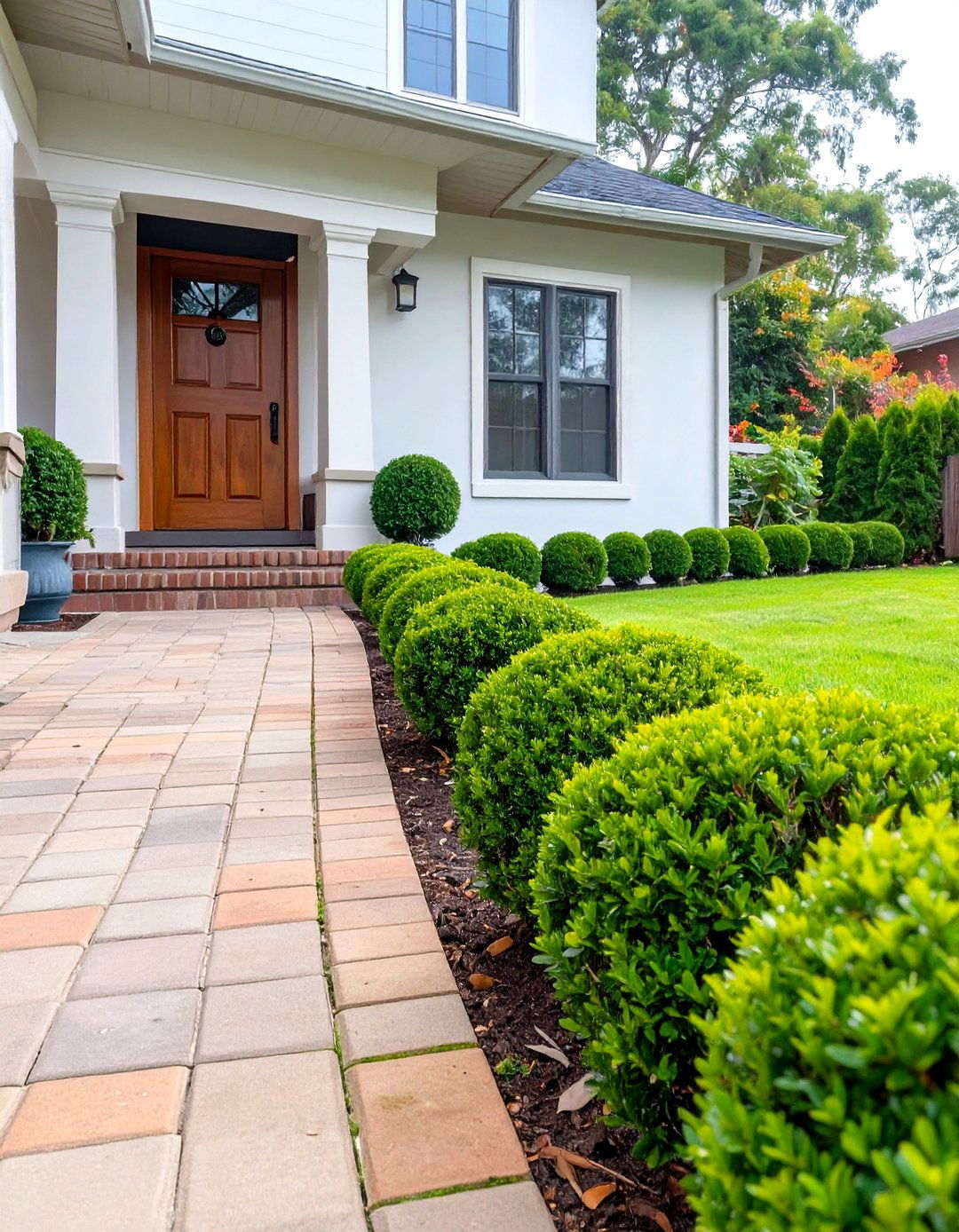
Using small, compact shrubs to create low hedges or borders is an effective way to define different areas in your yard. Plant a row of boxwoods to line a walkway or use dwarf hollies to frame a patio space. These evergreen shrubs provide year-round structure and a neat, tidy appearance with minimal pruning. They act as "living fences," separating your lawn from garden beds or creating distinct outdoor "rooms" within your landscape. This simple planting strategy adds a layer of sophistication and organization that makes your entire yard feel more intentional and well-designed.
27. Update Landscaping Around Your Mailbox
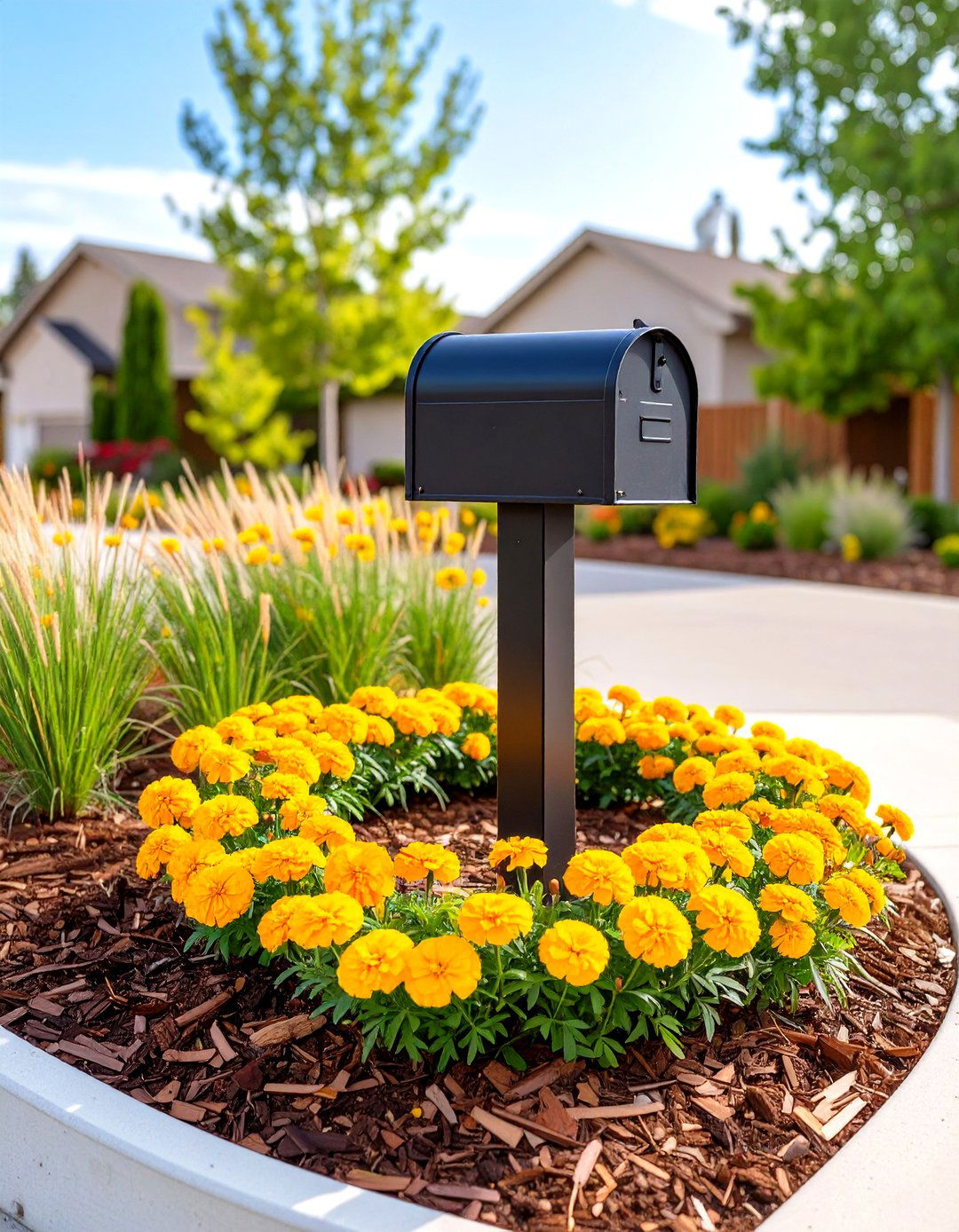
The area around your mailbox is the first impression many visitors will have of your home, so give it a little attention. A simple landscaping makeover here can have a big impact on your curb appeal. Clear away any weeds or overgrown grass, and plant a small ring of hardy, drought-tolerant perennials or a low-growing shrub. Add a fresh layer of mulch for a clean finish. This small-scale project takes very little time but creates a welcoming and polished look that greets you and your guests every day.
28. Use Landscape Fabric for Weed Control
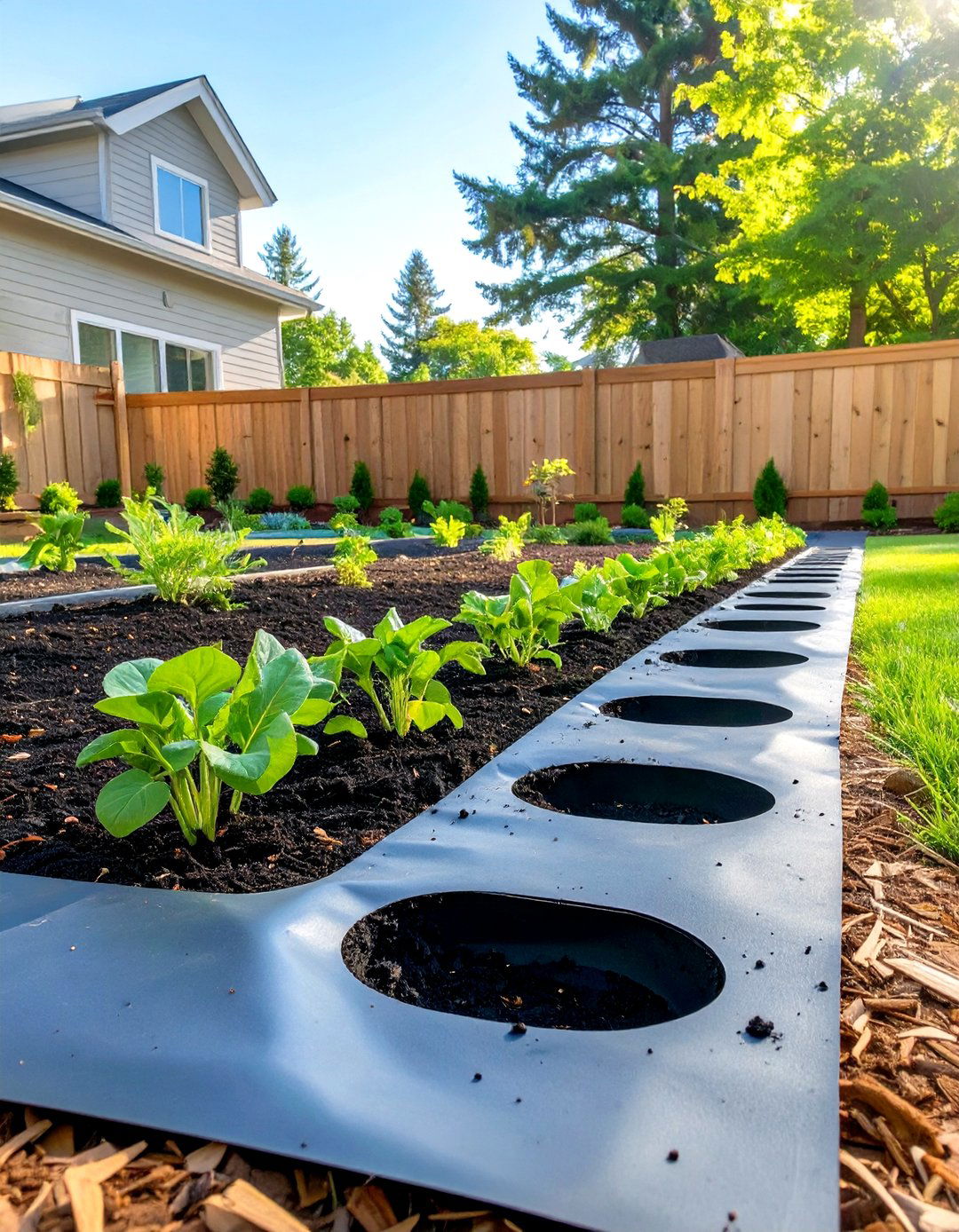
One of the simplest ways to reduce garden maintenance is to use landscape fabric under your mulch or gravel. This permeable material allows water and air to reach the soil but effectively blocks sunlight, preventing most weeds from sprouting. To install it, clear the area of existing weeds, lay the fabric down, and cut holes for your desired plants. Then, cover it with your chosen top layer, like wood chips or stone. This one-time effort will save you countless hours of weeding in the future, keeping your garden beds looking tidy.
29. Add a Simple Raised Garden Bed
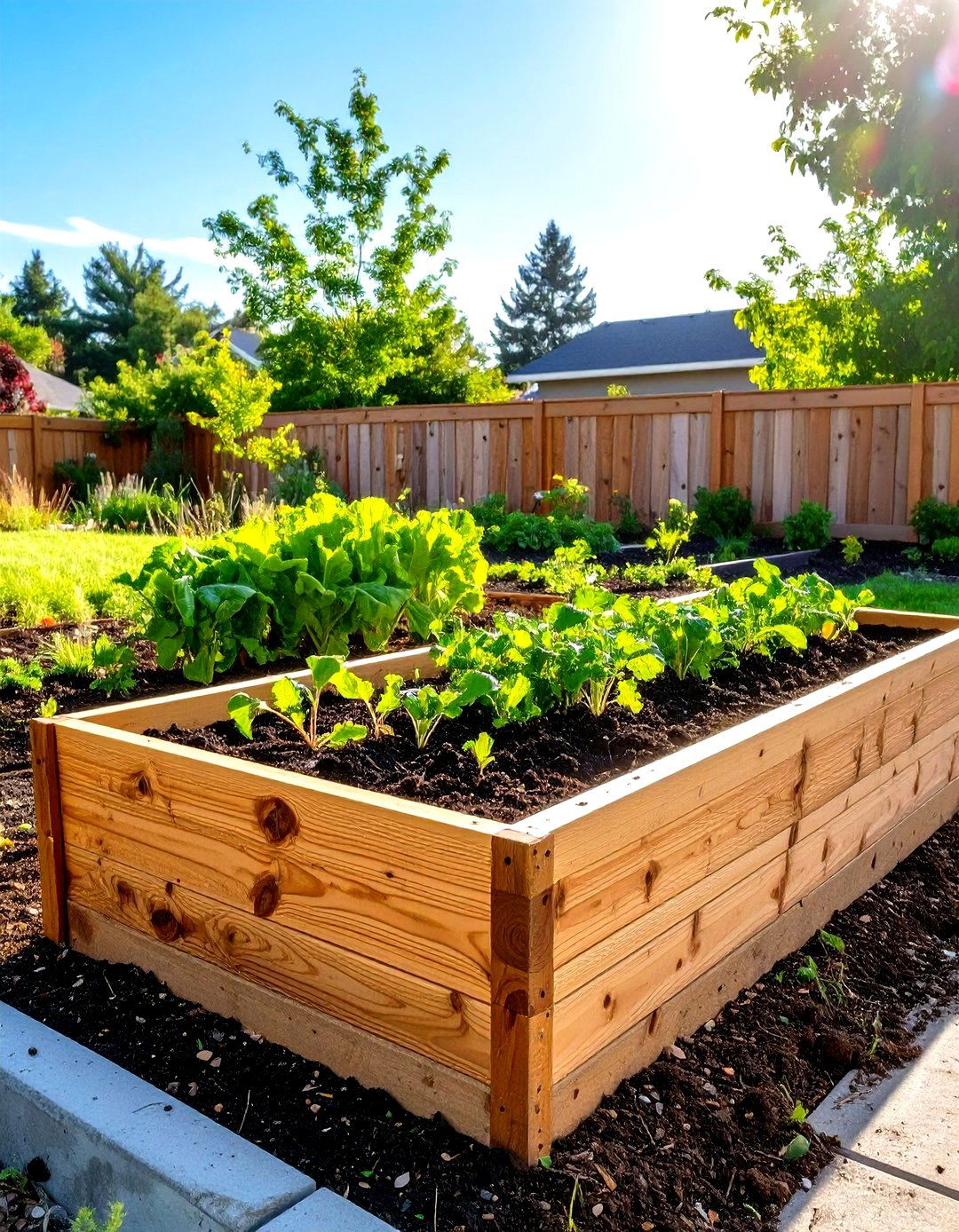
Building or installing a raised garden bed is a straightforward project that offers numerous benefits. It allows you to control the soil quality completely, which is ideal for growing vegetables or flowers in areas with poor native soil. The raised height makes planting, weeding, and harvesting easier on your back. You can build a simple frame from wood, or use kits made from composite materials or metal. A raised bed defines the growing space neatly and can serve as an attractive feature in your yard while providing a bountiful harvest.
30. Create a Dry Creek Bed Feature
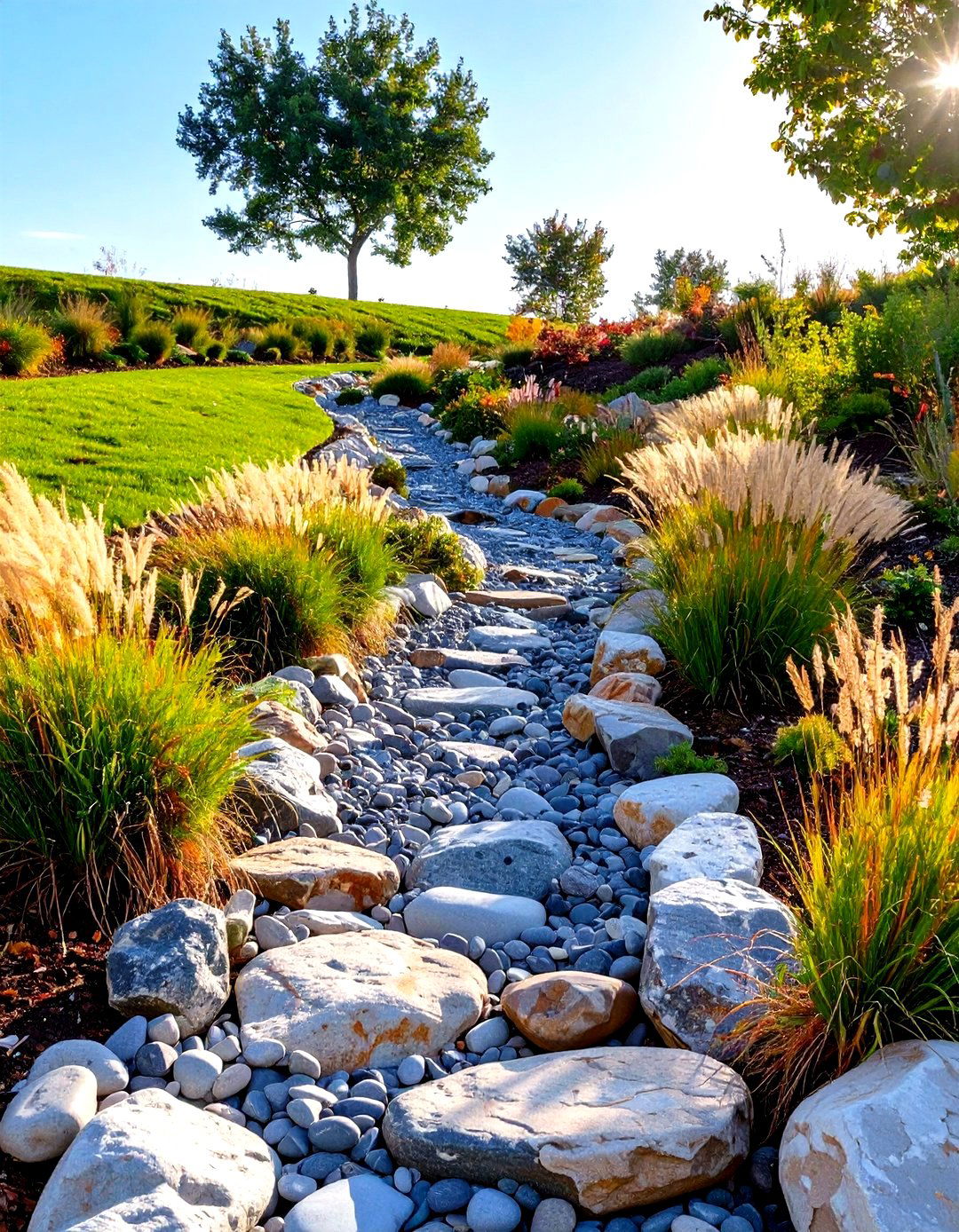
A dry creek bed is a creative and low-maintenance landscaping feature that mimics the look of a natural, seasonal waterway. It’s an excellent solution for solving drainage problems or simply adding visual interest to a flat or sloped area. To create one, dig a shallow, meandering trench and line it with landscape fabric. Then, fill it with a mix of river rocks, pebbles, and a few larger boulders to create a naturalistic look. You can soften the edges by planting ornamental grasses or other drought-tolerant plants along the banks for a beautiful, functional design.
Conclusion:
Embracing simple landscaping ideas is the key to creating an attractive and enjoyable outdoor space without feeling overwhelmed. Projects like adding mulch, planting perennials, installing solar lights, or creating a small paver patio can be completed with minimal cost and effort. Each small change contributes to a larger, more cohesive design, boosting curb appeal and personal satisfaction. By focusing on these manageable tasks, you can gradually transform your yard into a beautiful, functional, and personalized extension of your home, proving that great design doesn't have to be complicated.

Related posts:


Leave a Reply