
A well-designed patio can transform your backyard into a functional and inviting outdoor living space. The foundation of any great patio is the choice of pavers and the pattern in which they are laid. From classic brick layouts to modern concrete slabs, the possibilities are endless and can dramatically influence the style and feel of your garden retreat. Selecting the right patio paver idea involves considering the material, color, texture, and pattern that best complements your home's architecture and your personal taste. These ideas will help you explore various options to create a durable and beautiful outdoor surface.

1. Classic Running Bond Patio Pavers

A running bond pattern offers a timeless and straightforward look for any patio. This design involves laying rectangular pavers in rows, with the joints of each row offset by half the width of the paver below it, similar to a traditional brick wall. This simple arrangement creates a strong, stable surface that is visually clean and orderly. It works exceptionally well with classic brick or rectangular concrete pavers, providing a sense of linear flow that can make a small patio feel longer or wider. The simplicity of the running bond pattern makes it a popular choice for DIY projects.
2. Intricate Herringbone Patio Pavers
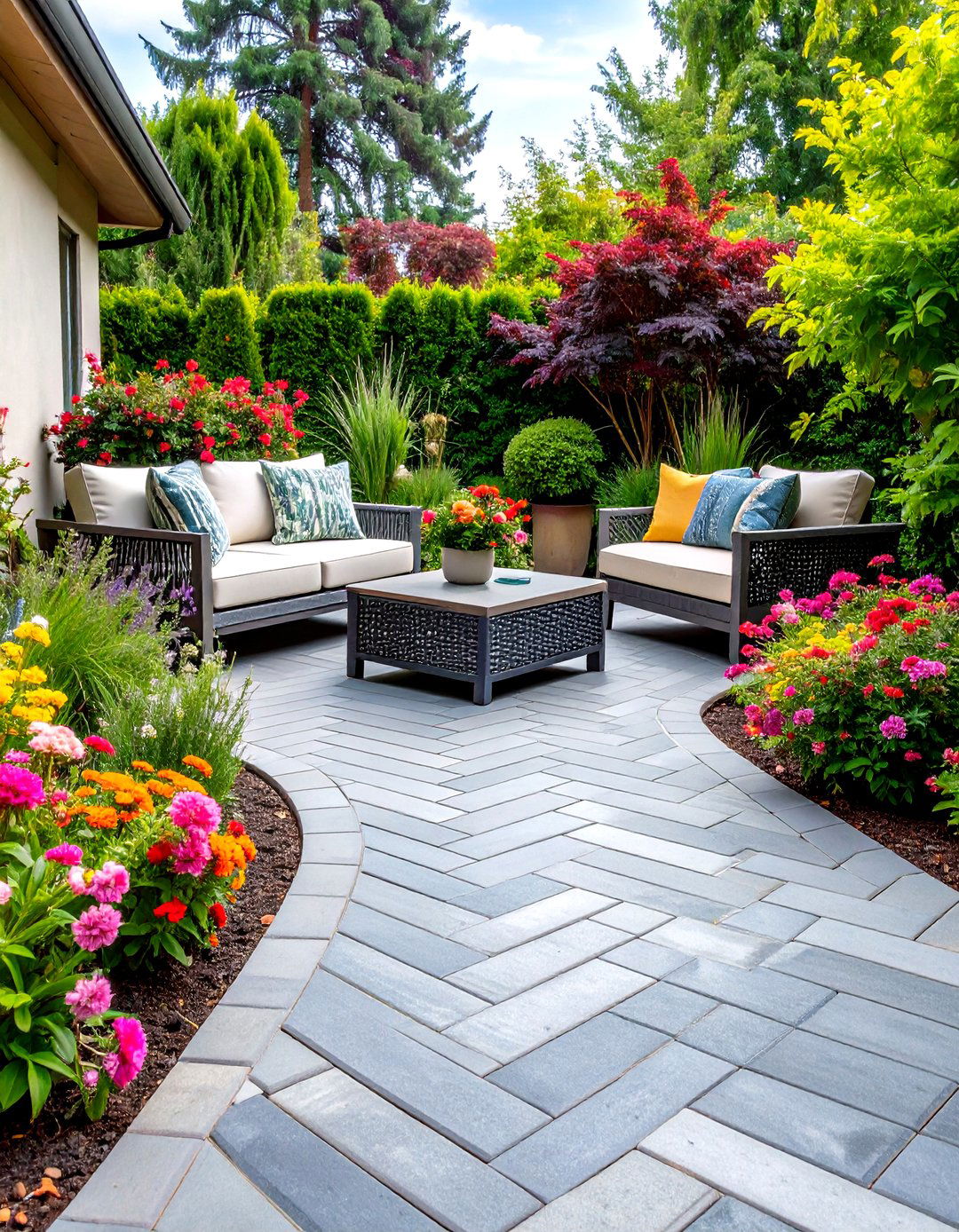
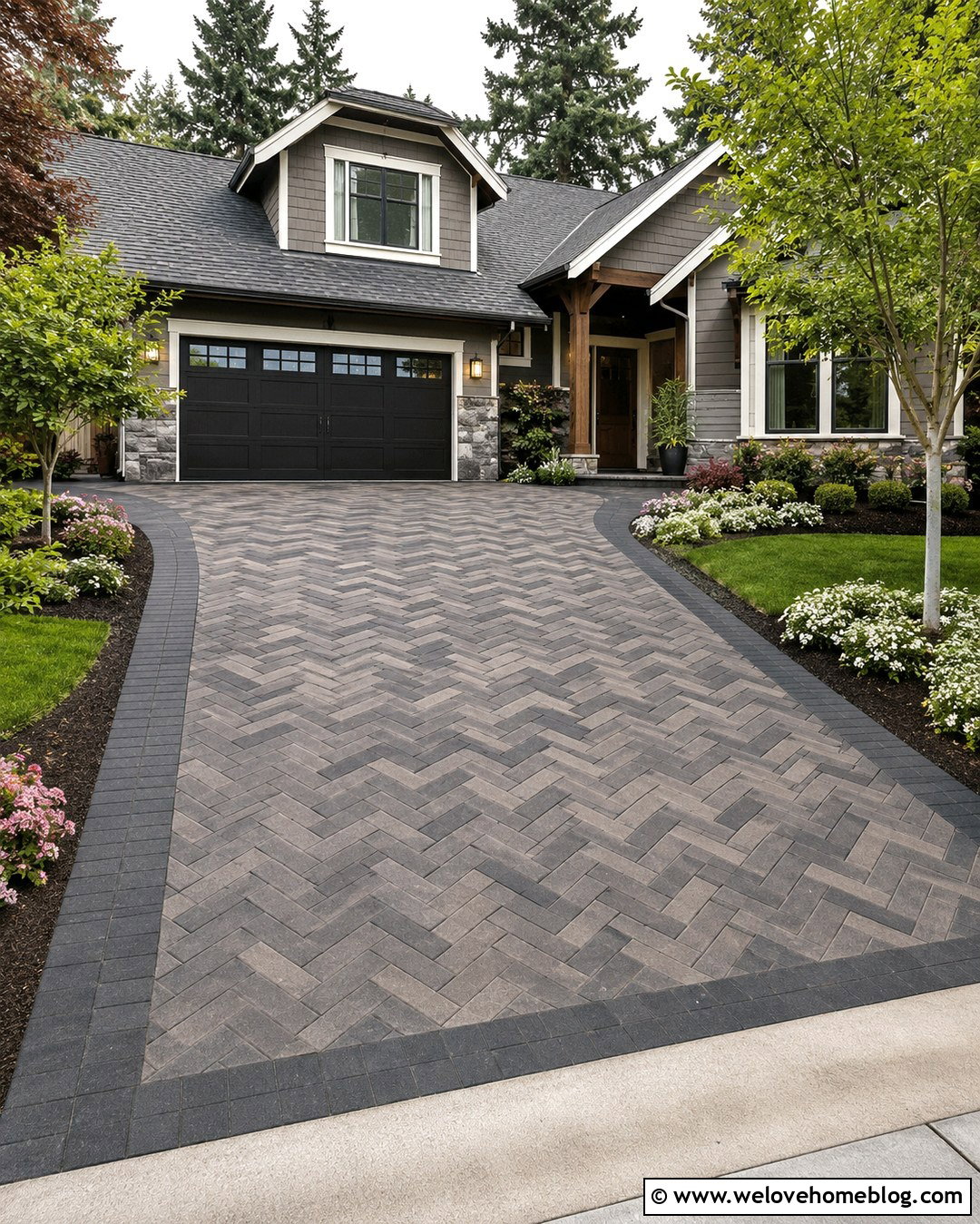
For a touch of European elegance, consider the herringbone pattern. This design is created by laying rectangular pavers in a zigzag arrangement at a 45 or 90-degree angle. The resulting interlocking pattern is not only visually dynamic and sophisticated but also incredibly durable, as the pavers distribute weight effectively. Herringbone is ideal for adding texture and movement to the patio surface, making it a stunning focal point. It pairs beautifully with both traditional brick pavers and sleek, modern concrete pavers, offering a versatile design that elevates any outdoor space with its intricate and captivating layout.
3. Geometric Basket Weave Patio Pavers

The basket weave pattern brings a charming, historic feel to your patio floor. To create this design, pairs of rectangular pavers are laid to form square modules, with each subsequent module oriented at a 90-degree angle to the one next to it. This creates the illusion of woven strips, adding a unique texture and a sense of handcrafted detail. It’s an excellent choice for creating a cozy, cottage-style or rustic atmosphere. The pattern is relatively easy to install and looks particularly appealing in courtyards or smaller, defined patio areas, providing a visually interesting yet orderly surface.
4. Circular Patio Paver Design

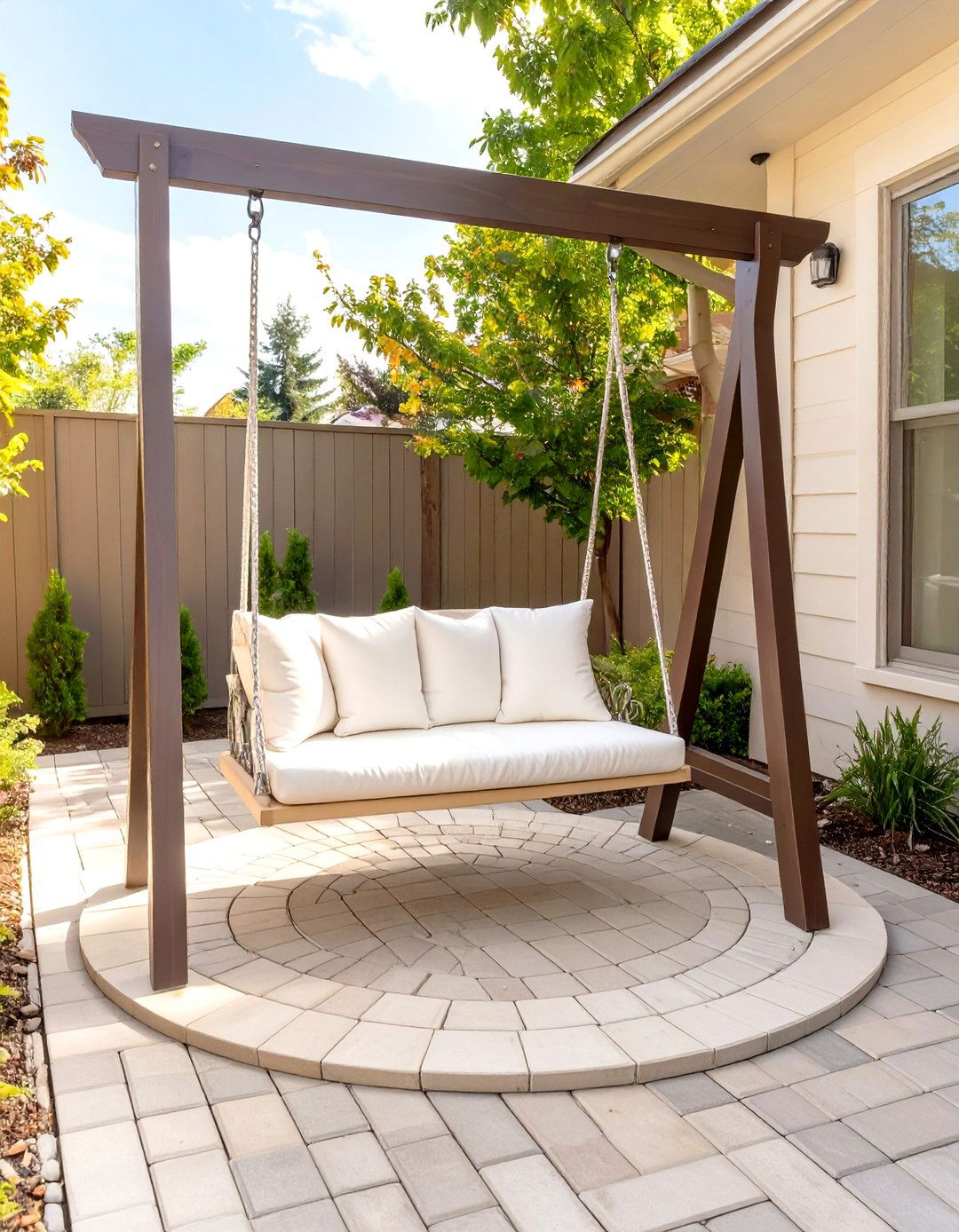
A circular patio paver design can create a dramatic and organic focal point in your backyard. This style involves laying pavers in concentric rings that radiate outward from a central point, which could be a fire pit, a fountain, or simply a decorative medallion. The pattern draws the eye inward, making it a perfect design for a designated seating or entertainment area. Special kits with wedge-shaped and standard pavers are often available to simplify the installation process. This approach breaks away from traditional straight lines, introducing soft curves that blend harmoniously with the natural elements of a garden.
5. Random Layout Irregular Stone Pavers
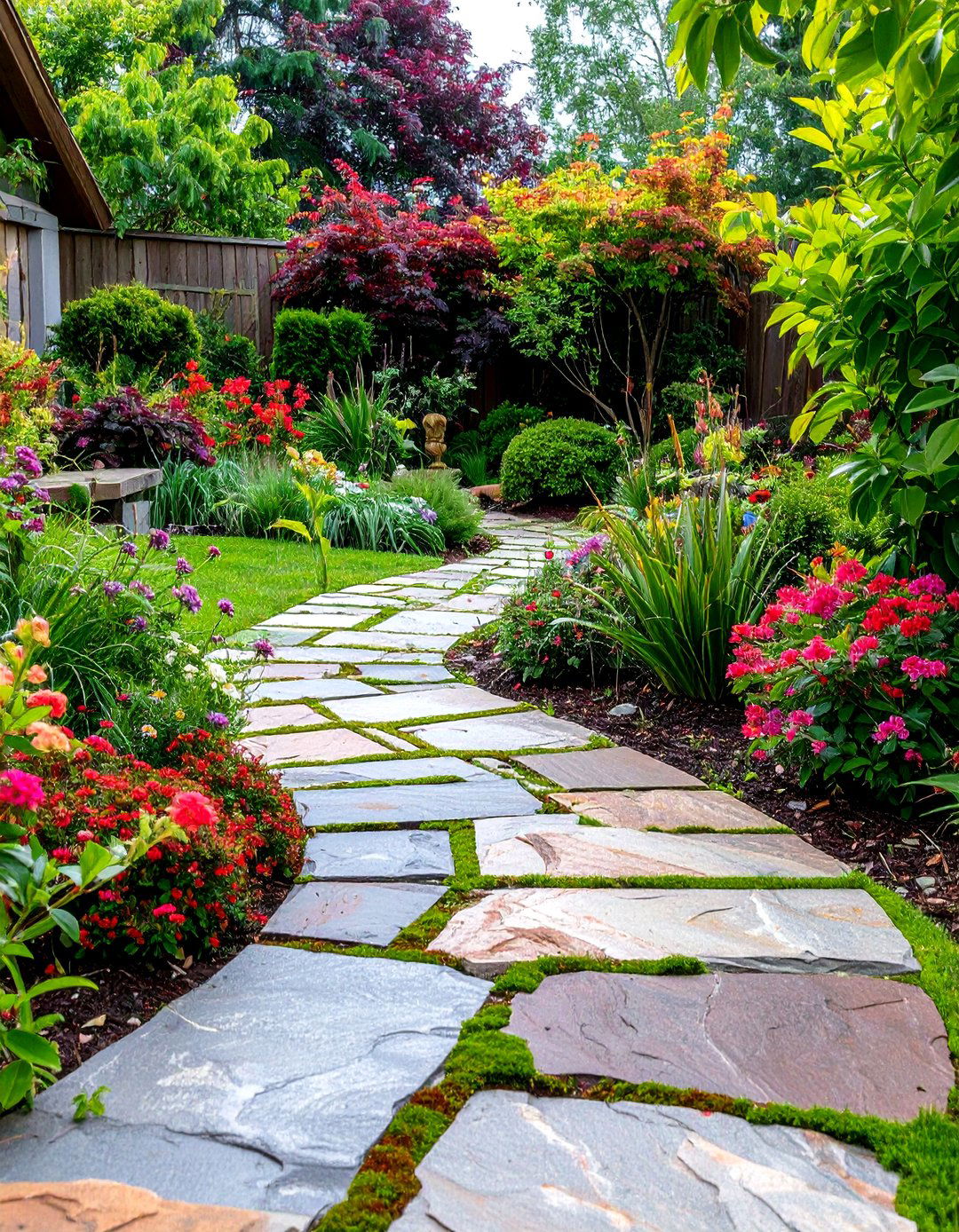
To achieve a natural, rustic aesthetic, a random layout using irregular flagstone or natural stone pavers is an unbeatable choice. This design mimics the appearance of an old-world stone path, with each paver having a unique shape and size. The stones are fitted together like a puzzle, with wider gaps between them that can be filled with sand, gravel, or even creeping ground cover like thyme. This approach creates a highly textured and organic surface that feels deeply connected to the surrounding landscape. It’s perfect for creating a relaxed, informal patio space that feels timeless and integrated with nature.
6. Modern Large-Format Concrete Pavers
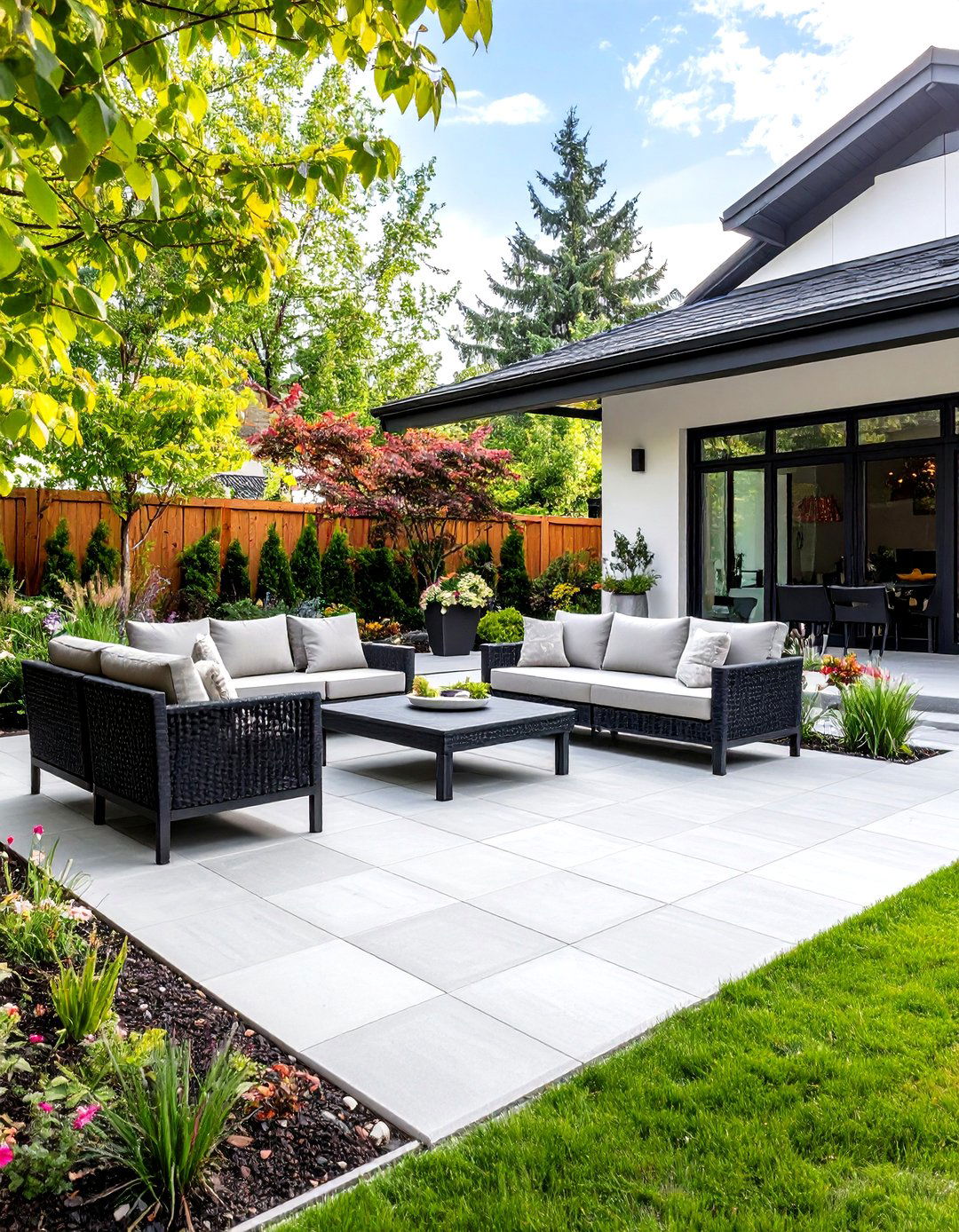
For a clean, contemporary, and minimalist look, large-format concrete pavers are the perfect solution. These oversized square or rectangular pavers, often in shades of gray, charcoal, or white, create a sleek and uncluttered surface. The minimal joint lines contribute to a sense of spaciousness, making them ideal for modern homes and open patio areas. Laying them in a simple stacked bond or running bond pattern enhances their modern appeal. This style is all about clean lines and understated elegance, providing a sophisticated and durable foundation for contemporary outdoor furniture and decor. It’s a bold choice that emphasizes simplicity and scale.
7. Permeable Patio Pavers with Grass

A permeable patio paver system is an eco-friendly and visually appealing option that allows rainwater to soak into the ground instead of running off. This design uses pavers with specially designed voids or wider gaps between them, which are then filled with grass or small gravel. The result is a beautiful grid-like pattern where green strips of turf peek through the hardscape, softening the overall look. This "green" patio helps reduce water runoff, replenishes groundwater, and creates a cooler surface. It perfectly blends the functionality of a paved area with the natural beauty of a lawn.
8. Mixed Material Patio Pavers

Combining different paver materials can add incredible visual interest and define distinct zones within a single patio space. Imagine a patio that uses smooth concrete pavers for the main seating area, bordered by a textured band of classic red brick or rustic cobblestones. This approach allows you to play with color, texture, and scale. You could create a "rug" effect under a dining table using a different paver style or use a contrasting material to outline walkways. Mixing materials breaks up a large, monotonous surface and adds a custom, high-design feel to your outdoor living area.
9. Cobblestone Patio Paver Style
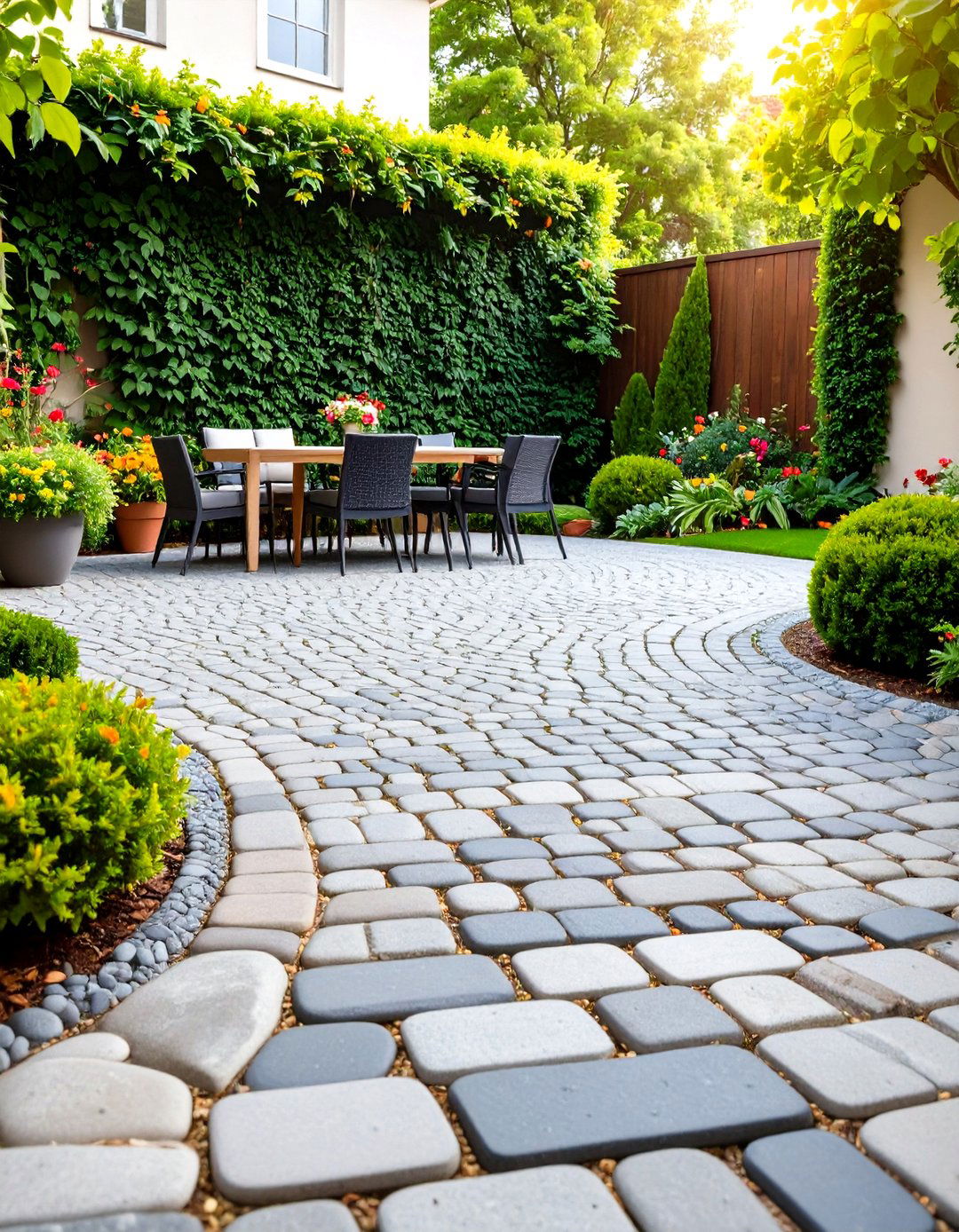
Bring old-world European charm to your backyard with a cobblestone patio paver design. Traditionally made from small, rounded natural stones, modern cobblestone-style pavers replicate this timeless look with more uniform and easy-to-install concrete units. Their small size and slightly irregular shape create a highly textured, durable surface with a rich, historic character. A cobblestone patio is perfect for creating winding paths, intimate courtyards, or a rustic seating area. The classic look pairs wonderfully with traditional architecture and lush, informal garden settings, evoking a sense of permanence and history.
10. Patio Paver Walkway Integration
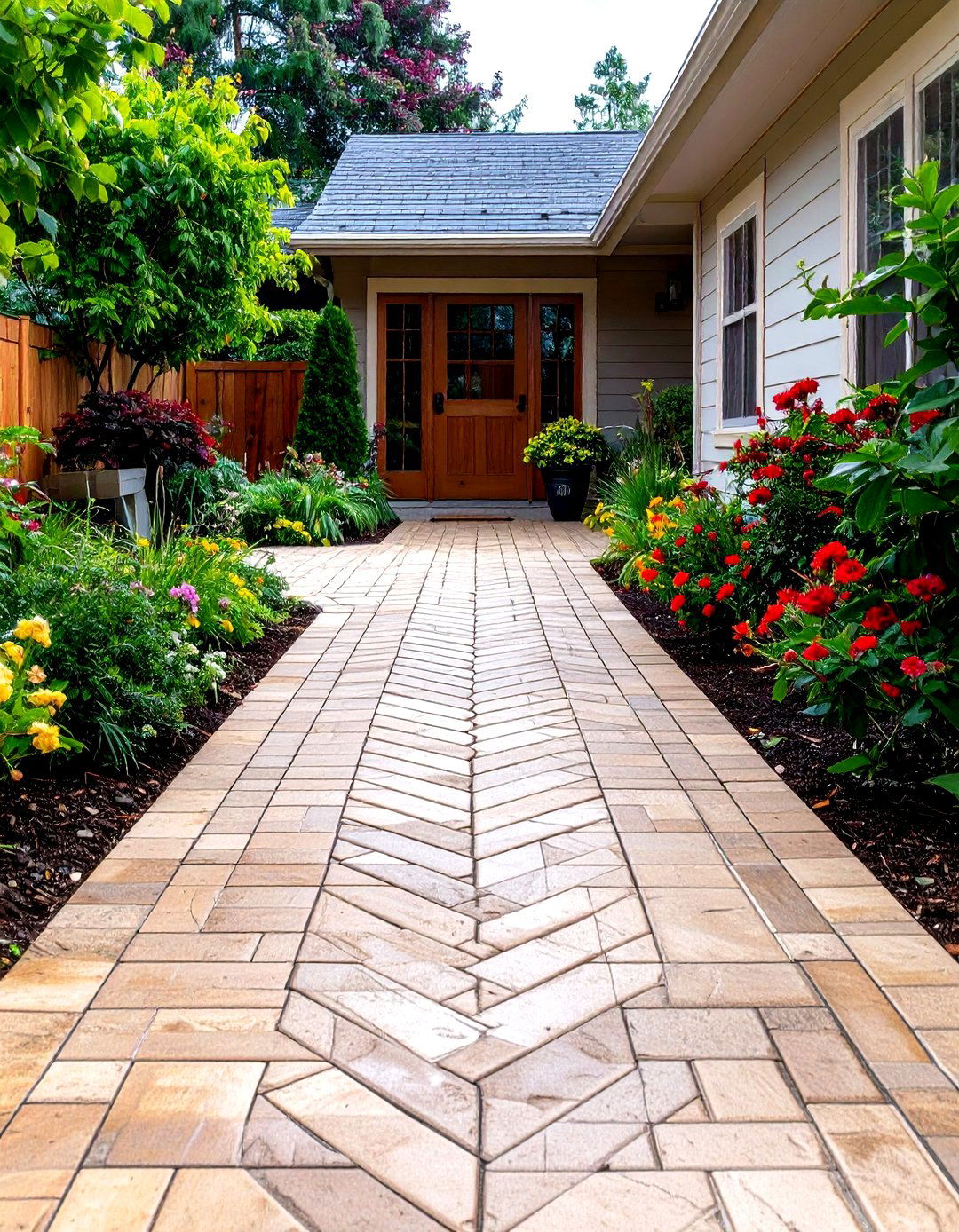
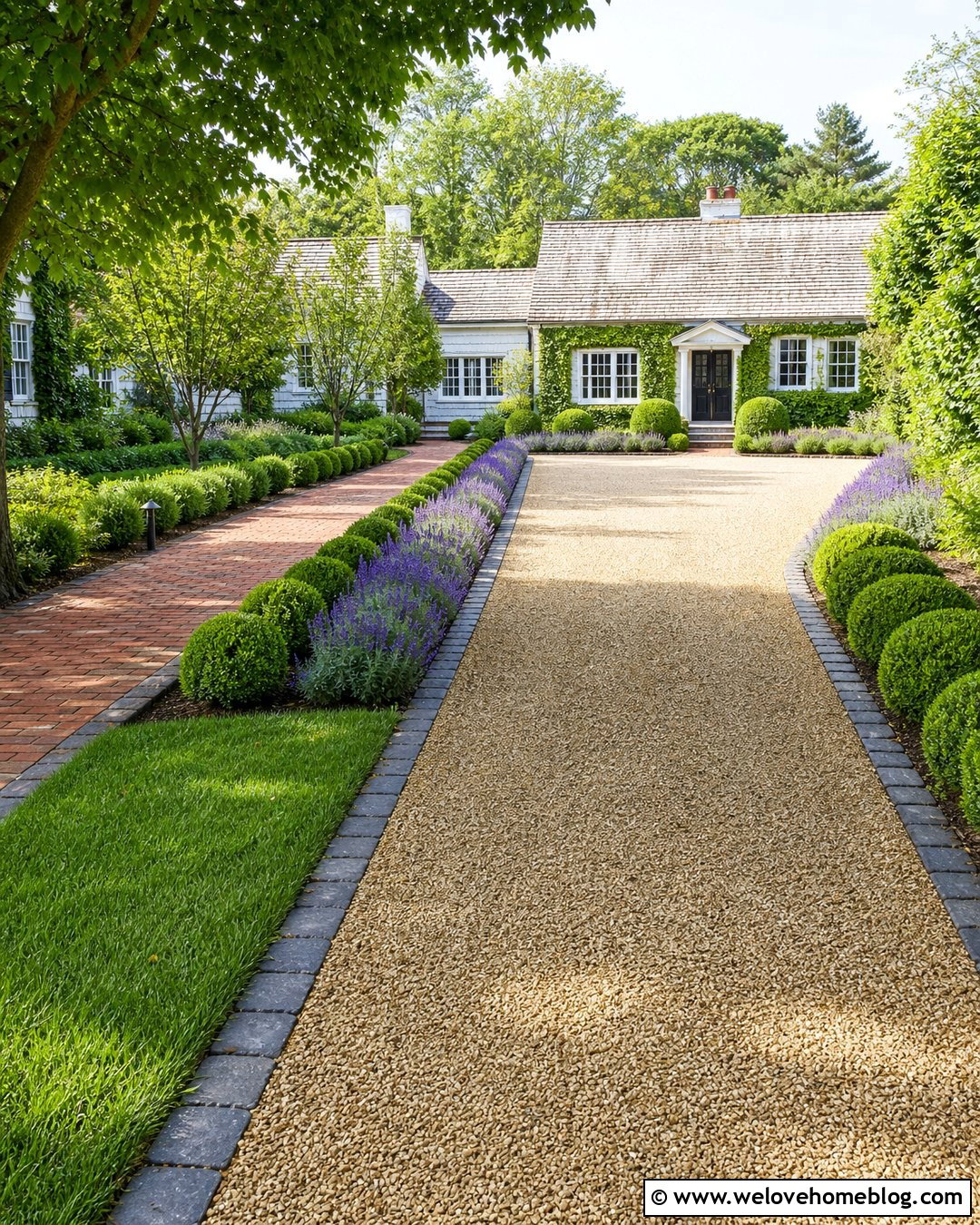
Creating a seamless transition from your patio to other parts of your yard can be achieved by integrating a matching paver walkway. Using the same pavers and pattern for both the patio and the path creates a cohesive and unified look throughout your landscape design. A running bond or herringbone pattern can lead the eye from the backdoor, across the patio, and out towards a garden, shed, or front gate. This not only enhances the visual flow but also makes the entire outdoor space feel more connected and thoughtfully planned. It’s a practical and aesthetic upgrade that ties everything together.
11. Stacked Bond Patio Pavers
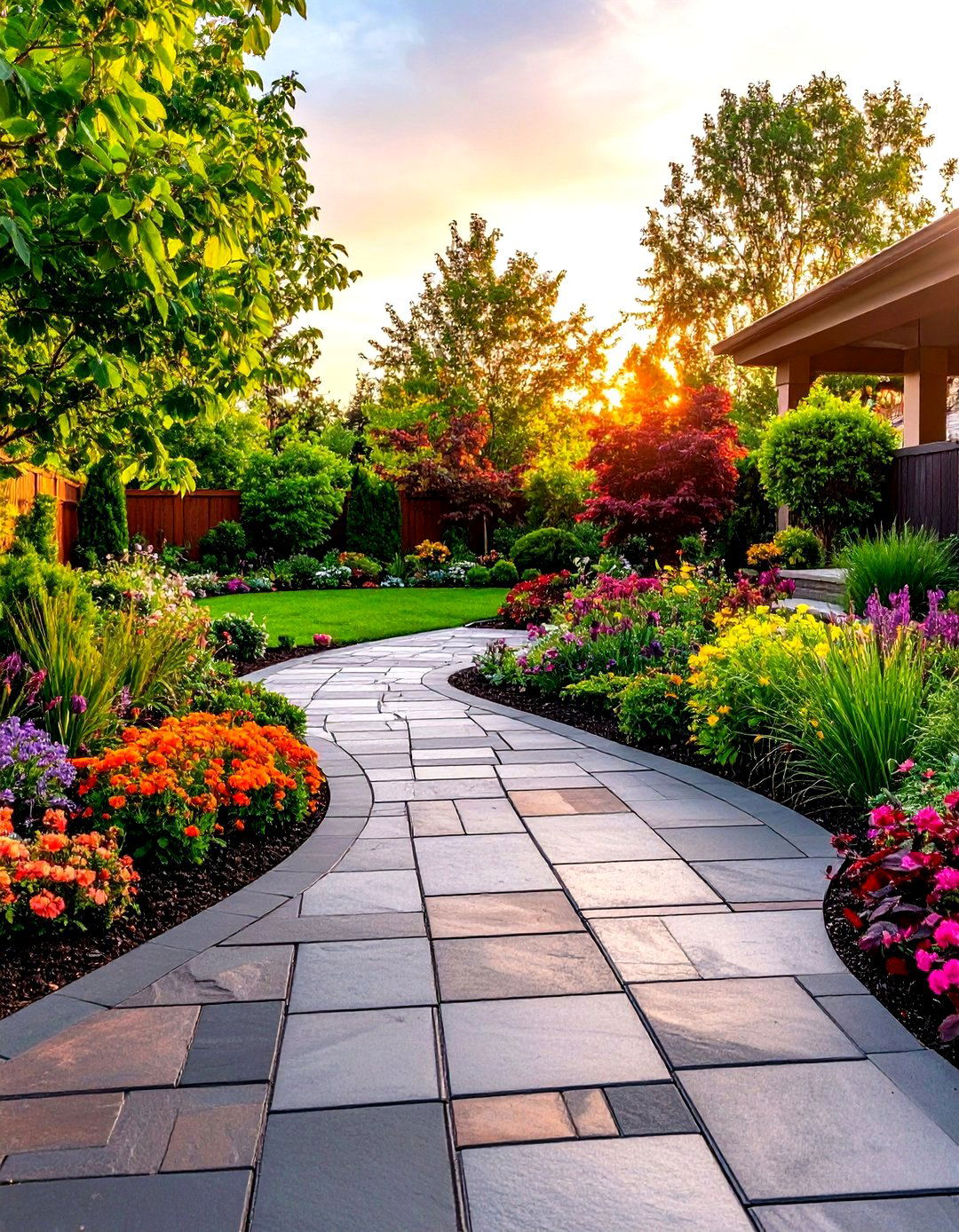
The stacked bond pattern, also known as a grid or checkerboard pattern, offers a simple yet distinctly modern aesthetic. This design is created by aligning pavers of the same size in straight, uniform rows and columns without any offsetting. The continuous, unbroken joint lines in both directions create a clean, geometric grid that is highly ordered and contemporary. This pattern works especially well with large square or rectangular pavers in neutral tones like gray or charcoal. Its simplicity emphasizes the shape of the pavers themselves, making it an excellent choice for minimalist designs that prioritize clean lines and structure.
12. Patio Pavers with a Contrasting Border

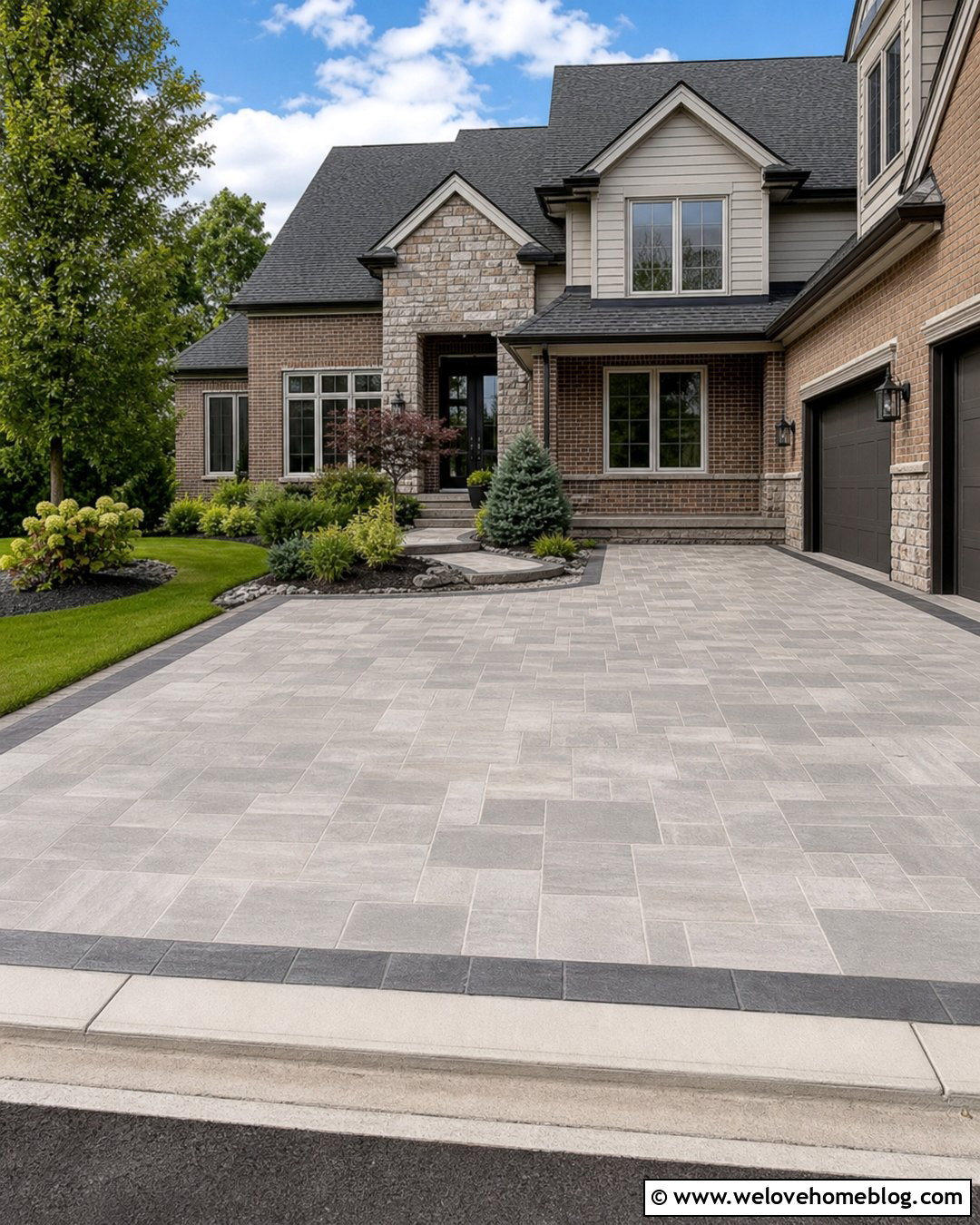
Adding a contrasting border is a simple yet effective way to elevate the look of any patio paver design. By framing your main patio area with pavers of a different color, size, or material, you create a crisp, finished edge that defines the space. For example, a light-colored patio could be framed with a dark charcoal border, or a brick patio could be edged with stone-like pavers. This technique not only adds a decorative, custom touch but also helps to contain the main paver field, preventing shifting over time. It’s a design detail that adds polish and visual structure.
13. Stamped Concrete Patio Pavers
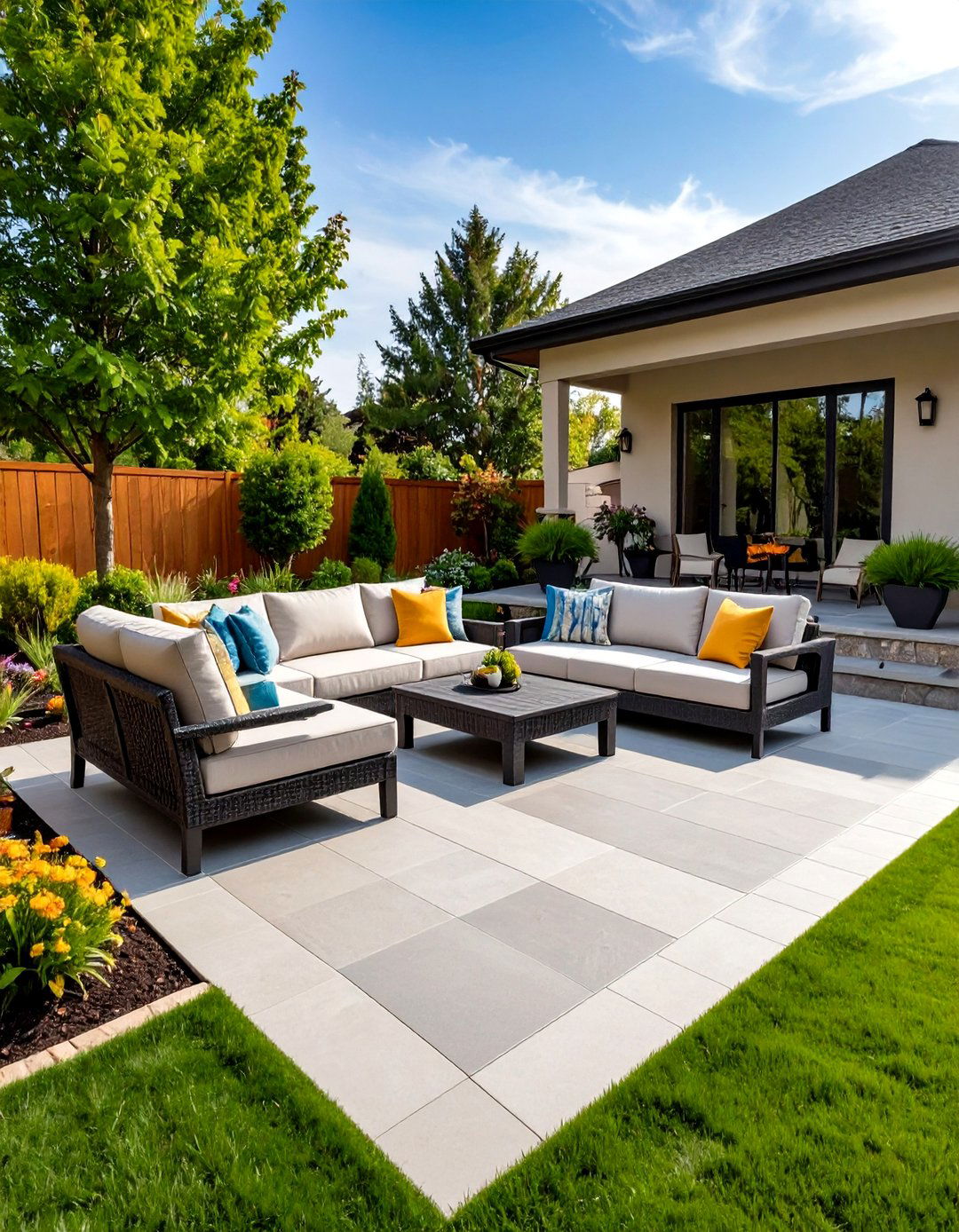
Stamped concrete offers the durability and affordability of a poured concrete slab but with the decorative appeal of individual pavers. In this process, wet concrete is poured and then impressed with molds that mimic the look of brick, slate, flagstone, or even wood planks. Color can also be added to enhance the realism. This technique provides a seamless, solid surface that eliminates the worry of weeds growing in joints while still achieving the texture and pattern of more expensive materials. It's a versatile and low-maintenance option for achieving a high-end paver look on a budget.
14. Diagonal Patio Paver Layout
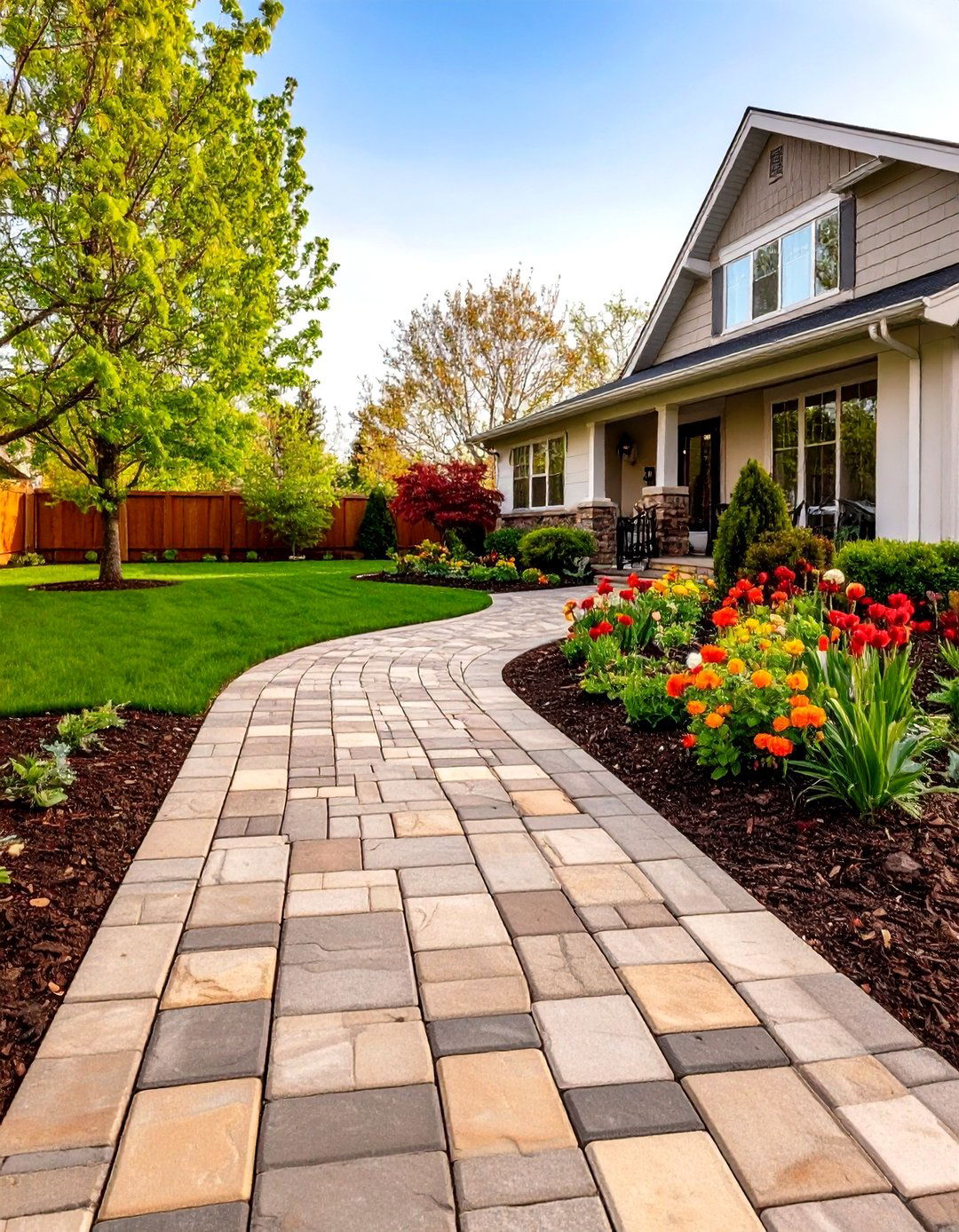
Laying pavers on a diagonal can dramatically change the feel of your patio. By orienting a traditional pattern like a running bond or stacked bond at a 45-degree angle to the house, you create a sense of movement and visual interest. This technique can also make a small or narrow patio feel wider and more spacious. It’s a simple twist on a classic layout that adds a dynamic quality without requiring complex cutting or special paver shapes. A diagonal layout draws attention and can turn a simple patio into a more engaging and unique design feature in your backyard.
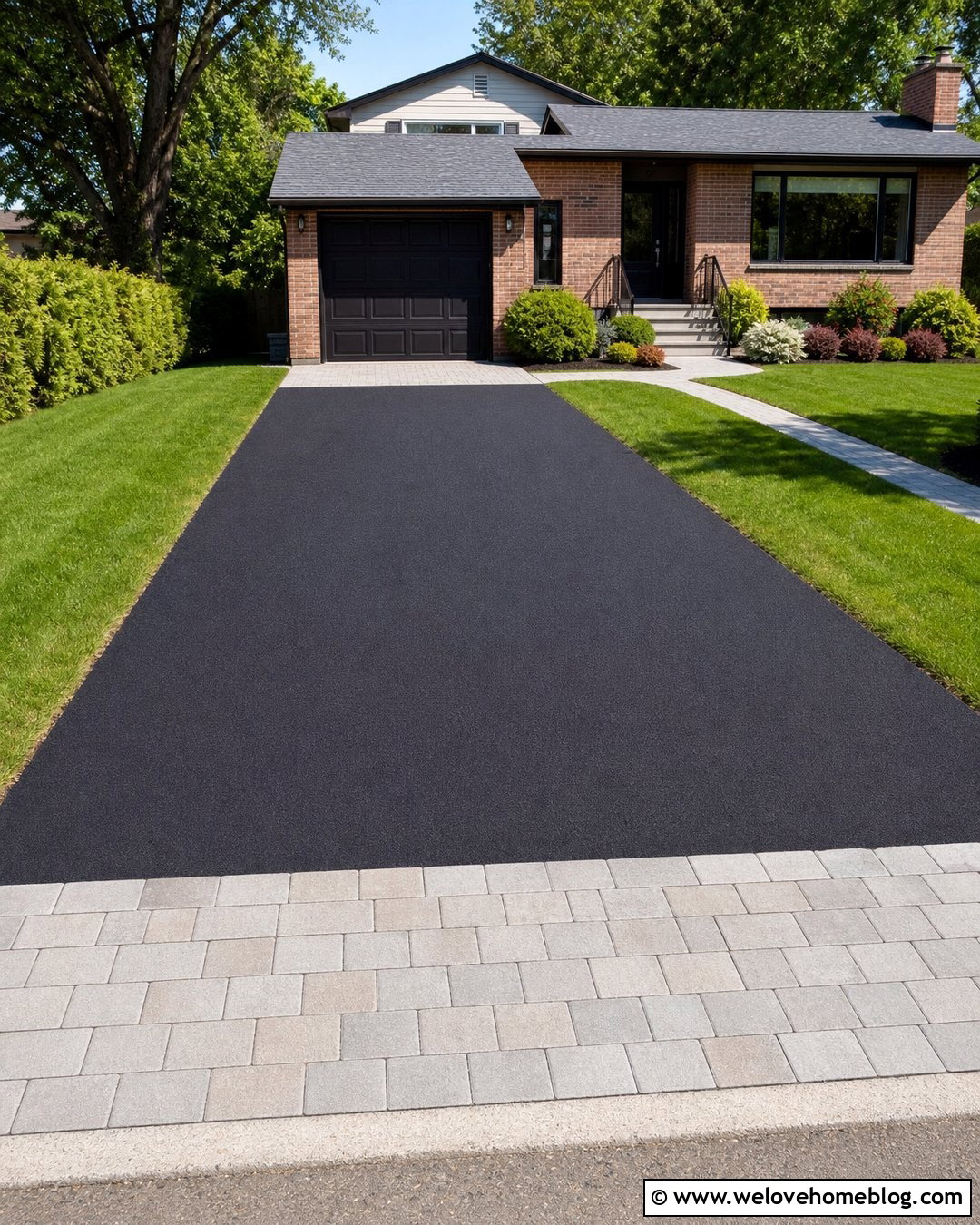
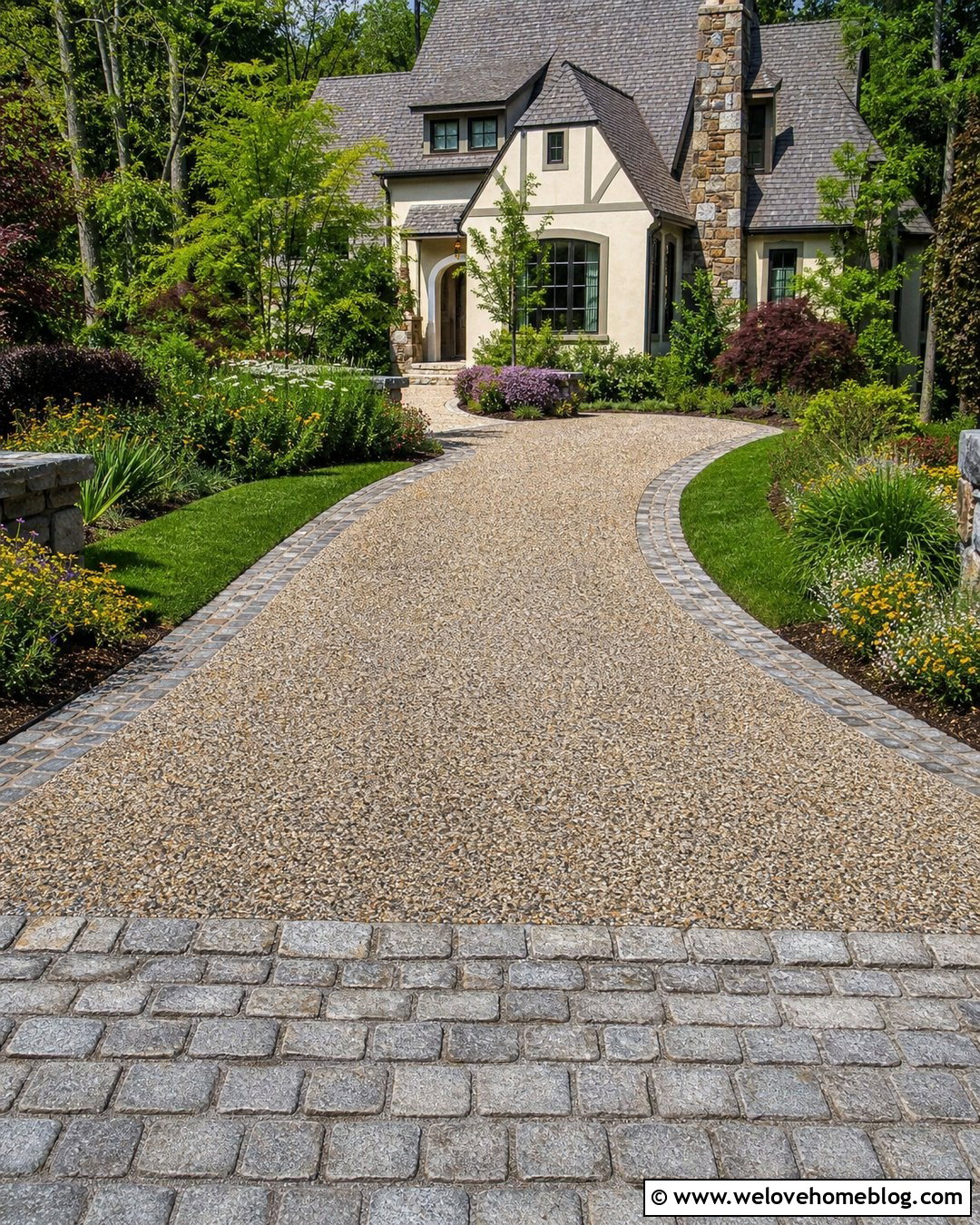
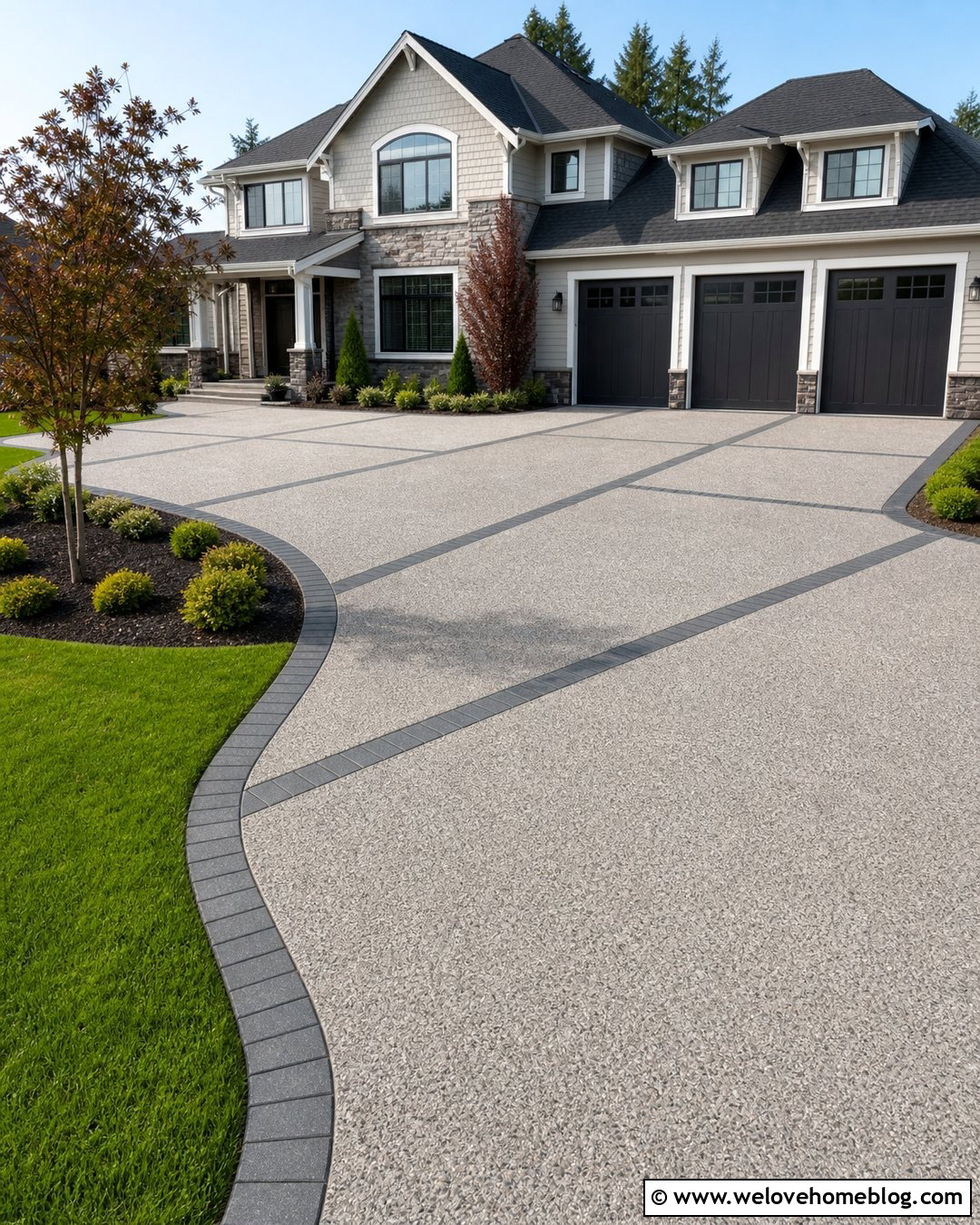

15. Worn-Look Tumbled Patio Pavers
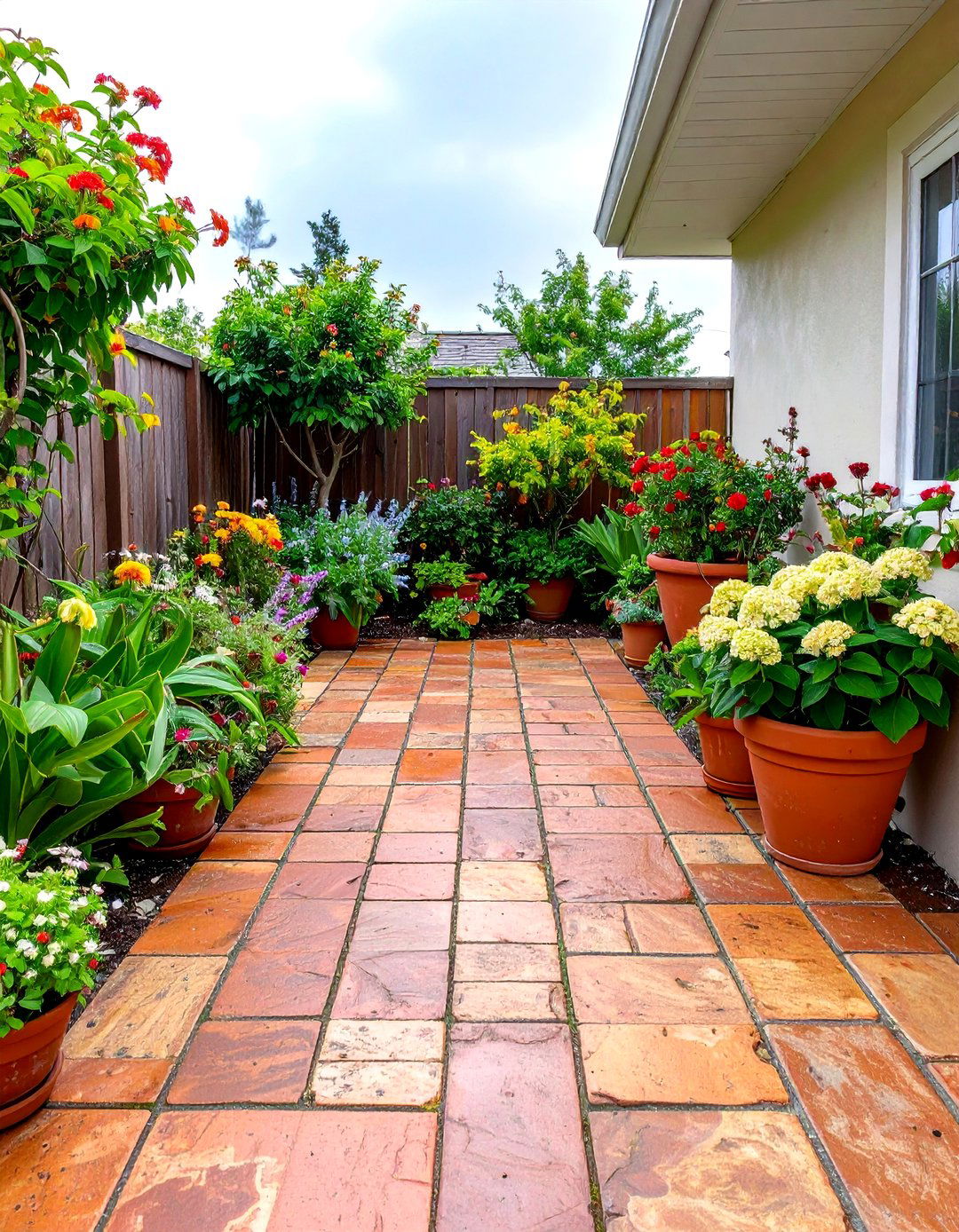
For a patio that feels like it has been there for centuries, tumbled pavers are an excellent choice. These pavers, typically concrete or natural stone, are put through a mechanical tumbling process that rounds their edges and gives them a weathered, aged appearance. The resulting surface has a soft, rustic character that is perfect for traditional, cottage, or Mediterranean-style homes. Tumbled pavers look stunning in patterns like a random layout or a simple running bond, where their unique texture and distressed finish become the main attraction, creating a warm and inviting outdoor atmosphere.
16. Black Slate Patio Pavers

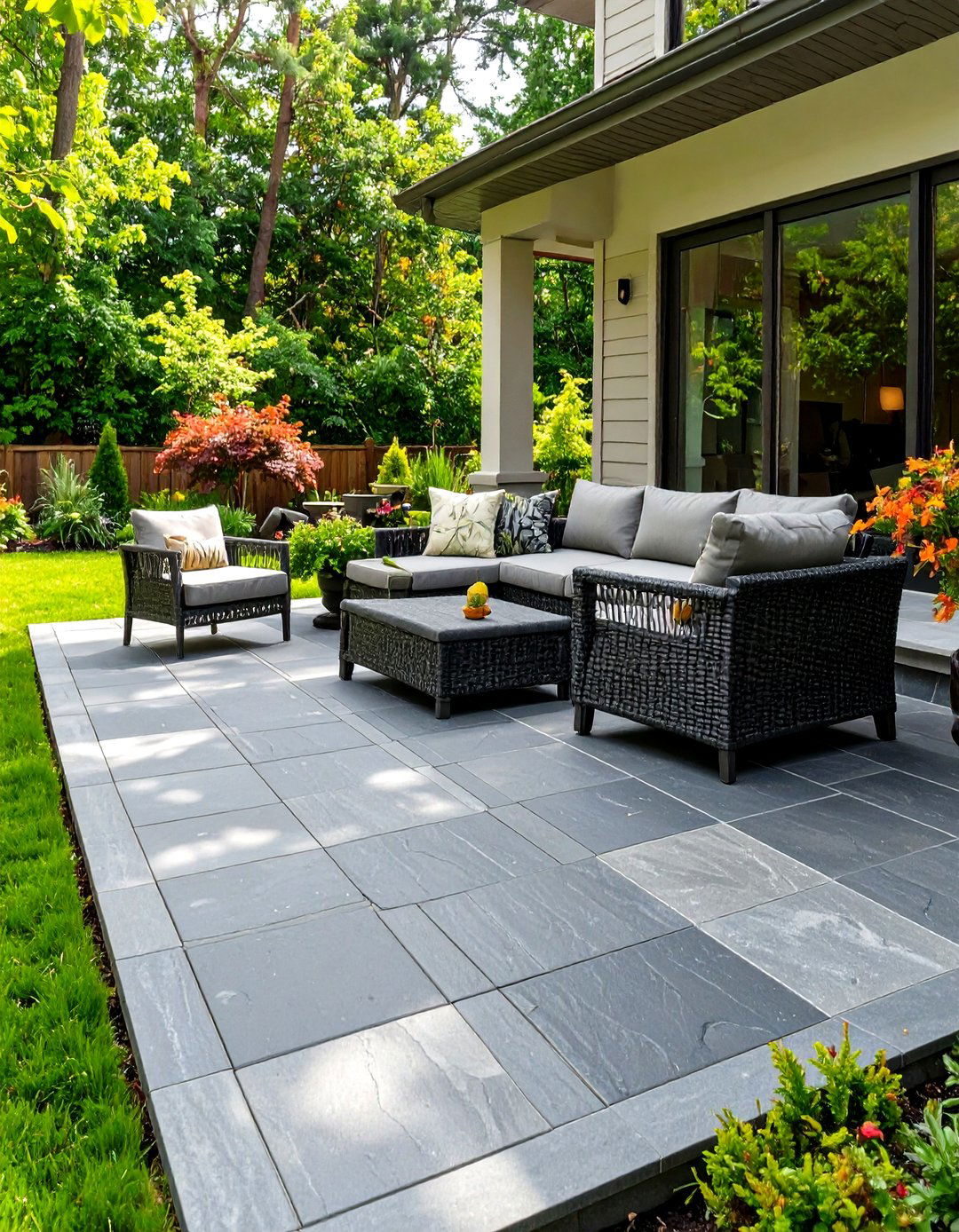
For a truly dramatic and sophisticated patio, consider using black slate pavers. Slate is a natural stone known for its fine grain and rich, dark color, which can range from deep charcoal to jet black. A patio made from black slate creates a bold, contemporary statement that serves as a stunning backdrop for outdoor furniture and vibrant plantings. The natural cleft surface of slate provides subtle texture and slip resistance. While it requires sealing to maintain its deep color and protect it from stains, the luxurious and high-end result is a sleek and modern outdoor space with undeniable visual impact.
17. Sandstone Patio Pavers
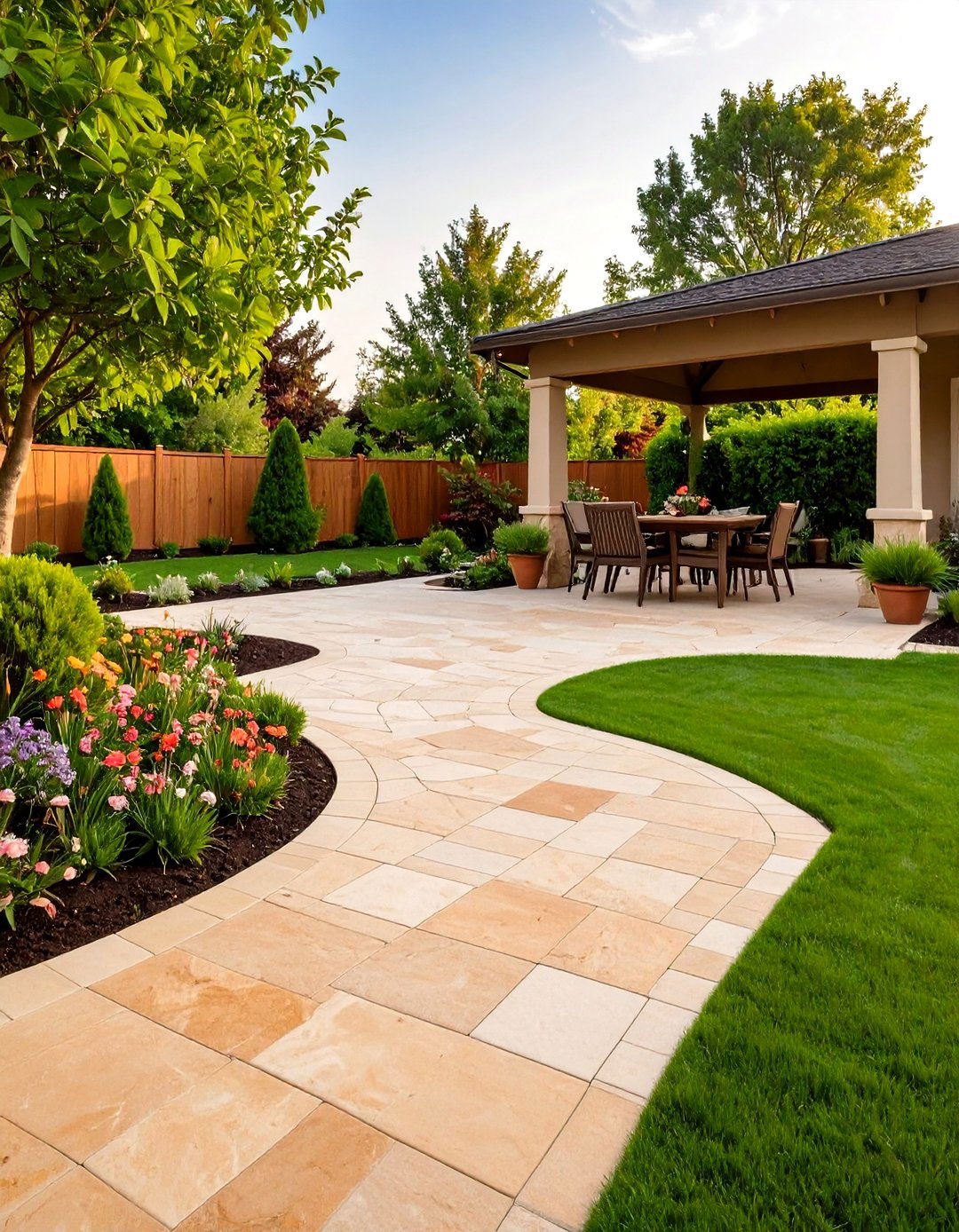
Sandstone pavers bring a warm, earthy, and natural feel to any patio. This sedimentary rock comes in a beautiful range of colors, including tan, beige, pink, and reddish-brown, often with unique veining and color variations in each stone. The slightly gritty texture provides excellent slip resistance, making it a safe and practical choice for outdoor surfaces. A sandstone patio blends seamlessly into a garden setting, complementing lush greenery and flowering plants. Its natural charm is perfect for creating a relaxed, informal space that feels both elegant and connected to the earth.
18. Multi-Sized Patio Paver Patterns

Using a pattern that incorporates pavers of multiple sizes is a fantastic way to create a dynamic and visually interesting patio surface. Many manufacturers offer paver sets that include three or more different rectangular and square sizes designed to be laid in a repeating, interlocking pattern. This approach breaks up the monotony of a single-sized paver layout, adding a sense of rhythm and complexity. The resulting look is often described as a random or ashlar pattern, which has a more natural, less rigid feel than single-sized designs, perfect for adding texture and character.
19. Patio Pavers Around a Fire Pit

Designing your patio with a built-in fire pit as the central feature creates an ultimate gathering spot for friends and family. The key is to arrange the pavers around the fire pit in a way that enhances it as a focal point. A circular paver pattern radiating from the fire pit is a classic and effective choice. Alternatively, you can use a different type or color of paver in the immediate vicinity of the fire pit to define the zone. This functional design ensures a safe, non-combustible surface and naturally arranges seating in a conversational circle, making it a cozy and inviting extension of your home.

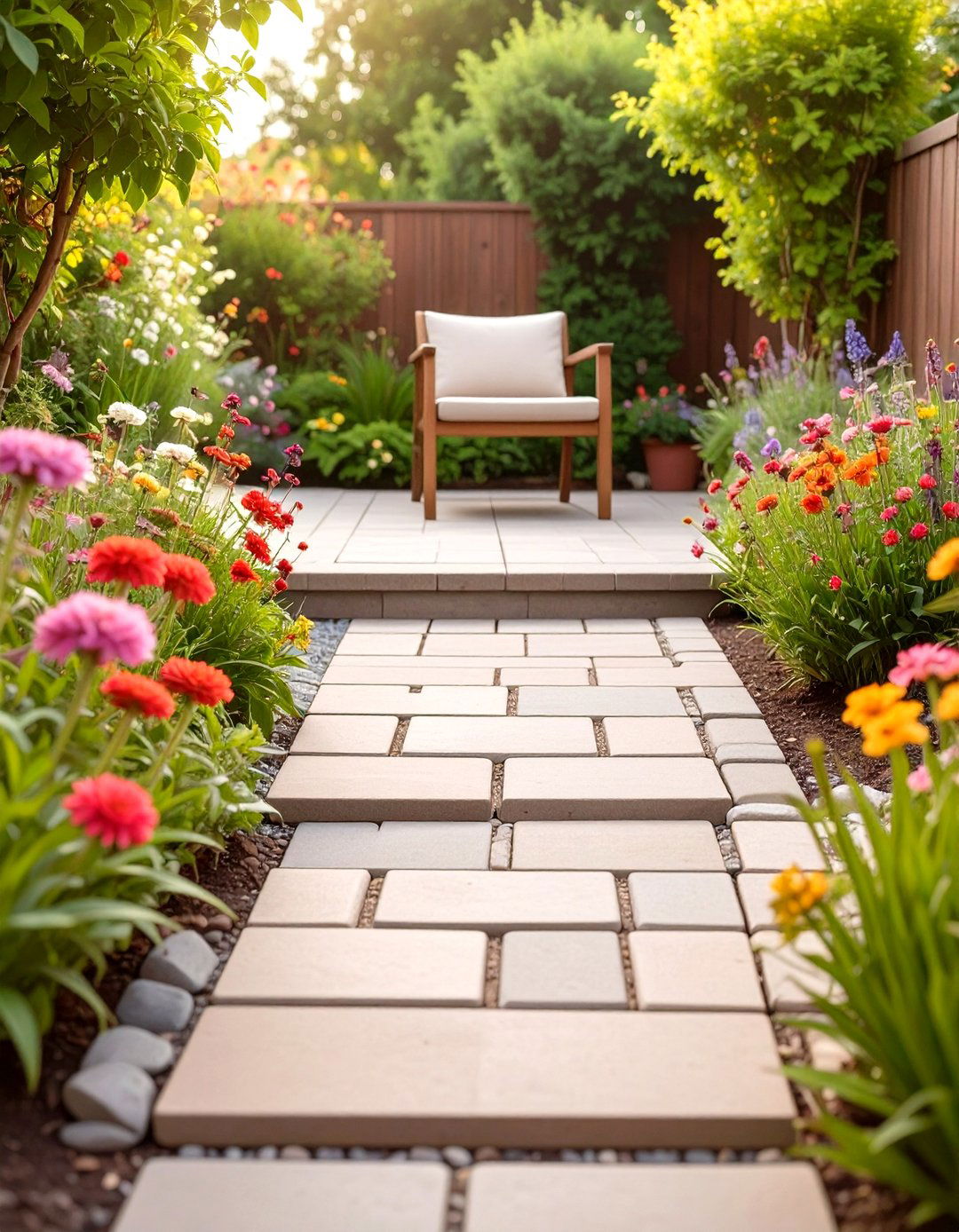

20. Concrete and Pebble Patio Pavers
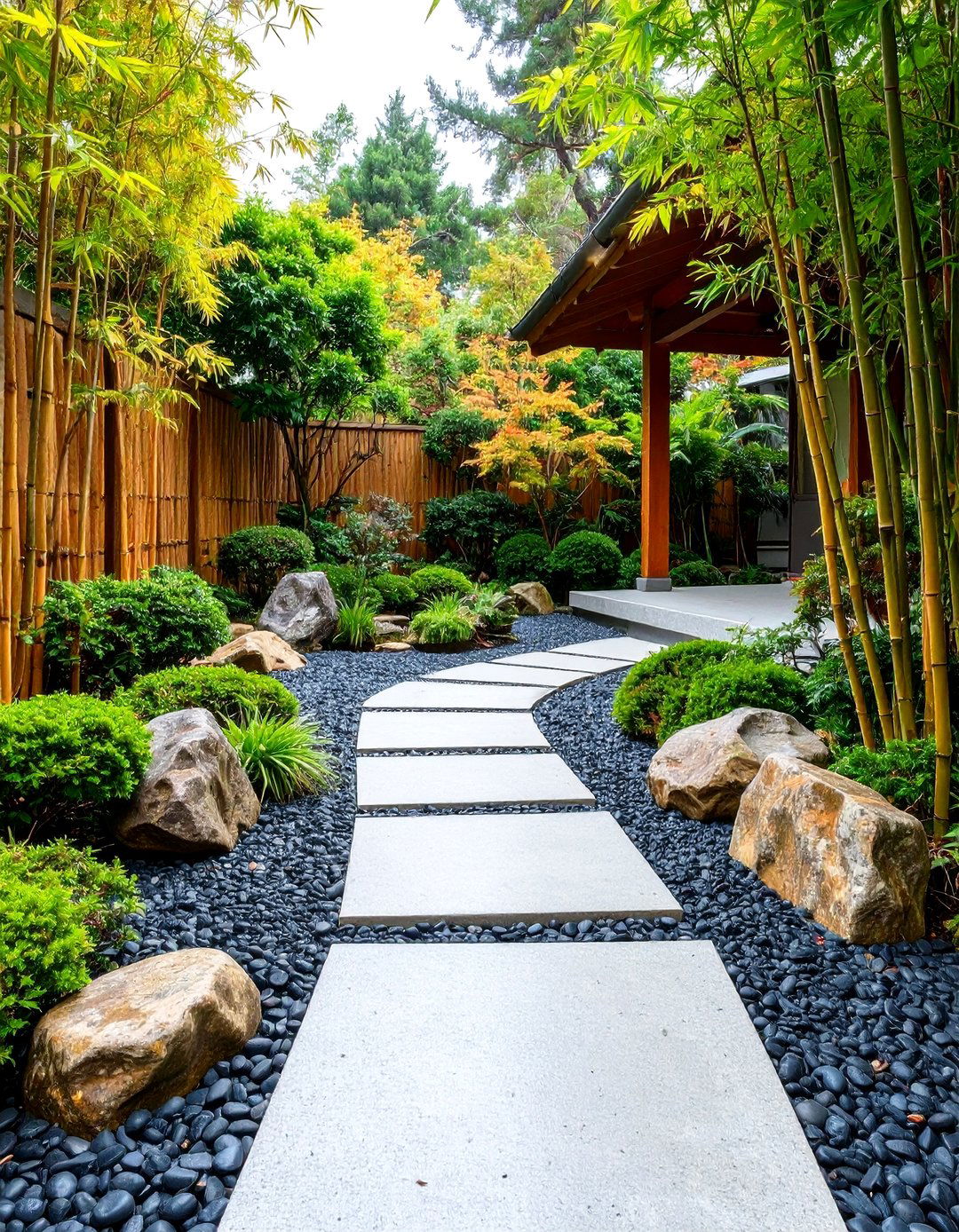
A beautiful way to add texture and a touch of coastal or spa-like style is to combine smooth concrete pavers with decorative pebbles. This design involves setting large-format concrete pavers with wide gaps of 2-4 inches between them, and then filling those gaps with polished river rocks or small, colorful pebbles. The contrast between the sleek, modern pavers and the organic, rounded stones creates a stunning visual and textural effect. This style works well for modern and zen-inspired gardens, creating a pathway or patio that feels both structured and natural underfoot.
21. Red Brick Patio Pavers

The classic charm of a red brick patio is simply undeniable. For centuries, brick has been a go-to material for its warmth, durability, and timeless appeal. A red brick patio can complement a wide range of architectural styles, from traditional colonial to rustic farmhouse. Laying the bricks in a classic pattern like herringbone or basket weave enhances their historic character. The rich, earthy red tones create a welcoming and comfortable atmosphere, providing a beautiful backdrop for garden furniture and potted plants. It’s a choice that never goes out of style and ages gracefully over time.
22. Light-Colored Travertine Patio Pavers

For a touch of Mediterranean luxury, travertine pavers are an exceptional choice. This natural limestone, often found in light, creamy colors like ivory, beige, and silver-gray, stays remarkably cool to the touch even in direct sunlight, making it perfect for poolside patios or hot climates. Travertine has a naturally porous, slightly pitted surface that gives it a unique, elegant texture. Its light, bright appearance can make an outdoor space feel larger and more open. A travertine patio exudes a sense of refined elegance and provides a beautiful, durable surface that feels both sophisticated and inviting.
23. Wooden Deck-Look Porcelain Pavers

Get the beautiful, warm look of a wooden deck without the constant maintenance by using wood-look porcelain pavers. These advanced pavers are designed to perfectly mimic the grain, color, and texture of natural wood planks but offer the superior durability and weather resistance of porcelain. They won’t rot, warp, or fade, and require no staining or sealing. Arranged in a linear pattern, they create the convincing illusion of a high-end hardwood deck. This is an ideal solution for those who love the aesthetic of wood but want a more practical, long-lasting material for their patio.
24. Patio Paver Edging

Defining the edges of your patio with a dedicated paver edging is a critical finishing touch. Edging not only provides a clean, crisp border that separates the patio from the lawn or garden beds but also serves a structural purpose. It holds the main field of pavers securely in place, preventing them from shifting or spreading over time. You can use soldier course edging (bricks laid standing up), a contrasting paver material, or specialized plastic or metal edging systems. This detail ensures the longevity of your patio and gives it a professional, well-maintained appearance.
25. Checkerboard Patio Paver Design

A checkerboard patio paver design creates a bold, graphic statement that is both classic and playful. This look is achieved by alternating pavers of two contrasting colors, typically black and white or charcoal and light gray, in a simple grid pattern. The result is a visually striking surface that adds a touch of retro or formal style to your outdoor space. This design works best with square pavers to create a true checkerboard effect. It's a confident choice that can define an outdoor dining area or a stylish lounge space with its fun yet sophisticated pattern.
26. Patio Pavers for Small Spaces

Even a small balcony or tiny backyard can be transformed with the right patio pavers. For small spaces, it's often best to use larger-format pavers laid in a simple pattern like a stacked bond or running bond. This creates fewer joint lines, which helps to make the area feel less busy and more spacious. Choosing light-colored pavers can also enhance the sense of openness by reflecting more light. A simple, uncluttered design prevents the space from feeling overwhelmed and provides a clean, elegant foundation for compact furniture and container gardens, maximizing both style and function.
27. Rustic Reclaimed Brick Pavers
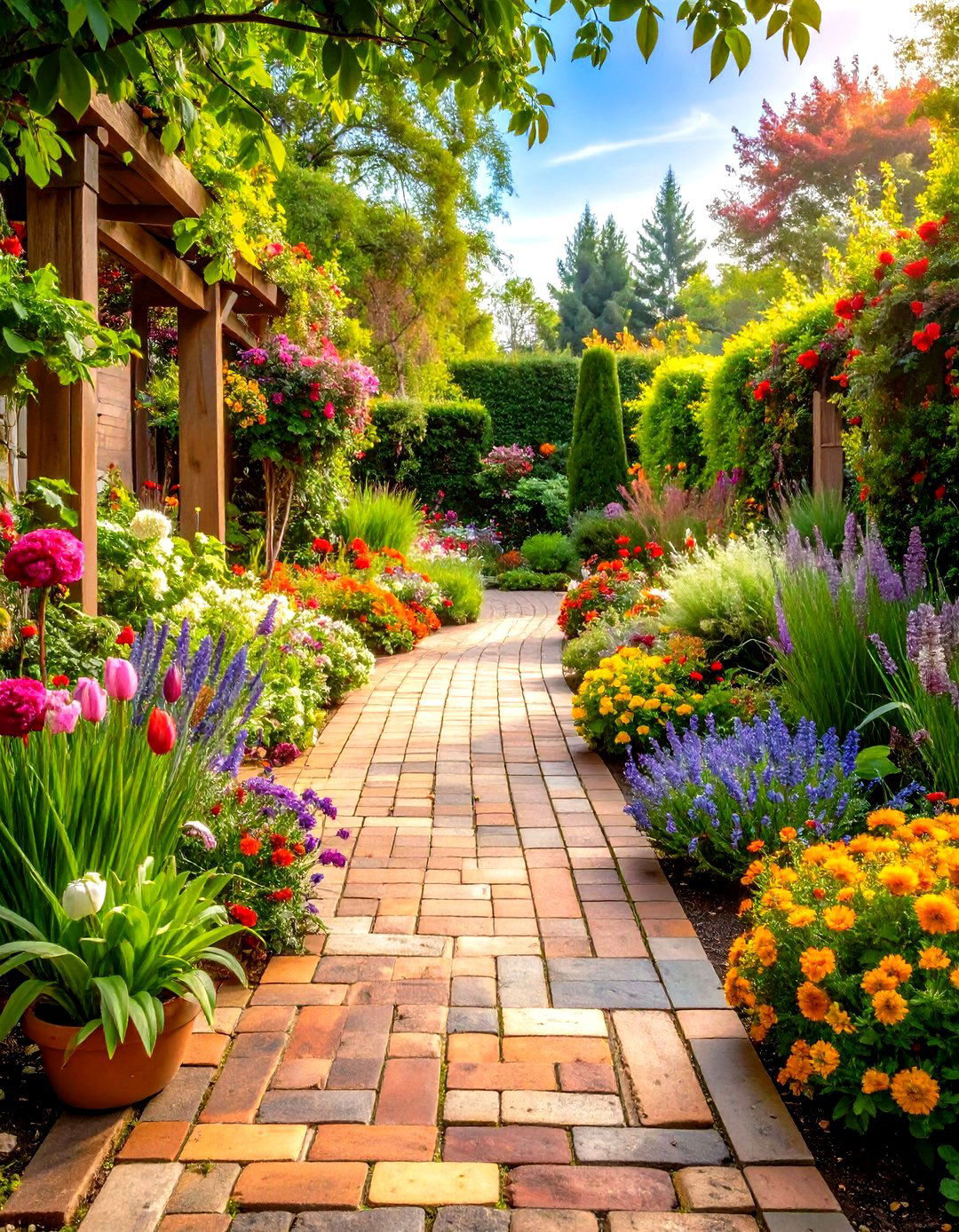
For a patio with authentic character and a story to tell, consider using reclaimed brick pavers. Sourced from old buildings and streets, these bricks carry the nicks, chips, and color variations of a previous life, giving your patio an instant sense of history and rustic charm. No two reclaimed bricks are exactly alike, which results in a wonderfully unique and textured surface. They are perfect for cottage gardens, historic homes, or any space where you want to create a warm, lived-in feel. A reclaimed brick patio is not just a surface; it's a piece of history.
28. Patio Pavers with Integrated Lighting

Integrating lighting directly into your patio paver design adds ambiance, safety, and a touch of modern sophistication. Small, low-voltage LED lights can be installed flush with the surface of the pavers, either along the border, to illuminate steps, or scattered throughout the patio to create a starry-night effect. This built-in lighting solution highlights the texture and pattern of your pavers after dark and provides safe navigation without the need for bulky, freestanding light fixtures. It’s a seamless way to extend the use of your patio into the evening hours while adding a high-end, custom feature.
29. Interlocking Concrete Pavers (ICPs)

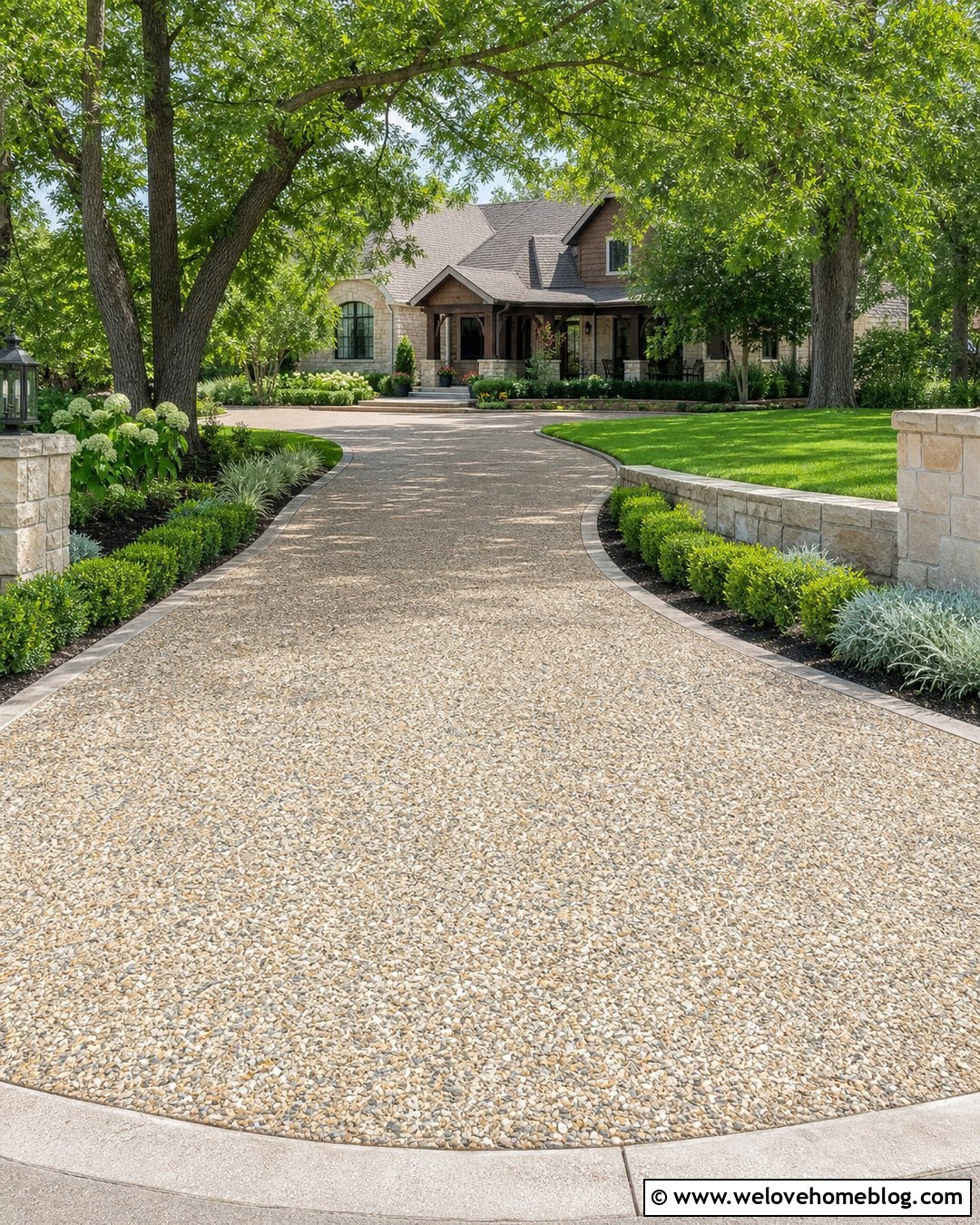
Interlocking concrete pavers, or ICPs, are engineered to fit together tightly, creating an incredibly strong and durable surface. These pavers are manufactured in a variety of shapes—from the classic wavy "S" shape to more complex geometric forms—that are designed to lock into one another. This interlocking system distributes loads over a wide area, making it an excellent choice for driveways as well as patios. The tight joints also help to minimize weed growth and resist movement. Available in many colors and textures, ICPs offer a practical, long-lasting, and versatile paving solution.
30. Bluestone Patio Pavers
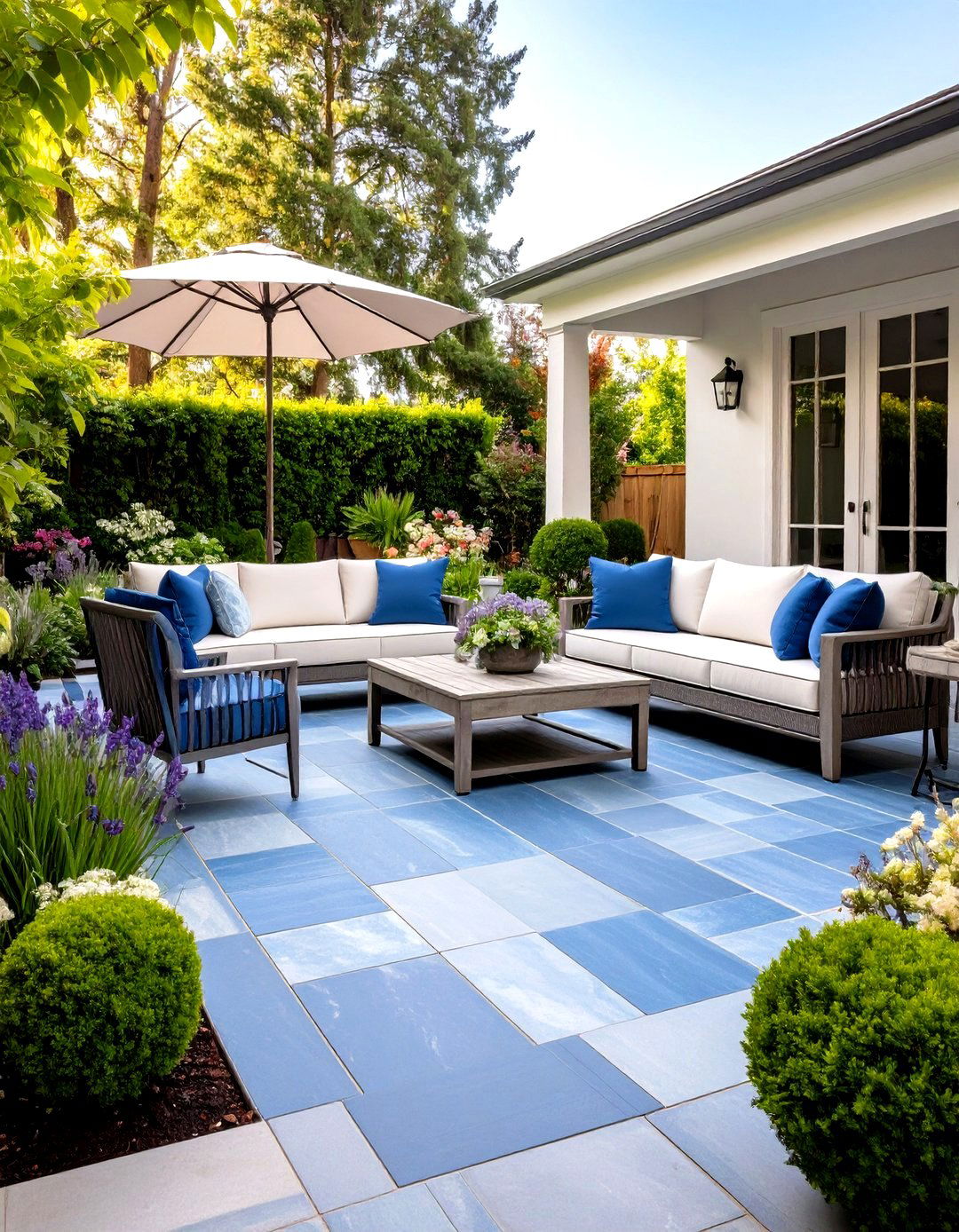
Bluestone is a type of flagstone, a dense and durable sandstone prized for its beautiful range of blue-gray colors. A bluestone patio offers a look of classic, understated elegance that complements almost any home style. It is available in two main finishes: thermal, which is smooth and uniform, and natural cleft, which has a more rustic, textured surface. Bluestone is incredibly hard-wearing and holds up well in all climates. Its subtle, cool tones provide a sophisticated and natural foundation for an outdoor living space, creating a timeless patio that is both beautiful and built to last.
Conclusion:
Creating your ideal outdoor oasis starts from the ground up, and choosing the right patio paver idea is a crucial first step. From the timeless appeal of red brick and the rustic charm of cobblestone to the sleek sophistication of large-format concrete, there is a paver solution to match any aesthetic and functional need. By considering factors like material, pattern, color, and features like integrated lighting or permeable designs, you can craft a durable and stunning patio that not only enhances your home's value but also becomes your favorite spot for relaxation and entertainment.

Related posts:



Leave a Reply