
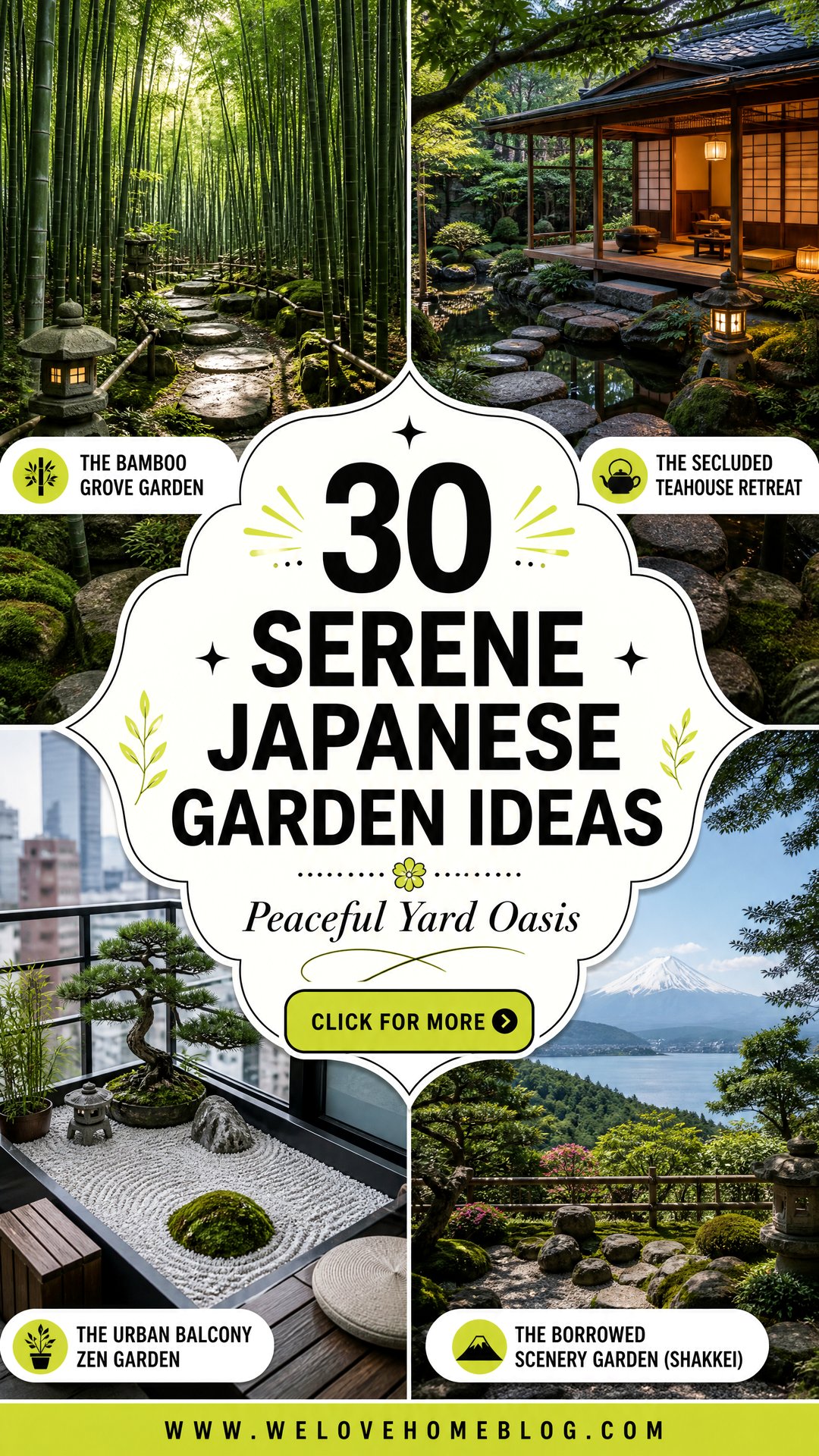
Japanese gardens offer a profound sense of tranquility, transforming any outdoor space into a sanctuary of peace and natural gardens are not merely collections of plants but carefully composed landscapes that evoke a larger natural world, encouraging contemplation and a connection with in ancient philosophies, the design principles emphasize balance, simplicity, and like rock, water, plants, and man-made features are meticulously arranged to create a scene that feels both intentional and effortlessly you have a sprawling backyard or a small balcony, there is a Japanese garden concept that can be adapted to bring this serene aesthetic to your home, creating a personal retreat from the everyday hustle.
1. The Classic Zen Rock Garden (Karesansui)
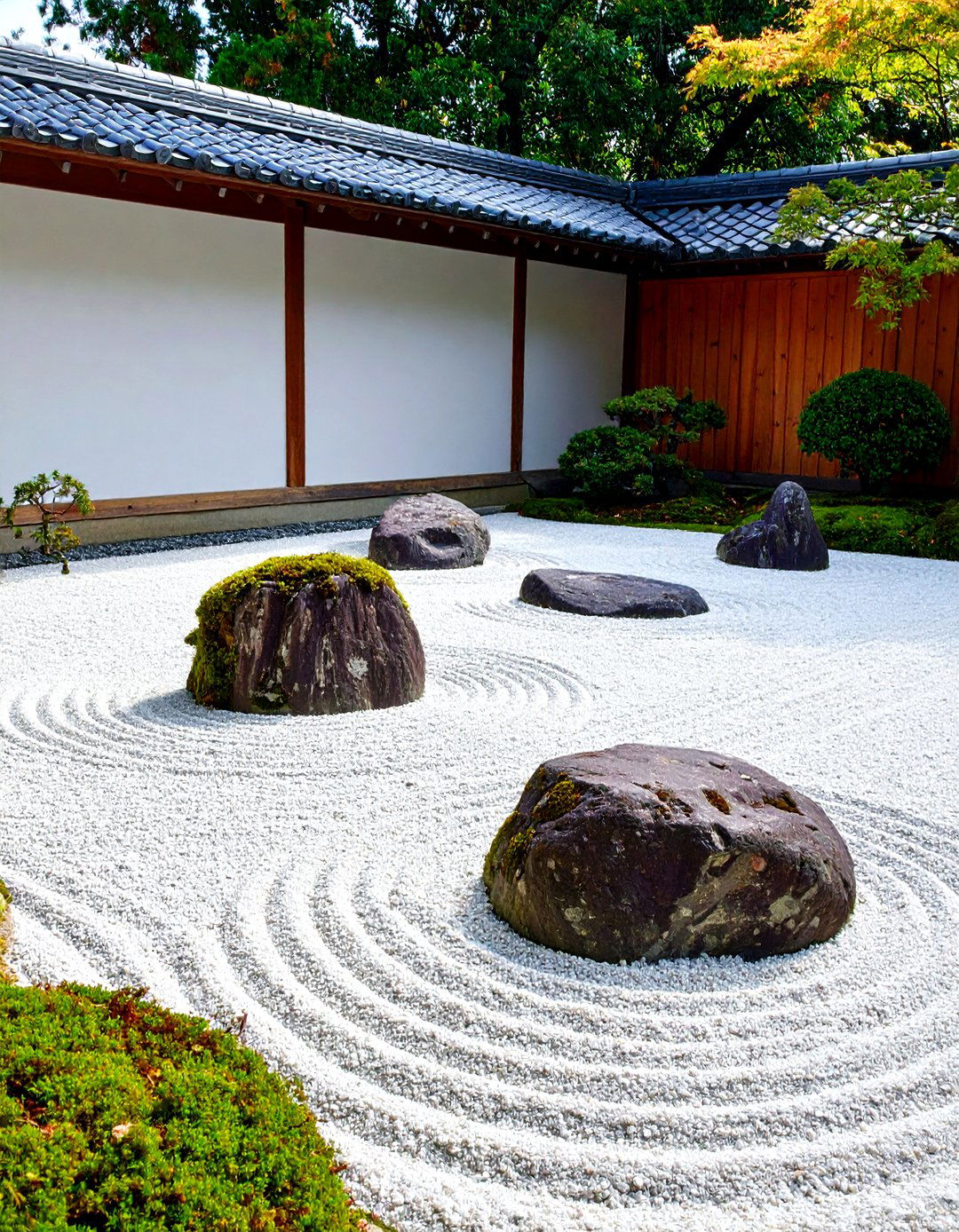
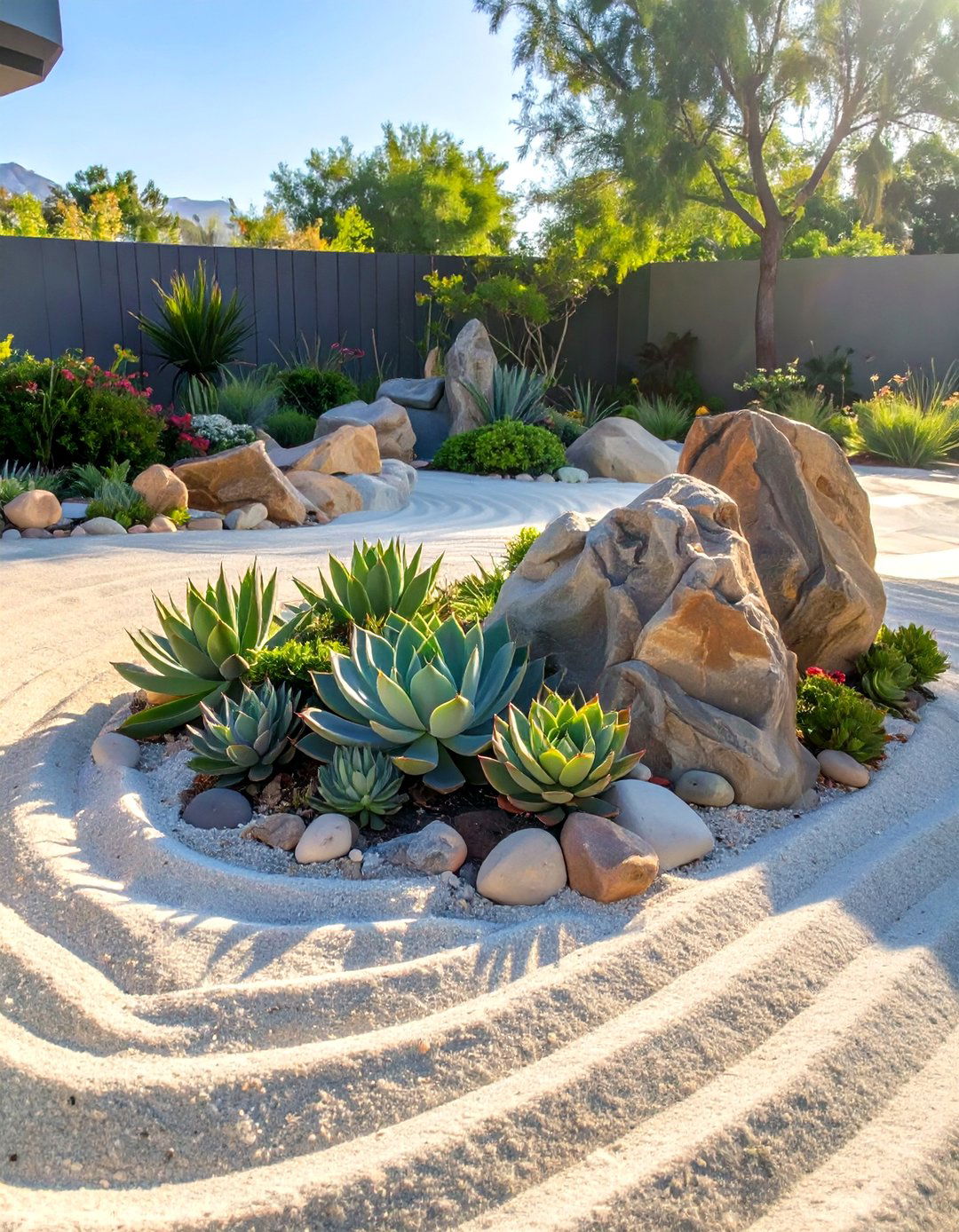
A Karesansui garden embodies tranquility through design uses carefully raked sand or fine gravel to represent water, with large, artfully placed stones symbolizing islands or layout is asymmetrical yet balanced, encouraging quiet is often the only plant life, adding a touch of green to the otherwise monochromatic palette. A simple bamboo fence or a plain wall encloses the space, focusing the viewer's attention style is perfect for small, contemplative areas where the goal is to create a profound sense of stillness and simplicity, away from worldly distractions.
2. The Strolling Pond Garden (Chisen-kaiyu-shiki)
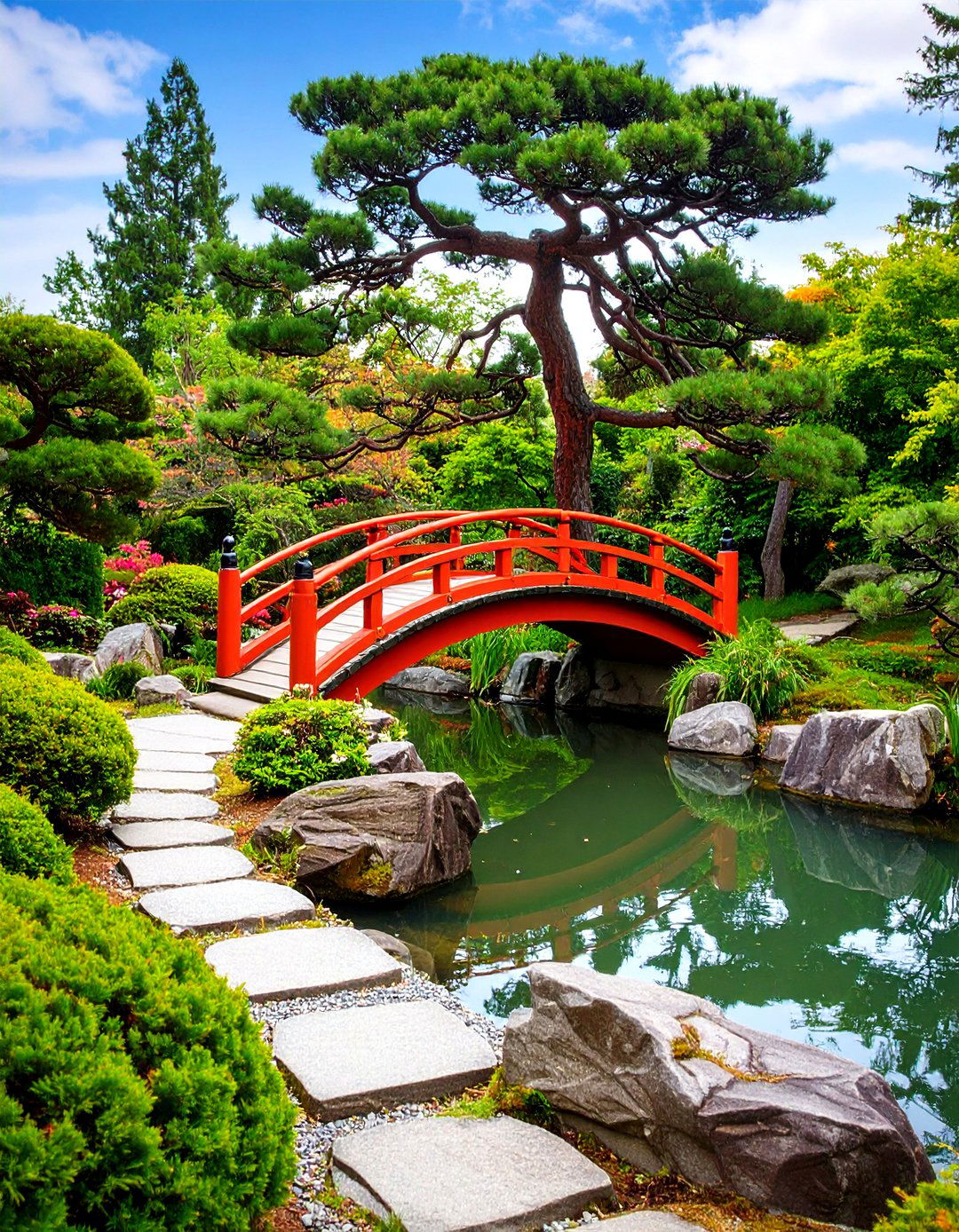
Imagine a garden designed for movement and strolling pond garden features a central pond with a path that meanders around it, revealing new vistas at every elements include stone lanterns placed at strategic points, a gently arching bridge crossing the water, and carefully pruned pine layout invites exploration, with the path leading to hidden corners, a small teahouse, or a viewing design is ideal for larger spaces, creating an immersive experience where the journey through the garden is as important as the destination itself.
3. The Tea Garden (Chaniwa or Roji)
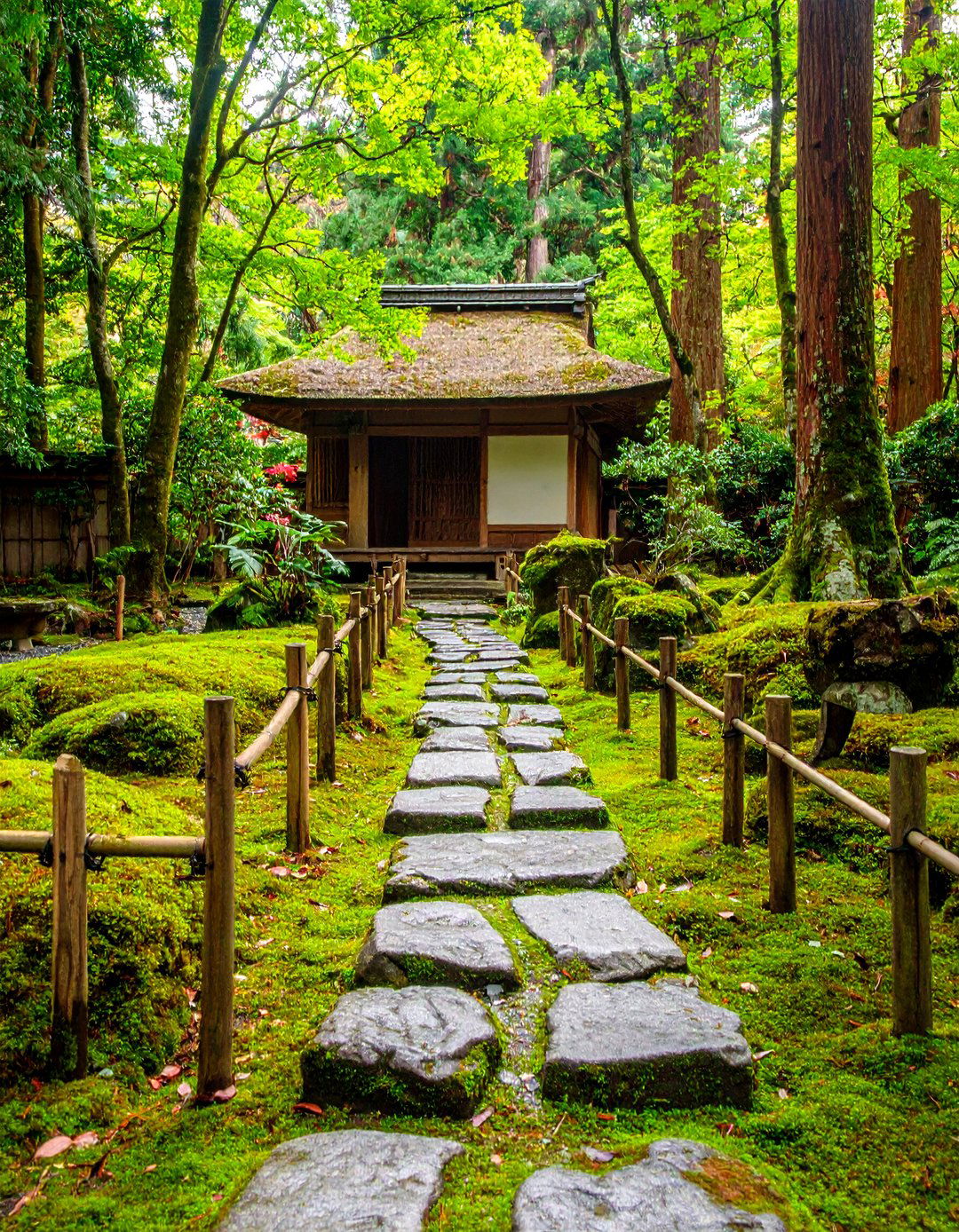
A tea garden, or Roji, is the path leading to a traditional Japanese design is intentionally rustic and simple, preparing the visitor for the tea path, often made of irregular stepping stones (tobi-ishi) , encourages mindfulness with each step. A stone water basin (tsukubai) is placed near the teahouse for ritual provide subtle light, and the planting is naturalistic, with moss, ferns, and shade-loving trees creating a serene, enclosed garden style is about the journey, cleansing the mind before partaking in the ceremony.
4. The Courtyard Garden (Tsubo-niwa)
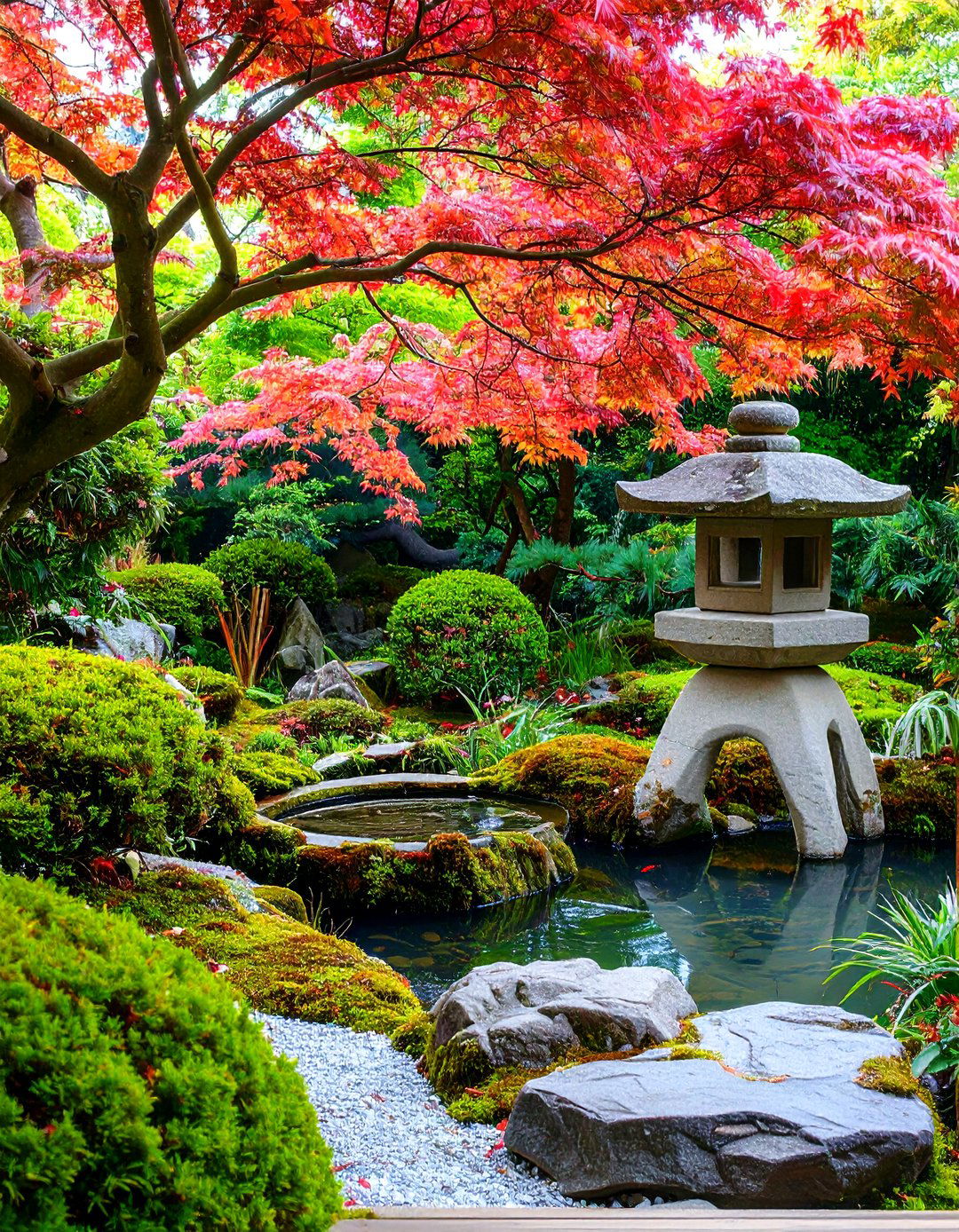
For those with limited space, the courtyard garden, or Tsubo-niwa, offers a perfect small gardens are designed to be viewed from inside the home, often enclosed by walls or buildings. A single stone lantern, a small water basin, and a carefully selected maple or bamboo plant can create a complete, picturesque design focuses on creating a microcosm of nature, a living painting that changes with the is crucial, with subtle uplighting on key features to create dramatic shadows and extend the garden's beauty into the evening hours.
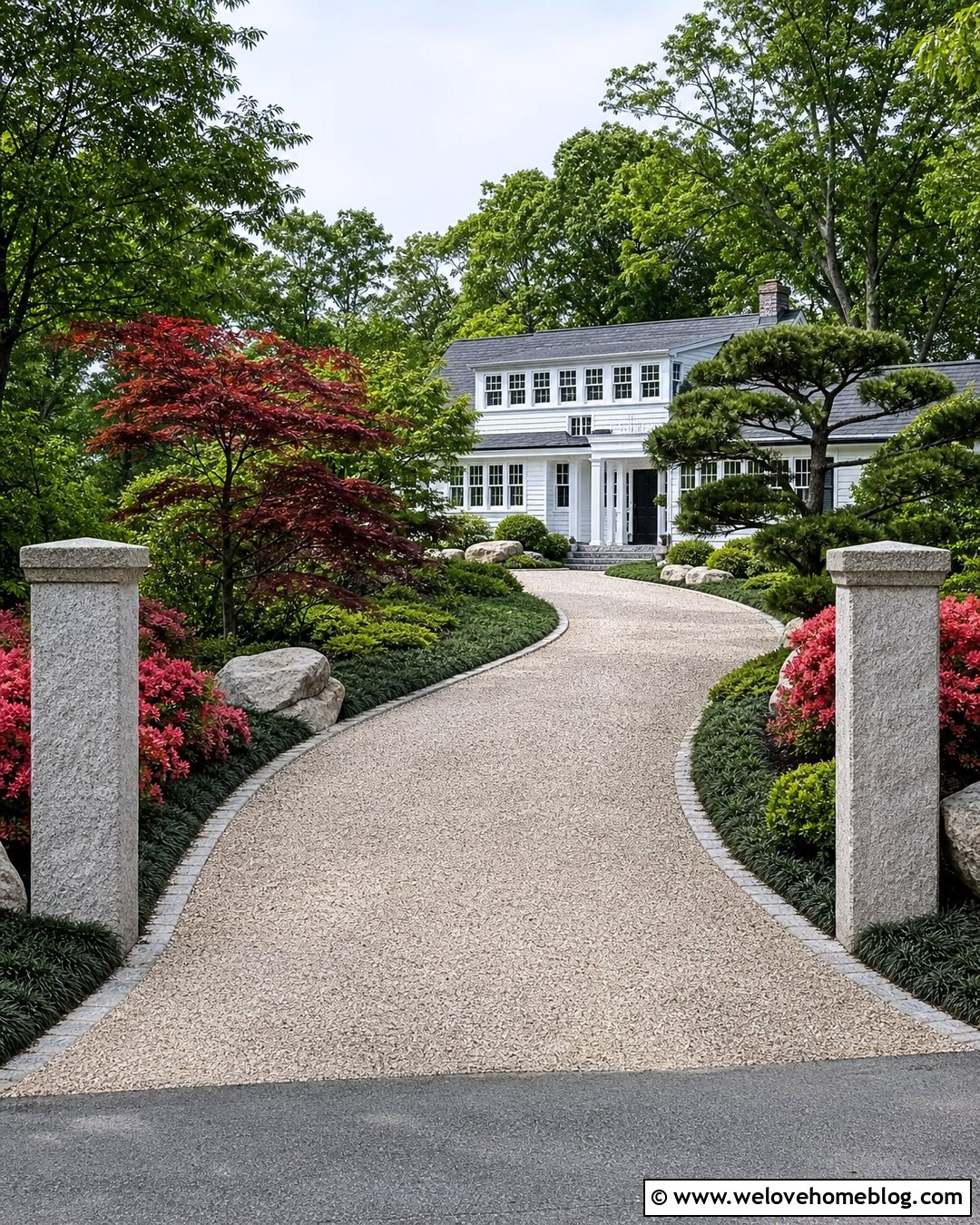
5. The Modern Minimalist Japanese Garden
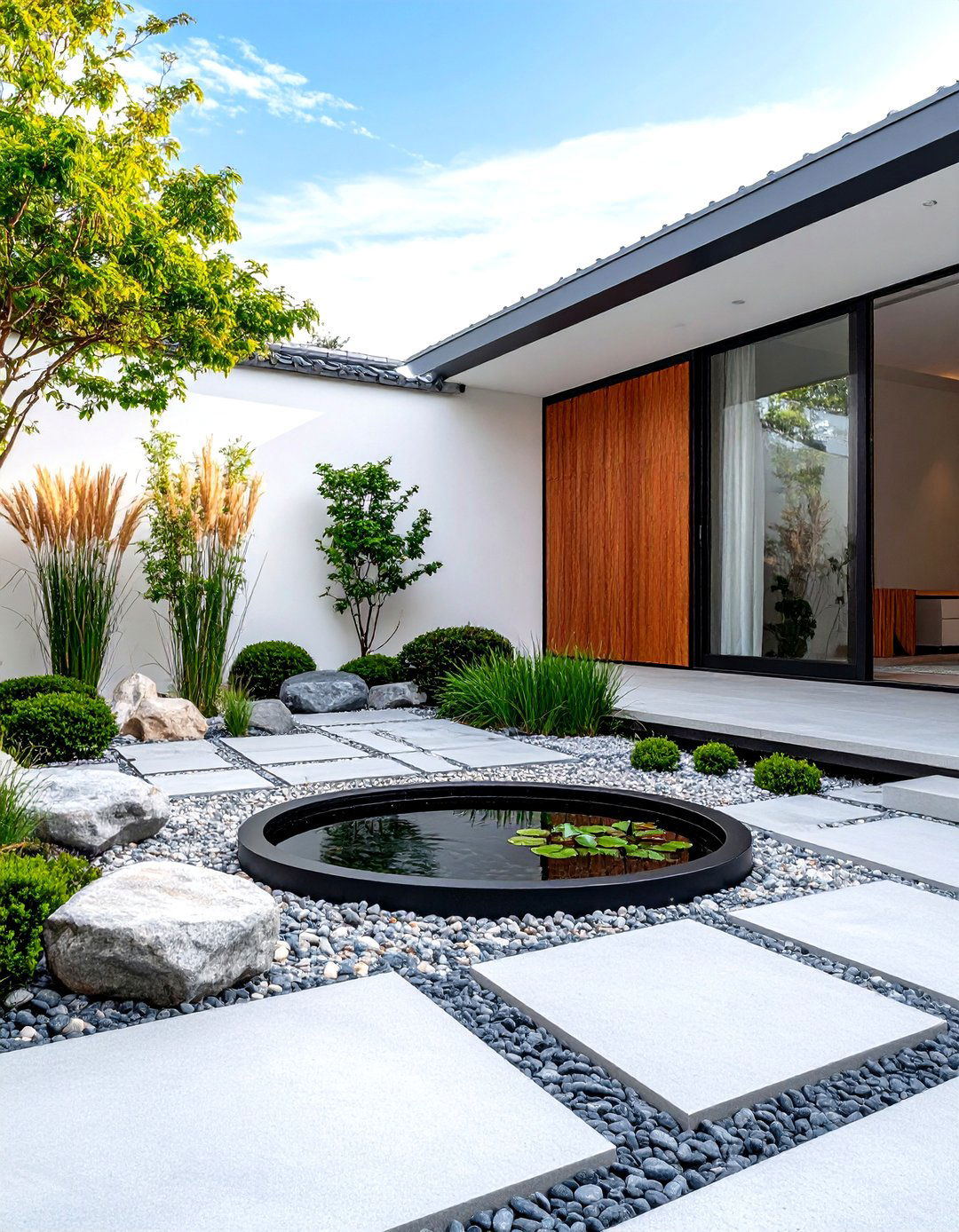
This contemporary take on traditional design prioritizes clean lines and a simple material palette. A modern Japanese garden might feature polished concrete pavers instead of natural stepping stones, a sleek metal water feature instead of a stone basin, and a limited selection of architectural plants like bamboo or ornamental layout is geometric and uncluttered, emphasizing form and texture. A monochromatic color scheme of grays, whites, and greens dominates, creating a sophisticated and calming environment that complements modern architecture while retaining the core principles of Japanese garden design.
6. The Moss Garden (Koke-dera Inspired)
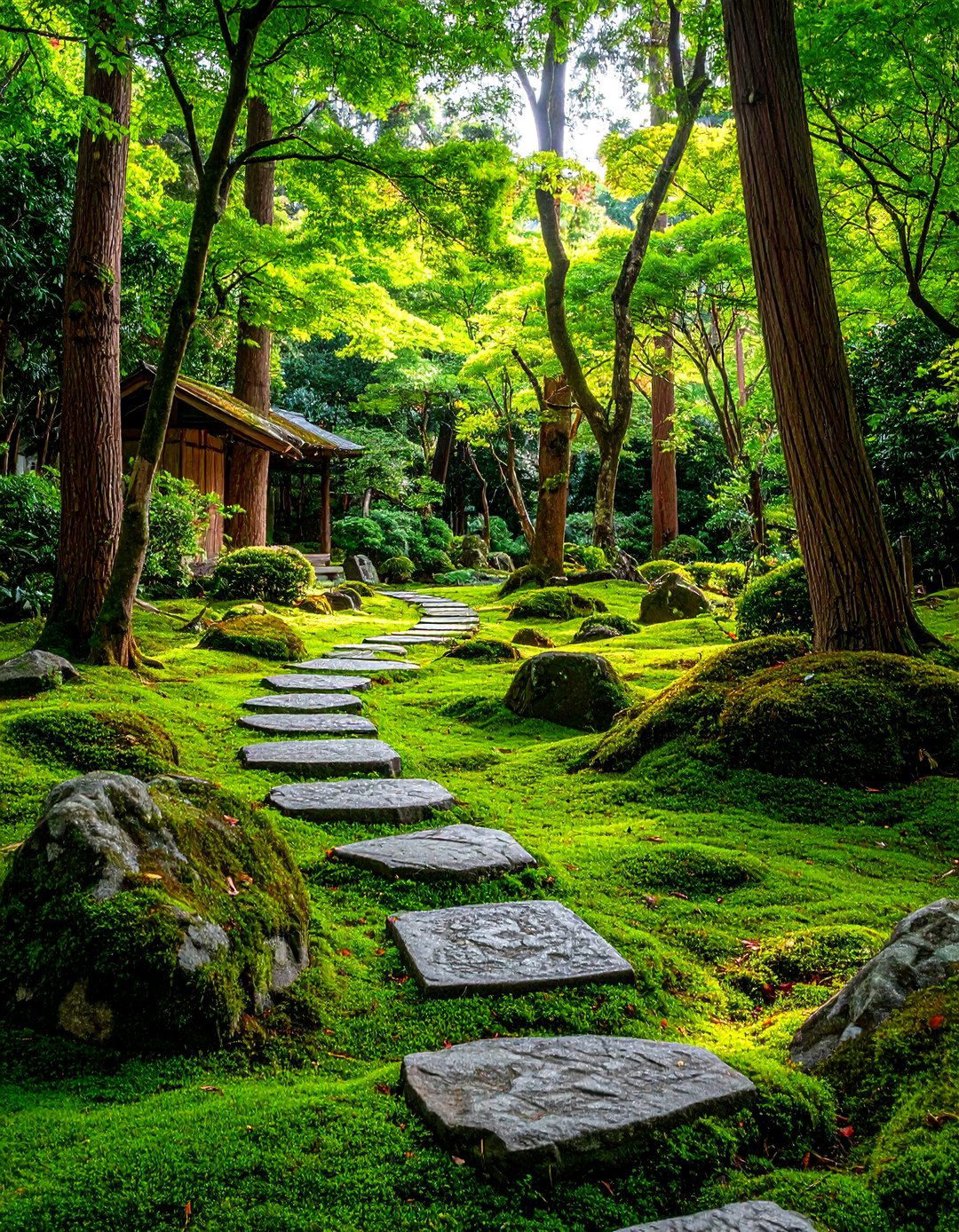
What if your garden floor was a velvet carpet of green? A moss garden creates a lush, serene landscape dominated by various species of in shady, damp conditions, moss covers the ground, rocks, and tree bases, creating a unified and ancient layout is simple, with a few stone paths winding through the green expanse and perhaps a stone lantern or two for type of garden requires specific conditions but rewards with its unique texture and vibrant, year-round color, evoking the feeling of a timeless, mystical forest floor.
7. The Hill and Pond Garden (Tsukiyama)
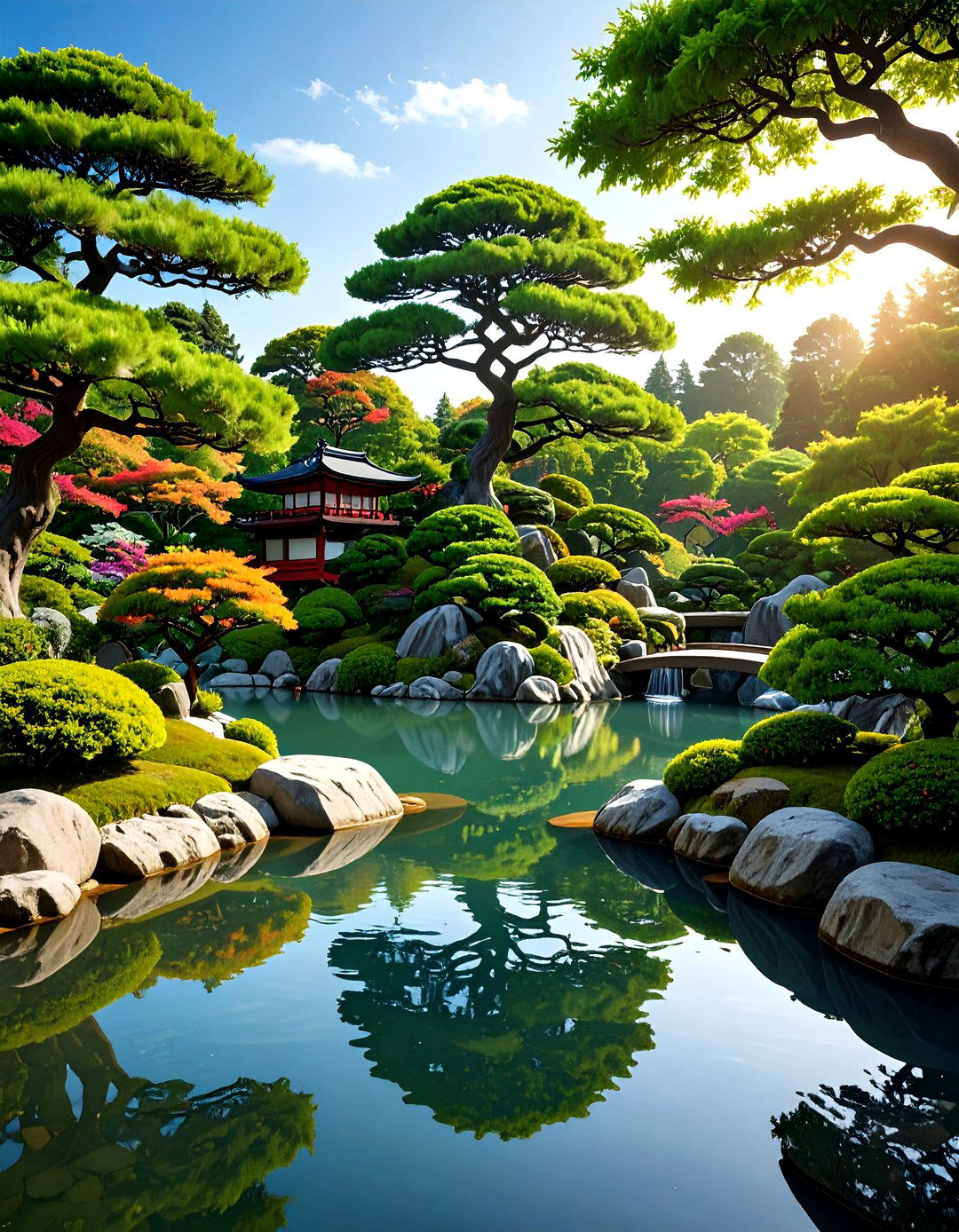
A Tsukiyama garden is a miniature representation of a grand natural features artificial hills (tsukiyama) , ponds (ike) , and streams, all scaled down to create a dynamic and scenic are used to build the hills and define the water's edge, while carefully pruned trees and shrubs mimic a natural forest. A winding path allows for exploration, offering changing views of the style is about creating a romanticized version of nature, a perfect world in miniature that can be enjoyed from various viewpoints within the garden.
8. The Bamboo Grove Garden
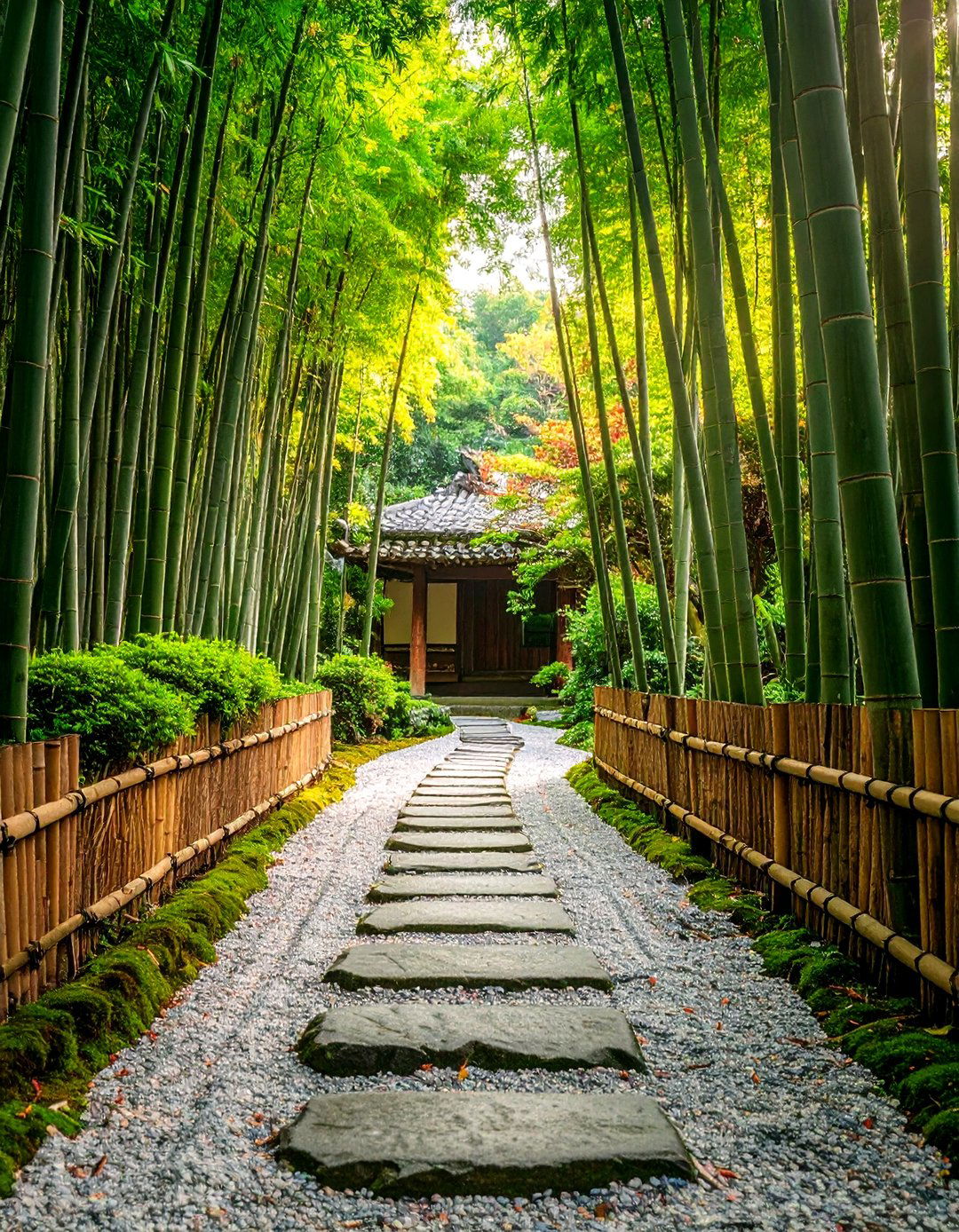
Creating a sense of enclosure and tranquility, a bamboo grove garden uses various species of bamboo to form a dense, vertical rustling of leaves in the wind and the dappled light filtering through the canes create a uniquely calming soundscape and atmosphere. A simple stone path can wind through the grove, leading to a secluded bench or a small water design is excellent for privacy screening or for creating a distinct "room" within a larger garden, offering a peaceful retreat filled with sound and movement.
9. The Dry Stream Garden (Kare-nagare)
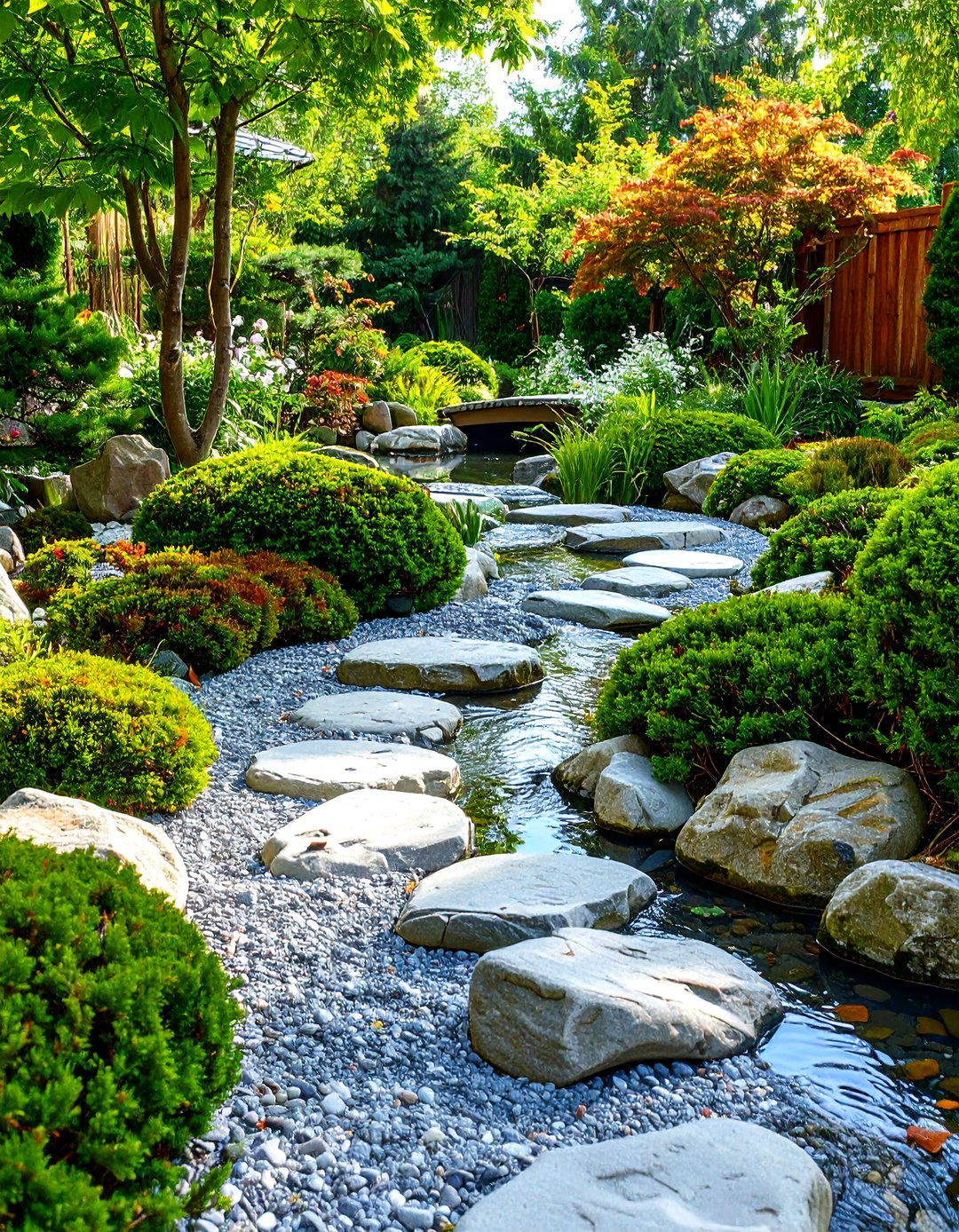
This design uses gravel and rocks to create the illusion of a flowing stream without any water. A dry stream bed, or kare-nagare, meanders through the garden, with carefully placed rocks of varying sizes mimicking the movement and sound of "banks" of the stream can be planted with low-growing shrubs and moss to soften the is a powerful, symbolic design that is low-maintenance and water-wise, perfect for drier climates while still capturing the dynamic essence of a natural waterway and its journey through the landscape.
10. The Japanese Maple Focus Garden
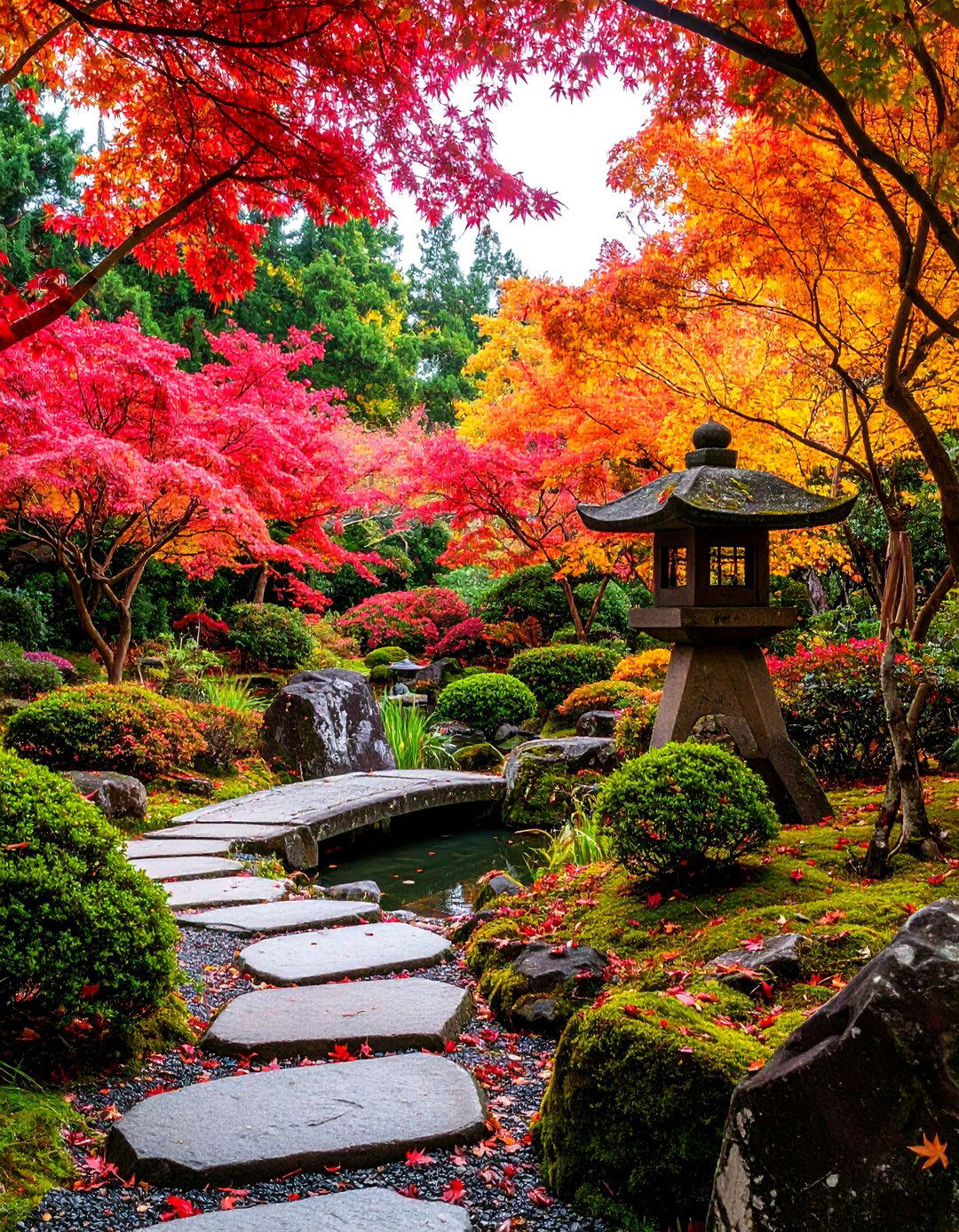
Can you imagine a garden that celebrates the fiery colors of autumn? This garden design makes the Japanese maple (Acer palmatum) the cultivars with varying leaf shapes, sizes, and colors are planted to create a stunning seasonal layout is designed to highlight these trees, with a simple underplanting of moss or ferns and strategically placed lanterns and a simple water basin complement the spring and summer, the foliage provides a lush green canopy, but it is in autumn that the garden truly ignites with brilliant reds, oranges, and yellows.
11. The Lantern-Lit Evening Garden
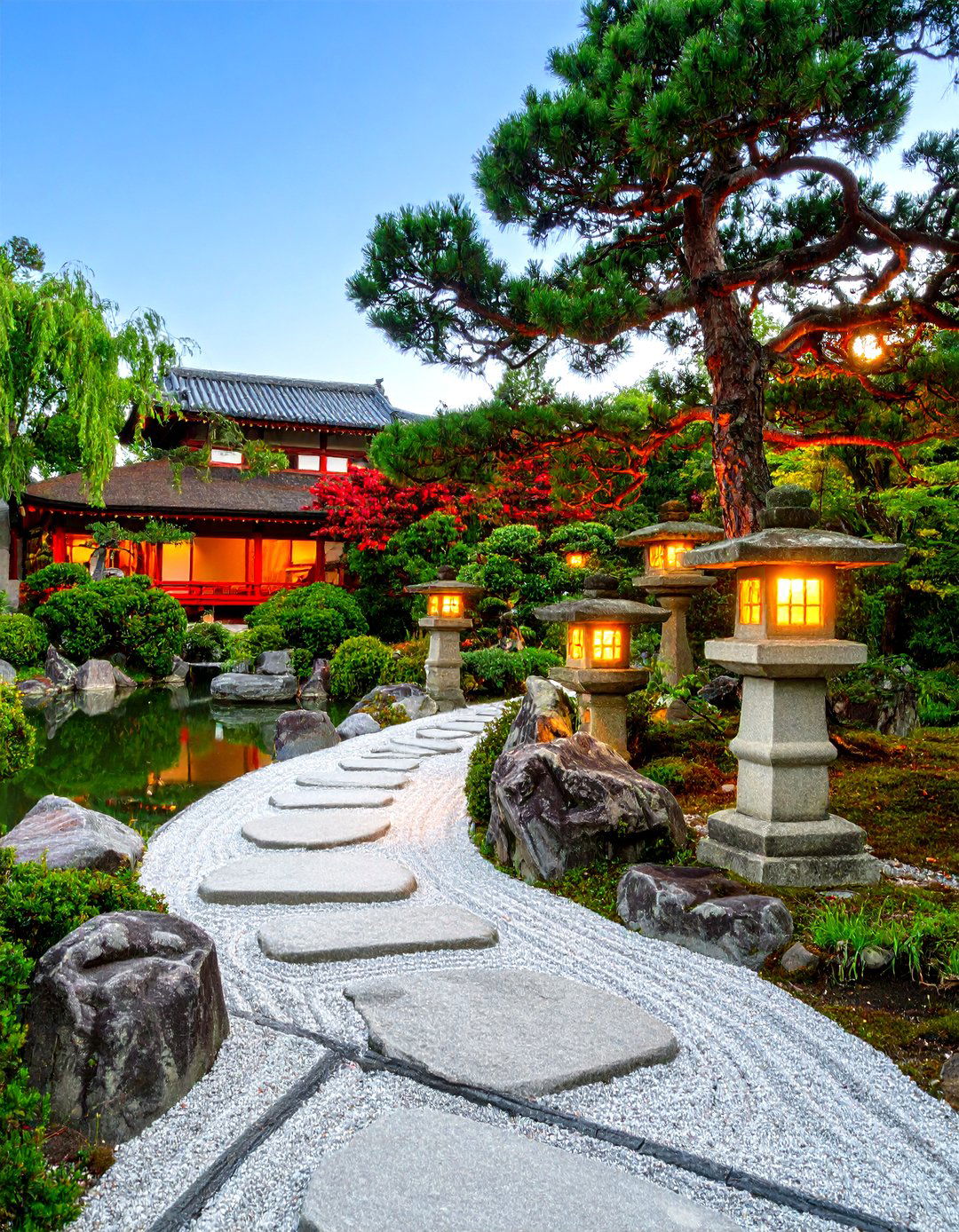
This garden is designed to be enjoyed after layout focuses on the strategic placement of various types of stone lanterns (tōrō) to create a magical, atmospheric are illuminated just enough for safe passage, while key features like a special rock, a specimen tree, or a water basin are interplay of light and shadow becomes the main feature, transforming the garden into a mysterious and serene space. Low-voltage LED lighting can be discreetly hidden to achieve this effect, extending the garden's usability and beauty into the night.
12. The Bridge and Waterway Garden
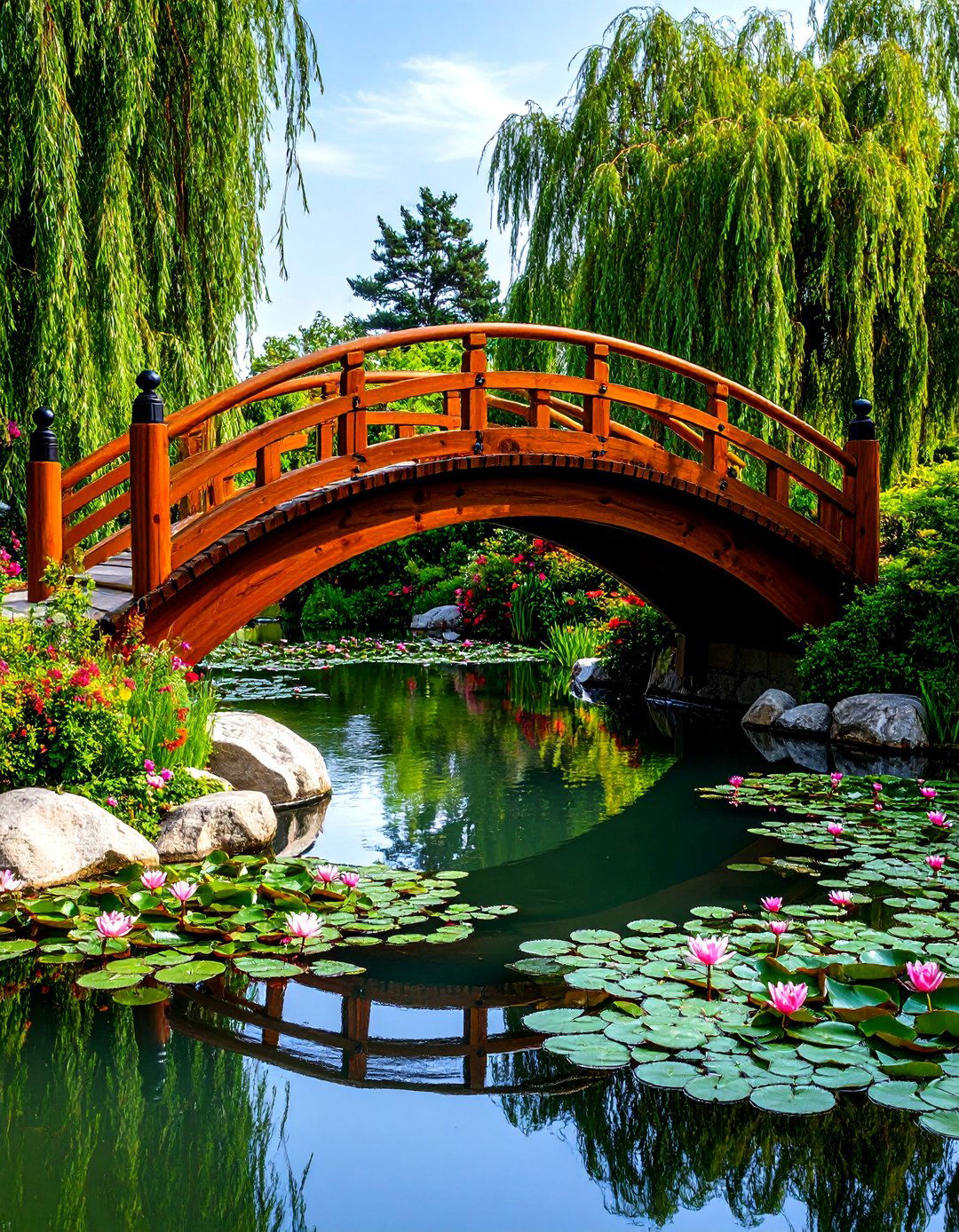
A central feature of this design is a beautiful bridge, often a simple arched or zigzag shape (yatsuhashi) , crossing over a pond or a dry stream bridge is not just functional but also symbolic, representing the journey from one state of being to surrounding landscape is designed to complement the bridge, with water-loving plants like irises along the banks and weeping willows or maples providing graceful style creates a strong focal point and adds a sense of romance and passage to the garden experience.
13. The Secluded Teahouse Retreat
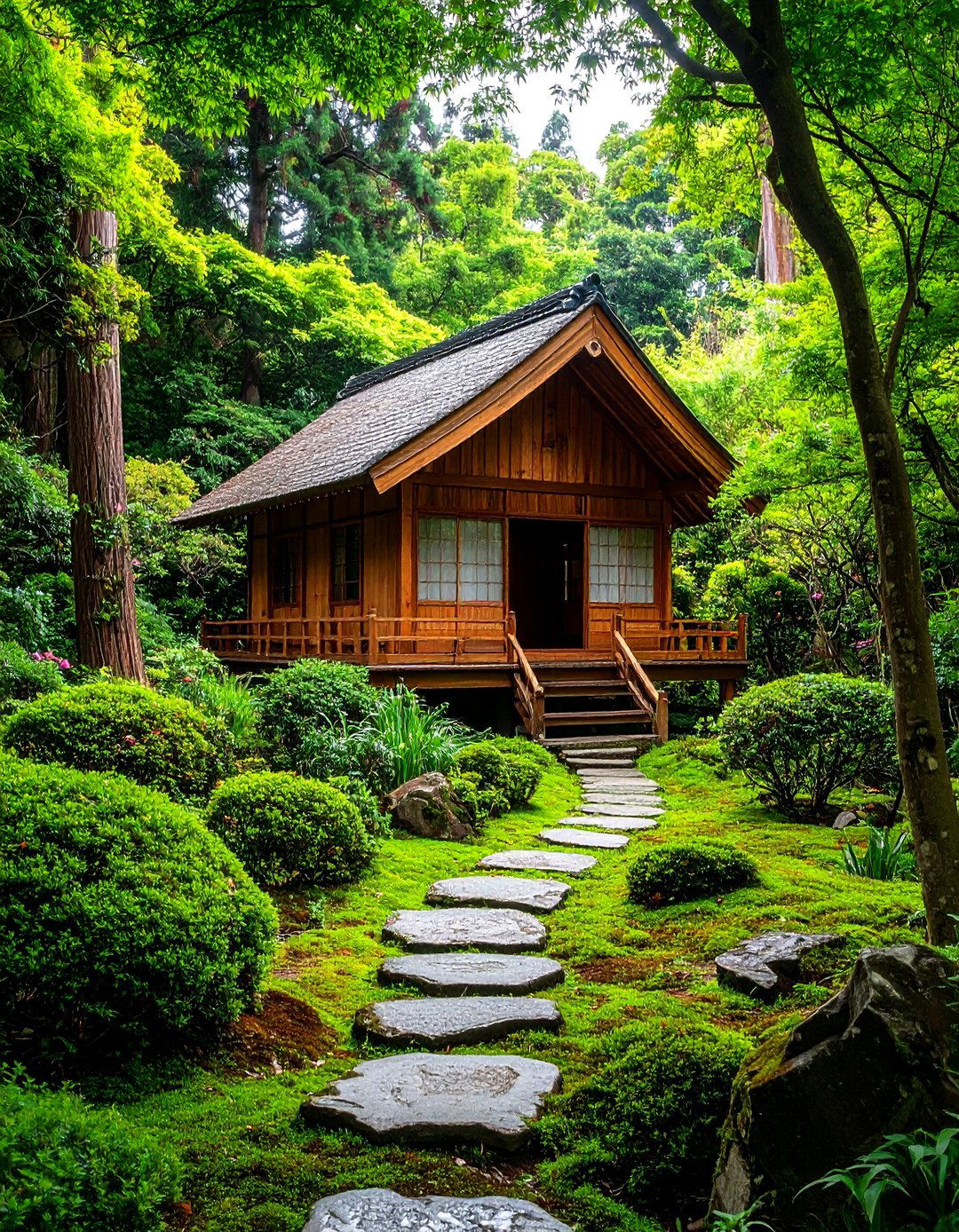
This concept centers entirely on creating a destination: a small, authentic teahouse (chashitsu) nestled in a quiet corner of the journey to the teahouse is as important as the structure itself, following a winding Roji path with stepping garden surrounding the teahouse is dense and naturalistic, creating a feeling of being deep within a forest. Inside, the view is framed by a window looking out onto a single, perfectly composed scene — perhaps a single lantern and a maple is the ultimate private sanctuary for contemplation.
14. The Urban Balcony Zen Garden
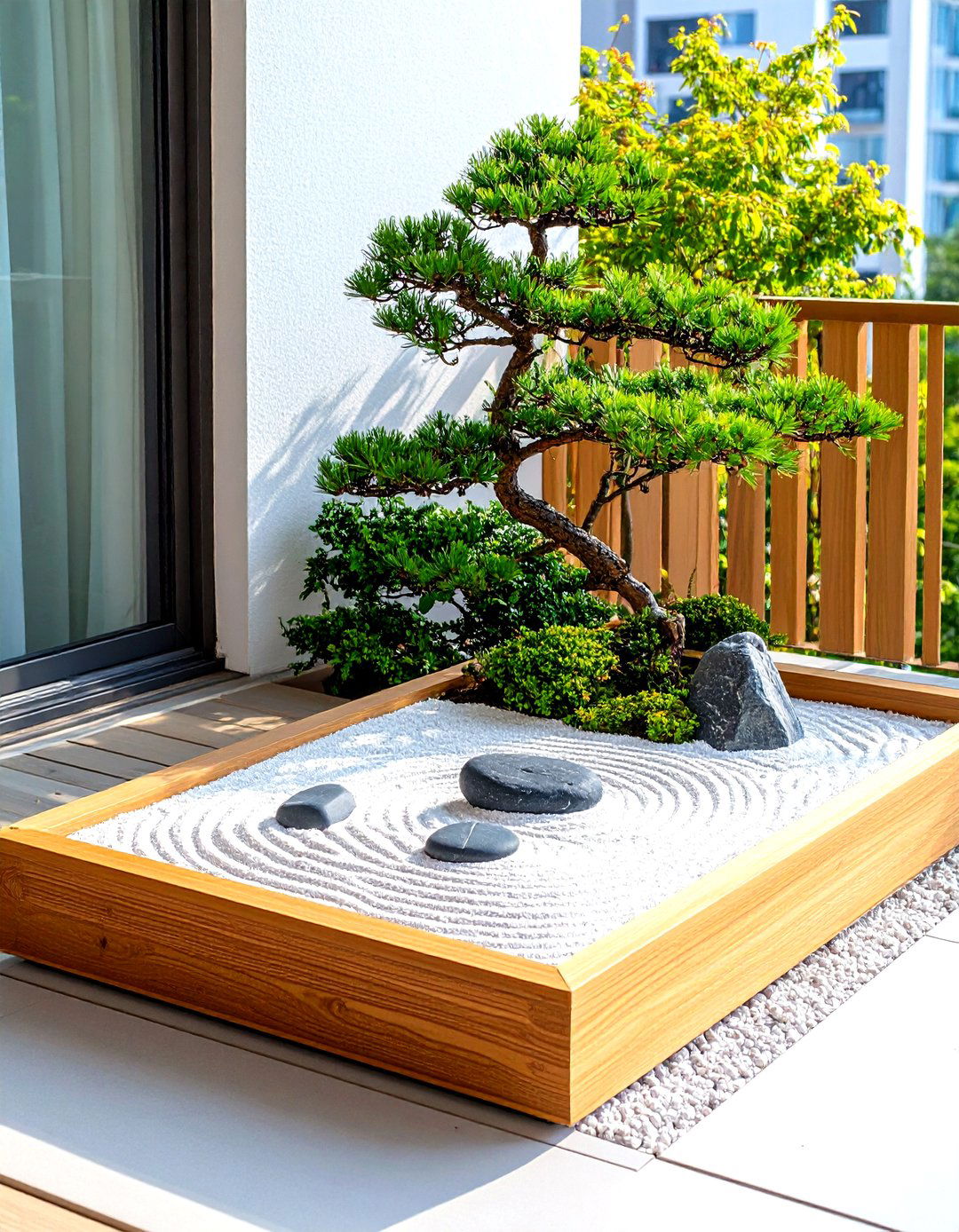
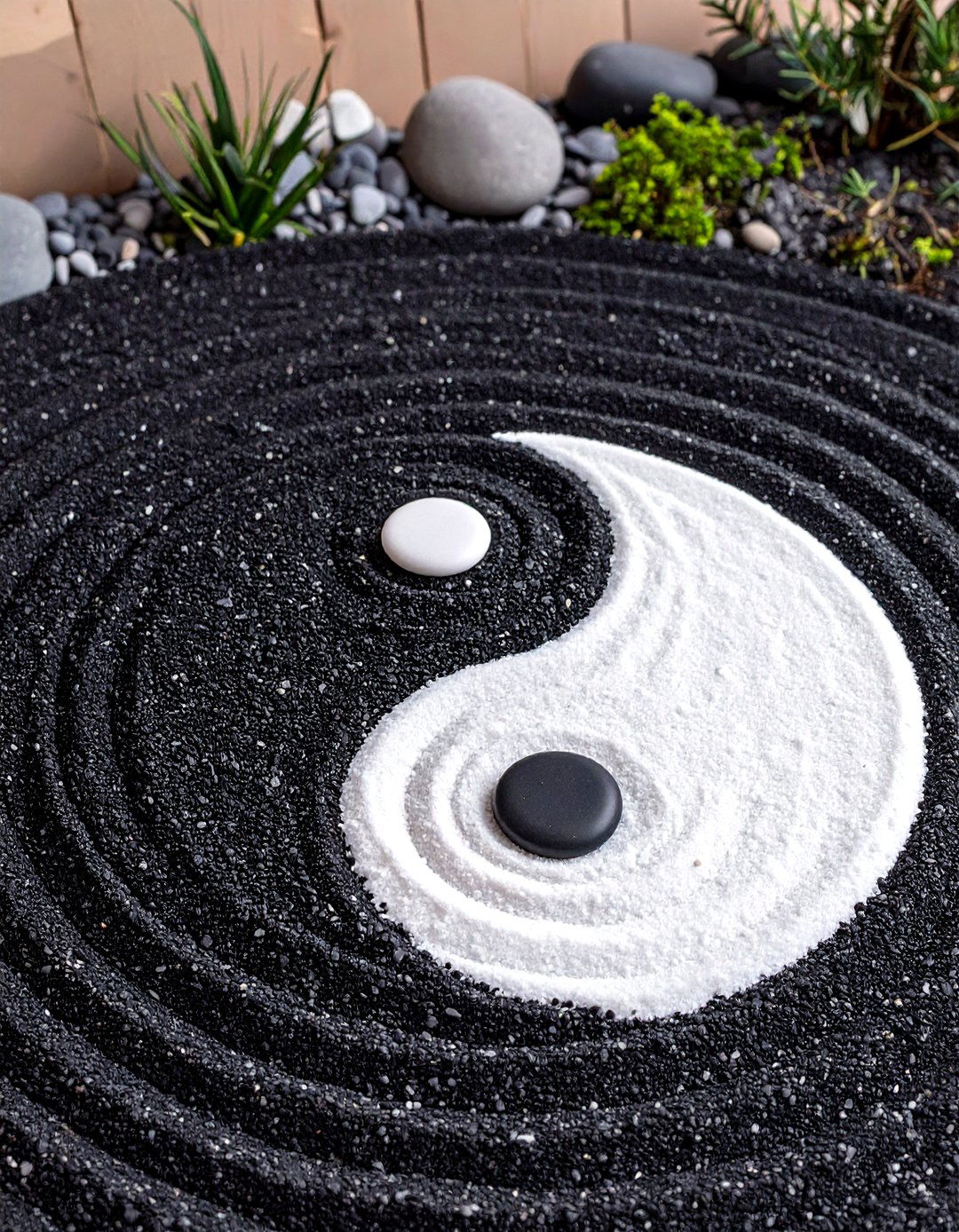
Even the smallest balcony can become a Japanese-inspired design uses a shallow wooden or ceramic container to create a miniature Karesansui garden with fine sand, a few small, interesting rocks, and perhaps a single bonsai tree. A miniature bamboo water feature (shishi-odoshi) can provide a soothing sound. A simple bamboo screen can provide privacy and a neutral compact design brings all the essential elements of a Zen garden to an urban setting, offering a small-scale escape and a focus for daily meditation.


15. The Koi Pond Garden
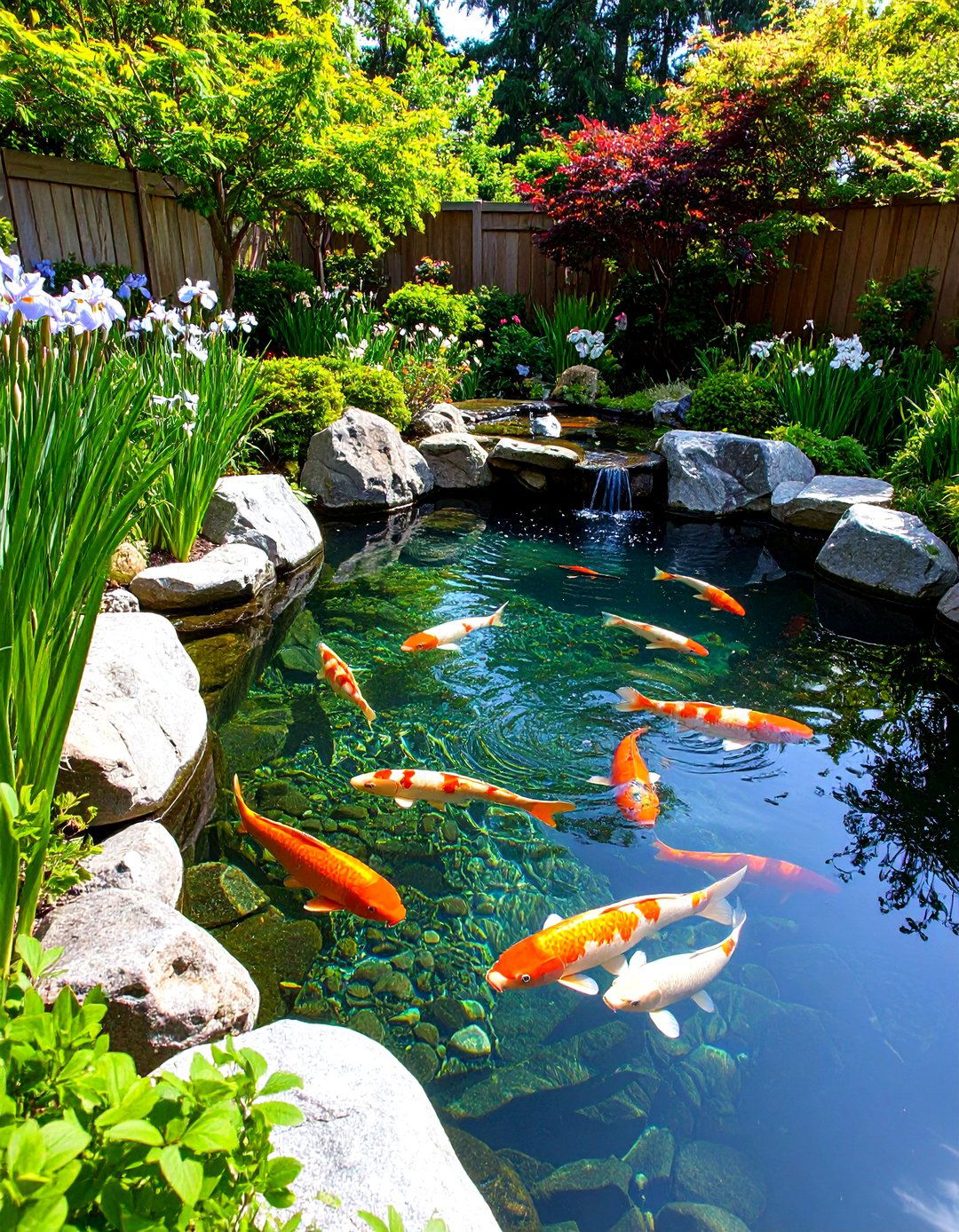
A vibrant Koi pond is the heart of this garden pond is designed with clear water and sufficient depth to showcase the colorful edges are lined with smooth, natural rocks, and a small waterfall provides essential aeration and a pleasing the pond are plants that won’t drop too many leaves into the water, such as Japanese black pine, irises, and dwarf mondo grass. A viewing deck or large, flat stones at the water's edge provide a place to sit and watch the graceful movement of the Koi.
16. The Entrance Garden (Genkan-niwa)
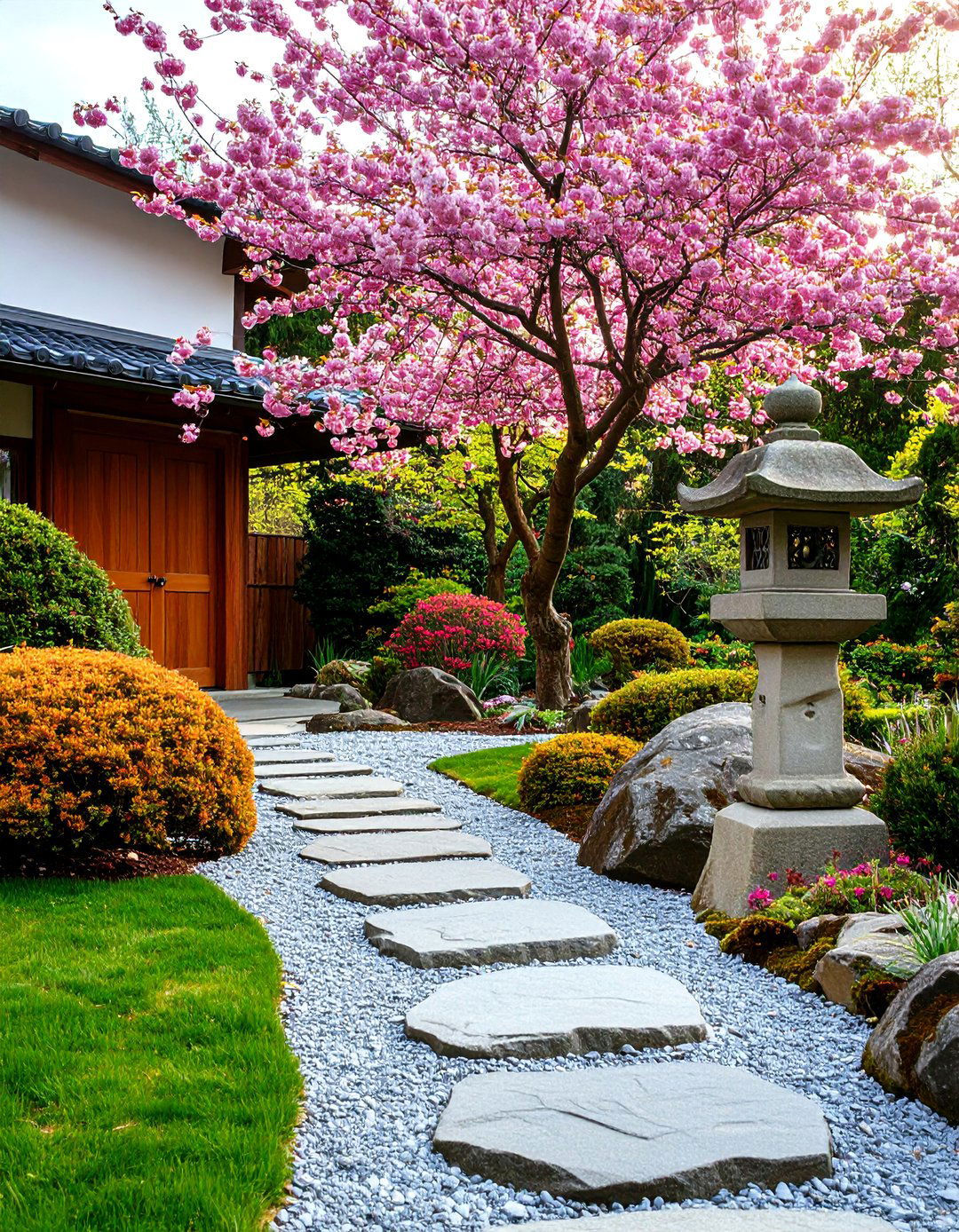
How can you create a powerful first impression? The entrance garden sets a serene and welcoming tone for the entire small space, located near the front door, is meticulously designed to be viewed upon arrival and might feature a path of elegant cut stone, a beautiful stone lantern, a tsukubai for a welcoming gesture, and a single, stunning specimen tree like a Stewartia or a flowering design is clean, uncluttered, and highly symbolic, offering a moment of peace before entering or leaving the house.
17. The Four Seasons Garden
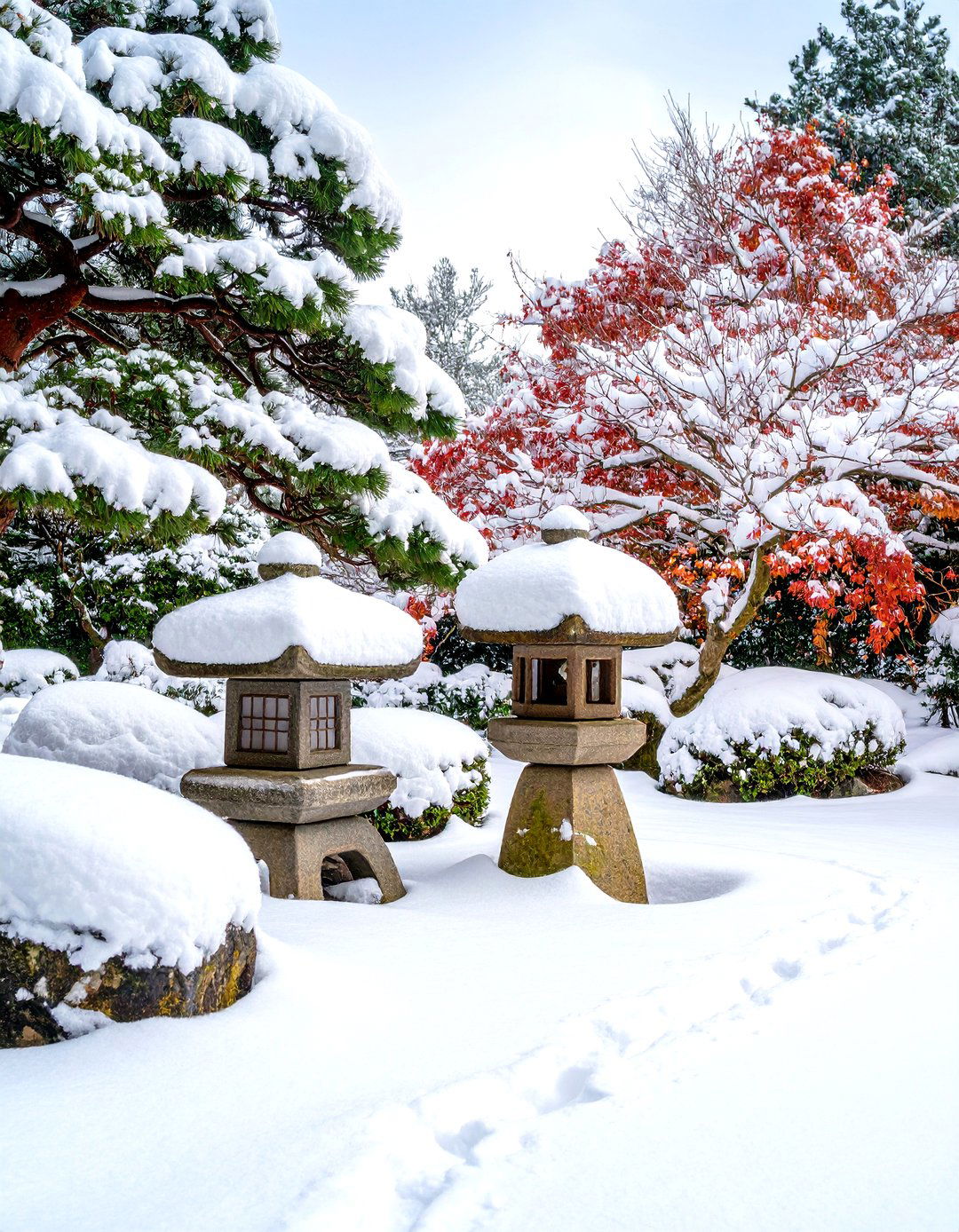
This garden is thoughtfully planted to offer distinct beauty in every spring, flowering cherries and azaleas burst into brings the deep greens of pines and the lush texture of moss and is a spectacle of fiery maples and the golden leaves of ginkgo winter, the garden's structure is revealed, with the elegant shapes of bare branches, the steadfast green of pines, and the stoic presence of stone lanterns, perhaps capped with layout ensures there is always a focal point, celebrating the cyclical nature of time.
18. The Dry Waterfall (Kare-taki)
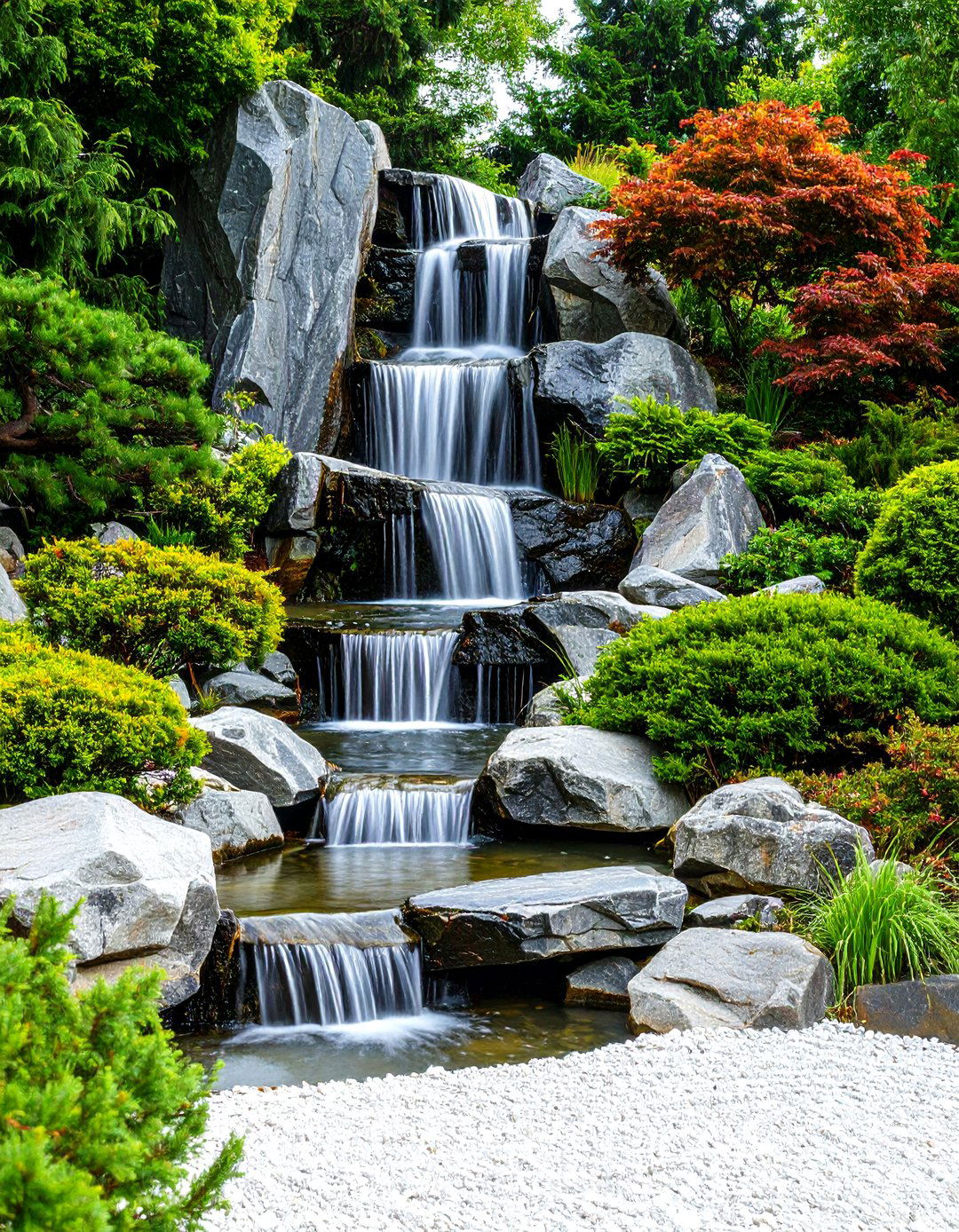
A dramatic and highly symbolic feature, the dry waterfall uses a composition of tall, upright stones to represent a cascade of water tumbling down a rocks and gravel are arranged at the base to signify the splash and the pool where the water powerful arrangement is purely suggestive, relying on the viewer's imagination to complete the is often a central feature in a Karesansui garden, demonstrating the profound ability of Japanese design to evoke nature through abstract forms and carefully selected materials.
19. The Wabi-Sabi Inspired Garden
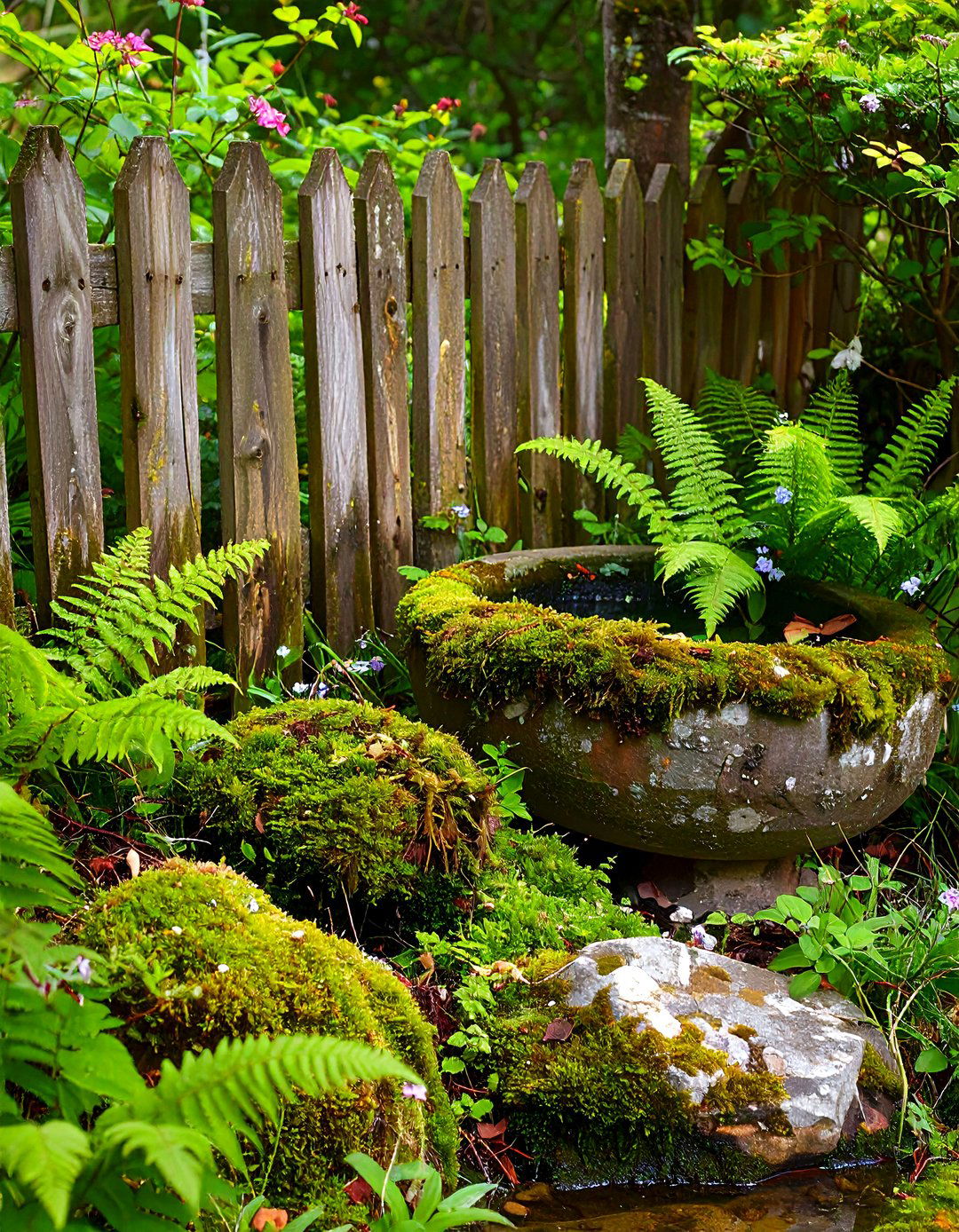
Embracing the beauty of imperfection and transience, a Wabi-Sabi garden finds harmony in the natural processes of aging and design features weathered materials like old wooden fences, moss-covered stones, and cracked are allowed a more natural, untamed layout is simple and unpretentious, focusing on authenticity over perfection. It’s a garden that celebrates the patina of time, the subtle beauty of a rusted metal lantern, or a slightly crooked stone path, creating a deeply soulful and contemplative atmosphere.
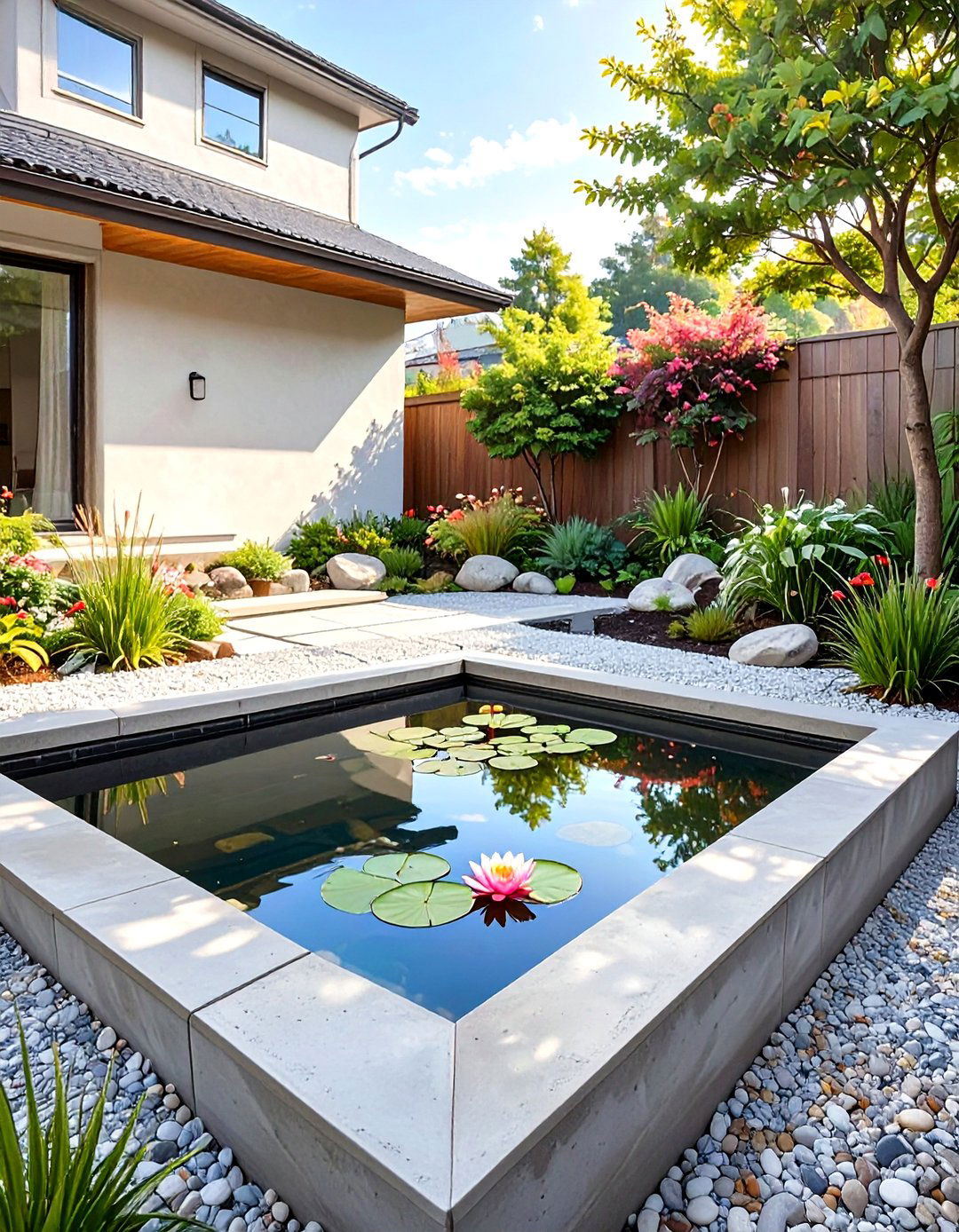
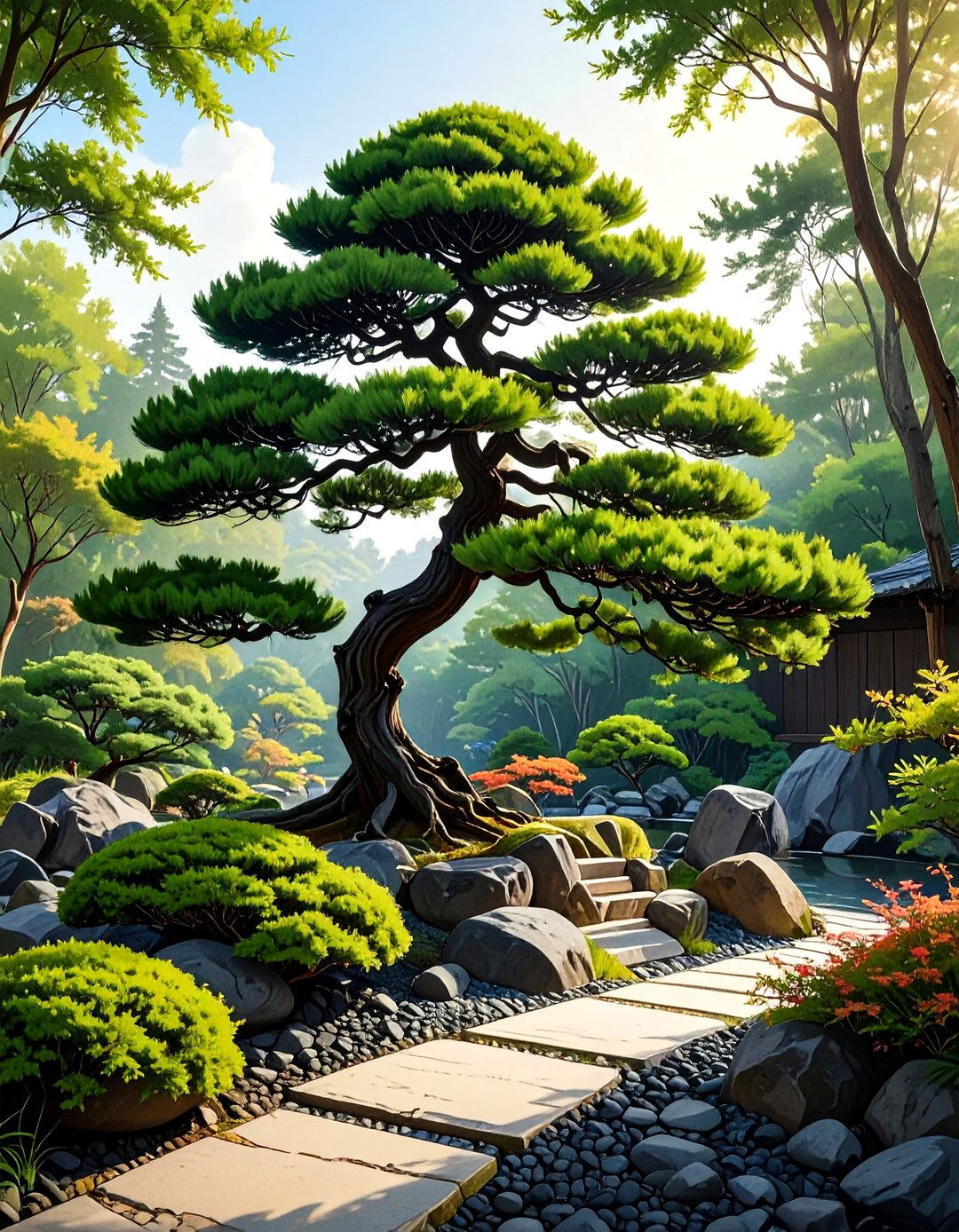

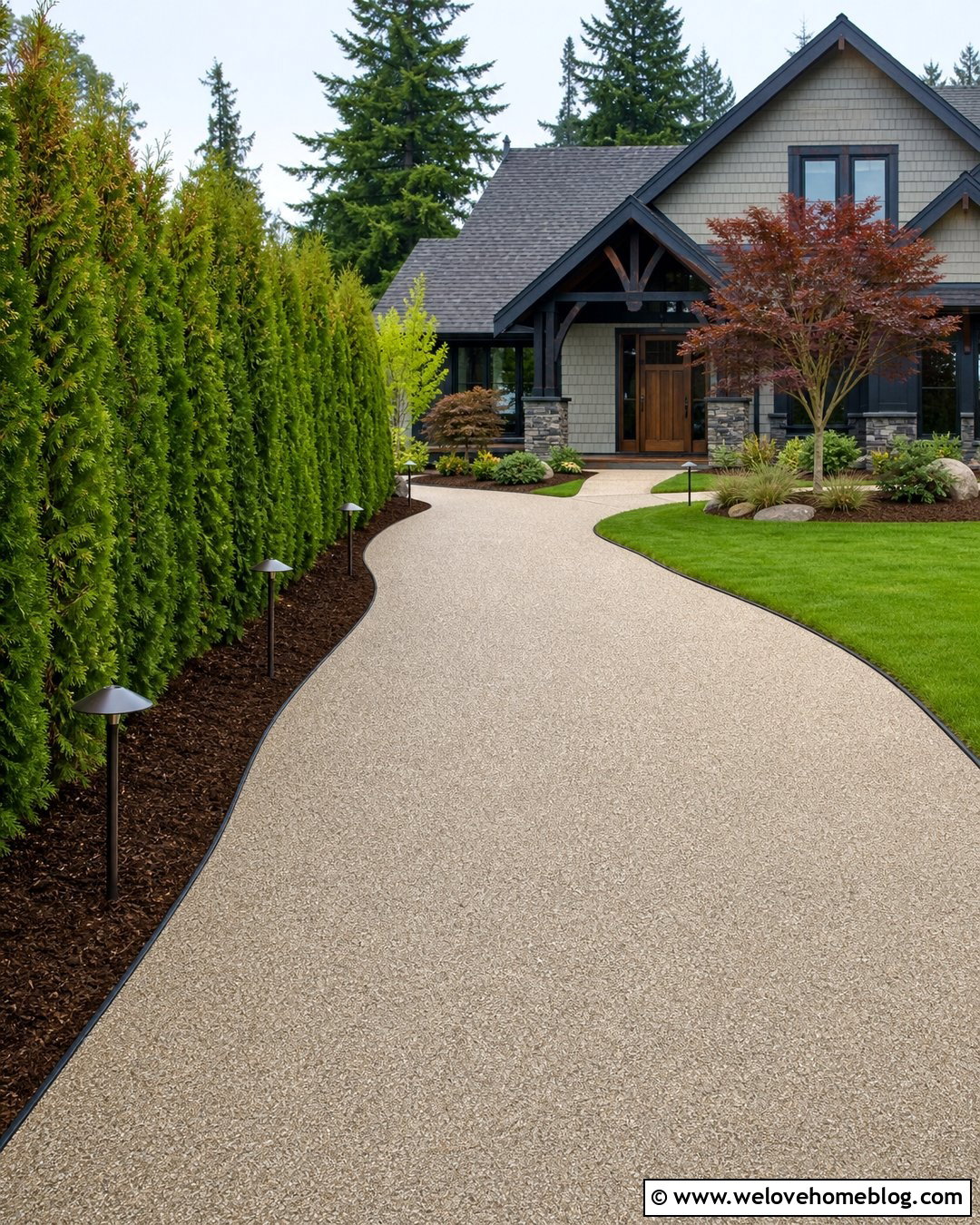
20. The Enclosed Courtyard Water Garden
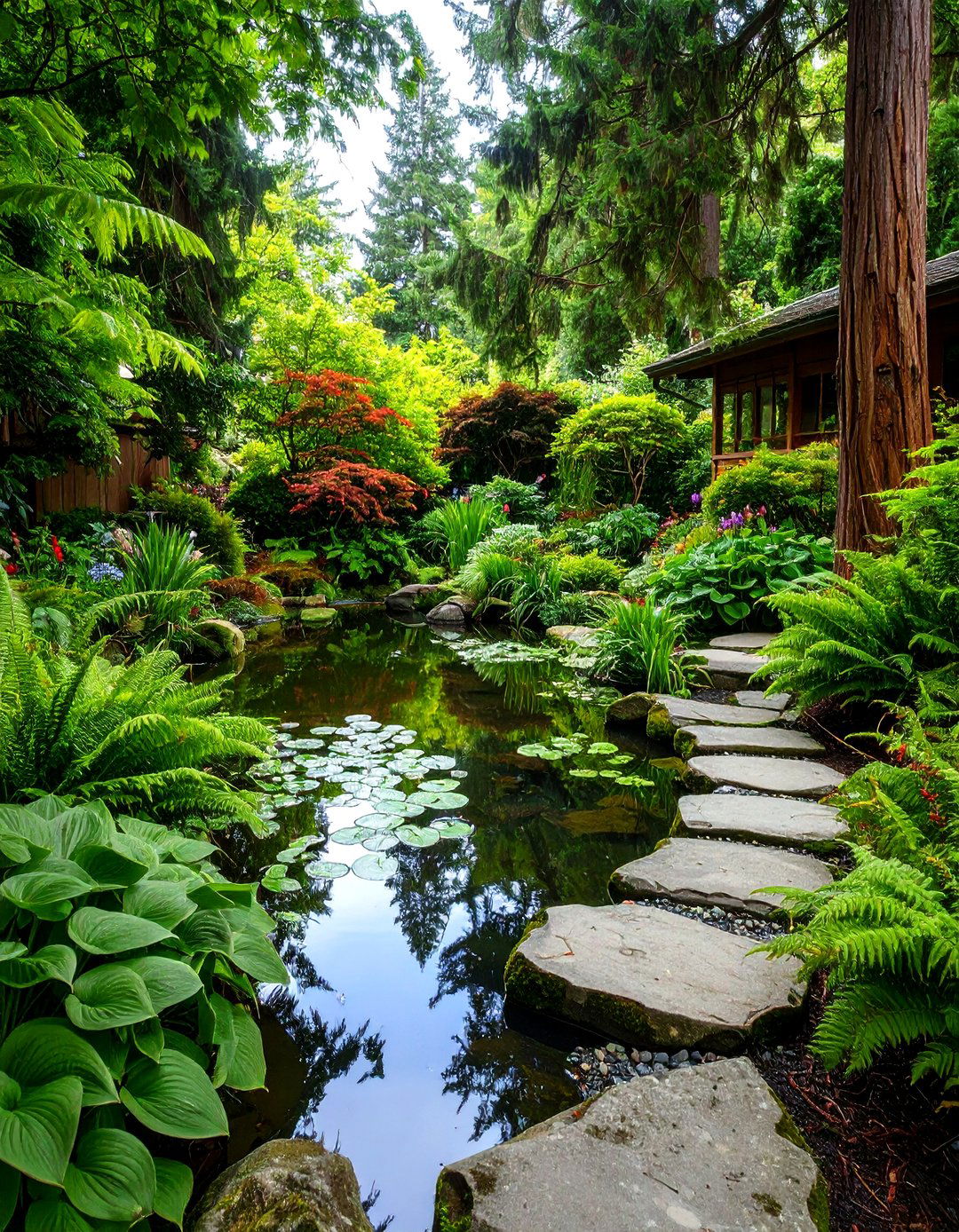
This design transforms an enclosed courtyard into a tranquil oasis centered around water. A central pond or a series of interconnected water channels defines the sound of water is key, perhaps from a small waterfall or a perimeter is planted with lush, shade-loving plants like ferns, hostas, and Japanese forest grass, creating a cool, green enclosure. A stone path or a wooden deck allows for movement around the water, making the small space feel immersive and deeply refreshing, a true escape from the outside world.
21. The Sculpture and Rock Garden
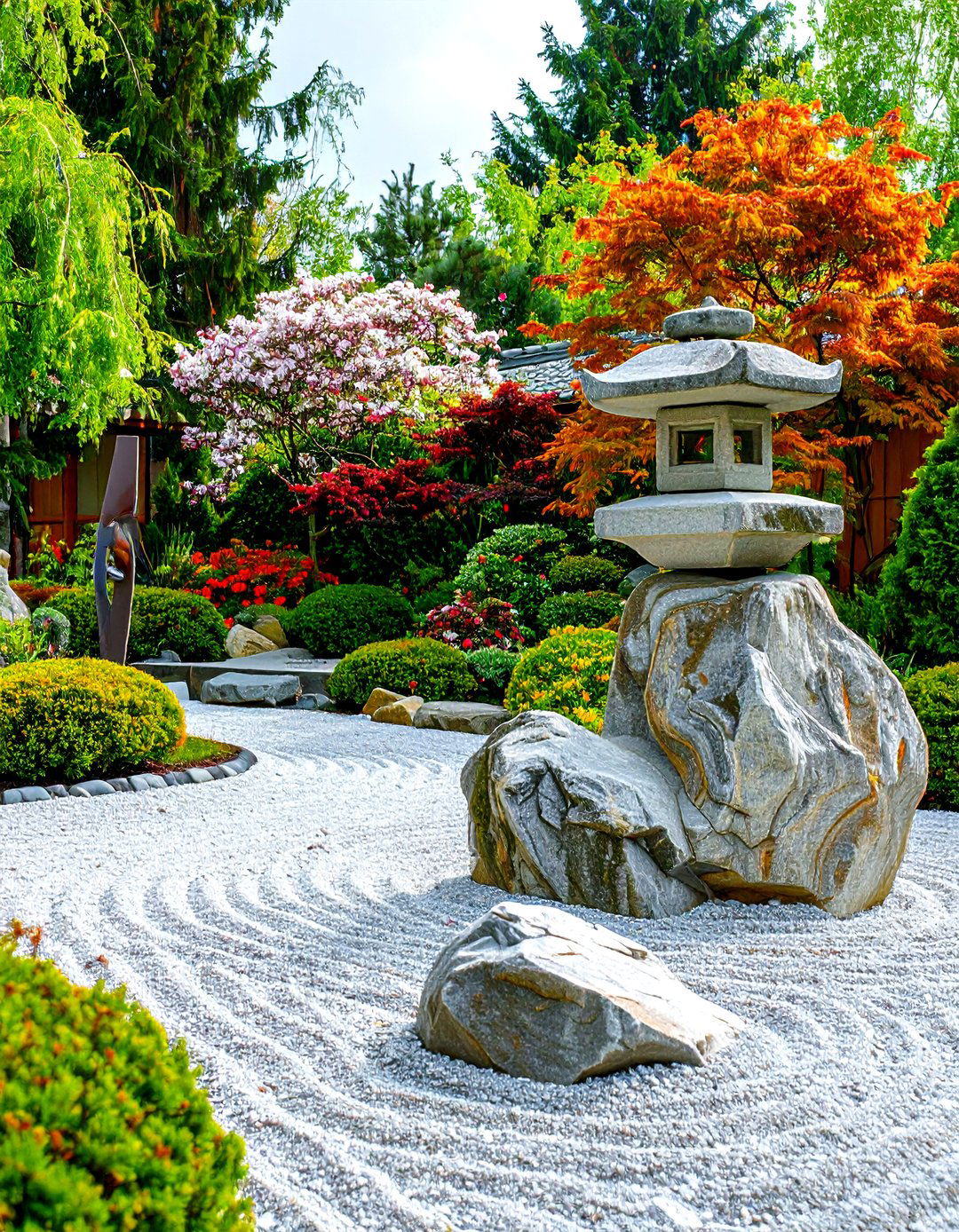
In this garden, sculptural elements, both natural and man-made, take center layout is designed as an outdoor gallery, with a path leading the viewer from one feature to another. Large, uniquely shaped rocks are treated as natural sculptures, their forms highlighted by a simple groundcover of gravel or can be complemented by abstract stone or metal sculptures that harmonize with the natural planting is minimal, serving only to frame and accentuate the sculptural forms, creating a space that is both a garden and a work of art.
22. The Iris and Water Garden (Shōbu-en)
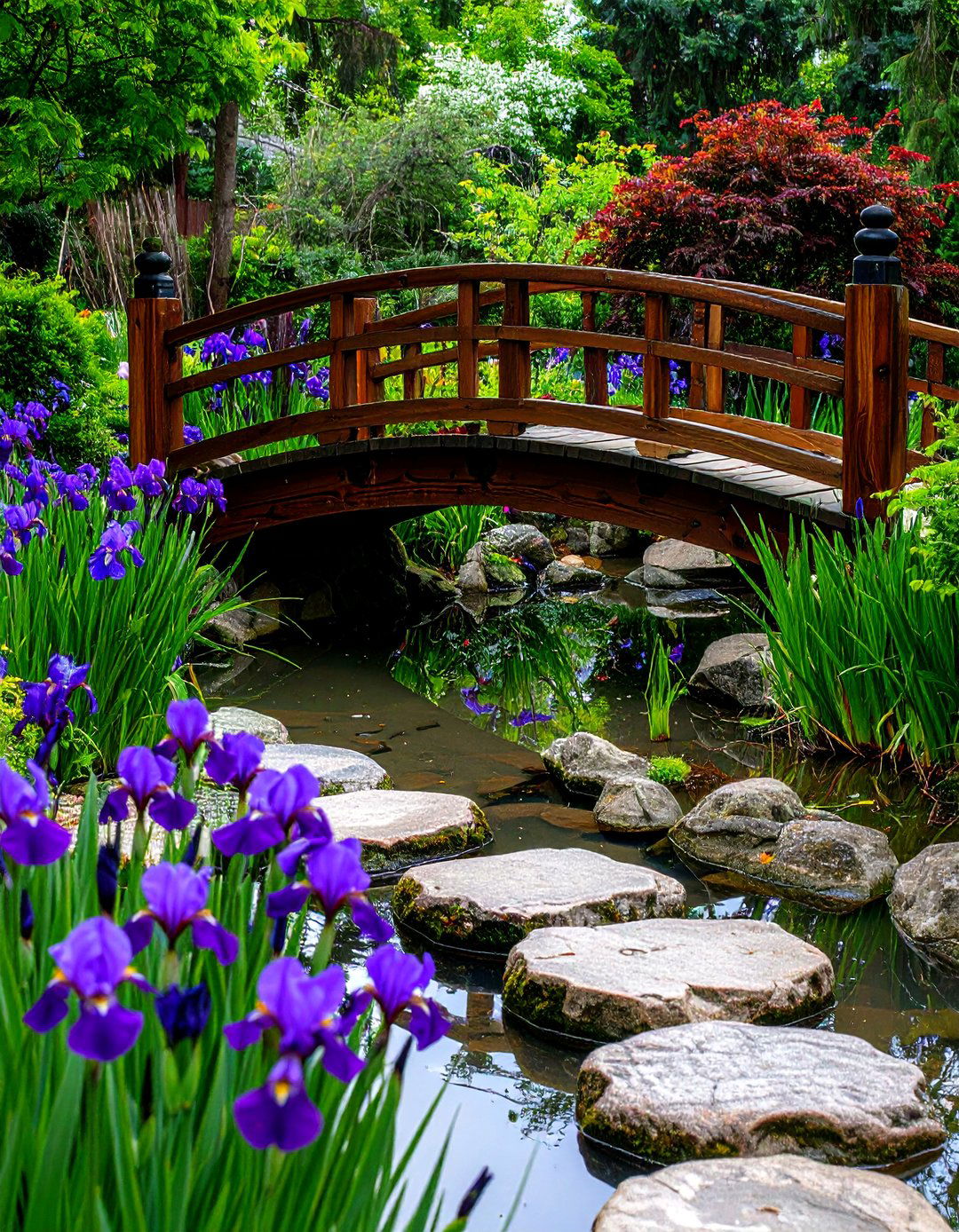
A garden that comes alive with color in early summer, this design is centered around a shallow pond or marshy area specifically for growing Japanese irises (hanashōbu). A zigzag bridge (yatsuhashi) often crosses the water, allowing for close-up views of the magnificent not in flower, the blade-like foliage provides a strong vertical surrounding area is kept simple, perhaps with a few weeping willows or pines, to ensure the irises are the undisputed stars of the show during their blooming season, creating a breathtaking floral display.
23. The Borrowed Scenery Garden (Shakkei)
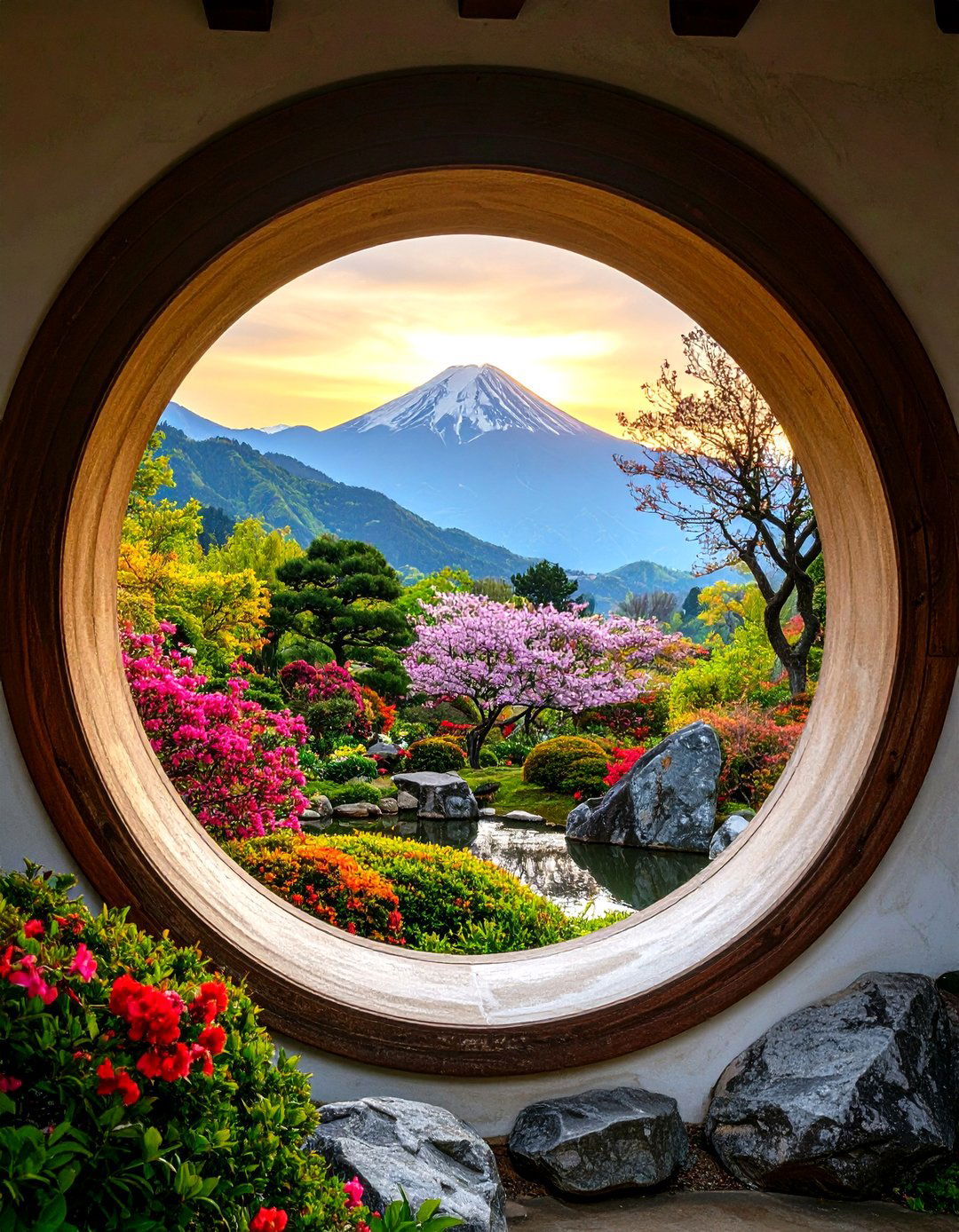
What if your garden could extend beyond its boundaries? The principle of Shakkei, or "borrowed scenery, " incorporates views from outside the garden — such as distant mountains, trees, or even buildings — into its own garden's layout is carefully planned to frame and enhance these distant views, making the garden itself feel larger and more integrated with its surroundings. A strategically placed opening in a wall or a clearing in the trees can act as a window to the outside world, seamlessly blending the man-made landscape with the natural one beyond its borders.
24. The Pine and Stone Coastal Garden
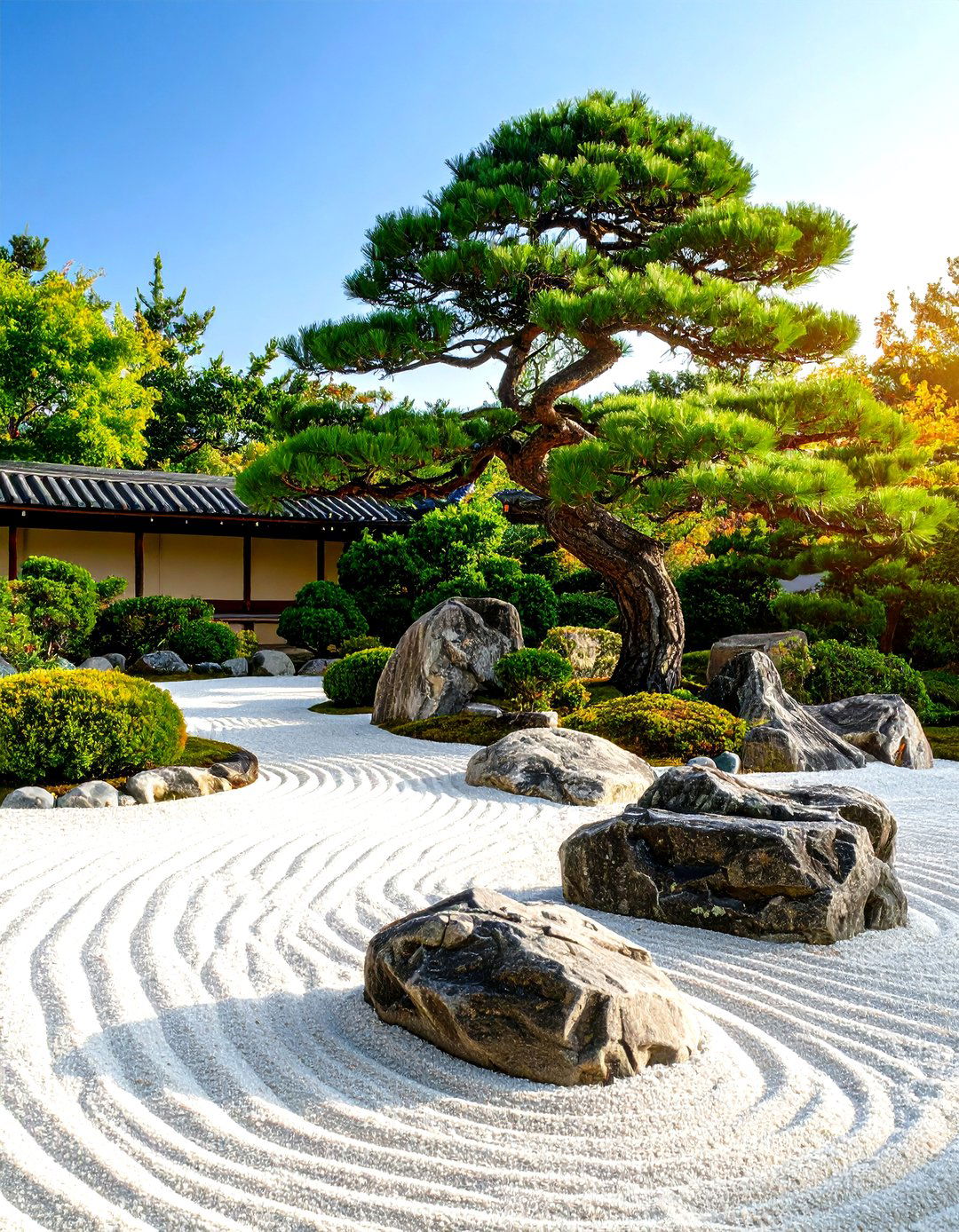
Evoking the rugged beauty of the Japanese coastline, this garden uses weathered stones, raked white sand to represent the sea, and carefully pruned black pines are shaped over years to look windswept, as if sculpted by coastal stones are arranged to suggest cliffs and rocky overall feeling is one of resilience, strength, and is a powerful, dramatic style of garden that captures the spirit of nature's endurance against the elements, perfect for creating a bold statement in a sunny, open location.
25. The Simple Stepping Stone Path Garden
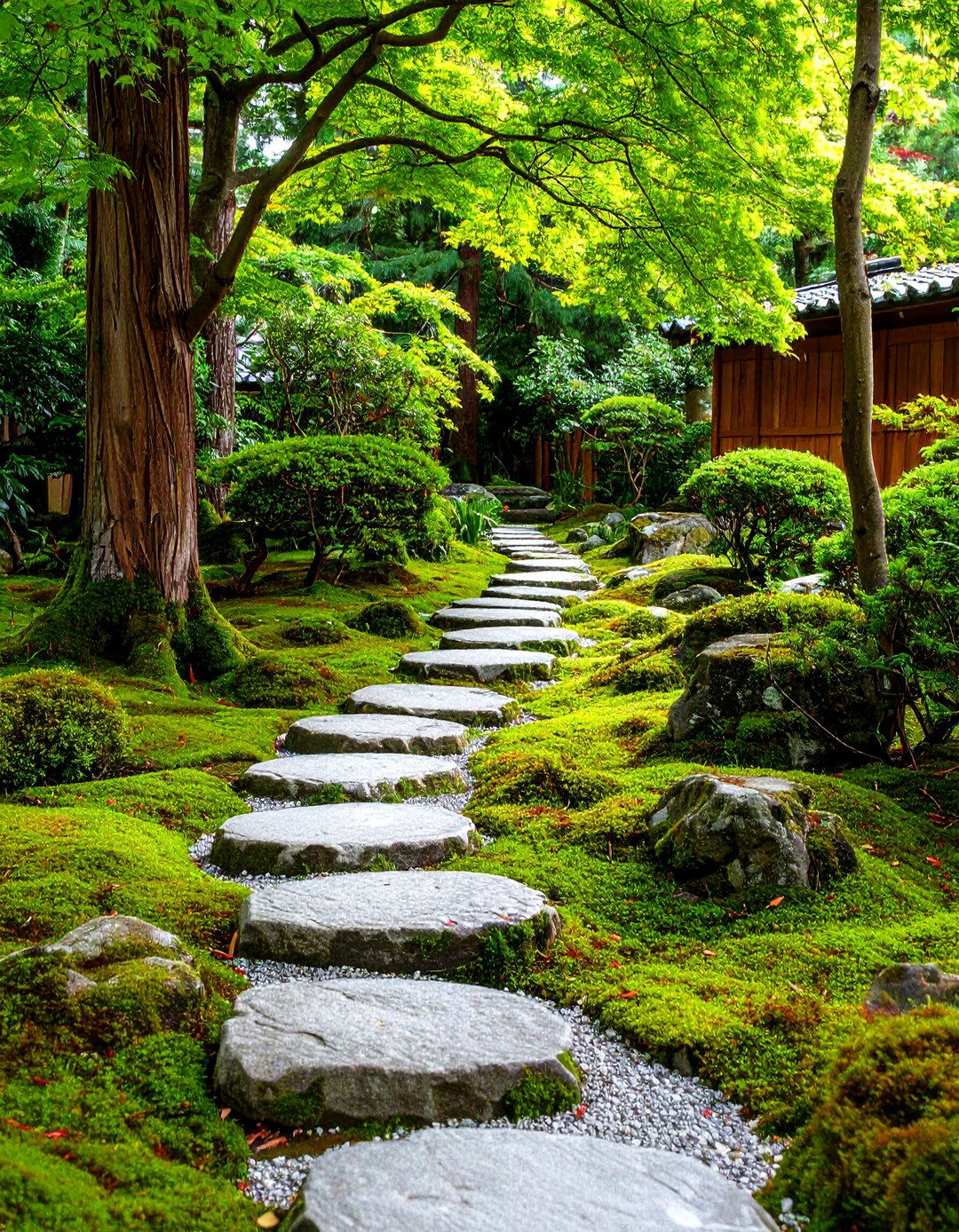
Here, the journey itself is the focus is on a beautifully crafted path of stepping stones (tobi-ishi) that winds through a simple, naturalistic stones are carefully chosen for their size, shape, and texture, and their placement dictates the pace at which one walks, encouraging path might lead through a bed of soft moss, under the canopy of a single maple tree, or toward a simple stone surrounding planting is secondary to the experience of walking the path, creating a garden centered on movement and quiet contemplation.
26. The Azalea Hillside Garden
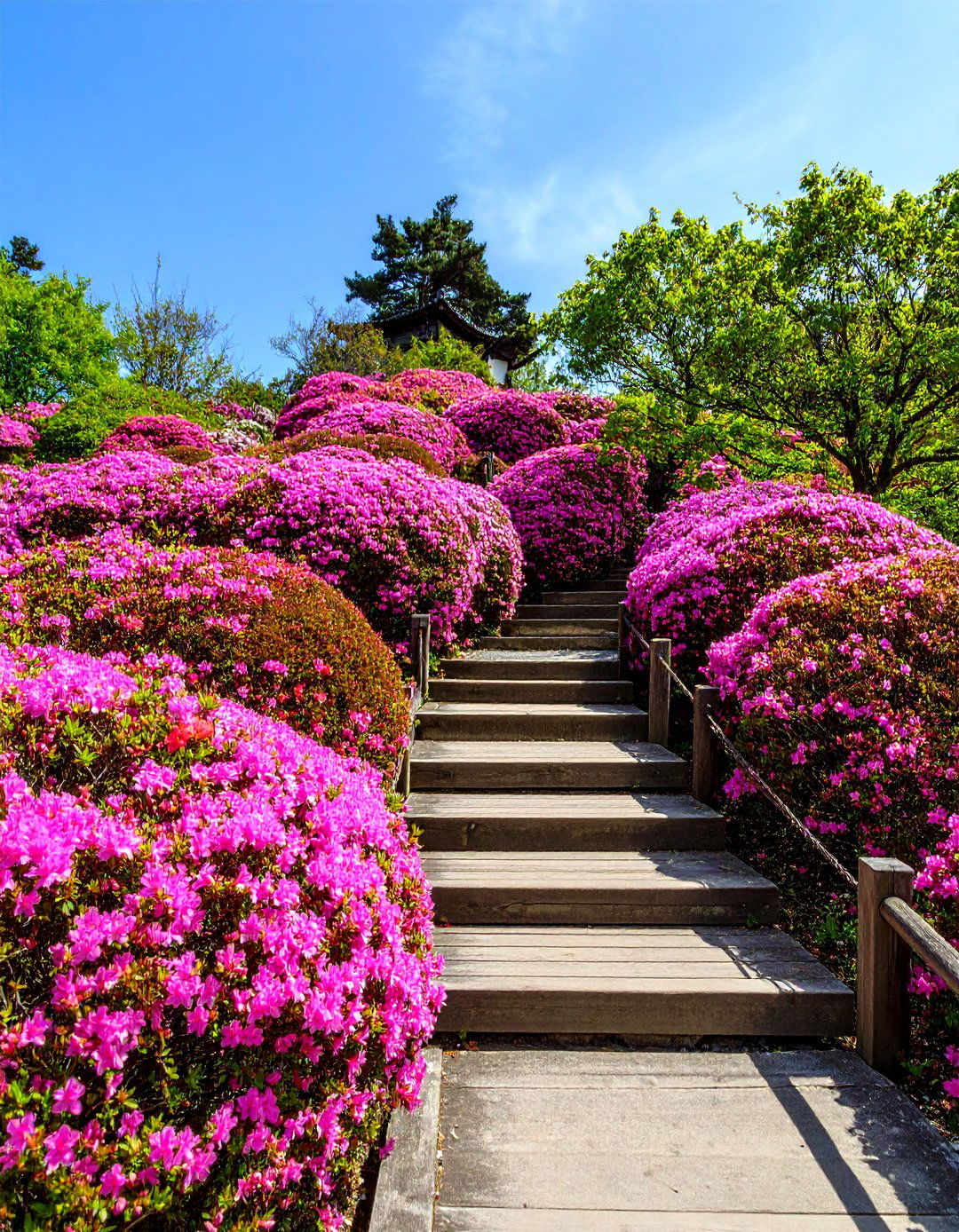
This design creates a breathtaking seasonal spectacle by planting masses of azaleas (tsutsuji) on a sloping or mounded area of the they bloom in late spring, the hillside is transformed into a vibrant tapestry of pink, red, purple, and shrubs are tightly pruned into rounded shapes (karikomi) , creating undulating, cloud-like forms even when not in bloom. A few select rocks or a single pine tree can be added for contrast and year-round design is all about creating a powerful, immersive wave of color.
27. The Rain Chain and Water Basin Garden
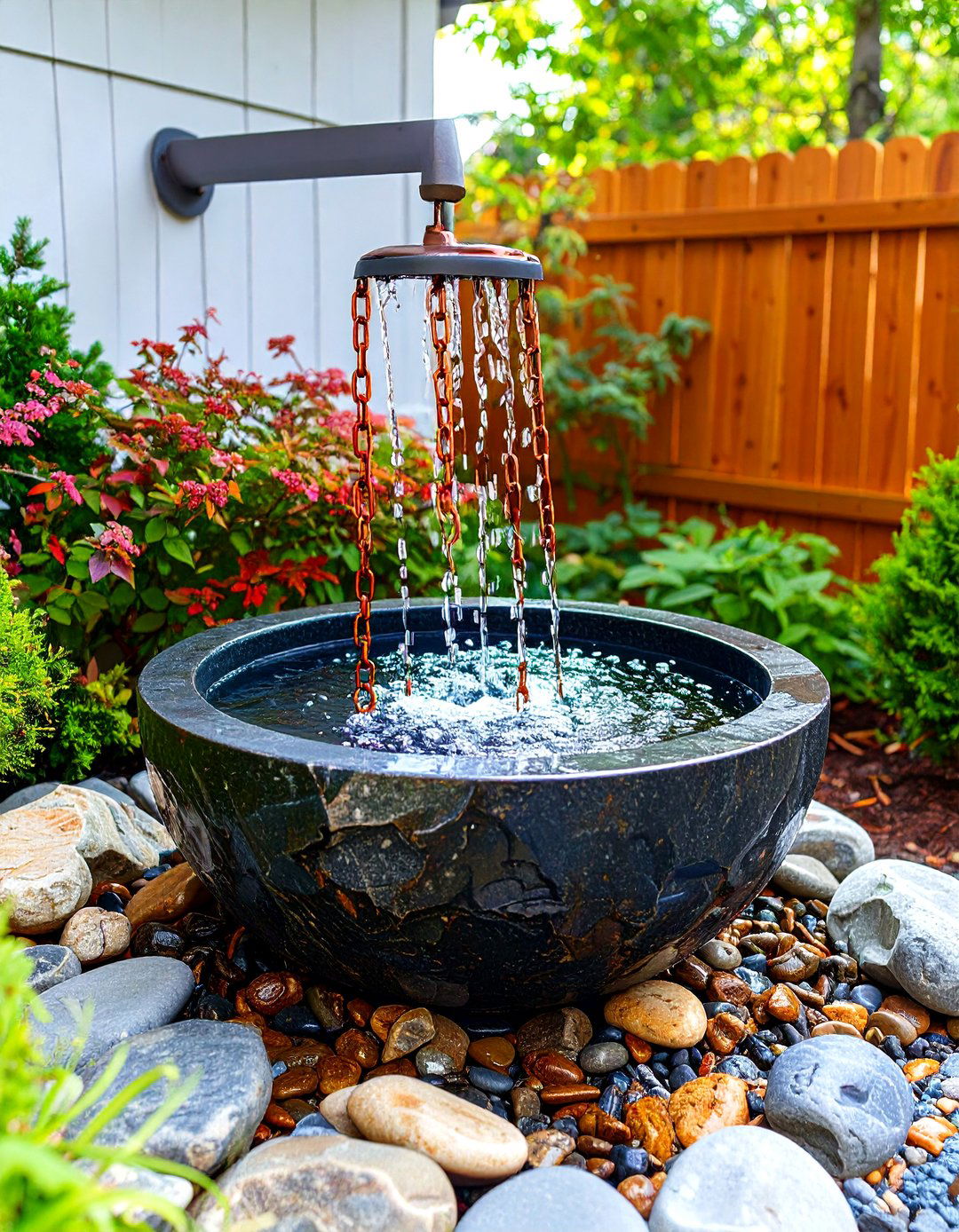
Celebrating the beauty of rain, this garden features a decorative rain chain (kusari-doi) that channels water from a roof into a beautiful ceramic pot or a stone basin on the design highlights this feature, perhaps by placing it in a bed of smooth river stones or surrounding it with water-loving sound of the water trickling down the chain creates a gentle, soothing melody during and after a storm. It’s a simple yet elegant way to turn a functional element into a beautiful, kinetic sculpture and a focal point for a small garden space.
28. The Shaded Fern and Moss Retreat
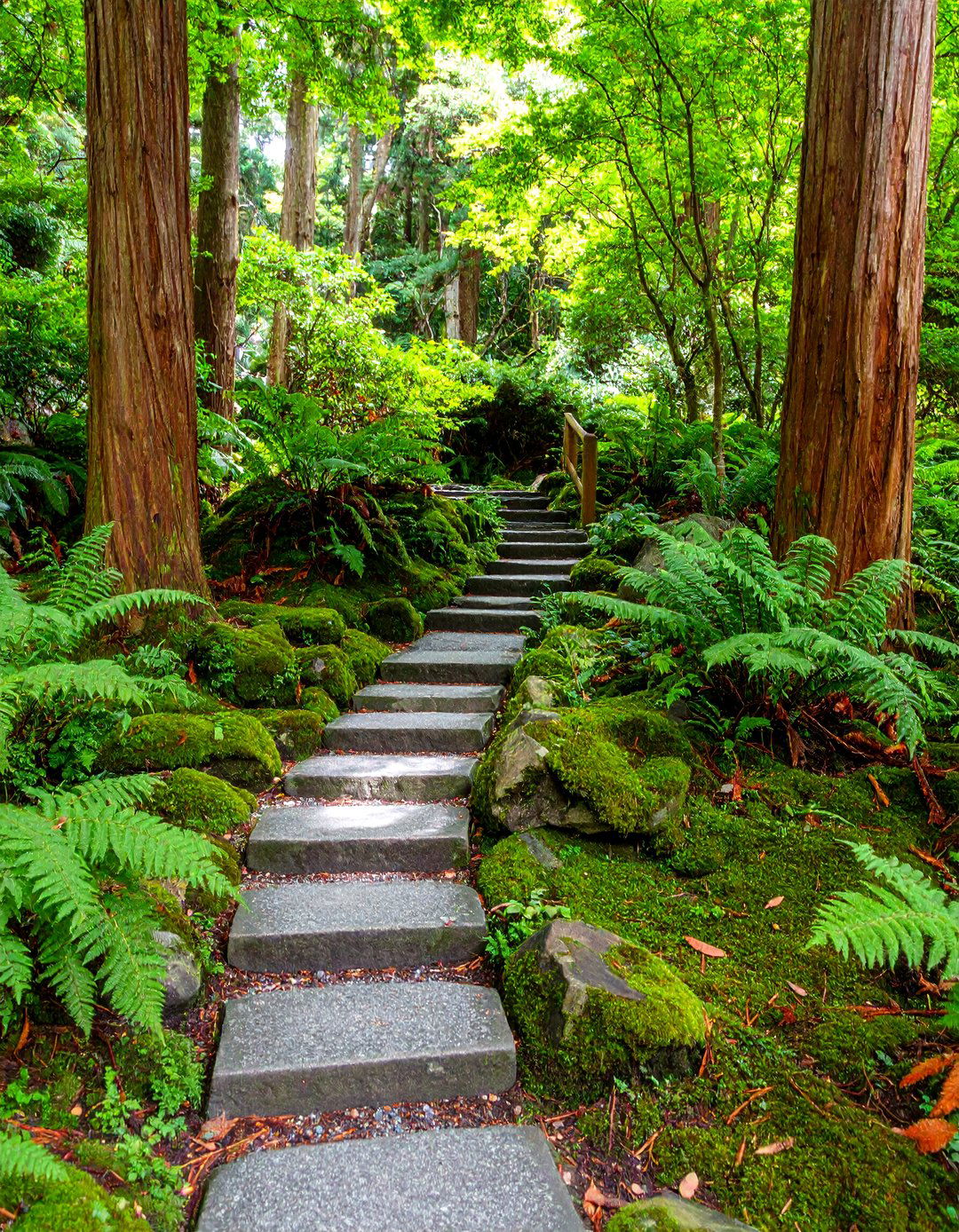
Do you have a shady corner that feels neglected? Transform it into a lush, green garden thrives in low light, using a rich tapestry of different fern species, hostas, and mosses to create a cool, tranquil atmosphere. A winding path of dark, flat stones leads through the dense foliage. A single stone lantern or a small, dark stone basin can be added as a focal design is about texture and shades of green, creating a space that feels like a hidden forest glen — cool, quiet, and deeply restful to the eyes.
29. The Flowering Cherry Viewing Garden
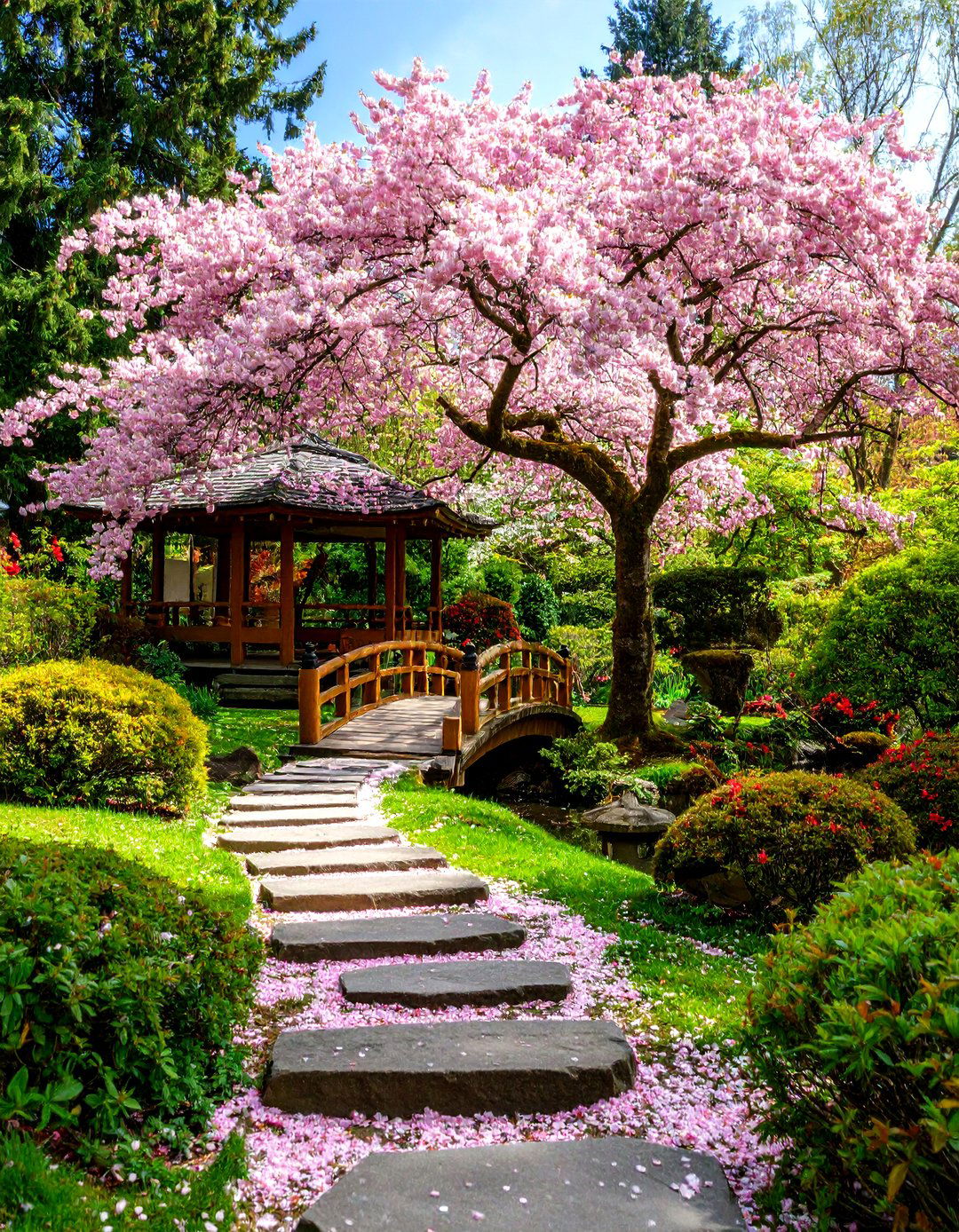
This garden is designed for one glorious purpose: to celebrate the ephemeral beauty of cherry blossoms (sakura) in features one or more flowering cherry trees as the undeniable surrounding landscape is kept simple and understated to avoid detracting from the main event. A flat, open area of lawn or raked gravel provides space for hanami (flower viewing) parties. A simple bench is placed for optimal the rest of the year, the elegant structure of the trees provides beauty, but for a few weeks in spring, the garden is pure magic.
30. The Gate and Fence Garden
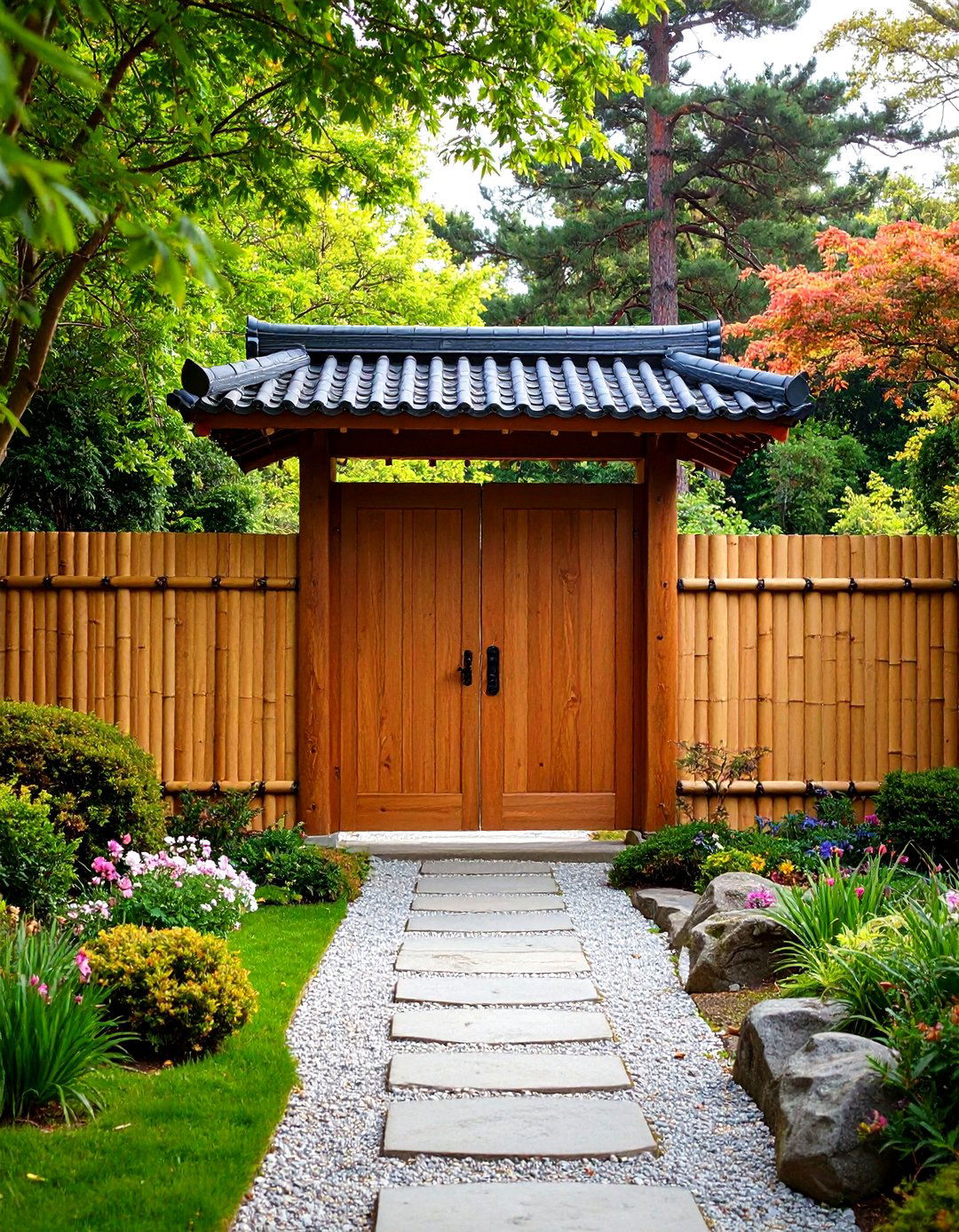
The entrance to a Japanese garden is a critical element, signifying the transition from the ordinary world to a place of design focuses on a beautiful gate and fence to create a sense of enclosure and gate could be a simple, rustic wooden design or a more formal structure with a tiled fence might be a solid wall or an open bamboo design (takegaki) that offers glimpses of the garden path leading from the gate is deliberately indirect, heightening the sense of journey and discovery.
Conclusion:
Embracing Japanese garden ideas is about more than just aesthetics; it's about creating a personal sanctuary that fosters peace, mindfulness, and a deep connection with the minimalist abstraction of a Karesansui rock garden to the immersive journey of a strolling pond garden, each style offers a unique way to shape space and principles of balance, simplicity, and harmony are the common threads, guiding the placement of every rock, plant, and water incorporating these themes, you can transform any outdoor area into a tranquil retreat that provides a beautiful, contemplative escape from the complexities of modern life.

Related posts:





Leave a Reply