
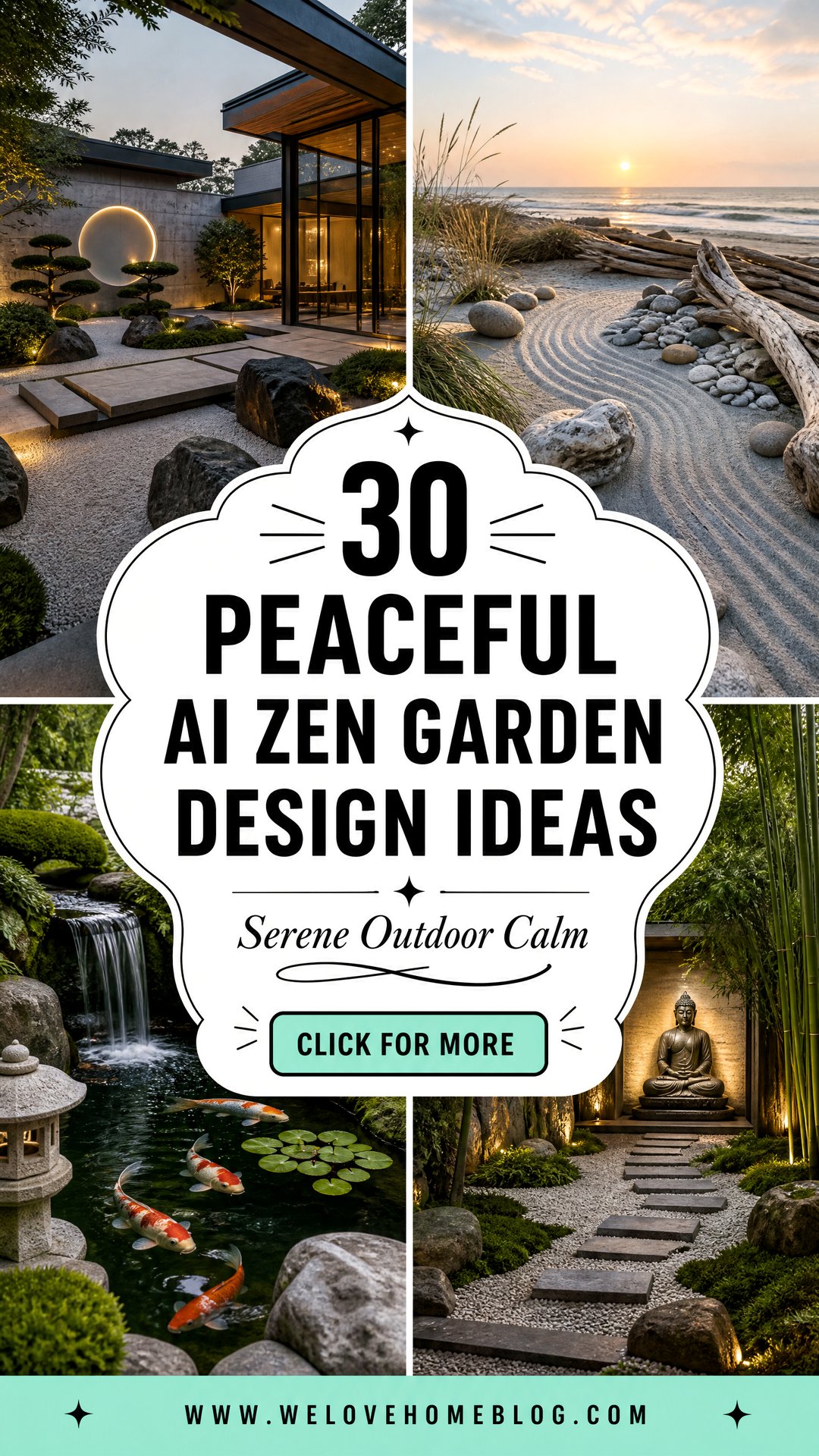
Artificial intelligence is revolutionizing the way we envision and create serene outdoor spaces, offering endless inspiration for personal sanctuaries. A Zen garden, traditionally known as a karesansui, is a space designed to inspire meditation and introspection through its minimalist composition of rocks, sand, and carefully selected leveraging AI, designers and homeowners can explore countless variations, blending ancient principles with contemporary AI-generated concepts can help you visualize a complete theme, from the precise layout of raked gravel to the strategic placement of lanterns and water transforming a neglected corner of your yard into a tranquil retreat that reflects your personal style, a place where simplicity and nature converge to calm the mind and soothe the soul.
1. The Minimalist Raked Sand Garden
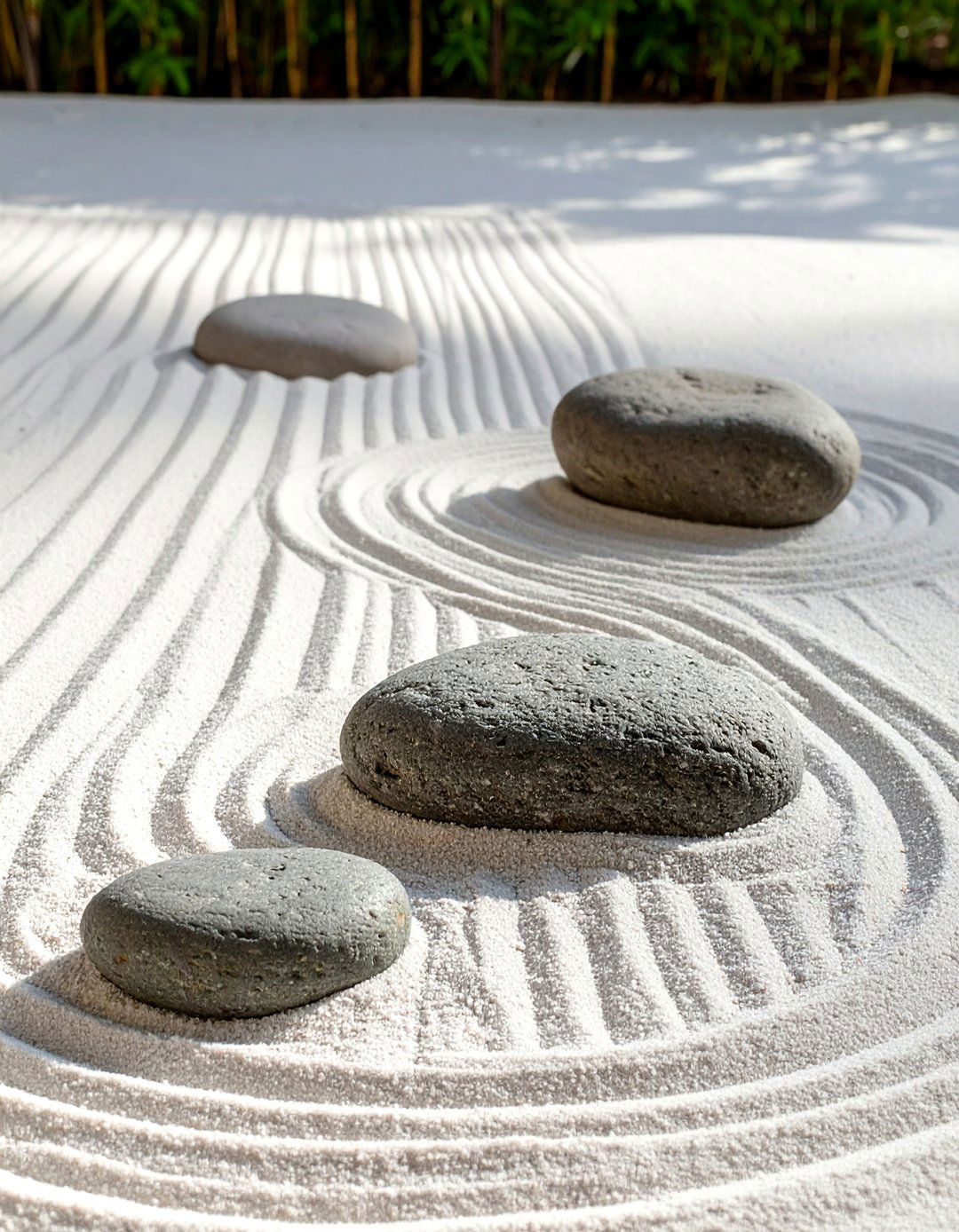
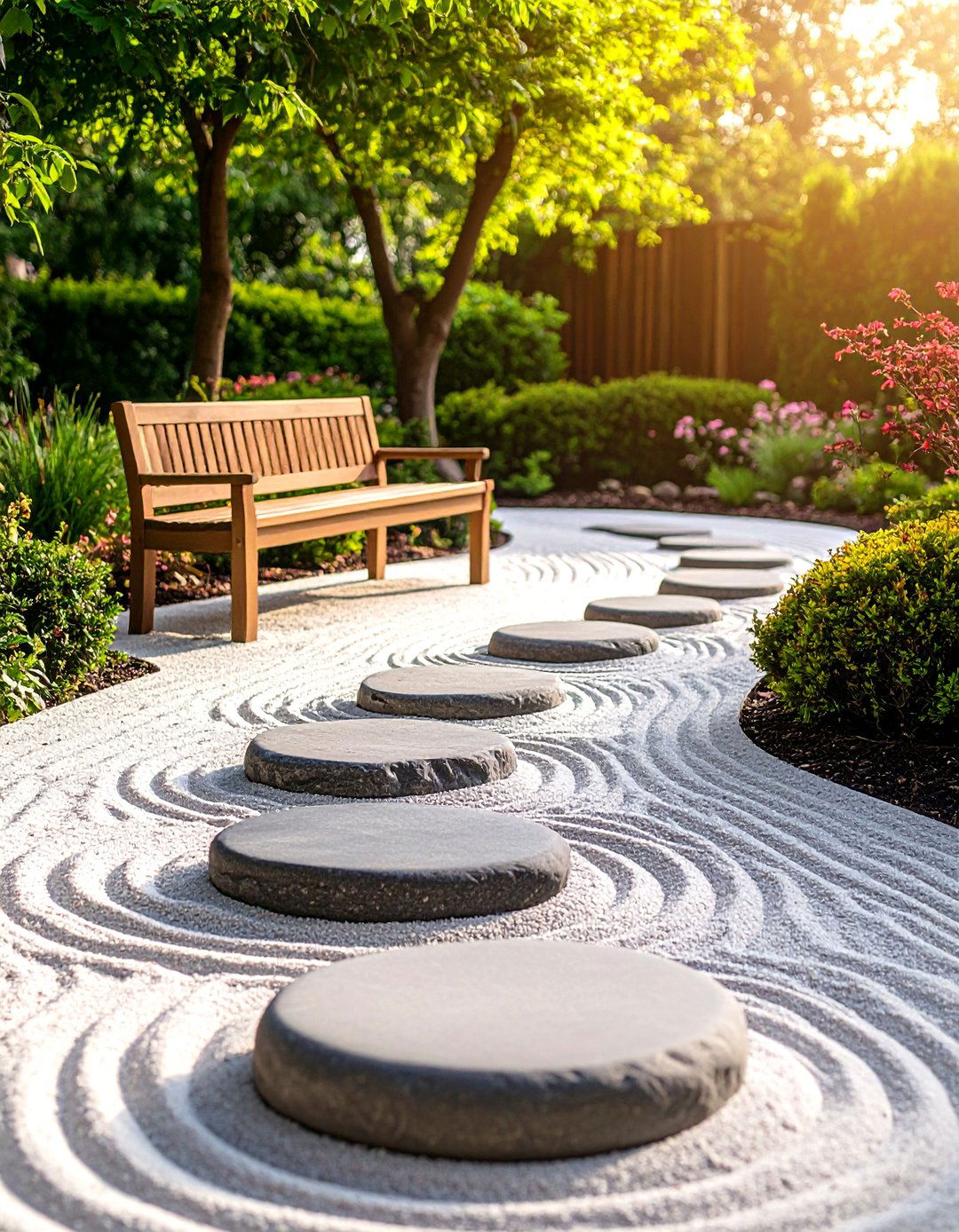
Embracing the core of Zen philosophy, this design focuses on a vast expanse of white or light gray sand, meticulously raked to represent water ripples. A few carefully selected, weathered stones are placed asymmetrically to symbolize islands or mountains, creating a profound sense of scale and layout is intentionally sparse, with no plants to distract the is subtle, perhaps a single low-voltage uplight accentuating the texture of a prominent rock after garden is a pure, meditative canvas, inviting contemplation through its stark simplicity and the deliberate arrangement of its few, powerful elements.
2. A Moss and Stone Garden Sanctuary
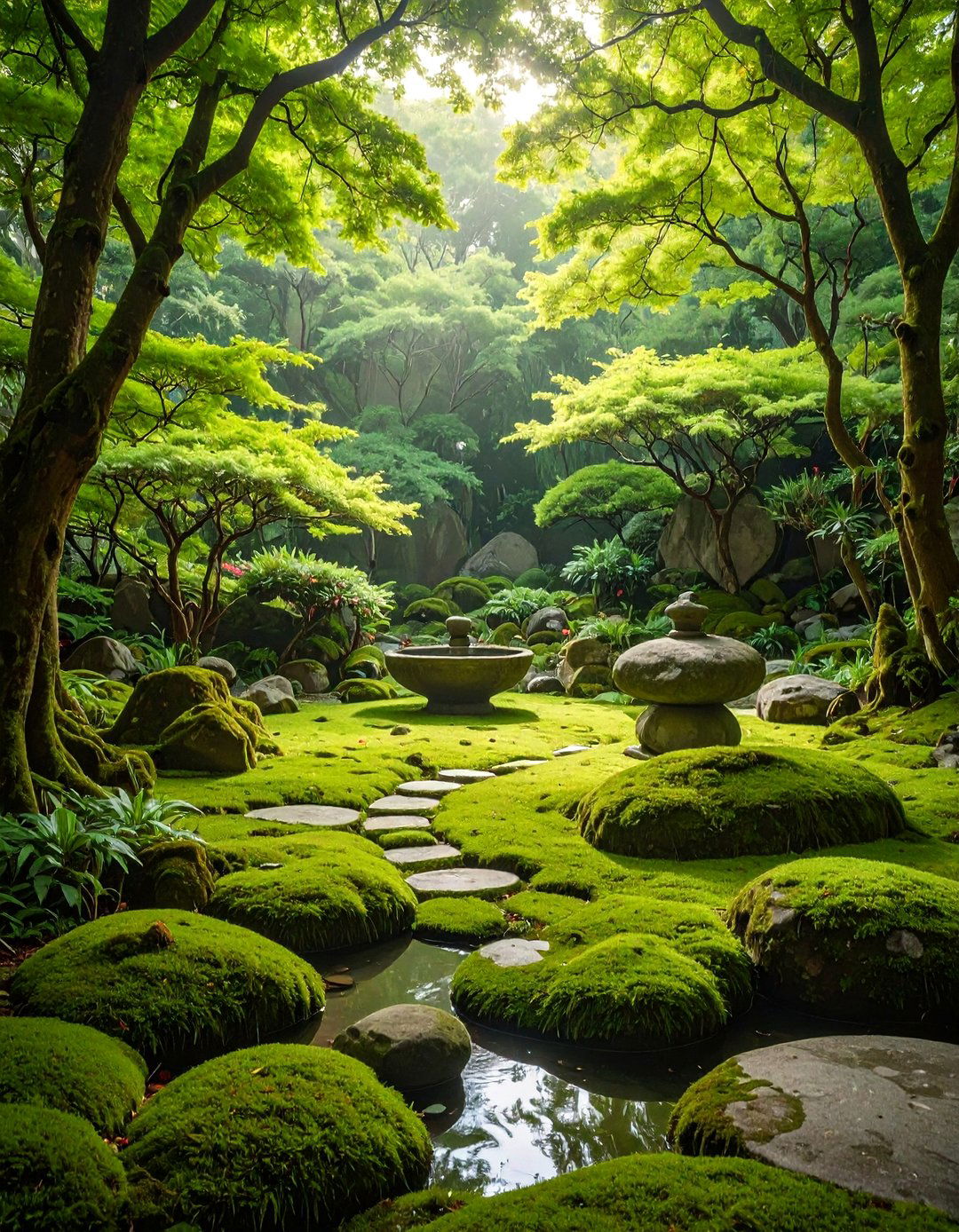
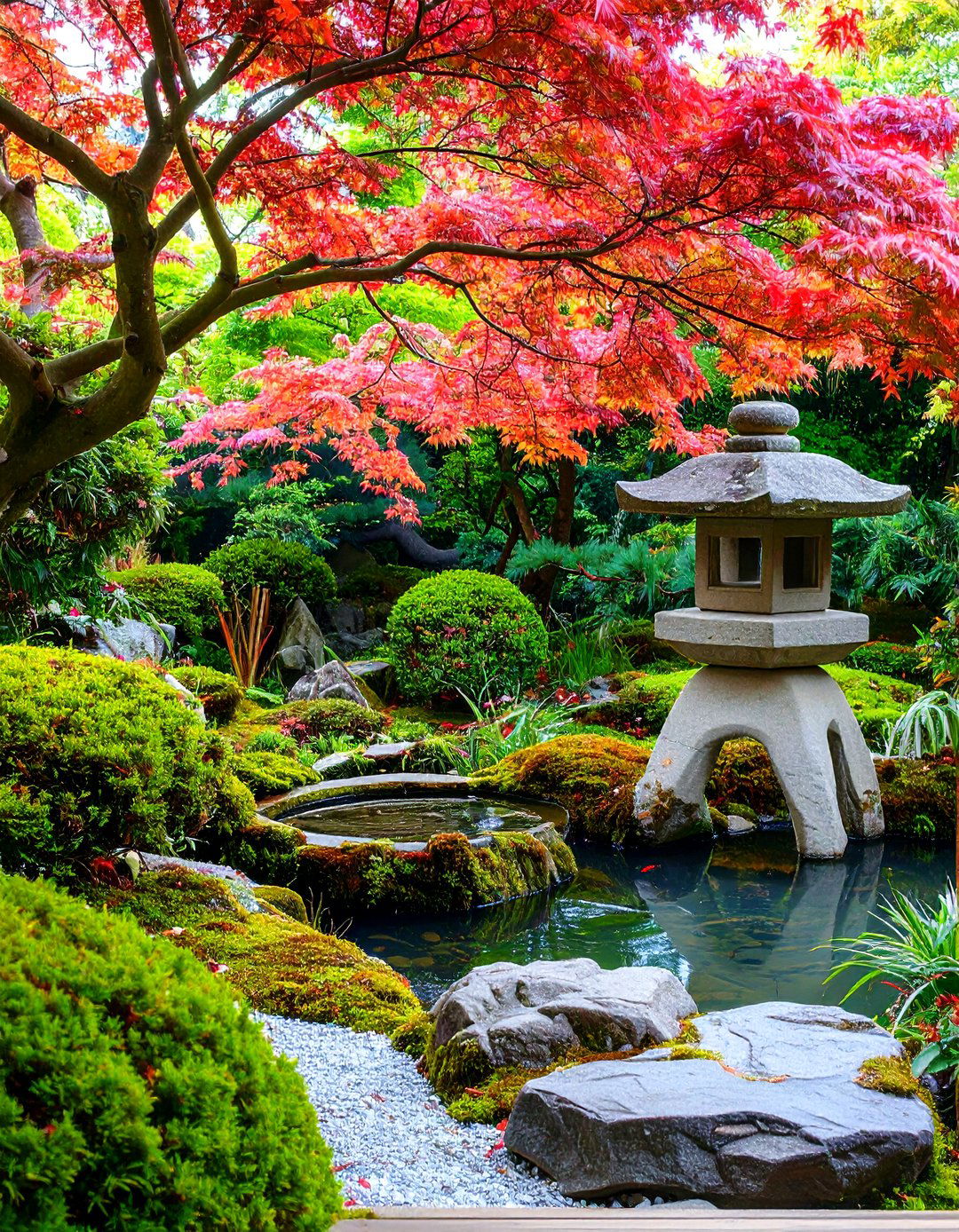
This concept creates a lush, verdant landscape that feels both ancient and of sand, a carpet of vibrant green moss covers the ground, flowing around smooth, river-worn stones of varying layout mimics a natural forest floor, with gentle undulations in the mossy terrain. A simple stone basin (tsukubai) filled with water can be a central feature, inviting birds and reflecting the sky. Low, ambient lighting hidden within the moss or under stone ledges enhances the garden’s mystical quality at night, making it a peaceful haven for quiet reflection.
3. The Enclosed Courtyard Zen Garden
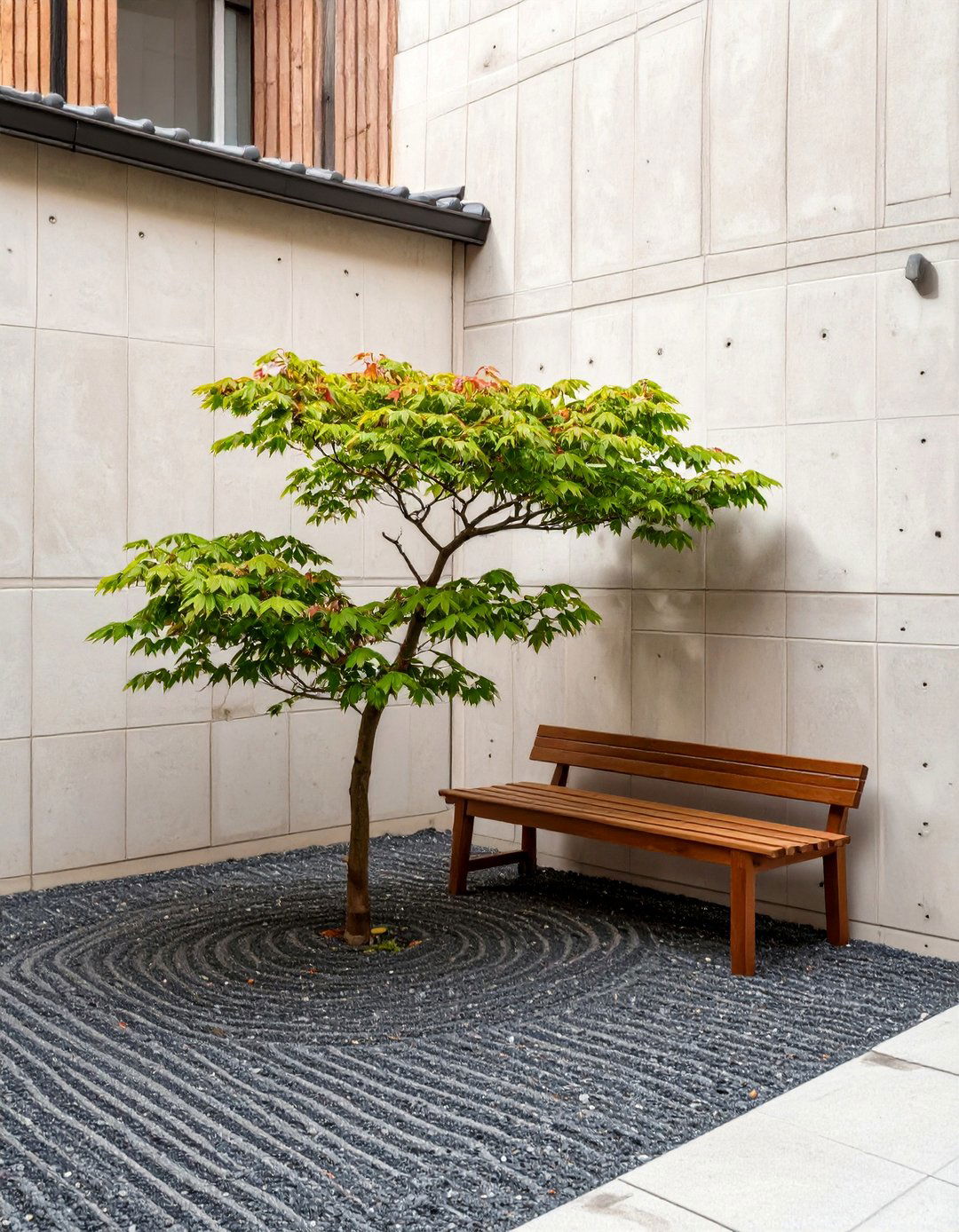
Perfect for urban homes, this design transforms a small, enclosed courtyard into a private world of layout uses vertical space, with bamboo screens or simple plaster walls defining the boundary. A central area of dark gray gravel is raked in straight lines, contrasting with a single, sculptural Japanese maple tree. A minimalist wooden bench is placed against one wall, offering a place for is integrated into the paving or walls, casting soft, indirect light that highlights the textures of the stone, wood, and leaves, creating an intimate and secure retreat.
4. A Modern Architectural Zen Garden
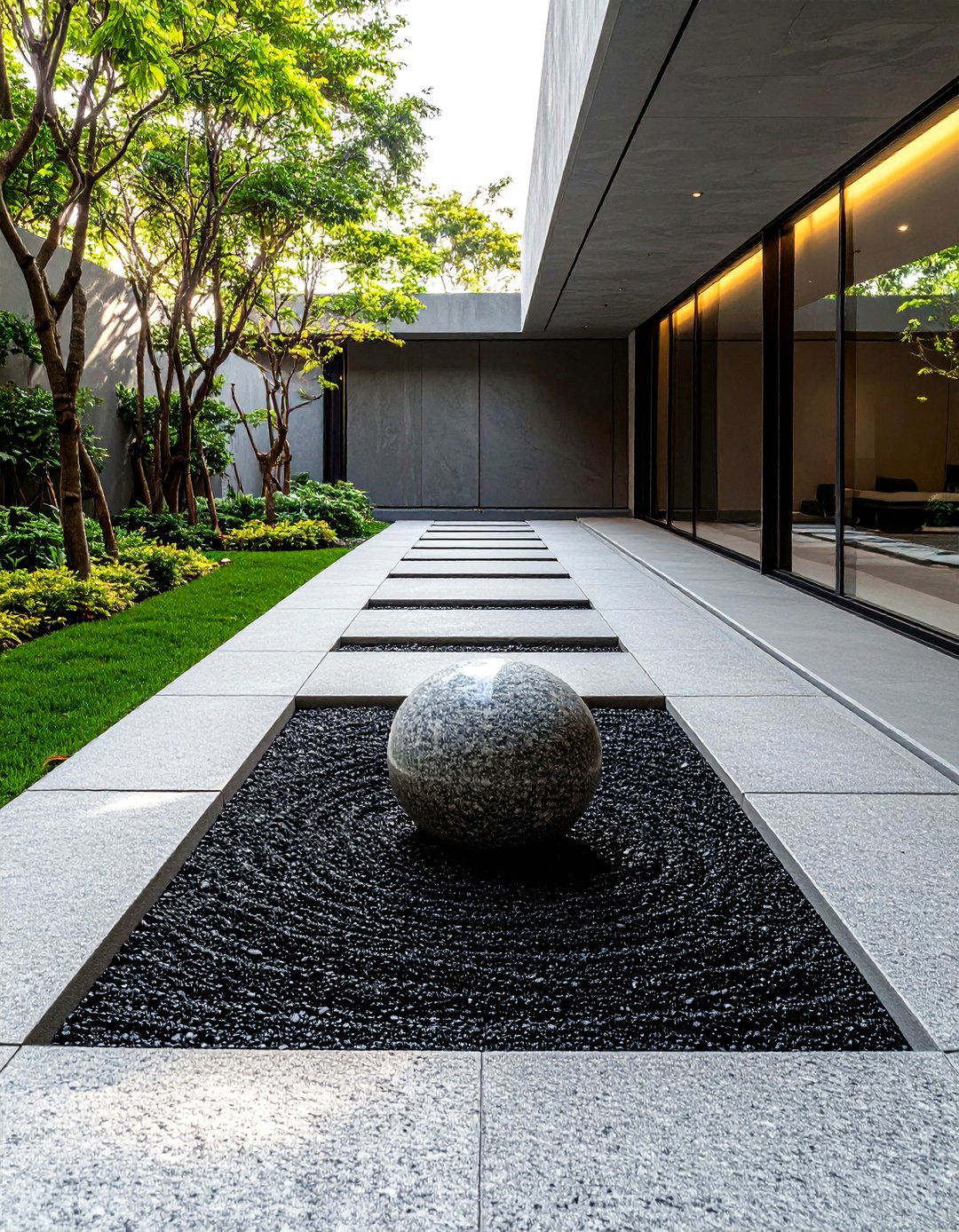
This design merges sleek, modern architecture with traditional Zen layout features clean lines, with poured concrete pathways and geometric planters. A rectangular bed of black volcanic sand is juxtaposed with a smooth, polished granite sphere as the central sculpture. A single, dramatically pruned pine tree adds an organic, yet controlled, element. Low-profile LED strip lighting is embedded along the pathways and under the edges of raised beds, creating a futuristic yet calming garden is a statement of sophisticated minimalism, where natural and man-made forms create a harmonious balance.
5. The Flowing Water Feature Garden
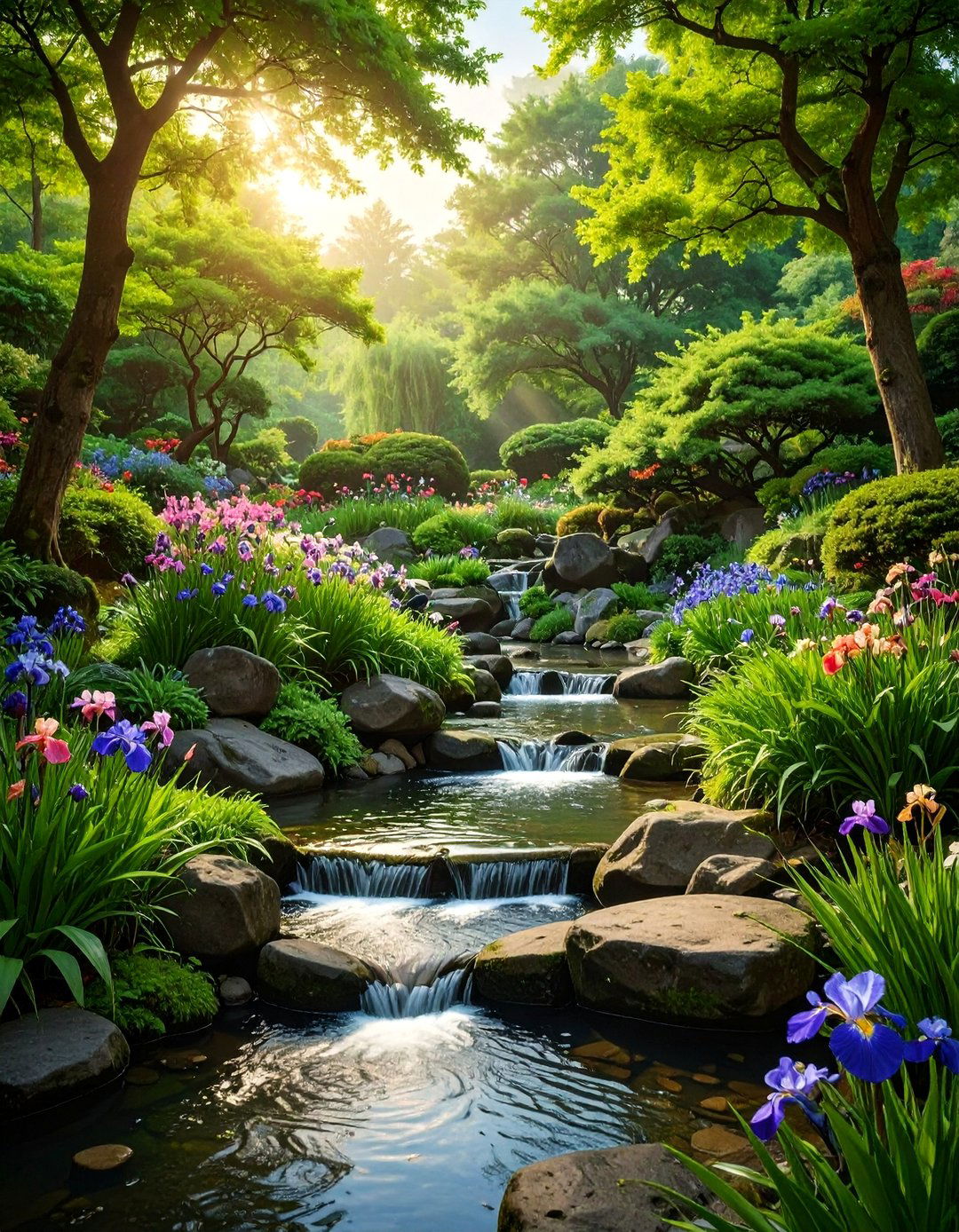
Unlike traditional dry landscapes, this design makes flowing water the central element. A gentle stream meanders through the garden, flowing over smooth, dark stones and ending in a small, still layout follows the path of the water, with mossy banks and clusters of Japanese iris planted along the edges. A simple bamboo water spout (shishi-odoshi) provides a rhythmic, soothing lights in the stream and pond create a magical effect at night, highlighting the movement of the water and its reflective qualities, turning the garden into a dynamic sensory experience.
6. The Dry Riverbed Zen Garden
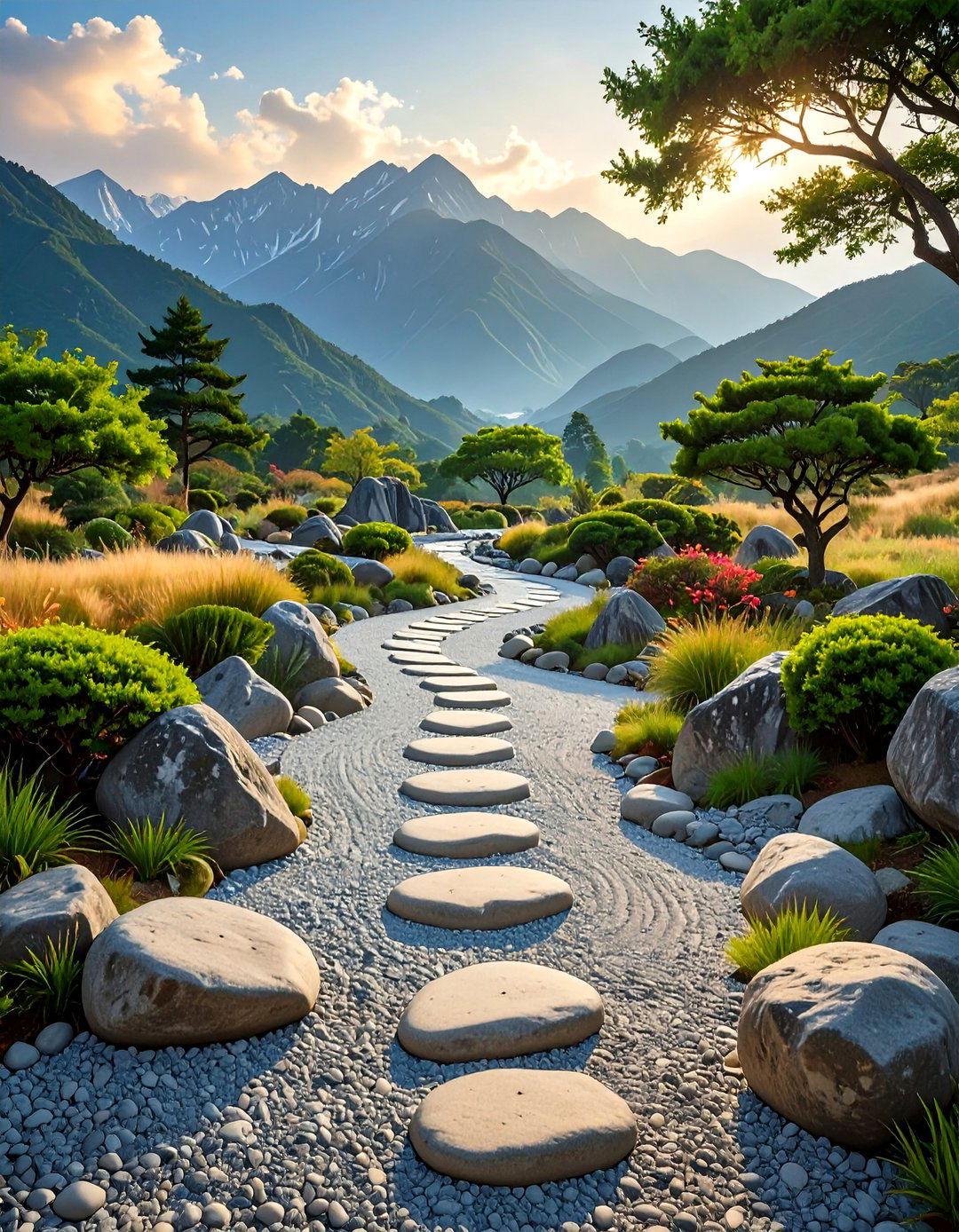
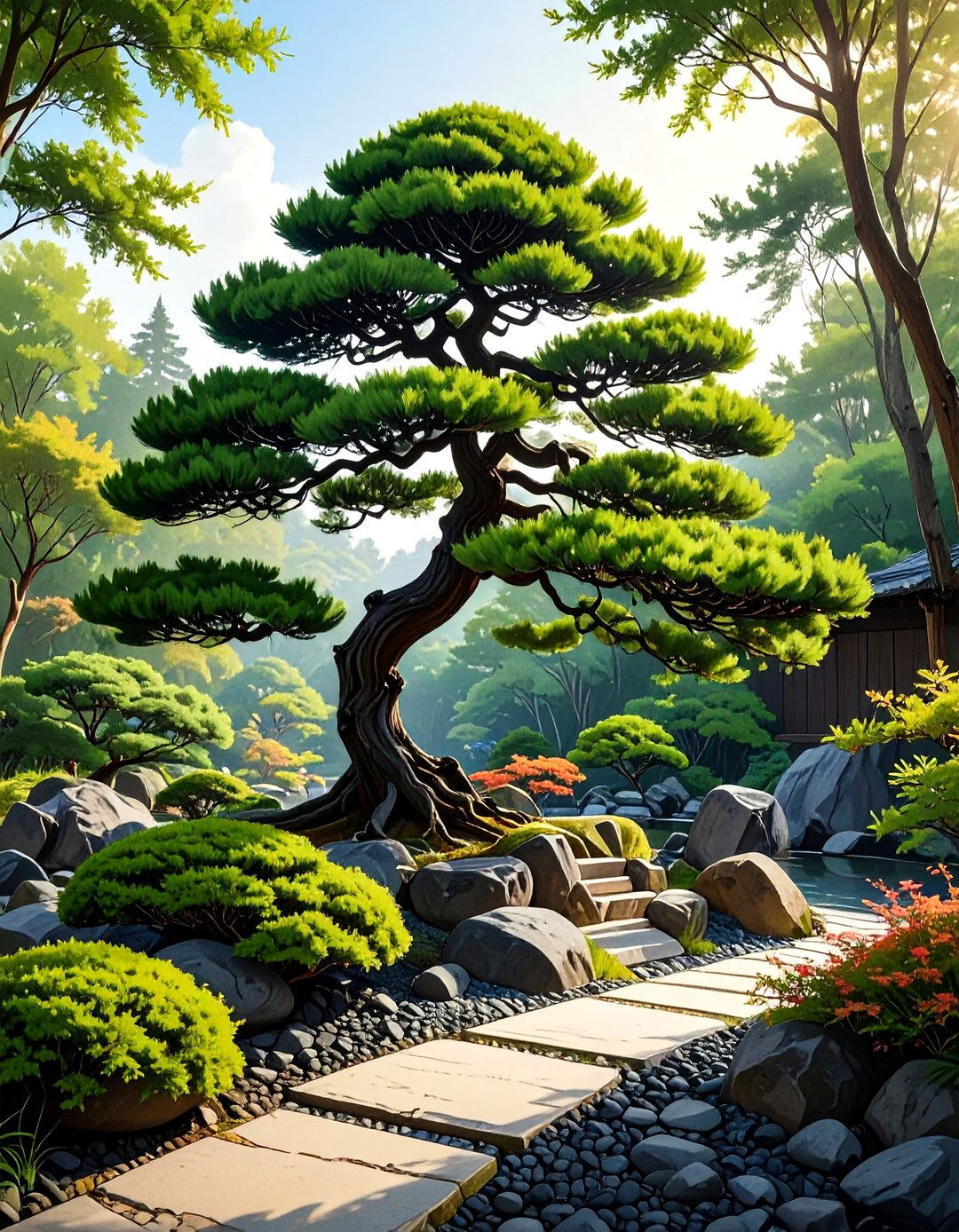
This design uses stones and gravel to create the illusion of a dry riverbed, a powerful symbol of time and layout features a winding path of smooth, gray river stones of various sizes, flanked by larger, angular boulders that suggest riverbanks. Fine, light-colored gravel is raked around the "river" to represent still water. A few drought-tolerant grasses or dwarf pines are planted sparingly on the focus is on texture and form, creating a powerful, naturalistic scene that evokes the quiet permanence of a mountain landscape.
7. A Zen Garden with Integrated Tea House
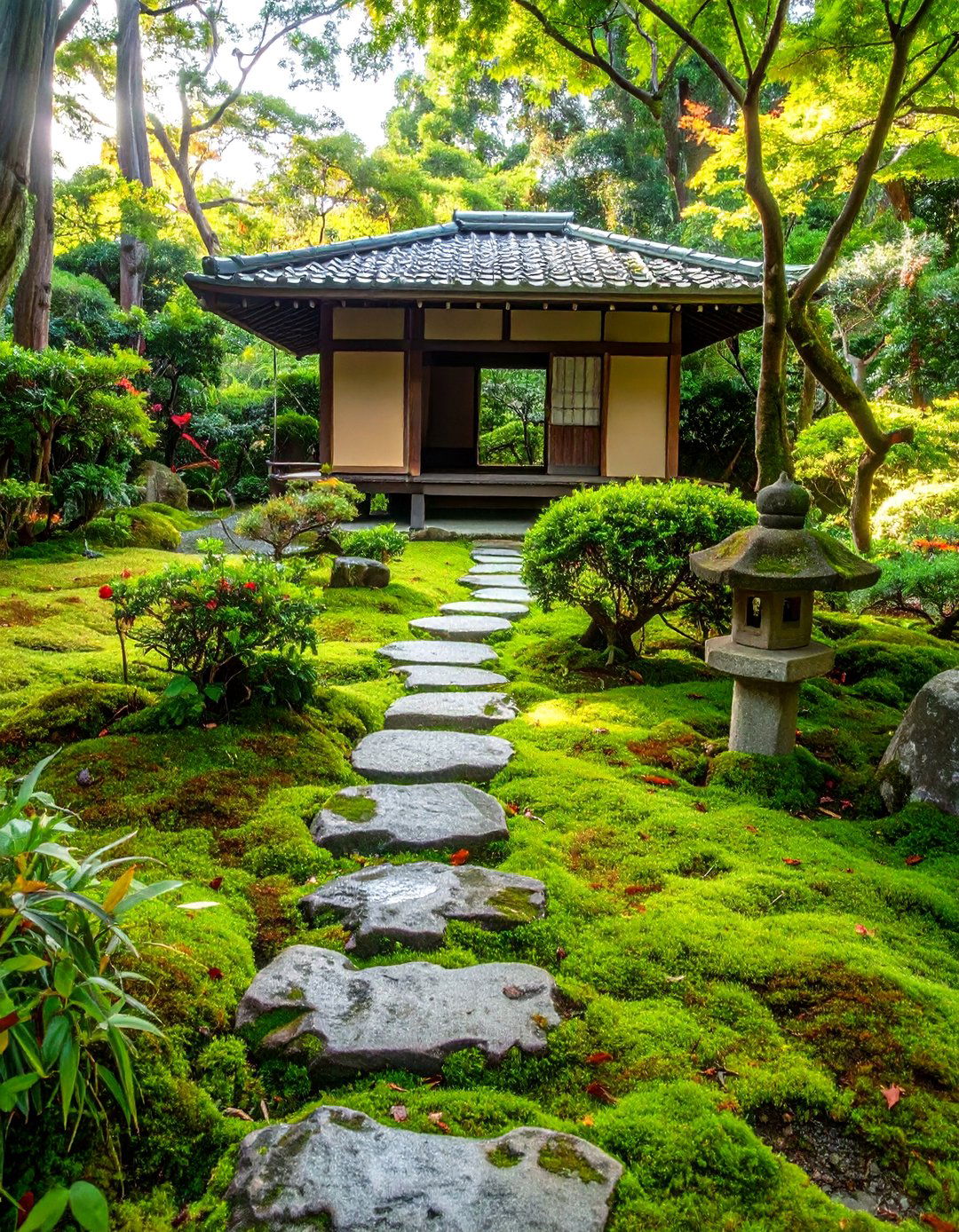
This concept elevates the garden into a functional space for ceremony and layout is designed around a small, simple tea house (chashitsu) with sliding paper screens and a tatami mat interior. A stepping stone path (tobi-ishi) leads guests through the garden to the tea house entrance, encouraging mindfulness with each garden itself is understated, featuring moss, a stone lantern, and a water basin for ritual design fosters a seamless transition from the outer world to the inner sanctuary of the tea ceremony.
8. The Secretive Bamboo Grove Garden
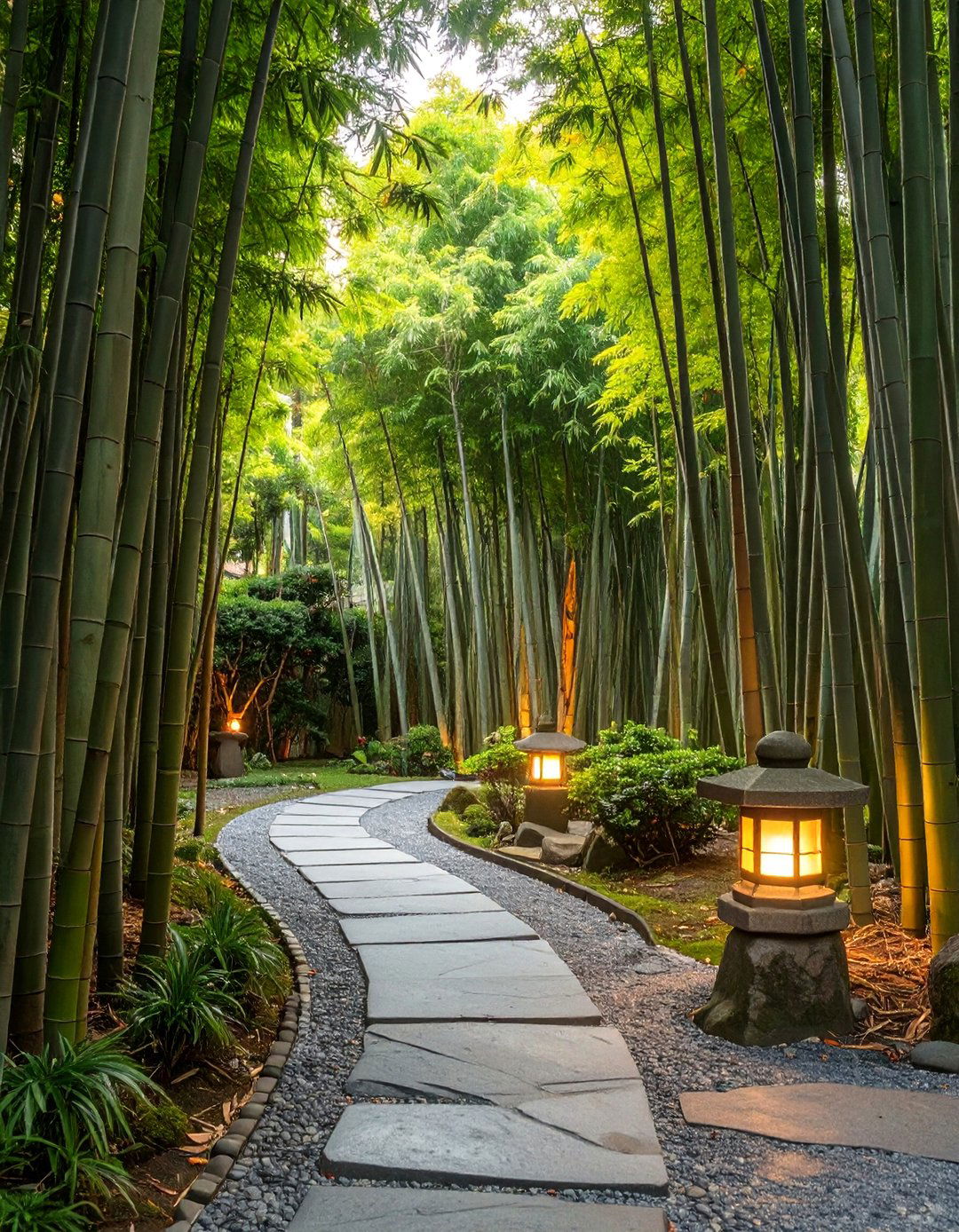
Imagine stepping into a dense, rustling bamboo grove that feels miles away from design uses various species of bamboo to create a tall, living screen that offers complete privacy and a unique soundscape as the wind moves through the layout includes a narrow, winding path of dark slate pavers that disappears into the foliage. A single stone lantern is placed at a bend in the path, its gentle light creating intriguing shadows at garden is an immersive experience, a natural enclosure that soothes with its sound, movement, and simplicity.
9. A Zen Garden for Small Balconies
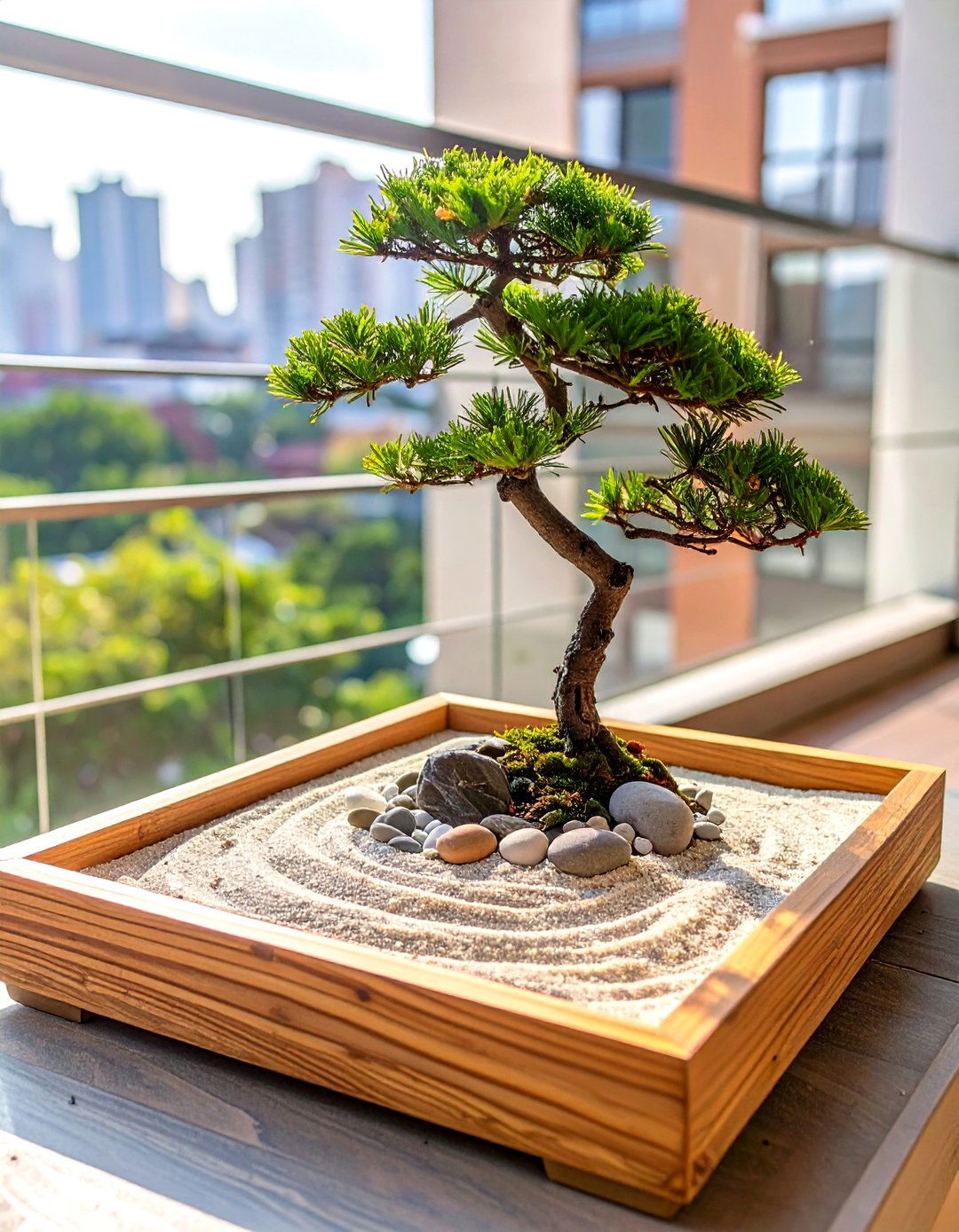
Even the smallest balcony can become a Zen design uses a shallow, custom-built wooden tray to hold a miniature landscape of fine sand and small, carefully chosen stones. A single, small bonsai tree or a clump of moss provides a touch of layout is simple and contained, often featuring a tiny rake for meditative sand patterns. A small, battery-operated candle lantern can add a warm glow in the compact design brings the essence of Zen to urban living, offering a personal focal point for calm and contemplation.


10. The Monochromatic Zen Garden Design
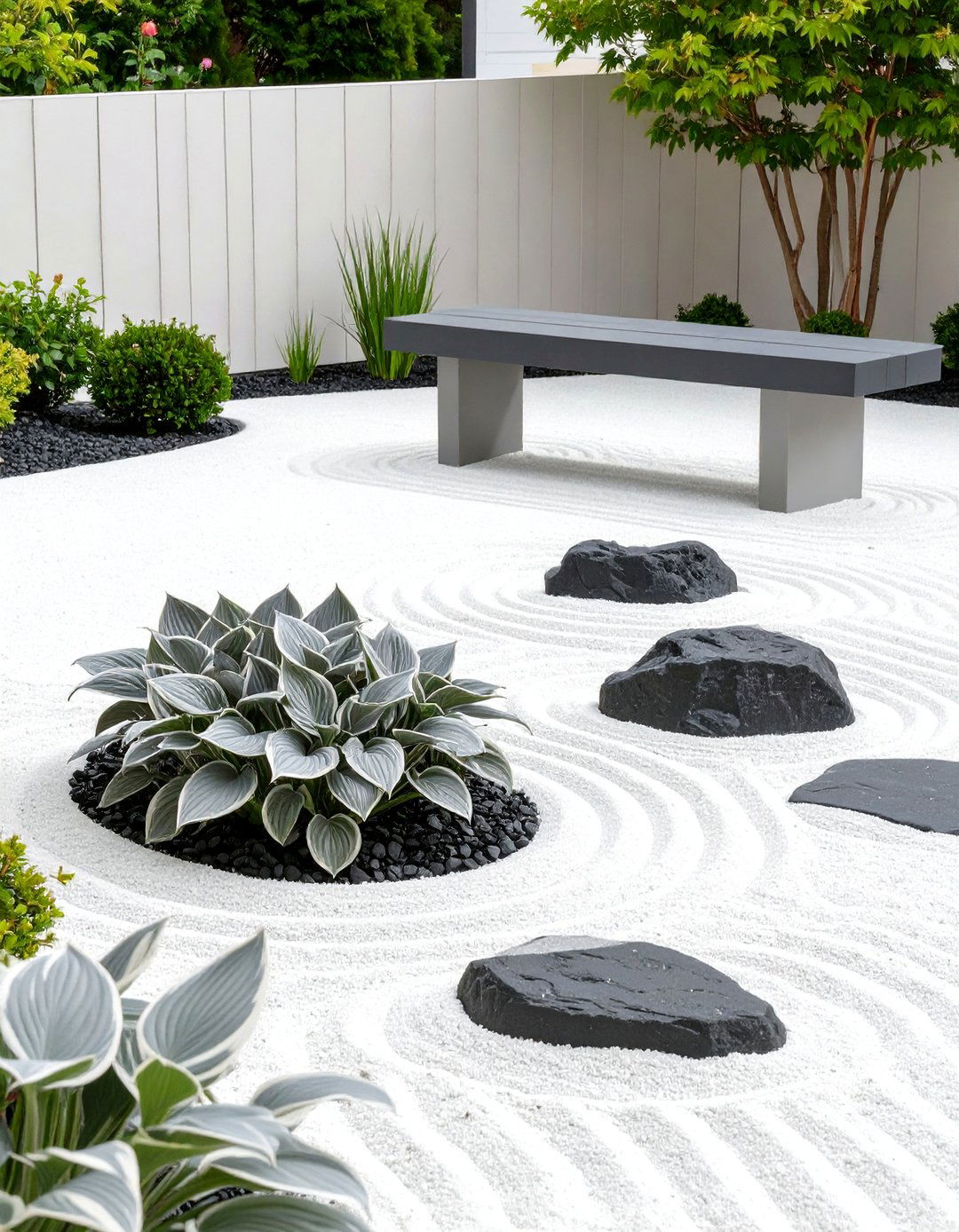
This striking design commits to a single color palette, typically shades of gray, black, and white, to create a powerful and unified layout might feature black volcanic rock against brilliant white sand, with dark slate stepping plantings would be minimal, perhaps a single silver-leafed hosta or a Japanese silver furniture, like a simple charcoal-gray bench, blends seamlessly into the approach emphasizes texture, form, and shadow, creating a highly sophisticated and contemplative space where the absence of color sharpens the senses.
11. The Coastal Driftwood Zen Garden
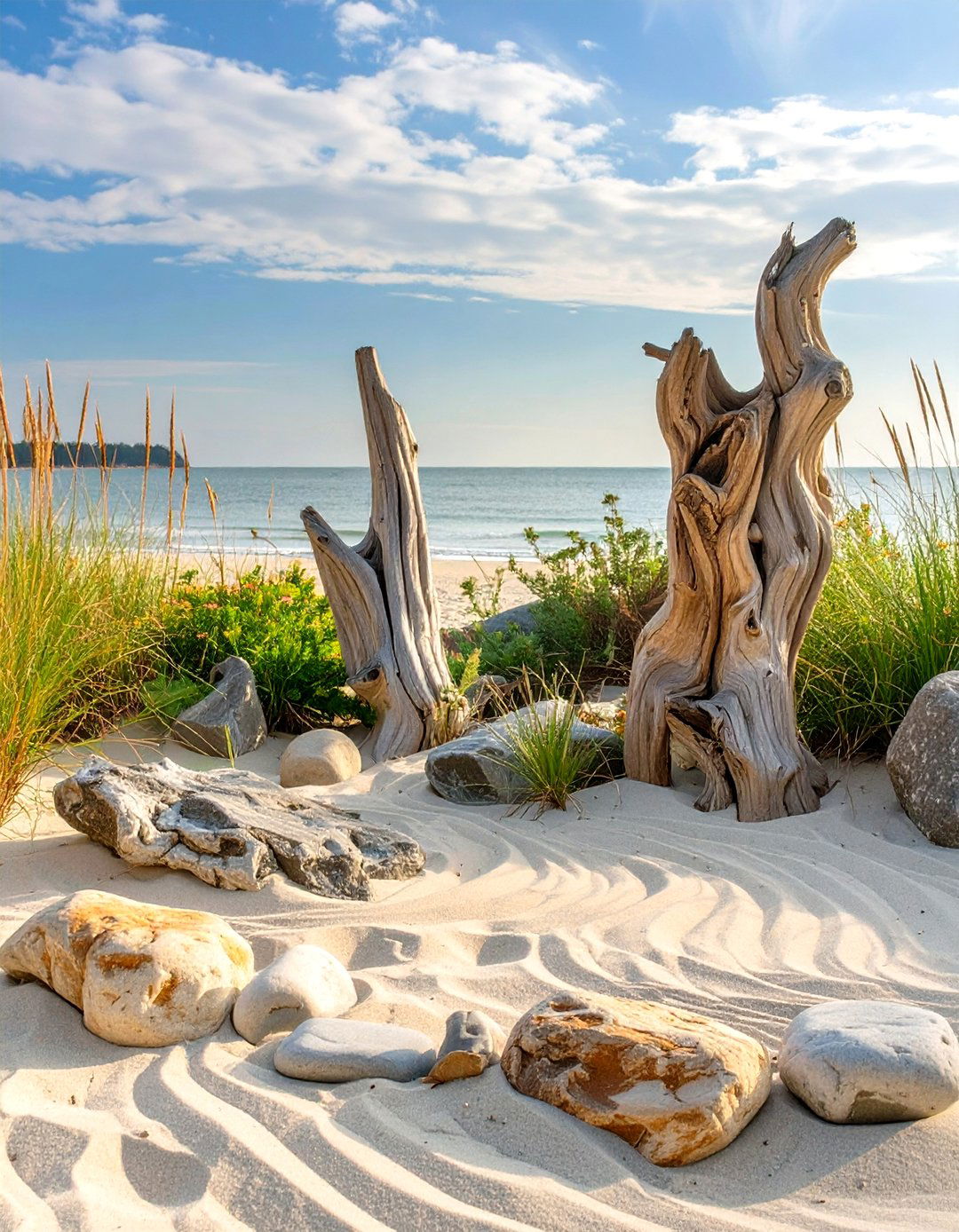
Bringing a coastal feel to the Zen garden, this design uses weathered driftwood as its primary sculptural layout arranges these organic, twisted forms on a bed of fine, light-beige sand, reminiscent of a secluded beach. Smooth, sea-tumbled stones and clumps of hardy coastal grasses complete the scene. A low, wide bowl filled with water can reflect the sky, like a tidal lighting is soft and diffused, mimicking moonlight on the style creates a serene, naturalistic retreat that feels shaped by the wind and waves.
12. A Zen Garden with a Fire Pit Feature
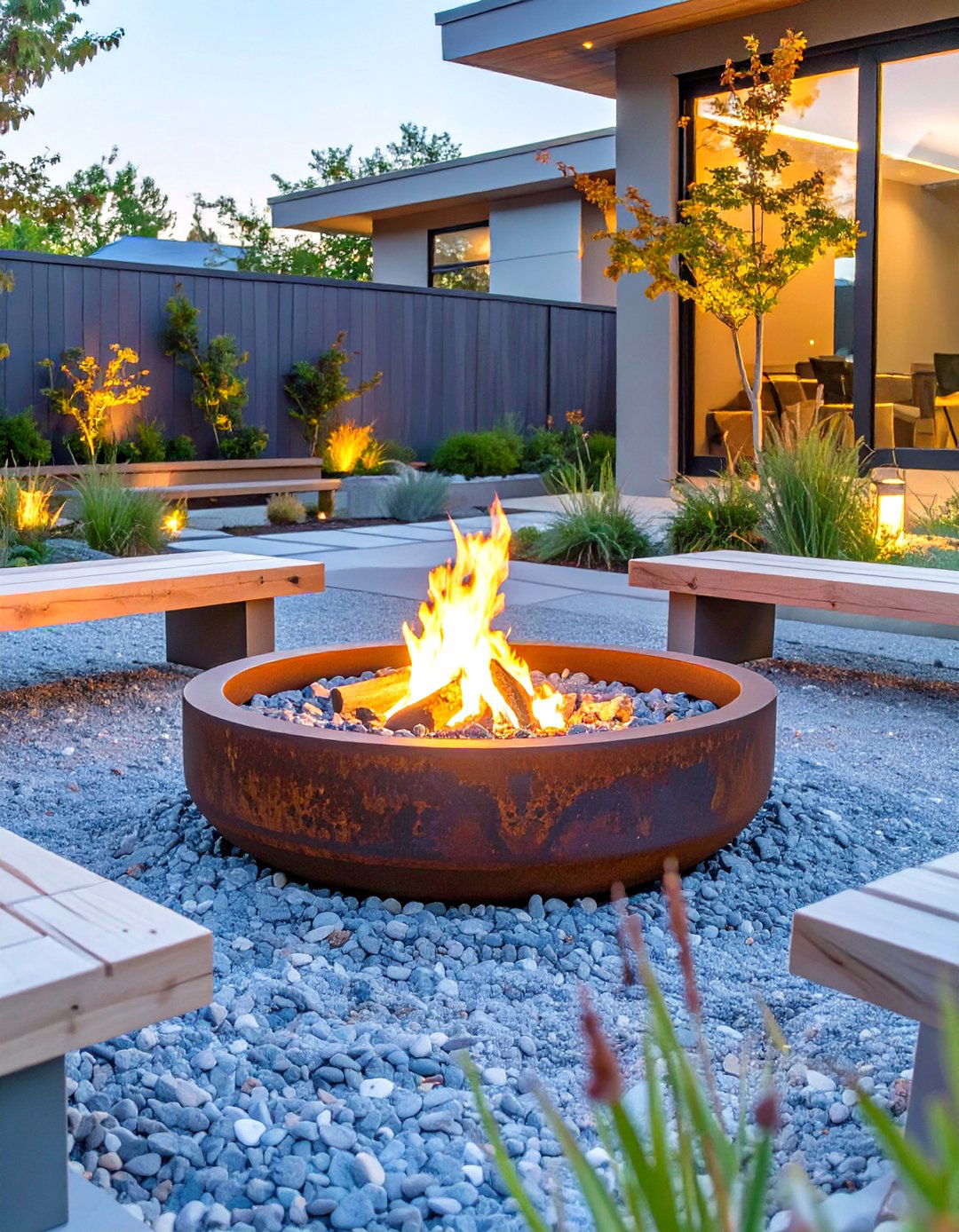
This concept introduces the element of fire, creating a gathering space that is both meditative and layout centers around a minimalist fire pit, perhaps a simple bowl of corten steel or a smooth concrete it is an area of dark gray pea gravel, with low, backless benches made of reclaimed wood. A few large, smooth boulders are placed nearby for gentle flicker of the flames provides both light and a mesmerizing focal point, making this garden perfect for quiet evening conversations and introspection.
13. The Sculptural Art Zen Garden
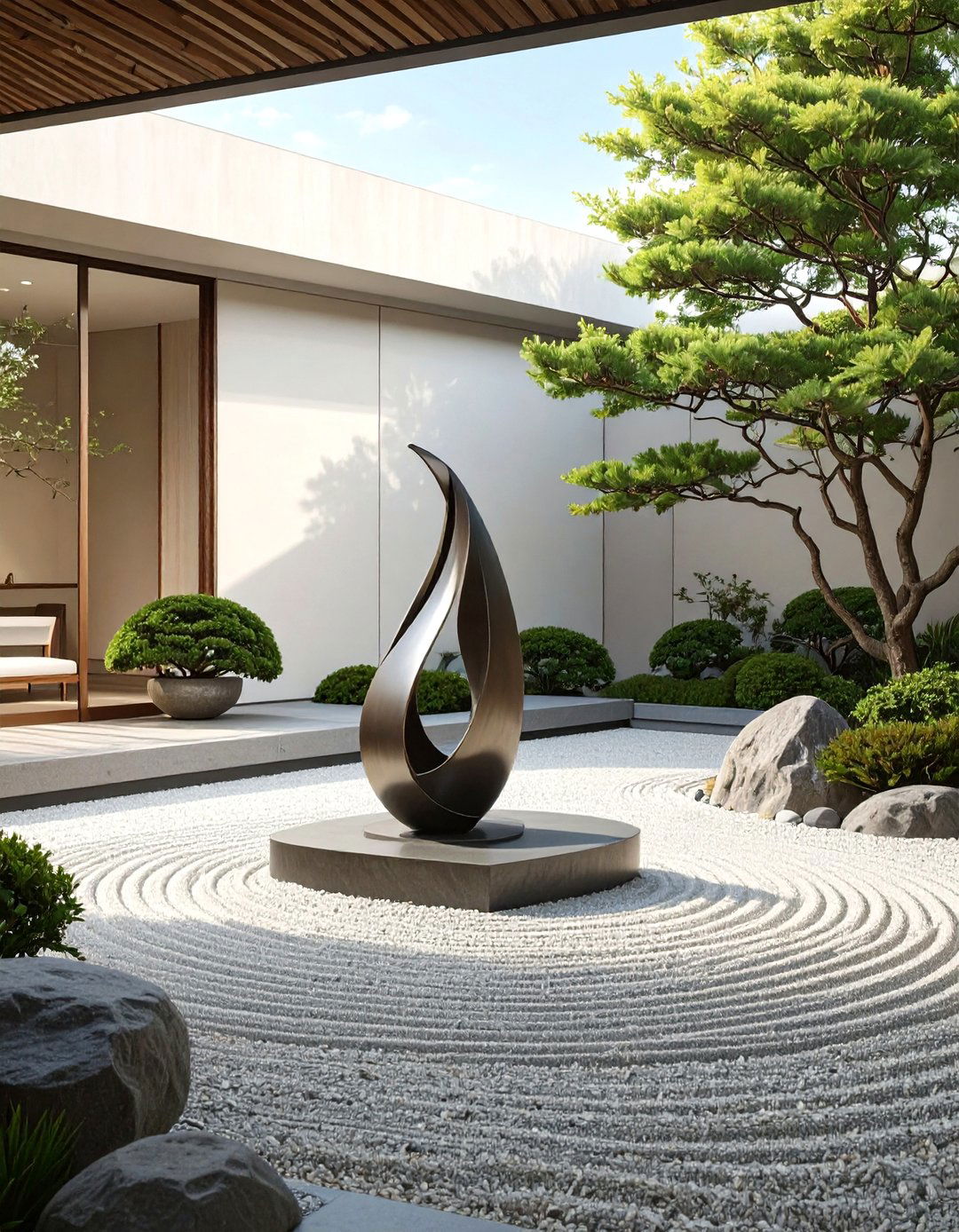
Here, the garden becomes a gallery for a single, impactful piece of layout is designed to frame and highlight the artwork, which could be an abstract metal form, a carved stone figure, or a unique ceramic surrounding landscape is kept extremely simple, with a flat expanse of raked gravel and perhaps a single, low-growing ground cover to soften the lighting is crucial, with spotlights carefully aimed to accentuate the sculpture’s form and texture after dark, creating a dramatic and thought-provoking outdoor environment.
14. The Overgrown and Wabi-Sabi Garden
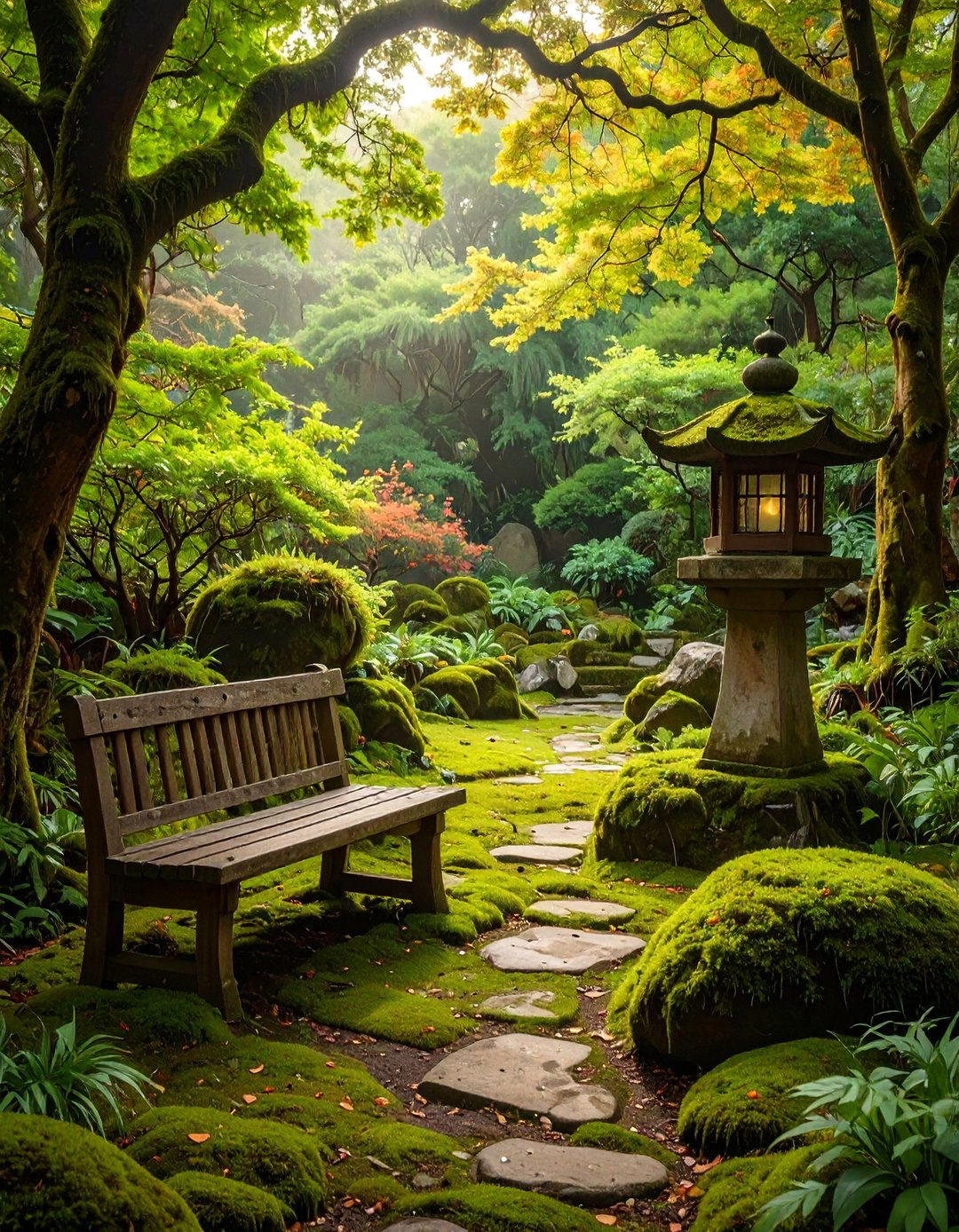
This design embraces the Japanese aesthetic of wabi-sabi, finding beauty in imperfection, impermanence, and nature's gentle layout feels less controlled, with moss allowed to grow freely over old stones and a cracked stone path. A weathered wooden bench and a rusty iron lantern add to the sense of age and are chosen for their natural, untamed garden is not about pristine perfection but about creating a deep, resonant feeling of peace and acceptance, celebrating the beauty of the incomplete and the transient.


15. A Zen Garden with Raised Planting Beds
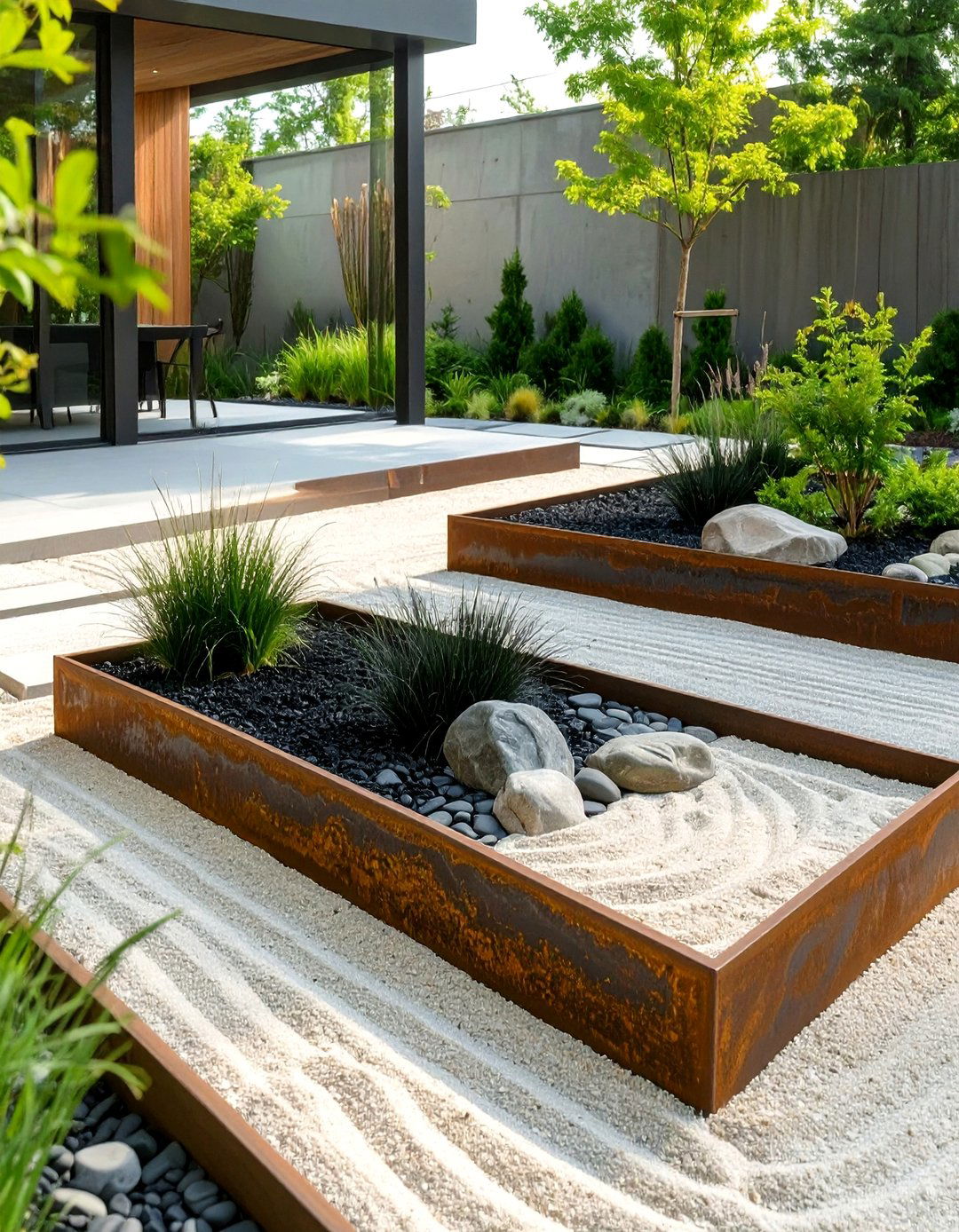
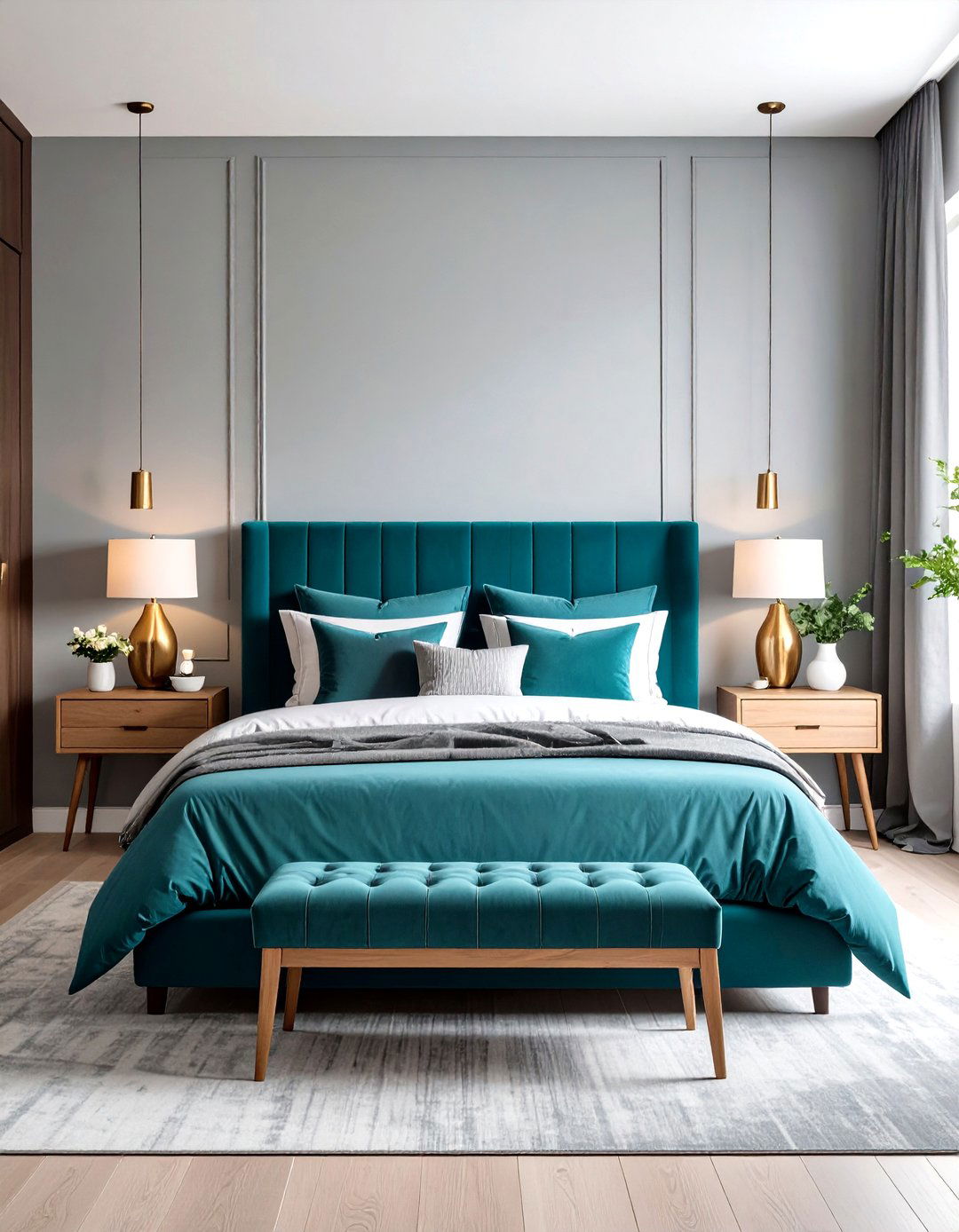
For a more structured and modern interpretation, this design uses raised beds made from materials like corten steel, dark-stained wood, or smooth these beds, different elements are separated — one might hold raked sand, another a bed of smooth river stones, and a third a single planting of black mondo compartmentalized layout creates a clean, graphic hard edges of the planters contrast beautifully with the soft textures within, offering a contemporary and organized approach to Zen principles that is both visually striking and easy to maintain.
16. The Illuminated Lantern Path Garden
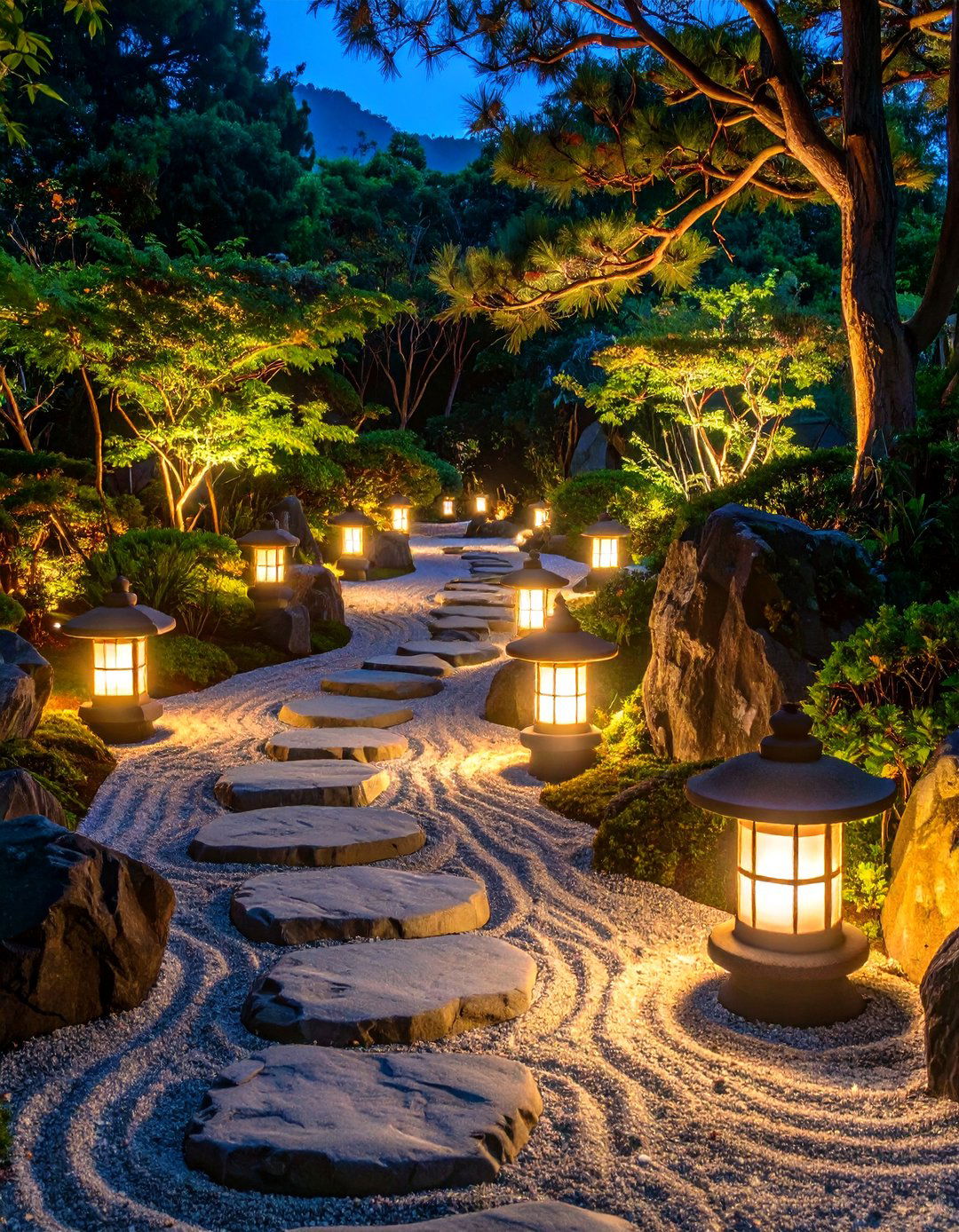
In this design, light itself becomes a primary feature, guiding movement and creating layout is defined by a winding path of stepping stones, with each stone or key turn marked by a traditional Japanese stone lantern (tōrō). The lanterns vary in height and style, creating visual surrounding garden is kept simple, with dark gravel and low, dark green shrubs that don't compete for night, the path becomes a glowing ribbon of light, transforming the garden into a magical and serene space that encourages a slow, mindful walk.
17. The Island and Ocean Zen Garden
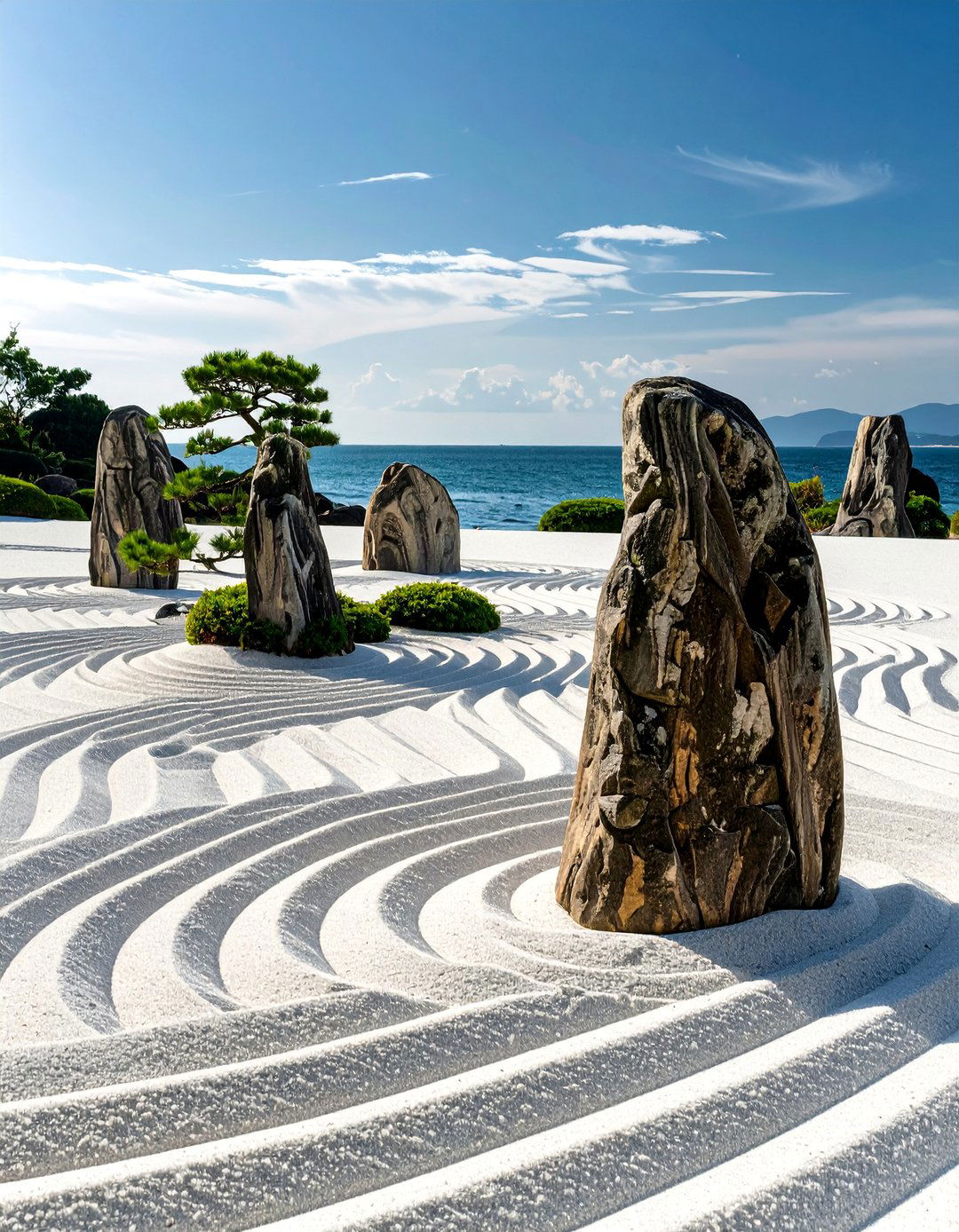
This classic design uses rocks and sand to create a symbolic representation of islands in a vast layout features several large, upright stones or groups of stones ("islands") set within a large area of meticulously raked white sand ("ocean"). The raking pattern often swirls around the stones, suggesting waves and perspective is key, with the garden best viewed from a single vantage point, like a veranda or a specific powerful, abstract landscape is designed to be a piece of living art that inspires deep contemplation.
18. A Zen Garden Featuring a Koi Pond
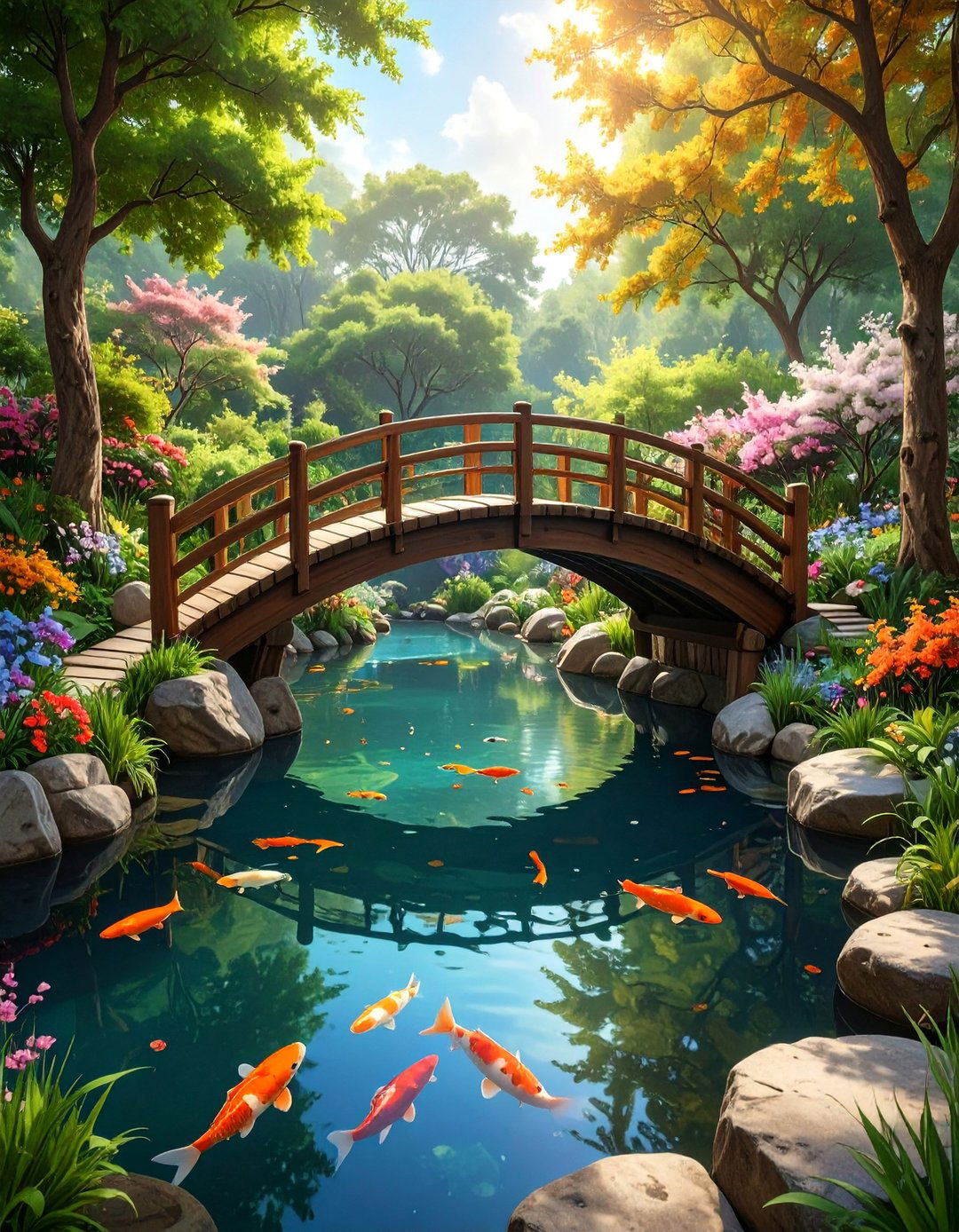
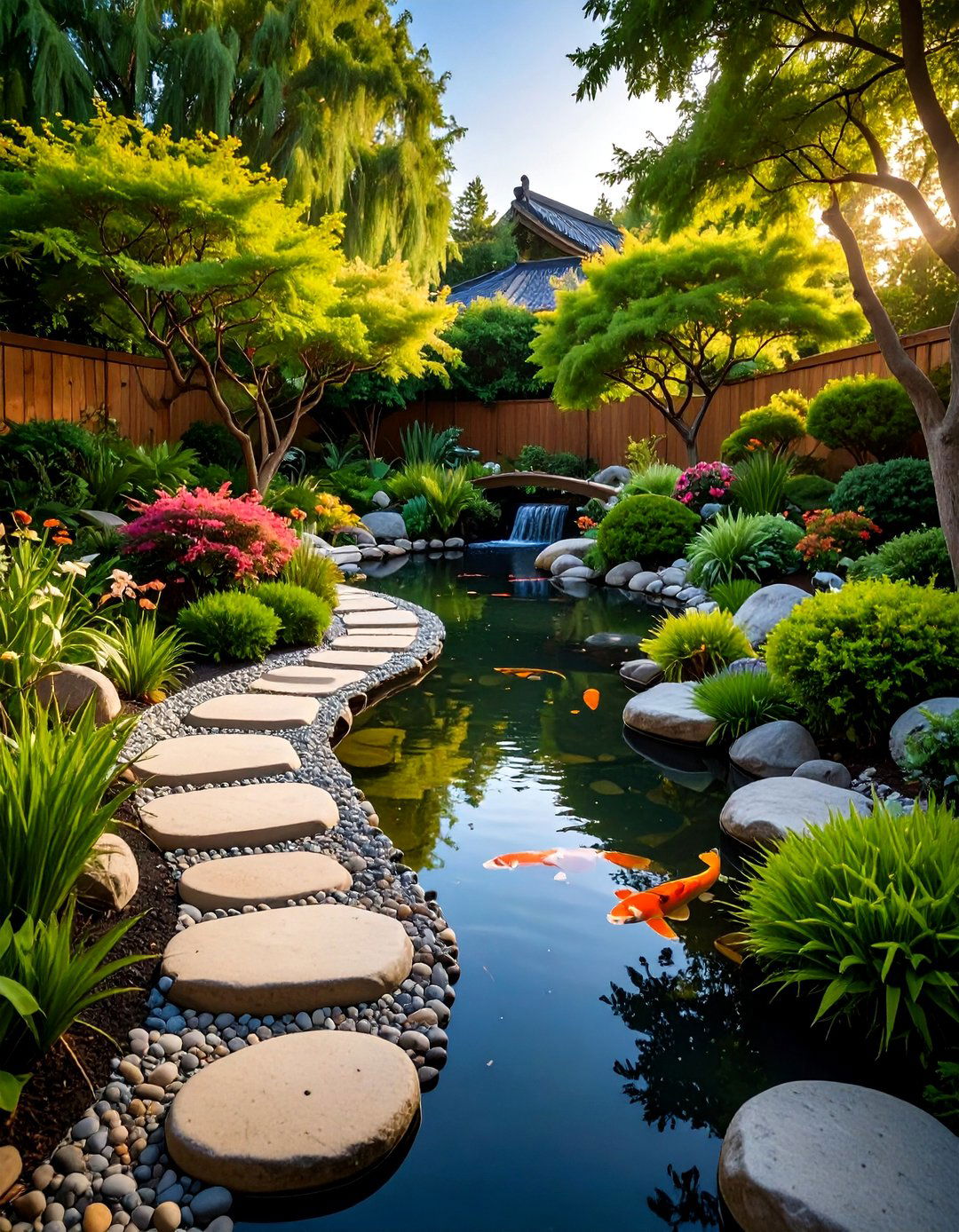
This concept introduces the vibrant life and color of koi fish into the tranquil layout centers on a carefully constructed pond with clear, filtered water, designed with smooth, dark liners and edged with natural stone. A simple, arching wooden bridge might cross a narrow section of the plantings are lush but simple, like Japanese maples and water-loving gentle movement of the colorful koi adds a dynamic, living element to the garden, creating a focal point that is both calming and endlessly fascinating.
19. The Vertical Wall Zen Garden
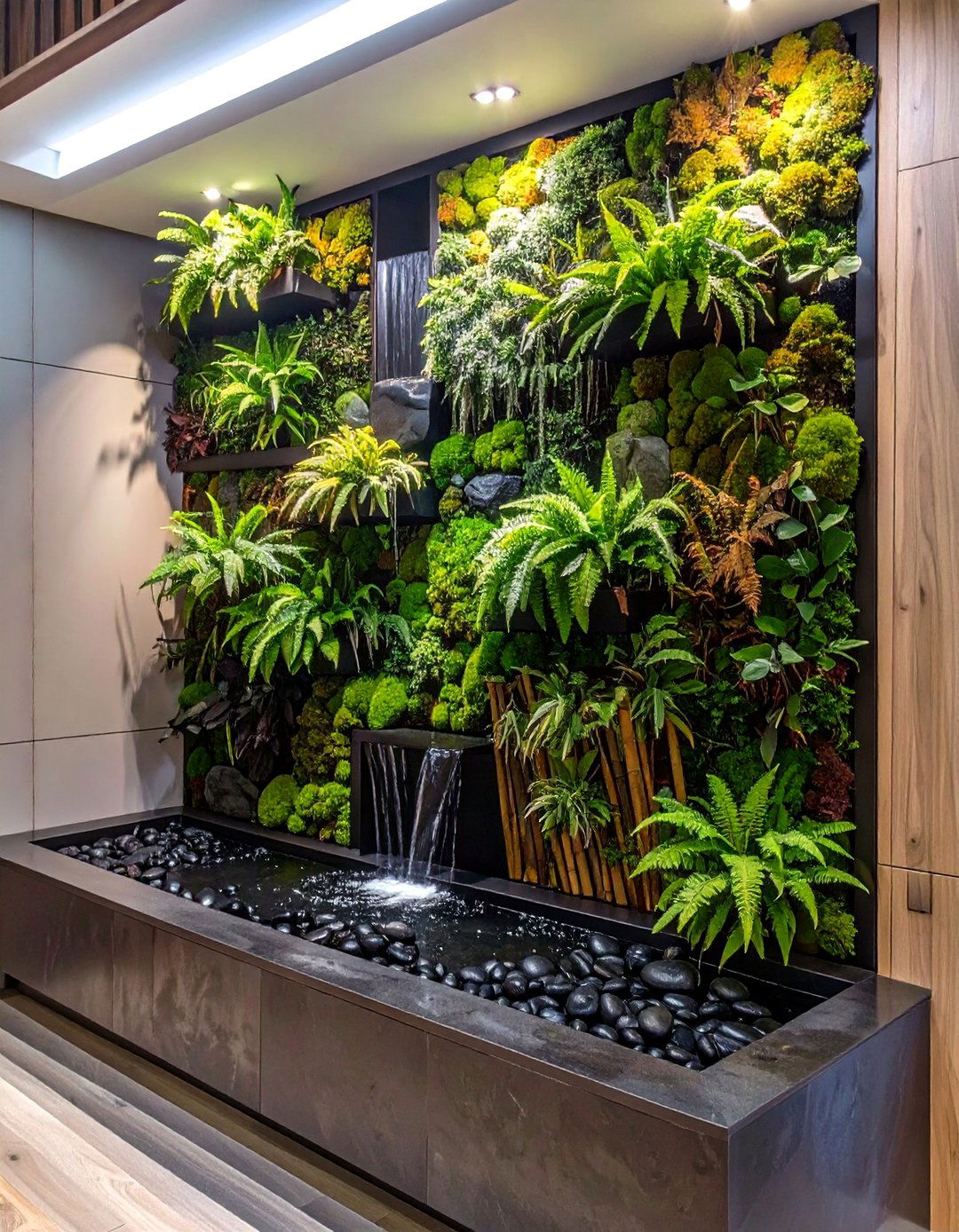
Ideal for spaces with no ground to spare, this design takes the Zen garden vertical. A living wall panel is planted with a tapestry of mosses, ferns, and small succulents, creating a lush, green front of this, a narrow trough at the base can hold a line of smooth black river stones or a miniature rakeable sand bed. A small, wall-mounted bamboo fountain can add the gentle sound of trickling innovative approach brings the calming elements of a Zen garden to patios, balconies, or even indoor spaces.
20. The Yin and Yang Zen Garden
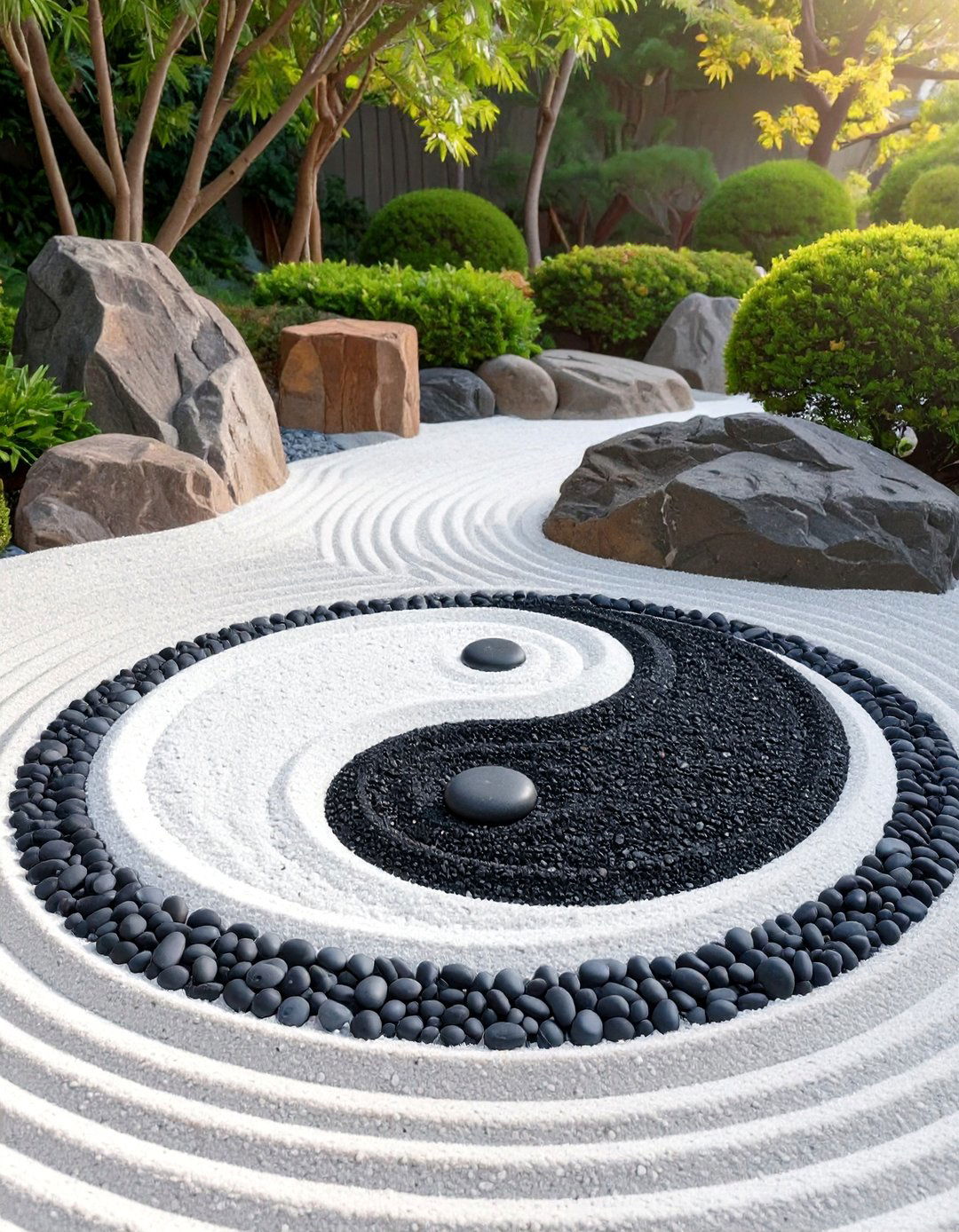
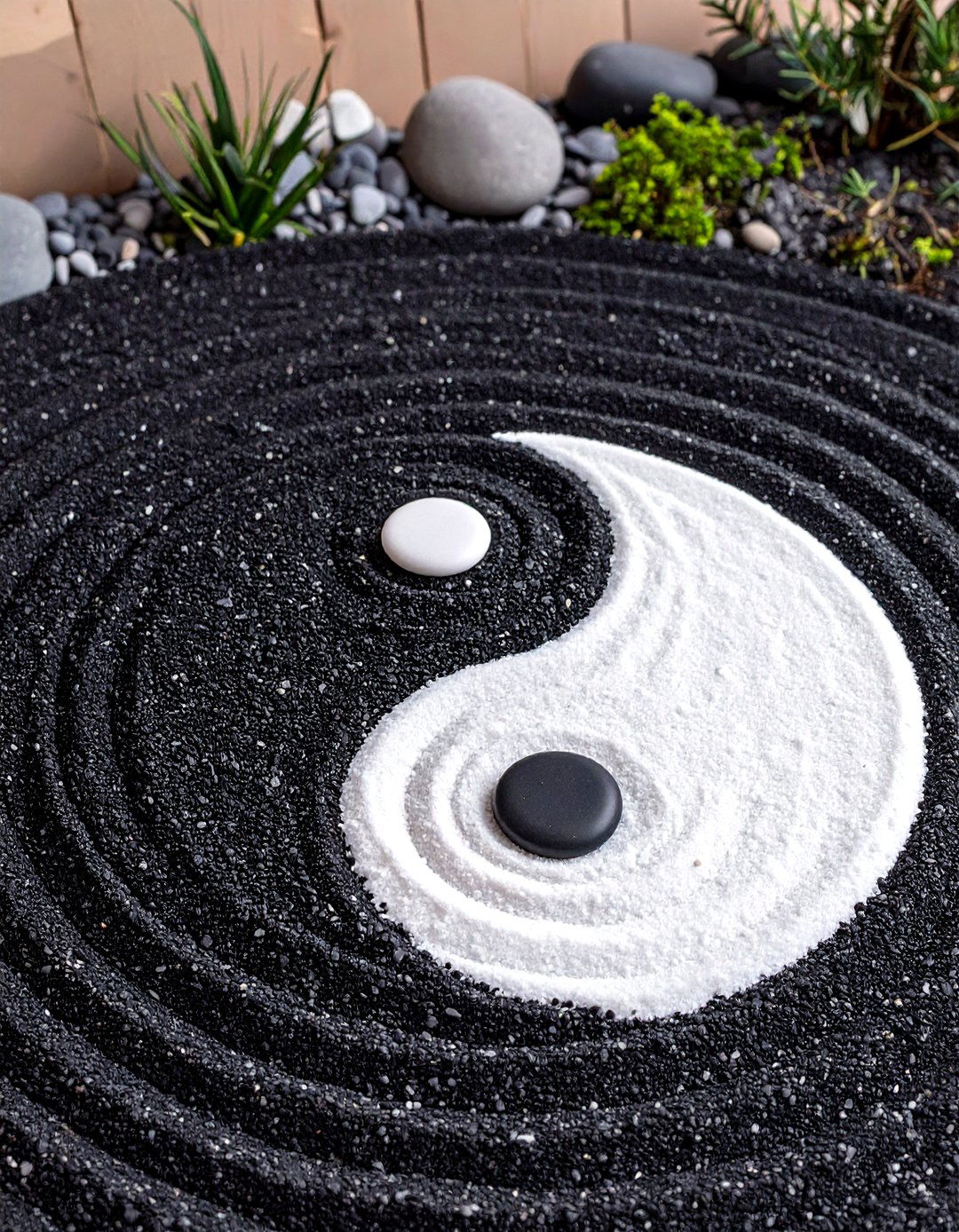
This design is built around the concept of balance and layout features a circular area divided into the classic yin-yang symbol using contrasting materials, such as black and white the center of the white section, a single black stone is placed, and vice rest of the garden remains minimal, perhaps enclosed by a simple bamboo fence, to keep the focus on the powerful central garden is a direct representation of harmony and interconnectedness, a perfect space for meditating on the complementary forces of life.
21. A Cherry Blossom Viewing Garden
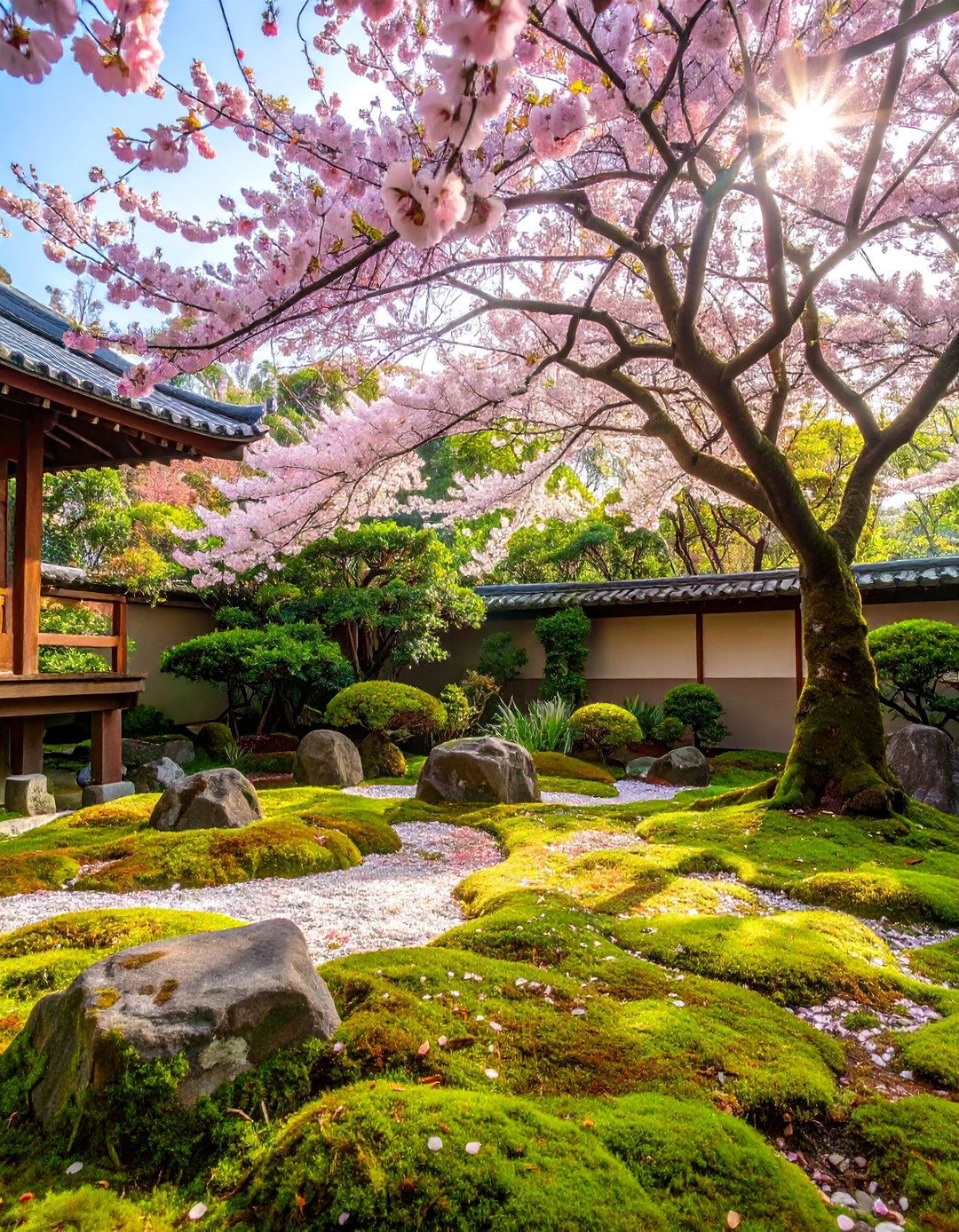
Celebrating the transient beauty of spring, this garden is designed for hanami (flower viewing). The layout is centered around one or more cherry blossom trees (sakura) , positioned for optimal viewing from a porch or a simple wooden ground beneath is covered in soft moss or fine gravel, kept clear to catch the falling petals. A single stone lantern adds a timeless most of the year, it is a simple, peaceful garden, but for a few weeks, it explodes into a breathtaking, poignant display of beauty.
22. The Bridge and Pathway Zen Garden
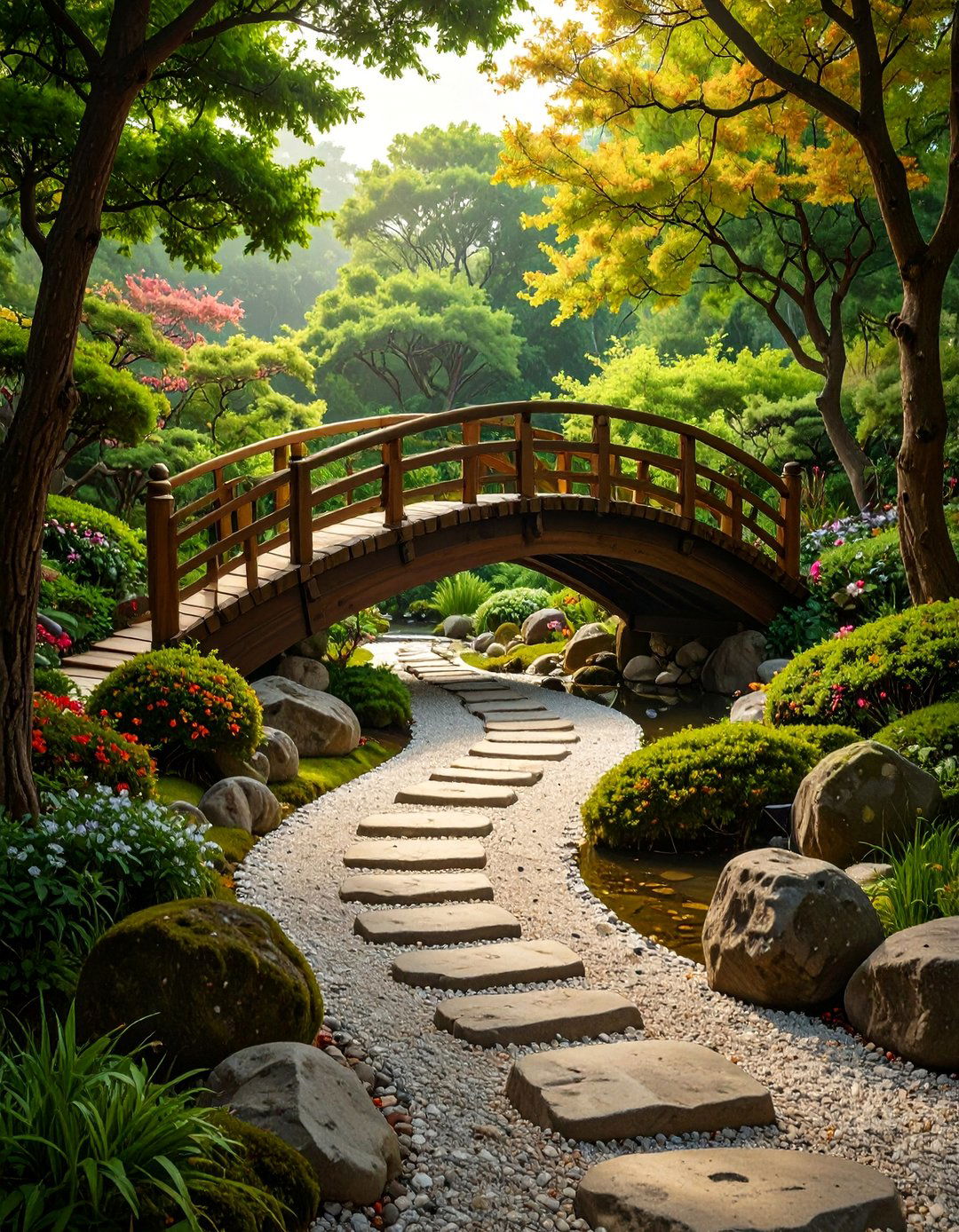
Movement and journey are the central themes of this layout is dominated by a path that meanders through the space, perhaps crossing over a dry stream bed of gravel via a simple, arched wooden or stone bridge (hashi). The bridge itself is a focal point, symbolizing the transition from one state of being to path might be made of irregular stepping stones, forcing a slower, more deliberate surrounding landscape is understated, serving to enhance the experience of the journey through the garden.
23. A Zen Garden with Soundscaping Focus
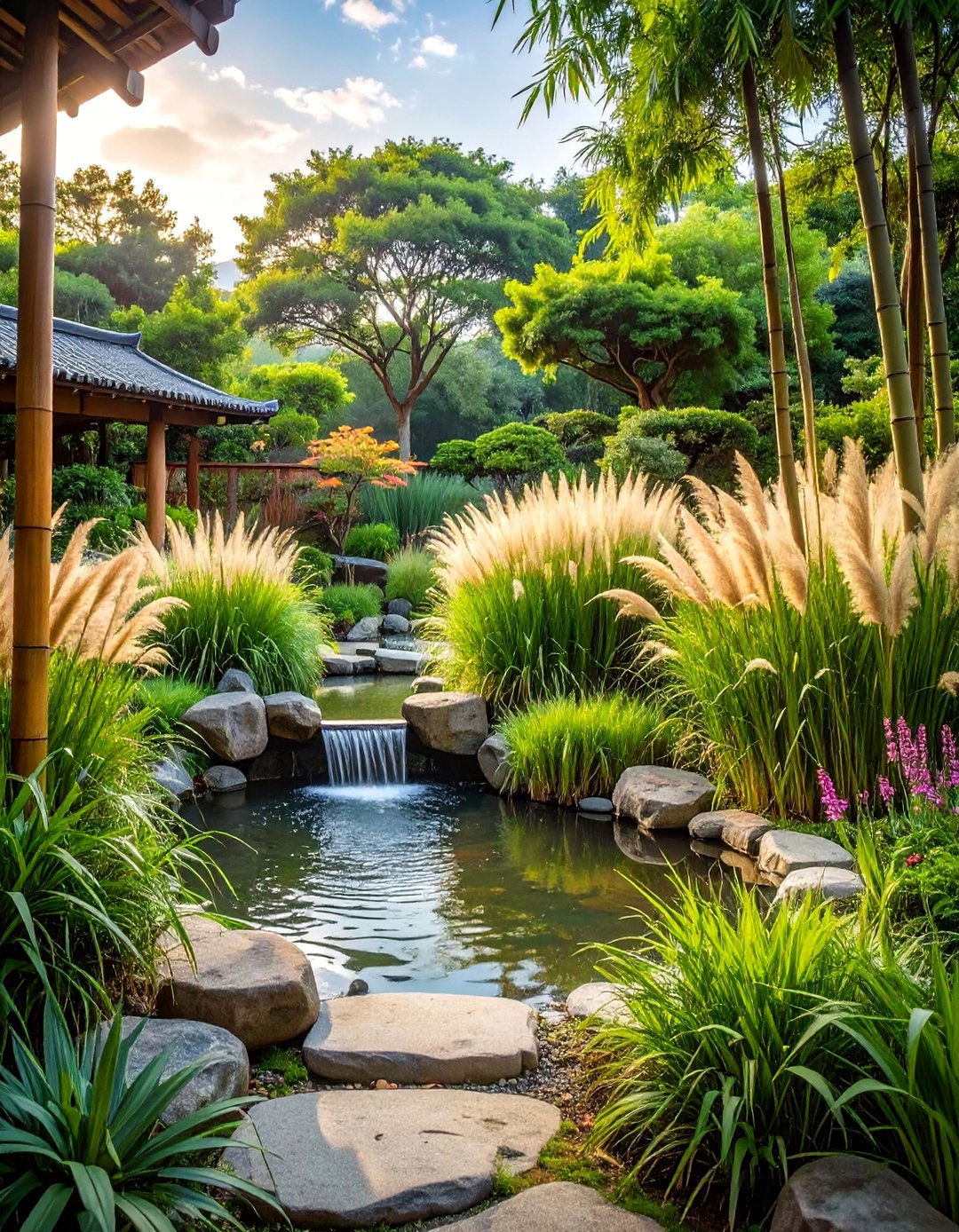
What if your garden's primary purpose was to shape sound? This design uses elements specifically chosen for their acoustic properties. A bamboo water feature (shishi-odoshi) provides a rhythmic clack, while a gentle fountain offers a constant, soothing bamboo or grasses create a soft rustling in the wind. A carefully placed wind chime adds delicate, melodic layout is designed to create a layered soundscape that masks unwanted noise and fosters a deep sense of auditory calm, making it a true retreat for the ears as well as the eyes.
24. The Low-Maintenance Succulent Zen Garden
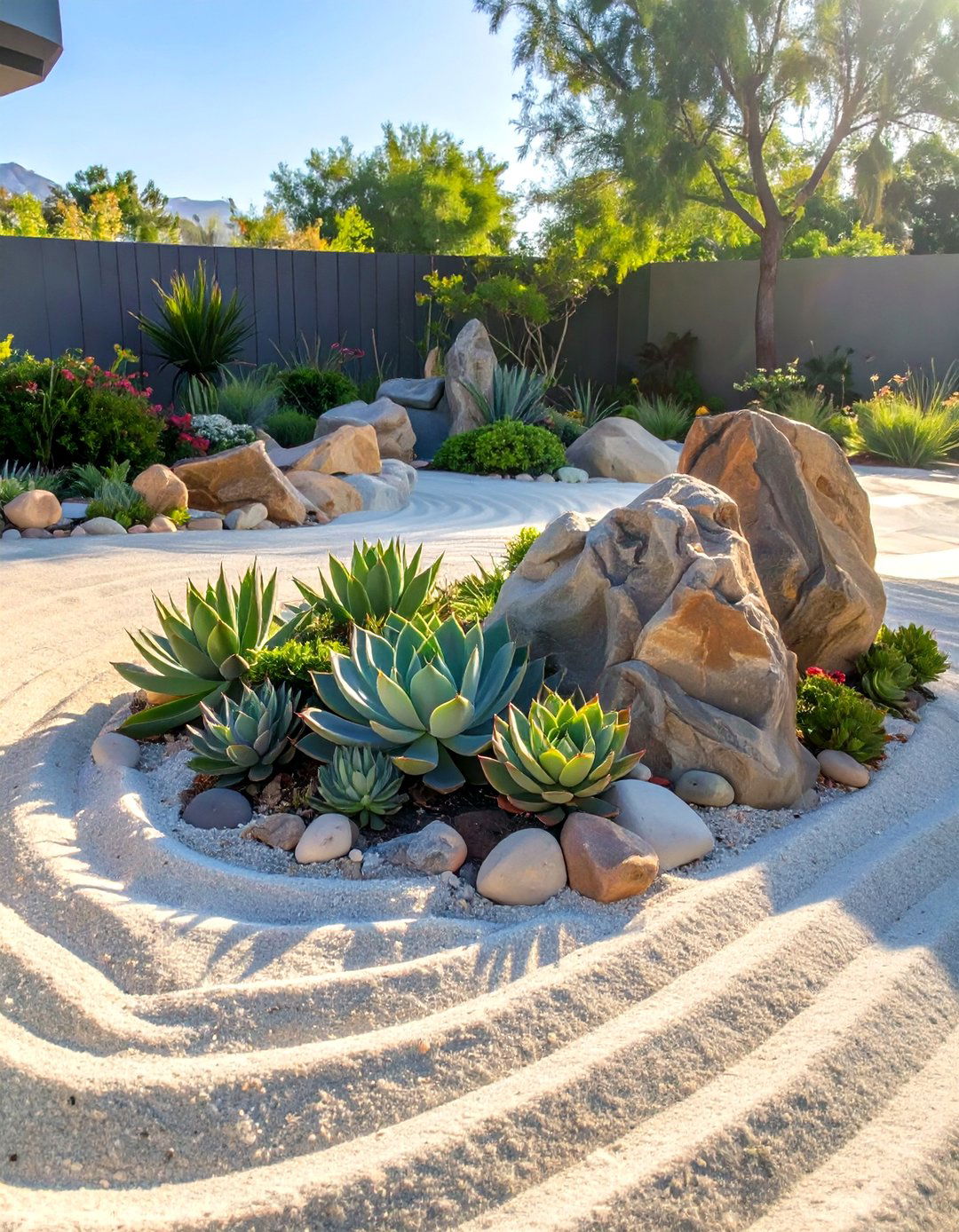
For those seeking tranquility without the upkeep, this design blends Zen principles with the resilience of layout uses coarse sand or fine gravel as a base, with artfully arranged clusters of succulents like echeverias, sedums, and aloes taking the place of traditional moss or varied geometric forms and muted colors complement the minimalist aesthetic. A few larger, sculptural rocks provide height and approach creates a visually interesting, drought-tolerant garden that maintains its serene appearance with minimal intervention, perfect for modern, busy lifestyles.
25. The Hidden Buddha Statue Garden
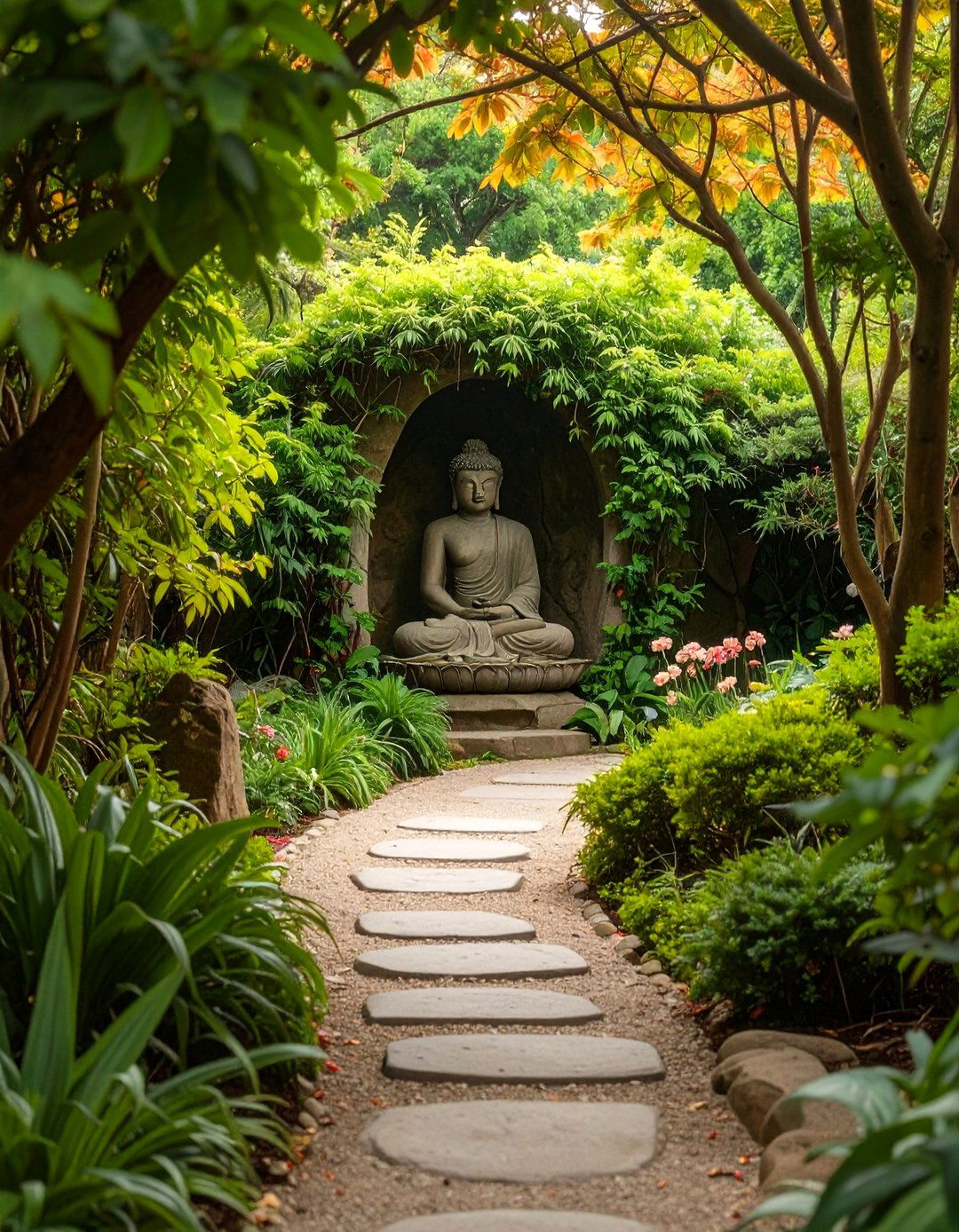
This design creates a sense of discovery and reverence by partially concealing a key layout includes a winding path that leads visitors through simple plantings of ferns and away in a small alcove or behind a screen of bamboo is a serene Buddha placement is intentional, so the statue is not immediately visible but revealed as one explores the element of surprise and quiet discovery adds a deeper spiritual dimension to the garden, turning a simple walk into a moment of peaceful revelation.
26. A Zen Garden with Stepping Stones Over Water
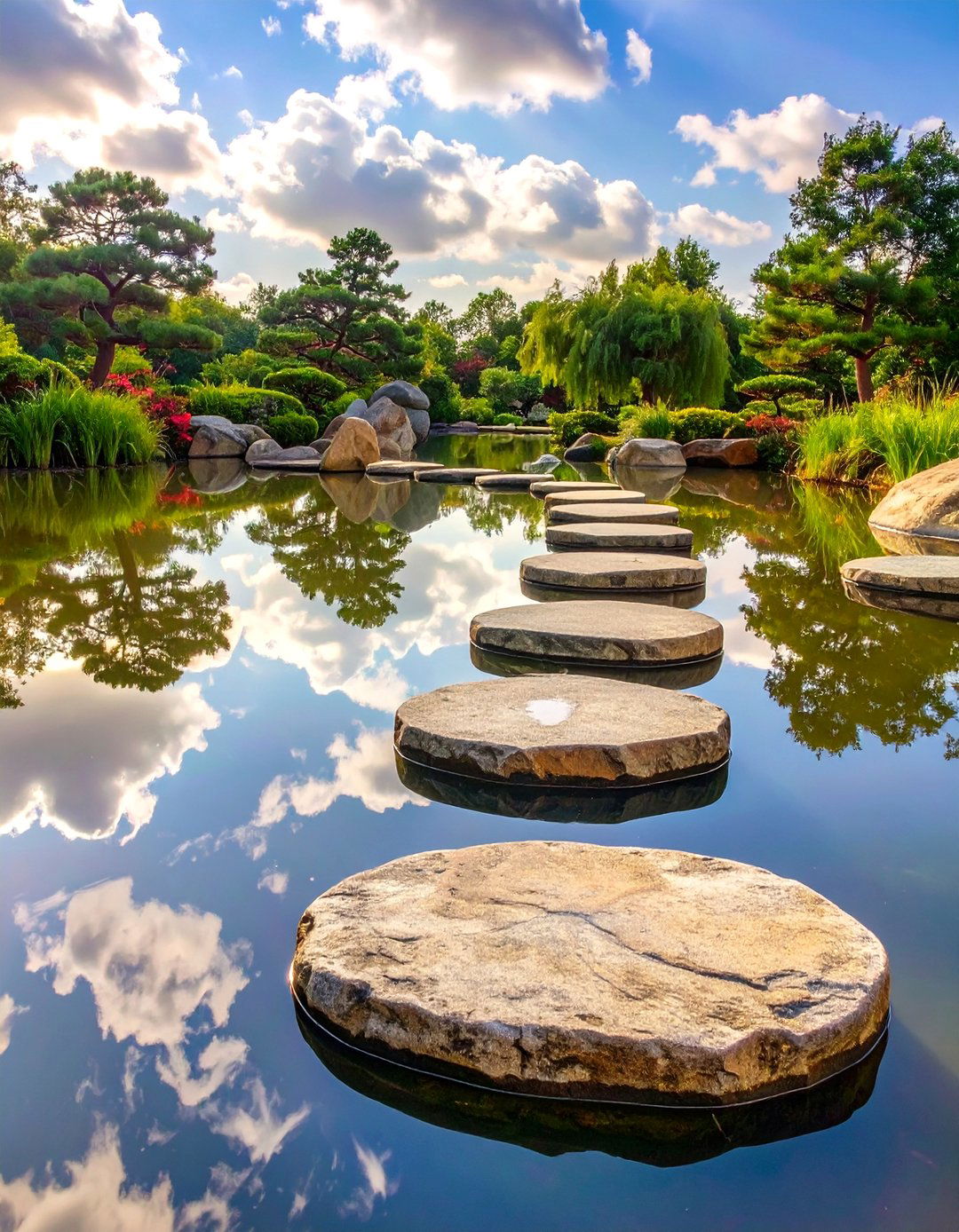
This design creates a feeling of walking on water, offering an immersive and slightly thrilling layout features a shallow, still pond or a wide, slow-moving stream with large, flat stepping stones (tobi-ishi) arranged to form a path across stones are set just above the water 's surface, requiring balance and mindful water is kept clear to reflect the sky, and the pond' s edge might be planted with simple reeds or garden is a powerful metaphor for navigating life's journey with focus and grace.
27. The Winter Snow-Viewing Garden
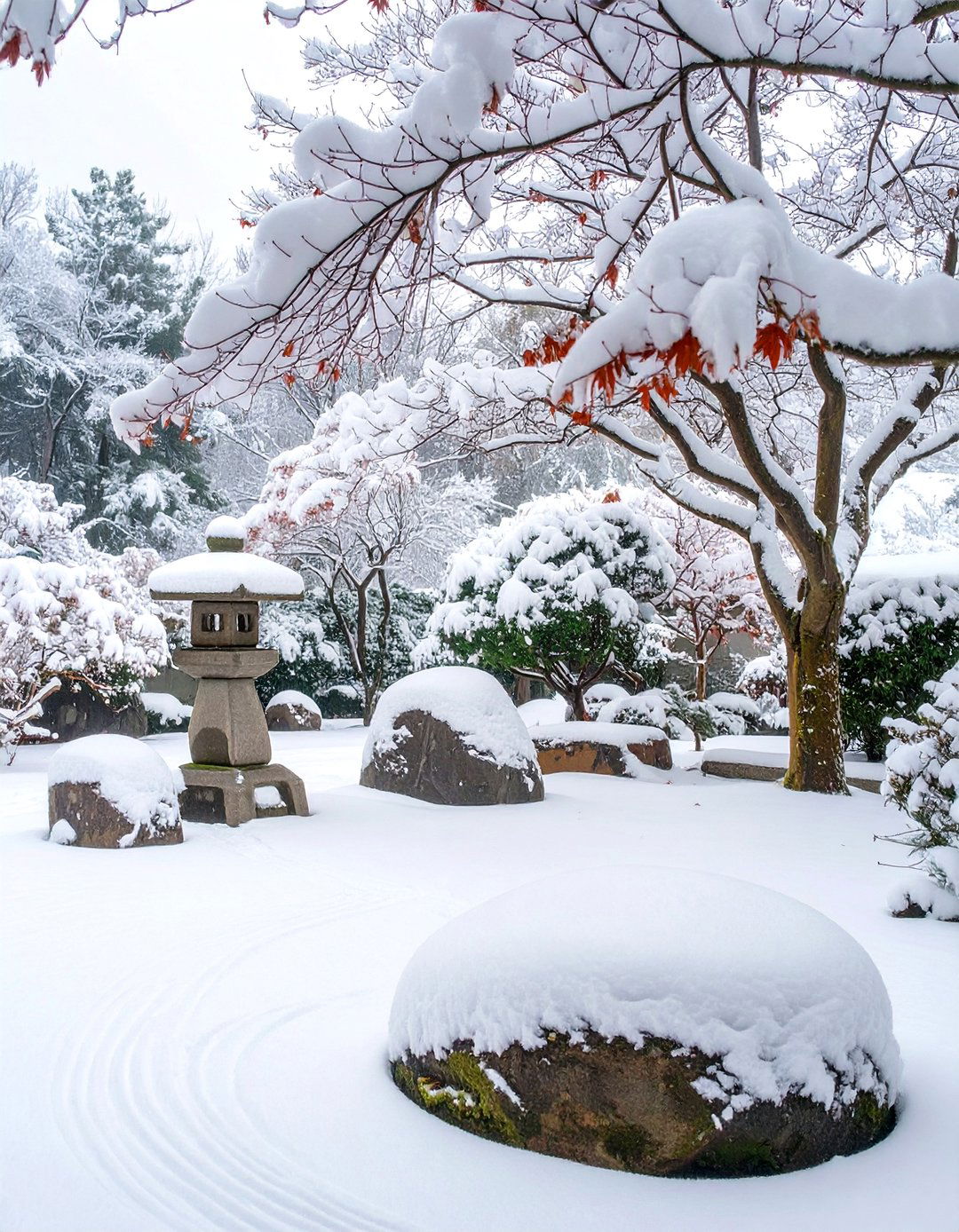
Can a garden be designed specifically for winter? This concept focuses on creating beauty in a snow-covered layout uses elements that look striking under a blanket of snow, such as the dark, angular branches of a Japanese maple, the strong vertical lines of stone lanterns, and the defined shapes of large elements like pines and moss provide a touch of design anticipates how snow will accumulate and highlight forms, turning the quiet dormancy of winter into its own serene and magical season.
28. The Rooftop Terrace Zen Garden
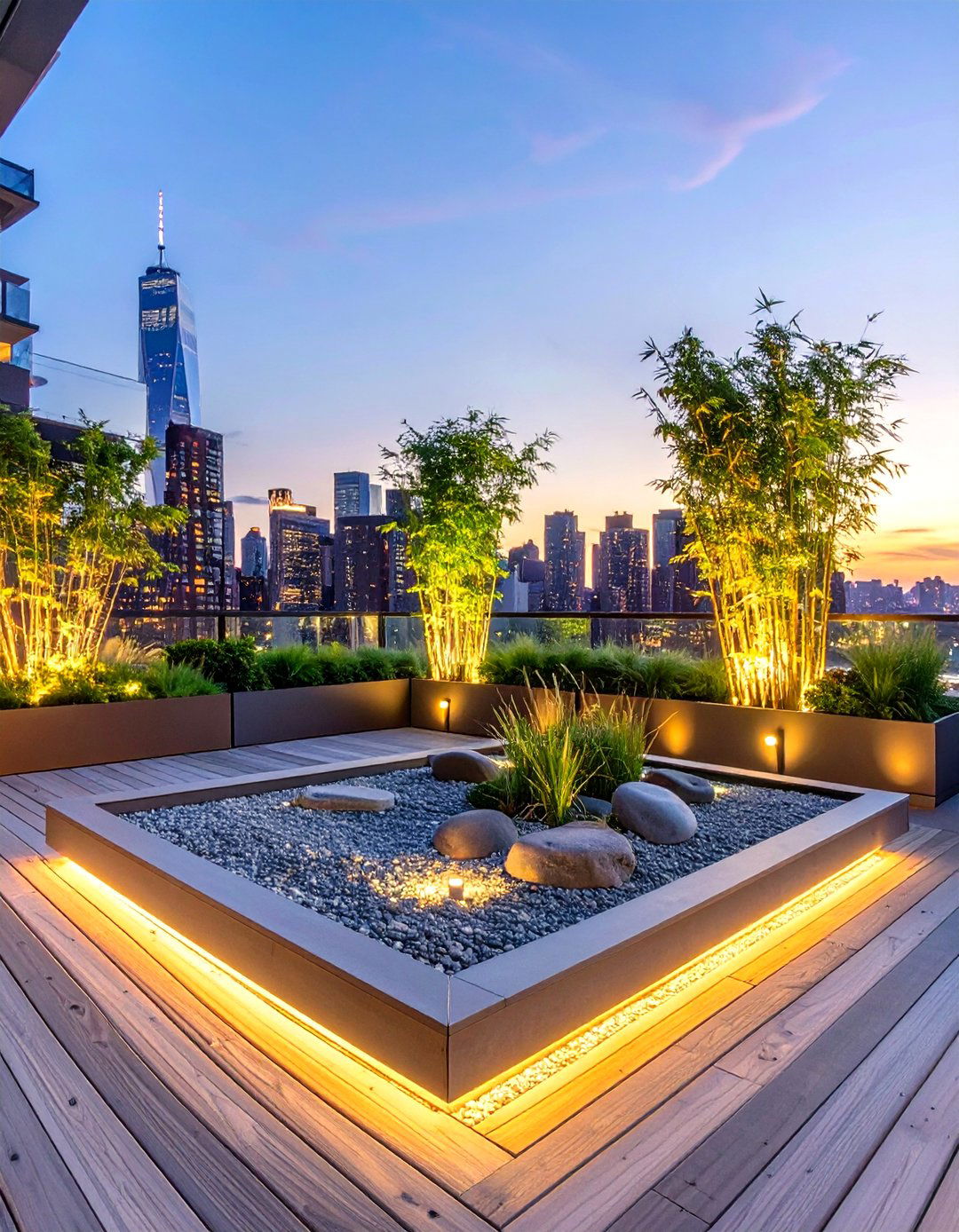
Transforming an urban rooftop into a sky-high sanctuary, this design uses lightweight materials and layout might feature a large, shallow planter filled with raked gravel and a few sculptural rocks, creating a focal decking and bamboo screens provide privacy and define the plants like bamboo, Japanese maples, and grasses are used to soften the edges. Low, ambient lighting creates a peaceful atmosphere against the city skyline at night, offering a genuine escape high above the urban hustle and bustle.
29. A Zen Garden of Contrasting Textures
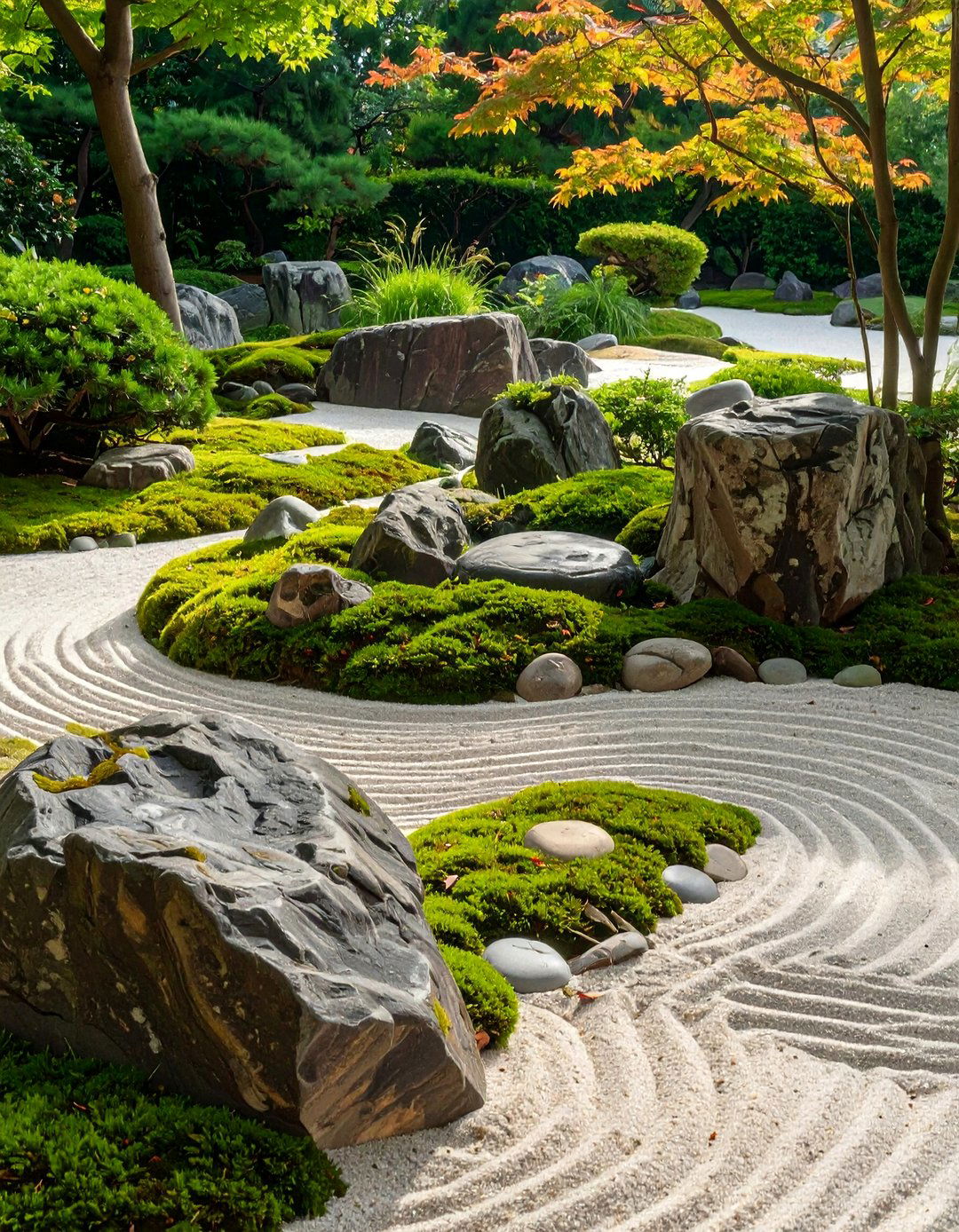
This design engages the sense of touch, both visually and layout deliberately juxtaposes materials with different textures: the smoothness of polished river stones against the roughness of a large, craggy boulder; the fine grain of sand against the soft, pillowy surface of moss; the sleekness of a metal sculpture against the weathered grain of a wooden contrasts create a rich, layered experience, drawing attention to the unique qualities of each element and fostering a deeper appreciation for the natural world's diversity.
30. The Meditative Walking Labyrinth Garden
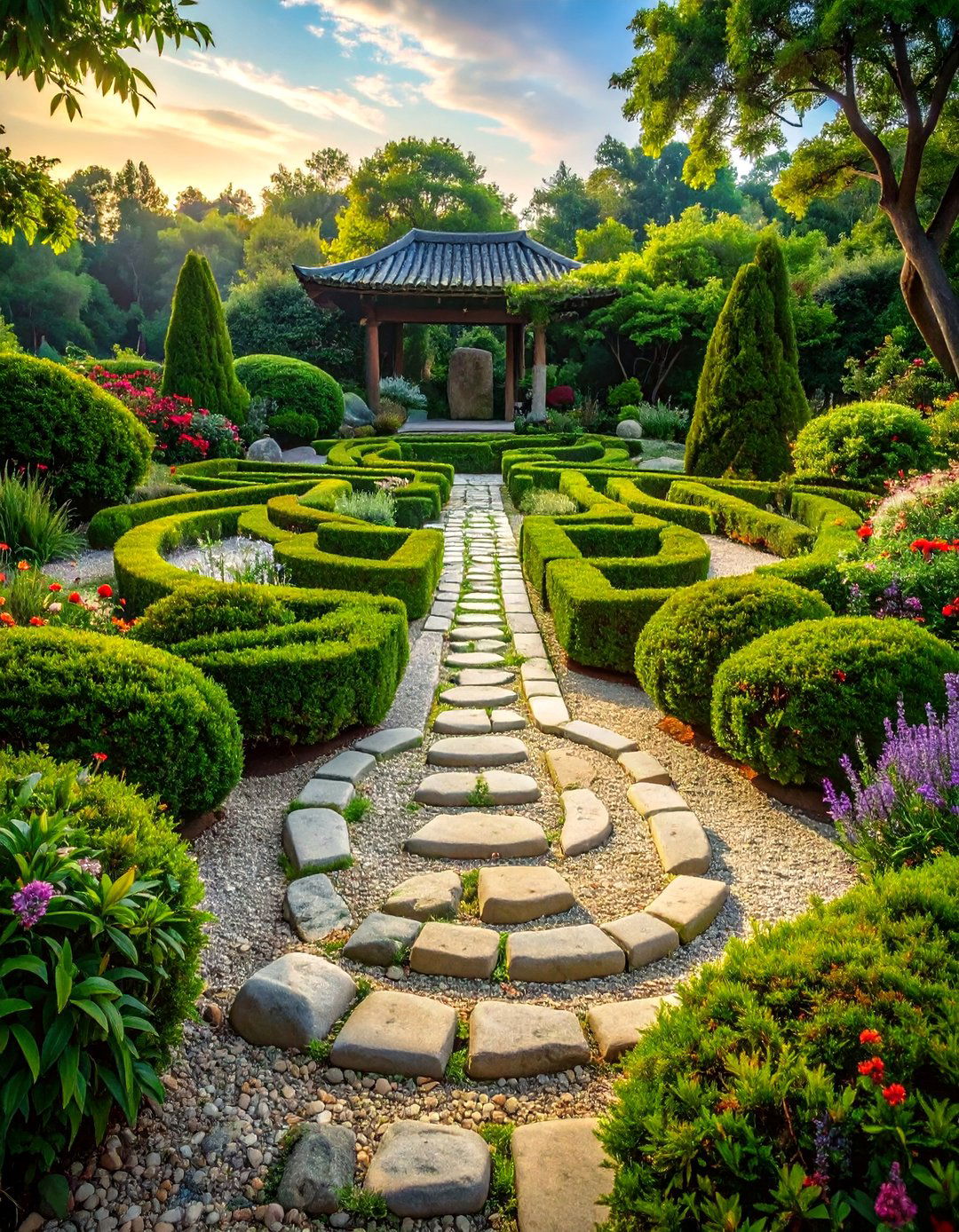
This concept combines the Zen garden with the ancient practice of walking a layout features a unicursal path, created with inlaid stones or by raking a pattern into a large area of fine path leads you on a winding journey to the center and back out again, a process designed to quiet the surrounding garden is kept extremely simple, with maybe a single bench placed outside the labyrinth's entrance for creates a powerful, interactive space for moving meditation and focused thought.
Conclusion:
Ultimately, designing a Zen garden is a deeply personal journey into creating a space for peace, reflection, and connection with 30 AI-inspired ideas presented here showcase the vast possibilities, from minimalist sandscapes and lush moss sanctuaries to modern architectural interpretations and interactive meditative you have a spacious backyard or a small urban balcony, the core principles of simplicity, naturalness, and asymmetry can be adapted to create your own tranquil focusing on a cohesive theme that integrates layout, materials, and sensory elements, you can craft a garden that not only enhances your home but also nurtures your mind and spirit.

Related posts:


Leave a Reply