
Embarking on a journey in interior design opens up a world of creative possibilities, far beyond simply choosing paint colors and furniture. A degree in this field is a gateway to specialized knowledge, allowing you to craft environments that are not only beautiful but also functional, sustainable, and deeply resonant with human discipline is constantly evolving, blending art with science, tradition with technology, and aesthetics with designing spaces that promote well-being to creating immersive brand experiences, the specializations are as diverse as they are exploration of 30 distinct interior design degree ideas showcases the breadth of this dynamic profession, offering a glimpse into the specialized paths you can pursue to transform spaces and impact lives.
1. Sustainable and Eco-Friendly Design
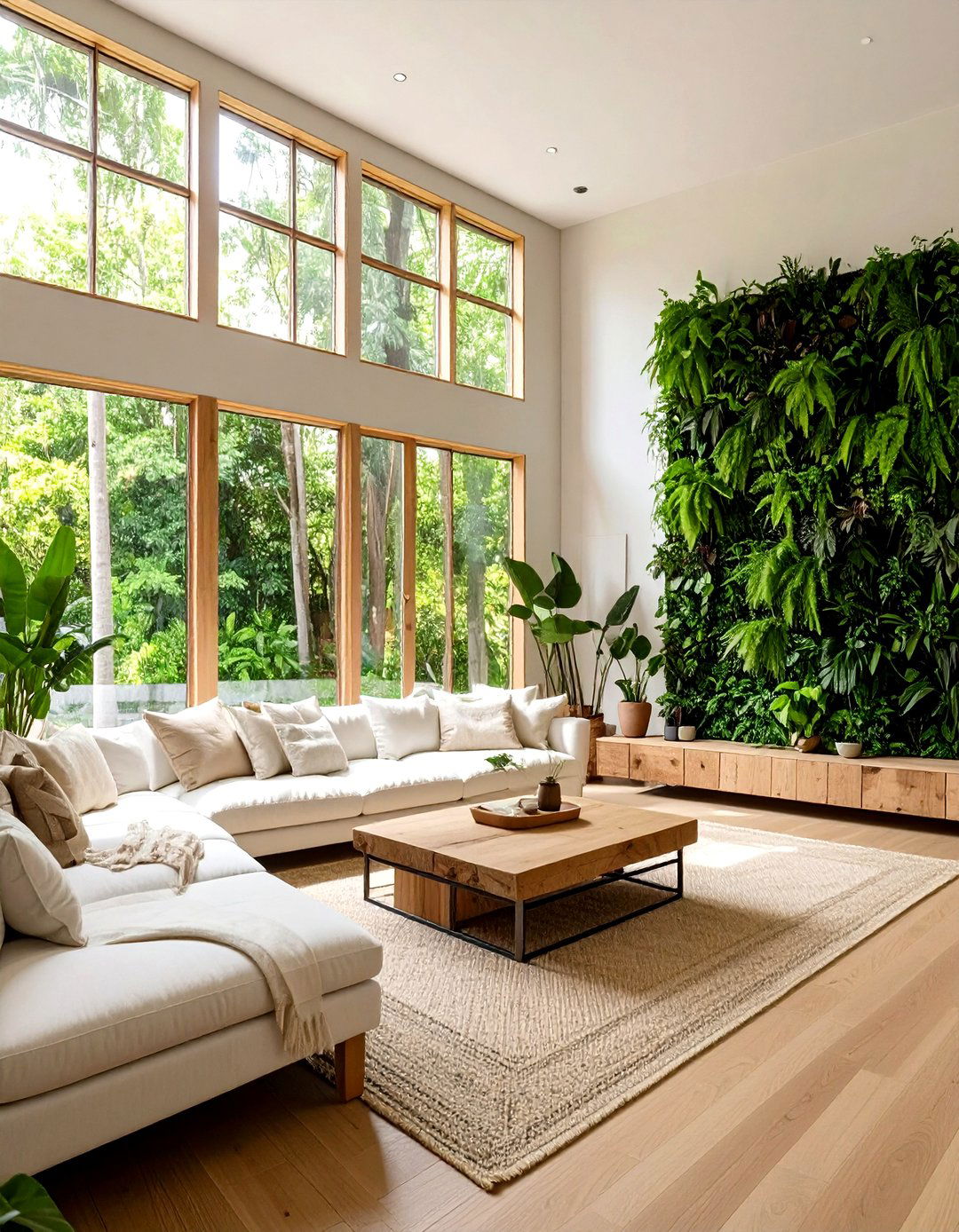
A focus on sustainable design champions the use of reclaimed, recycled, and ethically sourced materials to create beautiful, low-impact approach involves specifying non-toxic finishes, energy-efficient lighting like LEDs, and systems for water layout often maximizes natural light and ventilation to reduce energy is selected for its longevity and made from renewable resources like bamboo or reclaimed entire philosophy is about creating spaces that are healthy for both the occupants and the planet, proving that style and sustainability can coexist in perfect harmony, creating a truly guilt-free living environment.
2. Biophilic Interior Design
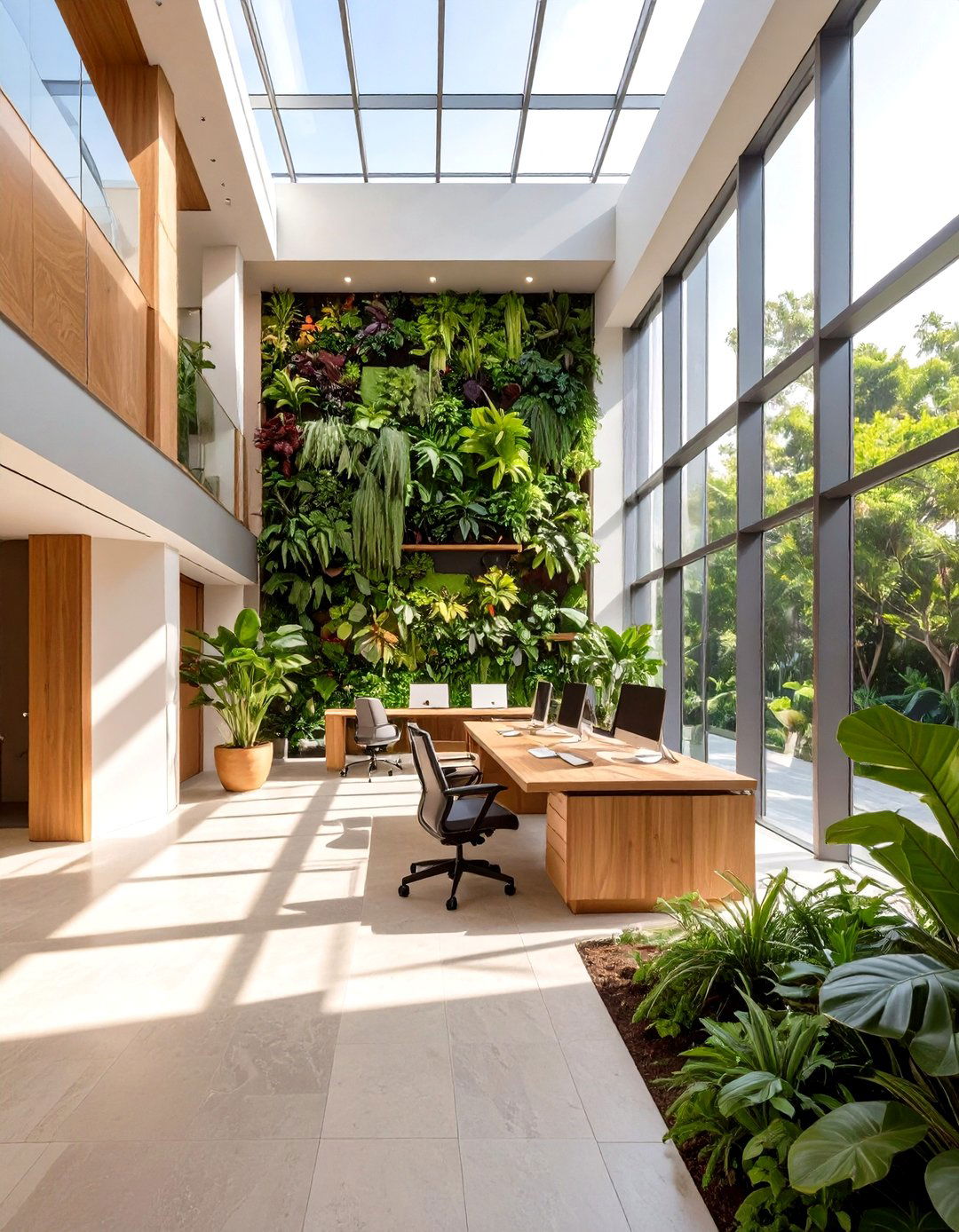
Imagine a space that seamlessly merges the indoors with the natural design is an innovative approach that incorporates natural elements to improve involves more than just adding a few houseplants; it's about creating a holistic connection to living walls, indoor water features, and large windows that frame outdoor like natural stone, wood, and organic textiles dominate the layout is designed to maximize views of nature and exposure to daylight, fostering a calming and restorative atmosphere that has been shown to reduce stress and enhance creativity.
3. Wellness and Health-Centric Interiors
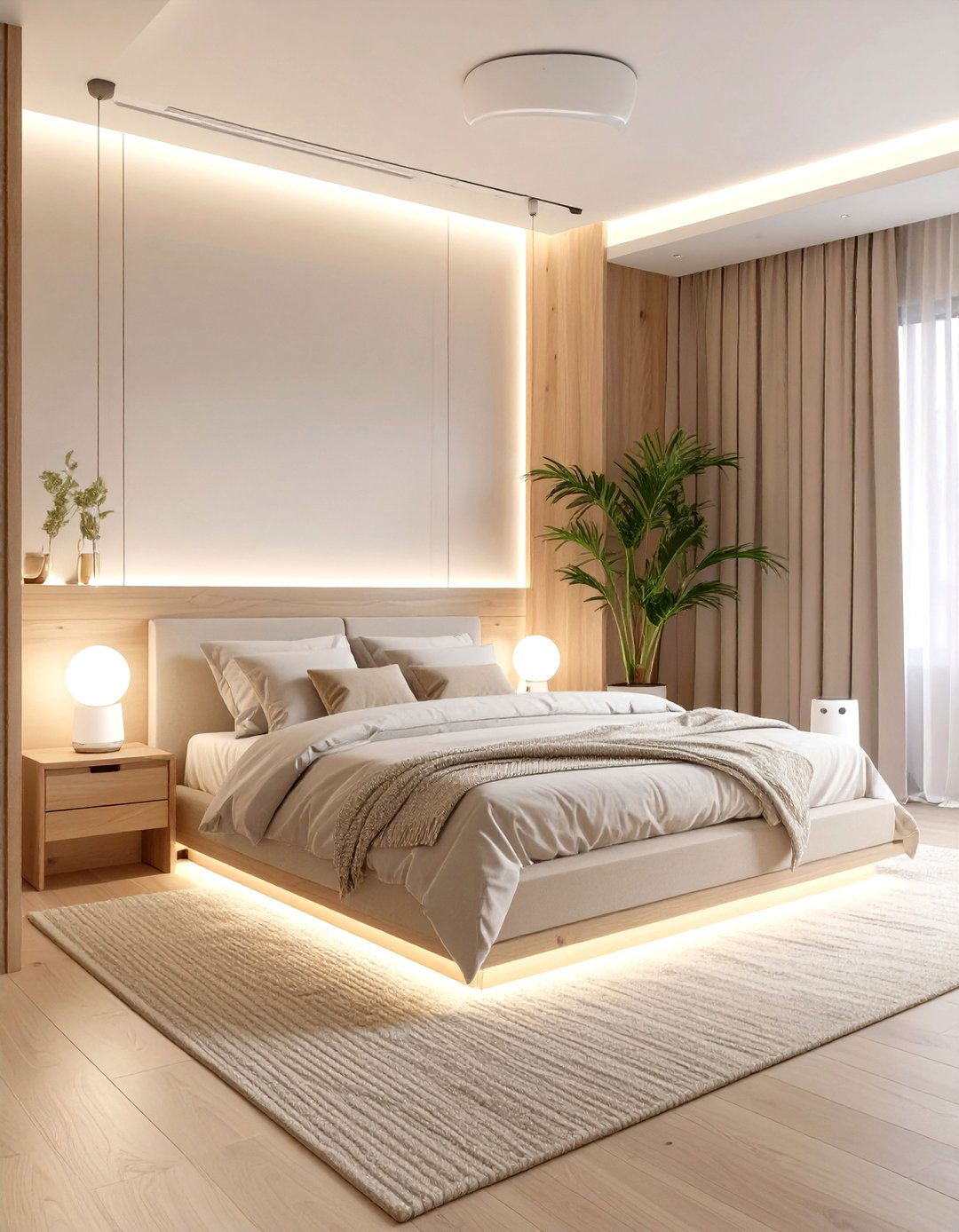
This specialization prioritizes human health and well-being above all else. Wellness-centric interiors are designed to nurture the body and mind, incorporating elements like ergonomic furniture to support posture and circadian rhythm lighting systems that align with our natural sleep-wake and water purification systems are often integrated directly into the home's are open and uncluttered to promote a sense of calm and mental are natural and non-toxic, ensuring a healthy indoor environment. It’s about creating a sanctuary that actively contributes to a healthier, more balanced lifestyle for its inhabitants.
4. Smart Home and Technology Integration
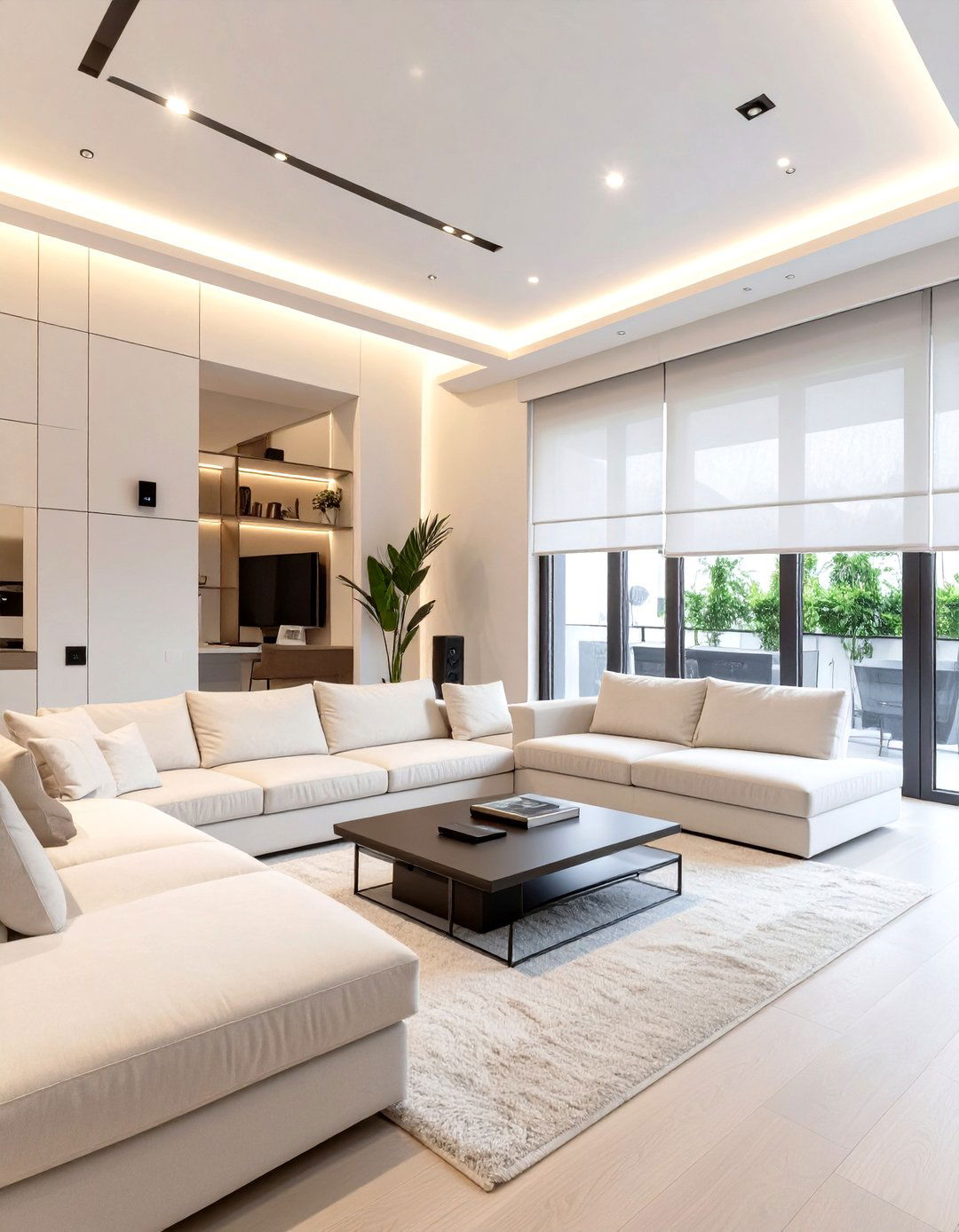
What if your home could anticipate your every need? A degree focused on smart home integration combines interior design with cutting-edge technology to create responsive, automated involves designing spaces where lighting, climate, entertainment, and security systems are seamlessly controlled through a central hub or voice may have built-in charging ports and integrated layout is planned to discreetly house wiring and sensors, maintaining a clean goal is to enhance convenience and efficiency, creating a futuristic living experience that is both sophisticated and incredibly intuitive for the modern user.
5. Hospitality and Hotel Design
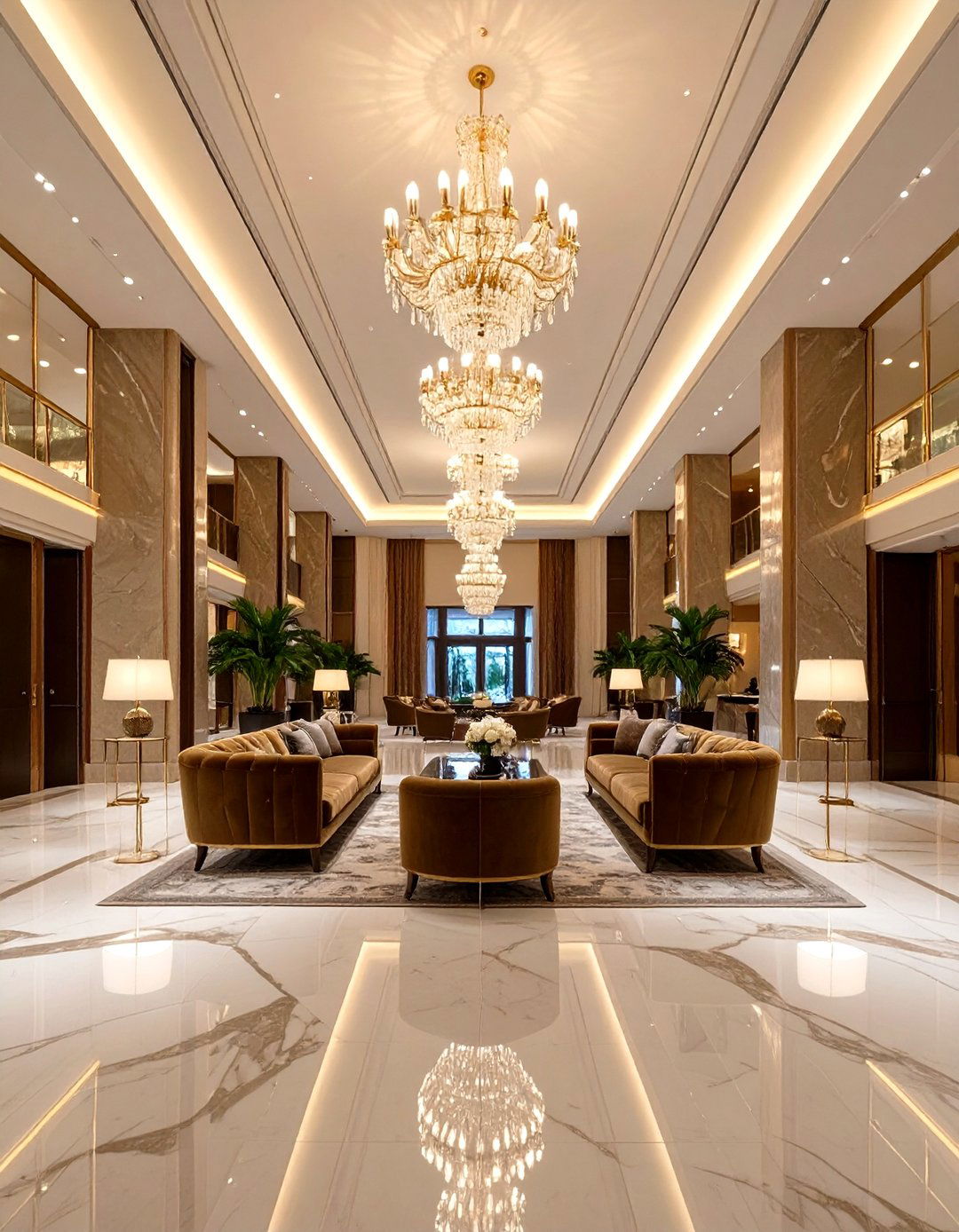
Designing for the hospitality industry is about creating unforgettable experiences for specialization focuses on hotels, resorts, and restaurants, where aesthetics and functionality must merge to create a welcoming and immersive design must reflect the brand 's identity while ensuring guest comfort and operational includes everything from the grand lobby' s layout to the ergonomic design of the guest choices must be durable and luxurious, while lighting is used to create mood and ambiance. It's a field that blends storytelling with spatial planning to craft truly memorable destinations.
6. Retail and Commercial Space Design
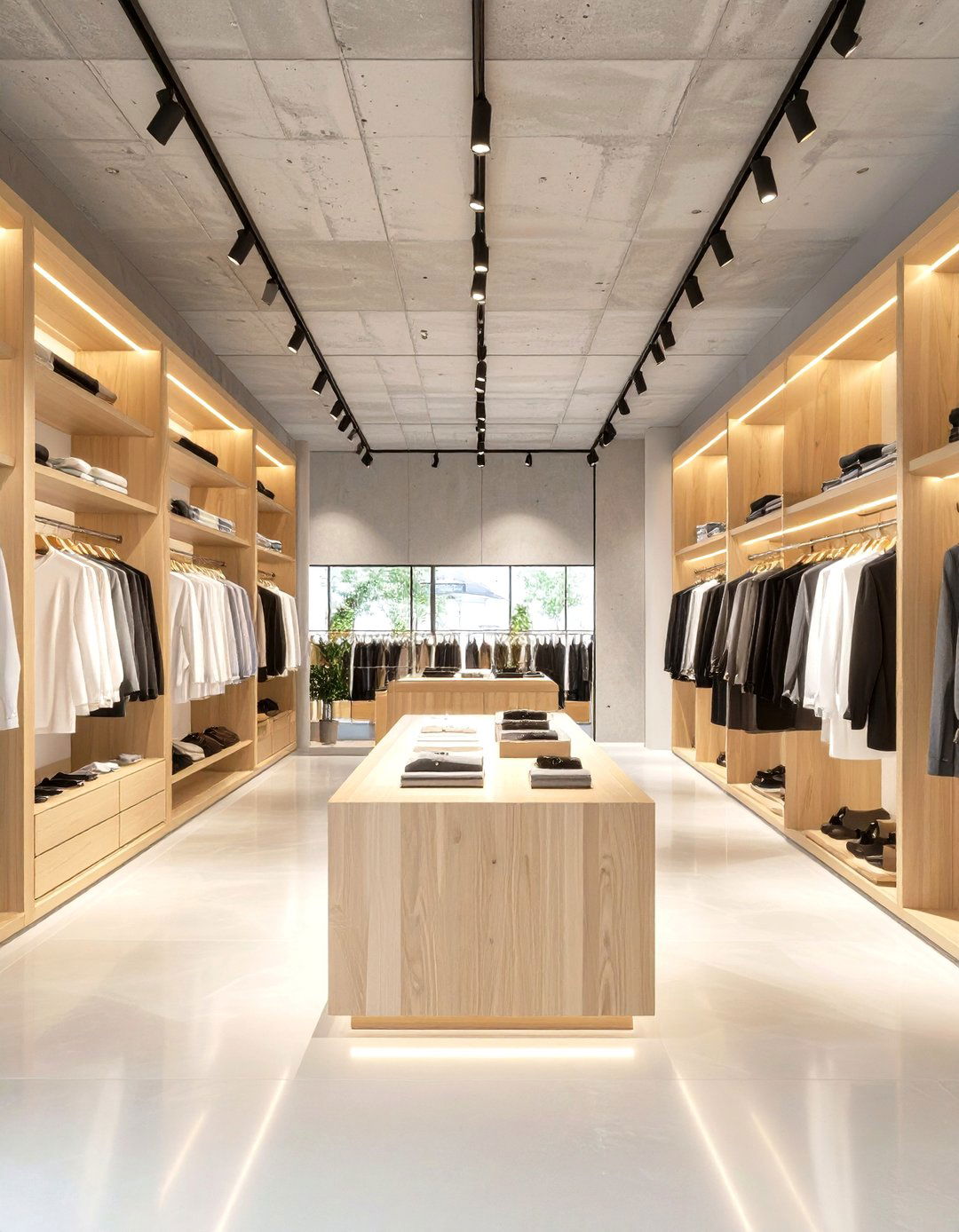
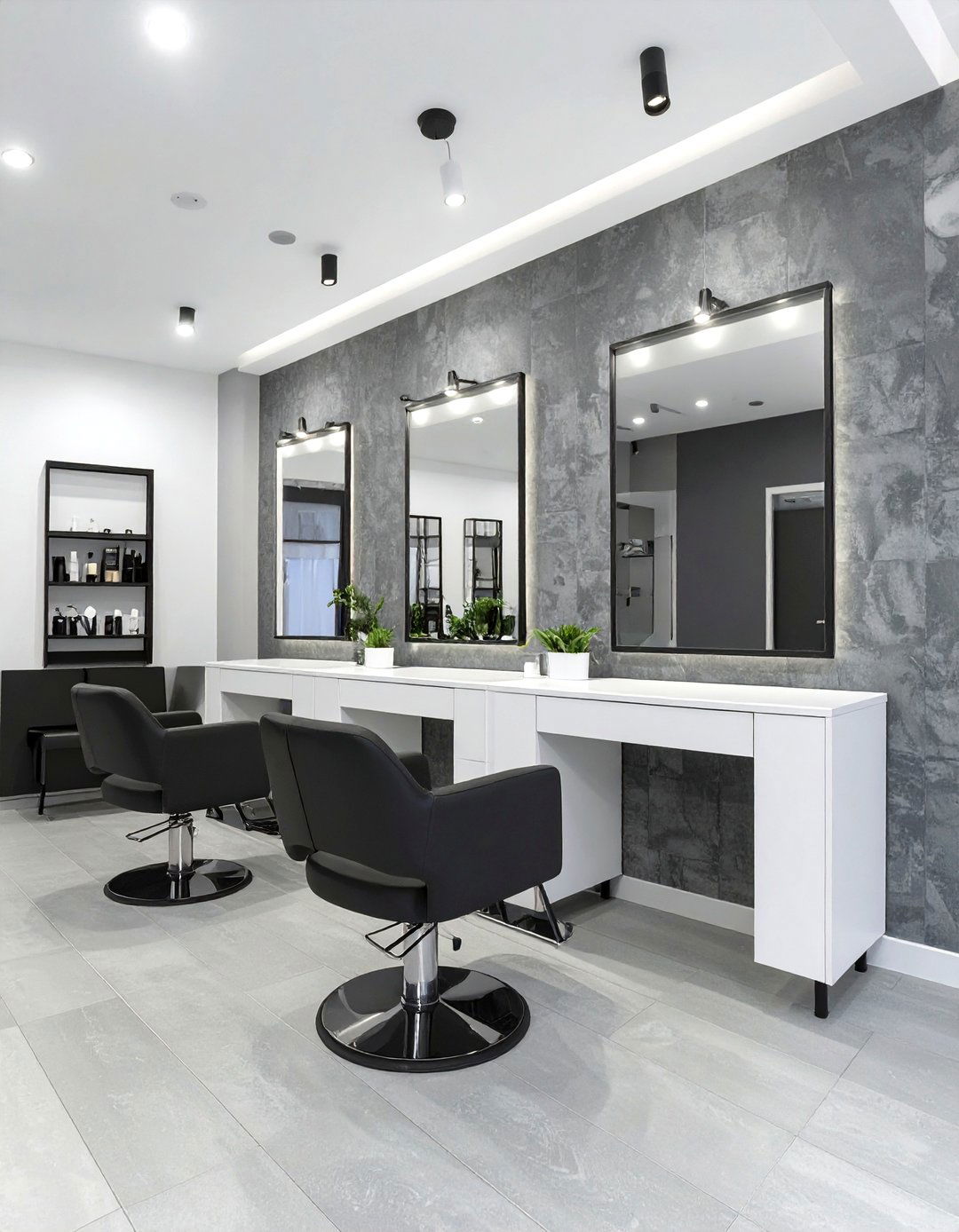
Retail design is a powerful tool for shaping customer experiences and driving specialization focuses on creating engaging and brand-aligned environments for shops, showrooms, and pop-up layout is strategically planned to guide customer flow and highlight products is crucial for drawing attention to merchandise and creating a specific and decor are chosen to embody the brand 's identity and appeal to its target audience. It' s a blend of psychology, marketing, and design, aimed at creating a compelling space that turns browsers into loyal customers.
7. Healthcare and Therapeutic Environment Design
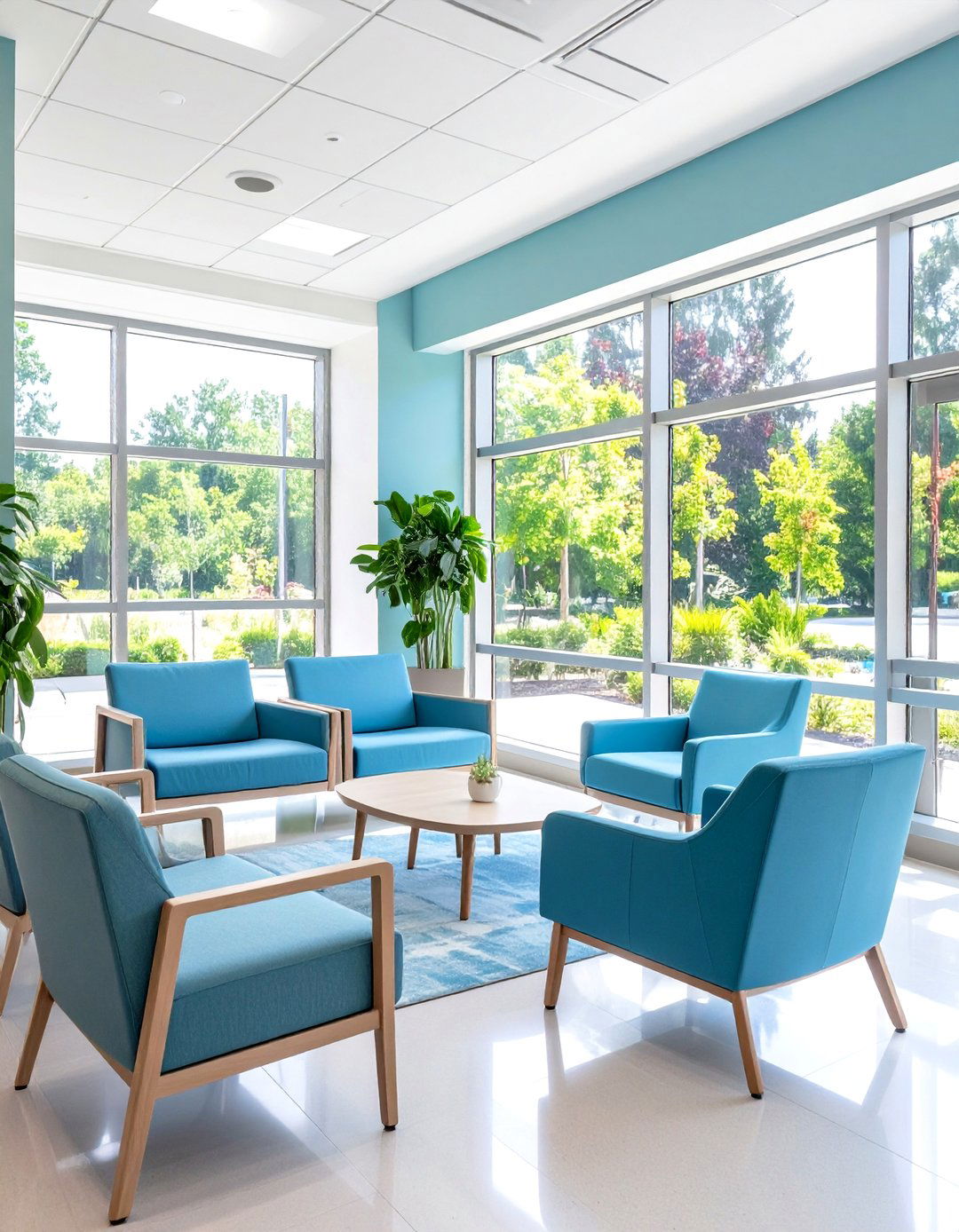
Designing for healthcare settings goes beyond aesthetics; it's about creating spaces that promote healing and reduce stress for patients and specialized field focuses on hospitals, clinics, and wellness centers. Evidence-based design principles are used to inform decisions, such as using specific colors to create a calming effect or optimizing layouts for easy navigation and must be durable, easy to clean, and light and views of nature are incorporated wherever possible to create a therapeutic and supportive environment that contributes positively to patient recovery and overall well-being.
8. Exhibition and Museum Design
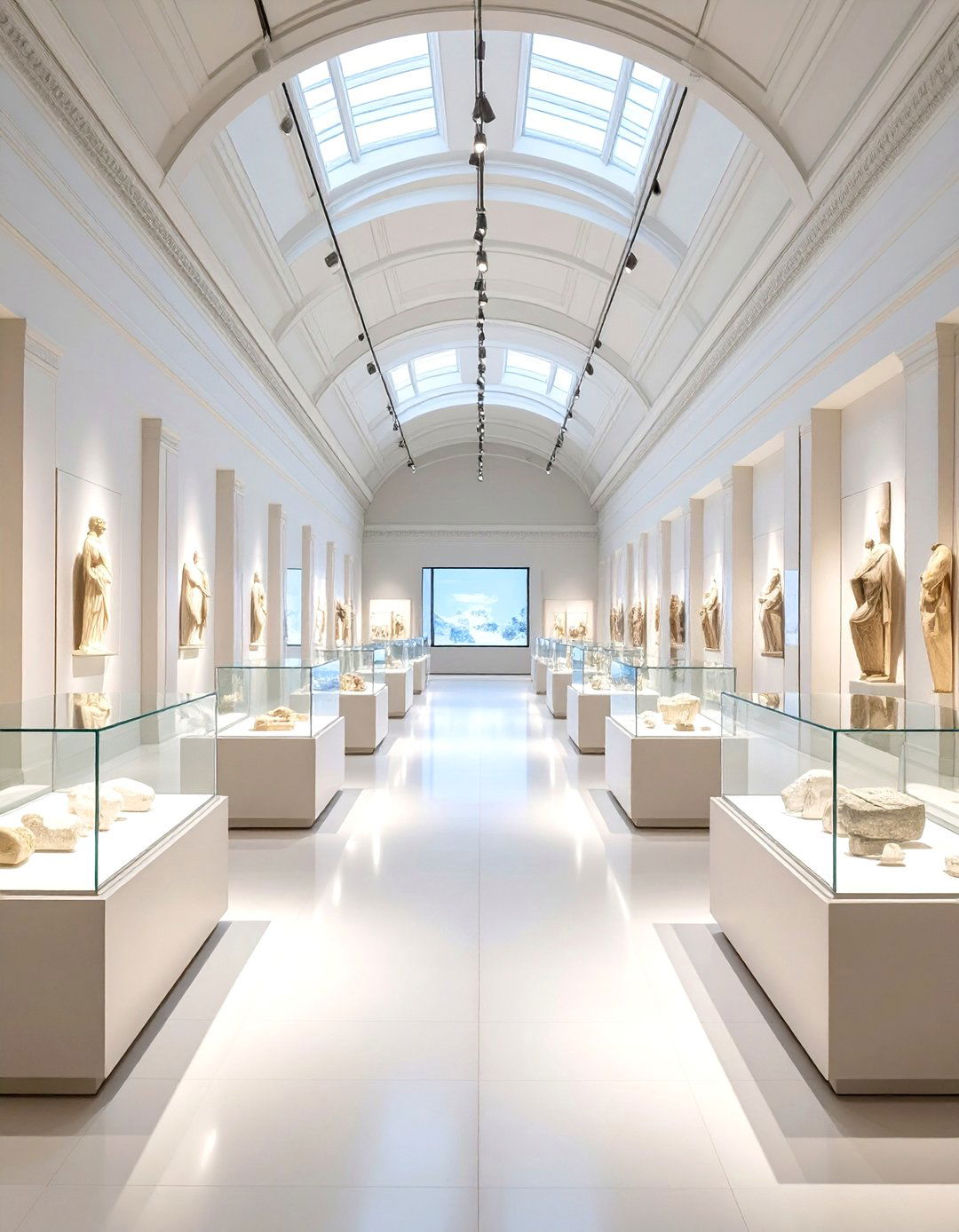
Exhibition design is the art of storytelling in a three-dimensional specialization involves creating immersive and educational environments for museums, galleries, and trade designer crafts a narrative journey, using layout, lighting, and interactive displays to engage visitors and convey information flow of the space is carefully orchestrated to guide people through the exhibits in a logical is used dramatically to highlight artifacts and create focal points. It’s a field that requires a deep understanding of human psychology, spatial awareness, and creative communication to bring stories and objects to life.
9. Set Design for Film and Theatre
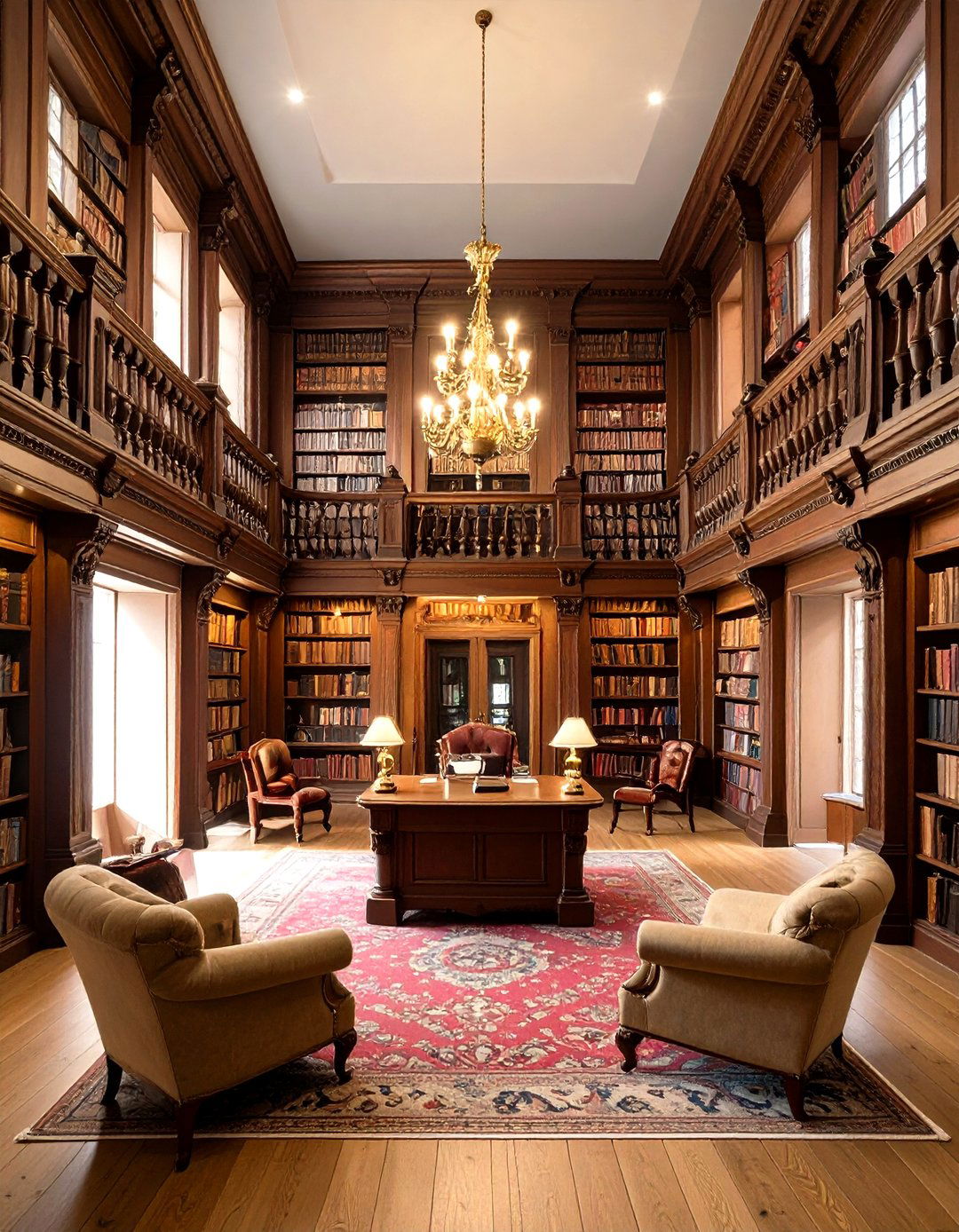
Have you ever been completely transported by a scene in a movie? Set design is the magic behind creating believable worlds for film, television, and specialization involves designing and building the physical environment where a story designer must work closely with the director to ensure the set reflects the period, mood, and characters of the detail, from the furniture and props to the color palette and architectural style, is carefully chosen to support the narrative. It 's a highly collaborative and creative field that transforms a script' s vision into a tangible, immersive reality.
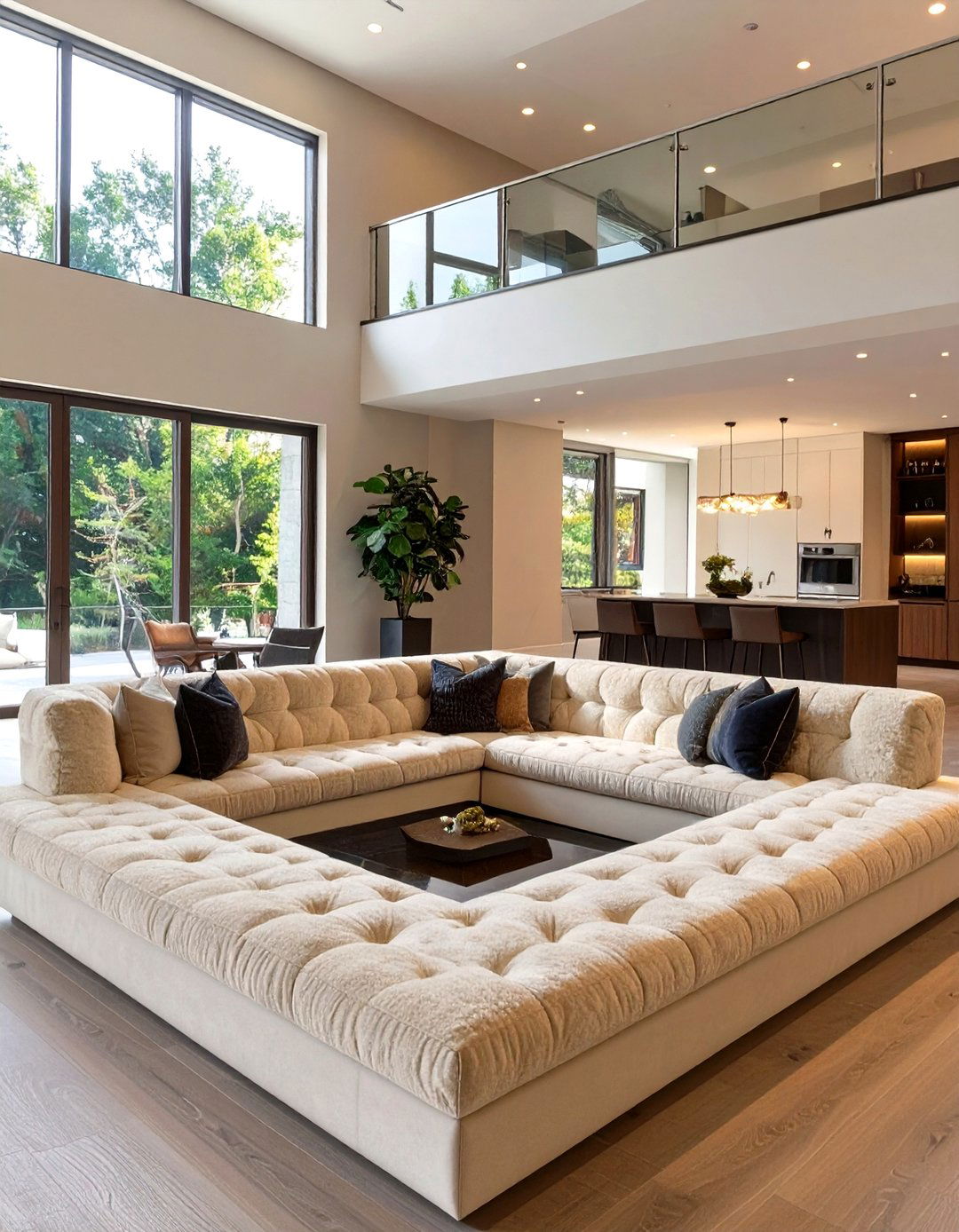

10. Historic Preservation and Restoration
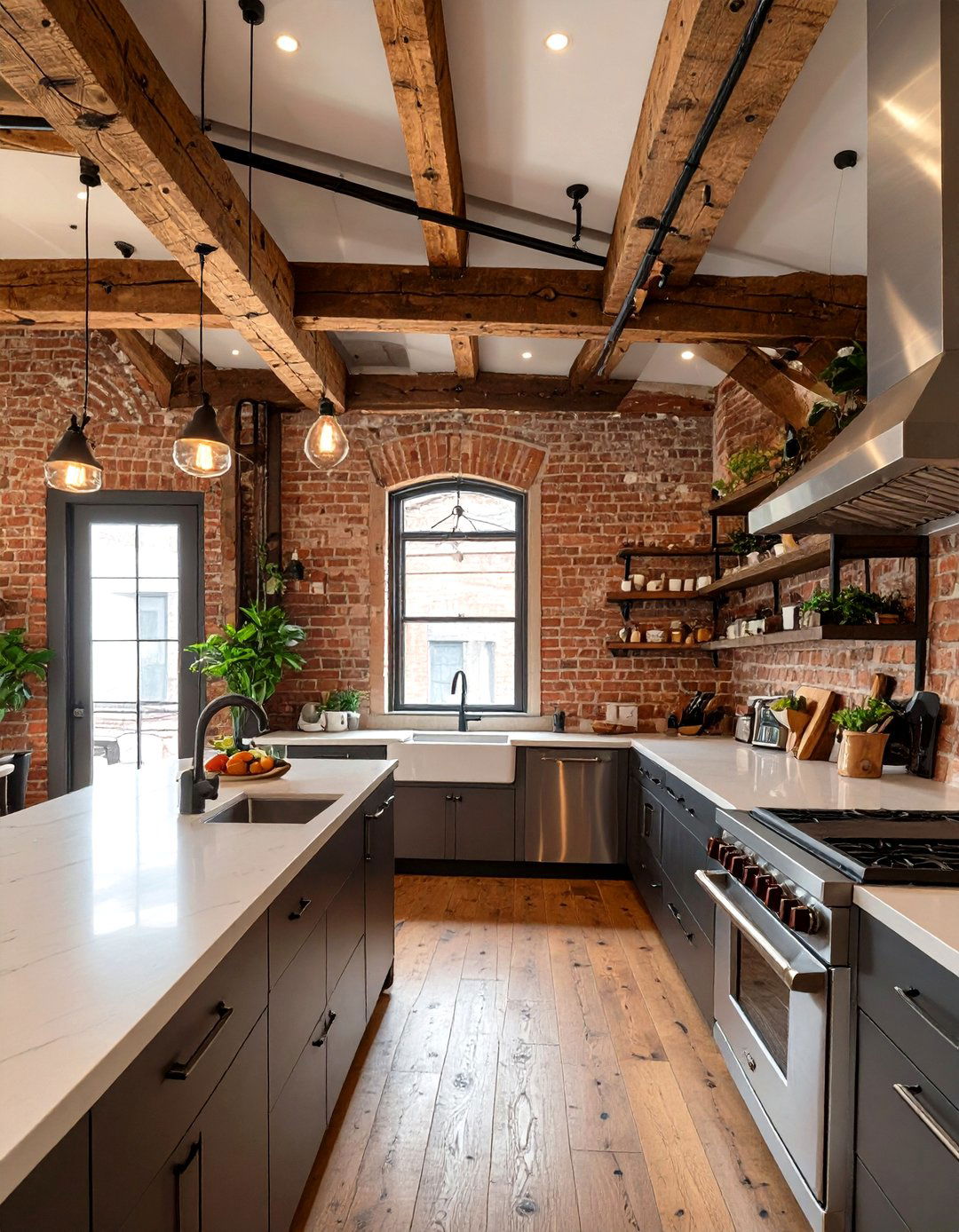
This path is for those who cherish the past and want to protect its architectural preservation focuses on the restoration and adaptive reuse of old in this field must have a deep knowledge of historical architectural styles, materials, and construction goal is to sensitively update a space for modern use while preserving its original character and often involves meticulous research and working with craftsmen to repair or replicate historic features. It’s a rewarding specialization that breathes new life into significant structures, connecting the past with the present.
11. Kitchen and Bath Design Specialization
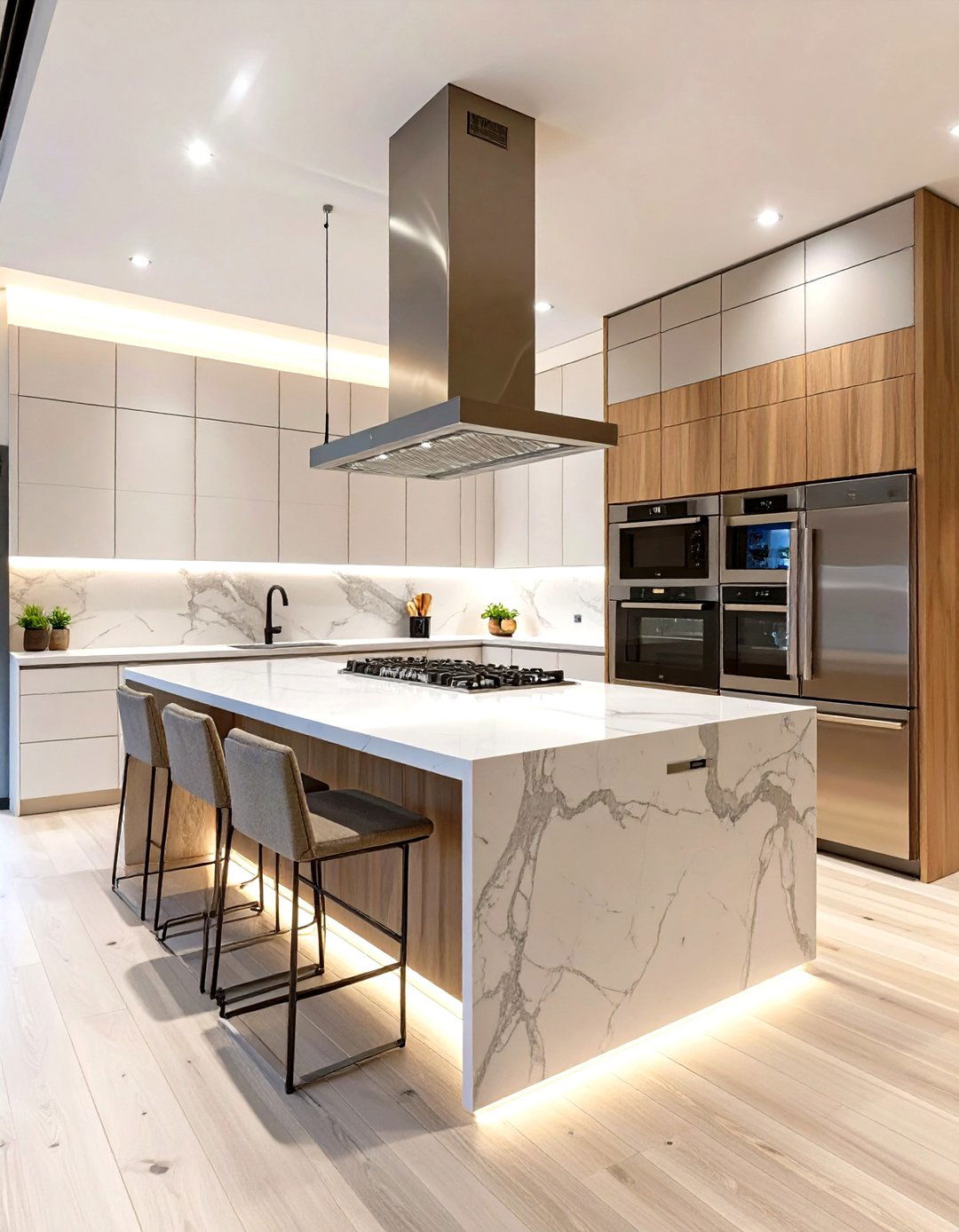
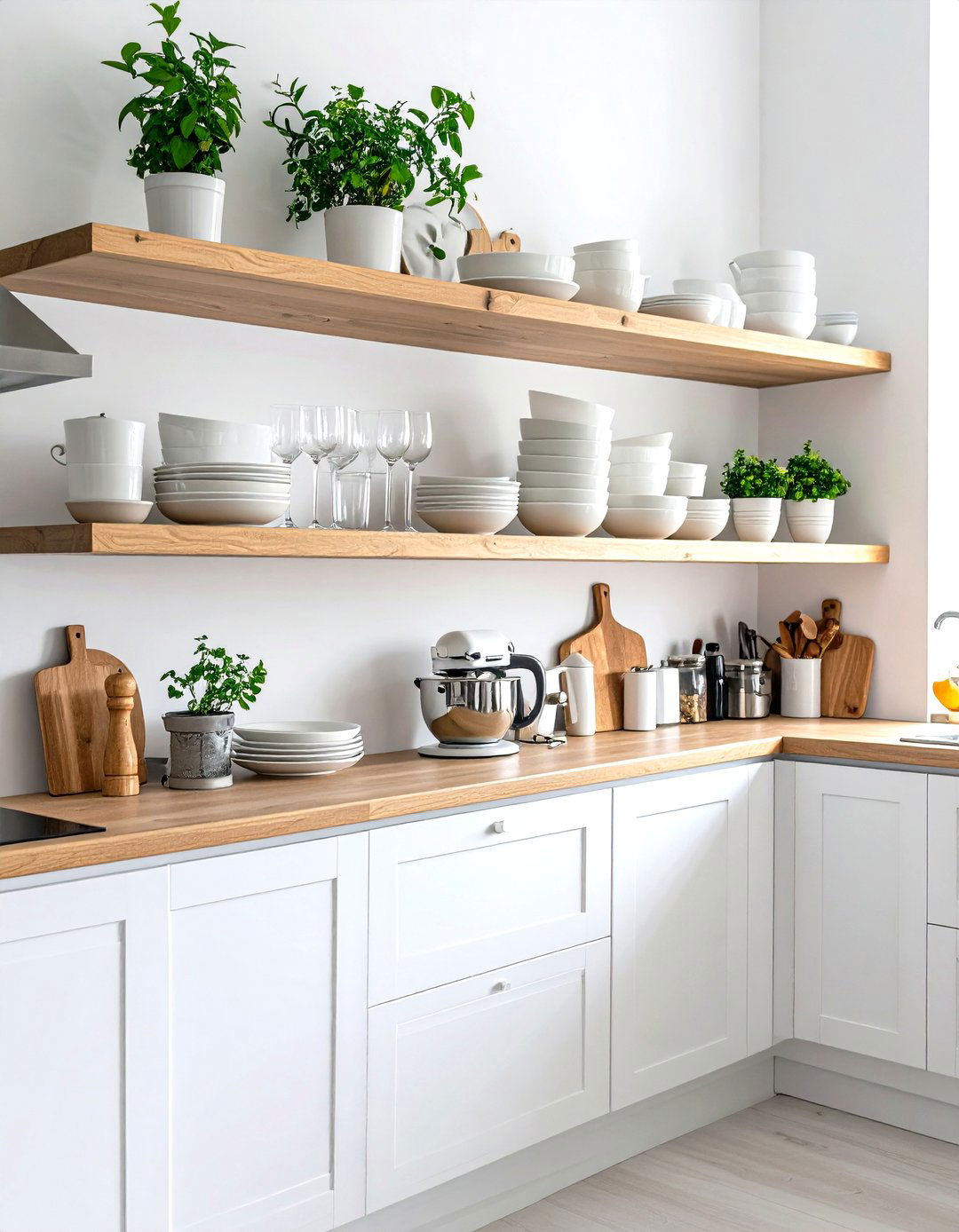
As the heart of the home, kitchens and baths require specialized design field focuses exclusively on creating functional, beautiful, and highly efficient kitchens and must be experts in cabinetry, countertops, fixtures, appliances, and layout is paramount, requiring a deep understanding of workflow, ergonomics, and building knowledge is key, as surfaces must be durable and it's a sleek, modern kitchen or a spa-like master bath, this specialization combines technical expertise with creative vision to craft some of the most important spaces in any home.
12. Furniture Design and Fabrication
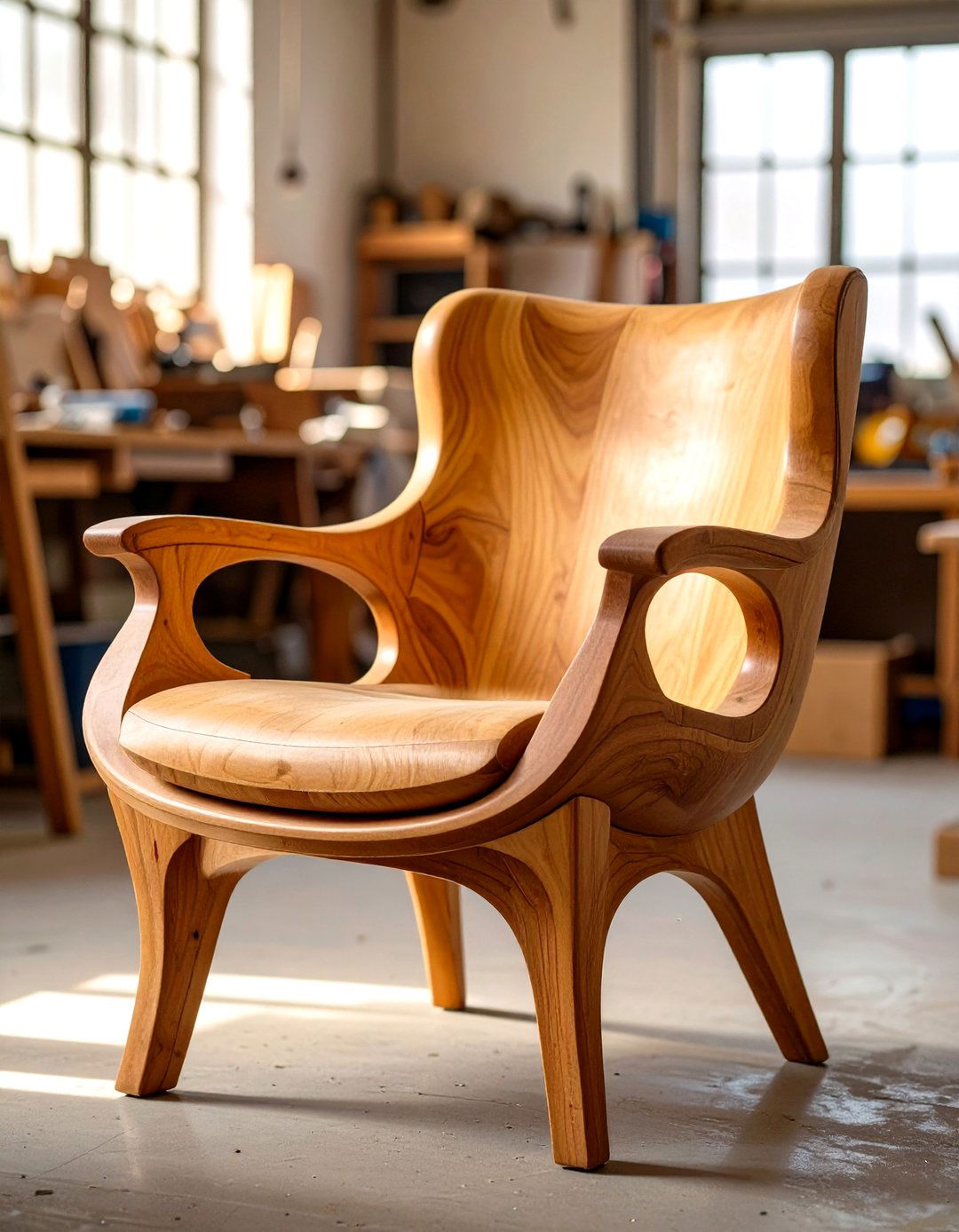
For those who want to create the key elements within a space, a focus on furniture design is specialization delves into the art and science of creating functional and beautiful covers everything from conceptual sketching and 3D modeling to material selection and fabrication learn about ergonomics, joinery, and finishing curriculum often includes hands-on work in woodshops and metal labs, allowing for the creation of prototype path empowers designers to craft unique, custom furniture that perfectly fits their interior concepts, moving beyond simply specifying existing products.
13. Textile and Surface Design
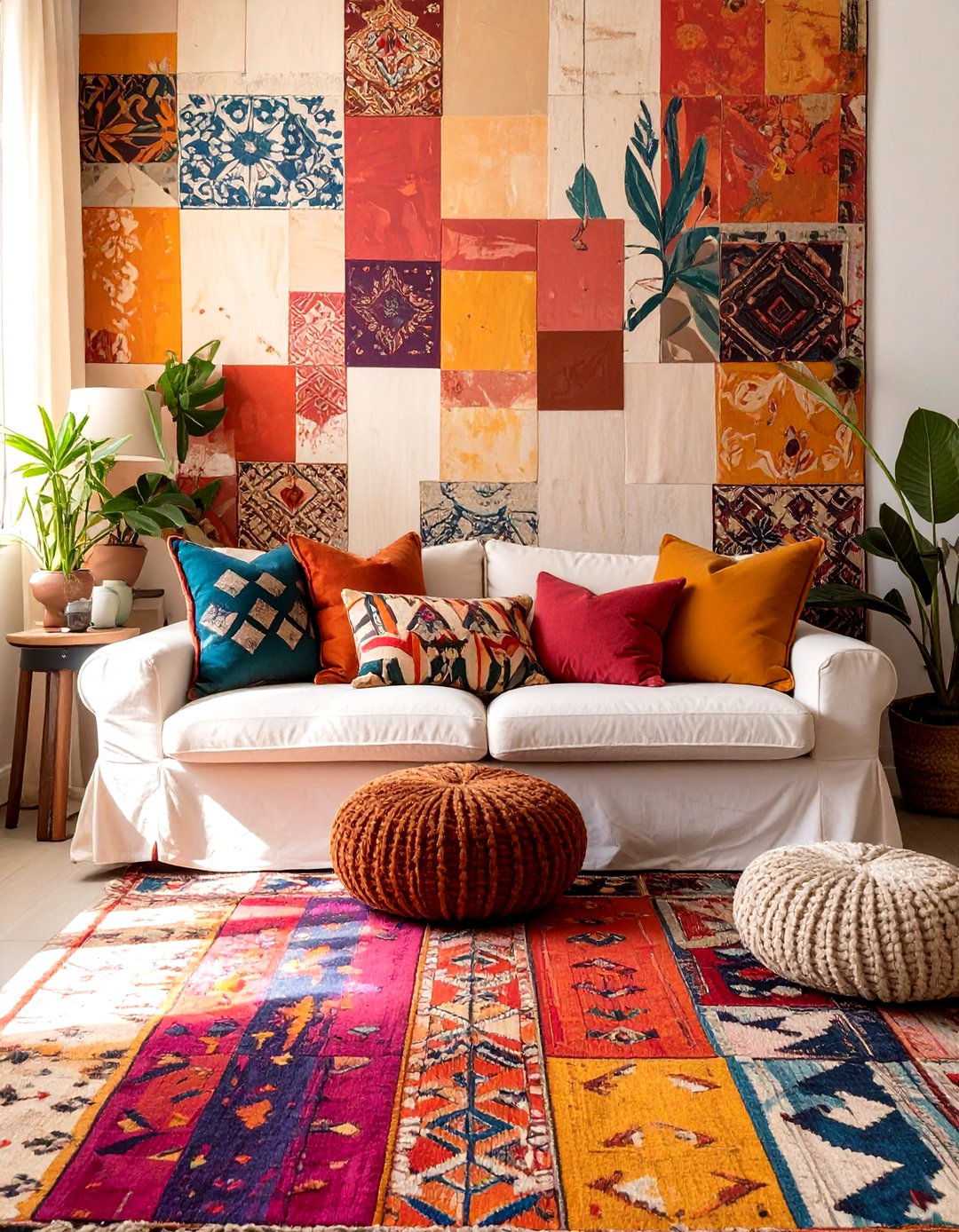
Imagine creating the very patterns and textures that bring a room to and surface design focuses on the creation of original fabrics, wallpapers, rugs, and other material highly creative field blends artistic skill with technical knowledge of printing, weaving, and material learn about color theory, pattern repeats, and the latest digital design explore how different materials and textures can impact the mood and acoustics of a specialization allows a designer to infuse an interior with a truly unique and personal touch from the ground up.
14. Lighting Design and Technology
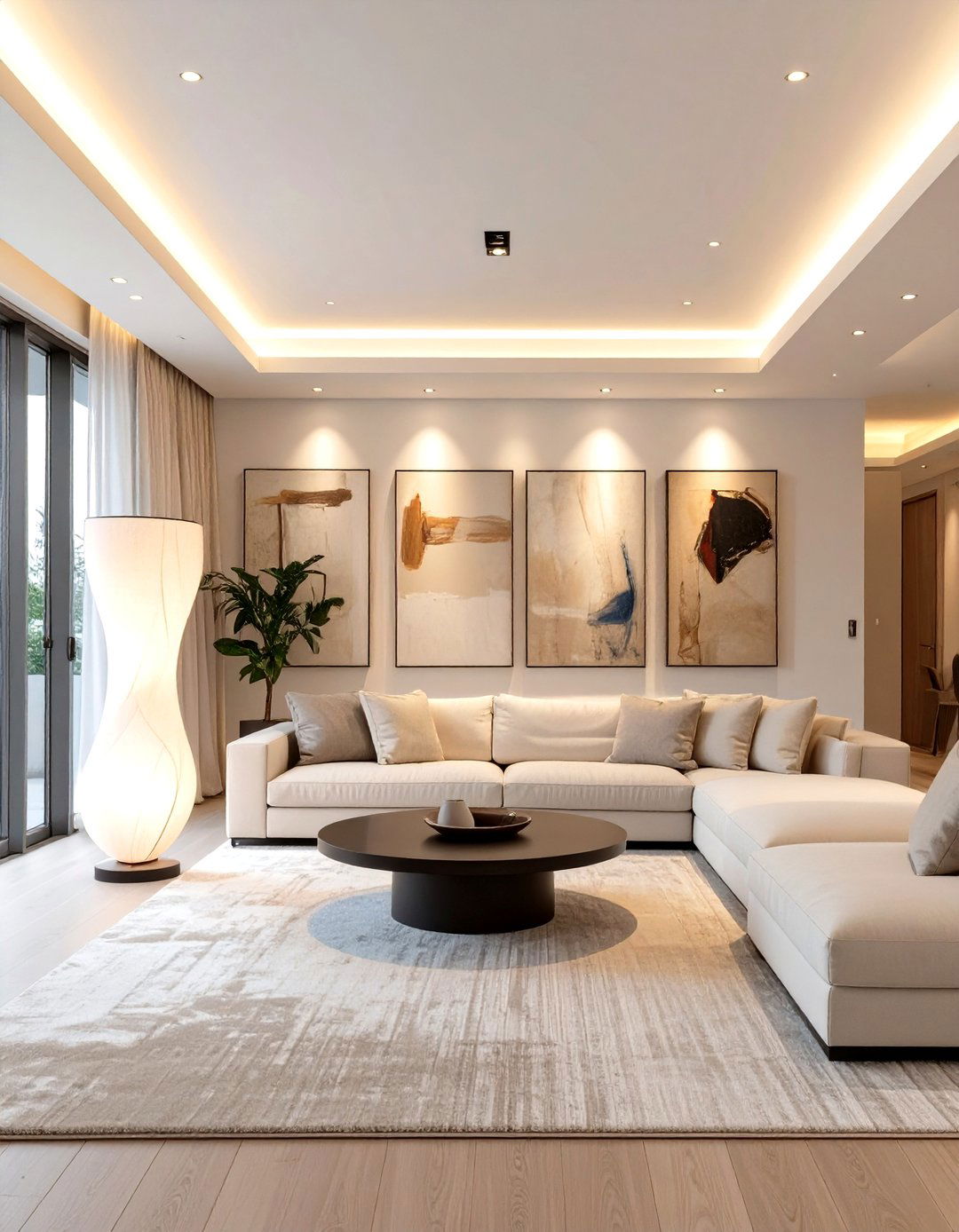
Lighting is one of the most powerful tools in an interior designer's arsenal. A specialization in lighting design focuses on the art and science of goes beyond simply choosing fixtures to strategically layering light to create mood, highlight architectural features, and improve learn about the properties of light, color temperature, and energy-efficient technologies like LED and use specialized software to model and predict how light will behave in a space, ensuring the final result is both beautiful and practical, completely transforming the perception of an environment.


15. Small Space and Micro-Living Design
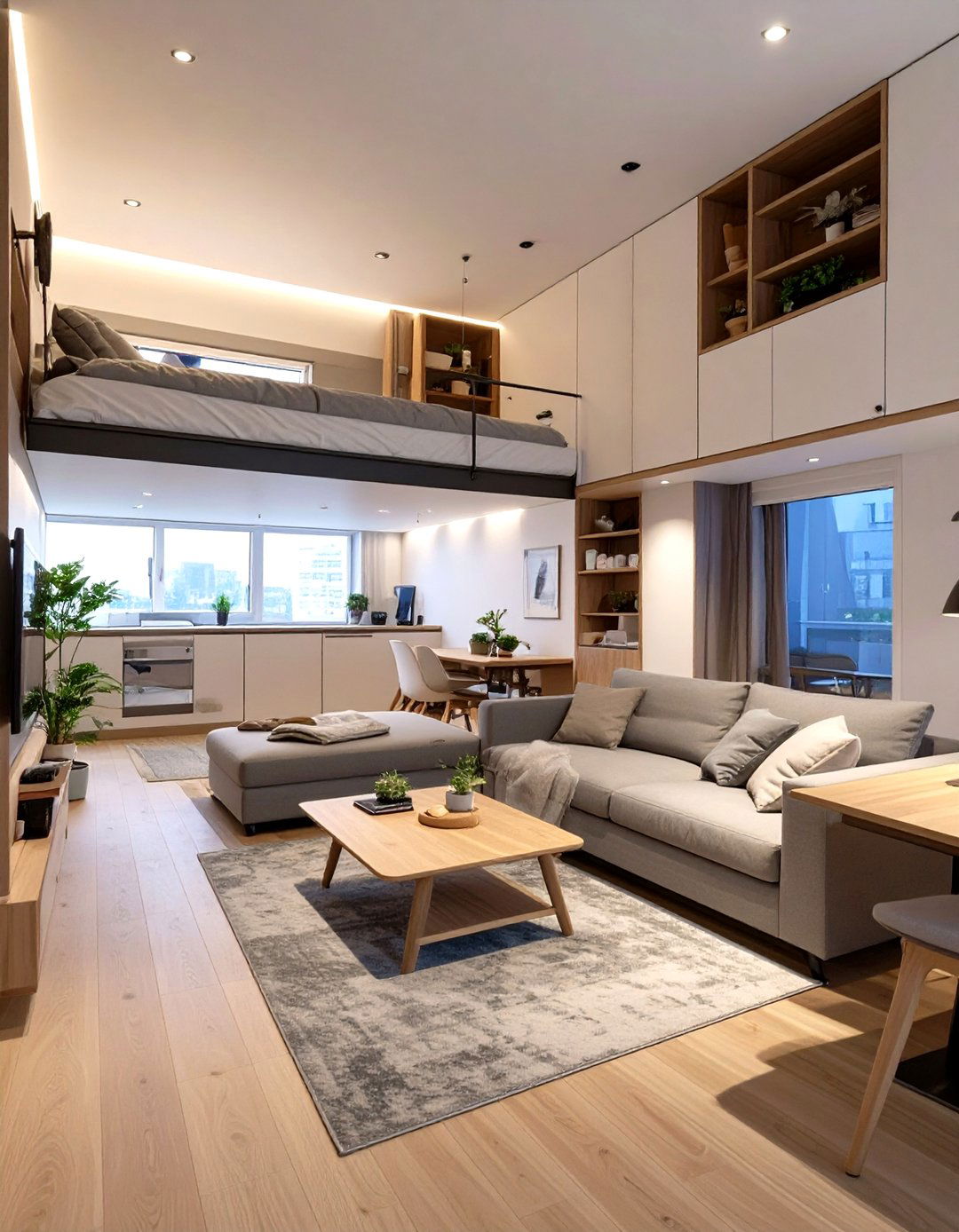
With urban populations growing, the ability to design for small spaces is more valuable than specialization focuses on maximizing the functionality and perceived size of compact homes, like studio apartments and tiny key is clever space planning, multi-functional furniture, and smart storage use light colors, mirrors, and strategic lighting to create an illusion of square inch is carefully considered to ensure the environment is comfortable, organized, and livable. It 's a puzzle of efficiency and creativity, proving that great design isn' t about size, but about ingenuity.
16. Luxury and High-End Residential Design
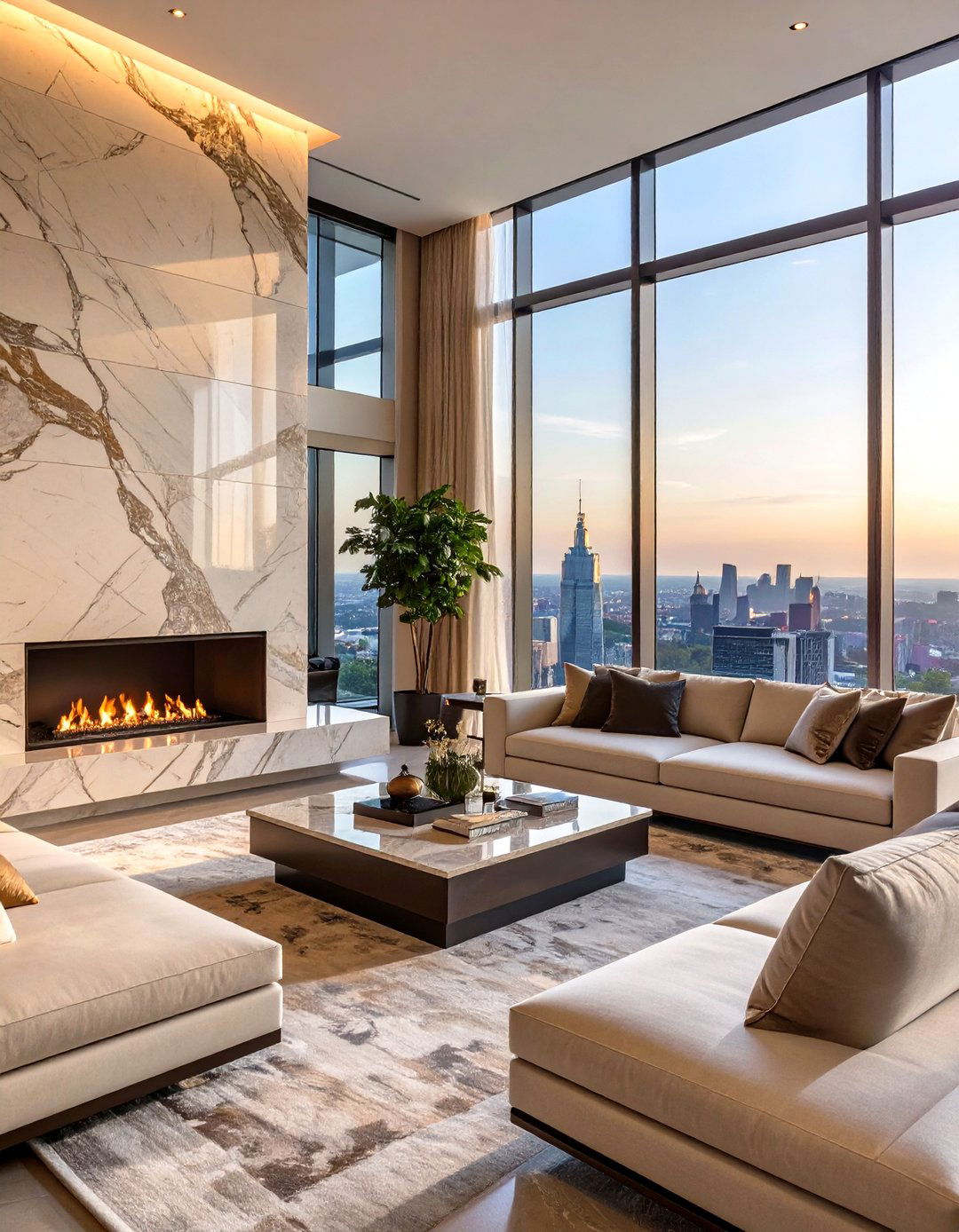
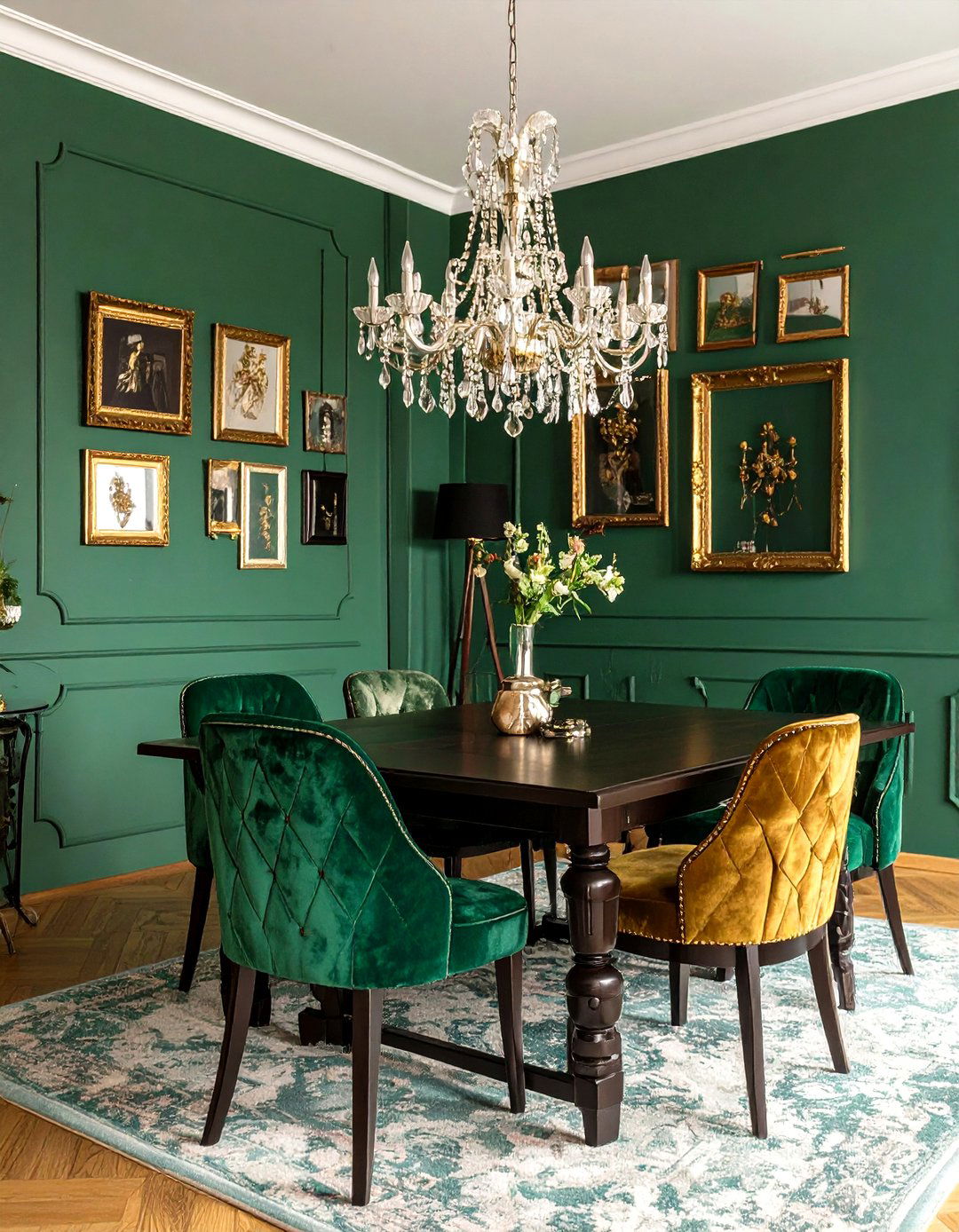
This specialization caters to an exclusive clientele, focusing on the creation of bespoke, high-end residential interiors. It 's a world of custom finishes, rare materials, and one-of-a-kind in this field must have an impeccable eye for detail and a deep network of artisans and process involves commissioning custom artwork, designing bespoke furniture, and integrating state-of-the-art goal is to create a truly unique and luxurious environment that reflects the client' s status and personal taste, where budget is secondary to achieving an unparalleled level of quality and sophistication.
17. Corporate and Office Interior Design
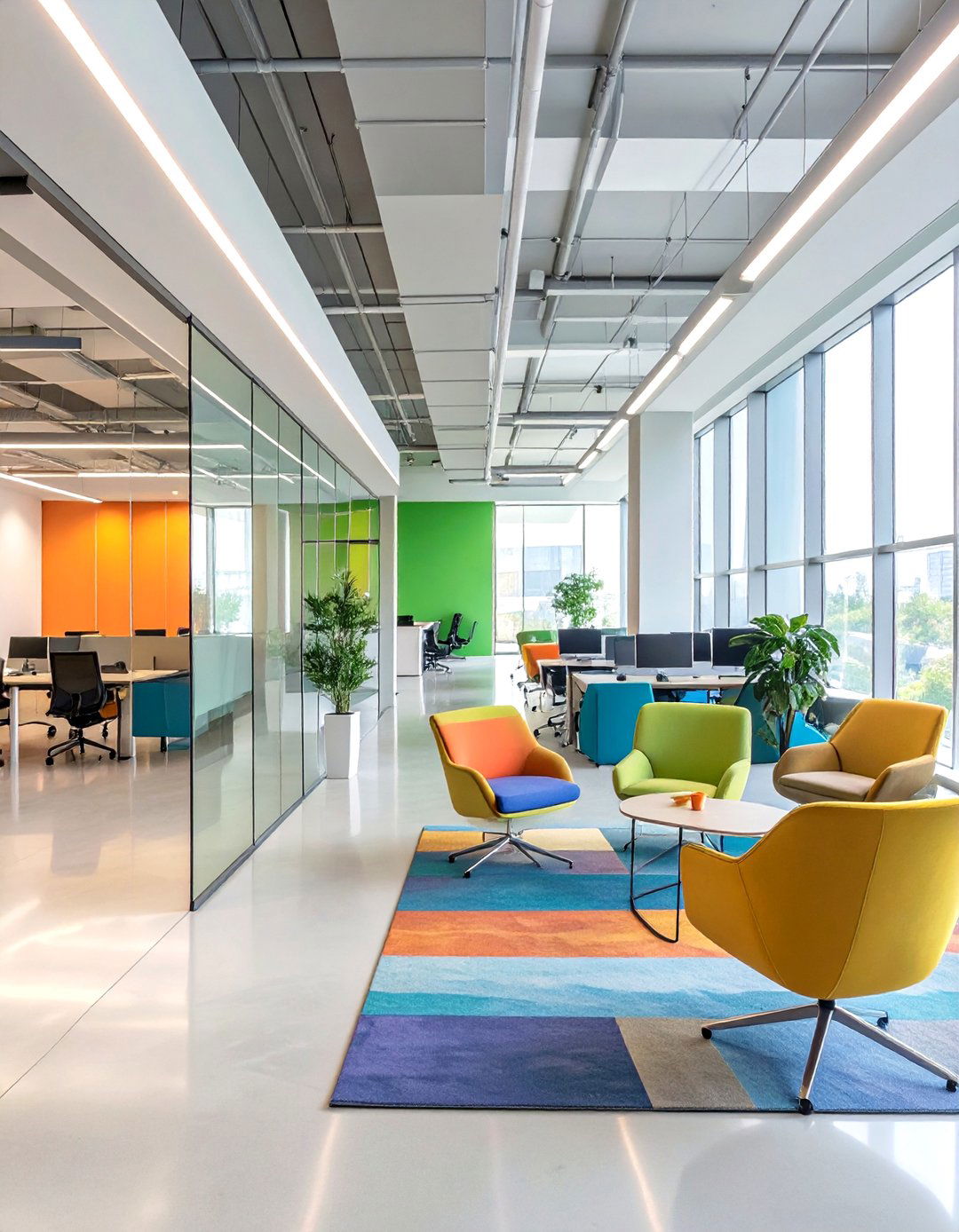
How can an office space foster productivity and collaboration? Corporate interior design focuses on creating functional and inspiring goes beyond cubicles and conference rooms to design environments that reflect a company 's culture and brand might include open-plan work areas, quiet zones for focused work, and collaborative is a key consideration to ensure employee comfort and design aims to attract and retain talent by creating a positive and efficient work environment that supports the company' s goals and enhances the daily experience of its employees.
18. Universal and Accessible Design
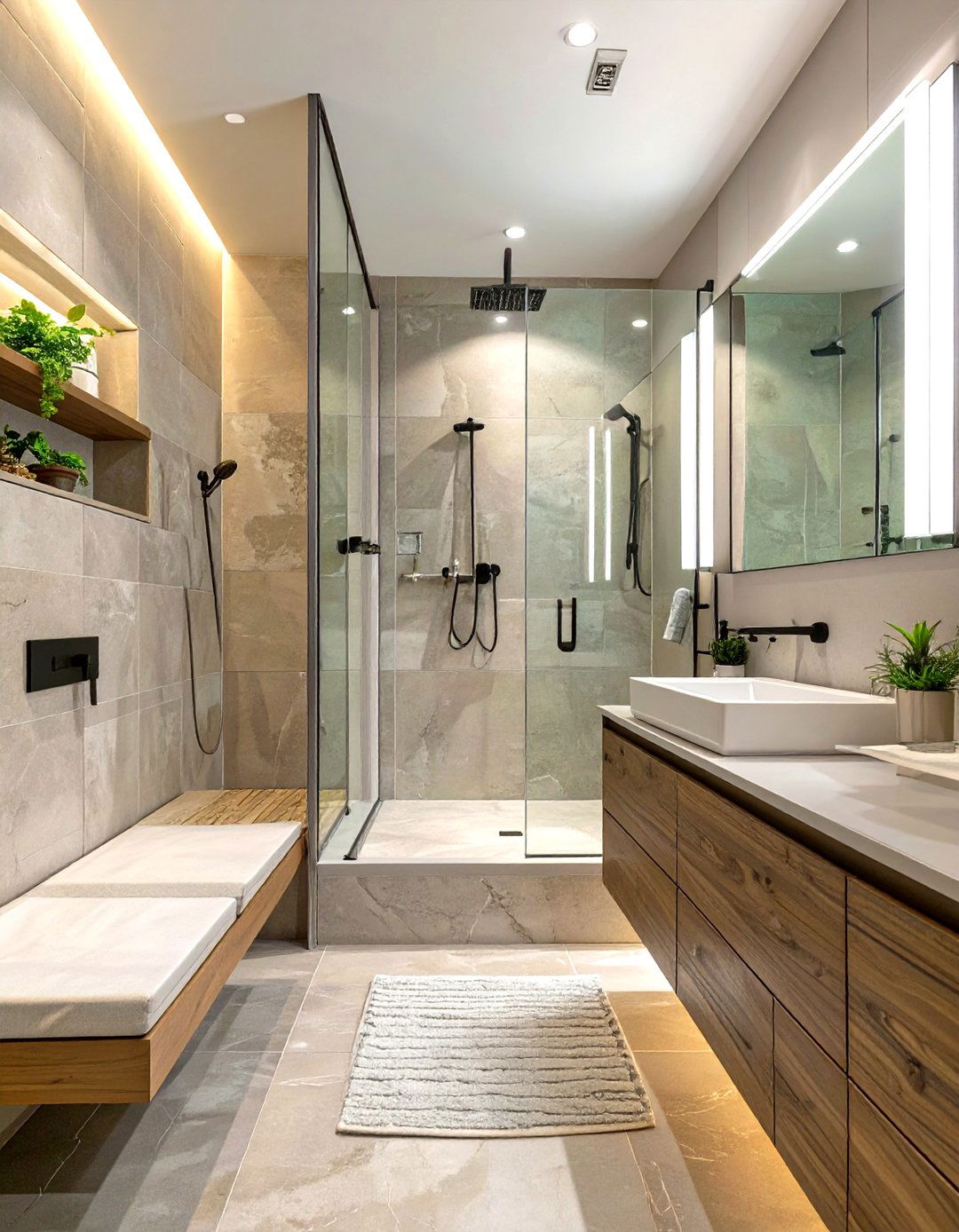
Universal design is the practice of creating spaces that are usable by all people, to the greatest extent possible, without the need for adaptation or specialized specialization is about inclusivity, ensuring that interiors are safe, comfortable, and accessible for individuals of all ages and includes features like zero-threshold showers, wider doorways, and adjustable-height focus is on seamless integration, so accessibility features feel like a natural part of the design rather than an afterthought. It’s a socially responsible approach that improves quality of life for everyone.
19. Pop-Up and Temporary Installation Design
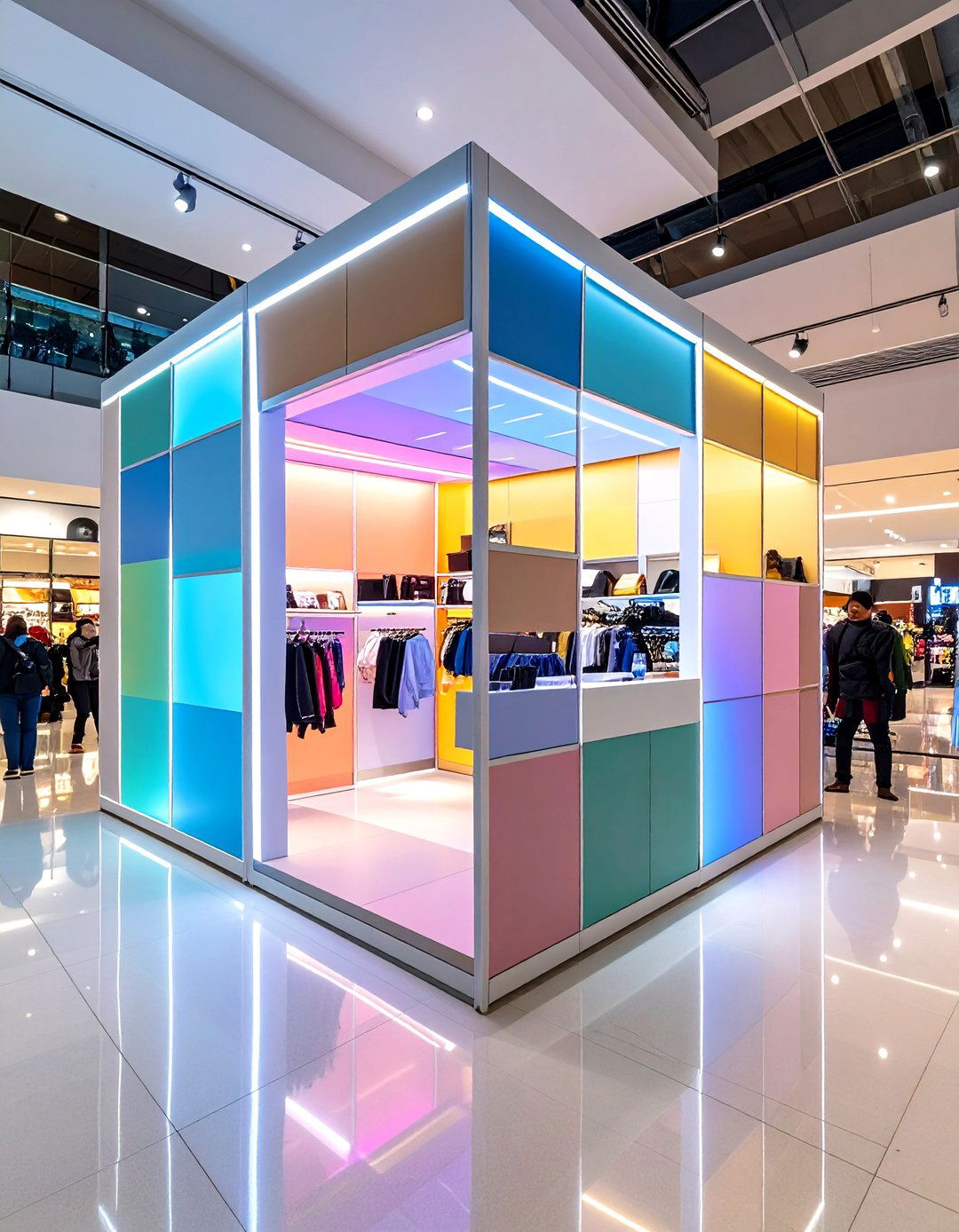
Pop-up design is about creating a big impact in a short amount of dynamic specialization focuses on designing temporary installations for events, retail promotions, and brand projects require rapid conceptualization and execution, often using modular or lightweight materials that are easy to assemble and design must be highly engaging and memorable to capture attention quickly. It’s a fast-paced field that blends elements of branding, set design, and retail strategy to create immersive, fleeting experiences that generate buzz and leave a lasting impression on visitors.

20. Acoustic Design and Soundscaping
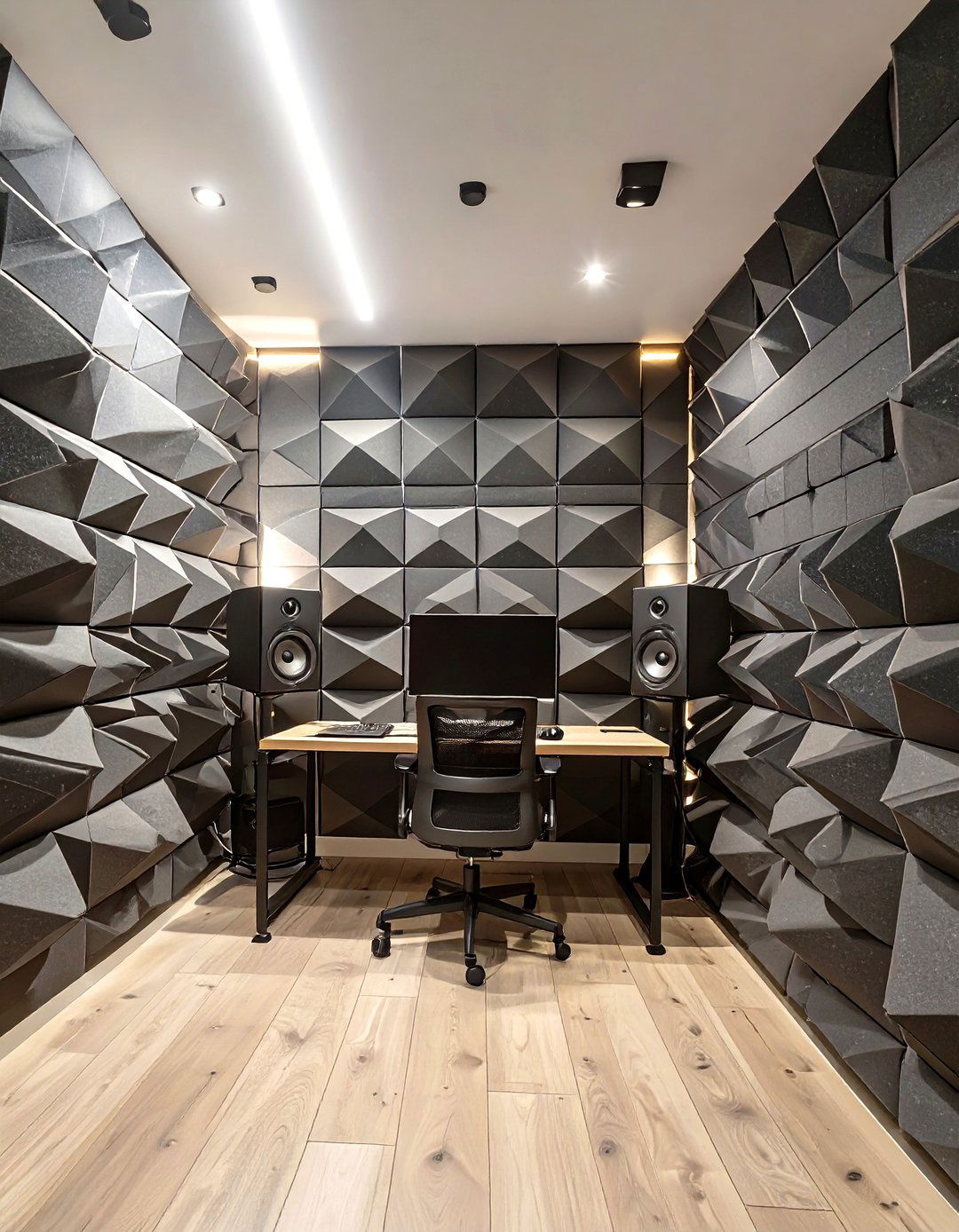
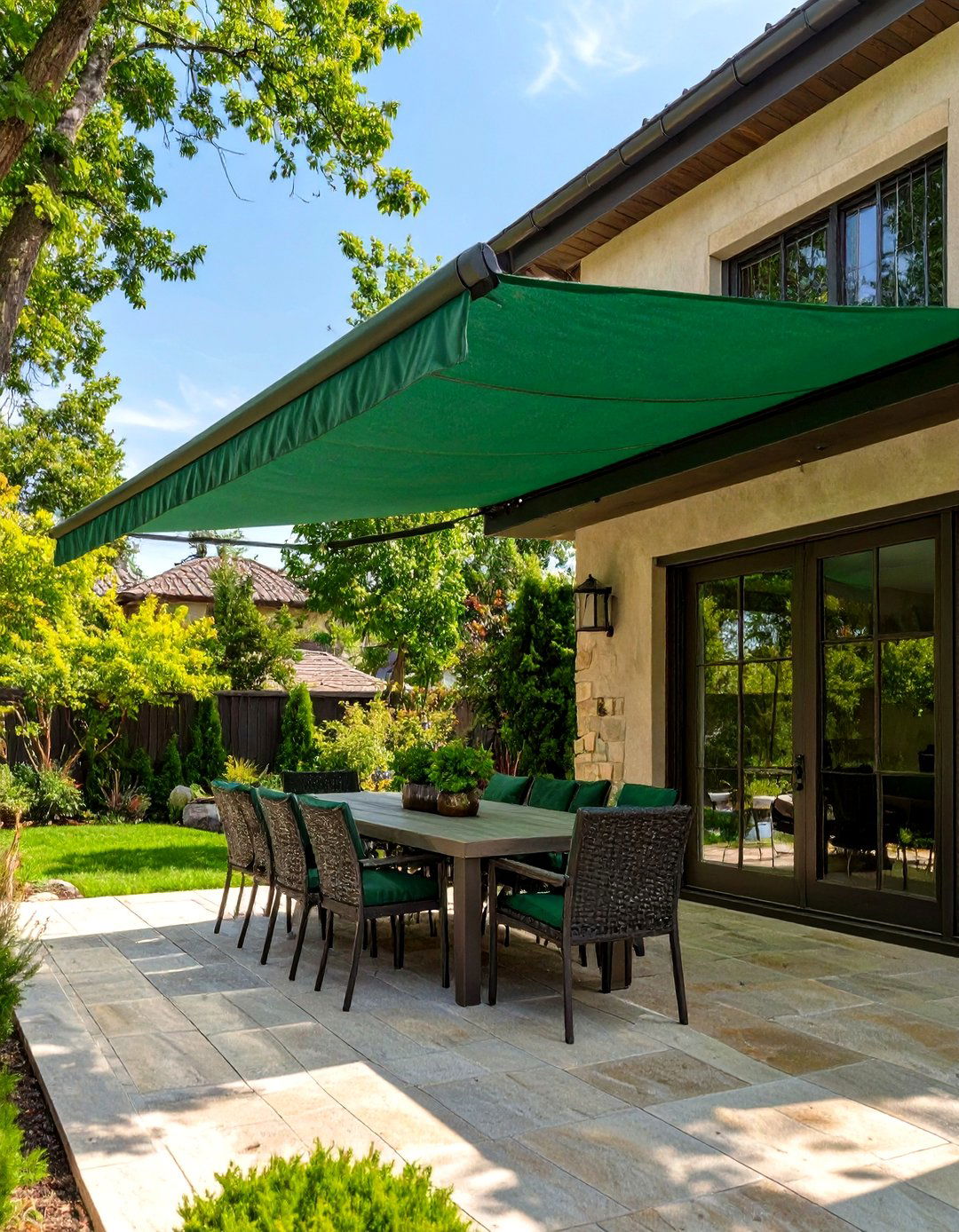
Have you ever noticed how sound can affect your mood in a space? Acoustic design is a technical specialization focused on controlling the sound within an involves using specific materials and construction techniques to absorb, diffuse, or block sound. It 's crucial in spaces like concert halls, recording studios, and open-plan offices where sound quality and noise control are work with sound-absorbing panels, specialized textiles, and strategic layouts to create a desired auditory experience, whether it' s perfect clarity for a performance or a quiet, focused atmosphere for work, enhancing the overall comfort.
21. Marine and Yacht Interior Design
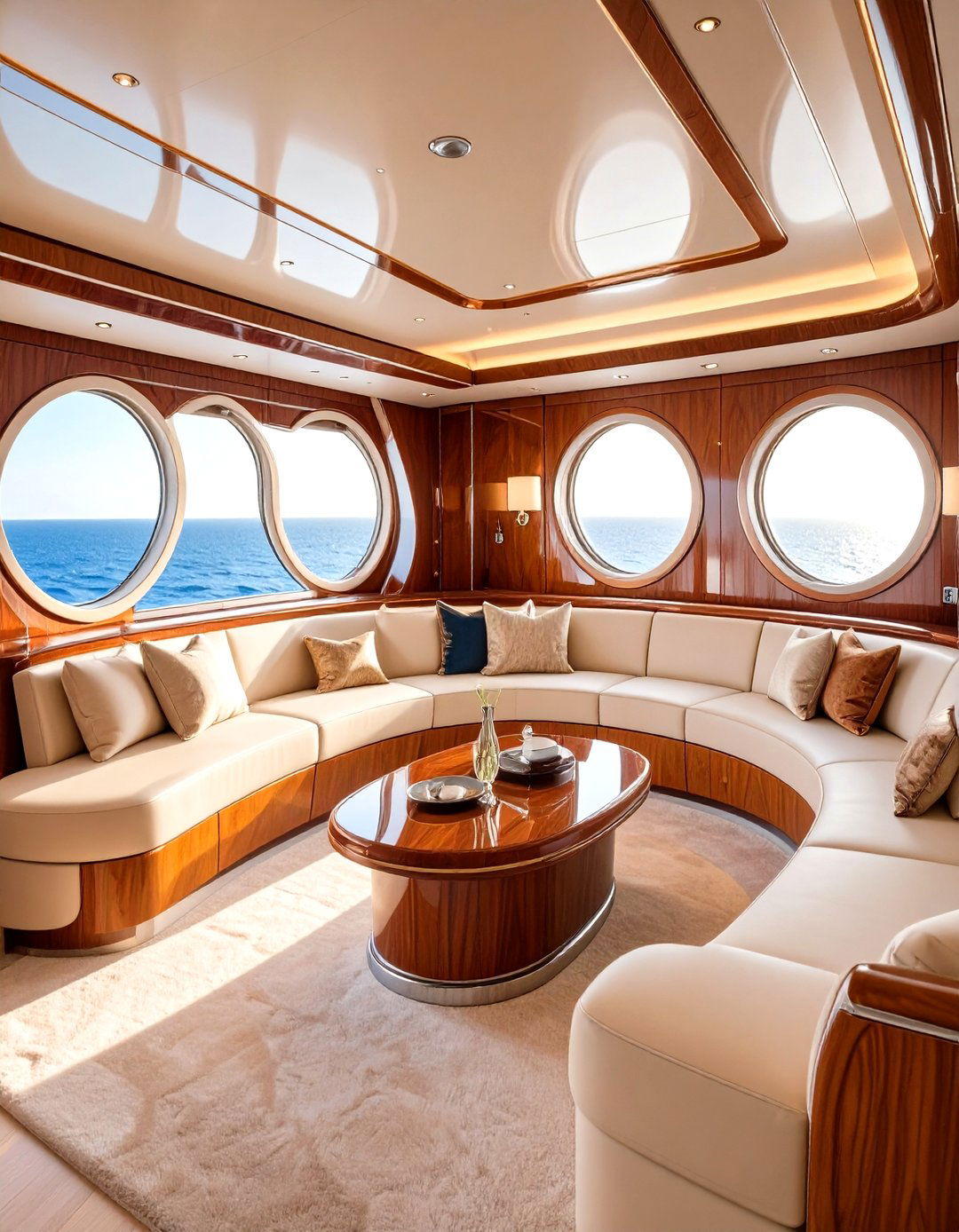
Designing for the sea presents a unique set of challenges and interior design focuses on creating beautiful and functional spaces within yachts, cruise ships, and other must contend with compact, irregular spaces and the constant motion of the must be lightweight, durable, and resistant to moisture and often needs to be custom-built and securely fastened. Space-saving solutions and multi-functional elements are key. It’s a highly specialized field that combines luxury design with marine engineering to create stunning interiors that can withstand the rigors of the open water.
22. Aviation and Private Jet Interiors
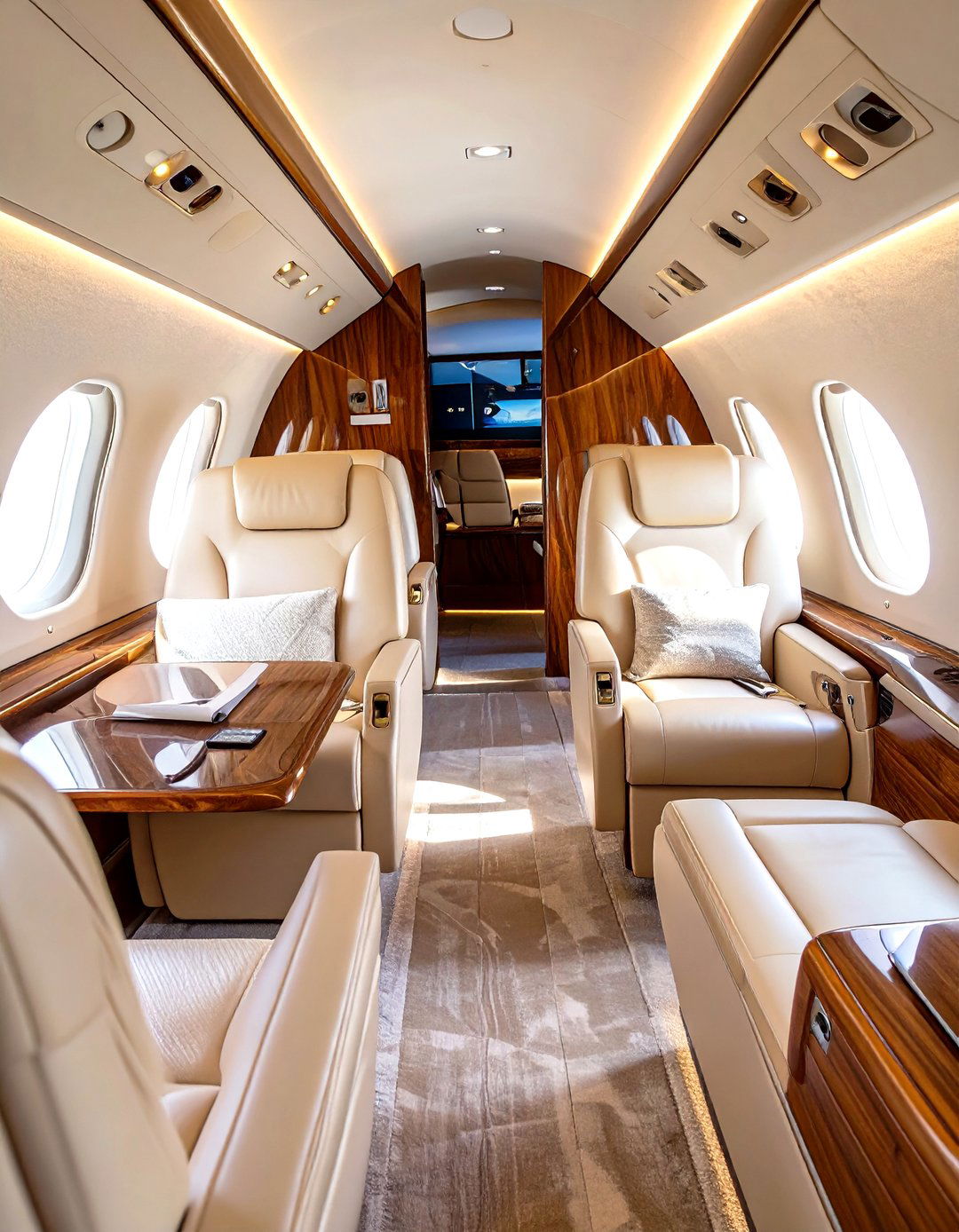
This ultra-niche specialization involves designing the interiors of private jets and luxury focus is on creating a seamless and comfortable experience for elite travelers, combining luxury with stringent safety element must be incredibly lightweight without sacrificing quality or aesthetic work with exotic veneers, fine leathers, and advanced entertainment and communication is paramount, with layouts and finishes tailored to the owner's exact is a field where precision engineering meets high-end design to create the ultimate in luxury travel, a truly exclusive design environment.
23. Color Theory and Psychology Specialization
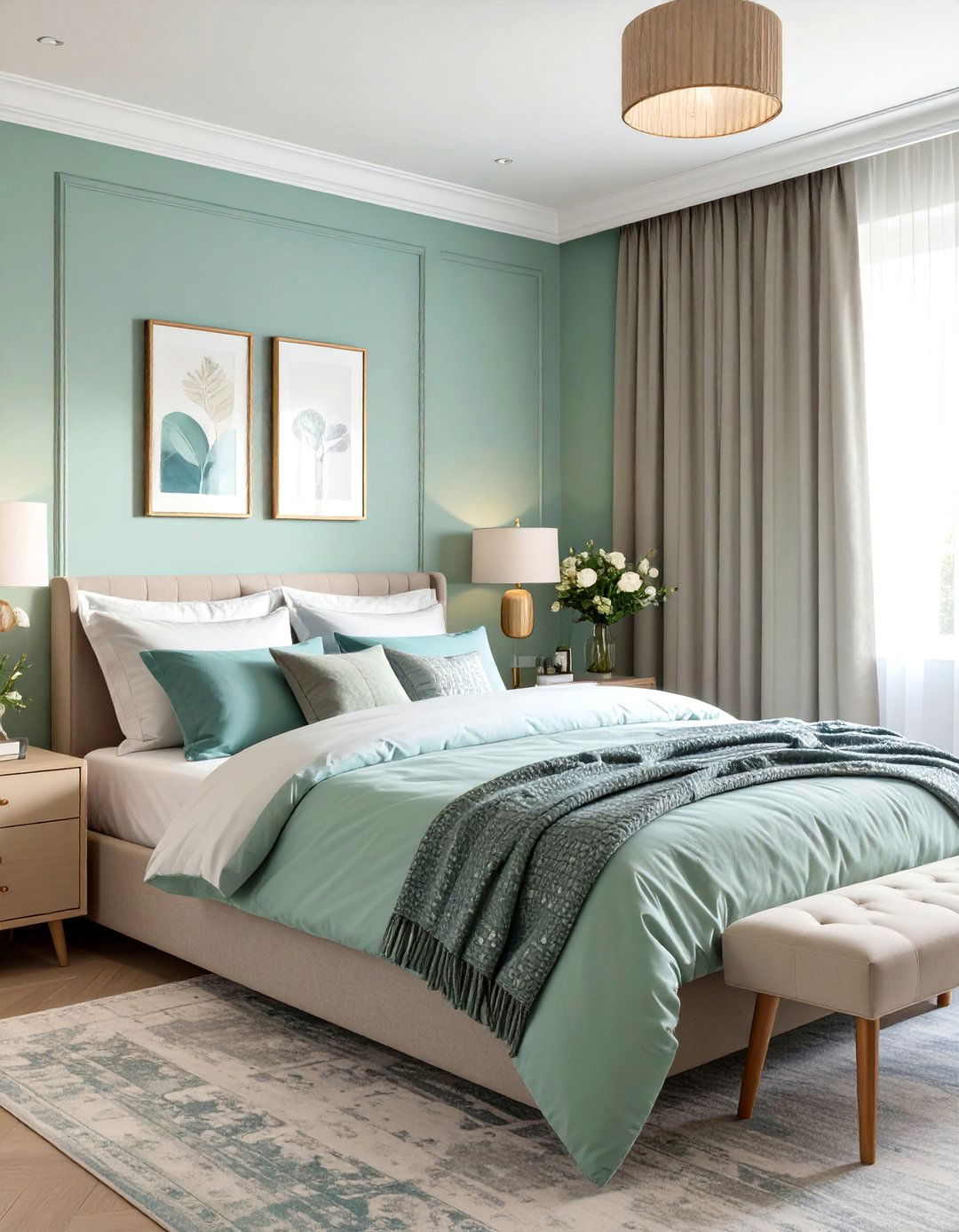
Color is a fundamental element of design that can profoundly impact human emotion and behavior. A specialization in color theory delves deep into the science and art of learn how different hues affect mood, perception of space, and even physical knowledge is applied to create specific atmospheres, whether it's a calming, serene bedroom or a vibrant, energetic commercial focus is on creating sophisticated and intentional color palettes that support the function of the space and enhance the well-being of its occupants, moving beyond trends to create timeless, effective interiors.
24. Digital Rendering and Visualization
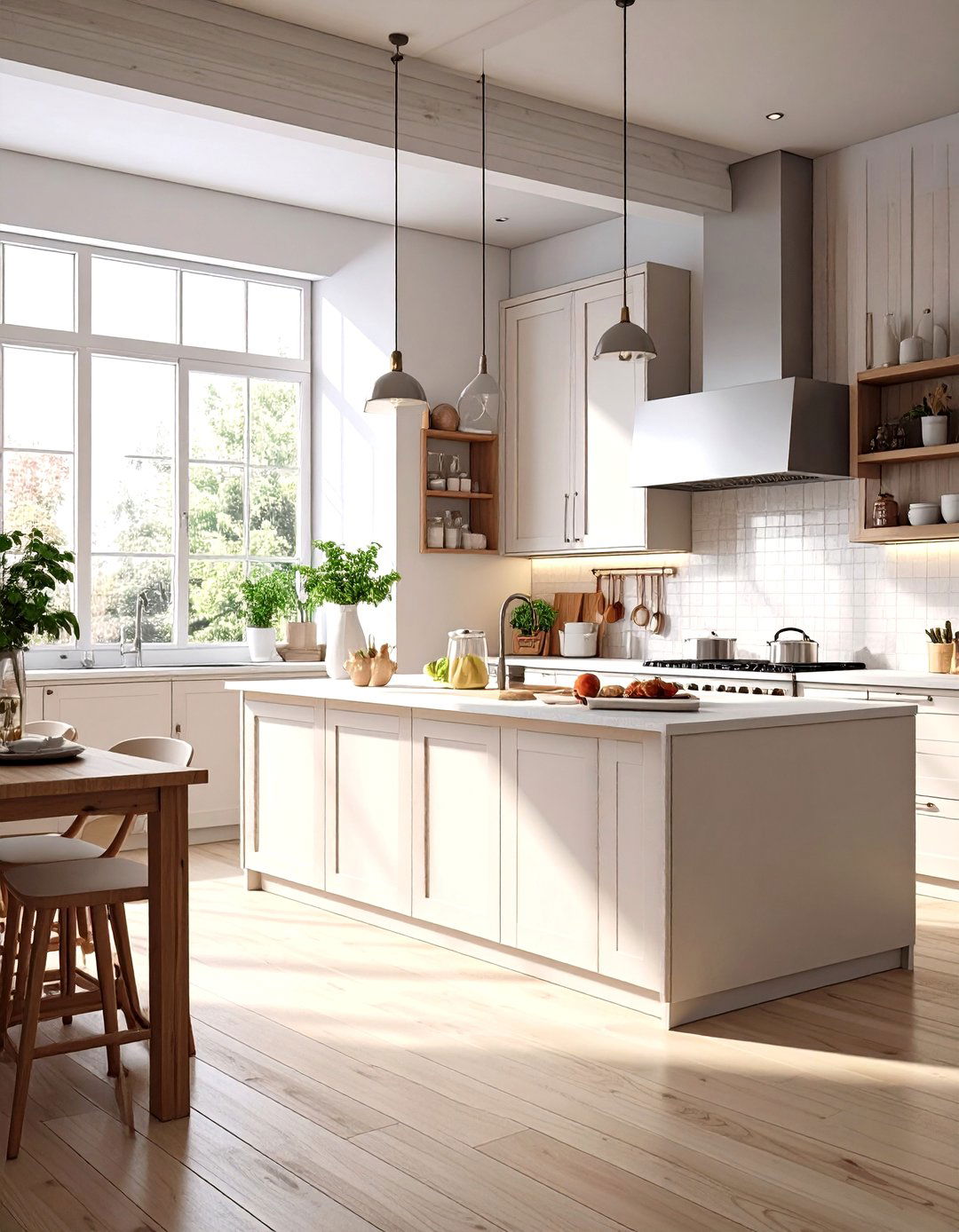
In today's design world, being able to communicate a vision is as important as the vision itself. A specialization in digital rendering and visualization focuses on creating photorealistic images and virtual reality walkthroughs of interior master advanced software like 3ds Max, V-Ray, and Unreal Engine to bring their concepts to life before any construction allows clients to fully experience and approve a design in immersive is a highly technical and artistic skill that has become essential for presenting ideas, making revisions, and marketing design services in a competitive industry.
25. Global and Cross-Cultural Design
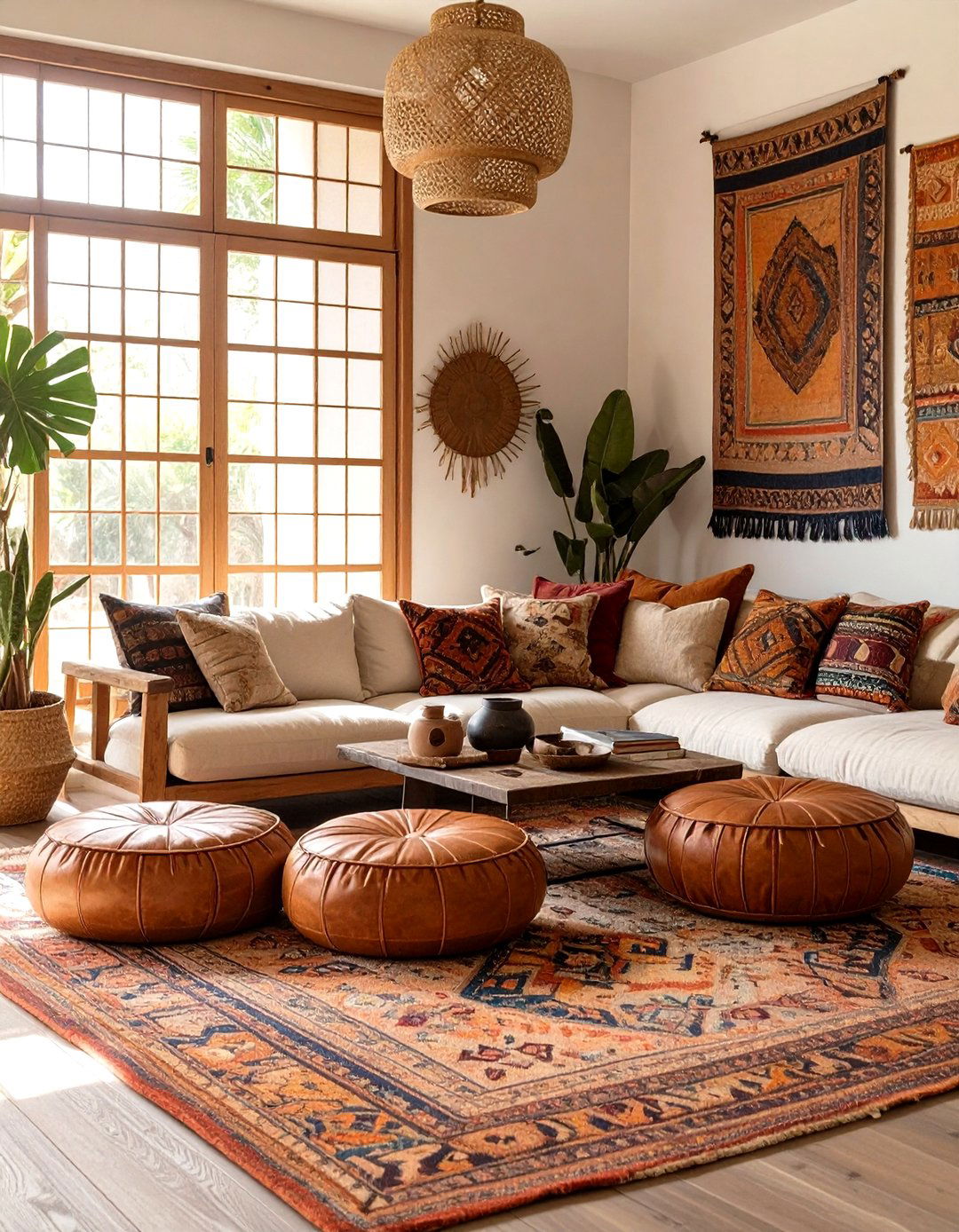
Design is a universal language, but it has many different specialization explores interior design through a global lens, studying how culture, history, and geography shape aesthetic traditions around the learn to draw inspiration from diverse styles, from the minimalist simplicity of Japanese interiors to the vibrant patterns of Moroccan focus is on respectfully and authentically incorporating these elements to create rich, layered, and culturally sensitive spaces. It’s about creating interiors that tell a story and celebrate the beauty of global diversity, fostering a deeper appreciation for different ways of living.
26. Themed Entertainment Design
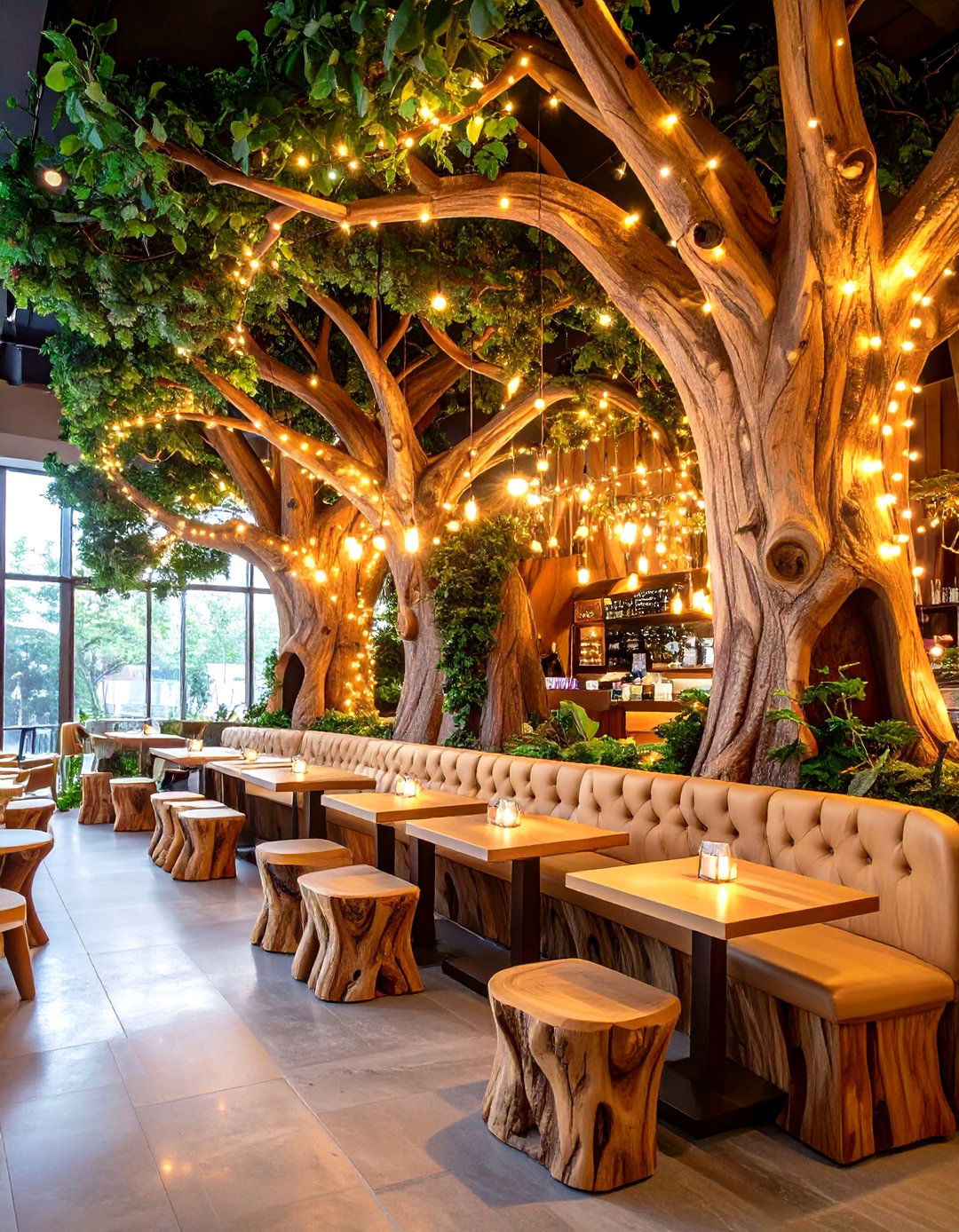
Do you love the immersive worlds of theme parks and attractions? Themed entertainment design is a specialization focused on creating these captivating combines elements of storytelling, architecture, set design, and technology to transport guests to another place and work on everything from ride queues and themed restaurants to entire park goal is to create a seamless and believable narrative experience where every detail, from the paving stones to the light fixtures, supports the is a highly collaborative field dedicated to crafting spaces that evoke wonder, excitement, and pure escapism.
27. Senior Living and Aging-in-Place Design
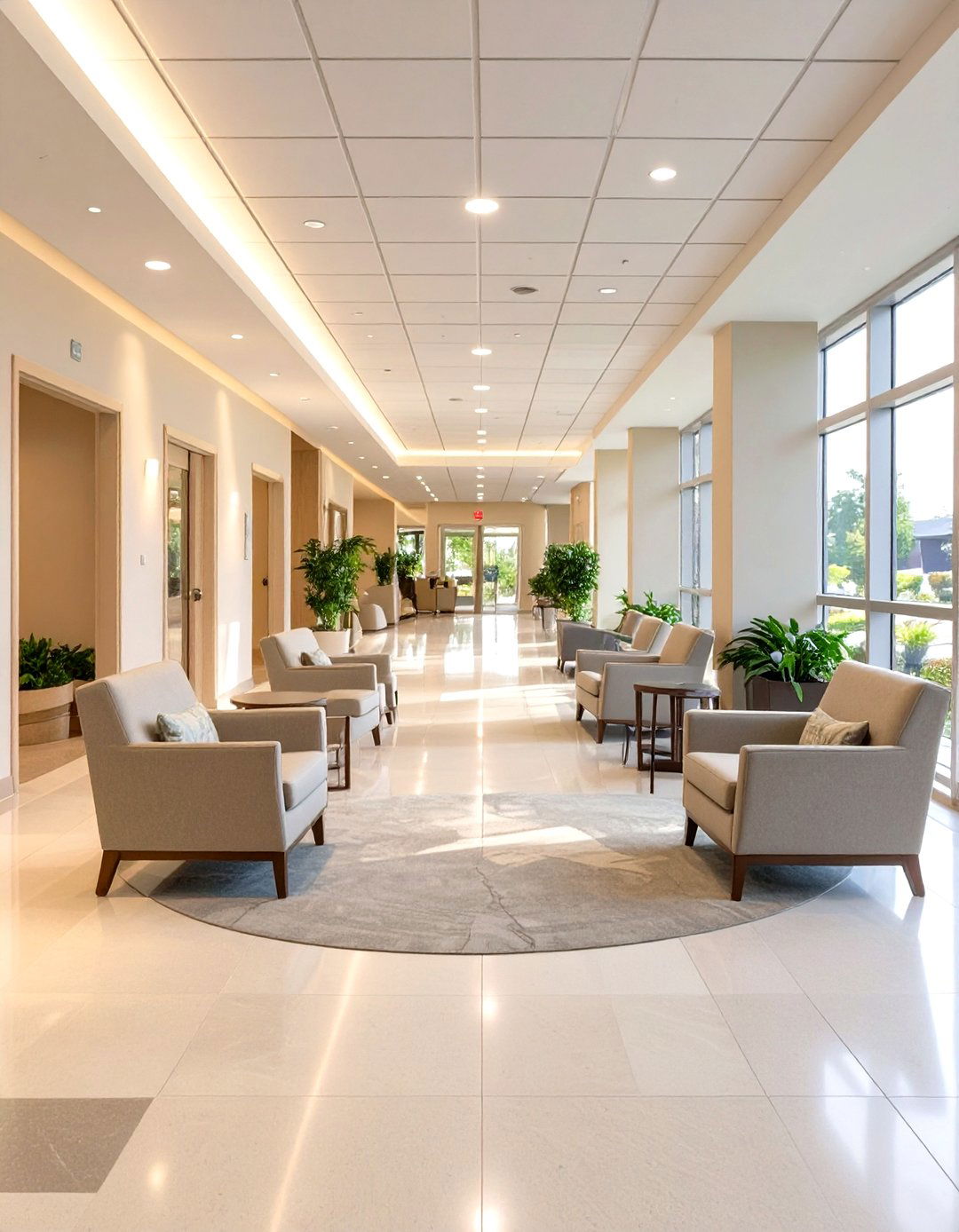
This meaningful specialization focuses on creating safe, comfortable, and empowering environments for older goes beyond basic accessibility to consider the social, psychological, and physical needs of might include features that support mobility, enhance safety, and facilitate social could mean creating communal spaces that encourage community or private residences with smart technology for monitoring goal is to design spaces that allow seniors to live with dignity, independence, and a high quality of life, whether in a dedicated community or in their own homes.
28. Child-Centric and Educational Space Design
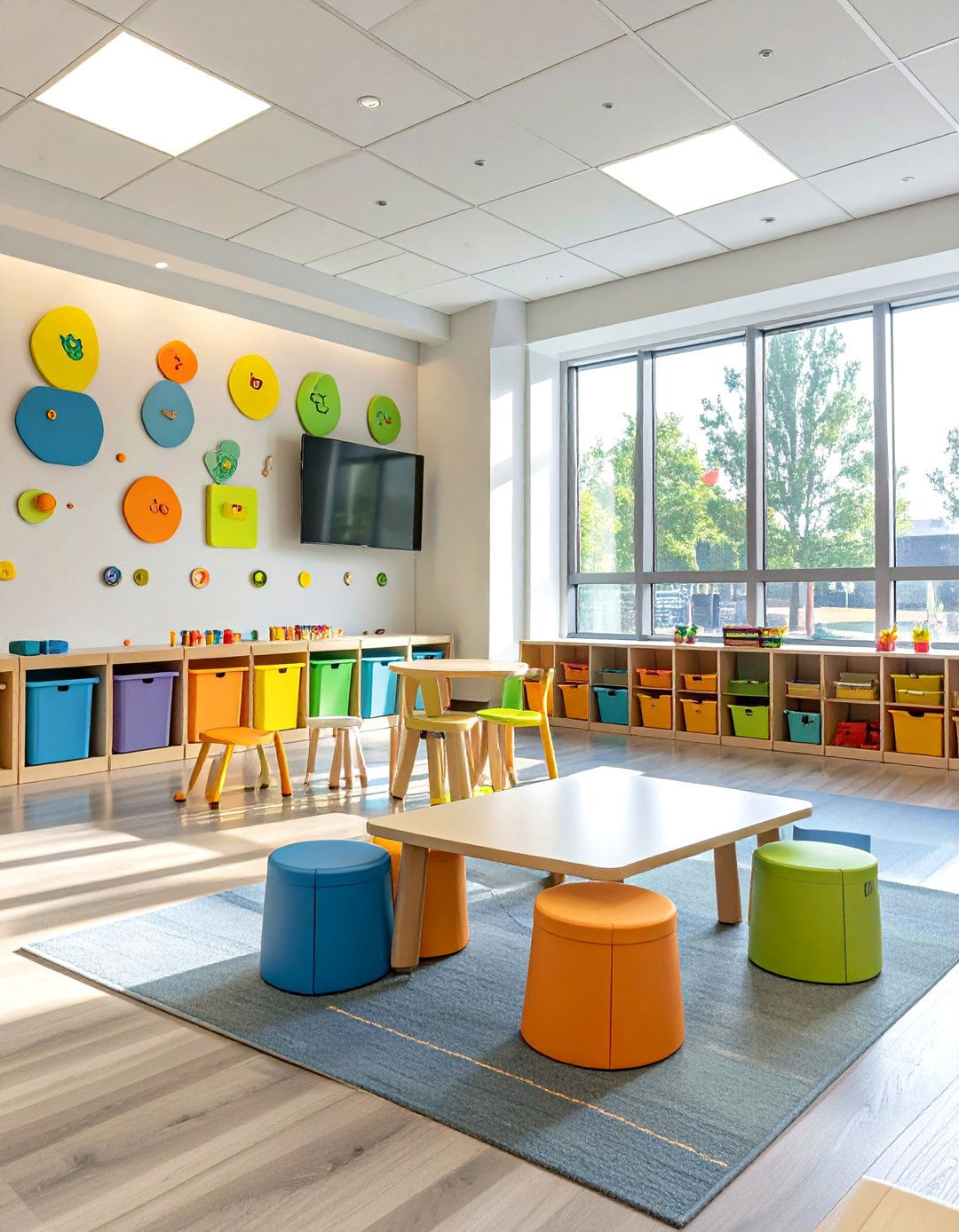
Designing for children requires a special understanding of their development and specialization focuses on creating interiors for schools, daycares, playrooms, and bedrooms that are safe, stimulating, and design uses color, scale, and interactive elements to encourage learning, creativity, and is child-sized and durable, and layouts are open to allow for active are non-toxic and easy to clean. It’s about creating environments that support childhood development and nurture a love of learning from an early age, making spaces that are as joyful as they are functional.
29. Bioclimatic Architecture and Interior Integration
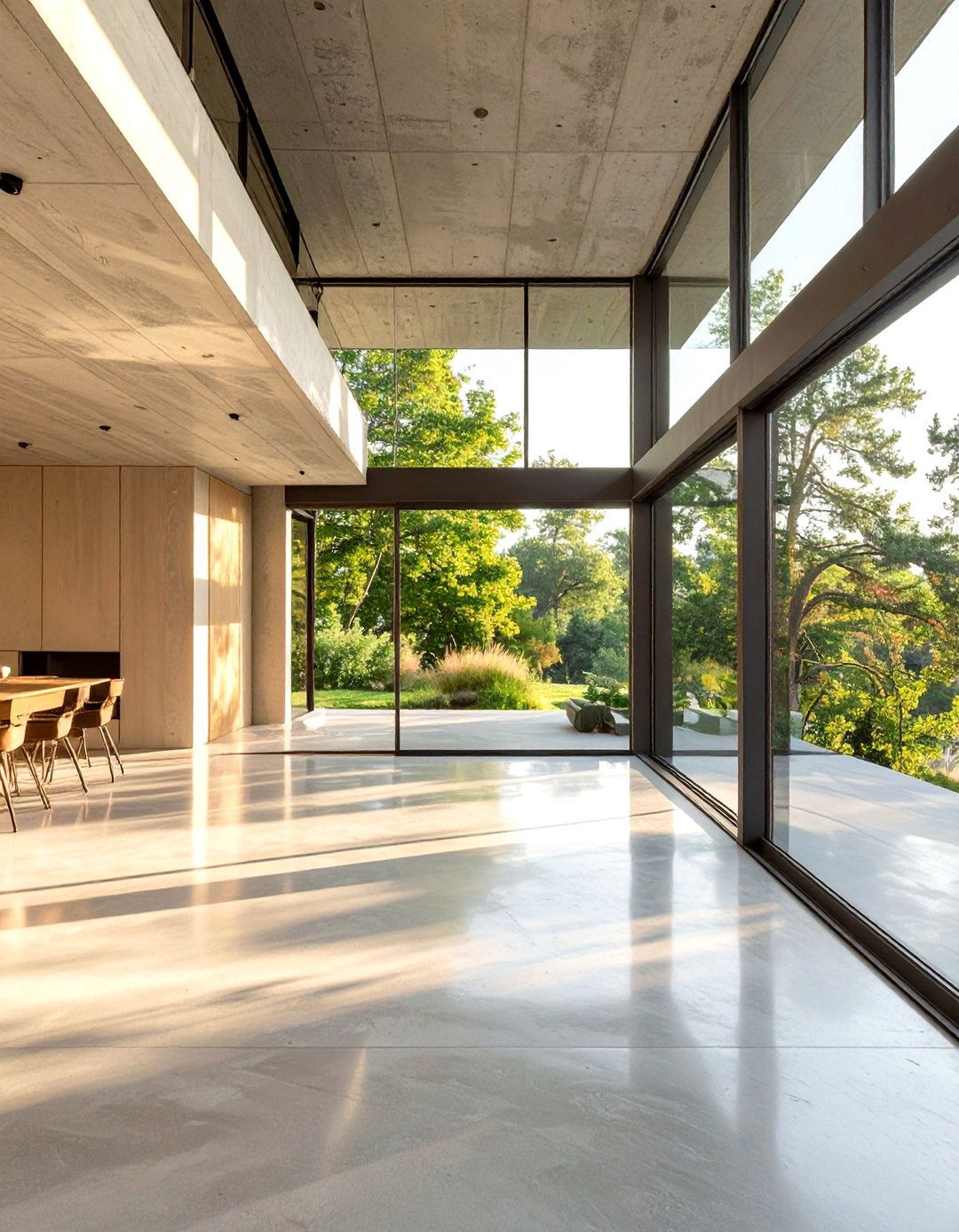
This advanced specialization blurs the line between architecture and interior design, focusing on creating buildings that respond to the local design harnesses natural resources like sun and wind to heat, cool, and light the interior, drastically reducing energy layouts are planned in conjunction with the building 's orientation and form to maximize passive solar gain in winter and natural ventilation in choices are based on their thermal properties. It' s a holistic, science-based approach that results in highly sustainable and comfortable buildings where the interior and exterior work in perfect synergy.
30. Virtual and Augmented Reality in Design
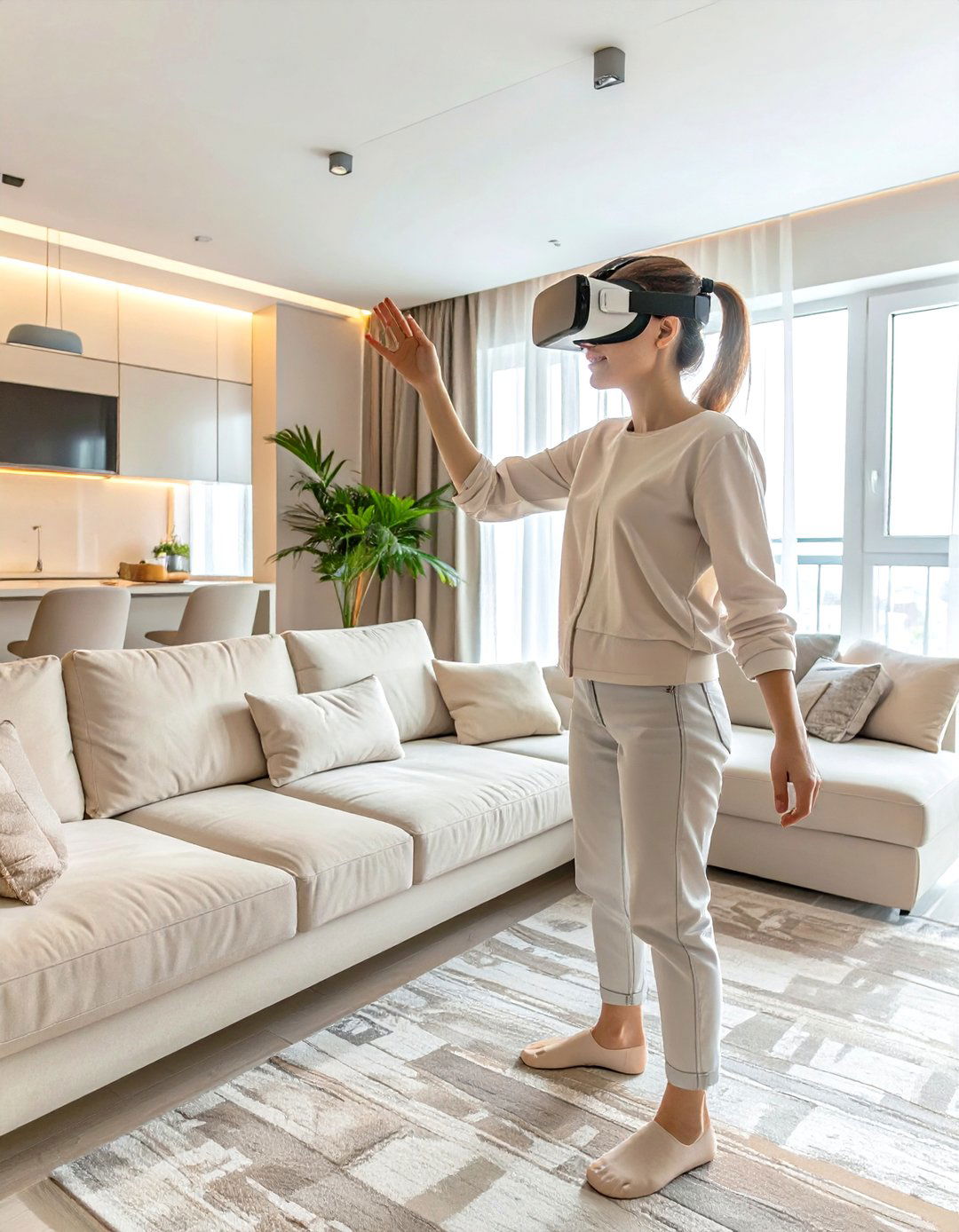
Step into the future of interior cutting-edge specialization explores the use of virtual reality (VR) and augmented reality (AR) as design of just creating static renderings, designers build fully immersive virtual models that clients can walk through and interact allows designers to overlay virtual furniture and finishes onto a real-world space using a phone or technology revolutionizes the design process, enabling real-time collaboration, instant visualization, and more confident represents a fundamental shift in how designers create, present, and refine their ideas for clients.
Conclusion:
The field of interior design offers a vast and specialized landscape for aspiring professionals. A degree is not just a qualification but a foundation for a focused career path, whether it's in creating sustainable eco-havens, technologically advanced smart homes, or therapeutic healthcare thirty ideas explored highlight the incredible diversity within the industry, from the intricate detail of yacht interiors to the broad, community-focused scope of universal technology and societal values evolve, so too will the specializations available, continually pushing the boundaries of what it means to design a space that is not only aesthetically pleasing but also profoundly impactful.

Related posts:



Leave a Reply