
Front yard driveway entrances do more than mark where vehicles enter. They shape the first impression of your home, guide visitors, and connect the street to the architecture. The strongest designs treat the driveway surface, entrance features, borders, lighting, and landscaping as one complete composition. Current entrance designs commonly combine defined pillars or gates with layered planting, restrained lighting, and clear transitions between the driveway and lawn. () Whether you have a narrow suburban lot, a wide country property, or a compact front yard, there are practical ways to create a more polished approach. The following **20 Front Yard Driveway Entrance Ideas** offer complete looks for different house styles, materials, budgets, and maintenance needs.
1. Stone Pillar Driveway Entrance
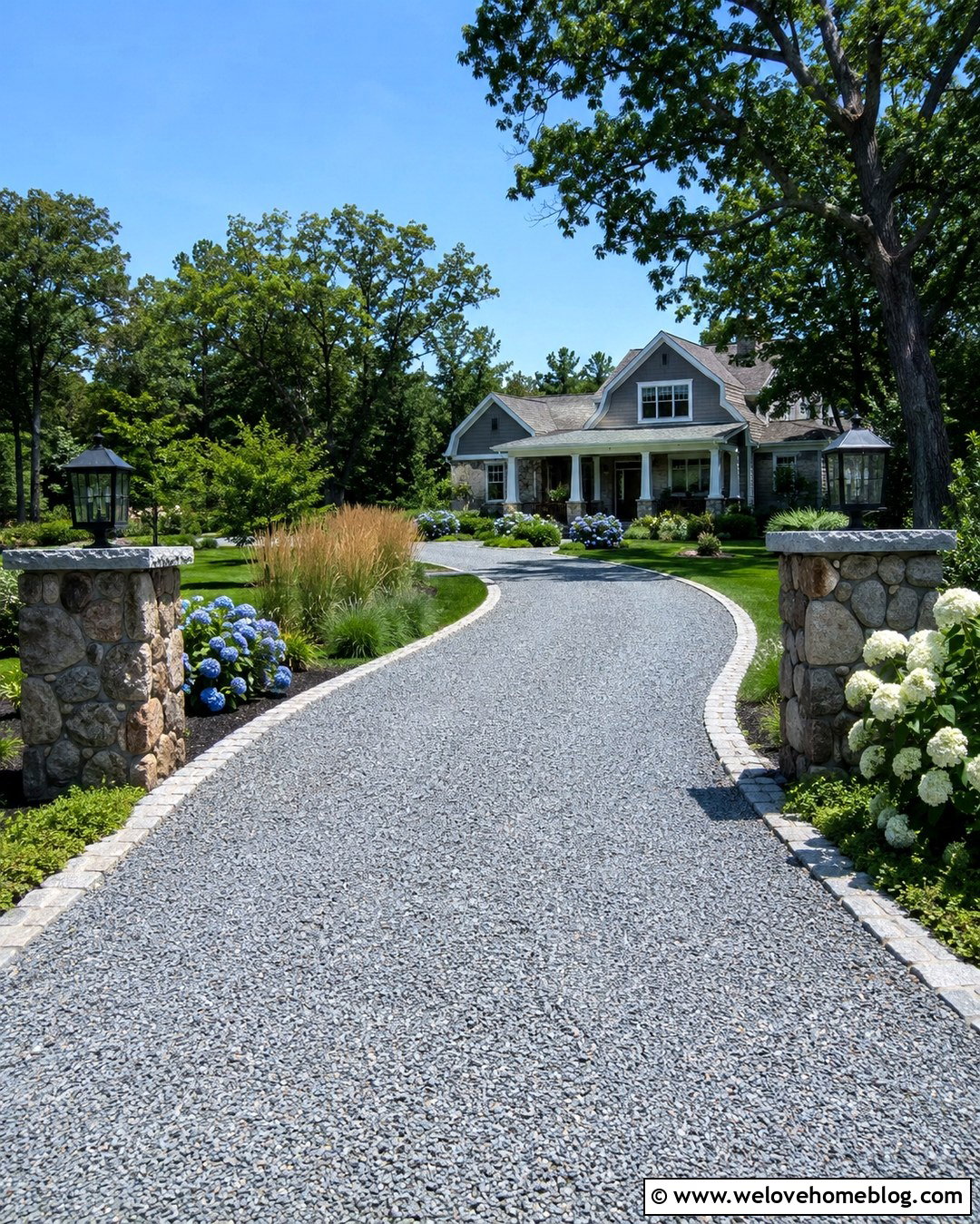
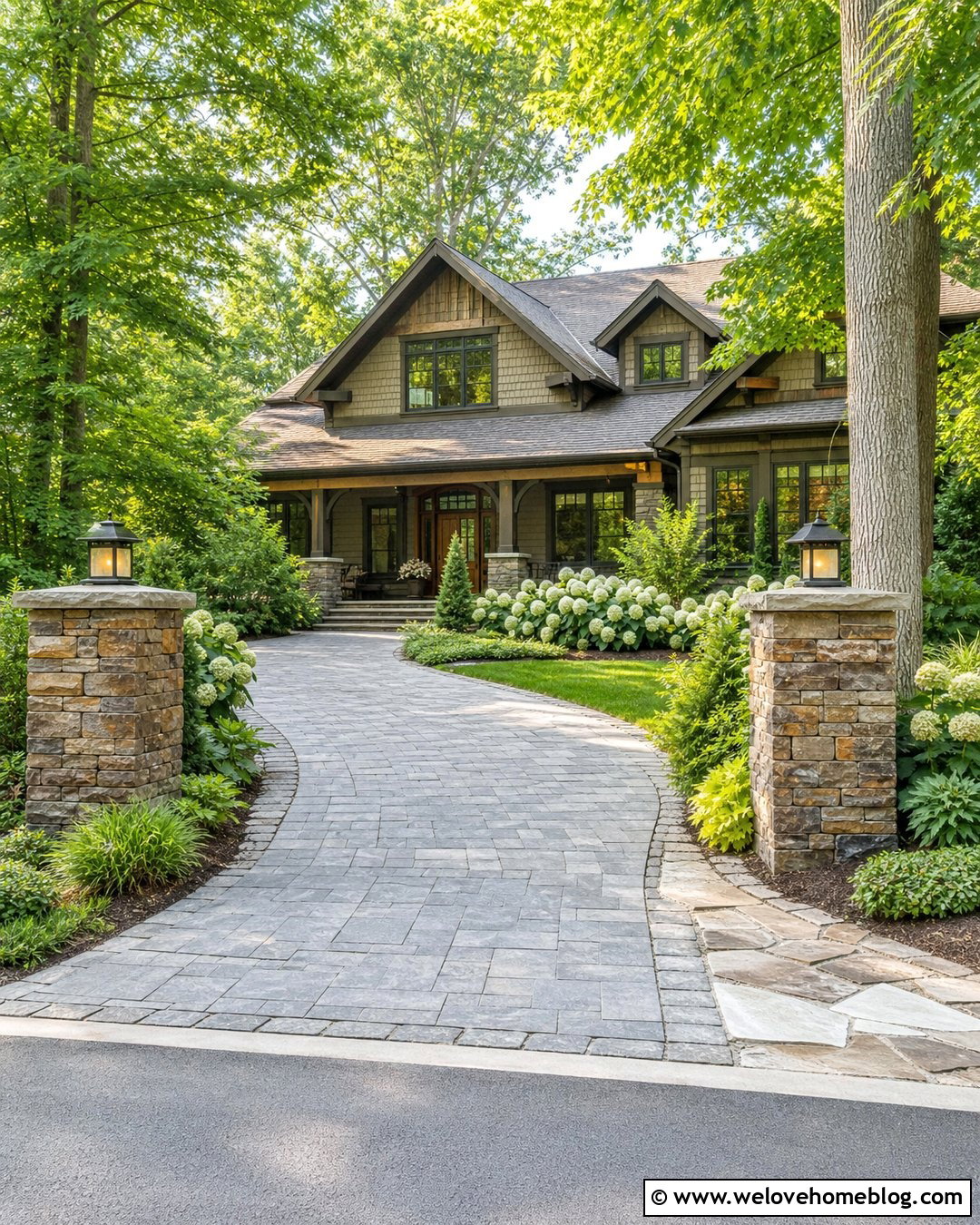
Substantial stone pillars can give a wide driveway a clear beginning without making the front yard feel closed off. Pair irregular fieldstone columns with a gently curved gray gravel driveway for a relaxed country look. Add broad capstones and simple black lanterns that coordinate with the home’s exterior hardware. Low beds of ornamental grasses, compact hydrangeas, and creeping ground cover will soften the masonry while keeping sightlines open near the street. Continue the same stone along short retaining walls or mailbox surrounds to make the entrance feel connected to the landscape. This complete design works especially well with ranch homes, craftsman houses, and modern farmhouses. Keep the pillars proportional to the driveway width so they frame the approach rather than overpower it.
2. Brick Column Driveway Entrance
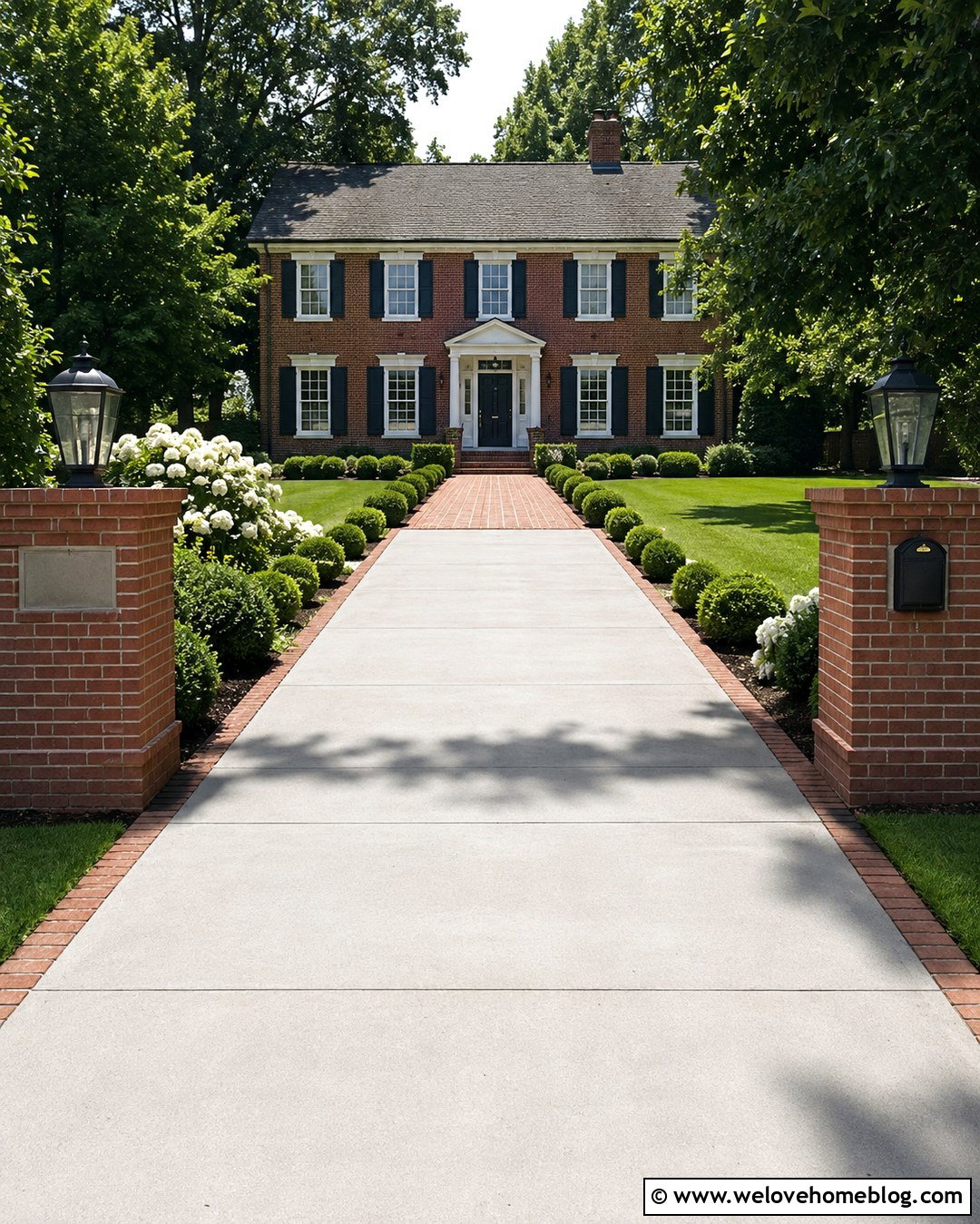
Warm brick columns create a natural transition between the street and a traditional brick home. Use red or weathered clay brick that closely matches the house, then connect the columns to a straight concrete driveway with narrow brick ribbons along both edges. A pair of classic lanterns can add definition without requiring a gate. Around the columns, plant clipped boxwoods, white flowering shrubs, and low seasonal flowers for a balanced, formal appearance. The entrance can also include an address plaque set into one column and a mailbox built into the other. This arrangement keeps utilities organized while creating symmetry. For the most cohesive result, repeat the driveway brick in the front walkway or porch steps, allowing every hardscape feature to share the same color and texture.
3. Modern Concrete Driveway Entrance
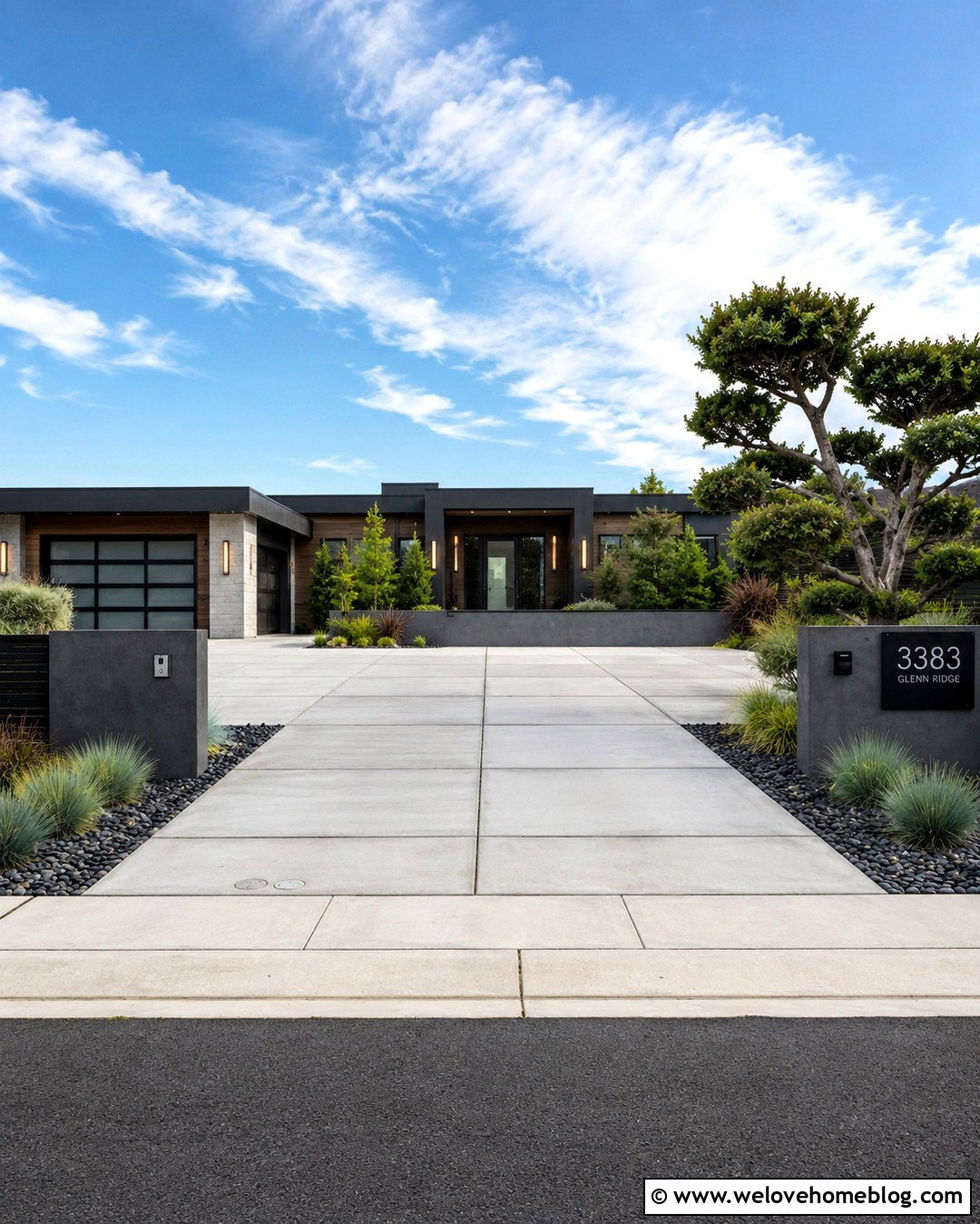
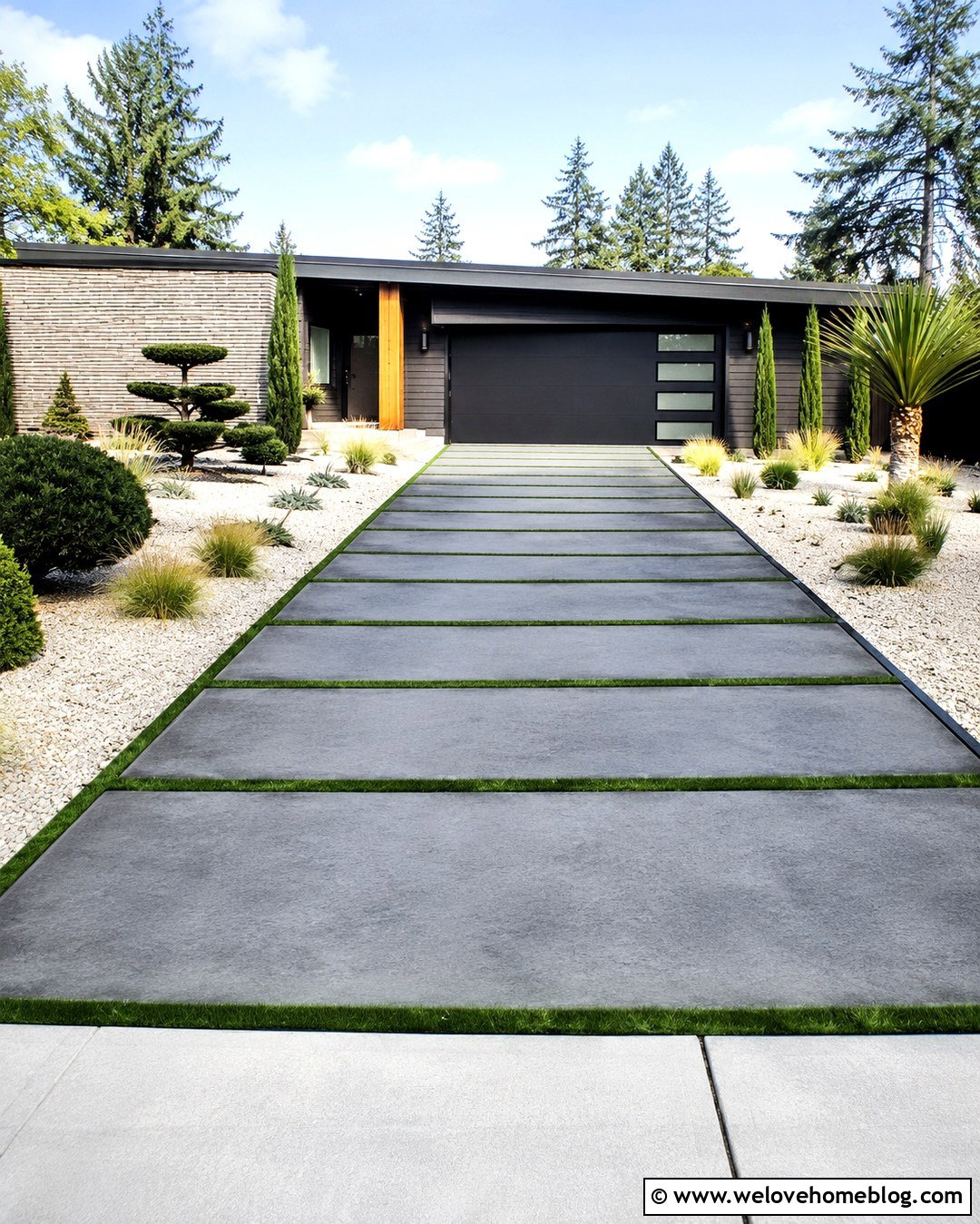
Clean geometry makes a modern driveway entrance feel intentional without adding unnecessary decoration. Begin with a wide, straight driveway made from light gray poured concrete divided into large rectangular sections. Frame the street opening with low charcoal concrete walls rather than tall columns. Black metal address numbers, horizontal slat screens, and simple architectural lights will reinforce the contemporary design. Use planting beds filled with ornamental grasses, blue fescue, agave where climate permits, or compact evergreen shrubs in colder regions. Black river rock can provide a crisp transition between the concrete and plants. Keep tree placement asymmetrical but controlled, using one sculptural specimen as an entrance marker. This complete look complements flat-roofed homes, contemporary ranches, and minimalist houses with dark window frames.
4. Wooden Gate Driveway Entrance
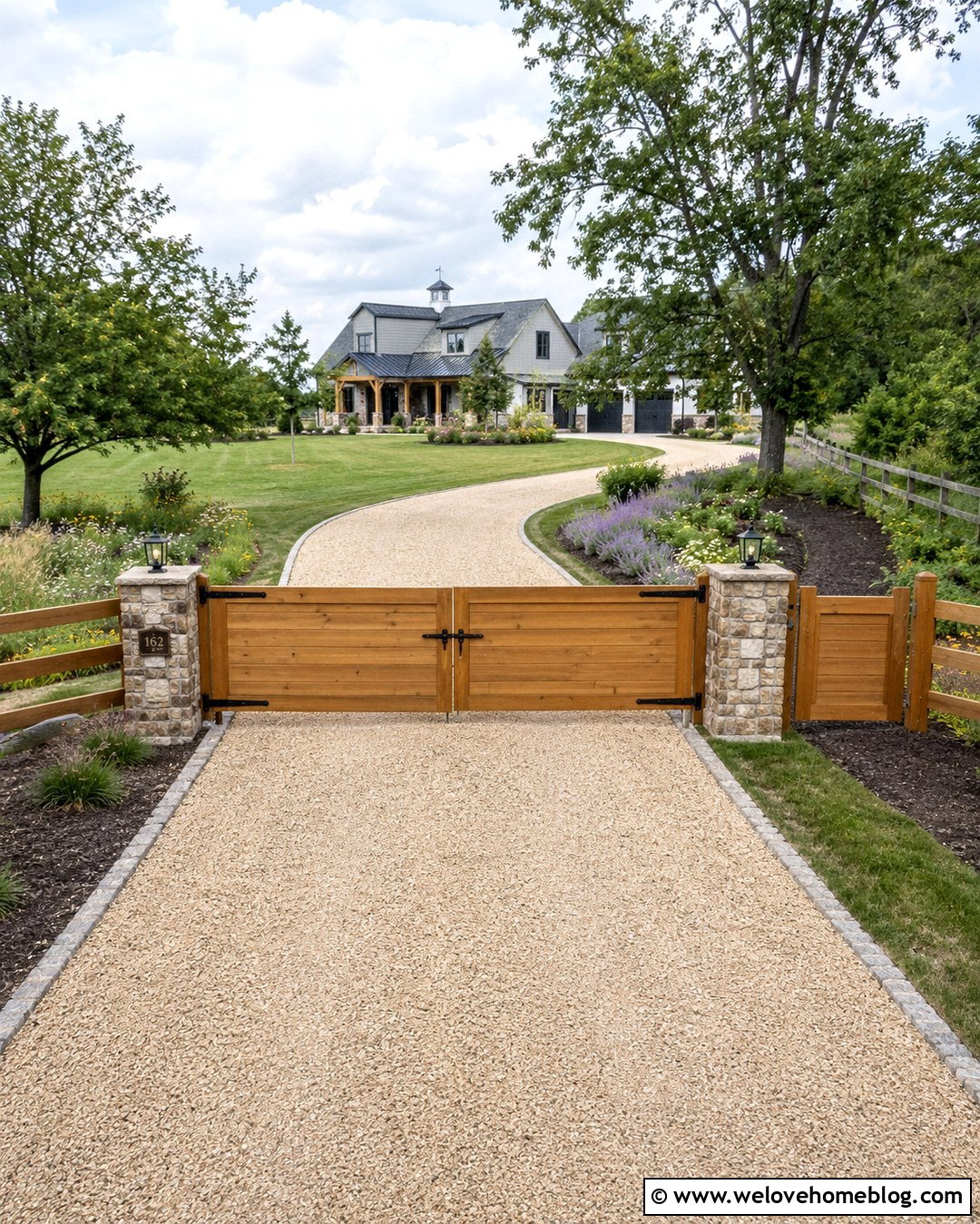
A wooden driveway gate adds warmth and privacy, especially when paired with natural landscaping. Choose a double-swing cedar gate with horizontal boards and mount it between sturdy timber or stone posts. Behind it, a curved tan gravel driveway can lead toward a farmhouse, cottage, or wooded ranch home. Use split-rail fencing on both sides so the gate does not appear disconnected from the property boundary. Layer native shrubs, flowering perennials, and small deciduous trees around the fence line while maintaining a clear view for drivers. A matching pedestrian gate can connect the sidewalk to the front walkway. Seal the wood in a natural tone or use a muted stain that coordinates with the house siding. The result feels welcoming, secure, and appropriate for a spacious front yard.
5. Black Metal Gate Driveway Entrance
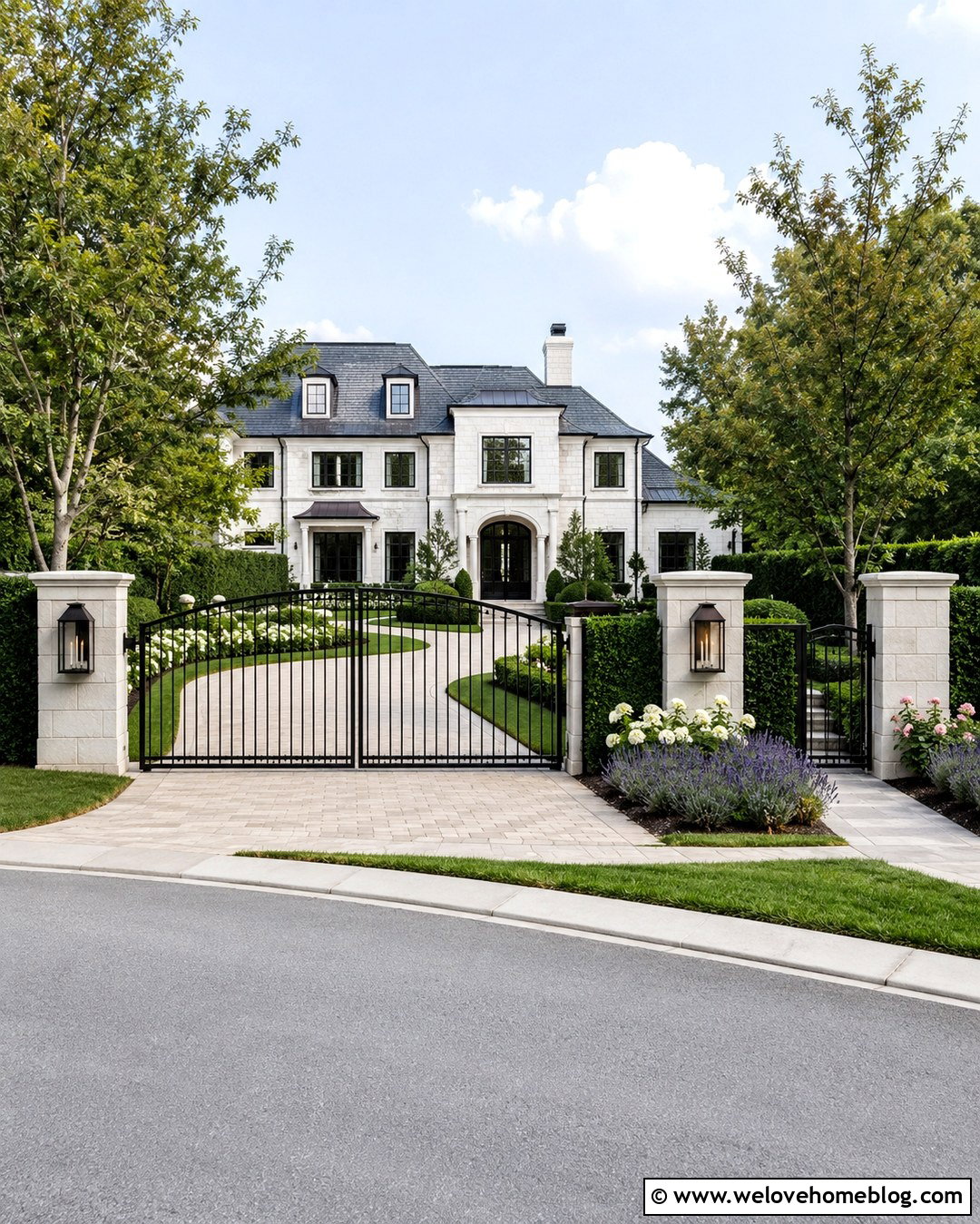
A black metal gate brings definition to a formal entrance while allowing the house and landscaping to remain visible. Install a simple double gate between limestone or stucco pillars, then continue with a circular driveway made from pale concrete pavers. Avoid overly ornate metalwork if the home has clean architectural lines. Instead, choose evenly spaced vertical bars and a subtle curved top. Formal evergreen hedges can follow the circular layout, while roses, lavender, or white hydrangeas soften the hard surfaces. Match gate hardware to black lanterns on the pillars and exterior fixtures on the house. A separate walkway beside the gate prevents pedestrians from sharing the vehicle opening. This complete entrance works with colonial, Mediterranean, transitional, and French-inspired homes when the materials reflect the facade.
6. Gravel Driveway Entrance With Timber Edging
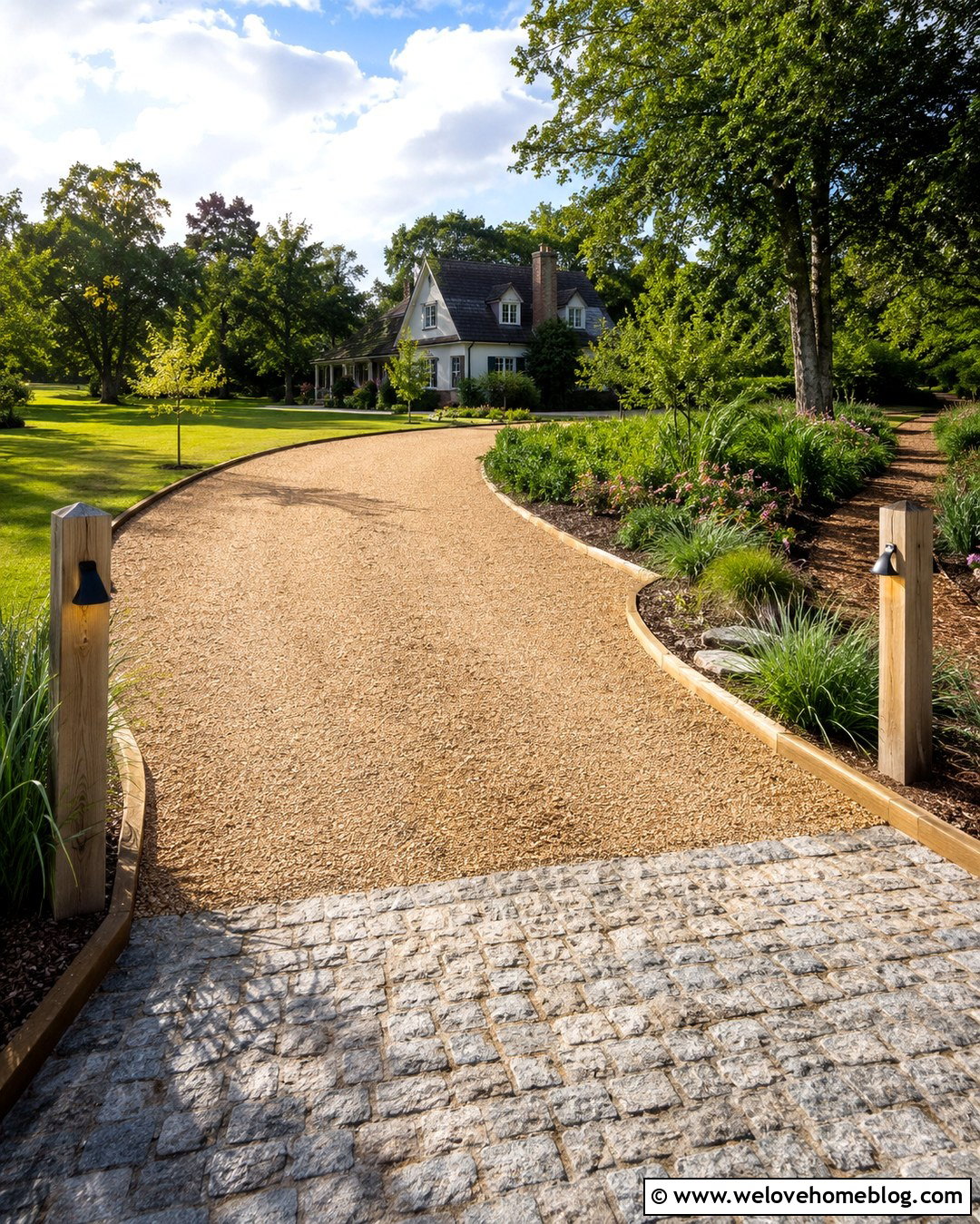
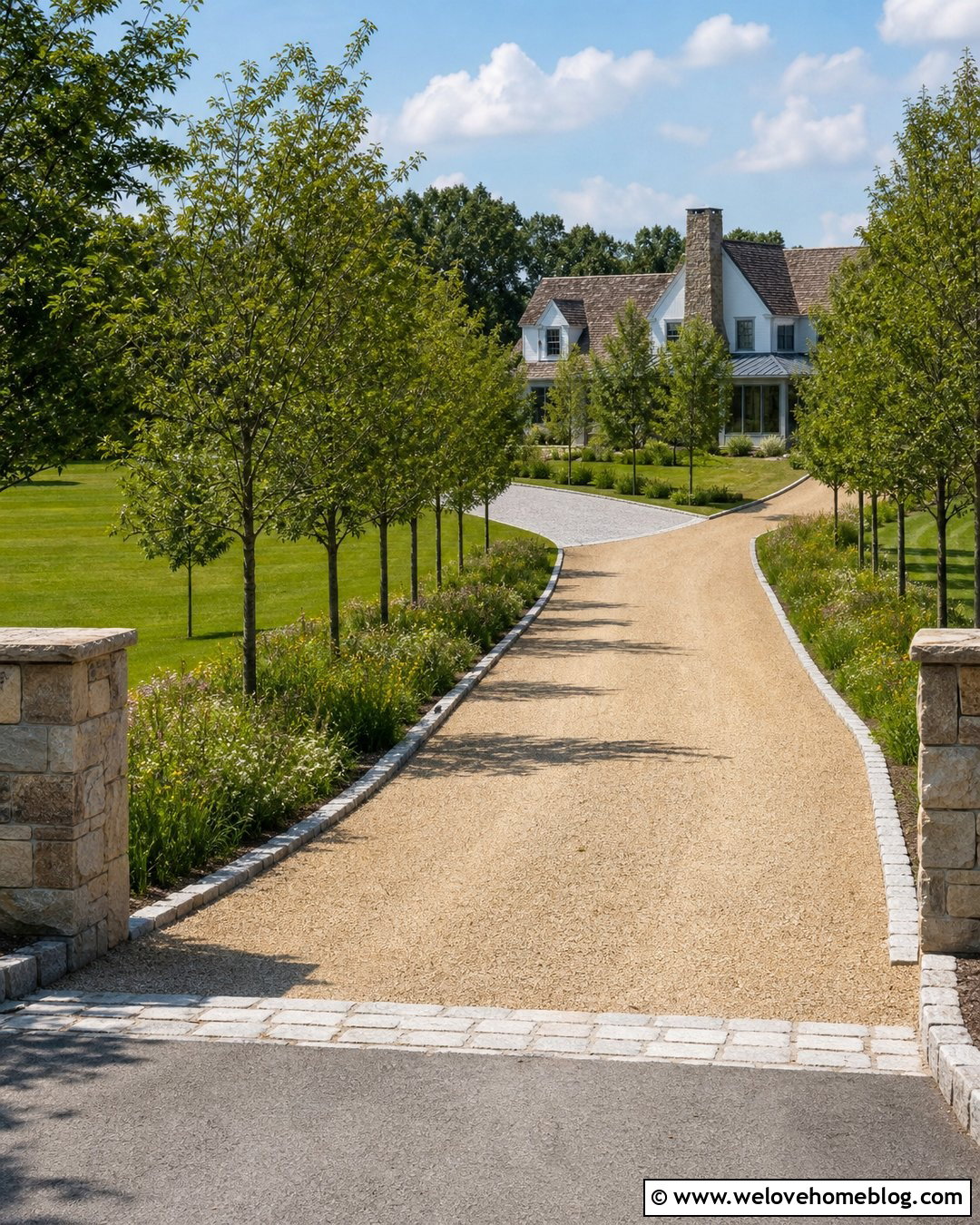
The soft crunch and natural color of gravel can make a front yard entrance feel relaxed and established. Use compacted golden gravel for a gently curving driveway, then contain the loose material with pressure-treated timber edging. At the street, widen the entrance slightly and add a cobblestone apron to reduce gravel movement where vehicles turn. Simple wood posts with downcast lights can mark both sides without creating a formal gateway. Frame the curve with native grasses, low flowering shrubs, and one or two canopy trees placed farther from the pavement. A mulched walkway can branch from the driveway toward a country porch. This affordable design suits rustic homes and large lots, but its clean edges and restrained planting also keep the entrance looking neat rather than unfinished.
7. Paver Driveway Entrance With Stone Borders
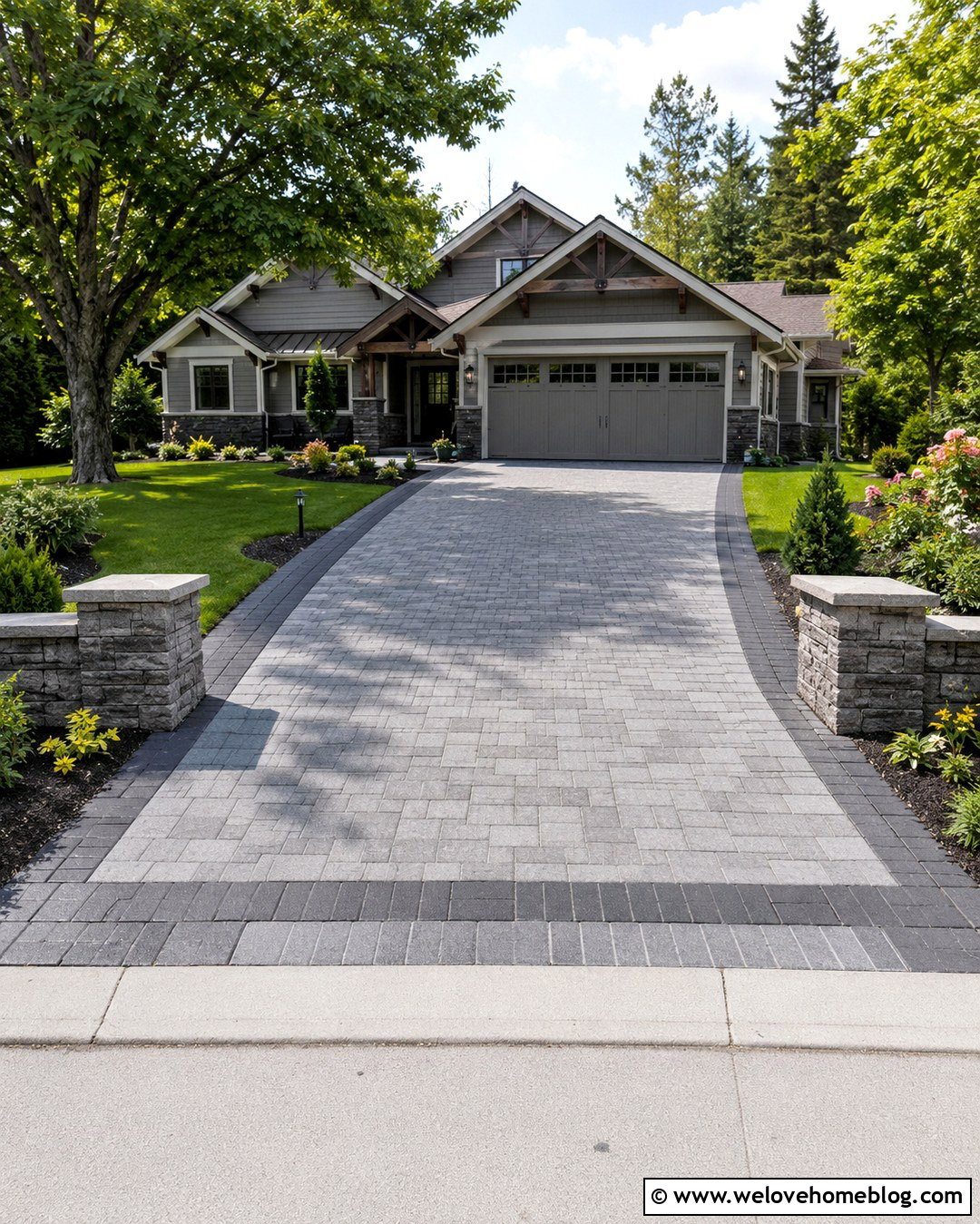
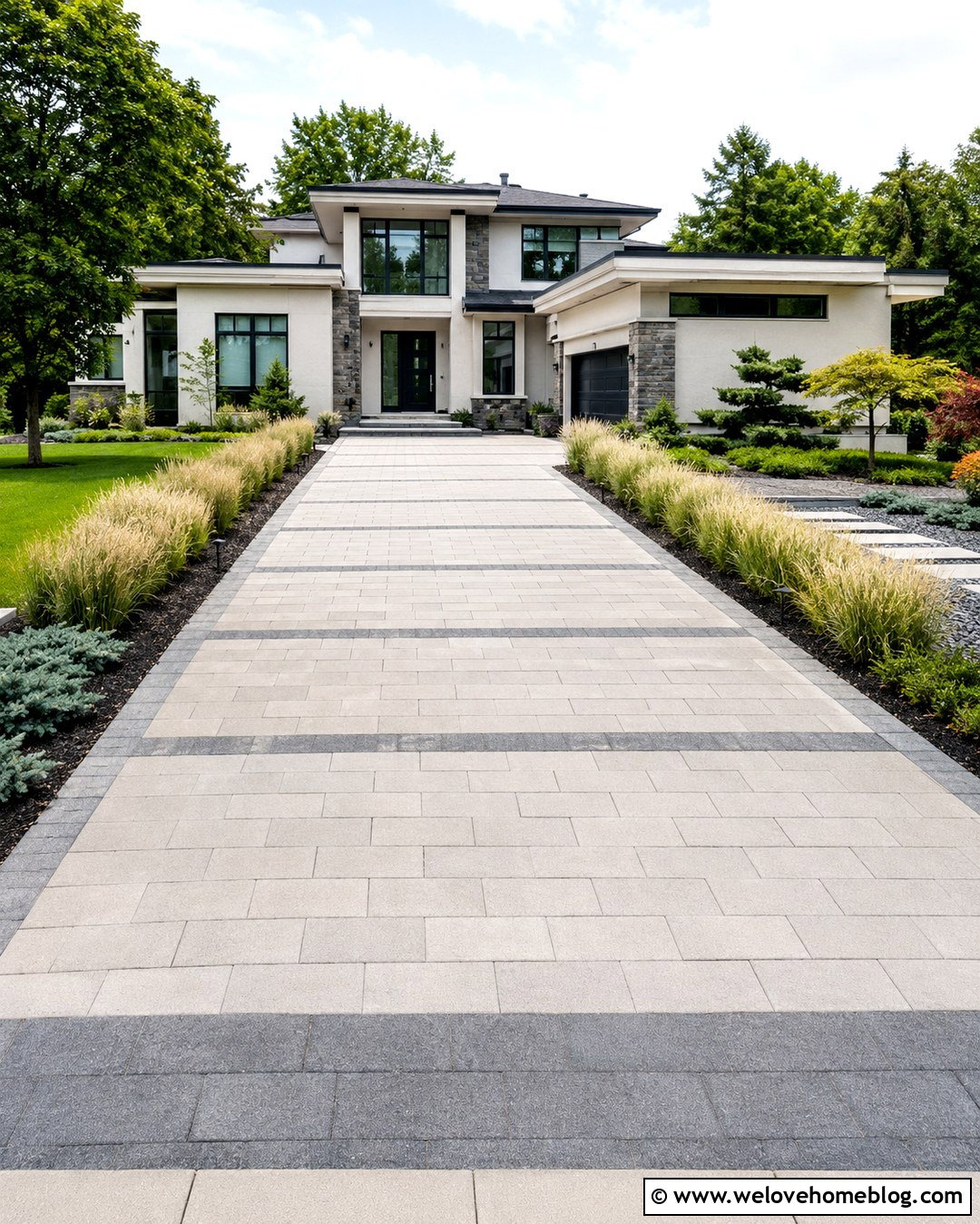
Concrete pavers create a durable, detailed entrance that can complement many house styles. Select medium-gray pavers in a running-bond pattern for the main driveway and add a darker charcoal border along each side. At the street, expand the border into a wide entrance band that visually marks the transition from public road to private drive. Low stacked-stone walls can anchor both corners, with compact evergreens and flowering perennials planted behind them. Continue the pavers in a separate walkway leading toward the front door so visitors can immediately understand where to go. This design works particularly well on straight suburban driveways because the border adds structure without reducing usable width. Coordinate the paver tones with the roof, stone veneer, or shutters for a unified front elevation.
8. Farmhouse Driveway Entrance With Split-Rail Fence
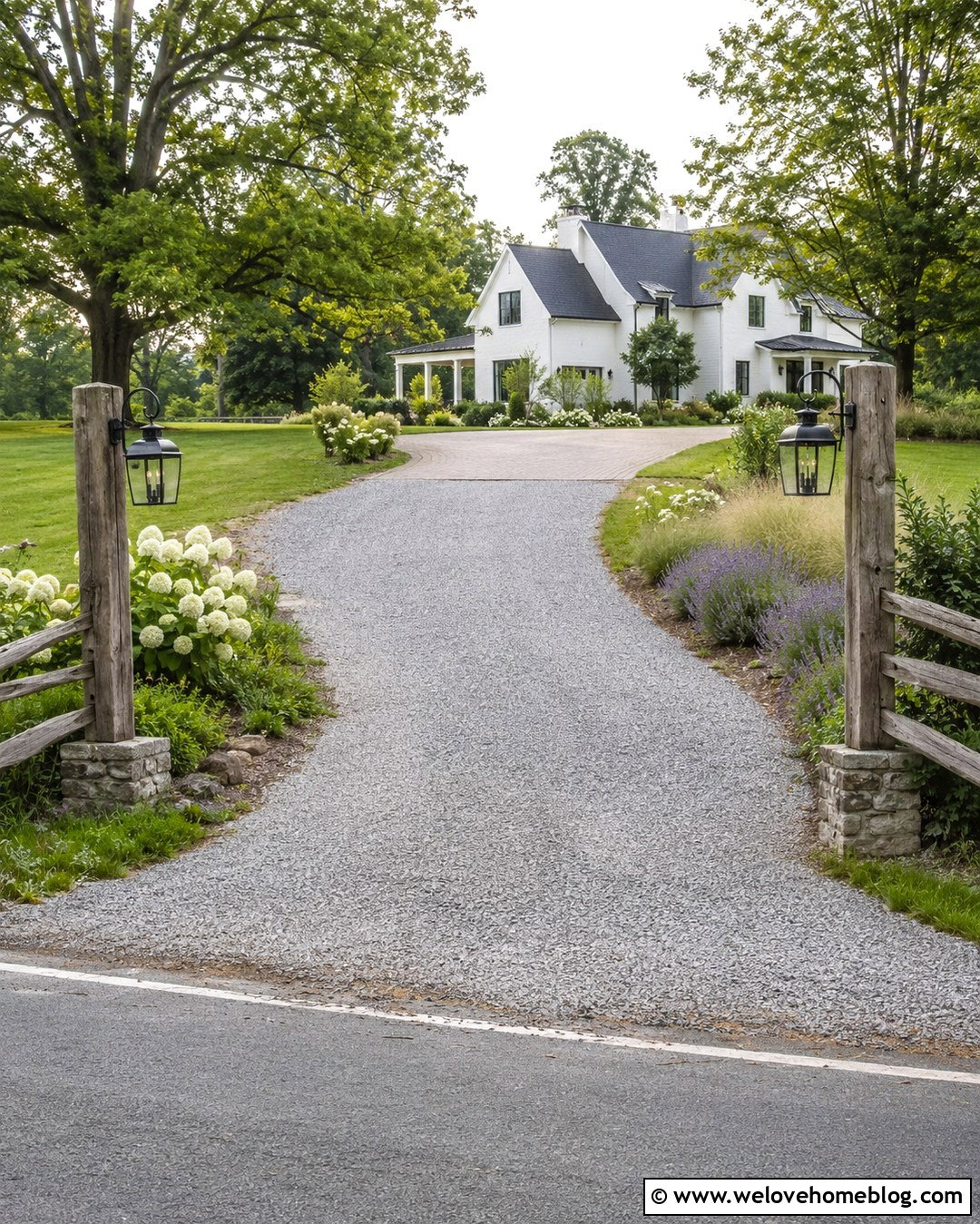
A split-rail fence can create a welcoming farmhouse entrance without blocking open views across the front yard. Pair weathered wood fencing with a wide, curved driveway surfaced in gray crushed gravel. Angle the fence sections slightly away from the road to make the entrance appear broader and easier to navigate. Add simple stone bases beneath the first posts and mount understated black lanterns above them. Groups of white hydrangeas, catmint, ornamental grasses, and flowering native plants can soften the fence line. Leave generous lawn areas between planting groups to preserve the rural character. Near the house, transition the gravel into a brick or concrete paver parking court. Repeating black hardware, wood tones, and stone accents ensures the entrance looks connected to the farmhouse rather than added as a separate feature.
9. Circular Driveway Entrance With Center Landscaping
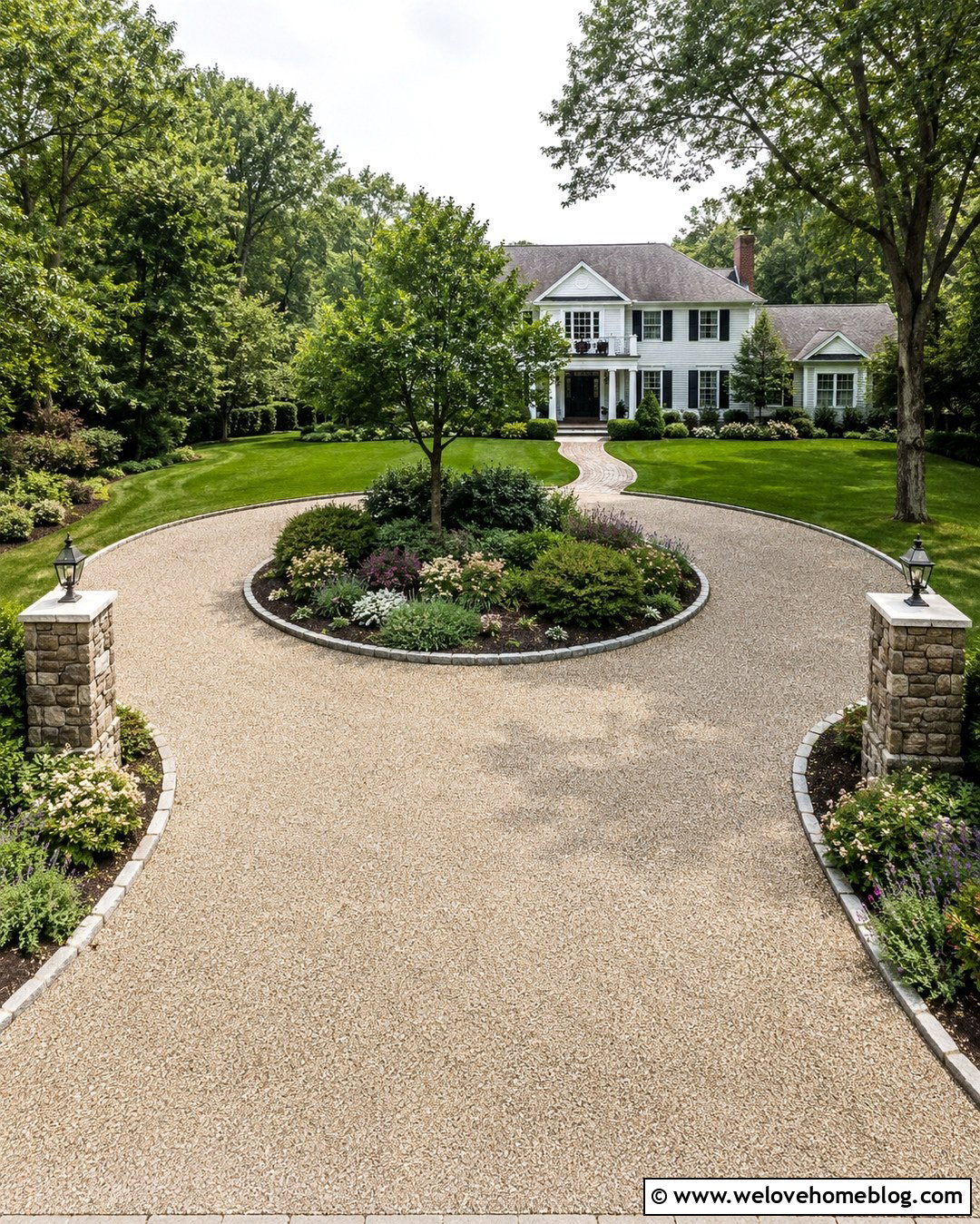
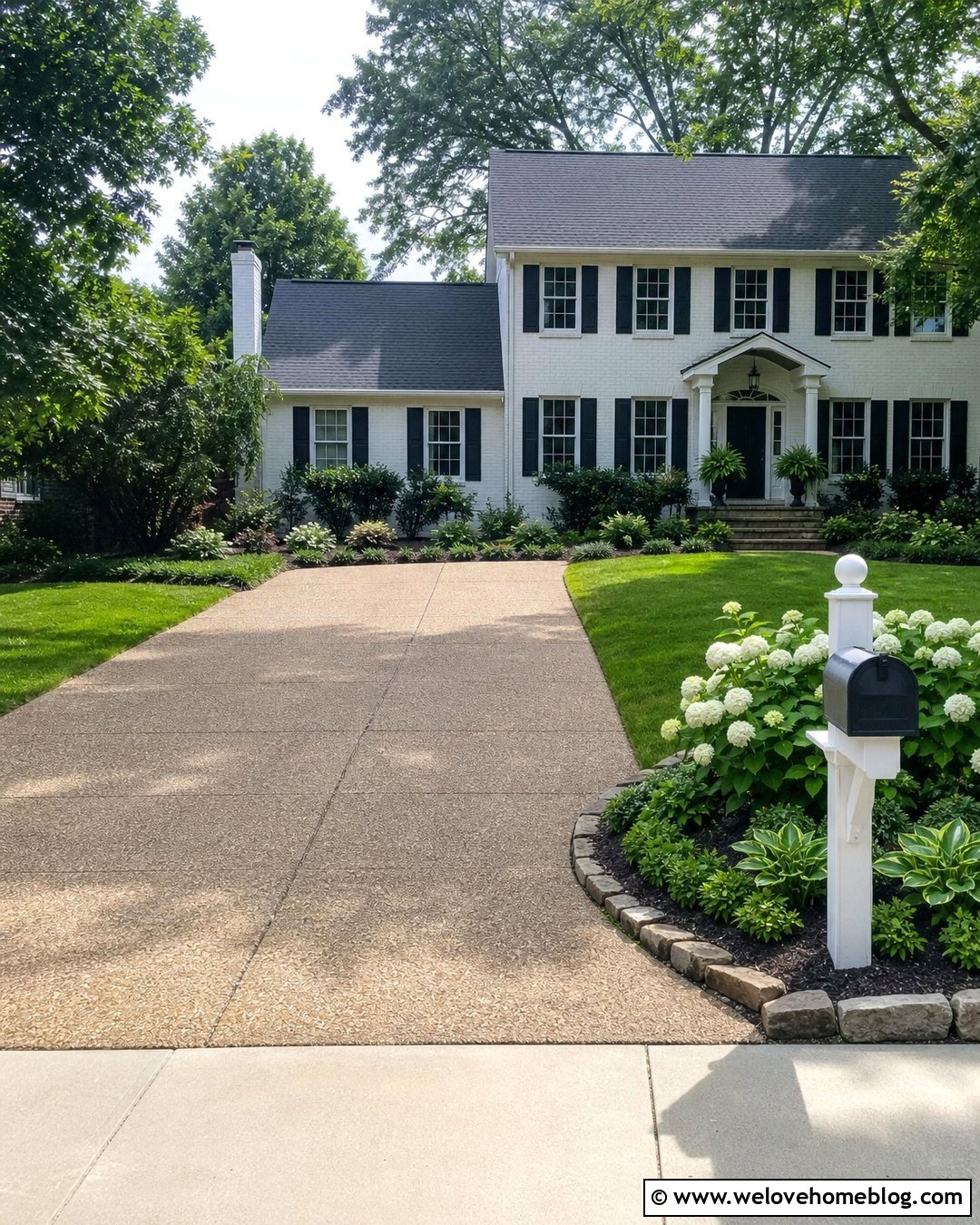
A circular driveway creates a graceful arrival while giving vehicles an easy route back to the street. Use warm exposed aggregate for the loop and define both entry points with matching natural stone columns. In the center island, plant one medium-size ornamental tree surrounded by layered evergreen shrubs, flowering perennials, and low ground cover. Keep plants shorter near the two entrances so drivers have a clear view of traffic and pedestrians. A stone edging ring will separate the planting bed from the driveway and echo the columns. Connect the inner loop to the front door with a contrasting paver walkway. This layout is best for wider front yards, colonial homes, ranch houses, and larger traditional properties where the full circle can remain comfortably proportioned.
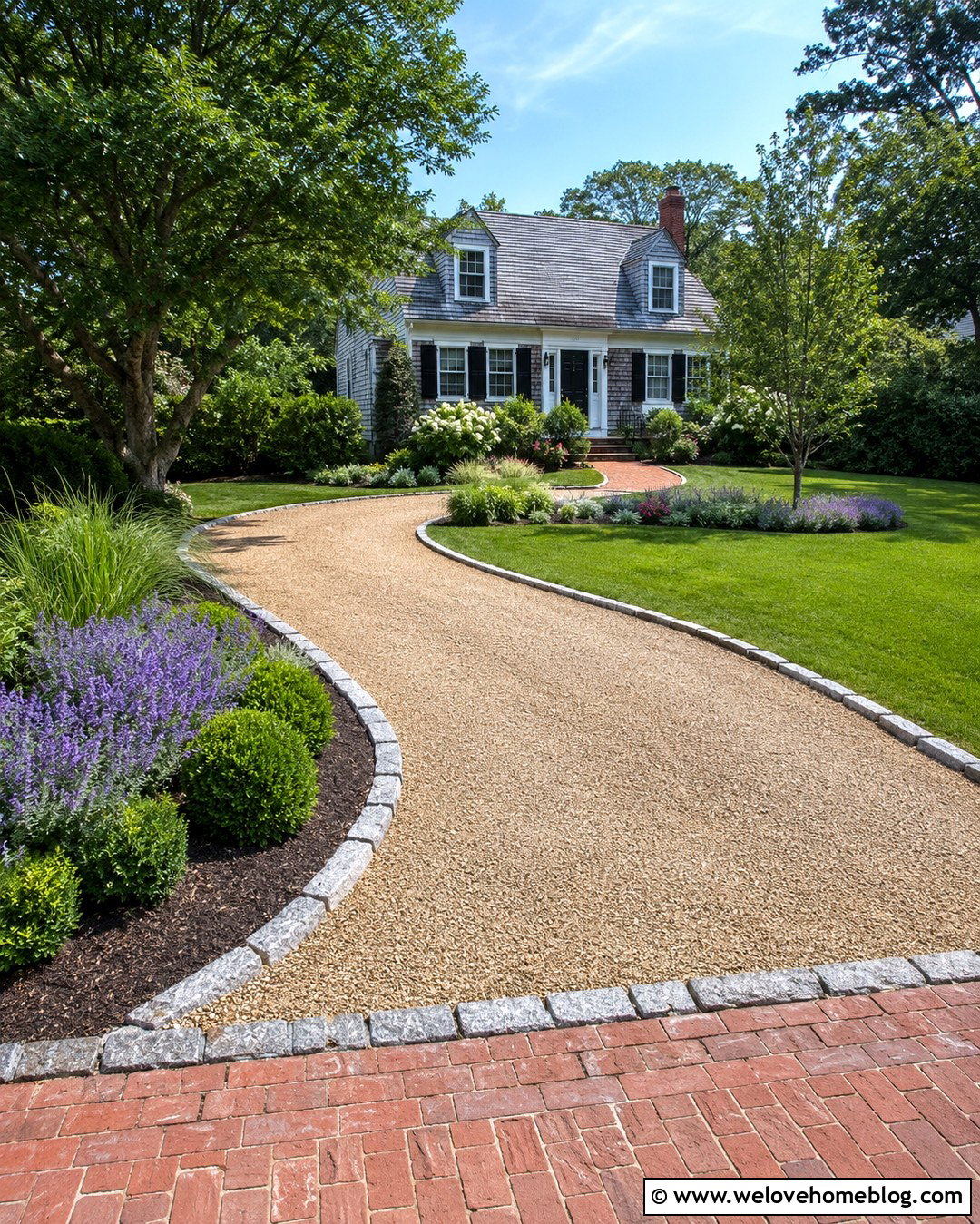

10. Curved Driveway Entrance With Flower Beds
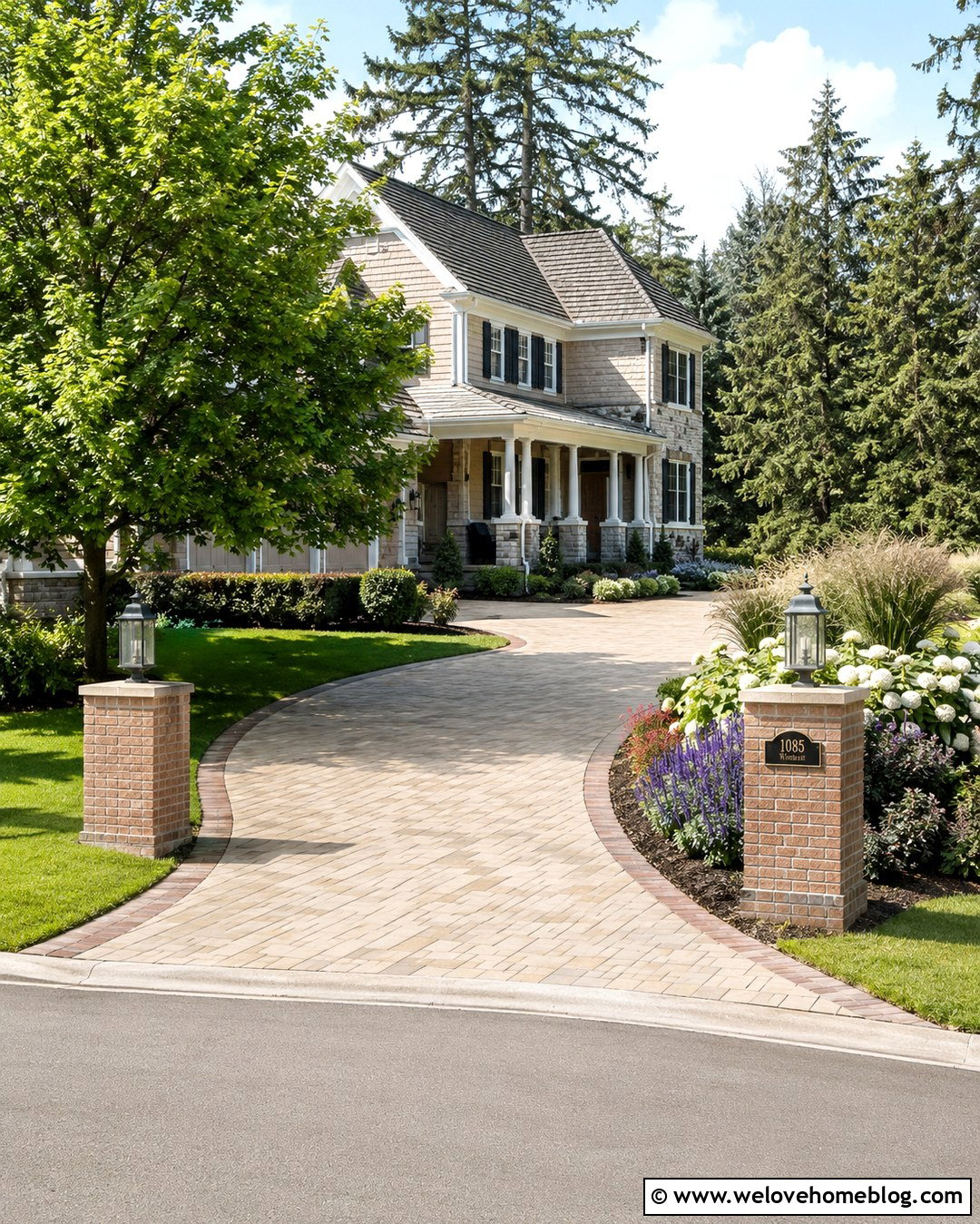
A gentle curve can make even a relatively short driveway feel more landscaped and inviting. Form the surface with warm beige concrete pavers and outline the curve using a narrow clay brick border. On the outside edge, create a deep sweeping flower bed filled with hydrangeas, salvia, ornamental grasses, and compact evergreen shrubs. Keep the inside edge simpler with lawn and a single specimen tree so the layout does not feel crowded. Two low brick columns at the street can hold an address plaque and coordinated lanterns. The curve should reveal the house gradually while still providing a comfortable driving path. Repeating several plants near the front walkway helps connect the driveway entrance to the home and gives the entire front yard a consistent planting rhythm.
11. Small Driveway Entrance With Low Landscaping
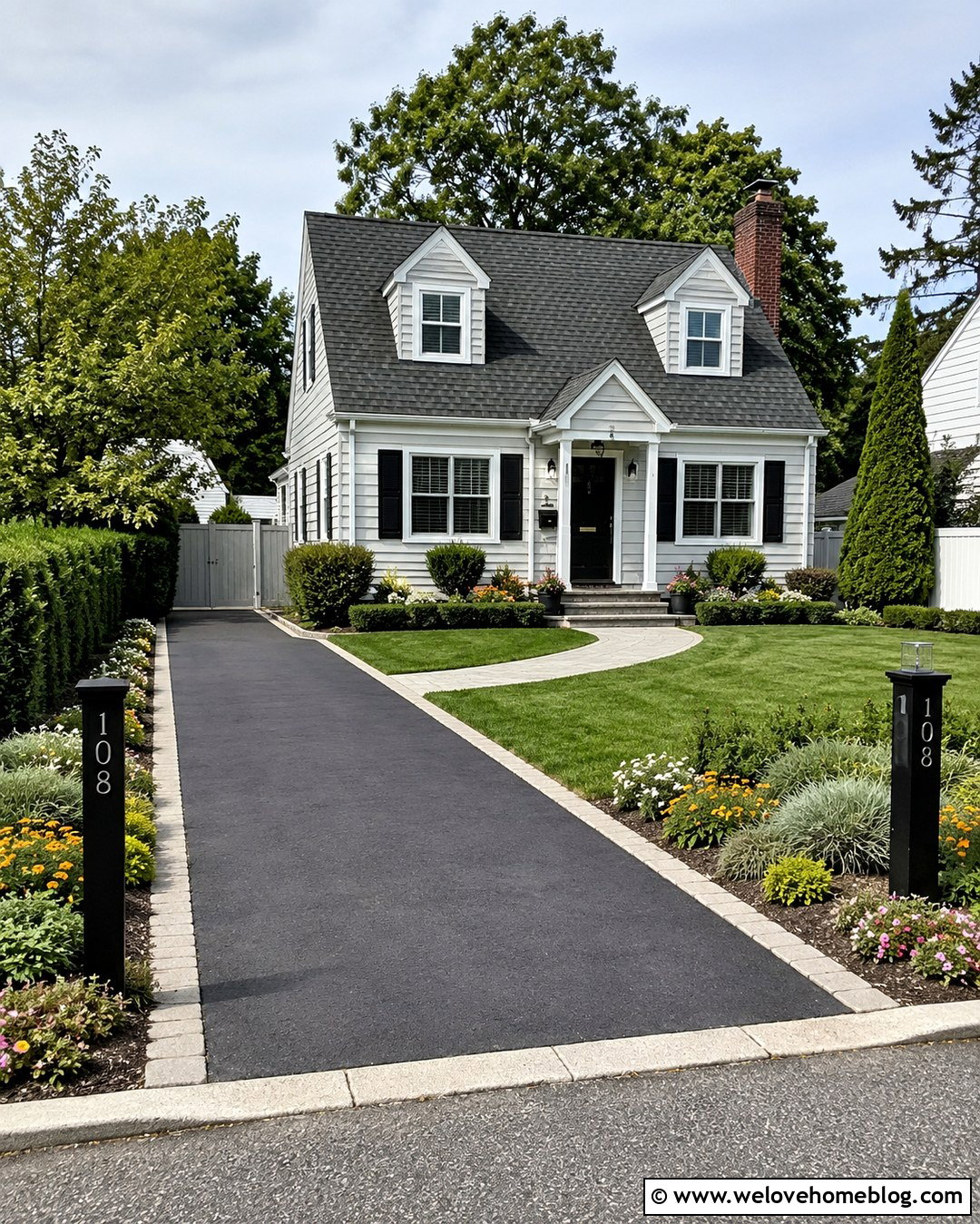
A compact front yard benefits from an entrance that is clearly defined but visually open. Use a straight charcoal-gray asphalt driveway with a single row of light concrete pavers along each edge. Instead of bulky pillars, place two narrow steel address posts beside the street and surround them with low planting beds. Dwarf grasses, creeping juniper, compact spirea, and seasonal flowers add texture without narrowing the driveway or hiding the sidewalk. A light-colored paver walkway can branch directly toward the front porch, making the pedestrian route easy to recognize. Keep larger shrubs close to the house rather than at the curb. This simple composition gives a small bungalow, Cape Cod, or suburban ranch a finished appearance while preserving useful lawn and preventing the entrance from feeling cramped.
12. Driveway Entrance With Address Sign
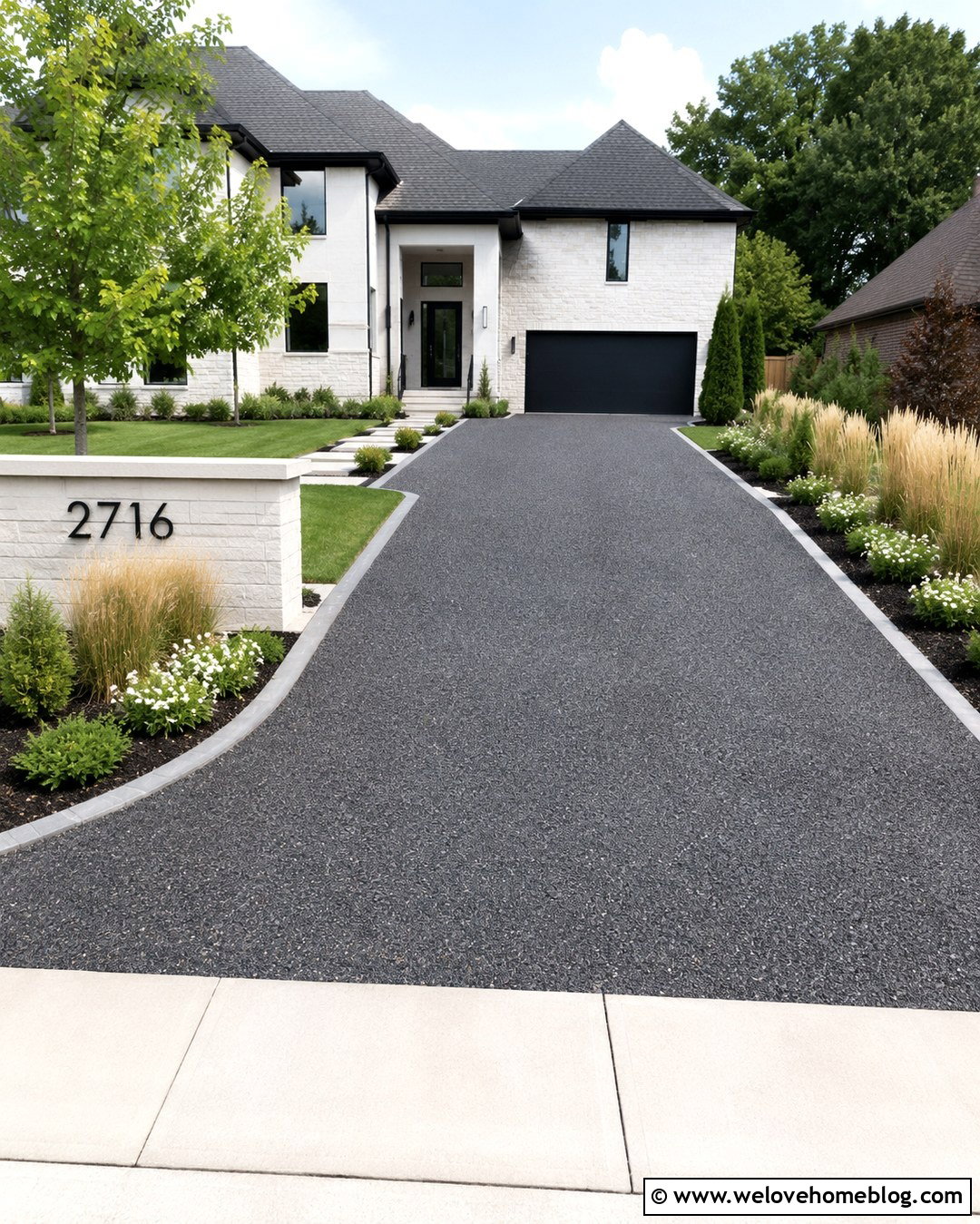
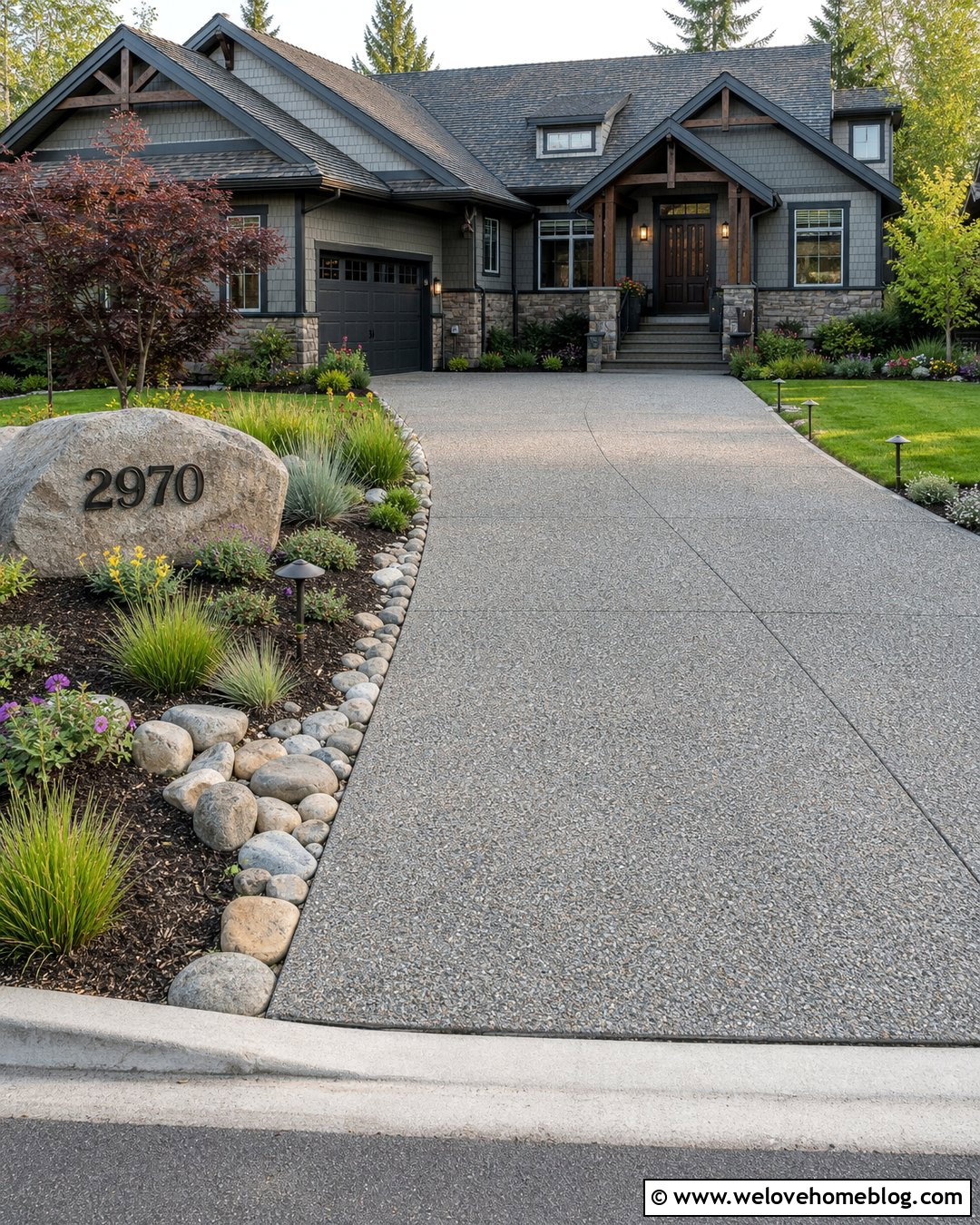
An address sign can become an attractive focal point when it is integrated into a complete entrance design. Pair a dark resin-bound gravel driveway with a low horizontal stone wall positioned on one side of the opening. Install large, high-contrast address numbers on the wall where they are visible from the street. Balance the opposite side with a matching planting bed rather than constructing a second wall. Upright ornamental grasses, compact evergreens, and white flowering perennials can frame the sign without covering it. Add a thin concrete or paver border to contain the driveway surface and connect it to a coordinating front walkway. This asymmetrical layout feels modern and works well on narrow properties. Choose sign colors that match the garage door, exterior trim, or front door hardware.
13. Driveway Entrance With Pillar Lights
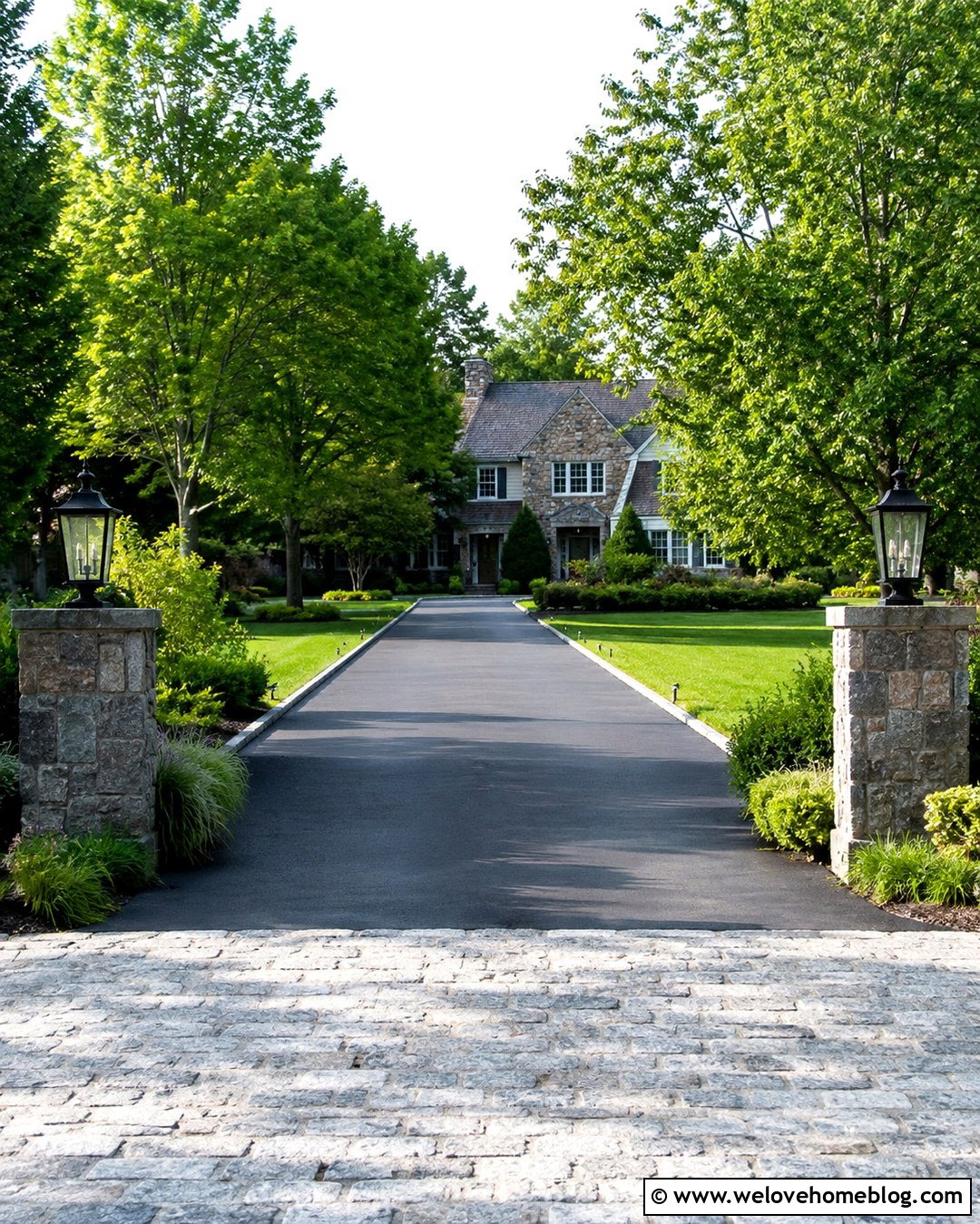
Well-placed pillar lights can guide drivers and define the entrance without making the driveway resemble an overlit runway. Entrance-focused lighting is often more effective than installing a continuous line of bright fixtures along the entire drive. () Pair warm-gray stone pillars with a dark asphalt driveway and a pale cobblestone apron at the street. Select shielded lanterns that direct light downward, keeping glare away from neighbors and passing traffic. Low evergreen shrubs and soft ornamental grasses can surround the pillar bases while leaving the fixtures visible. Continue with only a few subtle path lights near curves, walkways, or the garage. During the day, the stone, cobblestone, and planting provide curb appeal; after dark, the restrained lighting makes the entrance easier to identify.
14. Driveway Entrance With Matching Walkway
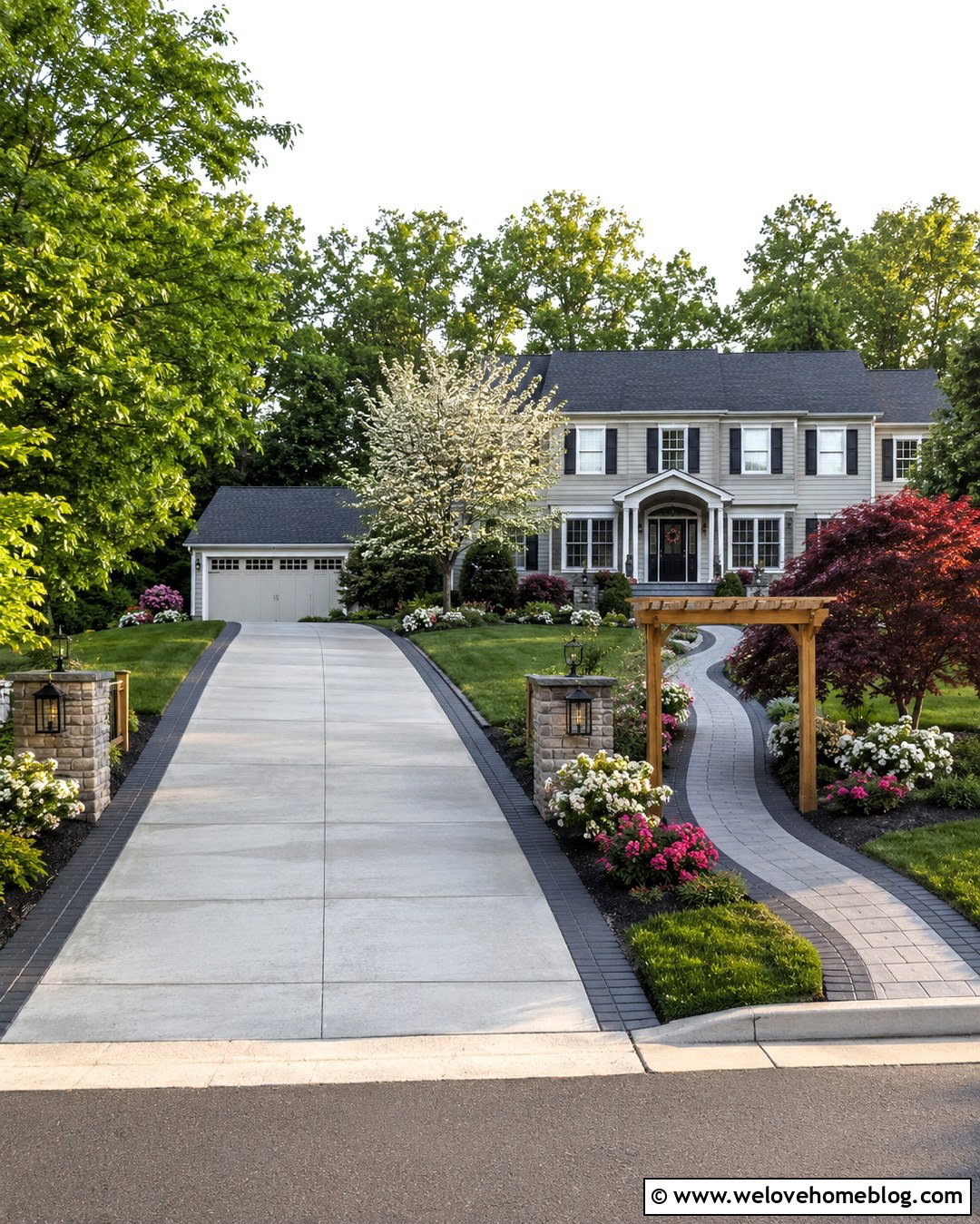
A separate walkway makes the front yard safer and helps guests find the main entrance without walking through vehicle space. Use a light gray concrete driveway with a darker paver border, then create a matching paver walkway beginning near the curb. Let the path curve through a landscaped bed before reaching the front porch. At the driveway opening, low stone columns can frame the vehicle entrance while a small arbor or wider paving area marks the pedestrian route. Fill the space between both paths with lawn, flowering shrubs, and a small ornamental tree. Repeating the border paver on the walkway visually ties everything together. This approach is especially useful for homes where the garage is more prominent than the front door because it redirects attention toward the welcoming pedestrian entrance.


15. Driveway Entrance With Evergreen Hedges
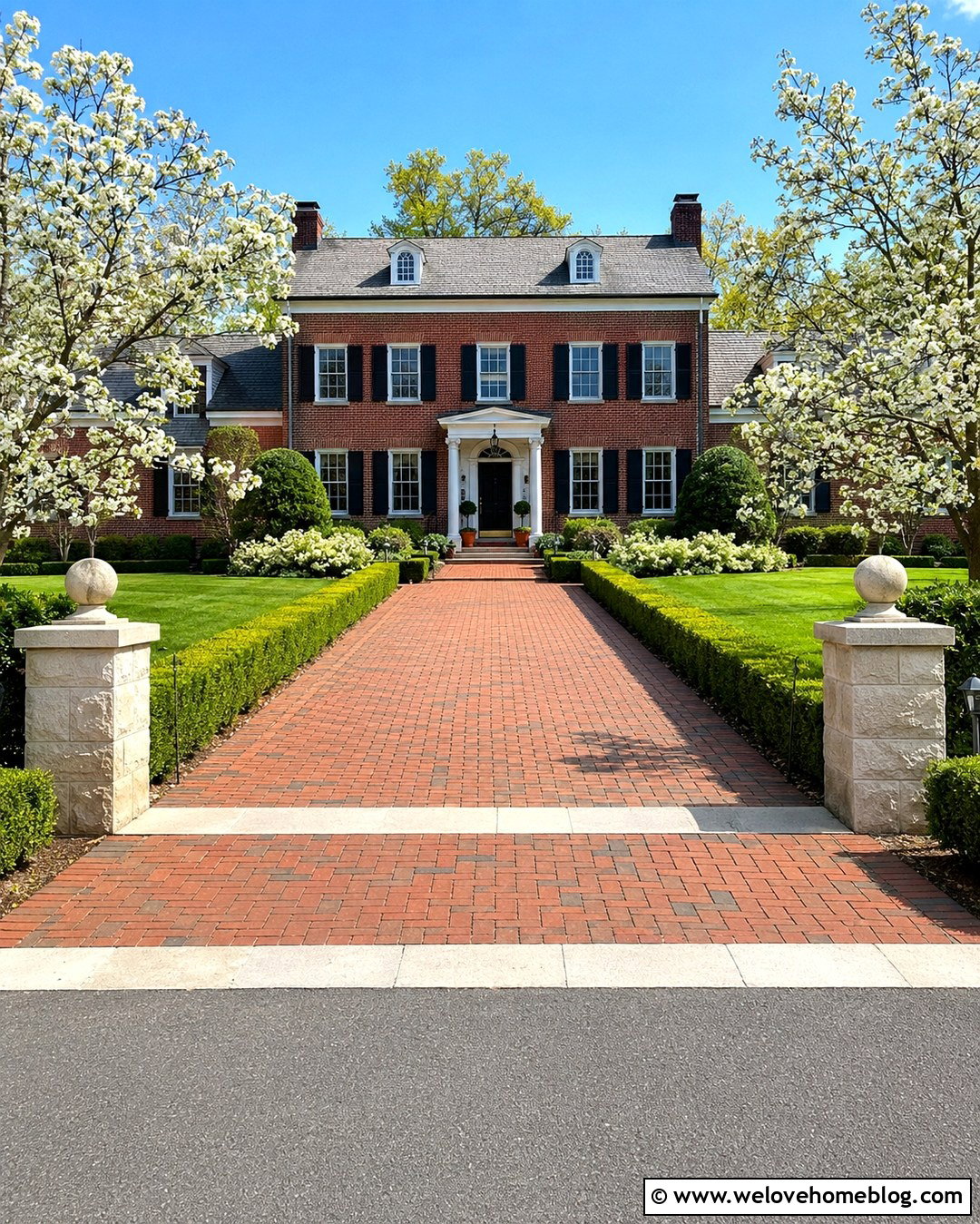
Evergreen hedges can frame a driveway throughout the year, but their height and placement need careful control. Pair a straight clay brick paver driveway with low boxwood hedges that begin several feet back from the street. Keep the first section short for visibility, then gradually increase the hedge height closer to the house. Square limestone pillars can mark the entrance, while matching stone bands break up the brick surface at the apron. Behind the hedges, add flowering trees or taller shrubs for depth and seasonal interest. A formal walkway running parallel to the driveway can connect the sidewalk to a colonial or Georgian-style home. Regular trimming will preserve the clean lines, but slightly relaxed edges can make the same layout suit a cottage or traditional suburban house.
16. Driveway Entrance With Native Planting
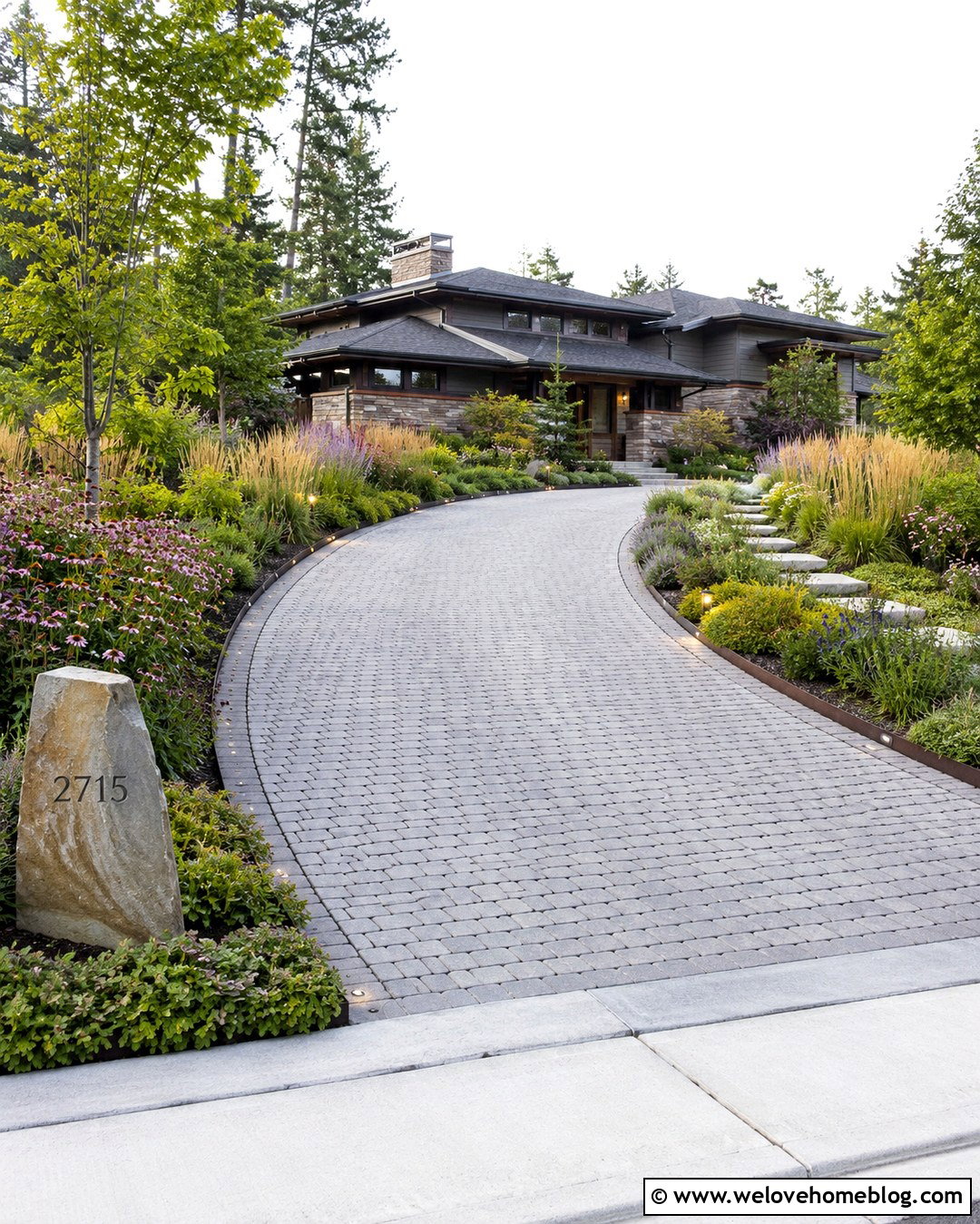
Native planting can soften a hard driveway while giving the entrance a strong sense of place. Start with a permeable gray concrete paver driveway in a gentle S-curve, then edge it with weathered steel or local stone. Create broad planting beds filled with regionally appropriate grasses, flowering perennials, and compact shrubs that suit the site’s sunlight and soil. Arrange plants in repeated groups rather than scattering individual varieties. Near the street, keep vegetation low and position taller plants farther into the yard. Natural stone markers with small downlights can define the entrance without competing with the landscape. This complete design pairs beautifully with craftsman, prairie, contemporary, and rustic homes. A simple stepping-stone walkway through the planting can connect the driveway to the porch while maintaining the natural character.
17. Coastal Driveway Entrance With White Posts
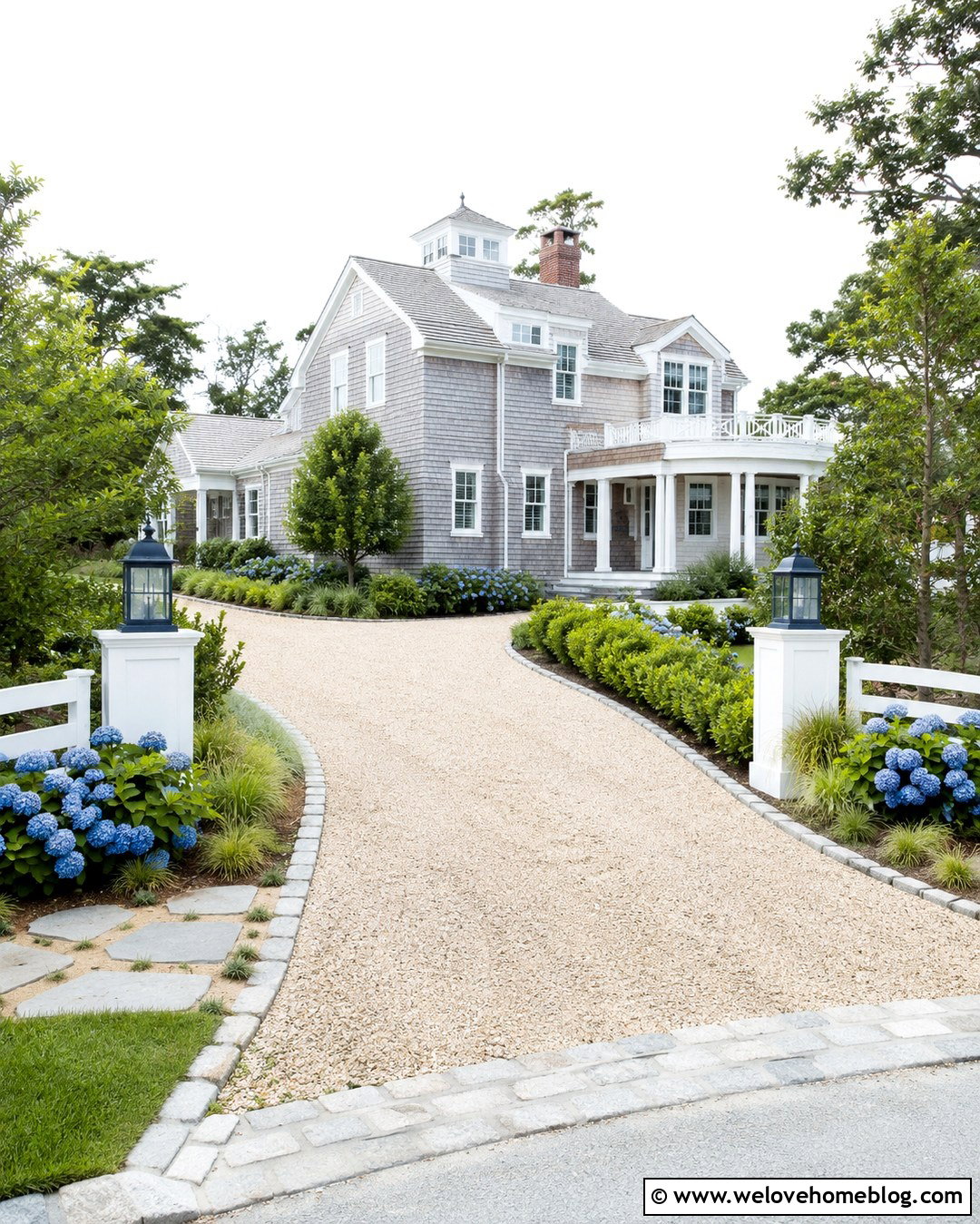
Bright white posts and breezy planting can give a driveway entrance a relaxed coastal appearance. Use pale oyster-shell gravel or light beige pea gravel for a straight-to-curved driveway leading toward a shingle, cottage, or coastal farmhouse home. Install simple square white posts at the street and connect them to low horizontal fencing on each side. Navy or black lanterns will provide crisp contrast without making the entrance overly formal. Edge the driveway with granite cobbles to contain the loose surface. Plant blue hydrangeas, beach grasses, compact hollies, and salt-tolerant ground cover in loose drifts around the posts. Keep the palette limited to white, blue, green, and sandy neutrals. A flagstone walkway can cross the planting bed and create a clear route toward the front porch.
18. Rustic Driveway Entrance With Boulder Landscaping
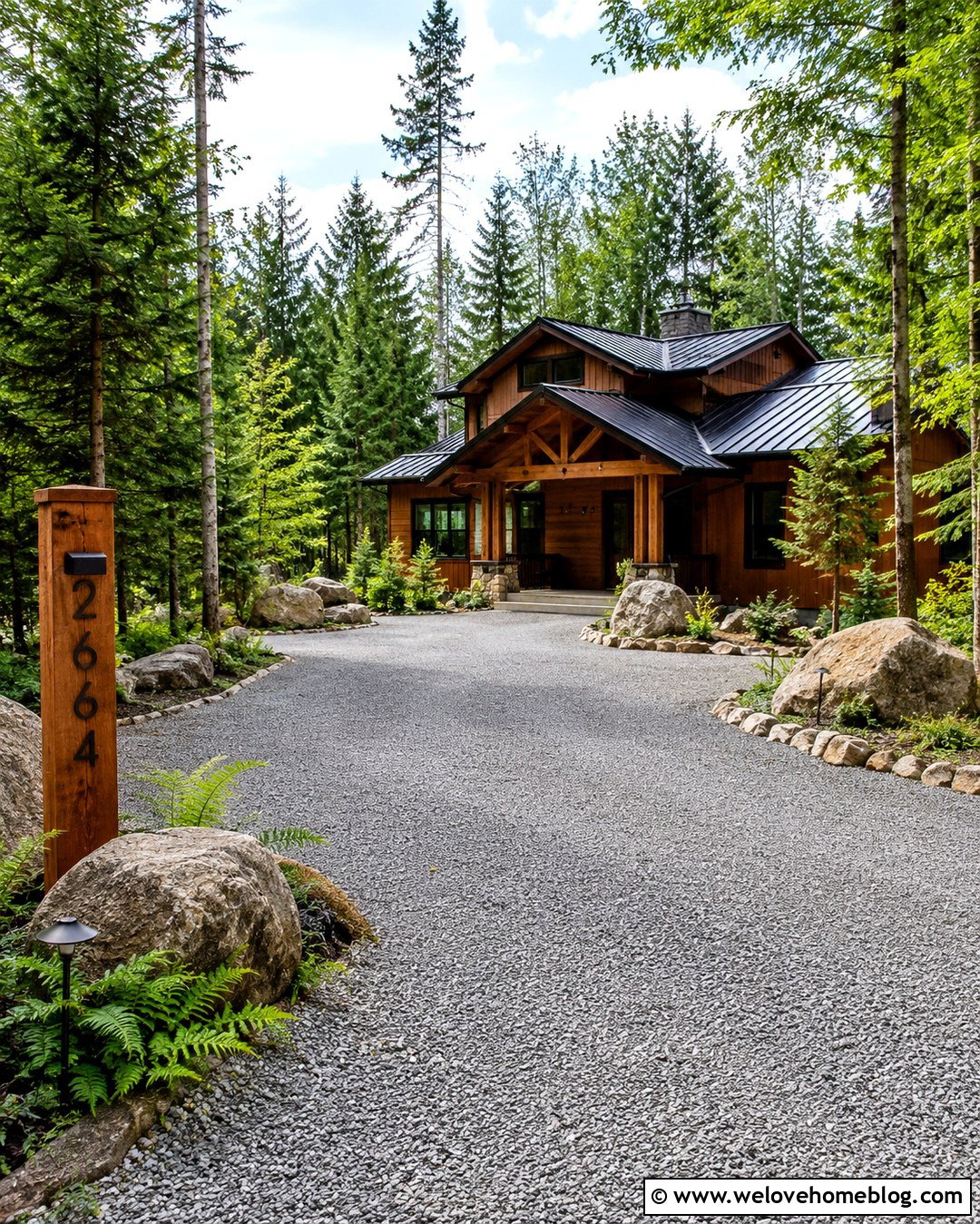
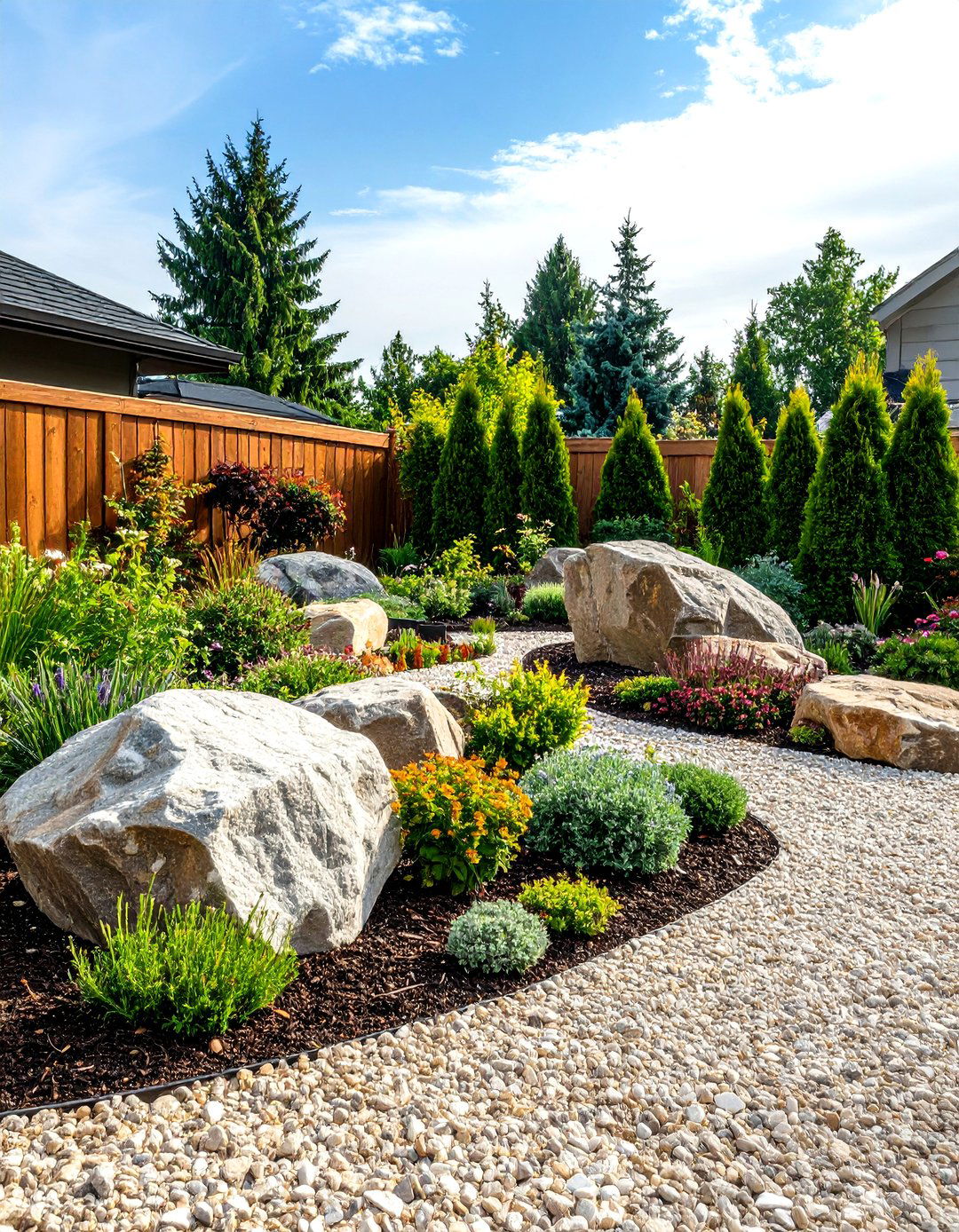
Large natural boulders can anchor a rural driveway entrance while blending into a wooded or mountainous setting. Pair locally sourced rocks with a wide driveway made from compacted gray crushed stone. Position the largest boulders beyond the driveway’s turning area, then nestle smaller stones into broad beds of native grasses, ferns, creeping ground cover, and evergreen shrubs. Use understated timber posts for the address marker and low-voltage lights. Avoid arranging every boulder symmetrically; a slightly irregular composition will look more natural. A rough-cut stone edge can keep gravel from spreading into the planting beds. Continue the same stone near the house foundation or front steps so the entrance relates to the architecture. This rugged look complements cabins, ranch homes, craftsman houses, and rustic contemporary residences.
19. Cottage Driveway Entrance With Garden Borders
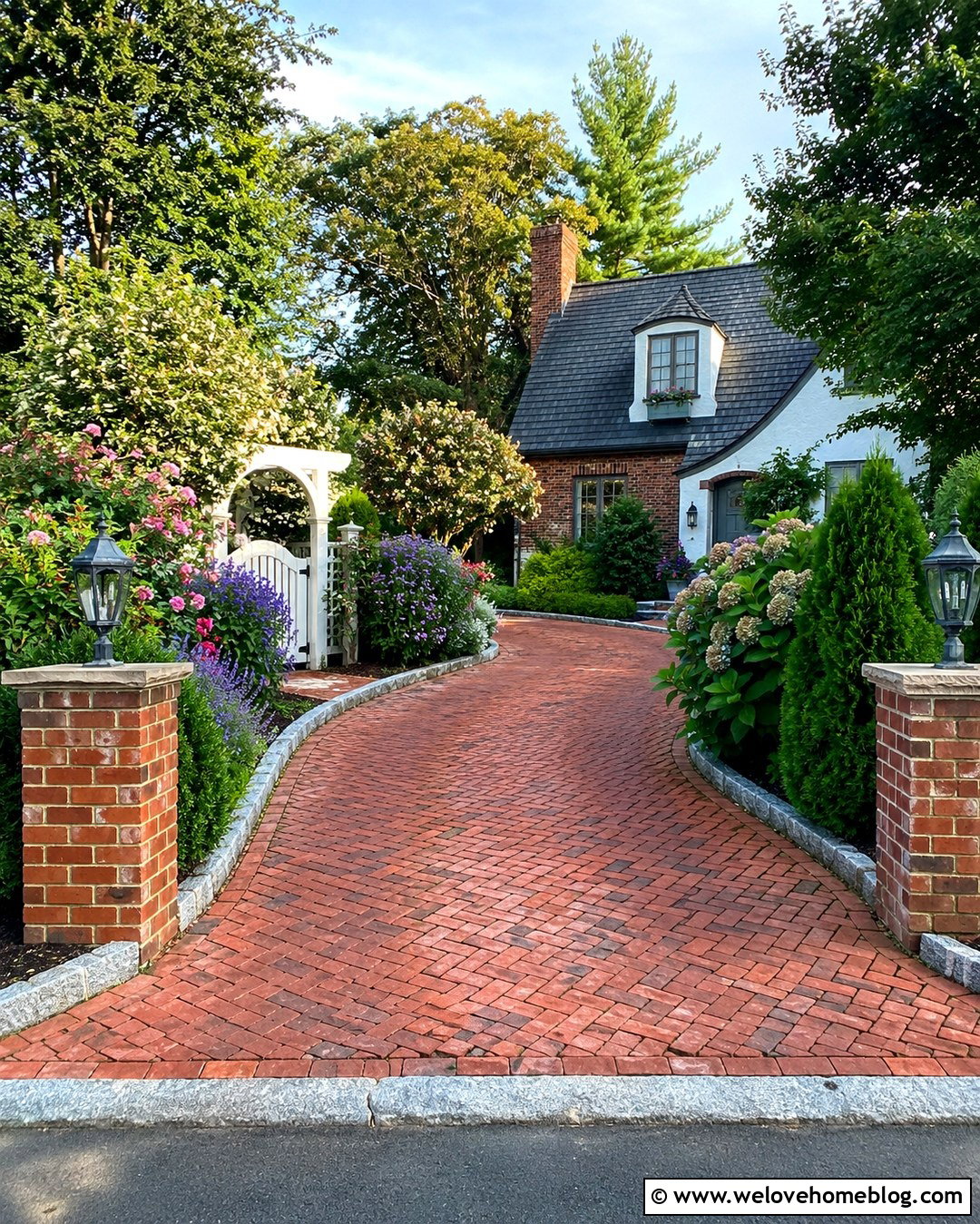
A cottage entrance feels most successful when the driveway appears woven into the garden rather than placed beside it. Choose warm clay brick pavers in a herringbone pattern for a narrow, gently curved driveway. Edge both sides with worn granite setts and allow layered beds to follow the curve. Roses, catmint, salvia, hydrangeas, and compact flowering shrubs can create color without spilling into the driving area. Add a simple painted wood arbor beside the entrance to mark the walkway, not directly over the driveway. Low brick piers with lanterns can provide structure while echoing the paver surface. Keep some evergreen plants in the mix so the borders retain shape outside the flowering season. This detailed look suits cottages, Tudor homes, Cape Cod houses, and older traditional properties.

20. Budget Driveway Entrance With Mulch Beds
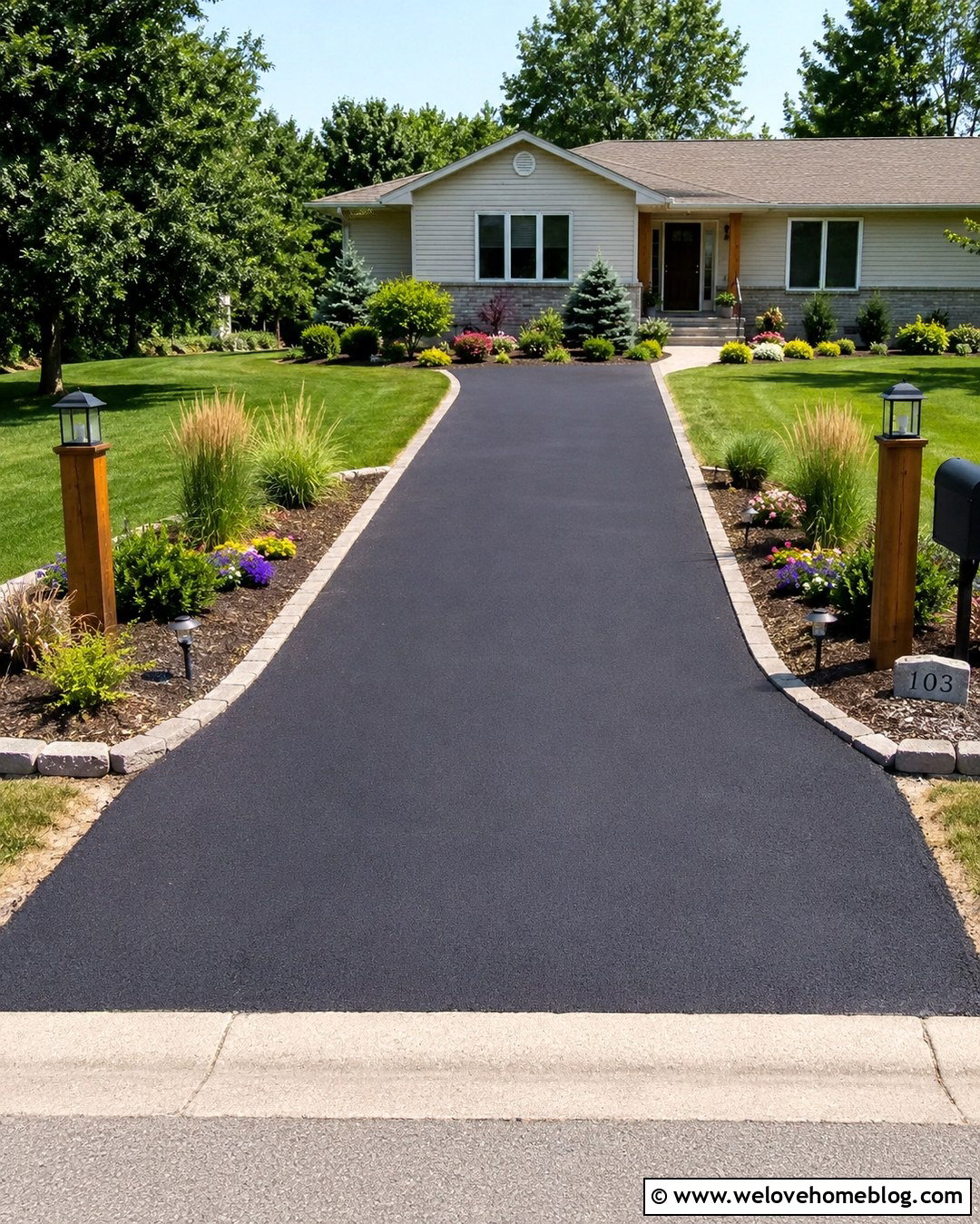
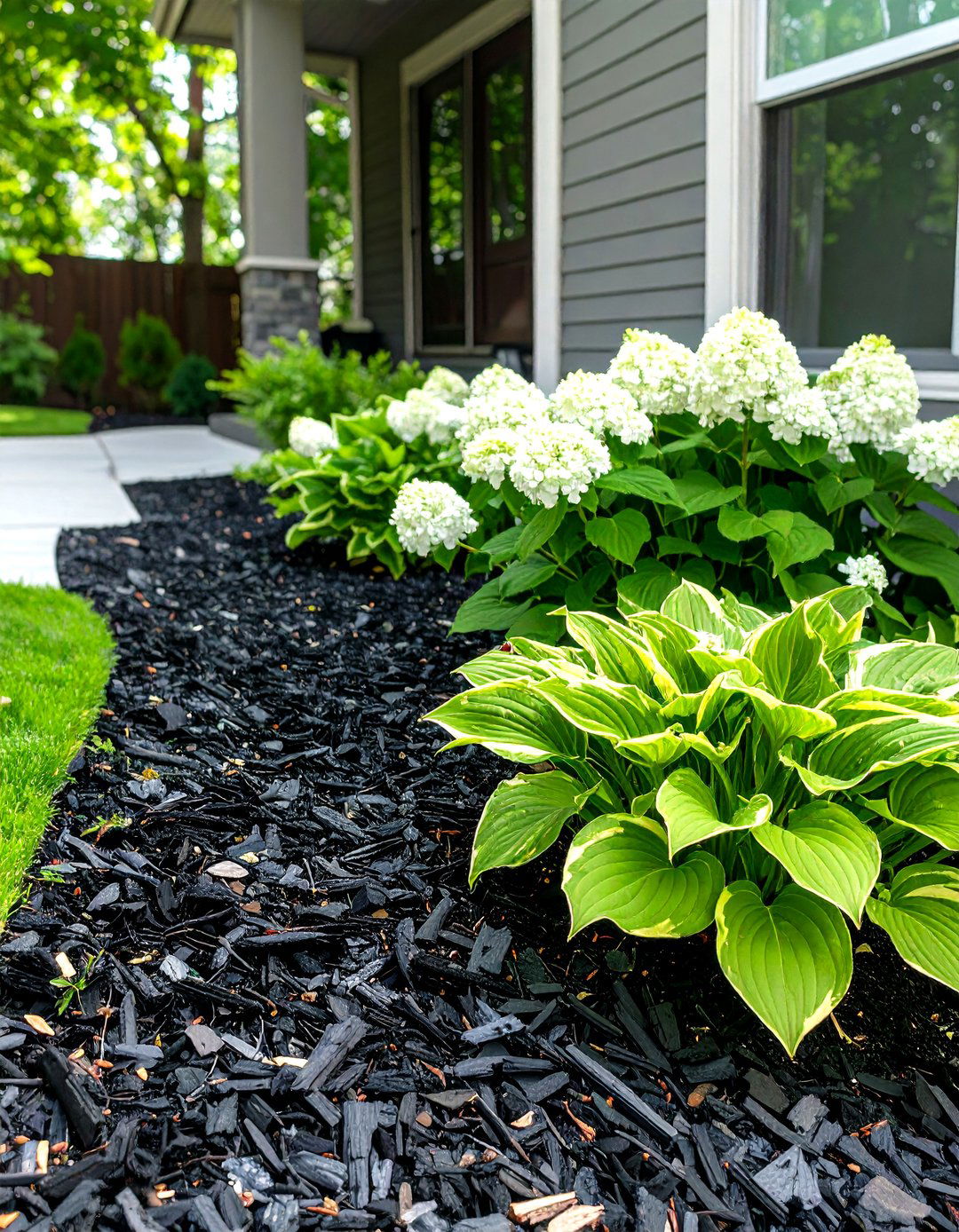
A polished entrance does not require new masonry, gates, or a complete driveway replacement. Refresh an existing black asphalt driveway by creating clean, curved mulch beds on both sides of the street opening. Define the beds with affordable concrete edging blocks or a crisp spade-cut lawn edge. Plant repeated groups of hardy ornamental grasses, compact shrubs, and long-blooming perennials rather than purchasing many unrelated varieties. Two simple wood posts can hold solar cap lights, with an address plaque mounted on one side. Repair cracked asphalt, apply a fresh sealcoat when appropriate, and add a narrow gravel transition near the mailbox. The dark driveway, warm mulch, and layered greenery will create strong contrast. This practical design can improve a ranch, bungalow, or suburban home without major construction.
Conclusion:
The best **20 Front Yard Driveway Entrance Ideas** combine appearance with everyday function. Instead of choosing a gate, pillar, plant, or paving material in isolation, build one complete look that relates to the house and surrounding yard. Consider how vehicles will turn, where visitors will walk, and how clearly the entrance can be seen from the street. Then coordinate the driveway surface with borders, lighting, address features, and landscaping. Large properties may support circular layouts and gates, while smaller yards often look better with low planting and streamlined markers. Whatever the budget, consistent materials and thoughtful proportions can transform a plain driveway opening into an attractive, practical, and welcoming front entrance.

Related posts:

Leave a Reply