
Transforming a small front yard can feel challenging, but with the right approach, even the most compact space can become a stunning and welcoming entryway to your home. A well-designed landscape not only boosts curb appeal but also creates a personal oasis for you to enjoy. From clever planting techniques to innovative hardscaping, there are countless ways to maximize your yard's potential without feeling overwhelmed. These ideas focus on smart design, scale, and creativity to help you craft a beautiful, functional, and inviting front yard that makes a big impression, regardless of its size.
1. Small Front Yard Vertical Garden
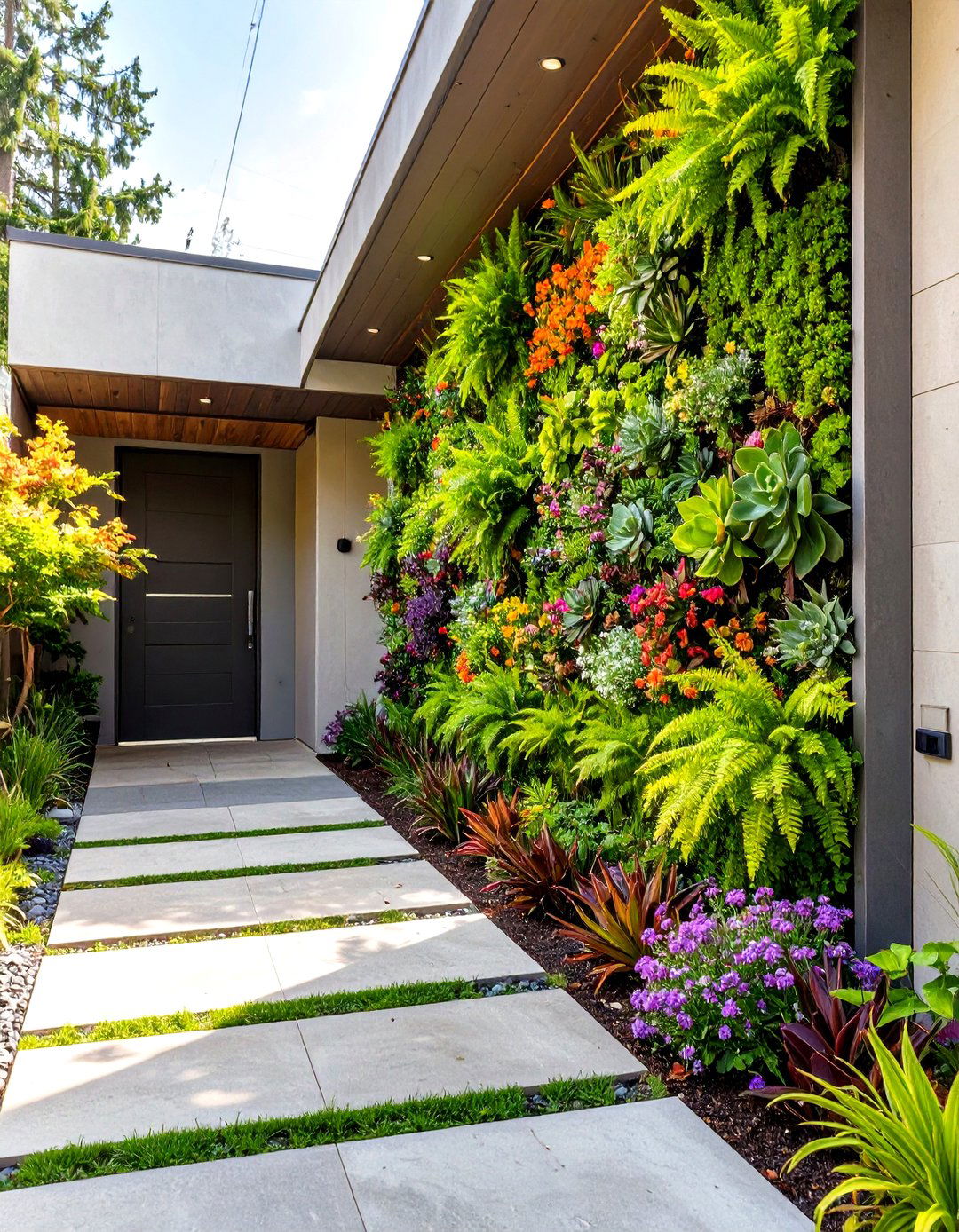
A vertical garden is a brilliant solution for maximizing planting space in a tiny front yard. By growing upwards, you can cultivate a lush display of flowers, herbs, or succulents without sacrificing precious ground area. You can use wall-mounted planters, a trellis with climbing vines, or a custom-built living wall structure. This approach not only adds a vibrant tapestry of color and texture but also draws the eye upward, creating an illusion of greater height and space. It’s a perfect way to introduce greenery next to a doorway or along a bare wall, turning an underutilized surface into a stunning focal point.
2. Tiered Flower Beds for a Small Front Yard
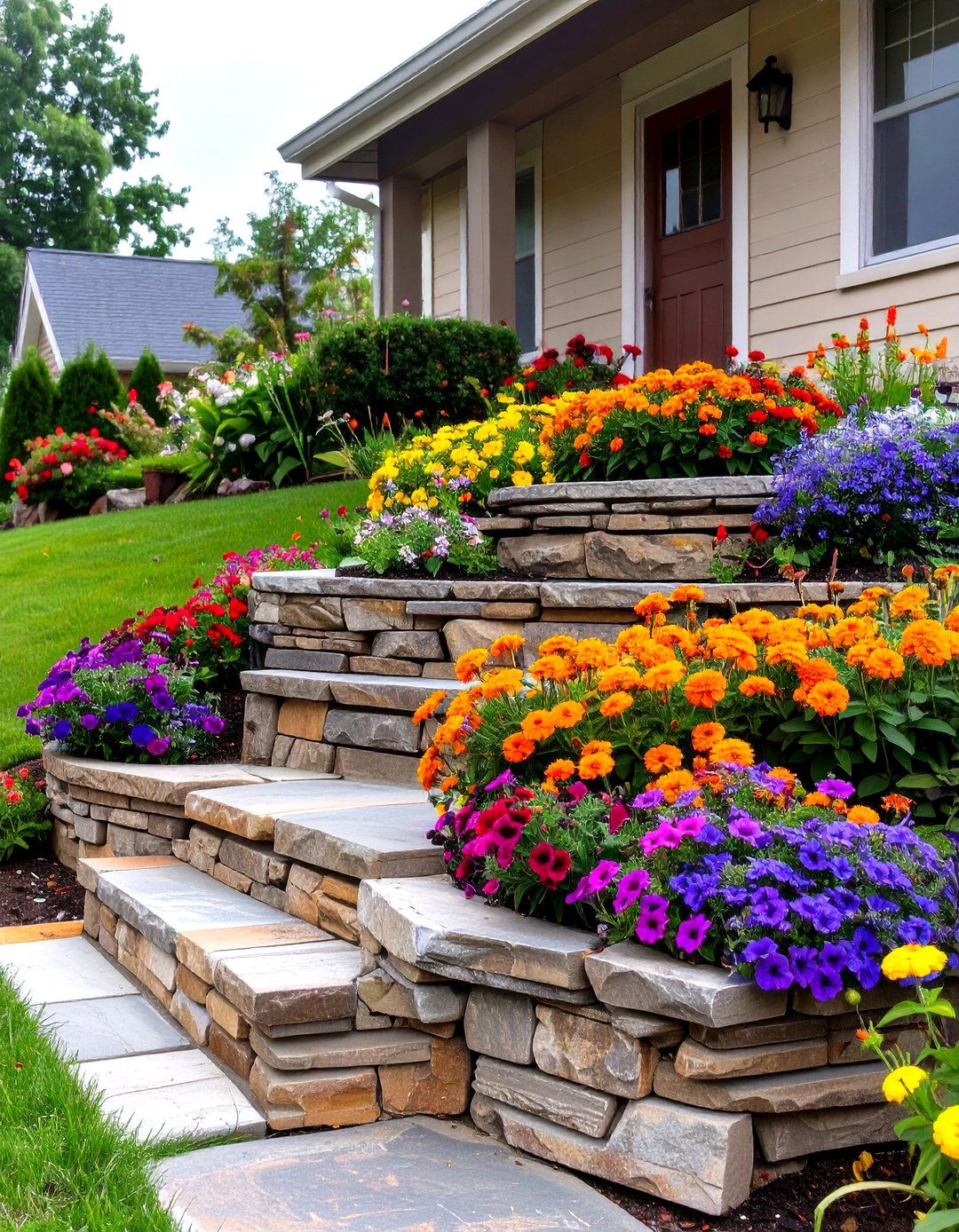
For a front yard with a slight slope or one that needs more dimension, tiered flower beds are an excellent choice. Using materials like stacked stone, wood, or modern concrete blocks, you can create multiple levels for planting. This design adds instant structure and visual interest, preventing the landscape from looking flat. Each tier can host different types of plants, allowing for creative combinations of colors, heights, and textures. Taller plants can go in the back, with shorter, cascading flowers in the front, creating a full and dynamic look that beautifully frames the entrance to your home.
3. A Curved Paver Walkway
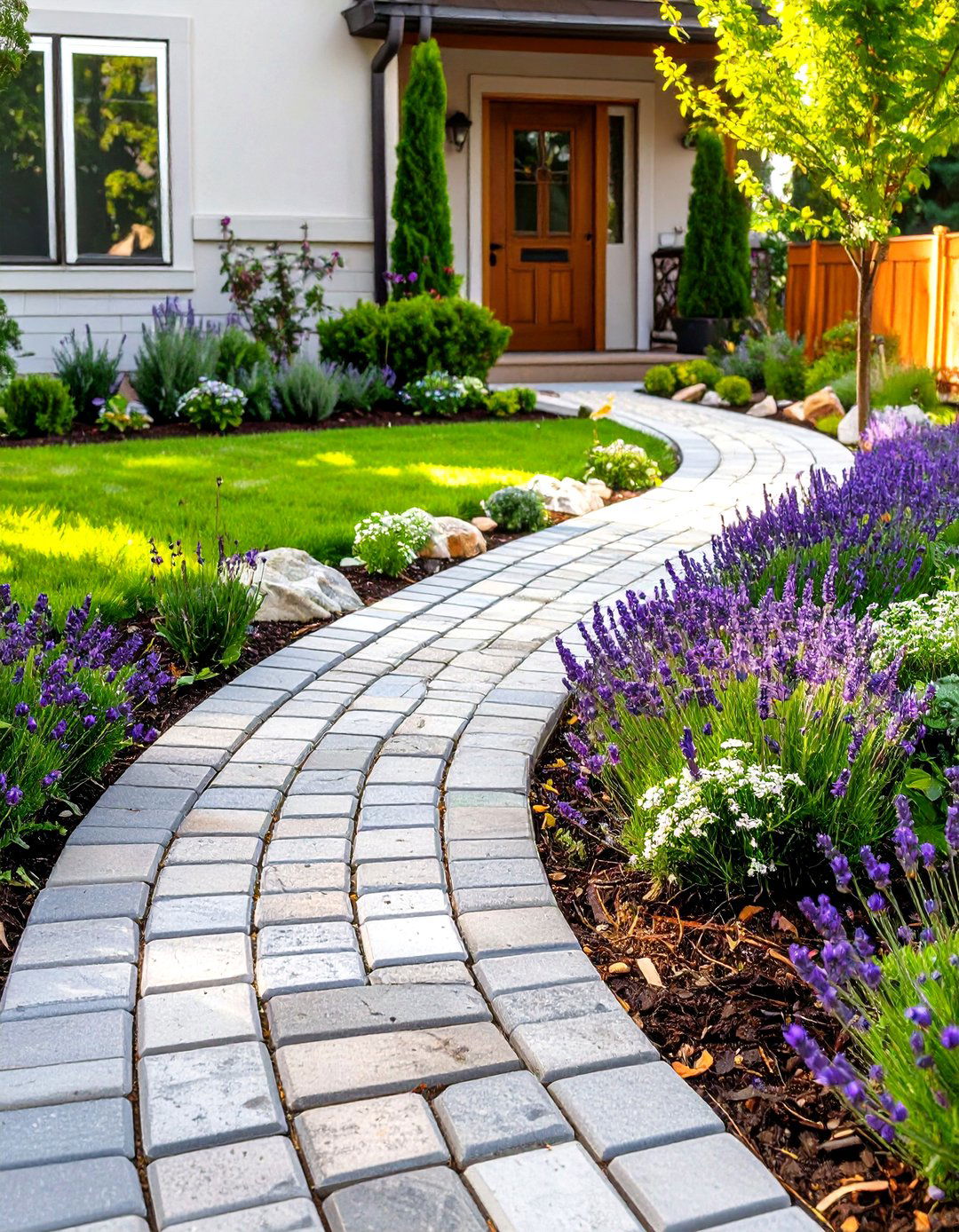
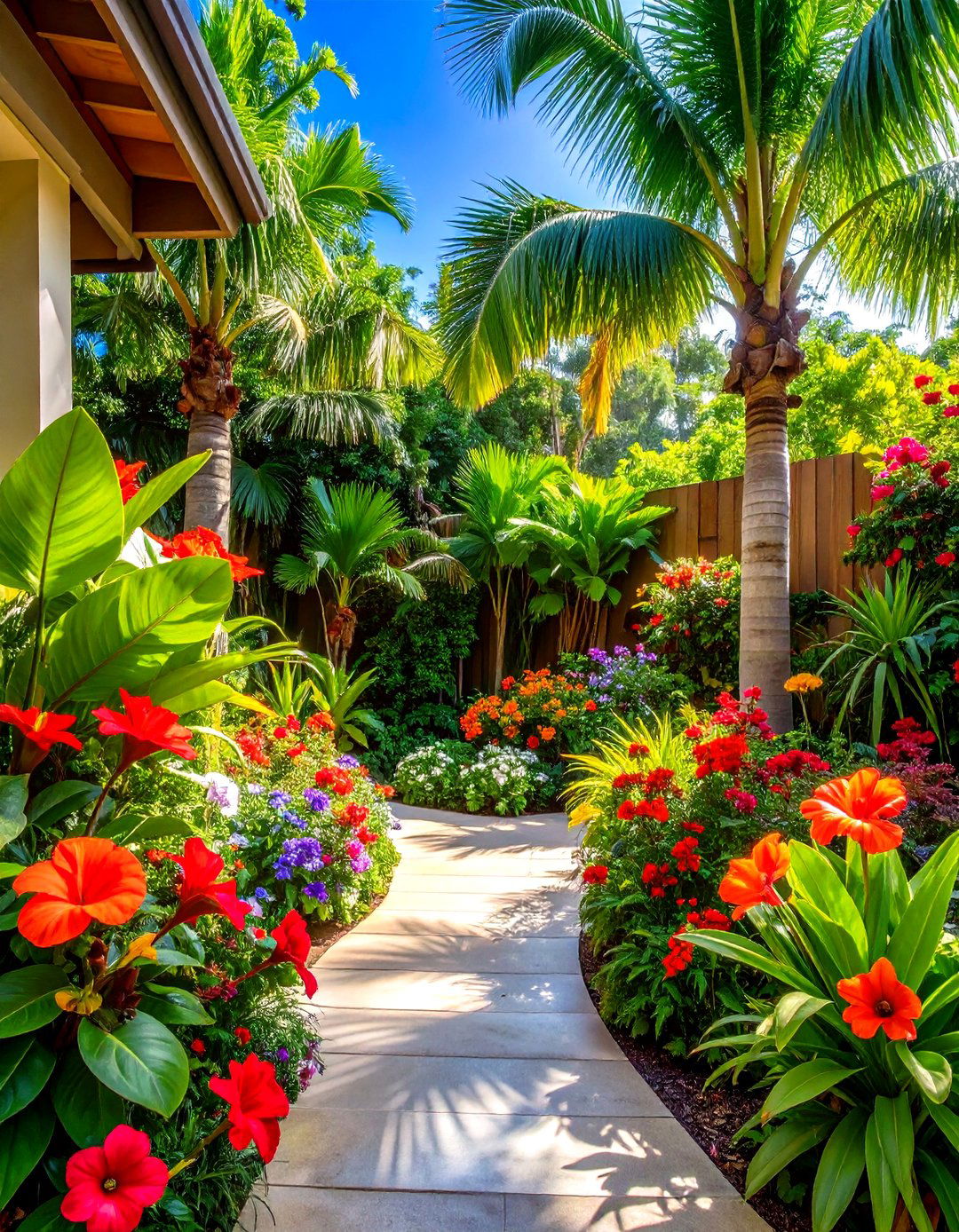
Instead of a straight path that can make a small yard feel even smaller, consider installing a gently curved walkway. Using materials like flagstone, brick, or concrete pavers, a winding path creates a sense of journey and mystery, making the yard appear longer than it is. The soft curves add an organic, flowing feel to the landscape, breaking up rigid lines. You can line the edges of the walkway with low-growing ground cover or colorful flowers to soften the hardscape and guide visitors to your front door in a more engaging and visually appealing way.
4. Small Front Yard Rock Garden
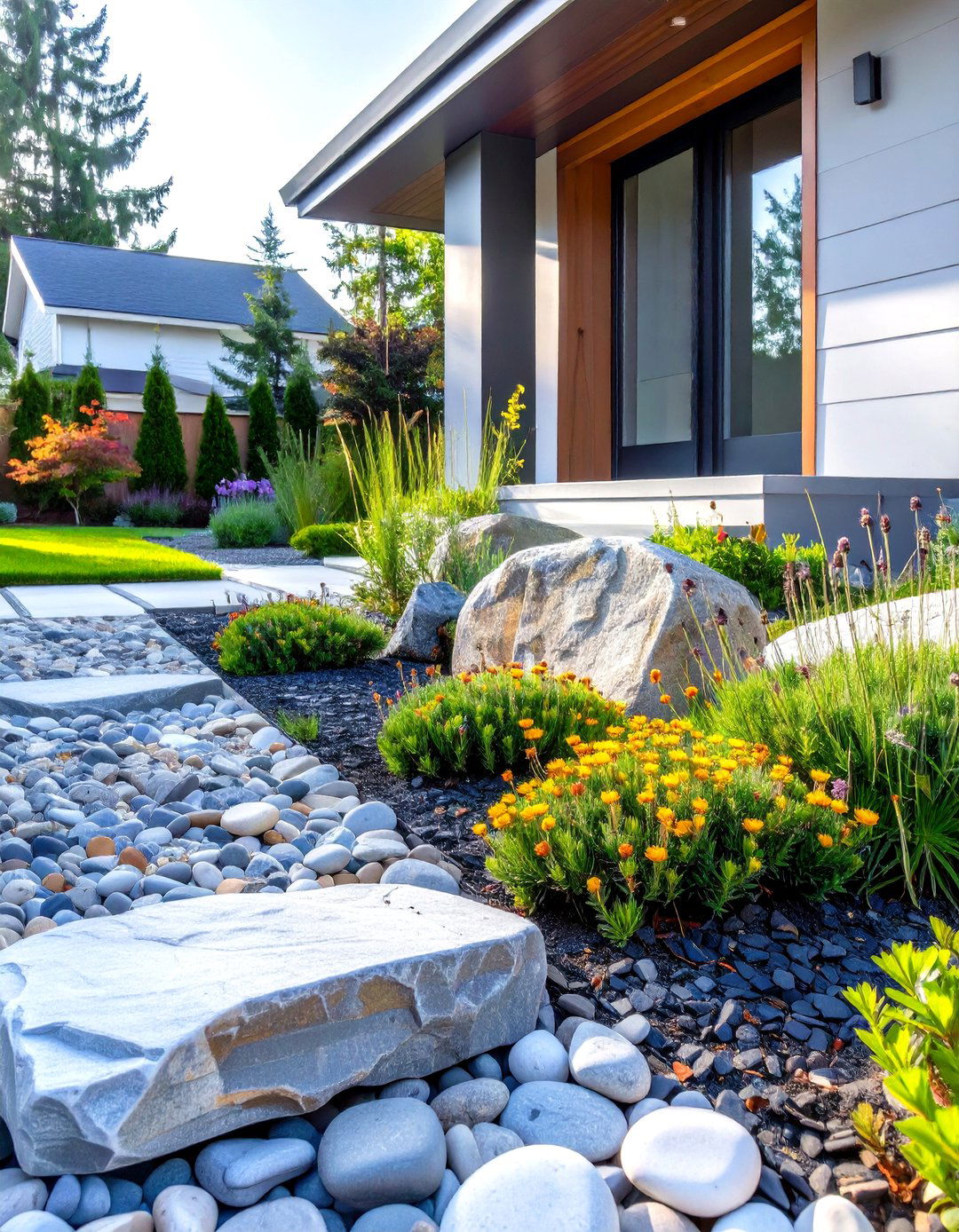
A rock garden is a fantastic low-maintenance option for a small front yard, offering year-round interest. This style uses a mix of rocks, boulders, and gravel to create a naturalistic, rugged landscape. Tucked between the stones, you can plant drought-tolerant succulents, alpine flowers, and ornamental grasses that thrive in well-drained conditions. This approach requires minimal watering once established and provides a unique texture that contrasts beautifully with softer plant foliage. A rock garden can solve issues with poor soil or a sloped yard while creating a serene, Zen-like atmosphere that stands out.
5. Minimalist Gravel and Succulent Landscape
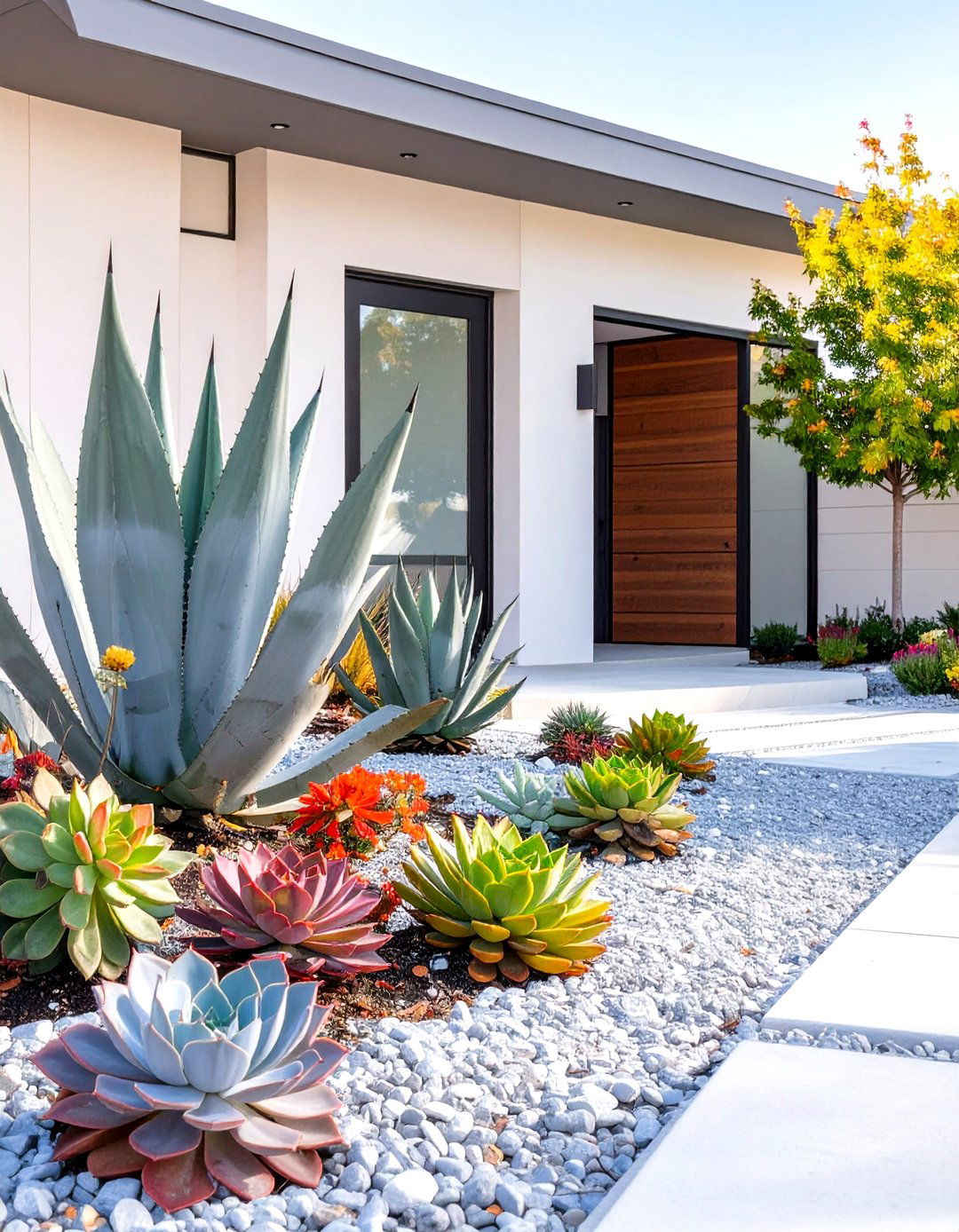
For a modern and water-wise design, a minimalist landscape featuring gravel and succulents is an ideal choice. Replacing a traditional lawn with a bed of fine pea gravel or crushed granite creates a clean, contemporary canvas. Strategically placed succulents of various shapes, sizes, and colors, like echeverias and agaves, add sculptural beauty without clutter. This xeriscaping approach is incredibly low-maintenance, conserves water, and offers a sleek, uncluttered aesthetic. A few larger statement stones can be added to provide contrast and anchor the design, resulting in a chic and sustainable front yard.
6. Small Front Yard Window Boxes
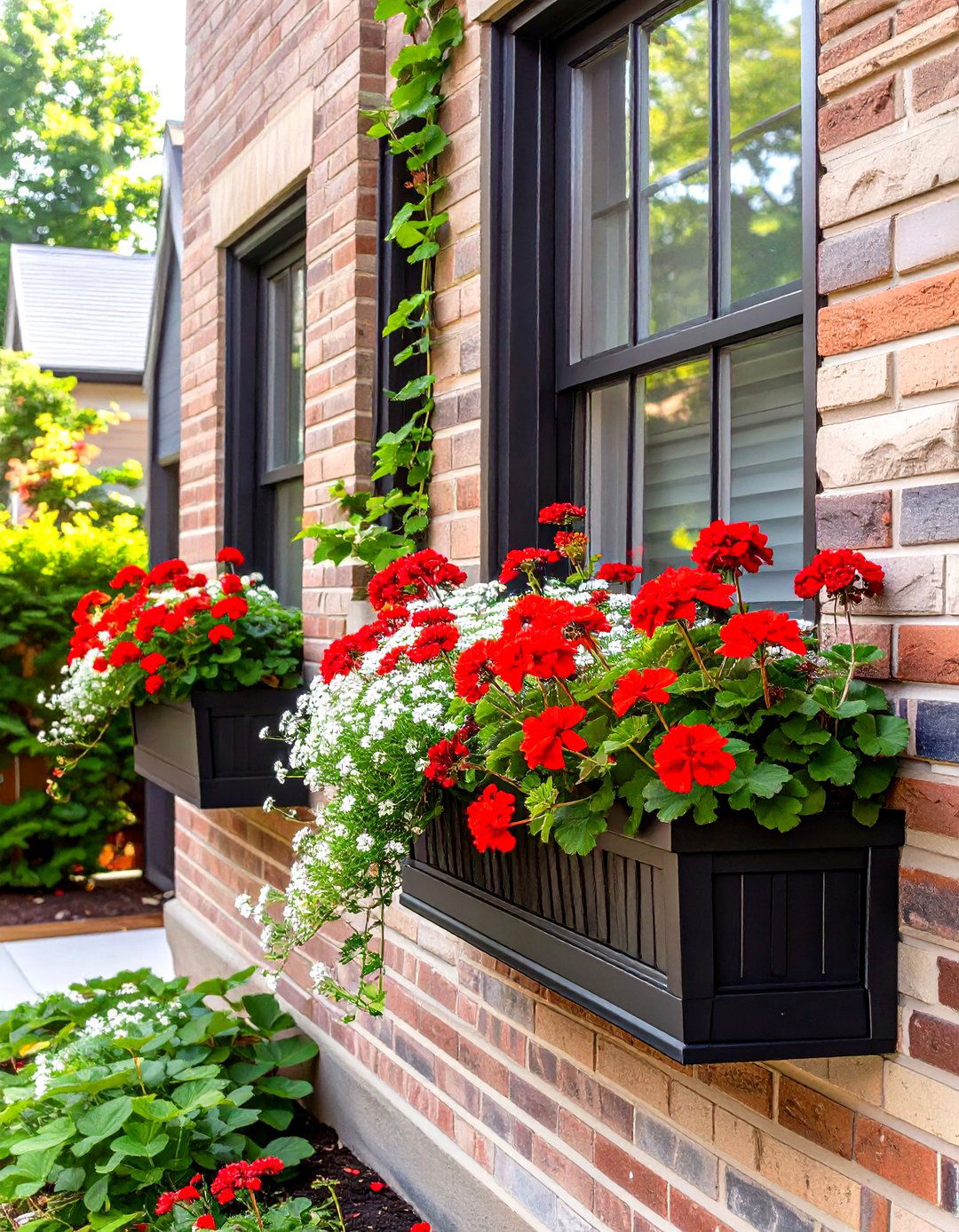
Window boxes offer a charming way to add a burst of color and life without using any ground space. Attached directly below your front windows, they can be filled with a vibrant mix of seasonal flowers, trailing ivy, or even herbs. This elevates the garden, bringing it closer to eye level and integrating it with your home's architecture. Window boxes soften the look of the house, add a welcoming touch, and allow you to easily change out plants for a fresh look each season. It’s a classic landscaping trick that works wonders for small yards.
7. A Compact Water Feature
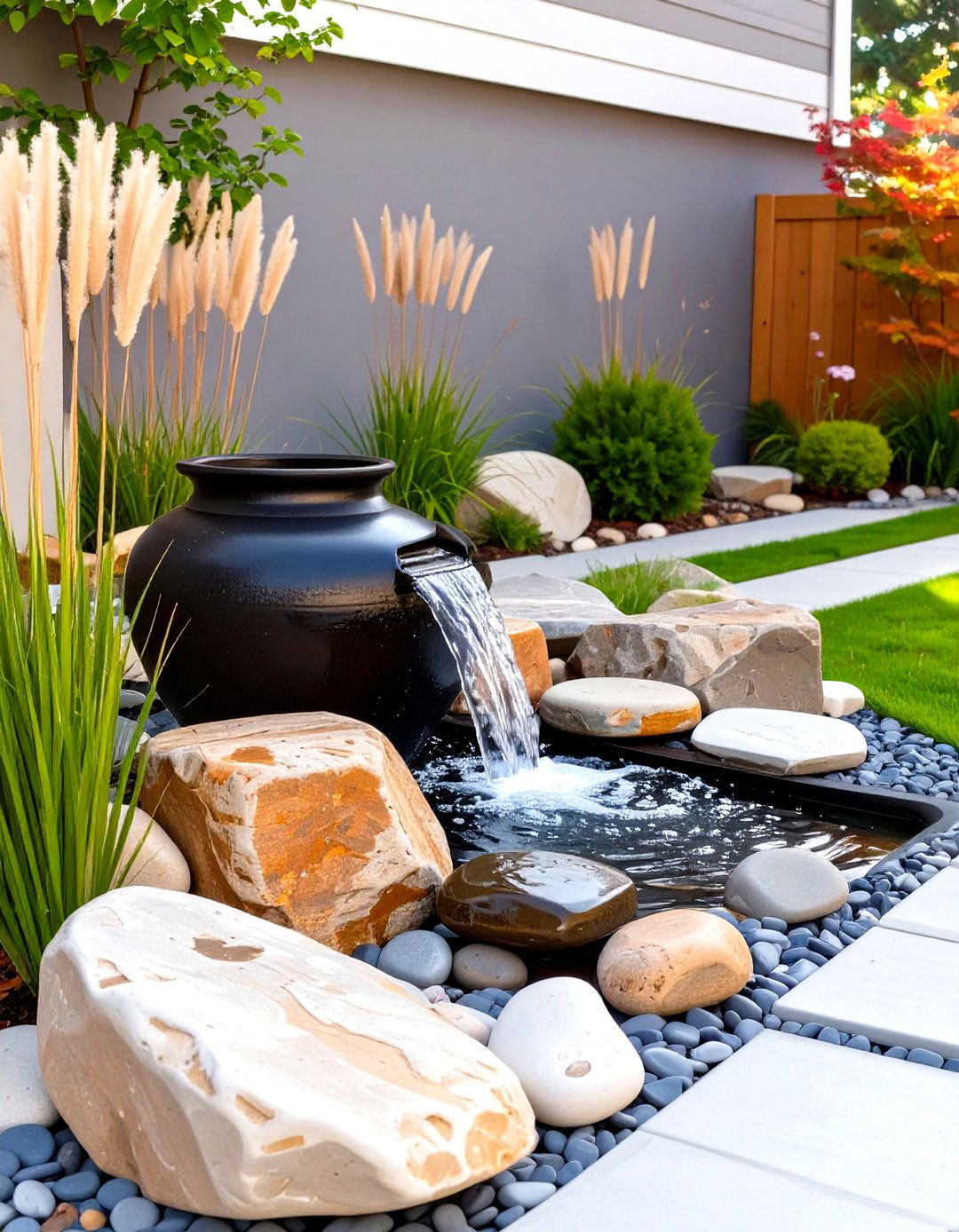
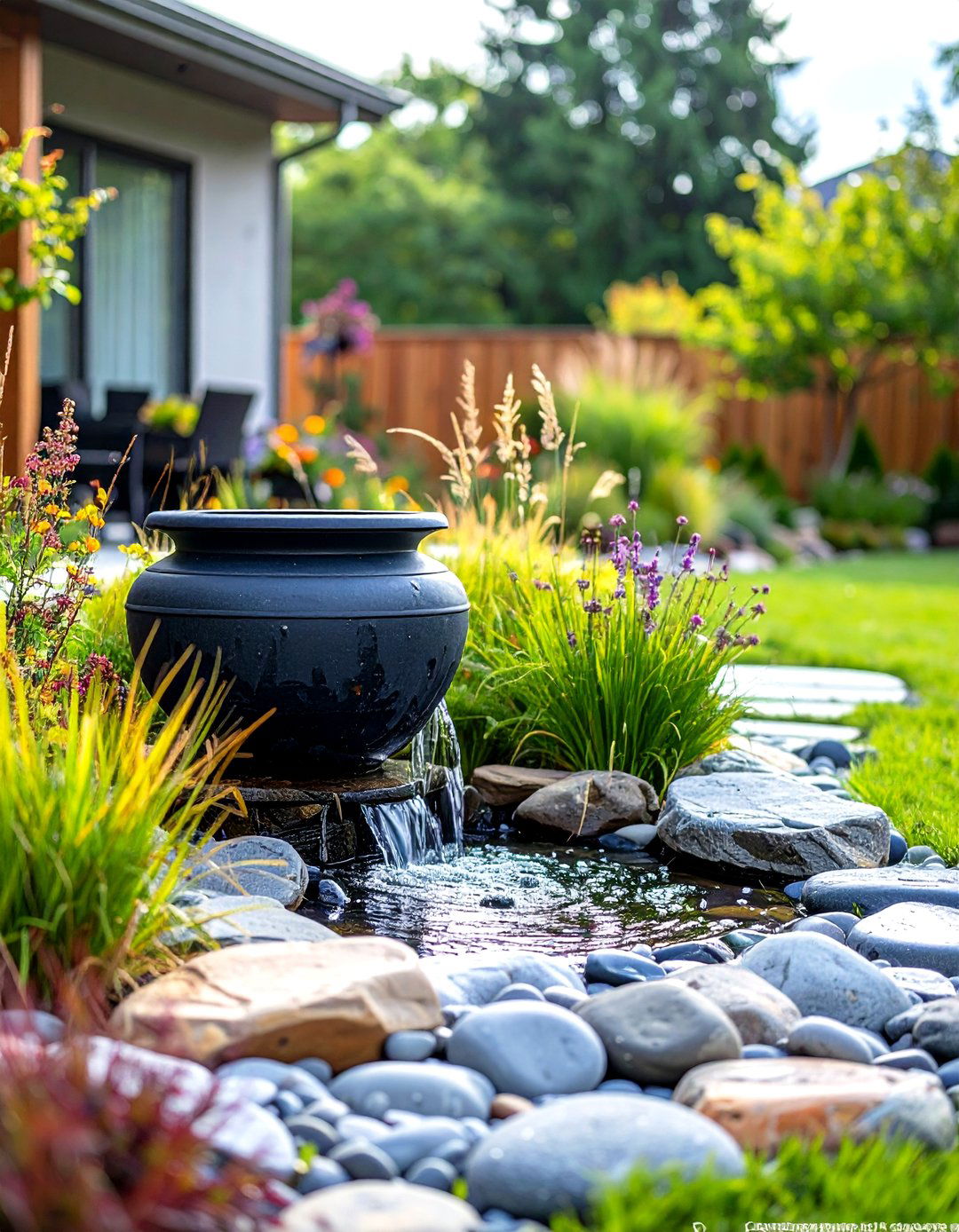
Surprisingly, a small water feature can make a front yard feel more expansive and tranquil. The gentle sound of trickling water adds a sensory element that masks neighborhood noise and creates a peaceful ambiance. Choose a compact, self-contained fountain, a bubbling urn, or a small disappearing fountain where water flows over rocks and into a hidden reservoir. Placed near a seating area or the front entrance, it becomes an instant focal point. This feature introduces movement and sound, transforming a static space into a dynamic and serene retreat that feels like a private oasis.
8. Symmetrical Boxwood Hedges
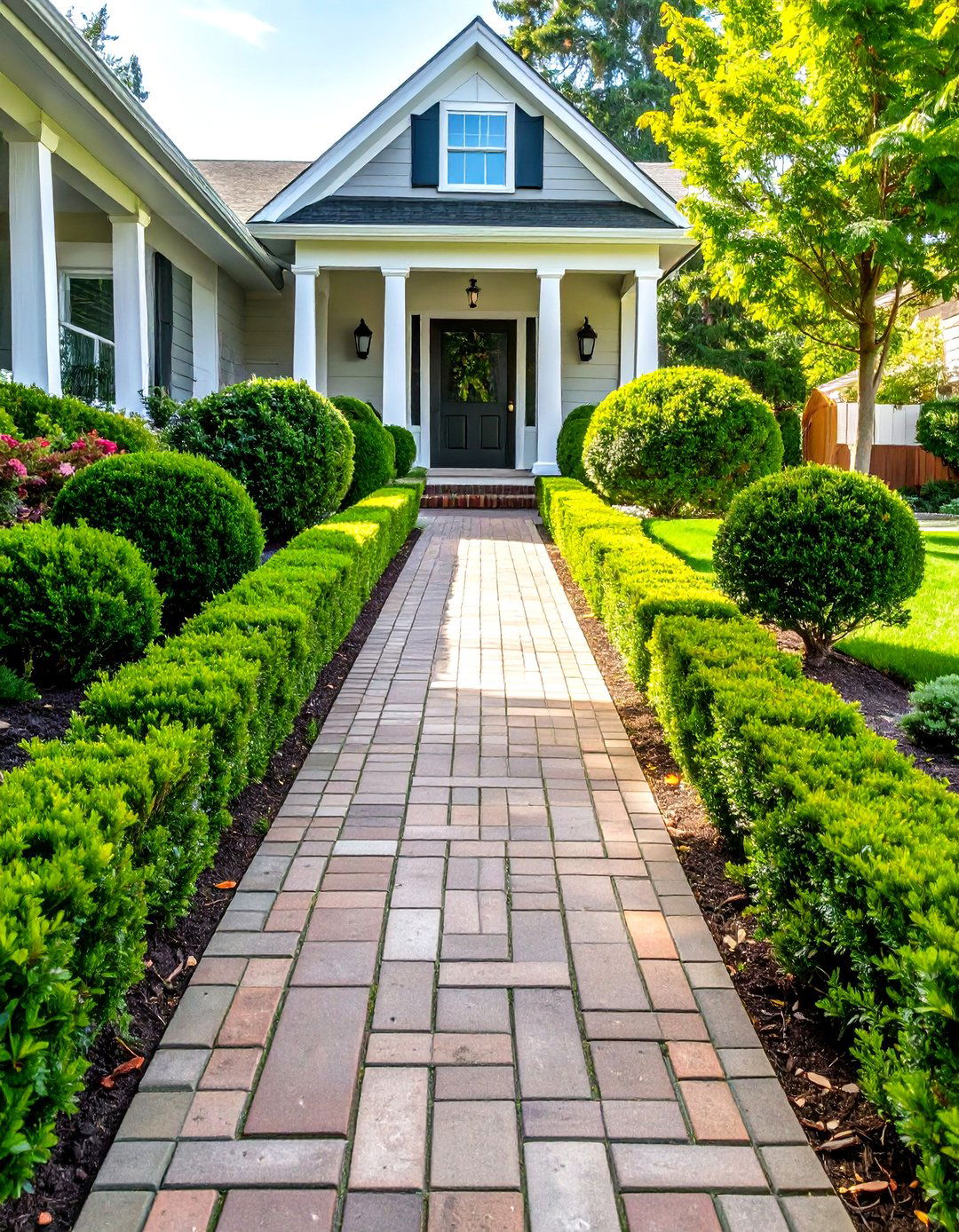
For a formal, classic look, symmetrical planting can bring a sense of order and elegance to a small front yard. Planting identical low boxwood hedges on either side of your front walkway creates a clean, balanced frame for your entrance. The crisp, green lines of sheared boxwoods provide year-round structure and a timeless appeal. Inside the hedged areas, you can plant seasonal flowers for a pop of color or keep it simple with mulch for a neat appearance. This design strategy works exceptionally well with traditional architecture, making the yard feel polished, intentional, and grander.
9. Small Front Yard Wildflower Patch
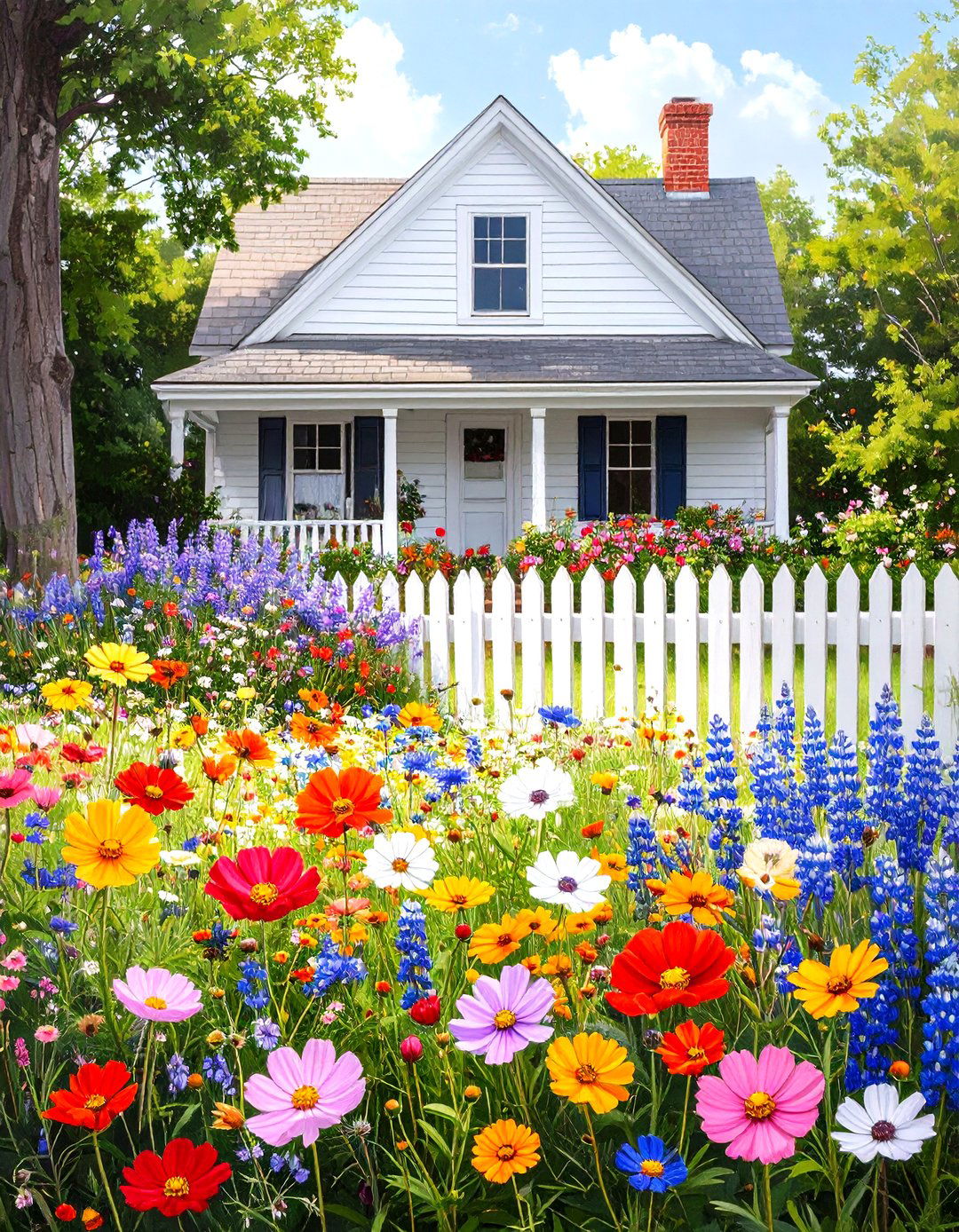
Embrace a more natural, cottage-garden aesthetic by dedicating a small patch of your front yard to wildflowers. A mix of native wildflowers provides a riot of color and texture throughout the seasons and is incredibly beneficial for local pollinators like bees and butterflies. This low-maintenance approach requires less mowing and watering than a traditional lawn. A small border of stones or a simple wooden fence can contain the patch, giving it a deliberate, garden-like feel. It’s a wonderful way to add a touch of untamed beauty and ecological value to an urban or suburban setting.

10. Raised Garden Beds for Vegetables
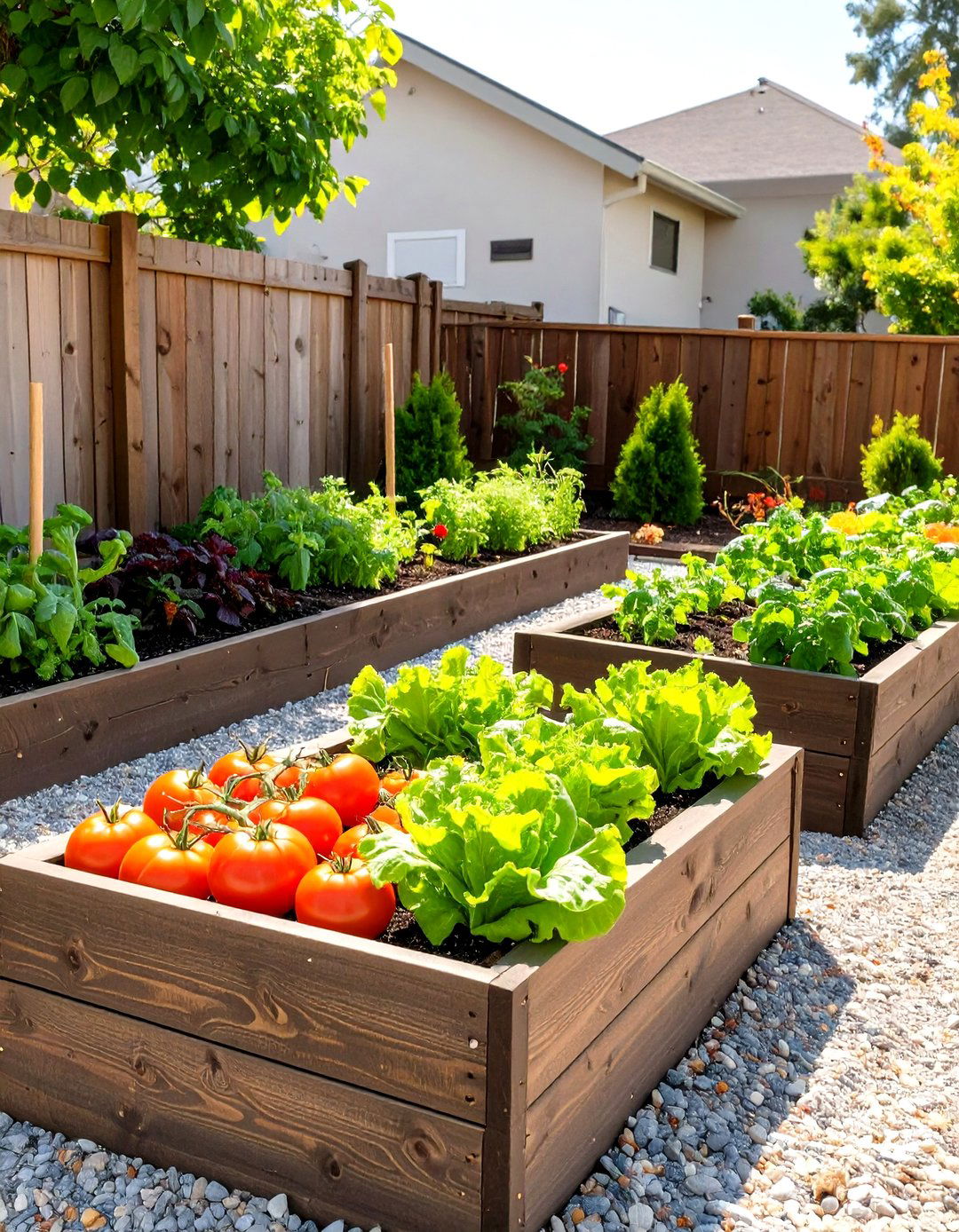
Who says you can't have a vegetable garden in a small front yard? Neatly constructed raised beds made of wood, stone, or metal can turn your front yard into a productive and attractive space. Planting in raised beds gives you complete control over the soil quality and makes weeding and harvesting easier. You can grow a mix of vegetables, herbs, and edible flowers, creating a "potager" style garden that is both beautiful and useful. Arranging the beds symmetrically or in a neat row gives the landscape a clean, organized look that enhances your home's curb appeal.
11. Ornamental Grasses for Texture
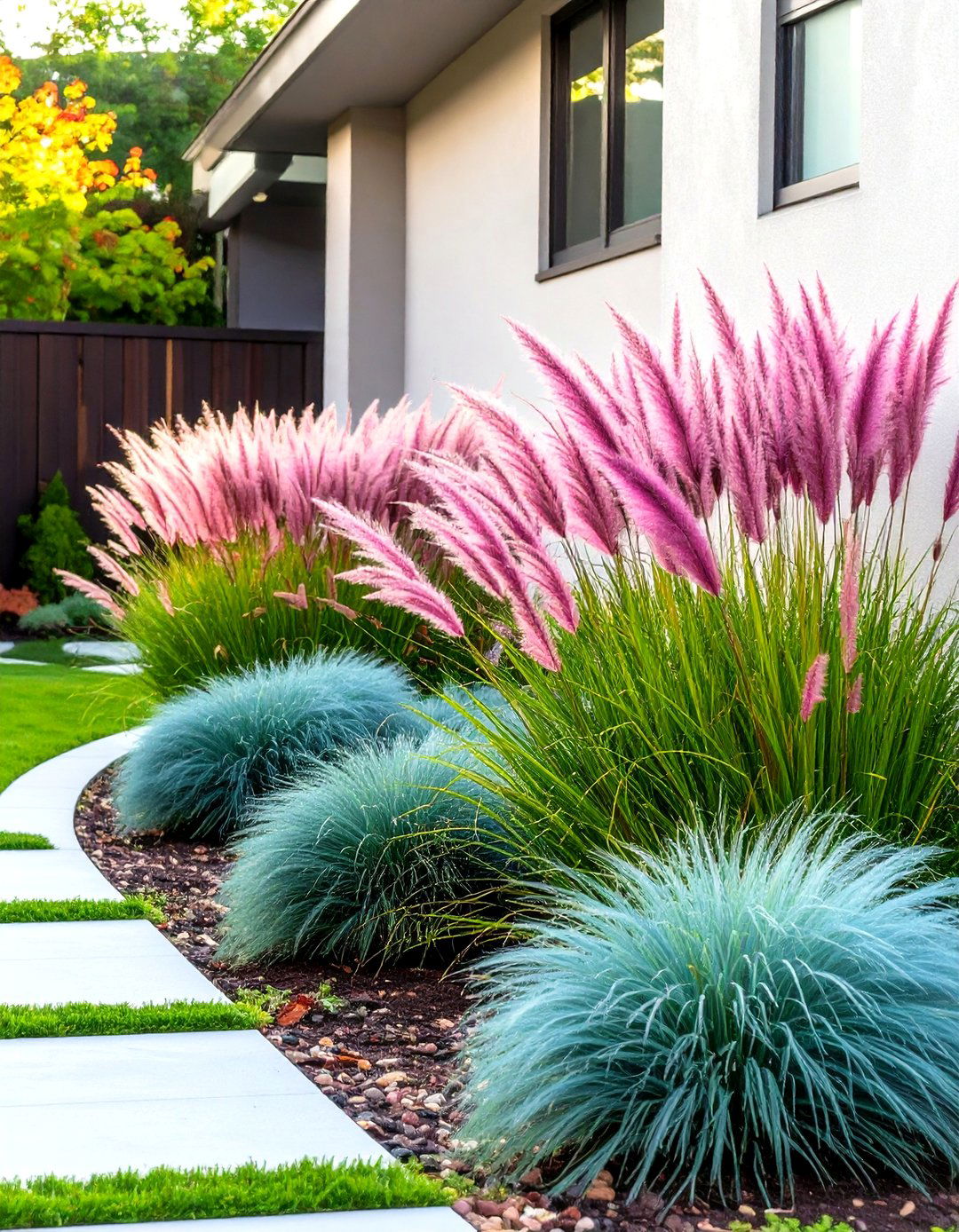
Incorporating ornamental grasses is an easy way to add texture, movement, and year-round interest to a small front yard. Varieties like Blue Fescue, Fountain Grass, or Japanese Forest Grass come in different colors and sizes, and their fine foliage sways gracefully in the breeze. These grasses are generally low-maintenance and drought-tolerant once established. They can be planted in masses to create a soft, modern groundcover, used as accent plants in a mixed border, or placed in containers. Their vertical lines draw the eye upward, and their feathery plumes add a soft touch to the landscape.
12. Solar-Powered Pathway Lights
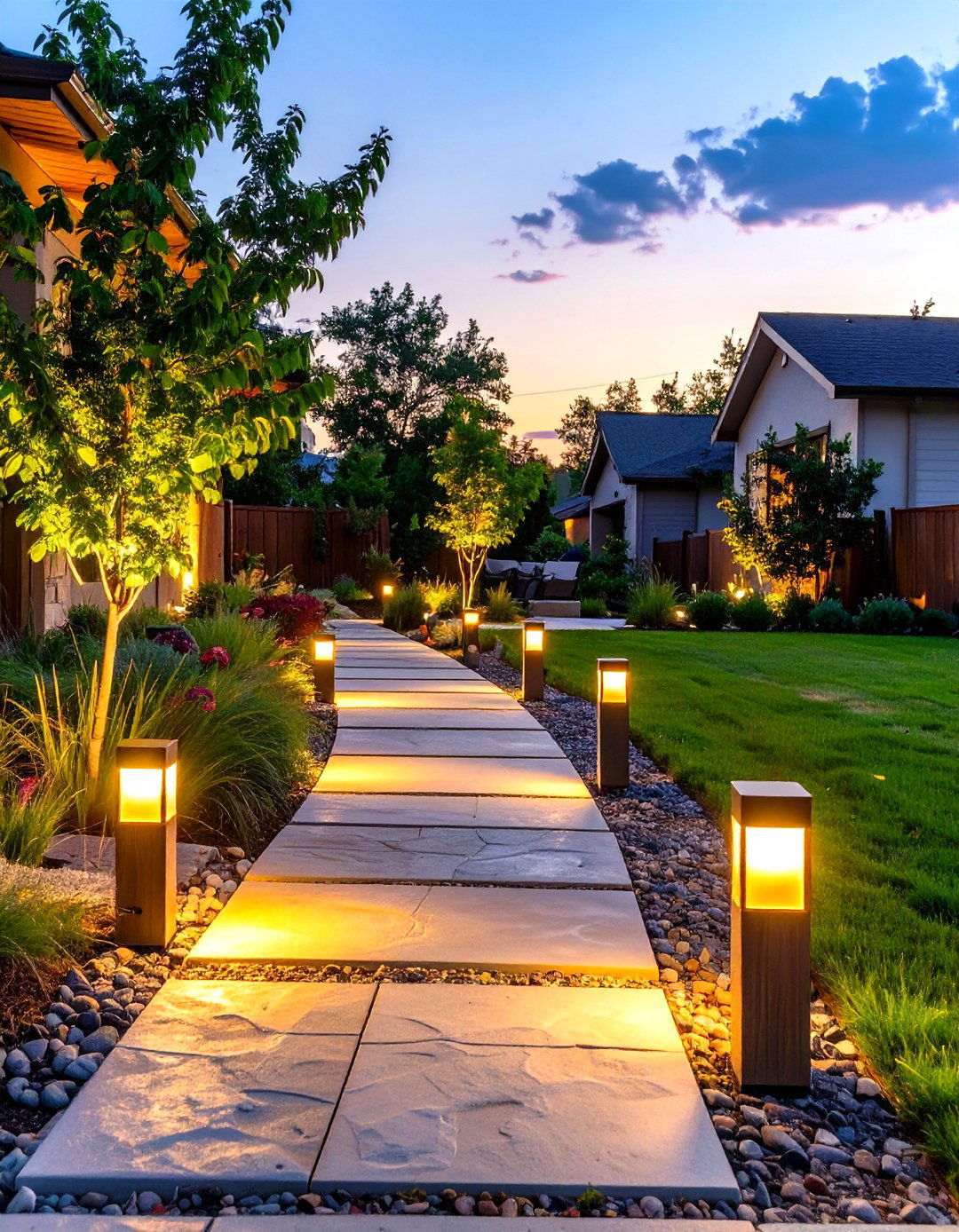
Proper lighting can dramatically transform a small front yard after dark, making it feel safer, more welcoming, and larger. Solar-powered pathway lights are an easy and eco-friendly solution. Simply stake them along your walkway, around a flower bed, or near steps. They charge during the day and automatically turn on at dusk, casting a warm, gentle glow. This not only highlights the key features of your landscape but also improves visibility and security. Modern solar lights come in various styles, from sleek stainless steel to rustic bronze, allowing you to match them to your home’s aesthetic.
13. A Bench as a Focal Point
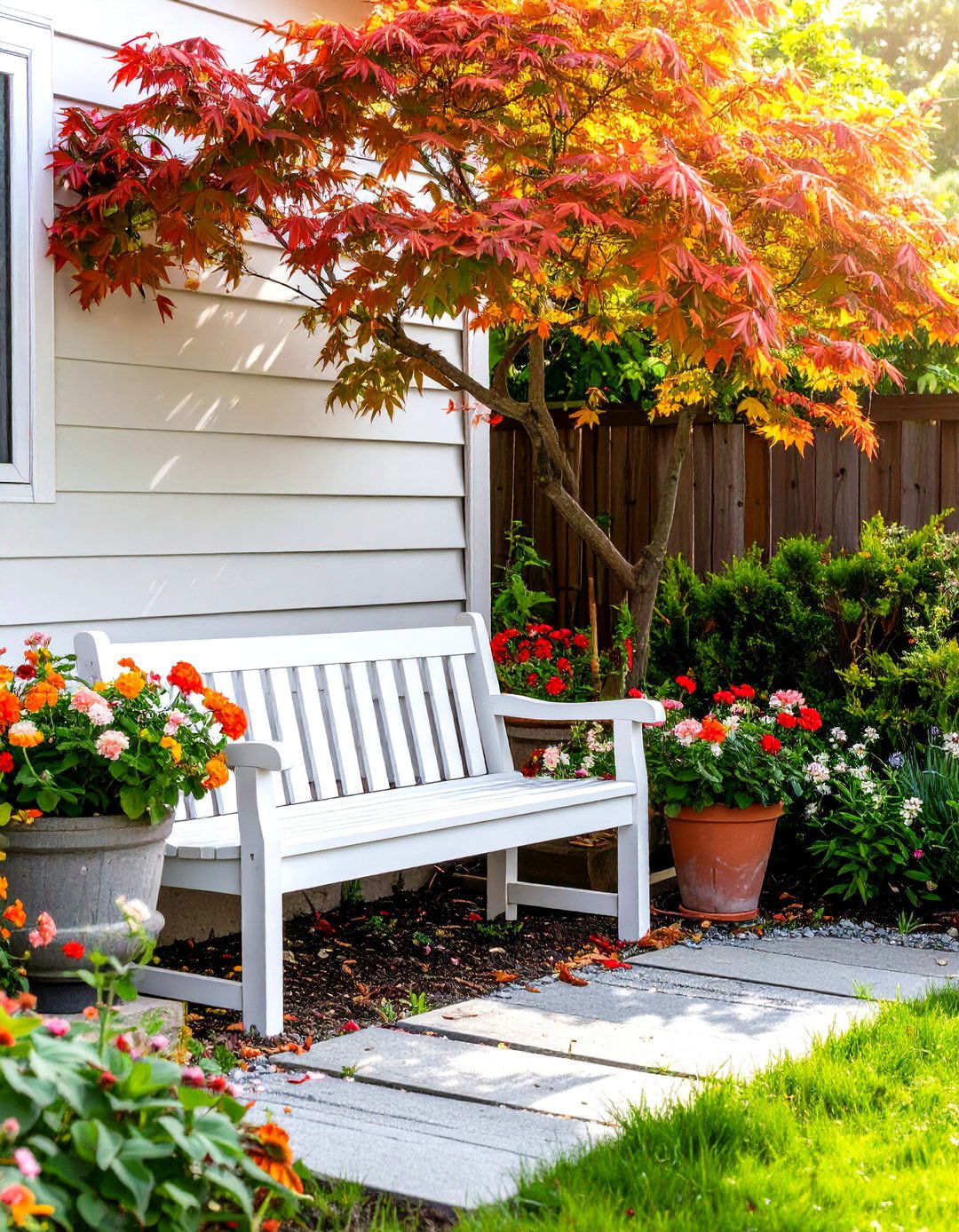
Adding a small bench to your front yard can create a charming focal point and a welcoming gesture. Tucked into a corner, under a small tree, or against the house, a bench invites you and your guests to pause and enjoy the space. It adds a functional element and a sense of purpose to the yard. Choose a style that complements your home, whether it’s a rustic wooden bench, an ornate iron one, or a sleek modern design. Surround it with a few potted plants or a small flower bed to integrate it into the landscape.
14. Small Front Yard with a Berm
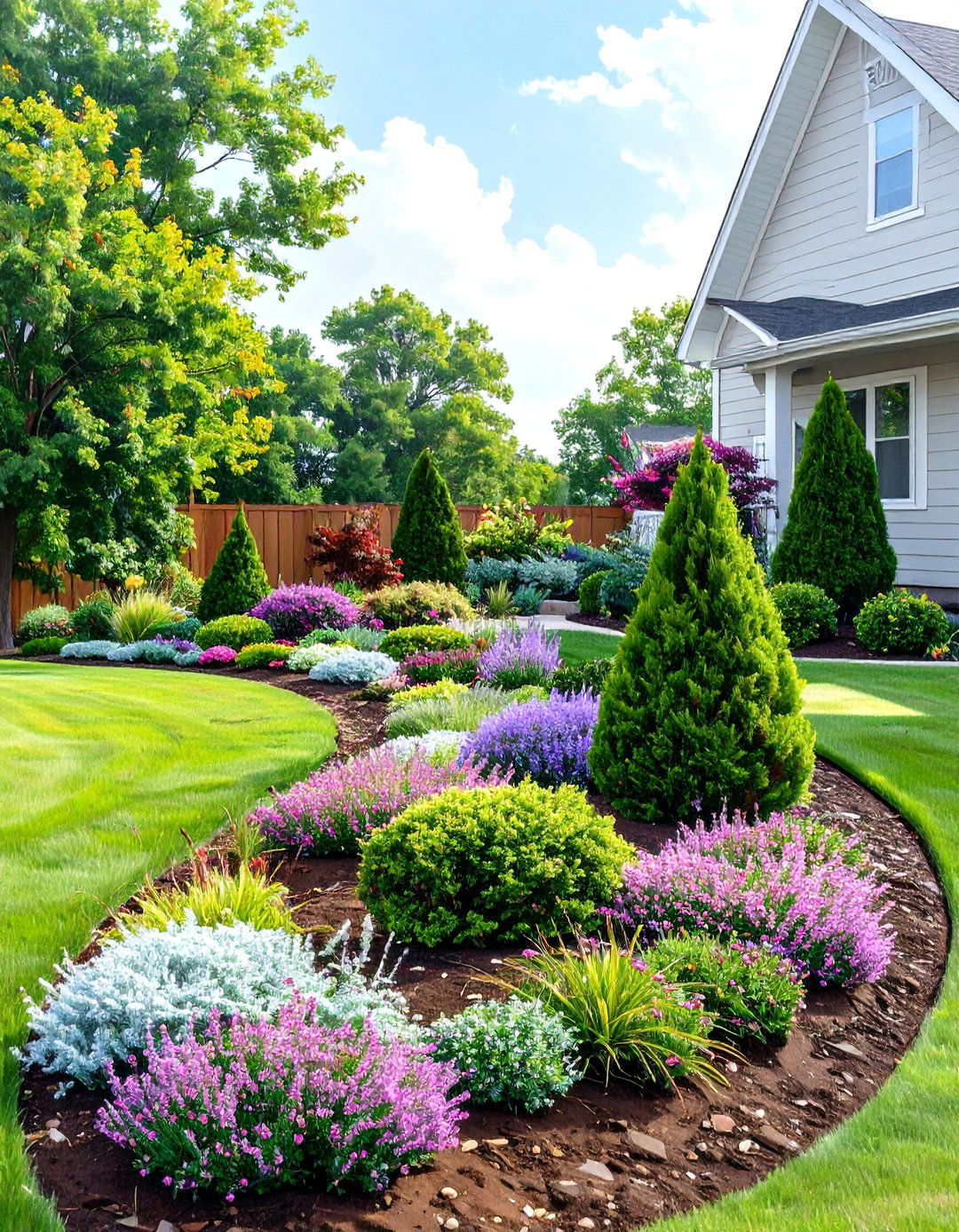
Creating a small berm, which is a gently sloped mound of soil, can add dimension and interest to a flat front yard. A berm elevates plants, making them more visible and creating a sense of depth. It's an ideal spot for a feature tree, a cluster of shrubs, or a rock garden arrangement. The varied elevation breaks up the monotony of a level lawn and can also help with drainage. Planting on a berm allows you to create a beautiful, layered look with taller plants at the peak and shorter ones cascading down the sides.
15. Planting a Single Feature Tree
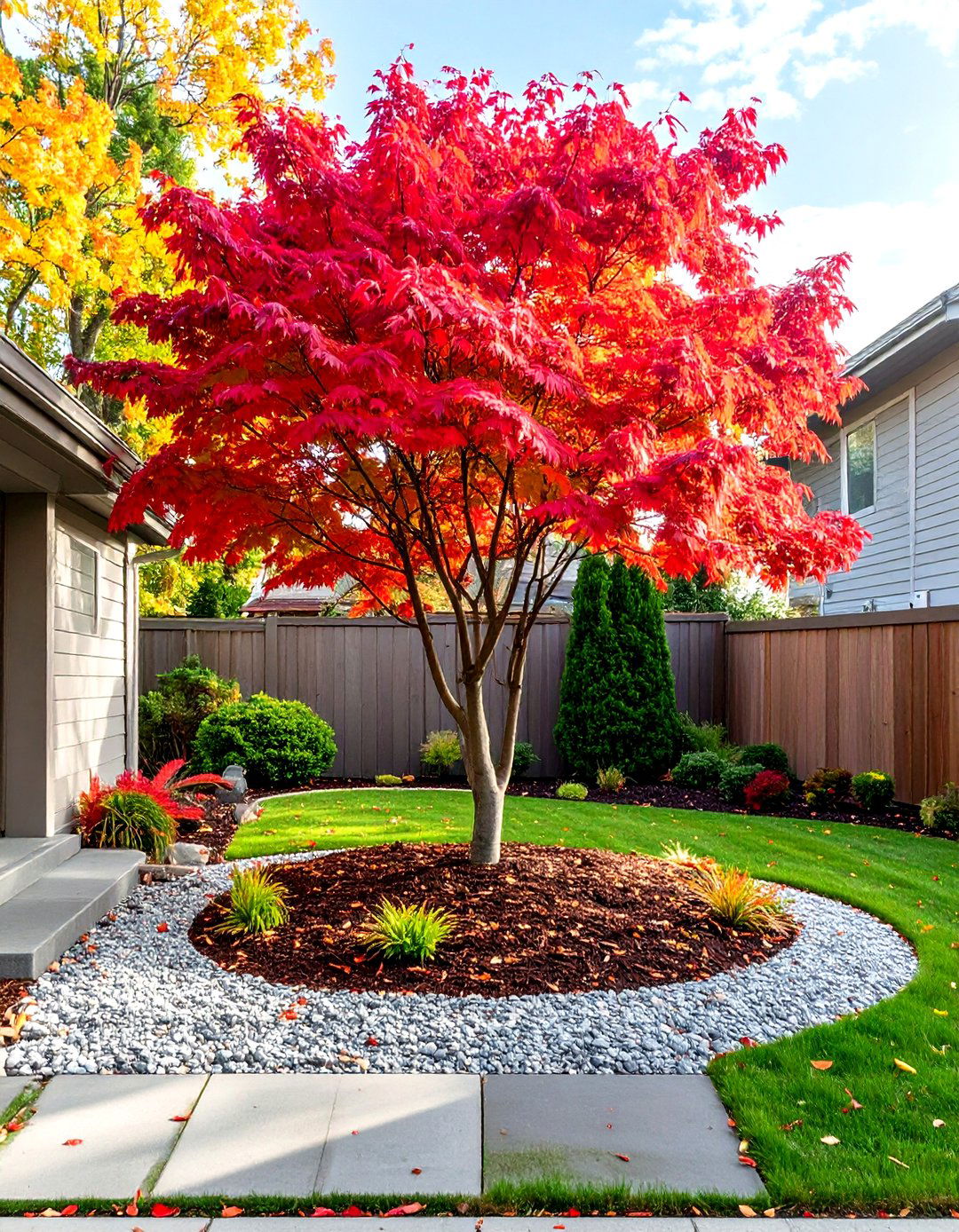
In a small yard, one well-chosen feature tree can have a huge impact. Select a species that won't overwhelm the space when mature, such as a Japanese Maple, a Crabapple, or a Dwarf Crepe Myrtle. A feature tree adds vertical height, provides seasonal interest with flowers or fall color, and can create a bit of shade. Plant it in a strategic location where it can be seen from inside the house and from the street. Underplanting the tree with a circle of groundcover or shade-tolerant perennials completes the look, creating a beautiful and self-contained focal point.
16. Using Large Planters and Urns
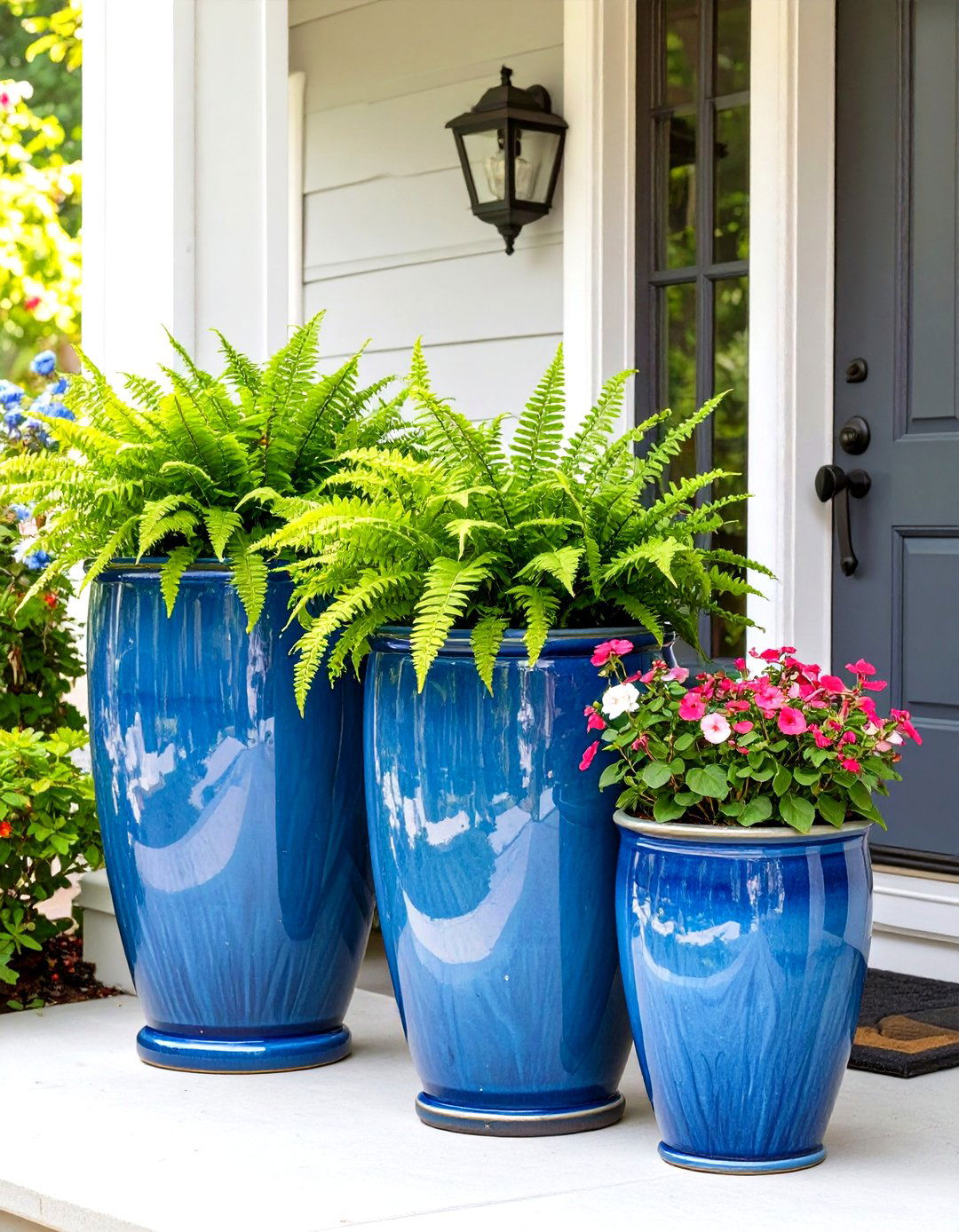
Large, oversized planters can make a dramatic statement in a small front yard. Instead of using many small pots, which can look cluttered, group a few large containers together or place a single, substantial urn as a focal point. These can be placed on either side of the front door, at the edge of a patio, or to mark the entrance to a walkway. Fill them with a "thriller, filler, spiller" combination of plants for a lush, professional look. Large planters add height and a touch of formal elegance, providing a powerful design element.
17. A Checkerboard Paver and Grass Lawn
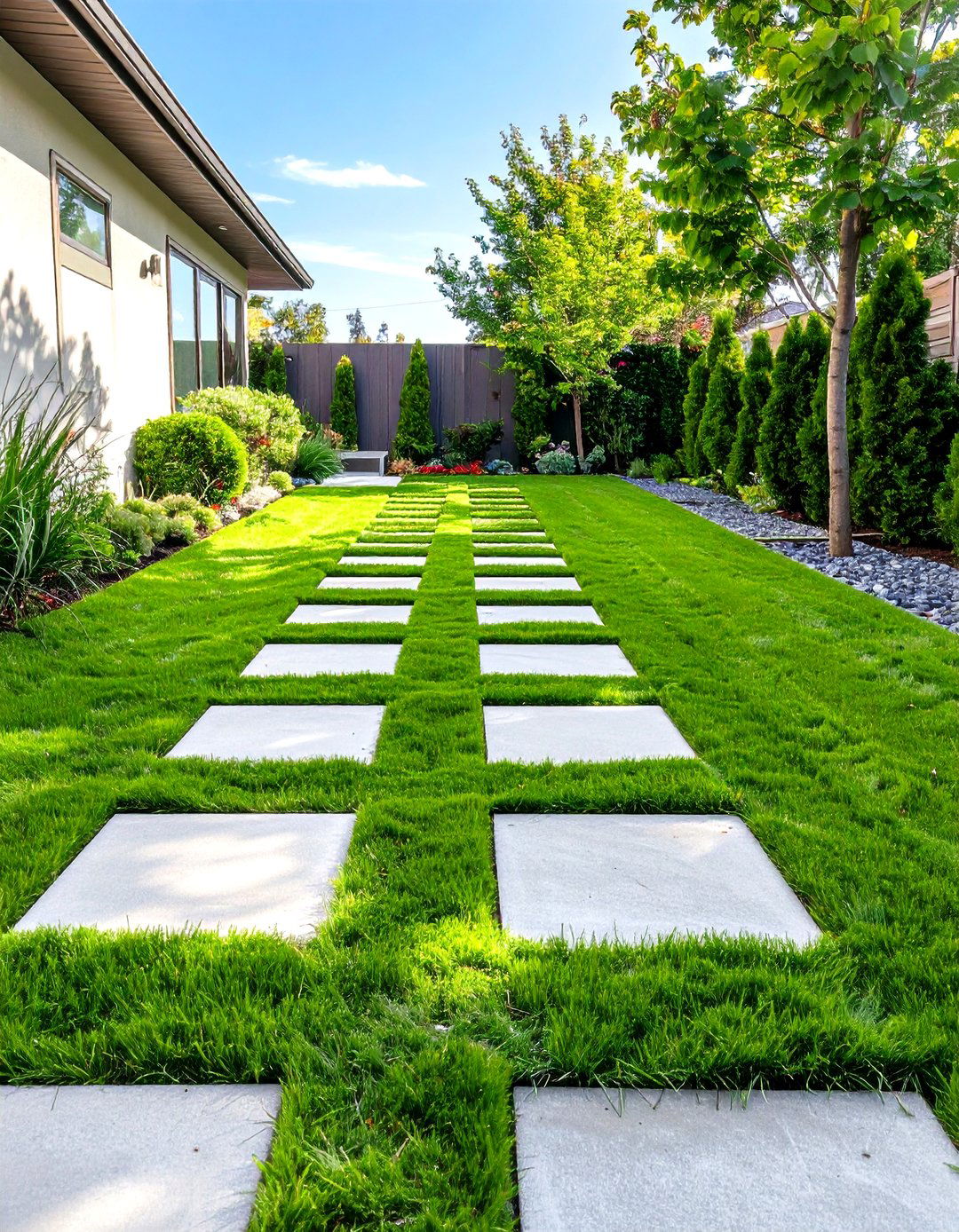
For a contemporary and visually interesting alternative to a solid lawn, consider a checkerboard pattern of pavers and grass. This design involves setting square pavers into the lawn with gaps in between where grass or a low-growing groundcover can grow. It creates a graphic, permeable surface that is both functional and stylish. This approach is perfect for creating a small patio area or a unique walkway. It breaks up the solid green expanse, adding a modern architectural element to the landscape while still retaining the softness of a lawn.
18. An Arbor Entryway
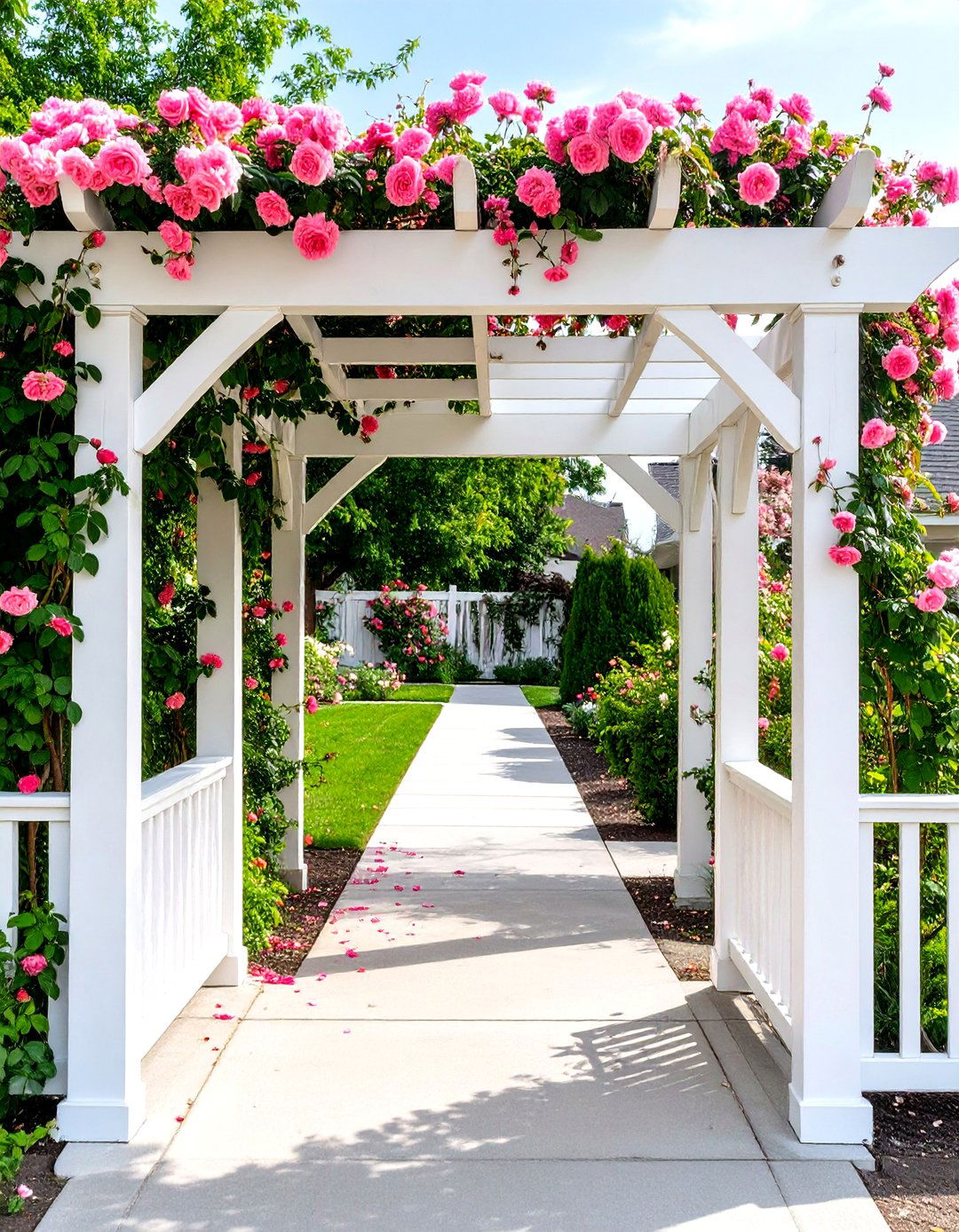
An arbor placed over the start of your front walkway creates a beautiful and welcoming entrance to your yard. This vertical structure immediately adds height and a sense of passage. You can train climbing roses, clematis, or jasmine to grow over the arbor, adding color, fragrance, and romance. An arbor acts as a frame for your home, drawing the eye toward the front door. It’s a simple addition that can define the entry space and add a significant amount of charm and character, making your small front yard feel like a special garden retreat.
19. Edging with Landscape Borders
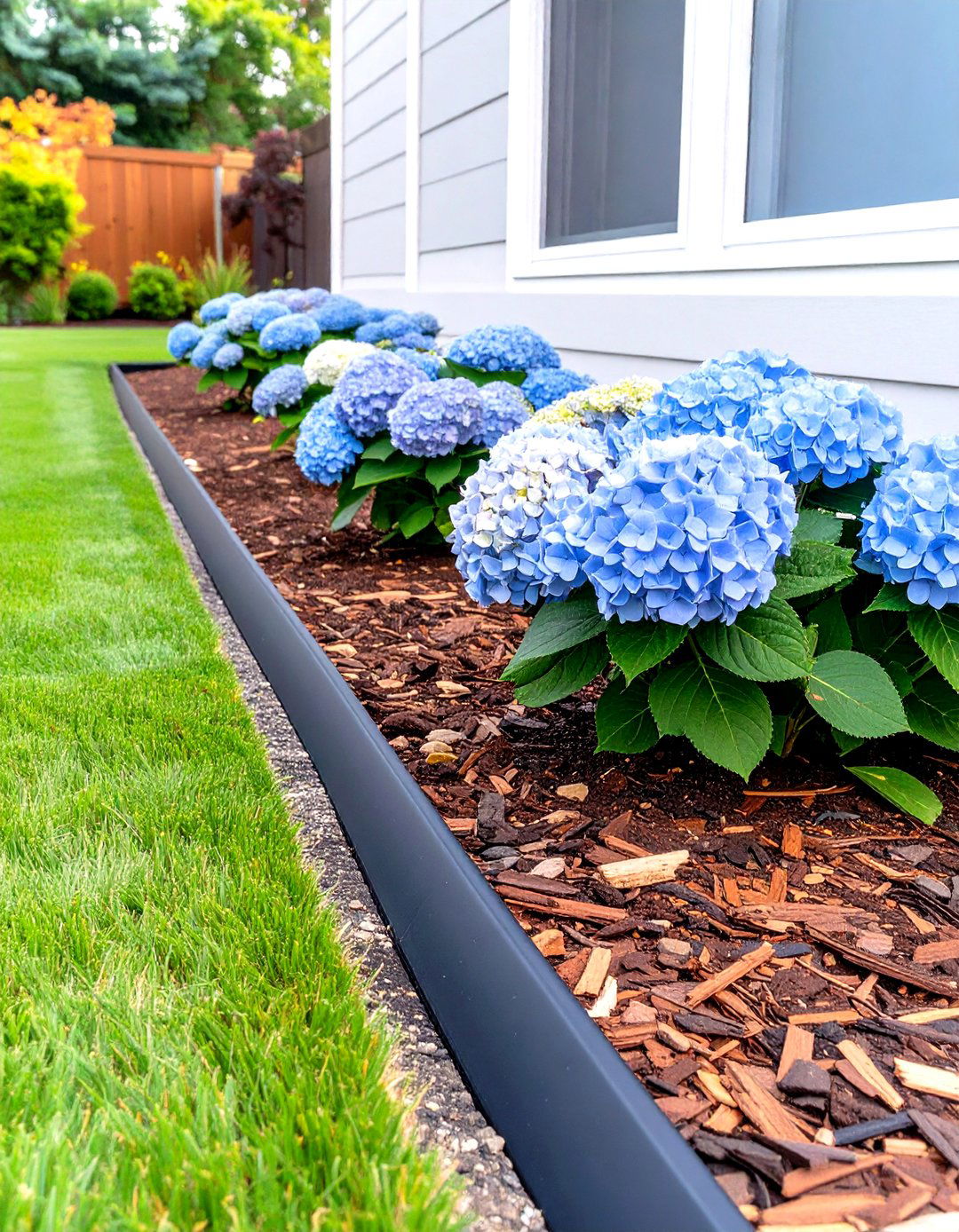
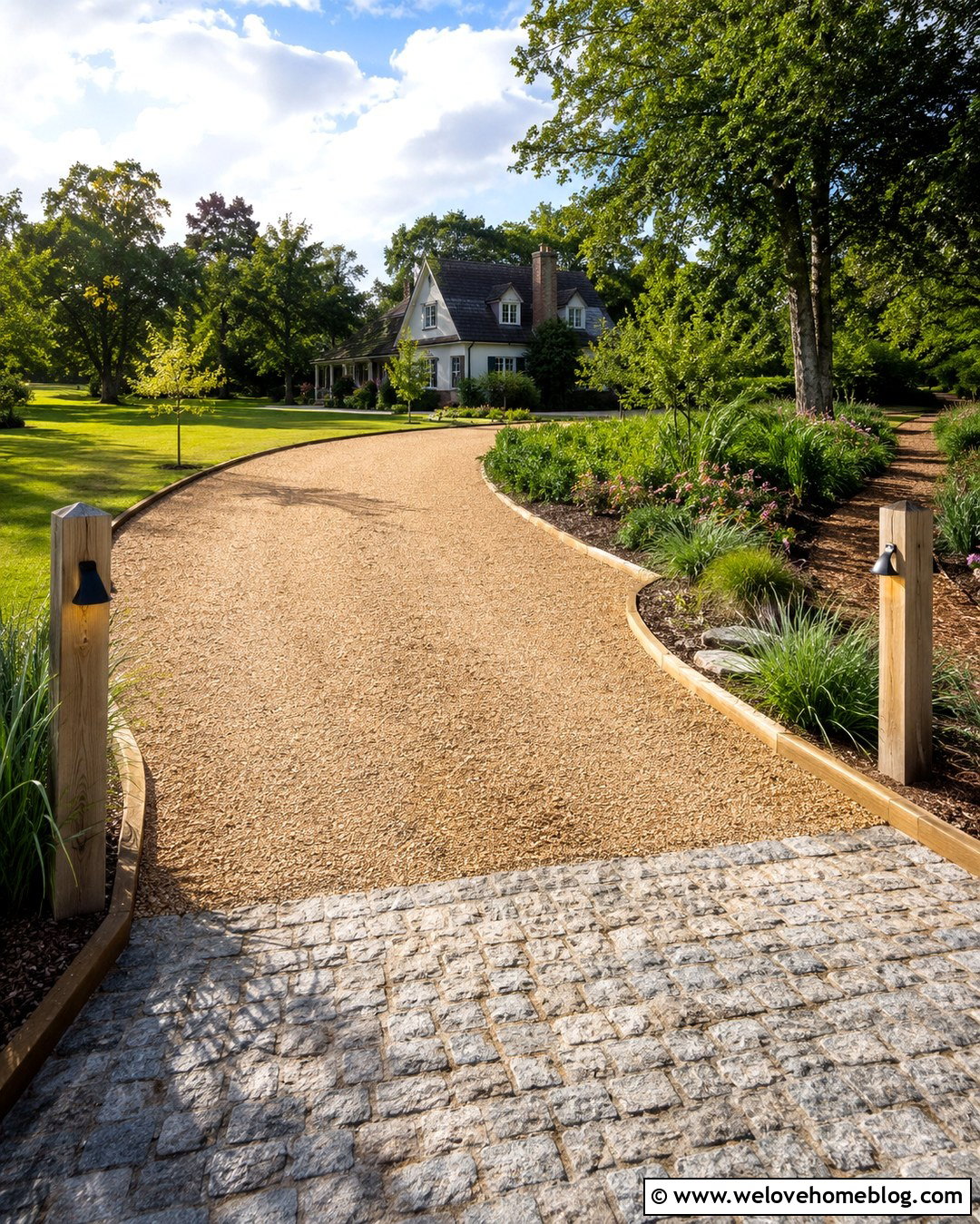
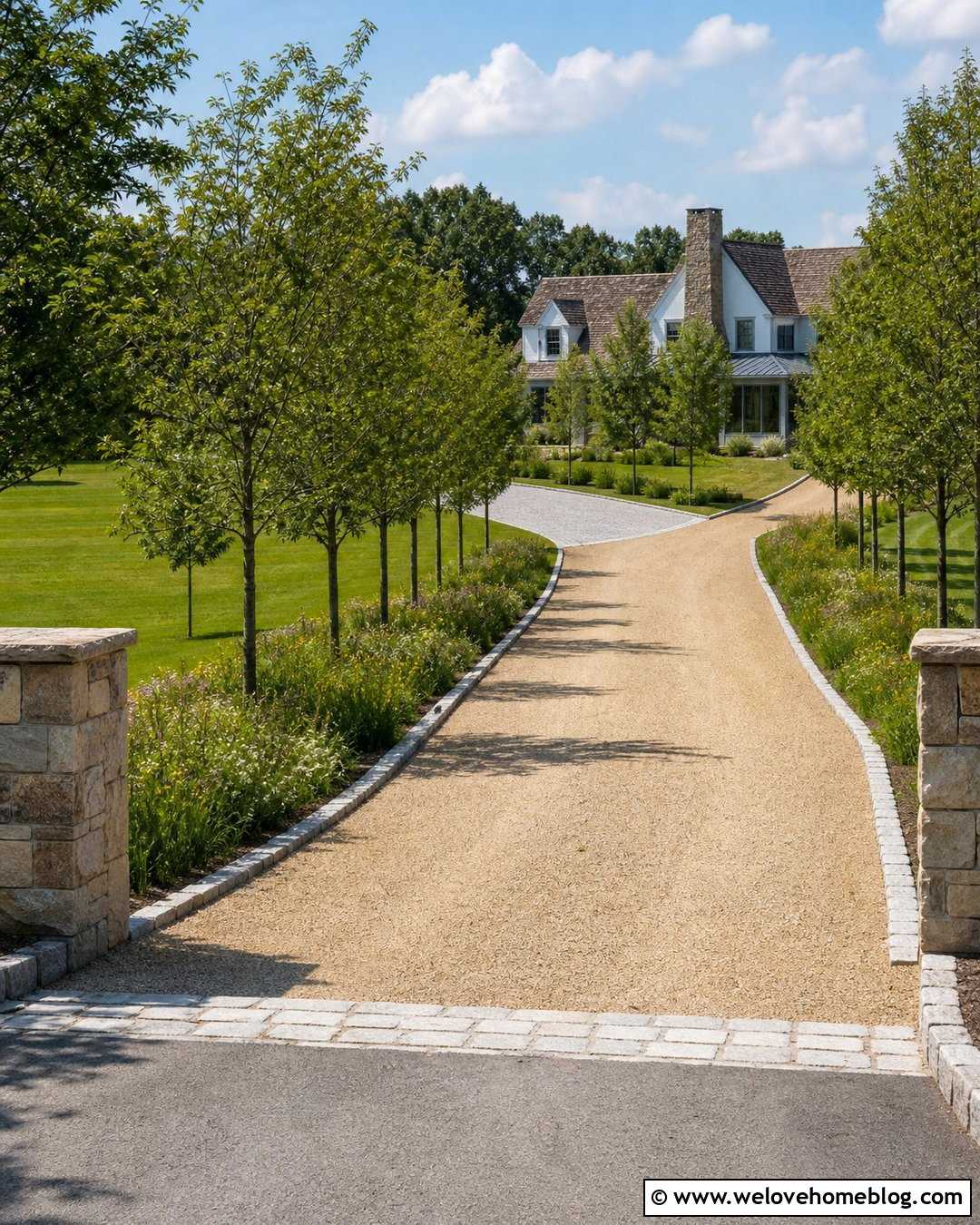
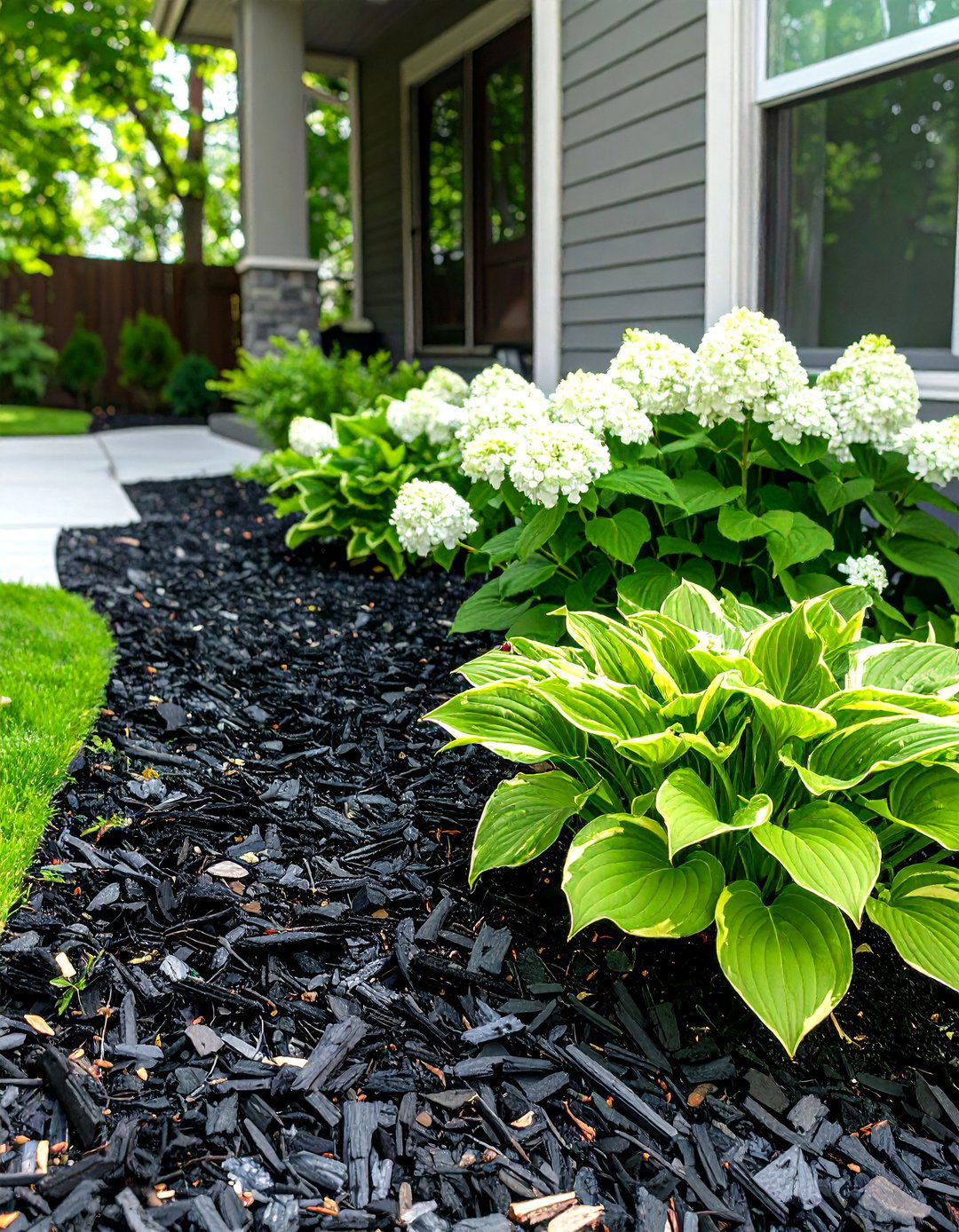
Defining the edges of your garden beds and walkways with a clean border is a simple trick that makes a huge difference in a small yard. Crisp edges create a neat, tidy appearance and prevent grass from encroaching into your planting areas. You can use materials like brick, stone, steel edging, or even natural materials like wood. This clear separation between lawn, garden beds, and paths gives the landscape a polished and professional look. It’s a small detail that brings order and structure to the overall design, making the entire yard feel more put-together.
20. Small Front Yard with Groundcover Plants
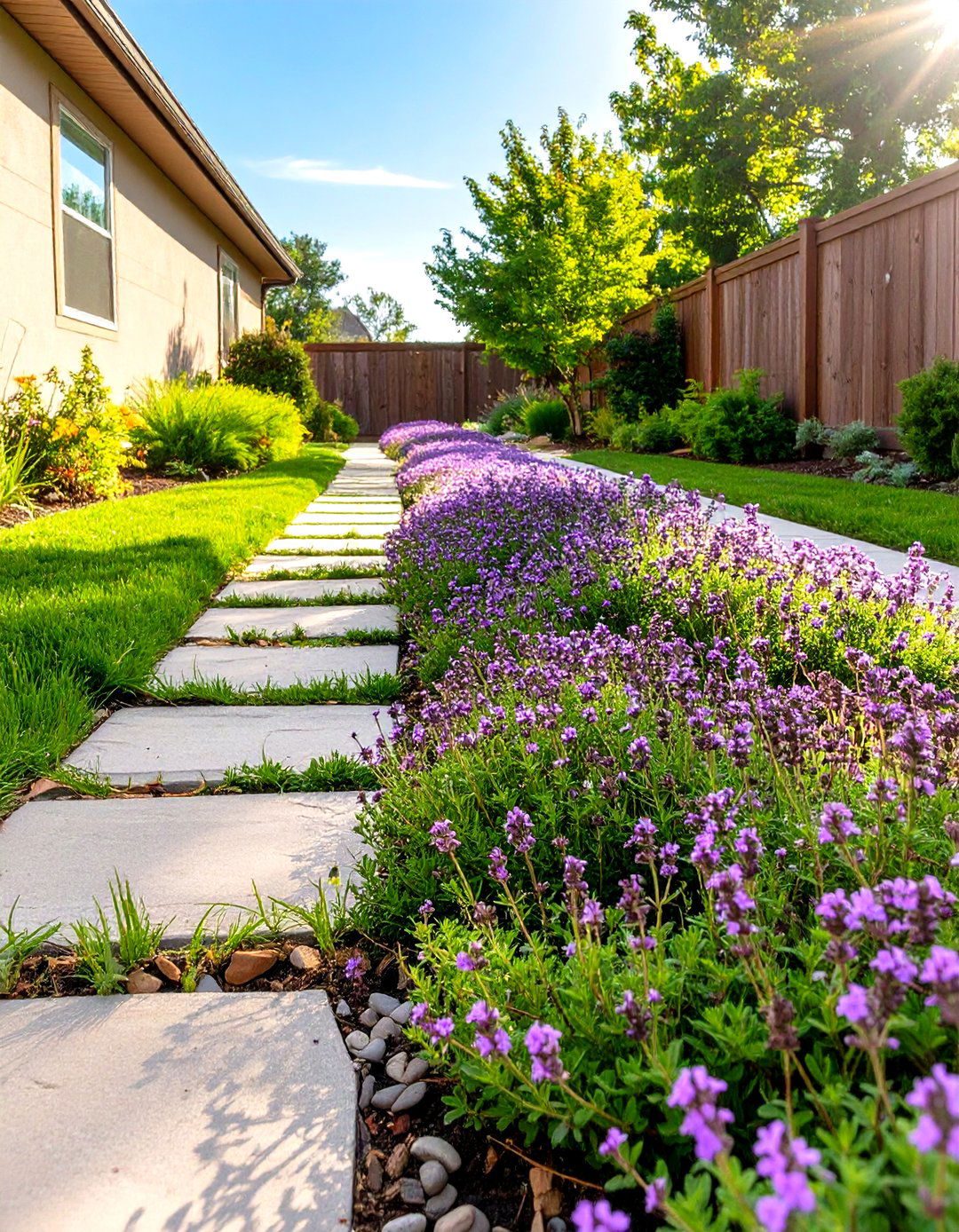
Replacing a small, hard-to-mow patch of lawn with a lush groundcover can be a beautiful and low-maintenance solution. Plants like Creeping Thyme, Ajuga, or Sedum spread to form a dense mat of foliage, suppressing weeds and requiring no mowing. Many groundcovers also produce lovely flowers and can tolerate foot traffic. This strategy adds texture and color to the ground plane and is especially useful for sloped areas or irregularly shaped spaces. It creates a soft, green carpet that unifies the landscape design and simplifies yard work, giving you more time to enjoy your garden.
21. A Dry Creek Bed Feature
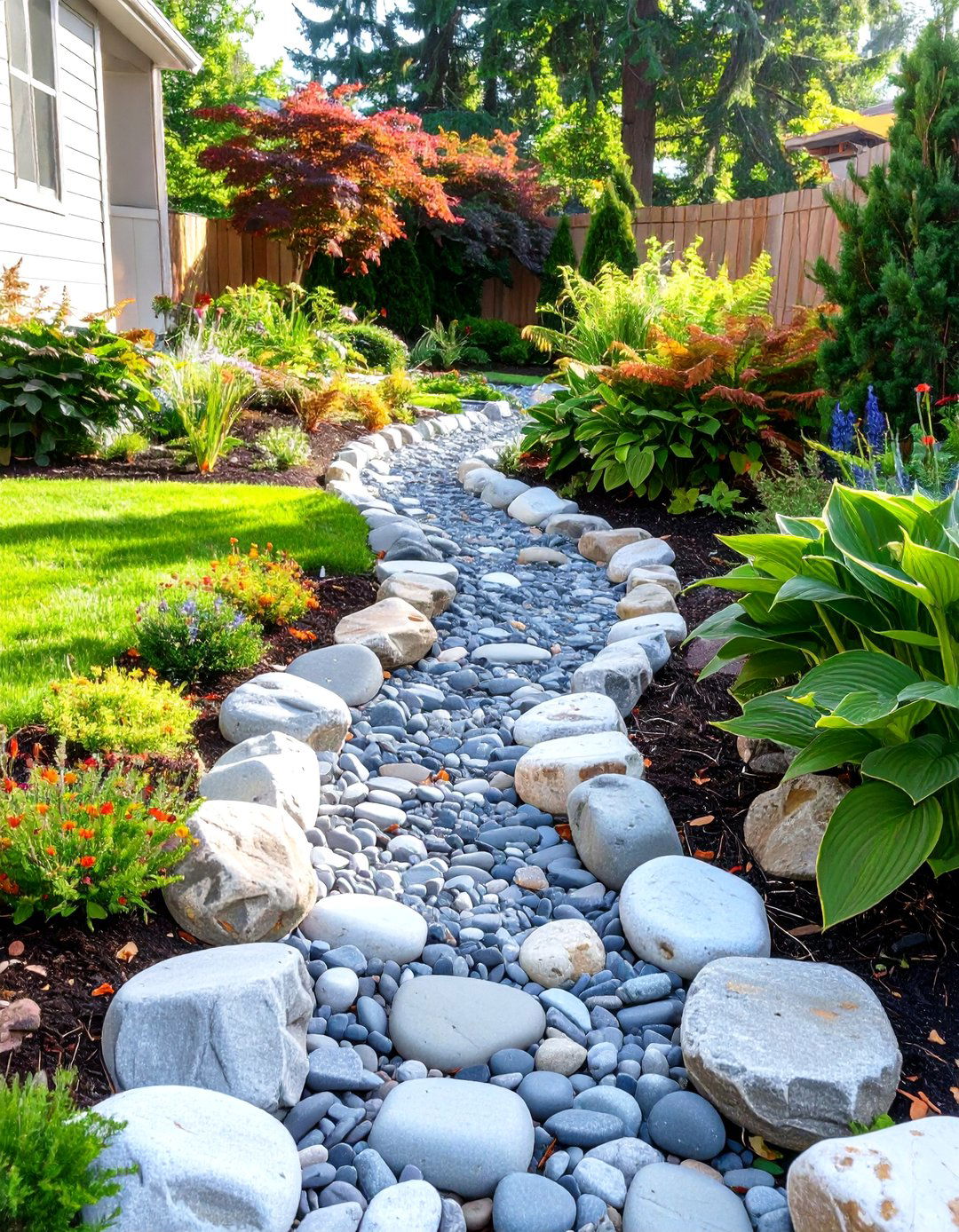
A dry creek bed is a creative and practical feature that can add natural beauty to a small front yard. Constructed with a winding path of river rocks and stones of various sizes, it mimics the look of a natural waterway. This feature can be used to solve drainage problems by channeling rainwater away from your home's foundation. Plant the edges with ornamental grasses, ferns, and other moisture-loving plants to enhance the naturalistic effect. A dry creek bed adds texture, movement, and a strong visual line that can make the yard feel more dynamic.
22. Incorporating Landscape Boulders
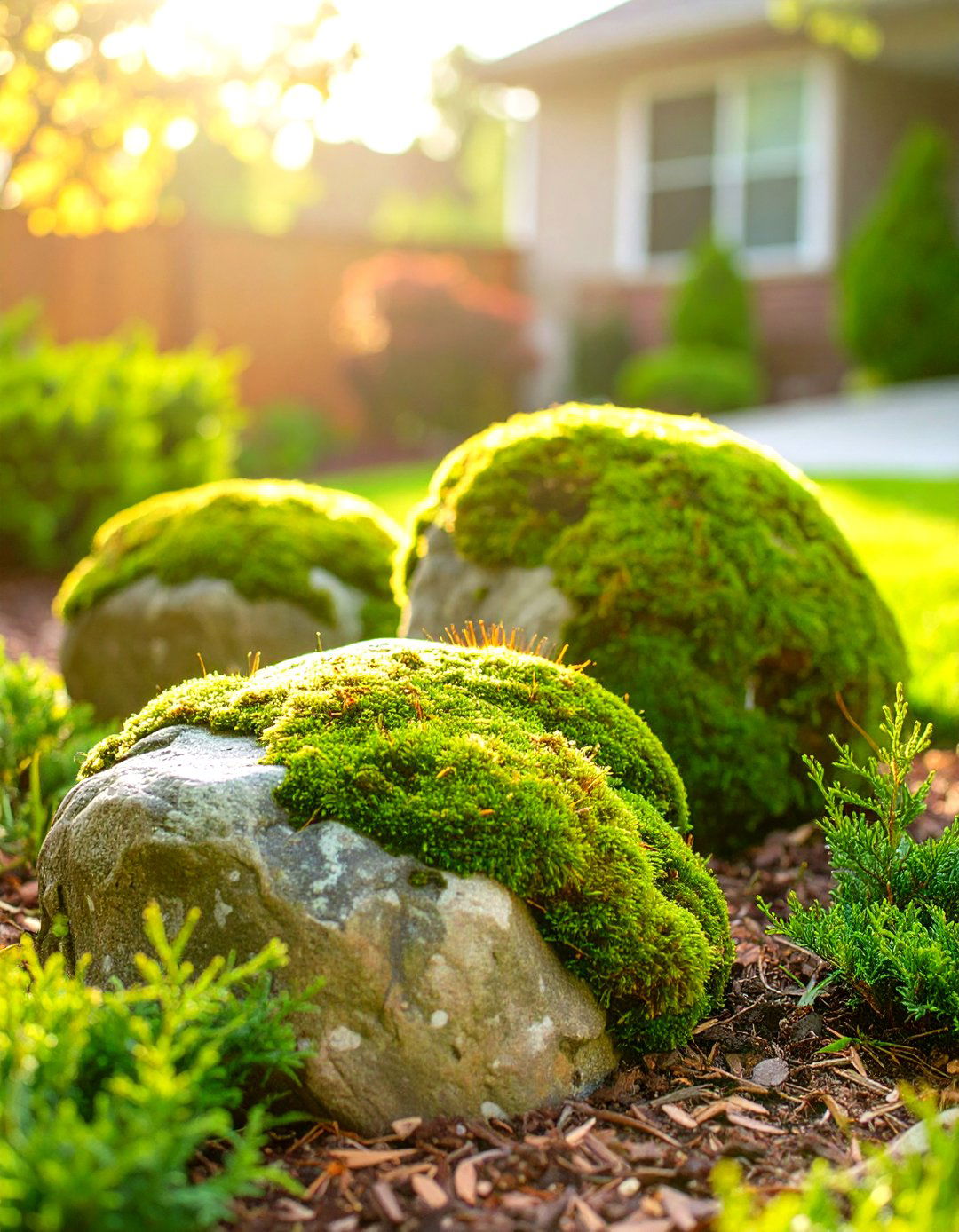
Strategically placing a few large boulders can add a powerful, natural element to your small front yard. Unlike smaller rocks, large boulders act as sculptural anchors in the landscape. They provide instant age and permanence to a garden bed and create a dramatic contrast with soft plant textures. A single large boulder or a cluster of three can serve as a focal point. You can nestle them into a garden bed and surround them with low-growing shrubs, grasses, or groundcover to make them look as if they have always been there, adding rugged character.
23. A Monochromatic Color Scheme
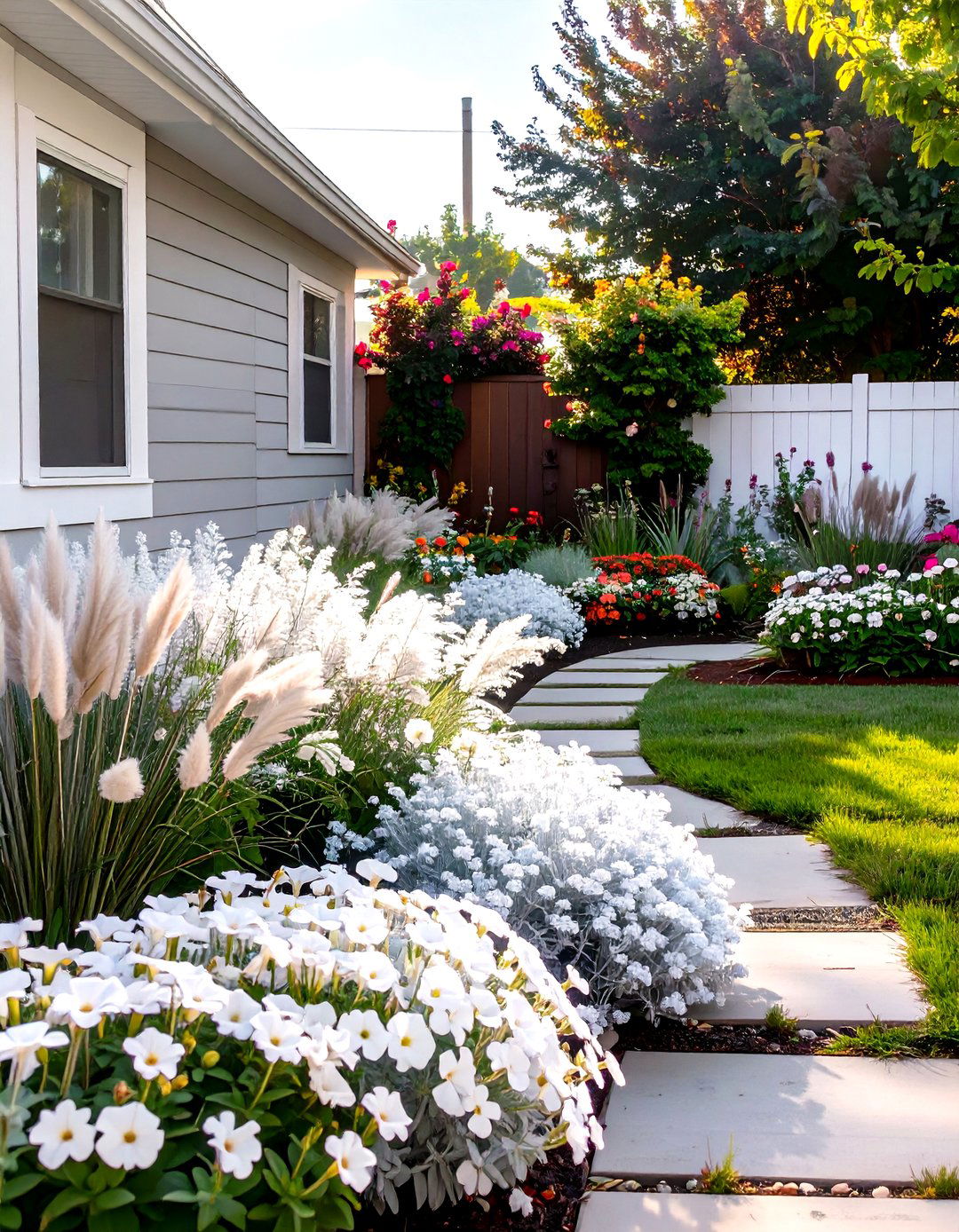
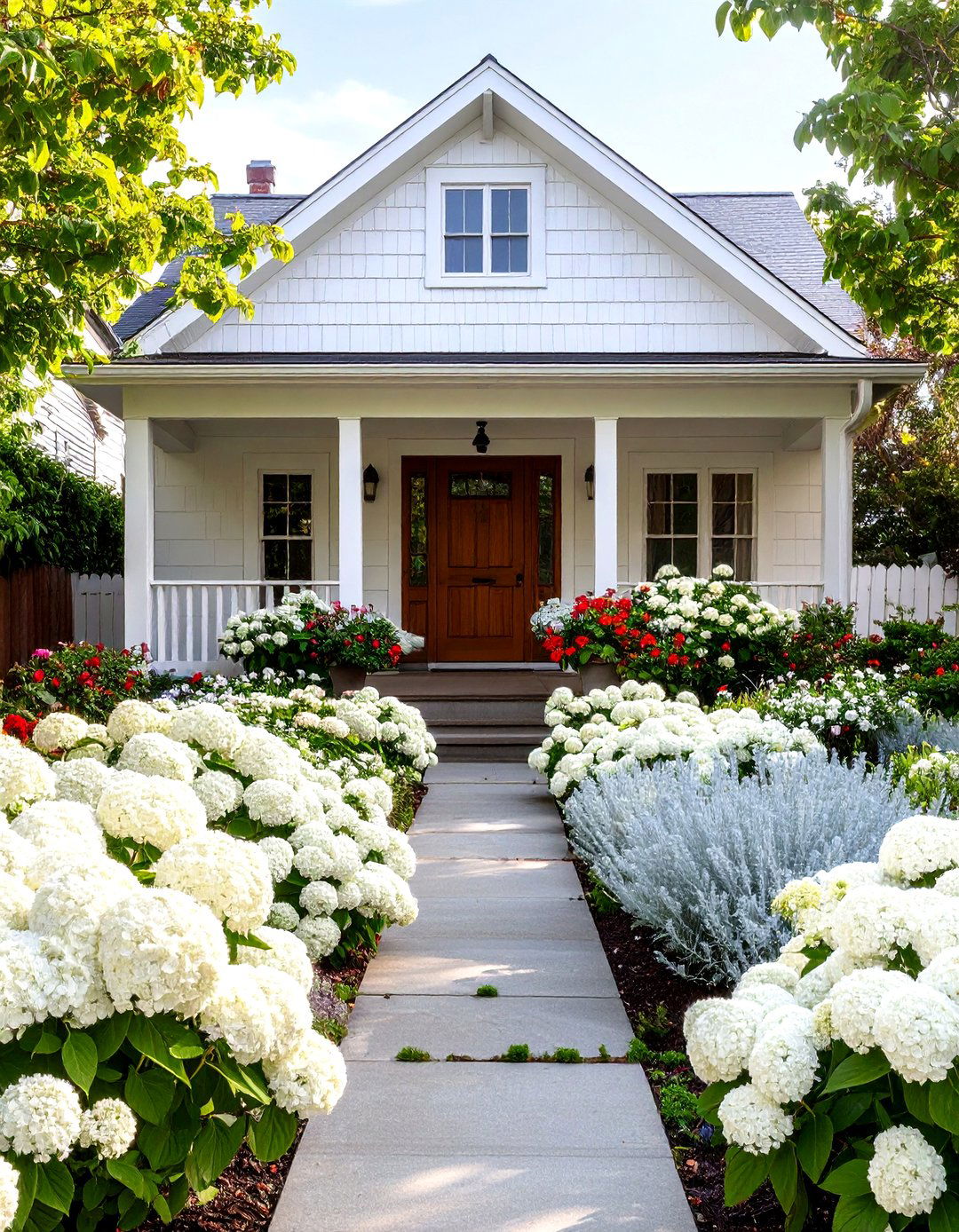
Limiting your plant palette to a single color family can create a sophisticated and cohesive look in a small front yard. A monochromatic scheme, such as all-white or various shades of purple, is calming and elegant. Using different tints, tones, and shades of one color adds depth and interest without overwhelming the space. This approach allows you to focus on variations in plant form, texture, and size. The result is a unified and intentional design that feels both serene and visually impactful, making the small space appear more organized and thoughtfully curated.
24. A Cottage Garden Style
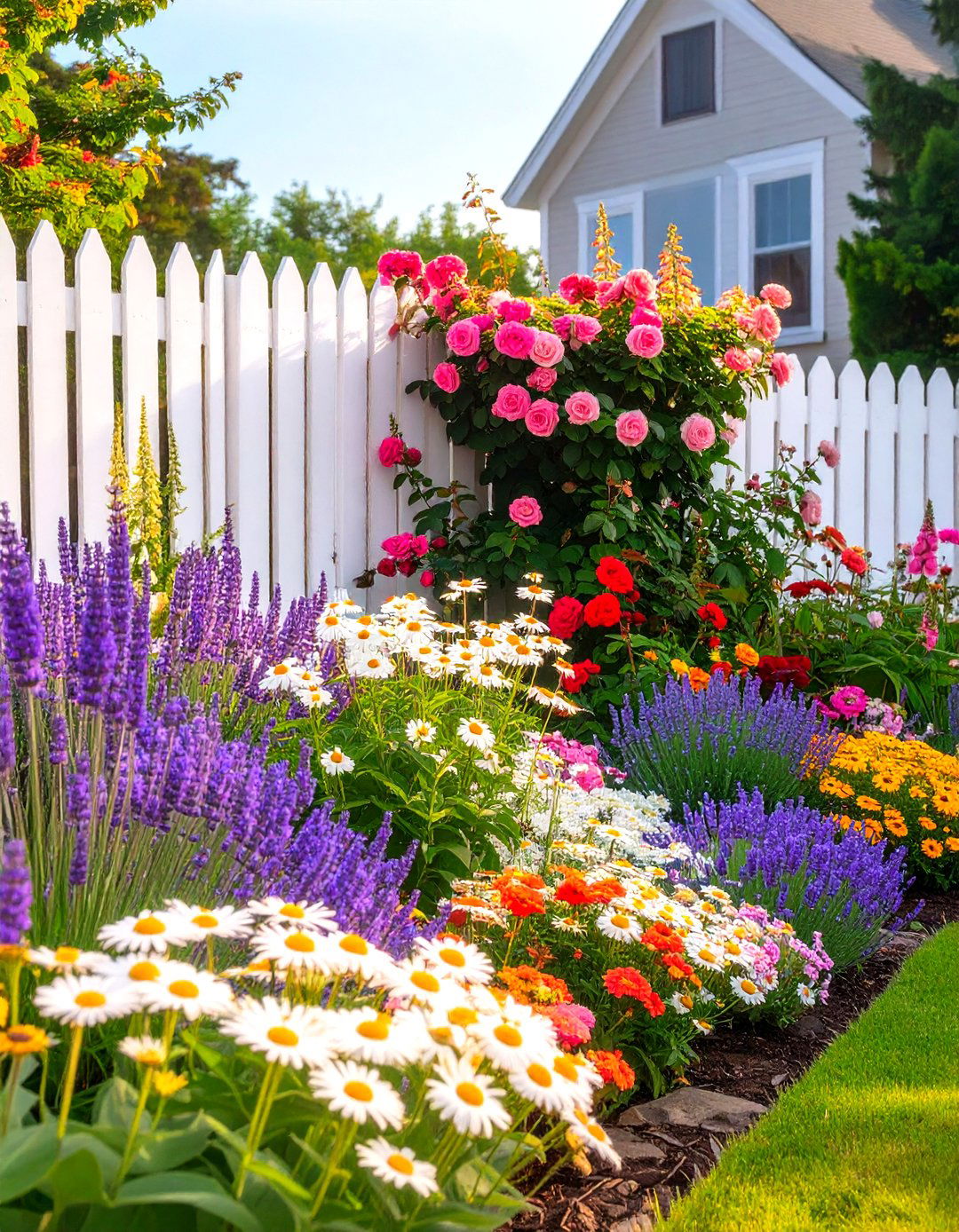
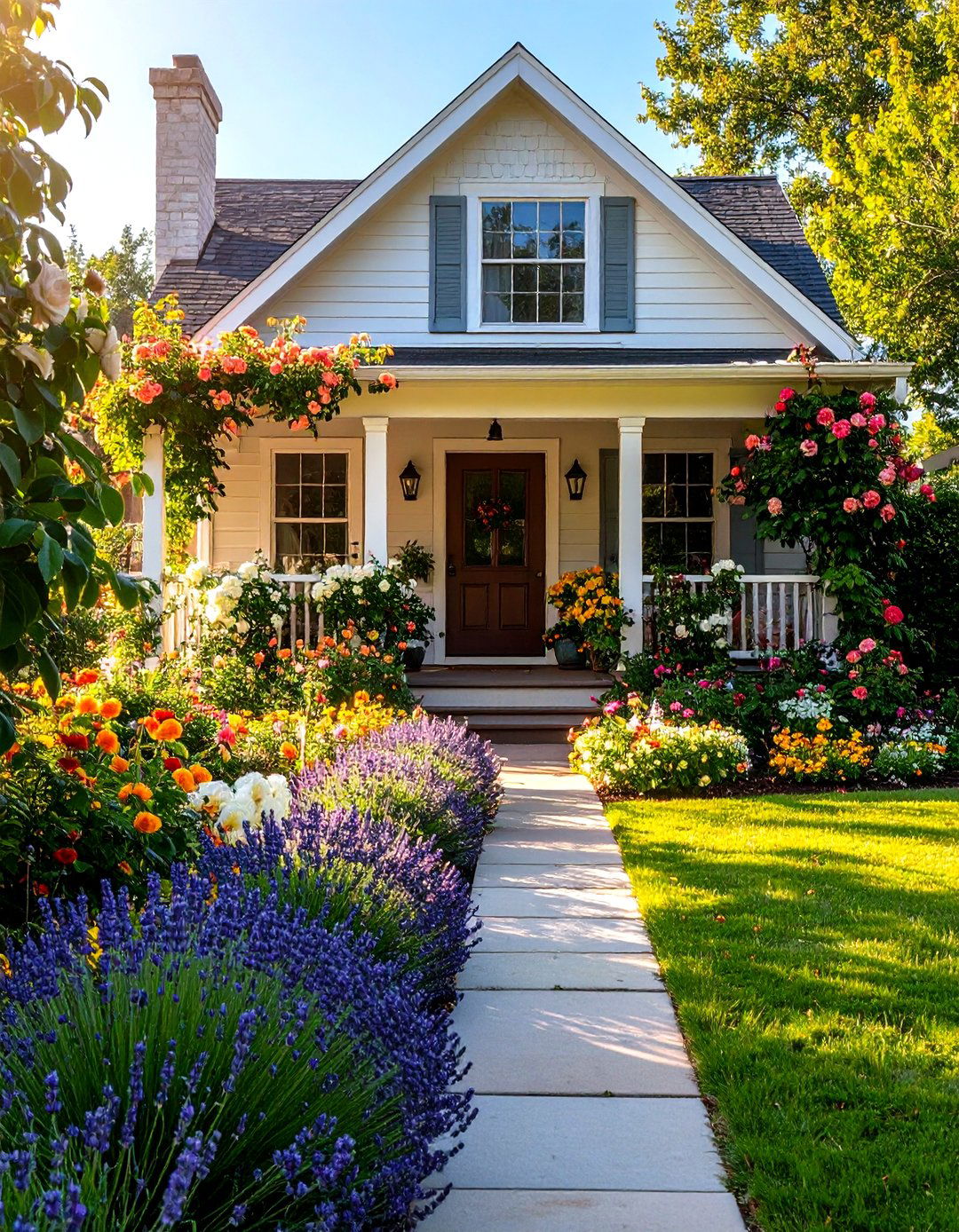
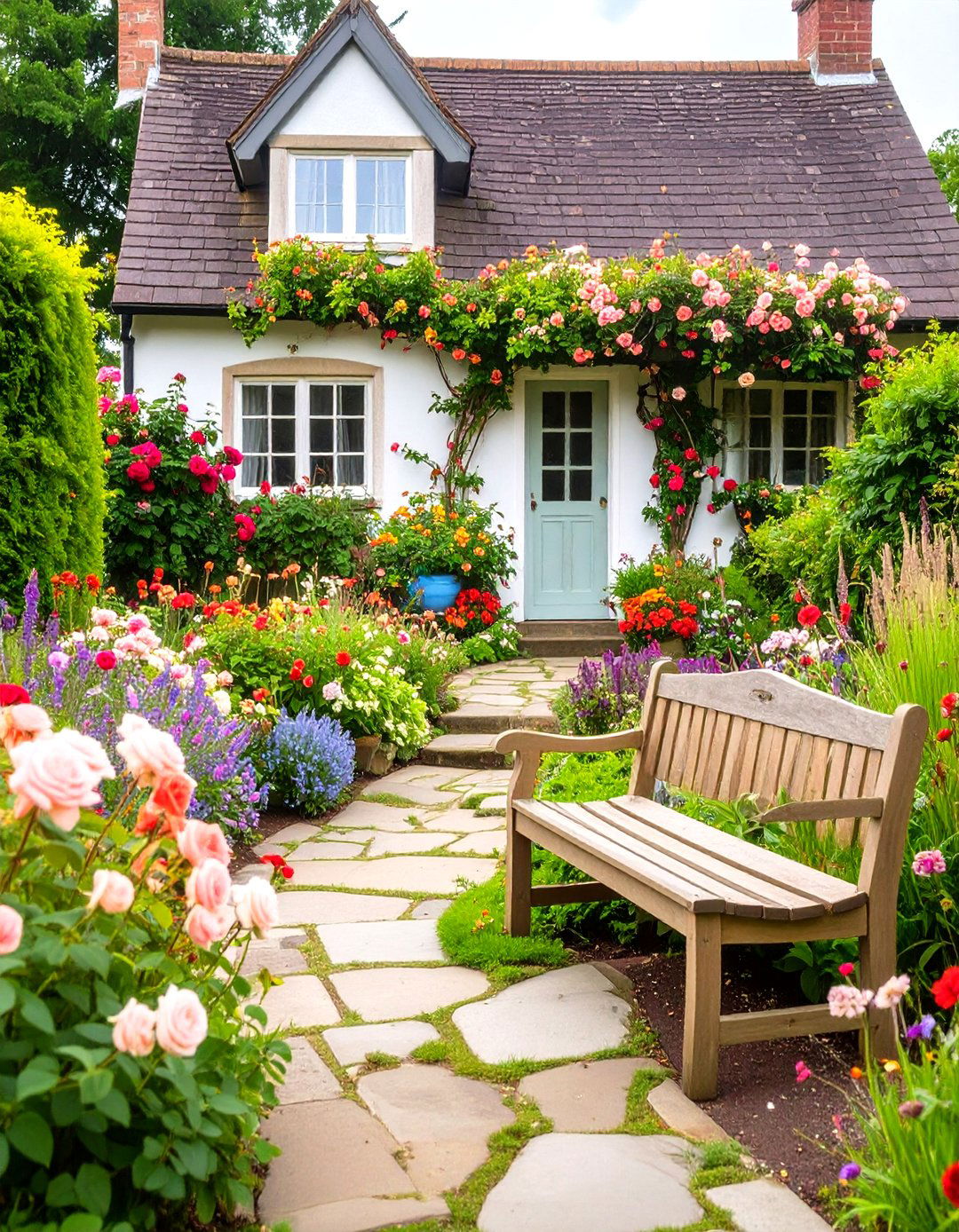
The charming, informal style of a cottage garden is perfectly suited for a small front yard. This design embraces a dense mix of flowering perennials, annuals, and climbing plants in a seemingly random but artful arrangement. Use plants of varying heights and textures to create a lush, overflowing look. Classic cottage garden plants include roses, lavender, daisies, and hollyhocks. A simple picket fence or a stone path can help provide structure amidst the joyful chaos. This style creates a welcoming, romantic, and colorful entrance that is full of life and personality.
25. Using Espaliered Fruit Trees
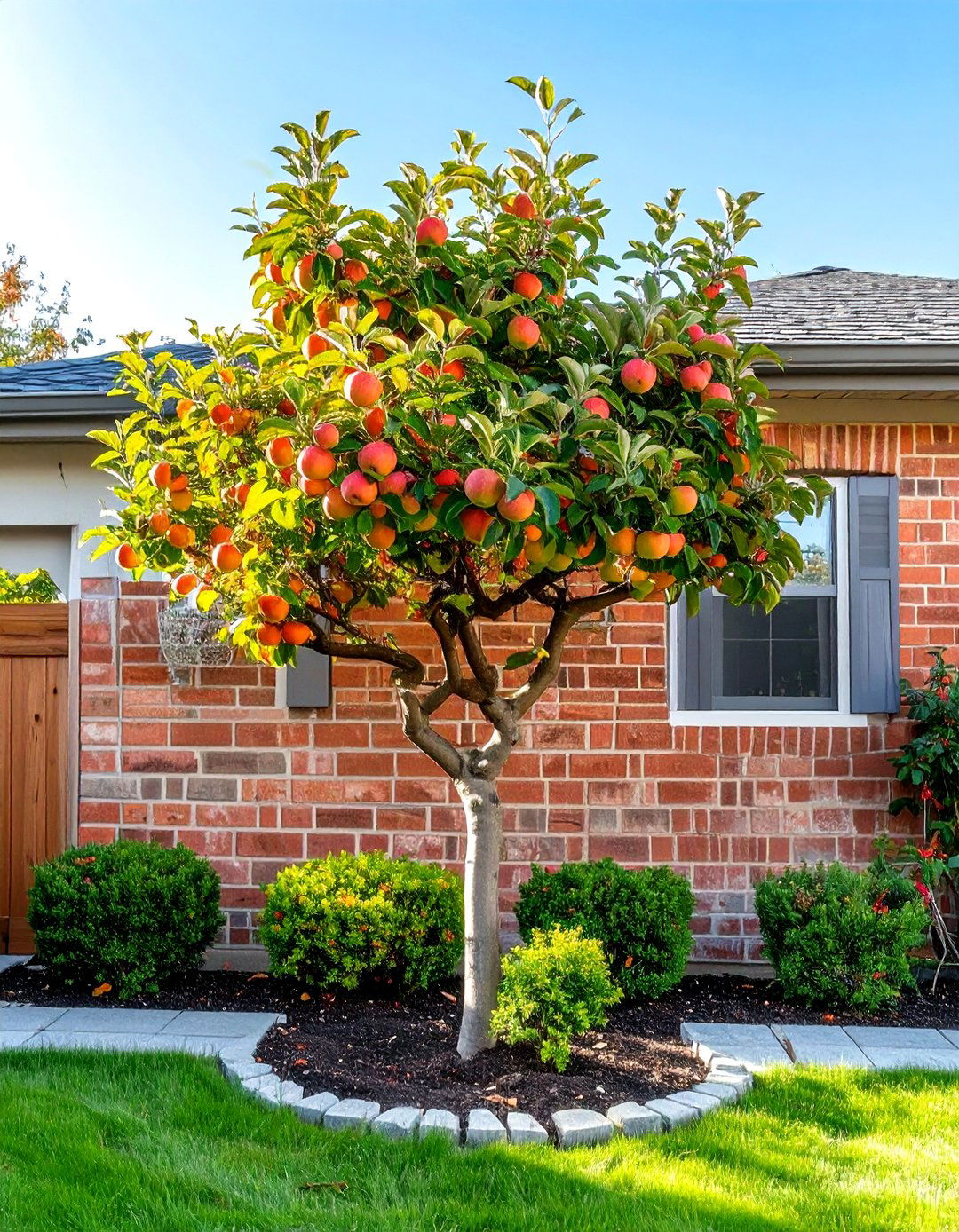
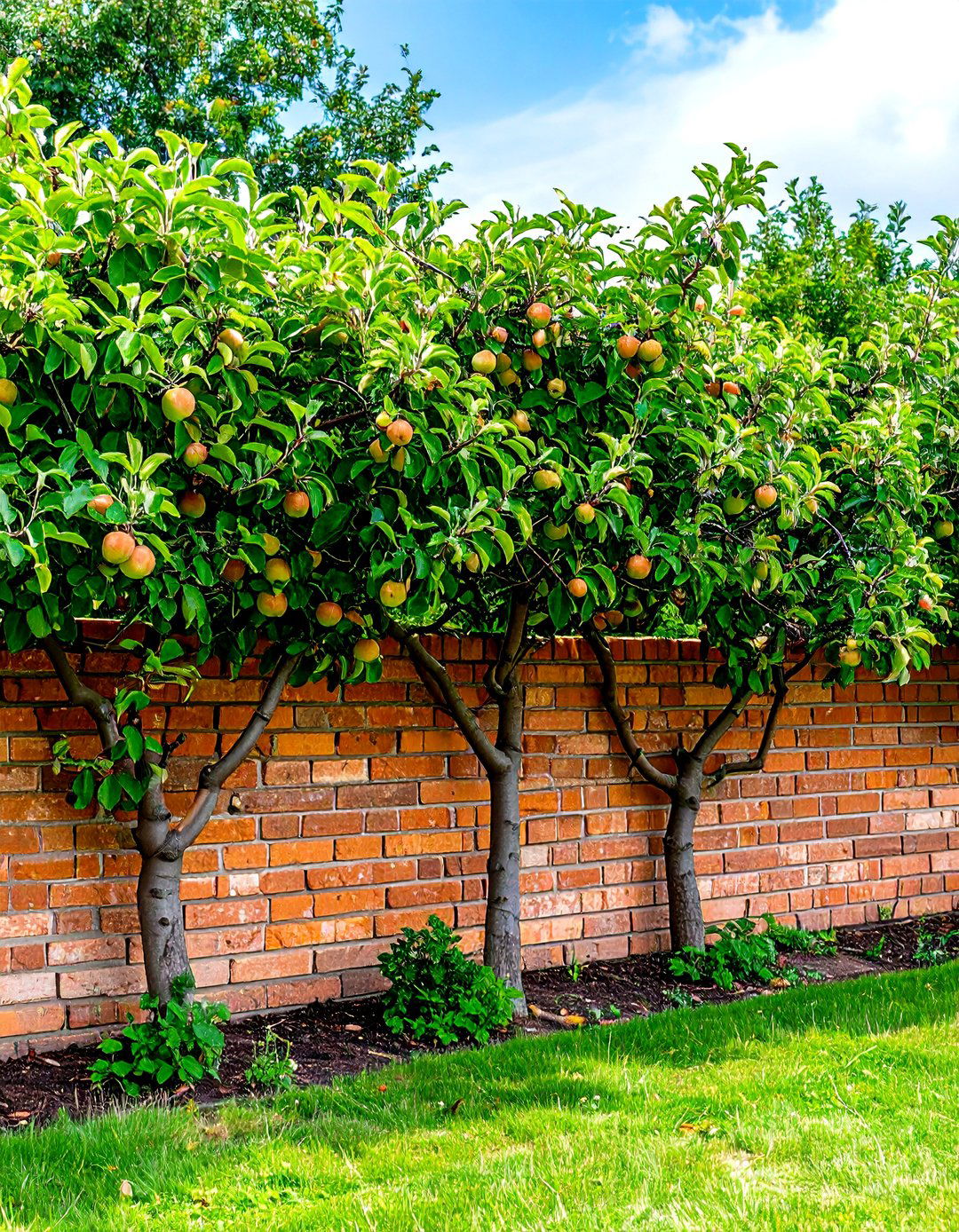
Espalier is the ancient horticultural art of training trees to grow flat against a wall or trellis. This technique is perfect for small front yards as it allows you to grow fruit trees, like apples or pears, without taking up much space. An espaliered tree becomes a living piece of art, with its branches trained into a formal pattern like a fan or a candelabra. It provides vertical interest, beautiful spring blossoms, and delicious fruit in the fall. Placed against a sunny wall of your house or a fence, it’s a unique and productive landscape feature.
26. A Themed Container Garden
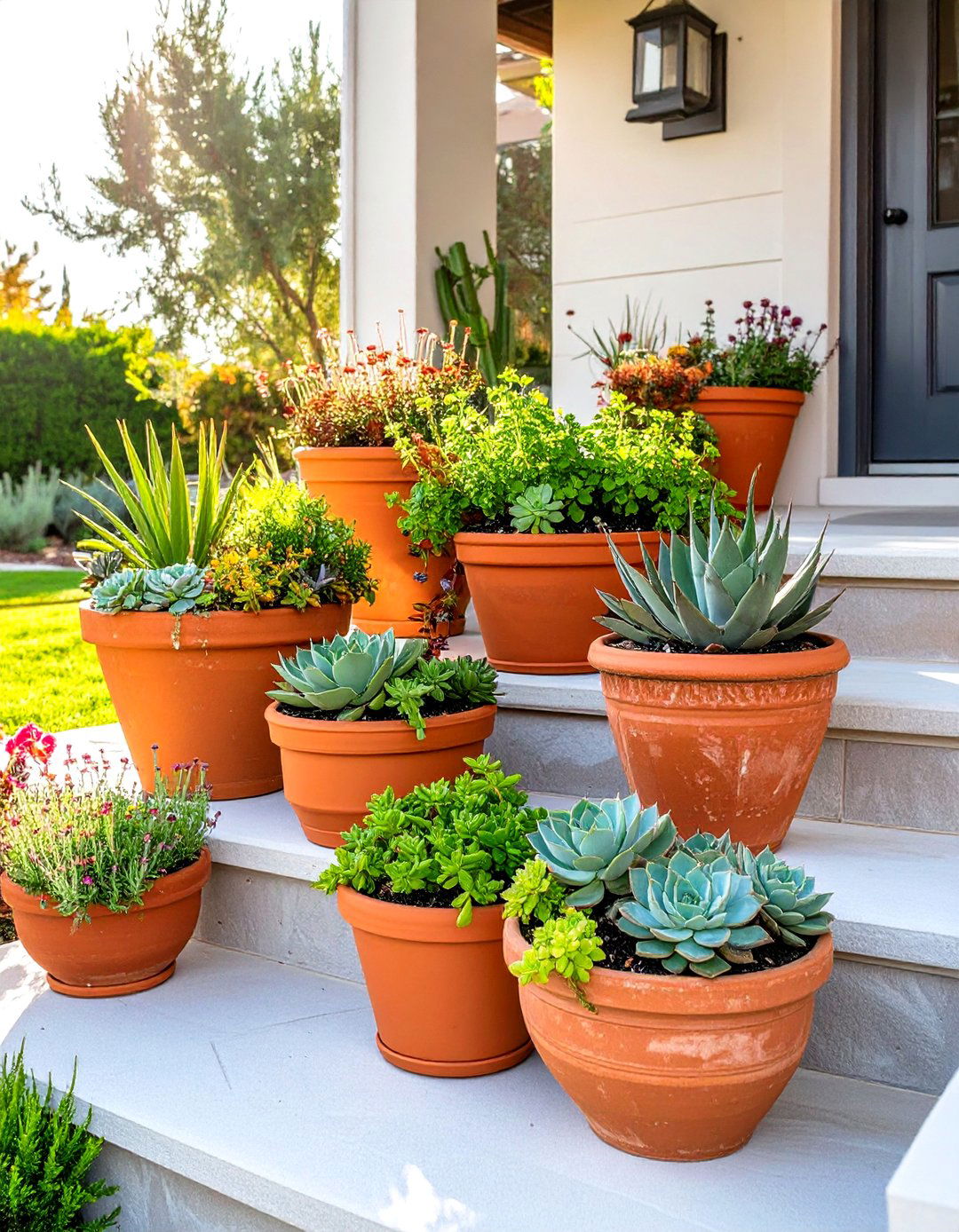
Create a cohesive look by designing a themed container garden. Instead of a random collection of pots, choose containers that share a common color, material, or style. For example, you could use a group of blue glazed ceramic pots for a coastal feel or sleek, gray fiberglass planters for a modern look. Then, select plants that fit your theme. A grouping of containers of different sizes but the same style creates a powerful focal point near your entryway. This approach is flexible, allowing you to easily change plants and rearrange the display for seasonal interest.
27. A Front Yard Seating Area
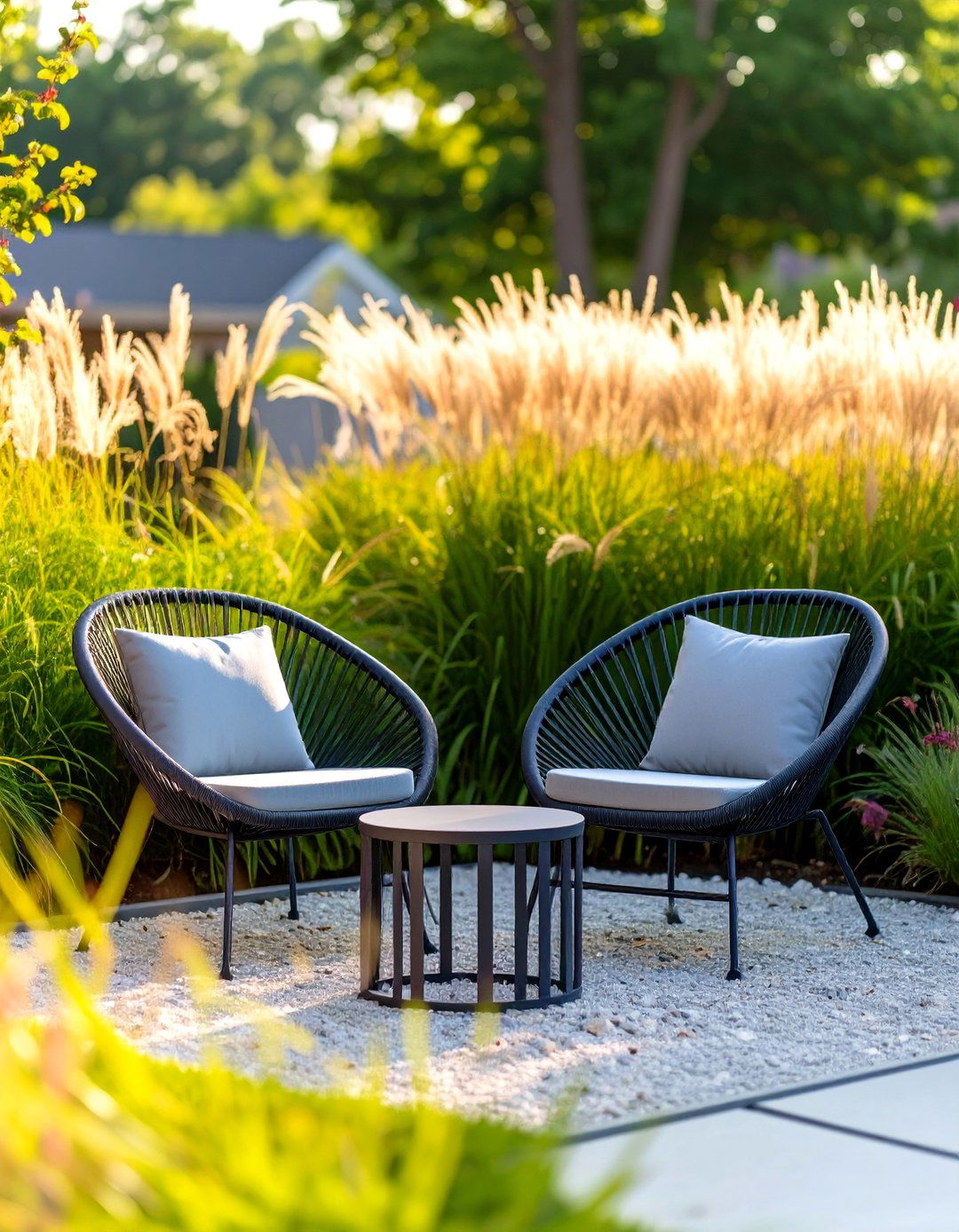
Even a tiny front yard can accommodate a small seating area. Create an intimate nook with a pair of comfortable chairs and a small table. This could be a small paved area, a gravel patio, or even just a level spot in a garden bed. This feature makes your front yard more usable, transforming it from a purely decorative space into an extension of your home. It’s a perfect spot for morning coffee or relaxing in the evening. Adding some potted plants or a small trellis for privacy can make the space feel like a secluded outdoor room.
28. Planting in Long, Narrow Beds
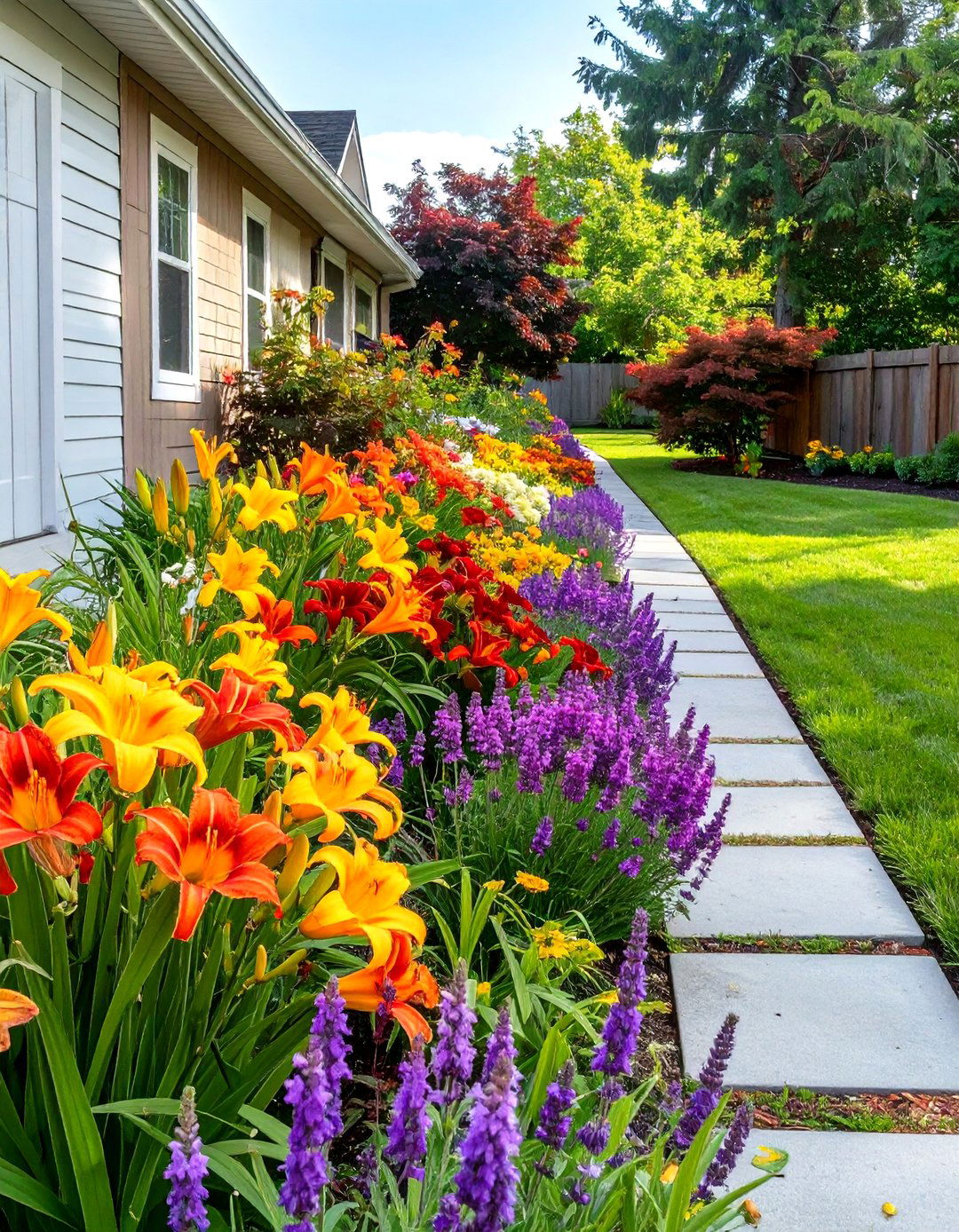
To make a small, narrow front yard appear wider, create long planting beds that run parallel to the house or street. Avoid breaking up the space with multiple small beds. A long, continuous bed planted with a mix of perennials, shrubs, and annuals creates a strong horizontal line that draws the eye along the length of the yard, giving an illusion of greater width. You can use a low hedge or a repeating pattern of plants to reinforce this effect. This simple design trick helps to visually stretch the space and creates a more unified landscape.
29. A Decorative Garden Screen
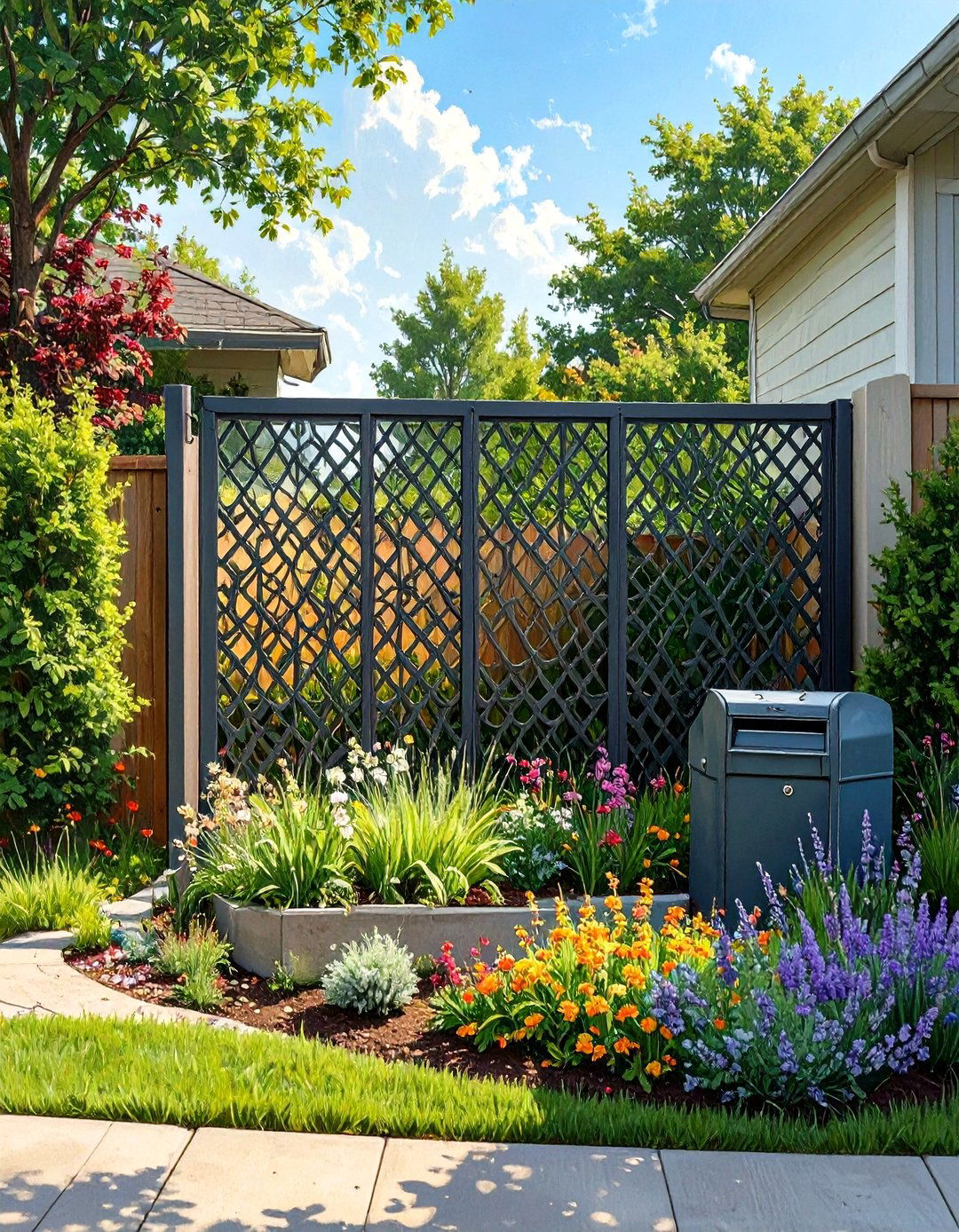
A decorative screen can be a stylish and functional addition to a small front yard. Use it to hide unsightly elements like trash cans or utility meters, or to create a bit of privacy for a seating area. Screens made from laser-cut metal, wood lattices, or even frosted glass can act as a piece of outdoor art. They add a vertical element and a modern touch to the landscape. You can plant climbing vines on a lattice screen or backlight a metal screen for a dramatic effect at night. It’s a versatile tool for both problem-solving and beautification.
30. A Simple Lawn with Striking Edges
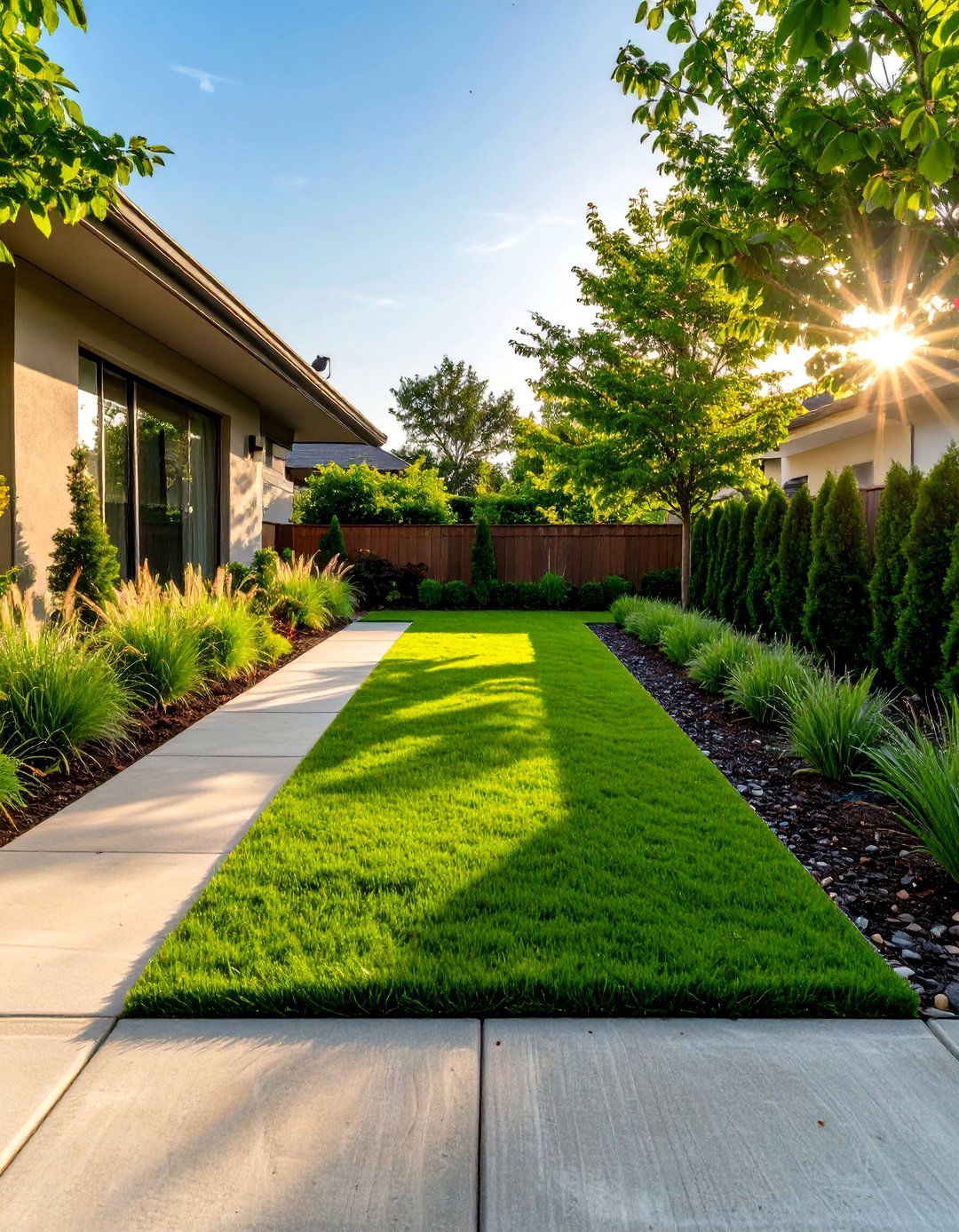
Sometimes, the best solution for a small front yard is to keep it simple. A small, well-maintained patch of green lawn can make the space feel open and uncluttered. The key to making this look special is to have impeccably crisp and defined edges. Use a spade or an edger to create a clean line between the lawn and any adjacent walkways or garden beds. This sharp definition provides a neat, tailored look that highlights the shape of the lawn and makes the entire yard look polished and well-cared-for, proving that simplicity can be incredibly elegant.
Conclusion:
Maximizing a small front yard is all about smart, creative design. As these 30 ideas show, you don’t need a large area to make a significant impact. By using vertical space, creating focal points, choosing plants wisely, and paying attention to details like pathways and lighting, you can transform a compact yard into a beautiful, functional, and welcoming space. Whether you prefer a minimalist, modern aesthetic or a lush cottage garden, the key is to choose a design that reflects your personal style and enhances your home’s architecture, boosting curb appeal and enjoyment.

Related posts:




Leave a Reply